Seaside, salt tolerant plant - Plant Encyclopedia Results (Page 38)
| Number of plants found: 458 |  | Prev | Next | 
|
Go to page: | First | 33 | 34 | 35 | 36 | 37 | 38 | 39 | 40 | 41 | 42 | Last |

Botanical name: Pterocelastrus tricuspidatus
Common names: Candlewood, Cherrywood
Family: Celastraceae
Origin: South Africa
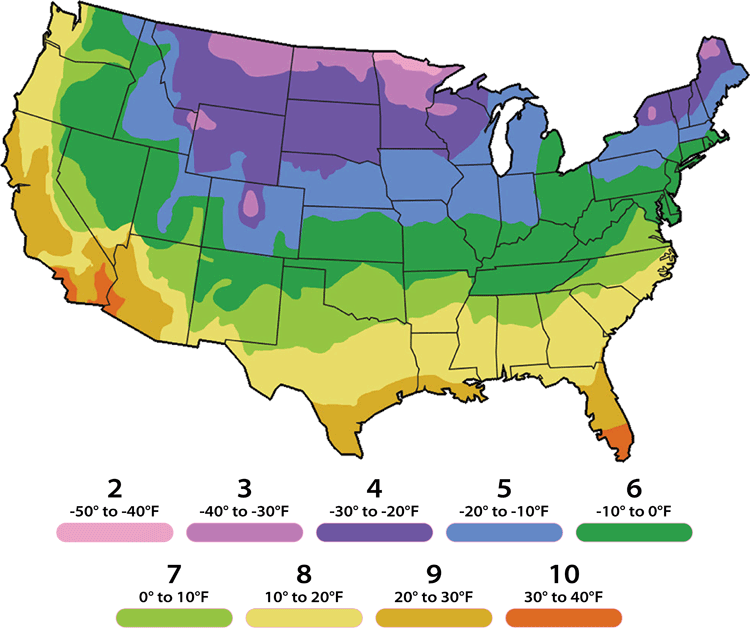
USDA Zone: 9-10


It grows well under a variety of conditions and habitats, coping with summer, winter and year-round rainfall, temperate to subtropical climates, from the coast to the mountains and forests to grasslands, where it is often found on rocky koppies or among boulders. It is frost tolerant and also copes with wind and sea-spray.

Botanical name: Ptychosperma macarthurii
Common names: Macarthur Palm, Macarthur Feather Palm
Family: Arecaceae / Palmae
Origin: Australia, India
USDA Zone: 9-10


Ptychosperma macarthurii (Macarthur Palm) is a popular multi-trunked palm in the tropics. The leaves are dark green and are about 4-5 feet long. They are common in the tropics as they prefer warm humid weather. Southern California is a little cool and dry.
Soil requirements: Rich (high in organics and nutrients) with good drainage. Light Requirements: Full sun to semi-shade, but light shade is recommended in coastal locations.
Water Requirements: Moderate. Regular and deep watering is necessary to grow this tree.
Fertilizers: Use a general slow-release fertilizer in late spring or summer.
Plant Care: Pruning is this tree is not necessary. Trimming off dead palm fronds will help it maintain its attractive appearance. Special Features: This plant is great for ornamental foliage. It does well in seaside or salt tolerant environments.
Cold Hardiness: Grows in USDA Zone 9-11. In cold regions, it should be grown in a pot and brought inside during winter. Proper care and protection from cold is essential for the survival of this plant.


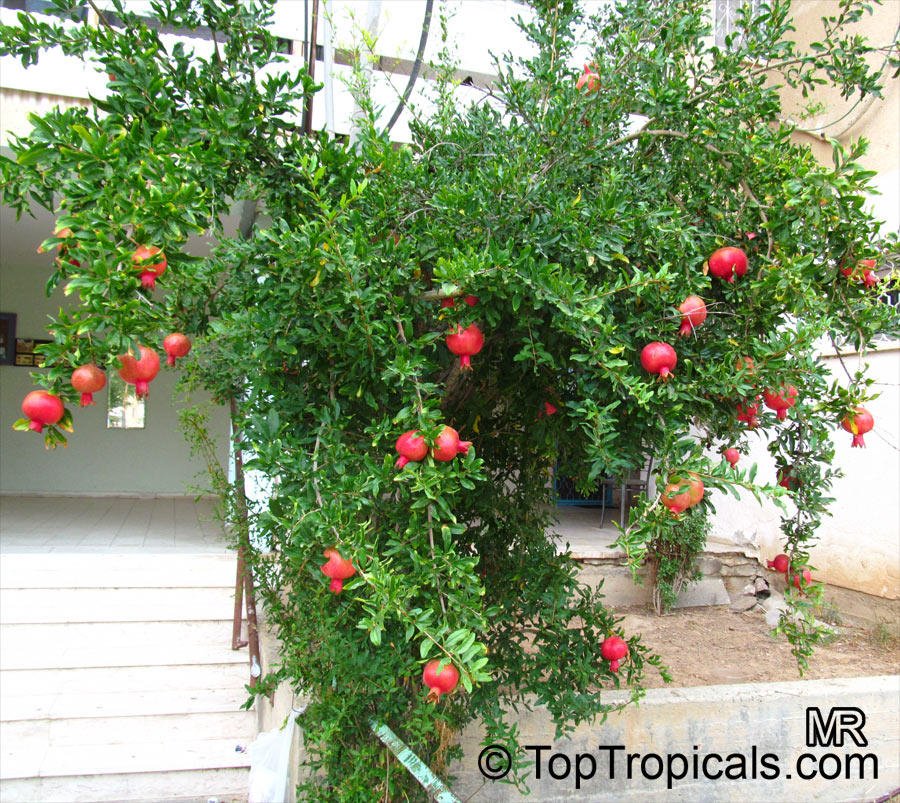
Botanical name: Punica granatum
Common names: Pomegranate, Granada, Grenade, Pomegranate, Granada, Anar, Granaatappel, Pomo Granato, Romeira, Melo Grano
Family: Lythraceae (Formerly:Punicaceae)
Subfamily: Punicoideae
Origin: South Asia
USDA Zone: 8-11


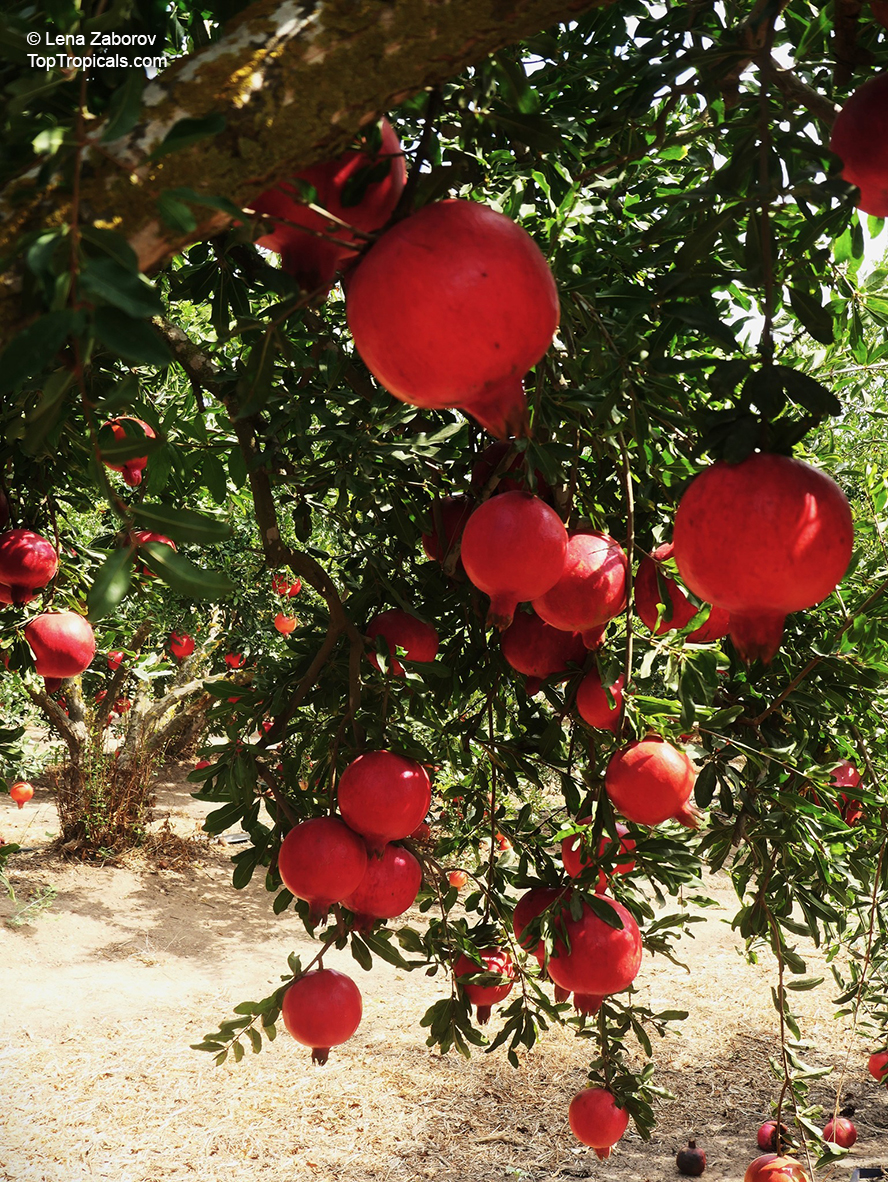
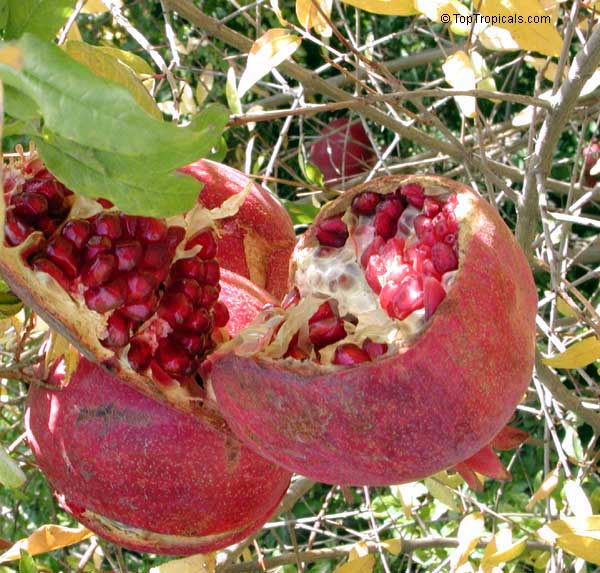
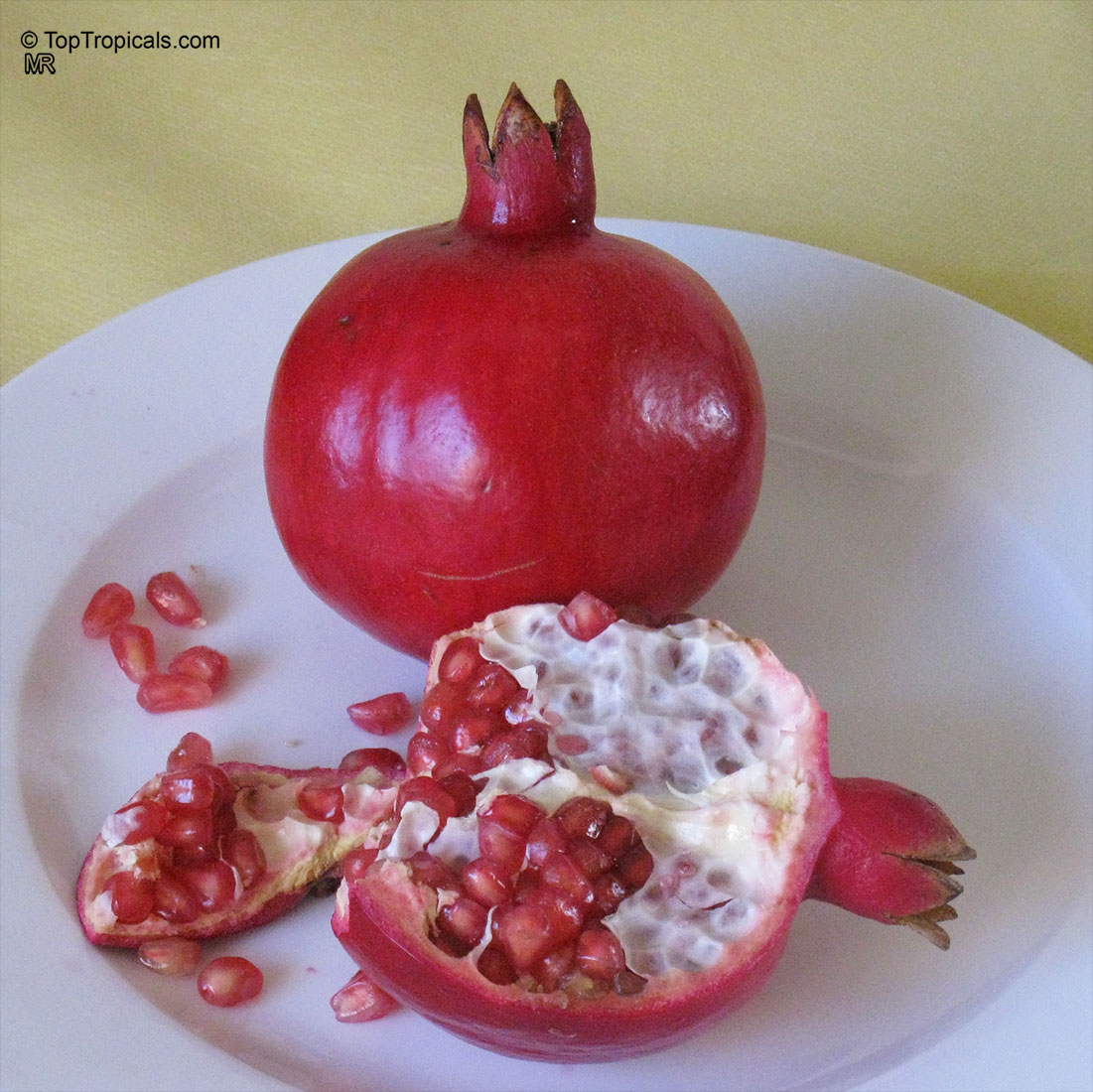
According to Asian legend, the Pomegranate was the 'tree of life' in the Garden of Eden. Its irresistible appeal, color and legendary medicinal properties have been the object of great fascination. The tiny beads of fruit, full of precious oil and juice, are brilliant as drops of blood or rubies. These "drops of blood" from the pomegranate will help to build healthy red blood cells. The fruit have been consumed by man since before recorded history. There is a saying in Hindi: One pomegranate can serve one hundred sick people. It is a good antioxidant, enriches blood (red blood cells count, haemoglobin), good for heart and blood circulation. The beautiful flowers occur for several months. Cold hardy to 15F, drought-, salt- and poor-soil-tolerant, pomegranates are grown as dense shrubs, popular container plants and bonsai.
Learn more: Pomegranate: healing drops of blood...






Recommended Fertilizer: SUNSHINE C-Cibus - Crop Nutrition Booster
SUNSHINE-Honey - sugar booster
Recommended Fertilizer: SUNSHINE C-Cibus - Crop Nutrition Booster
SUNSHINE-Honey - sugar booster
Last one
Recommended Fertilizer: SUNSHINE C-Cibus - Crop Nutrition Booster
SUNSHINE-Honey - sugar booster
Recommended Fertilizer: SUNSHINE C-Cibus - Crop Nutrition Booster
SUNSHINE-Honey - sugar booster
Recommended Fertilizer: SUNSHINE C-Cibus - Crop Nutrition Booster
SUNSHINE-Honey - sugar booster
Botanical names: Quisqualis indica, Combretum indicum
Common names: Rangoon Creeper, Burma Creeper, Chinese Honeysuckle
Family: Combretaceae
Origin: Burma, Malay Peninsula, New Guinea, and the Philippine Islands
USDA Zone: 9-11
Cold tolerance: 30°F


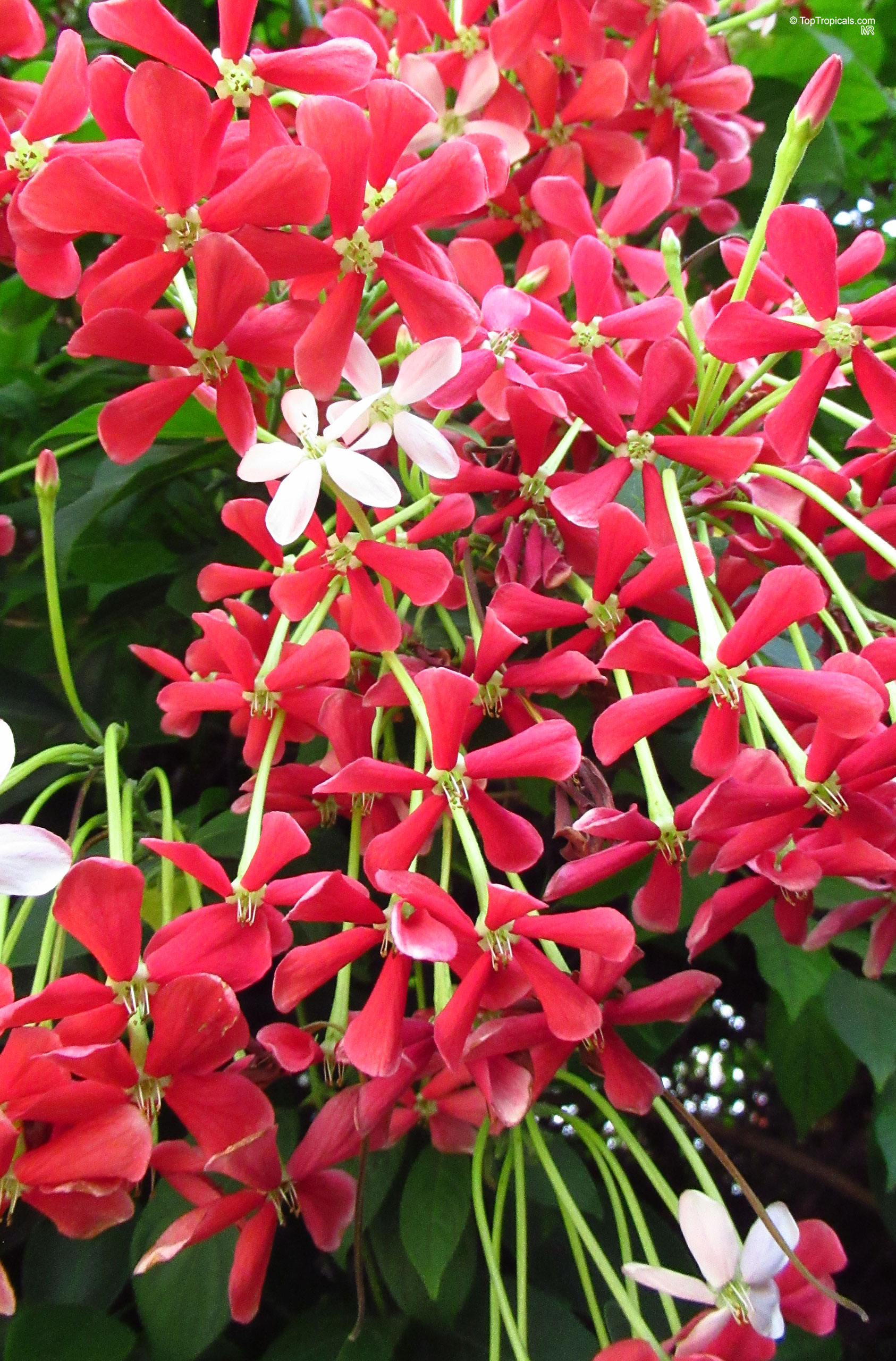
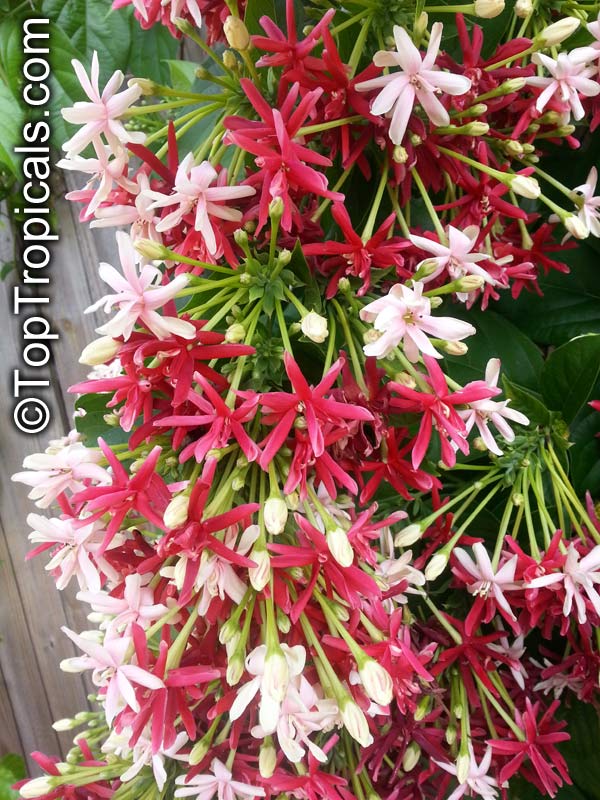
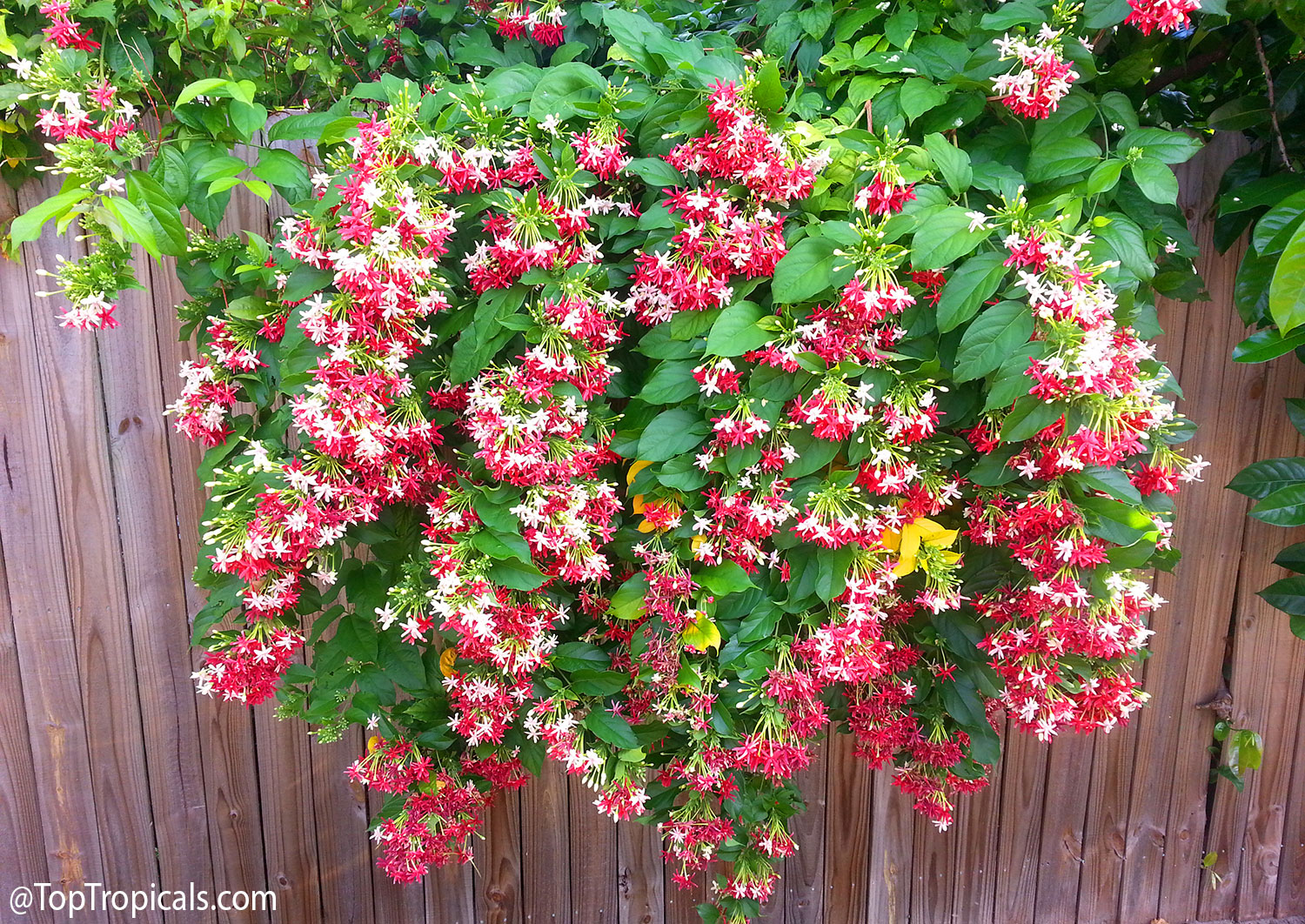
Combretum indicum, commonly known as Rangoon Creeper, is a vigorous tropical vine native to Southeast Asia. Formerly known as Quisqualis indica, this species is widely cultivated throughout tropical and subtropical regions for its spectacular floral displays and powerful fragrance. The plant climbs by twining through surrounding vegetation and can quickly cover trellises, fences, pergolas, and other supports, often reaching 20-30 feet or more in length.
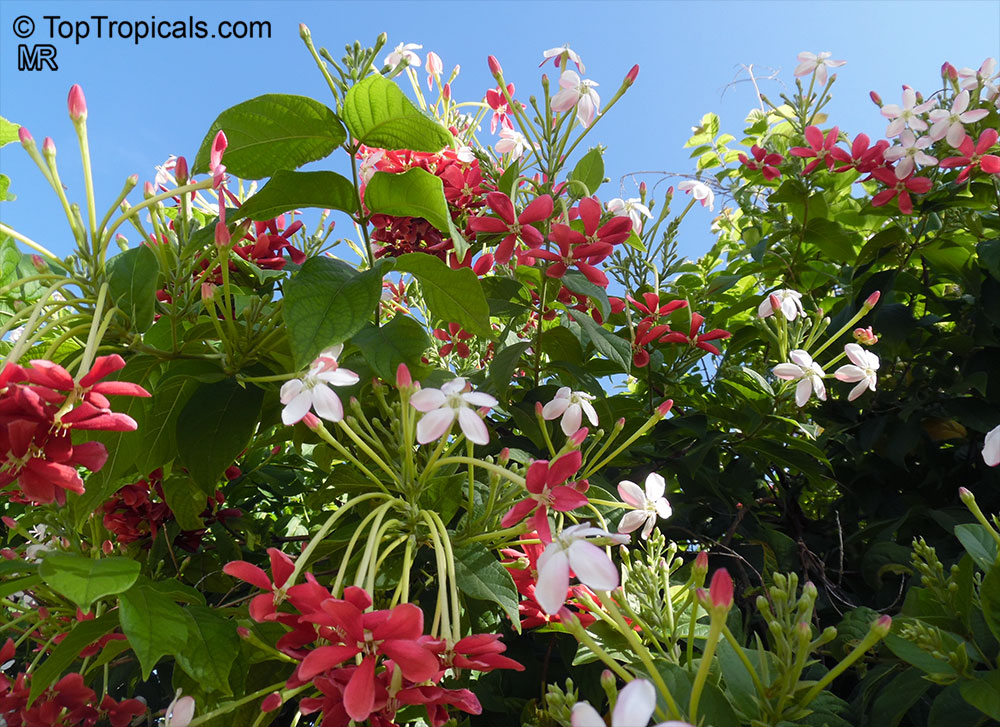
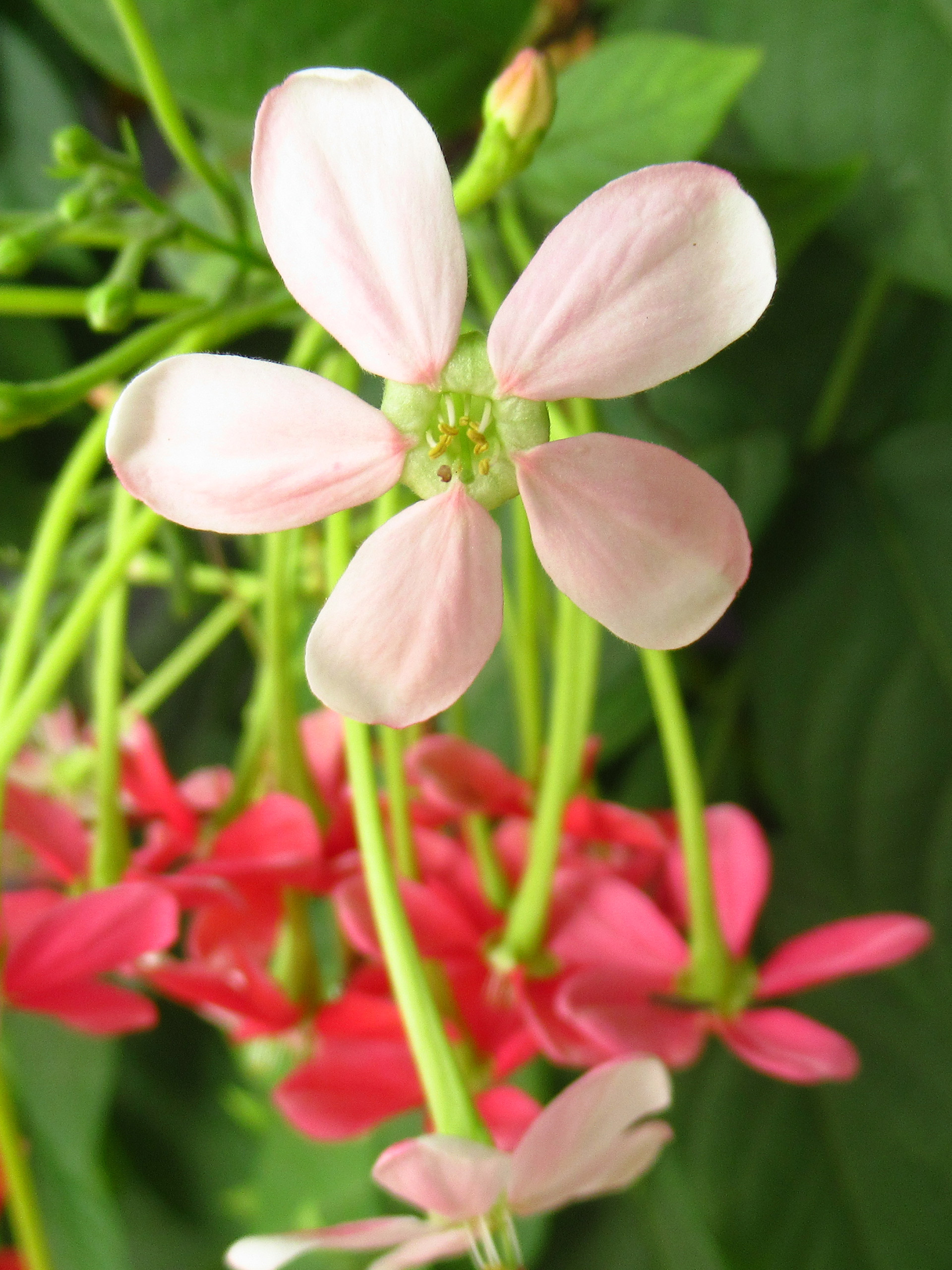
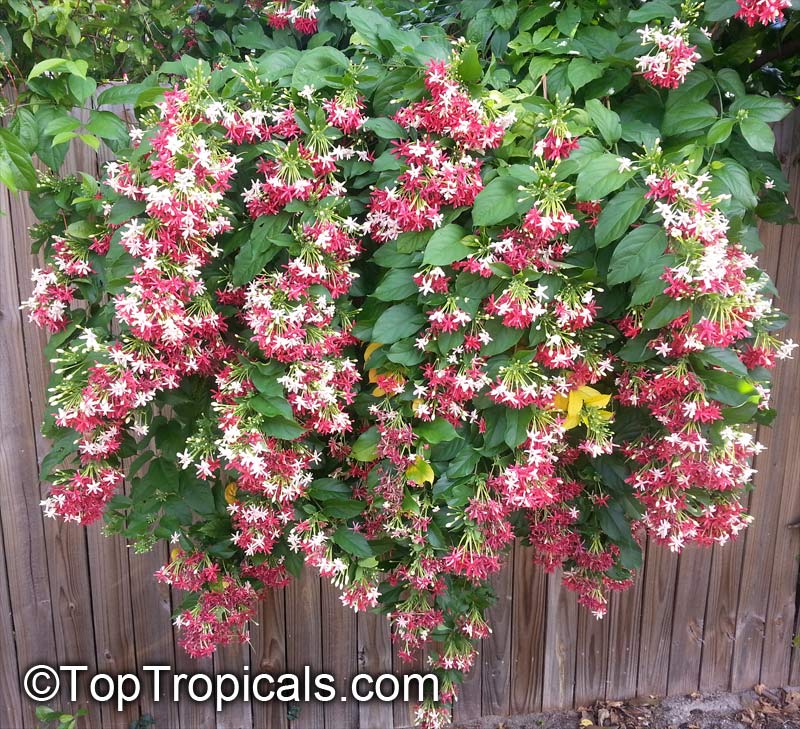
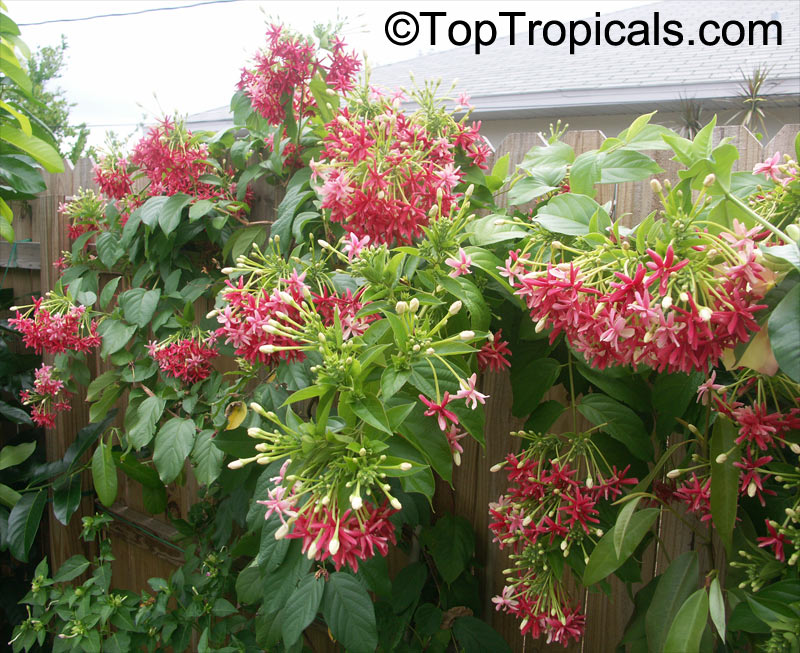
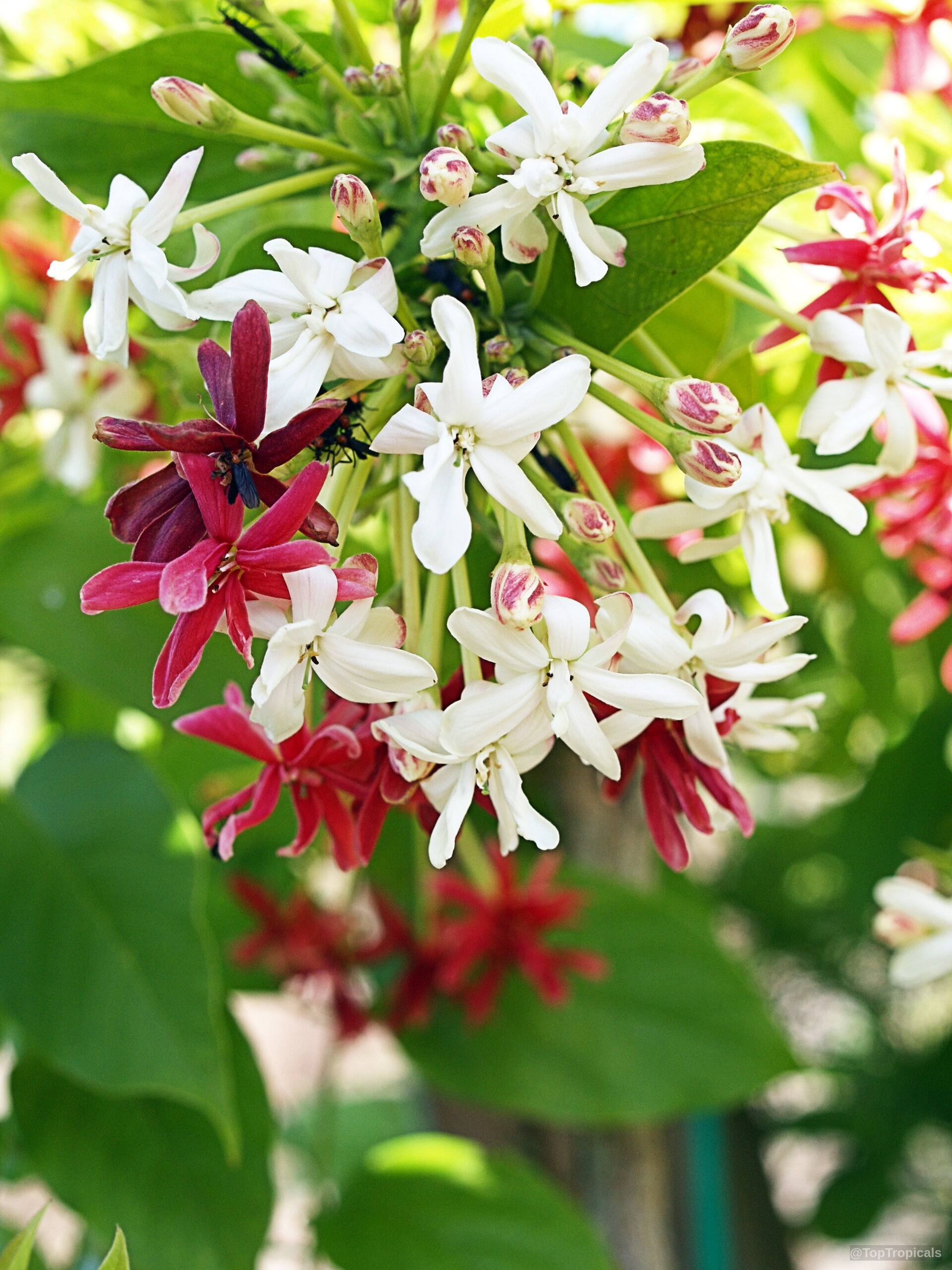
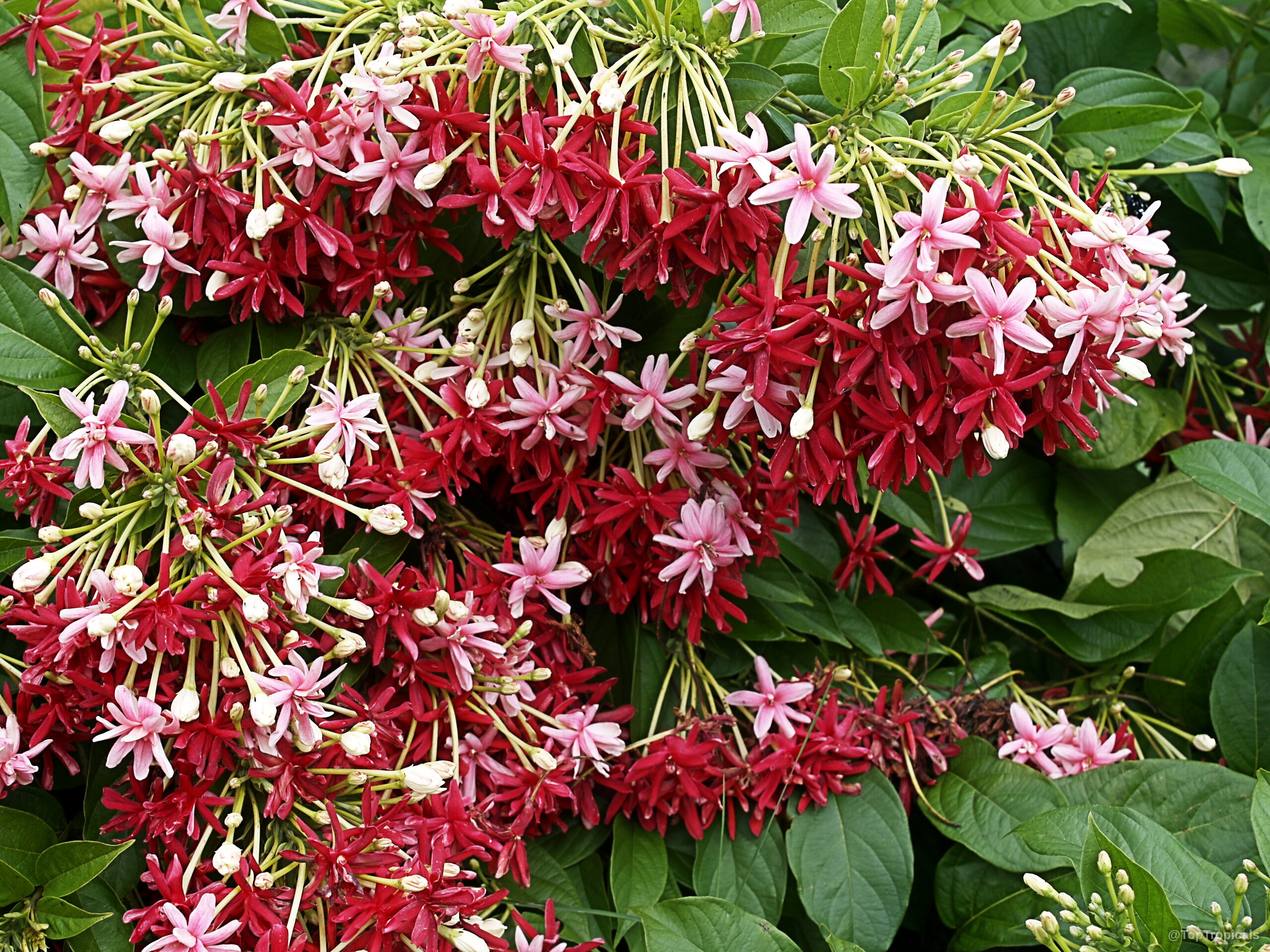
The flowers are among the most distinctive features of the species. Produced in large clusters, they open white, gradually turn pink, and finally deepen to rich red, allowing several flower colors to appear on the plant simultaneously. Their sweet fragrance becomes especially strong in the evening, attracting moth pollinators in its native habitat. Unlike many ornamental vines grown primarily for foliage, Combretum indicum is valued chiefly for its long flowering season and dramatic color changes. It grows best in full sun to partial shade and prefers fertile, well-drained soil with regular moisture during active growth. Suitable for USDA Zones 9b-11, it can be grown as a large container specimen in cooler climates. Once established, the vine responds well to pruning, which helps control its size and encourages dense flowering.






Recommended Fertilizer: SUNSHINE Pikake - Fragrant Flower Booster
 SUNSHINE Pikake (NPK 2-2-4) - eco-friendly concentrated nutrition booster for fragrant flowers. Improves quantity and quality of flowers. Encourages profuse blooming. Increases flower fragrance intensity. Can be used with every watering. For best results, use in combination with
Botanical names: Quisqualis indica, Combretum indicum
Common name: Thai Double Flower Rangoon Creeper
Cultivar: Double Flower
Family: Combretaceae
Origin: Thailand
USDA Zone: 9-11
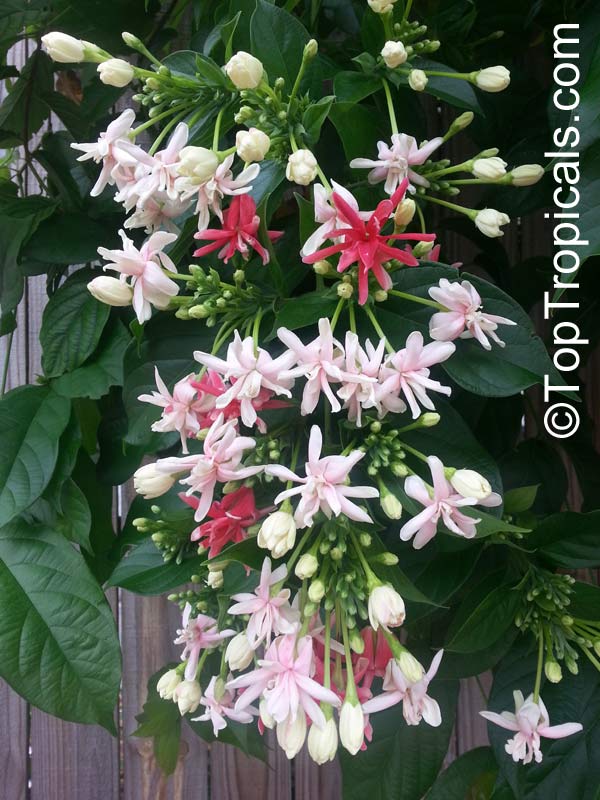
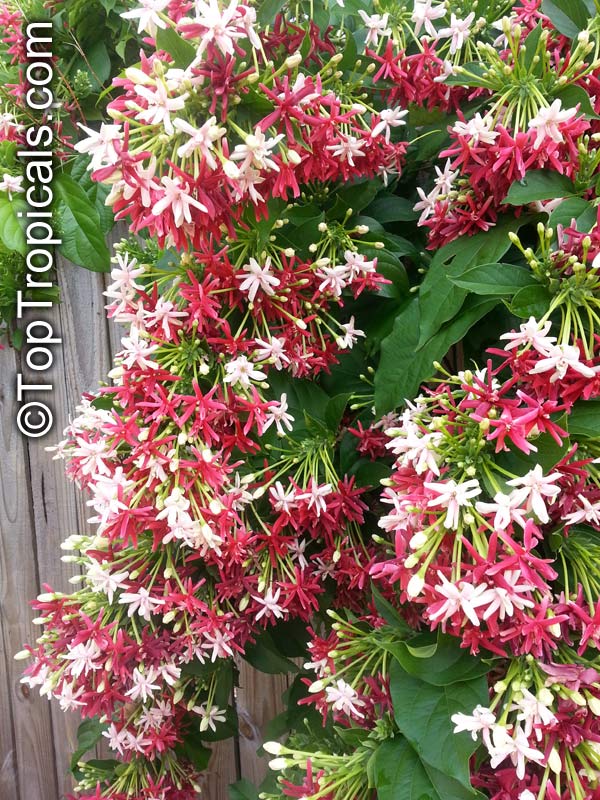
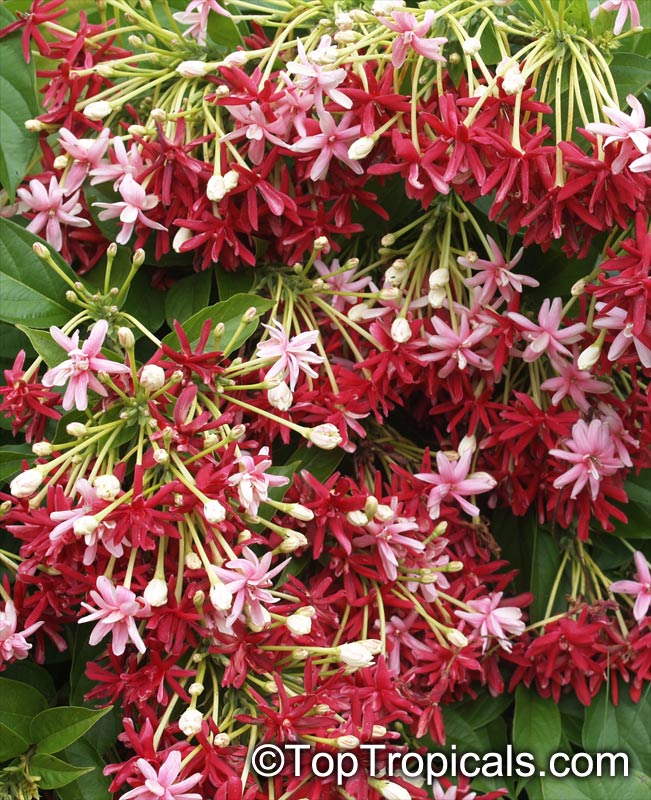
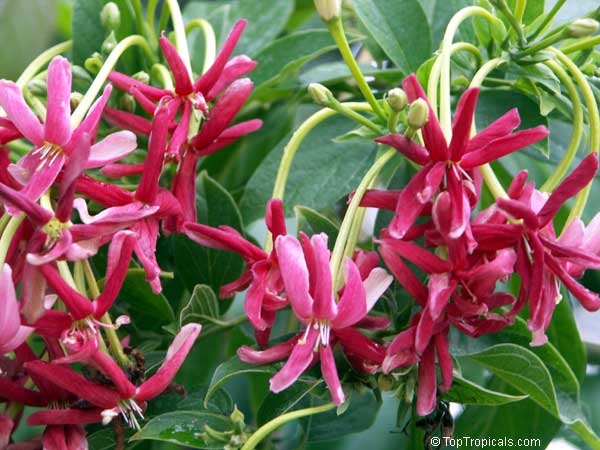
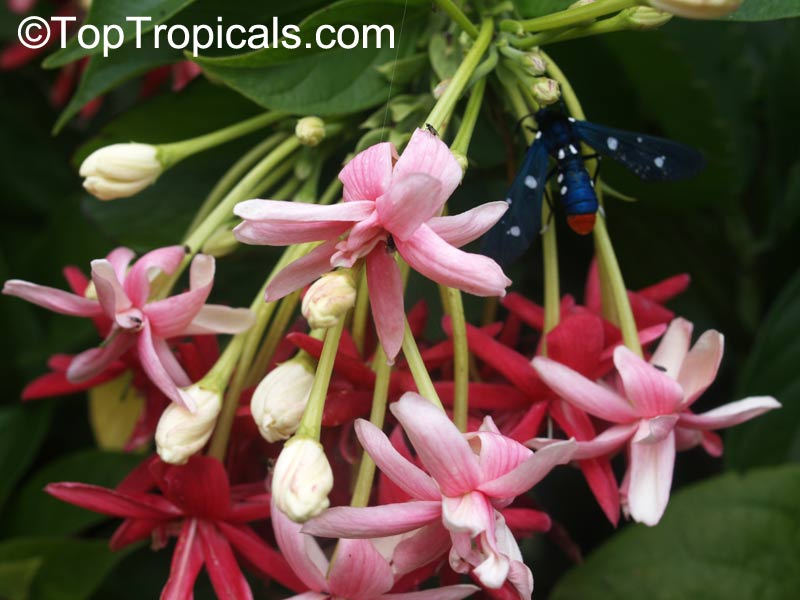
This hybrid of quisqualis from Thailand has large clusters of double flowers. An extremely beautiful shrubby vine with pale-pink to deep crimson star shaped flowers, covering the entire plant when in full bloom. It's scent is unforgettable, fruity and intoxicating! The flowers are born in clusters and each flower has many variations of color, depending on how old the flower is. The flower starts out white and or pink striped and turn solid pink and finally dark pink on maturity. Highly fragrant in warm humid afternoon. Very difficult to propagate.


Recommended Fertilizer: SUNSHINE Pikake - Fragrant Flower Booster

Botanical name: Randia aculeata
Common name: White Indigoberry
Family: Rubiaceae
Origin: Central America
USDA Zone: 9-10
Randia aculeata loves the sun and should be planted in full sun for best growth and flowering. It will grow in partial shade as well, but flowering will be reduced. When young, Randia aculeata is often confused with a variety of other shrubs with reddish-colored spines. This is a large shrub, five to 10 feet tall and 5-6 feet wide. It is usually rounded and spreading in form, although it can be trained as a small tree.
Grown in USDA Zone 9-11, Randia aculeata is a very drought-tolerant and salt-tolerant plant. It will require regular waterings but can go extended periods without unless it is in extreme heat. It is a rare plant on the seaside but is tolerant of salt spray and windy conditions.
Randia aculeata has long been used for medicinal purposes in its native region of Central America. The fruits of the plant are often made into teas and used to ease indigestion and bring down fevers. It has also been used to treat respiratory problems, jaundice, and rheumatism. In addition to its medicinal uses, Randia aculeata is also a great plant for attracting butterflies, hummingbirds, and bees to the garden.
In potting for cool regions, Randia aculeata should be grown in part sun to light shade and be protected from severe cold. It should be in a well-draining potting soil and watered regularly, although it should not be kept constantly moist. It is a moderate feeder and should be fertilized lightly in spring and summer. In winter, water it sparingly and give no fertilizer. The Randia aculeata shrub can become root bound so repotting may be necessary every few years. If needed, the plant can be pruned lightly in late winter to shape.

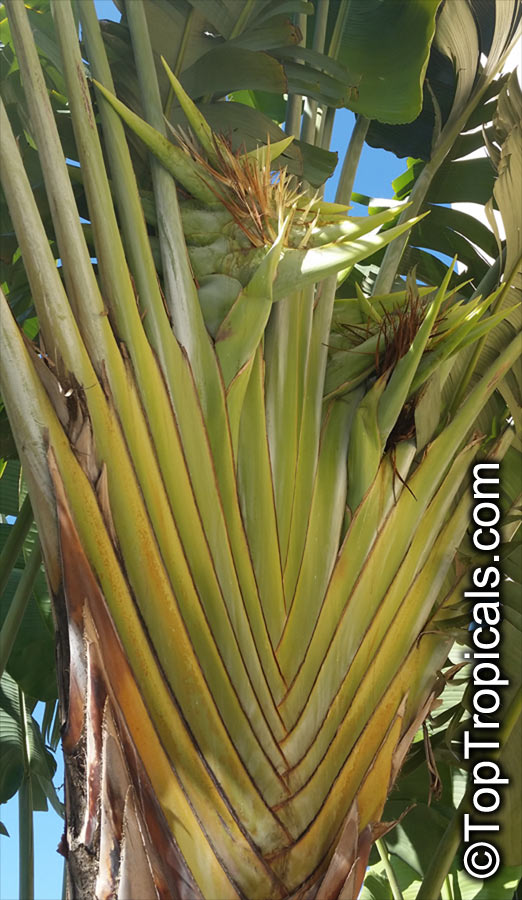
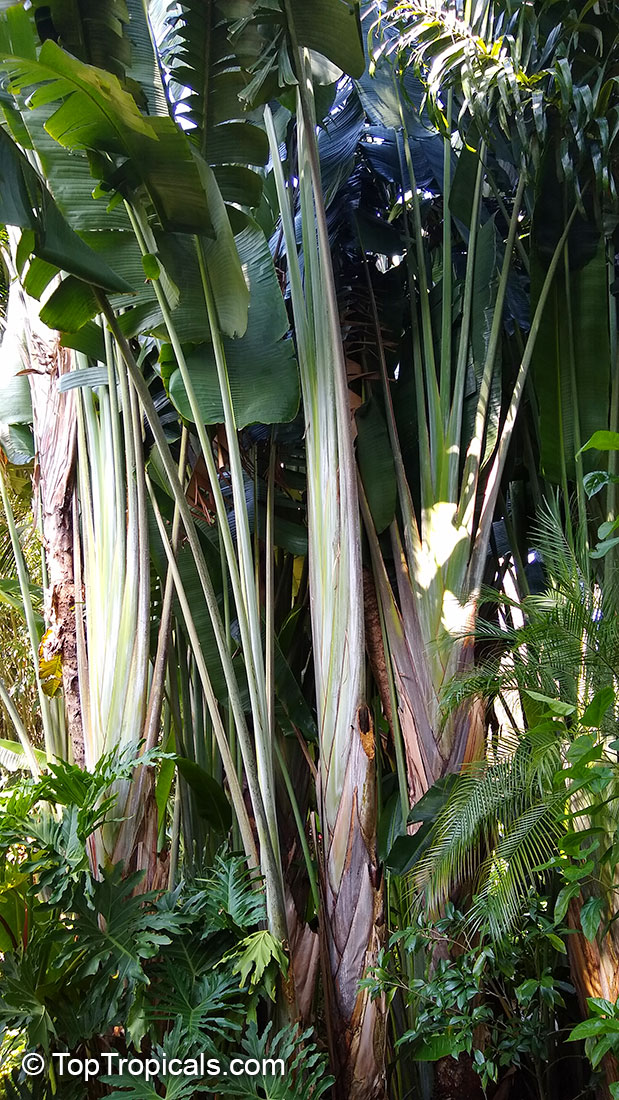
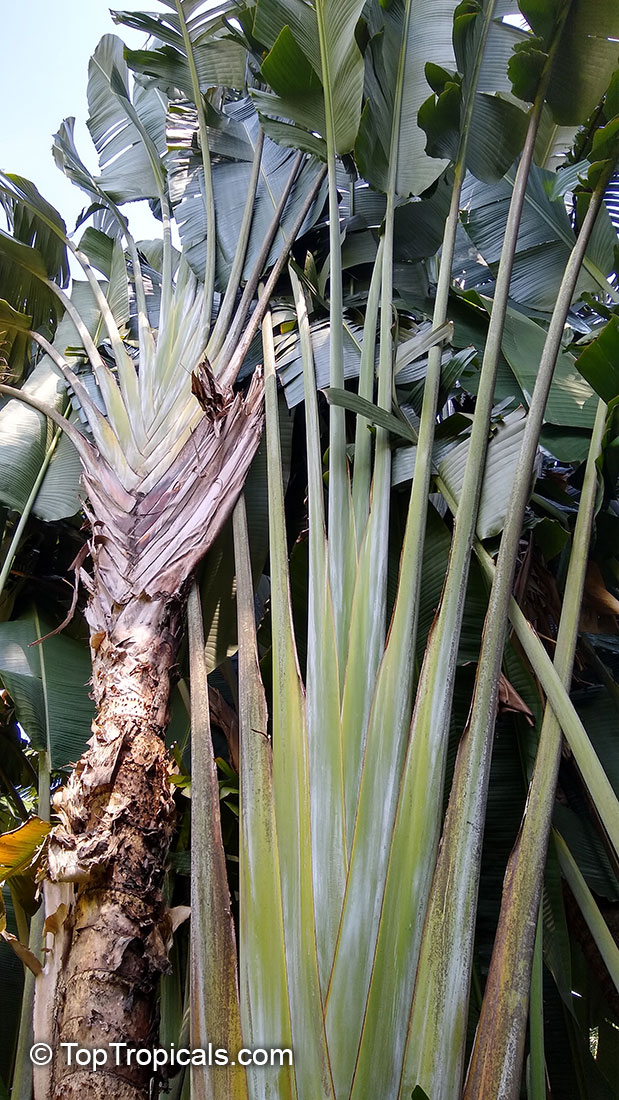
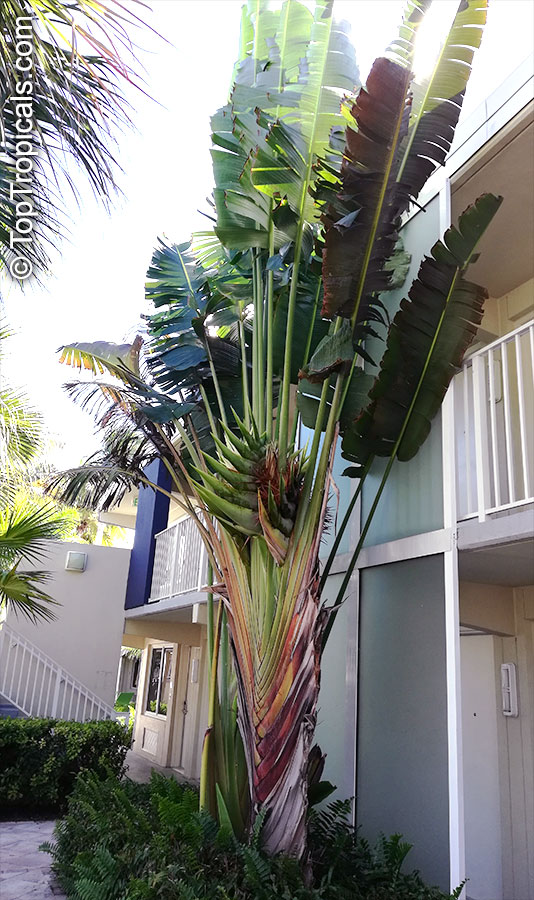
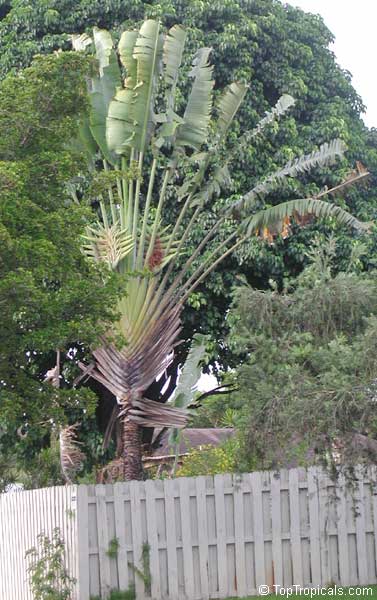
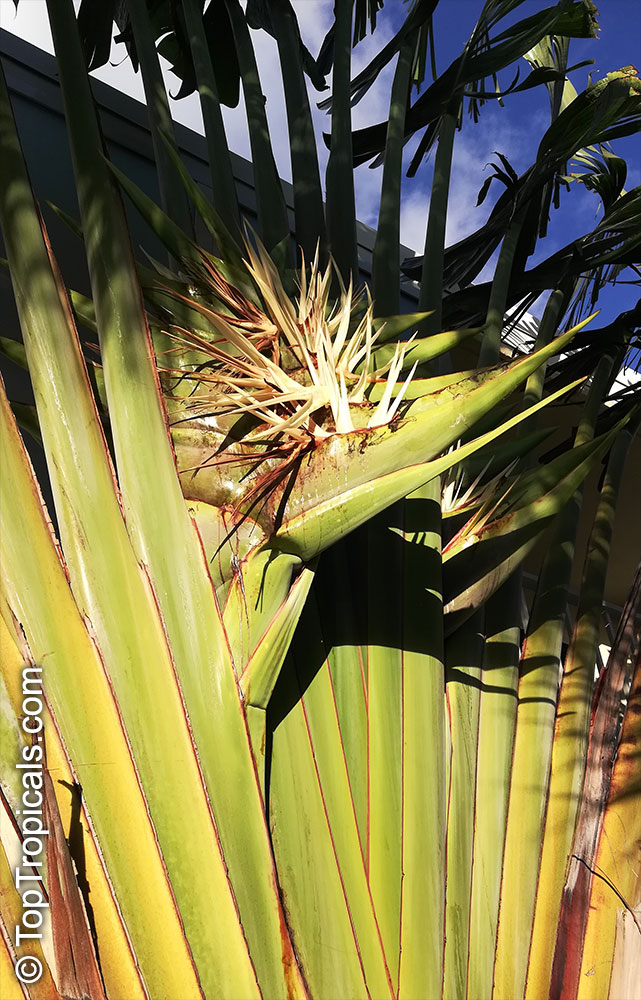
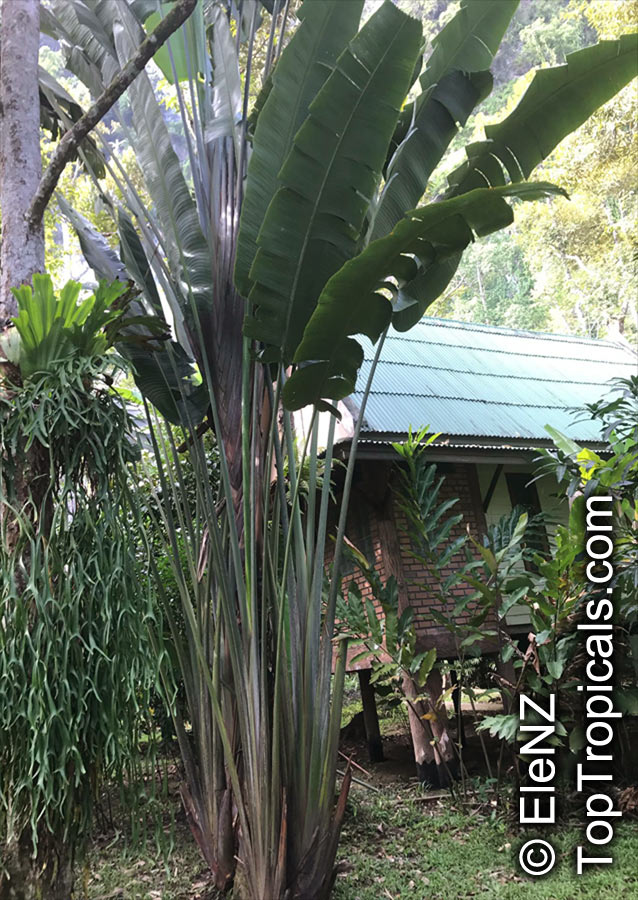
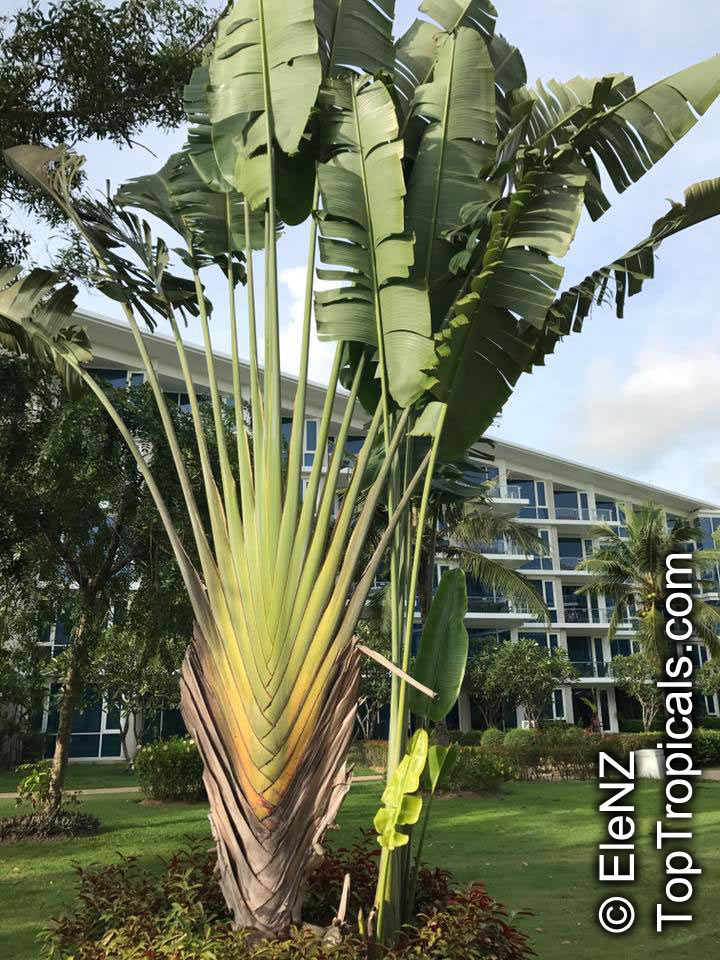
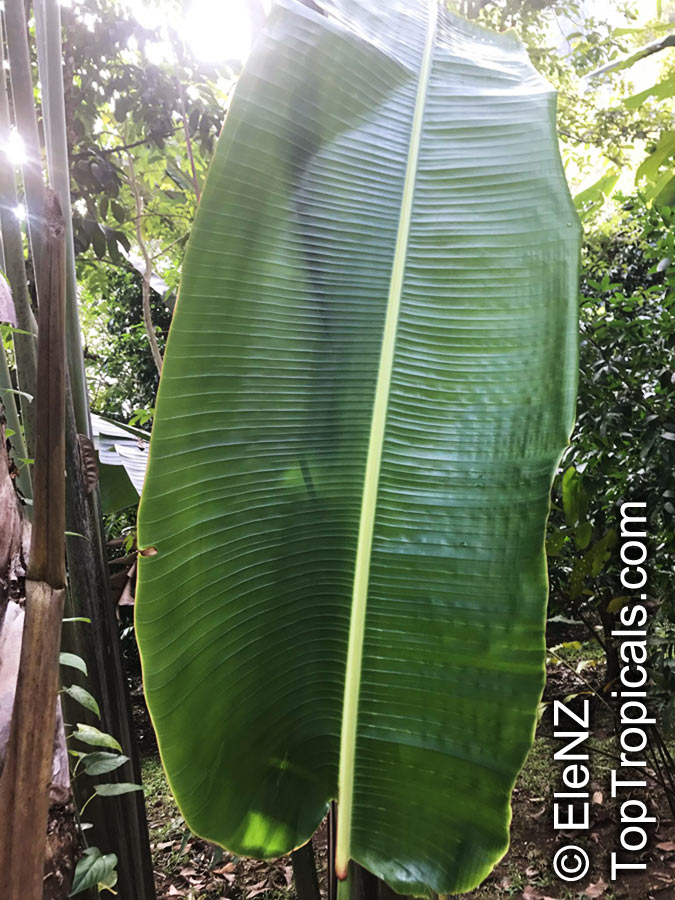
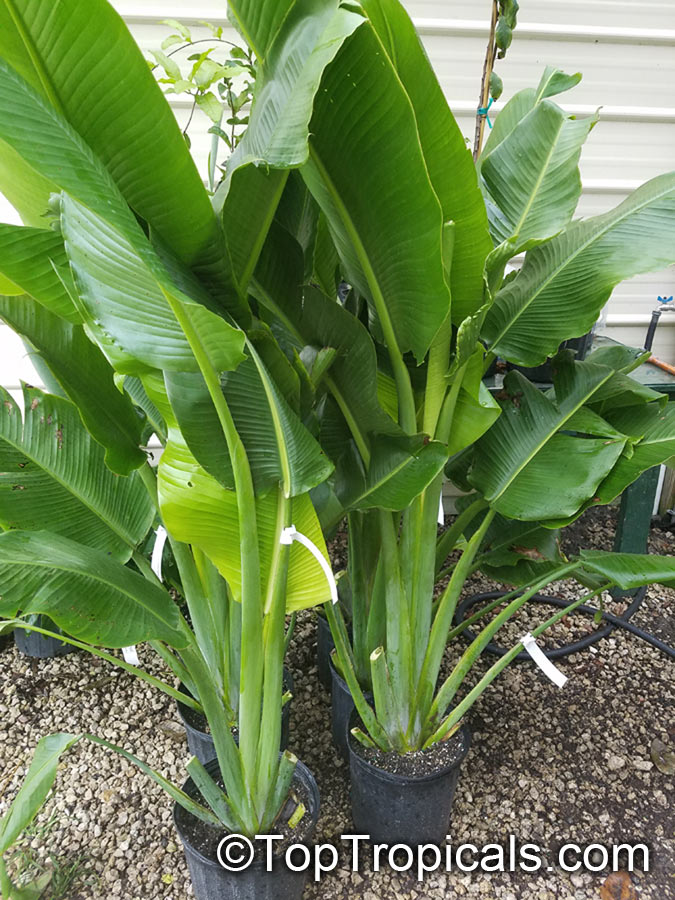
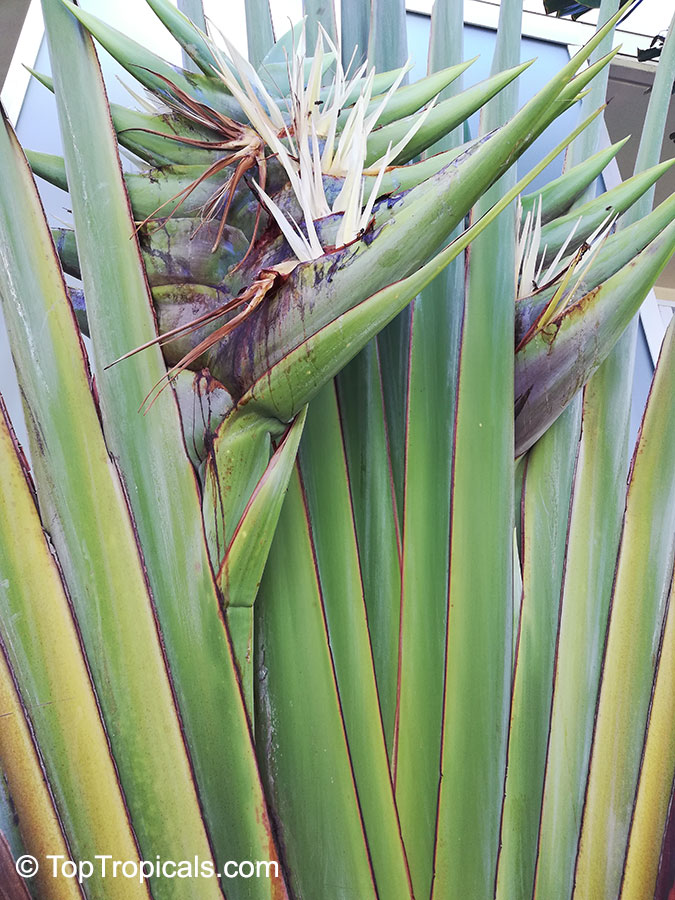
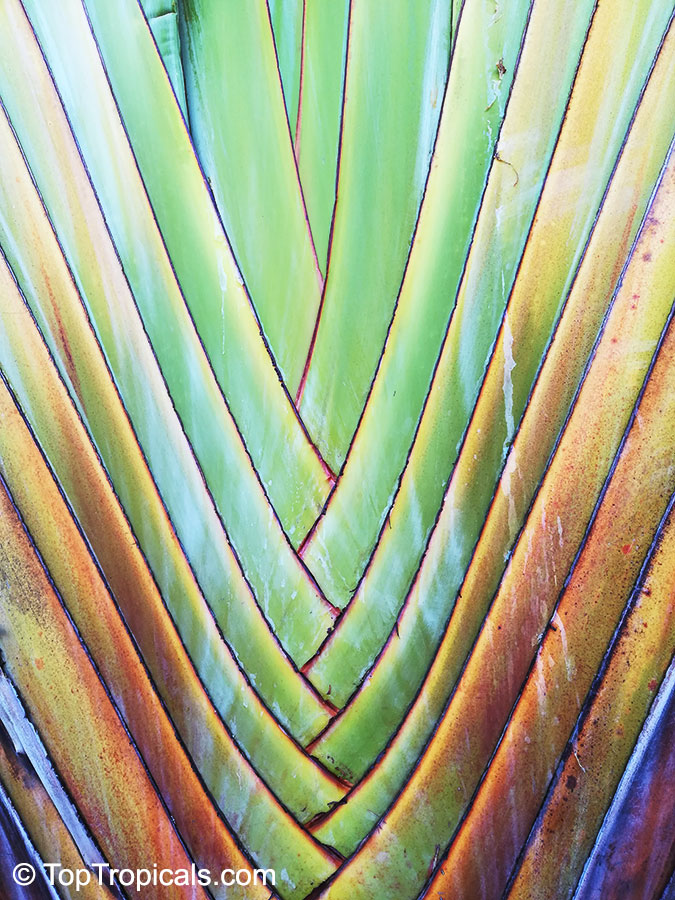
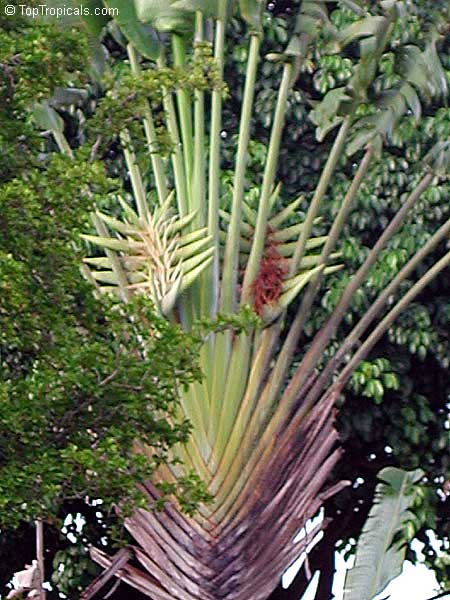
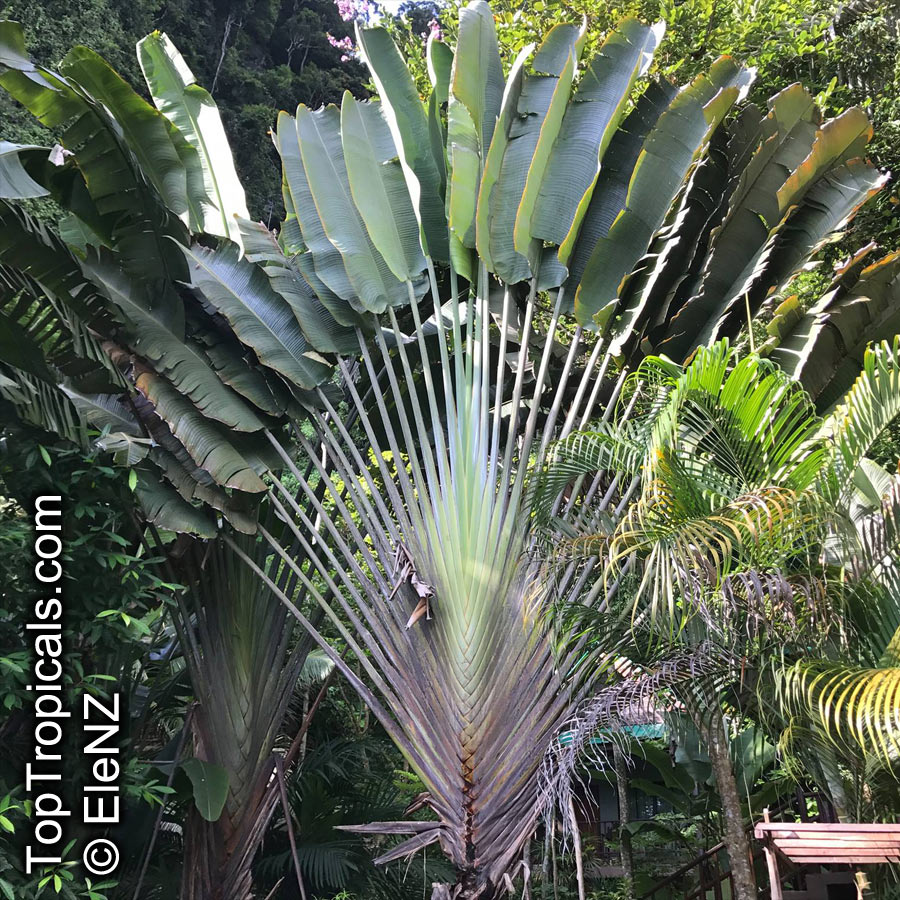
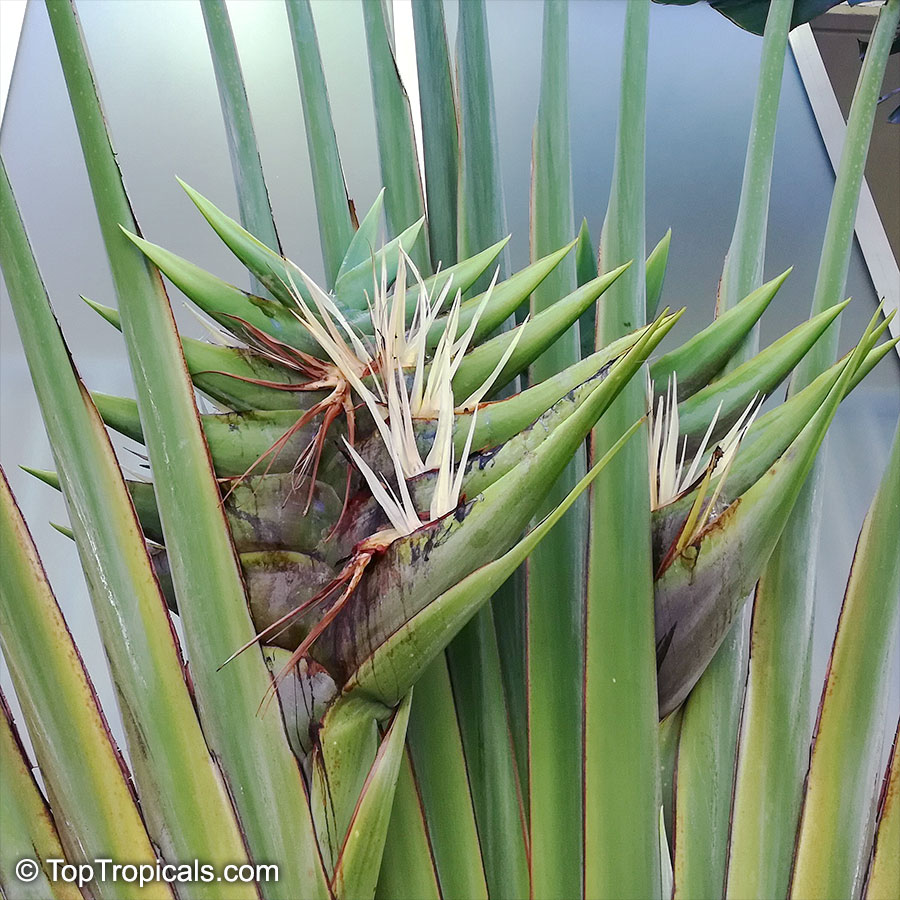
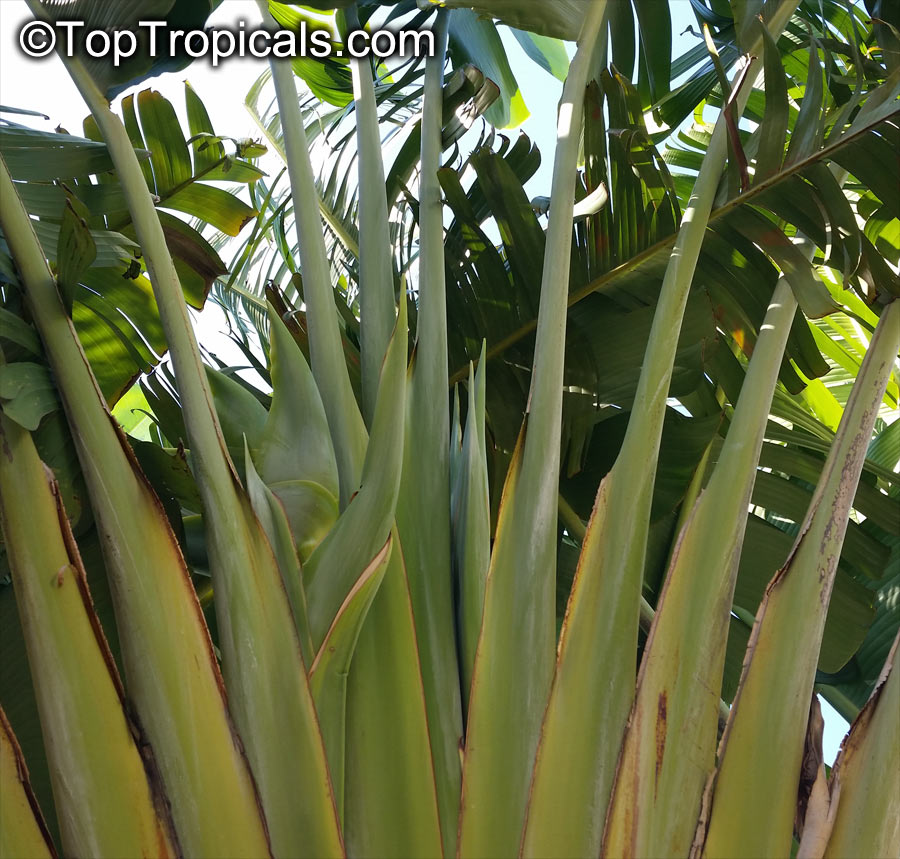
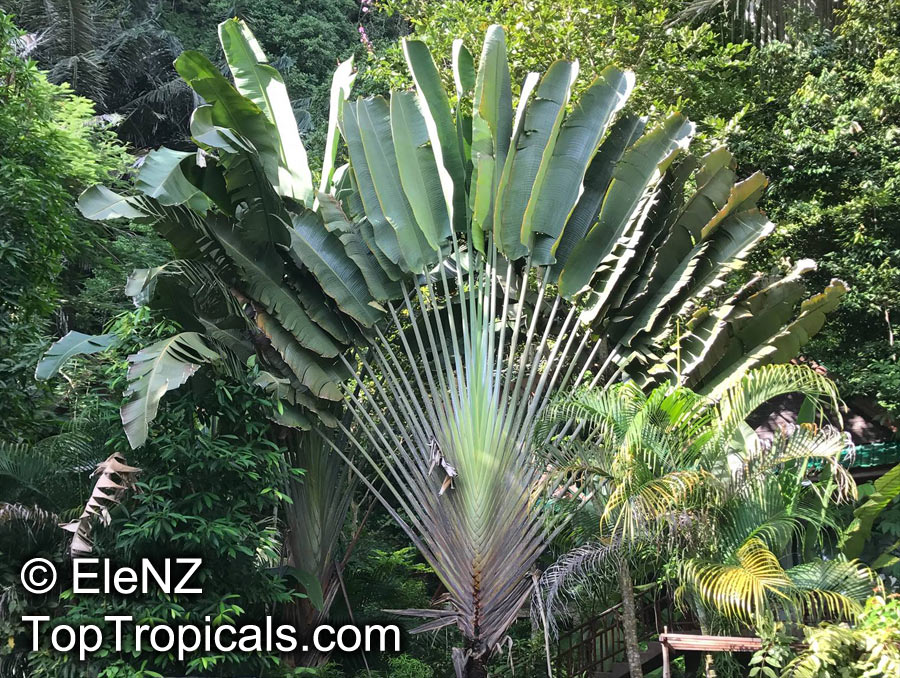
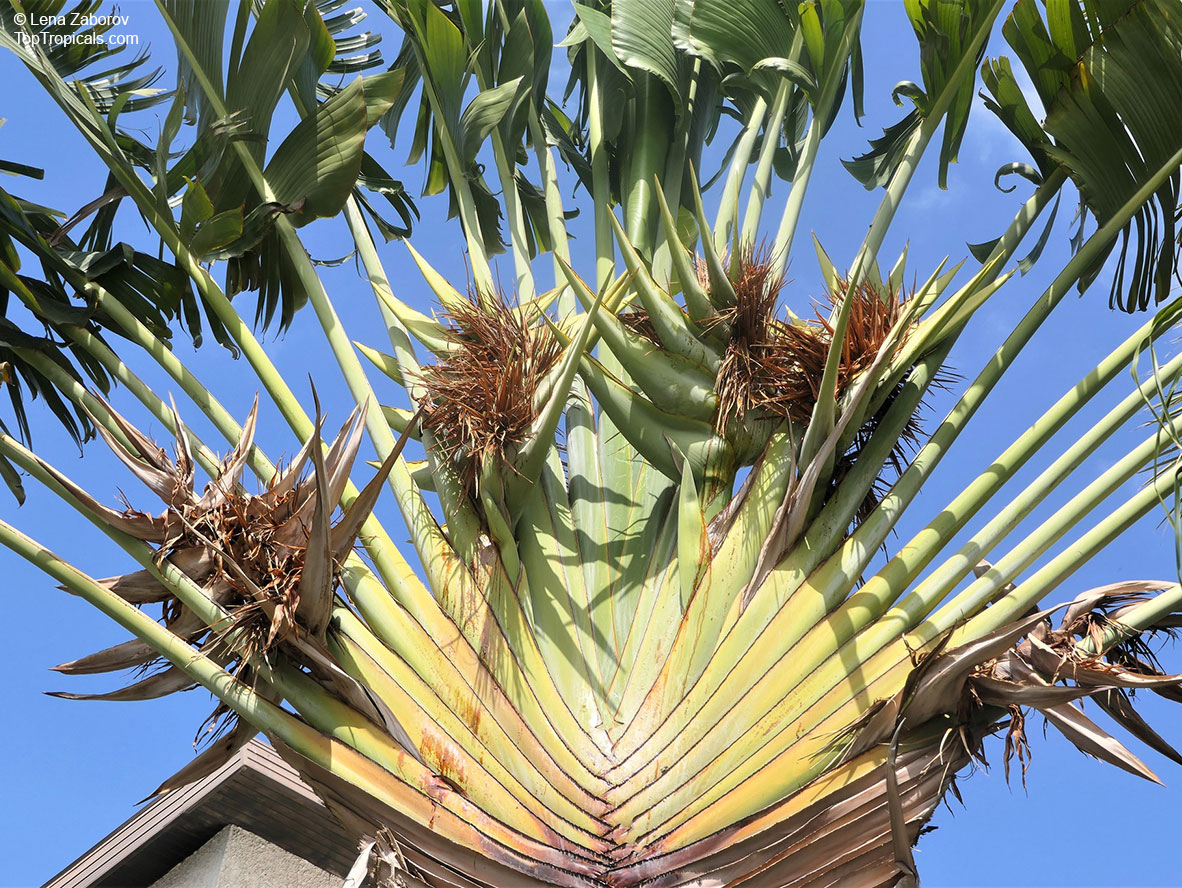
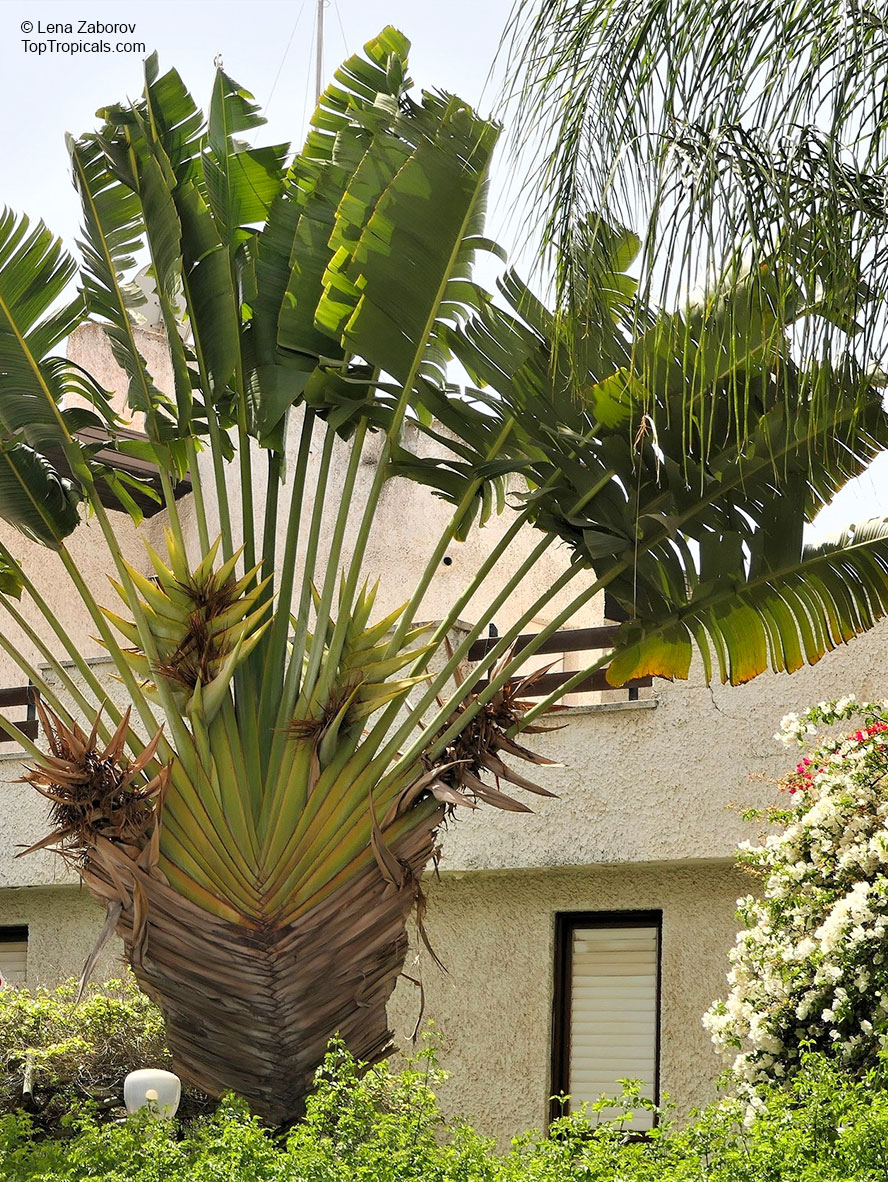
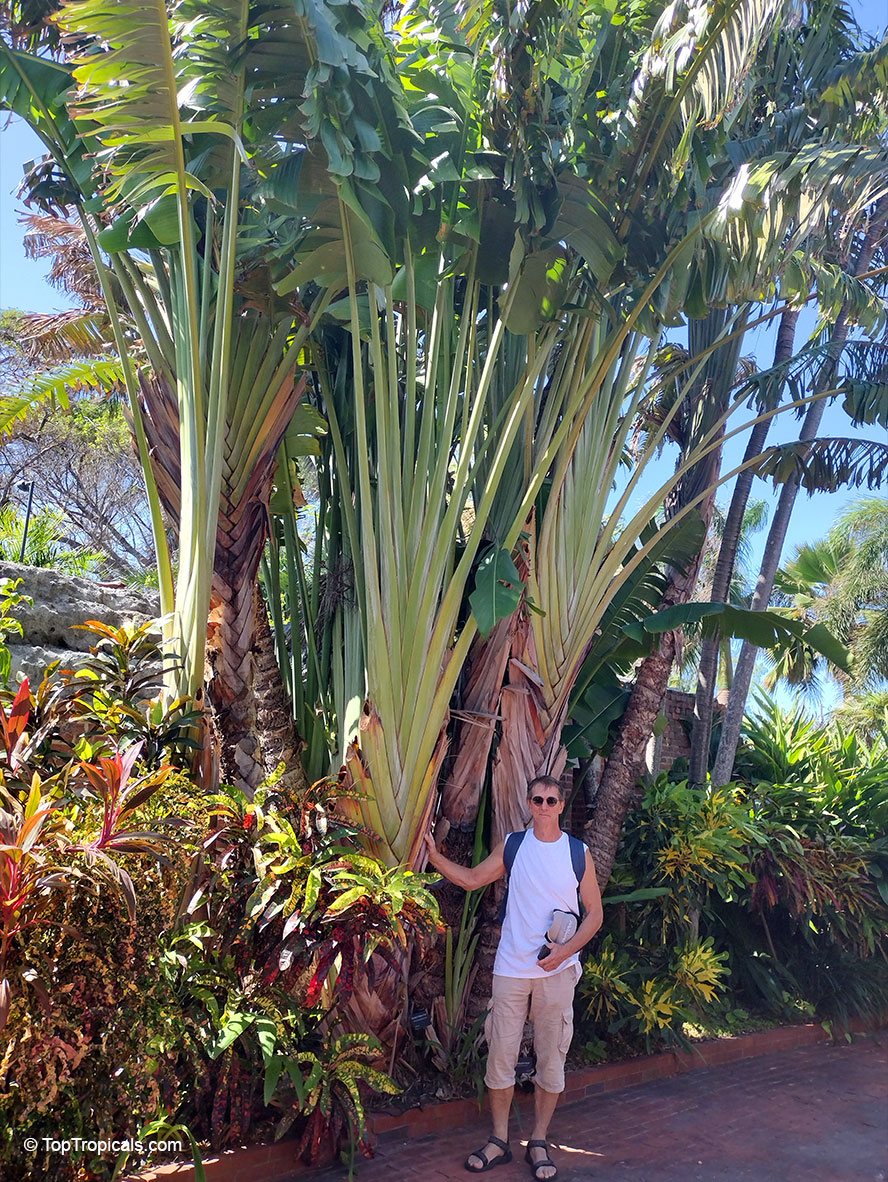
Botanical name: Ravenala madagascariensis
Common name: Travelers Palm
Family: Strelitziaceae
Origin: Madagascar
USDA Zone: 10-11
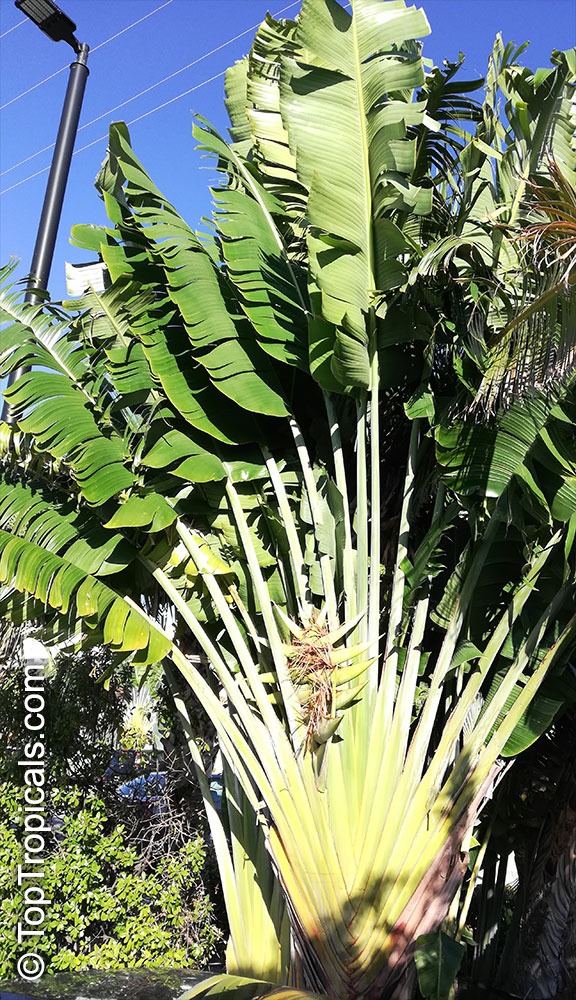
When grown in colder regions, the Travelers palm (Ravenala madagascariensis) can be grown in pots, provided you take appropriate care for cold protection. When the outdoor temperatures drop below 30°F, the pots should be moved inside or to sheltered and warmer areas such as a enclosed patio or cooler greenhouses. As they are a tropical species, they must be kept in a bright position, and the soil should remain moist. They should also be provided with regular feeding to keep them thriving. If kept in a pot, make sure to prune the leaves and the stems, to limit their growth and keep away pests. On the other hand, they can also be kept outdoors. If kept outdoors, make sure to water them regularly and add a slow-releasing fertilizer once a month. As they are also tolerant to salt spray, they can be planted near roads or seaside.
In conclusion, the Travelers palm is a beautiful palm-like tropical plant. It is a plant native to Madagascar and offers a unique and interesting look to gardens and yards. It will thrive in full sun or semi-shade, and requires regular watering, especially in warm periods. If grown in colder regions, this plant can be easily managed in pots, though extra care should be taken for cold protection. Moreover, it is tolerant to salt spray and can be planted near roads or seaside.





Botanical name: Rhabdadenia biflora
Common names: Mangrove Vine, Rubber Vine
Family: Apocynaceae
Origin: South America, Central America
USDA Zone: 9-10


This evergreen vine or creeper is native to Central and South America and prefers to grow in full sun to semi-shade and moist boggy or aquatic conditions. It can tolerate regular flooding or salt spray along coasts and also tolerates water logged soils. Perfect for bog or pond edges.
Rhabdadenia biflora is an evergreen and quite resilient vine or creeper that produces magnificent off-white and white blooms from summer to fall. It has the ability to tolerate both salt spray and flooding, making it the perfect choice for seaside gardens or to line ponds or swampy areas. It is suitable for USDA Zones 9-11, and has the ability to handle temperatures down to 28°F, although it prefers warmer climates and may require some protection in areas with colder winters.
Grow Rhabdadenia biflora in full sun to semi-shade, in moist, well drained soil that is enriched with organic matter. It may need regular water in hot, dry periods, but be careful not to overwater, as the plant may become prone to root rot. If you live in an area with very cold winters, you may want to plant your vine in a container and move it to a sheltered spot during the winter months.
Rhabdadenia biflora is a vigorous vine so it needs to be pruned regularly to maintain its shape. If you have planted it in a pot, prune the roots and stems back during the spring to encourage growth and flowering. Provide a support structure for the vine to climb on, such as an arbor or trellis, and consider attaching it securely if the vine is quite large. When it comes to fertilizer, feed your vine once or twice a year with a well-balanced fertilizer.
Rhabdadenia biflora is a highly ornamental and versatile plant, perfect for providing a lush and tropical look in any warm climate garden. Even in cold regions, it can bring a little bit of the tropics to your backyard with just a bit of extra care.


Botanical names: Rhaphiolepis umbellata, Rhaphiolepis indica var. umbellata
Common name: Yeddo Hawthorn
Family: Rosaceae
Origin: Japan And Korea
USDA Zone: 7-10
Leaves are thick and leathery and somewhat bent back, dark green and lustrous above while lighter and dull below. Fragrant, white or pink flowers in wide clusters are followed by blue-black fruits which tend to be hidden among the leaves. These provide food for some birds. Likes moist, well drained, slightly acidic soils and withstands drought once established. Quite salt tolerant and tough. Propagation: Is by seeds and cuttings.


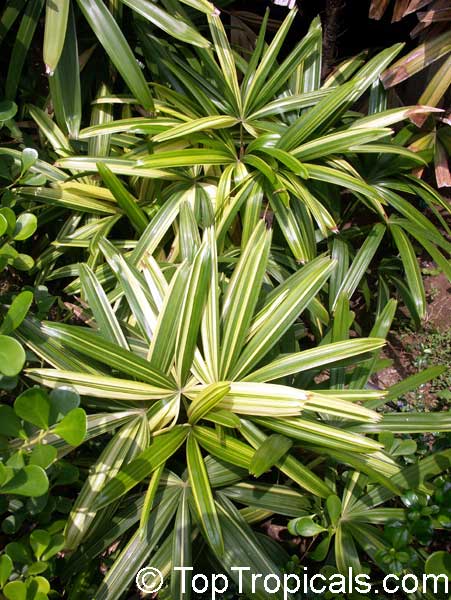
Botanical name: Rhapis excelsa
Common name: Lady Palm
Family: Arecaceae / Palmae
Origin: Thailand, China
USDA Zone: 9-11
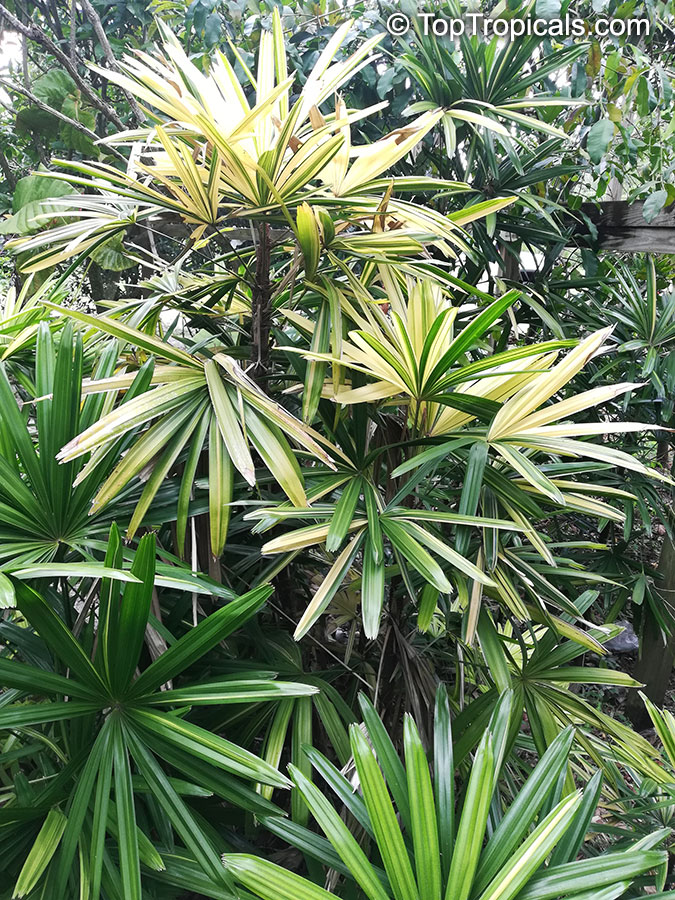
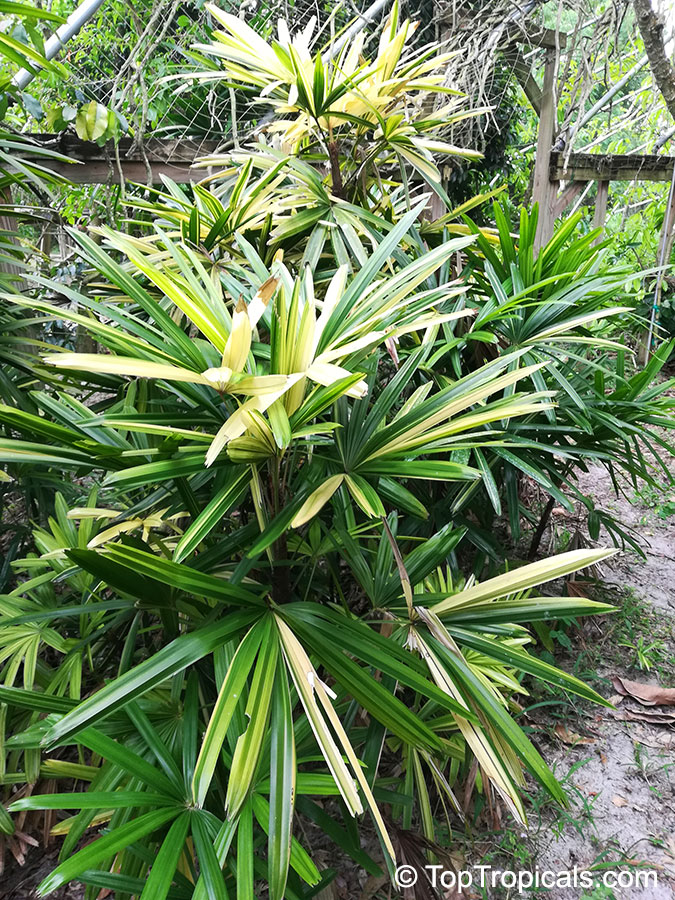
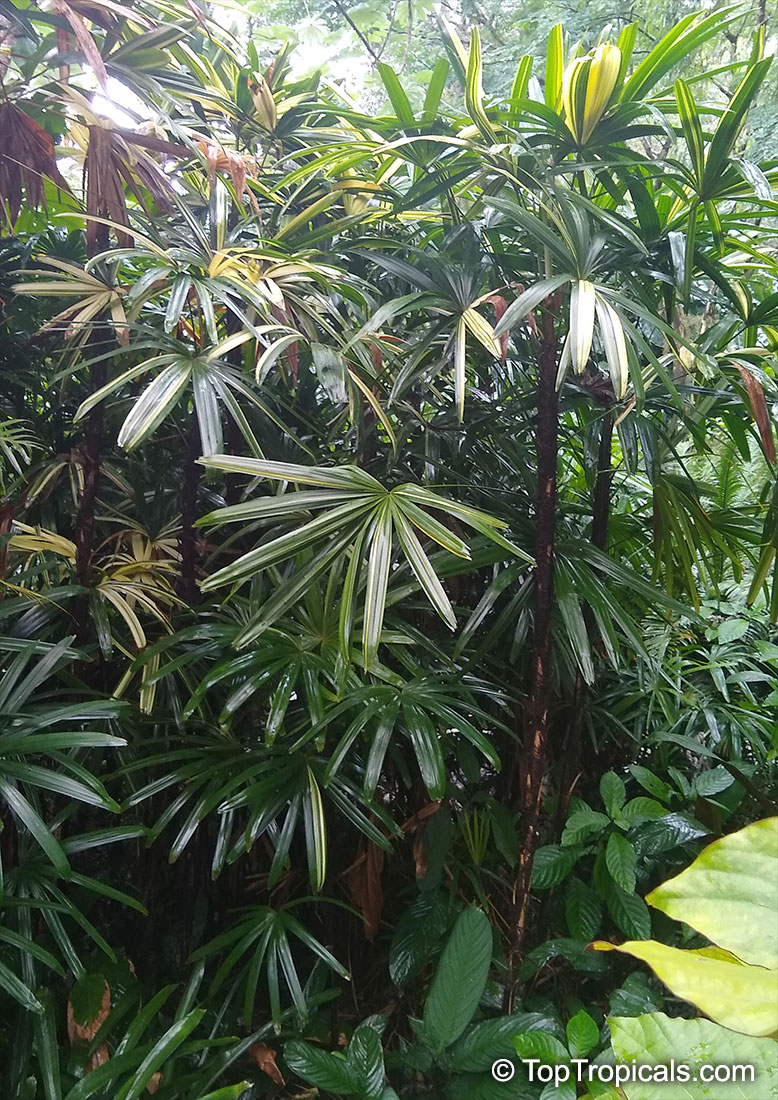
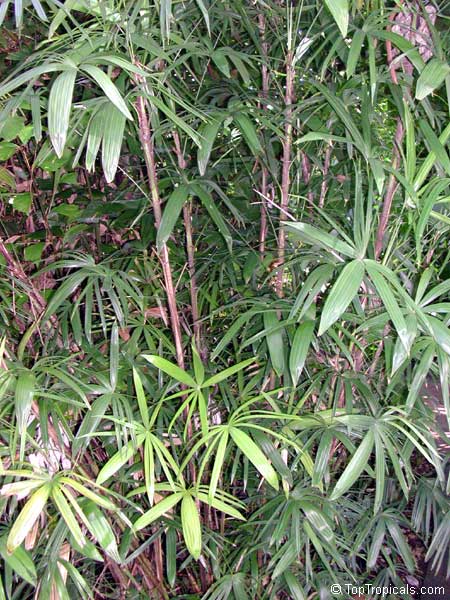
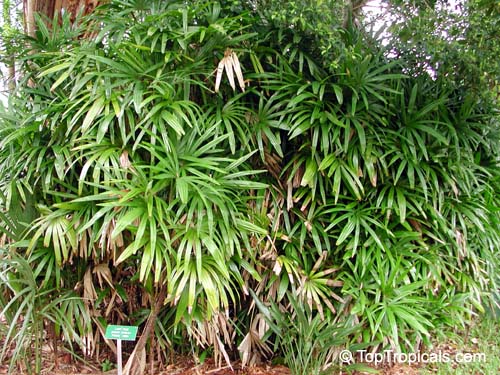
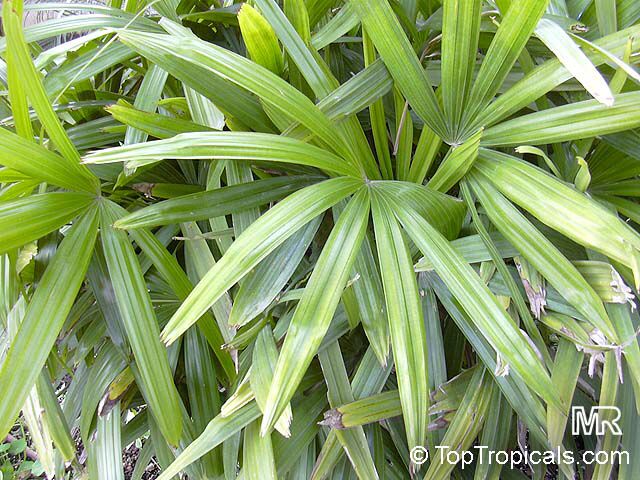
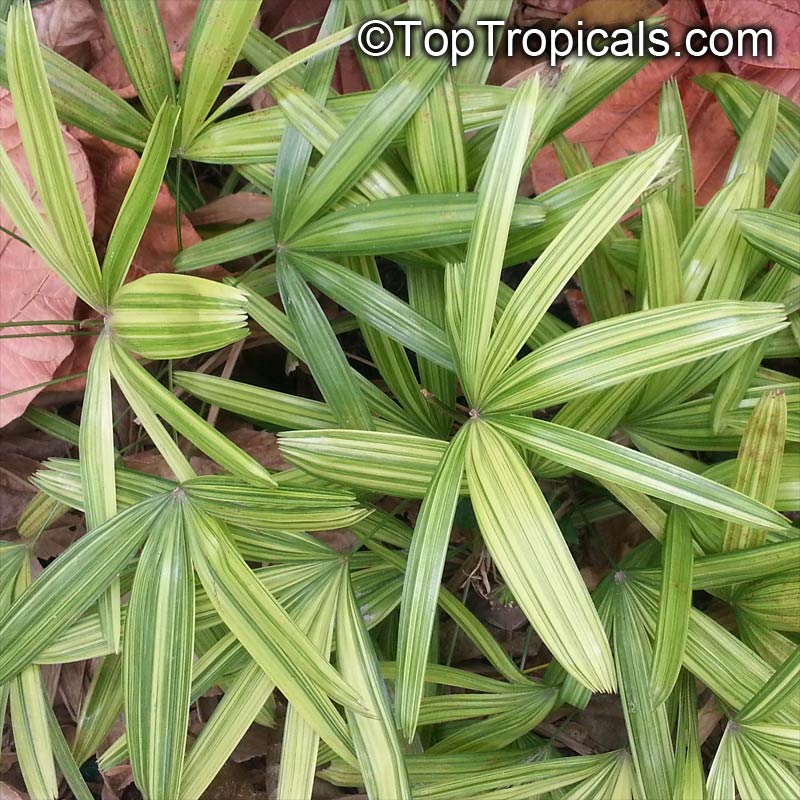
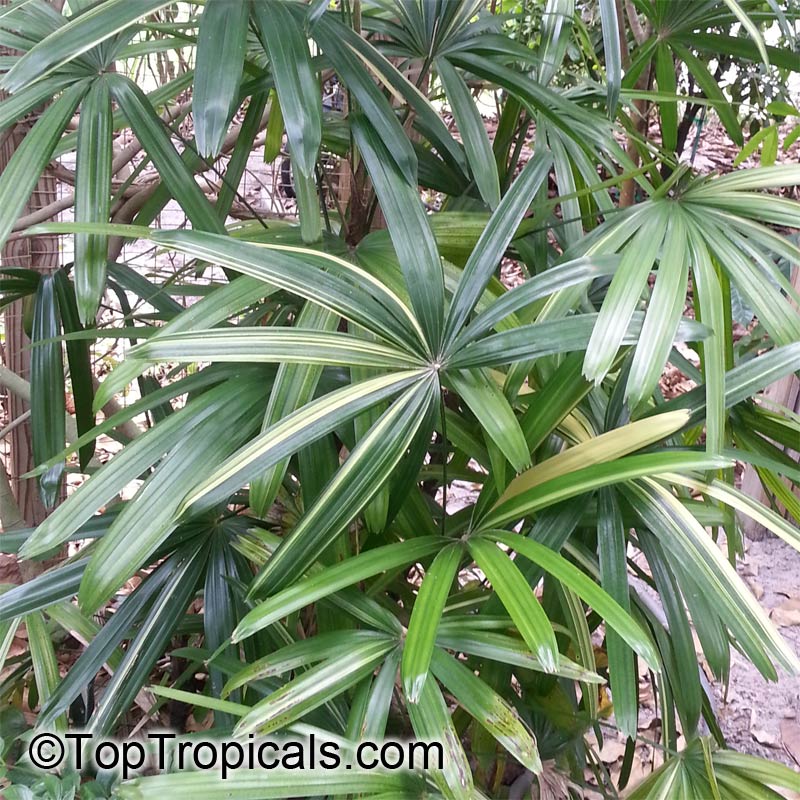
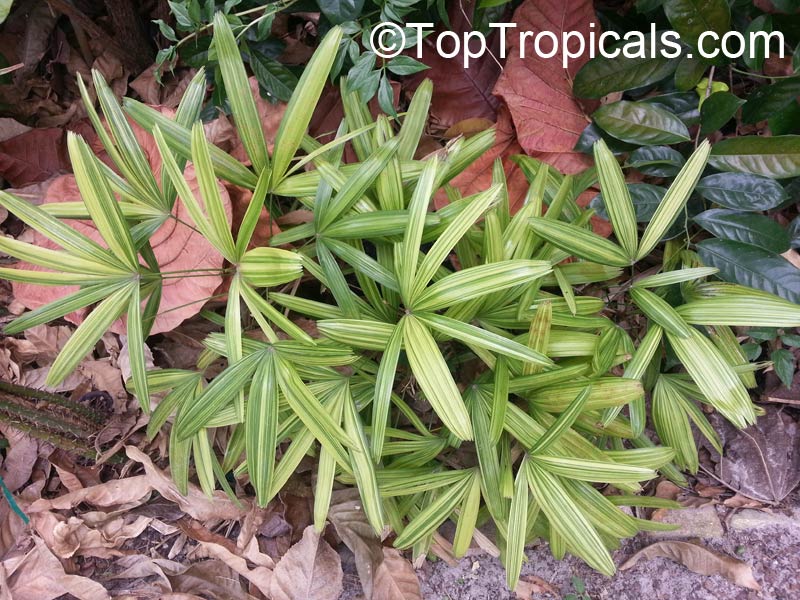
Rhapis excelsa, commonly known as Lady Palm, is a slow-growing clumping palm in the Arecaceae family native to southern China. It forms multiple slender, cane-like stems covered with fibrous leaf bases and typically reaches 6 to 12 ft in height. The leaves are fan-shaped and divided into broad, blunt-tipped segments, creating a dense, upright canopy with a refined, structured appearance. This palm is valued for its adaptability and tolerance of lower light compared to many other palms.
This species prefers partial shade to bright indirect light and well-drained soil with consistent, moderate moisture. Growth rate is slow, especially in containers. Cold tolerance is moderate for a tropical palm, with damage likely below about 25 to 28F; best suited to USDA Zones 9 to 11. Rhapis excelsa performs well as a container plant and is widely used as an indoor palm due to its tolerance of indoor conditions.
| Prev | Next | |
Use link to repeat this search:
https://toptropicals.com/cgi-bin/garden_catalog/cat.cgi?search_op=and&keyword_op=and&language=e&number=10&no_change_lang=1
&v1=sea&user=tt&sale=1&first=0