Seaside, salt tolerant plant - Plant Encyclopedia Results (Page 37)
| Number of plants found: 458 |  | Prev | Next | 
|
Go to page: | First | 32 | 33 | 34 | 35 | 36 | 37 | 38 | 39 | 40 | 41 | Last |

Botanical name: Podocarpus macrophyllus
Common names: Buddhist Pine, Chinese Yew, Kusamaki, Inumaki
Family: Podocarpaceae
Origin: Japan, China
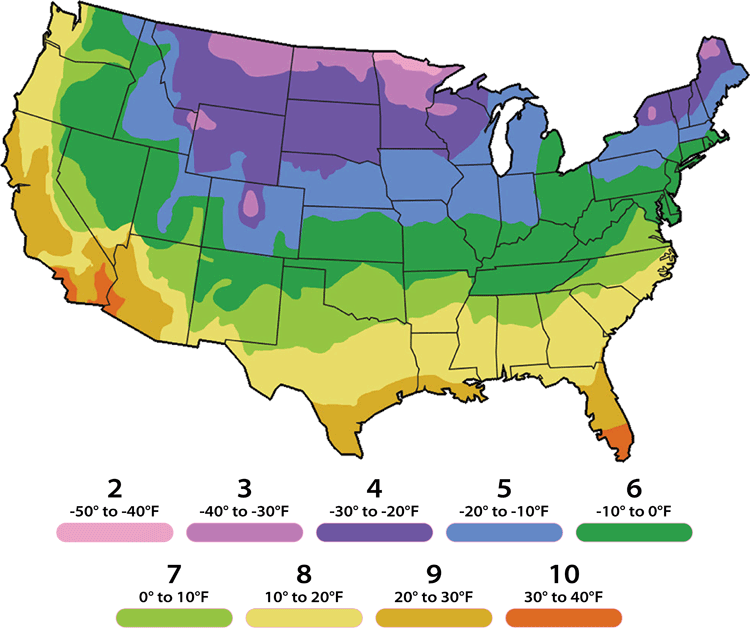
USDA Zone: 7-11


It is a popular large shrub or small tree in gardens. Likes fertile, well drained soil. Good coastal plant; tolerates salt spray and withstands heat!


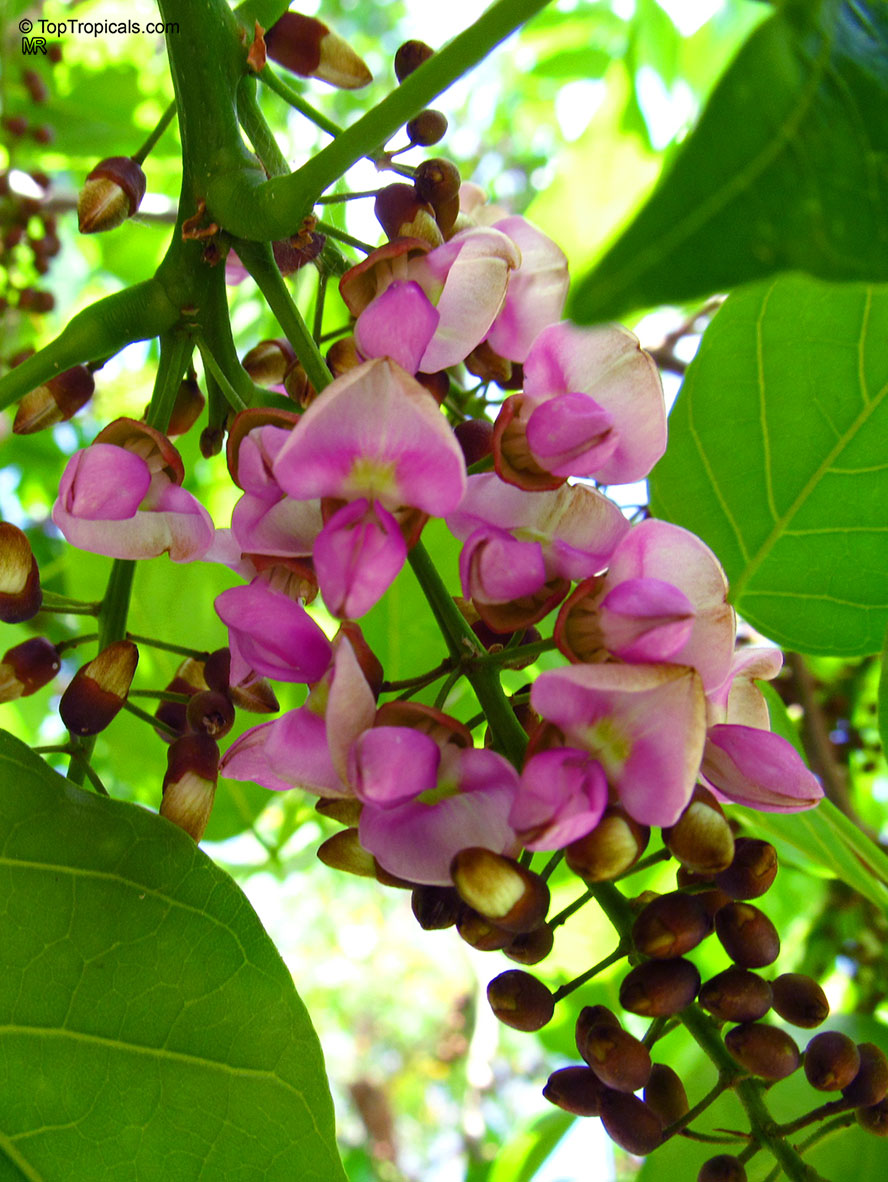
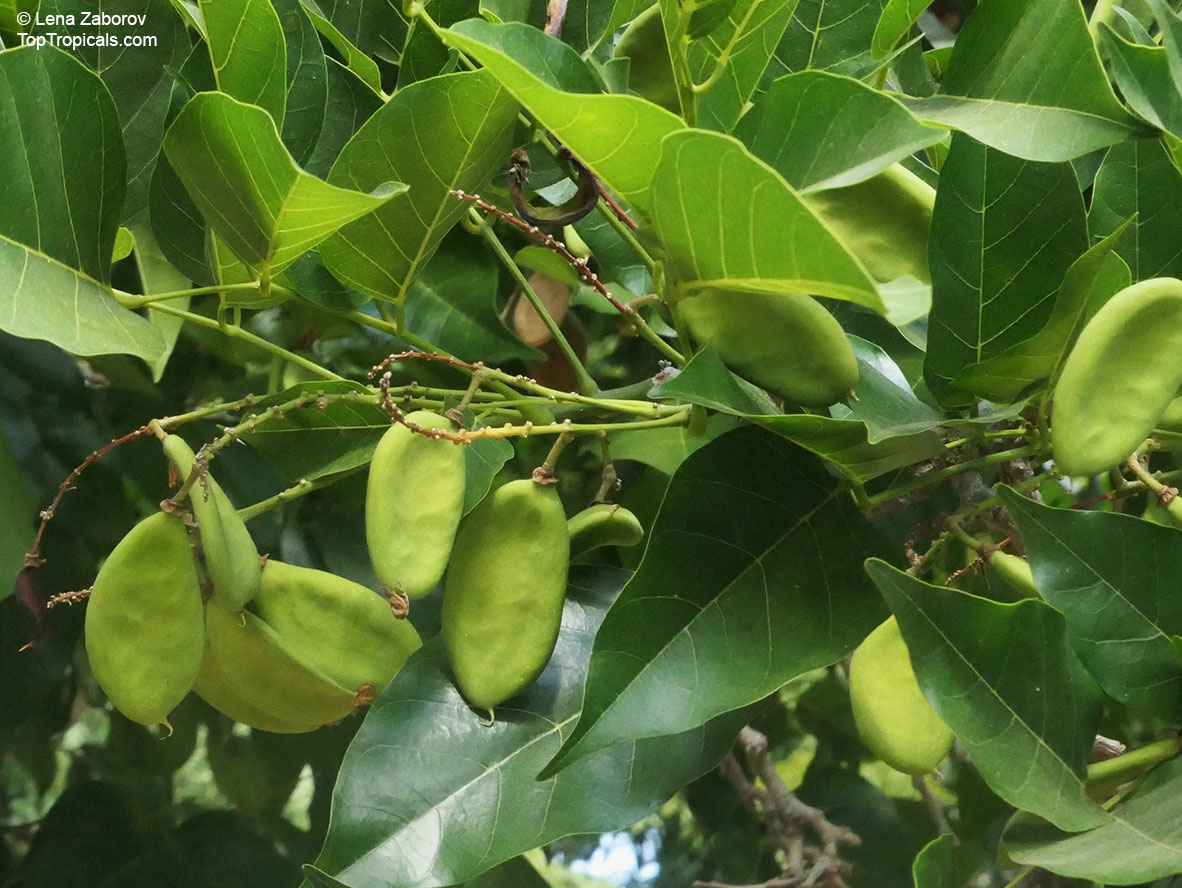
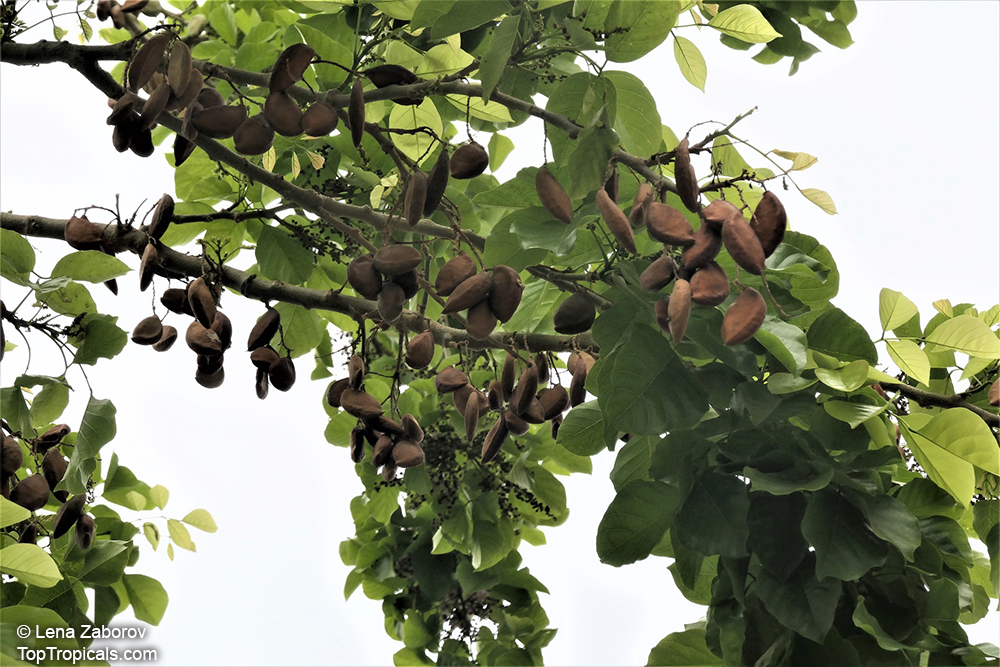
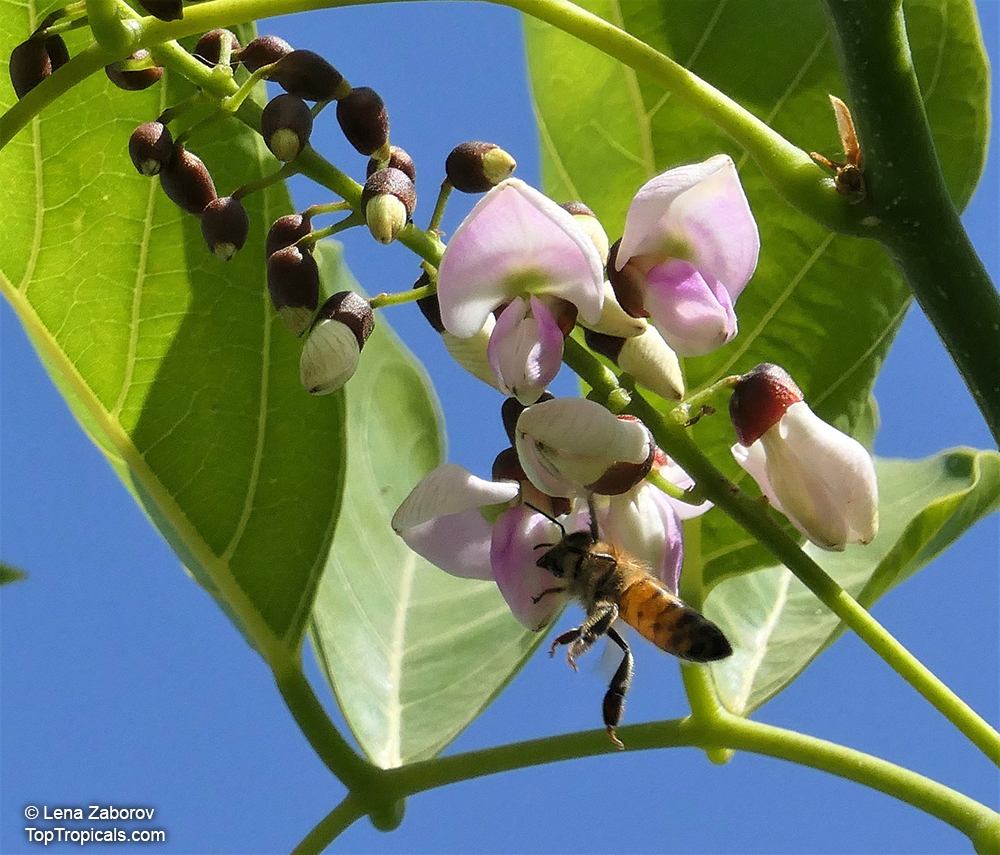
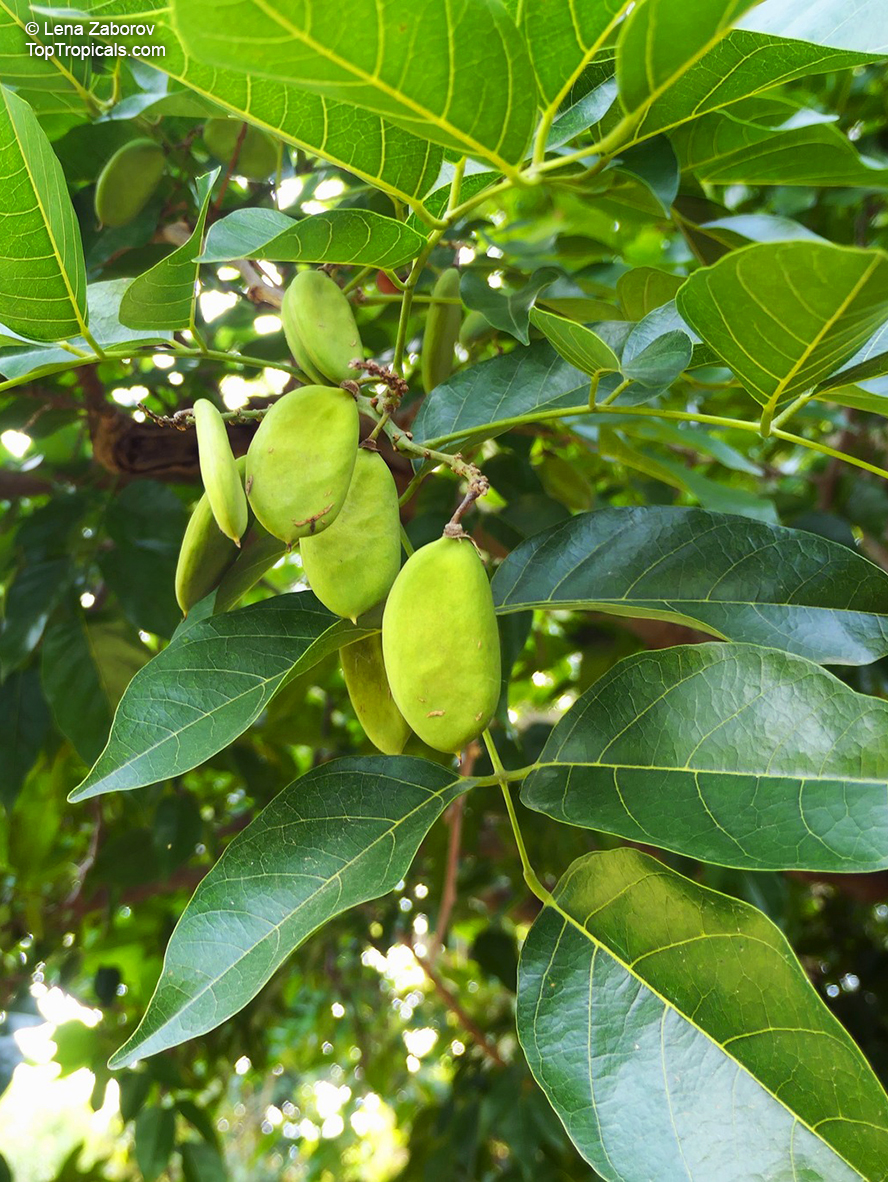
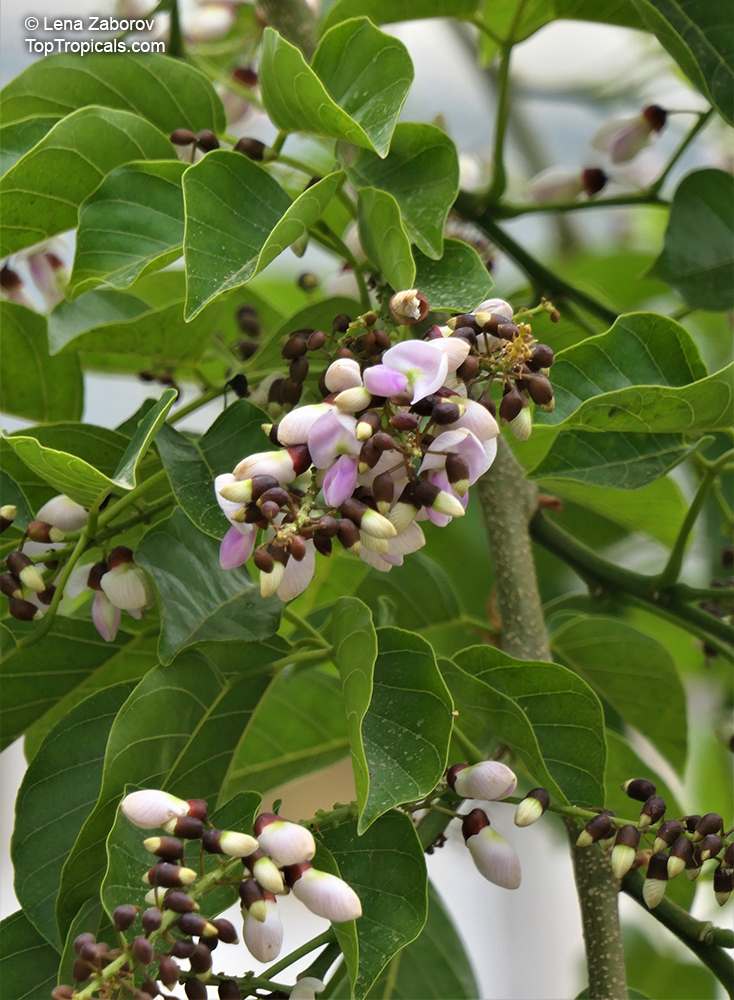
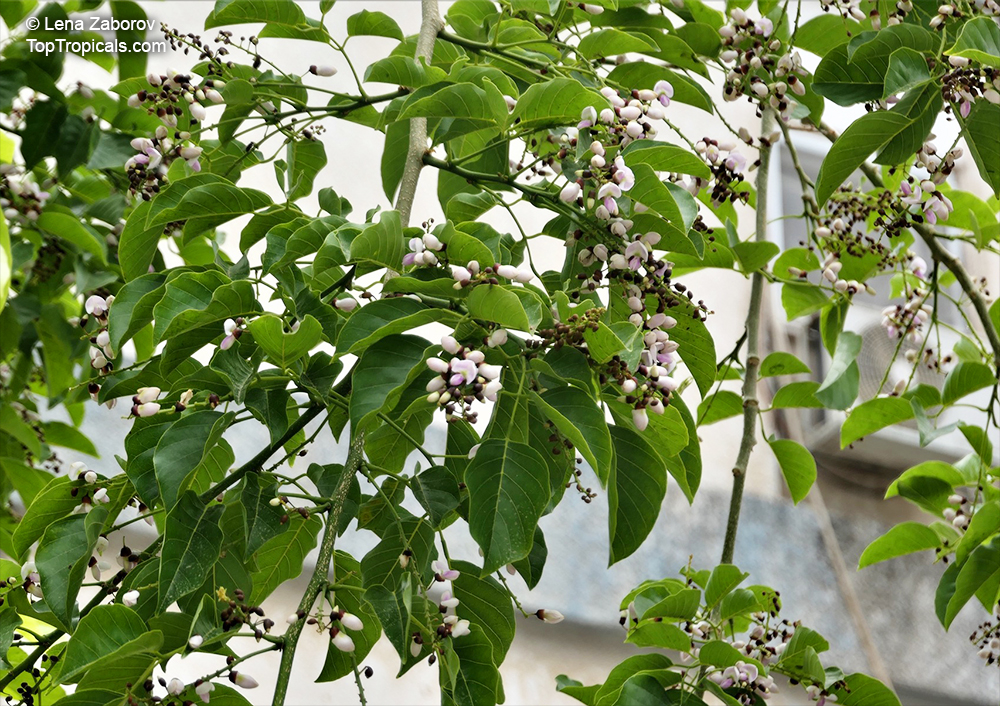
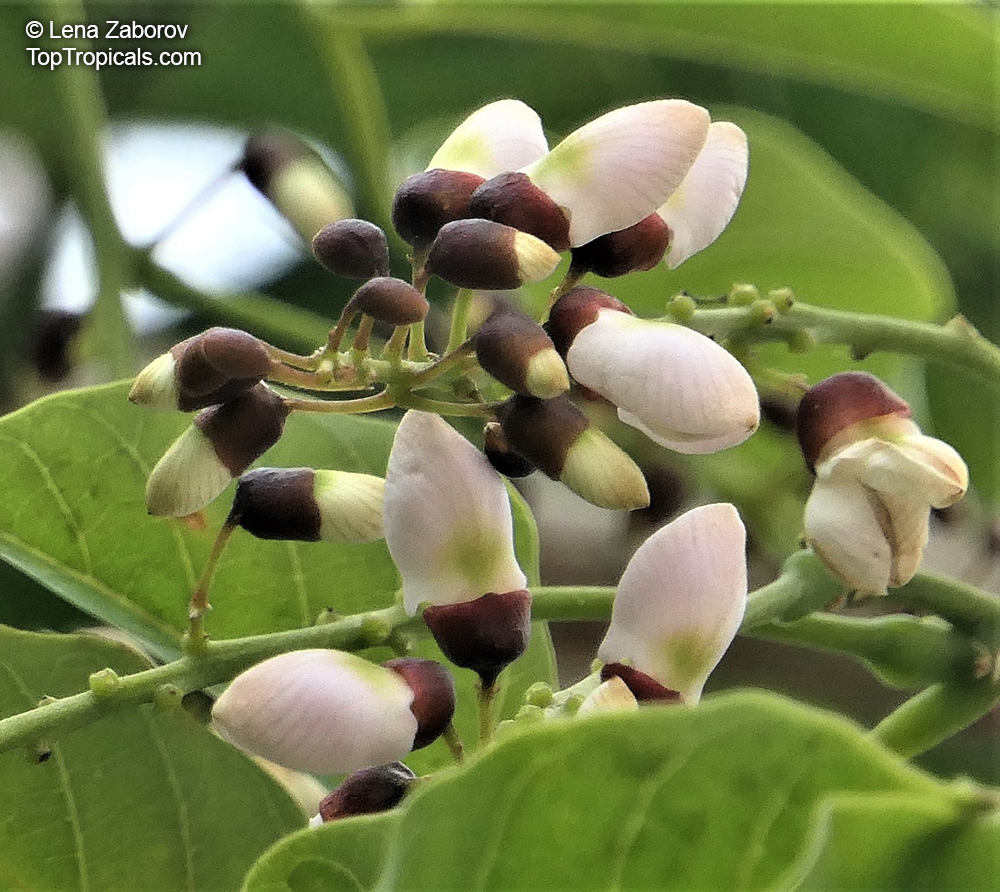
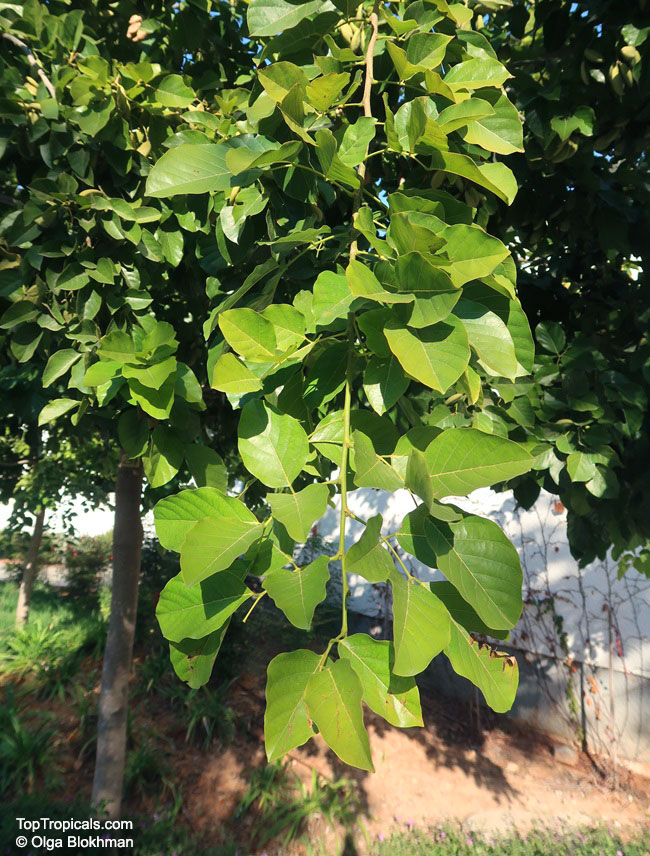
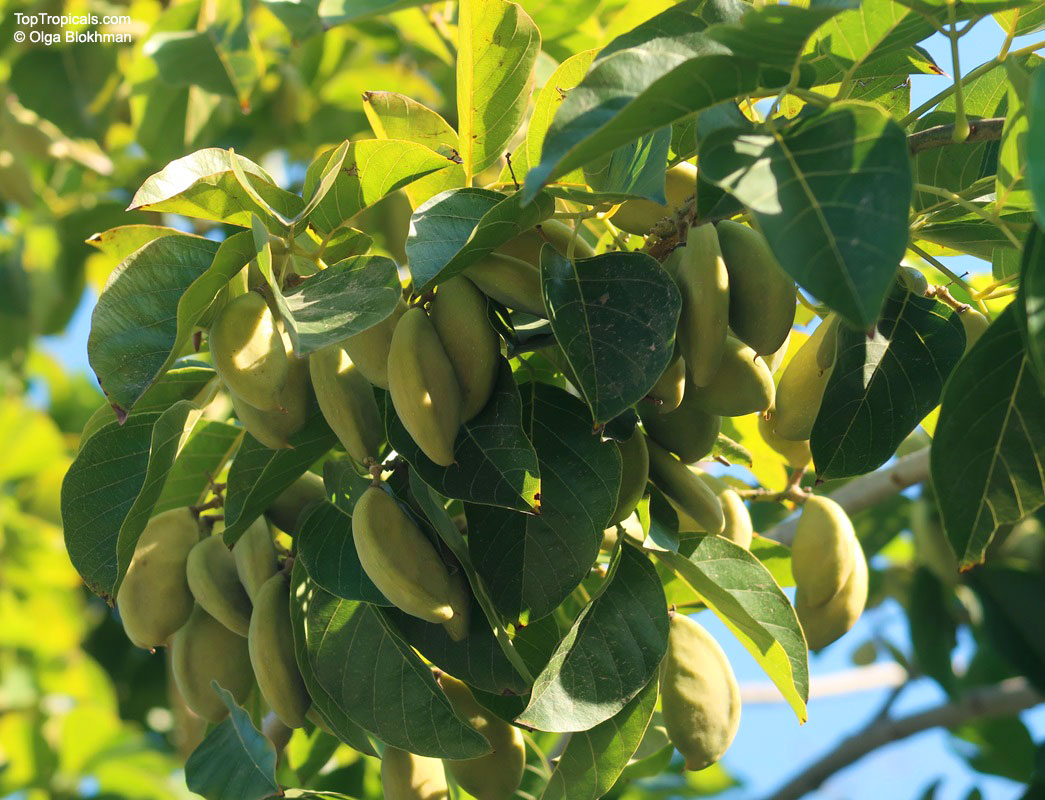
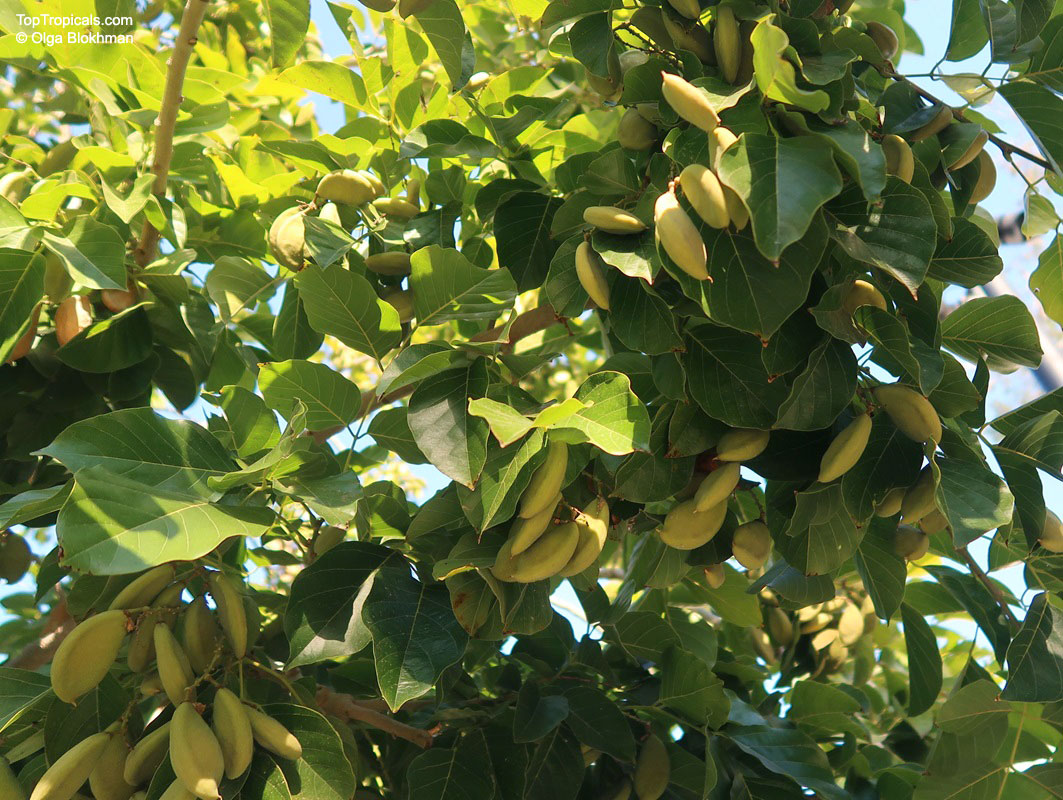
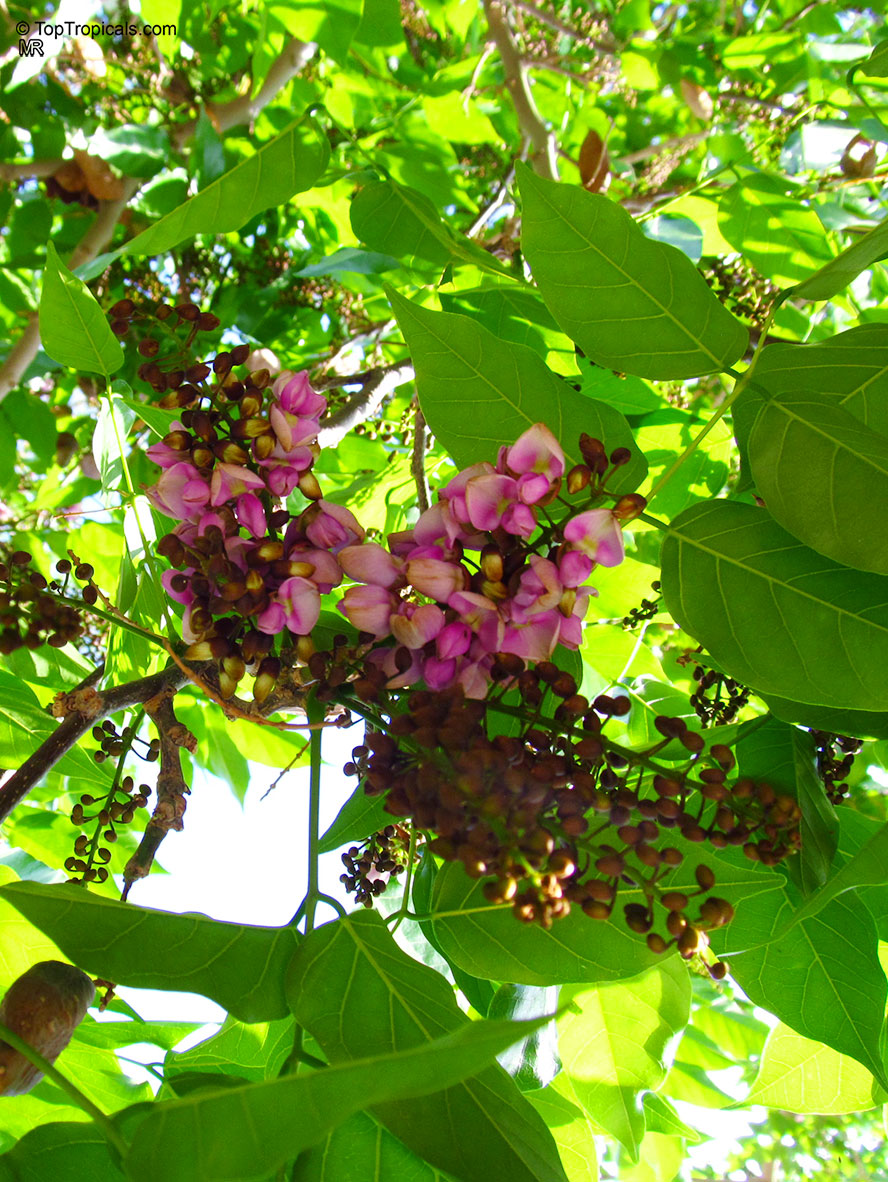
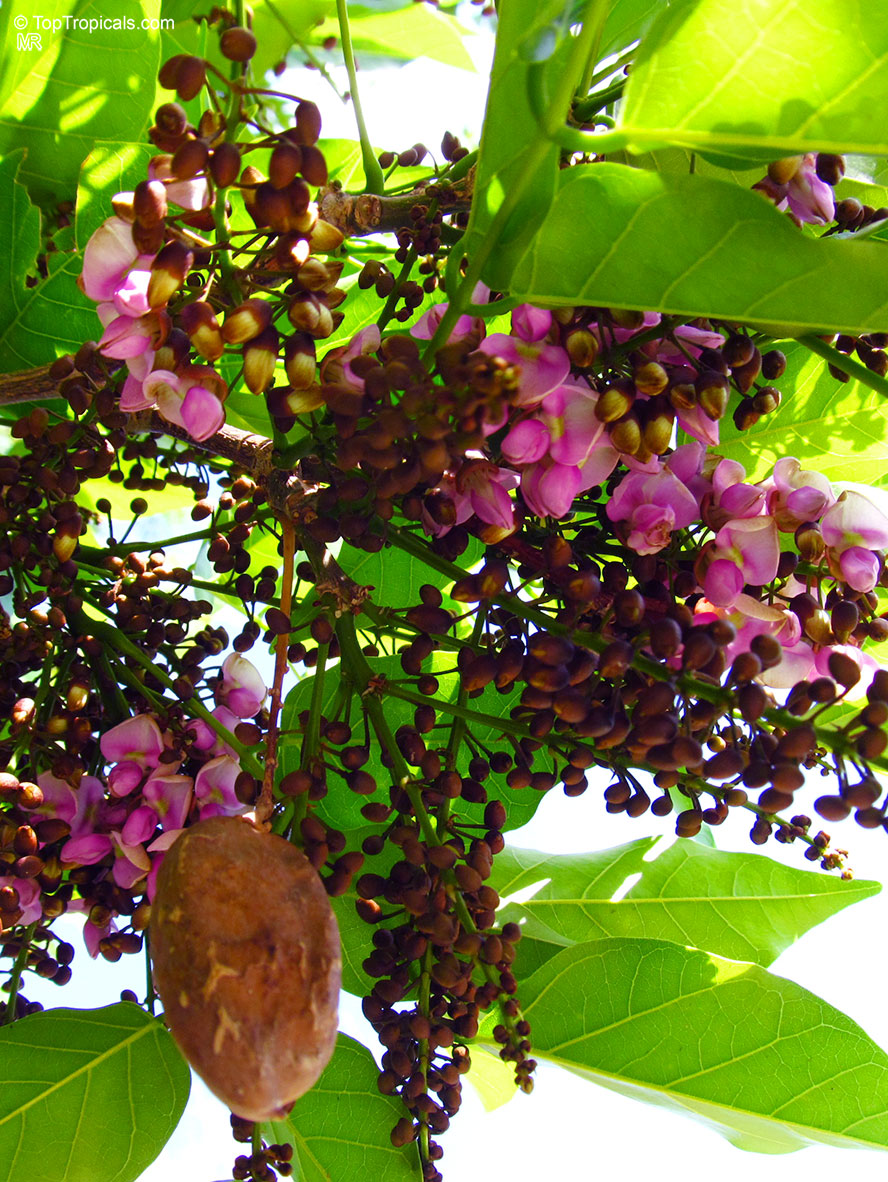
Botanical names: Pongamia pinnata, Millettia pinnata
Common names: Pongam, Indian Beech
Family: Fabaceae
Subfamily: Faboideae
Origin: Southeast Asia, India
USDA Zone: 9-11


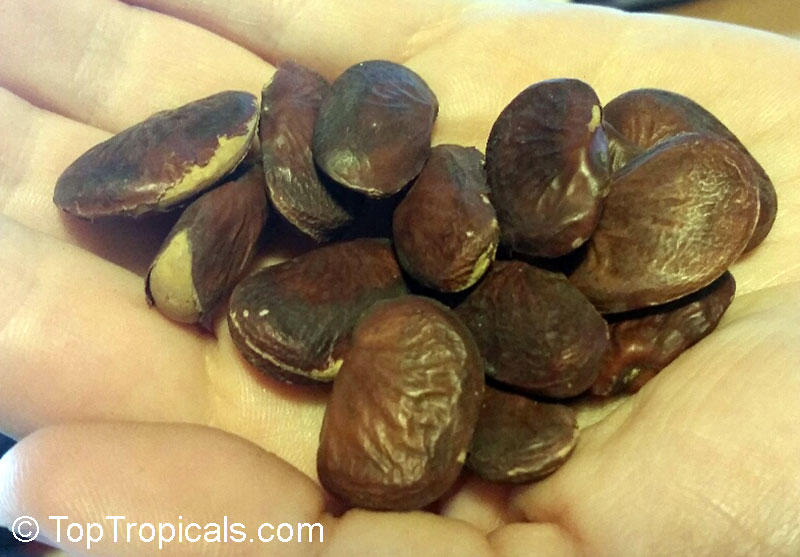
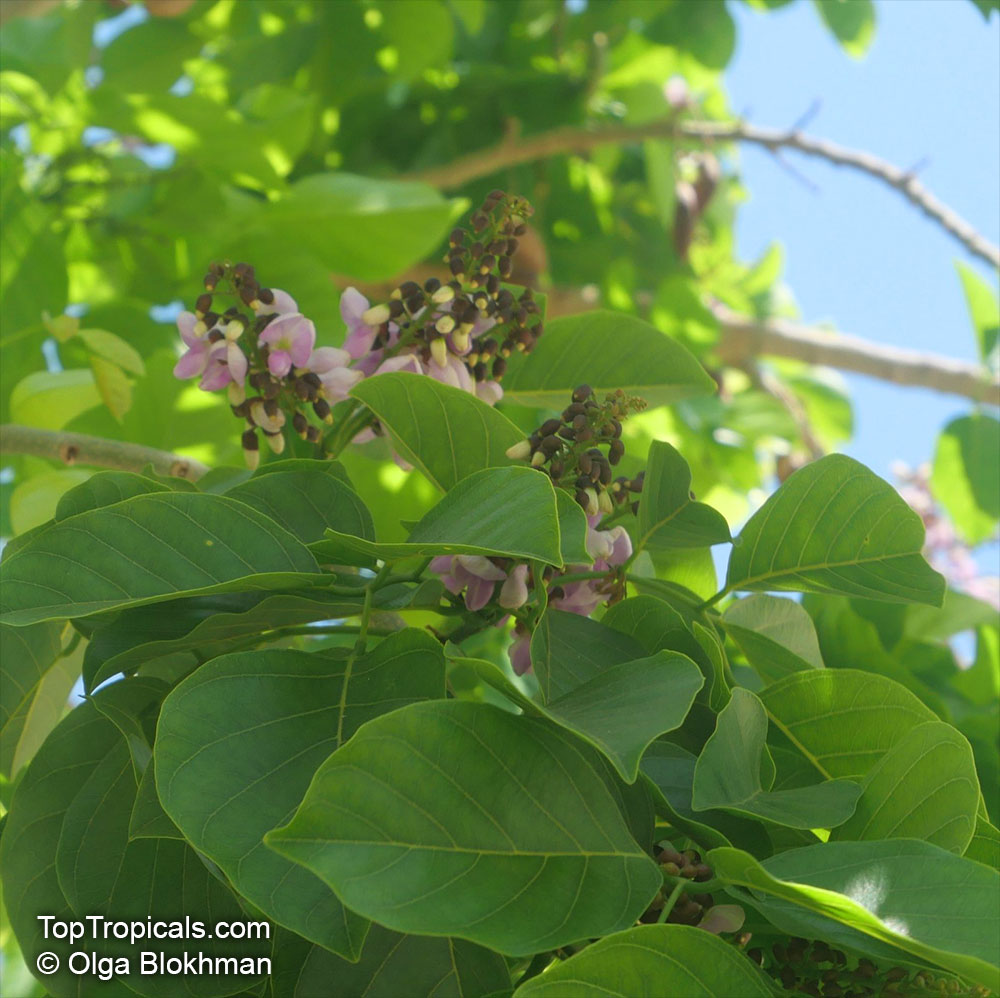
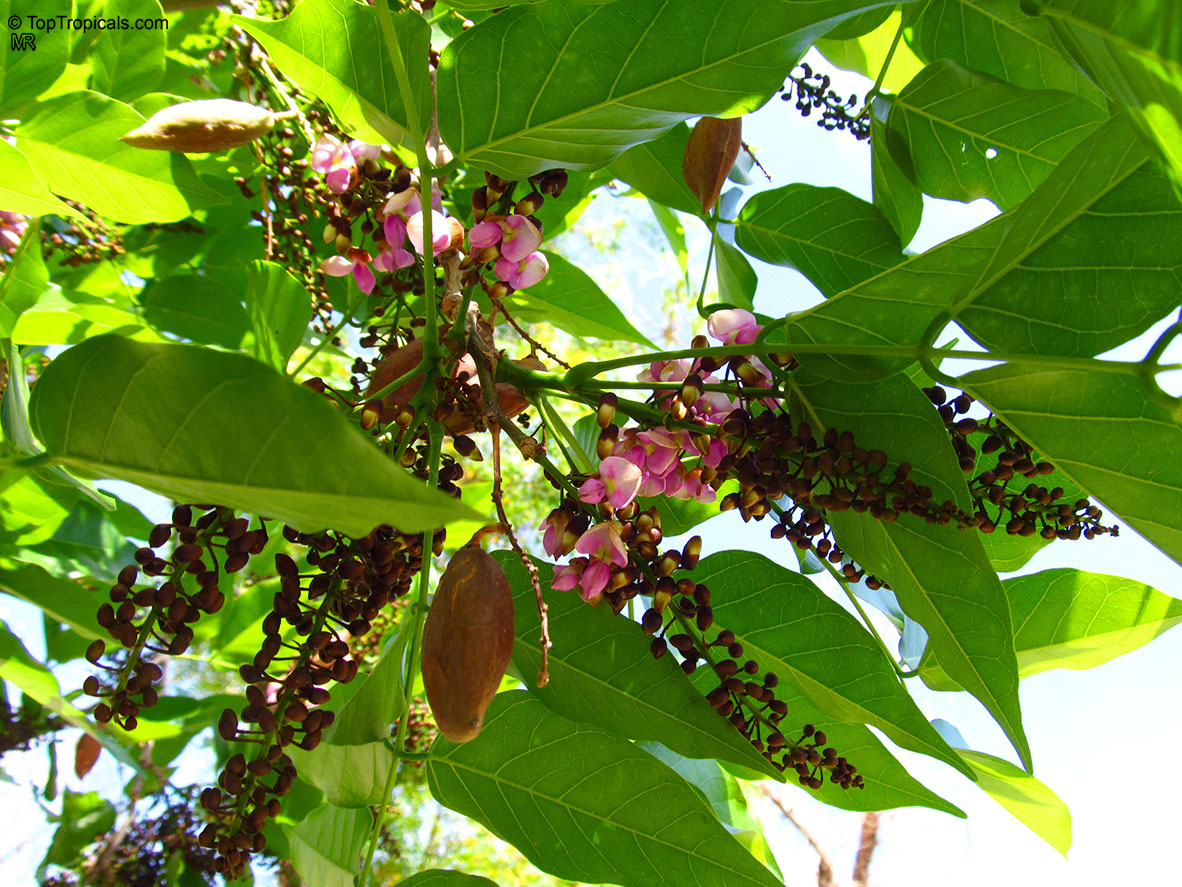
Millettia pinnata is native to Southeast Asia, India, and can grow as a small tree between 10-20 feet tall. It should be planted in a location that receives full sun and moderate water, such as in an open field or a sunny garden bed. This species is perfect for attracting butterflies, hummingbirds, and other pollinators. The fragrant white, off-white, blue, lavender and purple flowers are incredibly showy and bloom from Spring to Fall, while the foliage turns yellow in late Fall when the deciduous plant drops its leaves.
Millettia pinnata is not only a showy ornamental but is also noted for its ethnomedical uses. As with any plant, however, care should be taken when handling certain parts of the plant, as they can be poisonous (or toxic) when ingested. This species is considered an extremely hardy plant with mature specimens capable of withstanding temperatures in the 30s F, though in cold regions it is best to grow it as a potted plant and bring indoors in the winter. Additionally, this is a salt tolerant and seaside species, which makes it a great option for seaside gardens. As with all plants, growing Millettia pinnata successfully will depend on the careful selection of a suitable, sunny location and the soil moisture that is best suited to the plant.
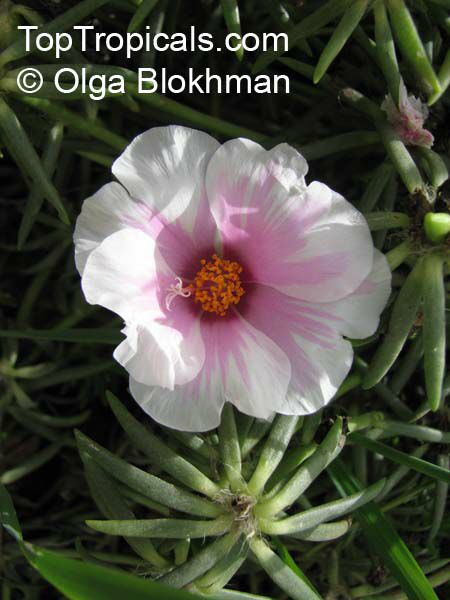
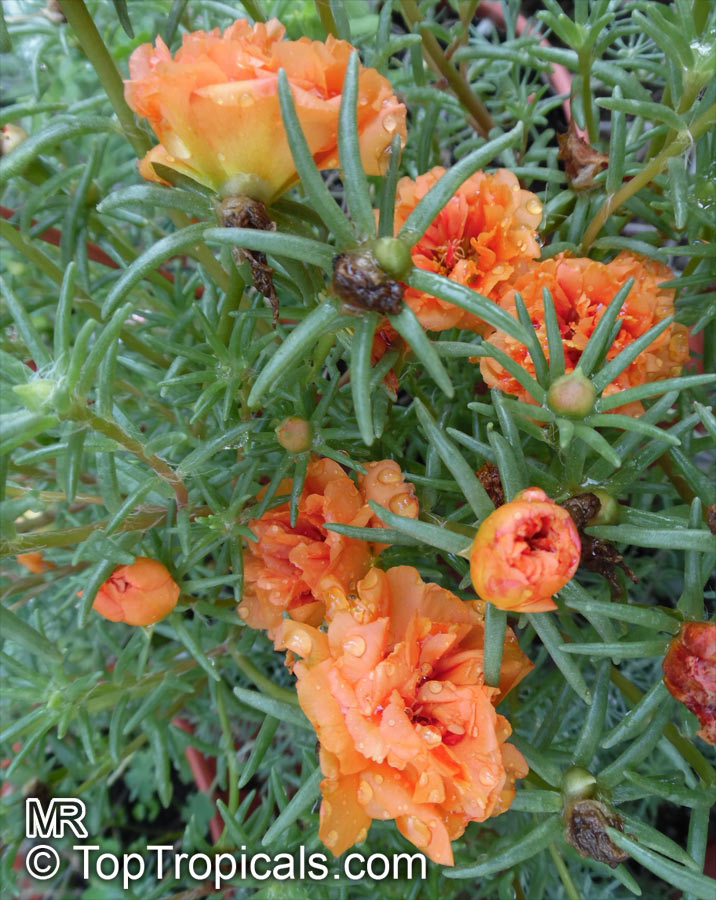
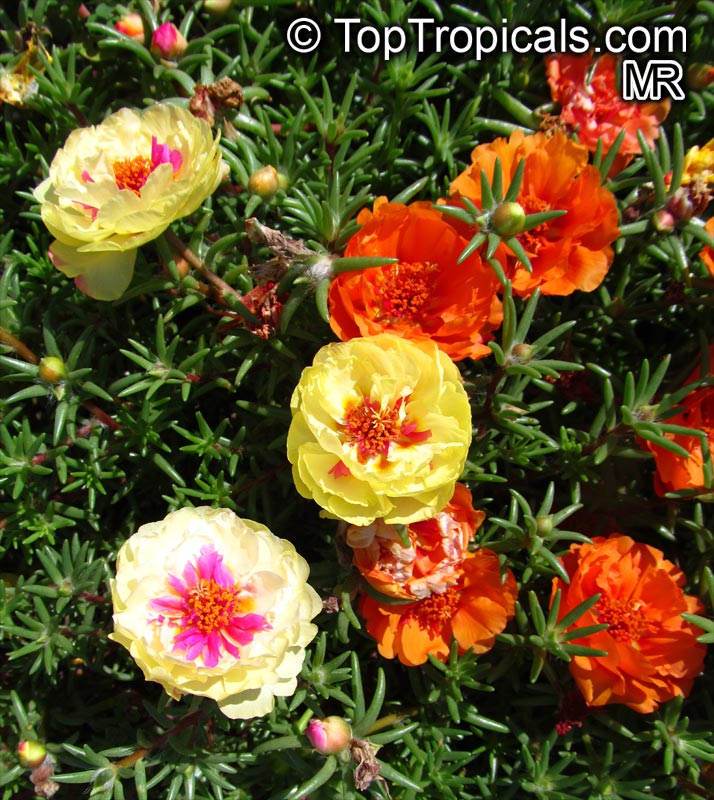
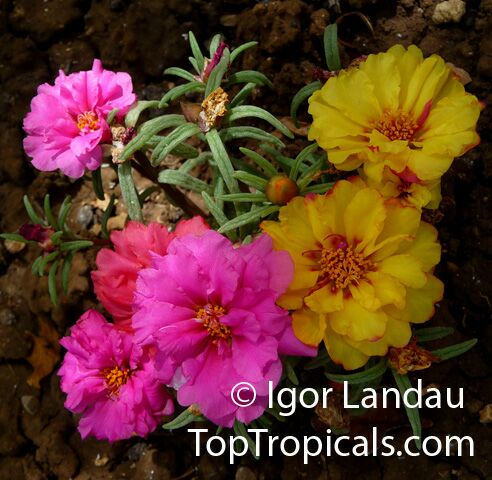
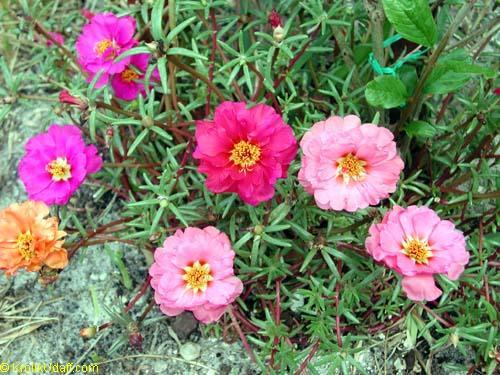
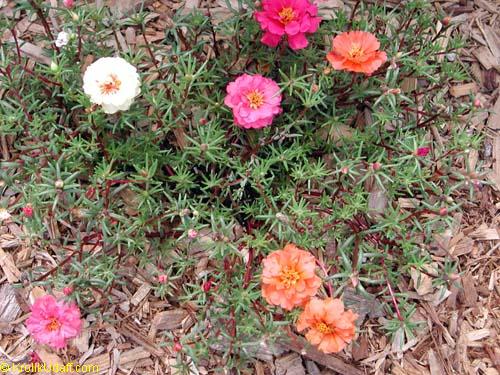
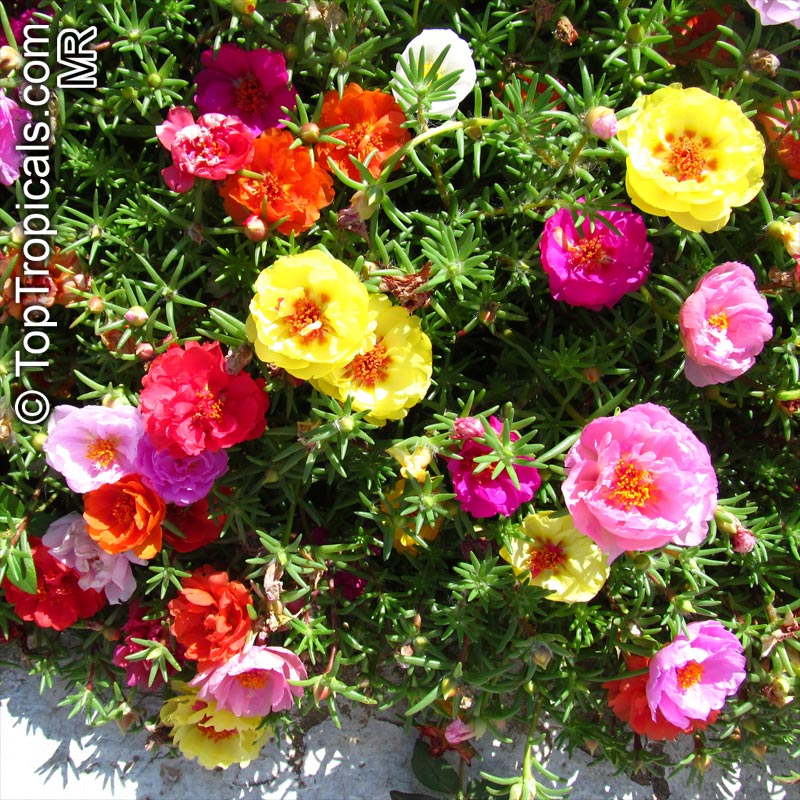
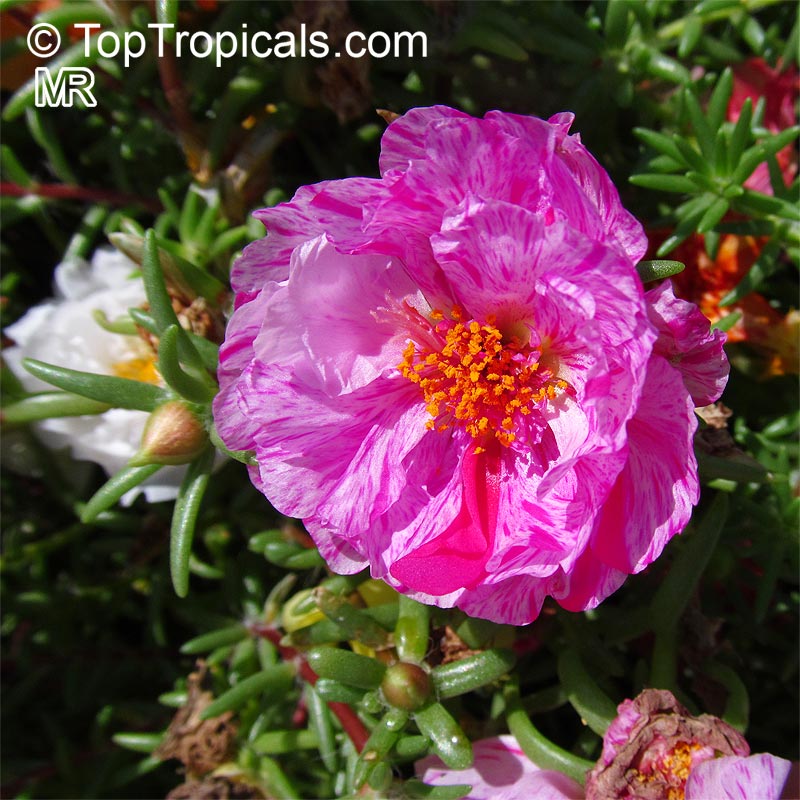
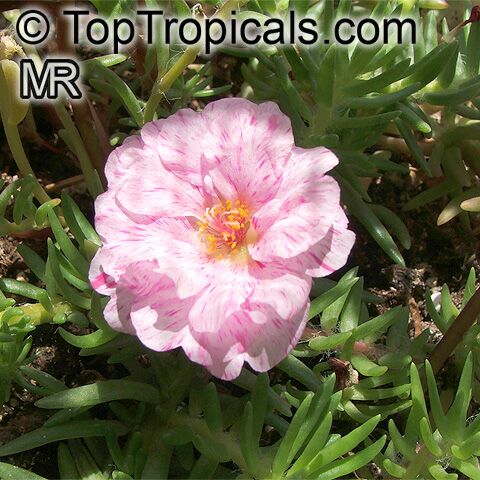
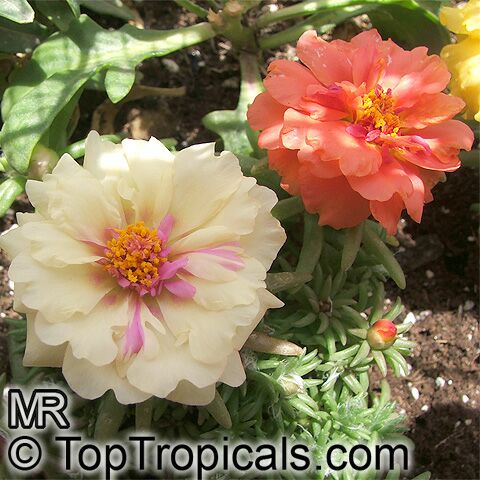
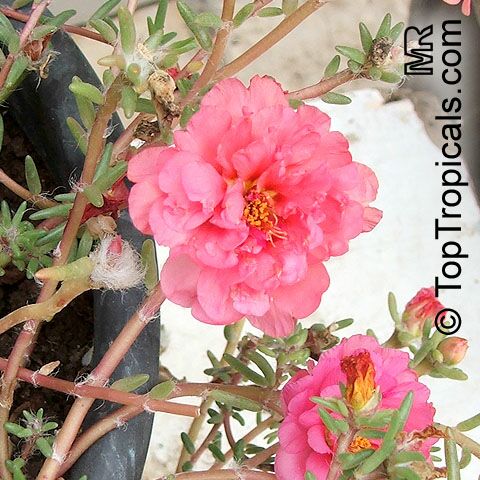
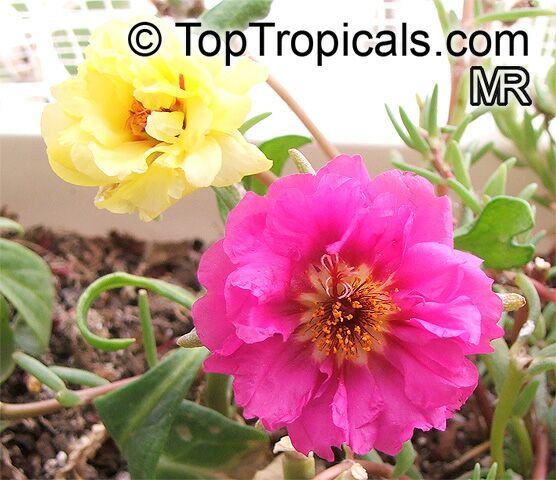
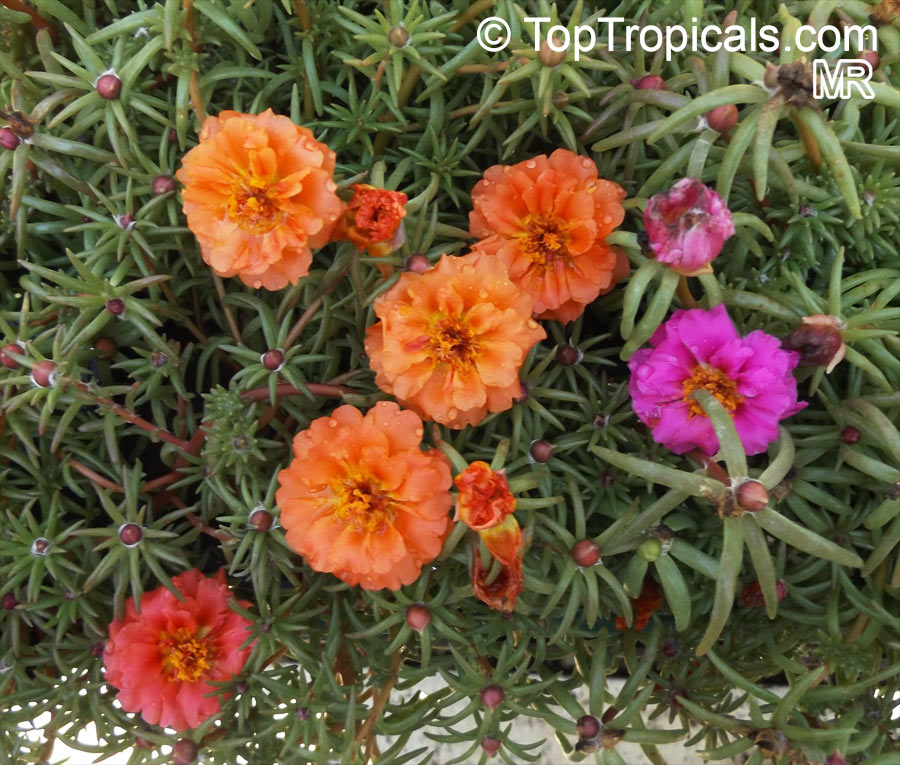
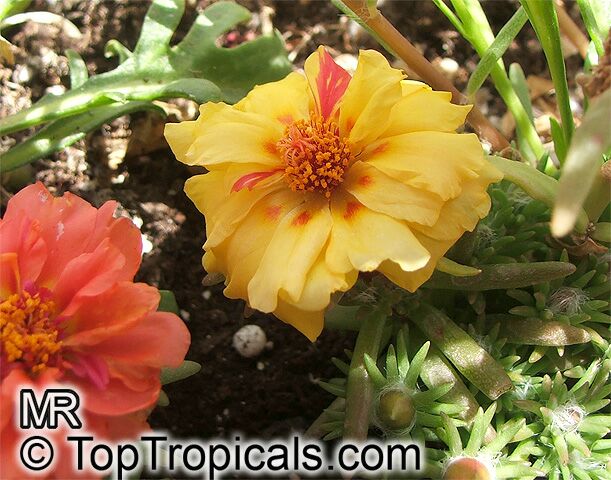
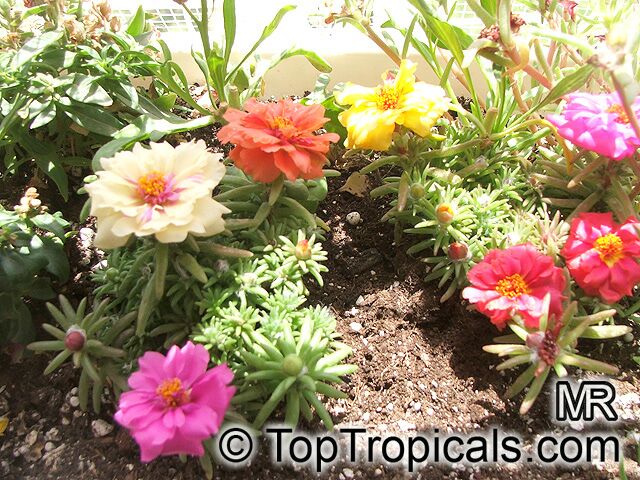
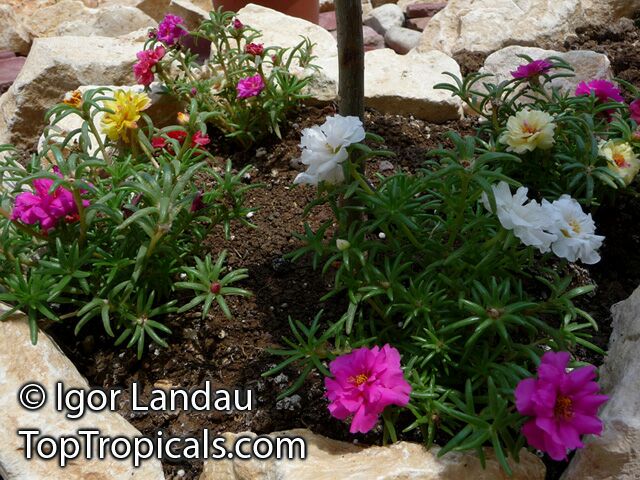
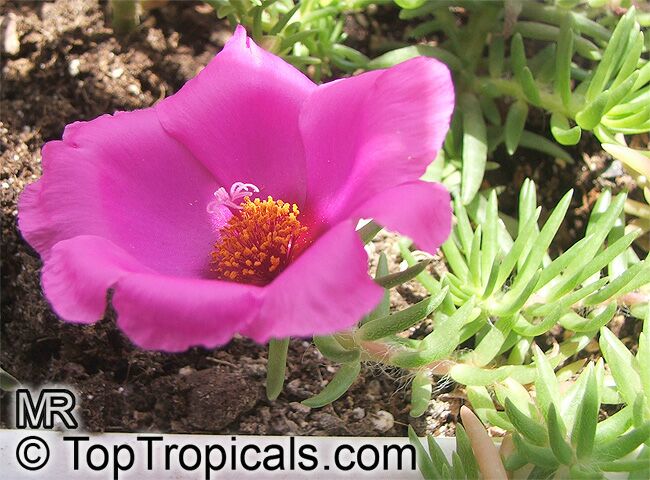
Botanical name: Portulaca grandiflora
Common names: Moss rose, Perslane, Purslane
Family: Portulacaceae
Origin: Brazil, Uruguay and northern Argentina
USDA Zone: 9-10


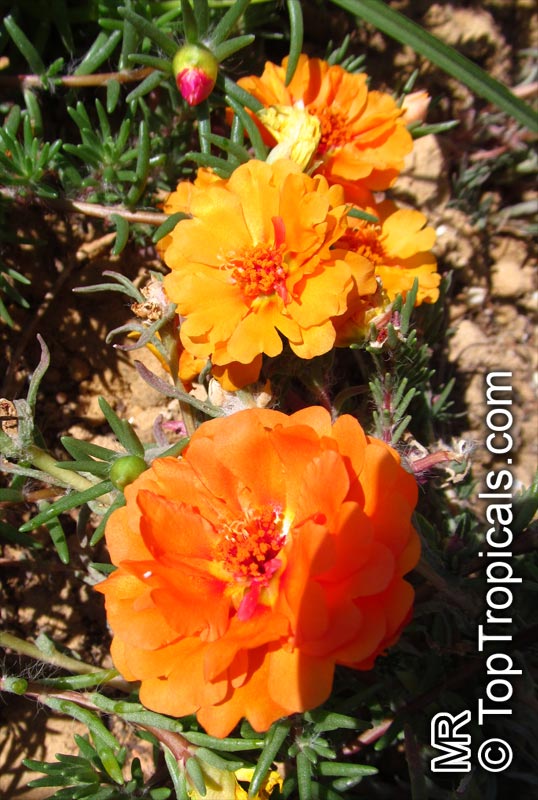
Fleshy stems and leaves, they are one of the very few annual succulents. They tolerate heat and drought, which is a characteristic of their more "native" relative, Portulaca oleracea. The leaves are cylindrical, about an inch long, and pointed on the tips. The roselike flowers are about an inch across and come in bright colors like rose pink, red, yellow, white, and orange. Some are striped or spotted with contrasting colors. Moss rose grows well in poor, sandy or gravelly soils. The soil must be very well-drained. Drought tolerant, but flowers best with regular watering. Don't water with overhead irrigation, which can damage the flowers. The seeds are very tiny, so mix them with sand before sowing to make them easier to scatter. Seeds can be sown directly outside where they are to grow in the spring after all danger of frost has passed.

Botanical name: Premna obtusifolia
Common names: Buas buas, Headache Tree
Family: Lamiaceae (Formerly:Verbenaceae)
Origin: Southeast Asia, Pacific Islands
USDA Zone: 9-11


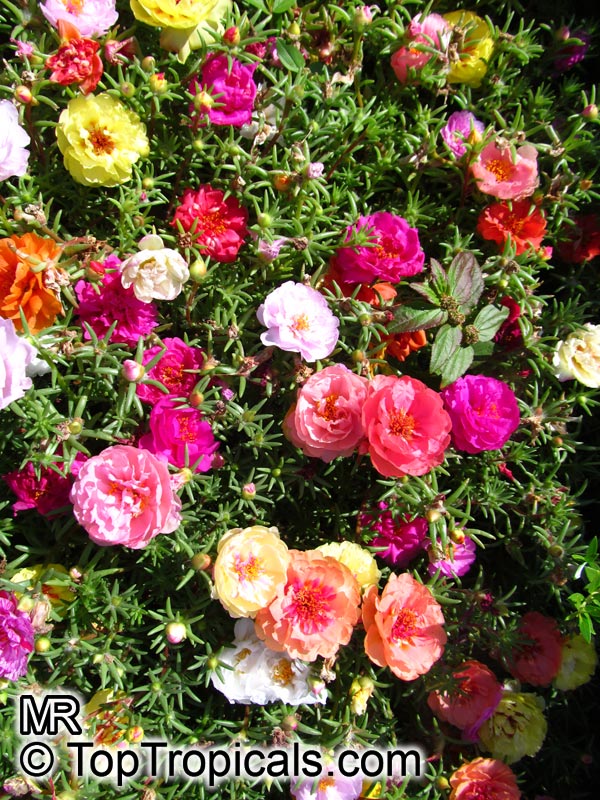
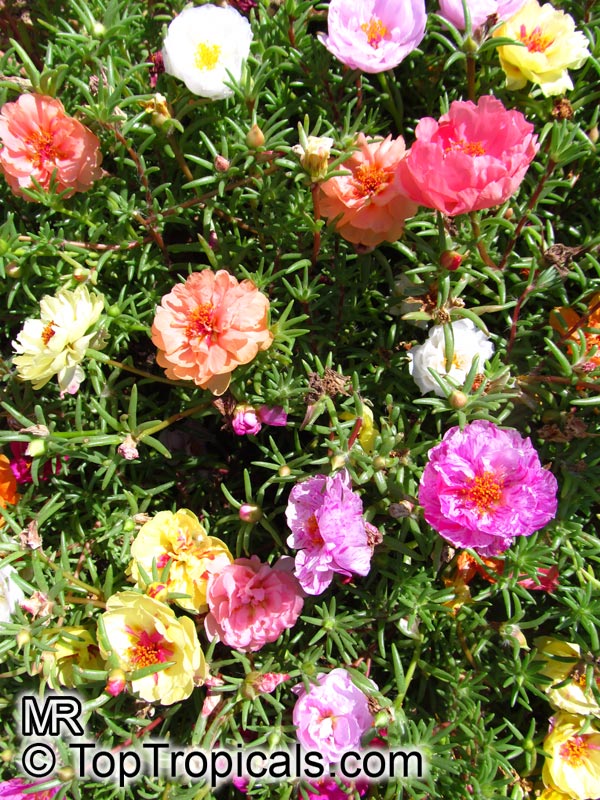
Premna obtusifolia, native to Southeast Asia and Pacific Islands is a small tree or large shrub that can reach heights of 5 to 10 feet for a shrub or 10 to 20 feet for a small tree. It is an ethnomedical plant that has many culinary and medicinal uses. The leaves, bark, and fruit of Premna obtusifolia can be used for various treatments, including stomach aches, coughs, eye problems, and skin diseases. It can also be used for bonsai.
This plant prefers full sun, but can tolerate some semi-shade. It needs regular watering and dries easily. It is salt tolerant and can be grown near the seaside. Mature plants of Premna obtusifolia can survive cold climates up to 30s F for a short time. It grows best in USDA Zones 9-11.
The fruits of Premna obtusifolia are edible and have many health benefits. The fruit contains many nutrients, including Vitamin C, Calcium, and Iron. It is also known for its anti-inflammatory and anti-oxidant properties. It can be eaten raw or used to make jams, jellies, and sauces. Each tree can produce up to 600 fruits annually.


Botanical name: Pseuderanthemum laxiflorum
Common names: Shooting Star, Star Flower, Furple False Erantheum, Dazzler
Family: Acanthaceae
Origin: Tropics
USDA Zone: 8-10

Grown best in full sun, partial shade or semi-shade, the Pseuderanthemum laxiflorum thrives in well-drained soil and regular water to keep soil evenly moist. This small, upright shrub can reach a height of between 2-5 ft and produces intense pink flowers that will attract butterflies and hummingbirds. The evergreen foliage is a pleasant dark green and the flowers are about 1-inch across.
It's also a great seaside plant and can tolerate salt spray, making it a good choice for coastal gardens. This plant is native to the tropics, but a mature plant can be cold hardy to at least mid-20sF for a short time. However, if temperatures are expected to dip this low, it's best to keep the plant in a pot and bring it indoors during extreme weather.
To look its best, the Pseuderanthemum laxiflorum should be given regular fertilizer and should be pruned back to control its shape and size. This will promote new growth and keep the shrub looking neat and well-groomed. With proper care and attention, this beautiful plant brightens up any garden and adds a touch of color.


Recommended Fertilizer: SUNSHINE Megaflor - Bloom Nutrition Booster

Botanical name: Pseuderanthemum seticalyx
Common names: Shooting star, Australian Nerve Flower
Family: Acanthaceae
Origin: Tropics
USDA Zone: 9-11
This is a rare species of Pseuderanthemum from Australia. Metallic purplish papery narrow leaves in attractive trailing clumps; bright mauve undeneath - striking foliage. Odd papery tan flowers with purple splashes. A compact grower, this happy plants takes both full sun and shade, and thrives nearly in any conditions and soils. Needs regular water to establish, then becomes drought tolerant, easy to grow plant.
See Article about Pseuderanthemum.


Botanical names: Pseudogynoxys chenopodioides, Senecio confusus
Common names: Mexican Flame Vine, Orangeglow Vine
Family: Asteraceae
Origin: Mexico
USDA Zone: 9-11


A great plant for beginners! Very fast growing, drought resistant, seldom bothered by pests and minimum care is rewarded with impressive floral displays! This plant is attractive to bees, butterflies and birds. It is a fairly rampant, warm climate climber with thick evergreen leaves which deep green color provides a rich background for the brilliant flowers. It covers itself in brilliant bright orange daisy-like flowers about 1 inch in diameter, borne in small clusters. See Article about Mexican Flame Vine


This fast-growing, drought-resistant vine quickly covers fences with bright red, daisy-like flowers all winter. Attracts bees, butterflies, and birds, while its thick evergreen leaves provide a rich backdrop. A great choice for beginners, it creates a stunning carpet of vibrant blooms that fill the garden with color. Thick evergreen leaves are larger and darker than regular variety; they provide a lush, tropical look. Drought-tolerant once established and thrives on neglect, this variety is also more vigorous than regular orange Senecio.
Recommended Fertilizer: SUNSHINE Megaflor - Bloom Nutrition Booster
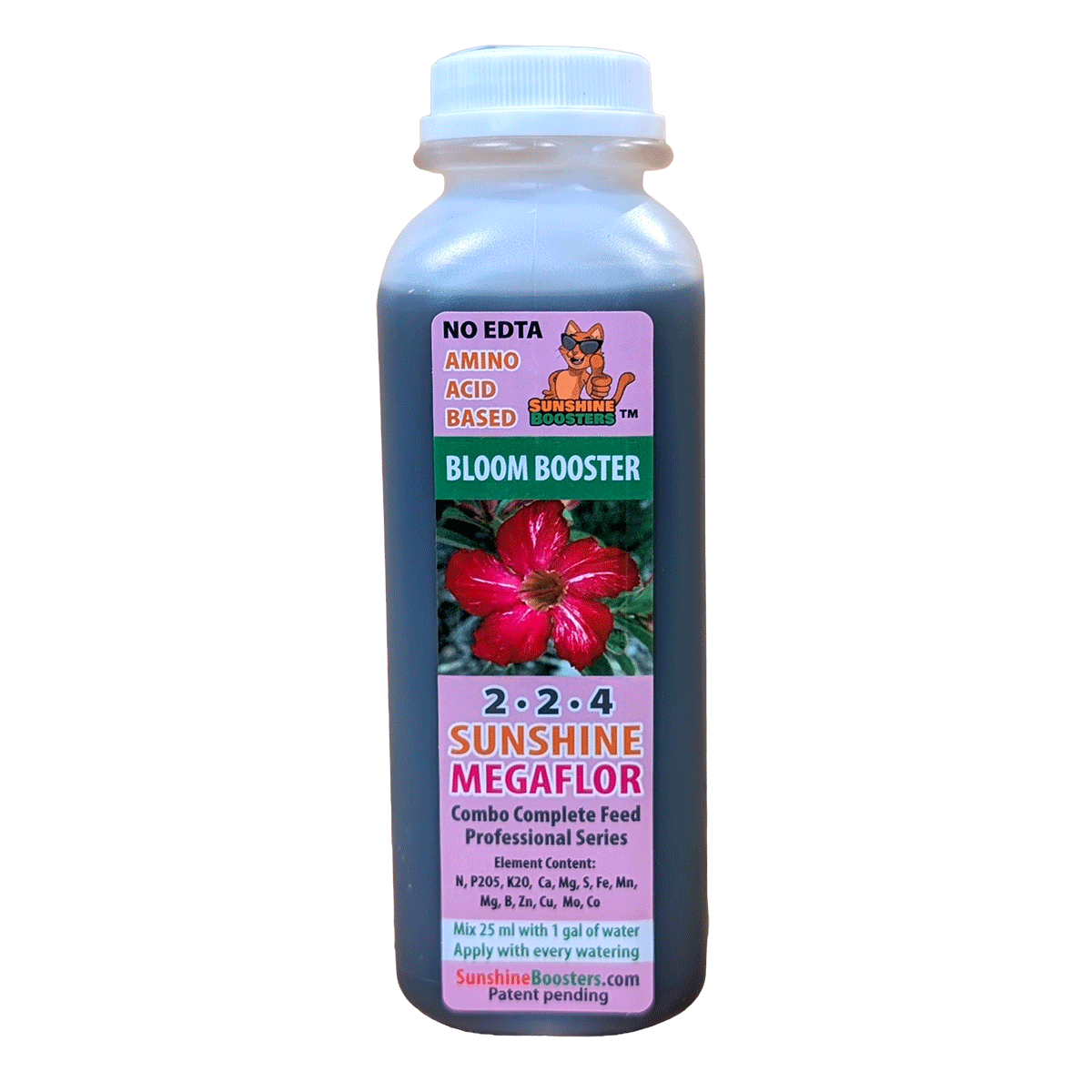 SUNSHINE Megaflor (NPK 2-2-4) - Bloom Booster for every watering. Formulated especially for blooms, to boost flowering, improve flower size and quality, and stimulate pollen development. This is an eco-friendly nutrition booster that can be used for organic gardens. Can be used for daily feeding with every watering. Scientifically-balanced stable formula is organic Amino-acid based and has NO EDTA chelators to eliminate nutrients lockup; it does not affect crop taste. Organic Amino acids greatly enhance stability of all Sunshine boosters and provide excellent absorption of trace elements. Pollinating insects friendly.

Botanical names: Pseudophoenix sargentii, Pseudophoenix saonae, Pseudophoenix vinifera
Common names: Buccaneer Palm, Cherry Palm
Family: Arecaceae / Palmae
USDA Zone: 9-10

Widely distributed from the Florida Keys, down thru Mexico to Belize, and Cuba and the Bahamas. It has a slightly swollen, waxy, ringed trunk; a waxy crownshaft; and arching, dark grey-green, very leathery, pinnate leaves. Prefers lightly shaded, moist, but well drained position, preferably on alkaline soils. Very salt water tolerant. Extremely slow growing .


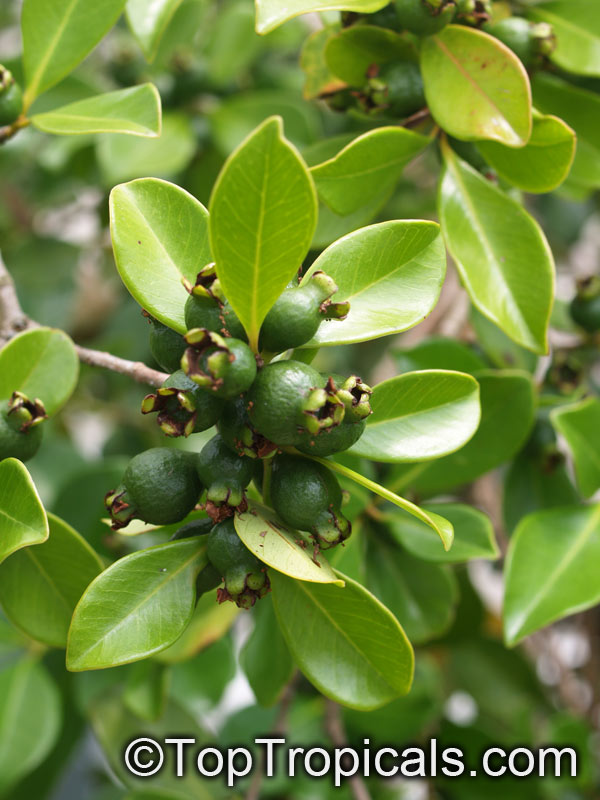
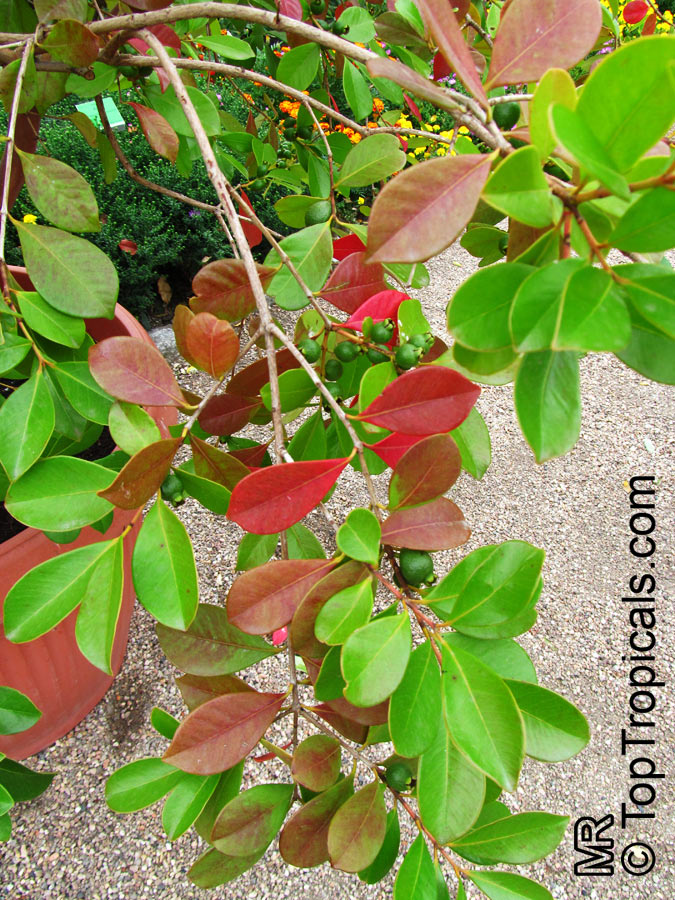
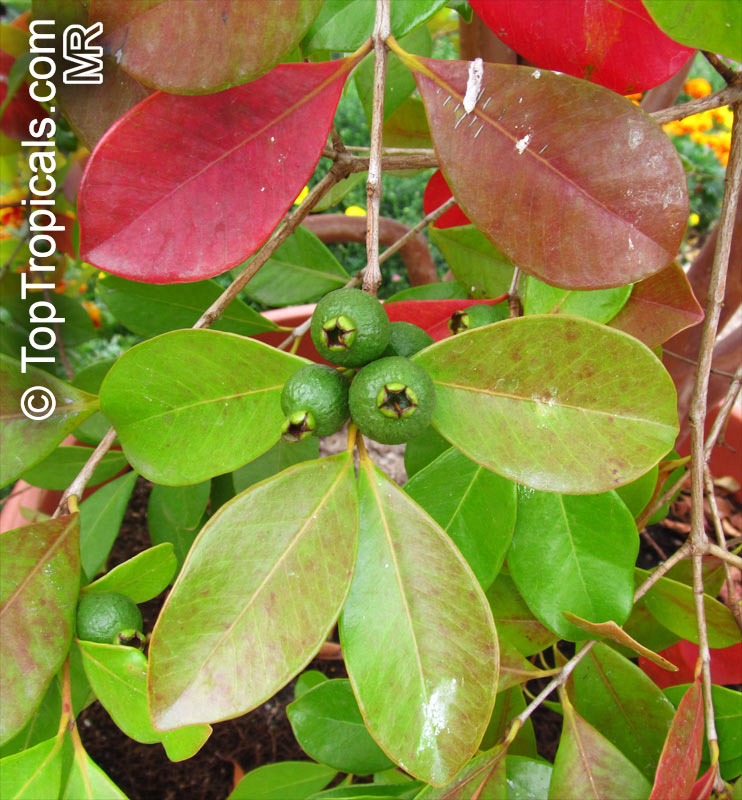
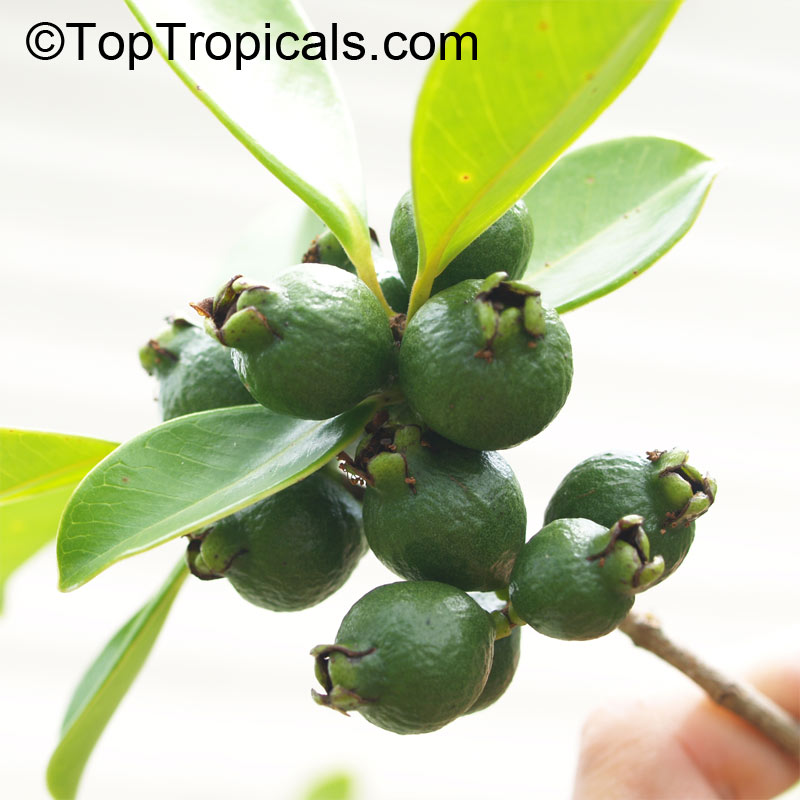
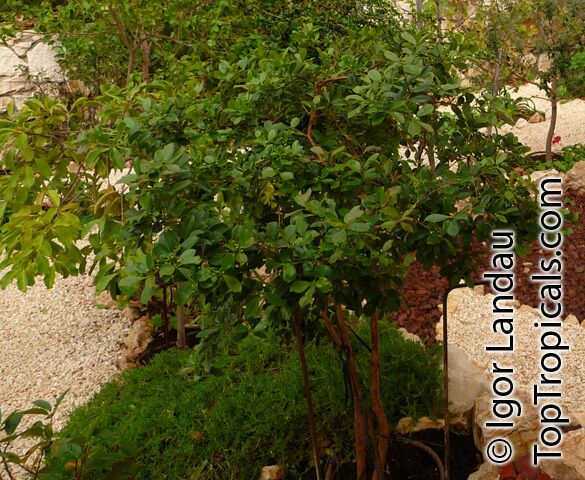
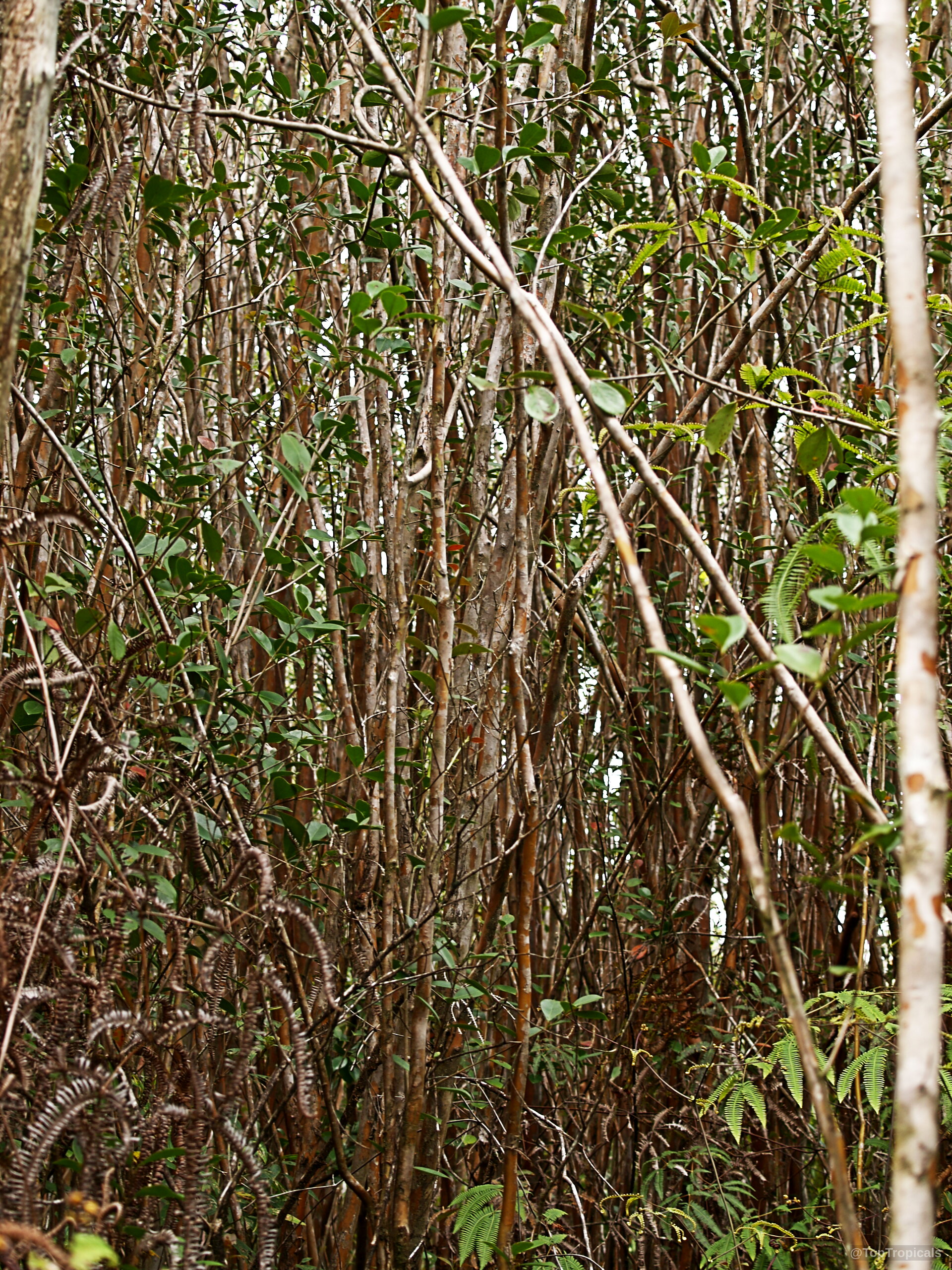
Botanical names: Psidium cattleyanum, Psidium littorale
Common names: Cattley Guava, Sand Plum, Strawberry Guava
Family: Myrtaceae
Origin: Brazil
USDA Zone: 9-11
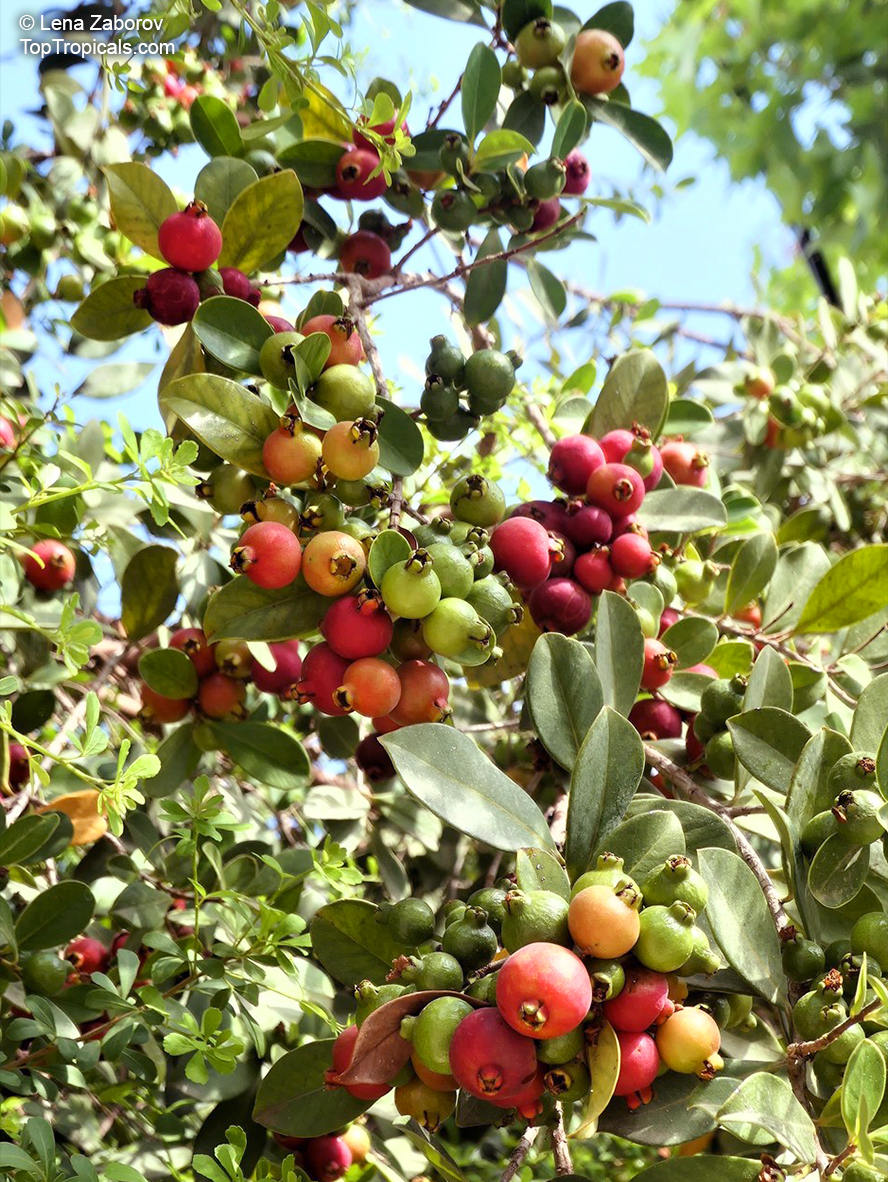
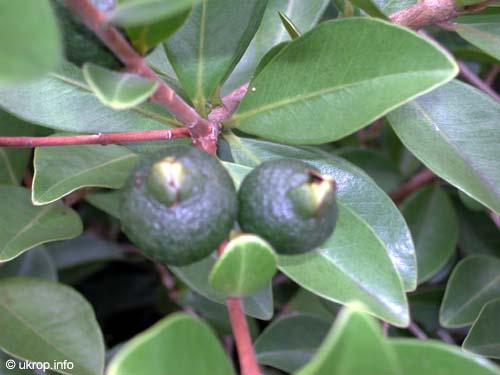
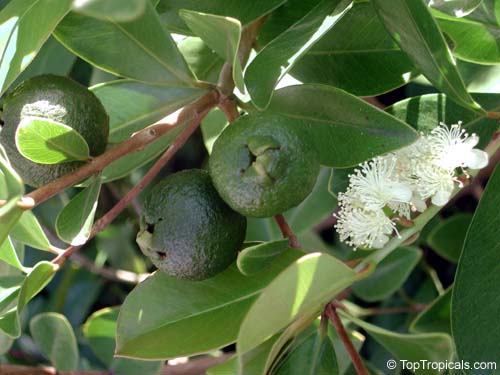
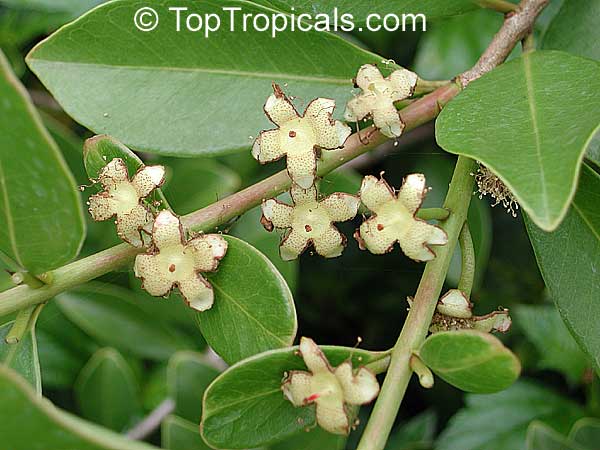
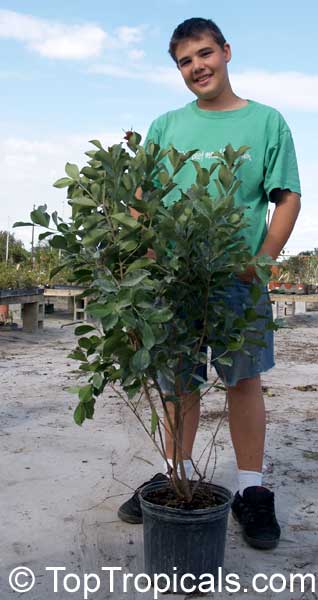
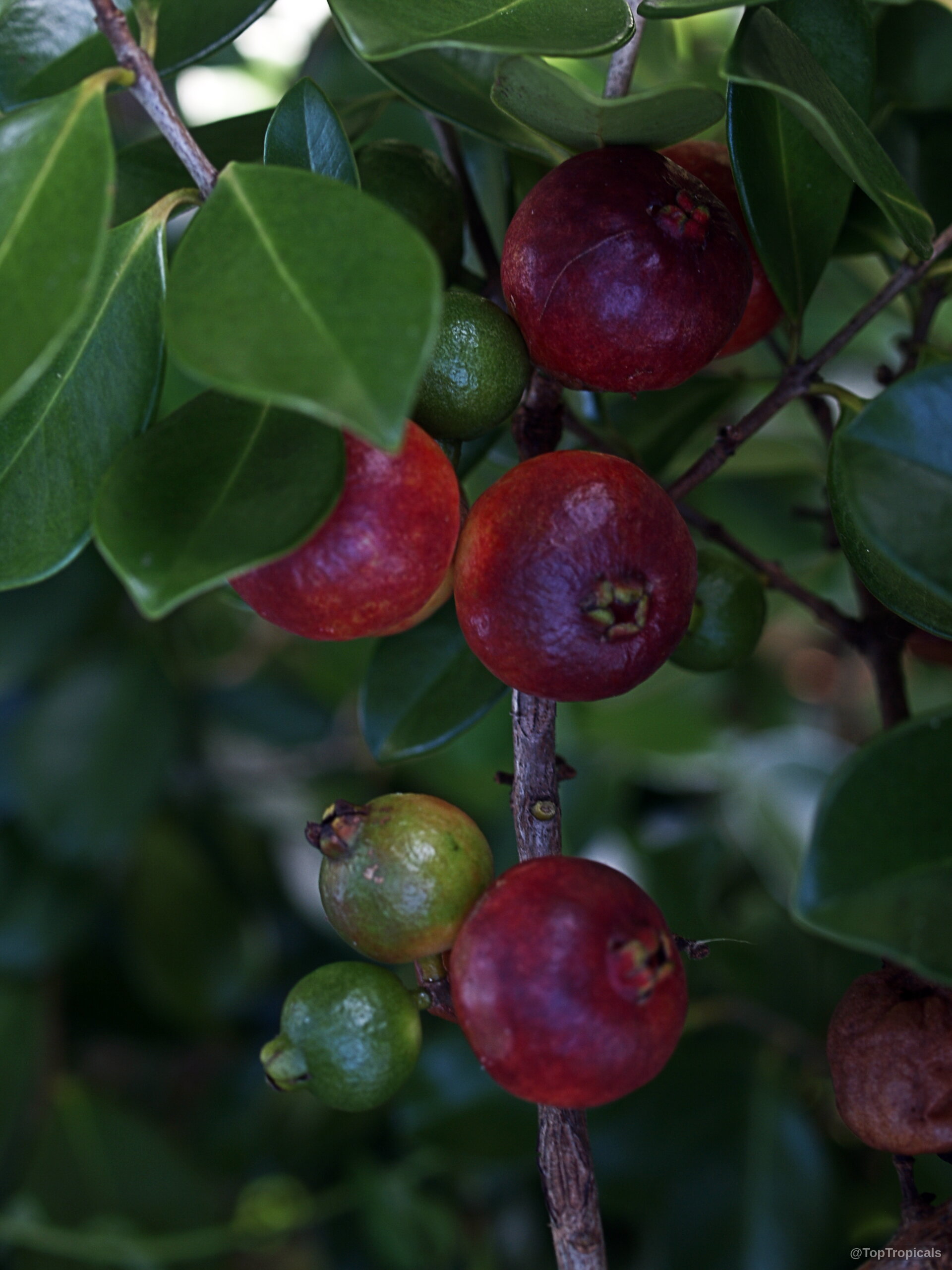
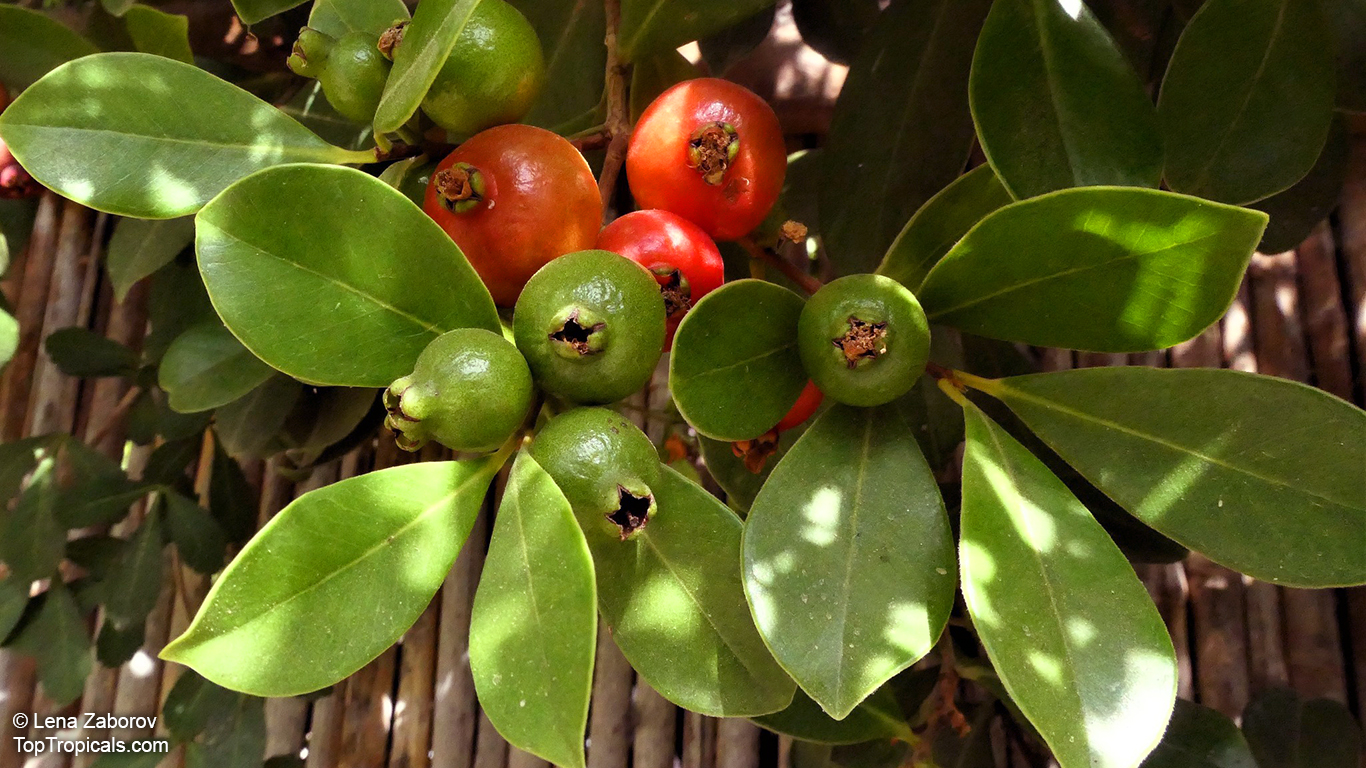
The Cattley Guava is a very attractive, cold hardy and undemanding small tree growing if unpruned to about 20 ft high, with glossy deep green evergreen leaves. New growth is reddish, which adds to the attractiveness of the tree and it has a handsome reddish-brown bark which peels.
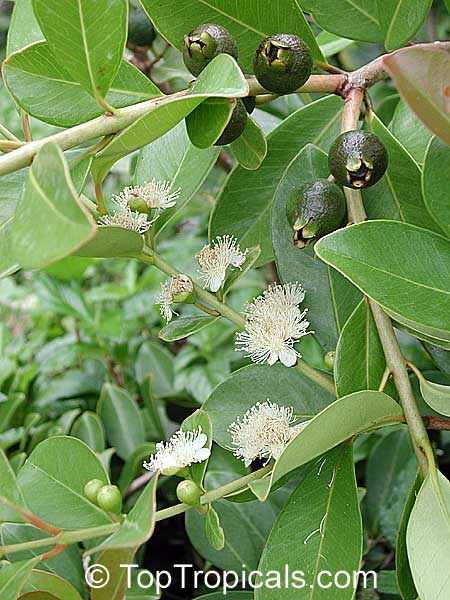
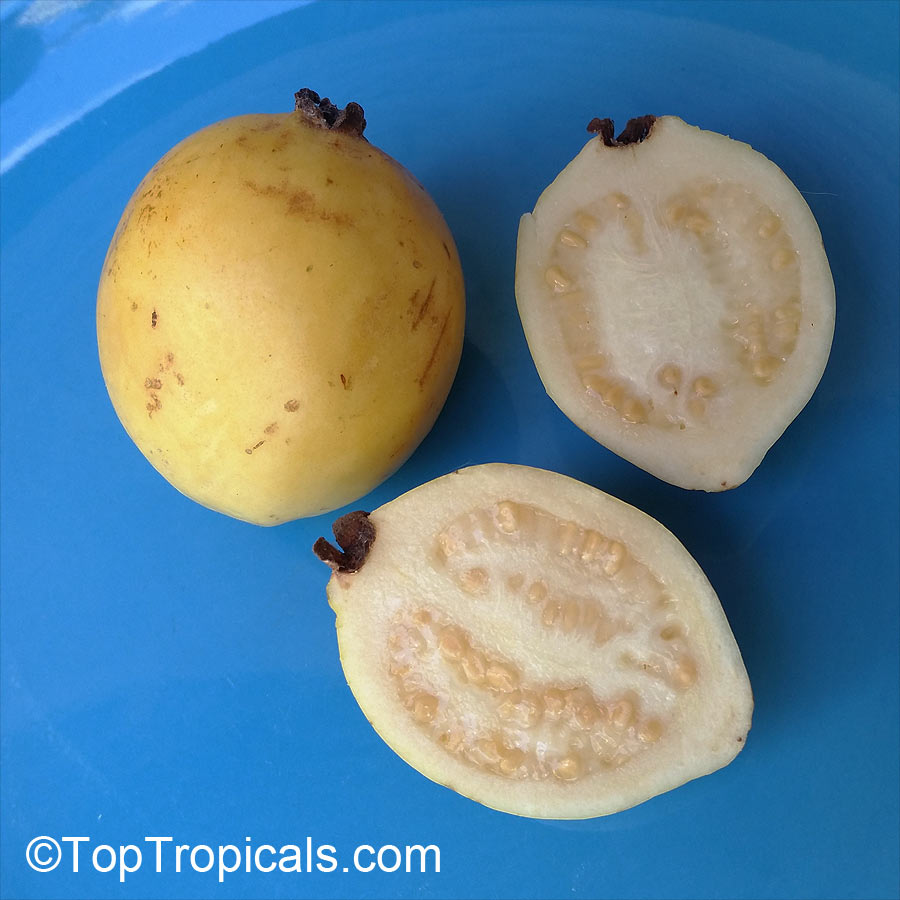
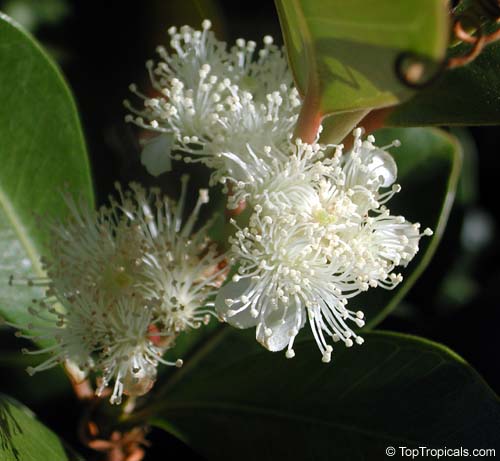
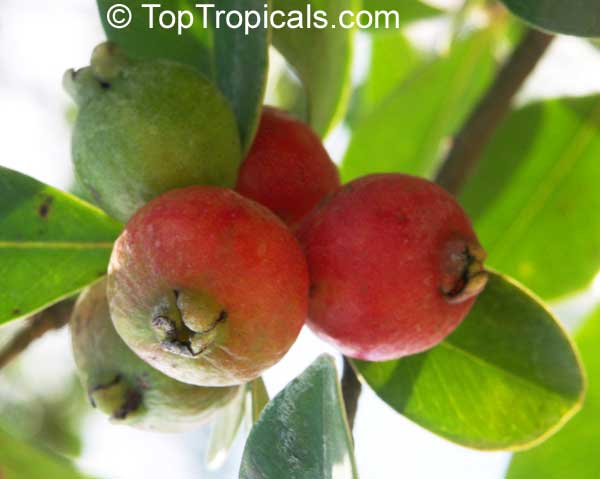
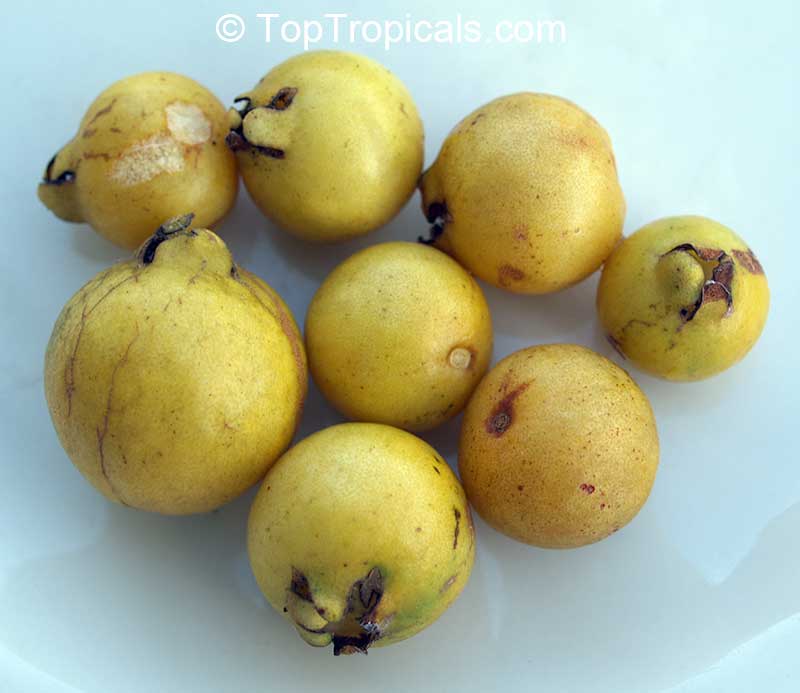
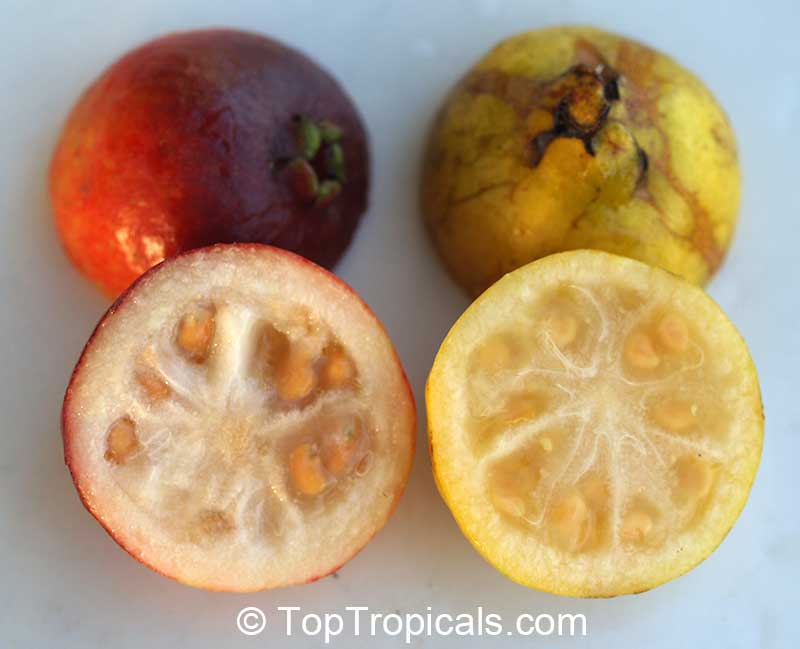
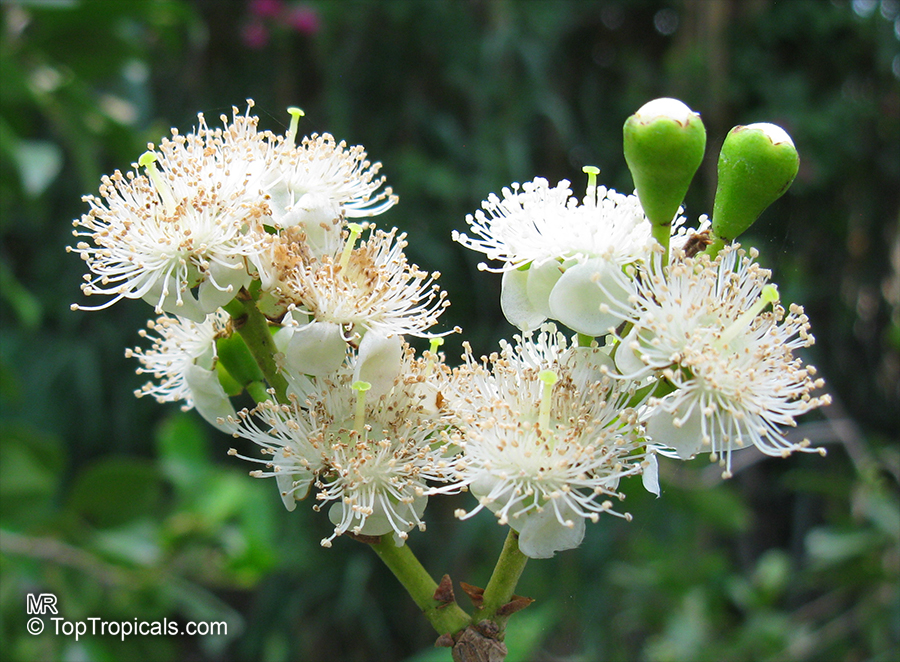
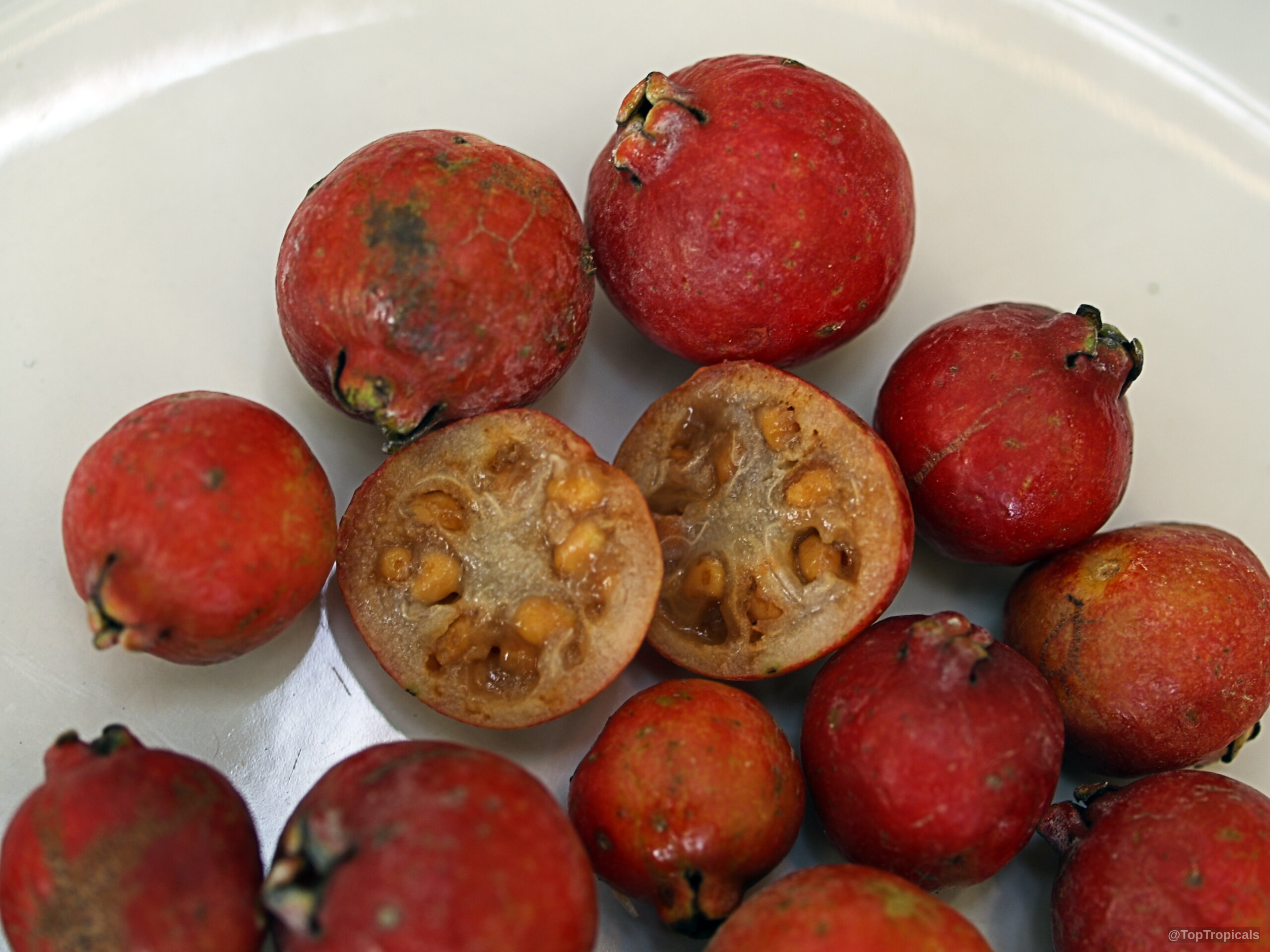
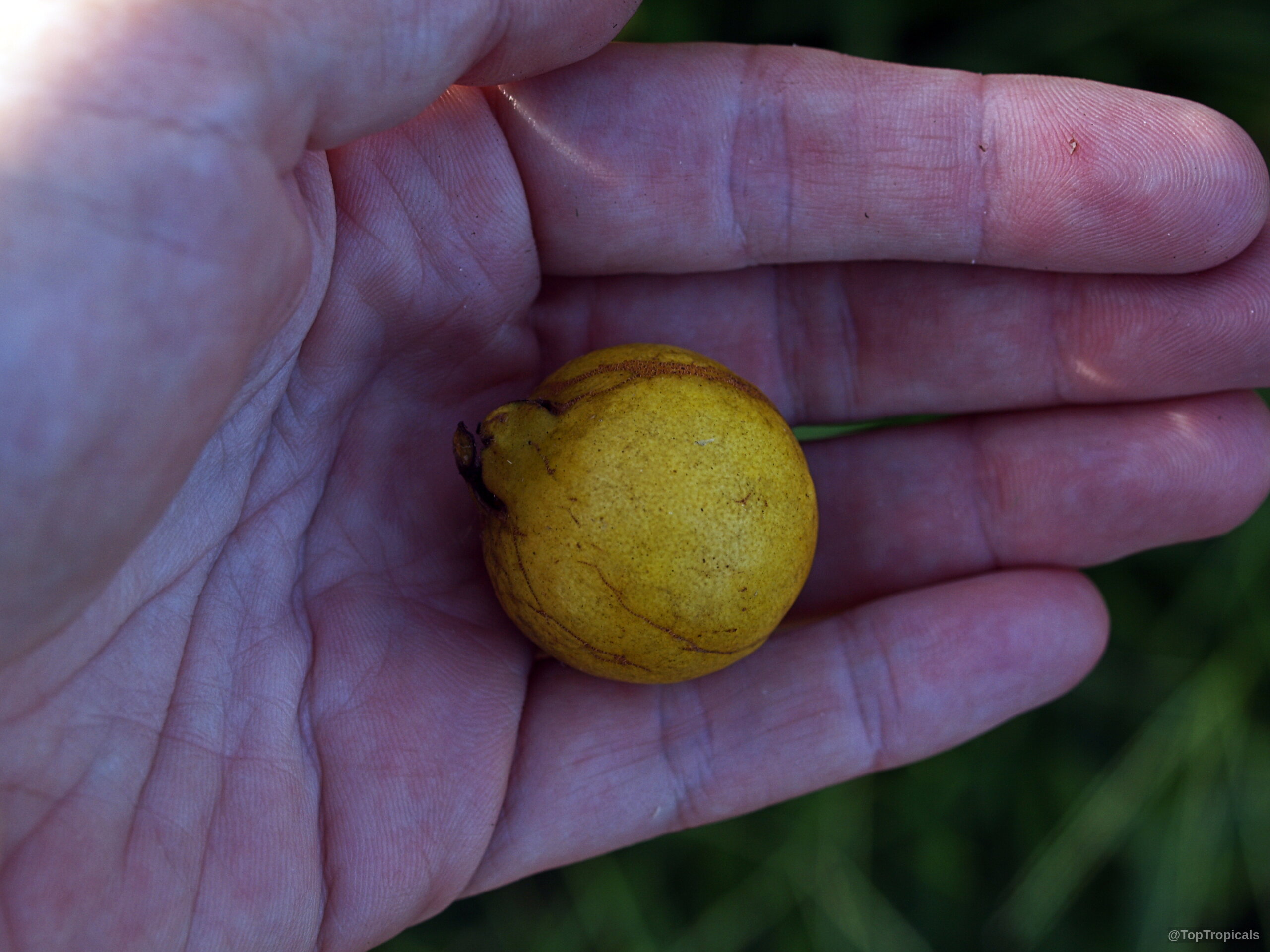
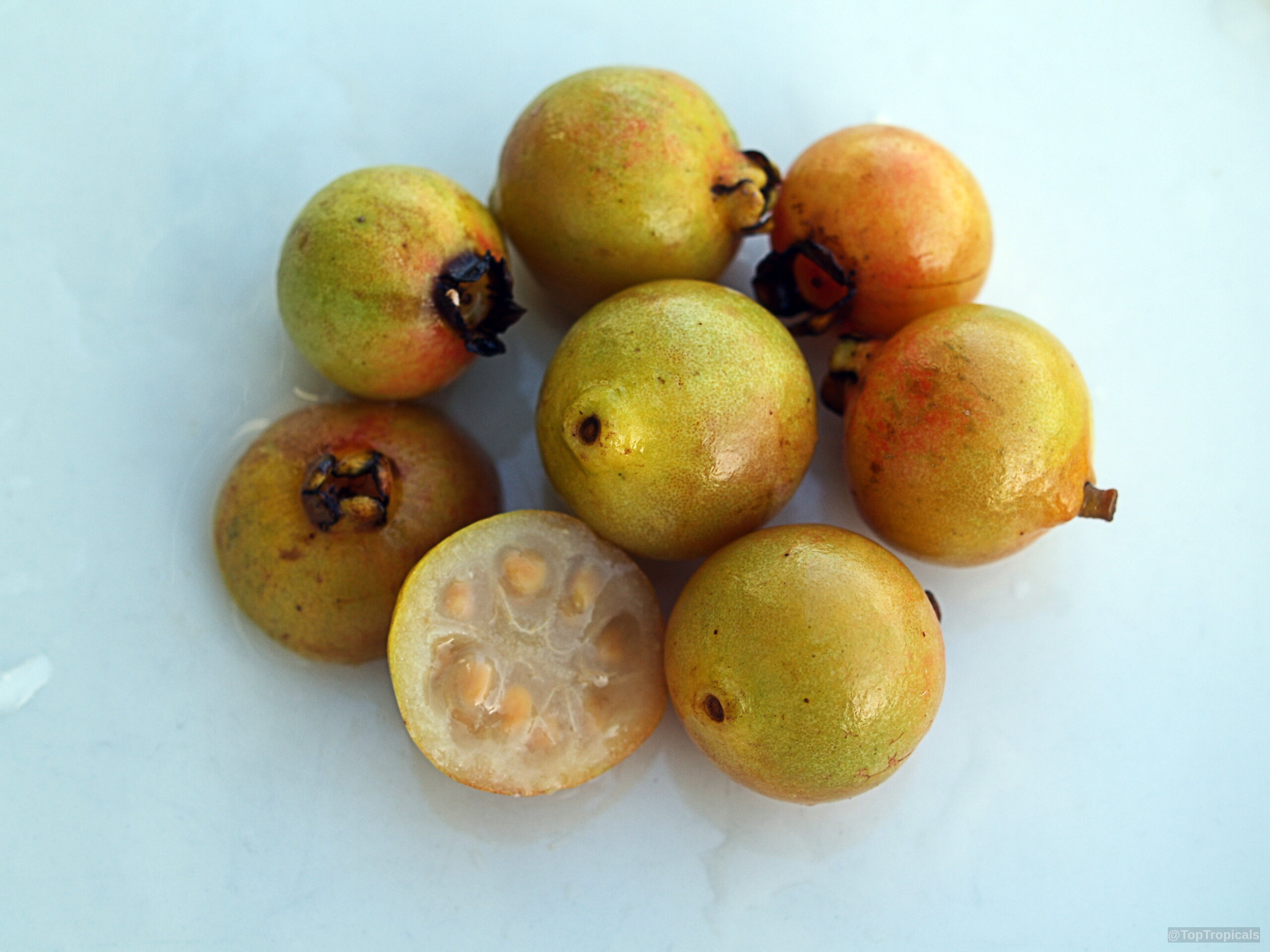
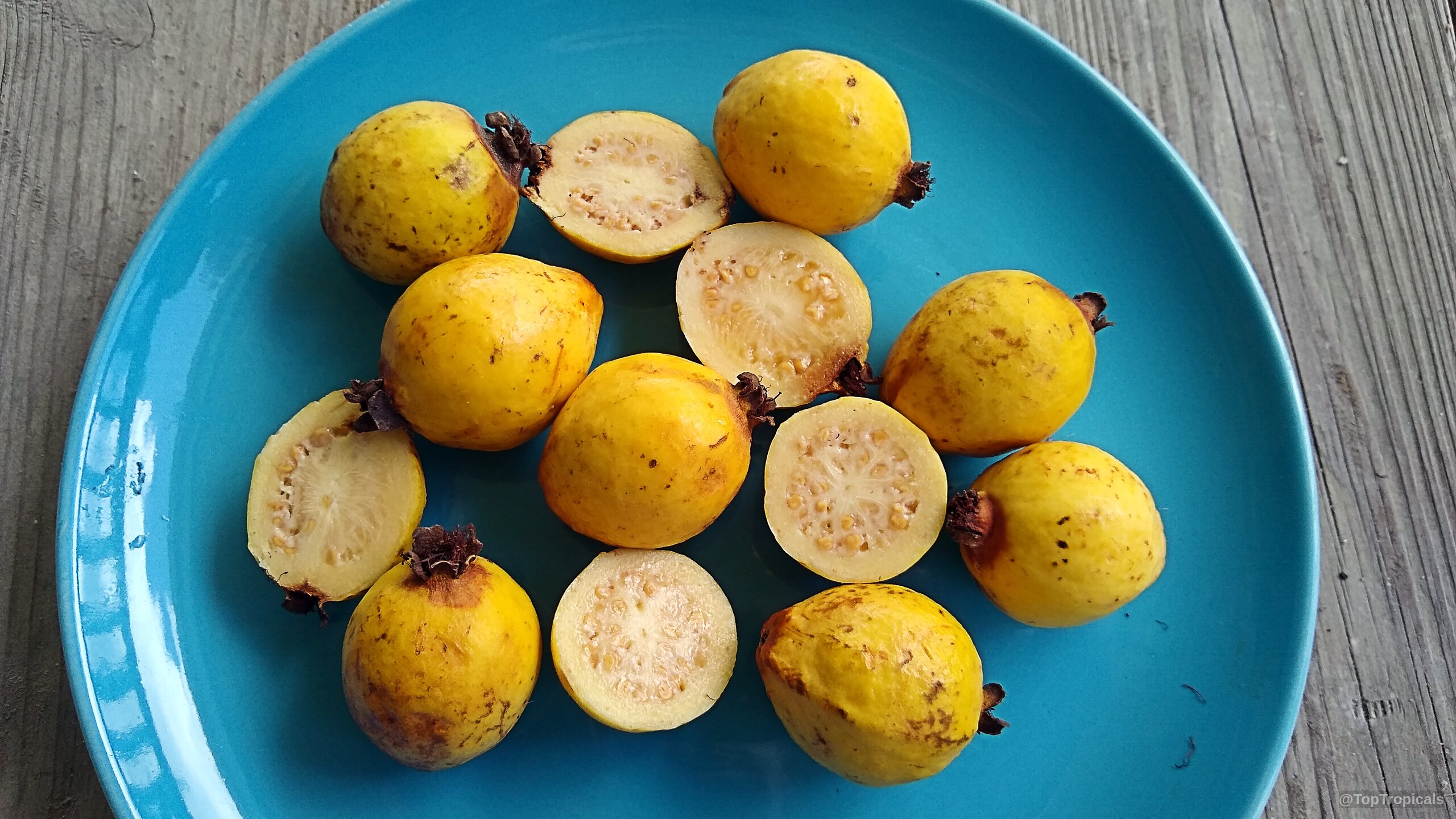
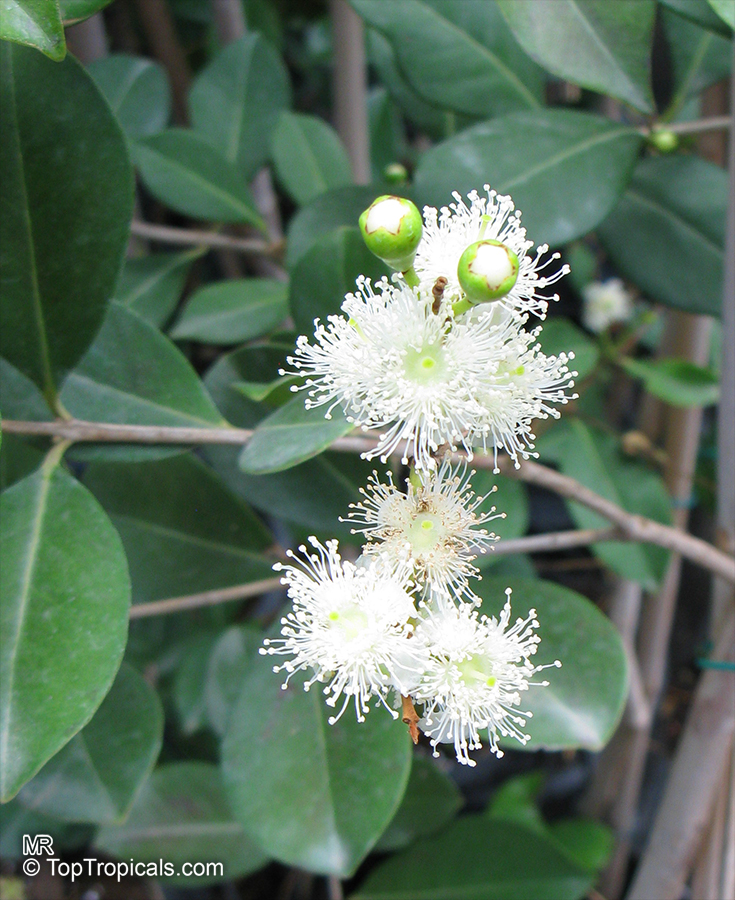
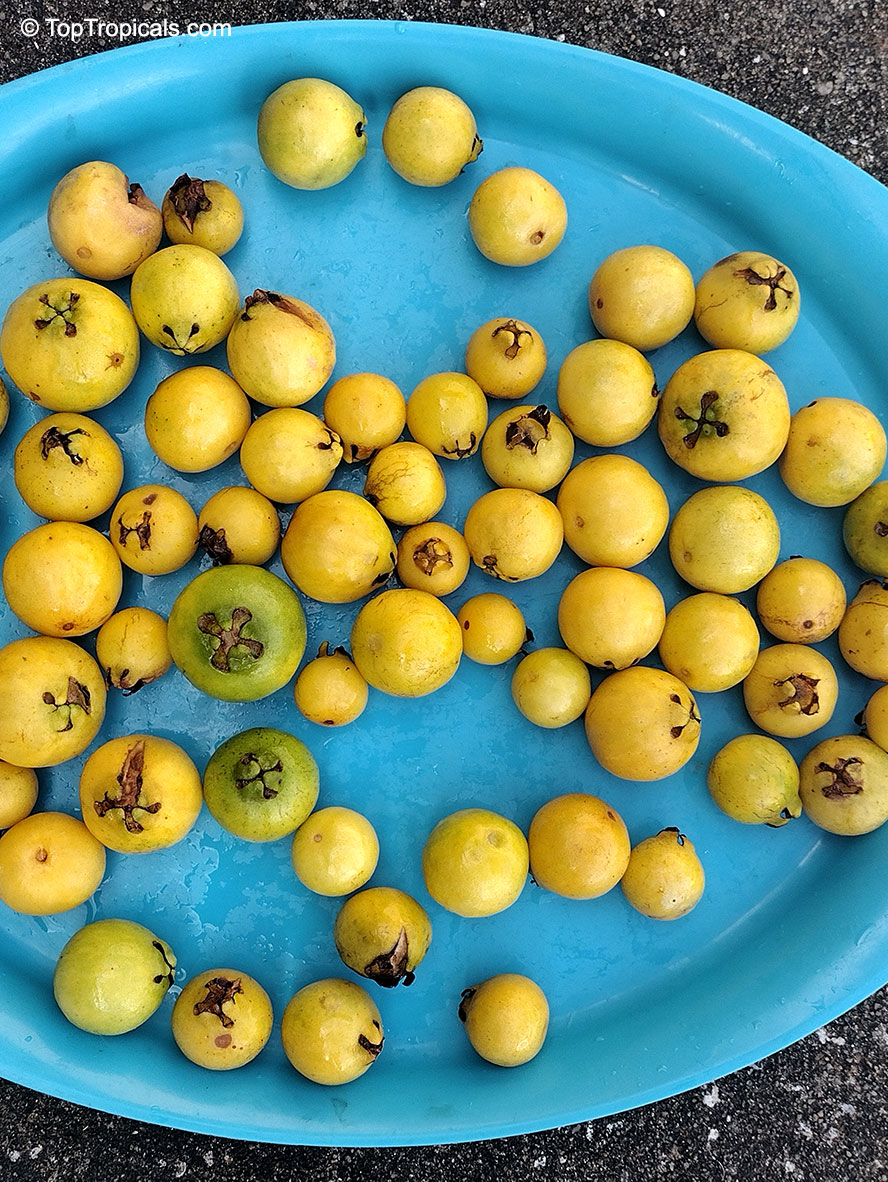
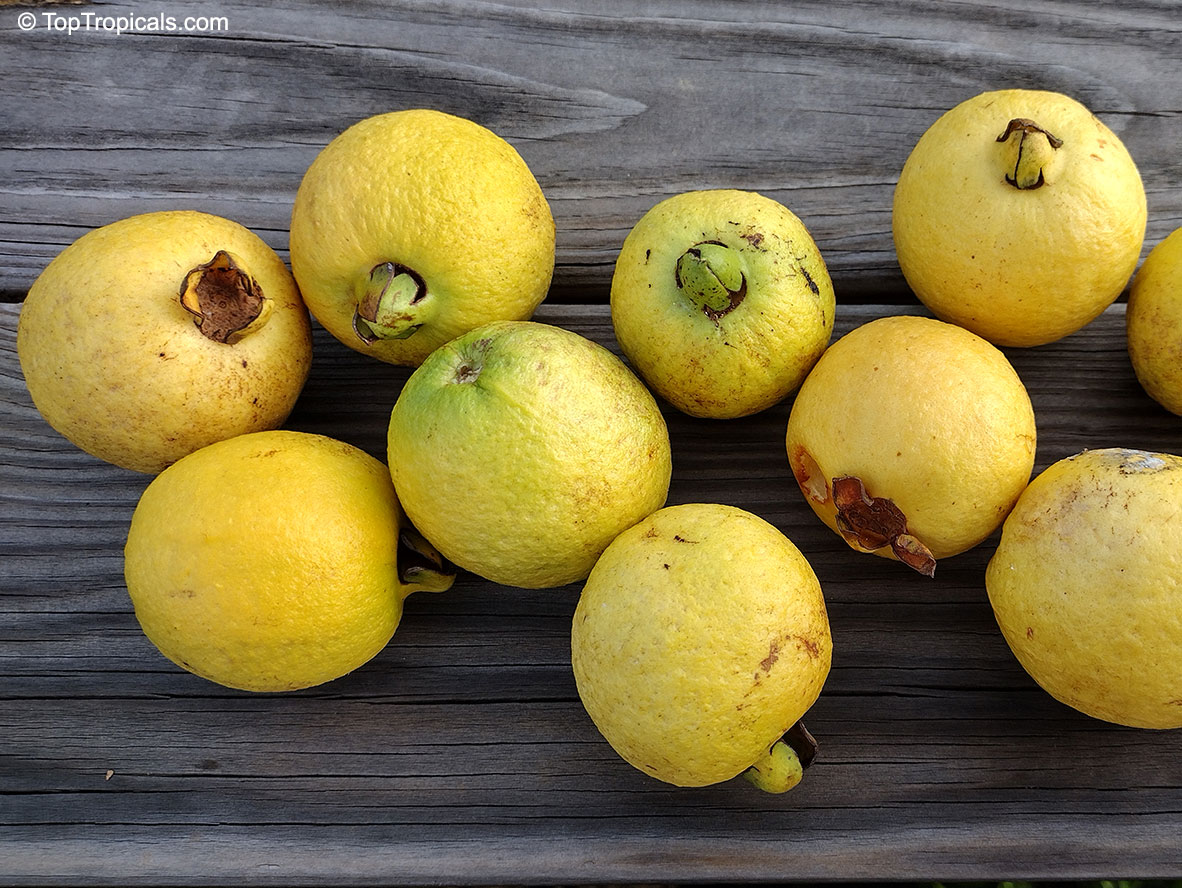
1-2" fruits are produced from late spring to autumn from 1" white flowers, they are round, with a shiny reddish or yellow color. The pulp has many hard seeds and the flesh has a pleasant sweet to sub-acid flavor. Fruits can be eaten fresh or used in jellies, jams, juices and drinks.
There are two major varieties: Red and Yellow. Red-skinned fruits have white flesh more or less reddish near the skin. The yellow variety, sometimes called the Giant Puerto Rican Cattleya, has somewhat larger leaves and is a little more cold sensitive. The yellow-skinned fruits have faintly yellowish flesh; they are slightly larger and sweeter than those of the red variety.
Cattleya guavas make excellent landscape small trees, but also are easily grown and fruited in large containers. Growth rates are usually about two to four feet a year under good conditions. Trees should be fertilized in the landscape two to three times a year with a balanced fertilizer. Young trees may require some pruning to keep them desirably shaped. However, older trees require little attention. Cattley Guava is shallow-rooted but in spite of that, it is drought tolerant. It is also able to endure flooding for short periods. Guavas can take heavy pruning, however, and can be used as informal hedges or screens. Since the fruit is borne on new growth, pruning does not interfere with next years crop.
There is a number of properties of Cattley Guava that make it very special for any tropical garden.
- It is much hardier than the Tropical Guava and can survive temperatures of low 20's F without any damage.
- It responds well to pruning, and since the fruit form on new growth, pruning won't effect the production.
- It is one of the best choices for a rapidly growing hedge plant and wind protector for other tropical plants.
- It is one of the very few tropical plants that can easily tolerate alkaline soils - in fact, it seems as though it enjoys them! It can grow even in limestone. It can grow in very poor soils that would barely support other fruit trees.
- It requires very little watering once established, and can tolerate long periods of drought (young plants should be watered regularly until established).
- It produces masses of delicious fruit year to year under minimum or no care and doesn't look like has any pest problems.
- Trees have good salt tolerance and can be used close to coastal areas without any problem.




Recommended Fertilizer: SUNSHINE C-Cibus - Crop Nutrition Booster
SUNSHINE-Honey - sugar booster
Recommended Fertilizer: SUNSHINE C-Cibus - Crop Nutrition Booster
SUNSHINE-Honey - sugar booster

Botanical name: Pterocarpus macrocarpus
Common names: Gum-Kino Tree, Burma Padauk, Mai Pradoo, Pradu
Family: Fabaceae
Subfamily: Faboideae
Origin: Burma and Thailand
USDA Zone: 9-10

Pterocarpus macrocarpus, also known as Gum-Kino Tree, is a tree native to Burma and Thailand that can grow to more than 20 ft tall and has dense foliage, making it ideal for providing shade. The tree produces fragrant yellow flowers that later turn into large brownish seeds. The heartwood of the tree, which ranges in color from bright yellow red to dark brick red with streaks of darker color, is highly valued for its use in making musical instruments, furniture, cabinet wood, decorative veneers, novelty items and interior trim. It is not typically sold in high volume, but is highly sought after as an accent wood. Traditional Thai music instruments (harps) are made out of wood of this wood.
While Pterocarpus macrocarpus is not suited for cold climates, it can be grown in USDA Zones 9-11. While it can tolerate some drought, it needs regular watering and moderate moisture to stay healthy. The tree is tolerant of salty conditions and can be grown in seaside areas.


| Prev | Next | |
Use link to repeat this search:
https://toptropicals.com/cgi-bin/garden_catalog/cat.cgi?search_op=and&keyword_op=and&language=e&number=10&no_change_lang=1
&v1=sea&user=tt&sale=1&first=0