Seaside, salt tolerant plant - Plant Encyclopedia Results (Page 36)
| Number of plants found: 458 |  | Prev | Next | 
|
Go to page: | First | 31 | 32 | 33 | 34 | 35 | 36 | 37 | 38 | 39 | 40 | Last |

Botanical name: Pluchea odorata
Common names: Sweetscent, Salt Marsh Fleabane, Shrubby Camphorweed, Fragrant Ageratum, Fruity Weed
Family: Asteraceae
Origin: Central America, Mexico
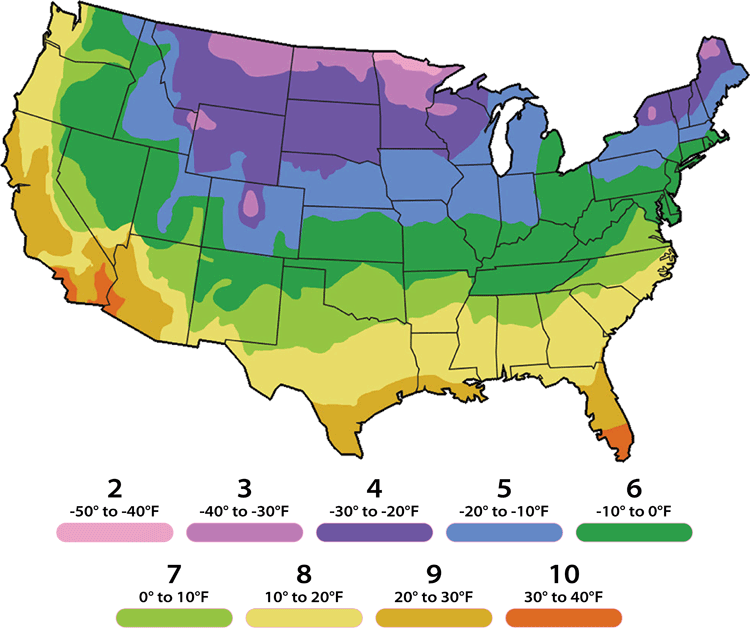
USDA Zone: 9-10


Pluchea can grow as an annual or perennial, depending on winter temperatures and the amount of summer water. It inhabits wetlands and other coastal habitats and moist inland areas, often in saline substrates. Pluchea odorata odorata tolerates alkaline soil, salt and seasonal flooding. The entire plant is dotted with glands that emit a wonderful herbal-fruity scent when touched, even dry winter leaves that persist until spring - hence its common name.One of the best features of Sweetscent is its colors. The foliage is a pale green pastel. Contrast this with the pink-purple flowers.


Botanical name: Plumbago auriculata
Common names: Cape Plumbago, Cape Leadwort
Cultivar: Alba
Family: Plumbaginaceae
Origin: S Africa, Himalayas, China.
USDA Zone: 9-11


Blooms throughout the year with denser blooms from March to November. Plumbago is popular in both tropical and sub-tropical gardens because of its delicate flowers. It is by nature a woody climbing shrub - with support it can reach several ft in height - but in the tropics it is seen more often as a low plant used for hedges. It tolerates both drought and poor soil and does best at slightly higher altitudes; heavy rainfall tends to beat down the flowers and leaves. Plumbago does best in full sun and grows best if it is heavily pruned from time to time, even cut back to the ground. Propagation is from green cuttings or by division of older plants.
Learn more about Plumbago: Sky Blue Plumbago in Southern Landscapes.


Learn more about Plumbago: Sky Blue Plumbago in Southern Landscapes.
Recommended Fertilizer: SUNSHINE Megaflor - Bloom Nutrition Booster

Botanical names: Plumbago auriculata, Plumbago capensis
Common names: Blue Plumbago, Cape Plumbago, Cape Leadwort
Family: Plumbaginaceae
Origin: S. Africa, Himalayas, China
USDA Zone: 9-11

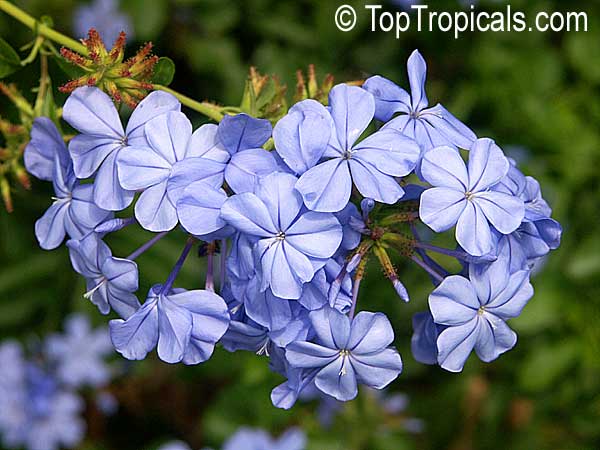
Plumbago auriculata, commonly known as Blue Plumbago, is native to South Africa, the Himalayas, and China and can be found in tropical and sub-tropical gardens where it is used to create beautiful hedges or low shrubs due to its ability to withstand a variety of conditions. It grows best in full sun and reaches a height of 5-10 feet, however when planted in less sunny climates it can be kept as a semi-shrubby evergreen and kept at a height of 2-5 feet.
Plumbago can handle drought and poor soil conditions, but in areas with heavy rainfall its foliage and flowers may become crushed so it's best suited to slightly higher altitudes. Pruning is key to its success as it needs to be cut back to the ground at least once a year to maintain its healthy growth. Propagation is done through green cuttings or dividing of its roots.
Not only are the delicate lavender-purple or blue flowers of Plumbago aesthetically pleasing but it offers a wide range of benefits for pollinators like hummingbirds, butterflies, and beneficial insects. Additionally, it is known for its salt-tolerance, making it an excellent choice for seaside gardens.
For gardeners living in cooler climates, Plumbago is easily kept inside in a container as it is a suitable houseplant. For best results, keep the soil moist and make sure the container is appropriately aerated. During colder months, bring the container inside and place it in the sunniest window in the home. Additionally, be sure to check up on the soil periodically as it can be overly saturated during the spring or overly dry during winter. Give your plant the occasional fertilizing session to keep it healthy and well-nourished.




Learn more about Plumbago: Sky Blue Plumbago in Southern Landscapes.
Recommended Fertilizer: SUNSHINE Megaflor - Bloom Nutrition Booster

Botanical name: Plumeria obtusa
Common name: Singapore Plumeria
Family: Apocynaceae
USDA Zone: 9-12
Cold tolerance: 30°F

Singapore plumeria (obtusa) - evergreen shrub or small tree, up to 15 feet tall (4.5 m), or more; dark, shiny, leathery, blunt ended leaves, 6 to 10 inches long (15-25 cm), needs protection below 40° F (4° C). It has has scented, creamy white flowers with a yellow center, 1.6 to 2 inches in diameter (4-5 cm). This small tree grows to 8m high and is best suited to a tropical climate where, unlike most frangipanis, it is reliably evergreen. It can be grown in frost-free, subtropical climates, but requires a sheltered position and a fairly constant water supply. The broad, blunt-ended leaves are 15cm or more long. The scented, creamy white flowers have a bright yellow center. with its elegant, rounded flowers and soft perfume, 'Singapore White' is one of the loveliest of all plumerias. Plumeria commemorates Charles Plumier, a seventeenth-century French botanist who described several tropical species. The genus contains 8 species of mainly deciduous shrubs and trees, originally from Central America, known for their strongly fragrant flowers. The tree can reach a height of 9m, though they are generally much smaller. Their fleshy branches contain a poisonous, milk sap. In the tropics, the terminally held flowers (generally white) appear before the leaves and continue to flower for most of the year. In subtropical climates the flowers appear in spring, after the leaves, and continue growing until the next winter. The fruit consist of 2 leathery follicles, although the trees rarely fruit in cultivation. Most plumerias in gardens are hybrids. Plumerias are very salt tolerant. See Thai Plumeria - varieties Gallery.


Recommended Fertilizer: SUNSHINE Pikake - Fragrant Flower Booster
Succulent Care. This plant is shipped bare-rooted. Plant it in well-drained soil mix, water and keep in warm (75-80F) place in filtered light. Let soil dry between waterings.

Recommended Fertilizer: SUNSHINE Pikake - Fragrant Flower Booster
Succulent Care. This plant is shipped bare-rooted. Plant it in well-drained soil mix, water and keep in warm (75-80F) place in filtered light. Let soil dry between waterings.

Botanical name: Plumeria rubra
Common names: Frangipani, Temple tree, Calachuchi
Cultivar: Pink
Family: Apocynaceae
USDA Zone: 9-11
Cold tolerance: 30°F


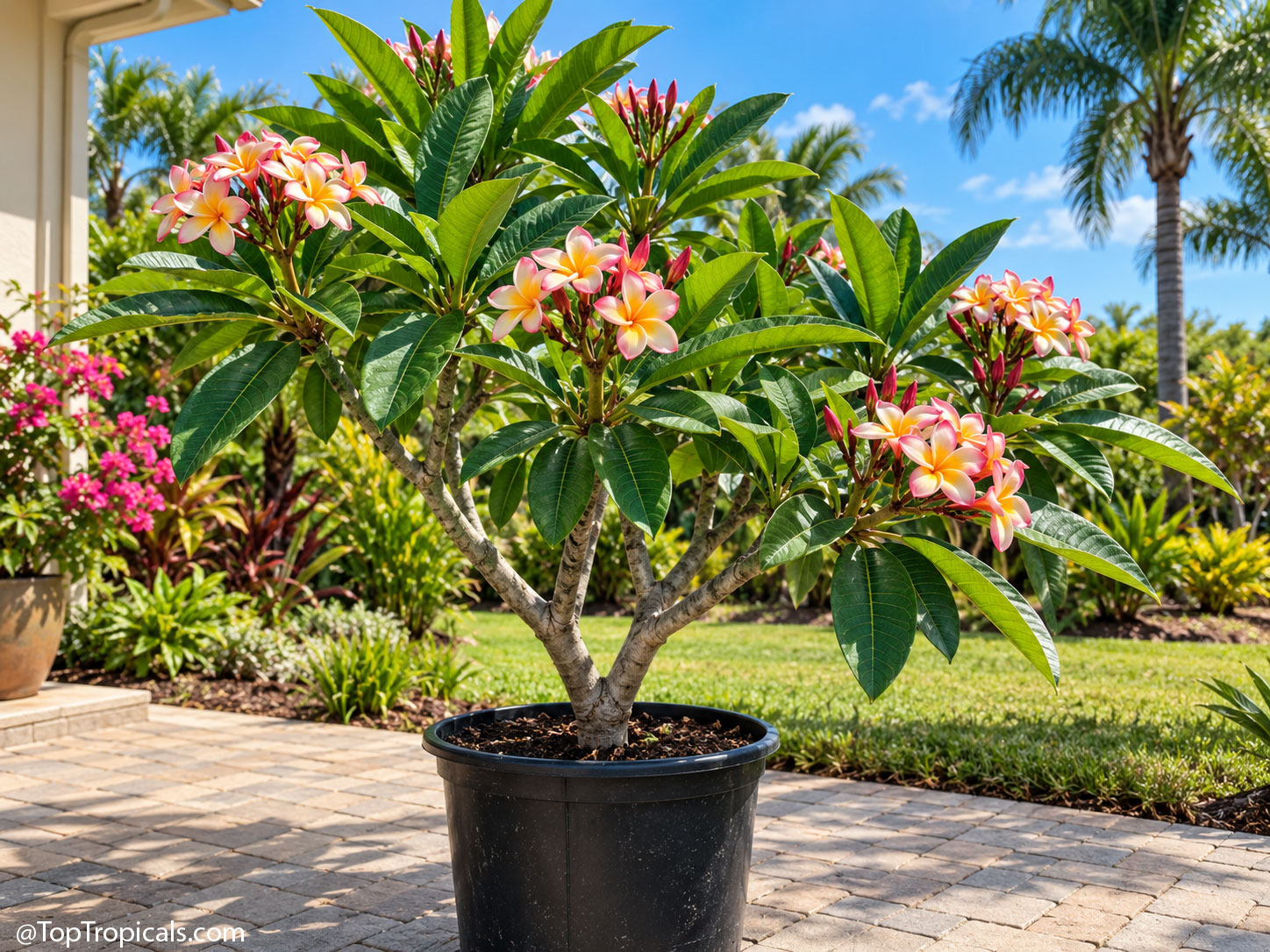
Plumeria commemorates Charles Plumier, a seventeenth-century French botanist who described several tropical species. The genus contains 8 species of mainly deciduous shrubs and trees, originally from Central America, known for their strongly fragrant flowers. The tree can reach a height of 9m, though they are generally much smaller. Their fleshy branches contain a poisonous, milk sap. In the tropics, the terminally held flowers (generally white) appear before the leaves and continue to flower for most of the year. In subtropical climates the flowers appear in spring, after the leaves, and continue growing until the next winter. The fruit consist of 2 leathery follicles, althought the trees rarely fruit in cultivation. Most plumerias in gardens are hybrids. Plumerias are very salt tolerant.


Recommended Fertilizer: SUNSHINE Pikake - Fragrant Flower Booster
Succulent Care. This plant is shipped bare-rooted. Plant it in well-drained soil mix, water and keep in warm (75-80F) place in filtered light. Let soil dry between waterings.
Recommended Fertilizer: SUNSHINE Pikake - Fragrant Flower Booster
Local pickup only. This item is not available for shipping. Local delivery may be available in Ft. Myers or Sebring, Florida. Contact us for an estimate. Non-pickup orders are subject to restocking fees.
Botanical name: Plumeria rubra
Common names: Frangipani, Temple tree, Calachuchi
Cultivar: Yellow
Family: Apocynaceae
USDA Zone: 9-11

Plumeria commemorates Charles Plumier, a seventeenth-century French botanist who described several tropical species. The genus contains 8 species of mainly deciduous shrubs and trees, originally from Central America, known for their strongly fragrant flowers. The tree can reach a height of 9m, though they are generally much smaller. Their fleshy branches contain a poisonous, milk sap. In the tropics, the terminally held flowers (generally white) appear before the leaves and continue to flower for most of the year. In subtropical climates the flowers appear in spring, after the leaves, and continue growing until the next winter. The fruit consist of 2 leathery follicles, althought the trees rarely fruit in cultivation. Most plumerias in gardens are hybrids. Plumerias are very salt tolerant.


Recommended Fertilizer: SUNSHINE Pikake - Fragrant Flower Booster
Succulent Care. This plant is shipped bare-rooted. Plant it in well-drained soil mix, water and keep in warm (75-80F) place in filtered light. Let soil dry between waterings.

Recommended Fertilizer: SUNSHINE Pikake - Fragrant Flower Booster
Succulent Care. This plant is shipped bare-rooted. Plant it in well-drained soil mix, water and keep in warm (75-80F) place in filtered light. Let soil dry between waterings.
Recommended Fertilizer: SUNSHINE Pikake - Fragrant Flower Booster
Succulent Care. This plant is shipped bare-rooted. Plant it in well-drained soil mix, water and keep in warm (75-80F) place in filtered light. Let soil dry between waterings.

Botanical name: Plumeria sp.
Common names: Plumeria, Frangipani
Family: Apocynaceae
USDA Zone: 9b-11
Plumeria is a genus of tropical and subtropical shrubs and small trees in the Apocynaceae family, native to the Americas from Mexico and the Caribbean through Central America to northern South America. Named in honor of the 17th-century French botanist Charles Plumier, Plumerias are famous for their showy, strongly fragrant flowers, which occur in shades of white, yellow, pink, red, and numerous multicolored combinations. Plants have thick, fleshy branches and large leaves and may reach about 30 feet (9 m), although many cultivated forms remain considerably smaller. Most Plumerias grown in gardens are cultivars and hybrids selected for flower color, size, fragrance, and growth habit.
Flower clusters are produced at the ends of branches and may bloom for many months in warm climates. Many species and cultivars become partly or completely deciduous during the cooler or drier season. Plumerias grow best in full sun and sharply drained soil and are remarkably drought tolerant once established, while prolonged waterlogging can quickly damage the roots. Their broken stems and leaves exude a milky latex that can irritate skin and should not be ingested. Fruits, when produced, consist of paired elongated follicles containing winged seeds, although many cultivated plants set fruit only occasionally. Hardy in USDA Zones 10-12, Plumerias can also be grown in warm parts of Zone 9b in sheltered locations with protection from frost and freezing temperatures. They are excellent landscape and container plants and can be kept relatively compact through pruning.




Recommended Fertilizer: SUNSHINE Pikake - Fragrant Flower Booster
Succulent Care. This plant is shipped bare-rooted. Plant it in well-drained soil mix, water and keep in warm (75-80F) place in filtered light. Let soil dry between waterings.

Recommended Fertilizer: SUNSHINE Pikake - Fragrant Flower Booster
Succulent Care. This plant is shipped bare-rooted. Plant it in well-drained soil mix, water and keep in warm (75-80F) place in filtered light. Let soil dry between waterings.

Recommended Fertilizer: SUNSHINE Pikake - Fragrant Flower Booster
Succulent Care. This plant is shipped bare-rooted. Plant it in well-drained soil mix, water and keep in warm (75-80F) place in filtered light. Let soil dry between waterings.

Recommended Fertilizer: SUNSHINE Pikake - Fragrant Flower Booster
Succulent Care. This plant is shipped bare-rooted. Plant it in well-drained soil mix, water and keep in warm (75-80F) place in filtered light. Let soil dry between waterings.

Recommended Fertilizer: SUNSHINE Pikake - Fragrant Flower Booster
Succulent Care. This plant is shipped bare-rooted. Plant it in well-drained soil mix, water and keep in warm (75-80F) place in filtered light. Let soil dry between waterings.

Recommended Fertilizer: SUNSHINE Pikake - Fragrant Flower Booster
Succulent Care. This plant is shipped bare-rooted. Plant it in well-drained soil mix, water and keep in warm (75-80F) place in filtered light. Let soil dry between waterings.

Recommended Fertilizer: SUNSHINE Pikake - Fragrant Flower Booster
Succulent Care. This plant is shipped bare-rooted. Plant it in well-drained soil mix, water and keep in warm (75-80F) place in filtered light. Let soil dry between waterings.

Recommended Fertilizer: SUNSHINE Pikake - Fragrant Flower Booster
Succulent Care. This plant is shipped bare-rooted. Plant it in well-drained soil mix, water and keep in warm (75-80F) place in filtered light. Let soil dry between waterings.

Recommended Fertilizer: SUNSHINE Pikake - Fragrant Flower Booster
Succulent Care. This plant is shipped bare-rooted. Plant it in well-drained soil mix, water and keep in warm (75-80F) place in filtered light. Let soil dry between waterings.
Last one

Recommended Fertilizer: SUNSHINE Pikake - Fragrant Flower Booster
Succulent Care. This plant is shipped bare-rooted. Plant it in well-drained soil mix, water and keep in warm (75-80F) place in filtered light. Let soil dry between waterings.

Recommended Fertilizer: SUNSHINE Pikake - Fragrant Flower Booster
Succulent Care. This plant is shipped bare-rooted. Plant it in well-drained soil mix, water and keep in warm (75-80F) place in filtered light. Let soil dry between waterings.

Recommended Fertilizer: SUNSHINE Pikake - Fragrant Flower Booster
Succulent Care. This plant is shipped bare-rooted. Plant it in well-drained soil mix, water and keep in warm (75-80F) place in filtered light. Let soil dry between waterings.

Recommended Fertilizer: SUNSHINE Pikake - Fragrant Flower Booster
Succulent Care. This plant is shipped bare-rooted. Plant it in well-drained soil mix, water and keep in warm (75-80F) place in filtered light. Let soil dry between waterings.

Recommended Fertilizer: SUNSHINE Pikake - Fragrant Flower Booster
Succulent Care. This plant is shipped bare-rooted. Plant it in well-drained soil mix, water and keep in warm (75-80F) place in filtered light. Let soil dry between waterings.

Recommended Fertilizer: SUNSHINE Pikake - Fragrant Flower Booster
Succulent Care. This plant is shipped bare-rooted. Plant it in well-drained soil mix, water and keep in warm (75-80F) place in filtered light. Let soil dry between waterings.

Recommended Fertilizer: SUNSHINE Pikake - Fragrant Flower Booster
Succulent Care. This plant is shipped bare-rooted. Plant it in well-drained soil mix, water and keep in warm (75-80F) place in filtered light. Let soil dry between waterings.

Recommended Fertilizer: SUNSHINE Pikake - Fragrant Flower Booster
Succulent Care. This plant is shipped bare-rooted. Plant it in well-drained soil mix, water and keep in warm (75-80F) place in filtered light. Let soil dry between waterings.


Recommended Fertilizer: SUNSHINE Pikake - Fragrant Flower Booster
Succulent Care. This plant is shipped bare-rooted. Plant it in well-drained soil mix, water and keep in warm (75-80F) place in filtered light. Let soil dry between waterings.

Recommended Fertilizer: SUNSHINE Pikake - Fragrant Flower Booster
Succulent Care. This plant is shipped bare-rooted. Plant it in well-drained soil mix, water and keep in warm (75-80F) place in filtered light. Let soil dry between waterings.

Recommended Fertilizer: SUNSHINE Pikake - Fragrant Flower Booster
Succulent Care. This plant is shipped bare-rooted. Plant it in well-drained soil mix, water and keep in warm (75-80F) place in filtered light. Let soil dry between waterings.

Recommended Fertilizer: SUNSHINE Pikake - Fragrant Flower Booster
Succulent Care. This plant is shipped bare-rooted. Plant it in well-drained soil mix, water and keep in warm (75-80F) place in filtered light. Let soil dry between waterings.

Recommended Fertilizer: SUNSHINE Pikake - Fragrant Flower Booster
Succulent Care. This plant is shipped bare-rooted. Plant it in well-drained soil mix, water and keep in warm (75-80F) place in filtered light. Let soil dry between waterings.

Recommended Fertilizer: SUNSHINE Pikake - Fragrant Flower Booster
Succulent Care. This plant is shipped bare-rooted. Plant it in well-drained soil mix, water and keep in warm (75-80F) place in filtered light. Let soil dry between waterings.

Recommended Fertilizer: SUNSHINE Pikake - Fragrant Flower Booster
Succulent Care. This plant is shipped bare-rooted. Plant it in well-drained soil mix, water and keep in warm (75-80F) place in filtered light. Let soil dry between waterings.

Recommended Fertilizer: SUNSHINE Pikake - Fragrant Flower Booster
Succulent Care. This plant is shipped bare-rooted. Plant it in well-drained soil mix, water and keep in warm (75-80F) place in filtered light. Let soil dry between waterings.

Botanical name: Plumeria sp.
Common name: Sang Aroon Plumeria
Cultivar: Sang Aroon
Family: Apocynaceae
USDA Zone: 9-10
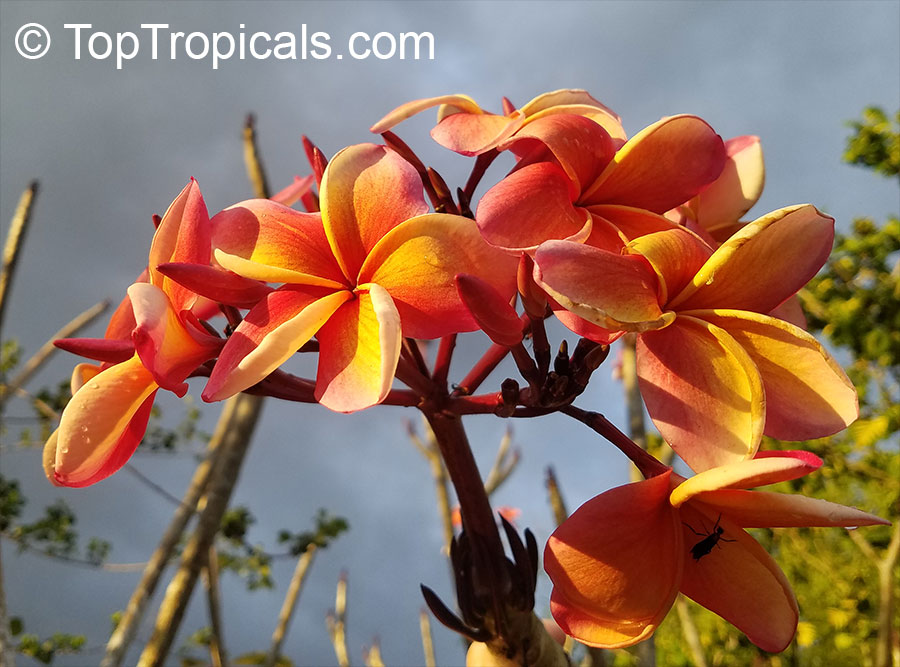
Plumeria 'Sang Aroon' (Frangipani) begins with deep red buds that open into vivid reddish-pink and orange-yellow flowers, which gradually fade to creamy centers and soft pink edges, creating a graceful transition from intensity to delicacy.


Botanical name: Plumeria sp.
Common name: Thong Taweekun Plumeria
Cultivar: Thong Taweekun
Family: Apocynaceae
USDA Zone: 9-10
Plumeria 'Thong Taweekun' features creamy yellow petals softly blending into white with delicate pink margins, offering a luminous and graceful look enhanced by its subtle fragrance.


Botanical name: Podocarpus elatus
Common names: Plum Pine, Australian plum
Family: Podocarpaceae
Origin: Australia
USDA Zone: 9-11


This is a large genus of about 95 species, mostly found in the southern hemisphere in warm-temperate to tropical areas of New Zealand, north through south-east Asia, Japan, Nepal and the cooler parts of South America. Podocarps appeared in the fossil record at the beginning of the Triassic period (250 million years ago).
The fleshy stems of the seeds were eaten by Aboriginal people in some parts of Australia.
The plant prefers light (sandy), medium (loamy) and heavy (clay) soils and requires well-drained soil. The plant prefers acid and neutral soils. It can grow in semi-shade (light woodland) or no shade. It requires moist soil. The plant can tolerate maritime exposure.
| Prev | Next | |
Use link to repeat this search:
https://toptropicals.com/cgi-bin/garden_catalog/cat.cgi?search_op=and&keyword_op=and&language=e&number=10&no_change_lang=1
&v1=sea&user=tt&sale=1&first=0