Seaside, salt tolerant plant - Plant Encyclopedia Results (Page 35)
| Number of plants found: 494 |  | Prev | Next | 
|
Go to page: | First | 30 | 31 | 32 | 33 | 34 | 35 | 36 | 37 | 38 | 39 | Last |
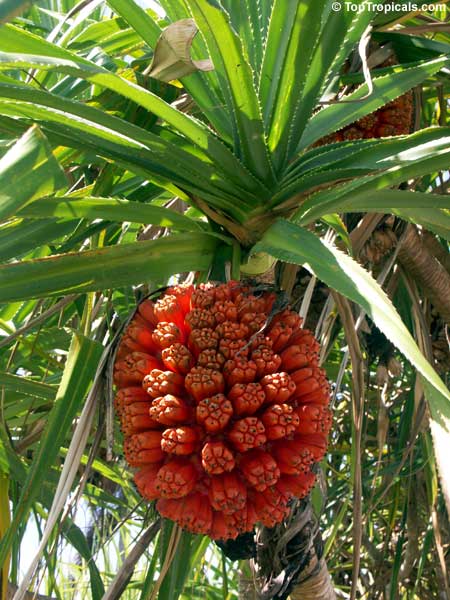
Botanical names: Pandanus odoratissimus, Pandanus fascicularis
Common names: Umbrella tree, Screw pine, Screw tree, Kewra, Kewda, Kewara
Family: Pandanaceae
Origin: South East Asia
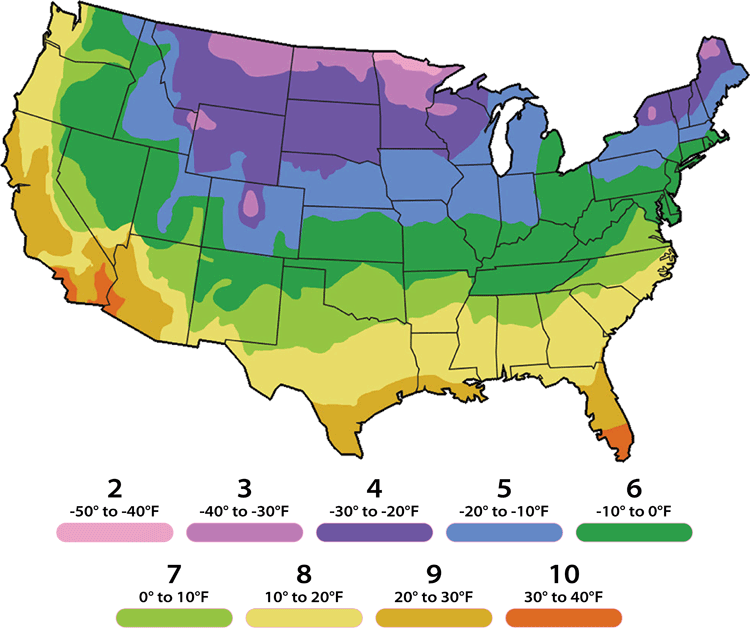
USDA Zone: 9-10


Pandanus odoratissimus, known more commonly as umbrella tree, is a small tree that reaches between 10-20 ft in height. Native to South East Asia, this versatile plant is well suited for a variety of environments, ranging from full sun to partial shade. It is tolerant of both moderate water and drought, with Flood and seaside tolerance. Also salt tolerant, it can be grown near coastal areas.
The pandanus tree is most widely recognized for its fragrant flowers. The male inflorescence of this plant is used in the production of Kewra Water, a pleasantly perfumed, sweet water distillate that is a popular flavor agent used in desserts and drinks throughout India. The flowers of this plant are more fragrant and more powerful than even when dried out, making it an ideal plant for any garden.
Besides its fragrant appeal, the pandanus tree also offers a range of ethnomedical benefits. The root of the tree has been used for centuries in Southeast Asia for medicinal remedies, acting as a diuretic, expectorant and antipyretic. The male inflorescence can also act as a cardiotonic, strengthening heart muscles and circulation.
Hardy in USDA Zone 9-11, the pandanus tree is the ideal plant for both warm and cool regions. Planting in a well-drained, rich soil is optimal. Watering the pandanus should be done only when the soil is dry, as Plants are not tolerant of overwatering. When planted in a pot in colder climates, it should be brought in during cold weather as pandanus is not freezing tolerant. Finally, for maximum flowering, fertilizing with a high-nitrogen fertilizer will produce the best results.
Taking into consideration its pleasant aroma, ethnomedical benefits, and hardiness, it's easy to see why the Pandanus odoratissimus has become a popular plant for gardens around the world. Its beautiful, palm-like leaves provide an exotic and appealing appeal to any garden. With a little extra care and protection, you can be sure that this small yet hardy tree will bring you many years of pleasure.


Botanical name: Pandanus pristis
Common name: Screw Palm
Family: Pandanaceae
Origin: Madagascar
USDA Zone: 9-10


Botanical name: Pandanus pygmaeus
Common name: Dwarf Pandanus
Family: Pandanaceae
Origin: Madagascar
USDA Zone: 9-11


The Dwarf Pandanus pygmaeus is a small shrub with an ornamental foliage that is suited to and can survive in both hot and cold conditions. This plant is ideal for USDA Zones 9-11 and can be grown outdoors background planting and as low-growing groundcover or a small 2-5 ft. shrub. It thrives in full sun, shade, or semi-shade but requires moderate water throughout the growing season. The plant can be used for bonsai and for decorative purposes due to its unique foliage and foliage colors.
Although moderately drought tolerant, During the winter time this plant can survive temperatures as low as 30 degrees Fahrenheit (F) for a short while when matured. Additionally, this plant is also salt tolerant and can withstand summer heat with relative ease.
For potting, use a fertile, well-draining soil. An important tip is not to overpot this plant, as too much soil can lead it to suffocate instead of thrive. Once grown to a desirable size, repot your plant only when it is too big for its original pot. It is important to utilize the right potting mix for your potted Dwarf Pandanus to make sure the plant does not dry out too quickly.
When overwintering this plant outside in cold regions, protect it from excessive heat or cold. Choose an area with bright light but not direct sunlight. Move the pot inside to a sheltered area until the last winter frost has passed. You will also want to ensure that your Dwarf Pandanus is appropriately watered. Keep the soil barely moist, never saturated. During winter, when the weather is cooler, water less often as the plant is dormant. When the temperature drops below 40F, it is advised to move the pot indoors, away from freezing temperatures.
Overall, the Dwarf Pandanus is an easy to care for, versatile, and attractive ornamental plant that can provide visual interest in any environment and can can be enjoyed for many years.
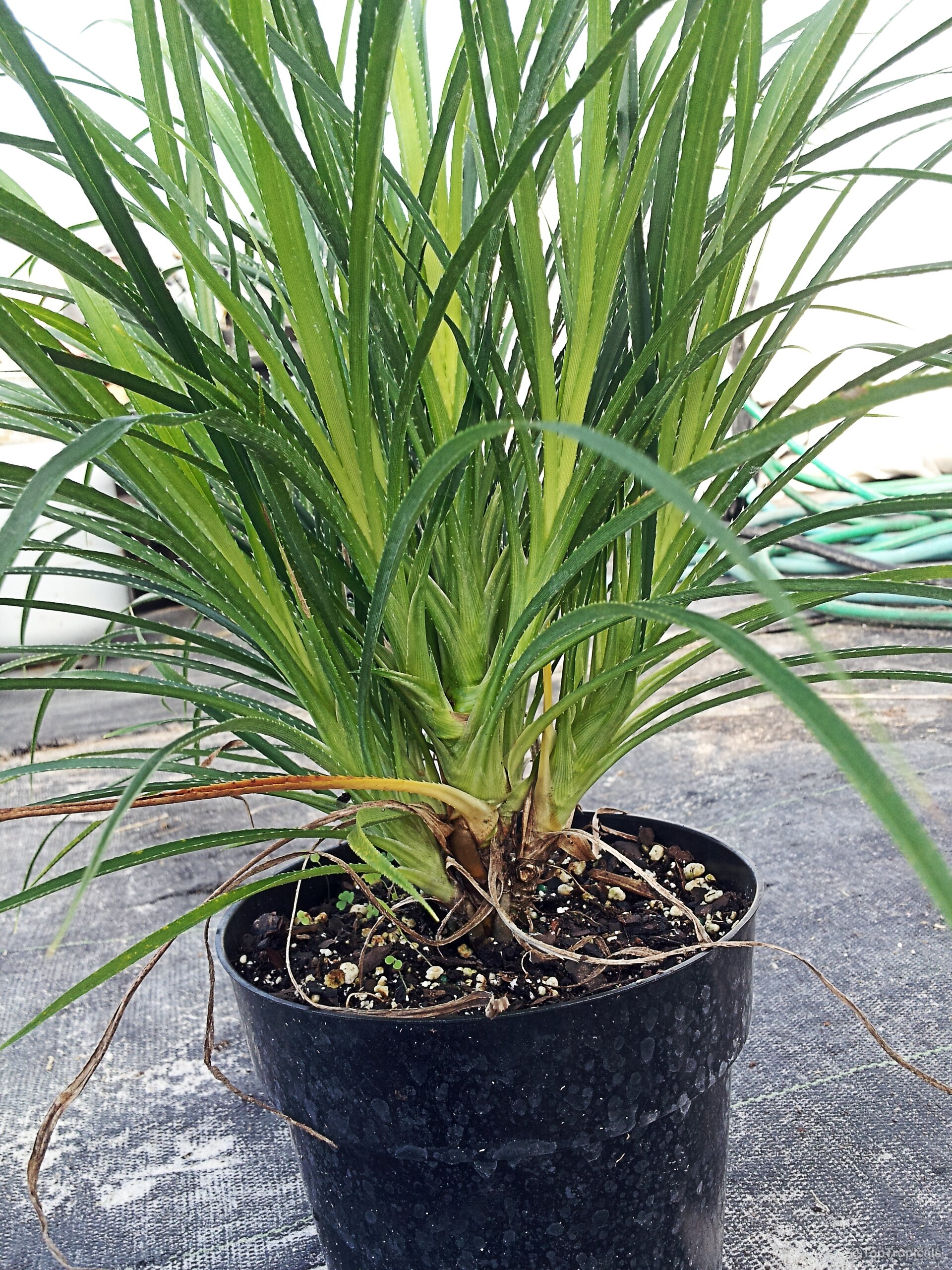
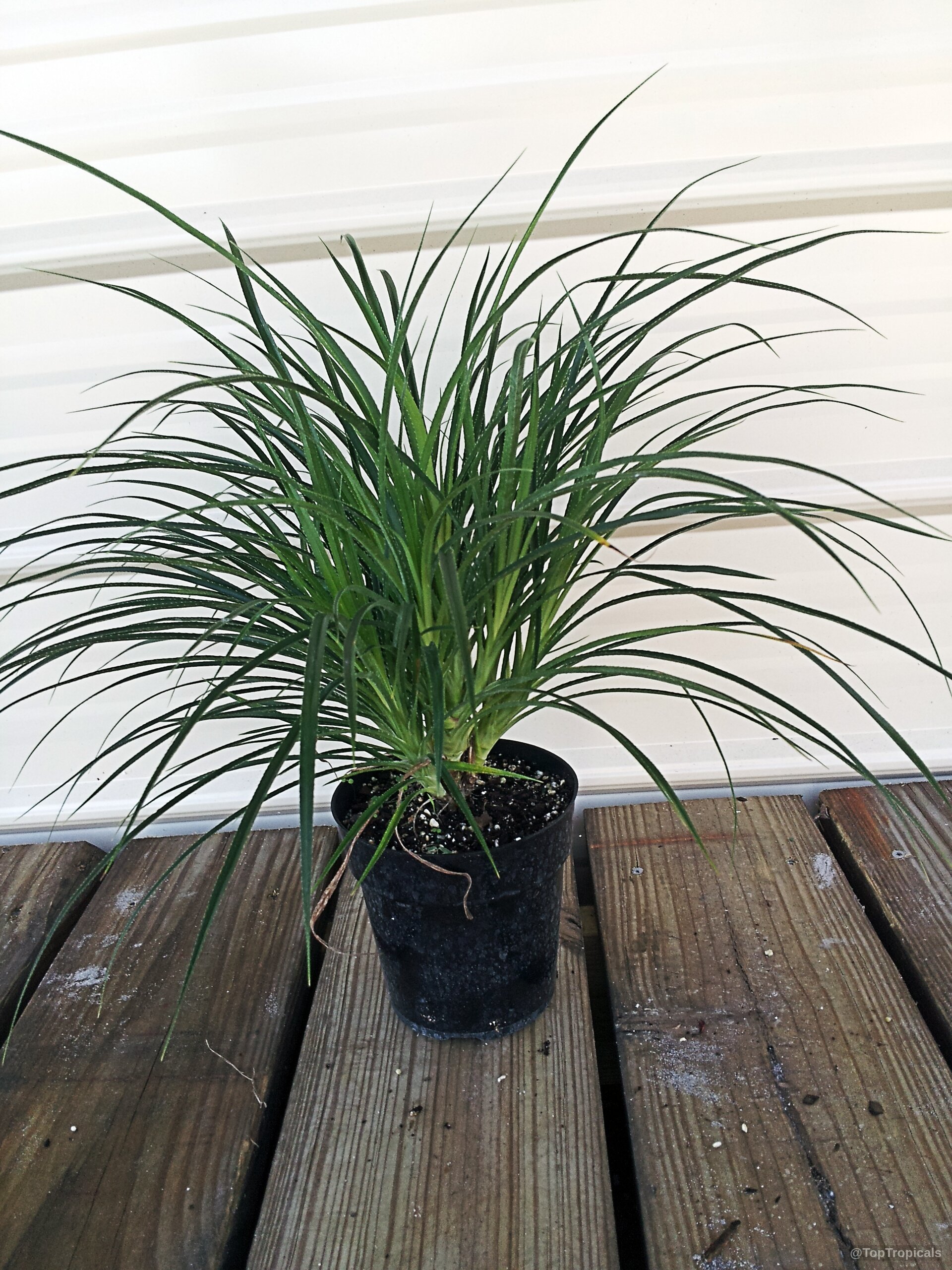
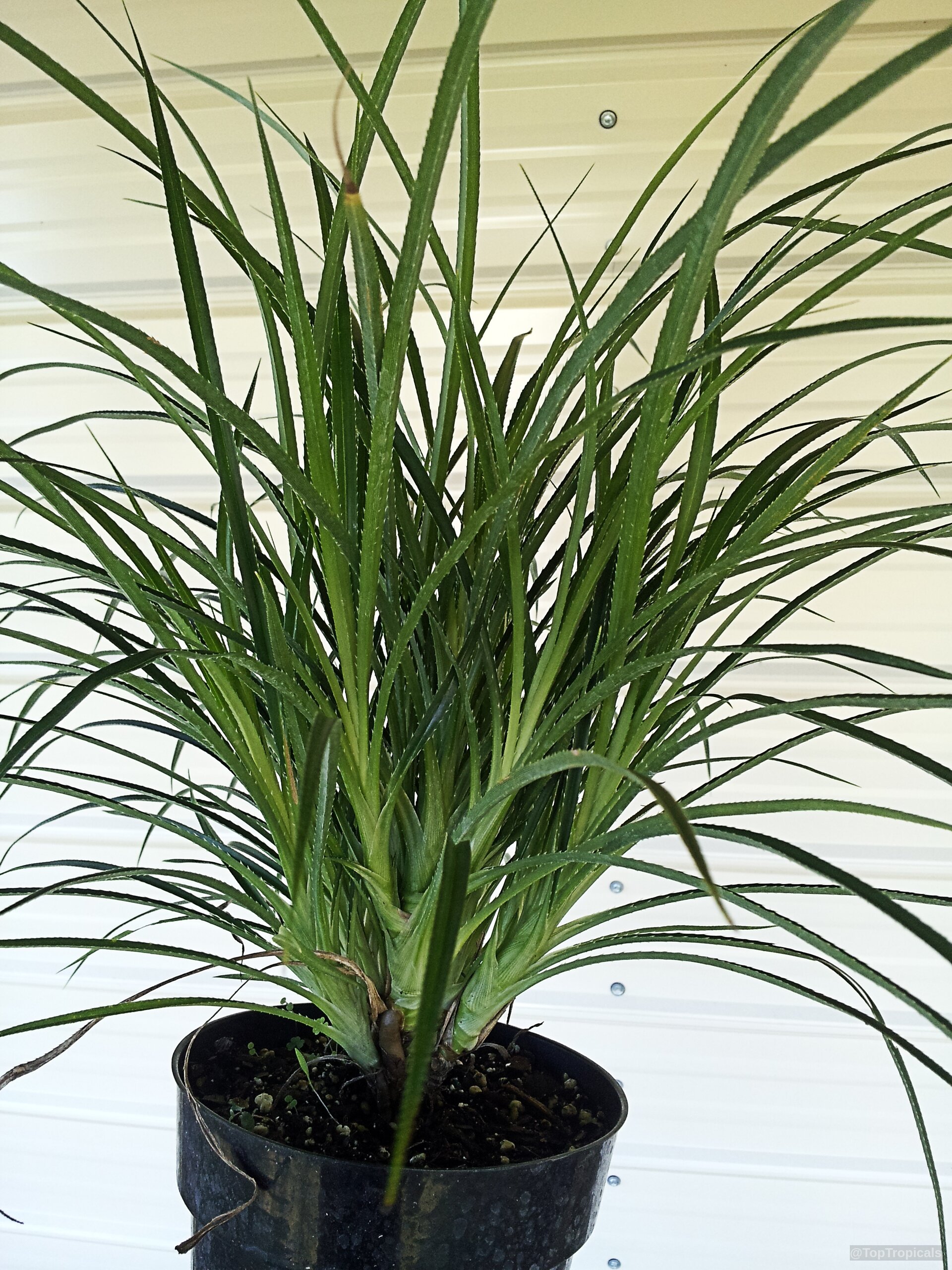

Botanical name: Pandanus sp.
Common names: Screw Pine, Screw Palm
Family: Pandanaceae
USDA Zone: 10-12
Palm-like tree. Some members of this large genus of over 600 species grow wild along the seashores of the tropical Pacific and can become small trees, while other, shrubbier species lend themselves to garden landscapes. The popular name derives from the fact that the long, prickly leaves emerge in a screw-like arrangement. Perhaps the most decorative species is P. sandcri, with green and yellow striped leaves. Become quite large, 6 to 8 metres in height, and so must be carefully sited in a garden. Pandanus is a very adaptable plant, though it prefers hot, dry conditions. The easiest method of propagation is by cuttings, which root readily when placed directly in the soil. The leaves of these trees are collected by Aboriginal women and are used for weaving clothing material. Dyes can be collected out of the roots and used for rock art painting. Also, the plant is used for treating inflammation by wrapping the leaves around the swollen spot, to create an anti-inflammatory effect. This plant has very attractive showy fruit that looks like pineapple from a distance.


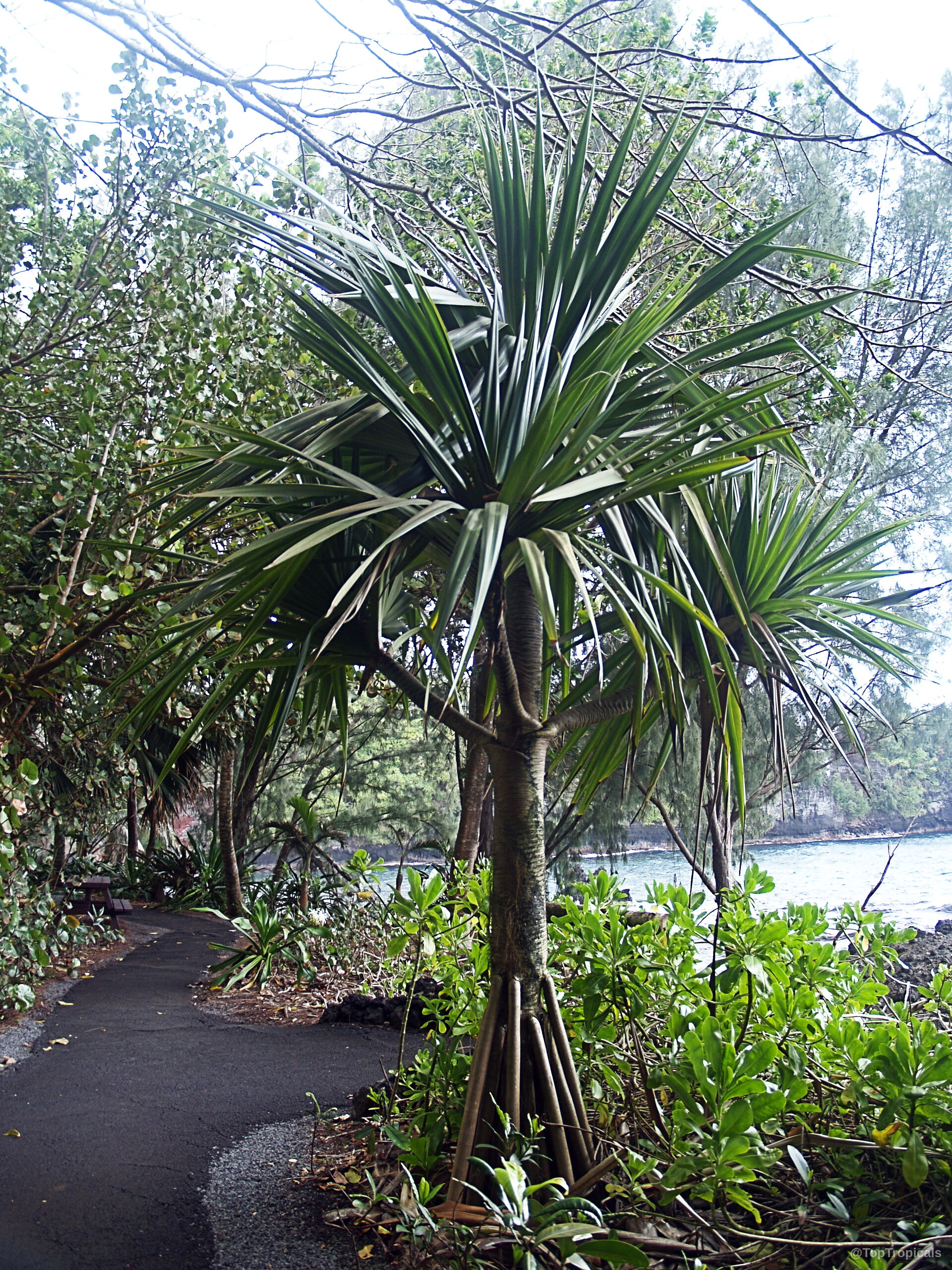


Botanical names: Pandanus tectorius, Pandanus spiralis
Common names: Screw Pine, Screw Palm
Family: Pandanaceae
Origin: Western Pacific
USDA Zone: 9-10

Palm-like tree. Some members of this large genus of over 600 species grow wild along the seashores of the tropical Pacific and can become small trees, while other, shrubbier species lend themselves to garden landscapes. The popular name derives from the fact that the long, prickly leaves emerge in a screw-like arrangement. Perhaps the most decorative species is P. sanderi, with green and yellow striped leaves. Become quite large, 6 to 8 metres in height, and so must be carefully sited in a garden. Pandanus is a very adaptable plant, though it prefers hot, dry conditions. The easiest method of propagation is by cuttings, which root readily when placed directly in the soil. The leaves of these trees are collected by Aboriginal women and are used for weaving clothing material. Dyes can be collected out of the roots and used for rock art painting. Also, the plant is used for treating inflammation by wrapping the leaves around the swollen spot, to create an anti-inflammatory effect.


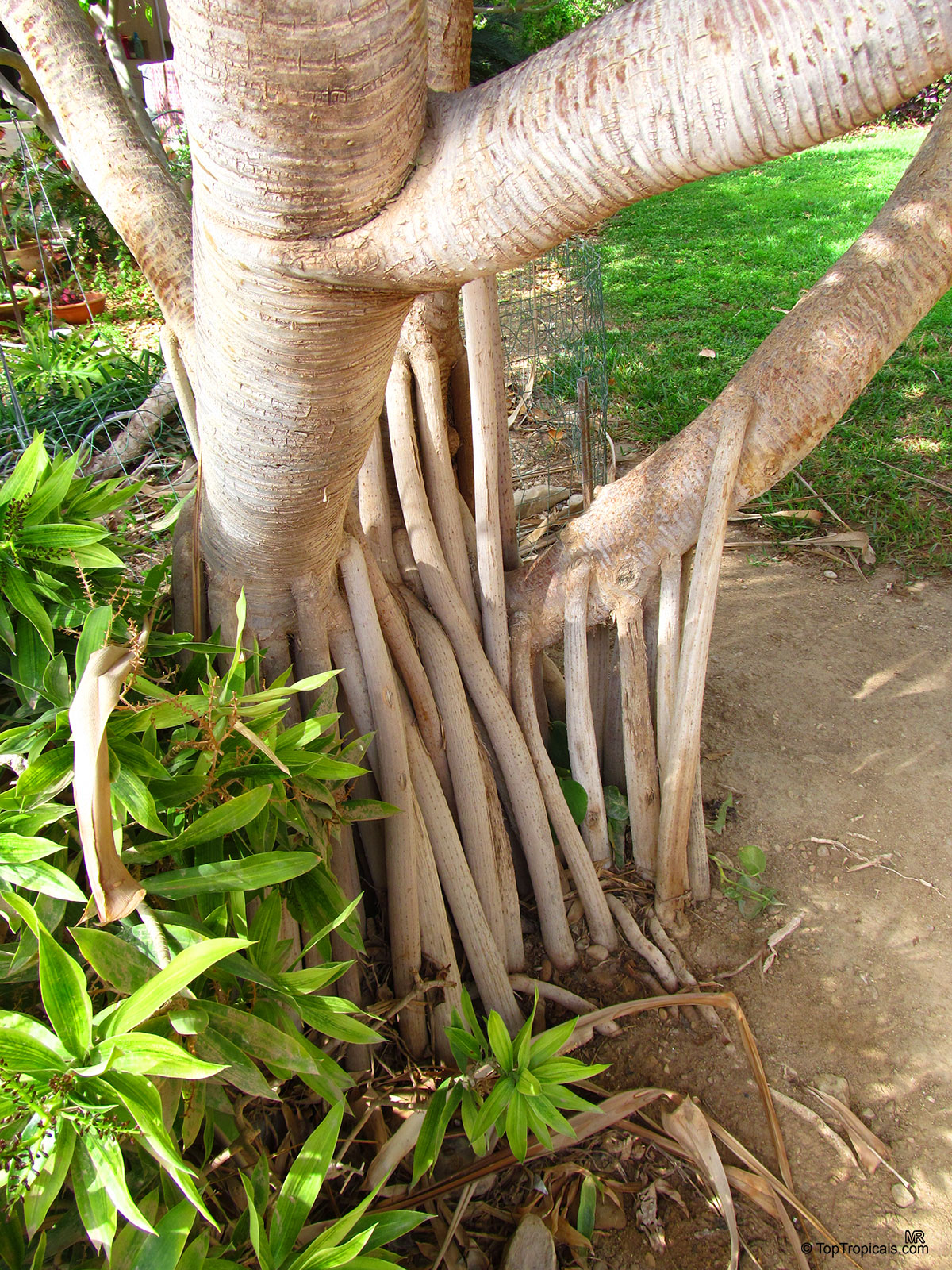
Botanical name: Pandanus utilis
Common name: Screw Pine
Family: Pandanaceae
Origin: Madagascar, Mauritius
USDA Zone: 9-10

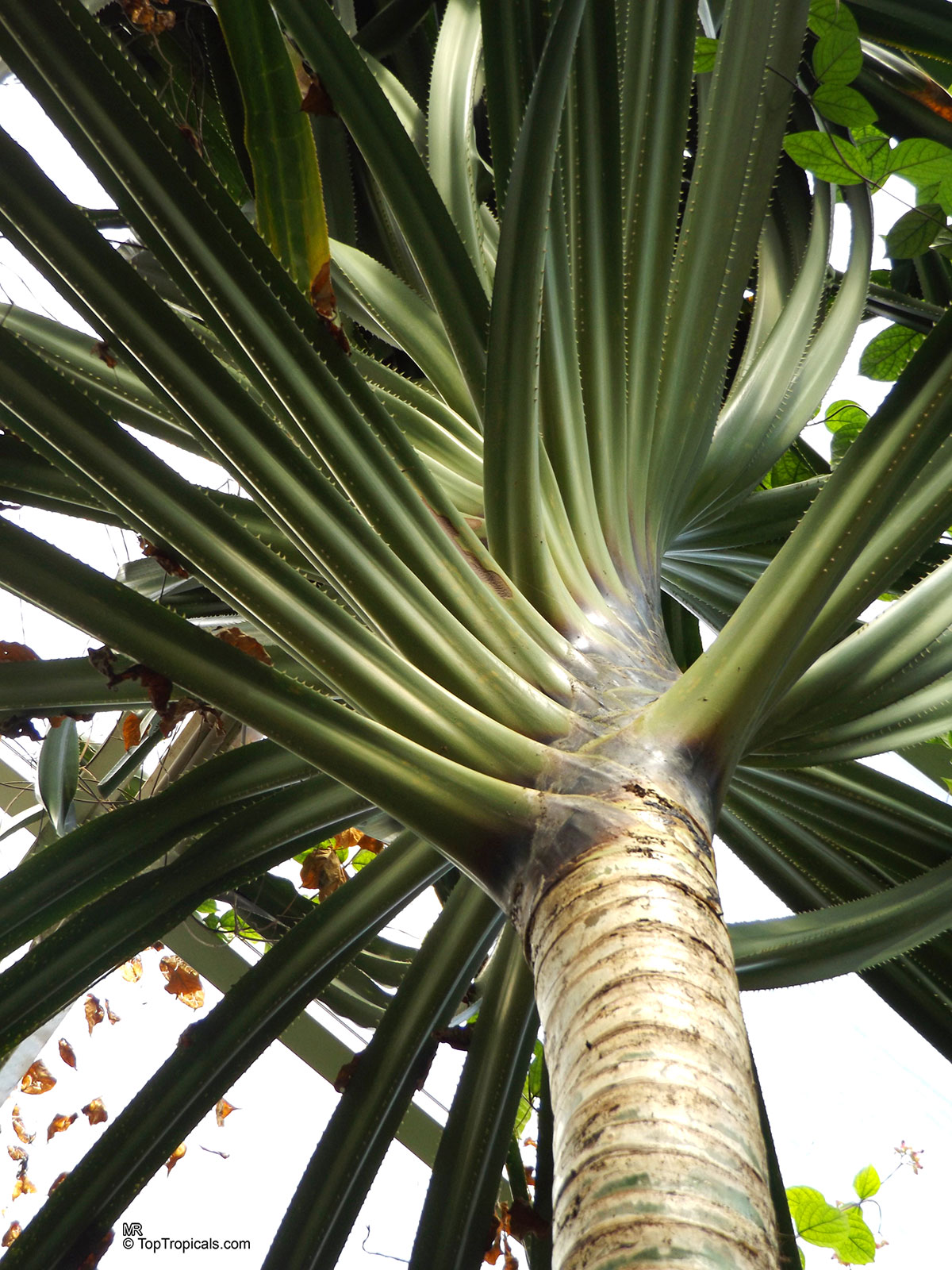
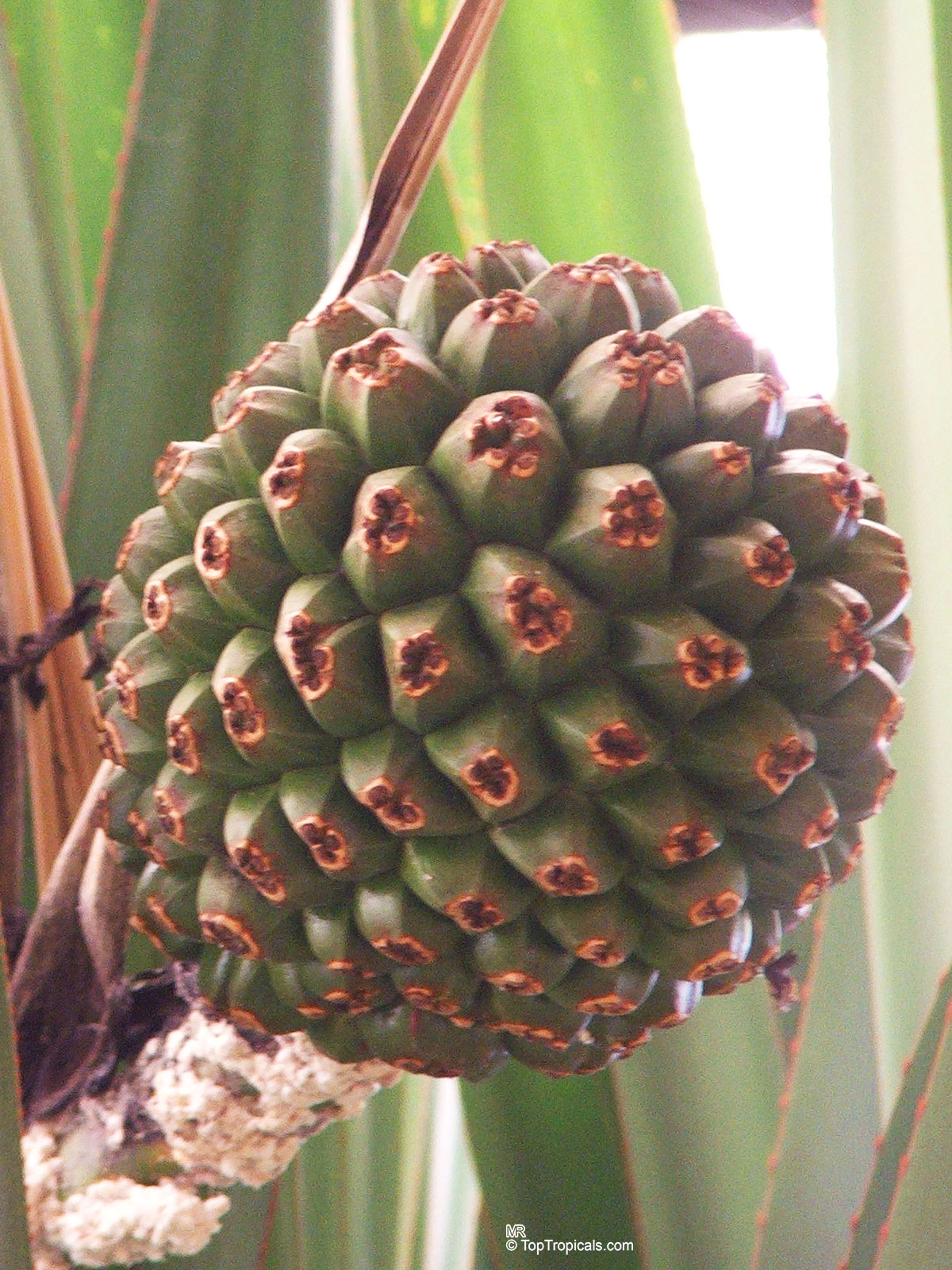
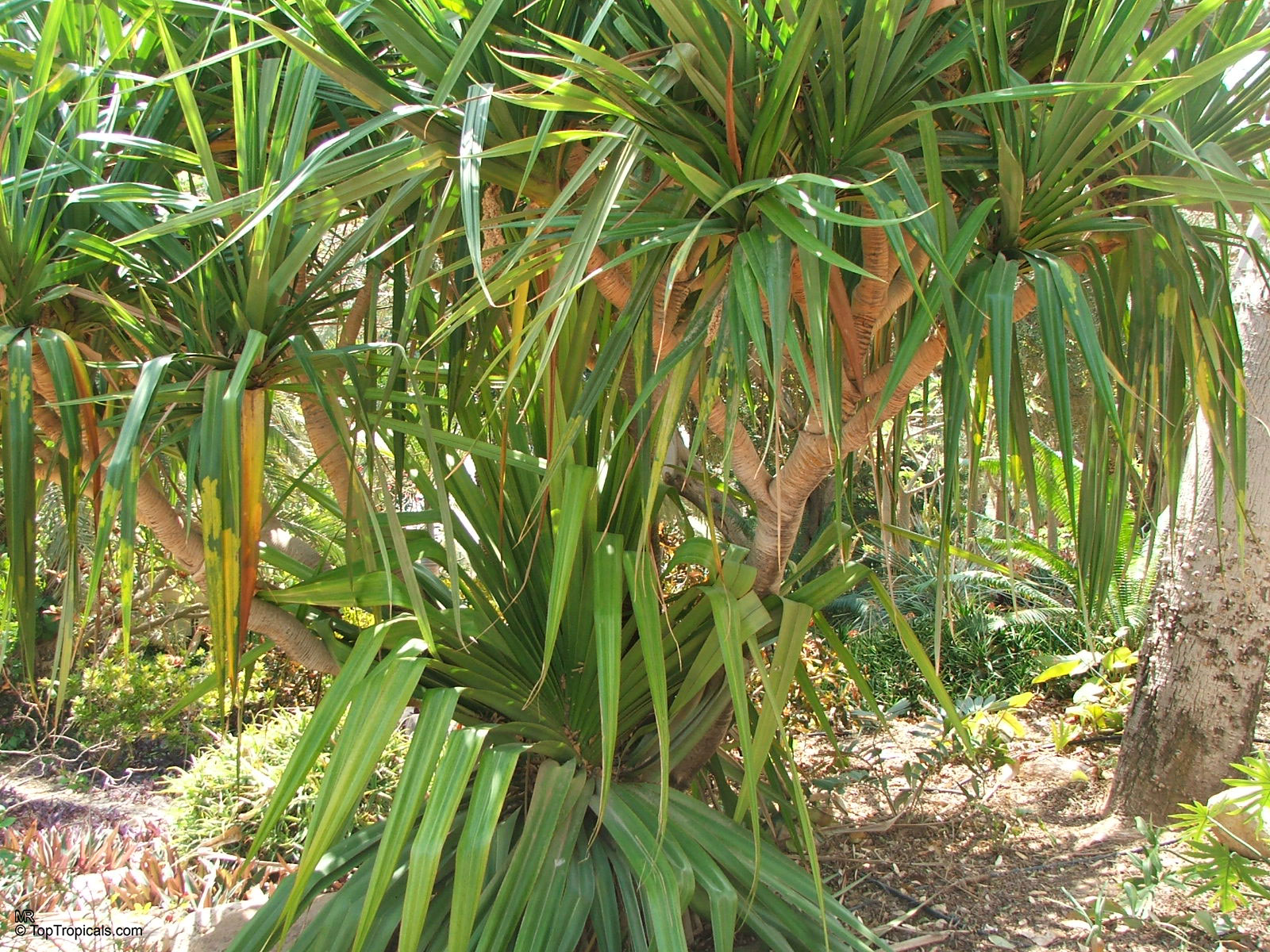
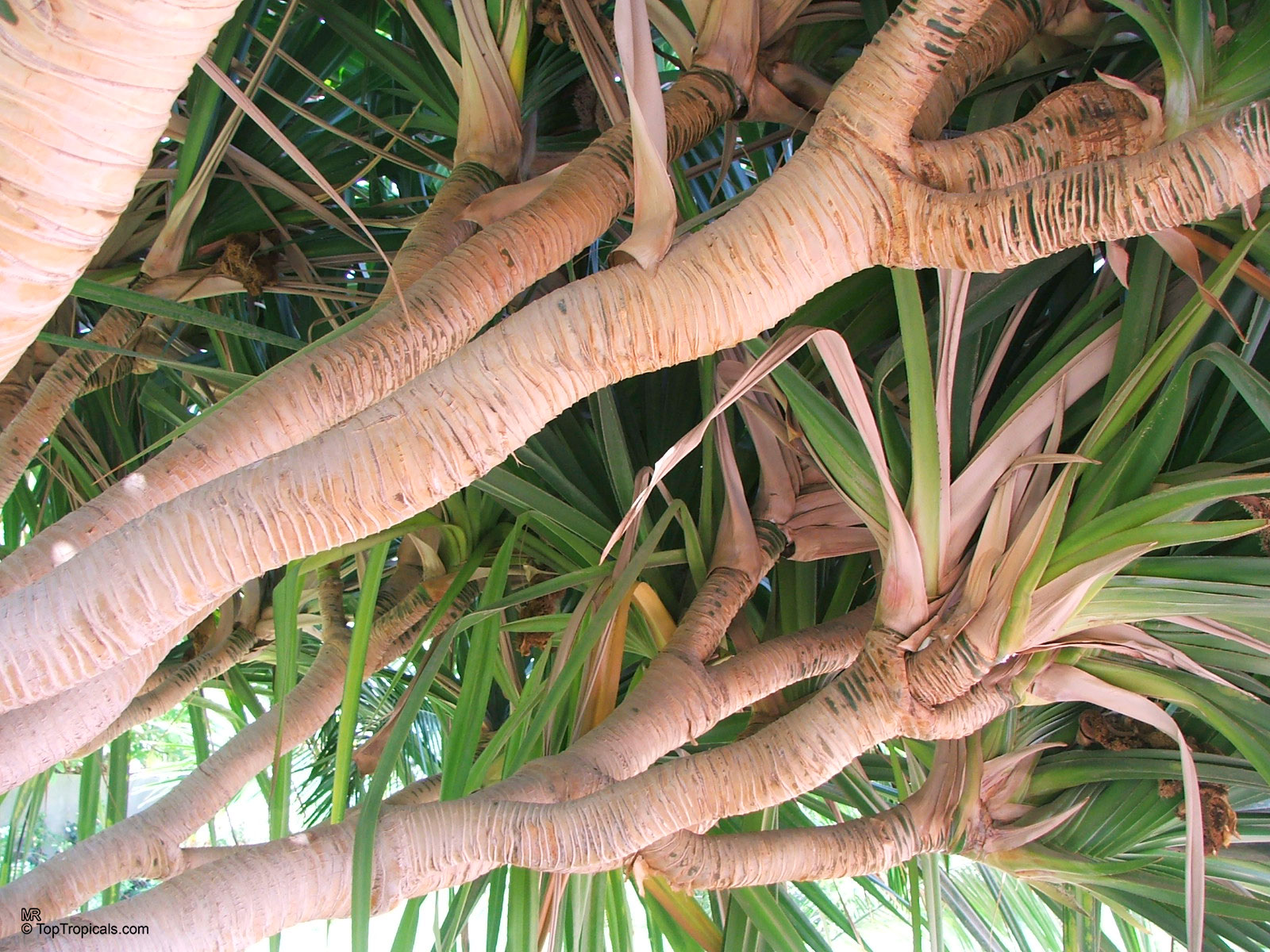
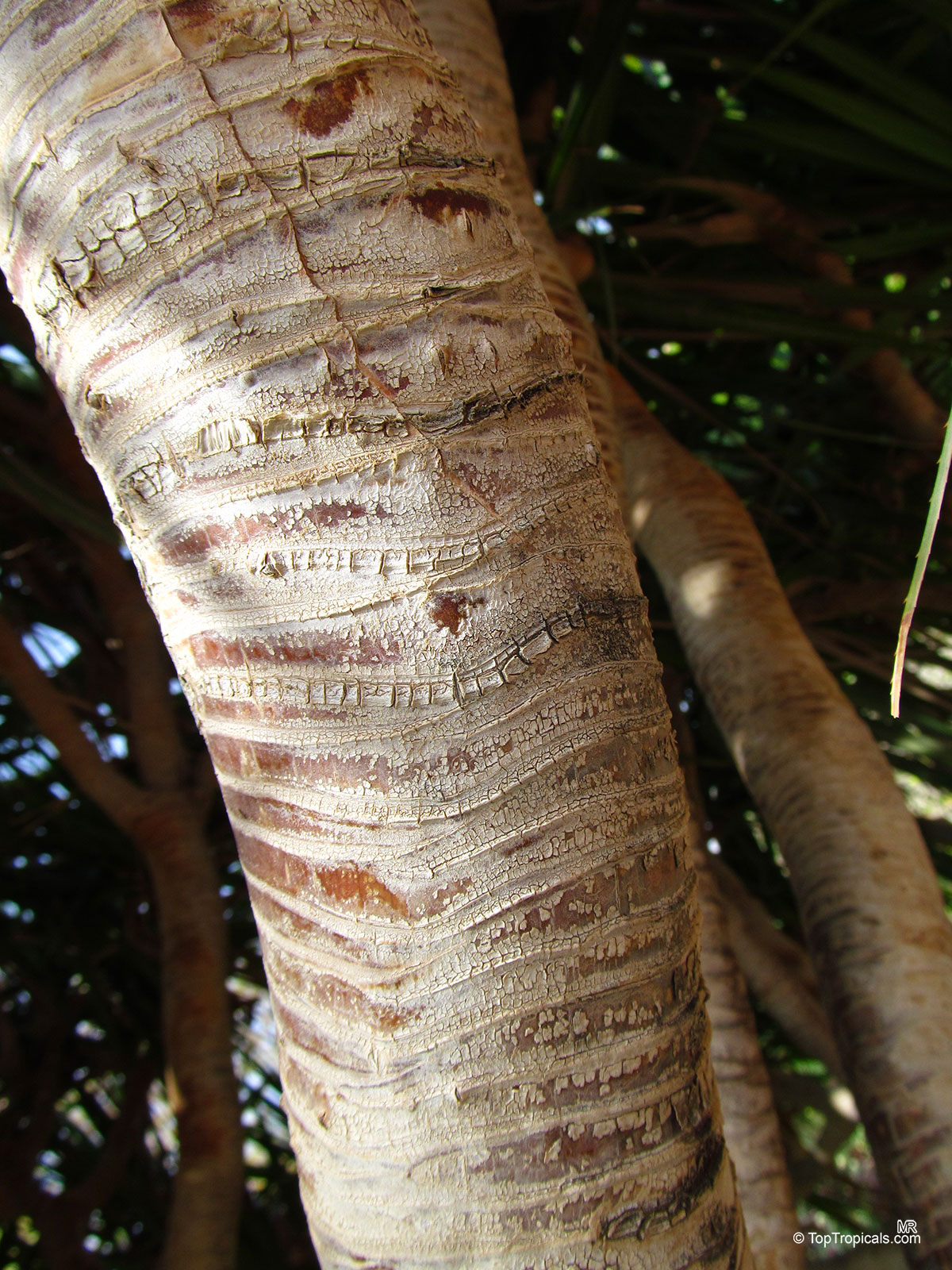
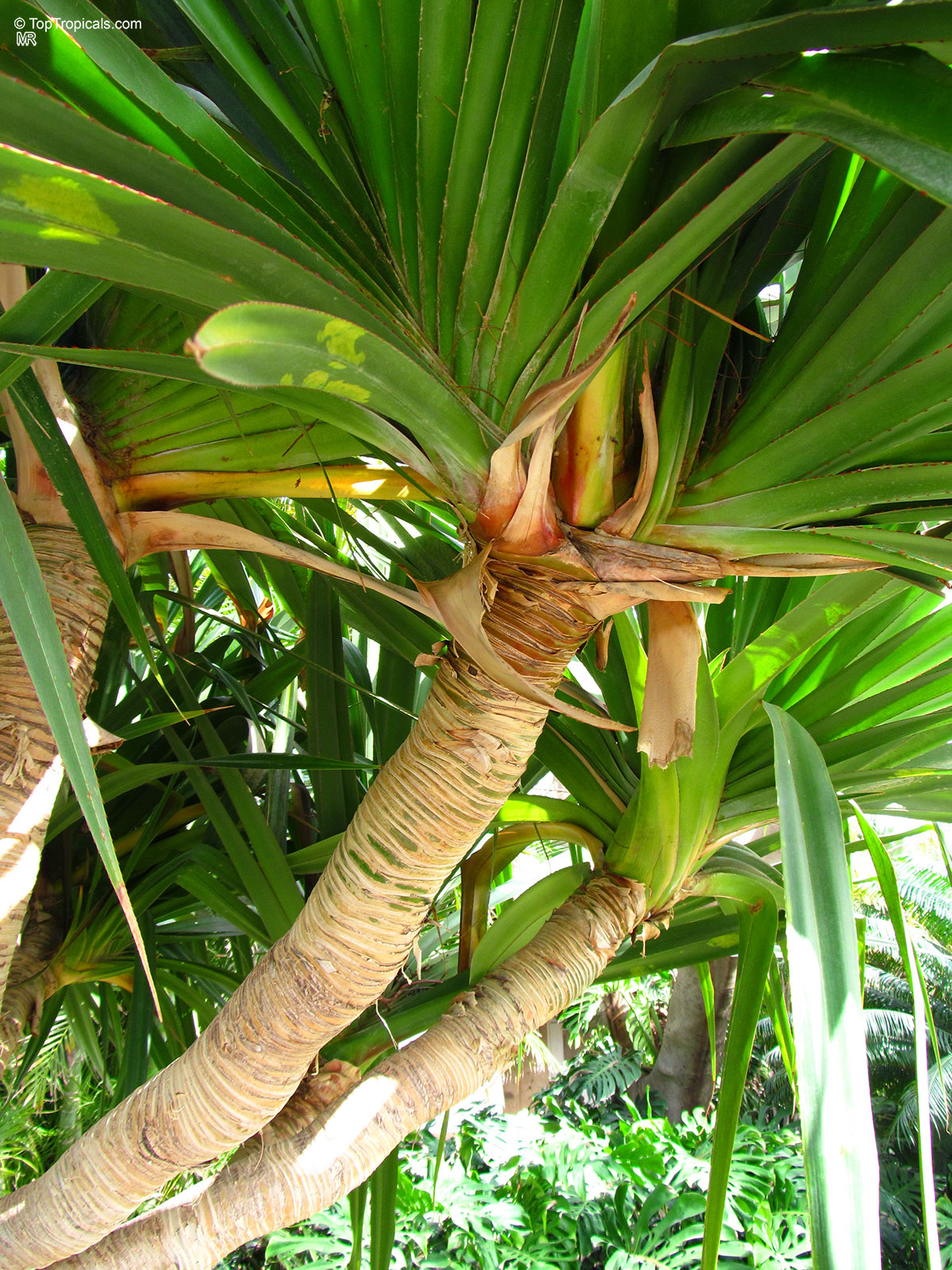
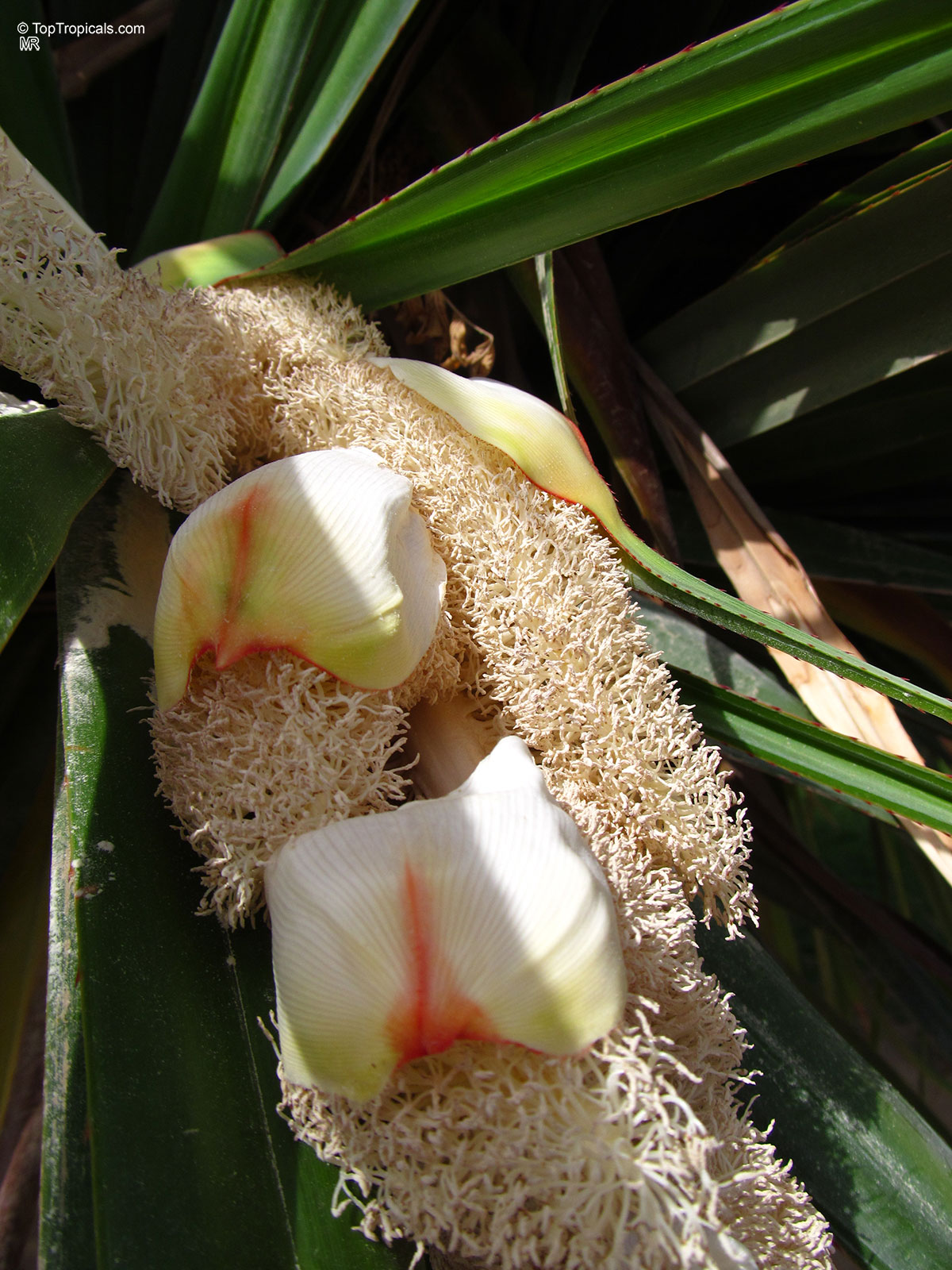
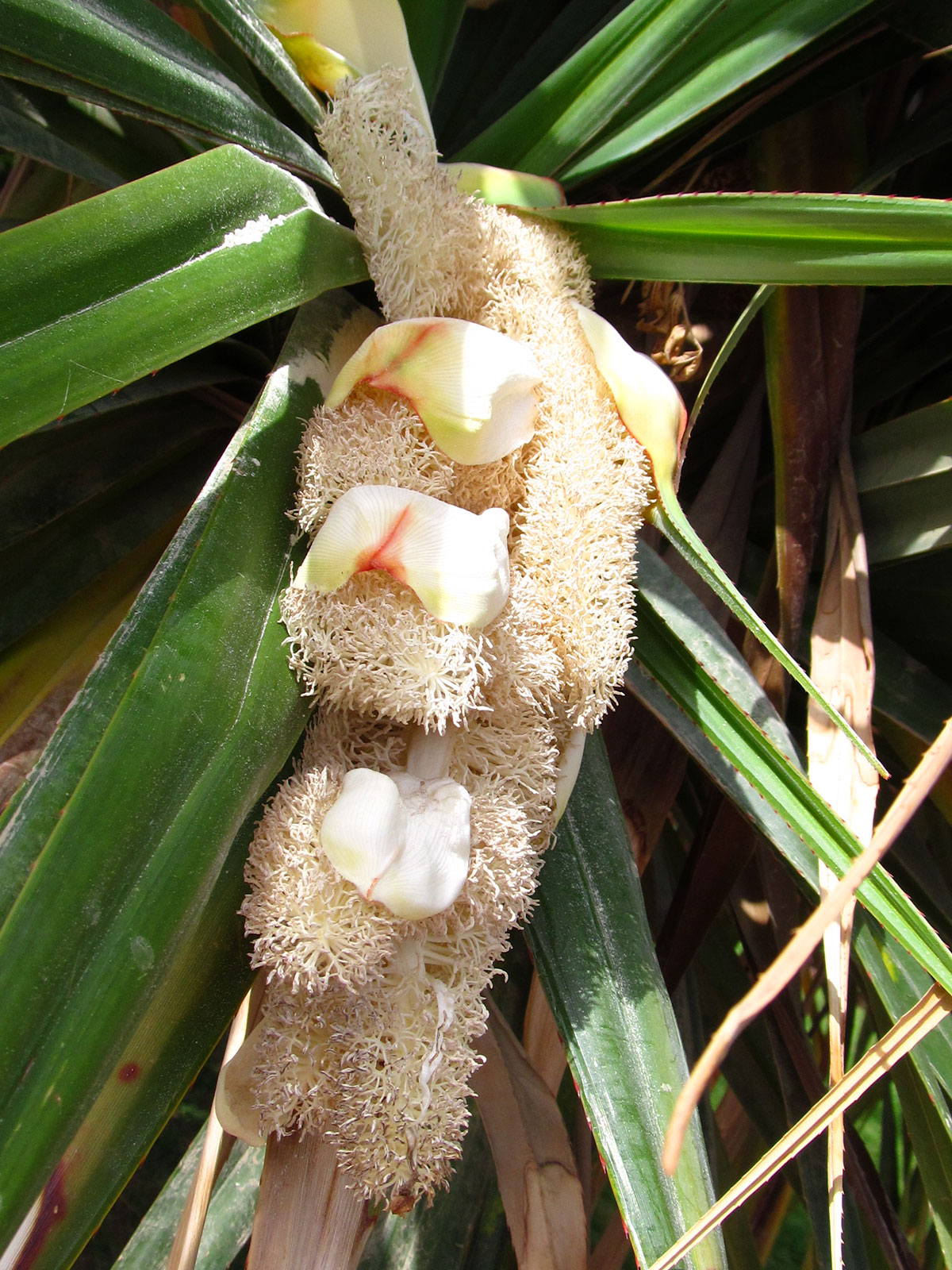
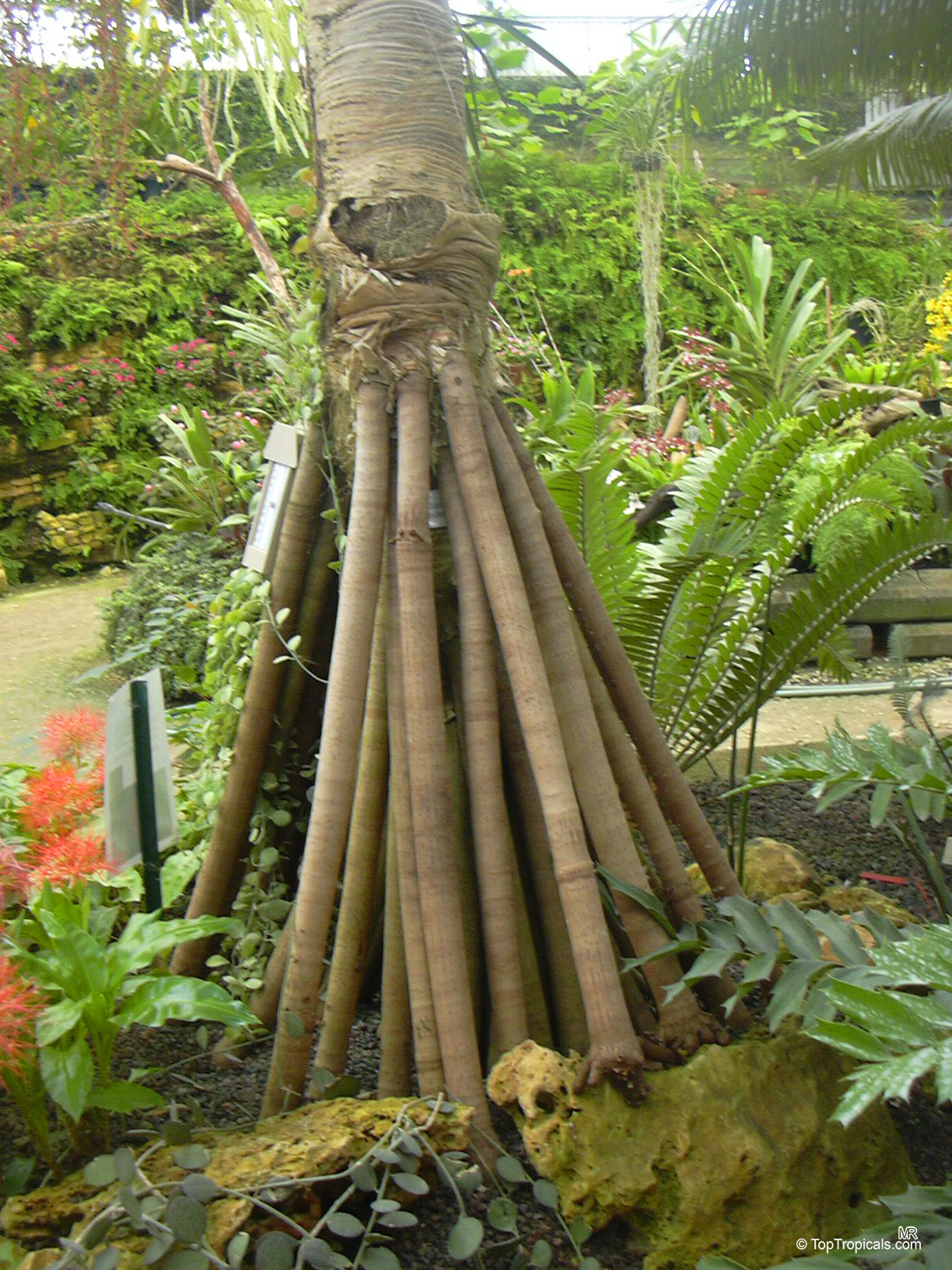
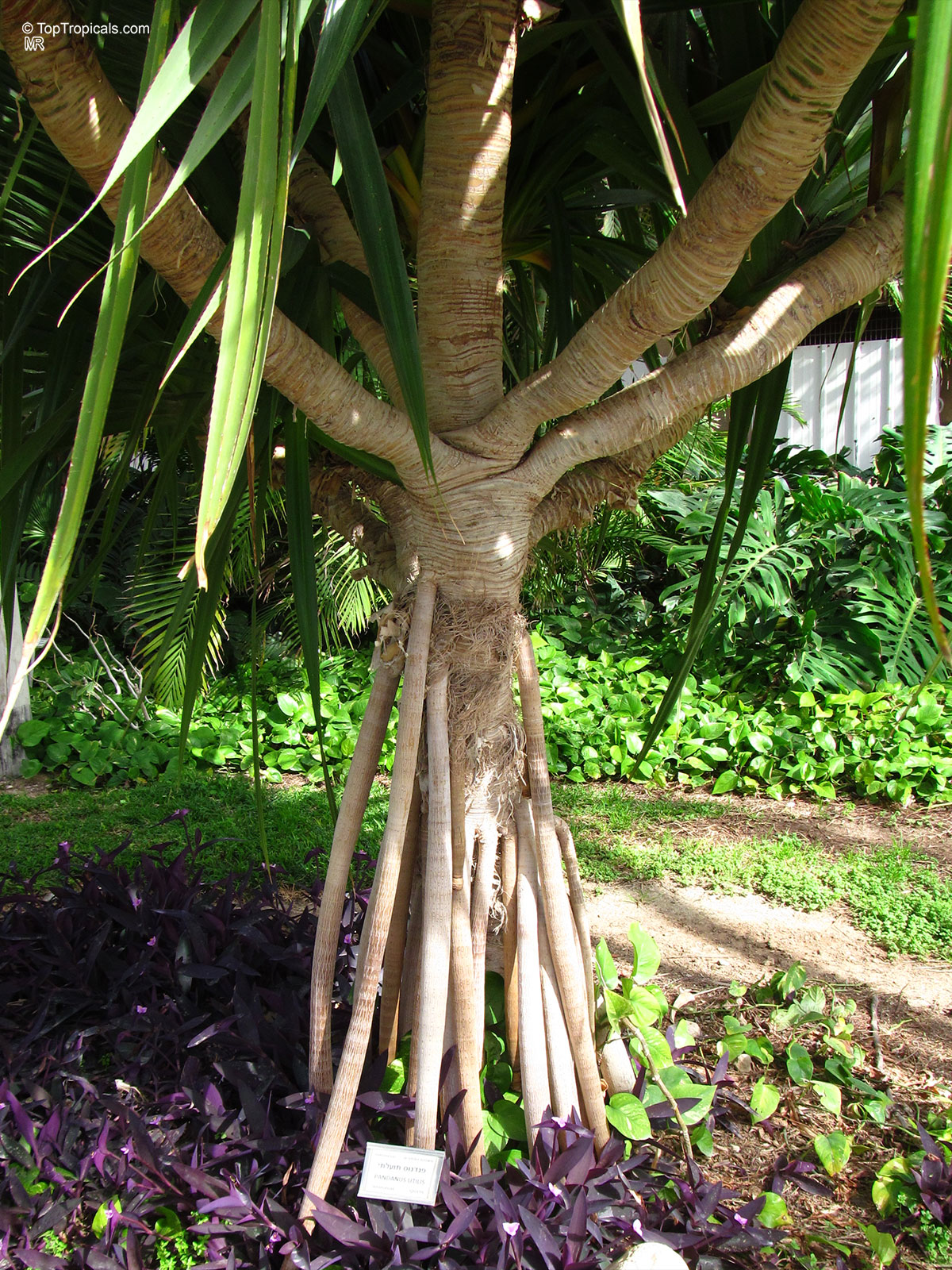
A large species from Madagascar that produces a robust, stilt-rooted trunk and a thick, densely spiralling crown of mildly spiny, light green or sometimes slightly blue-green leaves with very attractive red margins. Best suited to the tropics and warm subtropics, P. utilis is perhaps the most popular screw pine in cultivation. This tree wants full sun, is not fussy for soil content and is not salt tolerant. Fertilizer is generally not necessary. Trimming a screw pine is tricky because branches don't have dormant buds. If you cut the terminal growing area, the branch will not grow anymore, it will stay a a stump. For this reason, cut the branches you need to cut where they will be the least noticeable.





Botanical name: Parkinsonia aculeata
Common name: Jerusalem Thorn
Family: Fabaceae
Subfamily: Caesalpinioideae
Origin: West Indies and South America
USDA Zone: 8-11
Cold tolerance: 15°F


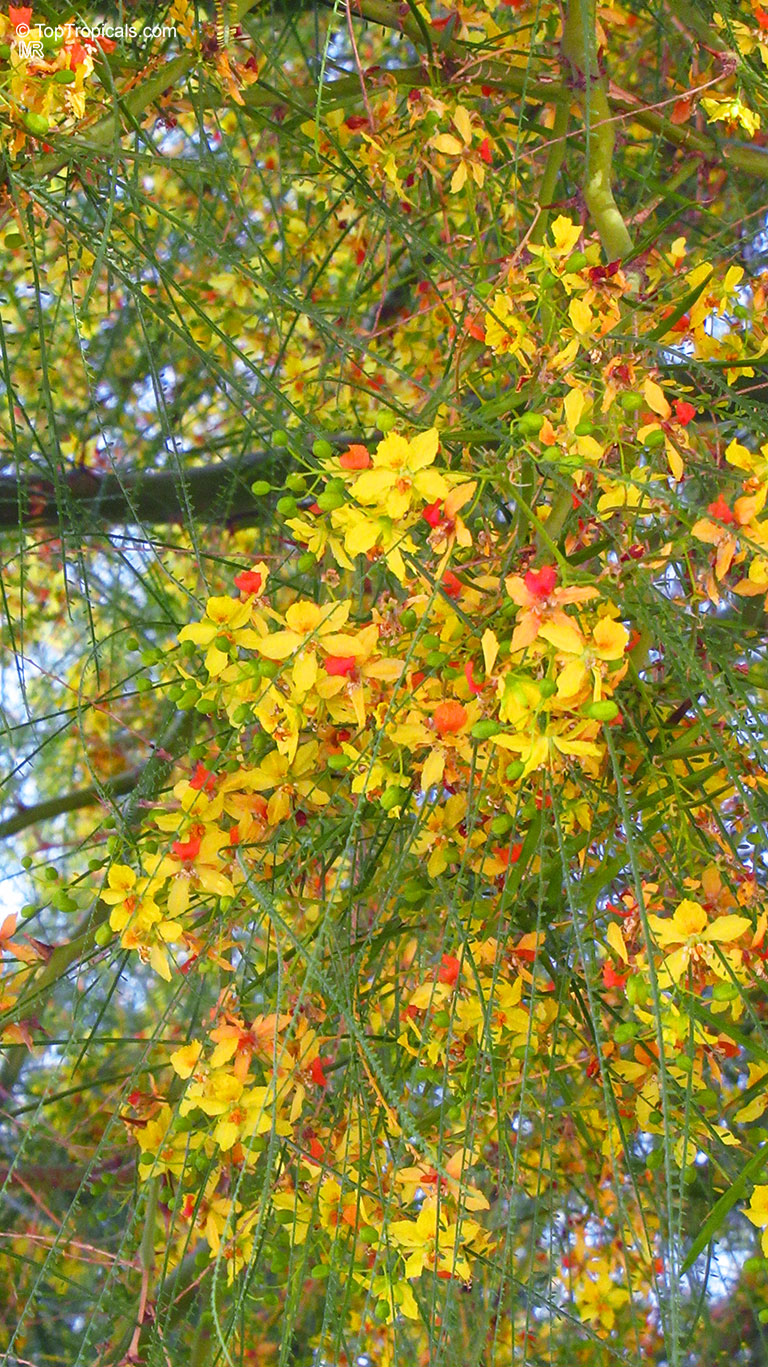
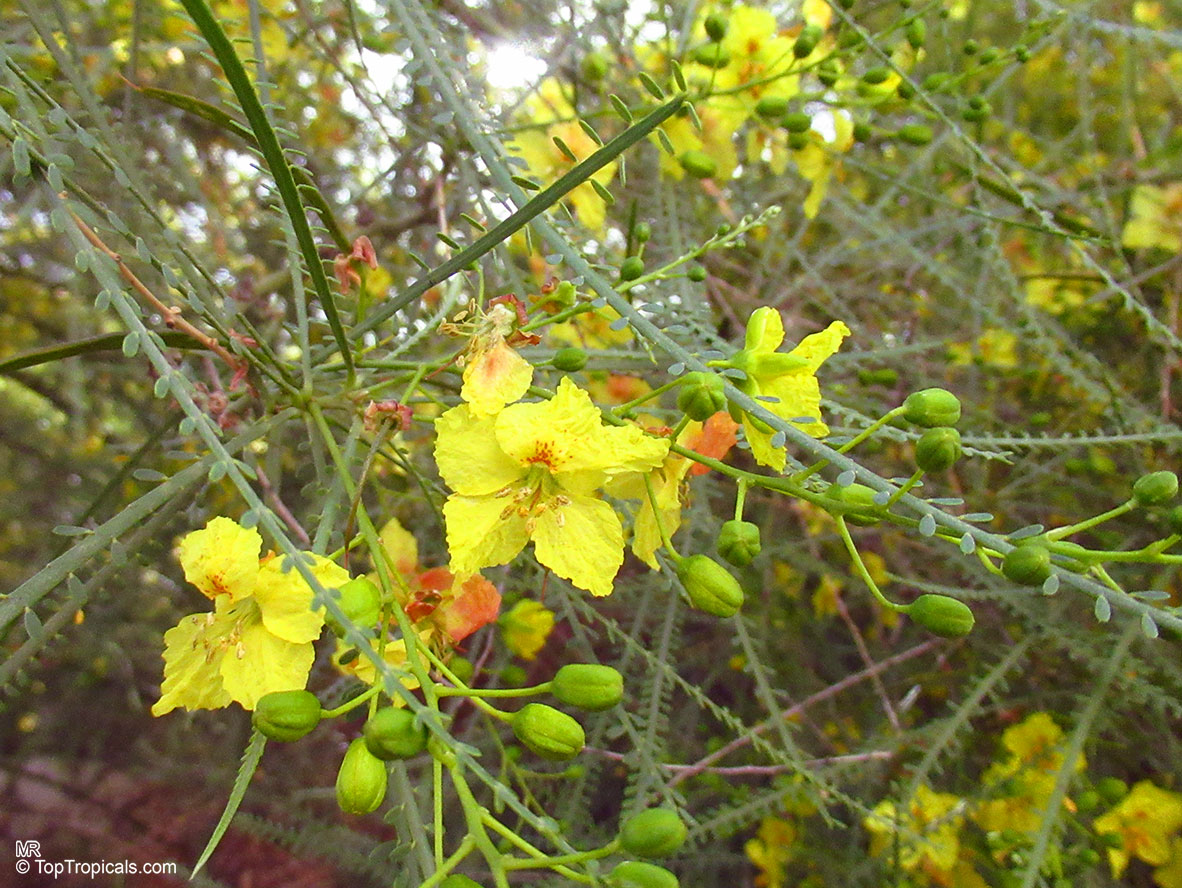
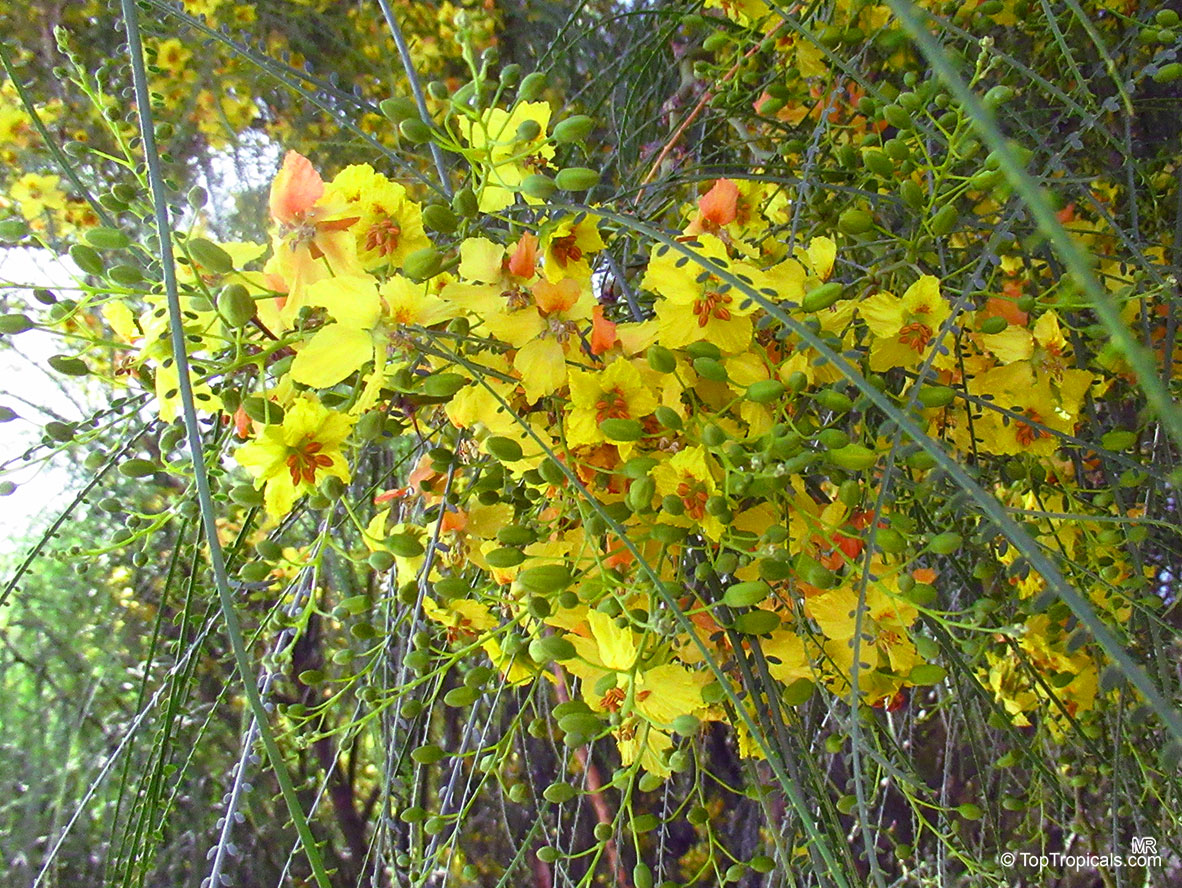
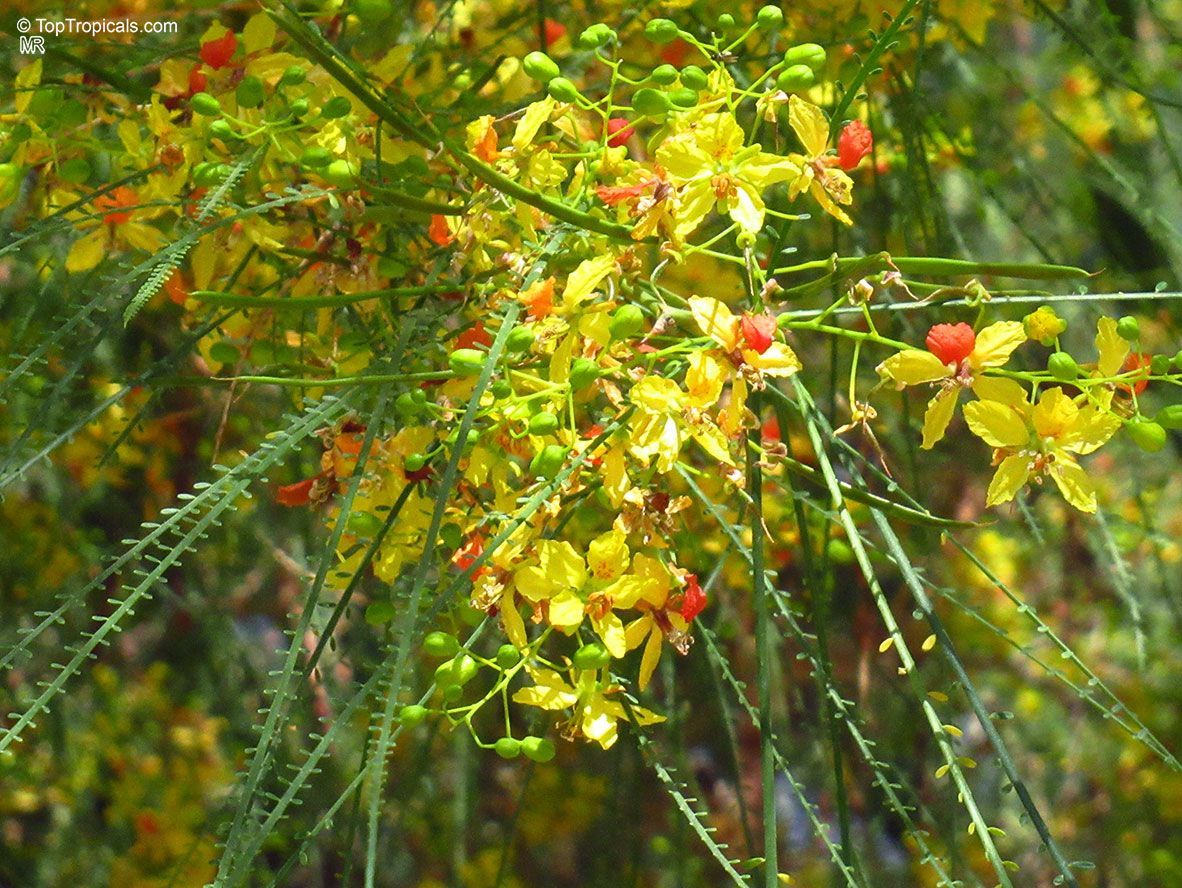
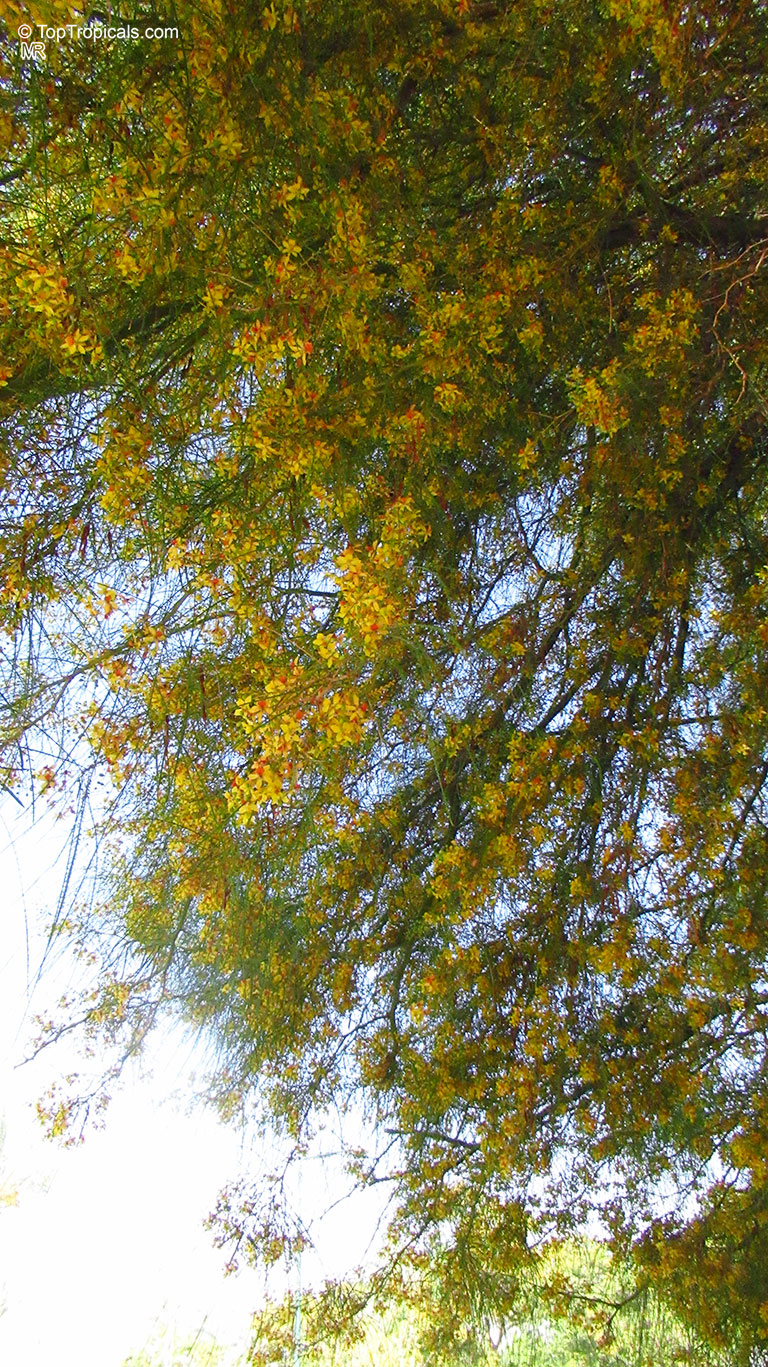
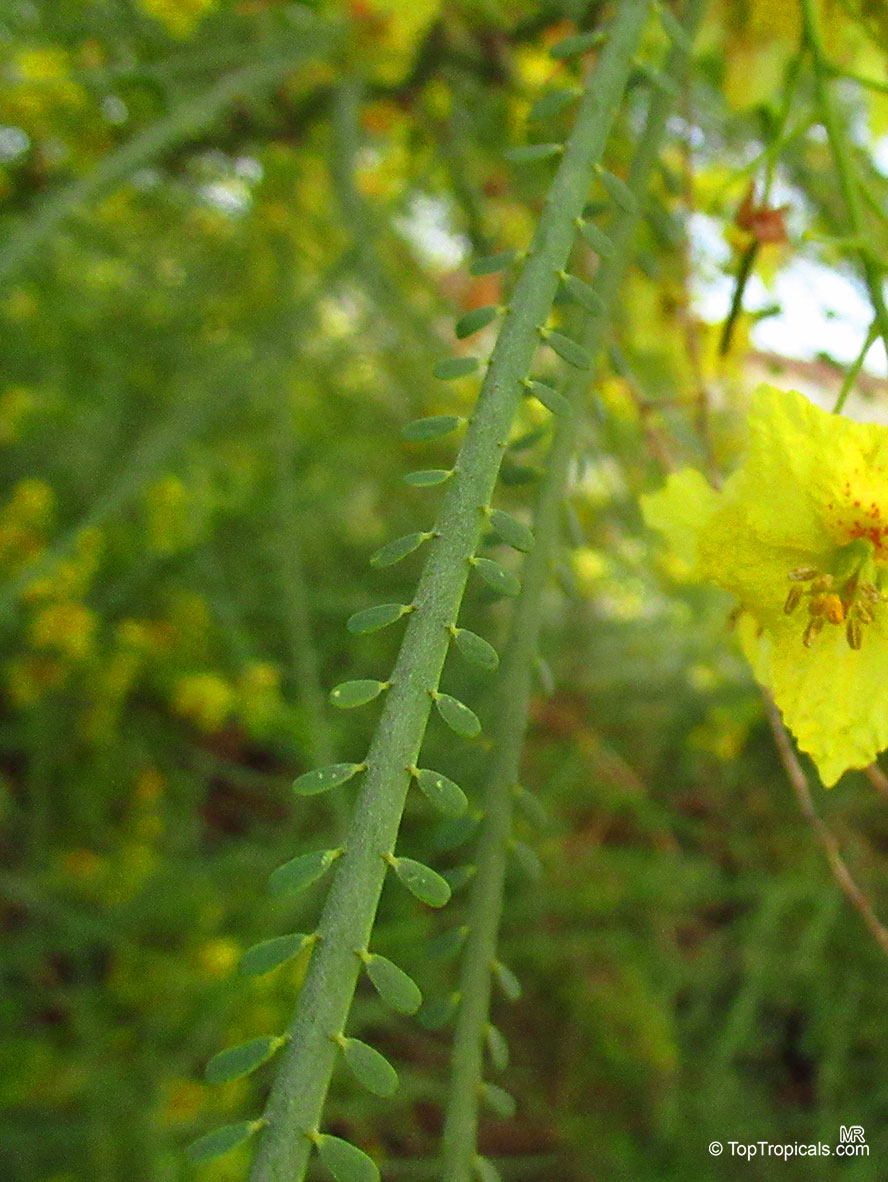
Parkinsonia aculeata (Jerusalem Thorn) is a fast-growing deciduous shrub or small tree native to the West Indies and South America. It forms a graceful, airy canopy with long, arching branches lined with delicate bipinnately compound leaves, creating a fine-textured, feathery look. Bright yellow flowers with orange-tinged throats appear in late spring and summer, attracting pollinators with their vibrant color and light fragrance.
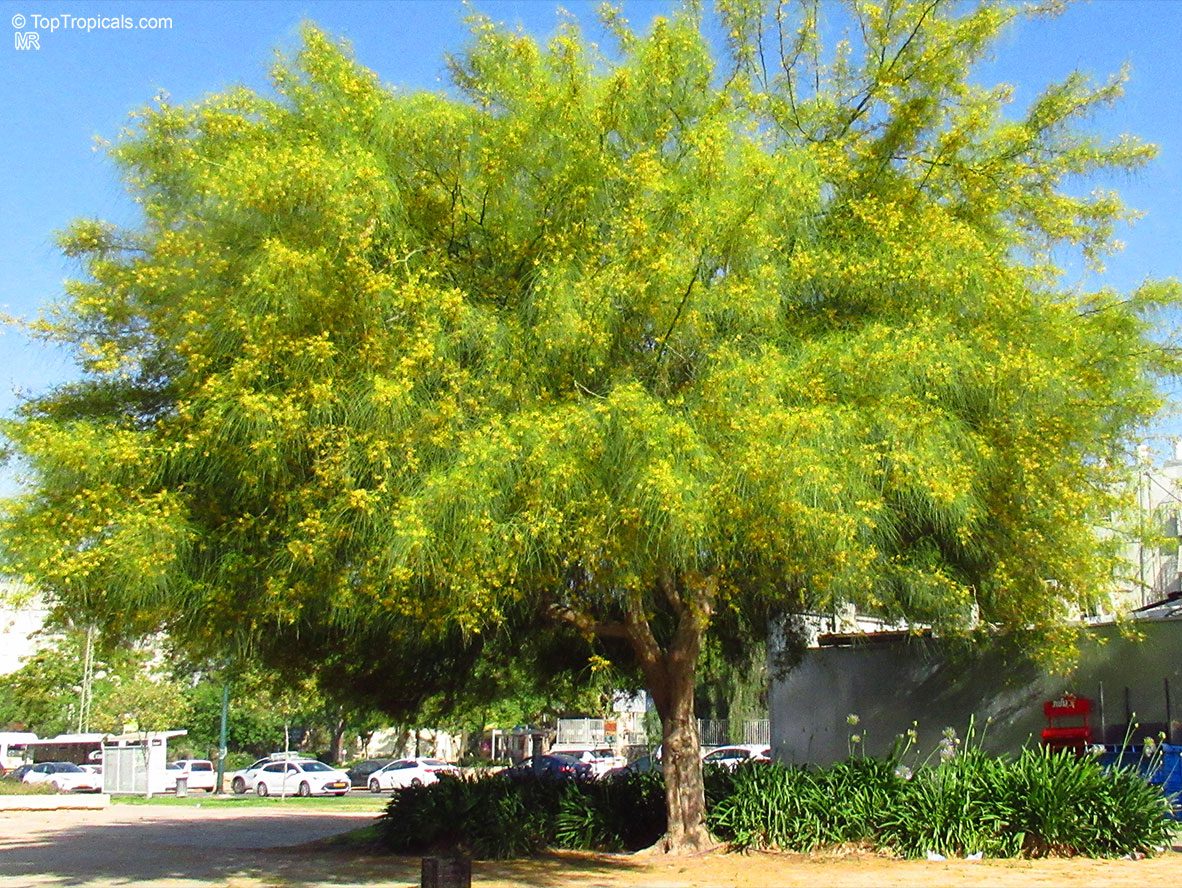
This drought-tolerant species thrives in full sun and poor, dry soils, making it ideal for xeriscaping or arid gardens. It can reach 15 to 20 feet tall and often develops a weeping habit. Spiny branches provide some protection from browsing animals. The plant is hardy to around 15°F and may survive even lower temperatures with protection, especially in dry winter climates.
Parkinsonia aculeata can be grown in large containers when young but is best suited to open ground in warm regions. It is not considered edible and should be handled with care due to its sharp thorns. Its graceful appearance and ability to thrive in difficult conditions make it a valuable addition to dry landscape designs.



Botanical name: Passiflora suberosa
Common name: Corkystem Passionflower
Family: Passifloraceae
Origin: Florida, West Indies, Texas, Mexico, Central America
USDA Zone: 8-11


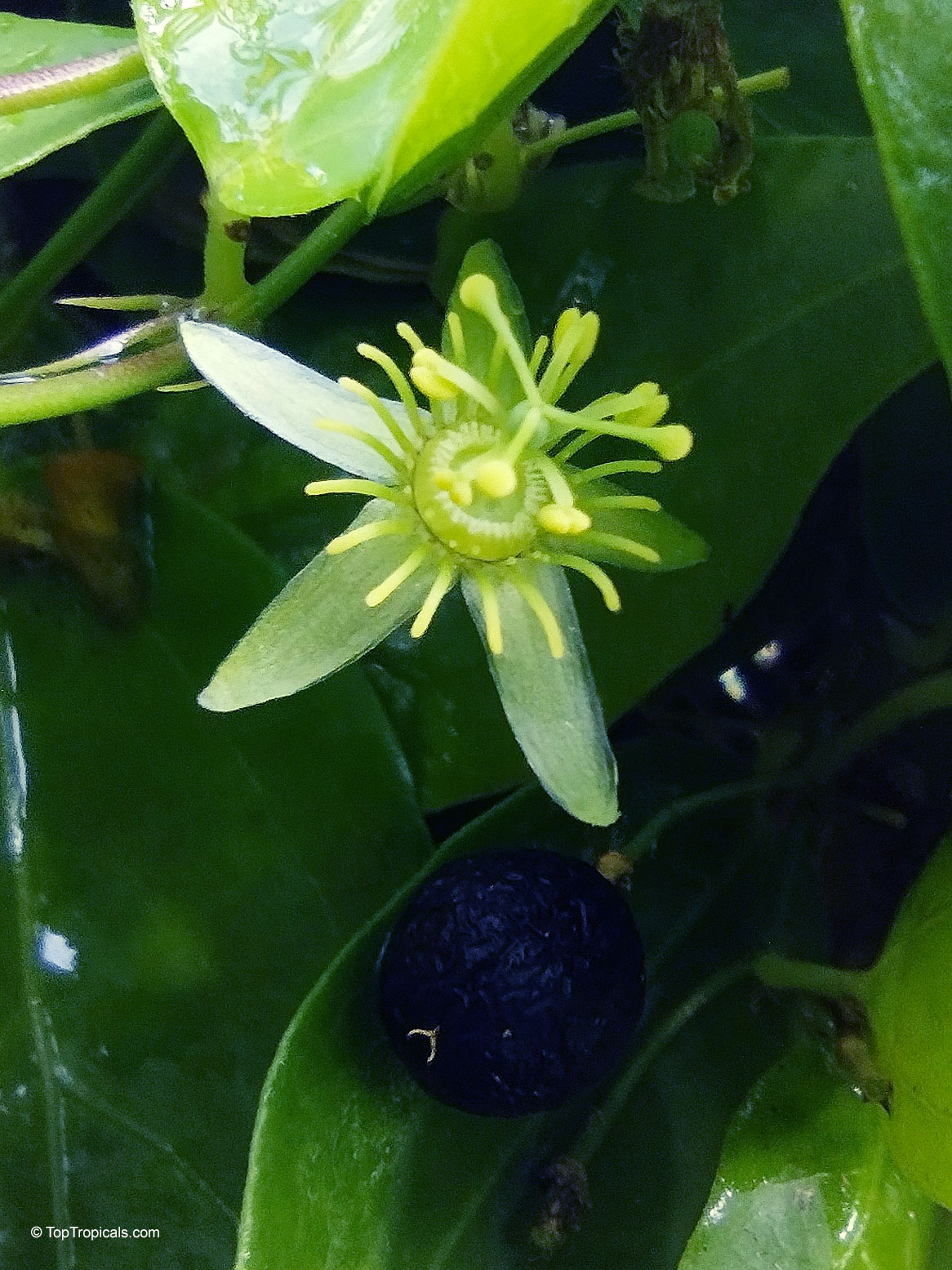
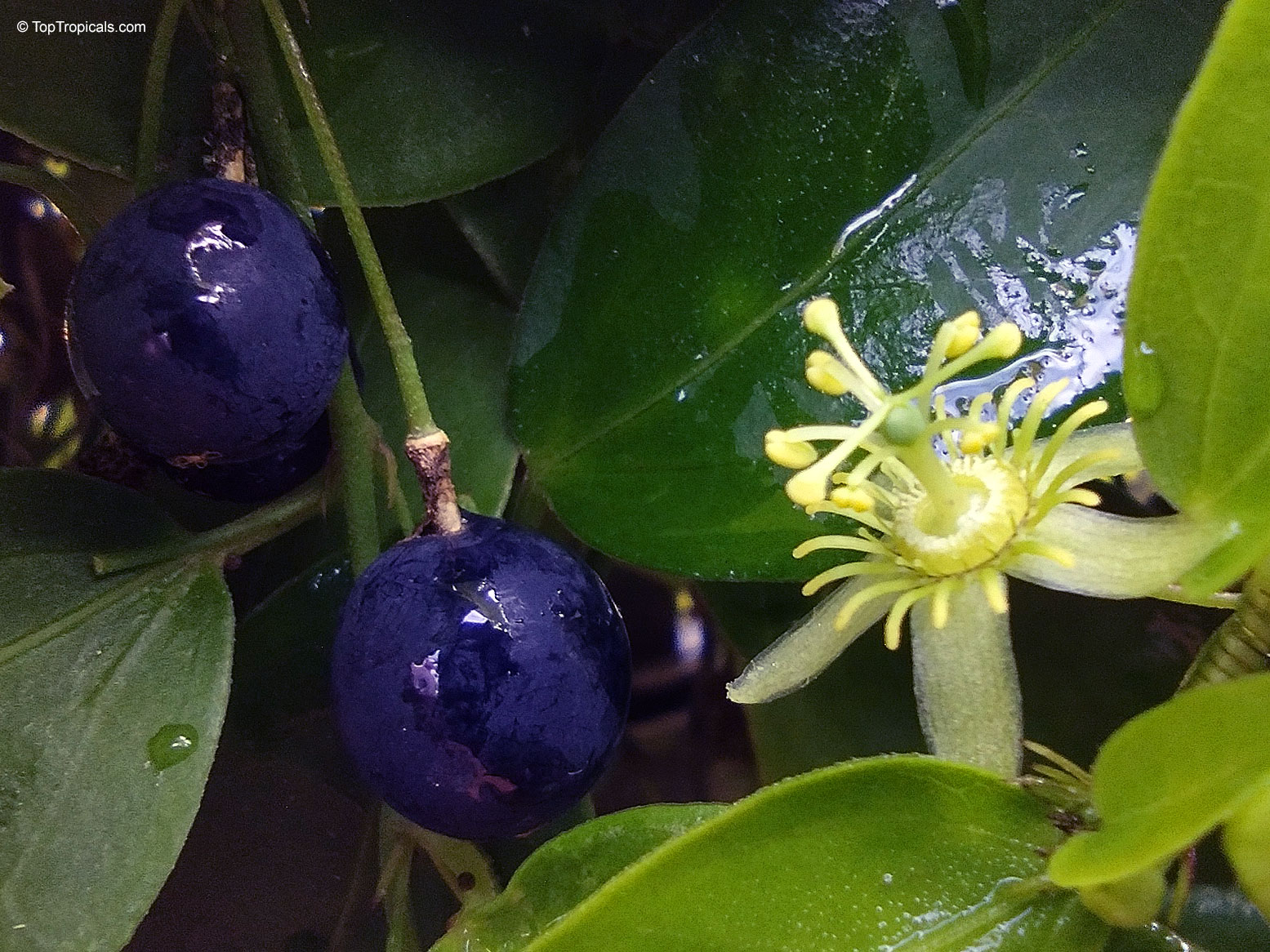
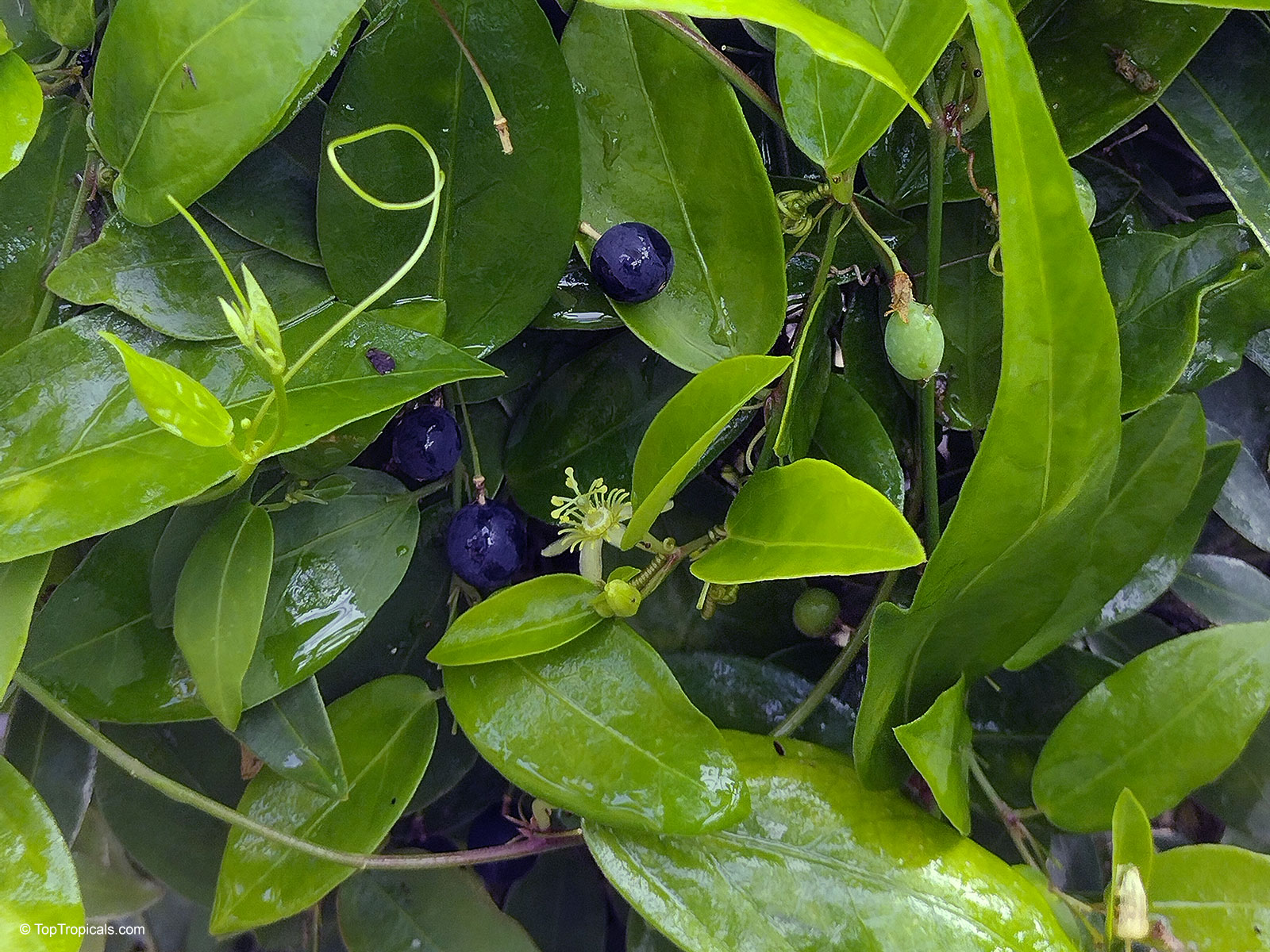
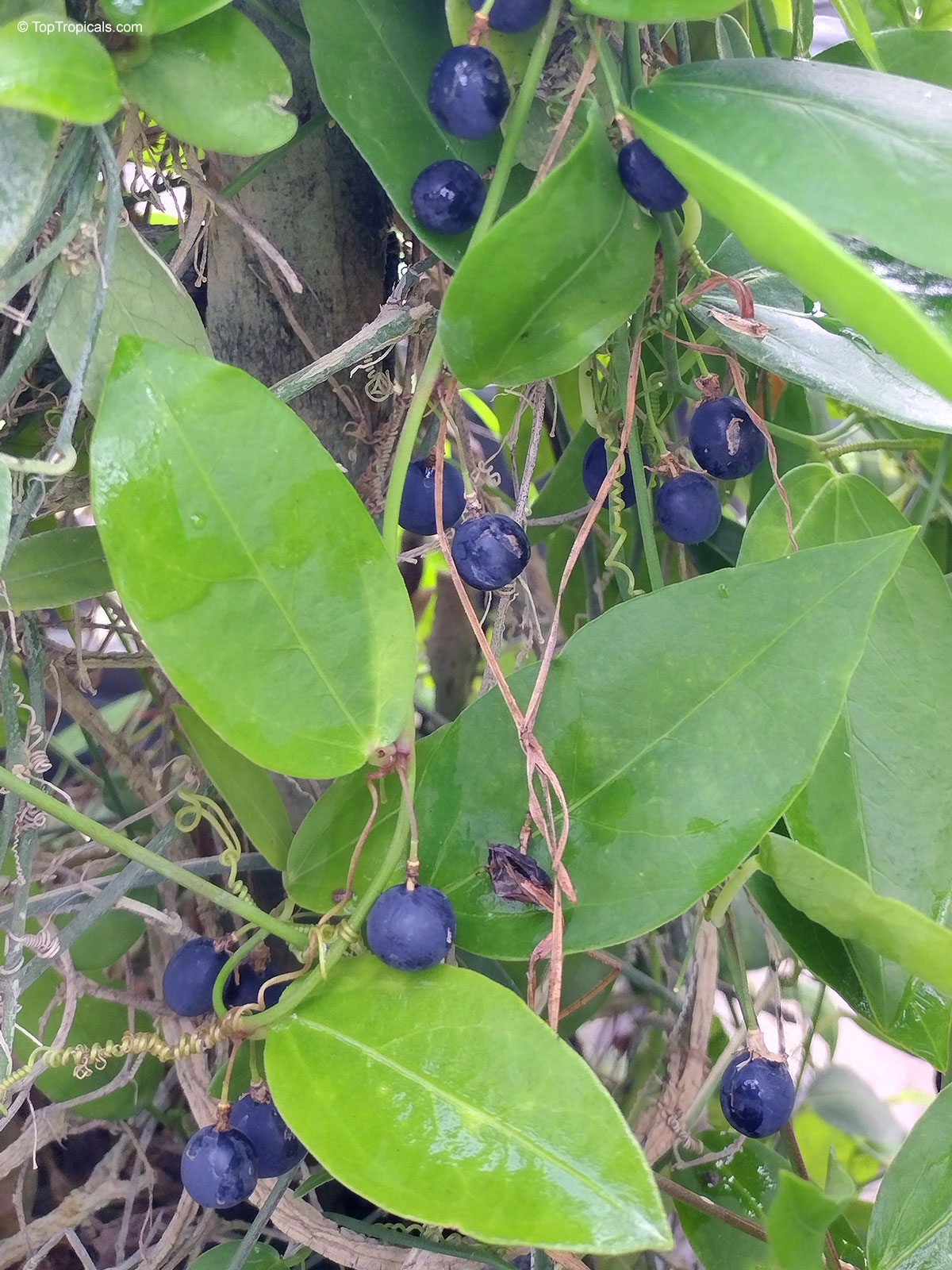
Passiflora suberosa (Corkystem Passionflower) is a slender climbing vine native to Florida, the Caribbean, Central America, and South America. It produces small three-lobed leaves, greenish flowers less than an inch wide, and clusters of tiny round fruits that turn deep purple to black when ripe. Though modest in bloom, the plant is valued for its ability to cover fences and trellises quickly, and the fruit is attractive to birds. Its thin stems can become corky with age, giving rise to the common name Corkystem Passionflower. This species is sometimes confused with similar wild passionflowers but is recognizable by its small fruit and inconspicuous flowers.
Passiflora suberosa prefers full sun to partial shade and well-drained soil with regular moisture. It grows rapidly and can become weedy in favorable climates. Flowering and fruiting may occur several times through the warm season, supporting wildlife in the garden. It is hardy to USDA Zones 9-11, tolerating brief drops to about 30F, but young plants need frost protection. Suitable for naturalized plantings or container culture, it is best managed with pruning to keep growth in check.


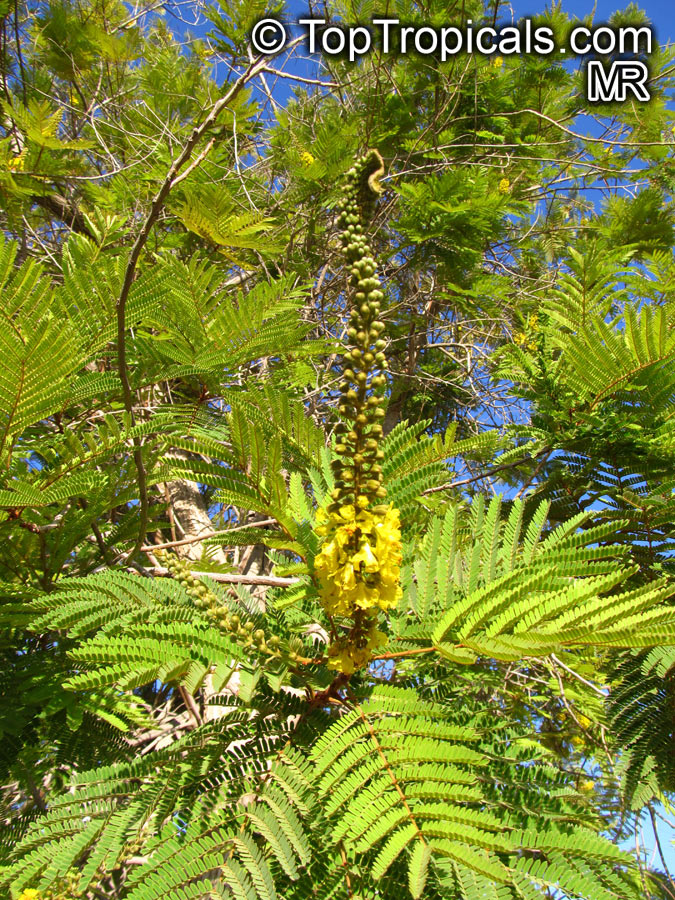
Botanical name: Peltophorum africanum
Common names: African Wattle, Weeping Wattle
Family: Fabaceae
Subfamily: Caesalpinioideae
Origin: South Africa
USDA Zone: 9-10
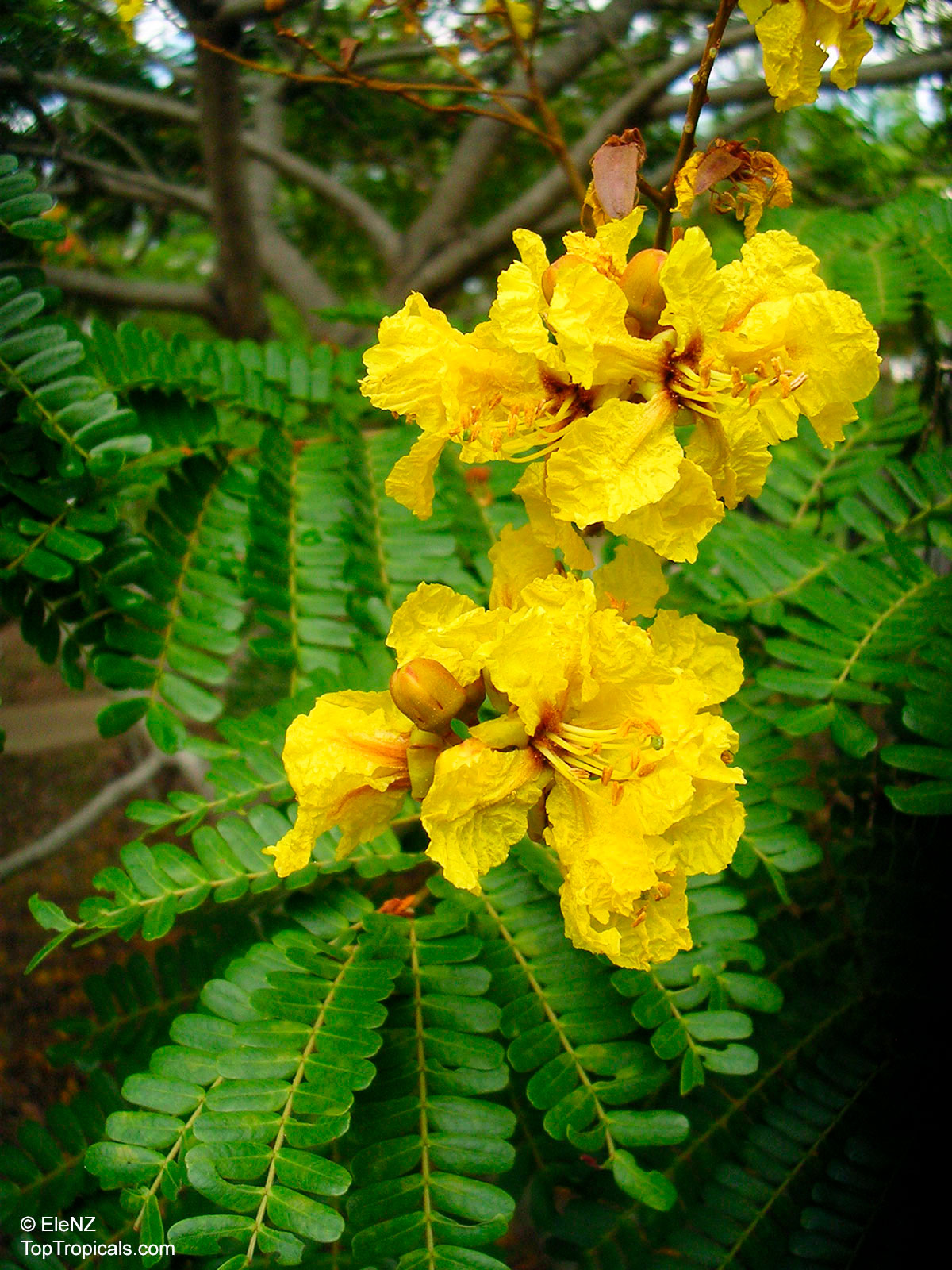
Peltophorum africanum (African Wattle) is a native plant to South Africa and is widely known for its ethnomedical properties. It is a fast-growing small to medium-size semi-deciduous to deciduous tree that reaches heights of 10-20 ft with a spreading crown and bark that is smooth and grey on the young branches. The leaves are compound, bipinnate, with 4-7 pairs of pinnae bearing up to 23 pairs of feathery leaflets. They are oblong in shape, have a dull green top side and a pale green underside, and the apex is rounded with a fine, hairlike tip. The flowers are bright yellow and crinkled, about 5 inches in diameter and hang in dense clusters. They attract butterflies and hummingbirds. The tree is tolerant of seaside conditions and salt, and it's grown in USDA Zones 9-11. It is also a great tree for bonsai, as it develops an adult shape and thick corky bark in just 2-4 years, with leaves that are much reduced.
When growing Peltophorum africanum, it should be planted in a well-drained soil in full sun or semi-shade. It needs moderate water and is frost-resistant and drought-tolerant. When grown as a bonsai tree or for shade protection, it needs protection for the first 2-3 years and should be watered during dry spells. In cold regions, it can be grown in pots and needs frost protection, regular watering, good drainage, and should be placed in a sunny location. It also likes to have its roots shaded from direct sunlight.
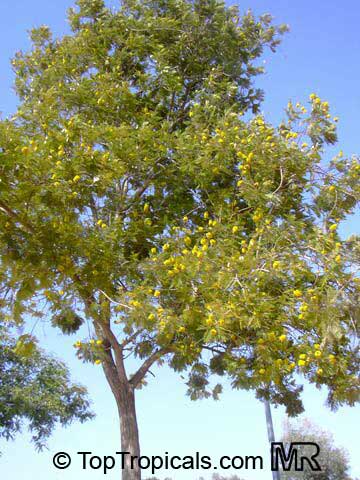
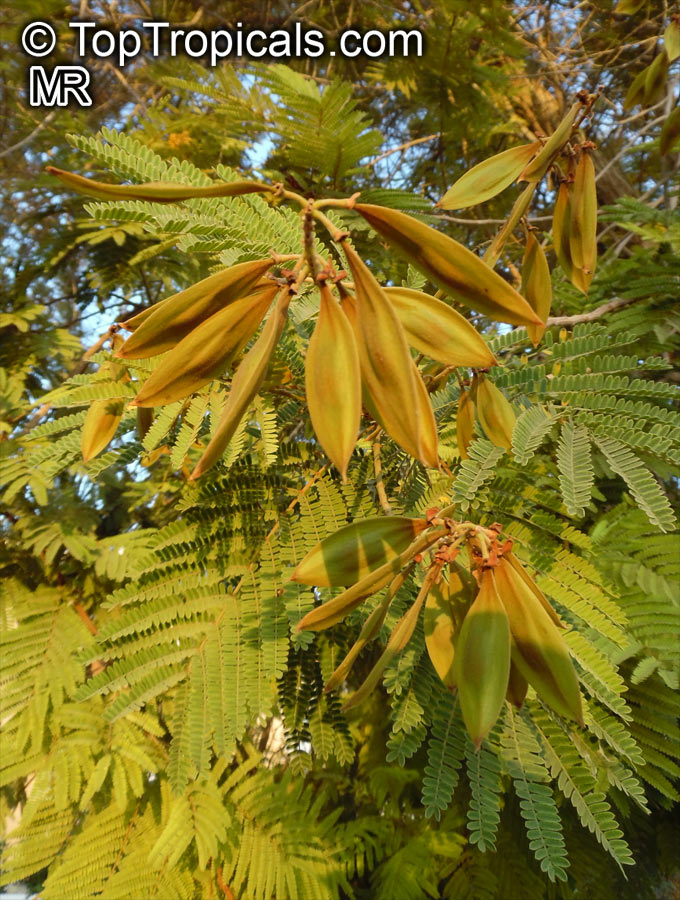
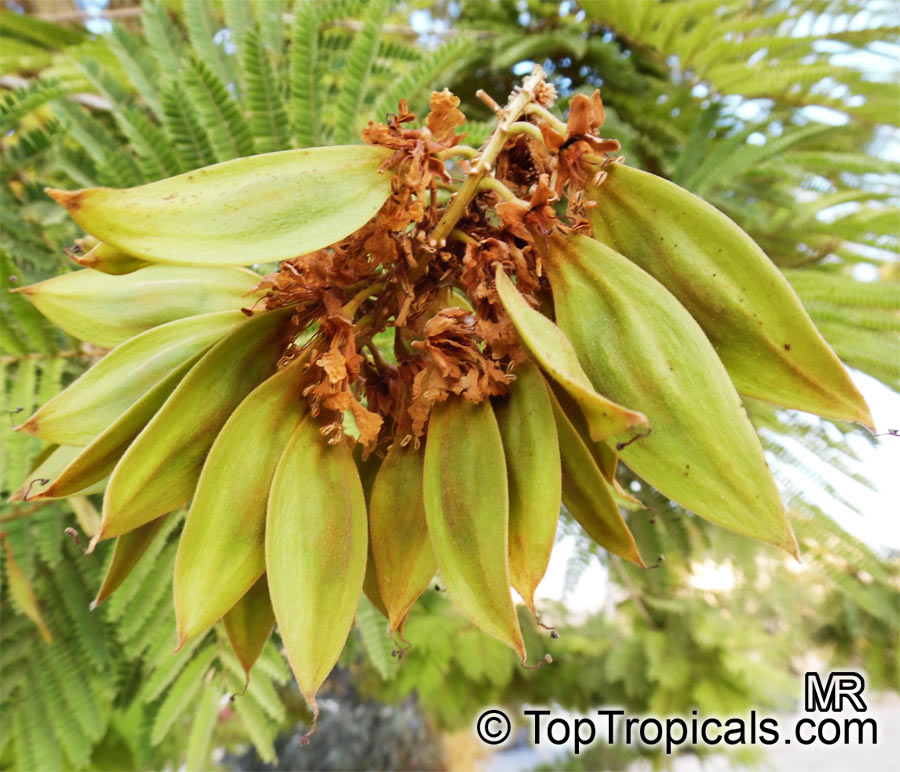
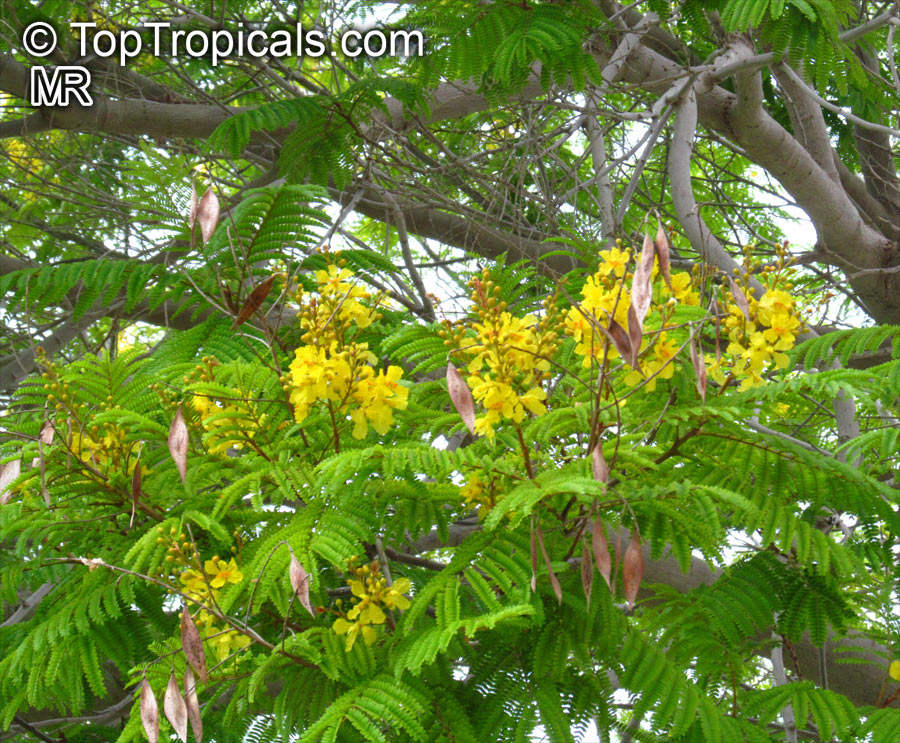
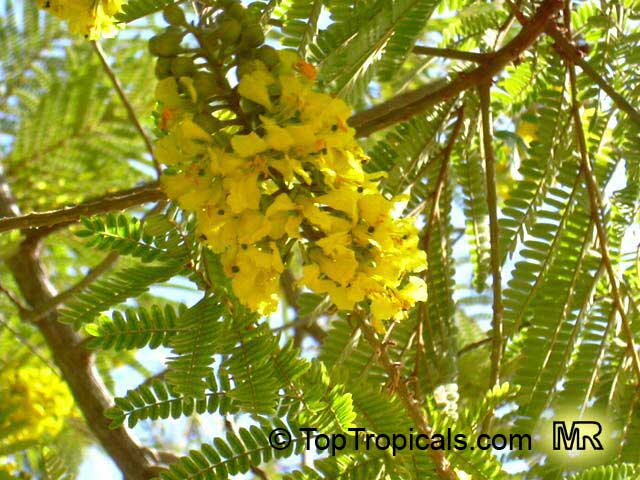
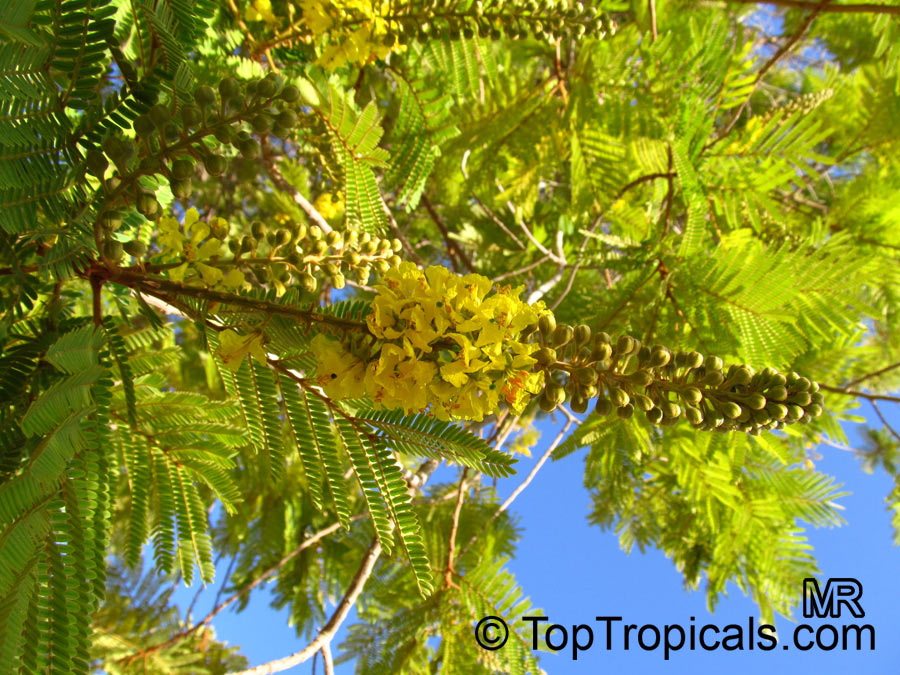
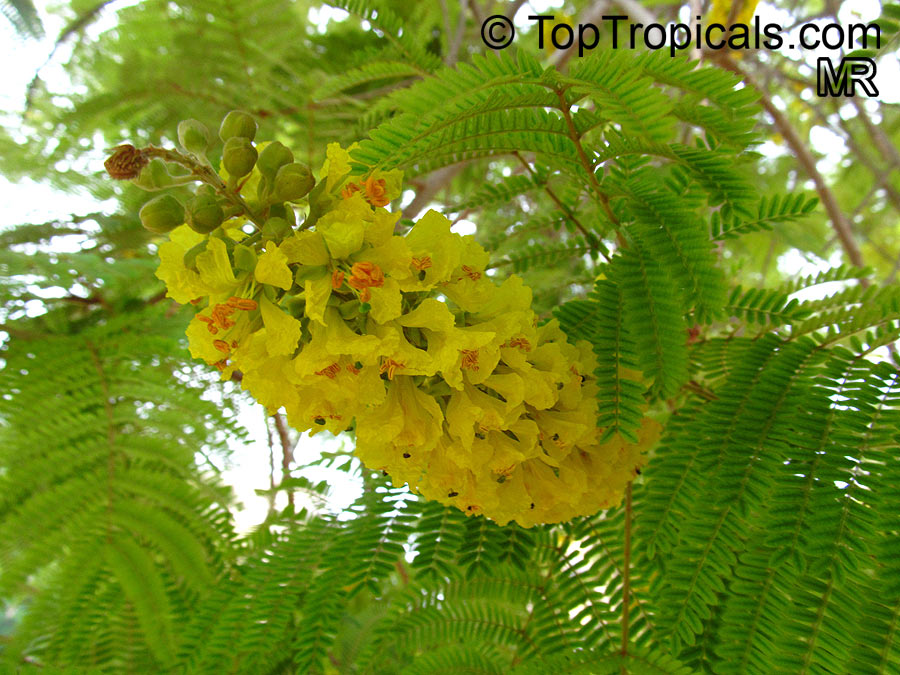
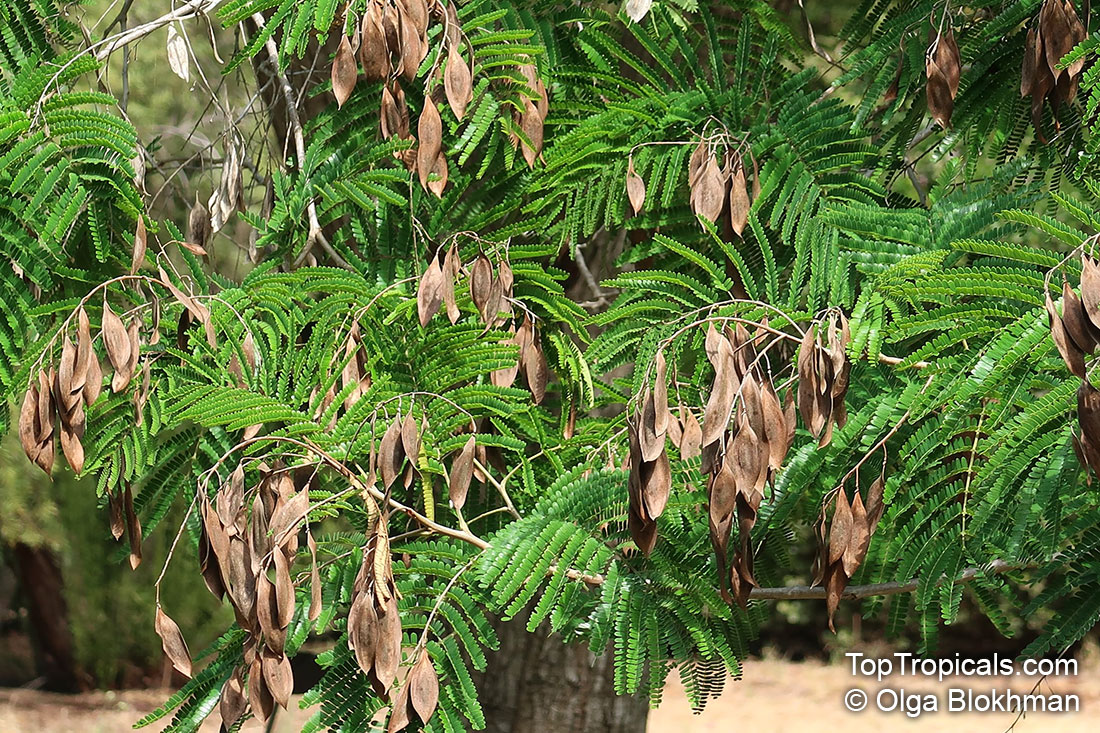
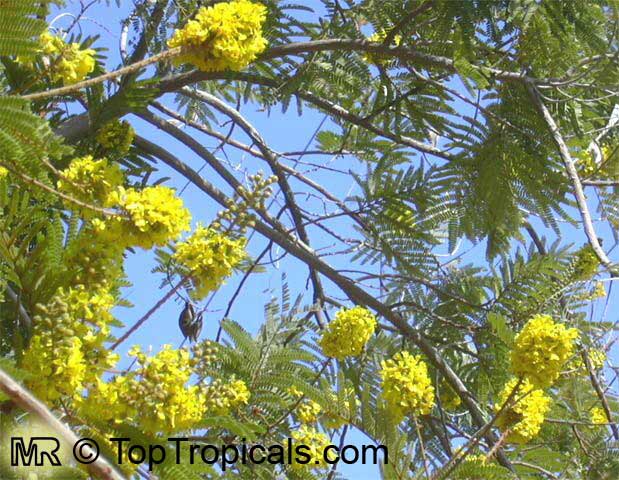
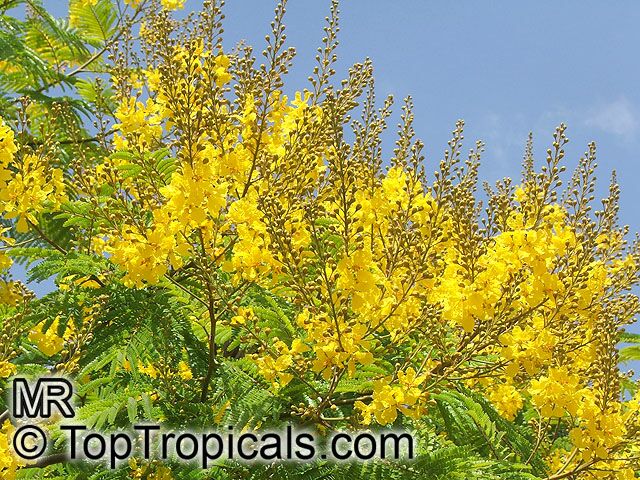
Golden Flamboyant, Yellow Poinciana, African wattle, weeping wattle. Small to medium-size semi-deciduous to deciduous tree. An excellent garden shade tree, beautiful in flower. Great plant for bonsai. This variety starts flowering at young age, in 3 gal pot.
Recommended Fertilizer: SUNSHINE Megaflor - Bloom Nutrition Booster
Golden Flamboyant, Yellow Poinciana, African wattle, weeping wattle. Small to medium-size semi-deciduous to deciduous tree. An excellent garden shade tree, beautiful in flower. Great plant for bonsai. This variety starts flowering at young age.
Recommended Fertilizer: SUNSHINE Megaflor - Bloom Nutrition Booster
Local pickup only. This item is not available for shipping. Local delivery may be available in Ft. Myers or Sebring, Florida. Contact us for an estimate. Non-pickup orders are subject to restocking fees.
Last one
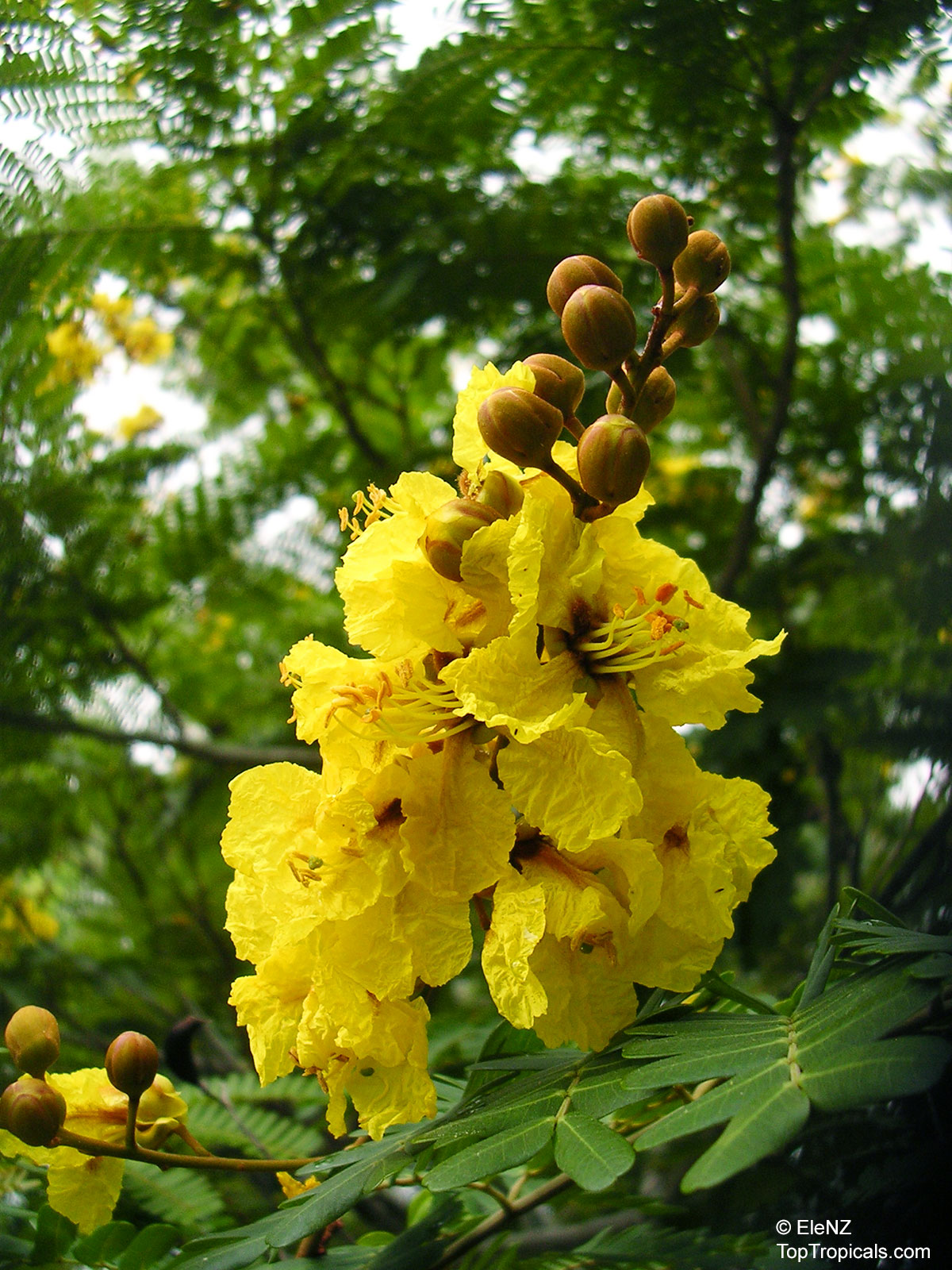
Botanical names: Peltophorum pterocarpum, Caesalpinia ferruginea, Caesalpinia inermis, Inga pterocarpum
Common names: Golden Flamboyante, Yellow Flame Tree, Yellow Poinciana, Copper pod tree, Copperpod
Family: Fabaceae
Subfamily: Caesalpinioideae
Origin: India and South East Asia
USDA Zone: 9-11
Cold tolerance: 30°F
Upright, semi - evergreen tree. It has dark green leathery leaflets, fragrant, yellow flowers and alongated seedpod. Shade tree on streets and roadsides or cover for cash crops in the humid tropics. Also grown as an ornamental. Sap wood soft and light, not durable and of little use, heartwood red, hard and strong. Good for carpentry, construction and cartwright's work. Bark contains tannins, giving a light yellow color to leather, tannins also present in leaves and wood. Medicinal uses: bark for dysentry, tooth powder, eye lotion, embrocation for pains and sores; the bark gives a dye of a yellow color. Can be used as a shade - or specimen tree.
USDA hardiness zone 10b. It is a fast-growing tree. Temperatures in the high 20's cause the leaves to drop but these are quickly replaced. Young trees flower in 2-3 years from seed.


| Prev | Next | |
Use link to repeat this search:
https://toptropicals.com/cgi-bin/garden_catalog/cat.cgi?search_op=and&keyword_op=and&language=e&number=10&no_change_lang=1
&v1=sea&user=tt&sale=1&first=0