Seaside, salt tolerant plant - Plant Encyclopedia Results (Page 34)
| Number of plants found: 494 |  | Prev | Next | 
|
Go to page: | First | 29 | 30 | 31 | 32 | 33 | 34 | 35 | 36 | 37 | 38 | Last |

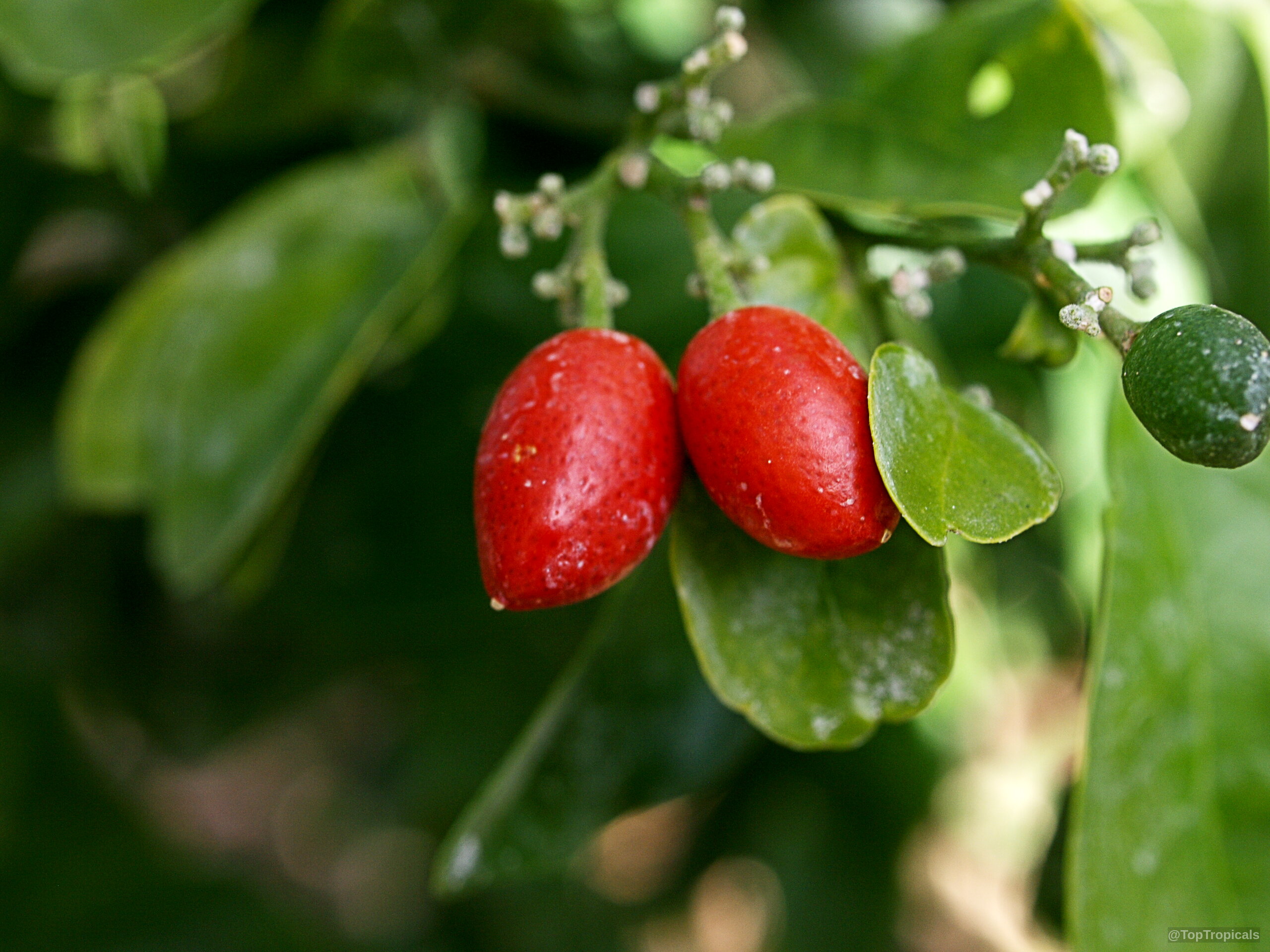
Botanical name: Murraya paniculata
Common names: Orange Jasmine, Orange Jessamine, Mock Orange, Lakeview Jasmine, Chinese Cosmetic Boxwood
Family: Rutaceae
Origin: India
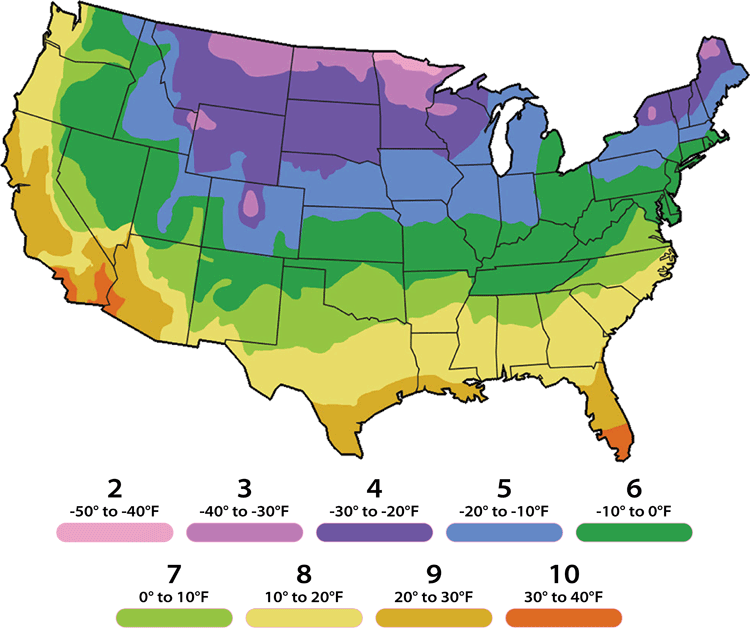
USDA Zone: 9-11
Cold tolerance: 25°F


Murraya paniculata (Orange Jasmine) thrives in warm climates, however it can be grown in USDA Zone 9-11 by providing some basic care. When planted in colder areas, Murraya paniculata should be grown in a large pot, with protection from the cold in winter. It should be placed in a sunny spot and well watered, however it will also tolerate semi-shade. An additional layer of mulch should ensure that roots do not freeze. It is also tolerant of dry soil and coastal conditions, as well as salt which makes it a great seaside plant.
Murraya paniculata is a particularly attractive shrub, growing five to ten feet tall and boasting glossy green foliage. The plant is bedecked with fragrant white or off-white flowers that attract bees, butterflies and hummingbirds. Appropriately pruned, it can create an impressive hedge, with the added bonus of its lovely fragrance.
This is an excellent choice for warm climate gardens, as it is easy to grow, requires minimal care, and adds beauty and fragrance to its surroundings. For those in colder climates, a pot of this delightful shrub may give days of pleasure.




Botanical name: Neomarica caerulea
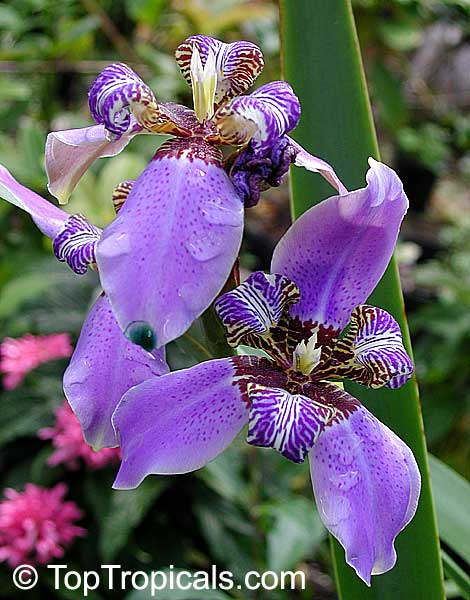
Common names: Walking Iris, Twelve apostles, Apostle Plant, Iris Regina
Family: Iridaceae
Origin: Brazil
USDA Zone: 8-11


This species was discovered in Brazil near the ocean in shady sandy soil, so it is salt tolerant. Plants will grow in full sun but foliage color is best in light shade; water regularly. The best specimens seem to be in moist, well drained soil in locations with morning sun and some shade in the afternoon. Their fertilizer requirements are modest. Clumps may be divided but propagation from fresh seed is easy and fairly fast. Plants mature to flowering size from seed in less than a year. Cold hardy only to about 30F.
Variety Regina was introduced by Sid Gardino, and named after his wife, Regina.
This beauty thrives in shady spots and sandy soil, making it perfect for gardens near the coast, thanks to its salt tolerance.
With its elegant blue-violet blooms and sword-like leaves, Iris Regina adds a splash of tropical charm to your garden, all while asking for very little in return. It's the kind of plant that makes your garden look fabulous without breaking a sweat!



The plant is salt tolerant. Plants mature to flowering size from seed in less than a year. Cold hardy only to about 30F.
Recommended Fertilizer: SUNSHINE Megaflor - Bloom Nutrition Booster

Botanical name: Nerium oleander
Common name: Oleander
Family: Apocynaceae
Origin: Mediterranean area
USDA Zone: 8-11


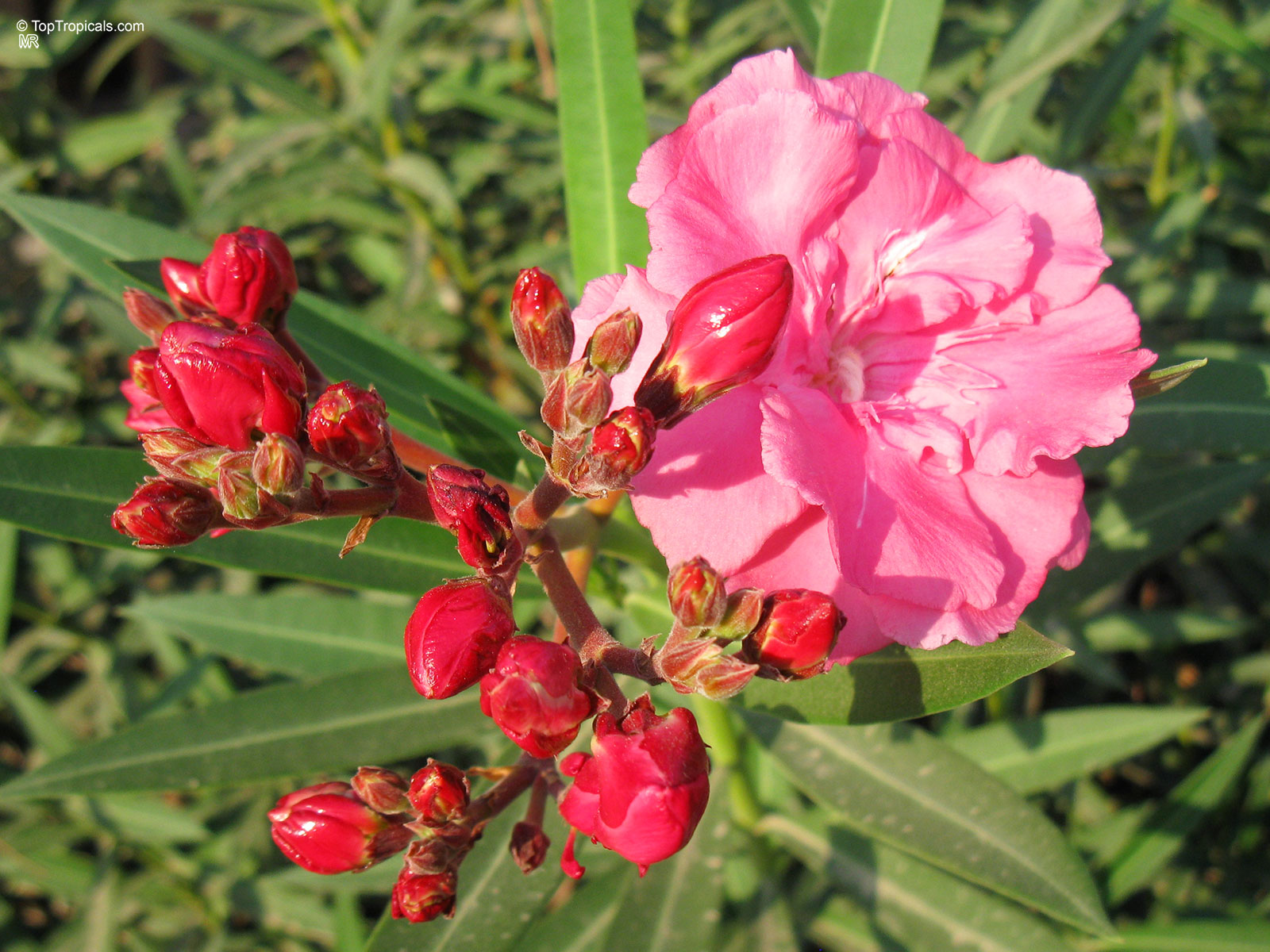
When it comes to growing Nerium oleander in a pot, the important thing to consider is that the shrub, which can range from a large bush of five to ten feet tall, to a small tree of between ten and twenty feet, depending on the cultivar, should get plenty of sun, but should also remain in a well-watered state, as oleanders do not like dry soil. Regular watering is an important part of oleander care, but some cultivars, such as the 'Southern Red' which has red, crimson and vinous flowers, are more drought-tolerant. The fragrant flowers of the oleander can be white, off-white, pink or red, depending on the cultivar, and are known for their beauty from late spring until fall, when they will spread a sweet scent if planted in an area with plenty of sun and good drainage.
When it comes to cold weather, it is important to note that mature Nerium oleanders may be cold hardy down to at least thirty degrees Fahrenheit for a short time, depending on the cultivar, a fact which makes it well suited for seaside areas where salt tolerance is advantageous. For those living in regions where cold temperatures reach beyond this, consider planting oleanders in containers and bringing them indoors during the winter, or wrapping the plant with a frost blanket when the temperature dips. Like most members of the Apocynaceae family, all flowers of the plant are poisonous; the smoke from burning clippings will produce a reaction in some people.




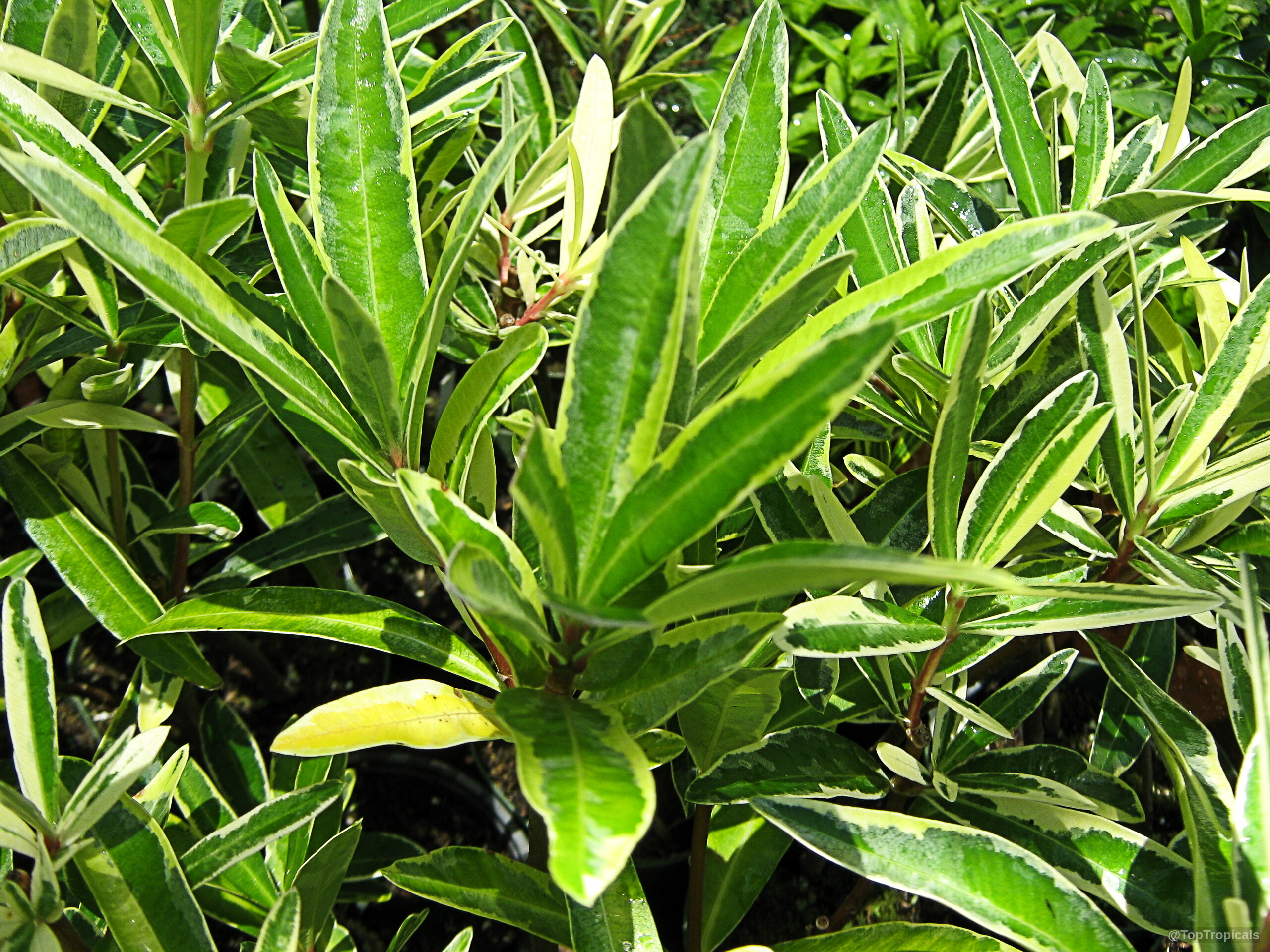

Botanical name: Noronhia emarginata
Common name: Madagascar olive
Family: Oleaceae
Origin: Madagascar
USDA Zone: 10-11

Noronhia emarginata is a versatile plant that is native to Madagascar. It grows as an evergreen shrub or small tree, about 3-15m tall. It has small but fragrant flowers with a four-lobed corolla, and the leaves are opposite, elliptical or obovate, up to 5 inches long.
The fruit of Noronhia emarginata is edible and has a number of health benefits. The fruits are globose to turbinate drupes, about 1 inch diameter, and bright yellow ripening to dark purple. They are rich in vitamins A, B and C, as well as other nutrients, and contain high amounts of dietary fiber.
Given the right conditions, Noronhia emarginata is a very easy plant to grow. It prefers full sun, but can tolerate part shade. It should be grown in well-drained soil that is acidic or alkaline, in clays, loam, and sand. It is drought-tolerant and highly salt-tolerant and can
In colder climates, Noronhia emarginata is hardy to temperatures at least as low as 30F. When grown in containers, take precaution to ensure the soil is properly drained and frost protection should be taken. It is advised to move the pot indoors when the temperature drops below freezing, to protect the roots.


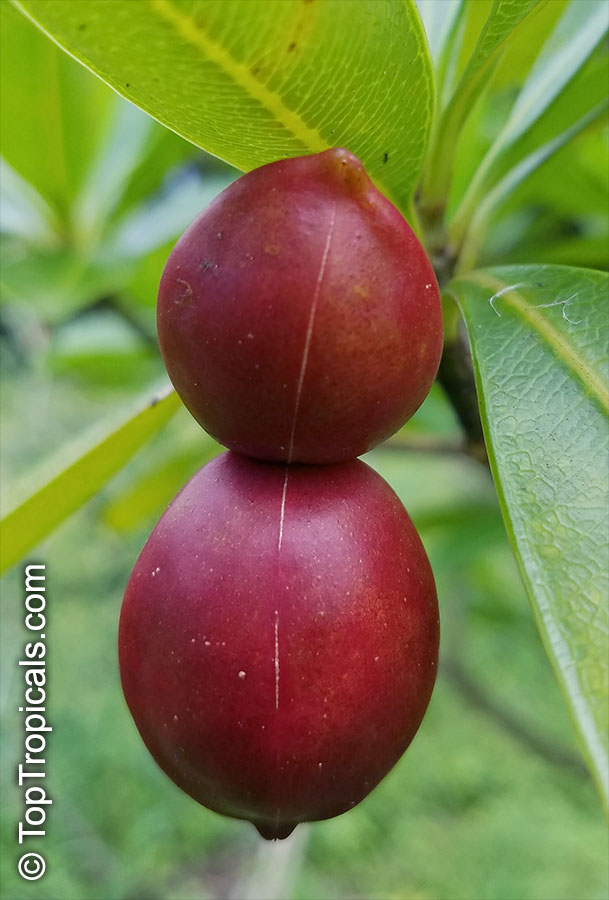
Botanical name: Ochrosia elliptica
Common names: Bloodhorn, Mangrove Ochrosia
Family: Apocynaceae
Origin: Australia
USDA Zone: 9-10

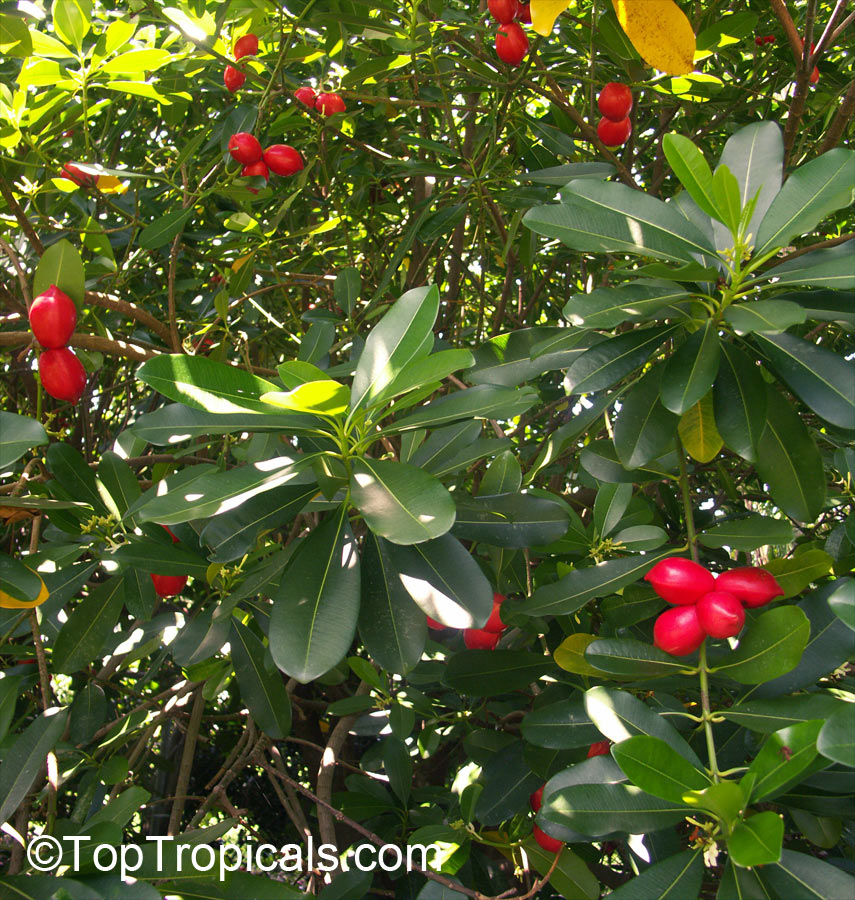
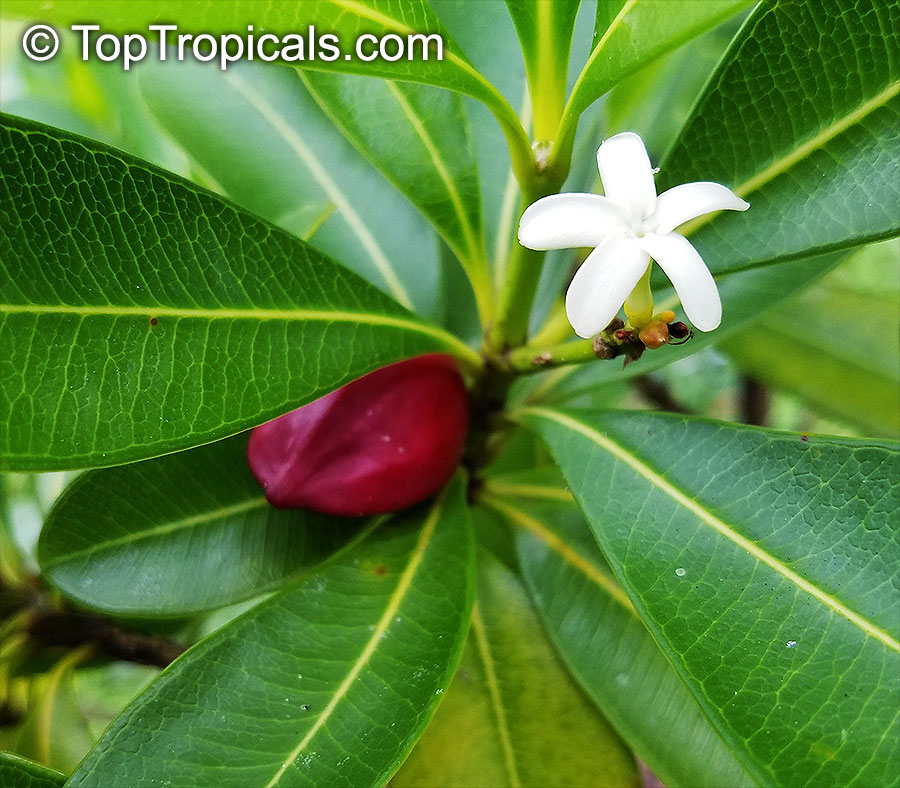
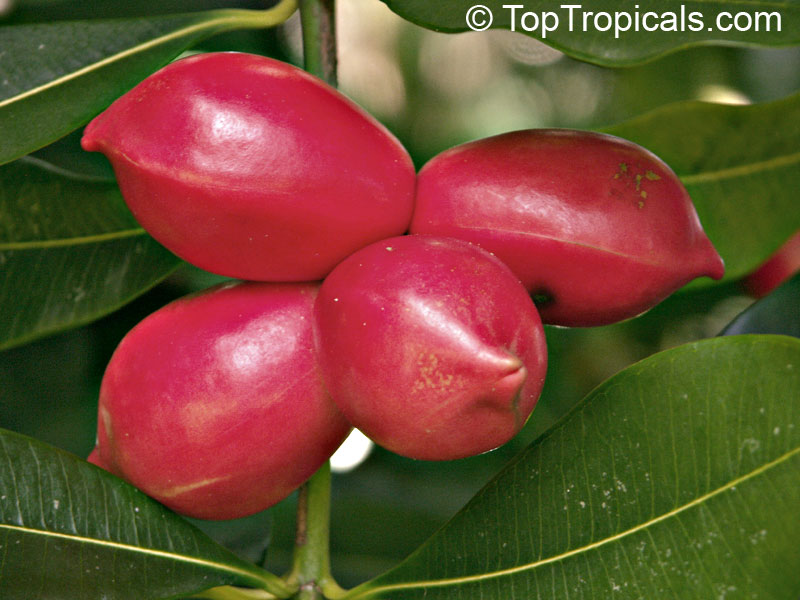
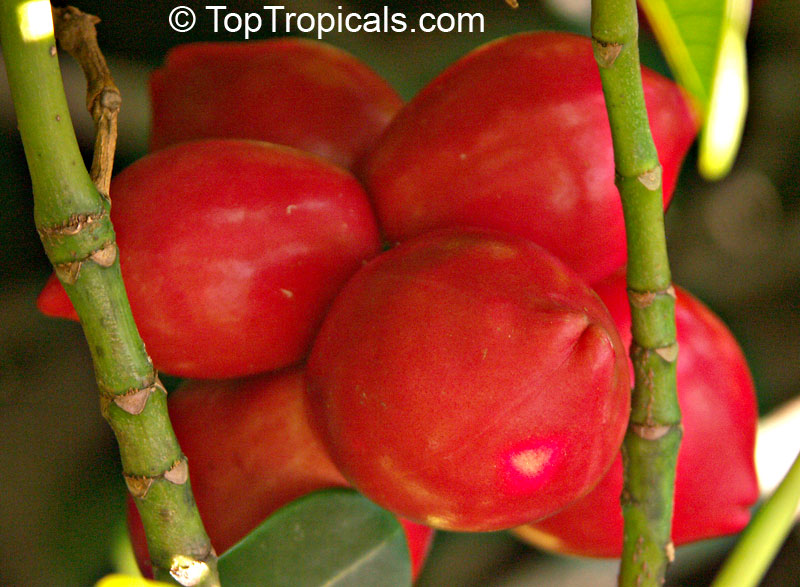
Ochrosia elliptica, commonly known as Kopsia or Elliptic Ochrosia, is a tropical evergreen shrub or small tree in the Apocynaceae family native to Southeast Asia and northern Australia. It typically grows 10 to 20 ft tall, forming a dense, rounded crown with smooth gray bark and glossy, elliptic dark green leaves arranged in clusters near the ends of branches. Fragrant, white, star-shaped flowers appear in clusters, followed by paired, elongated fruits that ripen to bright red, adding ornamental contrast to the foliage.
This species prefers full sun to partial shade and well-drained soil, with moderate watering once established. Growth rate is moderate in warm climates. Cold tolerance is limited, with damage likely below 40F; best suited to USDA Zones 10 to 11. Ochrosia elliptica performs well in coastal and tropical landscapes and can be maintained in large containers while young. All parts of the plant are considered toxic if ingested.
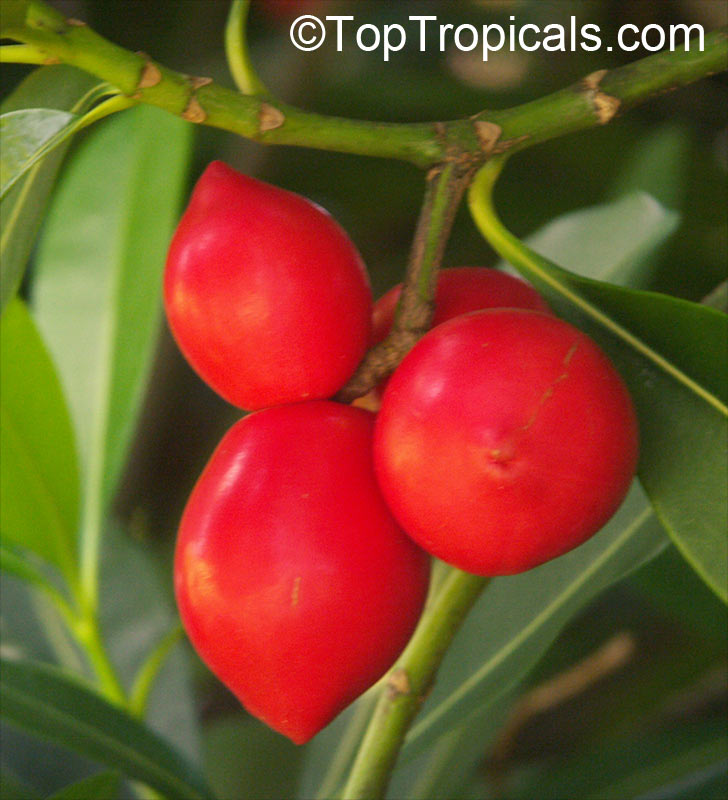
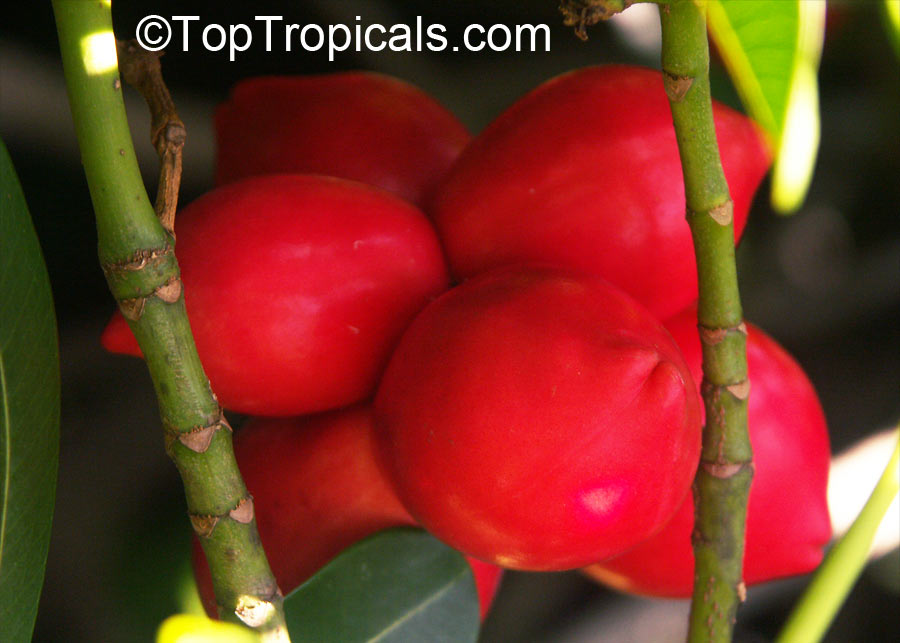



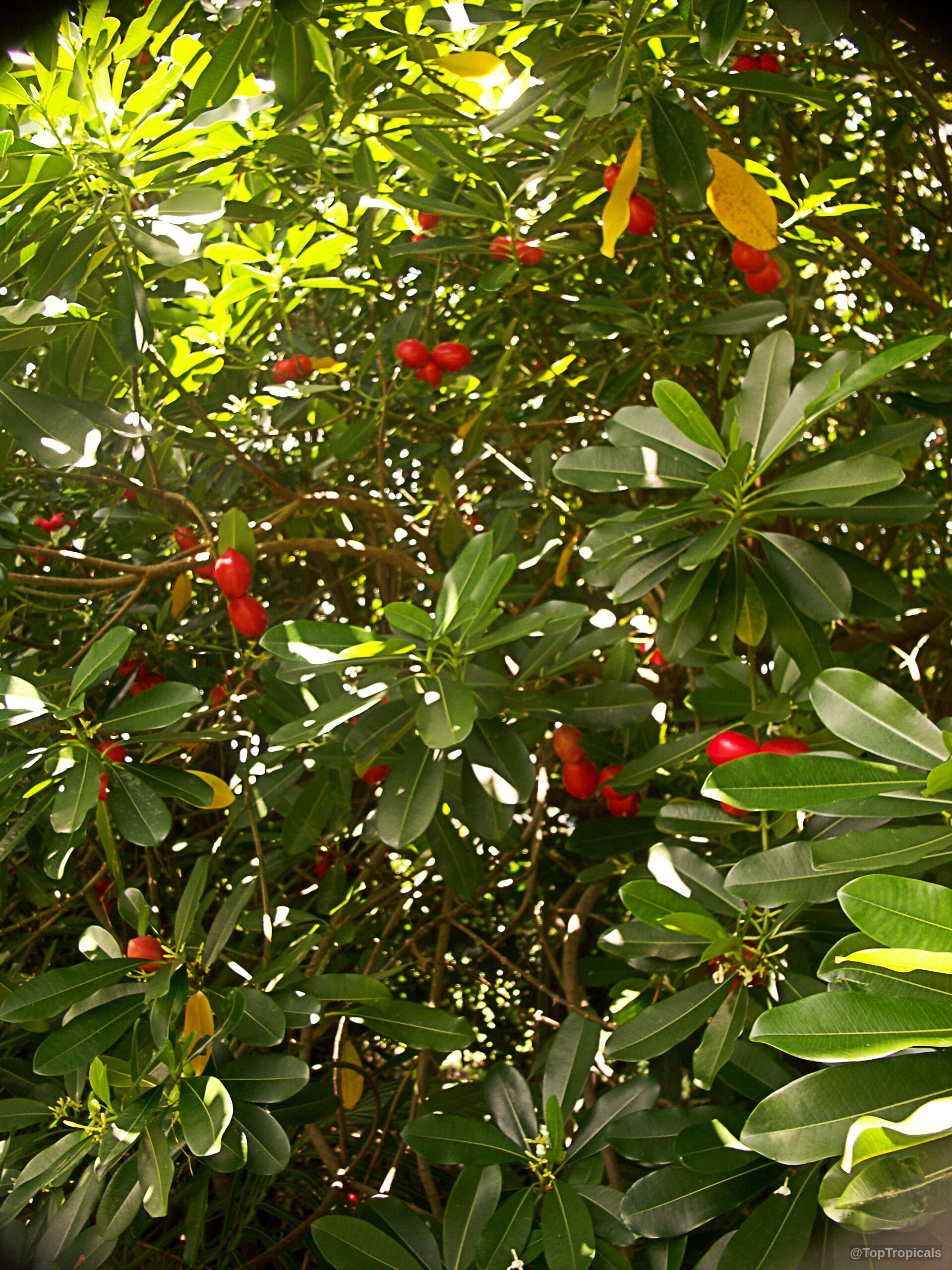
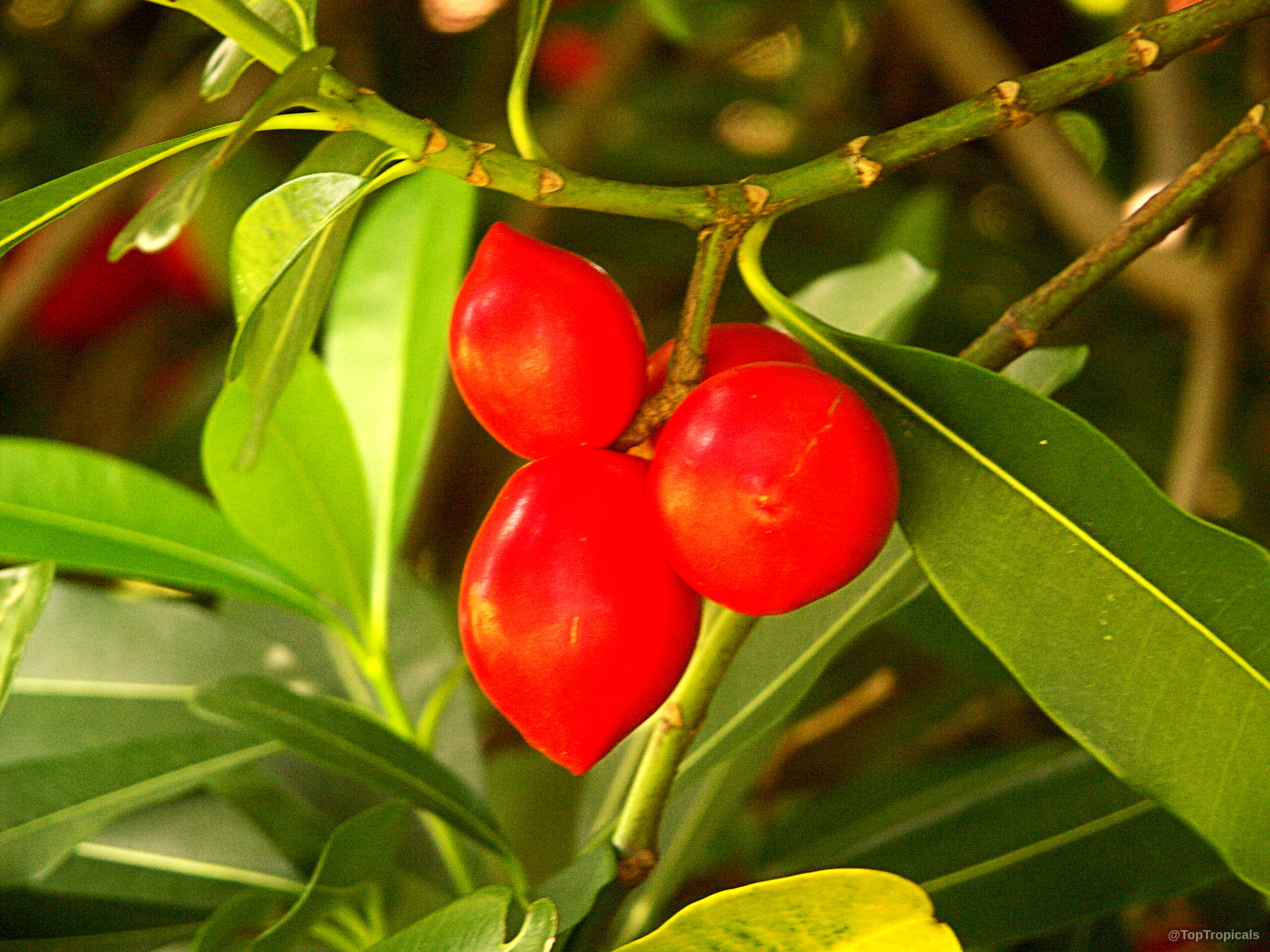

Botanical name: Ochrosia sp.
Common name: Ochrosia
Family: Apocynaceae
Origin: Southeast Asia, Australia
USDA Zone: 9-10


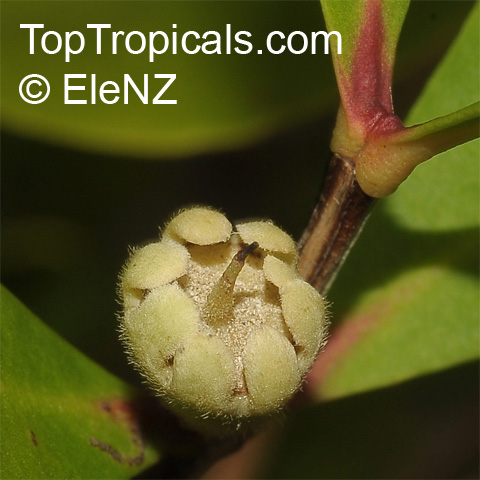
Botanical name: Osbornia octodonta
Common name: Myrtle Mangrove
Family: Myrtaceae
Origin: Australia
USDA Zone: 9-10

Osbornia octodonta is a useful tree to grow for coastal protection.
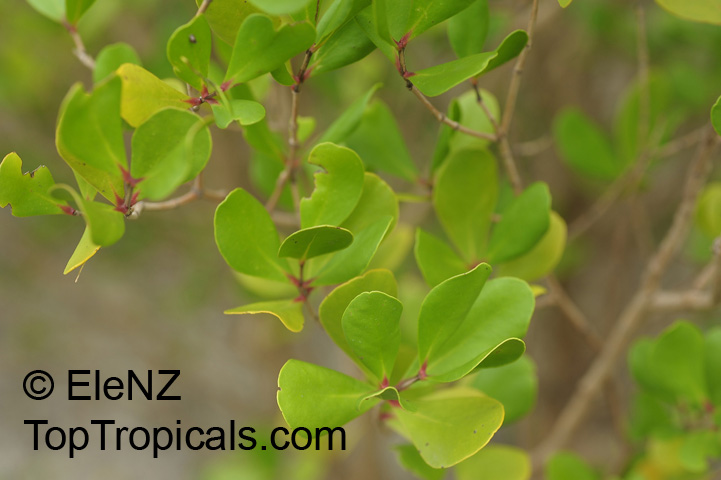

Botanical names: Pachystegia insignis, Olearia insignis
Common name: Marlborough Rock Daisy
Family: Asteraceae
Origin: New Zealand
USDA Zone: 8-10
Pachystegia insignis is a small endemic shrub of Marlborough, New Zealand. Commonly known as Marlborough Rock Daisy, the plant is a perfect choice for seaside gardens, as it is very salt tolerant. A Pachystegia insignis will grow up to 2 to 5 ft tall and features oblong, leathery leaves. The leaves range from light to deep green, depending on the time of year. A sunny site with regular watering is best for this small plant, in order for it to flourish and rewards the gardener with beautiful white and off-white flowers. While the plant will survive light frost, it is best grown in USDA Zone 8-10.
In cold regions, Pachystegia insignis is best grown in a pot and brought indoors on colder nights. A well-draining potting mix that is not too heavy is best, with a generous amount of organic material. Watering should be done at least twice a week - more frequent in dry and hot weather. A regular application of fertilizer during the growing season will ensure the health of the plant. Pruning can be done in early spring to keep the shrub neat and shapely.
With the right care, a Pachystegia insignis is a beautiful addition to the garden in summers. The plant is a great choice to decorate the garden with its white and off-white flowers, and its salt tolerance makes it an ideal addition to seaside gardens.

Botanical name: Pancratium maritimum
Common names: Sea Daffodil, Sea Lily, Sand Lily, Havatselet ha'Sharon
Family: Amaryllidaceae
Origin: Mediterranean coast
USDA Zone: 8-10
Pancratium maritimum (Sea Daffodil) is a small plantthat stands 2-5 feet tall, native to the Mediterranean coast. It is an ethnomedical plant, valued for its therapeutic properties and is a popular seaside plant. Highly fragrant flowers emerge at the tail end of summer, creating a delightful experience for the senses. The Sea Daffodil is quite tolerant of salt and humid conditions making it an ideal choice for seaside gardens. It thrives in climates where temperatures are mild and it enjoys full sun exposure.
This small bulbous plant does well in USDA Zones 8-10. In cold regions, it is best to keep the plant in a pot and bring it inside when temperatures drop. When planting outdoors, make sure the soil where you place it is light and well drained. In dry climates, it prefers moderate amounts of water. On hot days, dappled shade will help protect it from strong midday sun.
The Sea Daffodil is a stunning and fragrant choice for the garden, adding a little bit of the Mediterranean coast to your landscape. With the right growing conditions, it will reward you with years of enjoyment.
It is assumed that "Sharon" refers to the Havatselet ha'Sharon plant in the Sharon plain in Israel. The flower of this plant the Hinano Shani (Hebrew for Sea Daffodil) was thought to be the flower in the Song of Songs (verse 2:1)."I am a flower of Sharon, a lily of the valley"


Botanical name: Pandanus baptistii
Common names: Variegated Dwarf Pandanus, White-striped Pandanus
Family: Pandanaceae
Origin: New Britain
USDA Zone: 9-10
Small bush or tree. Leaves spirally arranged, straplike, green with 1-4 central white stripes. Similar species - Pandanus sanderi with golden-yellow central stripes, with margin finely spined; Pandanus veitchii with white stripes on/near margin, margin finely spined.


Recommended Fertilizer: SUNSHINE Robusta - Rapid Growth Booster
| Prev | Next | |
Use link to repeat this search:
https://toptropicals.com/cgi-bin/garden_catalog/cat.cgi?search_op=and&keyword_op=and&language=e&number=10&no_change_lang=1
&v1=sea&user=tt&sale=1&first=0