Seaside, salt tolerant plant - Plant Encyclopedia Results (Page 2)
| Number of plants found: 494 |  | Prev | Next | 
|
Go to page: | 1 | 2 | 3 | 4 | 5 | 6 | Last |
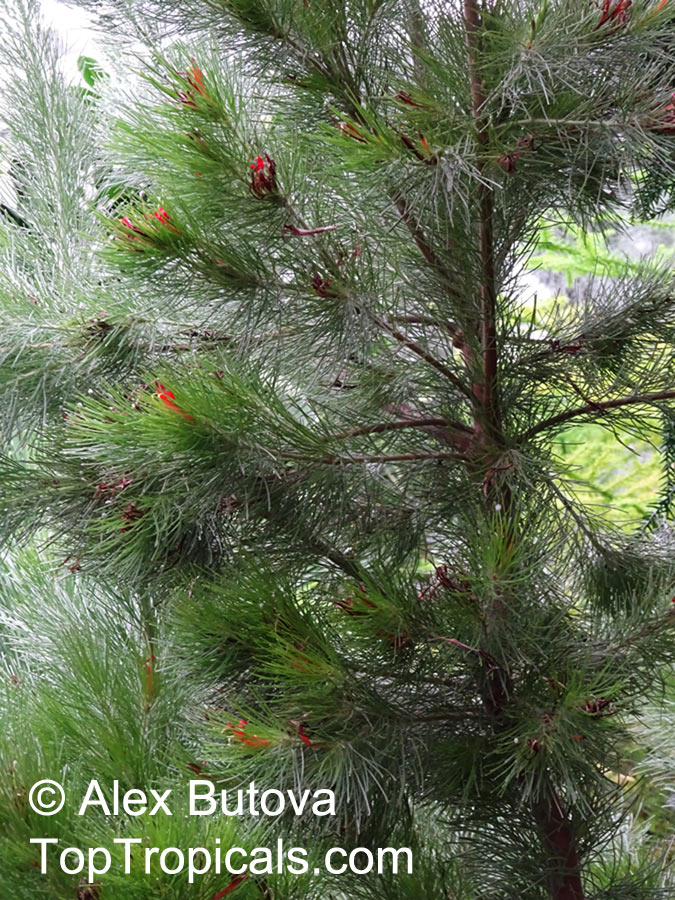
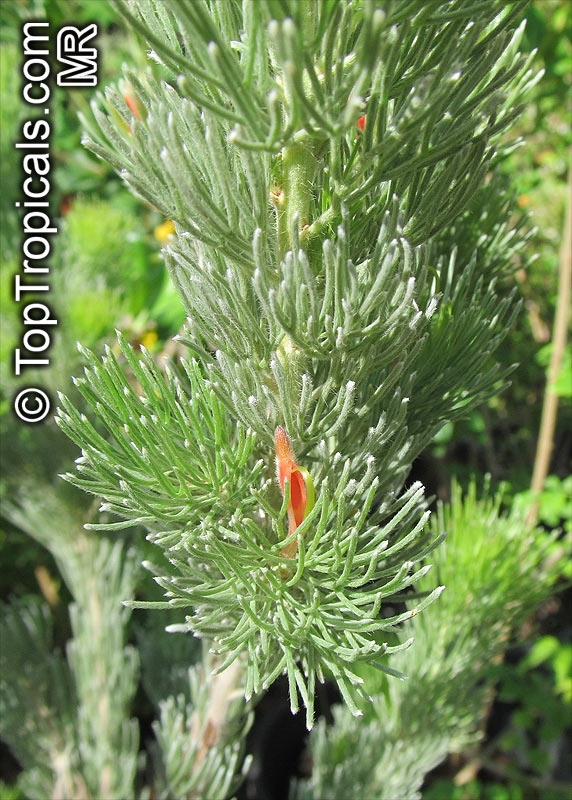
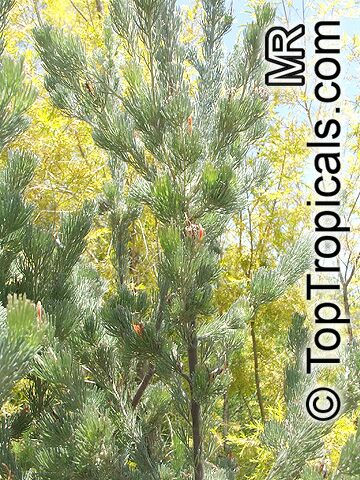
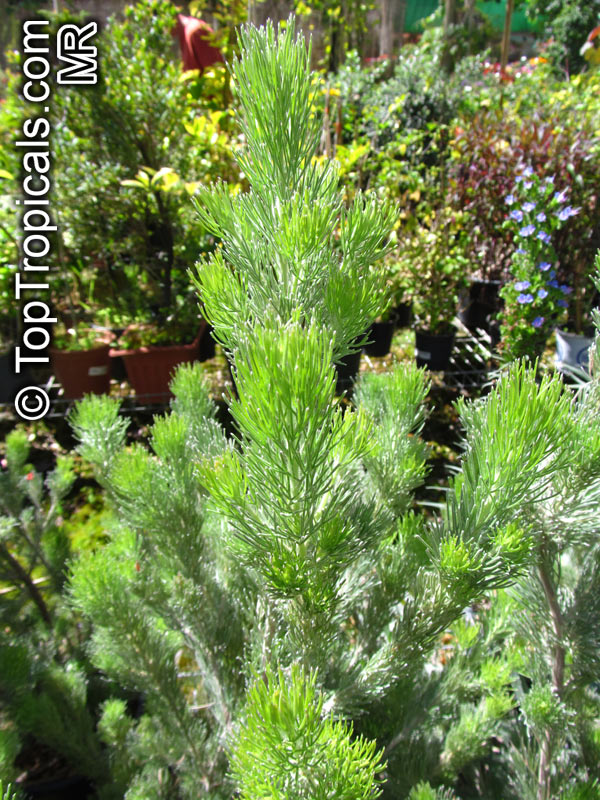
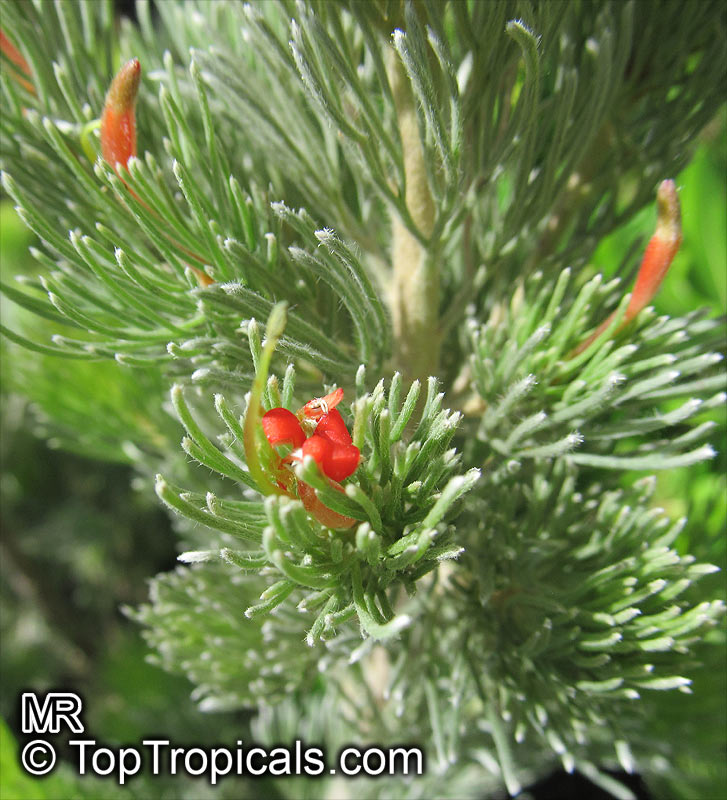
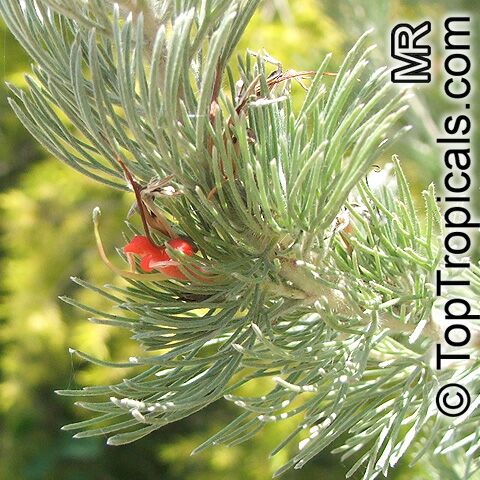
Botanical name: Adenanthos sericeus
Common name: Coastal Woolly Bush
Family: Proteaceae
Origin: Australia
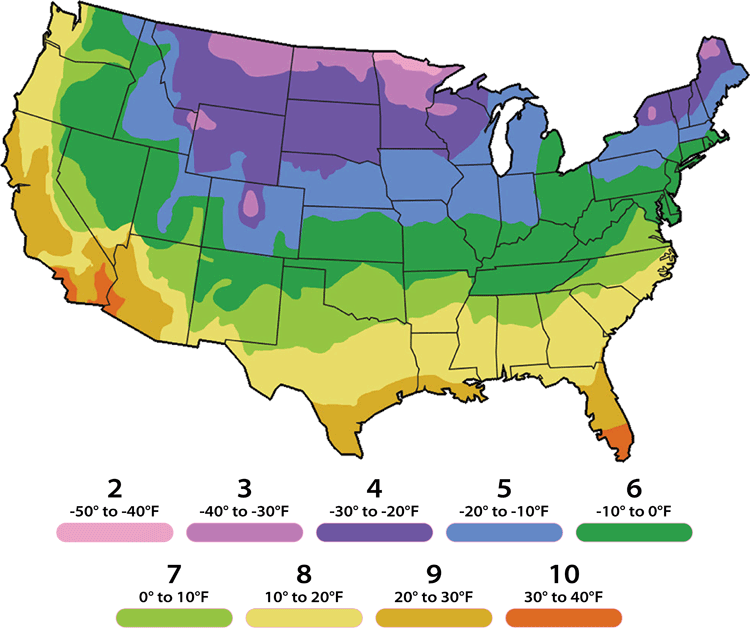
USDA Zone: 9-10


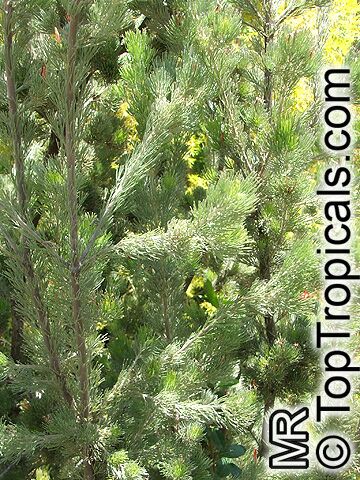
A. sericeus is an ornamental shrub, with soft grey foliage, and red flowers that bloom in spring. It is an excellent choice for coastal planting, as it tolerates both salt and wind tolerant. However, this plant will not withstand heavy clay or wet soil.
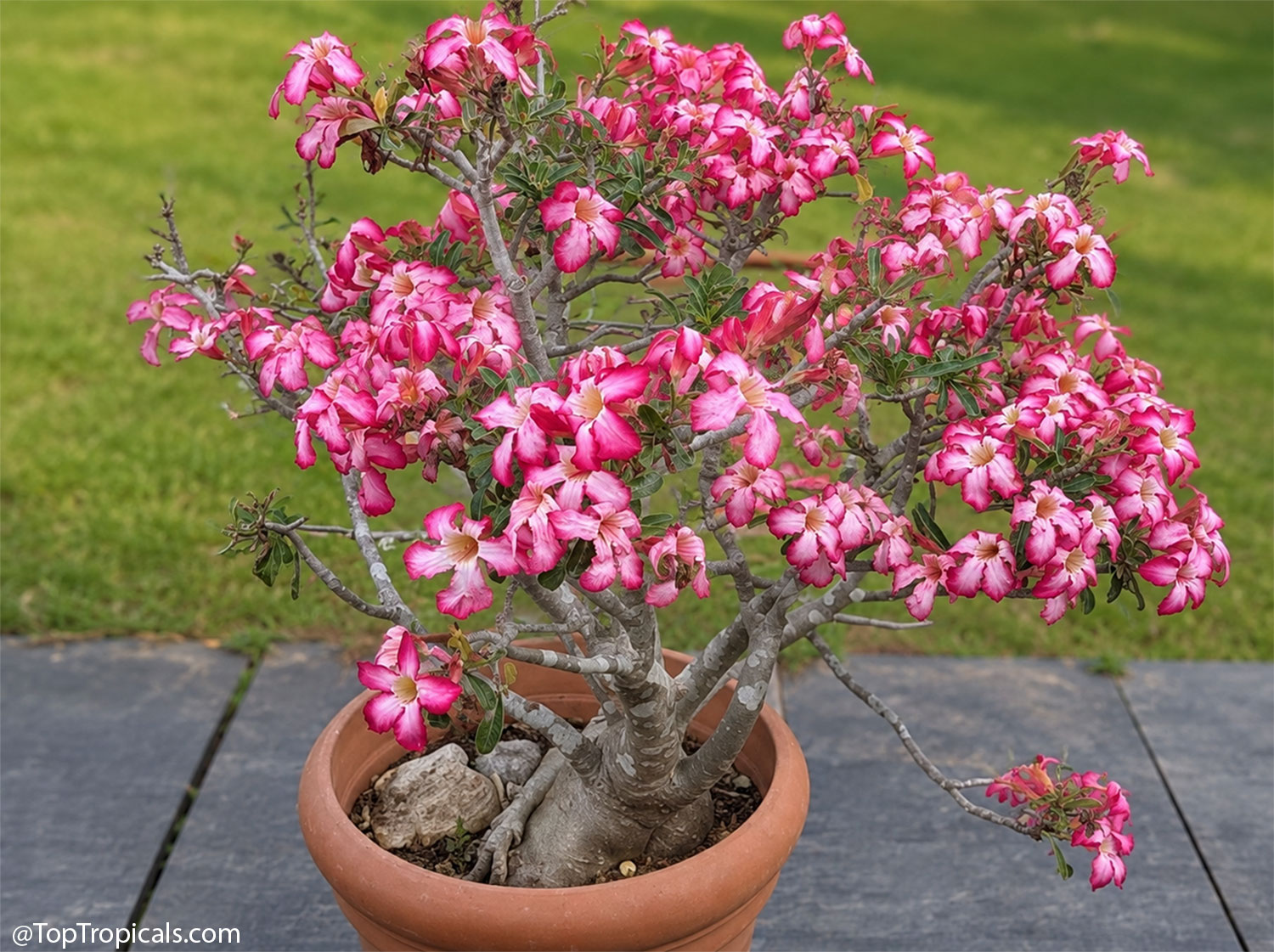
Botanical name: Adenium arabicum
Common name: Desert Rose
Family: Apocynaceae
Origin: Arabia and East Africa
USDA Zone: 10-11


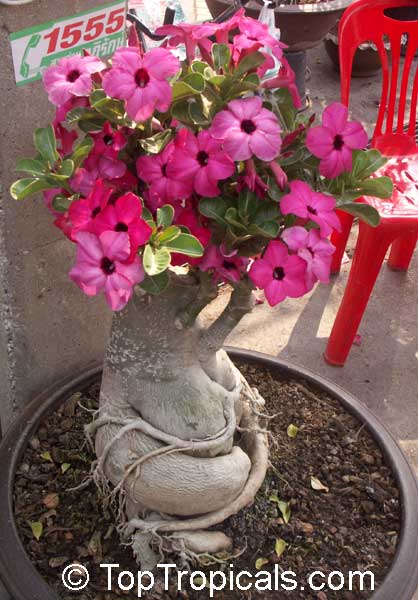
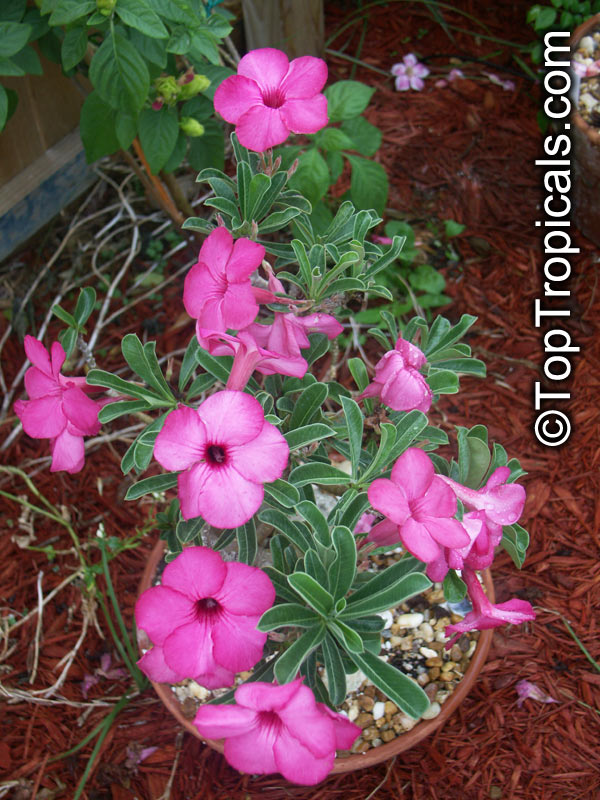
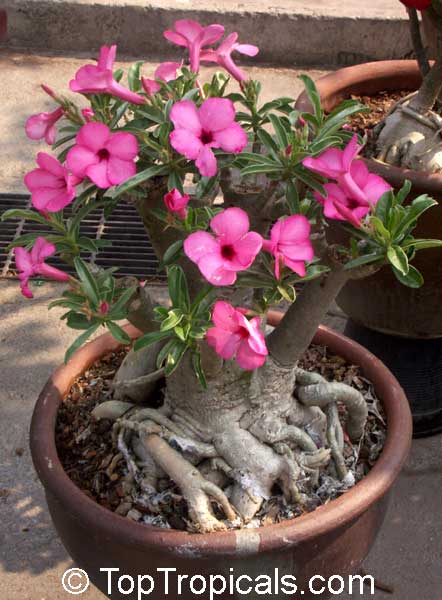
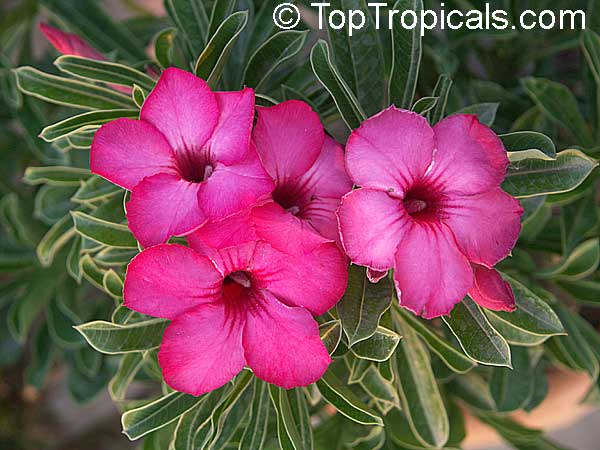
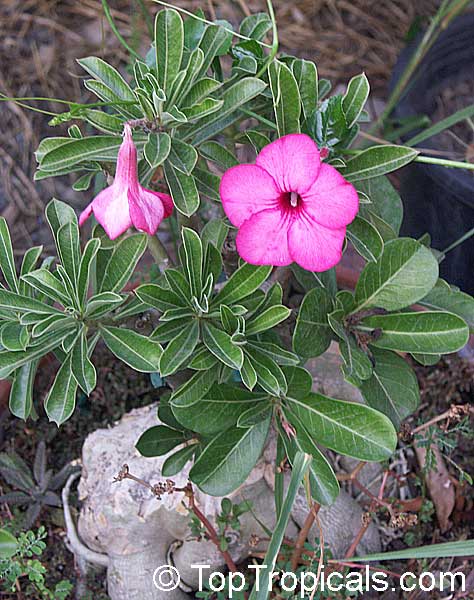
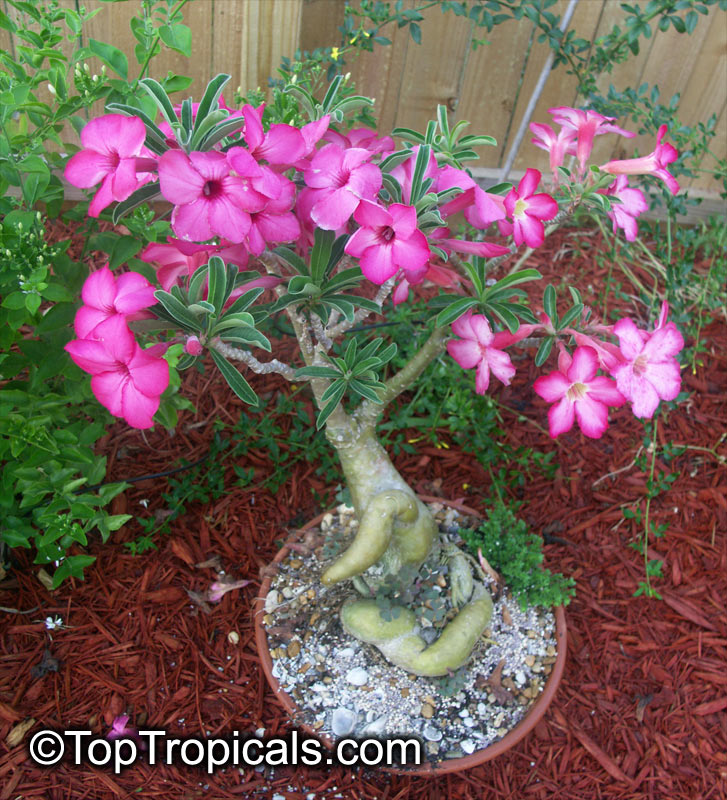
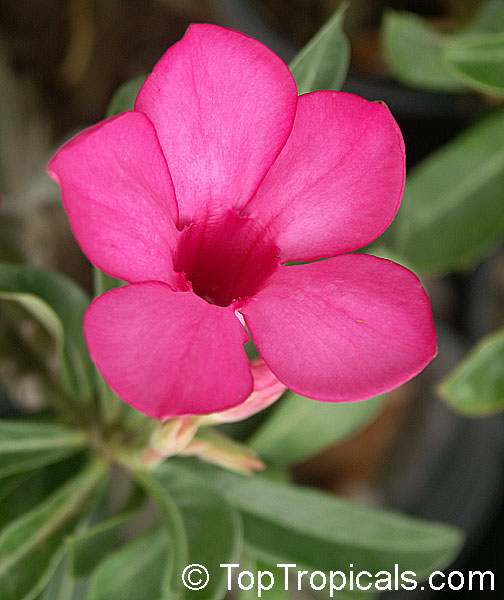
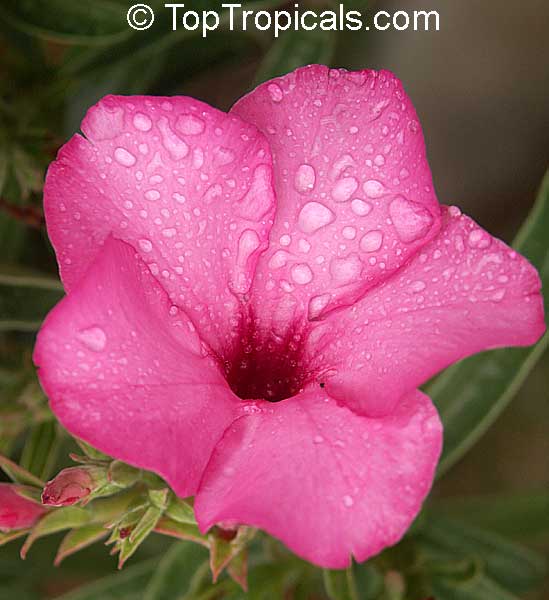
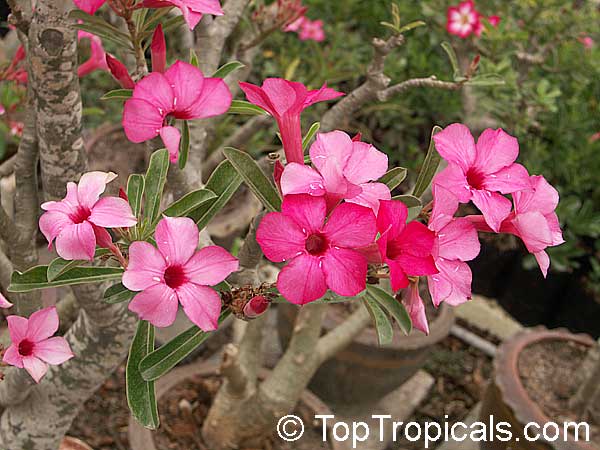
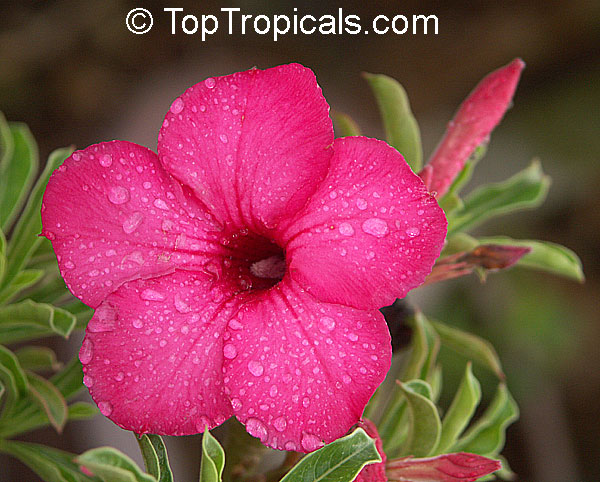
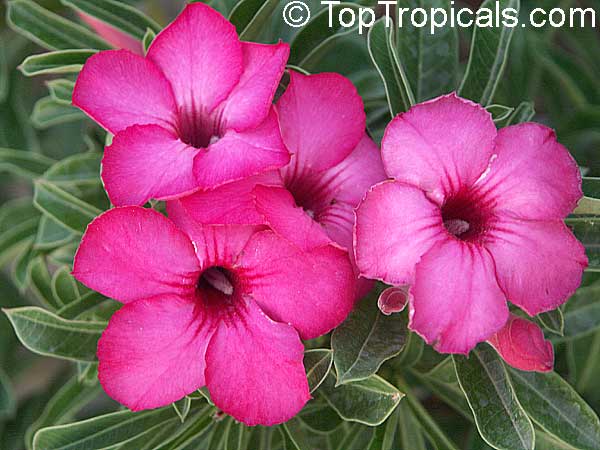
Growing to a height of about 4-5ft, this succulent plant is a member of the same family as Plumeria. Its swollen, often twisted trunk is pale gray. The leaves are glossy and club-shaped, and the flowers, which appear almost continuously, are trumpet-shaped, and range from white and bright pink to crimson red. It exudes a highly toxic sap which in some places is used as a poison for arrows. Adenium is not generally grown in moist tropical gardens but is often seen as a decorative pot plant; it may also be used in rock gardens. It needs full sun and a well-drained potting mixture. Exotic multi-color varieties can be grafted on the same plant. See other exotic species of Adenium, photo gallery of exotic varieties and Thai Adeniums - milti-colored, multi-grafted. More info about Adenium
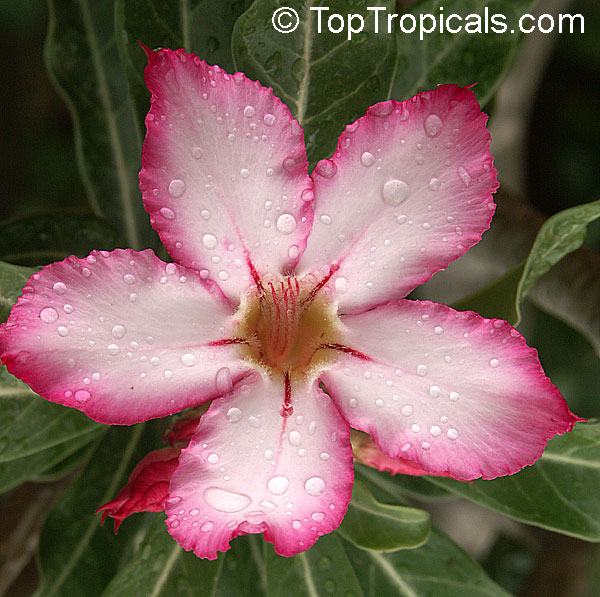
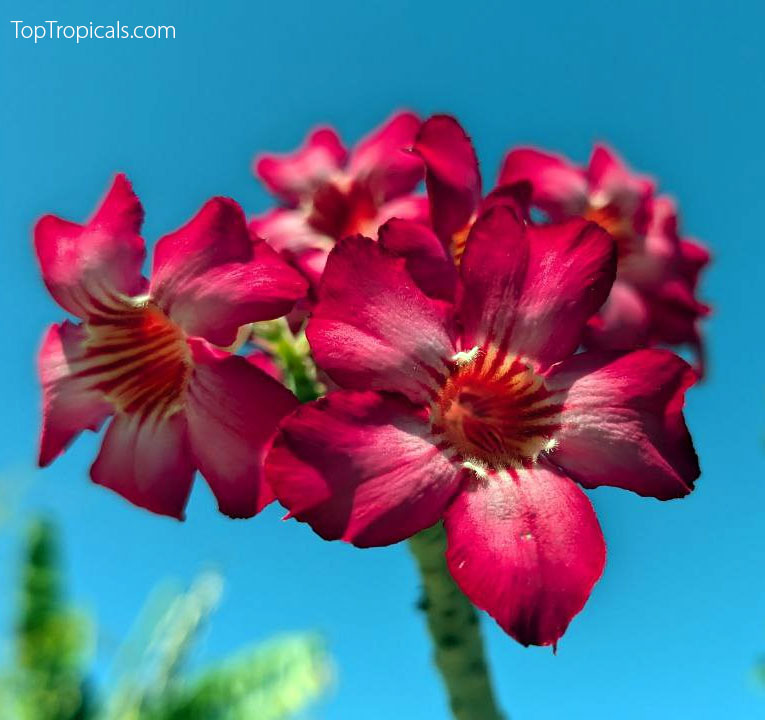
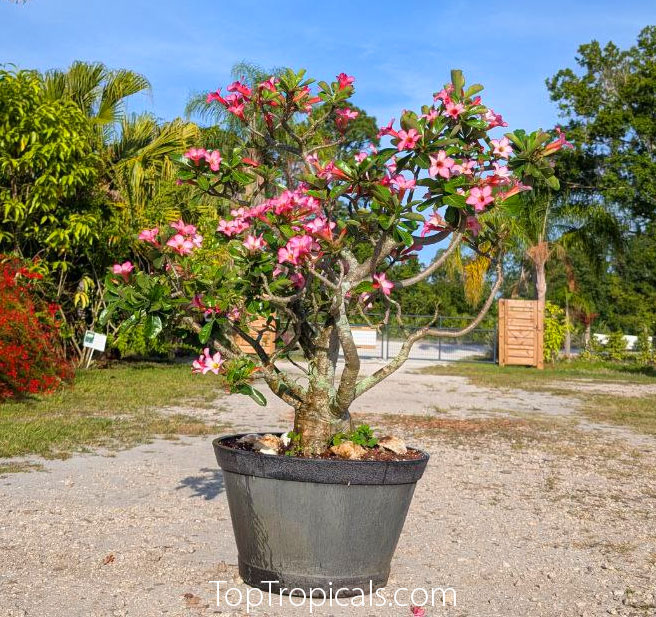
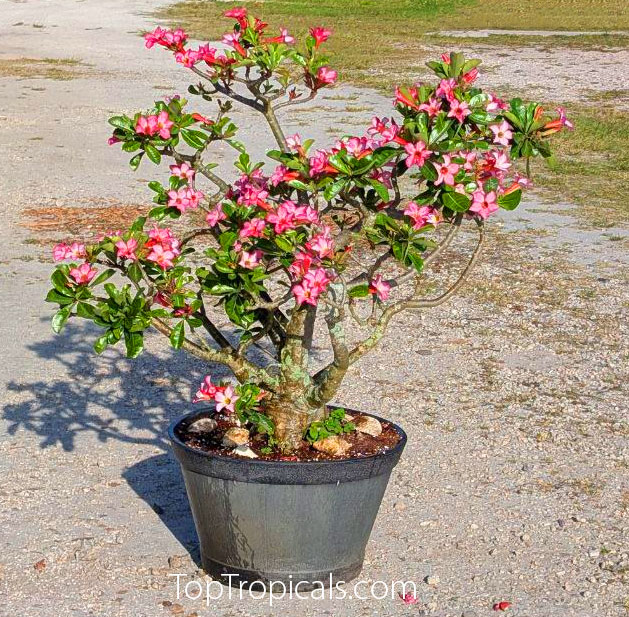
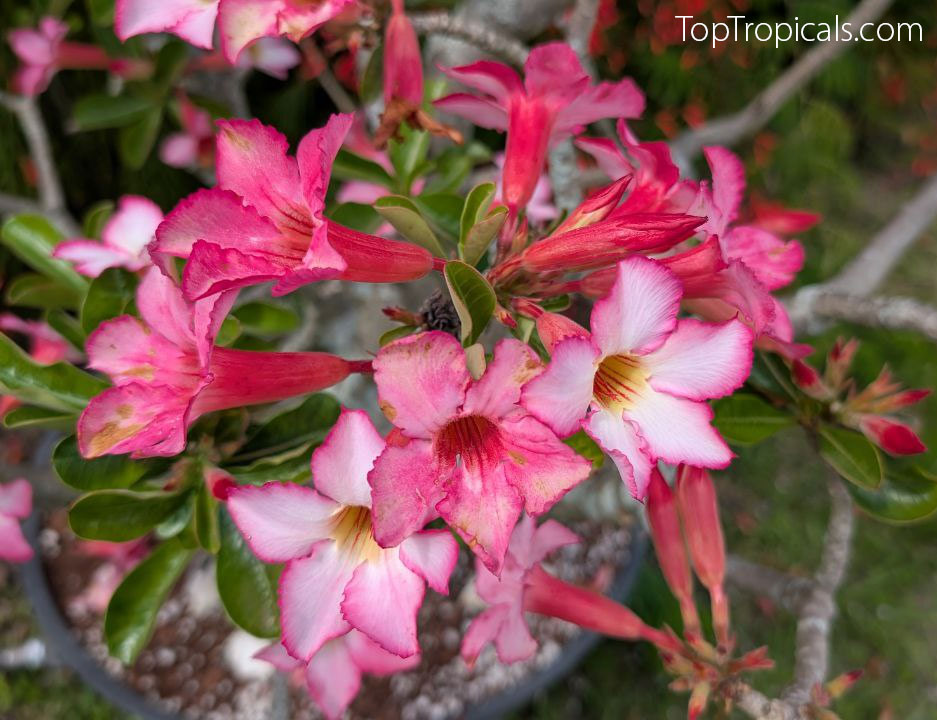
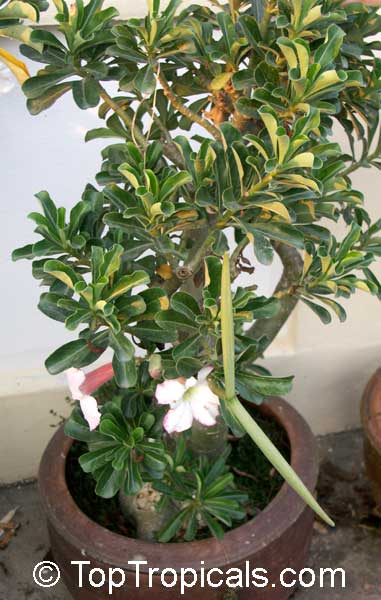
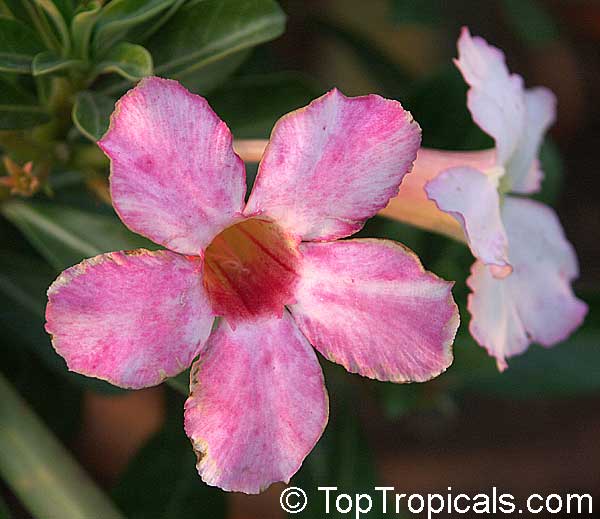
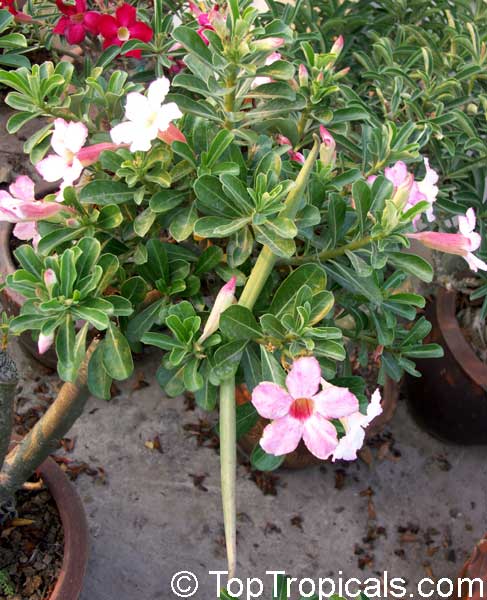
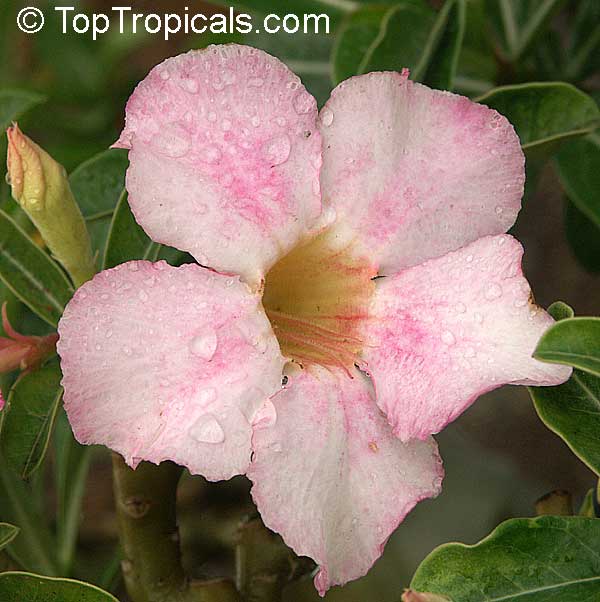
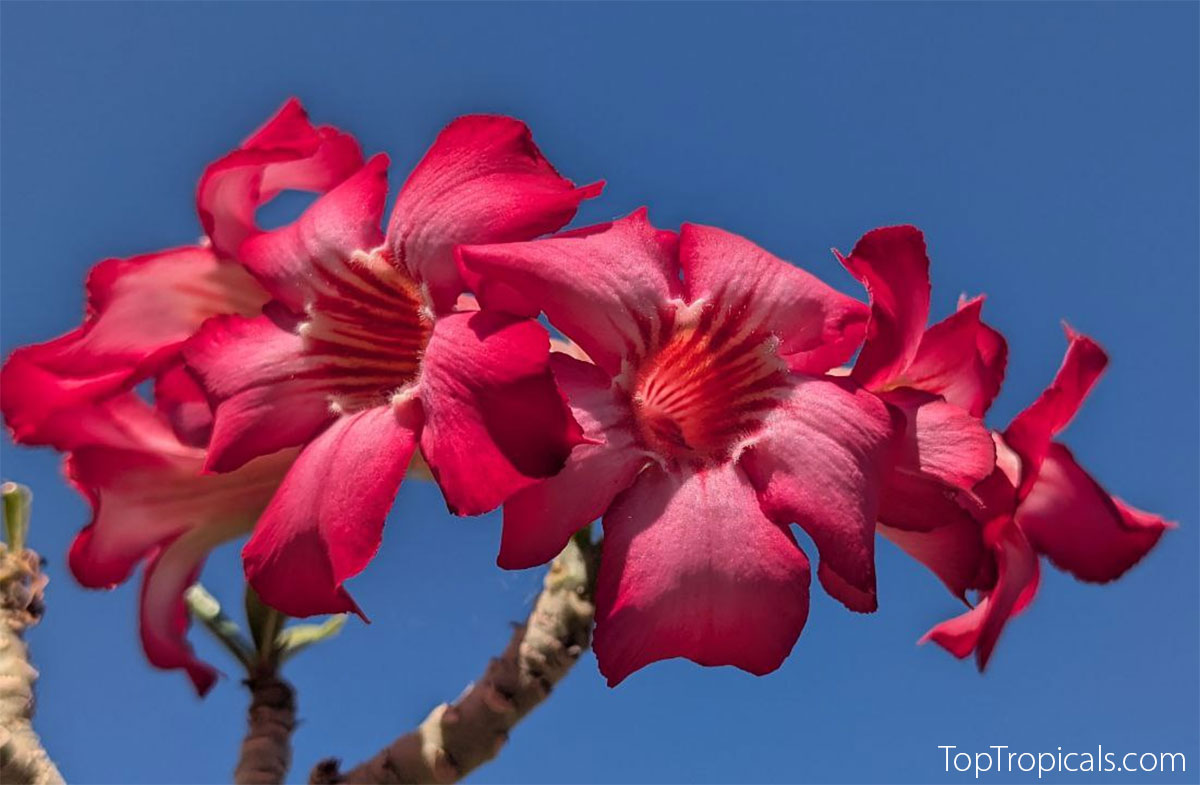
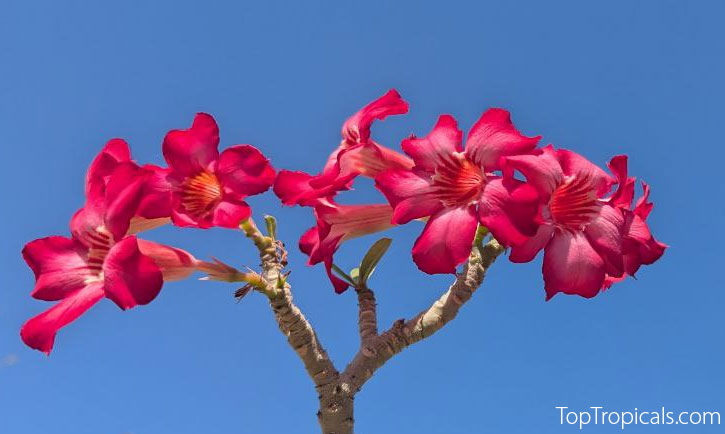
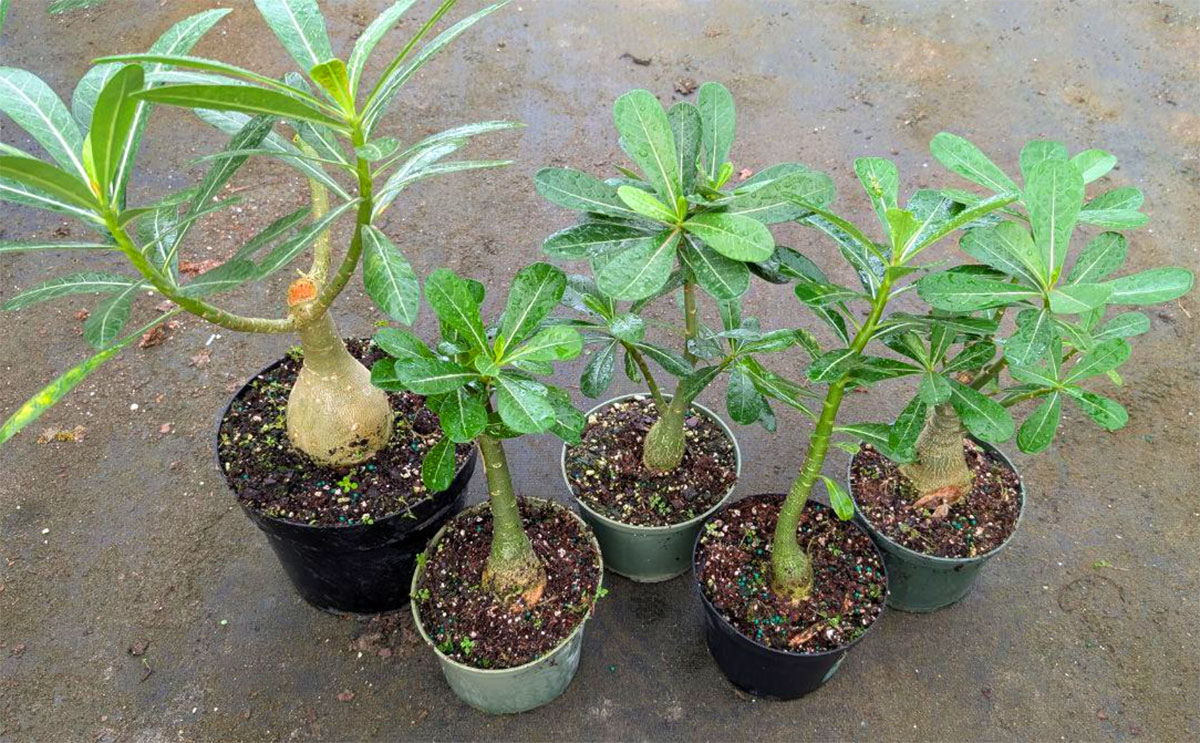
See picture of the actual size of plants for sale (sizes vary).
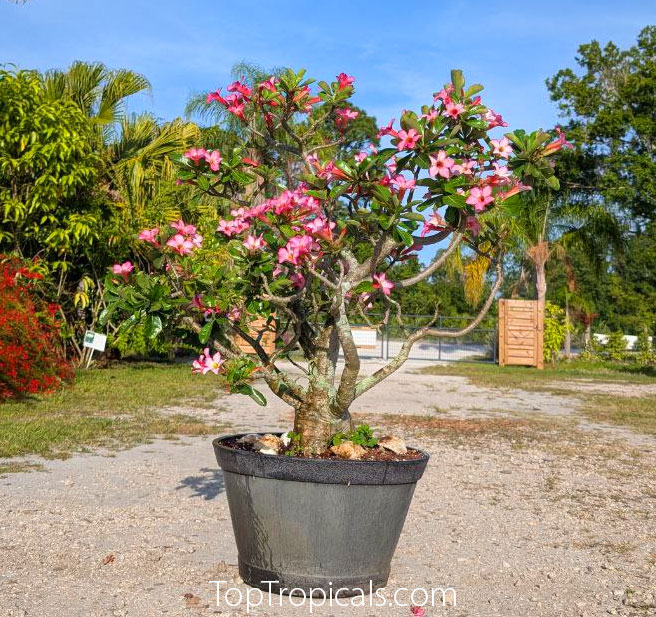
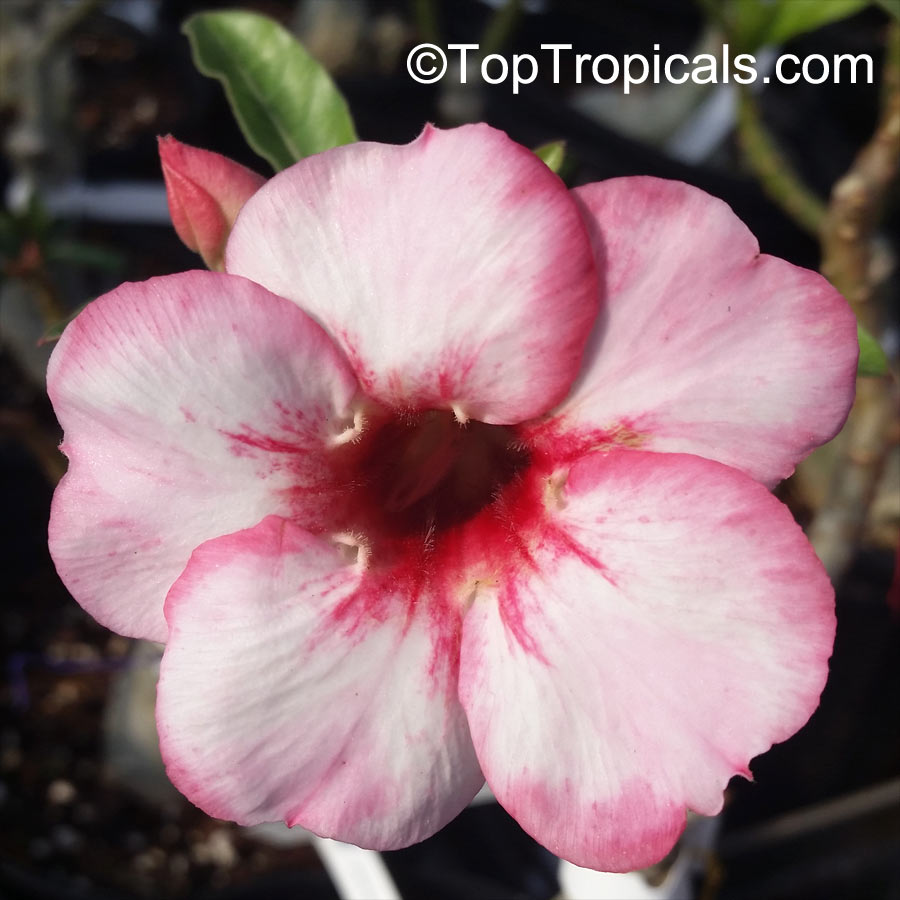
See picture of the mature plant in 5 gal pot (4 years old) and picture of flower. The plants we have for sale are 3-5 years old, in 1-2 gal pots, with large caudex, some already bloomed!
Recommended Supplies: SUNSHINE Megaflor - Bloom Nutrition Booster
SUNSHINE-Epi - Caudex booster
Adenium Soilless Mix
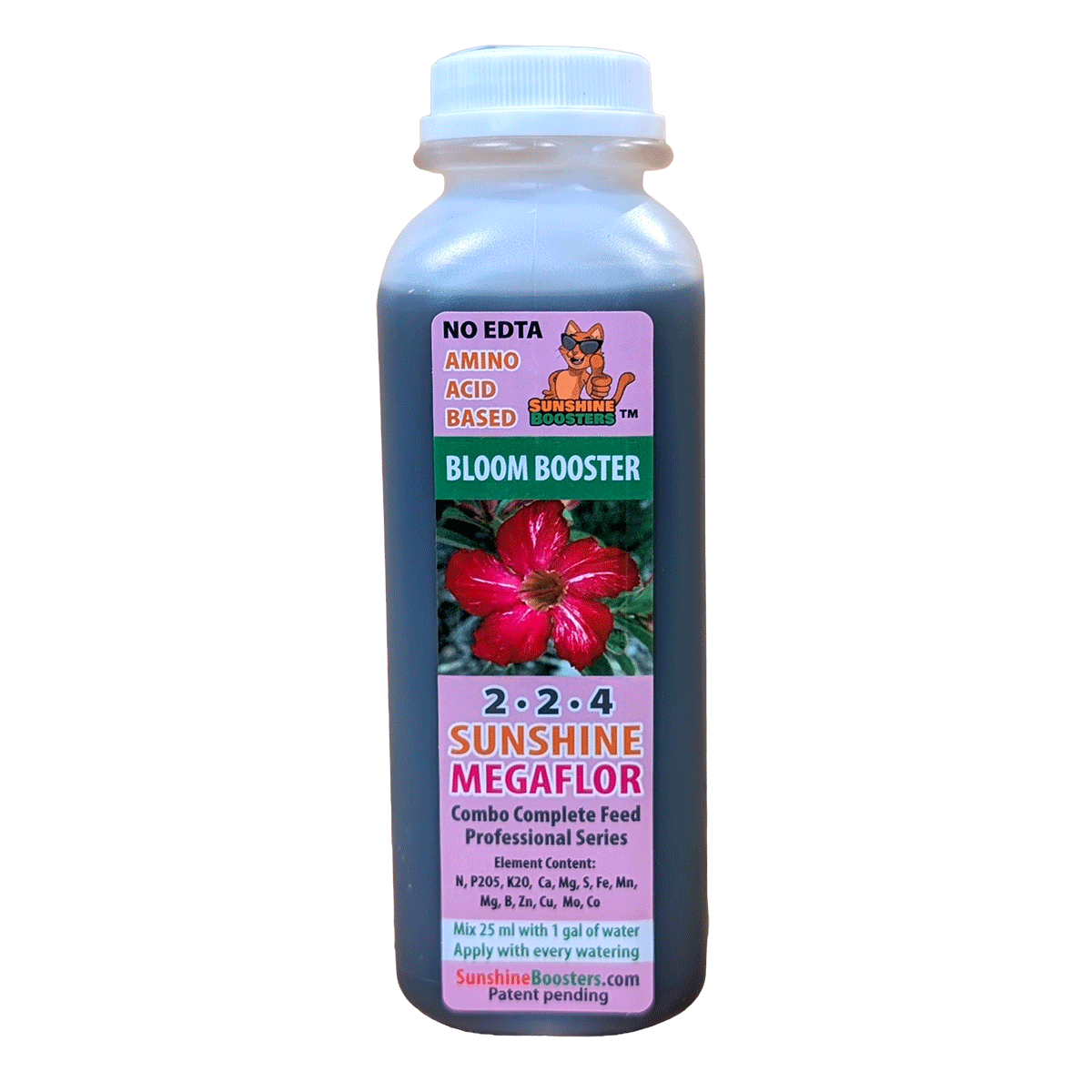 SUNSHINE Megaflor (NPK 2-2-4) - Bloom Booster for every watering. Formulated especially for blooms, to boost flowering, improve flower size and quality, and stimulate pollen development. This is an eco-friendly nutrition booster that can be used for organic gardens. Can be used for daily feeding with every watering. Scientifically-balanced stable formula is organic Amino-acid based and has NO EDTA chelators to eliminate nutrients lockup; it does not affect crop taste. Organic Amino acids greatly enhance stability of all Sunshine boosters and provide excellent absorption of trace elements. Pollinating insects friendly.
Botanical name: Adenium boehmianum
Common name: Desert Rose
Family: Apocynaceae
Origin: Arabia and East Africa
USDA Zone: 10-11
Growing to a height of about 4-5ft, this succulent plant is a member of the same family as Plumeria. Its swollen, often twisted trunk, is pale grey. The leaves are glossy, and club-shaped and the flowers, which appear almost continuously, are trumpet-shaped and range from white and bright pink to crimson red. It exudes a highly toxic sap that in some places,is used as a poison for arrows. Adenium is not generally grown in moist tropical gardens but is often seen as a decorative pot plant; it may also be used in rock gardens. It needs full sun and a well-drained potting mixture. Exotic multi-color varieties can be grafted on the same plant. See other exotic species of Adenium, photo gallery of exotic varieties and Thai Adeniums - milti-colored, multi-grafted. More info about Adenium
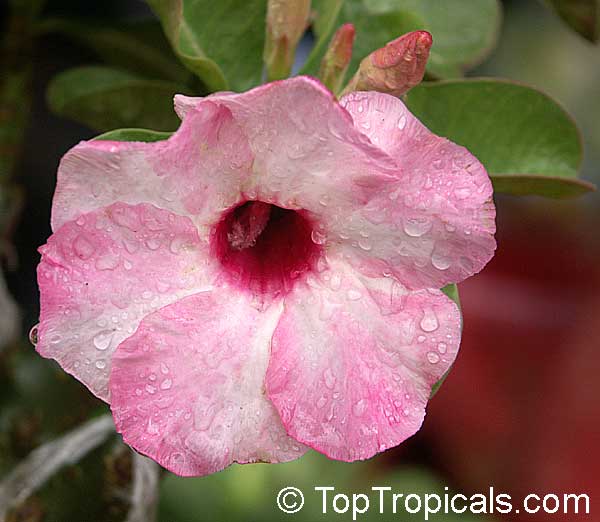

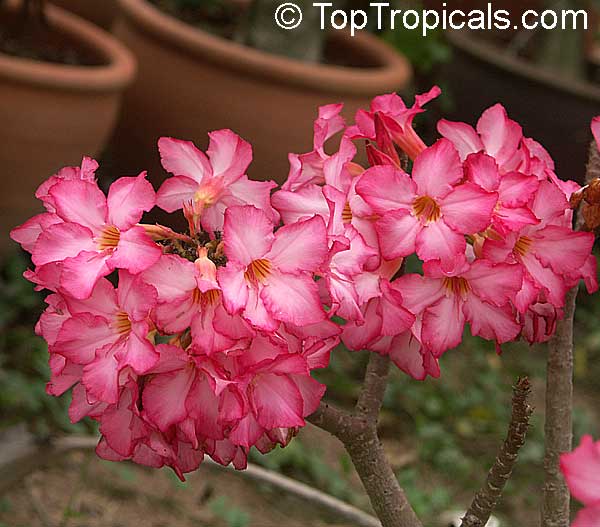
Botanical name: Adenium multiflorum
Common name: Desert Rose
Family: Apocynaceae
Origin: Arabia and East Africa
USDA Zone: 10-11

Growing to a height of about 4-5ft, this succulent plant is a member of the same family as Plumeria. Its swollen, often twisted trunk, is pale grey. The leaves are glossy and club-shaped. The flowers appear almost continuously, are trumpet-shaped, and range from white and bright pink to crimson red. It emits a highly toxic sap which in some places is used as a poison for arrows. Adeniums are not generally grown in moist tropical gardens but are often seen as a decorative pot plant; they may also be used in rock gardens. They need full sun and a well-drained potting mixture. Exotic multi-color varieties can be grafted onto the same plant. See other exotic species of Adenium, photo gallery of exotic varieties and Thai Adeniums - milti-colored, multi-grafted.
See article about Adenium.
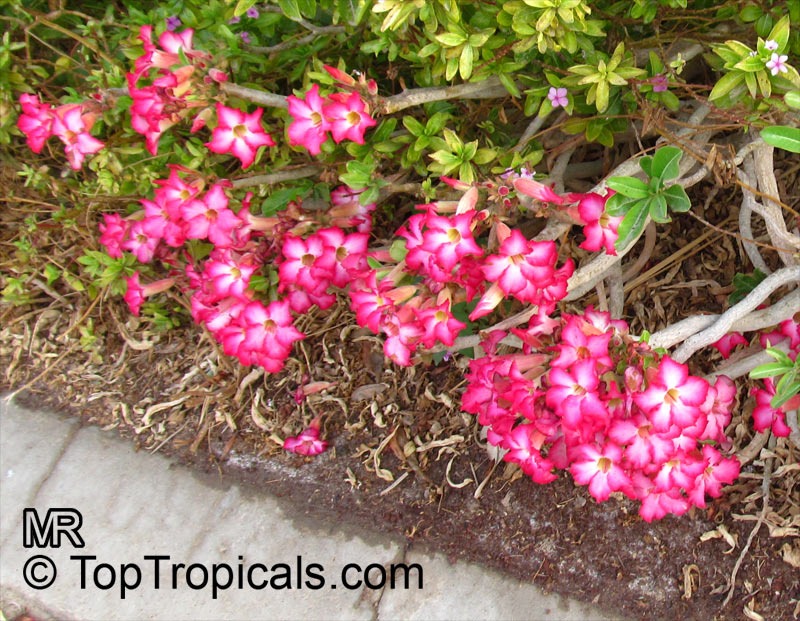
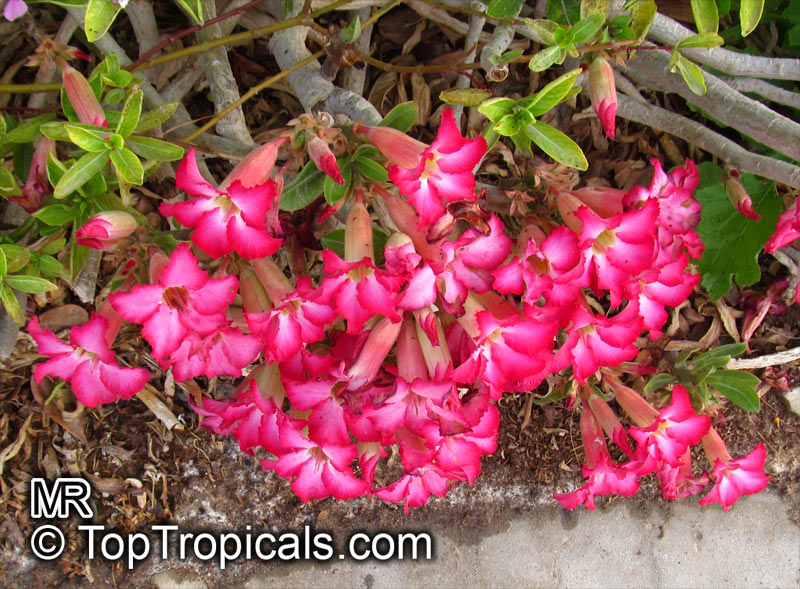
Botanical name: Adenium obesum
Common names: Desert Rose, Impala Lily
Family: Apocynaceae
Origin: Arabia and East Africa
USDA Zone: 10-11

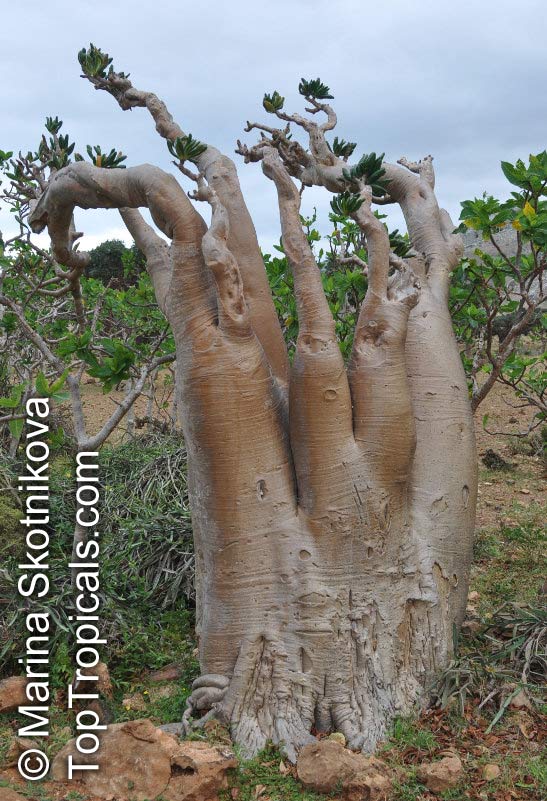
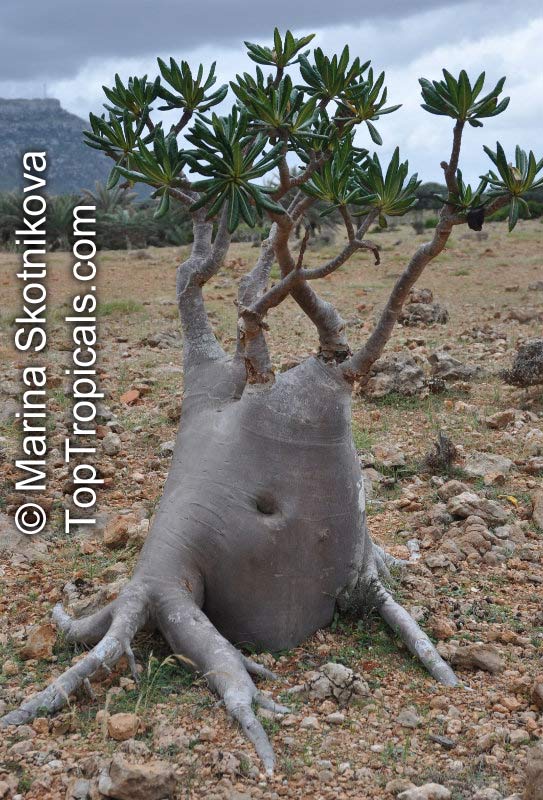
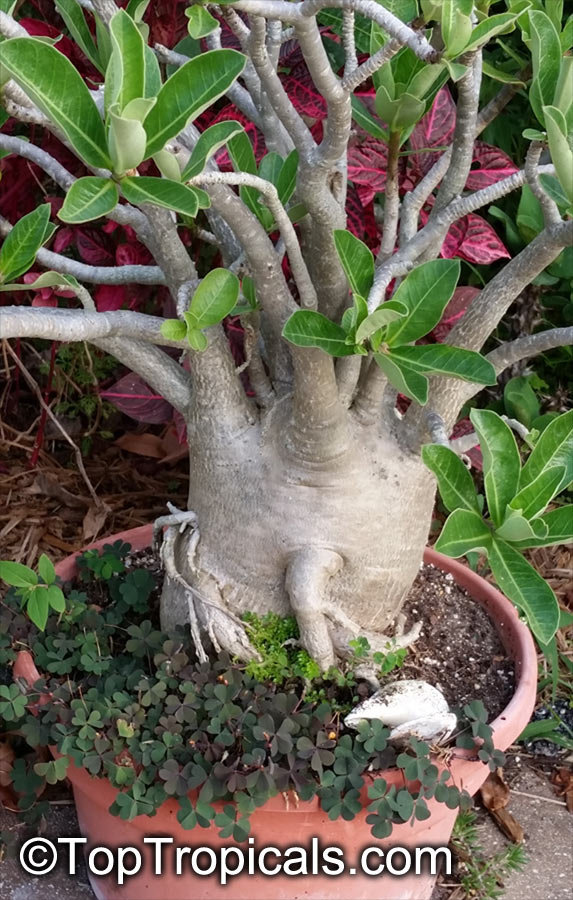
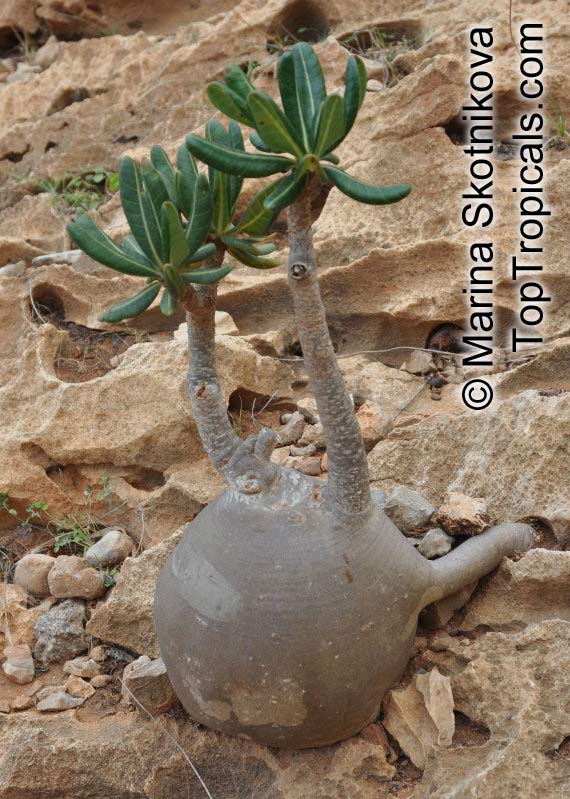
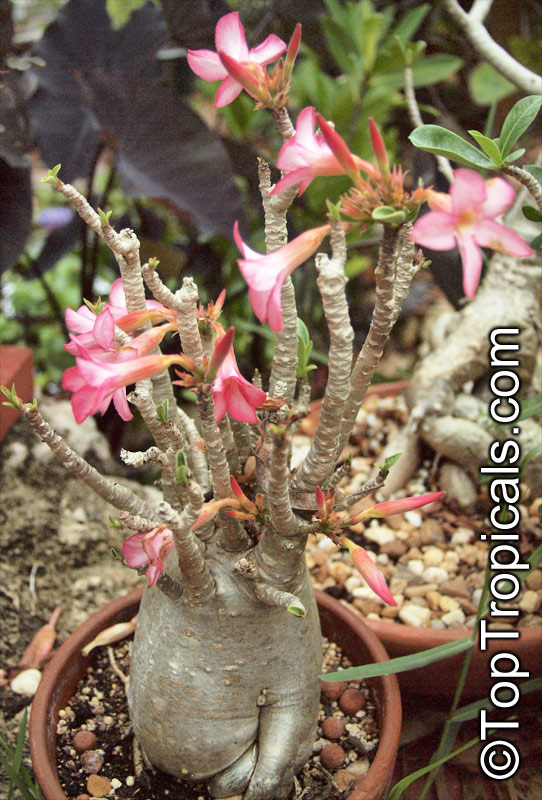
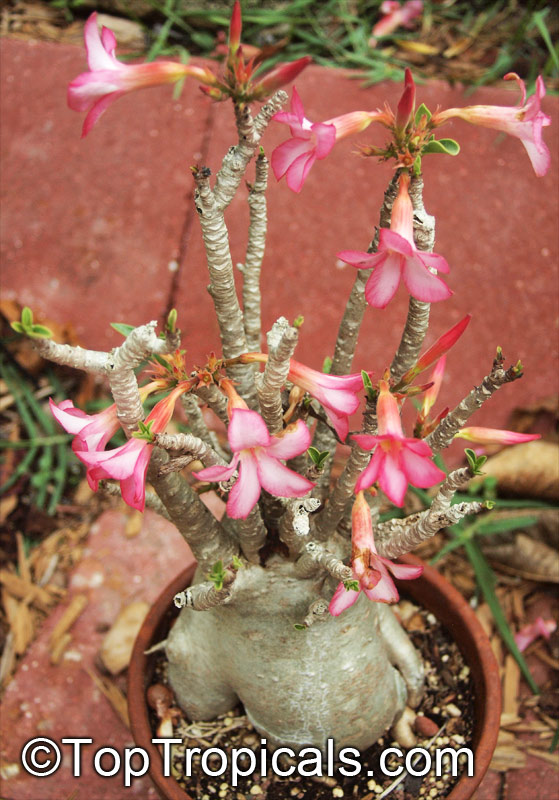
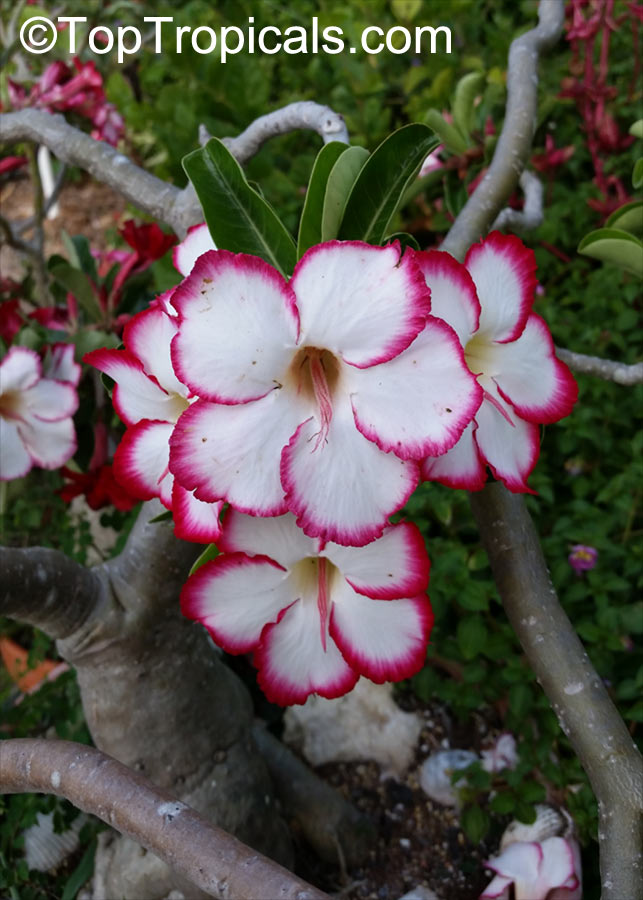
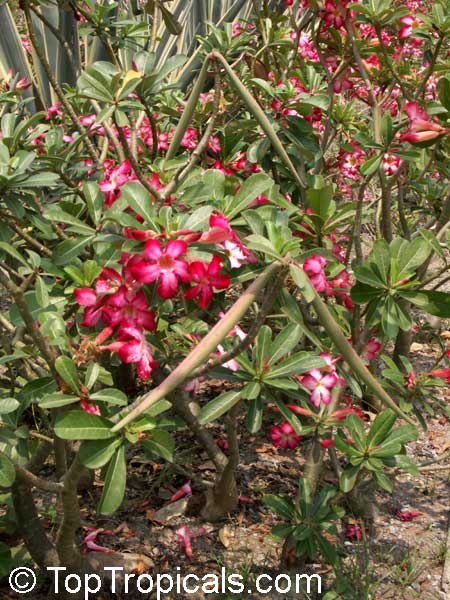
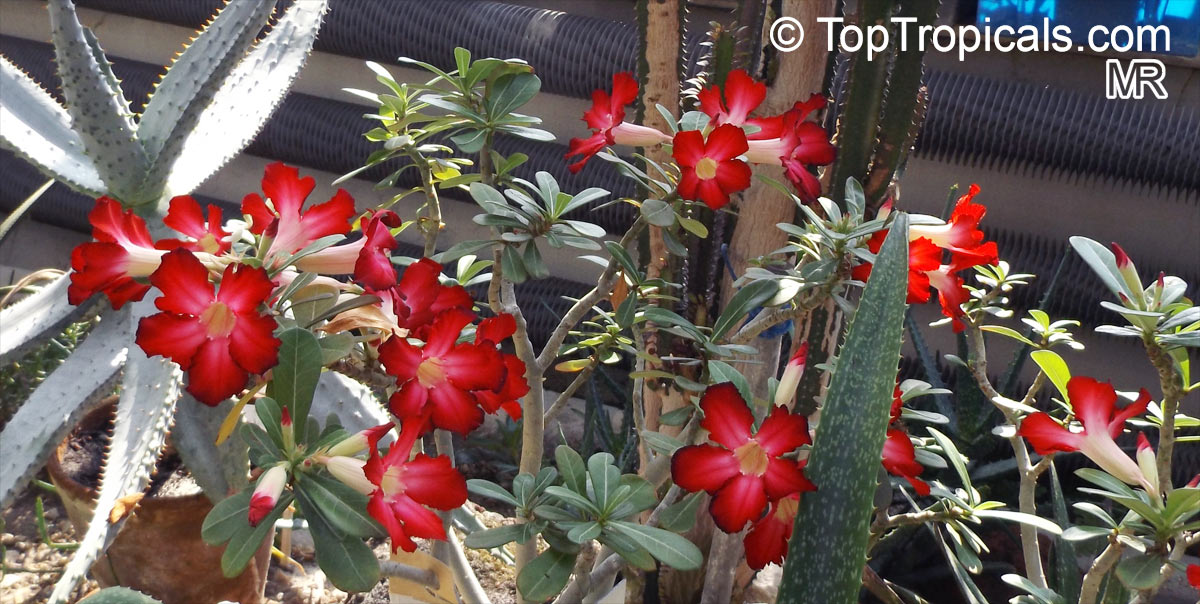
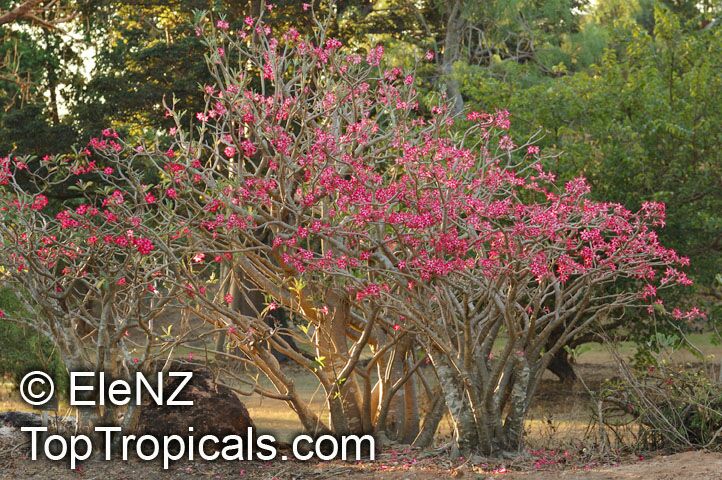
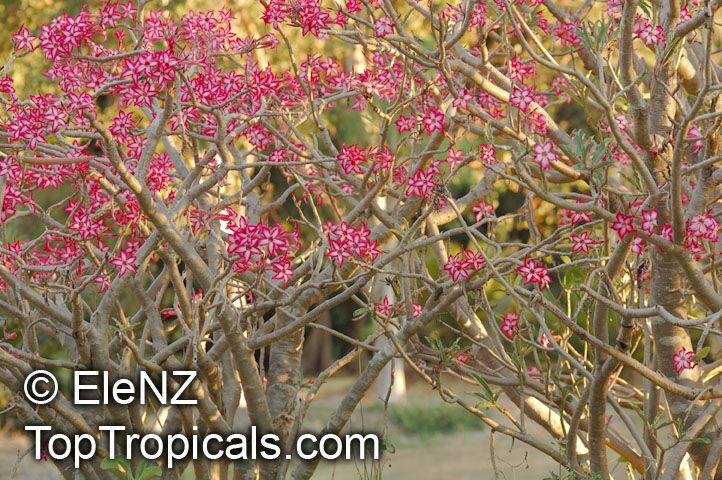
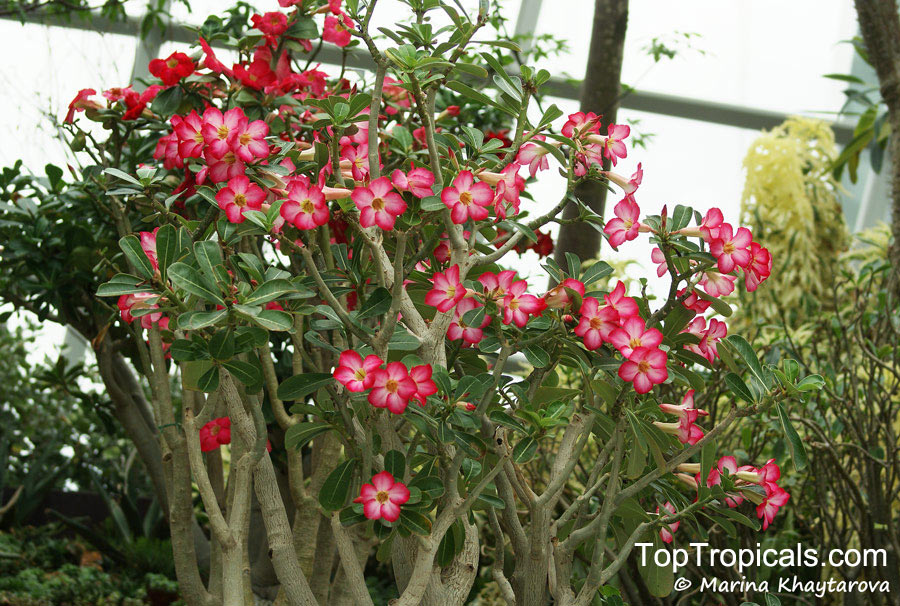
Growing to a height of about 4-5ft, this succulent plant is a member of the same family as Plumeria. Its swollen, often twisted trunk, is pale grey. The leaves are glossy, and club-shaped. The flowers appear almost continuously, are trumpet-shaped and range from white and bright pink to crimson, red. It exudes a highly toxic sap, which in some places is used as a poison for arrows. Adeniums are not generally grown in moist tropical gardens but are often seen as a decorative pot plants. They may also be used in rock gardens.They need full sun and a well-drained potting mixture. Exotic multi-color varieties can be grafted onto the same plant. See other exotic species of Adenium, photo gallery of exotic varieties and Thai Adeniums - milti-colored, multi-grafted.
See article about Adenium.
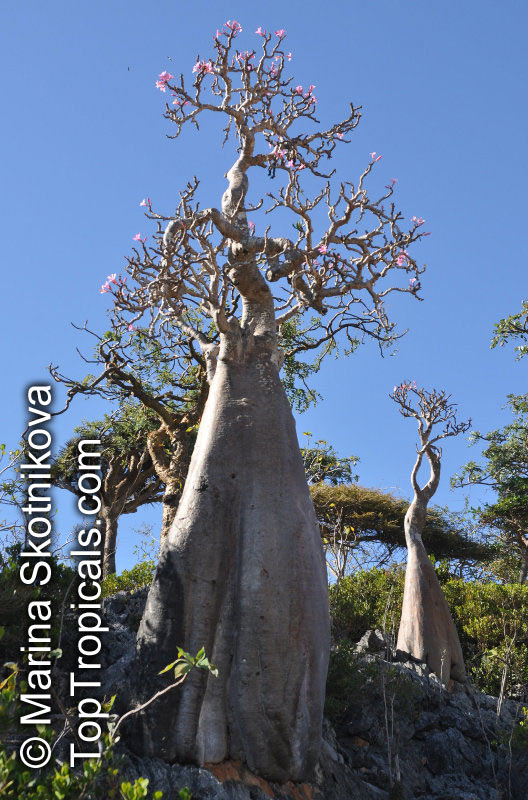
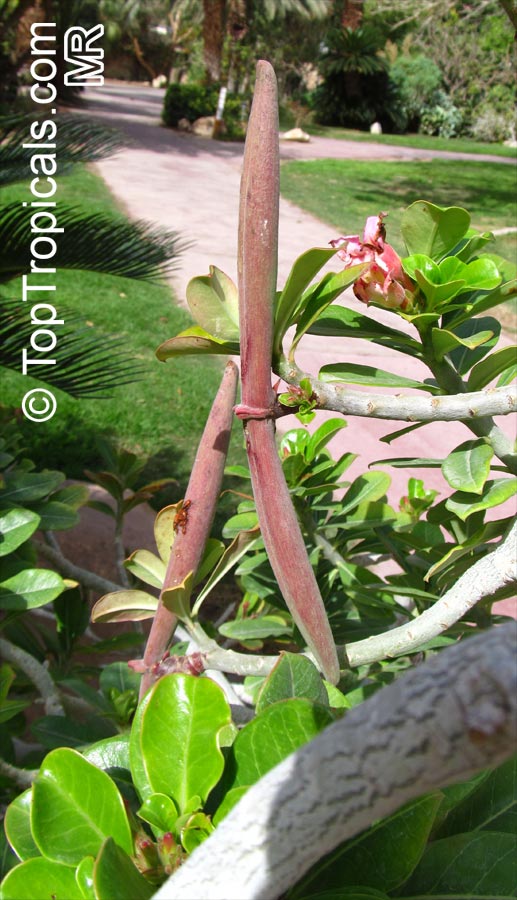
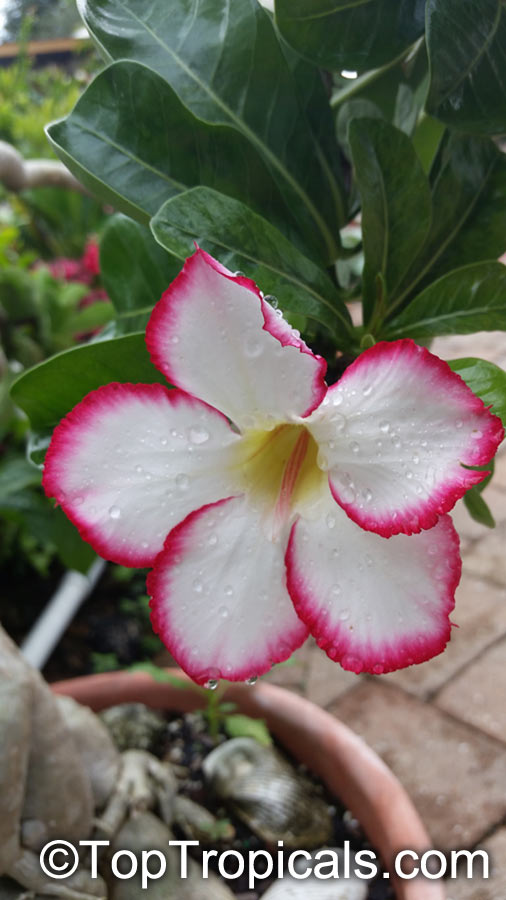
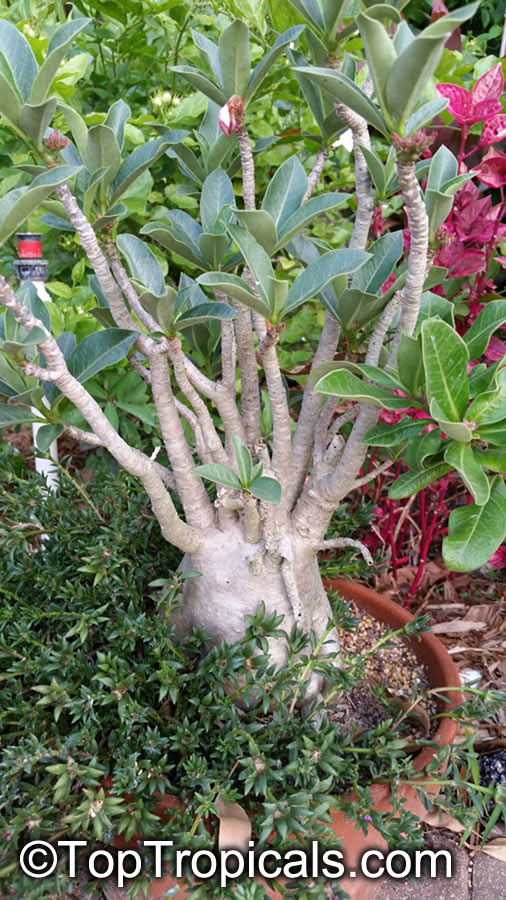
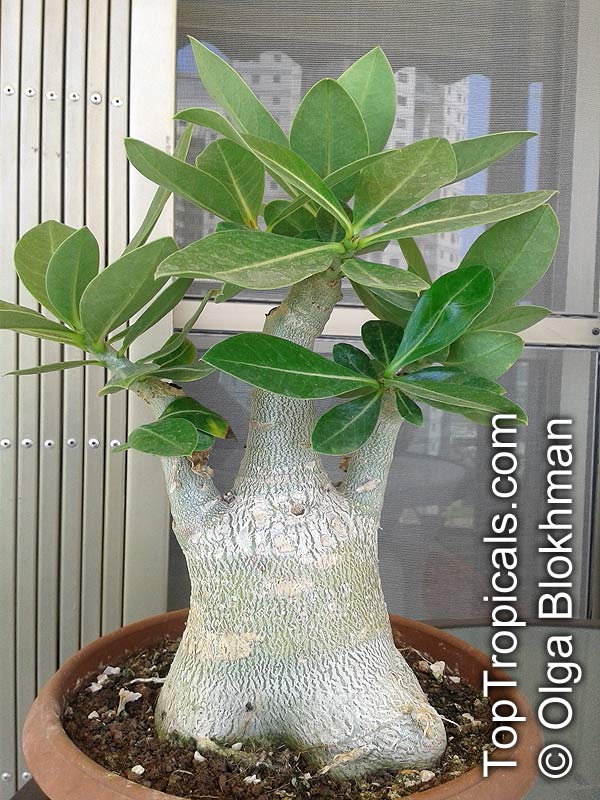
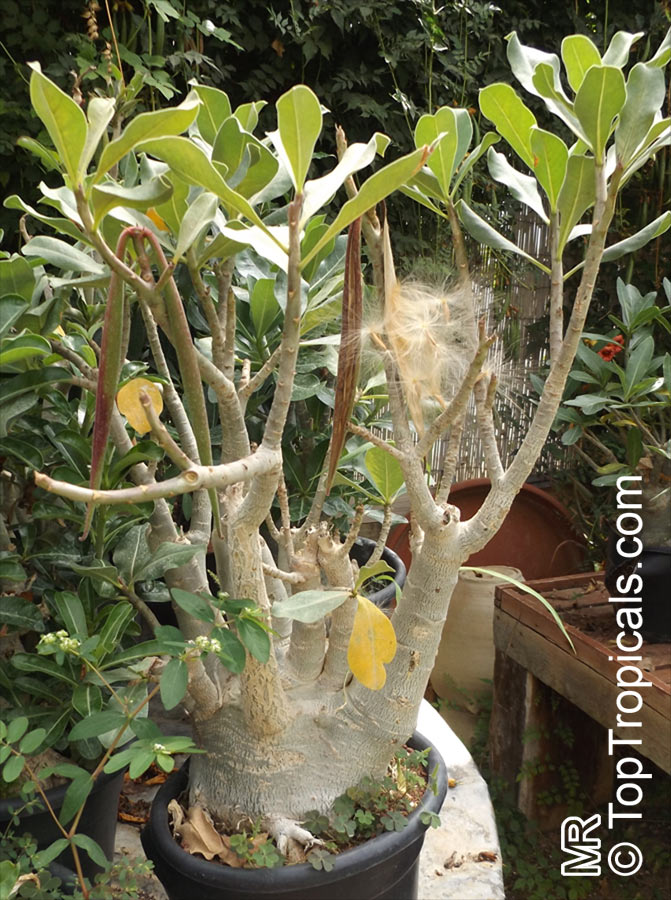
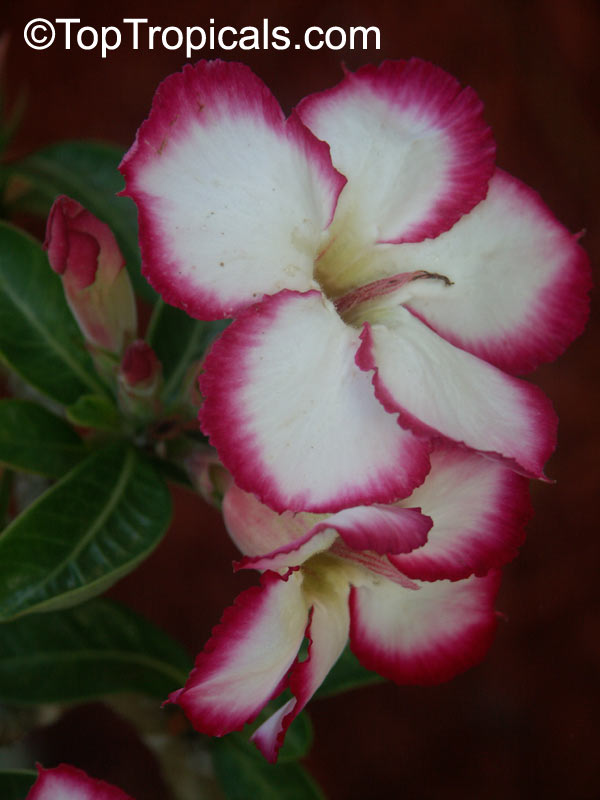
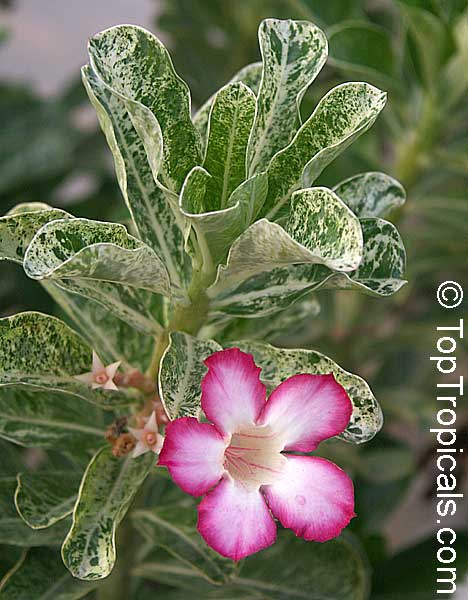
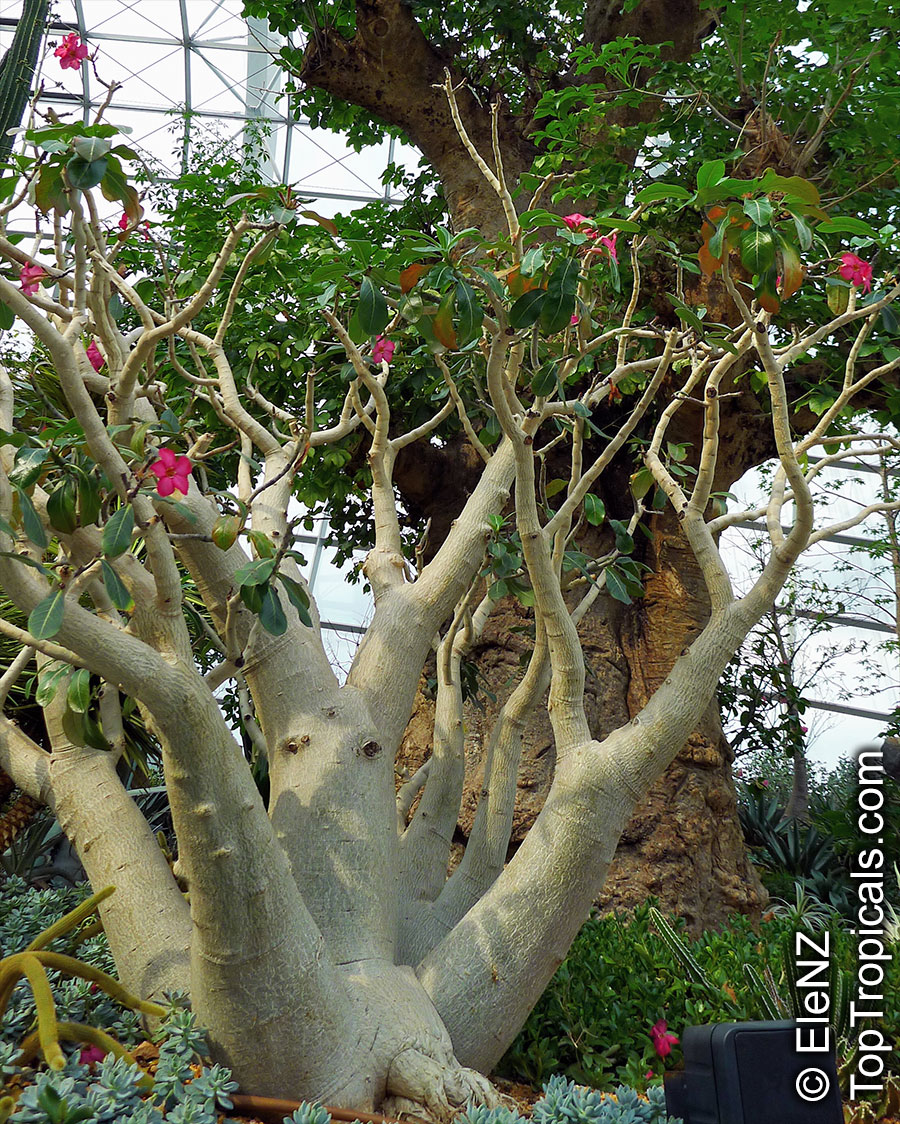
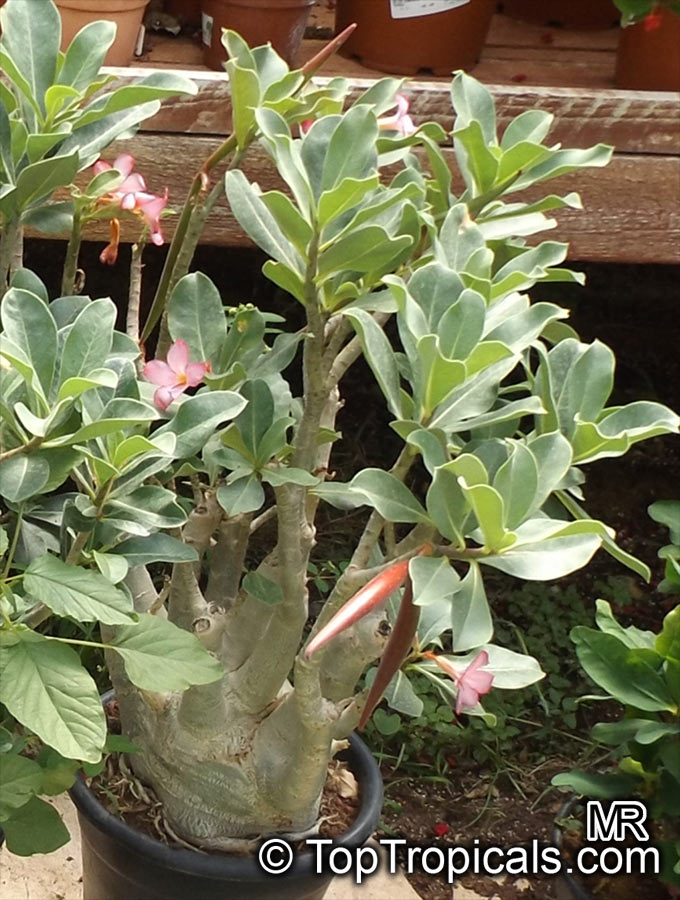
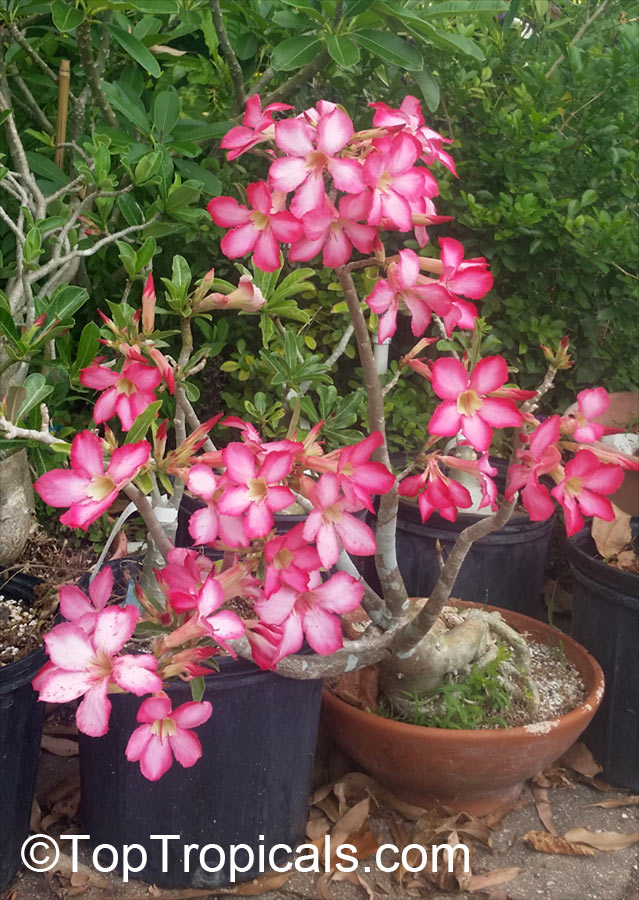
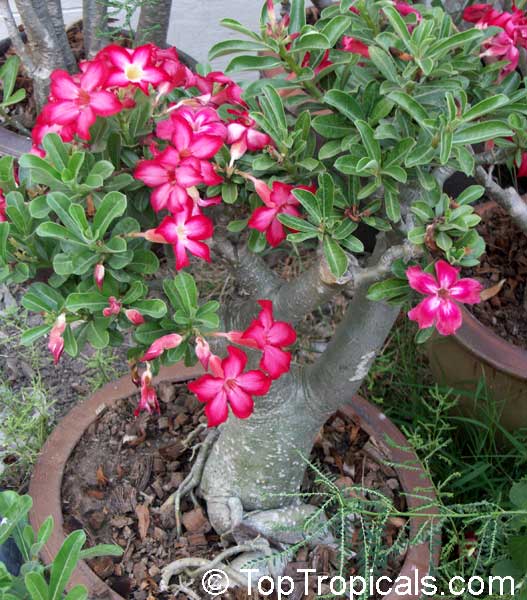
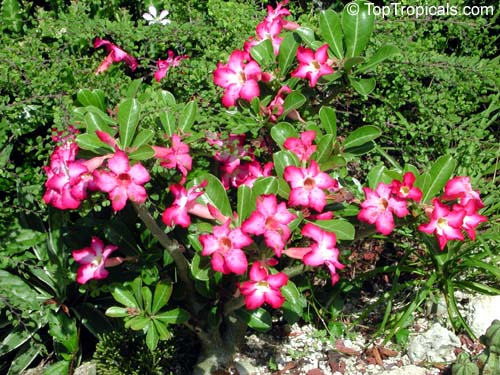
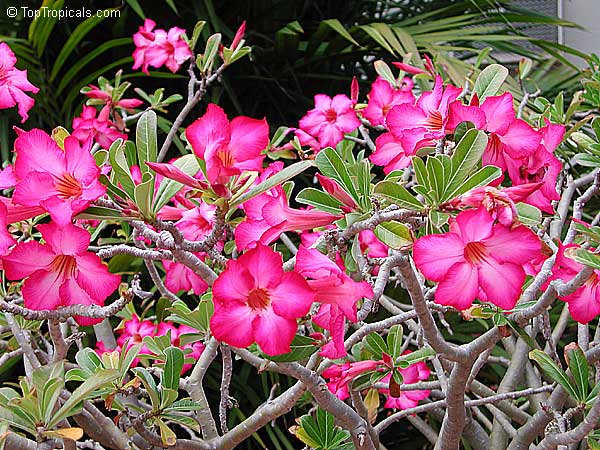
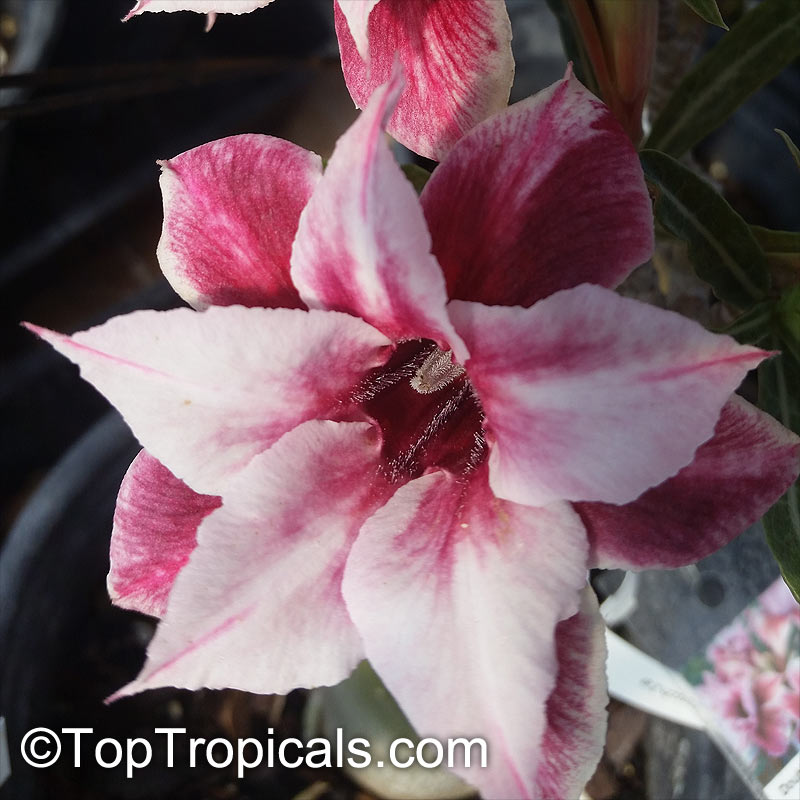
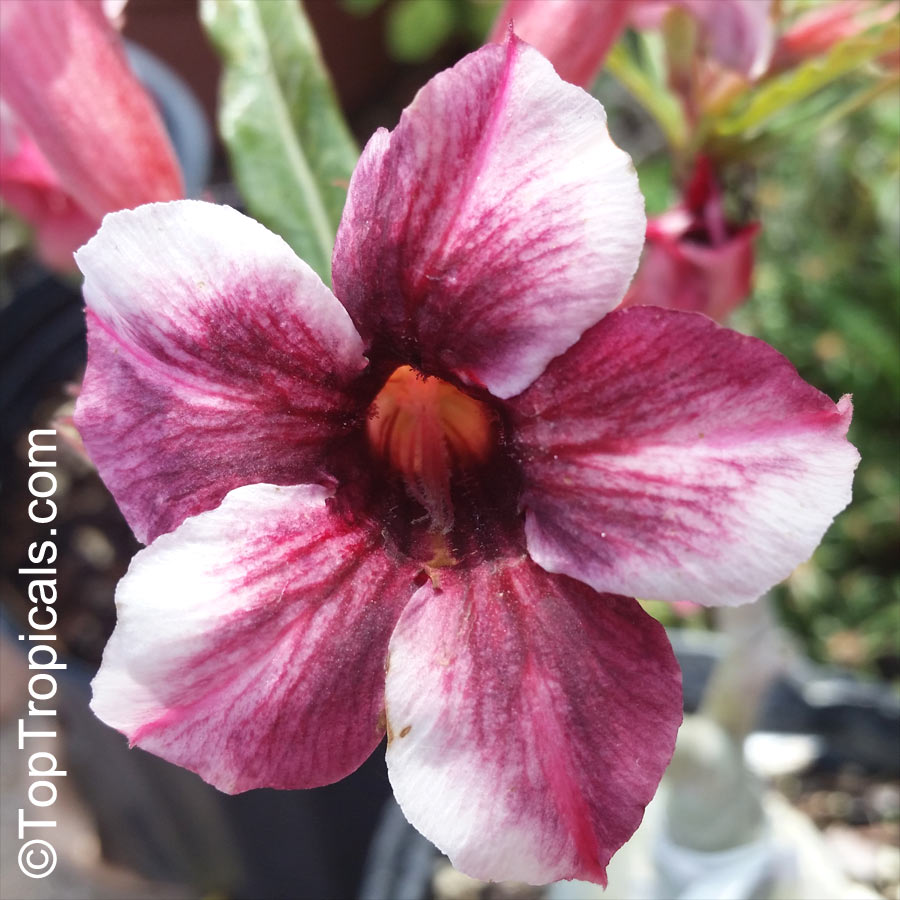
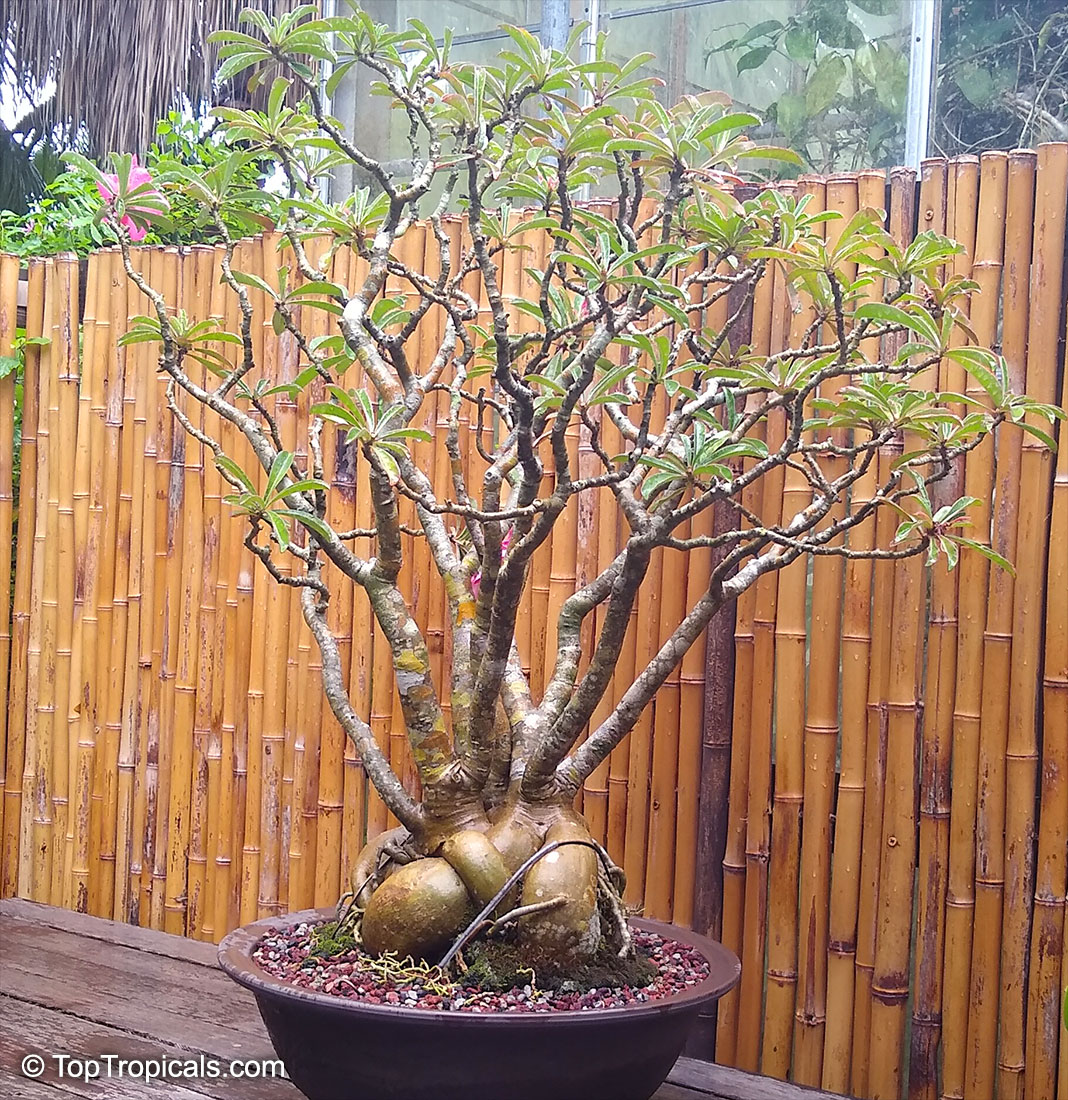
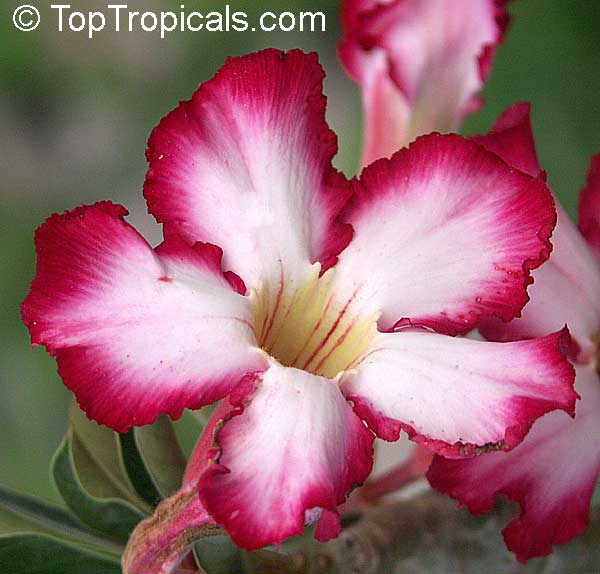
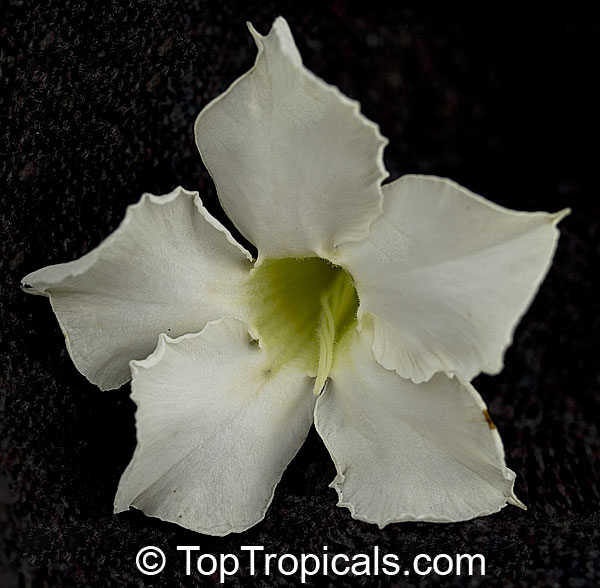
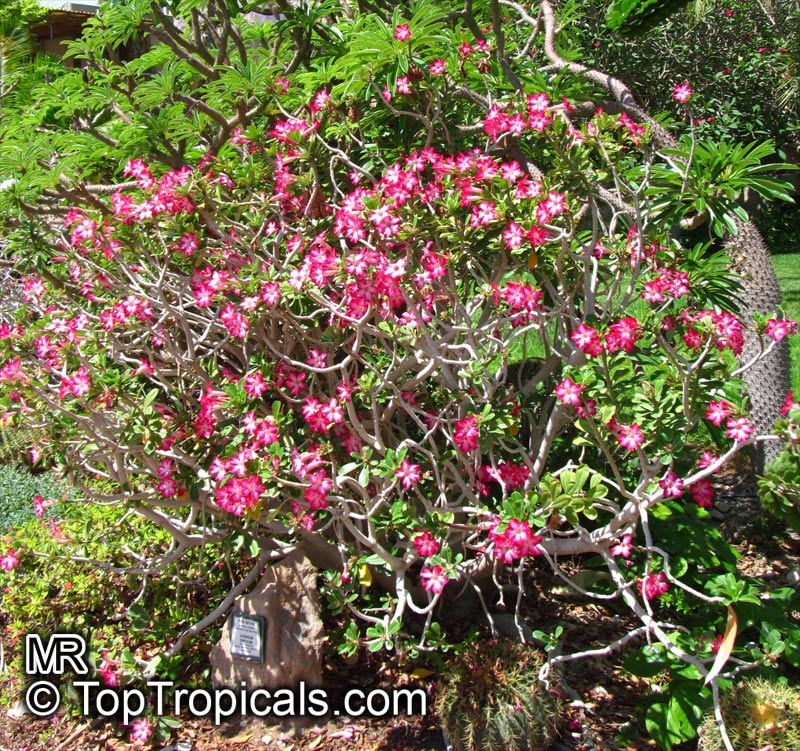
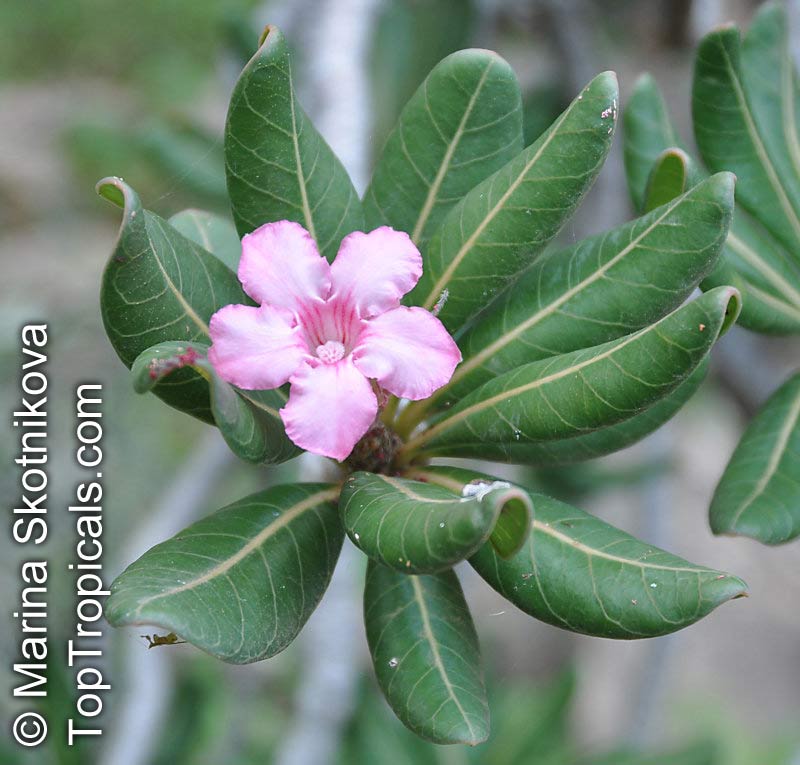
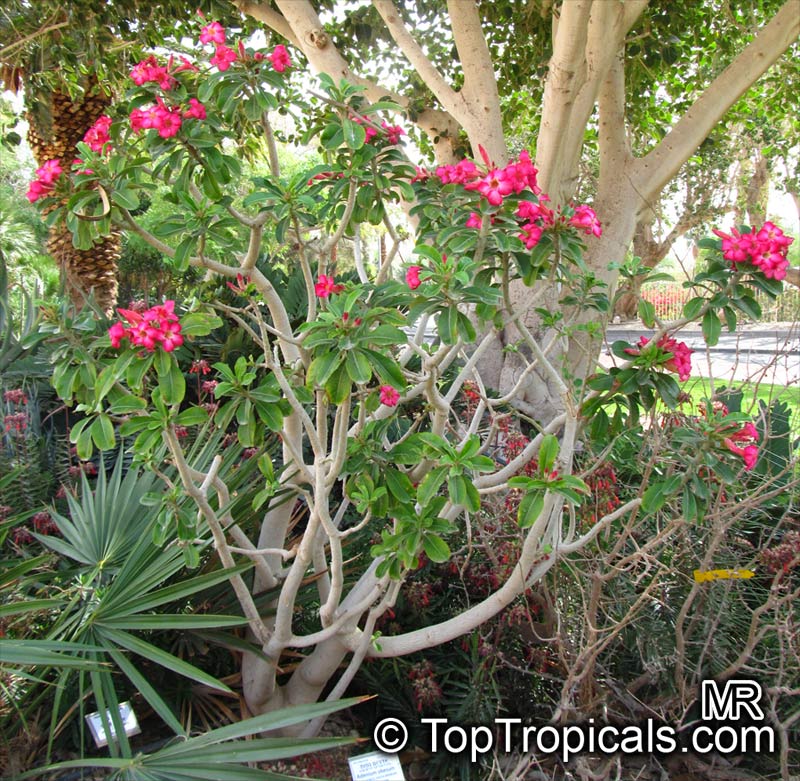
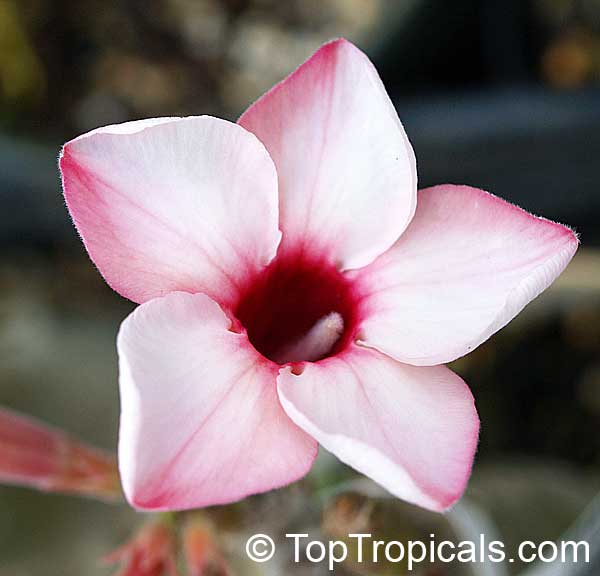
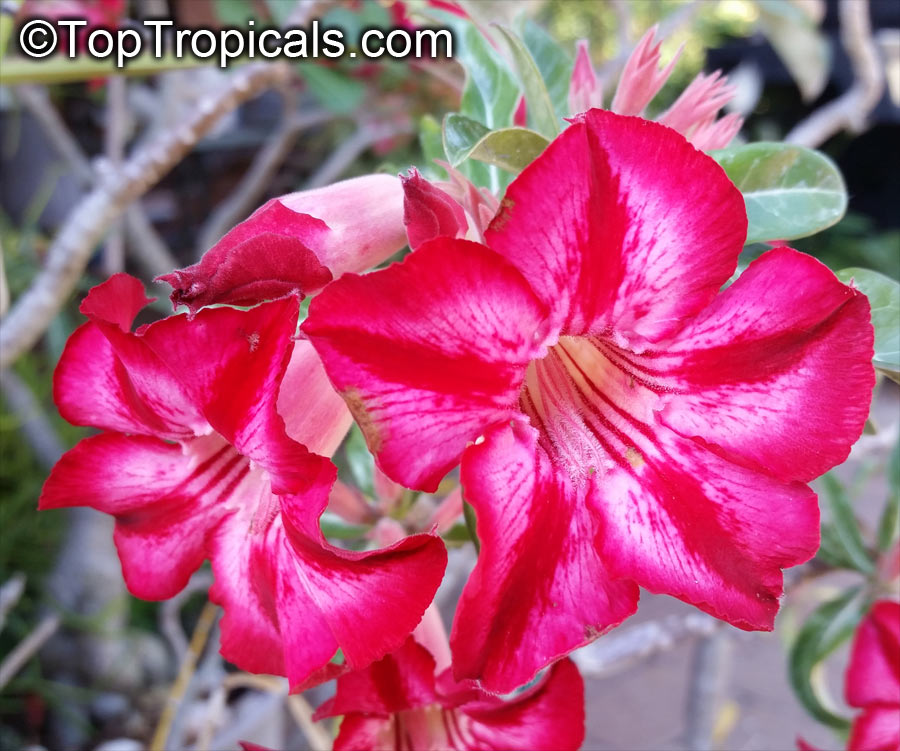
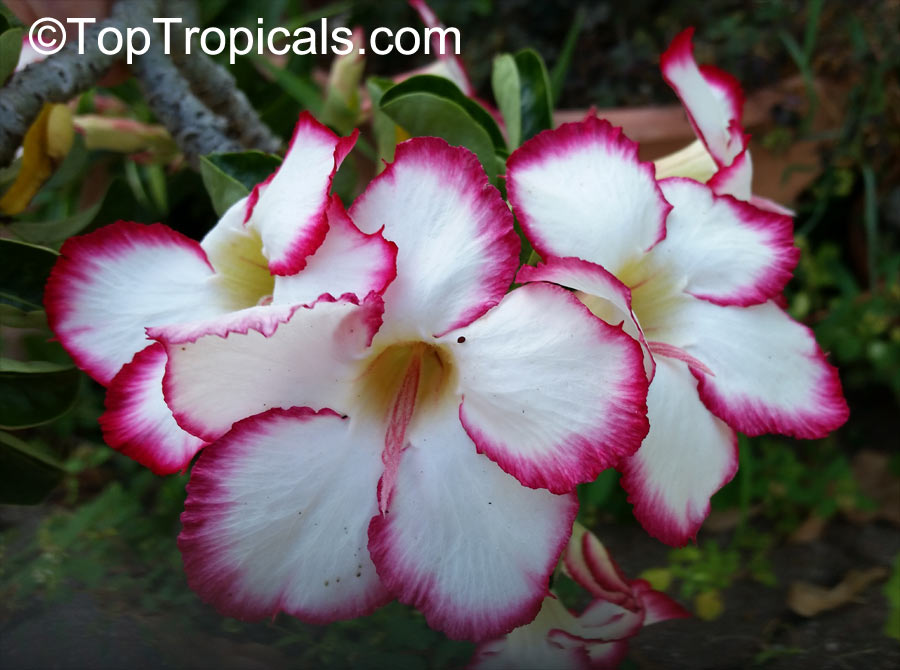
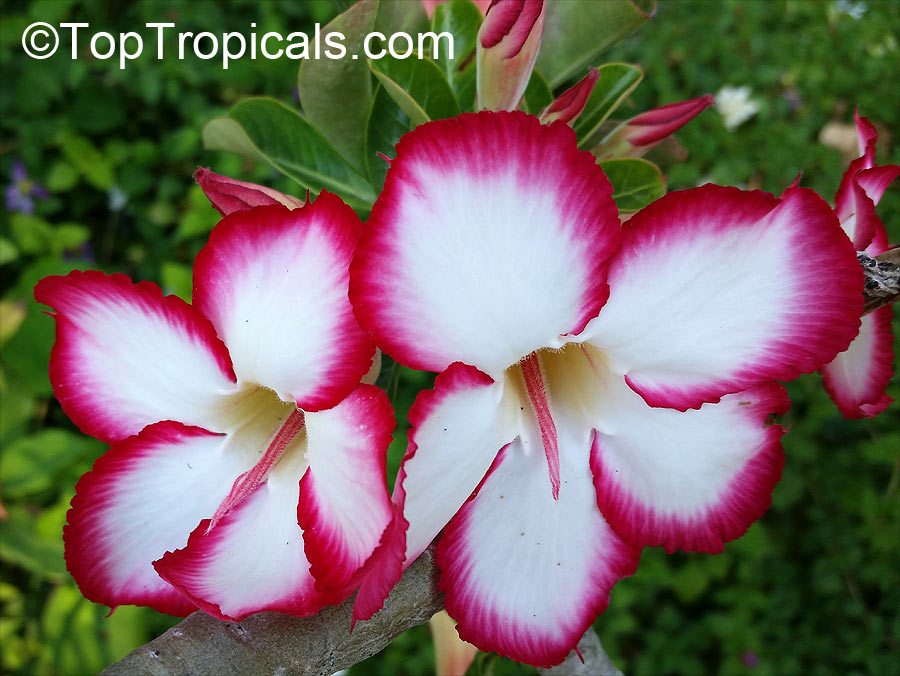
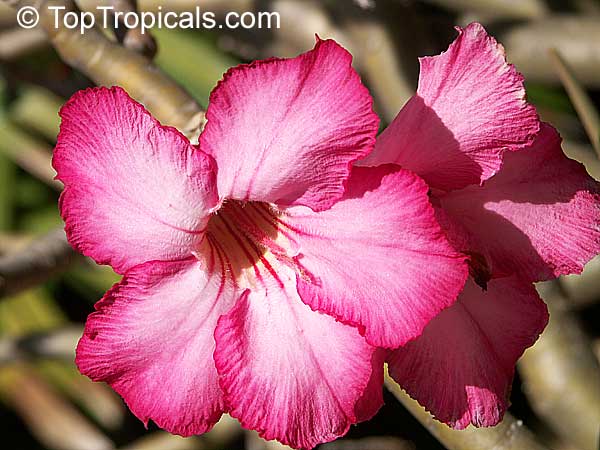
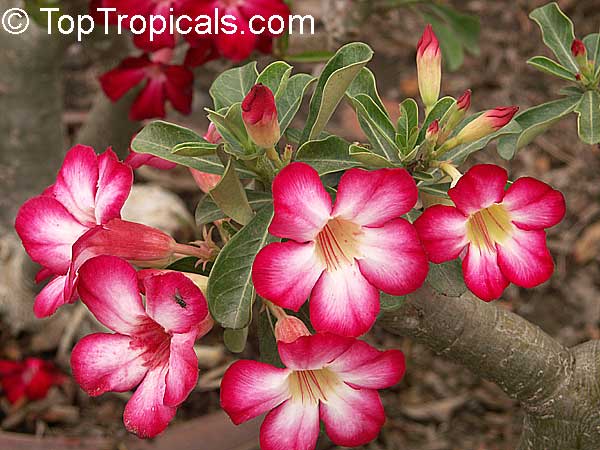



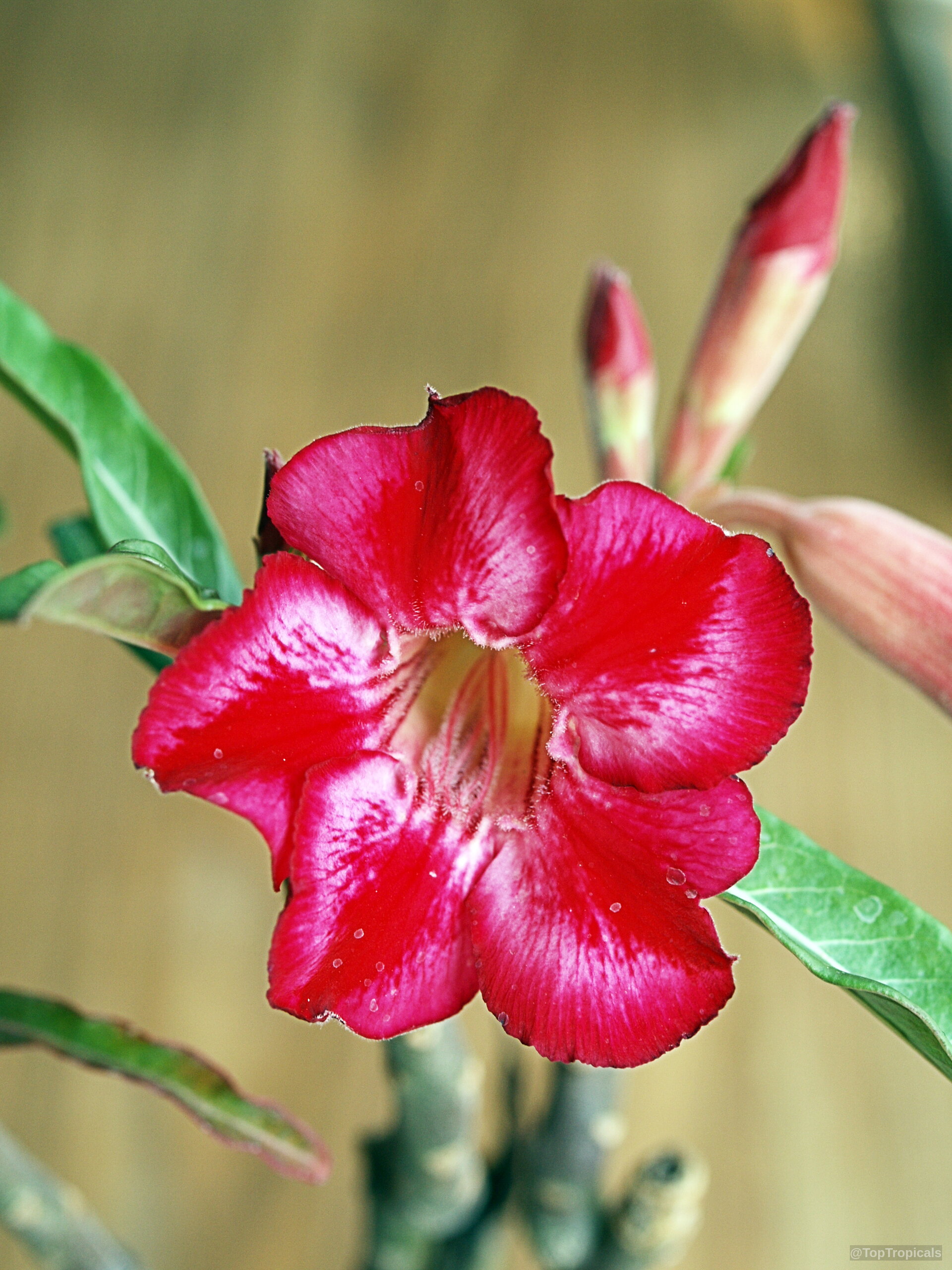
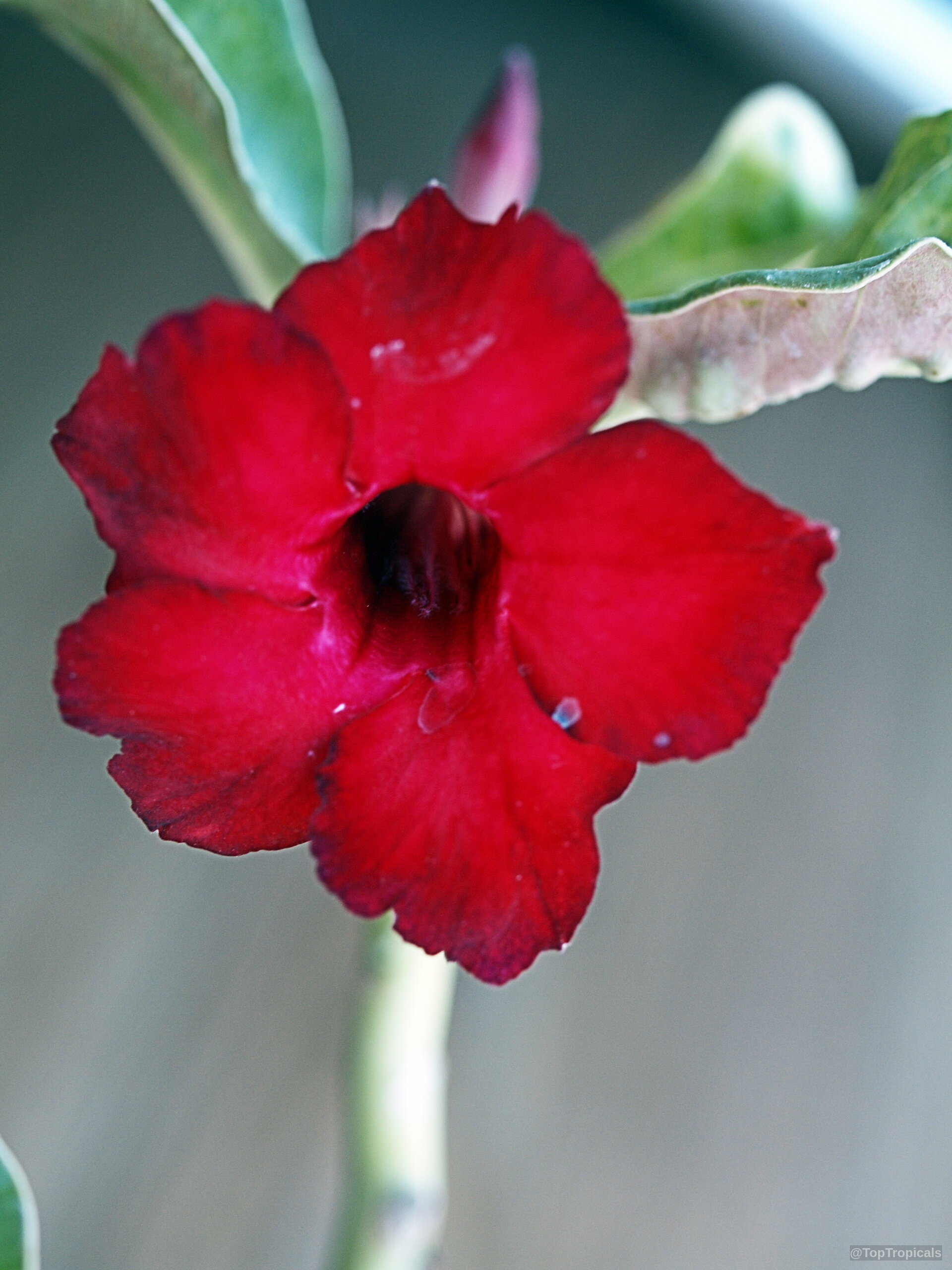


Botanical name: Adenium somalense
Common name: Desert Rose
Family: Apocynaceae
Origin: Arabia and East Africa
USDA Zone: 10-11
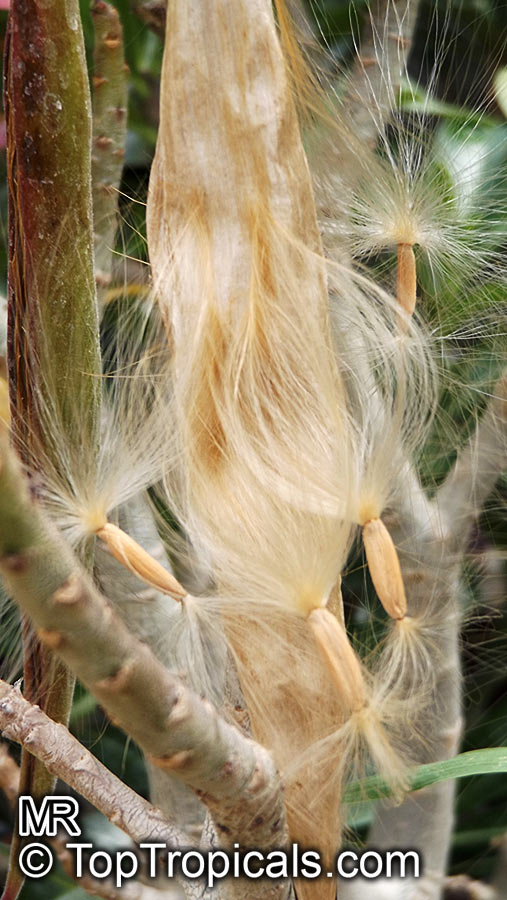
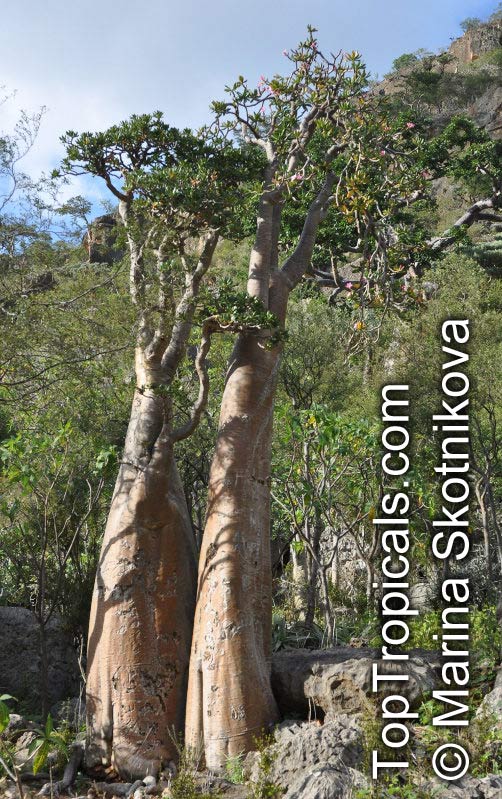
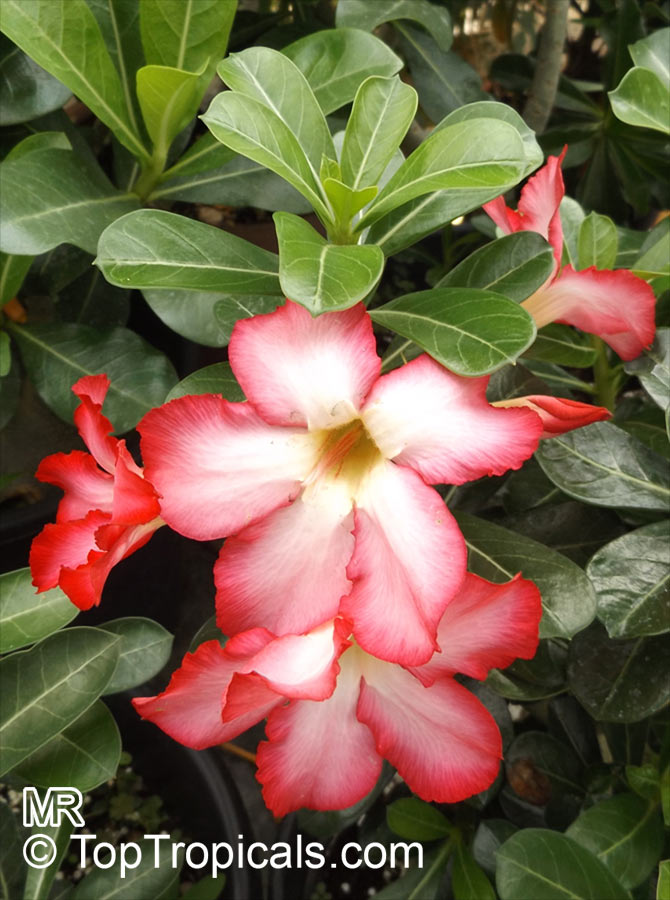
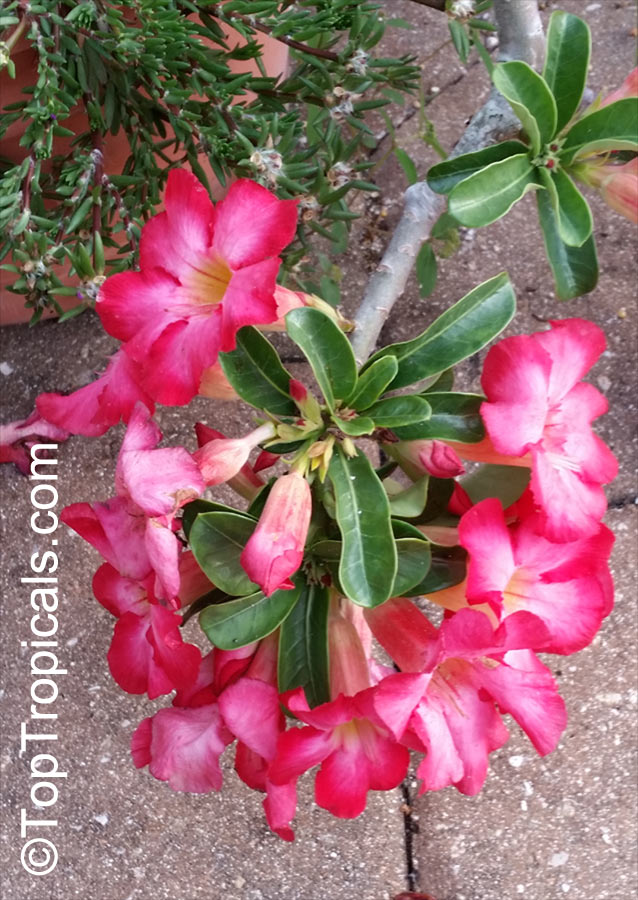
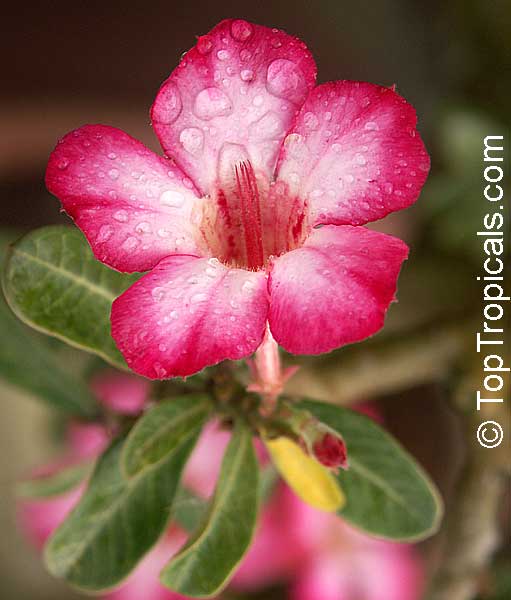
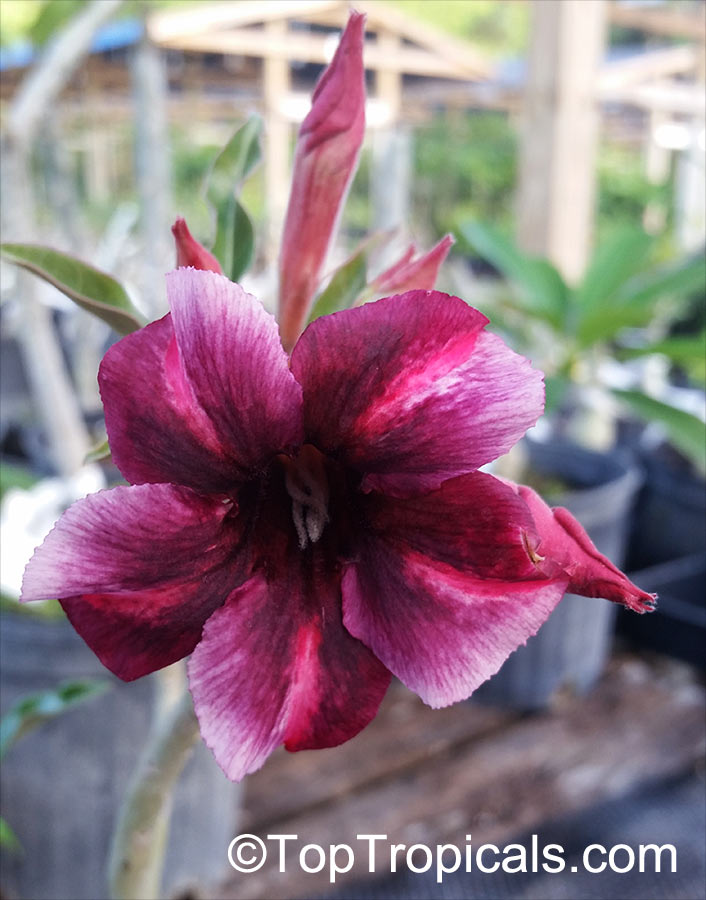
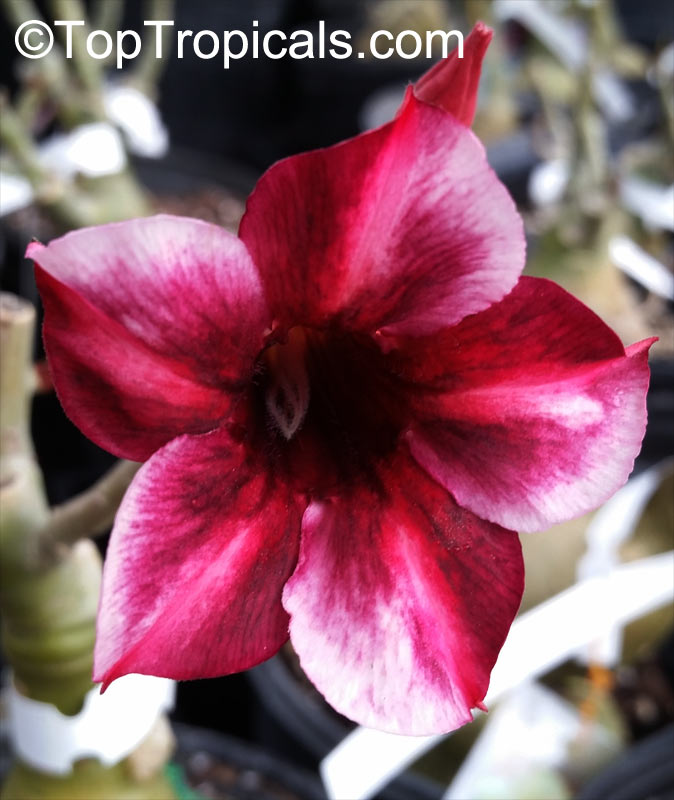
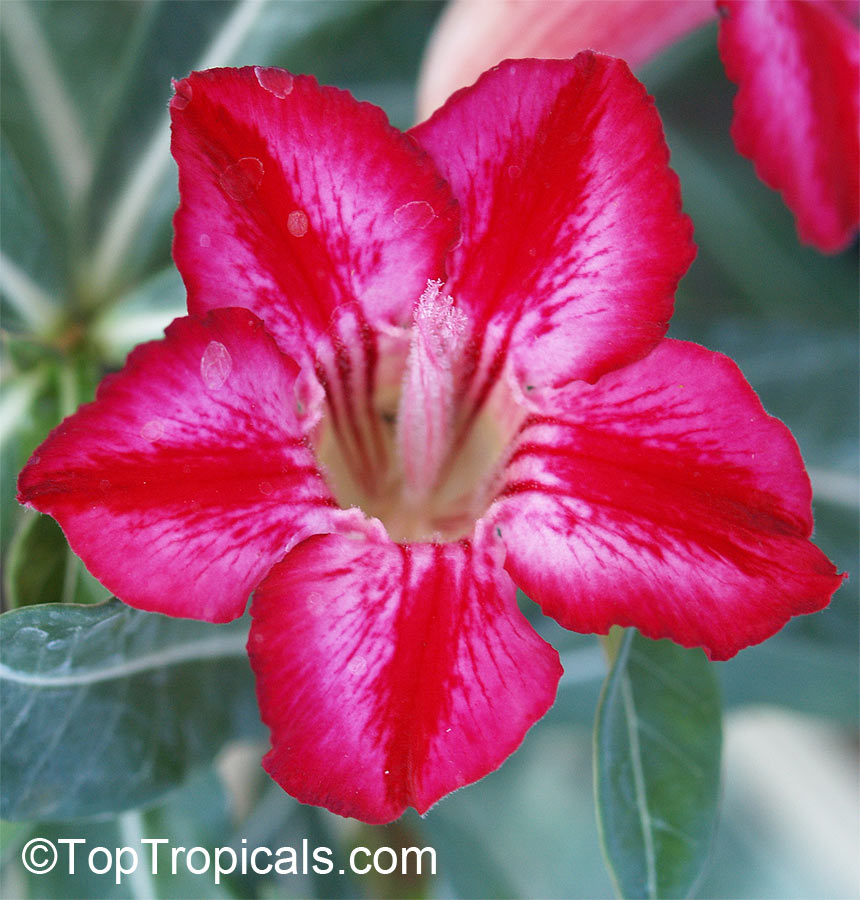
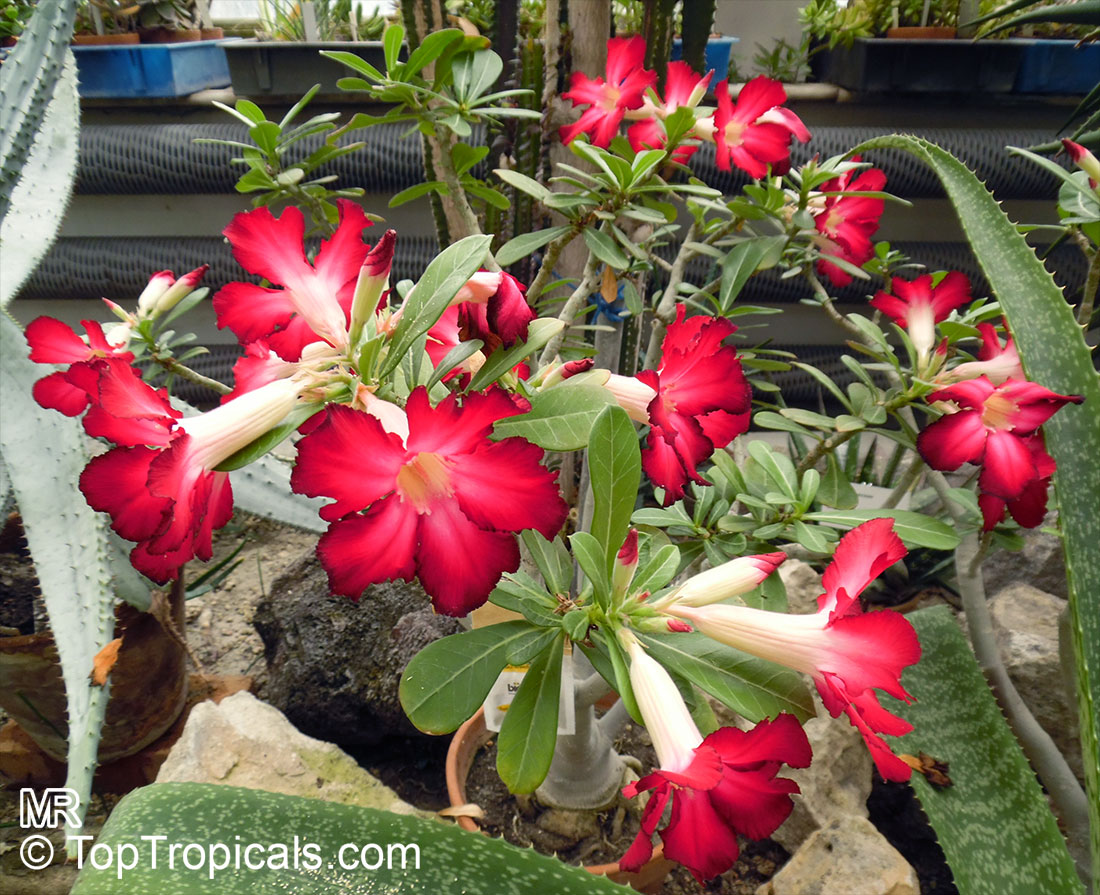
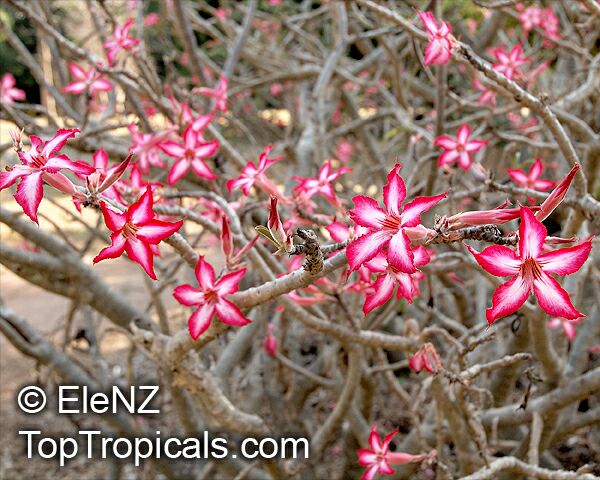
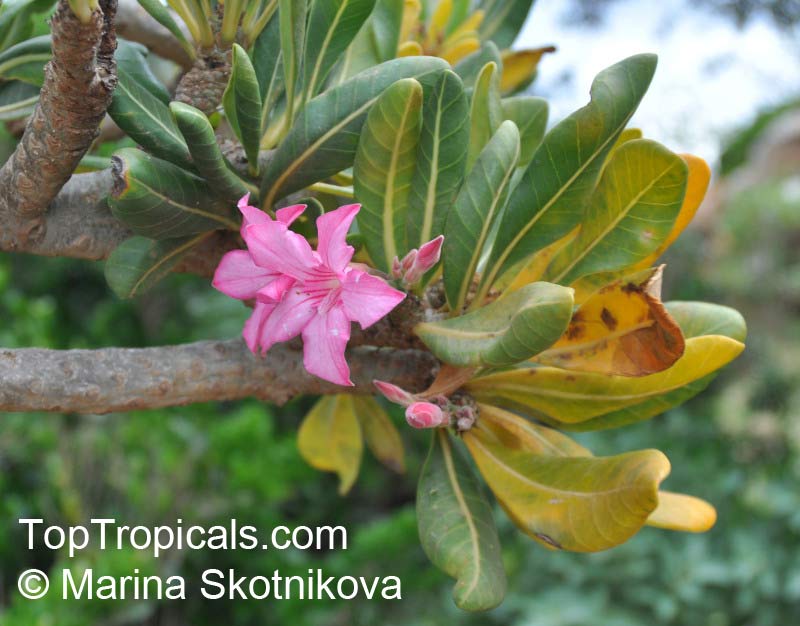
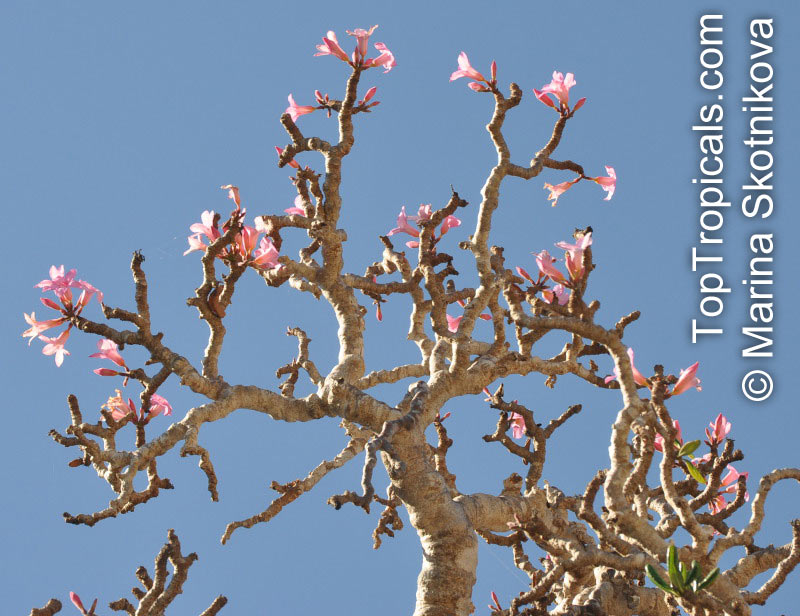
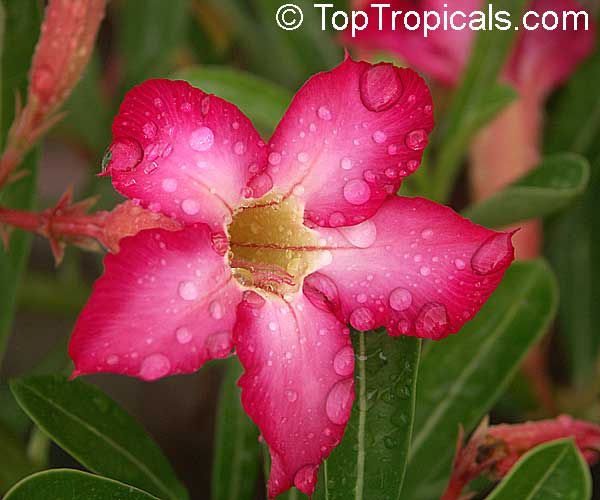
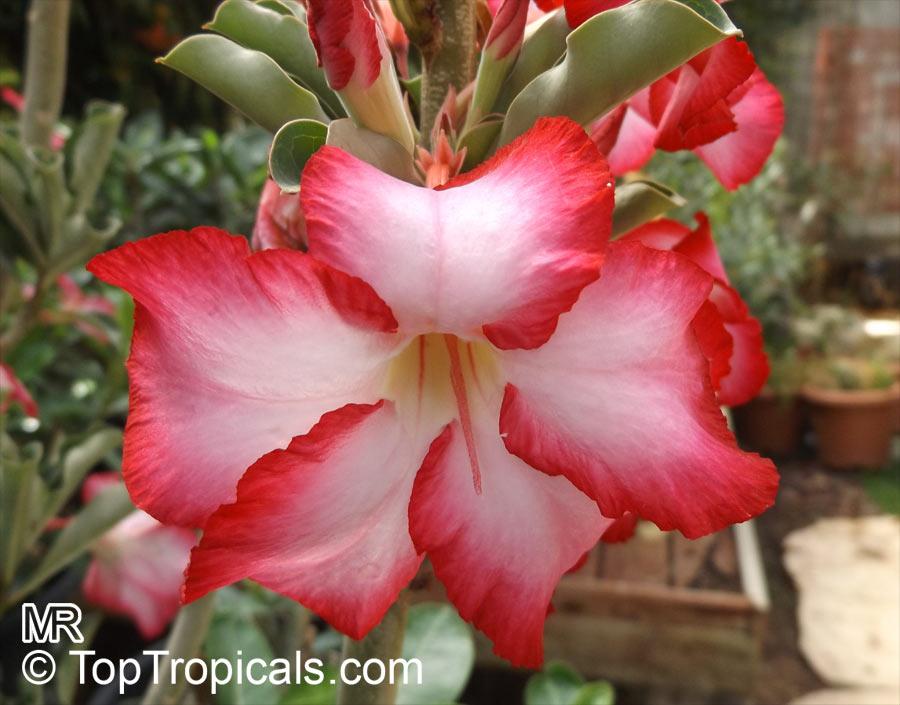
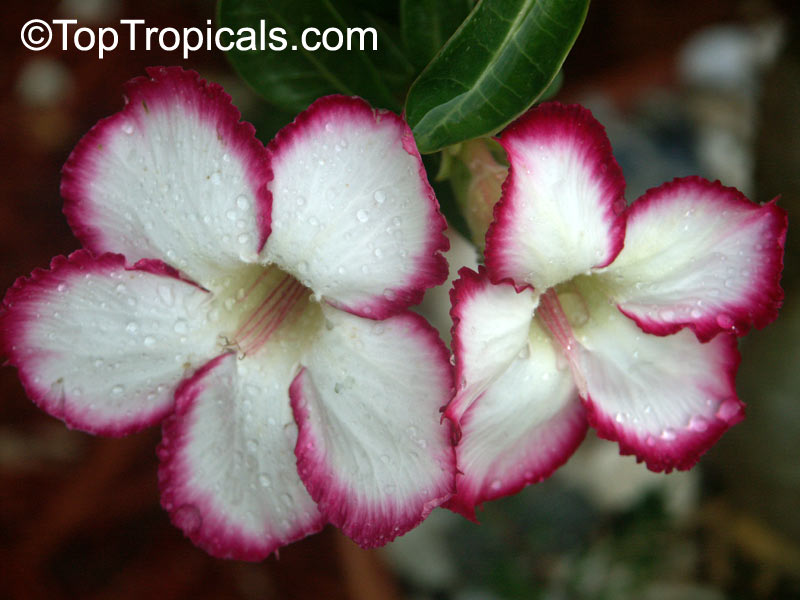
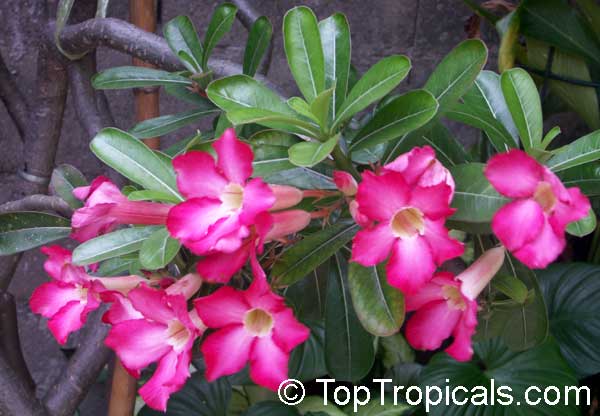
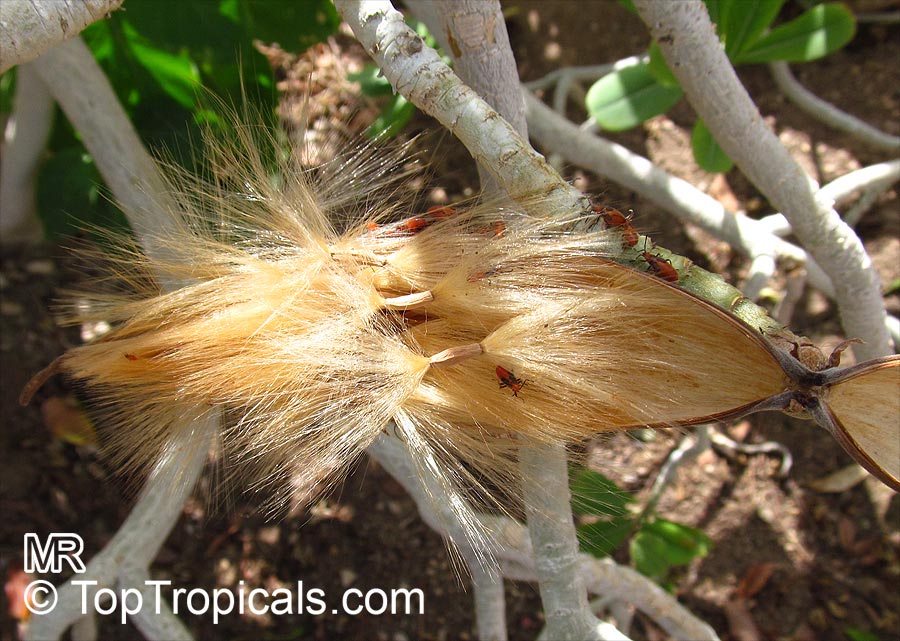
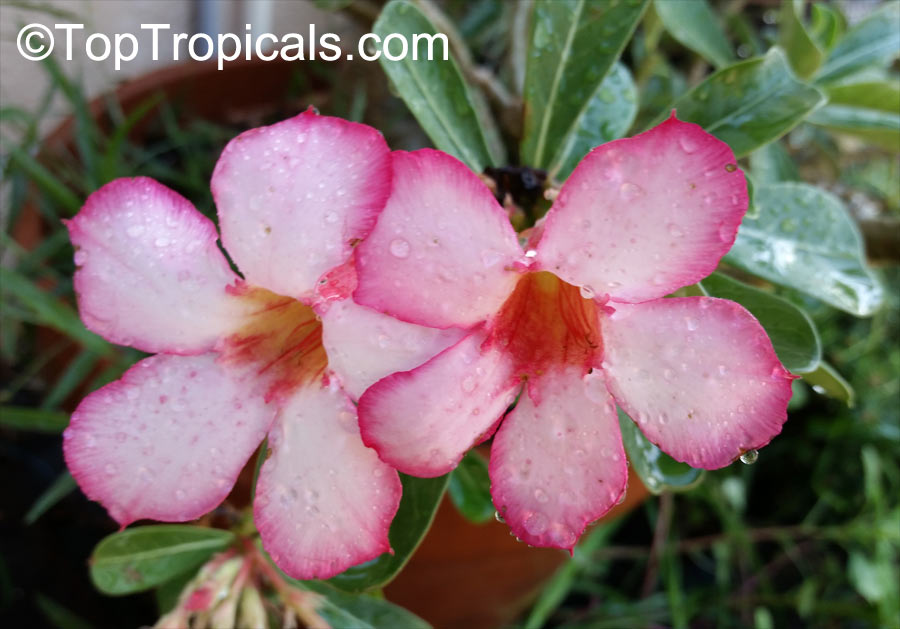
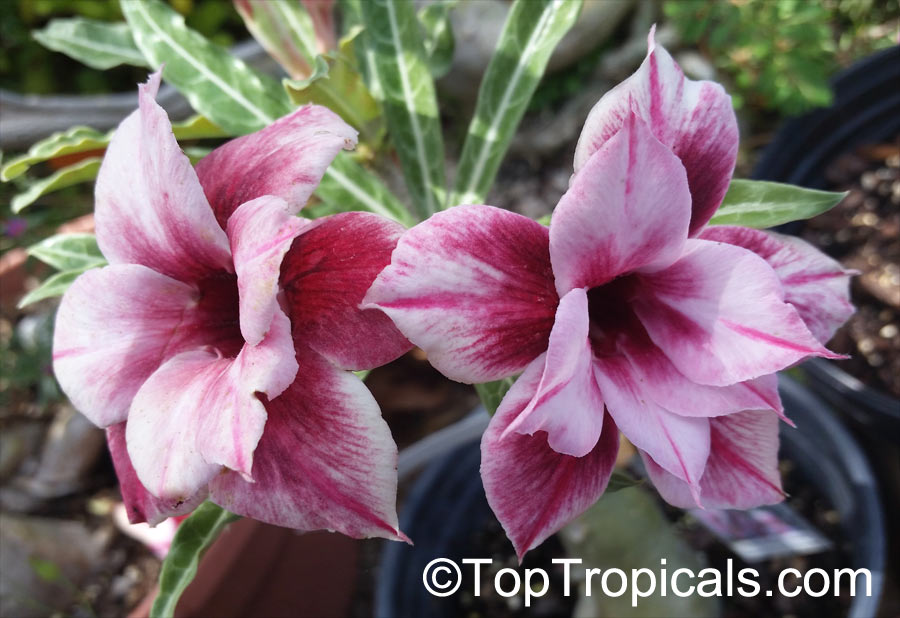
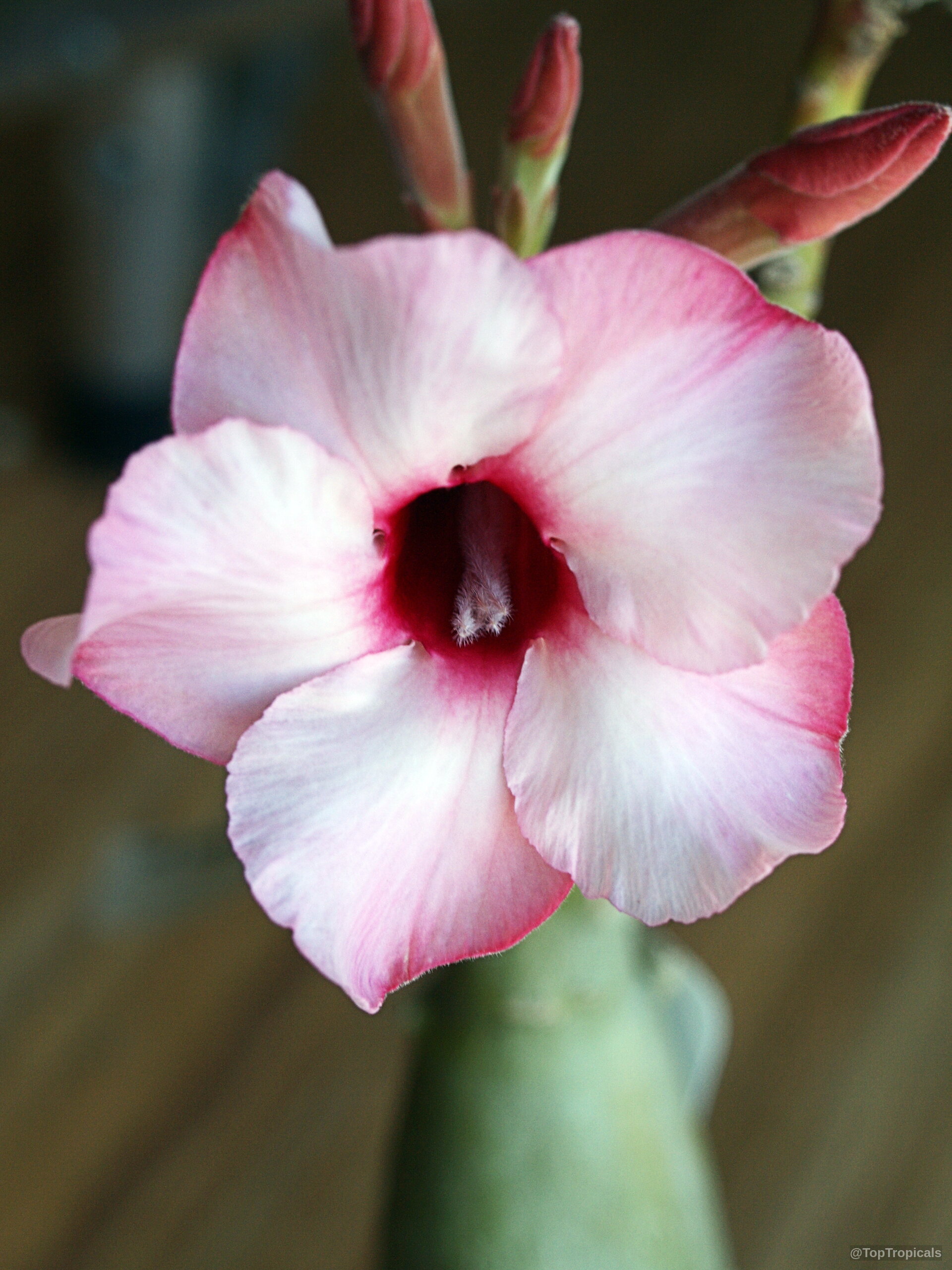
Growing to a height of about 4-5ft, this succulent plant is a member of the same family as Plumeria. Its swollen, often twisted trunk is pale grey, the leaves are glossy and club-shaped, and the flowers, which appear almost continuously, are trumpet-shaped and range from white and bright pink to crimson, red. It exudes a highly toxic sap which in some places is used as a poison for arrows. Adenium is not generally grown in moist tropical gardens but is often seen as a decorative pot plant; it may also be used in rock gardens. It needs full sun and a well-drained potting mixture. Exotic multi-color varieties can be grafted on the same plant. See other exotic species of Adenium, photo gallery of exotic varieties and Thai Adeniums - milti-colored, multi-grafted.
See article about Adenium.


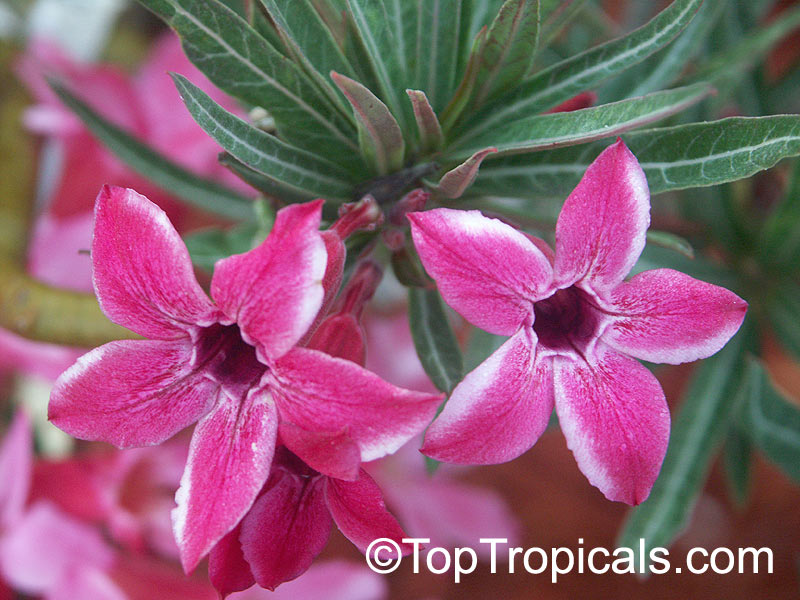

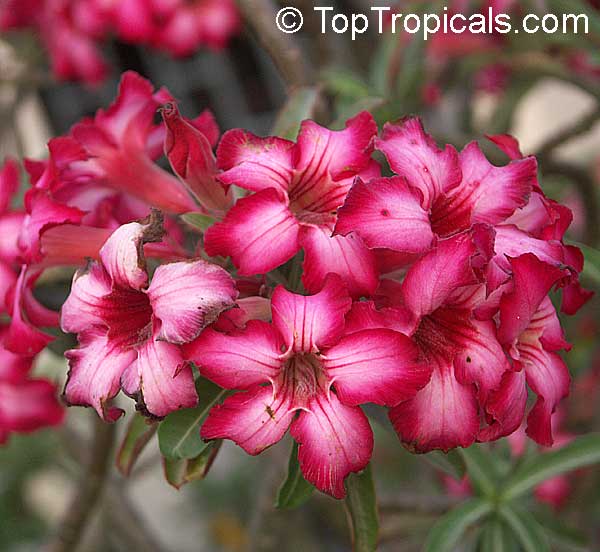
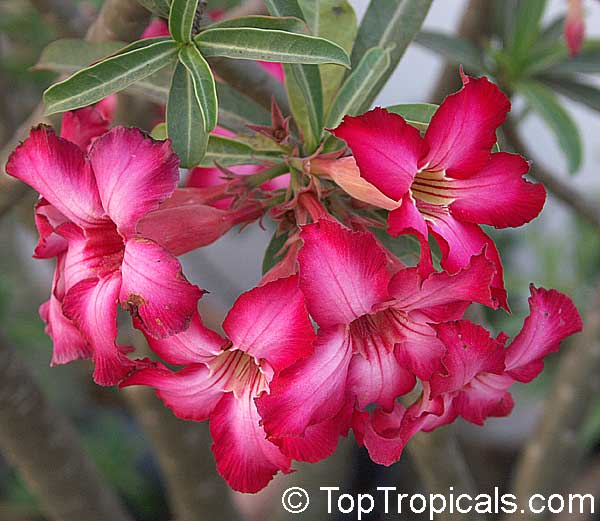


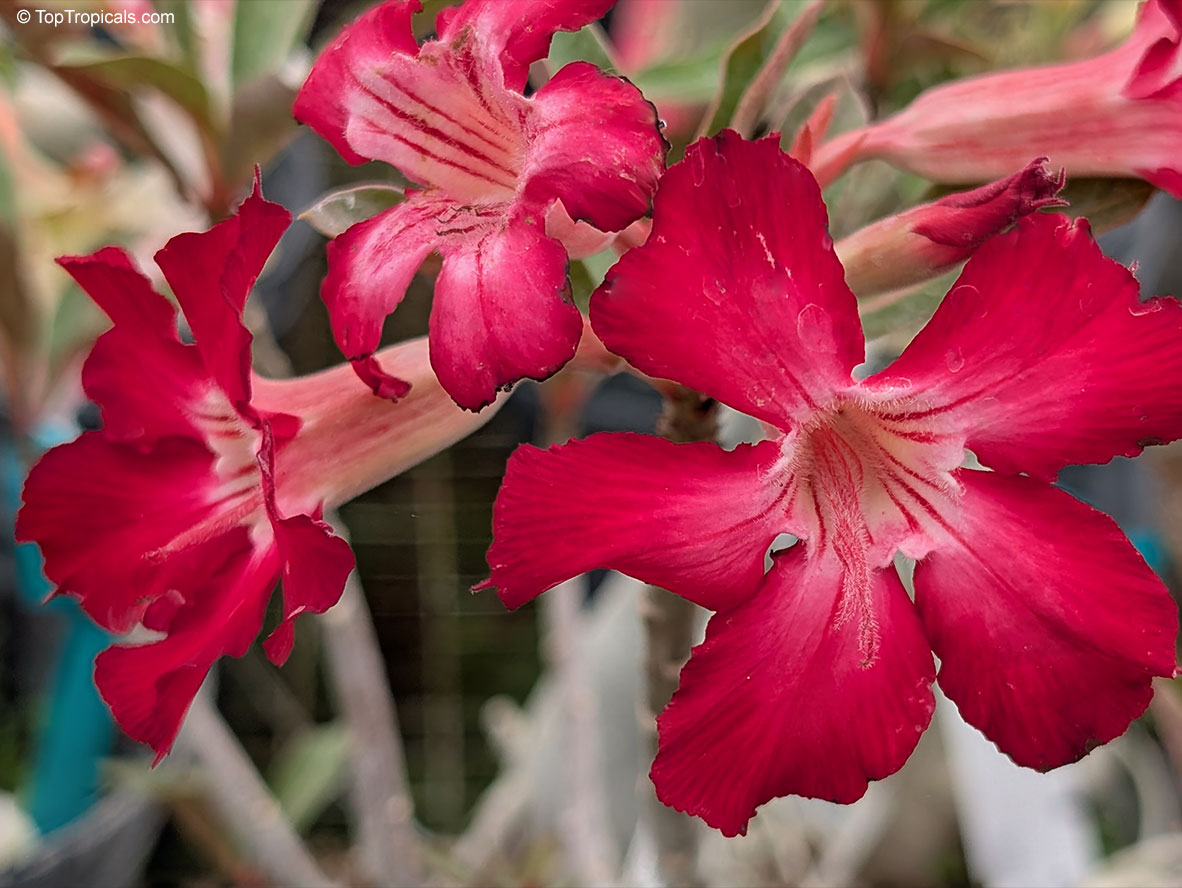
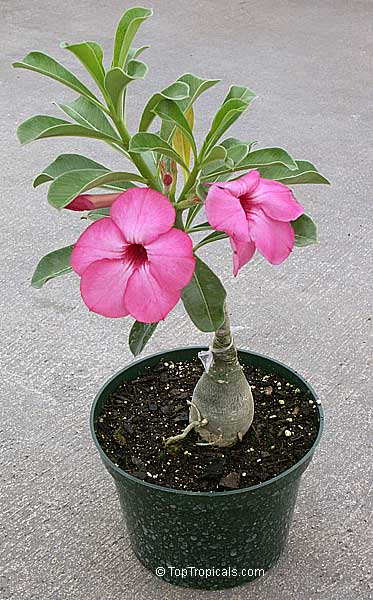
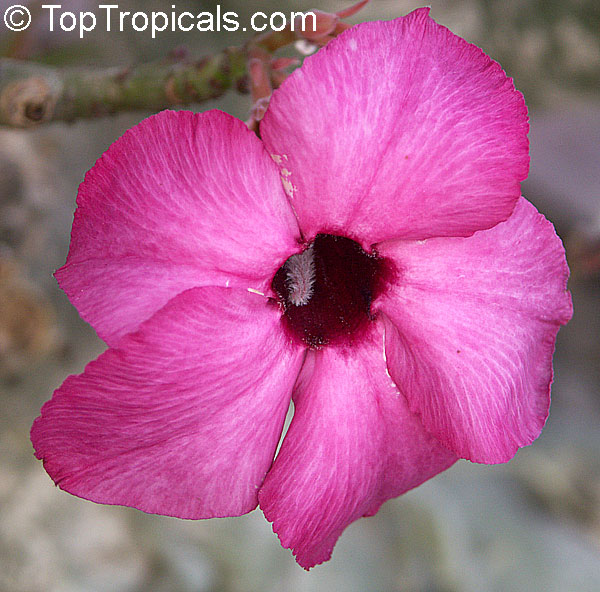
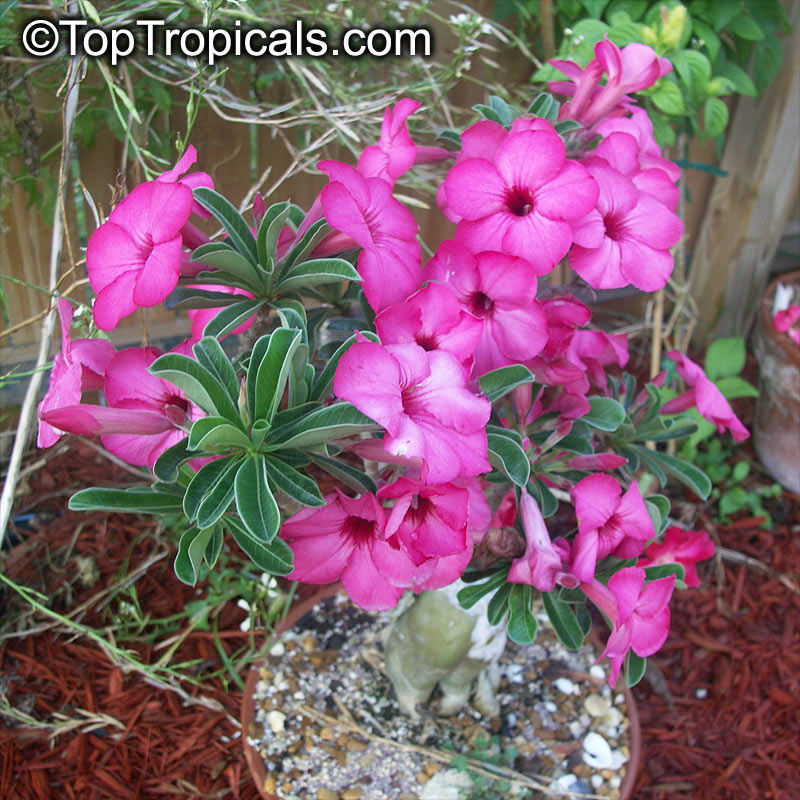
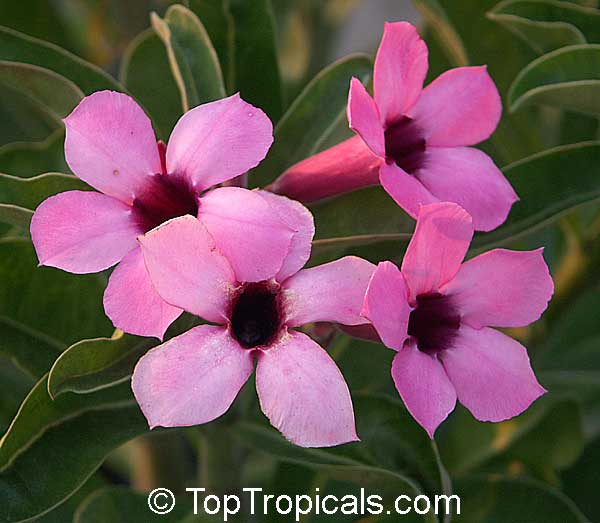
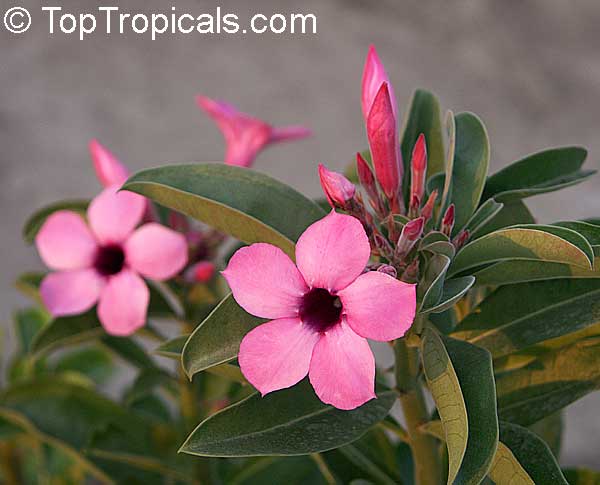
Botanical name: Adenium swazicum
Common name: Desert Rose
Family: Apocynaceae
Origin: Arabia
USDA Zone: 10-11
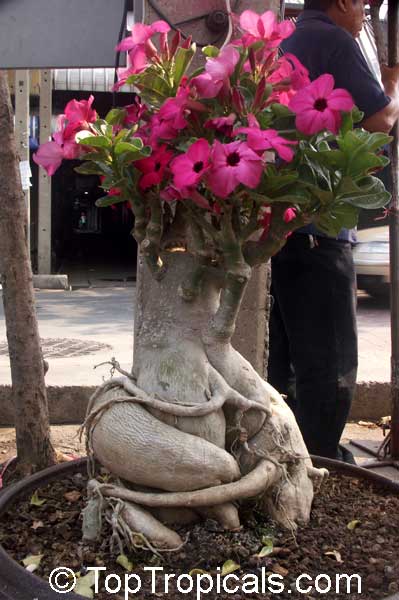
Growing to a height of about 4-5ft, this succulent plant is a member of the same family as Plumeria. Their swollen, often twisted trunks, are pale gray. The leaves are glossy and club-shaped. The flowers appear almost continuously, are trumpet-shaped, and range from white and bright pink to crimson red. They emit a highly toxic sap, which in some places is used as a poison for arrows. Adeniums are not generally grown in moist tropical gardens but are often seen as a decorative pot plants; they may also be used in rock gardens. They need full sun and a well-drained potting mixture. Exotic multi-color varieties can be grafted on the same plant. See other exotic species of Adenium, photo gallery of exotic varieties and Thai Adeniums - milti-colored, multi-grafted.
See article about Adenium.


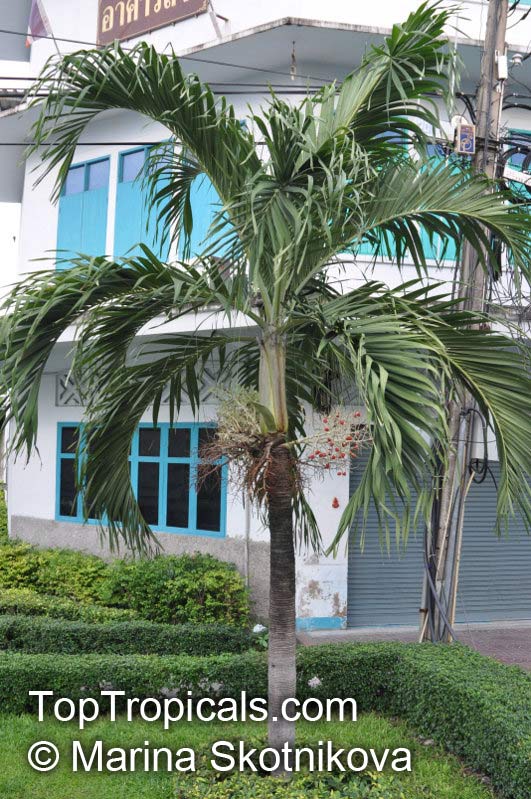
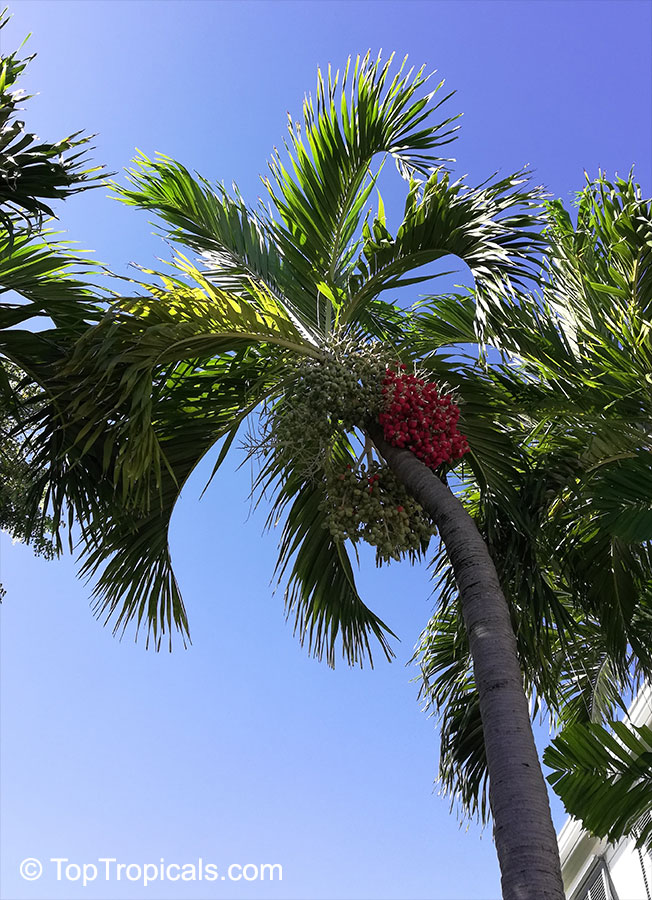
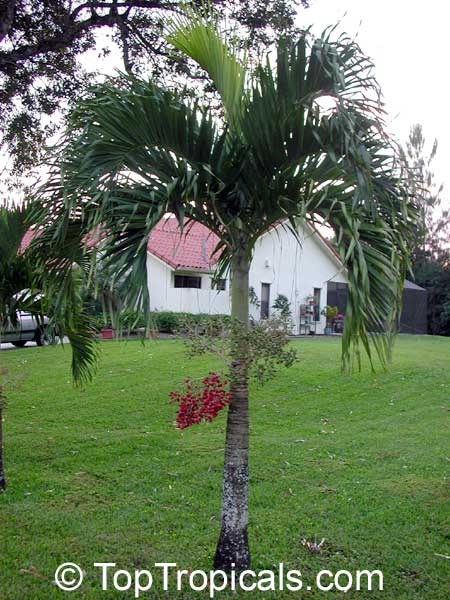
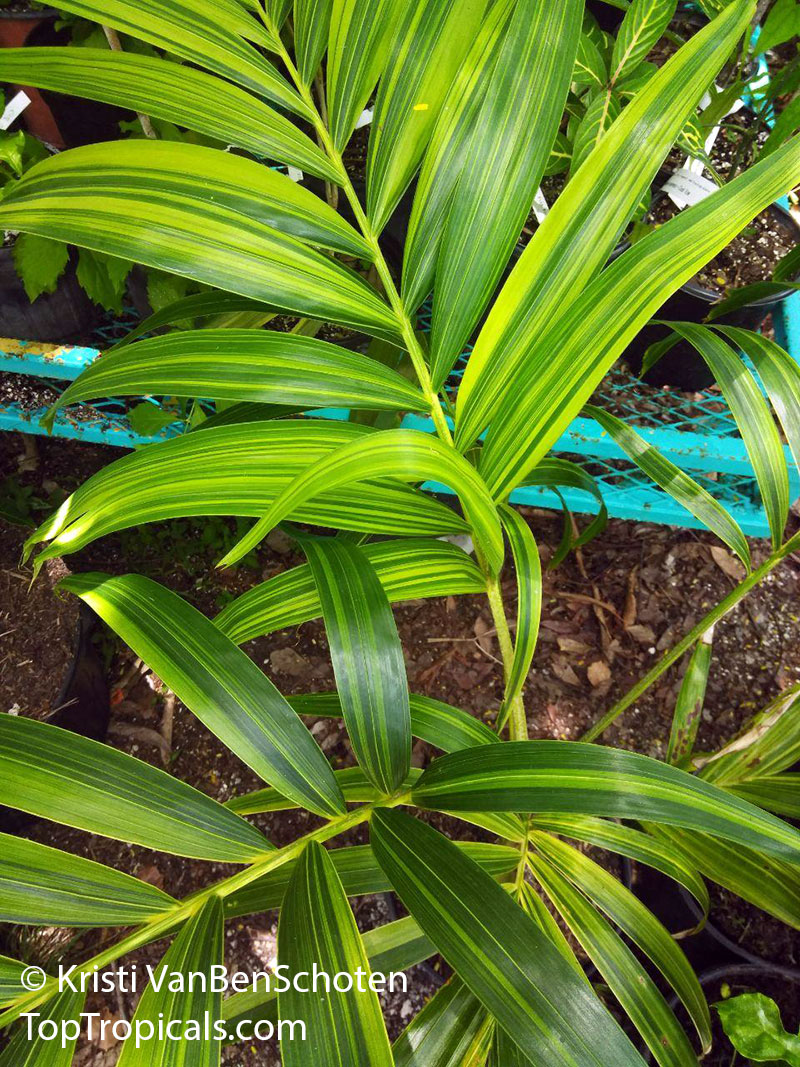
Botanical names: Adonidia merrillii, Veitchia merrilli
Common name: Christmas Palm
Family: Arecaceae / Palmae
Origin: Philippines
USDA Zone: 10-11
Cold tolerance: 30°F


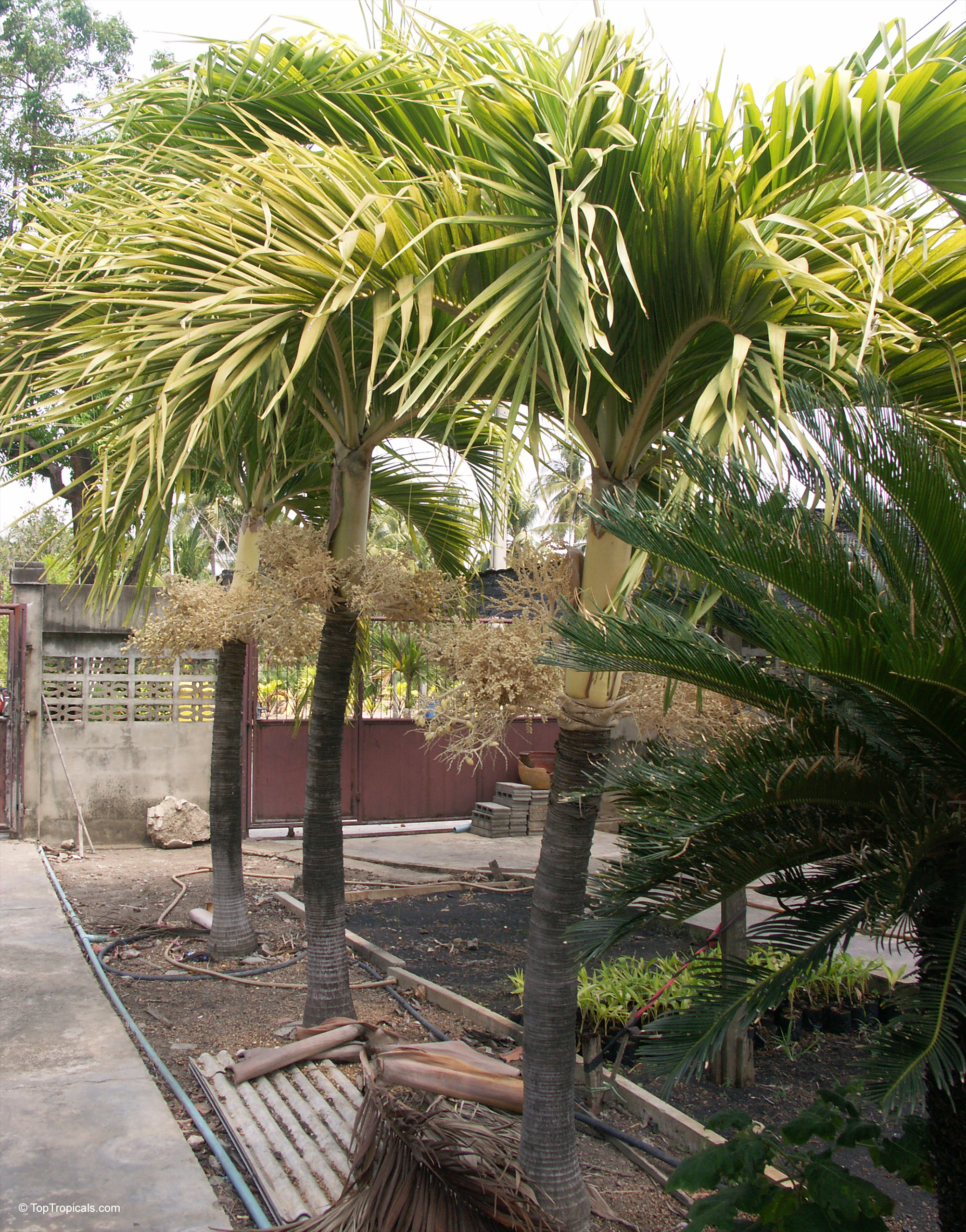
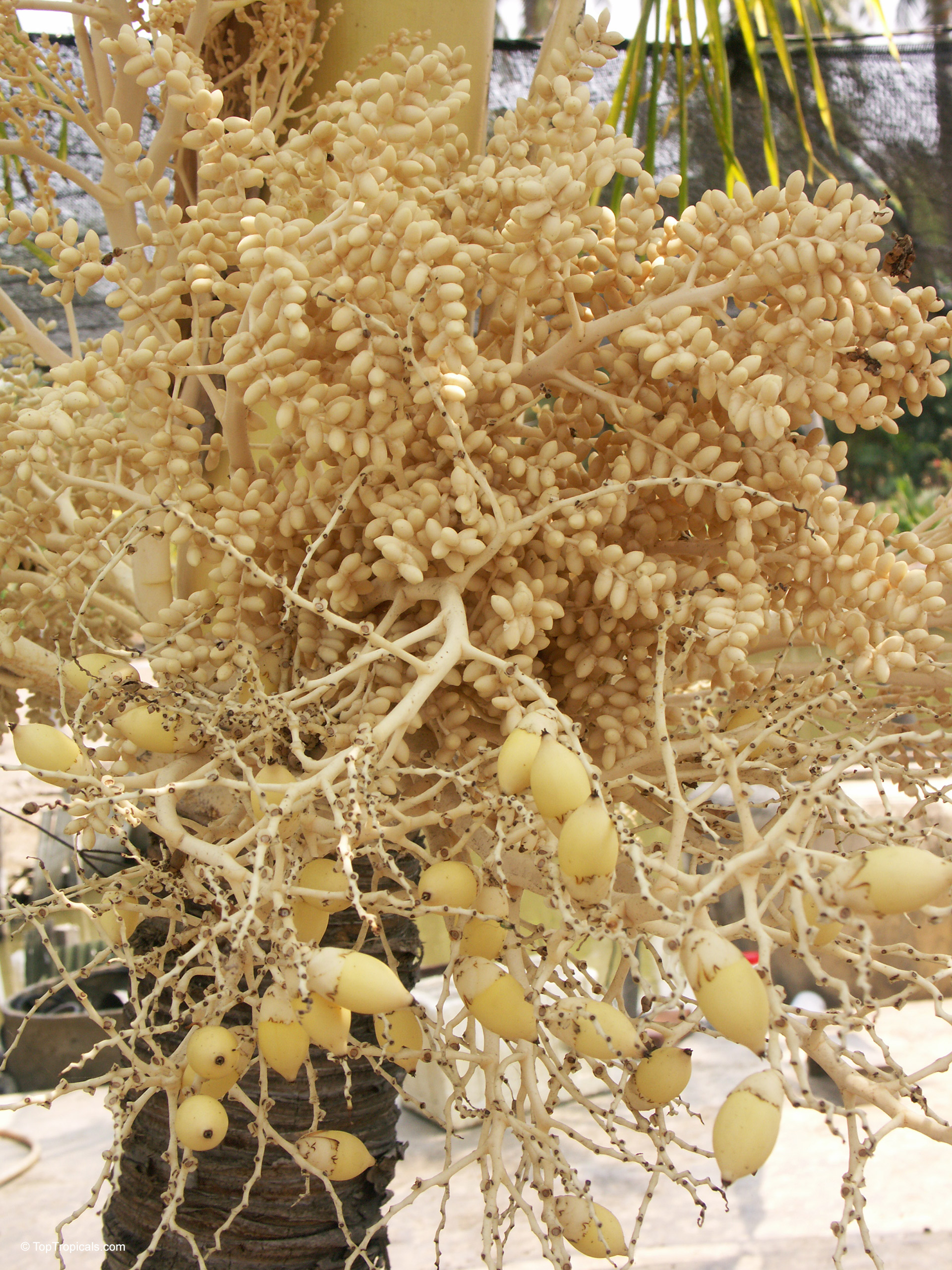
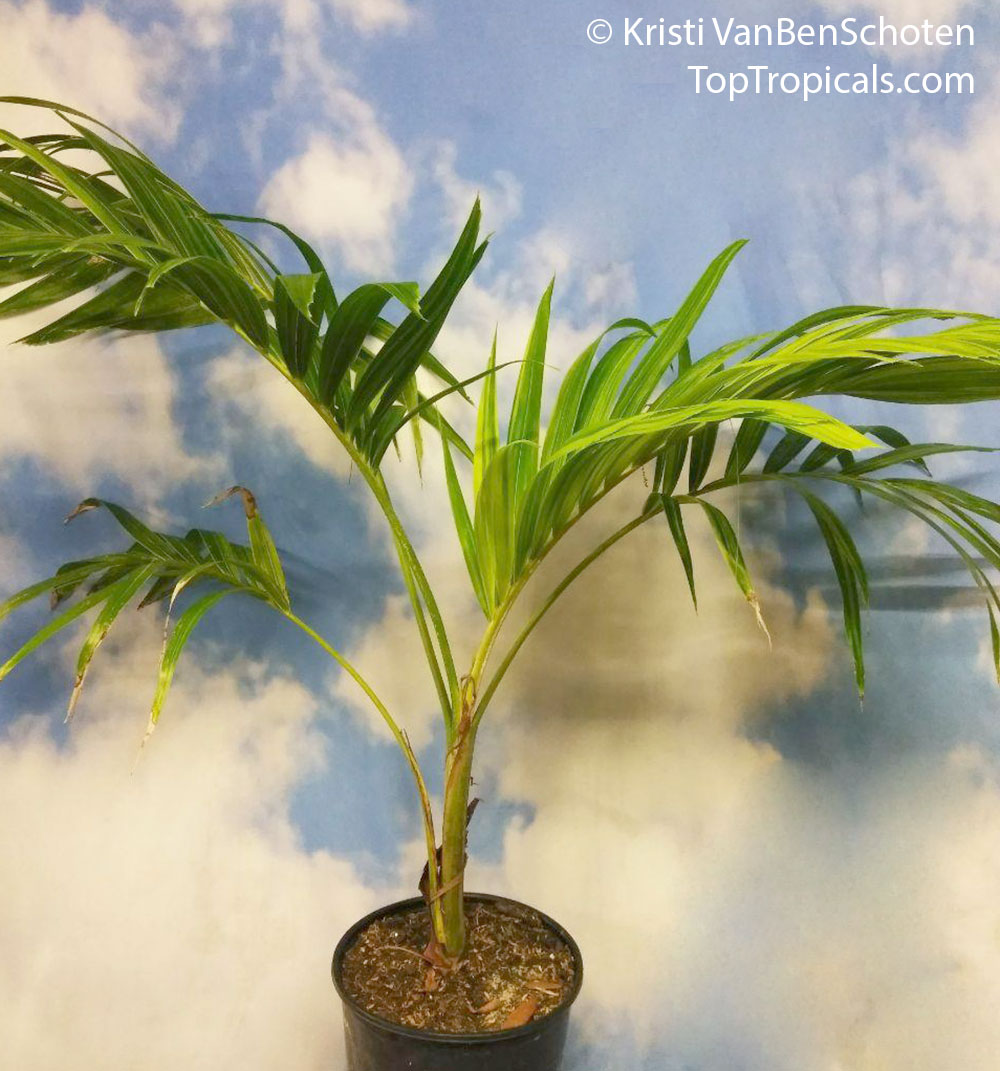
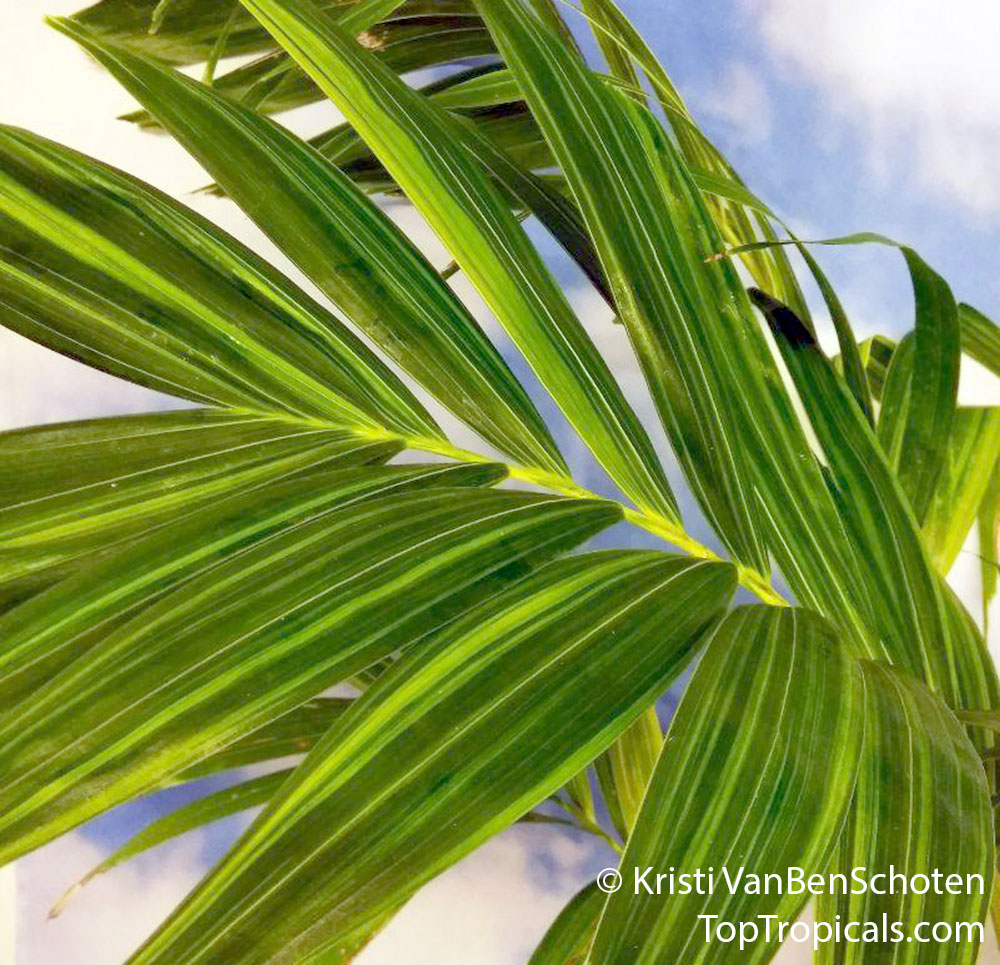
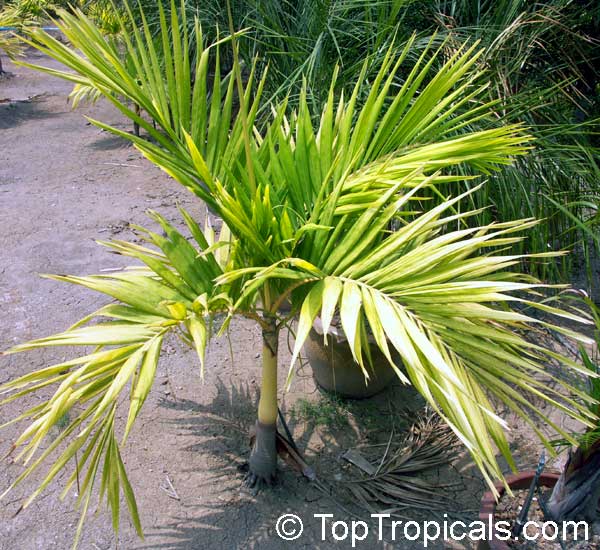
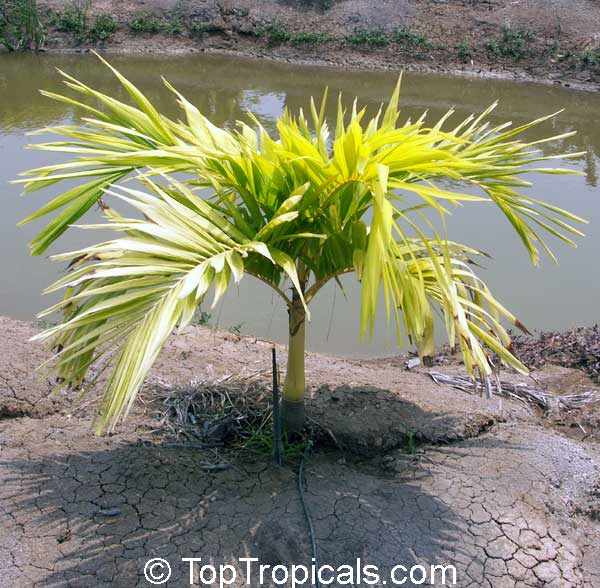
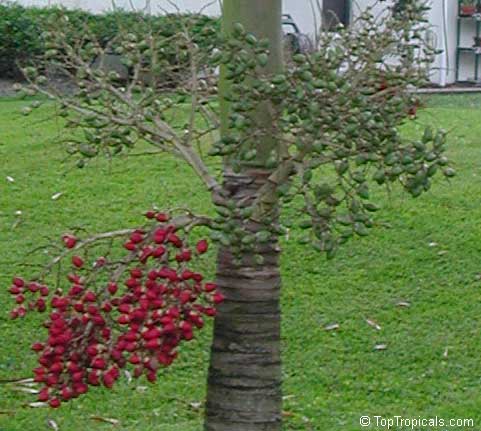
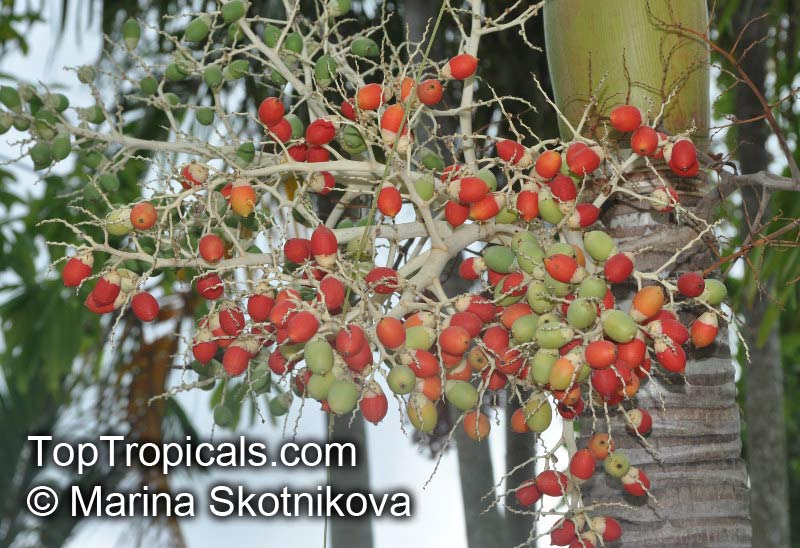
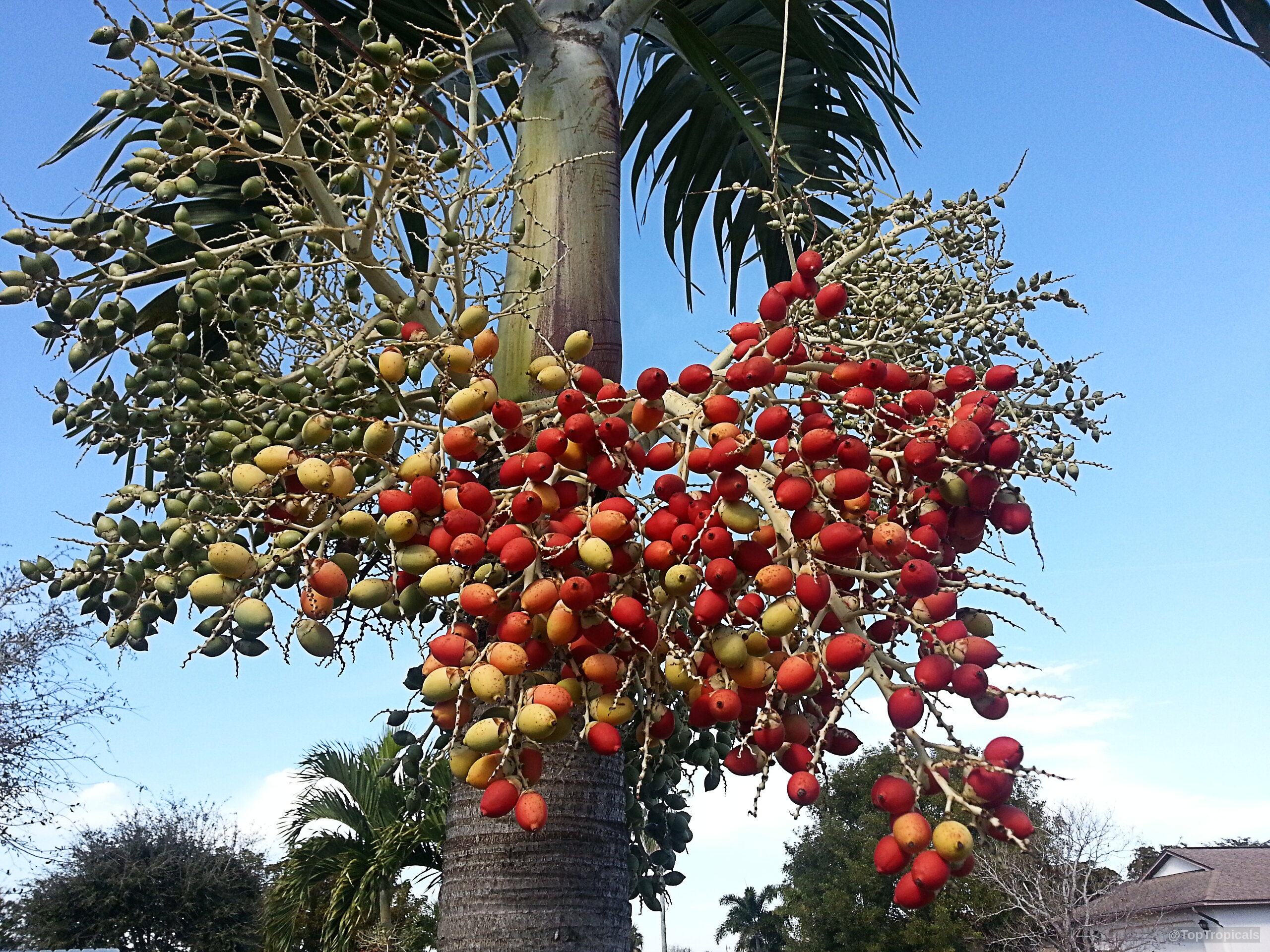
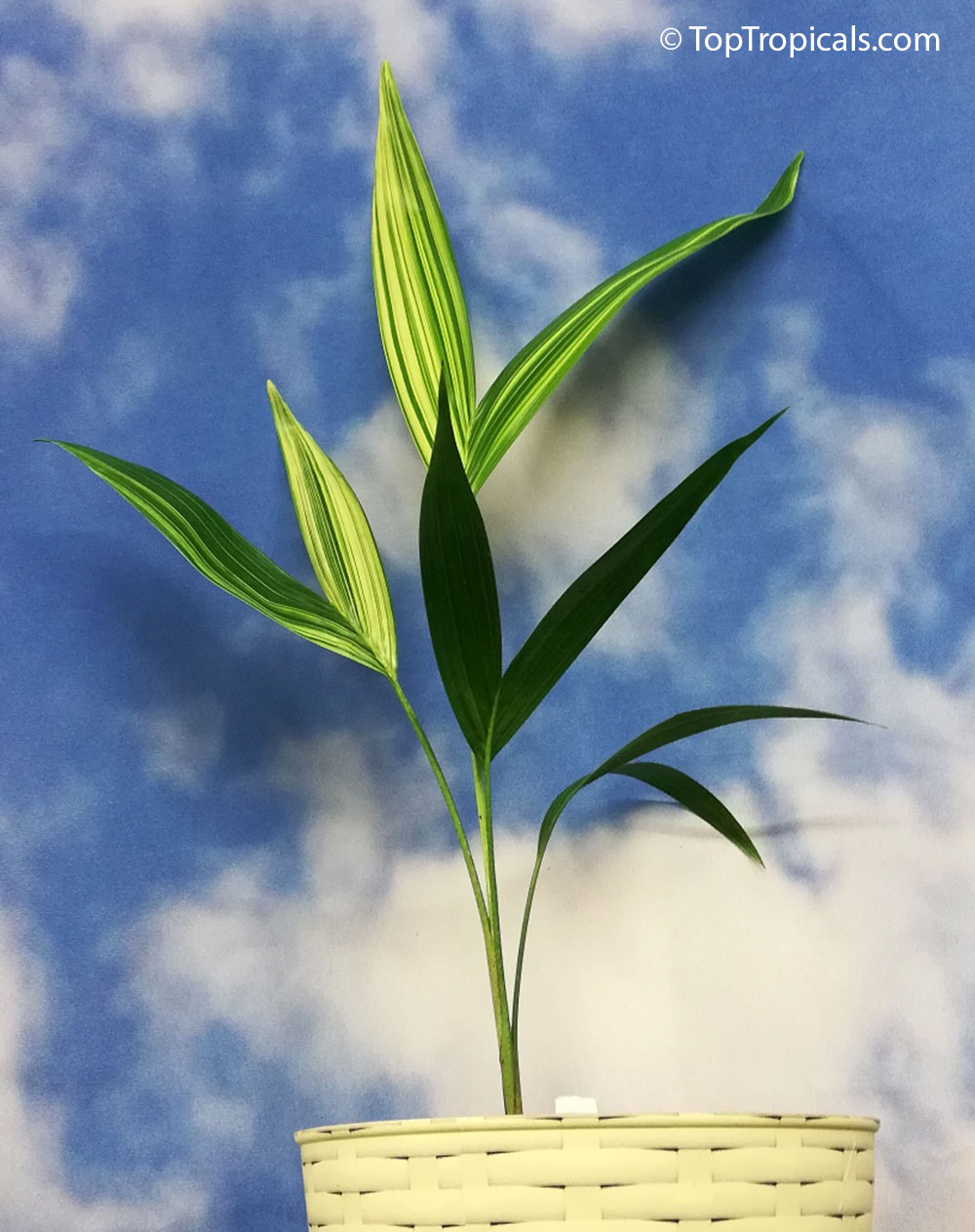
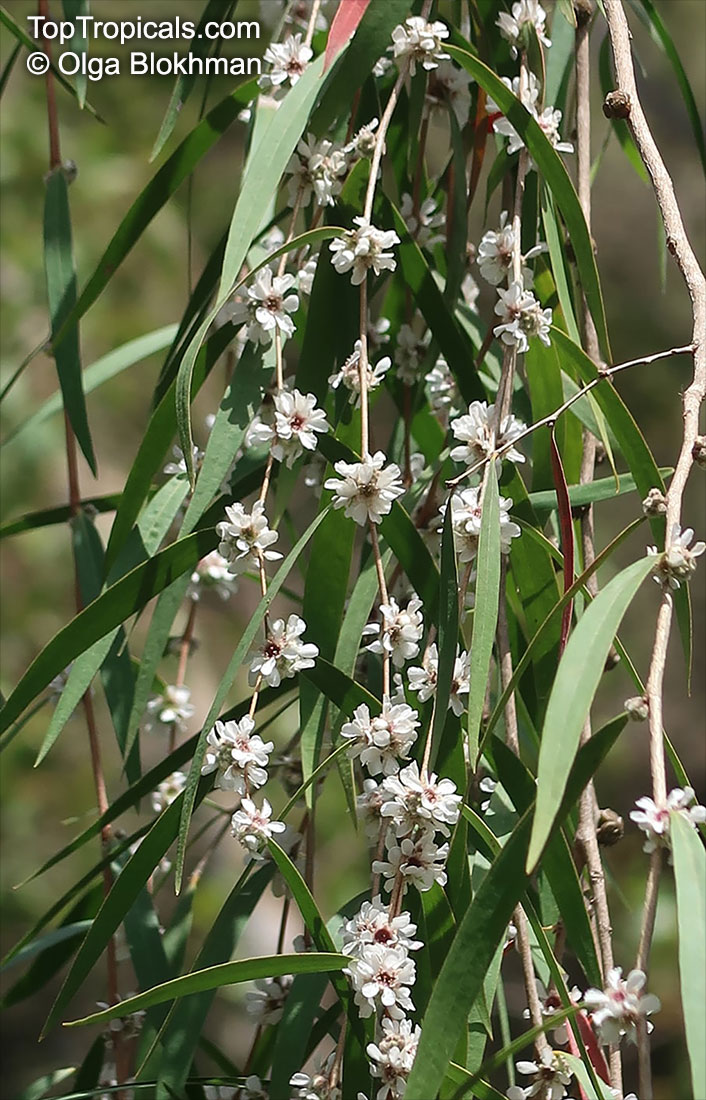
Adonidia merrillii, commonly known as Christmas Palm or Manila Palm, is a graceful tropical palm in the Arecaceae family, native to the Philippines. It develops a smooth, slender gray trunk topped by a compact crown of arching, pinnate green leaves and typically reaches 15-25 ft (4.5-7.5 m) in cultivation. Small cream-colored flowers are produced below the crownshaft, followed by clusters of oval fruits that ripen from green through yellow or orange to bright red, often providing a colorful display around the Christmas season and inspiring the common name. The palm is widely planted in tropical and subtropical landscapes and is particularly attractive in groups of two or three trunks, although each plant naturally has a single trunk.
Christmas Palm grows best in full sun to light shade in fertile, well-drained soil with regular moisture, although established plants tolerate brief dry periods. It is suited to USDA Zones 10-11 and can be damaged by temperatures near freezing. Its relatively compact size makes it useful for small gardens, patios, streetscapes, and large containers when young. Plants respond well to regular palm fertilizer containing magnesium and micronutrients, especially in sandy soils. Adonidia merrillii is sometimes confused with related Veitchia palms, but its smaller stature, compact crown, and conspicuous clusters of red ripe fruits help distinguish it.



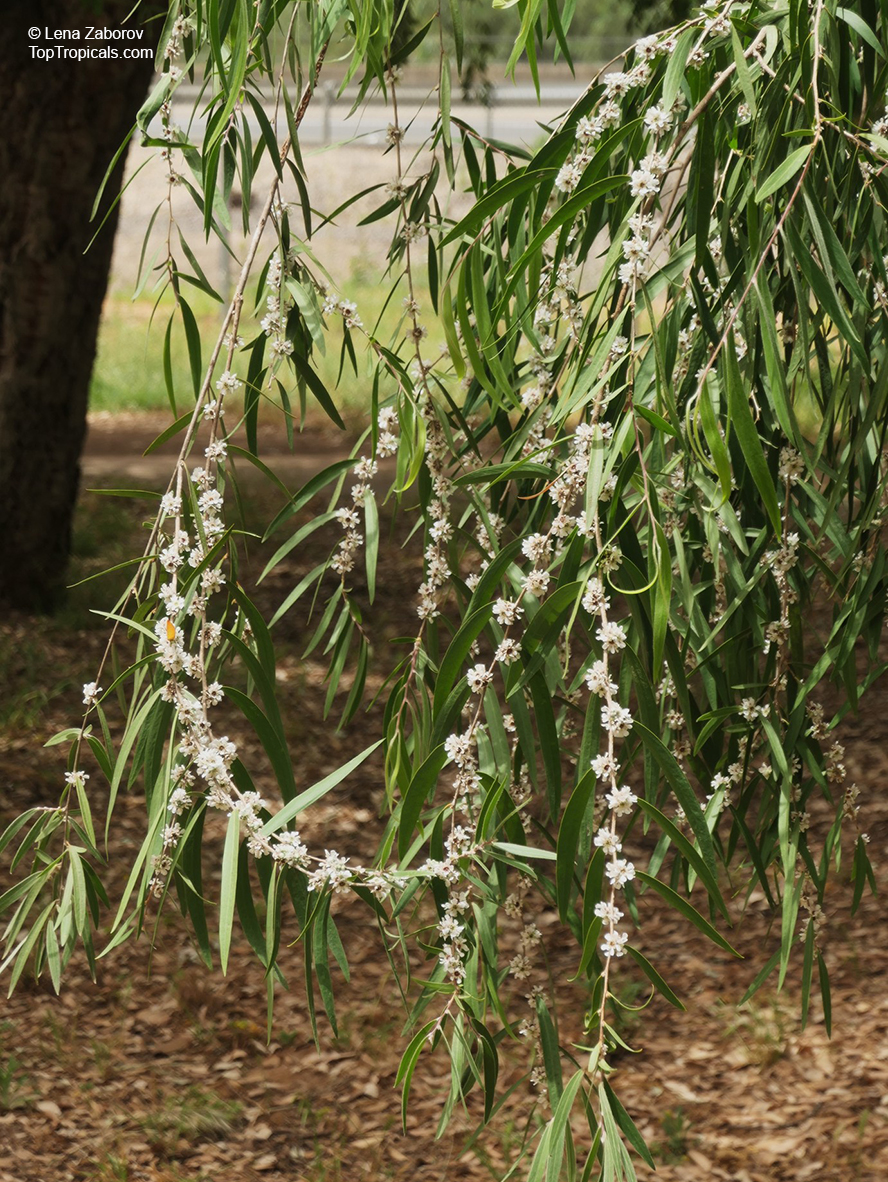
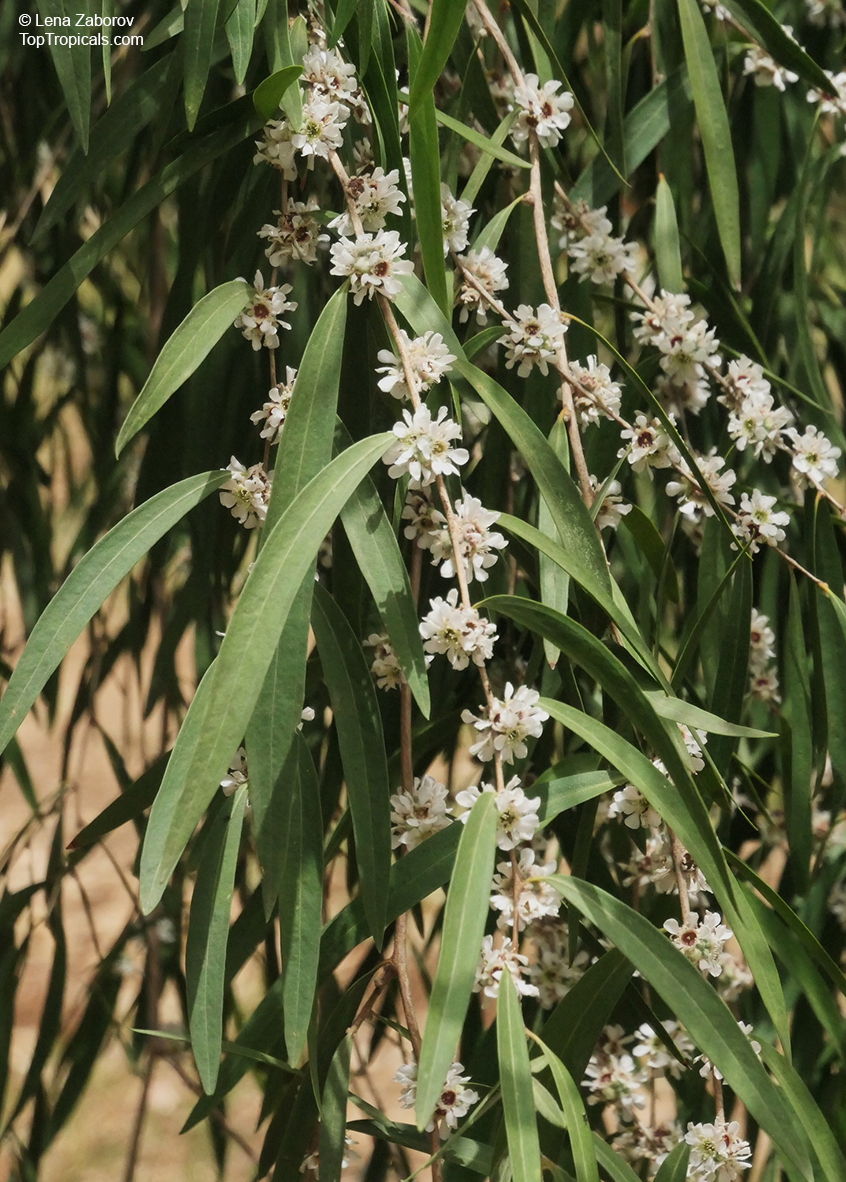
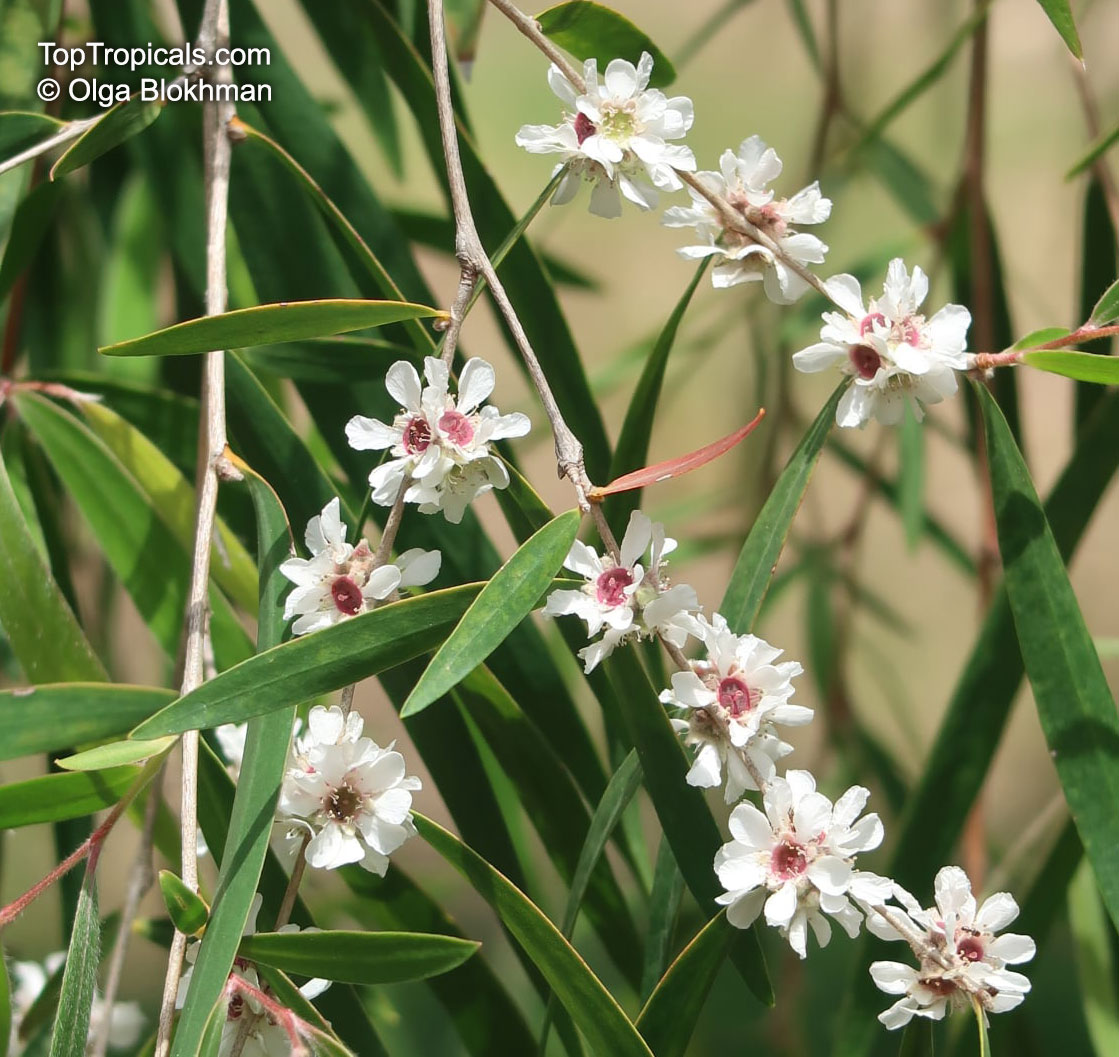
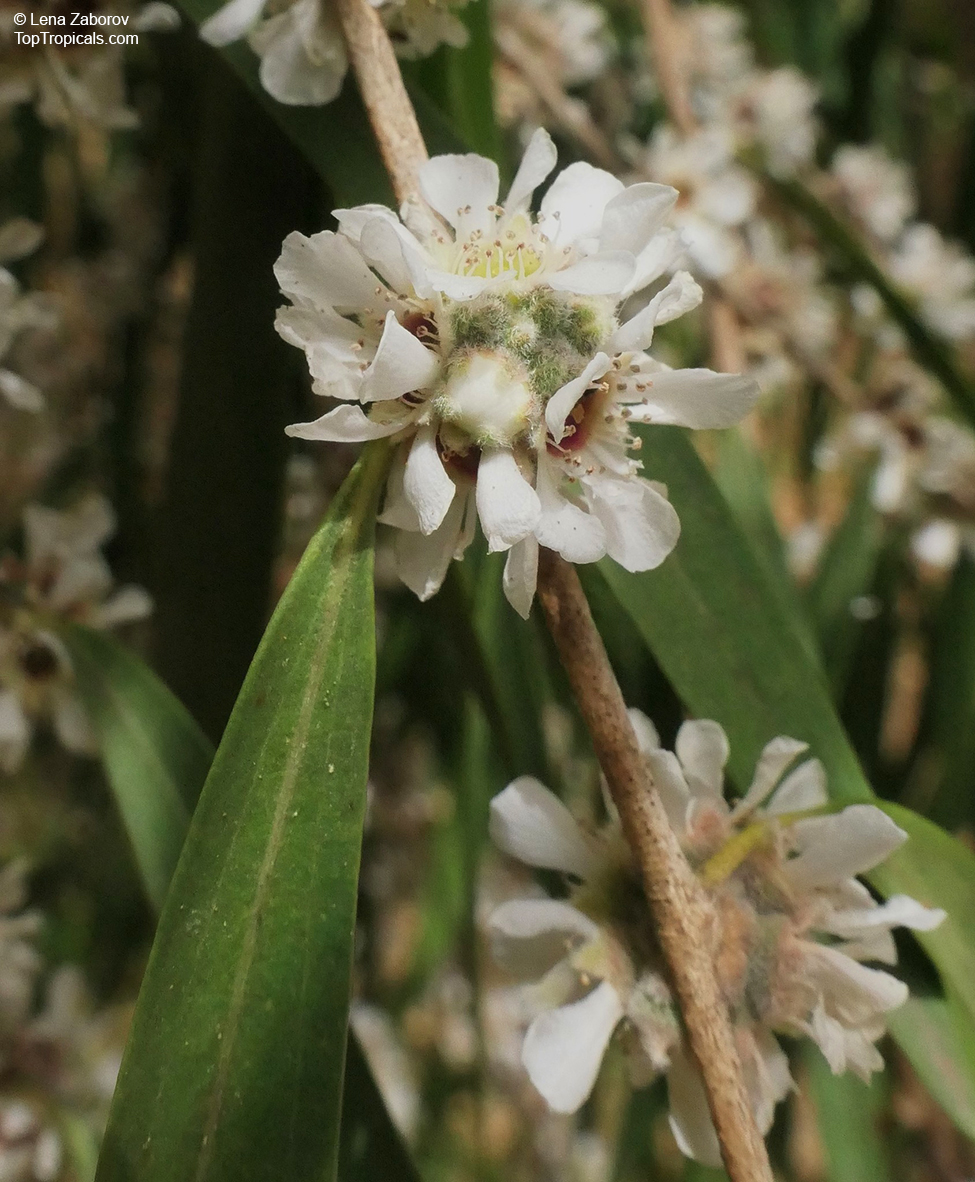
Botanical name: Agonis flexuosa
Common names: Willow Myrtle, Western Australian Peppermint
Family: Myrtaceae
Origin: Australia
USDA Zone: 8b-11


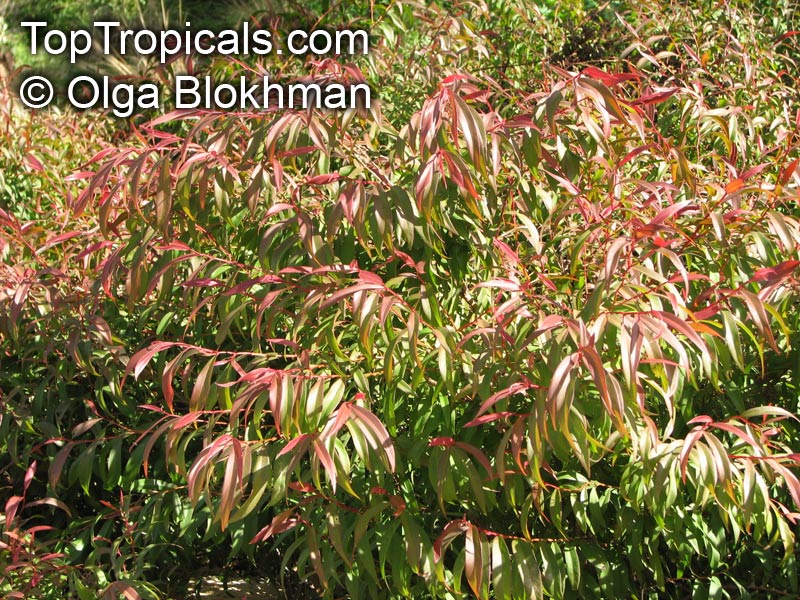
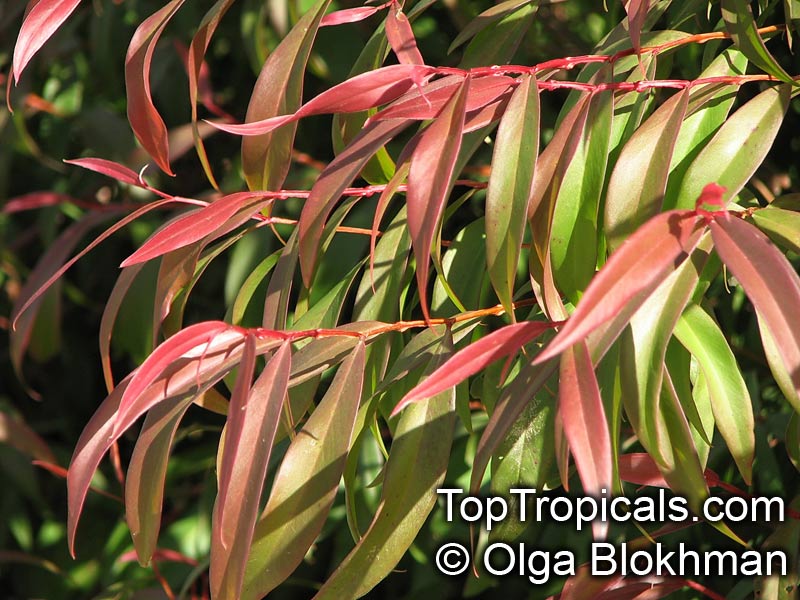
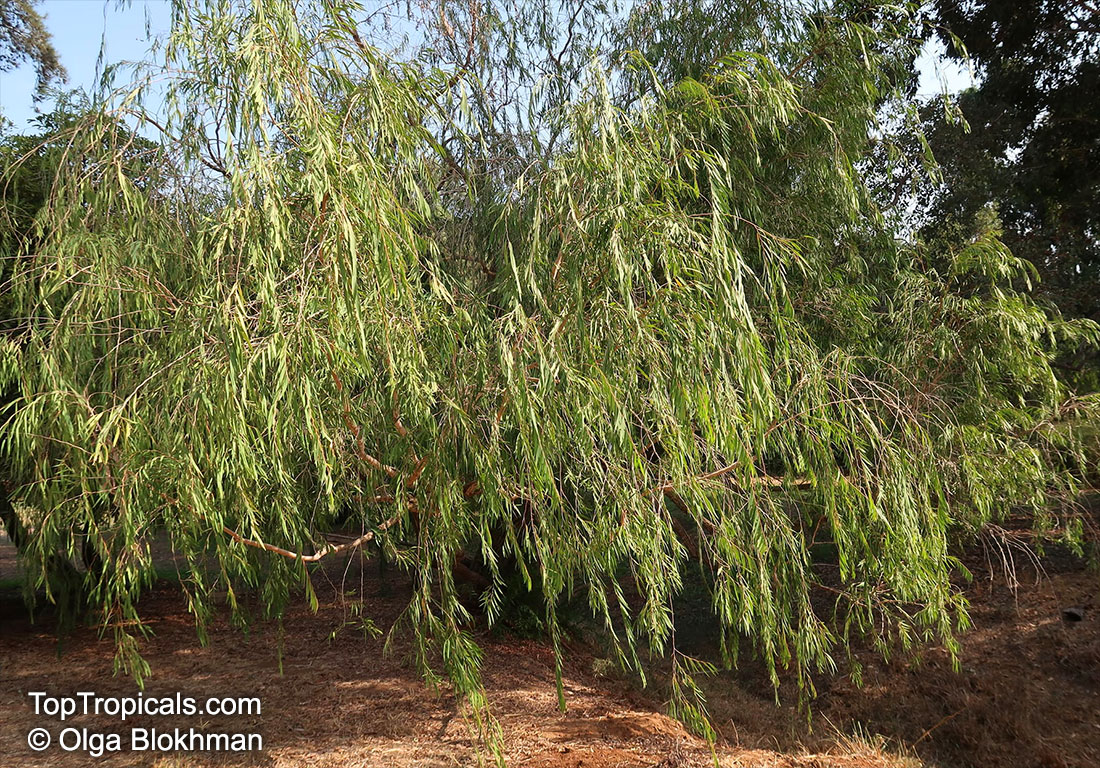
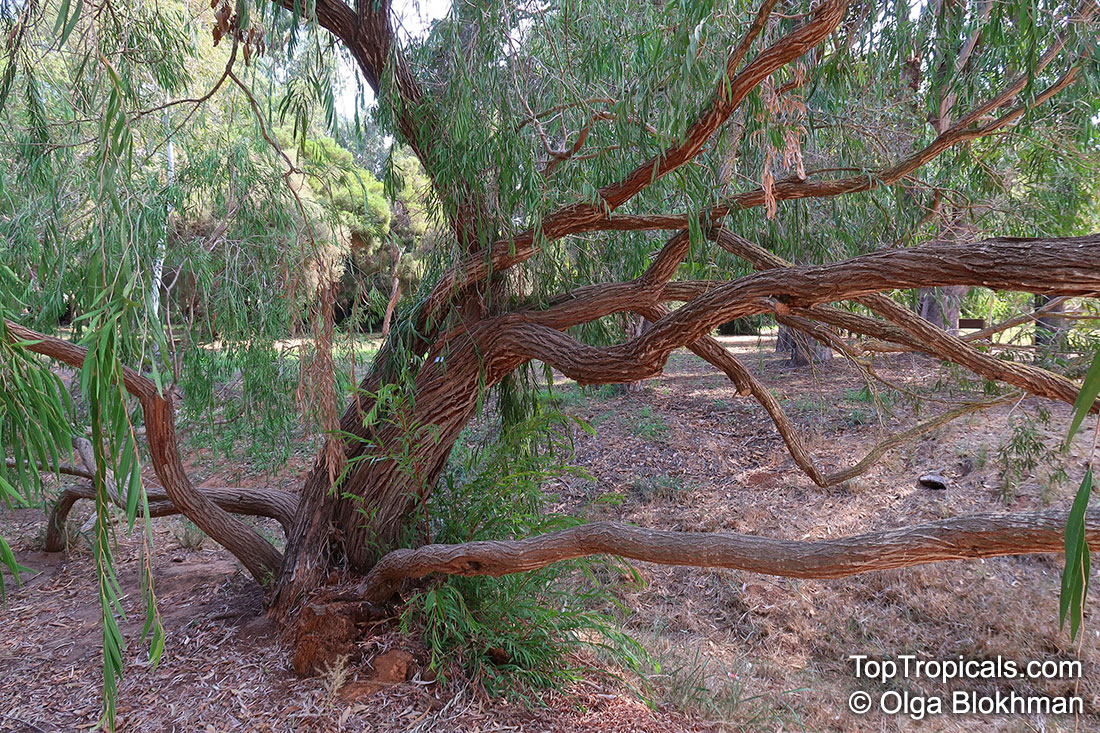
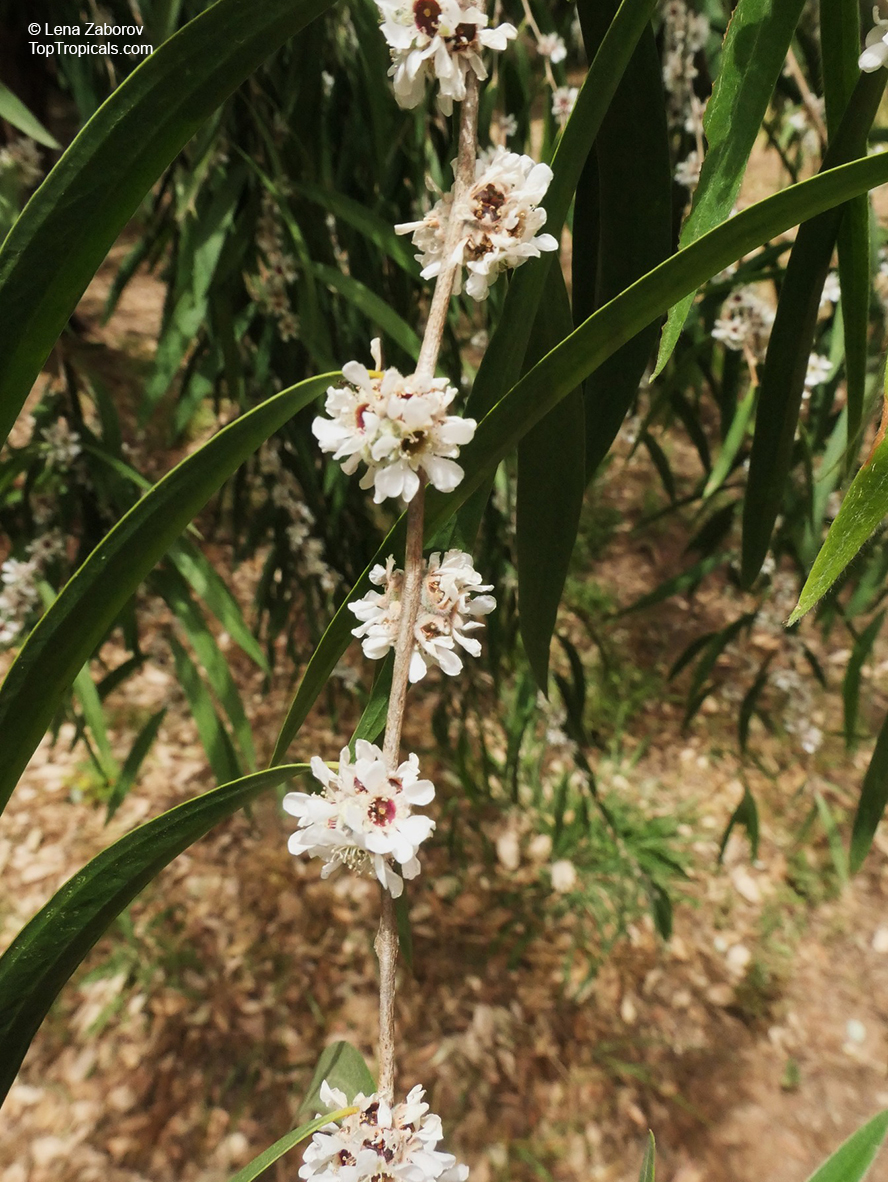
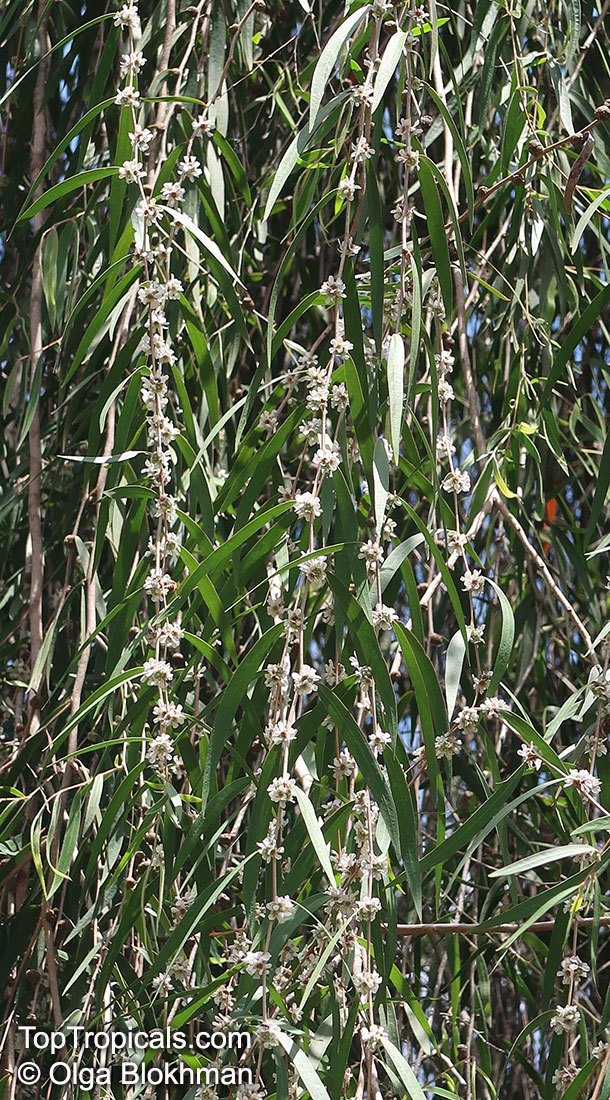
Native to Western Australia, this small tree is excellent for small urban spaces, growing 10-20 ft in height and 6-15 ft in spread. It has an upright habit with an open, sparse crown. Agonis flexuosa (Willow Myrtle) has an attractive foliage of broad green leaves with a smooth texture. In summer, the tree is covered with white to off-white, fragrant flowers that attract bees and other beneficial insects. When blooming, its flowers give the tree a soft, romantic look.
This is a hardy drought-tolerant tree - once established, it only needs moderate amounts of water compared to other trees. Agonis flexuosa can tolerate salt, making it suitable for seaside gardens or areas exposed to salt spray. It performs best in full sun to semi-shade and is frost-hardy, growing well in USDA Zone 8-11.
When planting Agonis flexuosa, the soil should be well-drained, not too heavy and with a neutral pH. If you choose to grow it in a pot, you should use a well-draining potting mix, water frequently and add a layer of mulch as it helps to keep the roots cool and moist. In cold regions, it's best to keep the pot in a sheltered or sunny spot during the winter months to protect it from frost and cold winds.
Overall, Agonis flexuosa is a low-maintenance, versatile species that adds beauty and texture to any garden. Its fragrant flowers, attractive foliage and hardiness make it an ideal choice for temperate gardens that require a small, hardy tree.
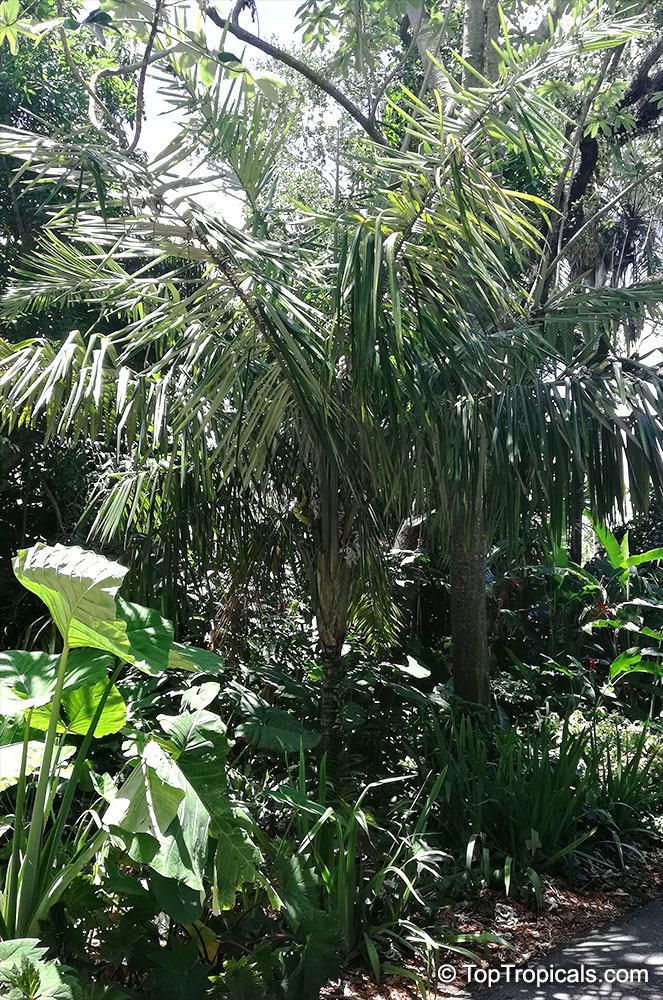
Botanical name: Allagoptera caudescens
Common name: Buri Palm
Family: Arecaceae / Palmae
Origin: Brazil
USDA Zone: 9-10
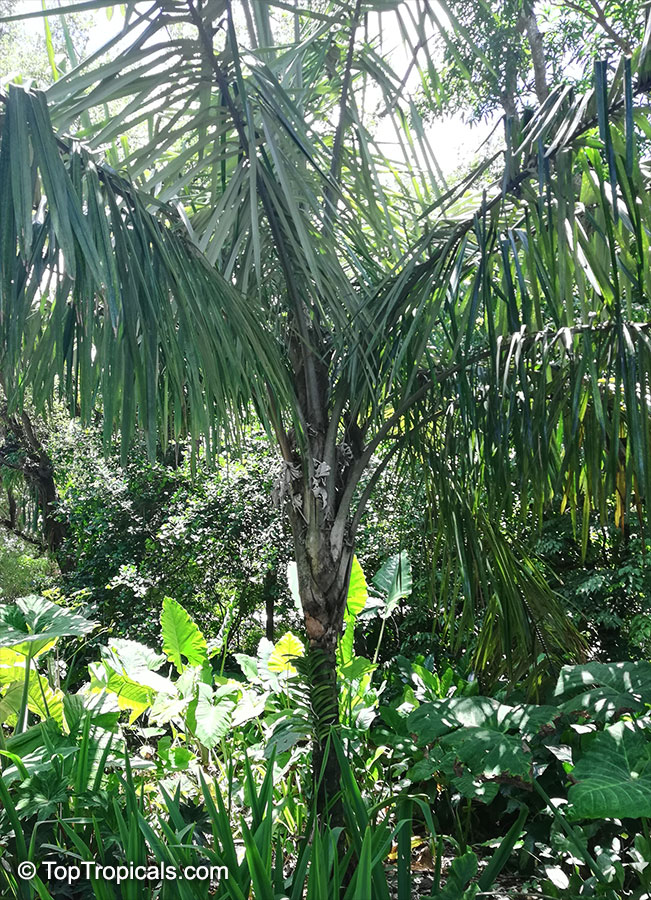
Allagoptera caudescens is a large, upright, palm growing up to 5-10 feet tall in its native habitat. It prefers full sun and regular watering, although it can tolerate some drought. It is an excellent choice for seaside gardens as it is extremely salt tolerant, making it perfect for areas with wind and salty air. This slow-growing species can be grown in USDA Zones 9-11 and requires moderate water for best results.
In colder regions, outdoors, the Buri Palm does best with winter protection or in a container, as temperatures below 20°F can damage the plant. When growing this species in a container, it is recommended to use a high quality potting mix, making sure it stays well drained, as soggy soils can lead to root rot. During the growing season, water your Allagoptera caudescens regularly, allowing the top few inches of the soil to dry out in between waterings. Apply a balanced liquid fertilizer every few weeks during the active growing season for optimal growth.
| Prev | Next | |
Use link to repeat this search:
https://toptropicals.com/cgi-bin/garden_catalog/cat.cgi?search_op=and&keyword_op=and&language=e&number=10&no_change_lang=1
&v1=sea&user=tt&sale=1&first=0