Irritating plant - Plant Encyclopedia Results (Page 4)
| Number of plants found: 210 |  | Prev | Next | 
|
Go to page: | 1 | 2 | 3 | 4 | 5 | 6 | 7 | 8 | Last |

Botanical name: Amorphophallus konjac
Common name: Voodoo Lily
Family: Araceae
Origin: East Asia
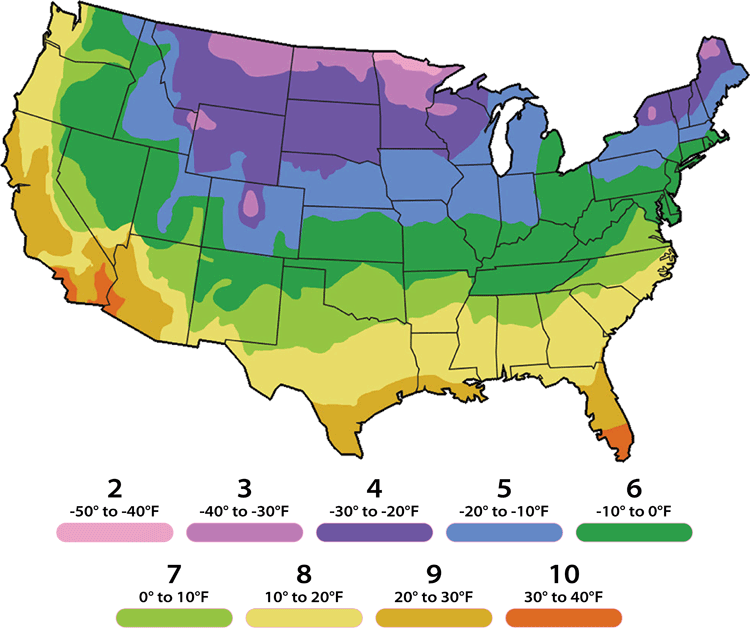
USDA Zone: 8-11


Amorphophallus konjac (Voodoo Lily) is a small plant growing 2 to 5 ft tall. Its flower has unusual color is white and purple. The flower is pollinated by flies that find its odor of rotting meat attractive.
It grows a single, elongated stem called a corm and a single large leaf that wraps around it. The corm is the part of the plant that is used, as well as its tuber, which is commonly called the Konnyaku potato. It is one of the most exotic, bizarre flowers. The single leaf dormant in winter, then in spring the plant shoots out a highly distinctive bloom. The tubers of the plant, Konnyaku potatoes, are edible when cooked like a potato and are often dried and ground into a flour used in noodles and tofu. It is also used in traditional ethnomedical practices. It can be grown in USDA Zone 8-11.


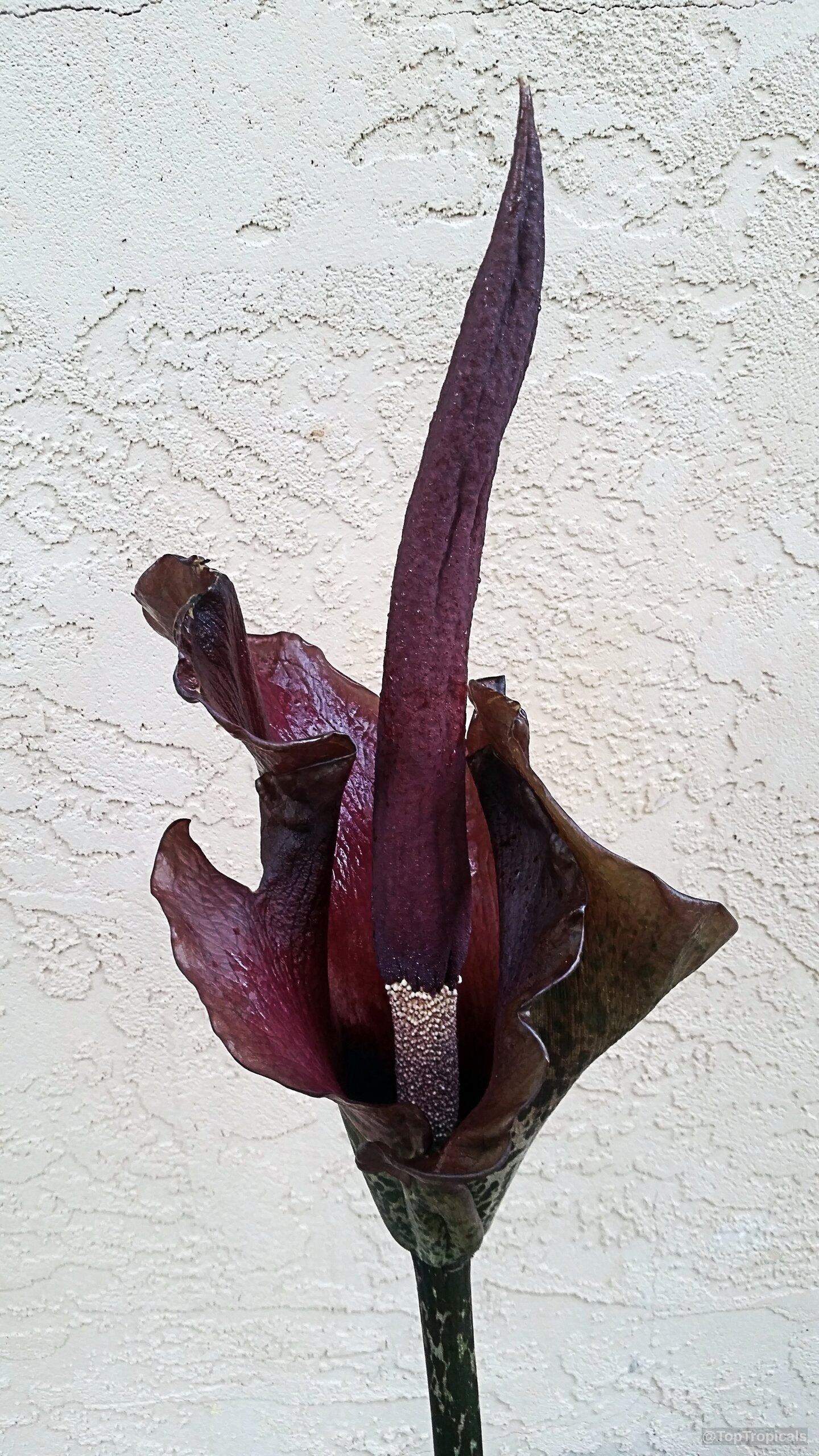
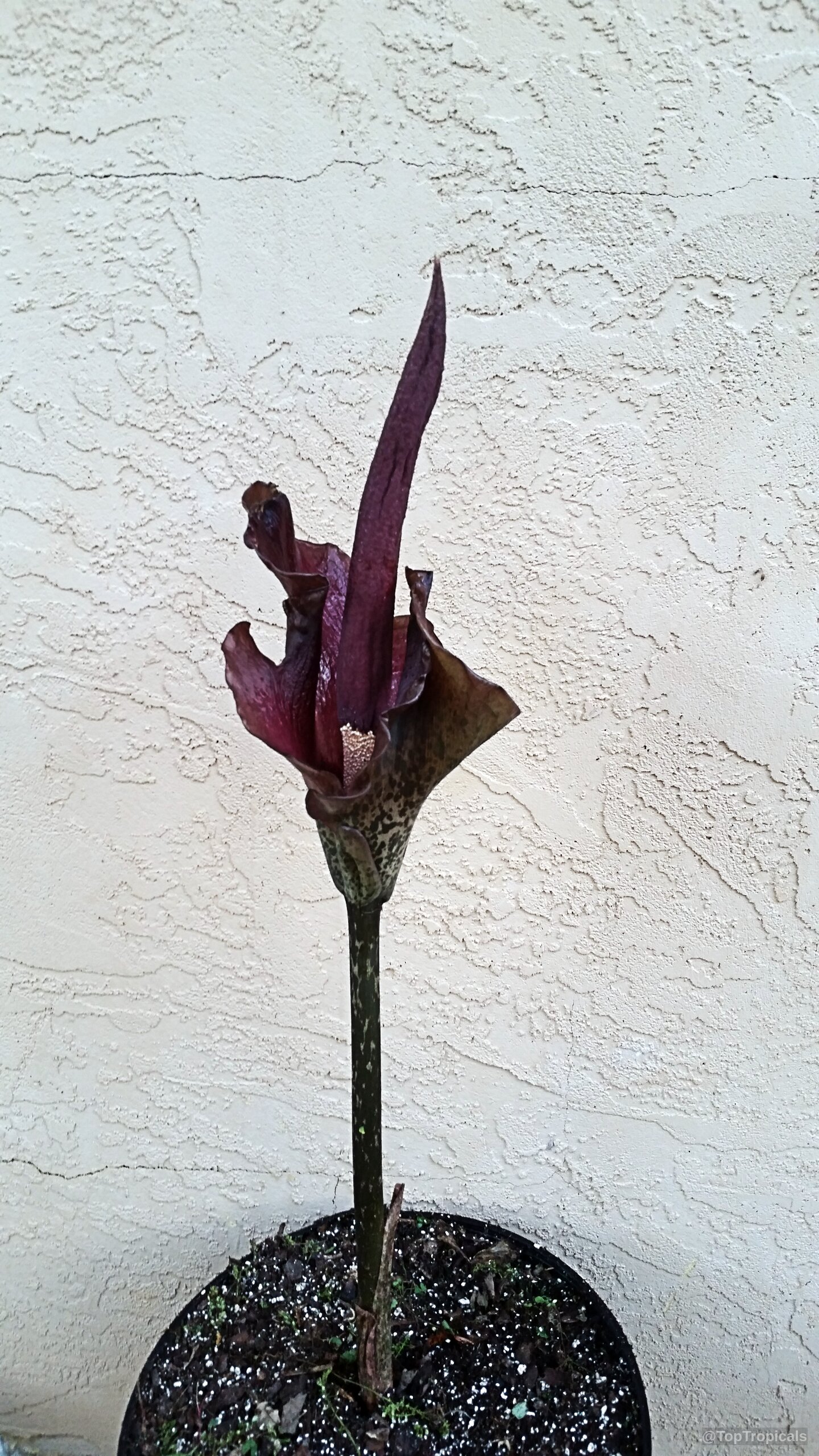


This plant is dormant from Fall through Winter, shipped as tuber, keep on dry side until it grows back its leaves in Spring.
Recommended Fertilizer: SUNSHINE Robusta - Rapid Growth Booster

Botanical name: Amorphophallus paeoniifolius
Common names: Elephant Foot Yam, Whitespot Giant Arum, Voodoo Lily
Family: Araceae
USDA Zone: 8-11


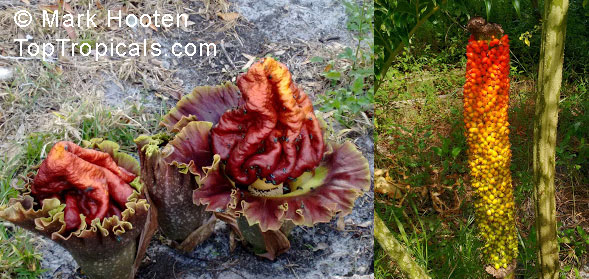
The unpleasant smell that the flower omits is only present for a few hours after the flower opens. If the flower is pollinated (normally by flies if the plant is outside) it will take 1 year for the plant to mature its seeds. The seed stalk is very pretty with the seeds changing colors from green to red. During this time the tuber will not produce a leaf.
The young leaves, stems, and corms are as vegetables or turned into desserts. They are thoroughly cooked to destroy the stinging oxalate crystals.




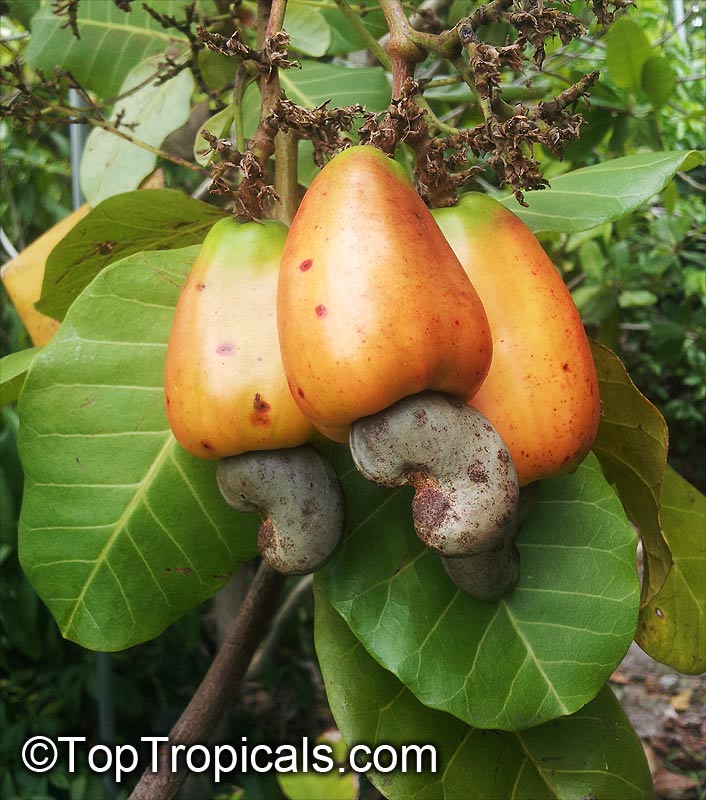
Botanical name: Anacardium occidentale
Common names: Cashew Nut, Cashew Apple, Caju
Family: Anacardiaceae
Origin: Brazil
USDA Zone: 9-10


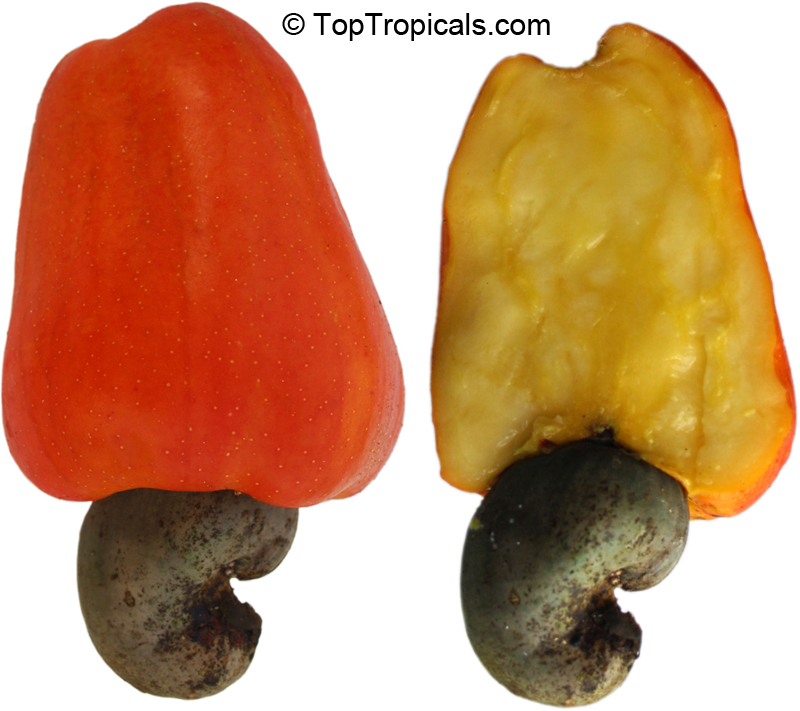
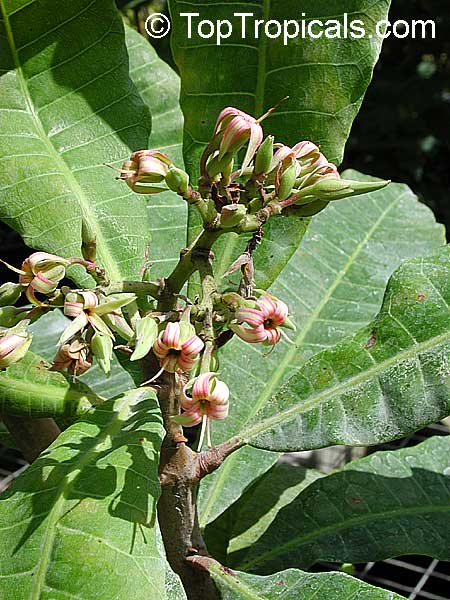
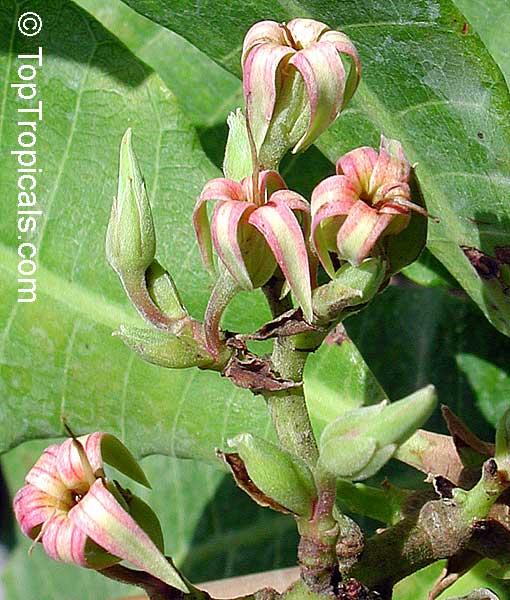
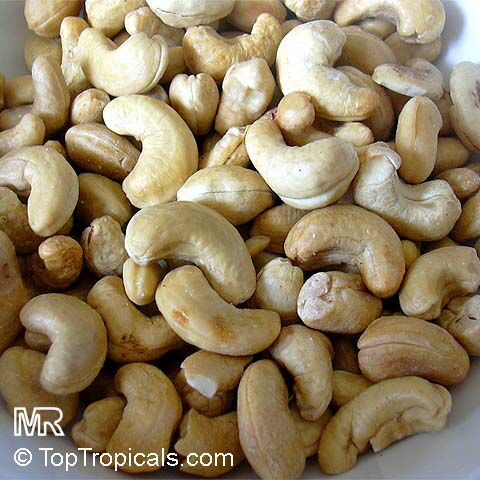
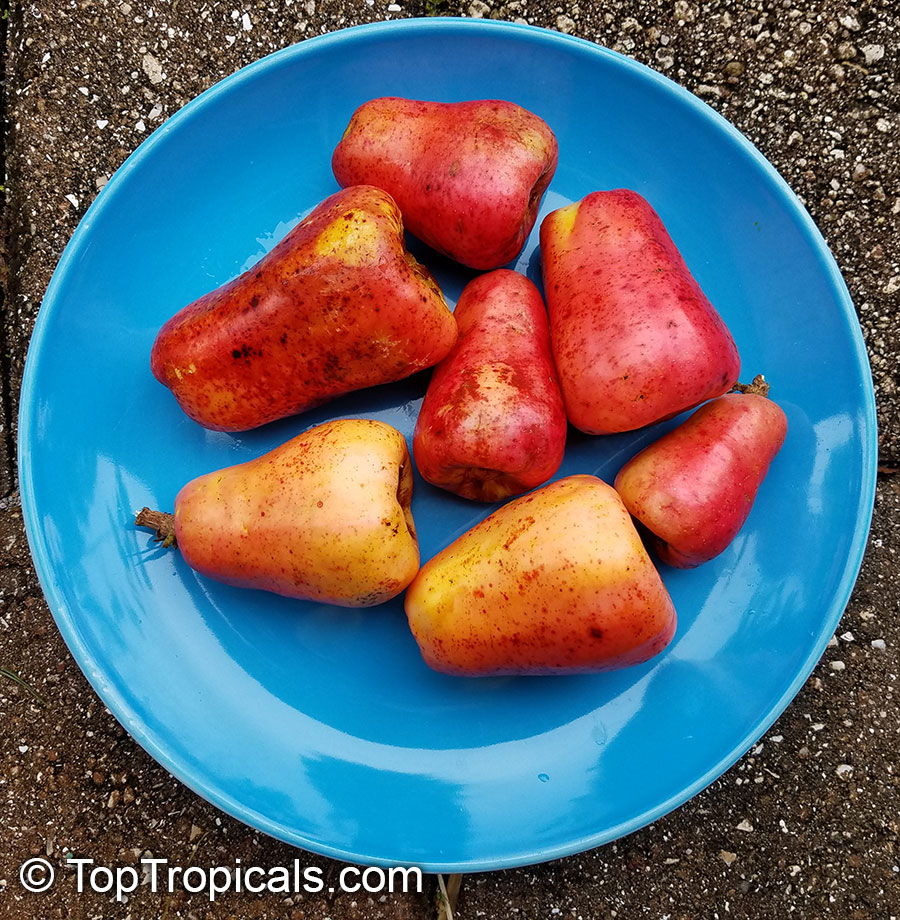
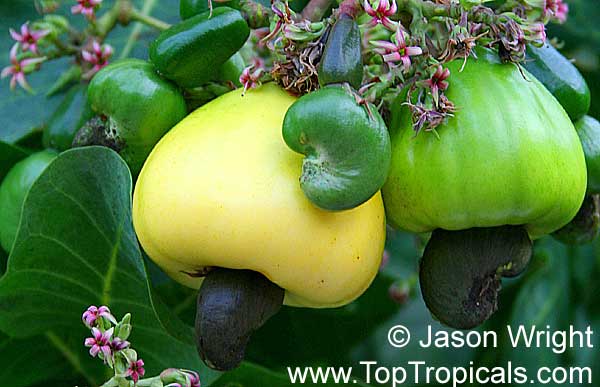
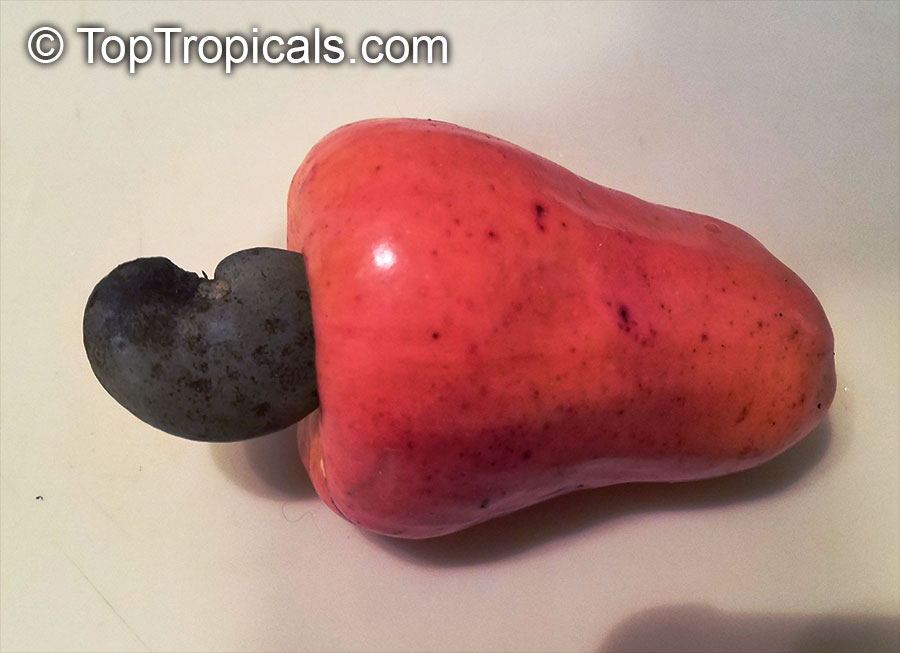
The actual fruit is the nut, the apple is a swollen stem. Cashew apple is eaten fresh or stewed. Has a sweet-astringent taste. Nut itself is caustic until roasted. Must be roasted outdoors because fumes are irritating. Very fast growing under favorable conditions, it may fruit in container, within 2 years from seed. Tolerates very poor soil and drought, as well as salty wind.
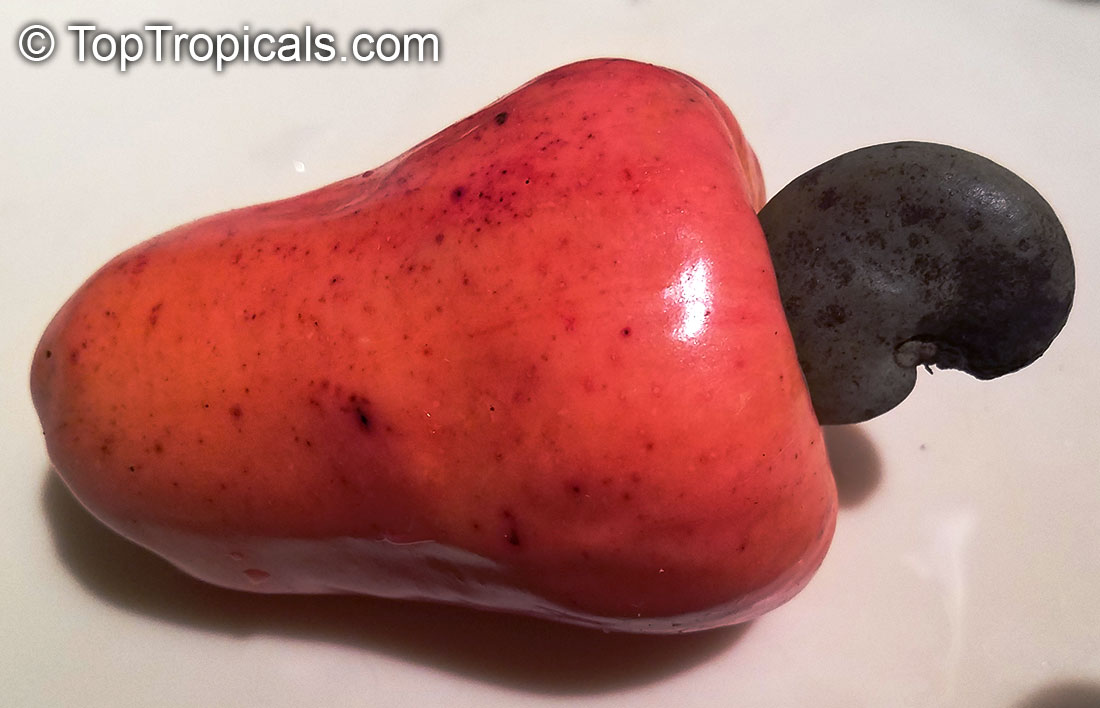
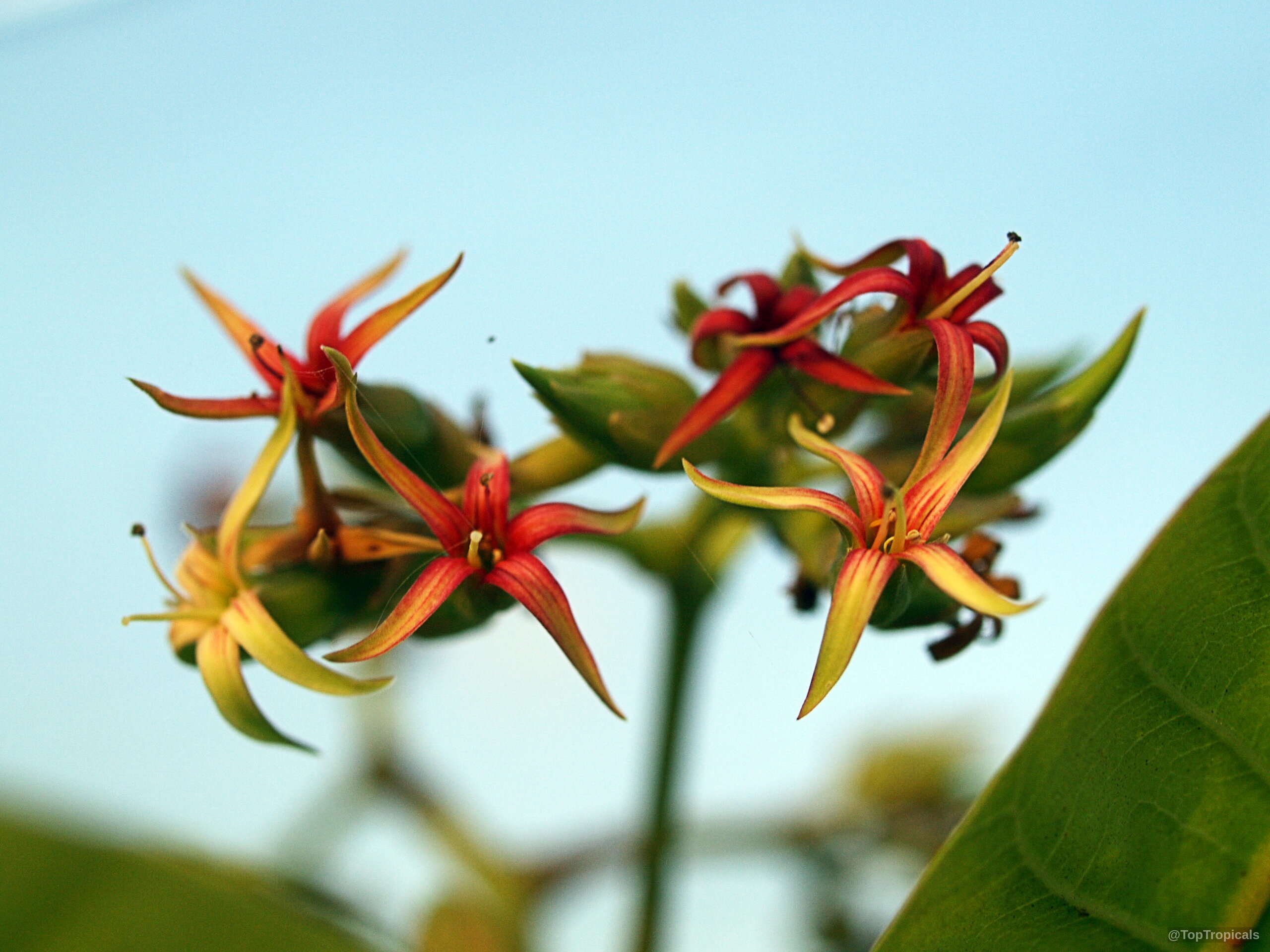
Shipped at customers risk, no replacements or refunds. Leaf drop possible. We guarantee healthy plant to be shipped and the best packaging. Express shipping optional.
Recommended Fertilizer: SUNSHINE C-Cibus - Crop Nutrition Booster
SUNSHINE-Honey - sugar booster
Botanical names: Anchomanes difformis, Amorphophallus difformis
Common name: Anchomanes
Family: Araceae
Origin: Tropical Africa
USDA Zone: 9-11

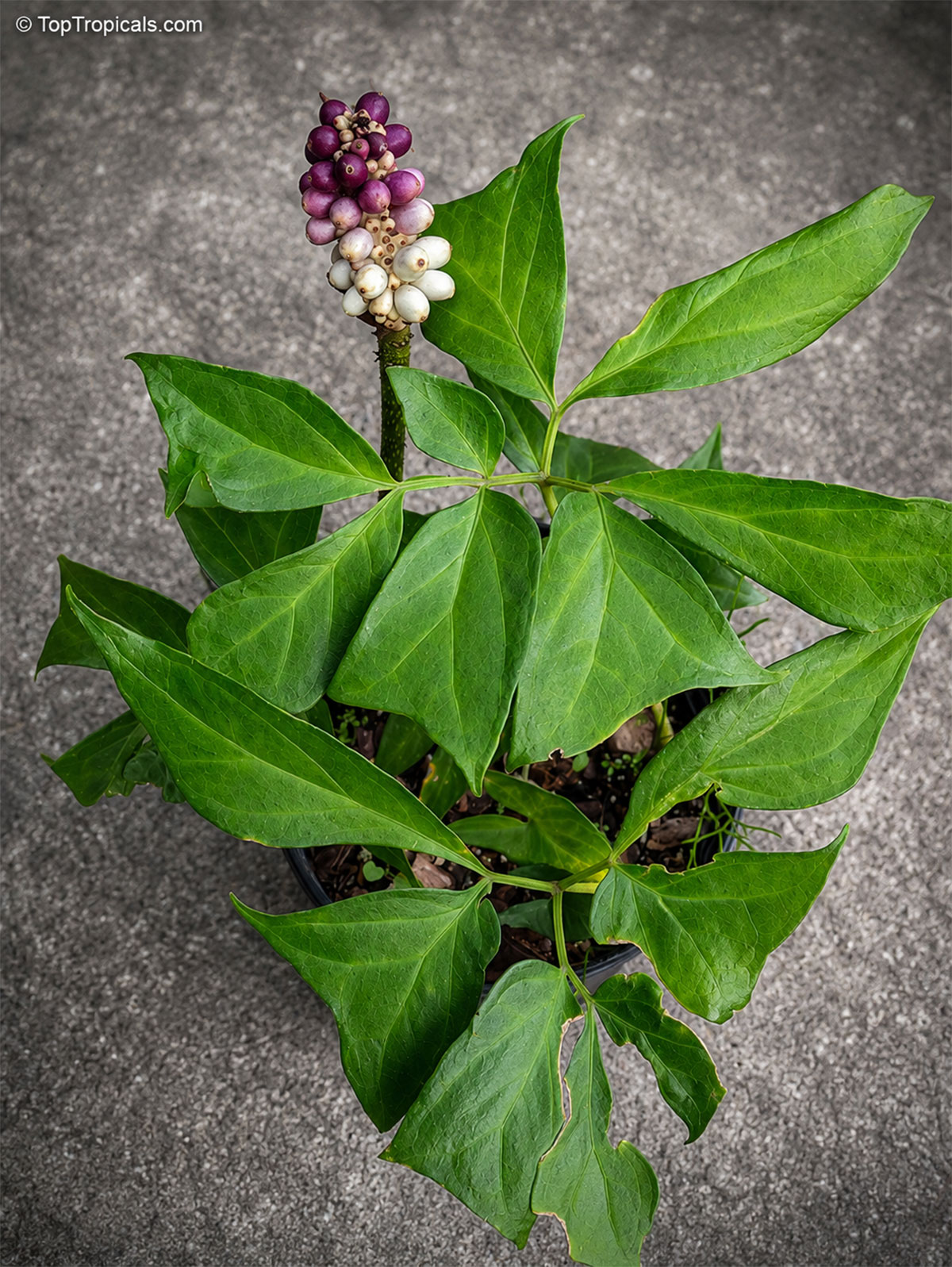
Anchomanes difformis (formerly known as Amorphophallus difformis) is one of the world's most unusual aroids, distantly related to Amorphophallus. Native to the tropical forests of West Africa, including Benin, this remarkable species grows from a thick, slowly growing horizontal tuber that creeps just beneath the soil surface, often branching with age. In mature specimens, the tuber may reach up to 30 inches long and 10 inches across.
Each growing season, the tuber produces a single spectacular compound leaf supported by a stout, snake-patterned stalk covered with dark spots and distinctive rose-like prickles. Although it resembles a small tree, the entire structure is actually one highly divided leaf. The foliage typically reaches about **30 inches tall**, has an elongated bi-lobed, bat-like shape, and often develops natural fenestrations (window-like holes), making it one of the most striking ornamental aroids in cultivation.
Mature plants may occasionally begin the season by producing a tall flower spike before the leaf emerges, although flowering does not occur every year. Like other members of the aroid family, the bloom consists of a spathe surrounding a central spadix and may produce a short-lived unpleasant odor that attracts its natural pollinators - flies and beetles. Flowers may self-pollinate, eventually producing clusters of white berries that ripen to an attractive violet-purple. Seeds typically require several months to germinate, usually sprouting the following spring.
The plant enters complete winter dormancy, during which the tuber should be kept cool (but never cold) and only occasionally watered to prevent excessive drying. With the return of warm weather, it resumes active growth and appreciates abundant moisture, rich well-drained soil, high humidity, and bright filtered light with protection from strong direct sun, reflecting its jungle origins. During the growing season, generous watering encourages vigorous growth.
In frost-free climates such as much of Florida, established plants can simply be planted in the ground, where they require little attention beyond regular watering during active growth, although they perform equally well in containers. Indigenous communities throughout West Africa have traditionally used the plant for a variety of medicinal purposes. Like many aroids, however, it contains calcium oxalate crystals and should be grown as an ornamental rather than consumed.
The Benin form of this species entered cultivation through an ethnobotanist working in the jungles of Benin, along the west coast of Africa. Indigenous communities there have traditionally used the plant for a variety of medicinal purposes.
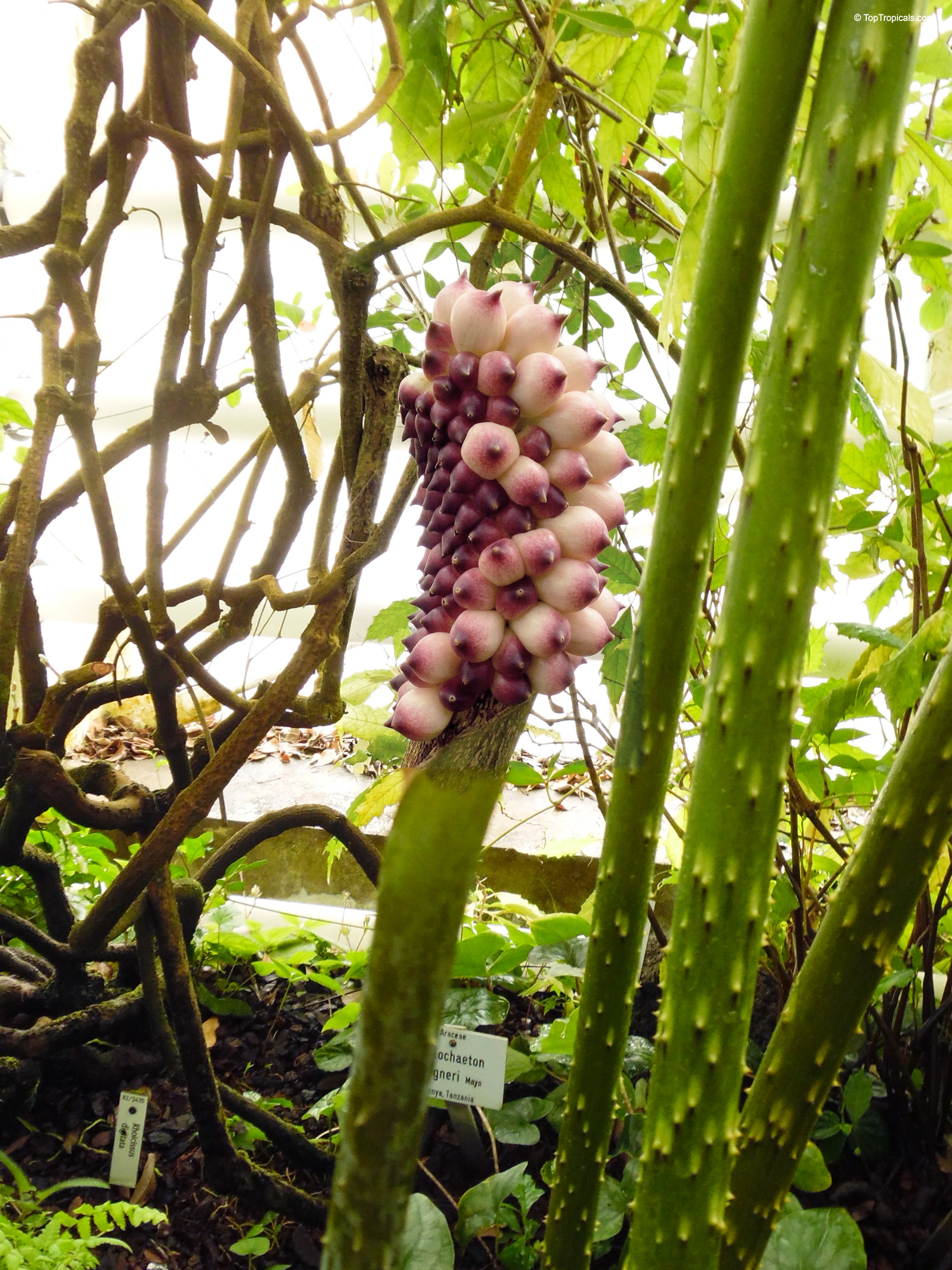


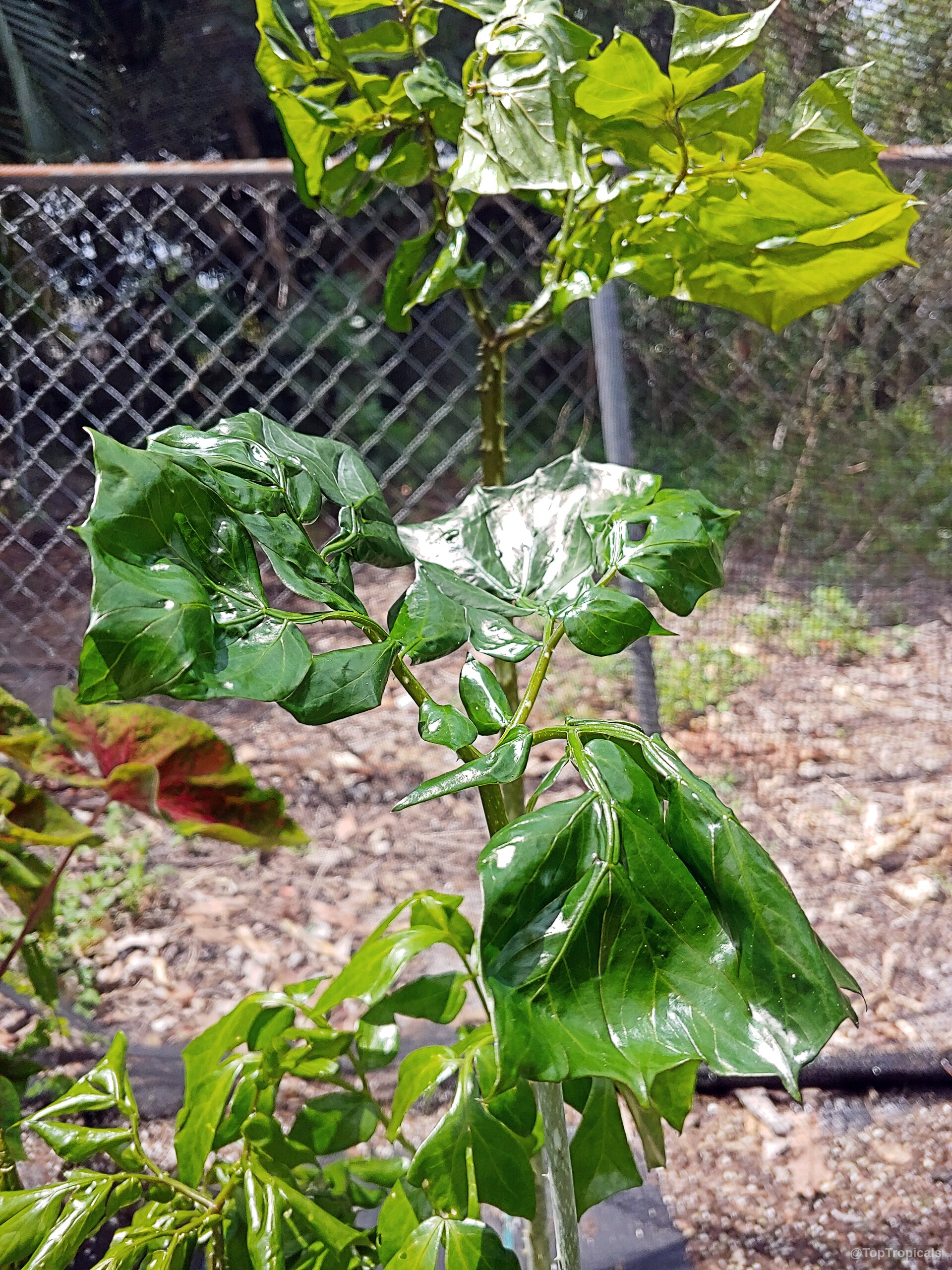

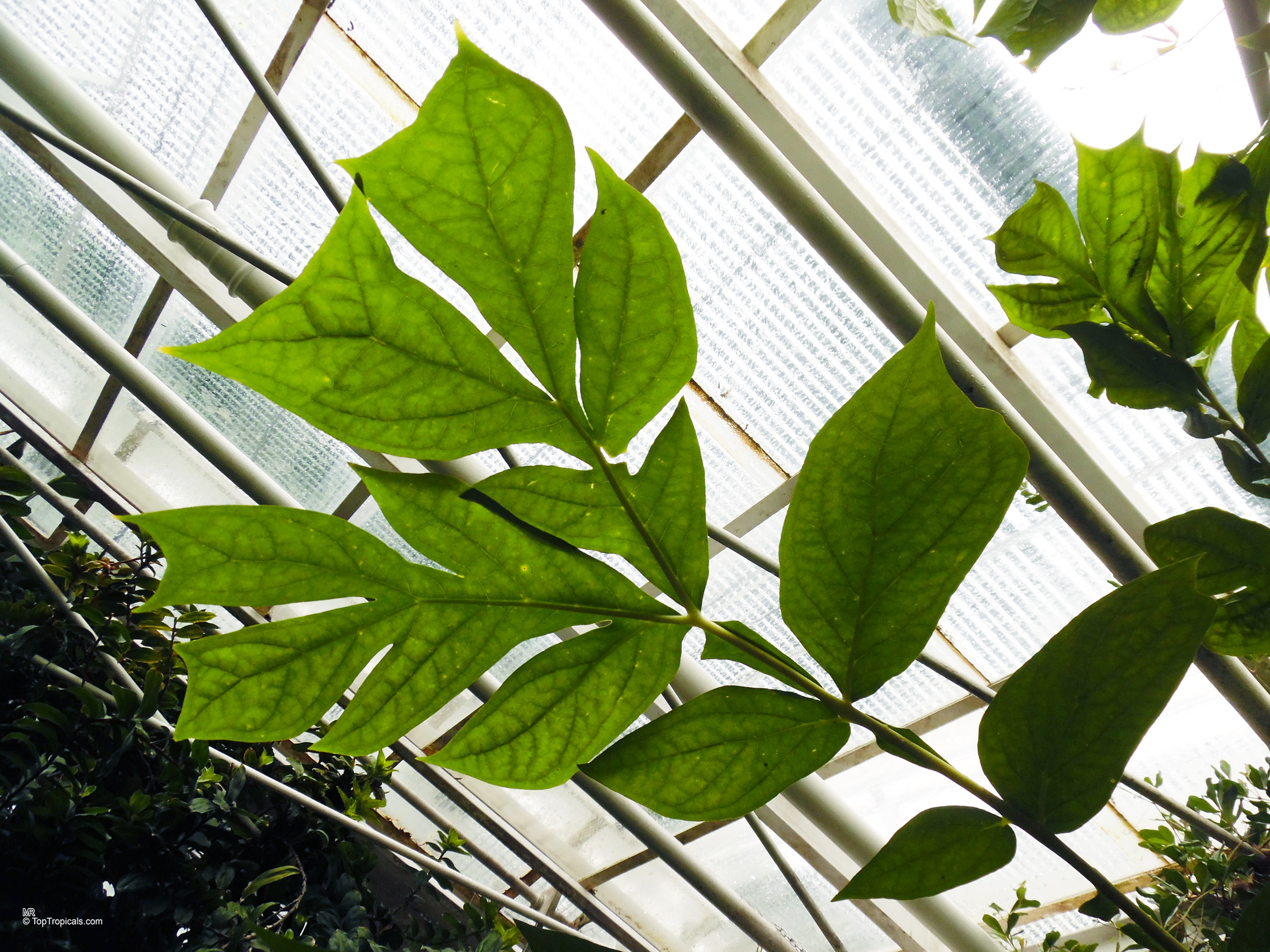
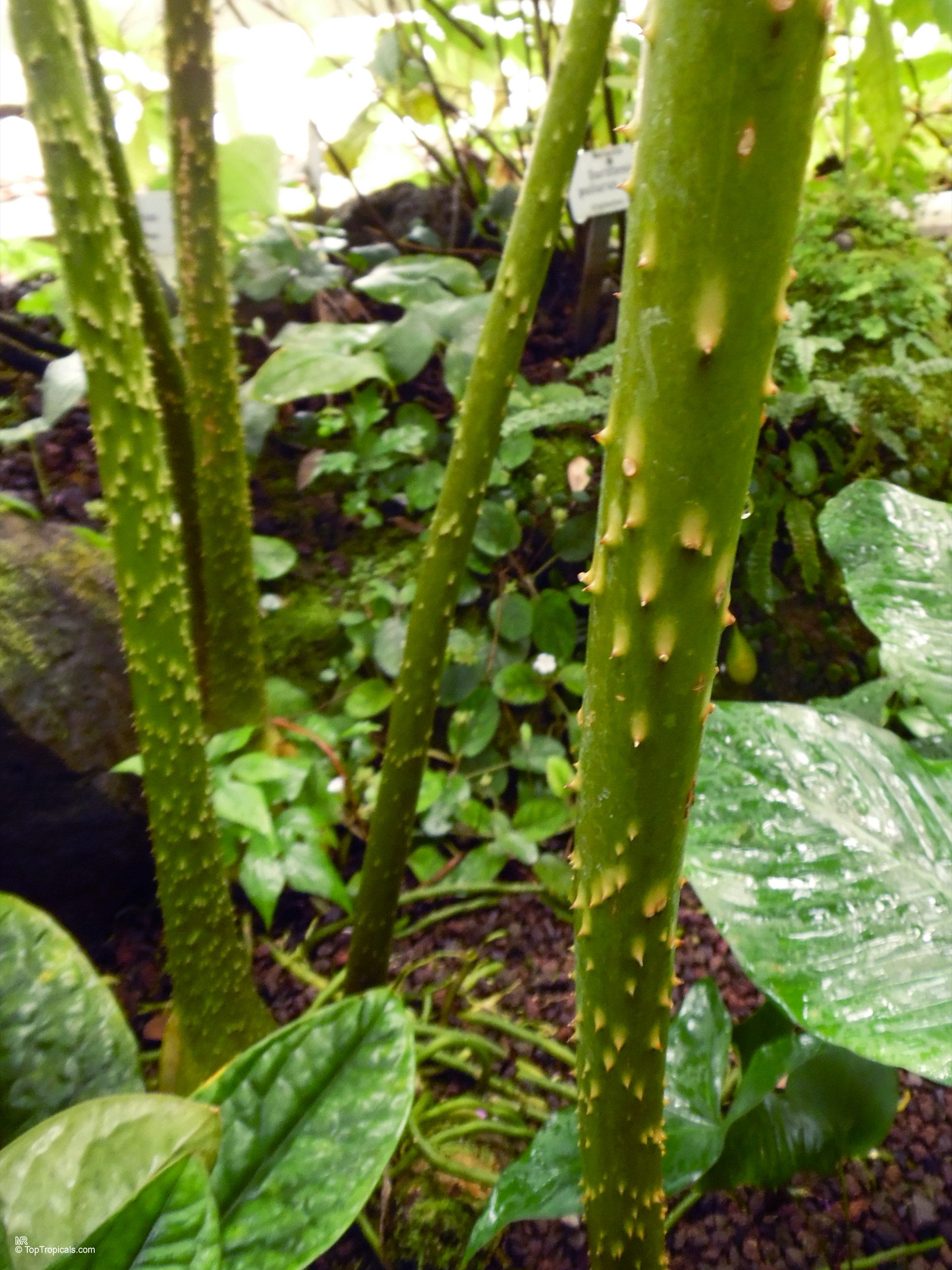

Looking like something from a prehistoric jungle, Anchomanes difformis is one of the most extraordinary aroids you can grow. Formerly known as Amorphophallus difformis, this rare West African species produces just one enormous leaf each season - but what a leaf! Supported by a stout, snake-patterned stalk covered with rose-like prickles, the highly divided foliage creates the illusion of a small tree, even though the entire structure is a single leaf. The unusual bat-wing shape and occasional natural fenestrations make it an unforgettable specimen.
The plant grows from a massive horizontal tuber that slowly creeps beneath the soil surface and becomes larger with age. Mature plants may produce an unusual aroid flower before the leaf emerges, followed by clusters of attractive violet-purple berries if pollinated. During winter it goes completely dormant and should be kept on the dry side. Once warm weather returns, it quickly bursts back into growth and thrives with abundant water, rich well-drained soil, and bright filtered light. An exceptional collectors plant that is surprisingly easy to grow in containers or outdoors in frost-free climates.
Recommended Fertilizer: SUNSHINE Robusta - Rapid Growth Booster

Botanical name: Anthocercis littorea
Common name: Yellow Tailflower
Family: Solanaceae
Origin: Australia
USDA Zone: 9-10


Botanical name: Arisaema speciosum
Common names: Cobra Lily, Double Whip Cobra Lily
Family: Araceae
Origin: Himalayas
USDA Zone: 5-9
Arisaema speciosum has medium-sized chocolate-maroon colored spathes with white stripes arranged in a vertical fan-shape. The tip of the spathe hood is elongated and often droops down and together with the long attenuated spadix appendage gives this Arisaema one of its common names, the Double Whip Cobra Lily. Before the spathe fully opens it often resembles the beaked silhouette of a long-beaked bird.
The leaves are dramatically exotic and have three large segments that are heavily rugose underneath and margined with red.


Botanical names: Arisaema tortuosum, Arum tortuosum
Common names: Whipcord Cobra Lily, Jack in the pulpit
Family: Araceae
Origin: E. Asia
USDA Zone: 7-9
Arisaemas resemble carnivorous plants, but in fact they attract flies and other insects as pollinators, not food. Their leaves are divided into three or more leaflets. Their fascinating "flower" a pulpit-like hooded spathe enclosing a fleshy, erect spadix usually rises in spring. Scarlet berries by late summer or autumn enclose seeds that are scattered by birds and other creatures.
They prefer a rich but well drained neutral to acid soil that does not dry out in the growing season.
The plant contains calcium oxylate crystals. These cause an extremely unpleasant sensation similar to needles being stuck into the mouth and tongue if they are eaten but they are easily neutralized by thoroughly drying or cooking the plant or by steeping it in water. Tuber - it must be thoroughly dried or cooked before being eaten. The roots are buried in masses in pits until acetous fermentation takes place, they are then dug up, washed and cooked, by which means their acrimonious principles are in part dispersed.


Botanical name: Arisarum vulgare
Common name: Friar's Cowl
Family: Araceae
Origin: the Mediterranean
USDA Zone: 8a-9b


This rather bizarre, perennial plant, which grows to a height of approximately 30 cm (11.8 in), propagates vegetatively by tubers. Its stem, underground, is broad and glabrous. Bloom color: Green, Purple, Brown/Bronze. It is considered toxic, in as much as the leaves and tuber are emetic, if swallowed. The plant contains calcium oxylate crystals. These cause an extremely unpleasant sensation similar to needles being stuck into the mouth and tongue if they are eaten.


Botanical name: Aristolochia philippinensis
Common name: Barubo
Family: Aristolochiaceae
Origin: Southeast Asia
USDA Zone: 9-10
Aristolochia philippinensis is an erect, evergreen shrub growing up to 1 metre tall with old stems up to 4cm in diameter.
This species containes aristolochic acid, which is known to have toxic side effects in larger doses. Acute toxic manifestations are tachycardia, increased respiratory rate, ataxia, sedation and marked vasodilation. Short-term chronic toxic effects include hepatotoxicity, marked renal damage and mild hematologic dyscracias.


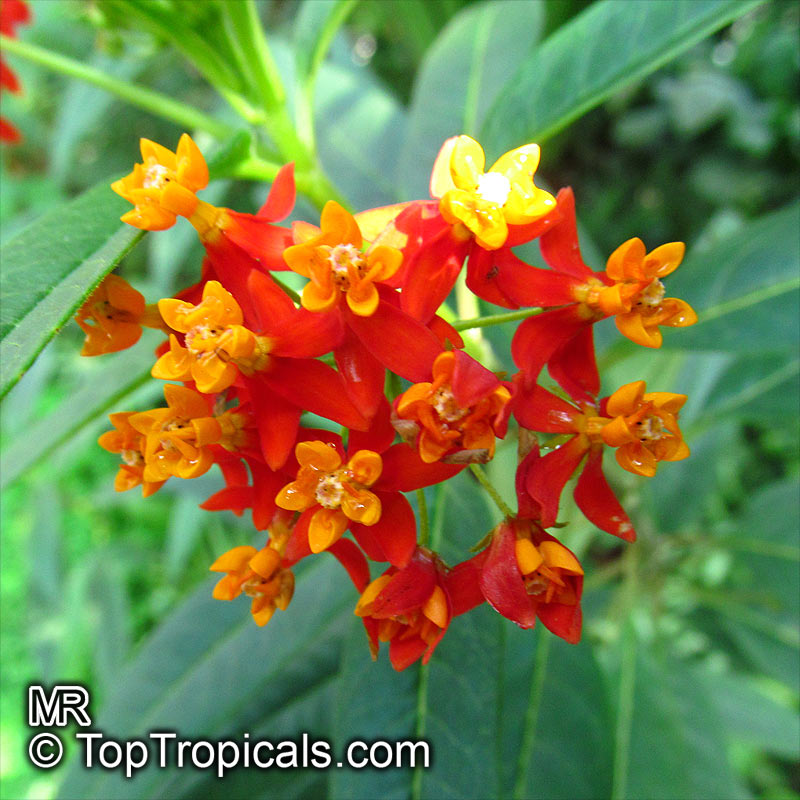
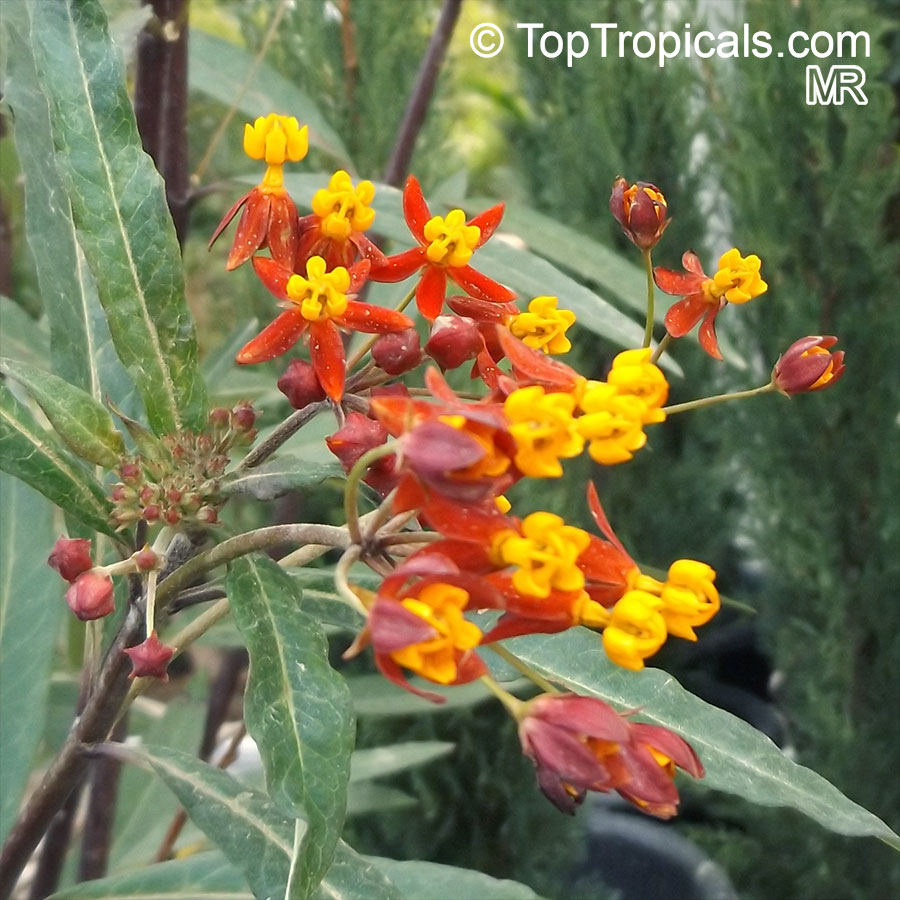
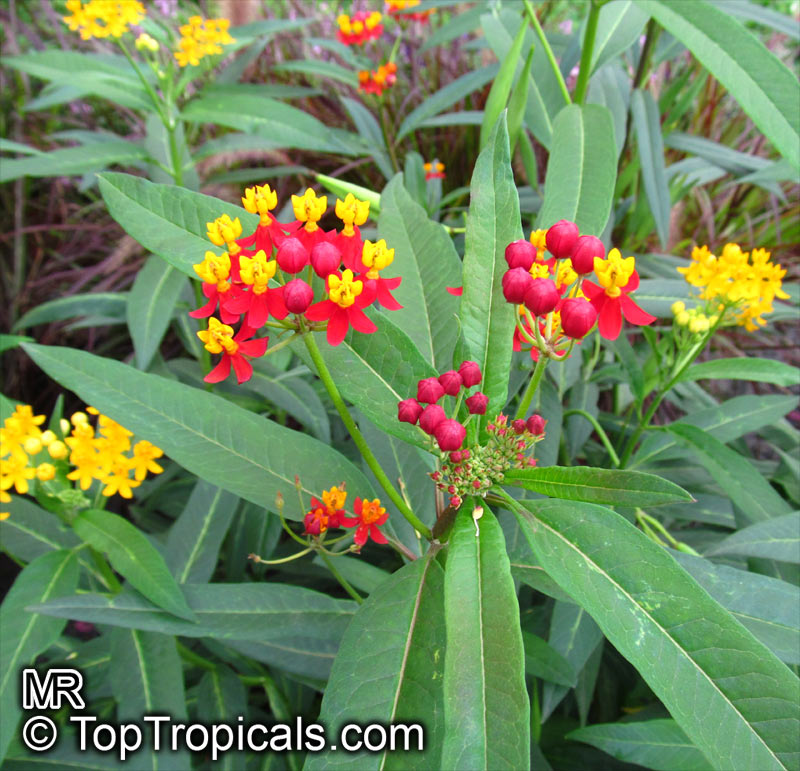
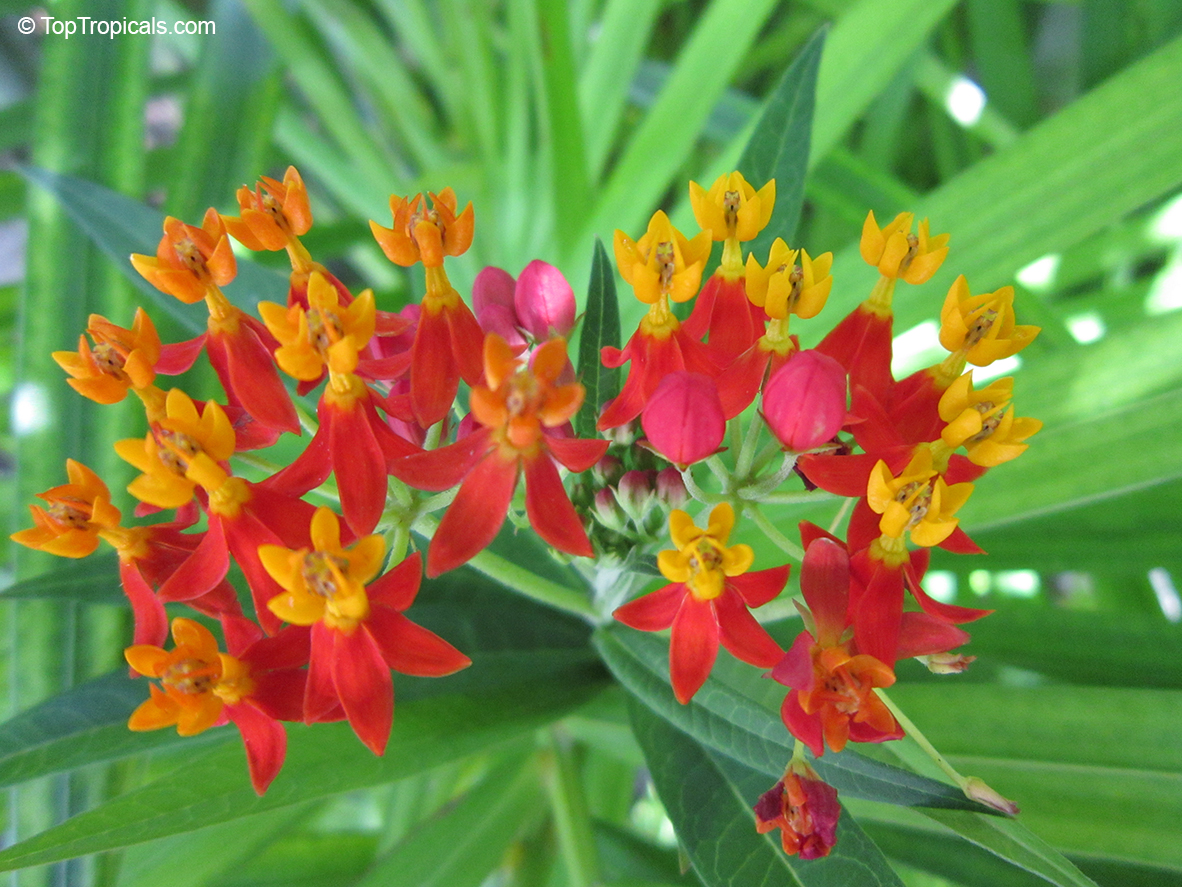
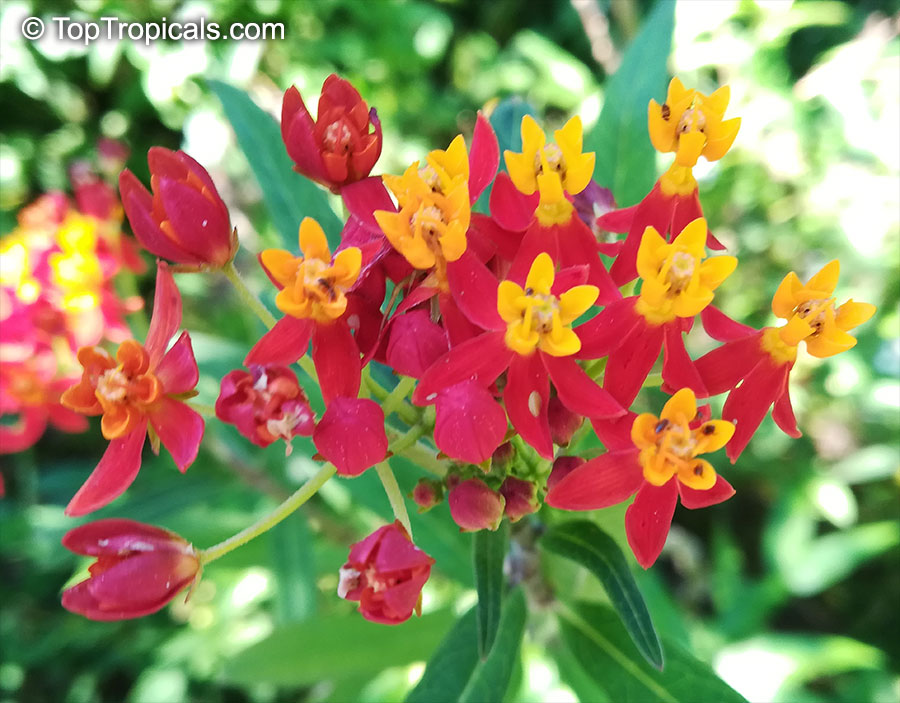
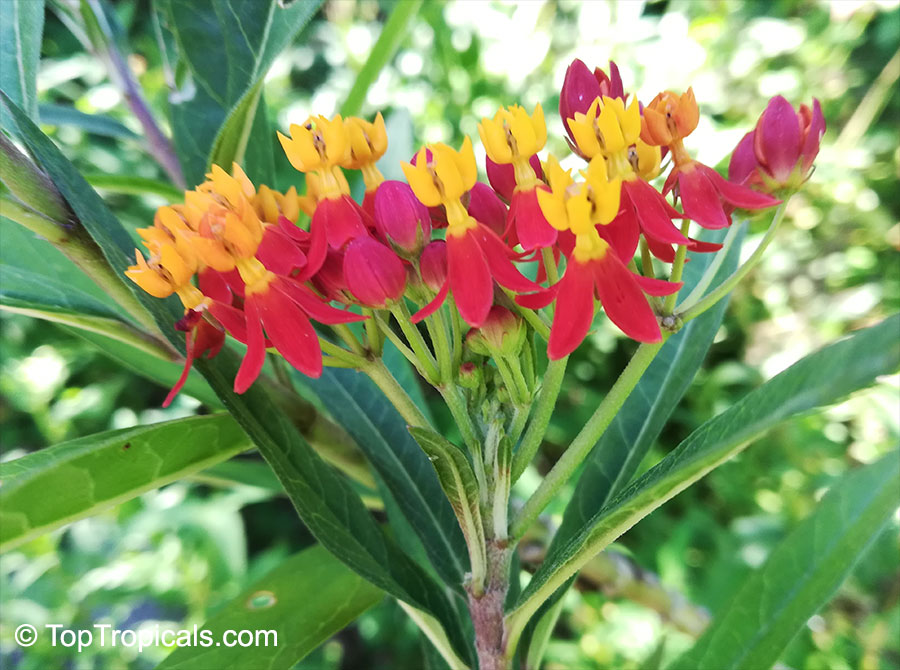
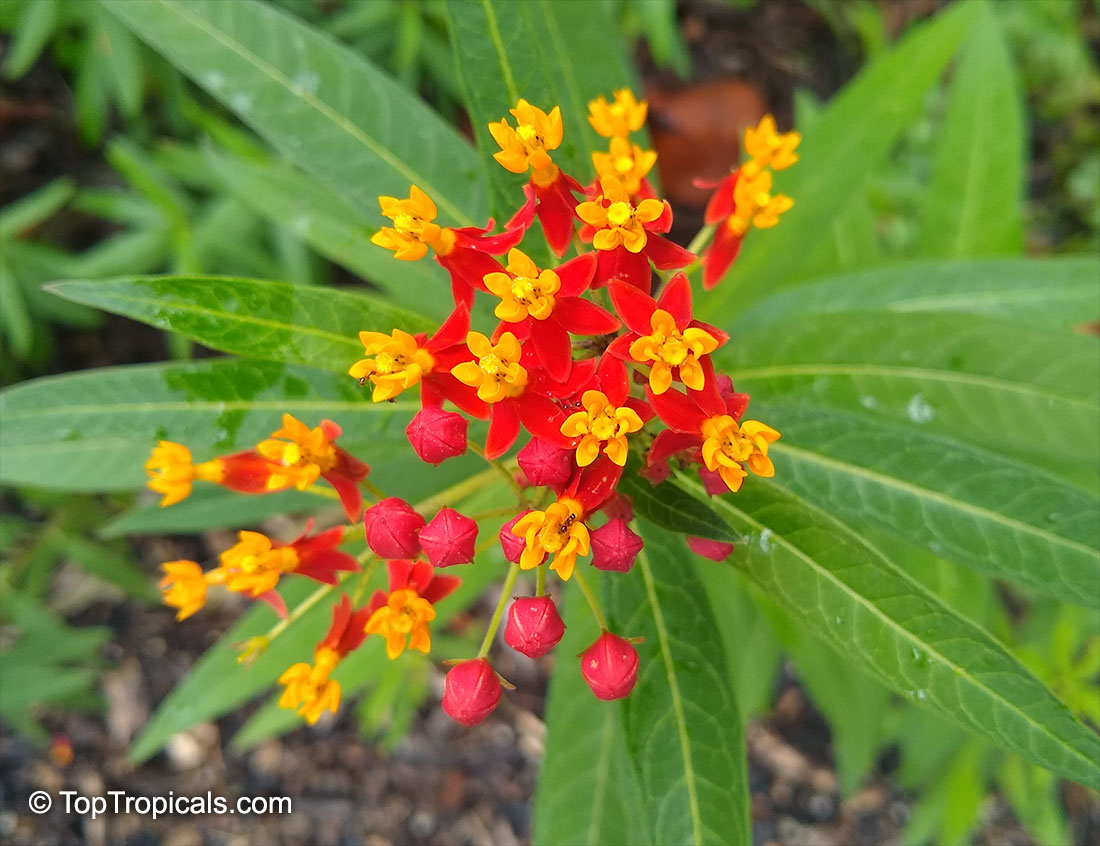
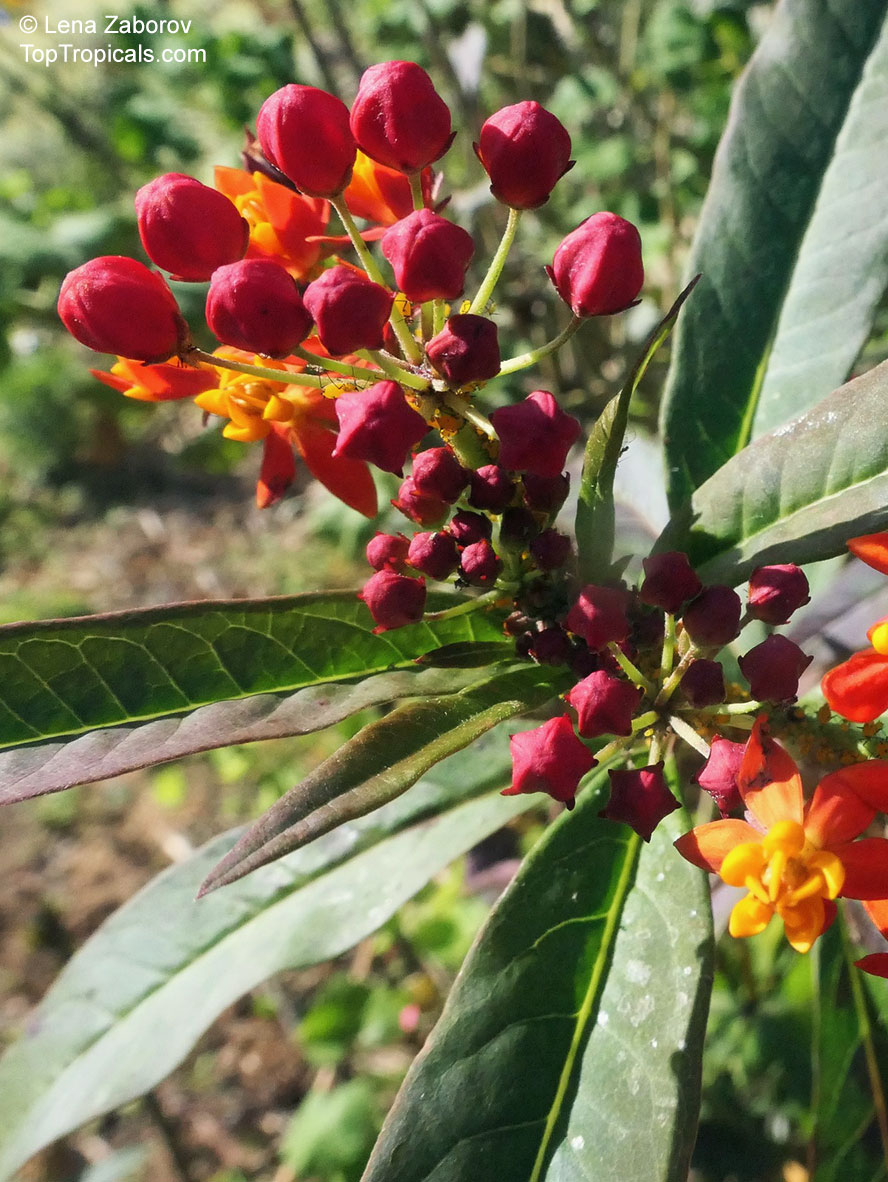
Botanical name: Asclepias curassavica
Common names: Milkweed, Butterfly Weed, Tropical Milkweed
Family: Apocynaceae (Formerly:Asclepiadaceae)
Subfamily: Asclepiadoideae
Origin: North America
USDA Zone: 8-11

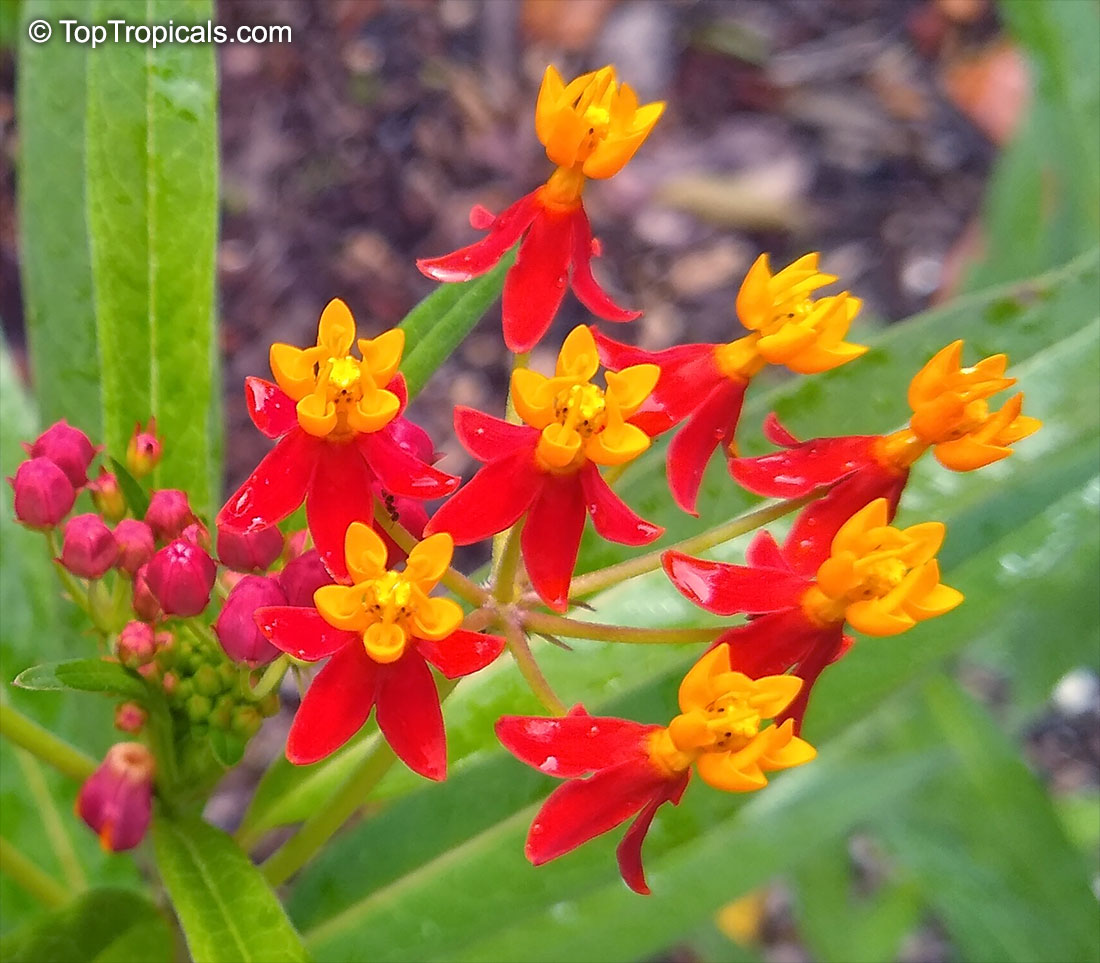
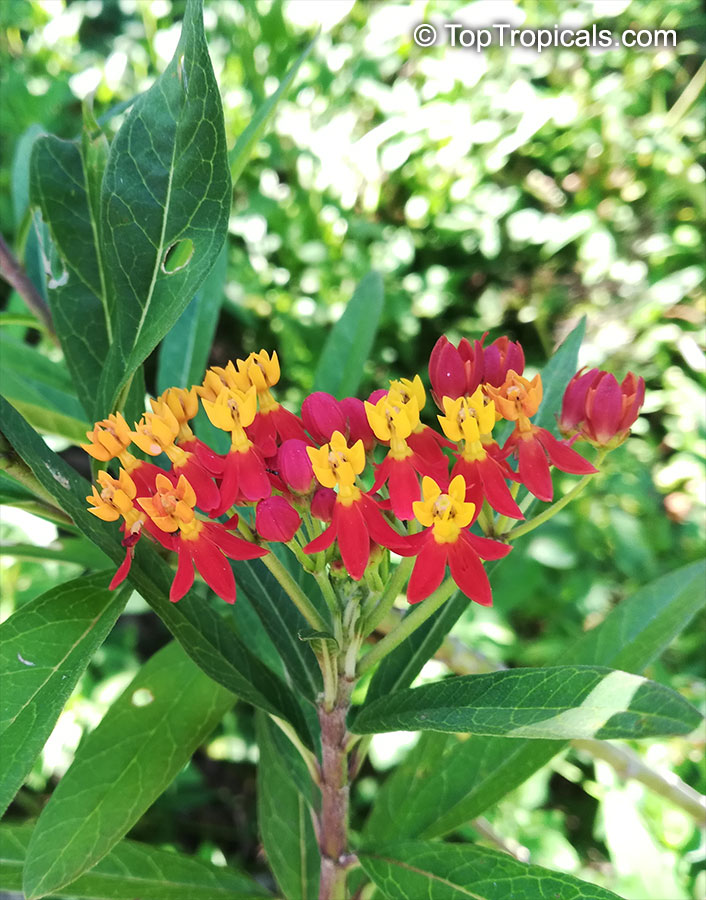
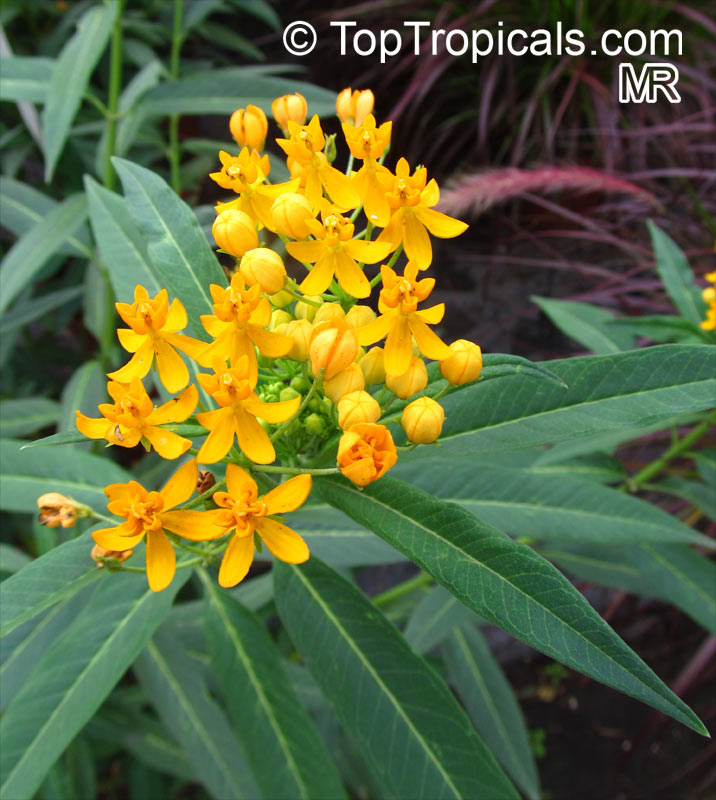
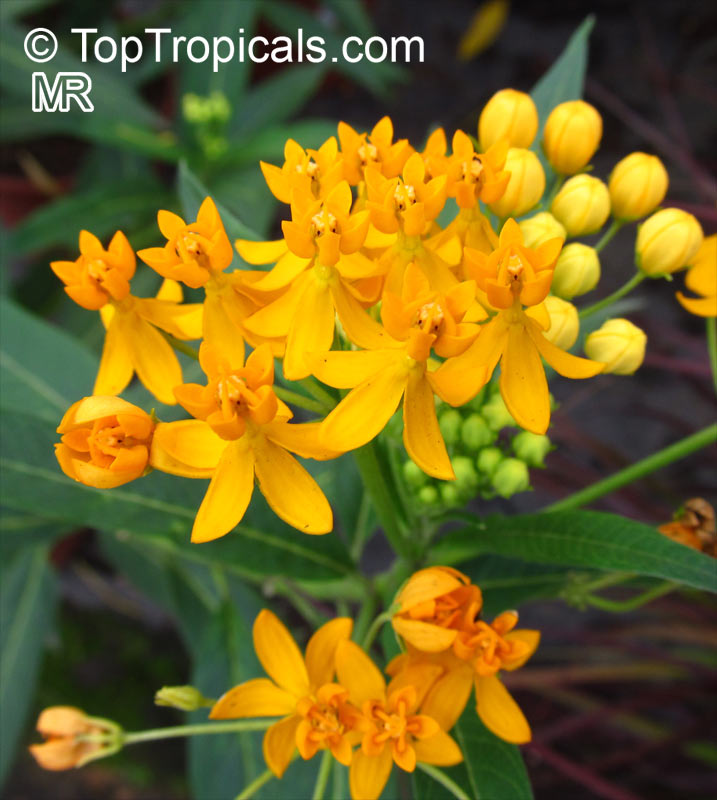
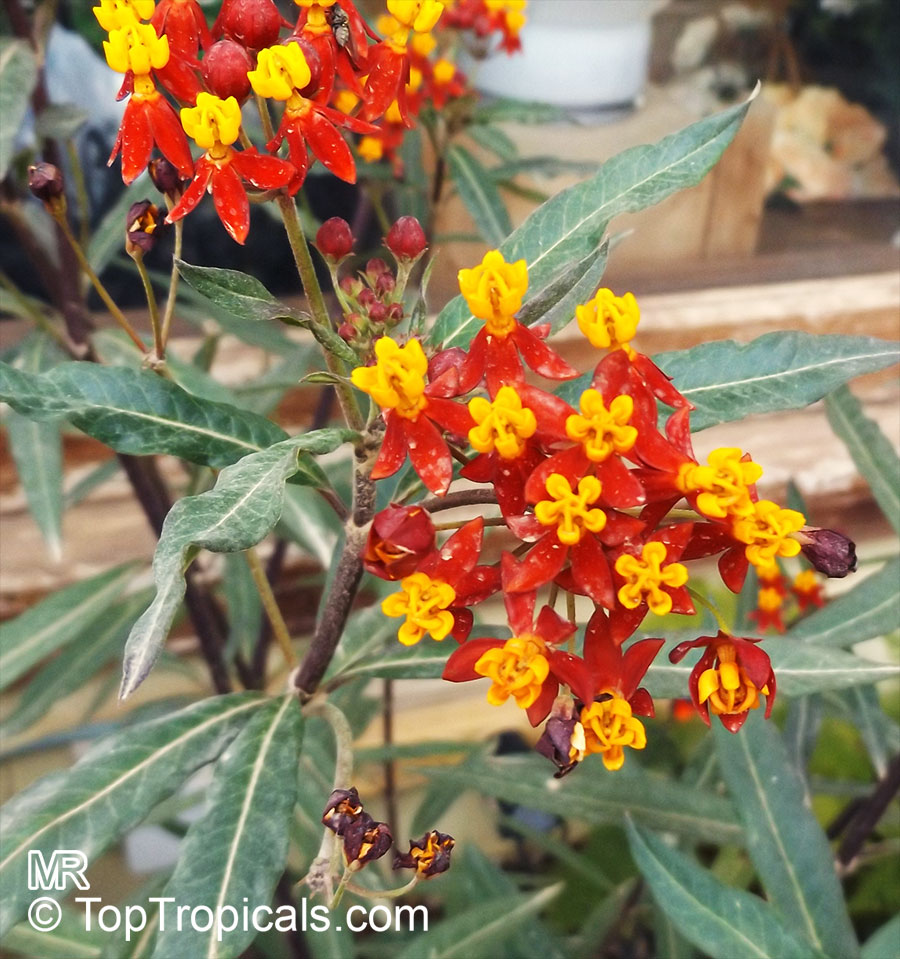
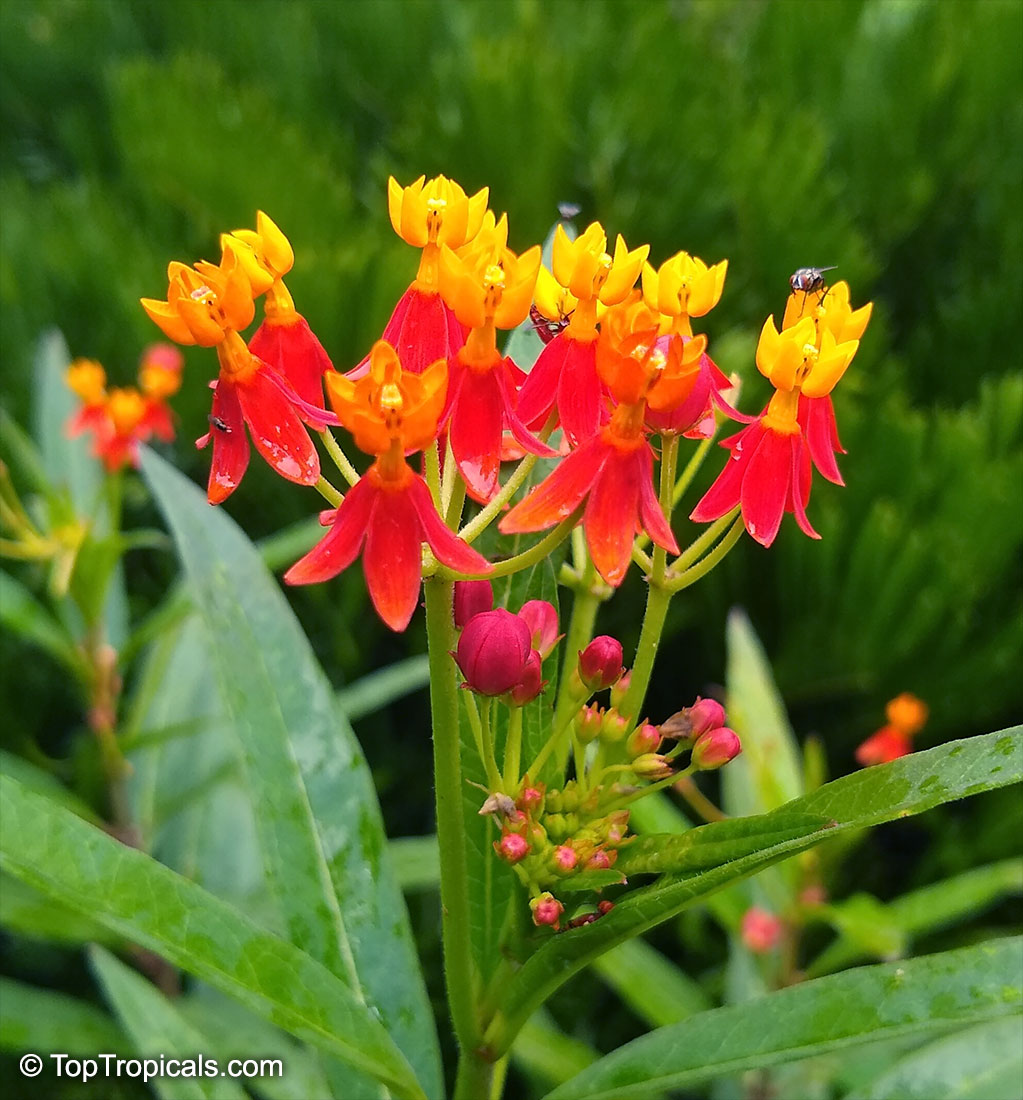
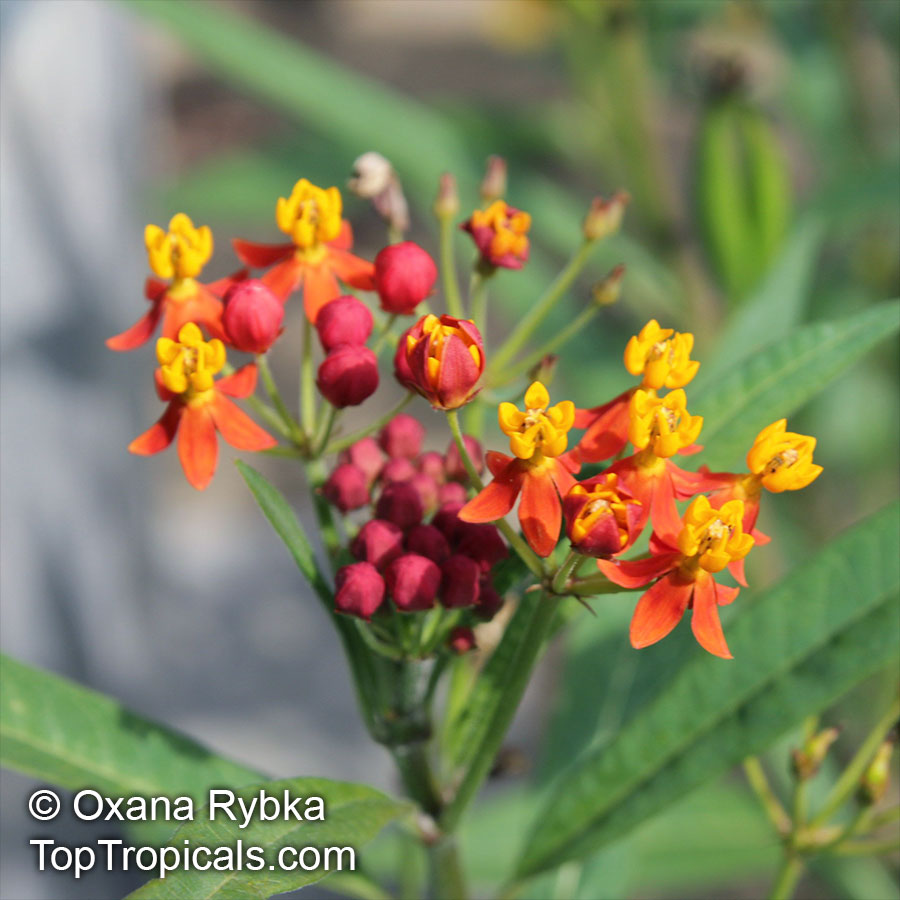
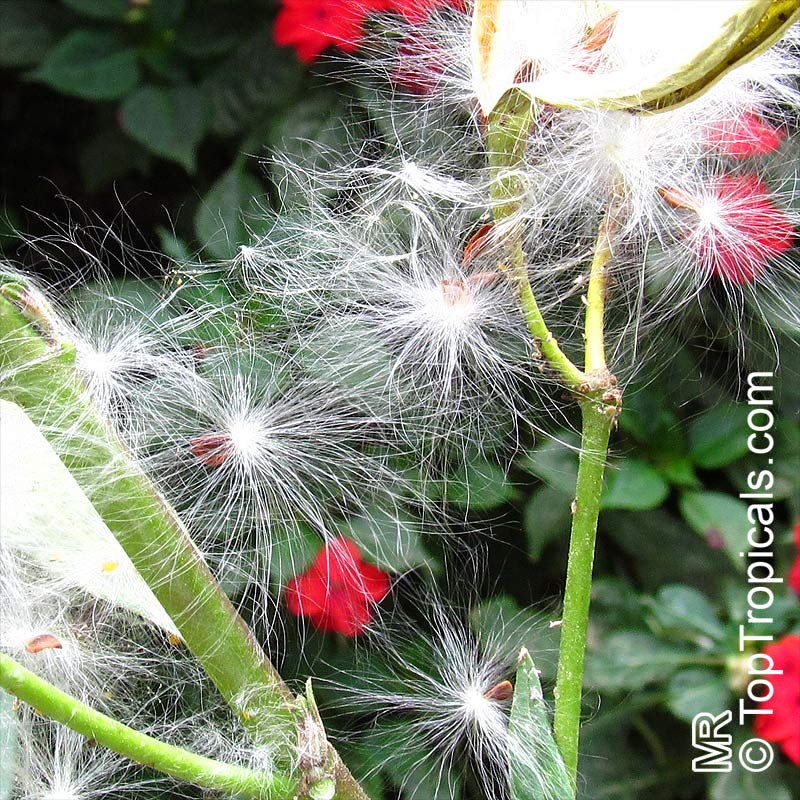
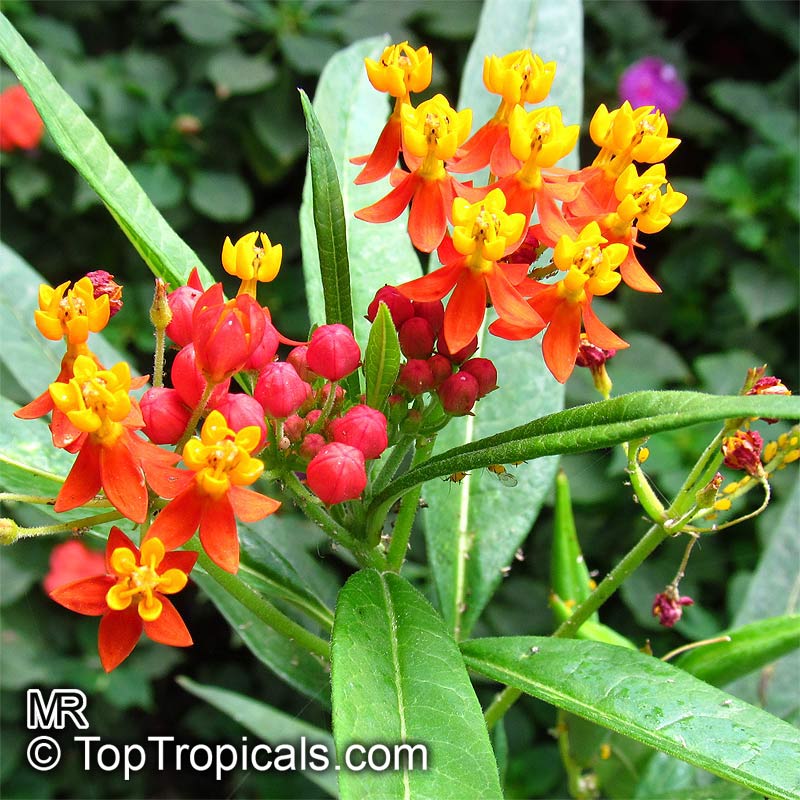
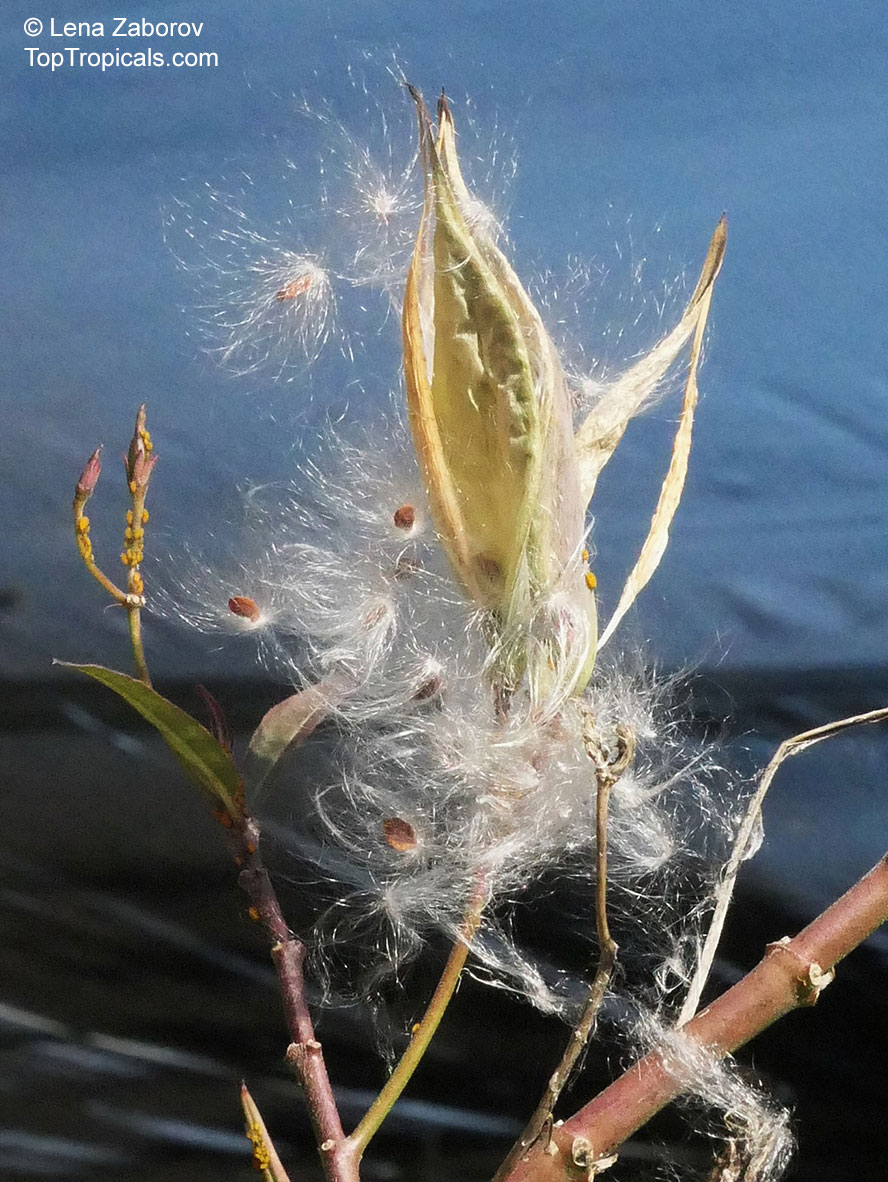
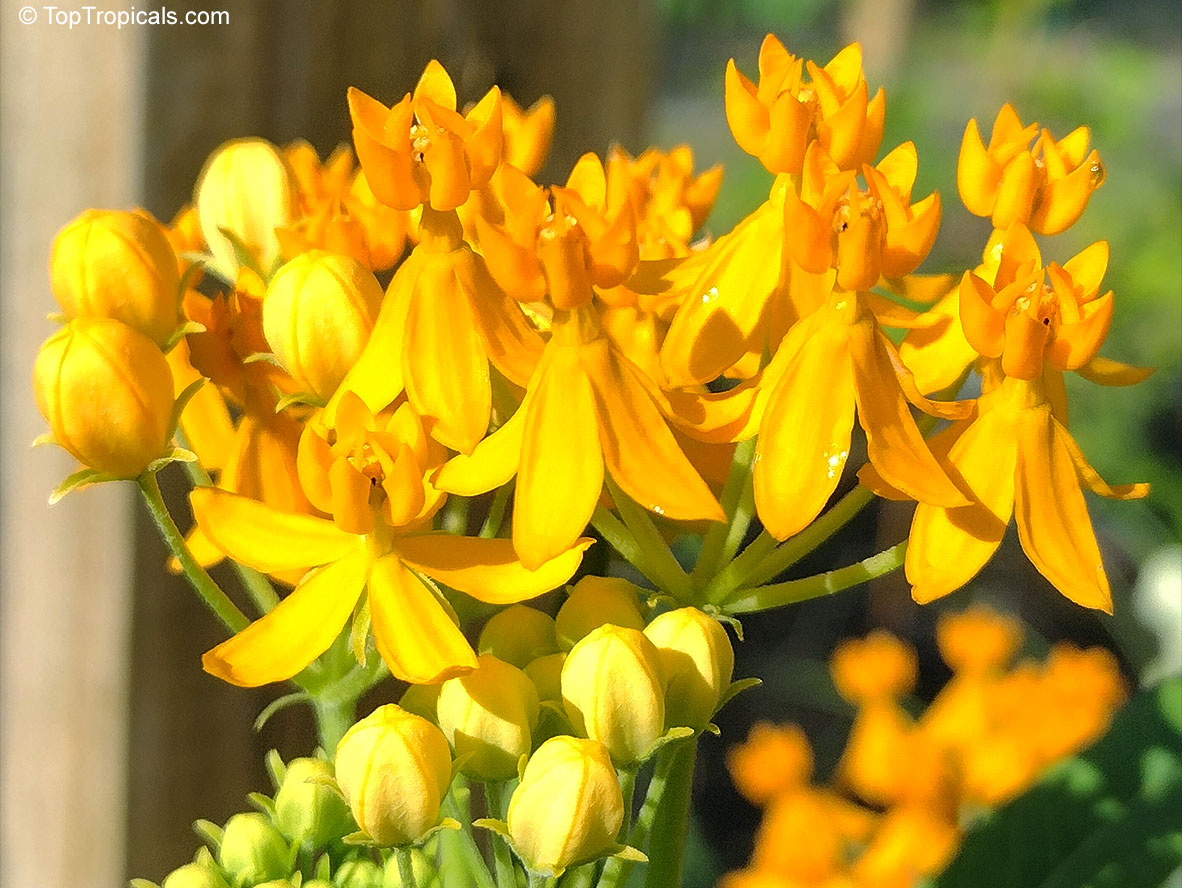
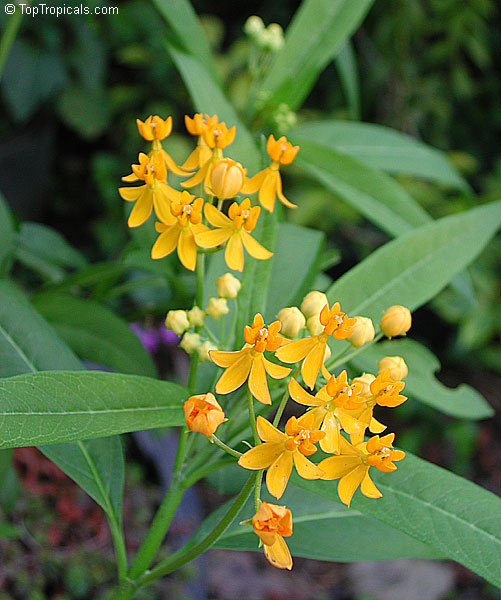
Asclepias curassavica (Milkweed) is a small shrub that grows 2-5 ft high and spreads up to 3 ft wide. This evergreen perennial is native to tropical America and is suitable for growing in USDA Zones 8-11. It prefers growing in full sun, and it needs moderate amounts of water once established. This plant features red and crimson to vinous flowers in early summer and yellow and orange flowers in late summer.
Milkweed has other benefits beyond its display in the garden. It is a great attractant for butterflies and hummingbirds, and the juice from the plant may cause an irritating effect, repelling certain pests. It is also a great choice for a seaside garden, as it is tolerant of salt spray and other harsh elements.
When it comes to plant care for Milkweed, it is essential to water the plant regularly and at least once a week during a dry period. Prune it back to maintain a compact form and shape and remove the dead flower stems. It is best to mulch the soil in order to conserve moisture and suppress weeds.
When growing Milkweed in colder regions, you may need to provide additional protection during the cold winter months. Mature plants can be cold-hardy, at least to the mid-30s F for a short time. It's best to grow them in a big pot and move it indoors, such as a sunroom or greenhouse, during the coldest part of winter. Additionally, it is beneficial to add a layer of mulch around the roots of the plant to keep it warm.
Recommended Fertilizer: SUNSHINE Megaflor - Bloom Nutrition Booster
Ordering seeds info
RECOMMENDED SUPPLIES:
Seed Germination Mix #3, professional grade
SUNSHINE-Epi - Seeds and cuttings booster
SUNSHINE Bombino - Young Plant Booster
| Prev | Next | |
Use link to repeat this search:
https://toptropicals.com/cgi-bin/garden_catalog/cat.cgi?search_op=and&keyword_op=and&language=e&number=10&no_change_lang=1
&v1=ppp&user=tt&sale=1&first=0