Irritating plant - Plant Encyclopedia Results (Page 3)
| Number of plants found: 210 |  | Prev | Next | 
|
Go to page: | 1 | 2 | 3 | 4 | 5 | 6 | 7 | Last |
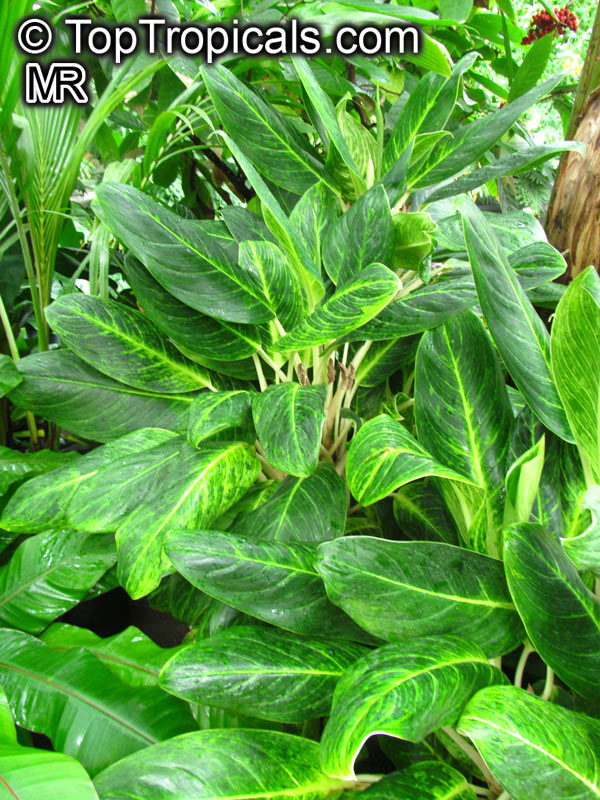
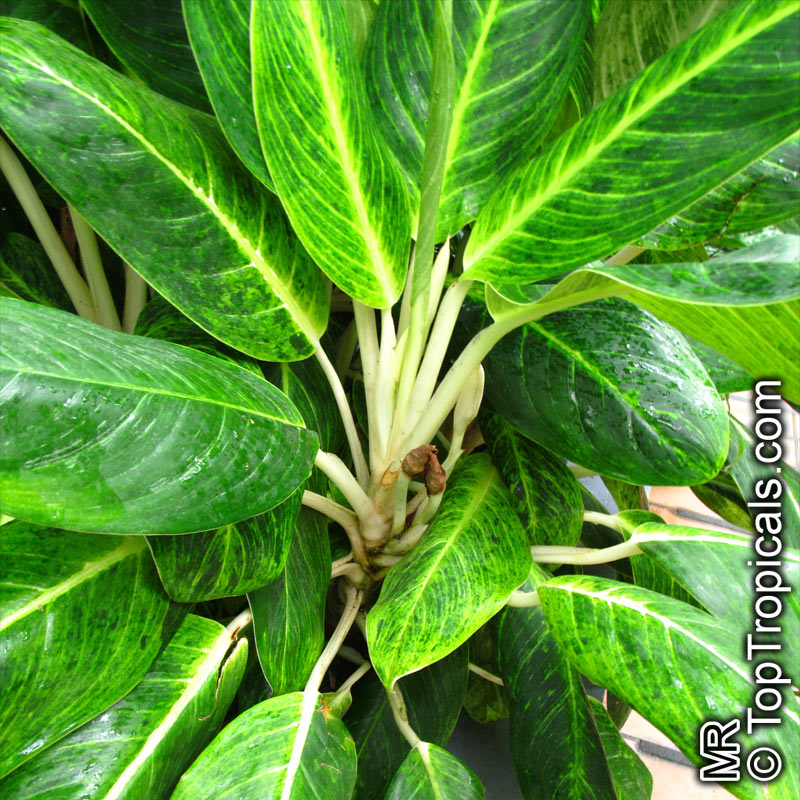
Botanical name: Aglaonema sp.
Common name: Aglaonema 'King of Siam'
Cultivar: King Of Siam
Family: Araceae
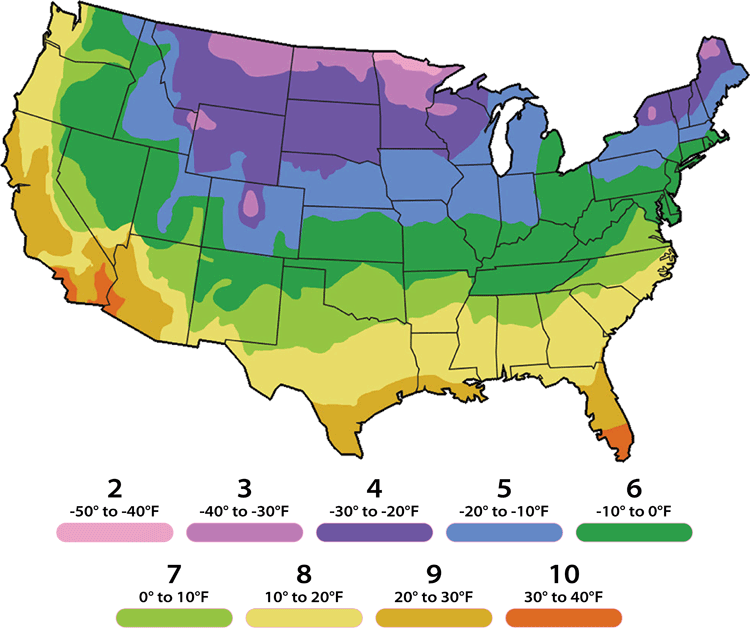
USDA Zone: 9-10


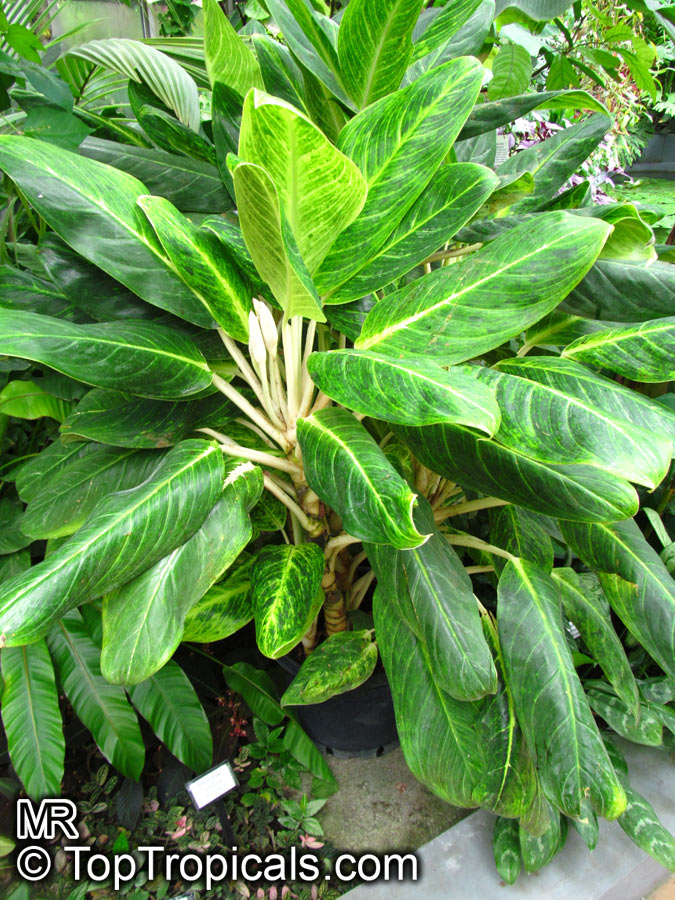
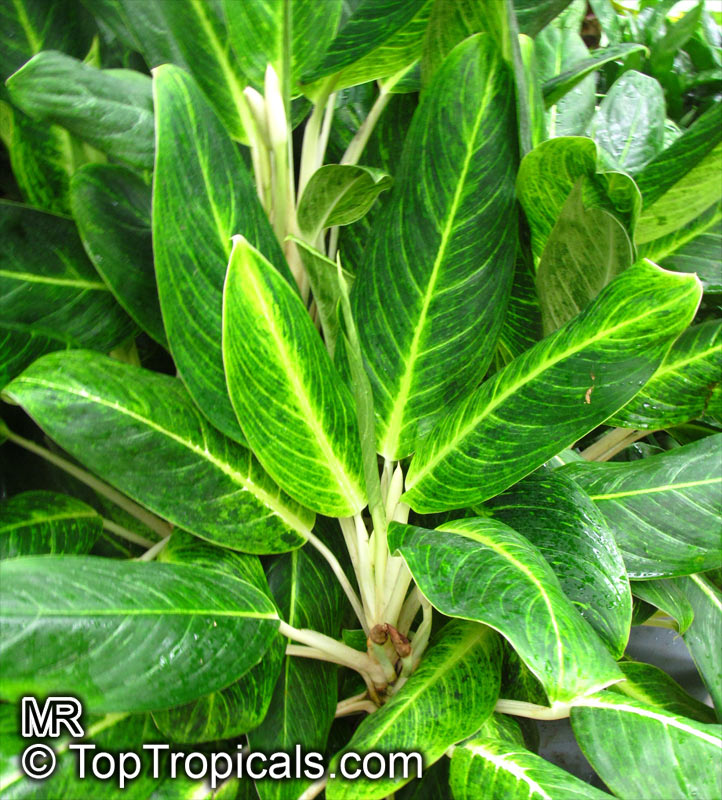
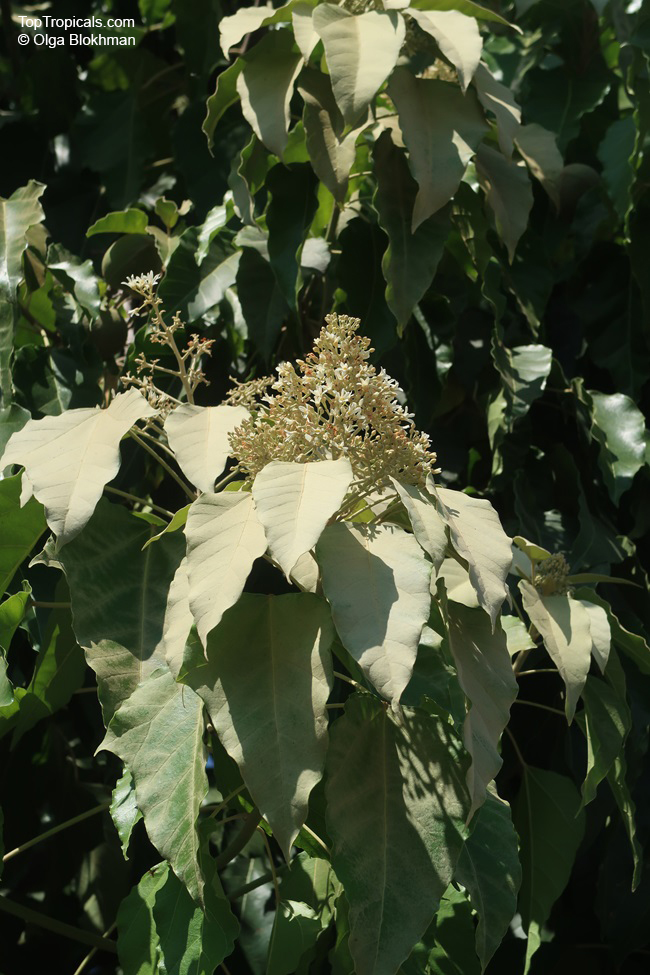
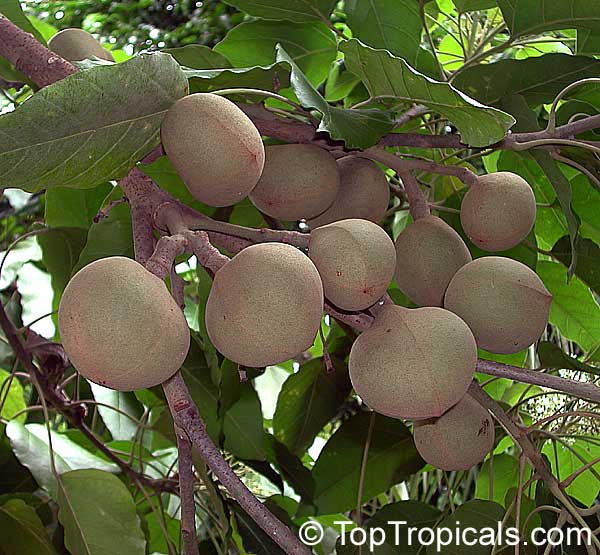
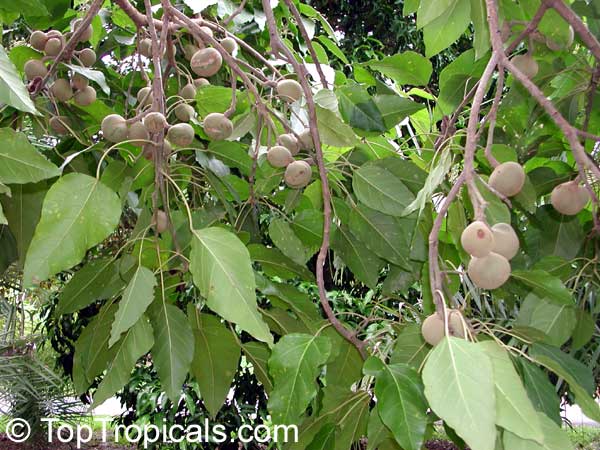
Botanical names: Aleurites moluccana, Aleurites triloba, Croton moluccanus
Common names: Candlenut oil tree, Candleberry, Varnish tree, Indian or Belgaum Walnut, Kemiri, Kukui nut tree
Family: Euphorbiaceae
Origin: Malaysia, Polynesia, Malay Peninsula, Philippines and South Seas Islands
USDA Zone: 10-12


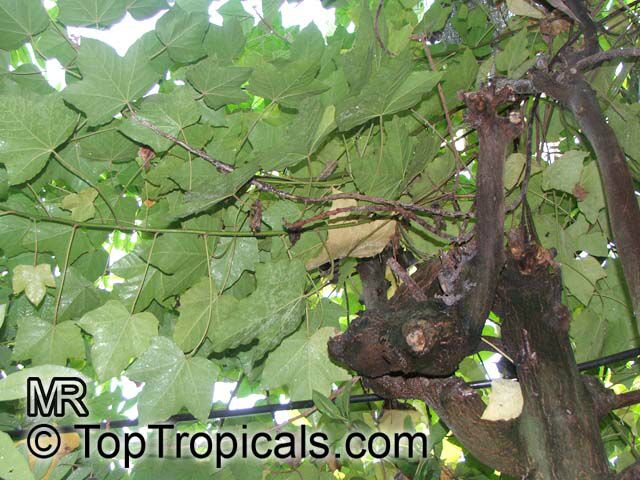
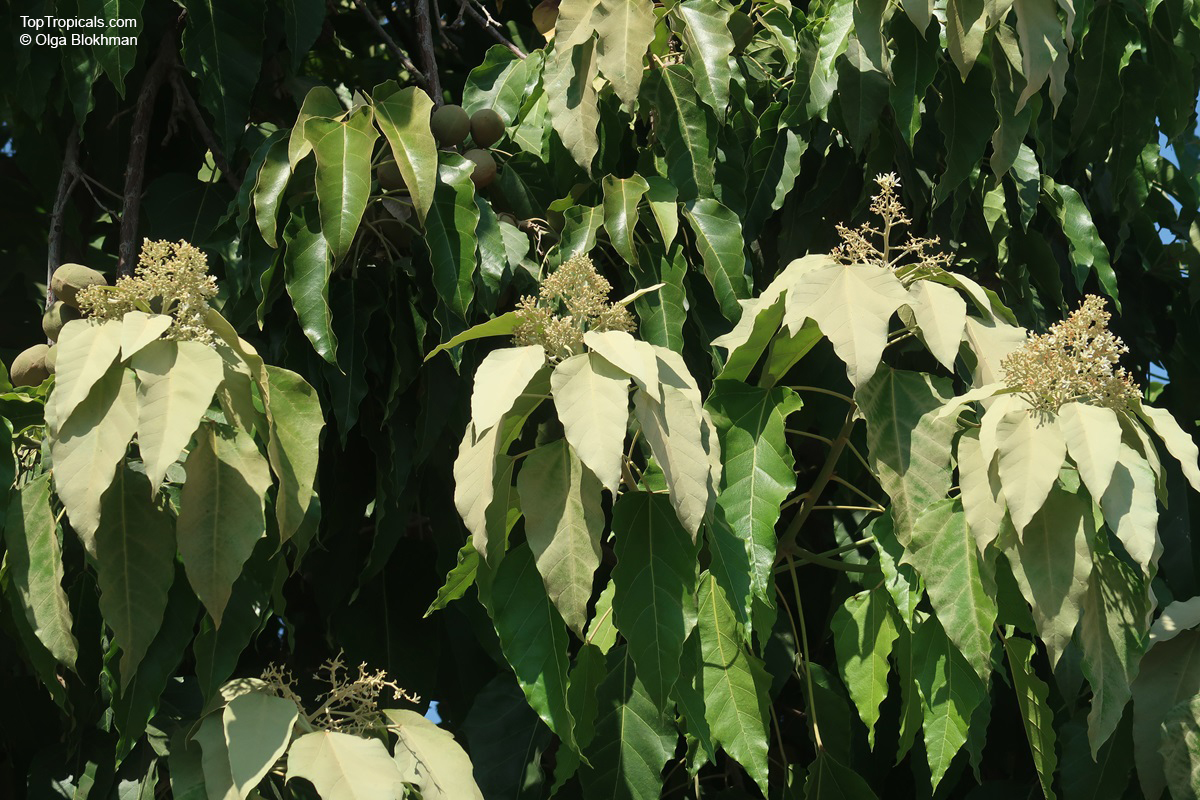
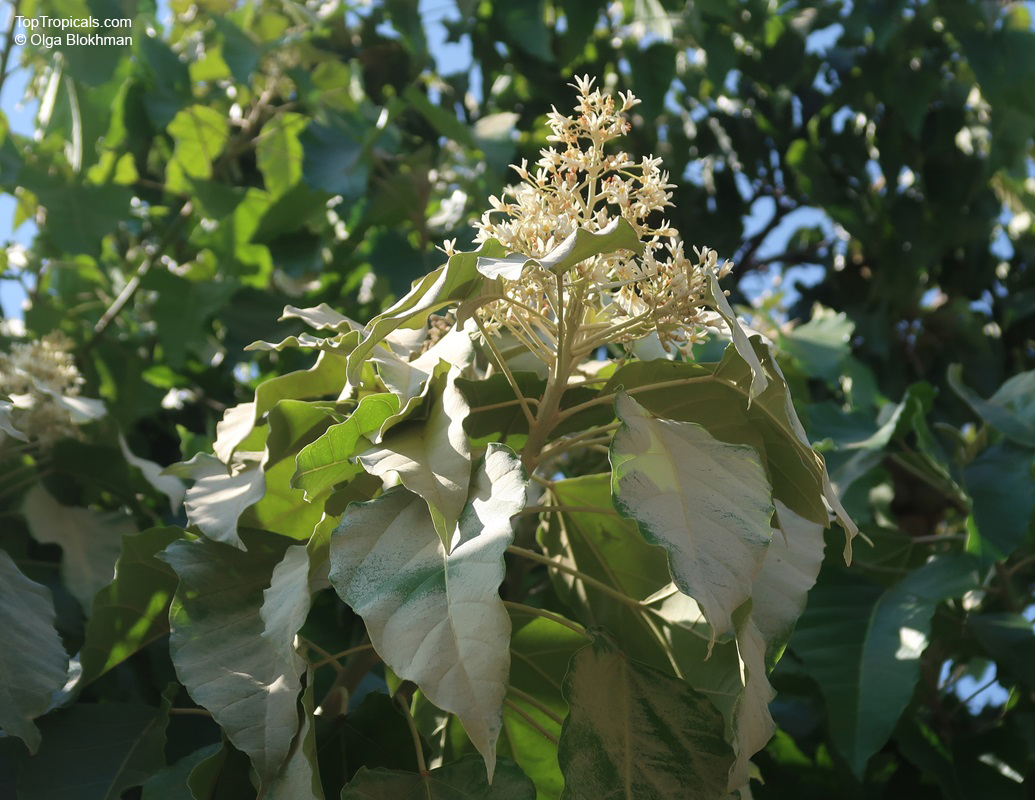
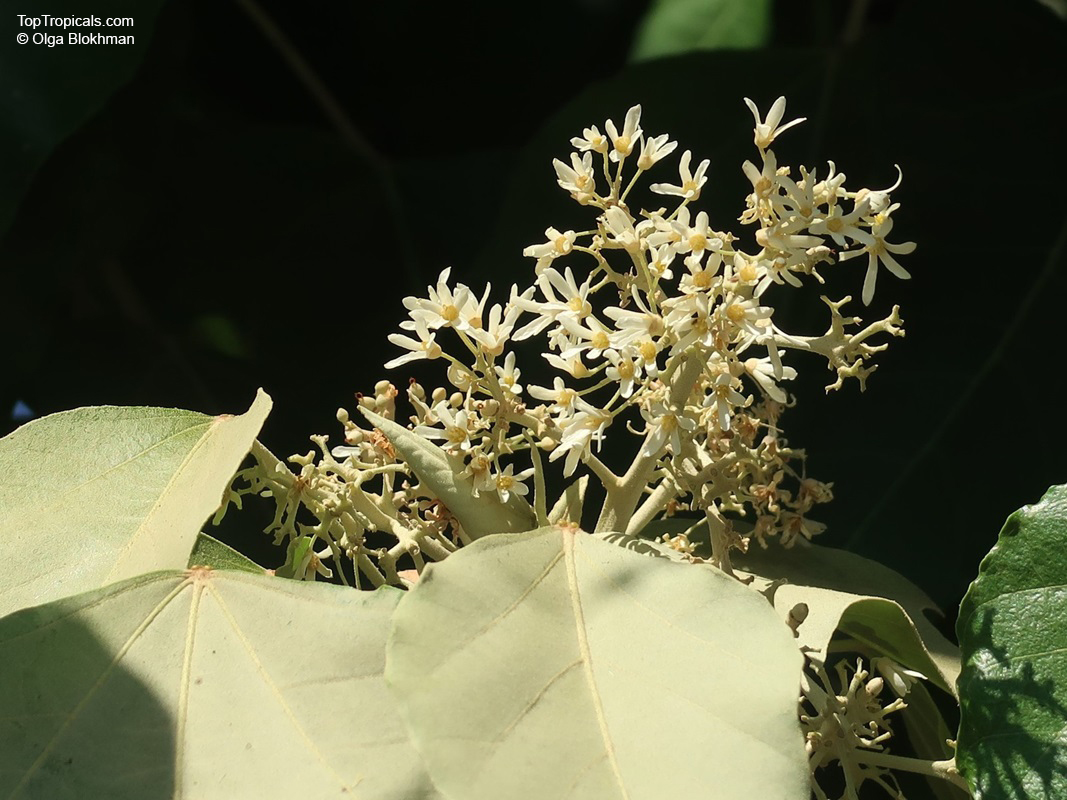
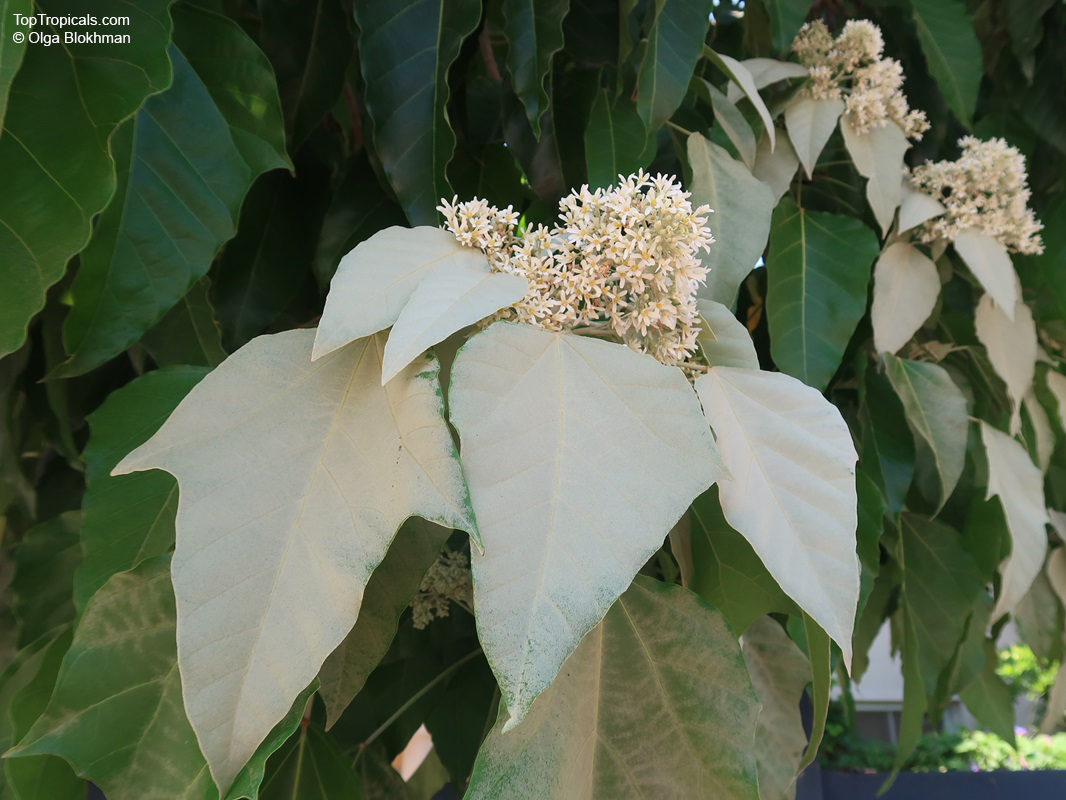
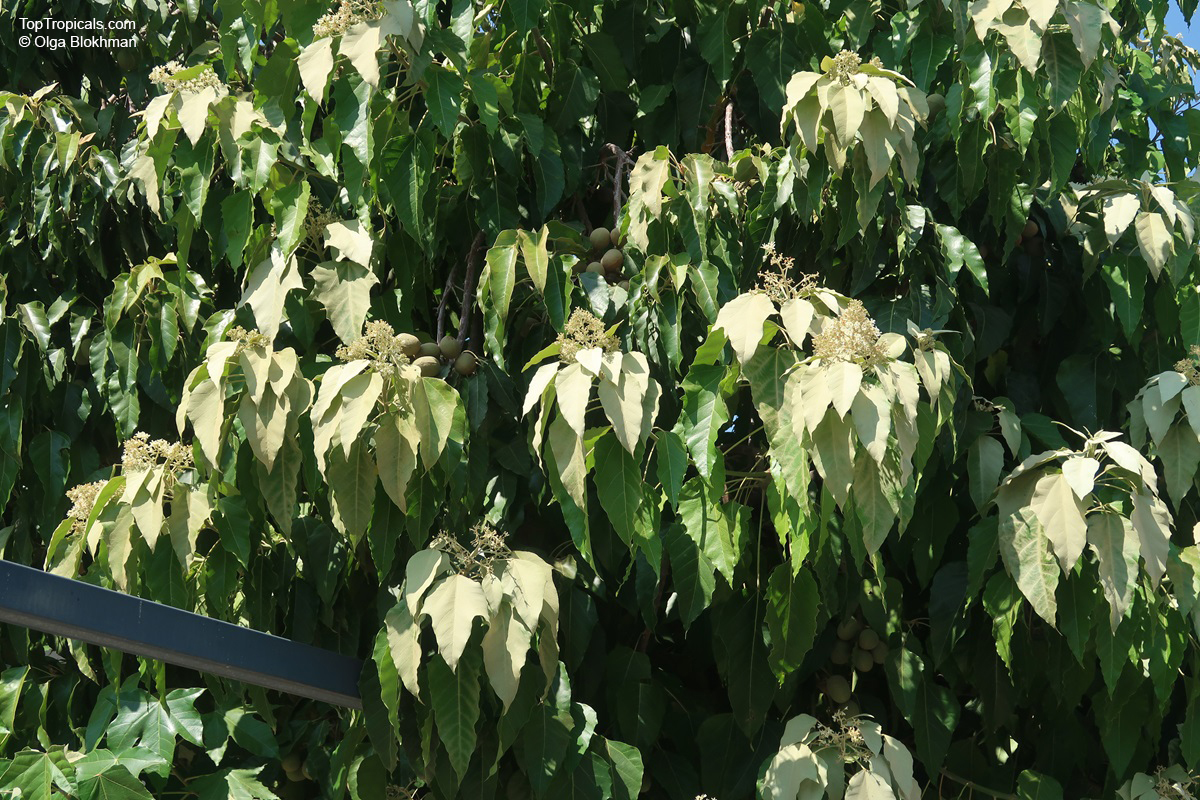
Kukui Nut is a medium to large sized tree with widespreading or pendulous branches. Young leaves are large, up to 12" long. Palmate, shiny leaves on mature trees are ovate, entire, and acuminate. There is a whitish substance above them when young, that becomes green with age, with rusty stellate pubescence beneath when young, and perisiting on veins. Small flowers in rusty-pubescent panicled cymes, dingy white or creamy. Fruit an indehiscent drupe, roundish, 2" or more in diameter. Bears two heavy crops each year, harvested when mature.
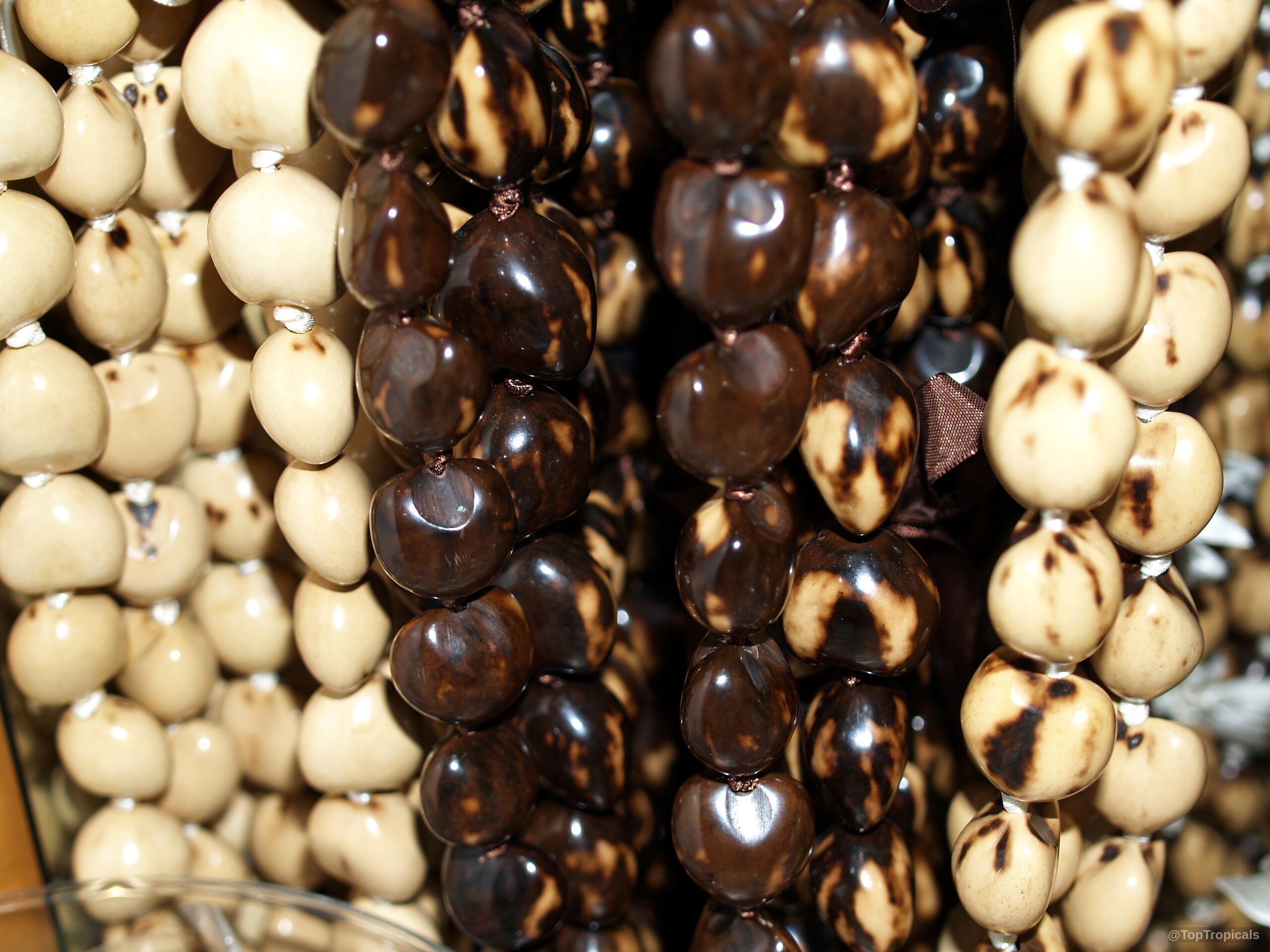
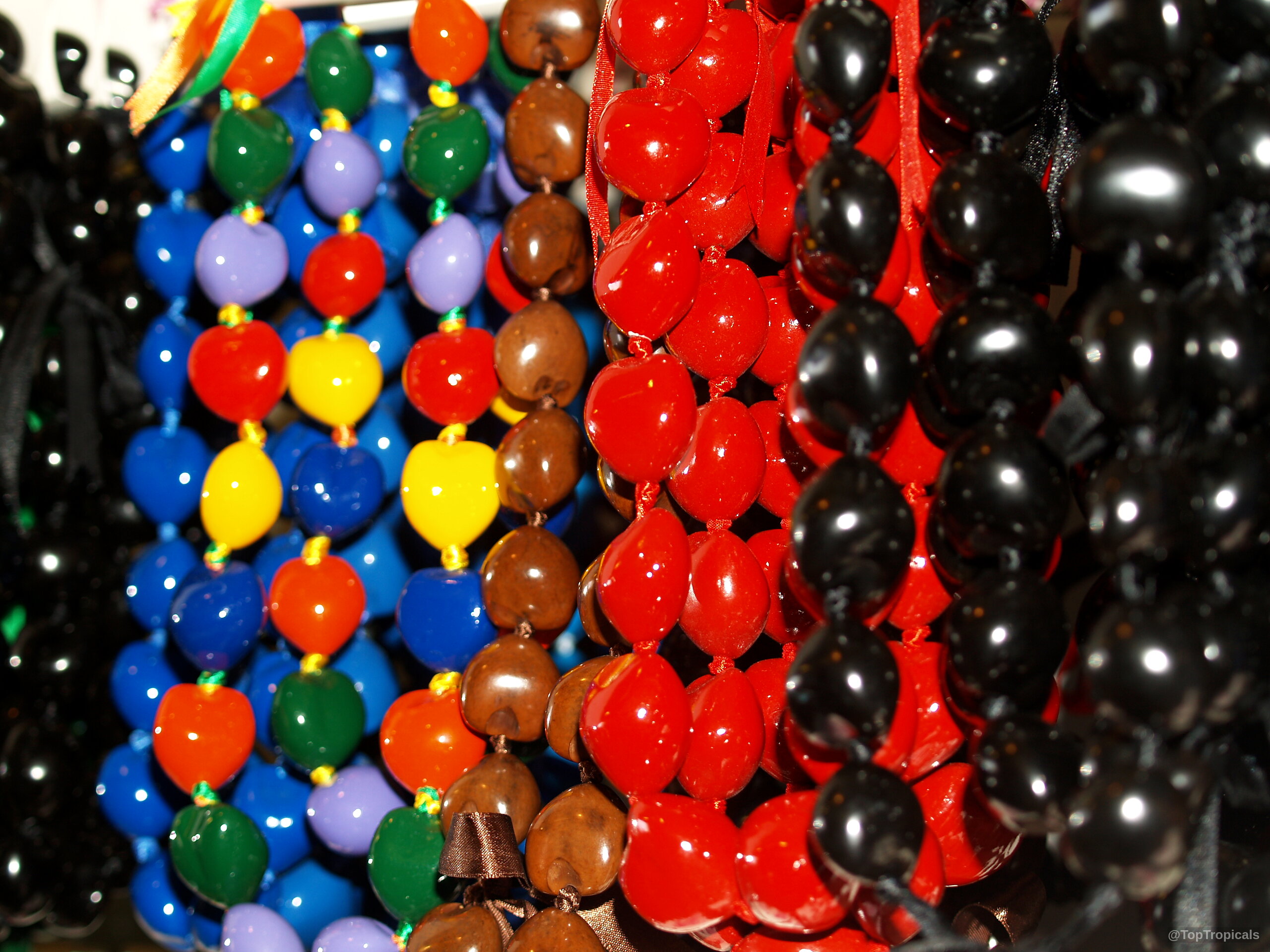
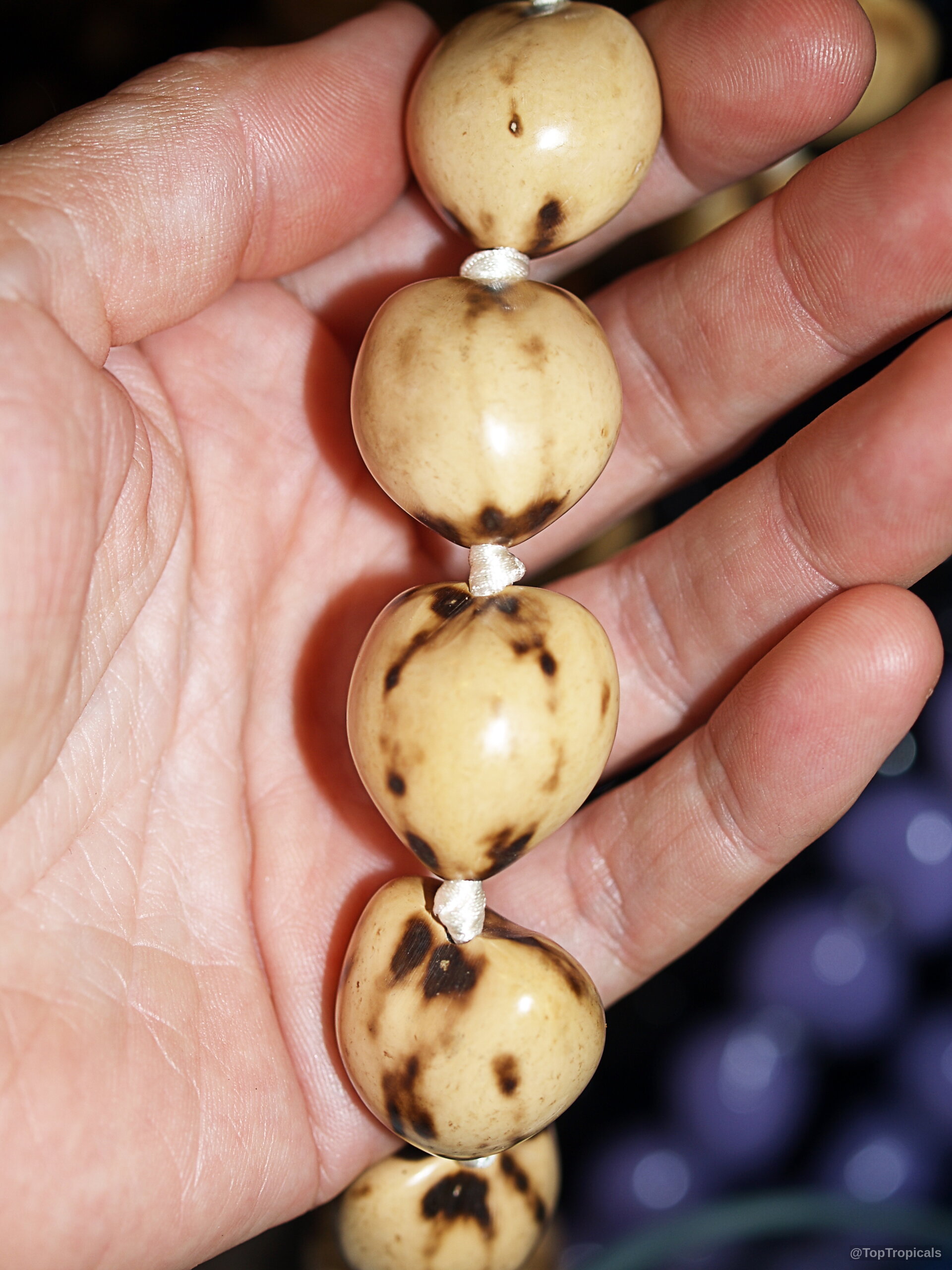
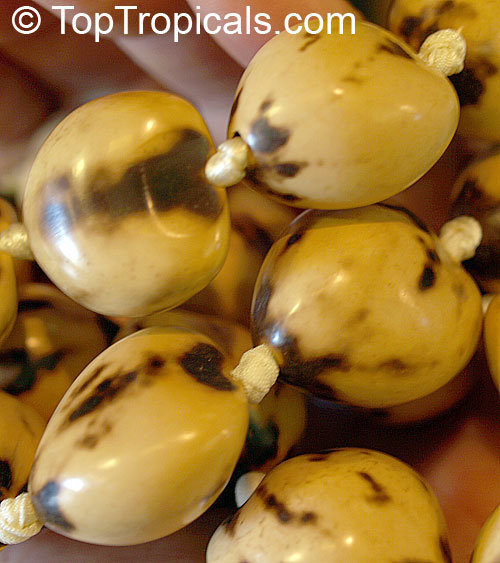
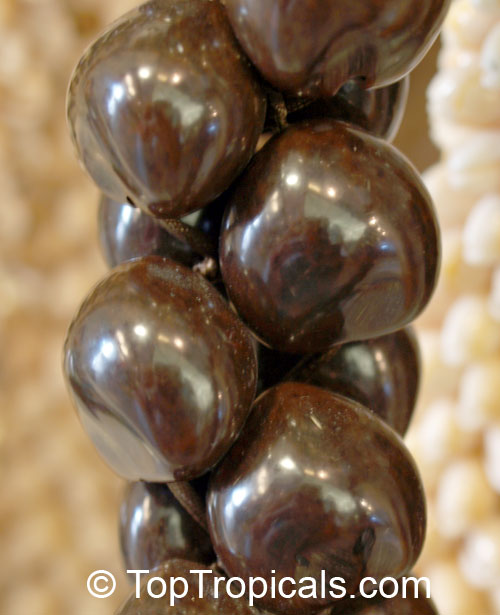
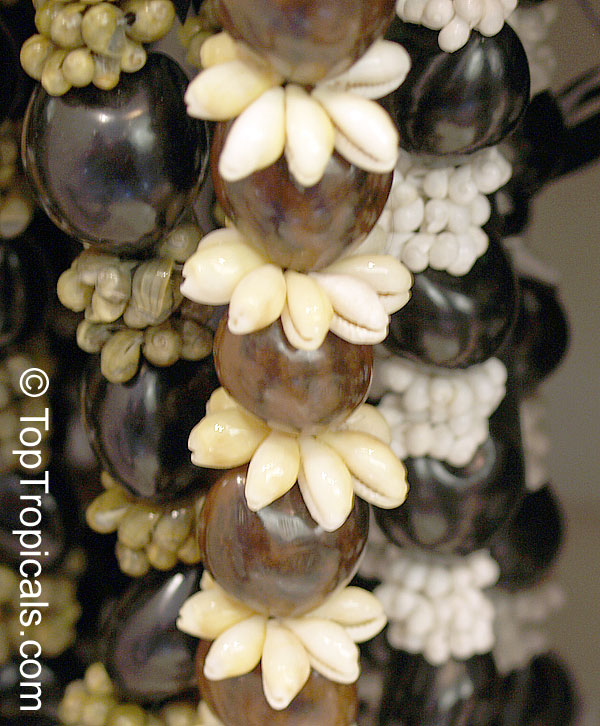
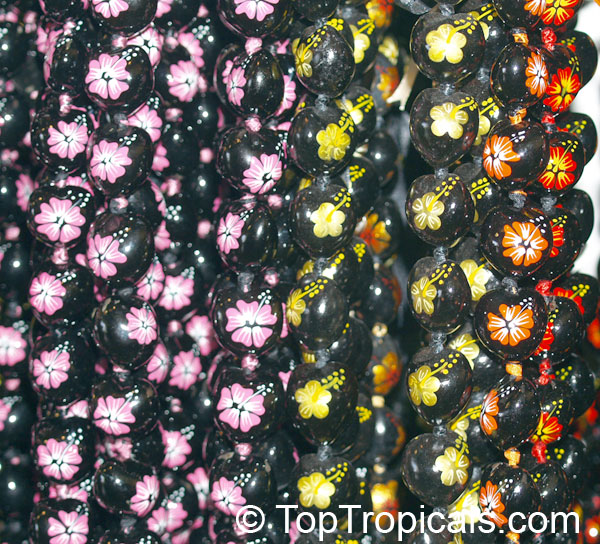
The kukui nut has many uses. Originally it was most valued for its light, the oil of the white kernels being extracted for its use in stone lamps and in ti leaf sheath torches. The tree is sometimes called the Candlenut Tree. The nuts are widely used as a traditional lei, both the hard shells of the polished black, tan or brown, and immature white, which are more rare. The Kukui Nut lei were worn by royalty back in the days of the Hawaiian monarchy (Alii). The kukui nut leis are finished and polished and will last for years. The bark, flowers and nuts are all used for medicine. As food, a small amount of the pounded roasted nuts, plus salt and sometimes chili peppers, is used as a relish and is called inamona. Pure Kukui Nut Oil has been used by Hawaiians for centuries to protect and heal skin exposed to harsh sun, drying winds, and salt water. Kukui Nut Oil penetrates the skin well and is said to be excellent in treating many skin conditions including psoriasis, eczema, aging skin, and acne. Bark used on tumors in Japan. The oil is purgative and sometimes used like castor oil. Kernels are laxative stimulant, and sudorific. The irritant oil is rubbed on scalp as a hair stimulant. In Malaya, the pulped kernel enters poultices for headache, fevers, ulcers, and swollen joints. In Java, the bark is used for bloody diarrhea or dysentery. Bark juice with coconut milk is used for sprue. Malayans apply boiled leaves to the temples for headache.

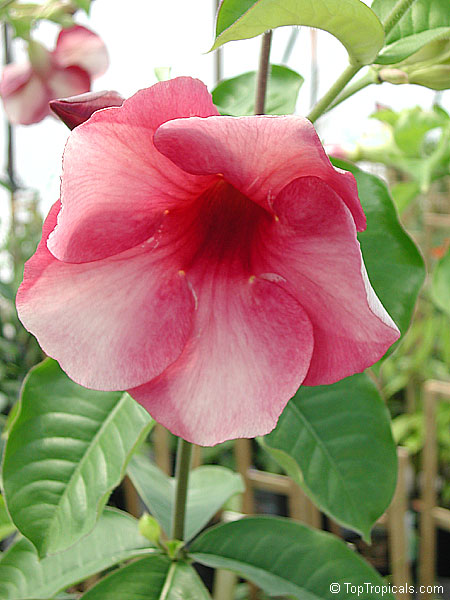
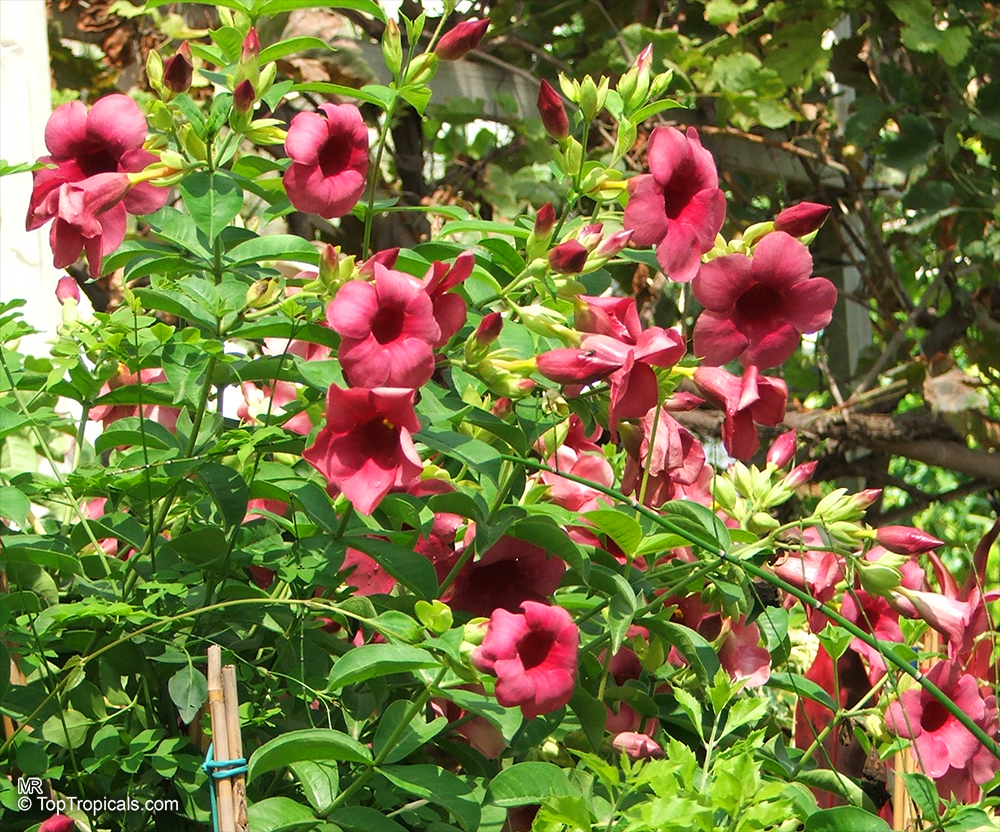
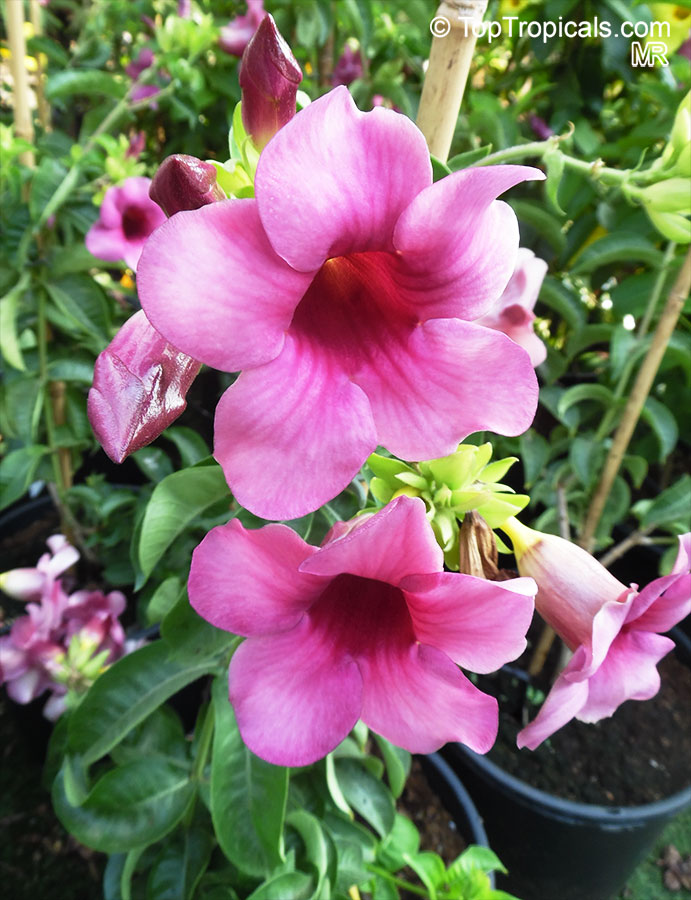
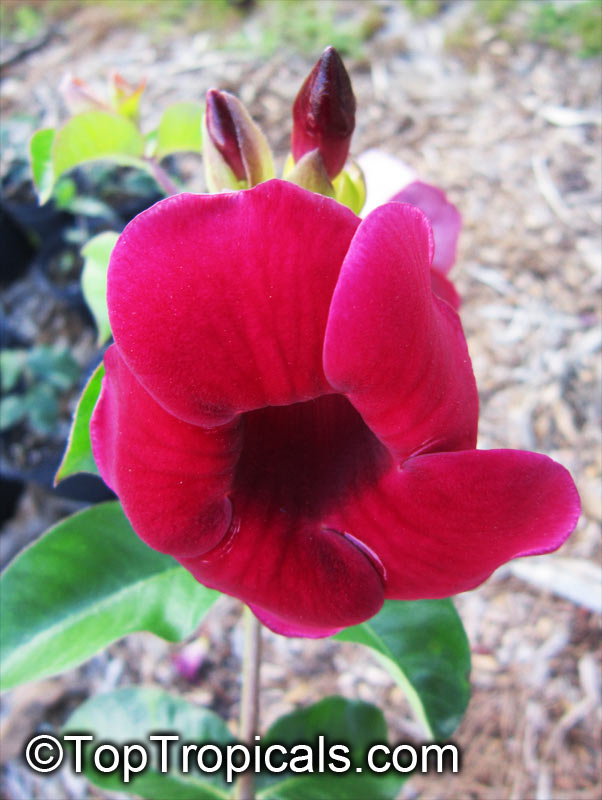
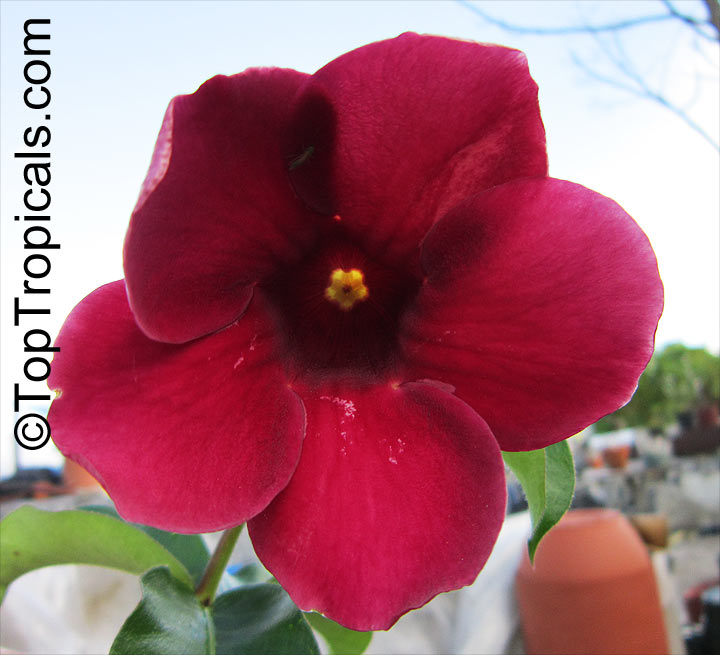
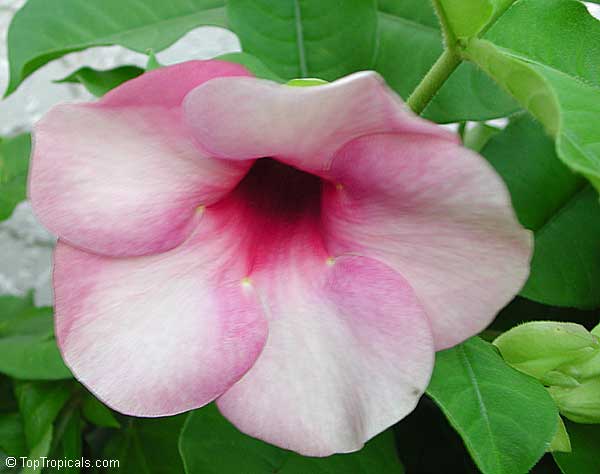
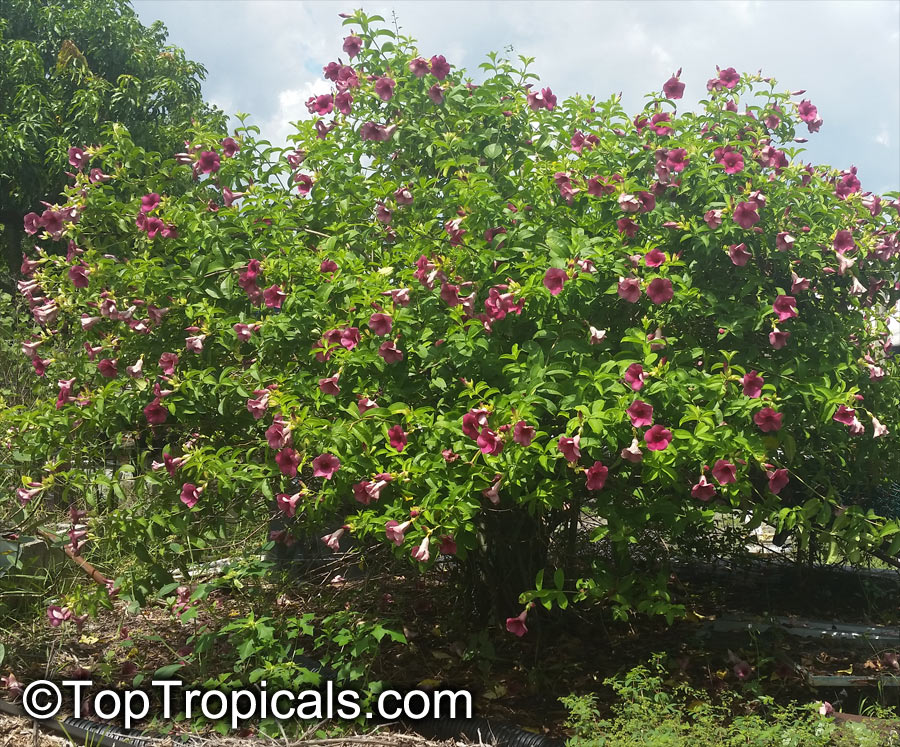
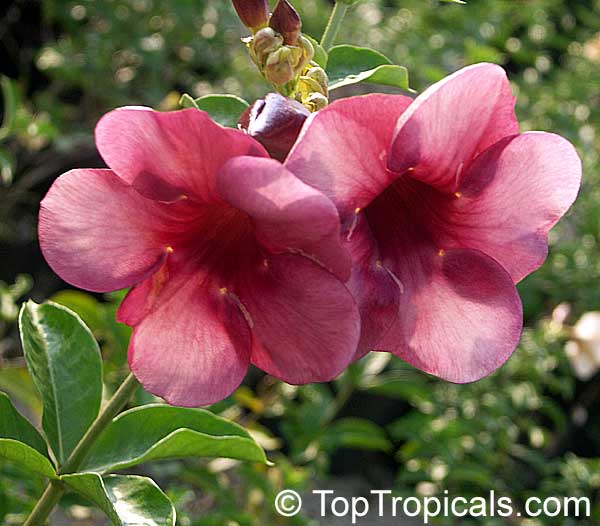
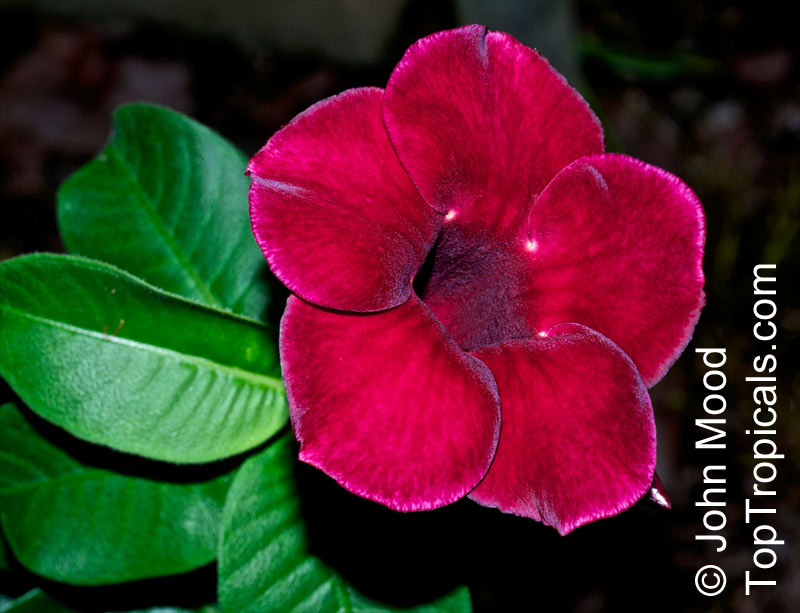
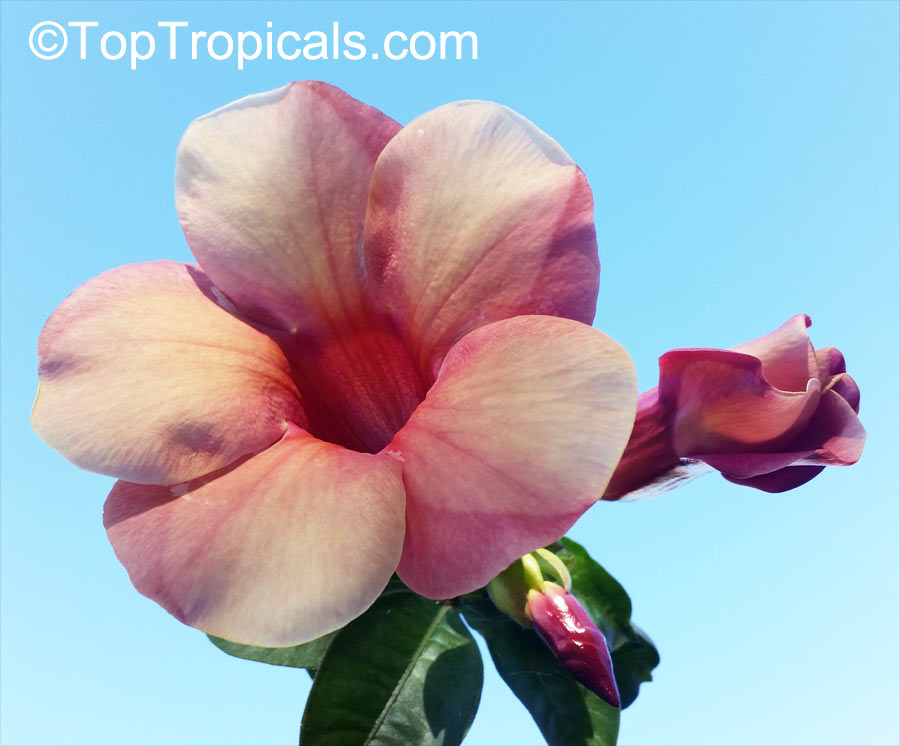
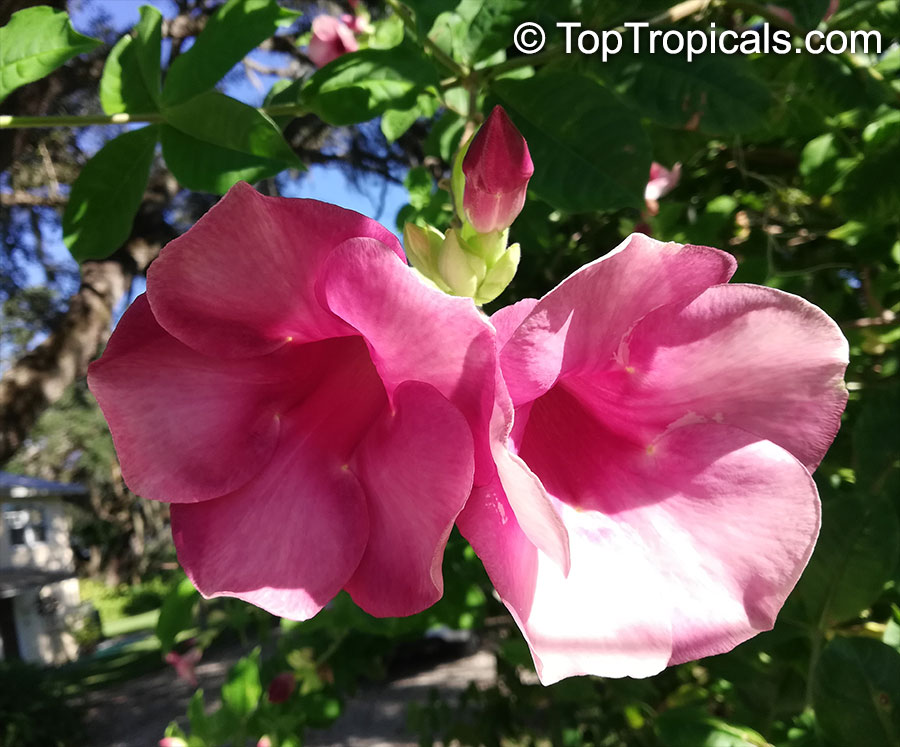
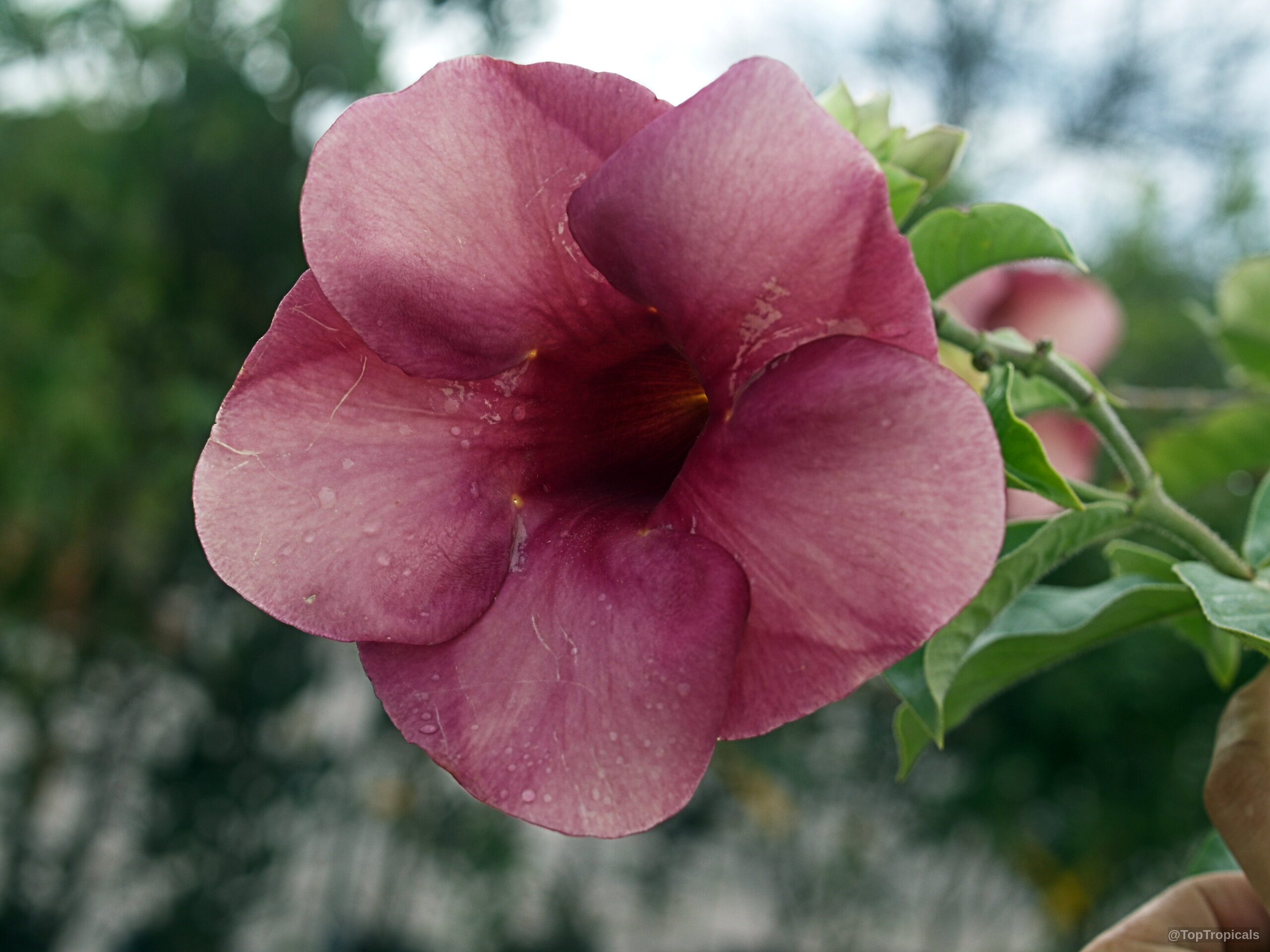
Botanical names: Allamanda blanchetii, Allamanda violacea
Common names: Cherry Allamanda, Purple Allamanda
Family: Apocynaceae
Origin: Brazil
USDA Zone: 9-11


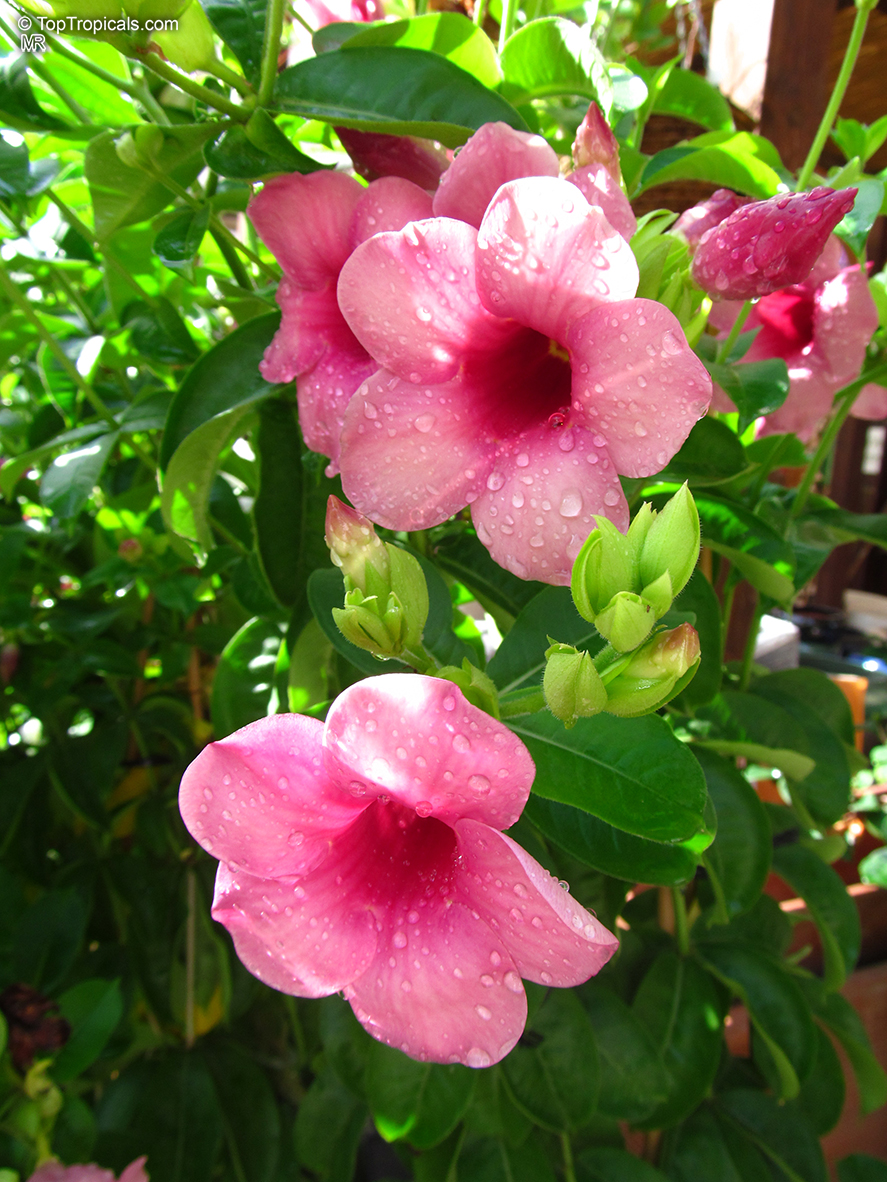
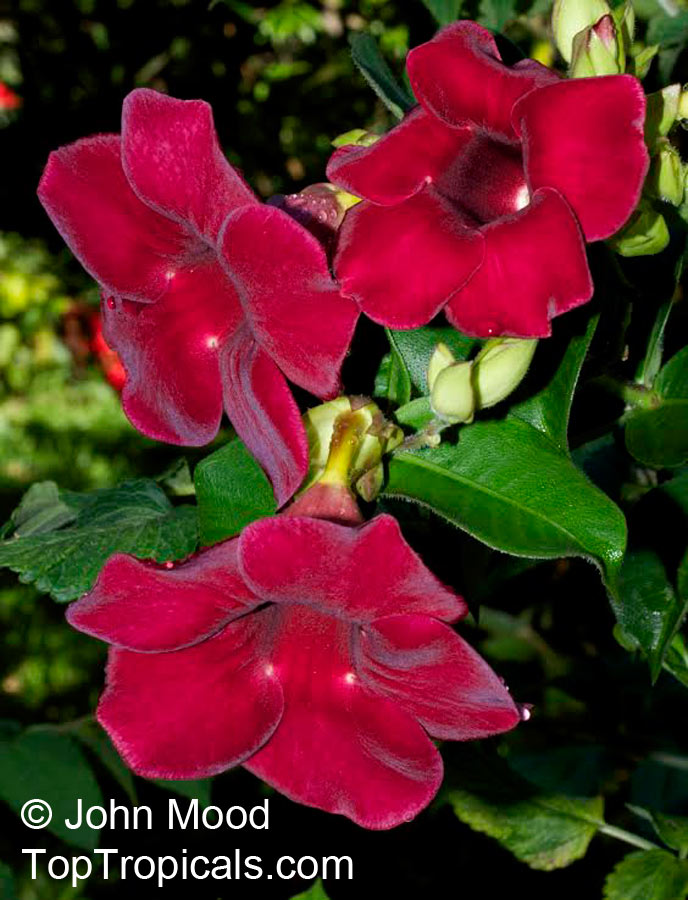
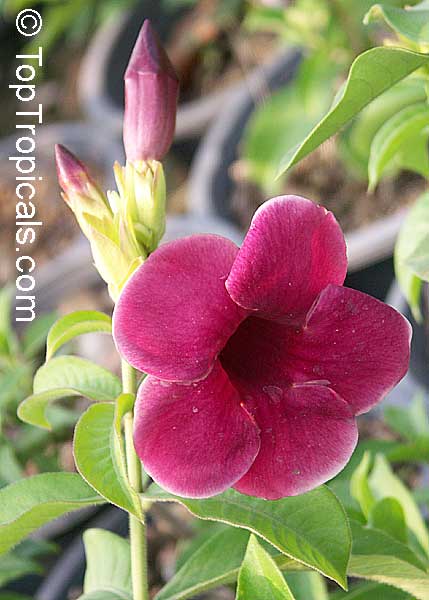
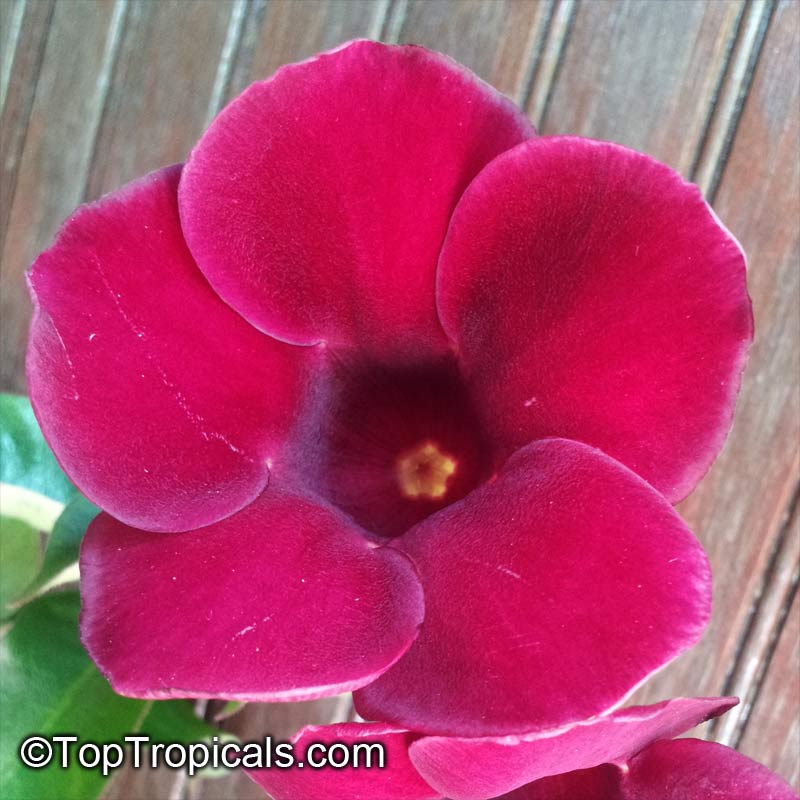
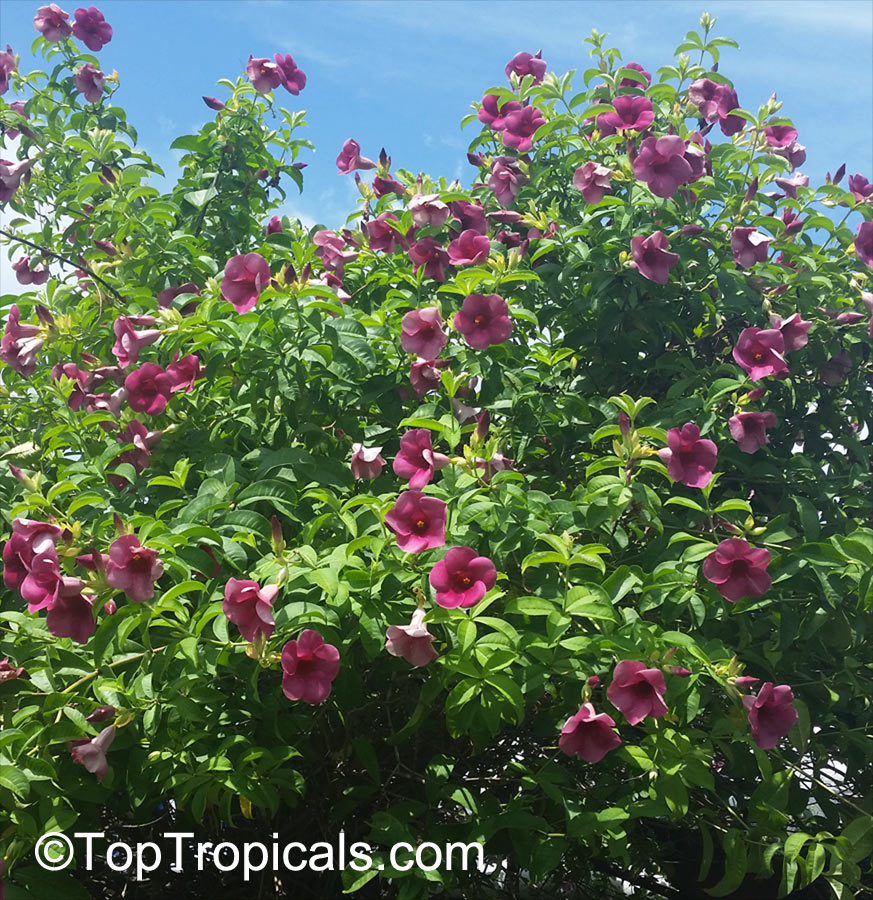
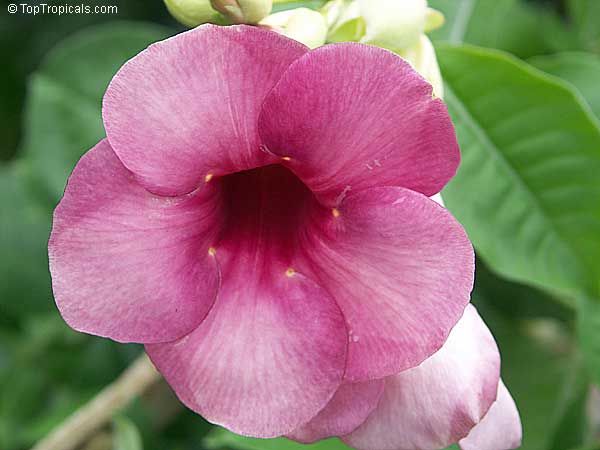
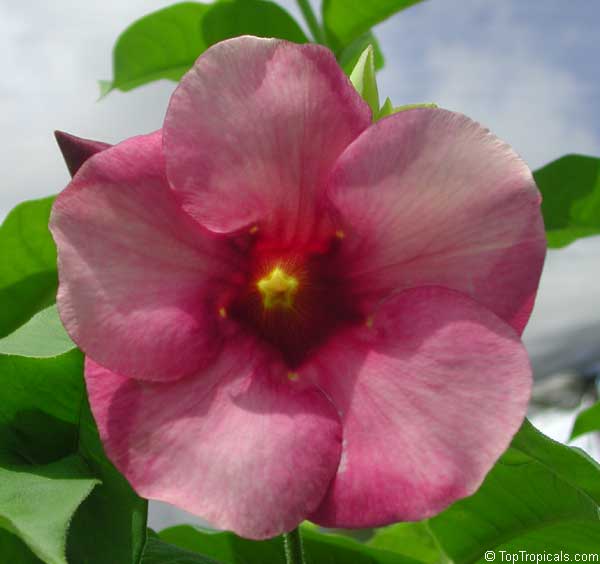
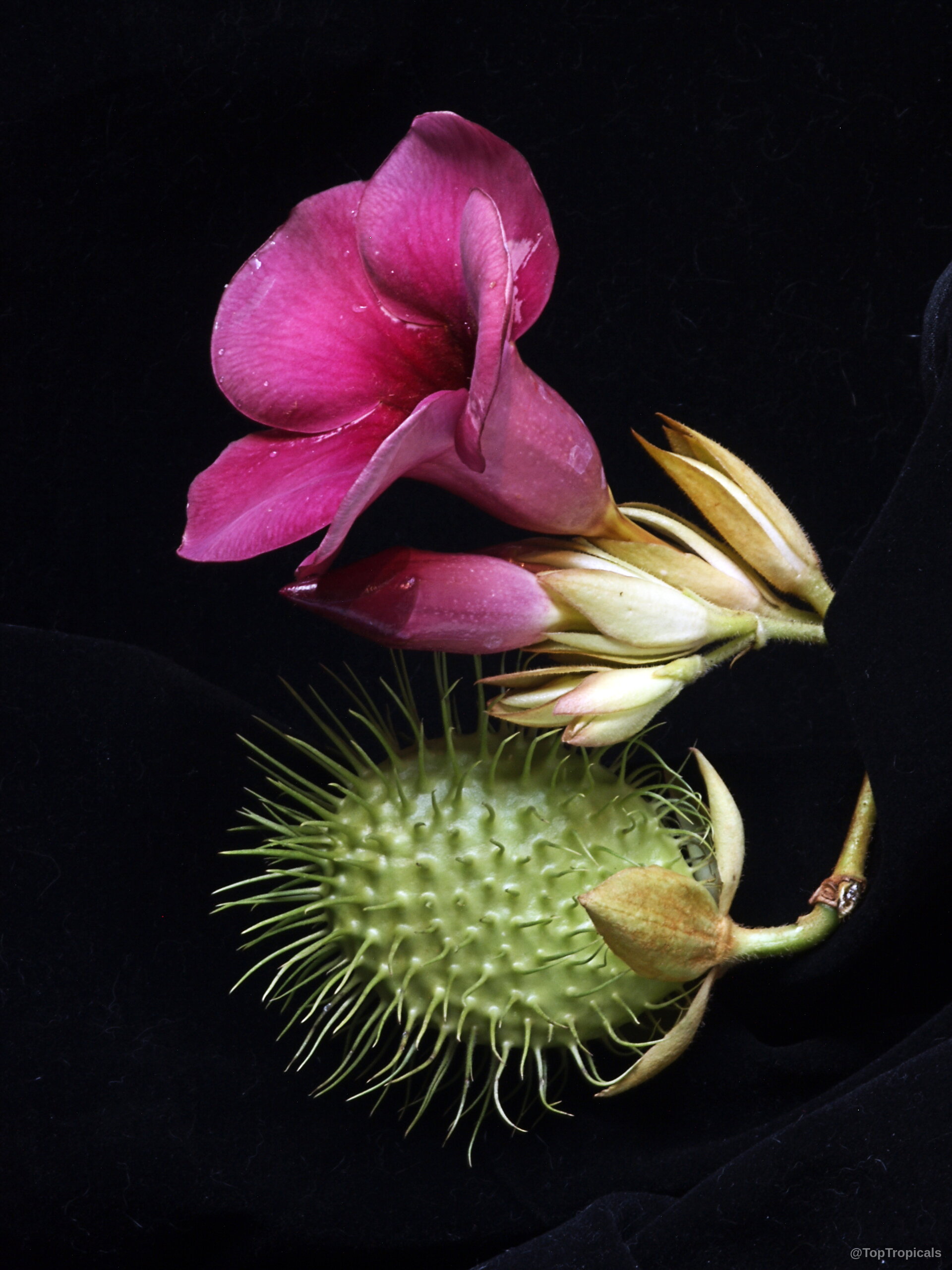
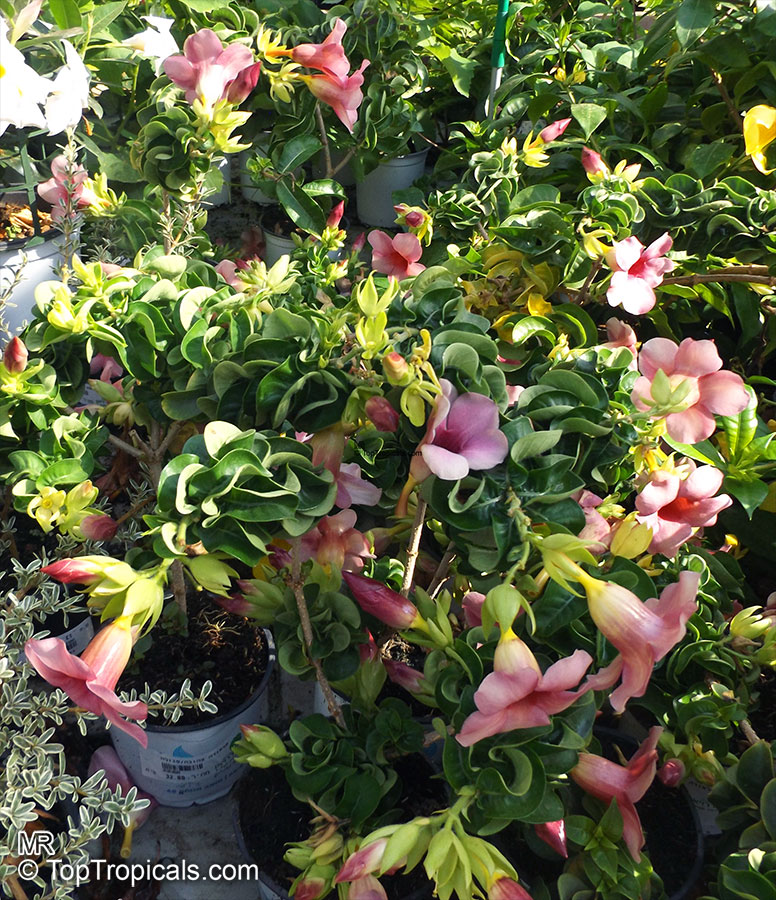
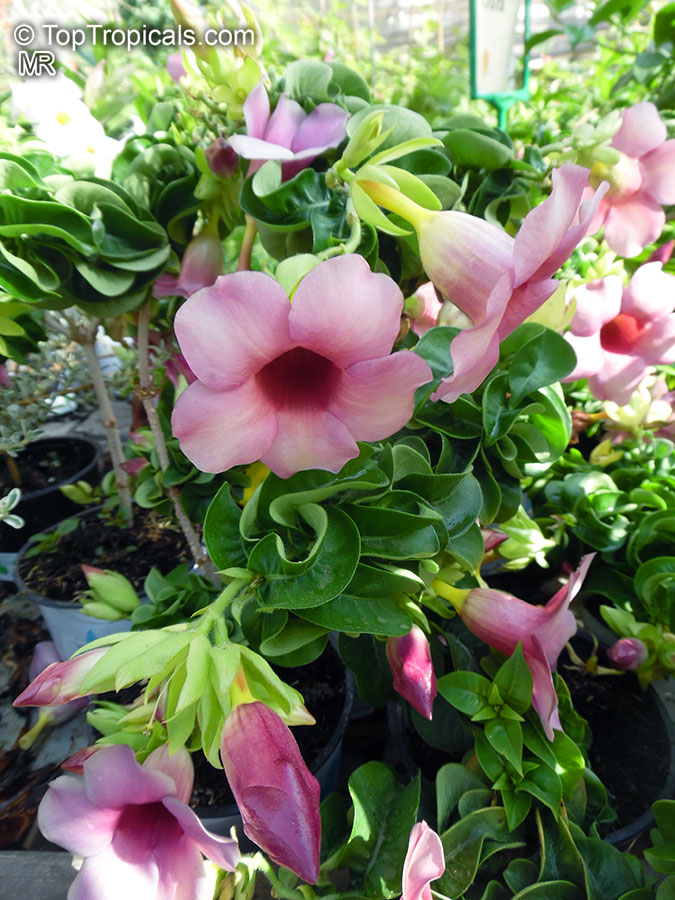
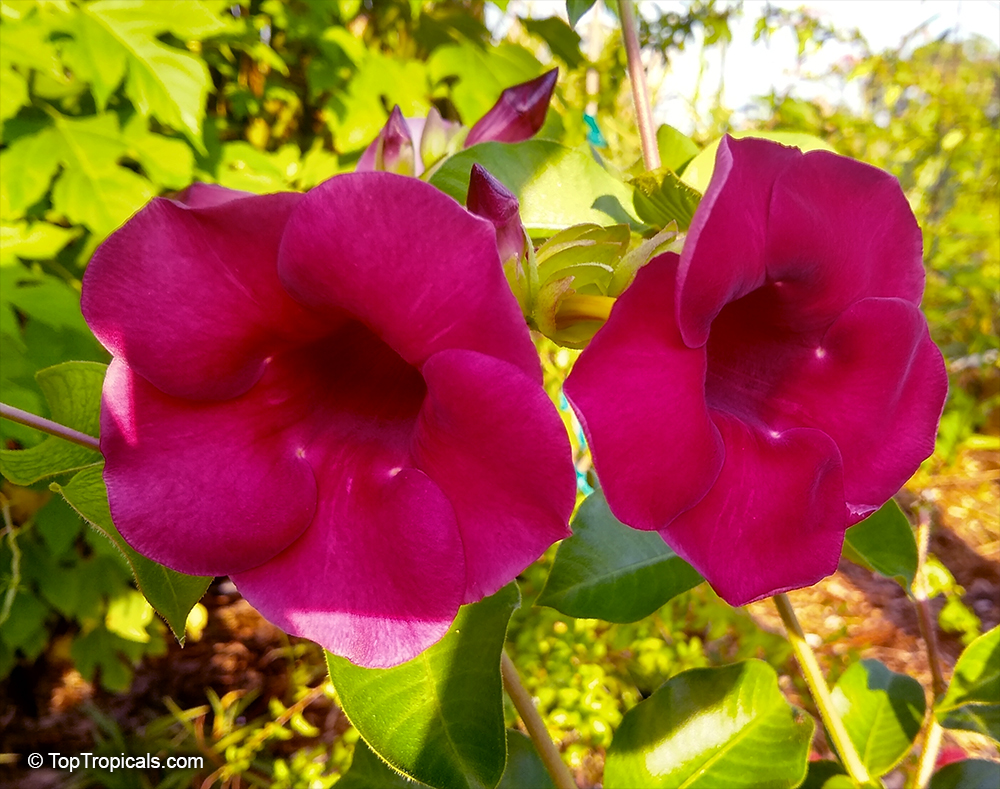
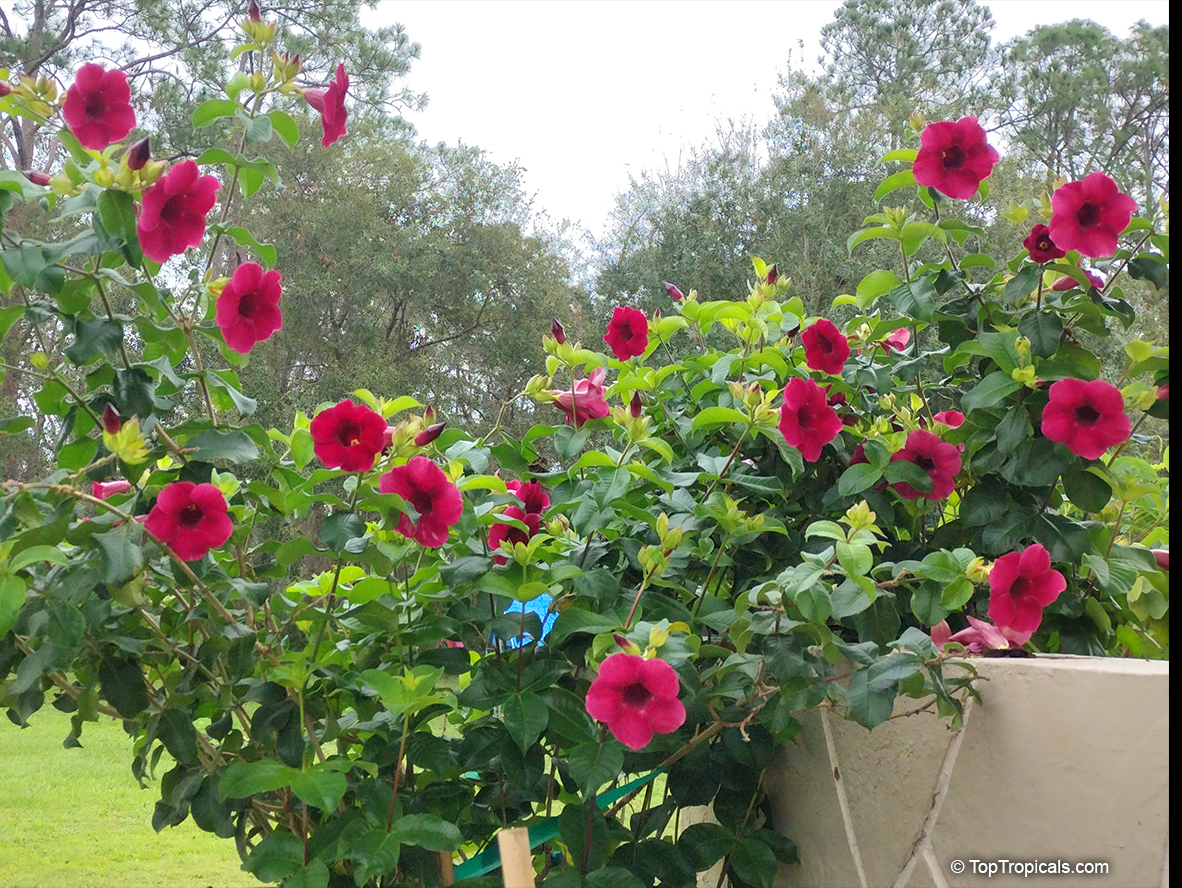
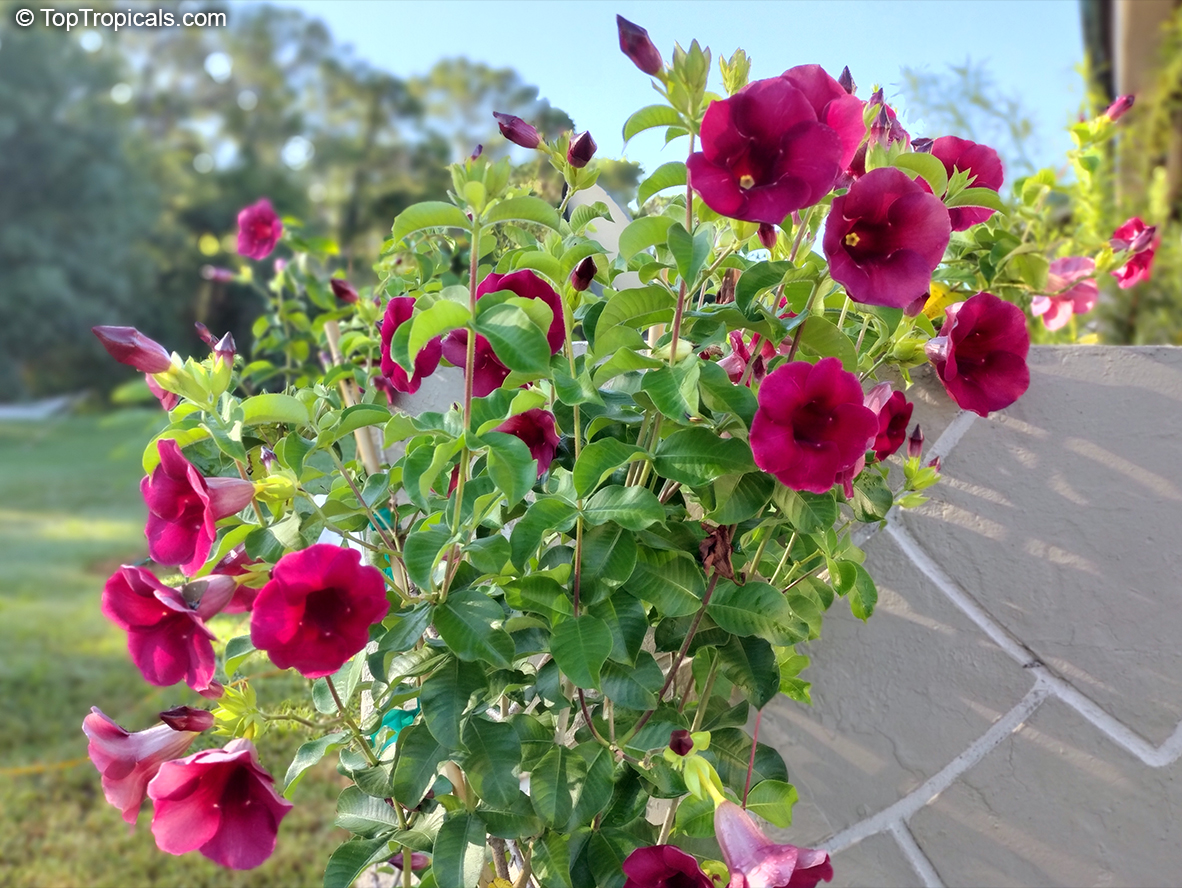
This evergreen tropical vine blooms during summer and fall: glossy point burgundy-brown buds open into flowers with 5 partially overlapped petals of an unusual tint of pink - cherry ice cream. Their narrow, funnel-shaped basements are a bit darker. In cool weather the petals change it's color for more saturate. The flowers are followed by thorny ovoid seed-capsules. Long, bright green, fuzzy leaves with slightly wavy edges are gathered in whisks on weak creeping stalks. During a season allamanda grows up for 2" to 9", highest possible height is 9-18ft. Using regular prune you can have a shrub or a twister. The plant has neither thorns nor tendrils it demands support to keep it's shape. It twists around in a certain specific direction. Do not try to change the direction - it may cause damage to the vine! As flowers are usually generated on young sprouts, late or too short prune may result in poor blossoming. The best time for pruning is November. Allamanda grows well in full sun or in light shade and prefers soil with good drainage. It does not tolerate either drought or flooding. From November till February the plant should have a time for repose - the optimal temperature is about 65F and watering must be less then usual (but the soil still should be always gently moist). In case of temperature drop below 59f for a long time the vine weakens and may die. Allamanda suffers from droughts to a more or lesser extent. Allamanda can be propagated by cuttings, air-layers, and seeds. Seeds come up in 3 - 6 weeks. They should be kept in a light, warm place, in moist but not wet soil. It grows well when was grafted on yellow allamanda. If grown indoors should be watered regularly with warm water. All the parts of the plant are toxic if it is swallowed. Latex can be irritating for skin. Can be cultivated as annual.
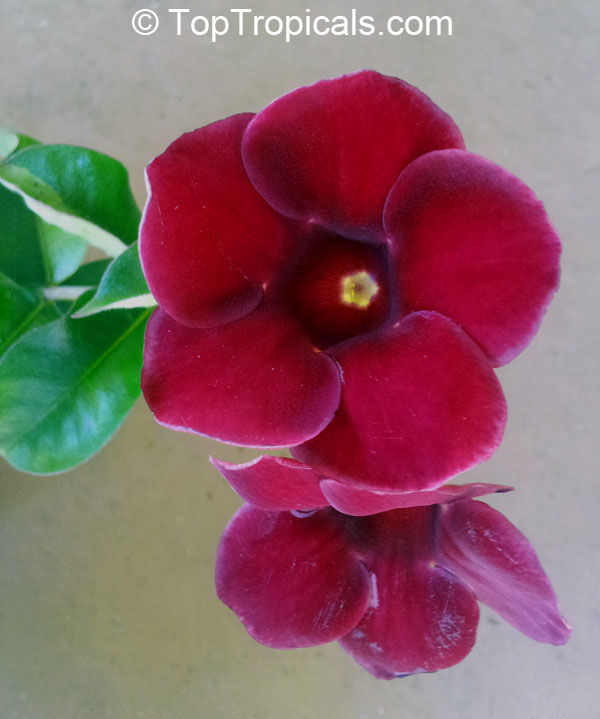
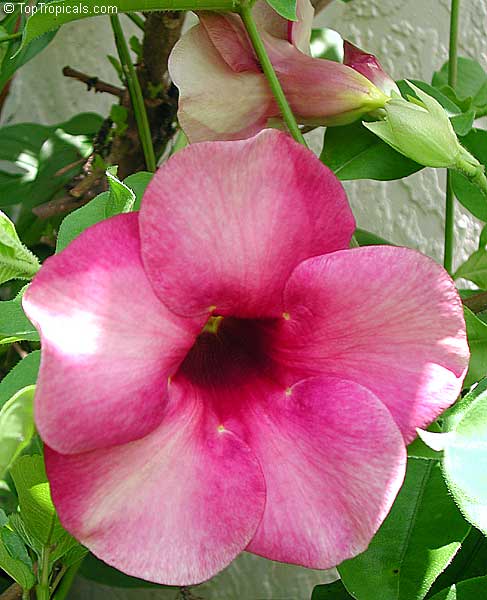
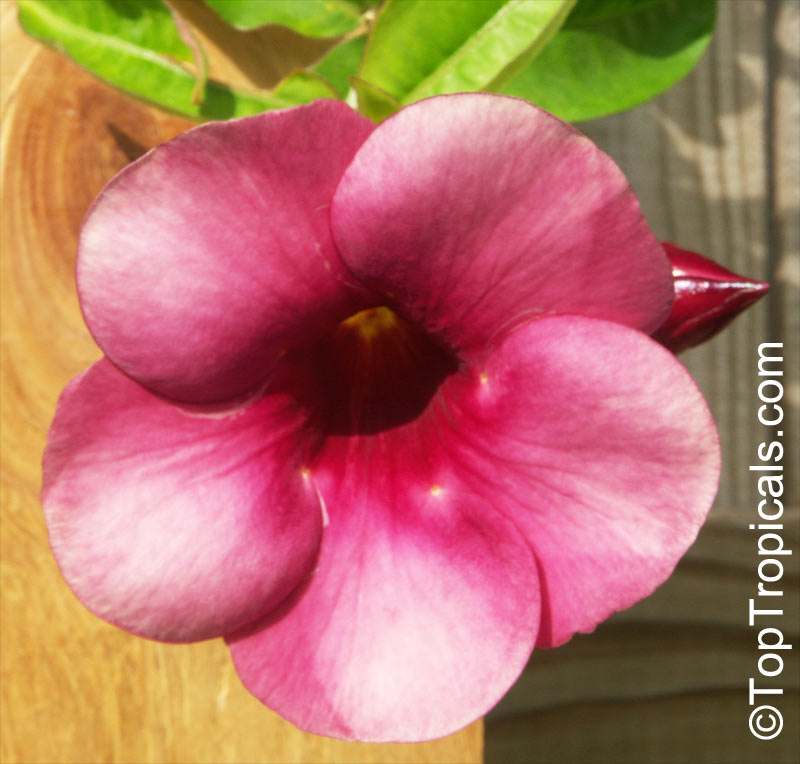
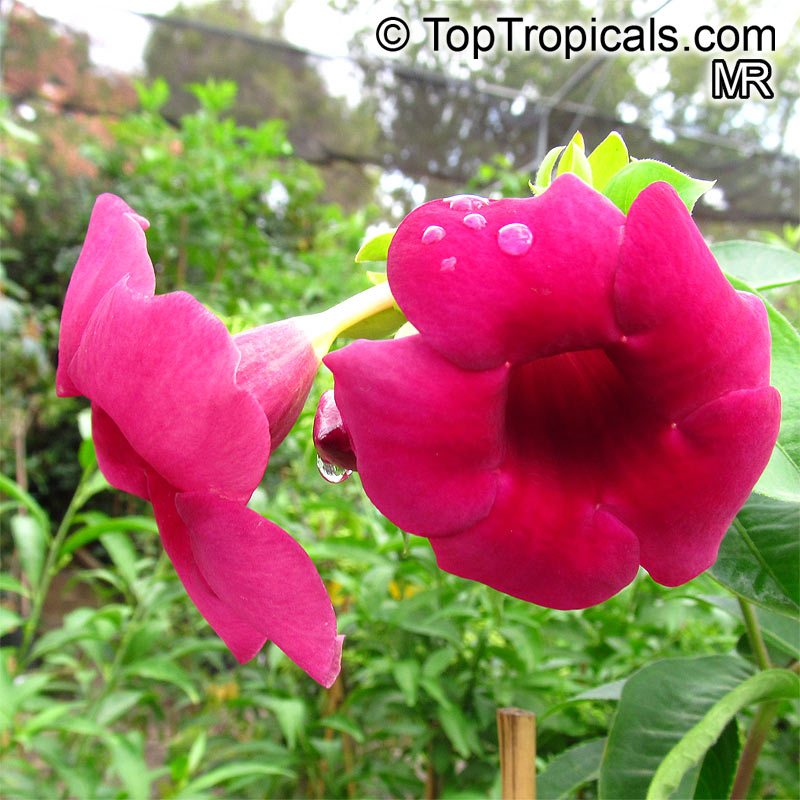


Recommended Fertilizer: SUNSHINE Megaflor - Bloom Nutrition Booster
Recommended Fertilizer: SUNSHINE Megaflor - Bloom Nutrition Booster
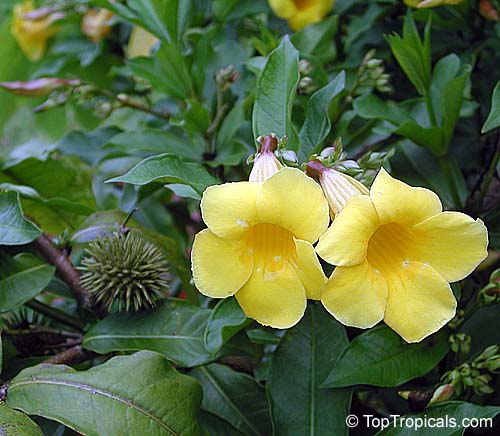
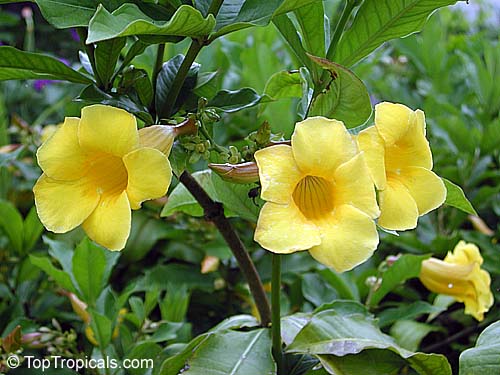
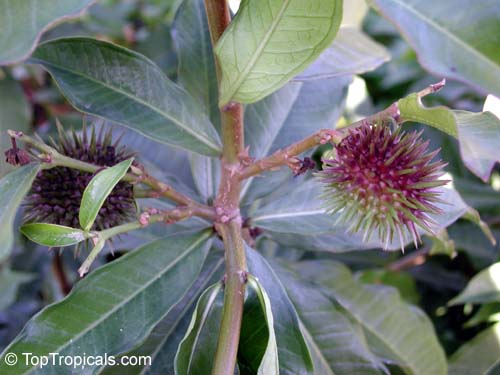
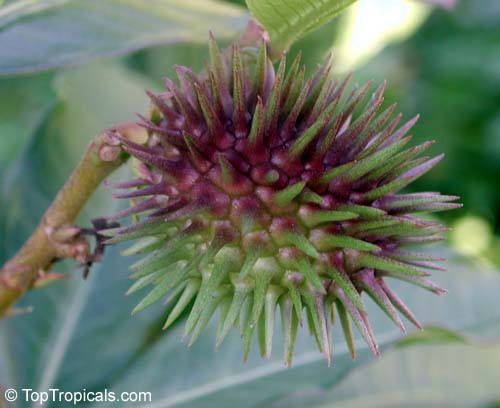
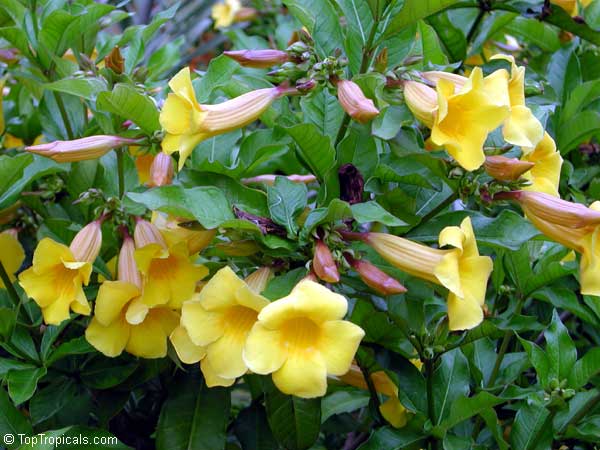
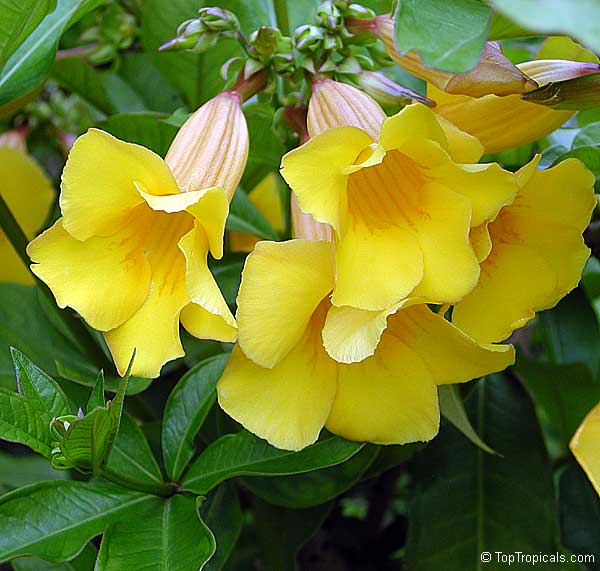
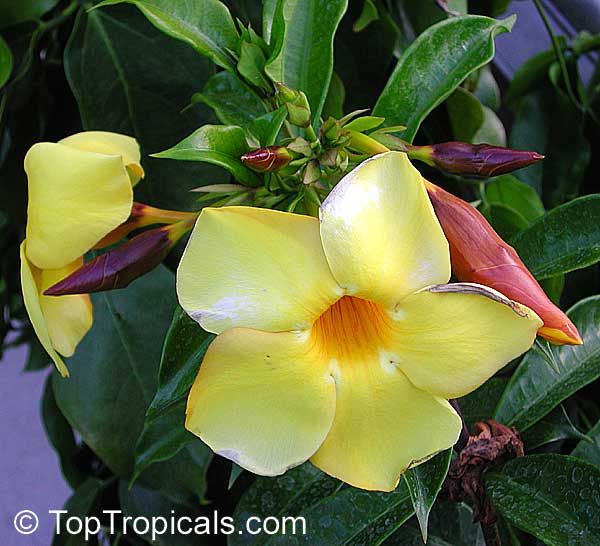
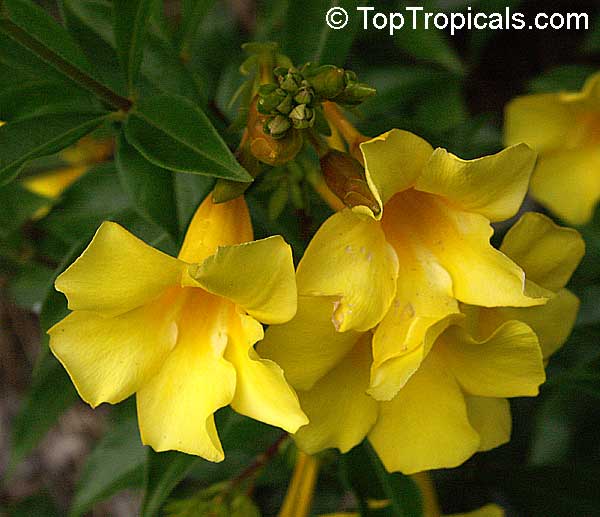
Botanical names: Allamanda cathartica, Allamanda nerifolia
Common name: Golden Trumpet Shrub
Family: Apocynaceae
Origin: Tropical America
USDA Zone: 9-11


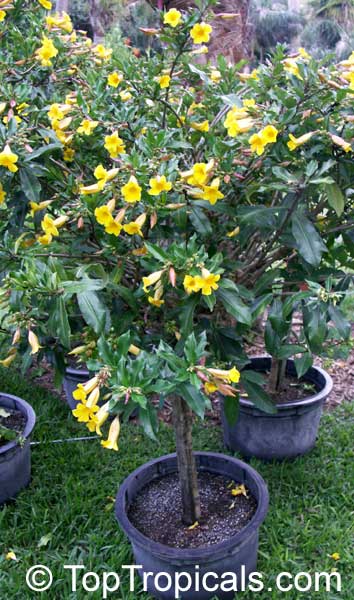
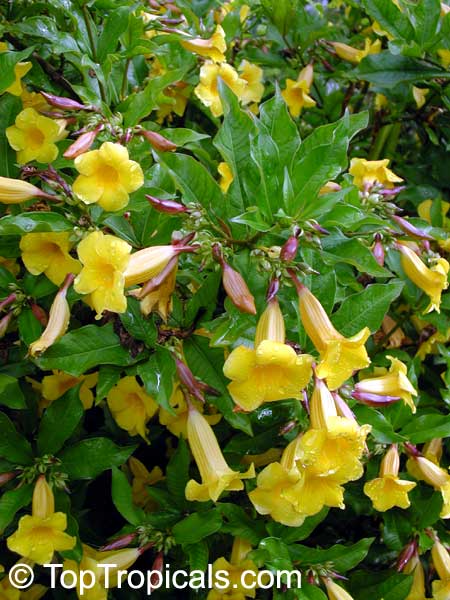
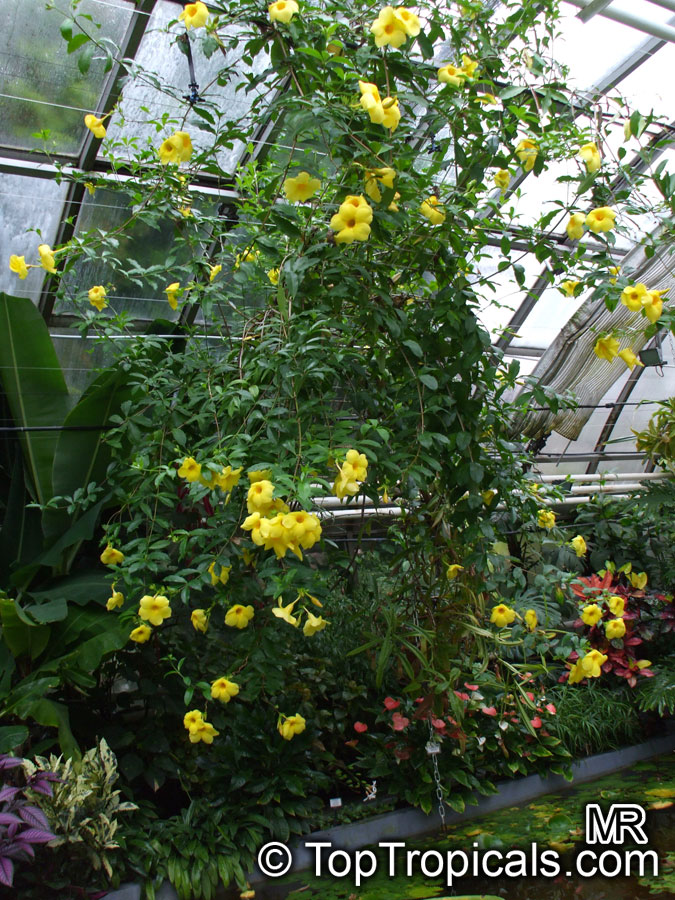
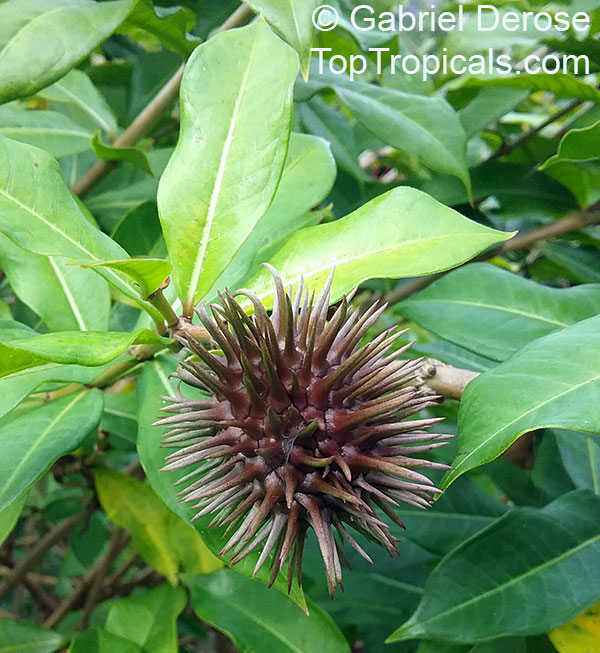
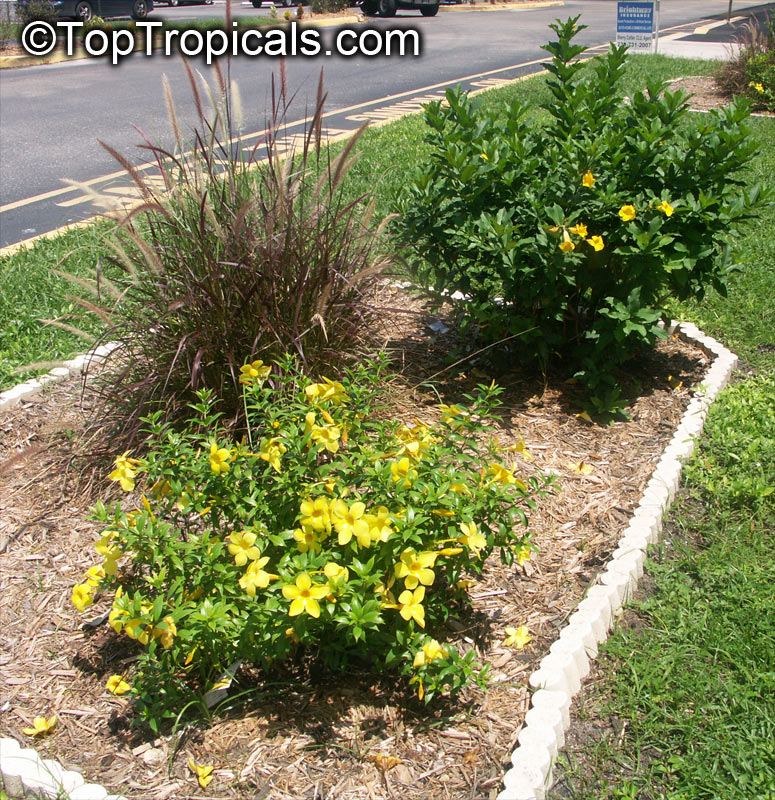
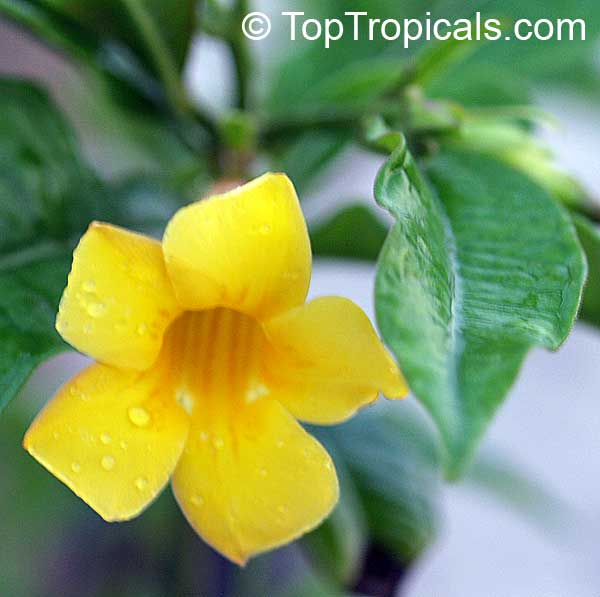
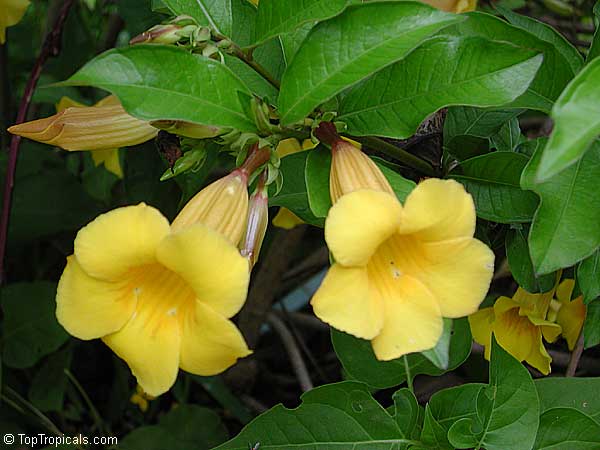
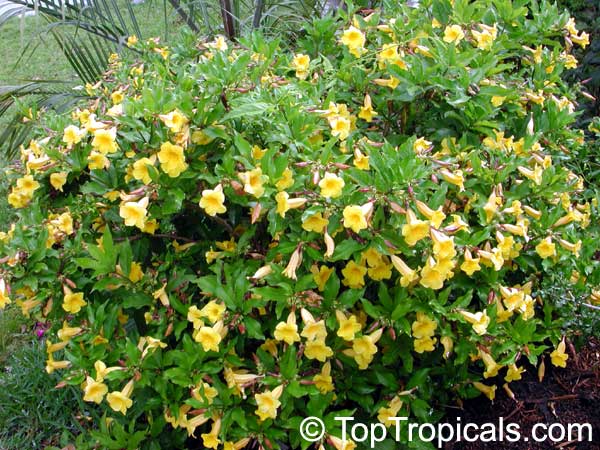
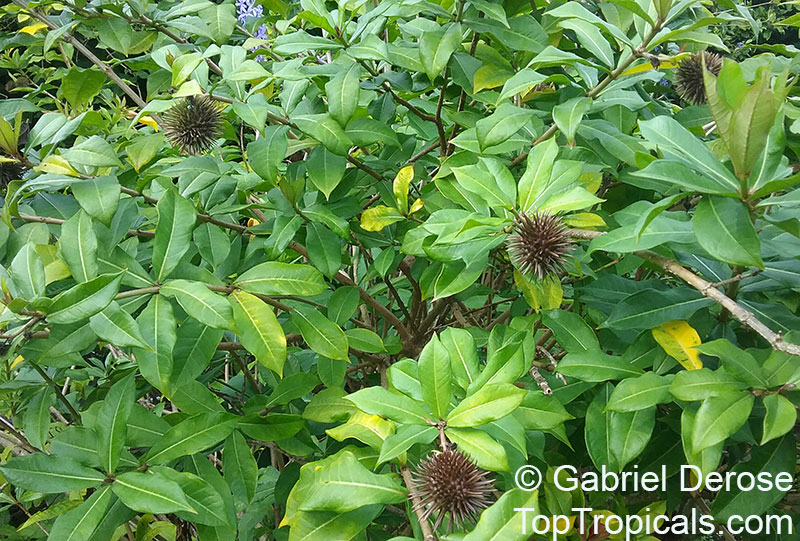
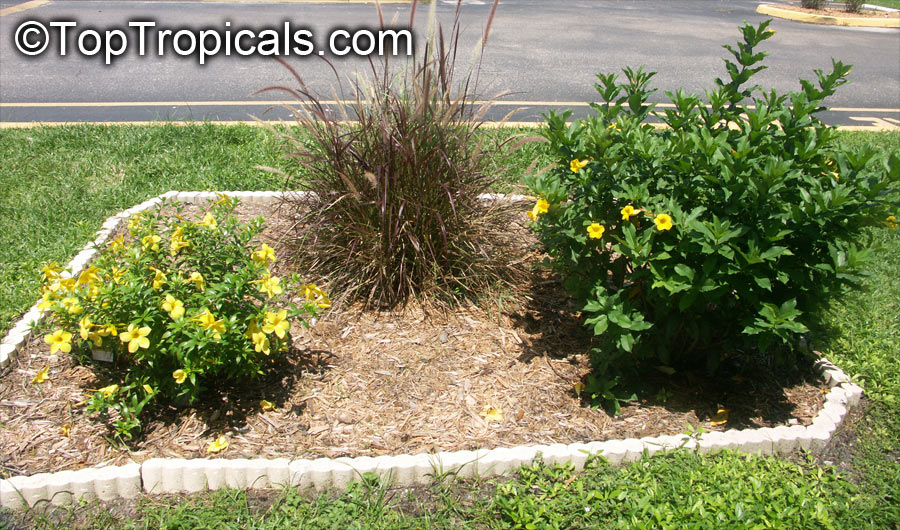
Very attractive ever-blooming shrub with bright yellow trumpet-like flowers. Night-scented flowers year-round. Prickly seed pods follow the flowers with winged seeds that fly about when the pod dries and breaks open. Allamanda is perennial in tropical climates and may be treated as an annual or brought inside during cold weather and replanted after danger of frost. The plant has milky sap and is considered poisonous; all parts are highly cathartic (hence the botanical name). Grows well in most soils, but becomes chlorotic in very alkaline conditions. In areas where there is seasonal change, keep fairly dry during winter and prune in spring before growth begins. It may be desirable to prune annually in any case to control for size.

Recommended Fertilizer: SUNSHINE Megaflor - Bloom Nutrition Booster
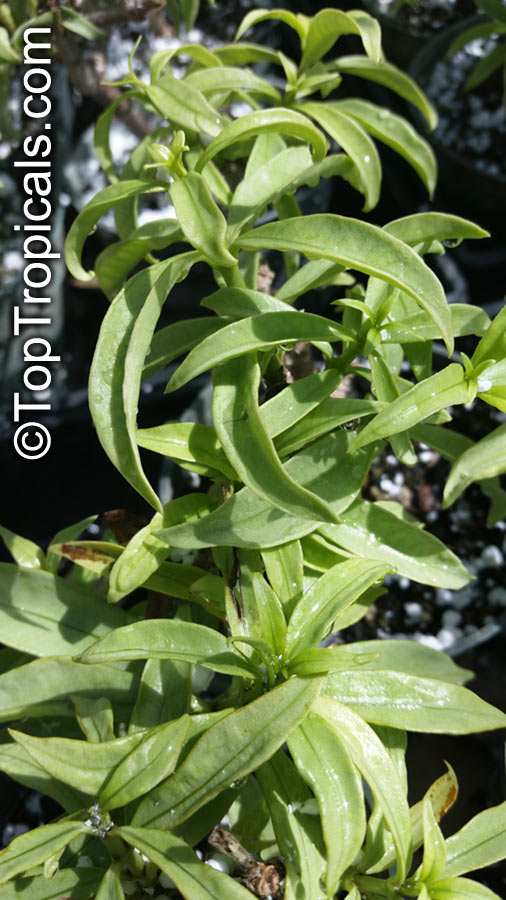
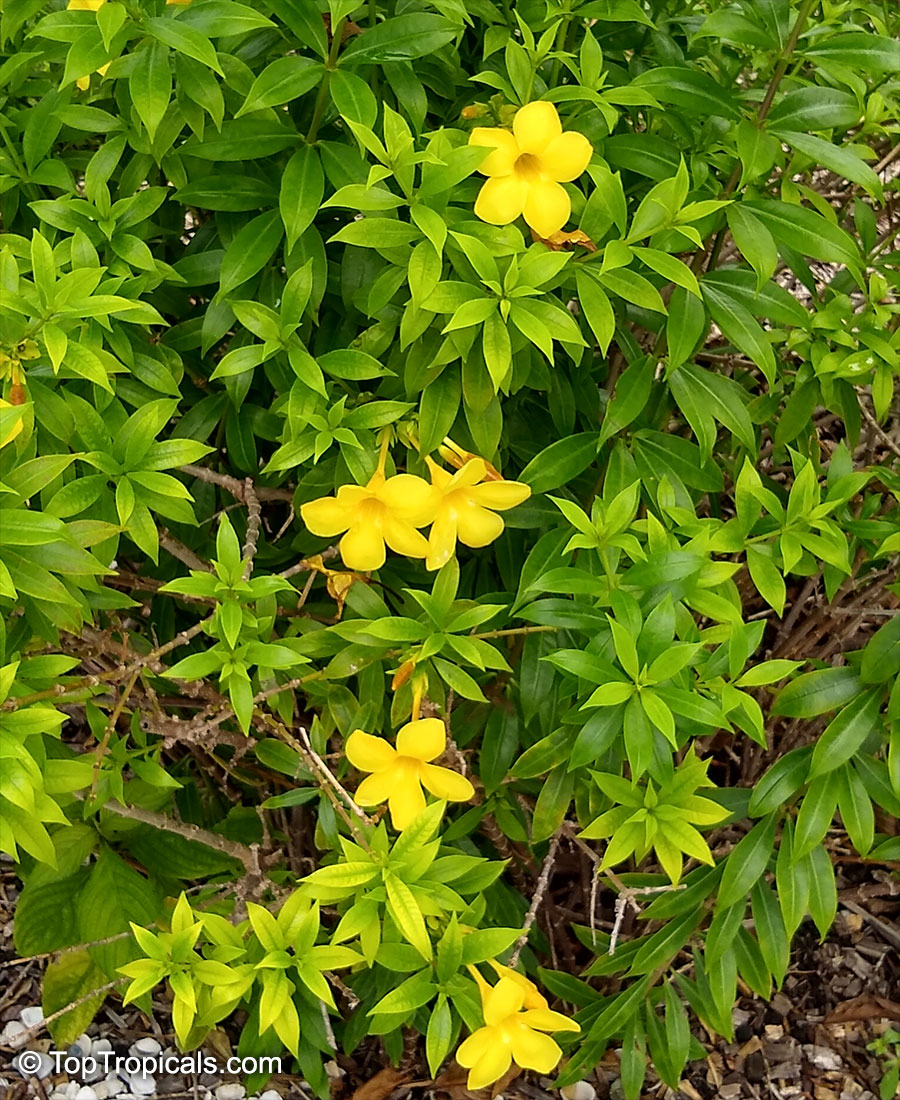
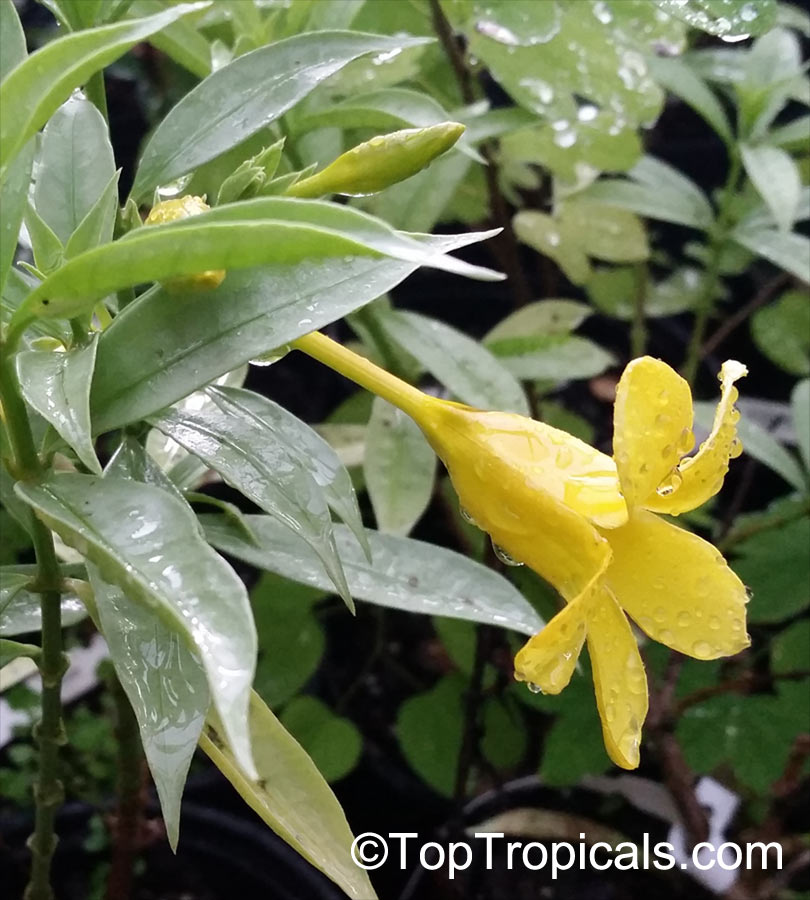
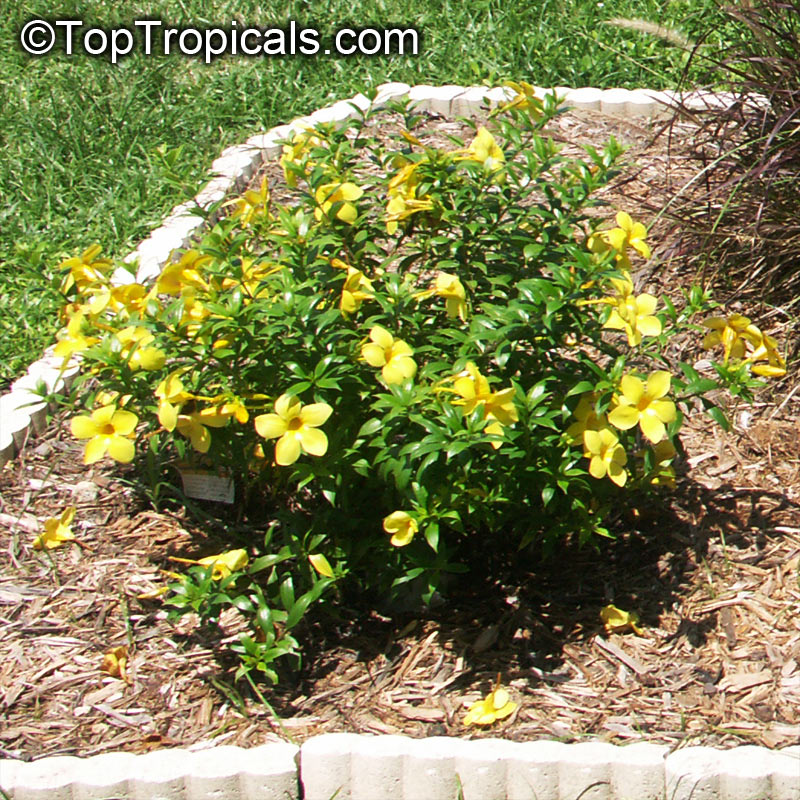
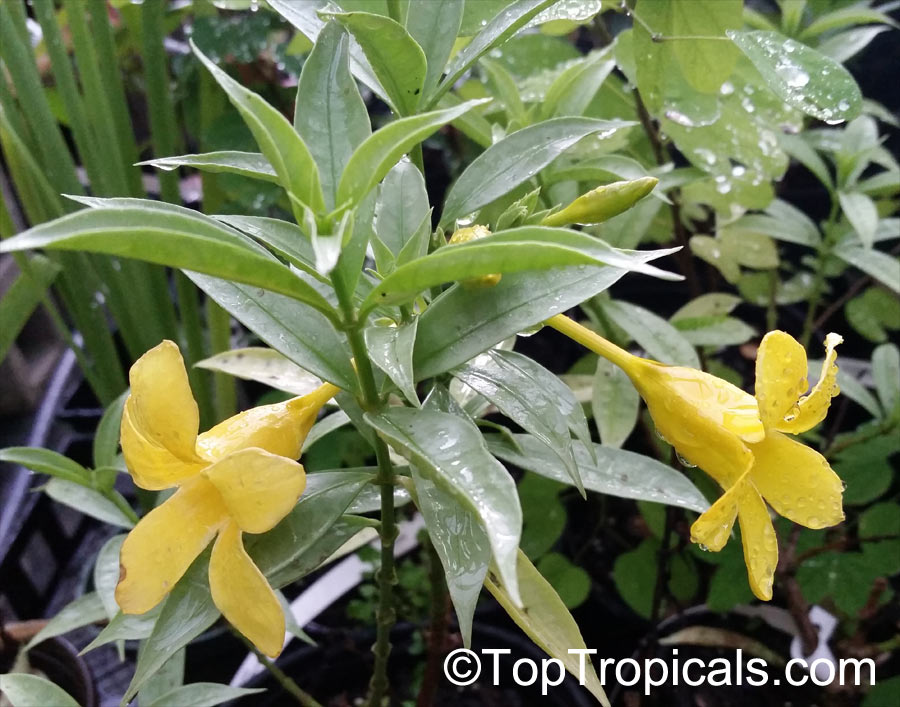
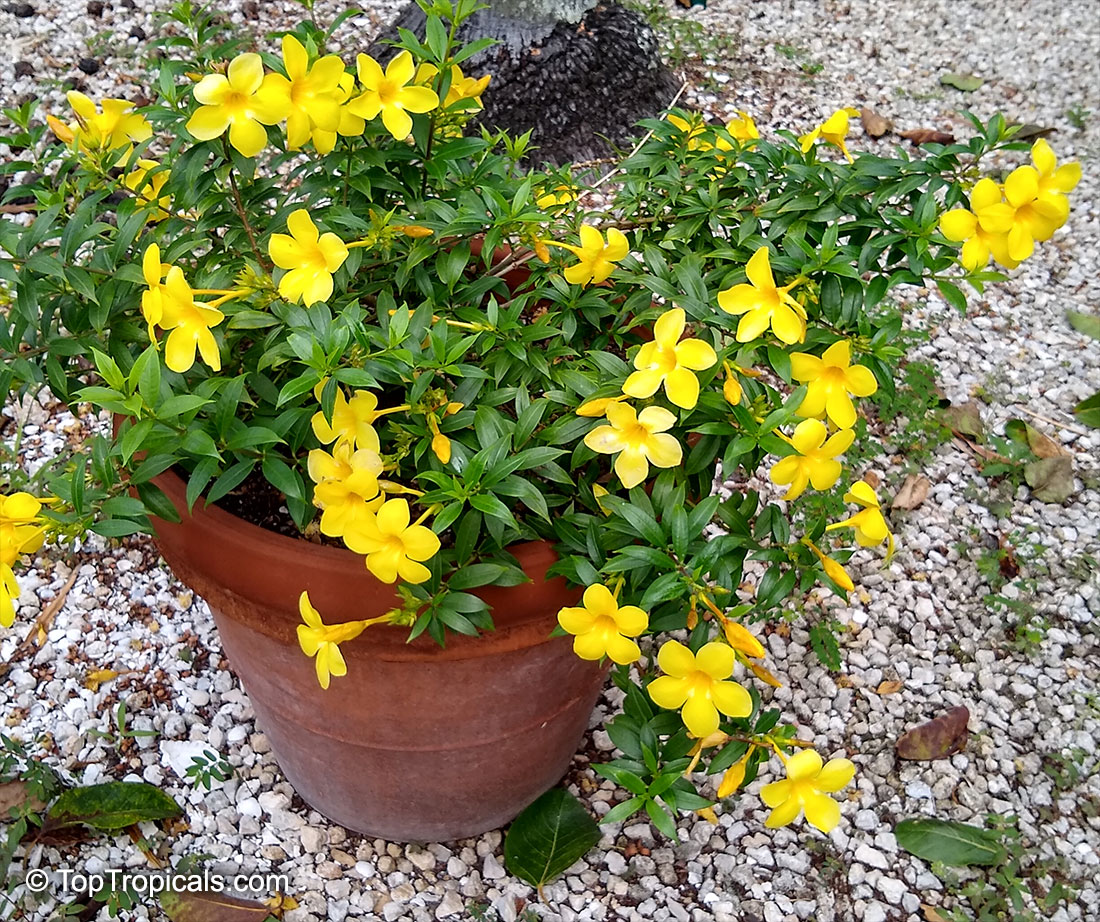
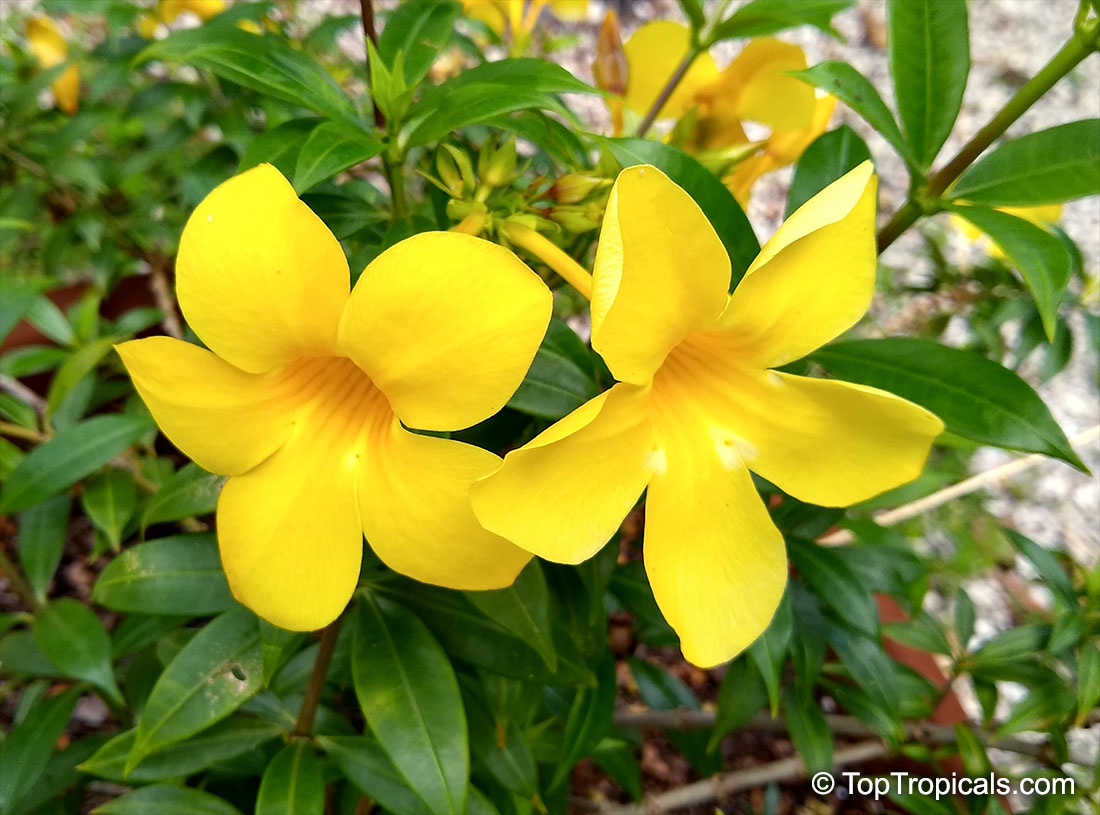
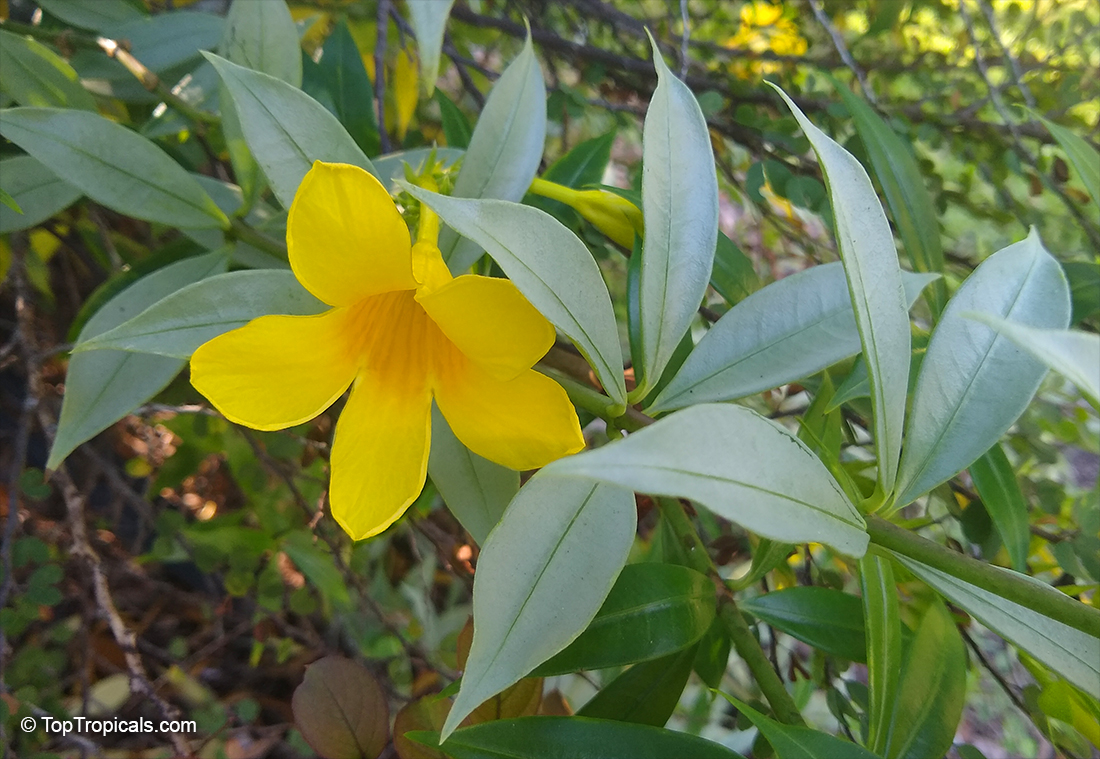
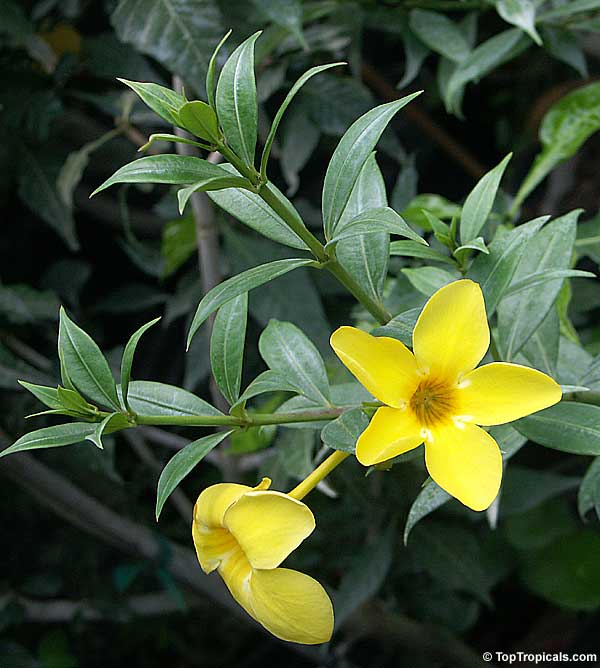
Botanical names: Allamanda schottii, Allamanda neriifolia
Common name: Dwarf Golden Trumpet
Family: Apocynaceae
Origin: Brazil
USDA Zone: 10-11
Dwarf form with smaller leaves with yellow tubular flowers smaller than allamanda cathartica. Fruits globose, prickly, burlike.
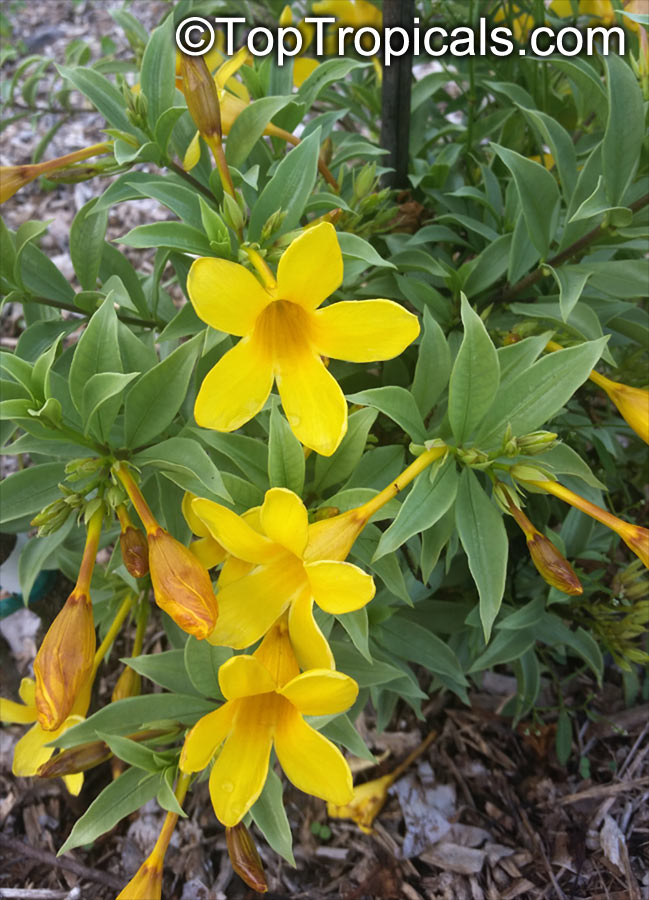
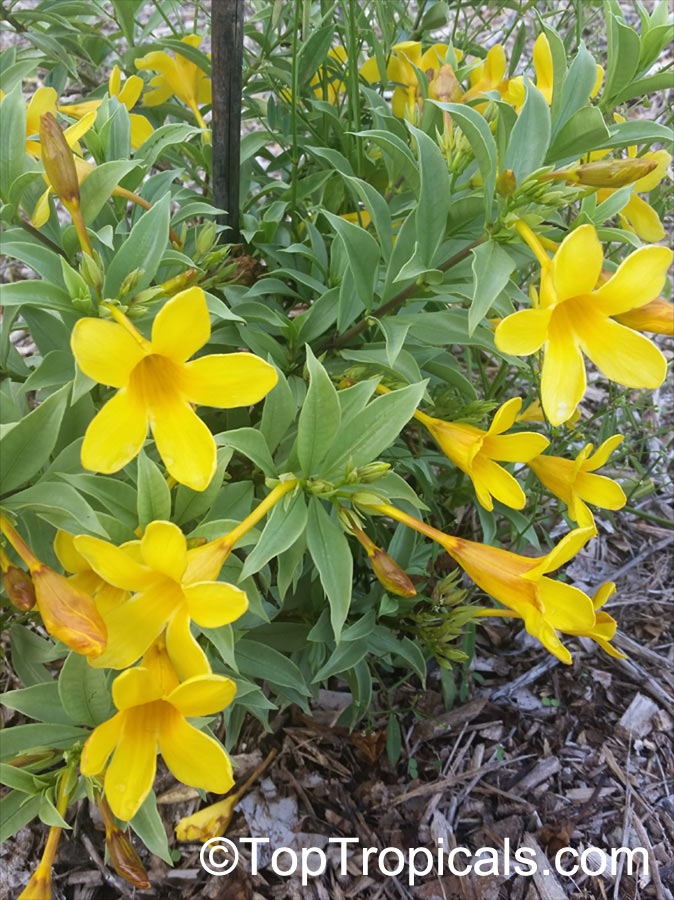
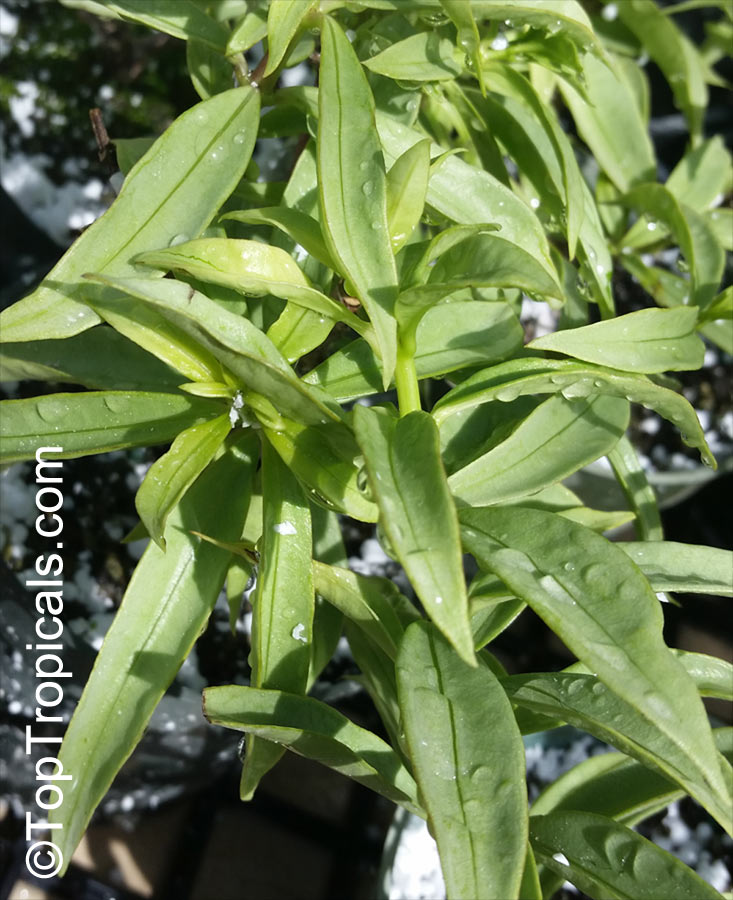

Recommended Fertilizer: SUNSHINE Megaflor - Bloom Nutrition Booster
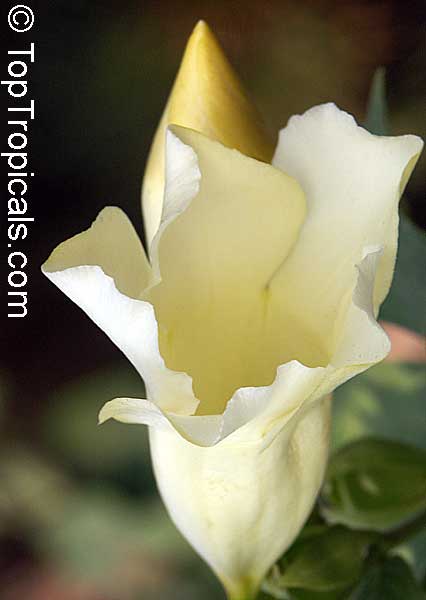
Botanical name: Allamanda sp.
Common name: Allamanda Blanca
Cultivar: Alba
Family: Apocynaceae
Origin: Thailand
USDA Zone: 9-10
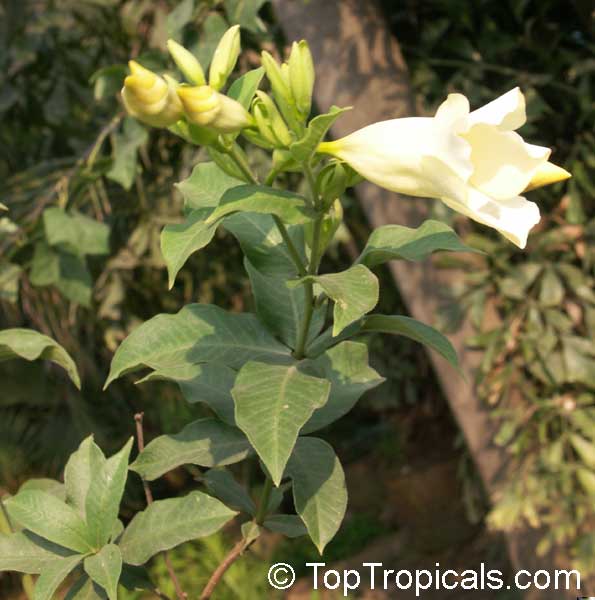
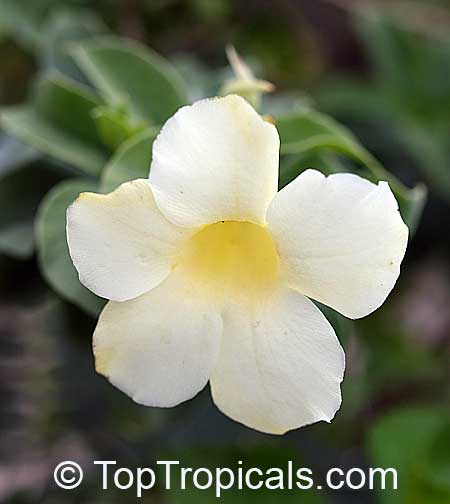
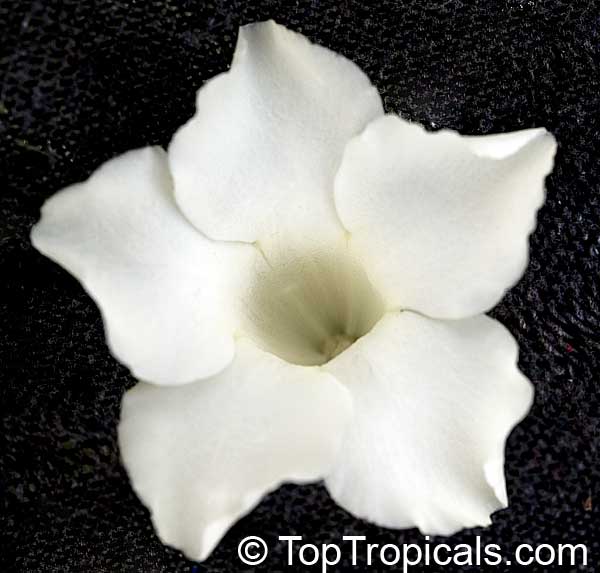
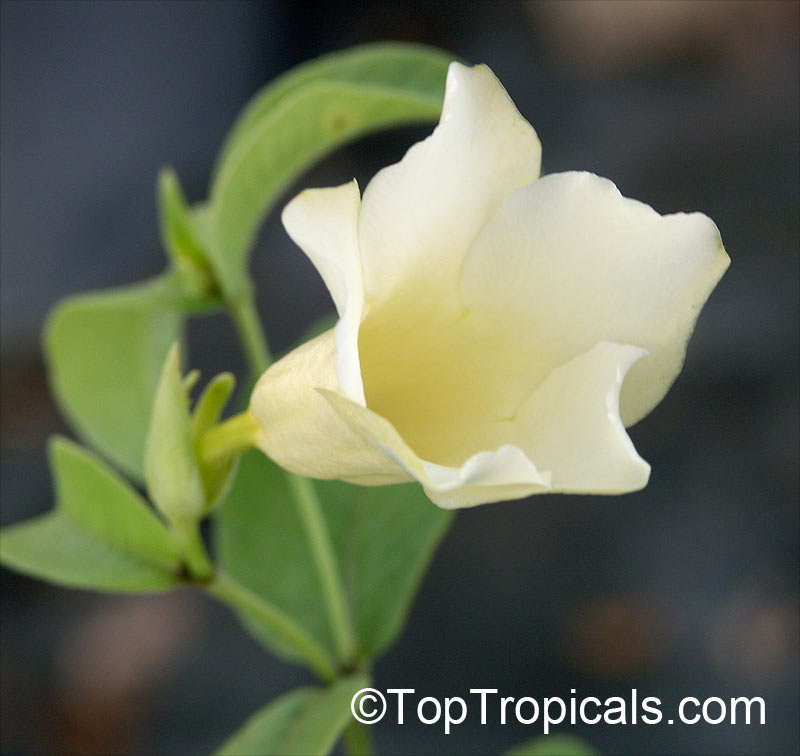
Allamanda sp. Alba (Allamanda Blanca) is a beautiful and large shrub, measuring 5-10 ft tall, and is native to Thailand. Although usually seen as a vine or creeper, it can also be grown in a pot, hence making it suitable even in colder regions. It needs full sun and regular water, but not too much. It produces gorgeous, white, off-white flowers which have an almost too sweet, but pleasant odor. The downside? These flowers are also a bit irritating, so it's best to enjoy their sight from a safe distance.
These flowers attract butterflies, moths, and hummingbirds and thus have become a favored nectar source for them. It is hardy in USDA zones 9-11 but should not be exposed to below 20 Fahrenheit. It's also easy to manage, as it requires regular pruning to keep in shape and create a shapely look. Allamanda sp. Alba (Allamanda Blanca) is a great addition to any garden. Its attractive flowers and low maintenance means any gardener is sure to enjoy this plant!
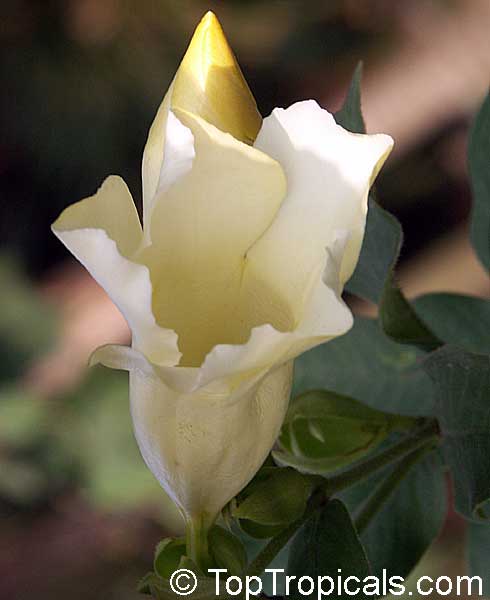
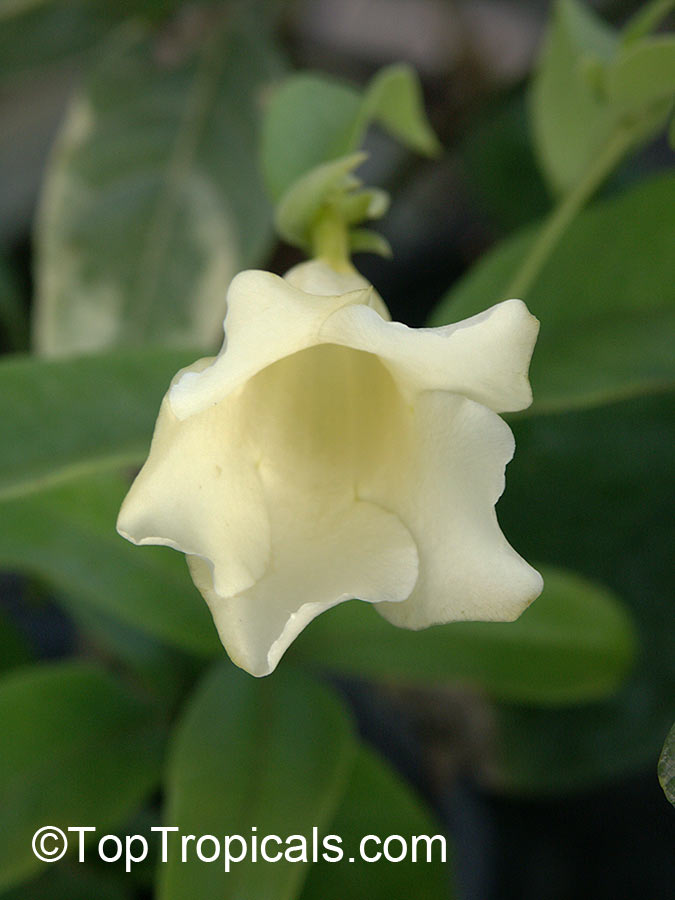
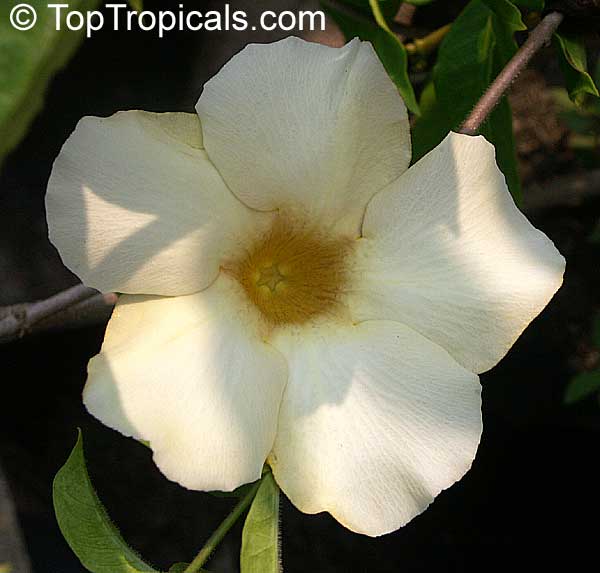


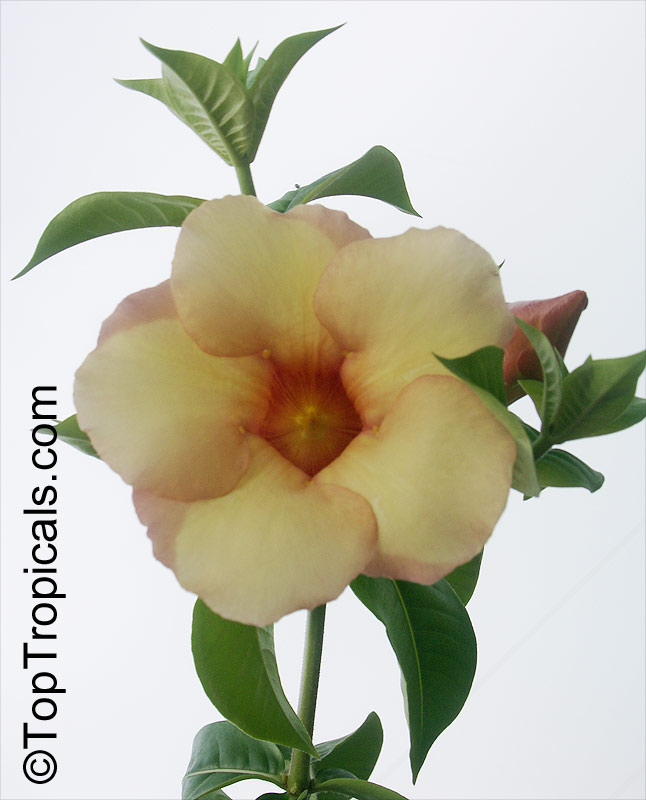
Botanical name: Allamanda violacea
Common name: Allamanda
Family: Apocynaceae
Origin: Tropical America
USDA Zone: 9b-11
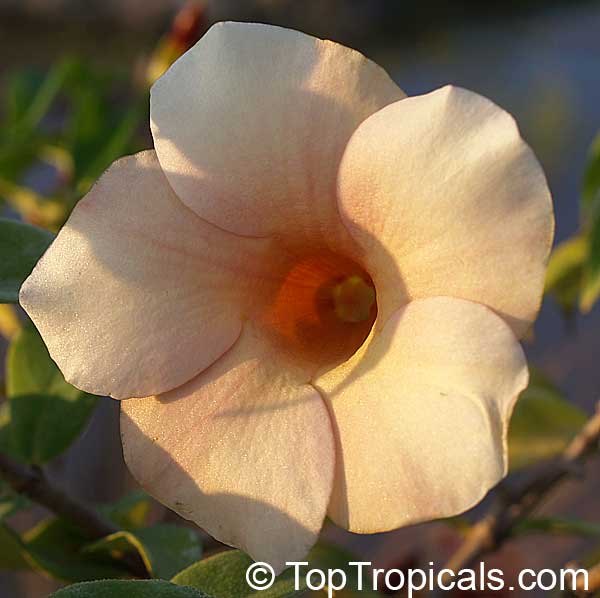
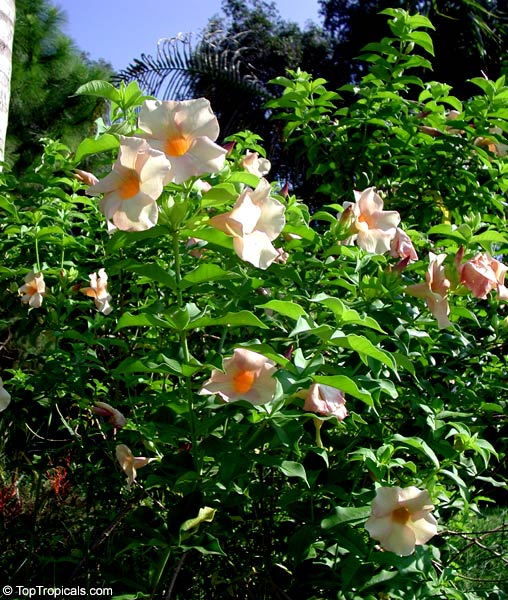
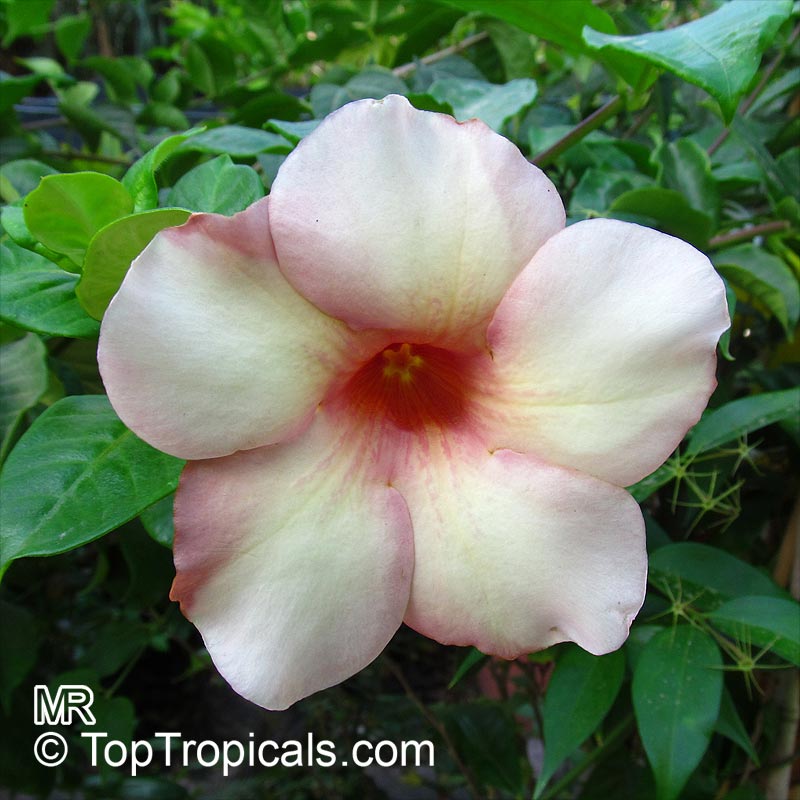
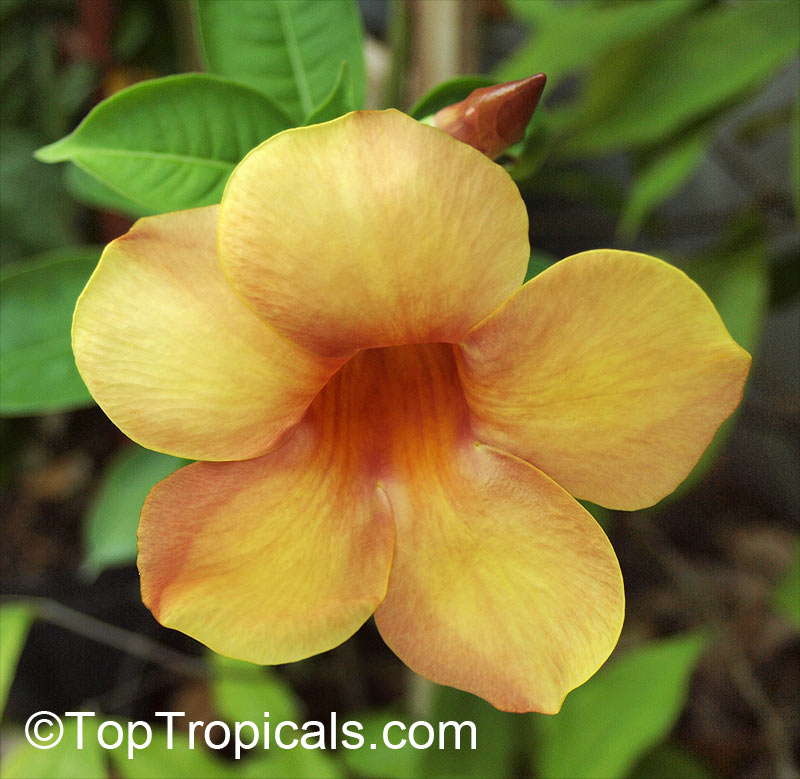
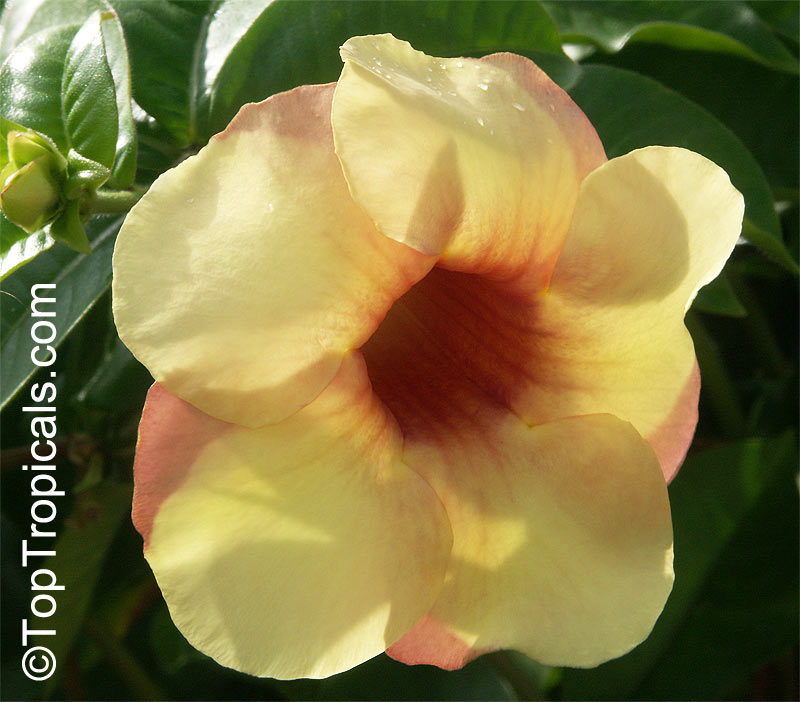
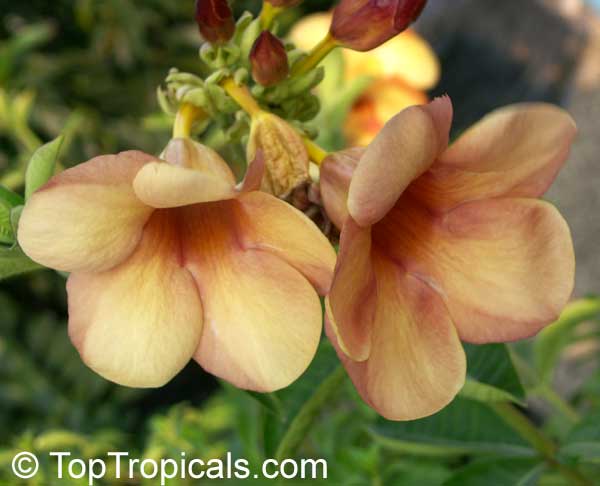
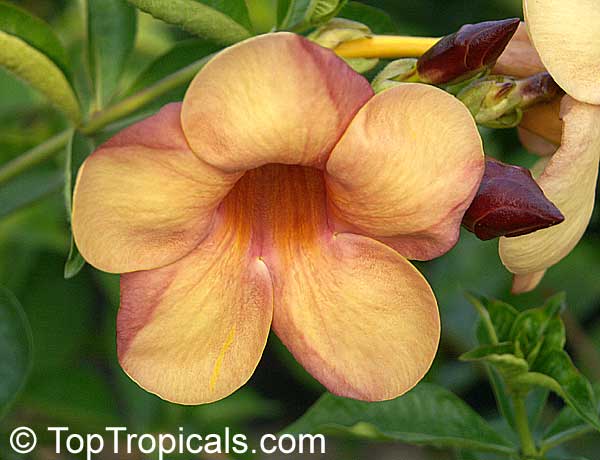
A beautiful variety with delicate light cream flowers. An eye-stopper! A tropical deeply twining vine with whorled leaves and large, trumpet shaped flowers. Prickly seed pods follow the flowers with winged seeds that fly about when the pod dries and breaks open. Allamanda is perennial in tropical climates and may be treated as an annual or brought inside during cold weather and replanted after danger of frost. The plant has milky sap and is considered poisonous; all parts are highly cathartic (hence the botanical name). Grows well in most soils, but becomes chlorotic in very alkaline conditions. Train up a trellis, tree, or side of a building where there is support. In areas where there is seasonal change, keep fairly dry during winter and prune in spring before growth begins. It may be desirable to prune annually in any case to control for size.
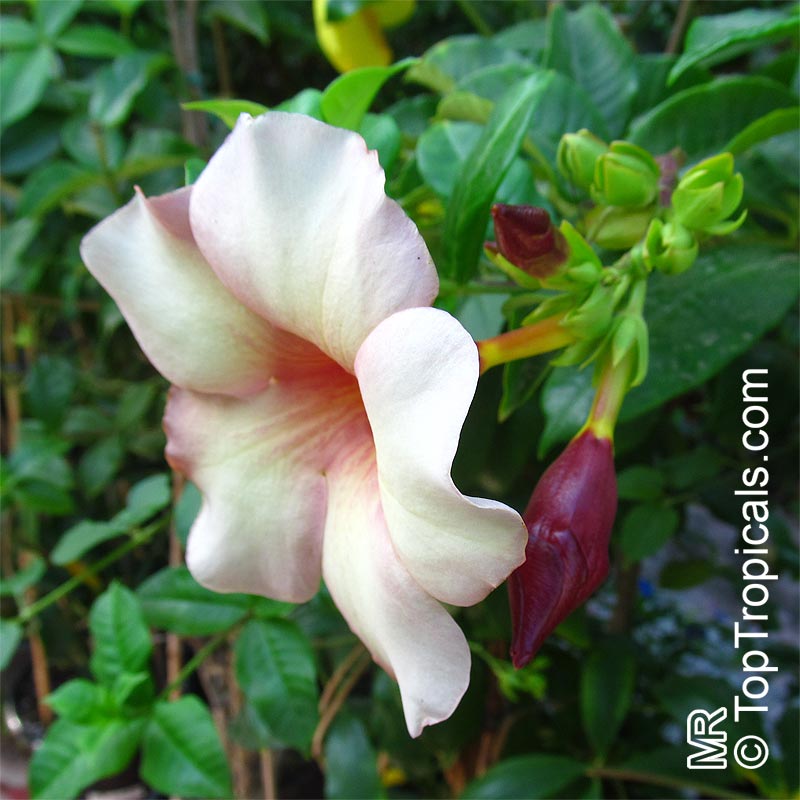
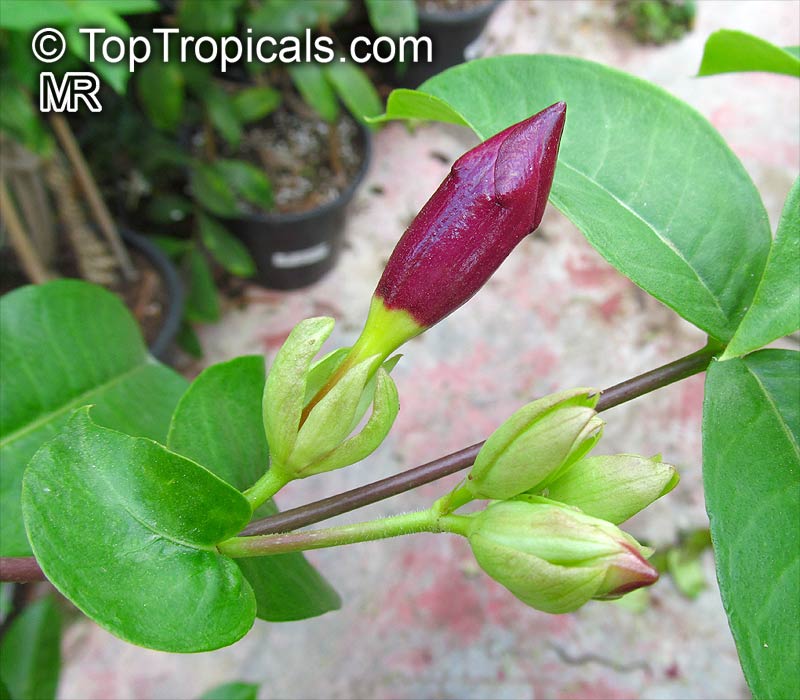
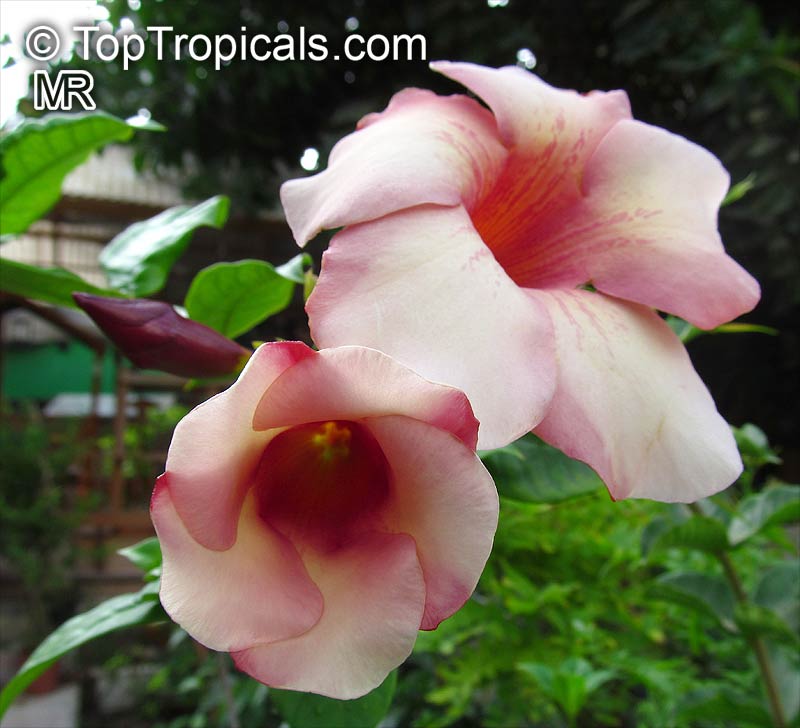
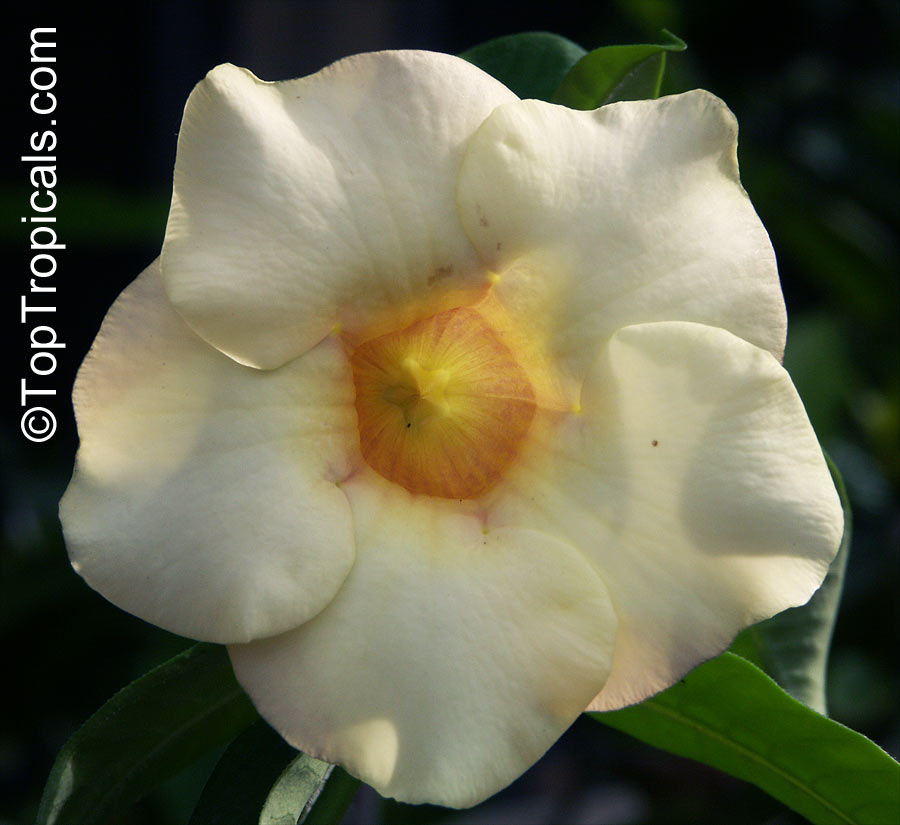
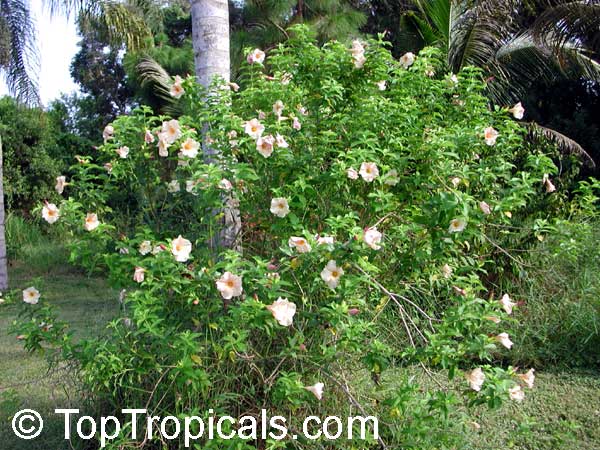


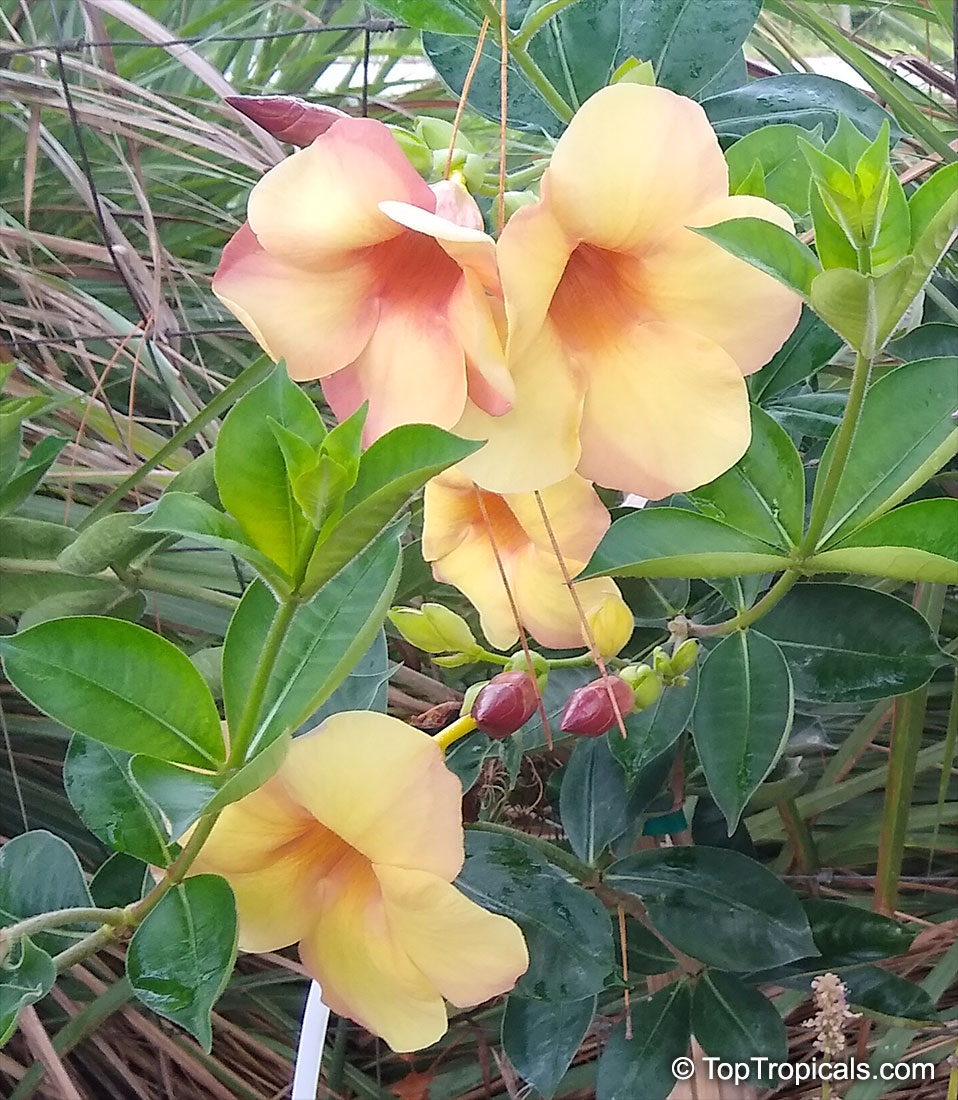
Recommended Fertilizer: SUNSHINE Megaflor - Bloom Nutrition Booster
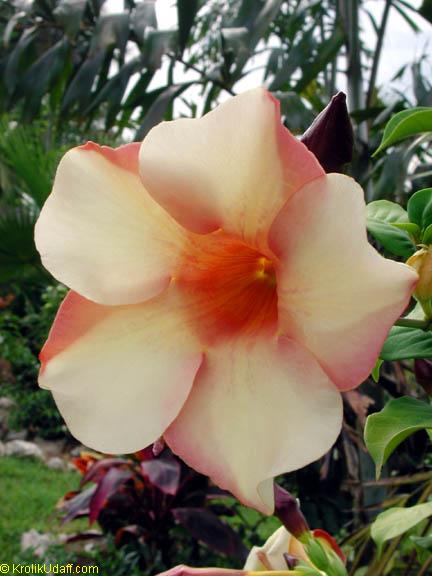
Recommended Fertilizer: SUNSHINE Megaflor - Bloom Nutrition Booster
Botanical name: Allamanda williamsii
Common name: Golden Trumpet Vine
Family: Apocynaceae
Origin: Tropical America
USDA Zone: 9-11
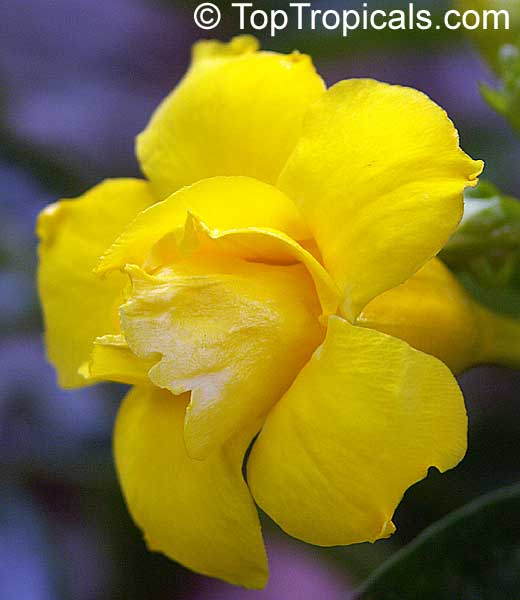
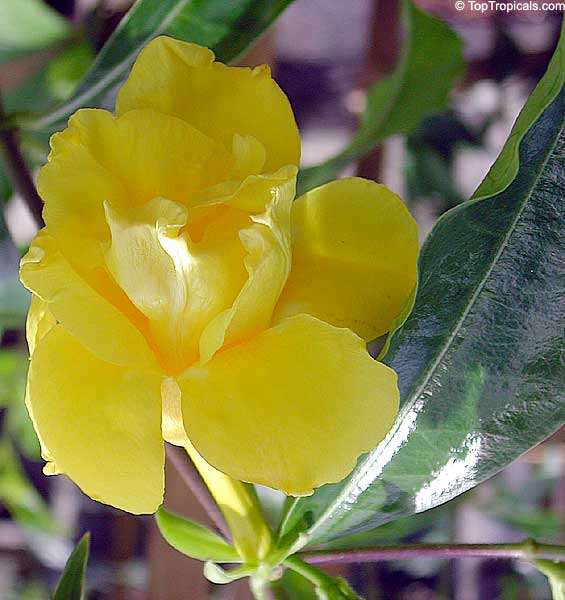
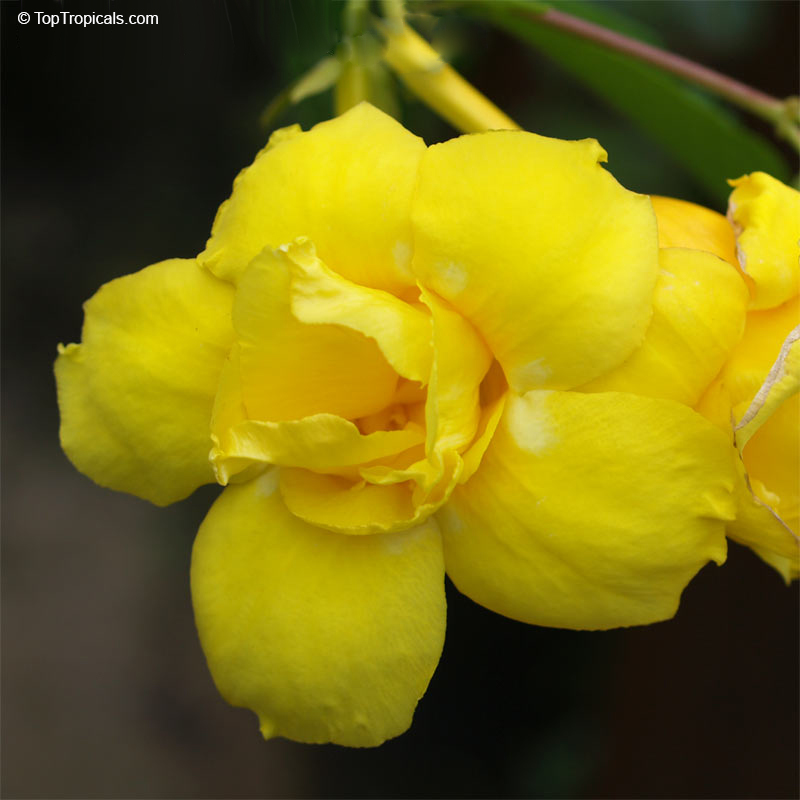
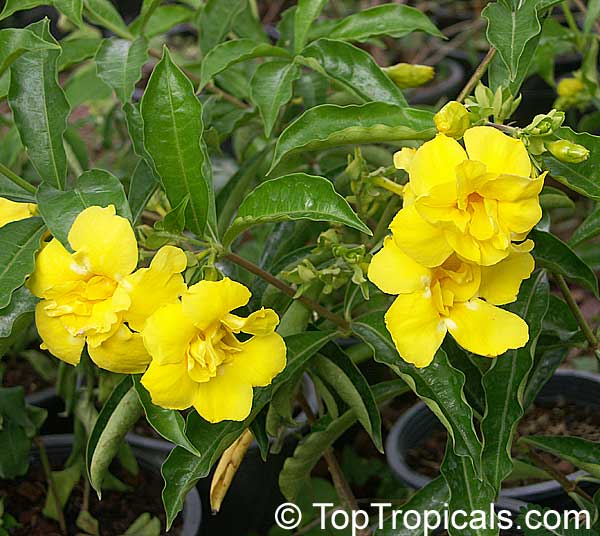
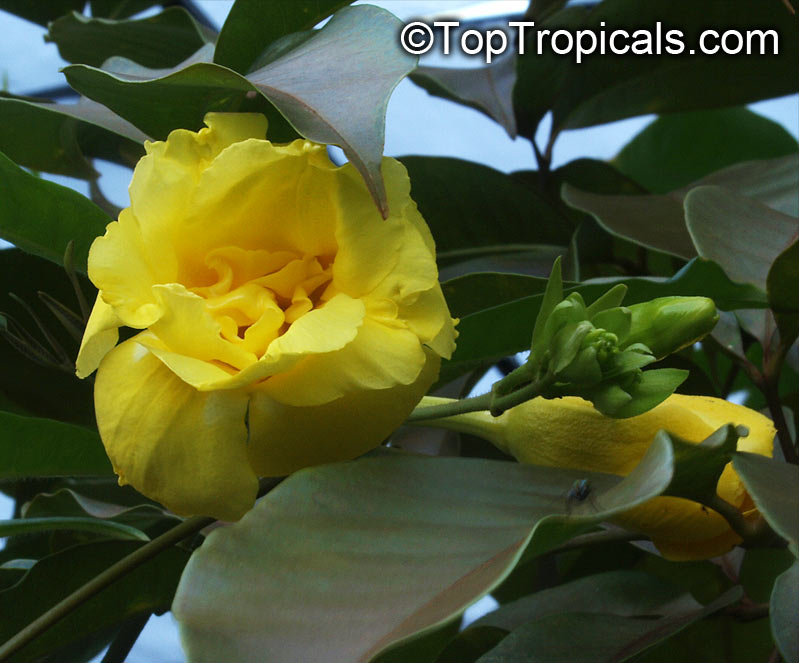
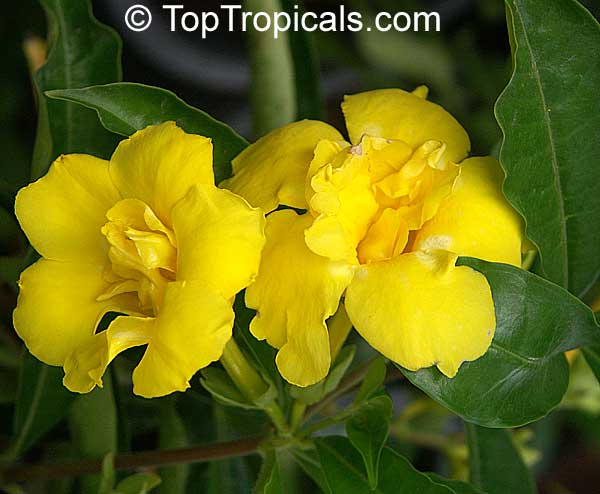
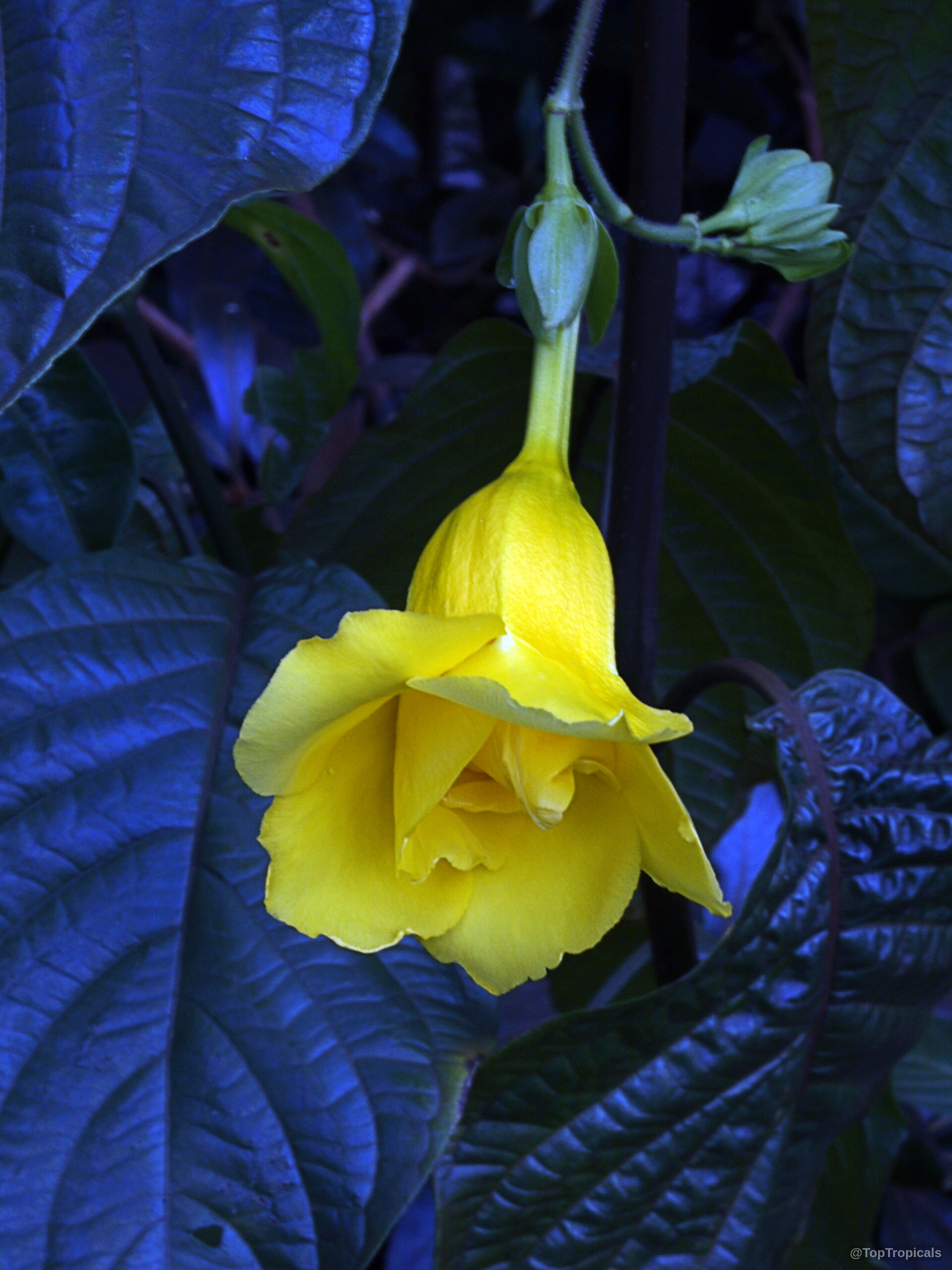
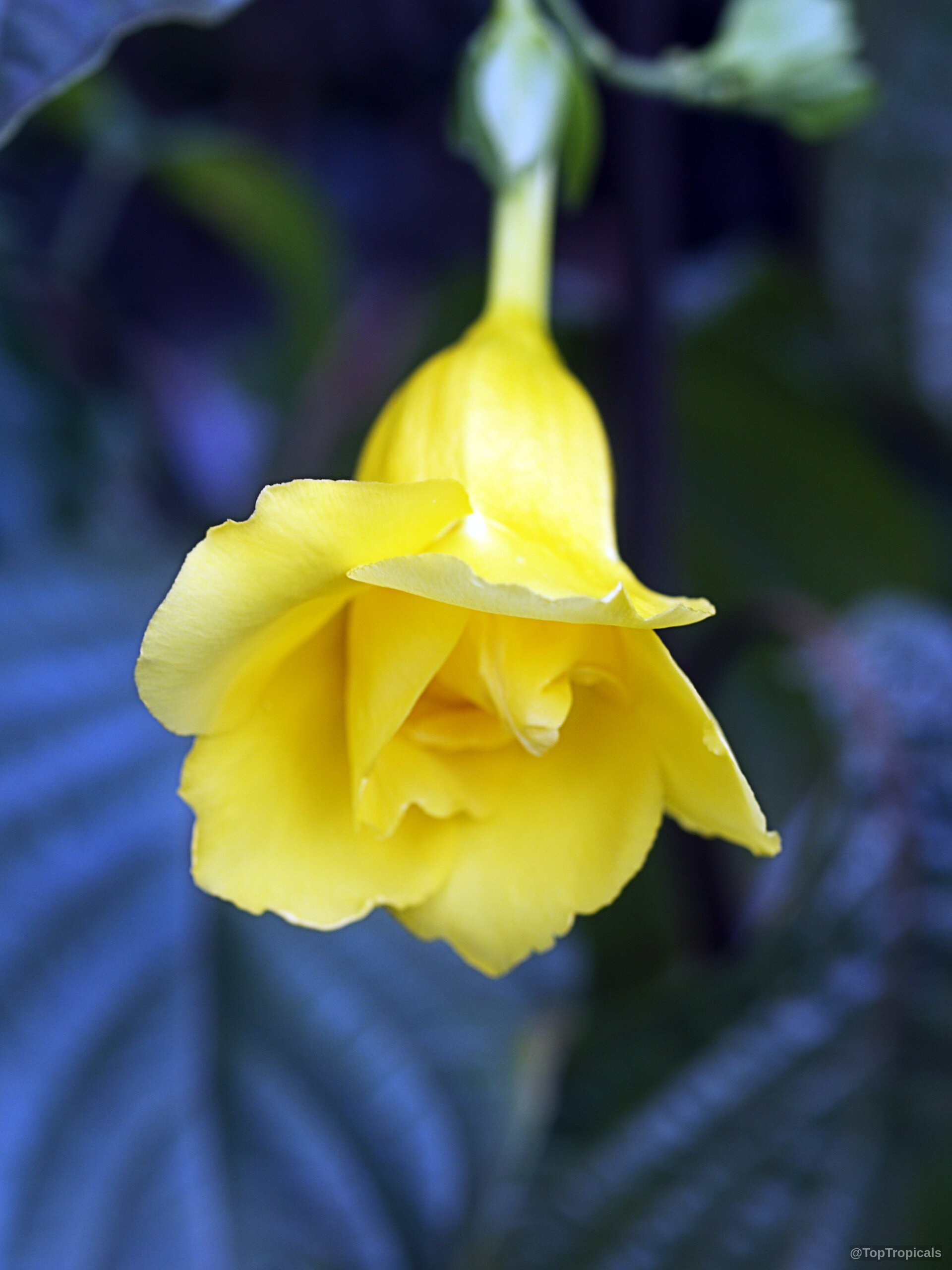
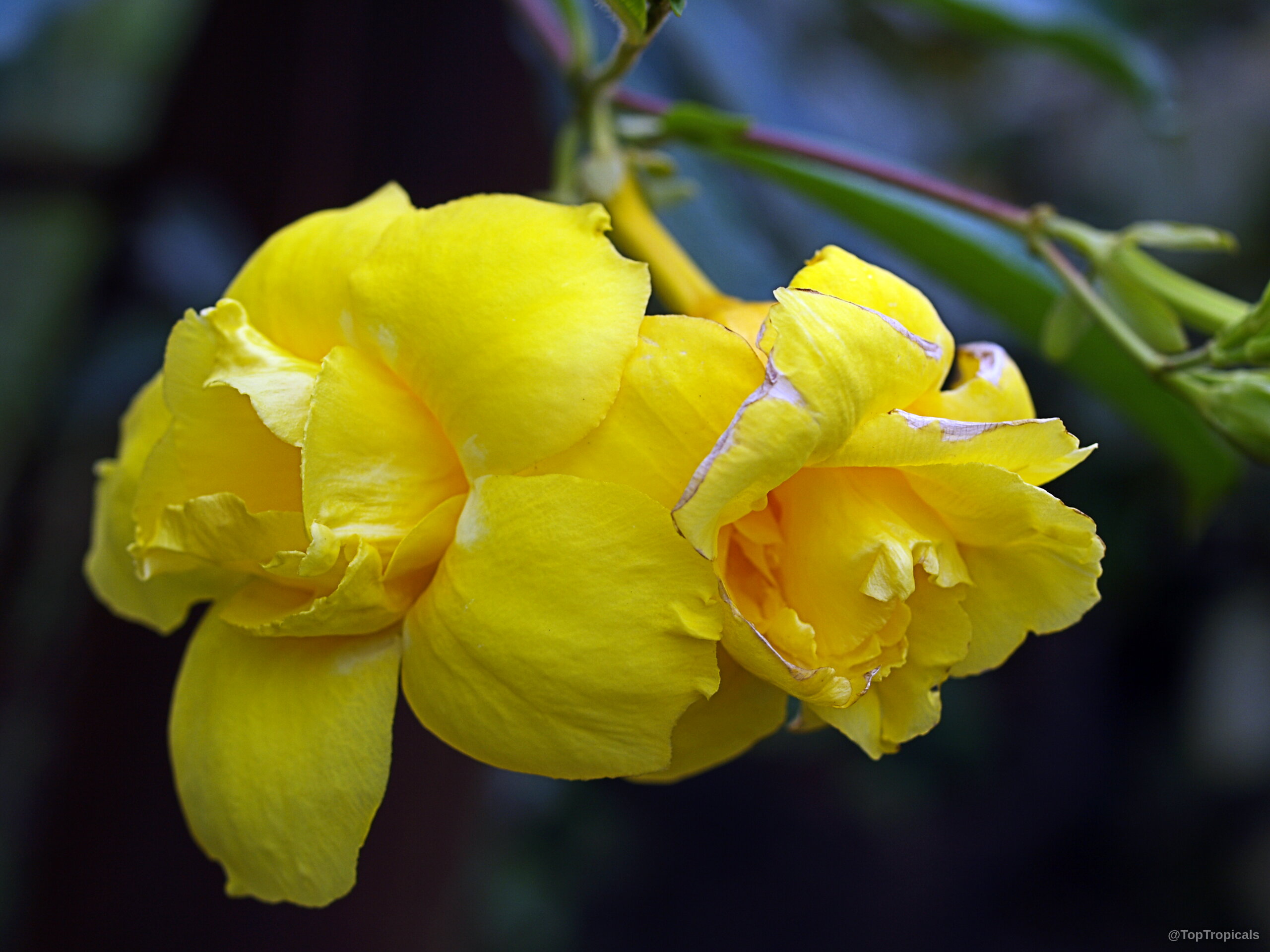
Native to Tropical America, Allamanda williamsii or golden trumpet vine is a beautiful ever-blooming vine, which produces bright yellow or orange double trumpet-like flowers. Its flower is fragrant and blooms all year round. This plant has a milky white sap, which can be irritating, and should be handled with caution when pruning.
Golden trumpet vine can be grown in a variety of soil types, in USDA zones 9 to 11. The plant grows best in semi-shaded conditions and needs to be watered regularly. If it is planted in a cold region and grown in pots, it needs to protected from frost and cold winds and should be taken indoors during the winter. It should not be fertilized during the winter months but can be cut back if necessary.
The vine typically withstands heat and humidity and also adapts to varied soil conditions. It can also be grown in containers. When planting in a container, it may require additional pruning and frequent watering to maintain its height and keep the soil moist.
Overall, the golden trumpet vine grows well in most places, provided it is given the right amount of care. Its bright and cheerful flowers make it an ideal choice for brightening up a garden and adding color.

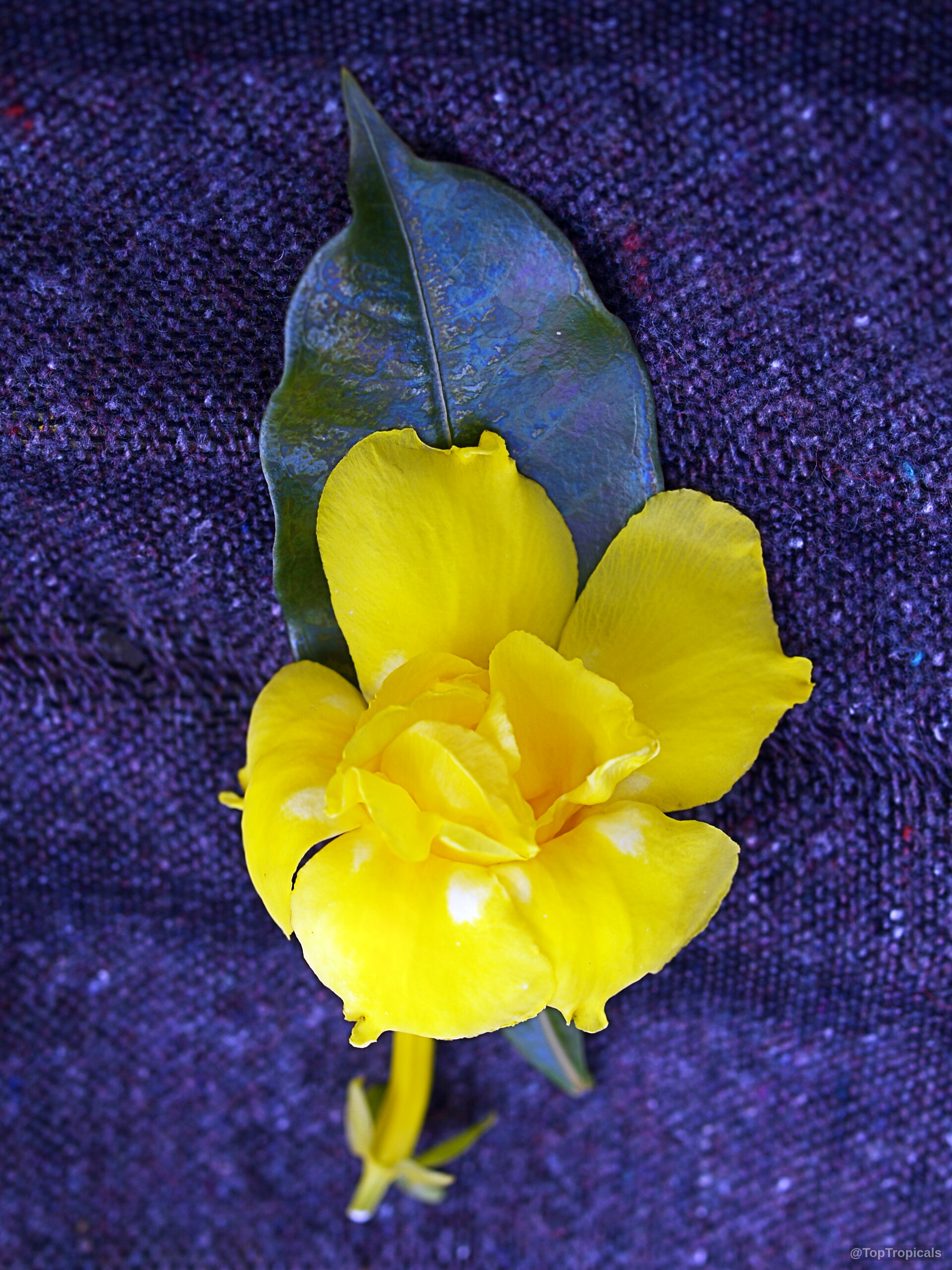

Botanical name: Alstonia macrophylla
Common names: Thungfaa, Devil Tree
Family: Apocynaceae
Origin: Southeastern Asia
USDA Zone: 9-10
Stem, bark: tonic, aphrodisiac.

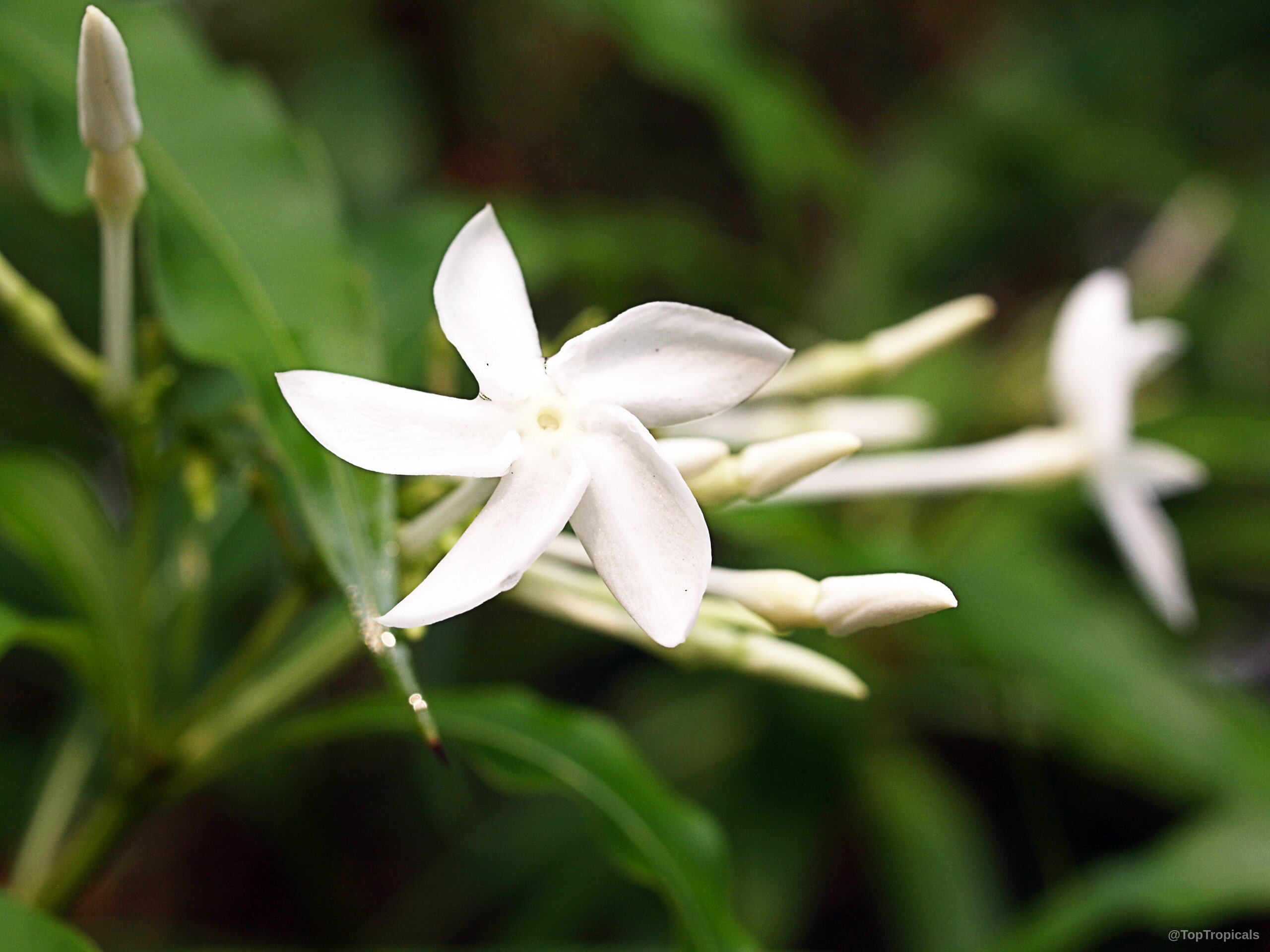
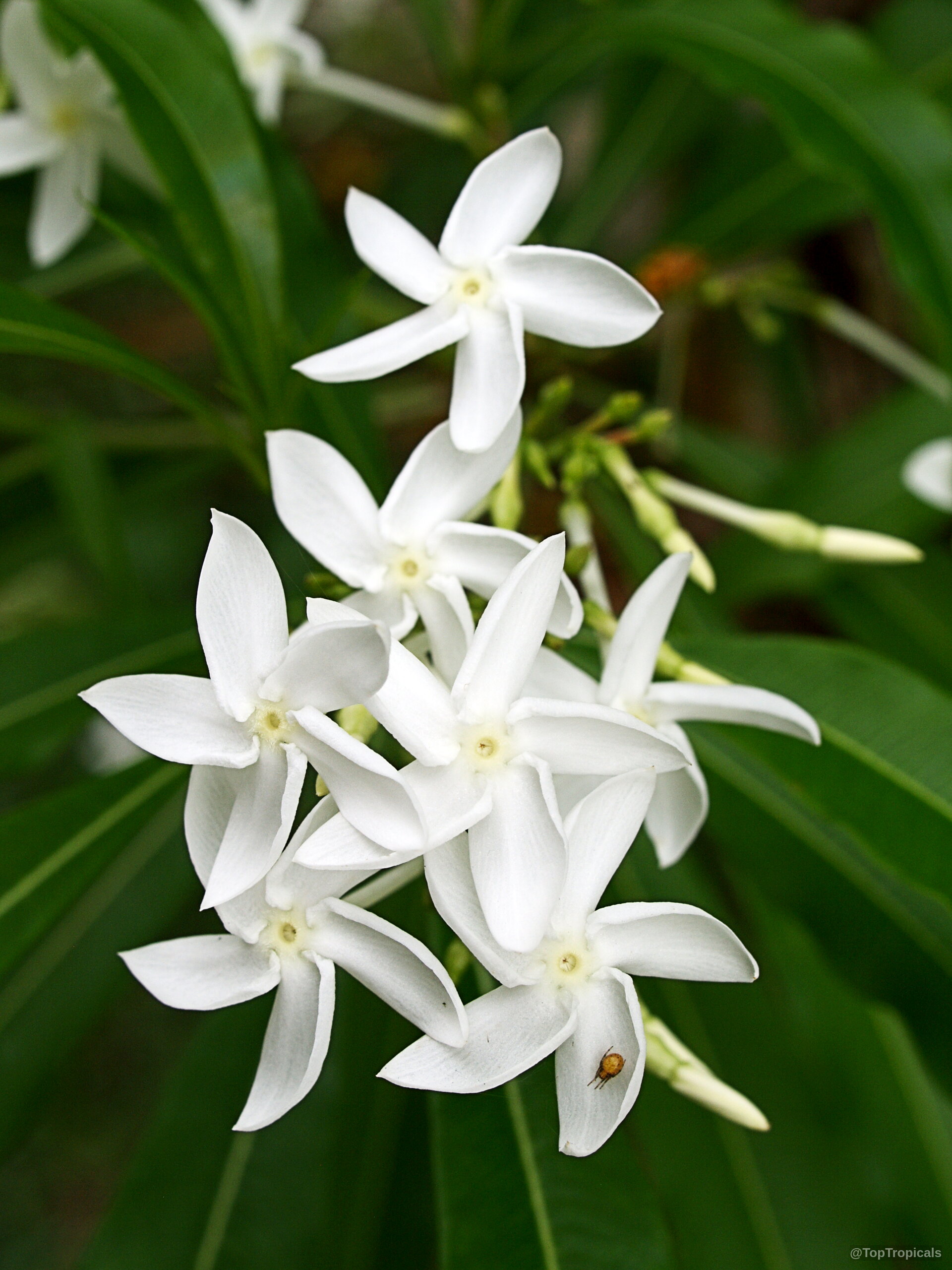
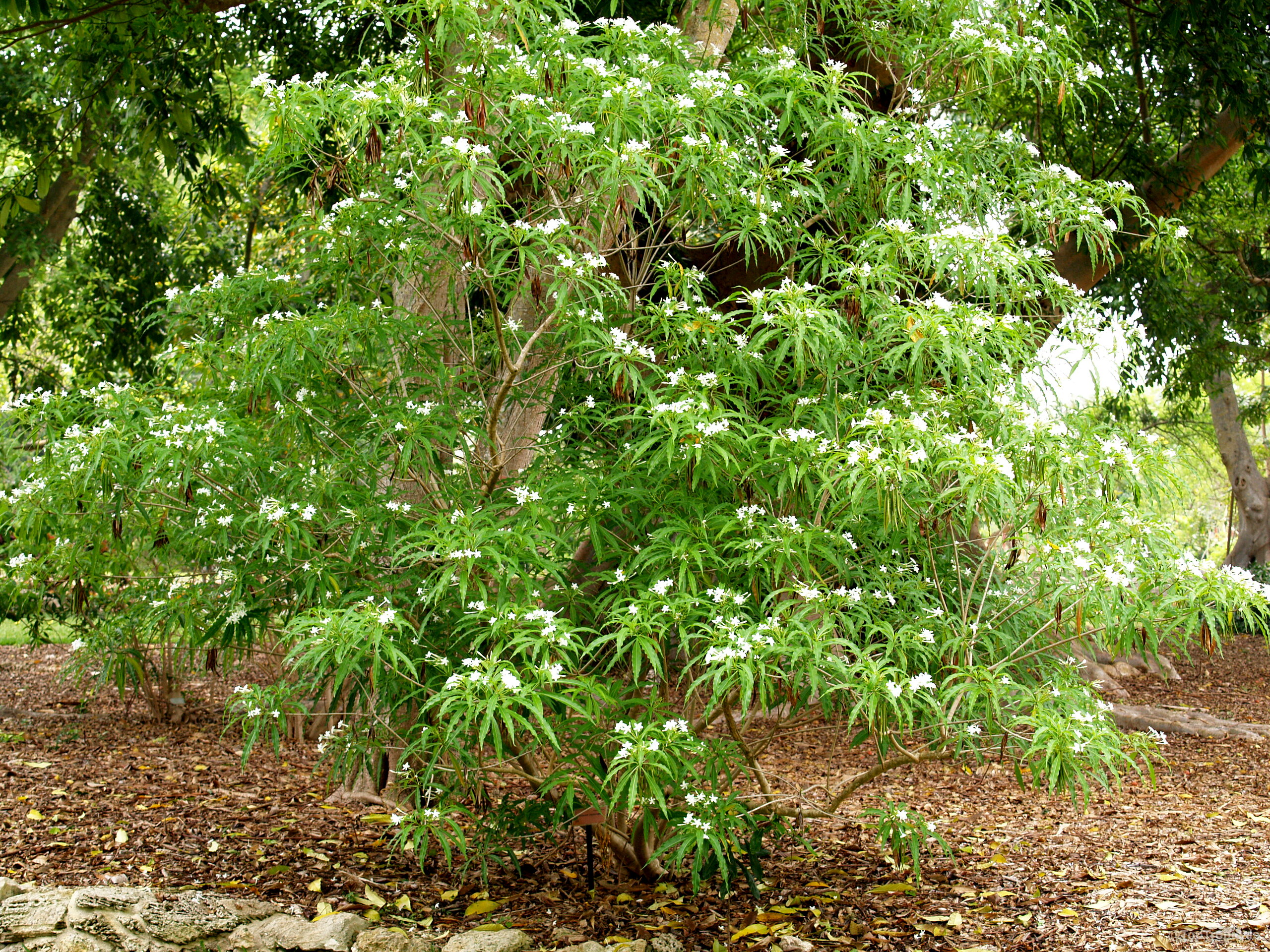
Botanical name: Alstonia venenata
Common names: Sinnappalai, Devil Tree
Family: Apocynaceae
Origin: India
USDA Zone: 9-10
Medium shrub, clusters of white flowers.
The indole alkaloid venenatine exhibited antifungal activity against some plant pathogenic and saprophytic fungi. The Tantra-cult in India utilises the seeds of Alstonia venenata as an aphrodisiac and stimulant in their tantric sex rituals.


| Prev | Next | |
Use link to repeat this search:
https://toptropicals.com/cgi-bin/garden_catalog/cat.cgi?search_op=and&keyword_op=and&language=e&number=10&no_change_lang=1
&v1=ppp&user=tt&sale=1&first=0