Ethnomedical plant - Plant Encyclopedia Results (Page 5)
| Number of plants found: 1019 |  | Prev | Next | 
|
Go to page: | 1 | 2 | 3 | 4 | 5 | 6 | 7 | 8 | 9 | Last |
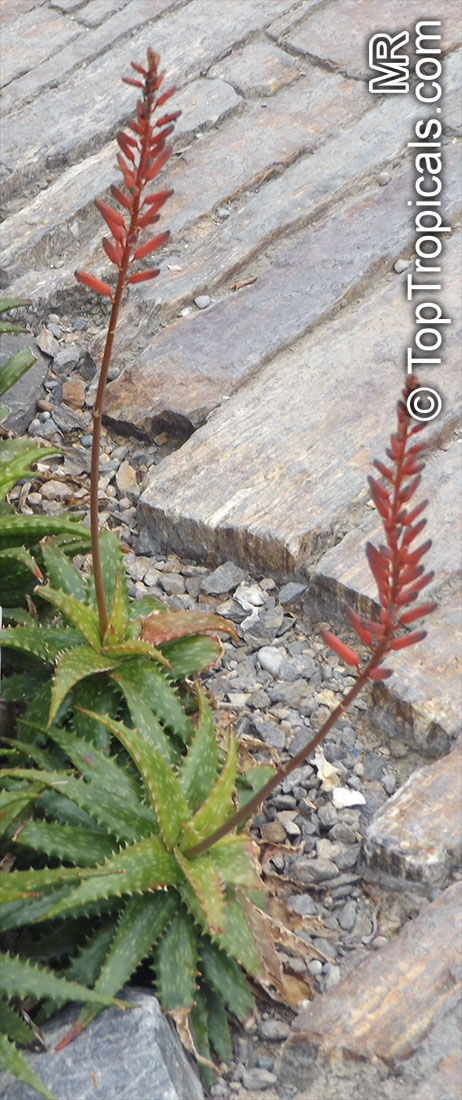
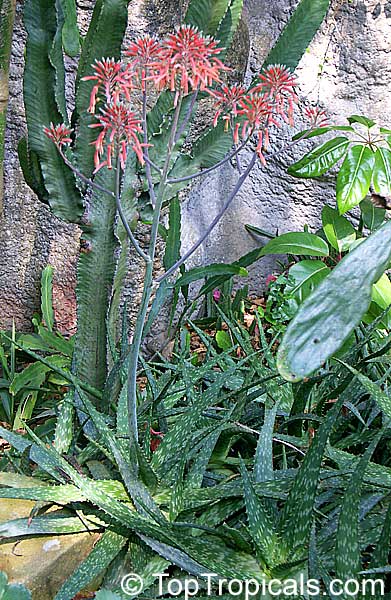
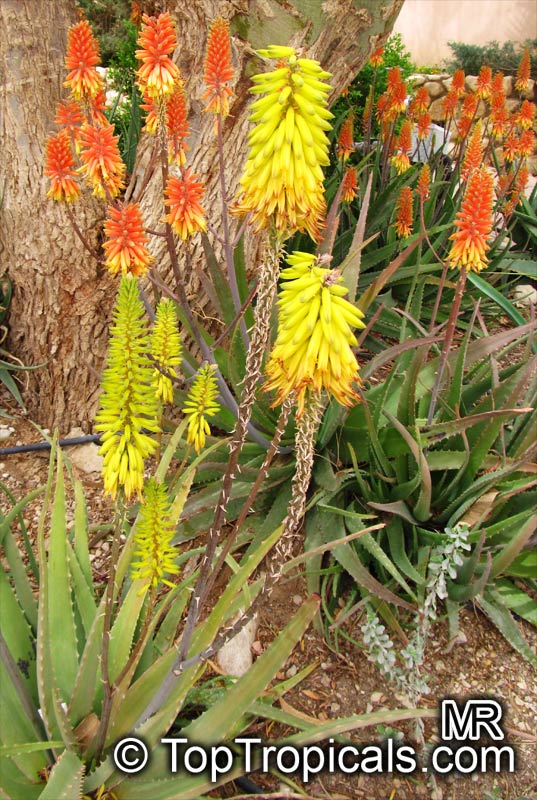
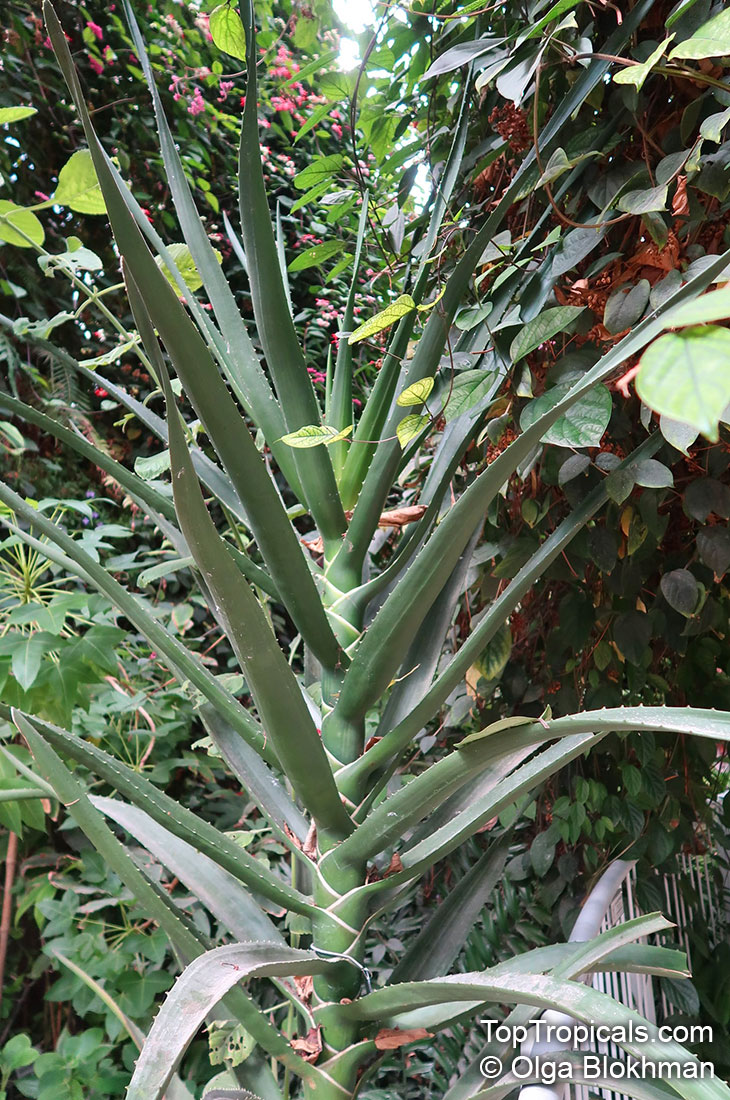
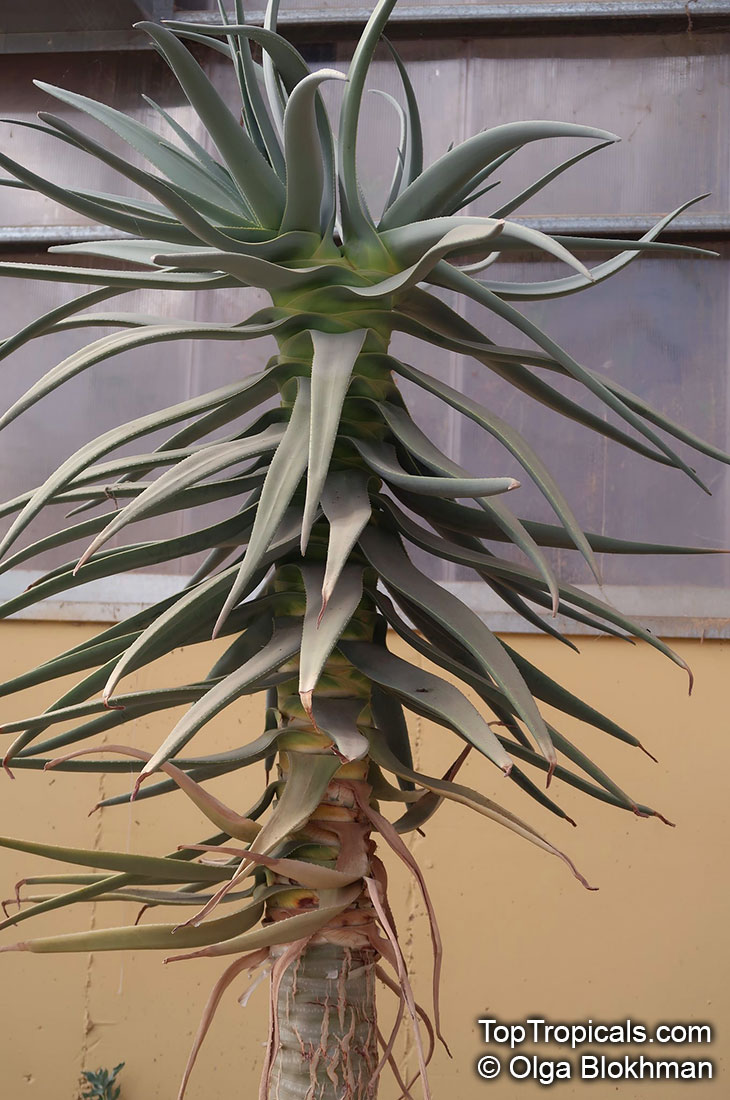
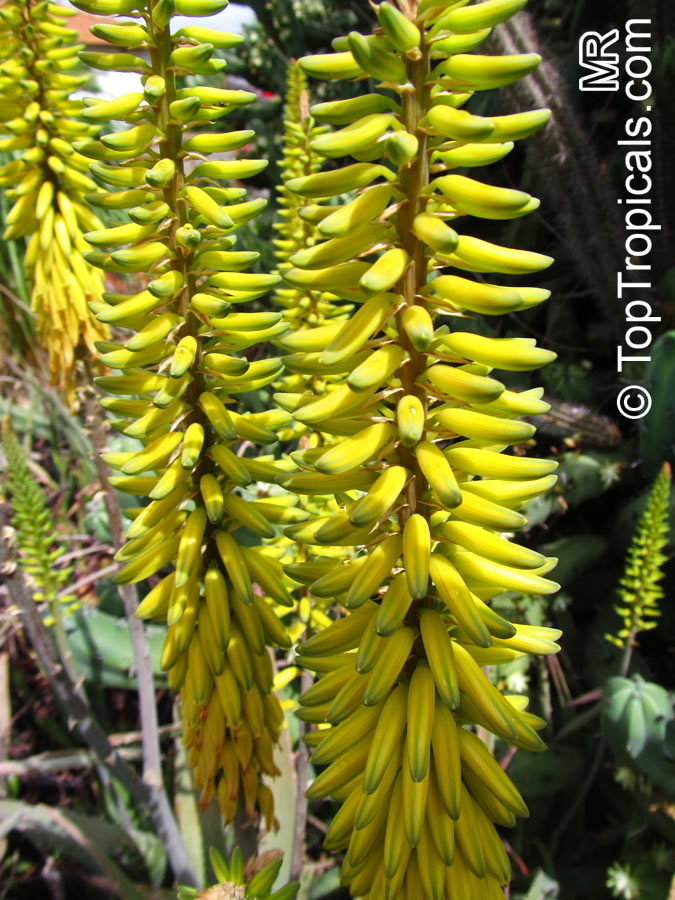
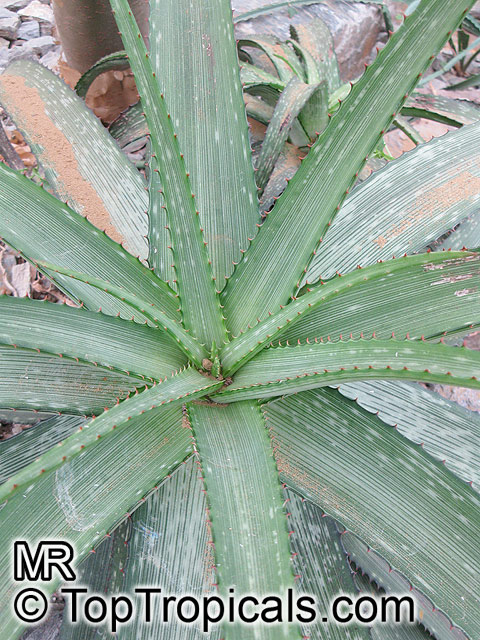
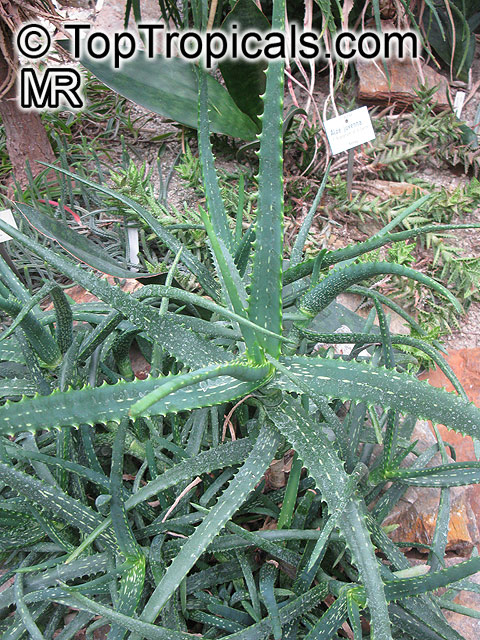
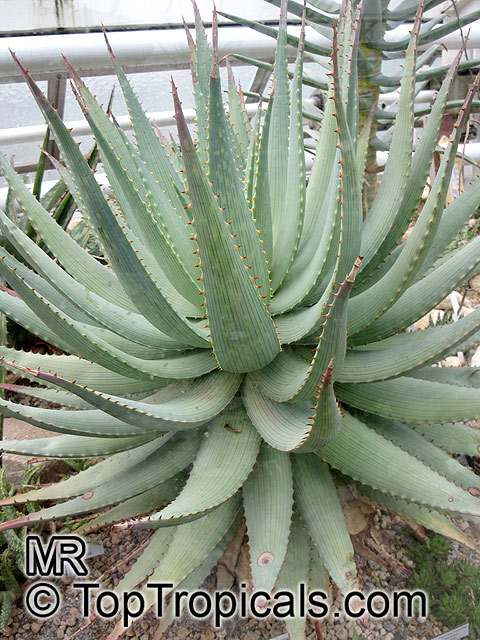
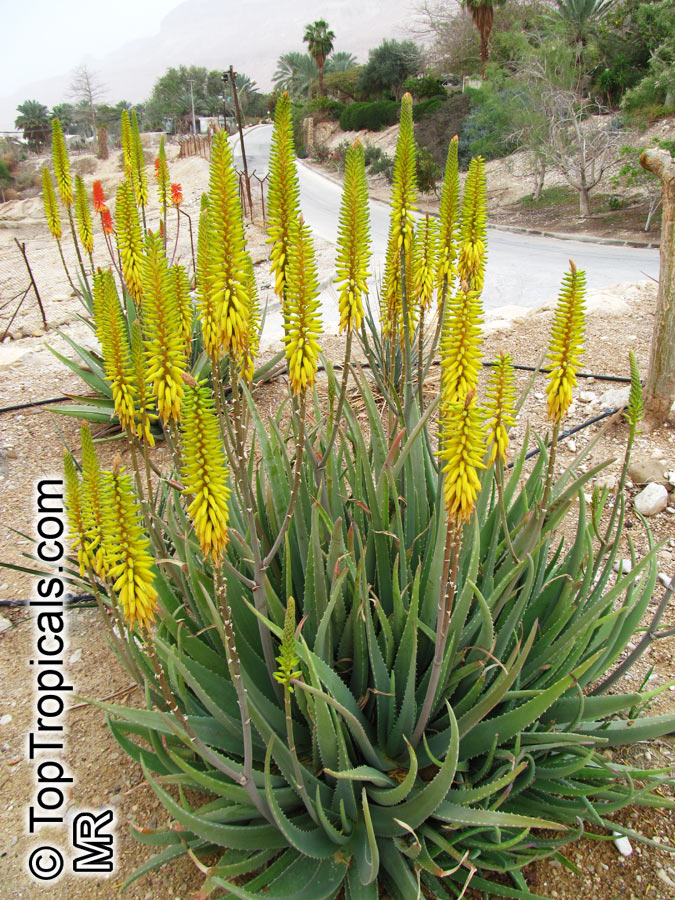
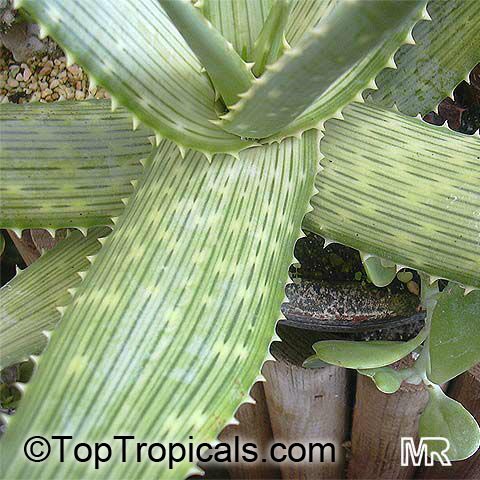
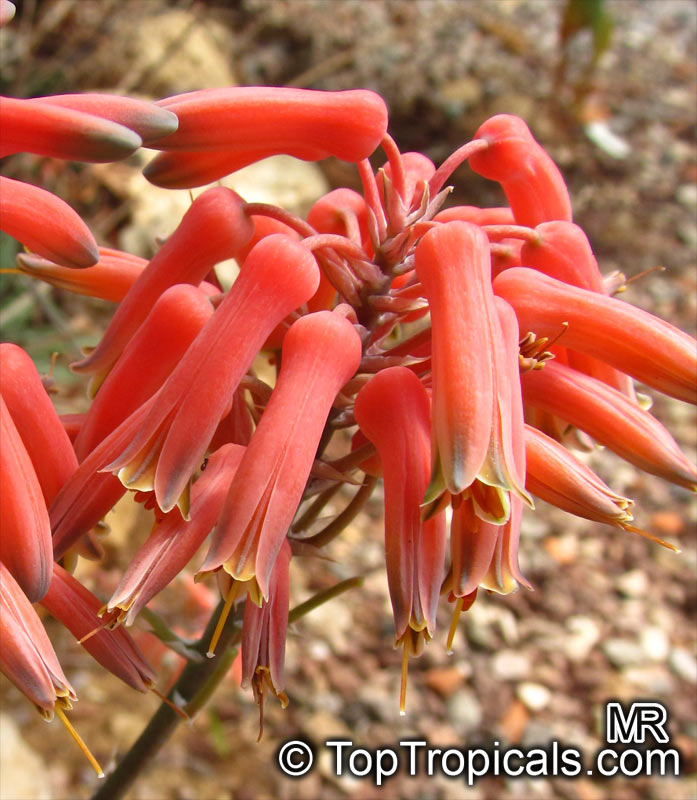
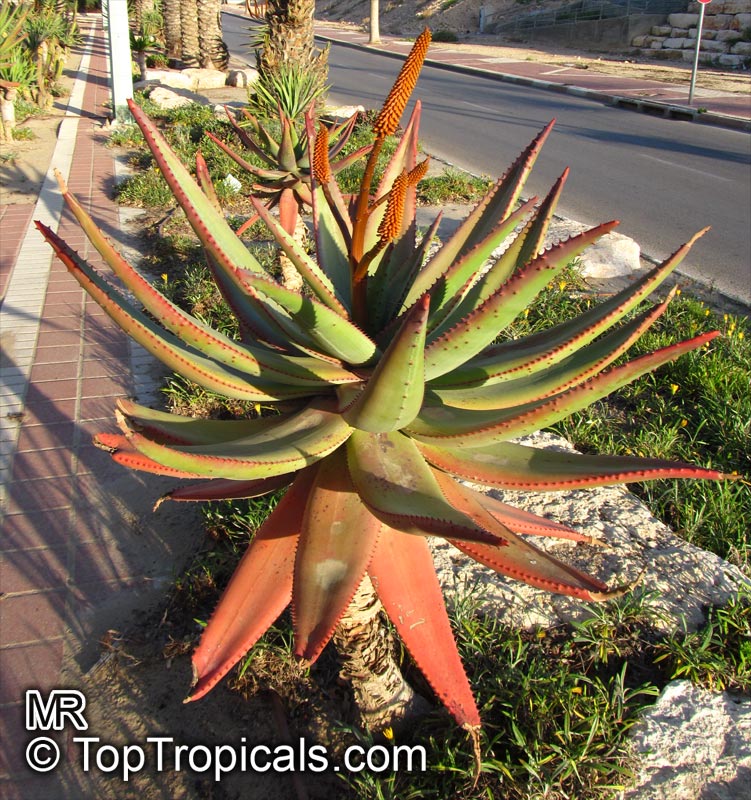
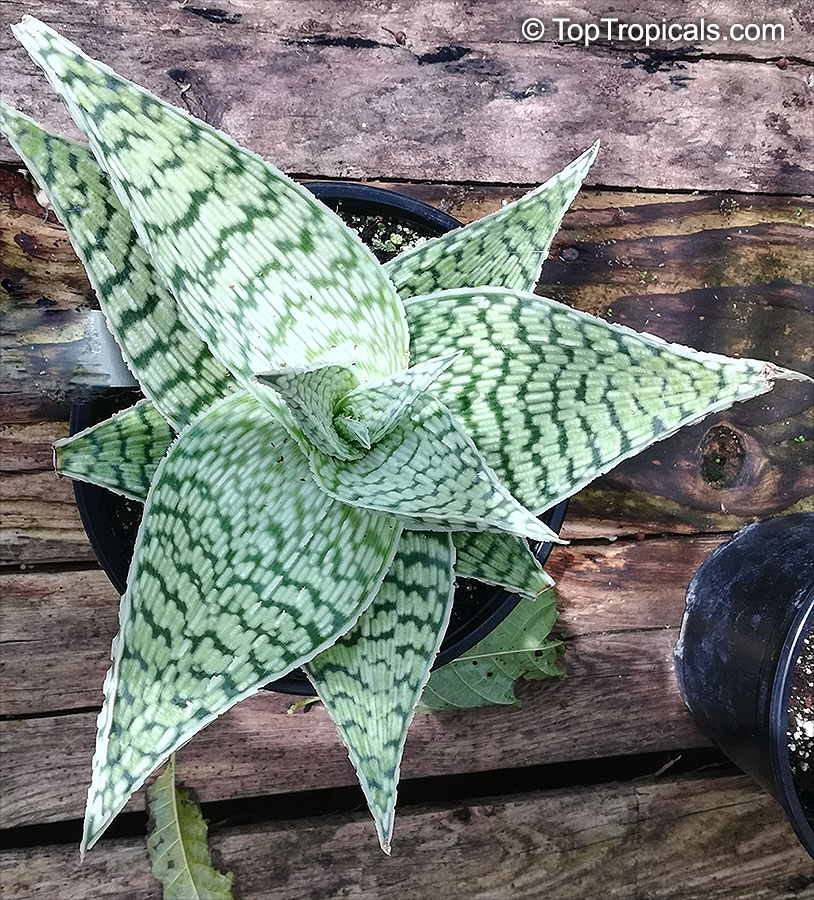
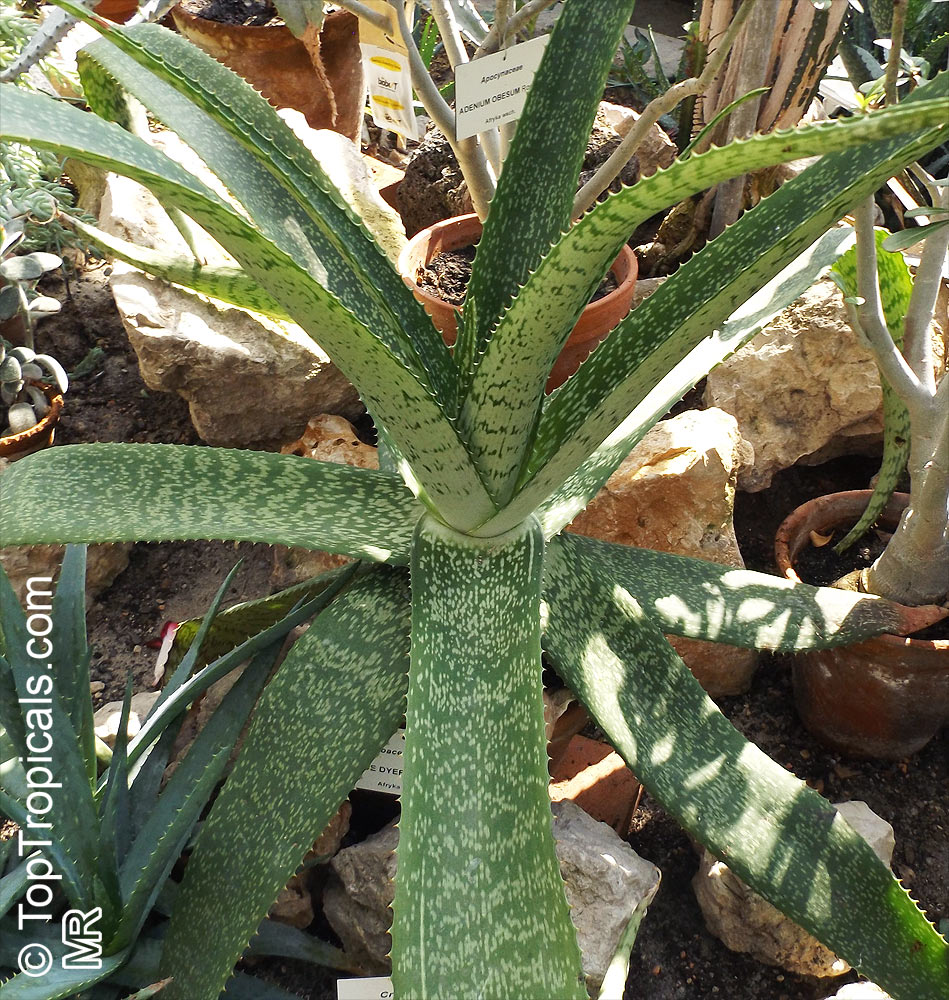
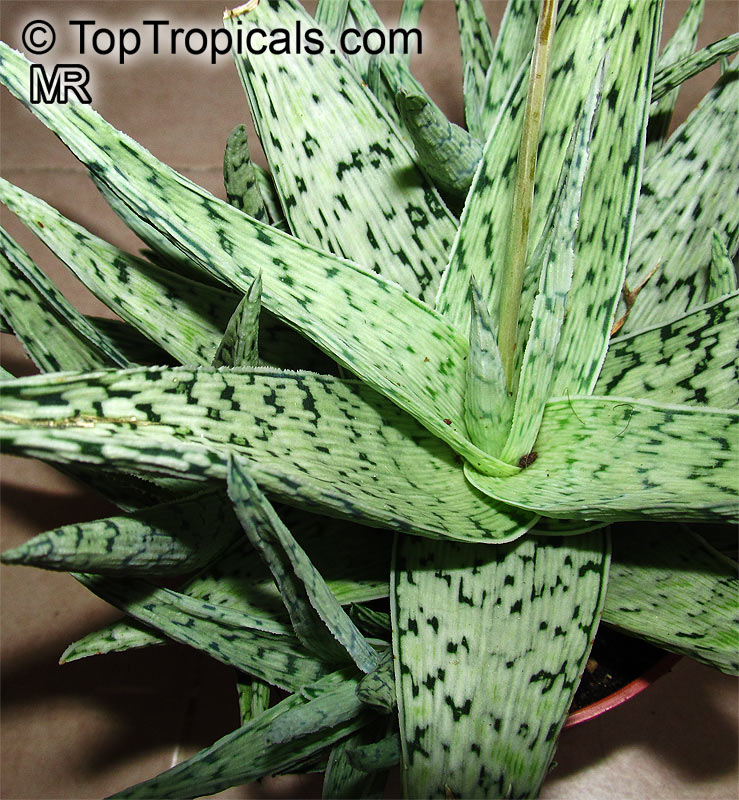
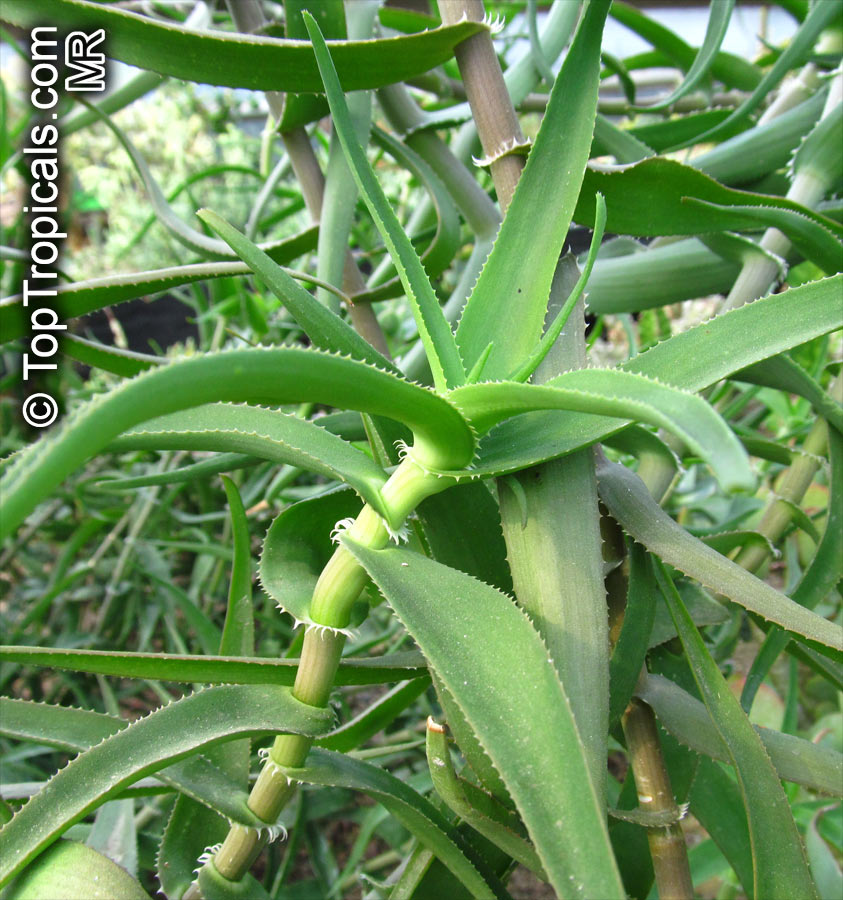
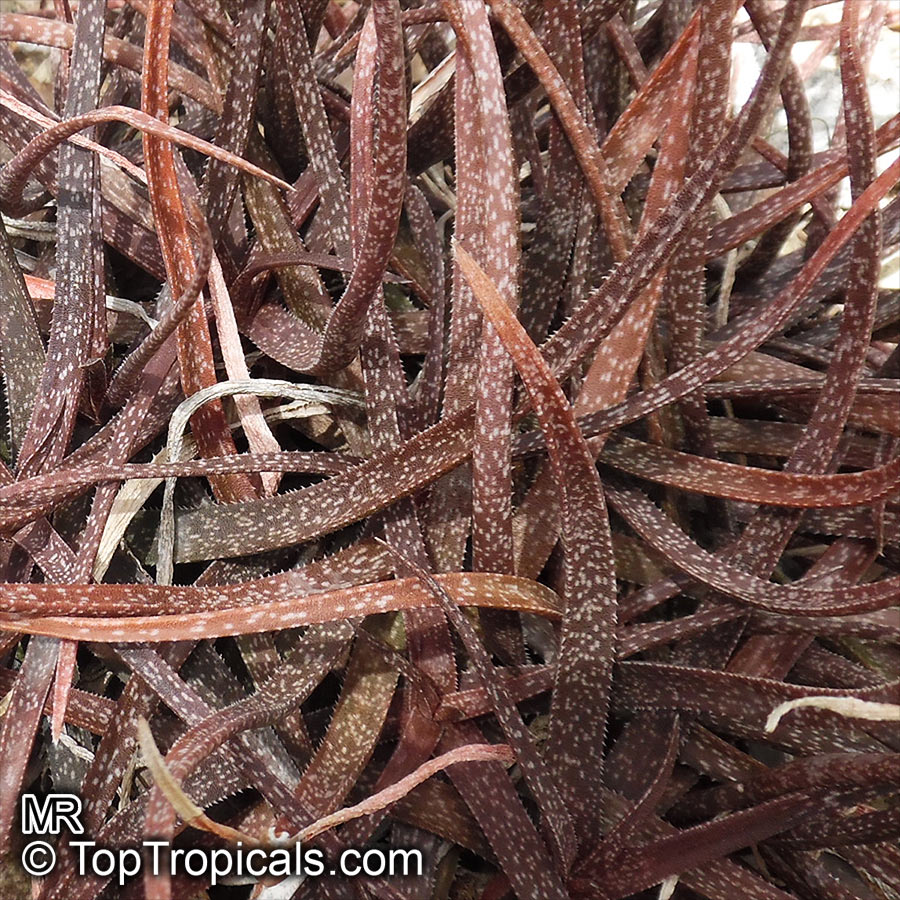
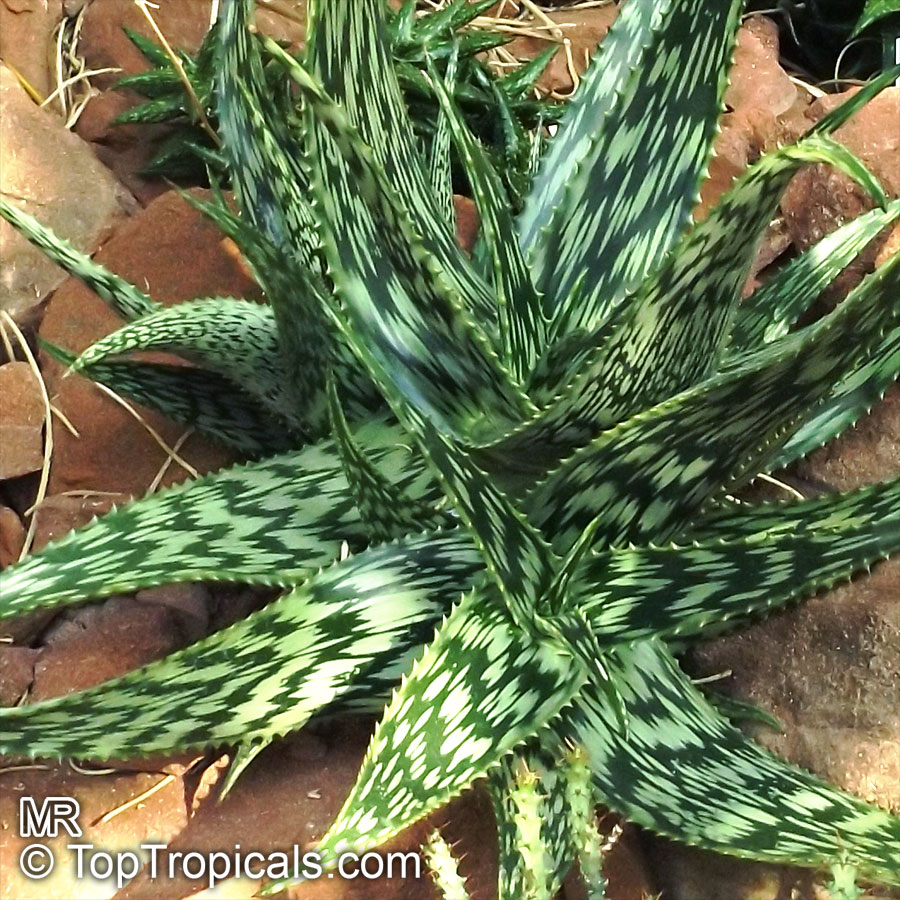
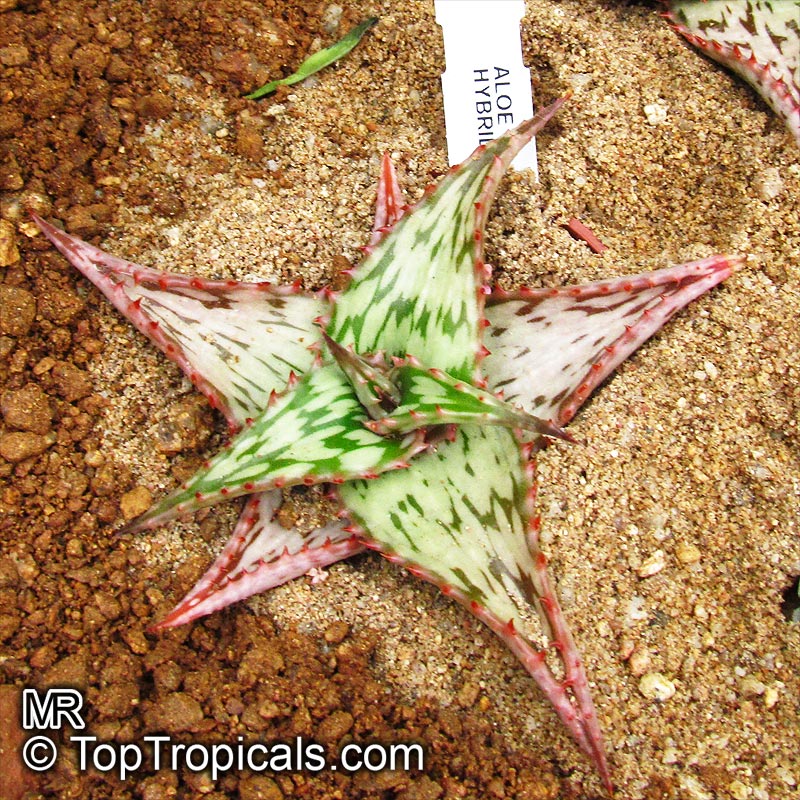
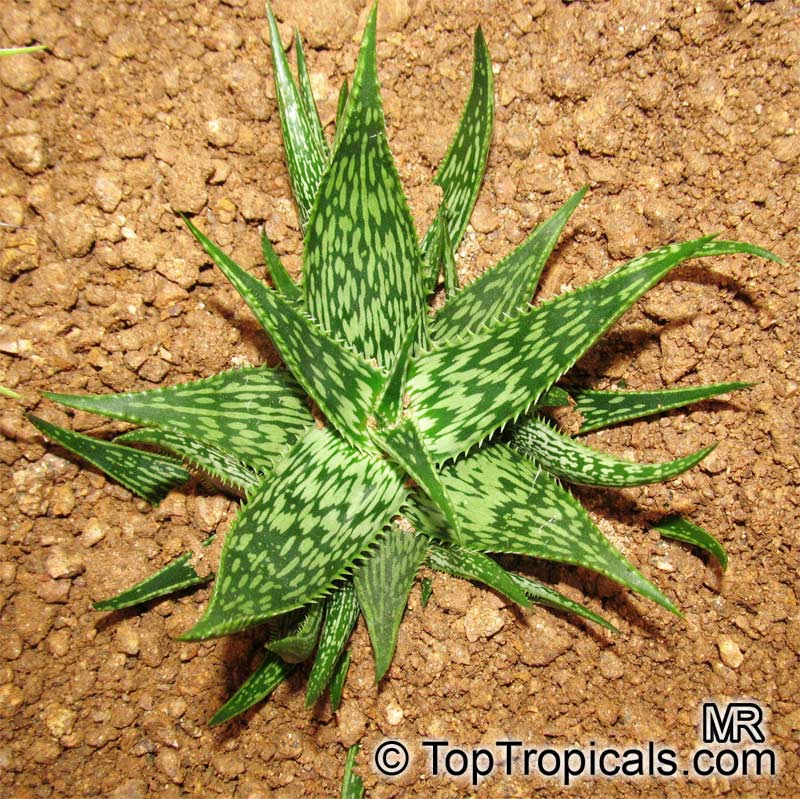
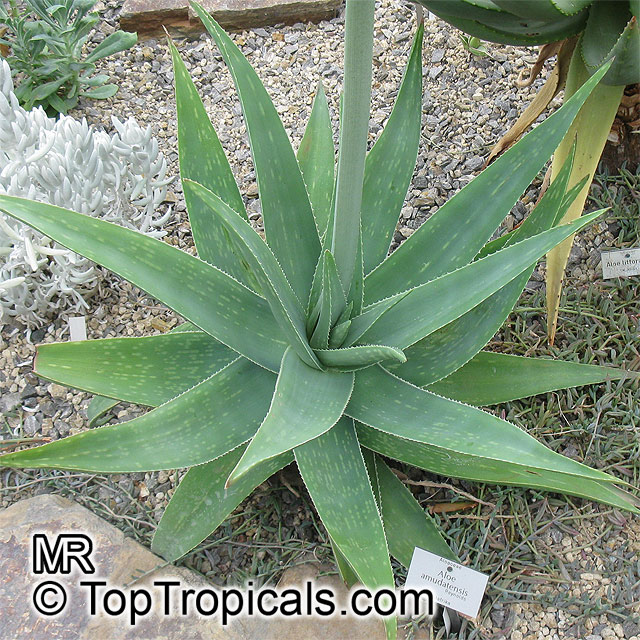
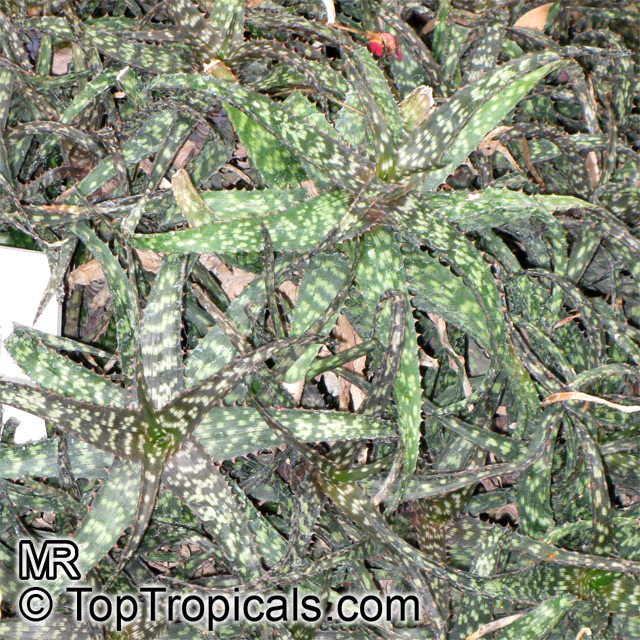
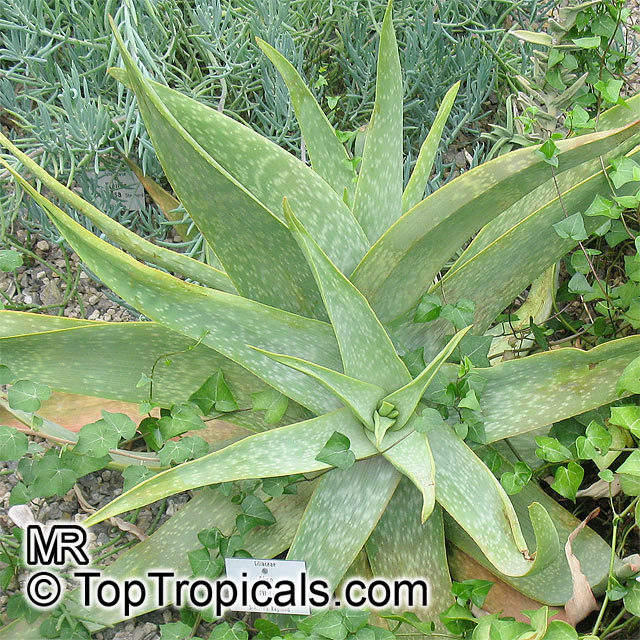
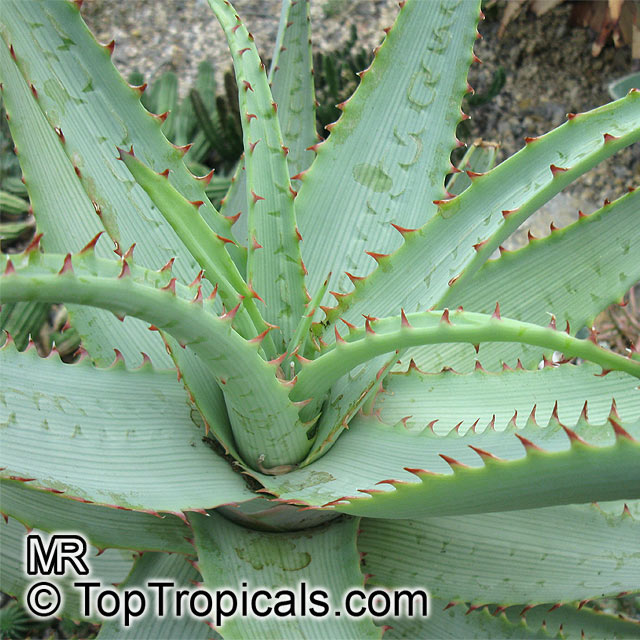
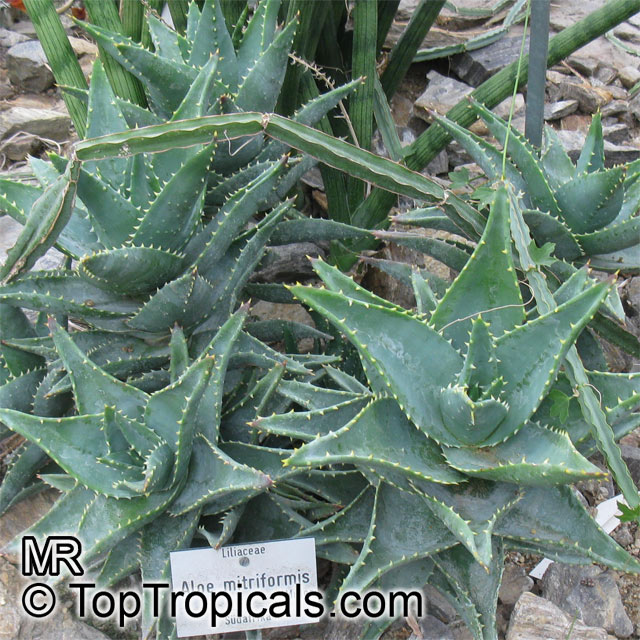
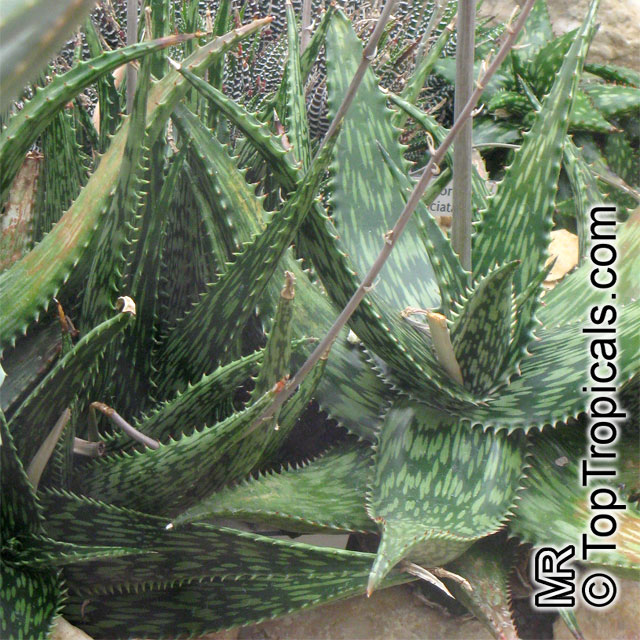
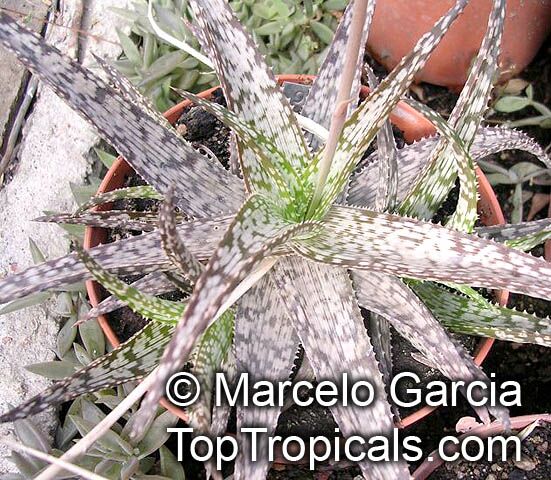
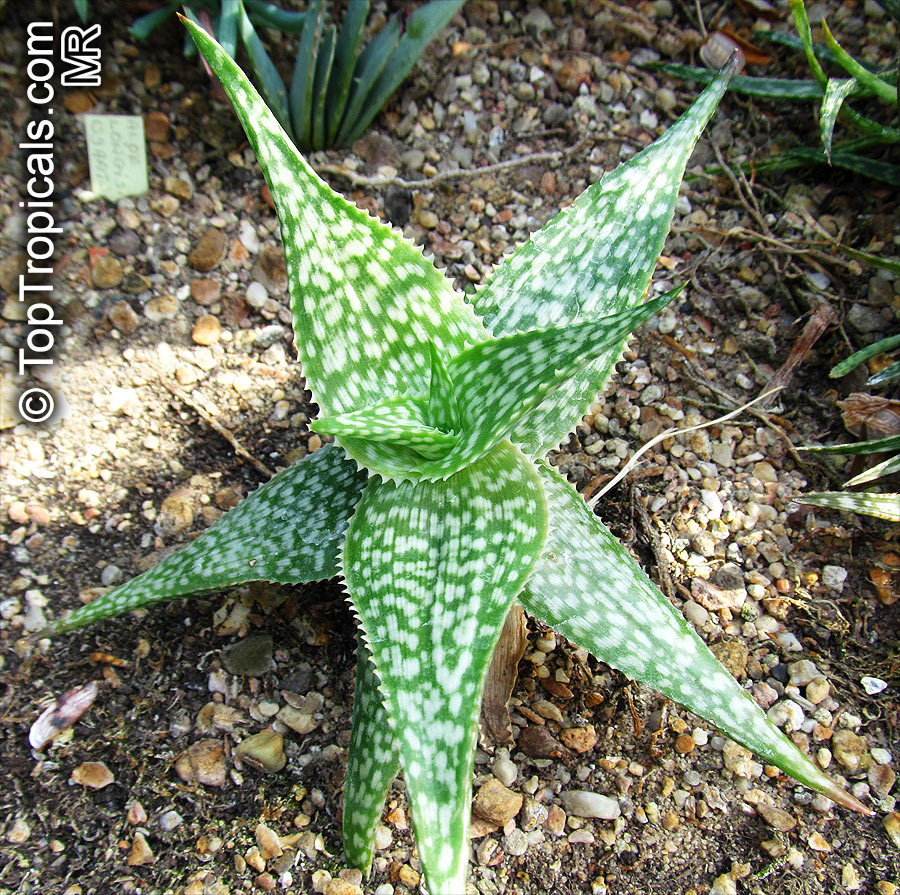
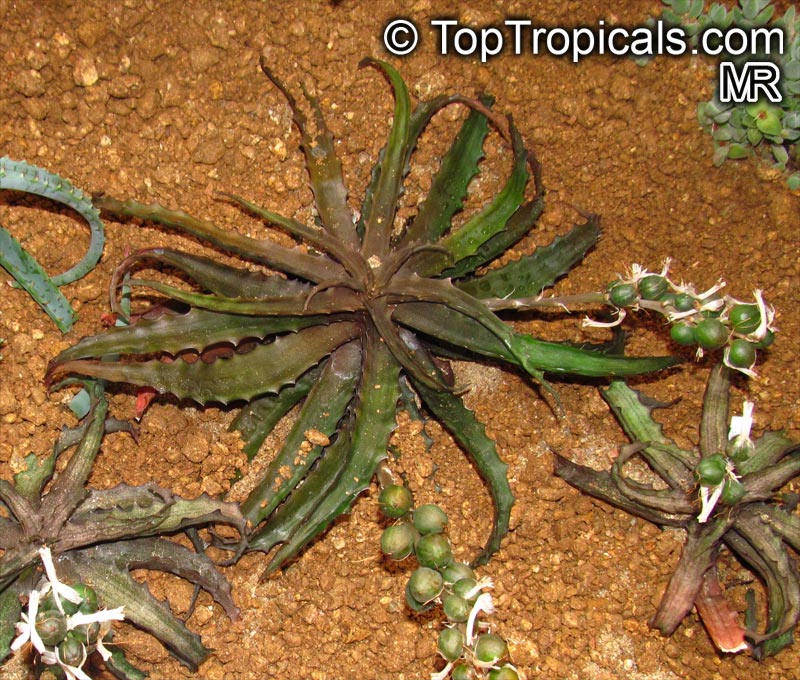
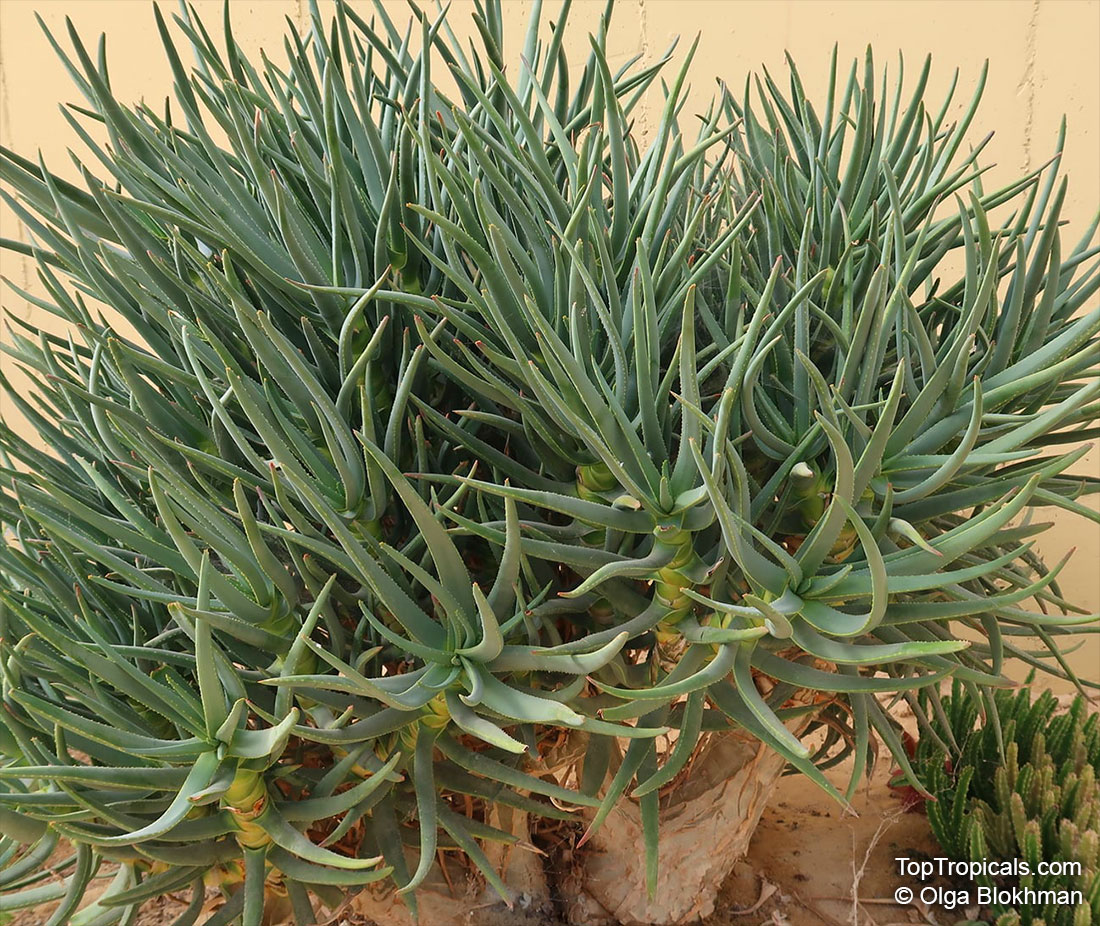
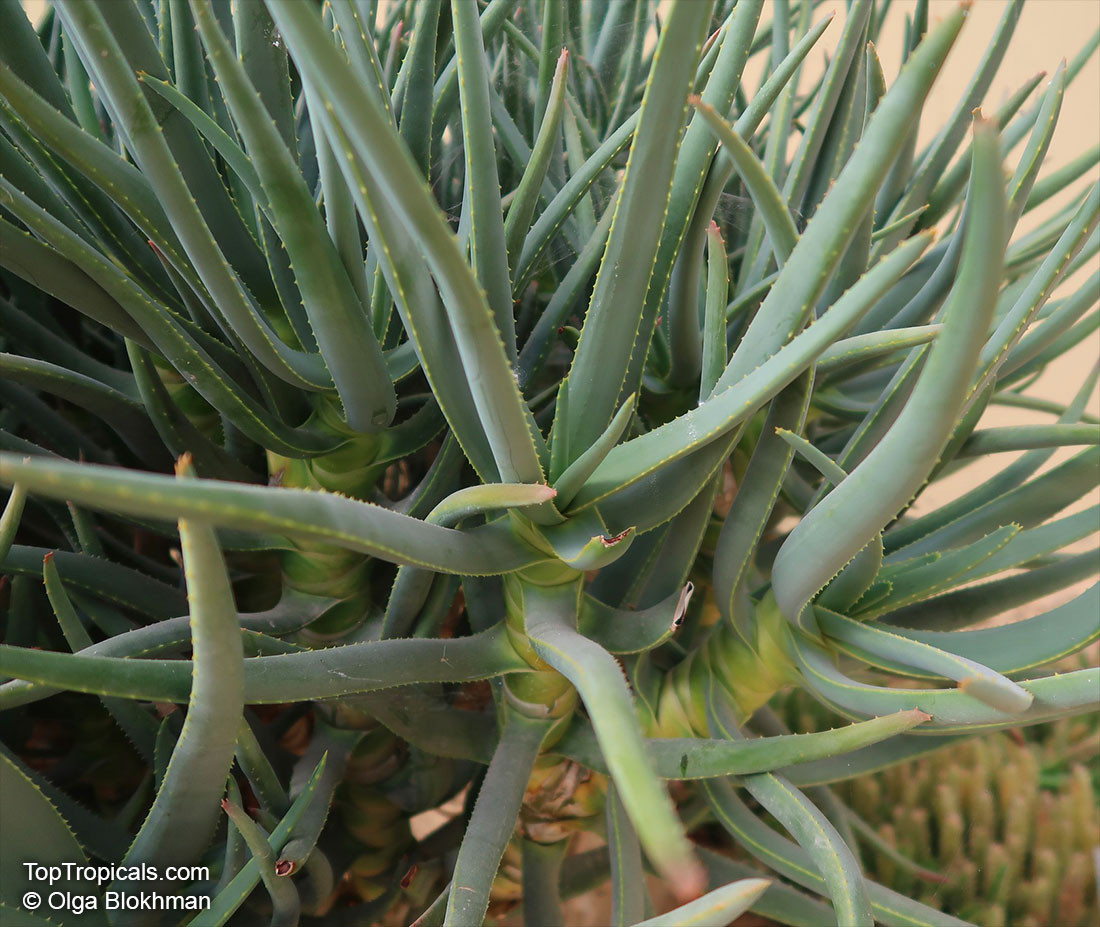
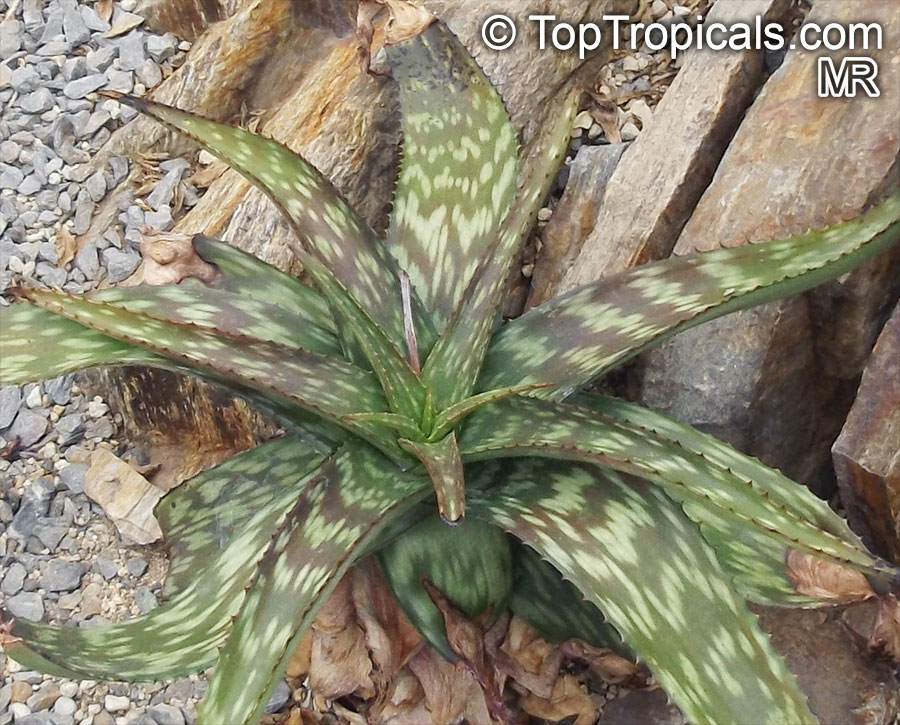
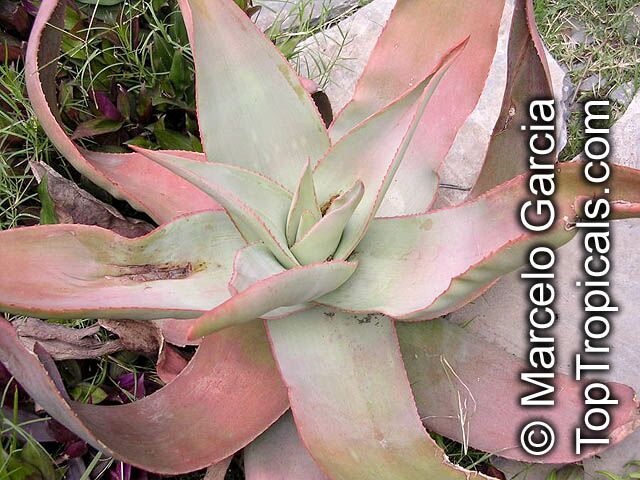
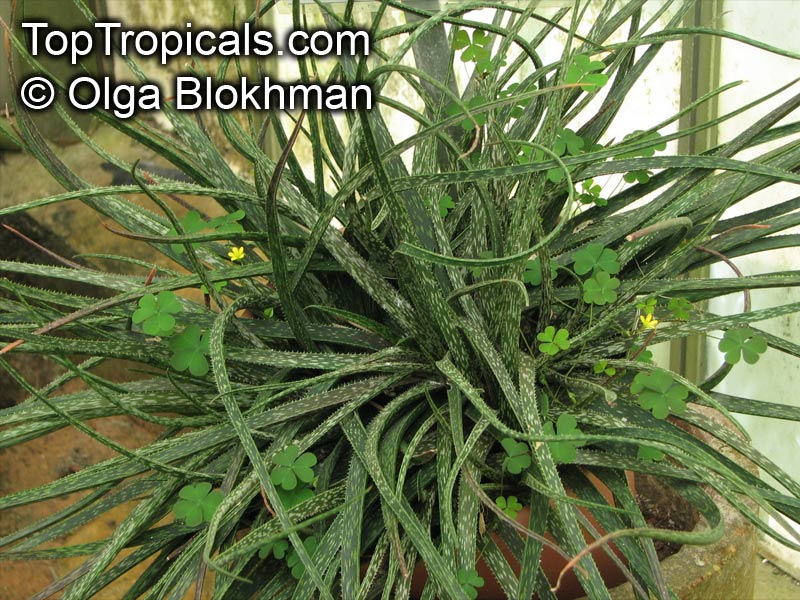
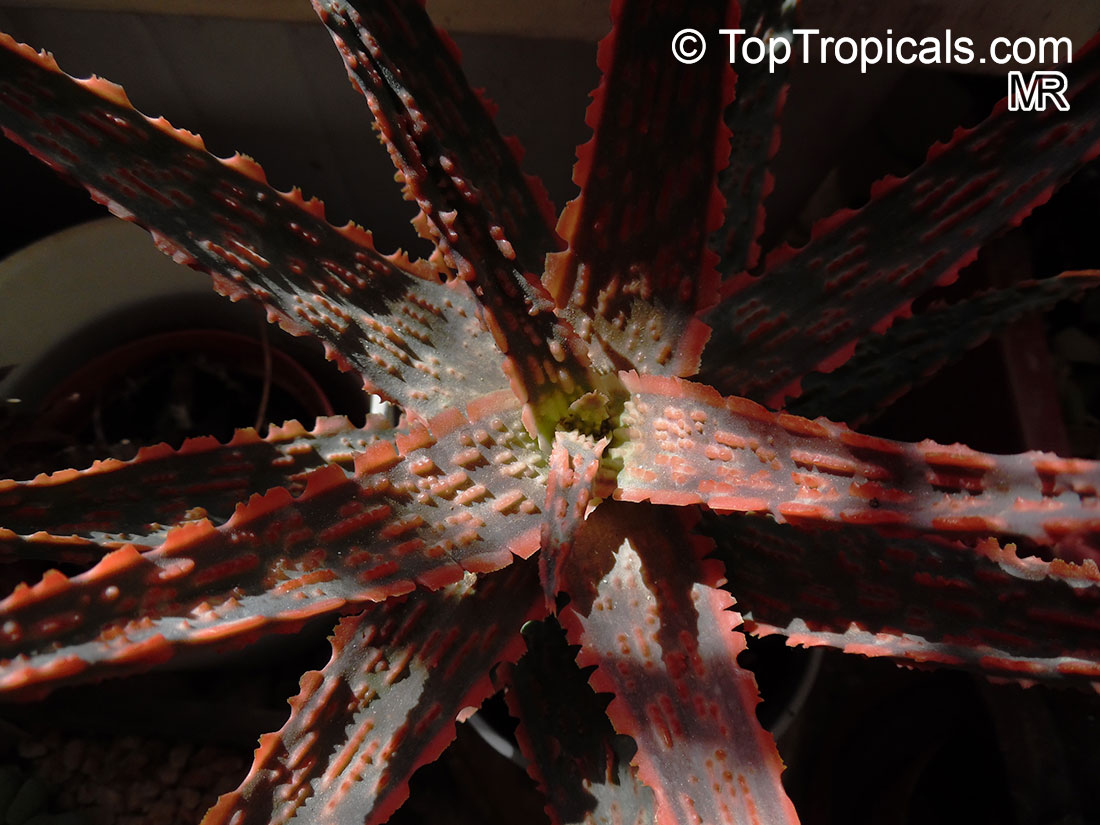
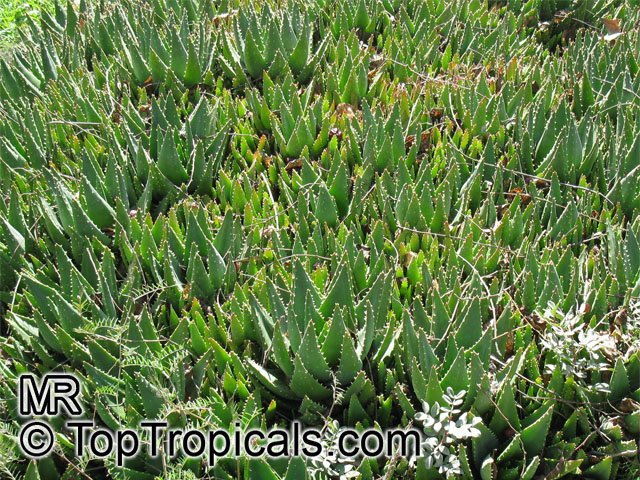
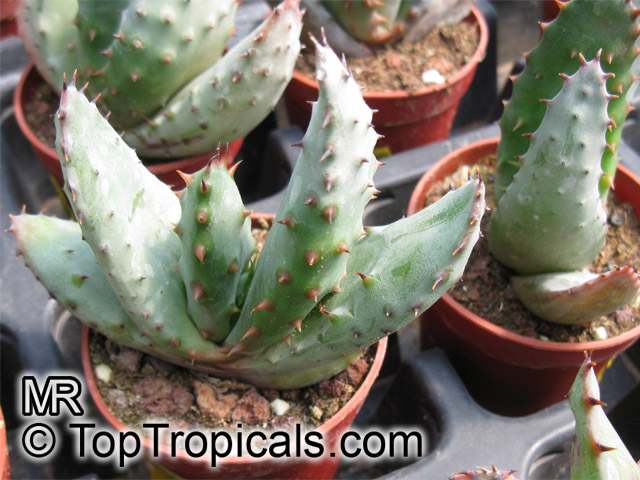
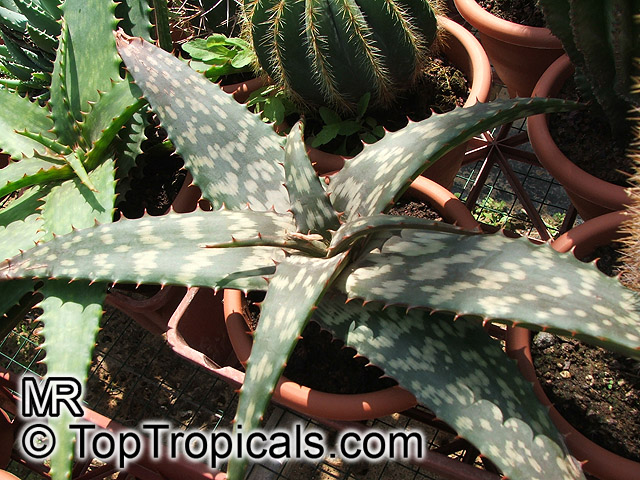
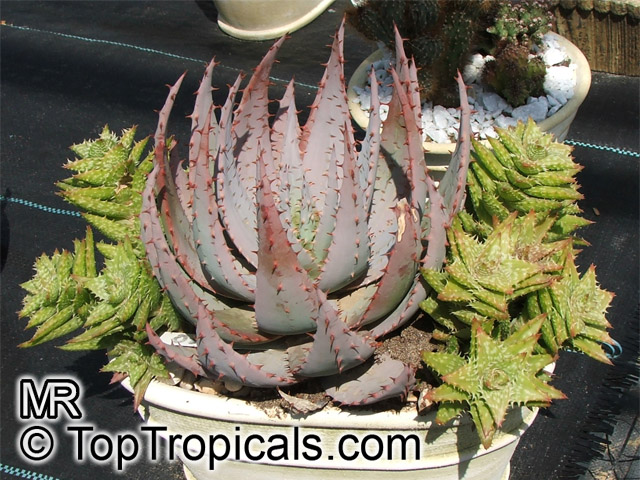
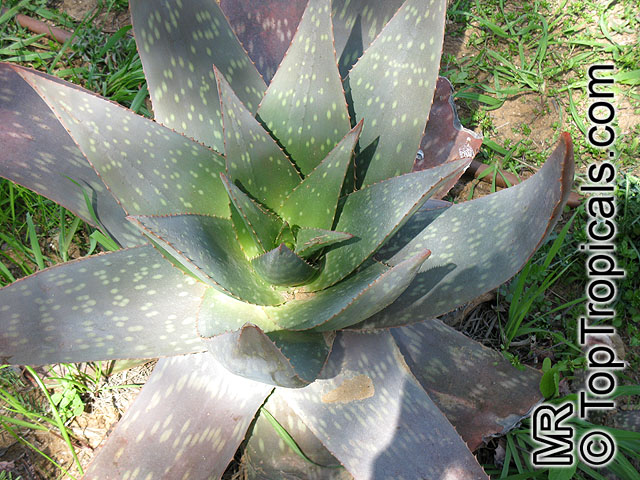
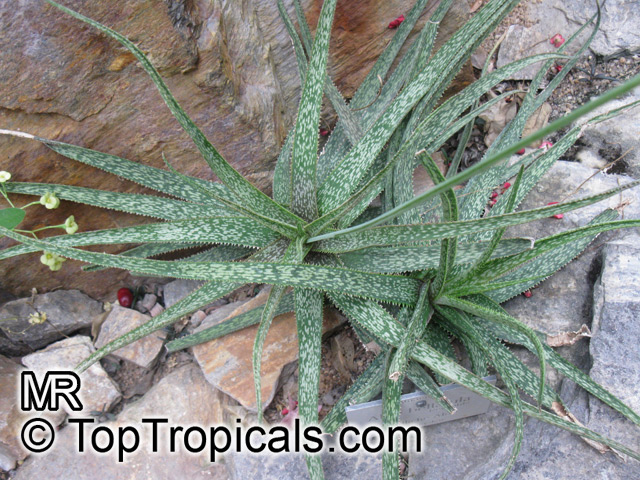
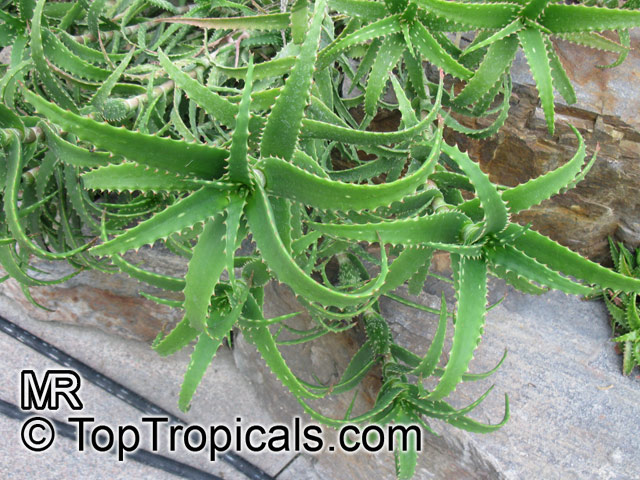
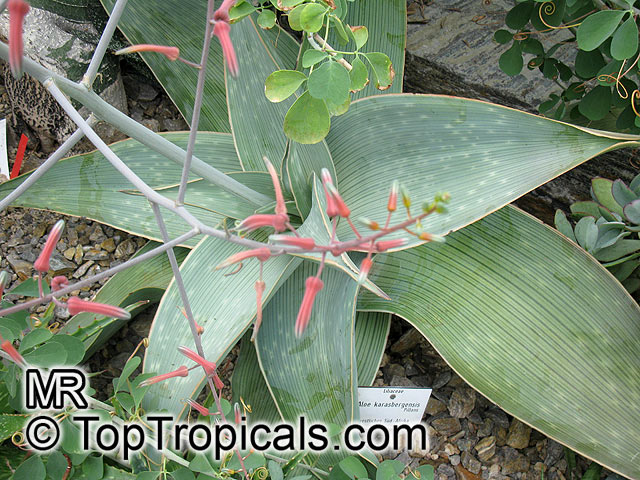
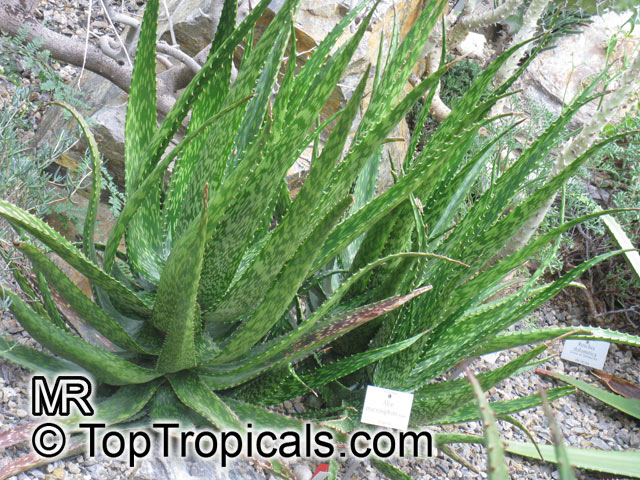
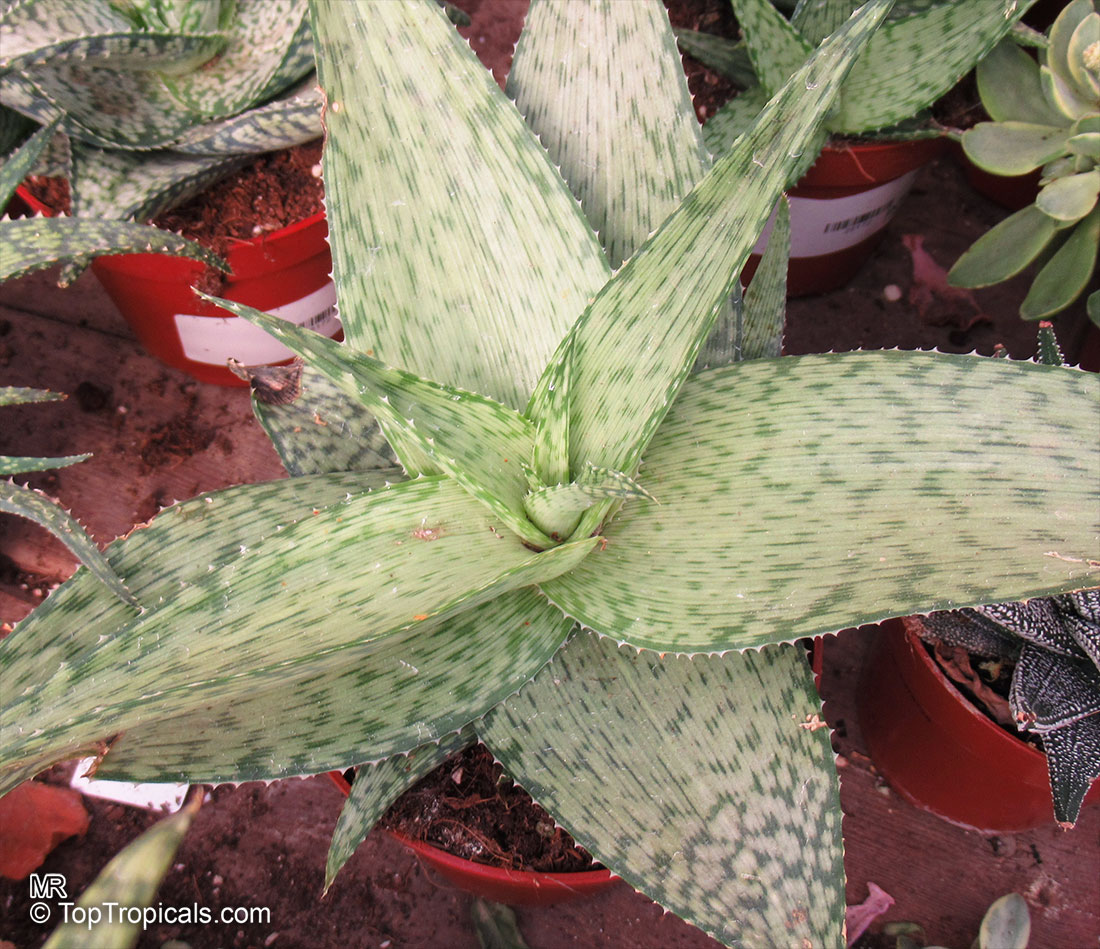
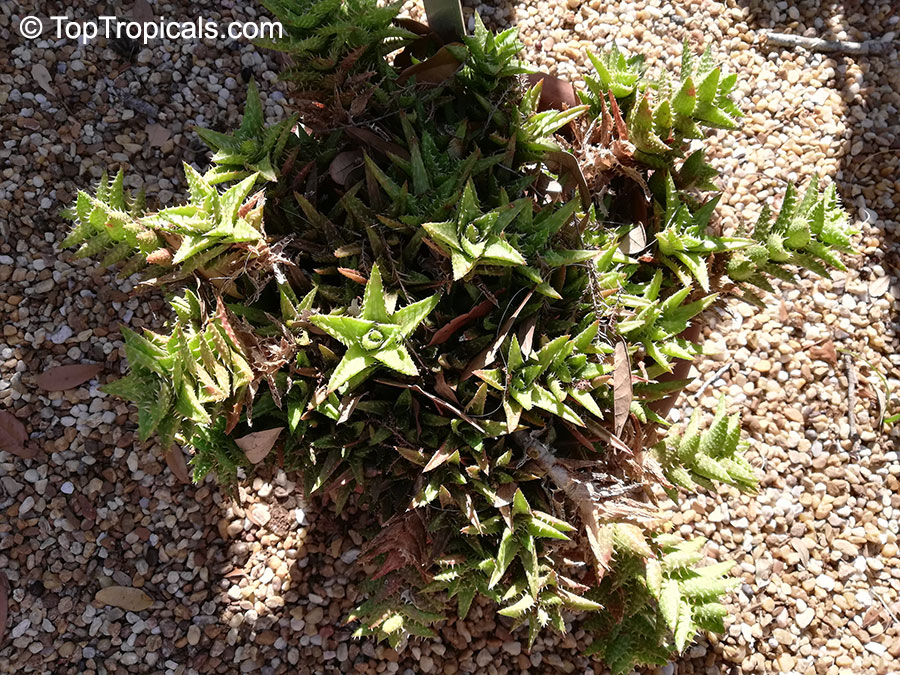
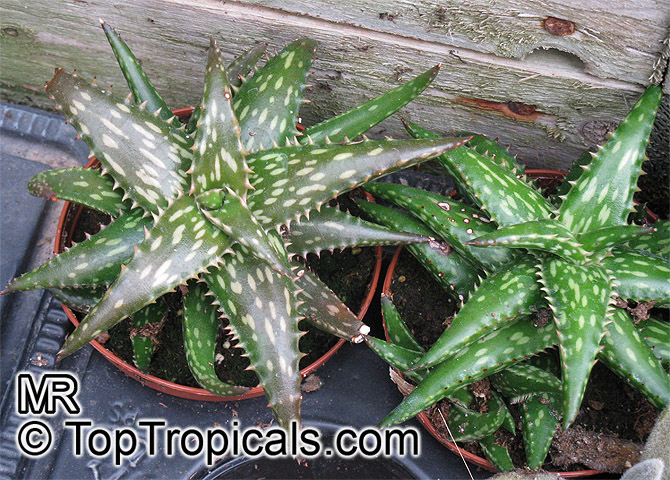
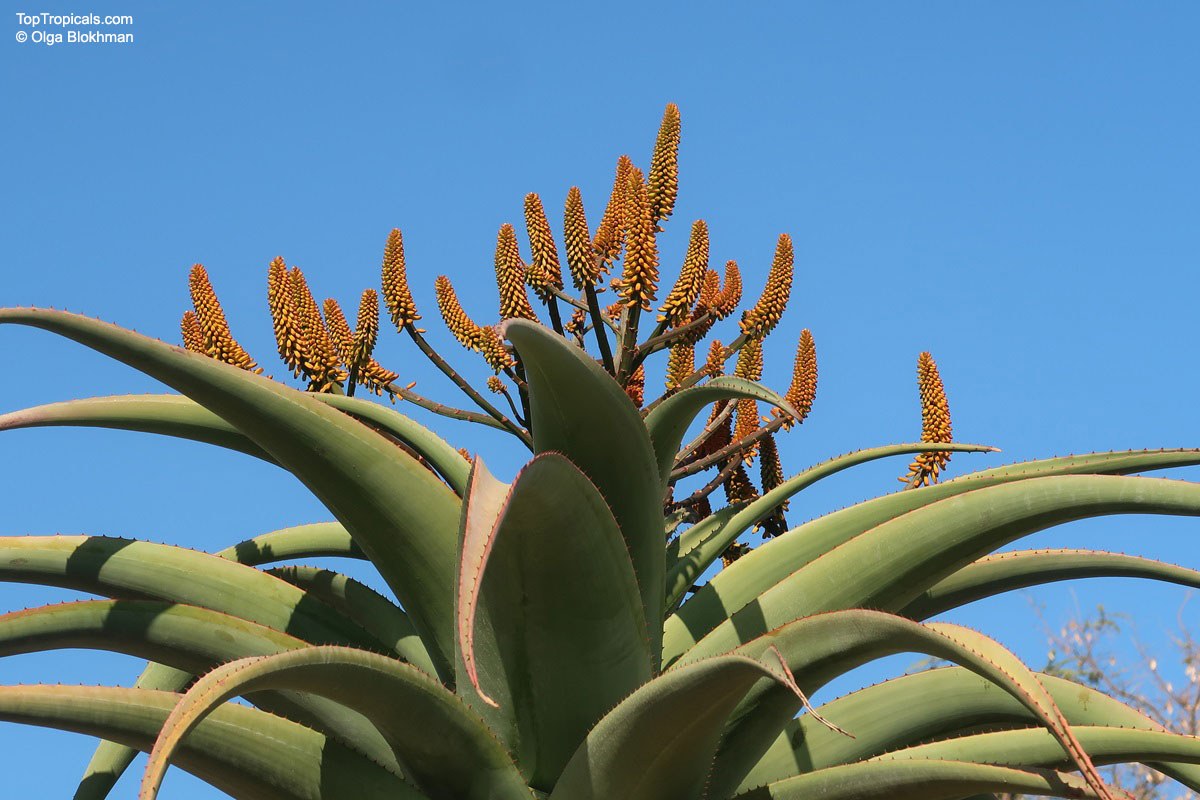
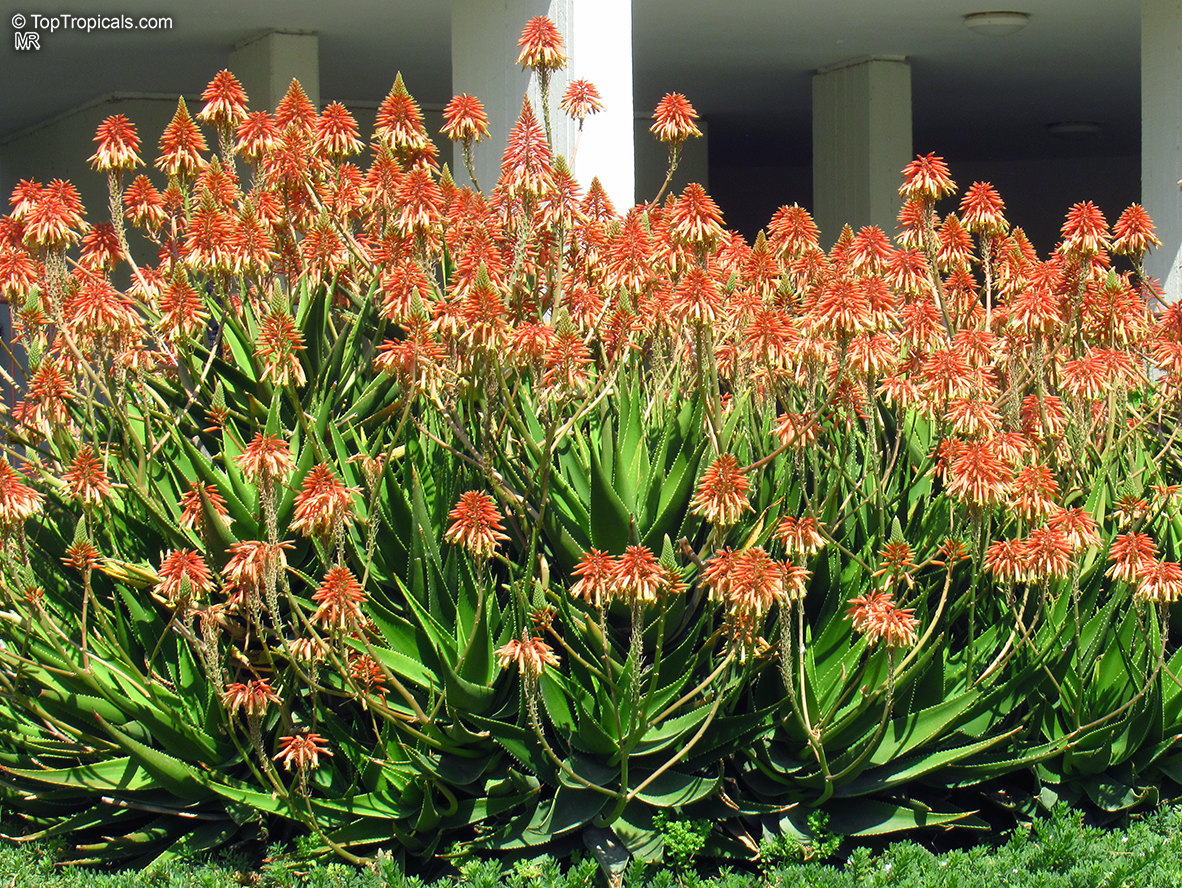
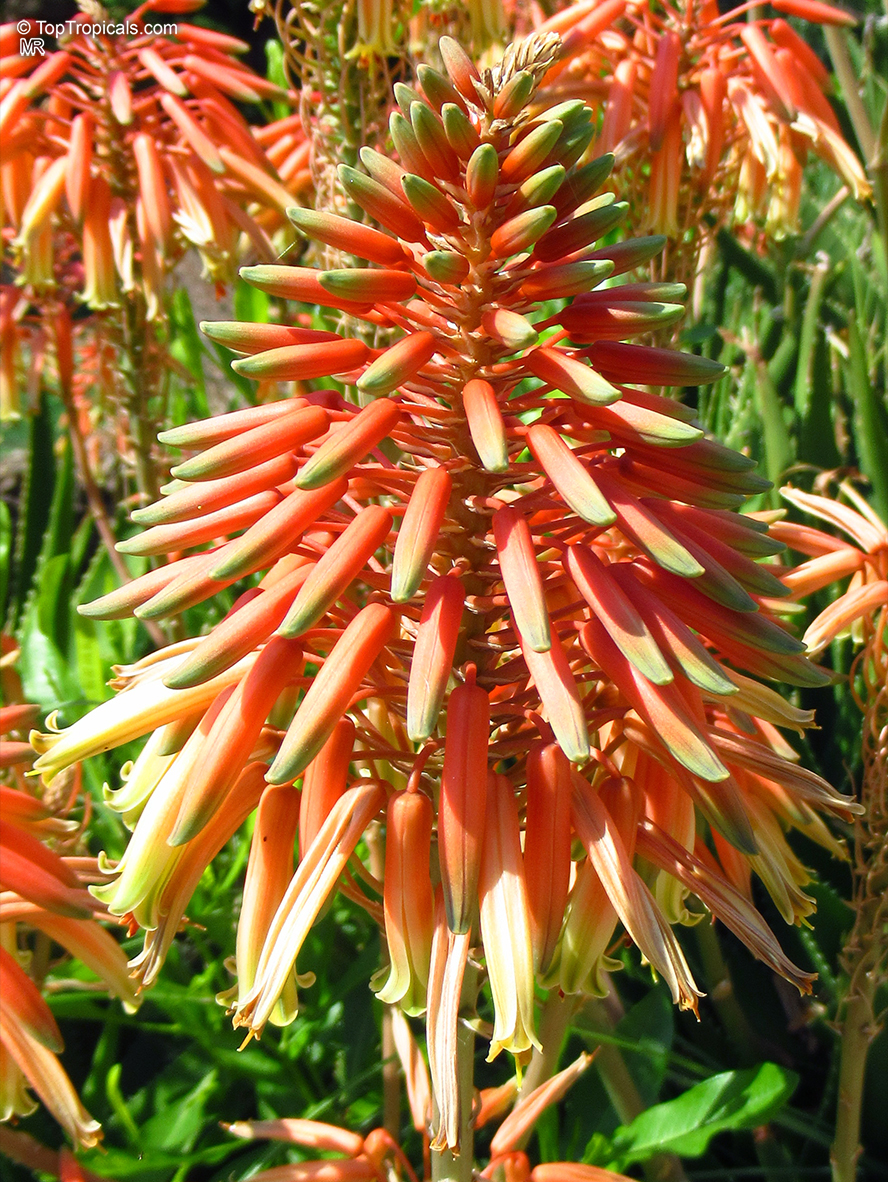
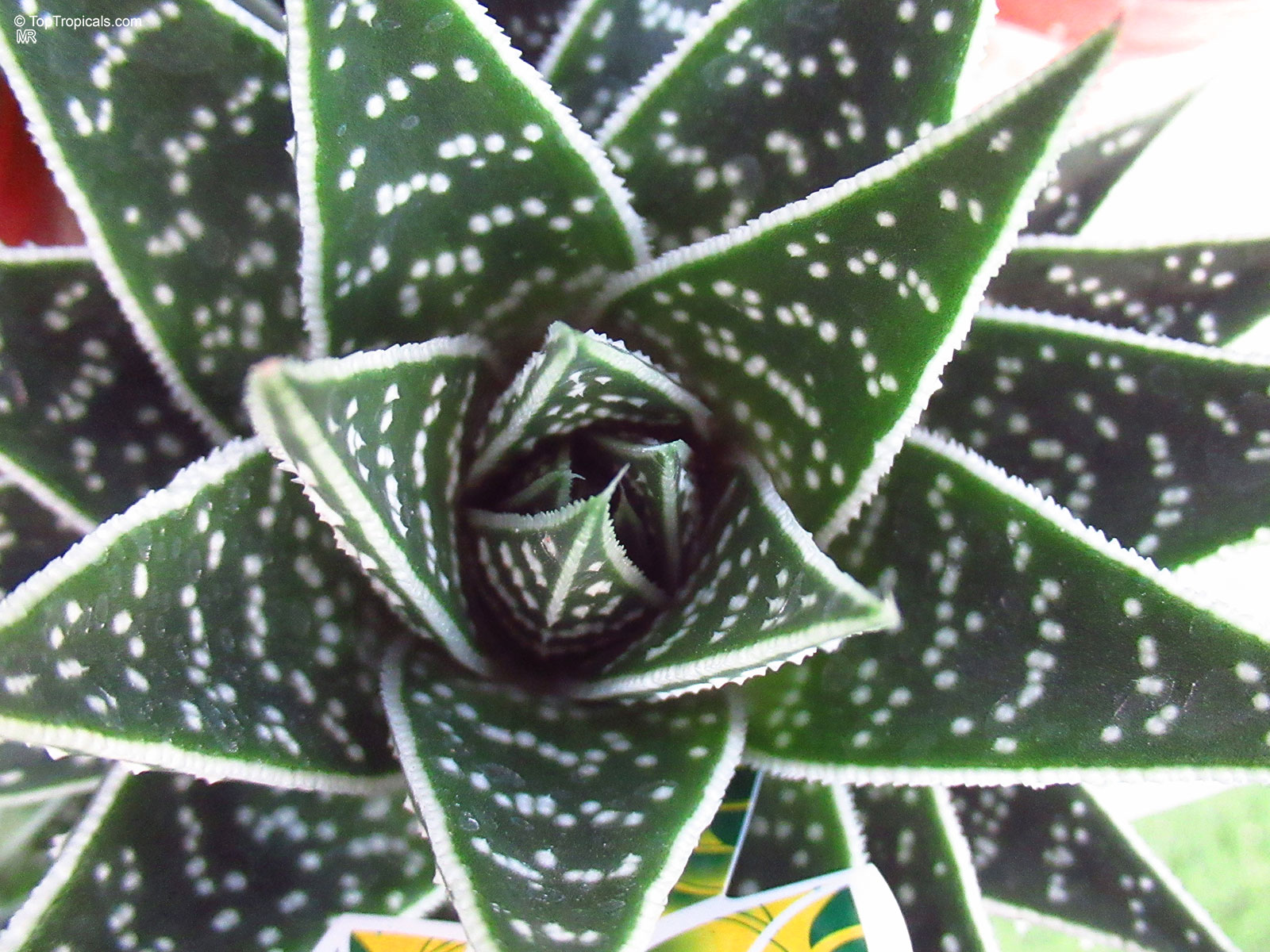
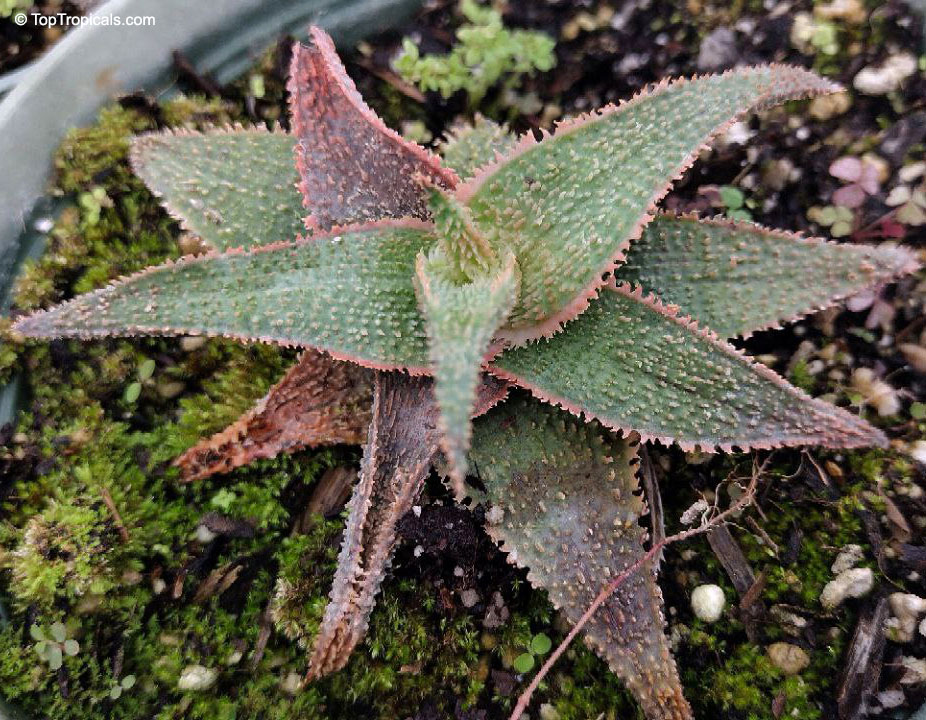
Botanical name: Aloe sp.
Common name: Aloe
Family: Asphodelaceae (Formerly:Xanthorrhoeaceae)
Subfamily: Asphodeloideae
Origin: Africa, Madagascar and The Arabian Peninsula

USDA Zone: 9-11
Cold tolerance: 30°F


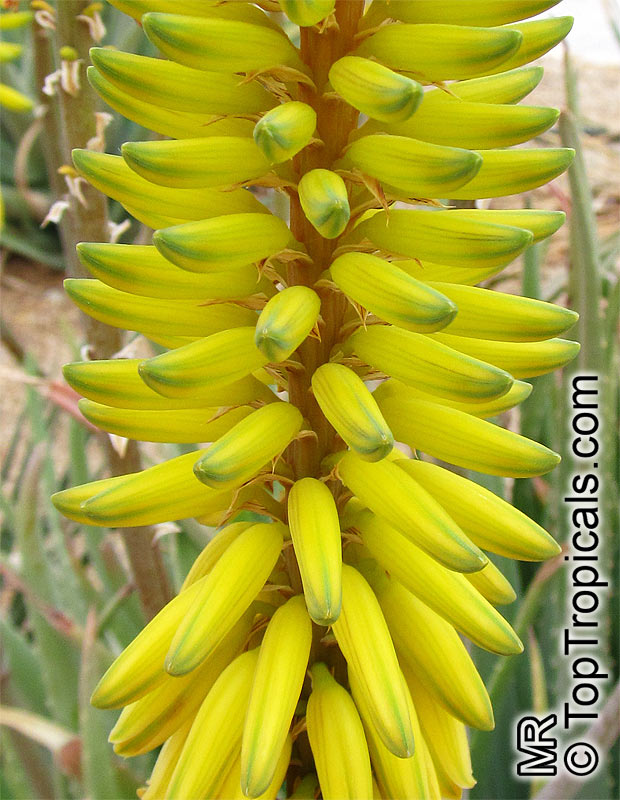
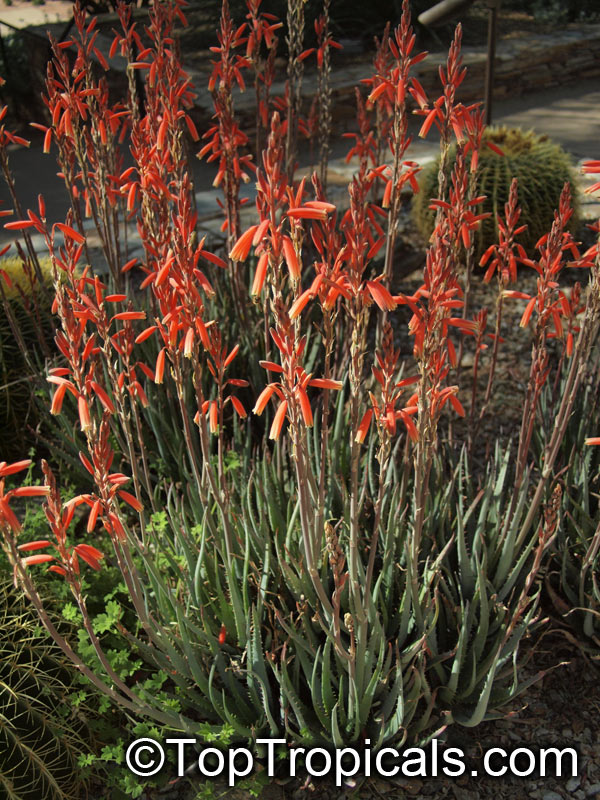
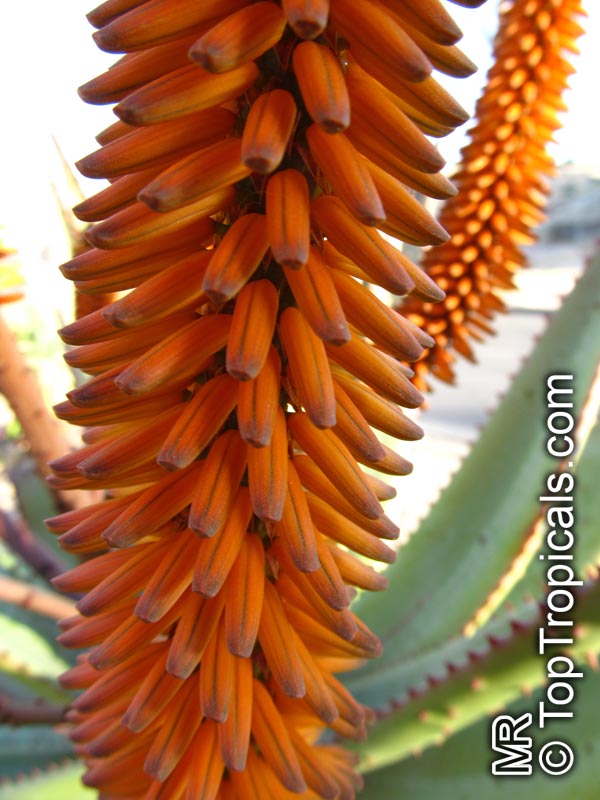
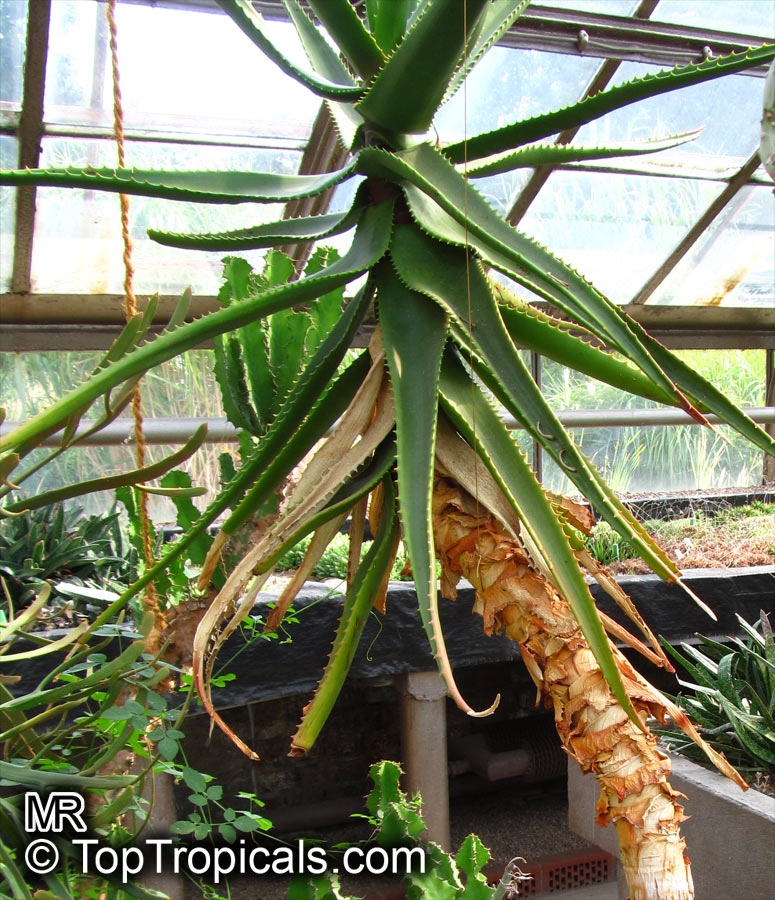
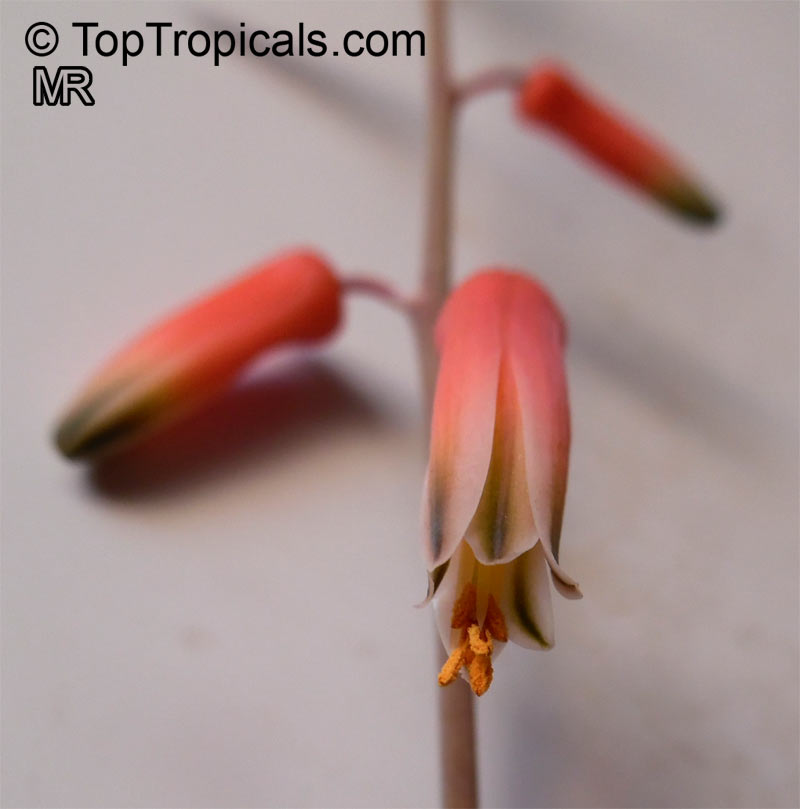
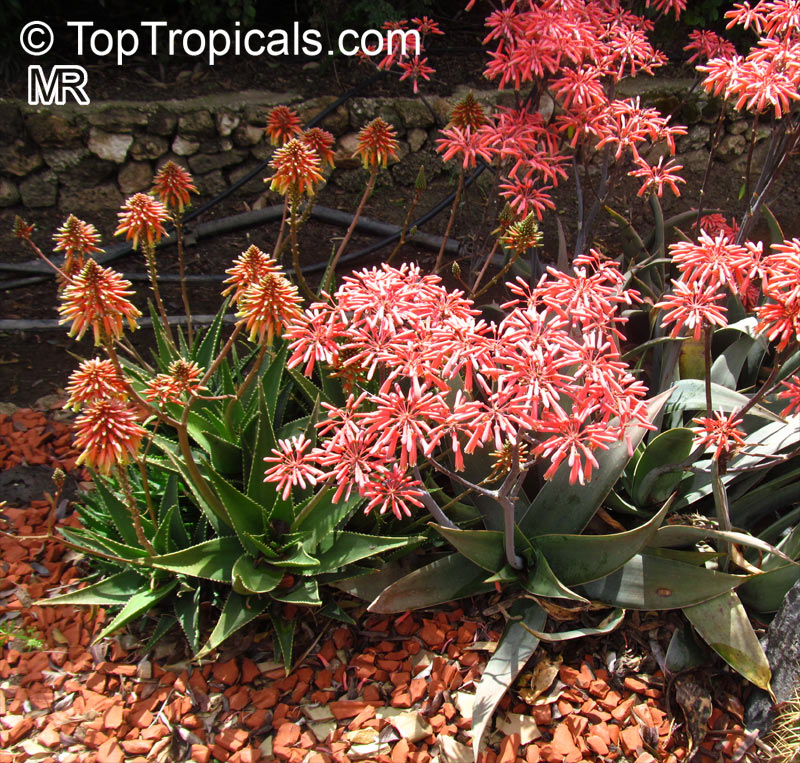
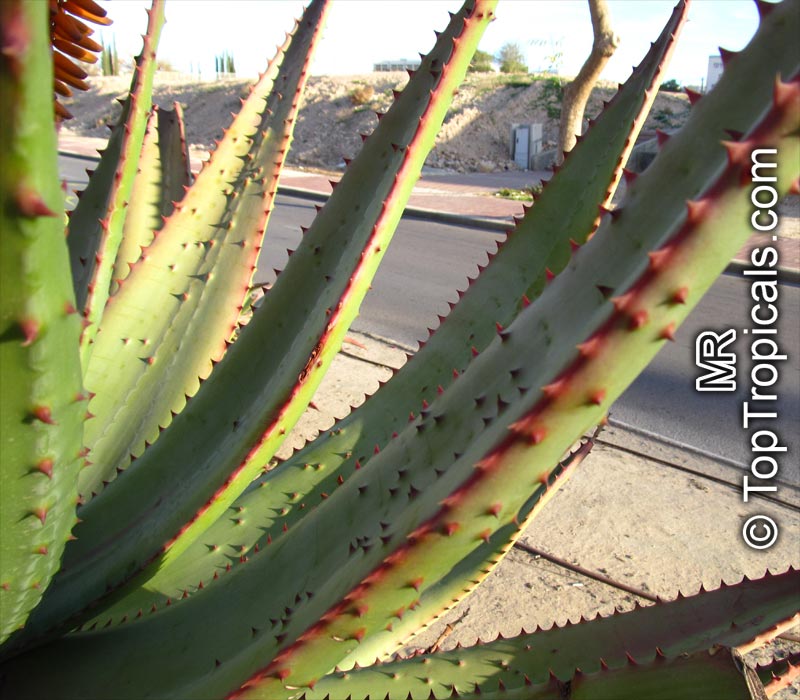
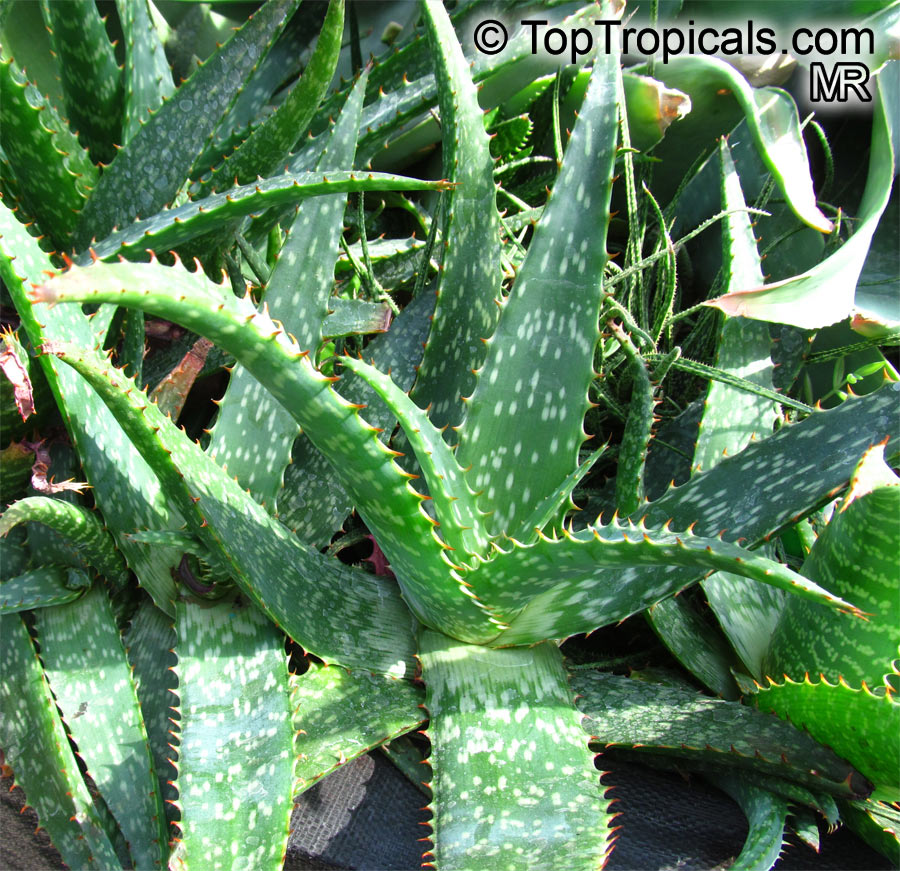
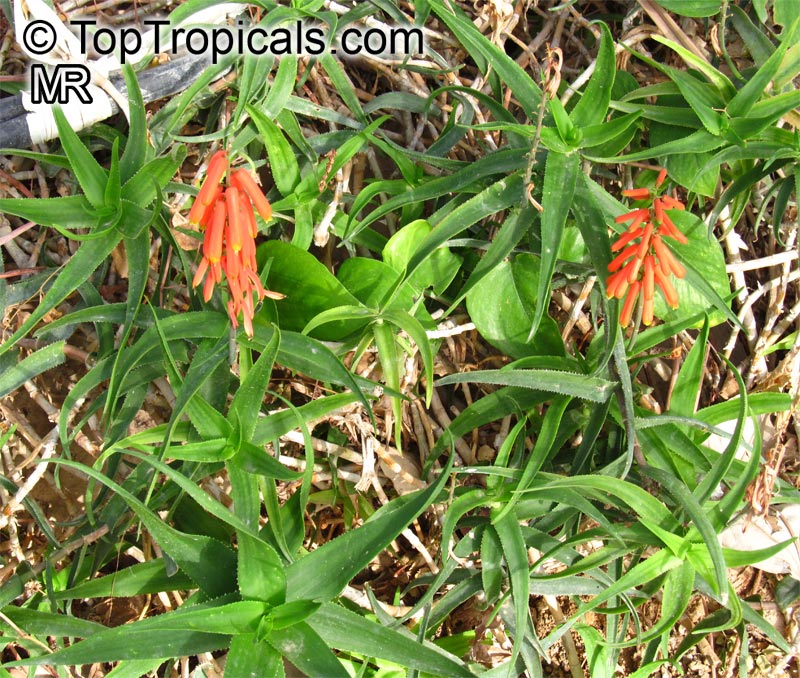
They range in size from little one inch miniatures to massive plant colonies consisting of hundreds of 2 foot diameter plants. Although most Aloes have some medicinal or commercial value, the most commonly known is the Aloe barbadensis... better known as Aloe vera. All Aloes are semitropical succulent plants, and may only be grown outdoors in areas where there is no chance of freezing (USDA zones 10-11). However, they make excellent house plants when they are given sufficient light. Potted Aloes benefit from spending the summer outdoors. Older specimens may even bloom, producing a tall stock covered with bright colored coral flowers. Aloe flower nectar is a favorite of hummingbirds! The medicinal properties of Aloe vera have been known, and recorded since biblical times. It has been used for a variety of ailments, and as an ointment for burns, cuts, and rashes, as well as an ingredient in various beauty preparations. The sap of the Aloe is a thick, mucilaginous gel. It is this gel which is used medicinally. Because Aloe plants consist of 95% water, they are extremely frost tender. If they are grown outdoors in warm climates, they should be planted in full sun, or light shade. The soil should be moderately fertile, and fast draining. Established plants will survive a drought quite well, but for the benefit of the plant, water should be provided. During the winter months, the plant will become somewhat dormant, and utilize very little moisture. During this period watering should be minimal. Allow the soil to become completely dry before giving the plant a cup or two of water. During the summer months, the soil should be completely soaked, but then be allowed to dry again before re-watering. Aloes have a shallow, spreading root system, so when it is time to repot choose a wide planter, rather than a deep one. You may also use a packaged 'cacti mix' soil. Aloes are propagated by removing the offsets which are produced around the base of mature plants, when they are a couple inches tall (or larger). They may also be grown from seed.
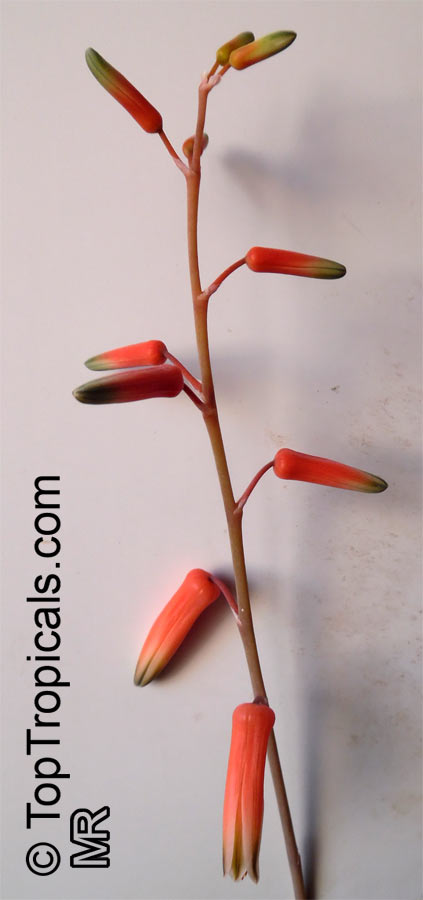
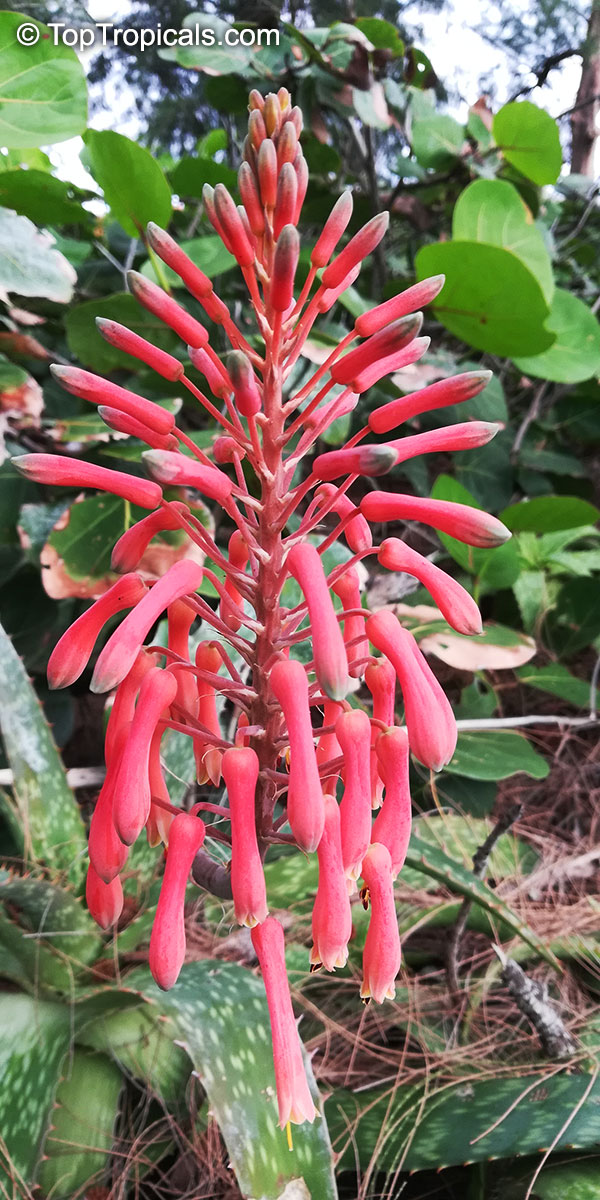
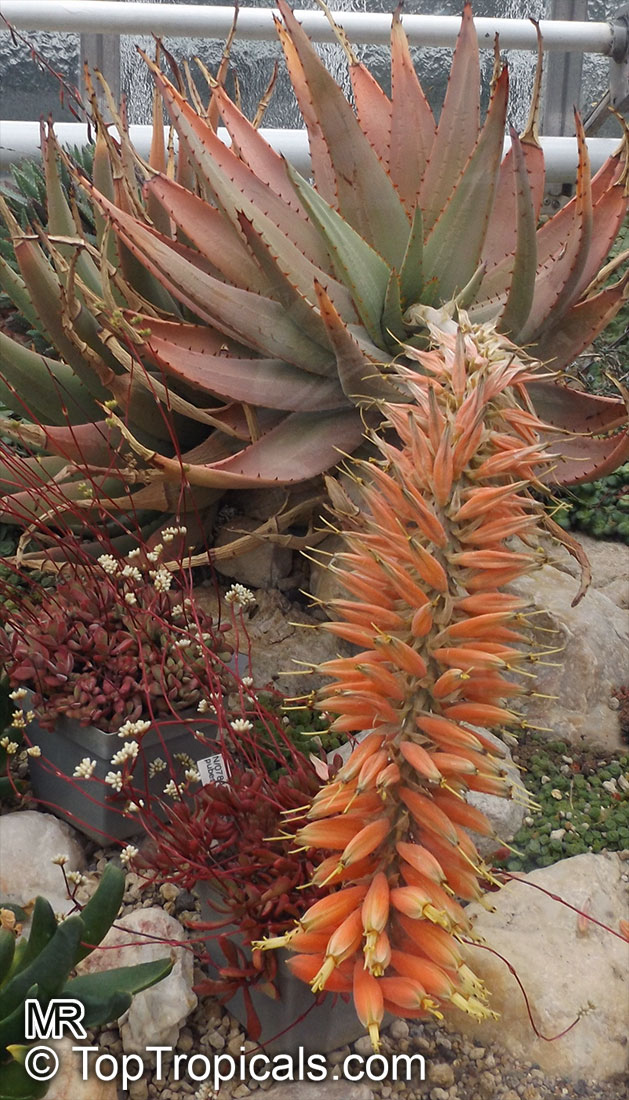

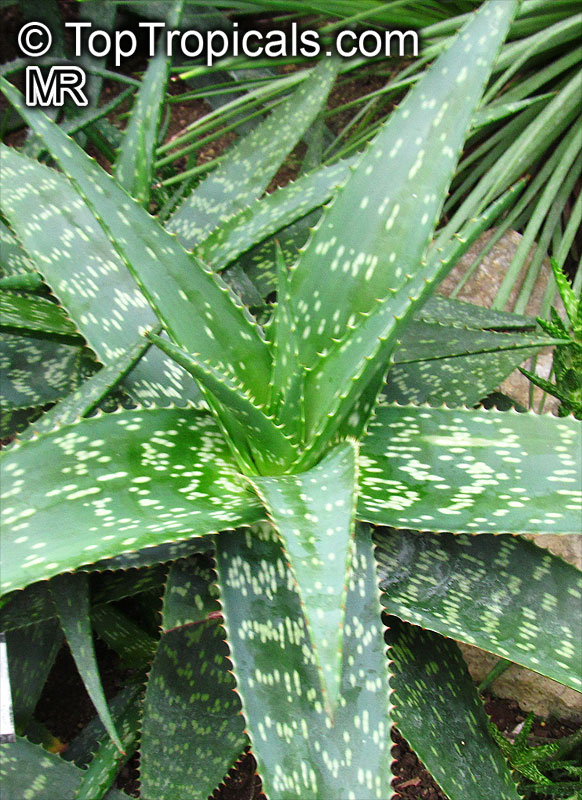

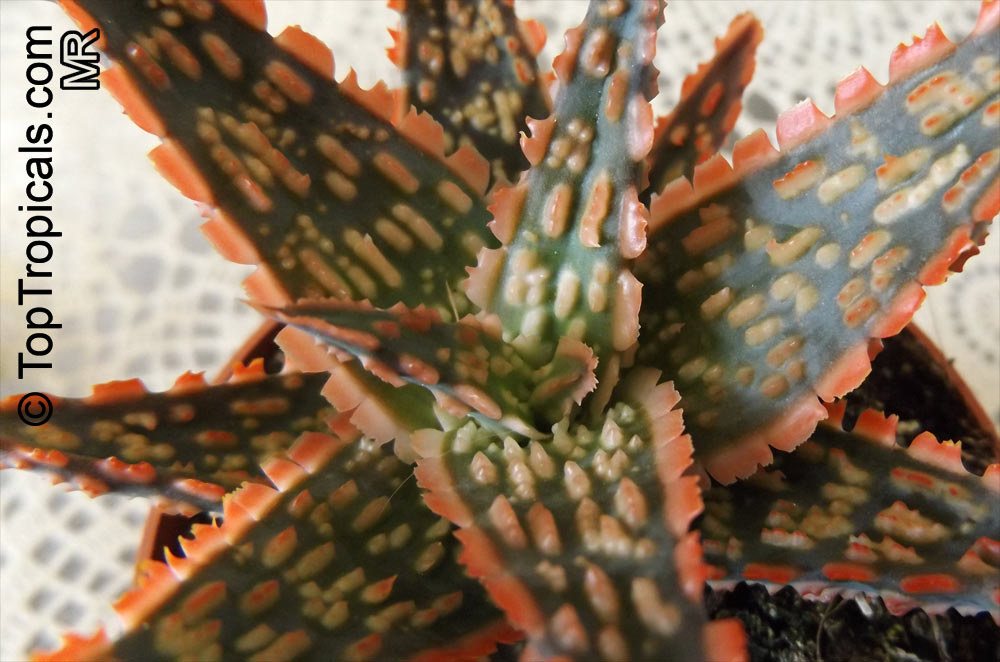
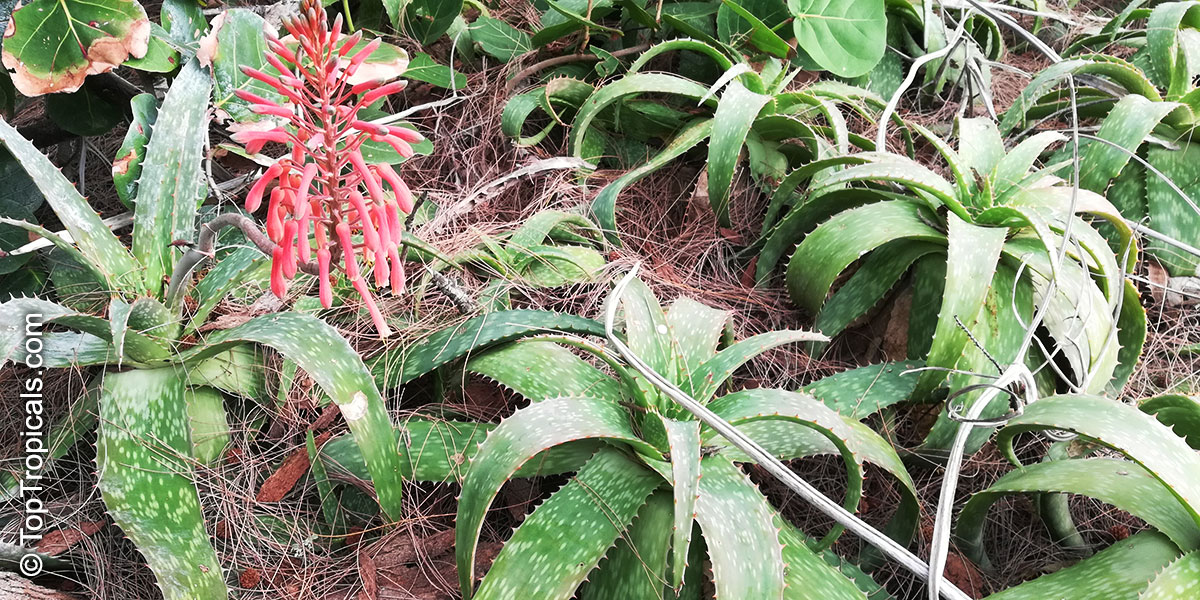
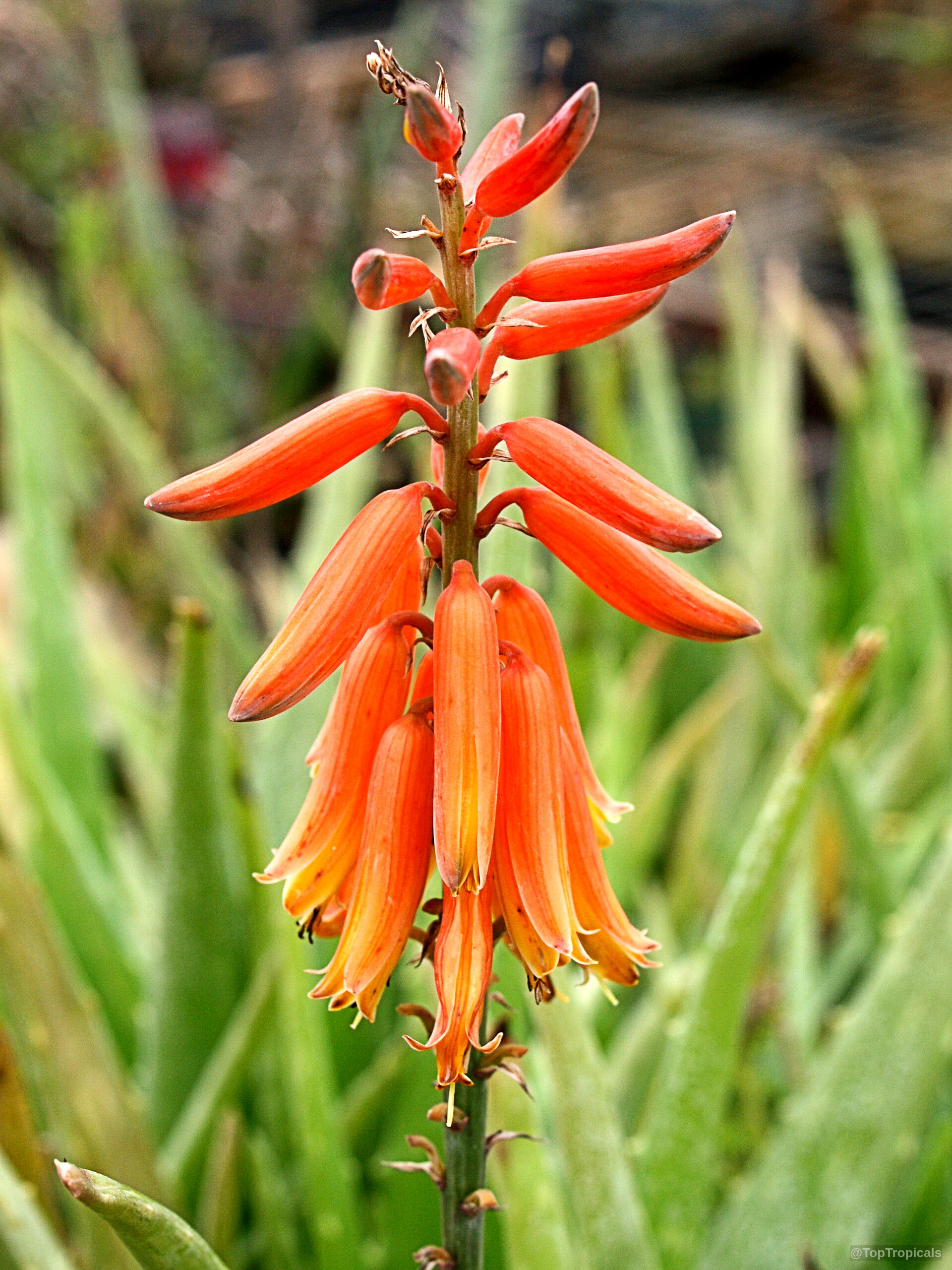

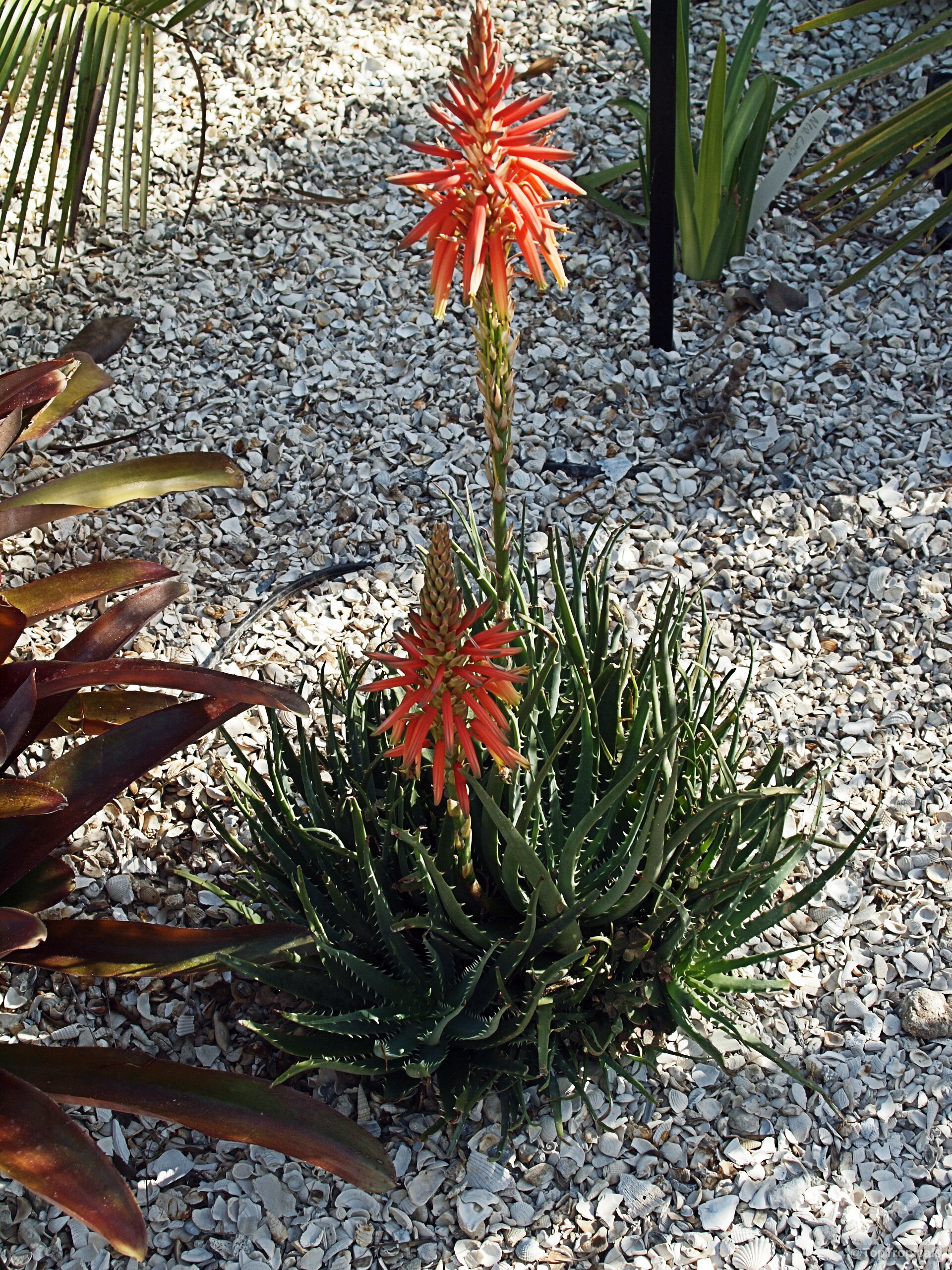

Botanical names: Aloe vera, Aloe barbadensis
Common names: Chinese Aloe, Indian Aloe, True Aloe, Barbados Aloe, Burn Aloe, First Aid Plant
Family: Asphodelaceae (Formerly:Xanthorrhoeaceae)
Subfamily: Asphodeloideae
Origin: Arabian Peninsula
USDA Zone: 8-11
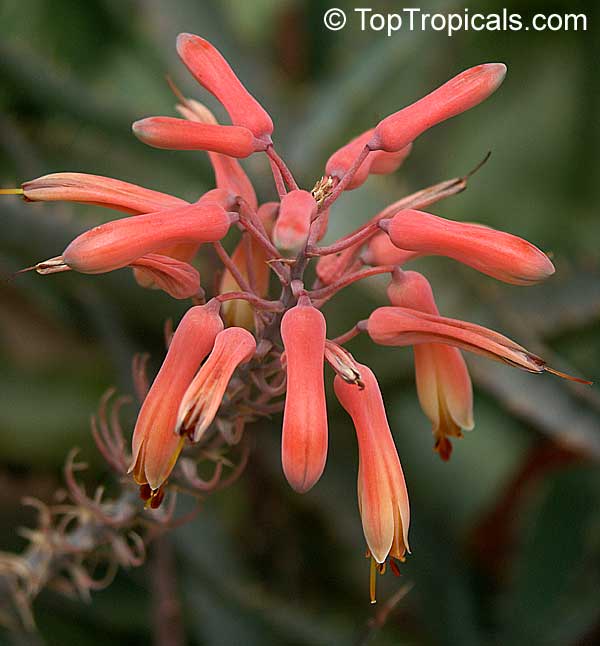
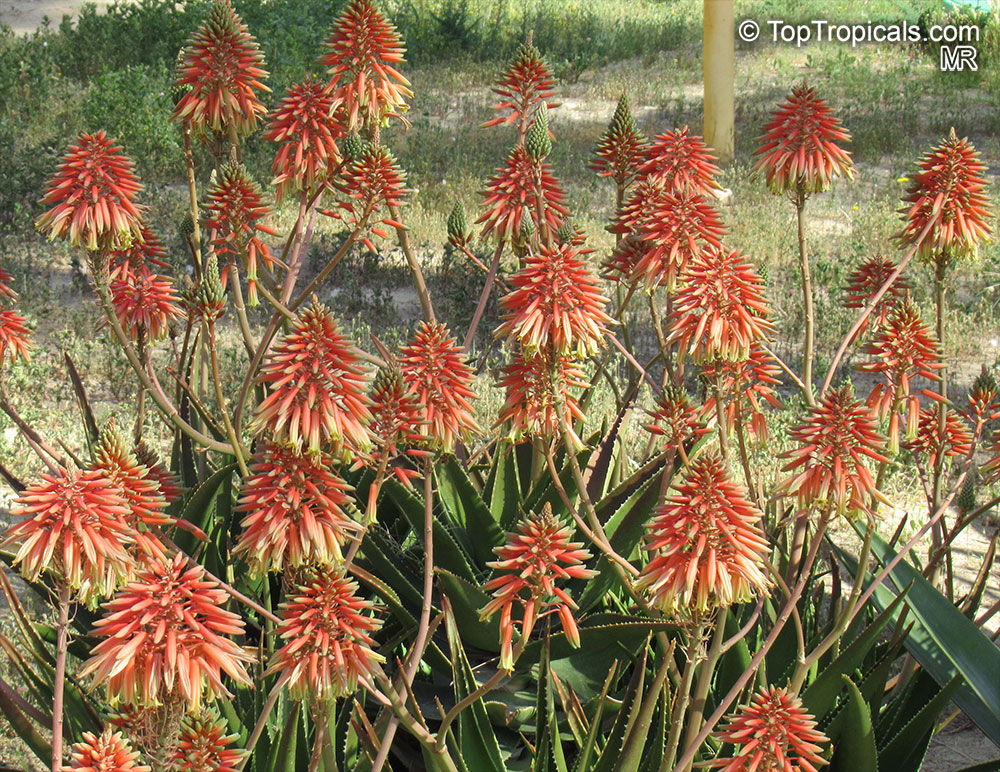
The flowers of Aloe vera are yellow, orange, or red and bloom in summer. The plants are noted for their medicinal properties and have been used for centuries for treating skin diseases. Aloe vera has long been used in folk medicine for ethnomedical properties and is found in many cultures. Aloe vera also has cosmetic applications, being added to skin lotions, soap, and other beauty products.
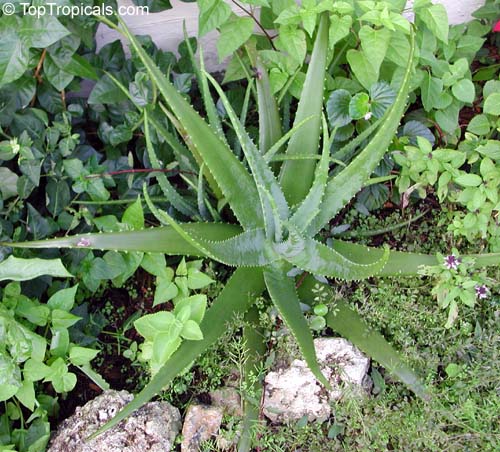
Aloe vera is an easy-to-grow plant, requiring full sun and moderate water. A small shrub, it grows to a height of 2-5 feet with sharp, succulent leaves. It is a low-maintenance plant, needing minimal care across all climates. Aloe vera is hardy in USDA zones 8-11
When grown in a pot, Aloe vera requires infrequent watering and can tolerate short intervals of drought. The soil should be well-drained and allowed to dry out between waterings. Fertilizers aren't always necessary, but if added, should be applied to the soil once every few months. Winter care for Aloe vera should include protection from extreme cold weather and a slightly reduced watering schedule. To further protect from winter temperatures, you can move potted plants indoors, keeping in a sunny window or under grow lights.


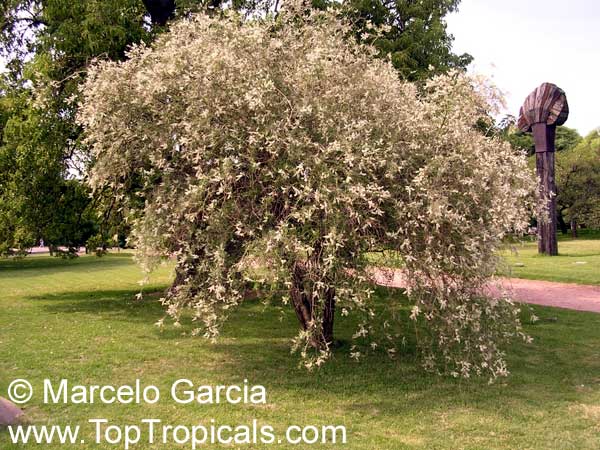
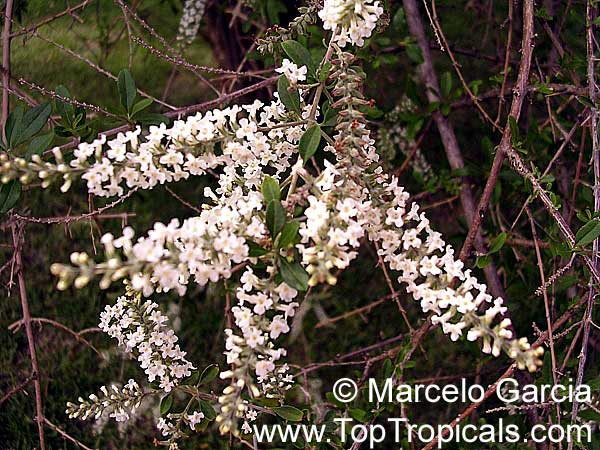
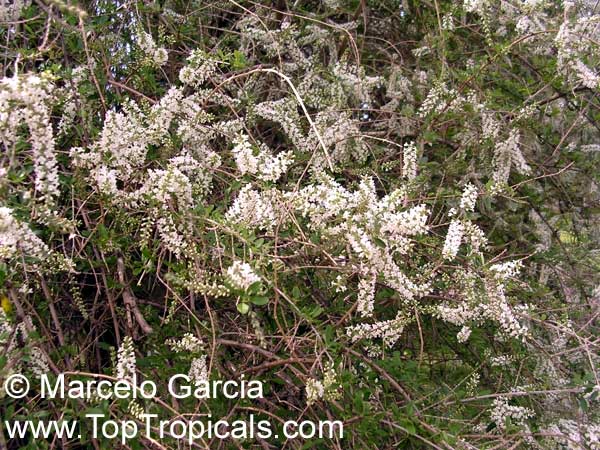
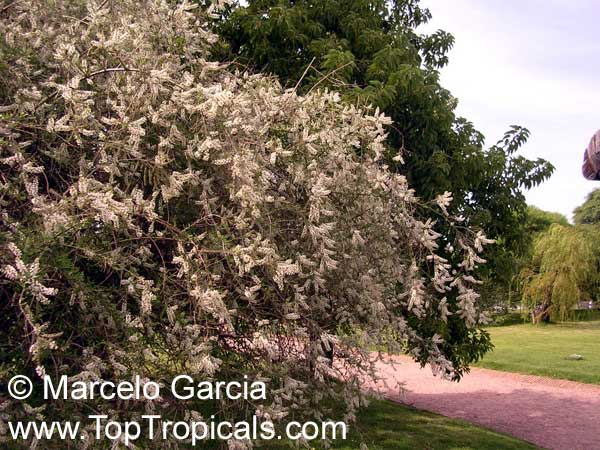
Botanical names: Aloysia gratissima, Lippia lycioides, Aloysia lycioides
Common names: Whitebrush, Beebrush
Family: Verbenaceae
Origin: Mexico, South America
USDA Zone: 8-11


Grown in full sun to partial shade, Aloysia gratissima is a large and moderately tolerant shrub native to Mexico and South America. It can grow up to 5-10 feet tall, producing fragrant white or off-white flowers with yellow and orange centers in the spring through fall. Attracting butterflies and hummingbirds, this ethnomedical plant is drought tolerant, low-water use, and tolerant of soils which are poorly drained.
It thrives in USDA Zones 8-11. In cold regions, Aloysia gratissima should be grown in a large enough pot to prevent it from freezing, and the pot should be brought inside during severe weather. Provide shade or mulch when temperatures dip too low, and be sure to water deeply after periods of extreme cold. Use a slow-release fertilizer to encourage healthy growth.
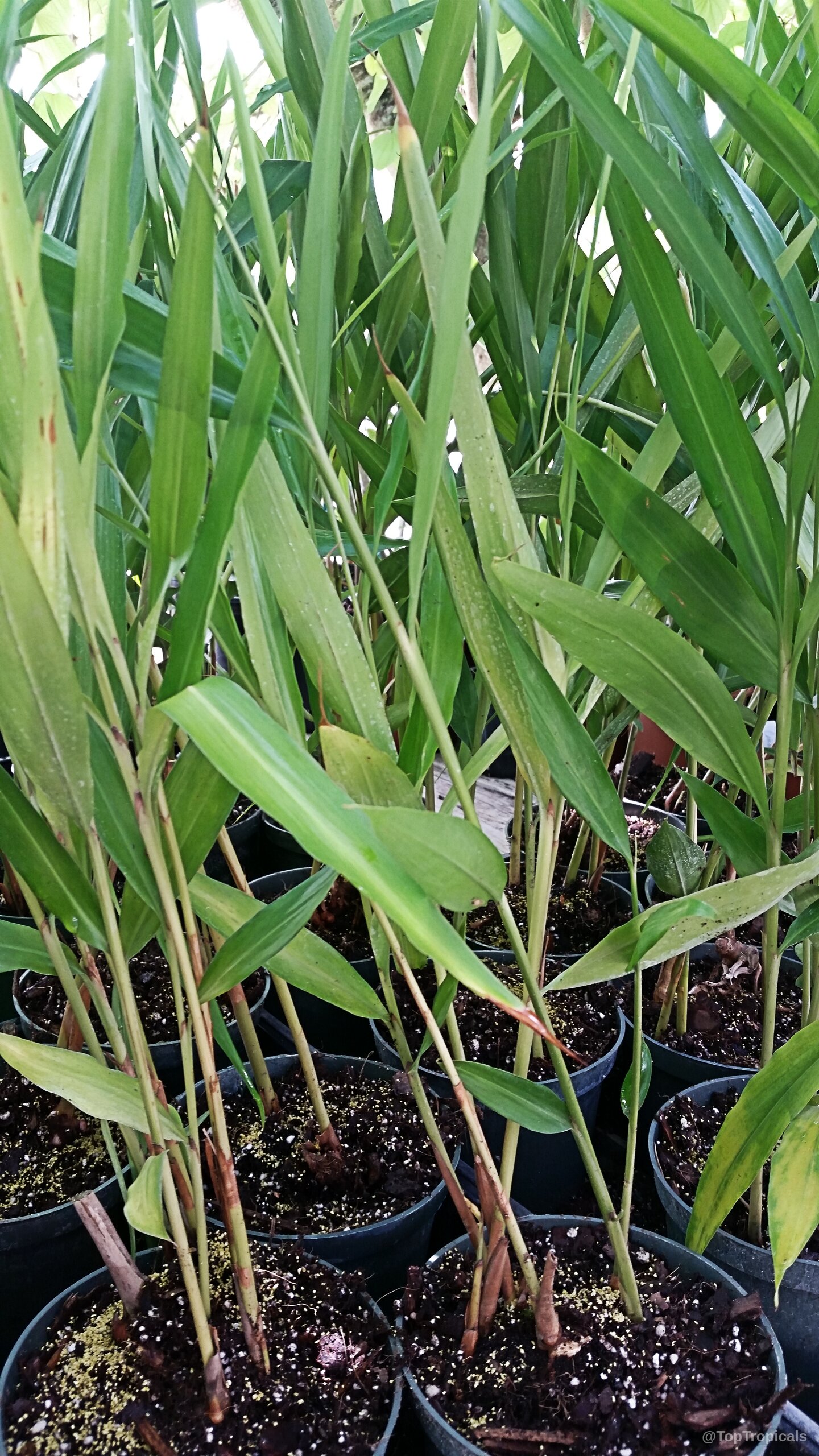
Botanical names: Alpinia galanga, Languas galanga
Common names: Galanga Root, Galangal, Thai Ginger, Laos
Family: Zingiberaceae
Origin: SE Asia
USDA Zone: 9-11


Galanga is an herb used in cooking, especially in Indonesian and Thai cuisines. It is one of four plants known as galangal, and is differentiated from the others with the common name greater galangal (or simply Thai galangal). The galangals are also called blue ginger or Thai ginger.
A. galanga is called laos in Indonesian and is the most common form of galangal used in cooking. It is also known as lengkuas and galanga root.

Botanical name: Alpinia malaccensis
Common name: Rathkihiriya
Family: Zingiberaceae
Origin: Indonesia
USDA Zone: 9-10

Alpinia malaccensis is cultivated for ornamental and medicinal purposes. It is a native of Indonesia and Malaysia. An oil is obtained from dried rhizome. The rhizomes are ginger-scented. Likes a slightly acid soil. Tubular flowers in droopy clusters. The flowers come mostly in summer.
Alpinia malaccensis is similar to Alpinia nutans


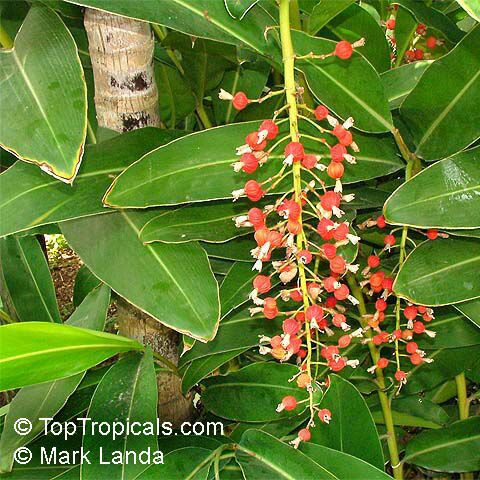
Botanical names: Alpinia nutans, Alpinia speciosa
Common names: Shell ginger, Pink porcelain lily, Narrow-Leaf Cinnamon Ginger, Shellflower, Dwarf cardamom, False cardamom
Family: Zingiberaceae
Origin: China and Japan
USDA Zone: 8-11
Cold tolerance: 20°F

The plant is quite versatile and makes for an excellent garden plant in USDA growing zones 7-9. It can either be grown as a large shrub of 5-10 feet in height or as a small shrub of 2-5 feet. Alpinia nutans requires full sun or partial shade, but prefers humid conditions and regular watering. Its stunning hot pink flowers, borne atop long flowering stems, bloom beginning in June and continue until the Fall.
It is a fairly salt tolerant plant, making it suitable for seaside areas. In cold climates, the mature plant is hardy at least to the low 30s Fahrenheit for a short time, although for best results it should be grown in a pot and stored in an area that does not freeze in the winter, such as a greenhouse or garage. Watering should be reduced in cold conditions and kept to a minimum until warm weather resumes. During the spring, the rhizome should be restrained or it will overthrow its container. Plants should be repotted in the spring if they outgrow their original container. Fertilize annually with compost or an appropriate plant food to encourage growth, and do regular pest and disease checks.
Alpinia nutans is similar to Alpinia malaccensis and Alpinia zerumbet. Alpinia nutans var. longiramosa is a synonym of Alpinia zerumbet.
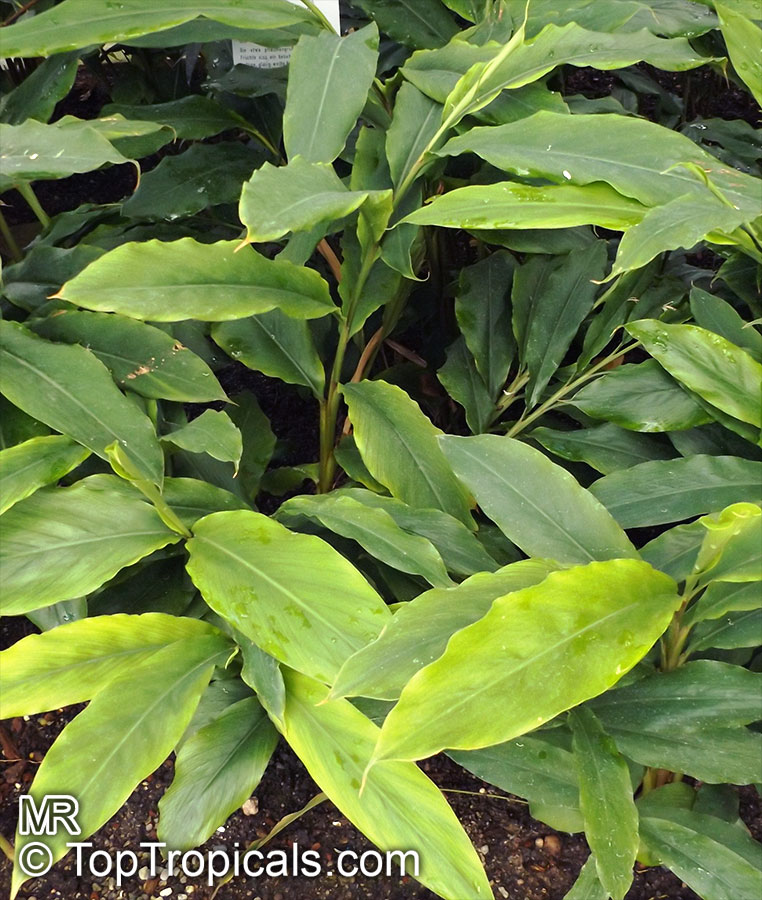
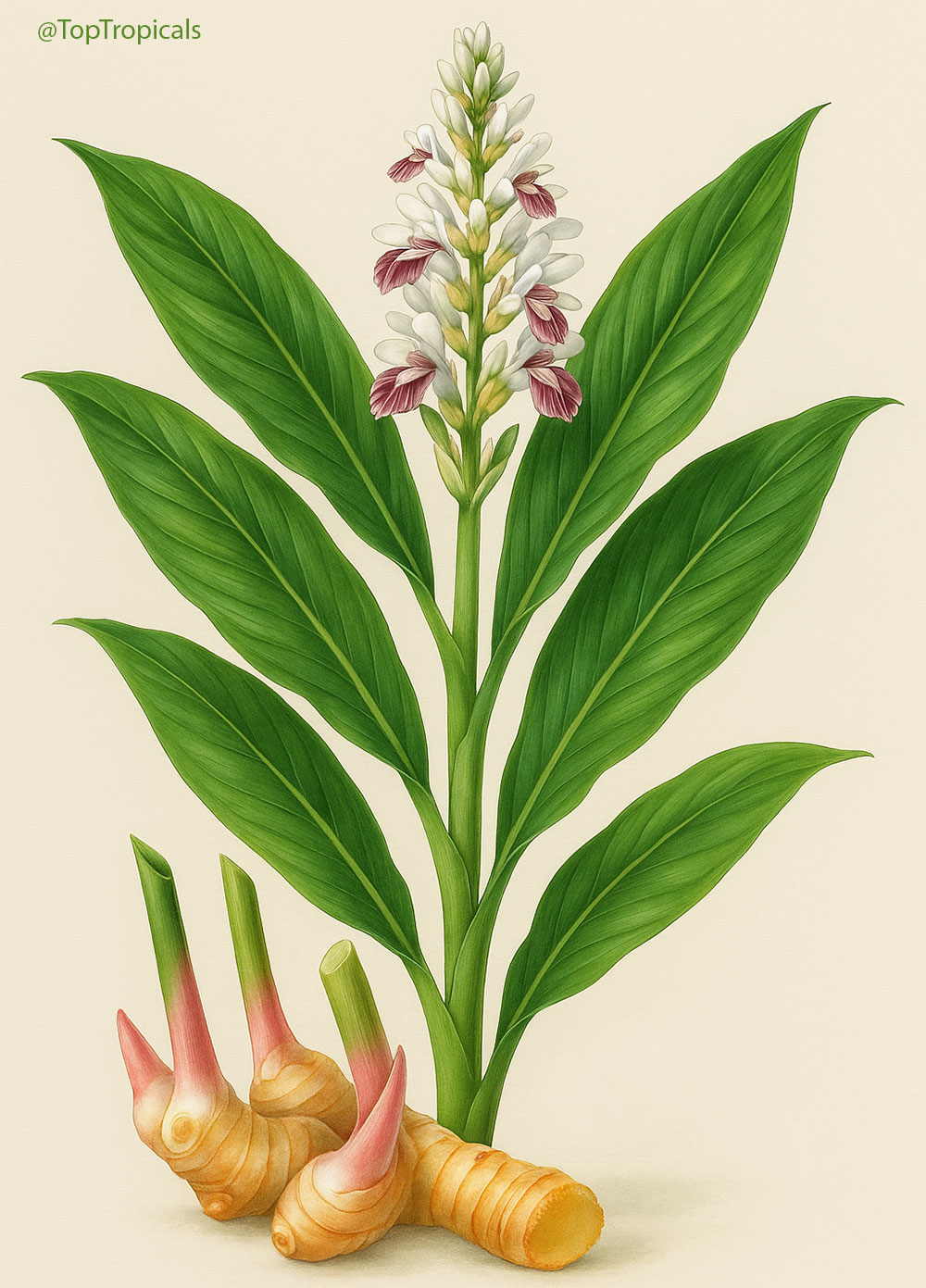
Botanical name: Alpinia officinarum
Common name: Lesser Galangal
Family: Zingiberaceae
Origin: China
USDA Zone: 8-11
Galanga Root, Lesser Galangal, Thai gingeris more than just a fast growing ornamental ginger and flavorful root - it's also a powerful healing plant with centuries of use in both kitchens and traditional medicine. It supports digestion, reduces inflammation, boosts circulation, and helps fight infections with its natural antimicrobial properties. Rich in antioxidants, galangal may also support brain health and relieve respiratory issues. A must-have plant for both cooking and wellness.
It has long narrow leaves and reddish-white flowers. Galanga is an herb used in cooking, especially in Indonesian and Thai cuisines. The rhizomes, known as galangal, are valued for their spicy flavor and aromatic scent. These are used throughout Asia in curries and perfumes, and were previously used widely in Europe.
Alpinia officinarum (Lesser Galangal) is typically measuring 5-10 feet in height. It prefers semi-shade and regular watering, but will tolerate moderate water during dry spells. The flowers are a cluster of pink, white, or off-white blossoms, giving a beautiful display.
It is not just an ornamental plant. In China, it is also valued for its ethnomedical properties, used as a spice or a herb. Grown across USDA zone 9-11, it can easily be grown in pots in cold regions.
For proper care and growth, this plant requires a slightly acidic and well-drained soil. Provide light shade if grown outdoors, and ensure the pot is well-drained for optimal water retention. Water the plant regularly, but avoid excessive wetting of the soil. It will thrive under the right conditions and can last for years.
Fertilize Alpinia officinarum with a balanced formula throughout the growing season.
Alpinia officinarum is a beautiful, versatile plant. With proper care and maintenance, it will thrive and bring a splash of color and fragrance to any garden.
The rhizomes, known as galangal, are valued for their spicy flavor and aromatic scent. These are used throughout the world in curries and perfumes.
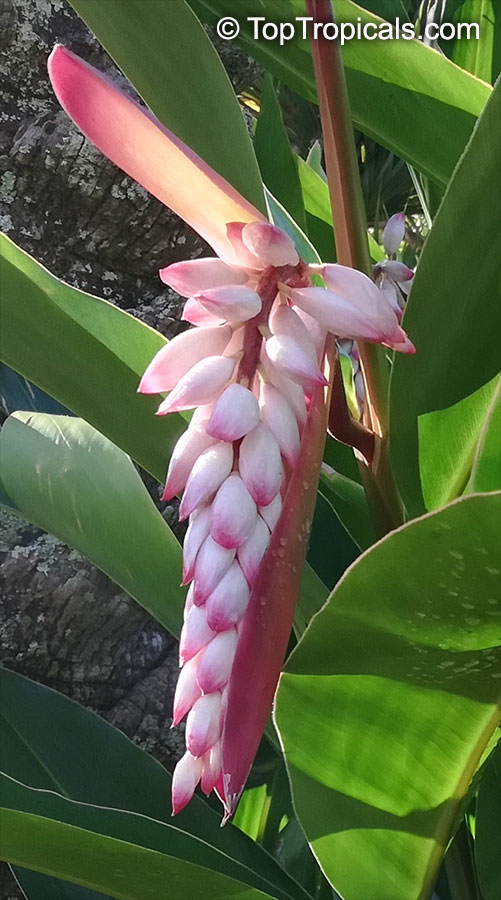
Botanical name: Alpinia sp.
Common name: Ginger Lily
Family: Zingiberaceae
Origin: Asia, Australia, Pacific Islands
USDA Zone: 9-10

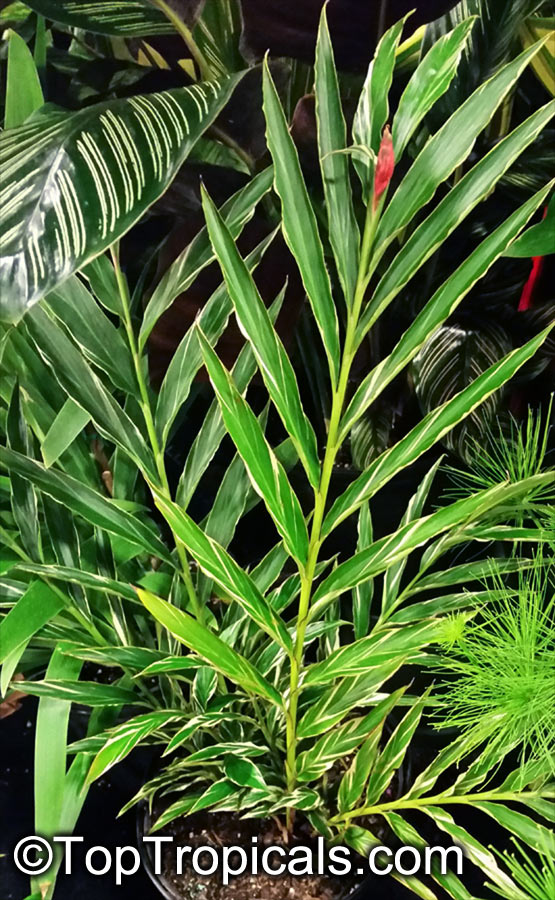
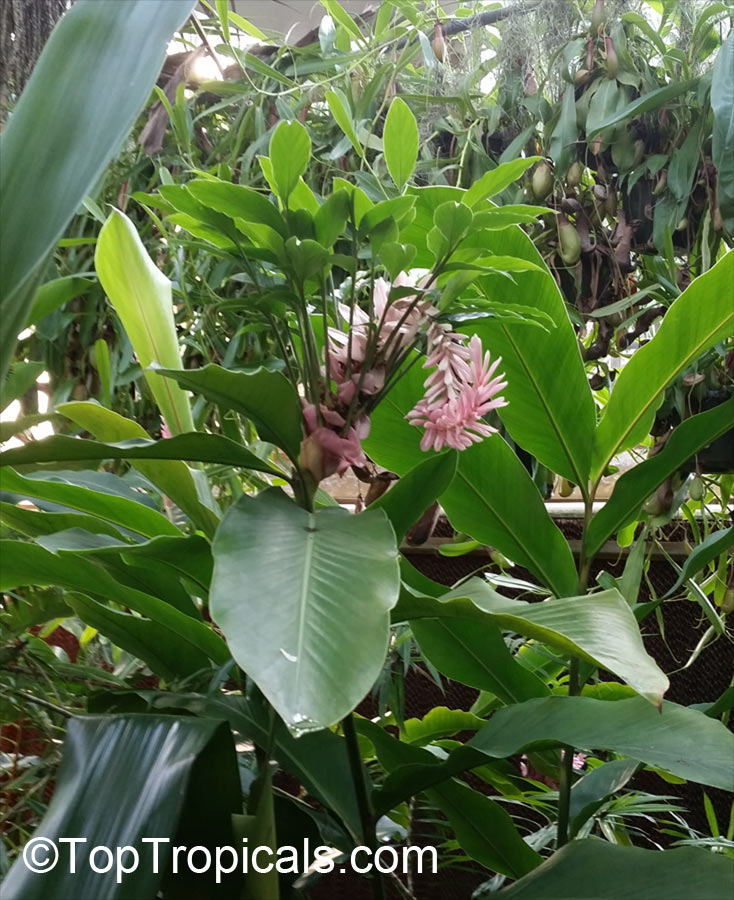
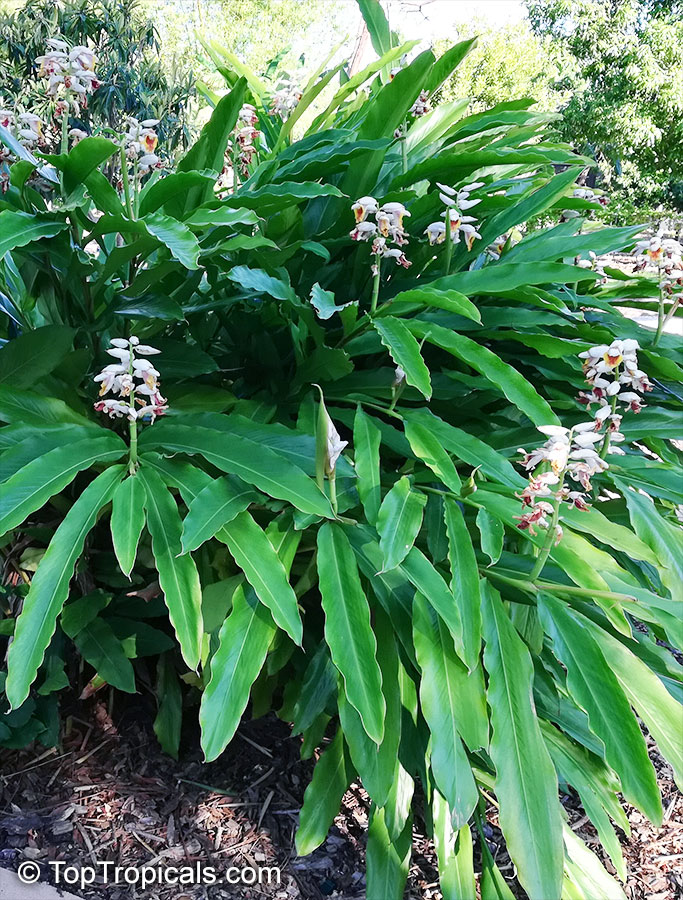
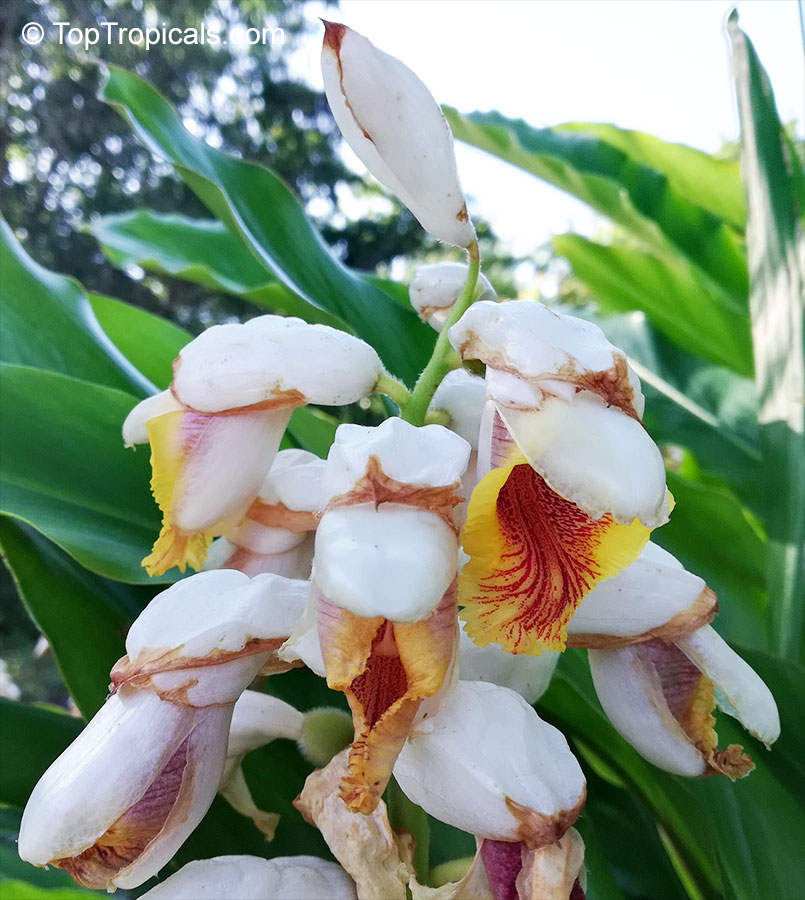
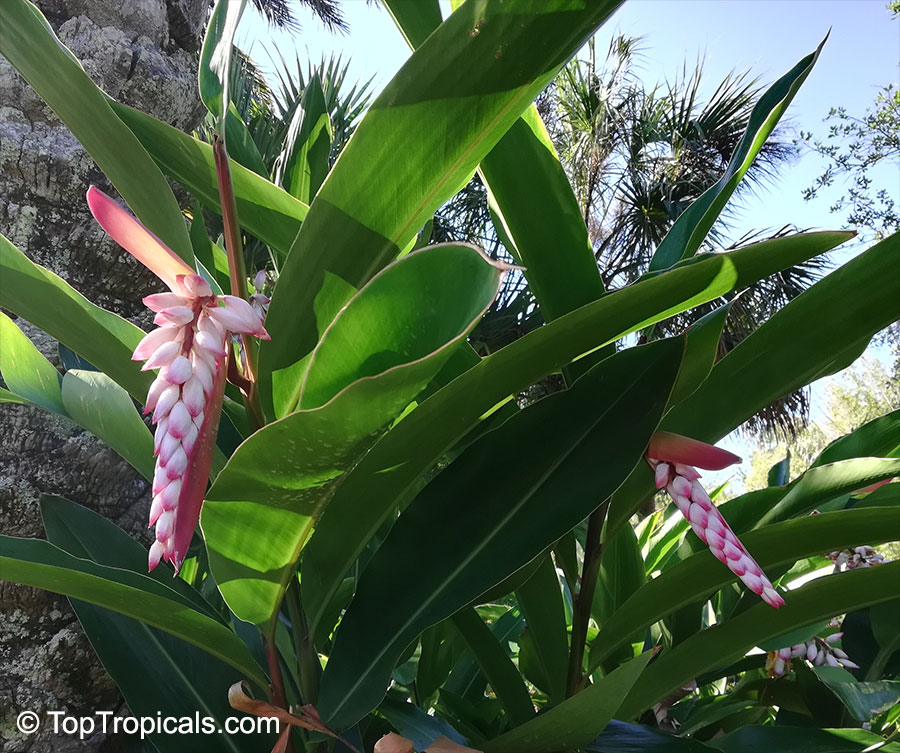
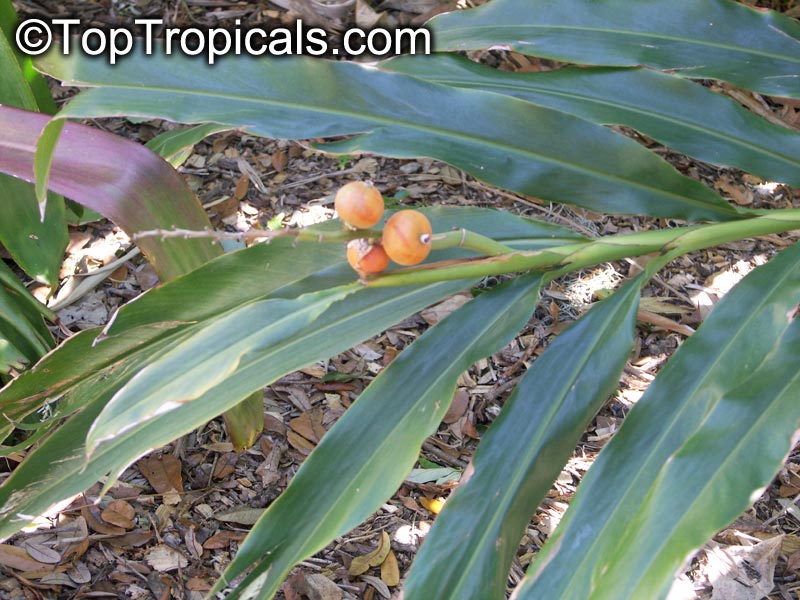
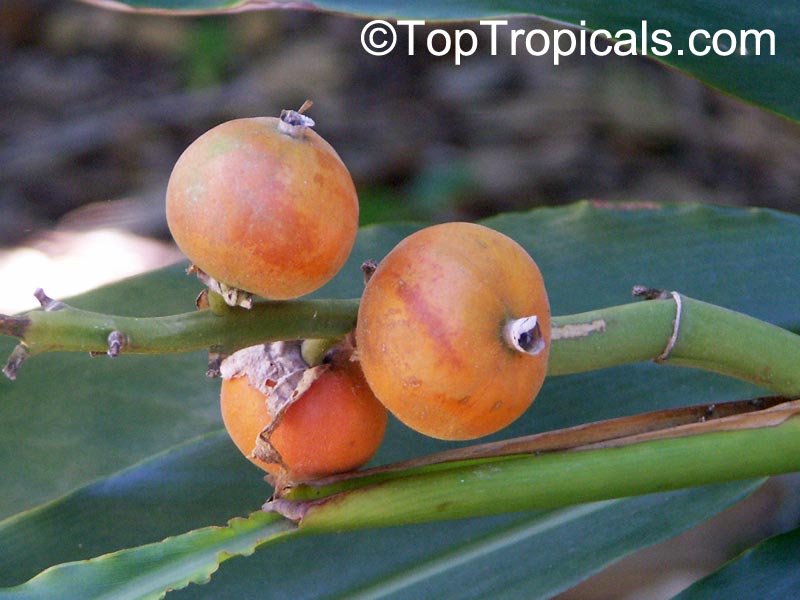
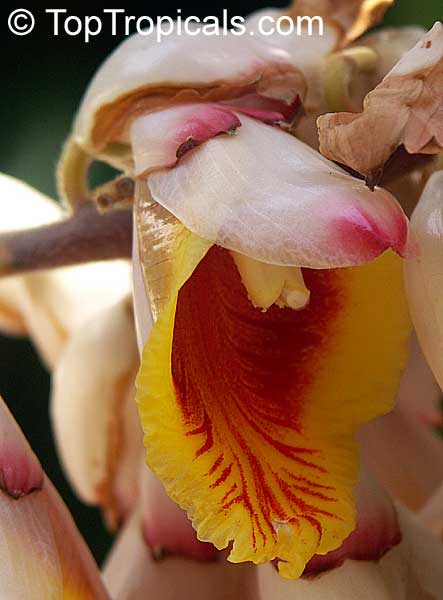
Botanical names: Alpinia zerumbet, Alpinia nutans var. longiramosa
Common name: Shell Ginger
Family: Zingiberaceae
Origin: East Asia
USDA Zone: 8-11
Cold tolerance: 20°F
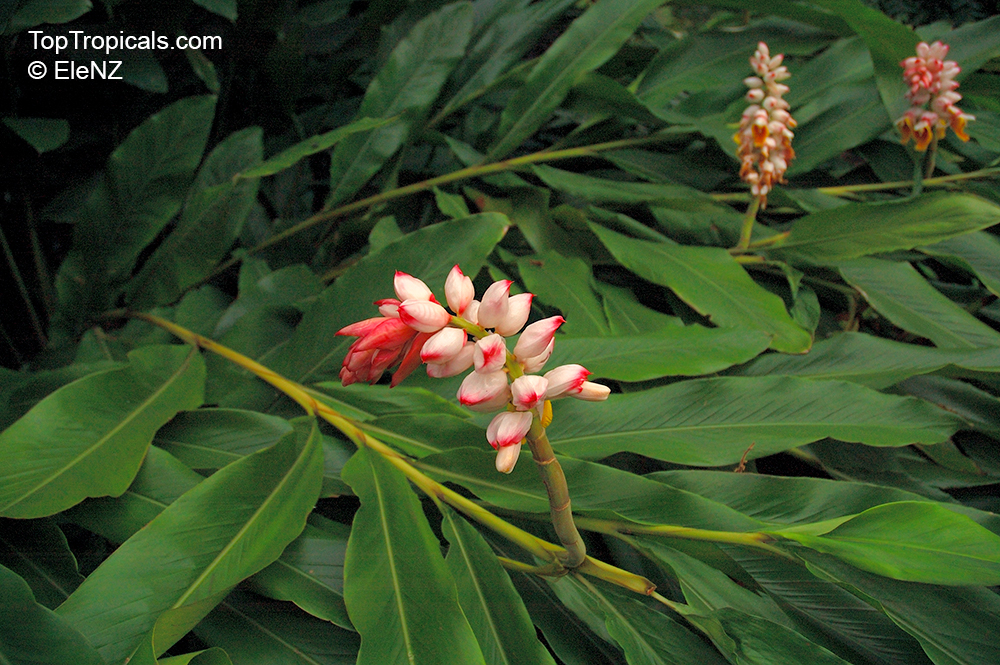
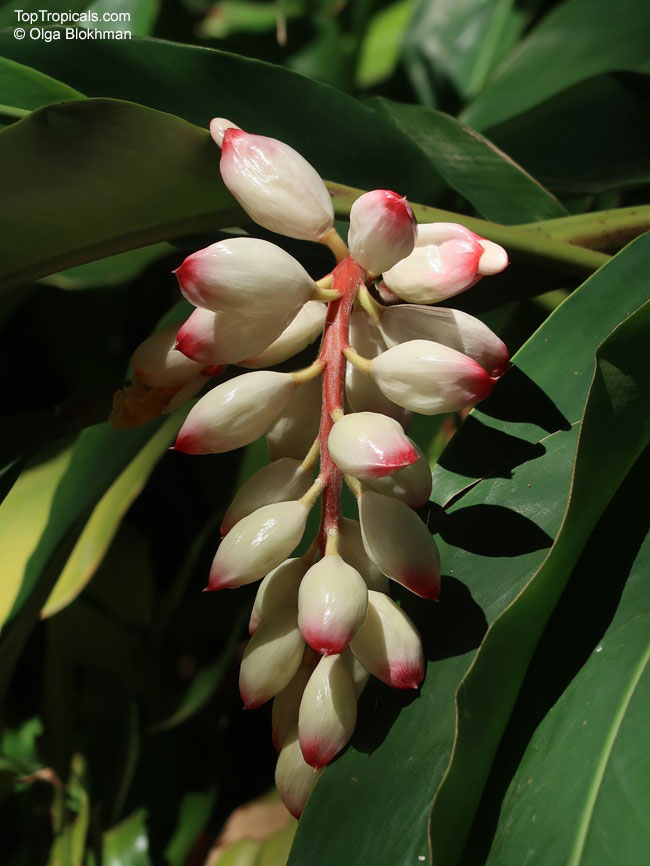
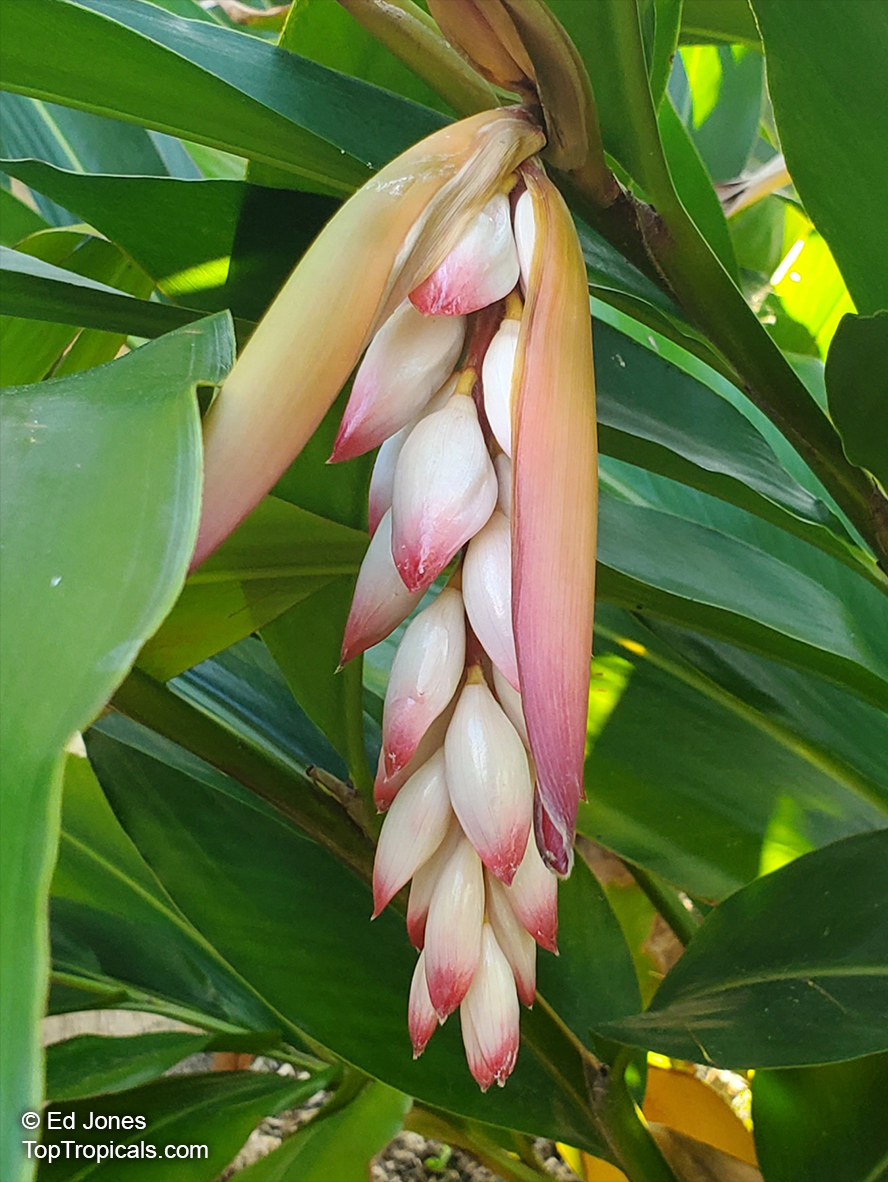
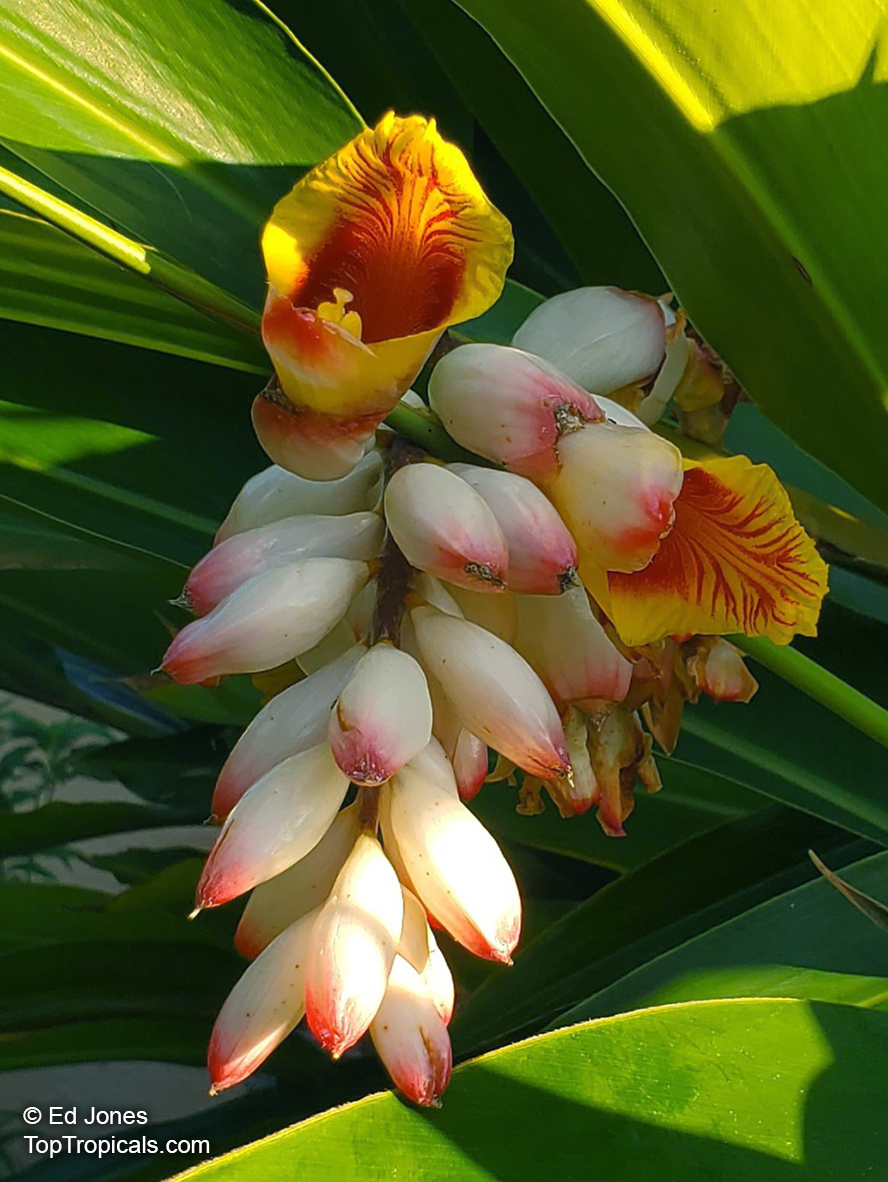
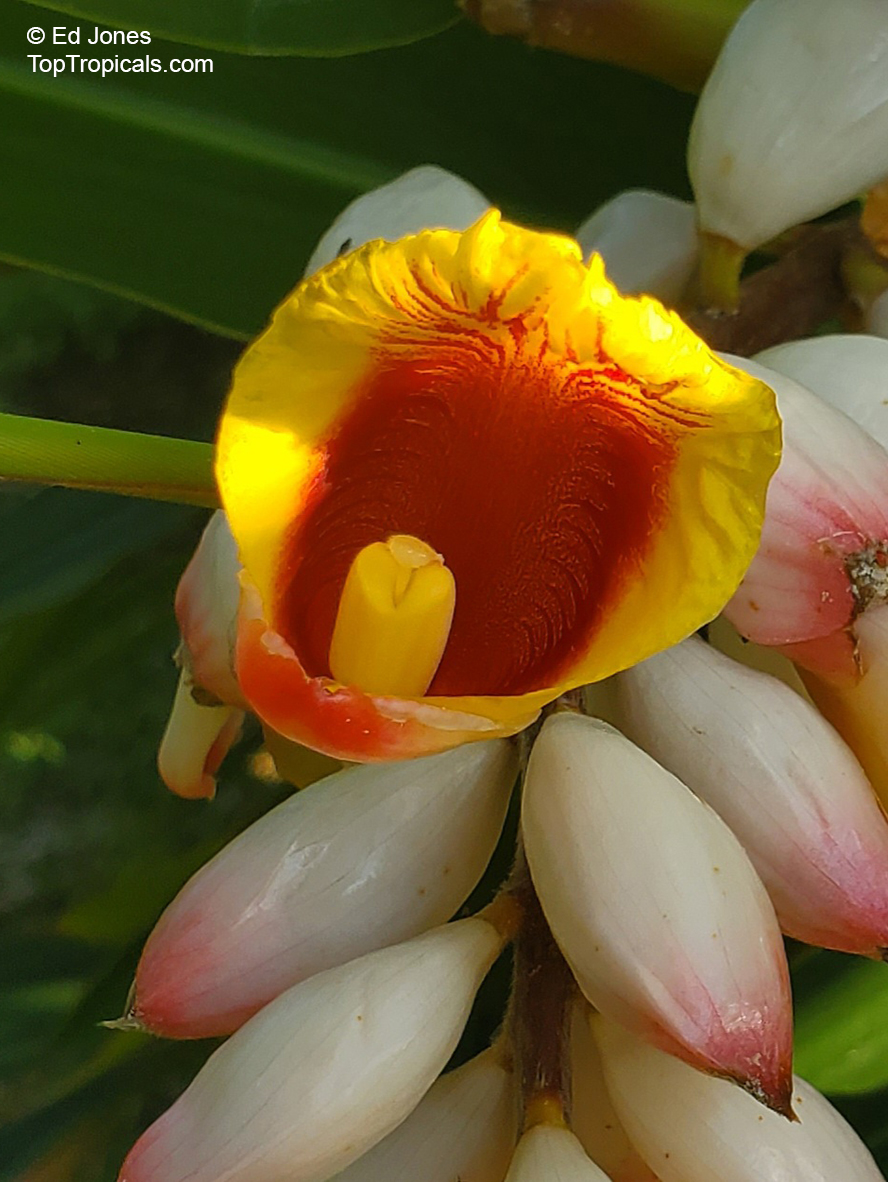
Alpinia zerumbet is called a "shell ginger" or "shell flower" most commonly, because its individual pink flowers, especially when in bud, resemble sea shells.
Alpinia zerumbet is similar to Alpinia malaccensis and Alpinia nutans
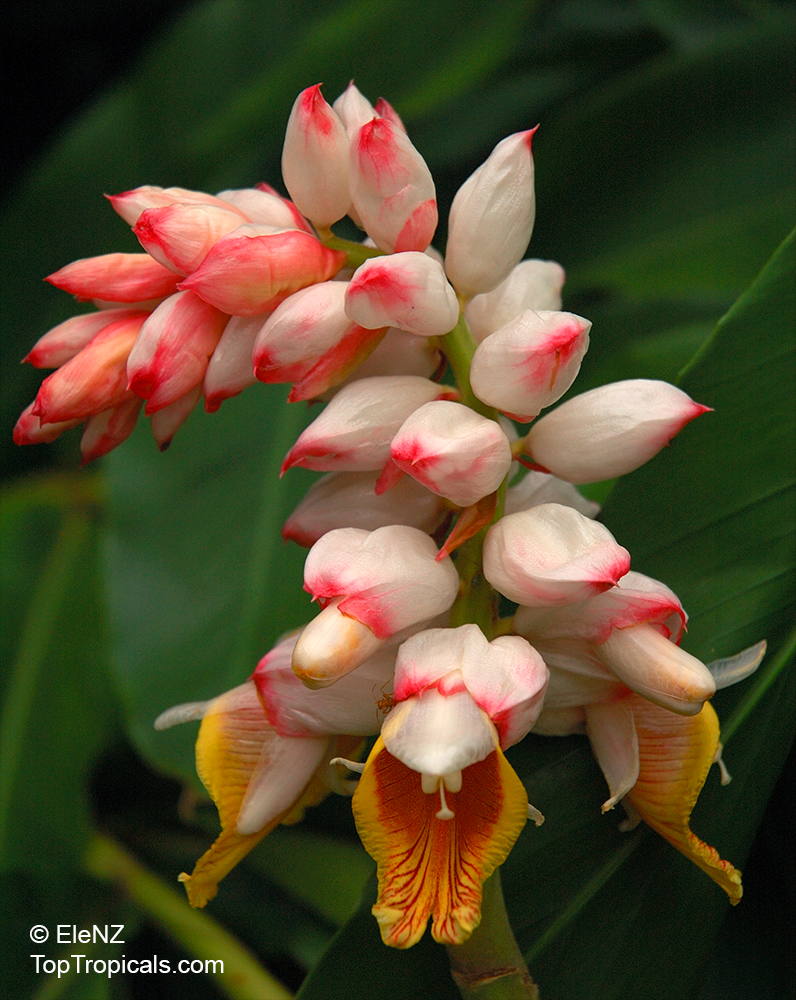
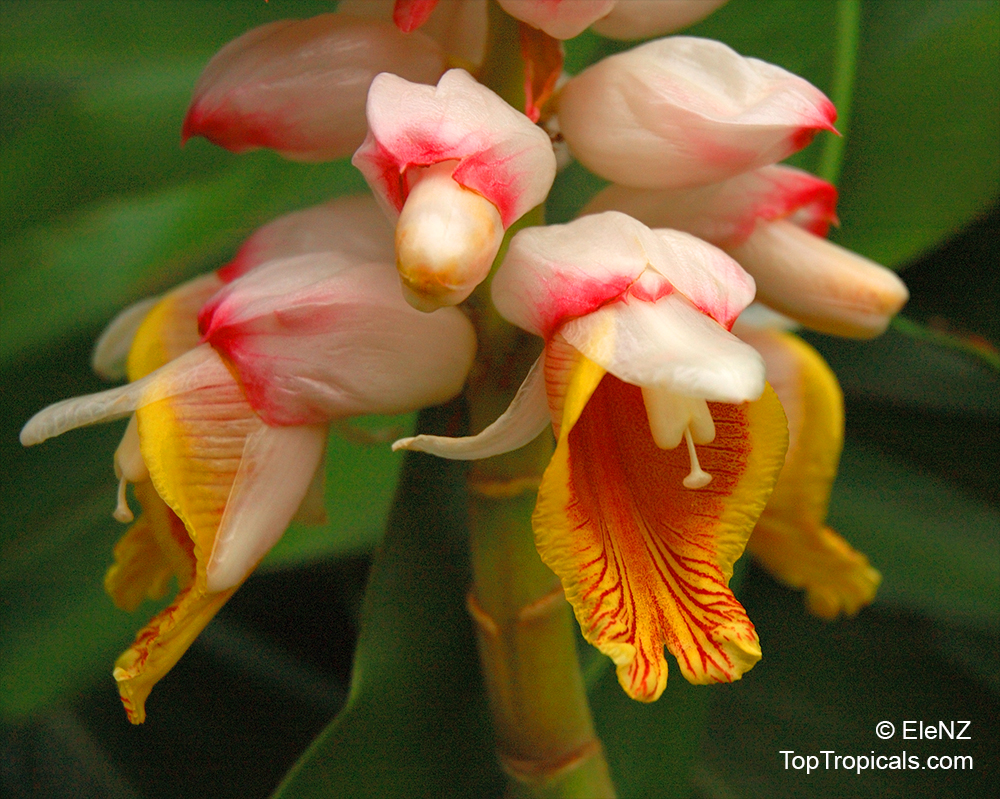
Botanical name: Alstonia angustiloba
Common name: Pulai Tree
Family: Apocynaceae
Origin: Southeastern Asia
USDA Zone: 9-10


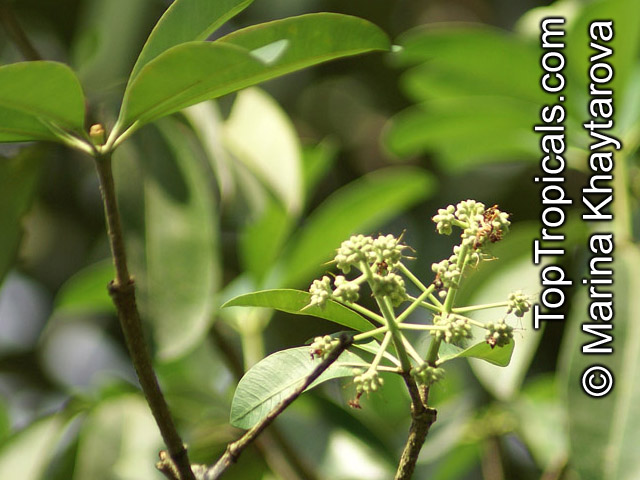
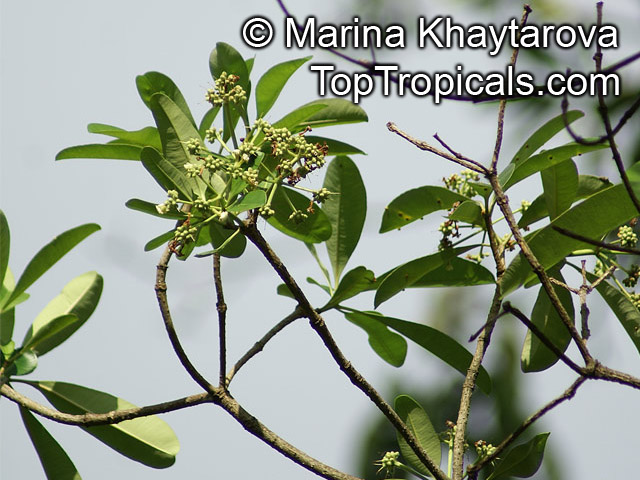
The Pulai Tree is a native to Southeastern Asia, and is widely cultivated in tropical and subtropical regions. It can grow to a big tree, typically taller than 20 feet, or a smaller tree, which is 10-20 feet in height. This hardwood evergreen tree prefers full sun or semi-shade and a soil that is evenly moist but can tolerate some drought. It also prefers an acidic soil with a pH of 5.5 to 6.5.
The Pulai Tree produces fragrant white or off-white flowers throughout the year, making it a popular ornamental plant in many regions. It attracts butterflies, hummingbirds, and other pollinators. An ethnomedical plant, it has various medicinal benefits. The latex is used against shingles, boils, abcesses, and ringworm and is an ingredient in chewing gum. The leaves and roots of the tree also possess antifungal and anti-inflammatory properties.
When grown in pots, the Pulai Tree needs regular and even watering and is best placed in a sheltered spot away from cold winds. In areas located in USDA Zones 9-11, the tree can be grown outdoors, otherwise it must be placed over winter in a protected location. However, it is important to note that the plant is potentially poisonous or toxic when taken internally, so it should be kept away from children. With regular care and maintenance, the Pulai Tree can bring year-round beauty and fragrance to any garden or home.
| Prev | Next | |
Use link to repeat this search:
https://toptropicals.com/cgi-bin/garden_catalog/cat.cgi?search_op=and&keyword_op=and&language=e&number=10&no_change_lang=1
&v1=med&user=tt&sale=1&first=0