Ethnomedical plant - Plant Encyclopedia Results (Page 3)
| Number of plants found: 1019 |  | Prev | Next | 
|
Go to page: | 1 | 2 | 3 | 4 | 5 | 6 | 7 | Last |

Botanical name: Aegle marmelos
Common names: Bael, Bengal Quince, Indian Bael, Wood Apple, Matoom
Family: Rutaceae
Origin: India
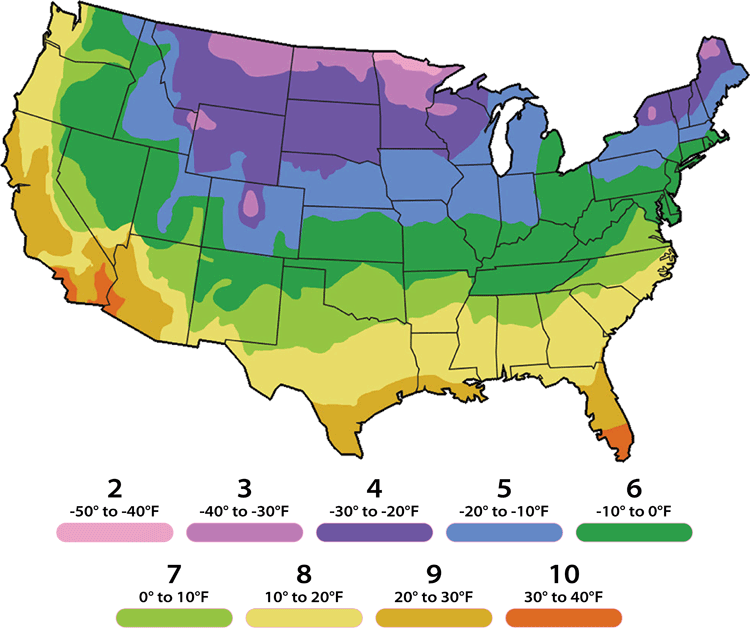
USDA Zone: 9-11


This plant is a medium sized tree that grows up to 40ft.This plant is known to posses some medicinal properties. All parts of this tree including, the roots, leaves, trunk, fruits, and seeds, are used for curing one human ailment, or another. The fruits are usually eaten by people.They taste like marmalade, and smell like roses. They are also used in the preparation of many medicines in villages. These protein-rich fruits are also used in making some very good drinks. They can also make a wonderful jam. The plant easily withstands long periods of drought, which are needed for better fruit yields. It grows in most soil and climate types, and requires little care when established.


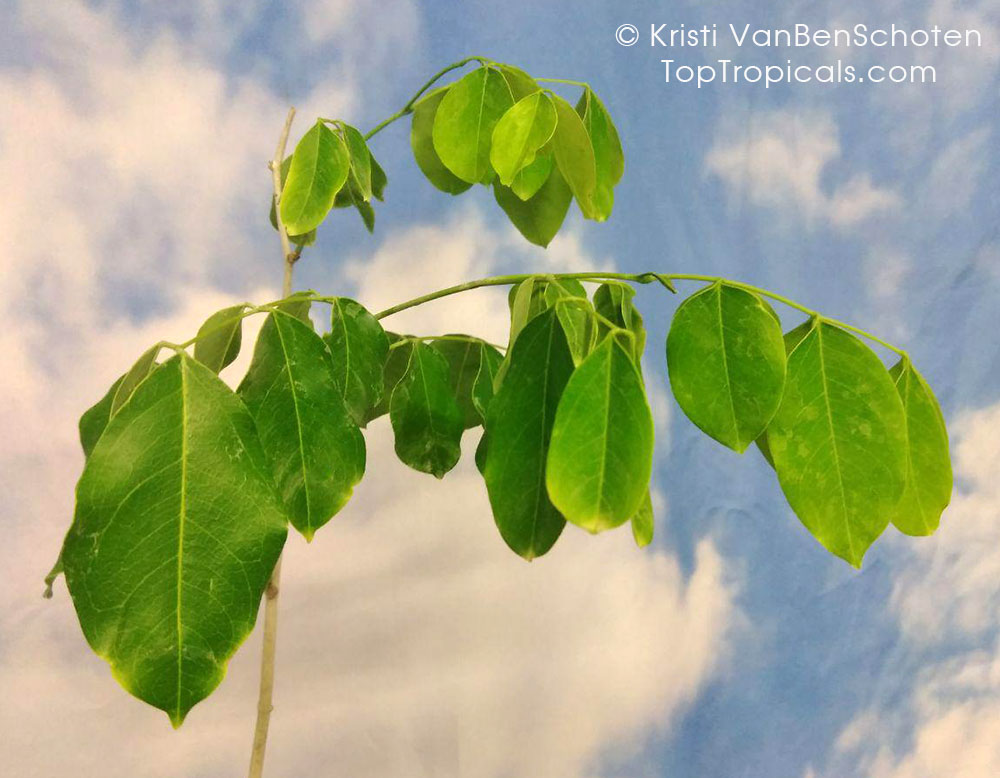
Botanical name: Afzelia xylocarpa
Common names: Craib, Makha Tree, Cambodia Beng Tree
Family: Fabaceae
Subfamily: Faboideae
Origin: Southeast Asia
USDA Zone: 9-10

Afzelia xylocarpa is easy to grow and is best suited for full sun and moderate water. The trees can tolerate drought, freezing temperatures, and a wide range of soil types. This species of tree requires moist, well-drained soil to thrive. It is not suitable for growing in pots in cold regions. The tree can grow in USDA hardiness Zone 9-11, and proper location and fertilization will keep it healthy and vibrant.
Afzelia xylocarpa is an unusual tree with its combination of broadleaf leaves and conifer-like bark with peeling stripes. The irregularly shaped leaves that turn yellow, yellow-green or yellow-gold in autumn make it an attractive choice for landscape design. Its large clusters of yellow-orange, seedpods up to 8 inches long are a striking contrast to the green of the tree.
The tree is traditionally used as an ethnomedical plant. The seed was traditionally used to treat diarrhea, dysentery, eye infections, and toothaches. In Cambodia, Afzelia xylocarpa (locally known as Beng) are planted as shading trees due to its wide-ranging branches. At roadsides and waterways, the tree provides a good wind barrier and protection from water-driven soil erosion.

Botanical name: Aganosma marginata
Common name: Khruea Sai Tan
Family: Apocynaceae
Origin: SE Asia
USDA Zone: 9-10


Aganosma marginata, also known as the Kruea Sai Tan, is a large shrub, typically growing in between 5-10 feet. Native to Southeast Asia, it is mainly grown in the USDA Zone 9-11, although it can tolerate colder temperatures in certain conditions. This shrub is a woody, climbing plant with white latex and flowers that have a pleasant and richly fragrant aroma.
The Kruea Sai Tan can have a variety of uses including being used as an ornamental, a screening plant or even for covering wires. Additionally, it has many ethnic and medicinal uses in Southeast Asian herbal and Traditional Chinese Medicine.
When planted, the Kruea Sai Tan needs to be given both ample water and plenty of direct sunlight, especially during the growing season. Fertilizers may also be added to give it additional nutrients and it should be away from sources of excessive wind and frost. A well-draining soil is also important. When keeping it in containers, the drainage holes should be regularly checked to avoid water-logging of the roots.
The Kruea Sai Tan is a beautiful addition to any garden. With an appropriate irrigation and drainage regime, it can thrive and produce an abundance of vibrant flowers to enjoy. Furthermore, it is tolerant to maritime exposure, making it an ideal choice for those living in coastal regions. However, if you are living in a cold climate, you must take extra care of the plant to ensure its health and growth.

Botanical name: Agathosma gonaquensis
Common name: Gonaqua Buchu
Family: Rutaceae
Origin: Southern Africa
USDA Zone: 9-10


This plant is low-lying, compact, rounded and spreading. It produces masses of white flowers, and the natural oils within its leaves produce a pleasant fragrance when the foliage is crushed or handled. Once established, it withstands both drought and frost.
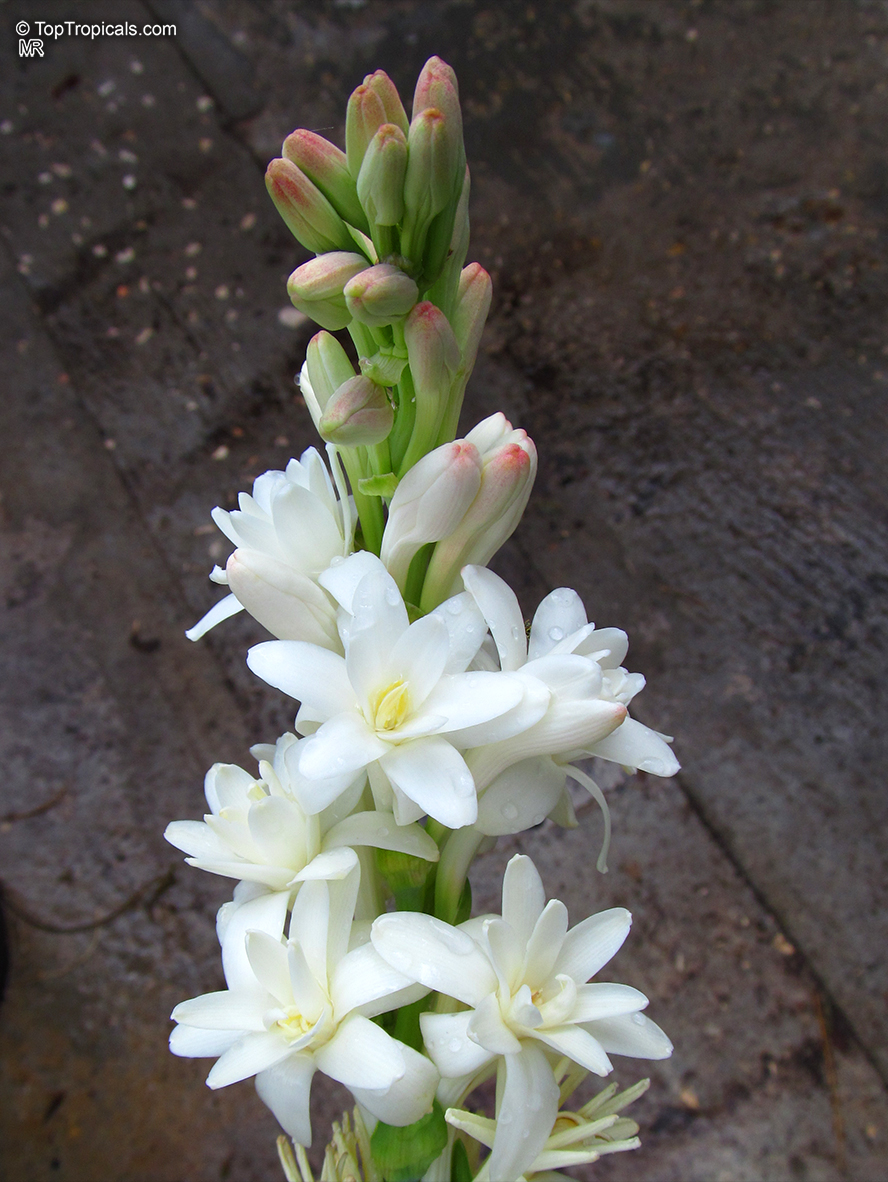
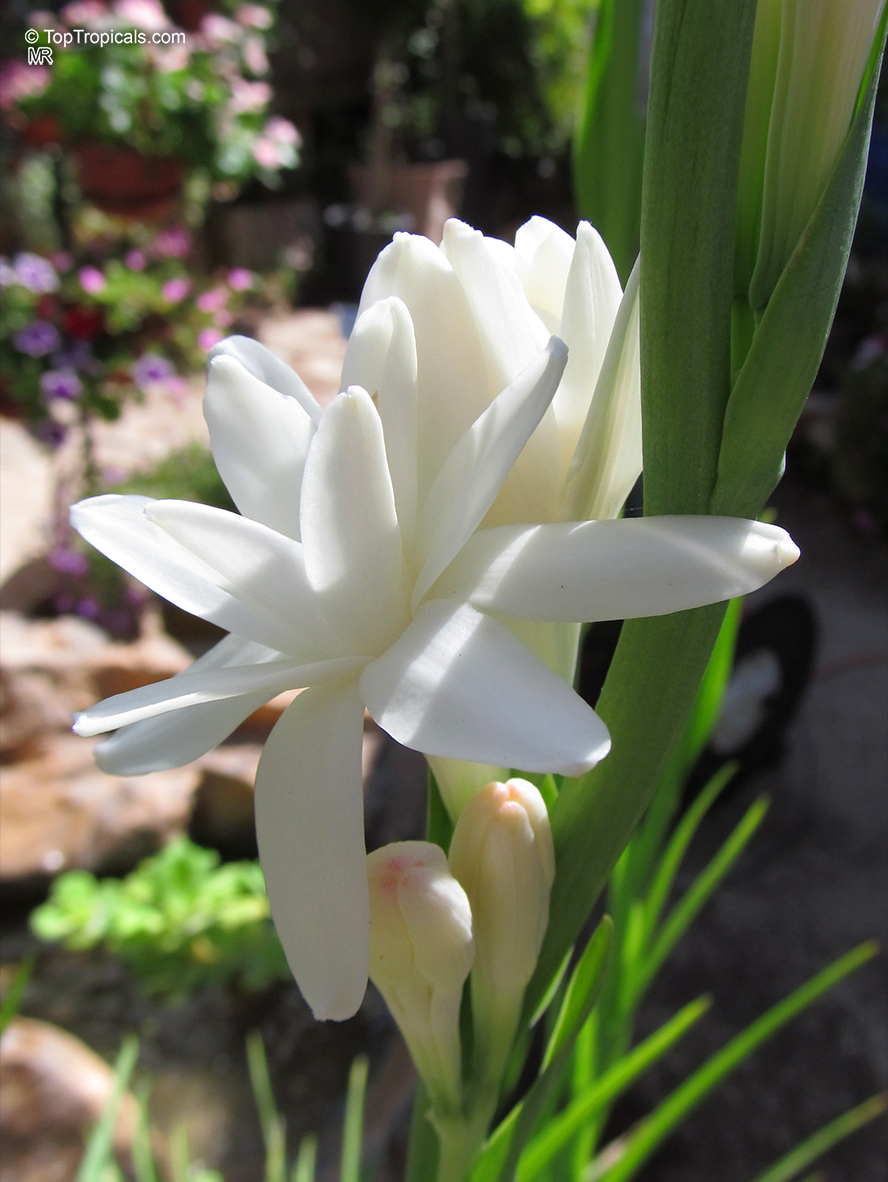
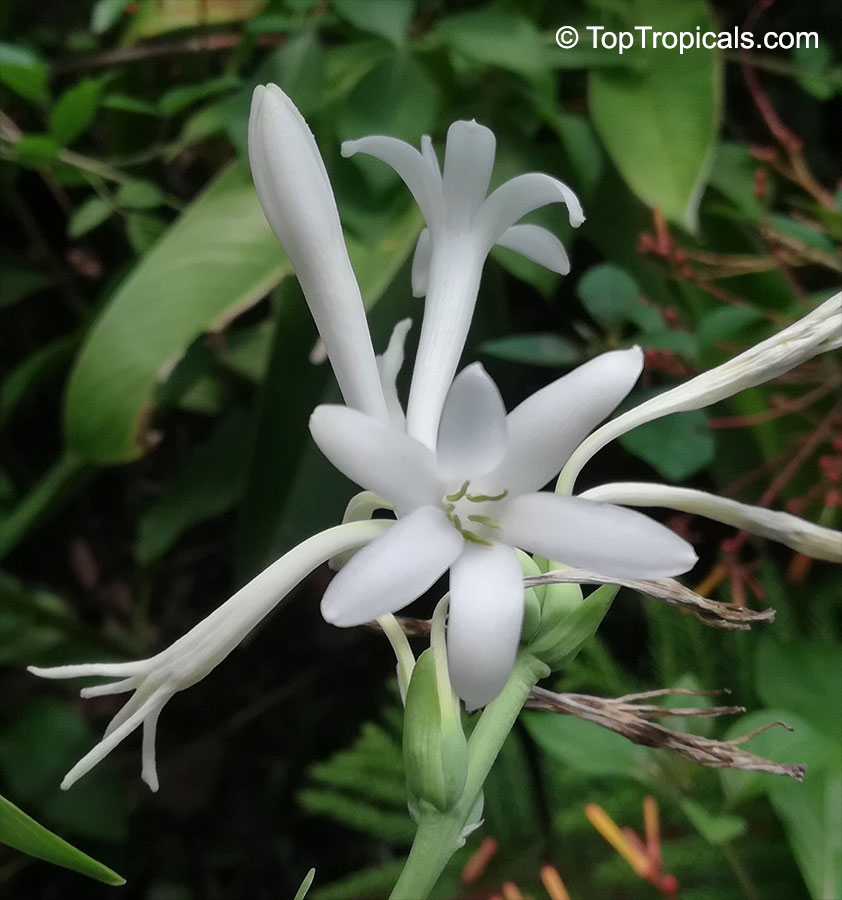
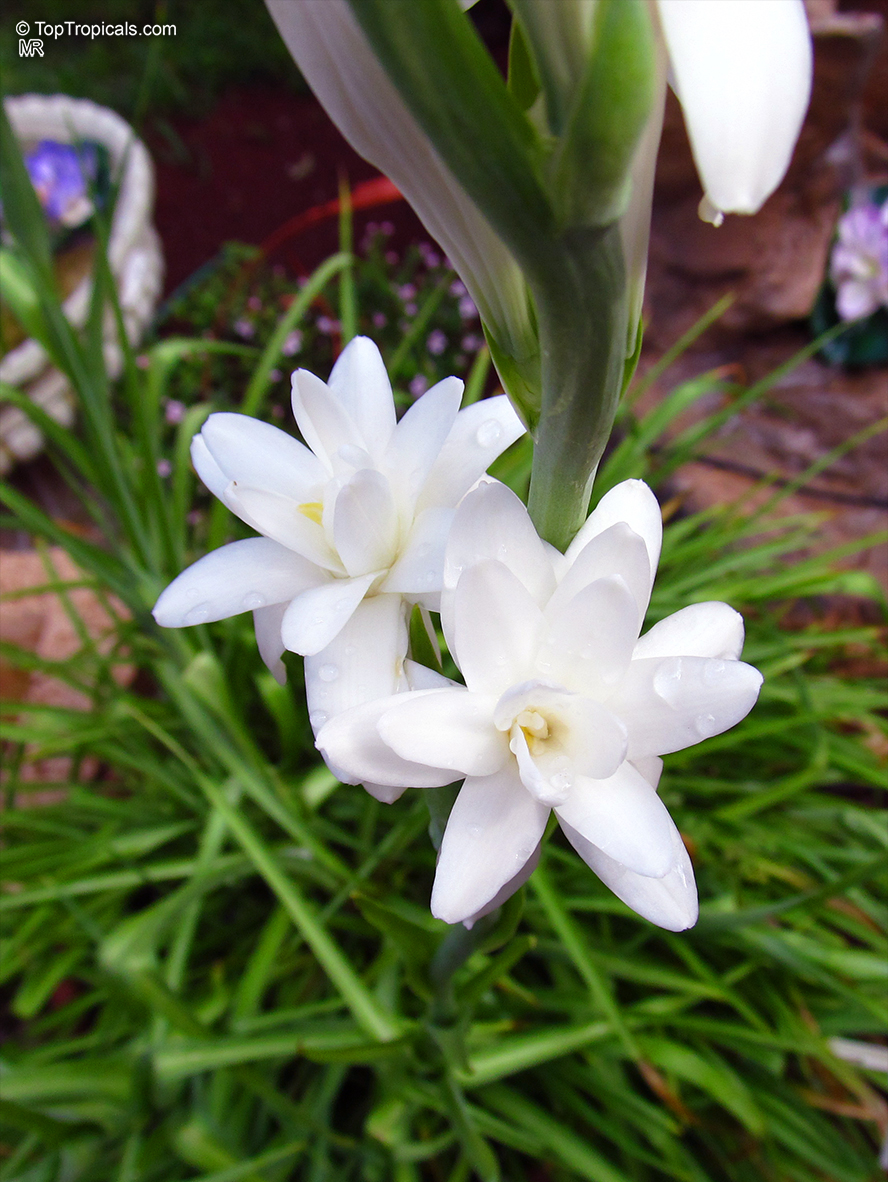
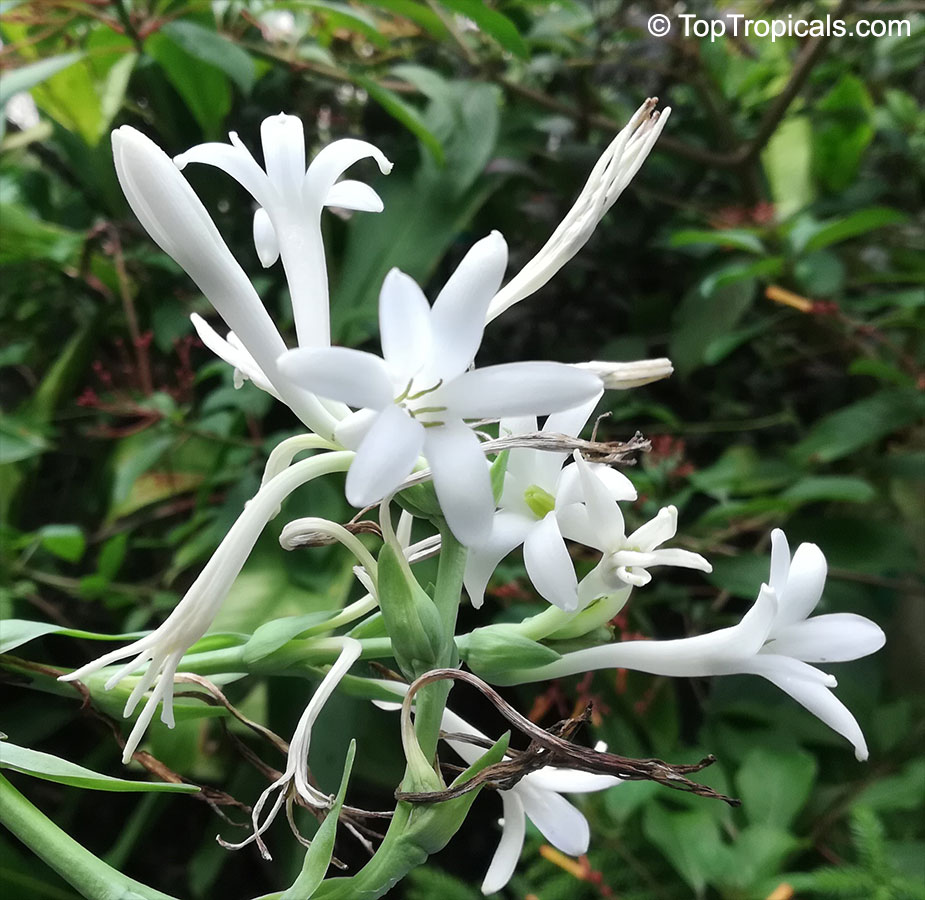
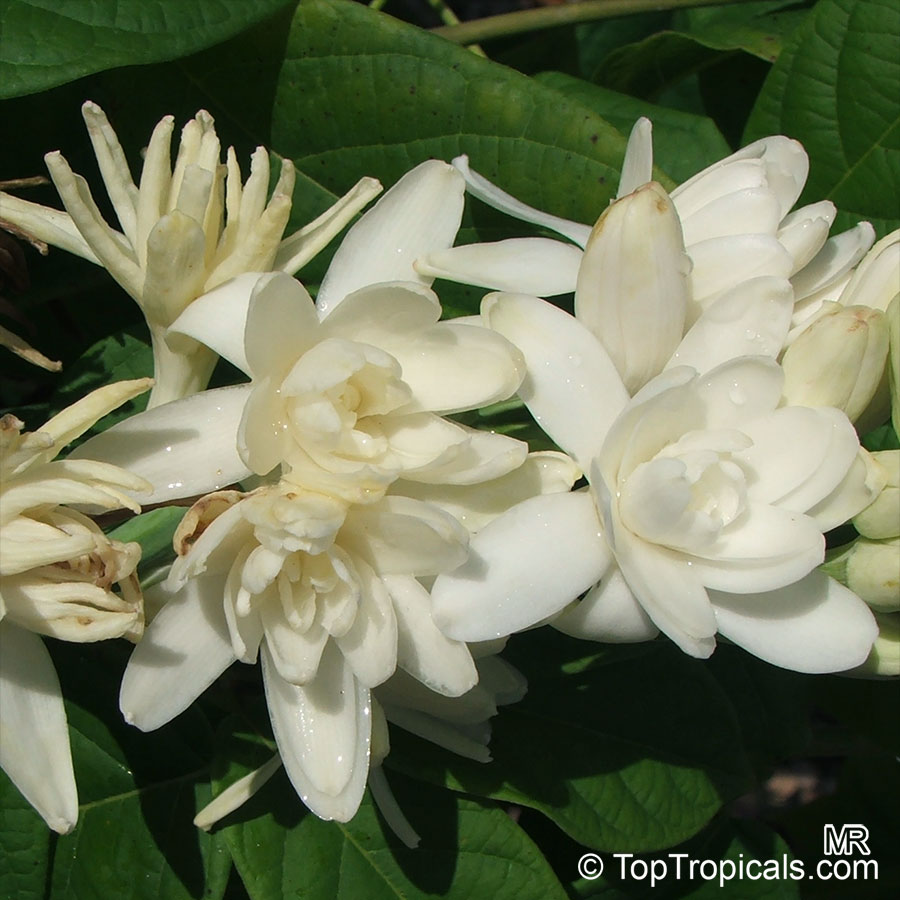
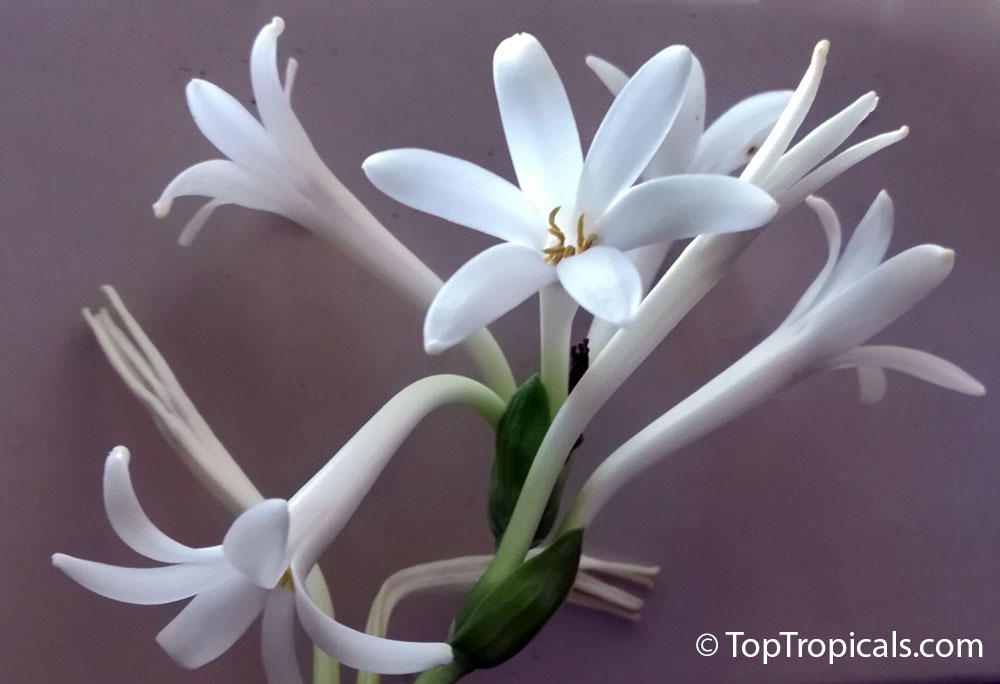
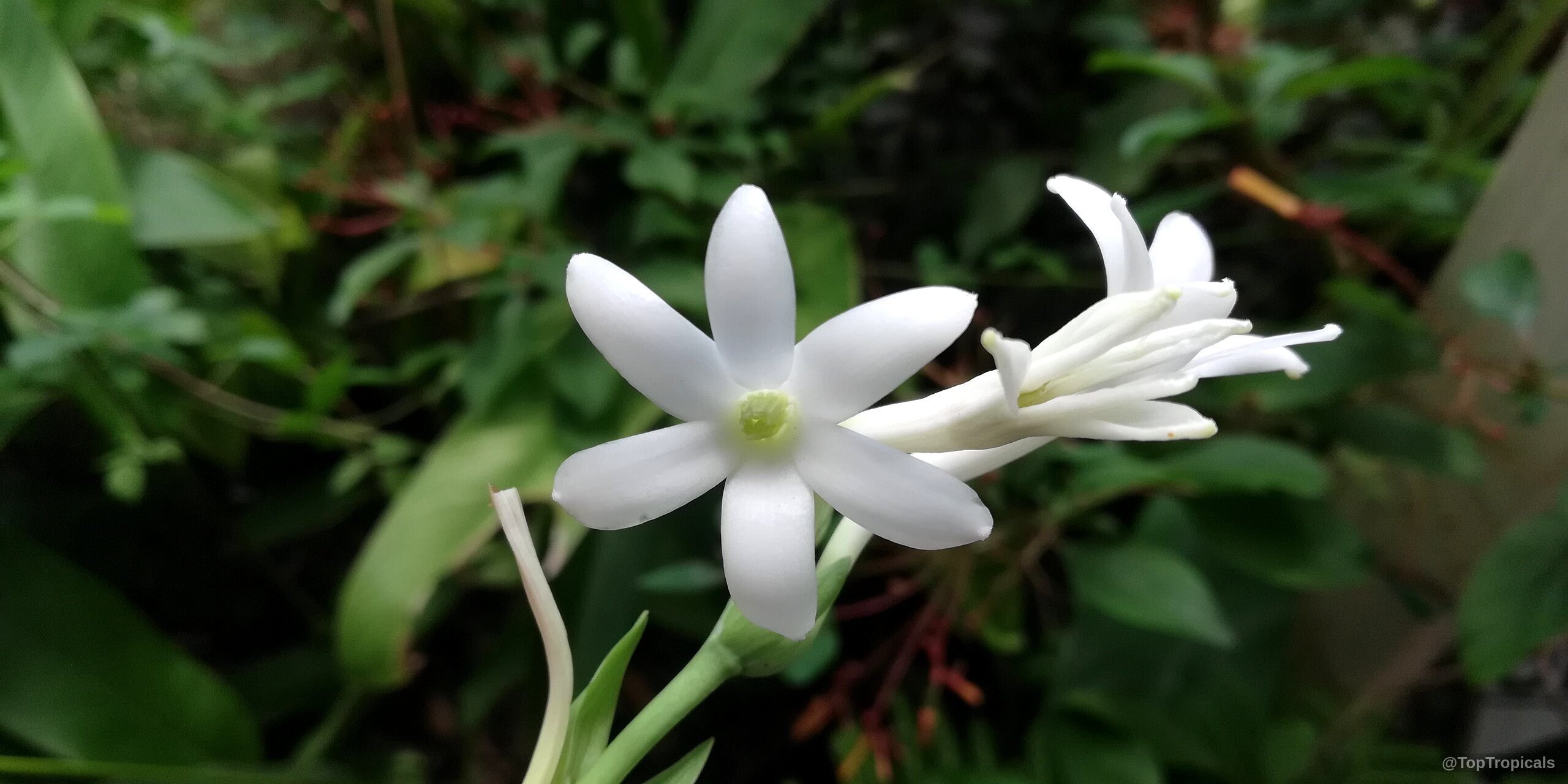
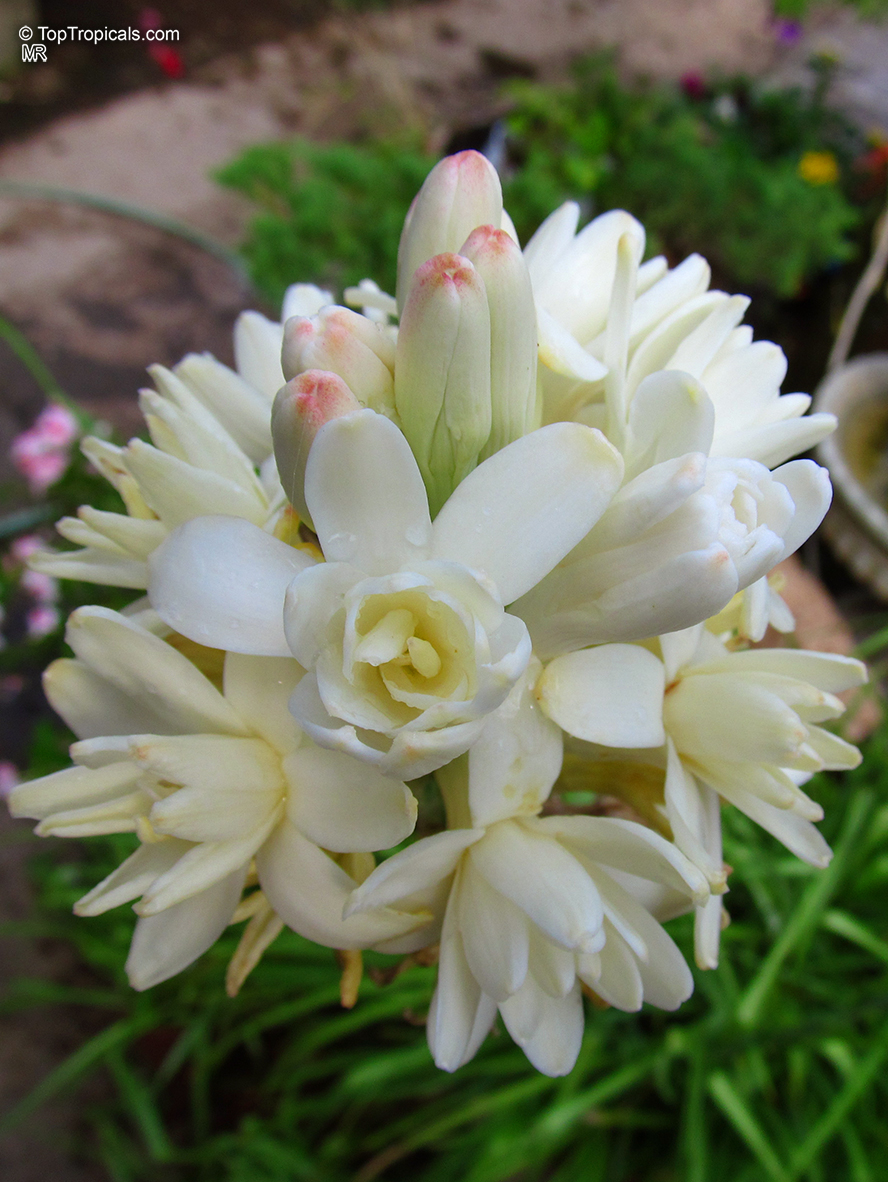
Botanical names: Agave amica, Polianthes tuberosa
Common name: Tuberose
Family: Asparagaceae (Formerly:Agavaceae / Amaryllidaceae)
Subfamily: Agavoideae
Origin: Mexico
USDA Zone: 9-11


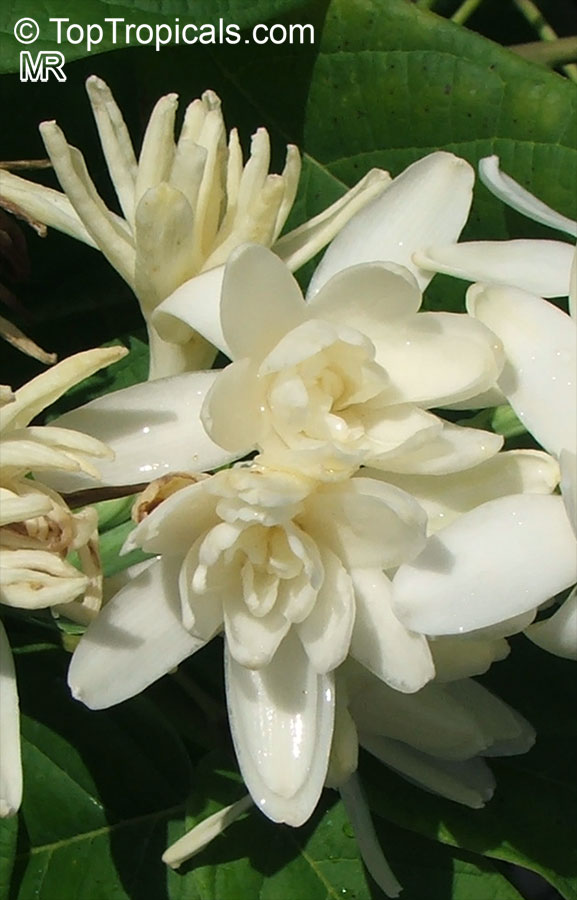
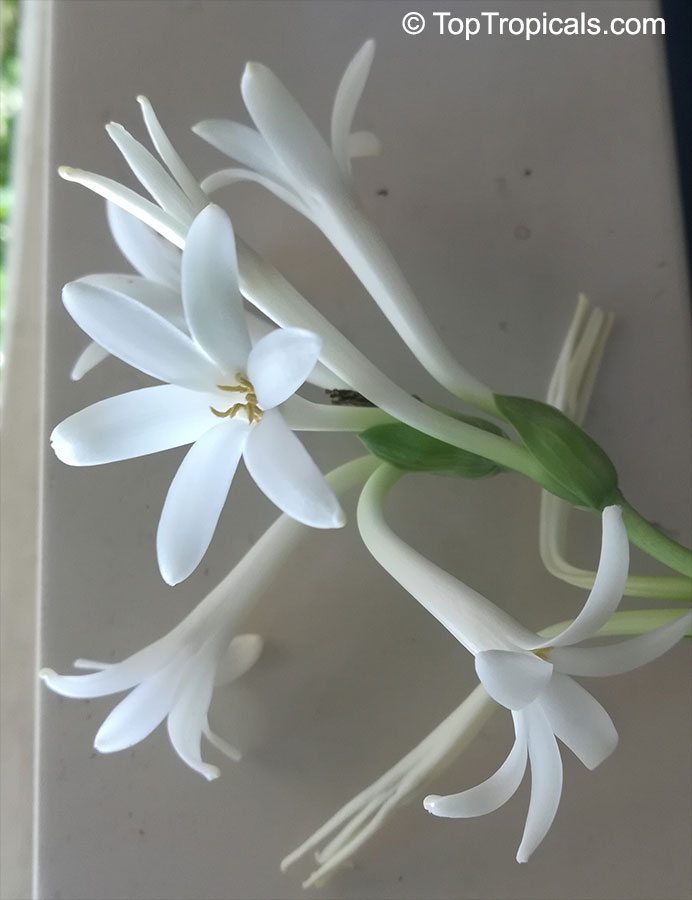
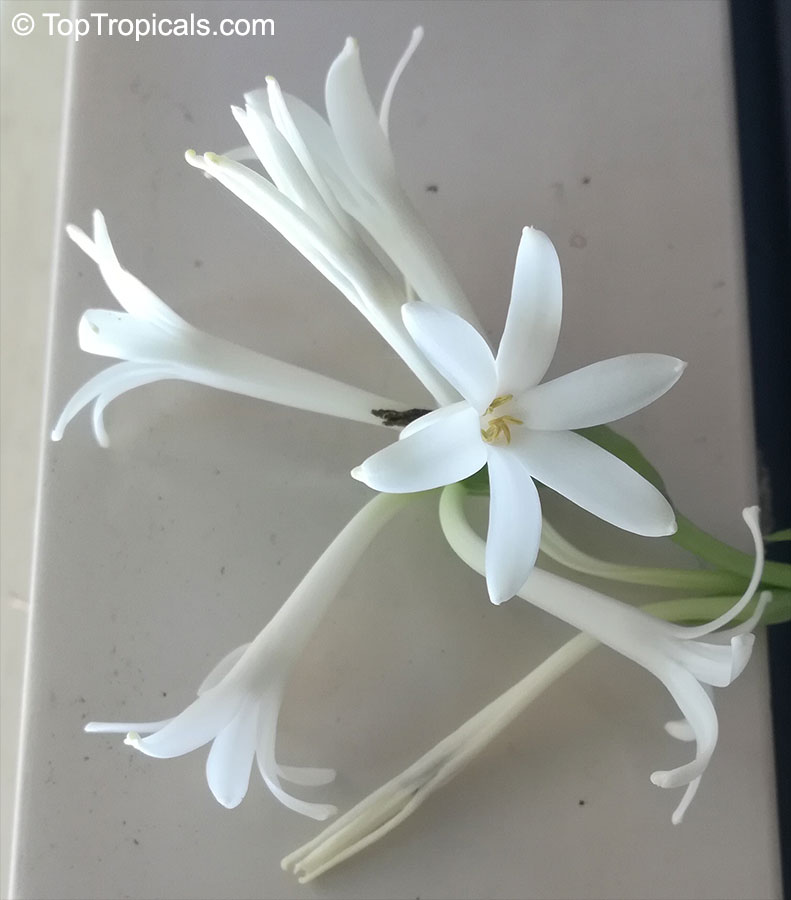
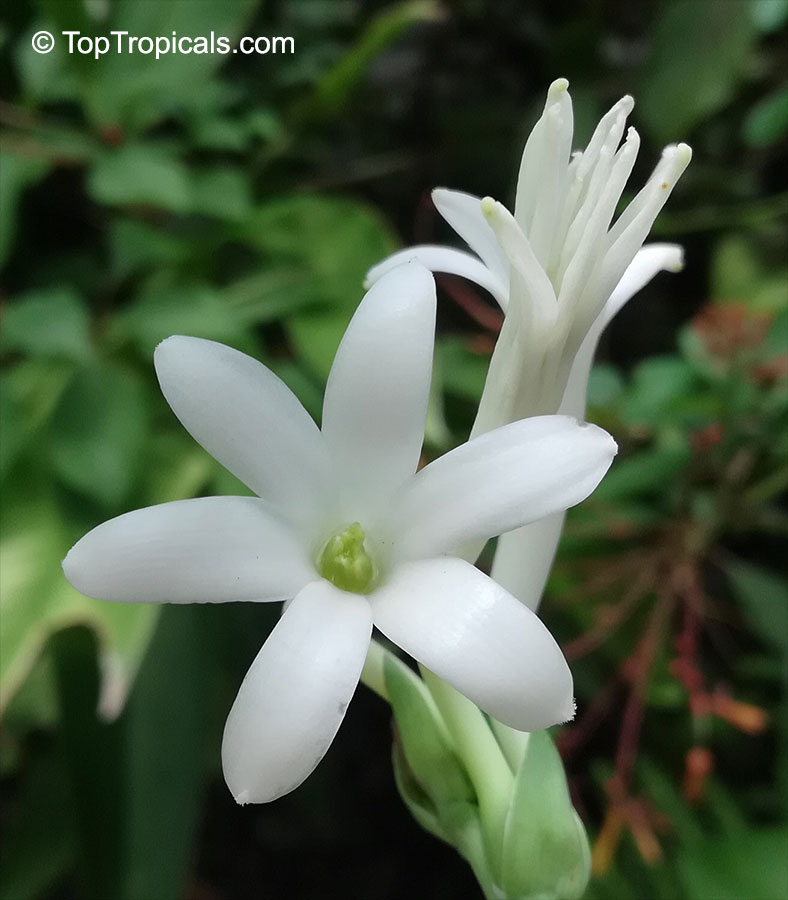
The Tuberose grows in elongated spikes up to 45 cm (18 in) long that produce clusters of fragrant waxy white flowers that bloom from the bottom towards the top of the spike. It has long, bright green leaves clustered at the base of the plant and smaller, clasping leaves along the stem.
Tuberose may grow wild in Mexico and surrounding countries, but the cultivation of tuberose is usually in Morocco, the Comores Islands, France, Hawaii, South Africa, India, and China.
Long-lasting as a cut flower in water (with lots of changes.)Most flowers begin to lose their scent when they are picked. Not so with tuberose, like jasmine, the heady floral scent continues to produce itself. In Ayurvedic medicine, attars are held in high esteem not only for their exquisite fragrance, but their healing properties. Tuberose is known to improve one's capacity for emotional depth.
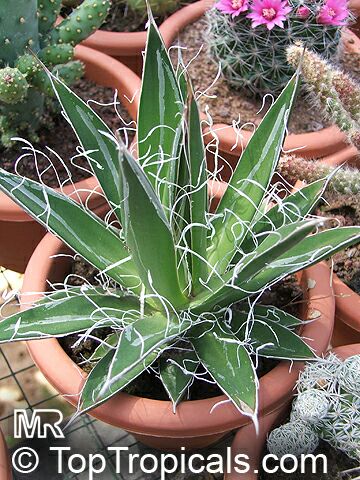
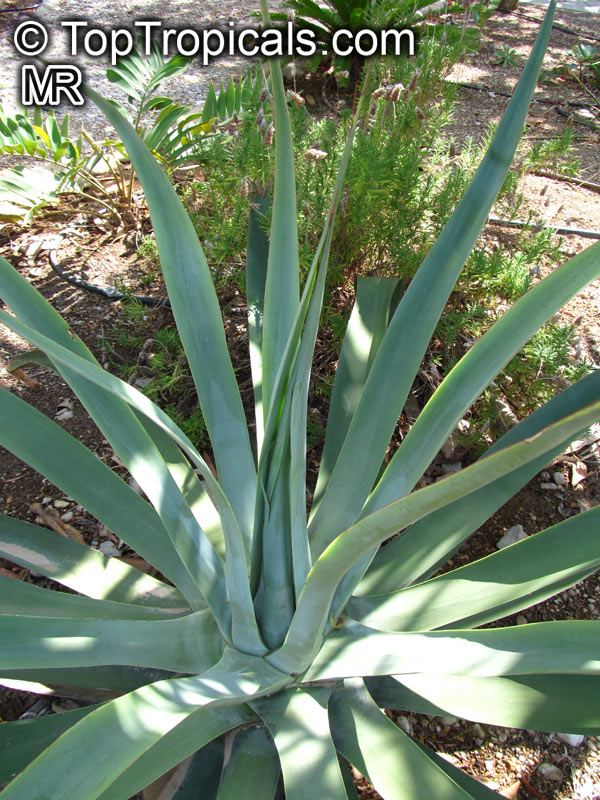
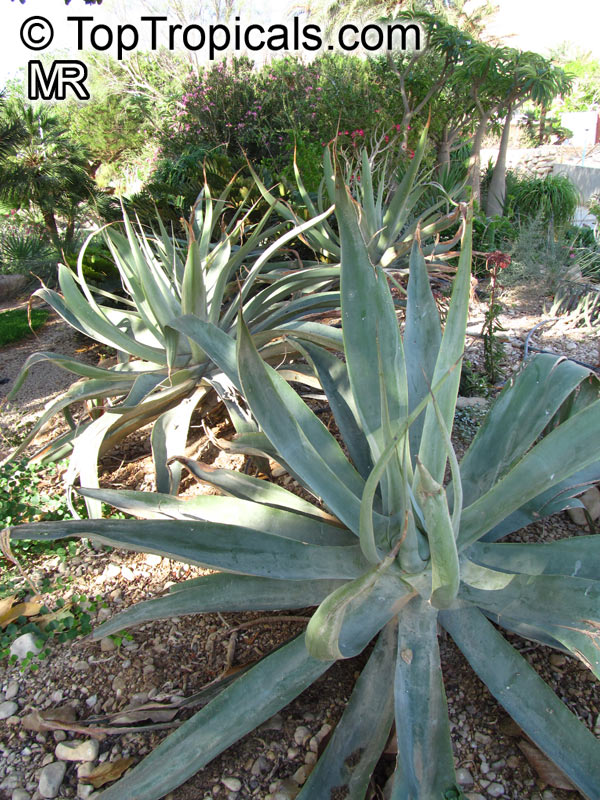
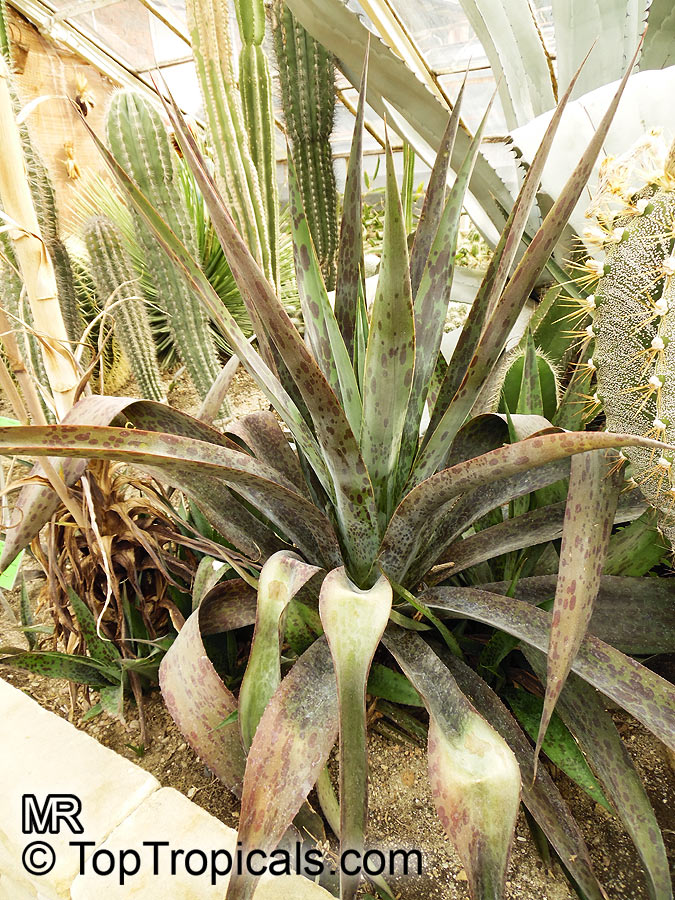
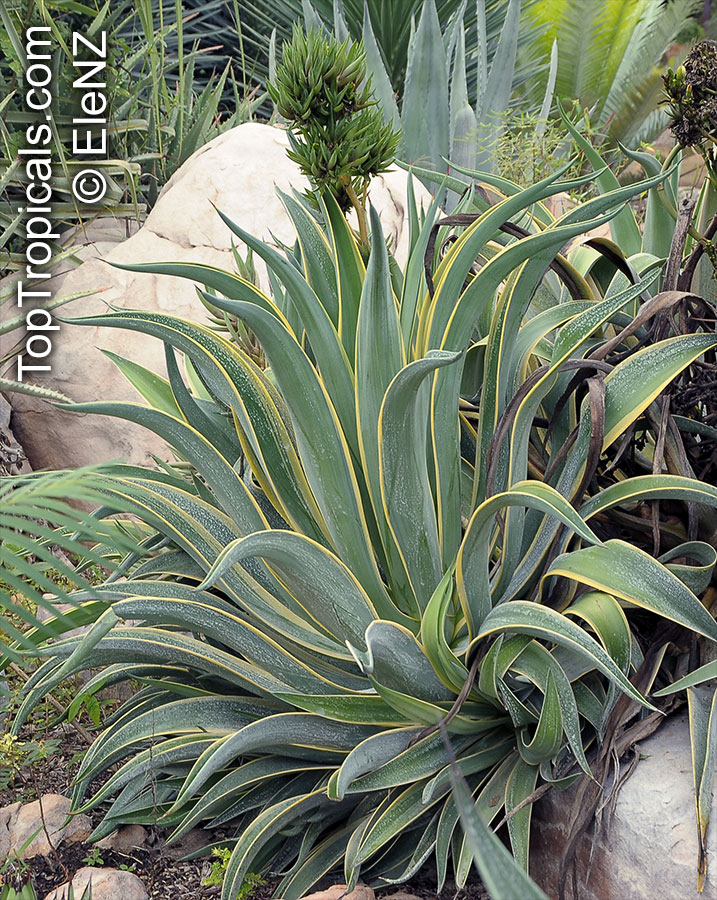
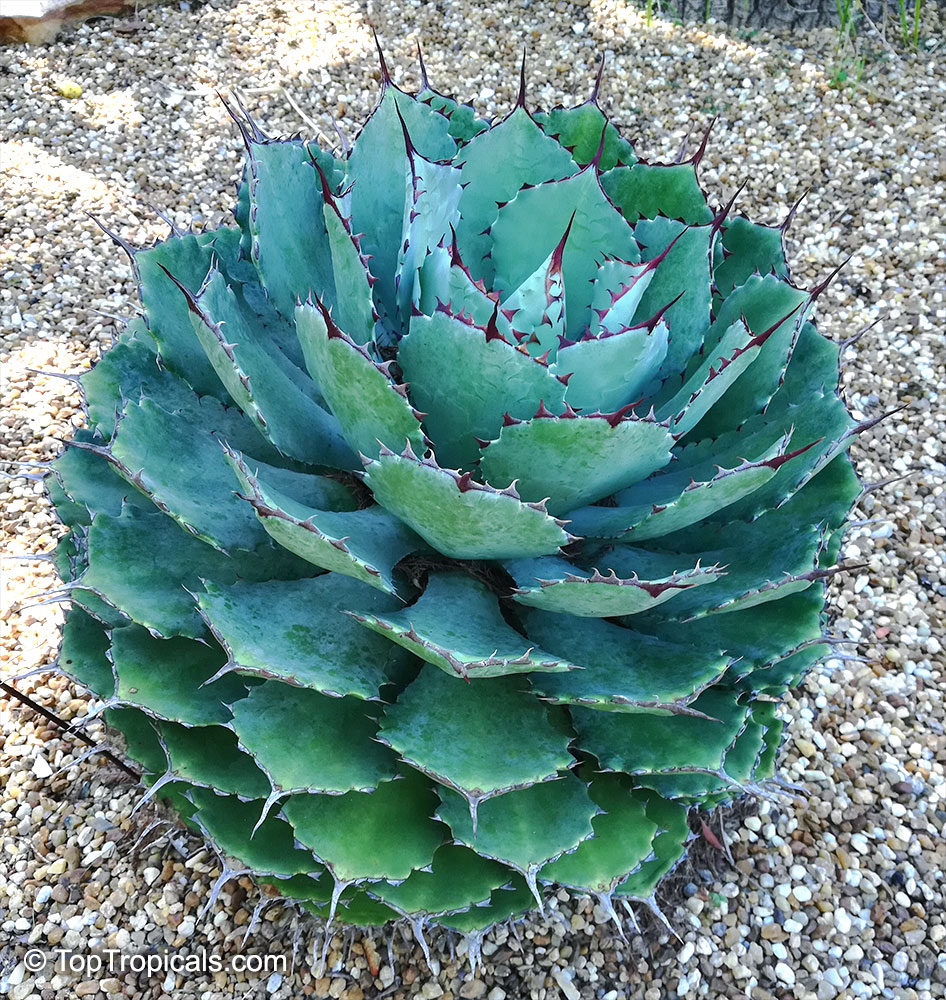
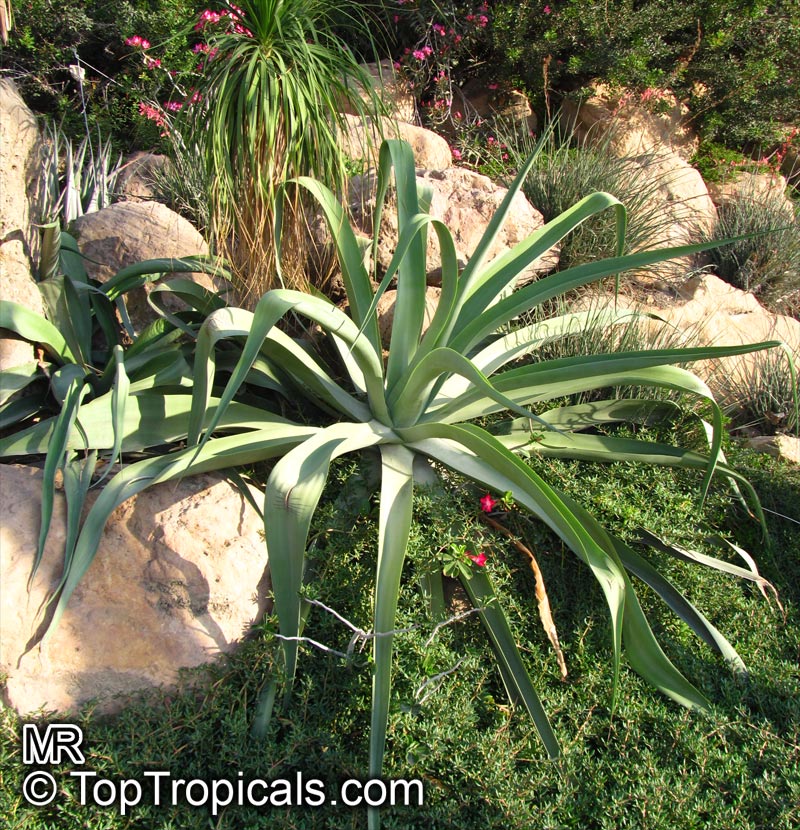
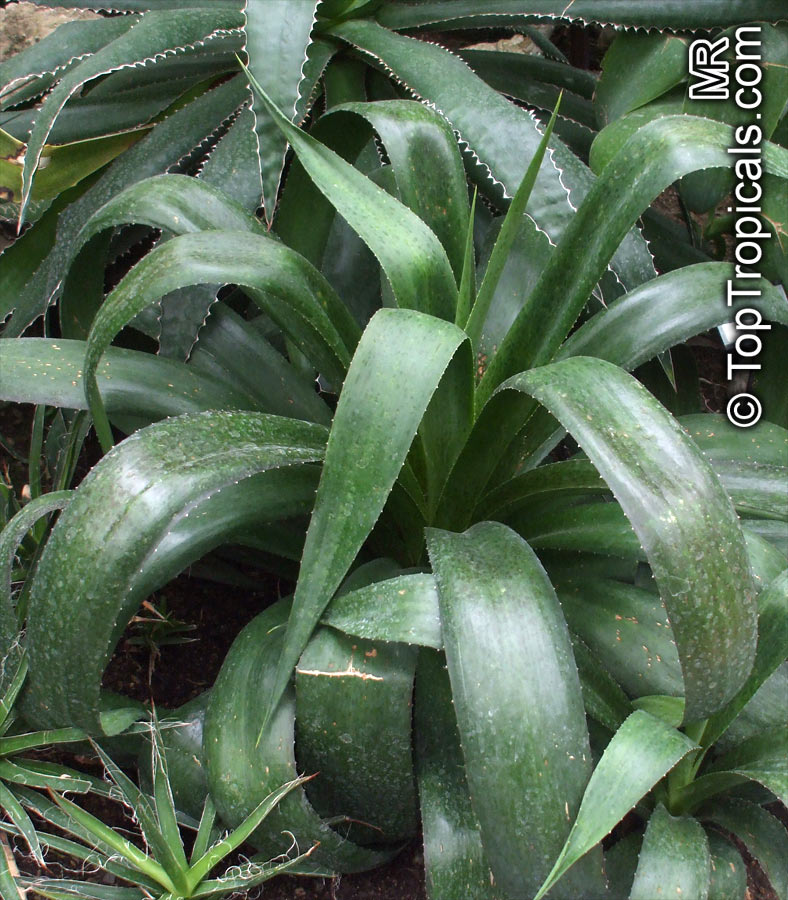
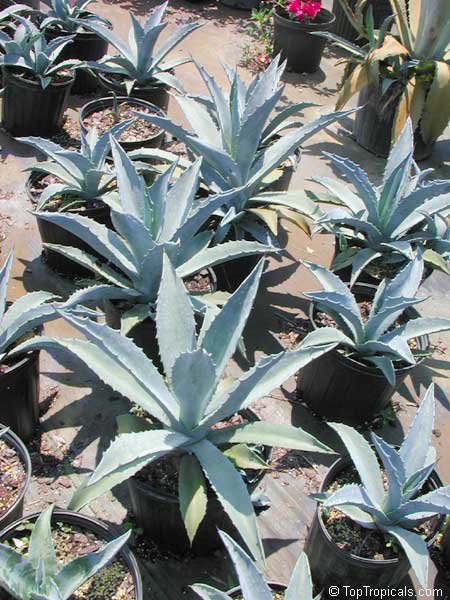
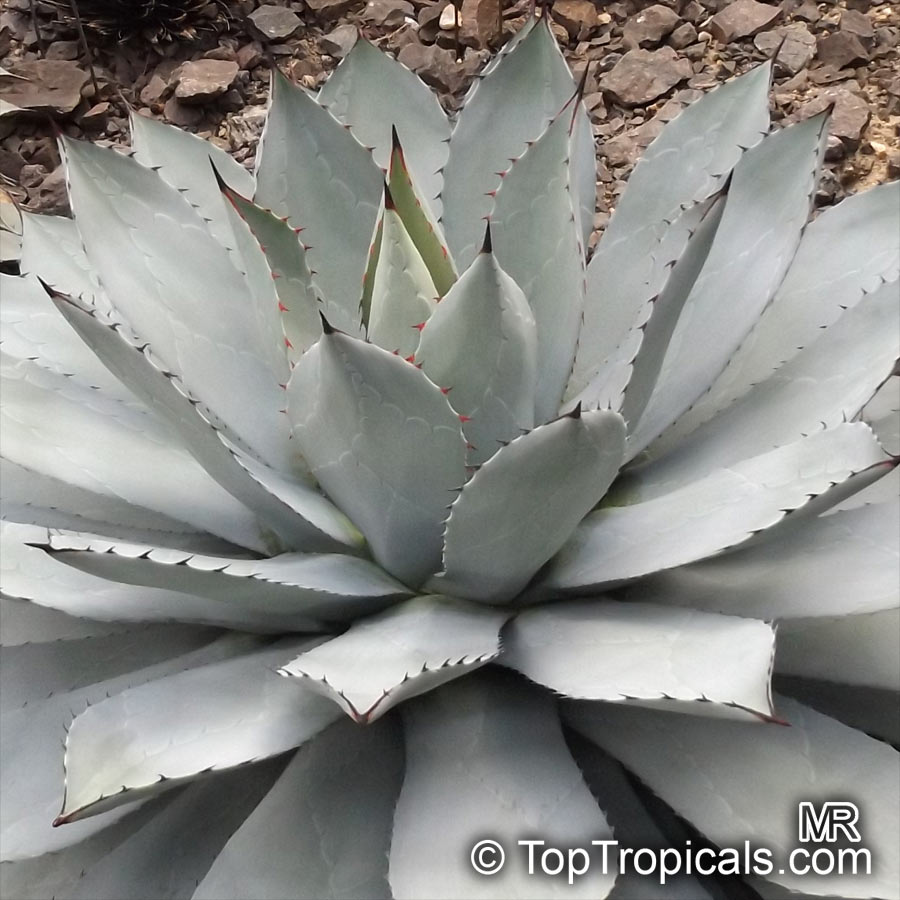
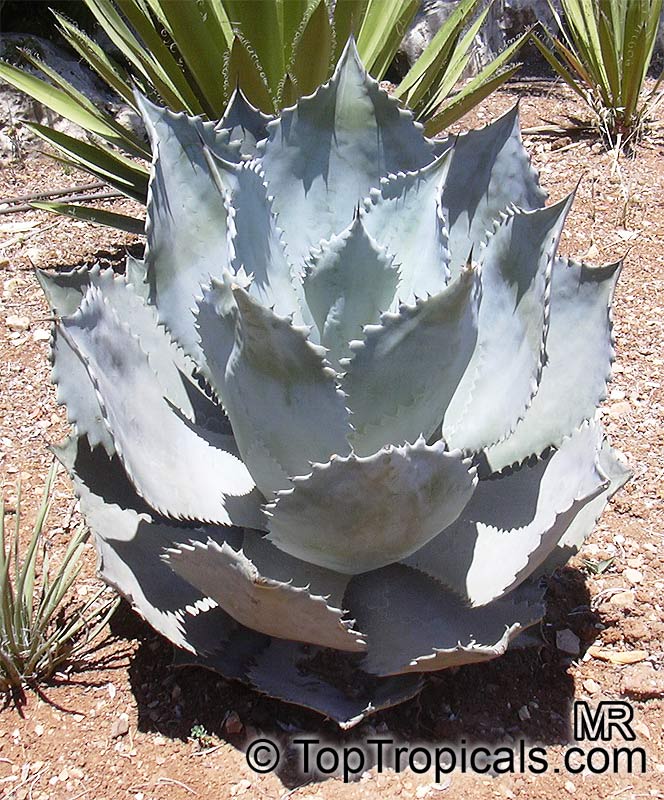
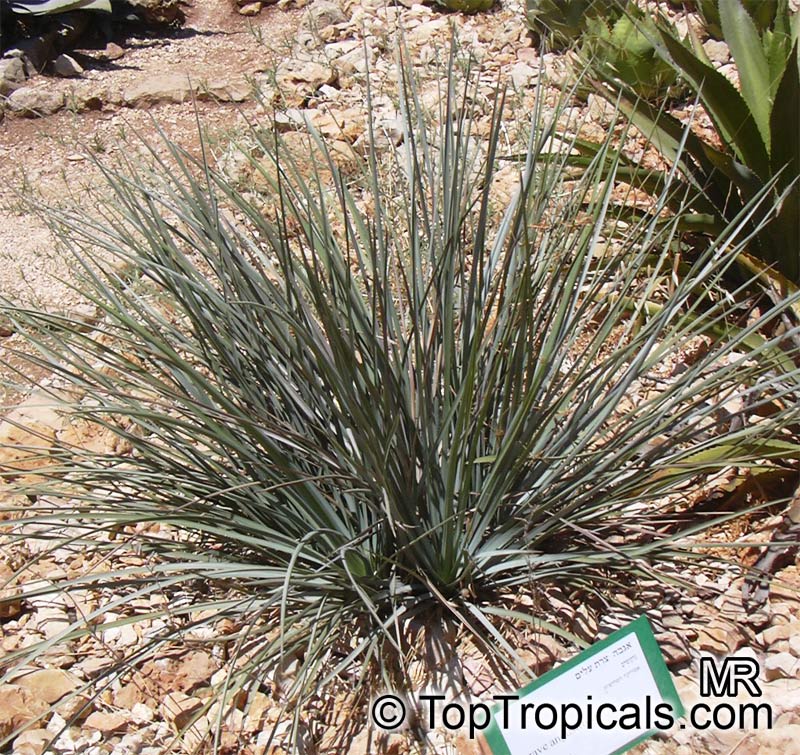
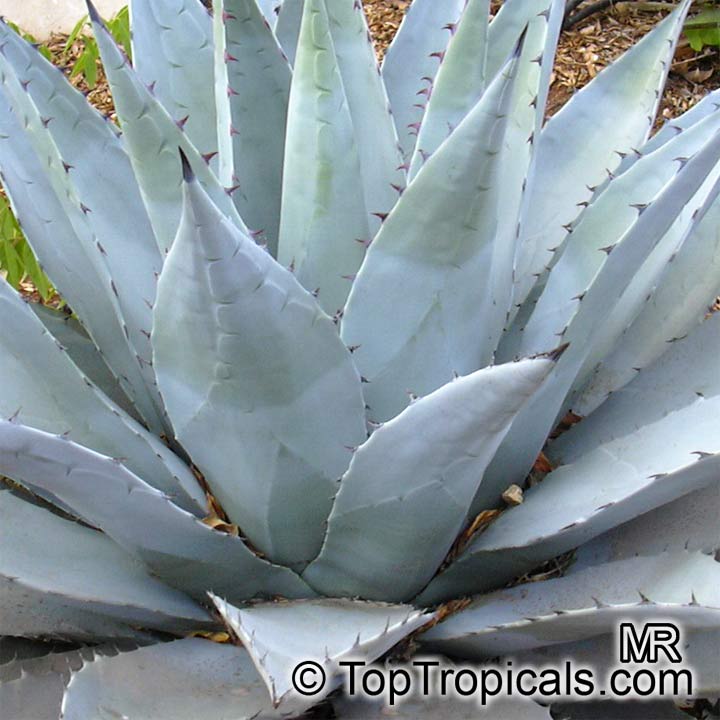
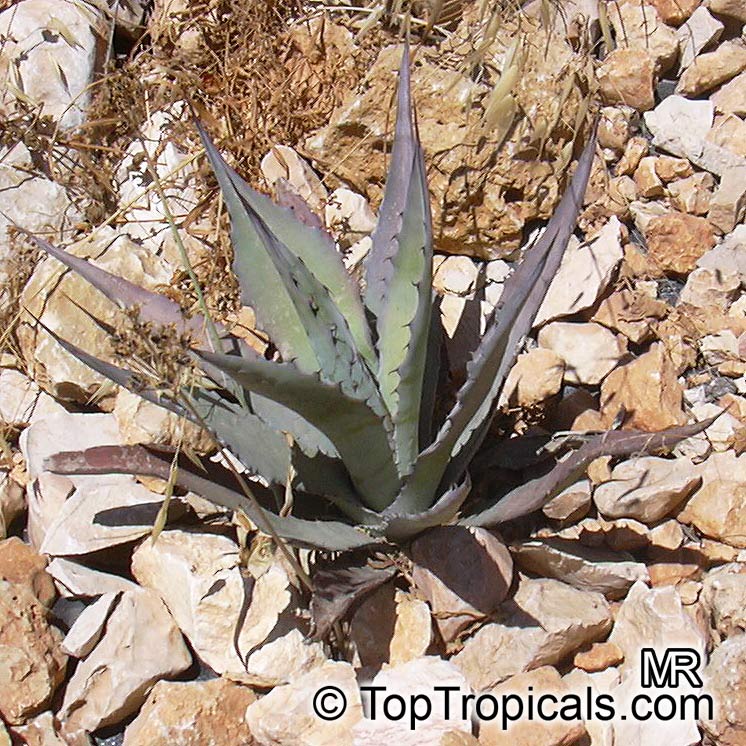
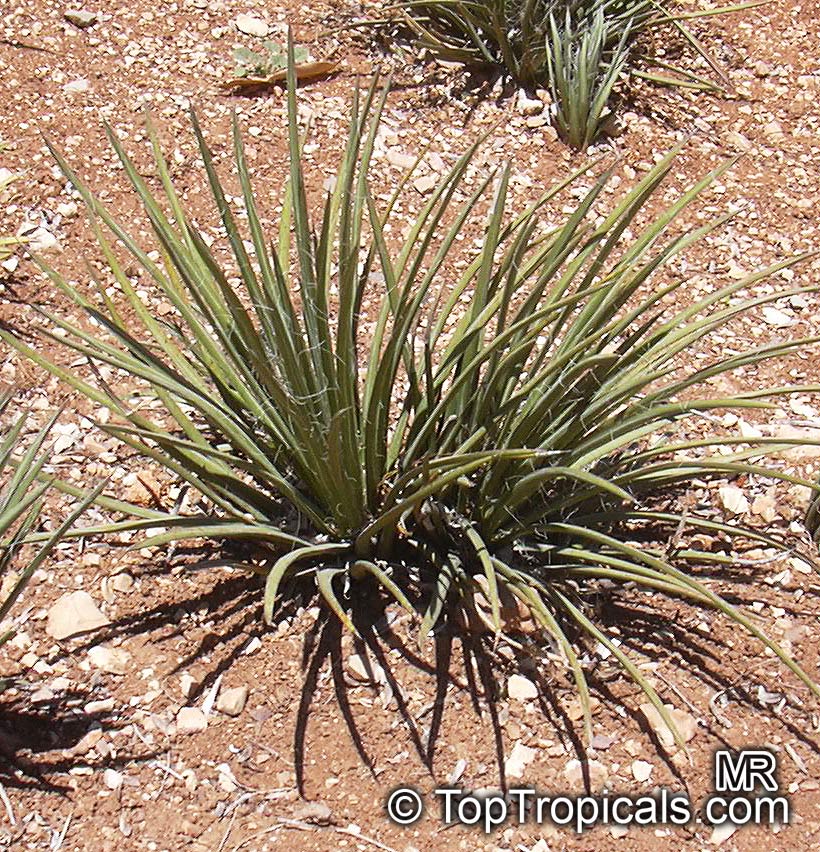
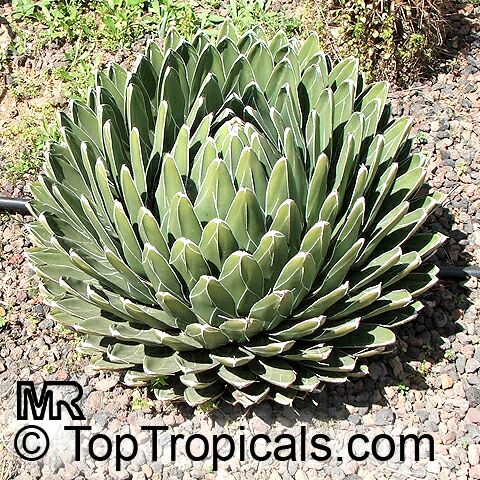
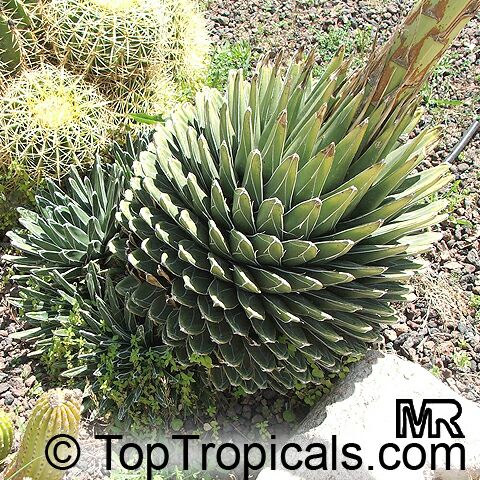
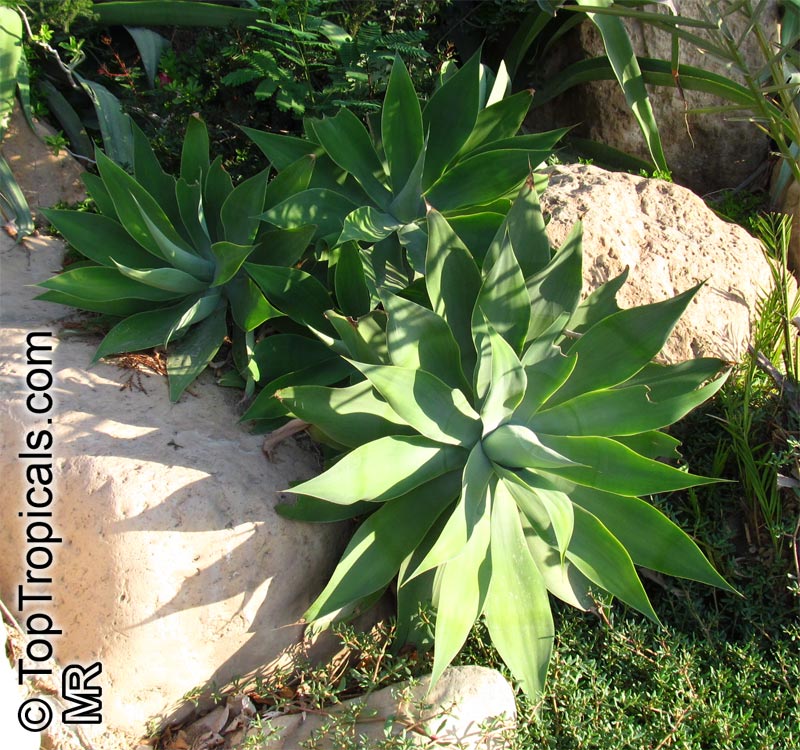
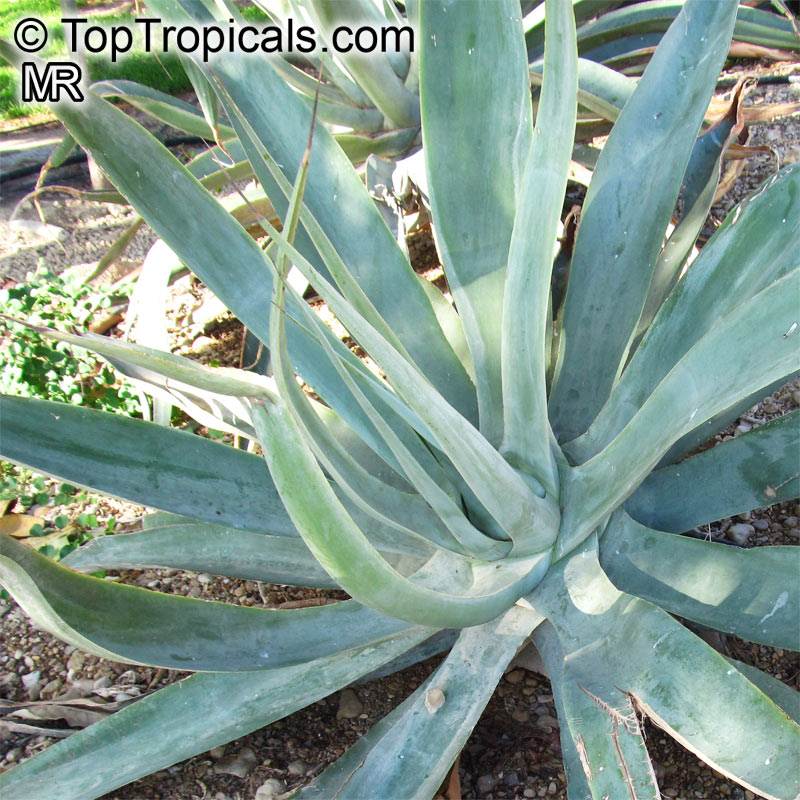
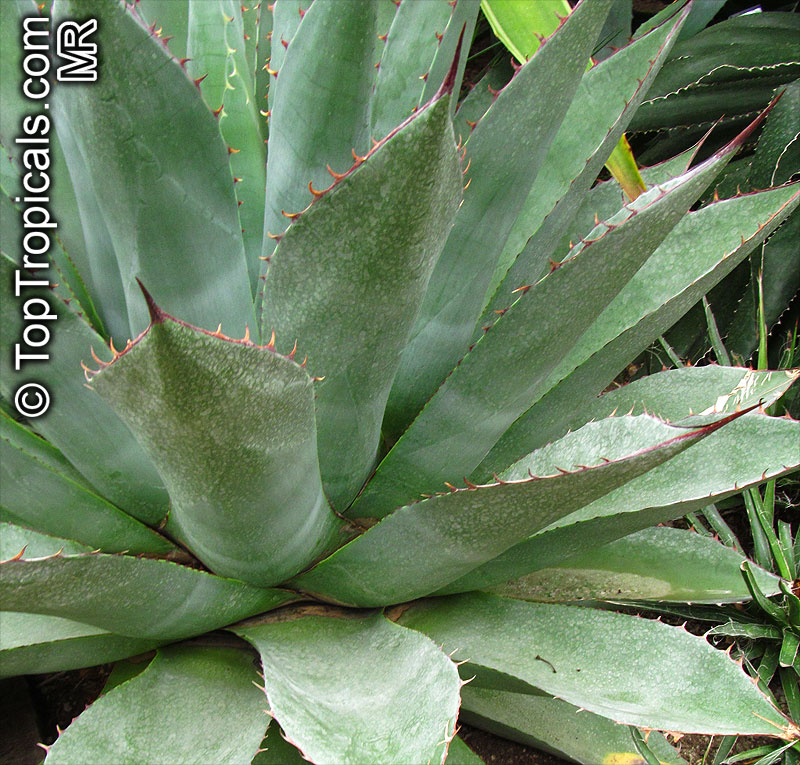
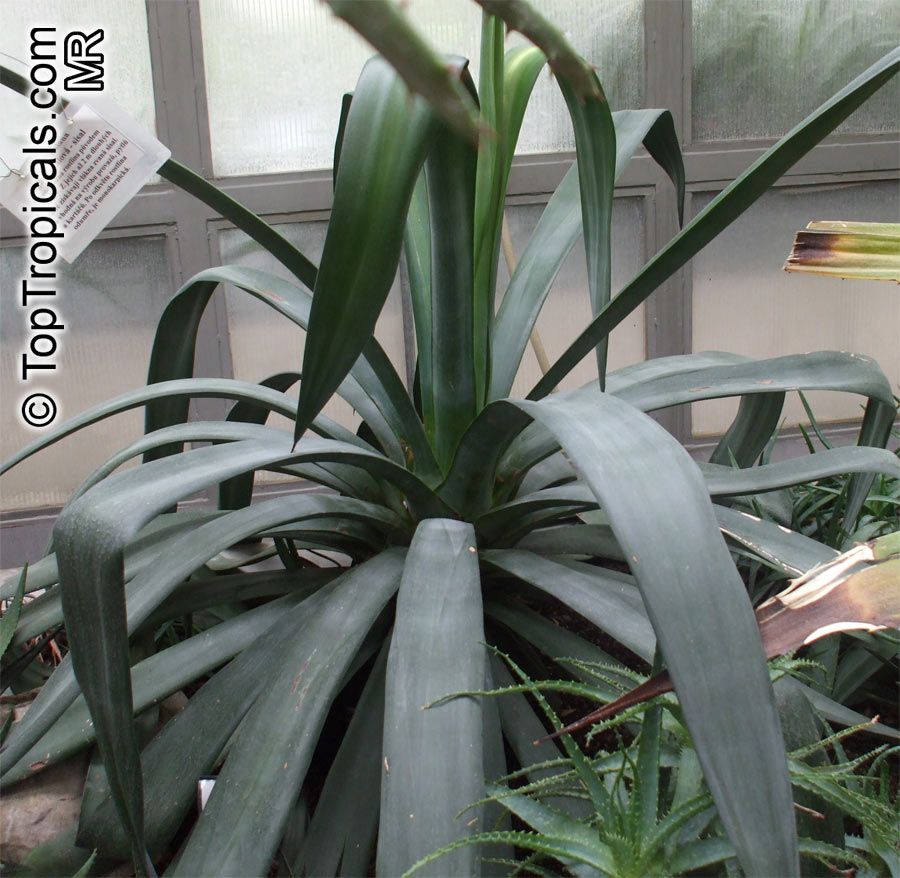
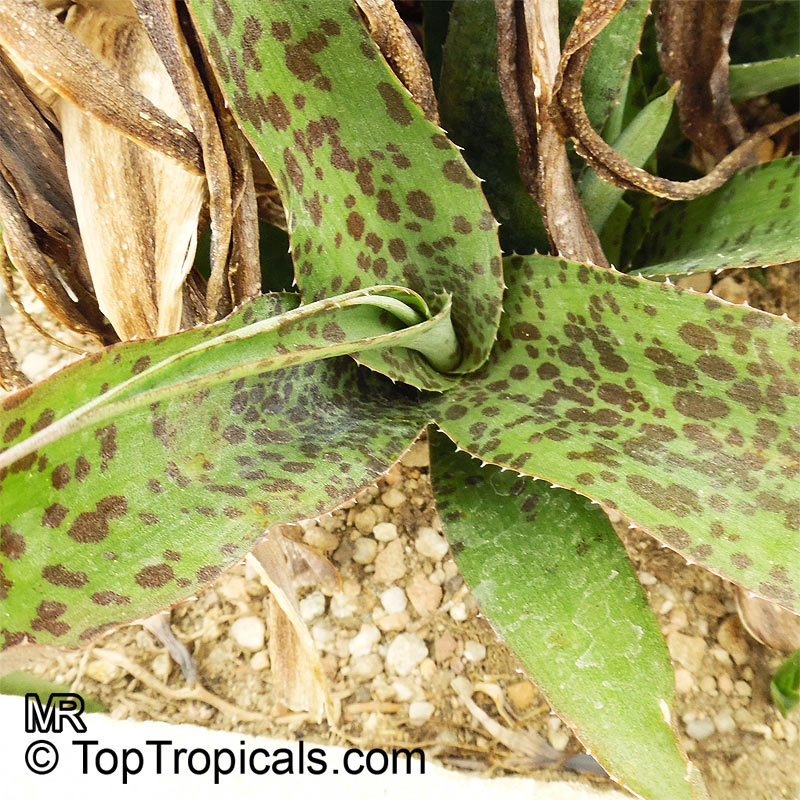
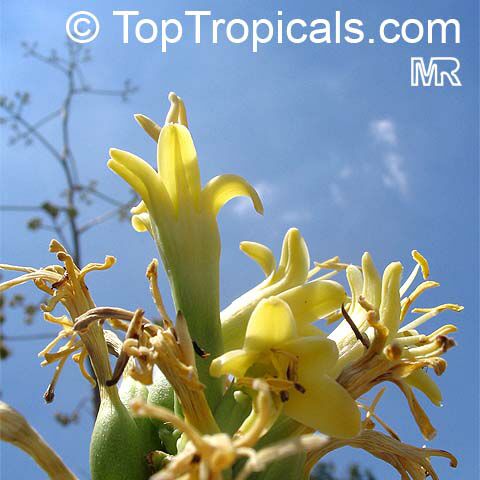
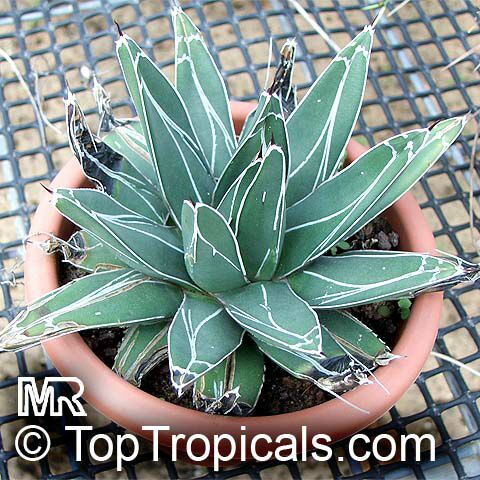
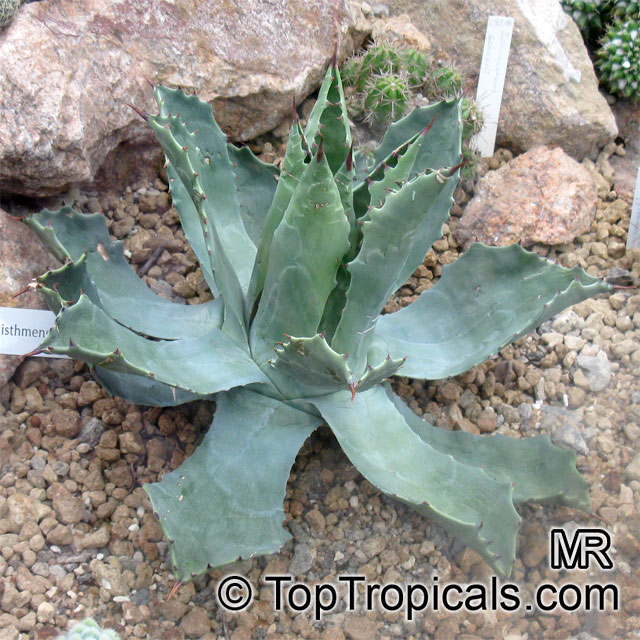
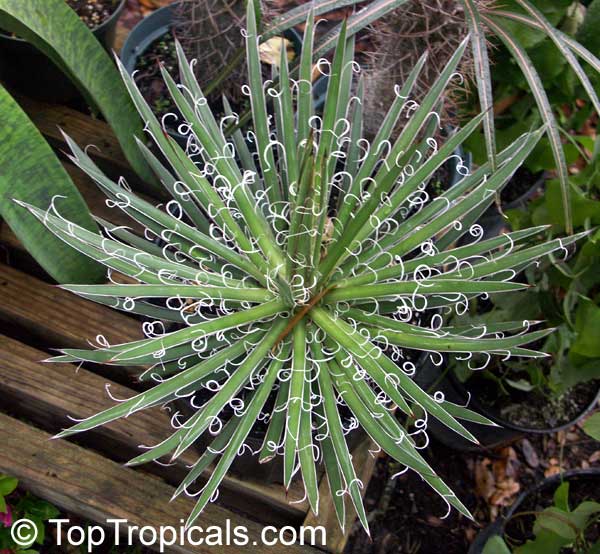
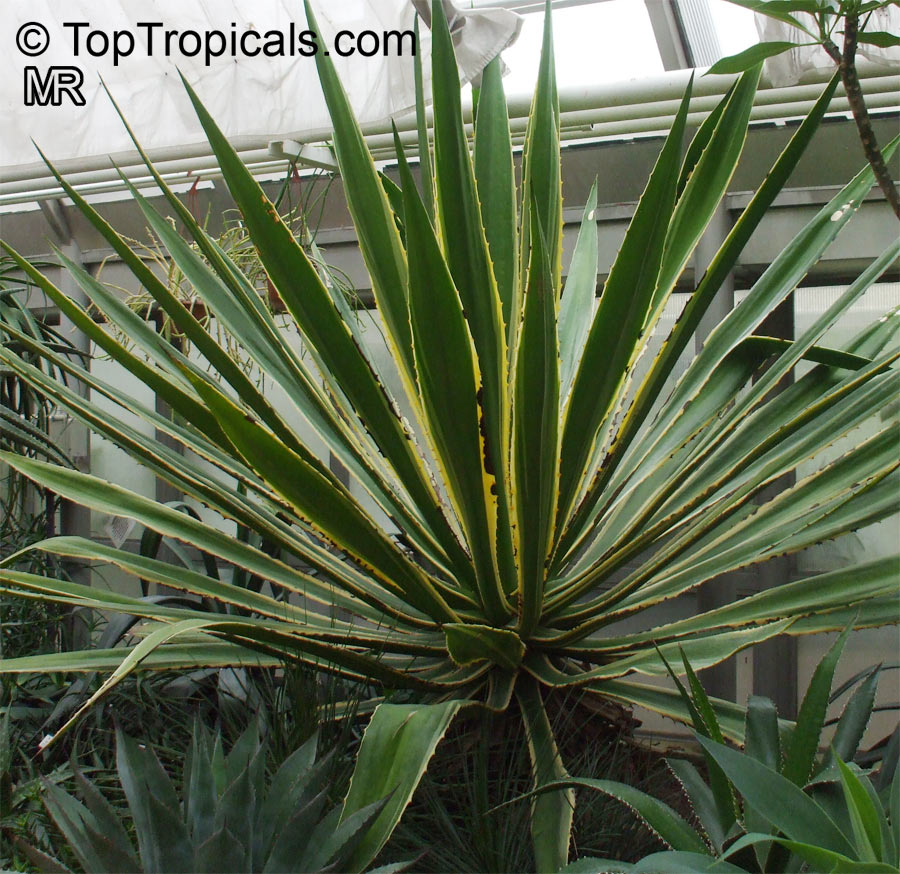
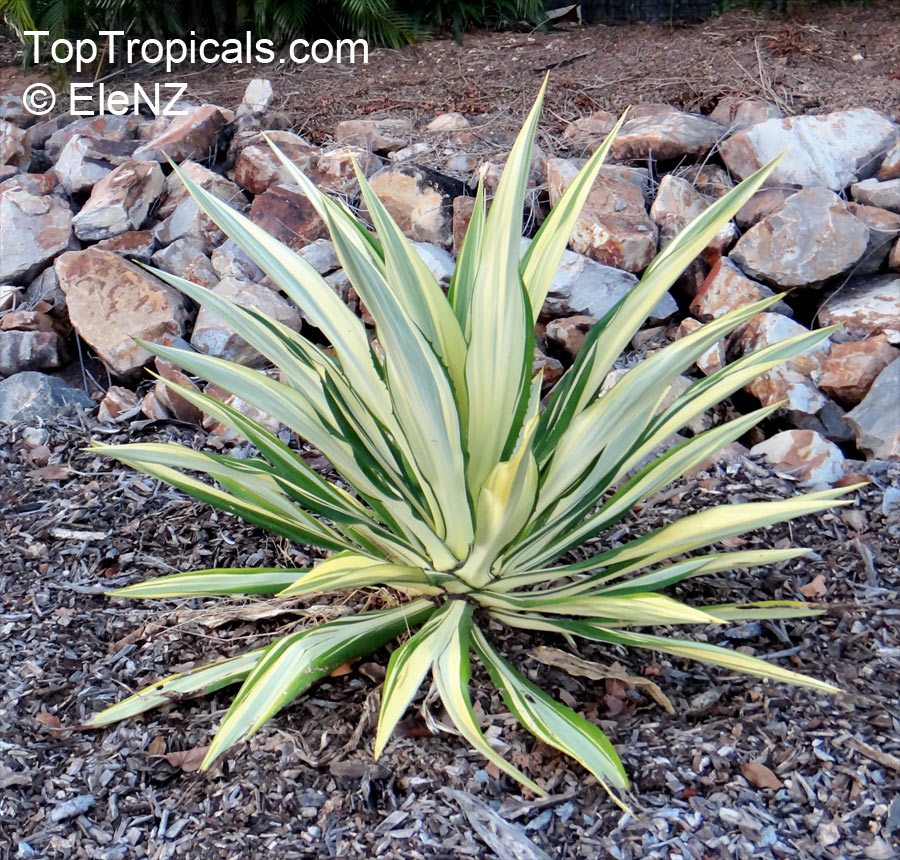
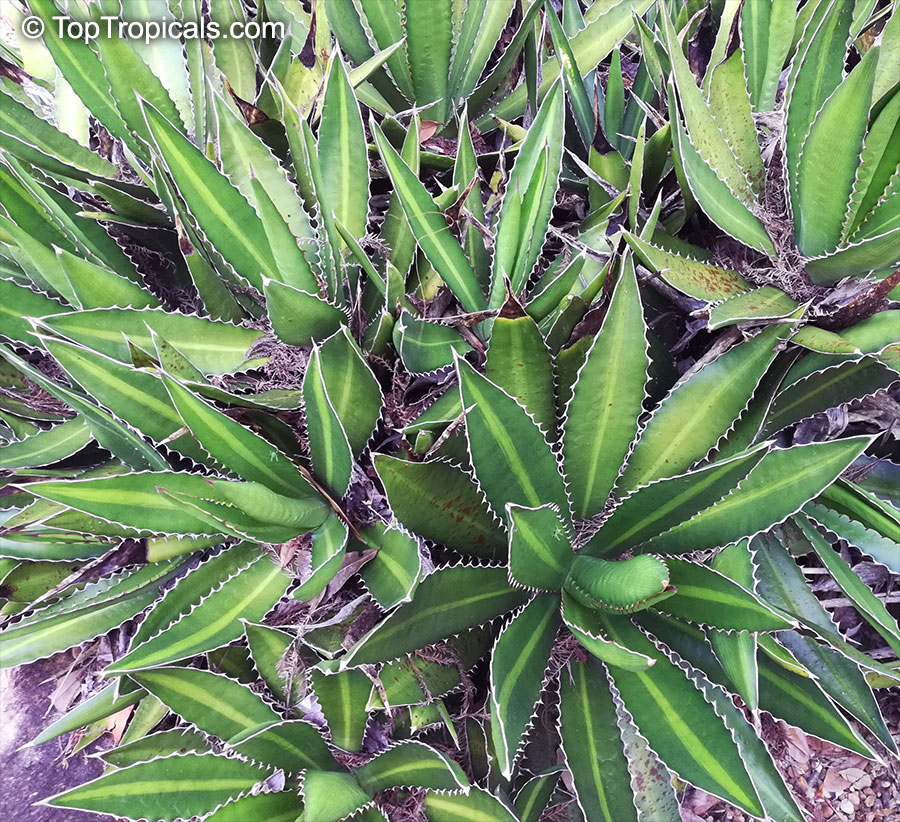
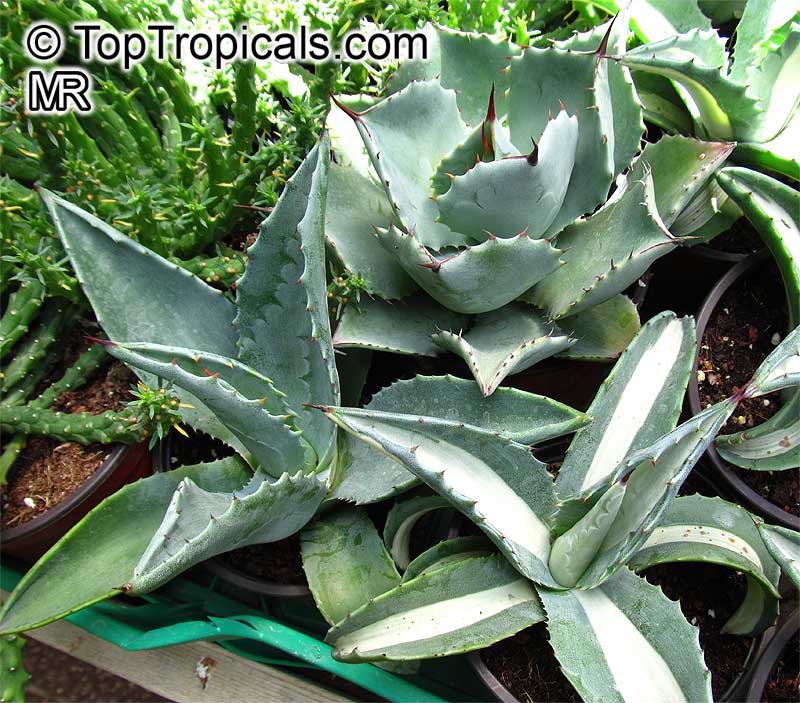
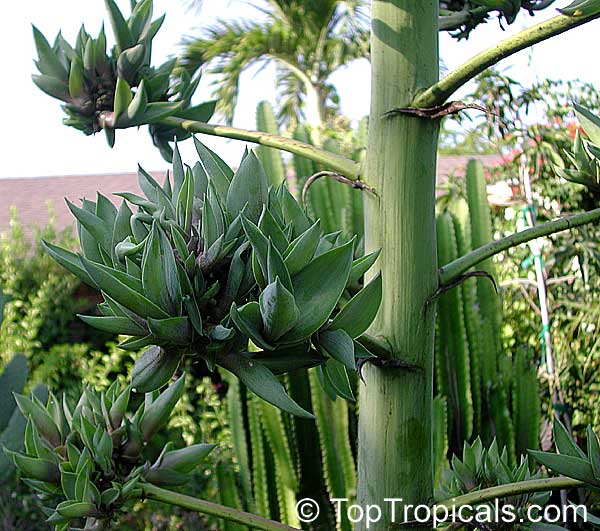
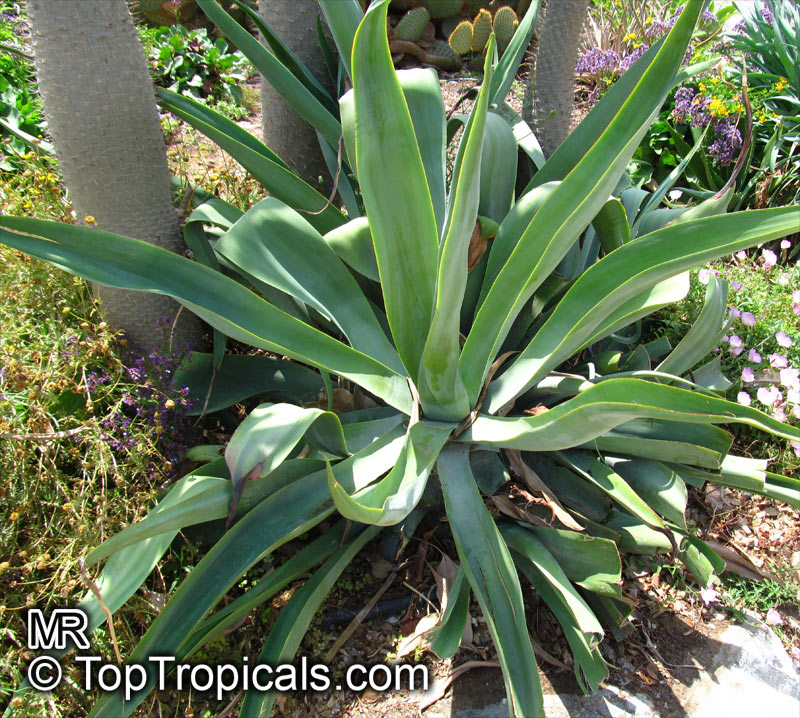
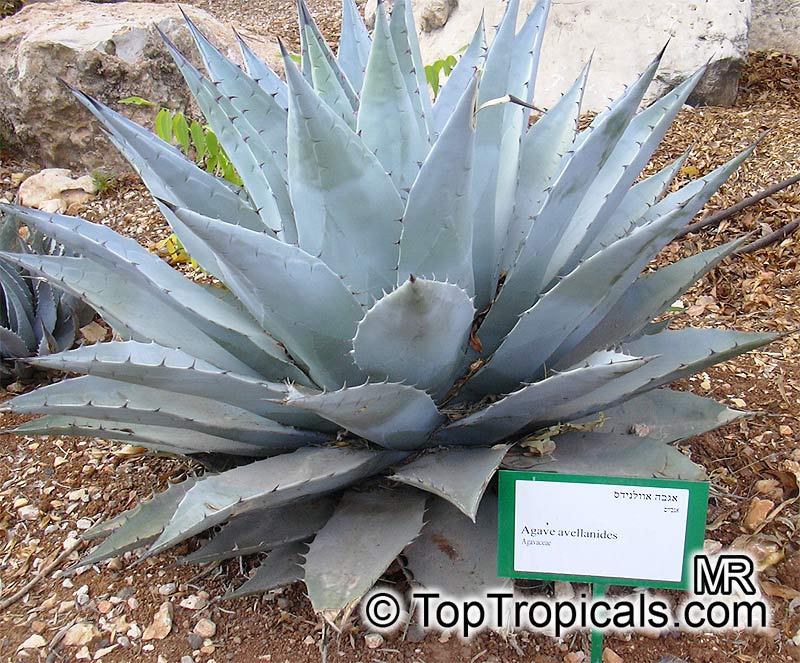
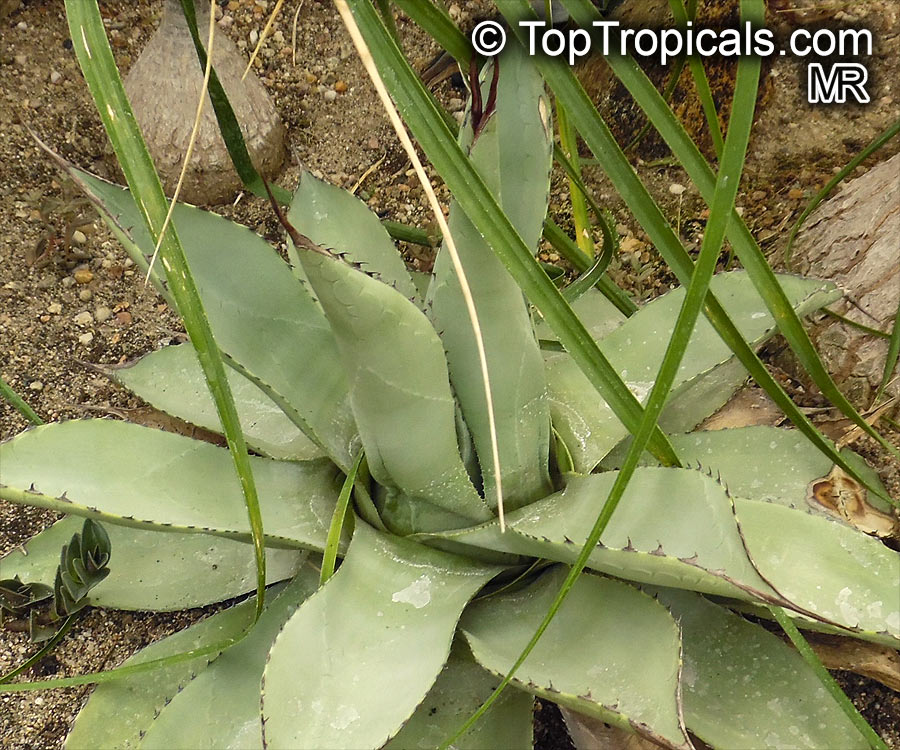
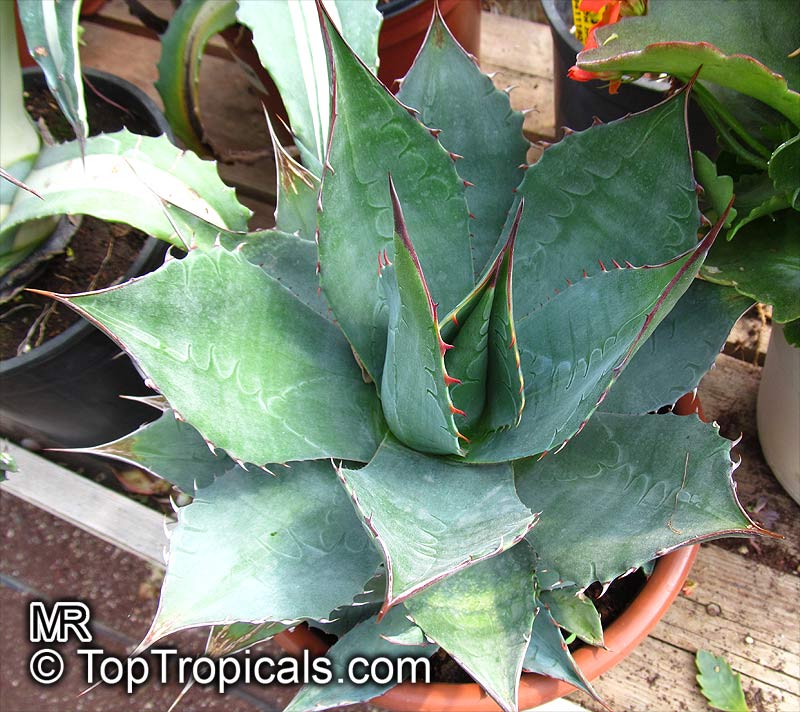
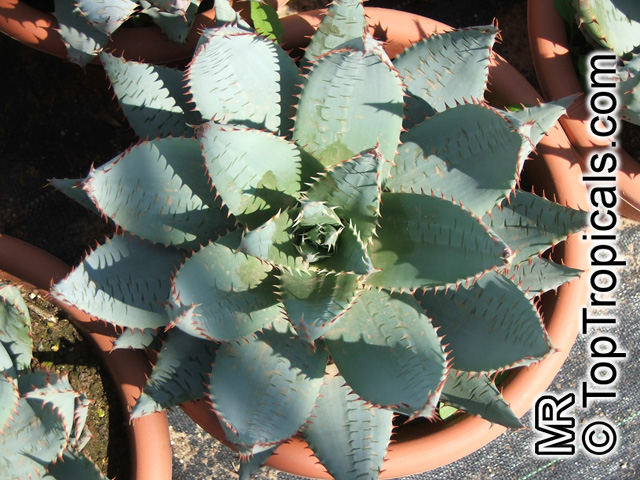
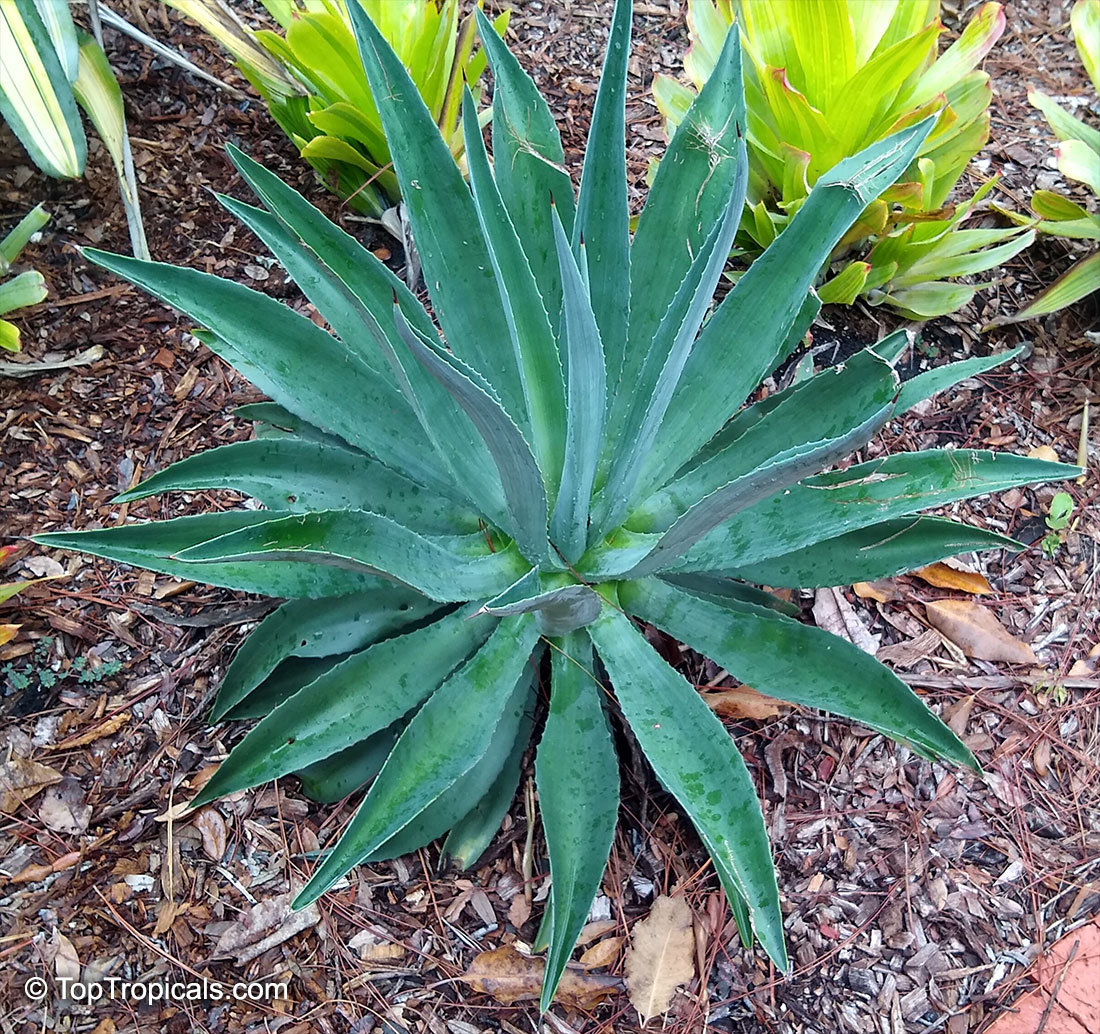
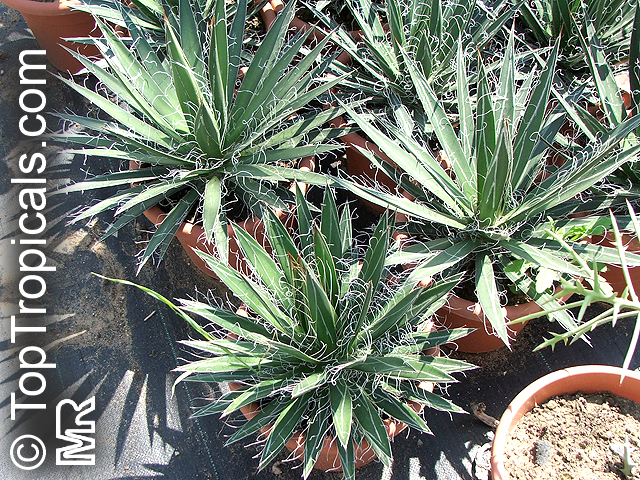
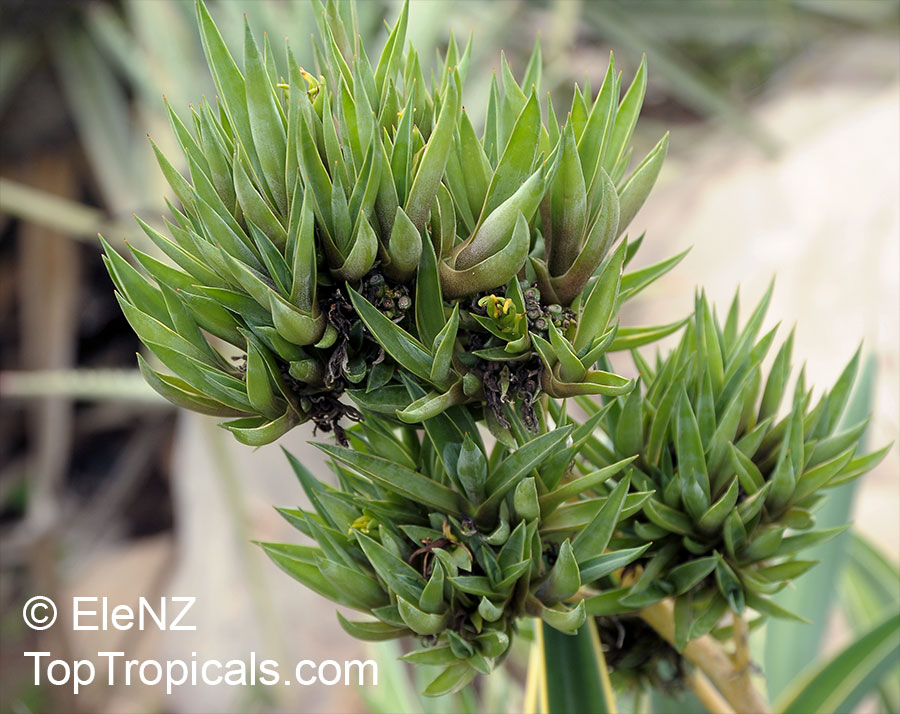
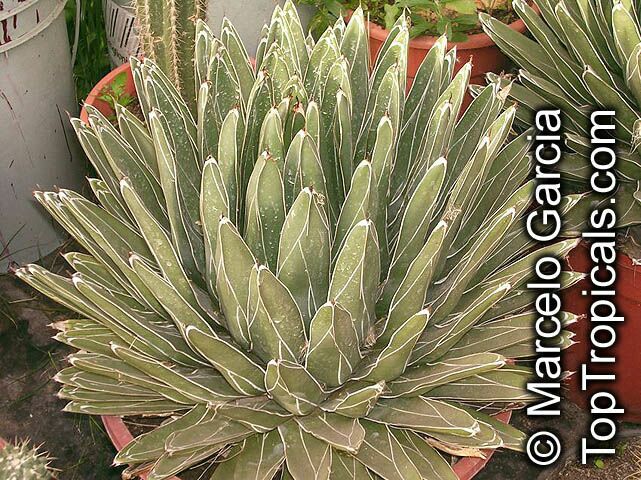
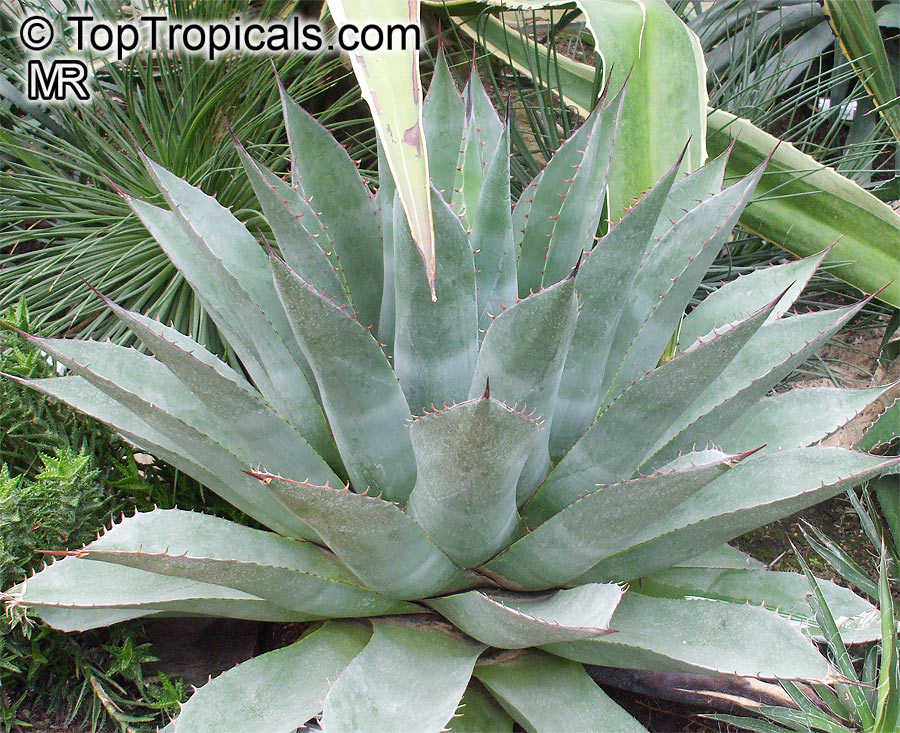
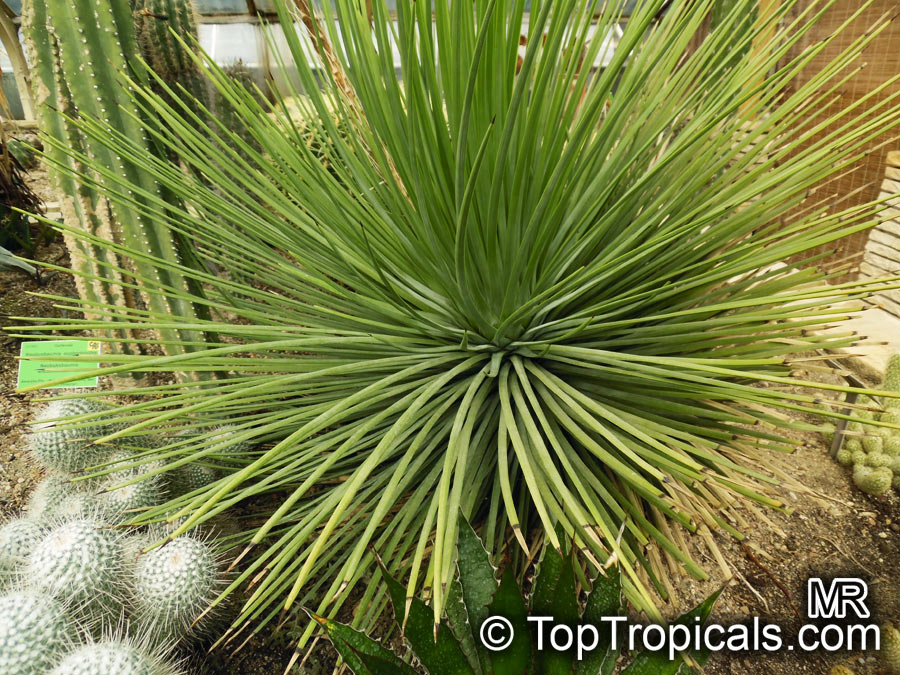
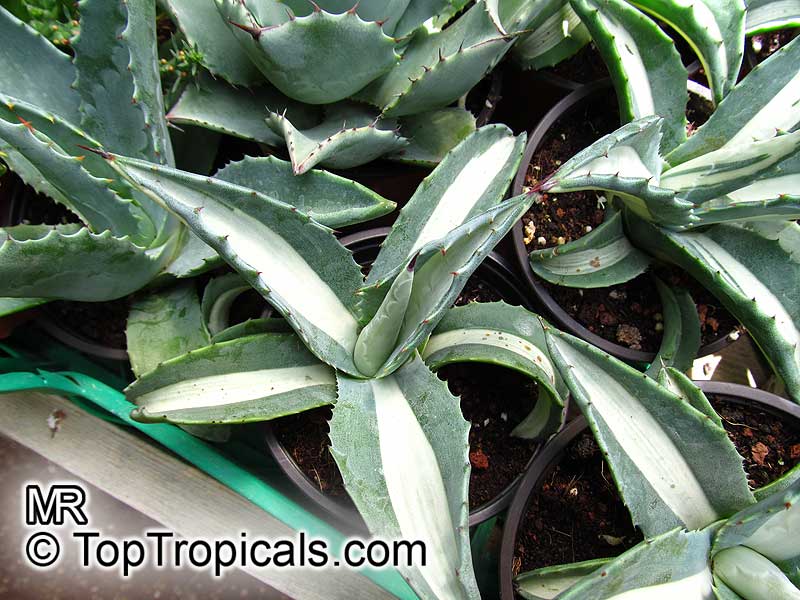
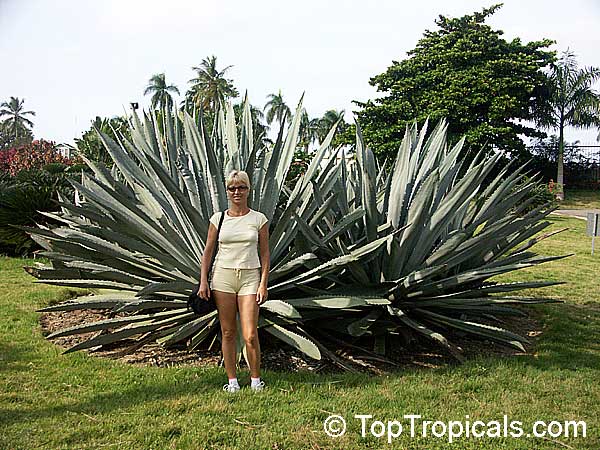
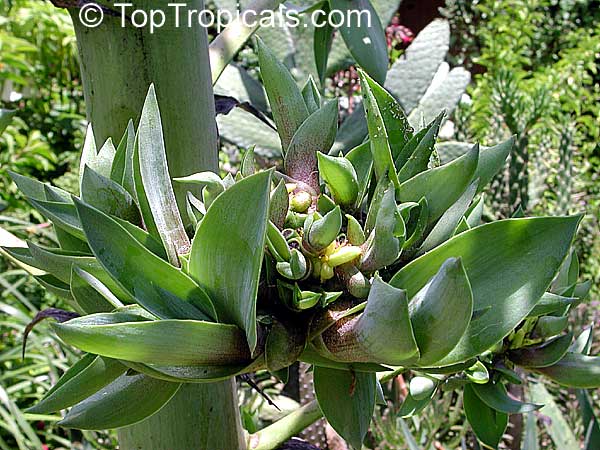
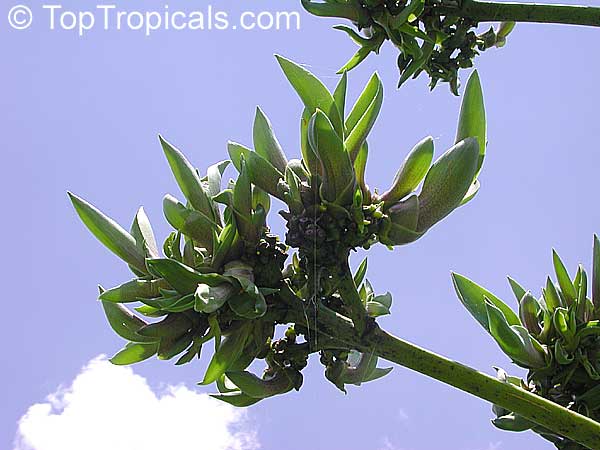
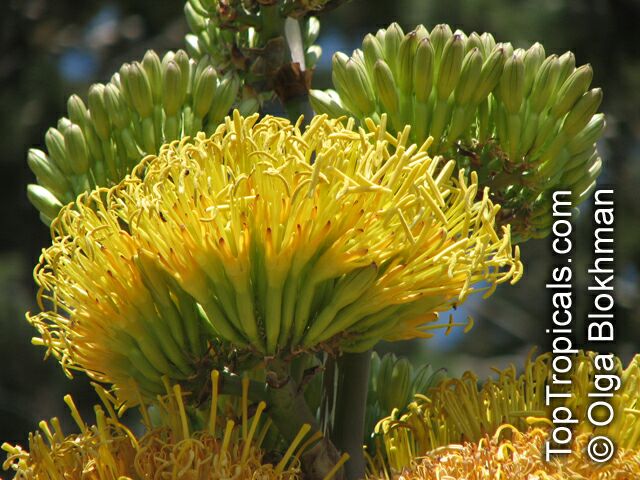
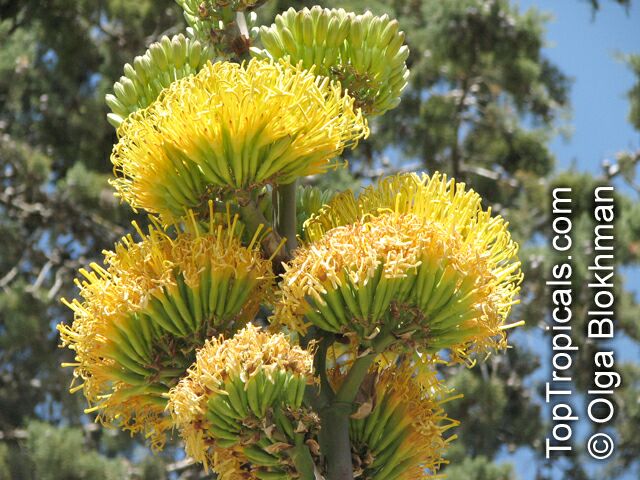
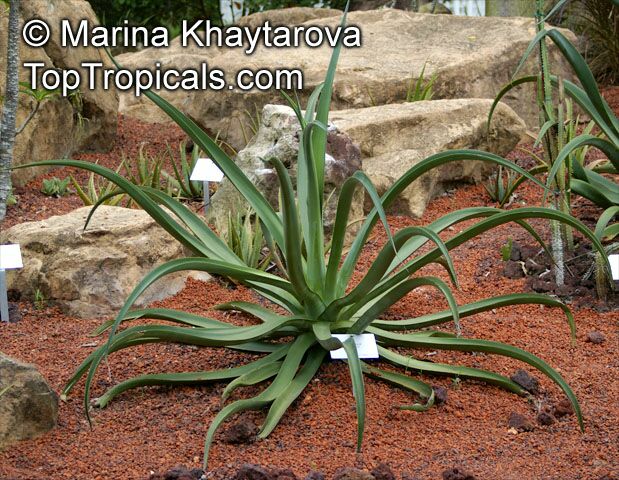
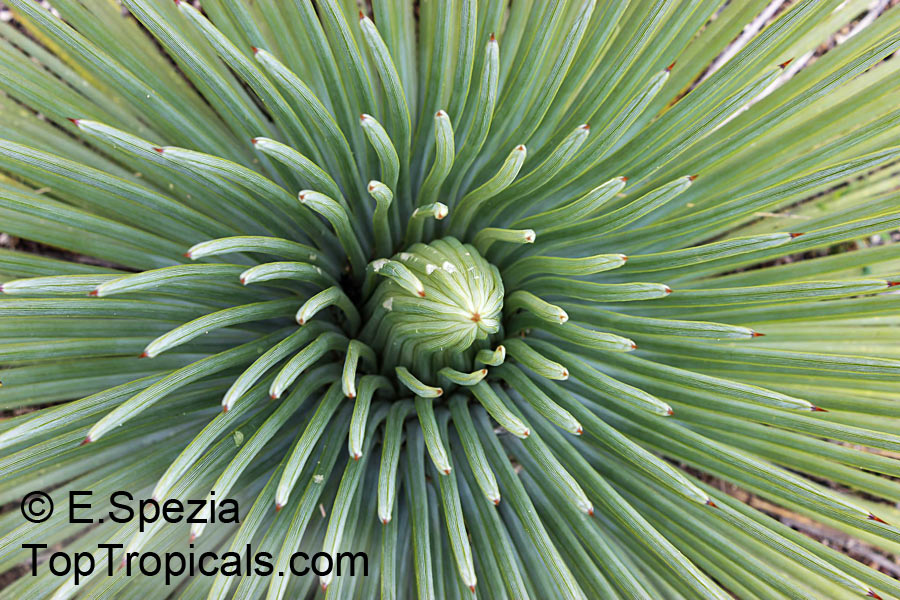
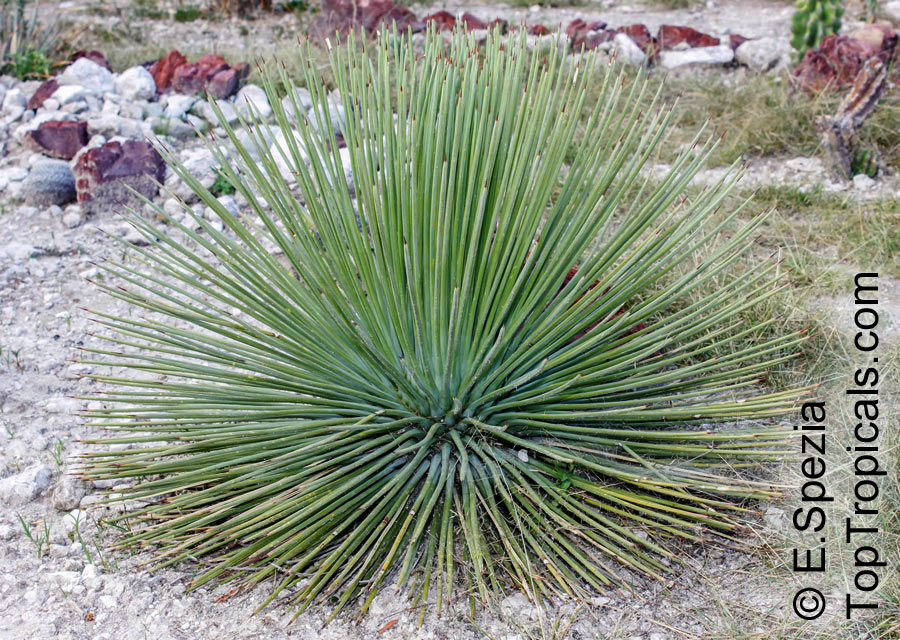
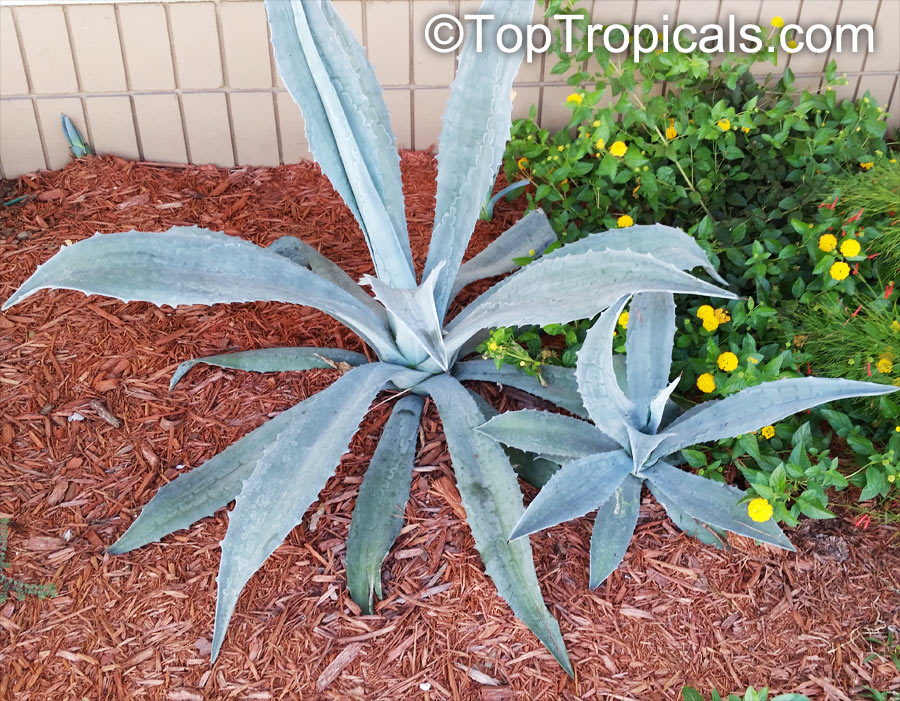
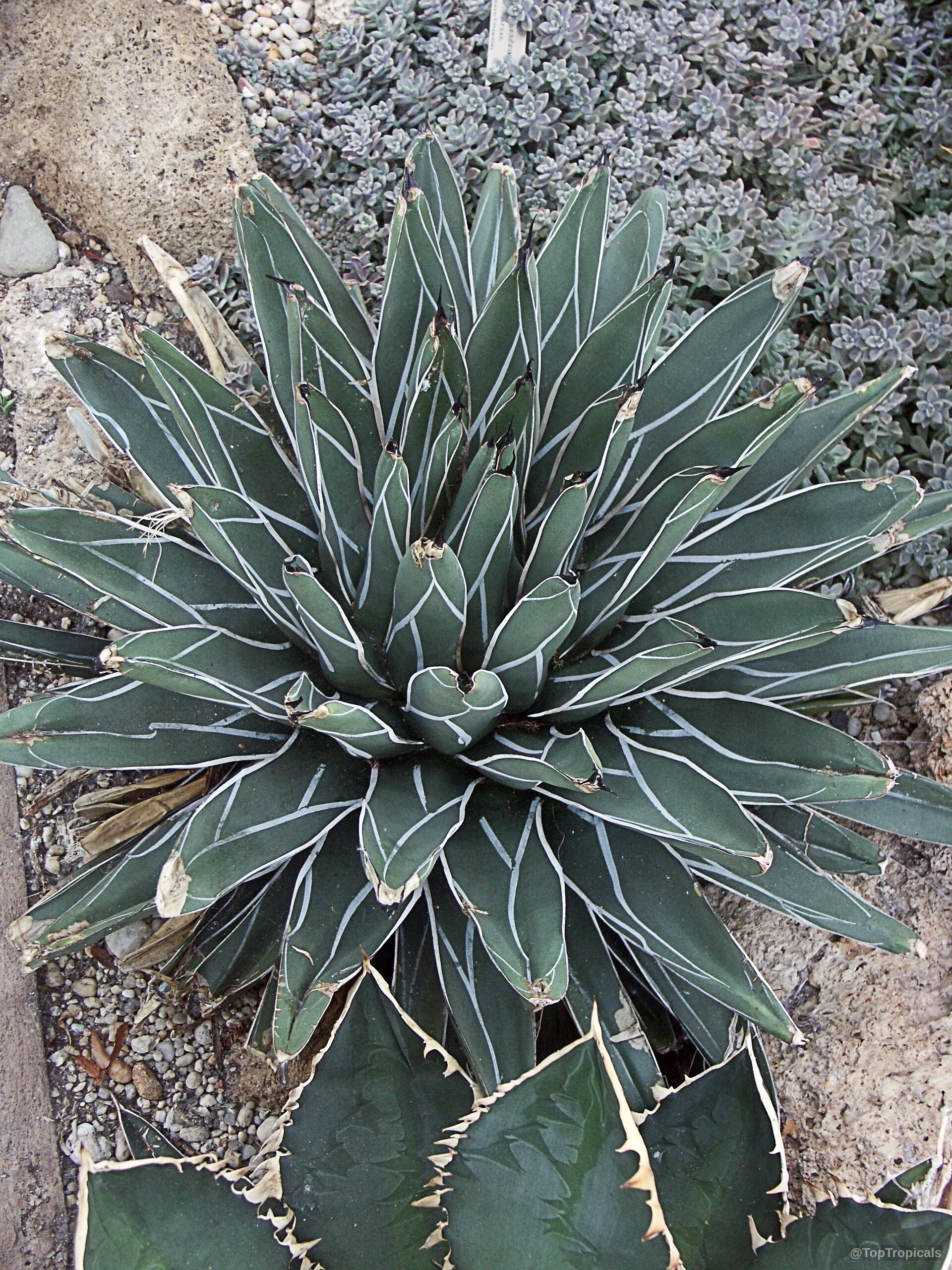
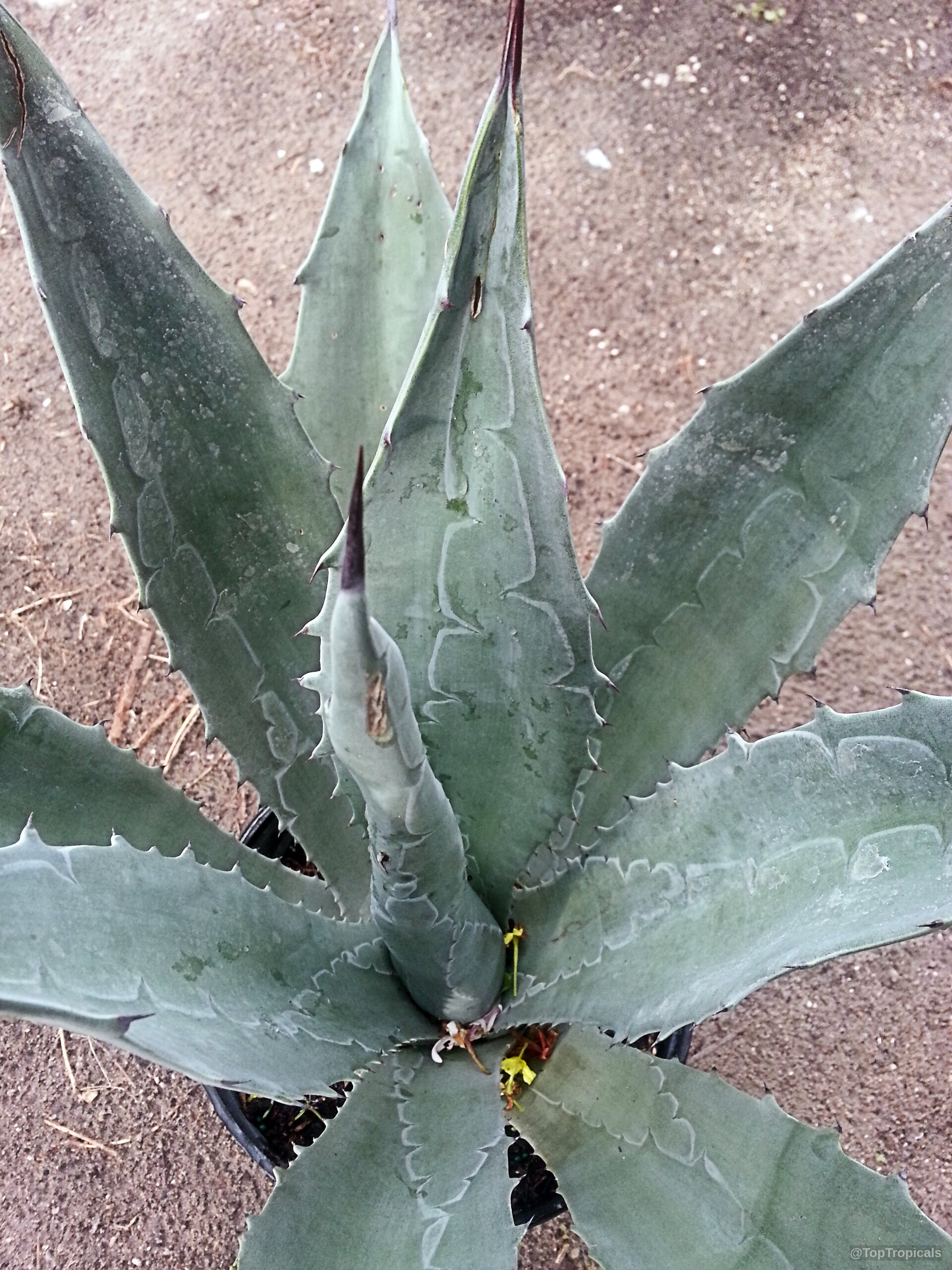
Botanical name: Agave sp.
Common name: Agave
Family: Asparagaceae (Formerly:Agavaceae / Amaryllidaceae)
Subfamily: Agavoideae
Origin: Mexico
USDA Zone: 8-9
Cold tolerance: 20°F

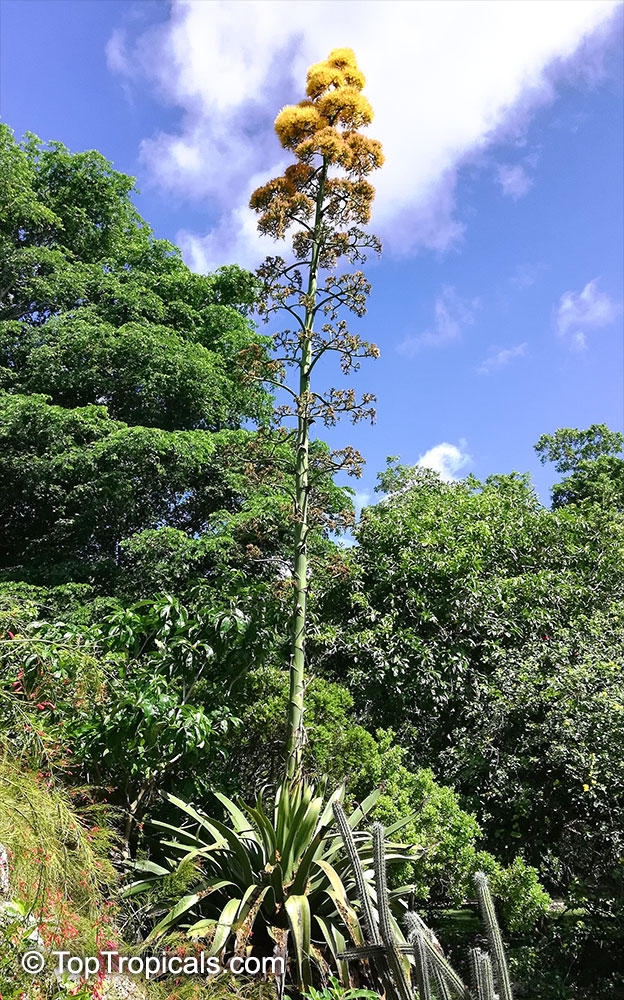
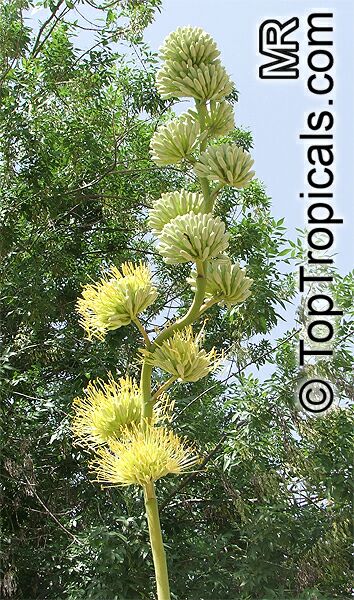
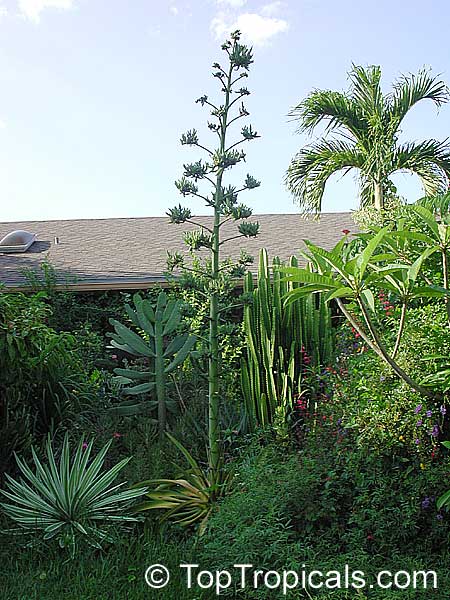
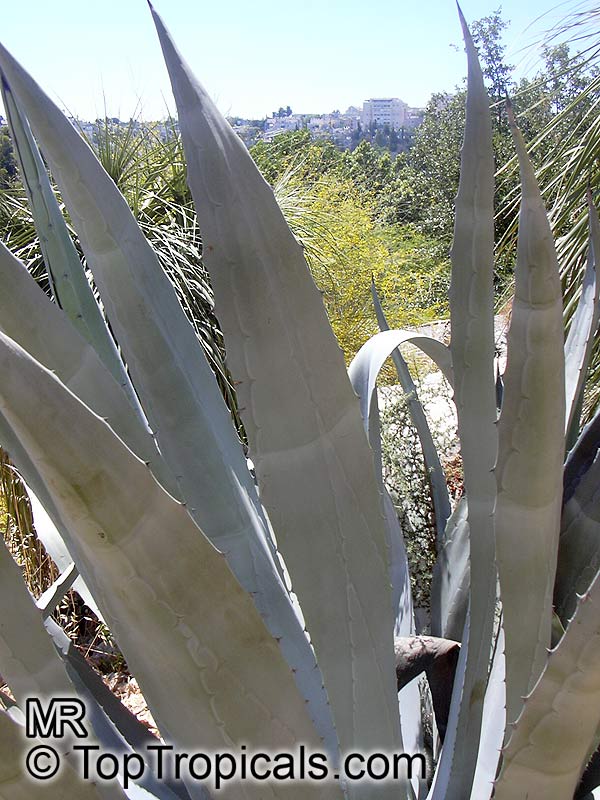
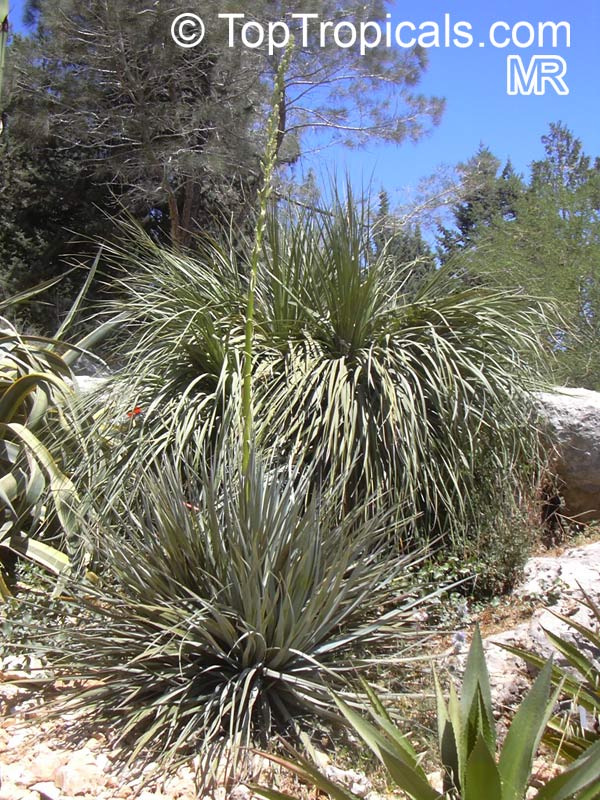
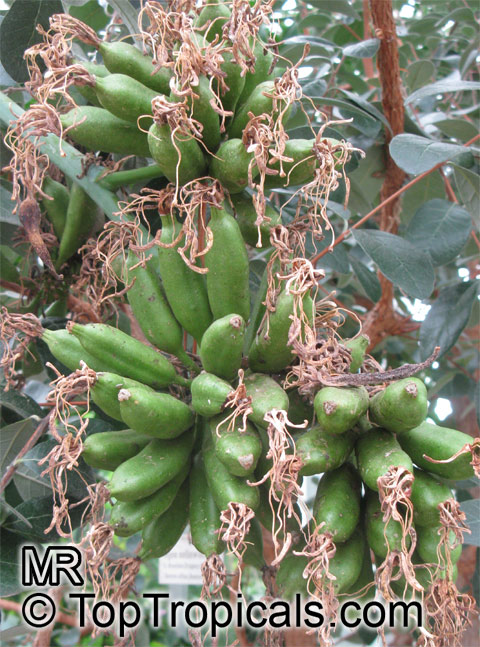
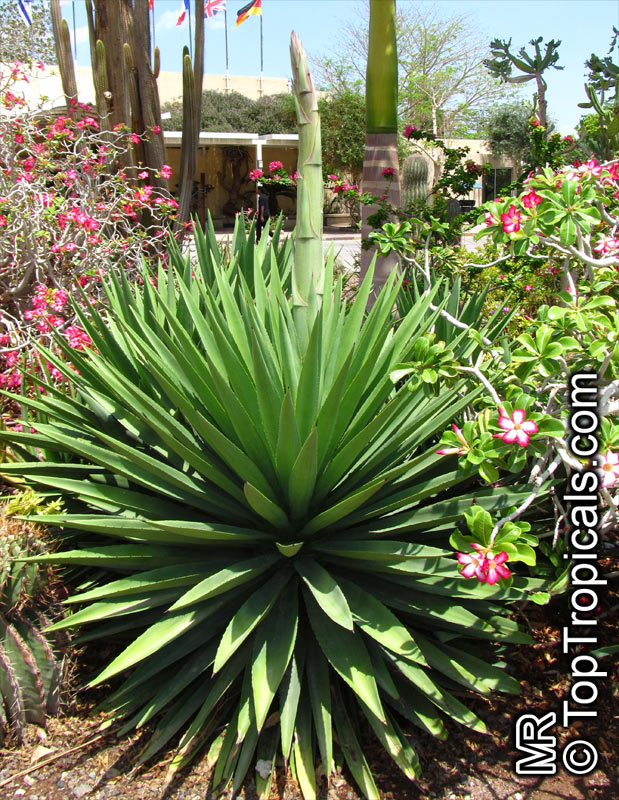
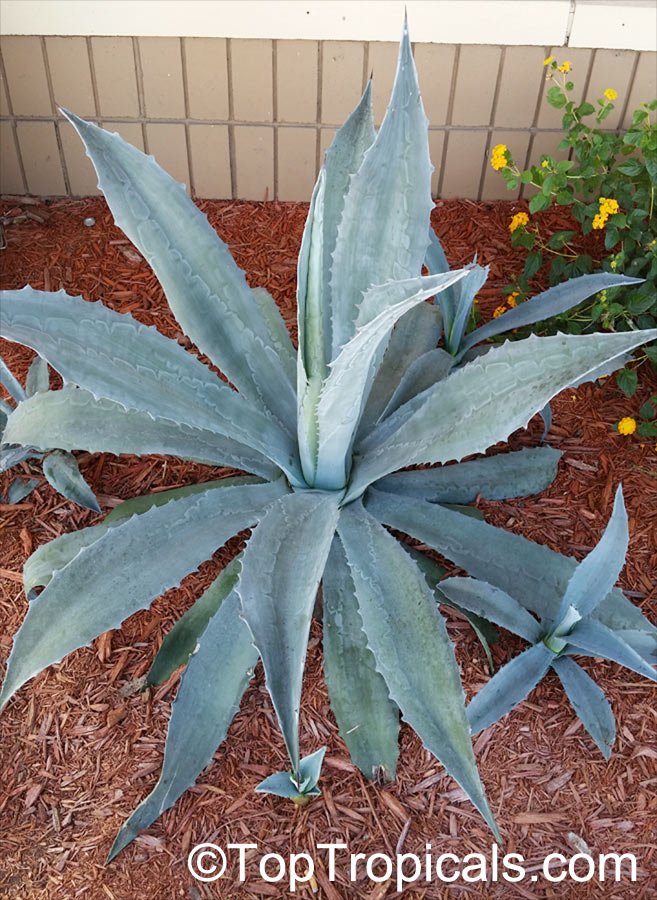
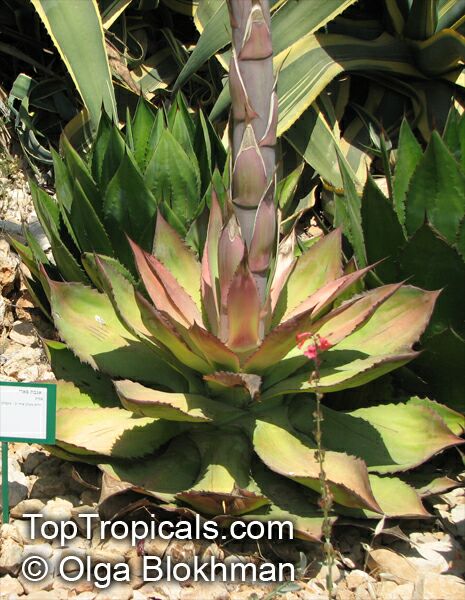
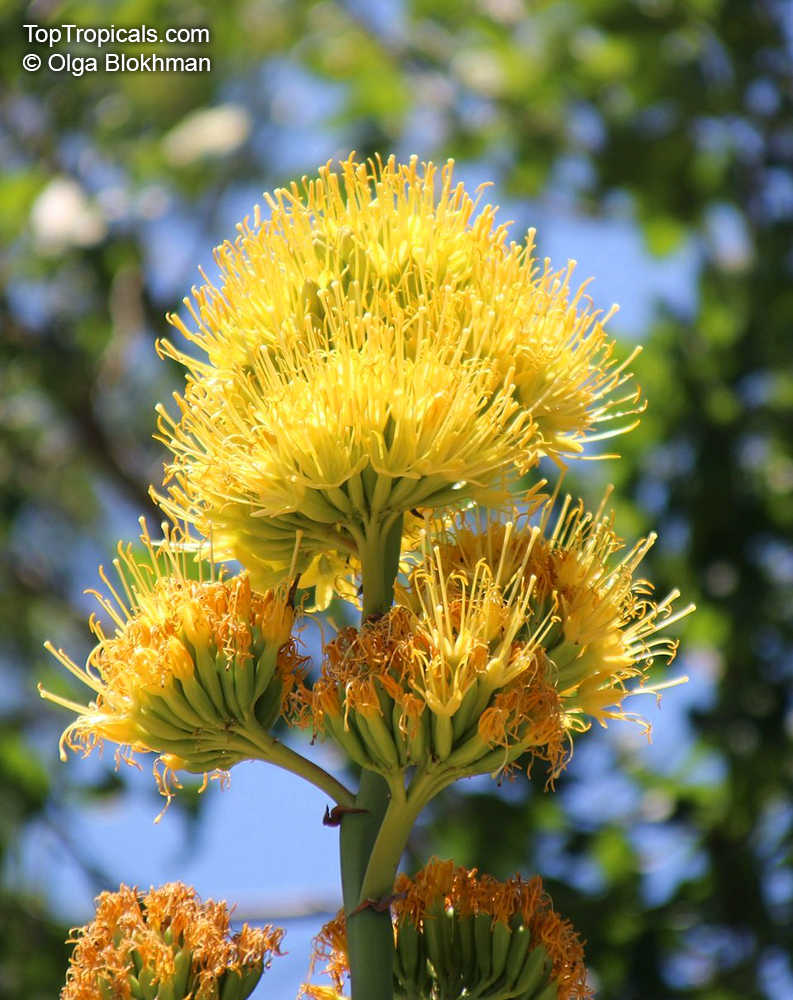
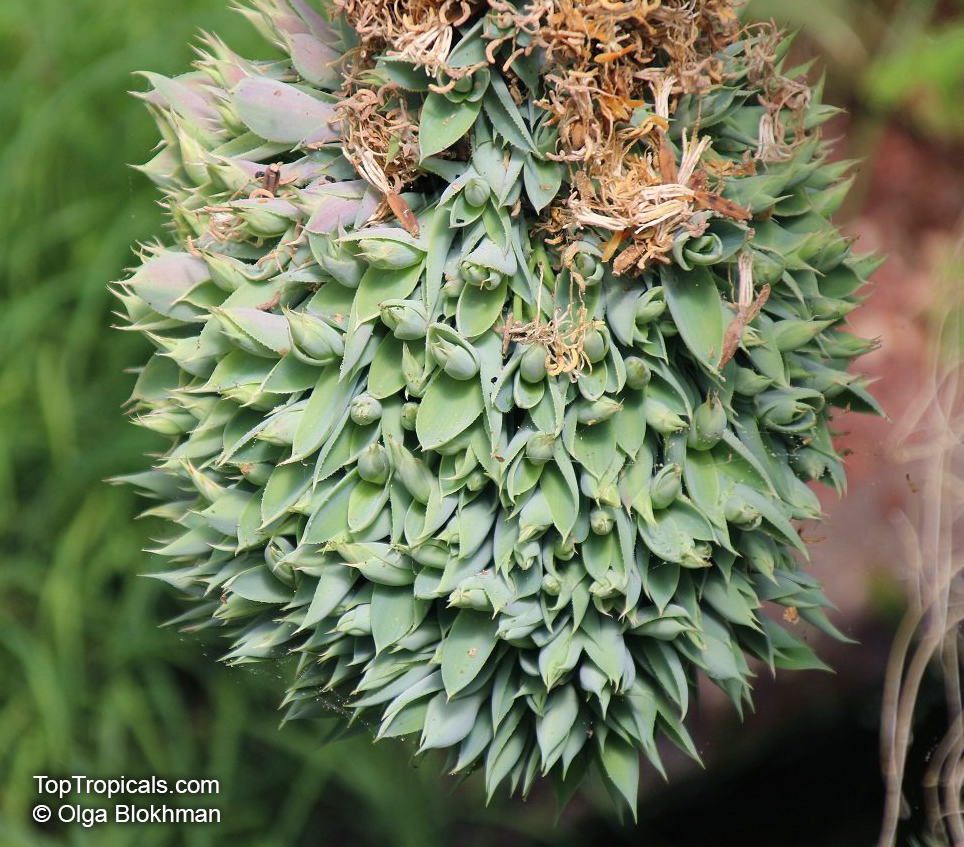
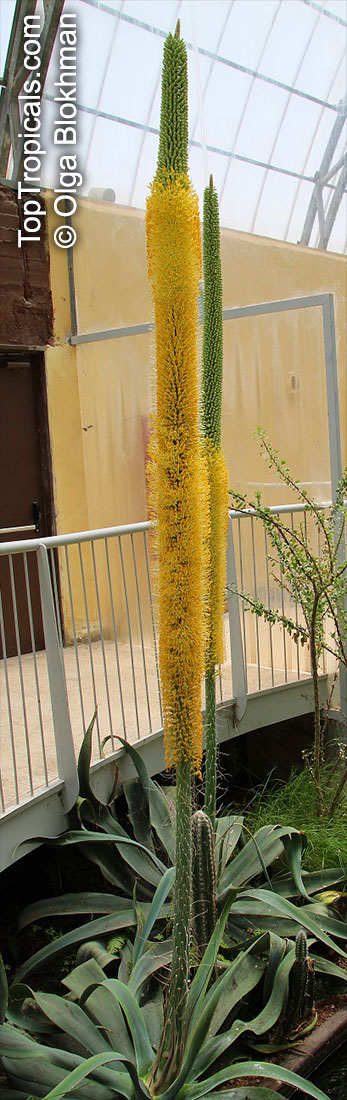
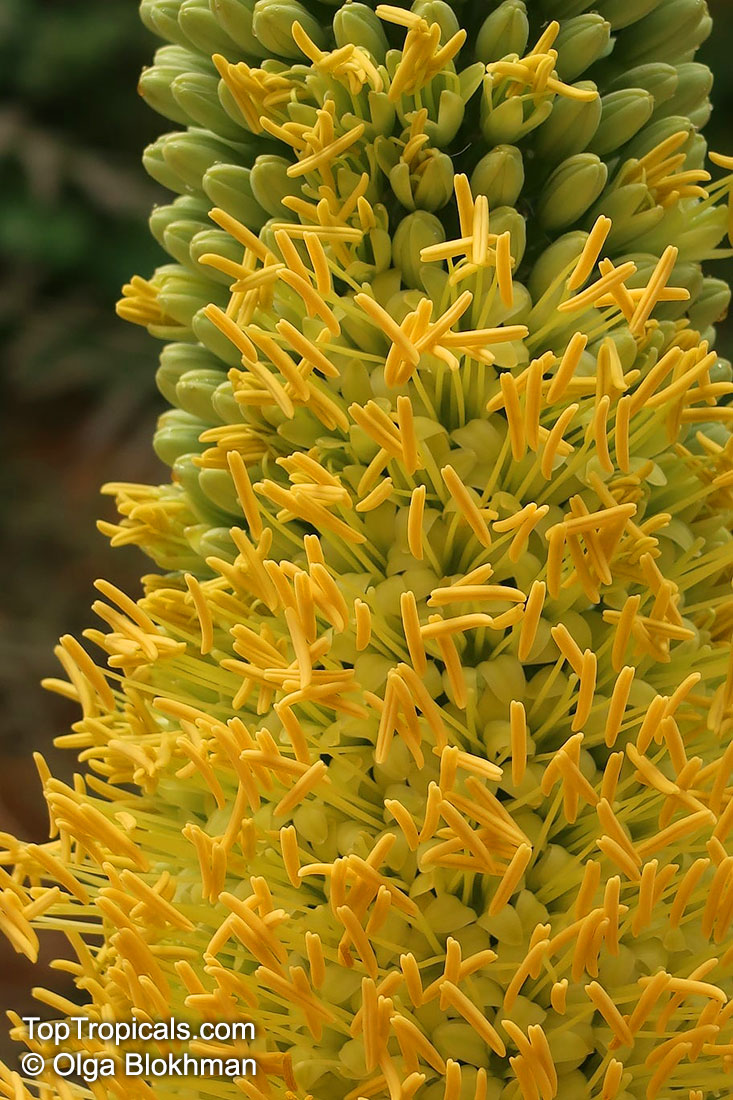
Agaves are rosette plants that live for many several years before flowering. Each rosette will flower only once, then die. The English common name, Century Plant, is based on the mistaken belief that the plants grow for 100 years before blooming. In fact, some of the smaller species flower when only 3 to 4 years old. The larger species may live for 40 to 50 years before flowering. They may be planted outdoors in mild climates, especially those that are desert and semi-desert; otherwise, they may be grown in a greenhouse and when small as houseplants. In regions with harsh winters, Agaves may be planted outdoors in the summer and brought in during the winter. The sizes of the Agaves vary from 6 inches to 15 feet wide between the species.
Botanical name: Ageratum conyzoides
Common names: Mexican Ageratum, Yoat Weed
Family: Asteraceae
Origin: Central America , Caribbean
USDA Zone: 9-10


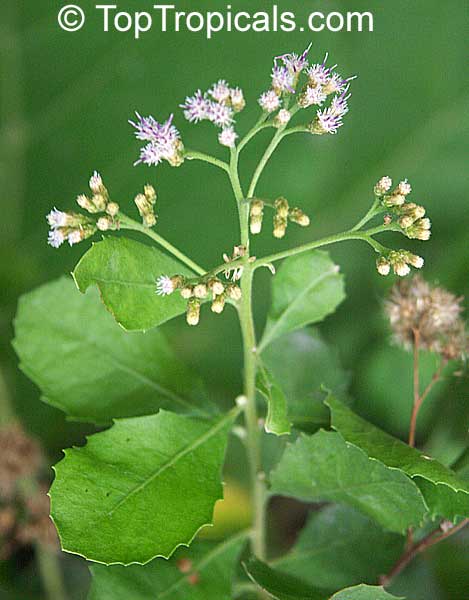
The Ageratum is an annual herb that grows to a height of around two feet and produces clusters of small, pretty flowers along its hairy stems. In some countries, it is classed as a weed which is hard to control. In traditional medicine systems in areas where Ageratum grows continuously, it is widely used. In Brazil, an infusion of its leaves or the entire plant is employed to treat colic, colds, fevers, diarrhea, rheumatism and spasms, as well as serving as a tonic. It is also recommended for the treatment of burns and wounds. In countries of Latin and South America, it is utilized for its antibacterial properties to treat infectious conditions and bacterial infections. In Africa, it is employed for fever, rheumatism, headache, pneumonia, wounds, burns and colic.
Ageratum is native to Central America and the Caribbean and can be grown in USDA Zone 9-11, either outdoors or indoors in cooler climates. It grows best in rich, moist soil, with regular watering. Its colorful blooms, which come in shades of pink, white and off-white, will attract butterflies and hummingbirds. The flowering season of Ageratum is usually all summer and the shrub often self-seeds depending on the climate.
To keep Ageratum healthy, the soil should be kept moist but not soggy. Deadhead the spent flowers and avoid overwatering to prevent root rot. If planting in a pot, it is best to first use a potting soil specifically formulated for containers, and then cover with 1-2 inches of a moisture-retaining material such as straw or bark. To encourage blooming, cut the plant back after flowering.
While Ageratum has a place in traditional medicine systems, it is believed to be invasive in parts of the United States. Therefore, caution should be used when planting and spreading to wild, natural areas should be avoided to prevent ecological damage.
Botanical name: Aglaia argentea
Common name: Silver Boodyarra
Family: Meliaceae
Origin: Southeast Asia
USDA Zone: 9-10
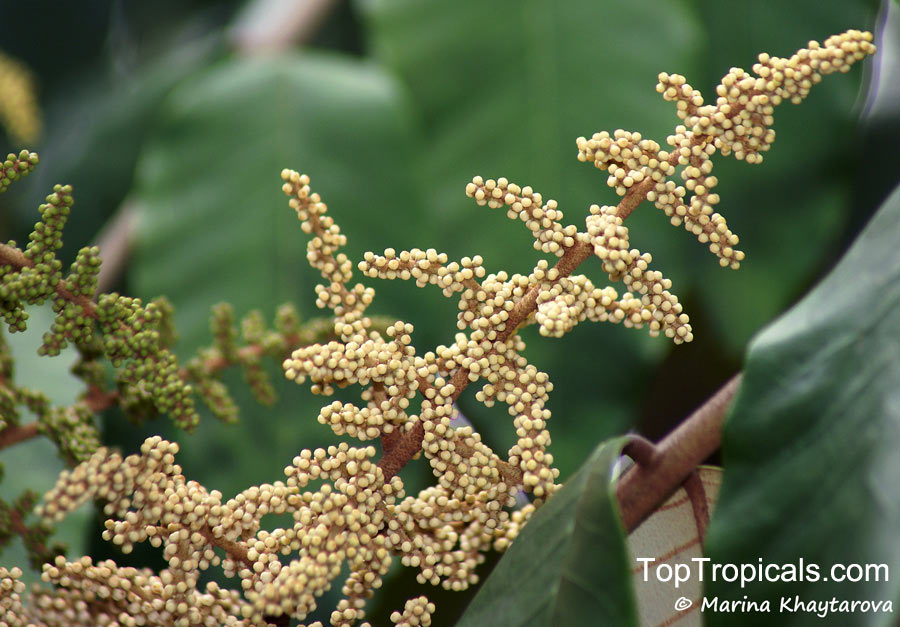
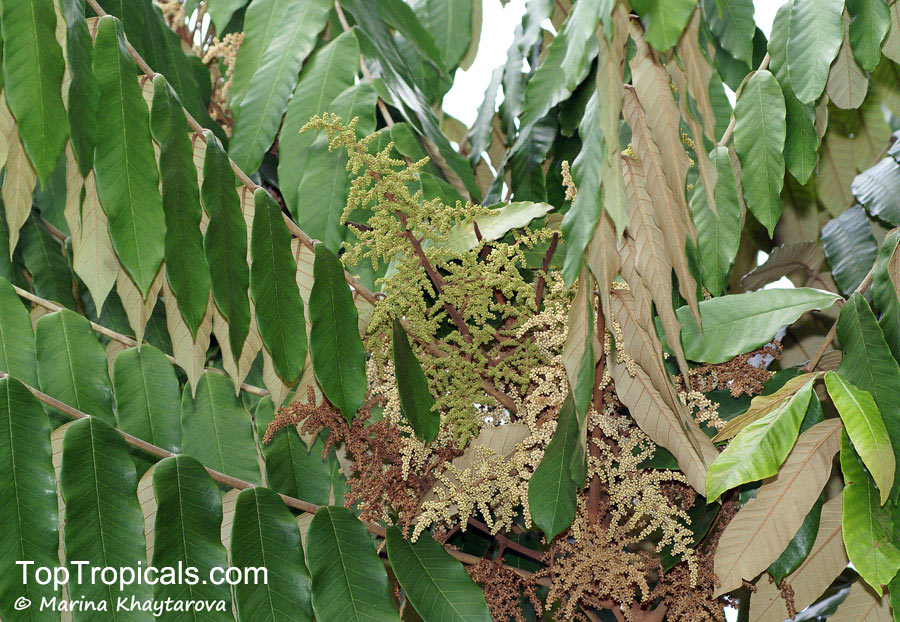
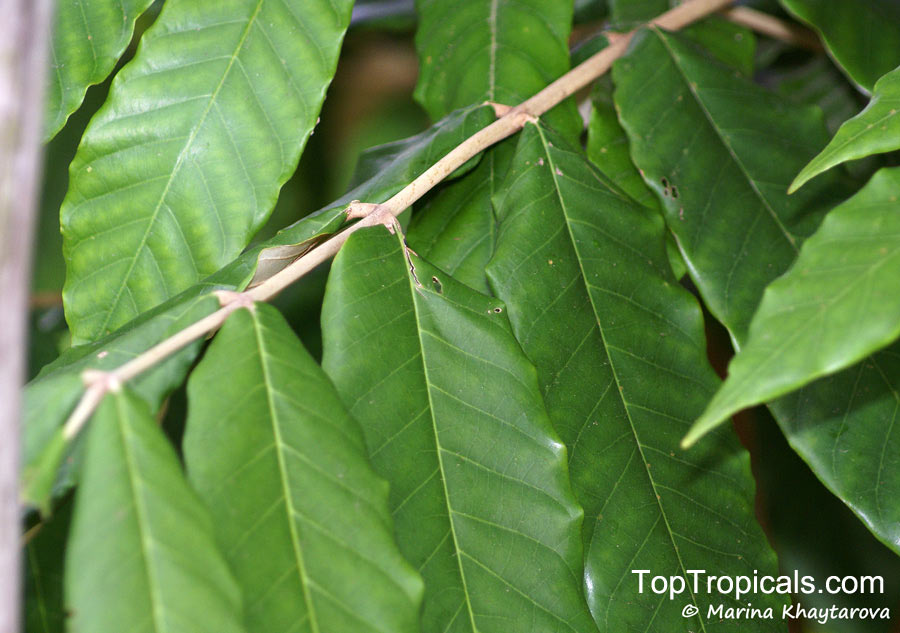
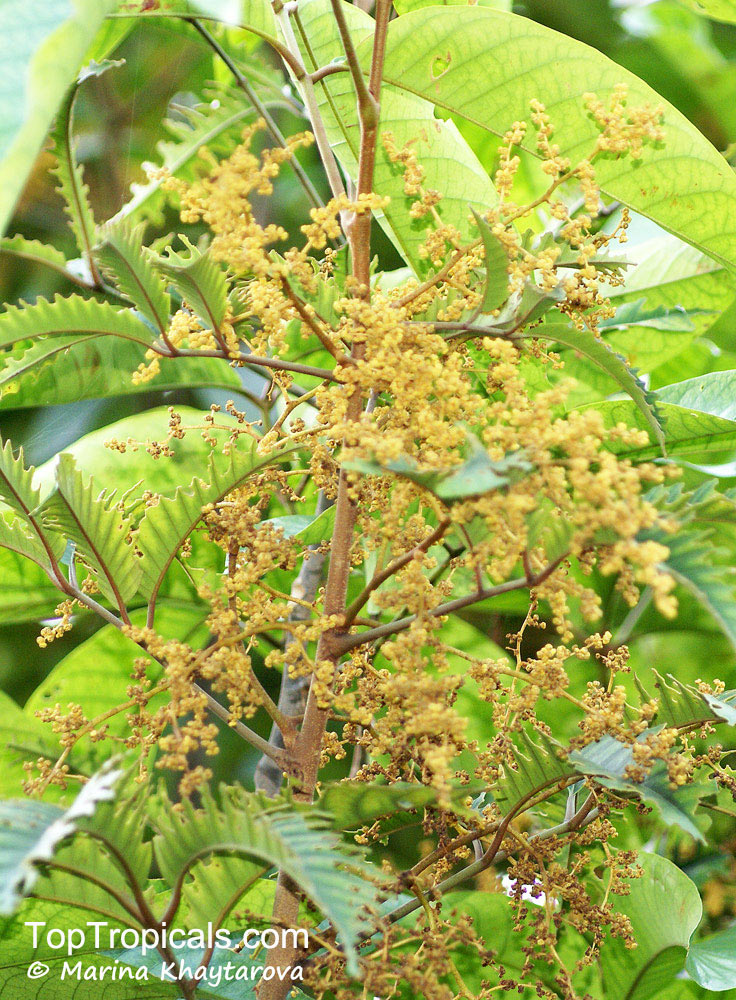
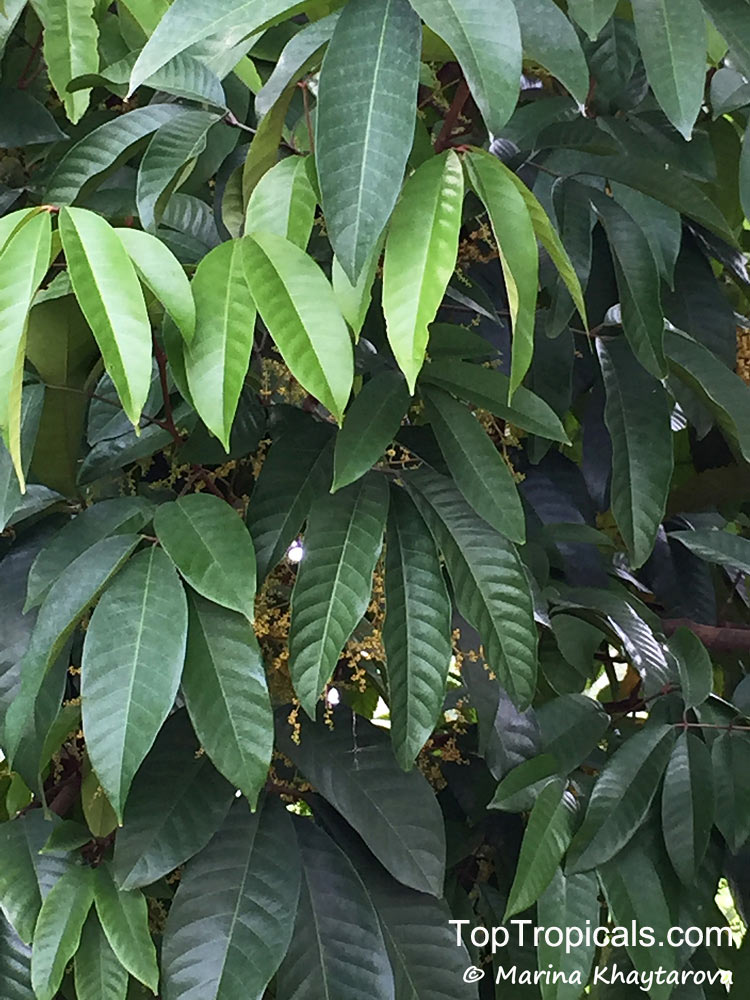
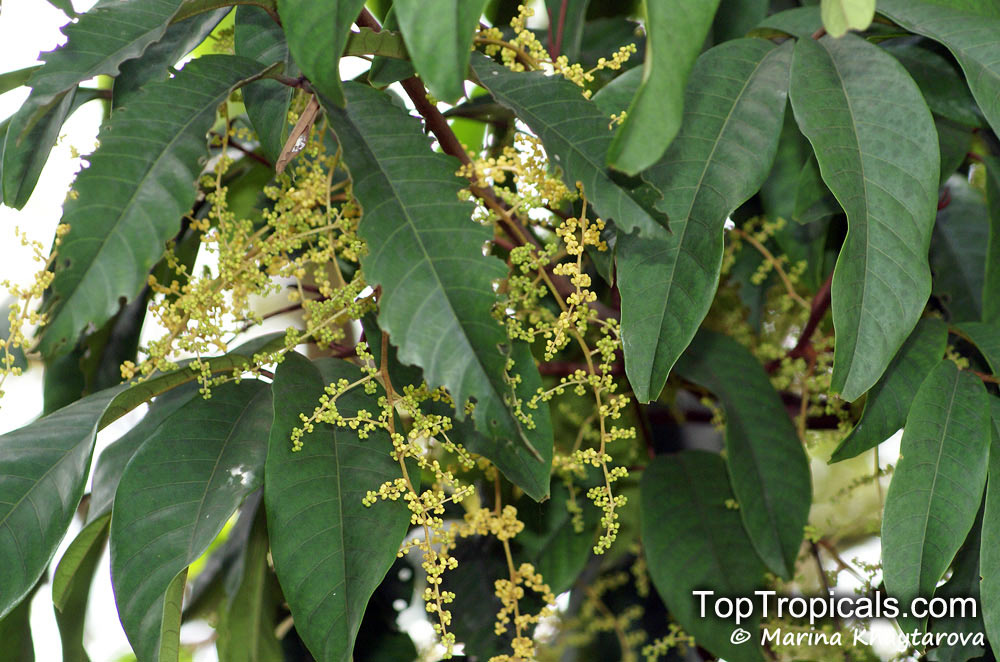
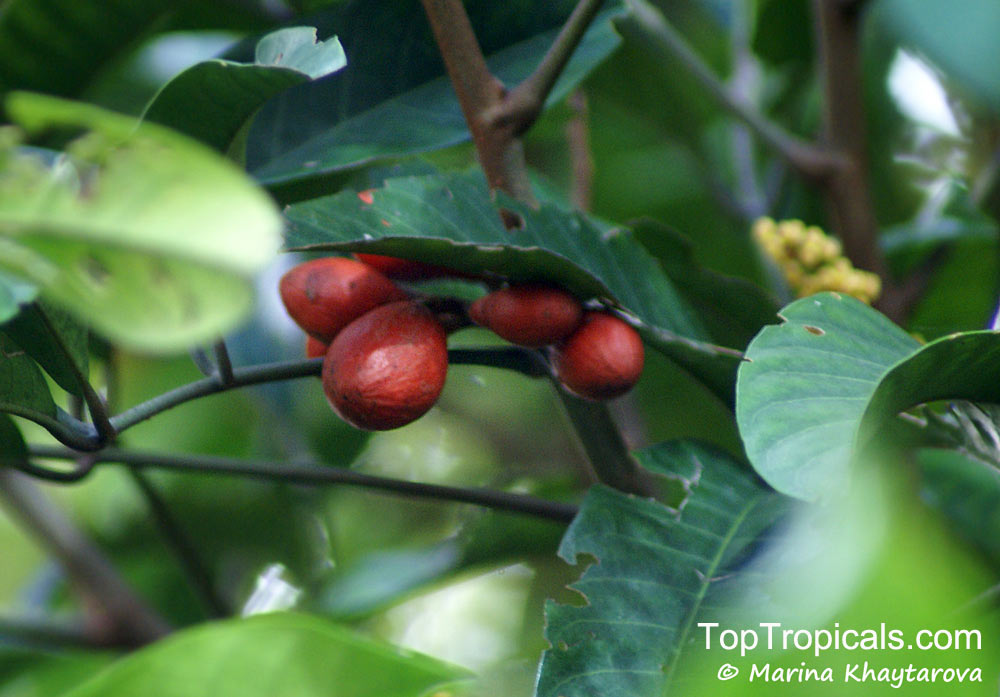
Botanical names: Aglaia korthalsii, Aglaia aquatica, Aglaia cauliflora
Common names: Aglaia, Sang Kreyt
Family: Meliaceae
Origin: Southeast Asia
USDA Zone: 9-10
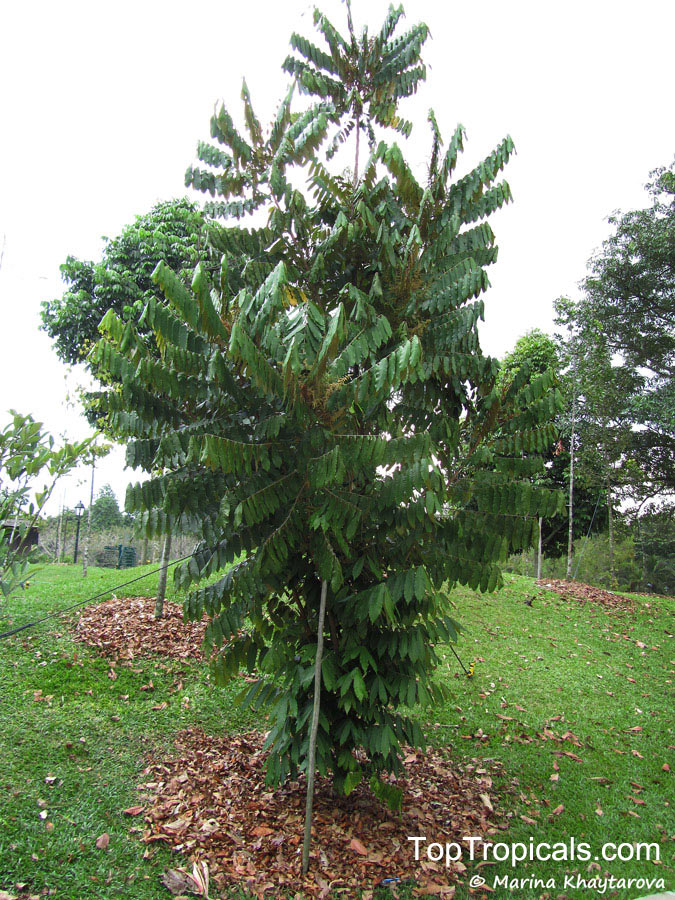
Aglaia korthalsii, commonly known as Aglaia, is a small tropical tree native to Southeast Asia, from China to India. This species of tree is known for its unique properties, being an ethnomedical plant as well as edible, and is therefore grown commercially throughout the region. It is able to grow to heights of 10-20 feet tall, with extremely large specimens sometimes reaching heights of 20 feet or more.
When grown in a USDA zone ranging from 9-11, Aglaia korthalsii requires regular watering in order to survive and thrive. Unless temperatures abruptly drop below zero, it is not necessary to provide supplemental water during the winter in these climates. However, during the hot summer months it is important to provide the tree with moderate amounts of water.
Aglaia korthalsii is highly valued for its edible fruit. These fruits are ellipsoid to subglobose, ranging from 20 - 40mm in length and 10 - 50mm in width, and are orange in color. Each individual fruit contains up to 3 edible seeds, surrounded by a thin layer of edible flesh. These fruits carry numerous health benefits and are commonly used in local recipes of Southeast Asia. On average, it can produce up to 20 fruits per season, making it an excellent source for edible yield.
In colder climates, Aglaia korthalsii can be successfully grown in a pot. It is important to choose a pot that is large enough to accommodate its growth (at least 18 - 22 inches in diameter) and to use quality potting soil to ensure proper drainage. Furthermore, in cold climates it is necessary to bring the pot into a sheltered area during the winter months to ensure its survival. With the right care and maintenance, this beautiful tree can be a great addition to any landscape.
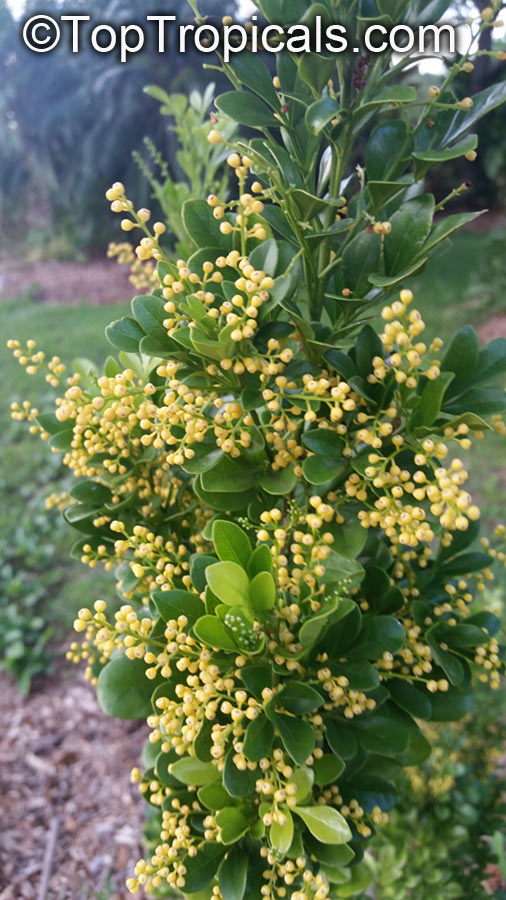
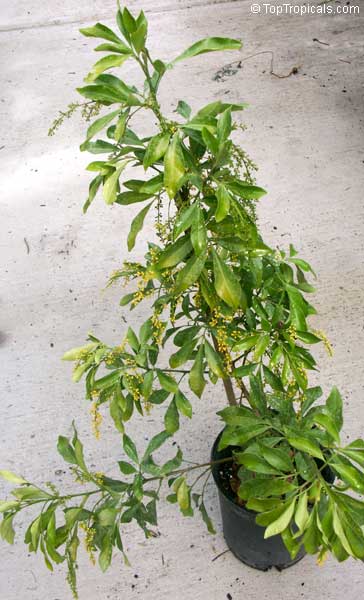
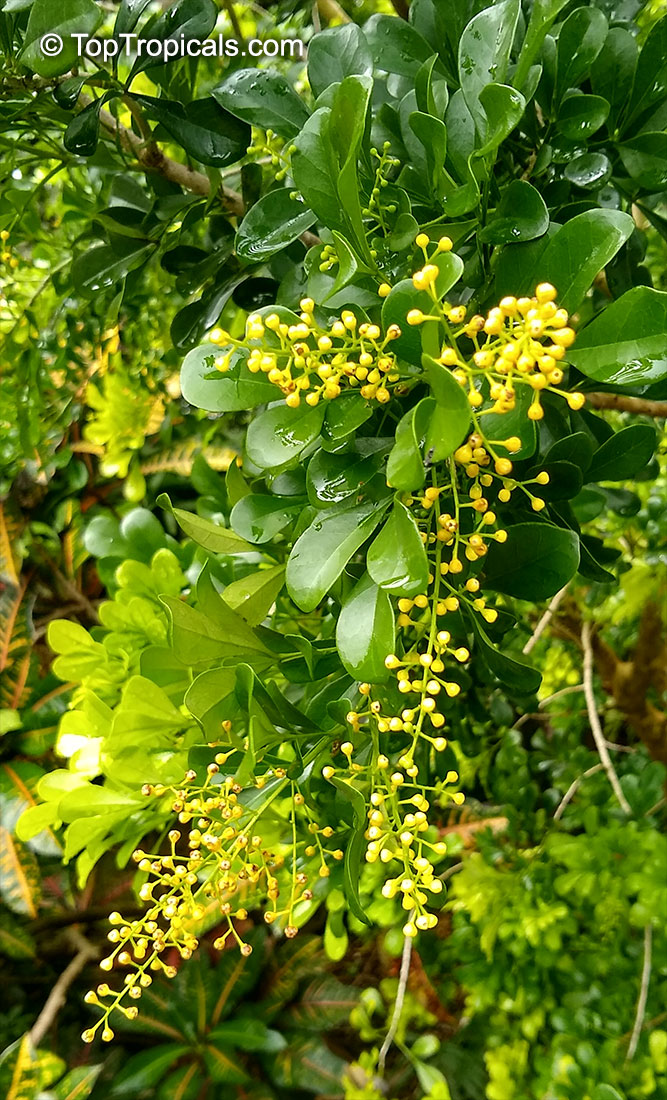
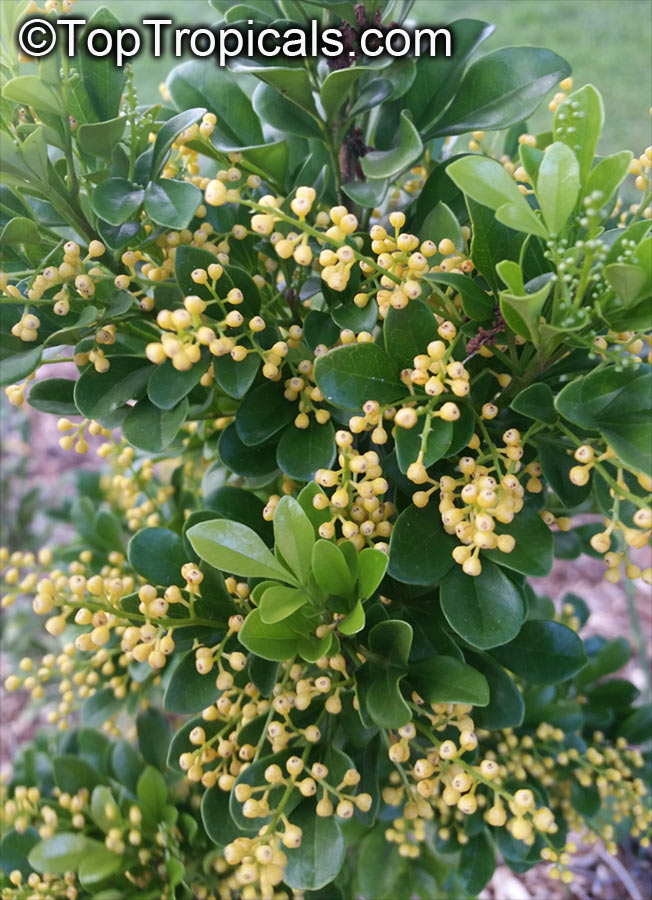
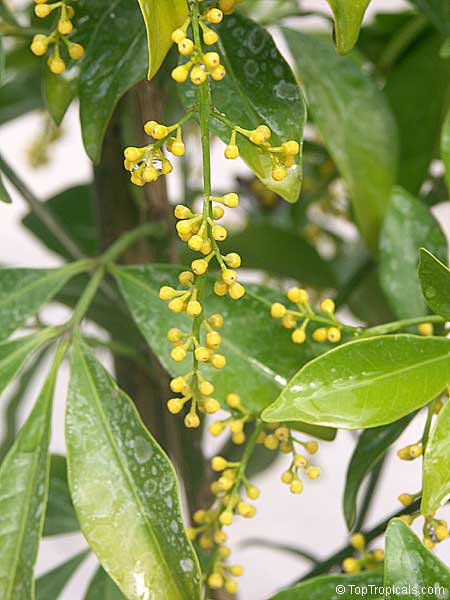
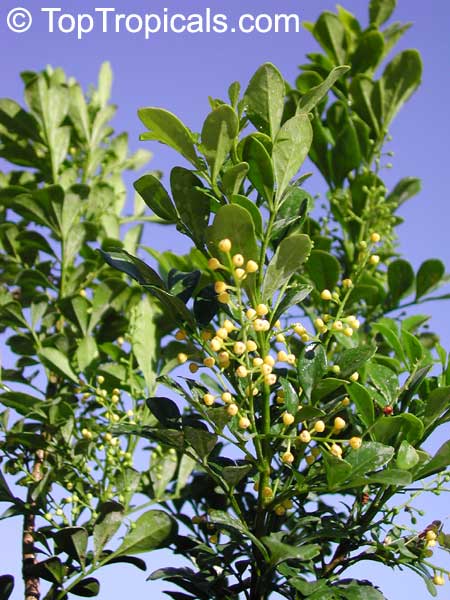
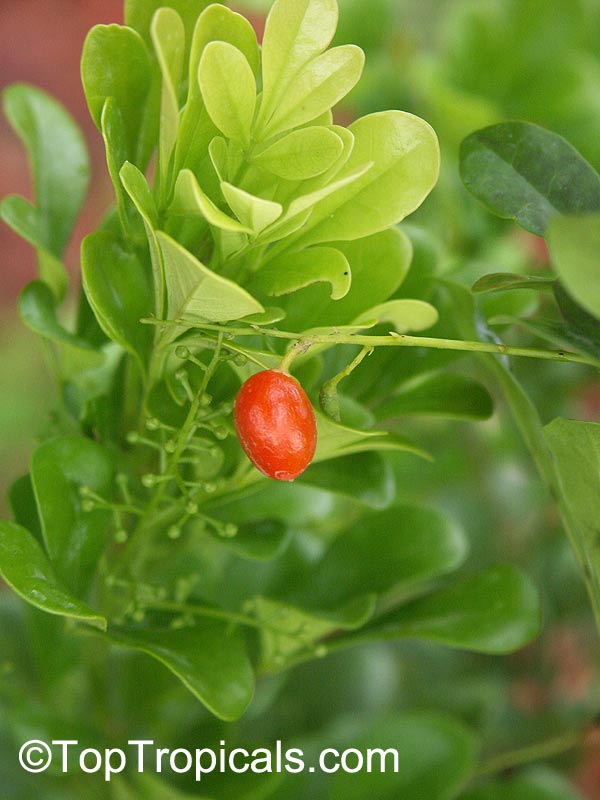
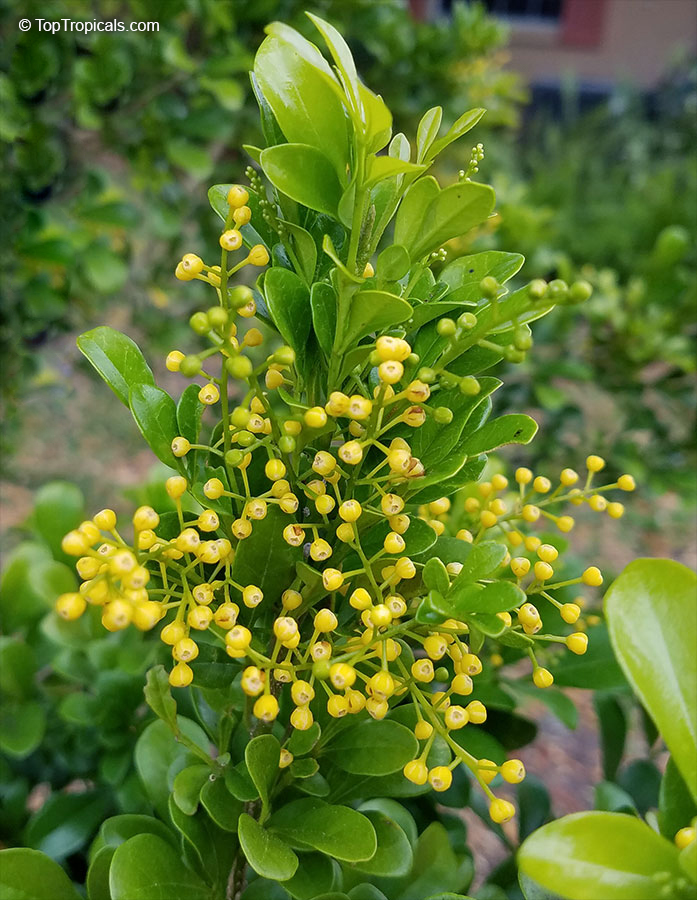
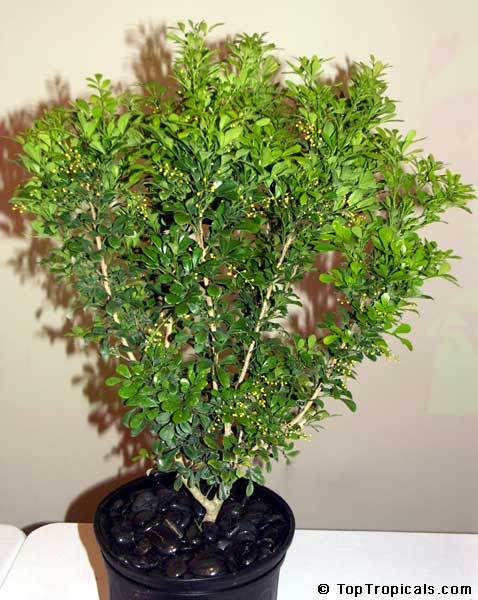
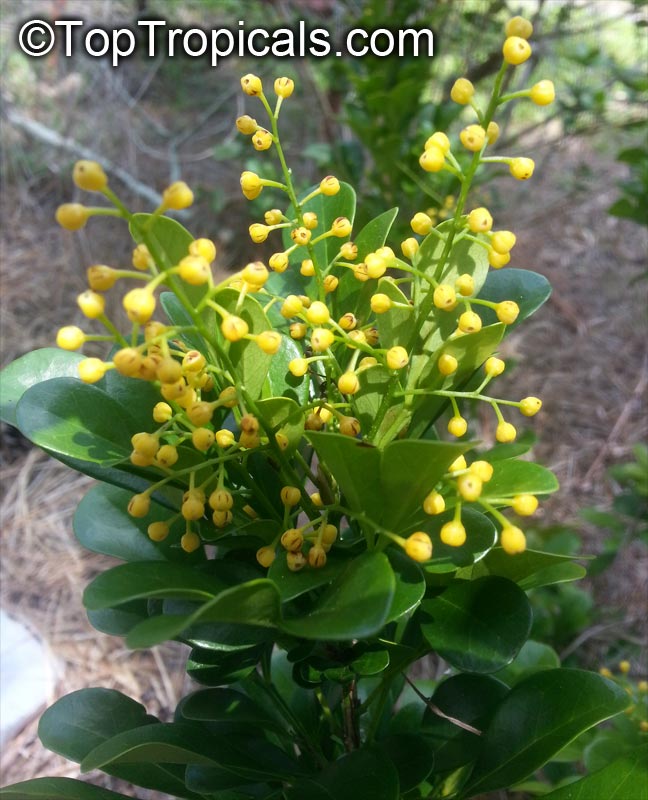
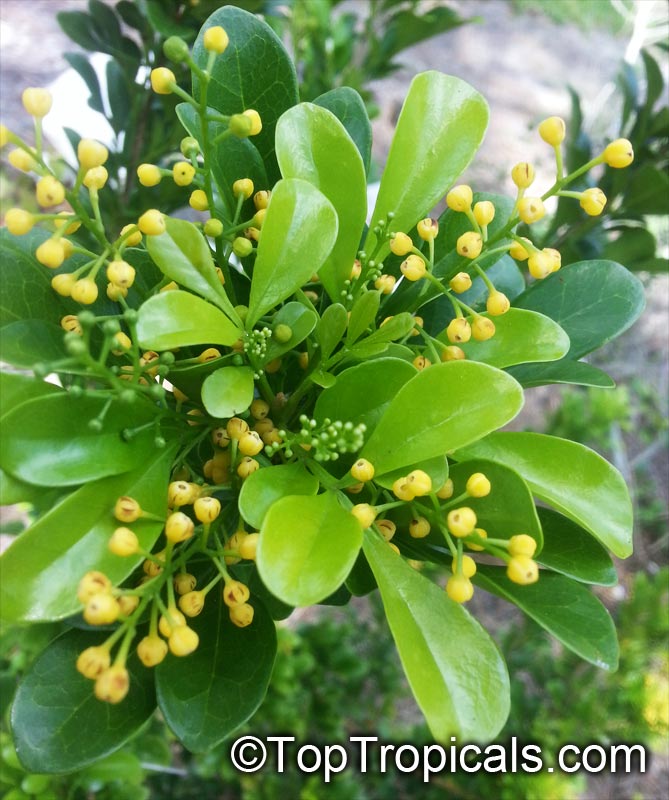
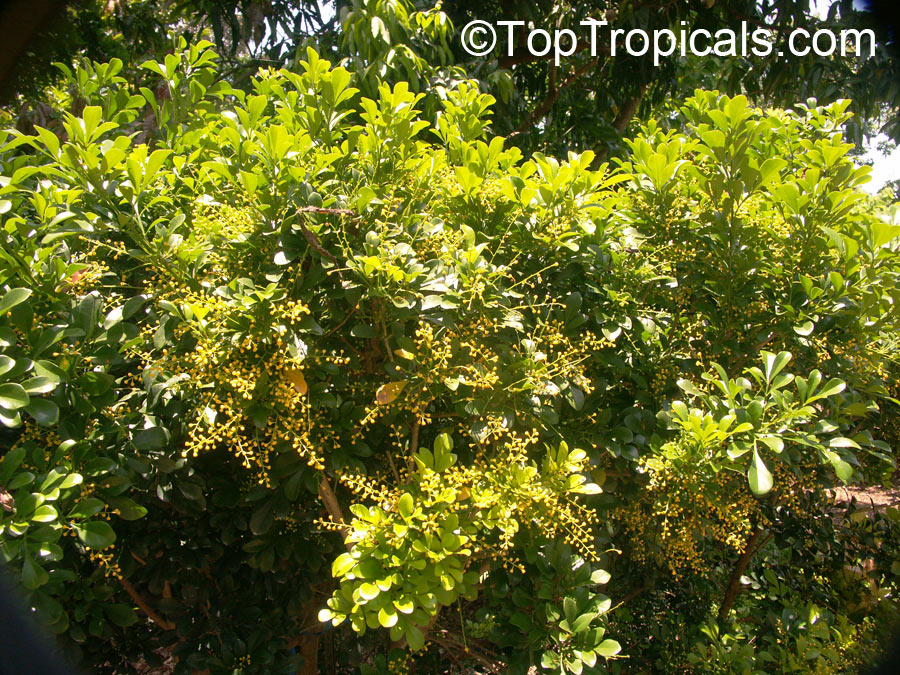
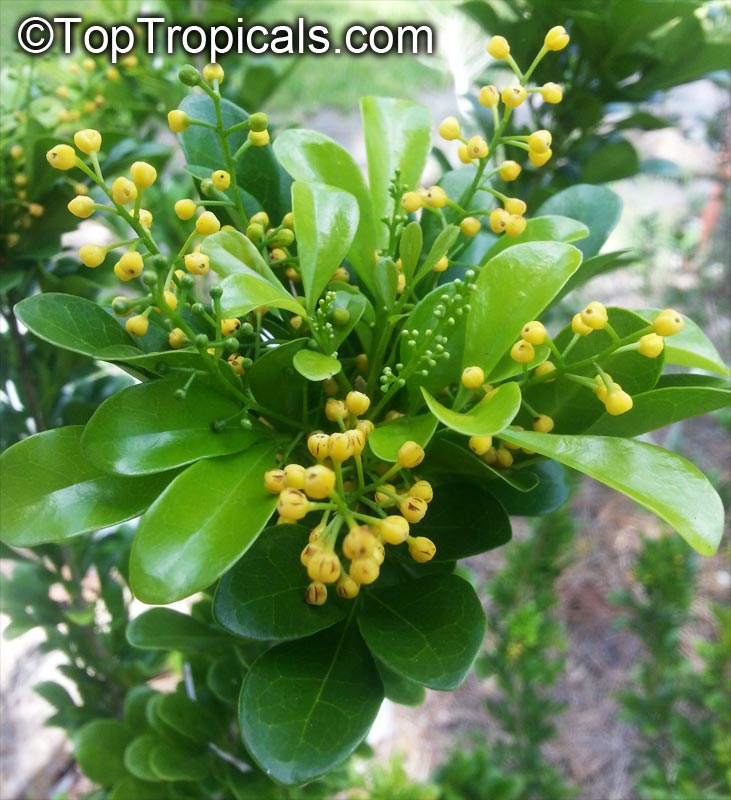
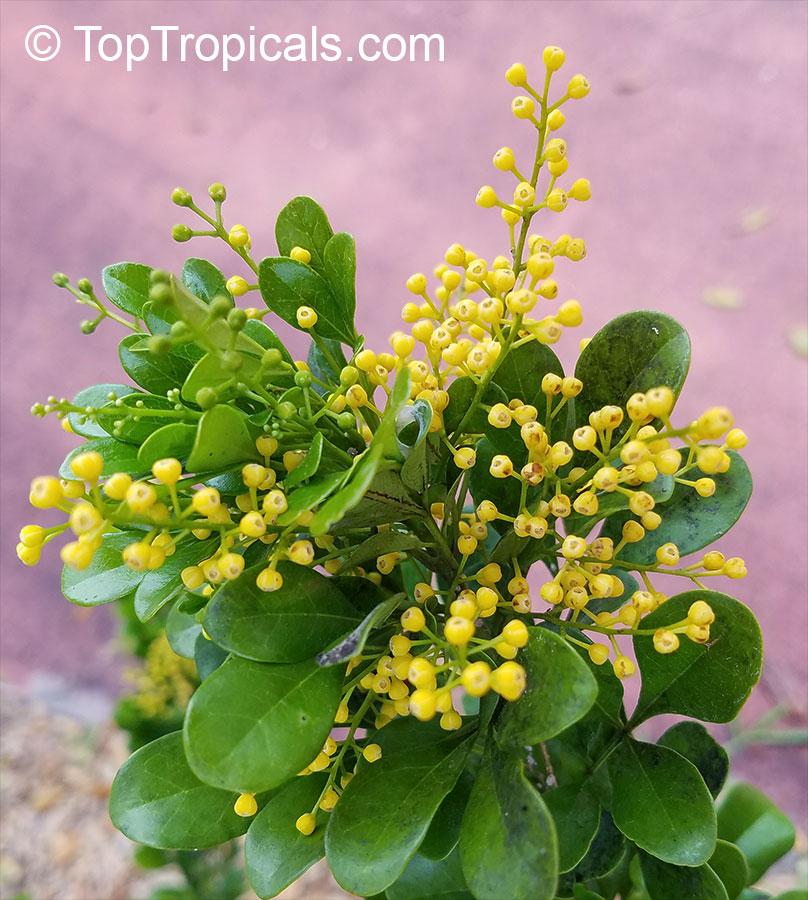
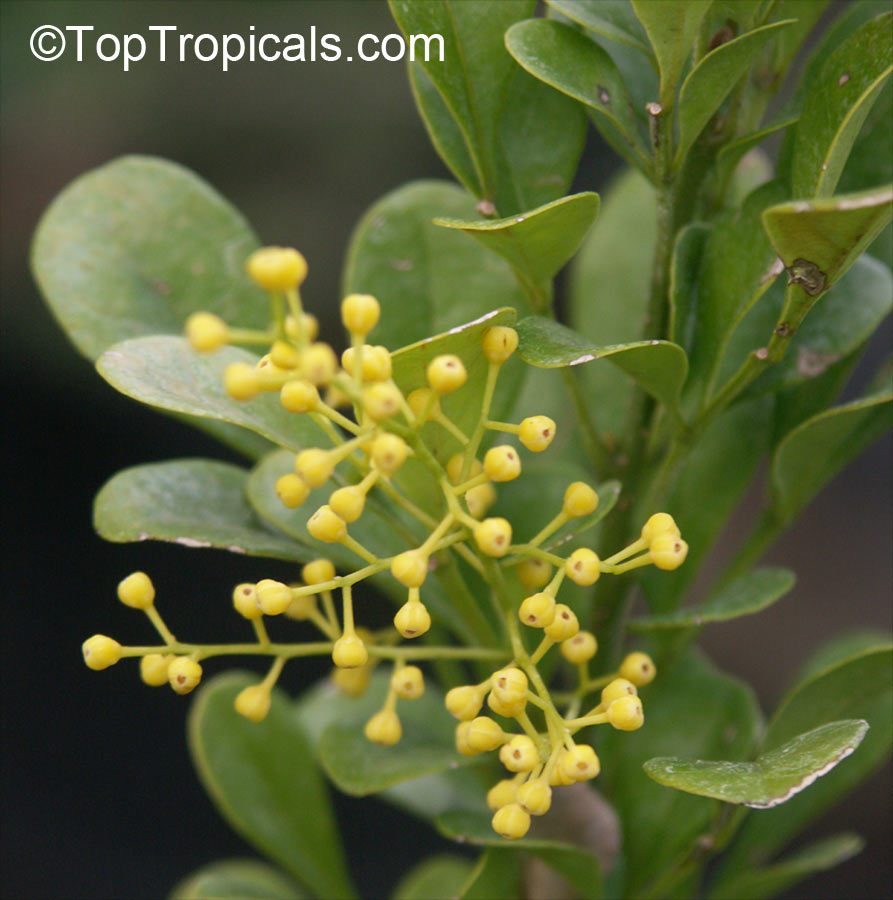
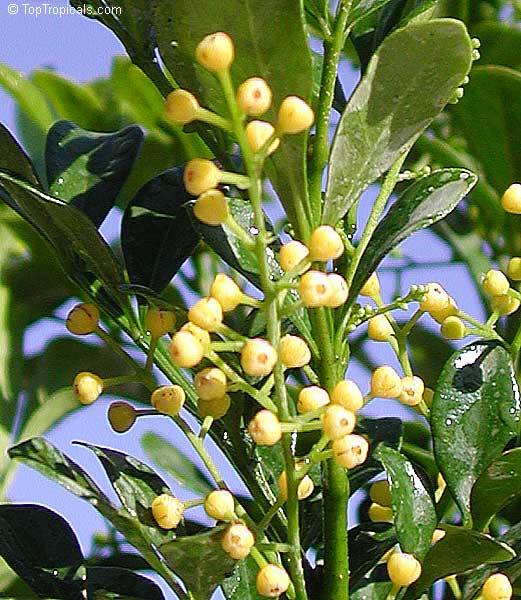
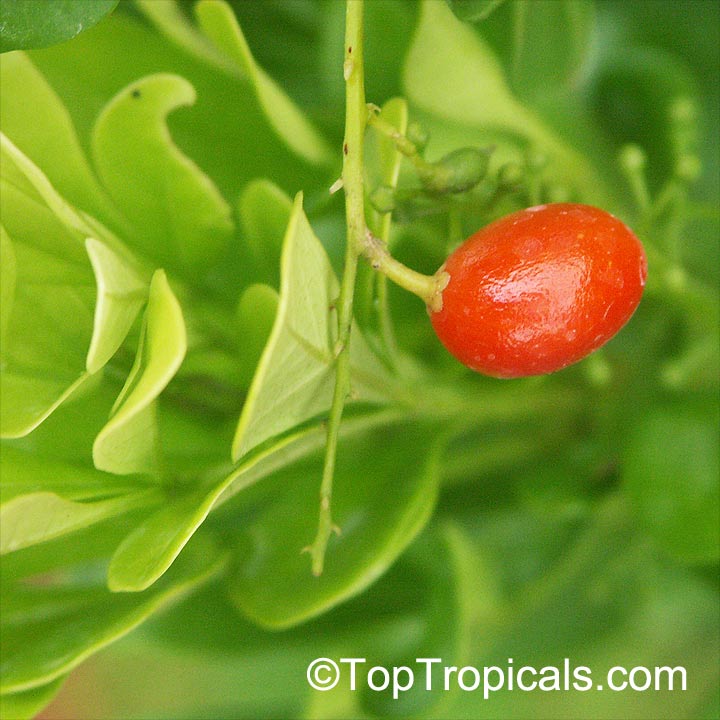
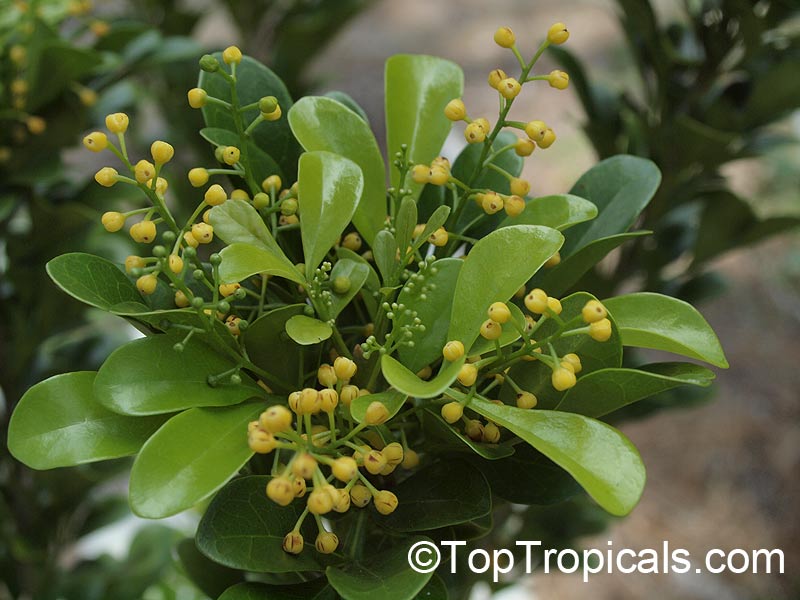
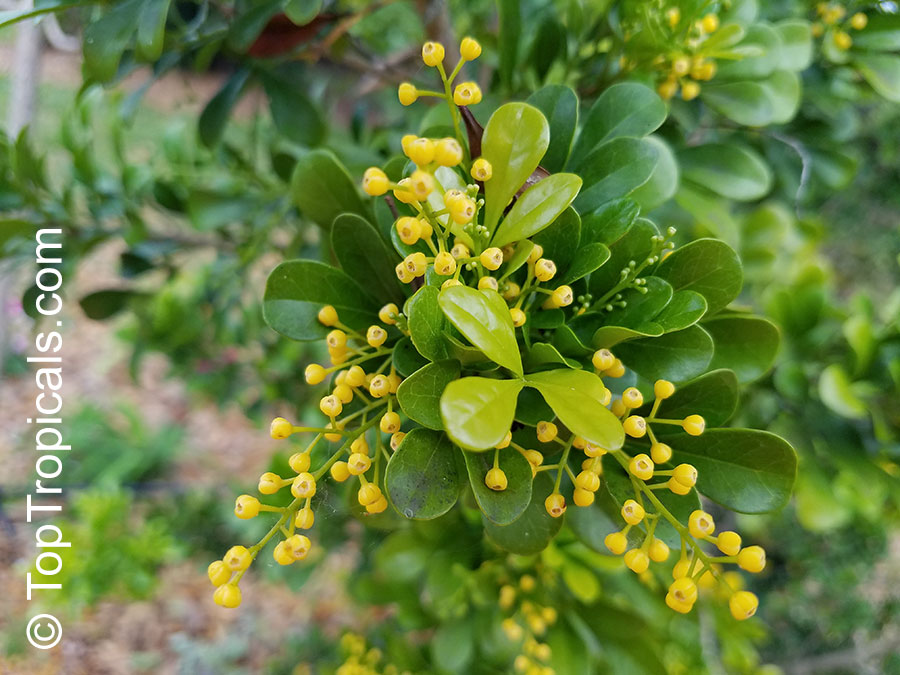
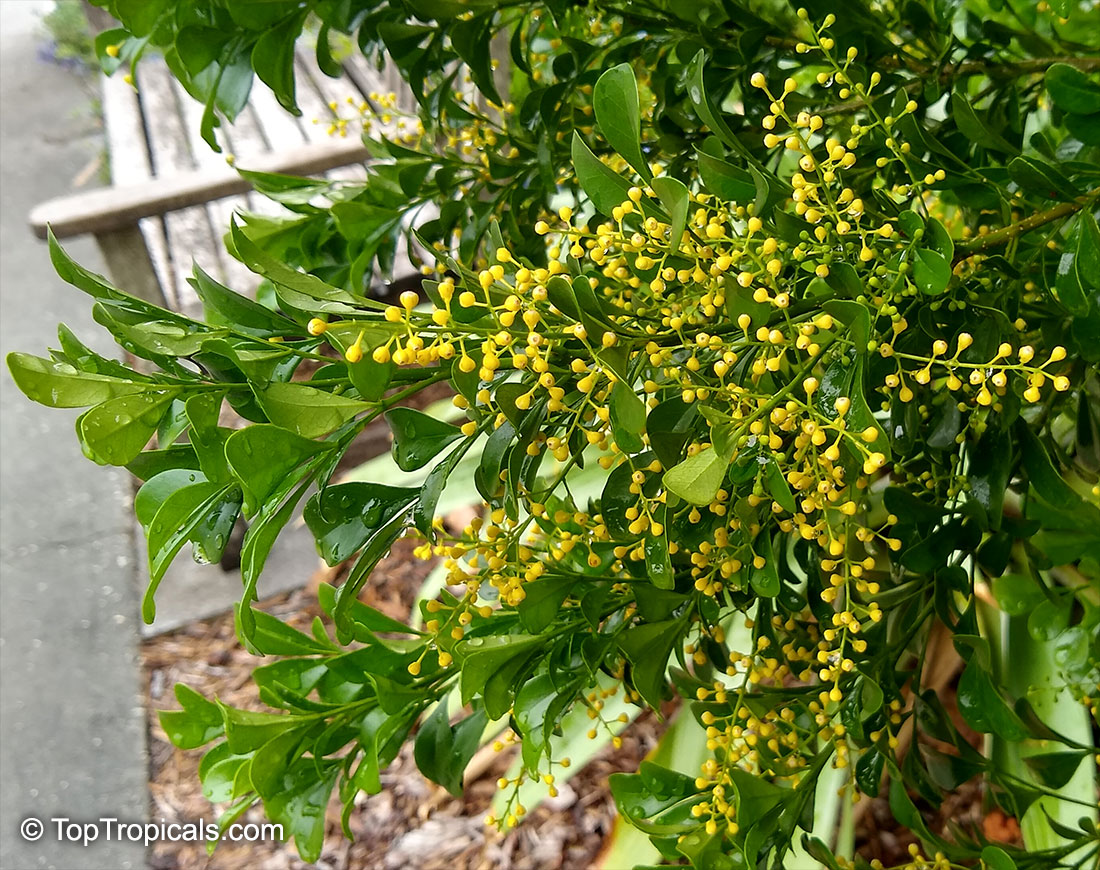
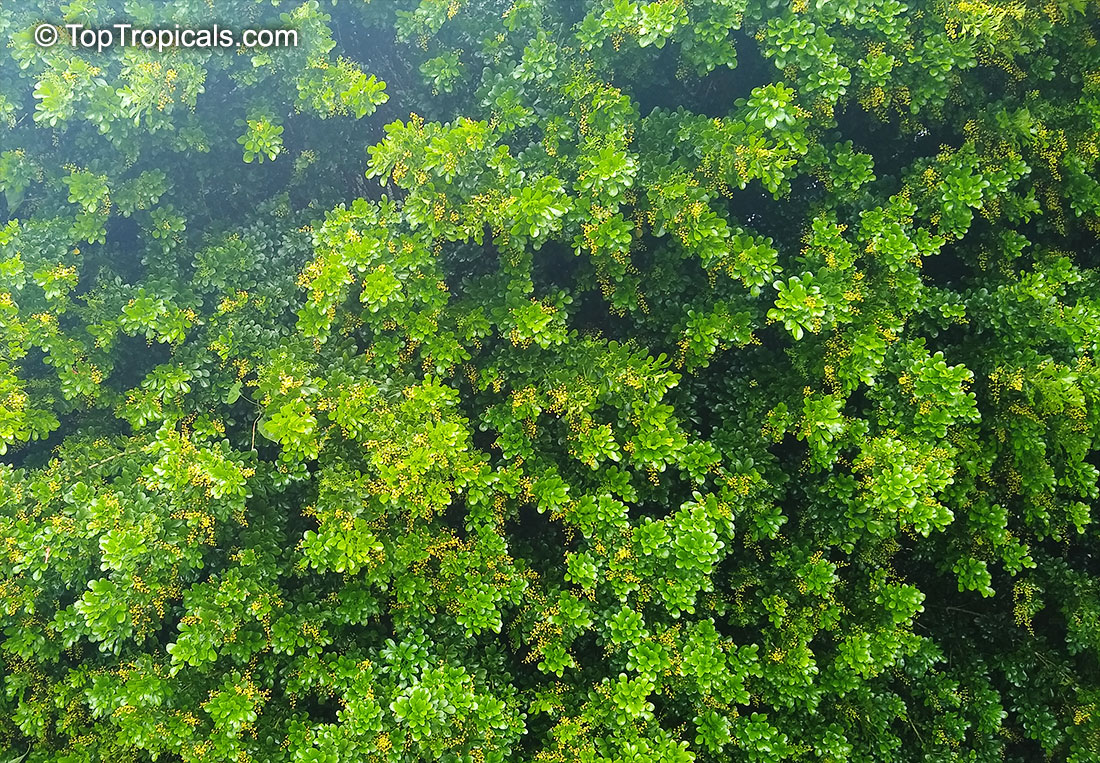
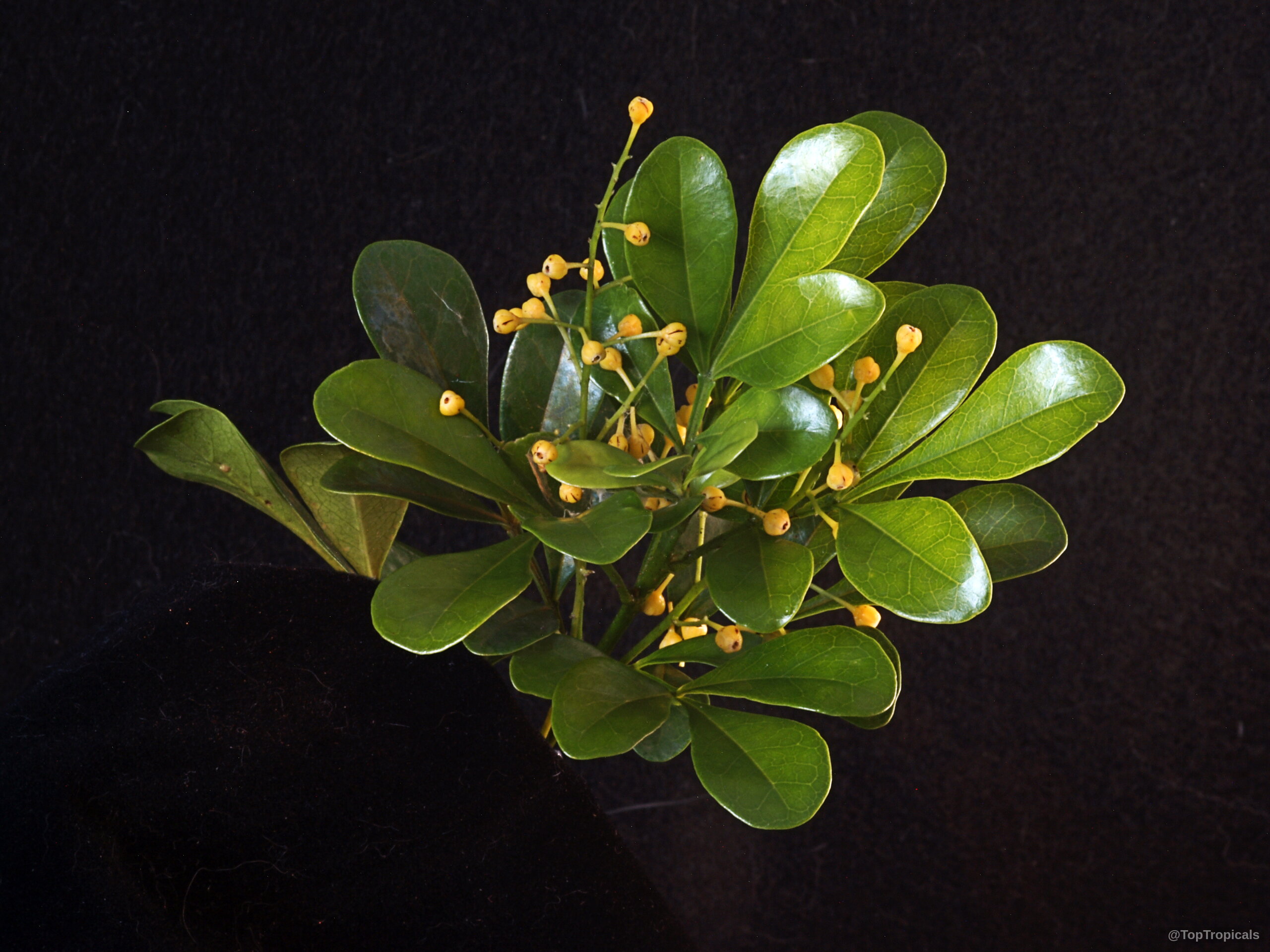
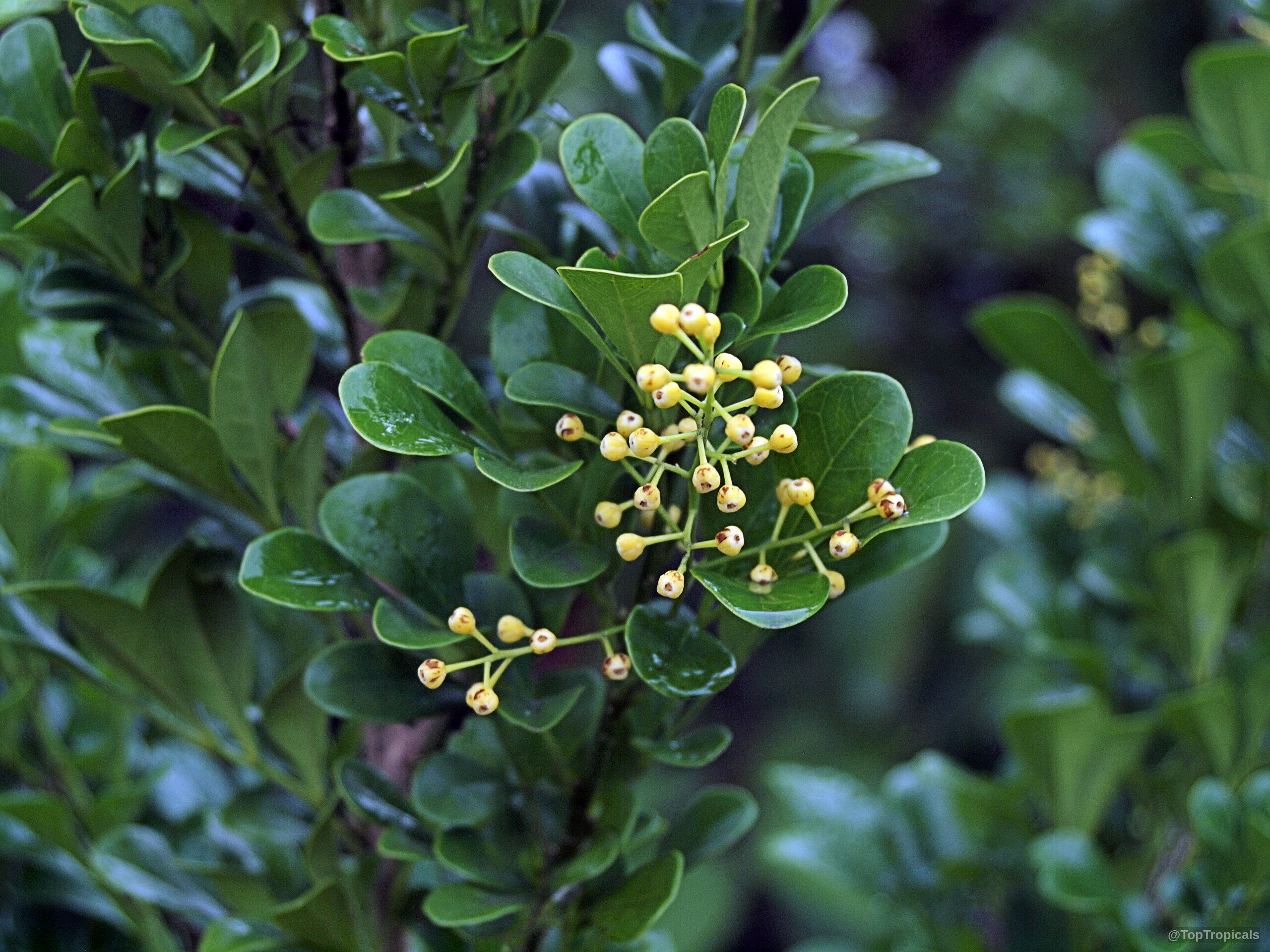
Botanical name: Aglaia odorata
Common names: Chinese Perfume Plant, Chinese Rice Flower, Mock Lemon
Family: Meliaceae
Origin: South China
USDA Zone: 9-11

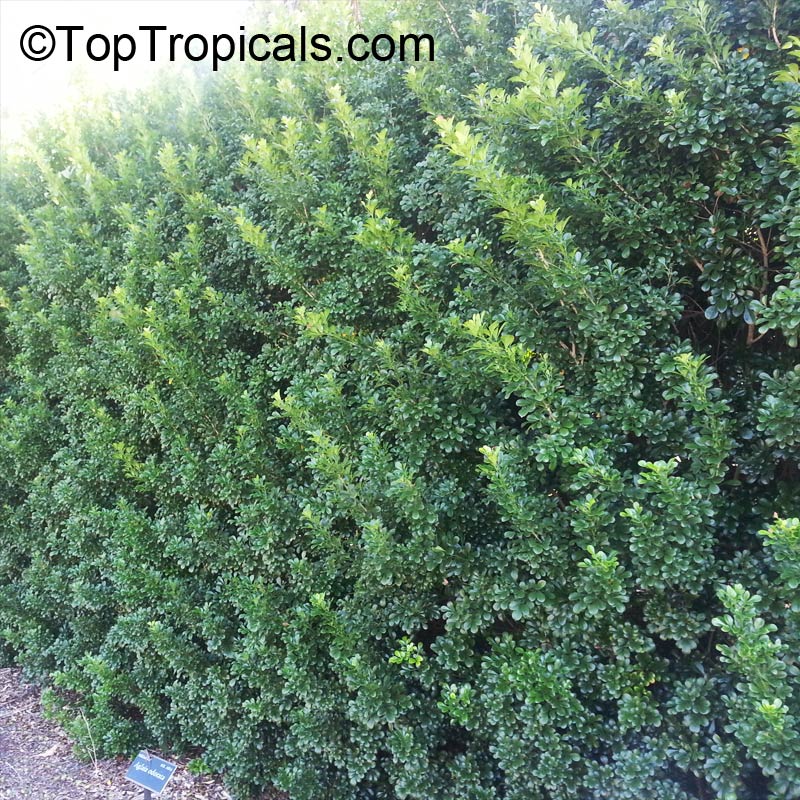
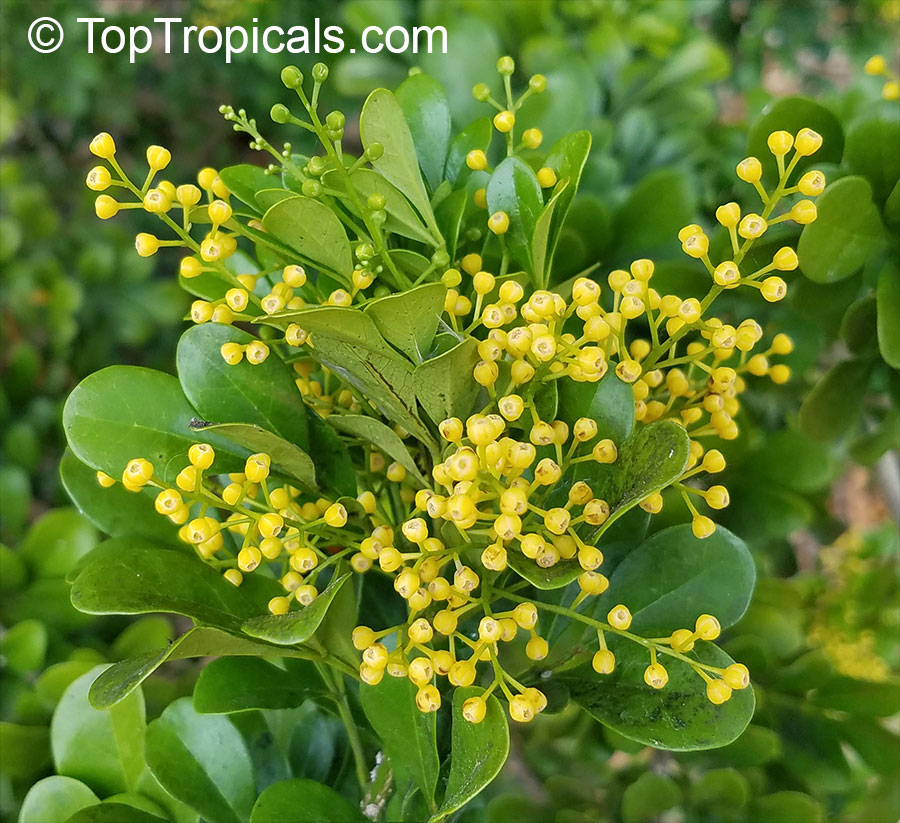
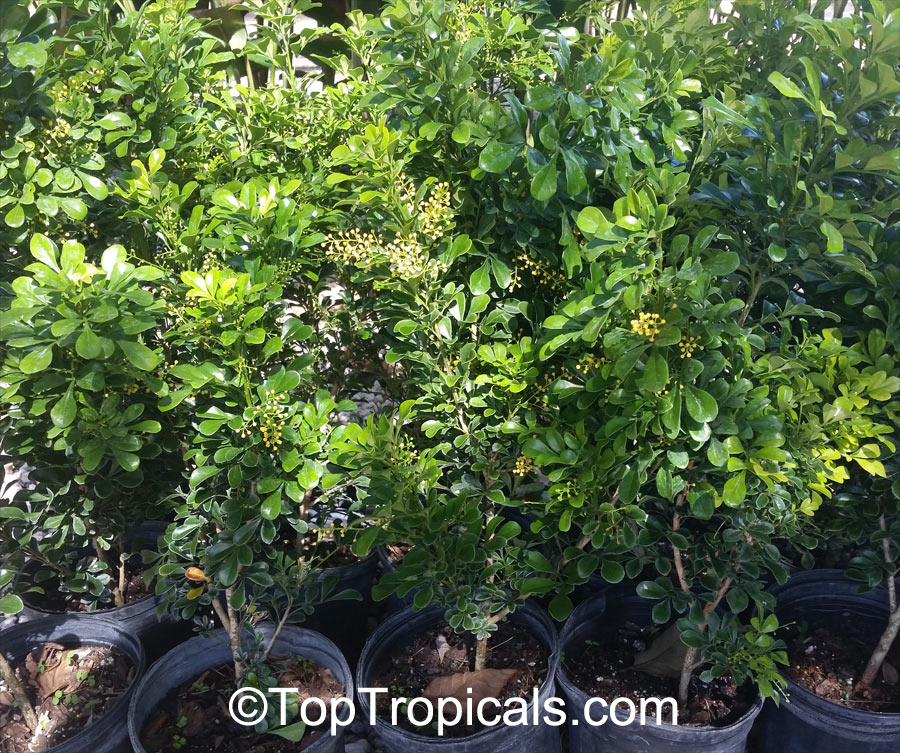
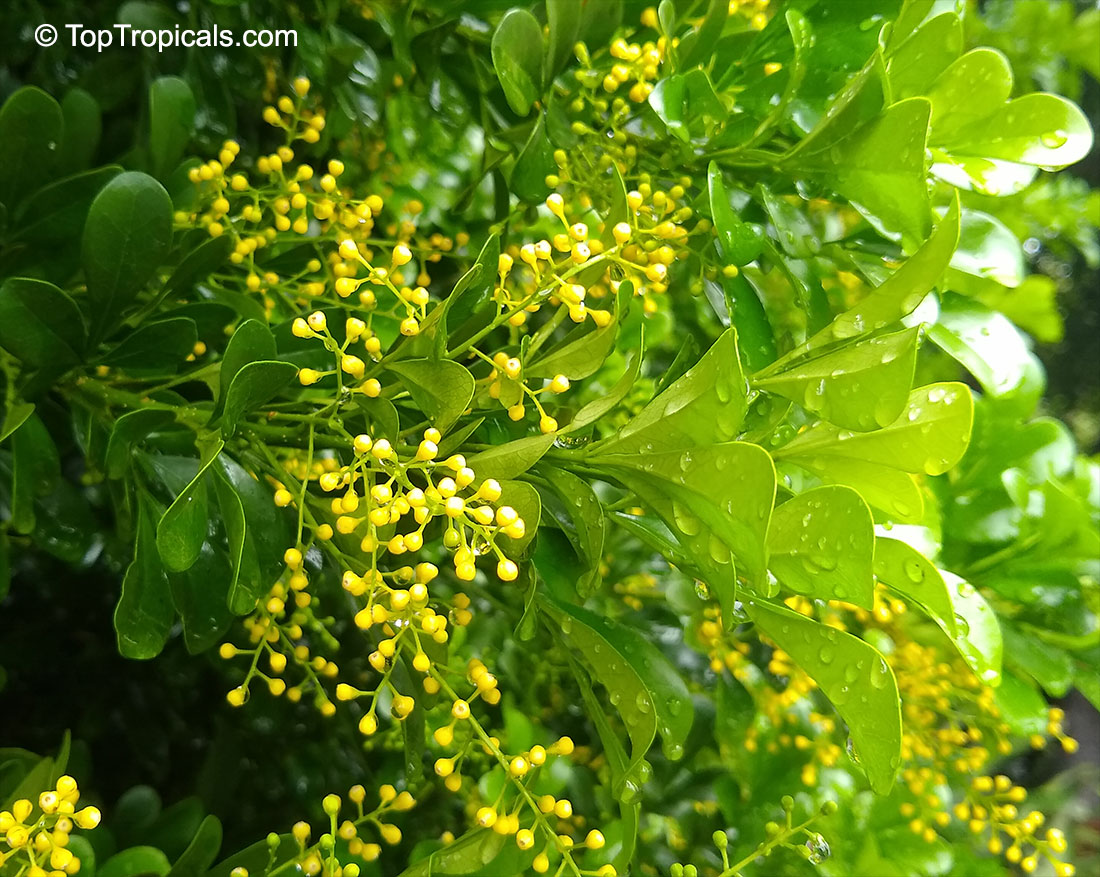
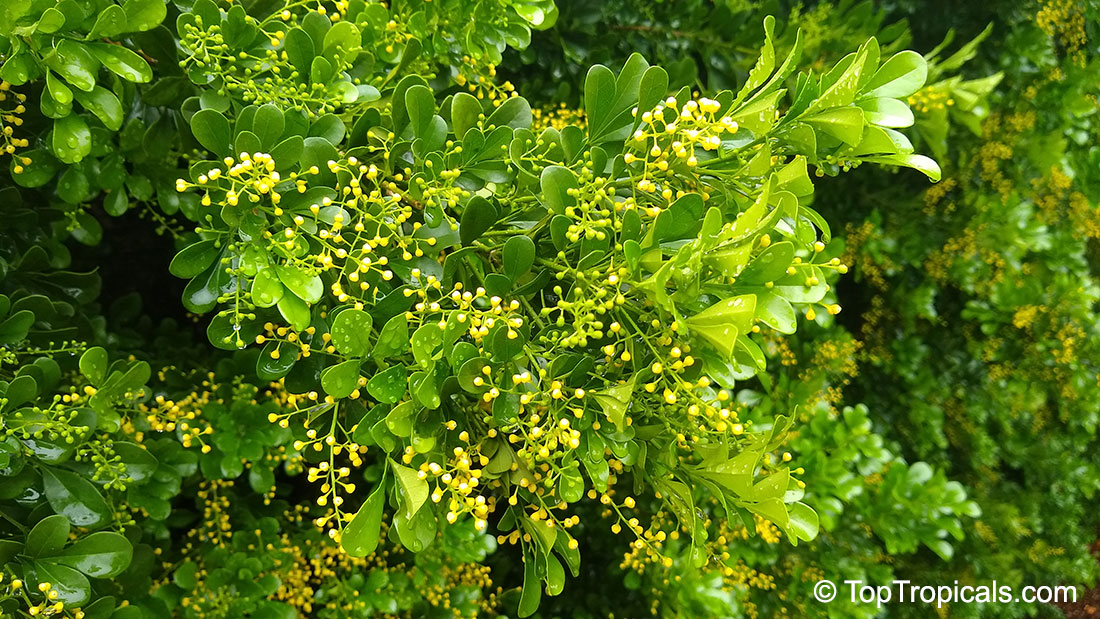
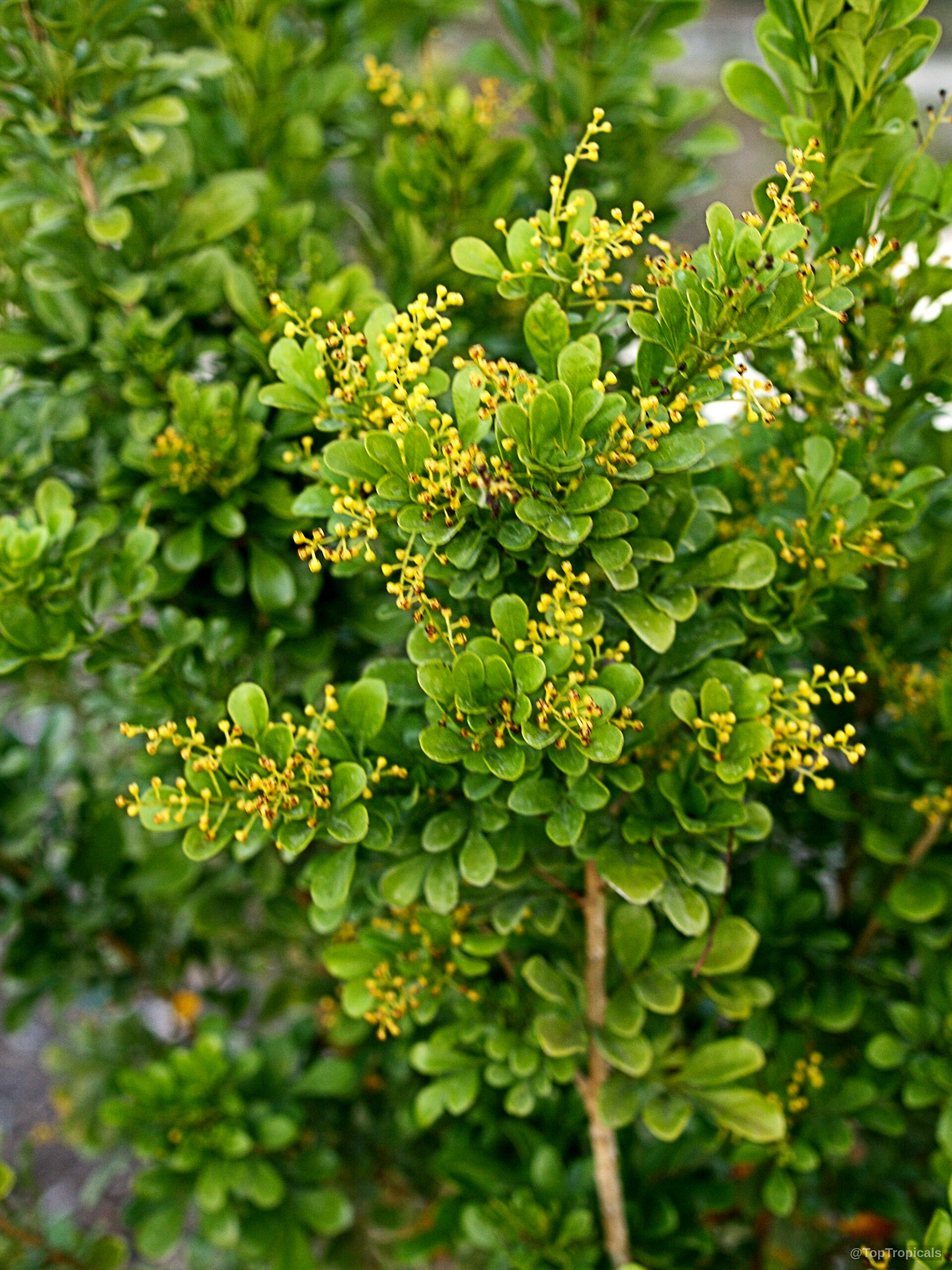
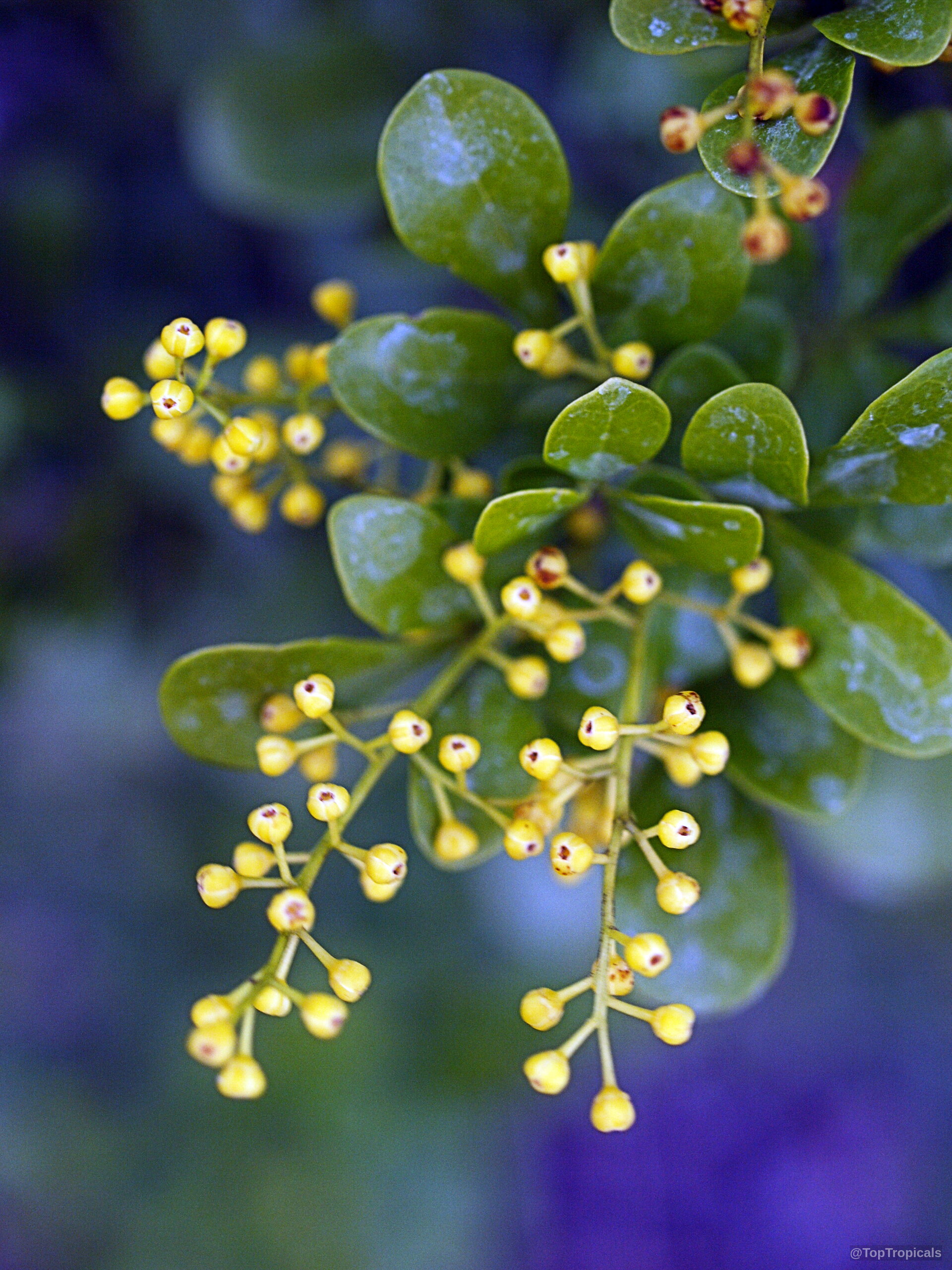
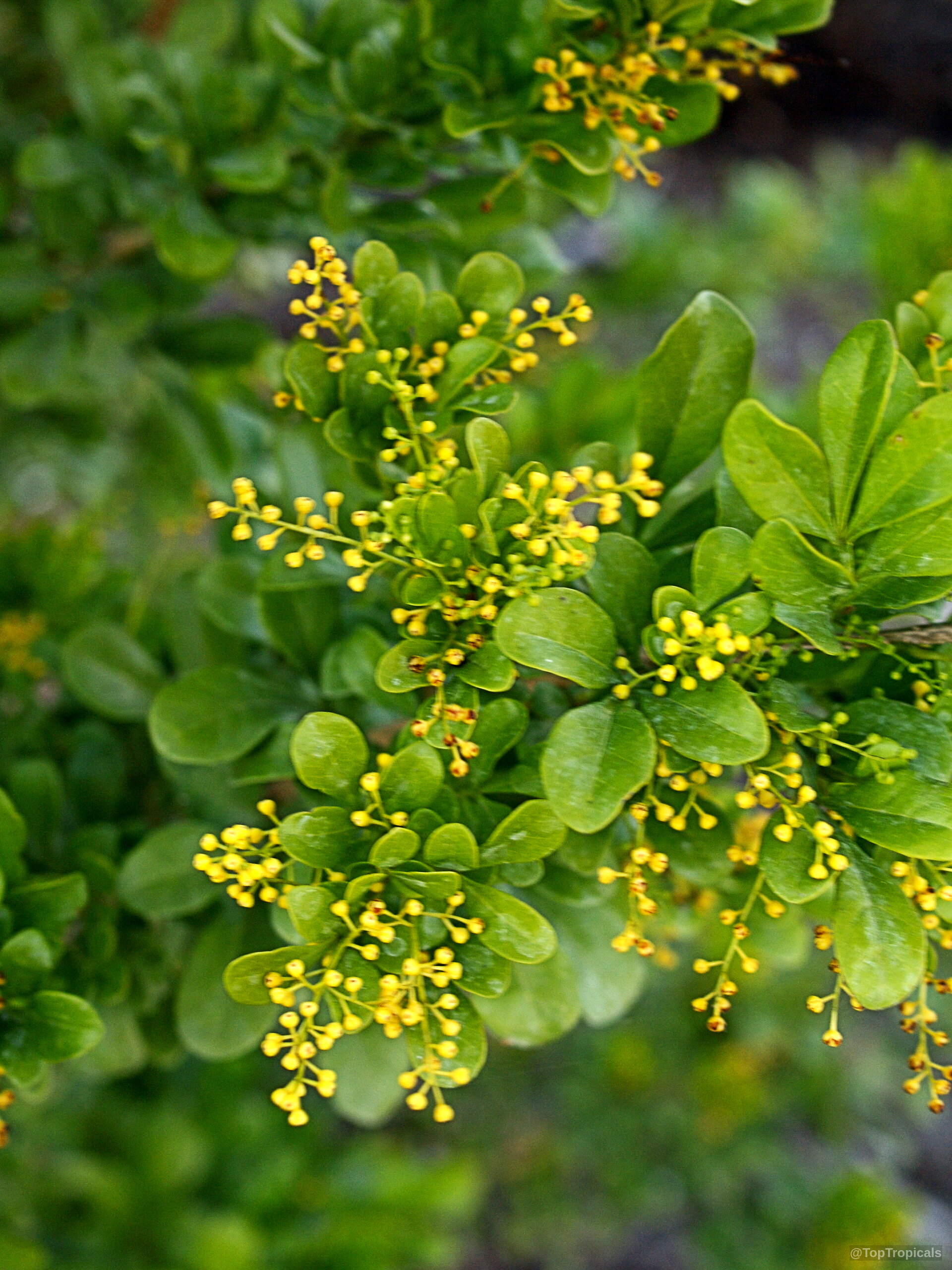
This plant is an easy to grow bush. It produces fragrant yellow flowers - that are as small as a grain of rice, with a very strong perfume. The fragrance is outstanding! Aglaia has many medical uses: odorine and odorinol obtained from this plant has cancer chemopreventive activity. Relatively cold-tolerant.


See Article about this plant.
Recommended Fertilizer: SUNSHINE Pikake - Fragrant Flower Booster
| Prev | Next | |
Use link to repeat this search:
https://toptropicals.com/cgi-bin/garden_catalog/cat.cgi?search_op=and&keyword_op=and&language=e&number=10&no_change_lang=1
&v1=med&user=tt&sale=1&first=0