Ethnomedical plant - Plant Encyclopedia Results (Page 102)
| Number of plants found: 1019 |  | Prev | Go to page: | First | 97 | 98 | 99 | 100 | 101 | 102 |

Botanical name: Xylia xylocarpa
Common names: Burma Ironwood, Pyinkado, Jambu
Family: Fabaceae
Subfamily: Caesalpinioideae
Origin: Vietnam

USDA Zone: 9-10


This handsome tree from Vietnam is very conspicuous in the flowering season owing to its bright yellow flowers. X. xylocarpa produces hardwood, and in Vietnam it is classified as an ironwood with its name referring to use in traditional cart making. The seeds of this tree are edible. This tree is considered a medicinal plant in India.

Recommended Fertilizer: SUNSHINE Robusta - Rapid Growth Booster
Local pickup only. This item is not available for shipping. Local delivery may be available in Ft. Myers or Sebring, Florida. Contact us for an estimate. Non-pickup orders are subject to restocking fees.
 SUNSHINE C-Cibus (NPK 2-2-4) - Crop Booster for every watering.
 SUNSHINE C-Cibus (NPK 2-2-4) - Crop Booster for every watering.
Last one

Botanical names: Zamia integrifolia, Zamia floridana
Common names: Coontie, Coontie Palm, Koonti
Family: Zamiaceae
Origin: South of the USA, western Cuba, Puerto Rico, and the Cayman Islands
USDA Zone: 7-10


Zamia integrifolia, commonly known as Coontie or Koonti, is a small, woody cycad native to the southeastern United States, the Bahamas, and the Caribbean. It is also found in Grand Cayman and the Dominican Republic, but it is believed to be extinct in Puerto Rico. This plant is prized for its medicinal properties and is used to treat digestive and urinary tract disorders, as well as to promote wound healing. It is also popular as an ornamental groundcover due to its low-growing habit and ability to thrive in a variety of soils, including seaside and salt-tolerant areas. In cold regions, Zamia integrifolia can be grown in pots and brought indoors when temperatures drop. It requires full sun or semi-shade and moderate watering.
Zamia integrifolia is found in a variety of habitats with well-drained sands or sandy loam soils and prefers filtered sunlight or partial shade. It is a hardy plant that is easily grown in sub-tropical and warm temperate areas. However, it is becoming increasingly uncommon due to intensive land use. This plant is poisonous and produces a toxin that affects the gastrointestinal tract and nervous system. The toxin can be removed by careful leaching, and the roots and half-buried stems were traditionally used by Native American people for their sago-like starch. The root is typically prepared for food by grinding it using a wooden mortar and pestle, and the resulting flour is used in various dishes.
Plant care: Plant in a location that receives full sun or semi-shade and has well-drained sandy soil. Water moderately, making sure not to overwater. In cold regions, the plant can be grown in pots and brought indoors when temperatures drop. Protect the plant from strong winds, as they can damage the leaves. If necessary, prune damaged or diseased leaves to maintain a healthy appearance.
Because Zamia integrifolia is poisonous, take care when handling the plant and keep it out of reach of children and pets.


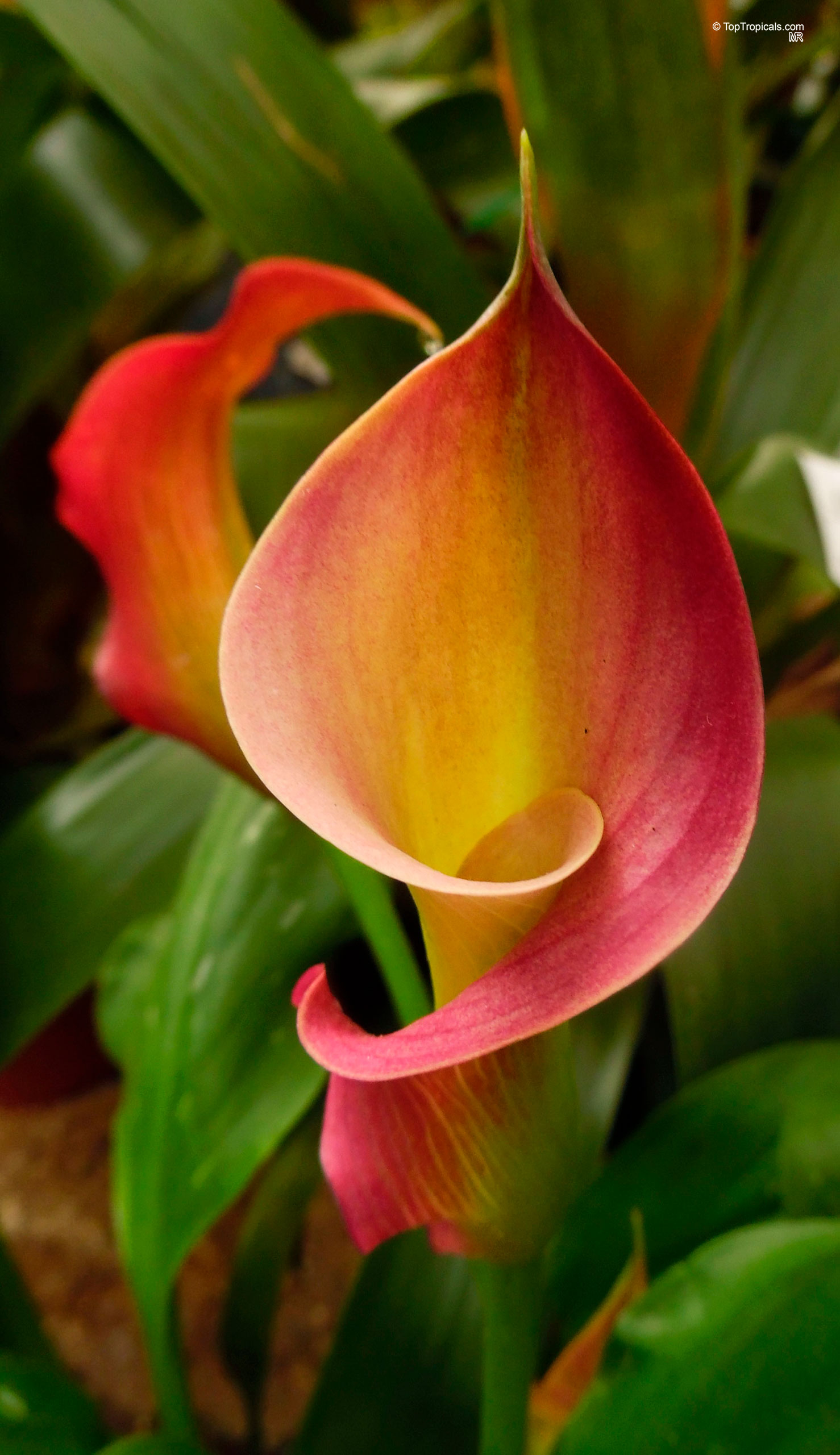
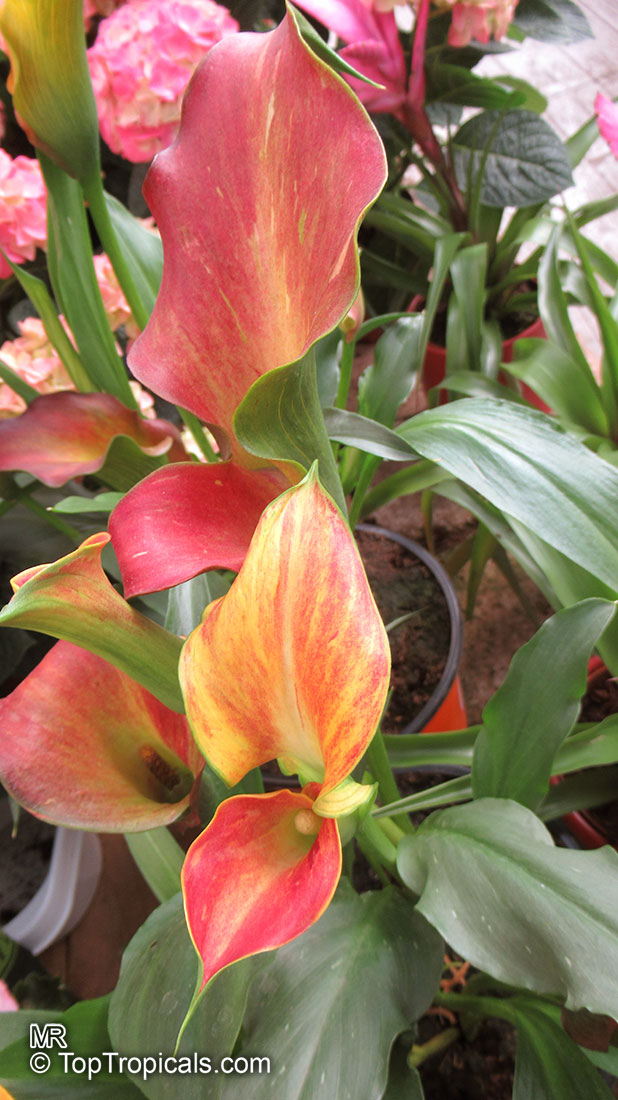
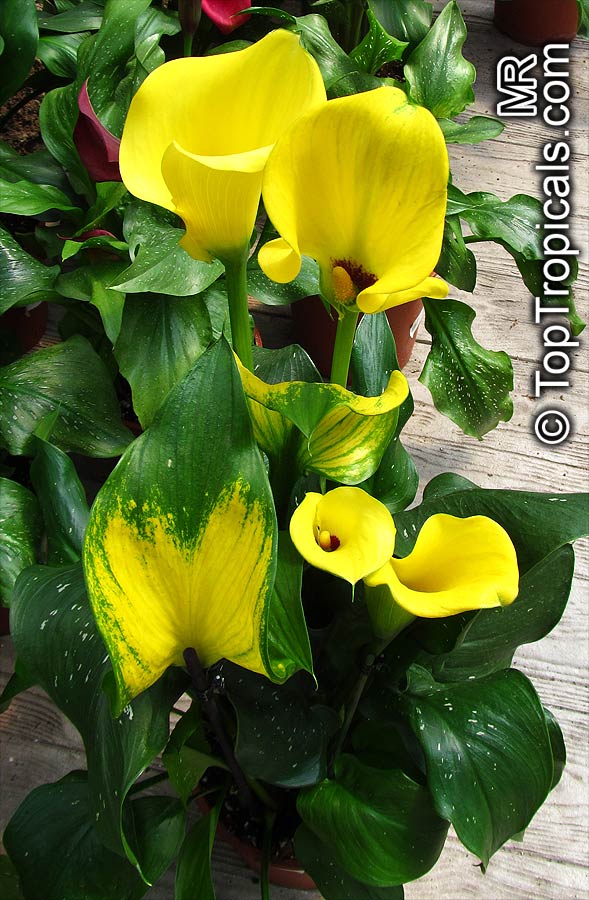
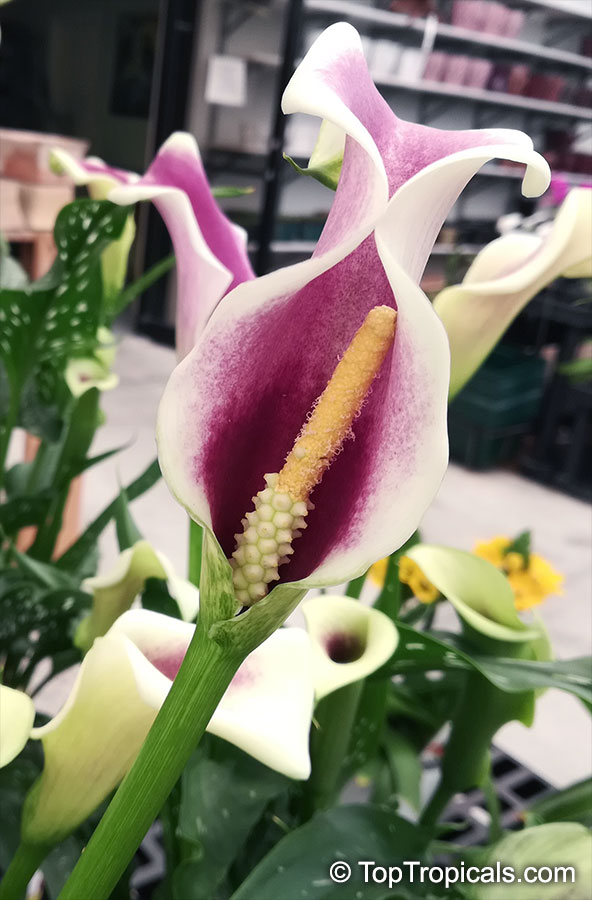
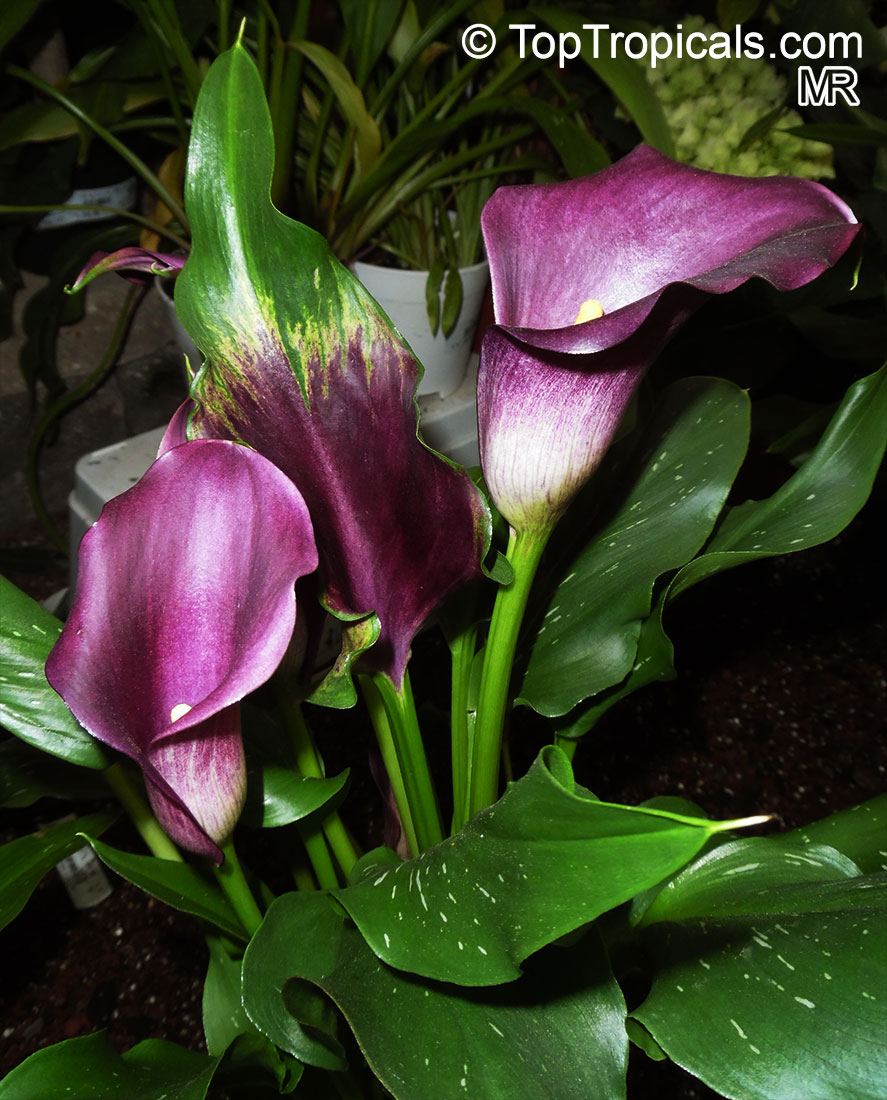
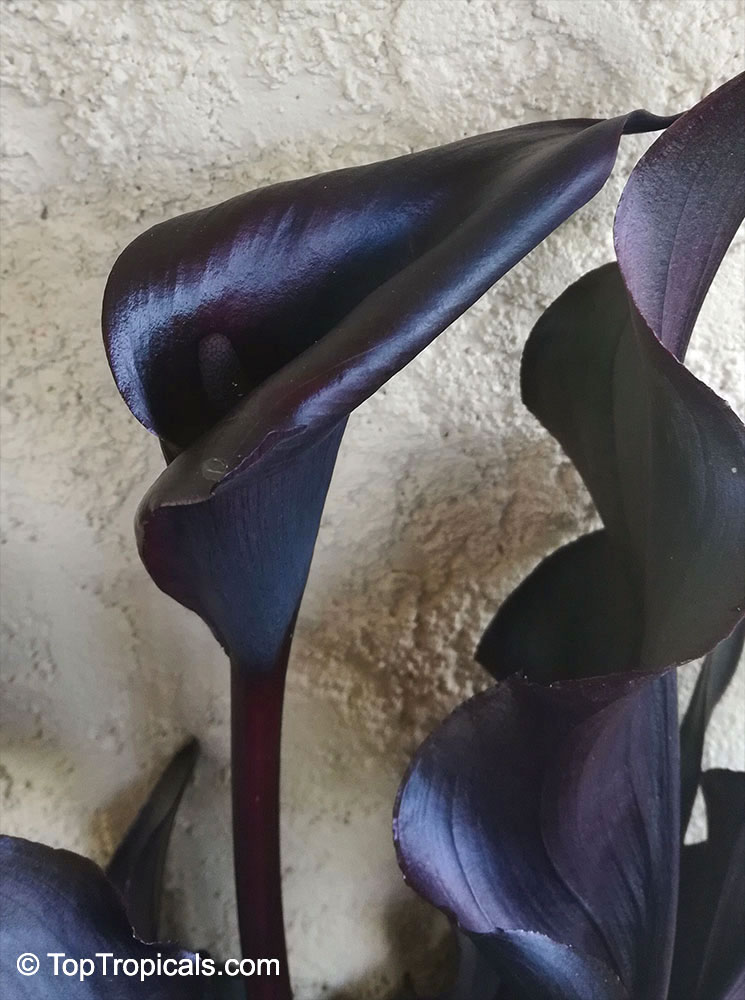
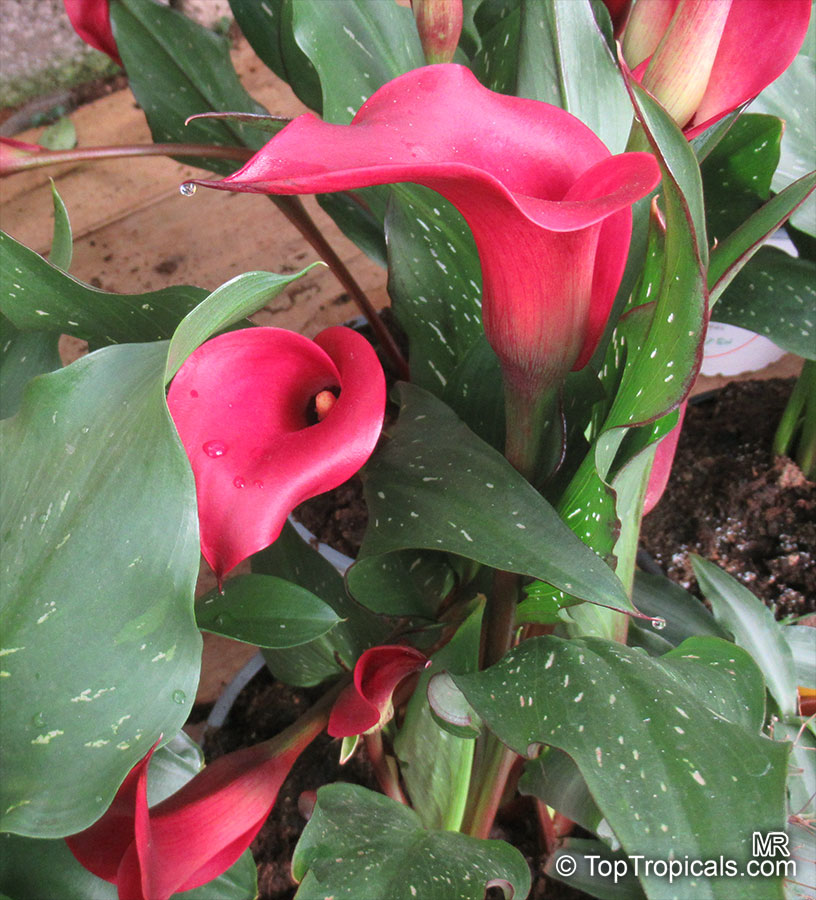
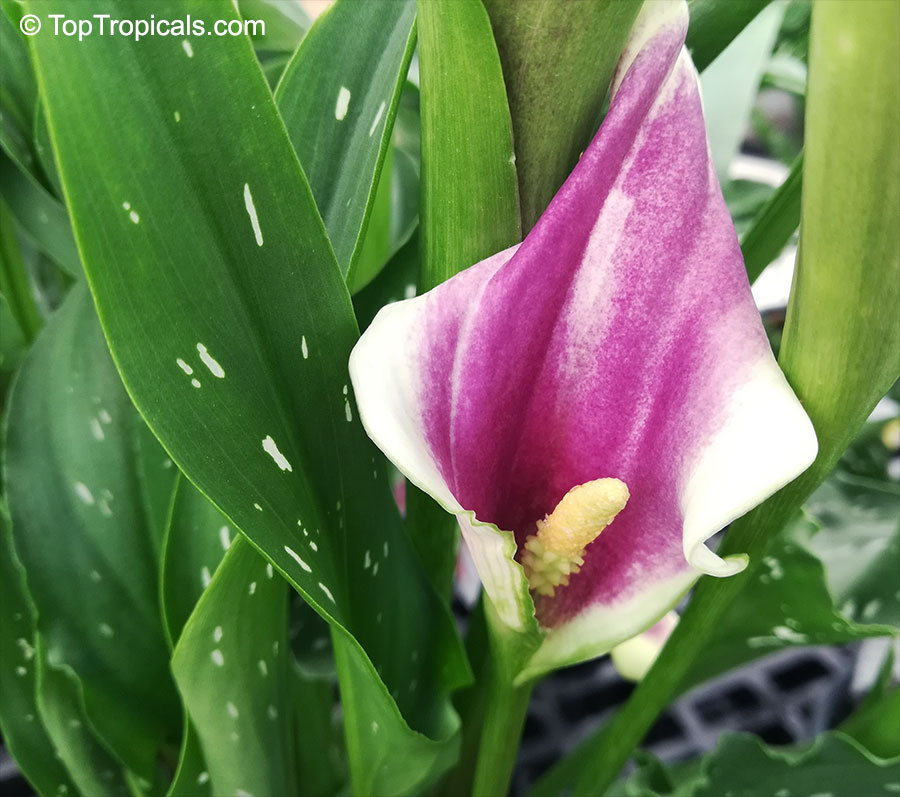
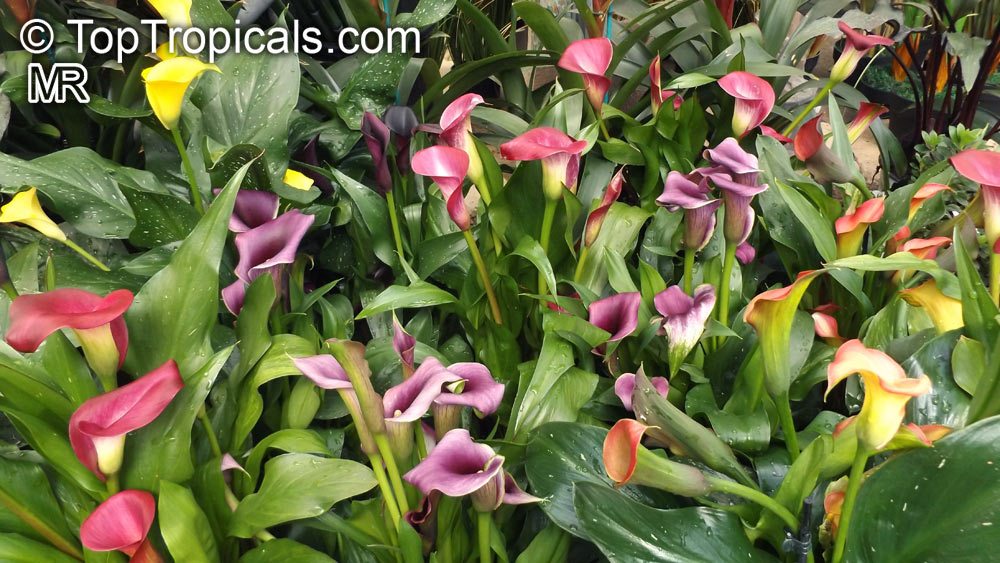
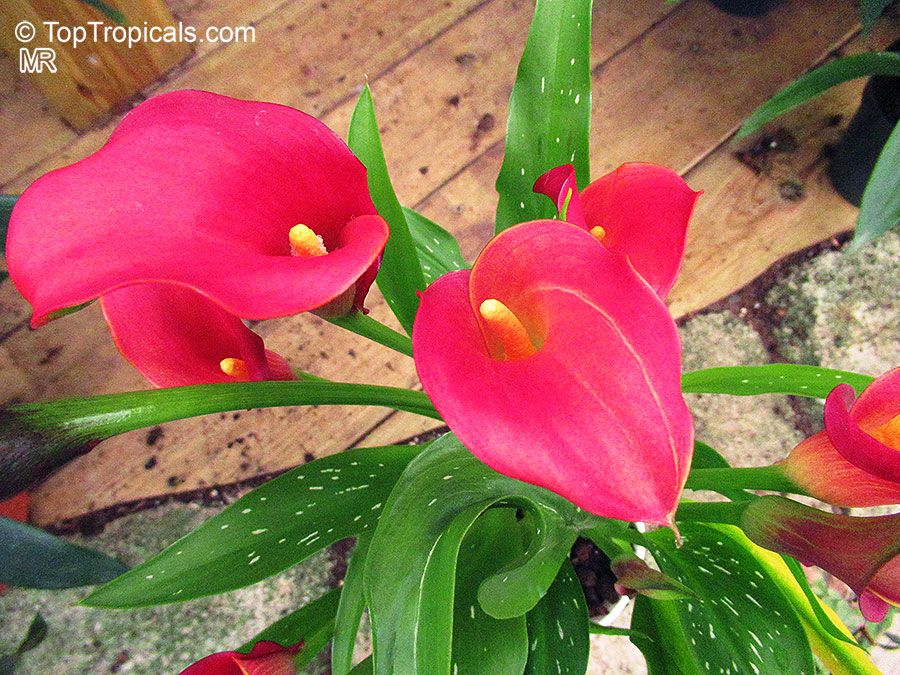
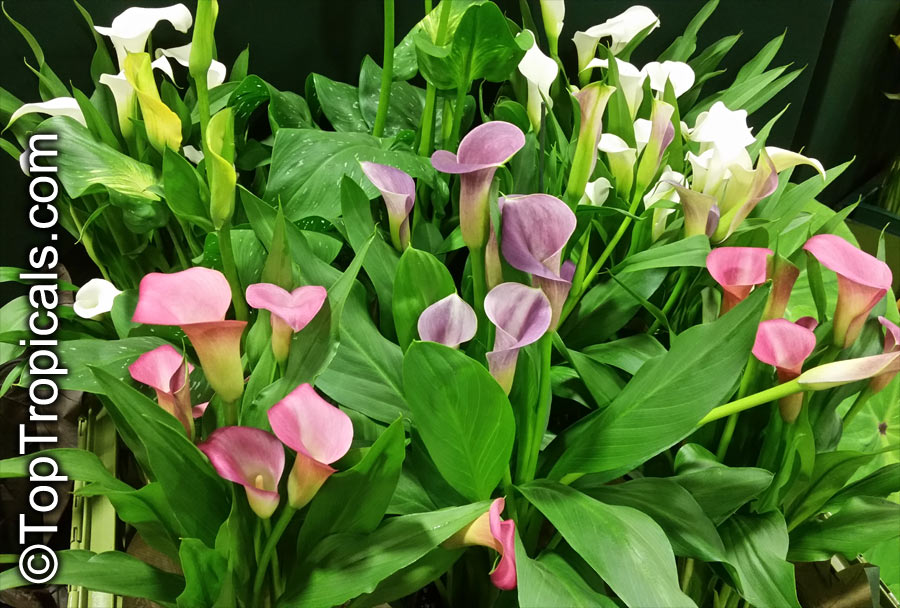
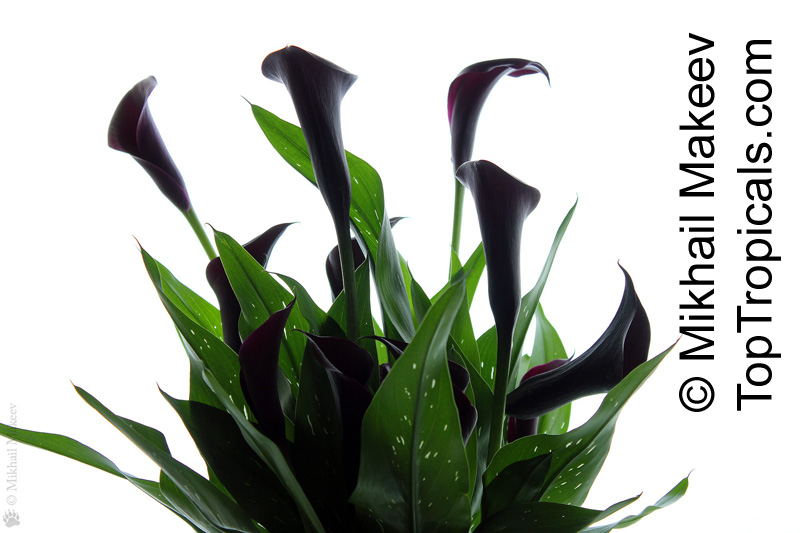
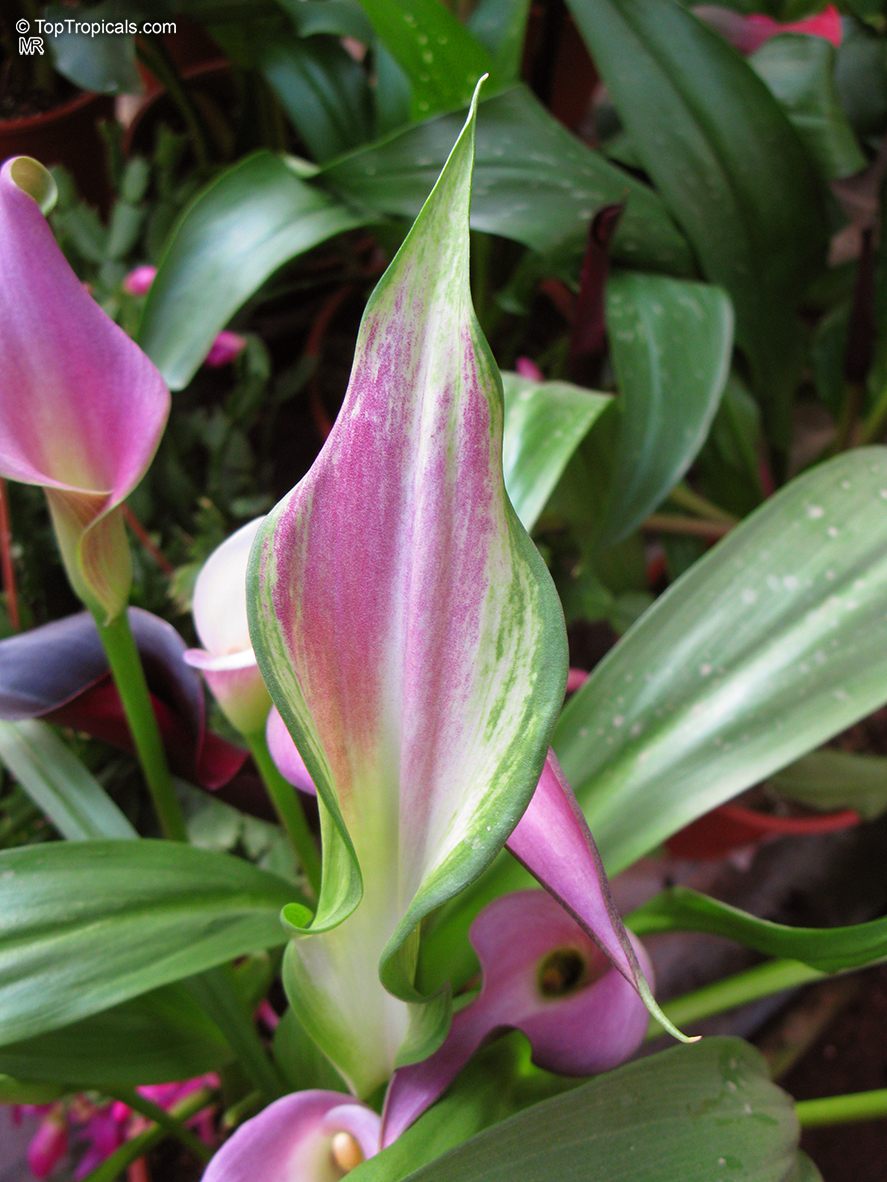
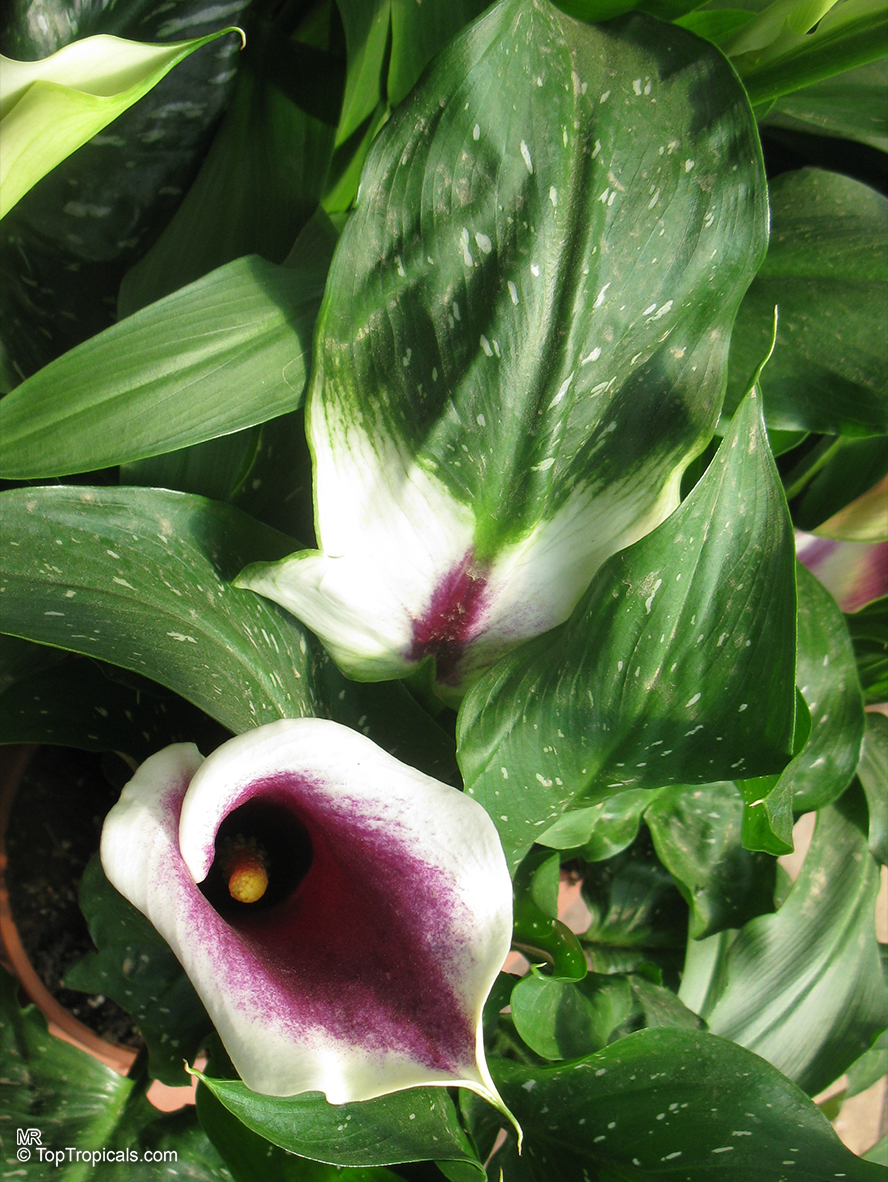
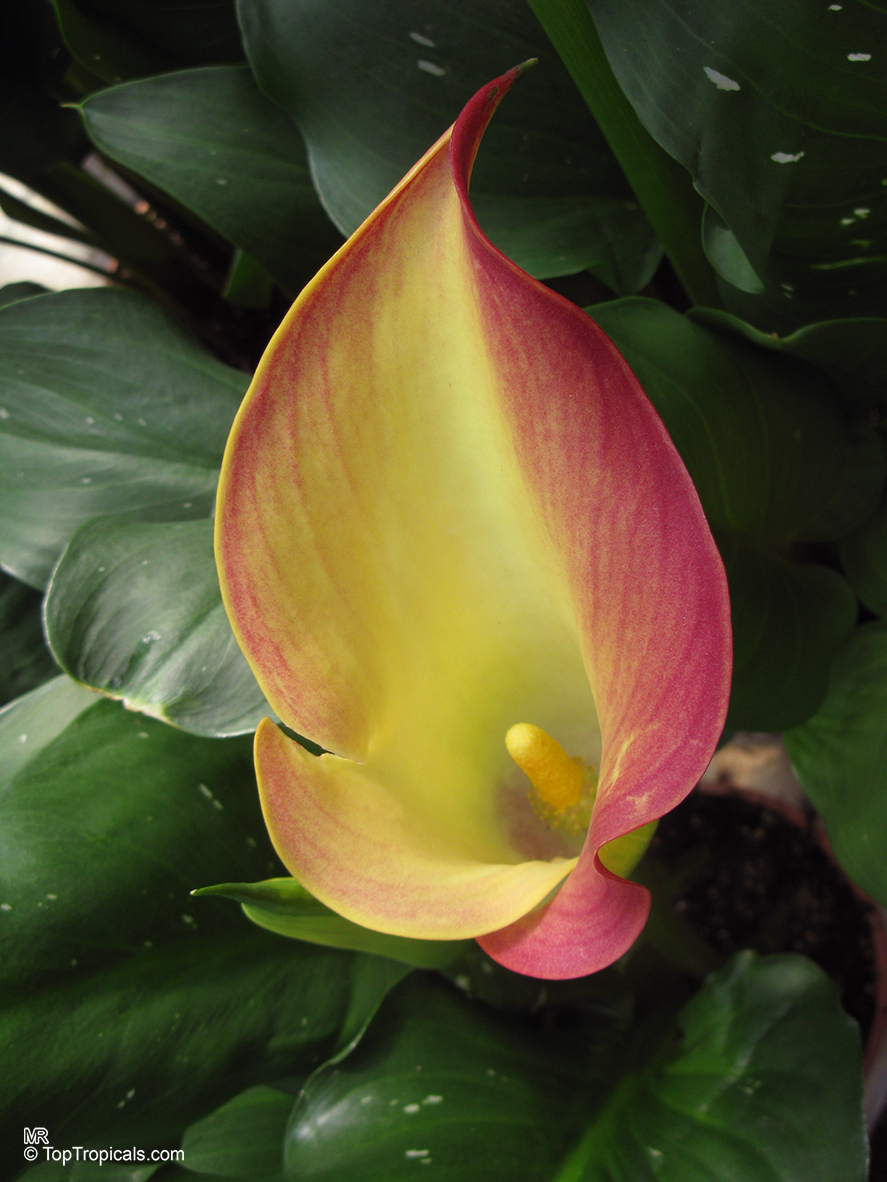
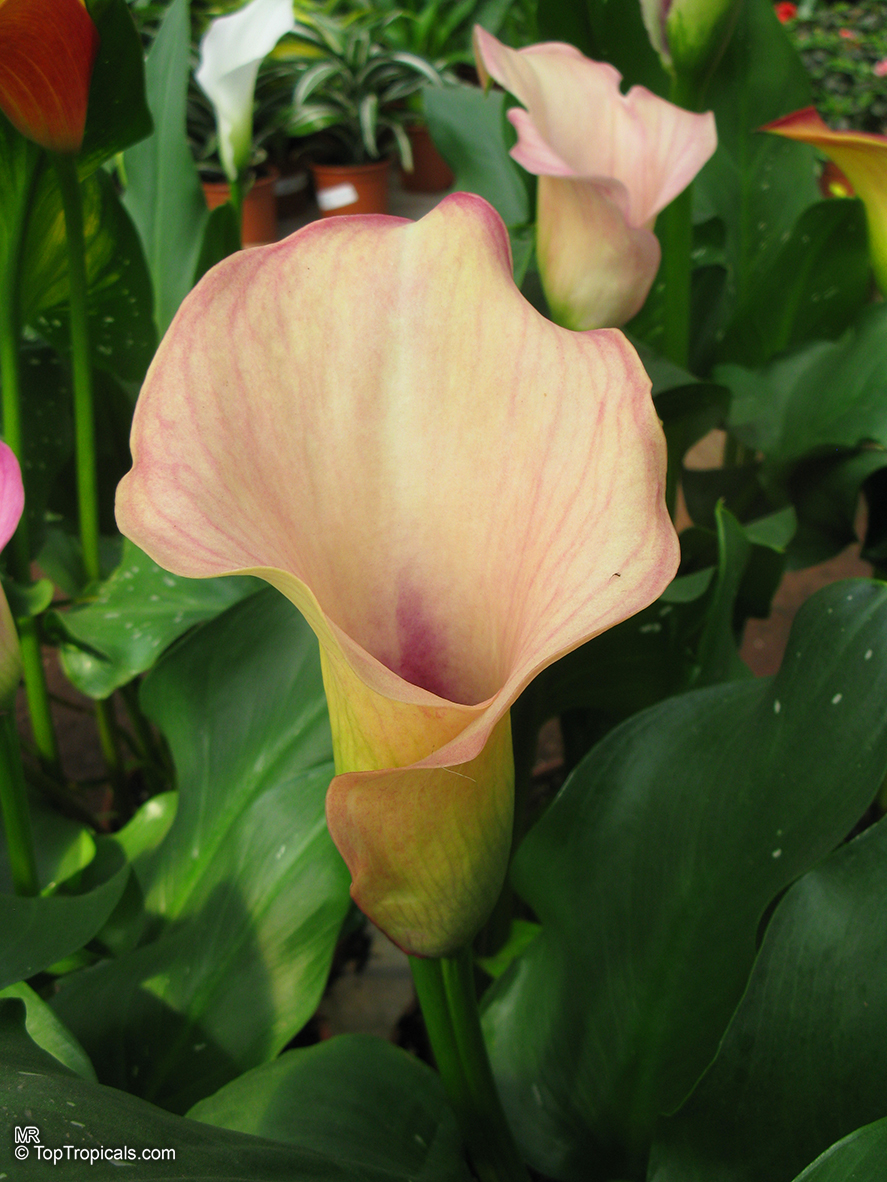
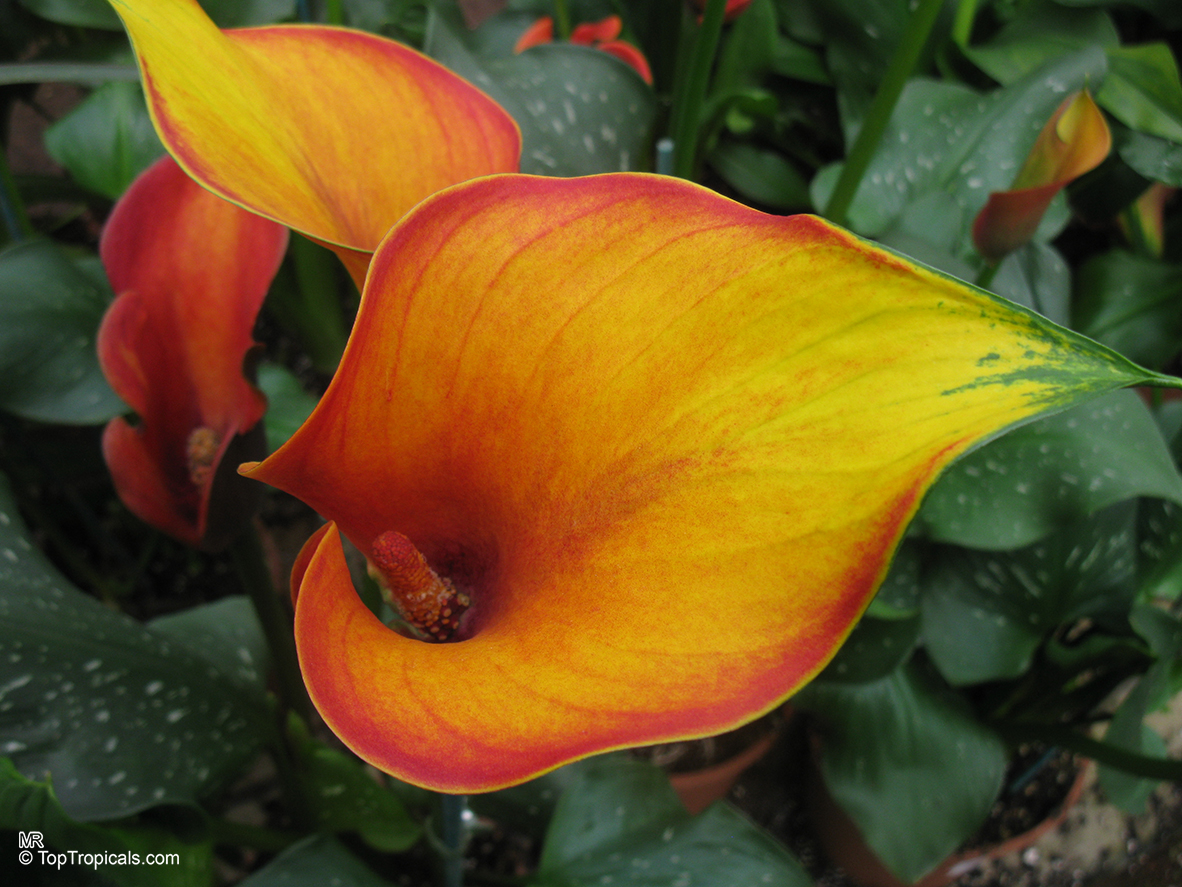
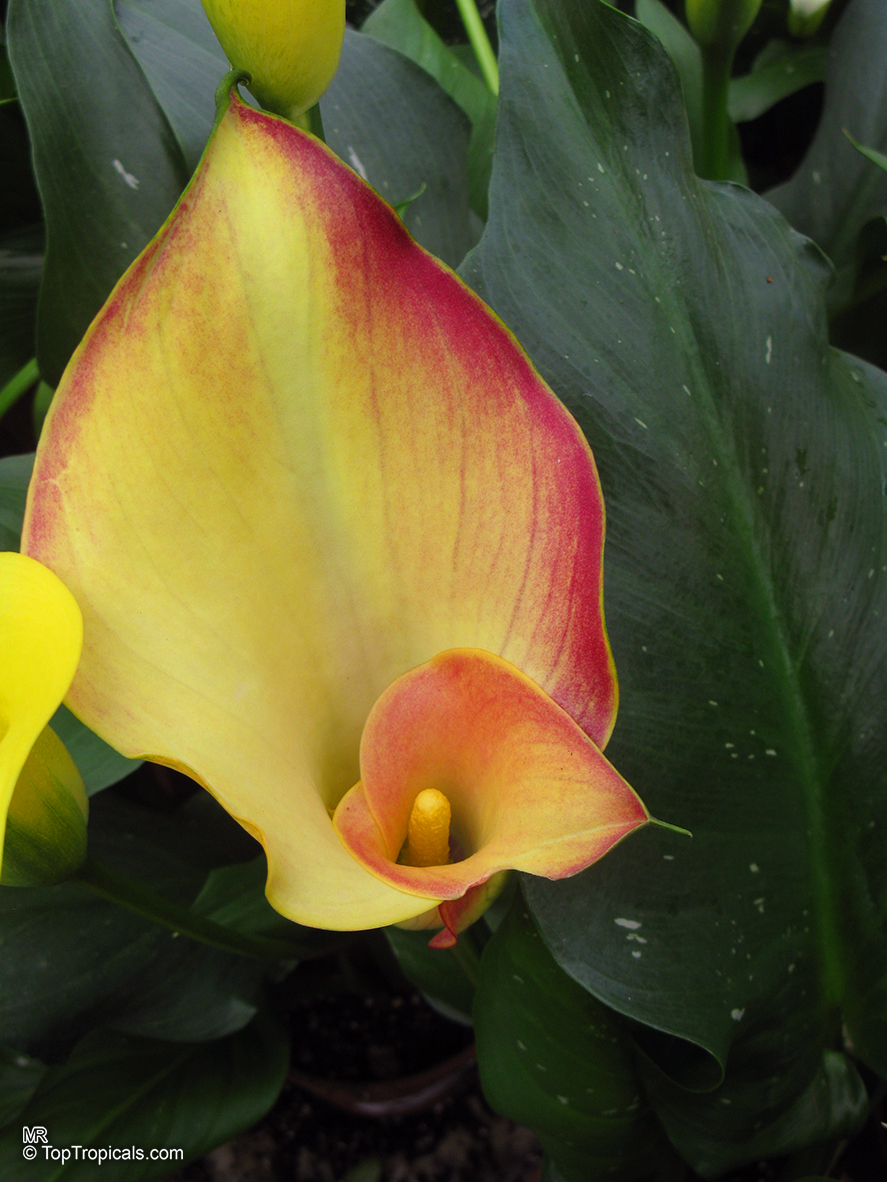
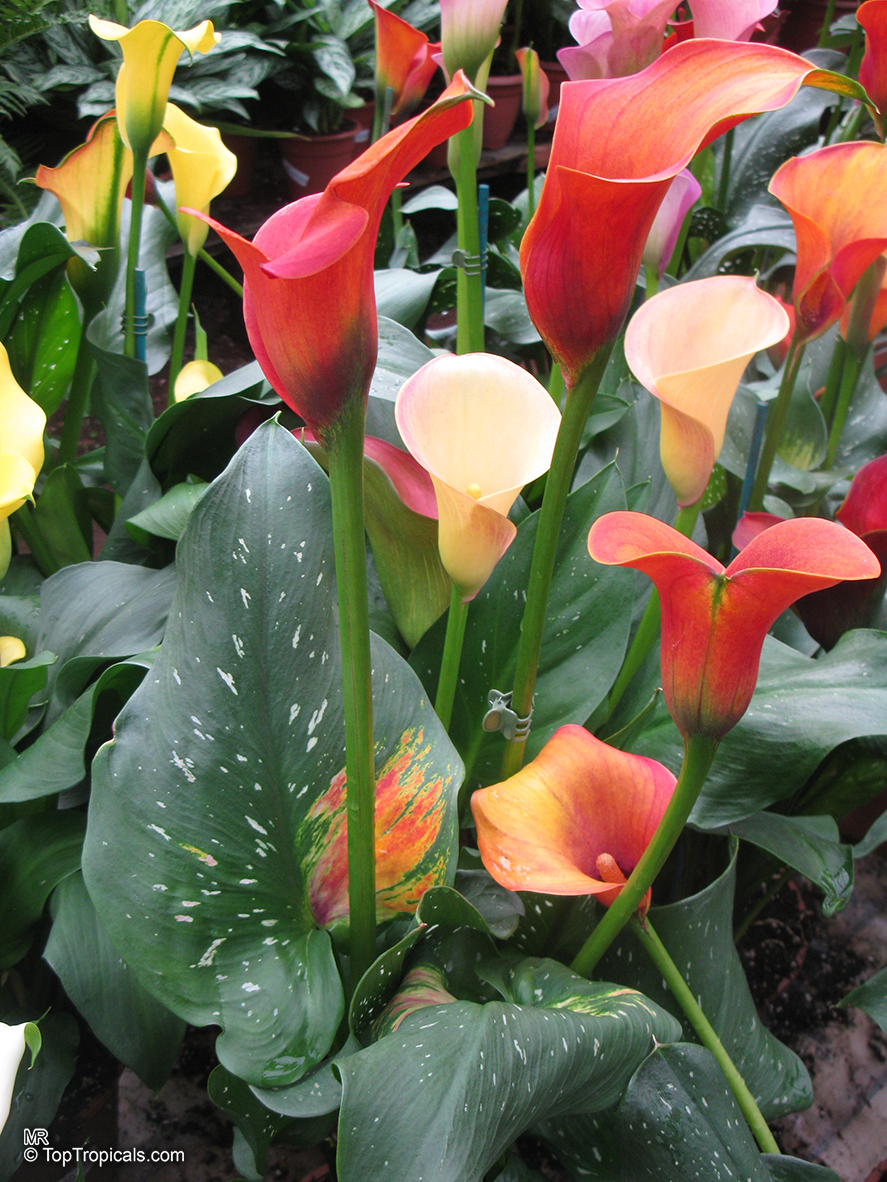
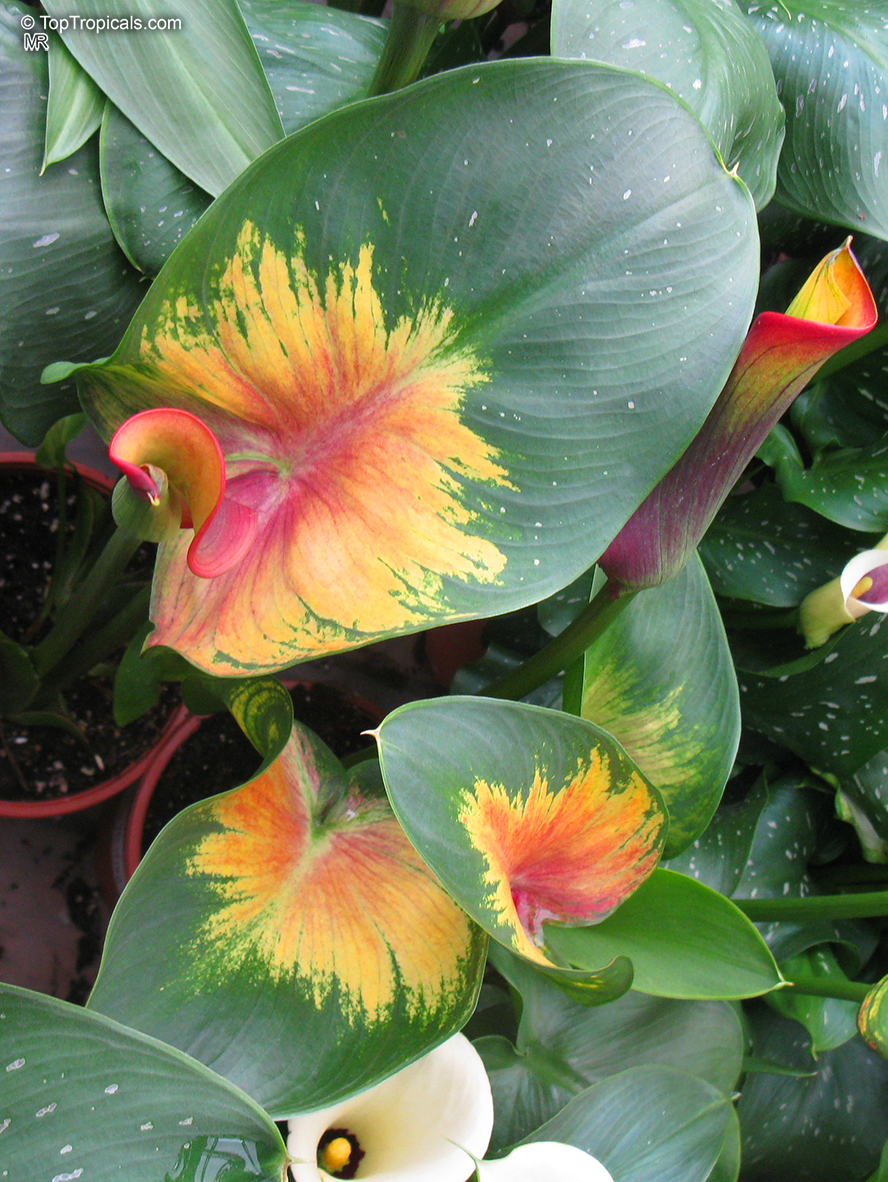
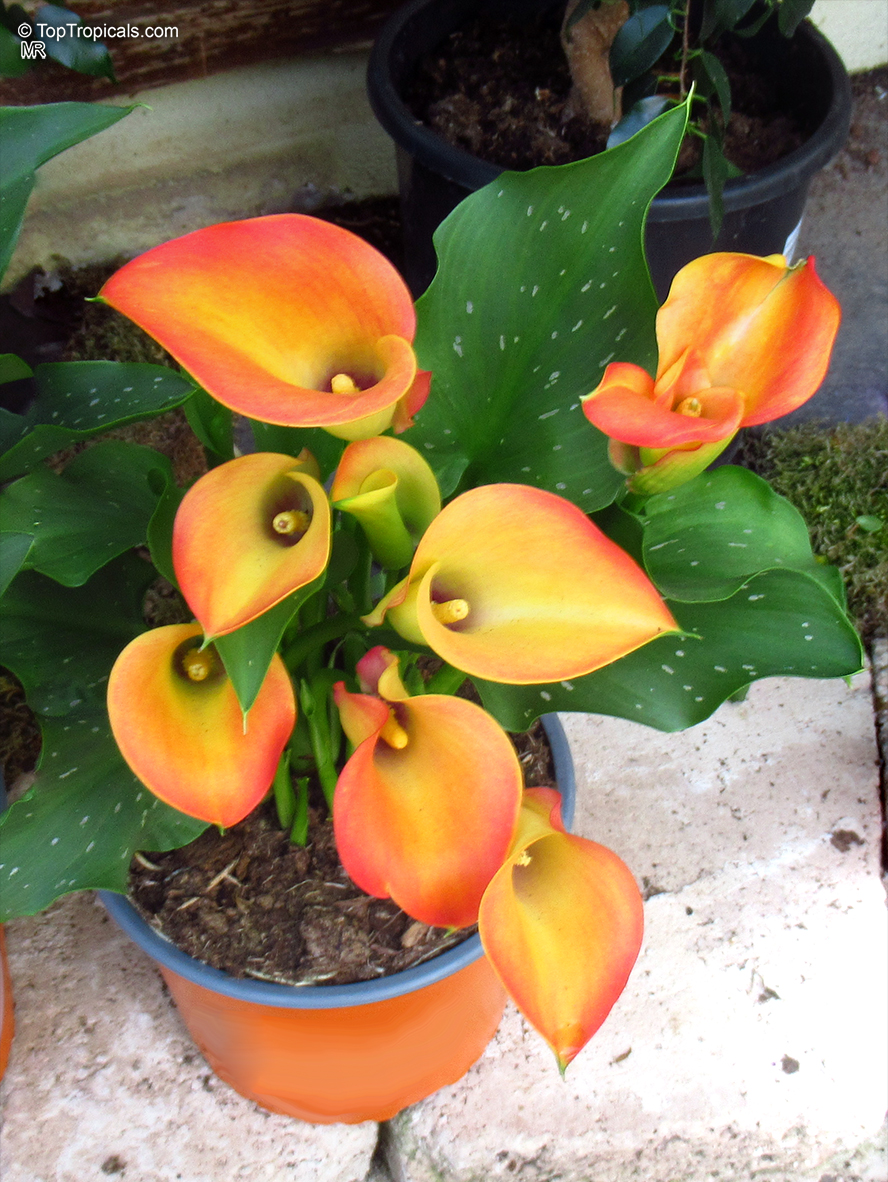
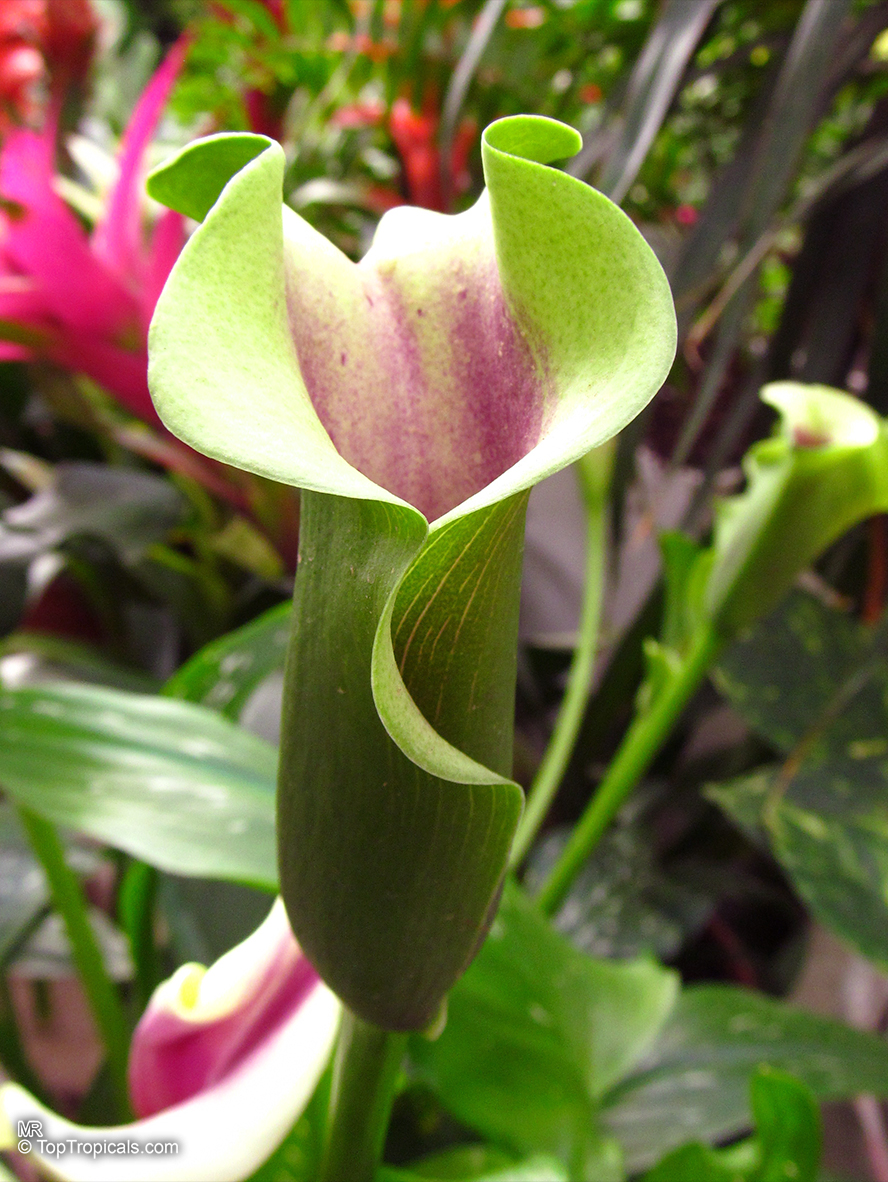
Botanical name: Zantedeschia sp.
Common names: Arum Lily, Calla Lily
Family: Araceae
Origin: South Africa
USDA Zone: 9-10


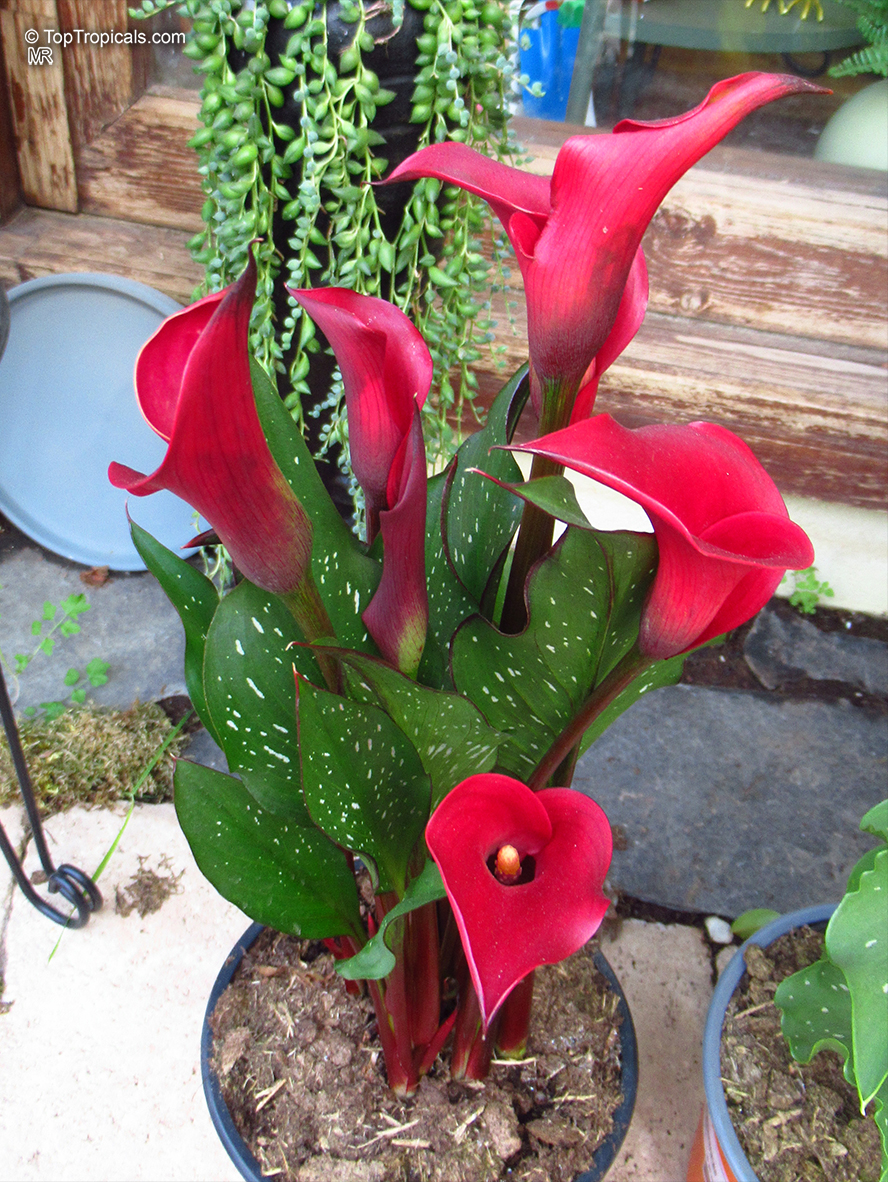
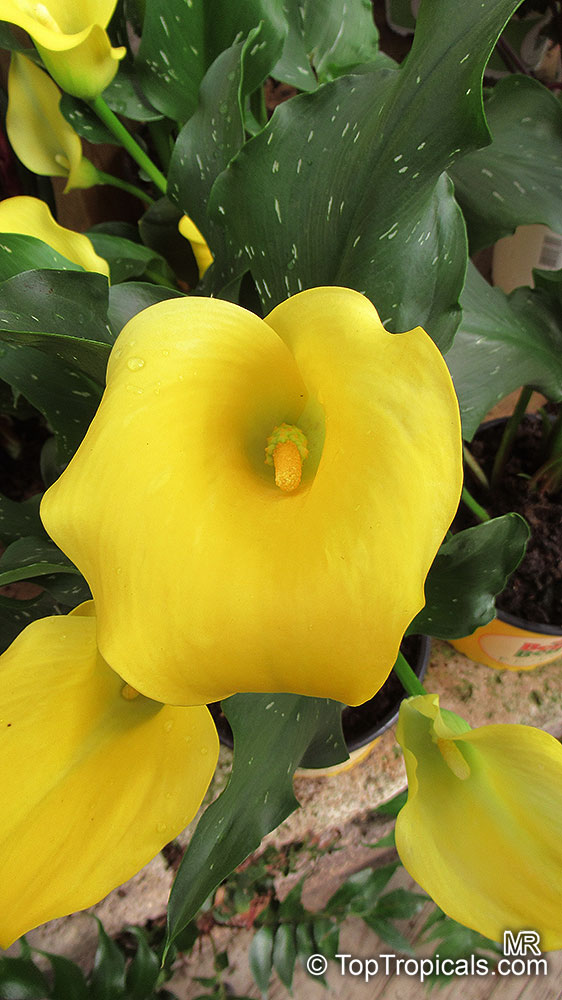
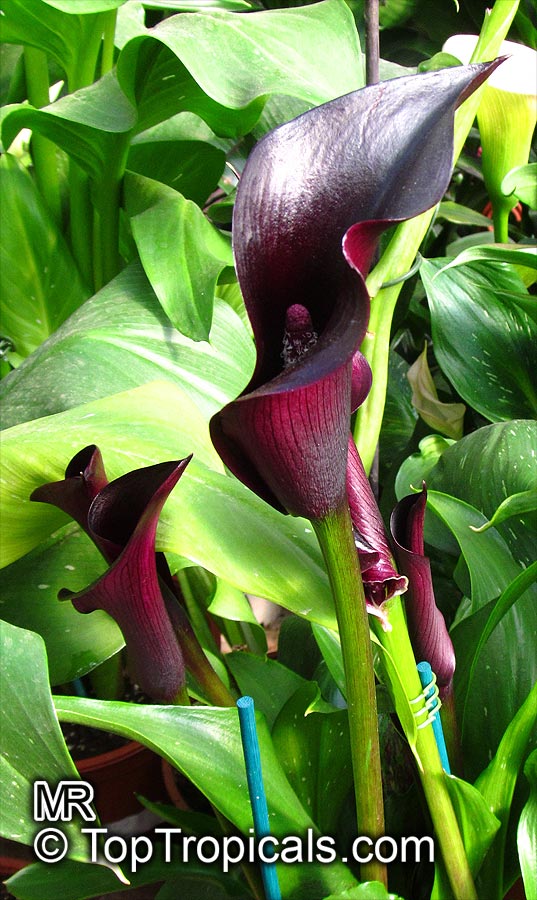
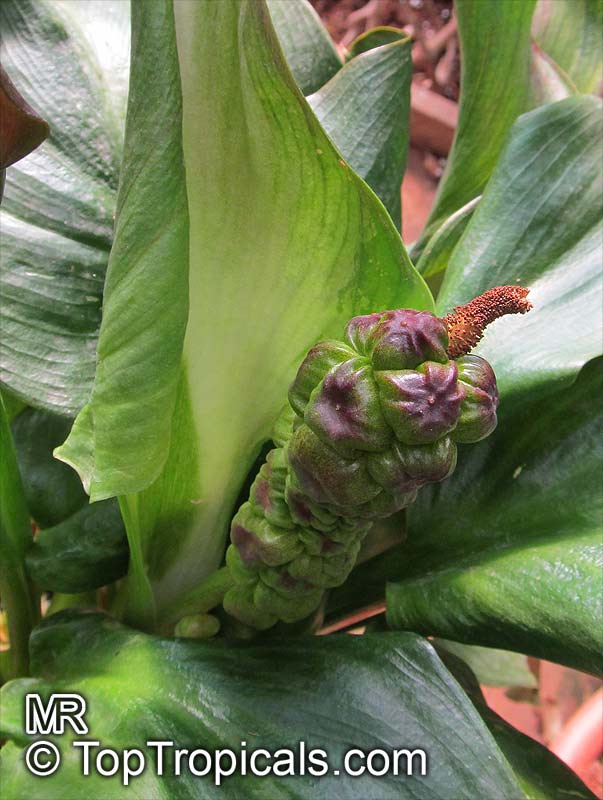
This is an old fashioned, but very rewarding garden plant. Zantedeschia is named after Professor Zantedeschi, probably Giovanni Zantedeschi, 1773-1846, an Italian physician and botanist. The flowers are faintly scented and this attracts various crawling insects and bees which are responsible for pollinating the flowers. The spathe turns green after flowering and covers the ripening berries. It rots away when these are ripe and the succulent yellow berries attract birds, which are responsible for seed dispersal. The rhizome is large and eaten by wild pigs and porcupines and the ripe fruit enjoyed by birds. Raw plant material causes swelling of the throat because of microscopic, sharp calcium oxalate crystals. The leaves are used as a poultice and a treatment for headaches. May be used as a marginal plant along streams, or on the edge of a pond. Plant in partial shade if there is no permanent water. It can be planted as a foliage plant in deep shade under trees but will not flower well in this position. It is fast growing and likes very rich, well-drained conditions. It is an excellent cutflower and lasts a long time in water. Nowadays there are other forms of this species which will enliven an old theme. There is also an attractive form with leaves spotted white. Requires consistently moist soil.





Botanical name: Zanthoxylum americanum
Common names: American Prickly Ash, Toothache Tree
Family: Rutaceae
Origin: North America
USDA Zone: 3-7


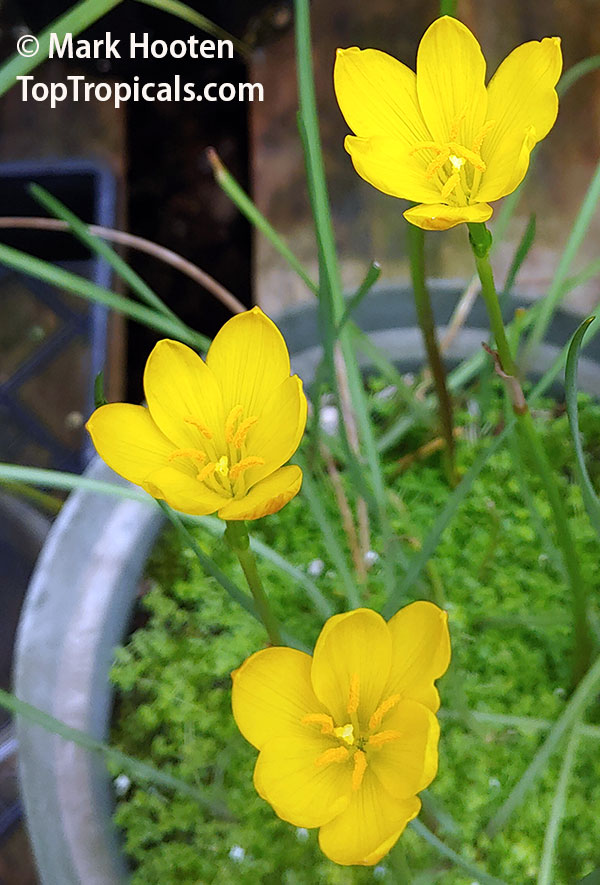
Botanical name: Zephyranthes sp.
Common names: Fairy Lily, Zephyr Lily, Magic Lily, Atamasco Lily, Rain Lily
Family: Amaryllidaceae (Formerly:Alliaceae / Liliaceae / Amaryllidaceae)
Origin: USA, Central and South America
USDA Zone: 7-11

Various members of the genus may bloom spring only or repeat and continue into autumn, often a few days after rainstorms thus one of the common names, Rain Lily. Most are spring or summer flowering.
Cultivation from seed is easy in this group. Seeds are papery and can be floated but they sprout very easily sown under just a thin covering of sowing medium. Sow the seeds in a well-drained mix and keep in a warm place. The seedlings will grow well in warm weather and respond well to fertilizer. As with any papery seeded amaryllids, these have a relatively short viability period.
Zephyranthes pulchella - Showy Zephyrlily - is found in the coastal prairies and wet roadsides of eastern Texas and Gulf Coast Louisiana. The leaves grow through the winter and spring and die off in summer; flowering occurs in autumn. Leaves are linear and sedge-like and flowers are golden yellow. Pulchella means "pretty". These spectacular rain lilies growing in the highway medians near Refugio, Texas, on the east coast of that state. The glossy green leaves serve as a nice foil to the bright yellow flowers that are held just atop the foliage. The vigorously multiplying clumps flower for us from late summer into fall.
Zephyranthes flowers are very similar to Habranthus flowers and both are called rain lilies. Habranthus flowers point upward BUT at an angle and have unequal stamens, and Zephyranthes flowers point straight up and have equal stamens. Zephyranthes flowers tend to be star shaped and Habranthus have somewhat irregular flowers. Additionally, the seeds of Habranthus are slightly winged (and thicker).
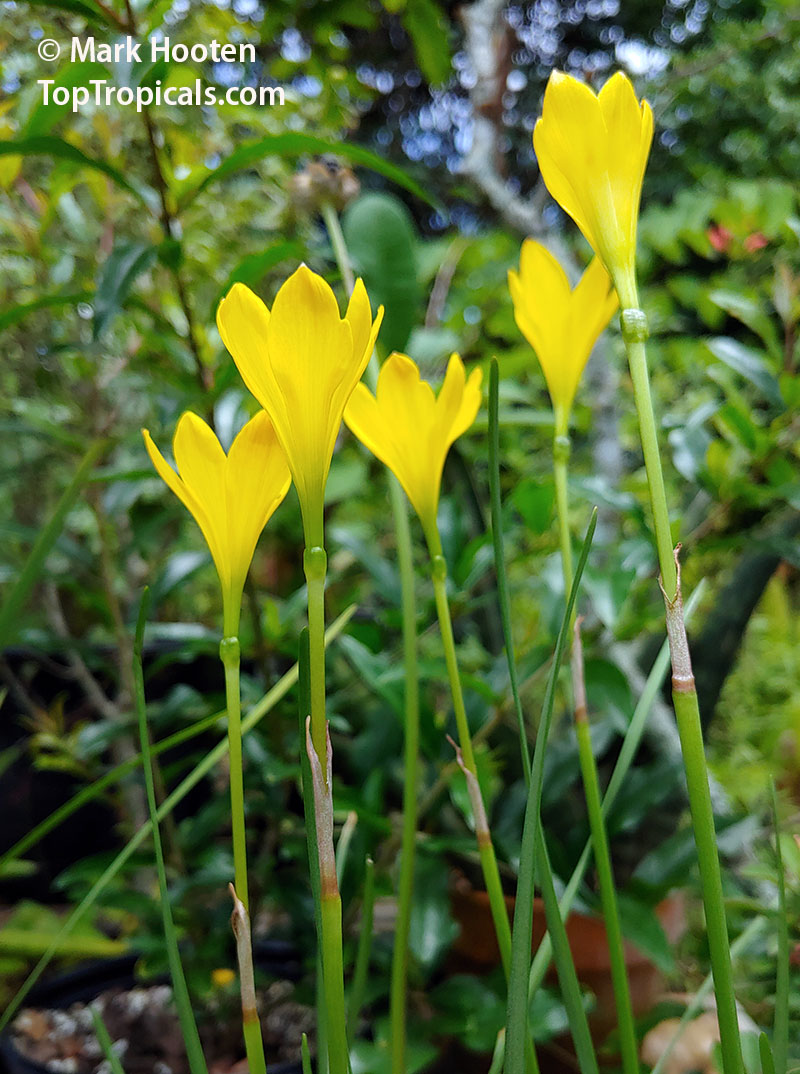
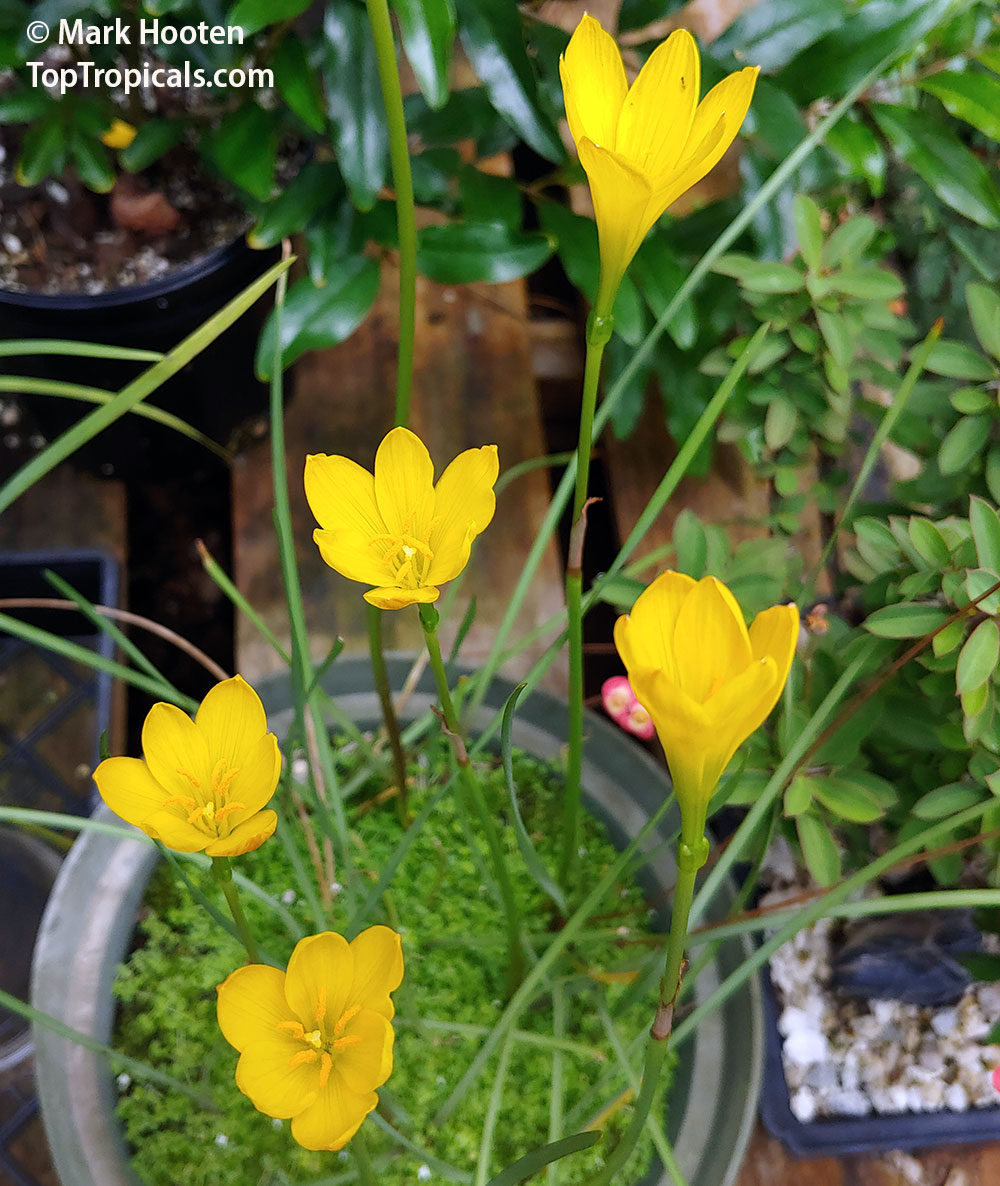
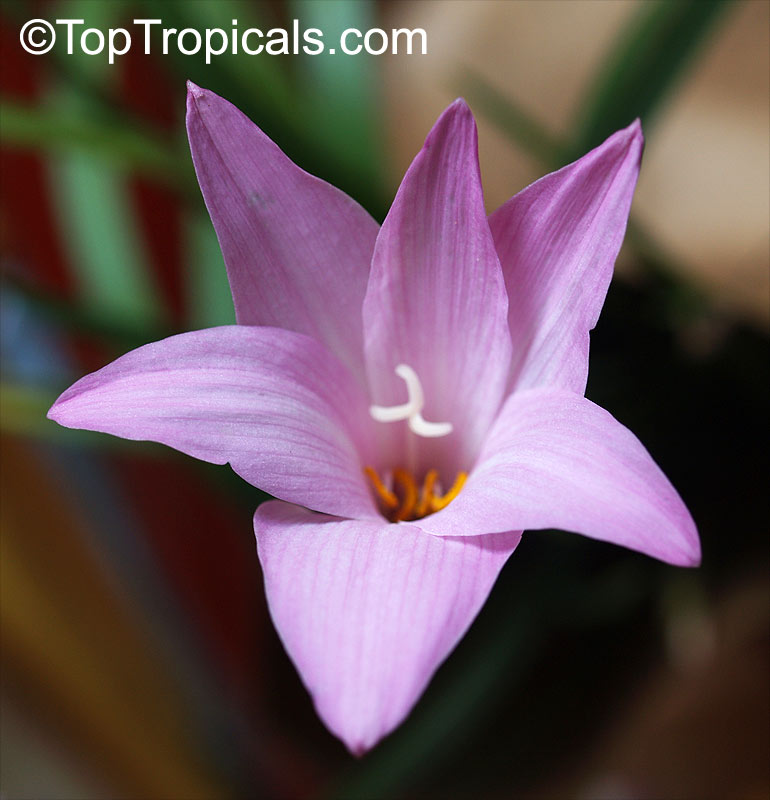
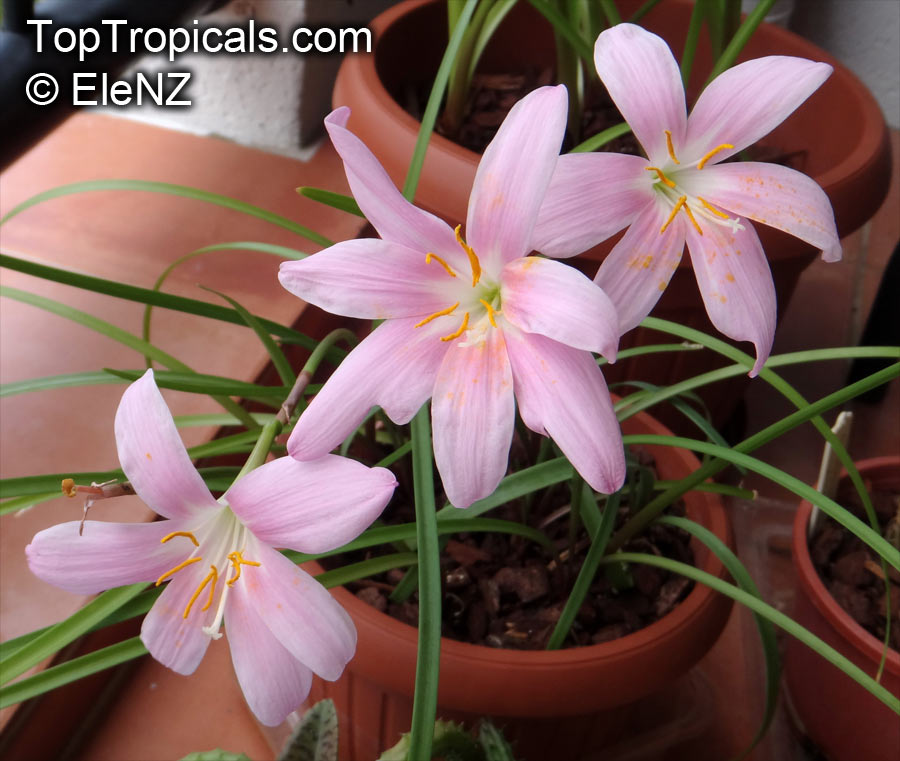
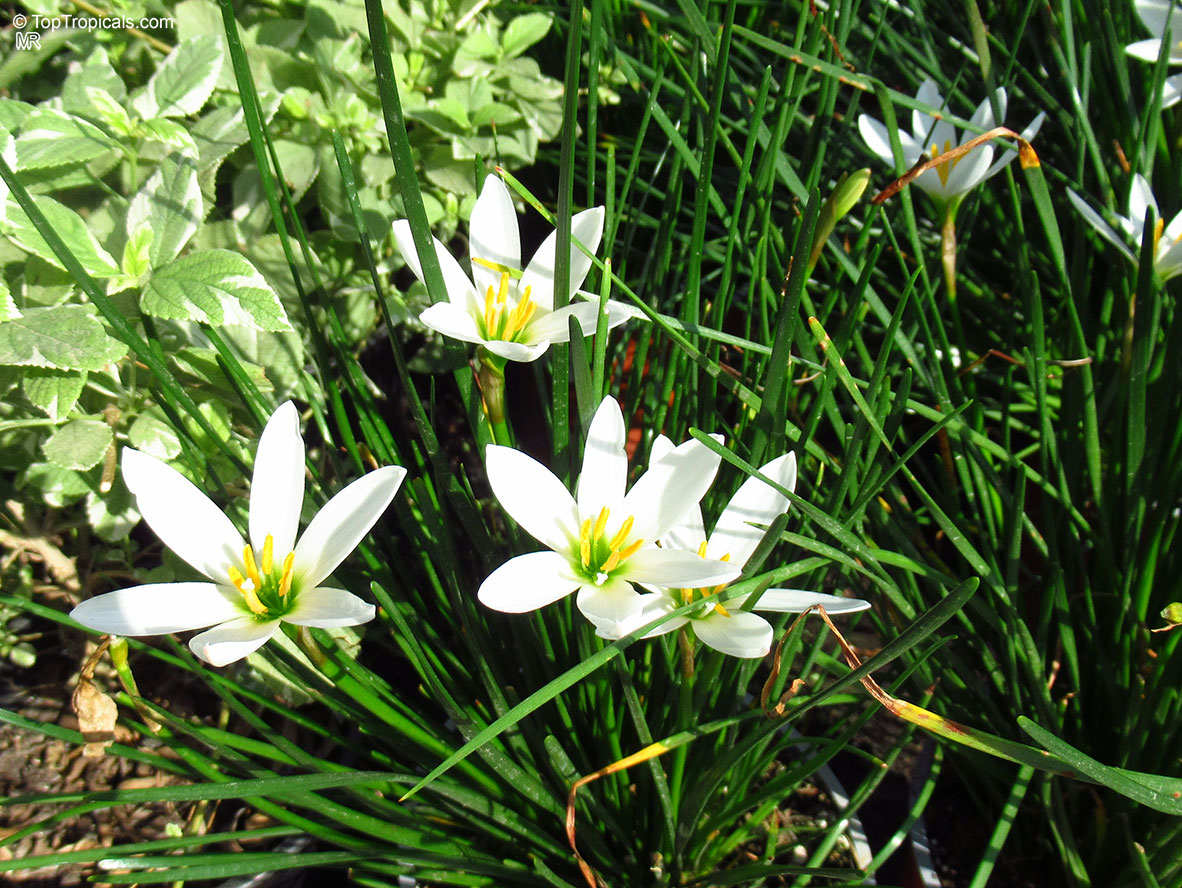
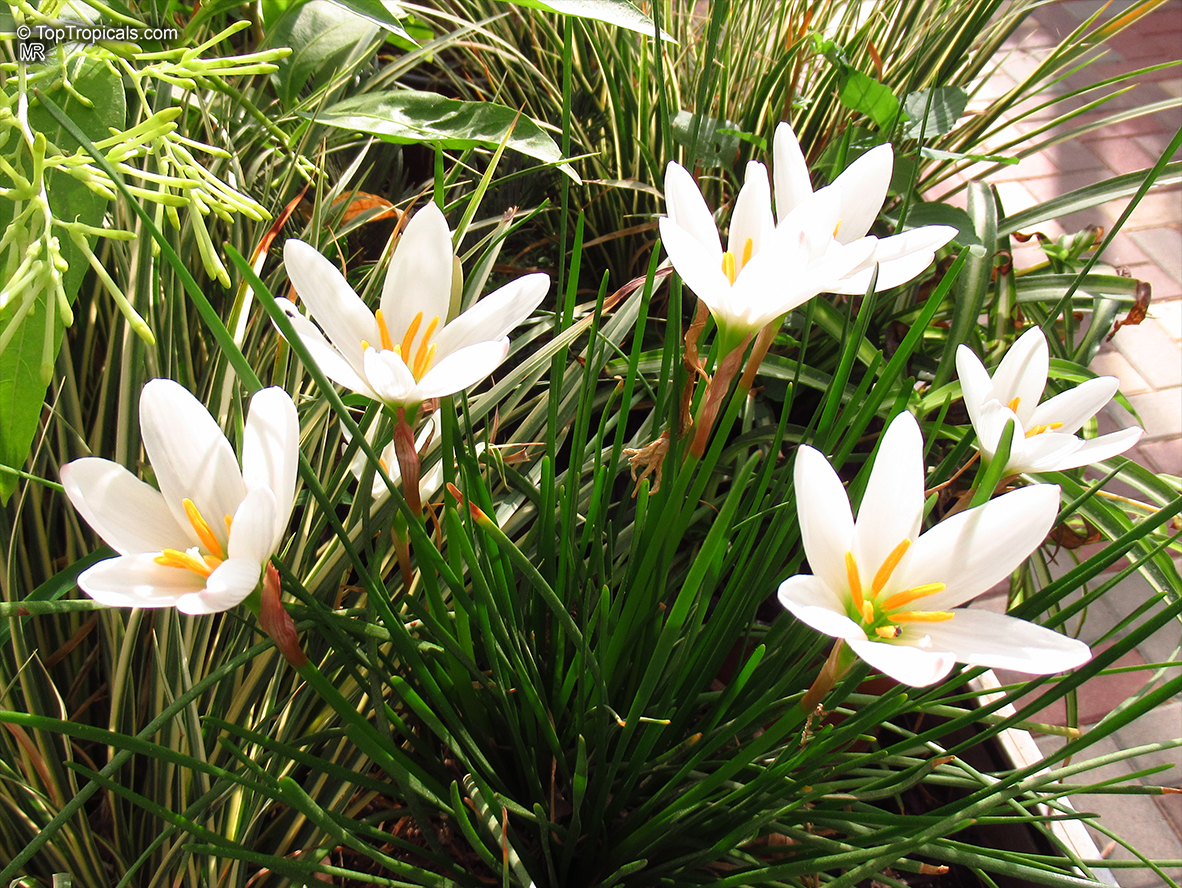
Few flowers create as much surprise and delight as a rain lily. Zephyranthes Lucky All Over produces cheerful bright pink, crocus-like blooms that seem to appear almost overnight, often just days after a summer rain shower or a thorough watering. One day the garden is green, and the next it's dotted with vibrant pink flowers.
This charming perennial bulb forms clumps of slender, grass-like foliage that remain attractive throughout the growing season. The flowers rise above the foliage on short stems, creating a natural, carefree display that looks beautiful in garden beds, borders, rock gardens, and containers.
A reliable bloomer, Lucky All Over flowers repeatedly from spring through summer, often responding to changes in moisture and weather conditions. As the bulbs mature, they multiply readily, creating larger and more impressive drifts of color each year.
Growing about 8 inches tall, this compact plant is easy to fit into almost any garden space. It performs best in full sun to partial shade and prefers well-drained soil. Once established, it is remarkably drought tolerant while also adapting well to regular garden irrigation.
Cold hardy in USDA Zones 7b-10b, Zephyranthes Lucky All Over returns year after year with minimal care. In colder climates, the bulbs can be grown in containers and protected from hard freezes during winter.
Easy to grow, long-lived, and full of surprises, this delightful rain lily brings bursts of color to the garden whenever nature decides it's time to bloom.
See Article about this plant.
Recommended Fertilizer: SUNSHINE Megaflor - Bloom Nutrition Booster
Last one
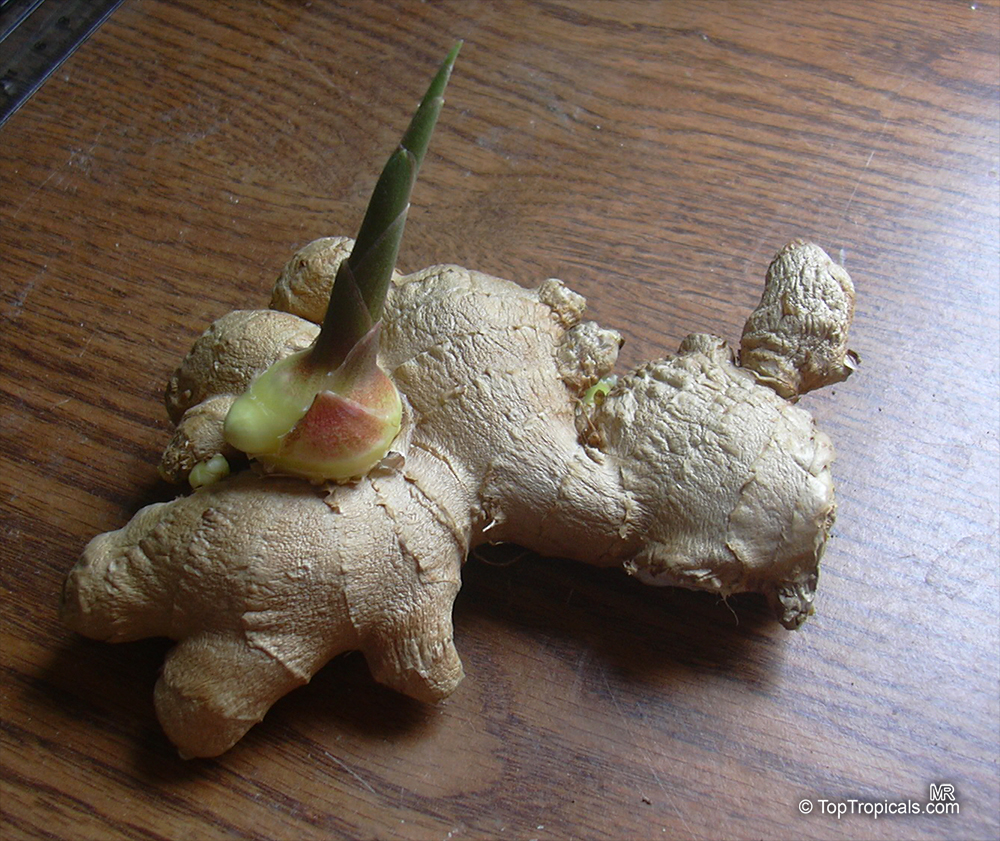
Botanical name: Zingiber officinale
Common names: Spice Ginger, Edible Ginger, Common Ginger, Cooking Ginger, Canton Ginger, Halia
Family: Zingiberaceae
Origin: tropical Asia
USDA Zone: 8-12


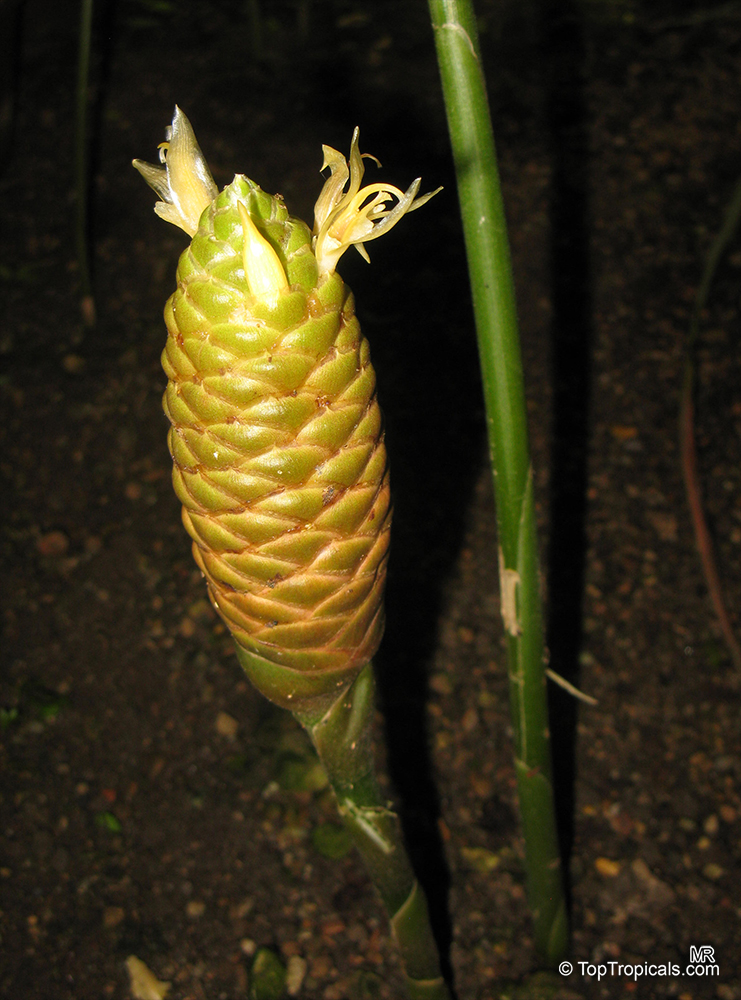
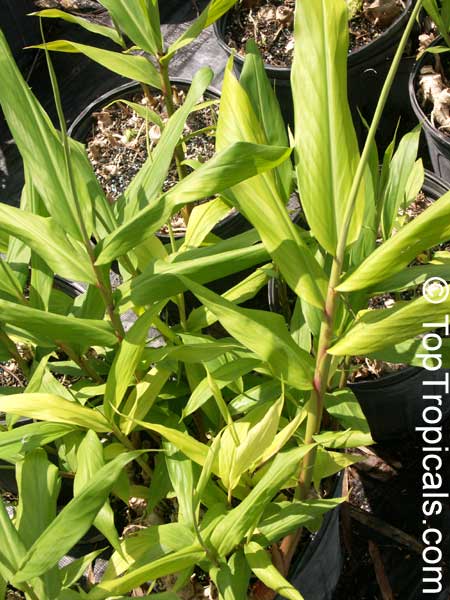
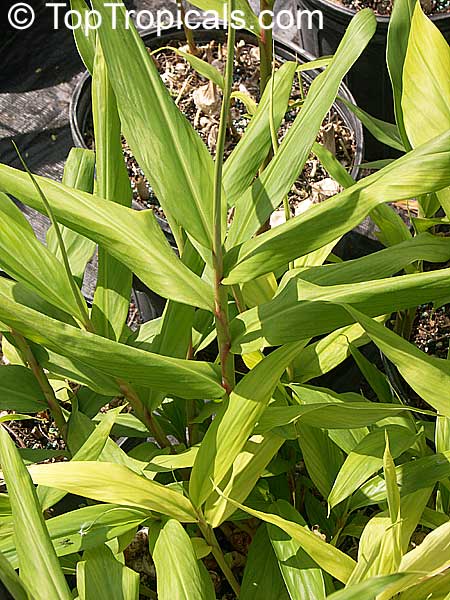
This ginger has tall, erect stems with narrow leaves, this basal bloomer produces green cones that turn red when mature. It is a herbaceous perennial with upright stems and narrow medium green leaves arranged in two ranks on each stem. Ginger grows from an aromatic tuberlike rhizome (underground stem) which is warty and branched. The inflorescence grows on a separate stem from the foliage stem, and forms a dense spike. The bracts are green with translucent margins and the small flowers are yellow green with purple lips and cream colored blotches. Most of edible gingers in cultivation are sterile cultivars grown for the edible rhizome, and the flower is rarely seen. Ginger is often grown in a container and brought indoors in winter when water and light are reduced and the plant is allowed to "rest." Common cooking gingers are rarely found in garden centers as potted plants because they do not have much ornamental value. Plant this ginger in the garden to produce your own fresh ginger.
Recommended Fertilizer: SUNSHINE Robusta - Rapid Growth Booster
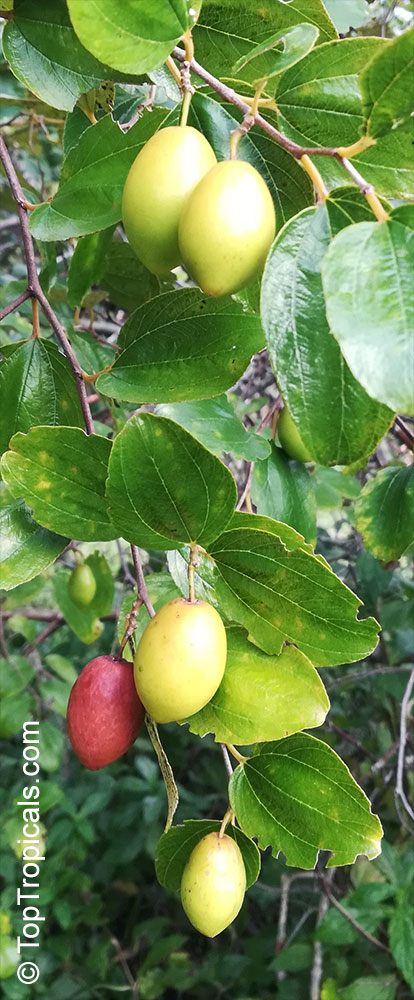
Botanical names: Ziziphus jujuba, Ziziphus sativa
Common names: Chinese Date, Tree of Happiness
Family: Rhamnaceae
Origin: China to Afghanistan, Malaysia, Australia
USDA Zone: 6-11

These small acid fruits are liked by children as well as by adults. A small spreading tree, with drooping branches grows readily and quickly on poor ground. Even moderately saline soils are tolerated. The tree will thrive without any special care. All parts of the plant have medicinal uses. Jujube is widely cultivated China and India. The Chinese have been growing and eating jujubes for more than four thousand years and have more jujube trees than any other type of fruit tree.
The Jujube tree (Ziziphus jujuba), also known as the "Tree of Happiness," is renowned for its remarkable resilience. Its sweet, crisp fruits have been cherished for over 4,000 years, not only as a nutritious treat but also for their medicinal properties, such as stress relief and immunity-boosting benefits. The thornless Taiwan variety is especially beloved for its refreshing, apple-like taste and ease of care.
The name Ziziphus originates from the Persian zizfum or Arabic zizouf, but it is also associated with the Christ's Thorn Jujube (Ziziphus spina-christi), a species believed to have provided the thorns for the biblical crown of thorns. This connection gives the tree profound spiritual and cultural significance across various traditions. In fact, the Jujube tree's symbolism extends to Indian legends, where it is said to be blessed with a boon: no matter how badly it is cut, it will never die, and even a single root will allow it to spring up again. Revered in India, the tree is offered to Siva and is known as the "Tree which removes sorrow," symbolizing endurance and healing.
Some horticulturists also link the name Ziziphus to the Greek myth of Sisyphus, who was condemned to roll a boulder uphill for eternity. Just as the boulder endlessly rolls back down, the Jujube tree continually regrows, no matter how much it is cut or damaged. This metaphorical connection highlights the tree's unyielding spirit and symbolizes perseverance, renewal, and vitality. Thriving in poor, dry soils with minimal care, the Jujube tree truly earns its place as the "Tree of Happiness" in gardens and communities around the world.
Cold hardy, mature plants withstand hard freeze.
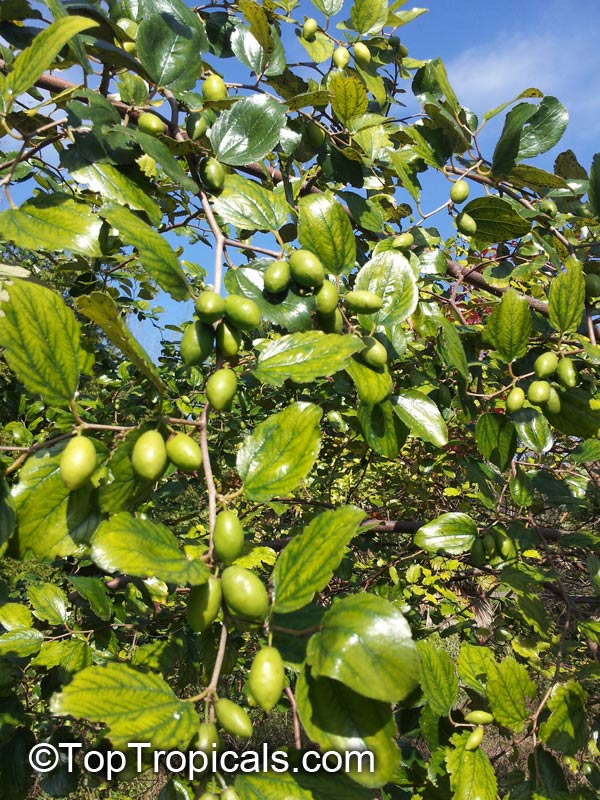
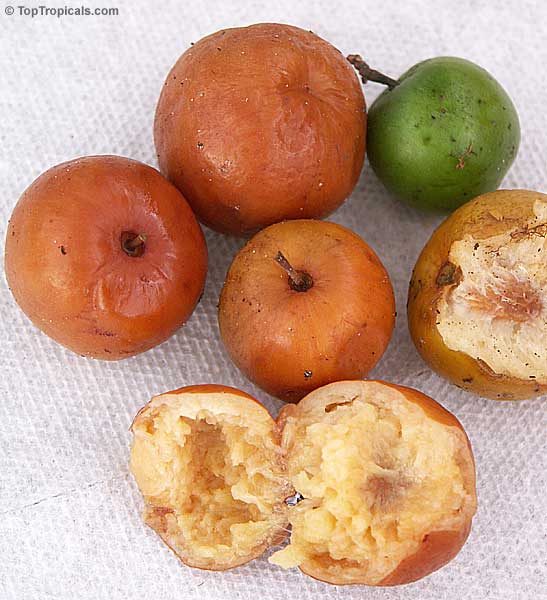
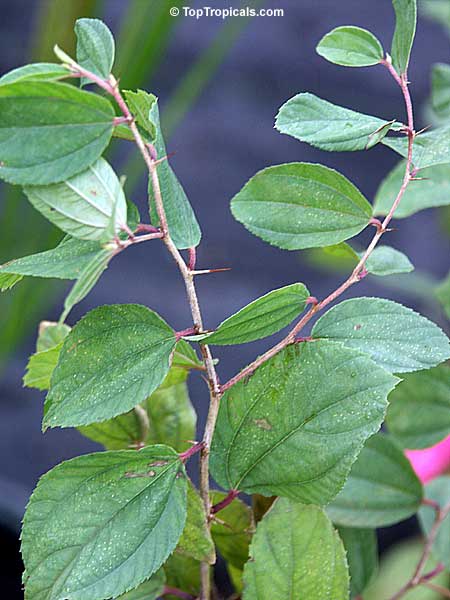
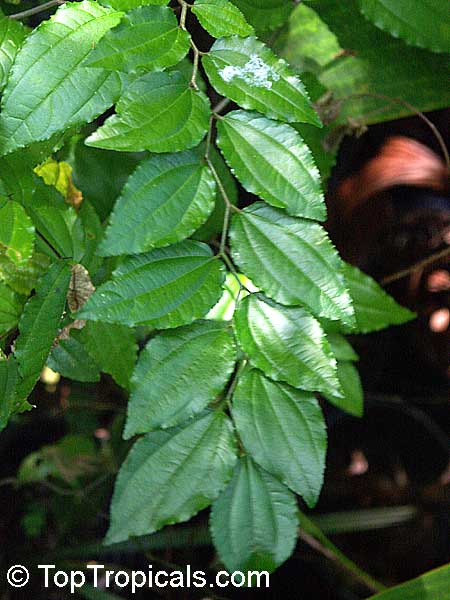
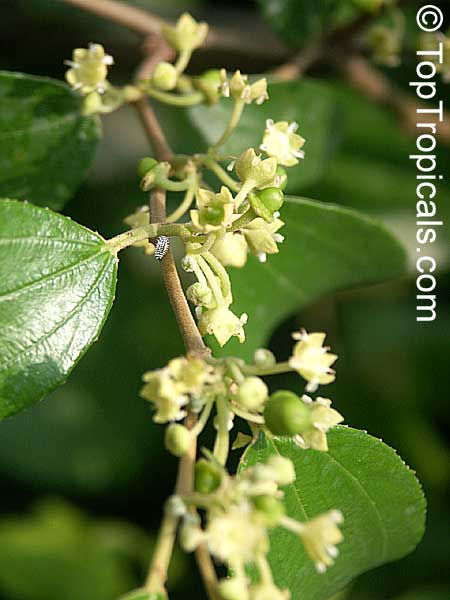
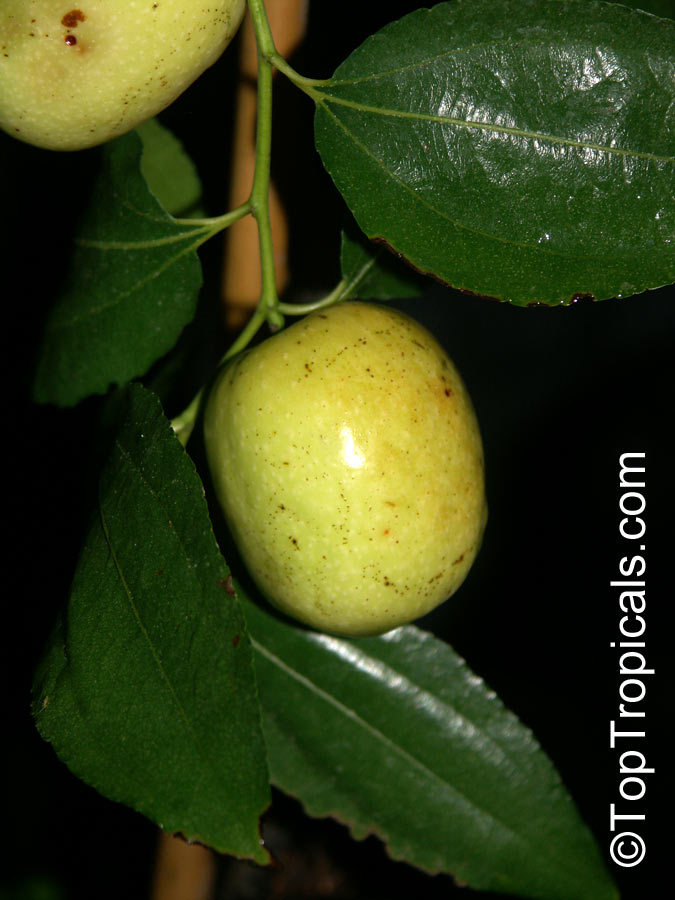
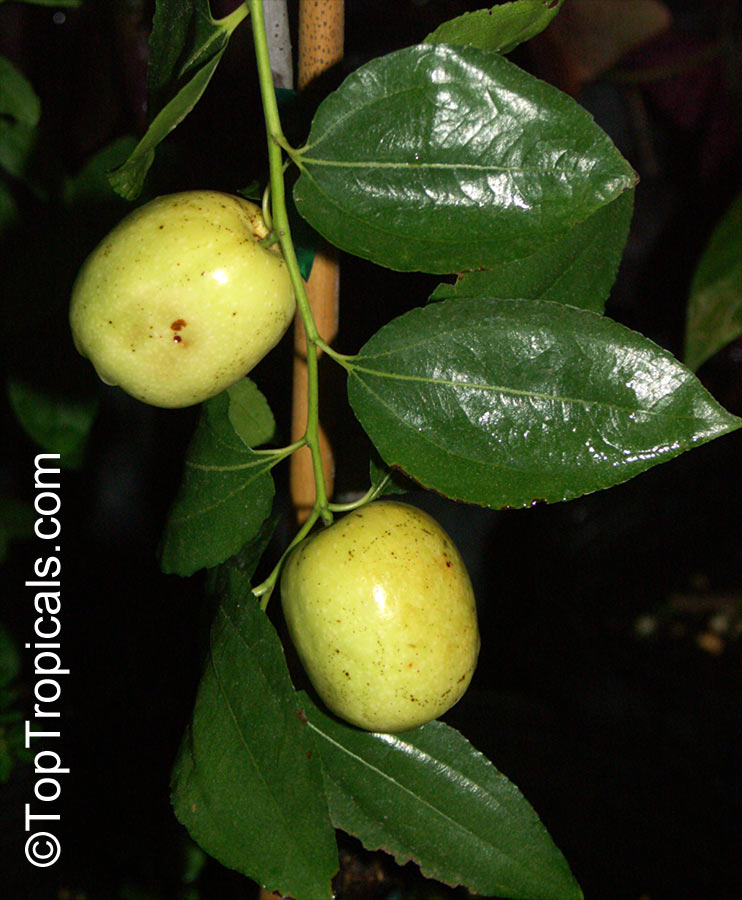
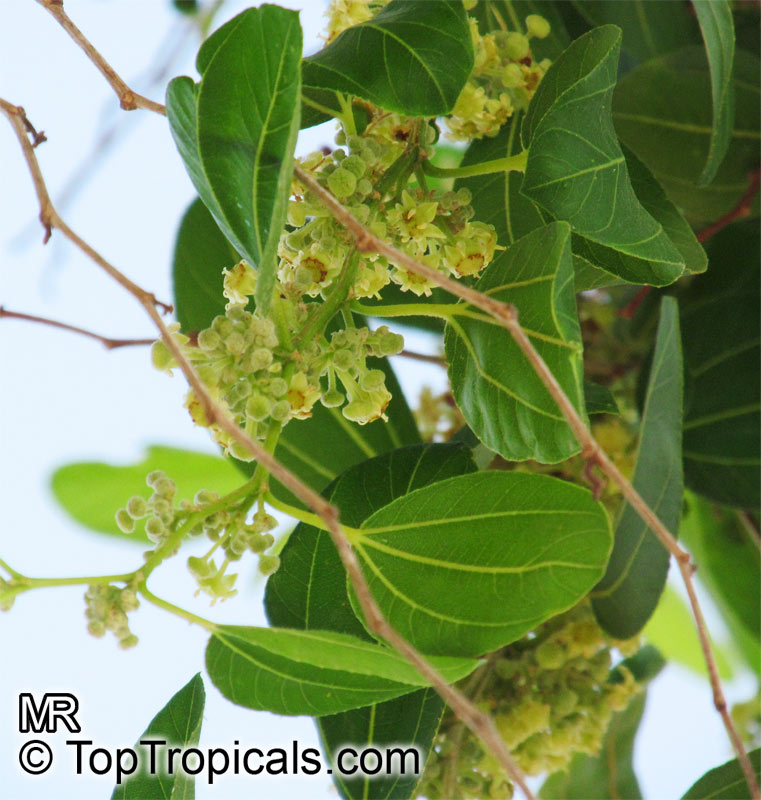
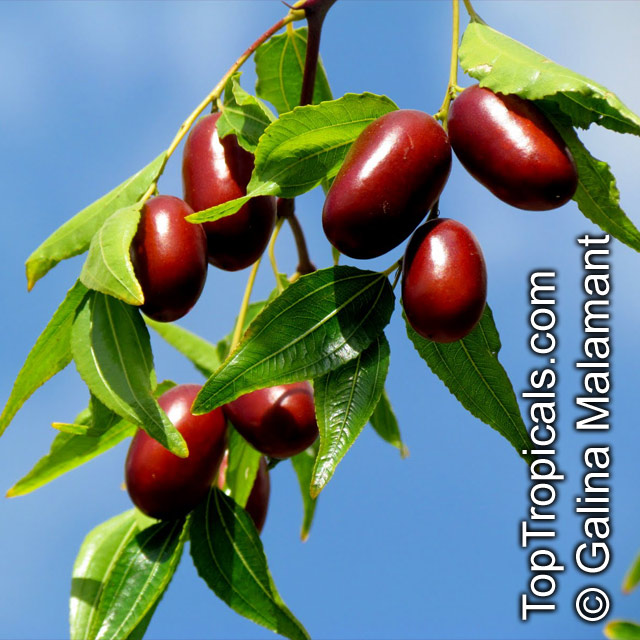

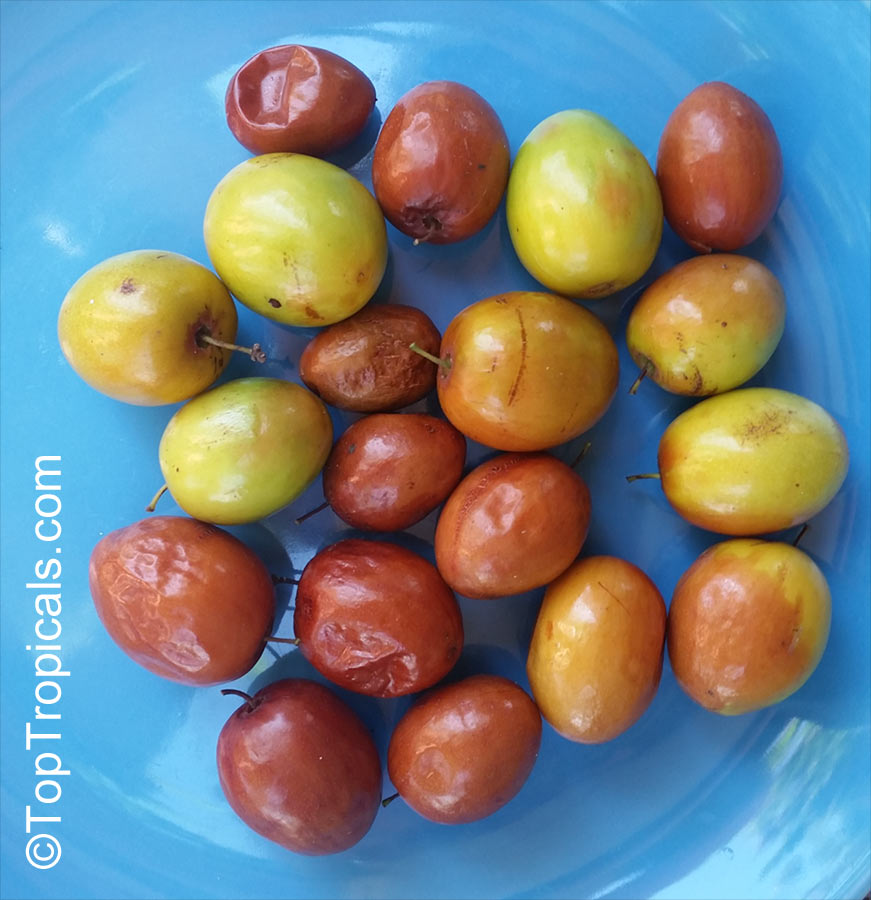
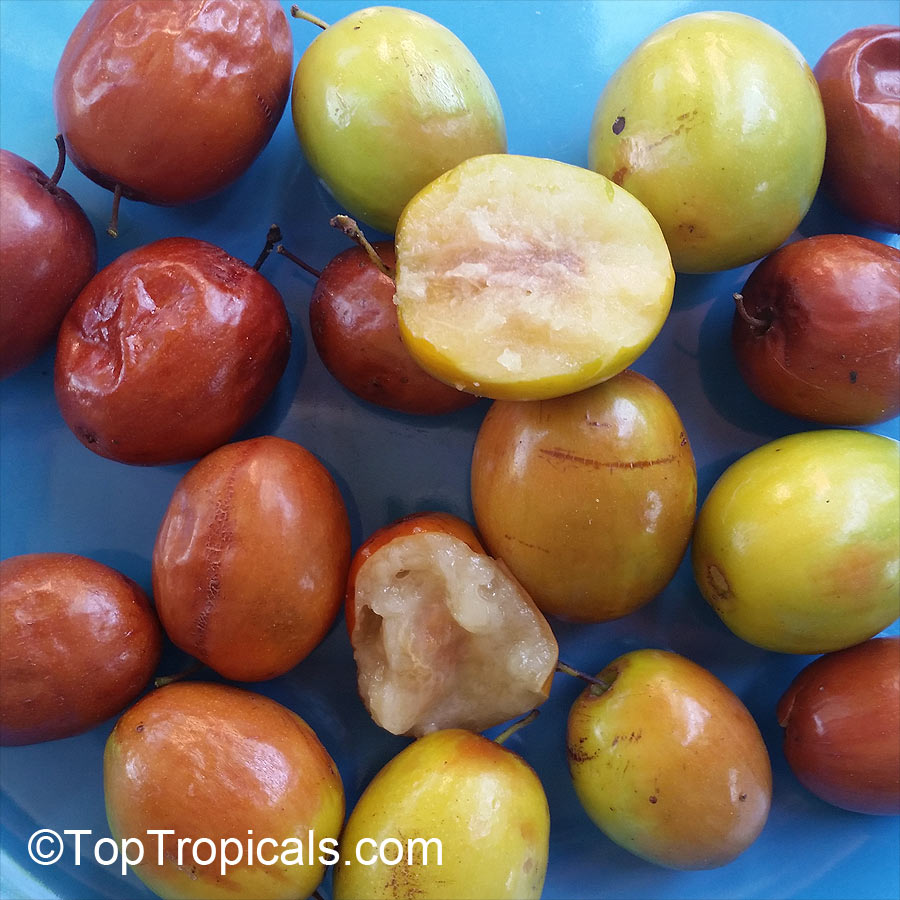
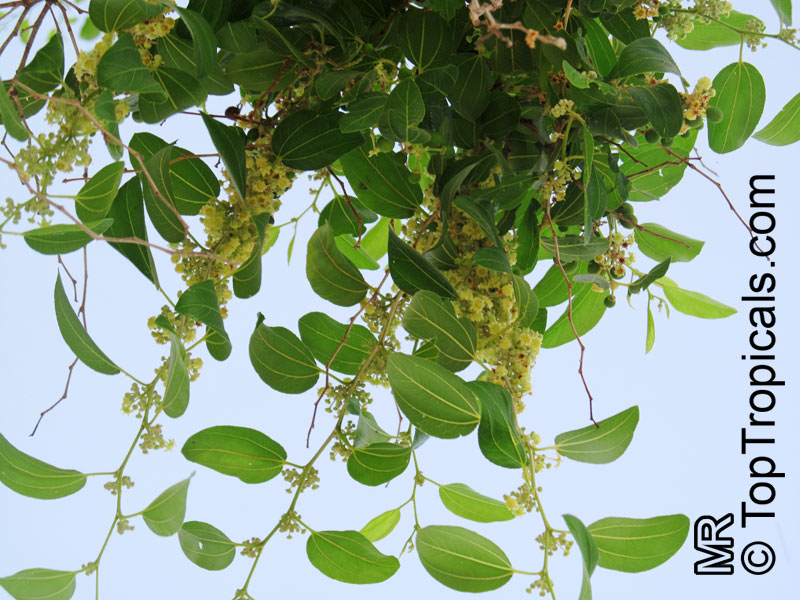

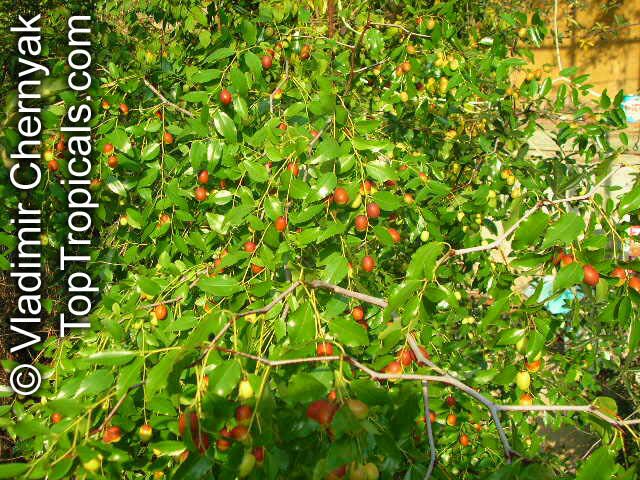
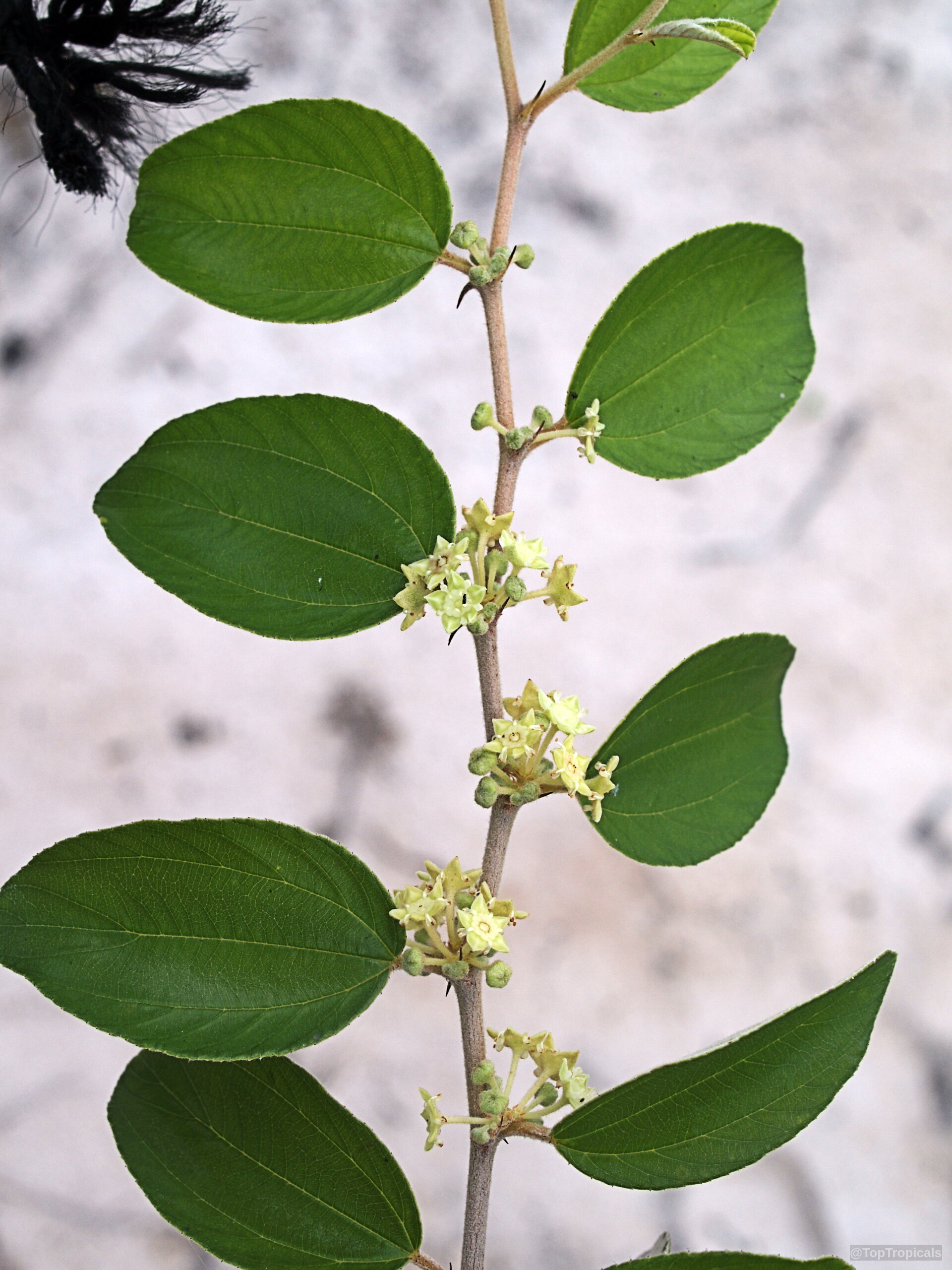
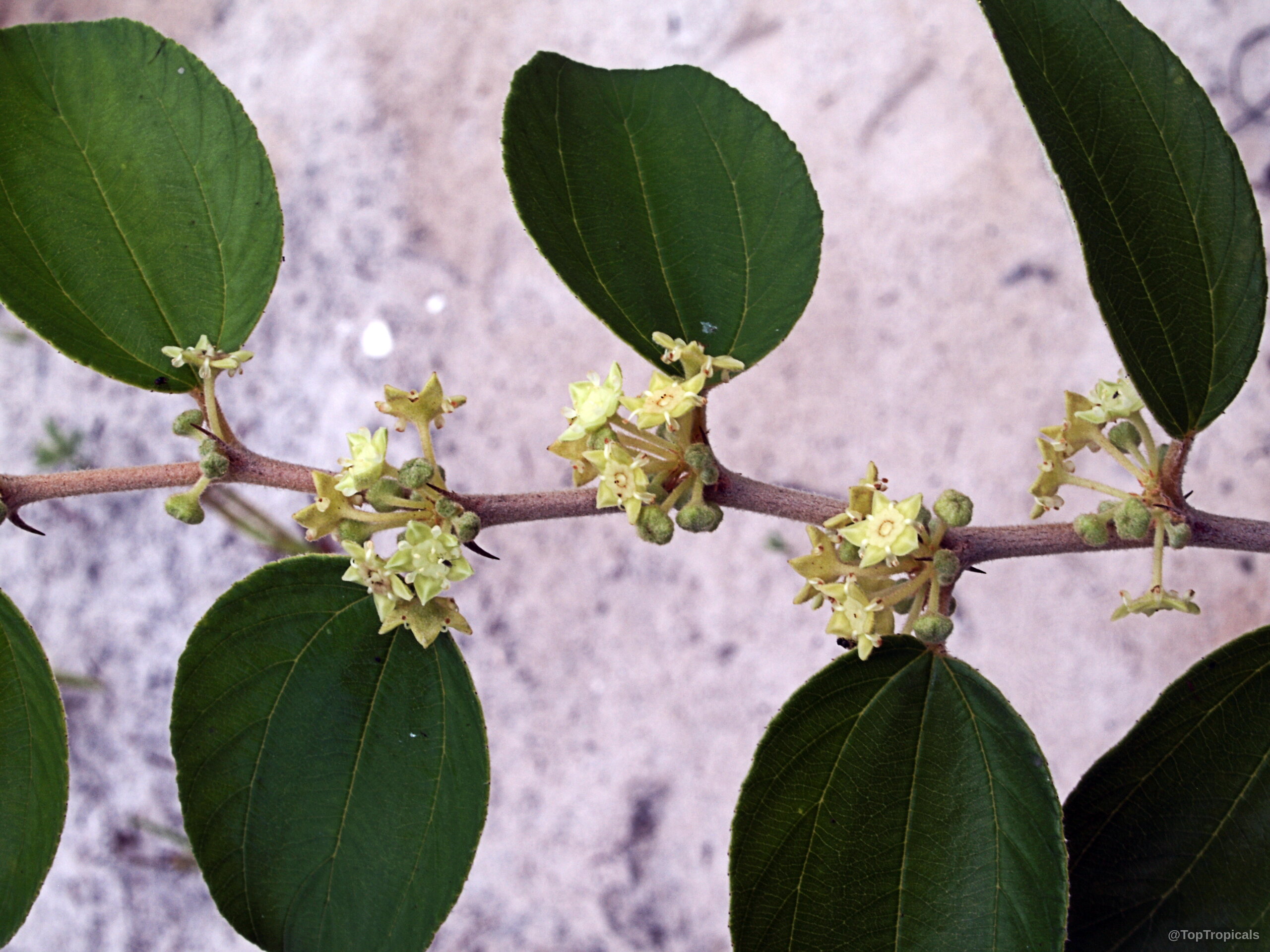


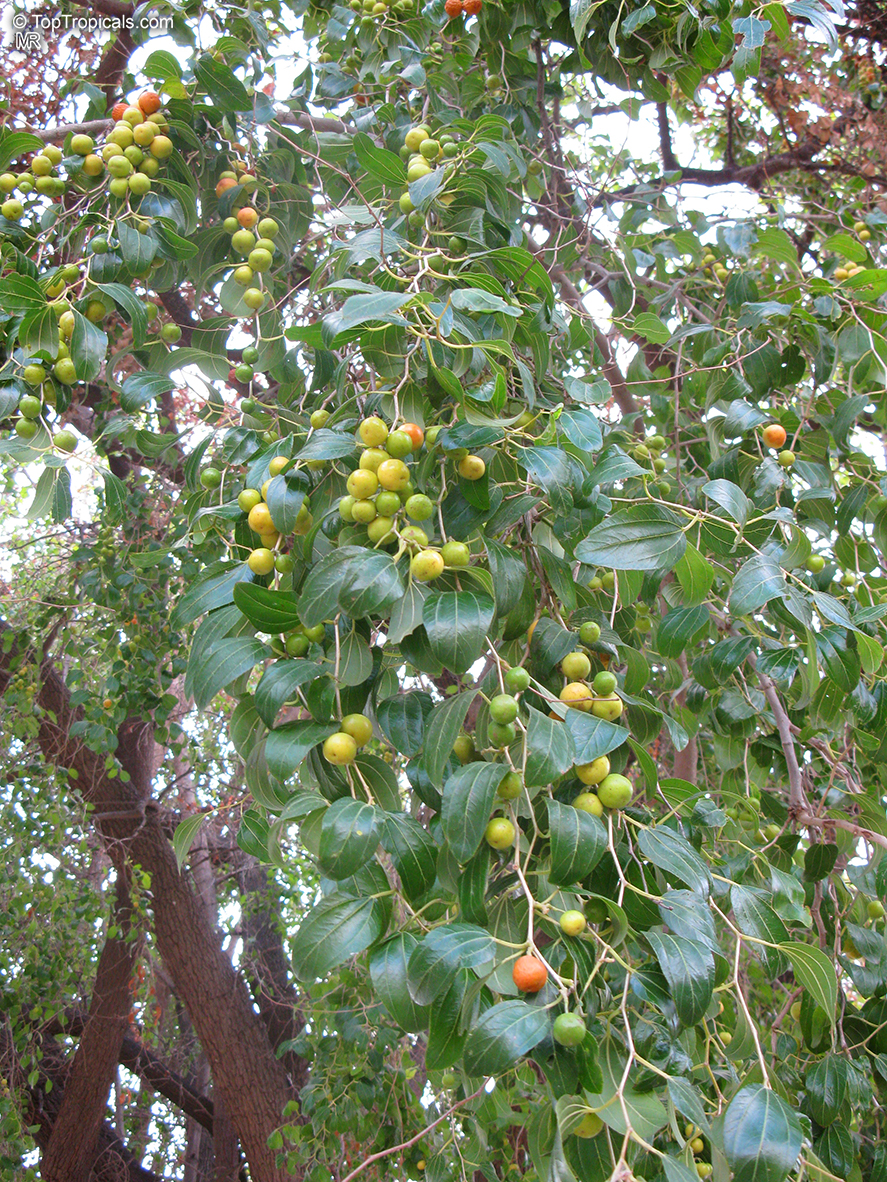
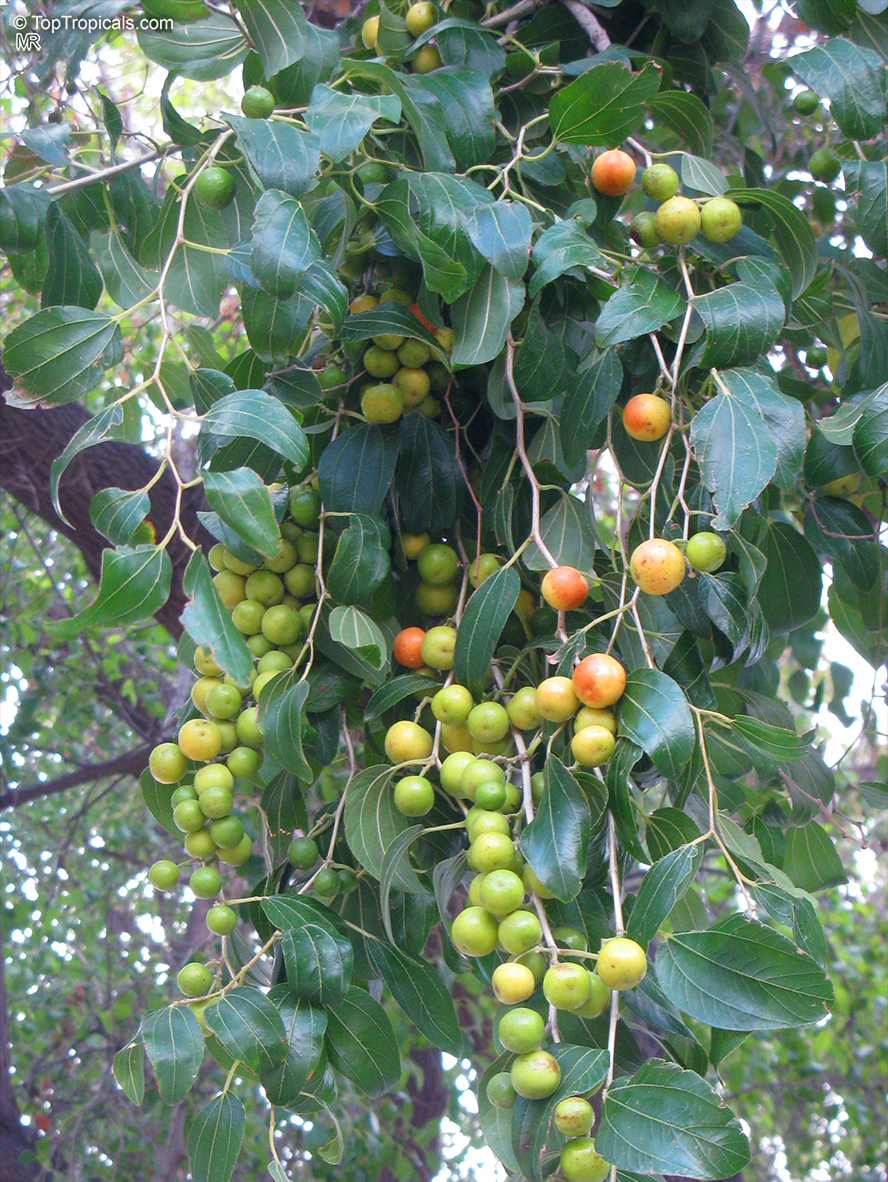
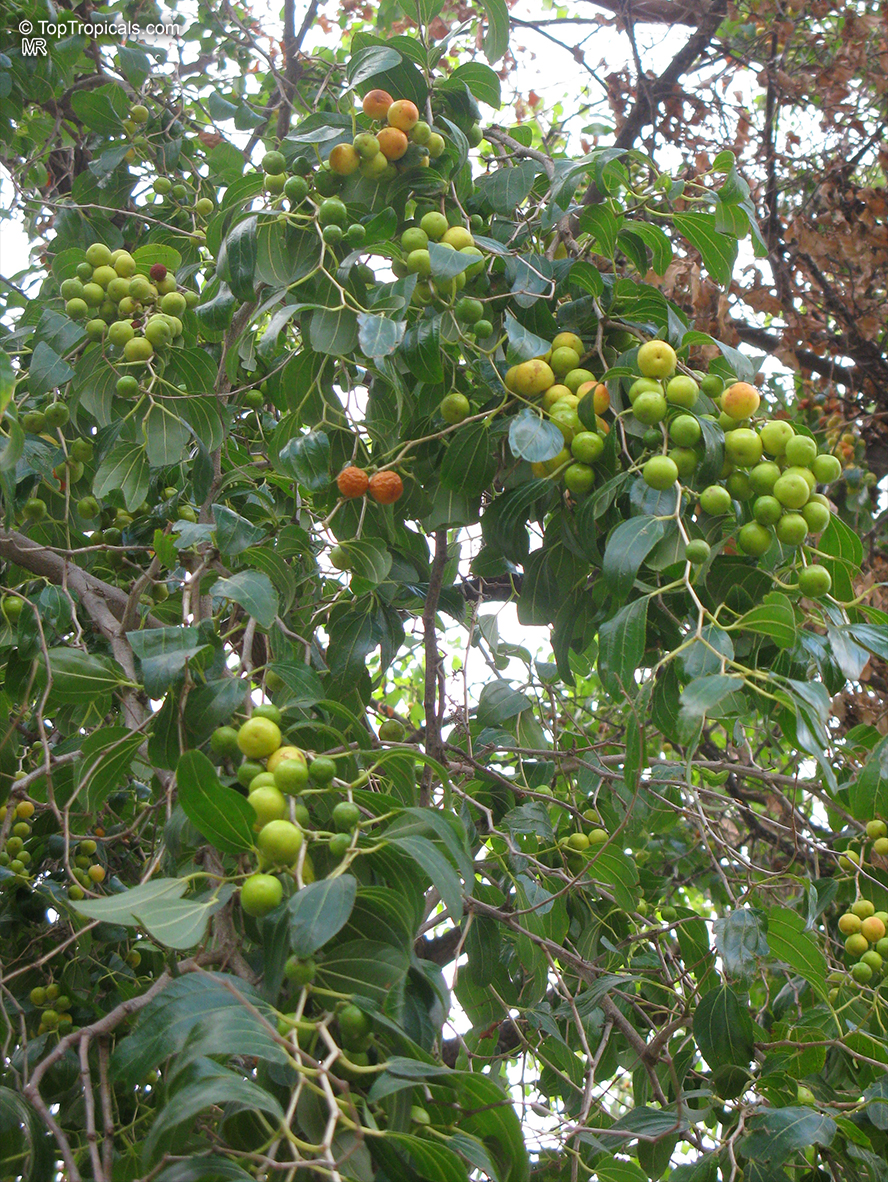
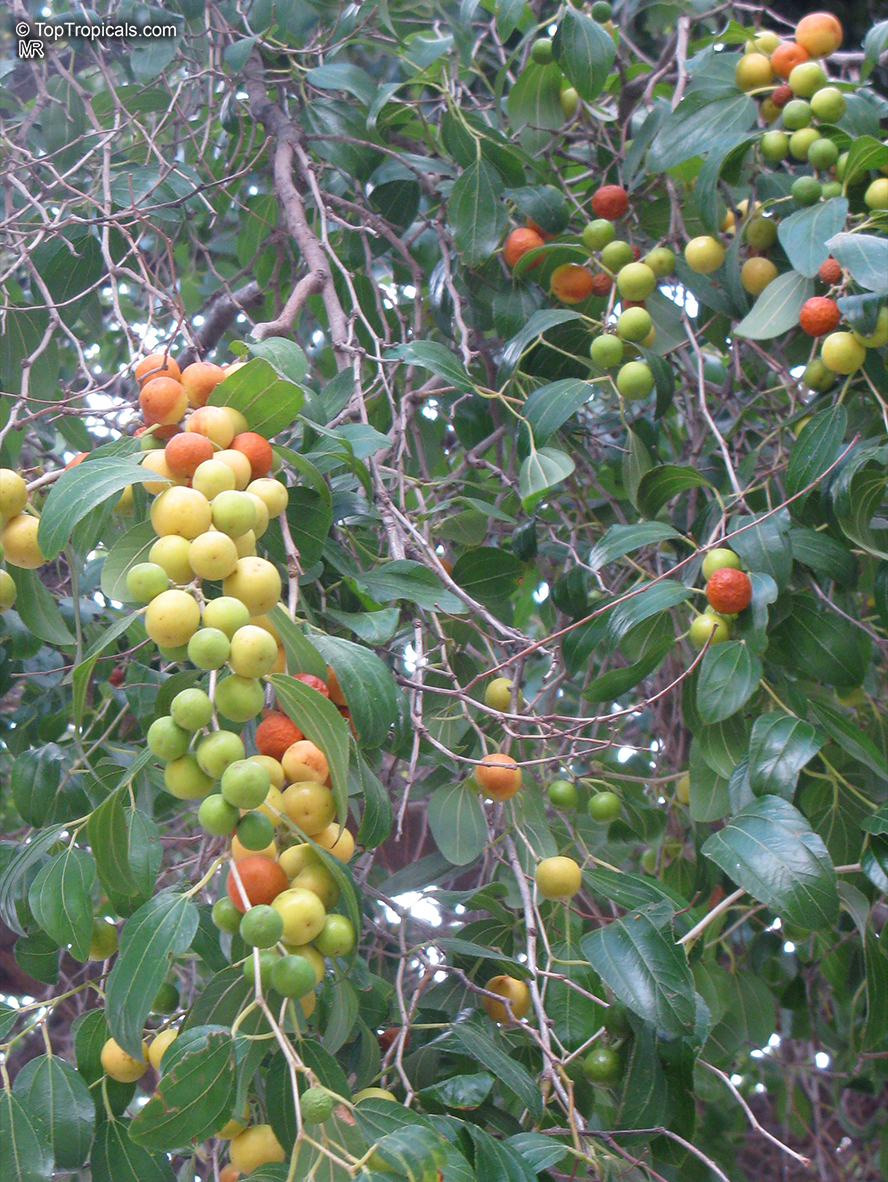
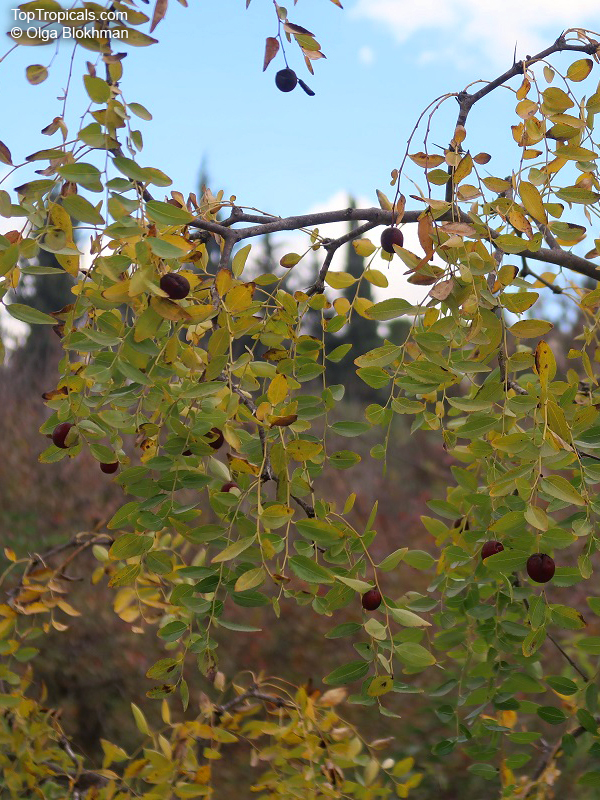
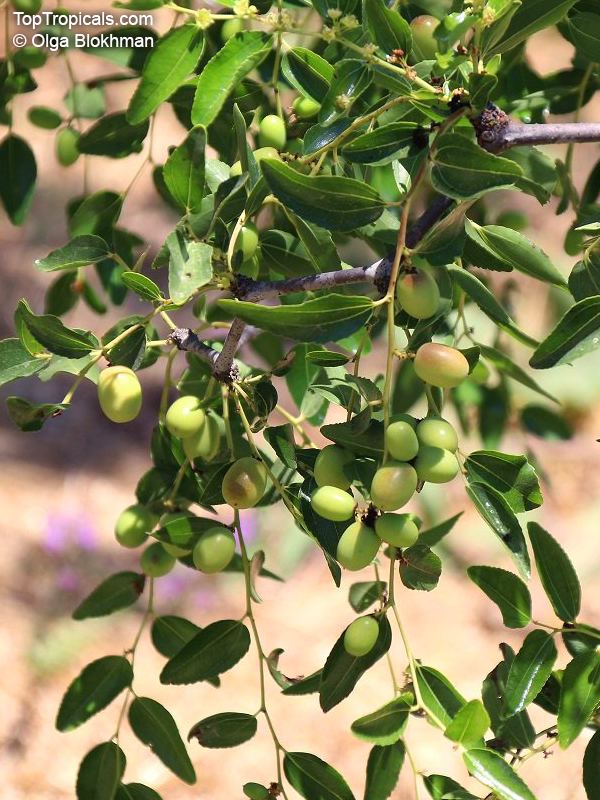

These small acid fruits are liked by children as well as by adults. A small spreading tree, with drooping branches grows readily and quickly on poor ground. Even moderately saline soils are tolerated. The tree will thrive without any special care. All parts of the plant have medicinal uses. Jujube is widely cultivated China and India. The Chinese have been growing and eating jujubes for more than four thousand years and have more jujube trees than any other type of fruit tree.
See Article about Jujube: The tree of Happiness - a tree which removes sorrow.
Recommended Fertilizer: SUNSHINE C-Cibus - Crop Nutrition Booster
SUNSHINE-Honey - sugar booster

Botanical names: Ziziphus mucronata, Ziziphus adelensis, Ziziphus mitis
Common names: Buffalo thorn, Cape thorn
Family: Rhamnaceae
Origin: South Africa
USDA Zone: 9-10
Ziziphus mucronata, also known as Buffalo thorn, is a drought resistant shrub or a small tree that is well-suited for gardens in warm, dry climates. Buffalo thorn is characterized by its crooked trunk, drooping branches, and glossy, drooping leaves with three conspicuous veins at the base. The branches are covered in spines, one curved and one straight. The shrub produces inconspicuous yellowish flowers in clusters, which produce a large amount of nectar that attracts many insects, particularly bees. The round, russet-colored fruits contain a dry, meal-like pulp and are eaten by many birds and wild animals.
It prefers full sun to partial shade and well-drained, fertile soil, but it can also be grown in containers. It ca be grown in ground in USDA Zone 9-11. While it is not particularly cold hardy, mature plants can withstand temperatures as low as the low 30s Fahrenheit for short periods of time. To protect container plants in cold regions, it is recommended to bring them indoors during the winter to prevent frost damage.
Buffalo thorn should be watered moderately and not overwatered, as this can cause root rot. The leaves should be sprayed with water to keep them looking healthy. Pruning back crisscrossing limbs and any dead wood can encourage healthy new growth. In addition to being an attractive garden plant, this shrub is also known to attract butterflies and hummingbirds.
Bark, leaves, and roots of Buffalo thorn, as well as decoctions made from these parts, have been used in traditional medicine to treat a variety of ailments, such as skin infections, chest problems, and various pains, including toothaches. The seeds were ground and used as a coffee substitute.


Botanical name: Ziziphus spina-christi
Common names: Arabian jujube, Syrian Christ thorn
Family: Rhamnaceae
USDA Zone: 9-10
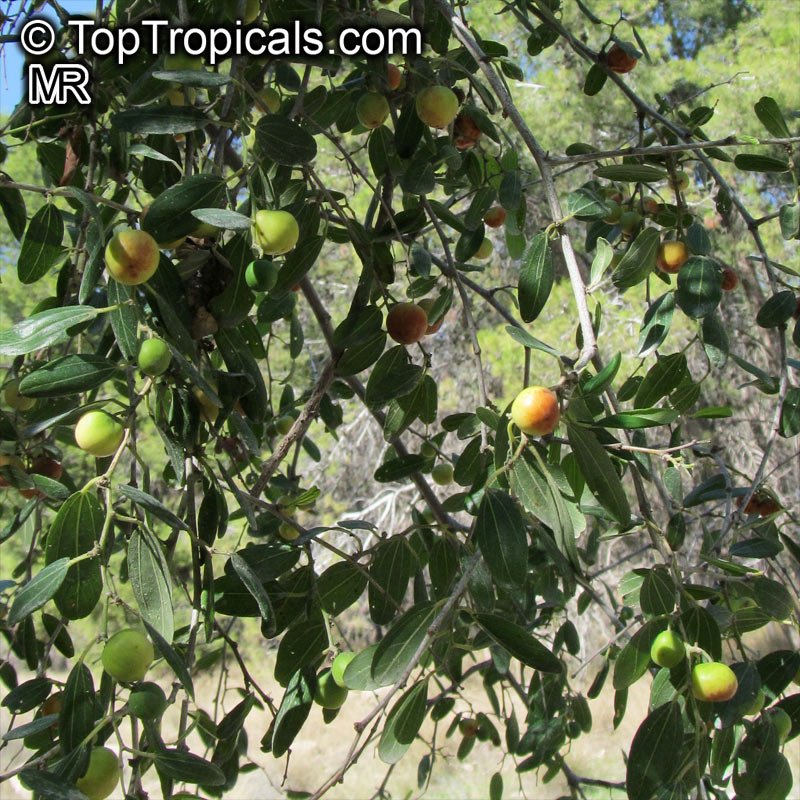
This sacred tree is considered the most important tree at all for producing honey. This honey has several merits and fragrant smell. This tree is planted for garnish, shade and its sweet fruits.



| Prev |
Use link to repeat this search:
https://toptropicals.com/cgi-bin/garden_catalog/cat.cgi?search_op=and&keyword_op=and&language=e&number=10&no_change_lang=1
&v1=med&user=tt&sale=1&first=0