Ethnomedical plant - Plant Encyclopedia Results (Page 2)
| Number of plants found: 1019 |  | Prev | Next | 
|
Go to page: | 1 | 2 | 3 | 4 | 5 | 6 | Last |
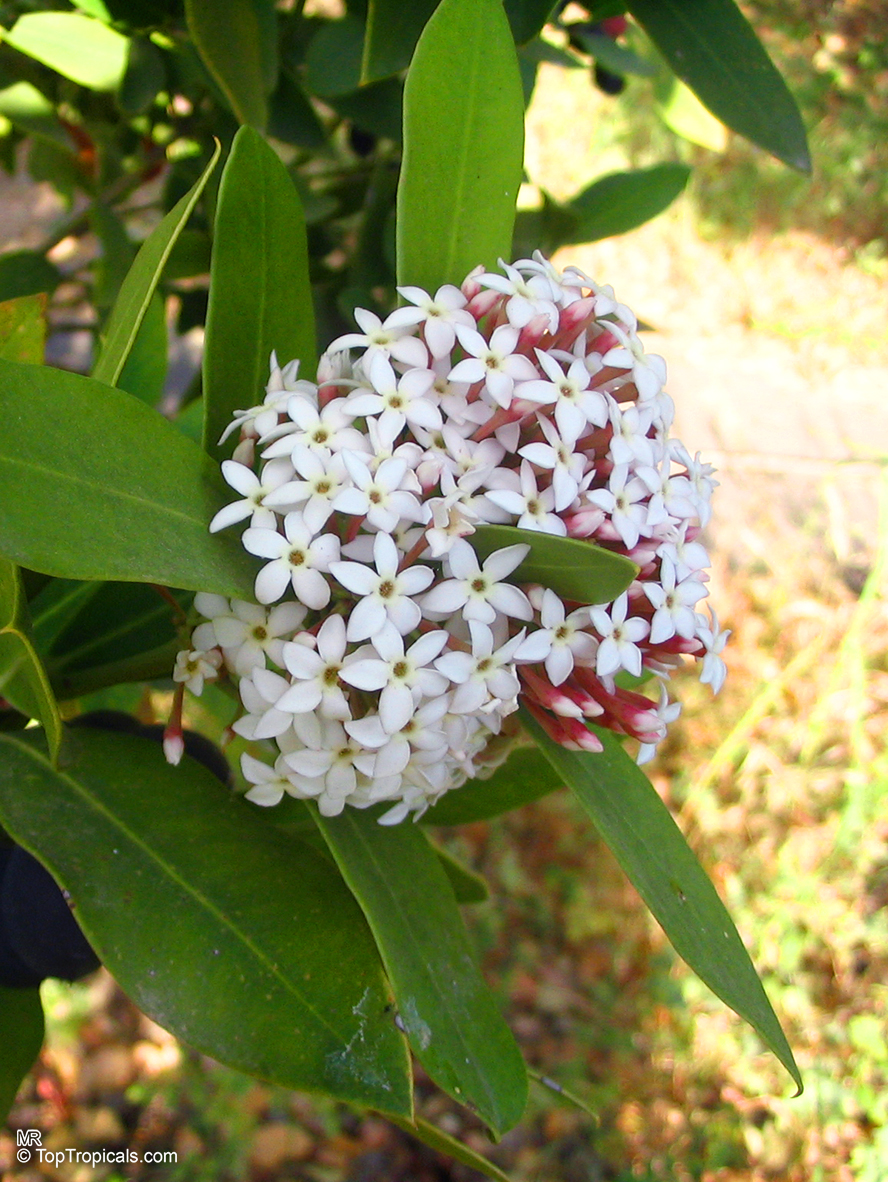
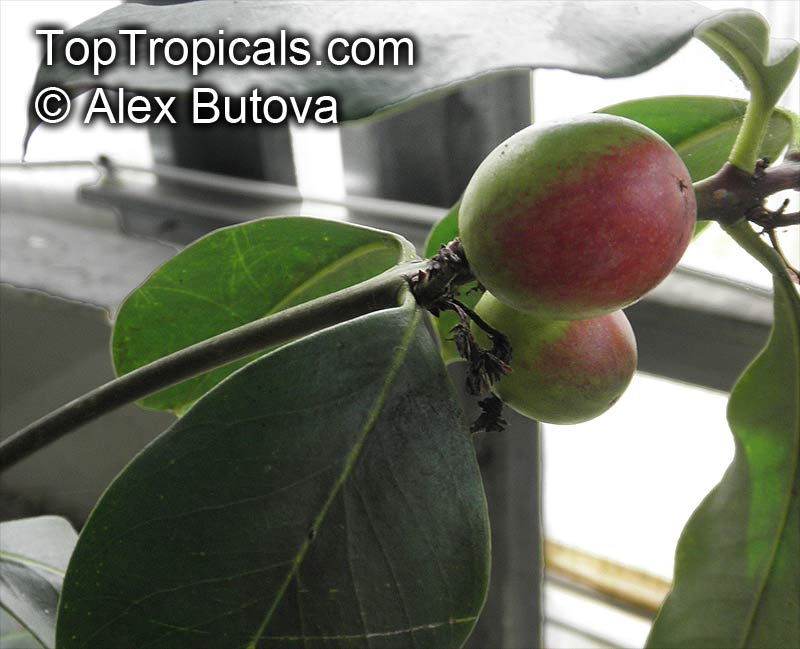
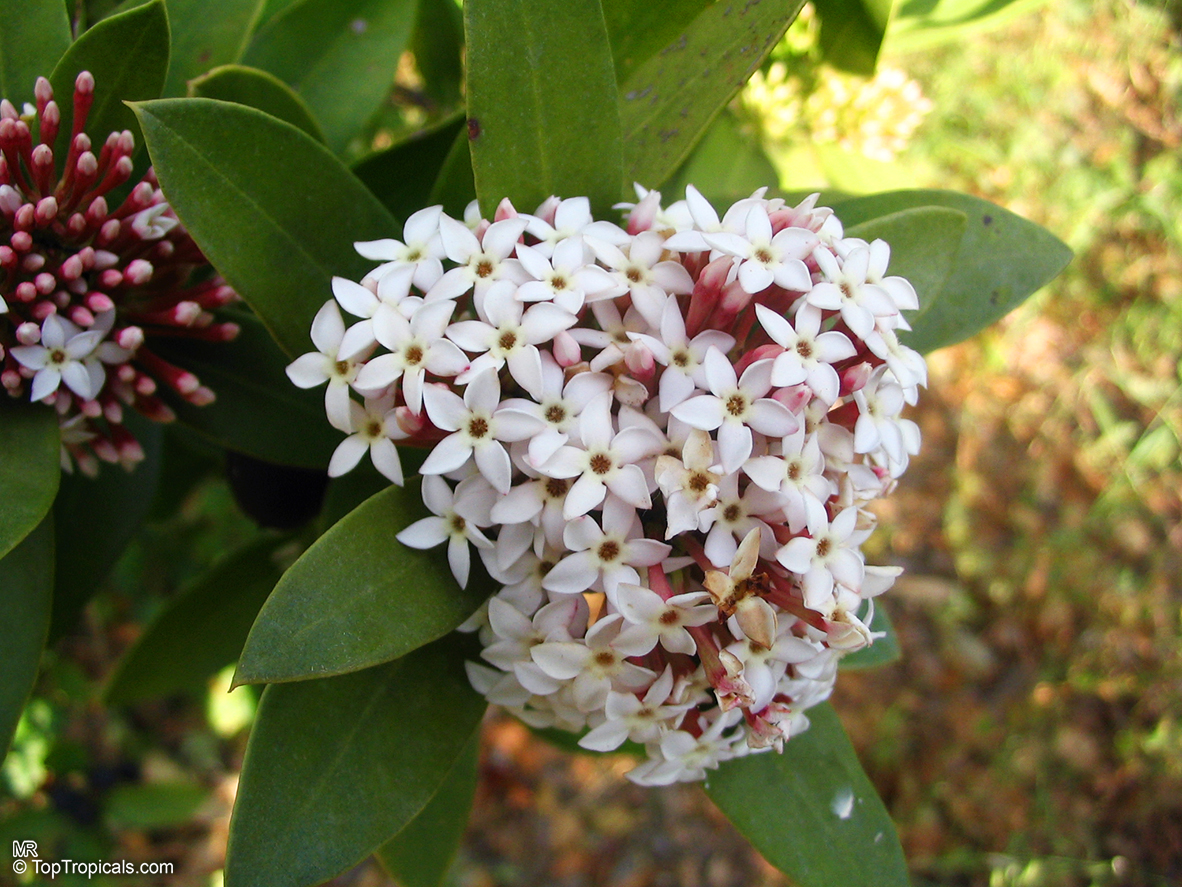
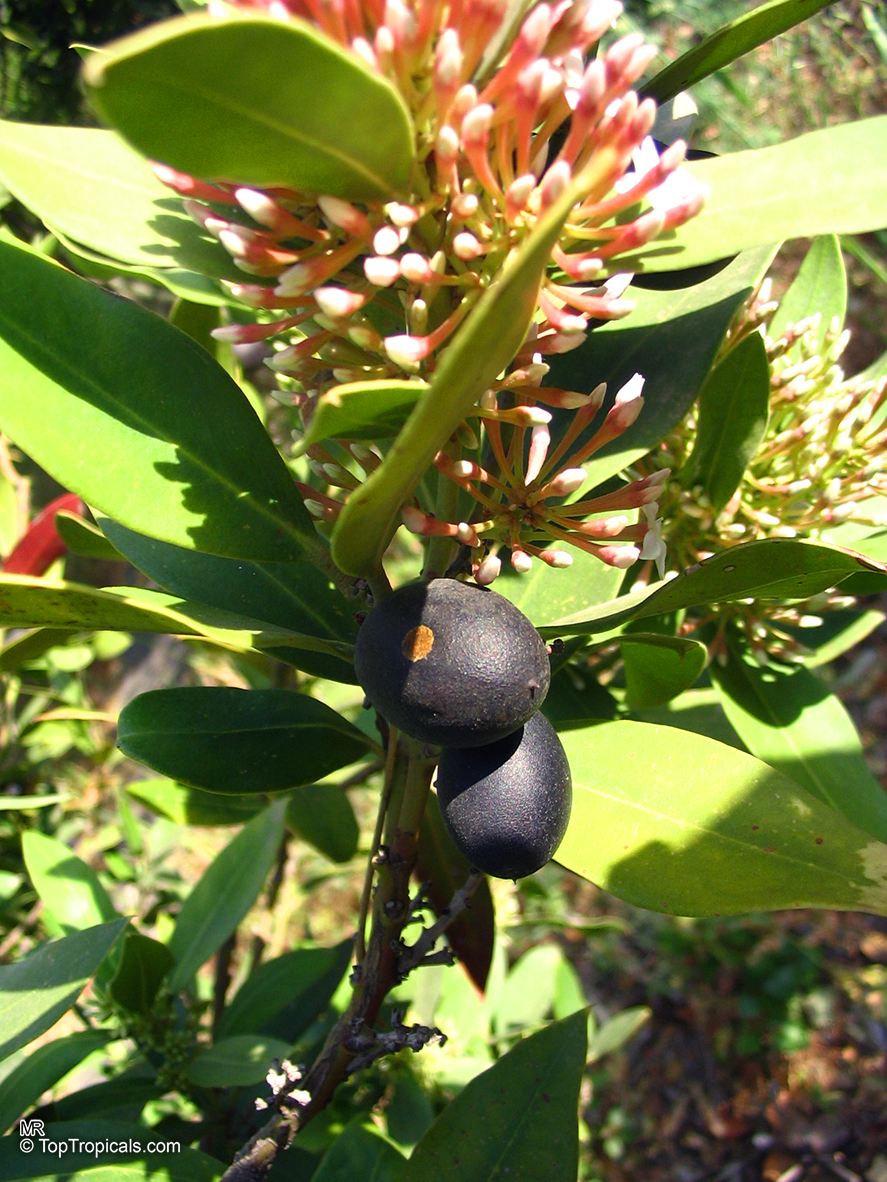
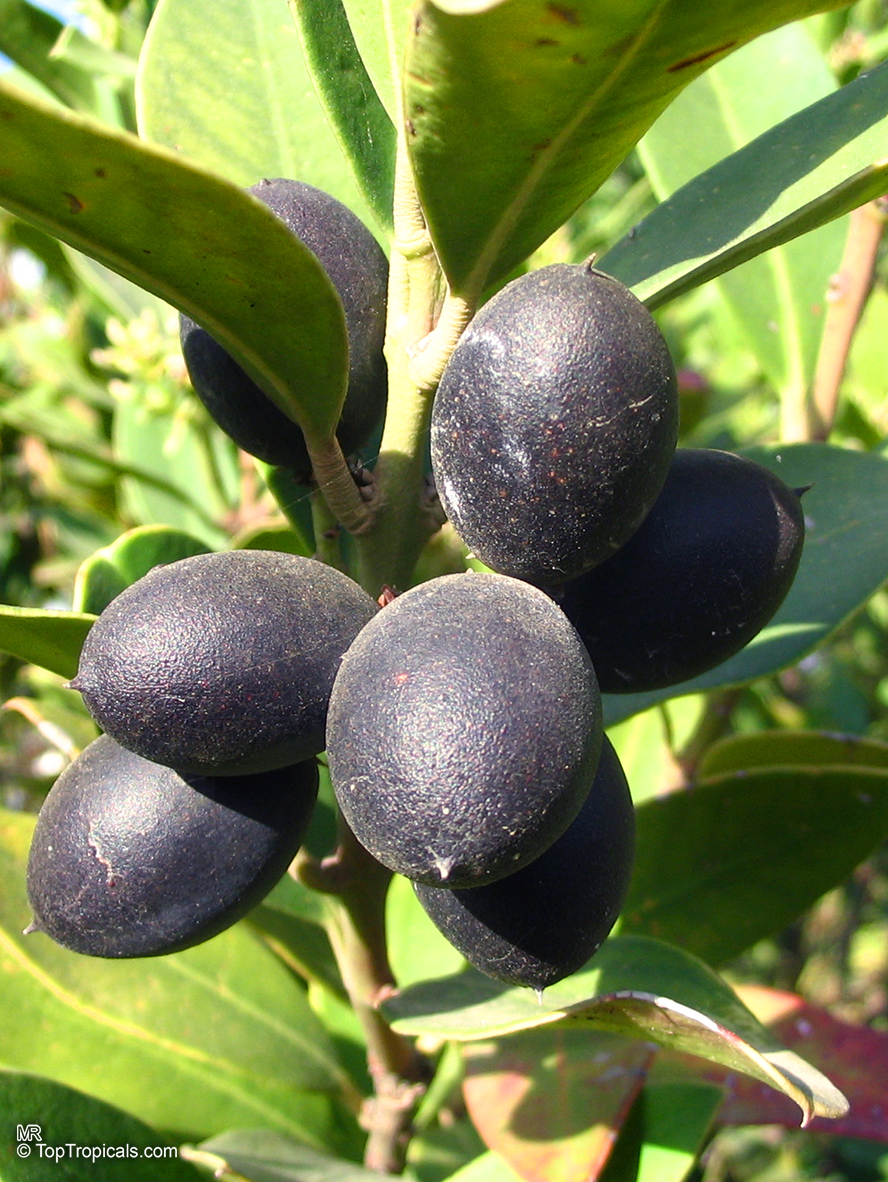
Botanical name: Acokanthera oppositifolia
Common name: Bushman's Poison
Family: Apocynaceae
Origin: South Africa
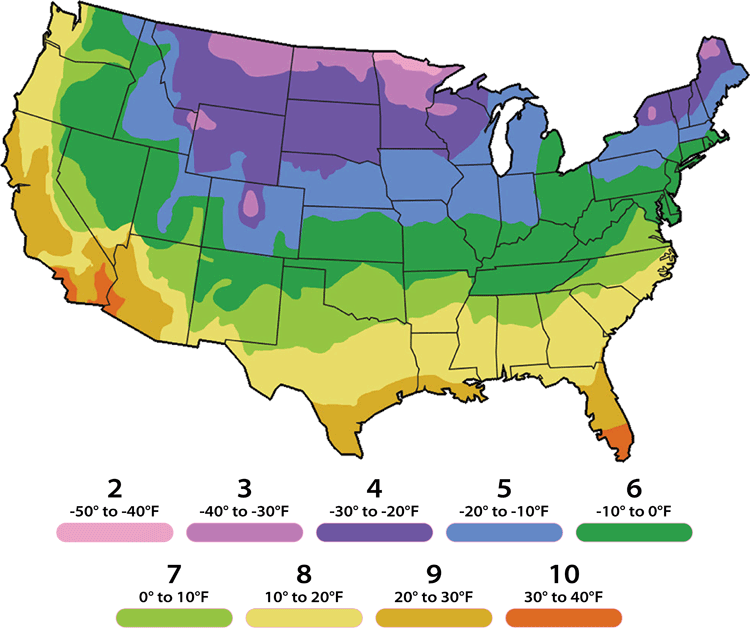
USDA Zone: 9-11


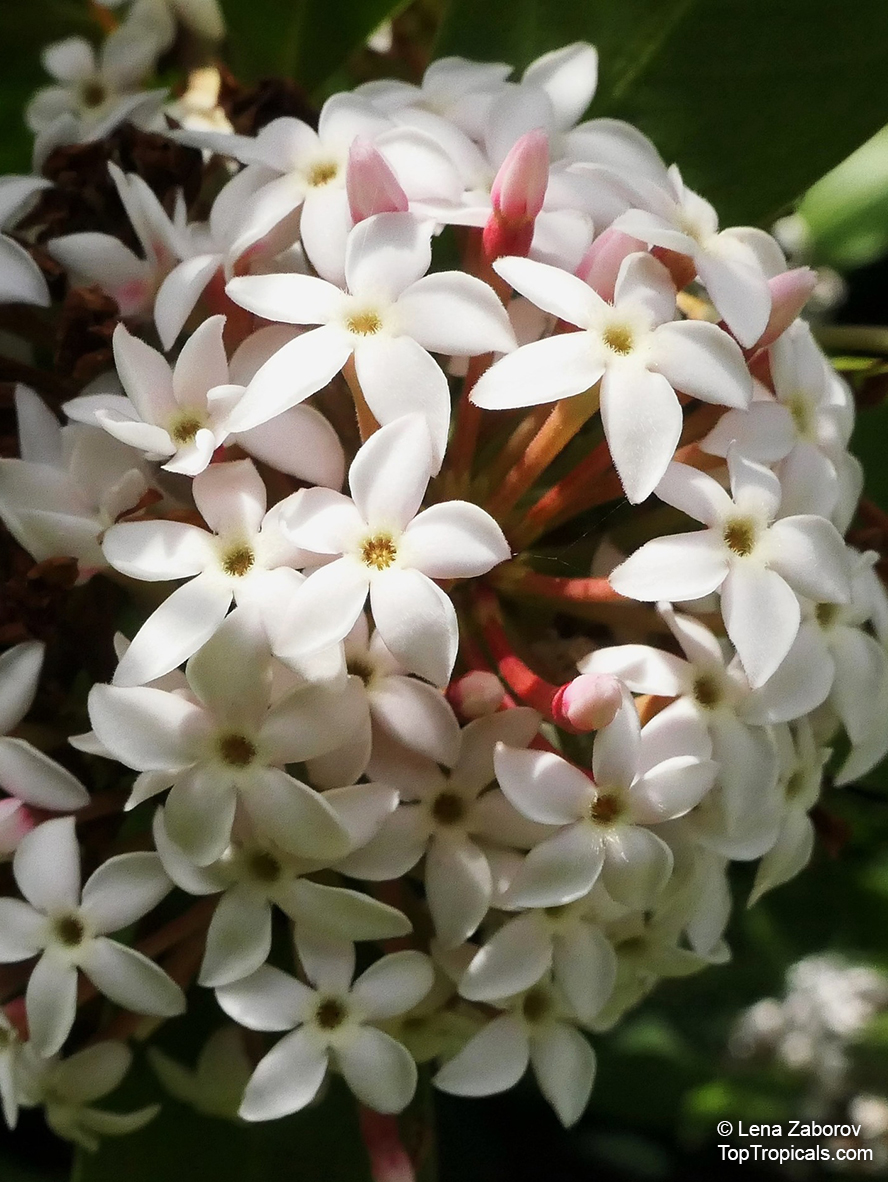
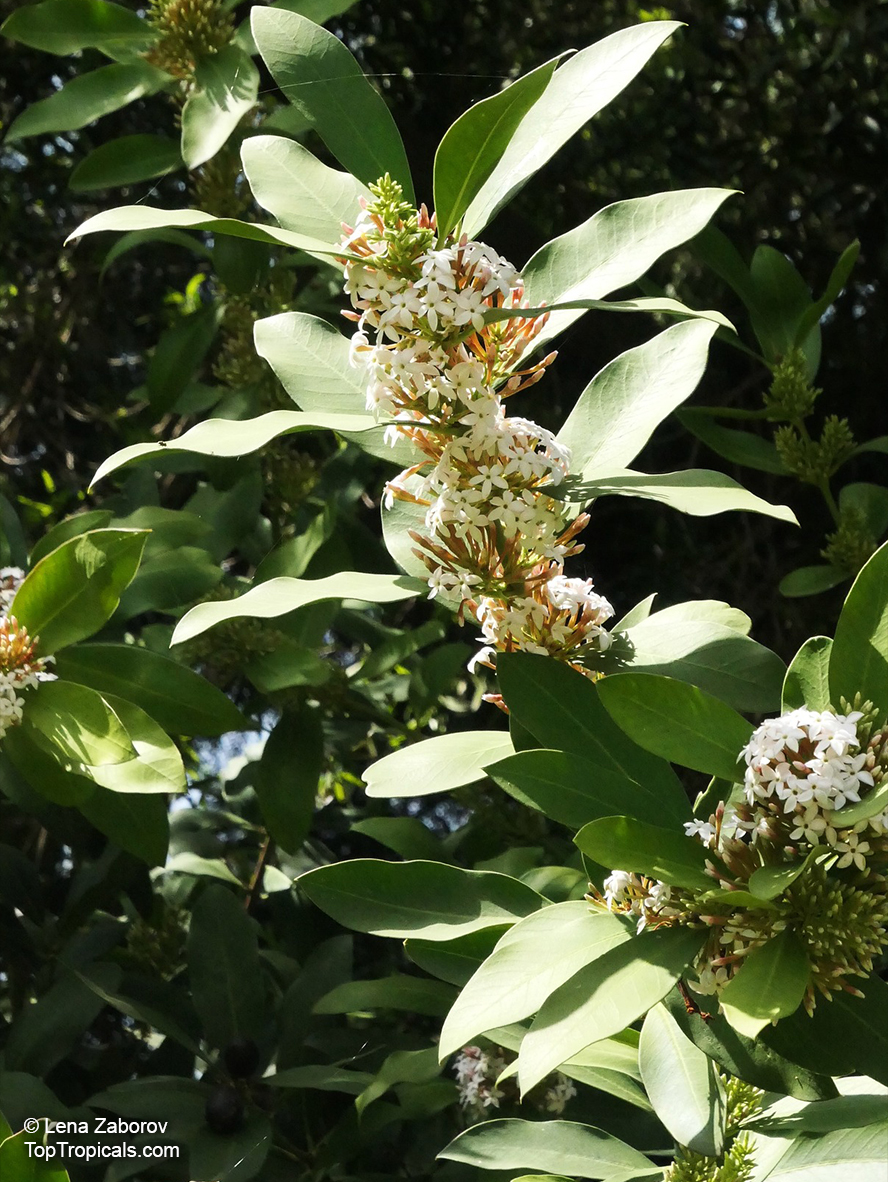
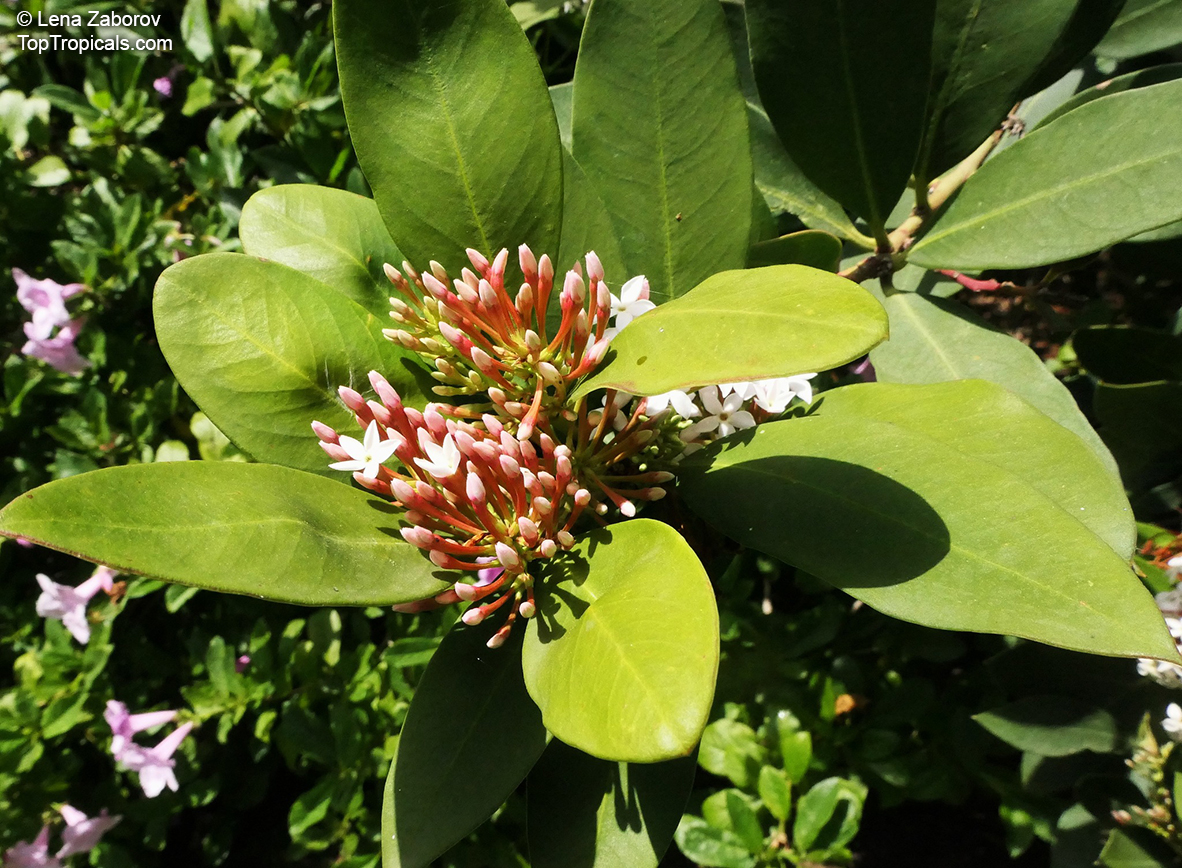
Acokanthera oppositifolia (Bushman's Poison) is a large shrub, typically growing 5-10 feet tall. It has glossy dark green leaves that are opposite and grow up to 3-4 inches long. In the spring and summer months, the Bushman's Poison flowering shrub is adorned with white, off-white flowers which have a strong, sweet, perfume-like scent.
In its native habitat, the Acokanthera oppositifolia is mainly used for its ethnomedical applications, such as treatment for headaches, inflammations, fever and even malaria. However, it should be noted that the milky sap is considered to be poisonous or toxic and should not be ingested.
As an ornamental plant, the Bushman's Poison works well in well-drained soil in full sun or partial shade and requires moderate amounts of water. It is suitable for growing in regions with USDA Hardiness Zones 9-11 and a mature plant can tolerate short periods of time in temperatures as low as 30°F. When growing in a pot, it is advisable to move the container to a protected area during cold winters and to protect the roots from the frost.
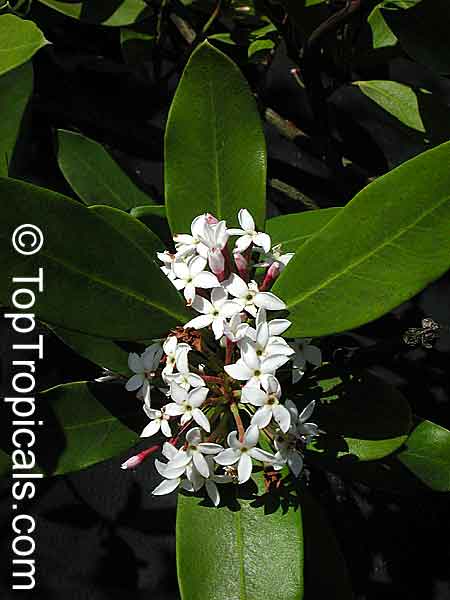
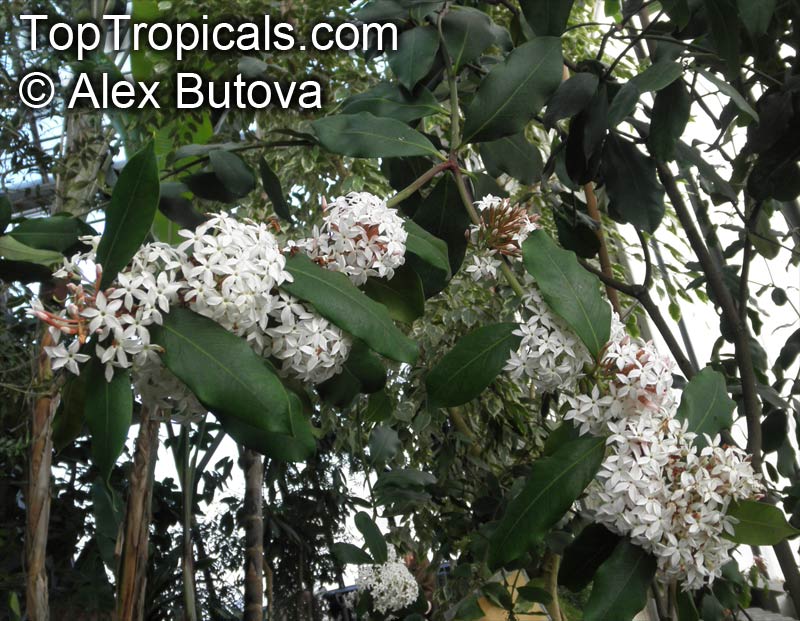
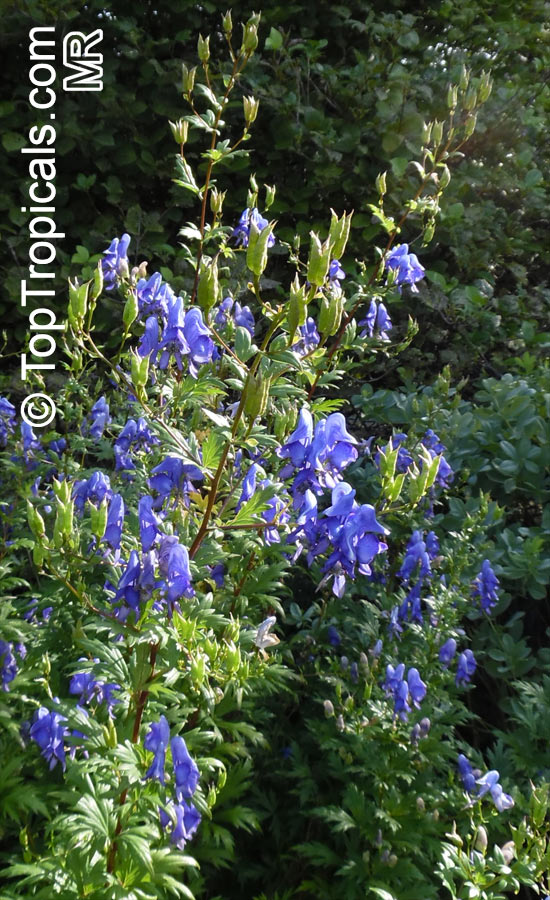
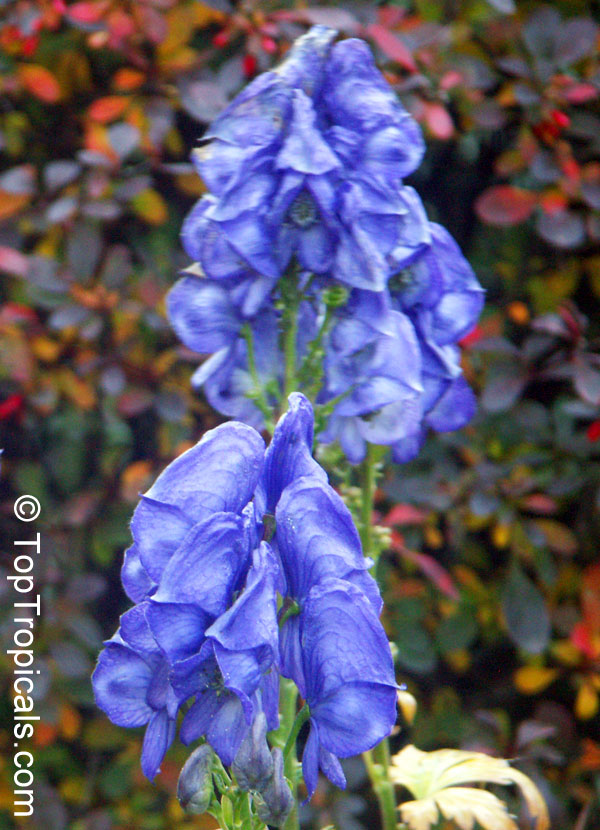
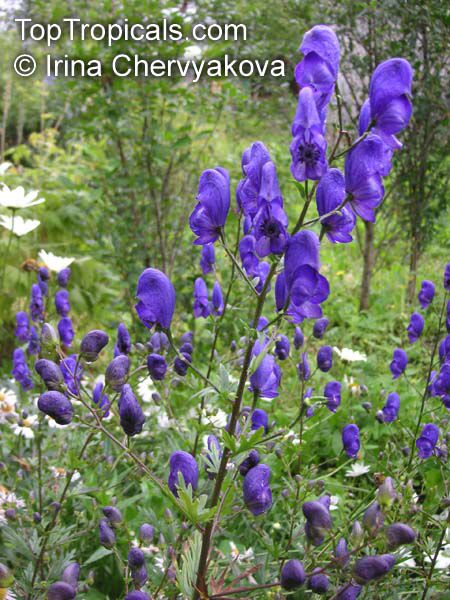
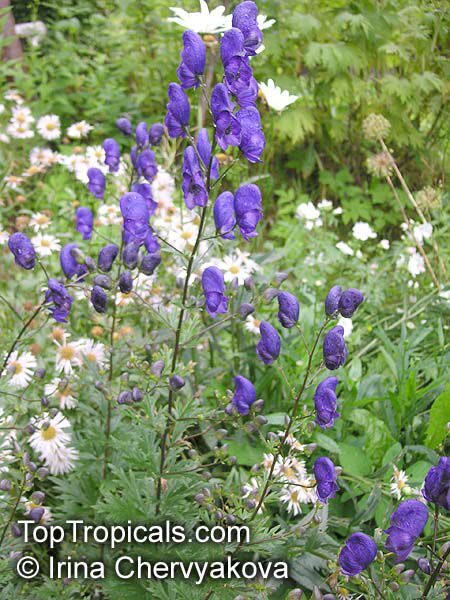
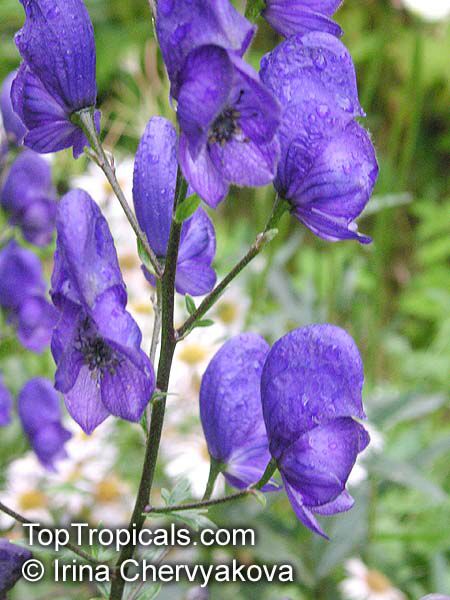
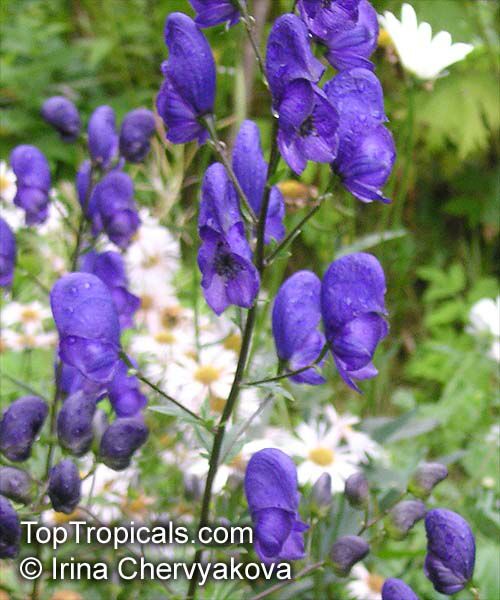
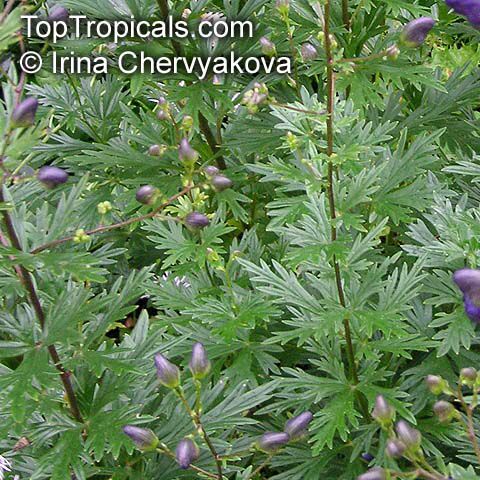
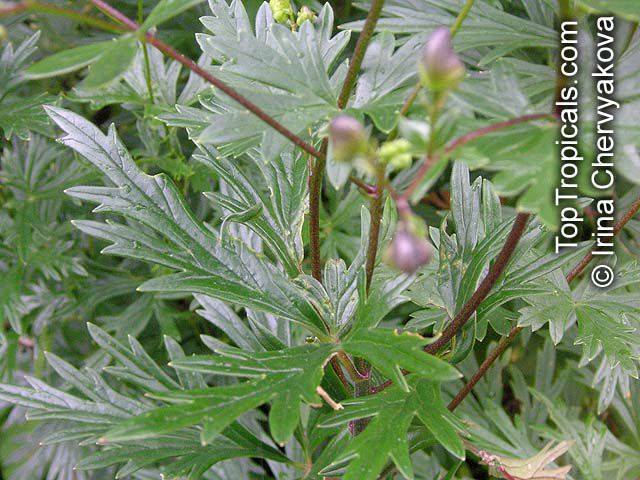
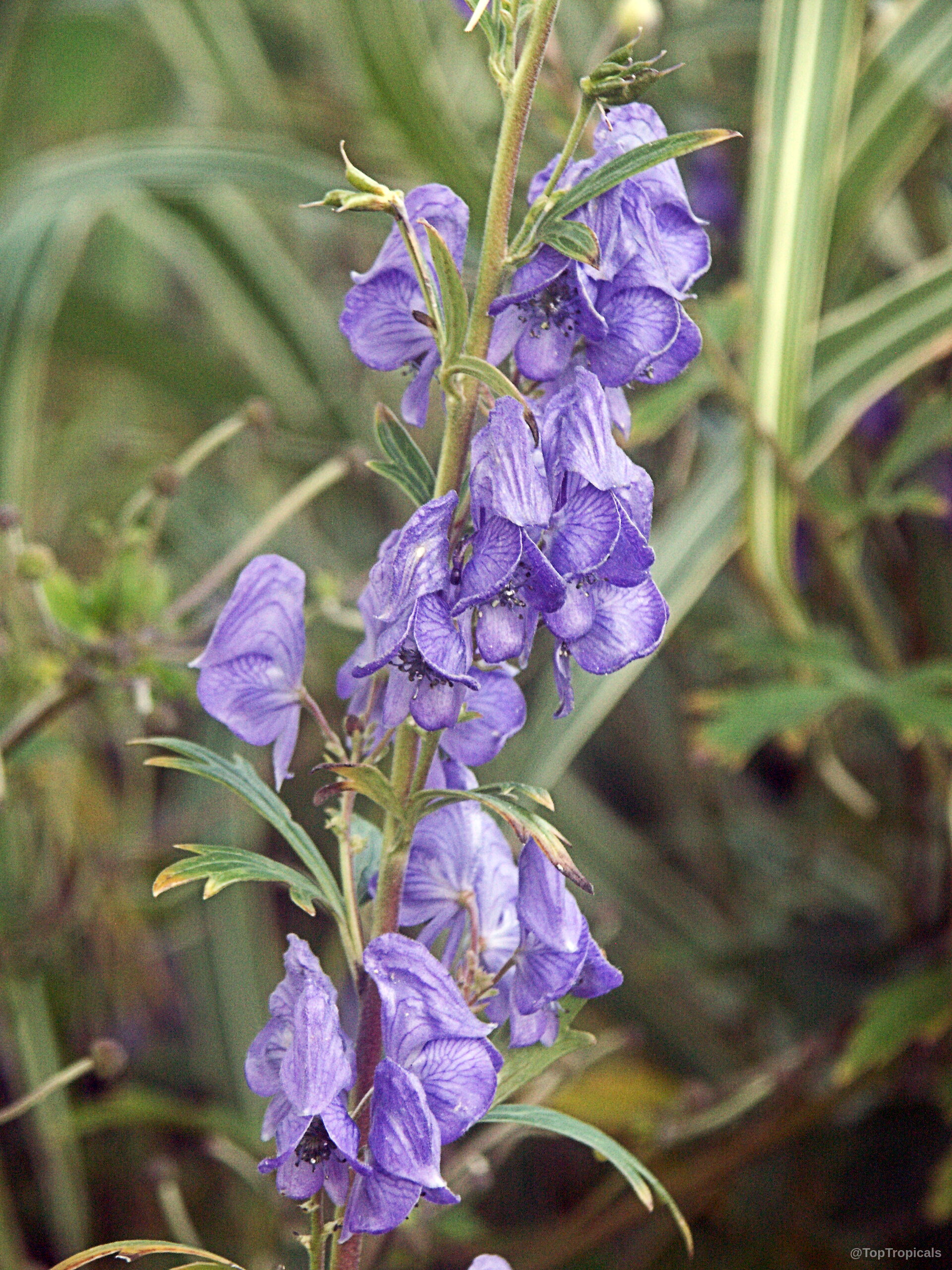
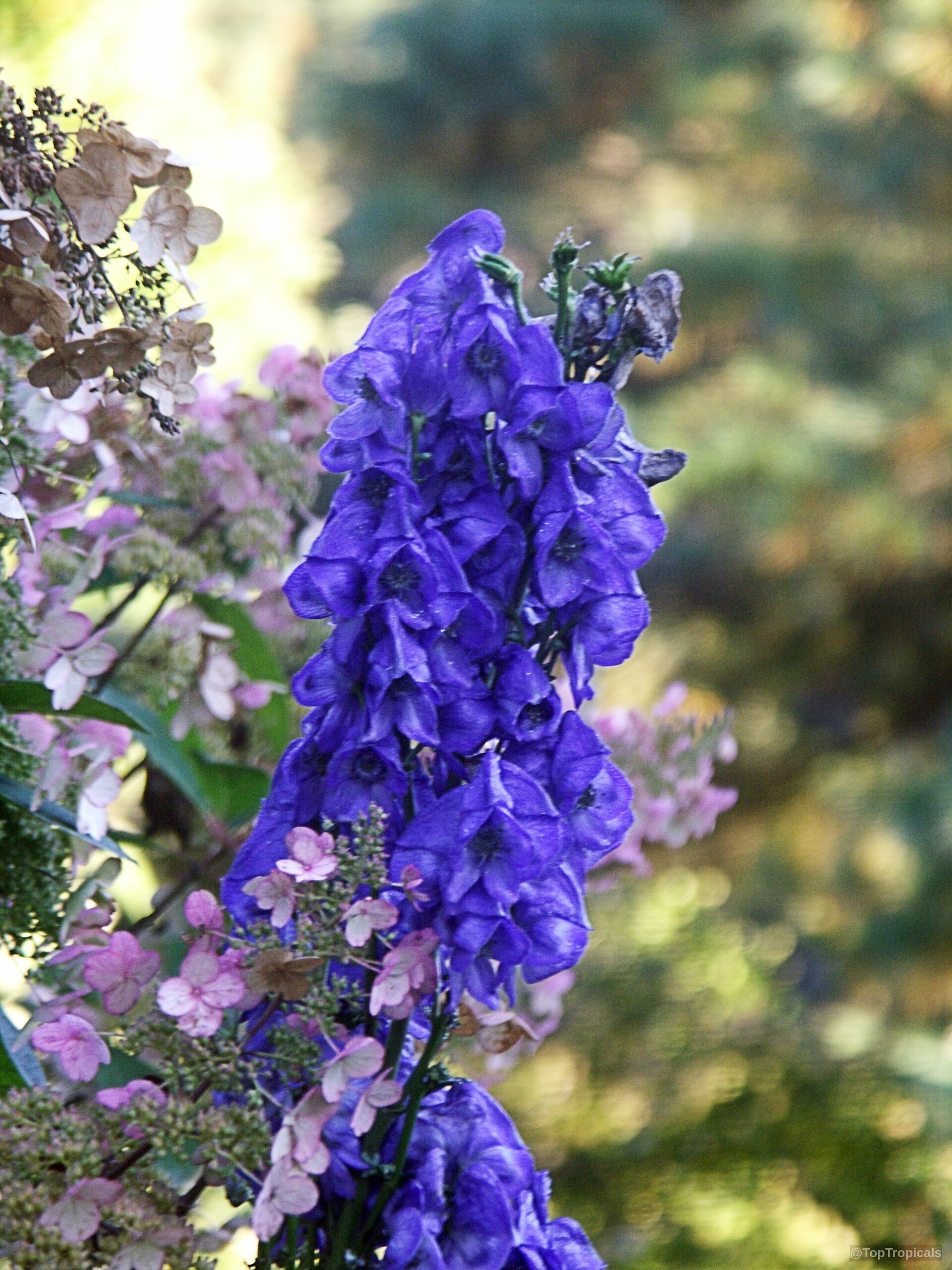
Botanical name: Aconitum sp.
Common names: Monkshood, Wolfsbane
Family: Ranunculaceae
USDA Zone: 4-8


Different Aconitum species (and their varieties) scattered across temperate regions of globe.
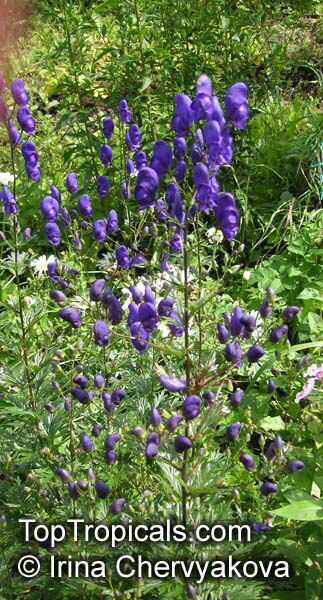
These are handsome plants, the tall, erect stem being crowned by racemes of large and eye-catching blue, purple, white, yellow or pink zygomorphic flowers. Aconitum is grown in gardens for its attractive spike like inflorescences and showy flowers.
All Aconitum plants contain poisonous alkaloids that can, in sufficient quantity, be deadly. Man has used Aconitum as a medicine and poison for thousands of years. Outside Europe it was widely used for its medical properties.

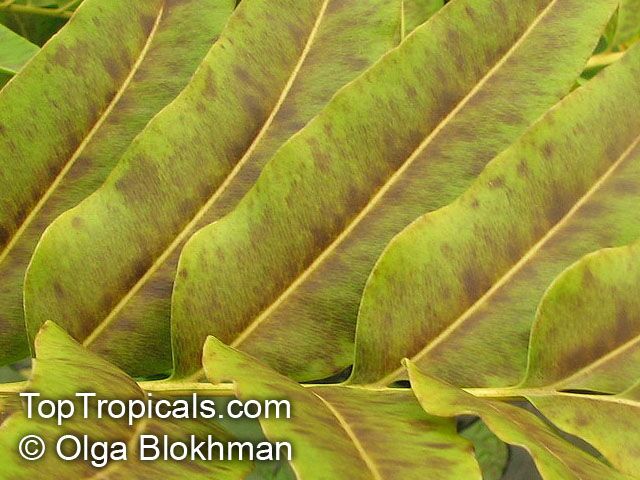
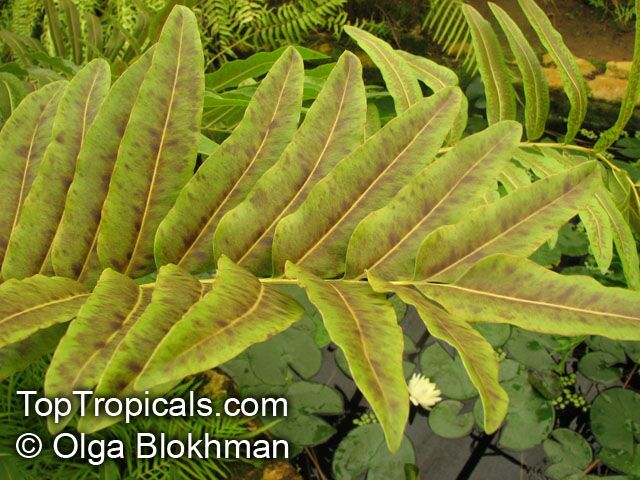
Botanical name: Acrostichum aureum
Common names: Piai Raya, Golden Leather Fern, Mangrove Fern
Family: Pteridaceae
Origin: Pantropical
USDA Zone: 9-10


Acrostichum aureum, also known as Piai Raya, is a small plant that grows to a height of between 2 and 5 feet tall. Native to Pantropical, it grows in USDA Zone 9-11 and is a great plant for adding ornamental foliage to gardens and yards. It is a flood and seaside tolerant plant and can even tolerate salt.
This plant prefers full sun to semi-shade, and can also be grown in boggy or aquatic soil. It needs regular water to keep it looking its best, so make sure to water it every few days during dry spells. Additionally, Piai Raya has ethnomedical properties, and has been known to be used for medicinal purposes.
Growers in cold regions should take special care when growing this plant in a pot. It is best to select a pot with several drainage holes, and the soil mix should be one that readily drains. Additionally, ensure that the pot is well insulated, as the roots are vulnerable to extreme temperatures. Ensure that the soil is also kept moist and fertilize every couple of weeks. With a bit of extra care, Acrostichum aureum can thrive in colder climates.
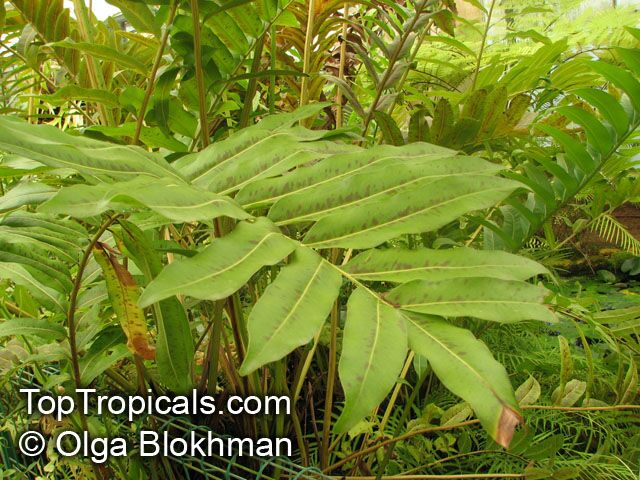
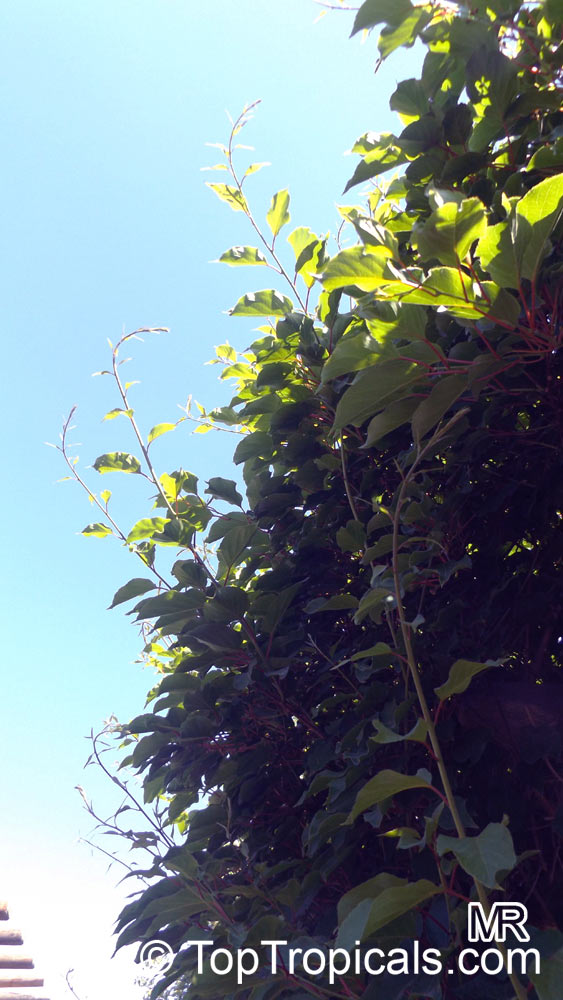
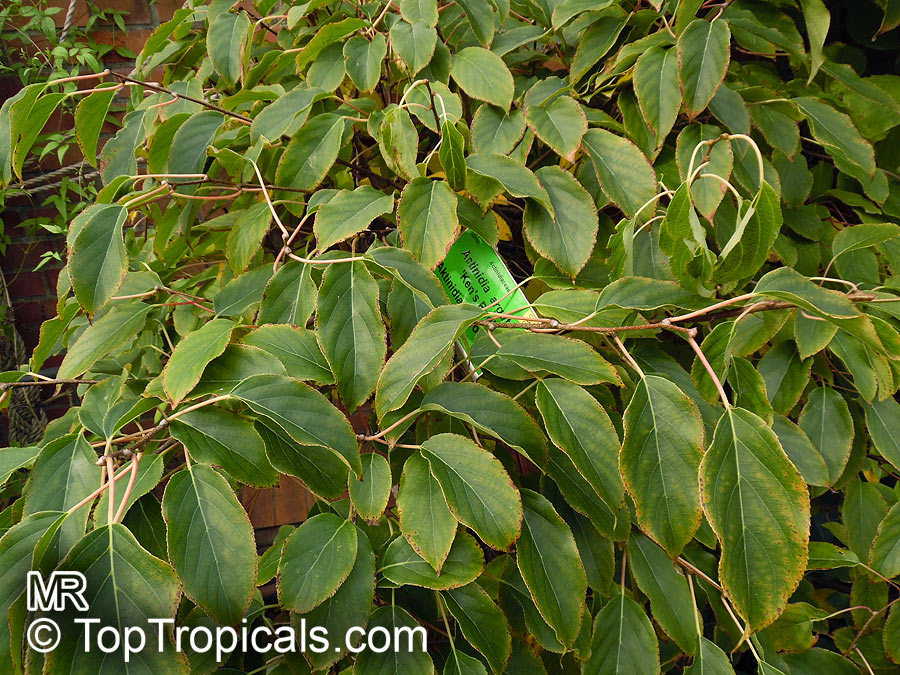
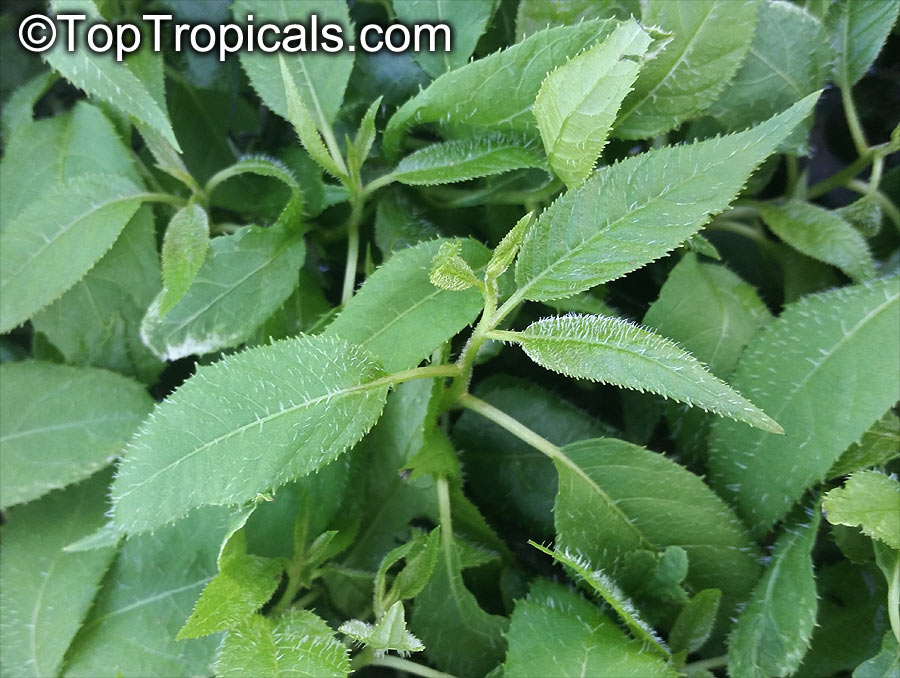
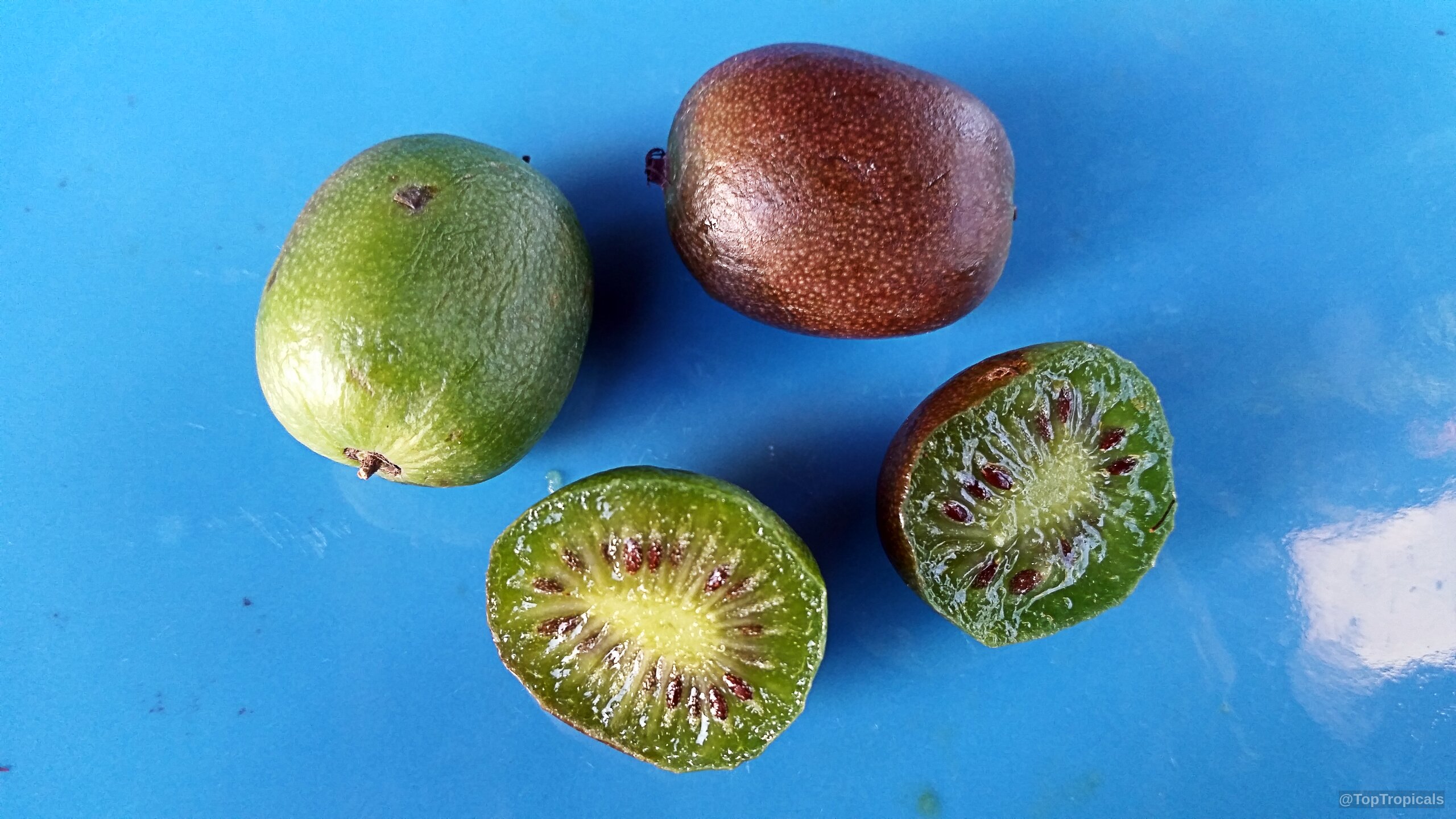
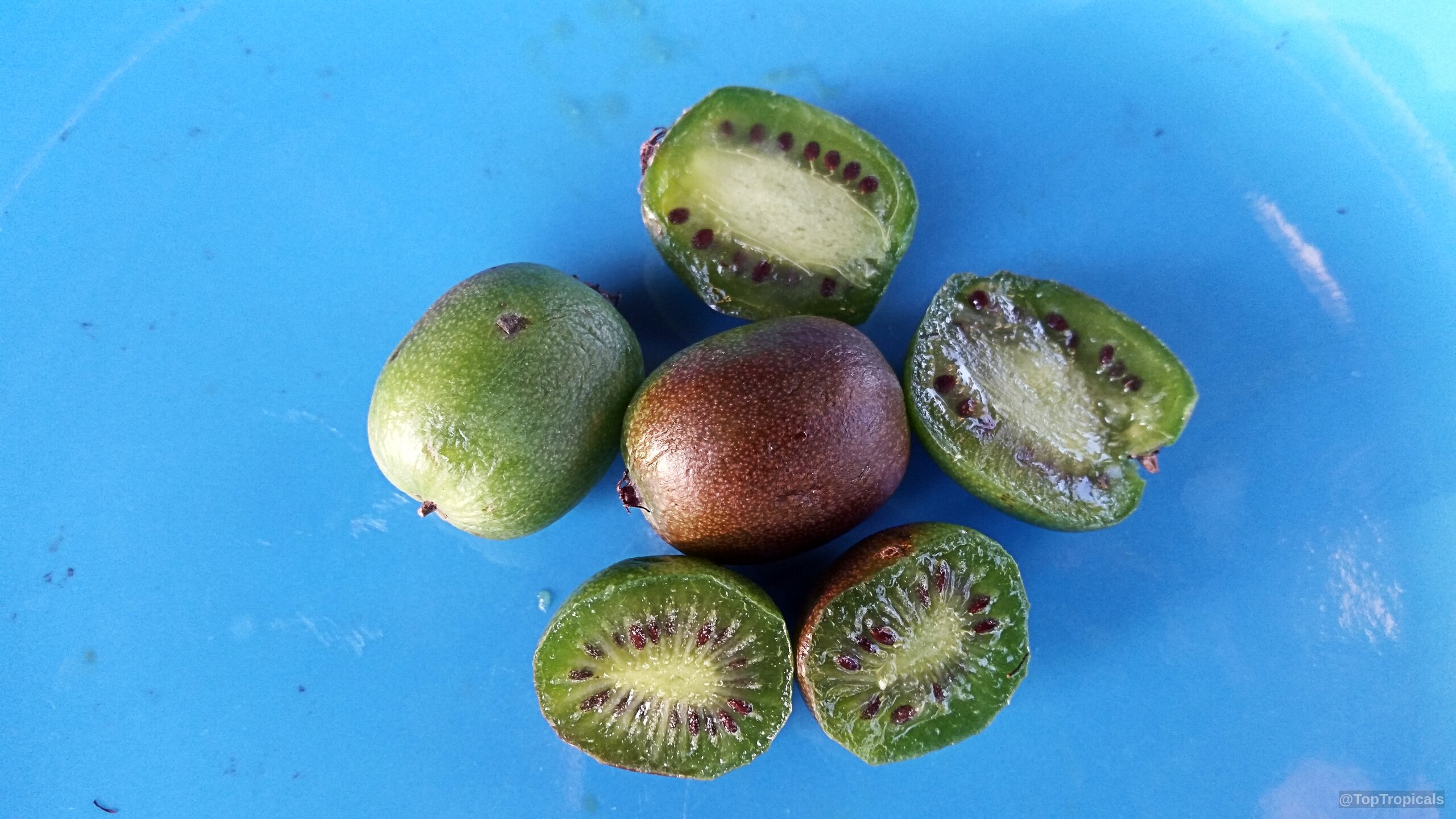
Botanical name: Actinidia arguta
Common names: Hardy Kiwifruit, Kiwi Berry, Arctic Kiwi, Baby Kiwi, Dessert Kiwi, Grape Kiwi, Northern Kiwi
Family: Actinidiaceae
Origin: Japan, Korea, Northern China
USDA Zone: 3-9


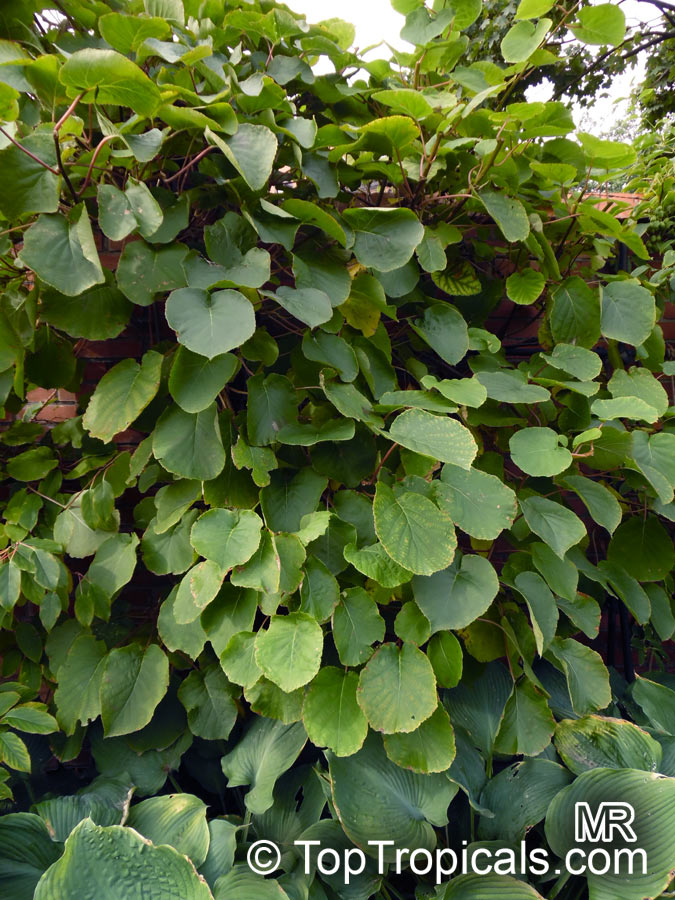
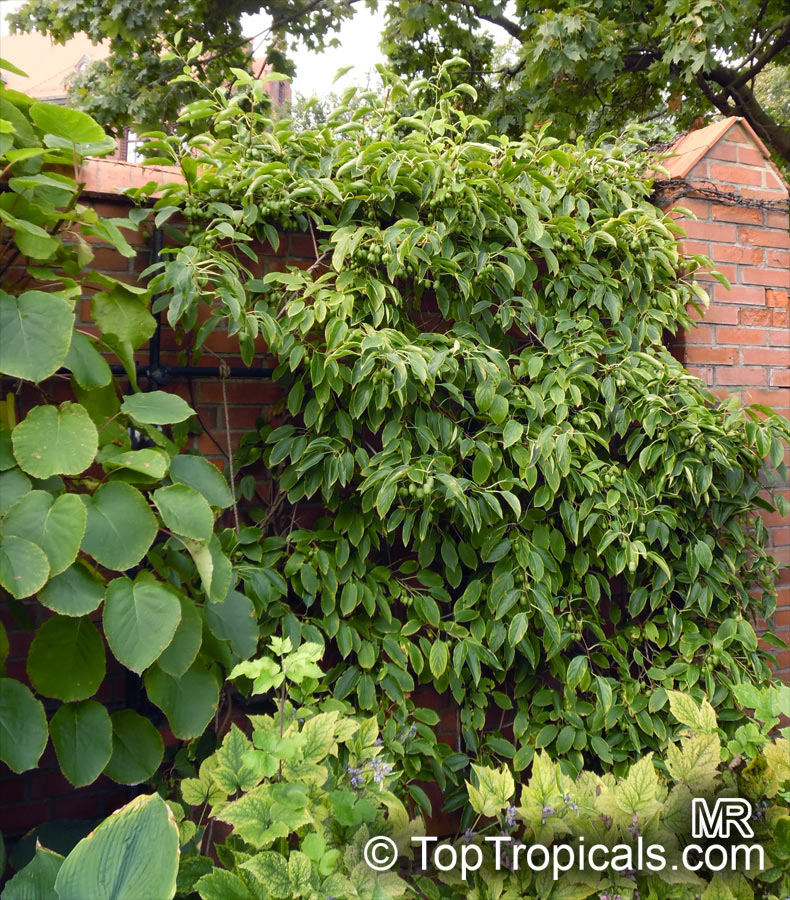
The fast-growing, climbing vine is very hardy, and is capable of surviving slow temperature drops to -34 C (-30 F), although young shoots can be vulnerable to frost in the spring. This vine needs a strong (vines are heavy) support structure on which to grow such as a trellis, arbor, patio overhead, fence or wall.
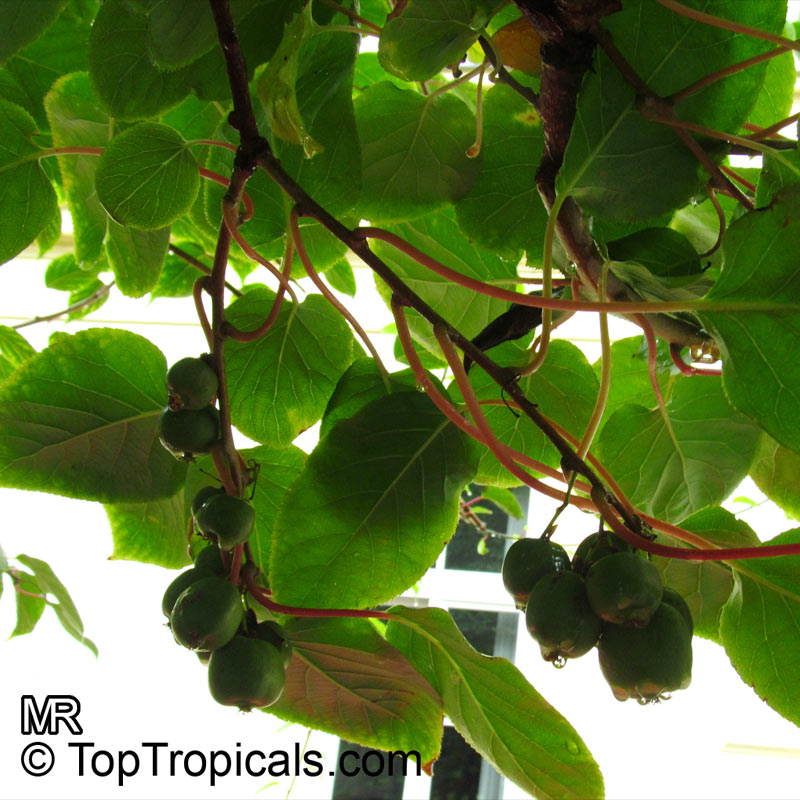
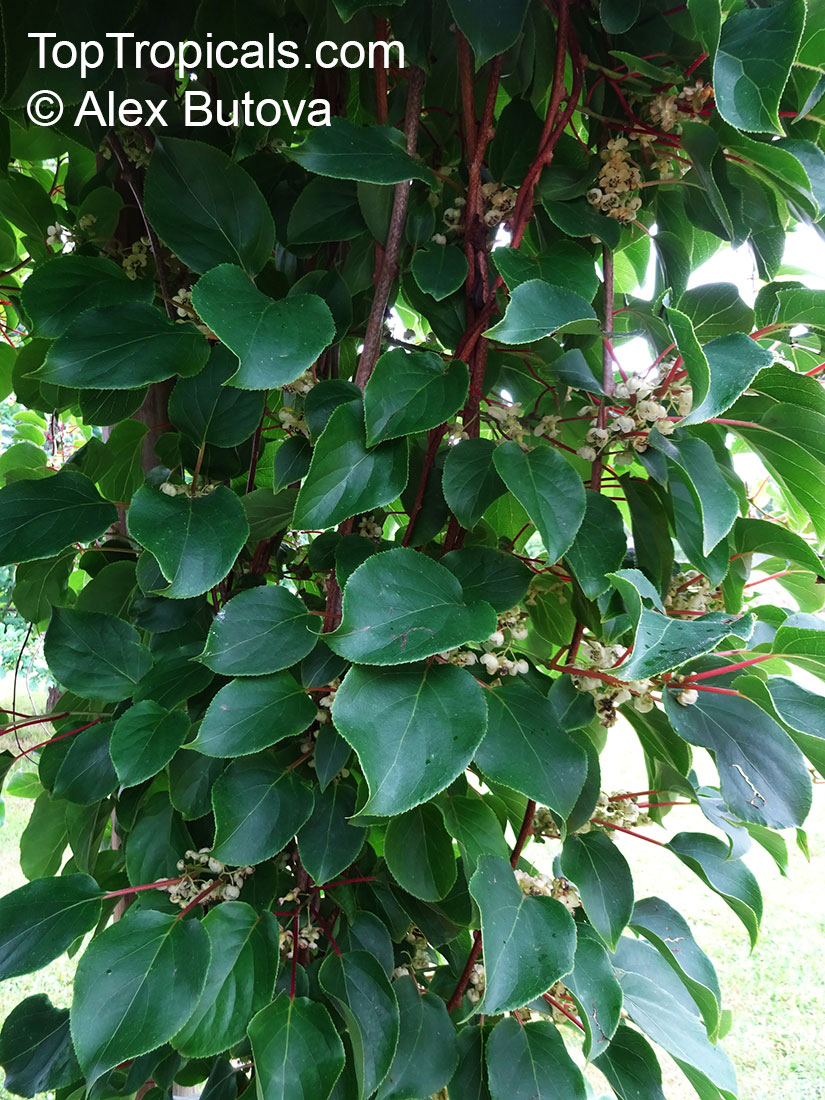
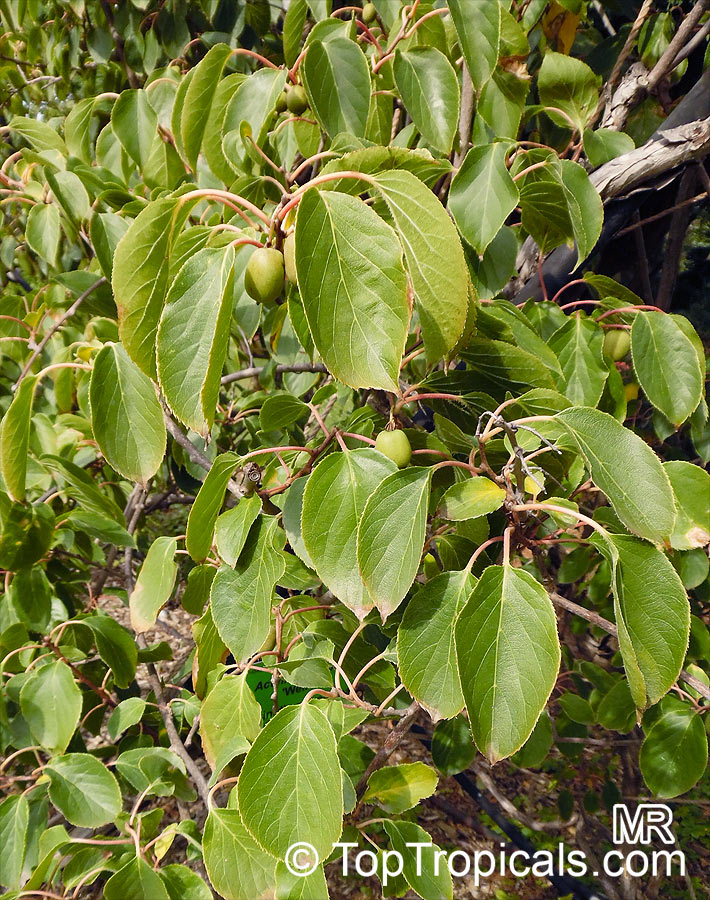
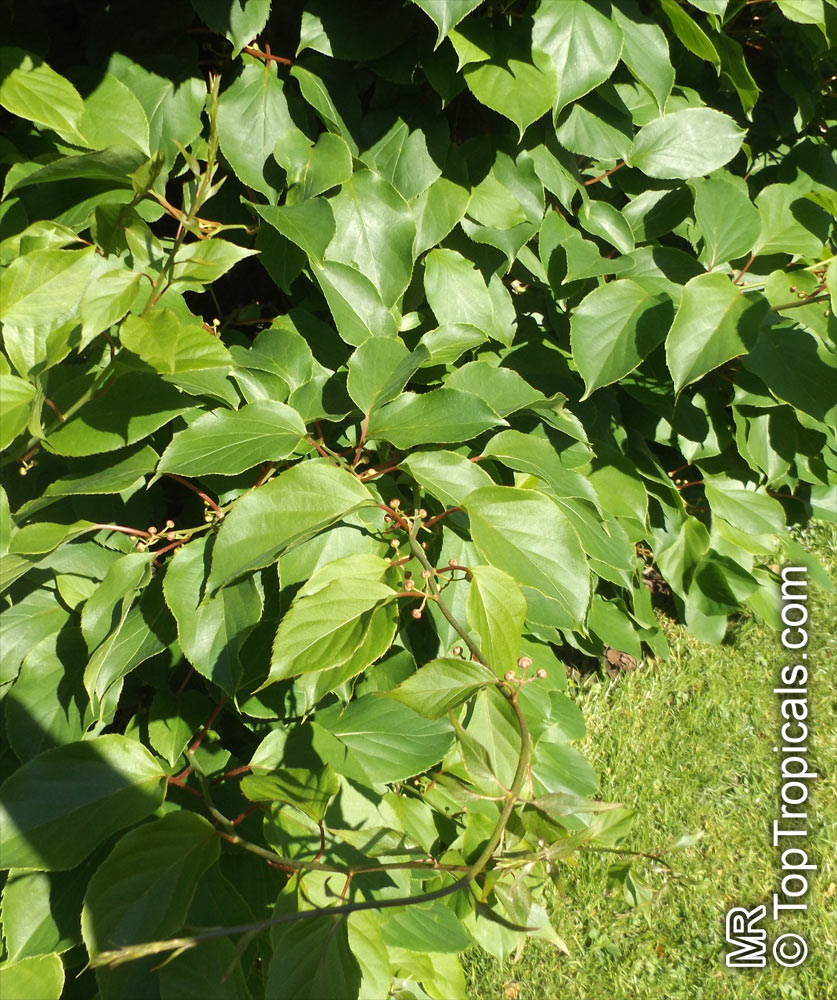
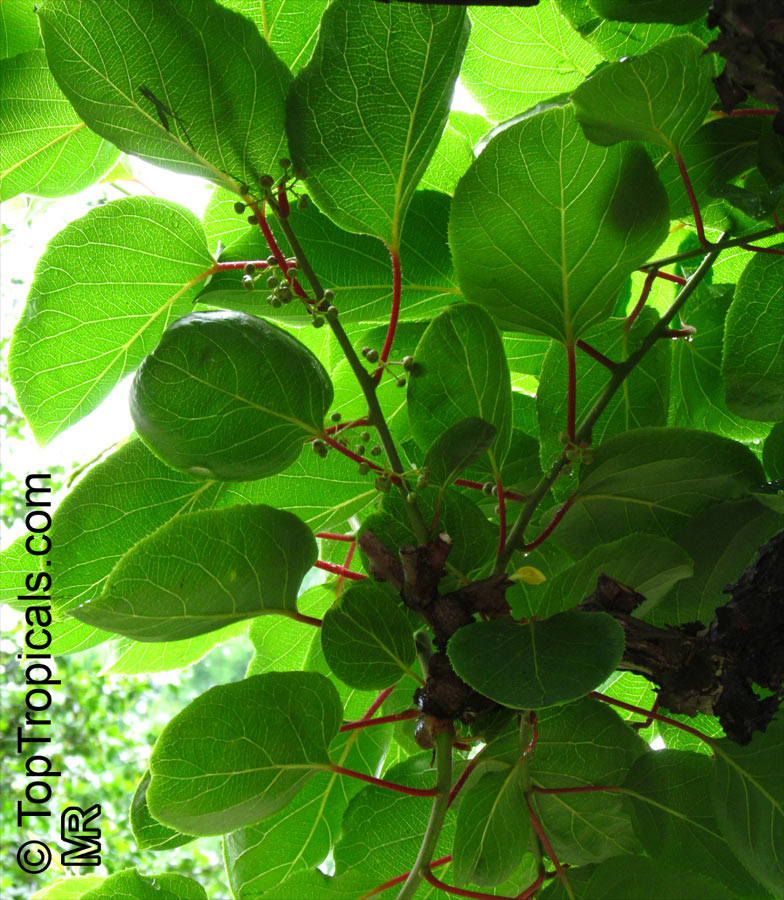
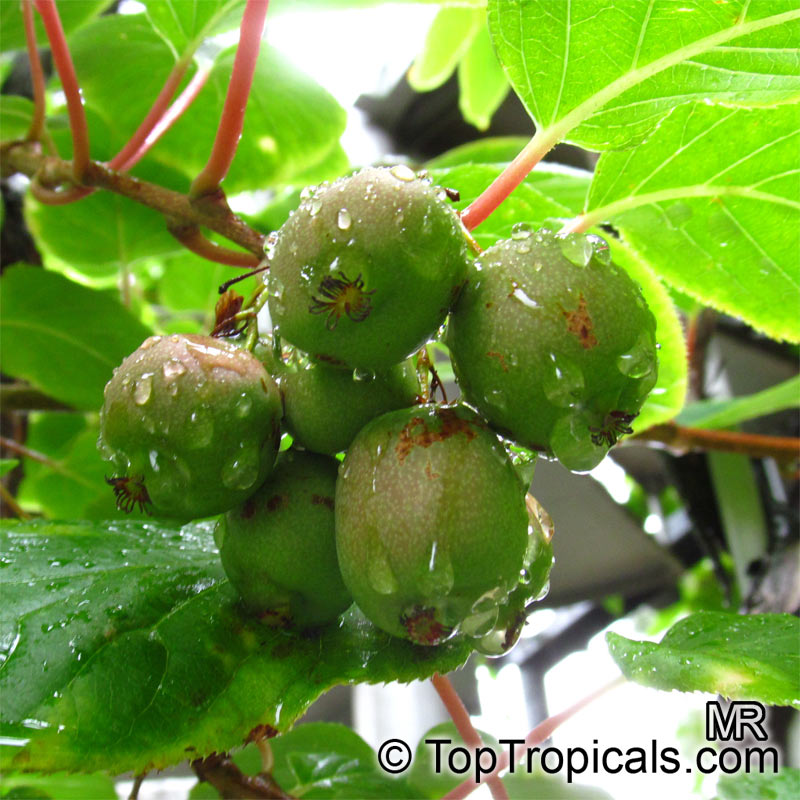
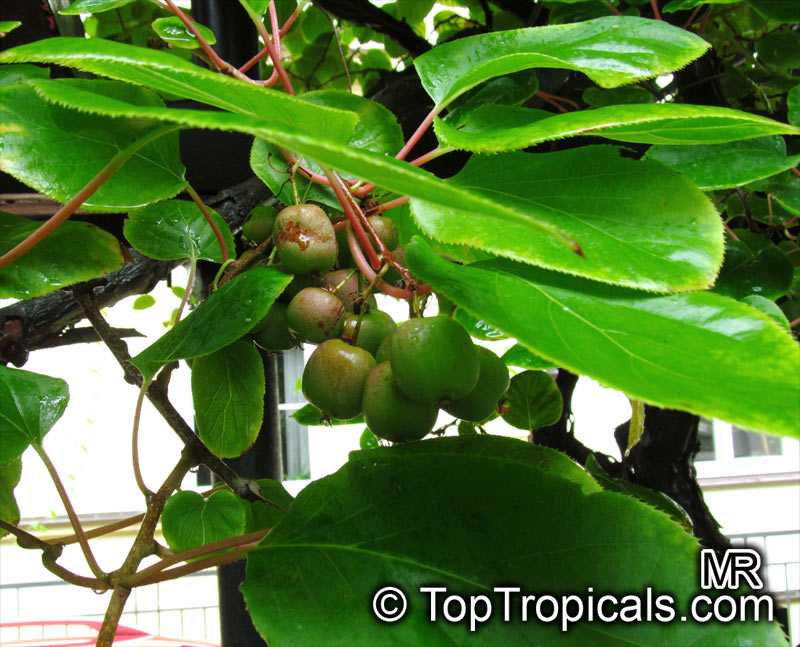
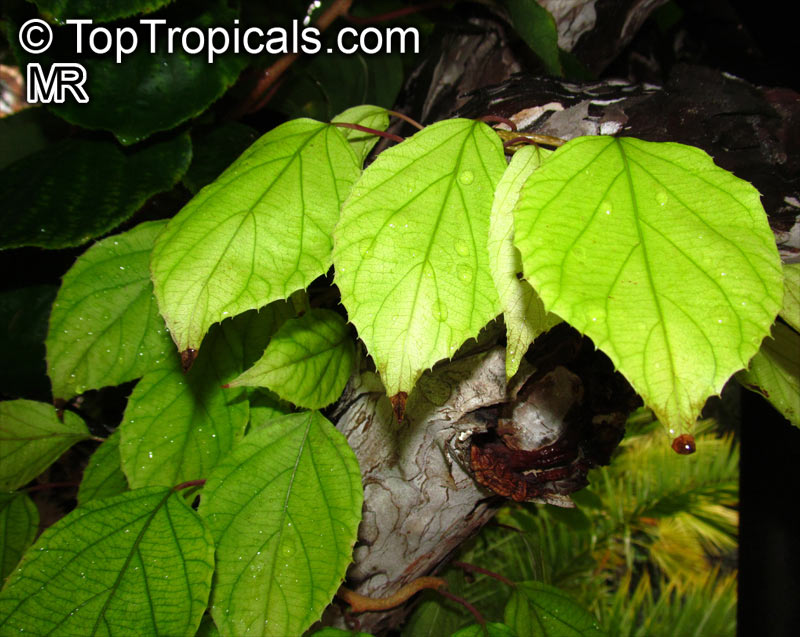
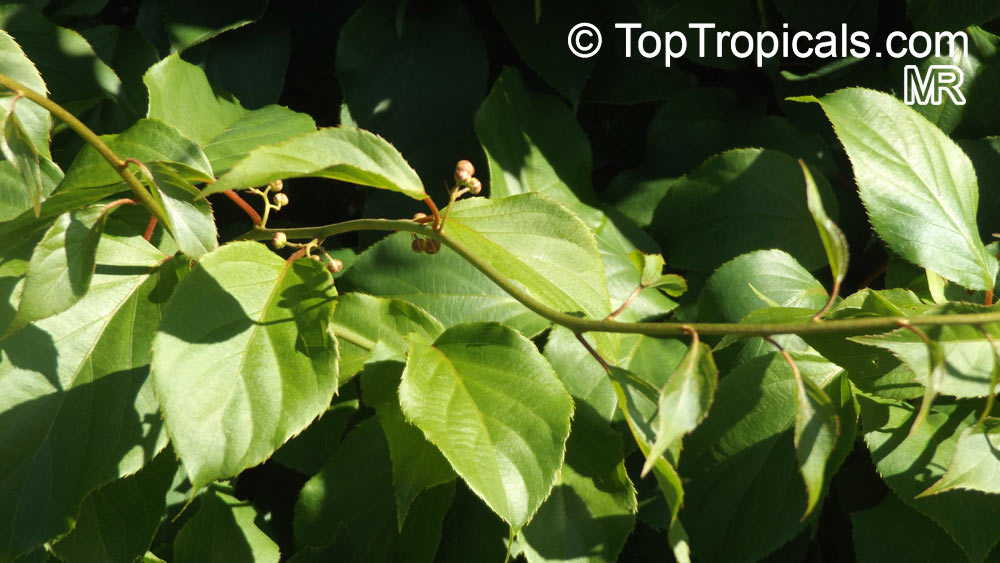
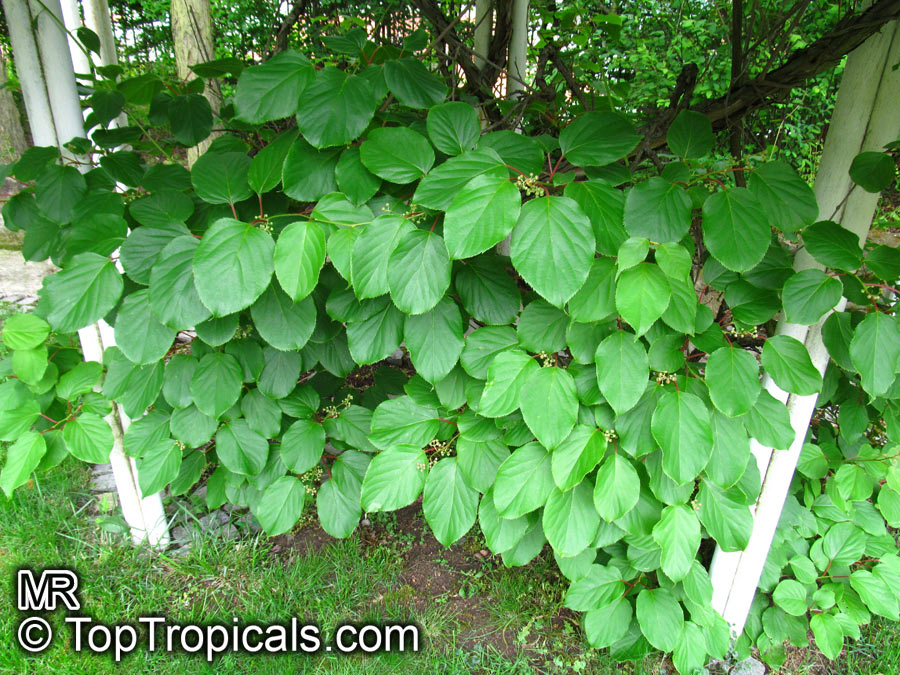
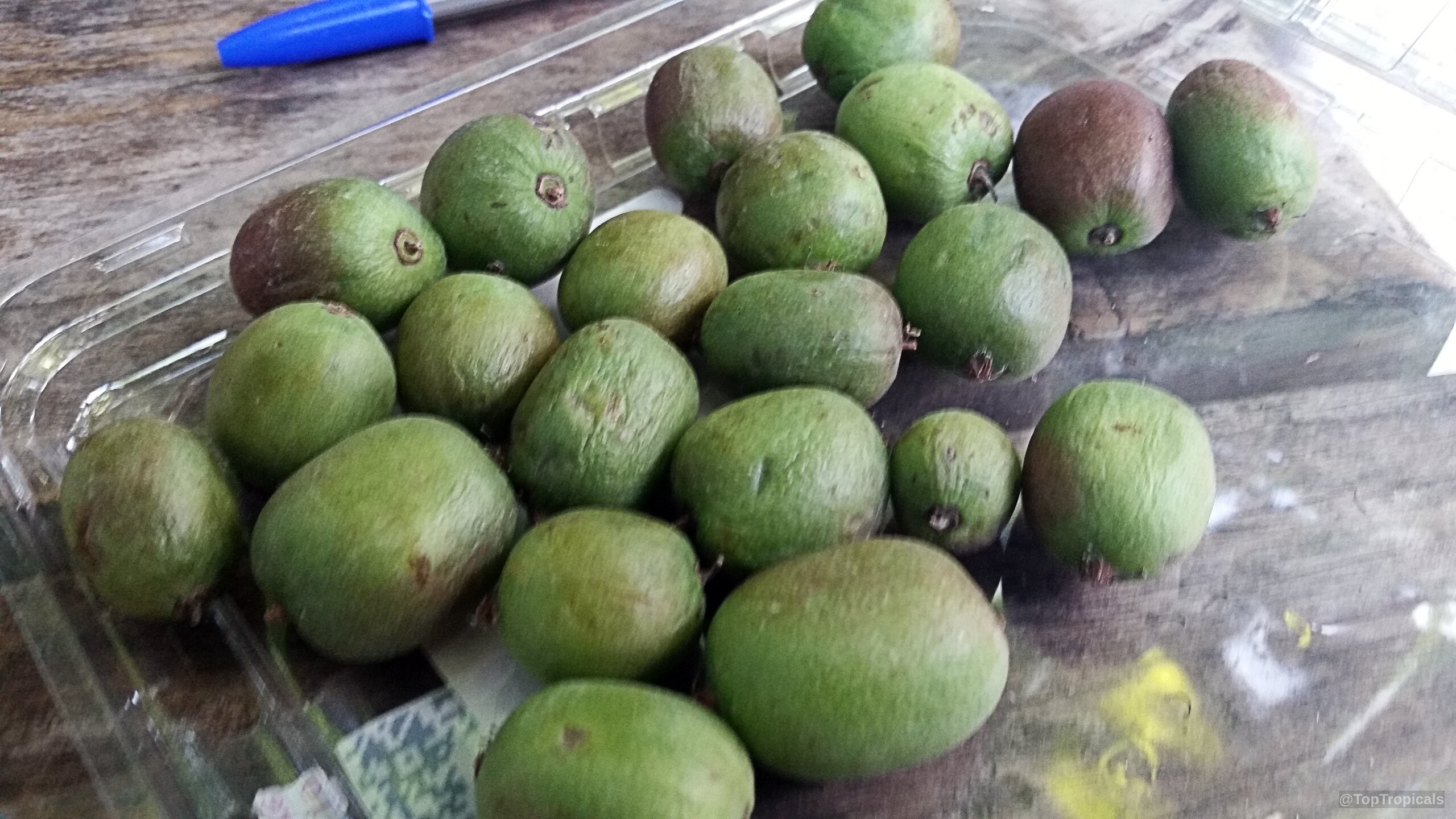
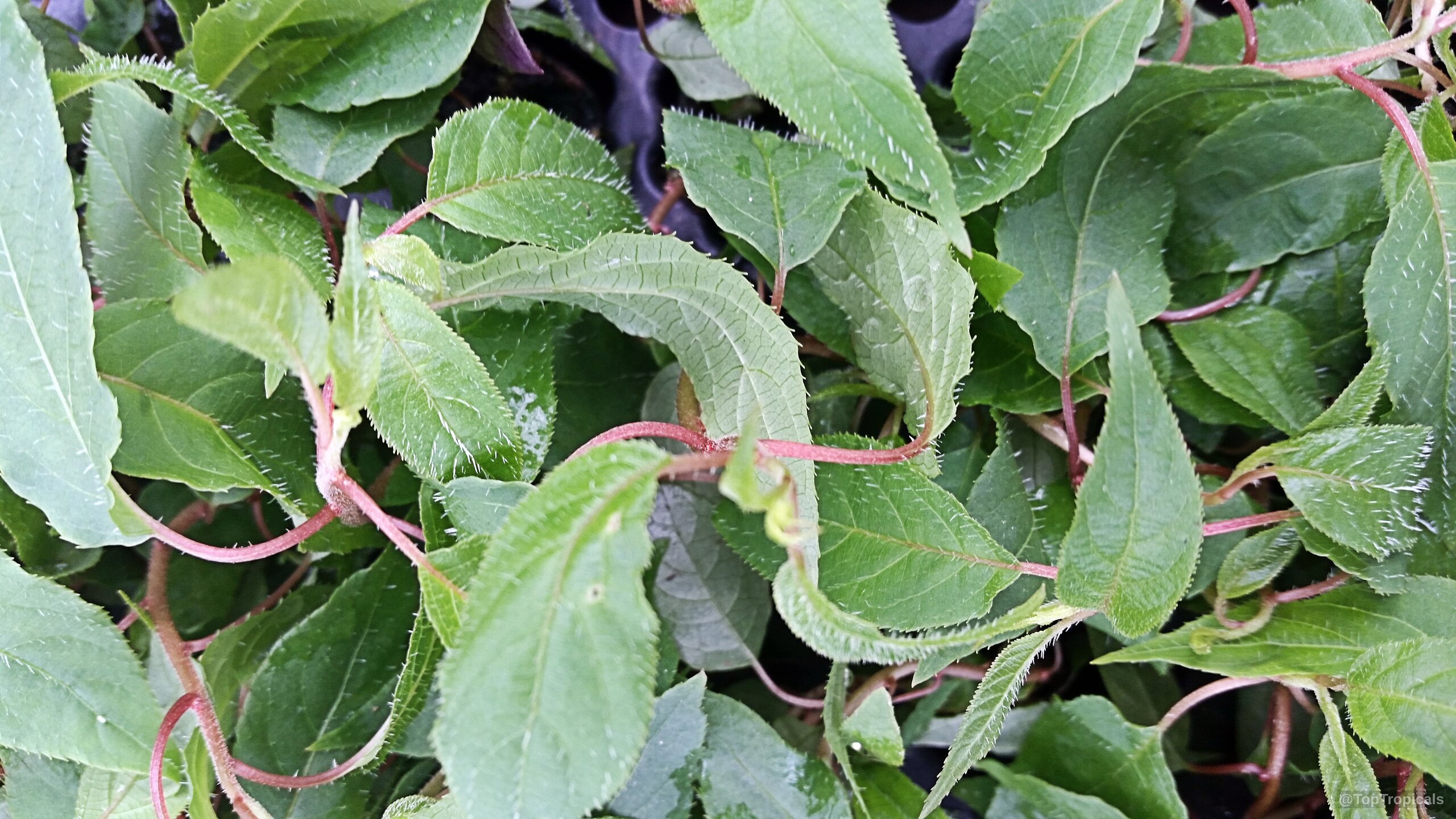
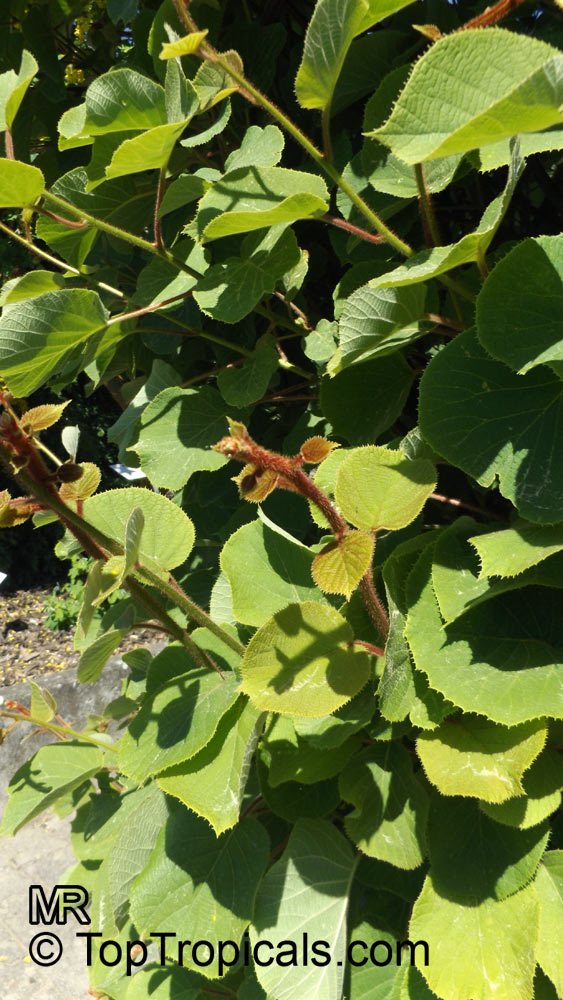
Botanical name: Actinidia chinensis
Common name: Kiwi Fruit
Family: Actinidiaceae
Origin: China
USDA Zone: 7-9
Cold tolerance: 10°F
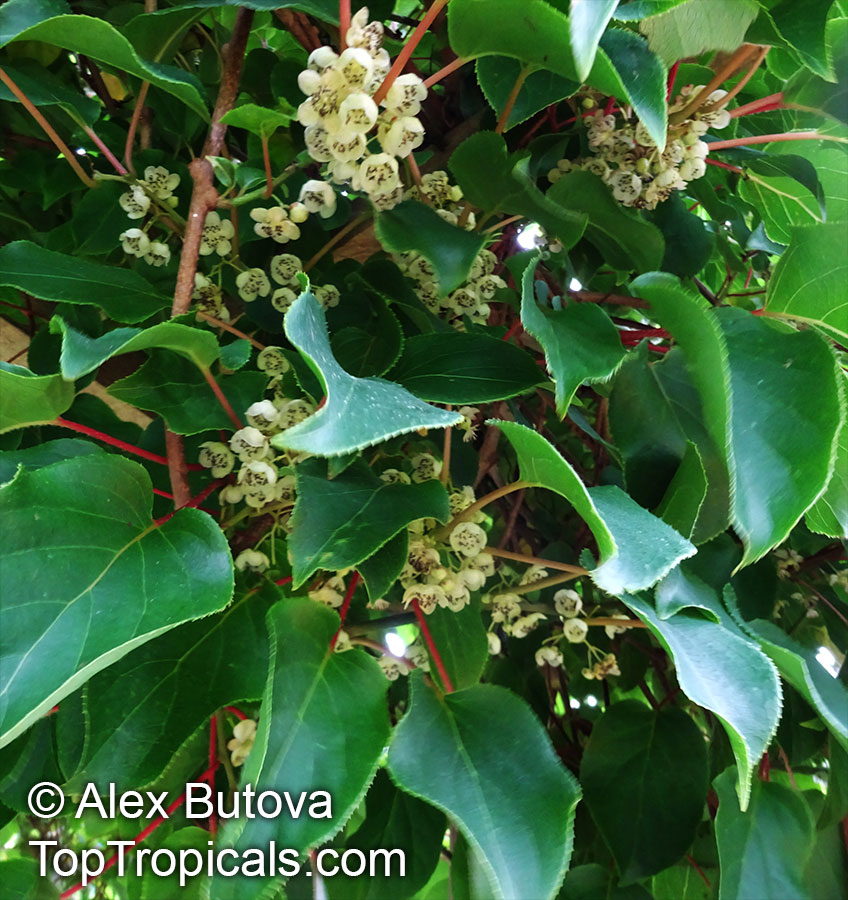
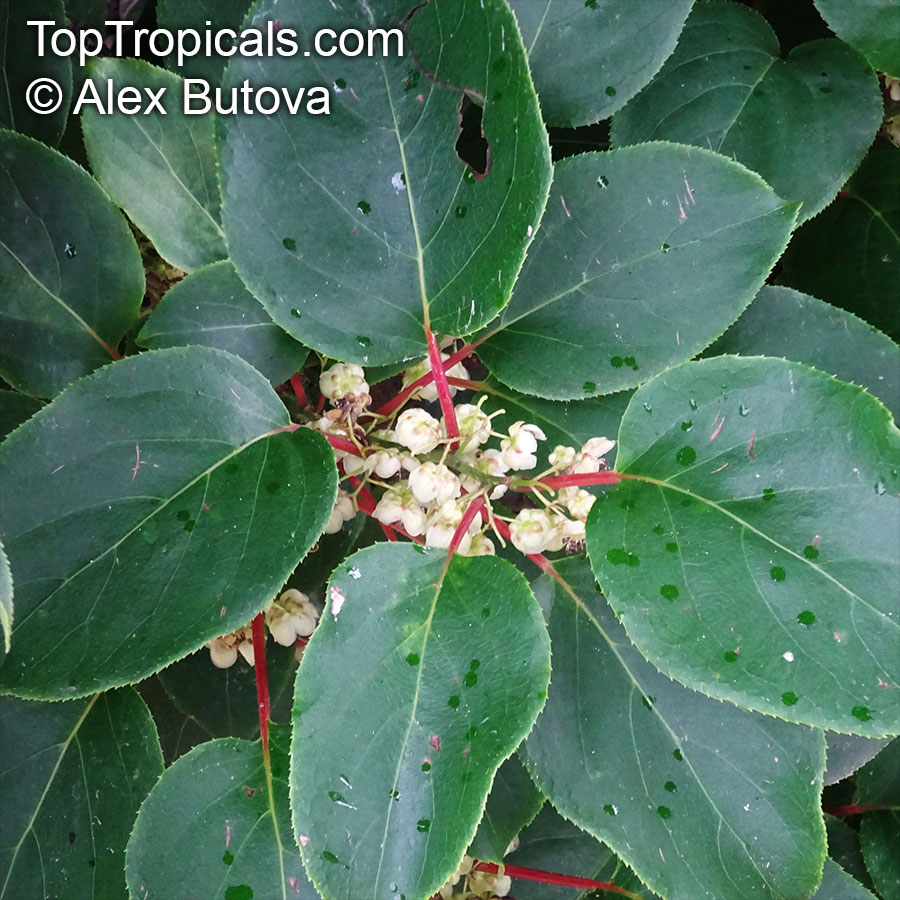
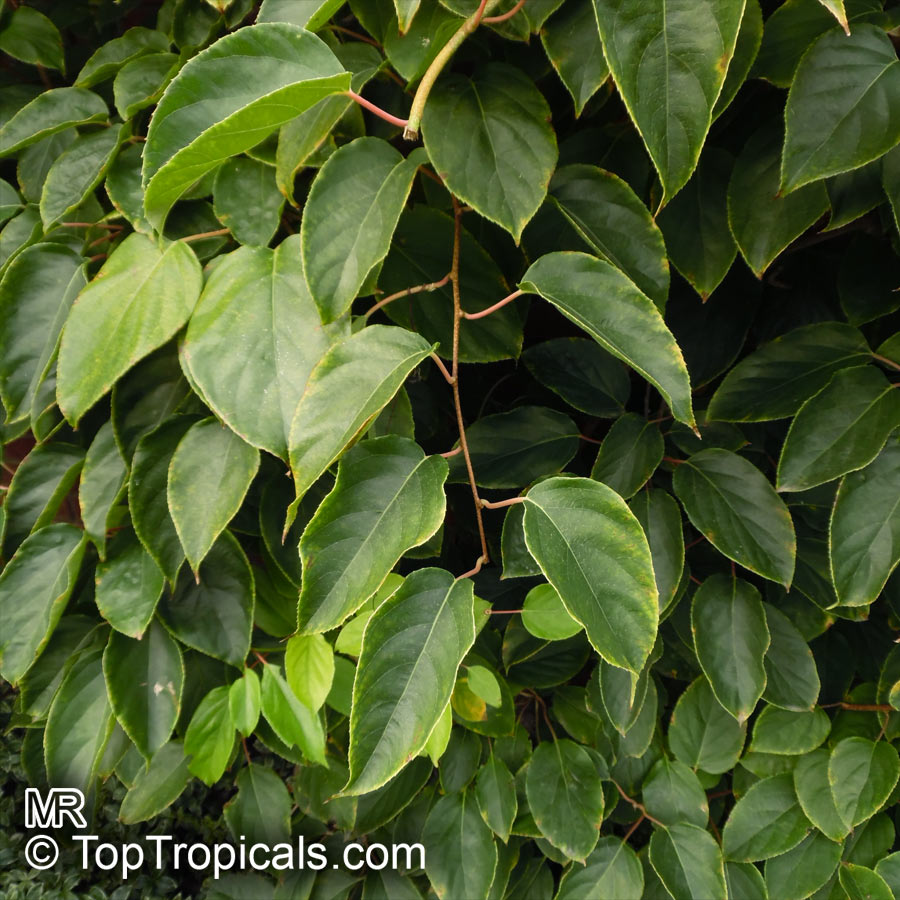
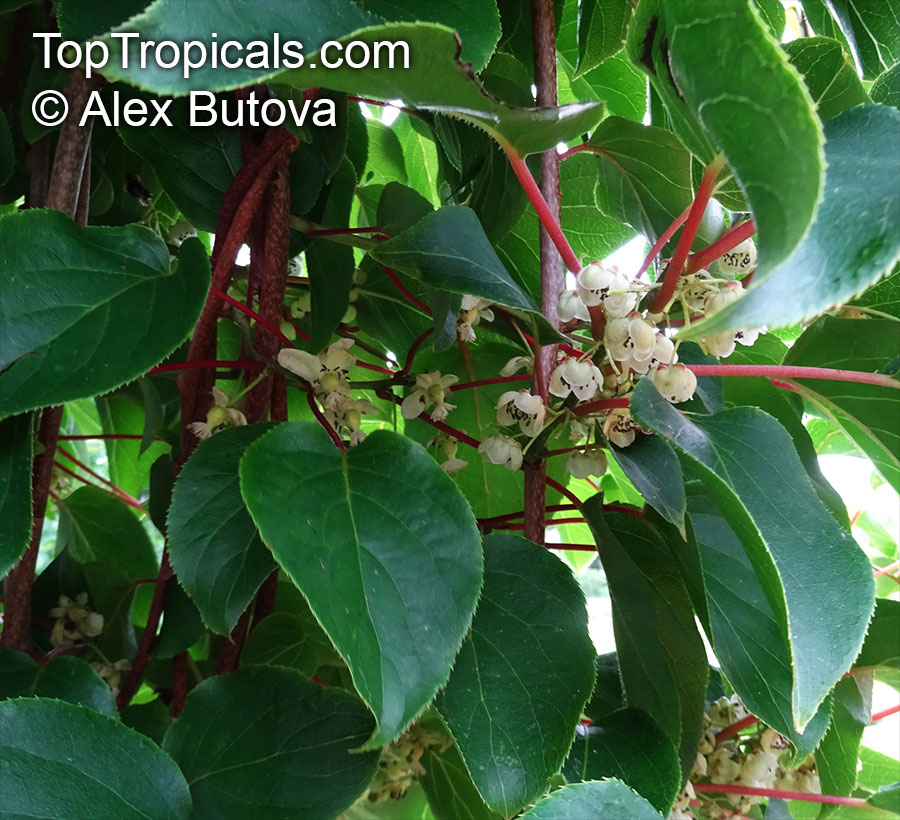
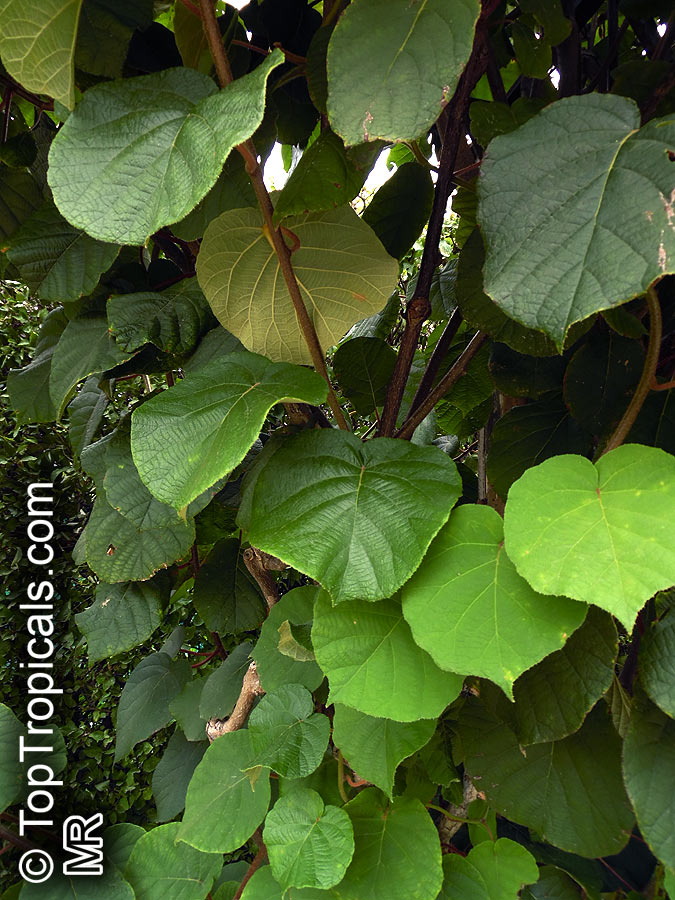
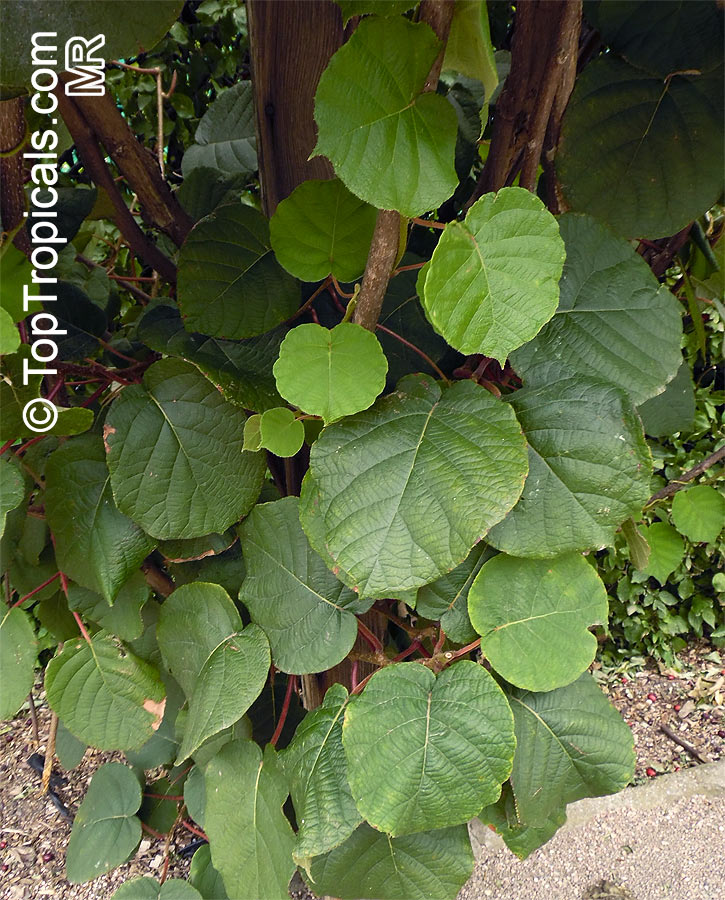
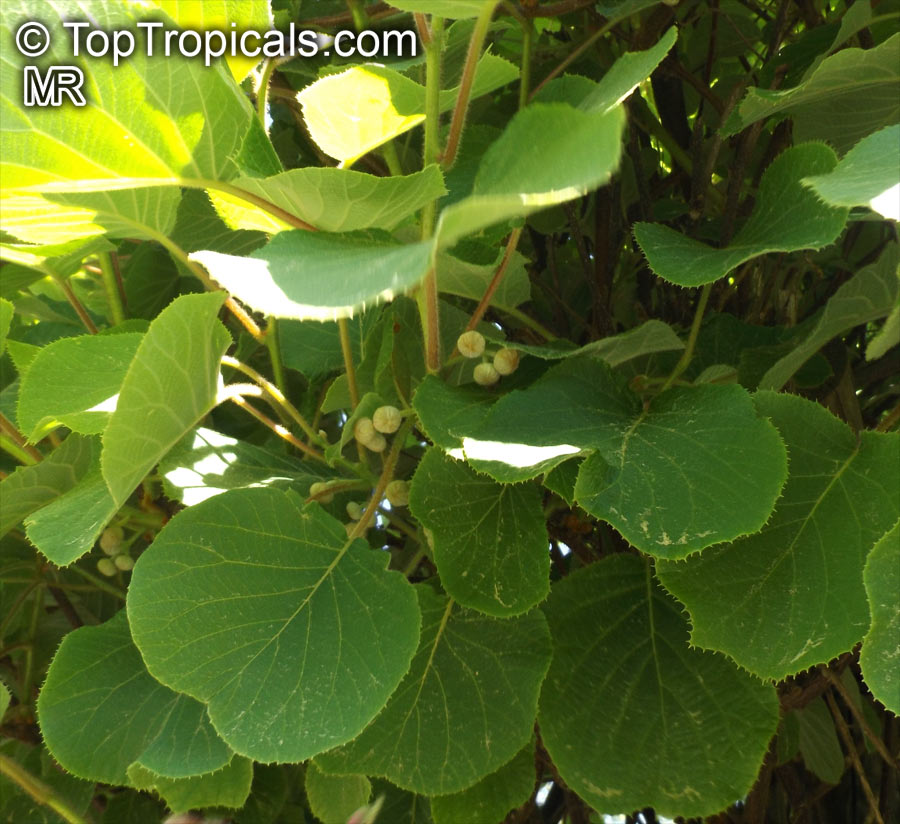
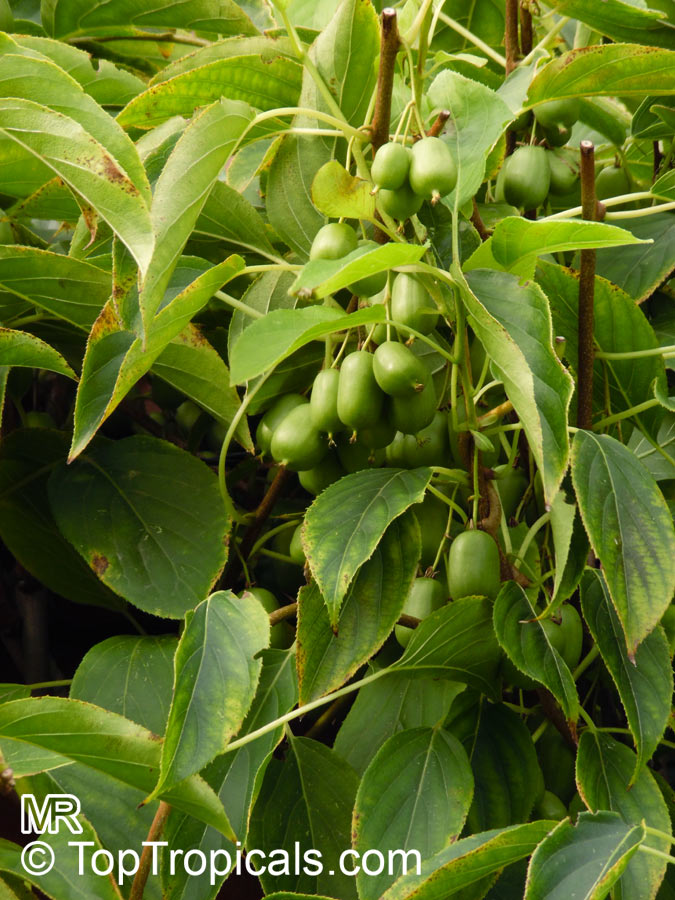
Actinidia chinensis is a vigorous deciduous climbing vine native to central and southern China. When supported by a trellis, arbor, or fence, it can stretch to about 30 feet, covering the structure with a lush canopy of broad, heart-shaped leaves. In warm months the vine grows quickly, often filling its allotted space within two or three seasons.
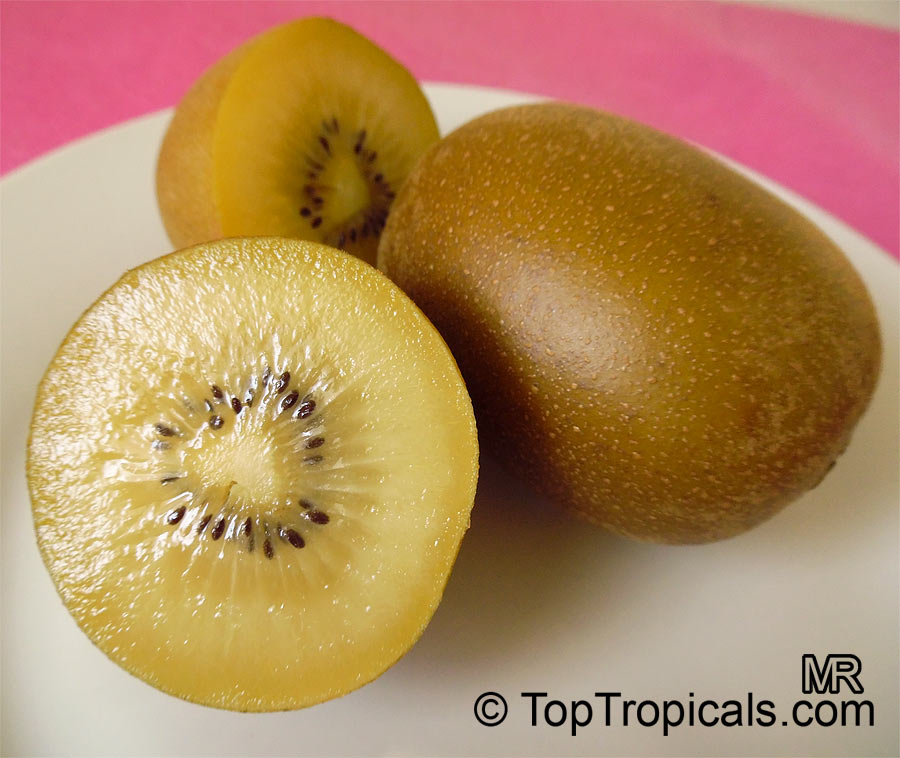
The plant thrives in full sun and fertile, well-drained soil enriched with compost, although a touch of afternoon shade is welcome in hot climates. Consistent moisture throughout summer is essential, as dry spells can noticeably reduce both fruit size and quality. In late spring, creamy-white to pale yellow flowers open, usually on separate male and female plants. Female vines that receive good pollination produce the familiar fuzzy brown fruits by late autumn. Depending on the variety and ripeness, the fruit may be tangy, sweet-tart, or mellow in flavor, with sweetness varying widely.
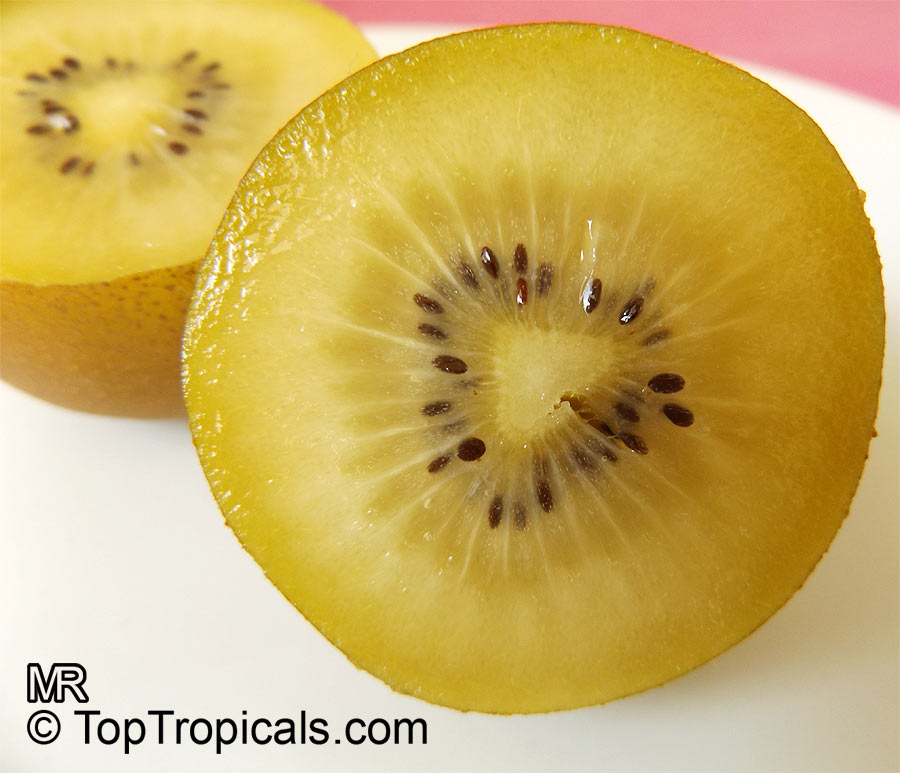
The first domesticated form of kiwifruit was Actinidia chinensis var. deliciosa, also treated in the literature as Actinidia deliciosa. This green, fuzzy kiwifruit originates from central southern China, where it grows naturally at elevations of 800 to 1,400 m. It became the first kiwifruit vine to enter large-scale commercial cultivation and remains the foundation of the traditional green kiwifruit market. The golden-fleshed cultivar Actinidia chinensis 'Sun Gold', often seen in markets, is notably sweeter and less tangy than many other selections.
While best suited to USDA Zones 8 9, it can be grown in sheltered spots in Zone 7 with winter and late frost protection. Young shoots are sensitive to cold snaps in spring. The vine can also be managed in a large container with regular pruning and a compact trellis, though this demands attentive watering and feeding. Fruits are enjoyed fresh, blended into drinks, or preserved as jam.
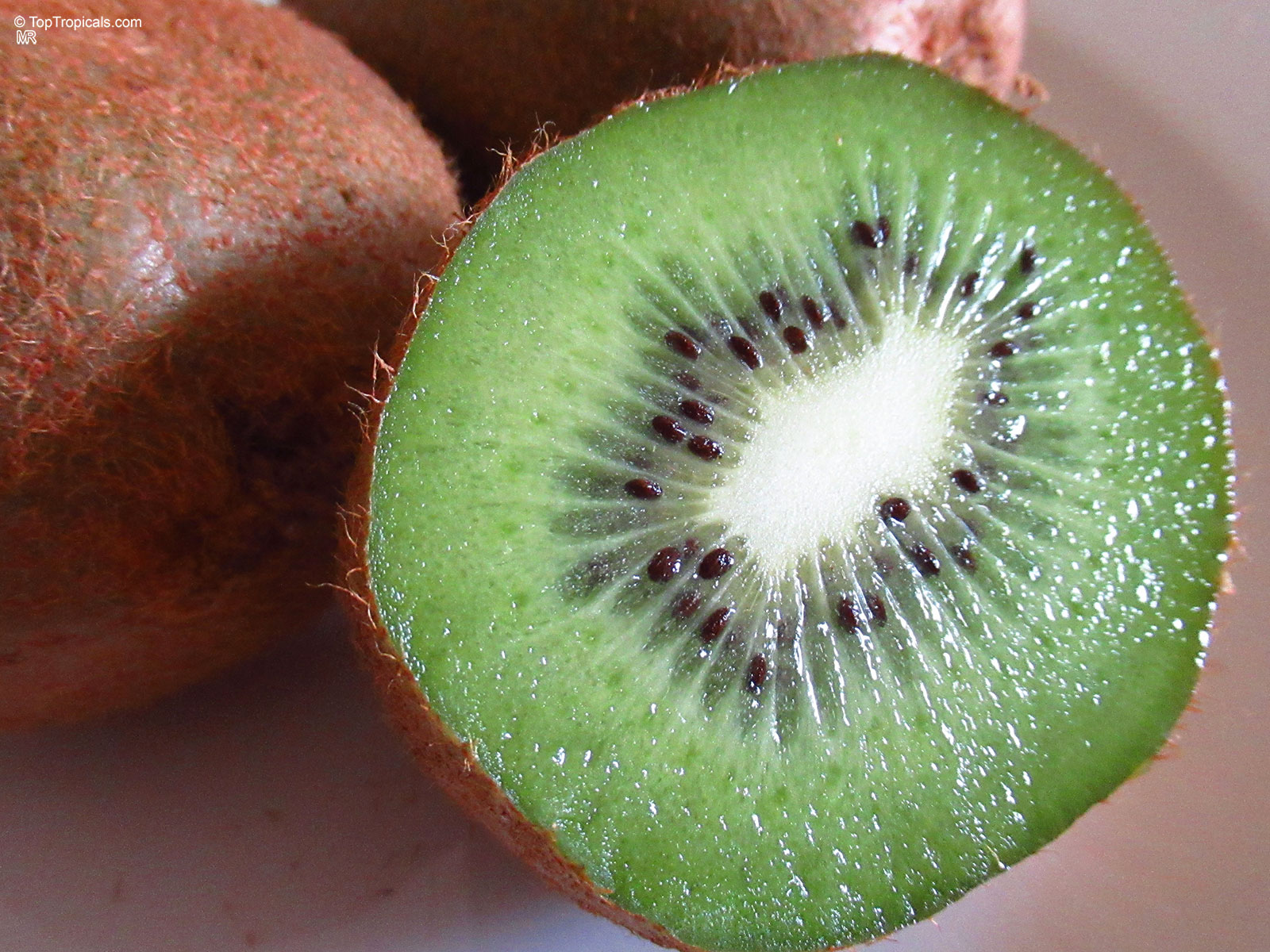


Botanical name: Actinidia sp.
Common names: Actinidia, Kiwi
Family: Actinidiaceae
Origin: Eastern Asia
USDA Zone: 8-10
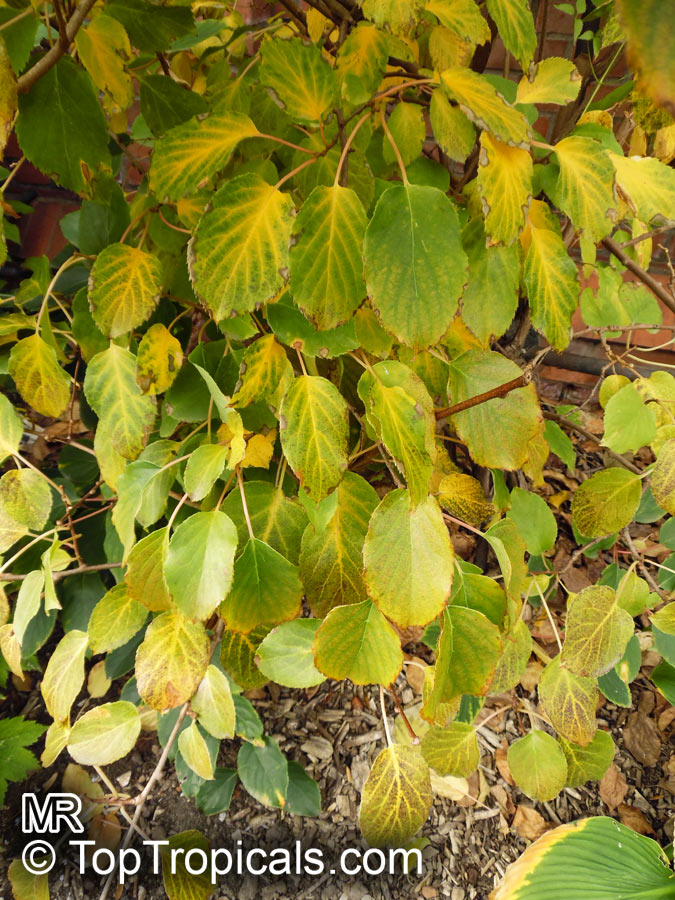
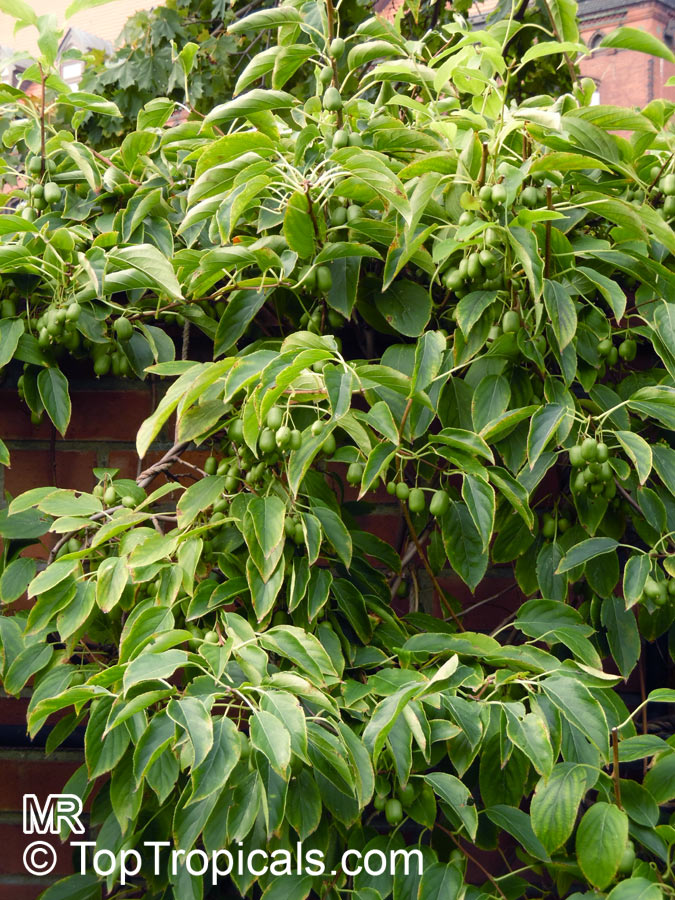
Actinidia sp. (Actinidia) is an attractive and fast-growing perennial plant native to eastern Asia. It typically will reach a mature size of 5-10 feet tall, either as a large shrub or as a vine or creeper. This plant is well-suited for full sun and semi-shade areas, and requires regular water for good growth. Actinidia sp. produces white and off-white flowers, which are especially attractive in spring and summer.
Ethnomedical uses of Actinidia include edible Kiwi fruits; the fruits are high in vitamin C and other healthy elements. Depending on the species, a mature plant can produce a range of up to a few hundred fruits per season. The fruits can be tart or sweet, and are usually eaten fresh or canned as juices or jams.
Actinidia is a hardy plant, able to withstand cold temperatures at least to 30s F for a short time. It is optimally grown in USDA Zone 8-10 and is an excellent choice for gardeners in cold climates who would like to try growing the plant in a pot. To do this successfully, it is important to make sure the container is of an appropriate size and is stored in an area free from harsh winter winds. Potting soil should be kept moist and watered as needed, and if temperatures are expected to drop far below freezing, the pot should be covered.
Overall, Actinidia is a beautiful and versatile plant that is easy to care for and produce a bounty of edible fruits which are high in vitamins and other essential nutrients. While it is hardy to moderately cold temperatures, careful precautions should be taken if grown in a pot to ensure the Actinidia is able to survive the winter and produce healthful fruit for many seasons to come.
Botanical name: Adansonia digitata
Common names: Baobab, Cream of Tartar tree, Monkey-bread tree, Lemonade tree, Upside-down Tree
Family: Malvaceae (Formerly:Bombacaceae)
Subfamily: Bombacoideae
Origin: South Africa
USDA Zone: 10-12

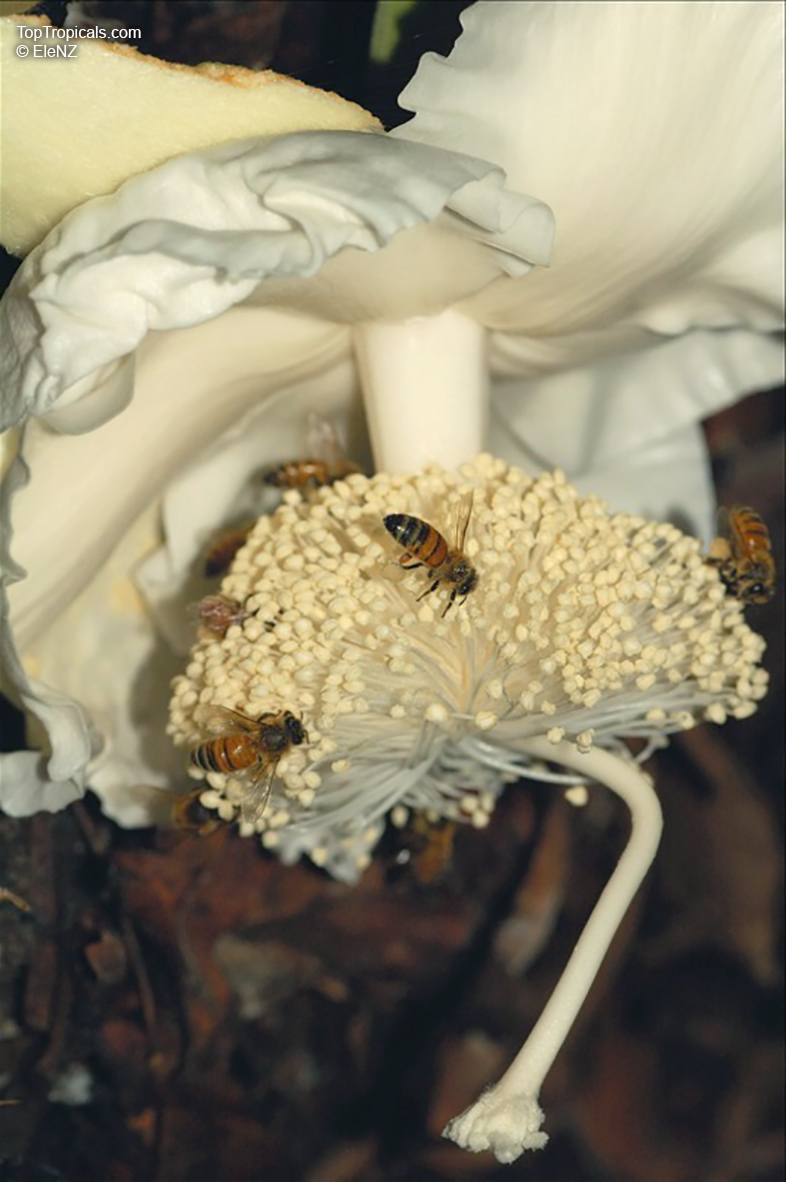
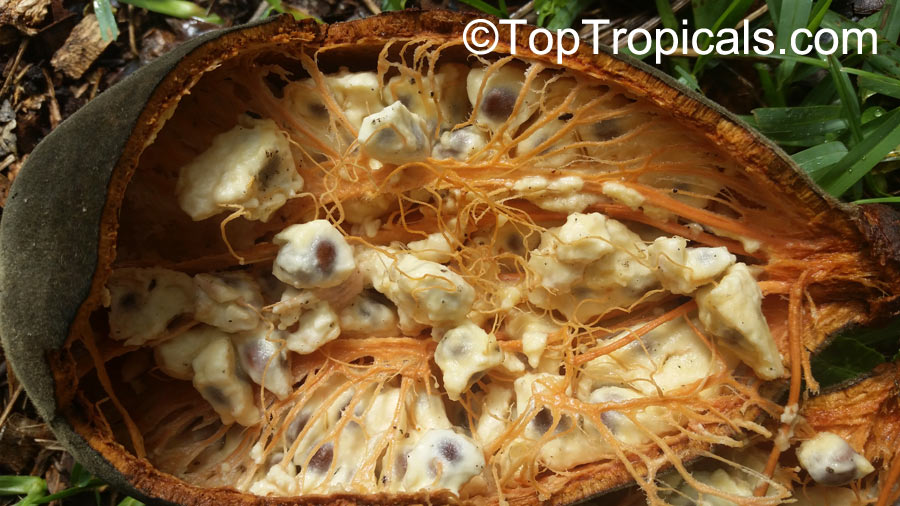
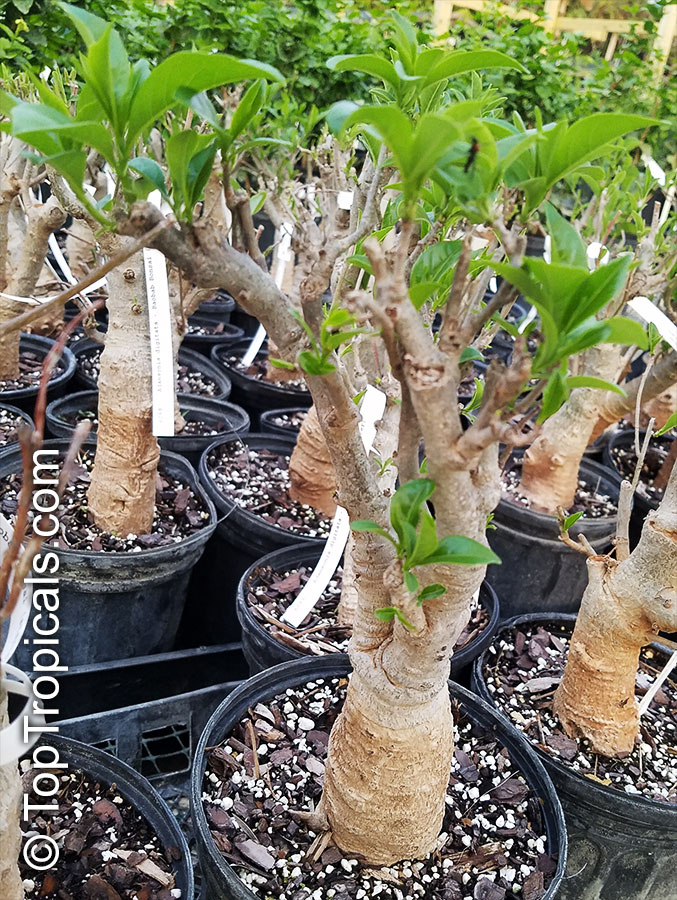
Regarded as the largest succulent in the world, the baobab tree is steeped in a wealth of mystique, legend and superstition wherever it occurs in Africa. It is a tree that can provide food, water, shelter, and relief from sickness. During drought, elephants obtain moisture by chewing on the wood. The stem is covered with a bark layer, which may be 50-100 mm thick. The leaves are hand-sized and divided into 5-7 finger-like leaflets. The baobab is a deciduous, meaning that in winter, it sheds all of its leaves and grows new ones in spring. The large, pendulous flowers (up to 200 mm in diameter) are white and sweetly scented ,that are pollinated by bats. They are followed by velvety fruits full of edible acidic pulp sought by both monkeys and people. In the dryer, temperate regions of Africa, Baobabs are a tree of myth and legend. Baobabs are carefully tended by rural peoples and are particularly useful: the hollow trunks of baobabs are used as dwellings and storehouses, traditional medicines are obtained from its bark, leaves, and fruit. Its bark can be pounded to produce fibers that are used to make baskets, cloth, hats, mats, nets, rope, and strings (interestingly, after the bark is stripped away, the baobab grows new bark). Its leaves are cooked and eaten as greens, and are dried for use as a seasoning and a sauce and stew thickener. Its fruit is rich in vitamin C, calcium, and iron, and is called pain de singe or monkey bread. It can be roasted, ground, and boiled to make a coffee-substitute; it is also soaked in water to make a refreshing drink, and is used as a flavoring. They will make a handsome addition to a large garden, estate, or large parkland providing the soil is not waterlogged. Baobabs cannot tolerate even mild frost. When they are young, baobabs do not resemble their adult counterparts, the stems are thin and inconspicuous, and their leaves are simple and not divided into the five to seven lobes of the adult trees. Saplings can be effectively grown in containers or tubs for many years before becoming too large and requiring to be planted into the ground.
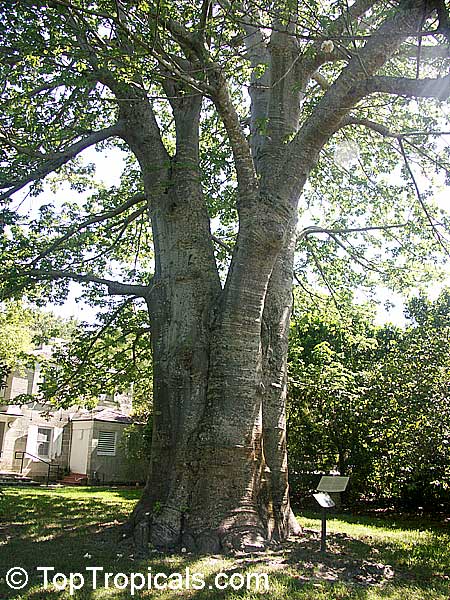
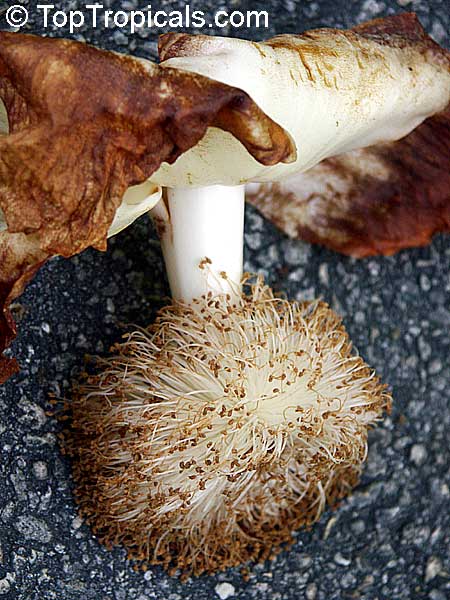
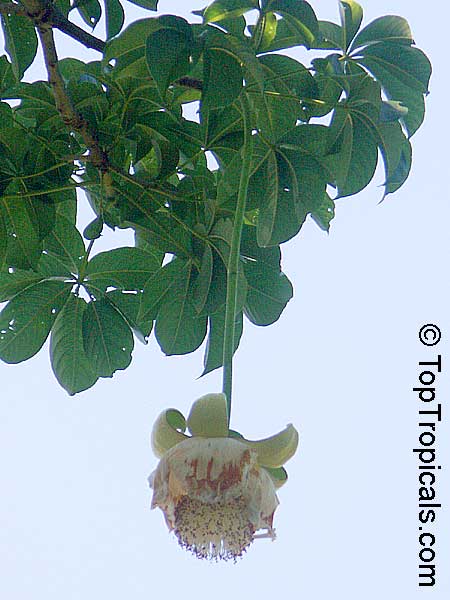
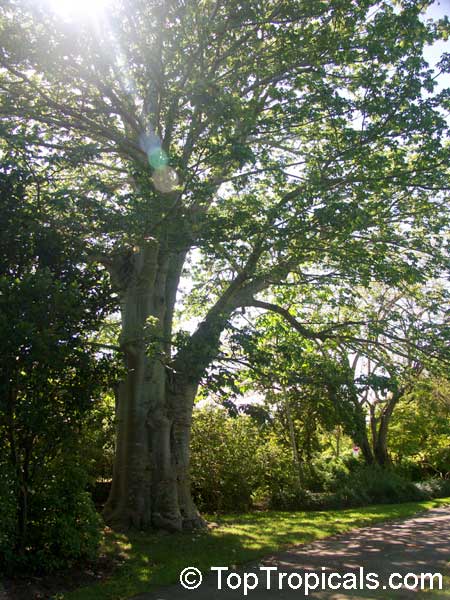
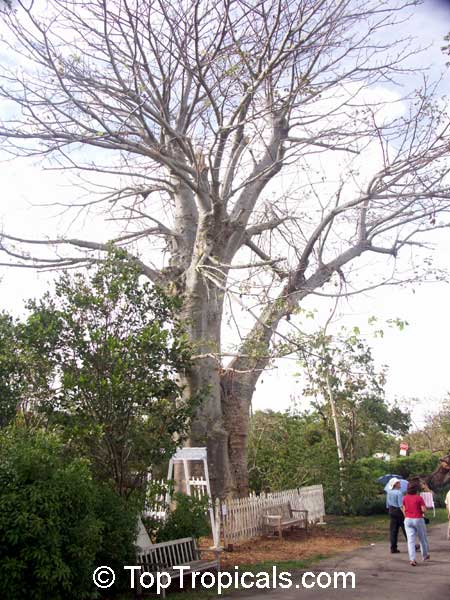
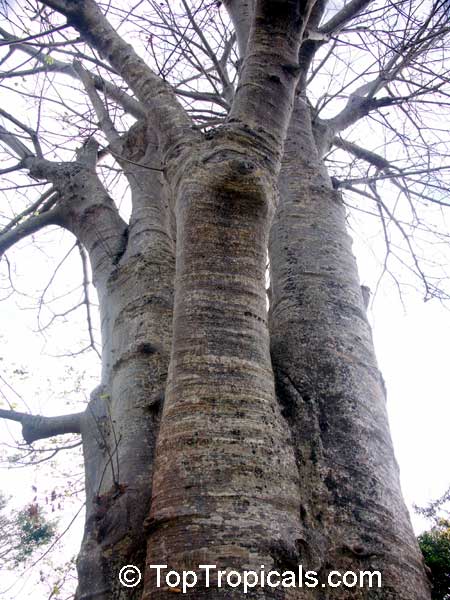
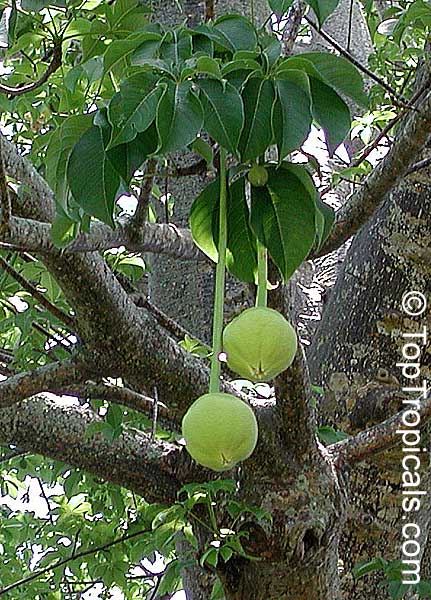
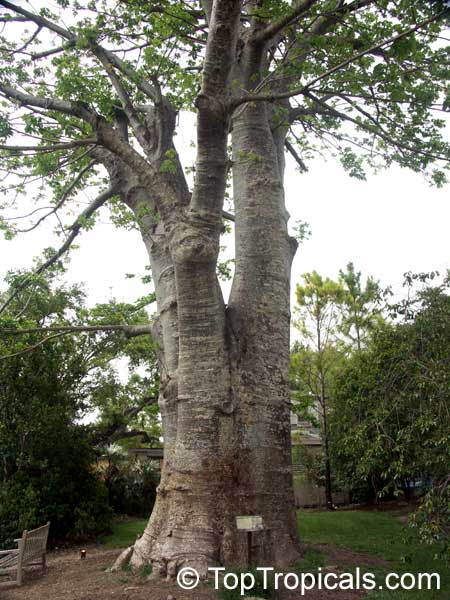
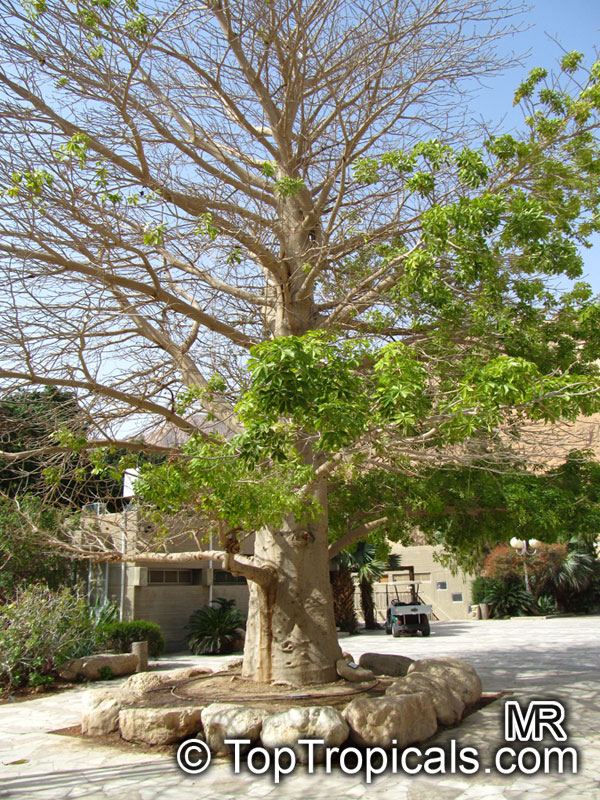
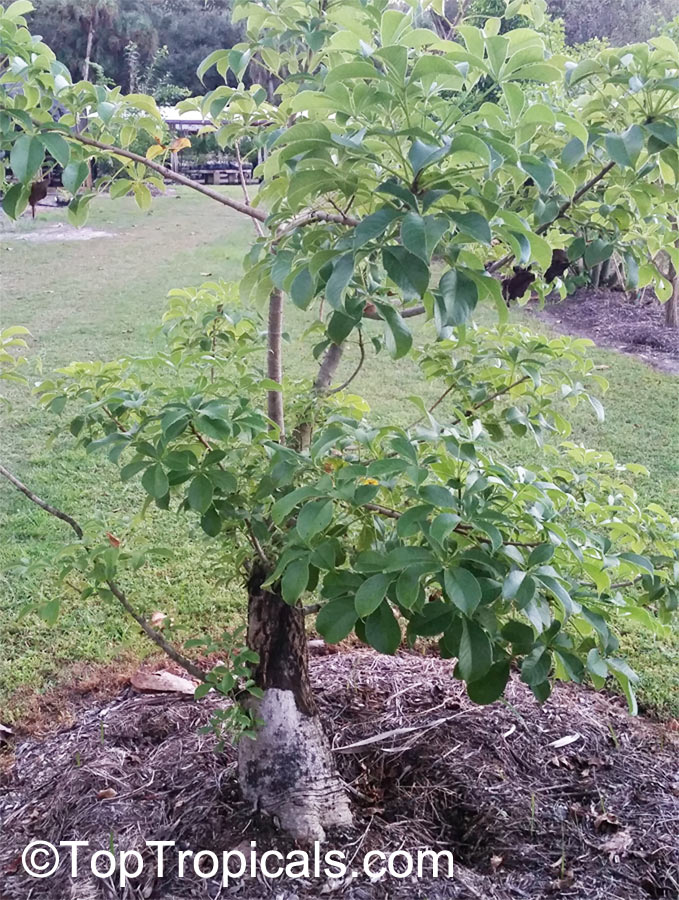
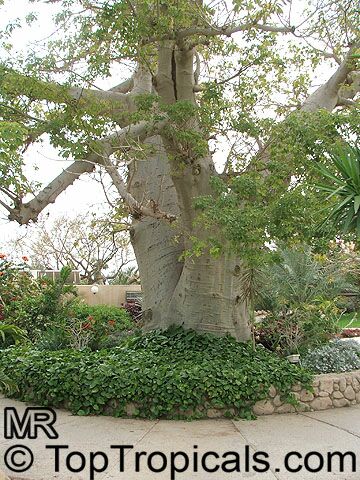
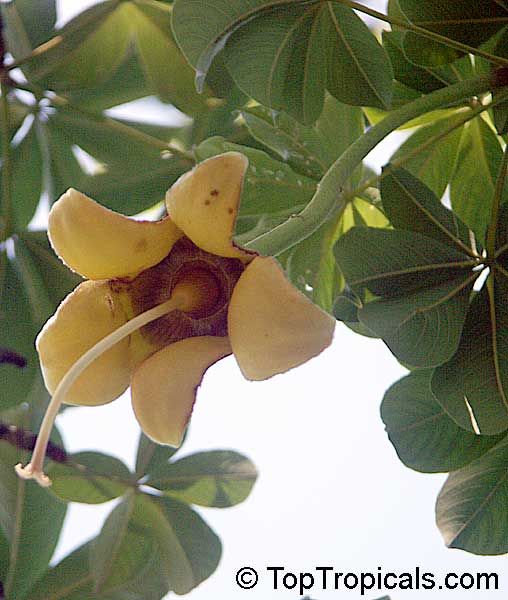
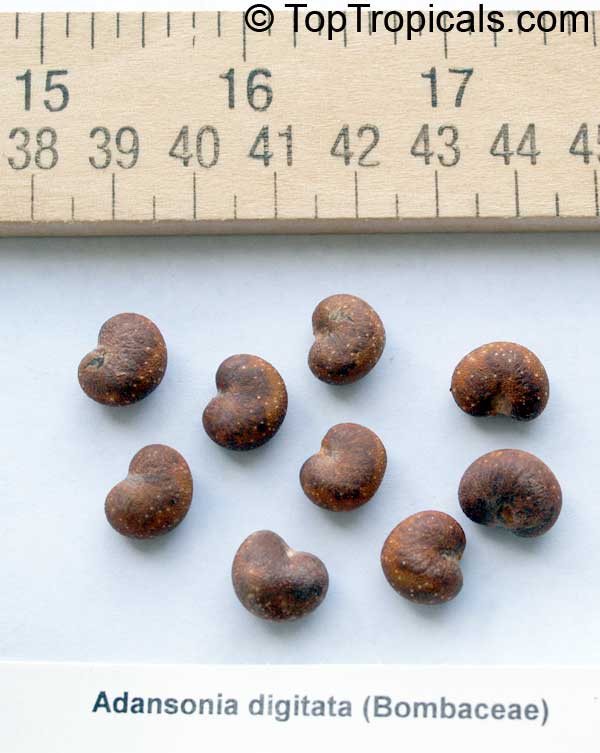
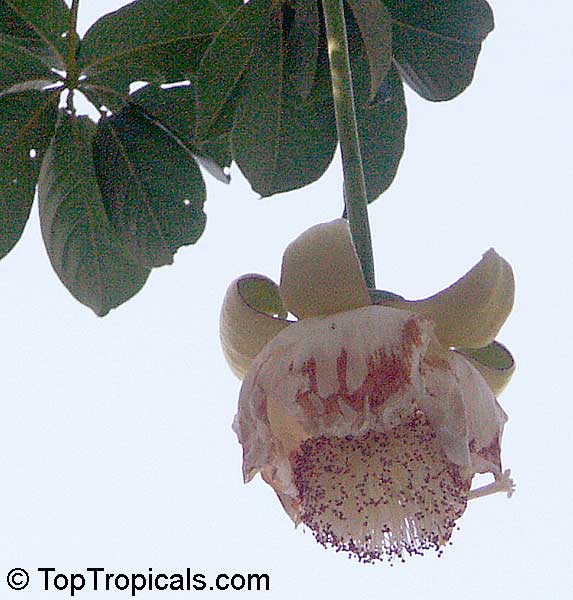
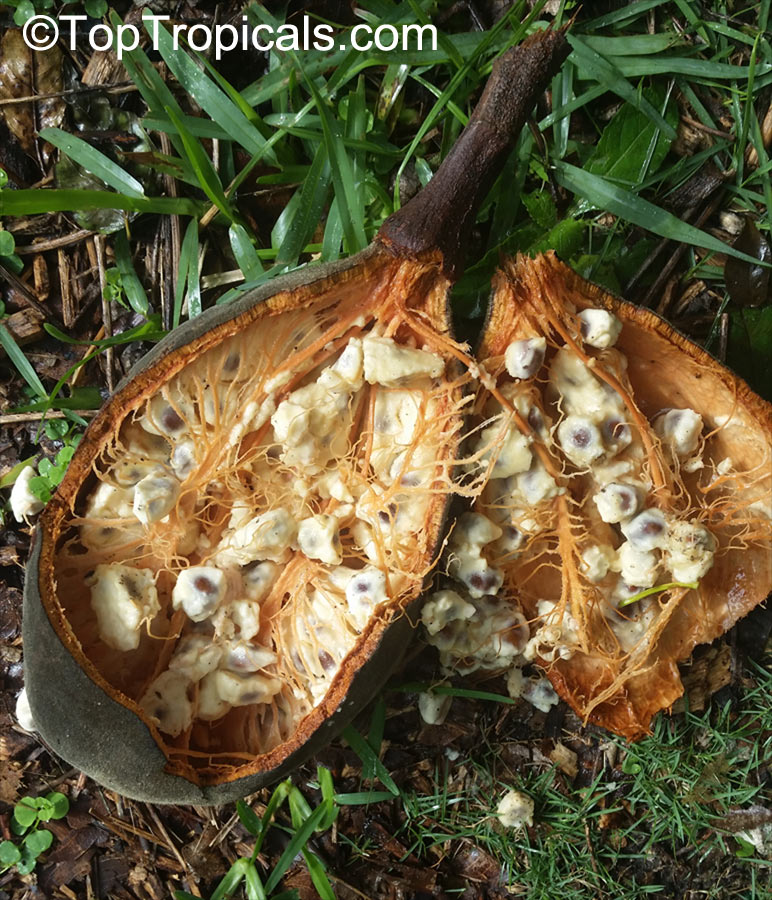
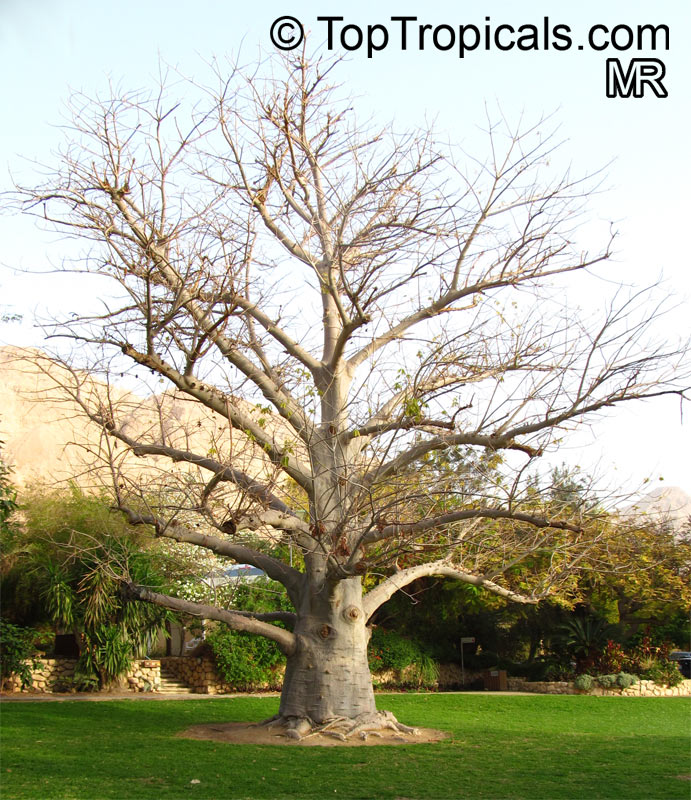
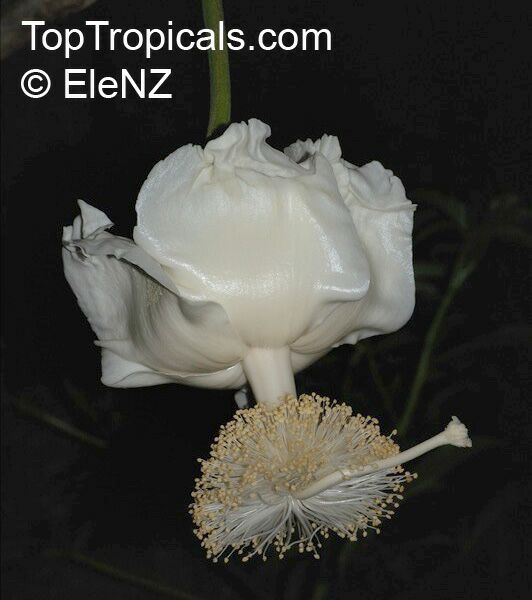
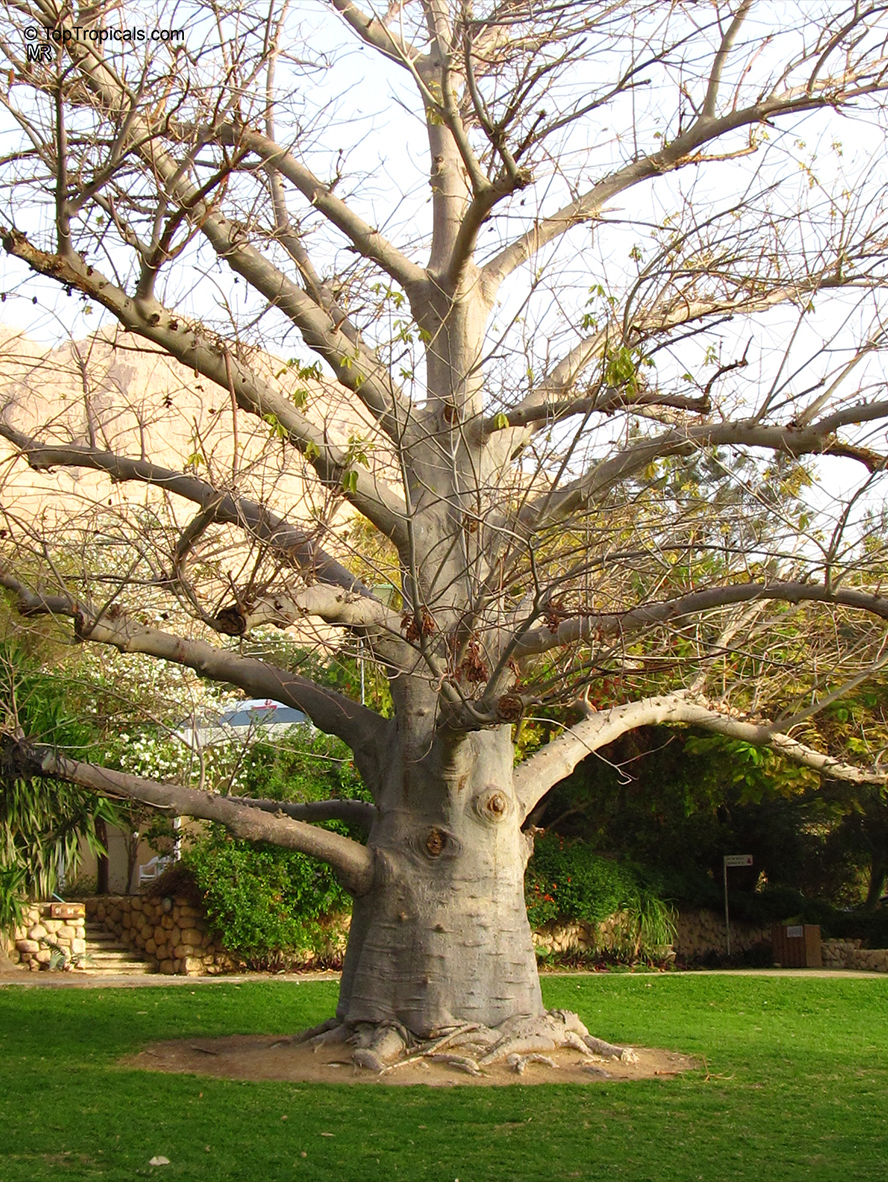
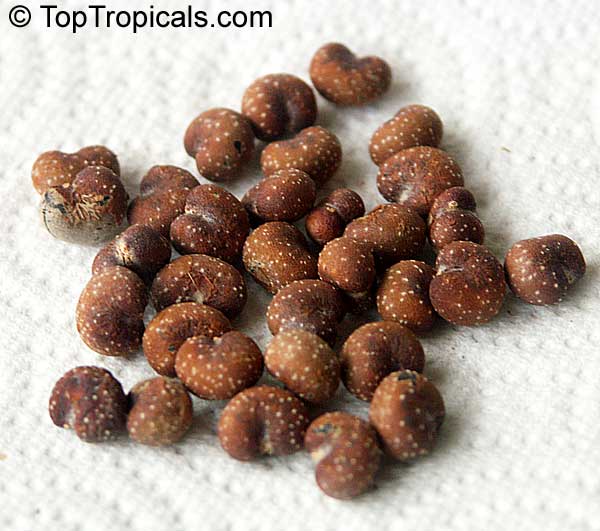
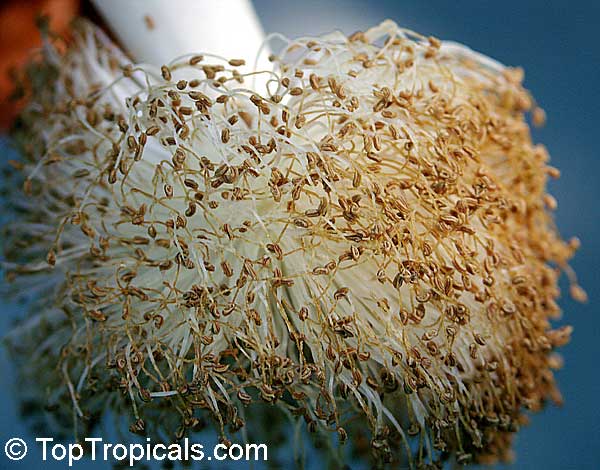
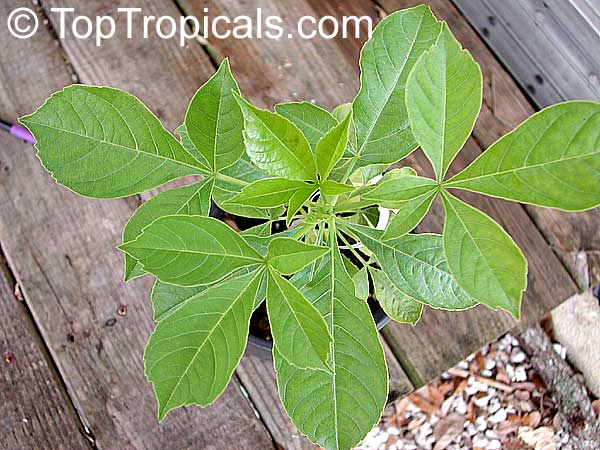
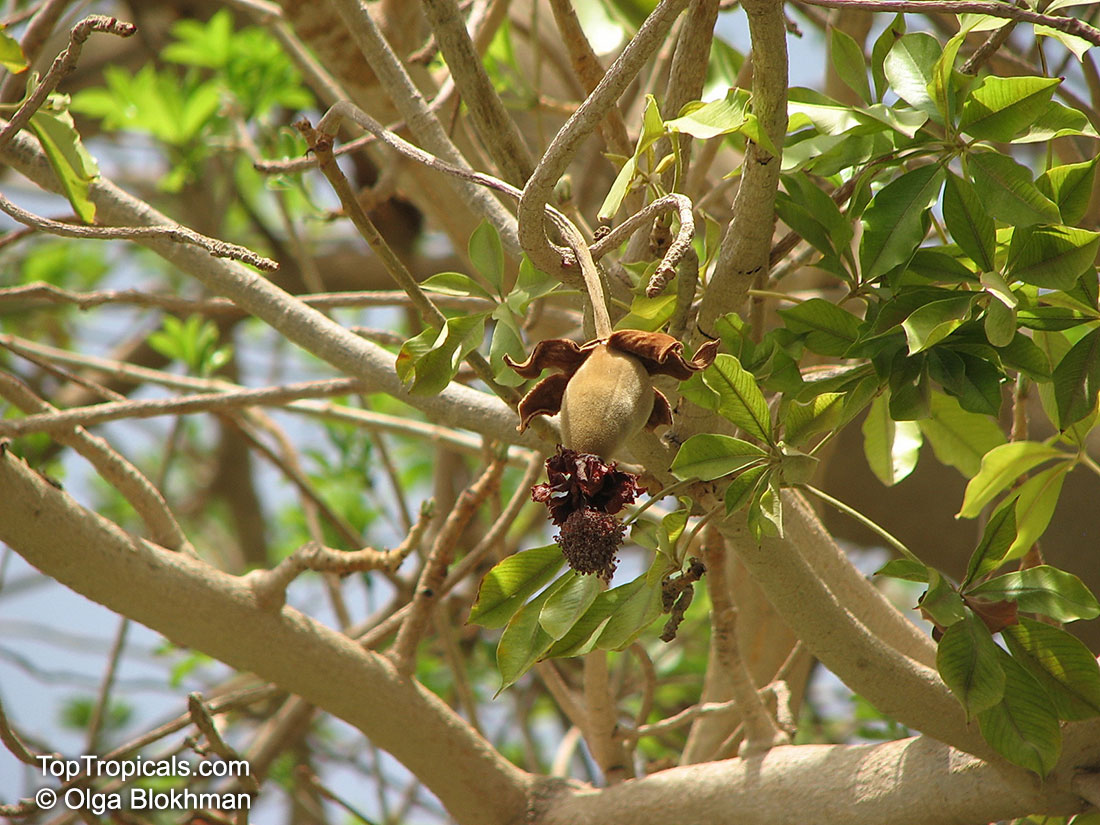
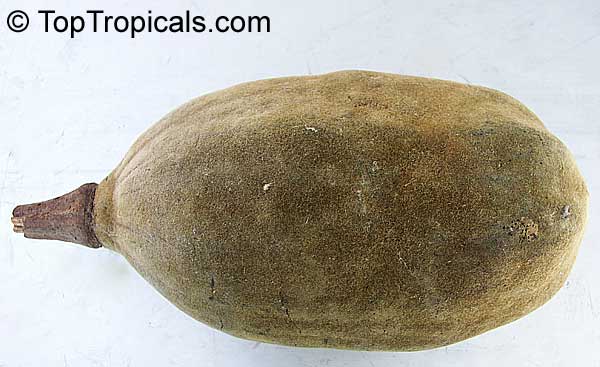
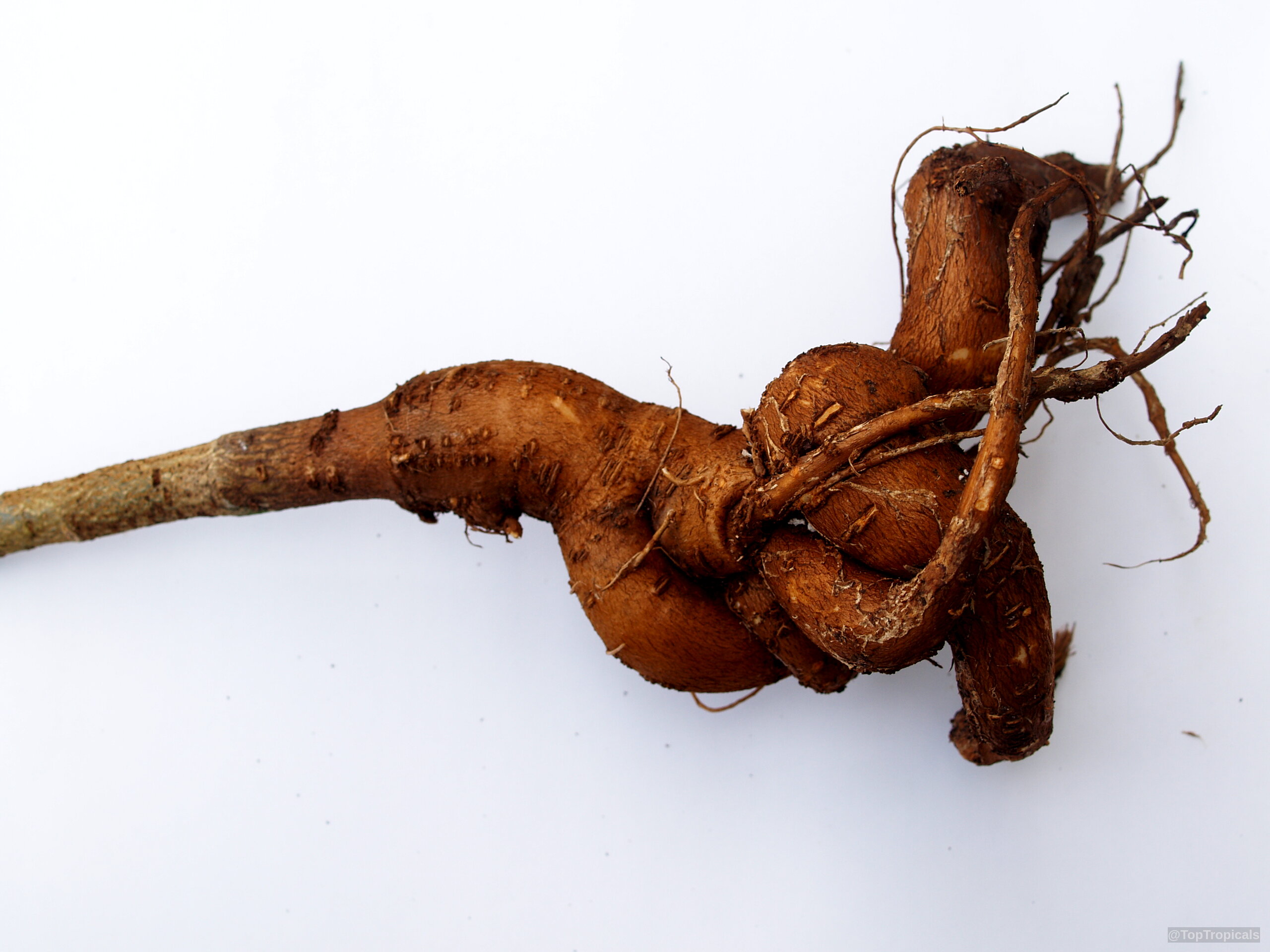
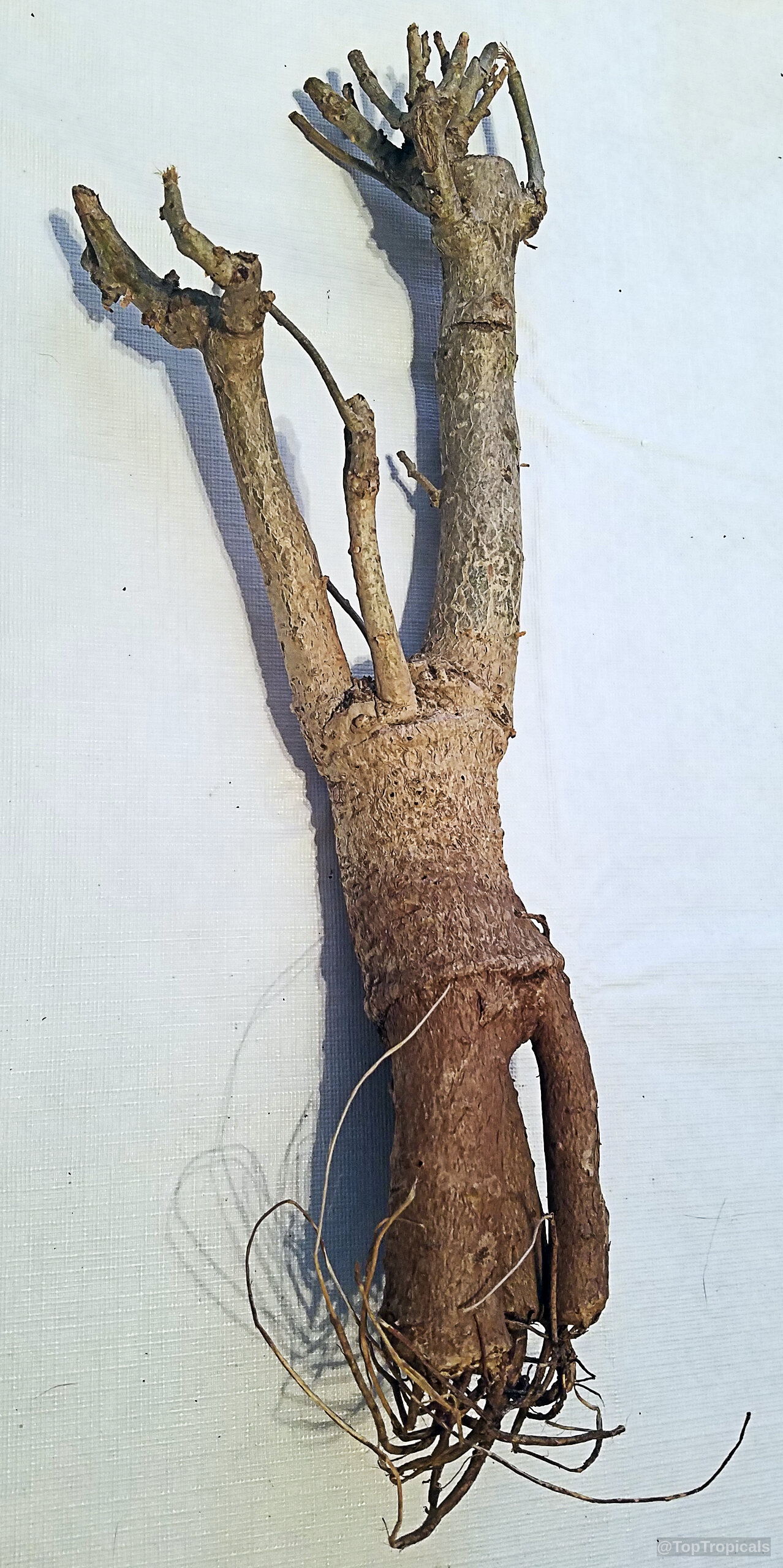
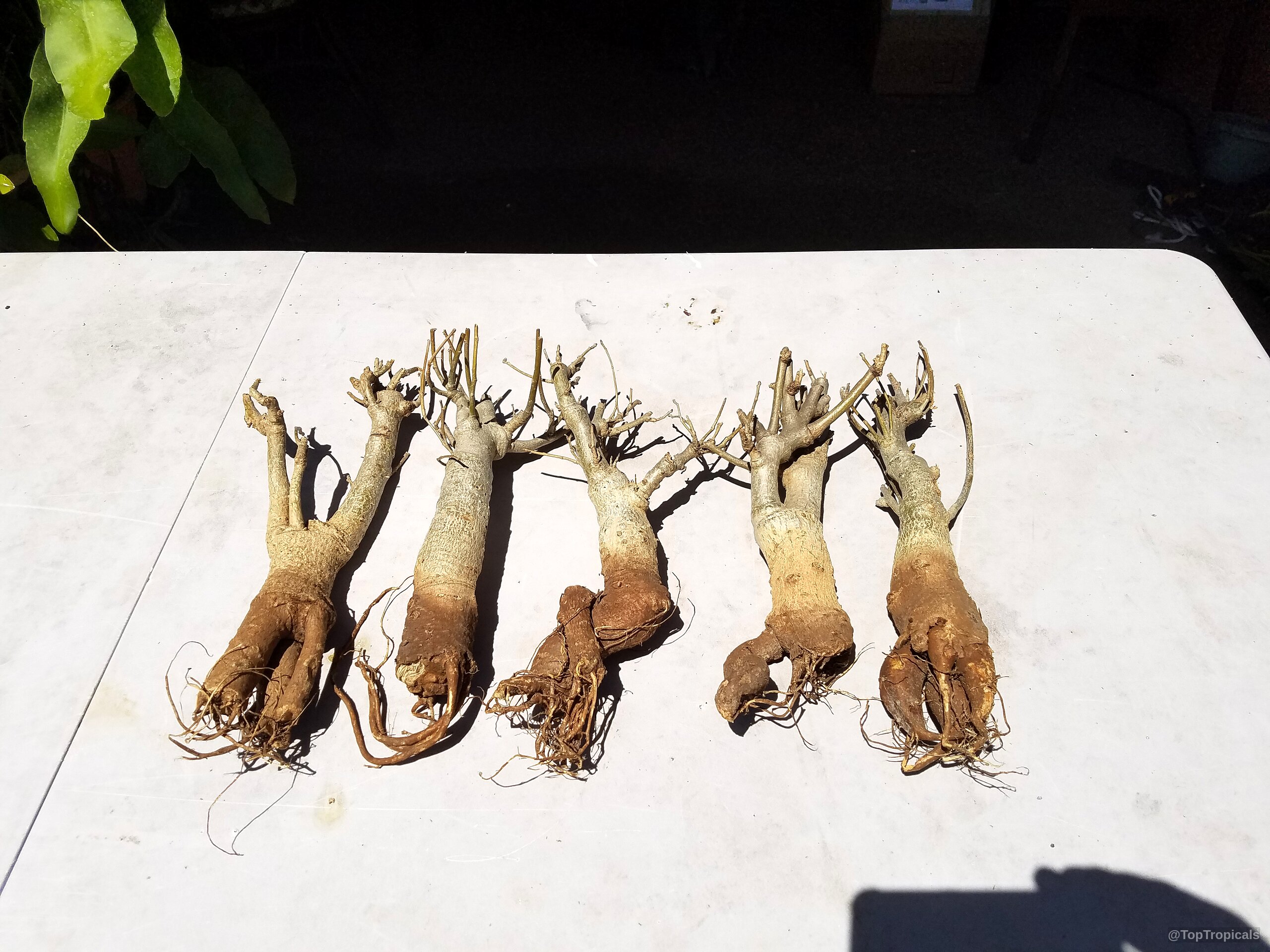

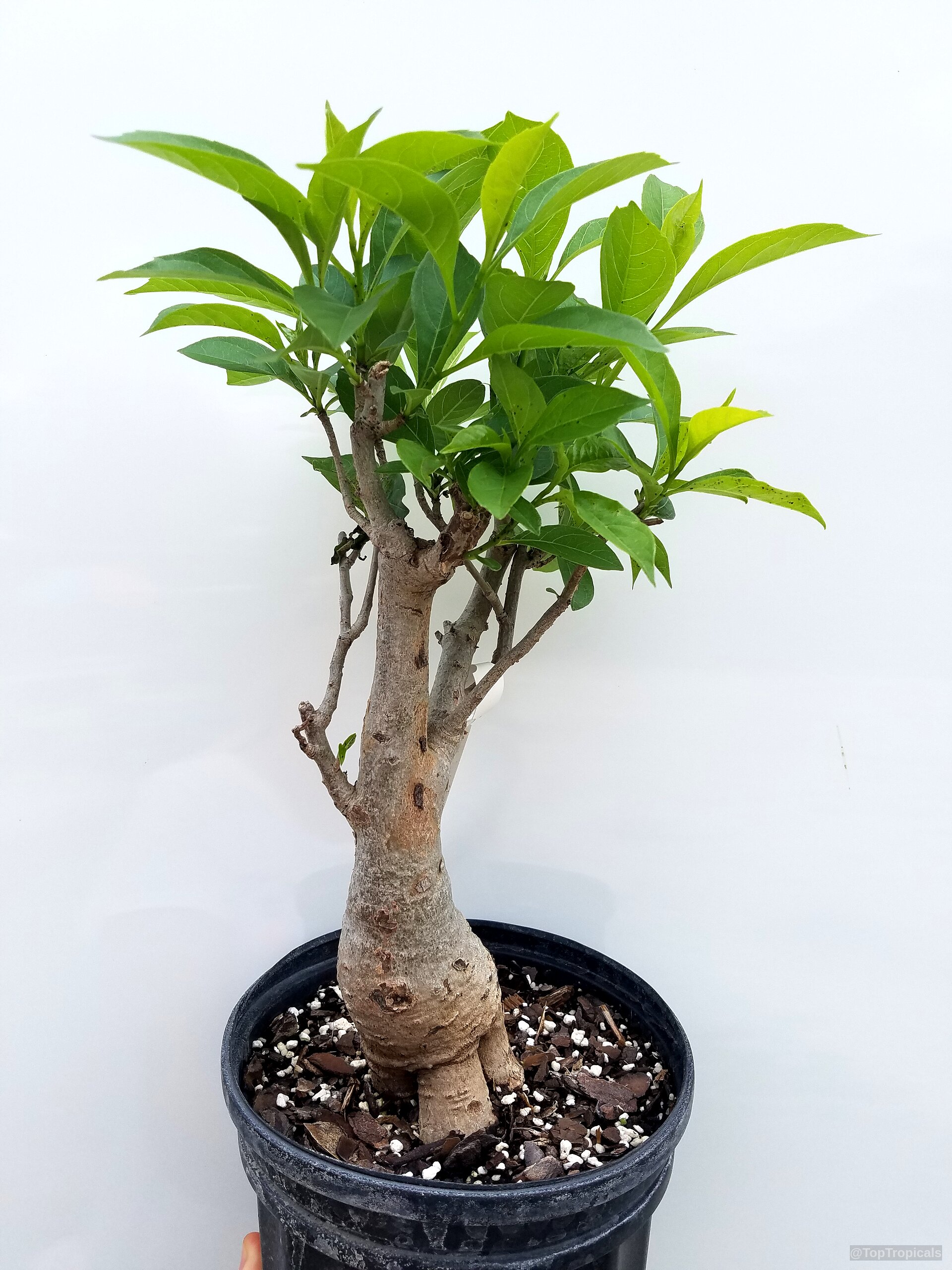
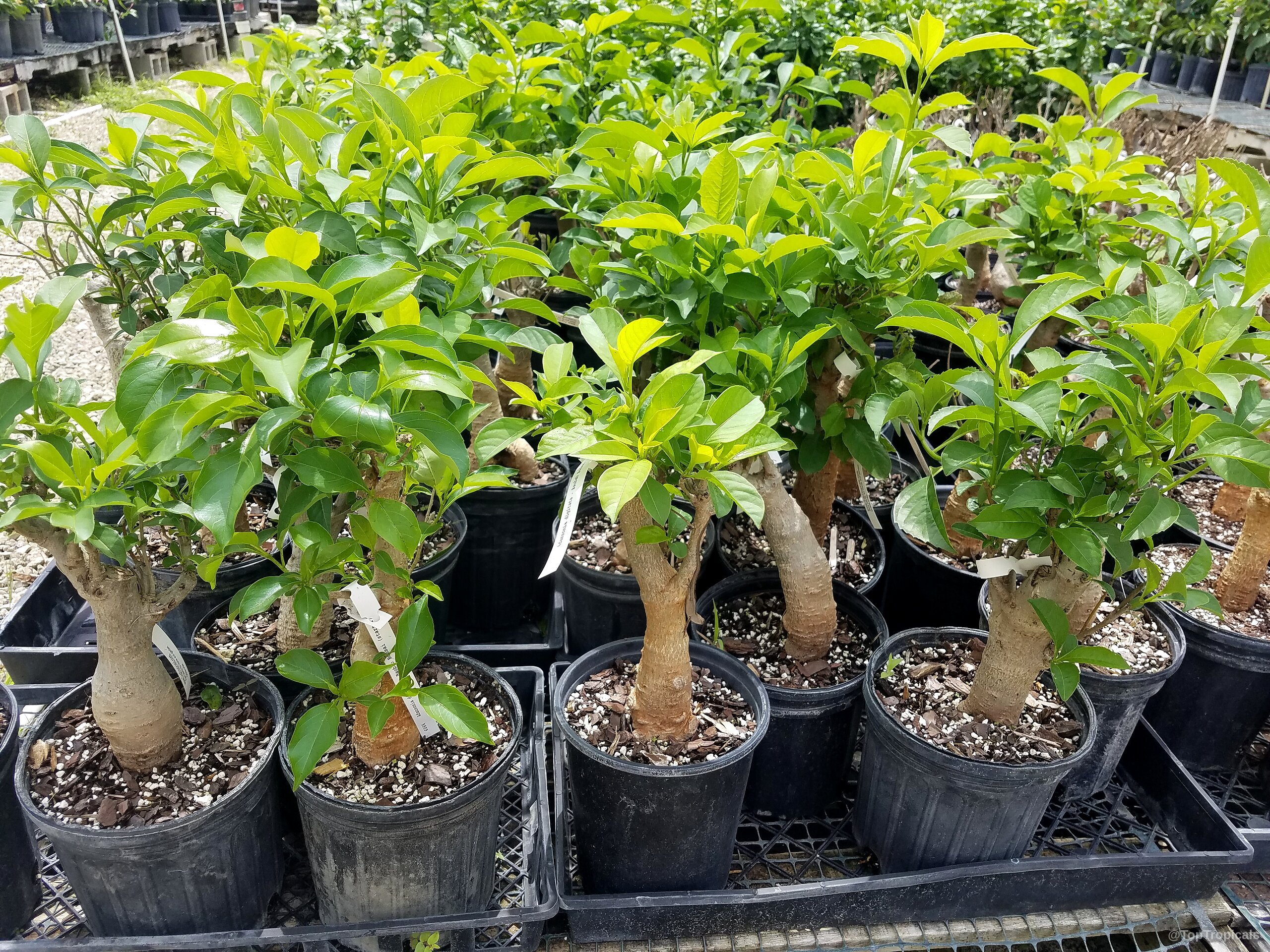
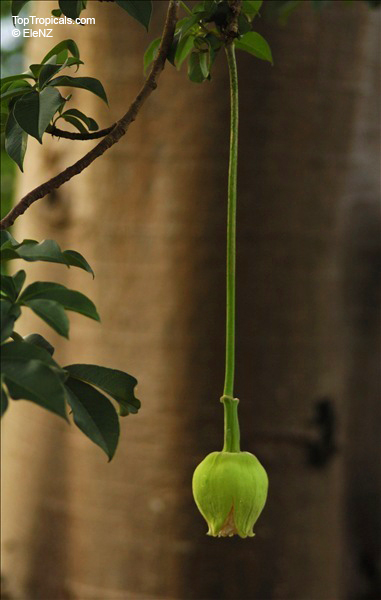
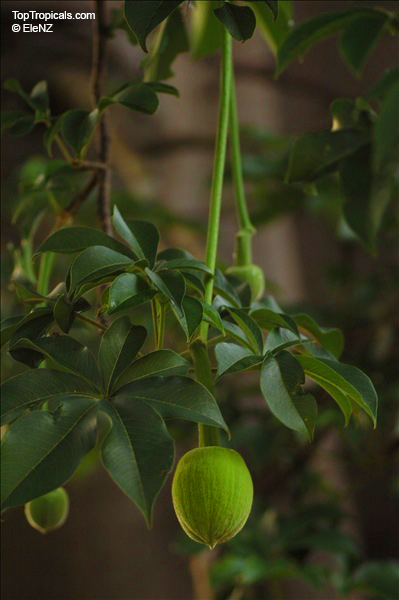
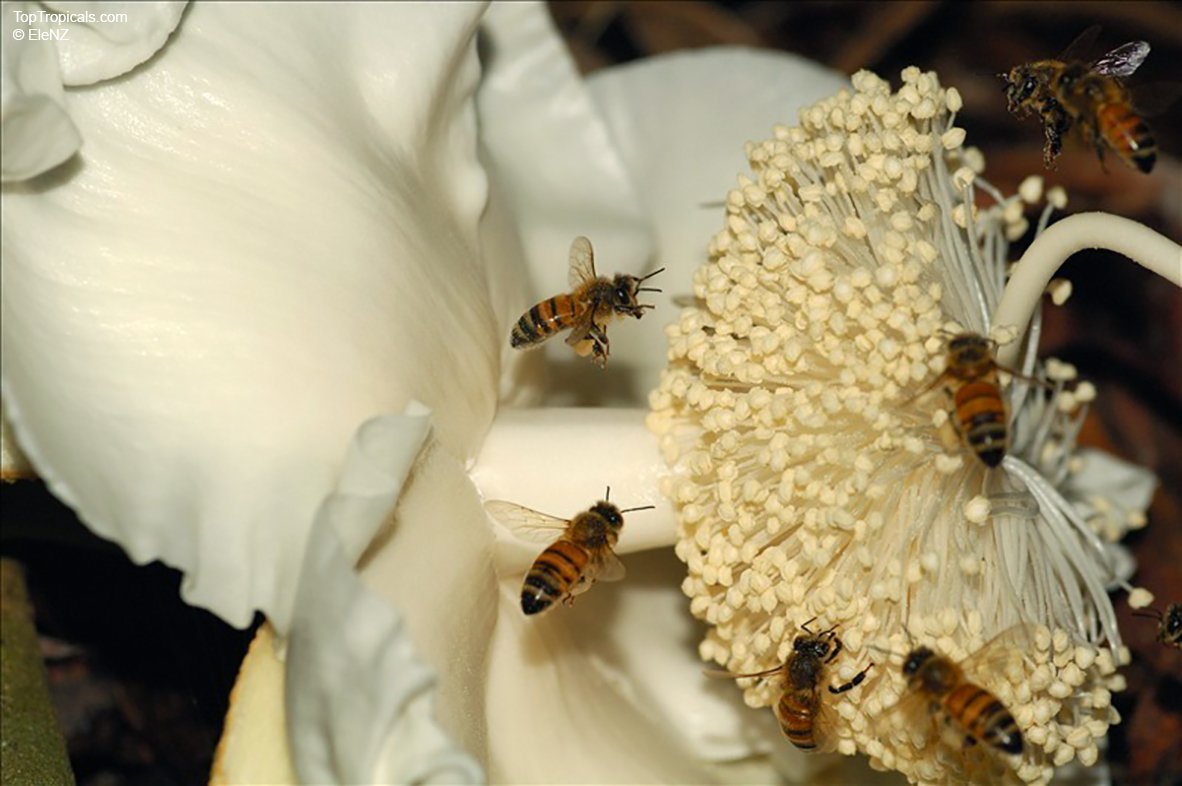
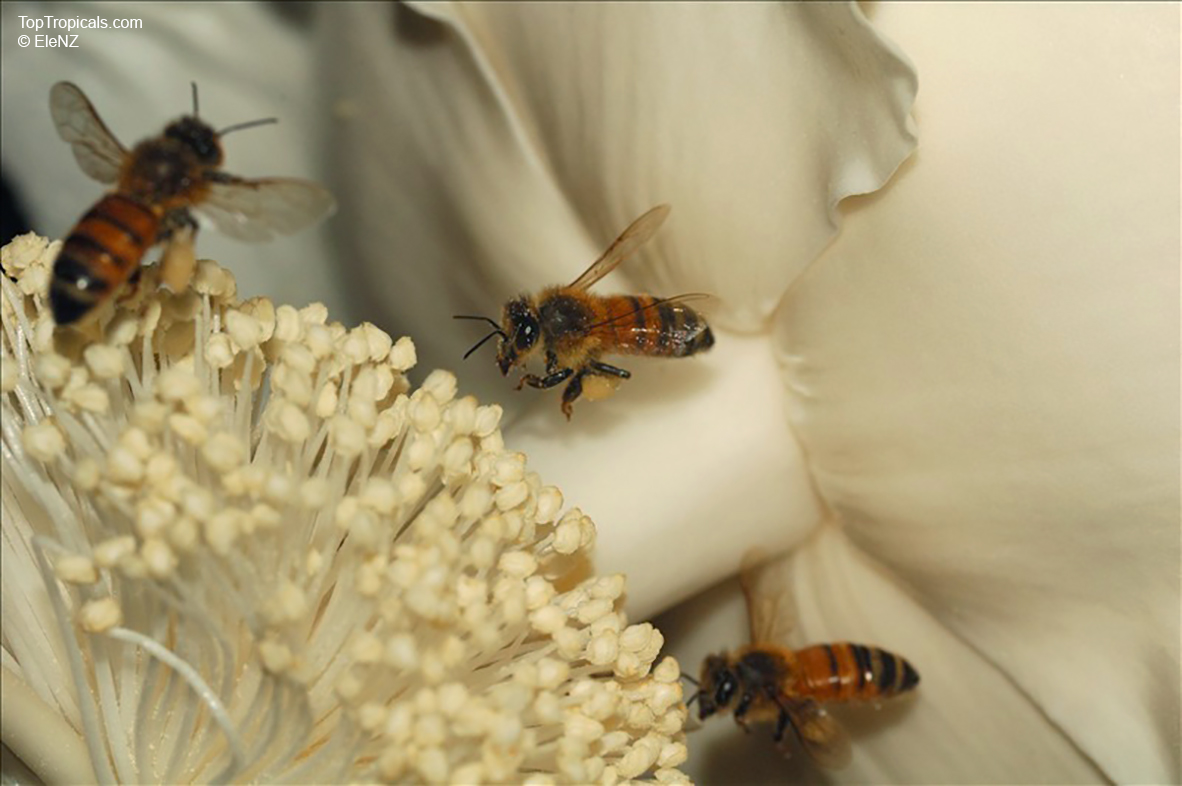
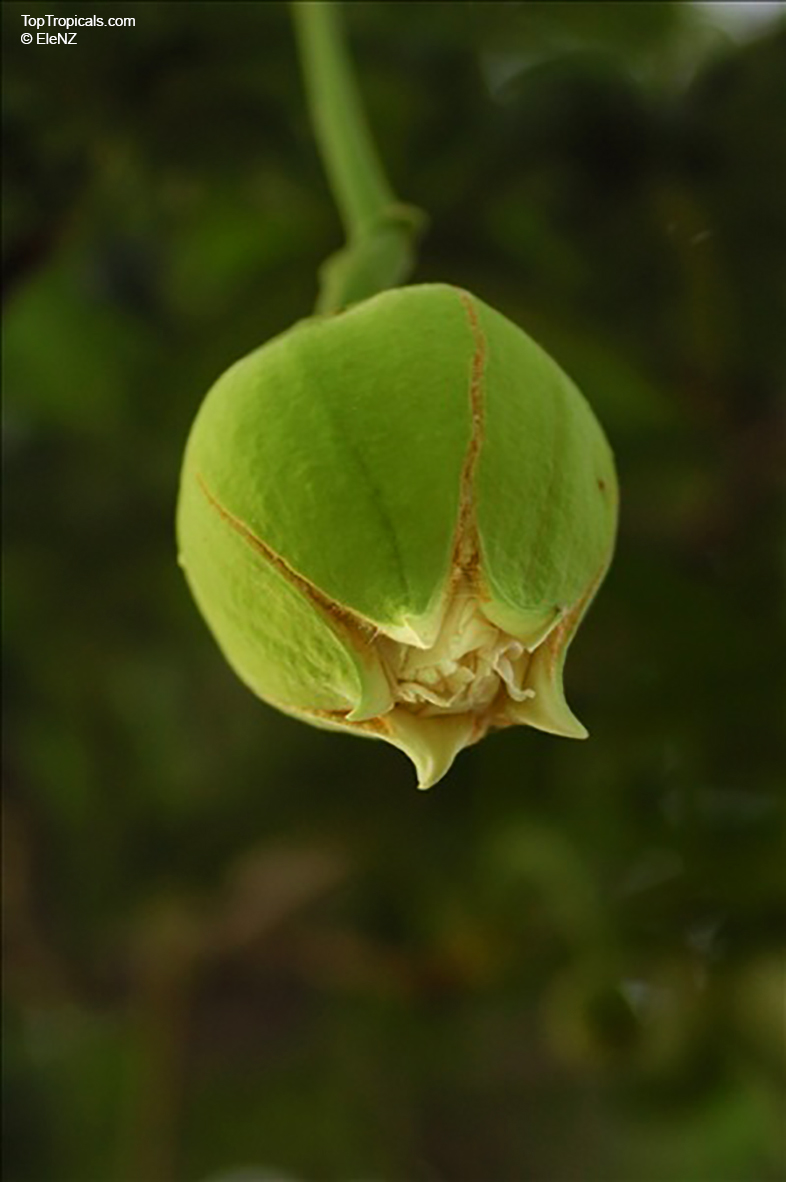
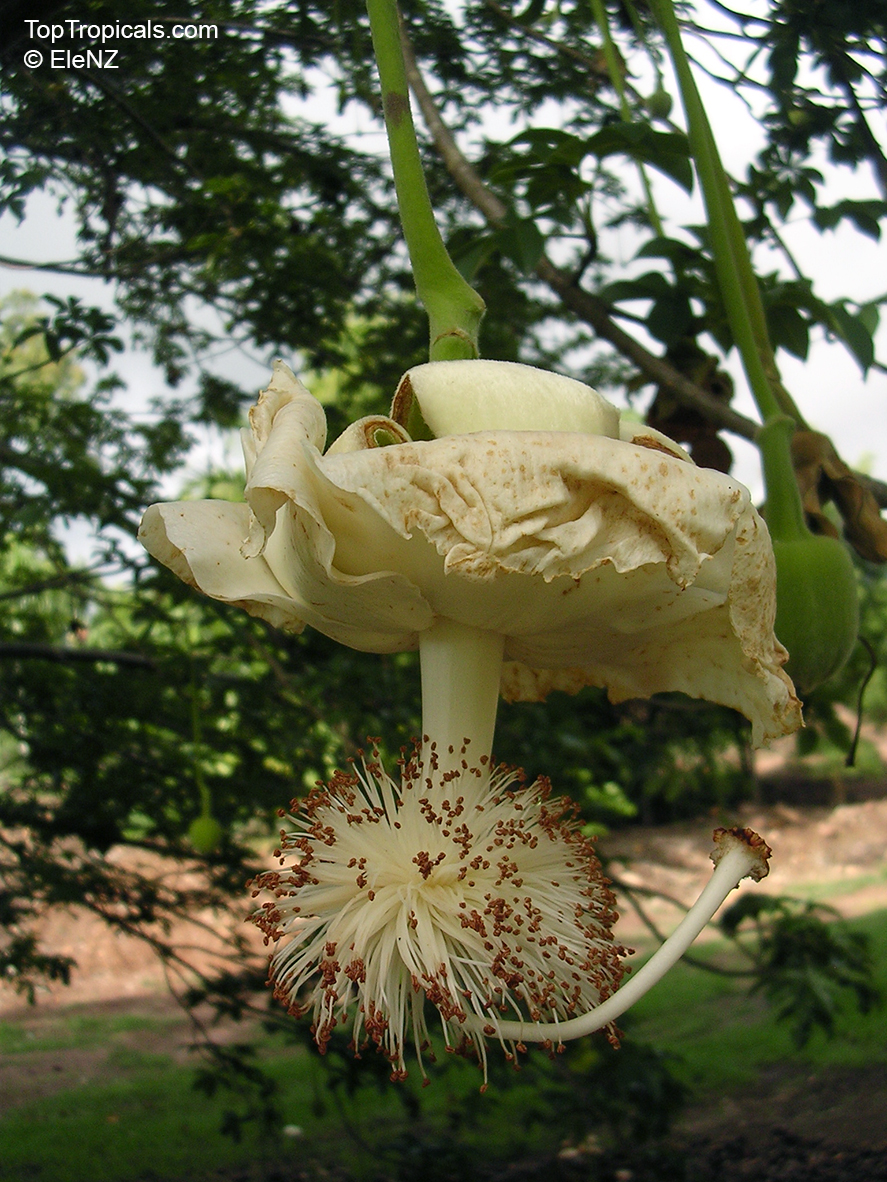
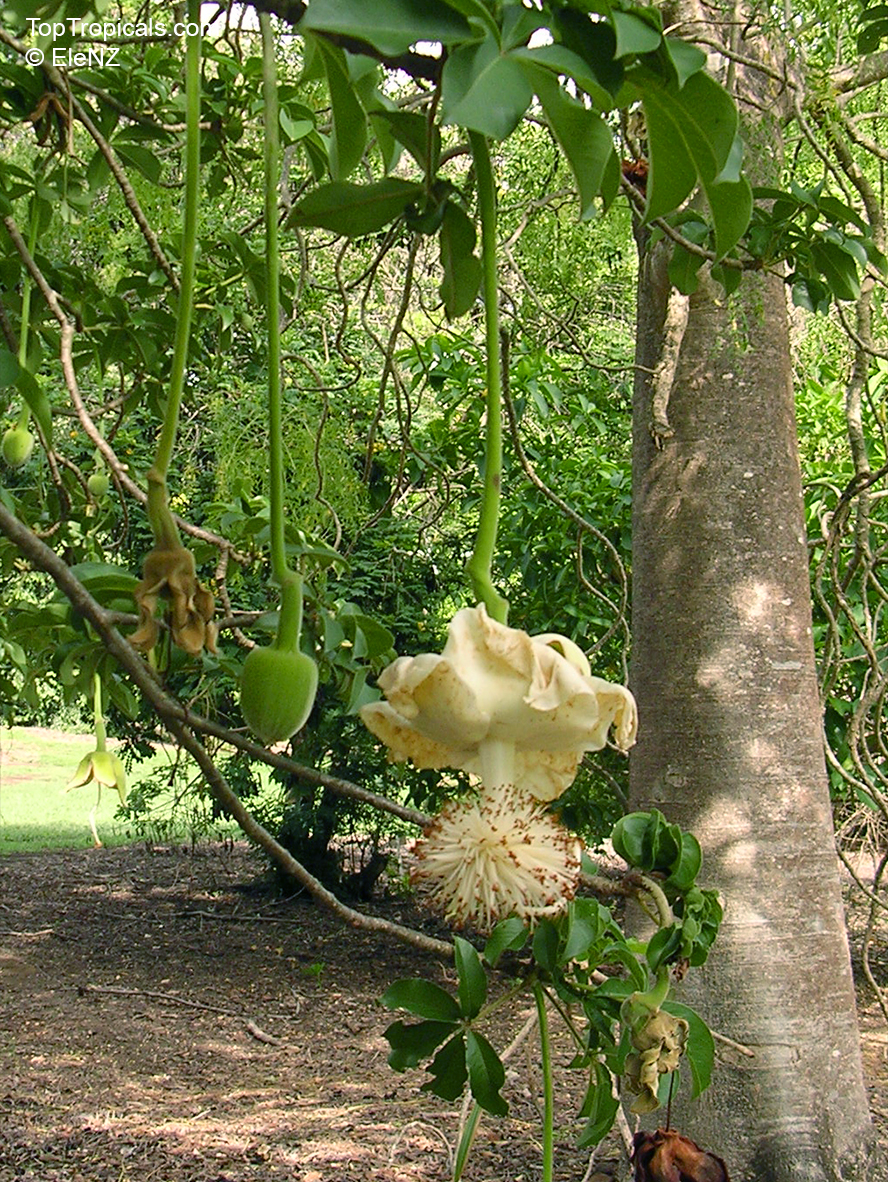
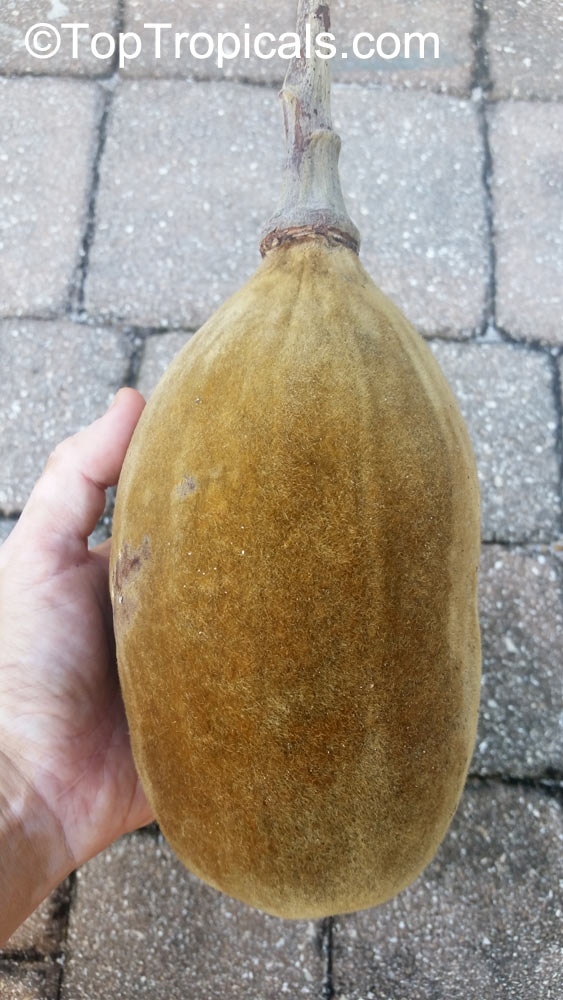
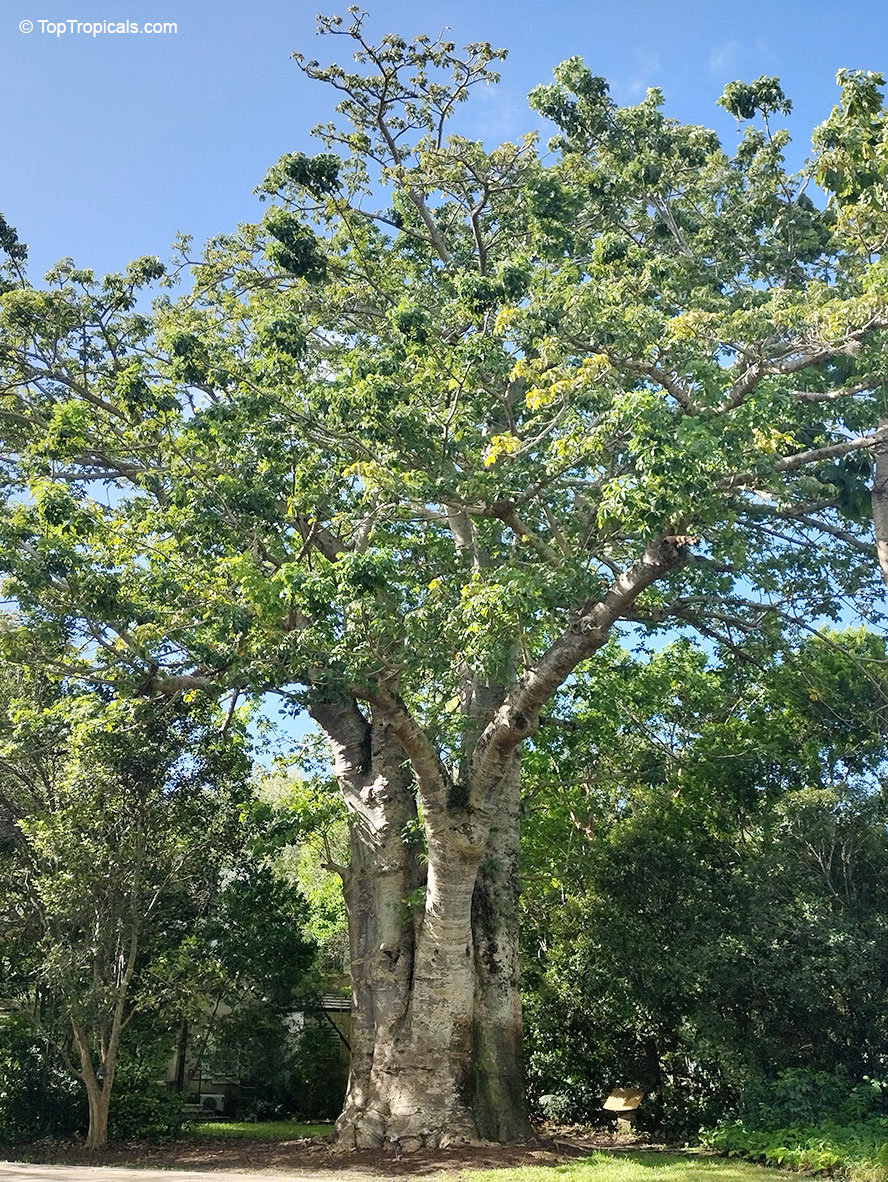
Baobab, also called the Tree of Longivity, can live for 5000 years. Pass this remarkable plant in your family from generation to generation! Regarded as the largest succulent plant in the world, the Baobab tree is steeped in a wealth of mystique, legend and superstition wherever it occurs in Africa, being a tree that can provide food, water, shelter and relief from sickness. In the nature the massive, usually squat cylindrical trunk gives rise to thick tapering branches resembling a root-system, which is why it has often been referred to as the Upside-down Tree.
Planting directions: pot into 6" container or shallow bonsai dish using well drained bonsai mix, like Adenium soilless mix. Water well and put in bright light, full sun is preferable. Let soil dry between waterings. Fertilize once a month during warm season, with a balanced granulated fertilizer and Sunshine boosters: SUNSHINE-BC for fast growing thick trunk, and SUNSHINE SuperFood. As the plant grows, step up into bigger container after proper trimming of roots and branches.
Thanks to its internal water supply, the Baobab Tree can take several months without soil. The plants are shipped bare-rooted to save your shipping costs.
See picture of a potted Baobab bonsai starter
See picture of potted Baobab bonsai. Plants are deciduous, will lose leaves in winter.
Recommended Fertilizer: SUNSHINE Robusta - Rapid Growth Booster
Botanical name: Adansonia za
Common name: Baobab
Family: Malvaceae (Formerly:Bombacaceae)
Subfamily: Bombacoideae
Origin: Madagascar
USDA Zone: 9-10


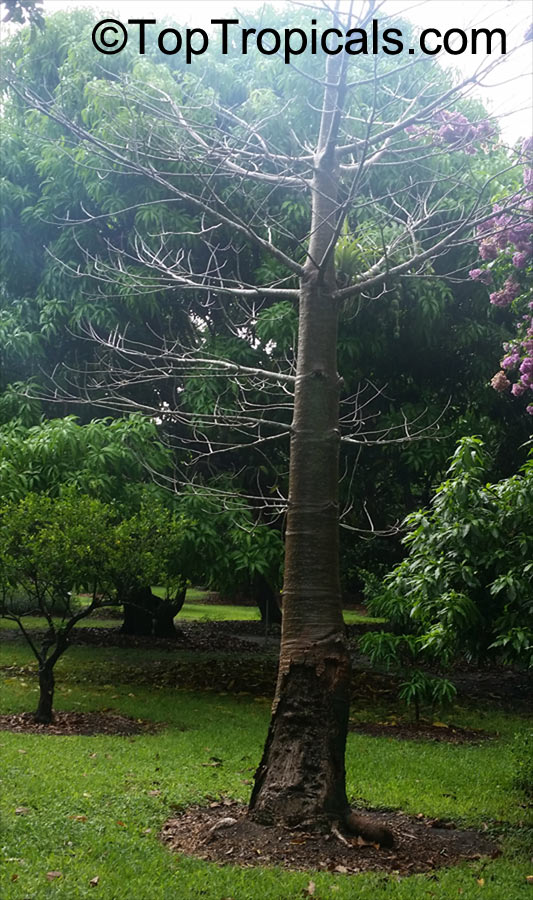
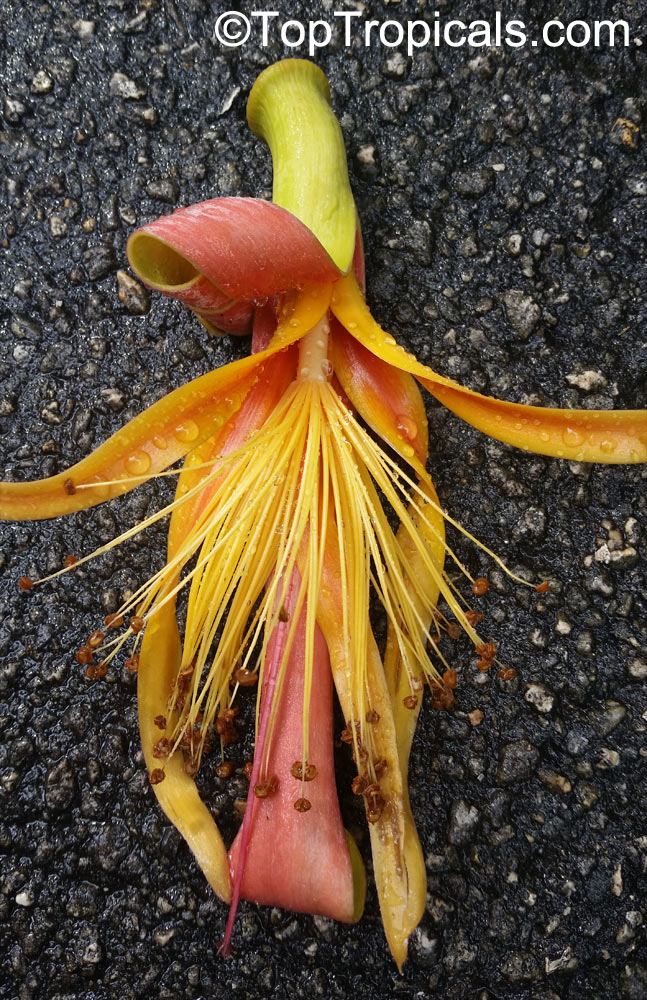
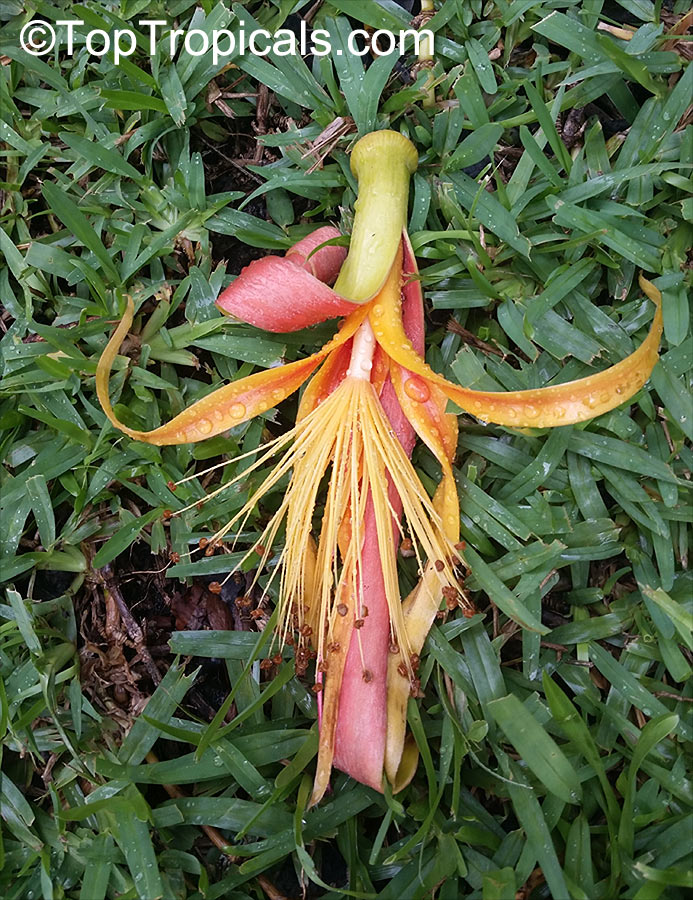
Adansonia za, or Baobab, is an imposing ethnomedical plant native to Madagascar with its full sun, moderate water requirements, and unusual color. This big tree can grow taller than 20 ft, producing deciduous foliage and stunning flowers that vary in color from crimson to vinous, and yellow to orange. It is a delightfully hardy plant that not only emits a unique beauty in the garden, but is also attractive to butterflies and hummingbirds.
The blooms can be followed by an edible fruit that tastes delicately sweet and acidic. The fruit also carries a wealth of health benefits, containing vitamins A, C, and E, thiamine, niacin, riboflavin, and folate. An average Baobab fruit tree can yield an estimated 150-200 fruits in a single year.
Baobab can be grown in USDA Zones 9-11, and since the tree is deciduous, it can withstand some cold temperatures, making it a great option for gardens in cooler climates. When growing a Baobab in a pot, it is important to use a well draining potting mix, as the tree does not like to stay wet. Keep the pot in a sheltered spot and bring it indoors during frosty winter nights. Water the tree regularly, especially during the hotter summer months. An occasional dose of fertilizer will also help promote healthy growth.
Botanical name: Adenanthera pavonina
Common names: Red Sandalwood, Coral Bean Tree, Saga, Sagaseed Tree, Red-bead Tree, Raktakambal, Kokriki
Family: Fabaceae
Subfamily: Caesalpinioideae
Origin: India
USDA Zone: 10-11
Cold tolerance: 35°F


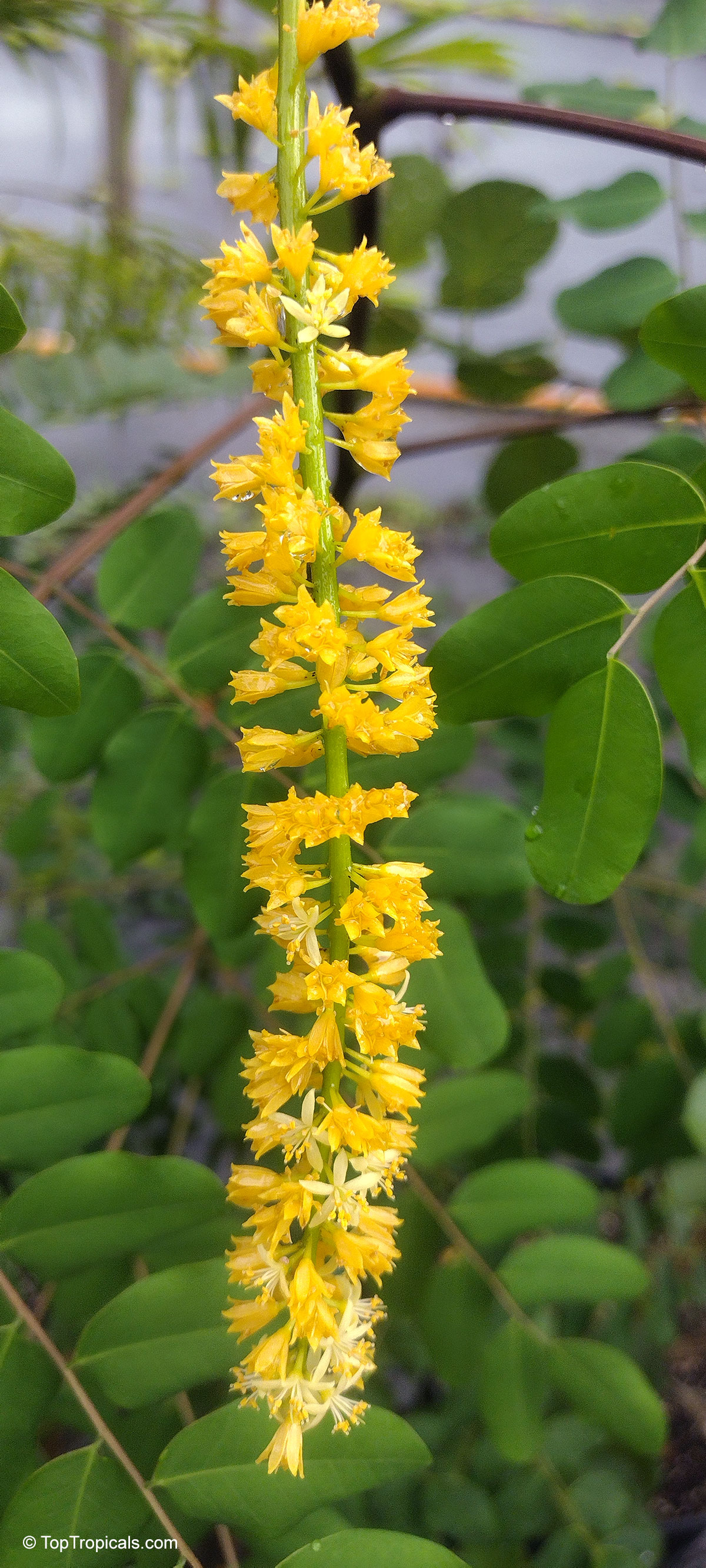
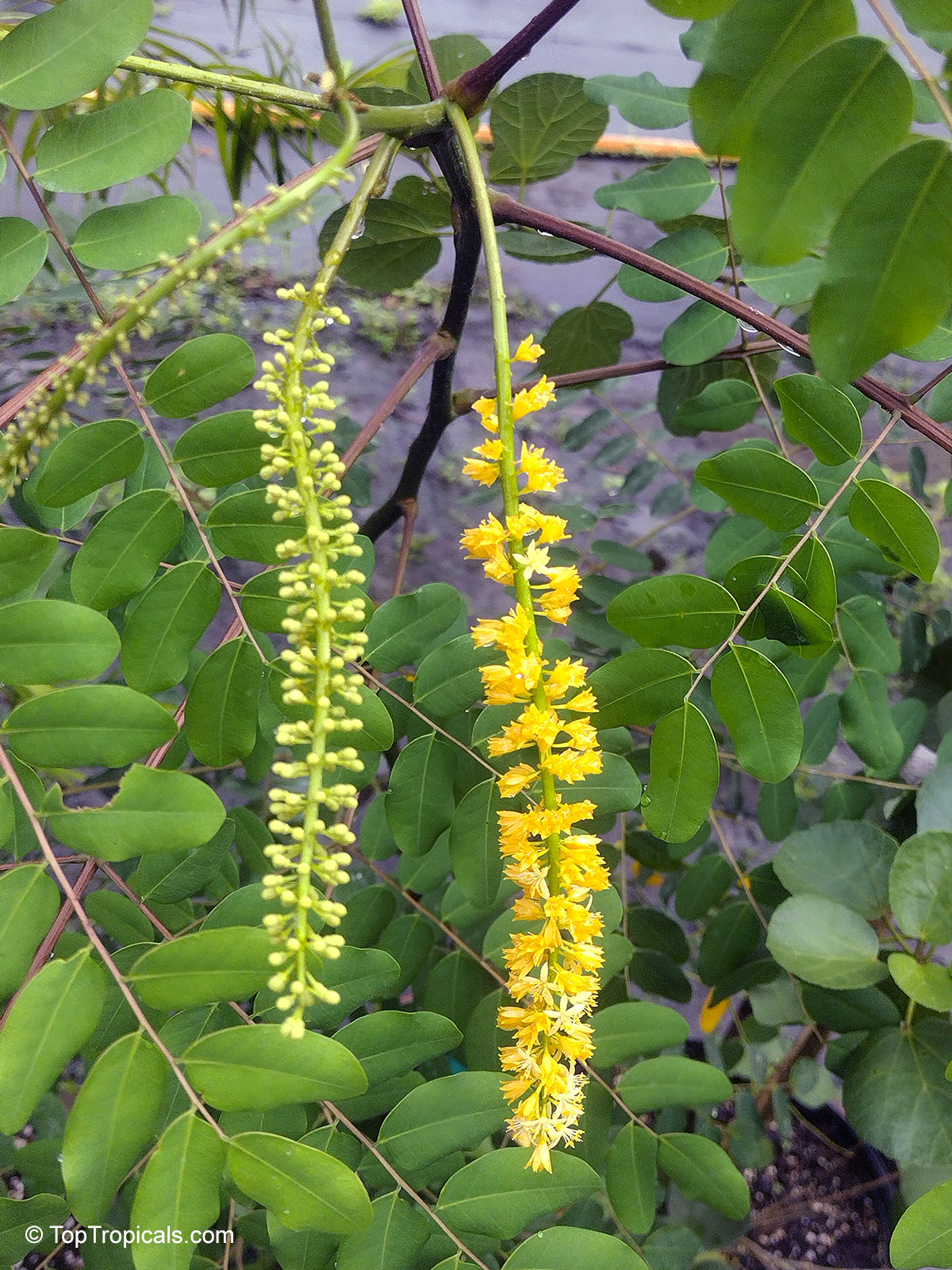
Adenanthera pavonina, commonly known as Red Bead Tree, Red Sandalwood, or Coralwood, is a deciduous to semi-evergreen tree in the Fabaceae family, native to tropical Asia, from India and Sri Lanka through Southeast Asia. It has been widely introduced and naturalized in other tropical regions. In favorable conditions, it develops a broad, spreading crown and may reach 40-60 feet tall, although cultivated trees are often smaller. The foliage consists of large, feathery, bipinnate leaves with numerous small, oval leaflets. Small, fragrant, yellowish-white flowers appear in slender, elongated clusters, followed by narrow pods whose valves twist as they split open at maturity, revealing exceptionally hard, glossy, bright scarlet seeds. These striking seeds are relatively uniform in weight and have traditionally been used as beads, ornaments, and small weights for weighing gold and other precious materials.
Adenanthera pavonina thrives in full sun and well-drained soil, tolerating seasonal drought once established. It grows rapidly in warm climates and is cultivated as a shade and ornamental tree, particularly for its elegant foliage and decorative seeds. Suitable for USDA Zones 10-11, it is sensitive to frost, especially when young. The raw seeds may be unsafe to consume, although traditionally processed seeds have been used as food in some regions.
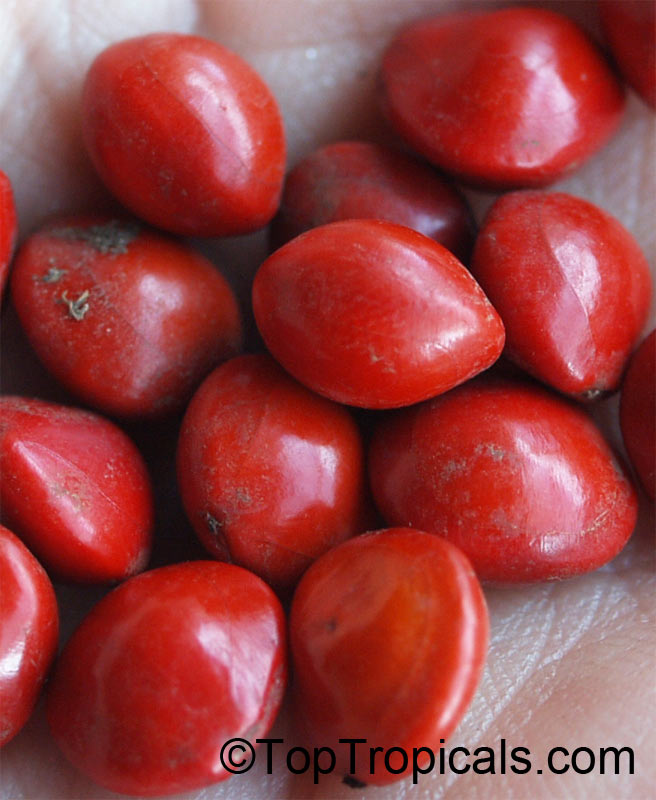
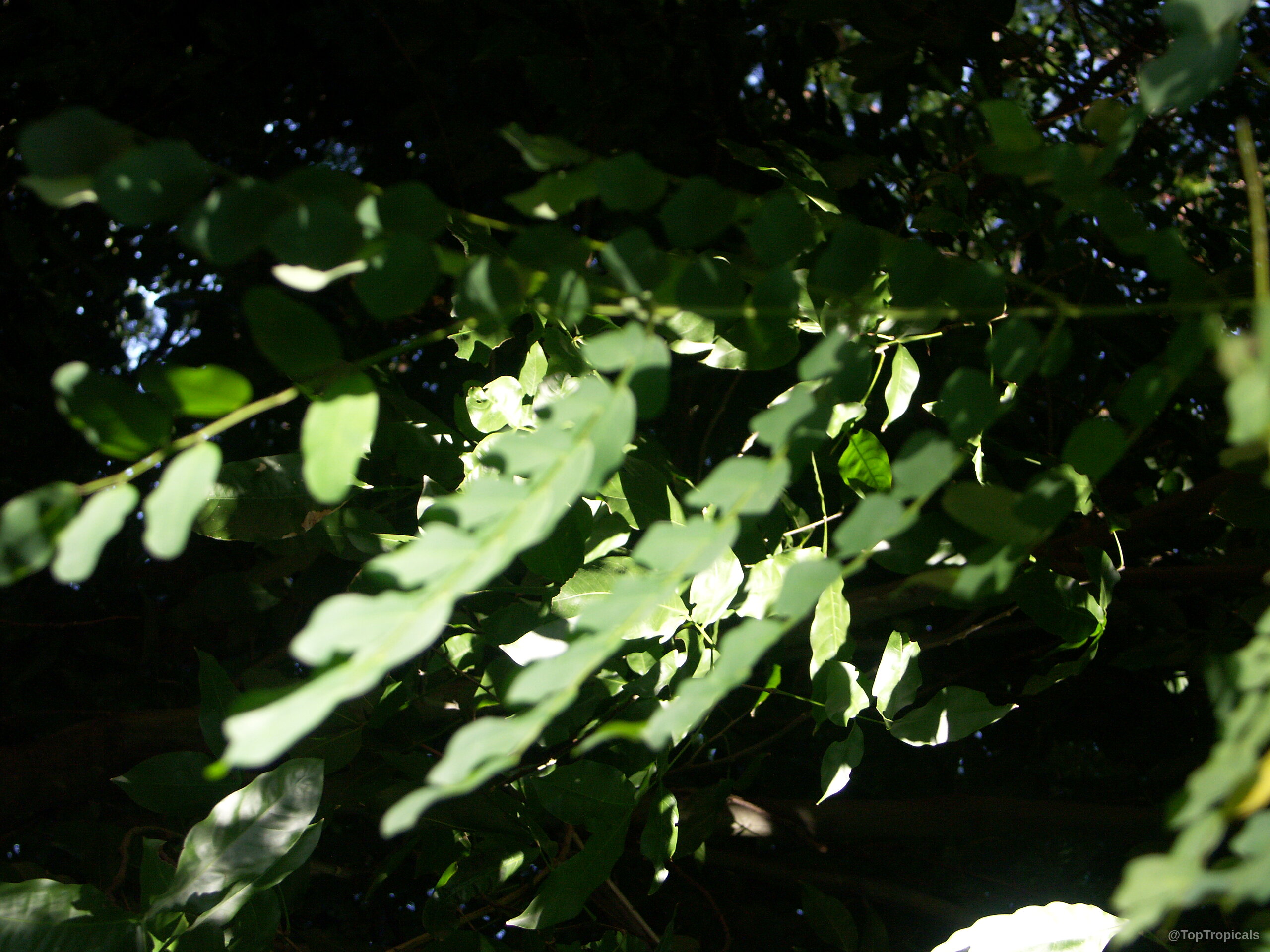
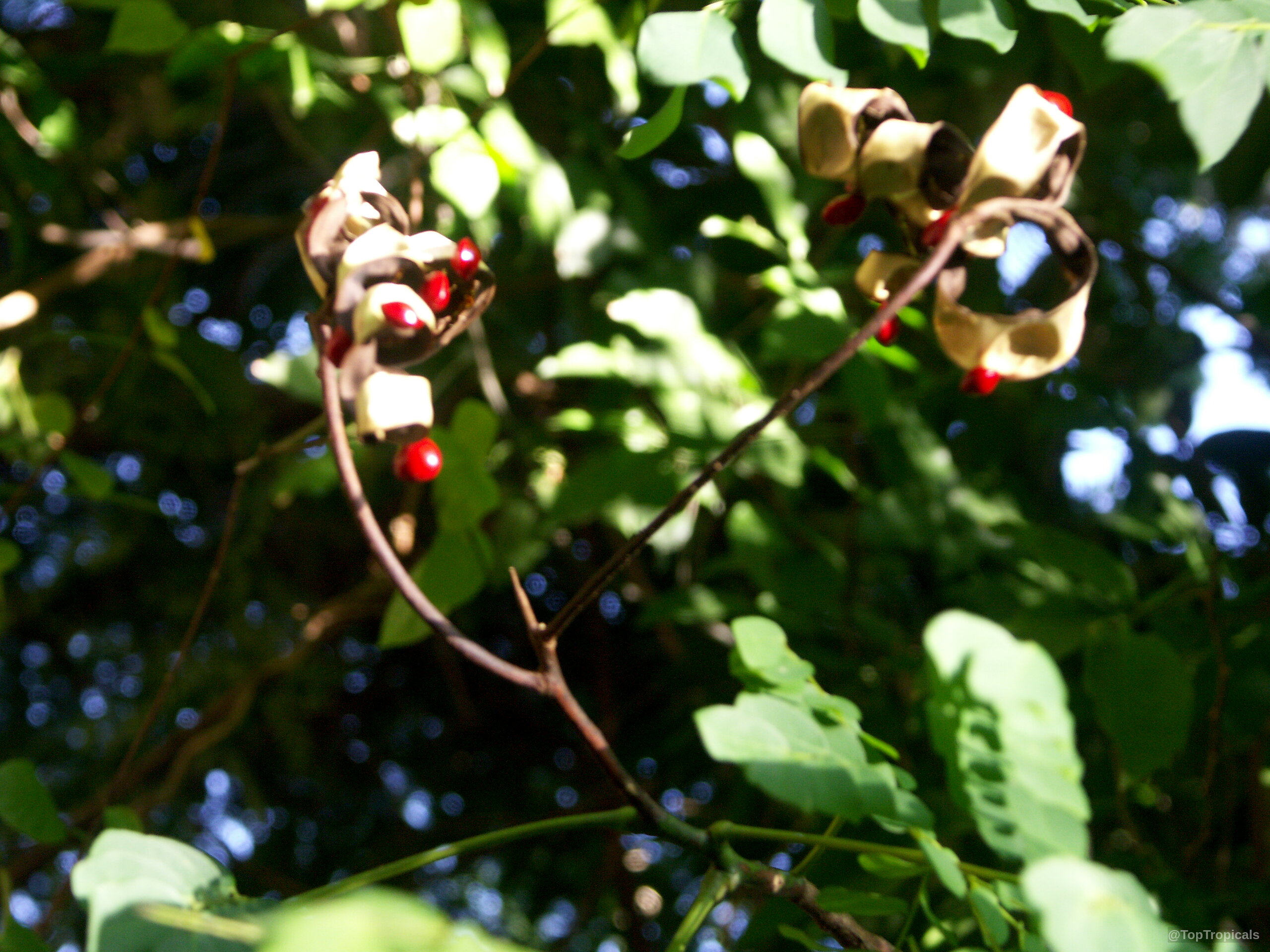
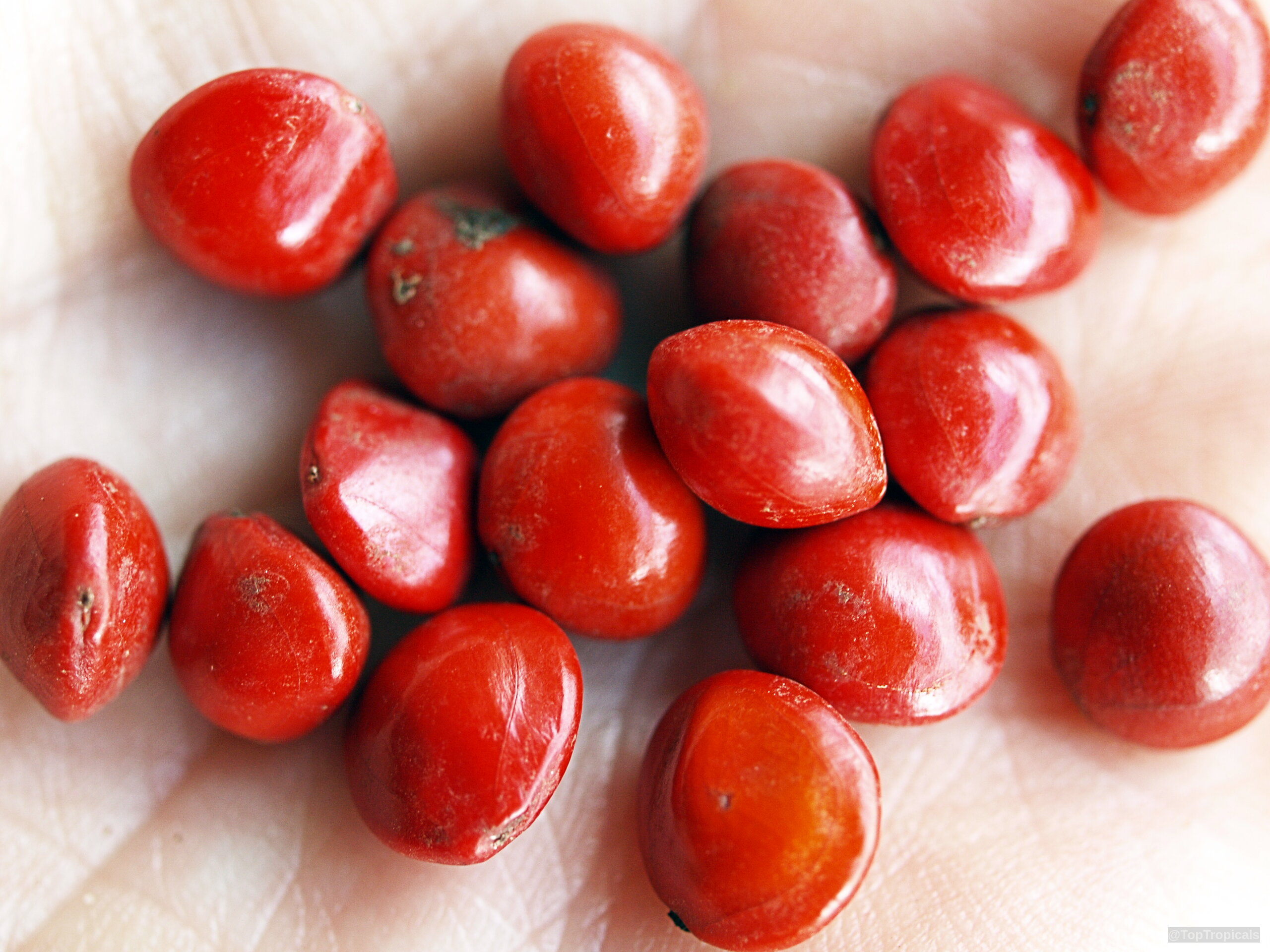
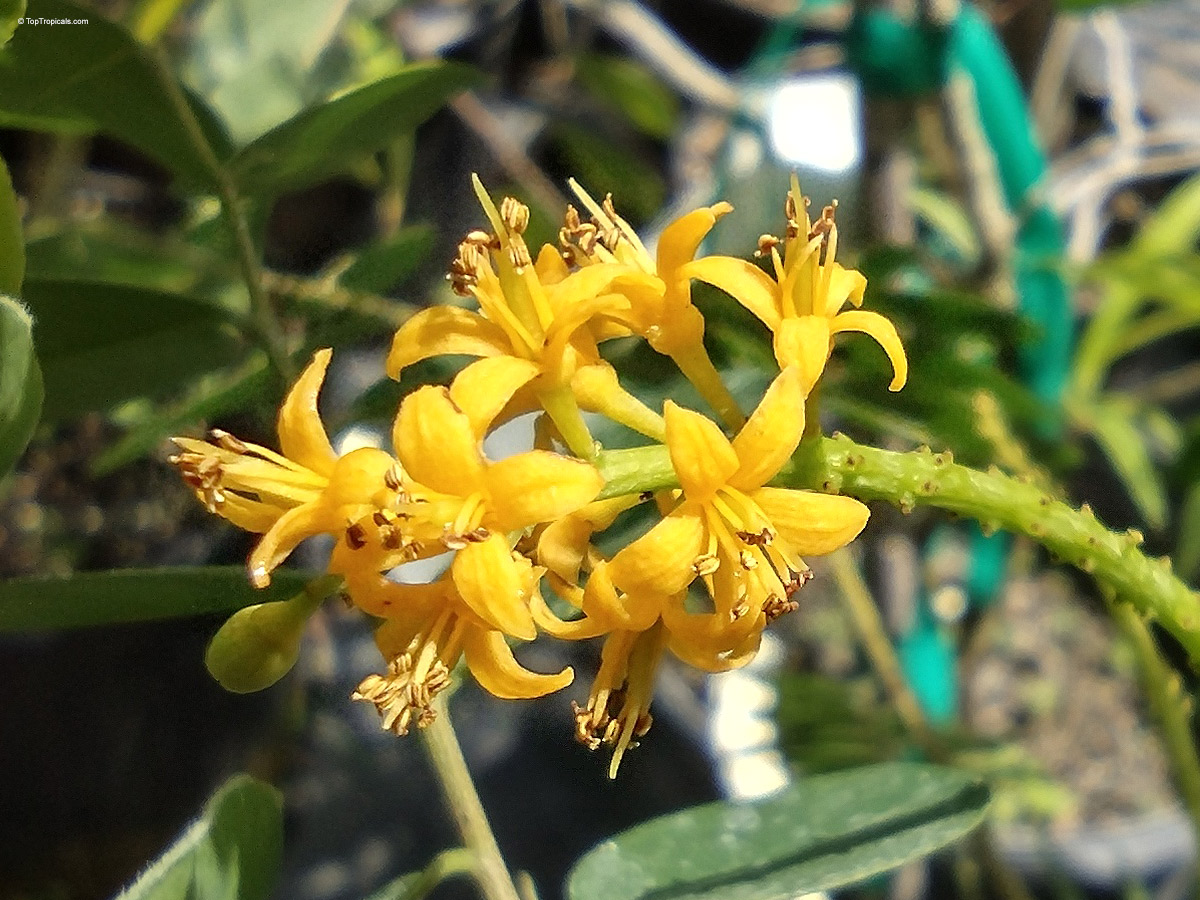
Plant seeds 1" deep in otting mix, keep warm, damp and in bright light. Scarify to expedite germination.
Ordering seeds info
RECOMMENDED SUPPLIES:
Seed Germination Mix #3, professional grade
SUNSHINE-Epi - Seeds and cuttings booster
SUNSHINE Bombino - Young Plant Booster
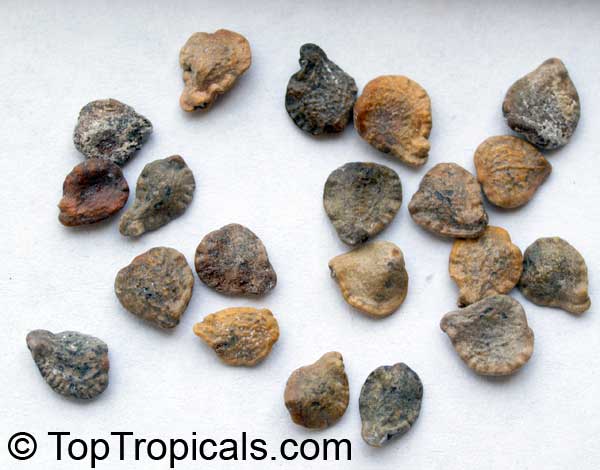
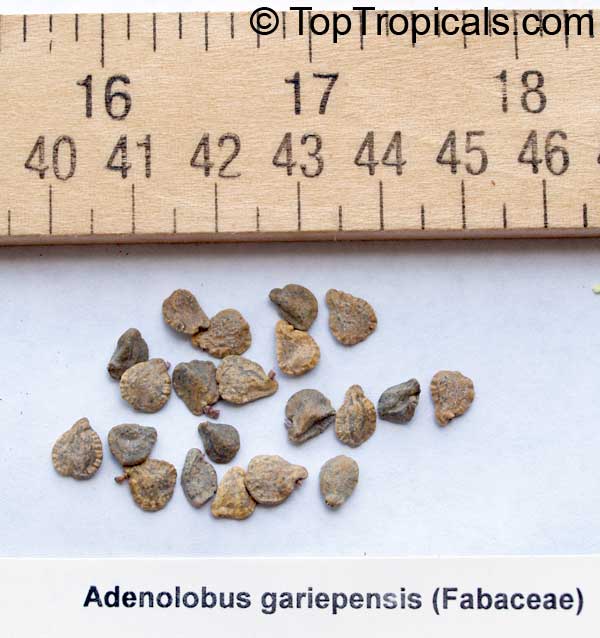
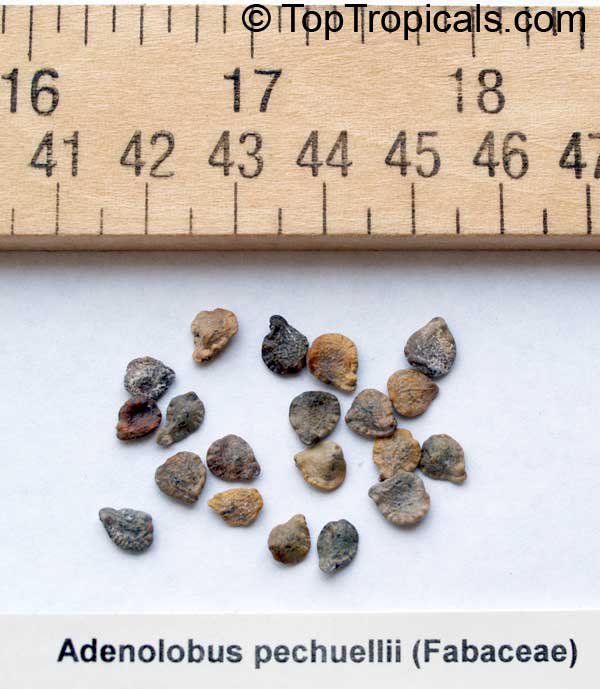
Botanical name: Adenolobus sp.
Common name: Adenolobus
Family: Fabaceae
Subfamily: Faboideae
Origin: South Africa
USDA Zone: 9-10

| Prev | Next | |
Use link to repeat this search:
https://toptropicals.com/cgi-bin/garden_catalog/cat.cgi?search_op=and&keyword_op=and&language=e&number=10&no_change_lang=1
&v1=med&user=tt&sale=1&first=0