Edible plant - Plant Encyclopedia Results (Page 66)

Number of plants found: 677    Prev  Next    Go to page:  First  61  62  63  64  65  66  67  68

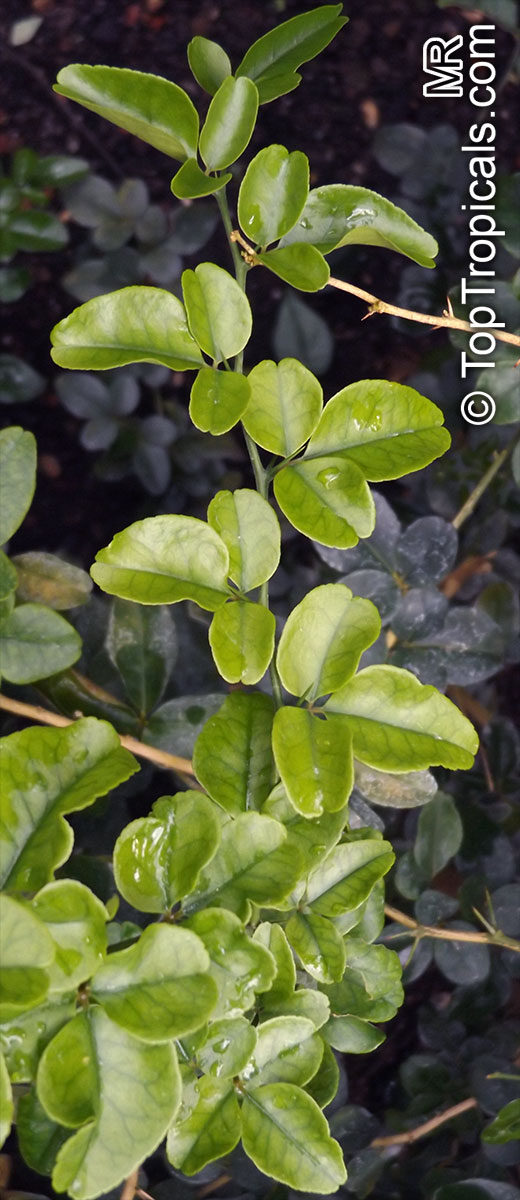
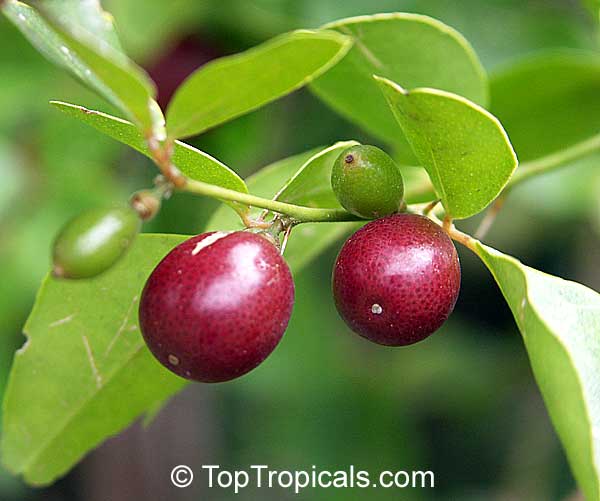
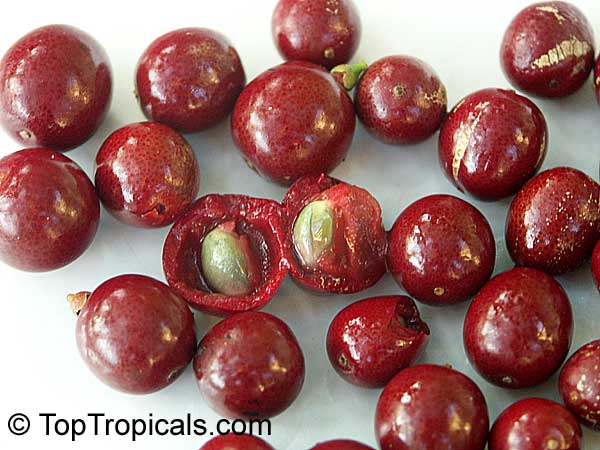
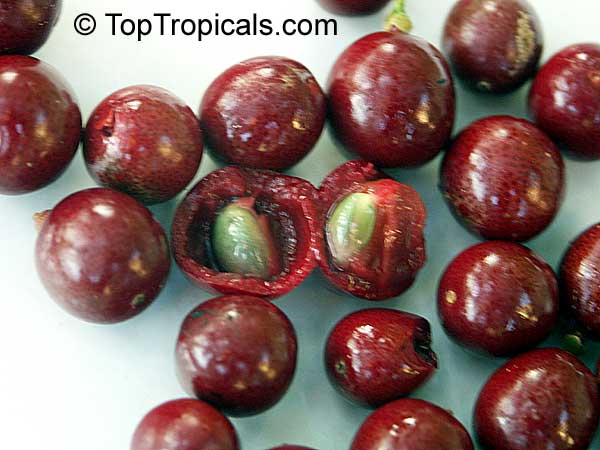
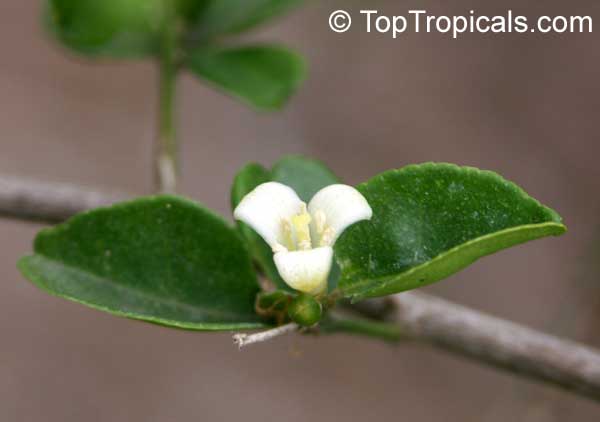
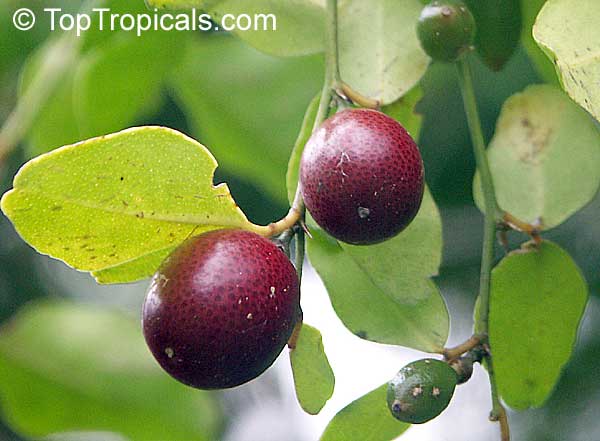
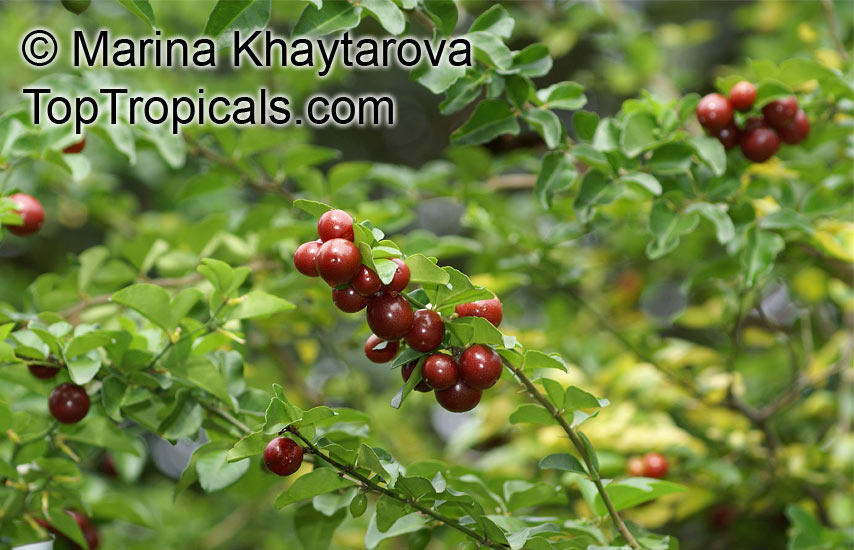
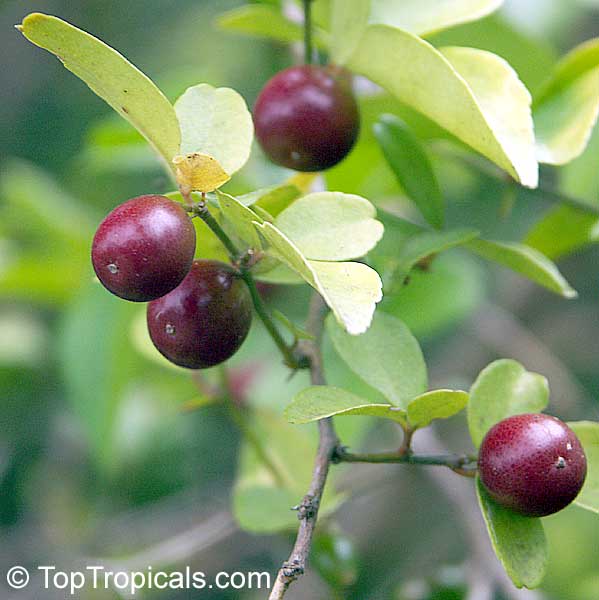
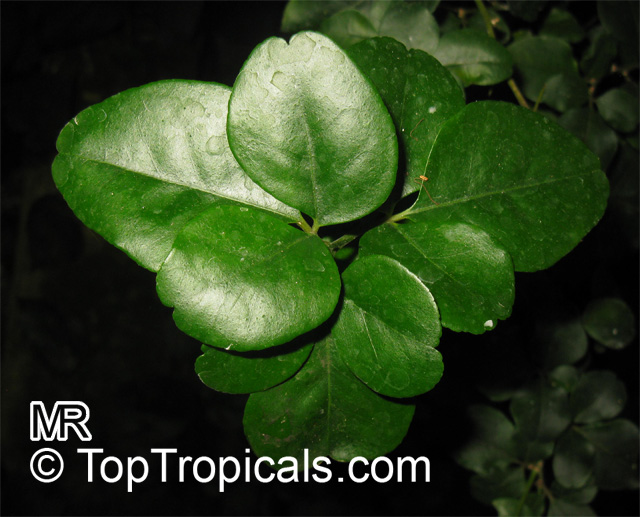
Triphasia trifolia (Lime Berry) with glossy green leaves on a thin woody plant branch
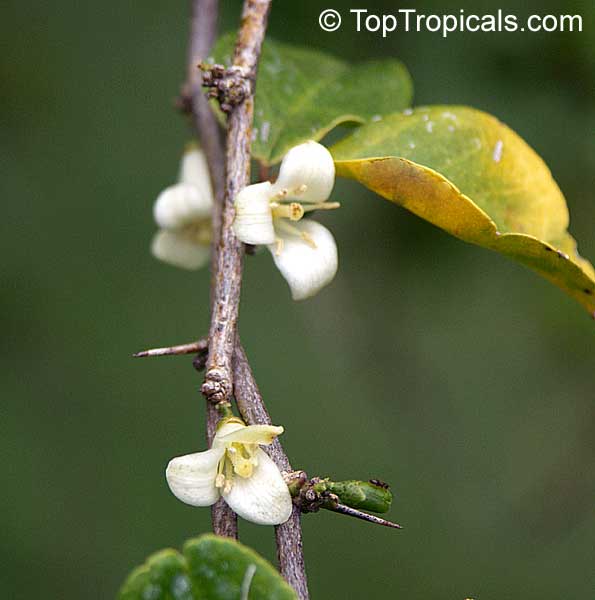
Triphasia trifolia (Lime Berry) branch with small trifoliate leaves and thorns on the stems

Botanical name: Triphasia trifolia

Common names: Lime Berry, Limeberry, Limau Kiah, Lemondichina

Family: Rutaceae

Origin: Malesian
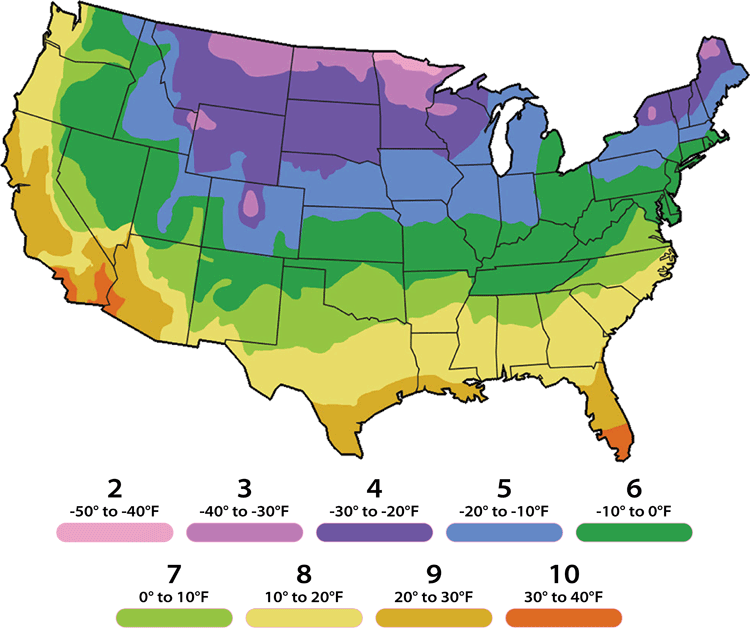
USDA Zone: 9-10

Plant used for bonsaiLarge shrub 5-10 ft tallSemi-shadeWatering: Regular. Let topsoil dry slightlyWhite, off-white flowersEdible plantPlant attracts butterflies, hummingbirdsFragrant plant

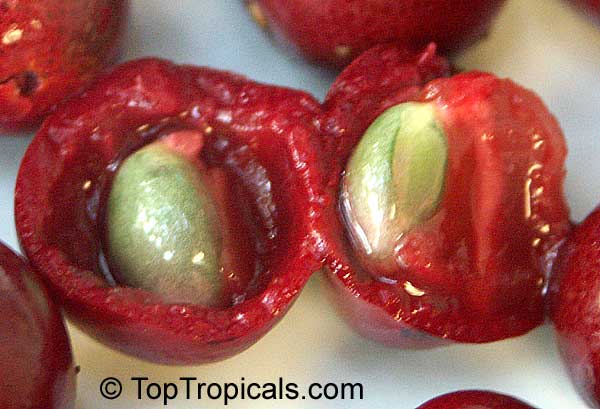
Lime berry grows as a shrub to a height of 9'. It has trifoliate darkgreen leaves and small, white fragrant flowers. The edible fruits are bright red with 2 - 3 small seeds. The fruit can be cooked to make preserve.

Prefers partial shade or partial sun to full sun; soil should be dry to moist. It also can be used for bonsai.

Link to this plant:
https://toptropicals.com/catalog/uid/triphasia_trifolia.htm

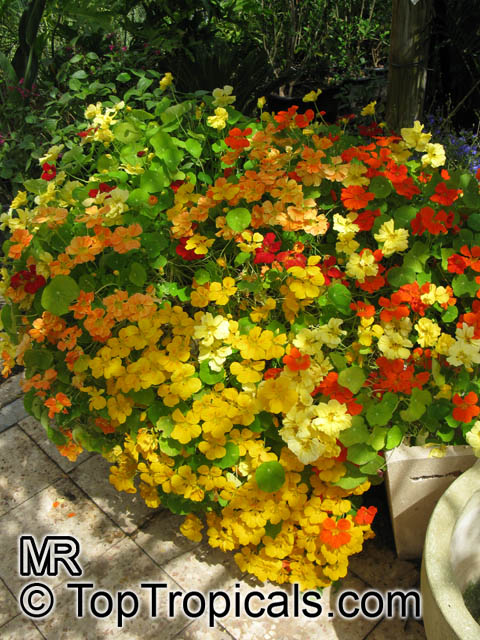
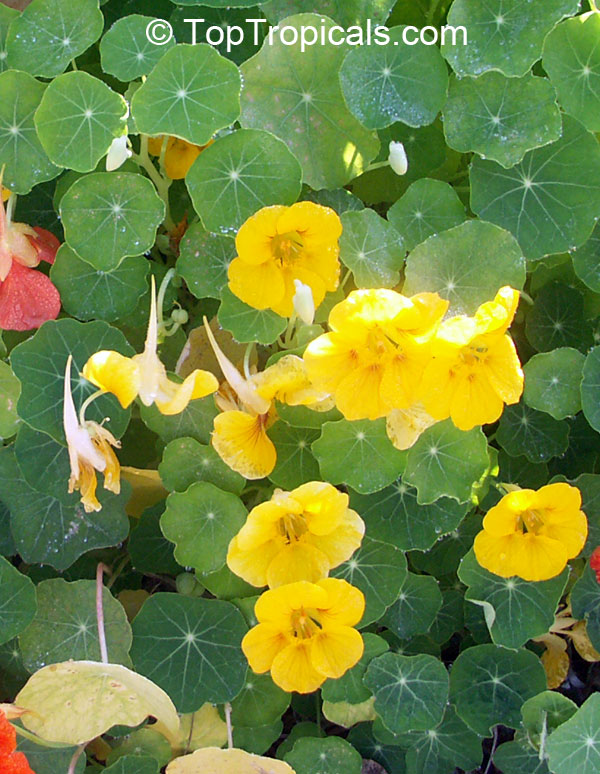
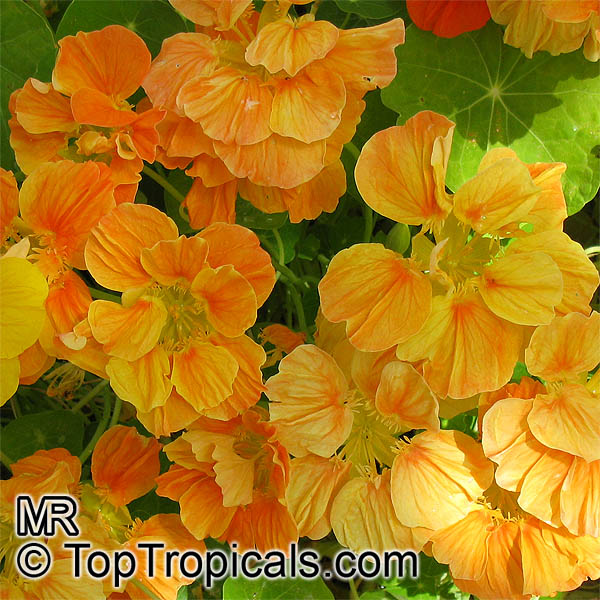
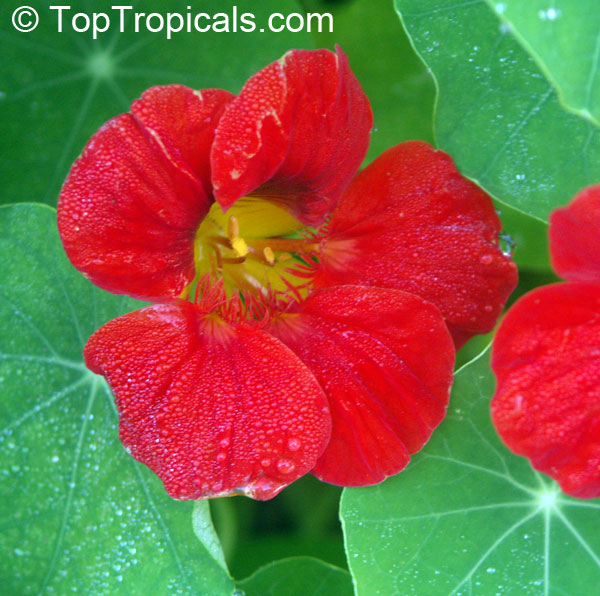
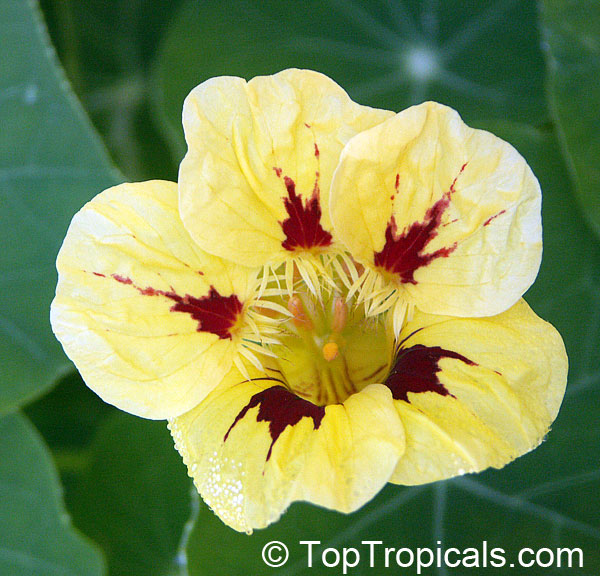
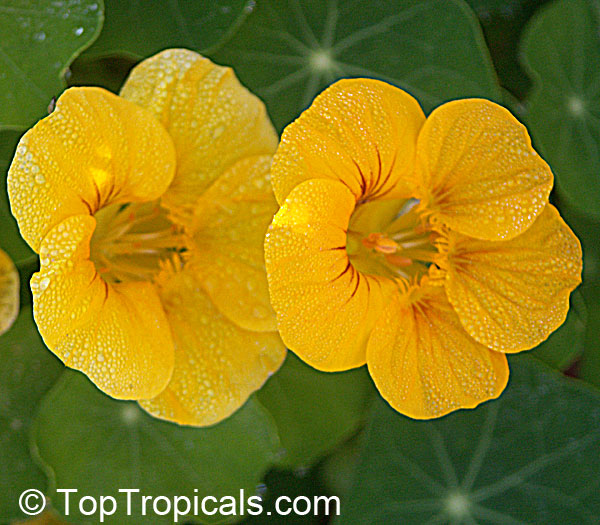
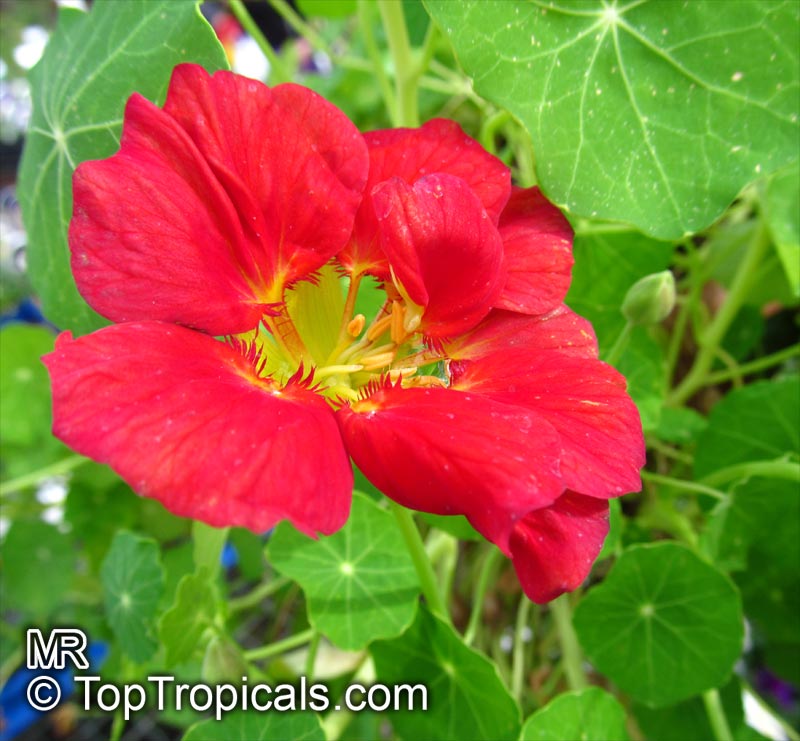
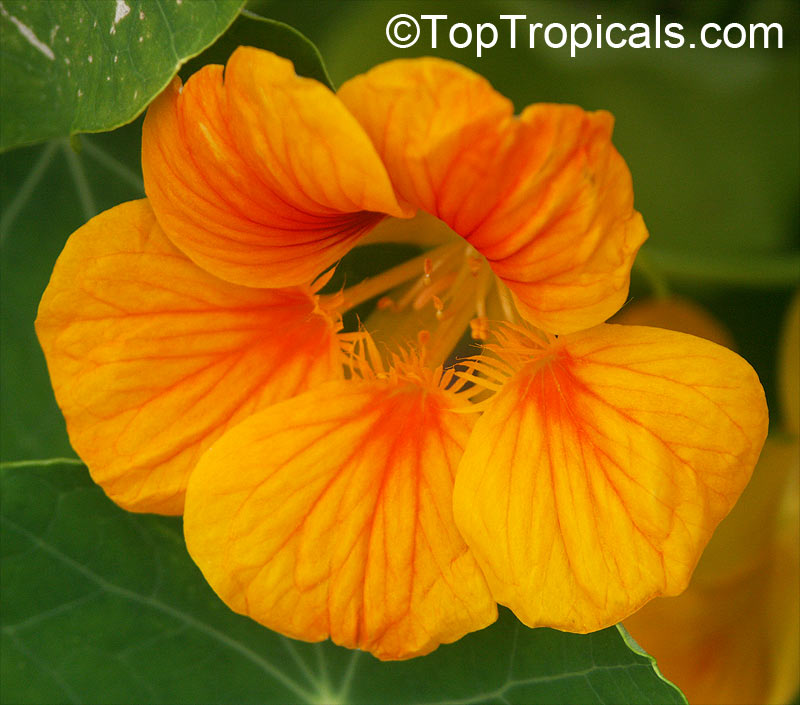
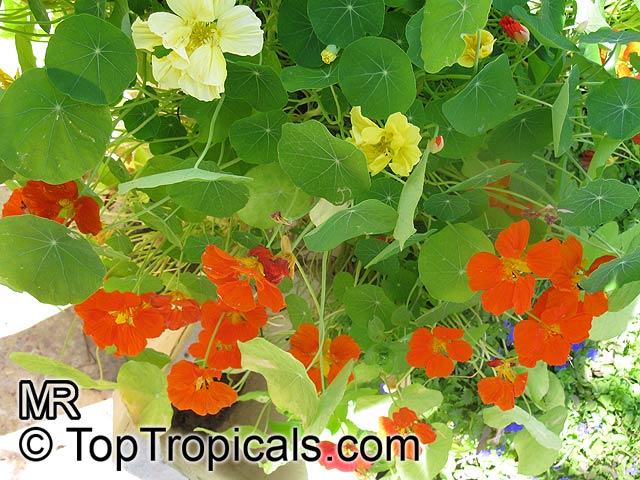
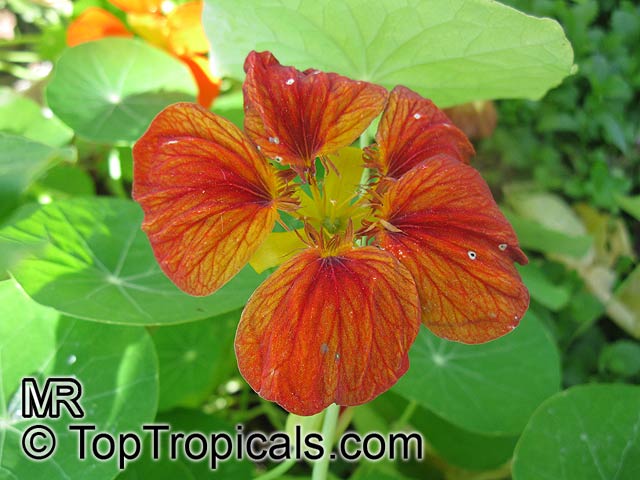
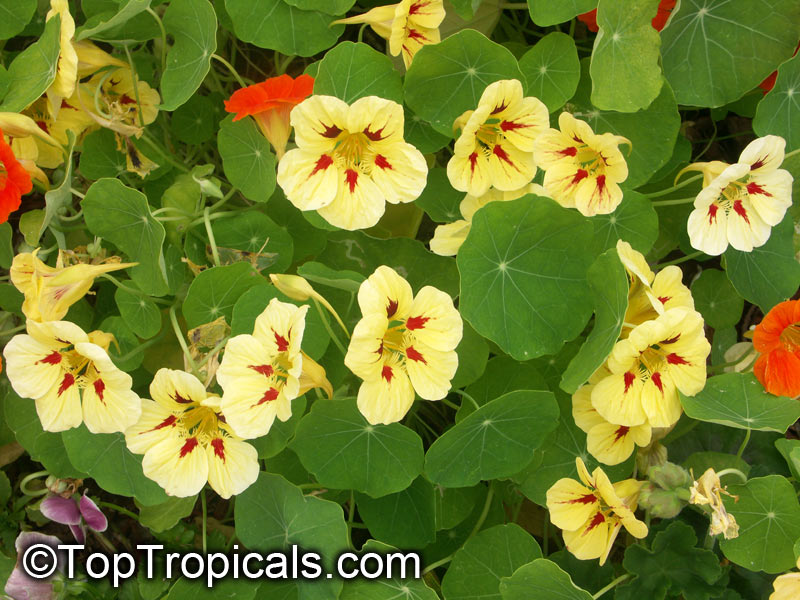
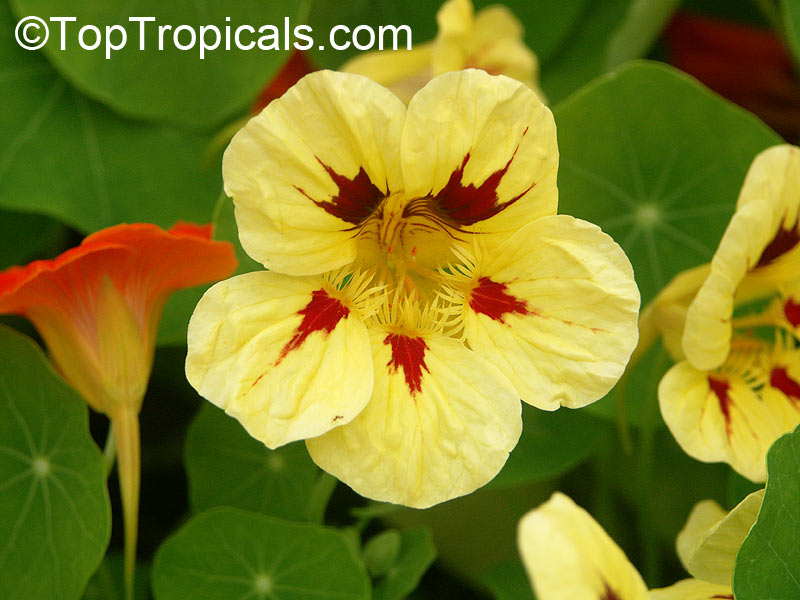
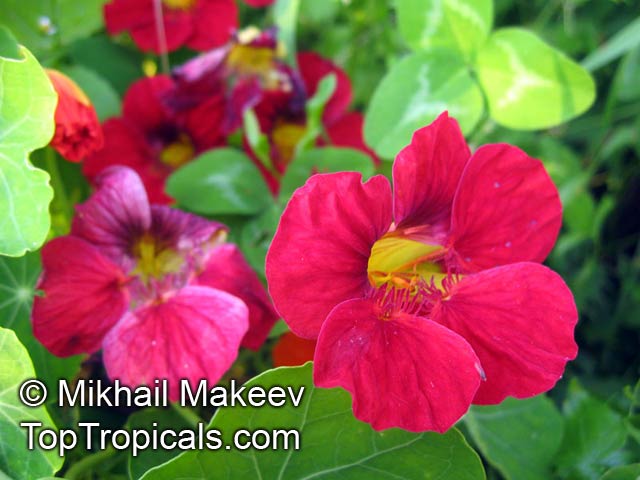
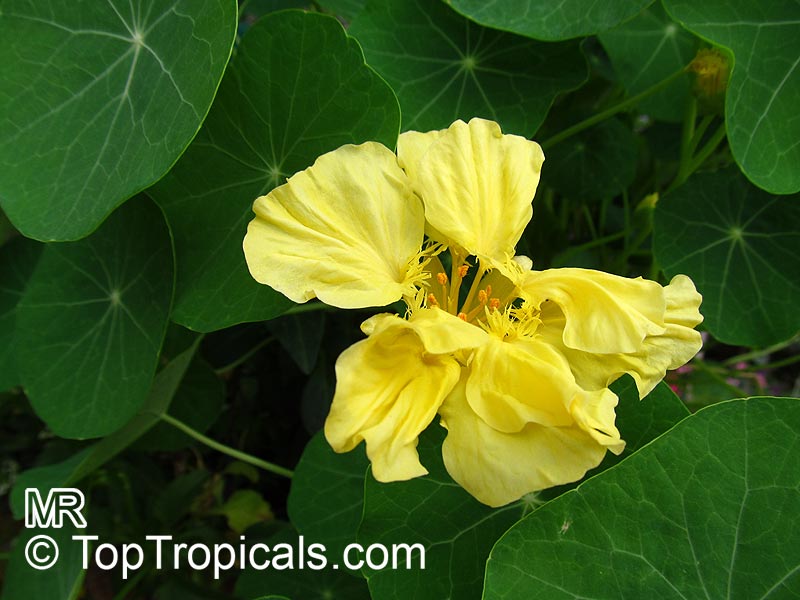
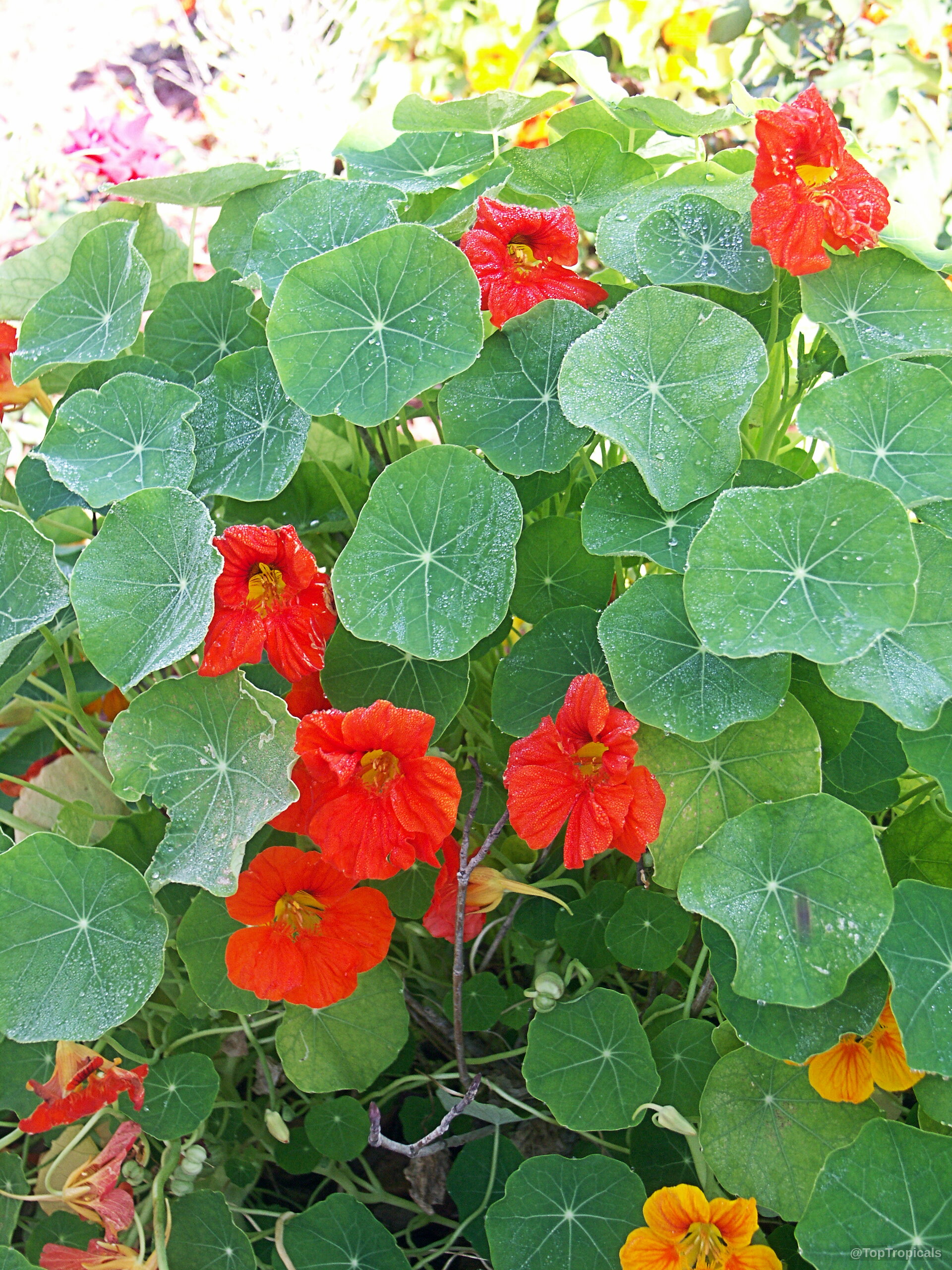
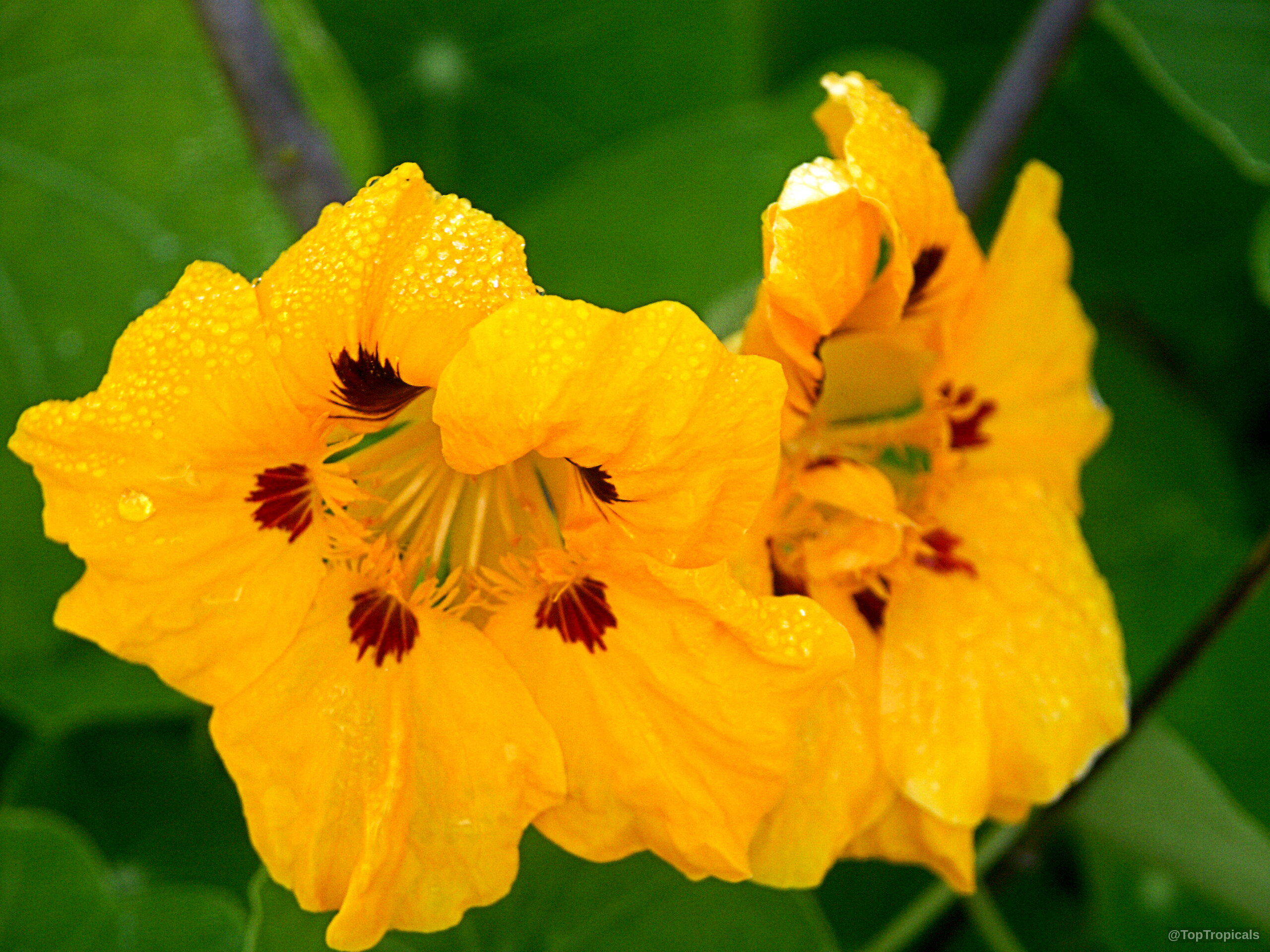
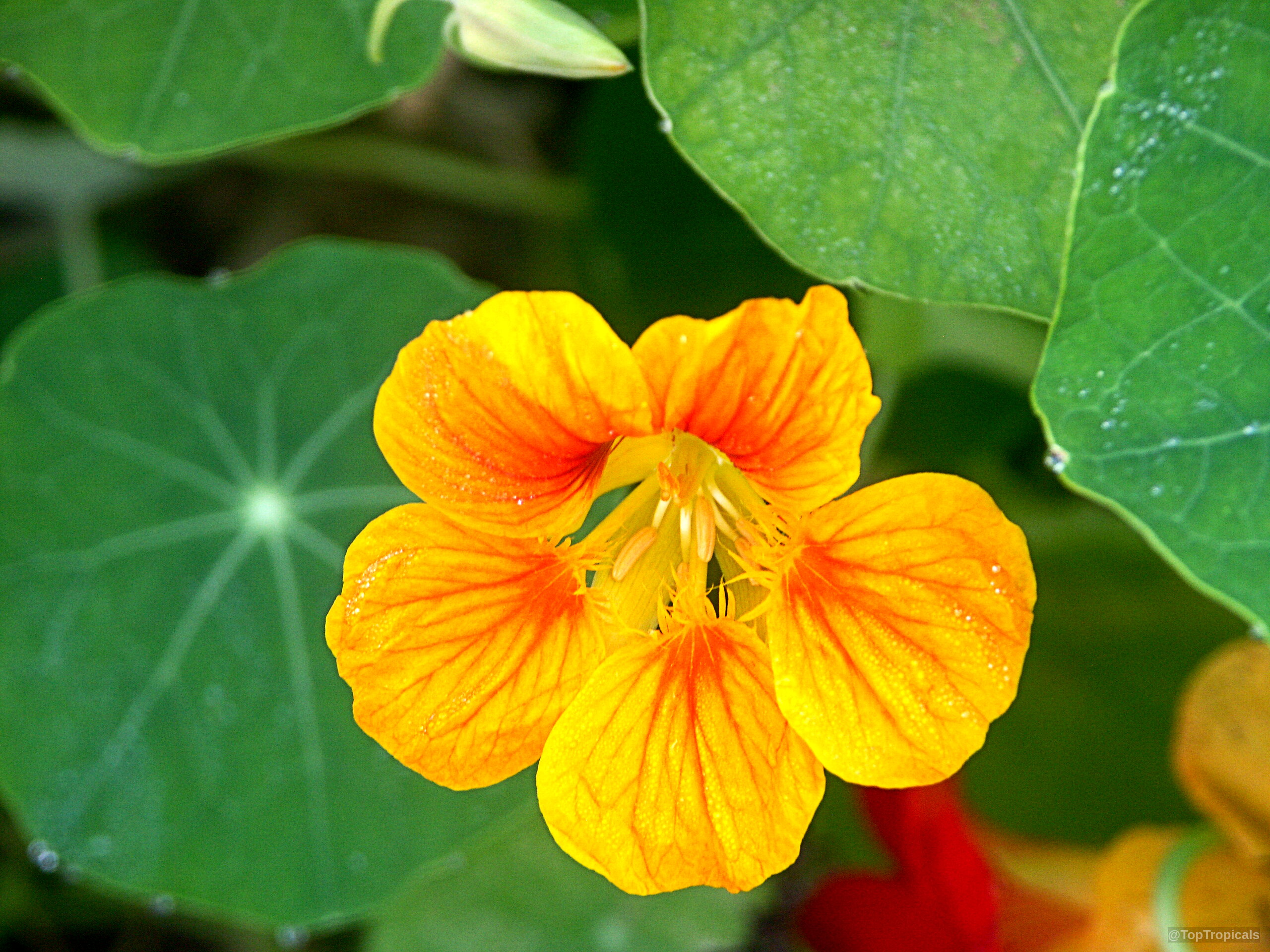
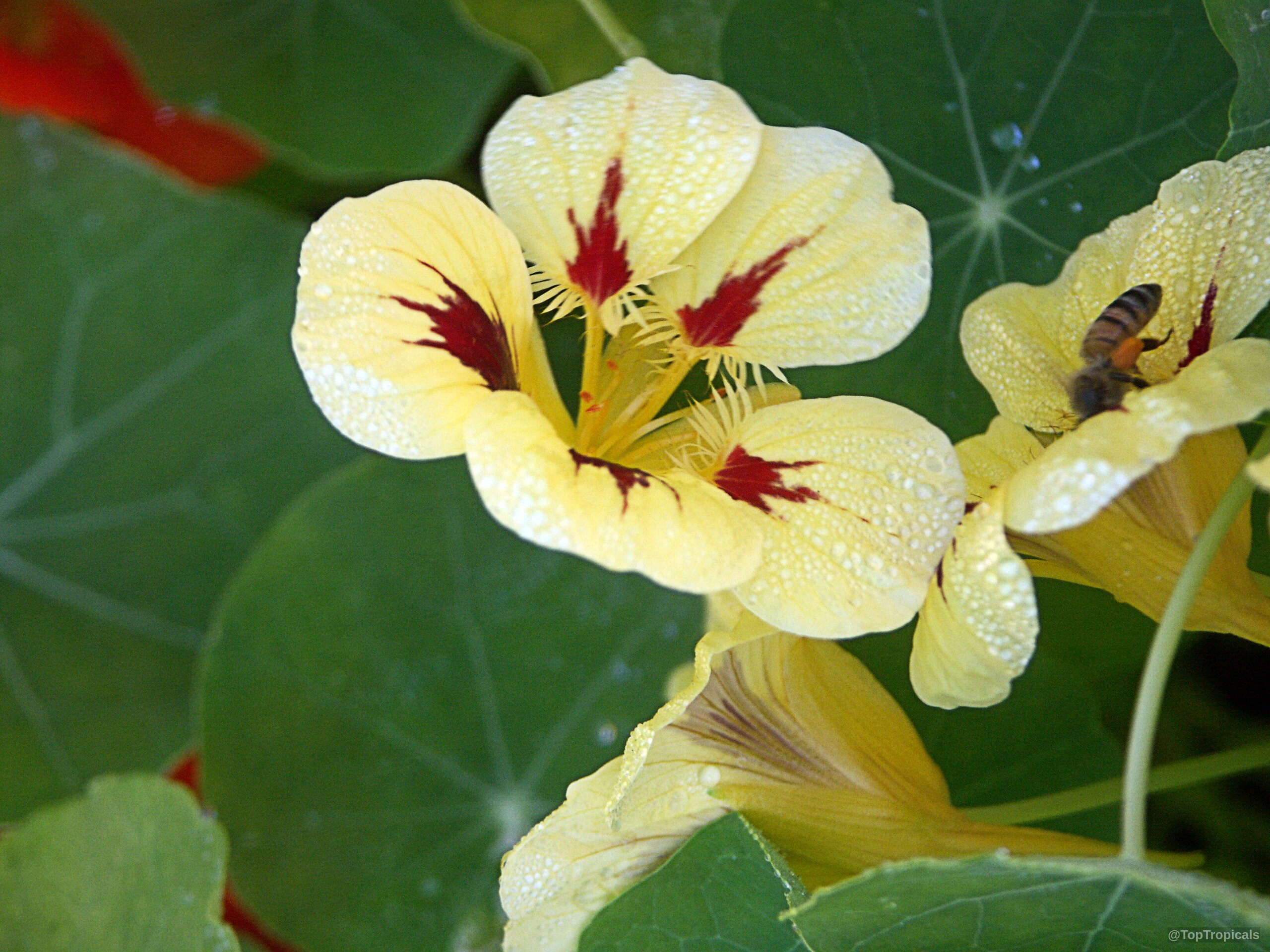
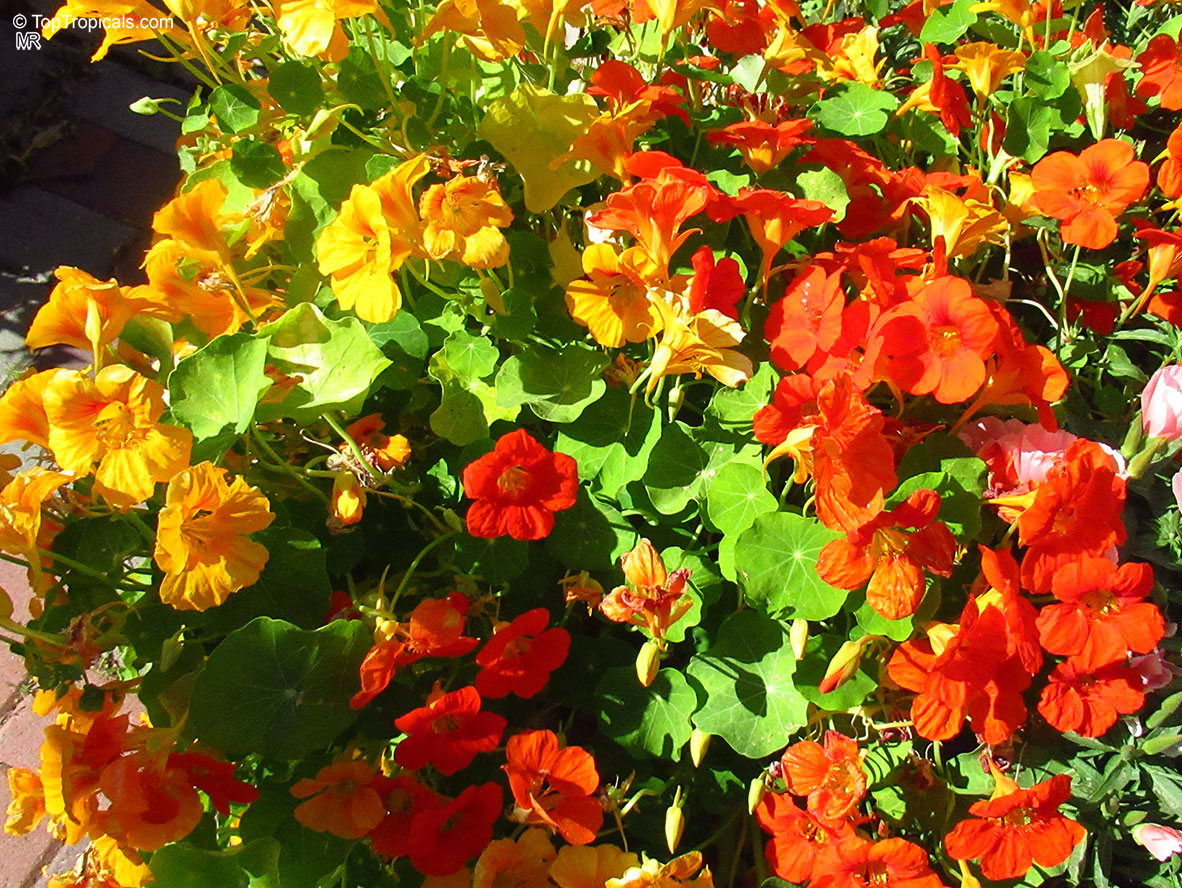
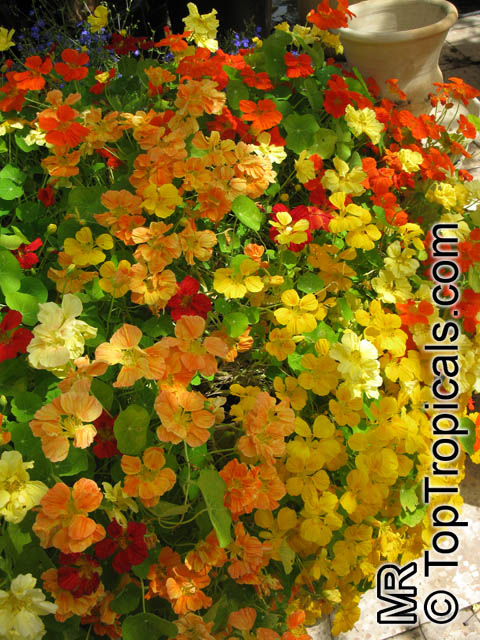
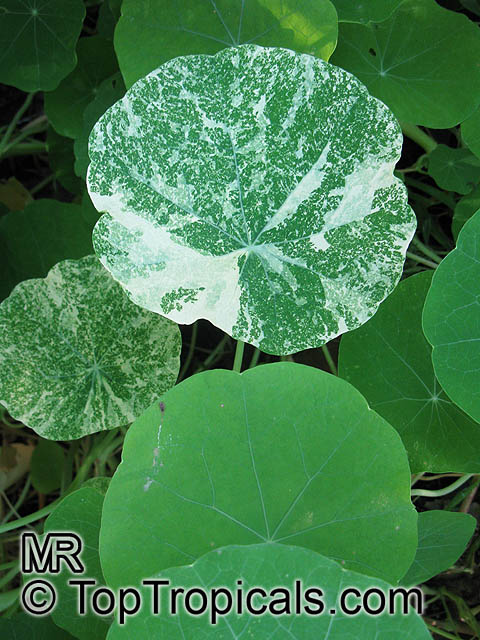
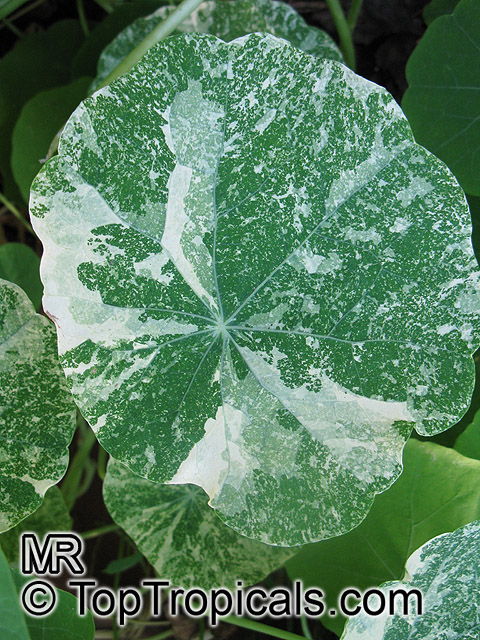
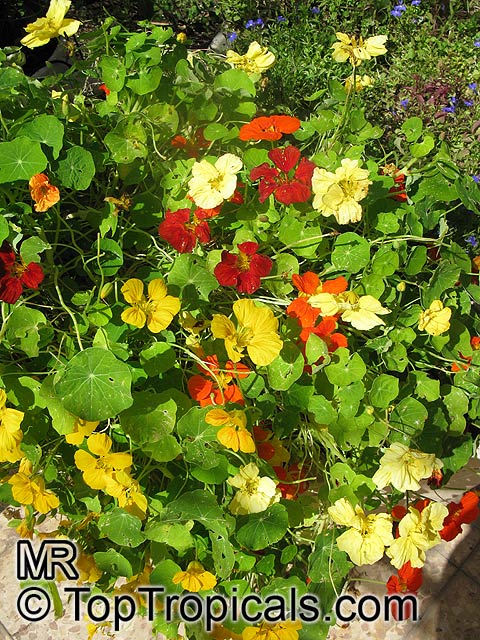
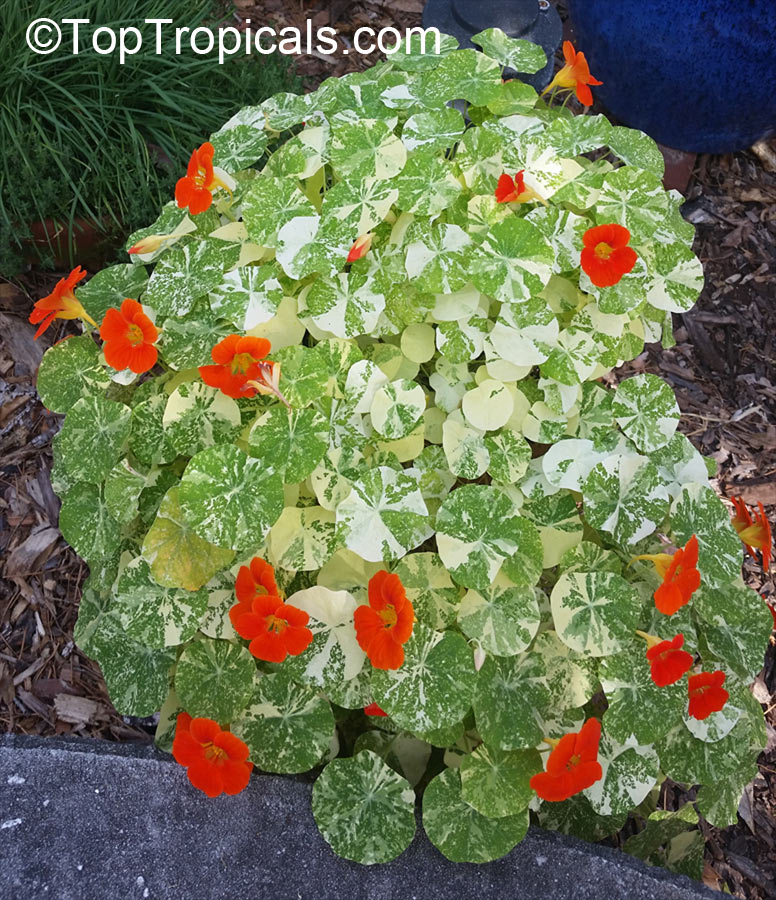
Tropaeolum majus (Garden Nasturtium) yellow orange red flower cluster, lush green rounded plant foliage
Tropaeolum majus (Garden Nasturtium) with yellow, orange, and red flowers and rounded green leaves growing

Botanical name: Tropaeolum majus

Common names: Garden Nasturtium, Indian Cress, Monks Cress

Family: Tropaeolaceae

Origin: South America

USDA Zone: 6-11

Cold tolerance: 0°F

Groundcover and low-growing 2ft plantVine or creeper plantSmall plant 2-5 ftFull sunWatering: Regular. Let topsoil dry slightlyYellow, orange flowersRed, crimson, vinous flowersOrnamental foliageWhite, off-white flowersEdible plantPlant attracts butterflies, hummingbirdsSpice or herb plantEthnomedical plant.
Plants marked as ethnomedical and/or described as medicinal, are not offered as medicine but rather as ornamentals or plant collectibles.
Ethnomedical statements / products have not been evaluated by the FDA and are not intended to diagnose, treat, cure, or prevent any disease. We urge all customers to consult a physician before using any supplements, herbals or medicines advertised here or elsewhere.Subtropical plant. Mature plant cold hardy at least to 30s F for a short time

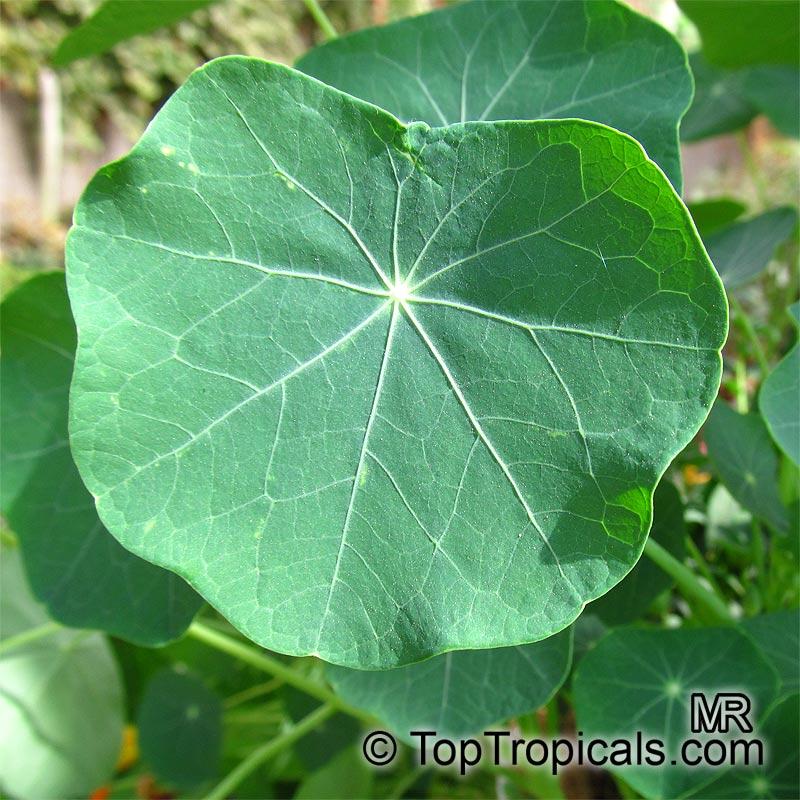
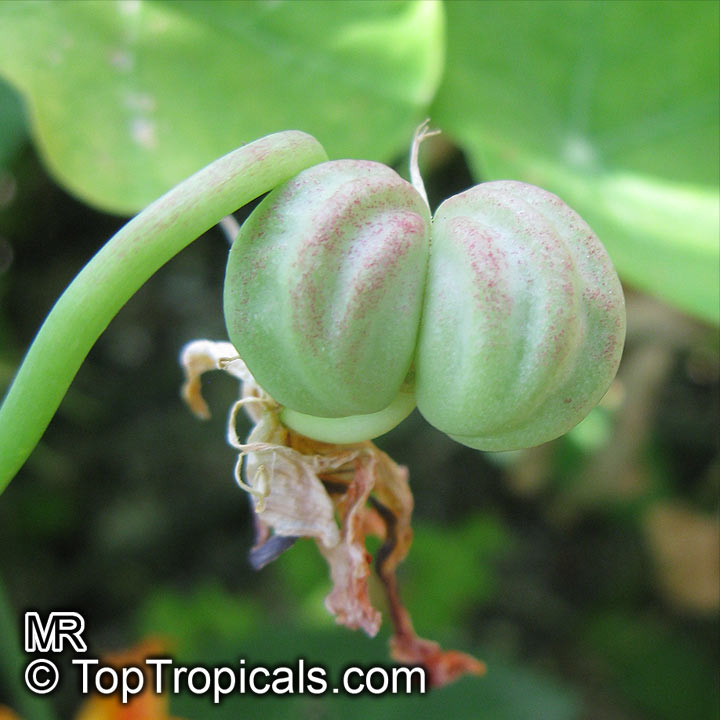
Tropaeolum majus (garden nasturtium) is a fast-growing herbaceous annual native to the Andes from Bolivia north to Colombia. Cultivated varieties have hybrid origin, with possible parent species including T. minus, T. moritzianum, T. peltophorum, and T. peregrinum. Plants form trailing or compact mounds, with rounded, shield-shaped leaves attached at the center. The showy flowers, in shades of yellow, orange, and red, appear over a long season and are both ornamental and edible. Leaves and flowers have a peppery flavor and are commonly used fresh in salads and as colorful garnishes. Seeds can be pickled as a caper substitute.

Grow nasturtiums in full sun with moist, well-drained soil. Compact forms stay around 12 in tall and make colorful borders, while trailing types can reach several feet and are suited to hanging baskets, window boxes, or ground cover. The plants are low-maintenance, tolerate poor soils, and may self-seed in mild climates. Hardy as an annual in most regions; perennial in frost-free areas.
Link to this plant:
https://toptropicals.com/catalog/uid/tropaeolum_majus.htm

Tulbaghia violacea (Wild Garlic) lavender flower clusters rising above narrow clumps of slender green leaves.
Tulbaghia violacea (Wild Garlic) flower clusters emerge from narrow, slender green leaf clumps in the landscape.

Botanical name: Tulbaghia violacea

Common name: Wild Garlic

Family: Amaryllidaceae    (Formerly:Alliaceae / Liliaceae /Amaryllidaceae)

Subfamily: Allioideae

Origin: South Africa

USDA Zone: 7-10

Groundcover and low-growing 2ft plantSmall plant 2-5 ftFull sunWatering: Moderate. Water when top soil feels dryBlue, lavender, purple flowersPink flowersEdible plantEthnomedical plant.
Plants marked as ethnomedical and/or described as medicinal, are not offered as medicine but rather as ornamentals or plant collectibles.
Ethnomedical statements / products have not been evaluated by the FDA and are not intended to diagnose, treat, cure, or prevent any disease. We urge all customers to consult a physician before using any supplements, herbals or medicines advertised here or elsewhere.

This is a popular garden plant that is useful for difficult hot corners of the garden as it will tolerate prolonged drought, although it flourishes with regular watering.

Tulbaghia violacea is a fast-growing, bulbous plant that reaches a height of 0.5 m. The leaves are long, narrow, strap-like, slightly fleshy and smell strongly of garlic when bruised. They grow from fat, tuberous roots which spread to form clumps of plants. The pinkish mauve, tubular flowers, clustered into umbels of up to twenty flowers, are held above the leaves on a tall flower stalk, and appear over a long period. They too smell of garlic when picked.

This attractive plant is ideal for the herb garden, as both the leaves and flowers can be used in salads and other dishes. The crushed leaves may be used to help cure sinus headaches and to discourage moles from the garden (by their strong smell). The smell repels fleas, ticks and mosquitoes when crushed on the skin.

The fresh bulbs are boiled in water and the decoctions are taken orally to clear up coughs and colds. The bulb has been used as a remedy for pulmonary tuberculosis and to destroy intestinal worms. Wild garlic may prove to have the same or similar antibacterial and antifungal activities as has been scientifically verified for real garlic. The leaves are used to treat cancer of the oesophagus.

The Zulus use the leaves and flowers as spinach and as a hot, peppery seasoning with meat and potatoes. They also use the bulb to make an aphrodisiac medicine. Wild garlic is a very good snake repellent and for this reason the Zulus plant it around their homes.


Link to this plant:
https://toptropicals.com/catalog/uid/tulbaghia_violacea.htm

Ugni molinae (Chilean Guava) white flower on a green leafy branch close up
Ugni molinae (Chilean Guava) white flower hanging down from a thin brown woody stem

Botanical names: Ugni molinae, Myrtus ugni, Eugenia ugni

Common names: Chilean Guava, Strawberry Myrtle, Murta, Murtilla

Family: Myrtaceae

Origin: Chile, Southern Argentina

USDA Zone: 8-10

Large shrub 5-10 ft tallSmall plant 2-5 ftSemi-shadeFull sunWatering: Moderate. Water when top soil feels dryWhite, off-white flowersEdible plantSubtropical plant. Mature plant cold hardy at least to 30s F for a short time

Ugni molinae is also very much an ornamental plant with it's very pretty pale pink flowers in summer, and red berries in the autumn. When the berries are ripe, they give off a mouthwatering sweet aroma.


Ugni molinae (Chilean Guava) red fruit close up among dark green leaves on branch.
Ugni molinae (Chilean Guava) red fruit growing on a branch surrounded by dark green foliage.
Ugni molinae (Chilean Guava) pink and white flowers on a close up branch
Ugni molinae (Chilean Guava) with pale pink rounded flowers hanging below waxy green leaves.
Ugni molinae (Chilean Guava) with small white flowers and many dense green oval leaves
Ugni molinae (Chilean Guava) with tiny white flowers nestled among thick, dark green oval leaves.


Link to this plant:
https://toptropicals.com/catalog/uid/ugni_molinae.htm

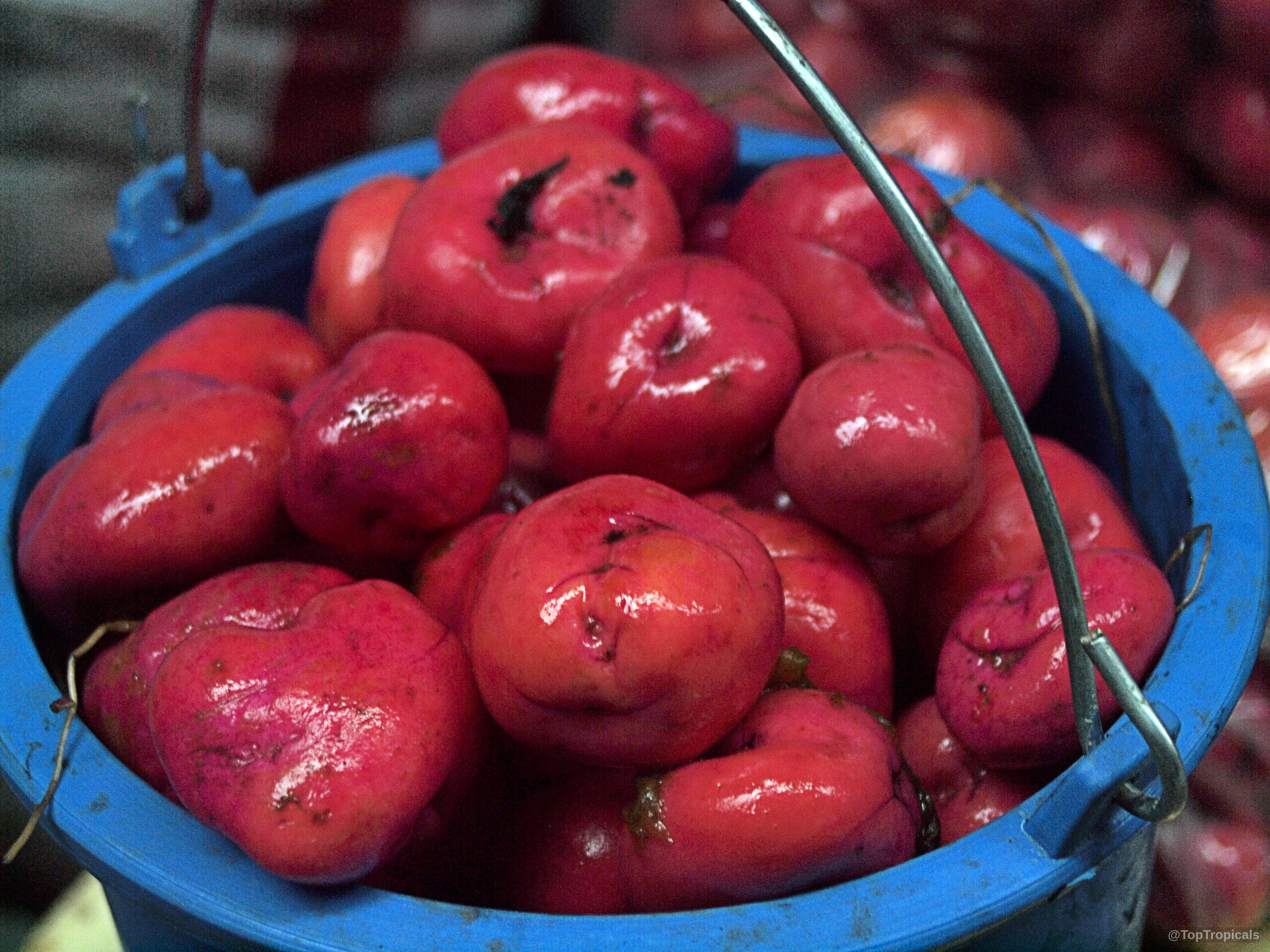
Ullucus tuberosus (Ulluco) bright pink fruit gathered inside a small blue plastic bucket close up
Ullucus tuberosus (Ulluco) pile of vibrant pink tubers gathered within a simple blue plastic bucket

Botanical name: Ullucus tuberosus

Common names: Ulluco, Melluco, Papa Lisa

Family: Basellaceae

Origin: South America, Andes

USDA Zone: 9-10

Vine or creeper plantSmall plant 2-5 ftSemi-shadeFull sunWatering: Regular. Let topsoil dry slightlyEdible plant

Tuberous perennial.

The leaves are crunchy and tasty, and may be eaten fresh or steaed, in much the same way as one would use spinach. The colorful tubers are best boiled or stir-fried.


Ullucus tuberosus (Ulluco) bright pink tubers close up inside a clear plastic storage bag.
Ullucus tuberosus (Ulluco) pile of rounded pink tubers packed together inside a transparent plastic bag.


Link to this plant:
https://toptropicals.com/catalog/uid/ullucus_tuberosus.htm

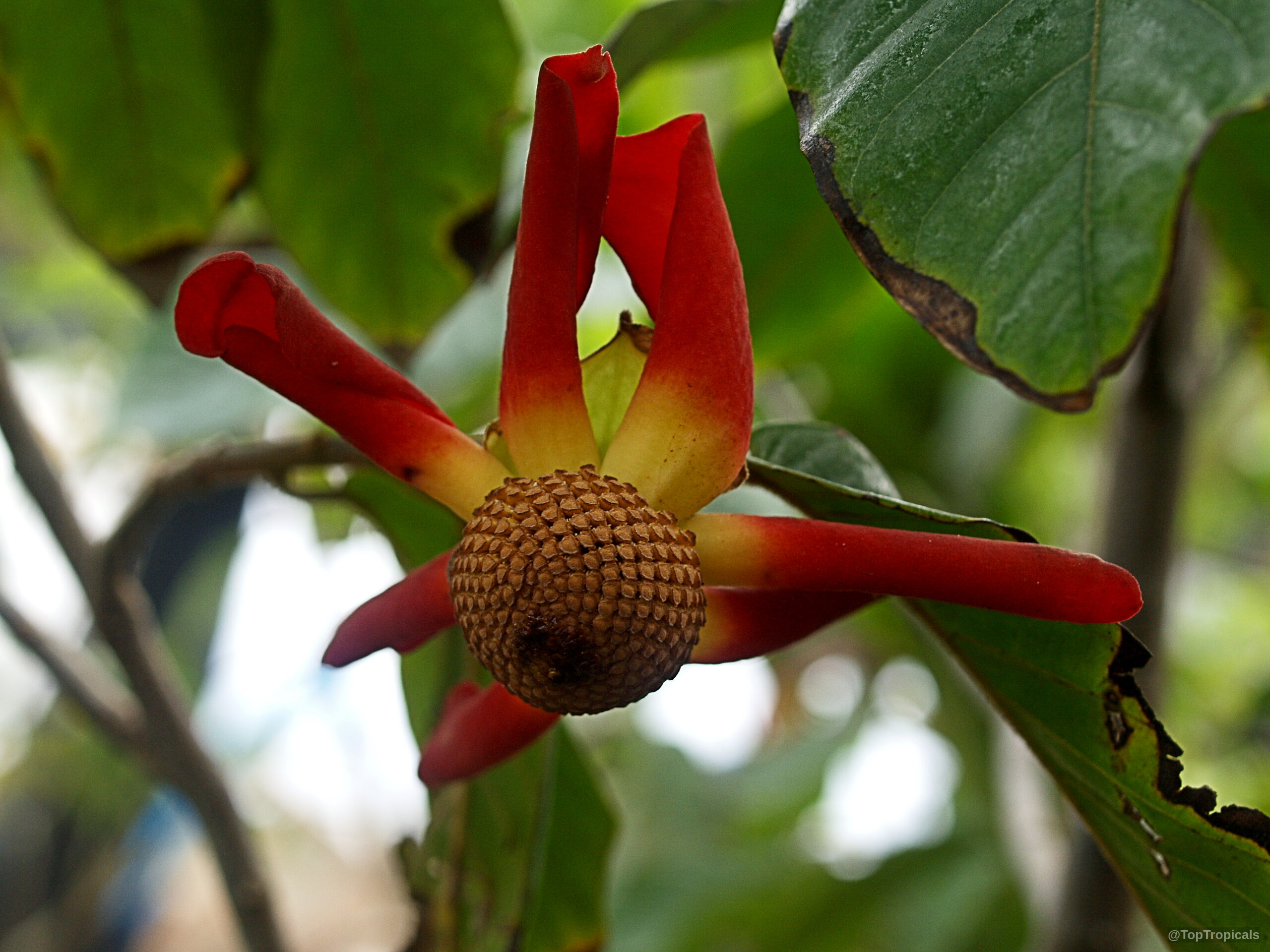
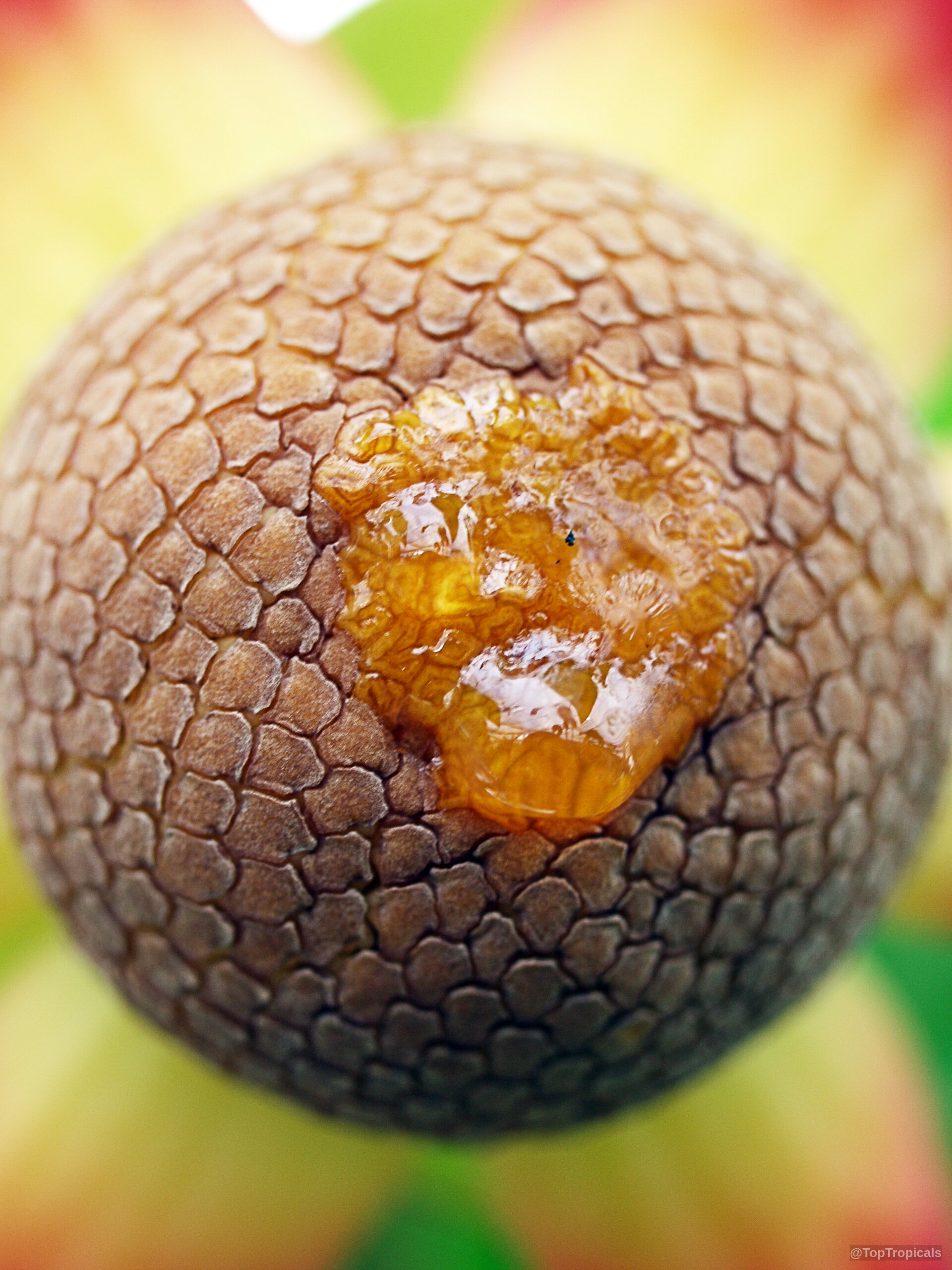
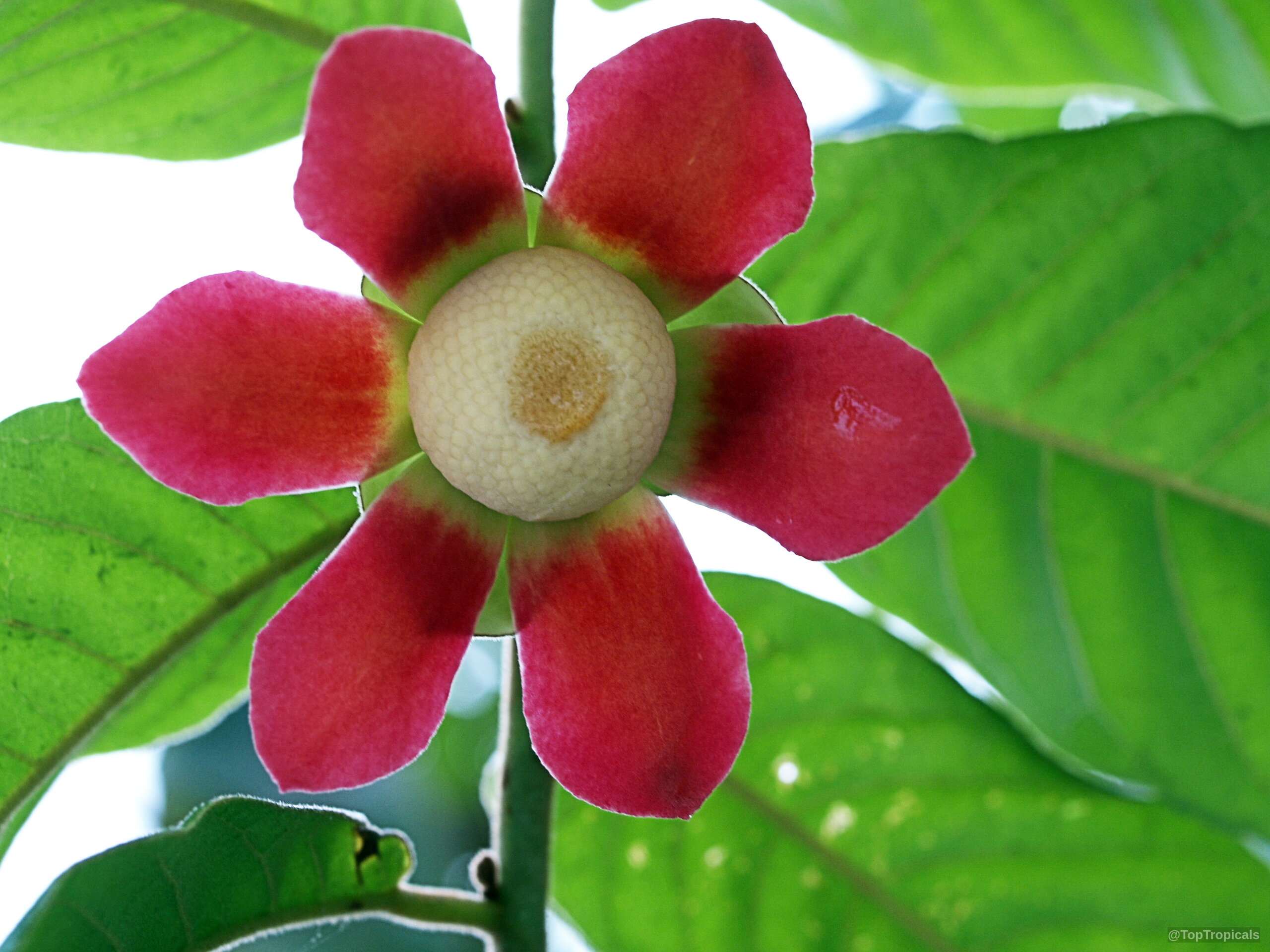
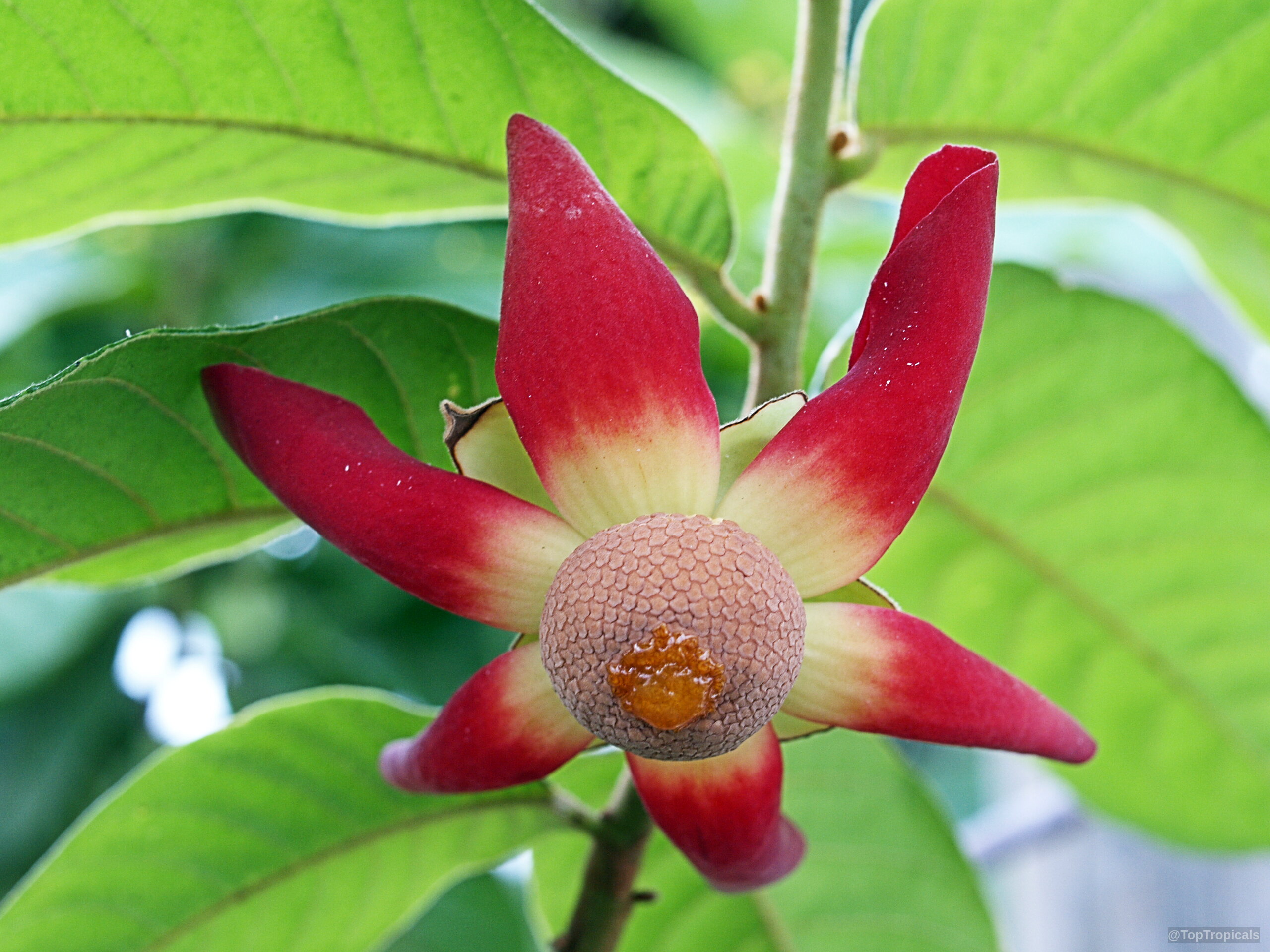
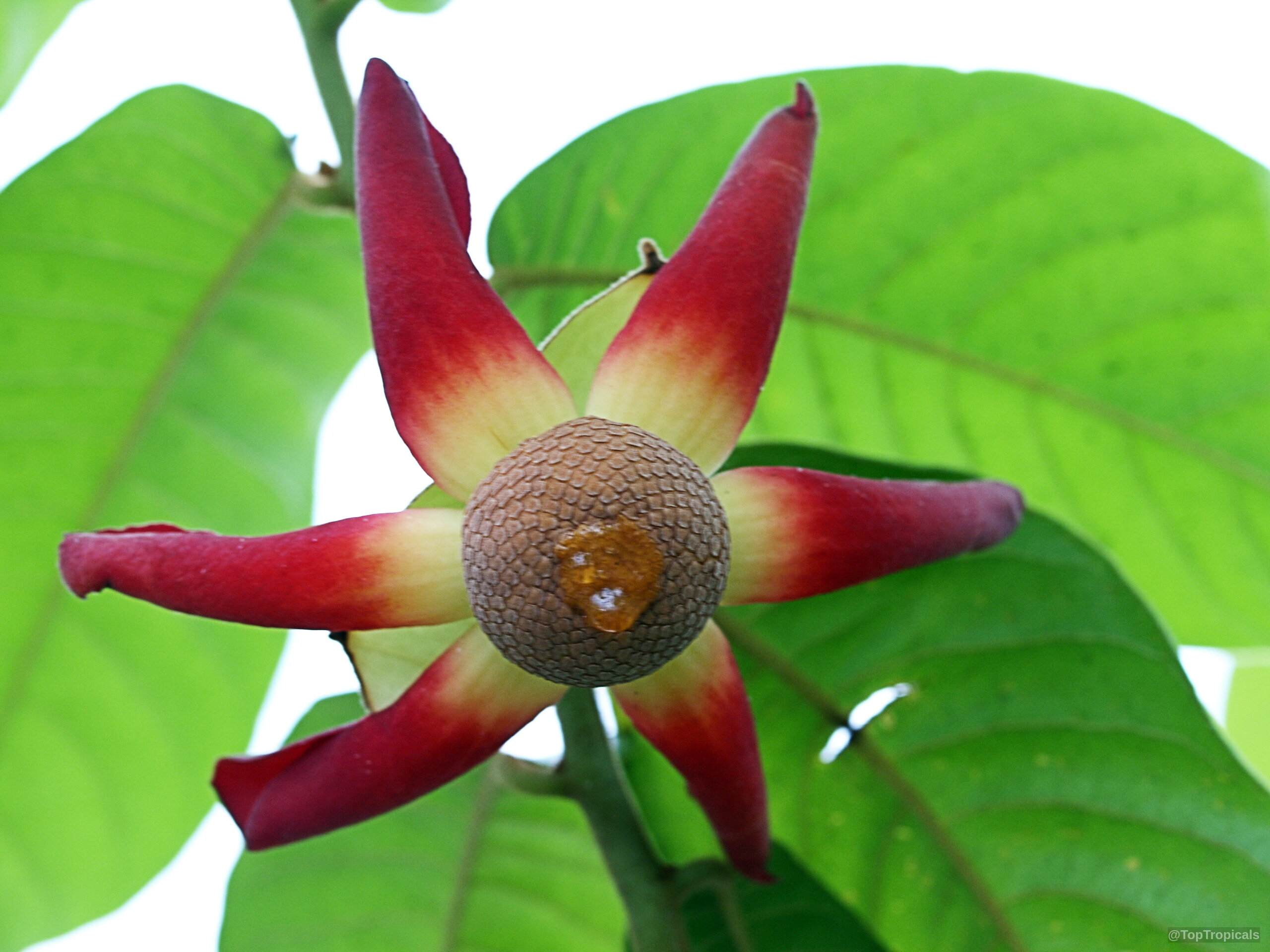
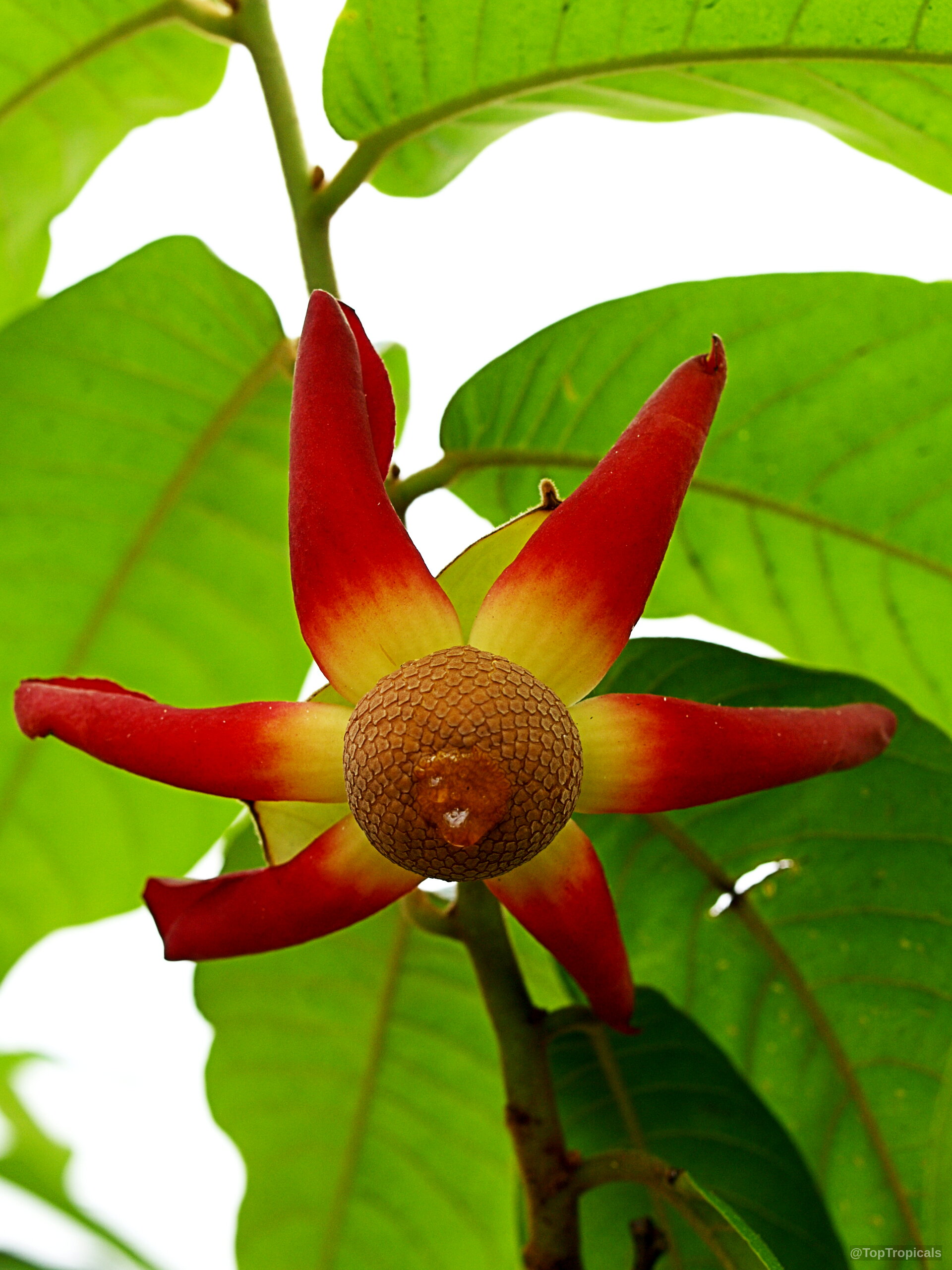
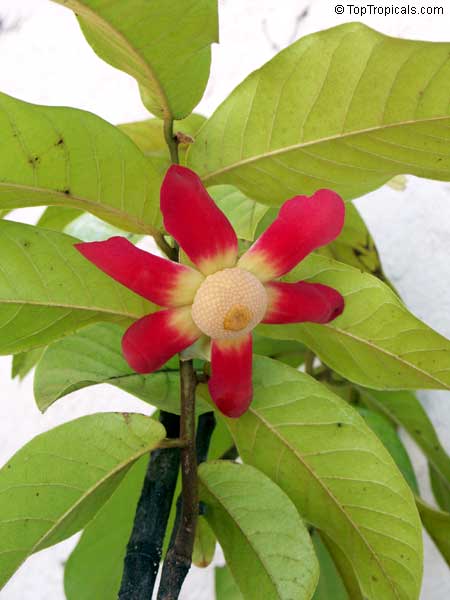
Uvaria grandiflora plant with red flower petals and wide light green oval leaves
Uvaria grandiflora branch with red flower sitting atop light green leafy stems

Botanical names: Uvaria grandiflora, Unona grandiflora, Uva grandiflora, Uvaria cardinalis, Uvaria flava, Uvaria platypetala, Uvaria purpurea, Uvaria rubra

Common name: Large-flowered Uvaria

Family: Annonaceae

Origin: Thailand

USDA Zone: 9-10

Small tree 10-20 ftSemi-shadeFull sunWatering: Moderate. Water when top soil feels dryWatering: Regular. Let topsoil dry slightlyRed, crimson, vinous flowersEdible plantPlant attracts butterflies, hummingbirdsEthnomedical plant.
Plants marked as ethnomedical and/or described as medicinal, are not offered as medicine but rather as ornamentals or plant collectibles.
Ethnomedical statements / products have not been evaluated by the FDA and are not intended to diagnose, treat, cure, or prevent any disease. We urge all customers to consult a physician before using any supplements, herbals or medicines advertised here or elsewhere.

A truly very rare plant in cultivation anywhere. Medium size tree with unusual flowers 4-5" wide with dark red petals that turn yellow towards daisy-like center. Has large ornamental leathery leaves. Compact shape. Drought tolerant. This plant is easy to grow in container, it starts blooming in young age, when it is about 2-3 ft tall. Attracts butterflies, bees and hummingbirds. Prefers full sun but can tolerate light shade.

The fruits are aromatic, eaten raw or preserved.


Link to this plant:
https://toptropicals.com/catalog/uid/uvaria_grandiflora.htm

Uvariodendron sp. (Uvariodendron) brown seeds close up on white background for plant propagation needs
Uvariodendron sp. (Uvariodendron) seeds with brown markings resting on a flat white surface for planting

Botanical name: Uvariodendron sp.

Common name: Uvariodendron

Family: Annonaceae

Origin: West Africa

USDA Zone: 9-10

Small tree 10-20 ftSemi-shadeFull sunWatering: Moderate. Water when top soil feels dryWatering: Regular. Let topsoil dry slightlyRed, crimson, vinous flowersEdible plantEthnomedical plant.
Plants marked as ethnomedical and/or described as medicinal, are not offered as medicine but rather as ornamentals or plant collectibles.
Ethnomedical statements / products have not been evaluated by the FDA and are not intended to diagnose, treat, cure, or prevent any disease. We urge all customers to consult a physician before using any supplements, herbals or medicines advertised here or elsewhere.Fragrant plant

Of the entire genus, only Uvariodendron connivens has edible fruits.


Uvariodendron sp. (Uvariodendron) green seedlings with brown seed coats emerging from dark potting soil mix
Uvariodendron sp. (Uvariodendron) seedlings sprout from potting soil within black containers in a close up.
Uvariodendron sp. (Uvariodendron) green seedling plant with cream seeds sprouting in plastic nursery pot
Uvariodendron sp. (Uvariodendron) seedlings emerging from soil with cream seeds attached to green leaves


Link to this plant:
https://toptropicals.com/catalog/uid/uvariodendron_sp.htm

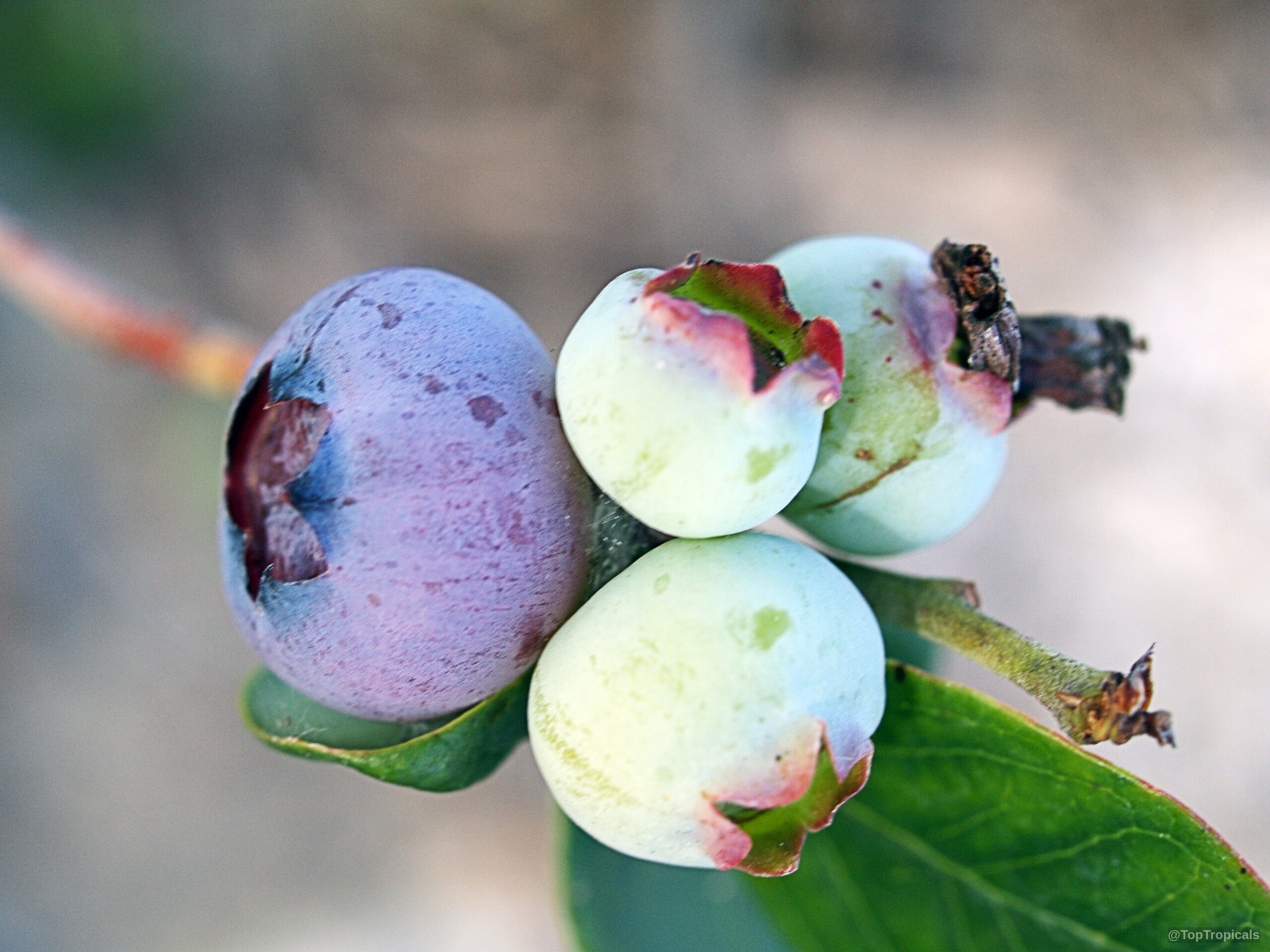
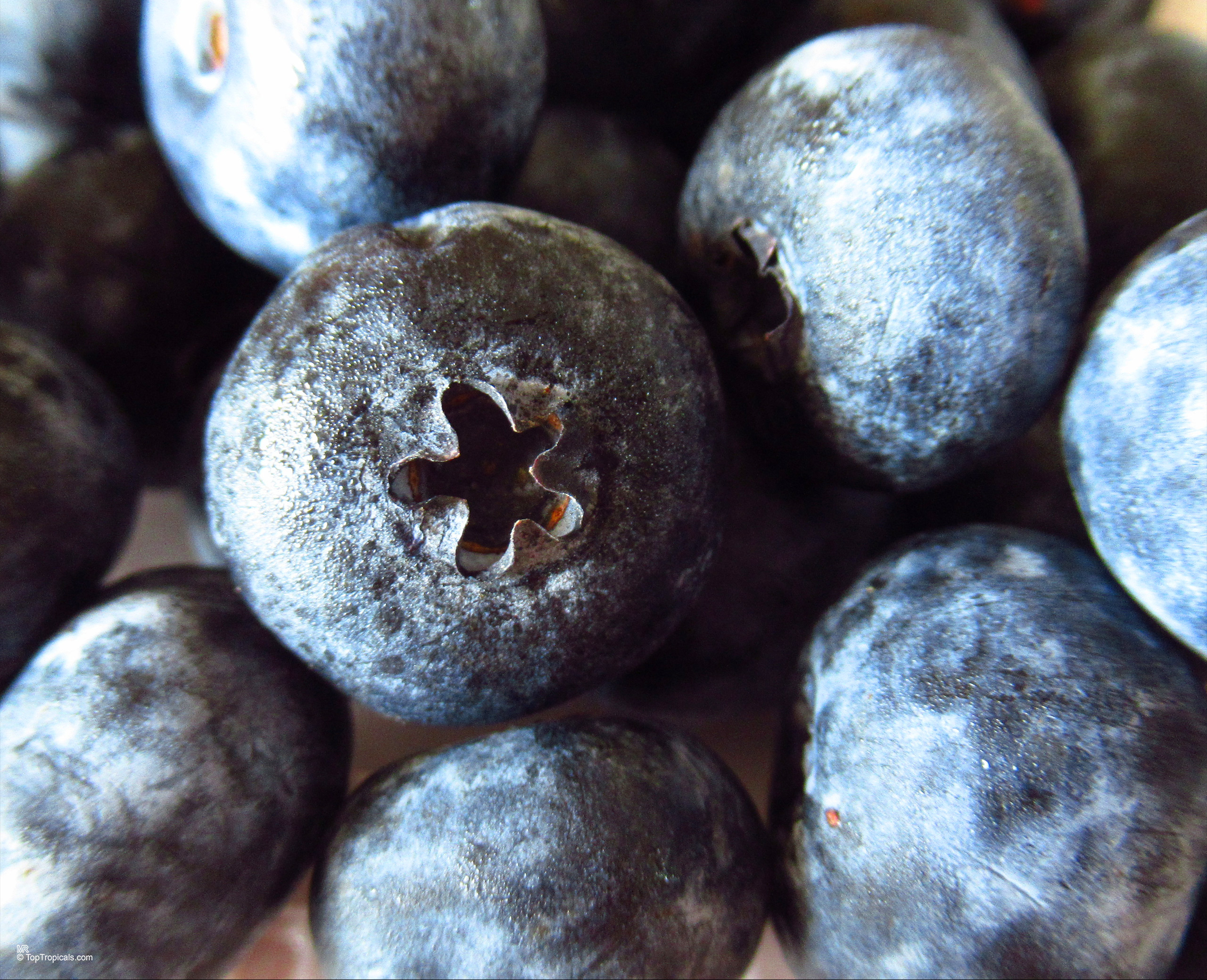
Vaccinium corymbosum (Tropical Blueberry) dark blue fruit close up held within a human palm.
Vaccinium corymbosum (Tropical Blueberry) fruit held in a palm showing deep blue color.

Botanical name: Vaccinium corymbosum

Common names: Tropical Blueberry, Lowbush Blueberry

Family: Ericaceae

Origin: North America, Europe and Asia

USDA Zone: 4 8

Cold tolerance: -10°F

Small plant 2-5 ftSemi-shadeFull sunWatering: Regular. Let topsoil dry slightlyWhite, off-white flowersPink flowersEdible plantSubtropical plant. Mature plant cold hardy at least to 30s F for a short time

Vaccinium corymbosum, commonly known as Highbush Blueberry, is a deciduous fruiting shrub in the Ericaceae family, native to eastern North America. It typically grows 4-8 ft (1.2-2.4 m) tall, although size varies considerably among cultivars. Small white to pinkish, urn-shaped flowers appear in clusters in spring and develop into round berries that ripen from green through reddish stages to blue or blue-black with a characteristic waxy bloom. The sweet to pleasantly tart fruits are eaten fresh and widely used for preserves, baking, and freezing. Numerous cultivars have been selected for fruit size and flavor, ripening season, productivity, and adaptation to different climates.

Highbush Blueberry grows best in full sun and moist, well-drained, highly acidic soil, generally around pH 4.5-5.5. Its fine root system is sensitive to both drought and waterlogged conditions, and organic mulch helps maintain even moisture and suitable soil conditions. Plants are generally self-fertile, but growing compatible cultivars together can improve pollination, berry size, and yield. Depending on cultivar, Vaccinium corymbosum is grown approximately in USDA Zones 4-8; cultivars also differ greatly in their winter chilling requirements. Regular pruning of established bushes encourages vigorous new growth and maintains fruit production.

See growing instructions for this plant


Link to this plant:
https://toptropicals.com/catalog/uid/vaccinium_corymbosum.htm

Vaccinium macrocarpon (Large Cranberry) deep red fruit close up with ruler on white surface
Vaccinium macrocarpon (Large Cranberry) fruit sitting beside a metal ruler for scale on white surface

Botanical names: Vaccinium macrocarpon, Oxycoccus macrocarpus

Common names: Large Cranberry, American Cranberry, Bearberry

Family: Ericaceae

Origin: North America

USDA Zone: 2-7

Groundcover and low-growing 2ft plantSmall plant 2-5 ftSemi-shadeFull sunKeep soil moistPink flowersEdible plantEthnomedical plant.
Plants marked as ethnomedical and/or described as medicinal, are not offered as medicine but rather as ornamentals or plant collectibles.
Ethnomedical statements / products have not been evaluated by the FDA and are not intended to diagnose, treat, cure, or prevent any disease. We urge all customers to consult a physician before using any supplements, herbals or medicines advertised here or elsewhere.Subtropical plant. Mature plant cold hardy at least to 30s F for a short time

Vaccinium macrocarpon, commonly known as Large Cranberry, is a native plant to North America. It is a low-growing shrub growing to a mature height of 2 to 5 ft, and spreads to 3-4 ft wide. It has attractive, small, glossy dark green leaves and fuchsia-pink flowers in spring. It bears bright red cranberries that mature in fall. This small, evergreen shrub can be used both as an edible food crop and as a beautiful ornamental ground cover in semi-shade or full sun. It thrives in acidic soils with good drainage and a pH of 4.0 to 5.2. The soil should be kept moist, yet well drained. It is cold hardy in USDA Zone 2-7.

Cranberries are very healthy and nutrient-rich fruits that are very versatile in cooking. They are rich in vitamin C, fiber and antioxidants, as well as other essential vitamins and minerals such as manganese and vitamin E. They can be eaten fresh or cooked, and made into juices, jams, and other products. The dried fruit can last up to a year and can be used in many recipes, such as sauces, smoothies, or even salads. In addition, cranberries have many health benefits and are linked to reducing urinary tract infections, and aiding digestion, as well as being anti-inflammatory and antioxidant.


Vaccinium macrocarpon (Large Cranberry) with small green leaves on slender brown stems in a pot
Vaccinium macrocarpon (Large Cranberry) stems reaching upward with small oval leaves in a container
Vaccinium macrocarpon (Large Cranberry) plant with small green leaves in a plastic nursery pot
Vaccinium macrocarpon (Large Cranberry) grows with small oval green leaves on slender stems in a container.
Vaccinium macrocarpon (Large Cranberry) deep red round fruit in a close up image
Vaccinium macrocarpon (Large Cranberry) includes several small round red fruits grouped on a textured surface.


Link to this plant:
https://toptropicals.com/catalog/uid/vaccinium_macrocarpon.htm

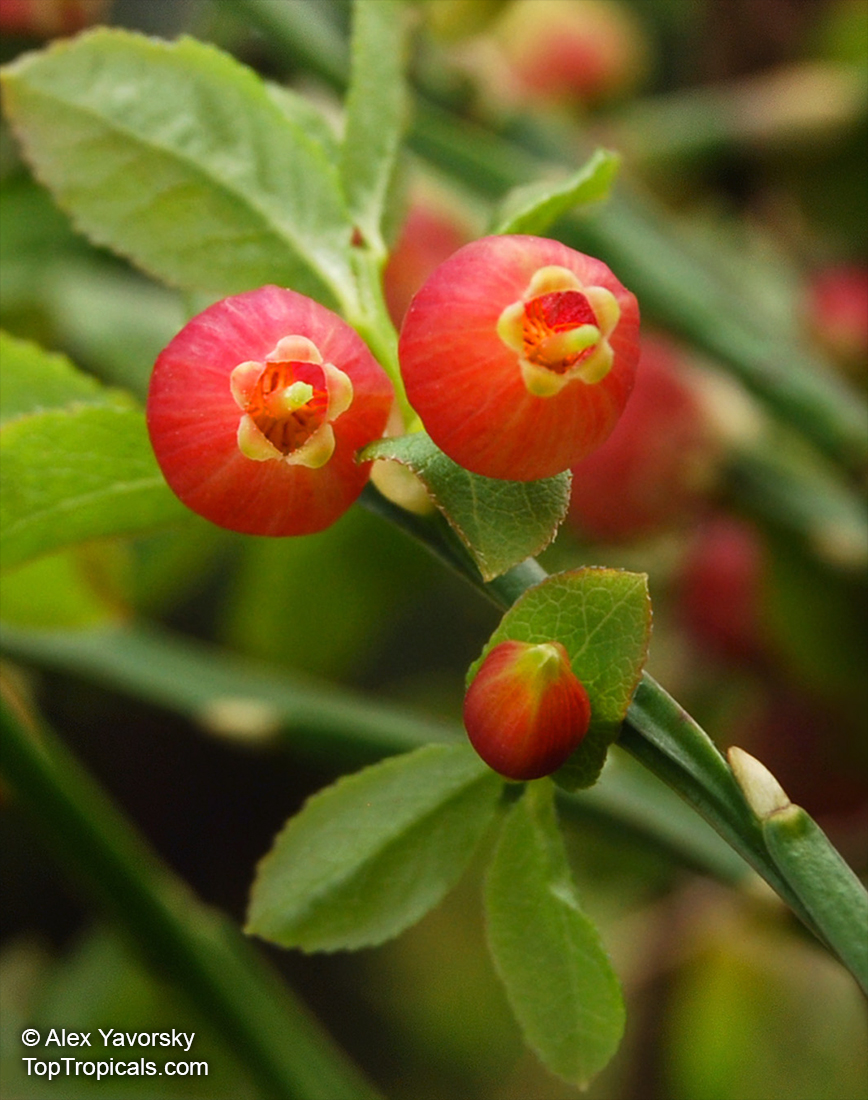
Vaccinium myrtillus (Bilberry) pink flower close up on green branch with rounded petals and style
Vaccinium myrtillus (Bilberry) pink flowers sit along a slender green stem among serrated oval leaves.

Botanical name: Vaccinium myrtillus

Common name: Bilberry

Family: Ericaceae

USDA Zone: 3-7

Small plant 2-5 ftSemi-shadeWatering: Regular. Let topsoil dry slightlyRed, crimson, vinous flowersEdible plantEthnomedical plant.
Plants marked as ethnomedical and/or described as medicinal, are not offered as medicine but rather as ornamentals or plant collectibles.
Ethnomedical statements / products have not been evaluated by the FDA and are not intended to diagnose, treat, cure, or prevent any disease. We urge all customers to consult a physician before using any supplements, herbals or medicines advertised here or elsewhere.Subtropical plant. Mature plant cold hardy at least to 30s F for a short time

Bilberries are found in very acidic, nutrient-poor soils throughout the temperate and subarctic regions of the world.

The fruit is smaller than that of the Blueberry but with a fuller taste.

The fruits can be eaten fresh or made into jams, juices or pies. In folk medicine, bilberry leaves were used to treat gastrointestinal ailments, applied topically, or made into infusions. In European herbal medicine, bilberry fruit preparations are now used to enhance poor micro-circulation, including eye conditions such as night-blindness and diabetic retinopathy. The leaves have been used as a tea substitute.
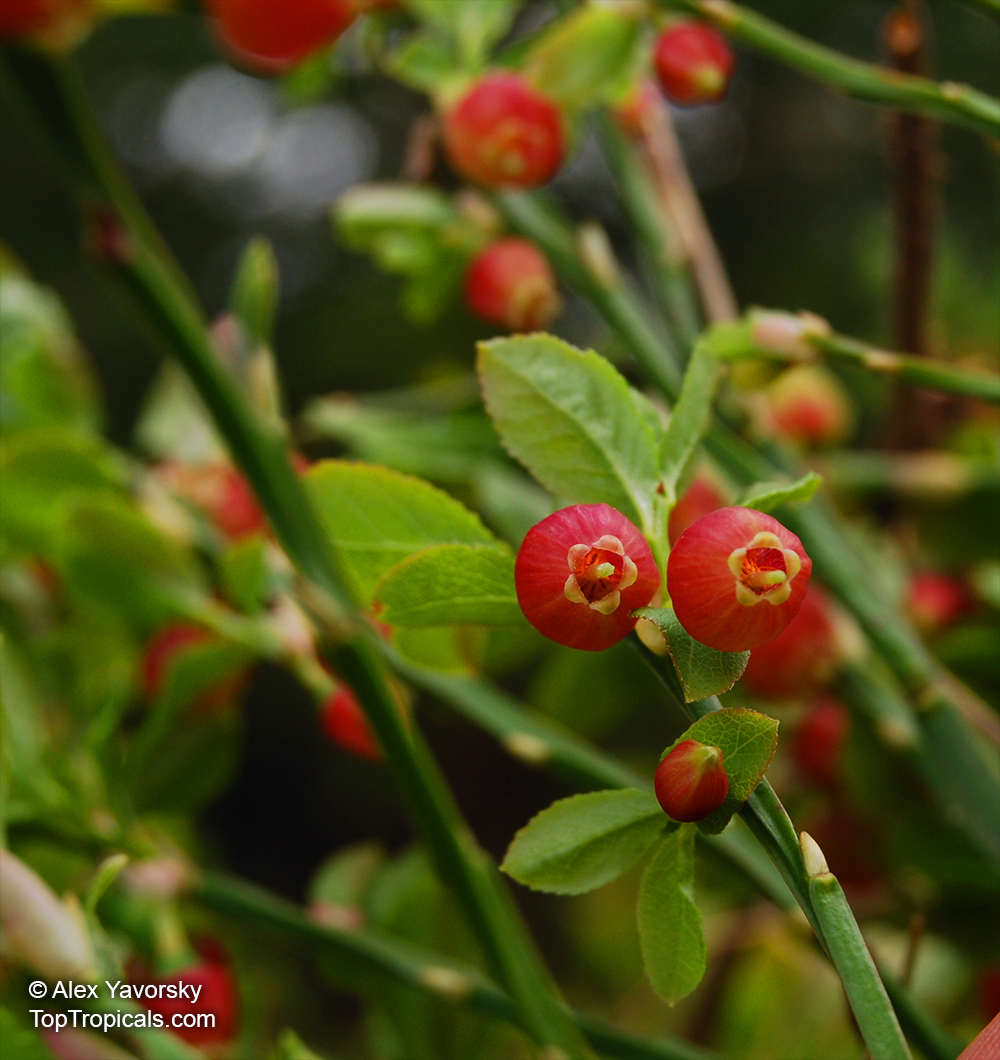
Vaccinium myrtillus (Bilberry) pink flower close up on green stems with small serrated leaves.
Vaccinium myrtillus (Bilberry) pink flowers dangle from thin stems among small green oval leaves.
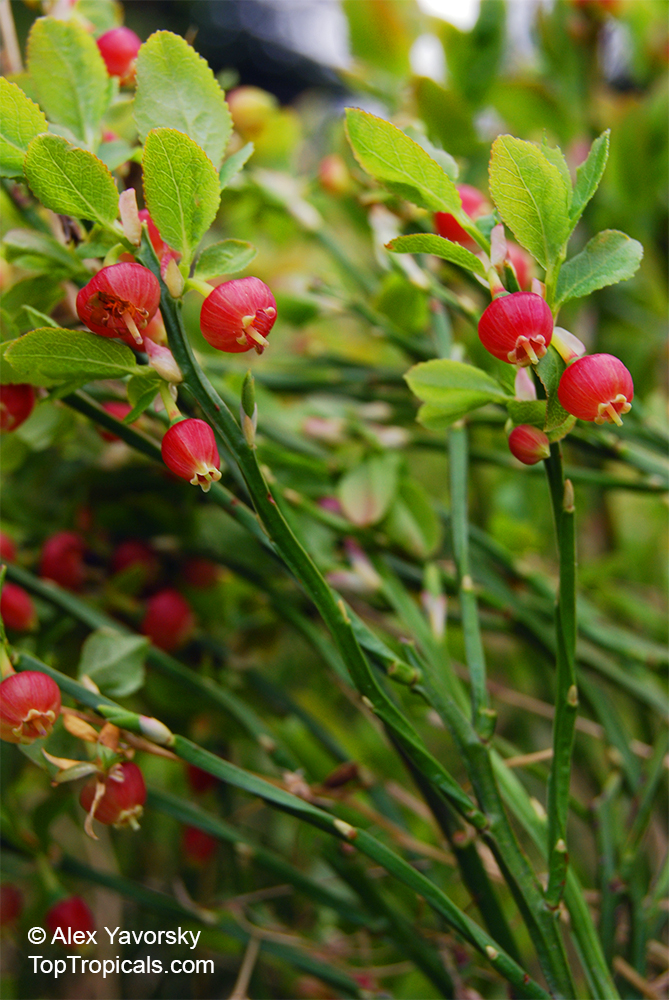
Vaccinium myrtillus (Bilberry) close up with round red fruit and small green leaves on branches
Vaccinium myrtillus (Bilberry) branches with round red fruit and small green oval leaves hanging down


Link to this plant:
https://toptropicals.com/catalog/uid/vaccinium_myrtillus.htm
Prev  
Next


Use link to repeat this search:
https://toptropicals.com/cgi-bin/garden_catalog/cat.cgi?search_op=and&keyword_op=and&language=e&number=10&no_change_lang=1
&v1=frt&user=tt&sale=1&first=0