Edible plant - Plant Encyclopedia Results (Page 5)
| Number of plants found: 677 |  | Prev | Next | 
|
Go to page: | 1 | 2 | 3 | 4 | 5 | 6 | 7 | 8 | 9 | Last |

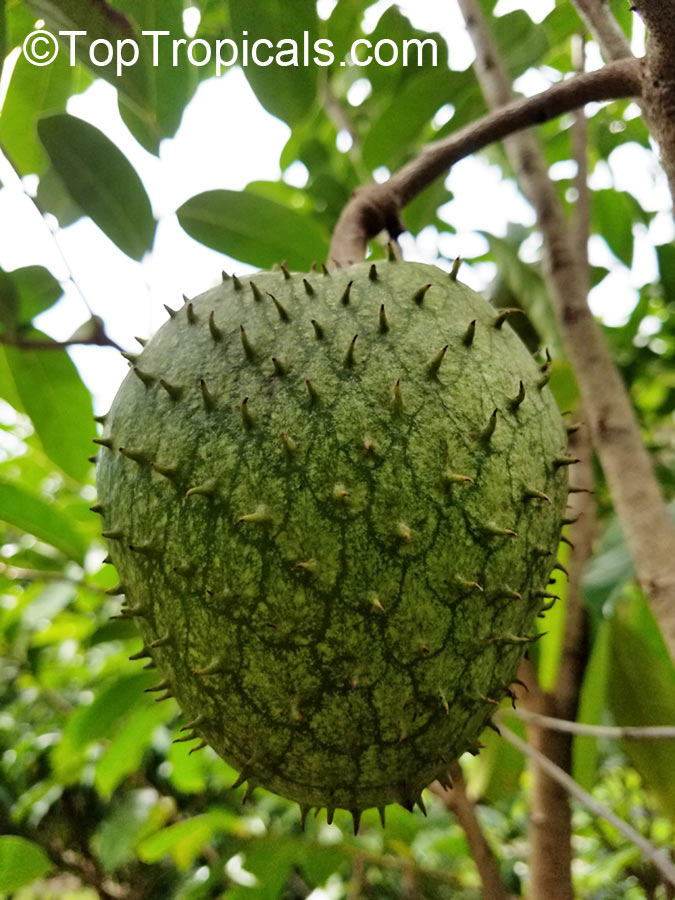
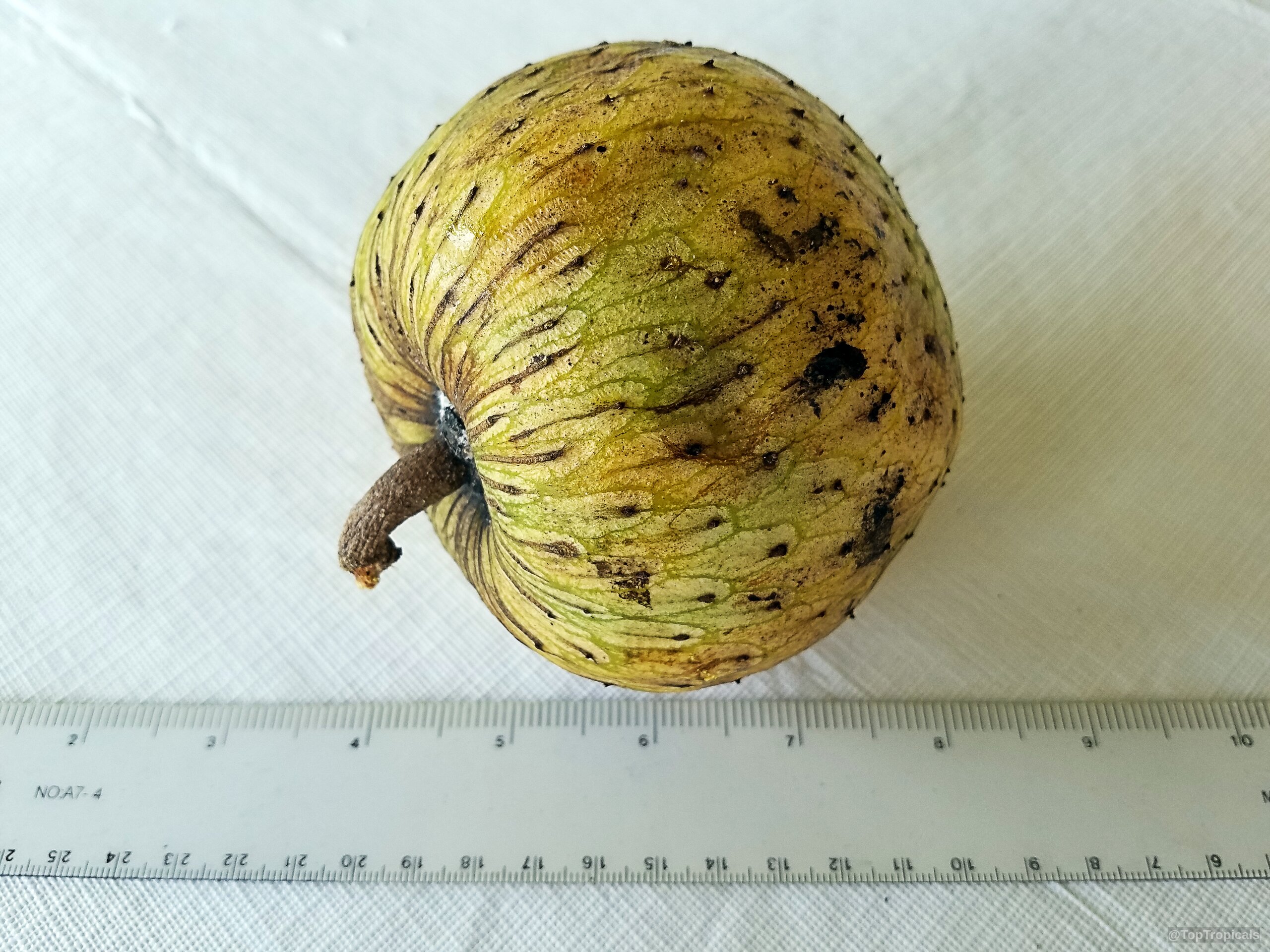
Botanical name: Annona montana
Common names: Mountain Soursop, Wild Custard Apple, Guanabana de monte, Wild Soursop
Family: Annonaceae
Origin: Surinam
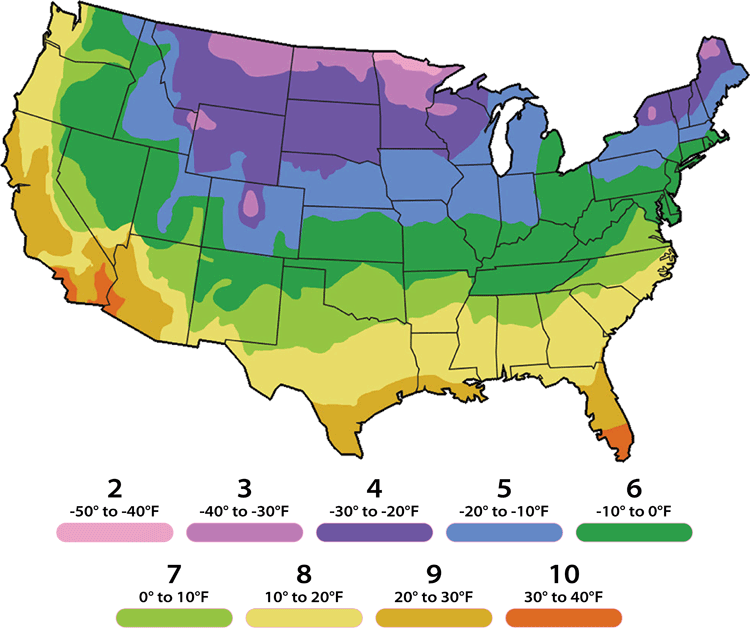
USDA Zone: 9-11


Mountain Soursop, Wild Custard Apple, Guanabana de monte, Wild Soursop. The fruit resembles Soursop but with less sugar and has distinctive pineapple flavor. The tree is small, evergreen, growing up to 20ft tall.
Read more about this plant:






Recommended Fertilizer: SUNSHINE C-Cibus - Crop Nutrition Booster
SUNSHINE-Honey - sugar booster
Ordering seeds info
RECOMMENDED SUPPLIES:
Seed Germination Mix #3, professional grade
SUNSHINE-Epi - Seeds and cuttings booster
SUNSHINE Bombino - Young Plant Booster

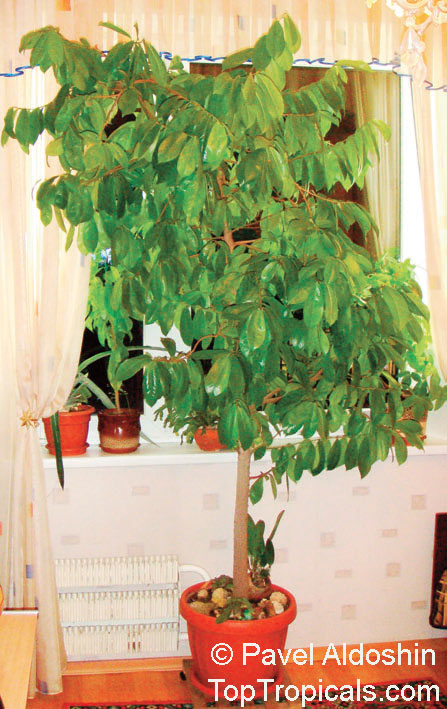
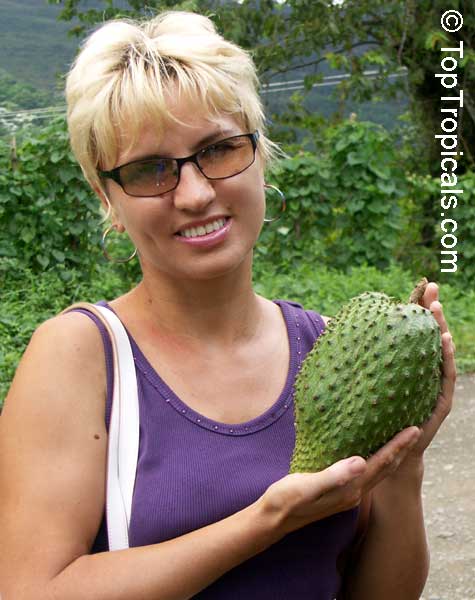
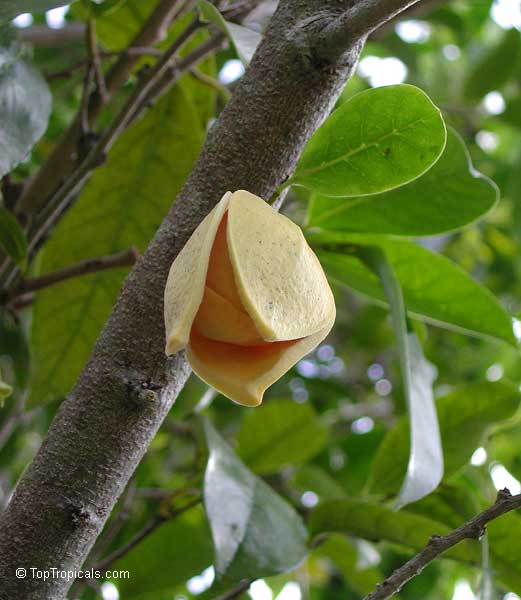
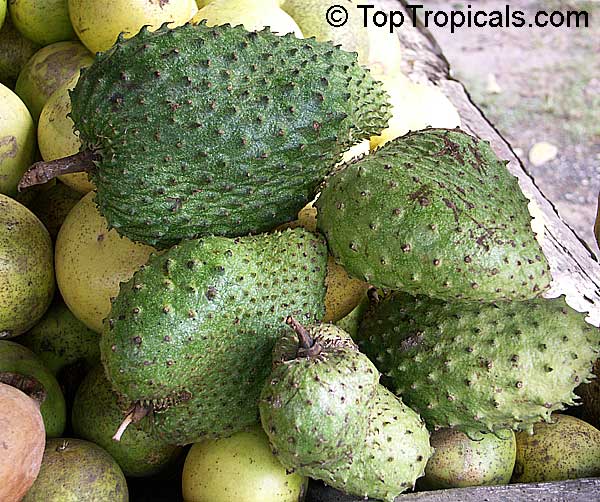
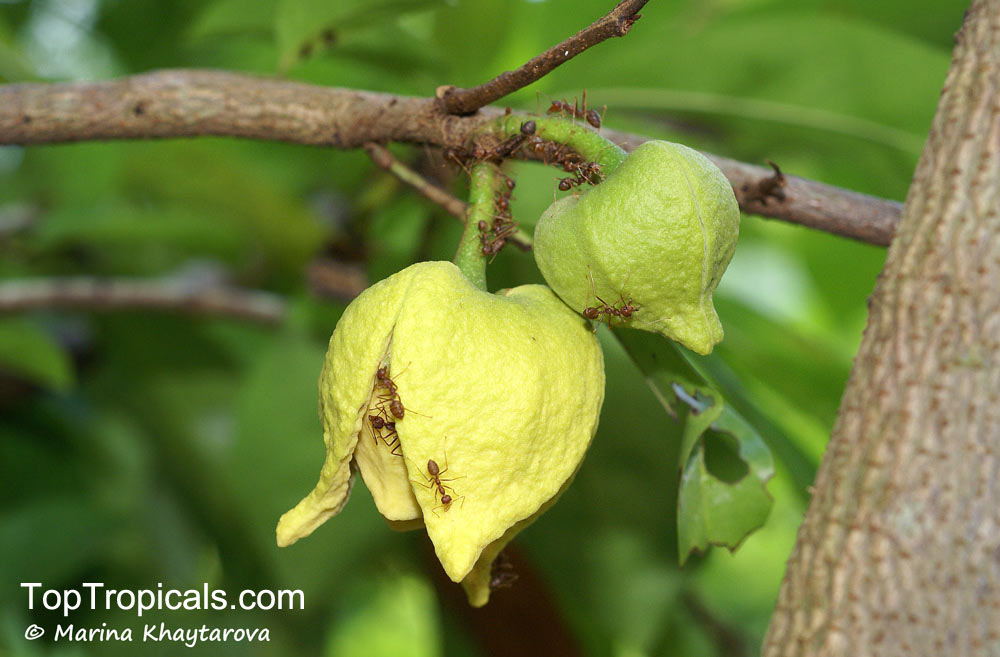
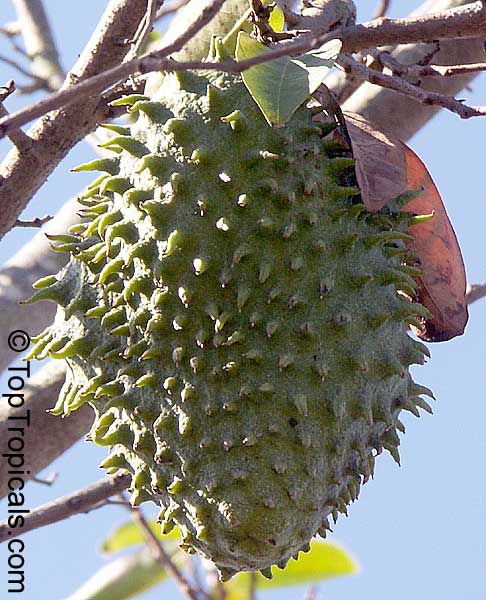
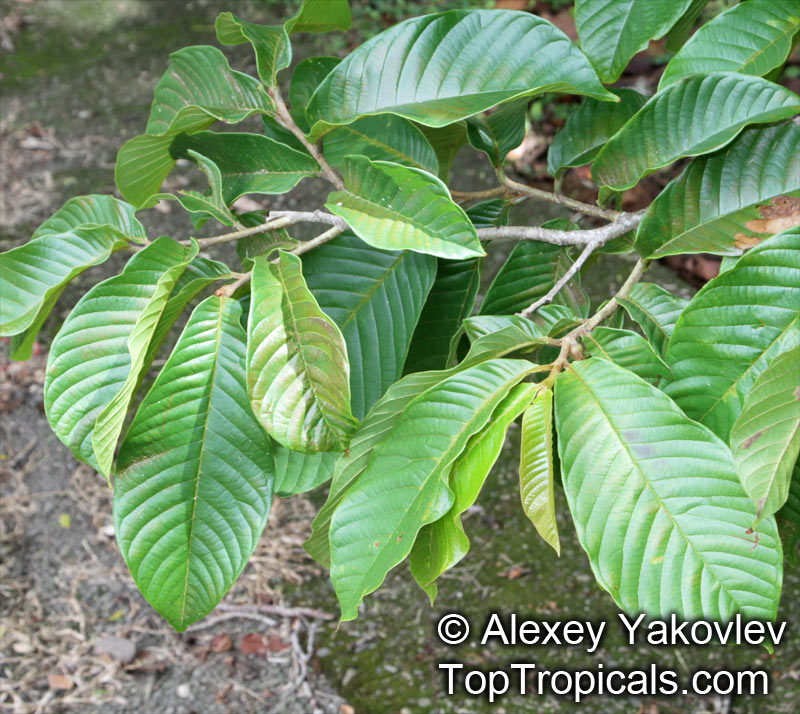
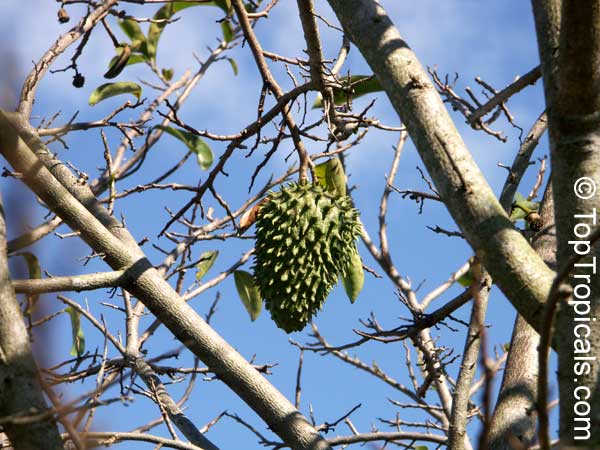
Botanical name: Annona muricata
Common names: Soursop, Guanabana, Graviola, Korosol, Corosol
Family: Annonaceae
Origin: Tropical America
USDA Zone: 10-11


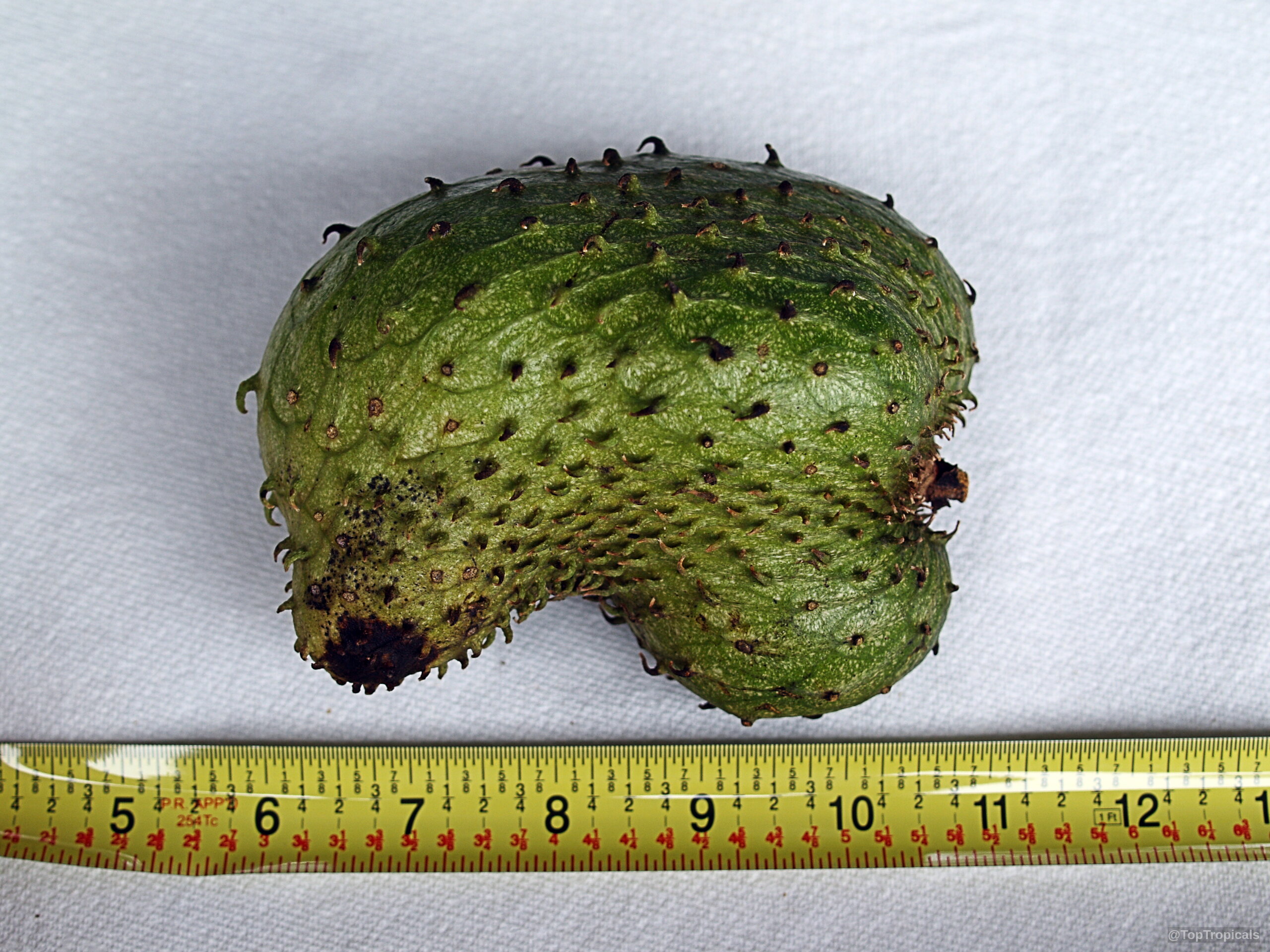
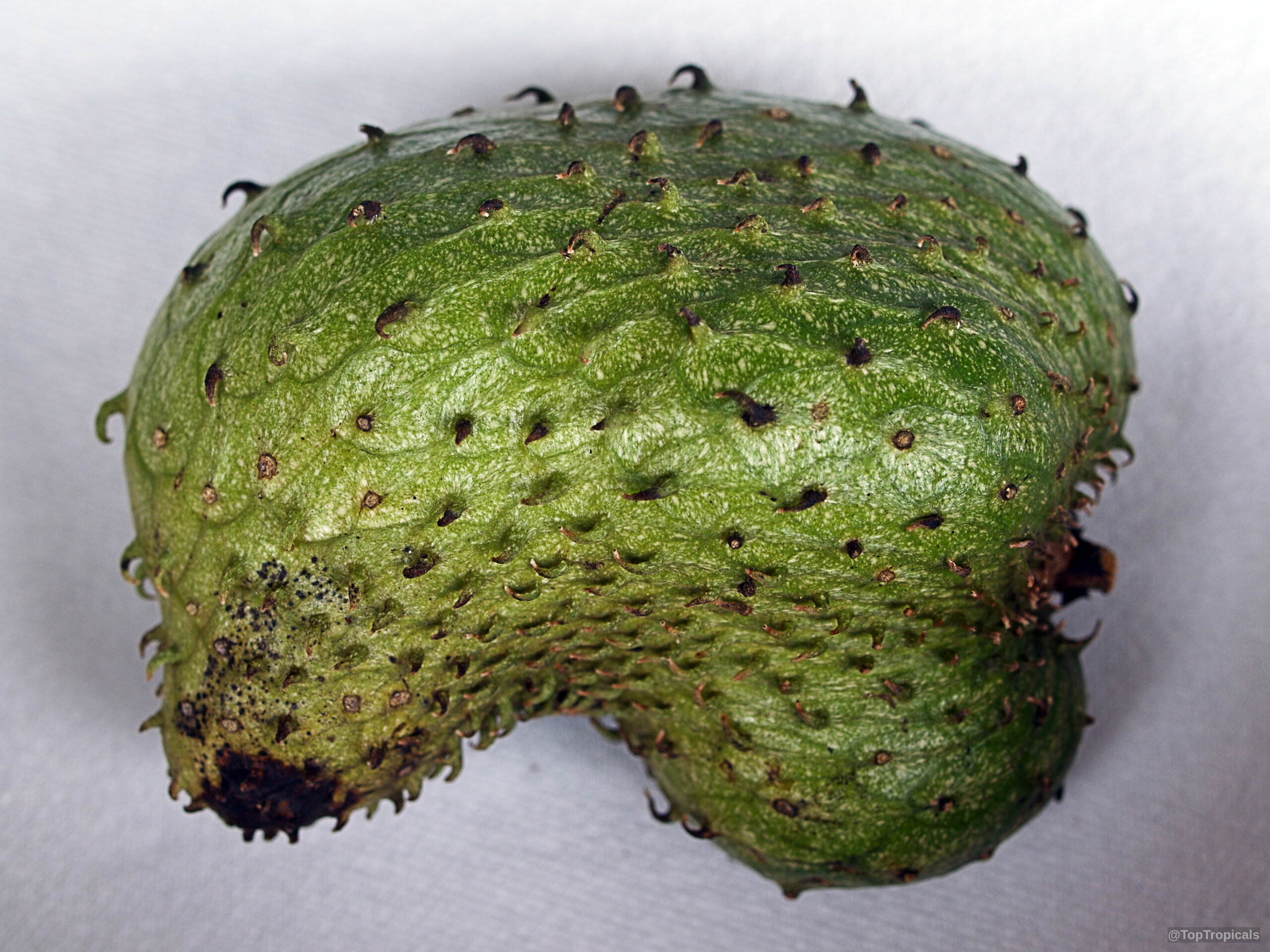
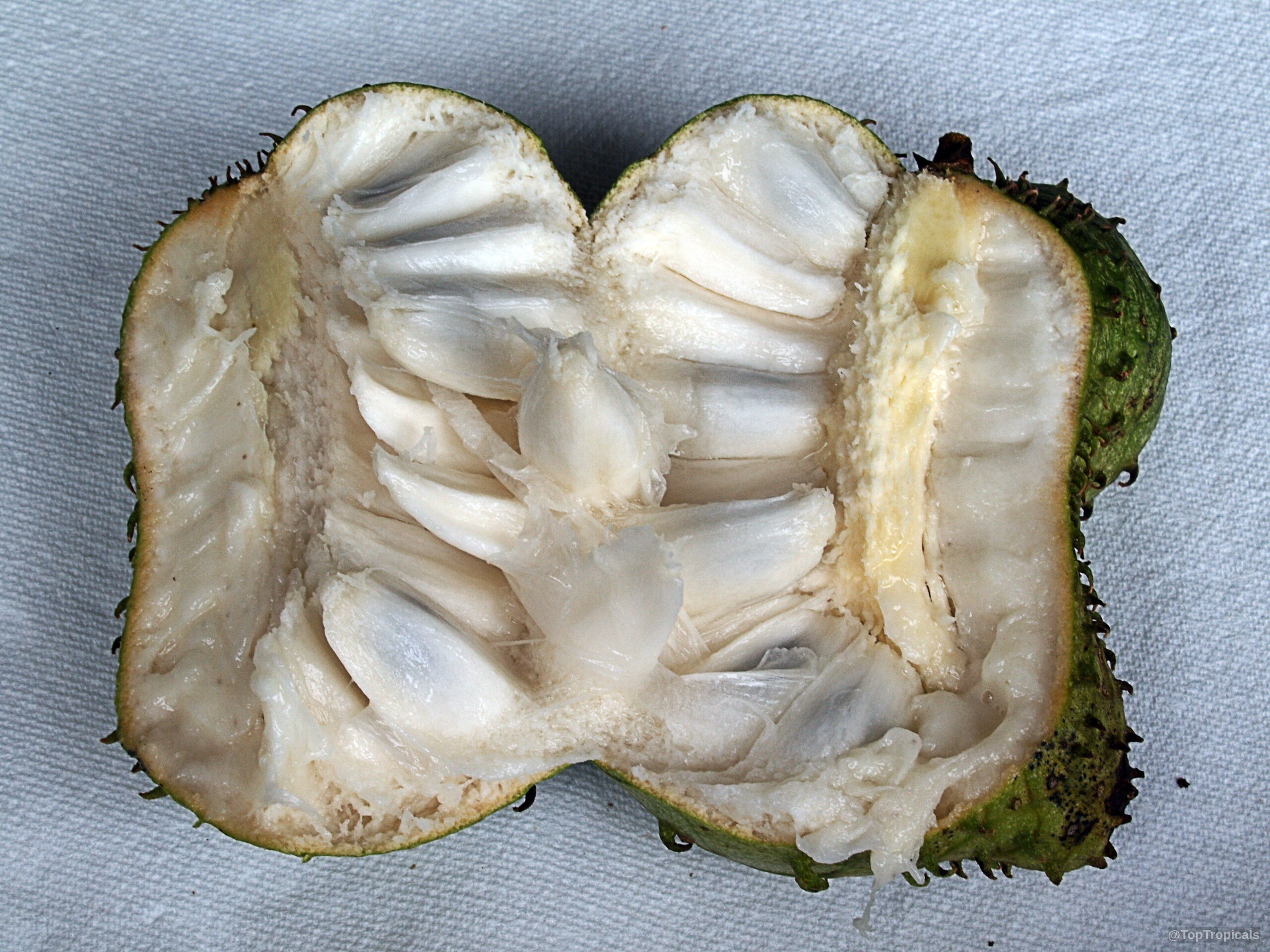
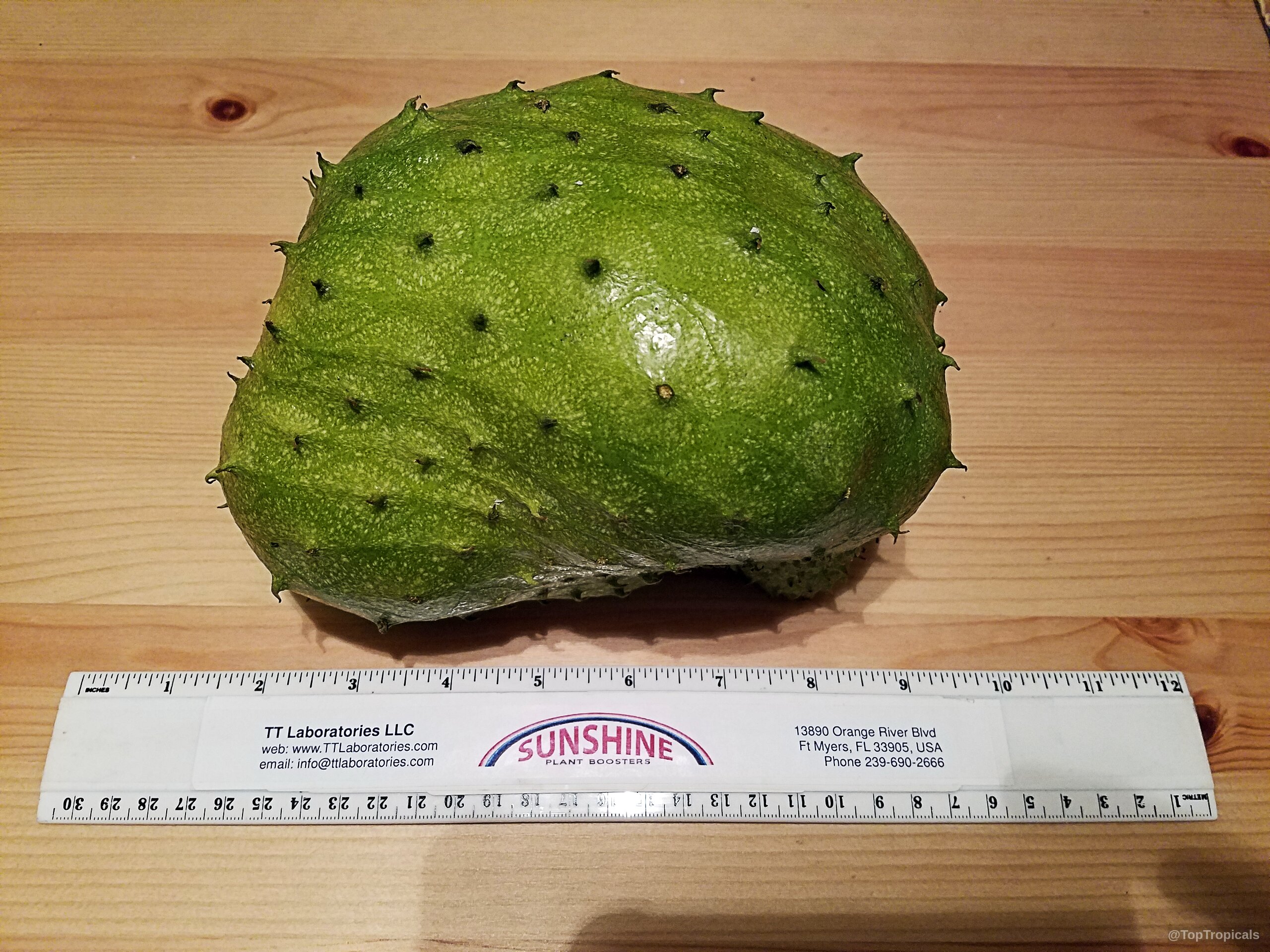
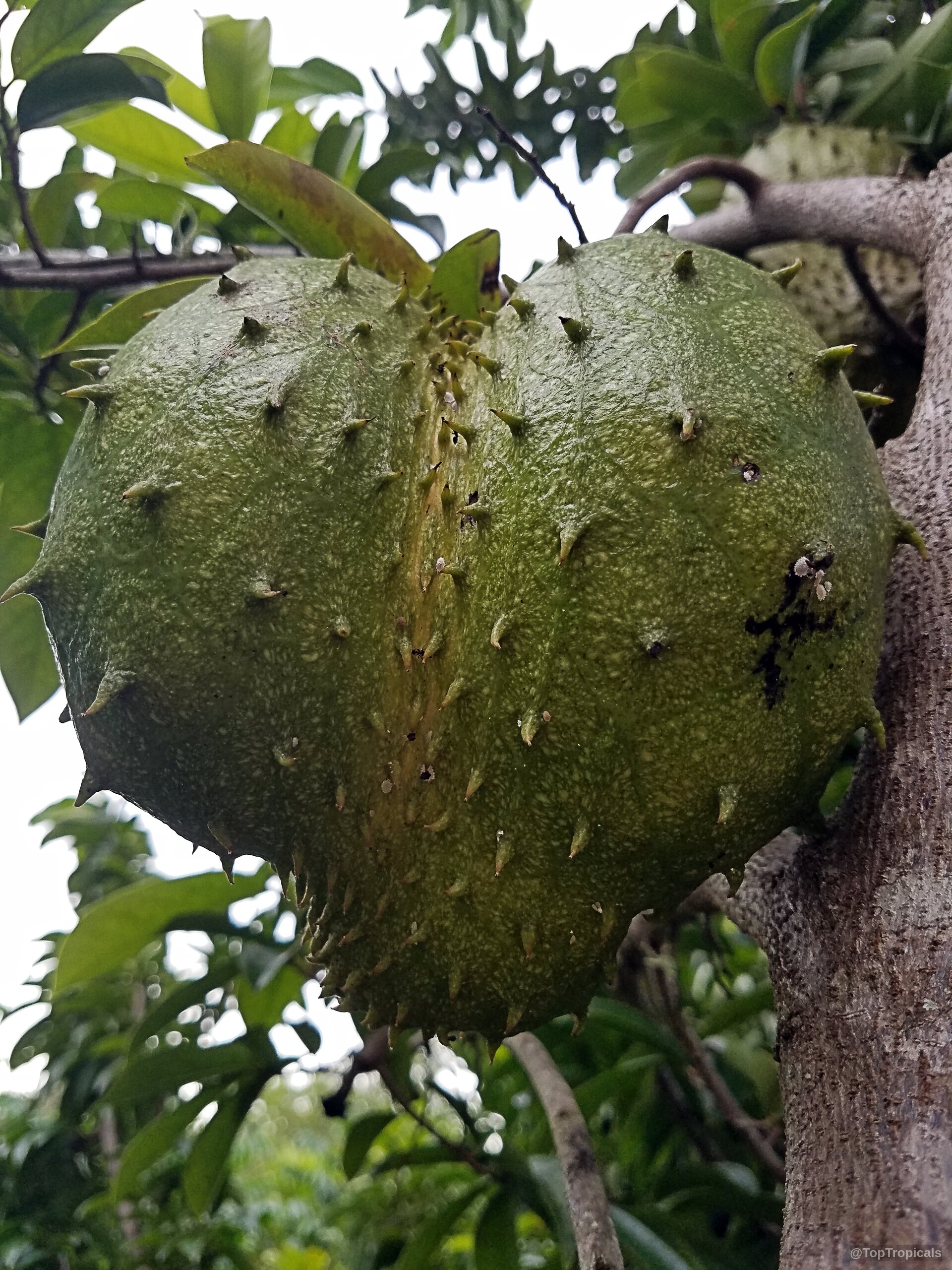
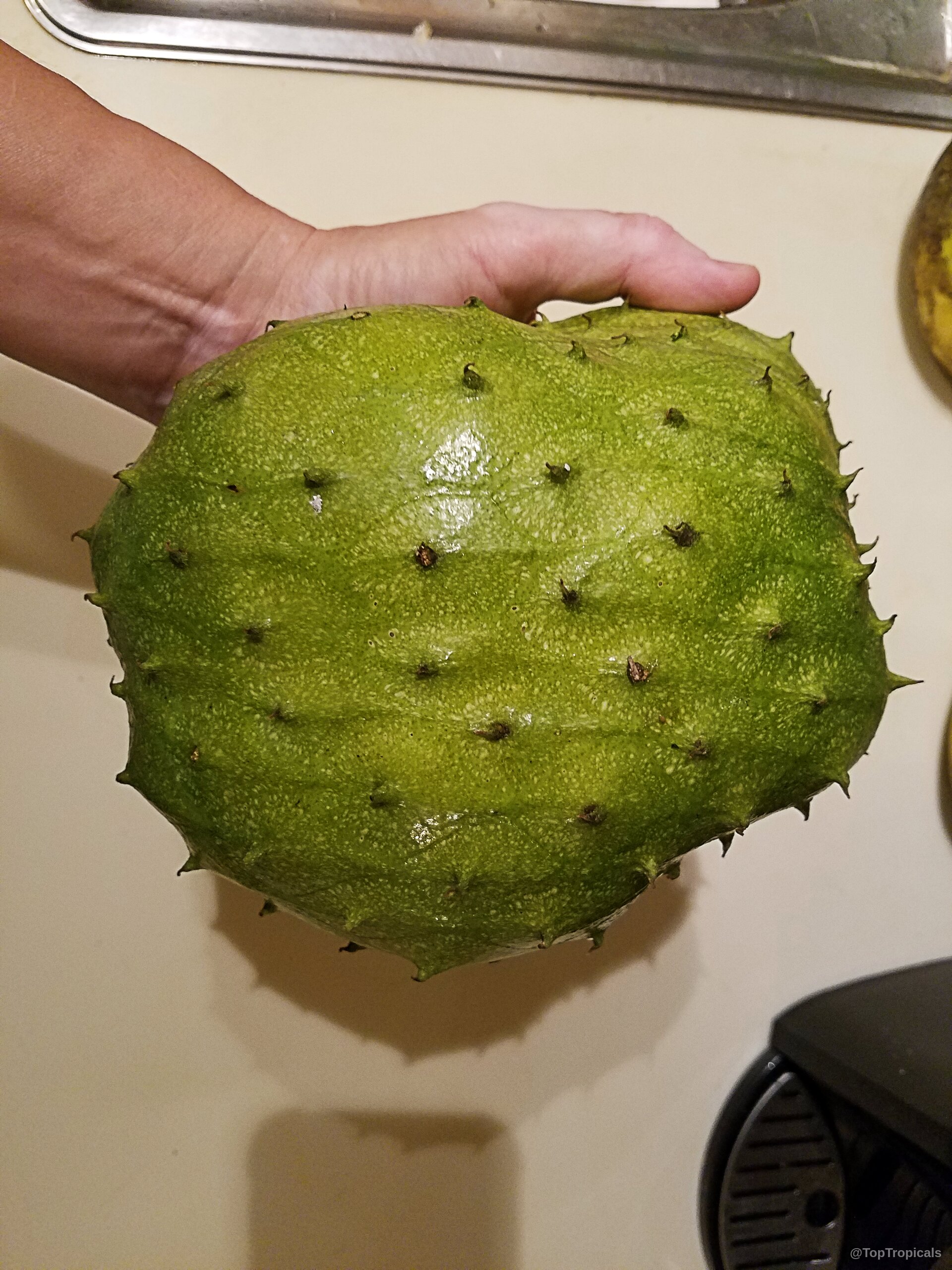
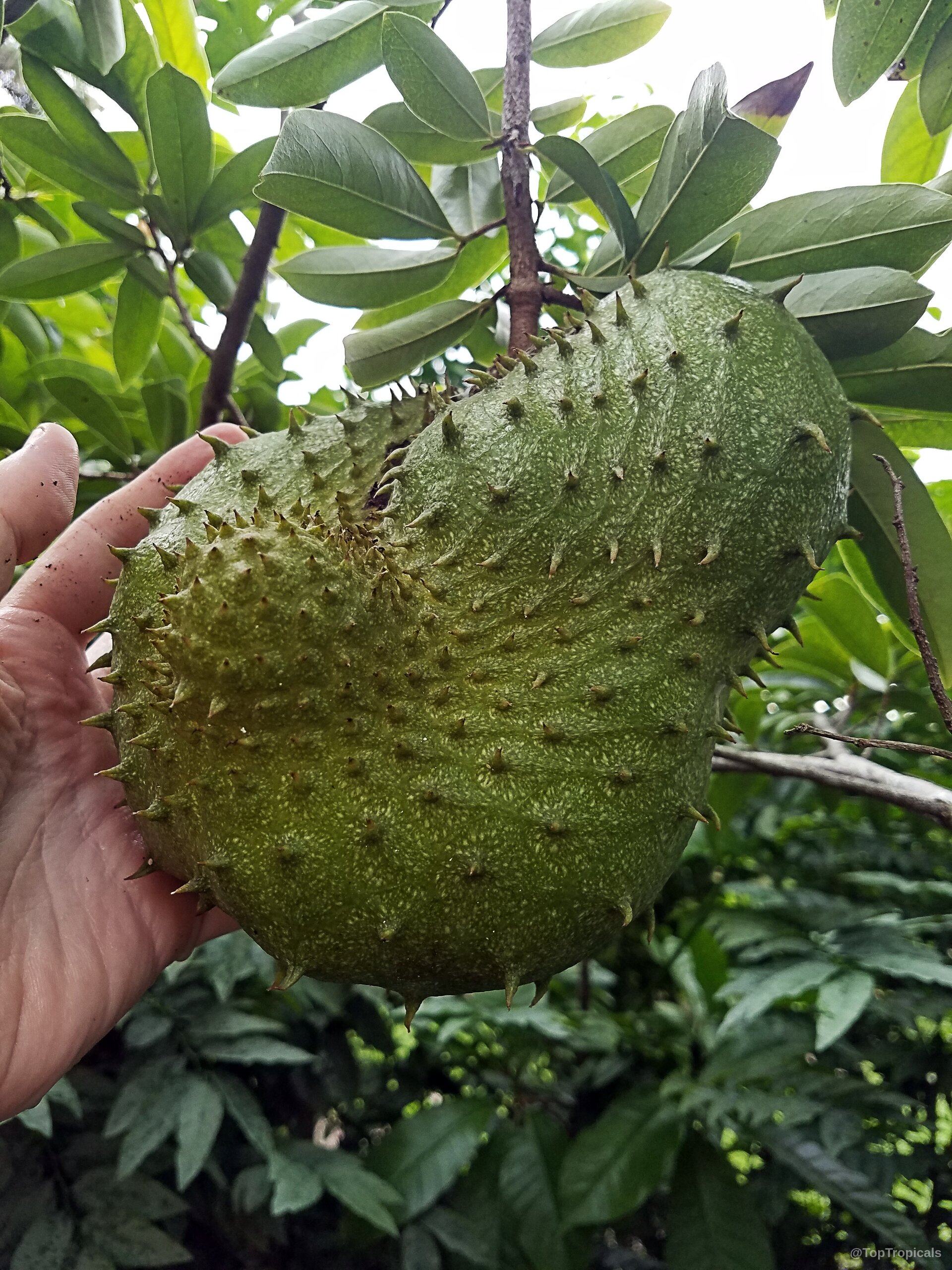
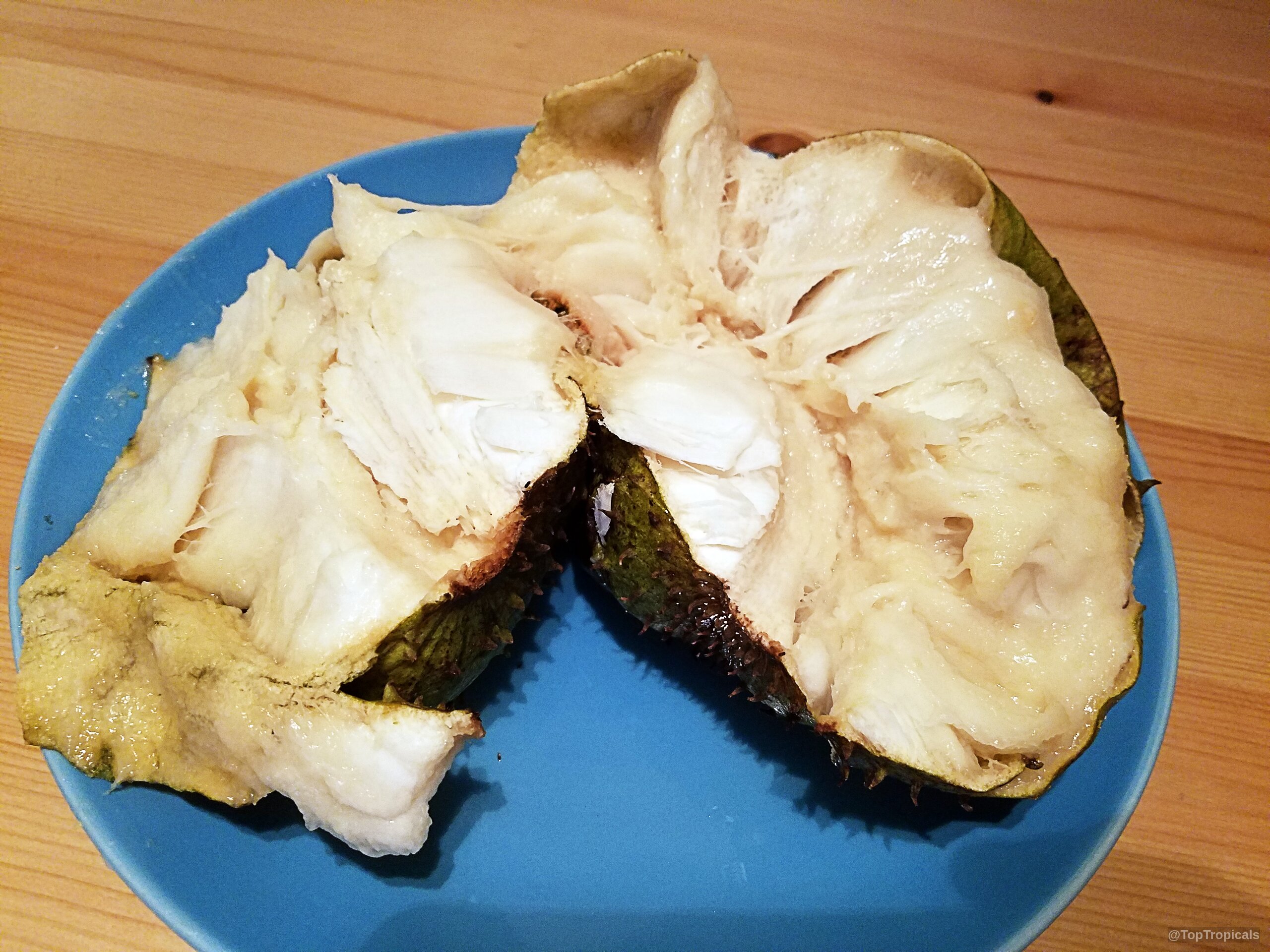
Season: All year, best during warm months. Origin: Tropical America. One of the most delicious annona. Fruit is sweet with slight sour addition, flavor is the best. Sweet and tart custard-like pulp. Extremely cold sensitive, minimum temperature 50F. Makes a superb milkshake, but can be eaten fresh as well. The tree is medium sized, very fast growing. Can be kept in a pot. We have very interesting article about growing and fruiting Soursop in apartment. Check out Tropical Treasures Magazine # 7.













Recommended Fertilizer: SUNSHINE C-Cibus - Crop Nutrition Booster
SUNSHINE-Honey - sugar booster
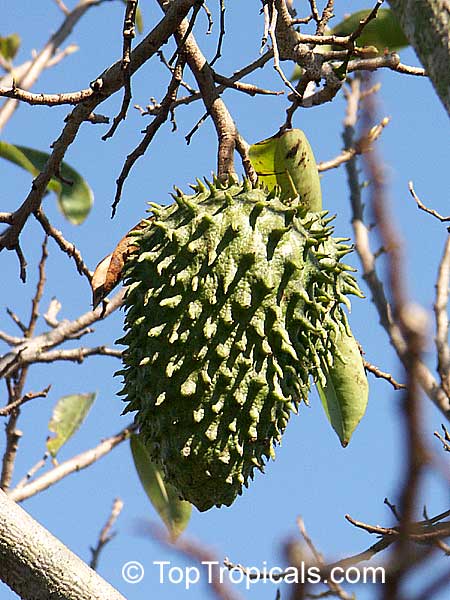
Botanical names: Annona purpurea, Annona diversifolia
Common names: Soncoya, Toreta, Ilama, Cabeza de Negro
Family: Annonaceae
Origin: Mexico, Panama, Colombia, Venezuela
USDA Zone: 9-10

Annona purpurea (Soncoya) tree is a medium-sized tree with a trunk that usually branches fairly low. It is native to Mexico, Panama, Colombia, and Venezuela, and can be grown in USDA hardiness Zone 9-11. It produces showy, fragrant pink flowers in May, June, and July, and from August to October, its green fruit with small spines develops. The fruit is rounded and 6-8 inches in diameter, covered with a felt-textured brown skin and hook-like projections. The fruit pulp is edible and has a sweet, fruity flavor. It can be eaten raw, strained for juice, or mixed with other ingredients for various drinks and folk remedies. In Mexico, Soncoya juice is regarded as a remedy for fever and chills. It is given to relieve jaundice, probably because of its color.
The Soncoya requires a hot, humid climate, and for optimal growth, the soil should be well-draining. For trees grown in a pot, a soil-less mix is best. In regions with colder climates, the trees should be placed in a south-facing location and given additional protection such as a windscreen, or bringing the pot indoors during the winter months. It is important to follow a regular watering regime, so that the soil is kept evenly moist but not soggy. It may also be necessary to provide additional fertilizer to the plant during the growing season.
Recommended Fertilizer: SUNSHINE C-Cibus - Crop Nutrition Booster
SUNSHINE-Honey - sugar booster
 SUNSHINE C-Cibus (NPK 2-2-4) - Crop Booster for every watering.
 SUNSHINE C-Cibus (NPK 2-2-4) - Crop Booster for every watering.

Botanical name: Annona reticulata
Common names: Custard Apple (Chirimoya - Cuba), Corazon
Family: Annonaceae
Origin: West Indies to Central America & South Mexico
USDA Zone: 9-11

Annona reticulata, otherwise known as Custard Apple (Chirimoya - Cuba), is a small tree that grows to 10-20 ft tall. This deciduous plant is native to West Indies to Central America and South Mexico, and grows in USDA Zone 9-11. It is relatively easy to maintain; as long as it is provided with regular water, mulching, organic soil, fertilization and irrigation in extended drought periods.
The Custard Apple tree has fragrant, inconspicuous flowers that hang down in drooping clusters. The fruit, ranging in size from 4" to 6" in diameter, is roundish to heart-shaped to irregular and has a tough, thin skin that varies in colour from yellow to brown to red when ripe. The flesh of the fruit is thick and creamy-white and has a custard-like texture. Redder fruits have a hint of pink in the flesh and red lines running through. The taste of the fruit can vary significantly, but the best ones are sweet and juicy with a distinctive flavor.
This versatile and edible fruit offers numerous health benefits. It is packed with antioxidants and vitamins such as Vitamin C, B-complex and minerals like magnesium, iron, phosphorus, and minerals. Custard Apple is also a good source of dietary fiber. A mature tree can produce up to 15-20 fruits in a single season, making it a great option for home gardens. In areas with cold climates, the tree can be grown in a container and kept inside when temperatures drop below 30s F.
All in all, the Custard Apple tree is an undemanding species that produces a nutritious fruit. With proper care and maintenance, this attractive plant can be a wonderful addition to any garden.

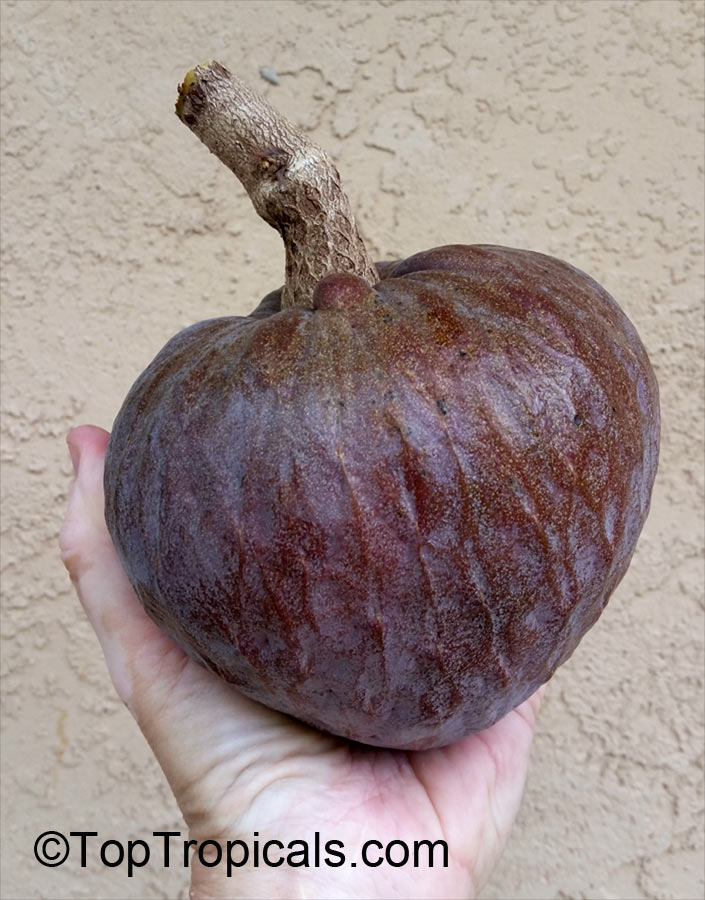


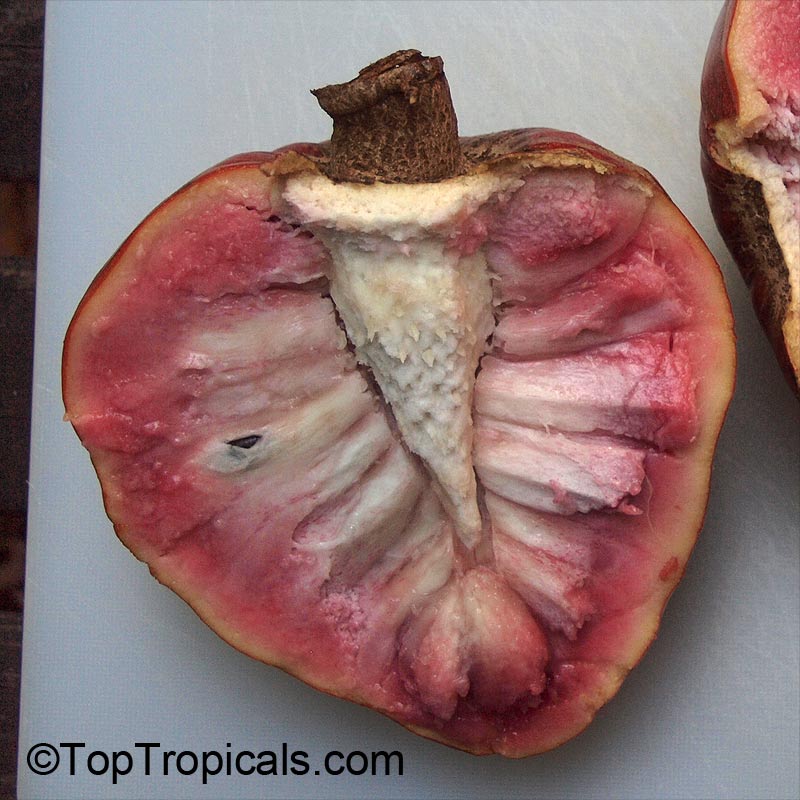

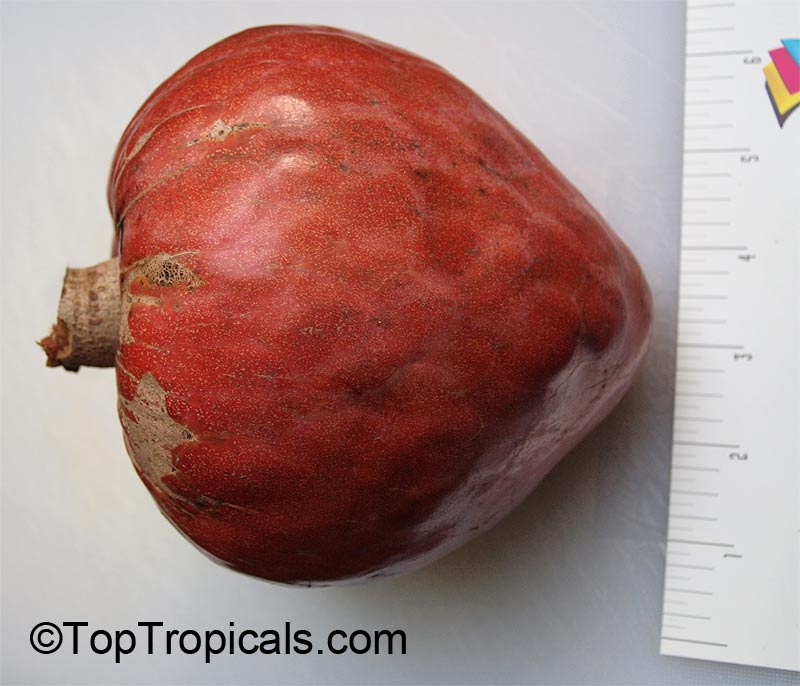


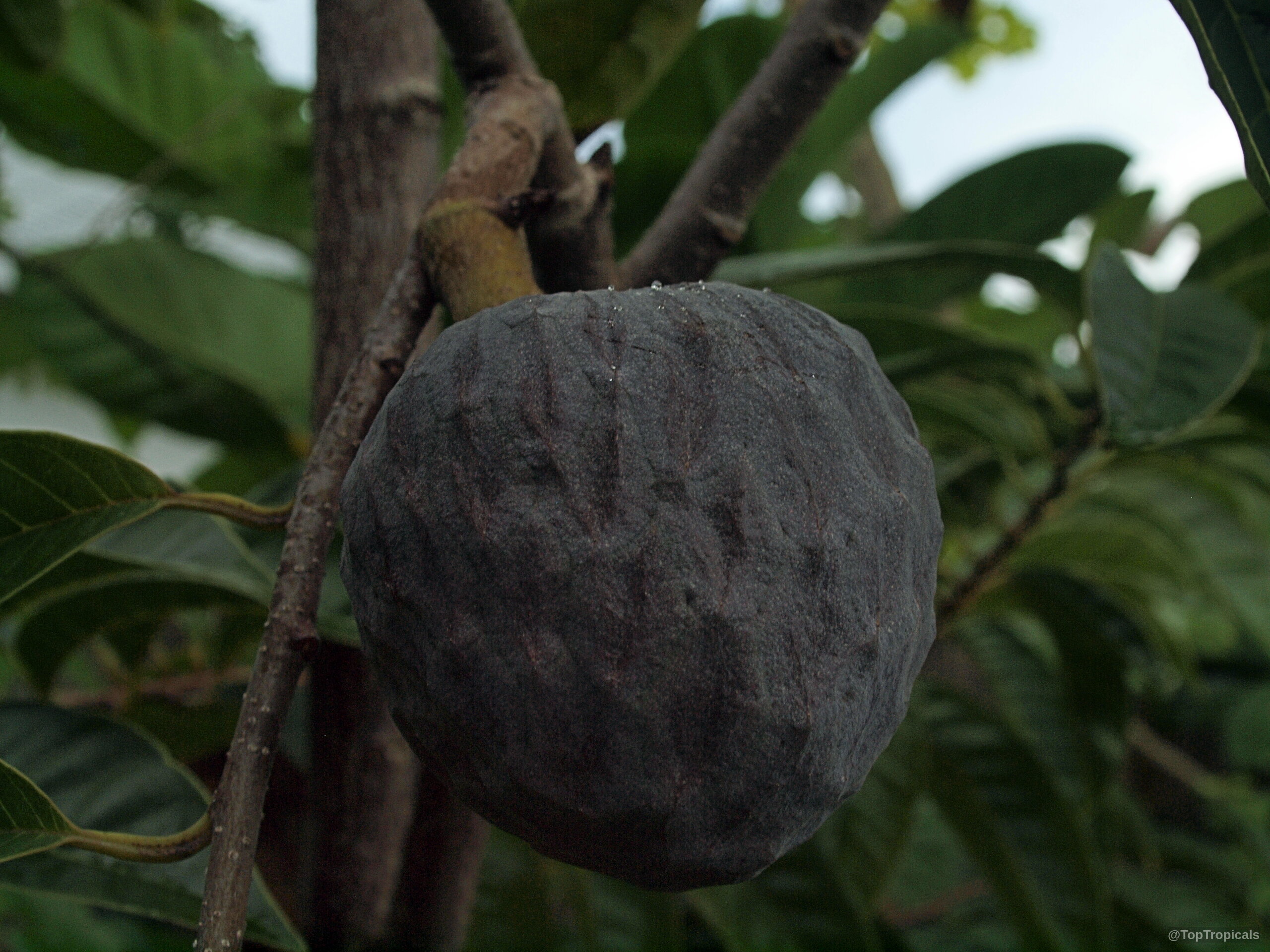


Red Custard-Apple. Very rare fruit similar to Sugar Apple. Bigger fruit with dark red skin and pulp, superior flavor. Erect growing tree, rounded to spreading. The fruit is 4" to 6" in diameter, roundish to heart-shaped to irregular. Flesh is thick creamy-white and custard-like. Red fruits sometimes have pink flesh or red lines running through the flesh. Season: Late Winter to Spring.
Recommended Fertilizer: SUNSHINE C-Cibus - Crop Nutrition Booster
SUNSHINE-Honey - sugar booster

Botanical name: Annona scleroderma
Common names: Posh-te, Cawesh, Poshte
Family: Annonaceae
Origin: Honduras, Guatemala
USDA Zone: 9-10
Annona scleroderma, also known as Poshe-te, is a tree native to Central America. It can grow up to 20 feet tall and has lanceolate leaves that are shiny on the upper side and pubescent on the underside. The greenish yellow flowers have prominent outer petals and grow in small branches or groups on the old part of the thick branches.
The Poshe-te fruit is round, about the size of an orange, with a dull green surface and perfectly textured, non-fibrous pulp. Its tough skin allows for easy handling and makes it resistant to insect attacks. To facilitate fruit harvesting and protect against wind and bird damage, it is important to prune the tree to create a wide crown.
The Poshe-te is known for its creamy banana-pineapple like flavor and soft texture, and is considered one of the most flavorful and refreshing Annonas. In addition to its delicious taste, the fruit is also rich in nutrients, including vitamin C, dietary fiber, iron, manganese, and zinc, as well as bioactive compounds with anti-inflammatory, anti-microbial, anti-viral, and anti-cancer properties.
It grows outdoor in USDA Zones 9-11. To grow Annona scleroderma in a pot in a cold region, place the pot in a sunny spot and ensure it has well-drained soil. Water deeply, but do not saturate the soil. Once it is established, the tree should not need a lot of additional water. It can withstand temperatures down to 32F and is drought tolerant, making it a suitable choice for colder climates.


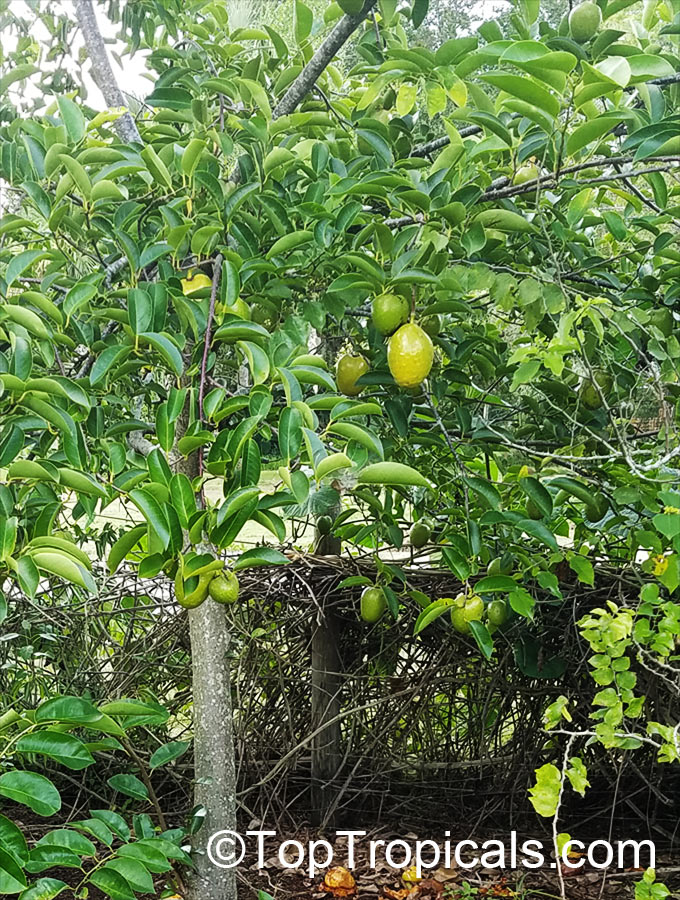
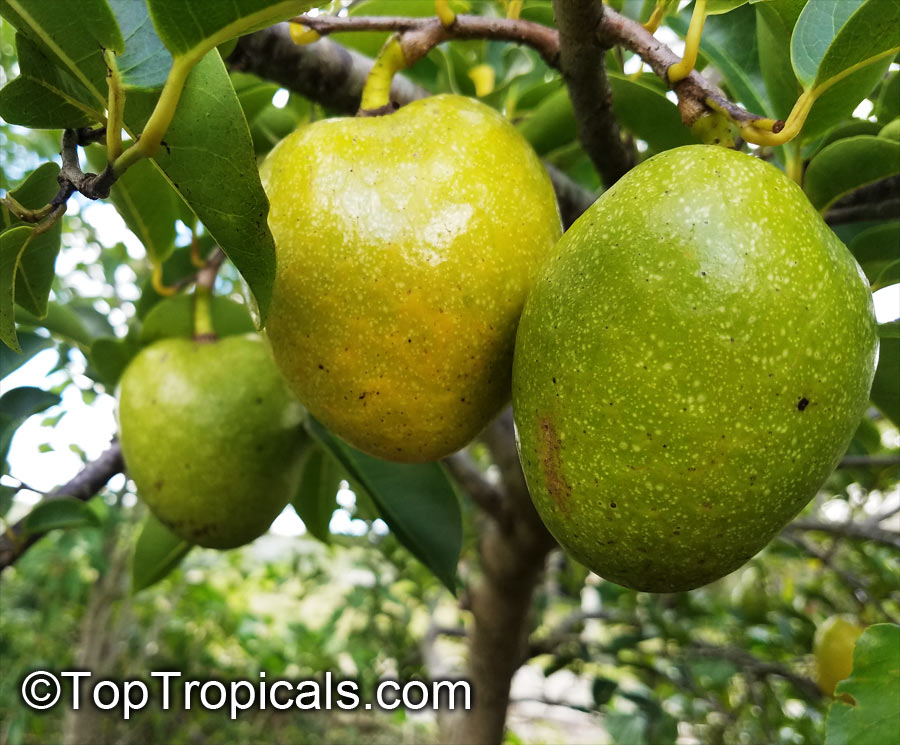
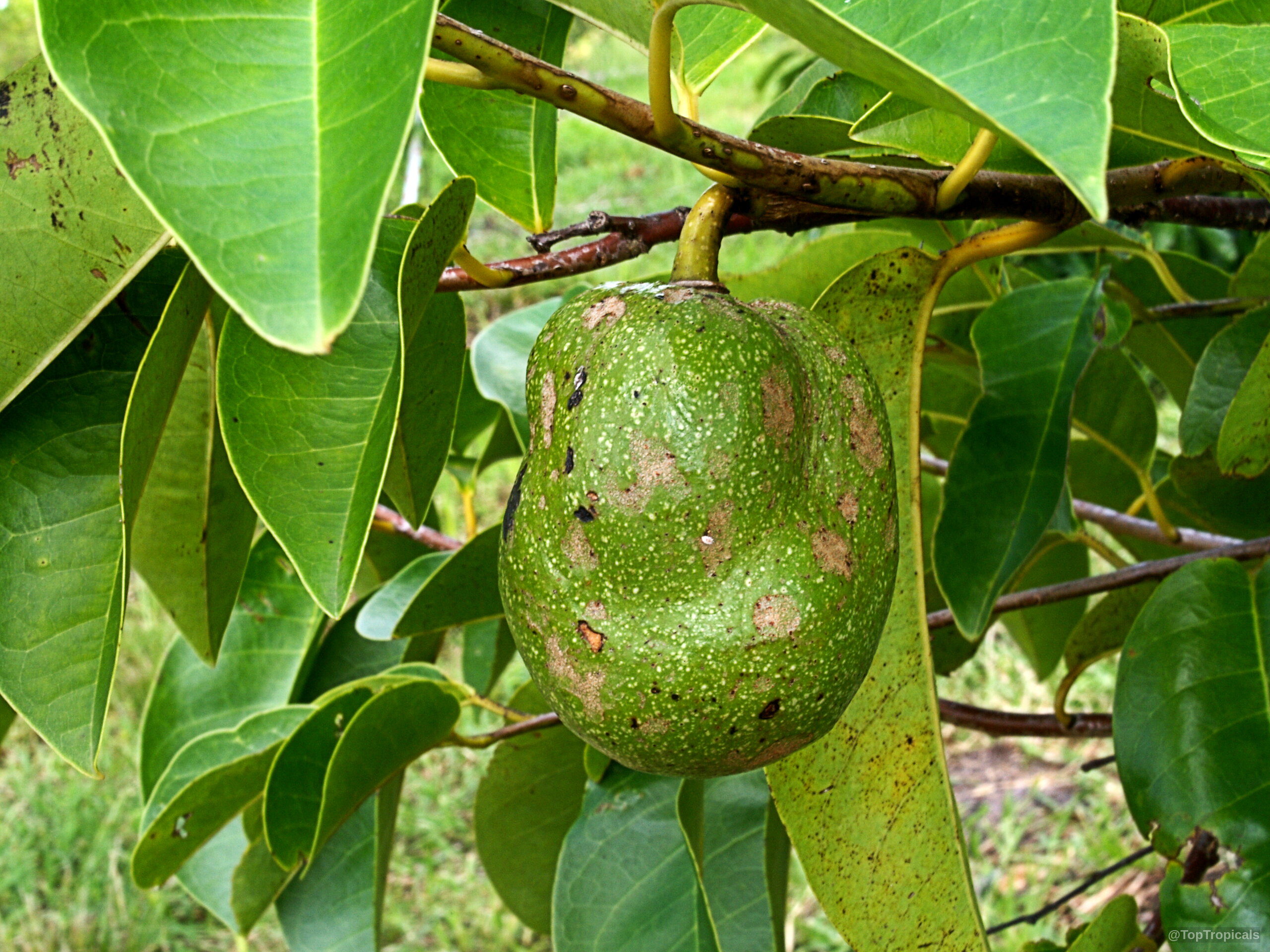
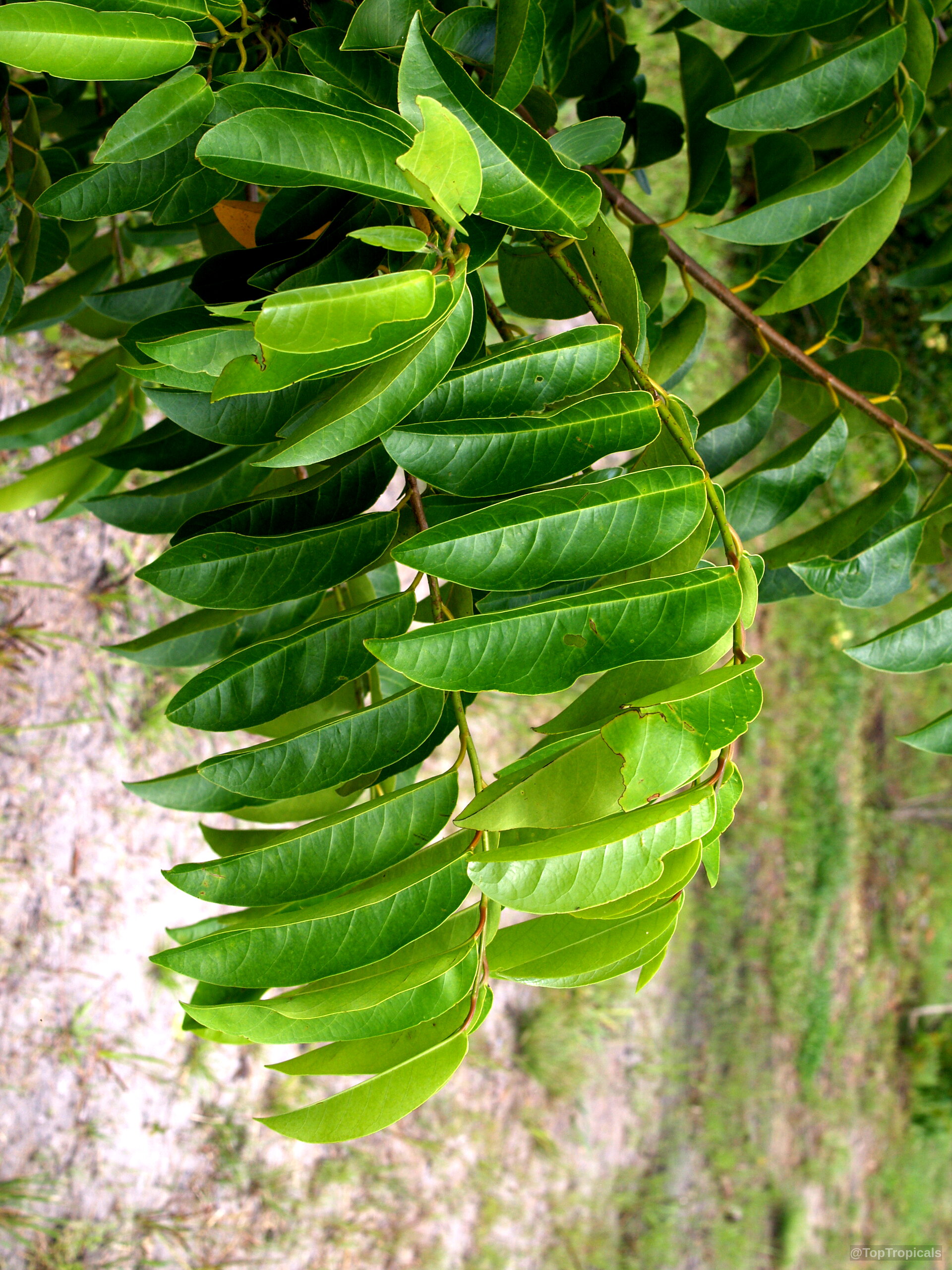
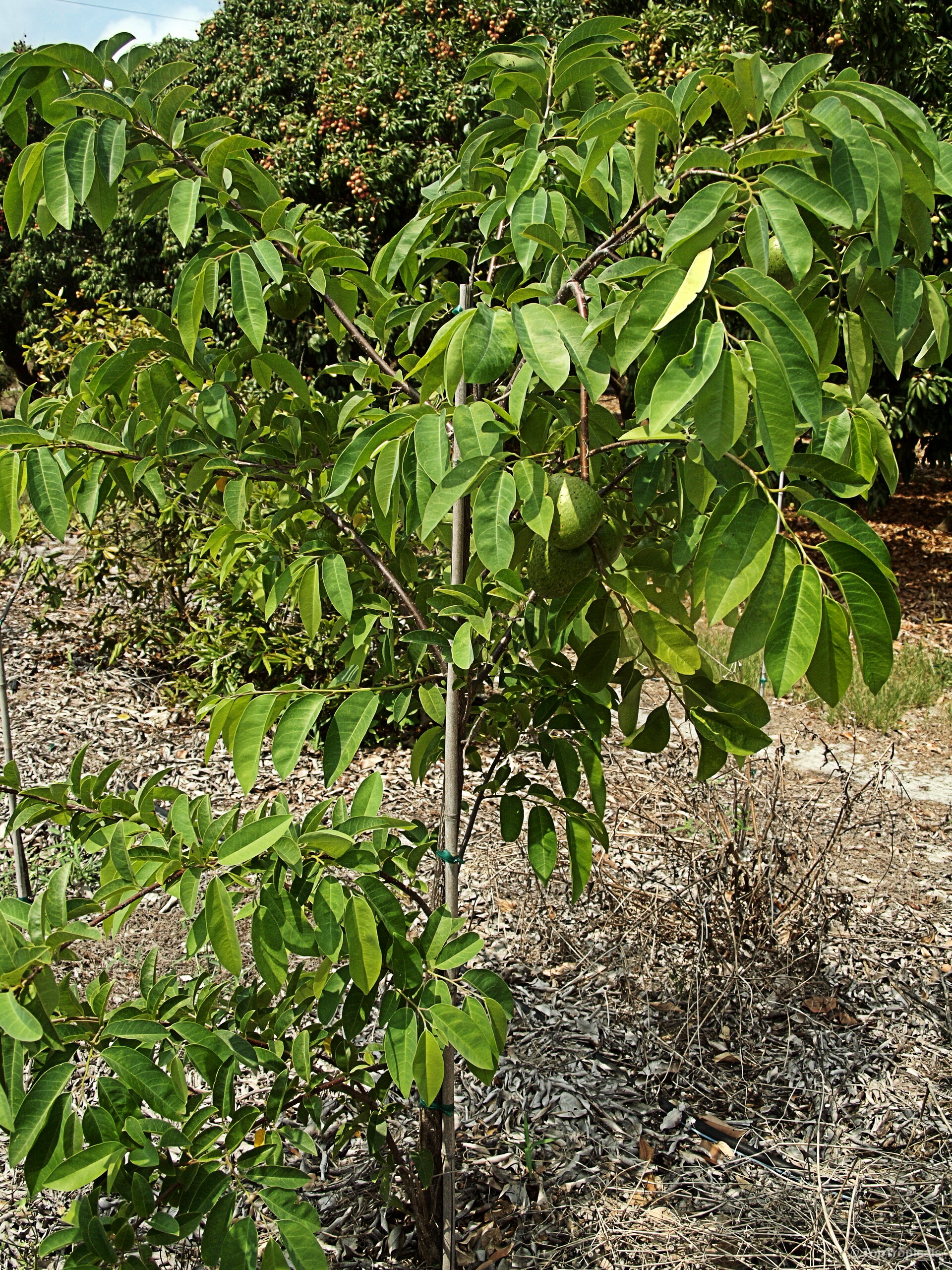
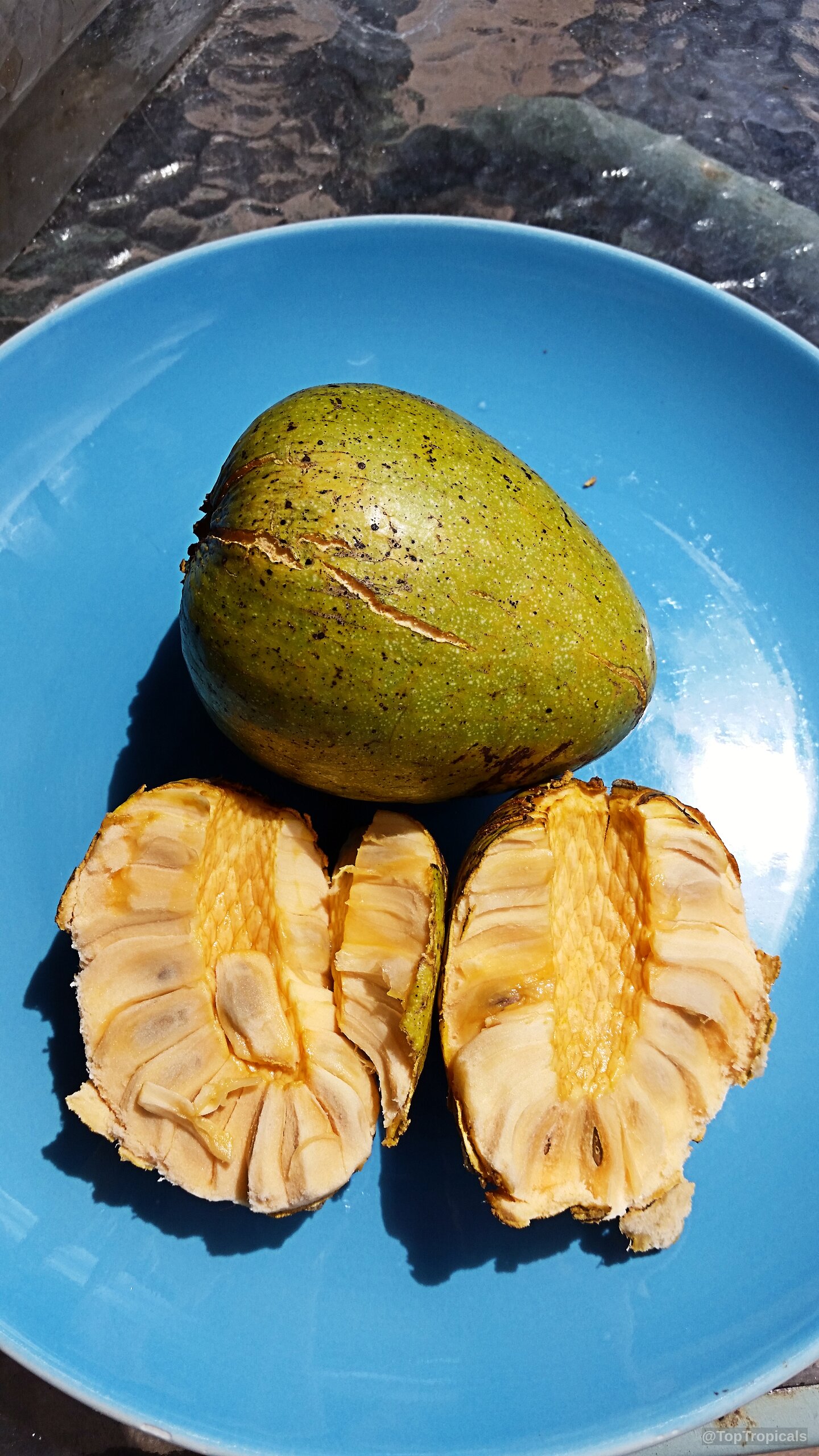
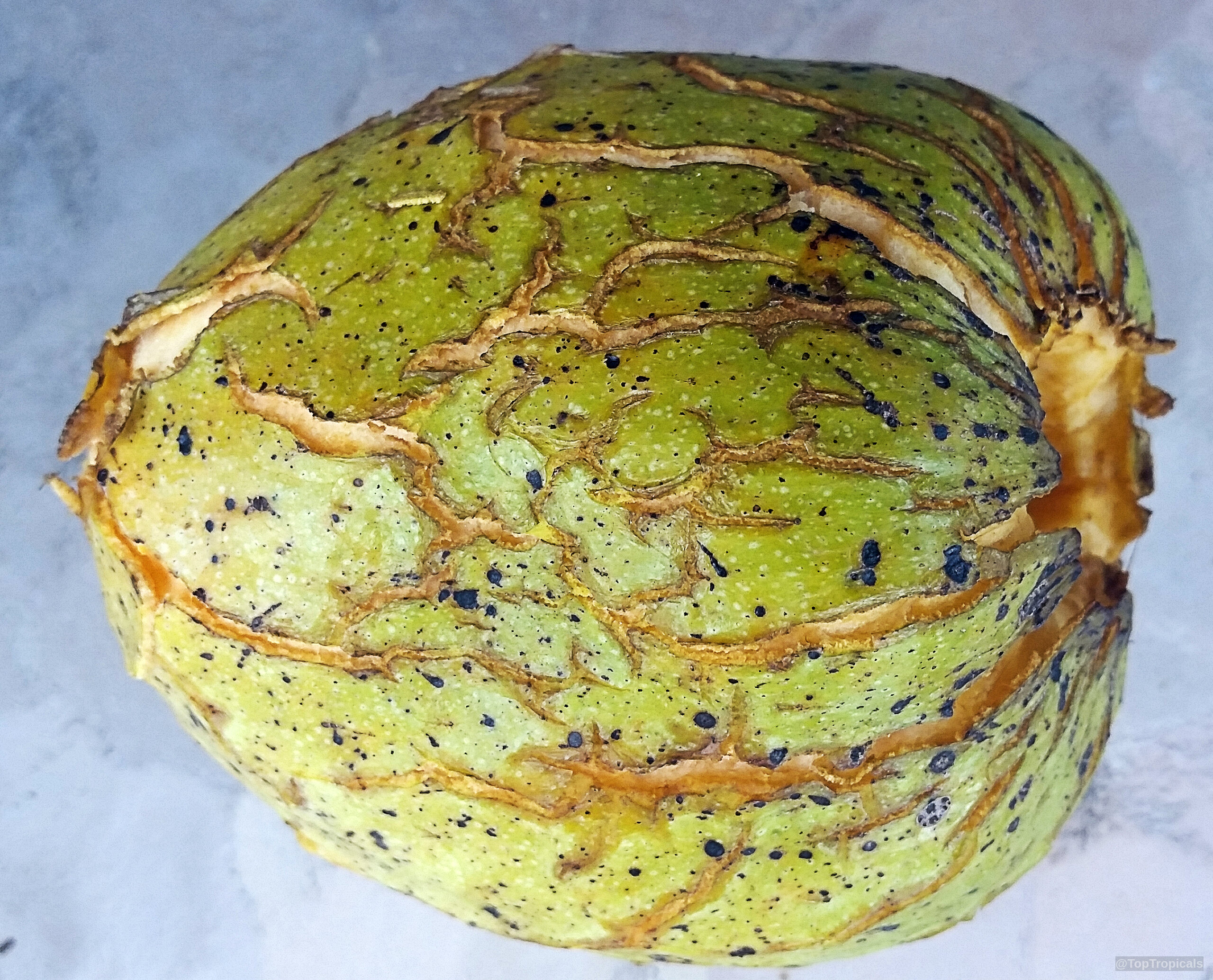
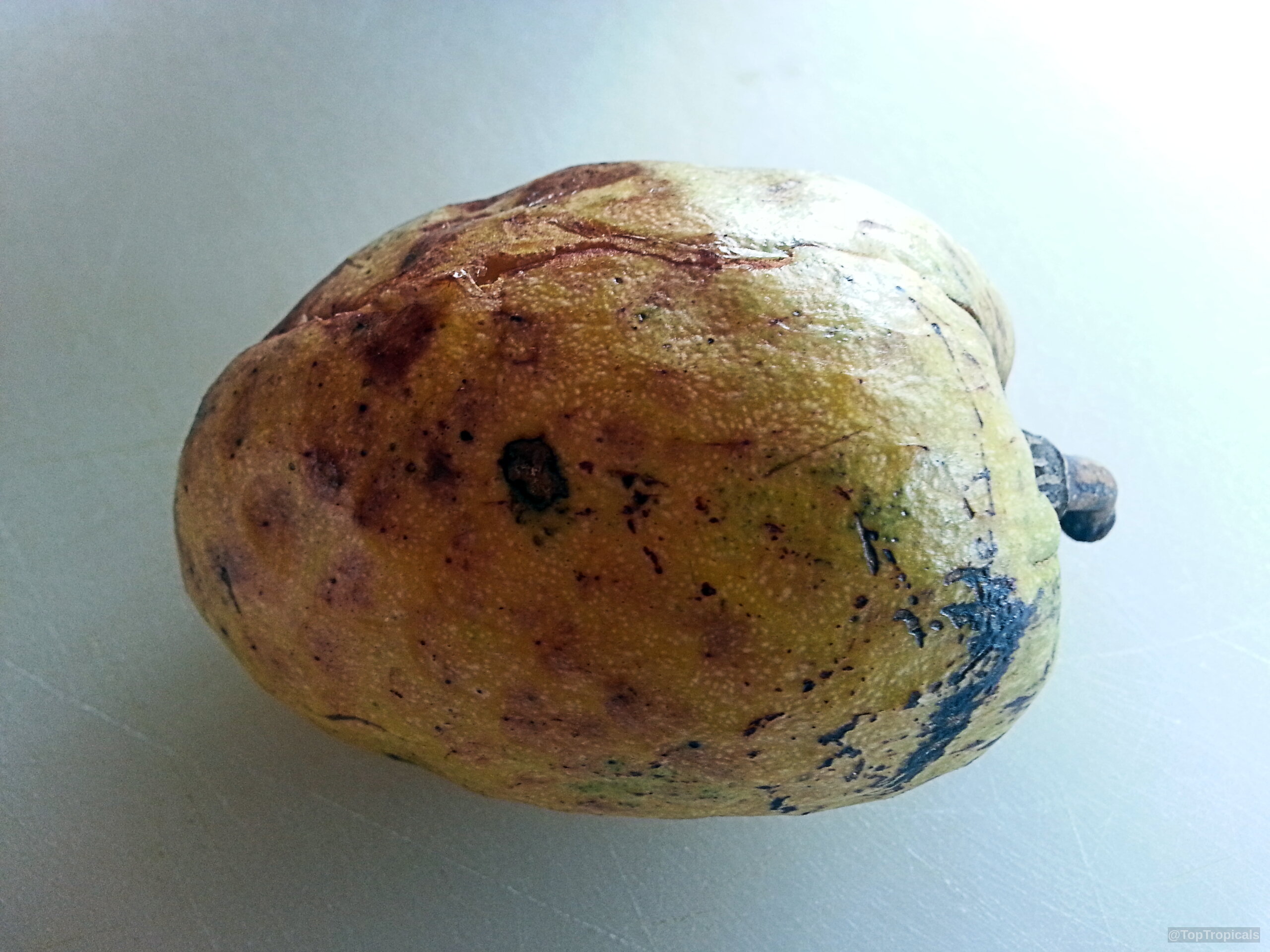
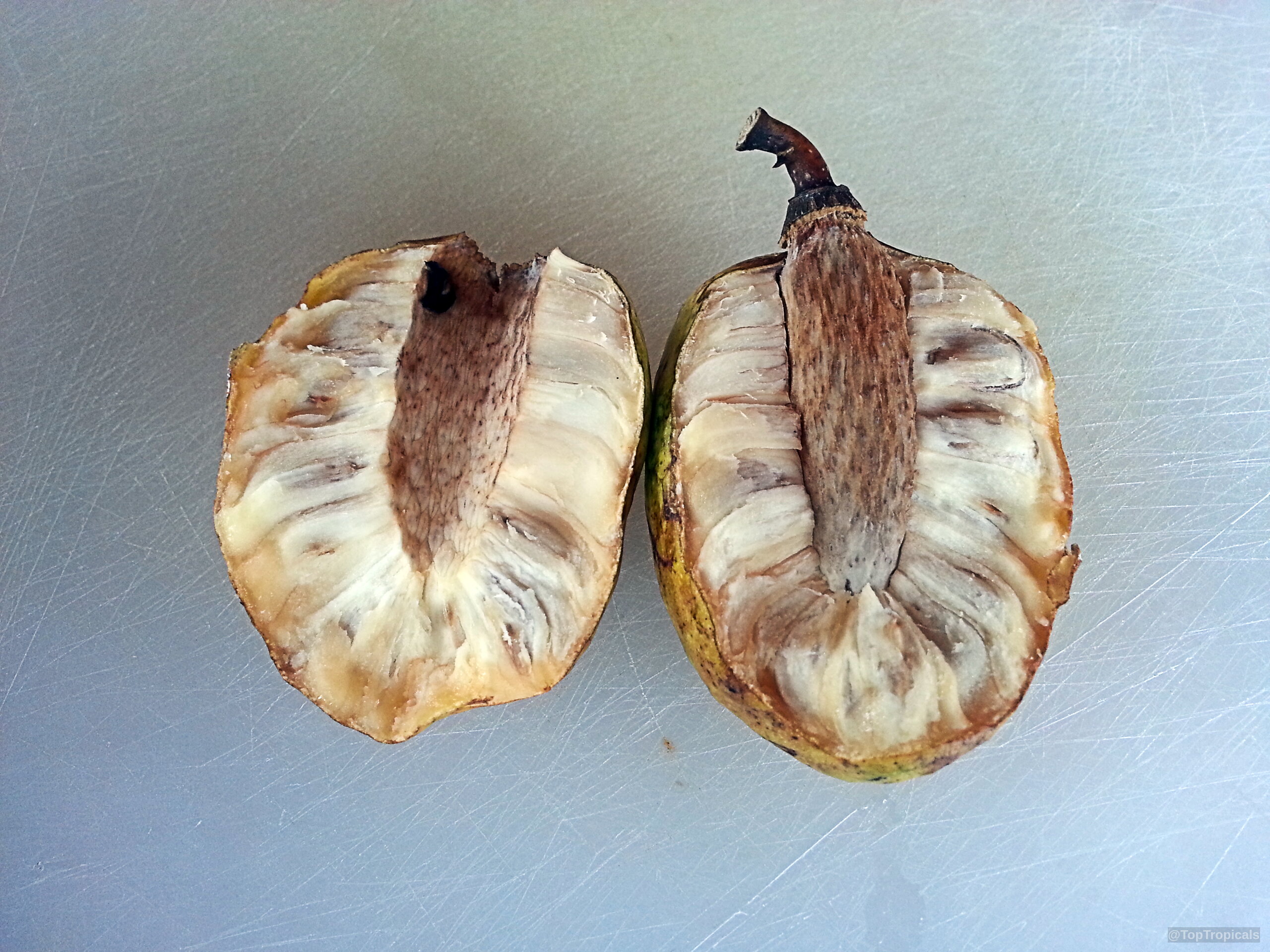
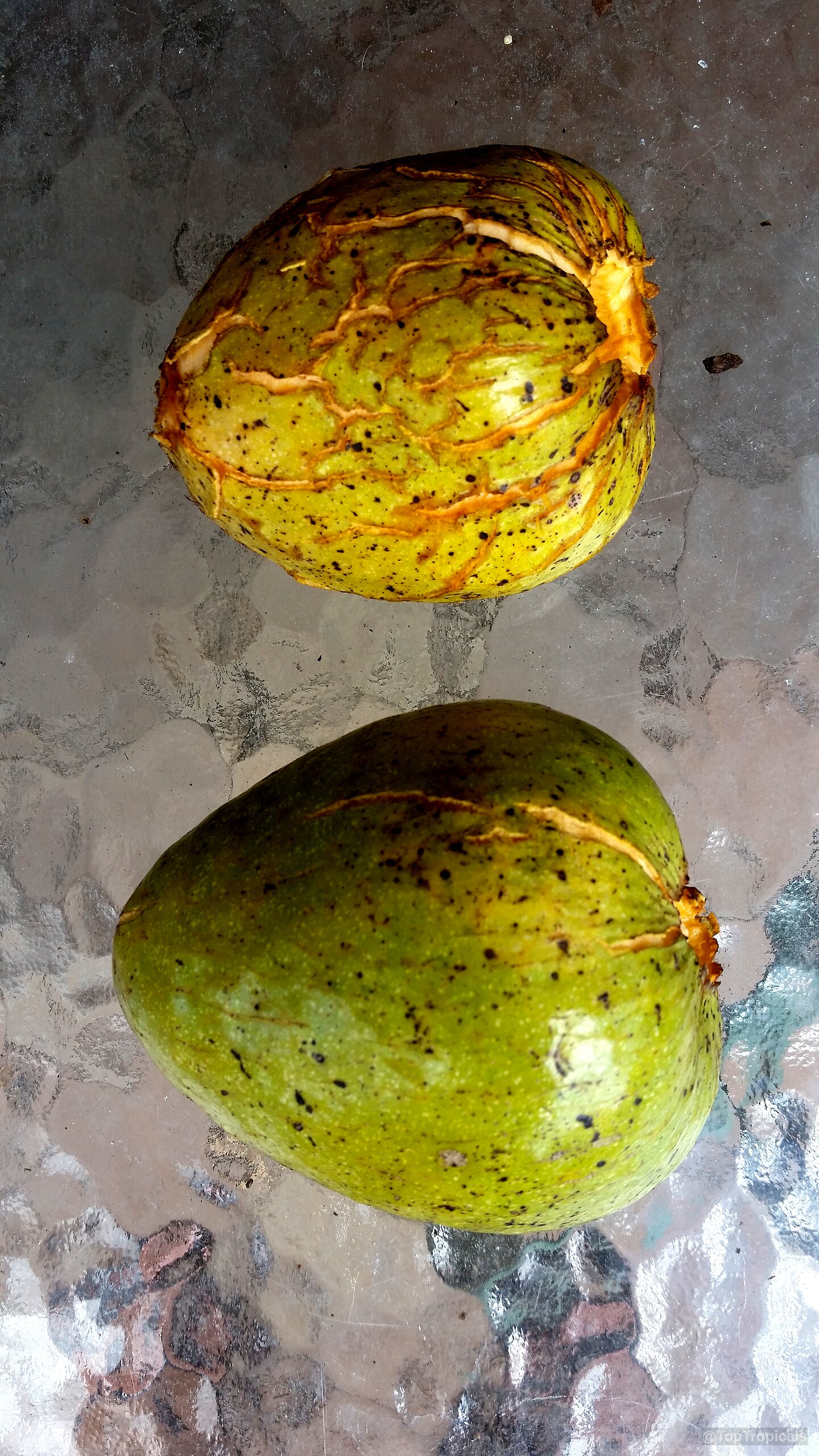
Botanical name: Annona sp.
Common names: Golden Sugar Apple, Pineapple Sugar Apple, Honey Sugar Apple
Family: Annonaceae
USDA Zone: 8-11

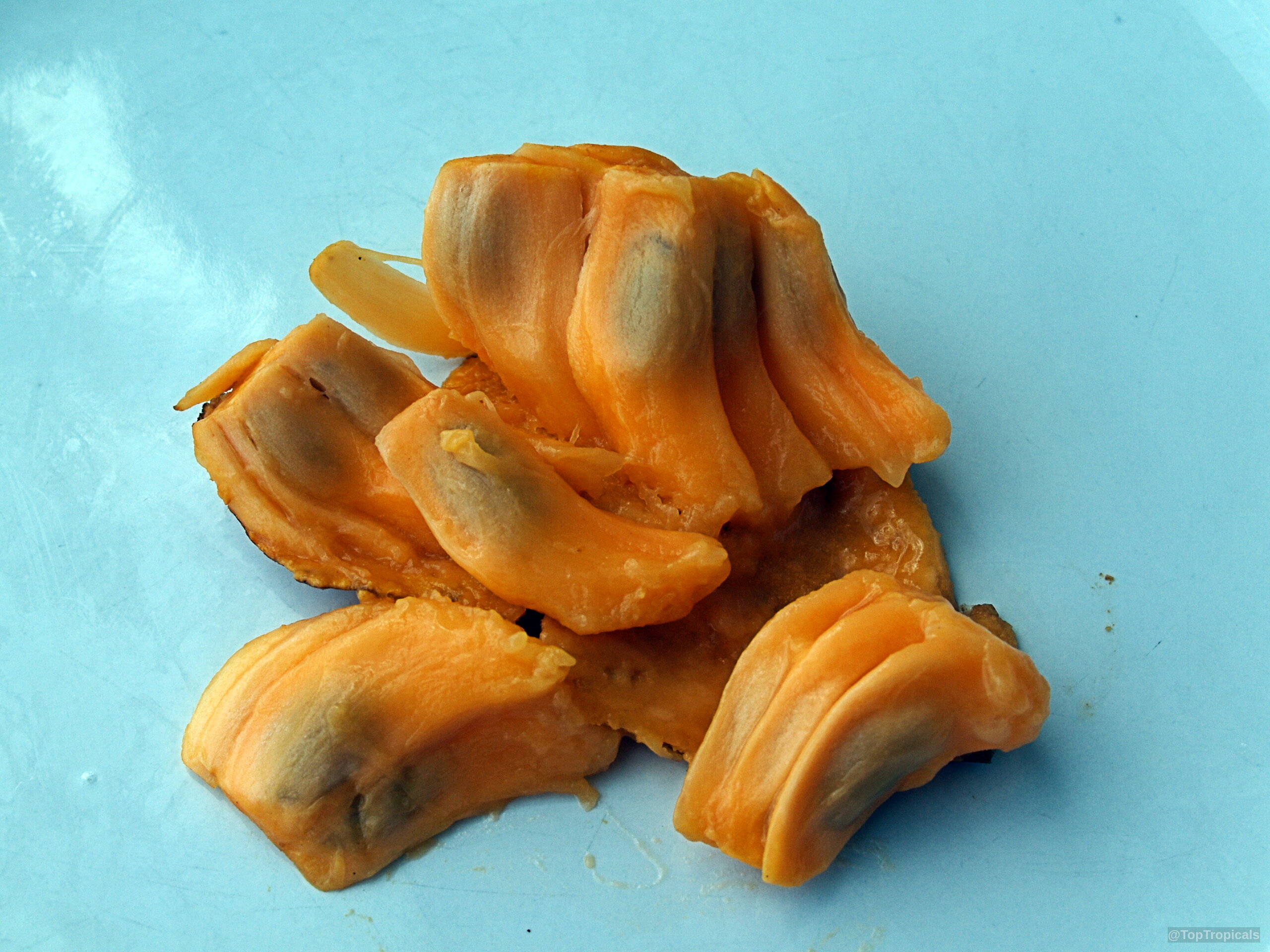
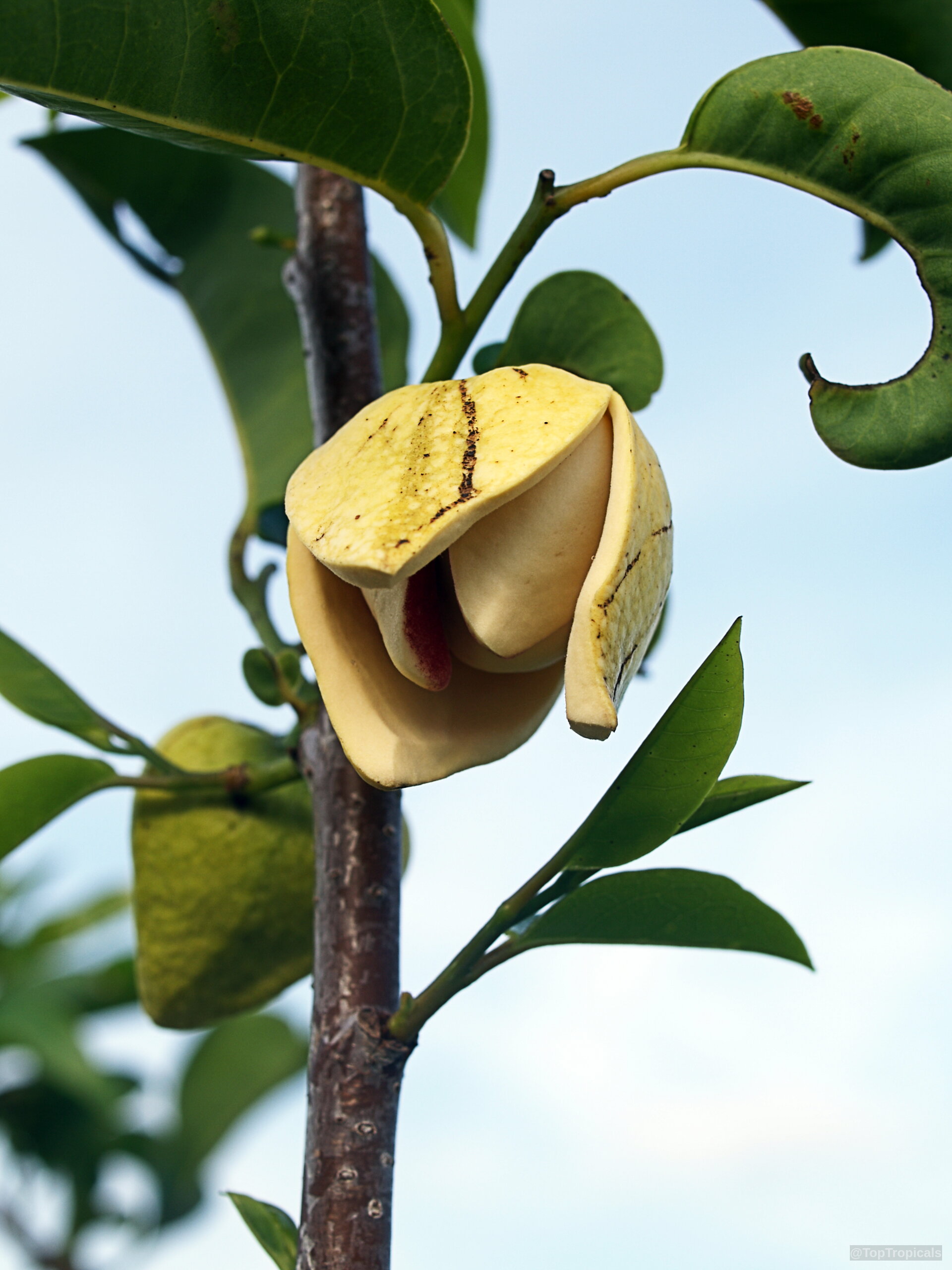
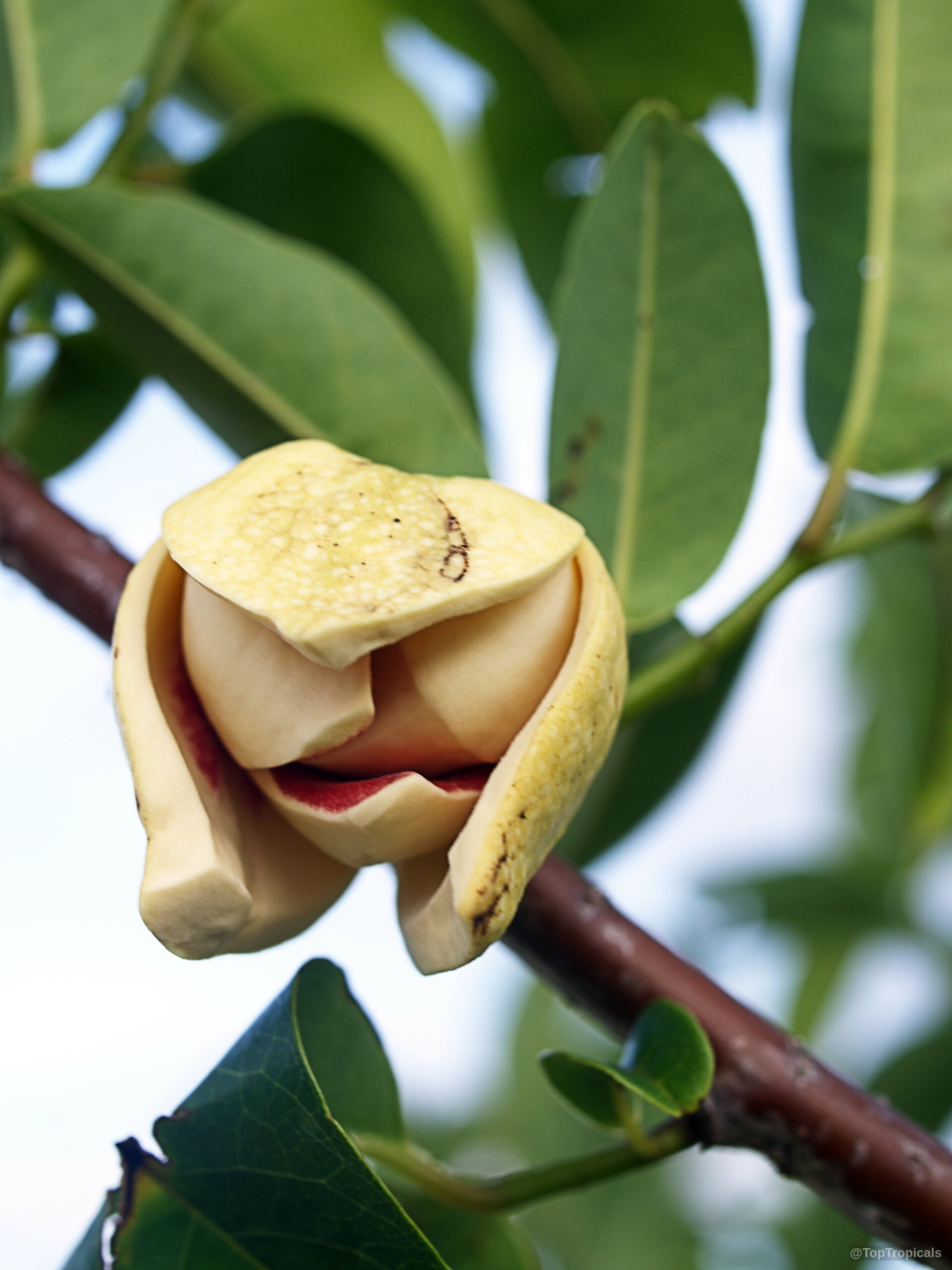
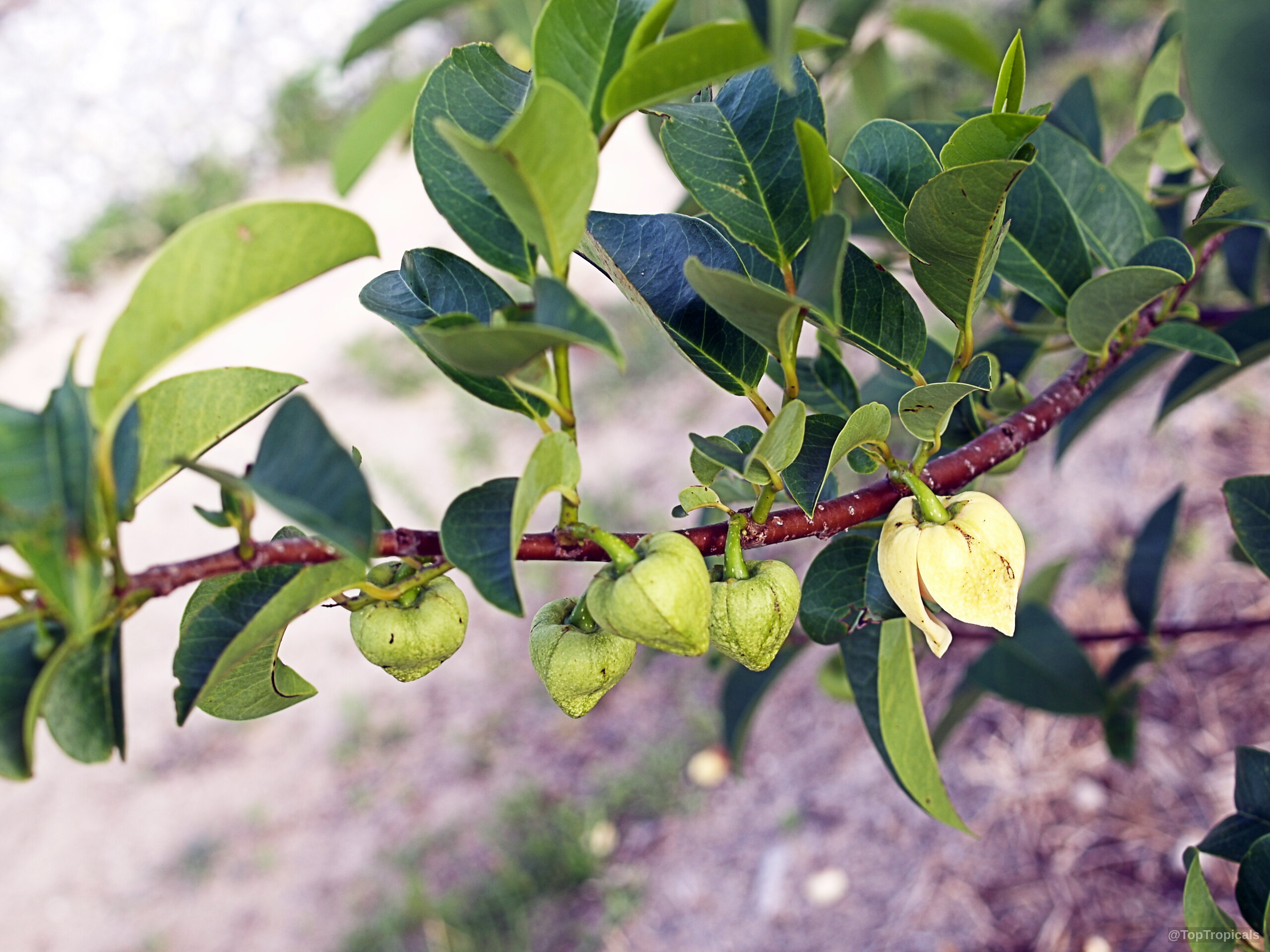
This rare Annona is a species originally brought to us from Costa Rica. We believe it to be a natural hybrid between A. muricata and A. glabra.
It is a very ornamental, evergreen, small to medium size tree with waxy, large 4-6" leaves, similar to A. muricata, A. montana or Rollinia. Fast growing, forms nice bushy specimen. Flowers are very similar to A. muricata.
It has a large, up to 1 lb fruit, green when unripe, sometimes with gray to brown spots, turning dark yellow to orange on ripening. The pulp is golden to orange when ripe, with strong Pineapple scent, and resembling Jackfruit in texture. Flavor is like the custard apple but with pineapple, papaya, apricot and melon overtones. Note that some people dislike the taste, others find it good.
Fruits tend to be quite seedy. Skin of unripe fruit is tough, looks similar to Annona glabra, however it is smooth, without any bumps or segments.
This species prefers well-irrigated sites, and seems to tolerate flooding. It is also cold hardy at least to upper 20's for a few hours. 3 year old trees survived several nights with frost with hardly any leaf damage. This feature, along with a tasty fruit and flood tolerance, makes this species desirable for Florida gardens and other similar subtropical areas. The plant would be very interesting for rare fruit collectors as it offers a large, exotic fruit of unusual color and taste, and appears to be much more hardy and water tolerant than similar looking but sensitive A. muricata, A. montana and Rollinia.
Propagation is by seed, which are grayish to light brown. If stored for several months, seeds may take up to six months to sprout. Trees produce after three to four years from seed.











Botanical name: Annona squamosa
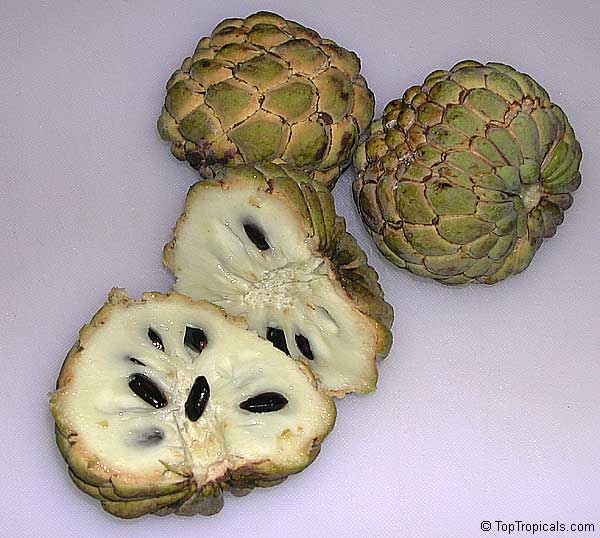
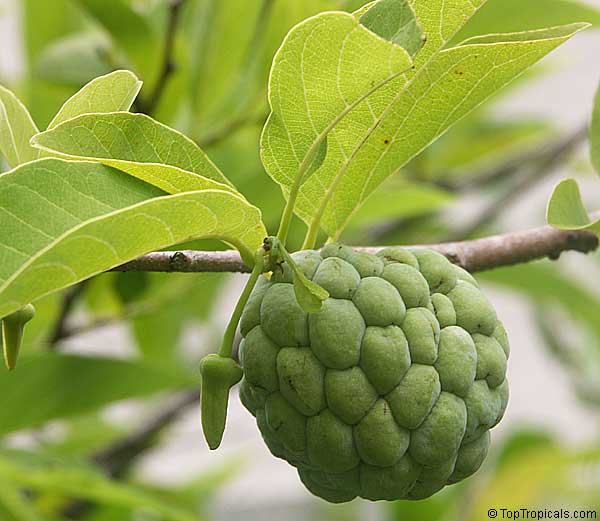
Common names: Sugar Apple, Custard Apple, Sweetsop-Anon, Sweetsop, Atis, Sitafal, Seetha Payam, Araticum, Sharifa
Family: Annonaceae
Origin: Tropical America
USDA Zone: 9-11

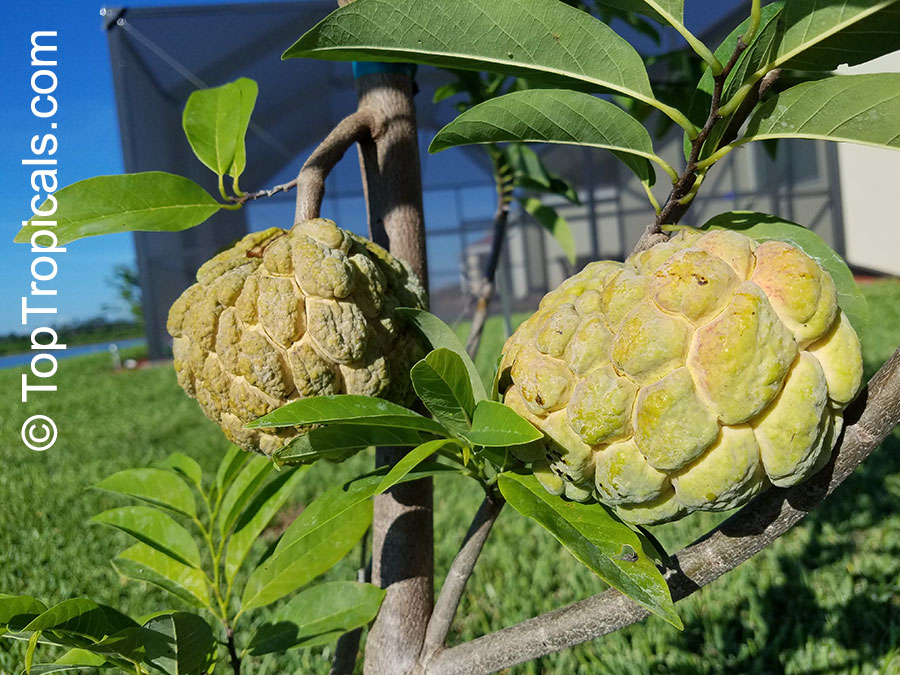
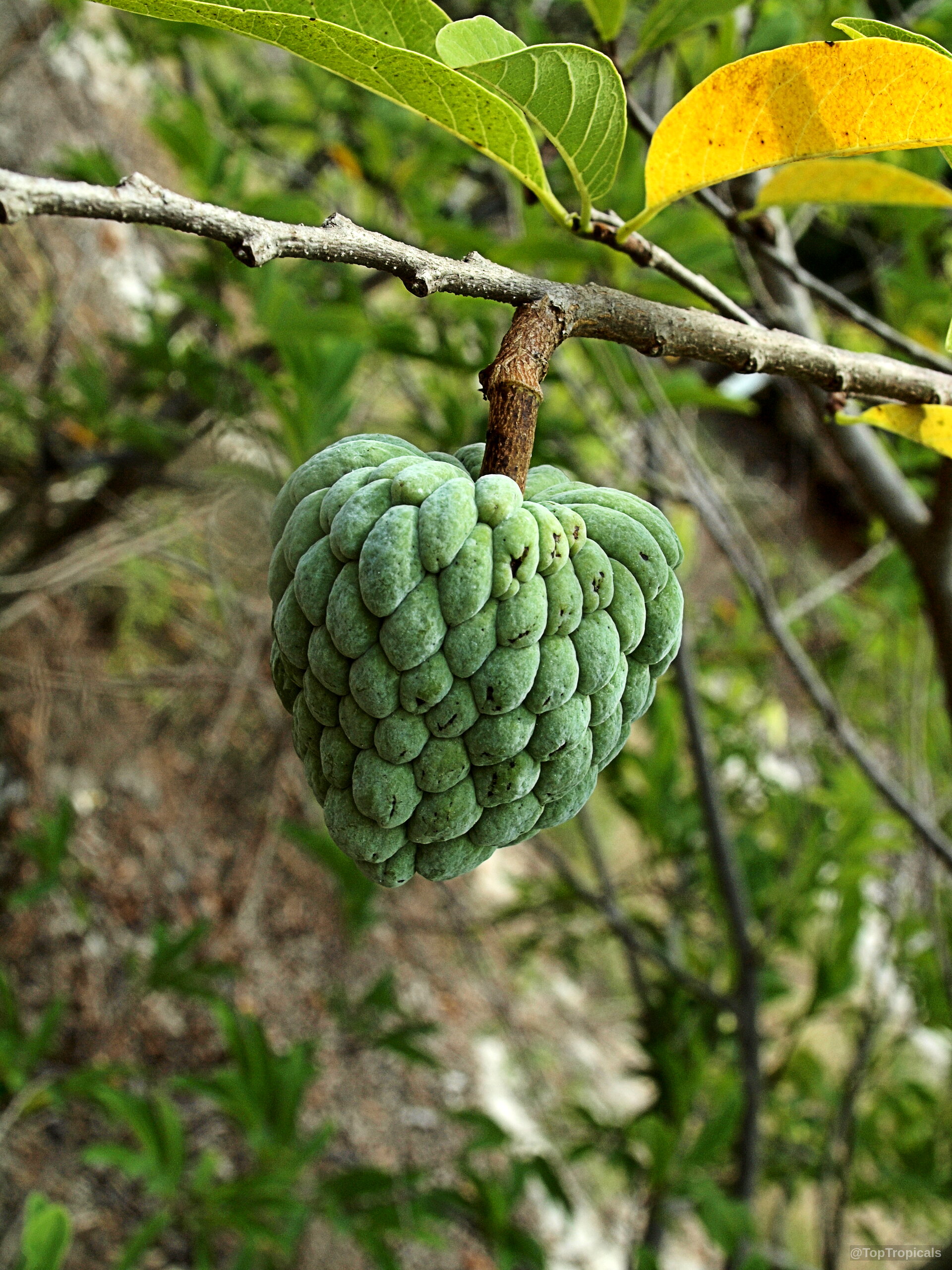
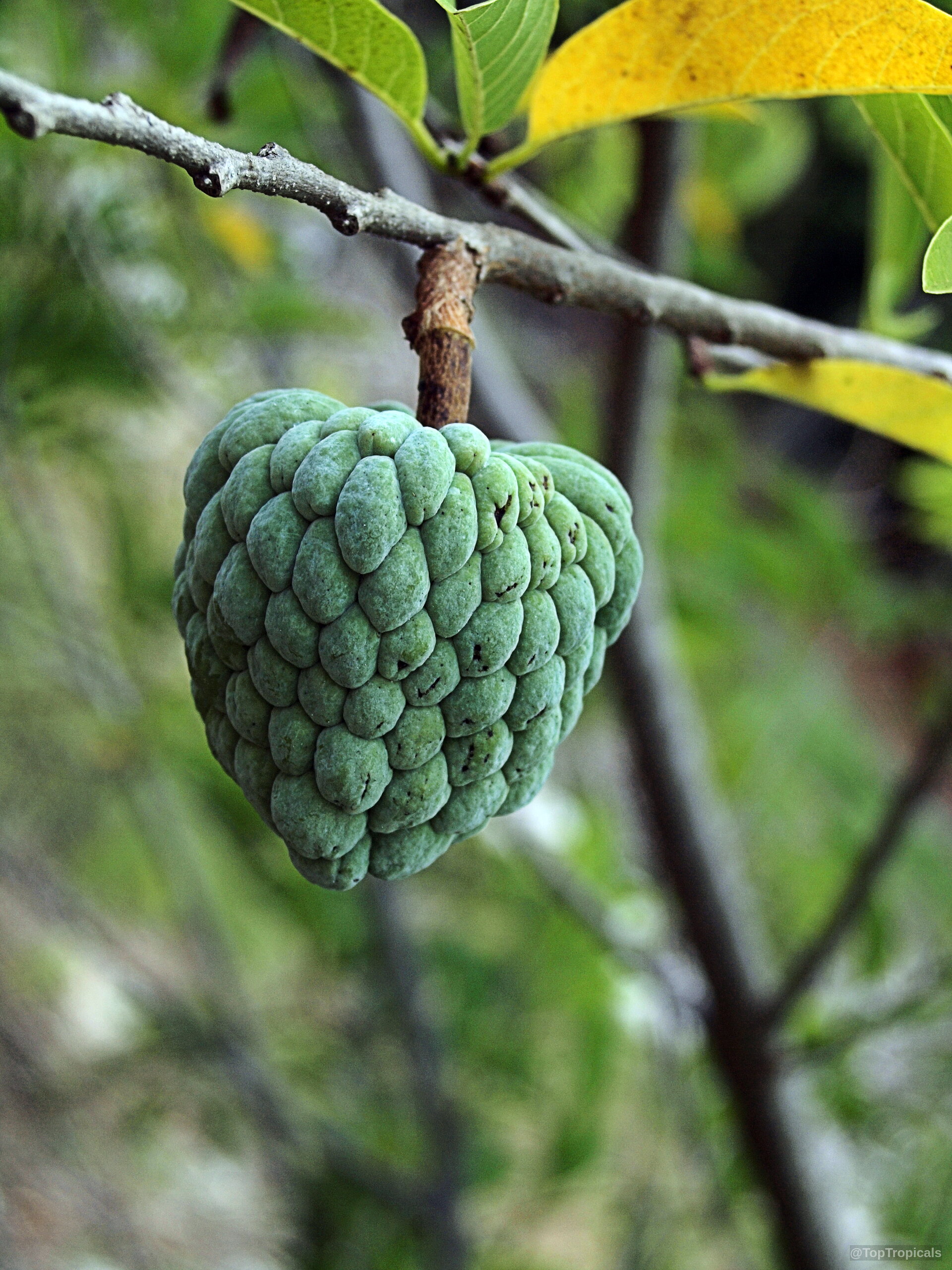
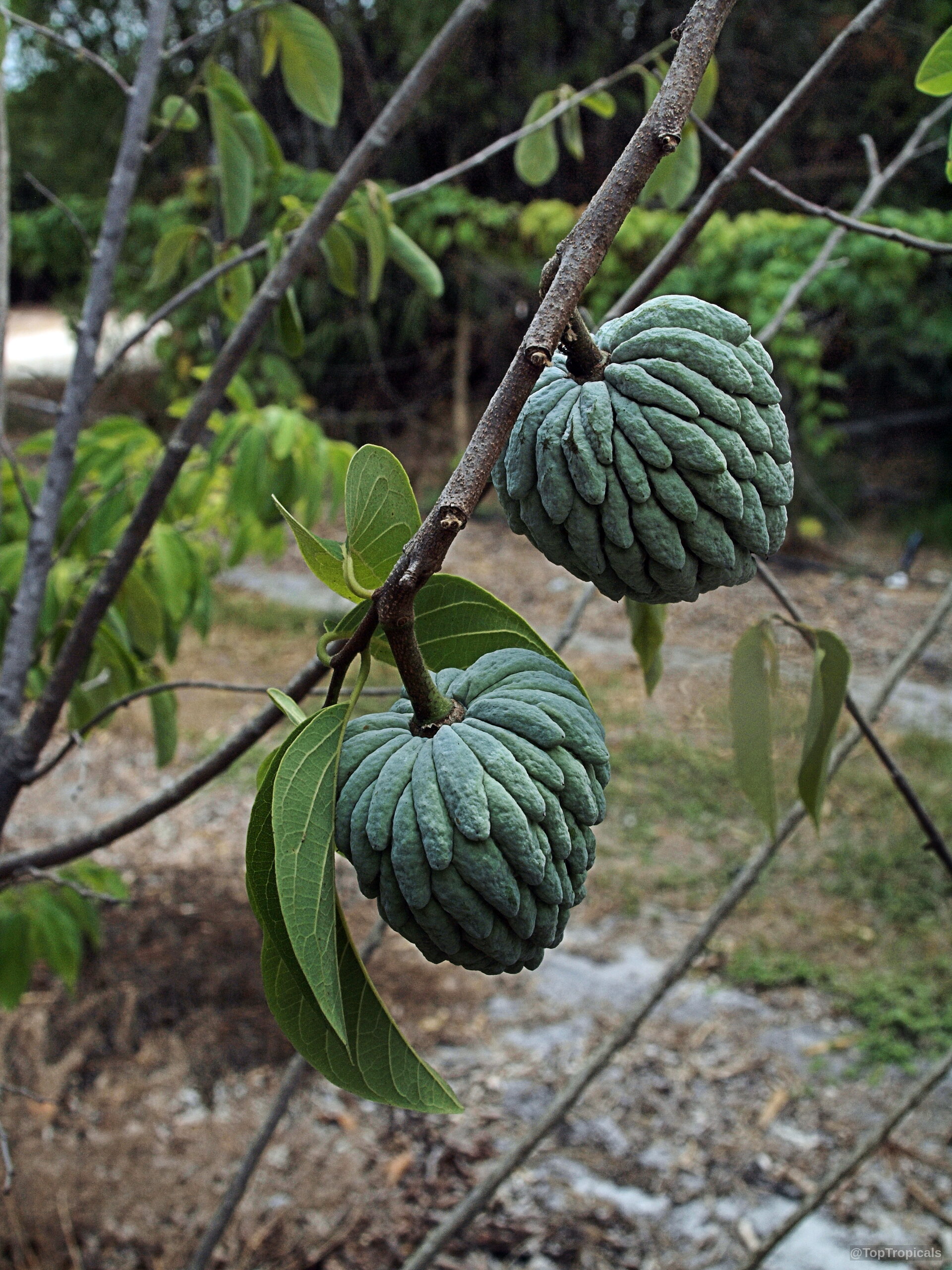
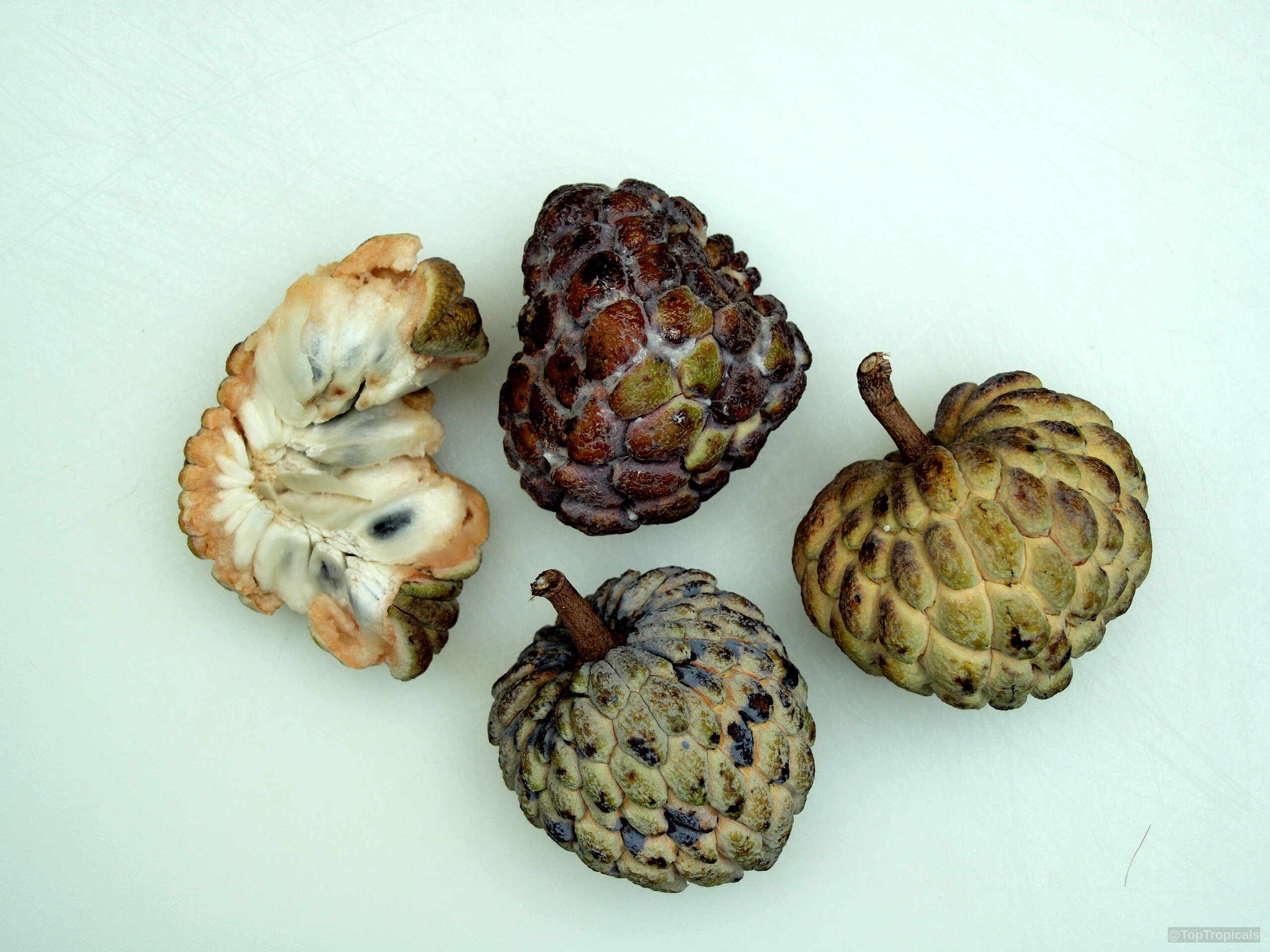
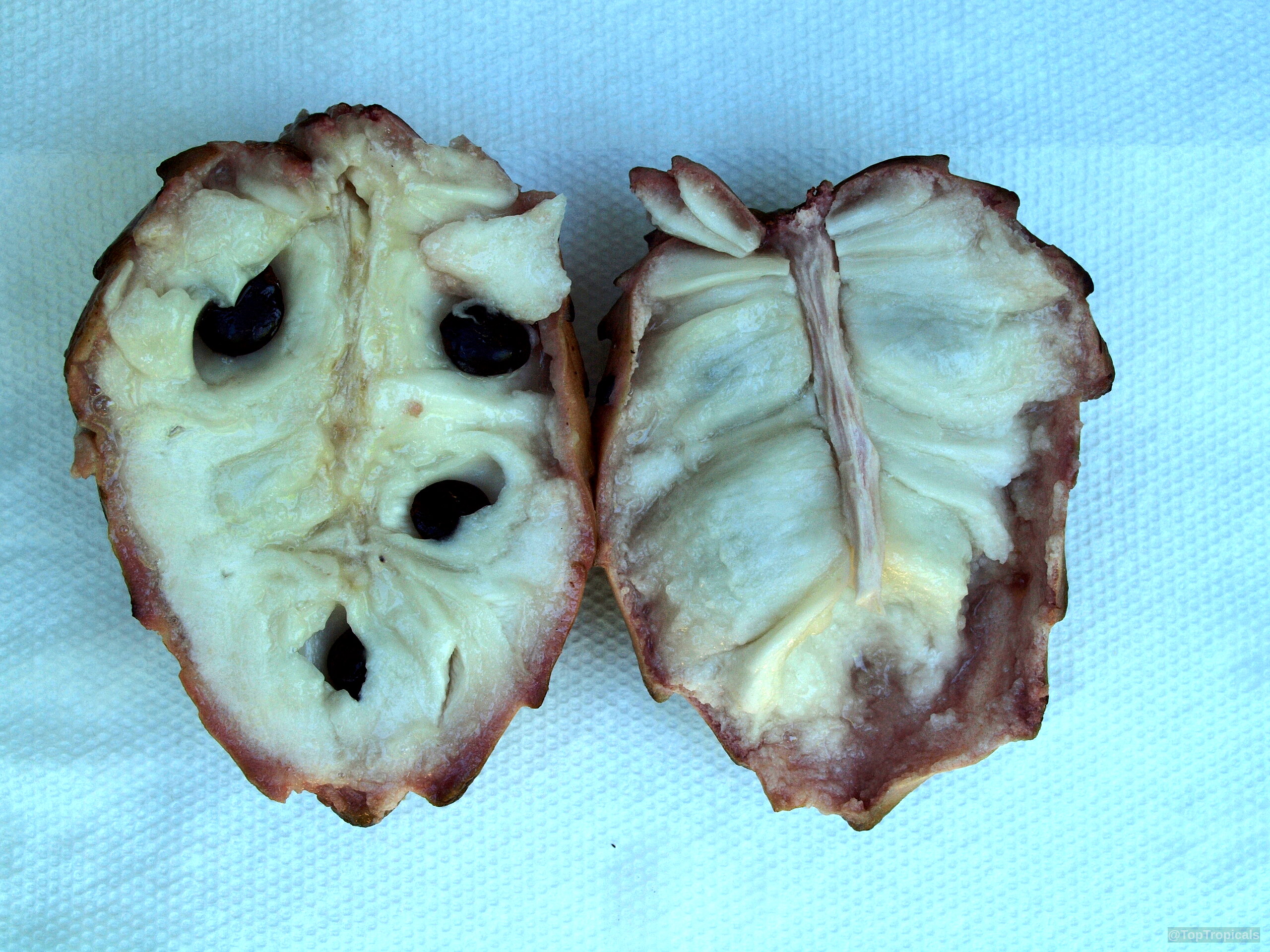
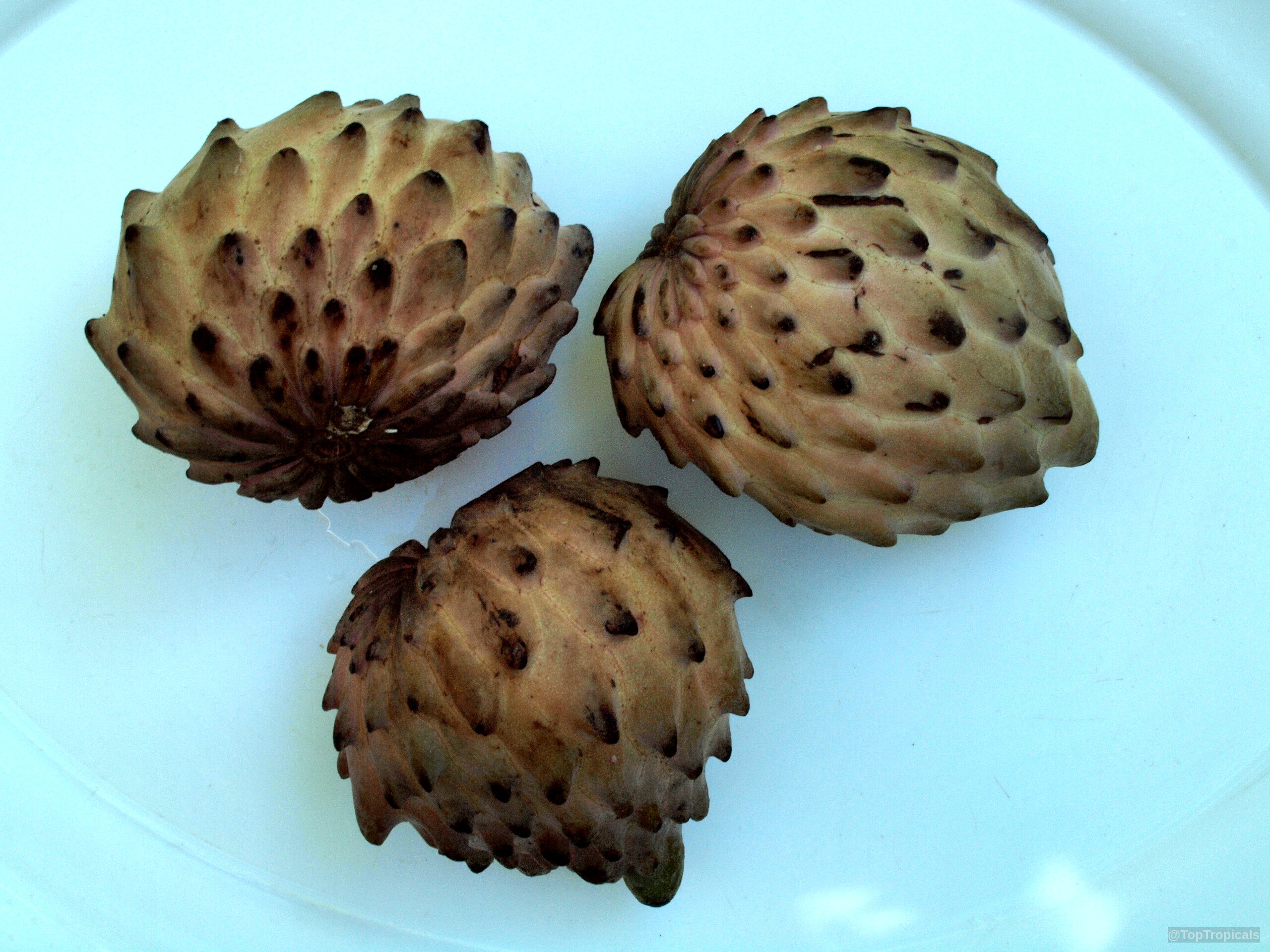
Very highly regarded in tropical and subtropical areas. Fruits with sweet custard-like pulp are from 3 to 5 inches in diameter with a lumpy green skin and upon maturity the fruit has a bluish or white blush. Some varieties are developed that have a red blush or red skin which are much more attractive. At maturity fruits have a custard like white pulp with small black seeds and the sweet flesh is eaten fresh or used for milkshakes and ice creams. Sugar apples make great container plants, too, so if you don't have much space try growing these in a 10 or 15 gallon tub, and they will still reward you with a number of delicious fruit. Older trees may continue fruiting into January during warm winter. Trees reach full dormancy during cold winters. Varieties: Thai-Lessard, Kampong Mauve.










Recommended Fertilizer: SUNSHINE C-Cibus - Crop Nutrition Booster
SUNSHINE-Honey - sugar booster
Recommended Fertilizer: SUNSHINE C-Cibus - Crop Nutrition Booster
SUNSHINE-Honey - sugar booster
Recommended Fertilizer: SUNSHINE C-Cibus - Crop Nutrition Booster
SUNSHINE-Honey - sugar booster
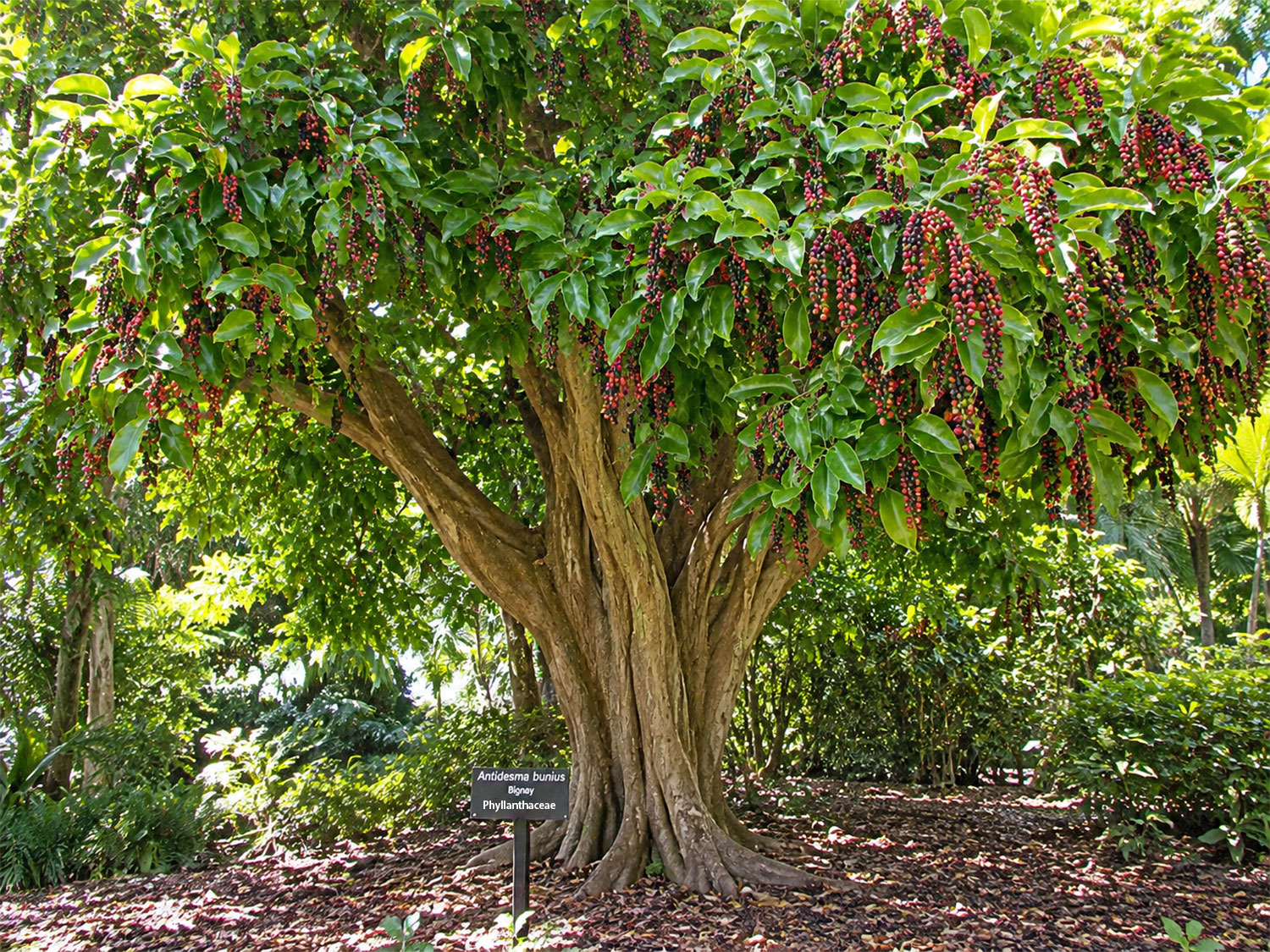
Botanical name: Antidesma bunius
Common names: Bignay, Bugnay, Tassel berry
Family: Phyllanthaceae
Origin: Malaysia
USDA Zone: 9-11

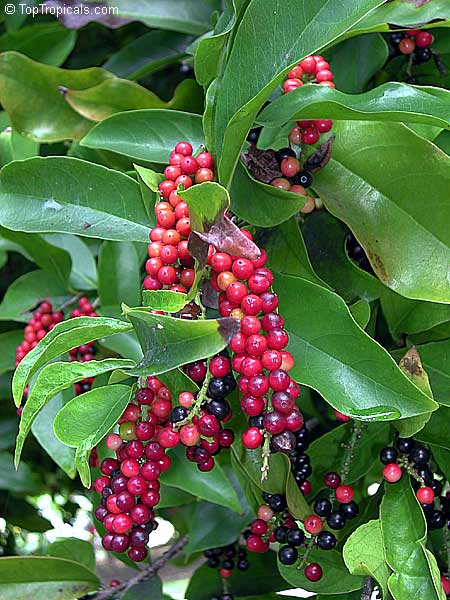
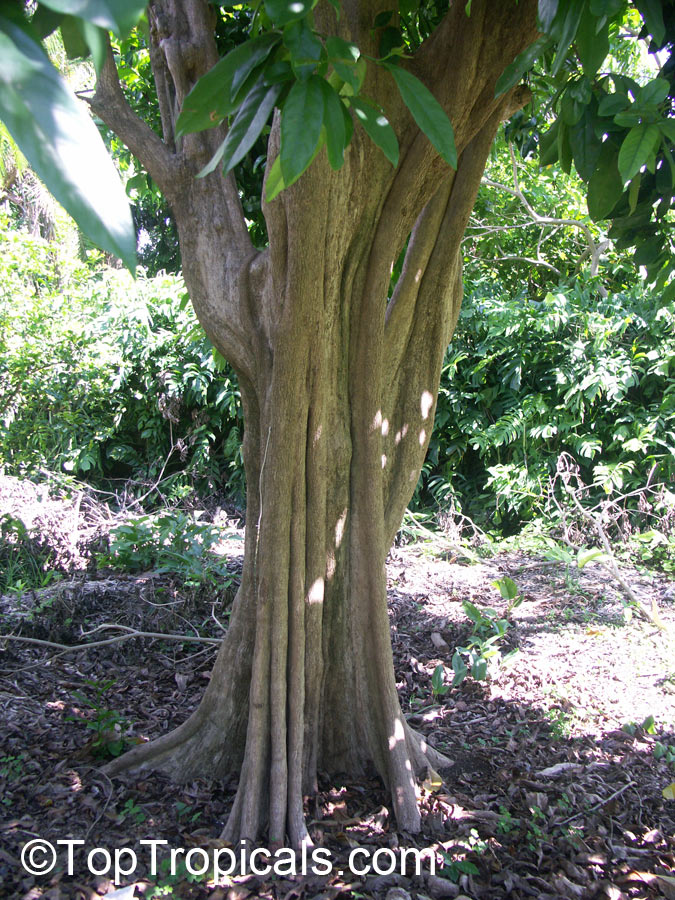
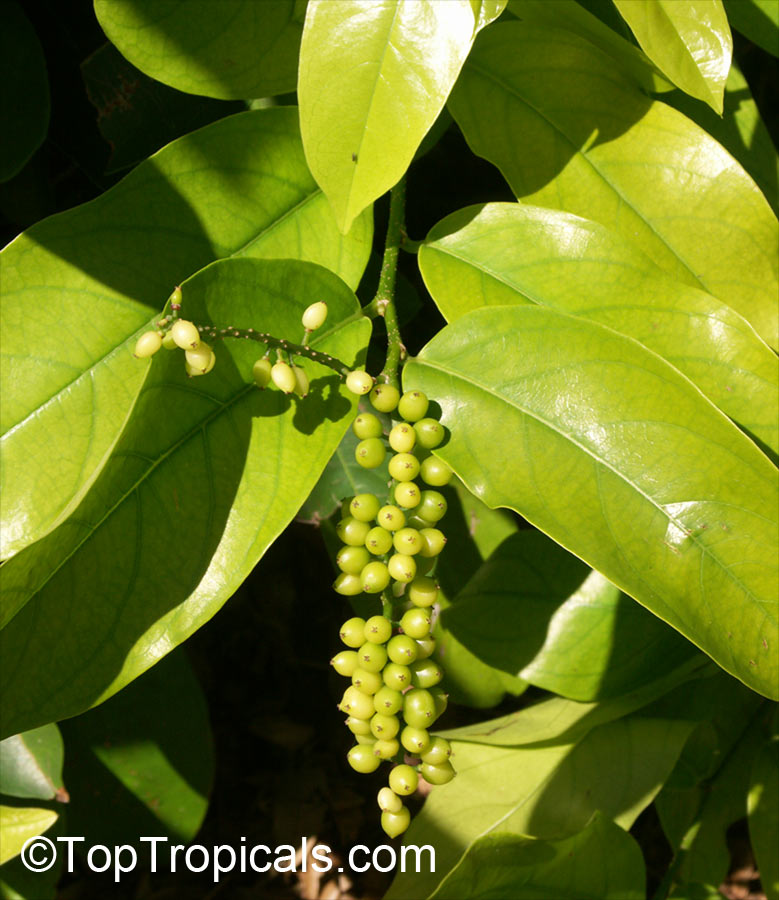
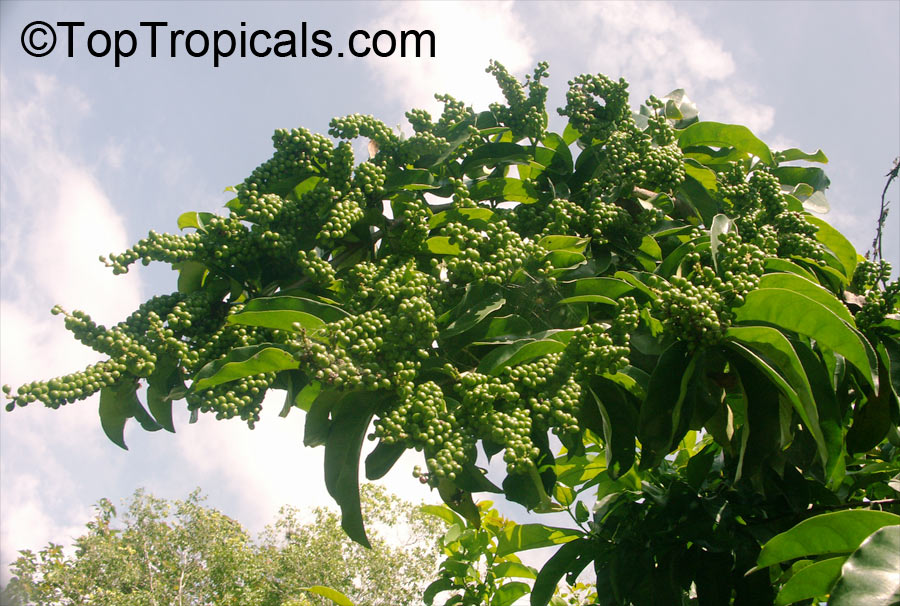
Antidesma bunius is a large shrub or small tree native to Malaysia. It grows in full sun or semi-shade, and requires regular watering when grown as a potted plant in cold regions. It is suitable for planting in USDA zones 9-11, and grows to between 5-10 feet when a shrub, and 10-20 feet when a small tree.
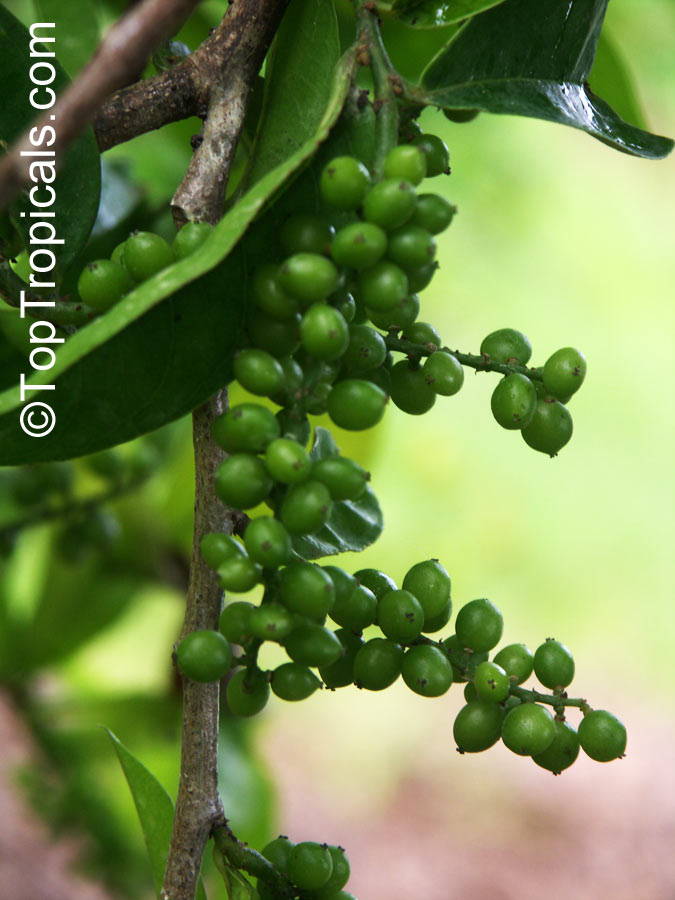
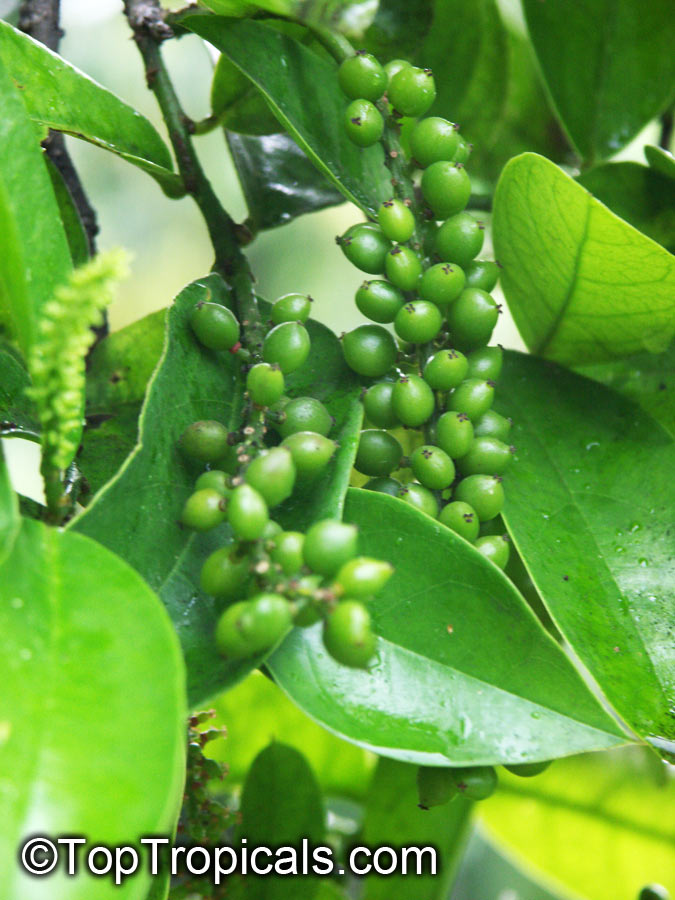
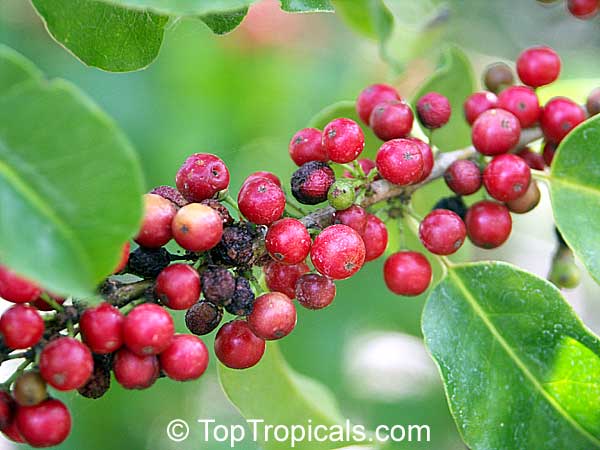
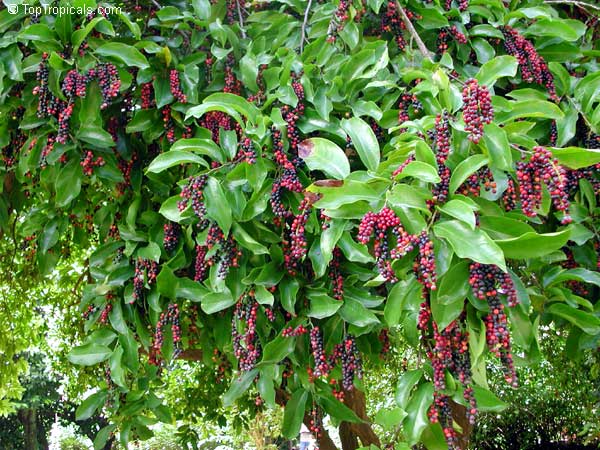
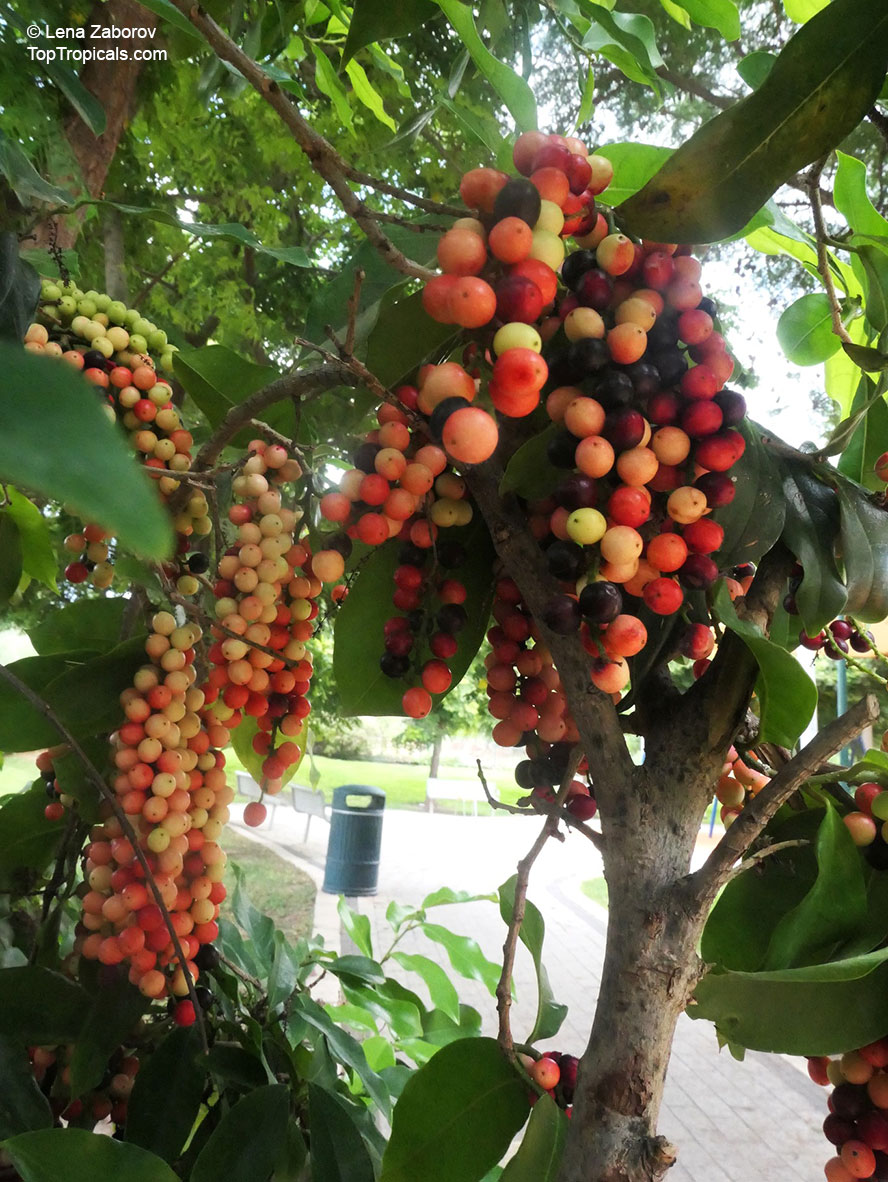
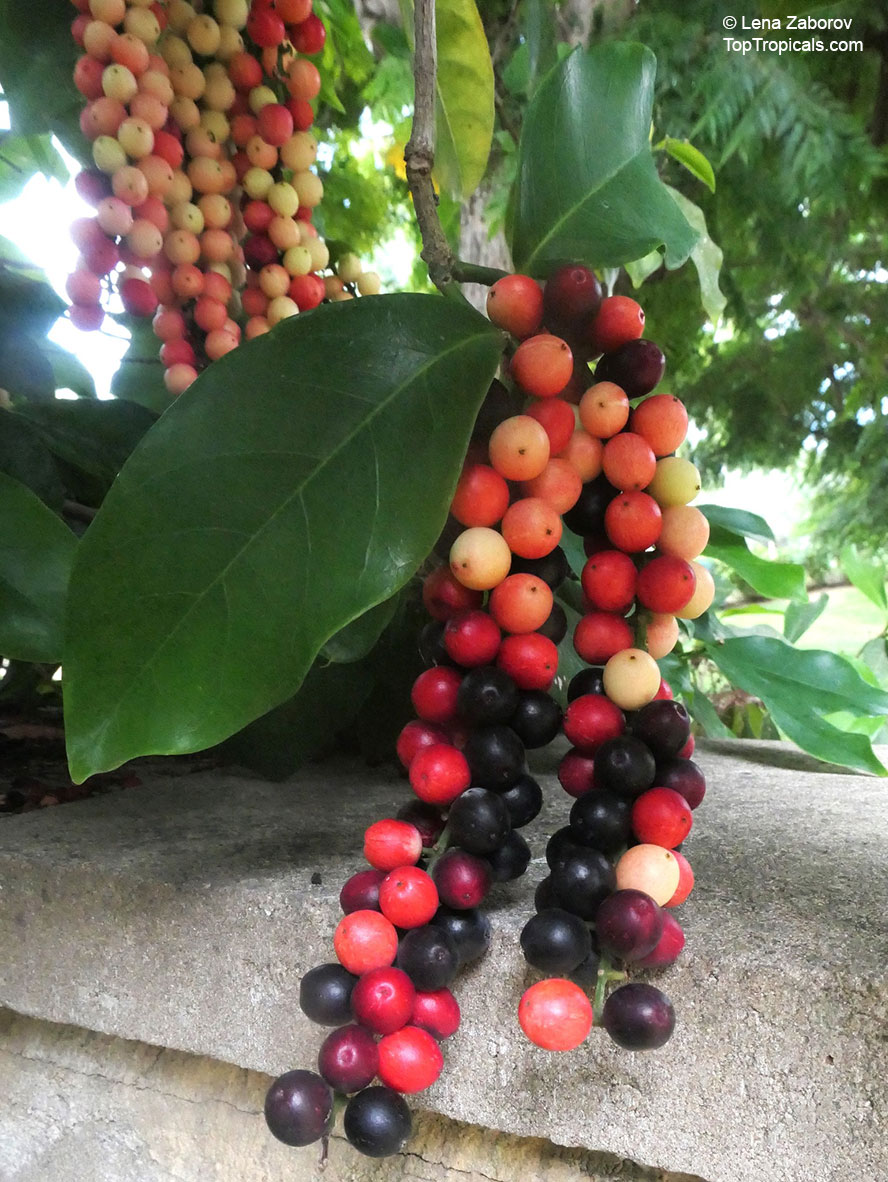
The fruits of Antidesma bunius are a great source of nutrients and are renowned for their health benefits. Each bush can produce 20-30 fruits per cluster during the months of July through September. The fruits appear in red, dark purple, and black colors, and they have a unique, slightly acidic flavor. These fruits are enjoyed by birds, and can be used to make jams, jellies, and vine, as well as other beverages. Although they are edible, the juices can stain fingers and clothing if not handled carefully.
Antidesma bunius is closely related to another species known as Antidesma platyphyllum, which produces larger fruits in either purple or black colors. These fruits are also enjoyed by birds and are edible for humans.
Overall, Antidesma bunius is a hardy and productive shrub or small tree with many beneficial health benefits. It is easy to grow and maintain and produces a large number of fruits from July through September.
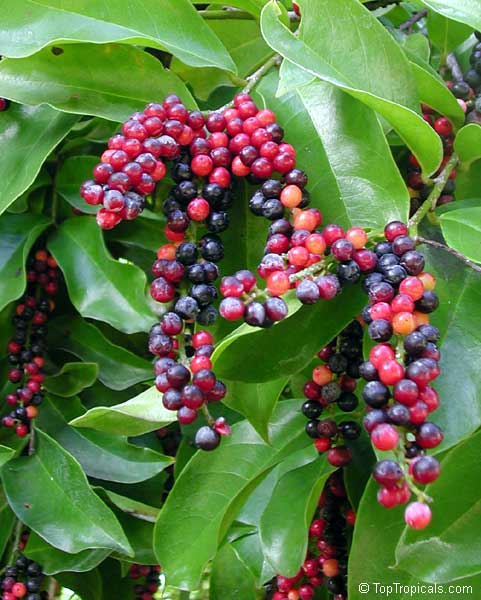
A rare fruit tree native to Southeast Asia, it develops a dense, bushy canopy with glossy foliage and long, cascading clusters of small berries. The fruit ripens gradually from green to bright red, purple and finally almost black, often creating several colors on the same cluster. Fully ripe berries are juicy and pleasantly sweet-tart. Their intense ruby-red juice is traditionally used for beverages, wine, syrup, jam and jelly, and the fruit also makes an excellent homemade liqueur.
Bignay can eventually develop into a medium-sized tree in tropical climates, but in our experience it is relatively slow-growing, stays compact and bushy for years, and responds well to pruning. Our tree produced a surprisingly heavy crop after only about two years in the ground. Bignay can also be maintained and fruited in a large container, making it an interesting choice for patios and smaller edible gardens. Grow it in sun to partial sun with fertile, well-drained soil and regular moisture while establishing. Established trees tolerate some drought, but young plants should be protected from frost and hard freezes.
Our Bignay trees have a special Florida history: the mother plant was grown from seeds he collected from the famous old Bignay tree at Fairchild Tropical Botanic Garden. That legendary tree reportedly produced 22 bushels of berries in a single season - roughly 35 five-gallon buckets - yielding 72 gallons of juice. Our young descendant appears to have inherited some of that enthusiasm for fruiting.

Recommended Fertilizer: SUNSHINE C-Cibus - Crop Nutrition Booster
SUNSHINE-Honey - sugar booster
Ordering seeds info
RECOMMENDED SUPPLIES:
Seed Germination Mix #3, professional grade
SUNSHINE-Epi - Seeds and cuttings booster
SUNSHINE Bombino - Young Plant Booster

Botanical name: Arachis hypogaea
Common name: Peanut
Family: Fabaceae
Subfamily: Faboideae
Origin: South America
USDA Zone: 8-11


Arachis hypogaea, also known as the peanut, is a native South American plant that grows to a height of 2-5 feet. It is a small flowering shrub or groundcover that thrives in full sun or semi-shade and requires moderate amounts of water. This plant has yellow and orange flowers which often attract insects. In addition to being a popular snack food, peanuts have a variety of uses including being a source of protein, healthy fats, vitamins, and minerals. They also contain antioxidants and are a good source of dietary fiber and monounsaturated fatty acids.
A single peanut plant can produce up to 40 pods, each of which contains 2-5 peanuts. Peanut plants prefer loose, well-draining soil and require moisture during their growing season. However, during the last six weeks of growth, the amount of water should be reduced to help the pods mature quickly. Peanuts can be grown outside in USDA plant hardiness zones 9-11, but in colder regions they are usually grown in pots.
Arachis hypogaea, the edible peanut, is closely related to the ornamental peanut, Arachis glabrata. Both species have unique reproductive biology in which the seed-containing pods mature underground rather than above ground as in most legumes. The flowers self-pollinate and after pollination, the young pod is sent down on a stalk and pushed into the ground where it matures. Peanuts are used to produce a variety of products including oil for cooking, margarine, and salads, and can be used in pharmaceuticals, soaps, and lubricants. The oil cake, a high-protein livestock feed, may also be consumed by humans. Other products made from peanuts include dyes, ice cream, massage oil, paints, and peanut milk. Peanuts can be eaten raw, roasted and salted, chopped in confectioneries, or made into peanut butter. The young pods and leaves of the plant can also be eaten as a vegetable.

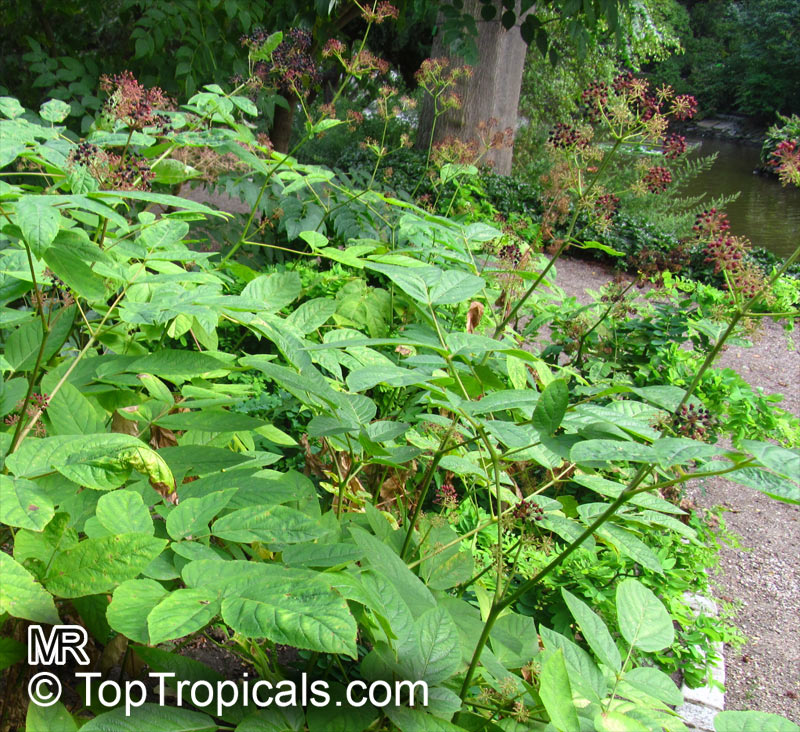
Botanical name: Aralia cordata
Common name: Japanese Spikenard
Family: Araliaceae
Origin: China, Korea, Japan
USDA Zone: 5-10

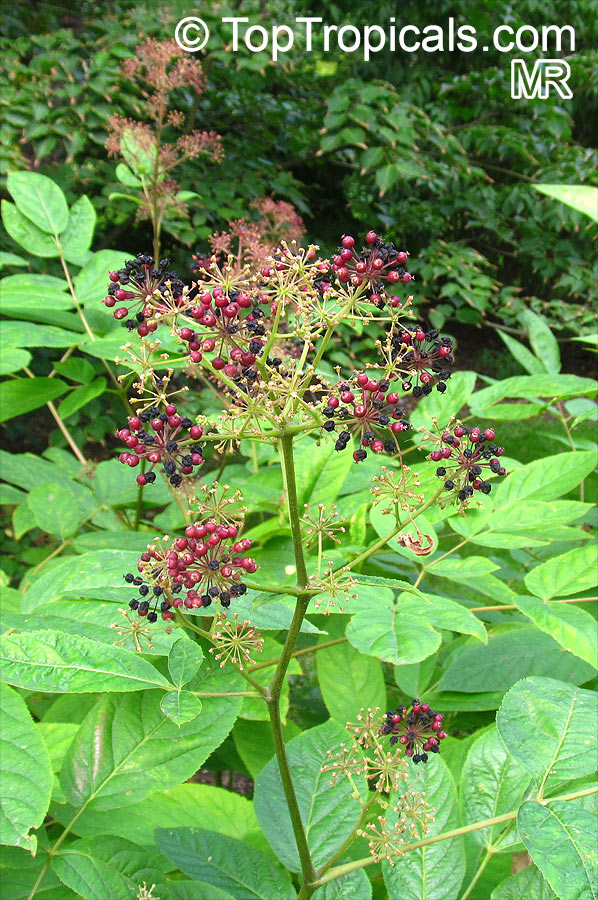
Aralia cordata, better known as Japanese Spikenard, is a large evergreen shrub native to China, Japan and Korea. Growing up to 5-10 ft tall and 2-5 ft wide, this deciduous, perennial shrub does well in semi-shade environments and prefers regular watering. As a bonus, this plant also produces edible black drupes that attract butterflies and hummingbirds. It can be grown in USDA Zones 5-10, with moderate to high water requirements.
The black drupes produced by Aralia cordata are not only edible but they are also packed with vitamins, minerals and other beneficial components that benefit human health. Remarkably, this plant is capable of producing hundreds of drupes each year, providing a great source of nourishment to those who consume them. The drupes are typically eaten raw and have a crunchy texture, but they can also be used in cakes, pies and jams.
When growing the Aralia cordata in the Northern regions, it's best to grow it in a container to prevent it from freezing during the cold winter months. It should be placed in an area that receives partial sun exposure, and watered well during the summer months. In the winter, the frequency of watering should be reduced, but not completely stopped. When caring for this plant, it's important to not overwater it as it will not tolerate standing water.
| Prev | Next | |
Use link to repeat this search:
https://toptropicals.com/cgi-bin/garden_catalog/cat.cgi?search_op=and&keyword_op=and&language=e&number=10&no_change_lang=1
&v1=frt&user=tt&sale=1&first=0