Edible plant - Plant Encyclopedia Results (Page 4)
| Number of plants found: 677 |  | Prev | Next | 
|
Go to page: | 1 | 2 | 3 | 4 | 5 | 6 | 7 | 8 | Last |
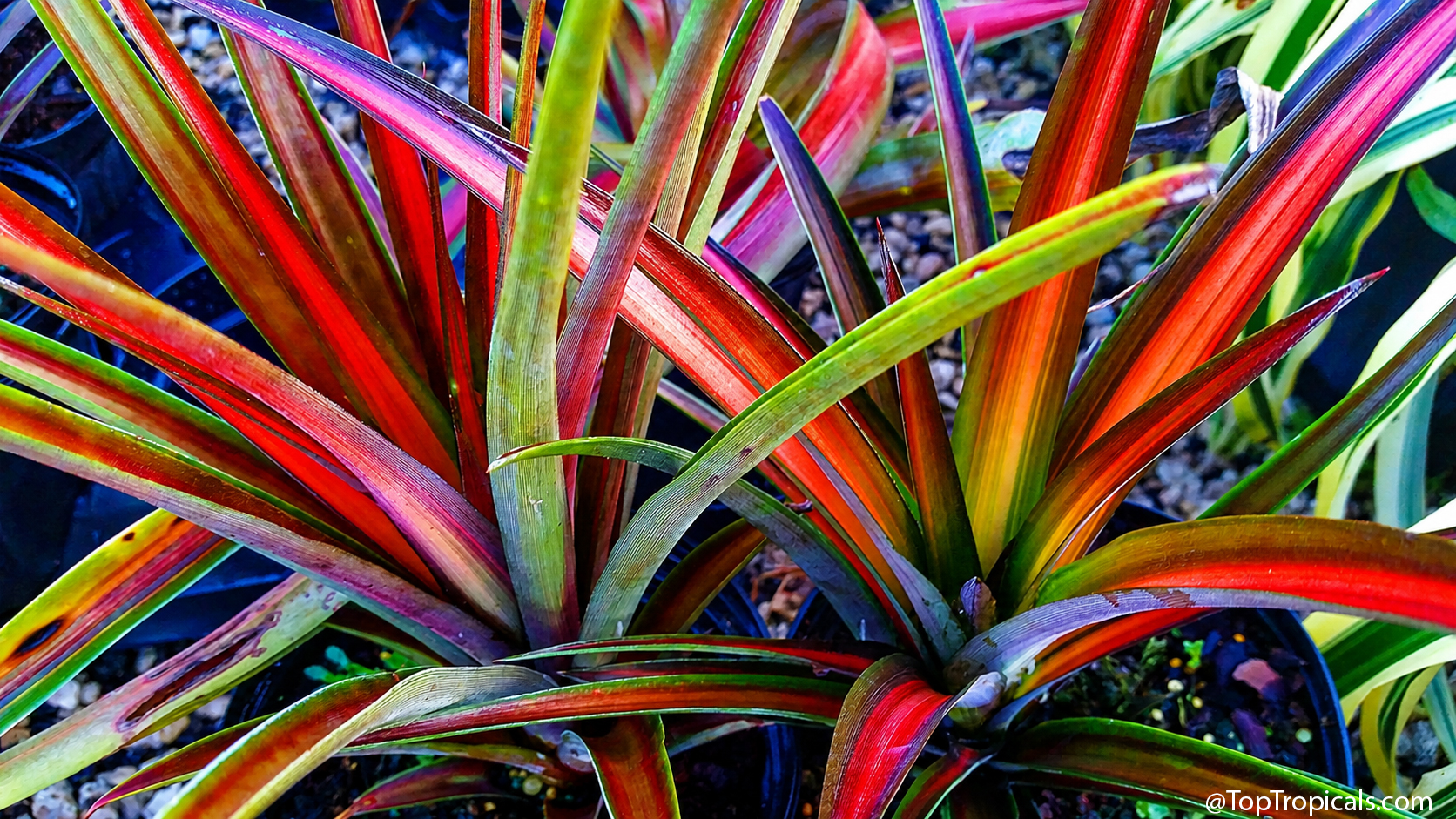
Botanical name: Ananas sp.
Common name: 'Lava Burst' Pineapple
Cultivar: Lava Burst
Family: Bromeliaceae
Subfamily: Bromelioideae
Origin: Brazil and Paraguay
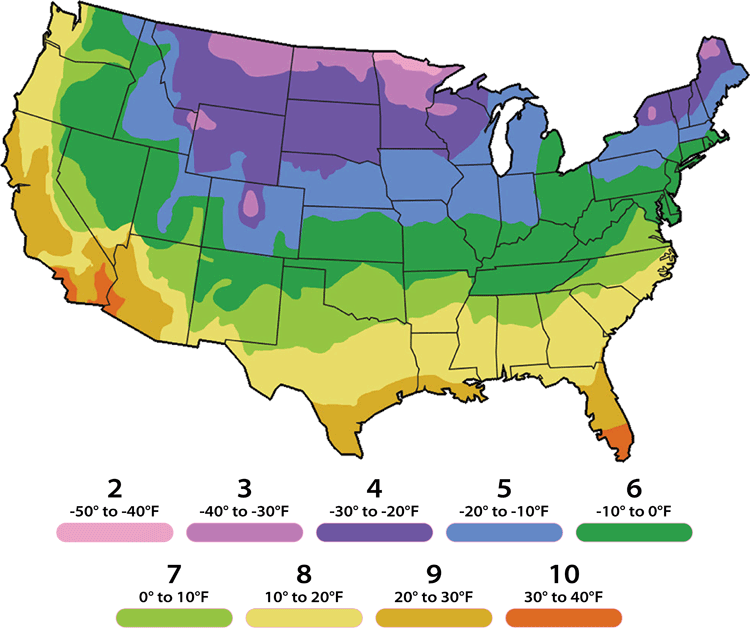
USDA Zone: 9-11
Cold tolerance: 25°F


King of fruits! One of the most delicious fruits in the world, especially when picked and eaten fresh. Pineapples are a tropical fruit that is rich in vitamins and dietary fiber, with the ability to boost the immune system. Popular varieties of pineapples include Royal Hawaiian, Victoria Gourmet, Hawaiian Gold, Sugar Loaf, and Miniature Dwarf. There are also ornamental varieties, such as the variegated pineapple "Ivory Coast," that are valued for their exotic tropical look and require very little care.
Pineapples are short, stiff herbaceous plants that are closely related to bromeliads. They have long, thin leaves with spiny tips and prickly edges, and a violet or reddish flower on a dense head, which appears from January to March in Florida. The fruit is compound, fleshy, and usually yellow to orange when ripe, with a rough outer skin.
Pineapples are not very susceptible to diseases, but they can suffer from root rot, mealy bugs, and spider mites. To prevent these issues, it is important to keep the area clean and free of any infestations. In cold regions, it is necessary to bring the pineapple container inside and keep it in a cool place during the winter. If temperatures drop below freezing for an extended period, it is necessary to cover the container with a thick layer of mulch to protect the plant.
Pineapples can be grown and harvested in pots, but it is important to be careful with watering and only use acidic soil. Like any bromeliad, pineapples need very little water and the soil should be allowed to dry between waterings. The heaviest fruiting season for pineapples is summer, from May to September, although some varieties have a staggered fruiting season throughout the year.
Read more about Pineapple: The most luscious Hospitality Fruit: Pineapple.
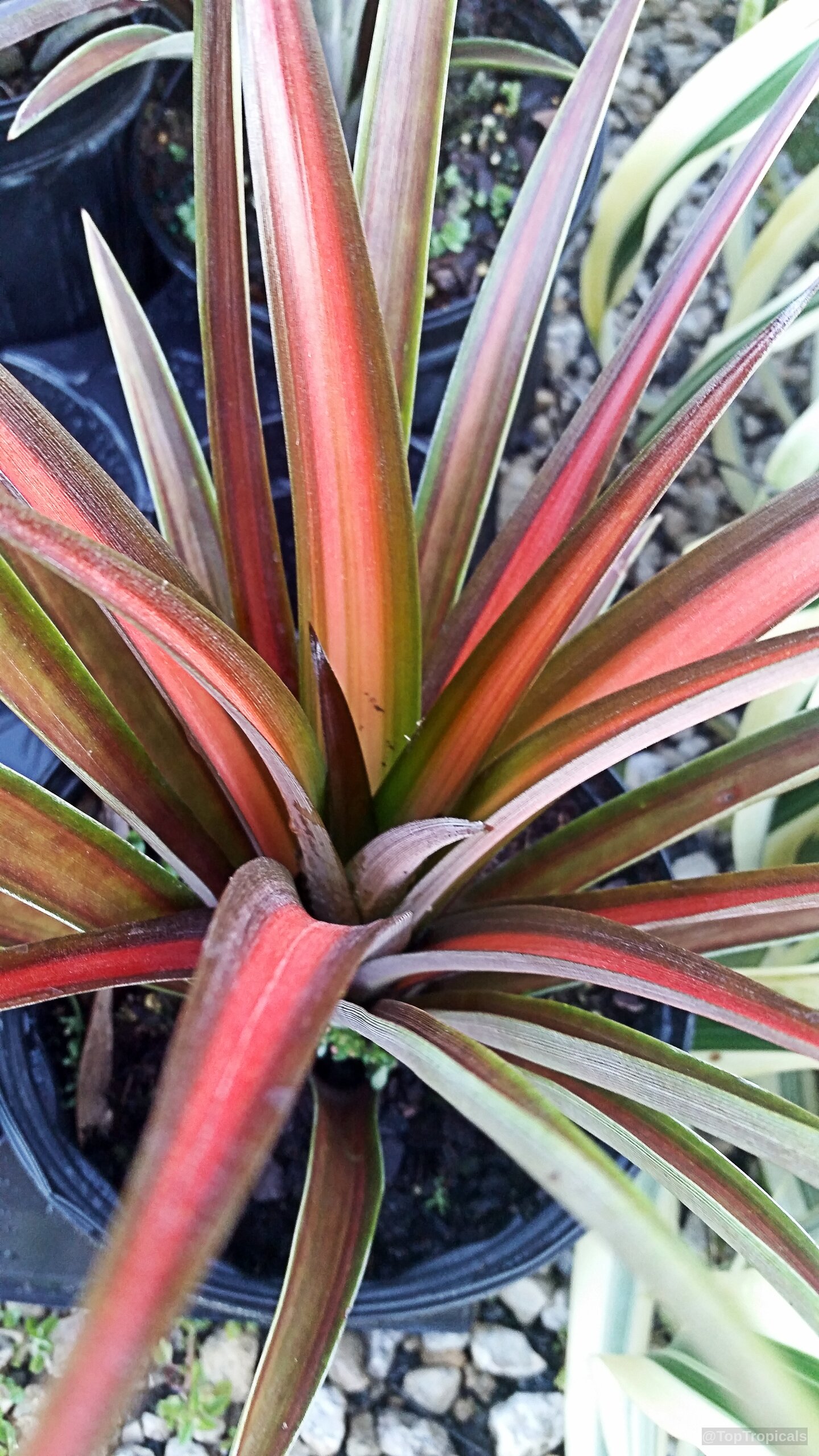
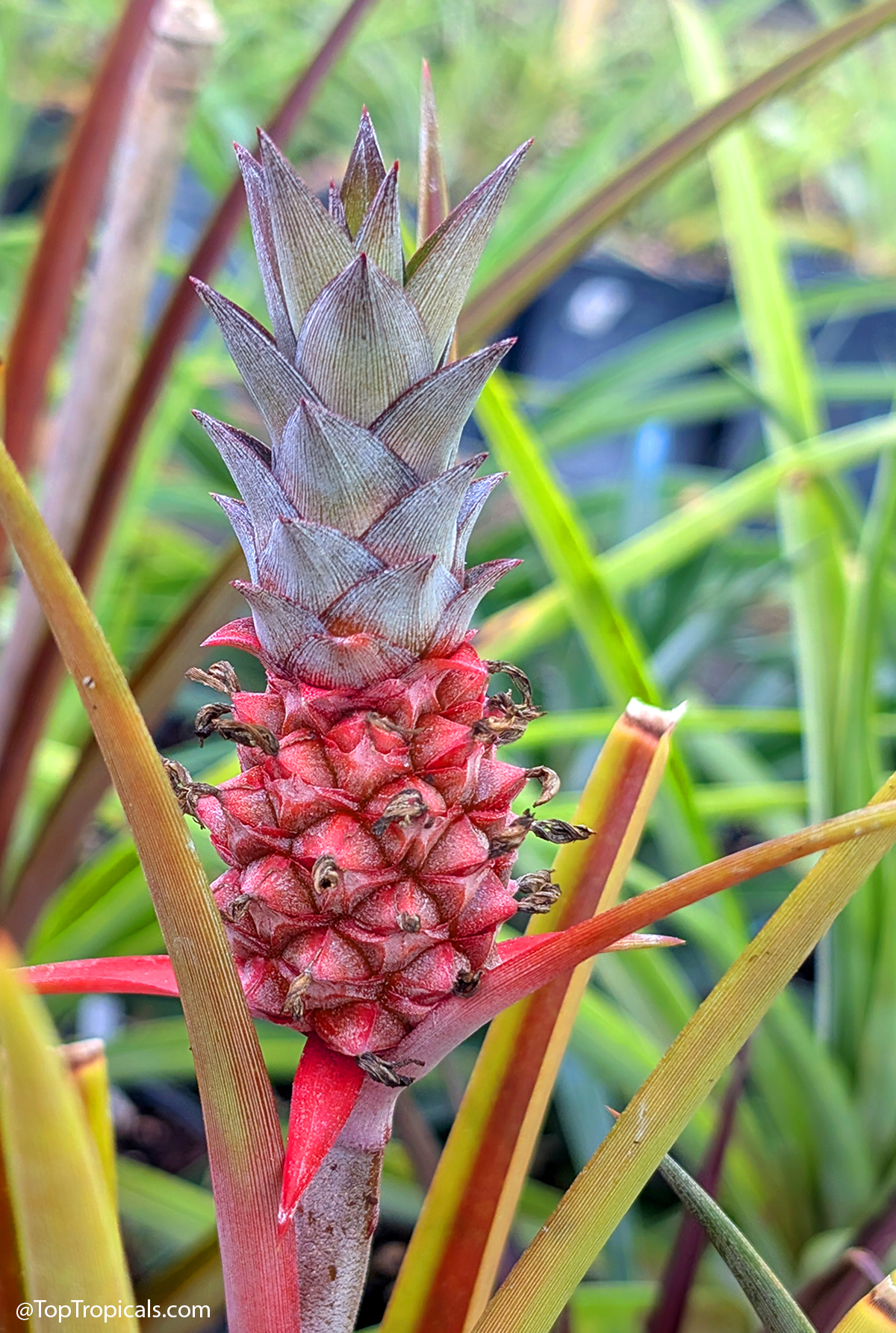
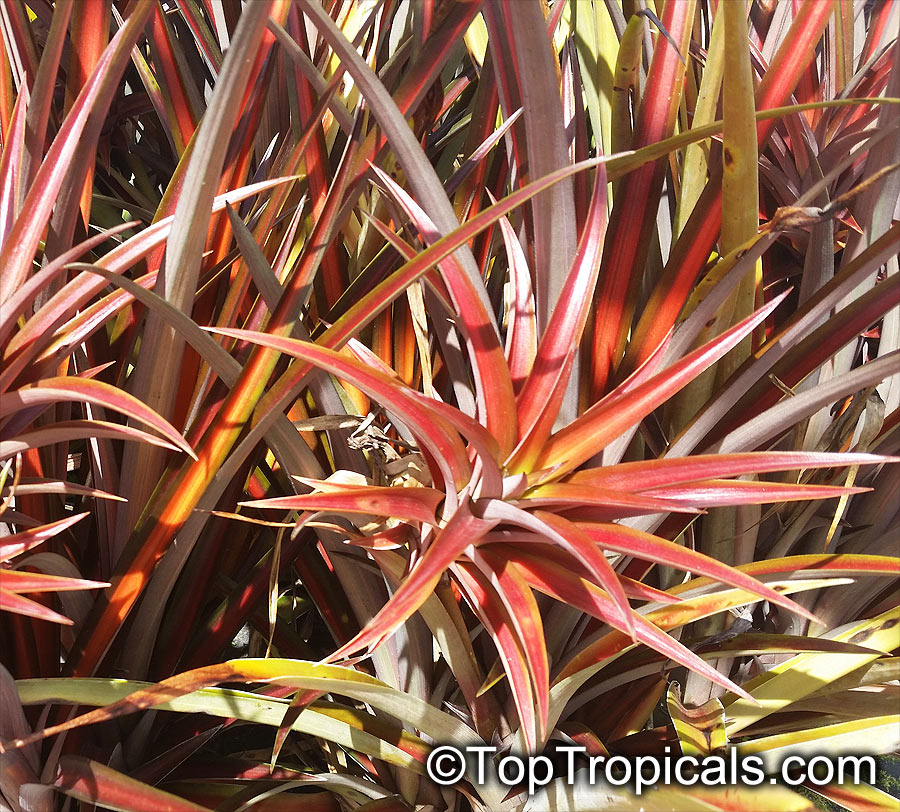
Pineapple Lava Burst is one of the most colorful ornamental pineapple varieties grown today. This spectacular tropical plant is prized for its dramatic variegated foliage streaked with burgundy, pink, cream, bronze, and green tones that often appear almost painted by hand. The colors can intensify even further in bright sunlight, giving the plant a glowing "lava-like" appearance that inspired its name.
Belonging to the bromeliad family, Lava Burst forms a dense rosette of arching, sword-like leaves that create a bold architectural shape. Even without fruit, the plant serves as a living tropical centerpiece and is widely used as an ornamental foliage plant in containers, patios, tropical landscapes, pool areas, and bright indoor spaces.
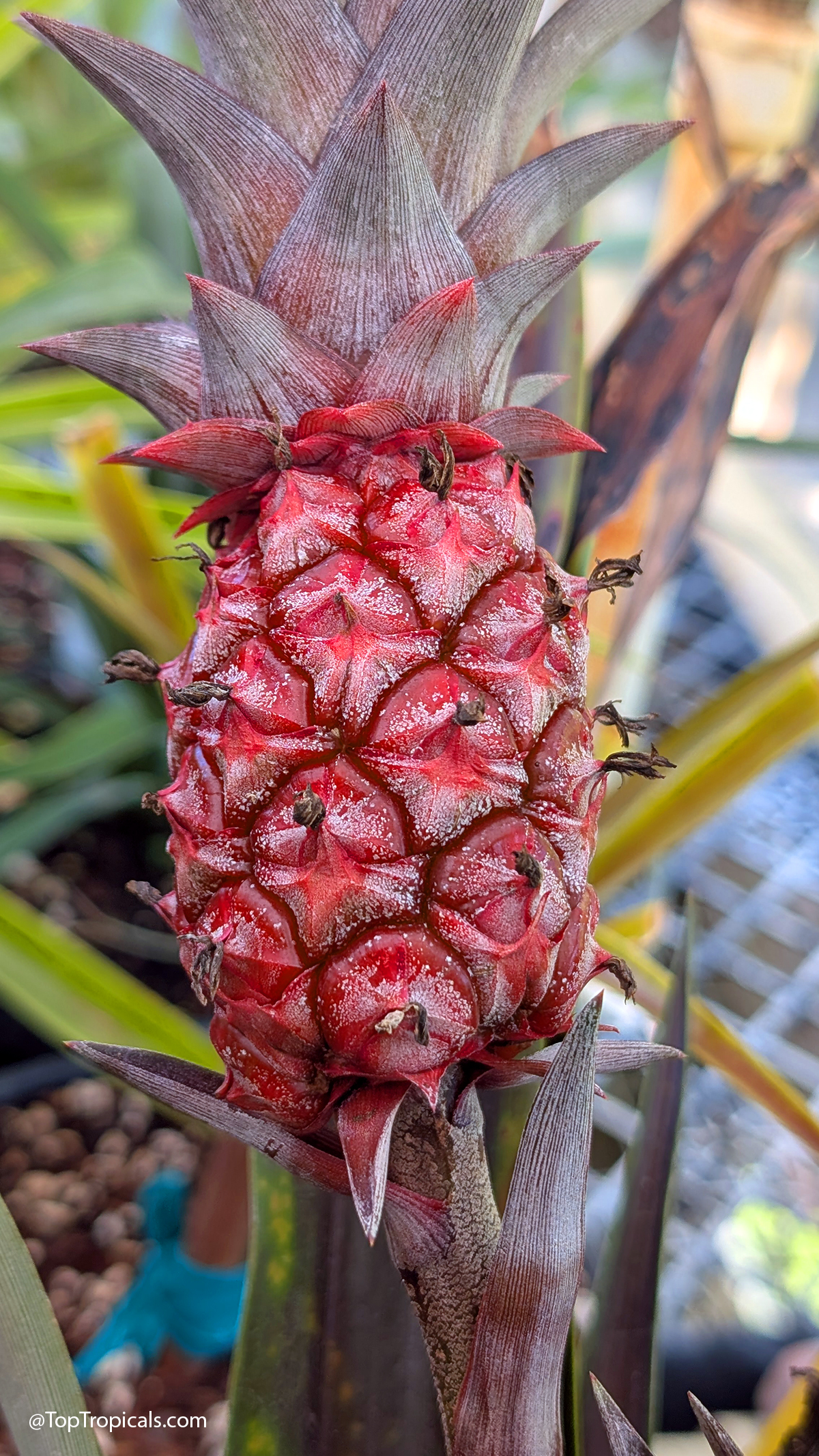
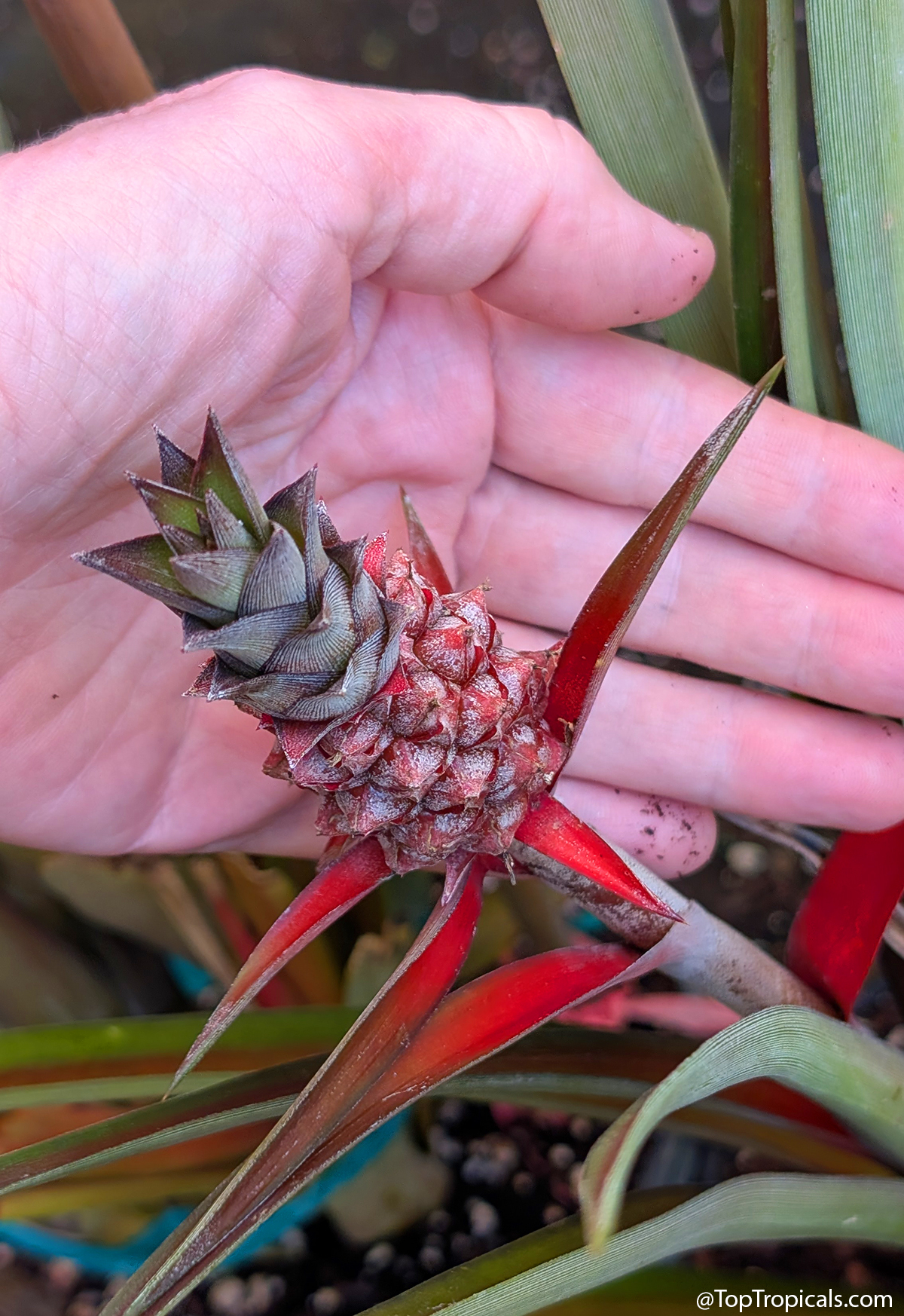
Like other ornamental pineapples, Lava Burst eventually produces a real edible pineapple fruit from the center of the plant. The fruit is typically smaller than commercial grocery-store pineapples but adds even more ornamental value when combined with the colorful foliage. The plant is grown primarily for its exceptional appearance rather than fruit production.
This variety performs especially well in containers because of its compact root system and manageable size. It prefers warm temperatures, bright light, and very well-drained soil. The strongest burgundy and pink coloration usually develops in full sun or very bright filtered light. Overwatering should be avoided, as pineapple plants prefer to dry slightly between waterings.
Pineapple Lava Burst is an excellent choice for gardeners looking to create a tropical look in small spaces without using large trees or shrubs. Its unusual coloration and sculptural form make it popular among bromeliad collectors, tropical plant enthusiasts, and gardeners searching for something truly different.




Read more about Pineapple: The most luscious Hospitality Fruit: Pineapple.
Recommended Fertilizer: SUNSHINE Ananas - Pineapple and Bromeliad Booster
SUNSHINE-Honey - sugar booster
SUNSHINE-Superfood - micro-element booster

Botanical name: Ananas sp.
Common name: Variegated Pineapple
Cultivar: Ivory Coast
Family: Bromeliaceae
USDA Zone: 9-11
Cold tolerance: 25
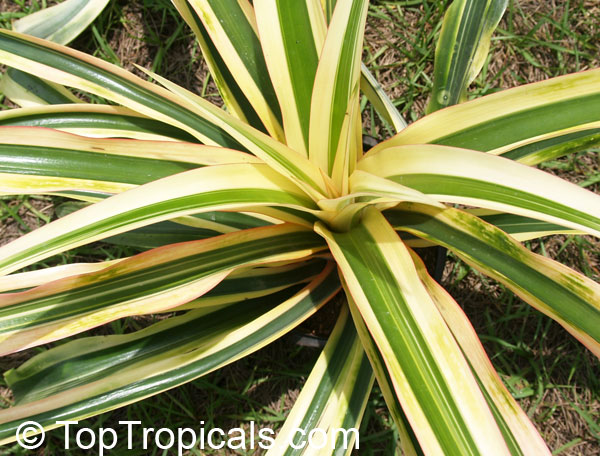
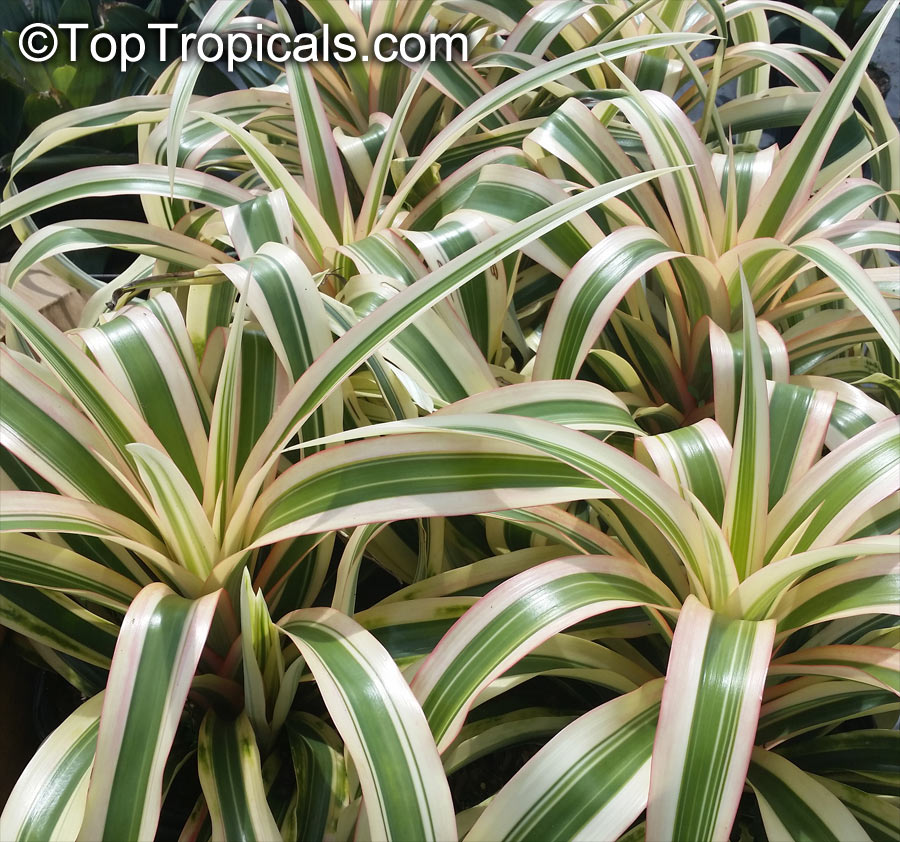
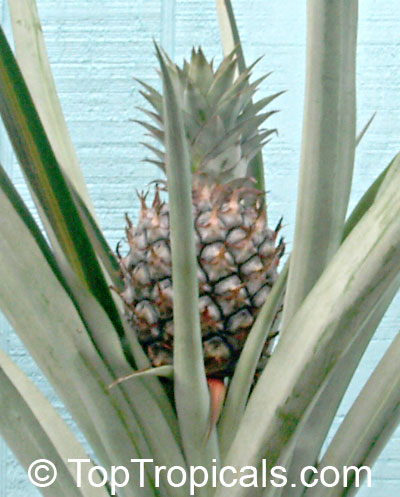
Ananas 'Ivory Coast' is a striking ornamental pineapple variety with arching leaves variegated in creamy white, green, and pale pink tones, adding vibrant color and texture to tropical gardens and container displays.



Botanical name: Ananas sp.
Cultivar: Royal Hawaiian
Family: Bromeliaceae
USDA Zone: 9-10
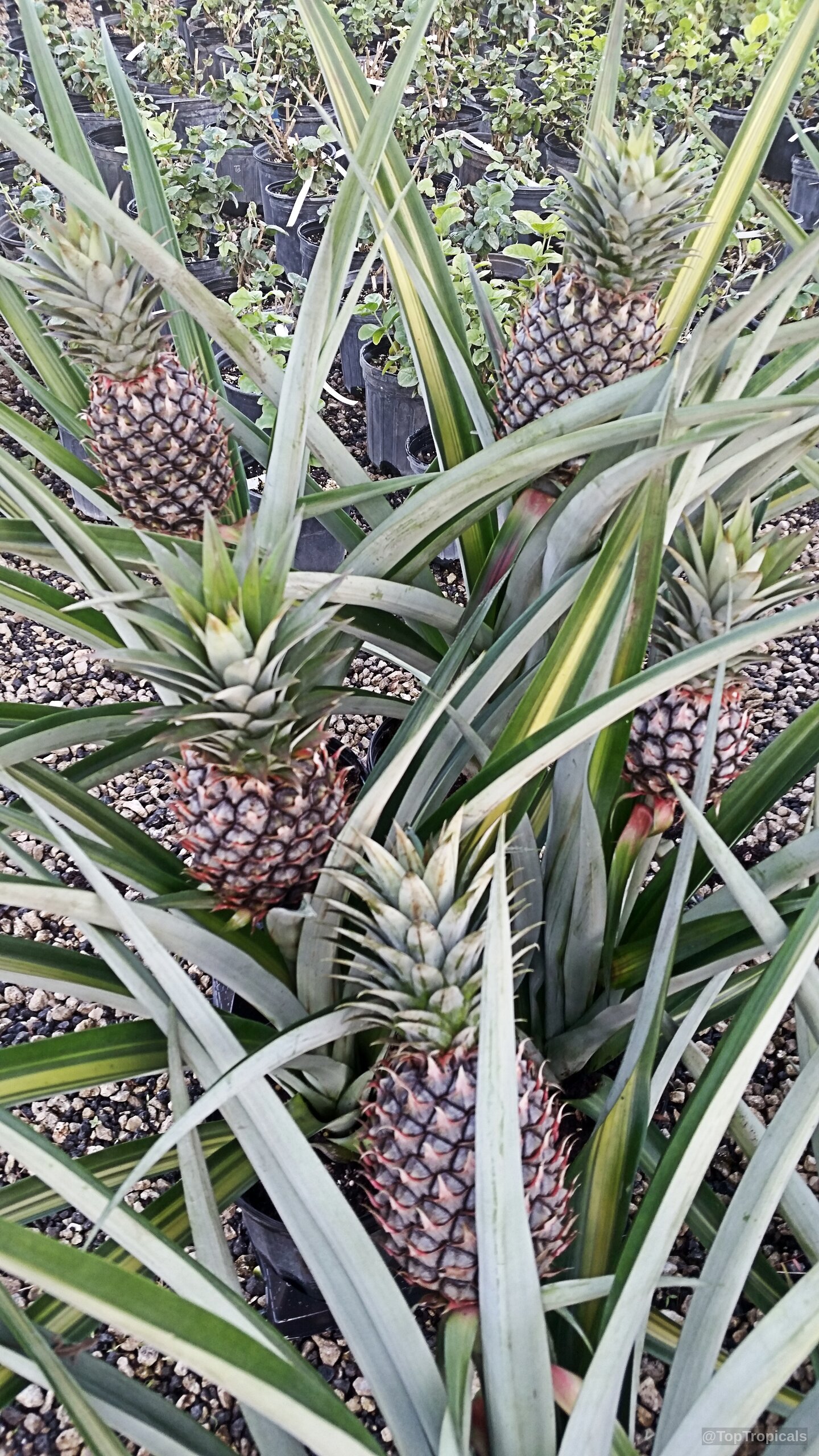
Ananas 'Royal Hawaiian' is a premium pineapple variety valued for its sweet, aromatic fruit and vigorous growth, making it an attractive choice for both home gardens and ornamental tropical displays.


Botanical name: Annona cherimola
Common names: Cherimoya, Chirimoya, Custard Apple
Family: Annonaceae
Origin: Peru, Ecuador, and Colombia
USDA Zone: 9-10


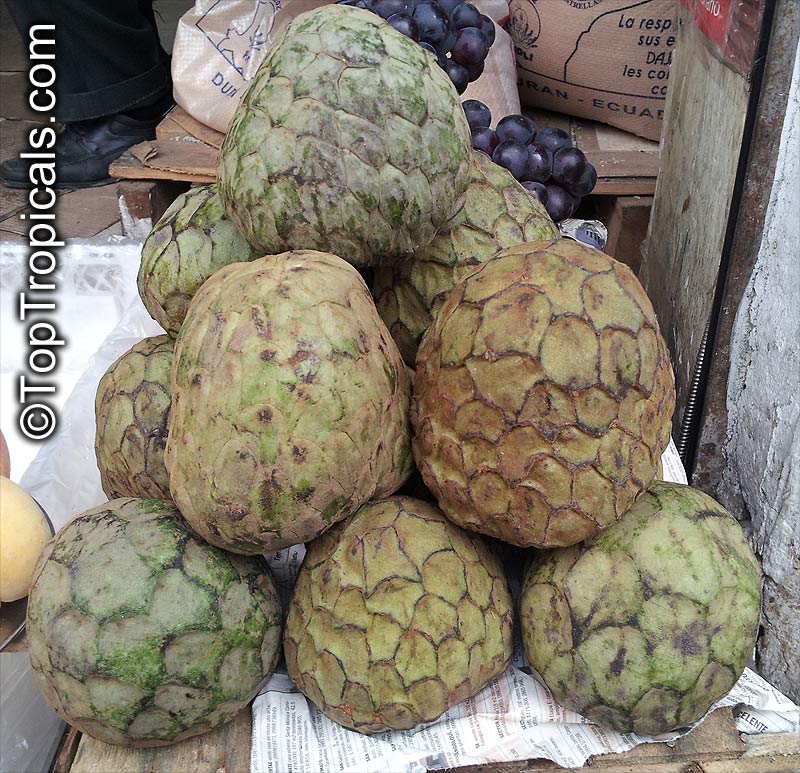
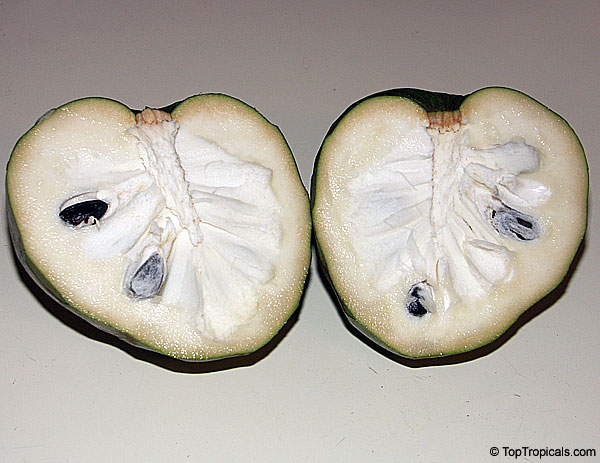
Fruit has green, scaly exterior with numerous "eyes". Inside is white, juicy flesh surrounding the inedible black seeds. It is a very nutritious fruit containing significant amount of carbohydrates, dietary fiber, vitamins, minerals and electrolytes. The antioxidants and phytonutrients present in cherimoya aid in the prevention of oxidative stress-induced diseases such as cancer, heart diseases, and aging.
Grown in USDA Zone 9-11, Annona cherimola (Cherimoya) is a small tree, reaching 10-20 ft in height and width. It is native to Peru, Ecuador, and Colombia, but is commercially grown in Australia, South America, Asia, Spain, Italy, and California. This fruit tree prefers much sun, though it can tolerate some semi-shade. It requires regular water and moderate fertilizer to thrive.
The cherimoya fruit is said to be one of the best-tasting fruits in the world, with a creamy pulp and sweet fruity flavor. The pulp is eaten fresh, out of hand, and the seeds are toxic, with the potential to work as an insecticide when crushed. On the tree, the cherimoya fruit is large, ranging from 4-8 inches in length, sometimes weighing more than 5 pounds. Additionally, the antioxidants and phytonutrients present in the cherimoya fruit are known to aid the prevention of oxidative stress-induced diseases.
Cherimoyas prefer a warm environment, with summer temperatures of 65-80F and winter temperatures of 40-65F. They also require hand pollination due to their inability to be fertilized by their own pollen. When grown outside of its native region, trees must be babied in cold months and kept away from frost. Within 3-4 years they will begin to bear fruit, blooming with clusters of small flowers in late winter to early summer, and ripening their fruit from October to May. Fruits are ready for harvest when their skin slightly yellow or pale green, or when it gives a bit when touched.
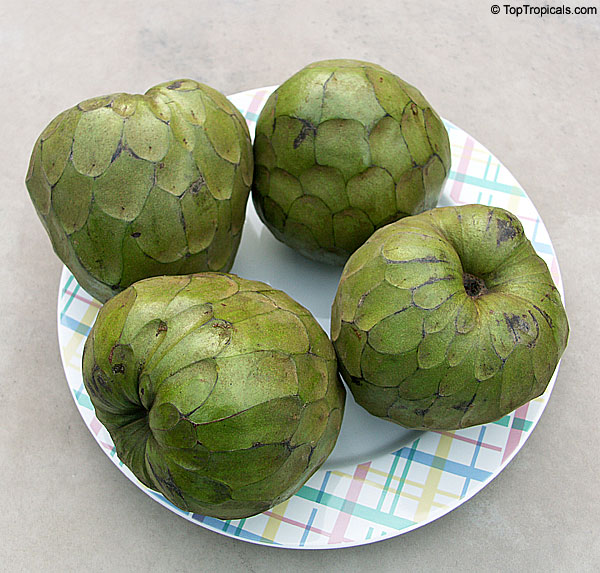
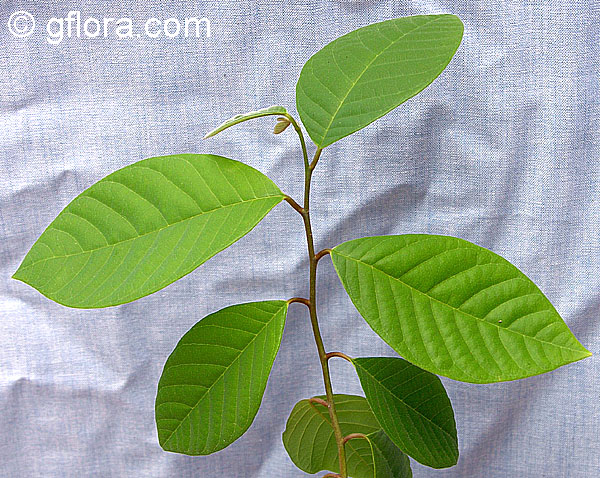
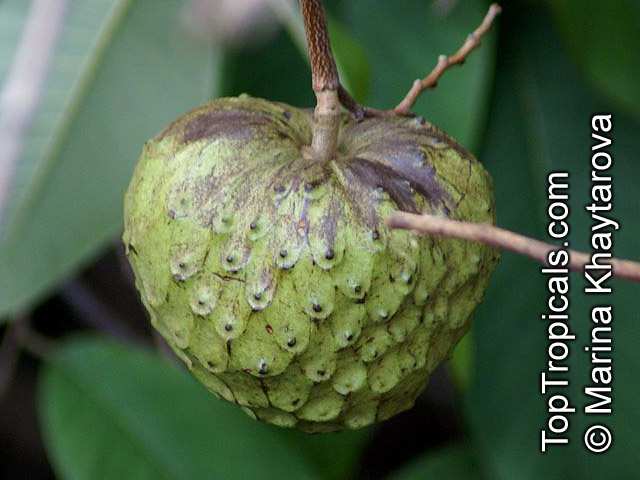
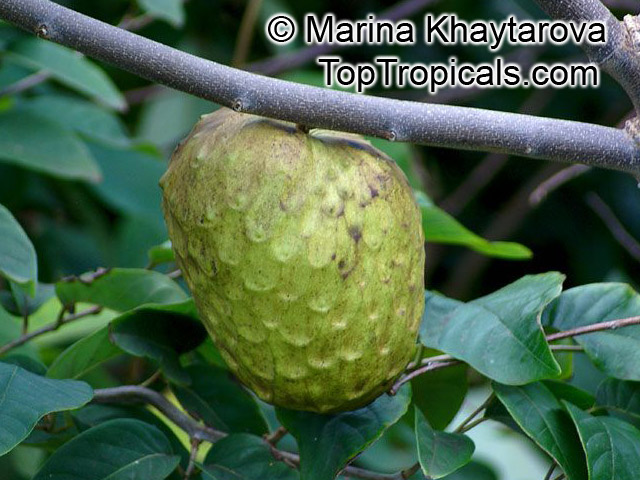
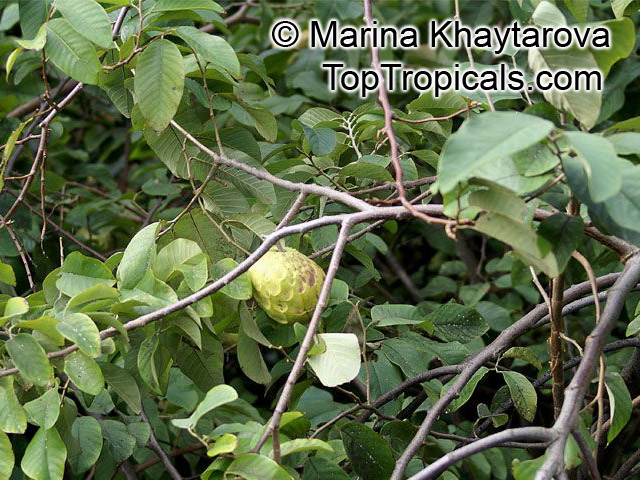
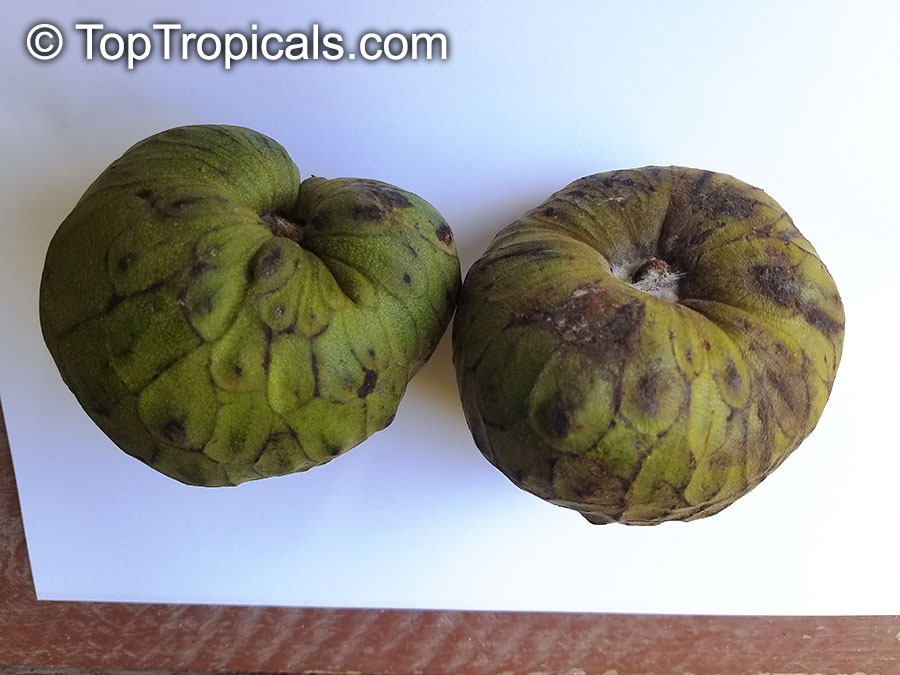
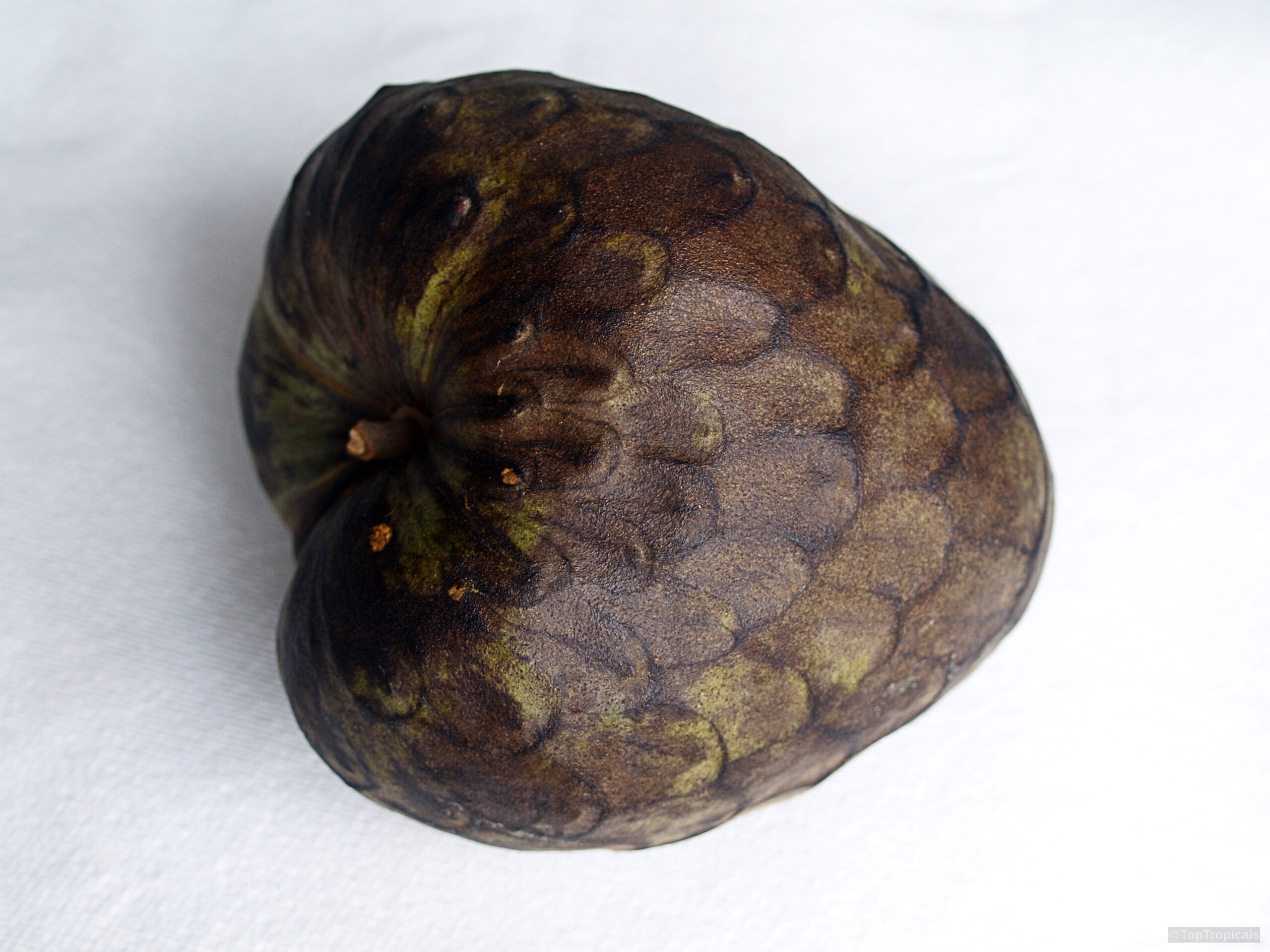
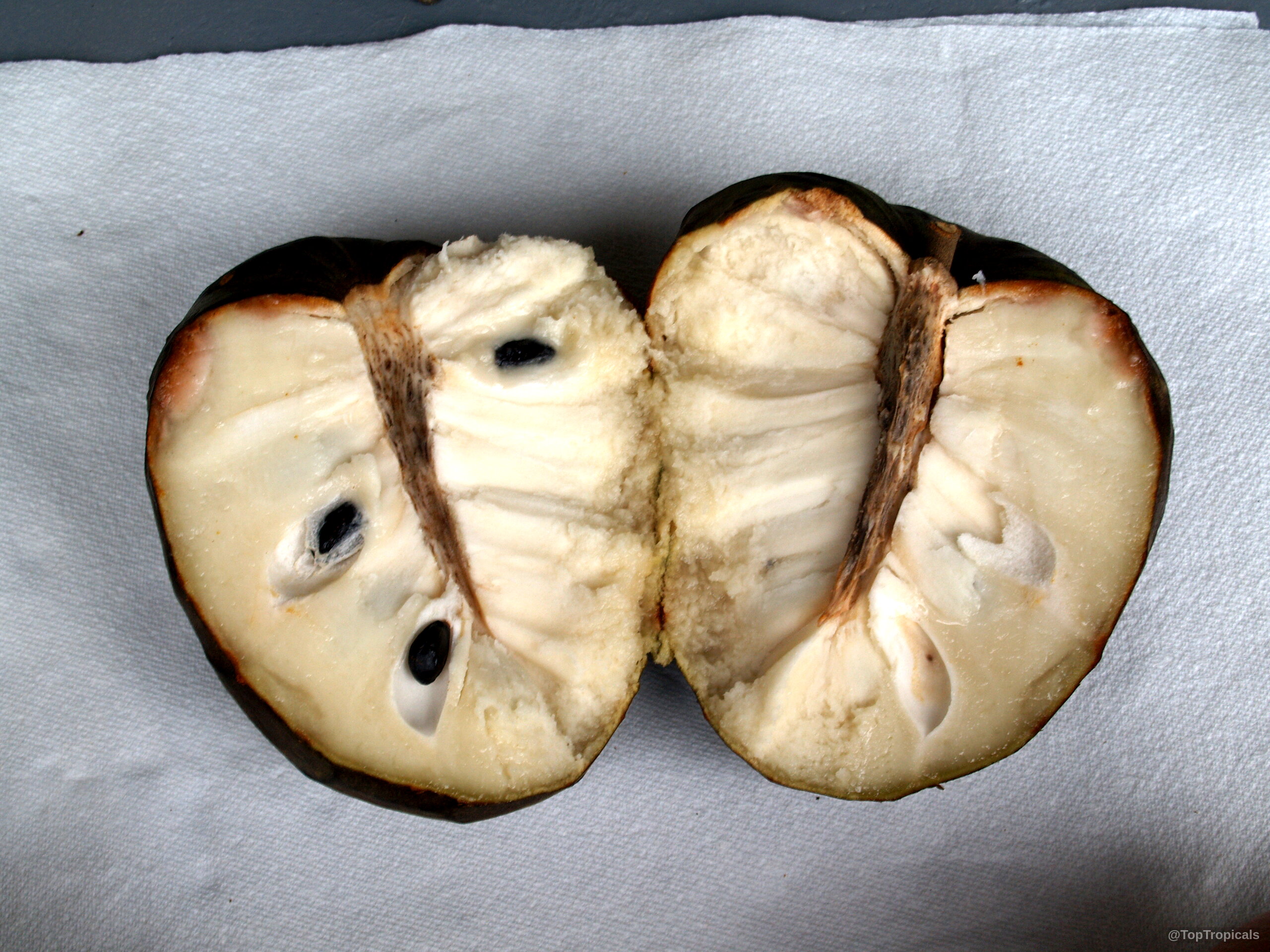

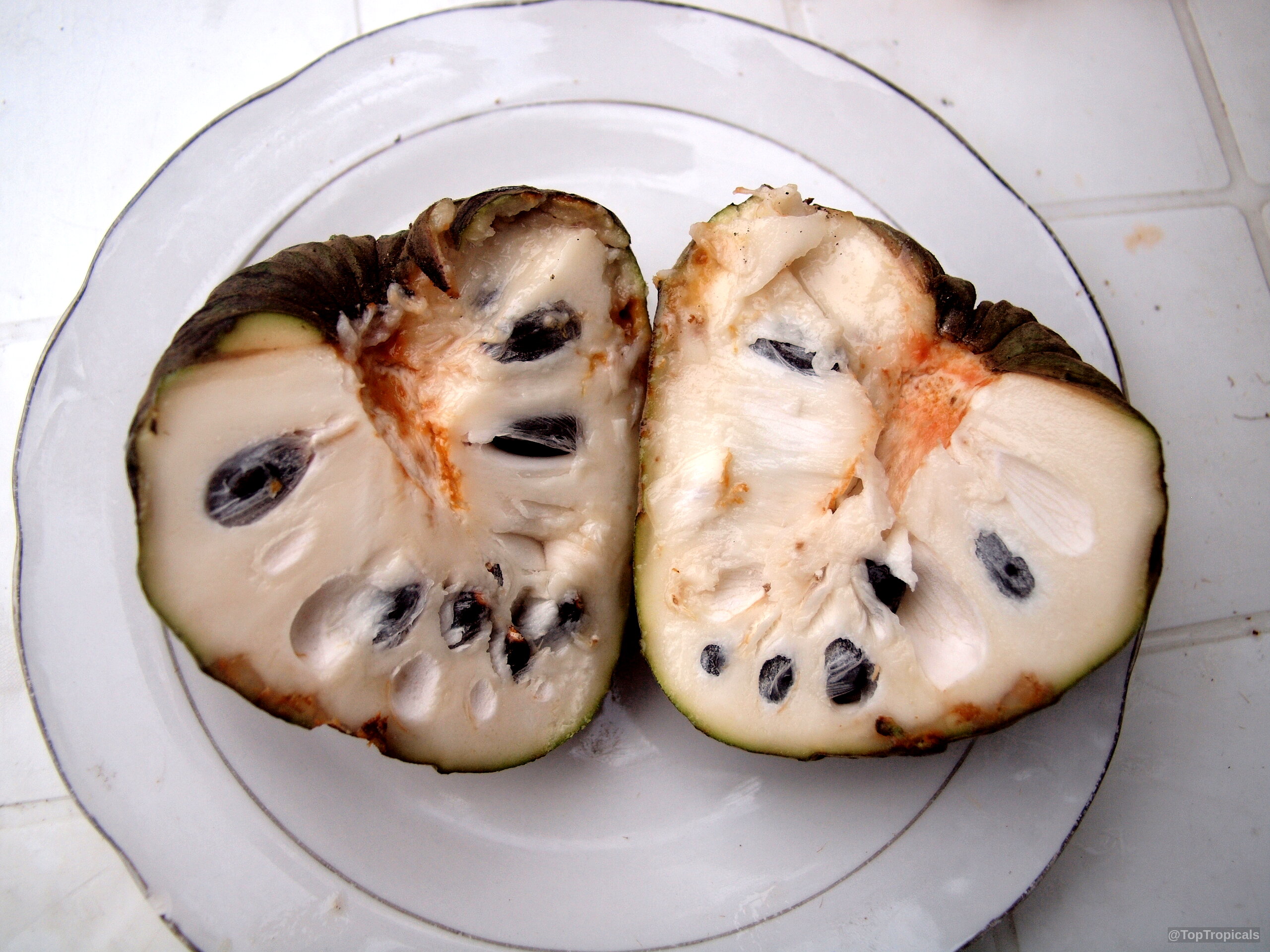

Botanical name: Annona cherimola x Annona squamosa
Common name: Atemoya
Family: Annonaceae
Origin: West Tropical Africa
USDA Zone: 9-11


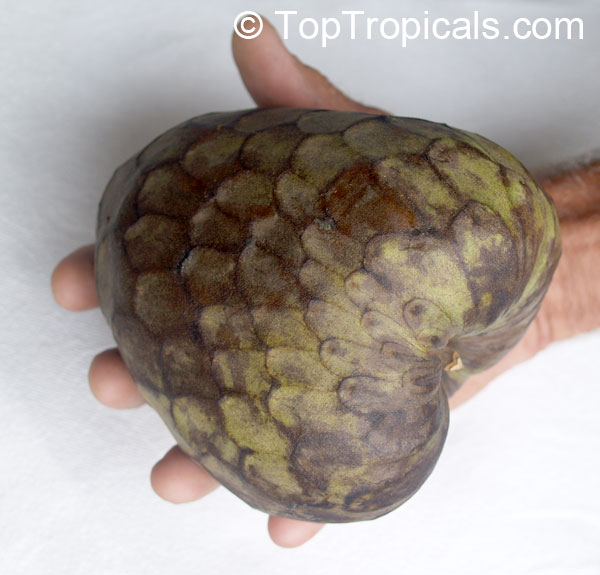
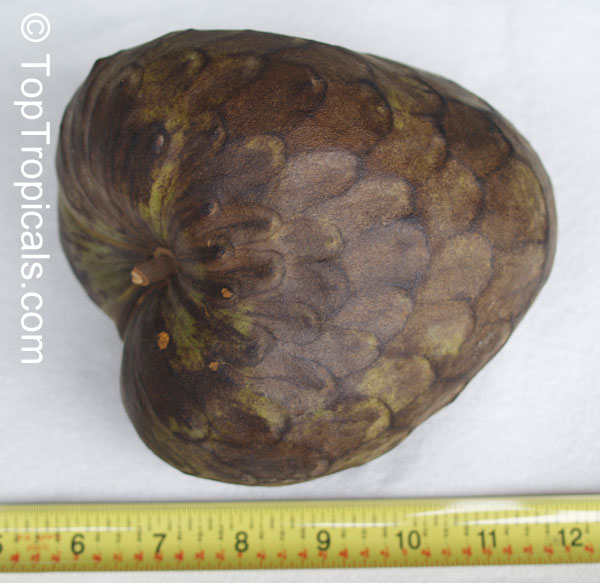
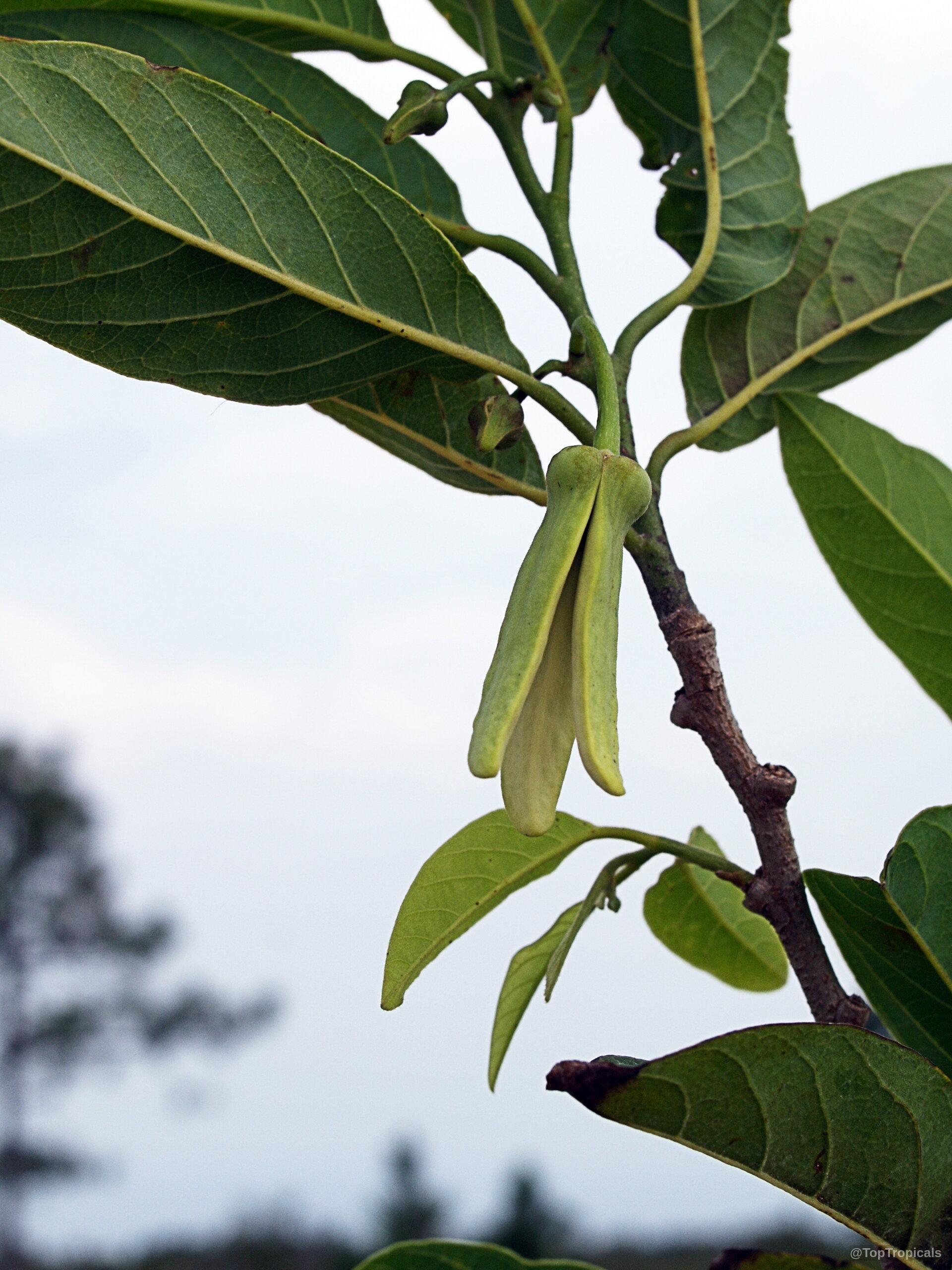
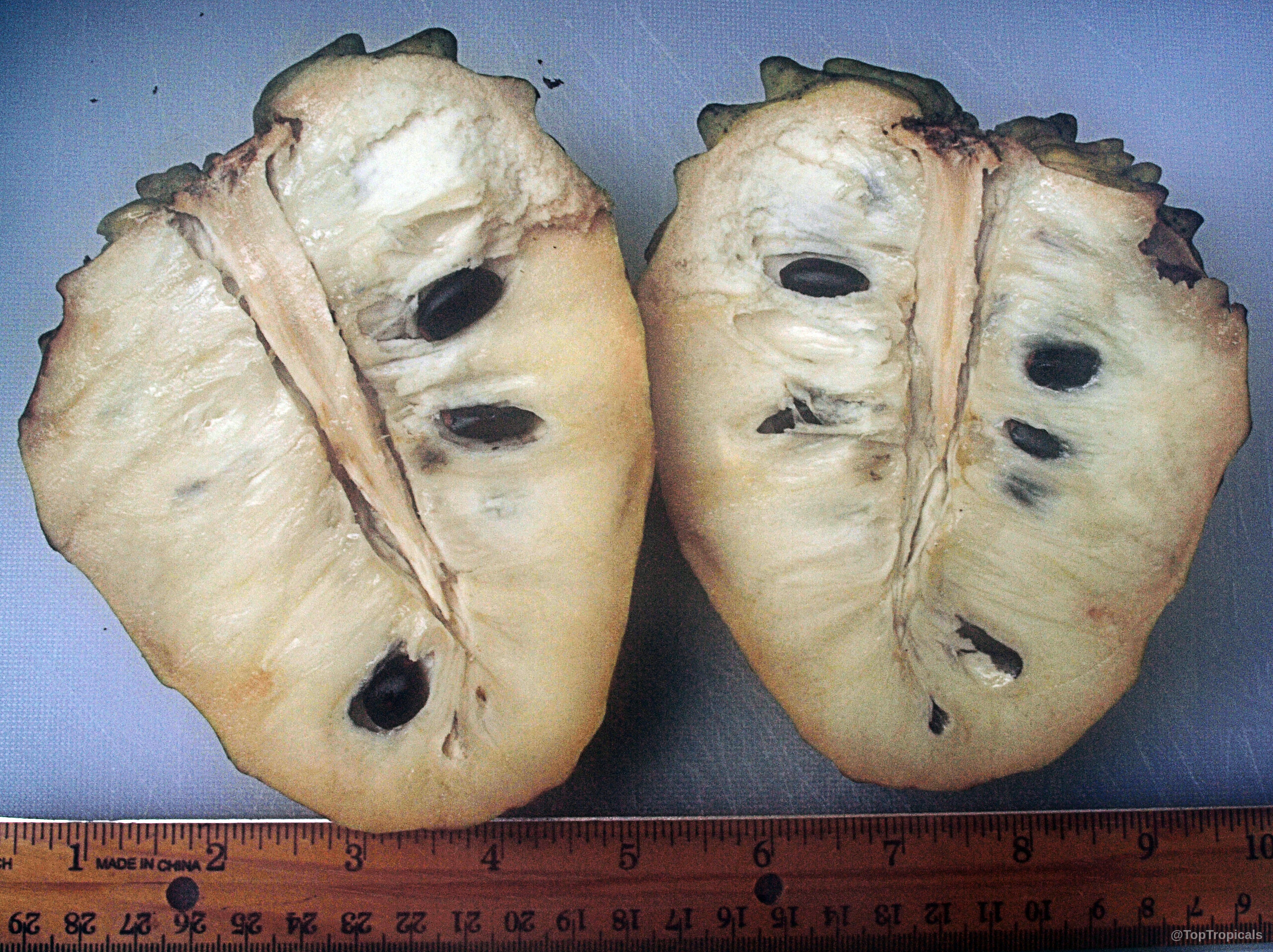
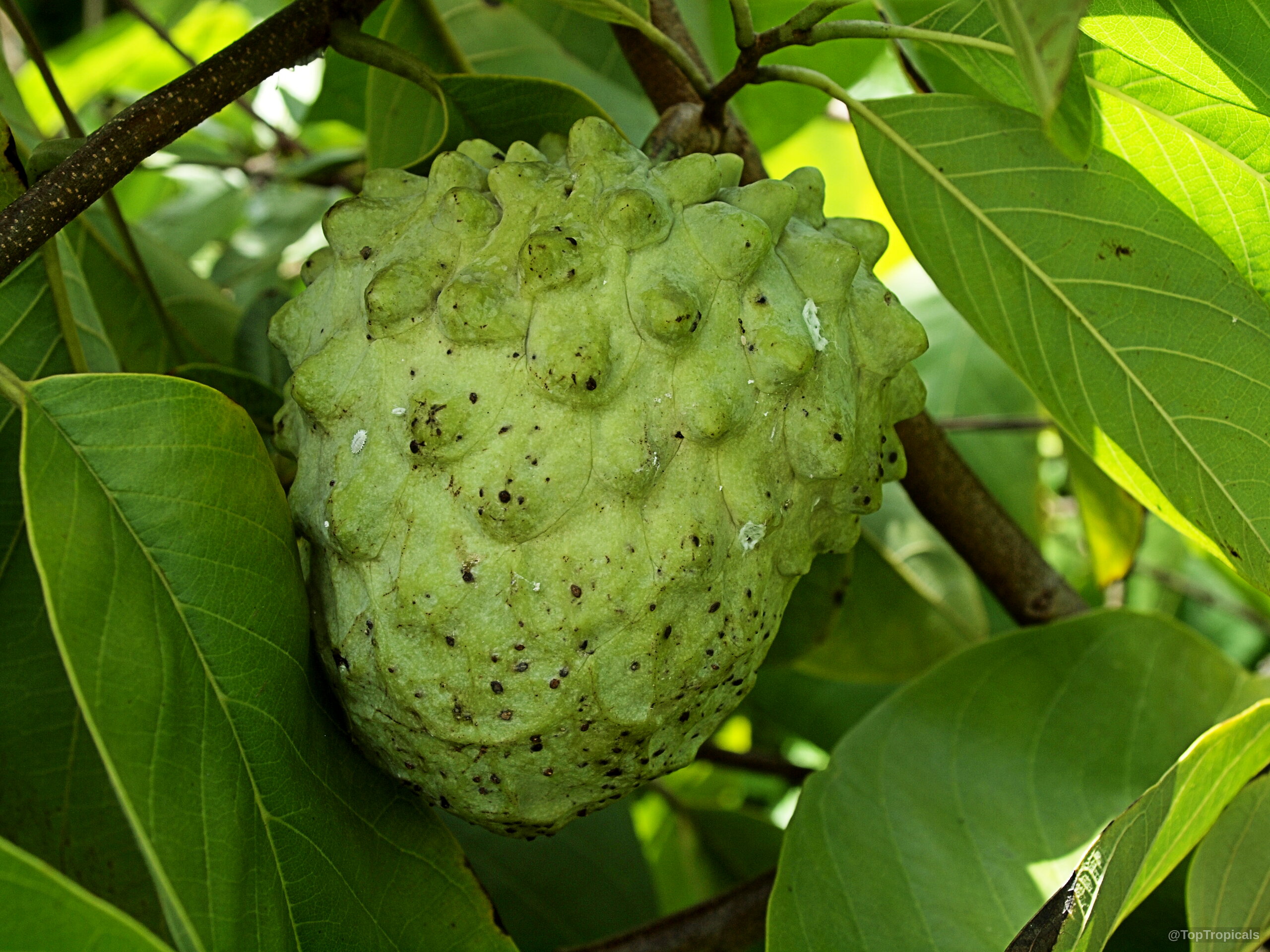
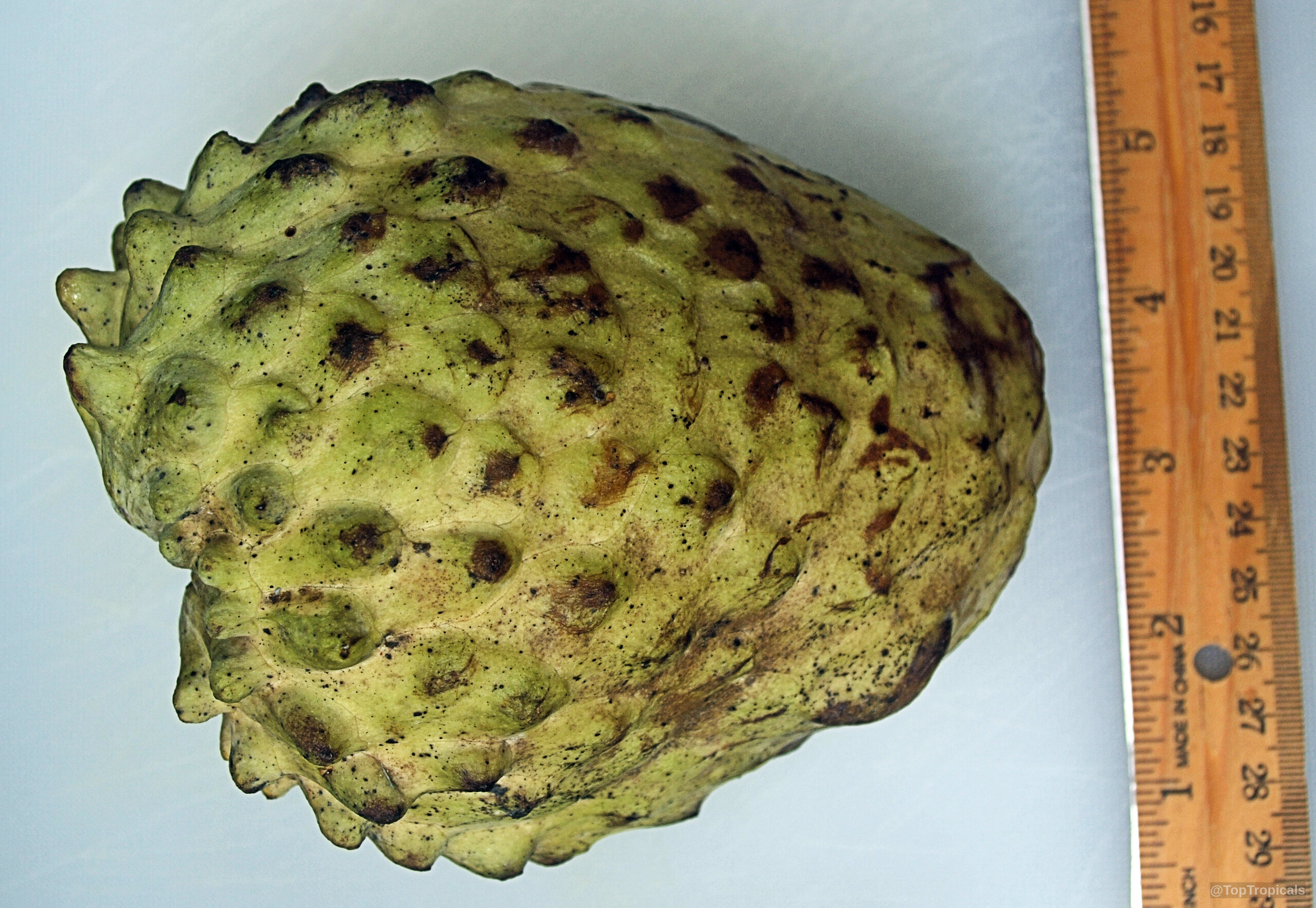
Atemoyas are small-to-medium-size trees growing to about twenty-five to thirty feet at maturity with about the same spread. Flowers are produced along with new growth in the spring following a winter dormancy period, and the fruit usually begin maturing in late August through the end of October. Atemoyas look very similar in some cases to sugar apples, except they have a smoother skin and the individual segments aren't quite as obvious. Most atemoyas have fewer seeds, too, than sugar apples, which makes them a lot easier to eat as a fresh fruit.




Recommended Fertilizer: SUNSHINE C-Cibus - Crop Nutrition Booster
SUNSHINE-Honey - sugar booster
Atemoya is much hardier than common Sugar Apple, and at the same time can tolerate tropical heat unlike Cherimola which requires cooler summers. It makes Atemoya an excellent choice for subtropical and tropical garden. Can tolerate light freeze. The tree growing to about twenty-five feet at maturity with about the same spread. Atemoyas have fewer seeds than Sugar Apple, which makes them a lot easier to eat as a fresh fruit.
Recommended Fertilizer: SUNSHINE C-Cibus - Crop Nutrition Booster
SUNSHINE-Honey - sugar booster

Botanical name: Annona diversifolia
Common names: Annona ilama, Illama, Annona blanca
Family: Annonaceae
Origin: in Mexico, El Salvador, and Guatemala
USDA Zone: 10-11

It is a rare Anonna. Large fruit, sometimes over 6" long, having similarities in both shape and size to the Annona cherimola. The rind tends to be either green or pink-purple, with white or pinkish flesh respectively. Some varieties have deep red flesh. Flavor is said to be excellent in many varieties, rivaling that of the cherimoya and sugar apple. Ilama is the most cold sensitive of all the Annona. Typically fruits mature from July to December. The fruit is almost always eaten raw, out of hand. It grows best in climates having a dry season, followed by heavy rainfall. Ilama fruits perish within days of harvest and the fruit transports very poorly, hence its relative obscurity to much of the world.


Botanical name: Annona glabra
Common names: Pond Apple, Alligator Apple, Monkey Apple
Family: Annonaceae
Origin: West Indies
USDA Zone: 9-10


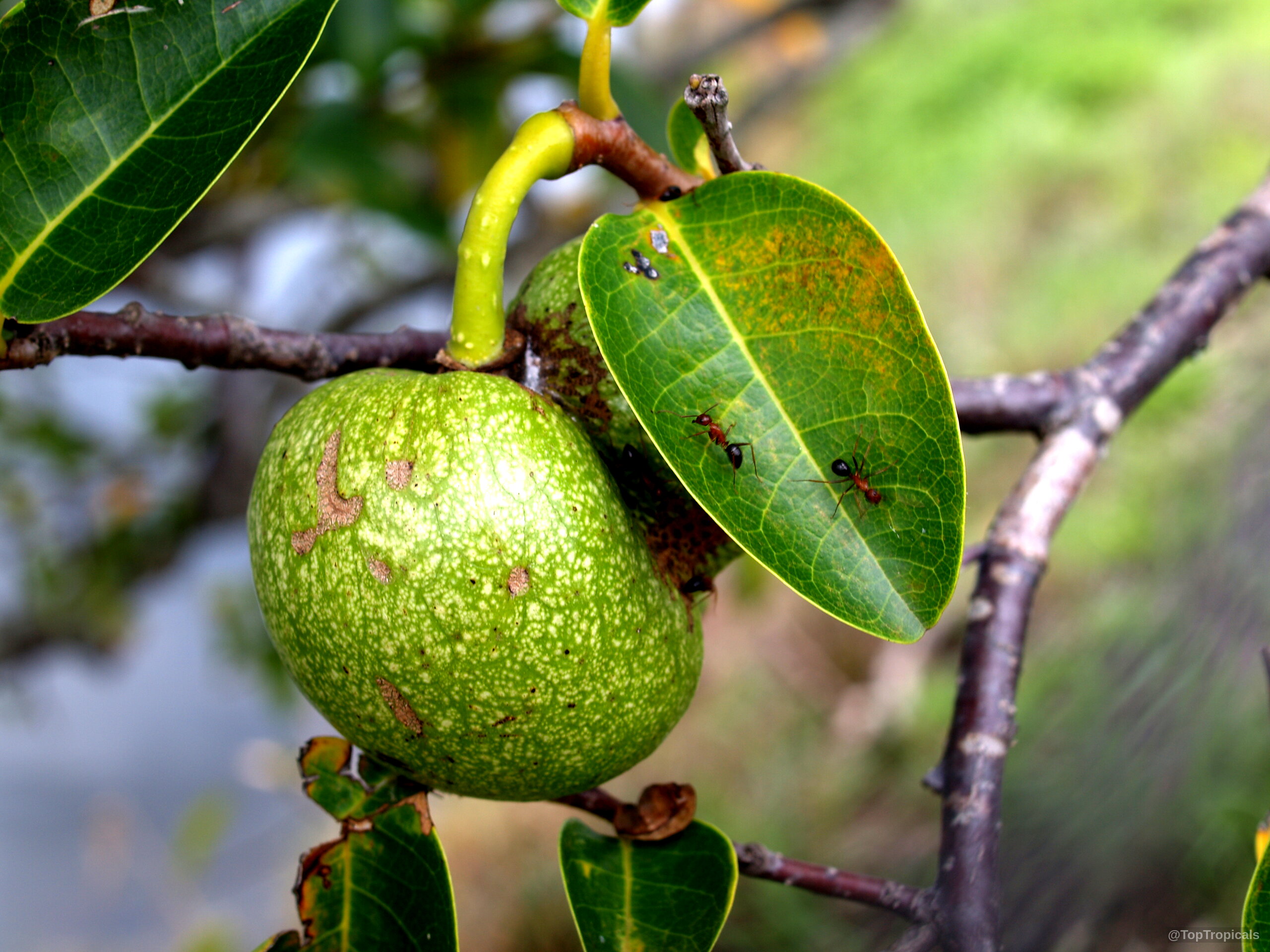
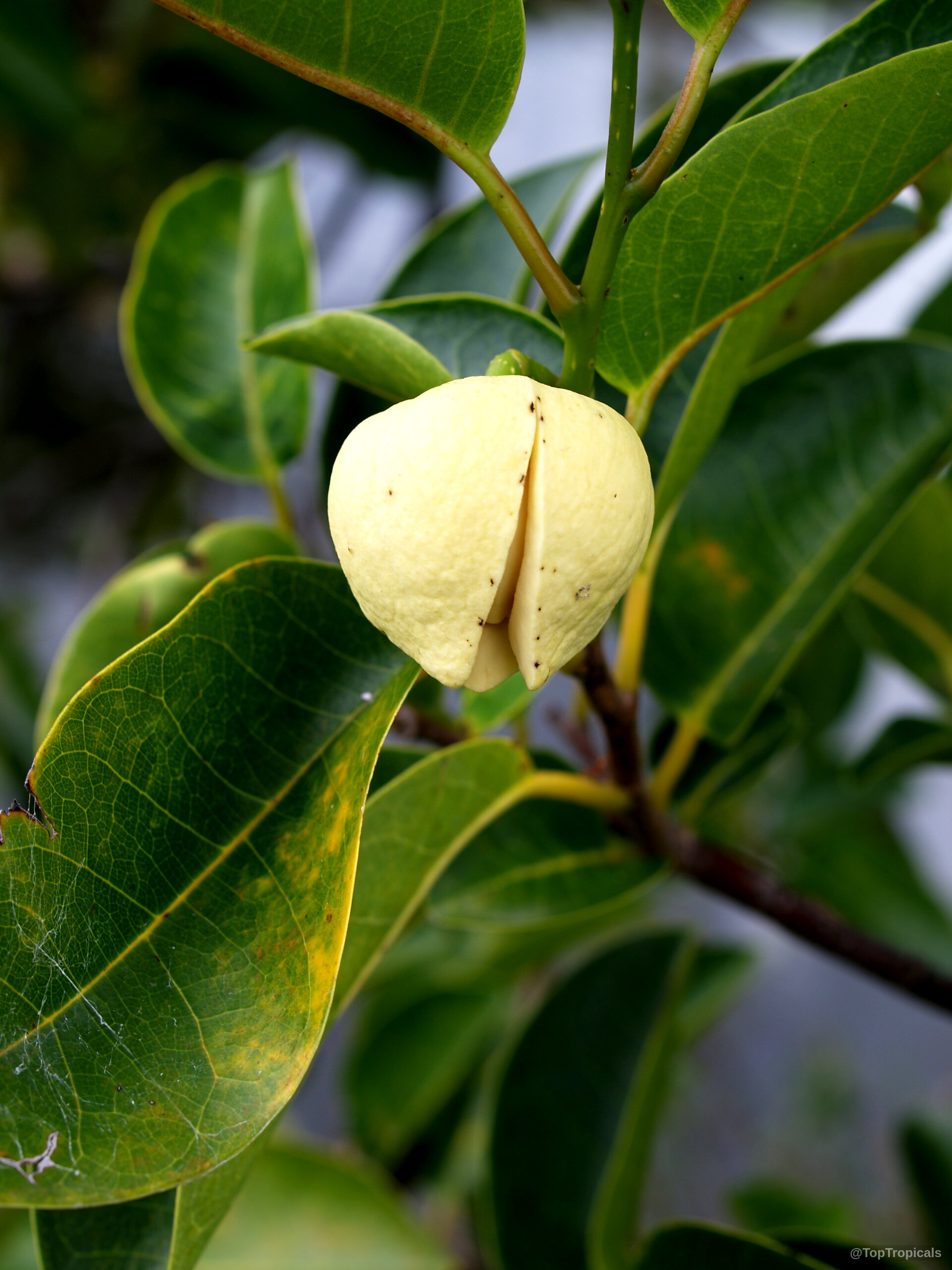
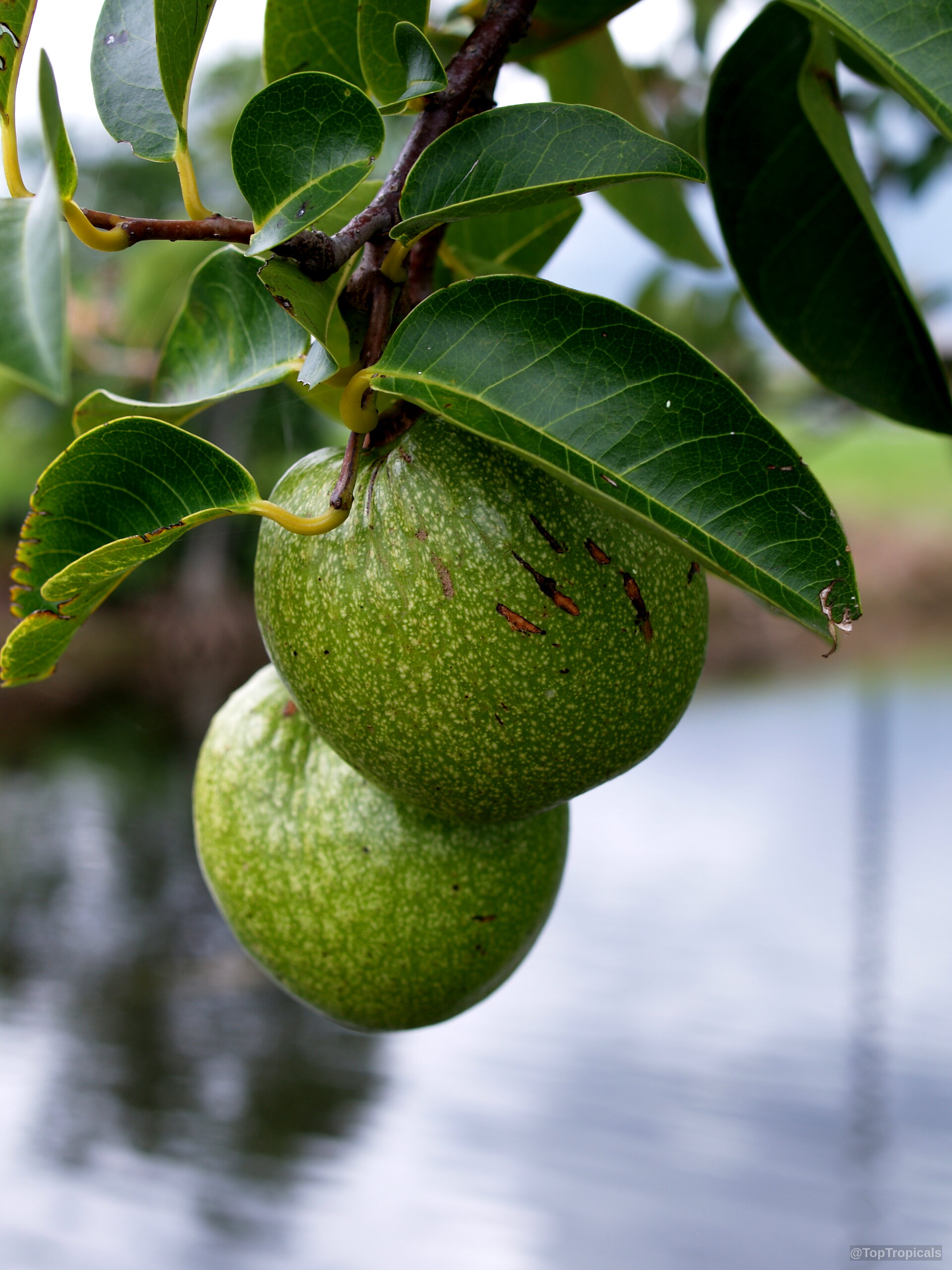
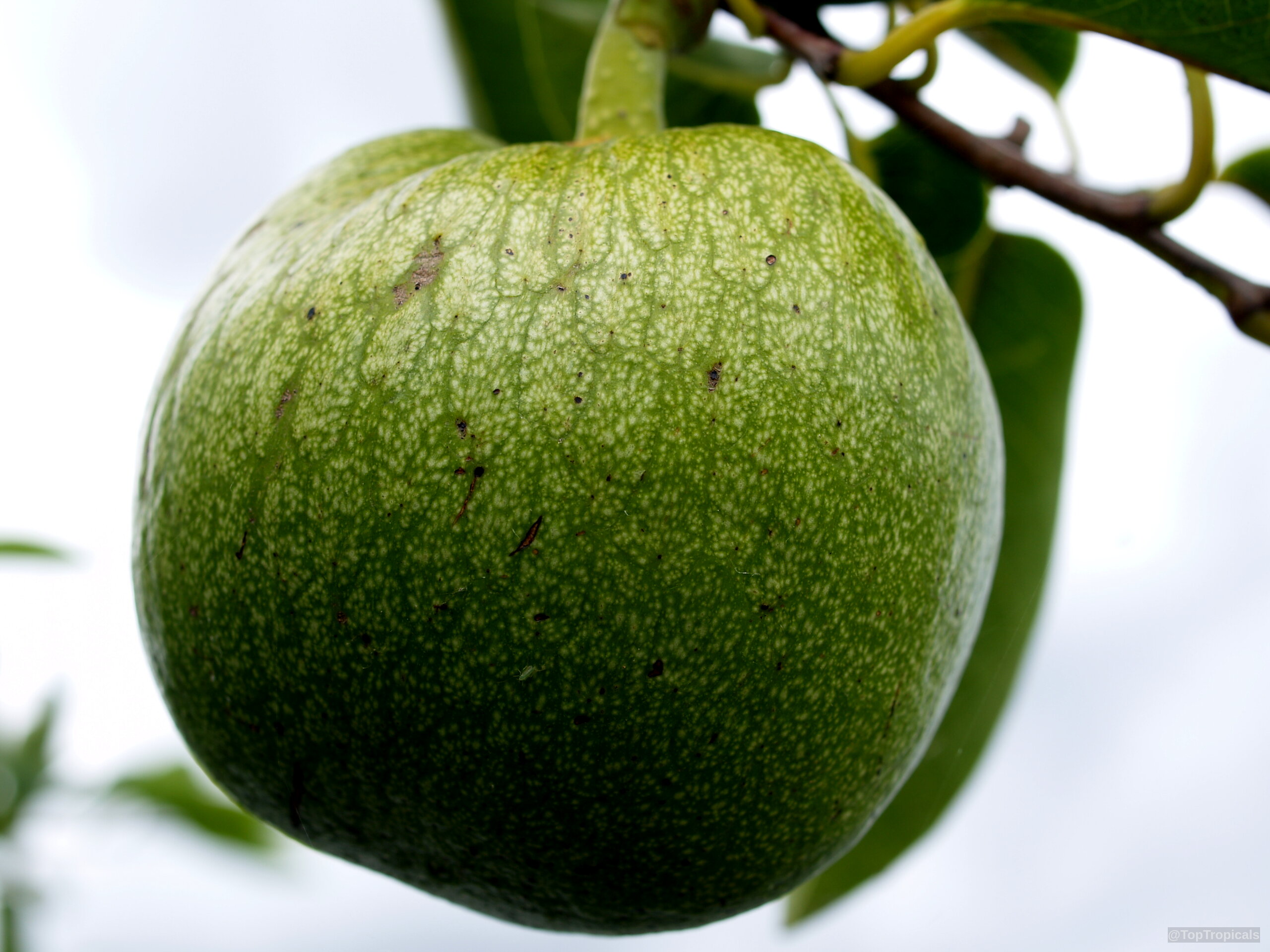
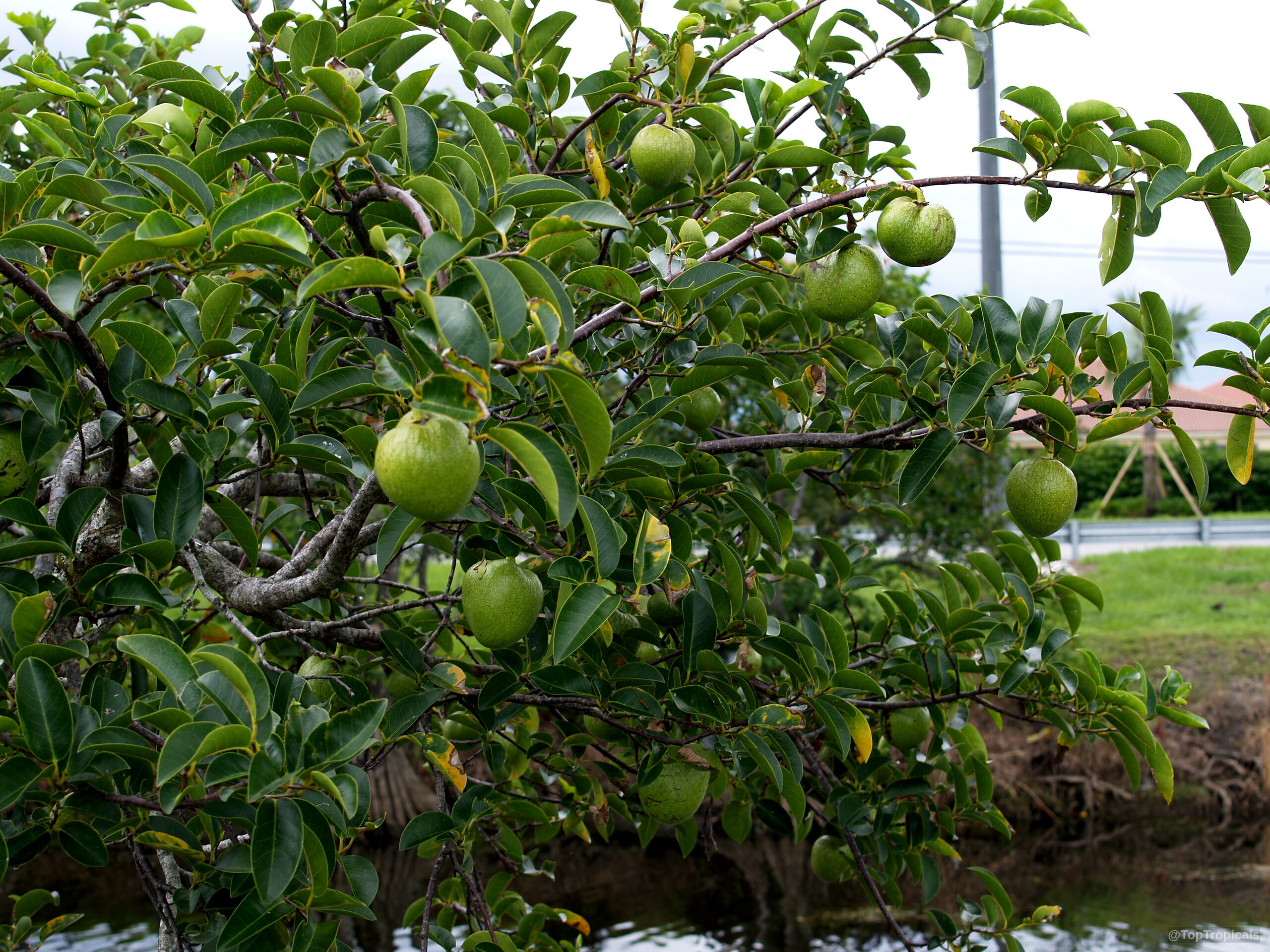
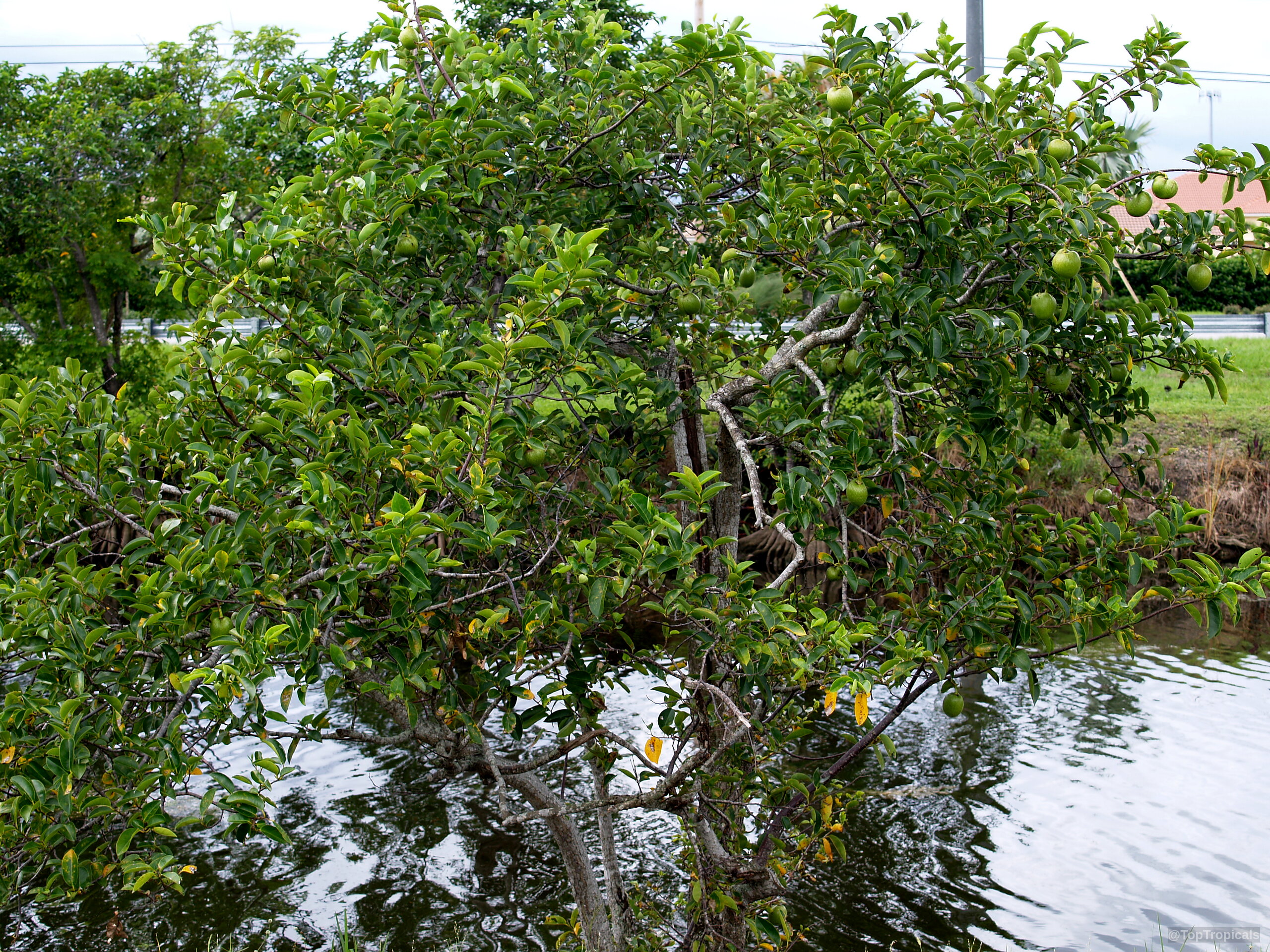
The Annona glabra (Pond apple tree) is a small tree with an open, spreading habit that can reach a height of 10-20 ft. It grows well in full sun and semi-shade and requires regular water during the growing season. The tree loves heat and is drought and flood tolerant, making it resilient and adaptable to various growing conditions.
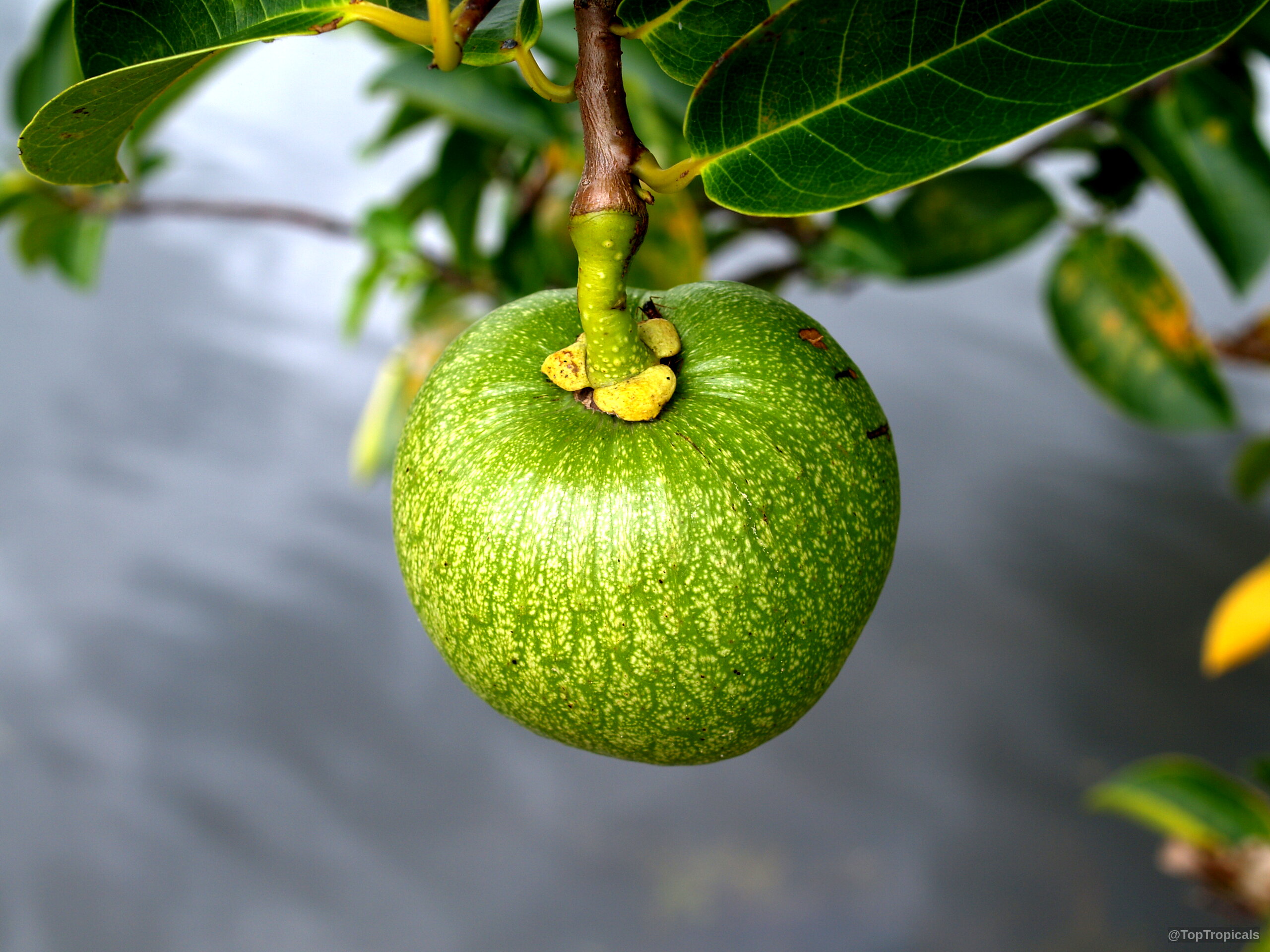
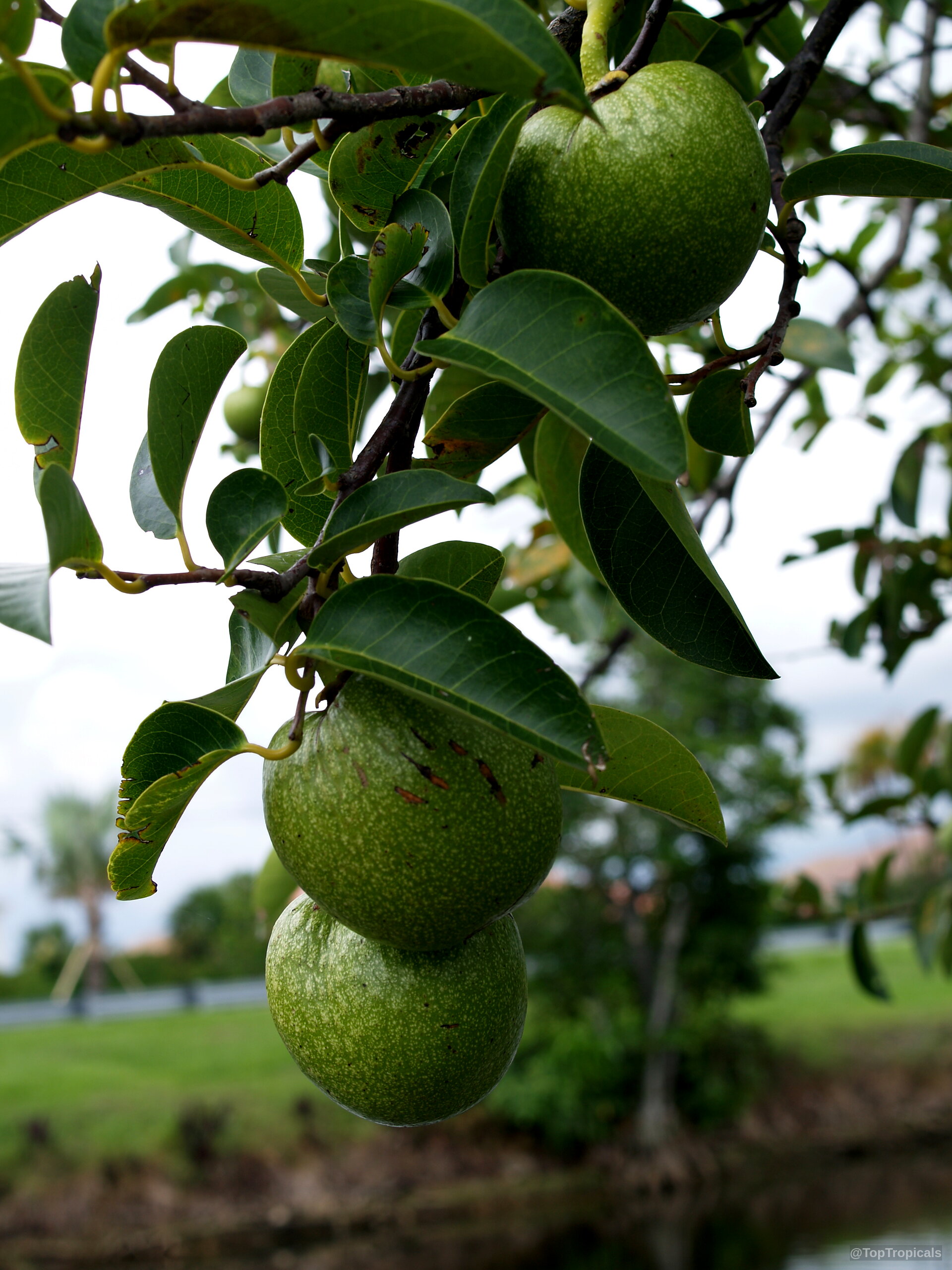
The tree produces fragrant, yellow-orange flowers and edible fruits. The fruit is round, 1-2 inches wide, with a green, waxy skin and a creamy, yellow pulp. Rich in vitamins A and C, fiber, and antioxidants, the fruit has a sweet and tart flavor with a musky, pineapple-like taste. The fruit can be eaten out-of-hand, cooked, or made into drinks or jellies.
The pond apple tree is a great choice for home gardens and landscaping in USDA zones 9-11. In colder regions, it's best to grow the tree in a pot and bring it indoors when the temperature falls below freezing. The tree does not require pruning to produce abundant fruits, and depending on the season and the number of trees around, it can produce up to 20 fruits at a time.
Pond apple also has a wide range of medicinal benefits. The juice of the fruit is believed to be effective in treating rheumatism and various skin diseases. The bark is composed of triterpenes, which have anti-inflammatory properties, and the leaves are used to treat diarrhea and colic. With its numerous uses and health benefits, Pond apple is an excellent addition to a home garden and a great way to bring a piece of the southeastern swamp to your yard.
Pond apple is native to swamplands and provides an important food source for wildlife in this region. Although not as tasty as its tropical relatives, pond apple can stand flooding and spend weeks at a time with its roots under water.




Botanical name: Annona hayesii
Common names: Wild Cherimoya, Canelo
Family: Annonaceae
Origin: Panama
USDA Zone: 9-10


Botanical name: Annona hypoglauca
Common names: Wild Cherimoya, Anon cimarron
Family: Annonaceae
Origin: South America
USDA Zone: 9-10

Even though it is widely distributed in the Amazonia lowland rainforests between Colombia and Bolivia, Annona hypoglauca is a very rare species, especially in cultivation.

Botanical names: Annona maritima, Rollinia maritima
Common names: Aratikum, Quaresma
Family: Annonaceae
Origin: South America
USDA Zone: 9-10
This subtropical shrub or small tree, bears a close resemblance to other annonas. The fruit is the size of an apple with sweet pulp, melting like ice cream. Propagated by seed.


| Prev | Next | |
Use link to repeat this search:
https://toptropicals.com/cgi-bin/garden_catalog/cat.cgi?search_op=and&keyword_op=and&language=e&number=10&no_change_lang=1
&v1=frt&user=tt&sale=1&first=0