Edible plant - Plant Encyclopedia Results (Page 3)
| Number of plants found: 677 |  | Prev | Next | 
|
Go to page: | 1 | 2 | 3 | 4 | 5 | 6 | 7 | Last |

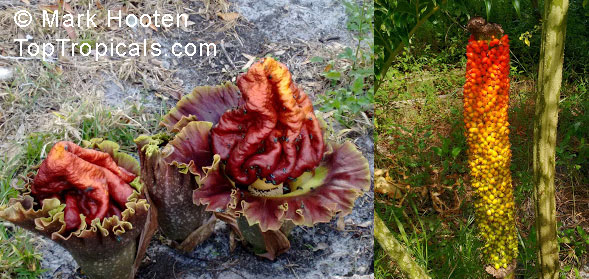
Botanical name: Amorphophallus paeoniifolius
Common names: Elephant Foot Yam, Whitespot Giant Arum, Voodoo Lily
Family: Araceae

USDA Zone: 8-11


The unpleasant smell that the flower omits is only present for a few hours after the flower opens. If the flower is pollinated (normally by flies if the plant is outside) it will take 1 year for the plant to mature its seeds. The seed stalk is very pretty with the seeds changing colors from green to red. During this time the tuber will not produce a leaf.
The young leaves, stems, and corms are as vegetables or turned into desserts. They are thoroughly cooked to destroy the stinging oxalate crystals.




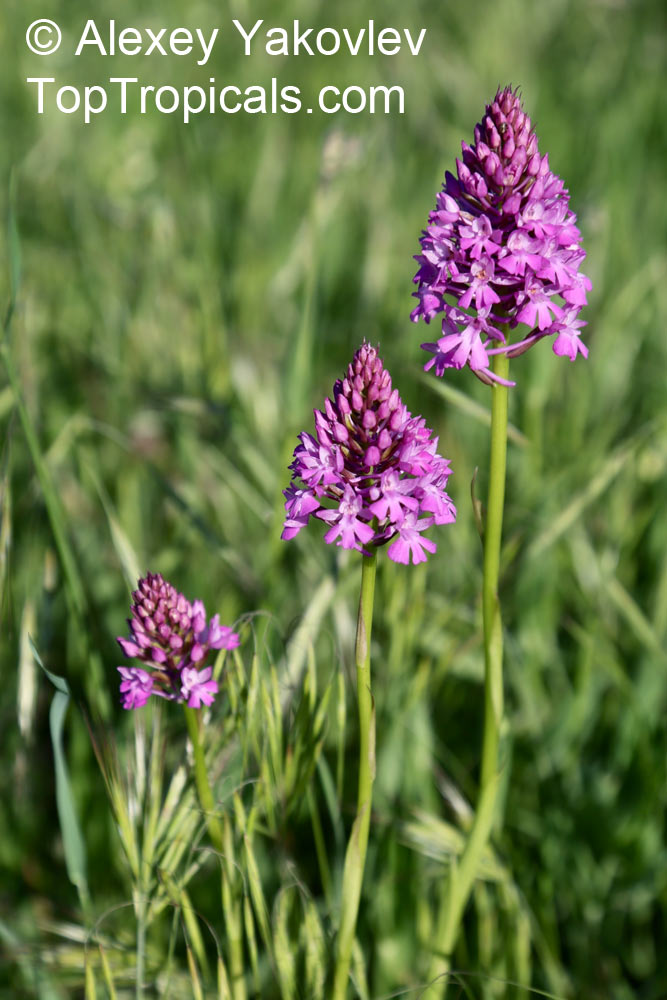
Botanical name: Anacamptis pyramidalis
Common name: Pyramidal Orchid
Family: Orchidaceae
Origin: Mediterranean region
USDA Zone: 5-9


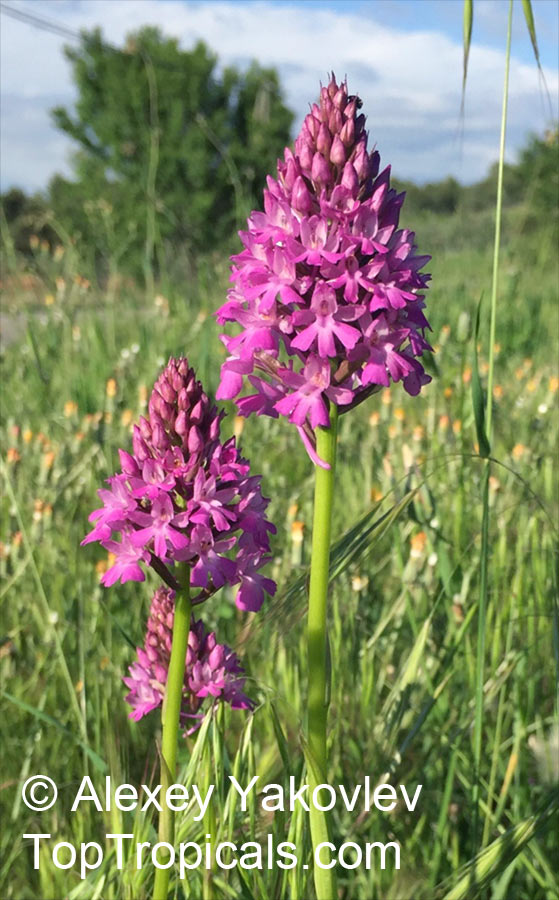
It is a good orchid to put into a meadow or wildflower lawn and usually thrives. Flowering takes place in late June through July. It also grows happily in a cold greenhouse, preferably in a plunged terracotta pot.
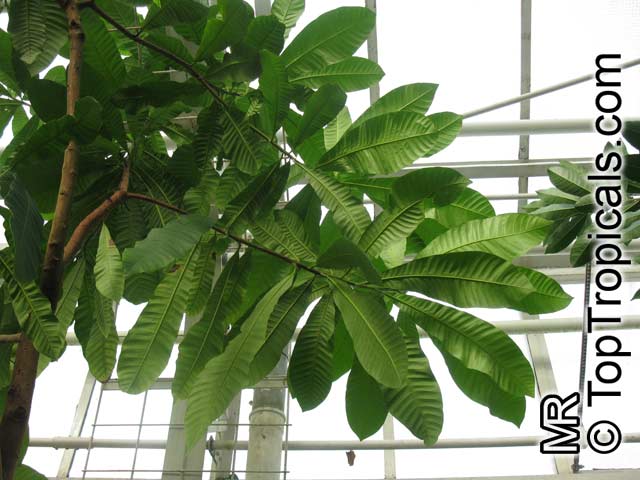
Botanical name: Anacardium excelsum
Common name: Wild Cashew
Family: Anacardiaceae
Origin: Central America
USDA Zone: 9-10


Anacardium excelsum is a towering tropical tree recognized for its impressive height, broad crown, and distinctive fruiting structures within the cashew family.
This species develops a massive trunk with spreading branches and produces fleshy pedicels that support hard nut-like seeds, giving it a characteristic appearance in mature landscapes.
What makes Anacardium excelsum distinctive?
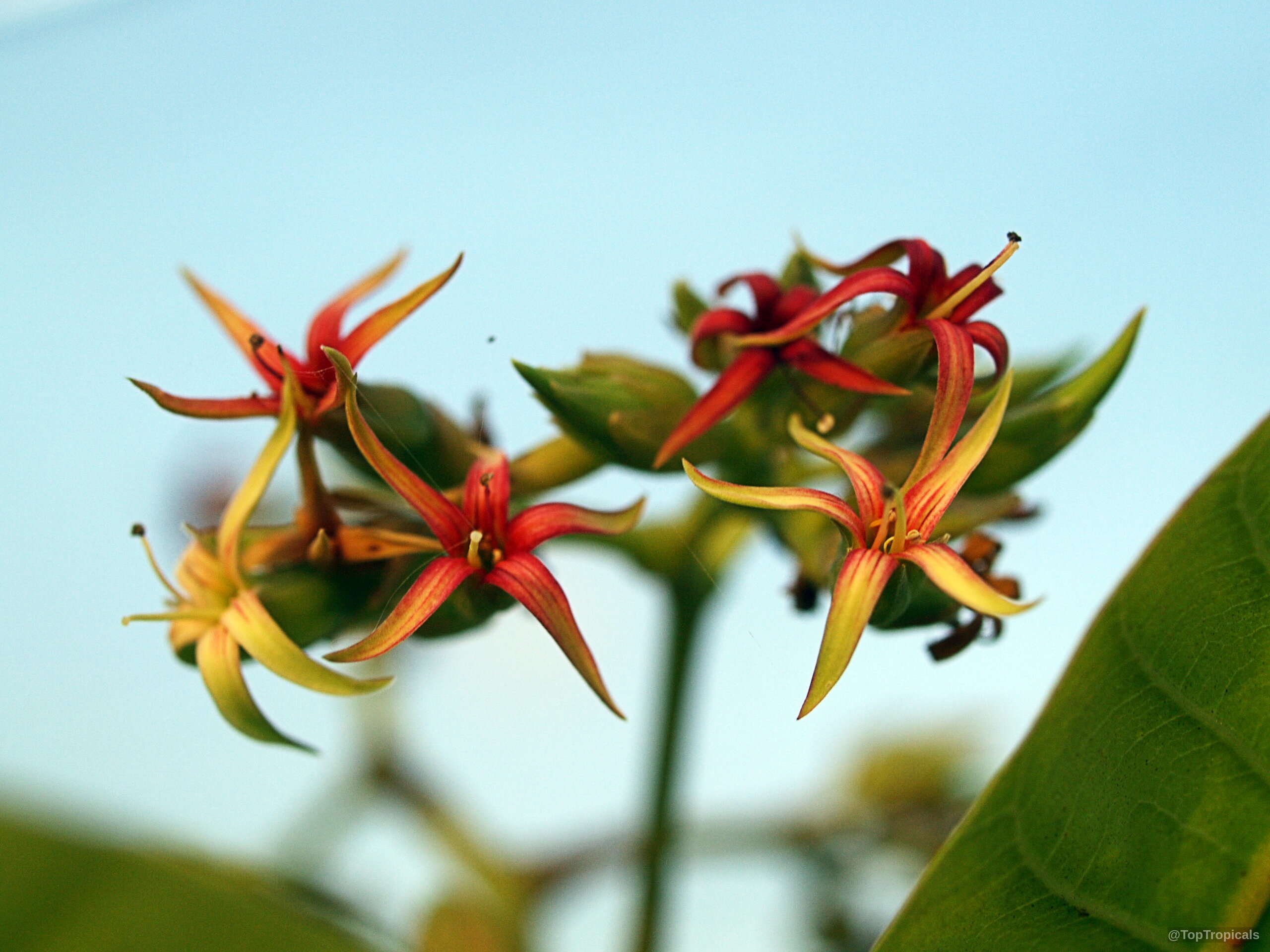
Anacardium excelsum grows into a very large canopy tree with straight boles and wide crowns that dominate their surroundings. Its evergreen leaves are broad, leathery, and arranged to capture high light levels in humid lowland forests. The small flowers appear in loose clusters, followed by swollen, pear-shaped pedicels that turn yellow or reddish and hold the hard seed at the tip. The seeds and fruit of this wild cashew species are poisonous when raw, but after roasting the nuts become edible - many people say they taste similar to common cashews.The tree prospers in deep, moist soils of tropical regions, showing rapid growth in hot, rainy seasons and steady vigor in warm, frost-free environments. Its size and structure make it suitable primarily for spacious tropical landscapes, where it serves as a defining shade tree with notable fruit morphology typical of the genus.

Botanical name: Anacardium giganteum
Common names: Caja Acu, Caja Asu
Family: Anacardiaceae
Origin: South America
USDA Zone: 8-10
Similar to the Anacardium occidentale, the Anacardium giganteum is a juicy, false fruit with a slight strawberry flavor. Nuts can be roasted and reportedly taste like cashew nuts.

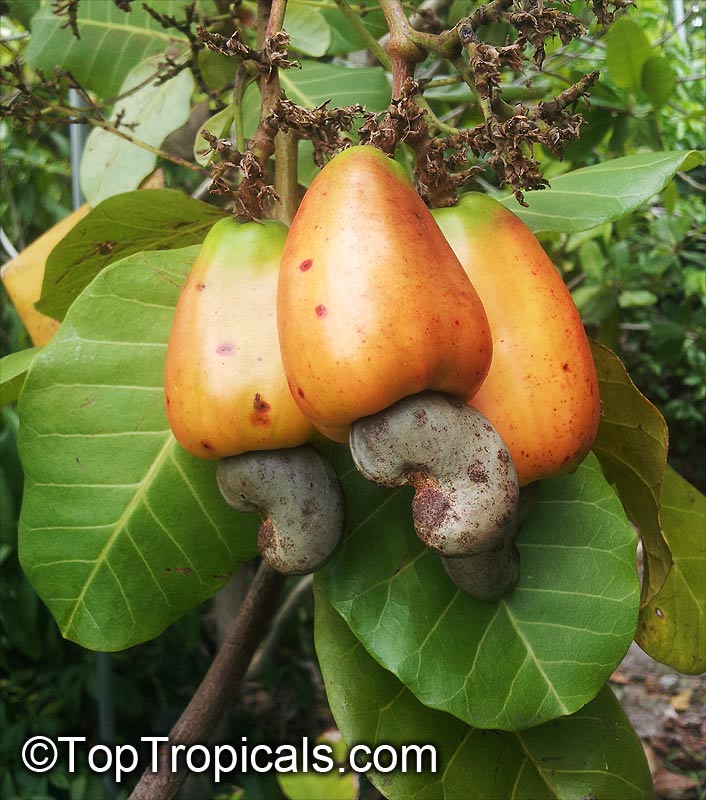
Botanical name: Anacardium occidentale
Common names: Cashew Nut, Cashew Apple, Caju
Family: Anacardiaceae
Origin: Brazil
USDA Zone: 9-10


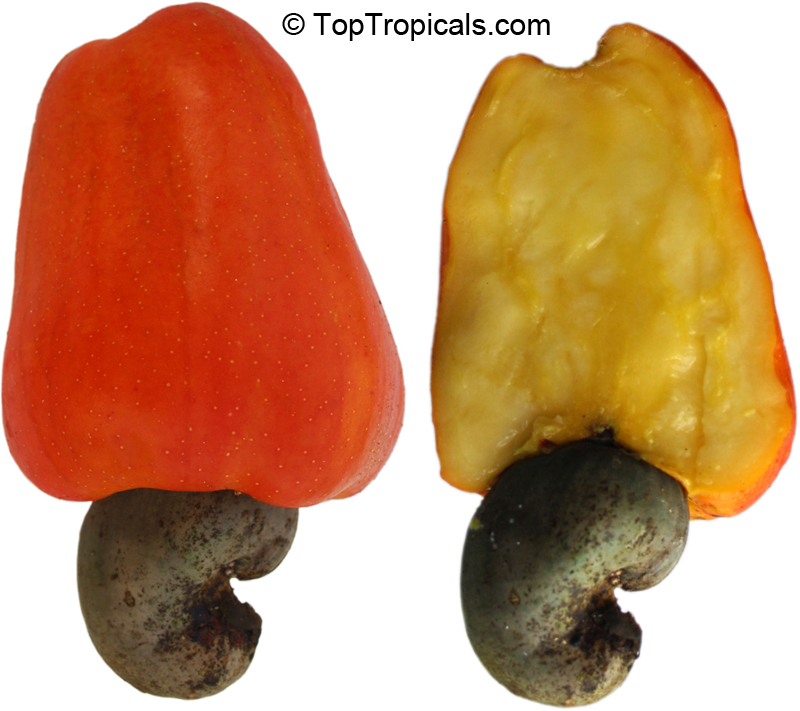
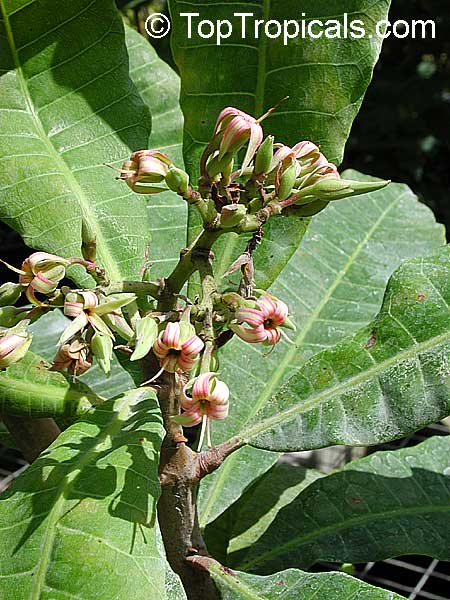
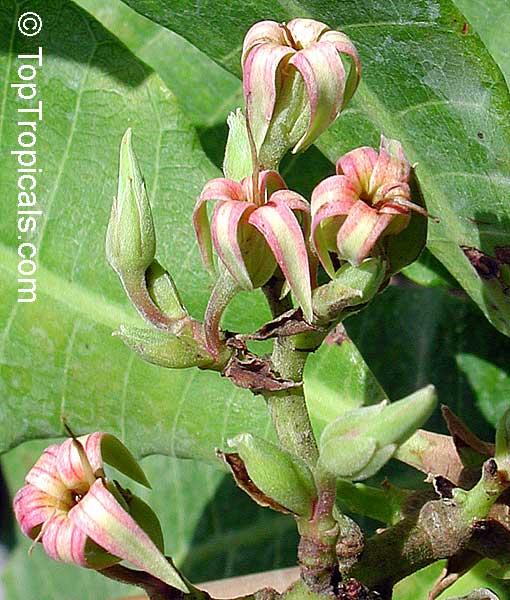
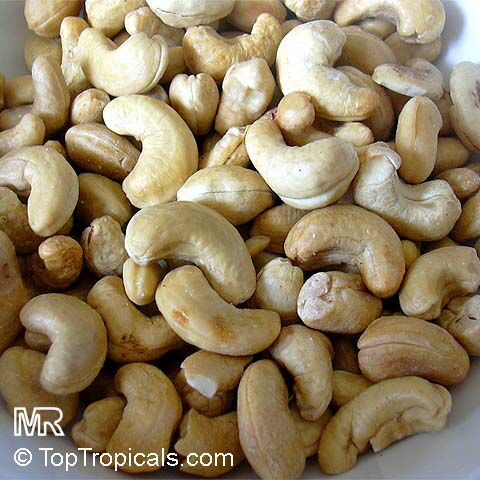
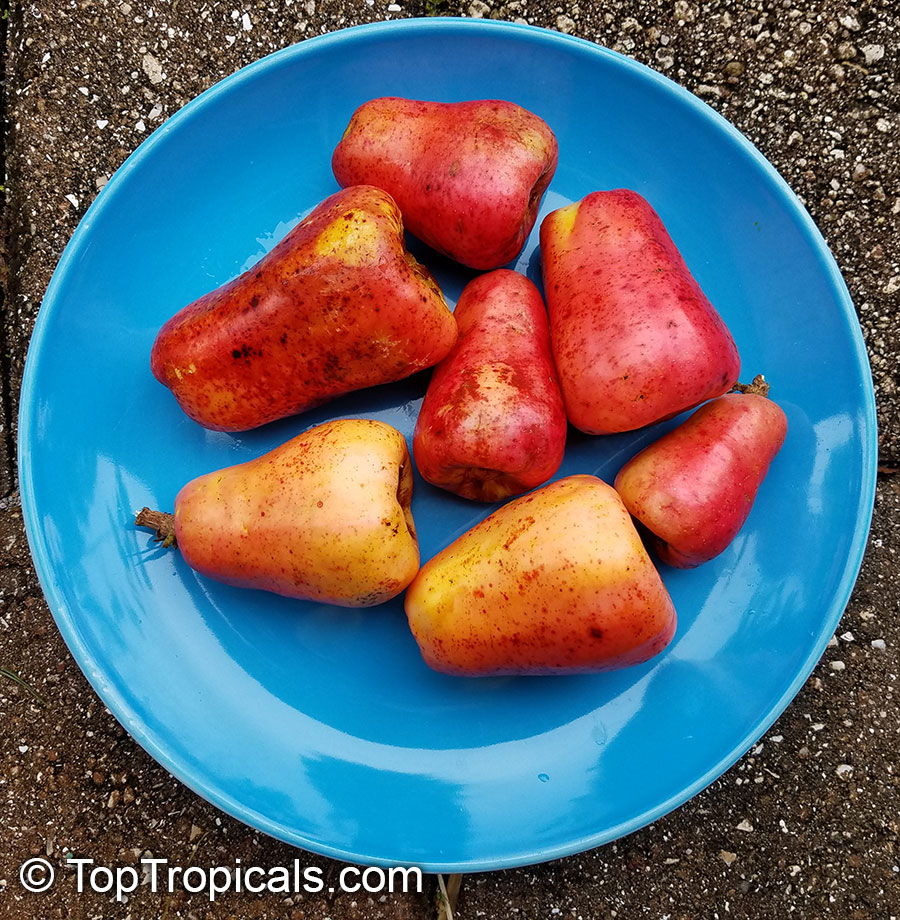
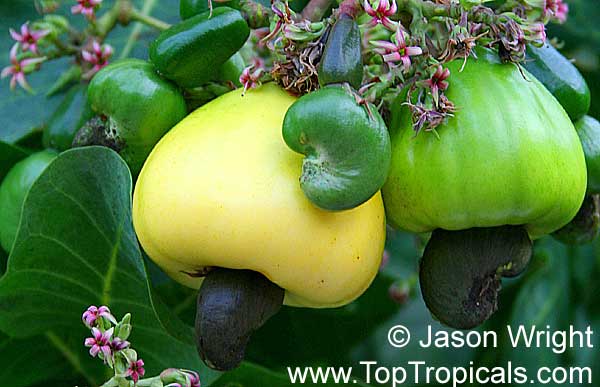
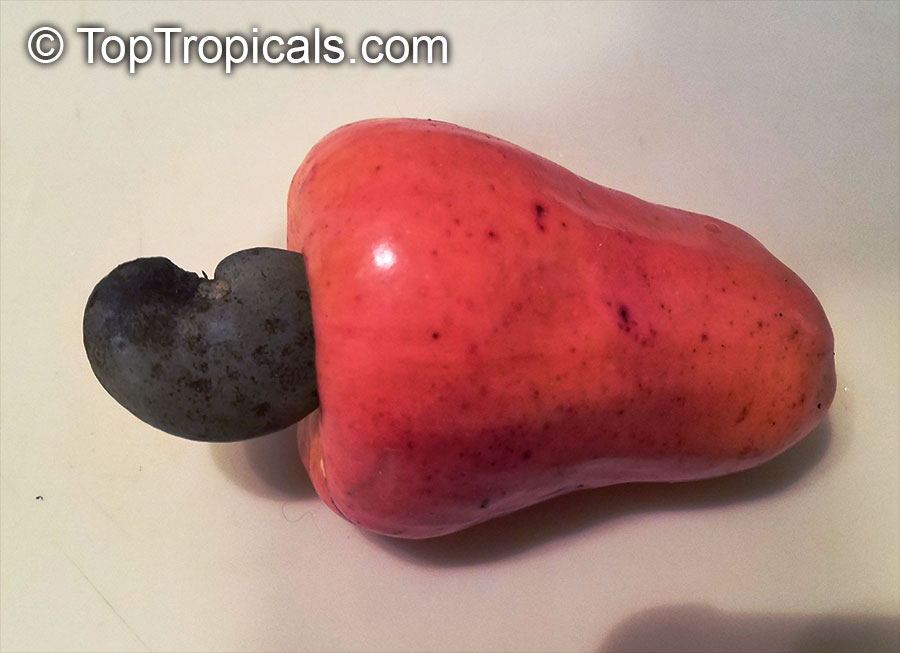
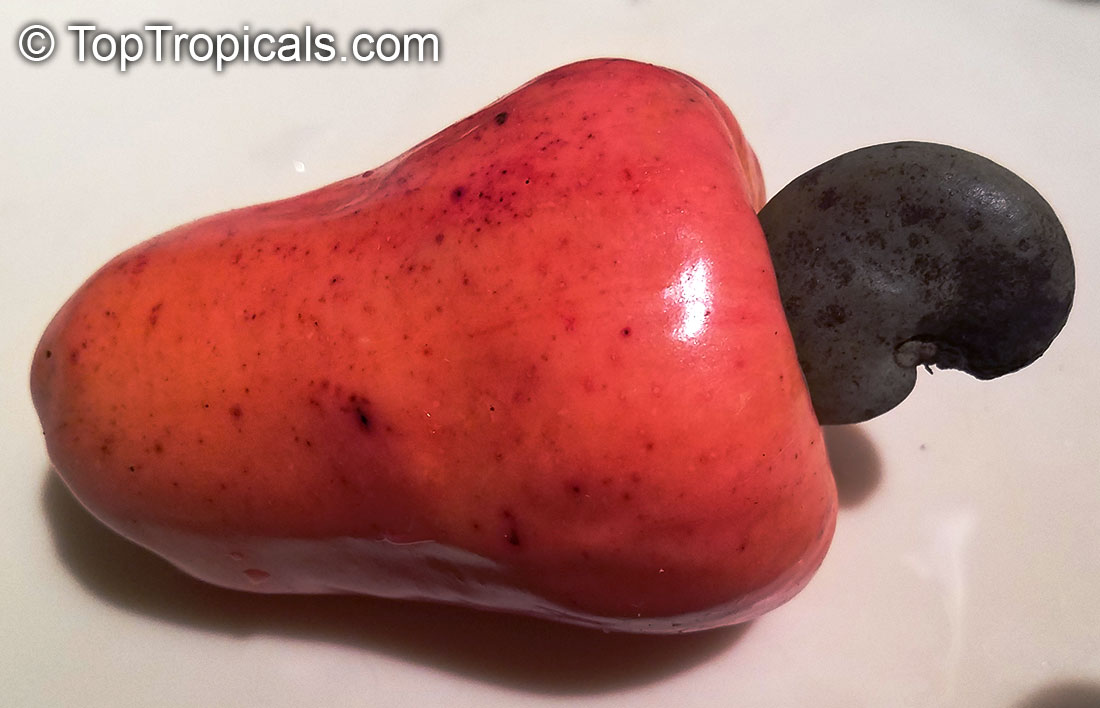
The actual fruit is the nut, the apple is a swollen stem. Cashew apple is eaten fresh or stewed. Has a sweet-astringent taste. Nut itself is caustic until roasted. Must be roasted outdoors because fumes are irritating. Very fast growing under favorable conditions, it may fruit in container, within 2 years from seed. Tolerates very poor soil and drought, as well as salty wind.
Shipped at customers risk, no replacements or refunds. Leaf drop possible. We guarantee healthy plant to be shipped and the best packaging. Express shipping optional.
Recommended Fertilizer: SUNSHINE C-Cibus - Crop Nutrition Booster
SUNSHINE-Honey - sugar booster
Botanical name: Ananas bracteatus
Common name: Red Pineapple
Family: Bromeliaceae
USDA Zone: 10-11
Cold tolerance: 30°F

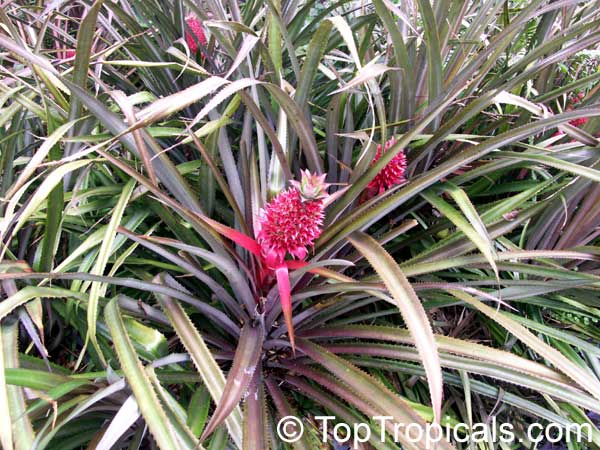
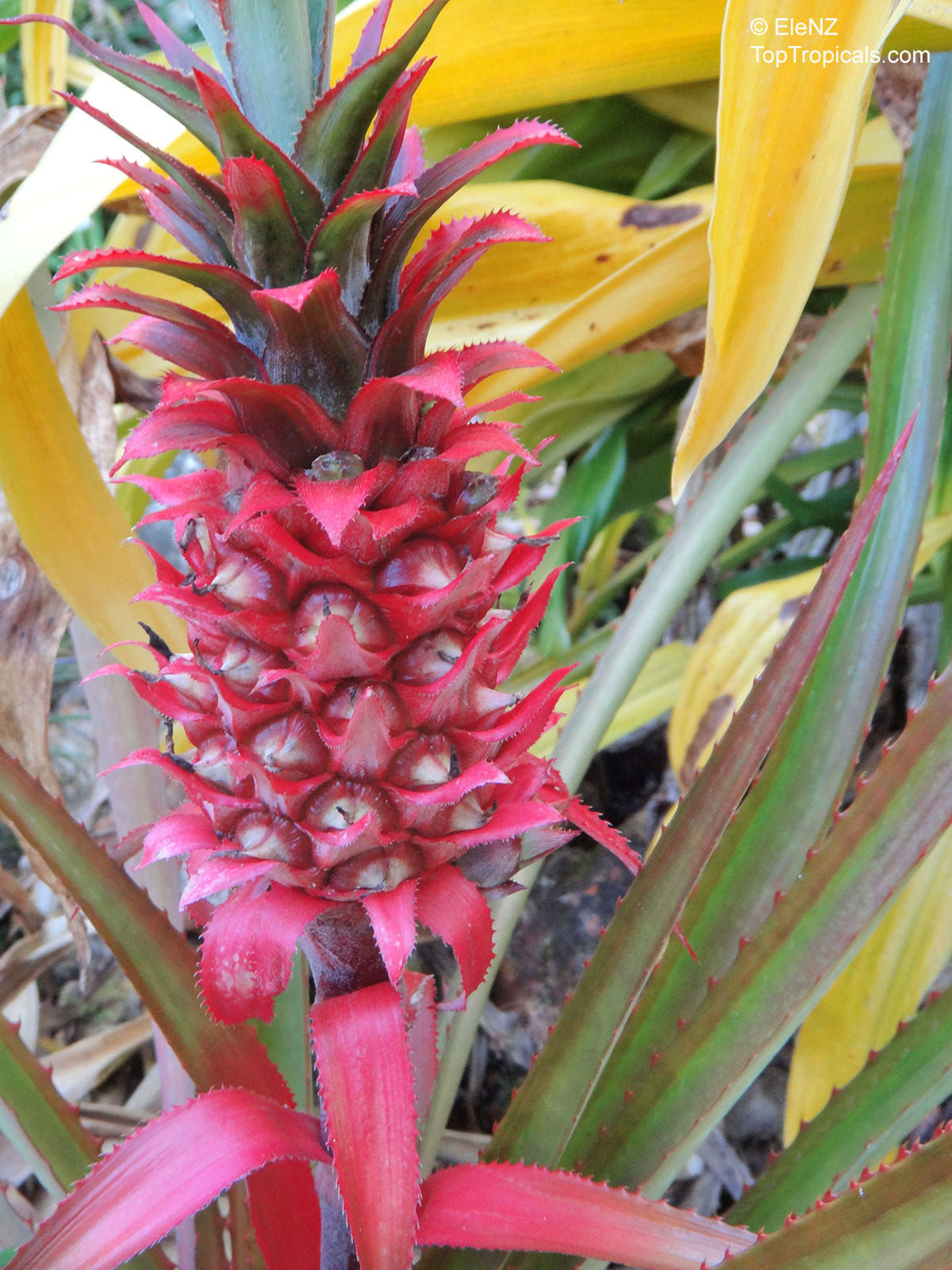
Ananas bracteatus is a striking ornamental bromeliad native to South America, grown for its vivid red bracts and colorful foliage. The plant forms a dense rosette of stiff, arching leaves that are often edged with small spines. In the variegated cultivar A. bracteatus 'Tricolor', the foliage displays green, white, and pink tones, especially bright in strong light. The inflorescence emerges on a short central stalk, surrounded by scarlet-red bracts that contrast sharply with the developing fruit. While the fruit is edible, it is typically grown for visual appeal rather than consumption.
Grow Ananas bracteatus in full sun to partial shade, in well-draining soil with regular watering during the warm season. In tropical climates, it can be planted directly in the landscape; in cooler regions, it adapts well to container culture and can be overwintered indoors. The plant benefits from high humidity and warmth to maintain its bright coloration. Propagation is done through crowns, slips, or basal pups. Hardy in USDA Zones 10-11.
Botanical name: Ananas comosus
Common names: Pineapple, Pina
Family: Bromeliaceae
Subfamily: Bromelioideae
Origin: Brazil and Paraguay
USDA Zone: 9-11
Cold tolerance: 35°F

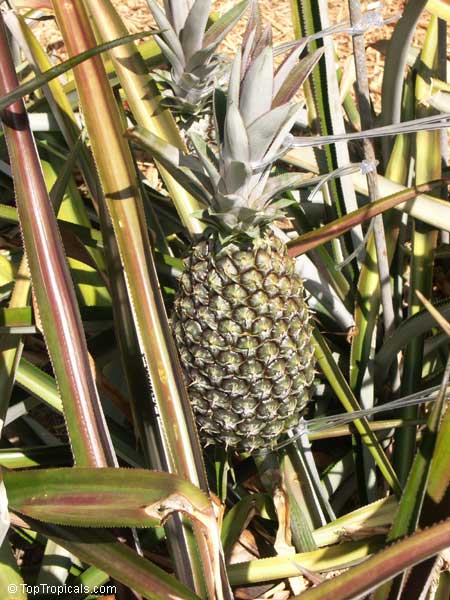
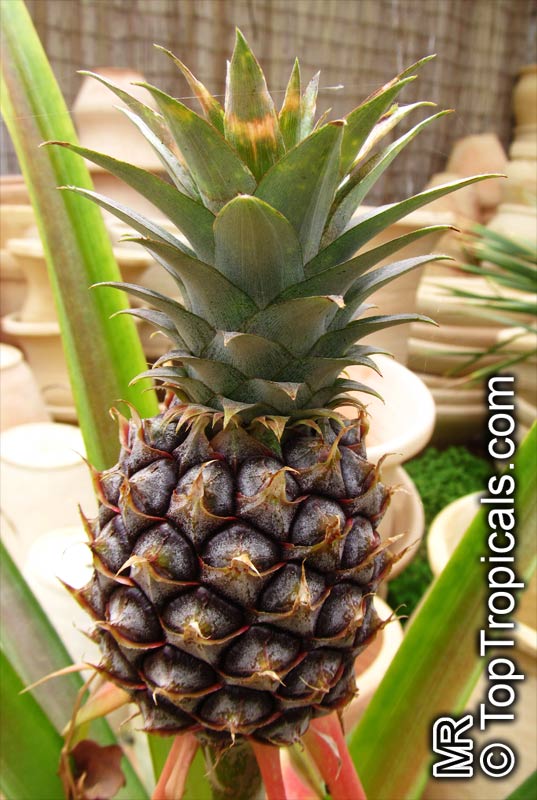
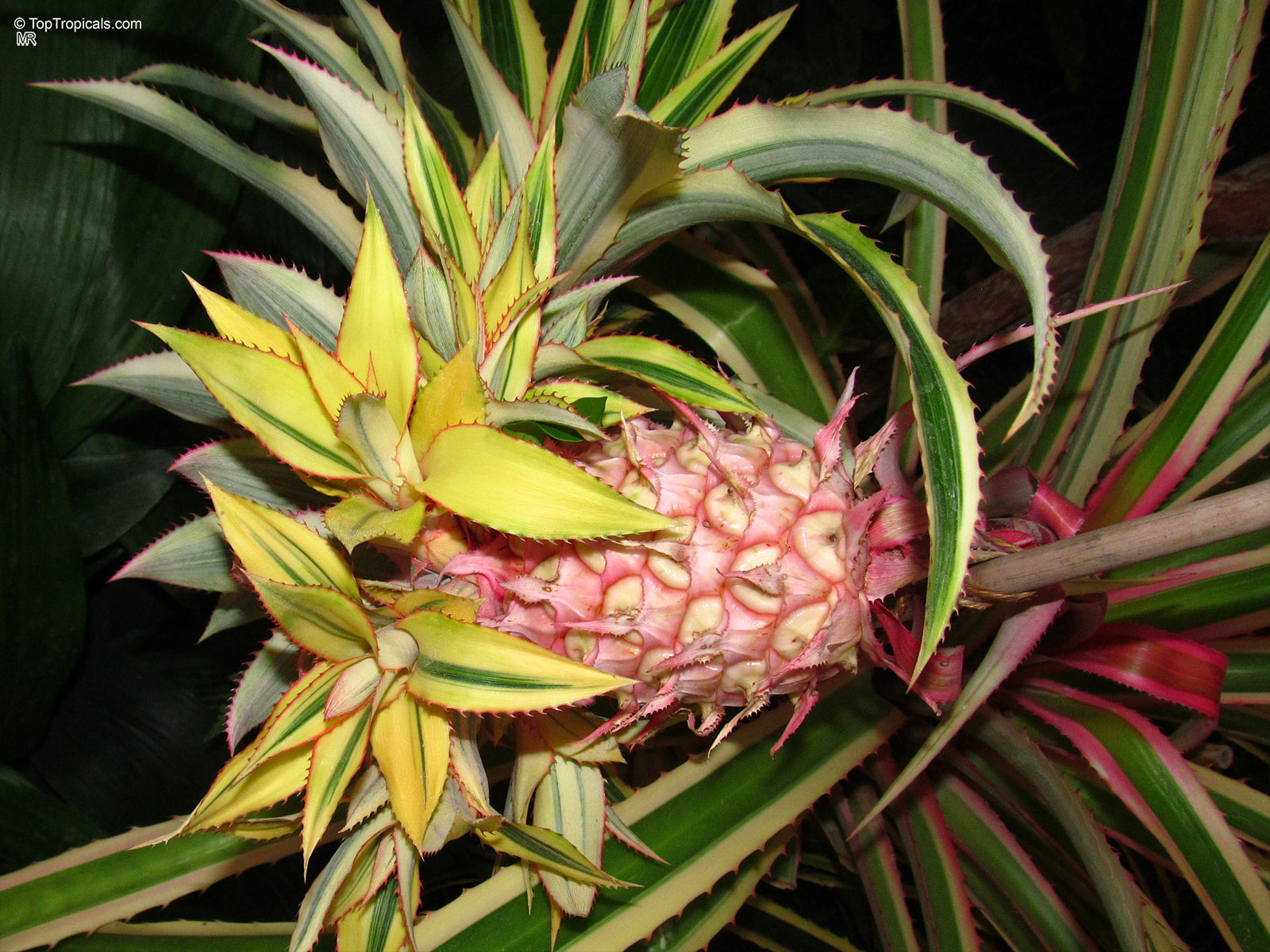
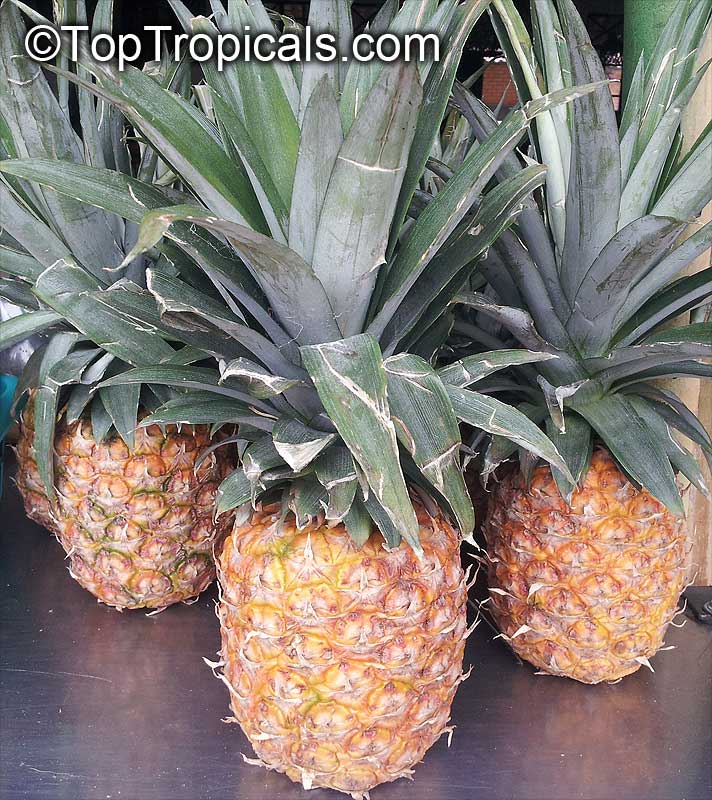
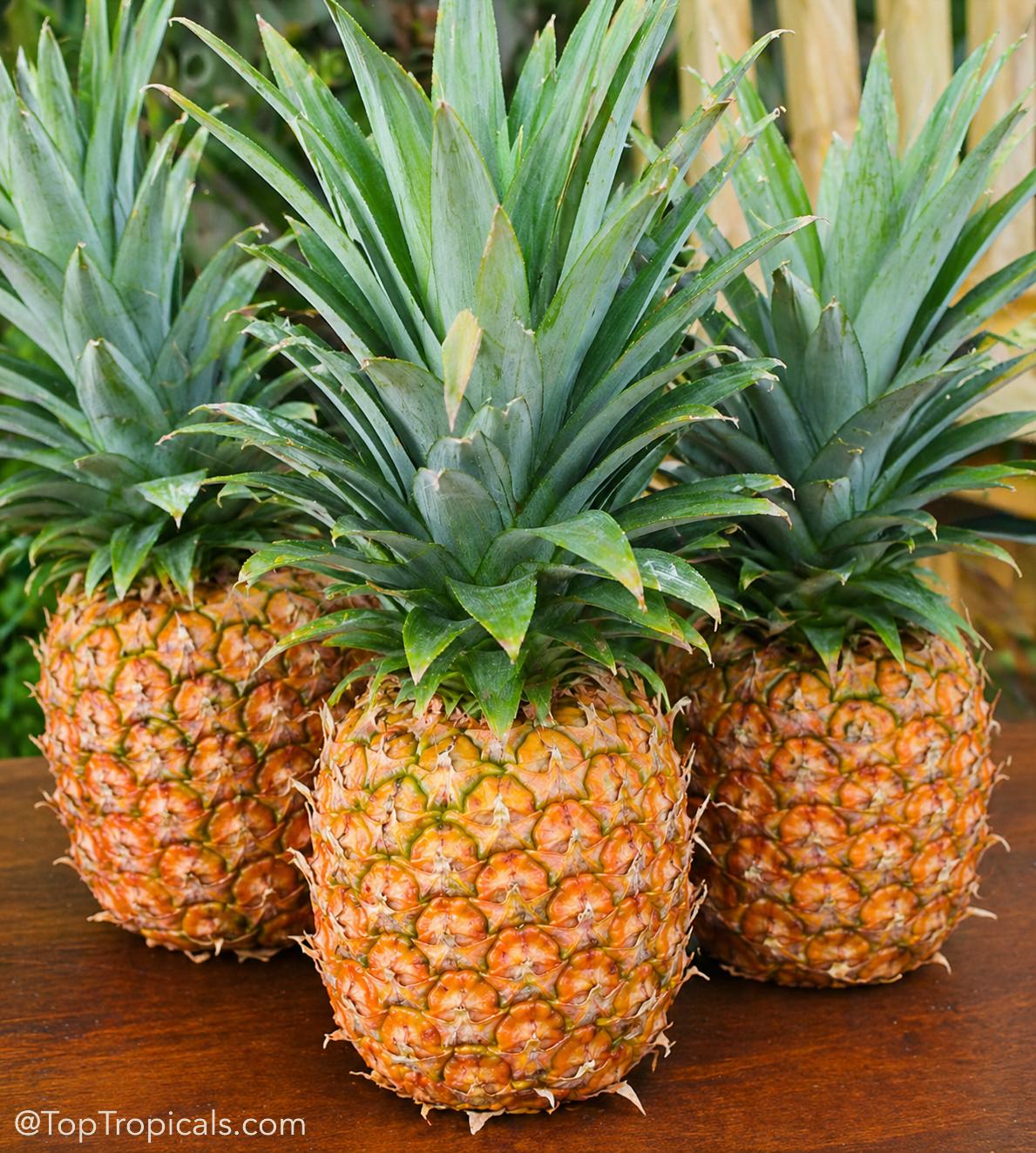
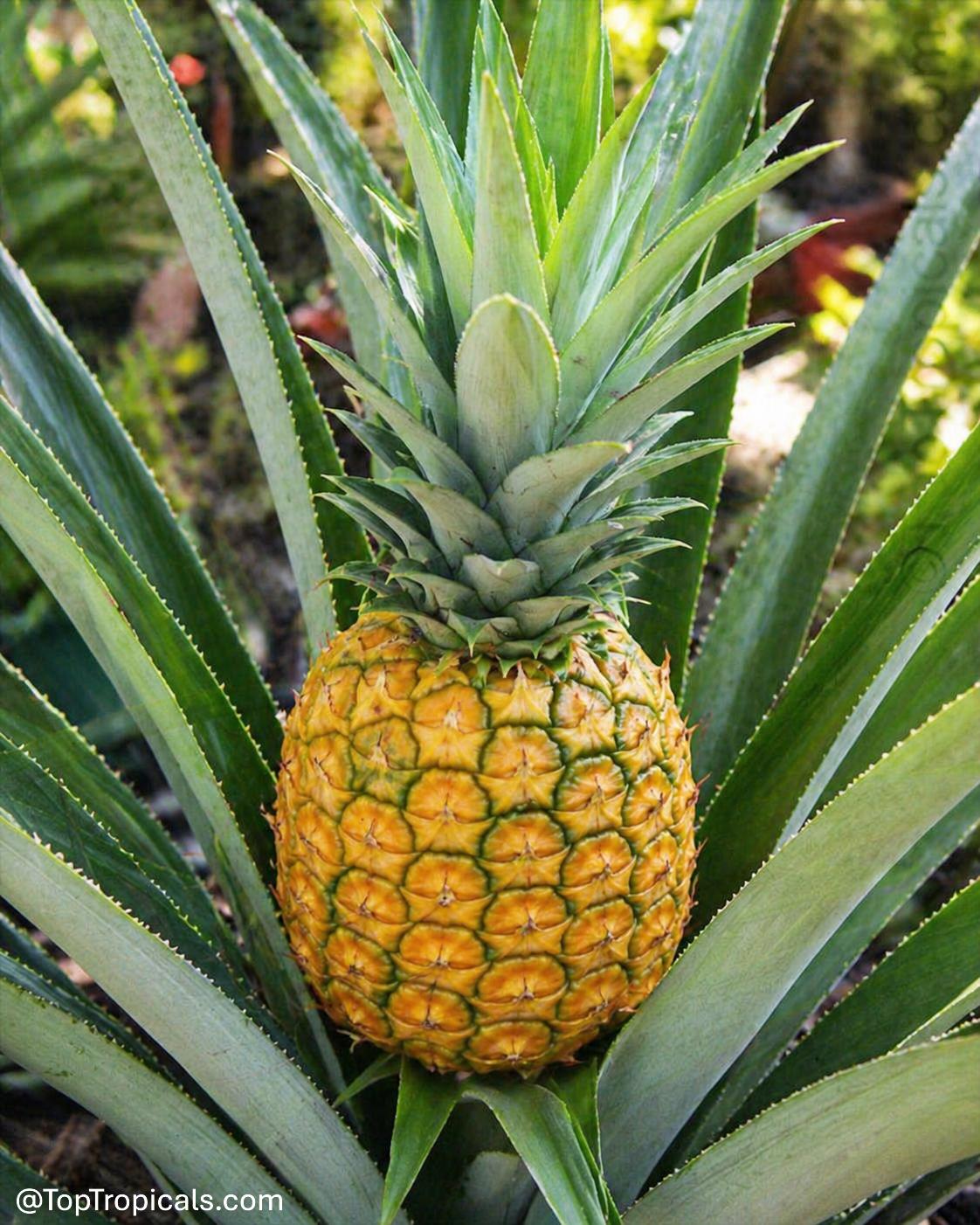
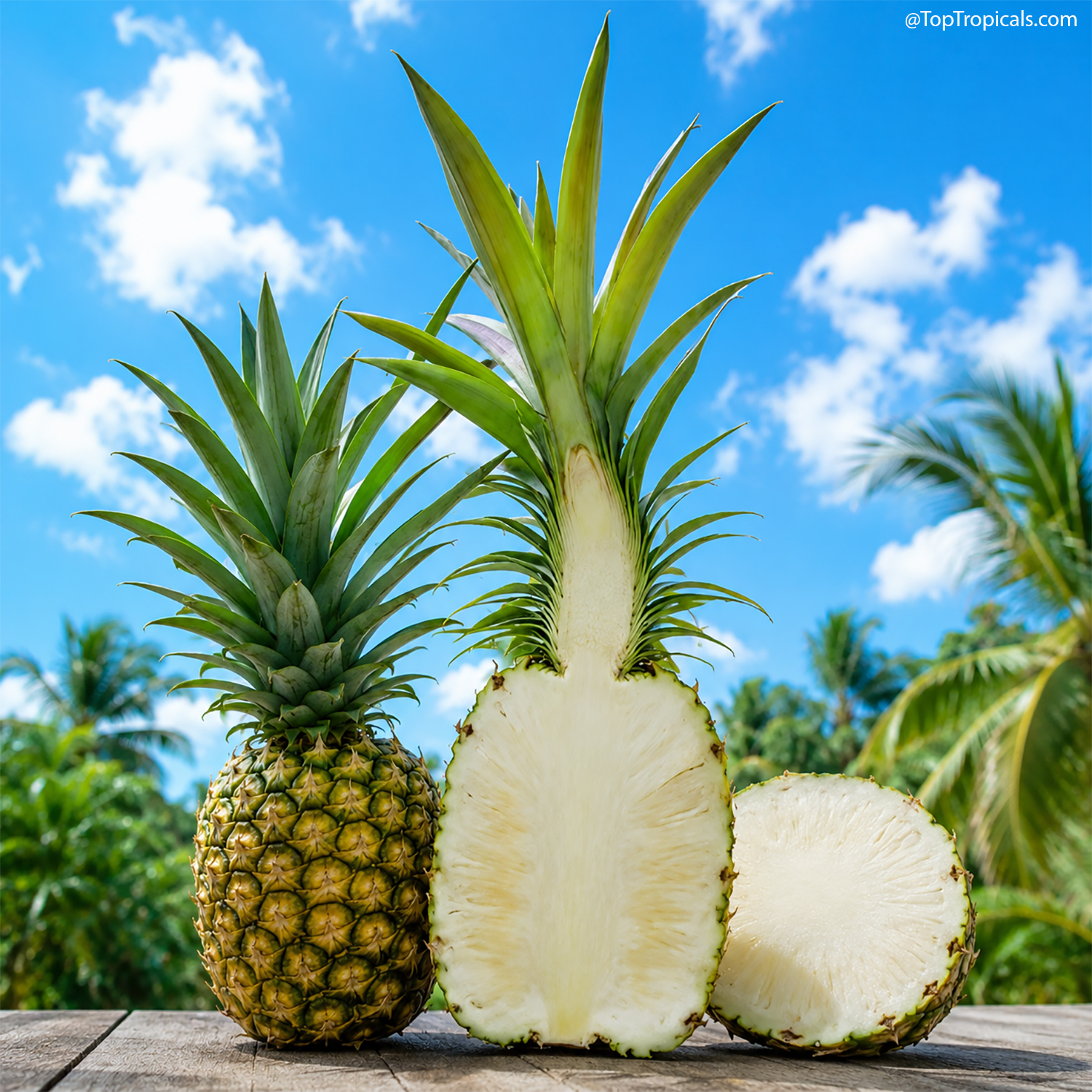
Ananas comosus is a tropical plant in the bromeliad family cultivated for its edible fruit. It forms a compact rosette of stiff, sword-shaped leaves, often edged with small spines. The plant sends up a stout central stalk topped with a dense inflorescence of small lavender to purplish flowers. After flowering, the individual fruits fuse into a single, cylindrical, golden-yellow pineapple, topped by a leafy crown. This species is widely grown across warm regions of the world and has been selected into many cultivars for fruit quality, size, and ornamental value.
Grow Ananas comosus in full sun and well-drained soil with regular watering during active growth. The plant is drought-tolerant once established but produces best with consistent moisture and warmth. It thrives in humid tropical climates and can also be grown in containers in subtropical zones, overwintered indoors where winters are cool. Propagation is typically done by planting the leafy crown or side shoots (slips and suckers). Hardy in USDA Zones 10-11. Fruiting may take 18-24 months under ideal conditions.
Recommended Fertilizer: SUNSHINE Ananas - Pineapple and Bromeliad Booster
SUNSHINE-Honey - sugar booster
SUNSHINE-Superfood - micro-element booster
Recommended Fertilizer: SUNSHINE Ananas - Pineapple and Bromeliad Booster
SUNSHINE-Honey - sugar booster
SUNSHINE-Superfood - micro-element booster
Recommended Fertilizer: SUNSHINE Ananas - Pineapple and Bromeliad Booster
SUNSHINE-Honey - sugar booster
SUNSHINE-Superfood - micro-element booster
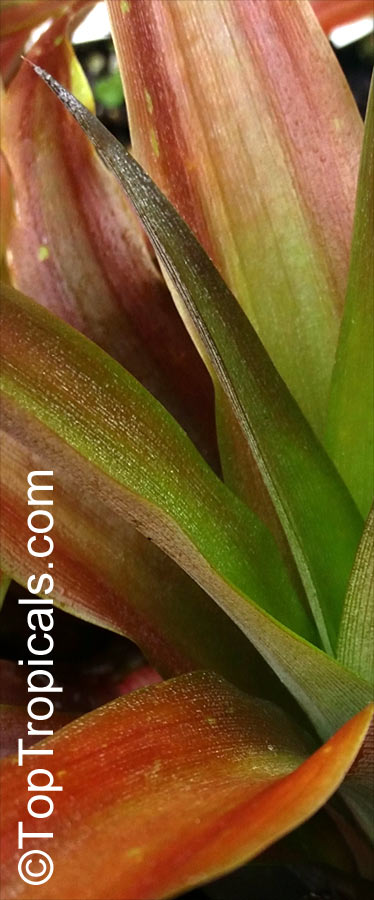
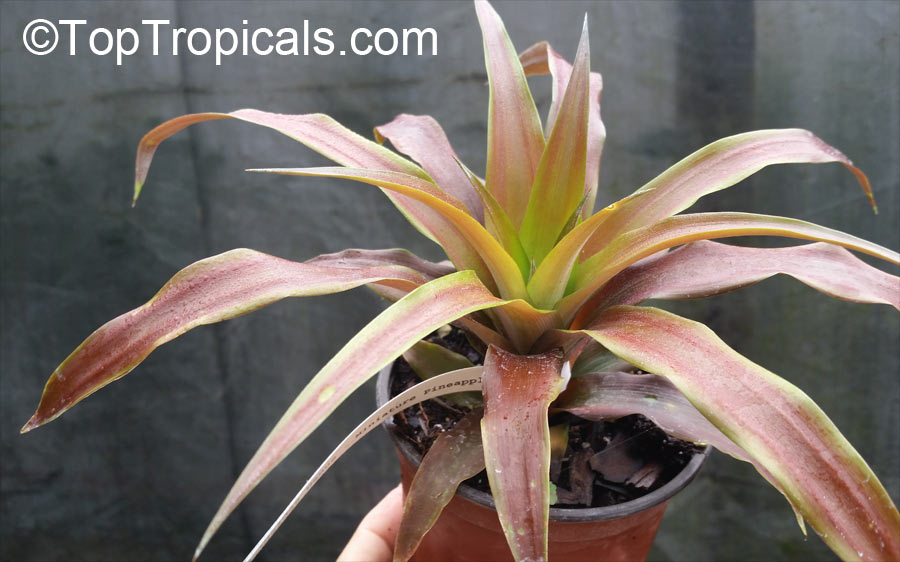
Botanical names: Ananas lucidus, Ananas comosus f. lucidus
Common names: Miniature Pineapple, Smooth Cayenne
Family: Bromeliaceae
Origin: Brazil
USDA Zone: 10-11
Cold tolerance: 30°F
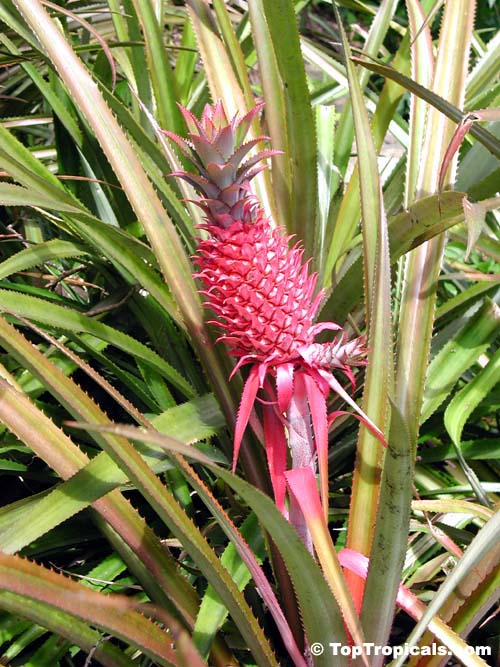
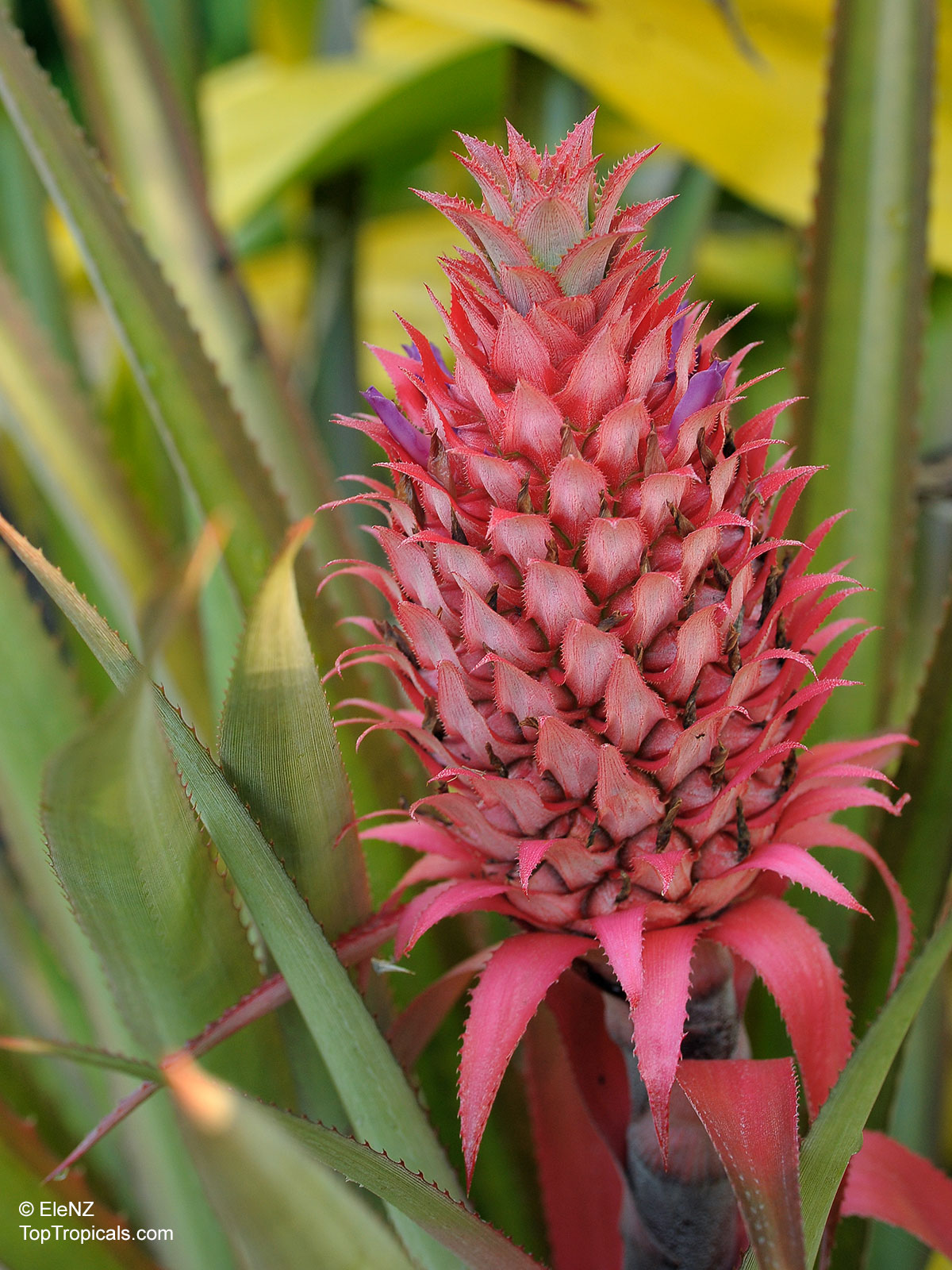
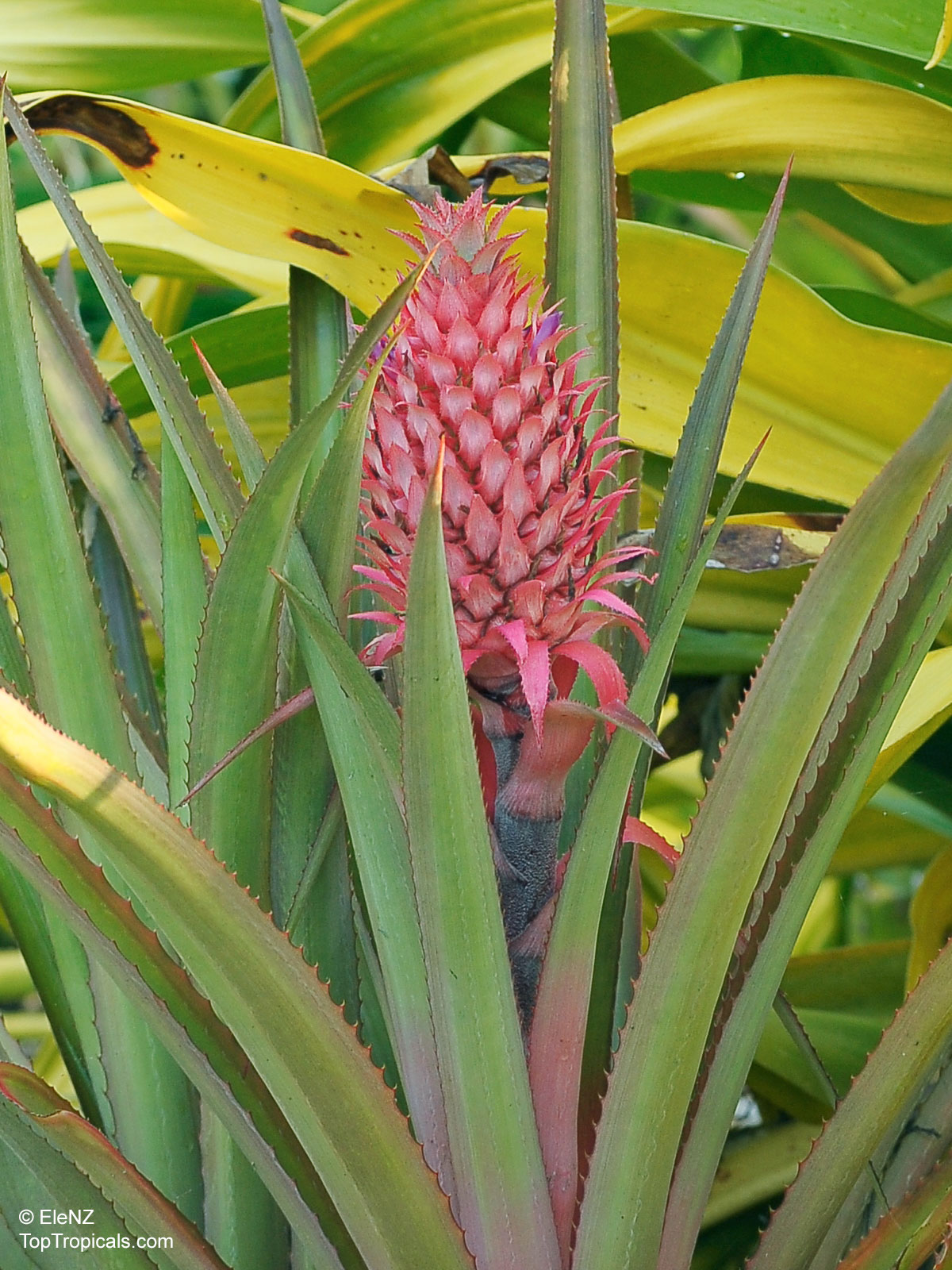
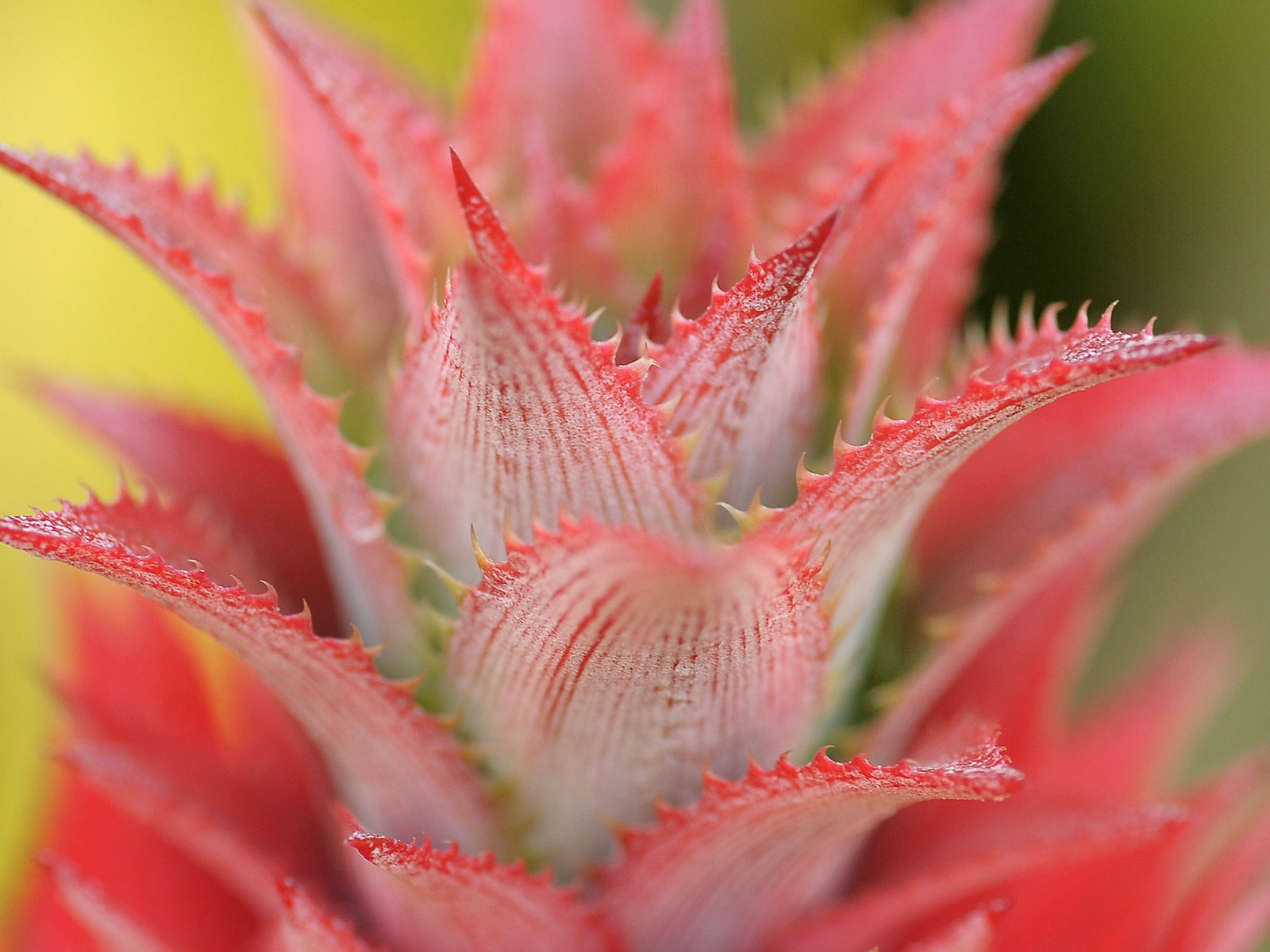
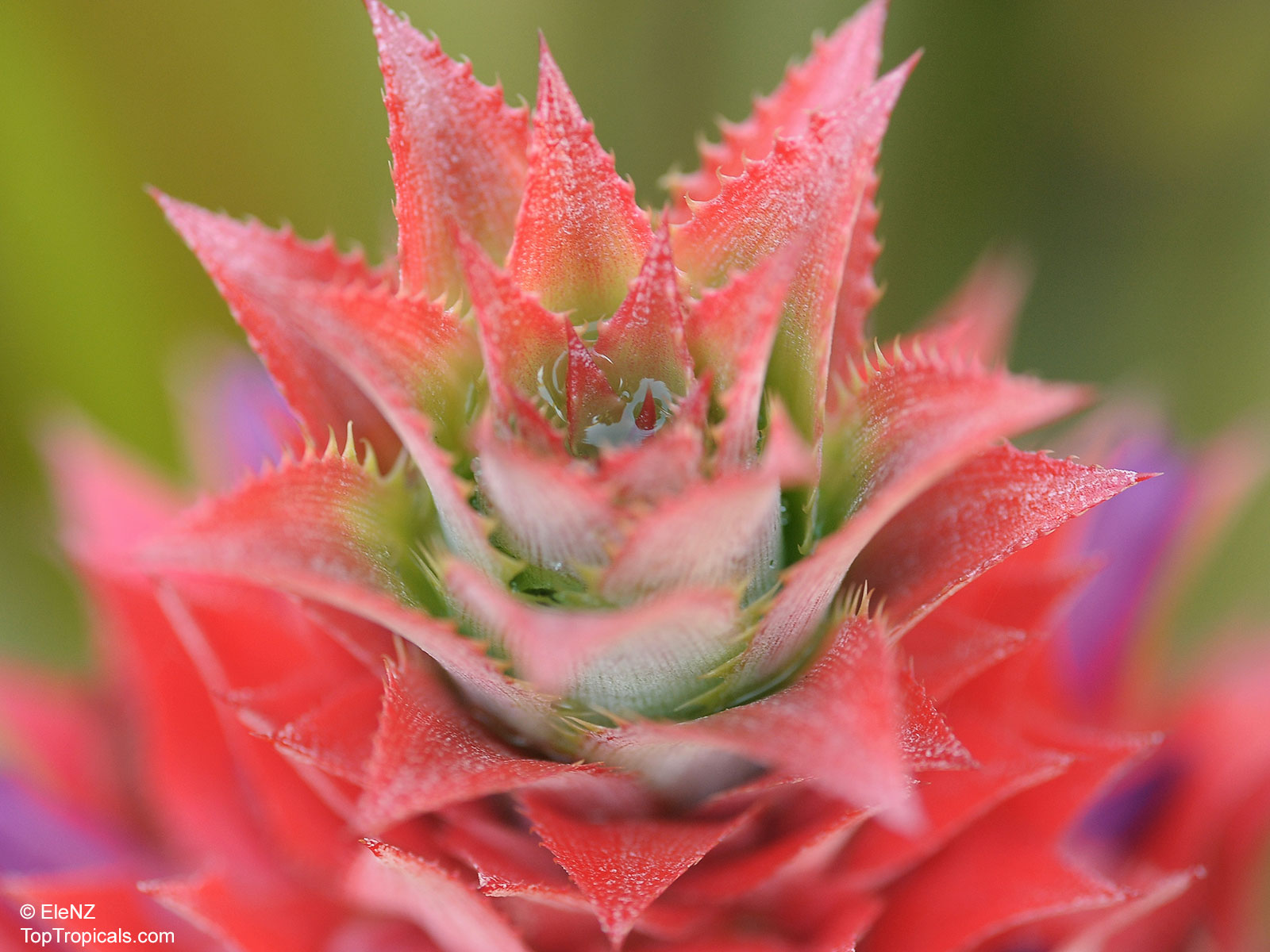
Ananas lucidus (Smooth Cayenne) is a striking ornamental bromeliad native to tropical South America, valued for its vivid red bracts and smooth, spineless foliage. The plant forms a neat rosette of stiff, narrow, glossy leaves and produces a short flowering stalk topped with a bright red‑bracted inflorescence. At the center, a developing fruit is accented by small purple and white blooms, creating a brilliant contrast against the foliage.
Grow Ananas lucidus in full sun to bright filtered light to enhance its rich coloration. Plant in well‑draining, sandy soil and water regularly during the growing season, allowing the surface to dry slightly between waterings. In cooler climates, it can be grown in containers and overwintered indoors in a bright location. Hardy in USDA Zones 10 11, this pineapple is grown primarily for its ornamental value rather than for eating. Its intense color and compact size make it an excellent choice for patio containers, tropical borders, or as a vivid focal point in the garden.

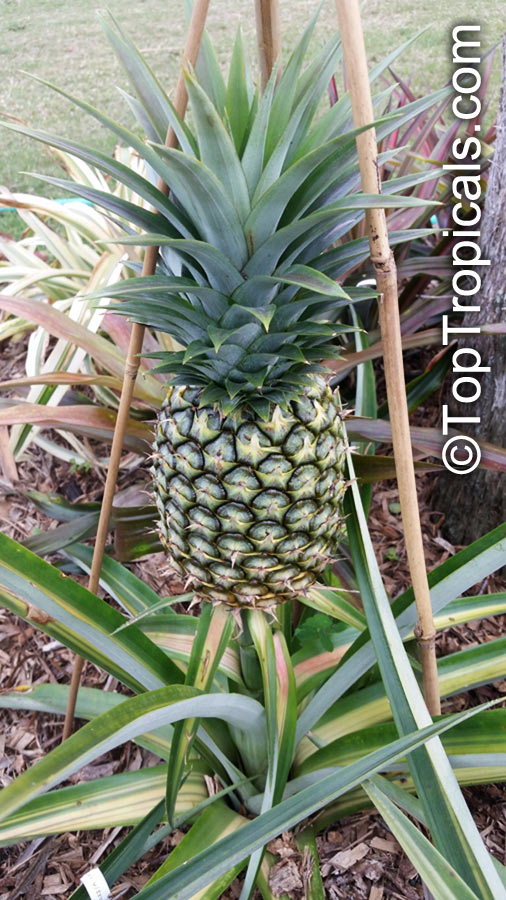
Botanical name: Ananas sp.
Common names: Pineapple, Pina
Family: Bromeliaceae
Subfamily: Bromelioideae
Origin: Brazil and Paraguay
USDA Zone: 9-11
Cold tolerance: 25°F
King of fruits! One of the most delicious fruits in the world, especially when picked and eaten fresh. Pineapples are a tropical fruit that is rich in vitamins and dietary fiber, with the ability to boost the immune system. Popular varieties of pineapples include Royal Hawaiian, Victoria Gourmet, Hawaiian Gold, Sugar Loaf, and Miniature Dwarf. There are also ornamental varieties, such as the variegated pineapple "Ivory Coast," that are valued for their exotic tropical look and require very little care.
Pineapples are short, stiff herbaceous plants that are closely related to bromeliads. They have long, thin leaves with spiny tips and prickly edges, and a violet or reddish flower on a dense head, which appears from January to March in Florida. The fruit is compound, fleshy, and usually yellow to orange when ripe, with a rough outer skin.
Pineapples are not very susceptible to diseases, but they can suffer from root rot, mealy bugs, and spider mites. To prevent these issues, it is important to keep the area clean and free of any infestations. In cold regions, it is necessary to bring the pineapple container inside and keep it in a cool place during the winter. If temperatures drop below freezing for an extended period, it is necessary to cover the container with a thick layer of mulch to protect the plant.
Pineapples can be grown and harvested in pots, but it is important to be careful with watering and only use acidic soil. Like any bromeliad, pineapples need very little water and the soil should be allowed to dry between waterings. The heaviest fruiting season for pineapples is summer, from May to September, although some varieties have a staggered fruiting season throughout the year.
Read more about Pineapple: The most luscious Hospitality Fruit: Pineapple.
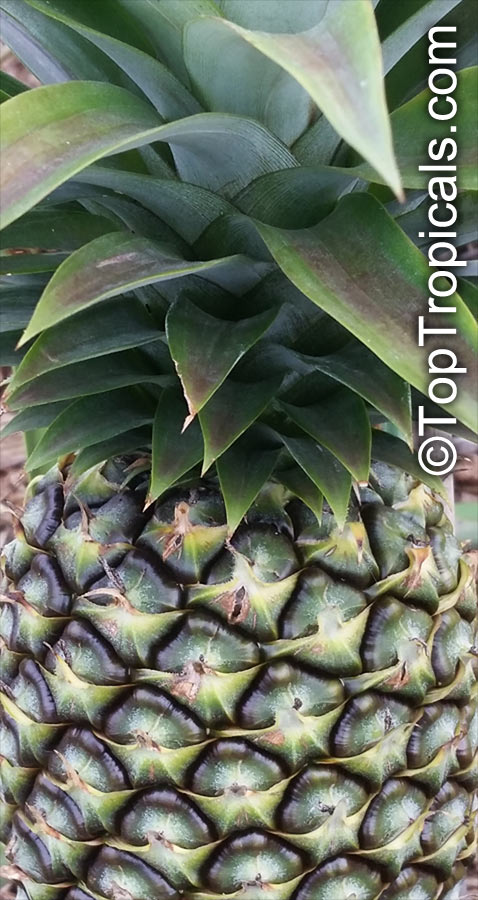
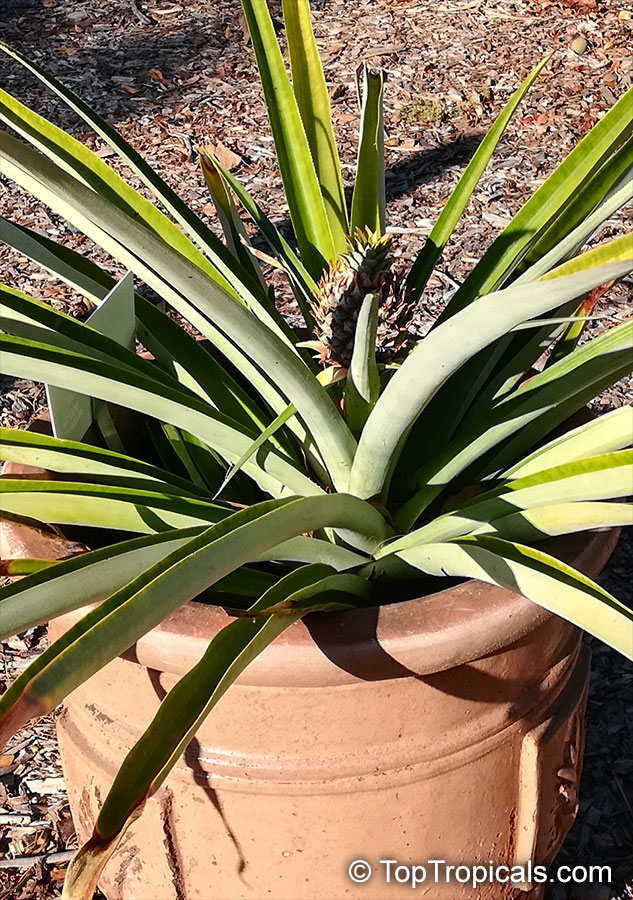
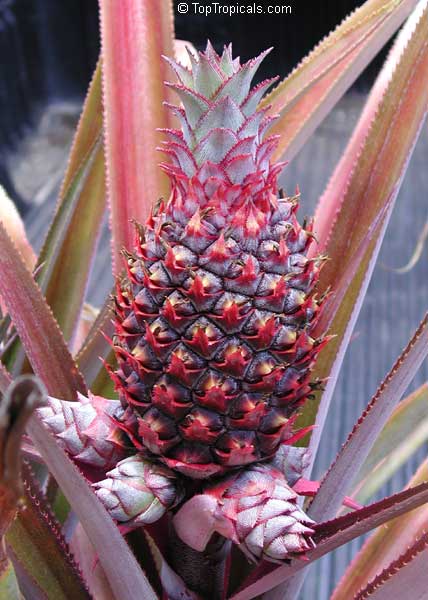
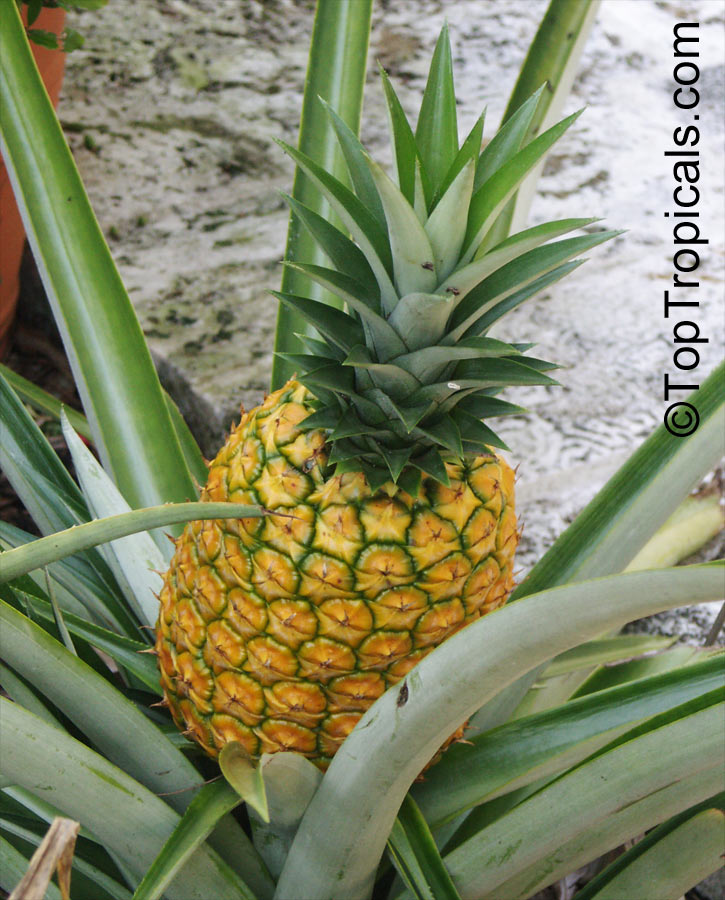
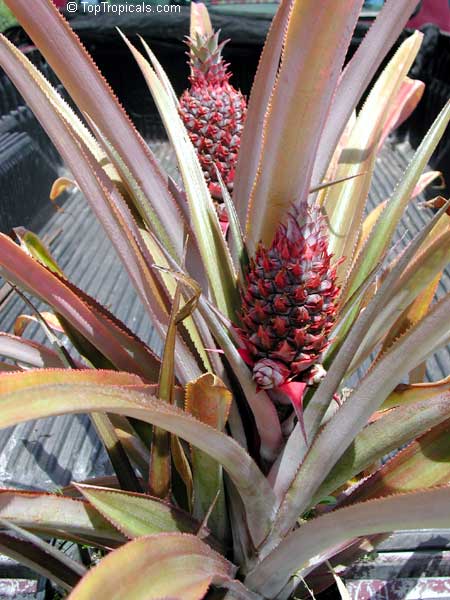
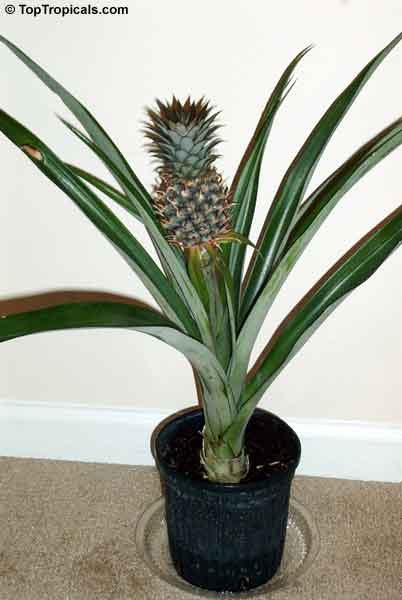
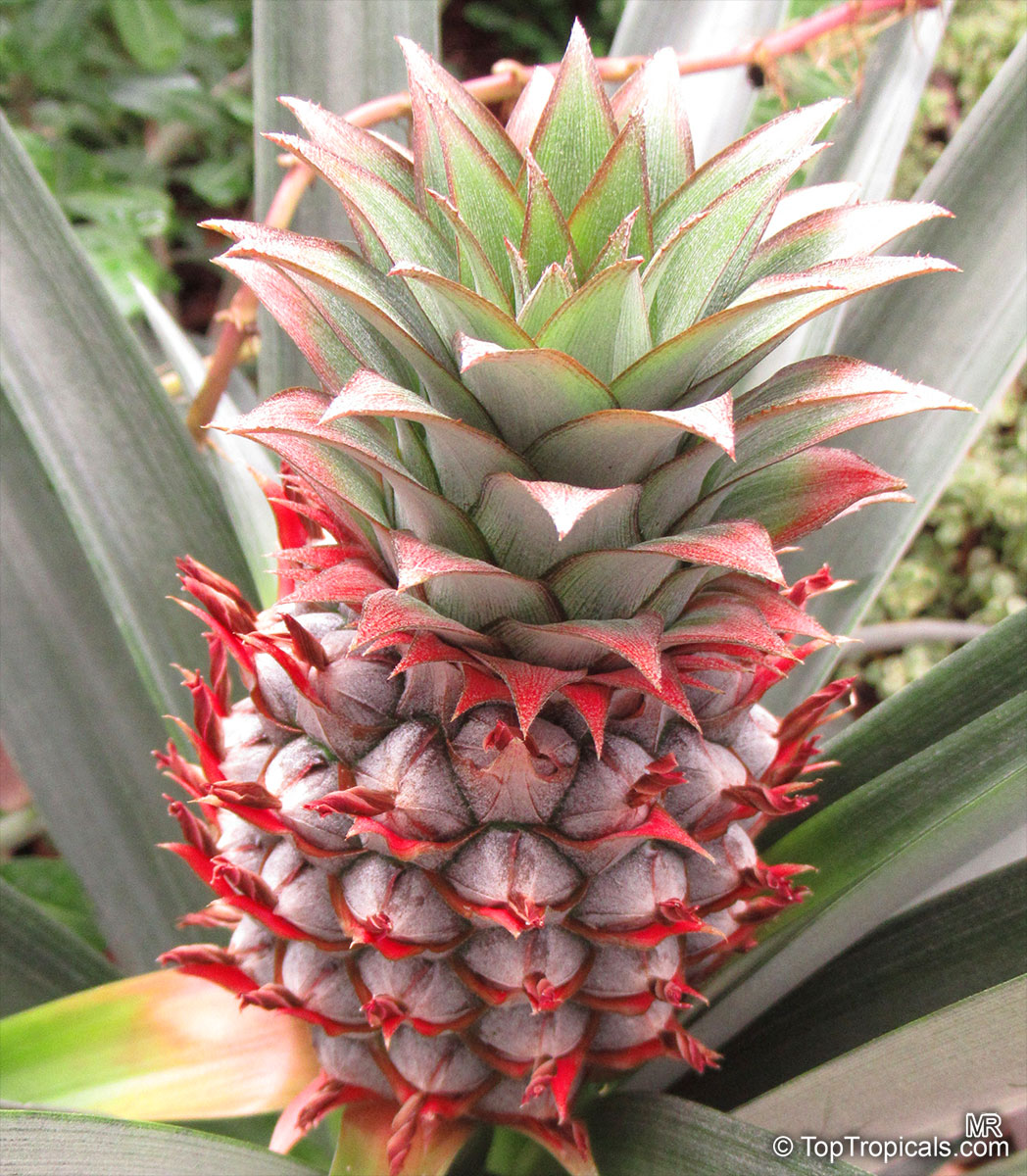
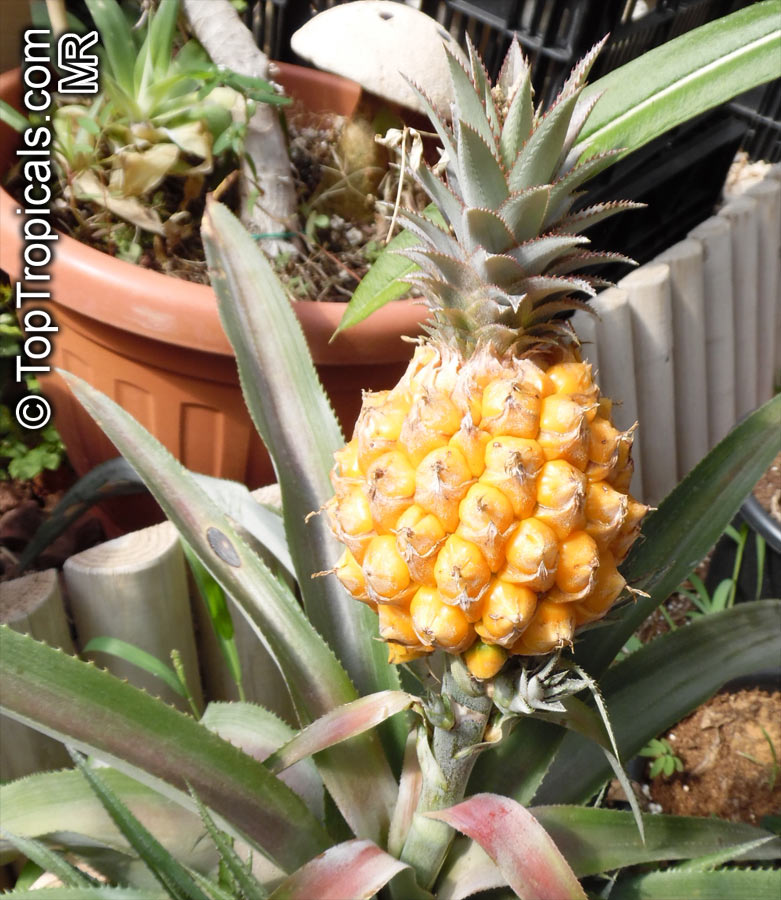
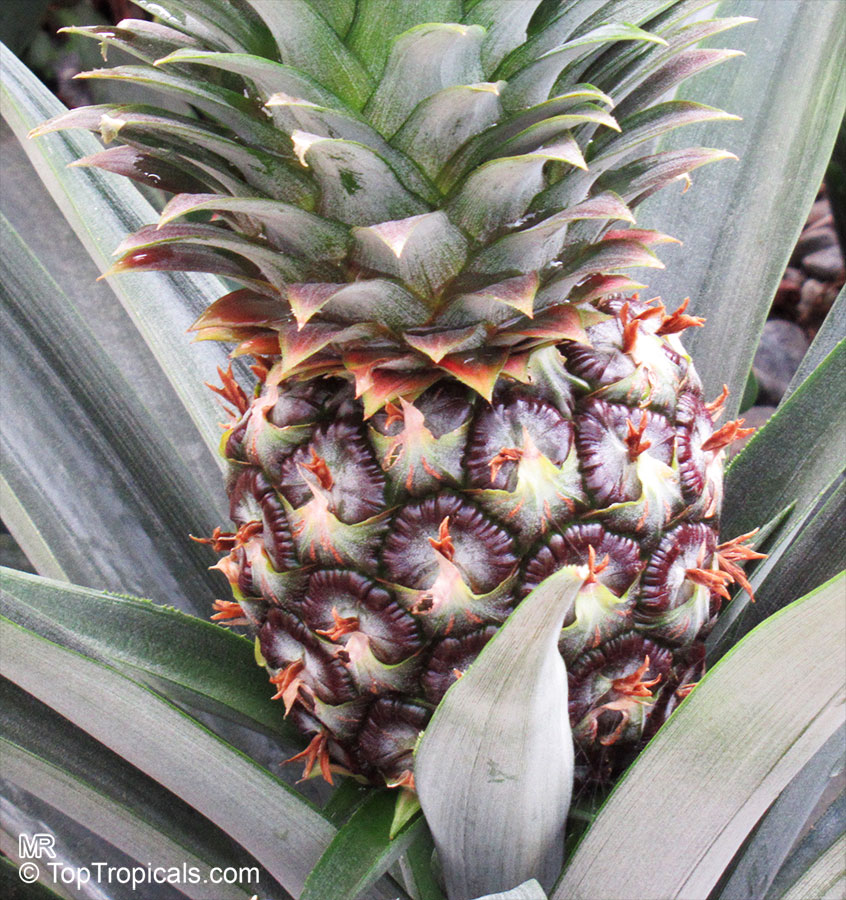
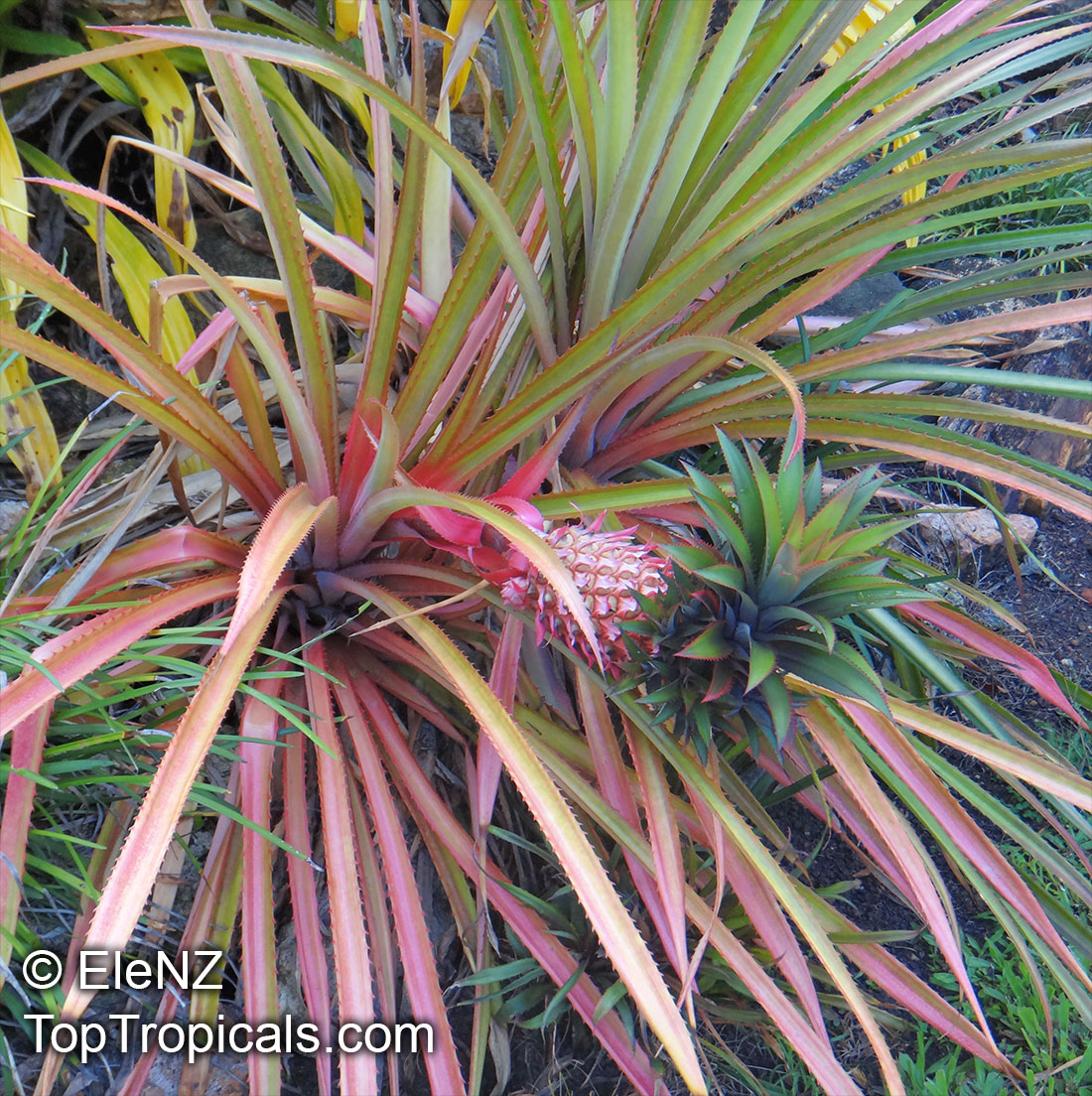
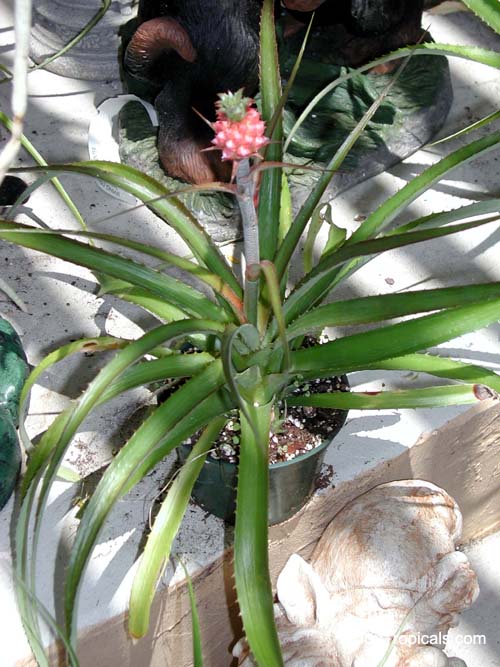
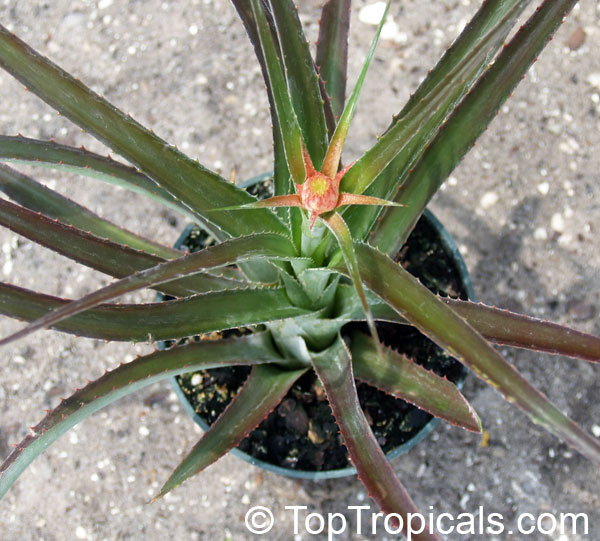
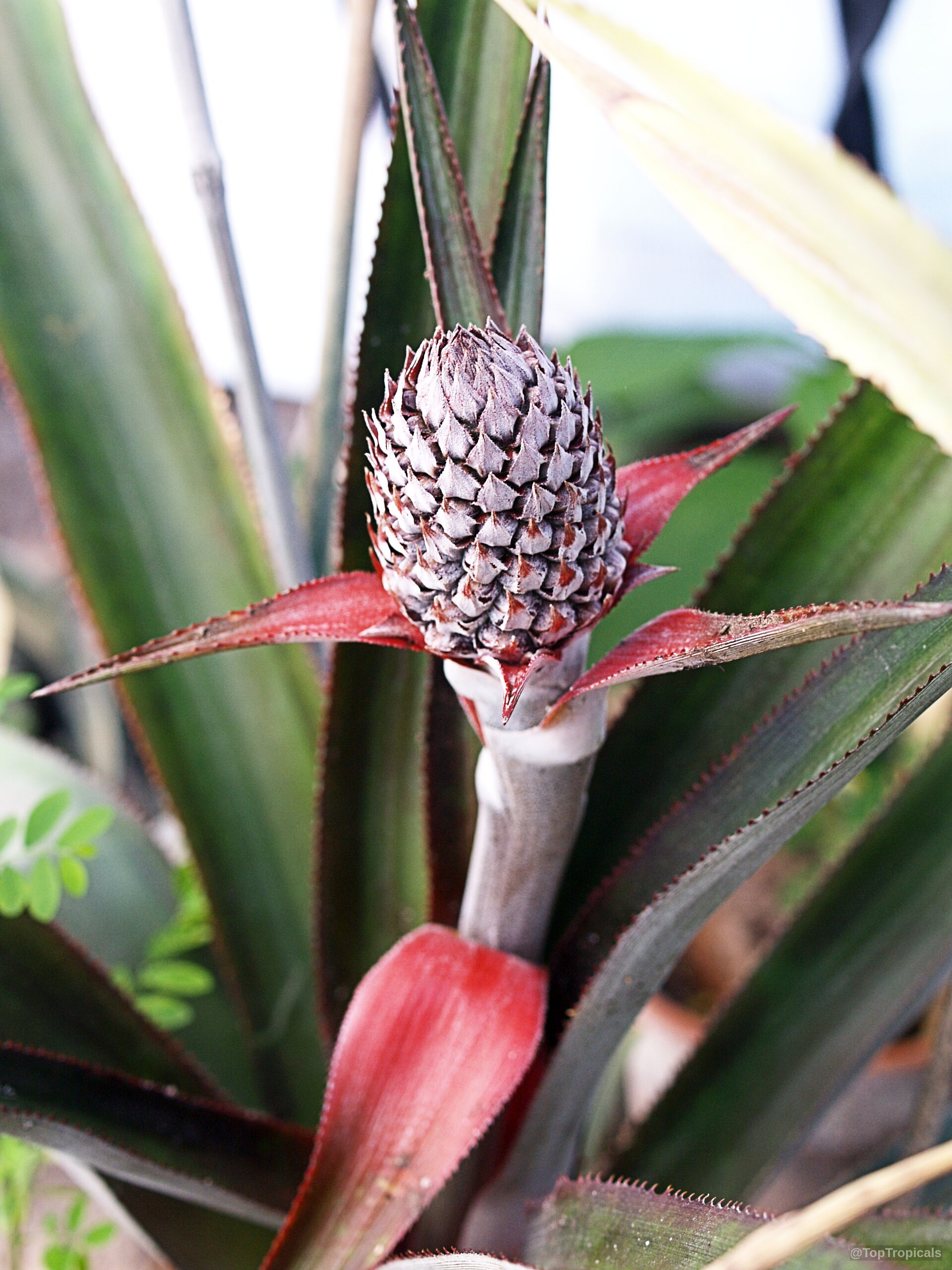

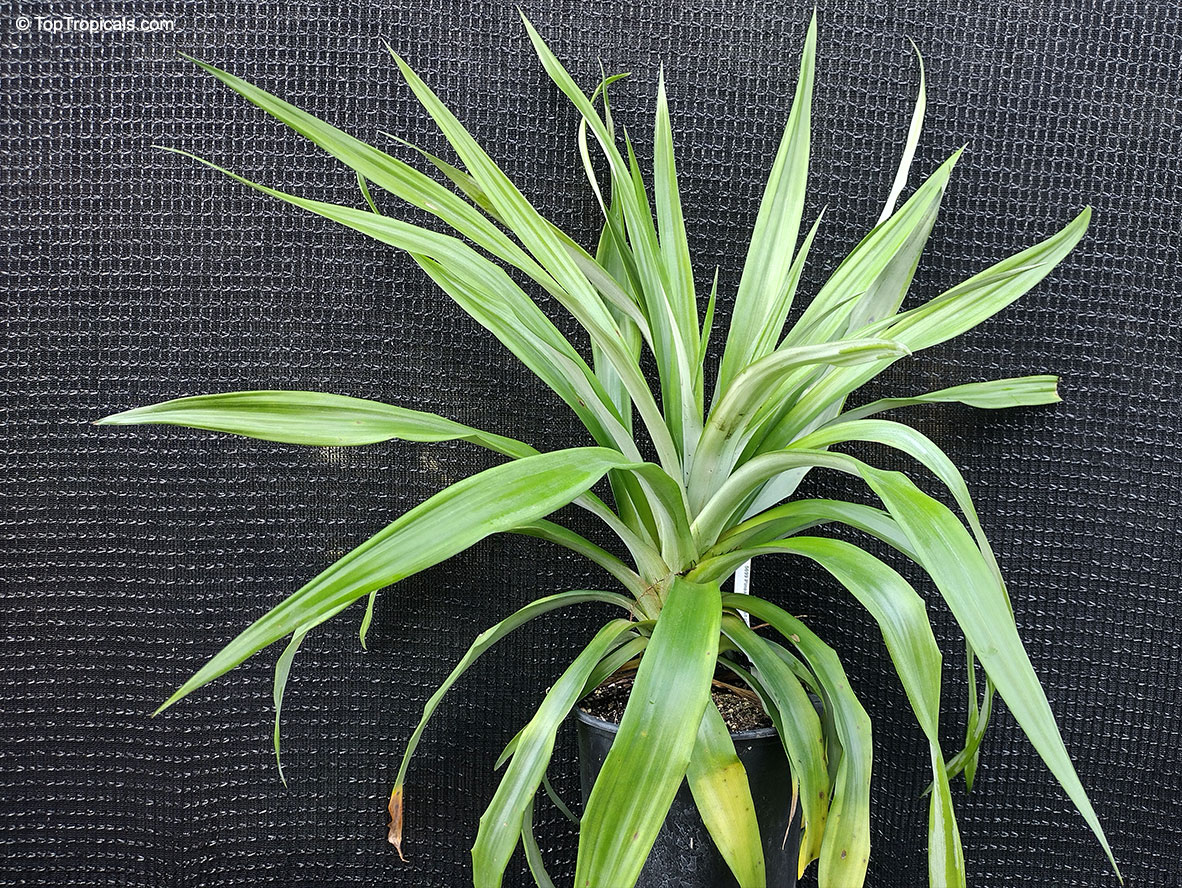
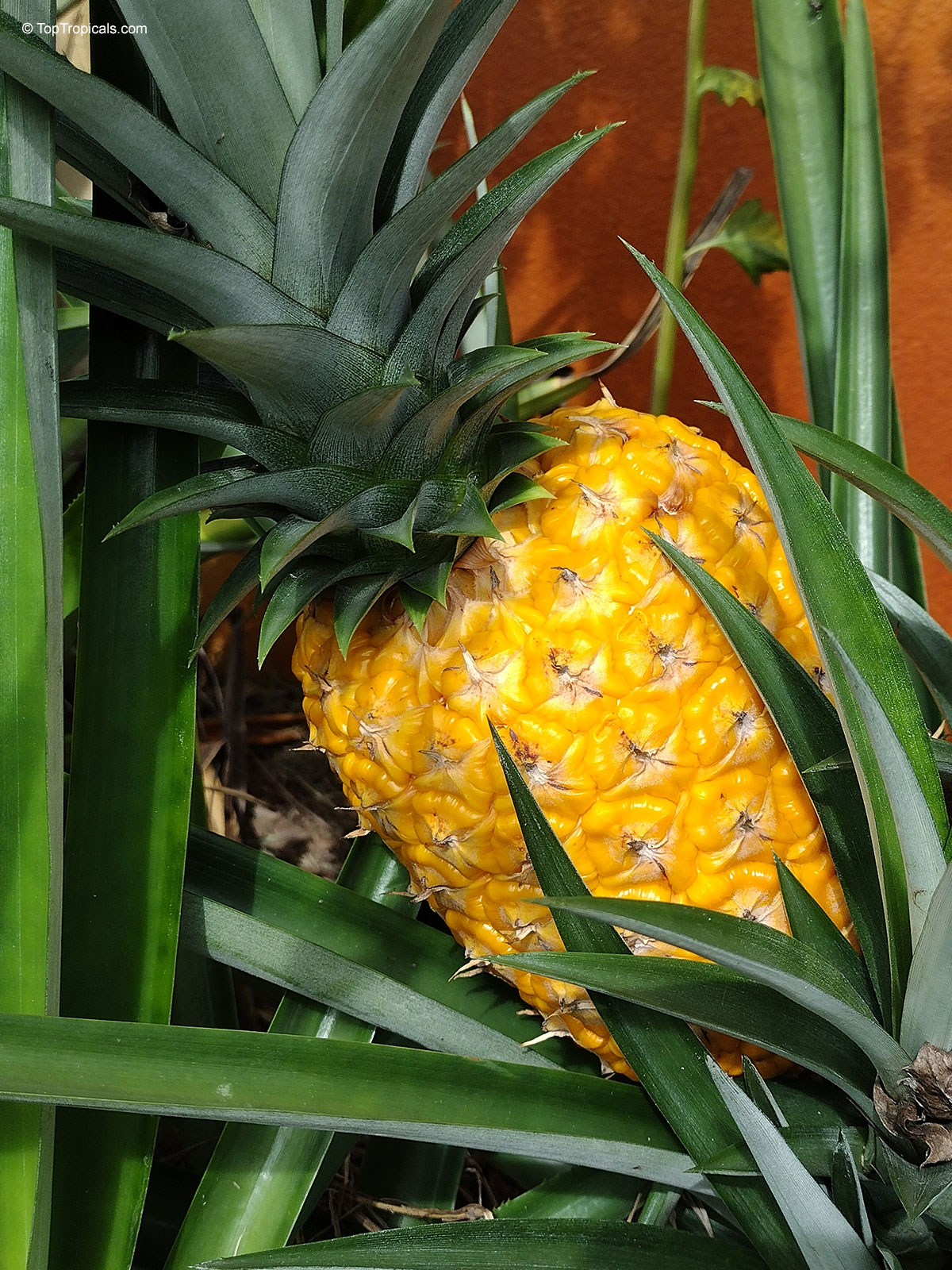
Botanical name: Ananas sp.
Common name: Spineless Sweet Pineapple
Cultivar: White Jade
Family: Bromeliaceae
USDA Zone: 9-10
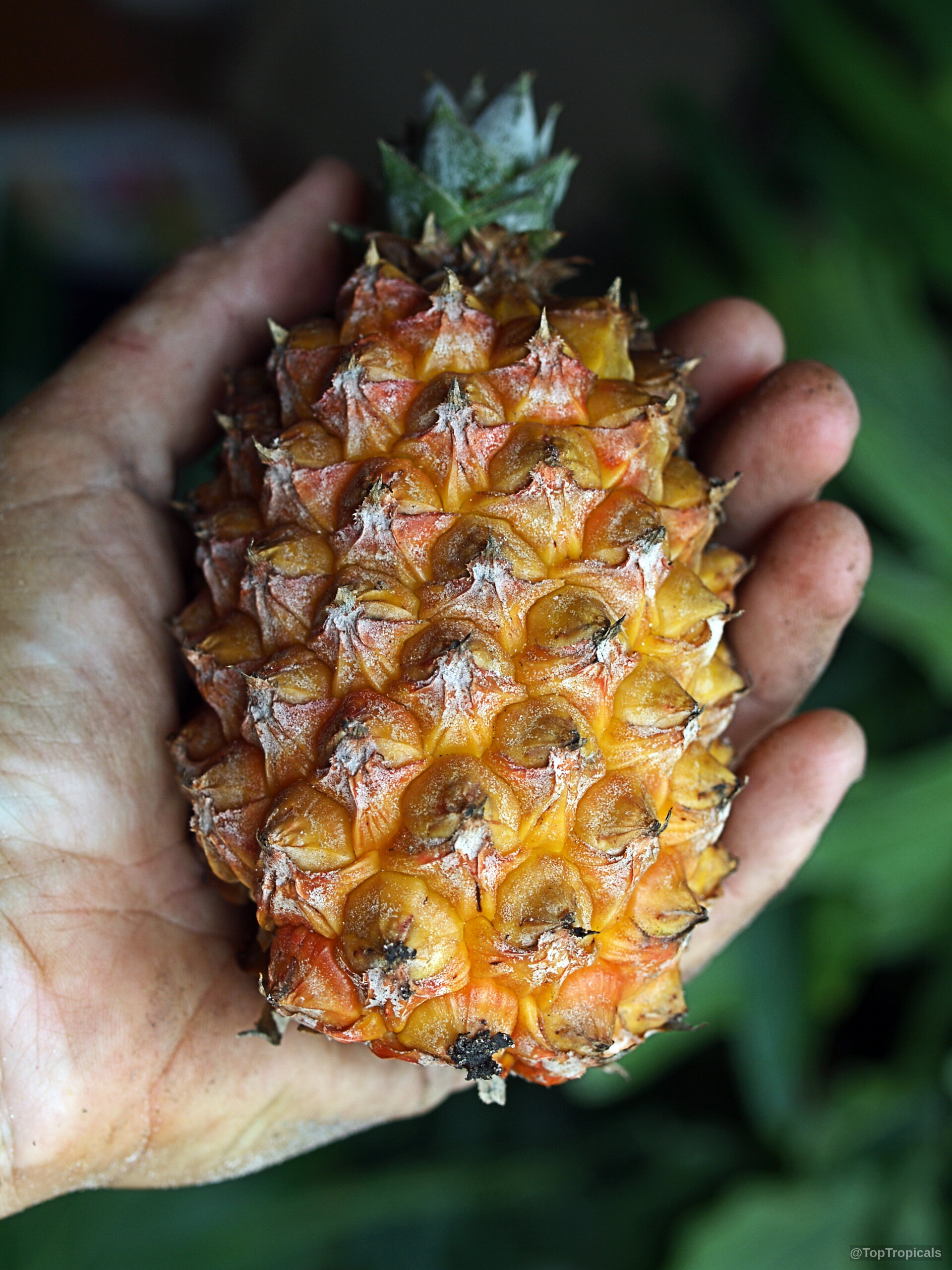
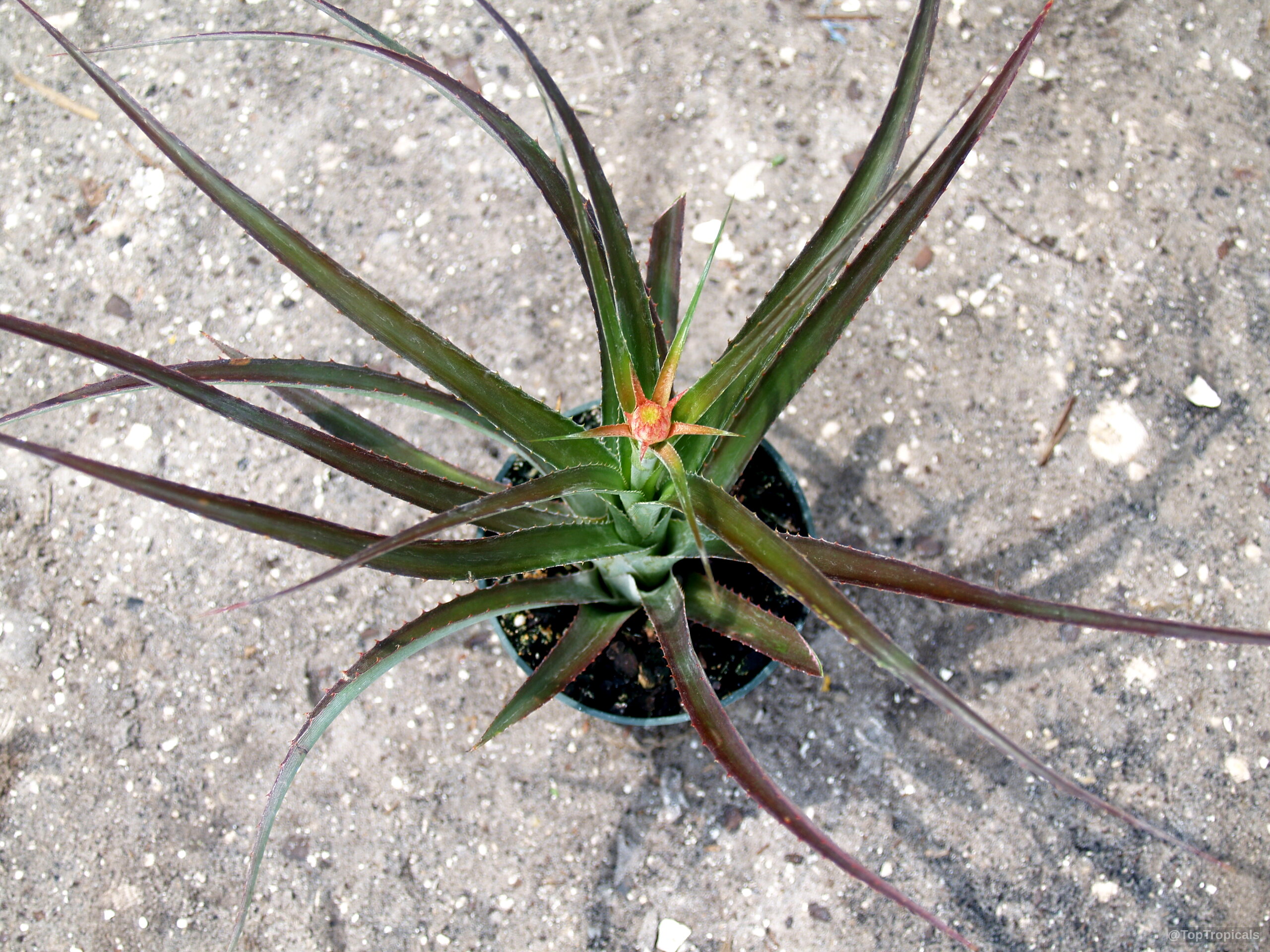
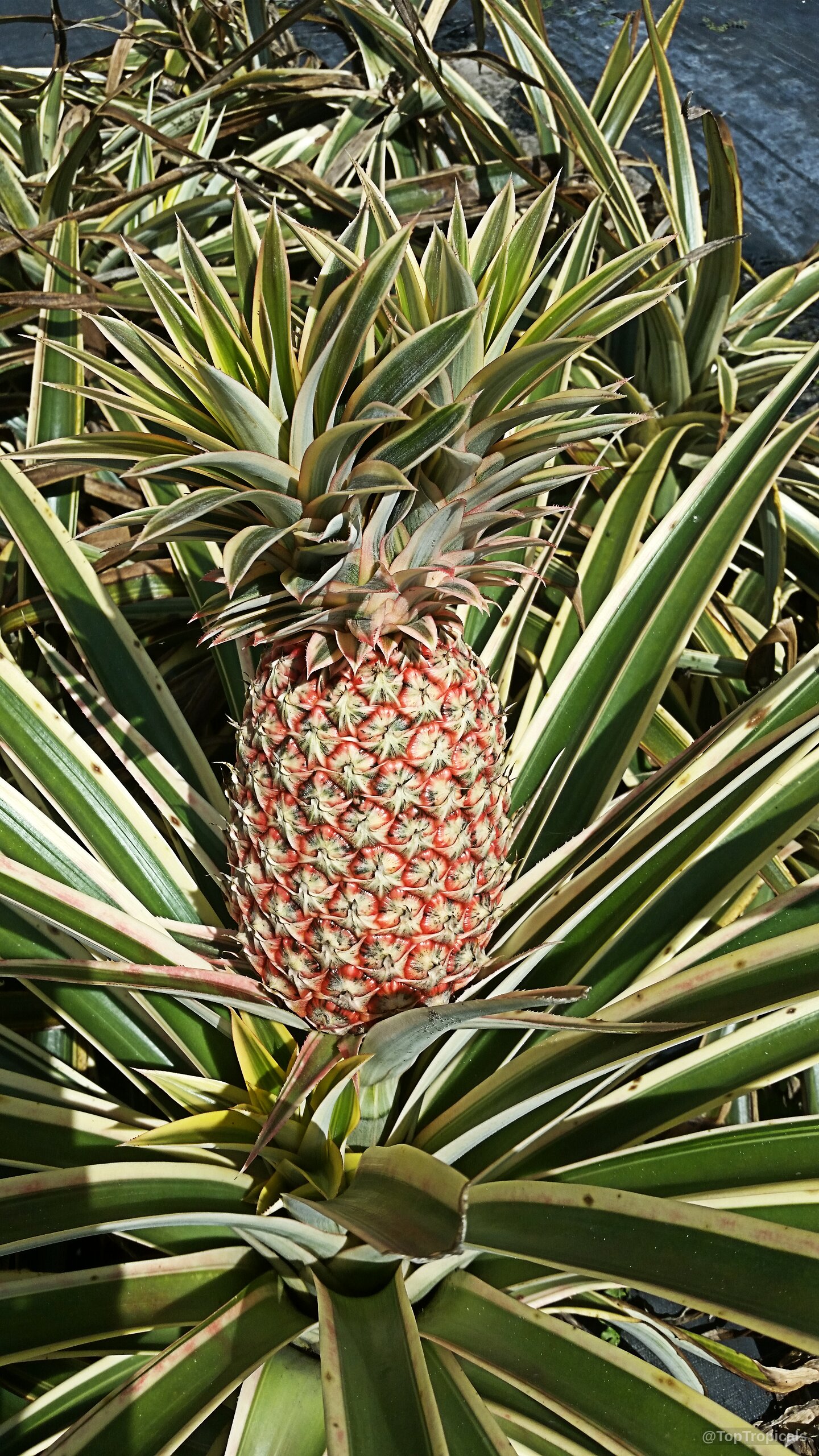
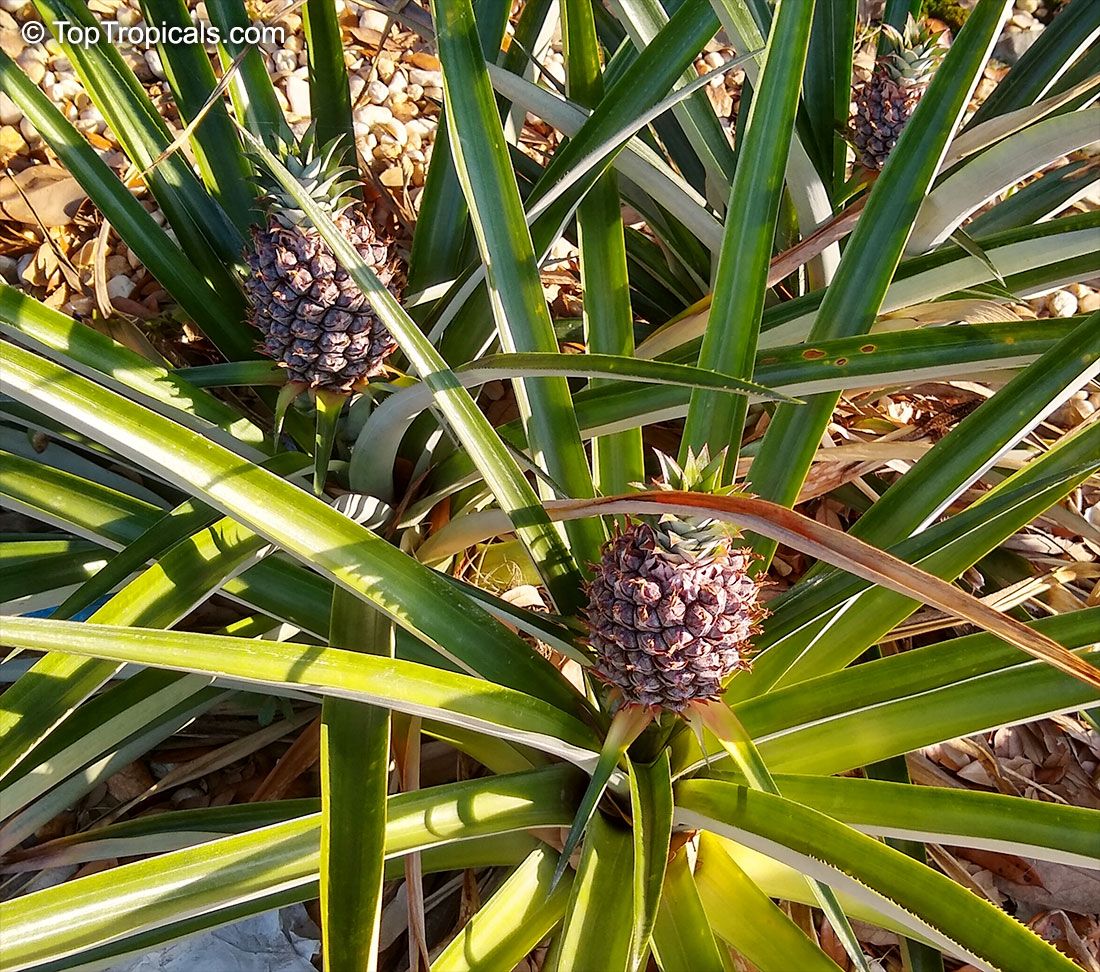
Ananas 'White Jade' (also known as Eleuthera) is a highly prized pineapple variety valued for its spineless leaves, tender white flesh, and exceptional sweetness with very low acidity. The edible core is soft and juicy, making it perfect for fresh eating straight from the plant.
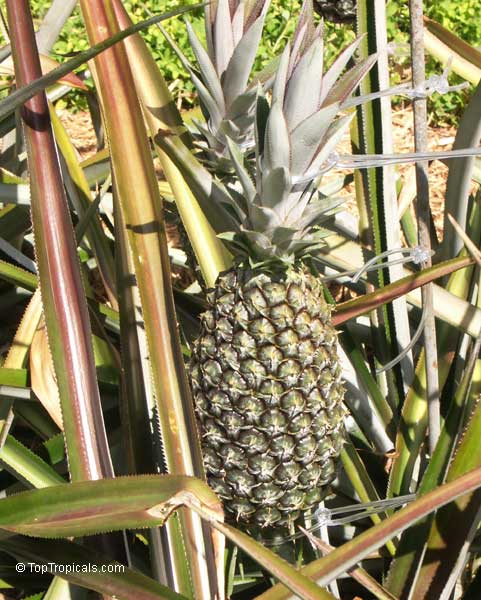
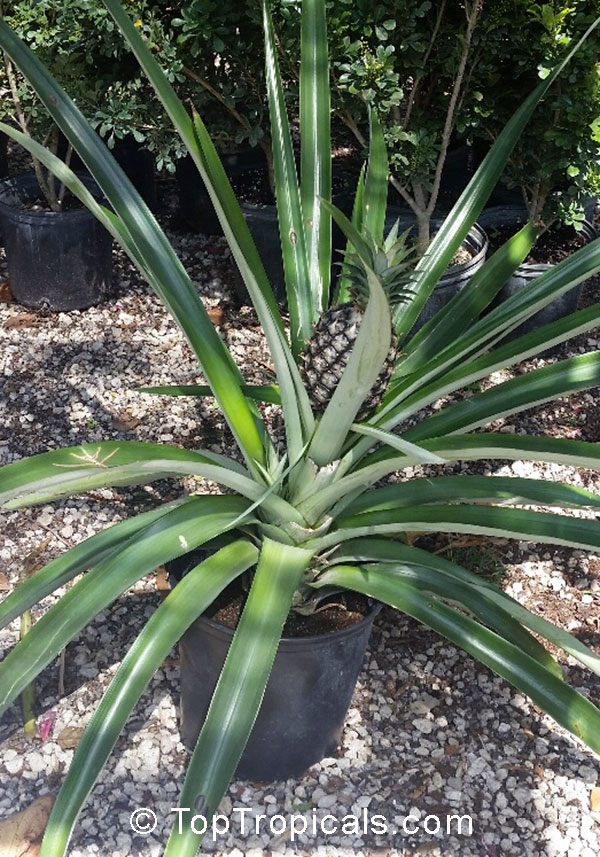
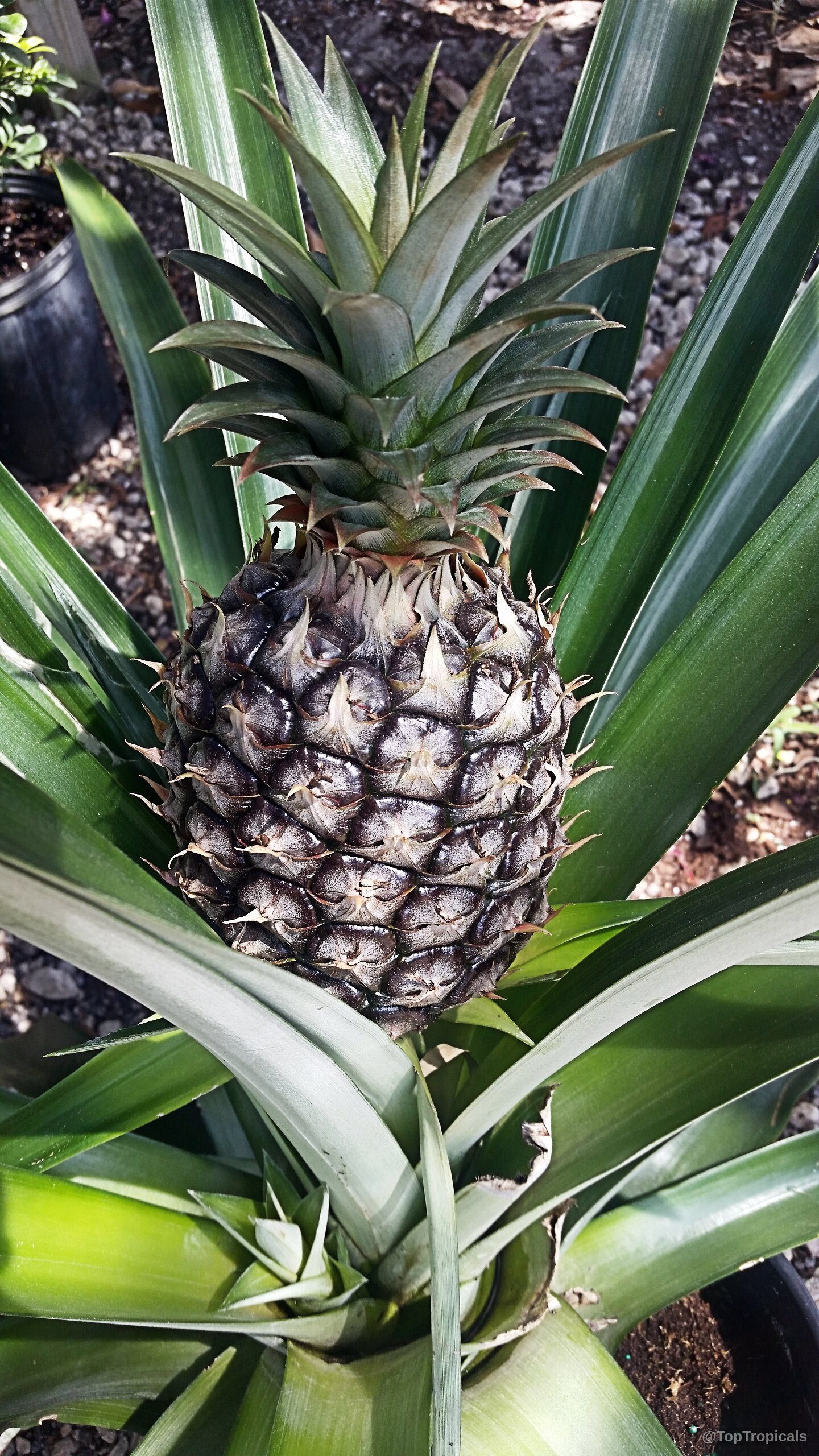
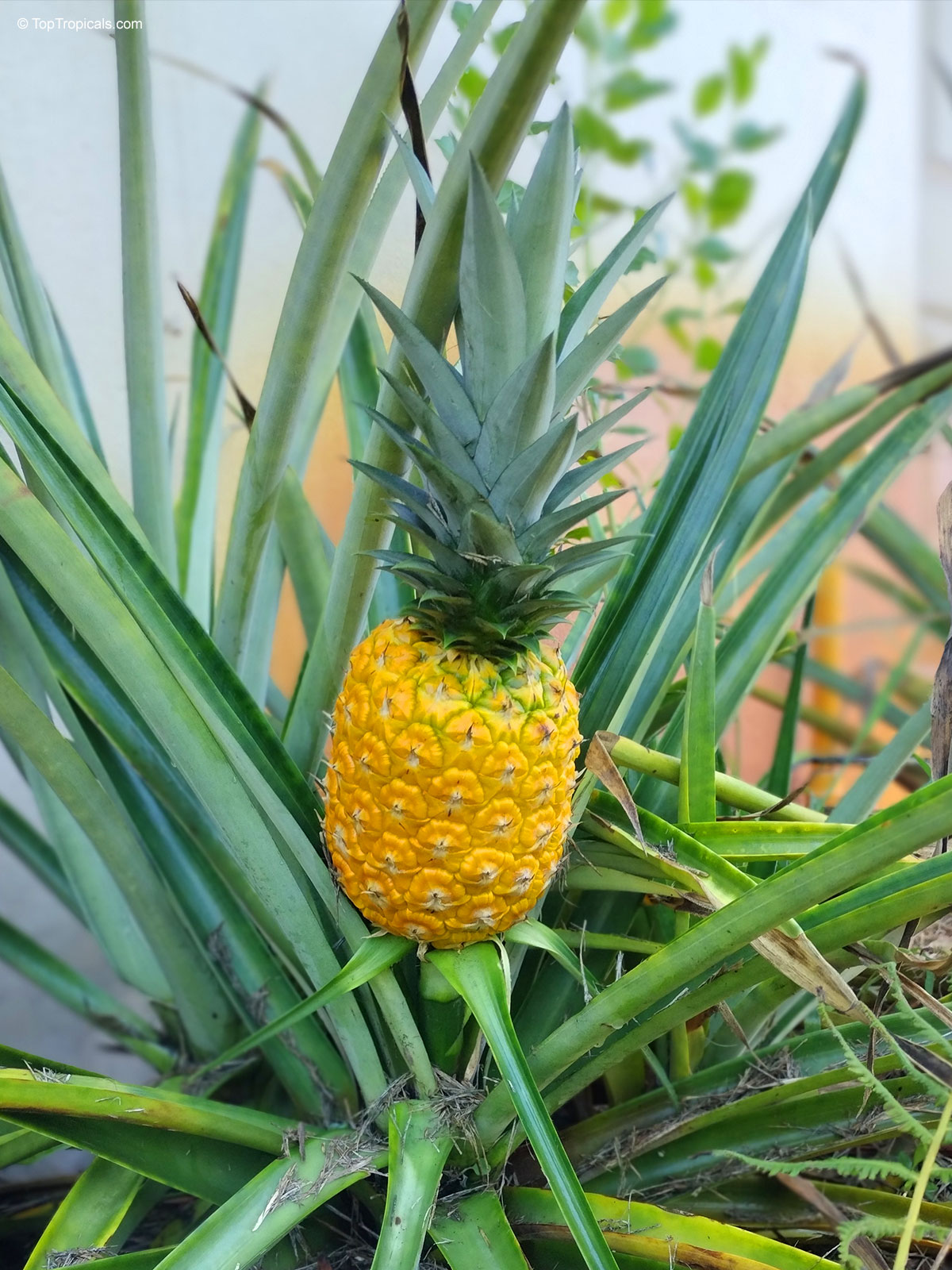
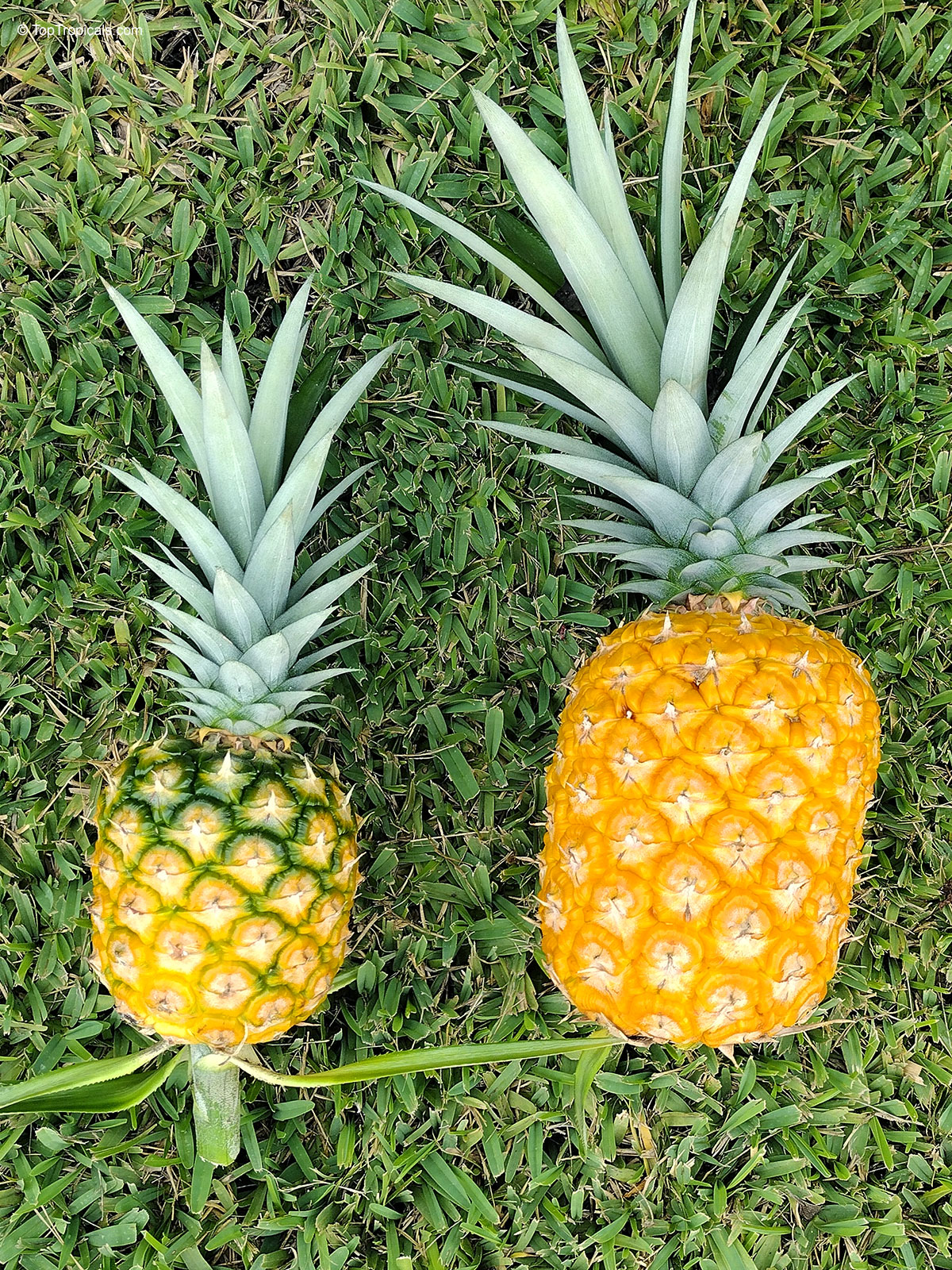
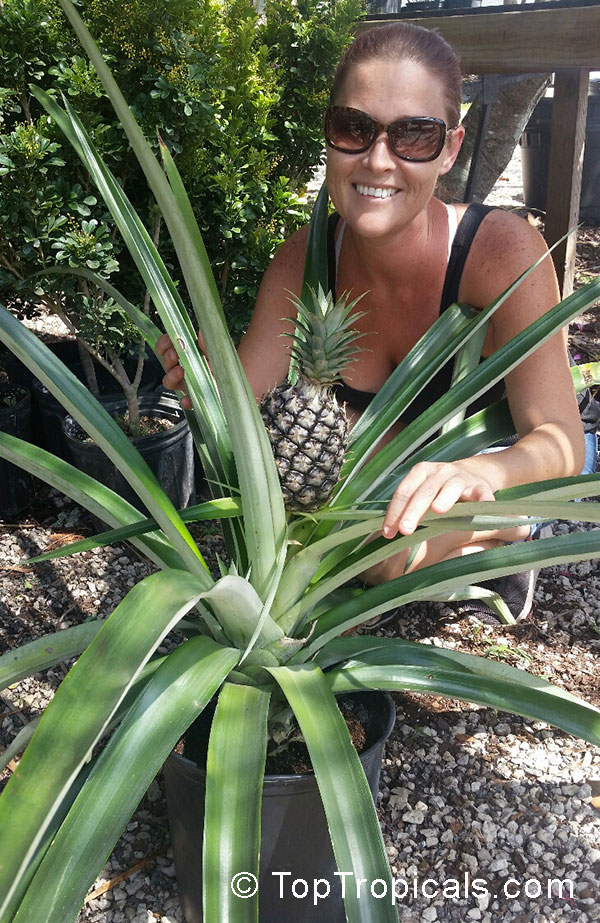
Super sweet and low acid: White Jade has tender white flesh that's ultra-sweet with almost no acidity. The flavor is smooth and rich, far better than anything you'll find in a grocery store.
Edible core: The core is soft, juicy, and 100% edible - no waste and no tough center.
Spineless leaves: Unlike most pineapples, White Jade has soft, spineless leaves, making it much easier and safer to handle.
Compact and container-friendly: It stays small, perfect for pots, patios, or tight garden spaces.
Backyard hero, not for shipping: This variety bruises easily, so it's rarely seen in stores - but perfect for home gardeners who want top-tier taste.
Tropical beauty + fast fruiting: With its blue-green foliage and striking fruit, it's ornamental as well as productive. Expect fruit in as little as 18-24 months with good care.
Although often mistaken as a Hawaiian variety, White Jade actually originated in Eleuthera, Bahamas. It thrives in warm climates and rewards gardeners with a sweet, low-acid treat unlike any commercial pineapple. It is grown in Hawaii now, especially by backyard gardeners and small farms, because it does so well there.
Read more about Pineapple: The most luscious Hospitality Fruit: Pineapple.
Recommended Fertilizer: SUNSHINE Ananas - Pineapple and Bromeliad Booster
SUNSHINE-Honey - sugar booster
SUNSHINE-Superfood - micro-element booster
 SUNSHINE Pineapple and Bromeliad liquid fertilizer (NPK 2-1-3). Formulated especially for bromeliads. This well-balanced delicate formula is all you need for vigorous and healthy Bromeliad plants and better pineapple fruit crop. For best results, use in combination with
| Prev | Next | |
Use link to repeat this search:
https://toptropicals.com/cgi-bin/garden_catalog/cat.cgi?search_op=and&keyword_op=and&language=e&number=10&no_change_lang=1
&v1=frt&user=tt&sale=1&first=0