Edible plant - Plant Encyclopedia Results (Page 2)
| Number of plants found: 677 |  | Prev | Next | 
|
Go to page: | 1 | 2 | 3 | 4 | 5 | 6 | Last |
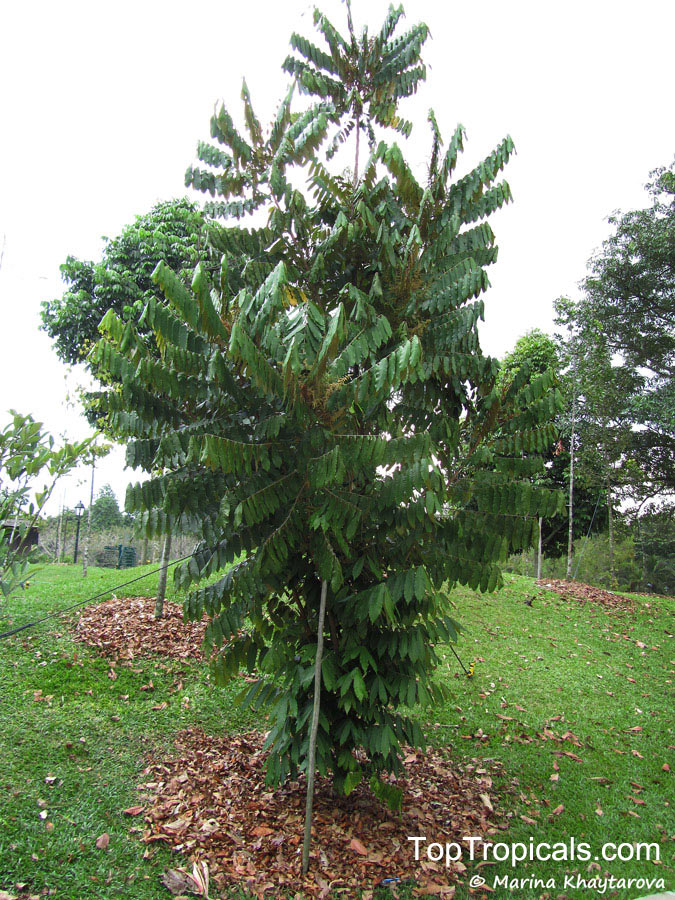
Botanical name: Aglaia argentea
Common name: Silver Boodyarra
Family: Meliaceae
Origin: Southeast Asia

USDA Zone: 9-10


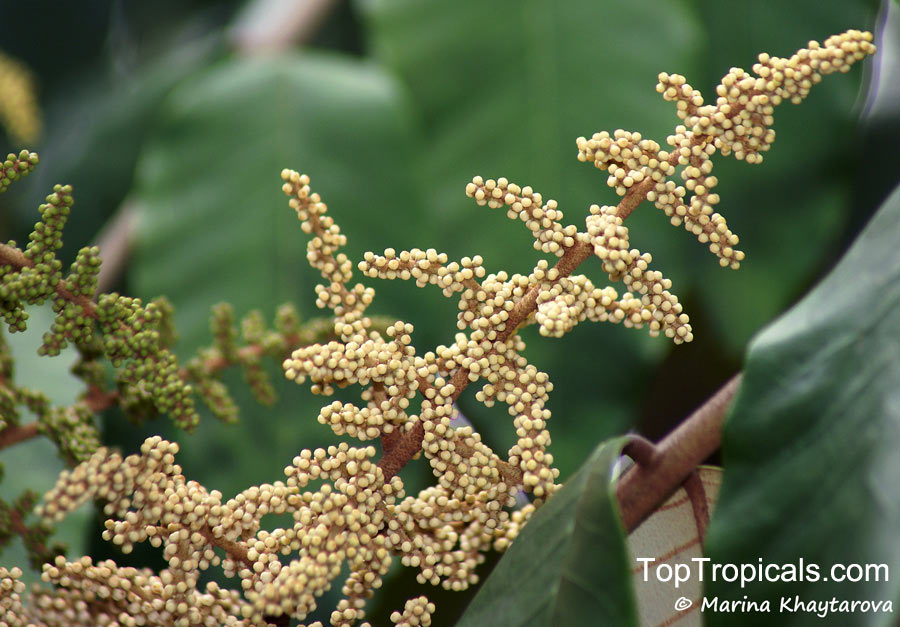
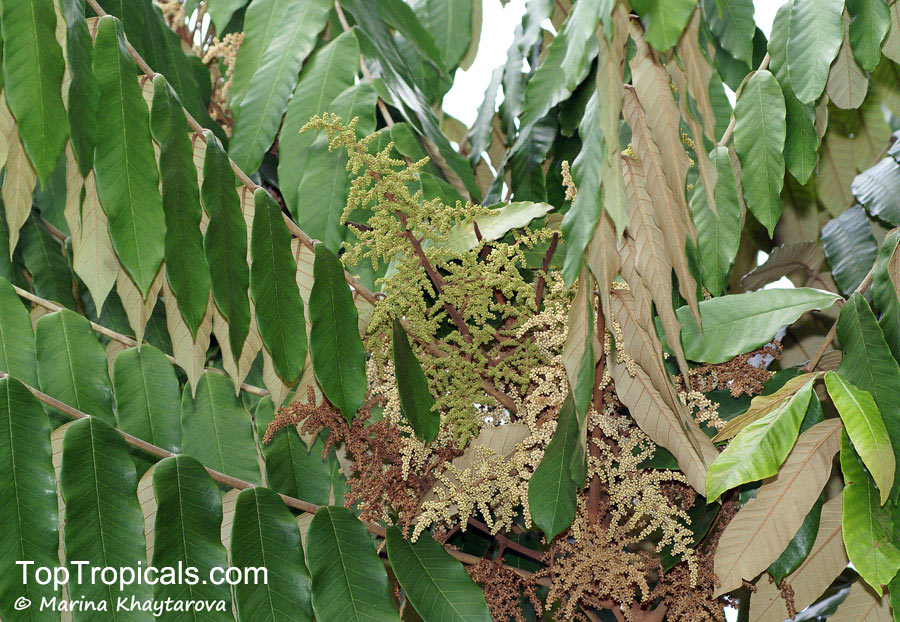
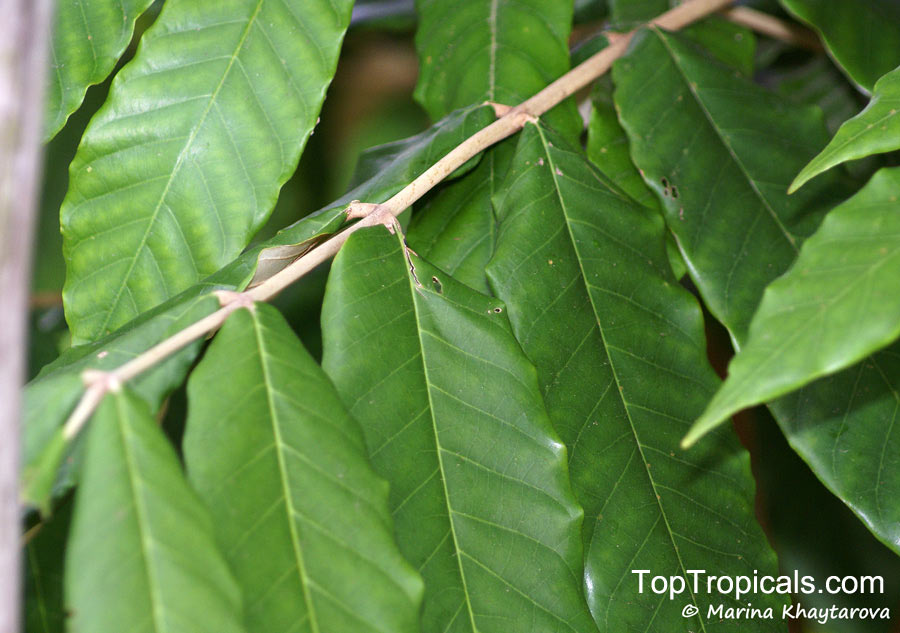
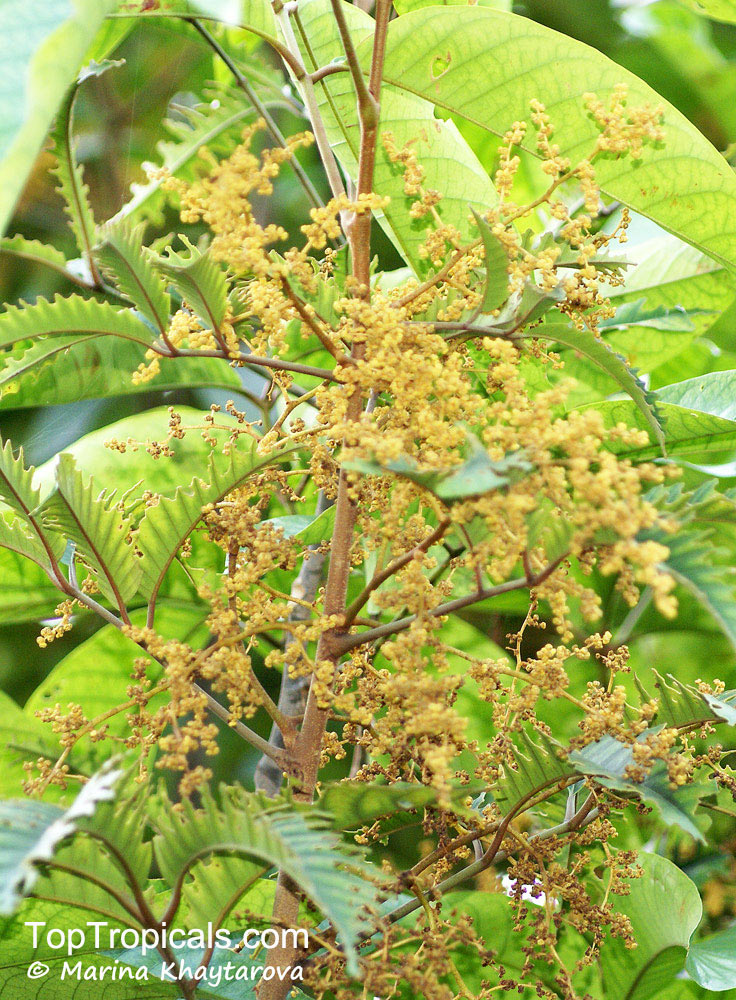
Botanical names: Aglaia korthalsii, Aglaia aquatica, Aglaia cauliflora
Common names: Aglaia, Sang Kreyt
Family: Meliaceae
Origin: Southeast Asia
USDA Zone: 9-10


Aglaia korthalsii, commonly known as Aglaia, is a small tropical tree native to Southeast Asia, from China to India. This species of tree is known for its unique properties, being an ethnomedical plant as well as edible, and is therefore grown commercially throughout the region. It is able to grow to heights of 10-20 feet tall, with extremely large specimens sometimes reaching heights of 20 feet or more.
When grown in a USDA zone ranging from 9-11, Aglaia korthalsii requires regular watering in order to survive and thrive. Unless temperatures abruptly drop below zero, it is not necessary to provide supplemental water during the winter in these climates. However, during the hot summer months it is important to provide the tree with moderate amounts of water.
Aglaia korthalsii is highly valued for its edible fruit. These fruits are ellipsoid to subglobose, ranging from 20 - 40mm in length and 10 - 50mm in width, and are orange in color. Each individual fruit contains up to 3 edible seeds, surrounded by a thin layer of edible flesh. These fruits carry numerous health benefits and are commonly used in local recipes of Southeast Asia. On average, it can produce up to 20 fruits per season, making it an excellent source for edible yield.
In colder climates, Aglaia korthalsii can be successfully grown in a pot. It is important to choose a pot that is large enough to accommodate its growth (at least 18 - 22 inches in diameter) and to use quality potting soil to ensure proper drainage. Furthermore, in cold climates it is necessary to bring the pot into a sheltered area during the winter months to ensure its survival. With the right care and maintenance, this beautiful tree can be a great addition to any landscape.
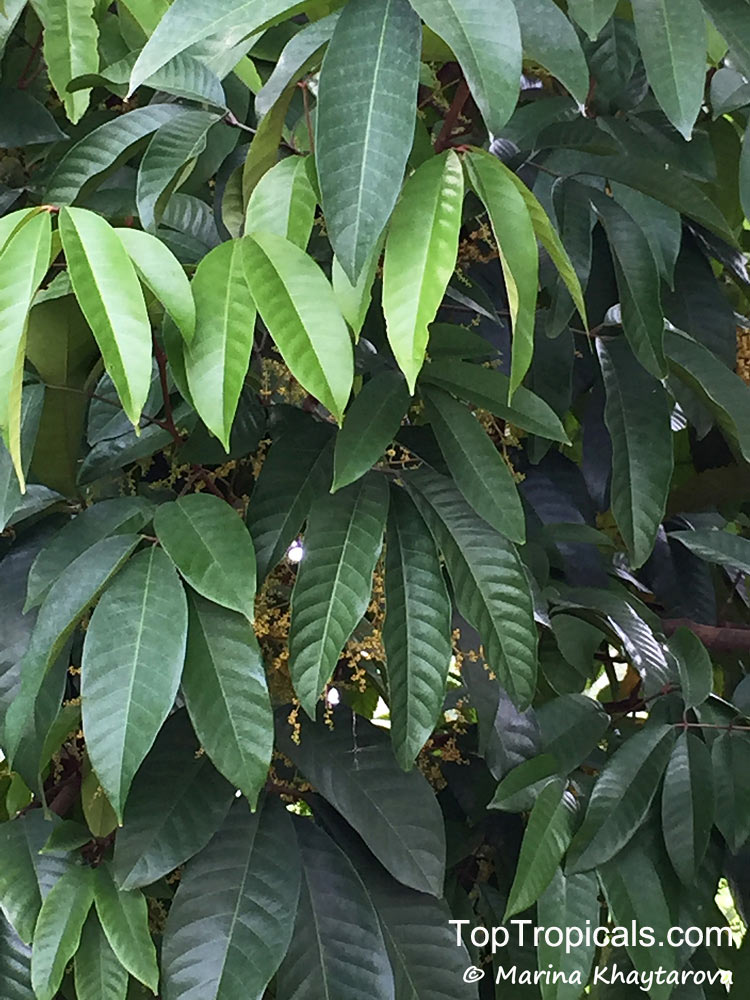
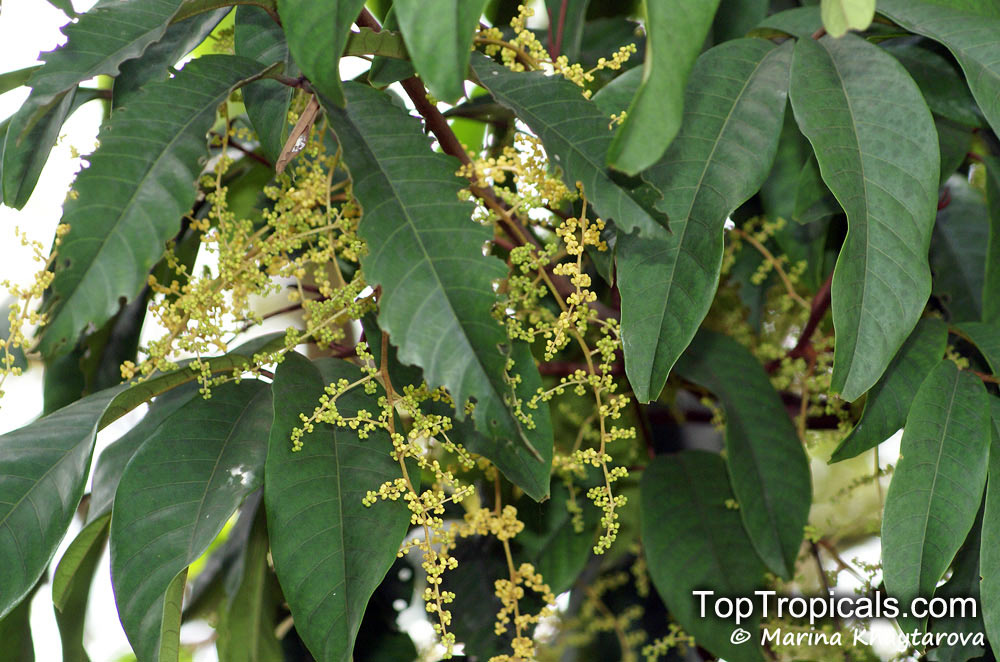
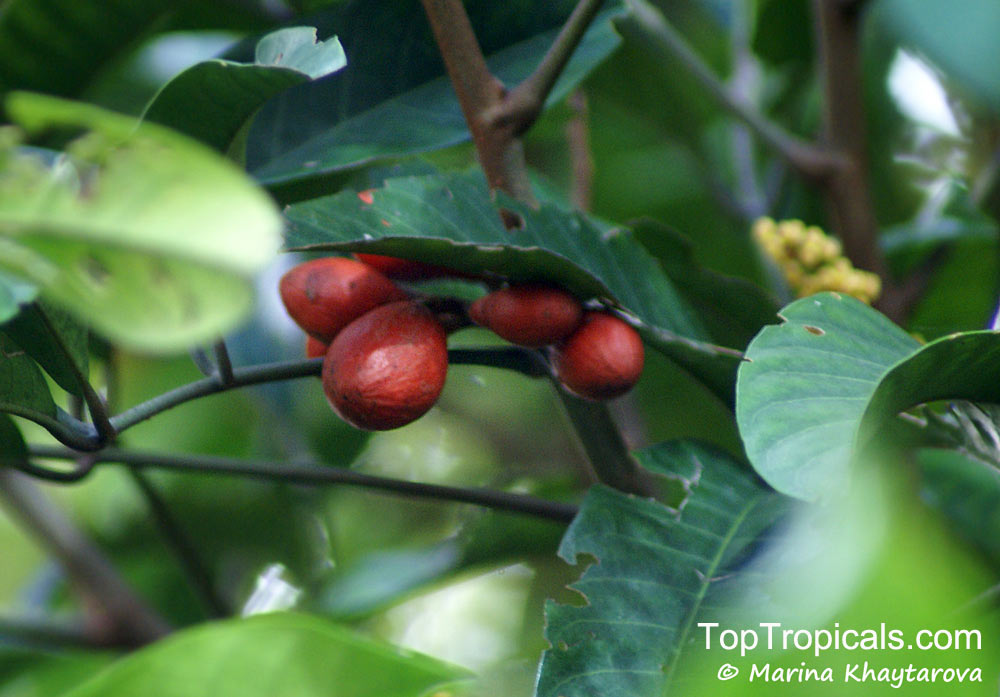
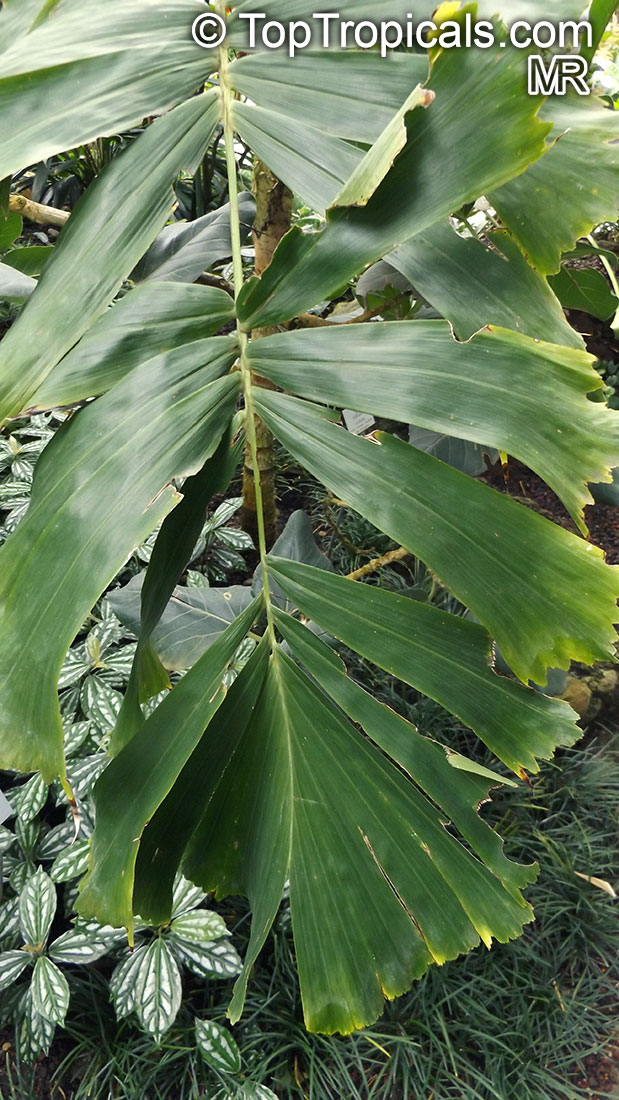
Botanical names: Aiphanes horrida, Aiphanes aculeata, Aiphanes caryotifolia, Martinezia truncata
Common names: Devil Palm, Ruffle Palm, Spine Palm
Family: Arecaceae / Palmae
Origin: Trinidad and Tobago
USDA Zone: 9-10


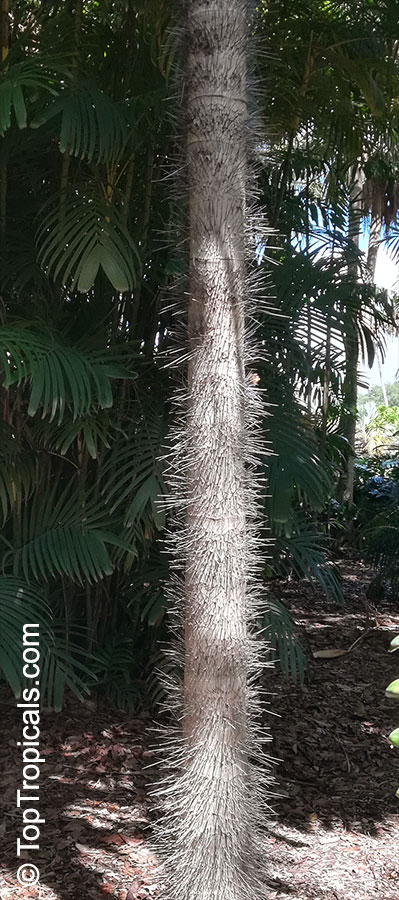
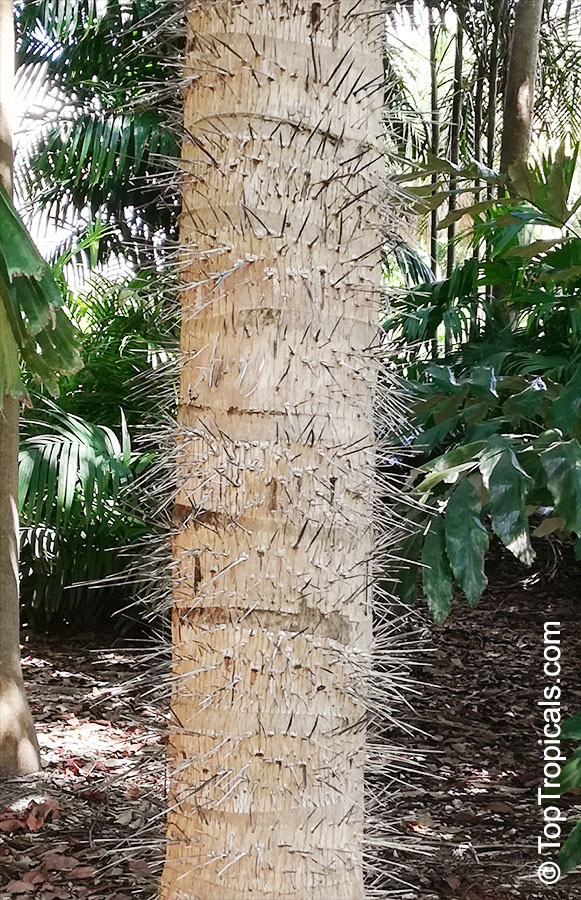
This very different dwarf palm from South America, has attractive spines all over it and fabulous, gracefully arching leaves, covered with white powder, with long, wavy, closely- spaced leaflets. The fragrant flowers produce clusters of red fruit making it ideal for conservatory or a warmer garden where it can actually stand occasional, but not hard freezing.
A solitary, showy spiny small tree. In the wild it grows 9-15 feet tall with a stem diameter of 2-4 inches. The epicarp and mesocarp of the fruit are rich in carotene and are eaten in Colombia, while the seeds are used to make candles.
The range of the species is found in forests of Bolivia, Brazil, Colombia, Peru, Trinidad and Tobago and Venezuela. The species is cultivated as an ornamental throughout the tropics.
Also known as Devil Palm, Corozo, Cocos rura, Mararay, Corozo, Macaguita, Marara, Macahuite, Corozo del Orinoco, Corozo anchame, Mararava, Cubarro, Chonta, Chascaraza, Charascal, Corozo chiquito, Corozo colorado, Pujamo, Gualte, Chonta ruro, Pupunha xicaxica, Coyure palm, Ruffle palm, Aculeata palm and Spine palm.
Scientific Synonyms - Caryota horrida, Aiphanes aculeata, Euterpe aculeata, Martinezia aculeata, Martinezia caryotifolia, Marara caryotifolia, Aiphanes caryotifolia, Tilmia caryotifolia, Bactris premorsa, Aiphanes premorsa, Martinezia truncata, Aiphanes truncata, Martinezia elegans, Aiphanes elegans, Marara bicuspidata, Martinezia ernestii, Aiphanes ernestii, Martinezia killipii, Aiphanes killipii, Aiphanes orinocensis.
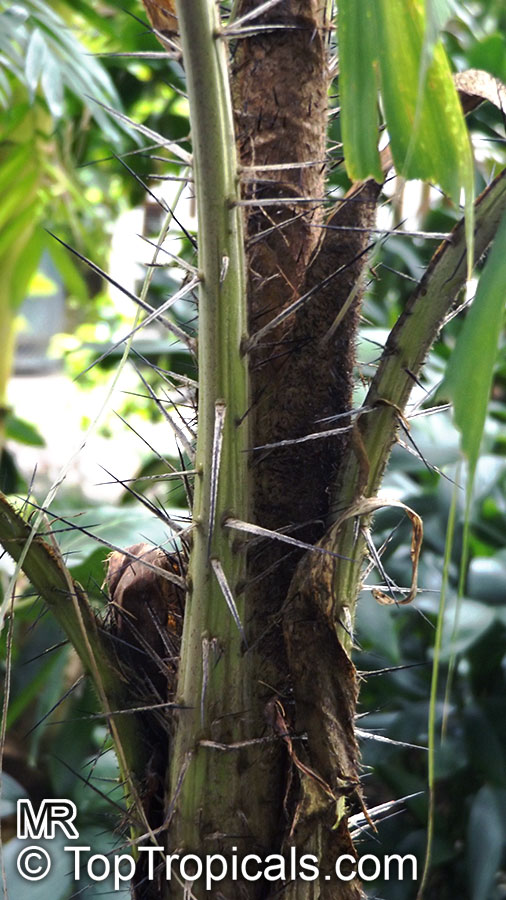
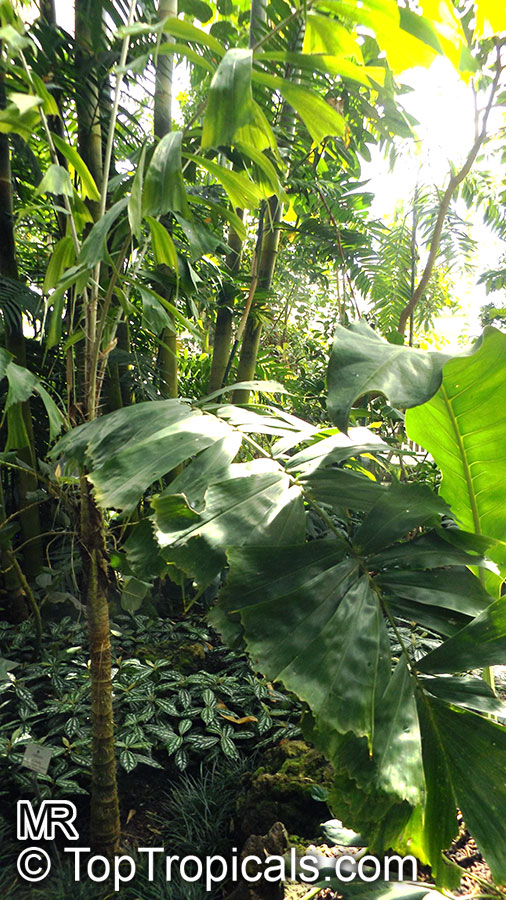
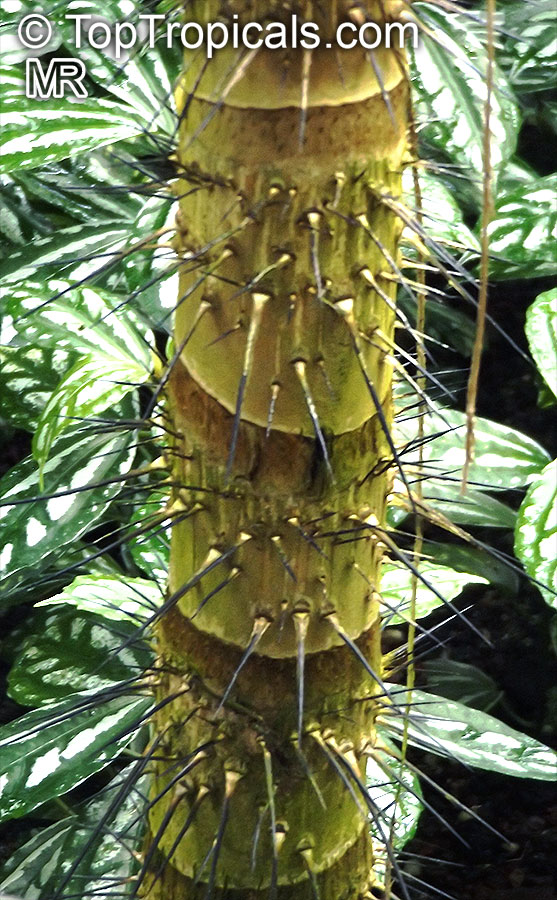
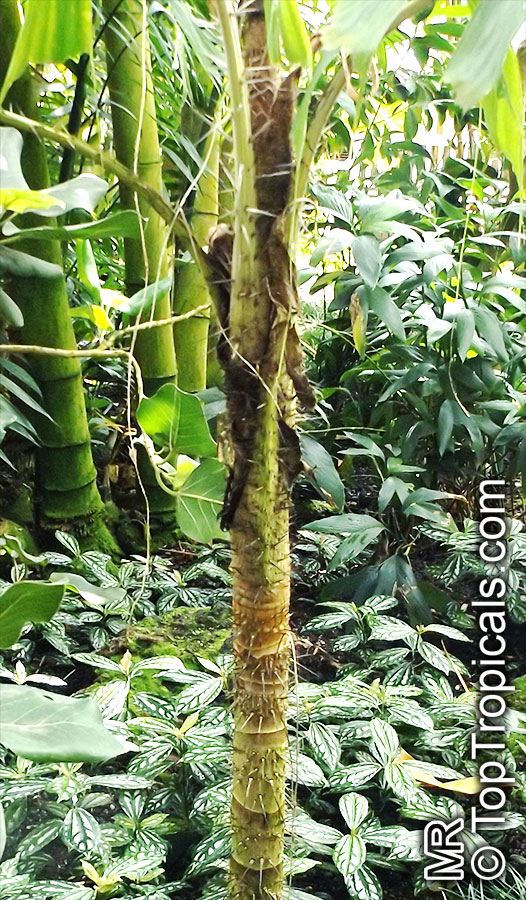
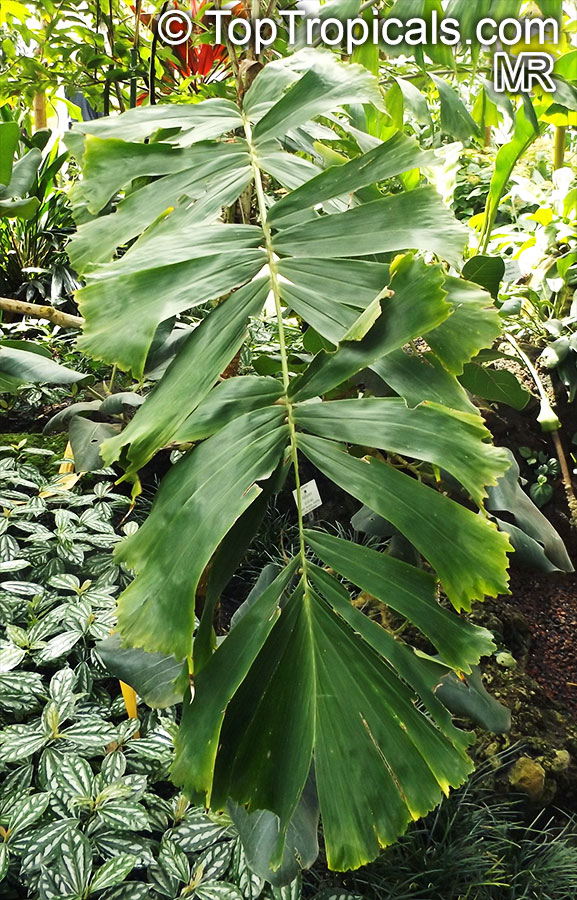
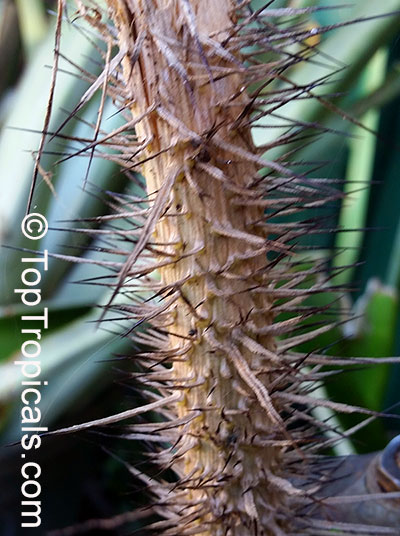
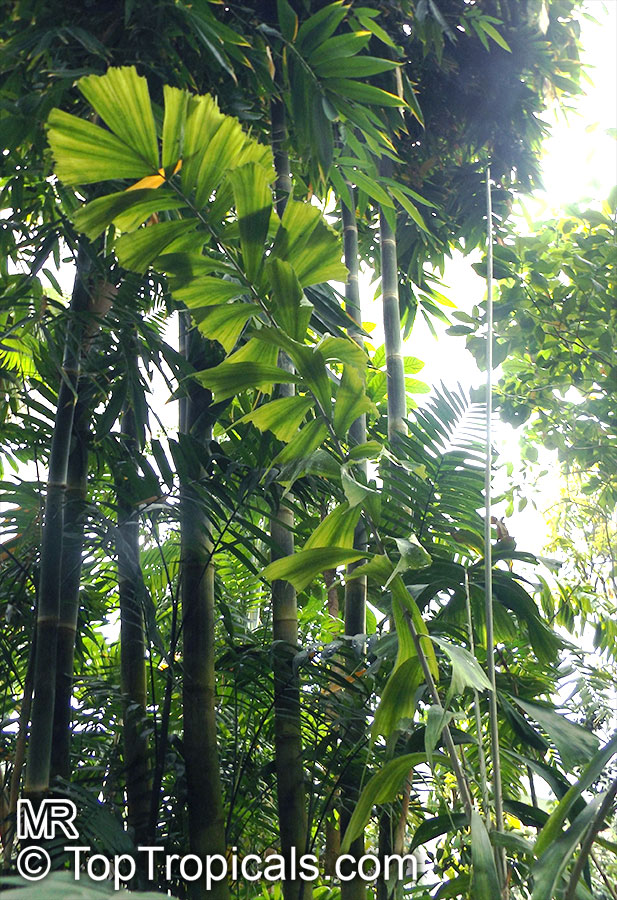
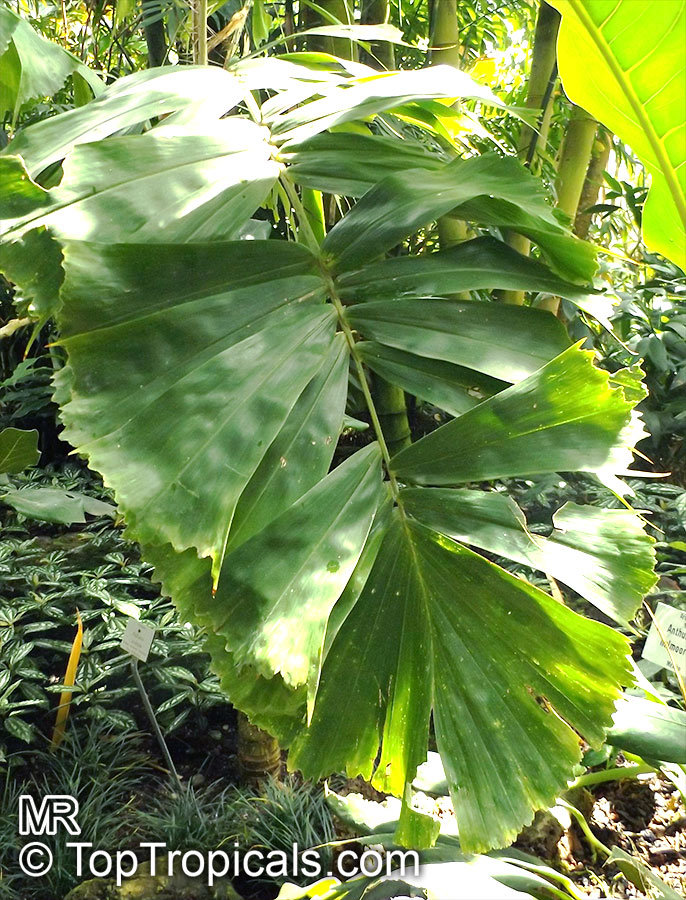
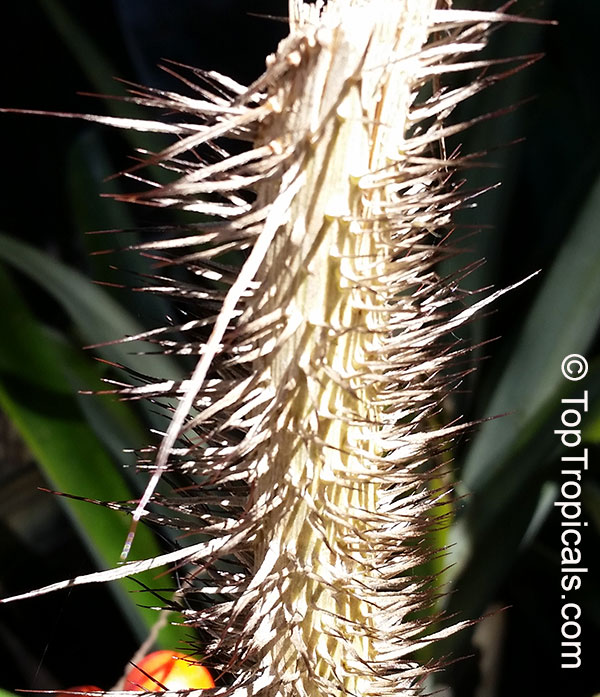
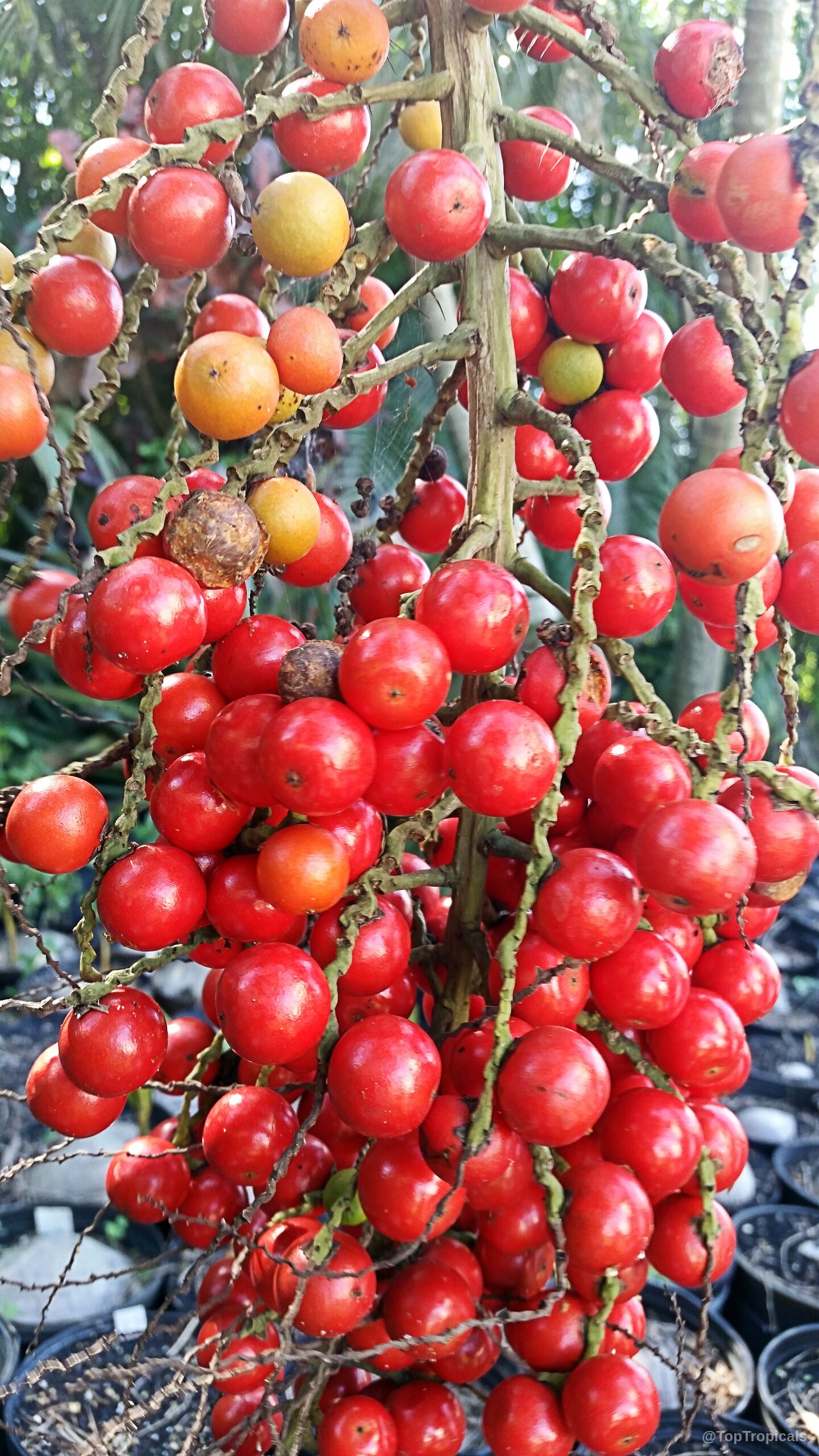
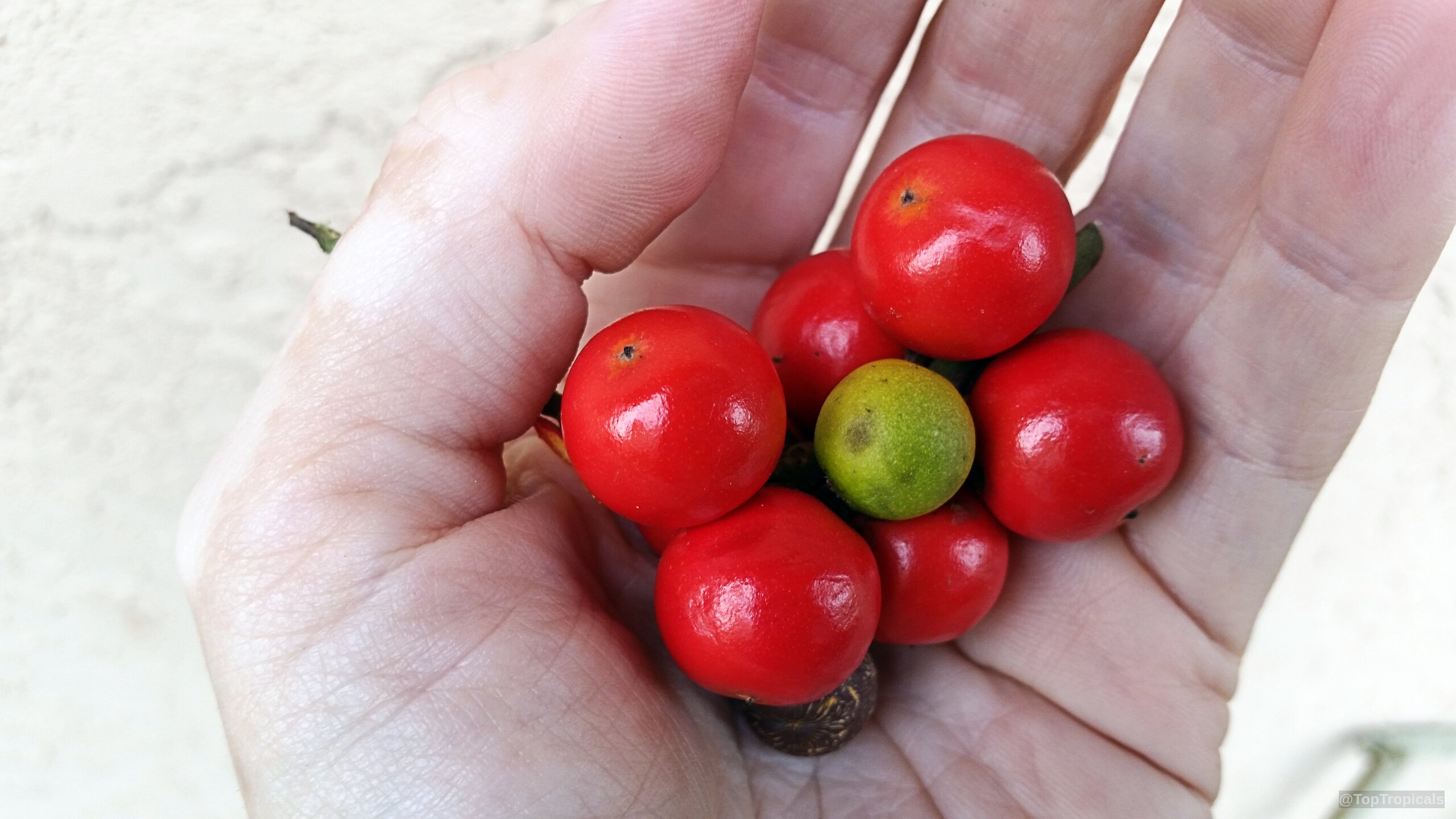
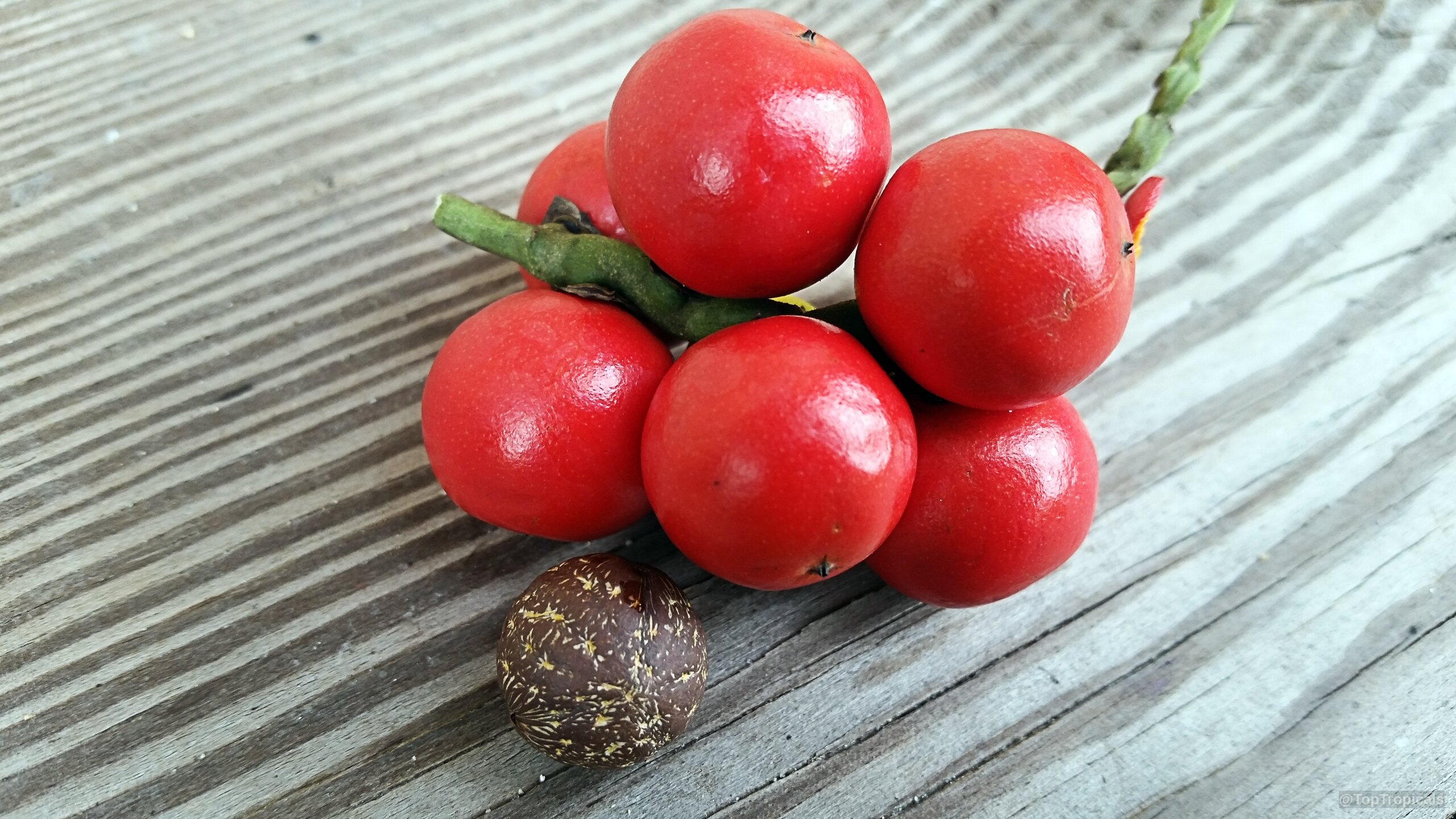
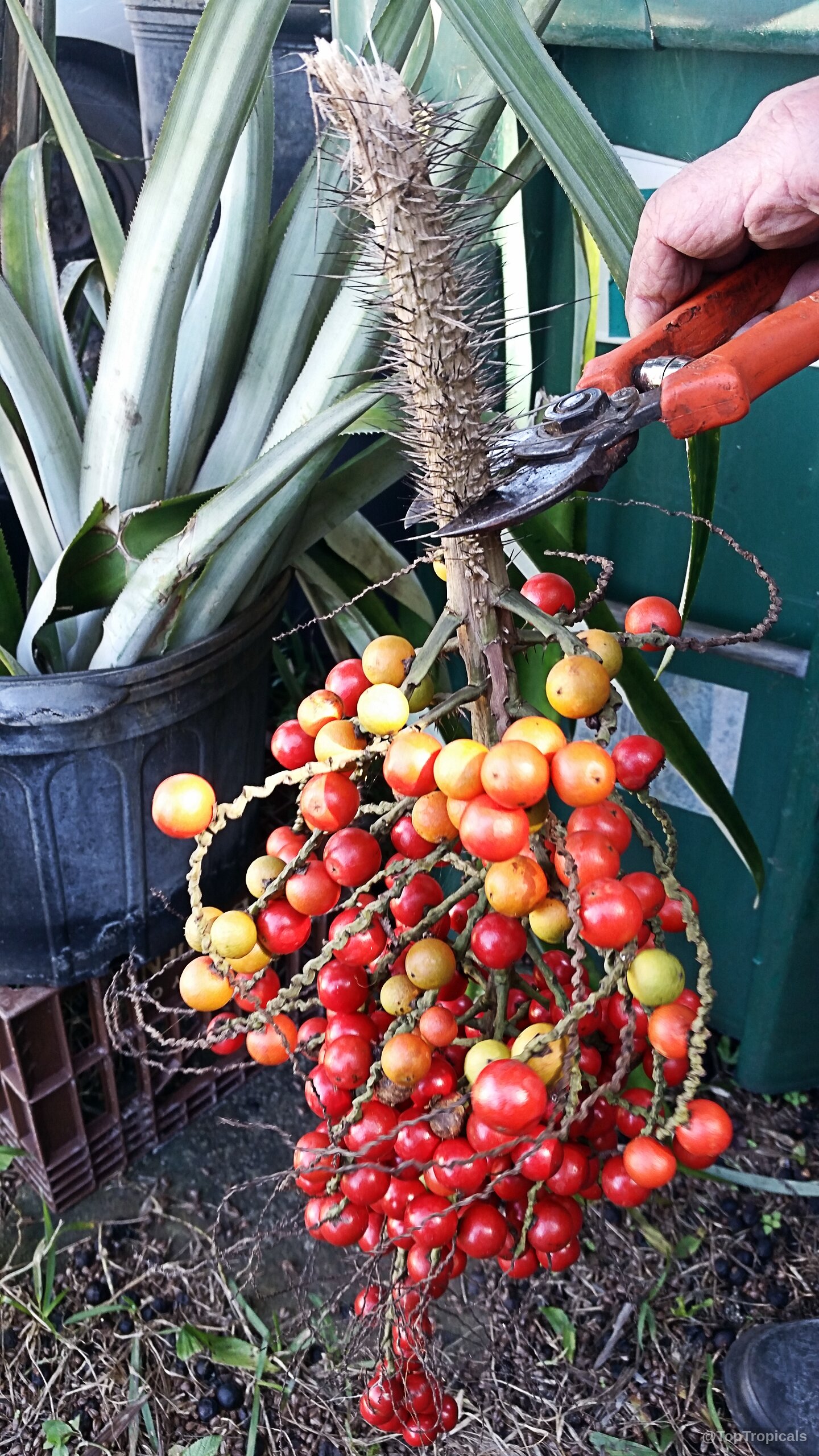
Very tasty coconut-like nuts! Good palm for semi-shade garden.
This very different dwarf palm from South America, has attractive spines all over it and fabulous, gracefully arching leaves, covered with white powder, with long, wavy, closely- spaced leaflets. The fragrant flowers produce clusters of red fruit making it ideal for conservatory or a warmer garden where it can actually stand occasional, but not hard freezing. A solitary, showy spiny small tree. In the wild it grows 9-15 feet tall with a stem diameter of 2-4 inches. The epicarp and mesocarp of the fruit are rich in carotene and are eaten in Colombia, while the seeds are eaten raw or used to make candles.
Recommended Fertilizer: SUNSHINE Robusta - Rapid Growth Booster
Local pickup only. This item is not available for shipping. Local delivery may be available in Ft. Myers or Sebring, Florida. Contact us for an estimate. Non-pickup orders are subject to restocking fees.
 SUNSHINE C-Cibus (NPK 2-2-4) - Crop Booster for every watering.
 SUNSHINE C-Cibus (NPK 2-2-4) - Crop Booster for every watering.
Last one
Botanical names: Aiphanes minima, Bactris minima
Common name: Macaw Palm
Family: Arecaceae / Palmae
Origin: Caribbean
USDA Zone: 9-10
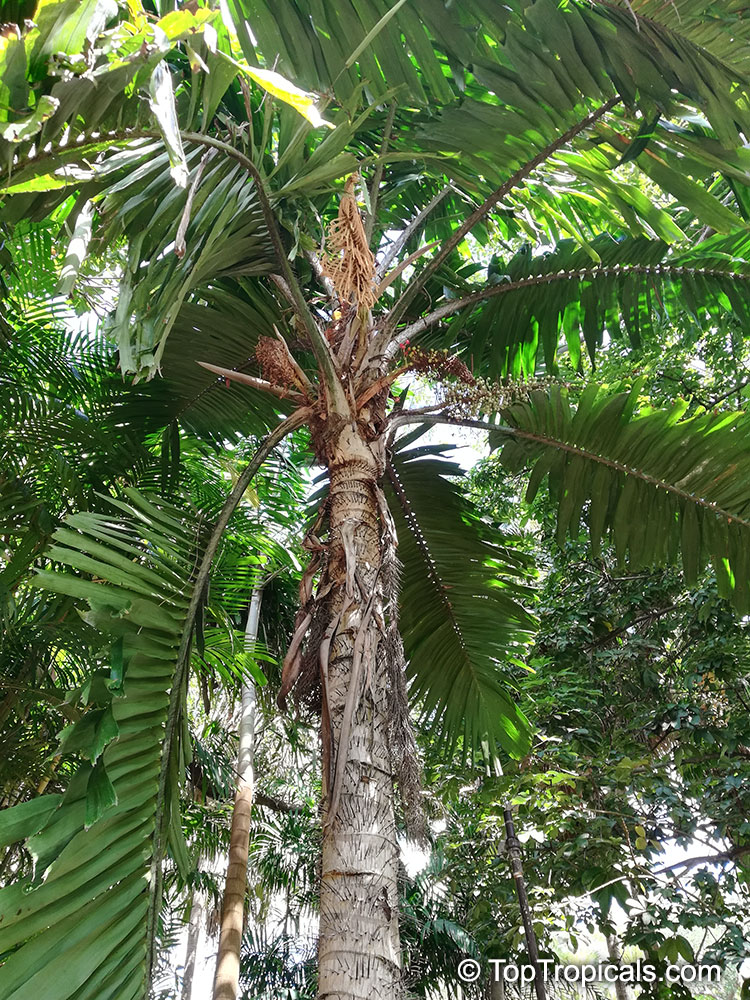

Botanical name: Akebia quinata
Common names: Chocolate Vine, Five-leaf Akebia
Family: Lardizabalaceae
Origin: Japan, China
USDA Zone: 5-8


Akebia quinata grows to 10 m (30 ft) or more in height and has compound leaves with five leaflets. The flowers are clustered in racemes and are chocolate-scented, with three or four sepals. The fruits are sausage-shaped pods which contain edible pulp.
Plants are evergreen in mild winters. Since the chocolate vine growth rate is so fast, it makes an excellent cover for arbors, trellises, pergolas or fences.


Botanical name: Akebia trifoliata
Common names: Chocolate Vine, Three-leaf Akebia
Family: Lardizabalaceae
Origin: China, Korea, Japan
USDA Zone: 5-8
Akebia trifoliata is a deciduous Climber growing to 9 m (29ft 6in) at a fast rate.
Flavor varies greatly in akebias, even within the same species, with some individuals displaying a complex flavor profile resembling a mixture of banana, passionfruit and litchi, with others being mild, or even insipid.


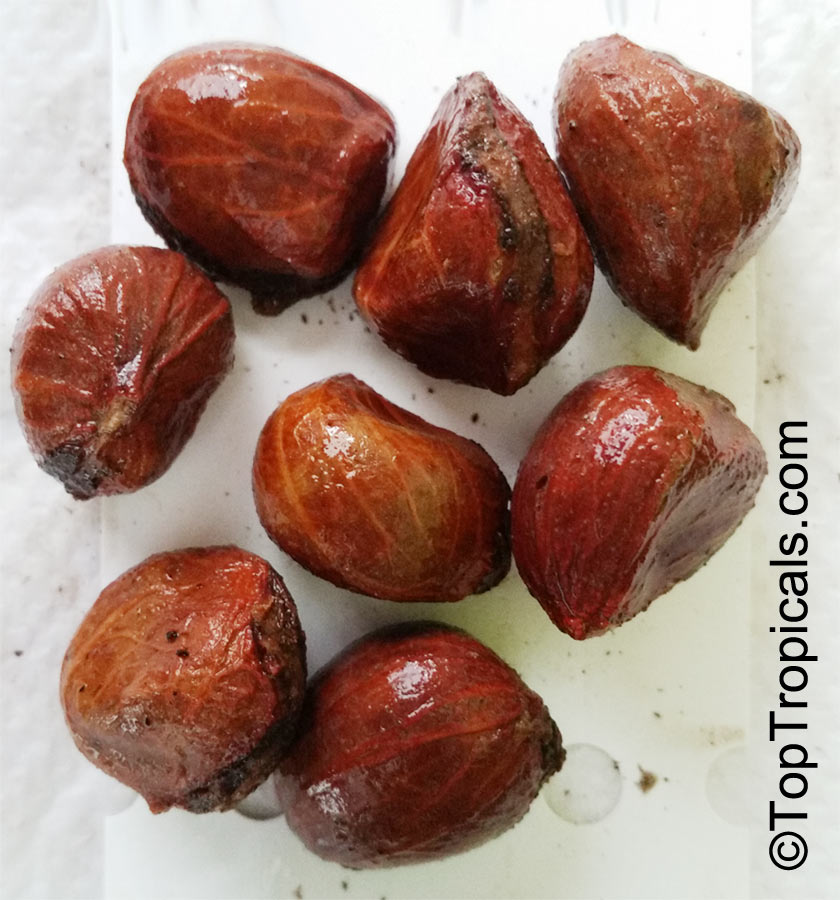
Botanical name: Allanblackia sp.
Common name: Tallow Tree
Family: Clusiaceae / Guttiferae
Origin: Tropical Africa
USDA Zone: 9-10


Allanblackia sp. (Tallow tree), native to the tropical forests of Africa, is a small tree usually ranging from 10-20 ft tall. It prefers full sun, but can also do well in semi-shade and needs regular but moderate water. This tree is a showstopper, with bright pink, white, off-white and yellow or orange flowers.
This tree is an ethnomedical plant, which means its seeds have been used for centuries in African traditional medicine for inflammation and for fighting bacteria, and parasites. It is also edible and the fruit, although not particularly delicious, can be eaten as a snack or added to fruit salads.
Allanblackia floribunda can produce up to 100 fruits per year, each of which contain a dozen or more seeds. The seeds contain a rich oil that is used in cooking and cosmetics. In cooking, the oil has a neutral flavor and is high in omega-3 fatty acids, making it an excellent choice for those looking to add healthy omega-3s to their diet. In the cosmetics industry, it is used for its moisturizing, anti-inflammatory and anti-aging properties.
This tree can be grown in USDA Hardiness Zones 9-11 in pots in cold regions as well. When planting, make sure the soil is well-drained, with plenty of compost and fertilizer added. Keep soil moist and provide regular but moderate water. Sun exposure should be full sun to semi-shade but avoid full shade as it will cause poor flowering, fruit formation and oil production.
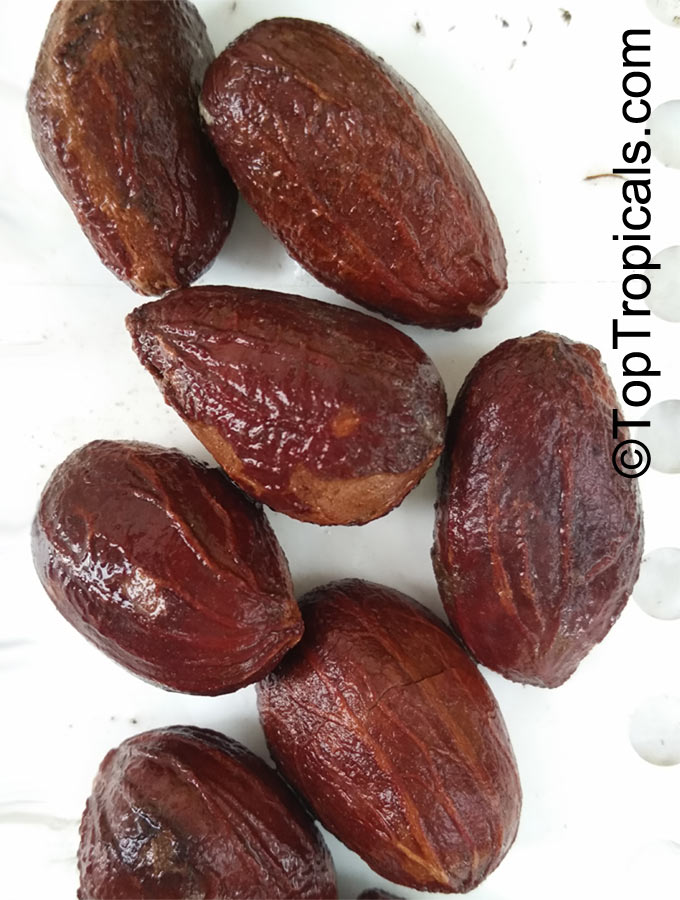
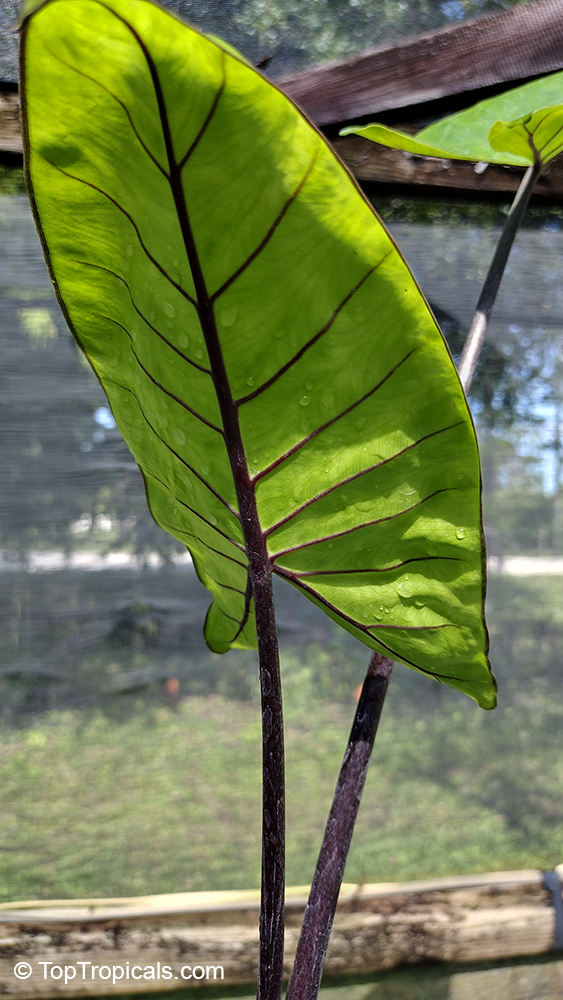
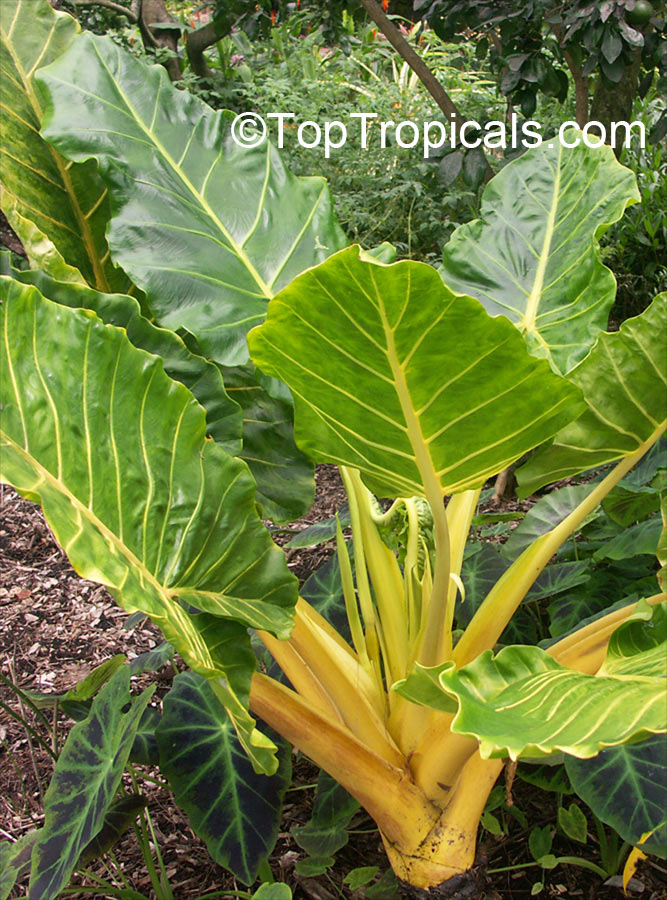
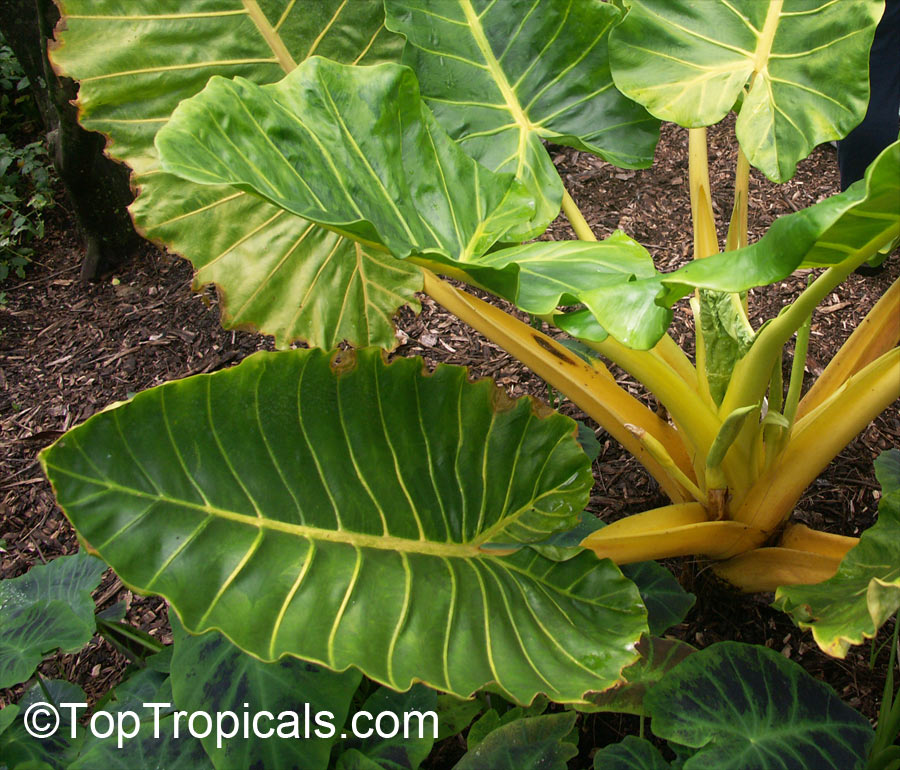
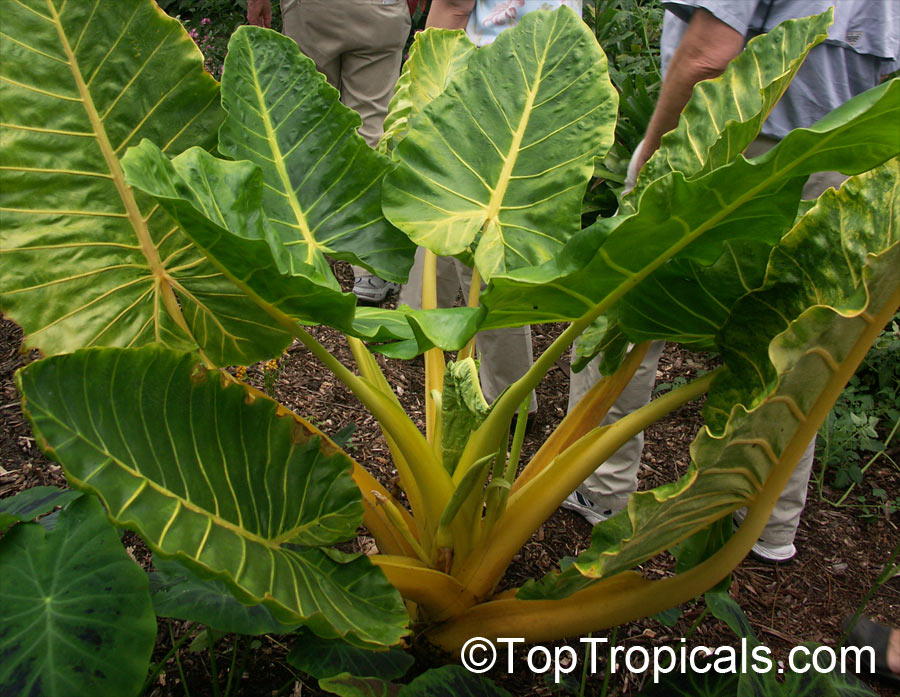
Botanical name: Alocasia macrorrhizos
Common names: Giant Taro, Giant Elephant Ear, Upright Elephant Ear
Family: Araceae
Origin: Tropical Asia
USDA Zone: 9-11


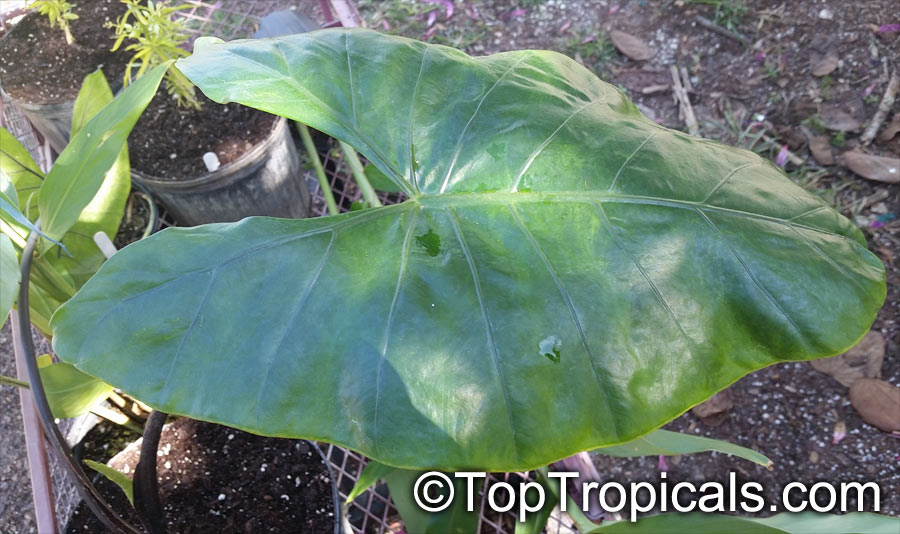
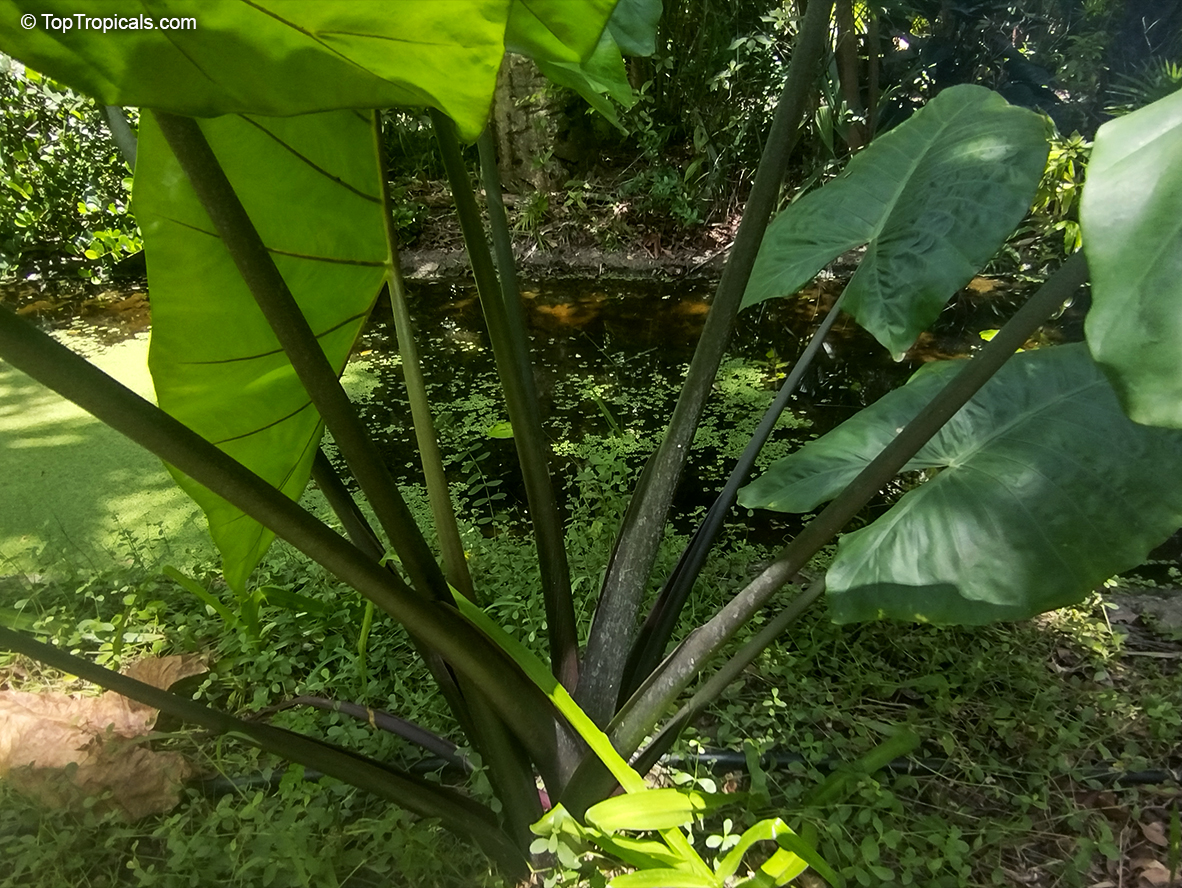
Alocasia macrorrhizos is similar to other large-leafed arums such as the Xanthosoma sagittifolium, Peltrandra spp., and Colocasia esculenta, often called Taro. Alocasia macrorrhiza differs from the others in having an upright stem and holding its leaves upright, and in several technical characteristics that mean a lot to the botanists. Numerous hybrids have been produced from among the various Elephant Ear species, and it's not always possible to identify particular specimens.
It produced insignificant but fragrant white flowers on a sradix enclosed in a leaf-like, yellow-green spathe.
Giant taro is cultivated throughout the tropics for its edible rhizomes and shoots.
Alocasias require continual warmth and humidity. The soil should be rich but well drained, and the plant appreciates frequent watering (daily in hot weather), especially as if grows larger. Note however, that when the plant is young and small, too much water (particularly if the weather is cold) will rot the tuber, so be careful not to overdo it.
Bright light is preferred, but it will do well in anything up to 80 percent shade. Leaves tend to grow larger in shadier positions. Full sun is usually not preferred and may discolor the leaves, although it will usually cope with a bit of full sun provided it can get enough water.
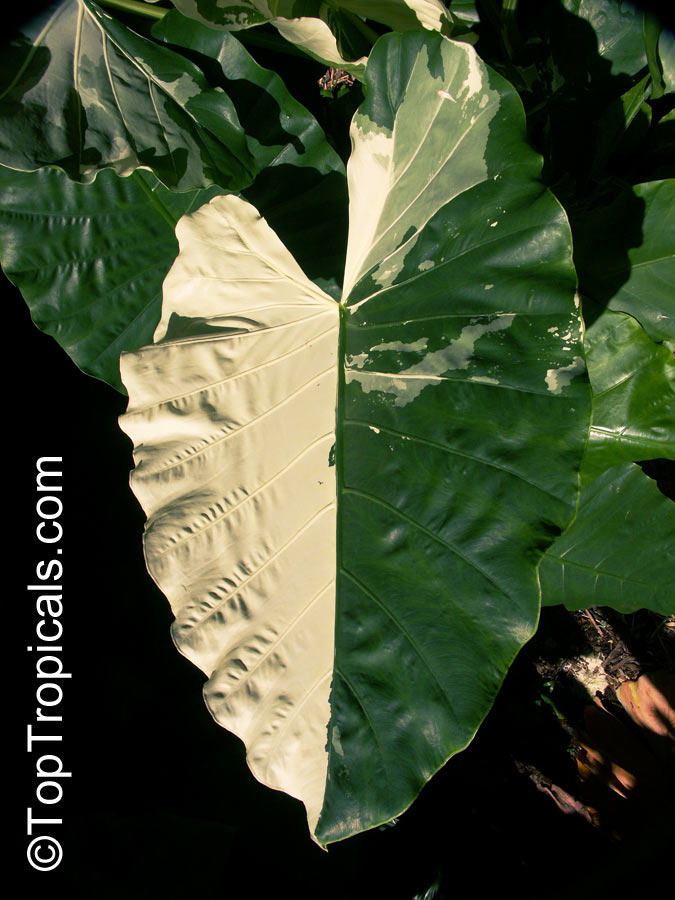
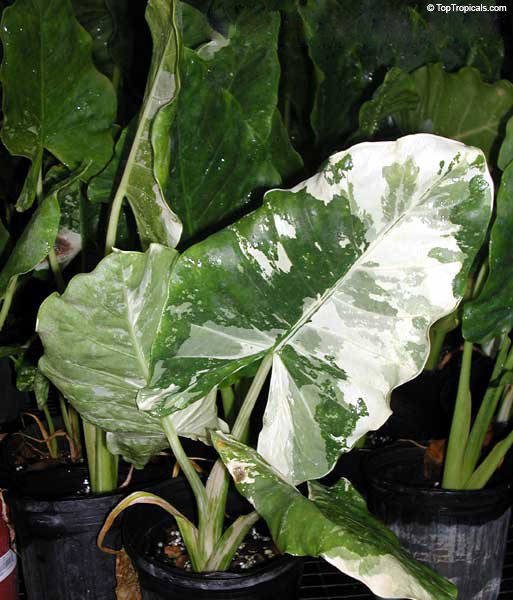
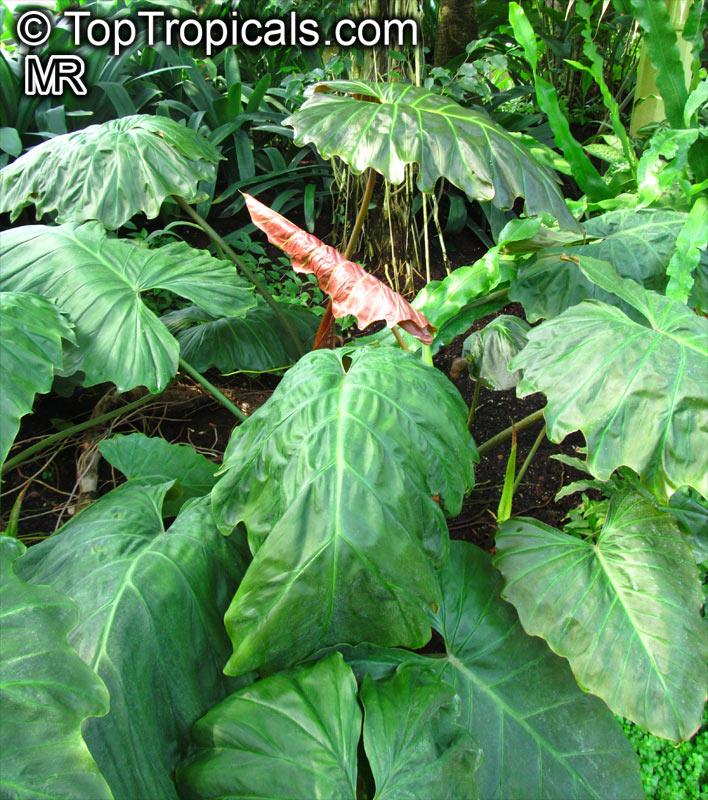
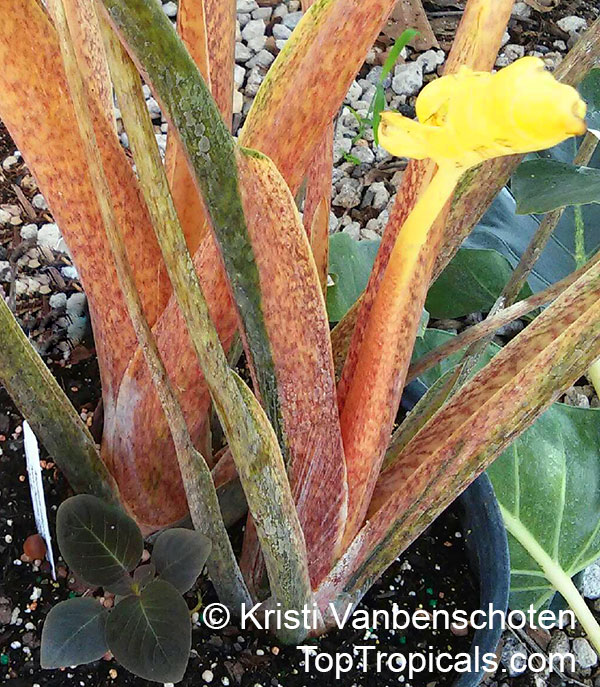
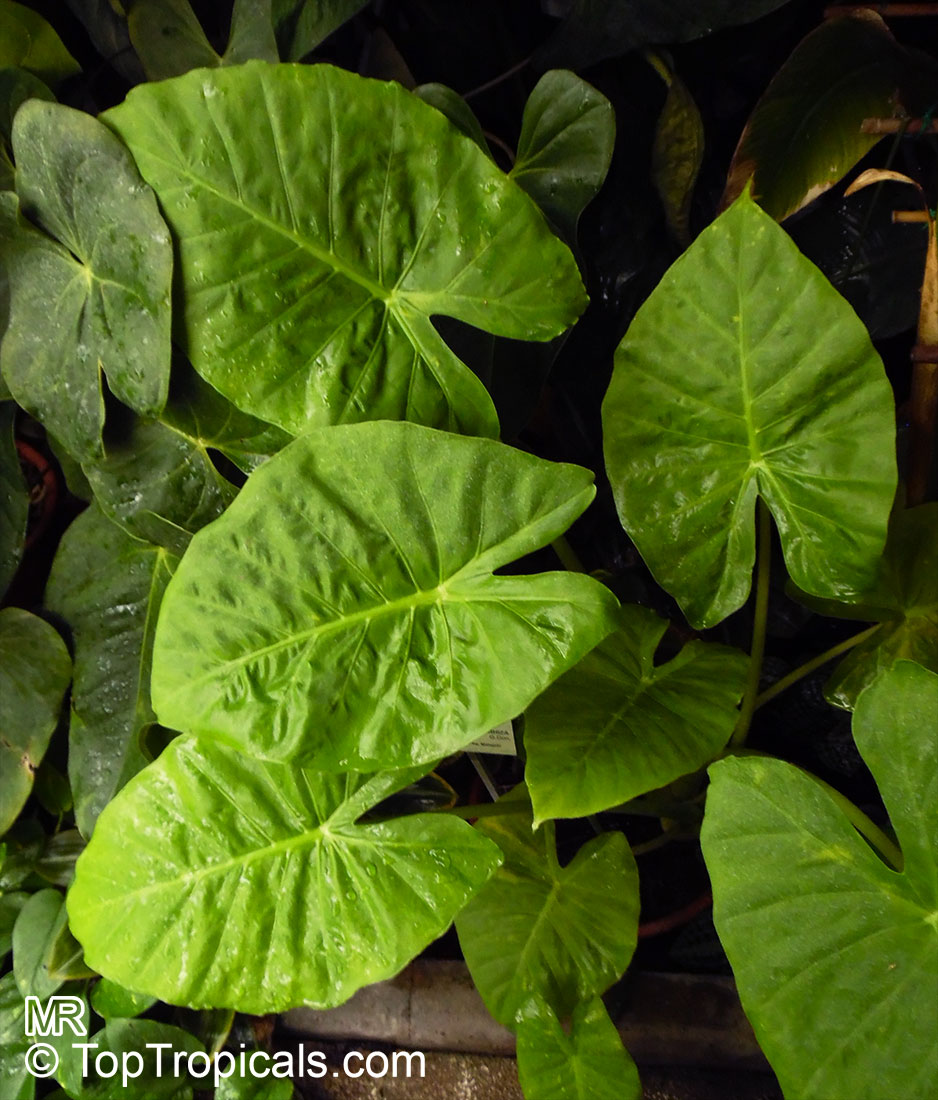
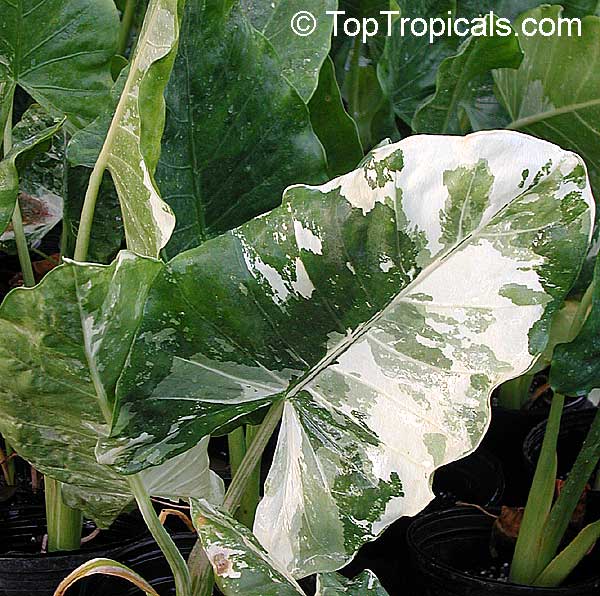
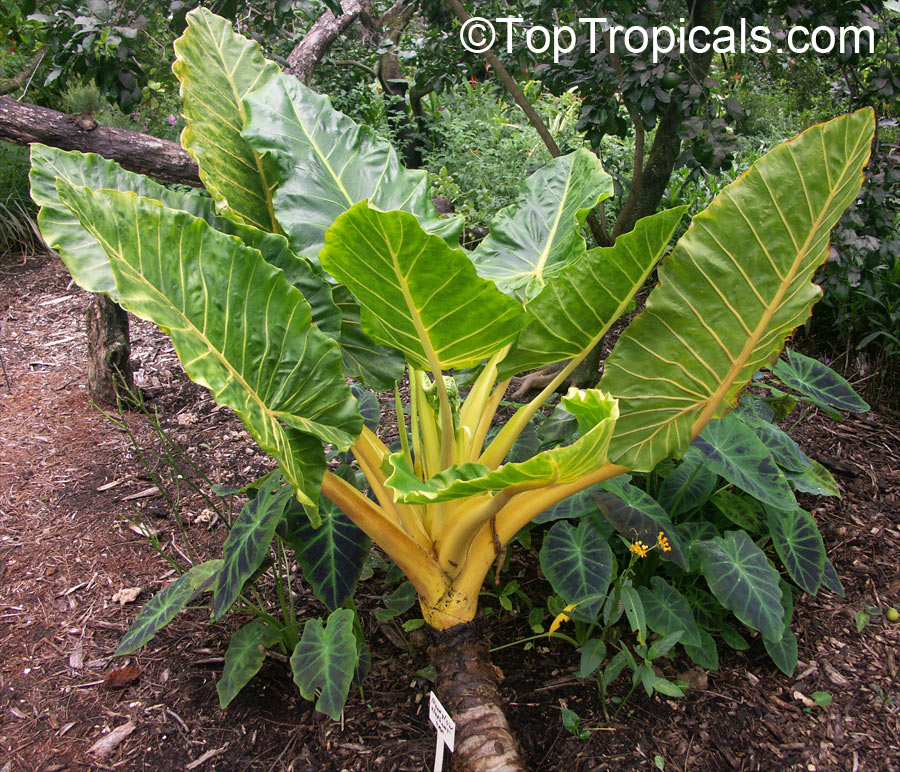
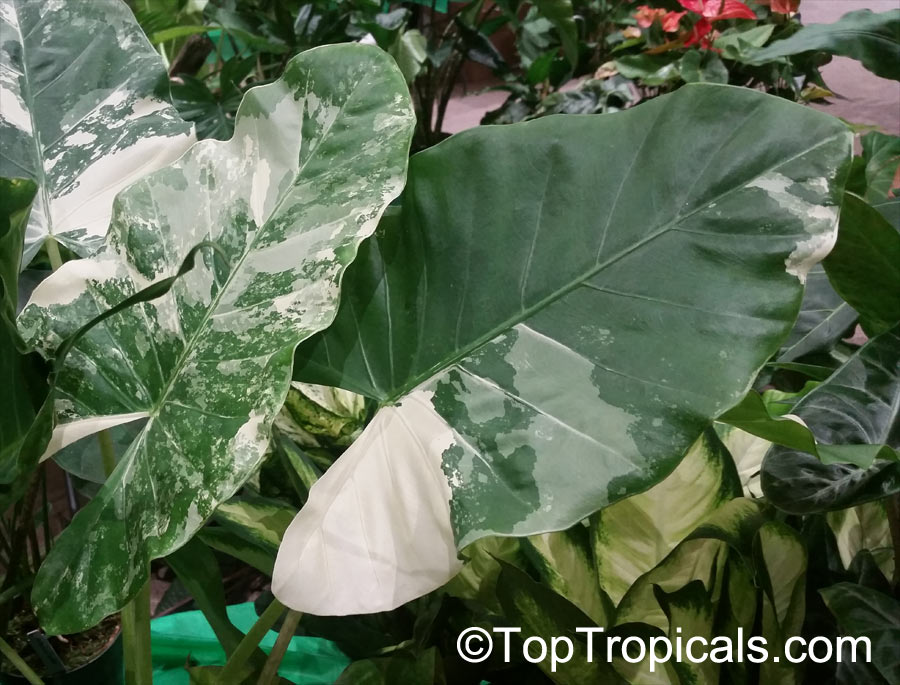
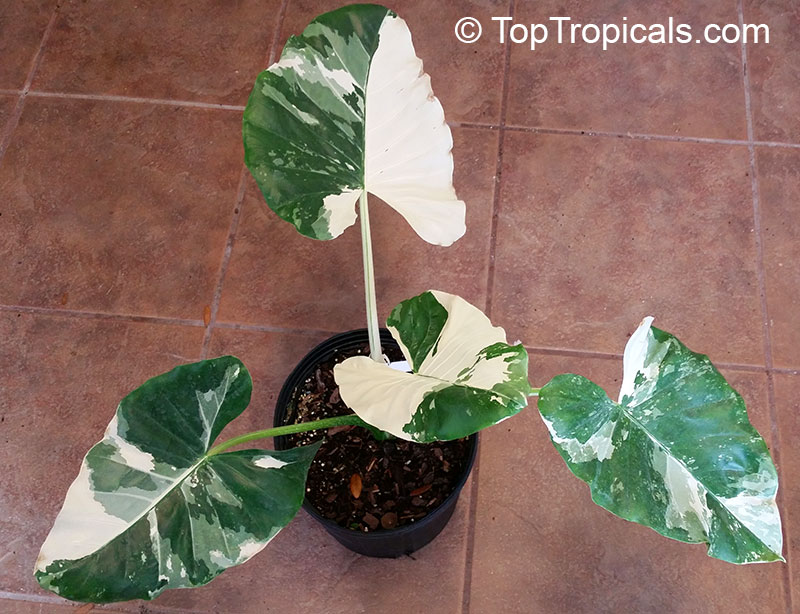
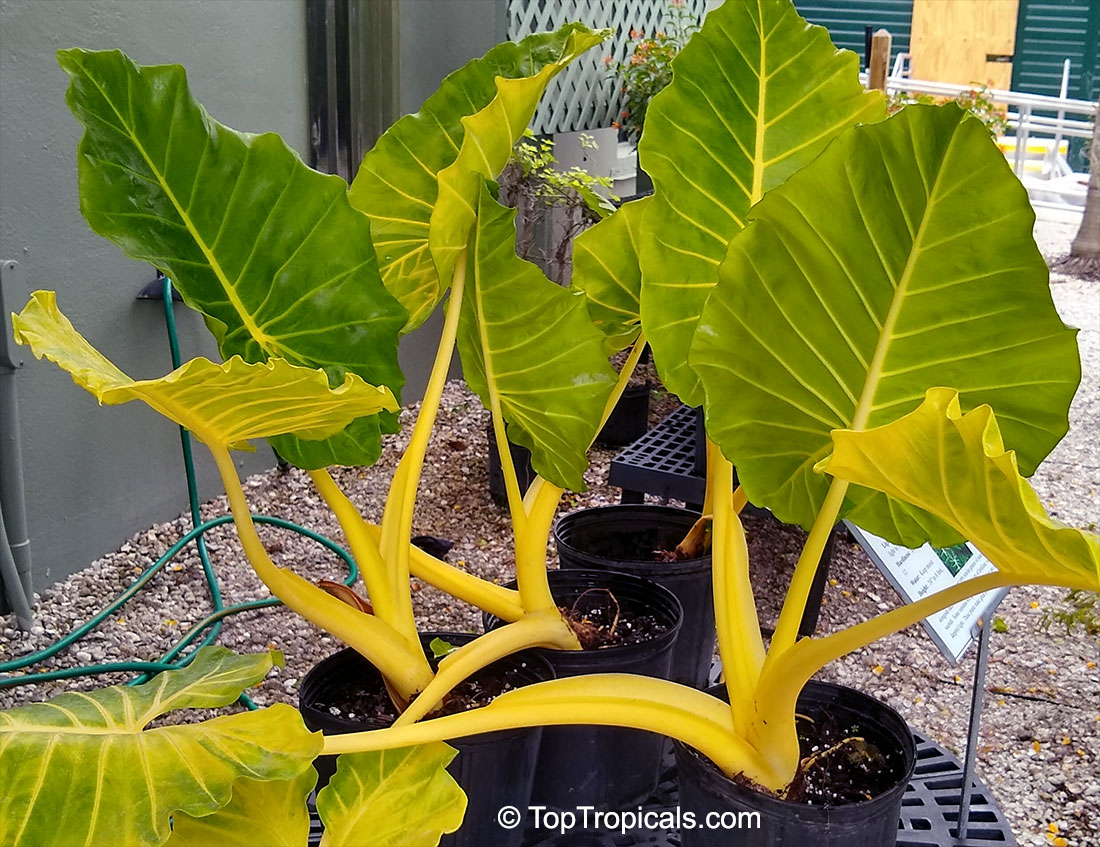


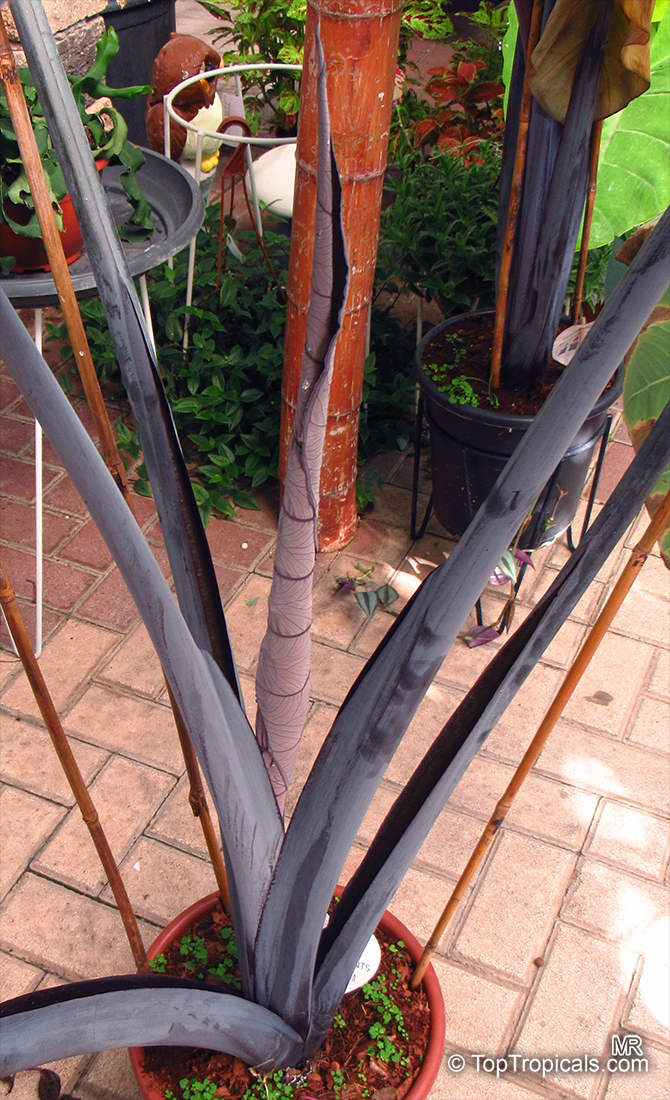
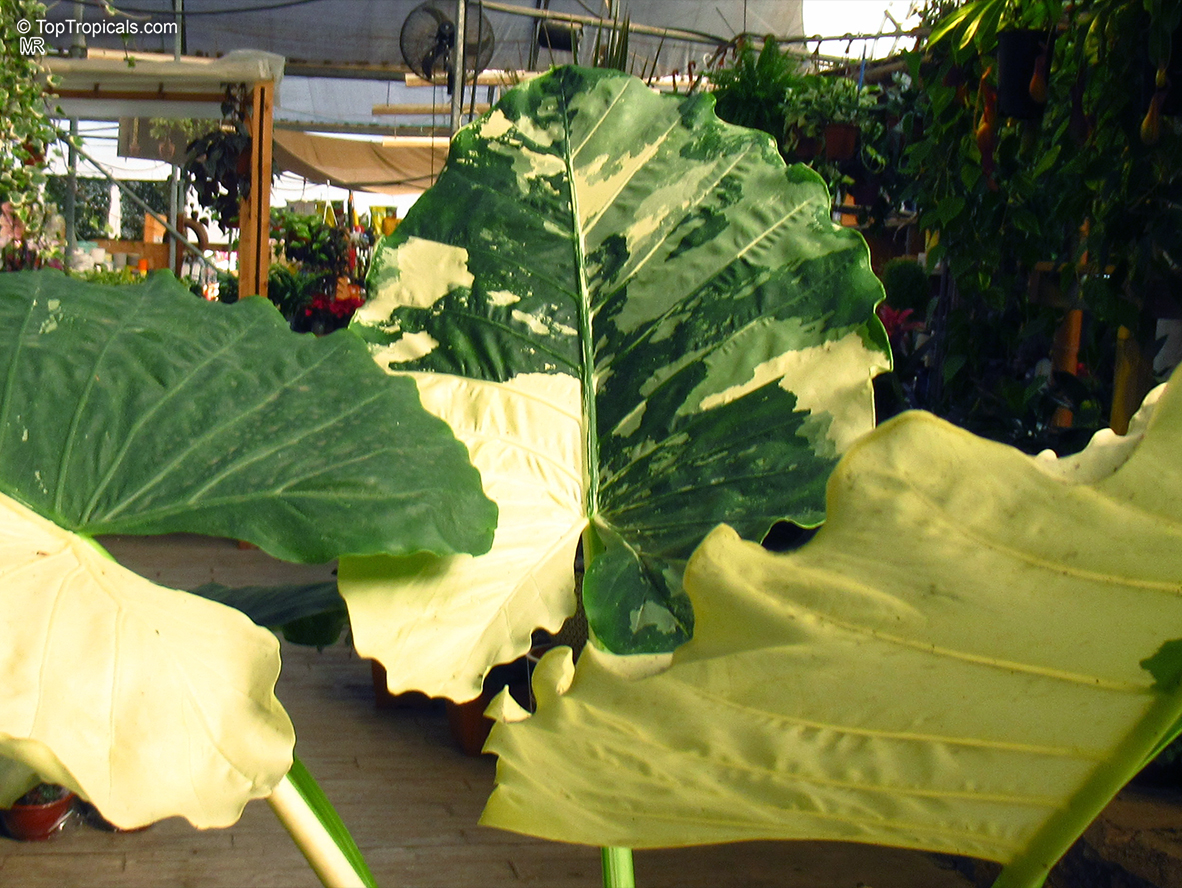
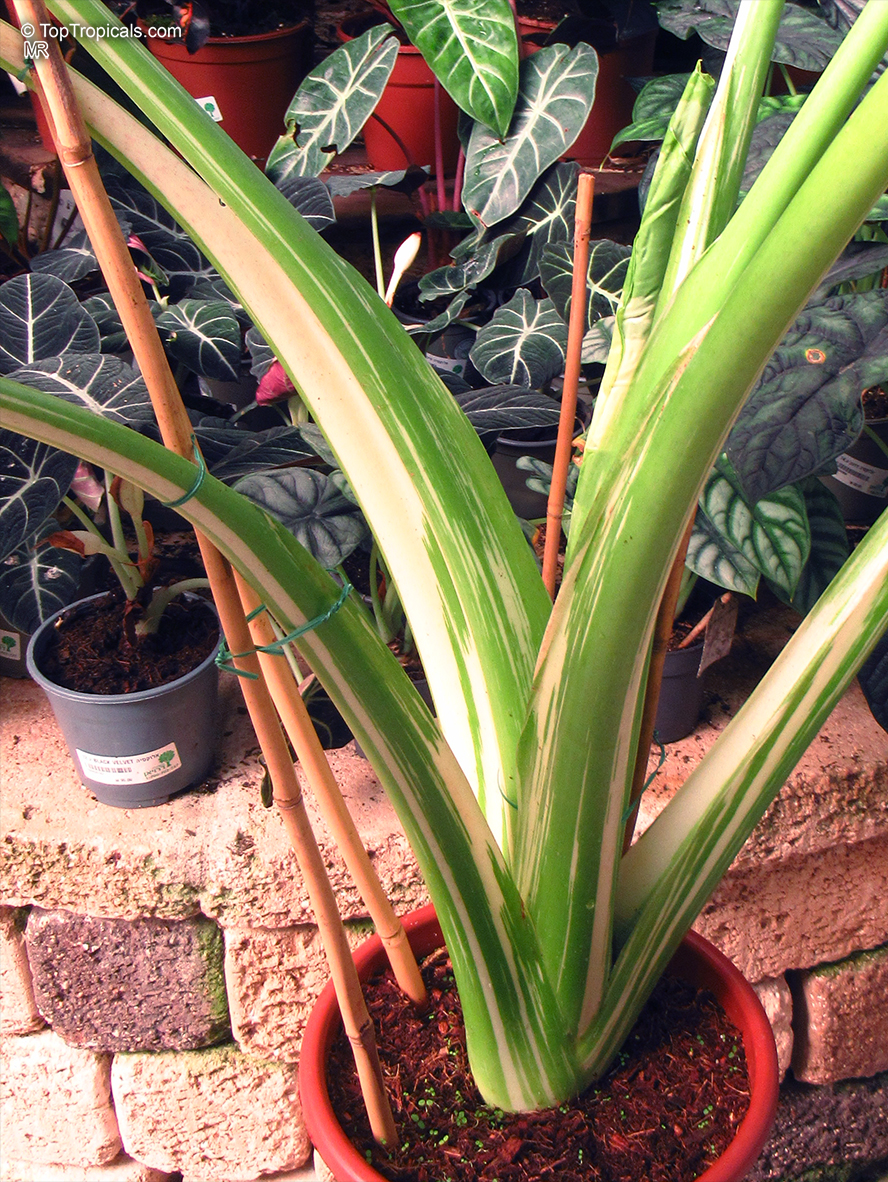
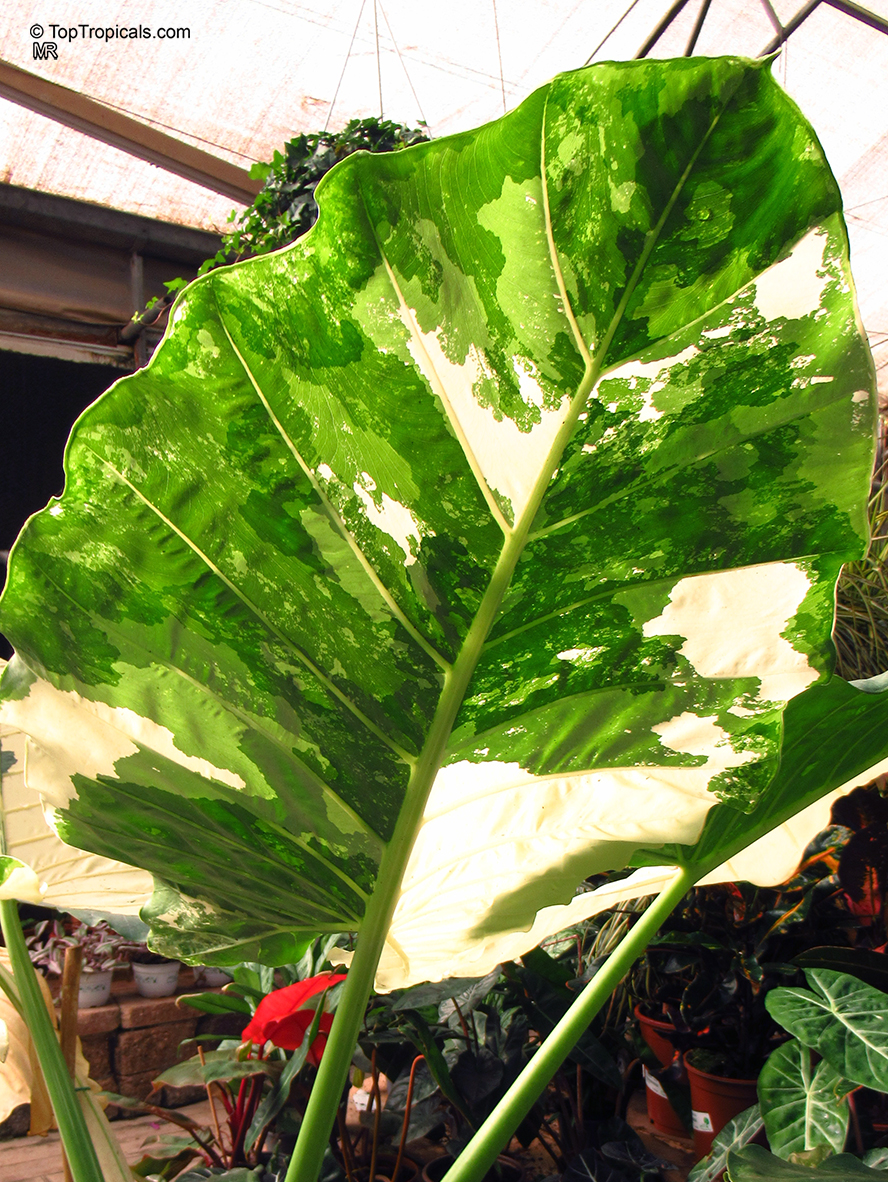
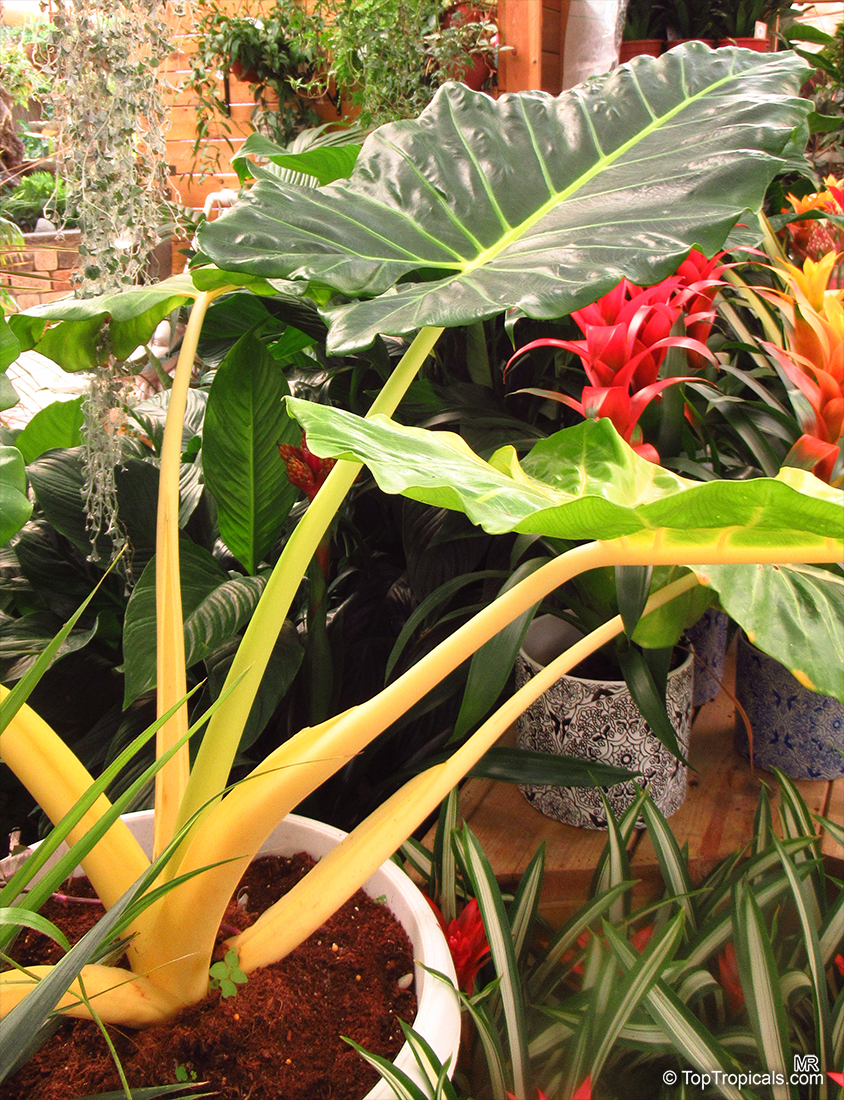

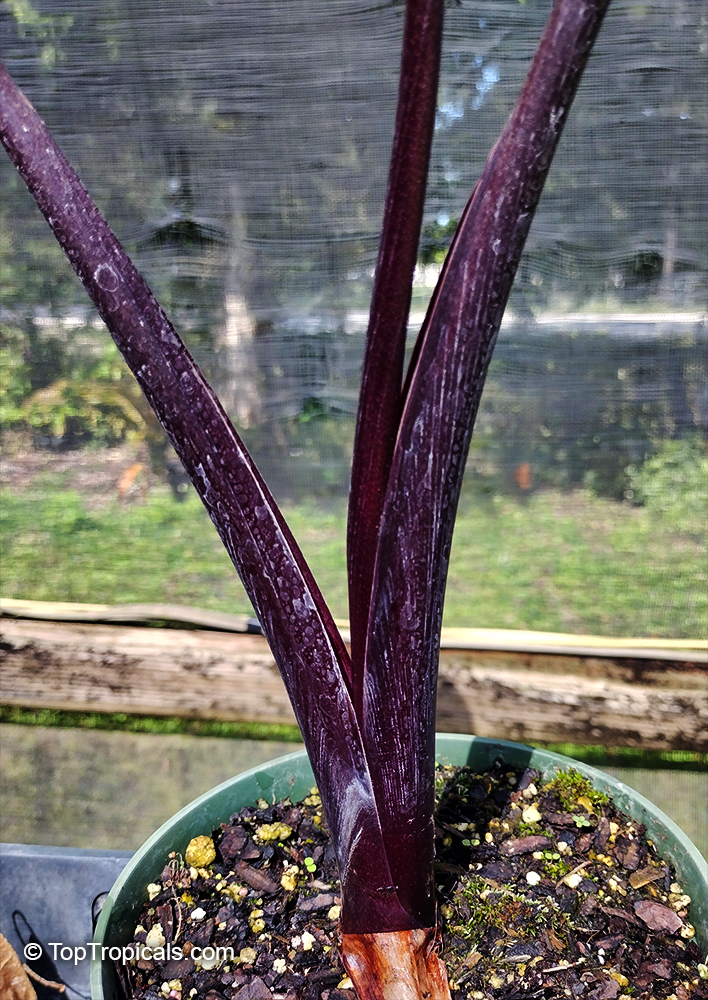
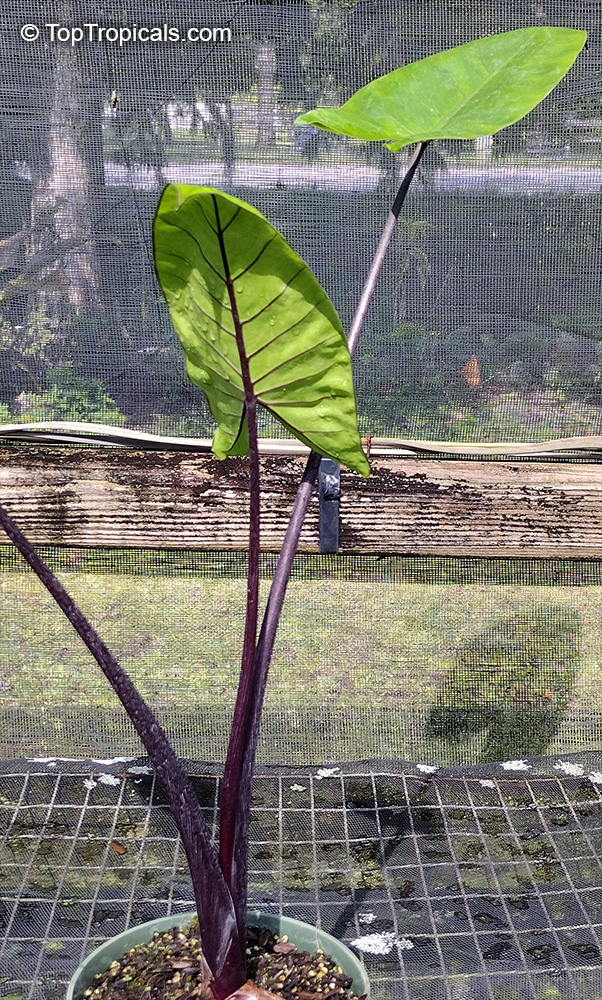
Give it bright, filtered light, warmth, and humidity. Keep the soil moist but never soggy. Avoid harsh direct sun - those white patches can burn easily. Here is a tip: if you notice a solid green shoot, trim it off. That is because its variegation is a chimera and green shoots can take over. Feed lightly during the growing season. The white areas do not photosynthesize, so the green parts do all the work. A small boost with Sunshine Robusta or controlled-release fertilizer keeps growth balanced and healthy. This plant has it all - rarity, beauty, and that irresistible tropical charm. No surprise everyone wants to show it off.
Recommended Fertilizer: SUNSHINE Robusta - Rapid Growth Booster

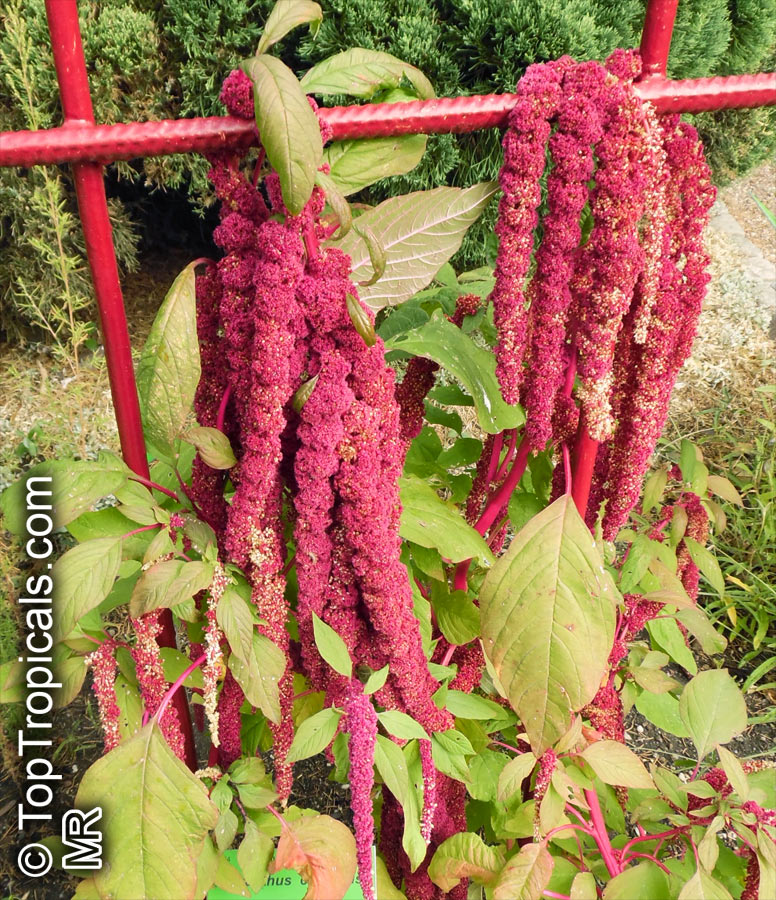
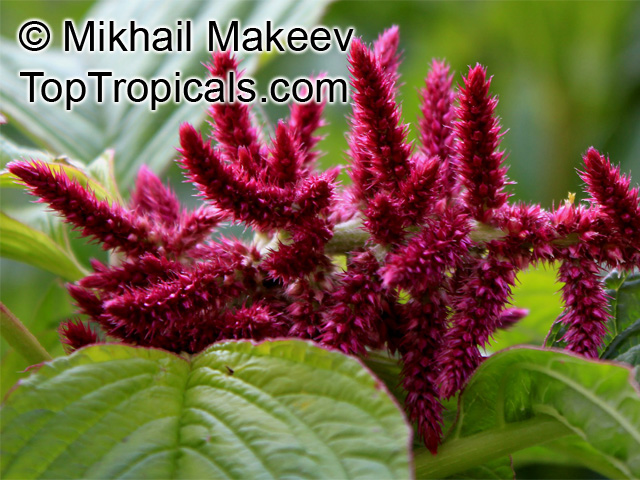
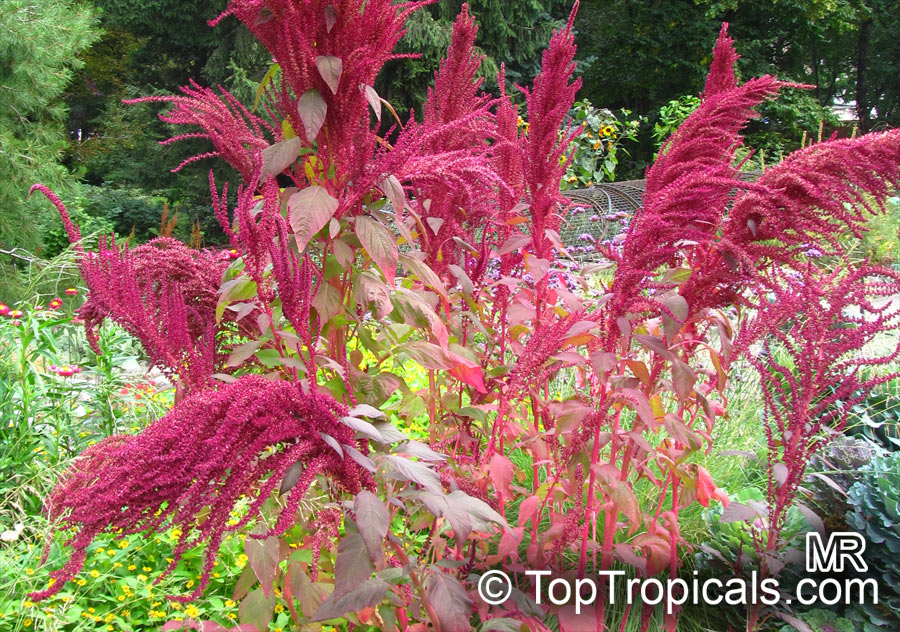
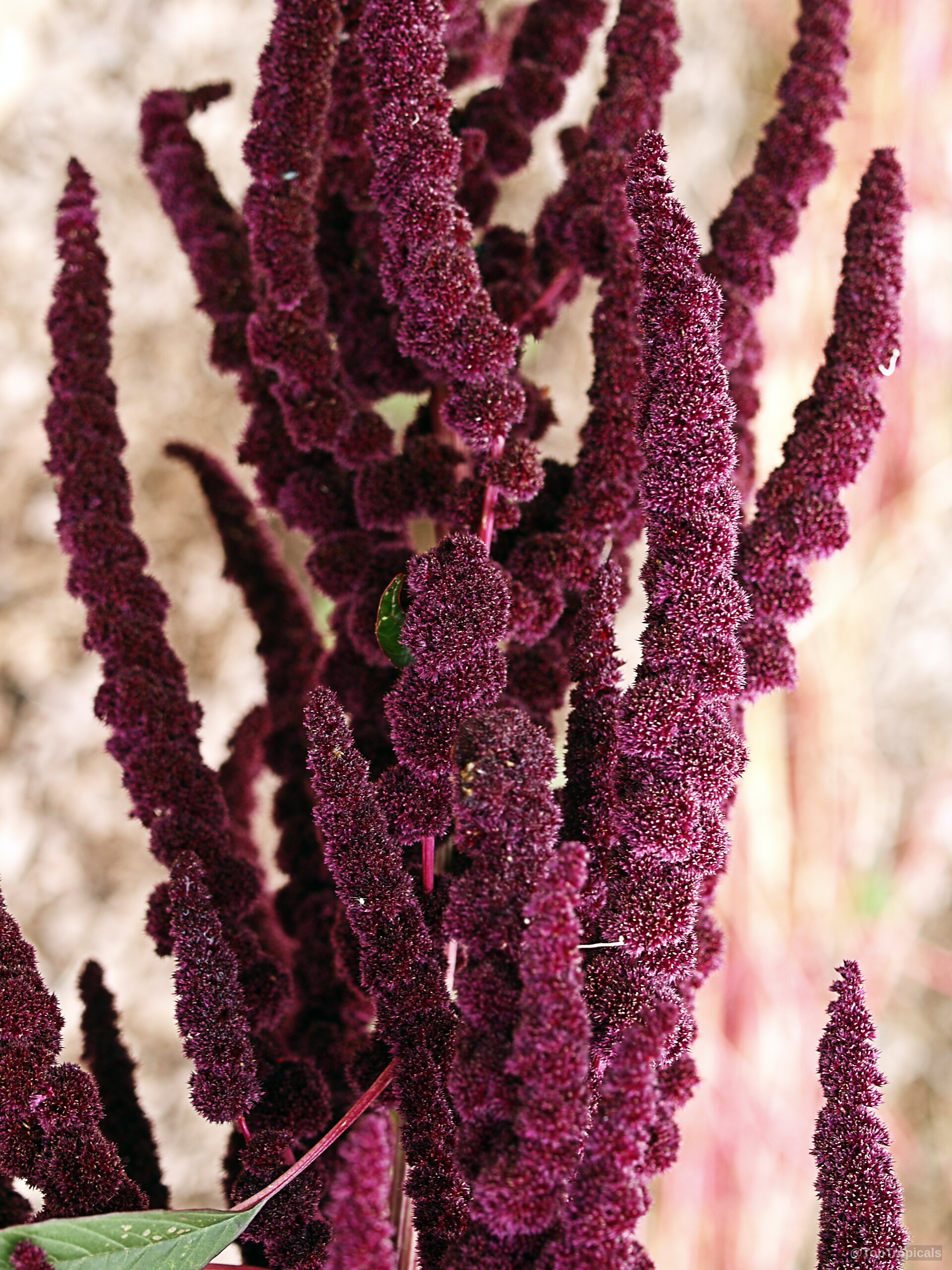
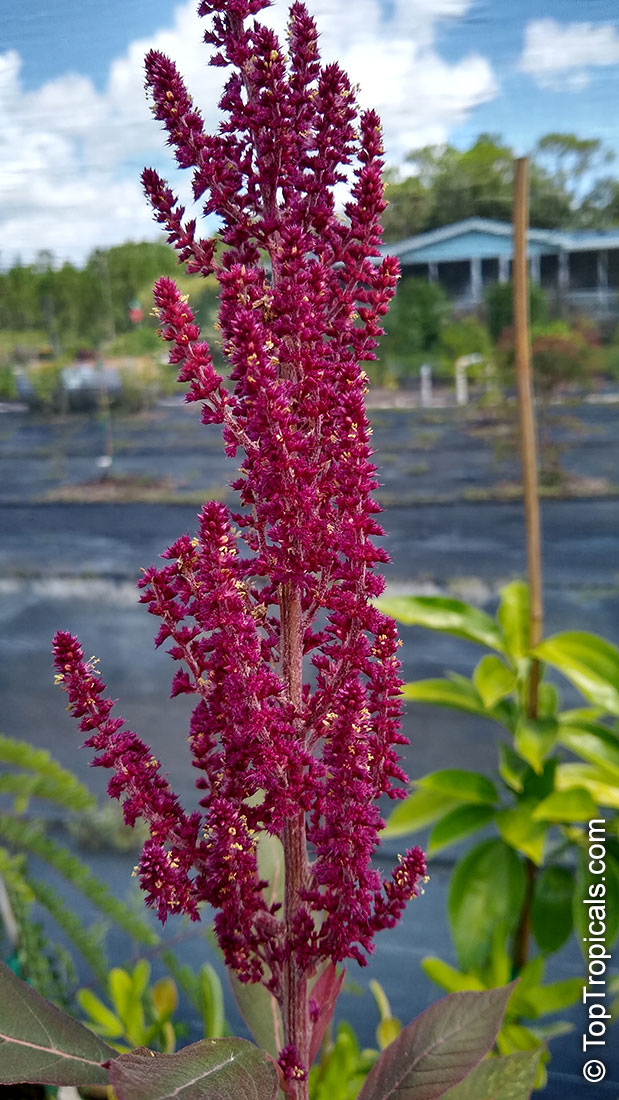
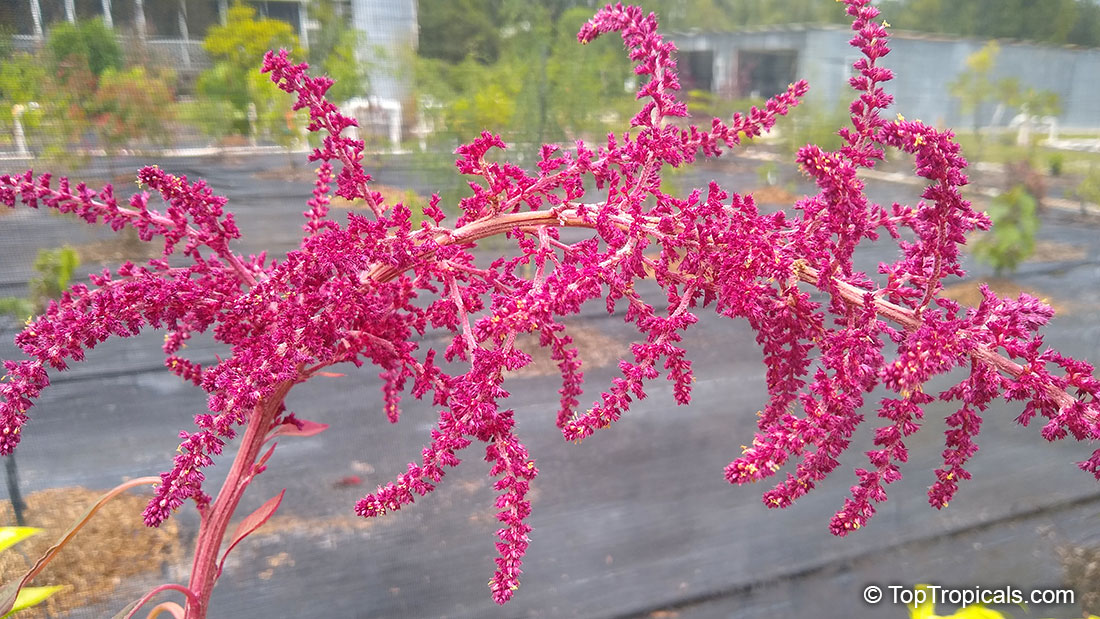
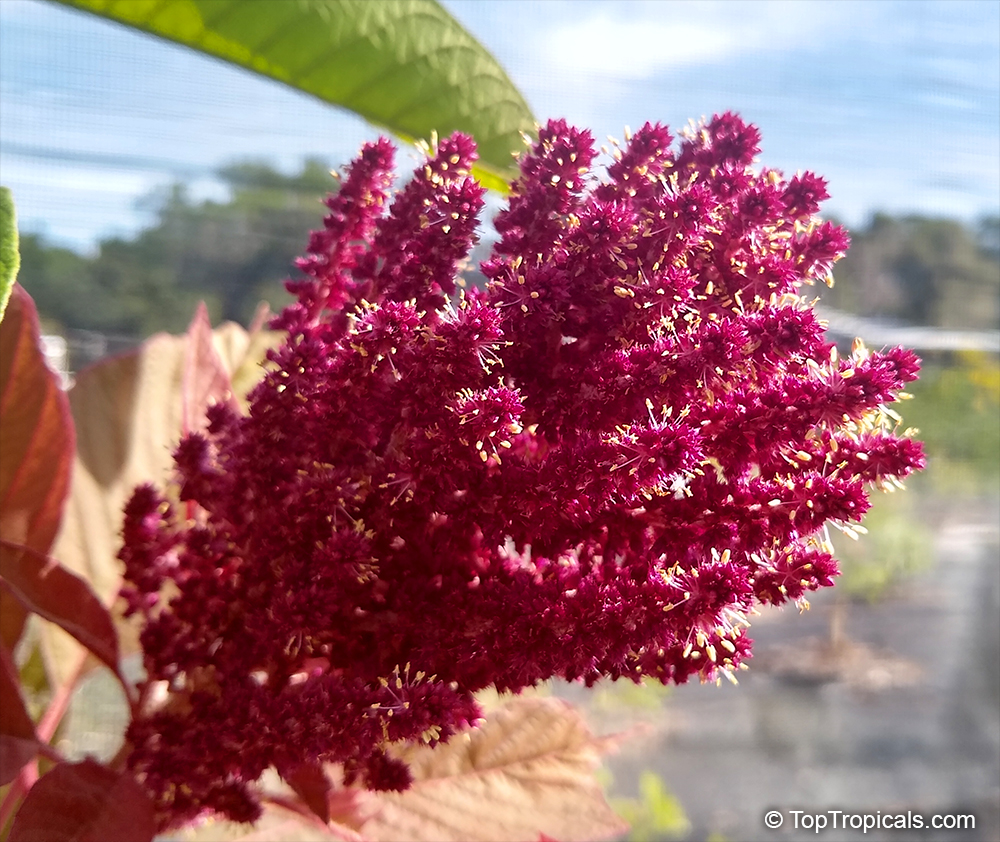
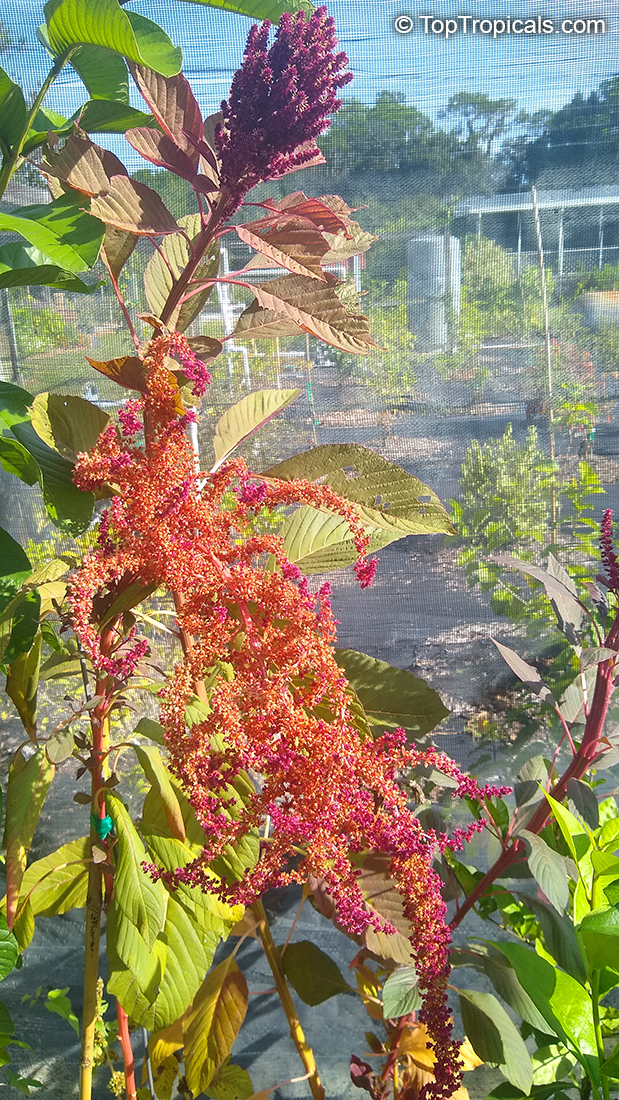
Botanical name: Amaranthus sp.
Common name: Amaranth
Family: Amaranthaceae
Origin: Tropical America
USDA Zone: 2-11

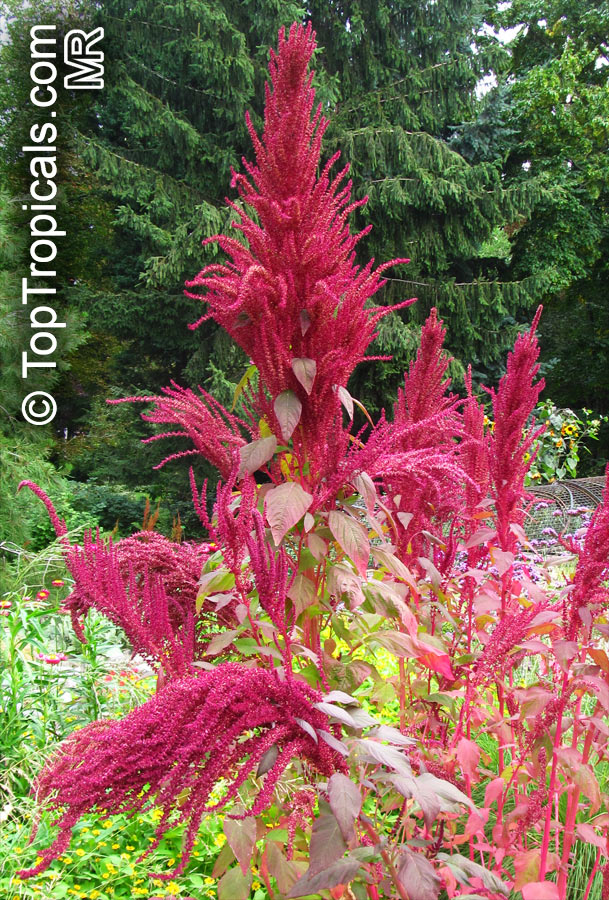
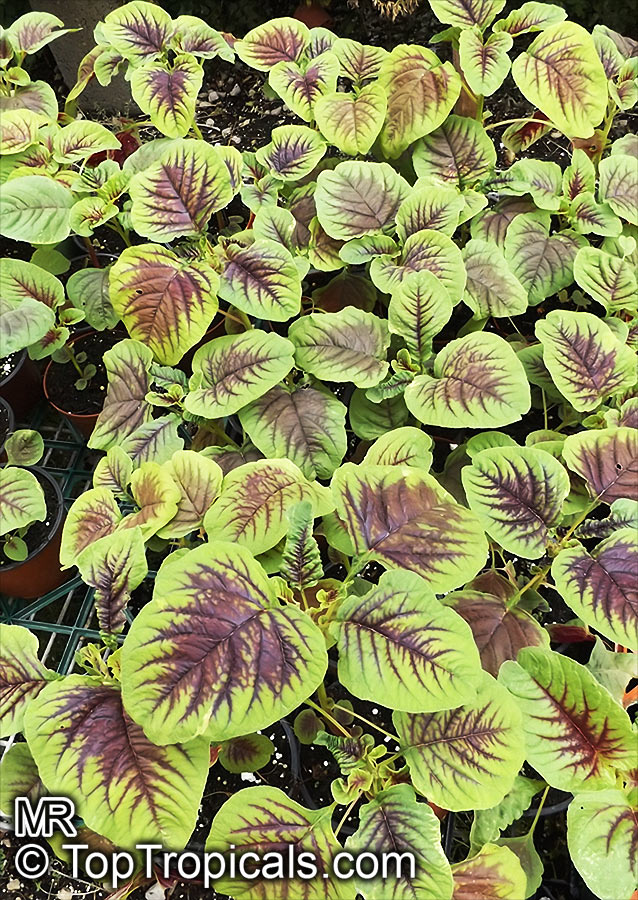
Approximately 60 species are recognized, with inflorescences and foliage ranging from purple and red to gold.
The genus also contains several well-known ornamental plants, such as Amaranthus caudatus, a native of India and a vigorous, hardy annual with dark purplish flowers crowded in handsome drooping spikes.
Amaranthus cruentus is a tall annual herb topped with clusters of dark pink flowers. Many parts of the plants, including the leaves and seeds, are edible, and are frequently used as a source of food in India and South America. It is believed to have originated from Amaranthus hybridus, with which it shares many morphological features. Ancient amaranth grains still used to this day include the three species, Amaranthus caudatus, Amaranthus cruentus, and Amaranthus hypochondriacus.


Botanical name: Amorphophallus konjac
Common name: Voodoo Lily
Family: Araceae
Origin: East Asia
USDA Zone: 8-11


Amorphophallus konjac (Voodoo Lily) is a small plant growing 2 to 5 ft tall. Its flower has unusual color is white and purple. The flower is pollinated by flies that find its odor of rotting meat attractive.
It grows a single, elongated stem called a corm and a single large leaf that wraps around it. The corm is the part of the plant that is used, as well as its tuber, which is commonly called the Konnyaku potato. It is one of the most exotic, bizarre flowers. The single leaf dormant in winter, then in spring the plant shoots out a highly distinctive bloom. The tubers of the plant, Konnyaku potatoes, are edible when cooked like a potato and are often dried and ground into a flour used in noodles and tofu. It is also used in traditional ethnomedical practices. It can be grown in USDA Zone 8-11.


This plant is dormant from Fall through Winter, shipped as tuber, keep on dry side until it grows back its leaves in Spring.
Recommended Fertilizer: SUNSHINE Robusta - Rapid Growth Booster
| Prev | Next | |
Use link to repeat this search:
https://toptropicals.com/cgi-bin/garden_catalog/cat.cgi?search_op=and&keyword_op=and&language=e&number=10&no_change_lang=1
&v1=frt&user=tt&sale=1&first=0