Large tree taller than 20 ft - Plant Encyclopedia Results (Page 44)
| Number of plants found: 464 |  | Prev | Next | 
|
Go to page: | First | 39 | 40 | 41 | 42 | 43 | 44 | 45 | 46 | 47 |
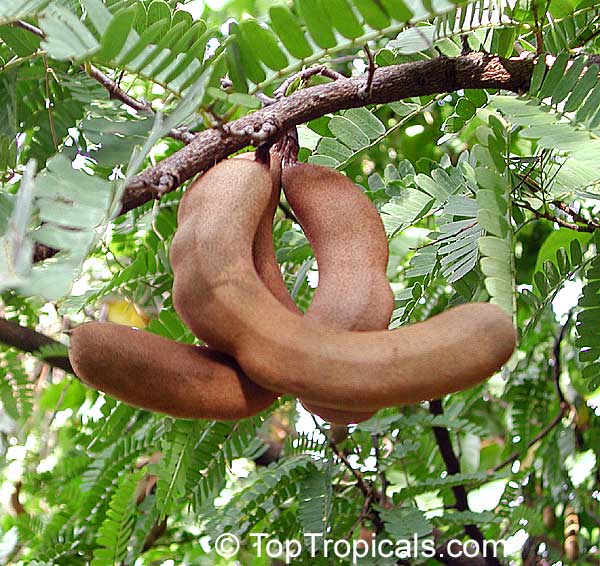
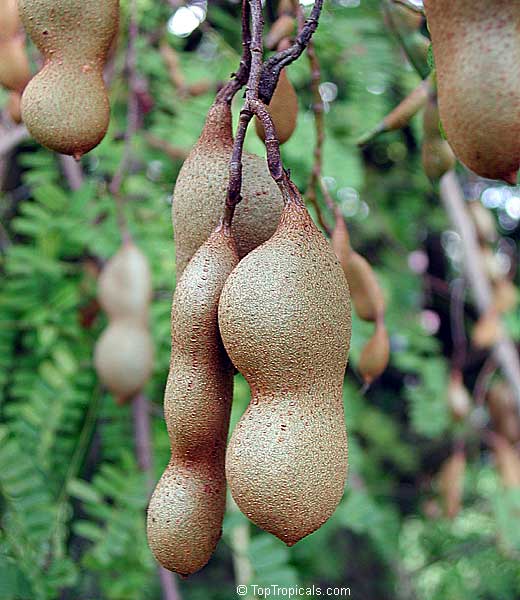
Botanical name: Tamarindus indica
Common names: Tamarind, Sampalok
Family: Fabaceae
Subfamily: Caesalpinioideae
Origin: Tropical Africa, South Asia
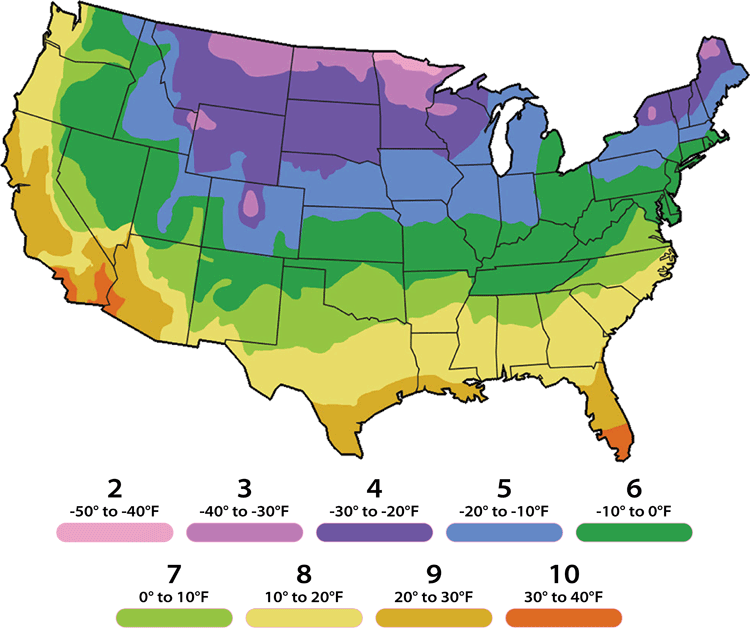
USDA Zone: 10-11


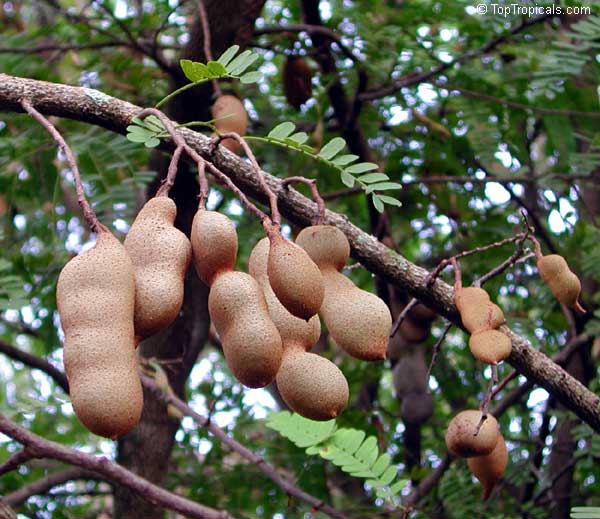
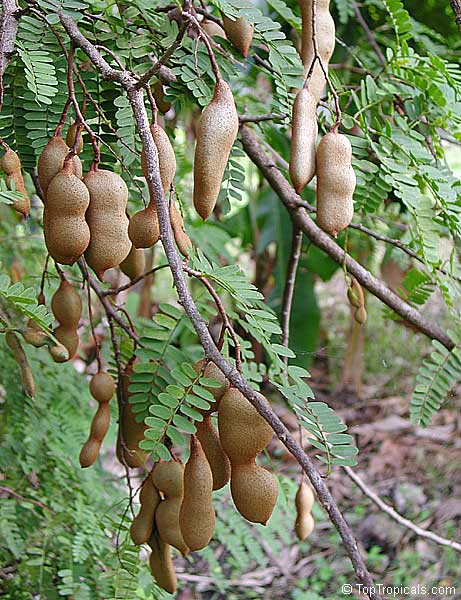
Tamarindus indica, commonly known as Tamarind, is a long-lived, evergreen to semi-evergreen tree in the Fabaceae family, native to tropical Africa and widely cultivated throughout tropical Asia and other warm regions. It develops a dense, spreading crown, typically reaching 40-60 feet tall, with mature trees sometimes growing considerably larger. The foliage consists of delicate, pinnately compound leaves with numerous pairs of small, oblong leaflets that fold at night. Small, pale yellow to cream flowers, marked with reddish or orange veins, appear in loose clusters. The distinctive brown, brittle-shelled pods contain sticky, fibrous pulp surrounding several hard, glossy seeds. The pulp has a characteristic sweet-sour flavor, varying considerably among cultivars, from intensely acidic to pleasantly sweet. Tamarind is widely used in beverages, sauces, chutneys, candies, and traditional cuisines.
Tamarindus indica thrives in full sun and well-drained soil, tolerating poor soils, heat, and prolonged seasonal drought once established. Young trees benefit from regular watering, while mature specimens are exceptionally drought-resistant. It grows relatively slowly but can remain productive for many decades. Suitable for USDA Zones 10-11, it is sensitive to frost, particularly when young, although established trees may survive brief light cold. Tamarind is cultivated both as a fruit tree and as an ornamental shade tree, valued for its graceful foliage, broad crown, and abundant edible pods.Read more about Tamarind Tree and how to grow it:




Recommended Fertilizer: SUNSHINE C-Cibus - Crop Nutrition Booster
SUNSHINE-Honey - sugar booster
Recommended Fertilizer: SUNSHINE C-Cibus - Crop Nutrition Booster
SUNSHINE-Honey - sugar booster

Botanical name: Tamarix sp.
Common names: Tamarisk, Athel tree, Salt Cedar
Family: Tamaricaceae
Origin: Europe, Africa, China and Japan
USDA Zone: 5-10


Salt cedar is a deciduous shrub/small tree that grows most successfully along riparian zones , that is, along streams and/or lake edges. Its roots extend deeply into the soil and depend on ground water for water supply. Saltcedar's high water consumption further stresses native vegetation by lowering ground water levels and can also dry up springs and marshy areas.


Botanical name: Tambourissa sp.
Common name: Bois Tambour
Family: Monimiaceae
Origin: Mauritius
USDA Zone: 9-10


Tambourissa sp. is native to Mauritius, a small island in the Indian Ocean, but the tree has become quite popular in Mediterranean countries, due to its striking beauty. This species is a big tree, growing taller than 20 feet, though some specimens are known to reach 30 feet. The plant grows in an upright position with an umbrella-like crown that creates an incredibly picturesque sight when the red, crimson and vinous flowers blossom.
The tree is quite versatile in the sense that it can be grown in full sun or partial shade, making it highly recommendable for outdoor landscaping projects. But it can also be grown in containers, thus giving the possibility of having a striking ornamental tree inside the home.
The flowers are highly attractive to butterflies and hummingbirds, as well as to humans, being known for their sweet aroma. This tree has been used for ethnomedical purposes in the past, such as for the treatment of certain skin conditions and for relieving sore throats.
Tambourissa sp. is adaptable to different climates and cold weather, though it is generally recommended for USDA Zone 9-11. In cold regions, the plant needs to be grown in pots and taken inside when temperatures drop. Special care should be taken to make sure that the soil is kept evenly moist but not waterlogged and that the pot has adequate drainage. During winter, fertilization should be reduced significantly, to prevent over-stimulating the new growth which could be damaged by cold weather.


Botanical name: Taxodium distichum
Common names: Bald cypress, Swamp cypress
Family: Cupressaceae
Origin: Florida
USDA Zone: 4-9


Taxodium distichum, commonly known as Bald cypress is a deciduous conifer native to swamps and wetlands of the Florida and Southeastern United States. A beautiful ornamental large tree, it typically reaches heights of tall 20 ft or more and is naturally very symmetrical in shape. It is commonly used in landscaping to line avenues and frame parks.
Taxodium distichum can also tolerate harsh environmental conditions, such as temperature extremes and extreme light or water levels. It is flood tolerant and even grows near sea-level in some areas, where it can tolerate salt spray. In colder regions, growing Taxodium distichum in a pot is possible. Ensure the soil is kept moist and provide plenty of direct sunlight. In cold climates, the soil should be mixed with compost, which helps create a warmer, more moist environment for the tree.
Taxodium distichum grows in USDA Zones 4-9. The tree offers interest in the landscape all year round. The foliage is a light to medium green hue in summer and gold, rusty brown and orange colors in autumn. Additionally, its bark is soft and fibrous and exfoliates in strips when mature.
This is a great tree for urban and coastal areas, as it is able to withstand pollution and wind. It may be used in windbreaks and living fences, to give the landscape a unique and colorful touch. Taxodium distichum is an ideal ornamental tree that can be used to shape and create a beautiful landscape.


Botanical names: Taxodium mucronatum, Taxodium mexicanum, Cuprespinnata mexicana
Common names: Montezuma Baldcypress, Mexican Cypress, Tree of Tule
Family: Cupressaceae (Formerly:Taxodiaceae / Cupressaceae)
Subfamily: Taxodioideae
Origin: Mexico
USDA Zone: 9-10


In Mexico, it is known as Ahuehueta, meaning "old man of the water". This deciduous tree of wetlands has broad, spreading crown with strong, horizontal branches and delicate, weeping branchlets. The leaves are 0.24 to 0.48 inch (6-12 mm) long. The roots of trees growing in standing water often send up conical projections ("knees"). Before the leaves drop, they turn spectacular bright orange to rusty brown. Usually occurs on moist soils along streams, or on low, poorly drained sites. It is drought tolerant when established.

Botanical name: Taxodium sp.
Common name: Bald Cypress
Family: Cupressaceae (Formerly:Taxodiaceae / Cupressaceae)
Subfamily: Taxodioideae
Origin: Southeastern United States, Mexico
USDA Zone: 9-10
Taxodiumis a genus of one to three species of extremely flood-tolerant conifers in the cypress family. Taxodium species grow pneumatophores, or cypress roots, when growing in or beside water; these are woody projections which rise above the water and are said to help carry oxygen to the root systems.


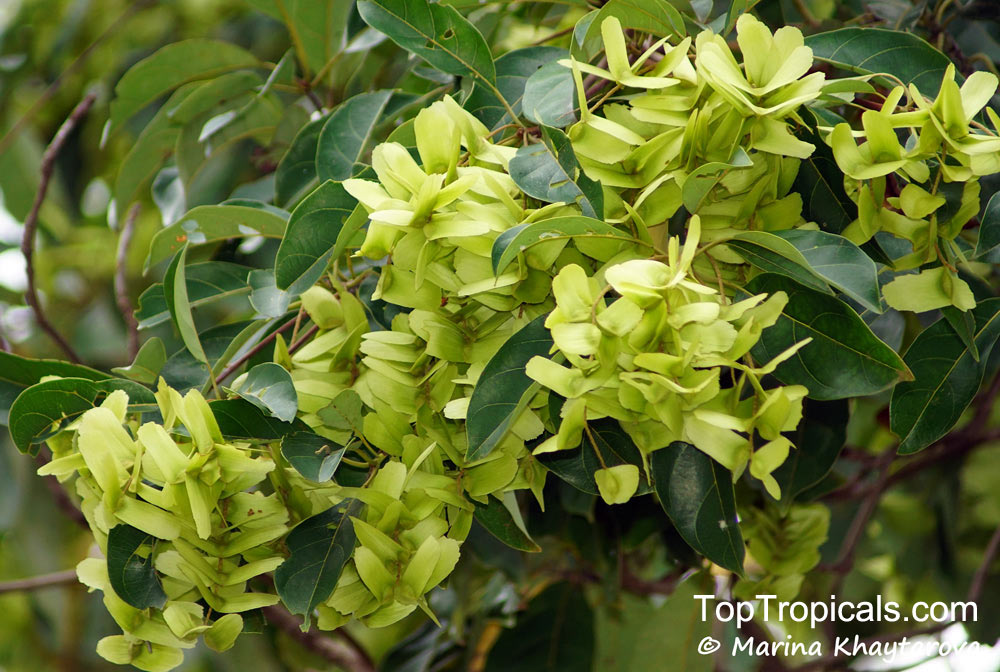
Botanical name: Terminalia calamansanai
Common names: Philippine Almond, Yellow Terminalia
Family: Combretaceae
Origin: Southeast Asia
USDA Zone: 9-10
The seeds are eaten raw or cooked.

Botanical name: Terminalia catappa
Common names: Tropical Almond, Badamier, Java Almond, Indian Almond, Malabar Almond, Singapore Almond, Ketapang, Huu Kwang, Pacific Almond
Family: Combretaceae
Origin: India
USDA Zone: 9-11
Cold tolerance: 25°F
The Tropical almond tree (Terminalia catappa) is a large deciduous tree that grows up to 100 feet tall and can survive in cold regions as long as temperatures do not drop below 30FF. It is native to USDA Zones 10-11 and grows best in full sun and with moderate water. In addition to being an ornamental tree, the tropical almond tree is also a valuable source of nutrition. Each tree can produce edible fruits, which are rich in proteins, vitamins, minerals, omega-3 fatty acids, and antioxidants. The kernel of the fruit is particularly rich in proteins and fats, and has been shown to improve eye health, reduce inflammation, and strengthen teeth and bones.
In addition to its nutritional properties, the tropical almond tree has several other medicinal uses. In Taiwan, the fallen leaves of the tree are used as a herbal drug to treat liver diseases. The kernel of the fruit has been shown to have aphrodisiac properties. In Suriname's traditional medicine, a tea made from the leaves is used to treat dysentery and diarrhea.
The tropical almond tree is also known for its salt and drought tolerance, and can be grown in a container where its size can be controlled for many years.


Recommended Fertilizer: SUNSHINE C-Cibus - Crop Nutrition Booster
SUNSHINE-Honey - sugar booster
 SUNSHINE C-Cibus (NPK 2-2-4) - Crop Booster for every watering.
 SUNSHINE C-Cibus (NPK 2-2-4) - Crop Booster for every watering.

Botanical name: Terminalia foetidissima
Common name: Terminalia
Family: Combretaceae
Origin: Southeast Asia
USDA Zone: 9-10


Botanical name: Terminalia ivorensis
Common name: Black Afara
Family: Combretaceae
Origin: Western Africa
USDA Zone: 9-10
One of the principle timbers of west Africa, it is widely harvested from the wild and has been introduced into many other tropical countries as a promising timber plantation species. It is also cultivated as a shade tree in cacao plantations.
| Prev | Next | |
Use link to repeat this search:
https://toptropicals.com/cgi-bin/garden_catalog/cat.cgi?search_op=and&keyword_op=and&language=e&number=10&no_change_lang=1
&v1=btr&user=tt&sale=1&first=0