Large tree taller than 20 ft - Plant Encyclopedia Results (Page 4)
| Number of plants found: 464 |  | Prev | Next | 
|
Go to page: | 1 | 2 | 3 | 4 | 5 | 6 | 7 | 8 | Last |
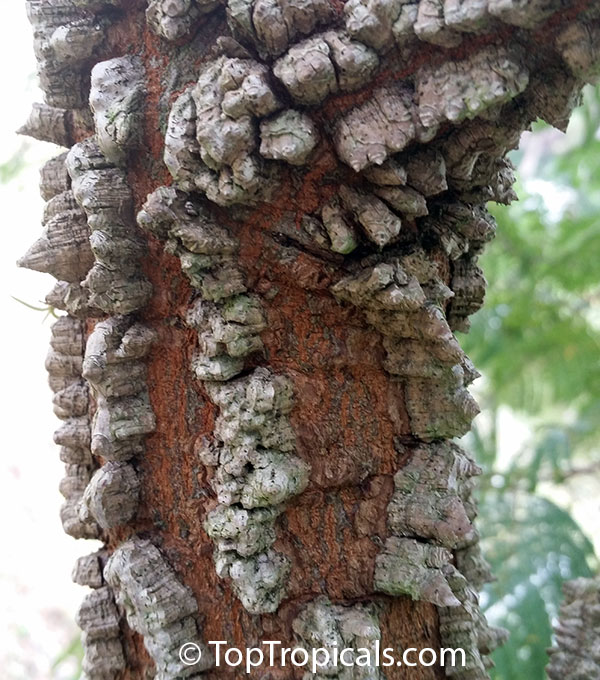
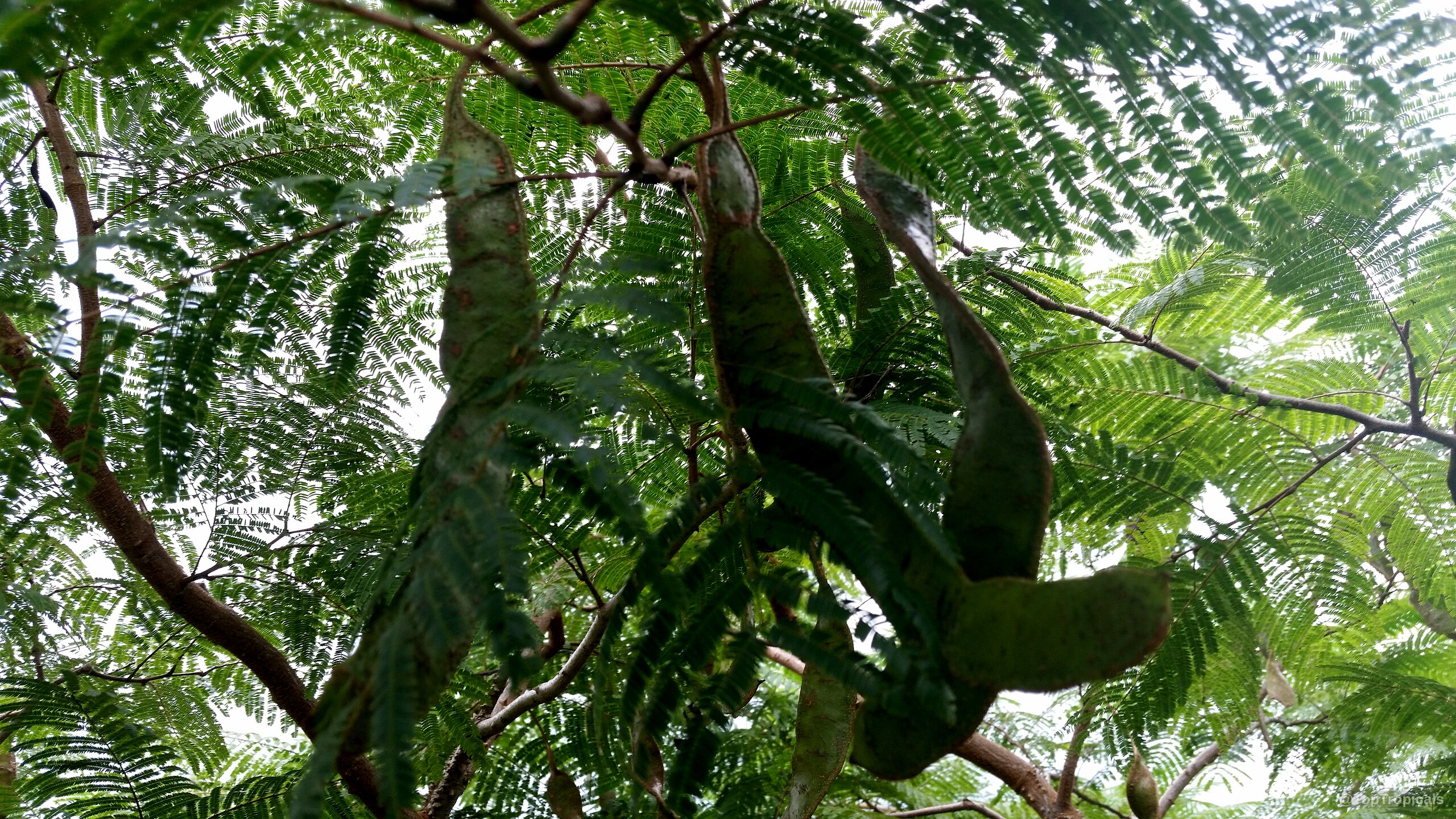
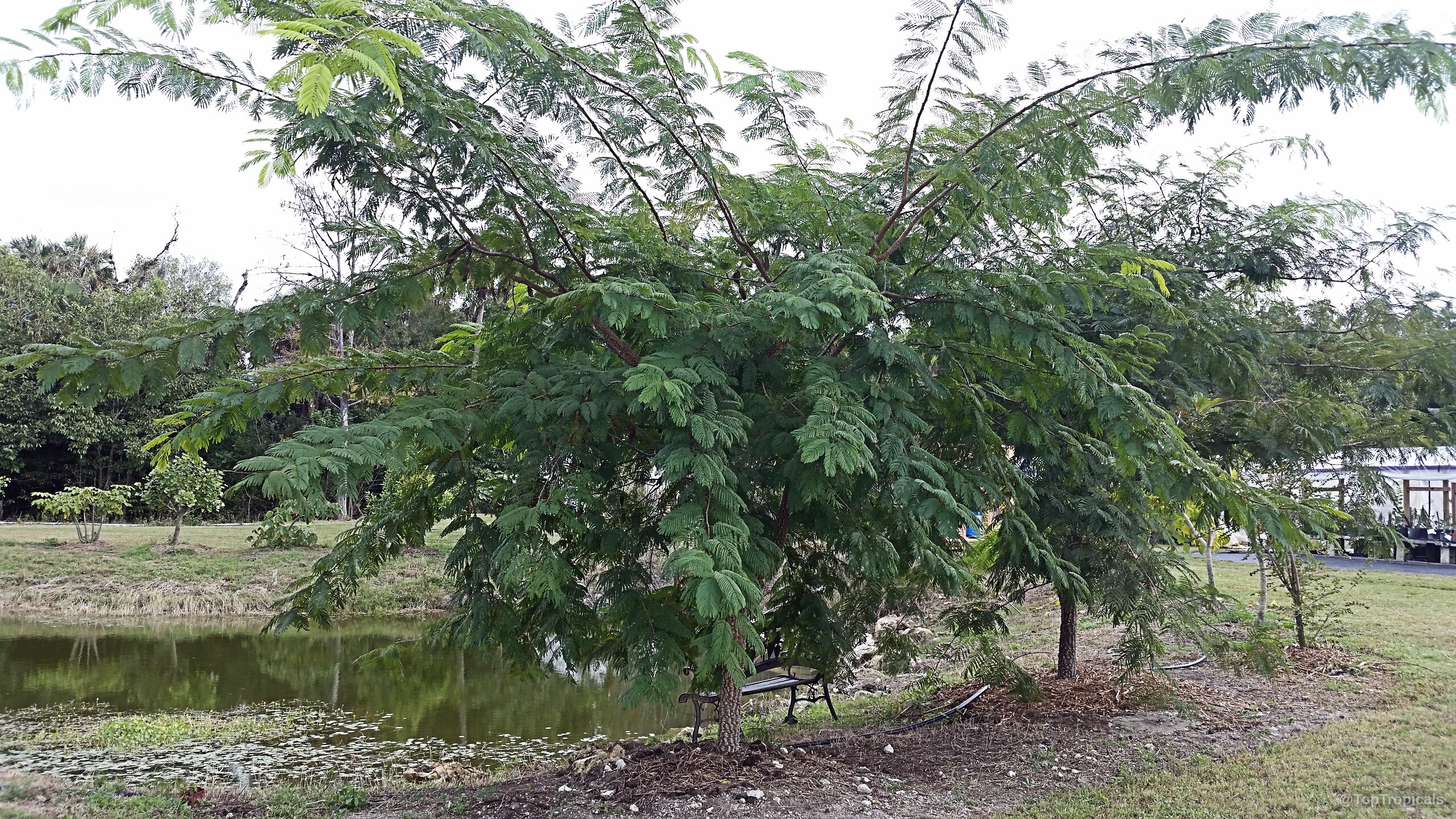
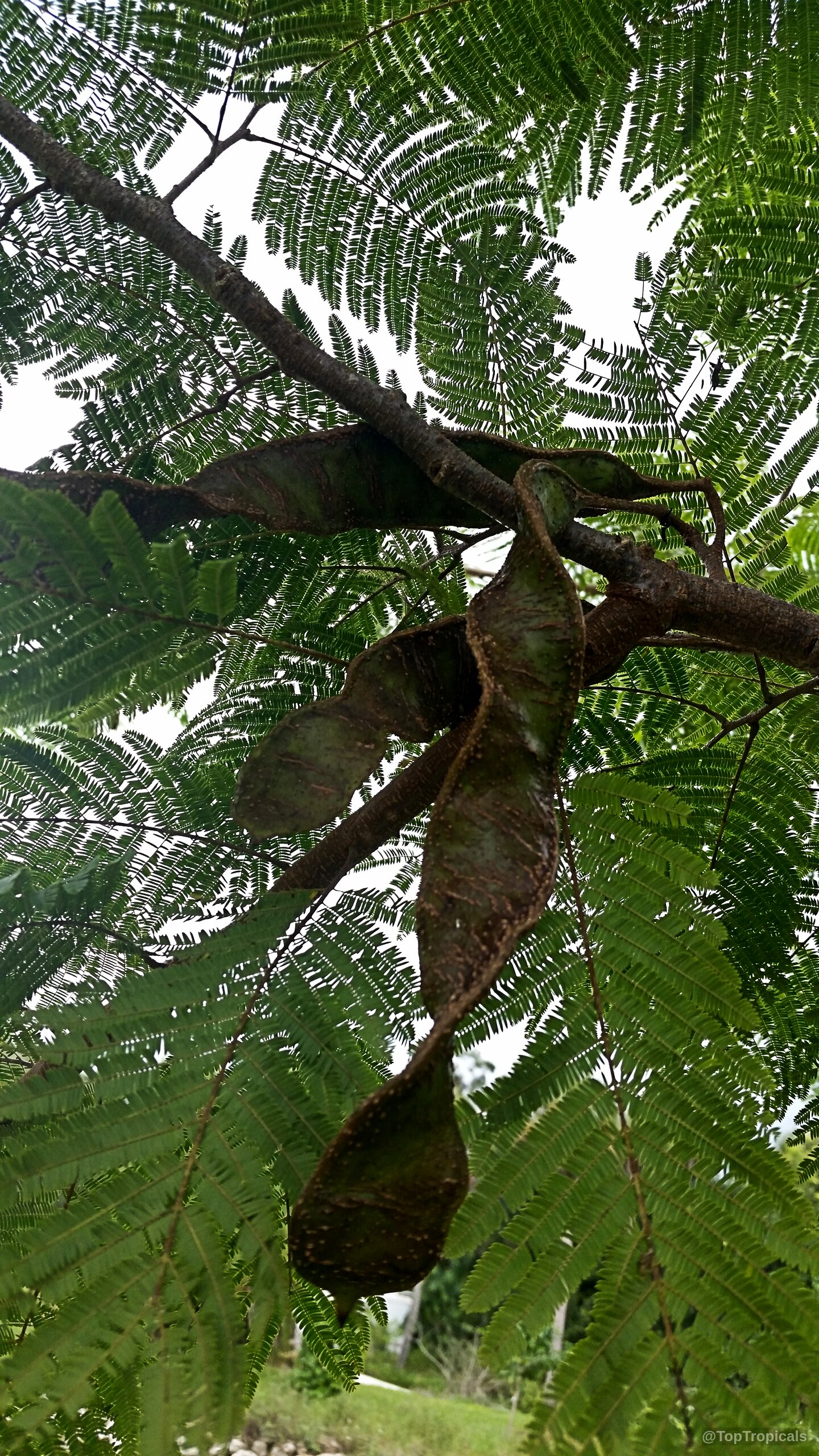
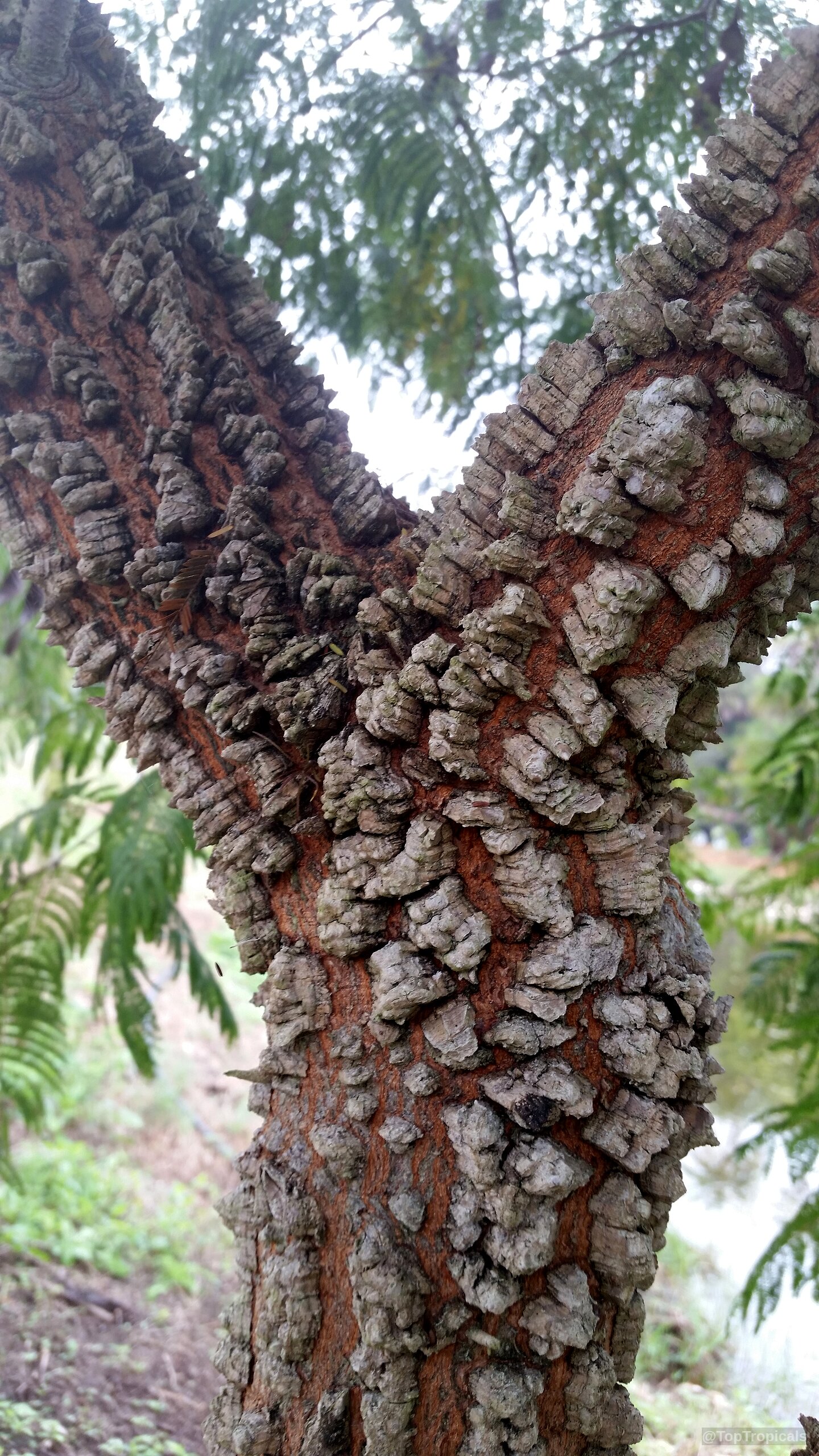
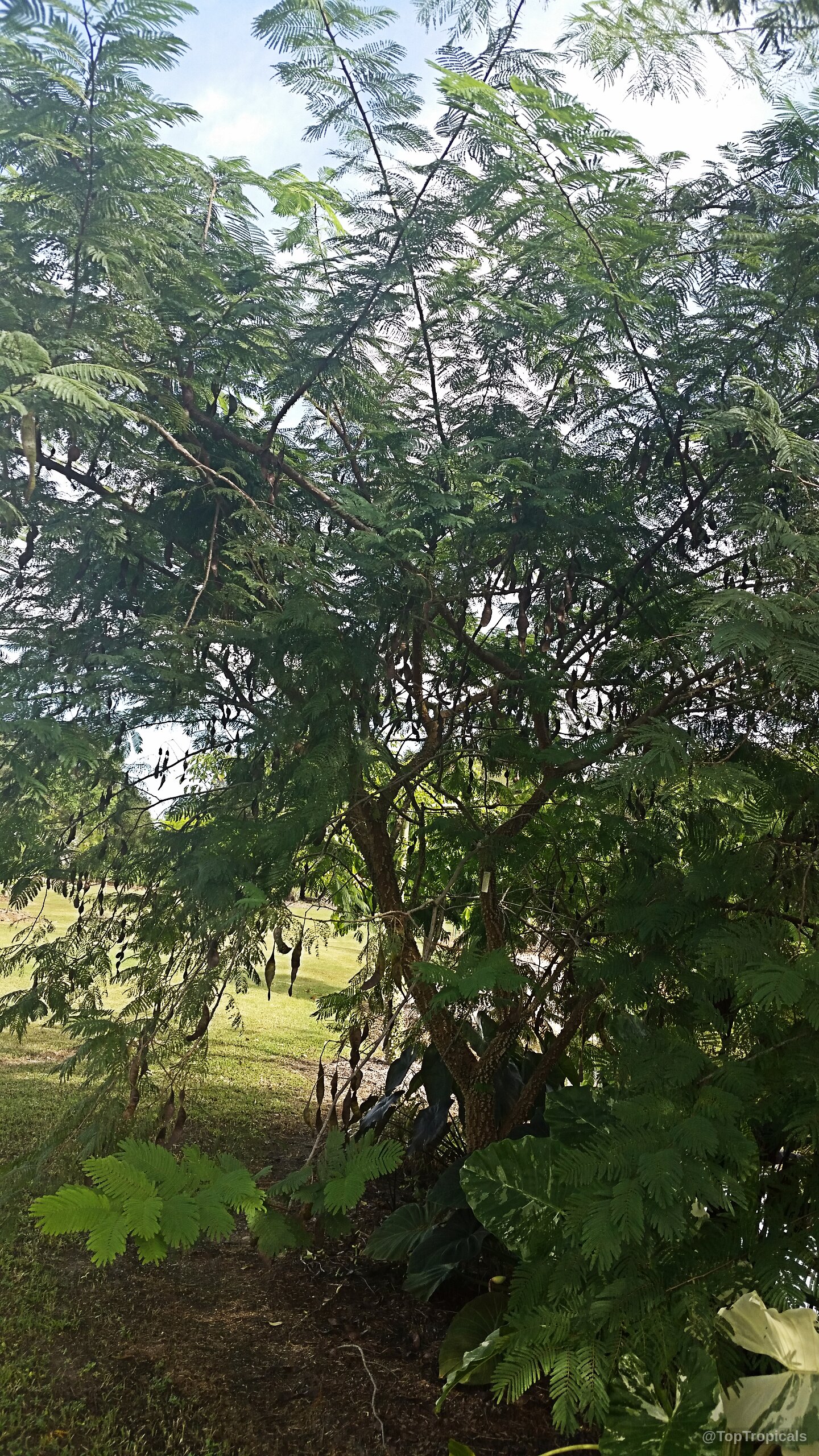
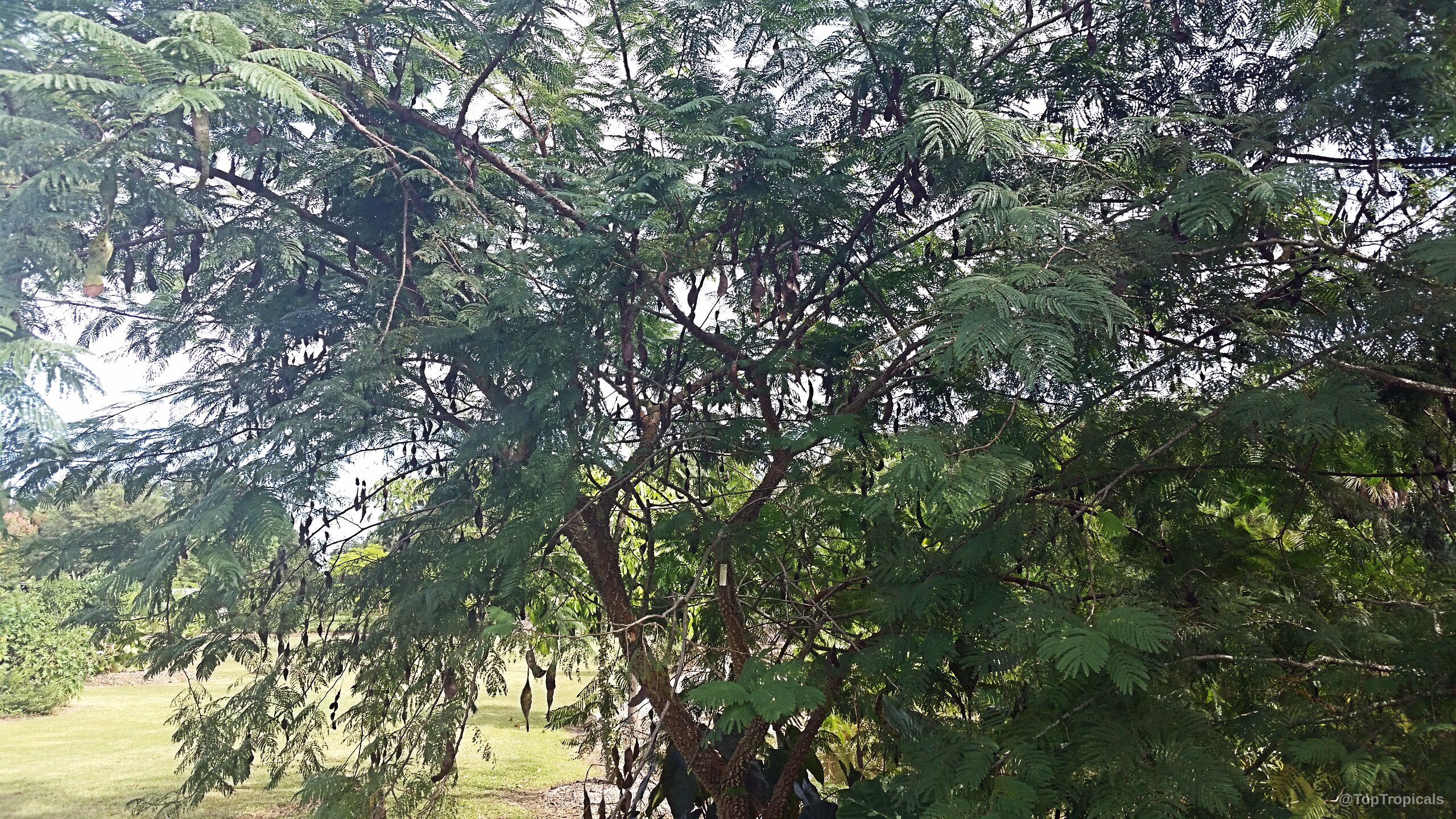
Botanical name: Anadenanthera peregrina
Common names: Yopo, Jopo, Cohoba, Parica, Calcium Tree
Family: Fabaceae
Subfamily: Faboideae
Origin: Caribbean and South America
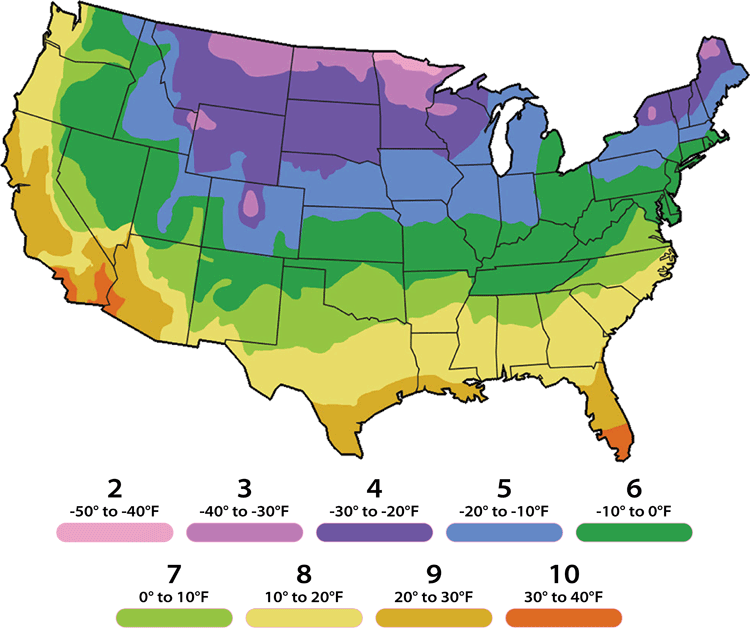
USDA Zone: 8-10


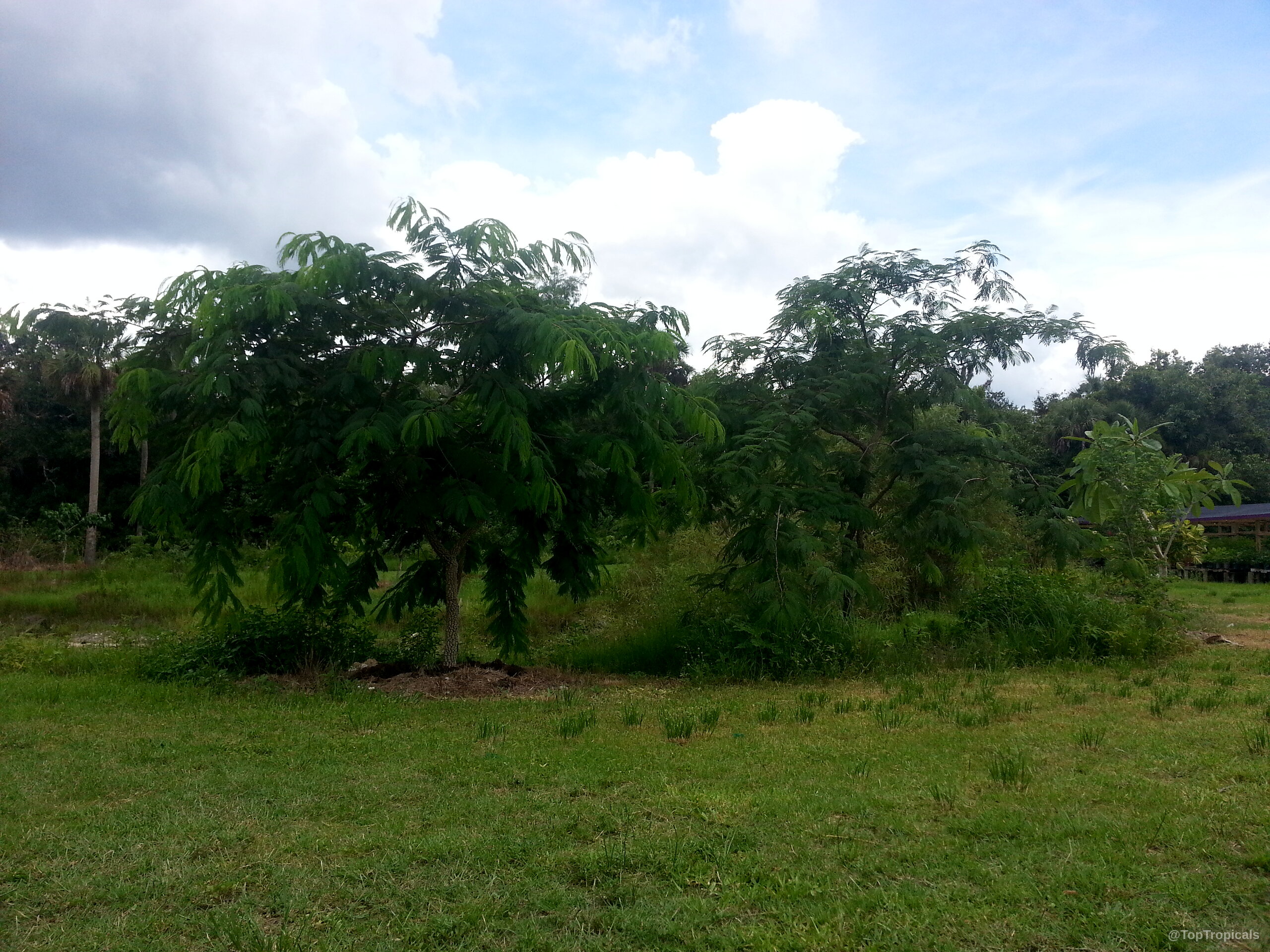
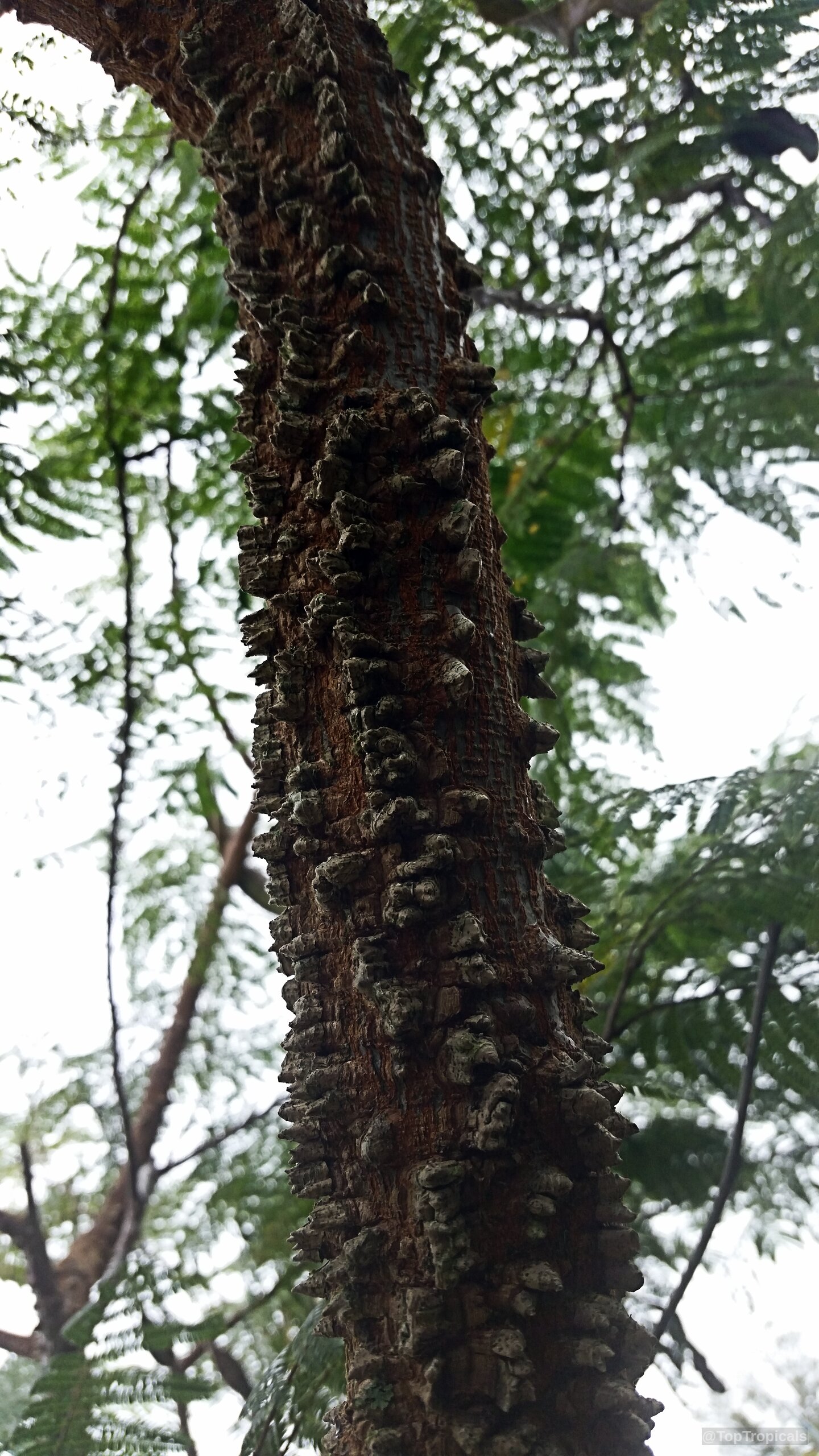
Anadenanthera peregrina or Yopo is a tall tree with a distinctive horny bark and feathery leaves. It is also known for its pale yellow to white spherical flowers. This plant is native to the Caribbean and thrives in full sun and moderate amounts of water. It is suitable for growing in USDA zones 8 -10 and can tolerate cold temperatures of at least 30°F for a short time.
In addition to its attractive appearance, Anadenanthera peregrina serves as an entheogen and is used in healing ceremonies and rituals. The beans, also known as seeds, and falling leaves of this plant contain hallucinogenic properties. It is closely related to Anadenanthera colubrina, also known as Cebi or Vilca, which has a similar chemical makeup with its primary constituent being bufotenin.
Anadenanthera peregrina is not only visually appealing, but it also attracts hummingbirds, butterflies, and other wildlife. It is a good source of dietary calcium and has been explored for its potential medicinal uses. When grown in a pot in cold climate regions, it should be brought indoors during the winter and moved outdoors in the summer when the risk of frost is gone. It should be watered regularly, avoiding over watering, and pruning can be used to encourage new growth as needed. Overall, Anadenanthera peregrinaoffers both aesthetic and medical value.



Botanical names: Angophora costata, Angophora lanceolata
Common names: Smooth-barked apple, Rose Gum, Rose Apple, Sydney Red Gum
Family: Myrtaceae
Origin: Eastern Australia
USDA Zone: 9-10
The genus Angophora is very close to Eucalyptus, and can be distinguished easily by its opposite leaves. The old bark is shed in spring in large flakes with the new salmon-pink bark turning to pale grey before the next shedding. The tree has a handsome, rugged ornamental appearance and its young red tips are often used in floral arrangements.


Botanical name: Annona diversifolia
Common names: Annona ilama, Illama, Annona blanca
Family: Annonaceae
Origin: in Mexico, El Salvador, and Guatemala
USDA Zone: 10-11


It is a rare Anonna. Large fruit, sometimes over 6" long, having similarities in both shape and size to the Annona cherimola. The rind tends to be either green or pink-purple, with white or pinkish flesh respectively. Some varieties have deep red flesh. Flavor is said to be excellent in many varieties, rivaling that of the cherimoya and sugar apple. Ilama is the most cold sensitive of all the Annona. Typically fruits mature from July to December. The fruit is almost always eaten raw, out of hand. It grows best in climates having a dry season, followed by heavy rainfall. Ilama fruits perish within days of harvest and the fruit transports very poorly, hence its relative obscurity to much of the world.


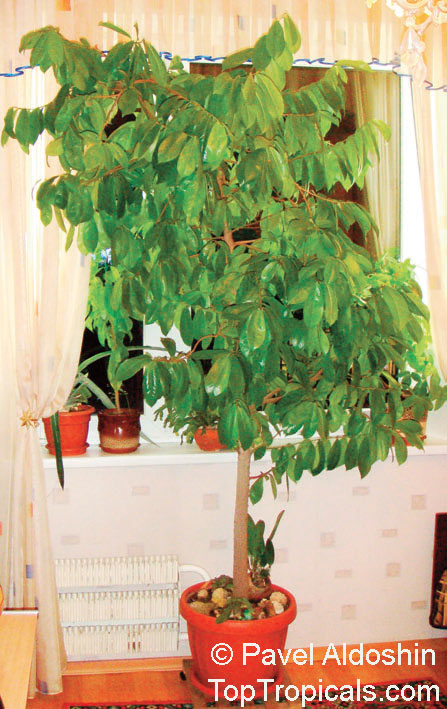
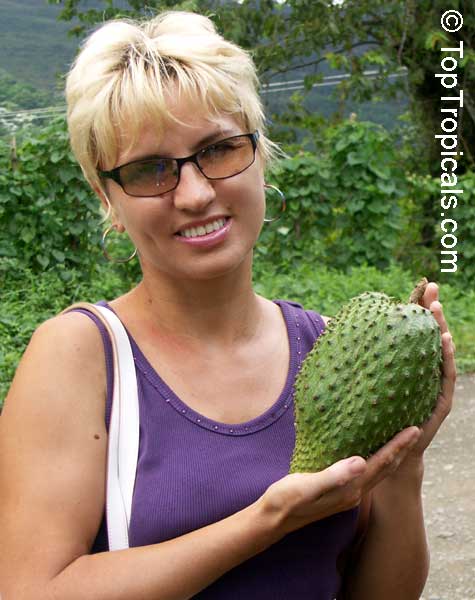
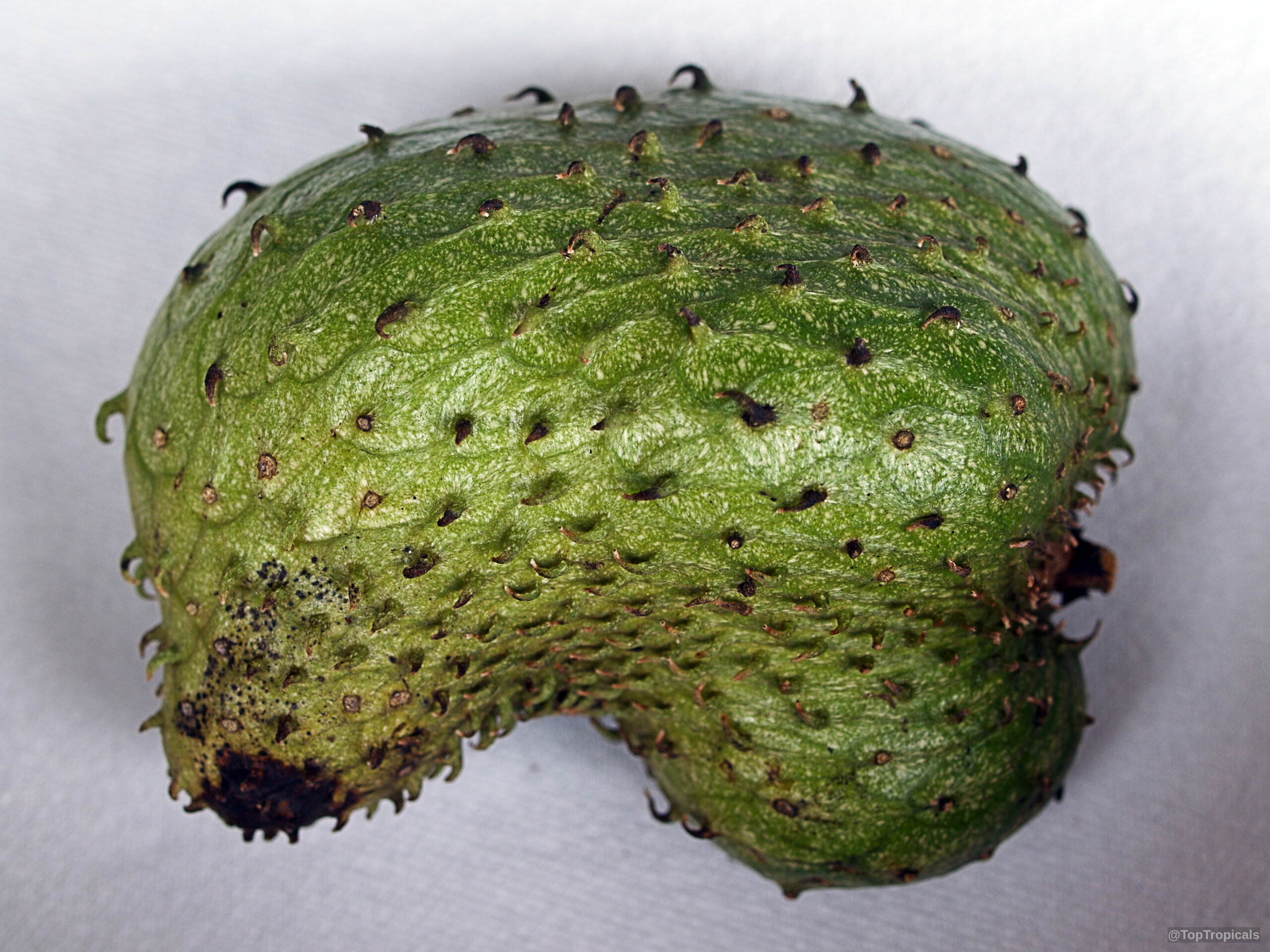
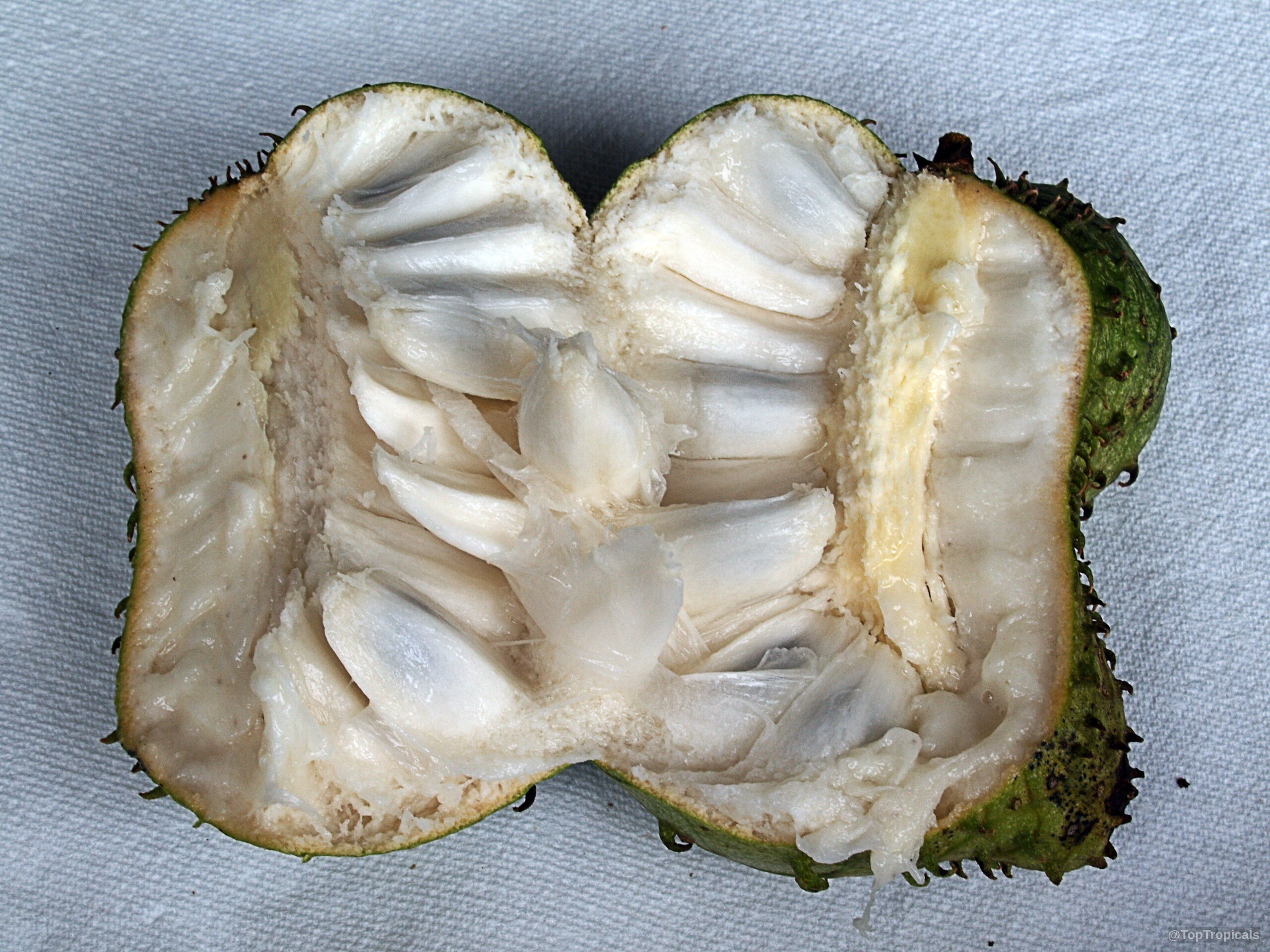
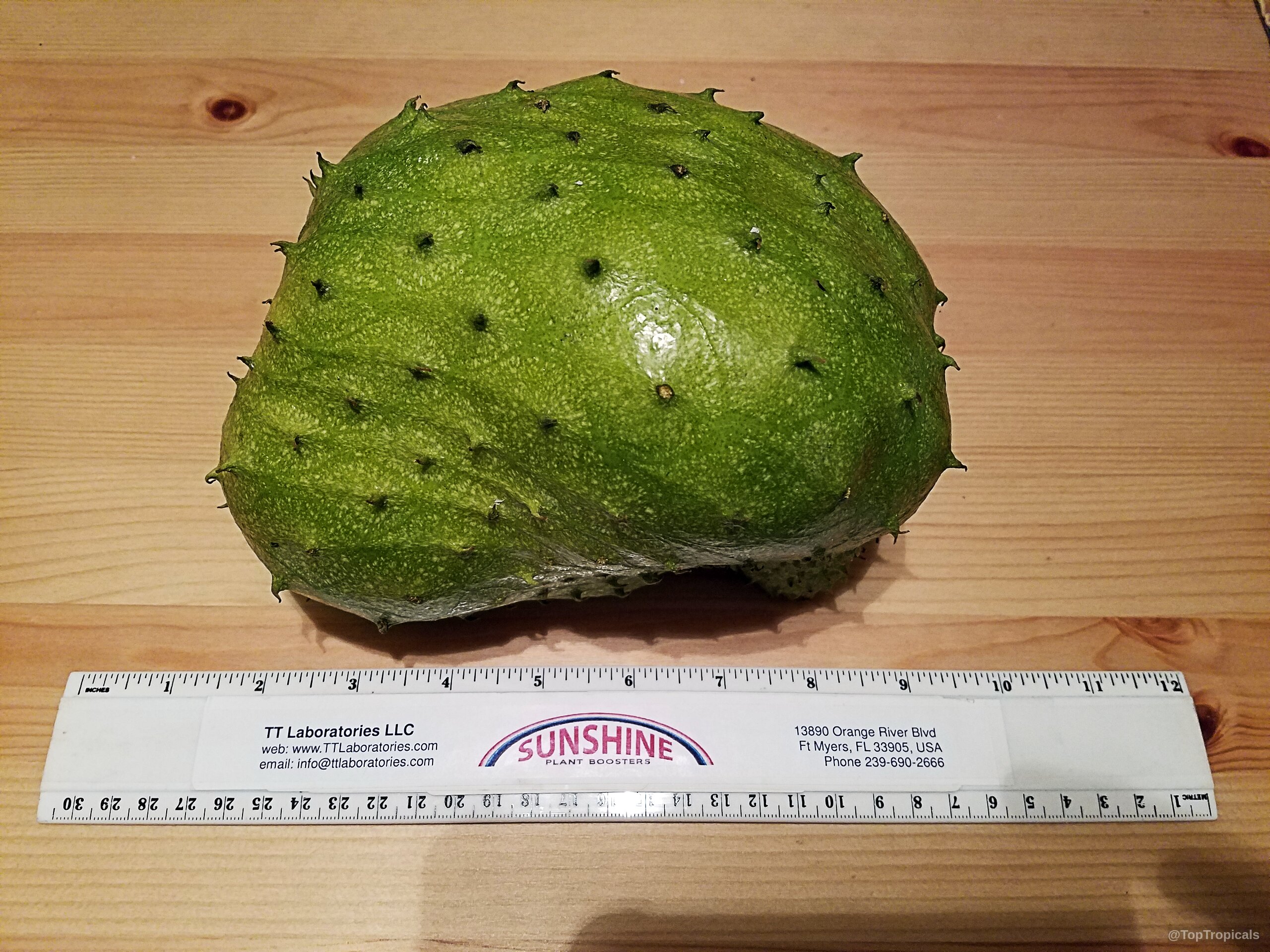
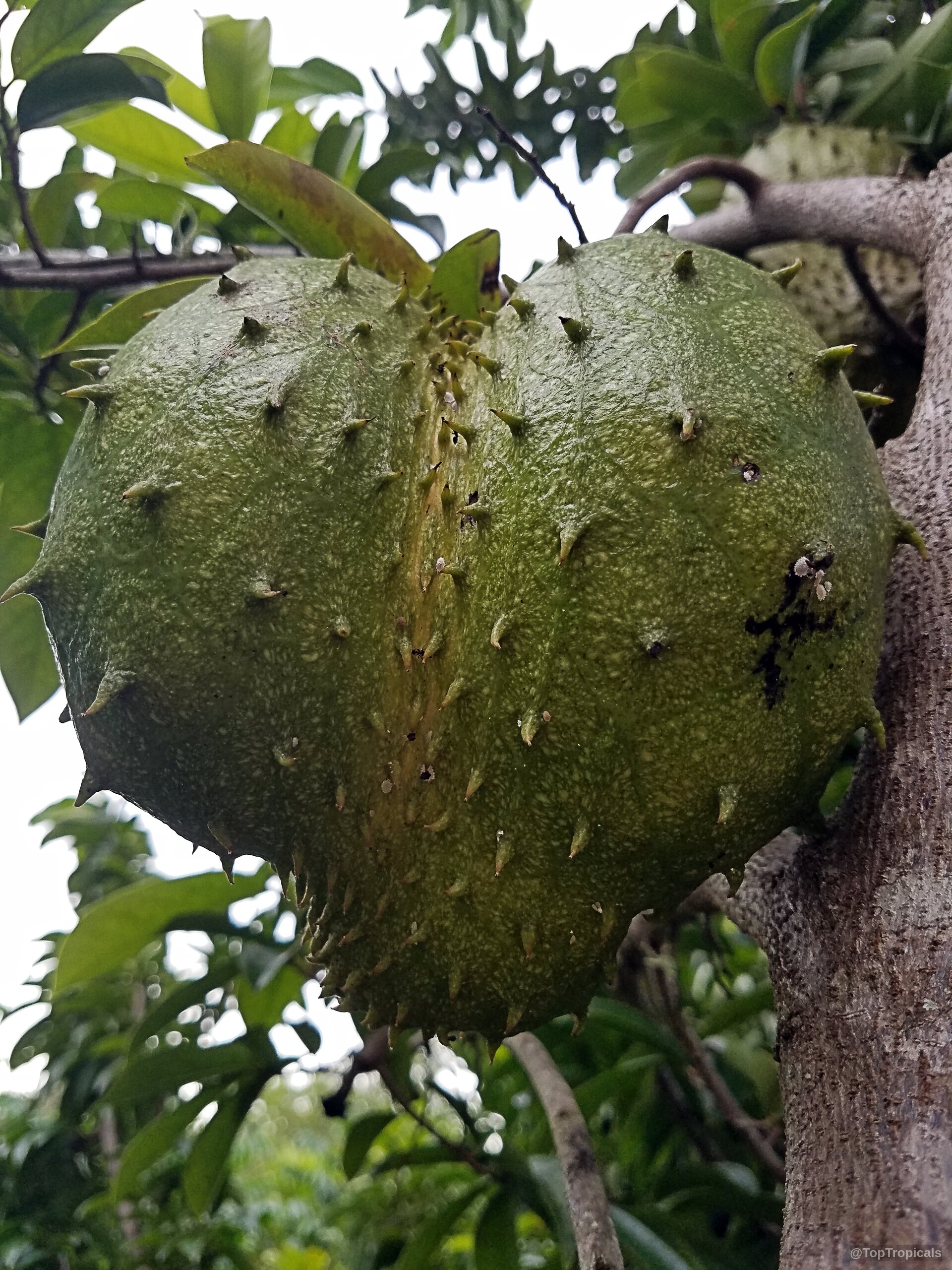
Botanical name: Annona muricata
Common names: Soursop, Guanabana, Graviola, Korosol, Corosol
Family: Annonaceae
Origin: Tropical America
USDA Zone: 10-11
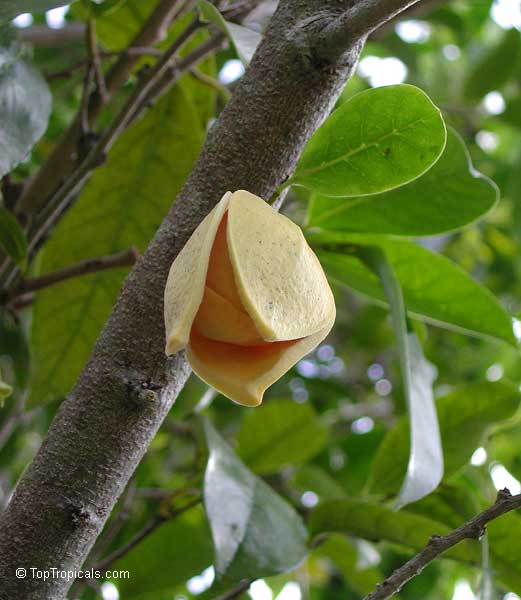
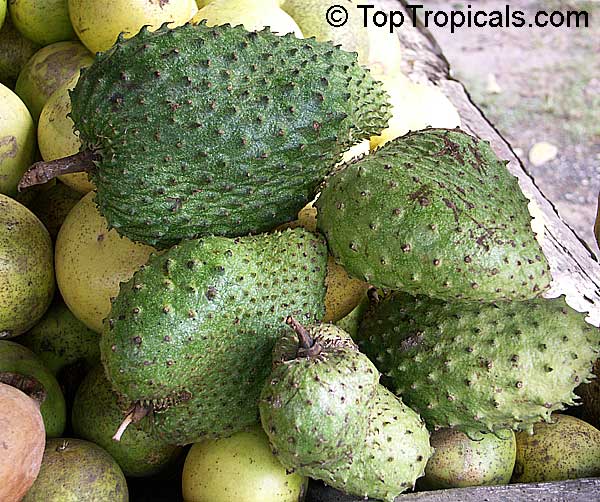
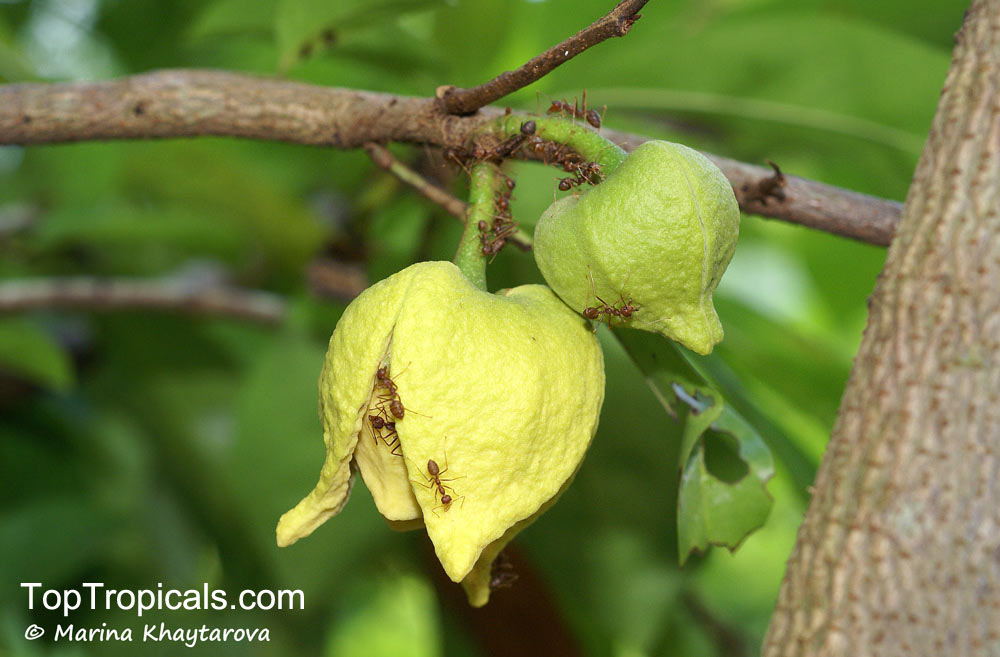
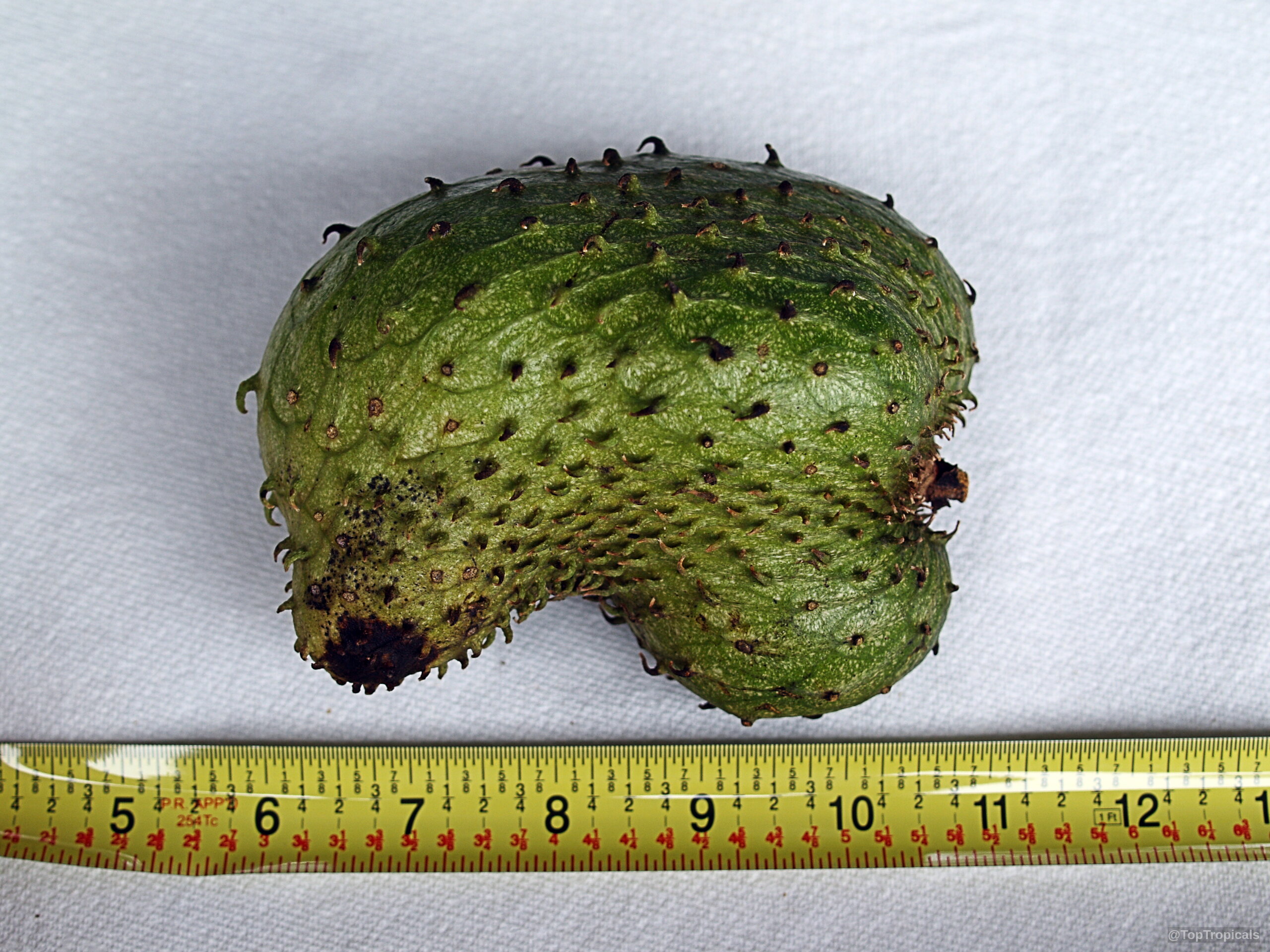
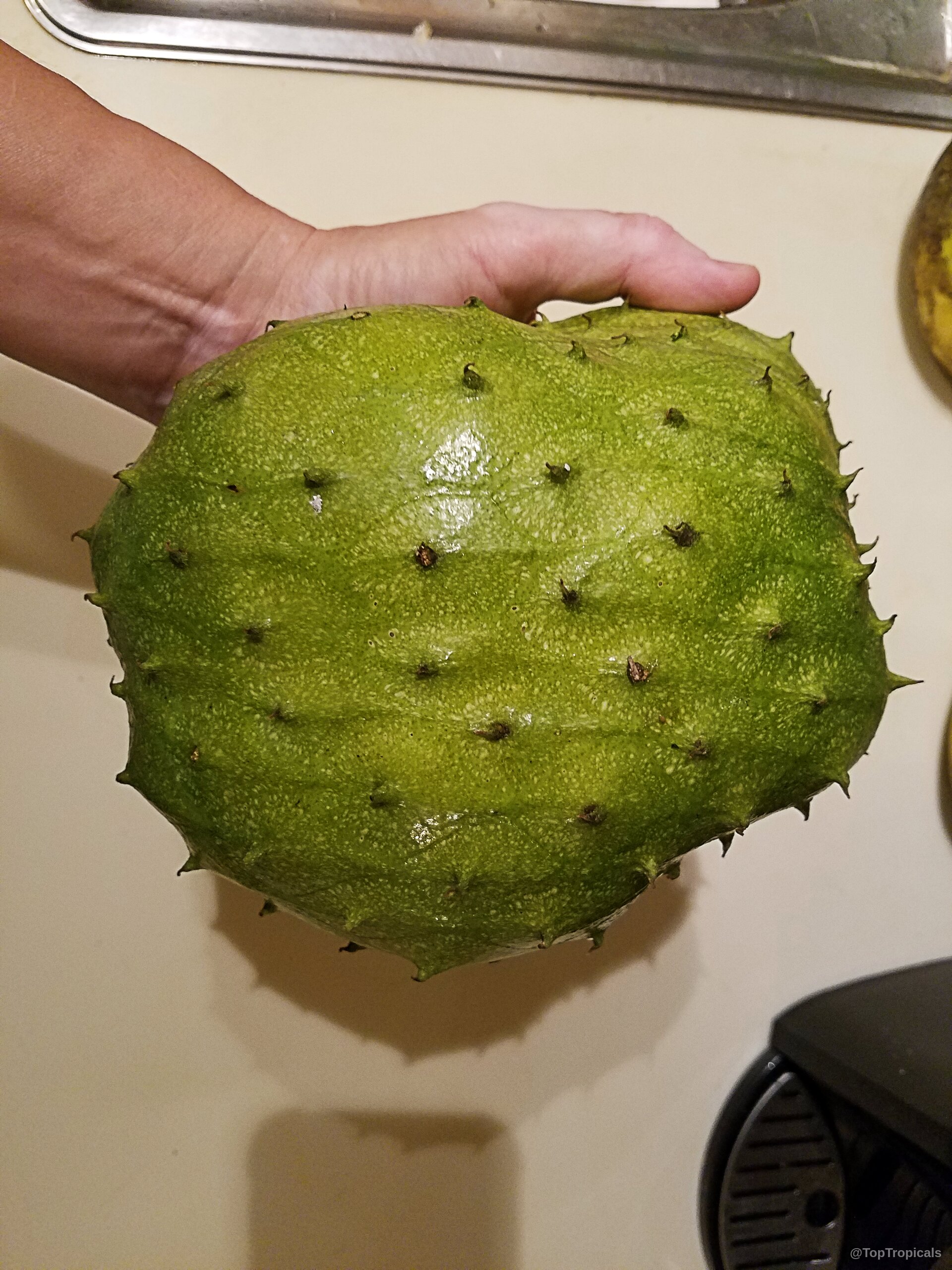
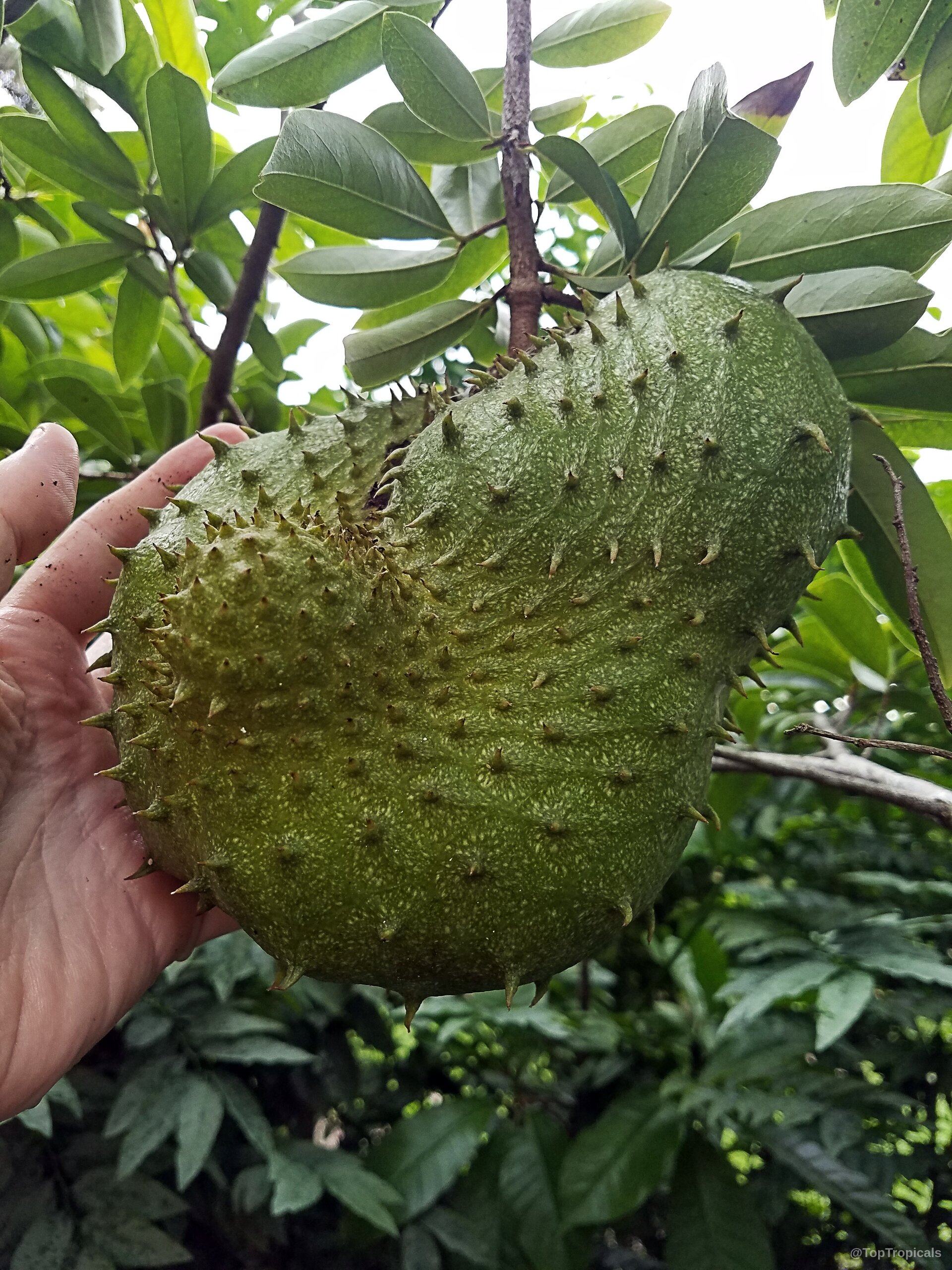
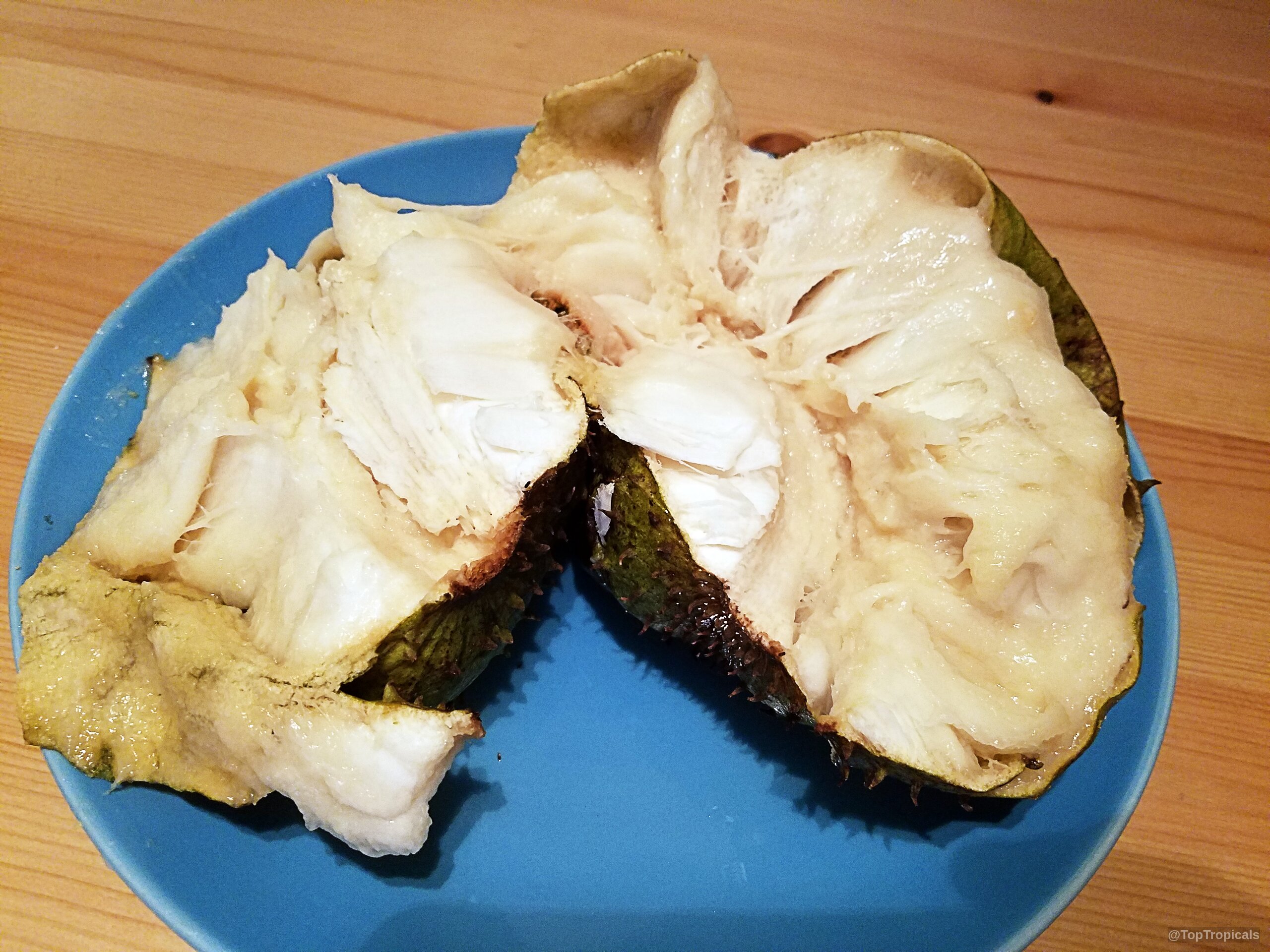
Season: All year, best during warm months. Origin: Tropical America. One of the most delicious annona. Fruit is sweet with slight sour addition, flavor is the best. Sweet and tart custard-like pulp. Extremely cold sensitive, minimum temperature 50F. Makes a superb milkshake, but can be eaten fresh as well. The tree is medium sized, very fast growing. Can be kept in a pot. We have very interesting article about growing and fruiting Soursop in apartment. Check out Tropical Treasures Magazine # 7.













Recommended Fertilizer: SUNSHINE C-Cibus - Crop Nutrition Booster
SUNSHINE-Honey - sugar booster

Botanical name: Annona scleroderma
Common names: Posh-te, Cawesh, Poshte
Family: Annonaceae
Origin: Honduras, Guatemala
USDA Zone: 9-10
Annona scleroderma, also known as Poshe-te, is a tree native to Central America. It can grow up to 20 feet tall and has lanceolate leaves that are shiny on the upper side and pubescent on the underside. The greenish yellow flowers have prominent outer petals and grow in small branches or groups on the old part of the thick branches.
The Poshe-te fruit is round, about the size of an orange, with a dull green surface and perfectly textured, non-fibrous pulp. Its tough skin allows for easy handling and makes it resistant to insect attacks. To facilitate fruit harvesting and protect against wind and bird damage, it is important to prune the tree to create a wide crown.
The Poshe-te is known for its creamy banana-pineapple like flavor and soft texture, and is considered one of the most flavorful and refreshing Annonas. In addition to its delicious taste, the fruit is also rich in nutrients, including vitamin C, dietary fiber, iron, manganese, and zinc, as well as bioactive compounds with anti-inflammatory, anti-microbial, anti-viral, and anti-cancer properties.
It grows outdoor in USDA Zones 9-11. To grow Annona scleroderma in a pot in a cold region, place the pot in a sunny spot and ensure it has well-drained soil. Water deeply, but do not saturate the soil. Once it is established, the tree should not need a lot of additional water. It can withstand temperatures down to 32F and is drought tolerant, making it a suitable choice for colder climates.


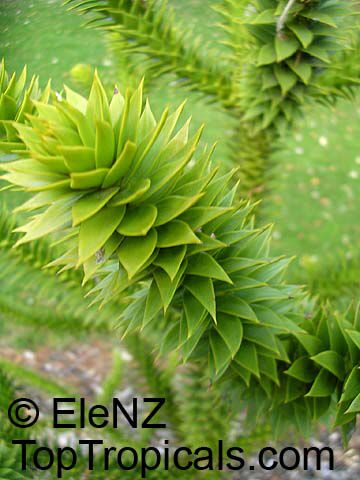
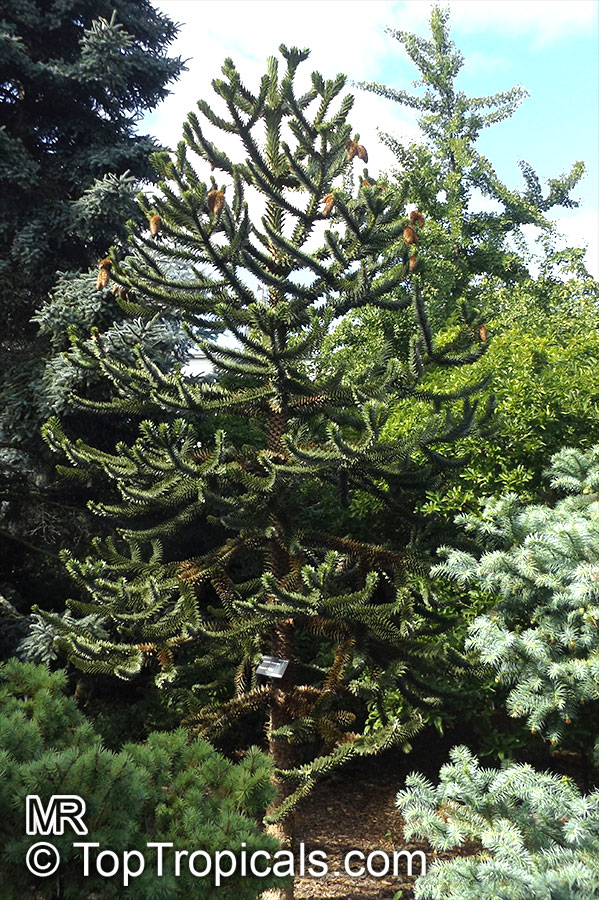
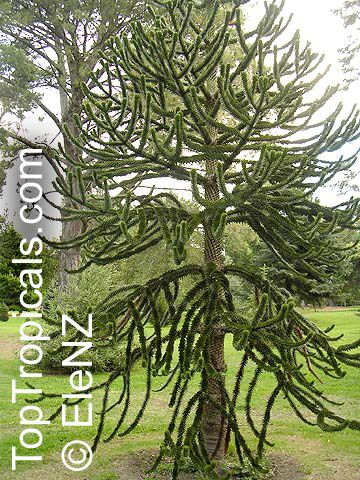
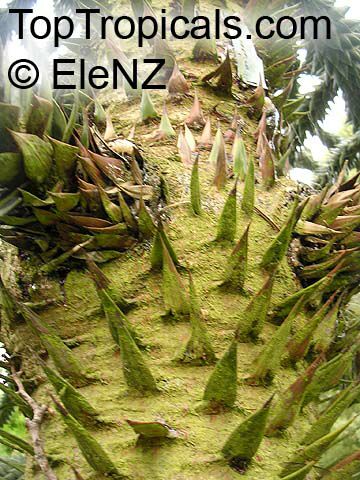
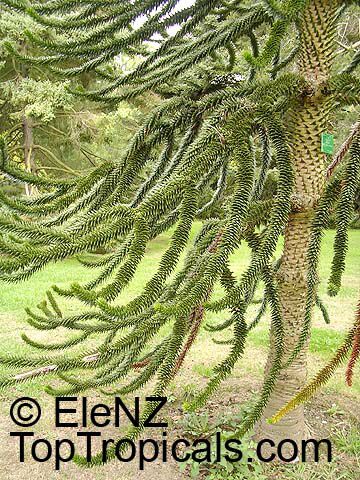
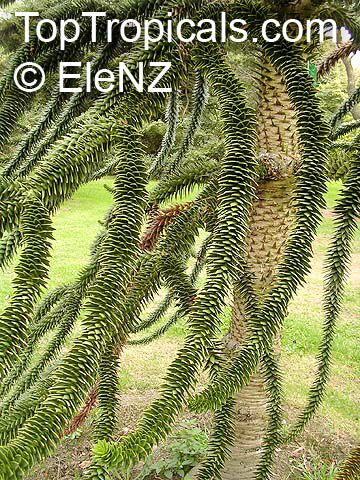
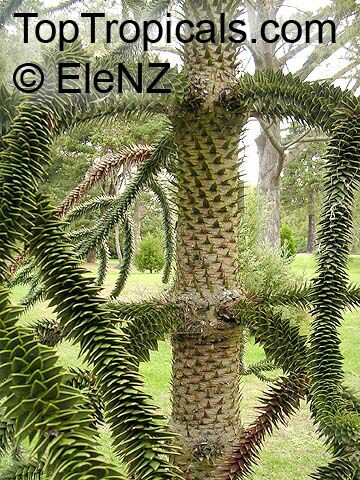
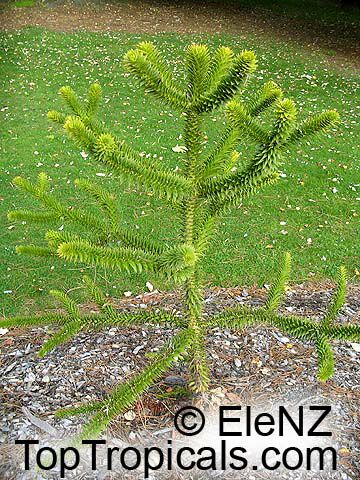
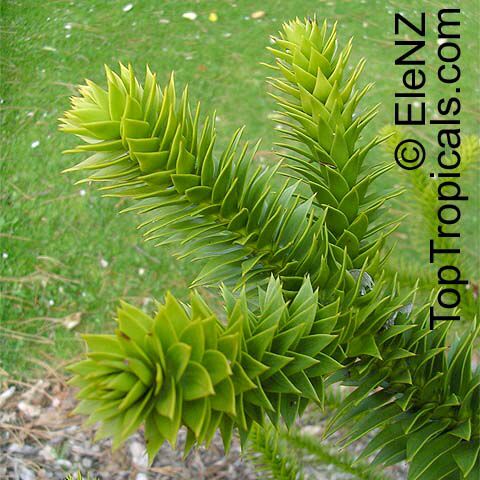
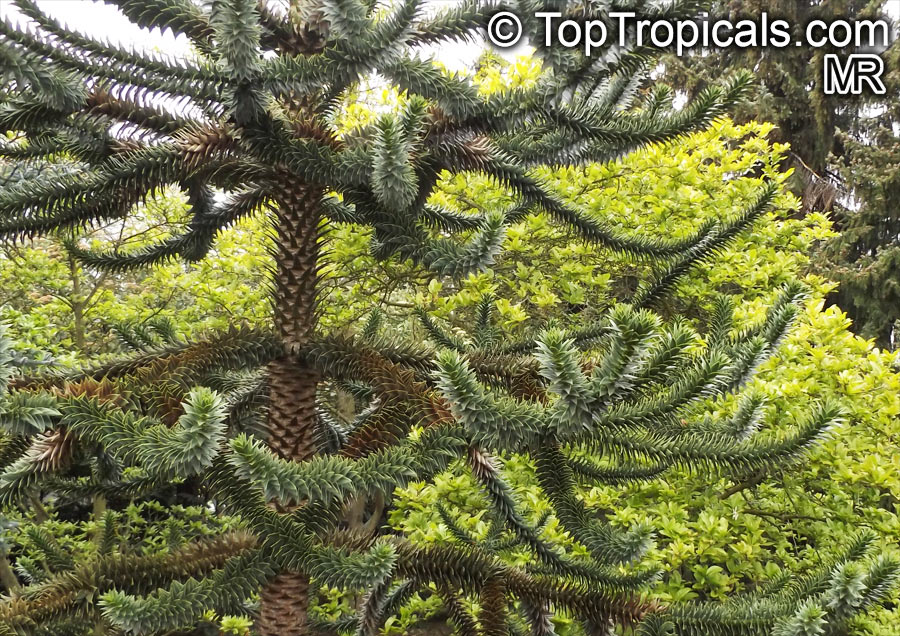
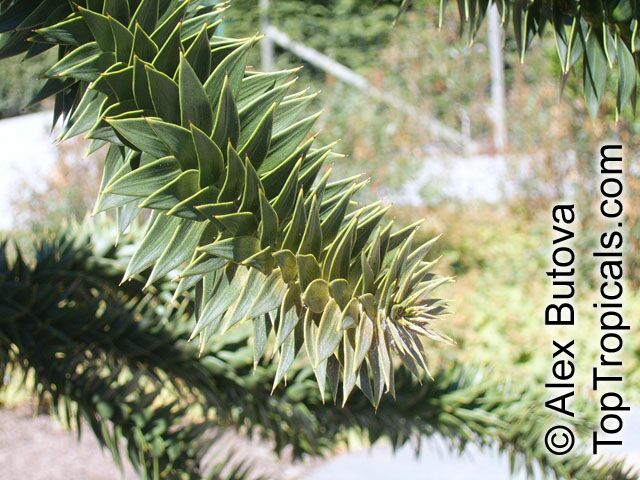
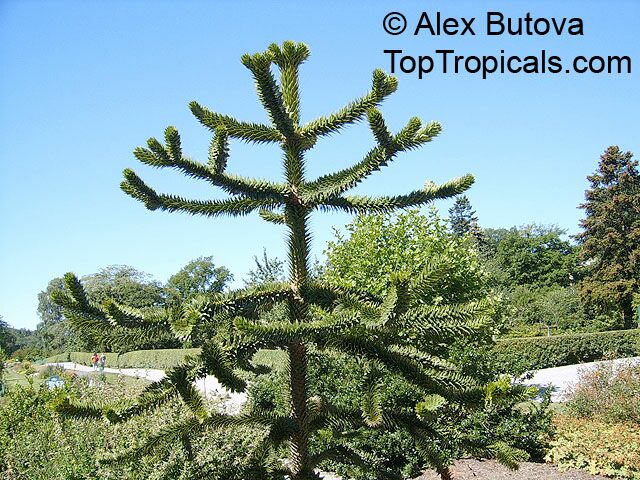
Botanical names: Araucaria araucana, Araucaria imbricata
Common names: Monkey Puzzle Tree, Chilean Pine
Family: Araucariaceae
Origin: South America
USDA Zone: 9-10


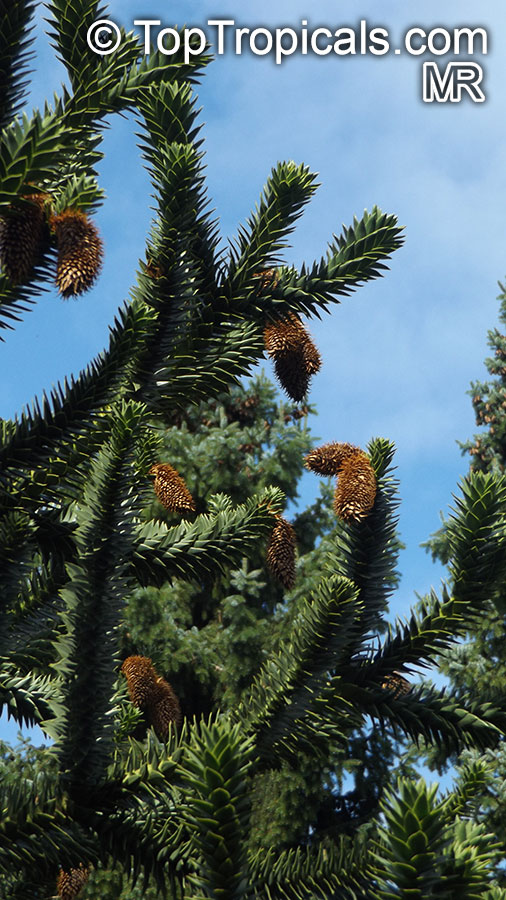
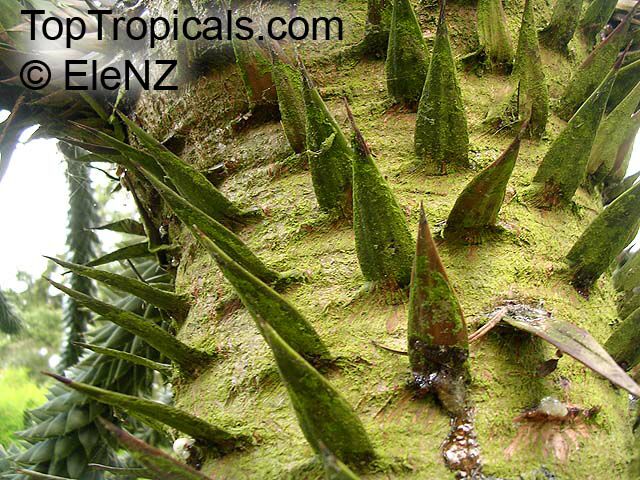
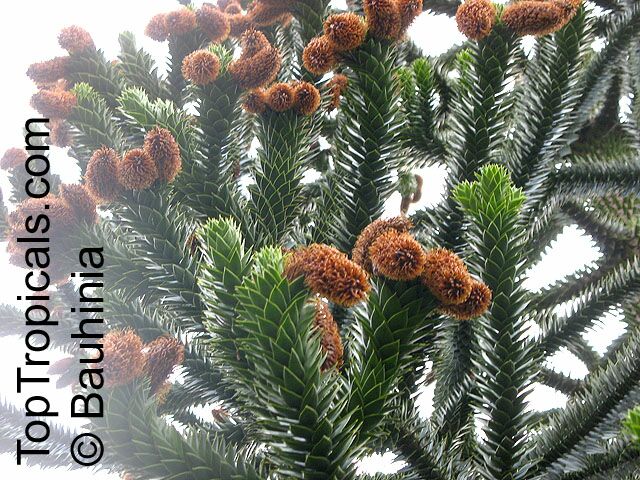
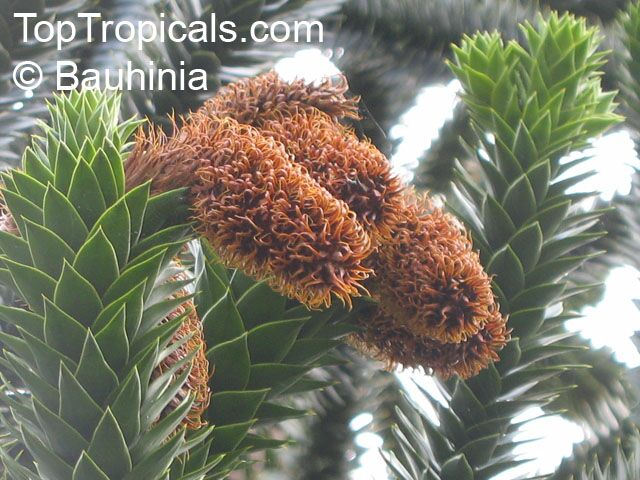
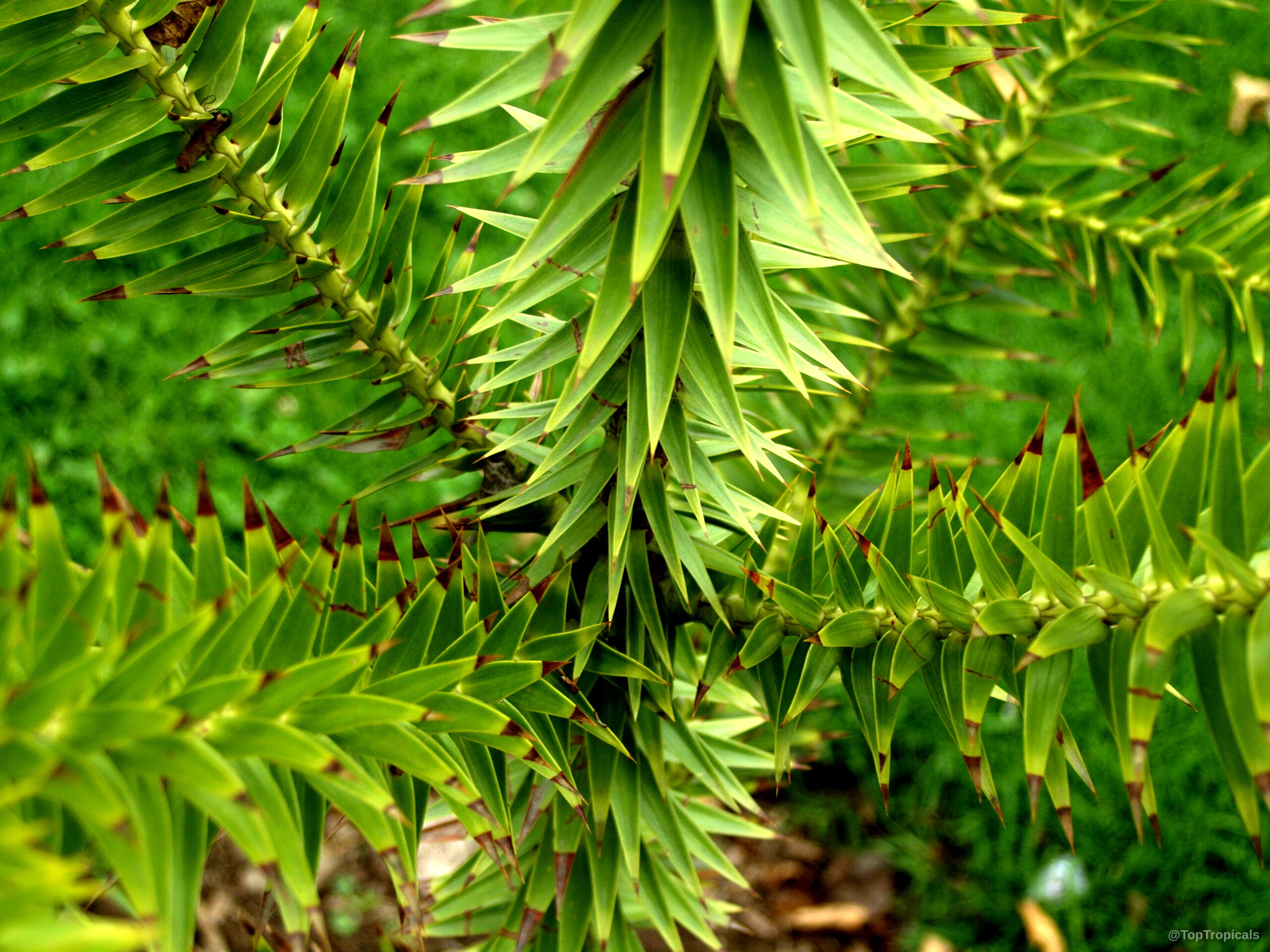
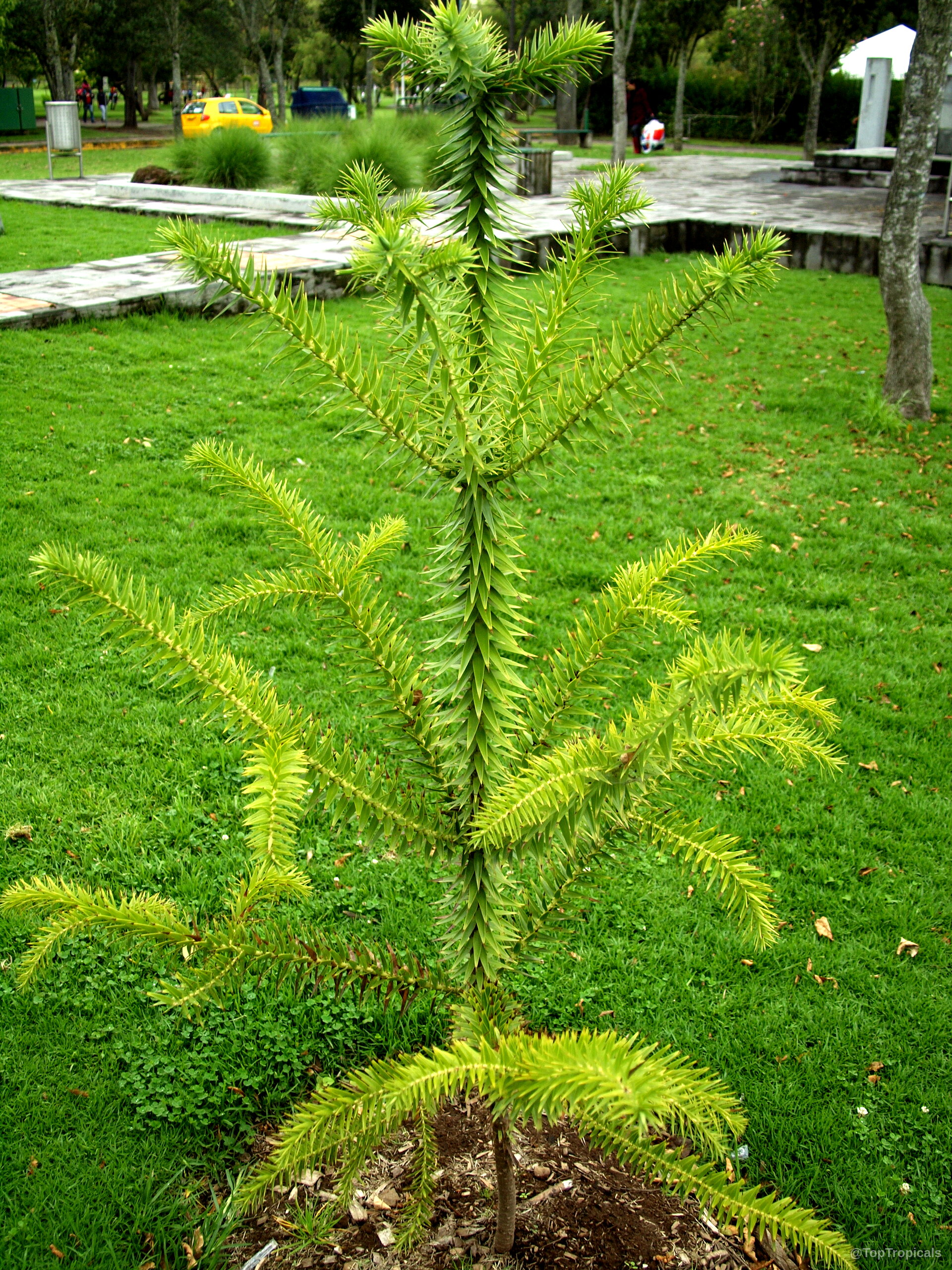
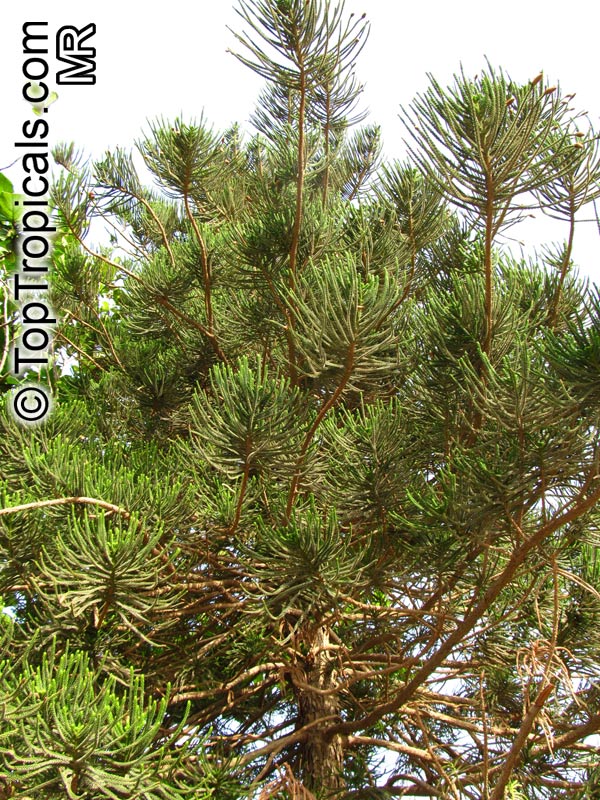
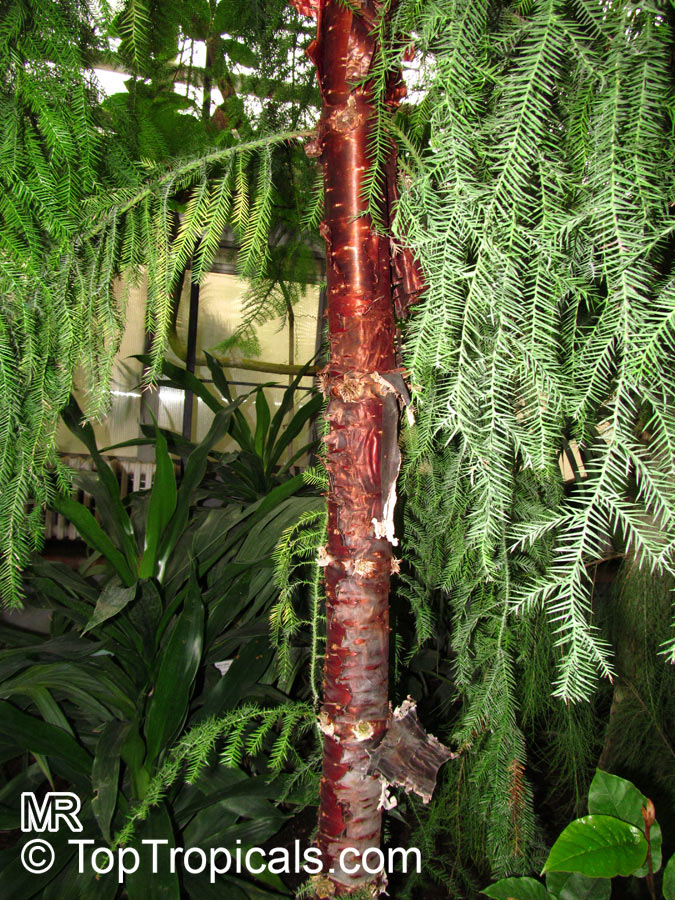
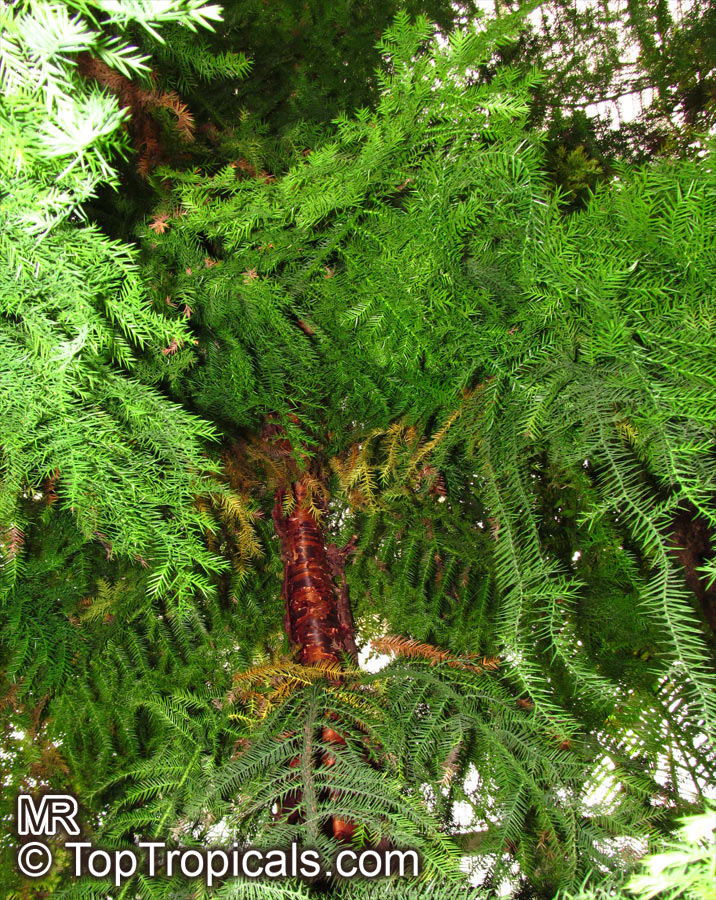
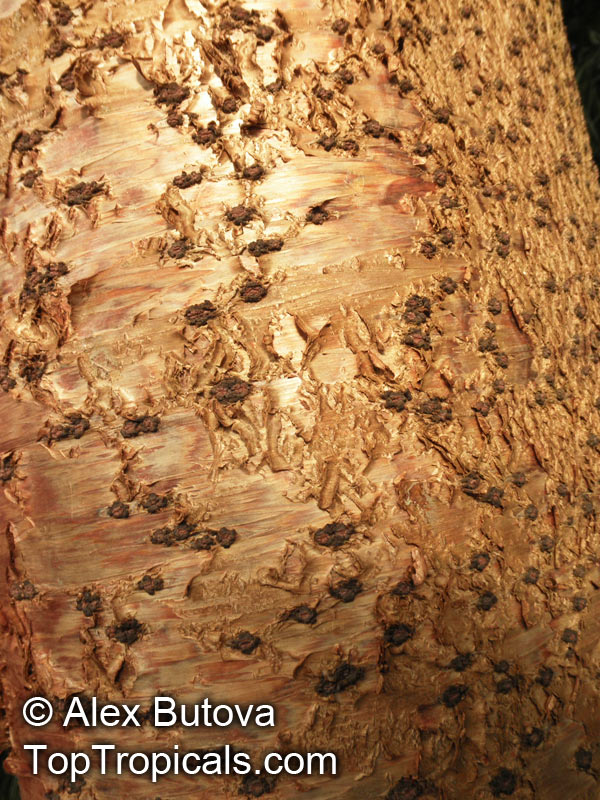
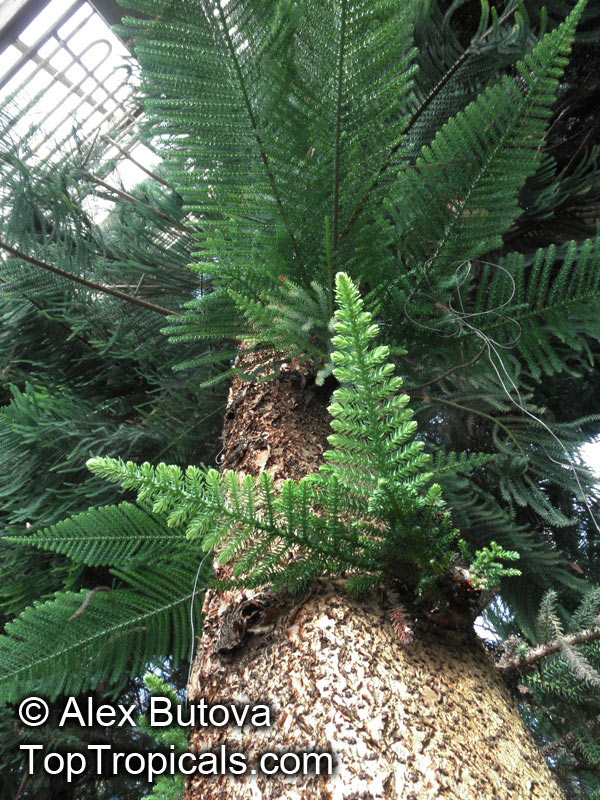
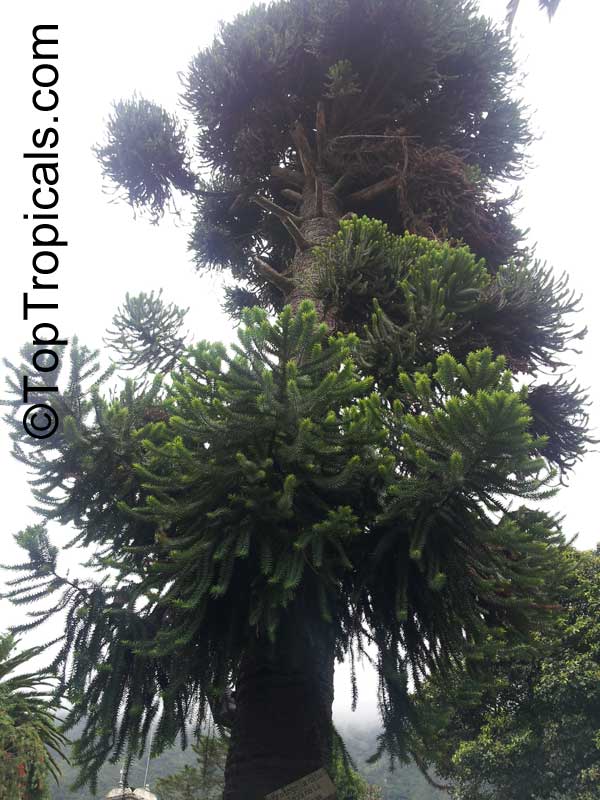
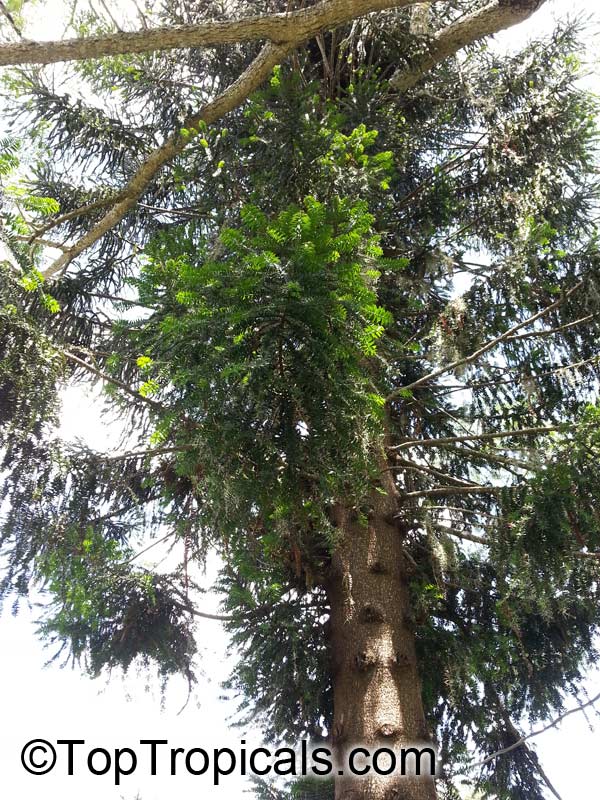
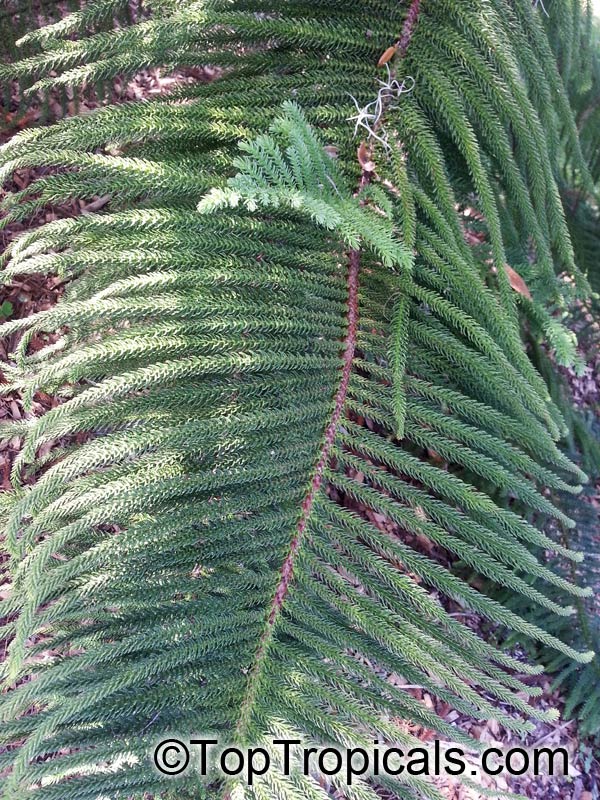
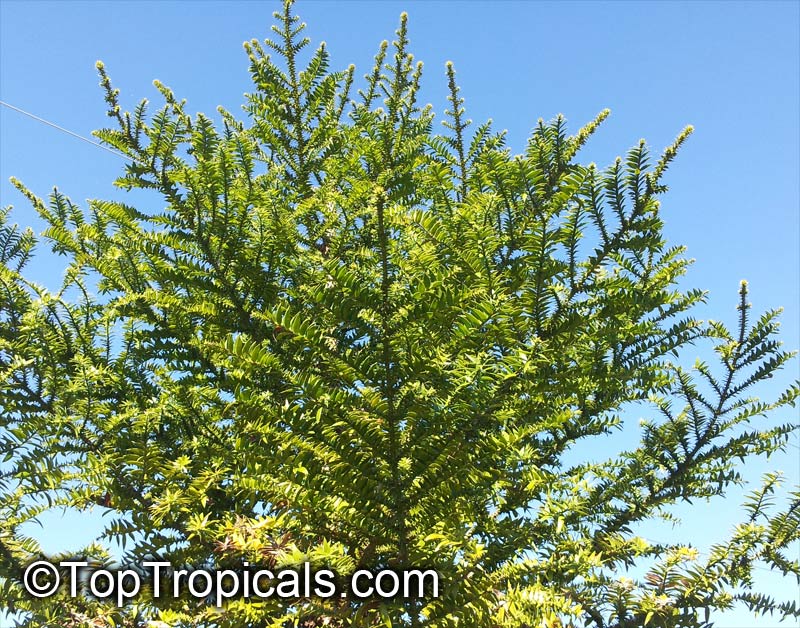
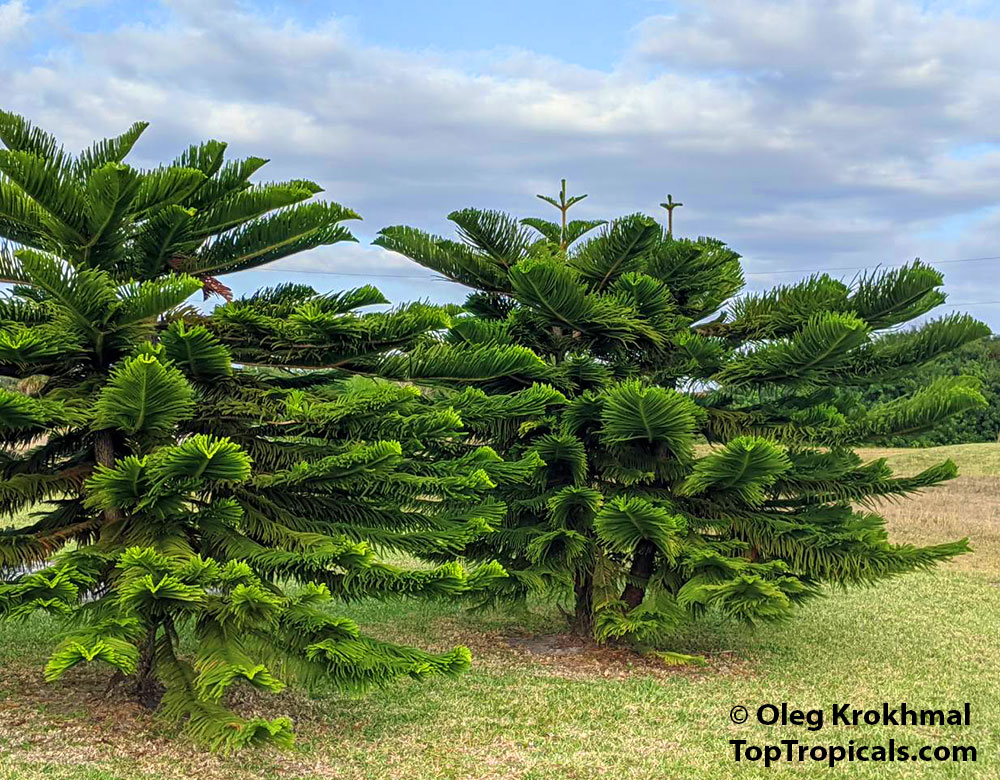
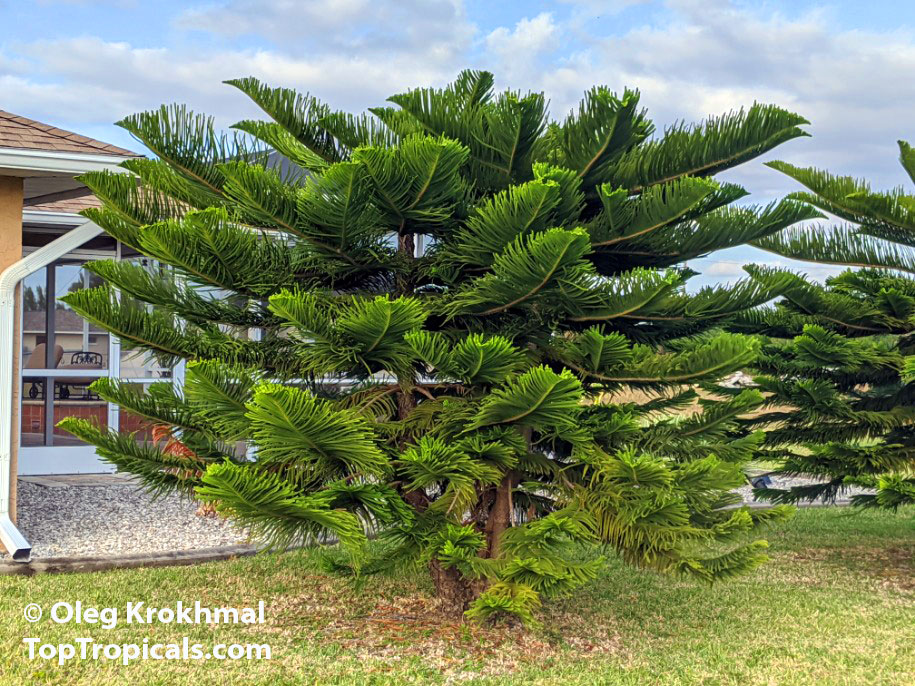
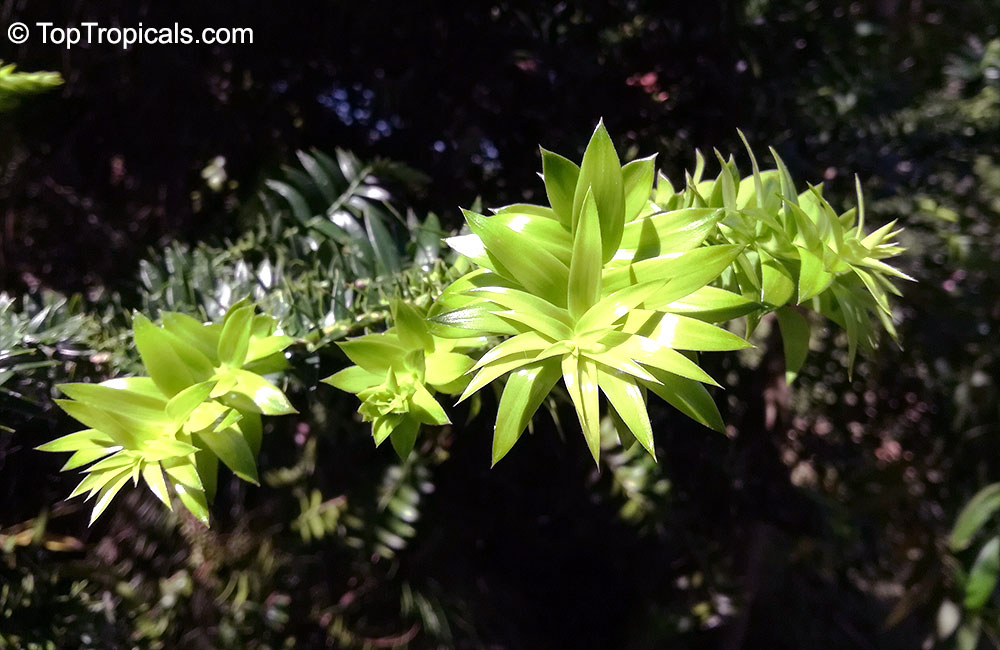
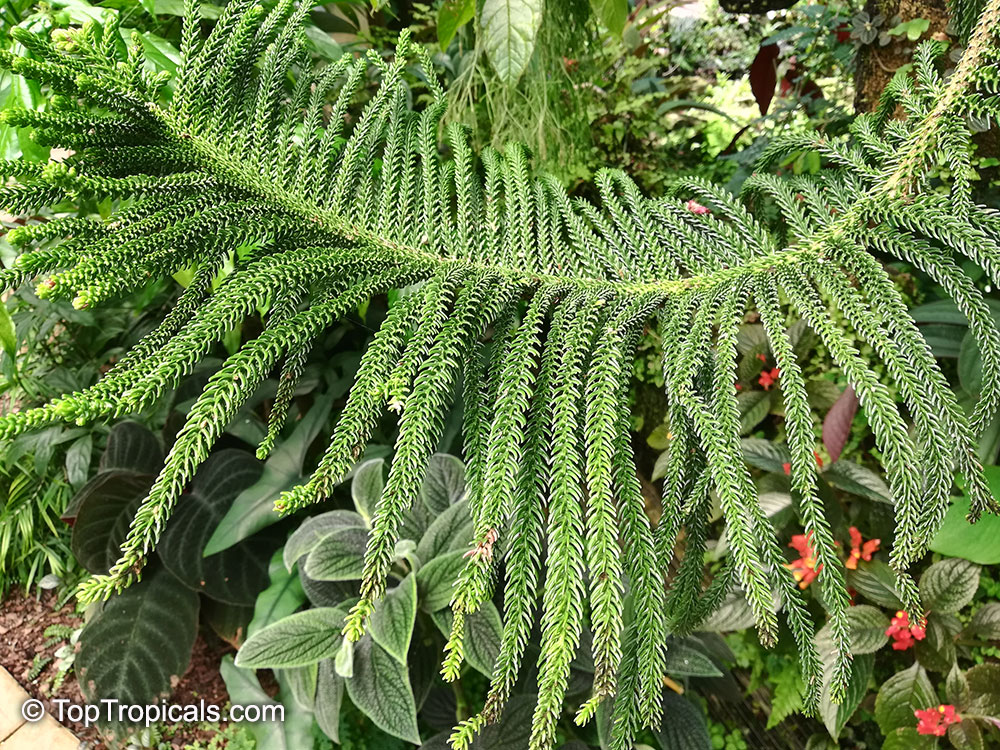
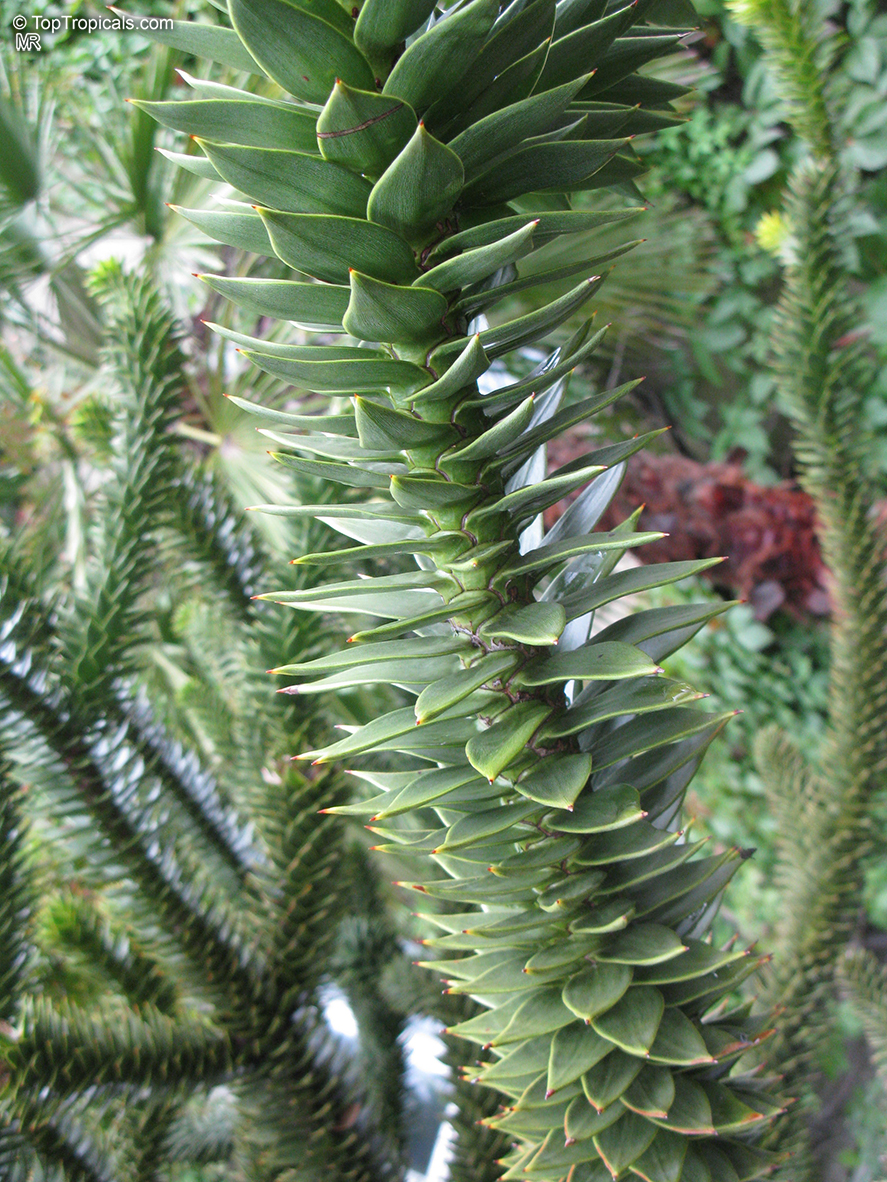
Among the most spectacular are forests of pure Araucaria Araucaria araucana, the hardiest of the genus, is a large, bizarre-looking evergreen, 60-70ft. tall and 30 to 35 feet wide, though the tallest specimens in its native haunts have been measured at over 150 ft. It forms a loose, symmetrical, see-through crown, pyramidal in youth, eventually with a rounded or flattish top. The scale-like leaves are dark green, stiff, sharp-pointed and densely arranged on upwardly-sweeping branches, looking more reptilian than coniferous in character. Because of this it comes to know surprise to most people that this species is estimated to be around 60 million years old, based upon fossil record known today.
Preferring well-drained, volcanic soil, this species is surprisingly tolerant of many soil types. It is very tolerant of maritime exposures, salt-laden winds, and thrives in cool, mild climates. It dislikes hot-dry soils and atmospheric pollution.

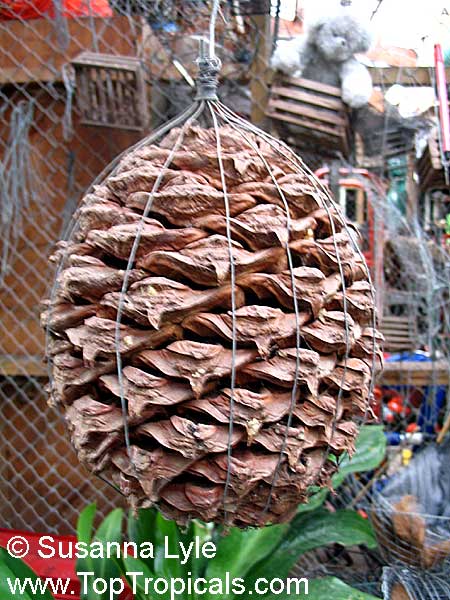
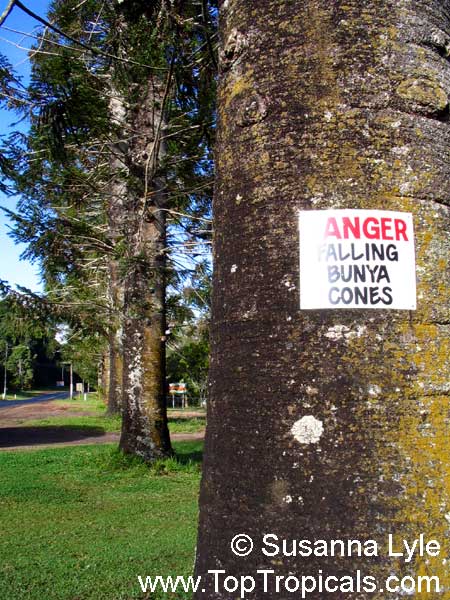
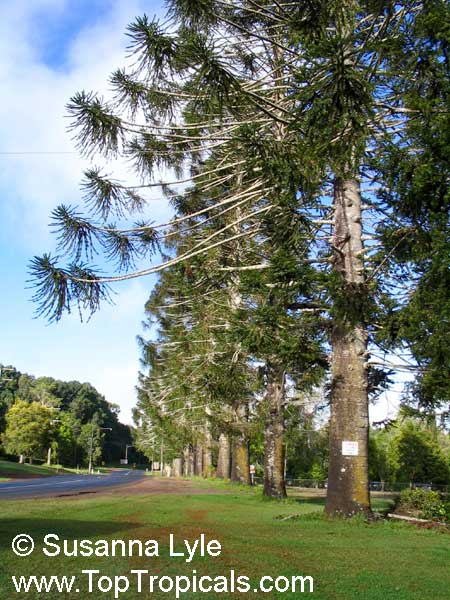
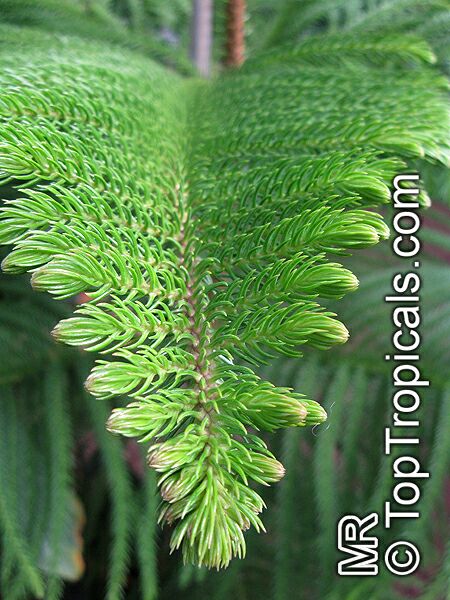
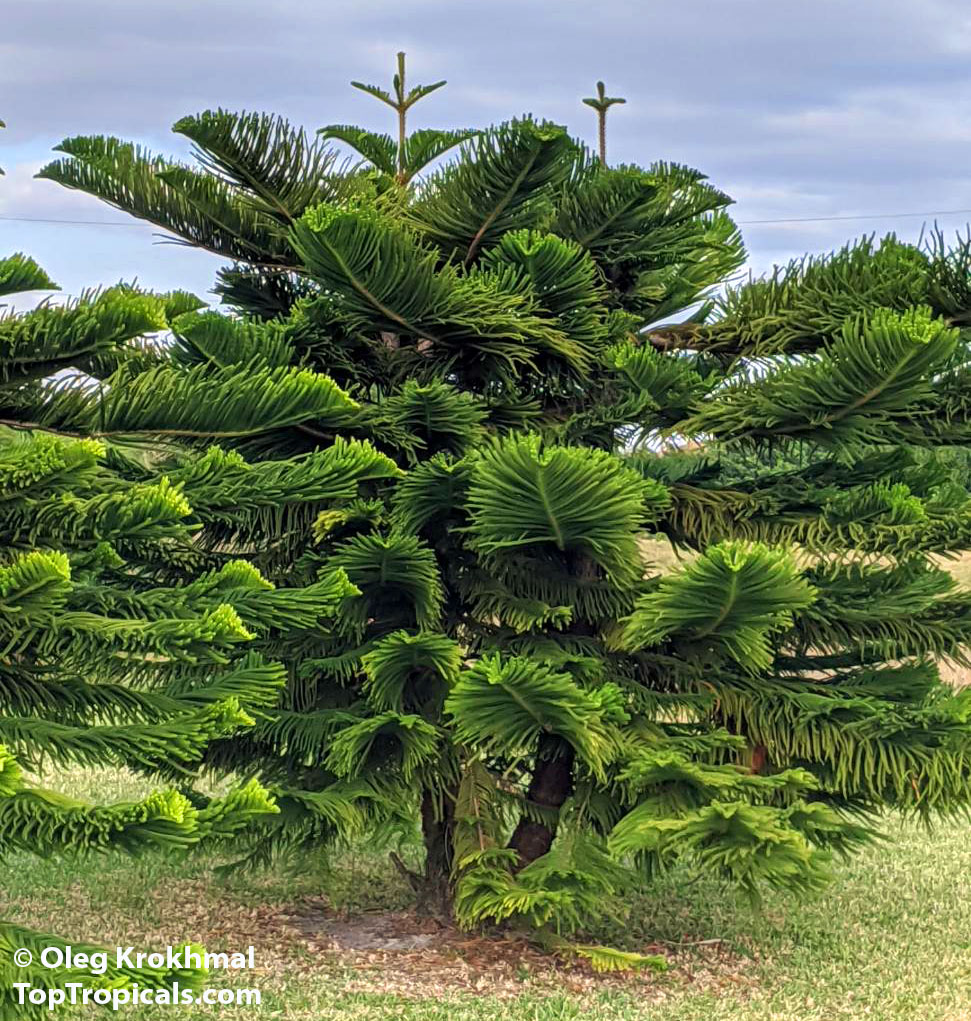
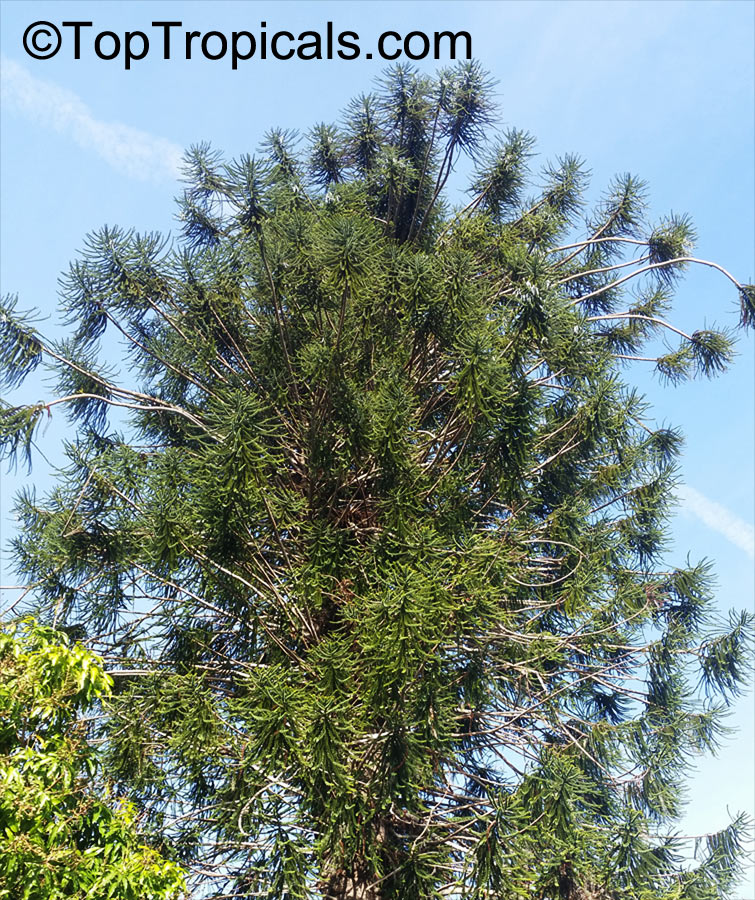
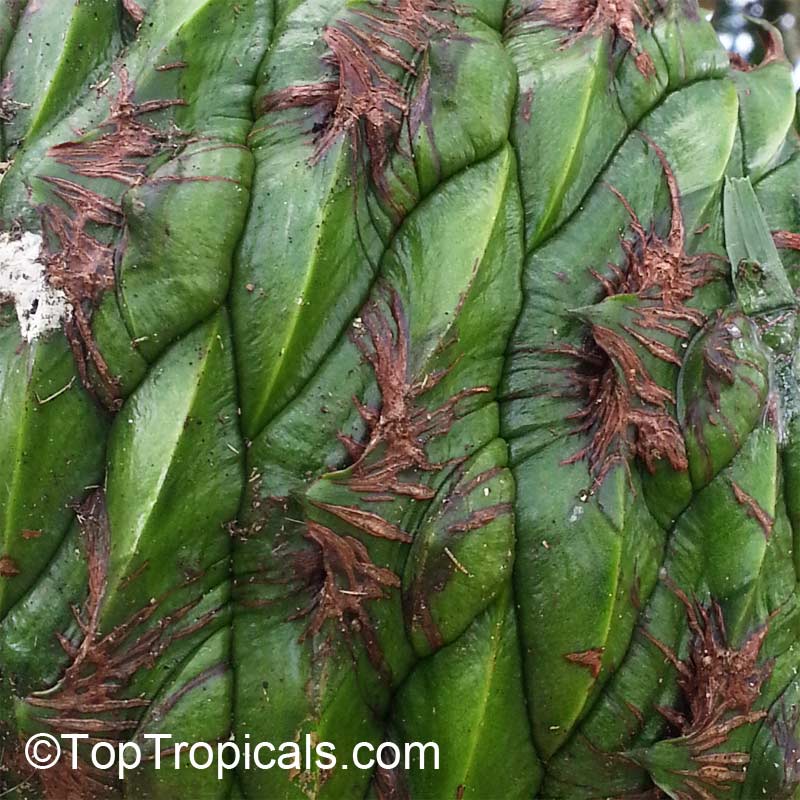
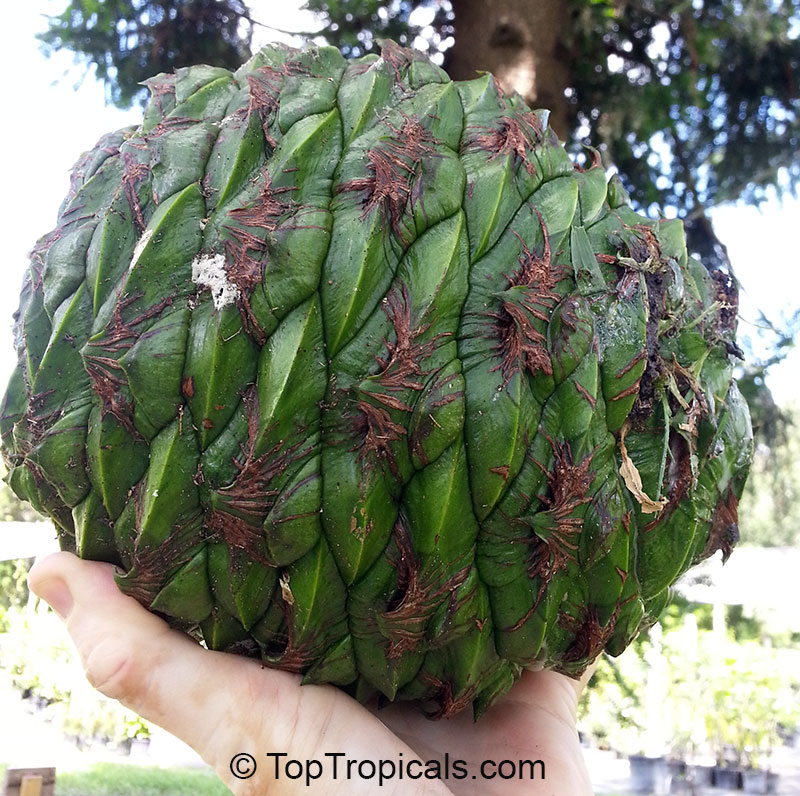
Botanical name: Araucaria sp.
Common names: Monkey Puzzle, Bunia Pine, Parana Nut
Family: Araucariaceae
Origin: New Caledonia, Australia, South America
USDA Zone: 7-10
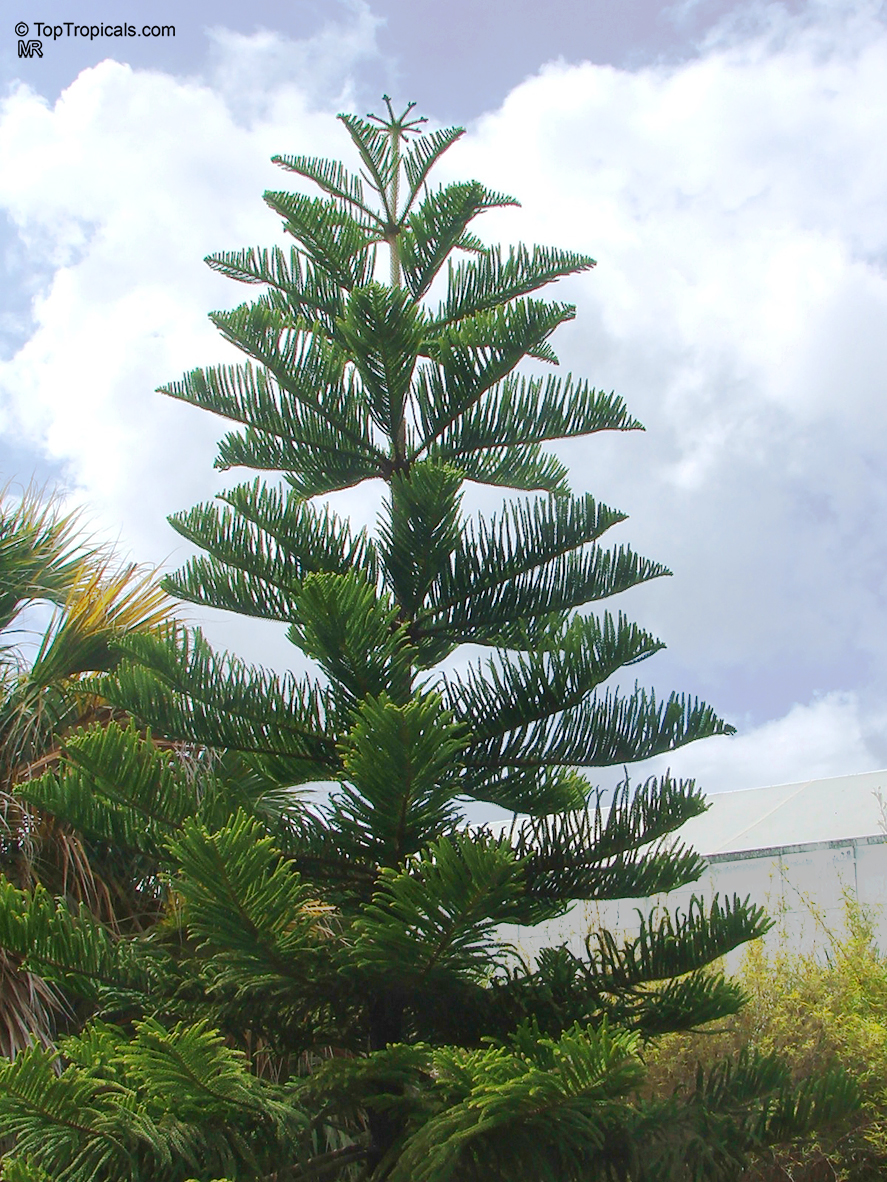
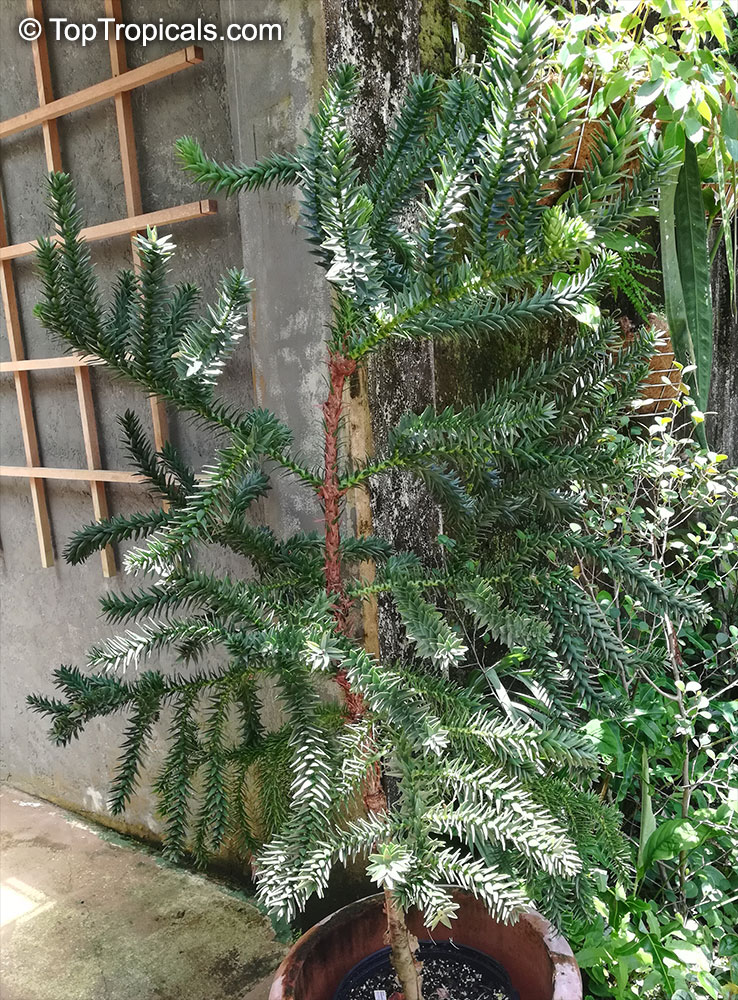
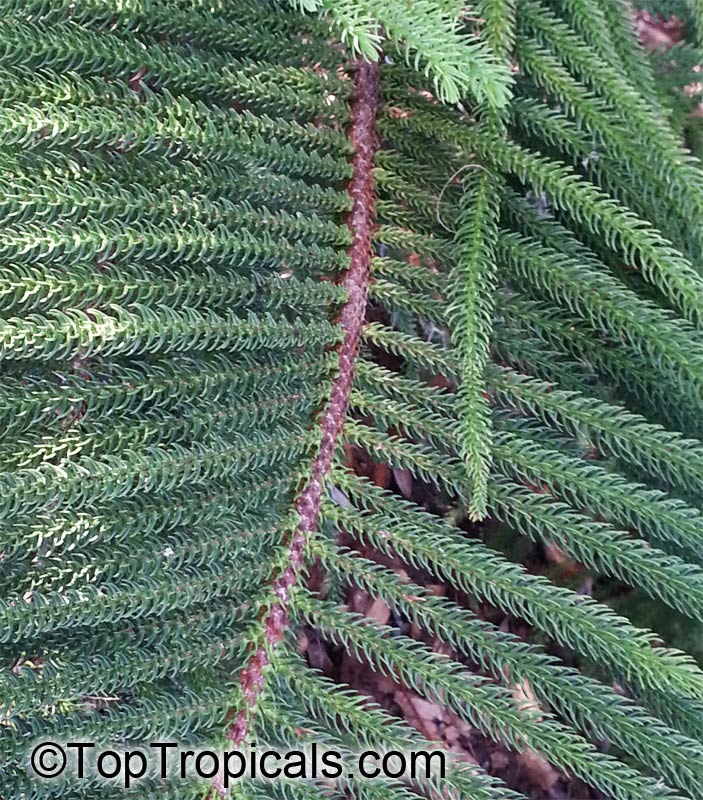
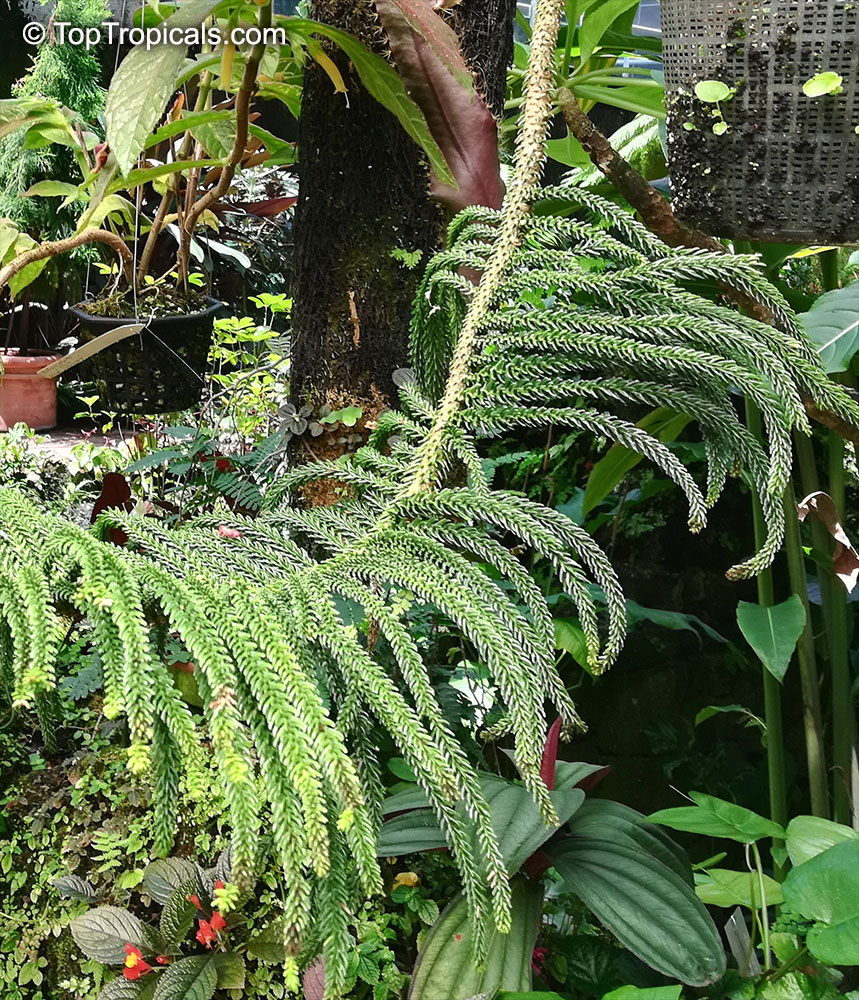
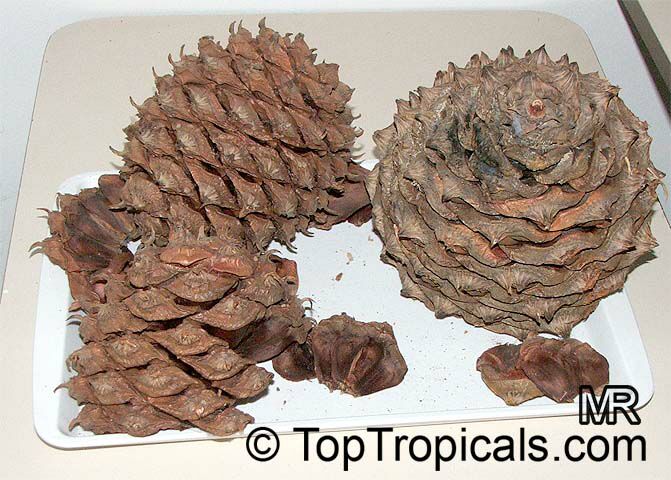
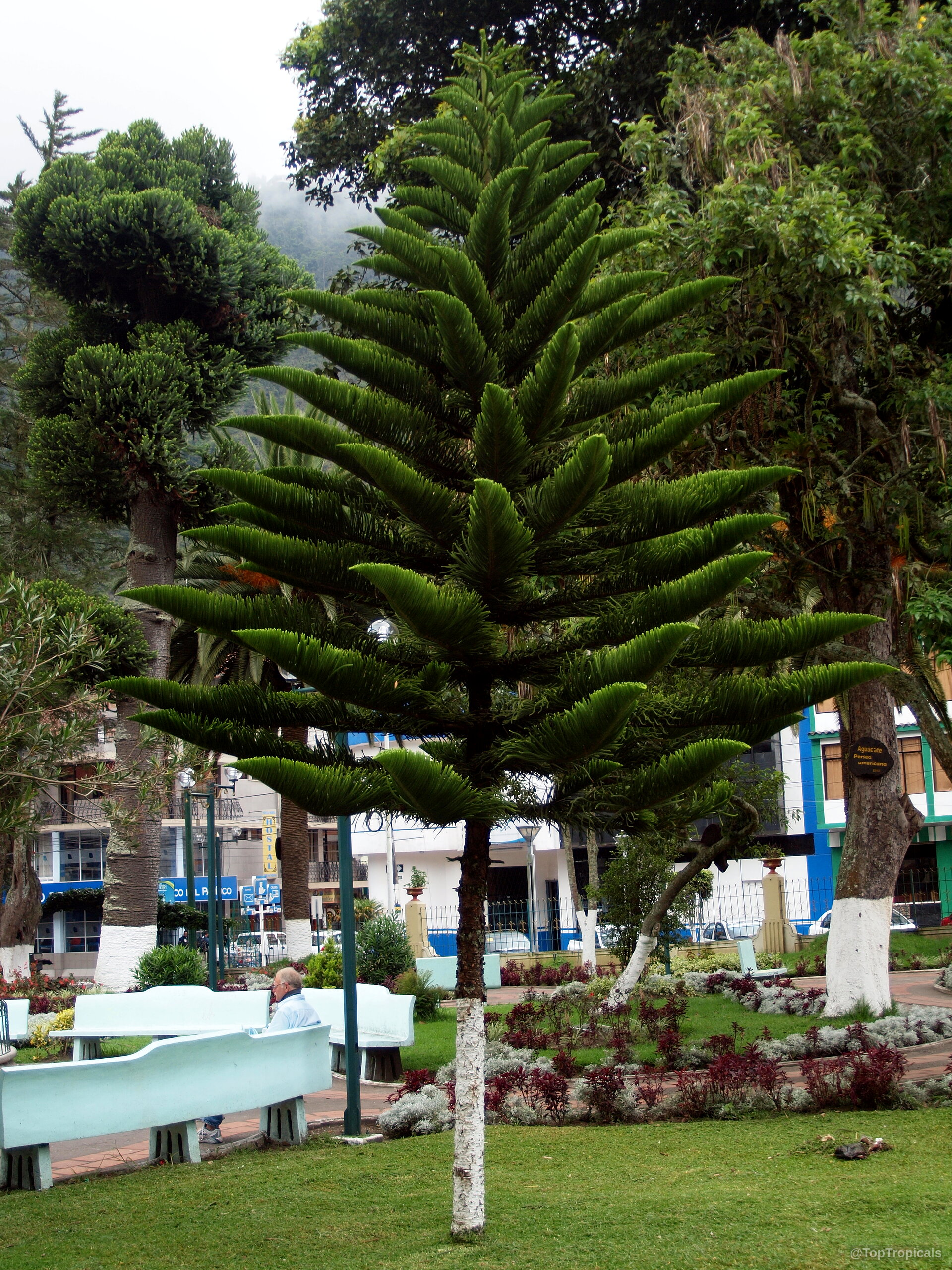
Araucaria is a genus of coniferous trees. There are 19 species in the genus, with a highly disjunct distribution in New Caledonia (where 13 species are endemic), Norfolk Island, eastern Australia, New Guinea, Argentina, Chile, and southern Brazil.
Fossil evidence indicates that ancestral araucaria forests resembling the present-day Monkey Puzzle date back to the age of dinosaurs.
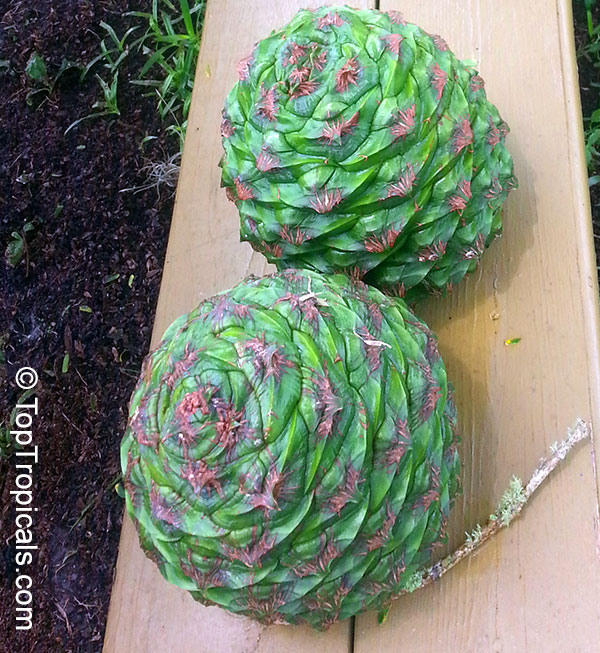
Some of the species are relatively common in cultivation because of their distinctive, formal symmetrical growth habit. Several species are economically important for timber production and the edible seeds.
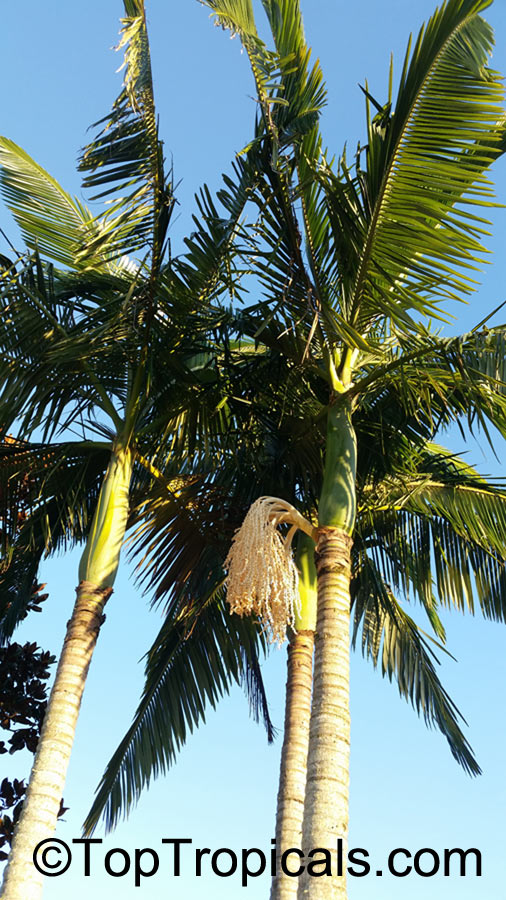
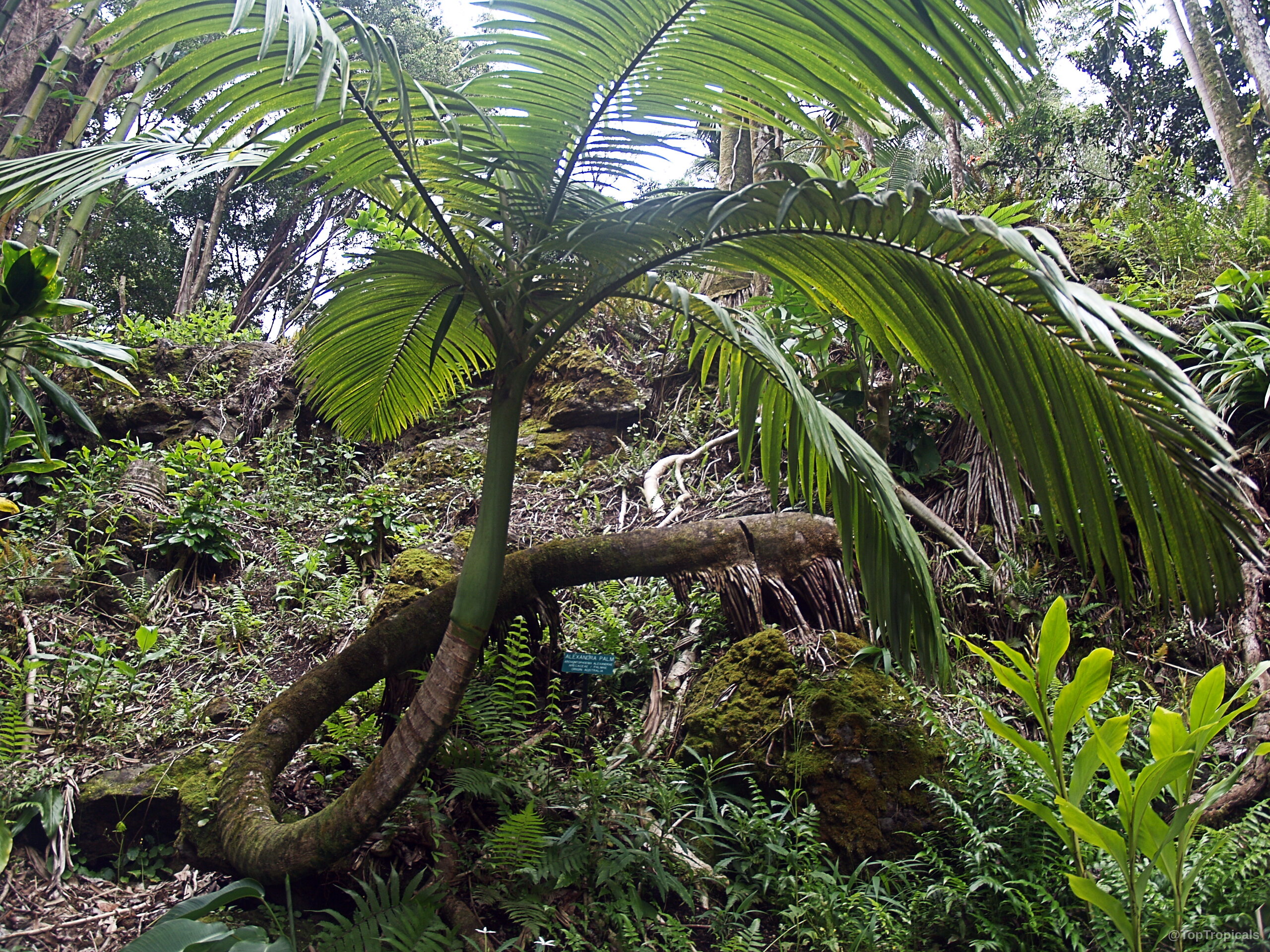
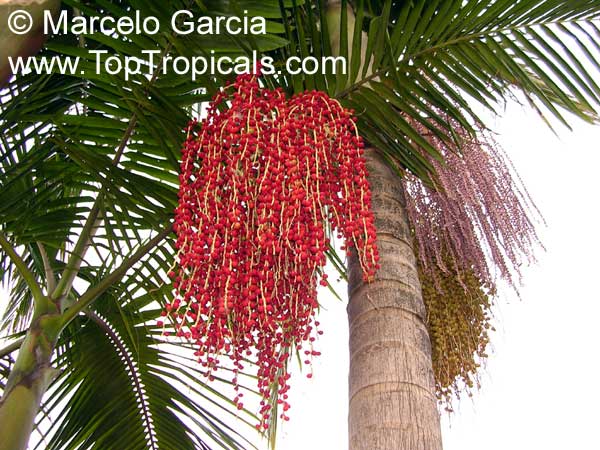
Botanical names: Archontophoenix alexandrae, Ptychosperma alexandrae
Common names: King Palm, Alexandre Palm, Nothern Bangalow Palm
Family: Arecaceae / Palmae
Origin: Northern Australia Tropical rainforest
USDA Zone: 9-10

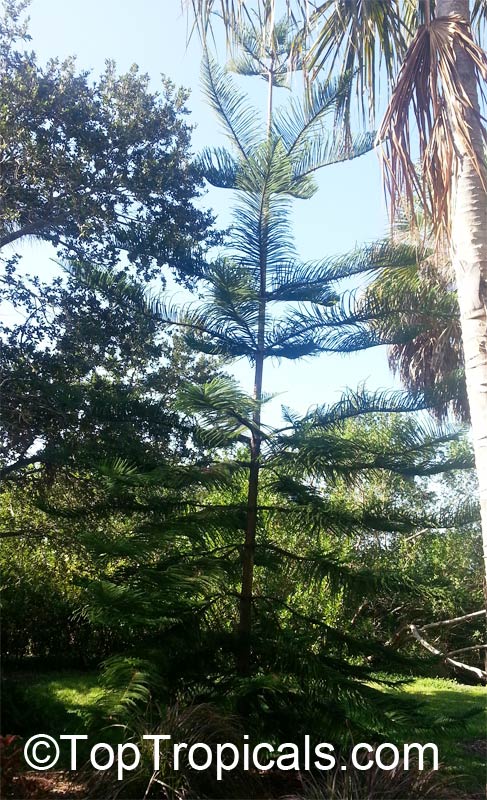
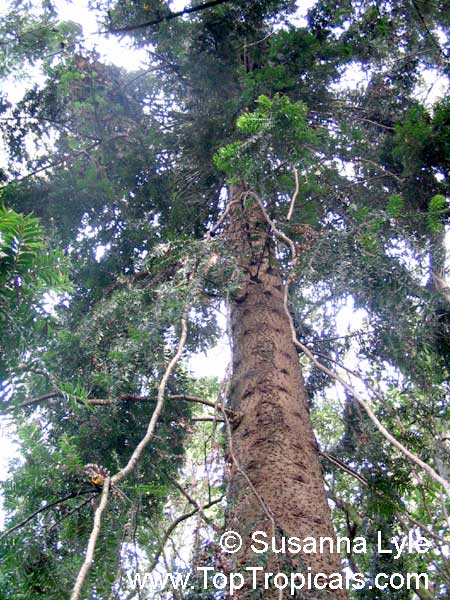
For those lucky enough to live in an area with a climate suitable for Archontophoenix alexandrae (King Palm), it can be a stunning addition to any garden. Native to the Northern Australia tropical rainforest, this species is more commonly known as the King Palm. It is a large palm, typically growing up to 30 feet tall, but some can reach heights of up to 50 feet. The emerald green leaves, often spiraling out from the crown of the trunk and crowned by the glossy green crownshaft, give this palm species a dramatic presence.
This Palm thrives best in full sun or semi-shade, and requires moderate water and lush soil to reach its majestic potential. Fertilizer and mulch are also necessary for optimum growth. If growing in a pot in colder regions, it is important to provide a consistent level of warmth and humidity, and to reduce water in the colder months.
This elegant palm is an excellent choice for any garden. For smaller spaces, the King Palm grows well as a multi-stemmed small tree of 10-20 feet. For larger gardens and landscapes, the bigger specimens of this palms can reach heights of over 20 feet.
No matter the size or shape of your garden, Archontophoenix alexandrae can be the perfect feature for your landscape. With the proper care and attention, this stunning palm is sure to add a statement to your garden for years to come.
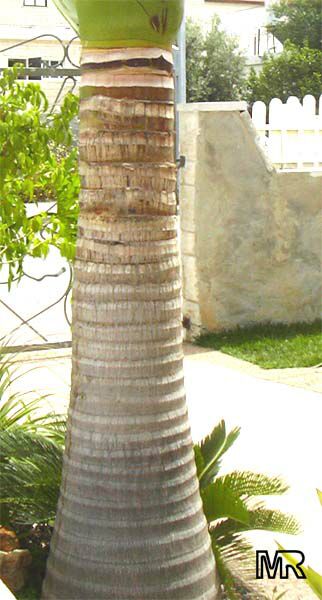
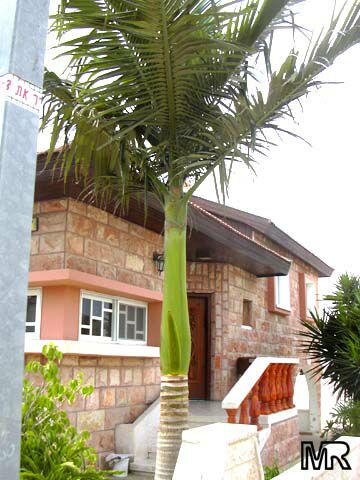
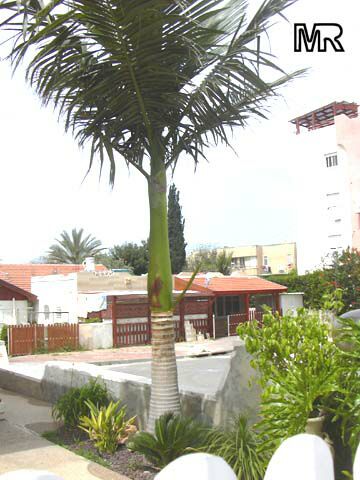
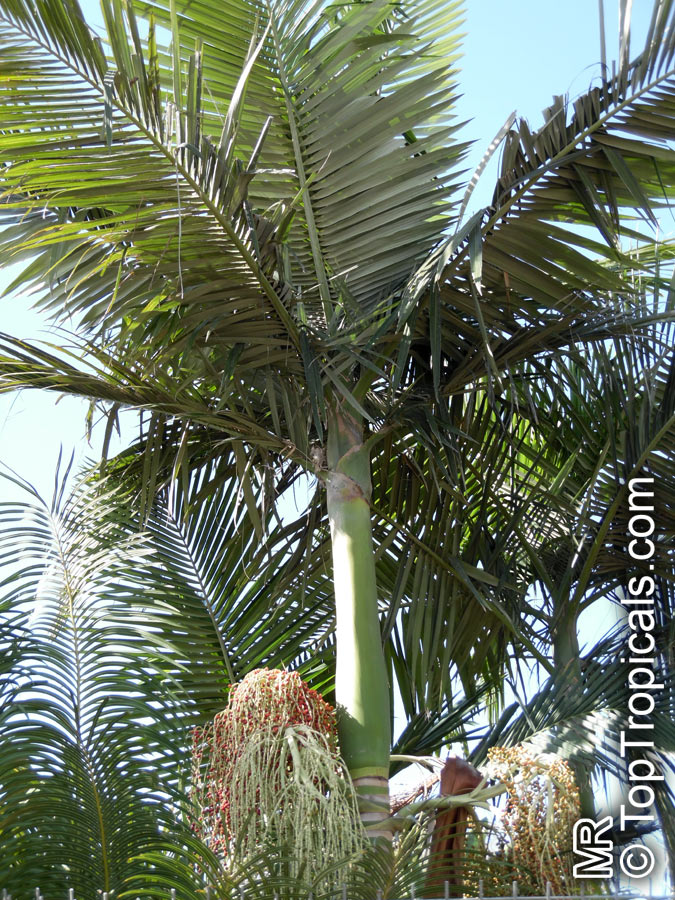
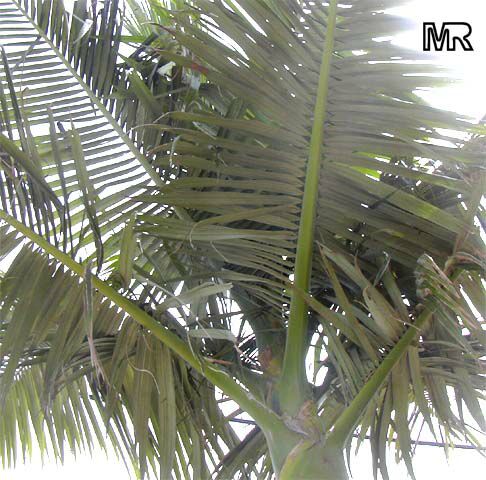
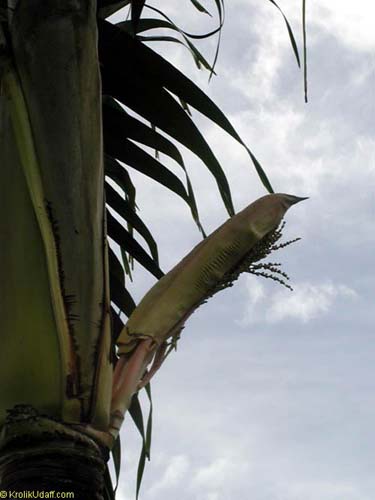
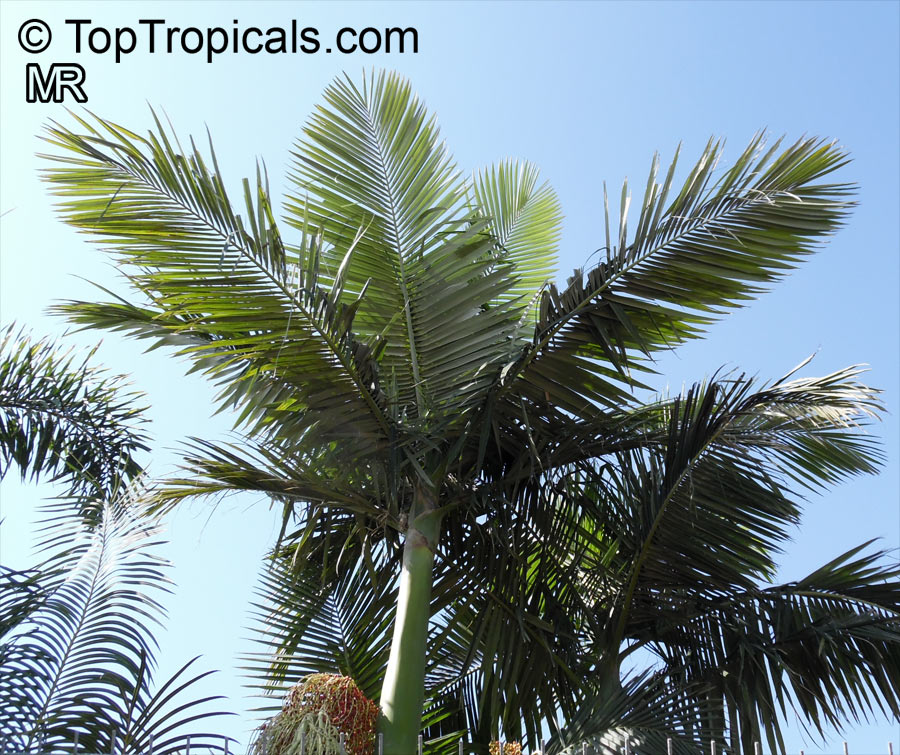
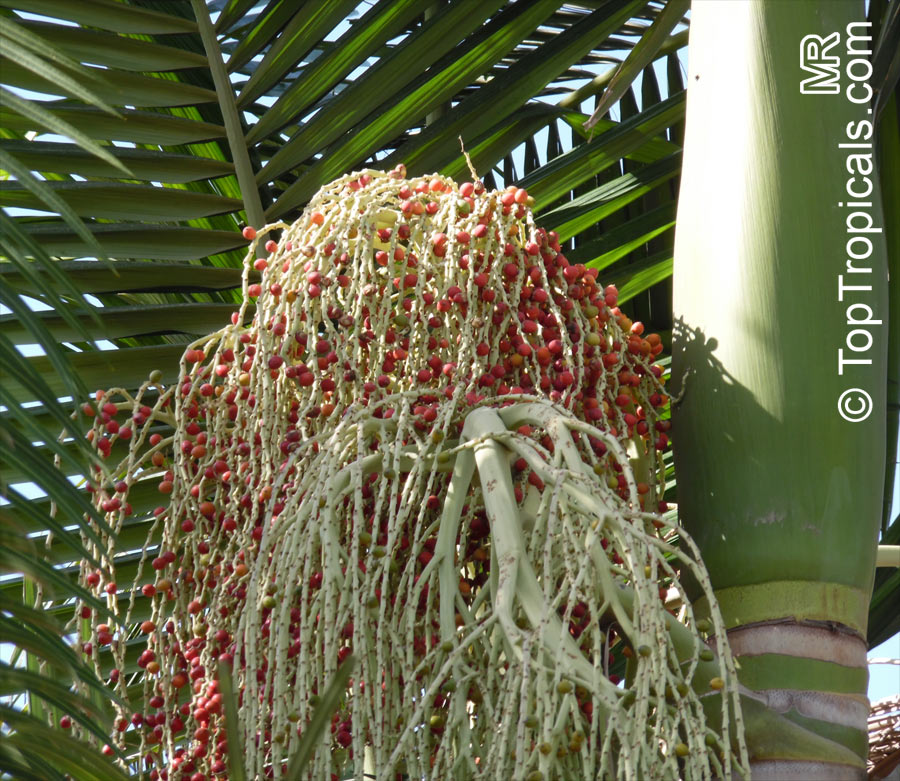
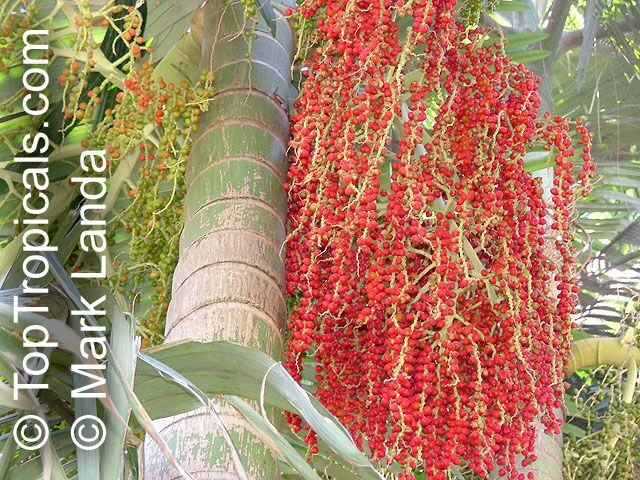
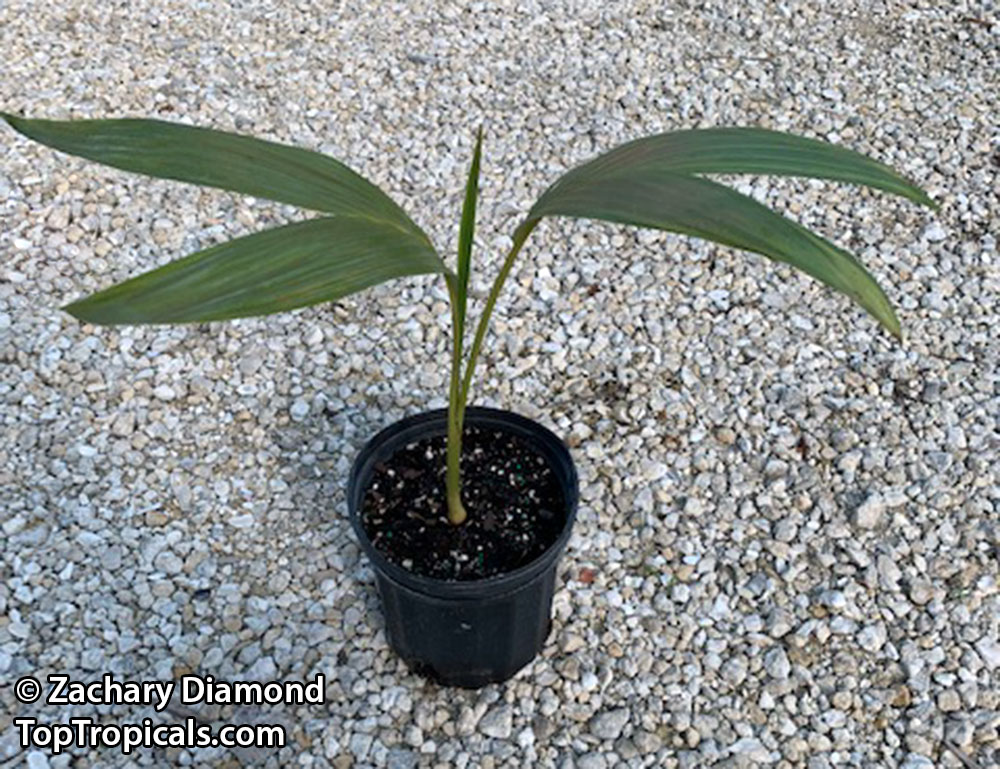
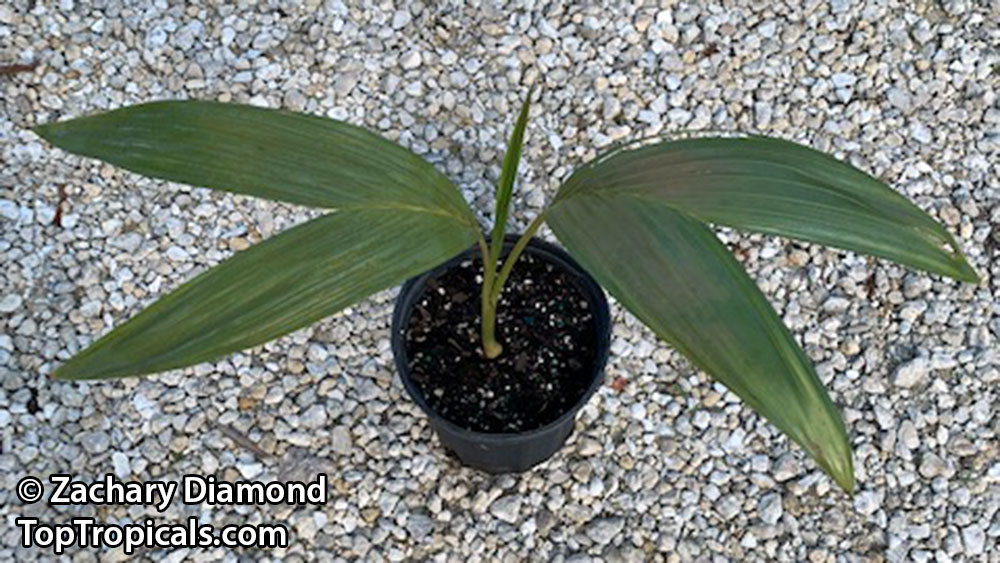

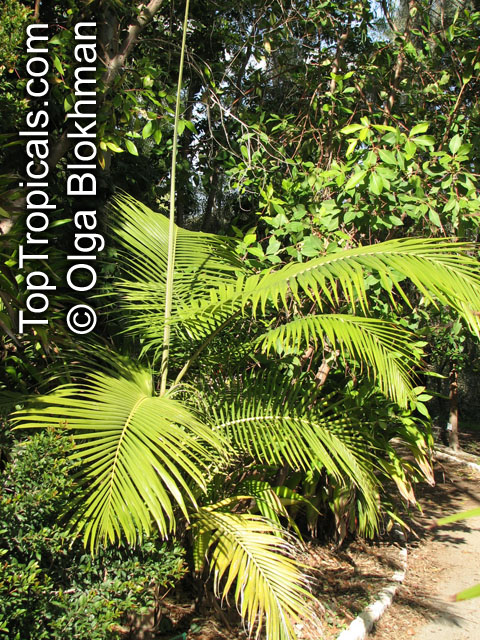
Botanical name: Archontophoenix cunninghamiana
Common names: Bangalow Palm, Seaforthia Palm
Family: Arecaceae / Palmae
Origin: Northern Australia
USDA Zone: 9-10
This is a single, slender trunked palm (30 ft). Given a shady spot, they grow slim and elegant, holding a crown of dark green leaves above a green crownshaft. It is slightly hardier than Archontophoenix alexandrae and may be tried in a sheltered corner in full sun in favoured locations. Generally similar in appearance to the foregoing, it makes a good house- or conservatory plant if the light is good.
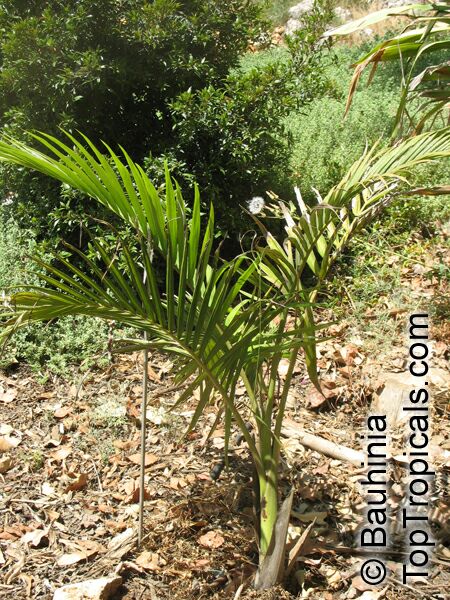
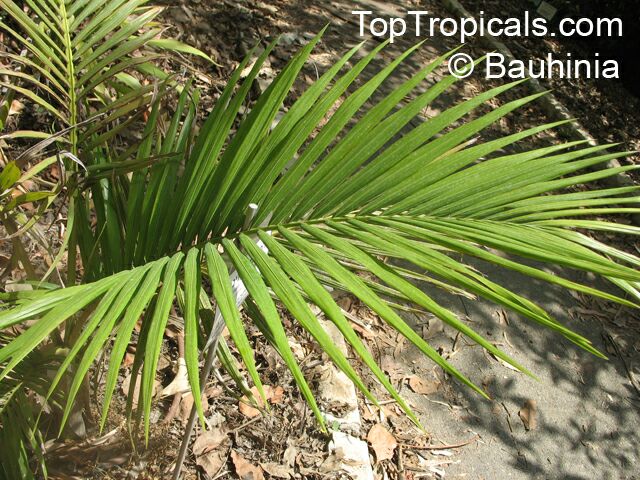
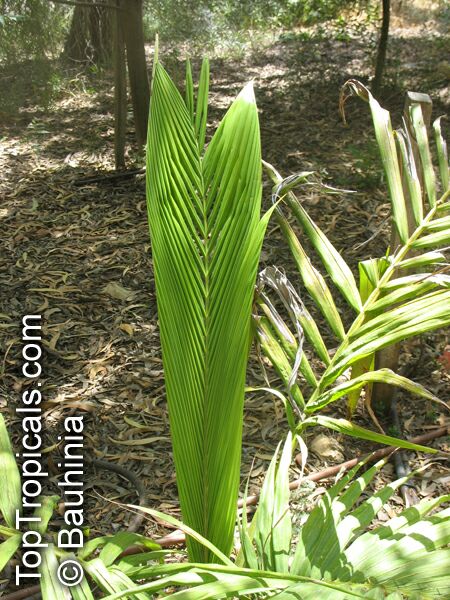
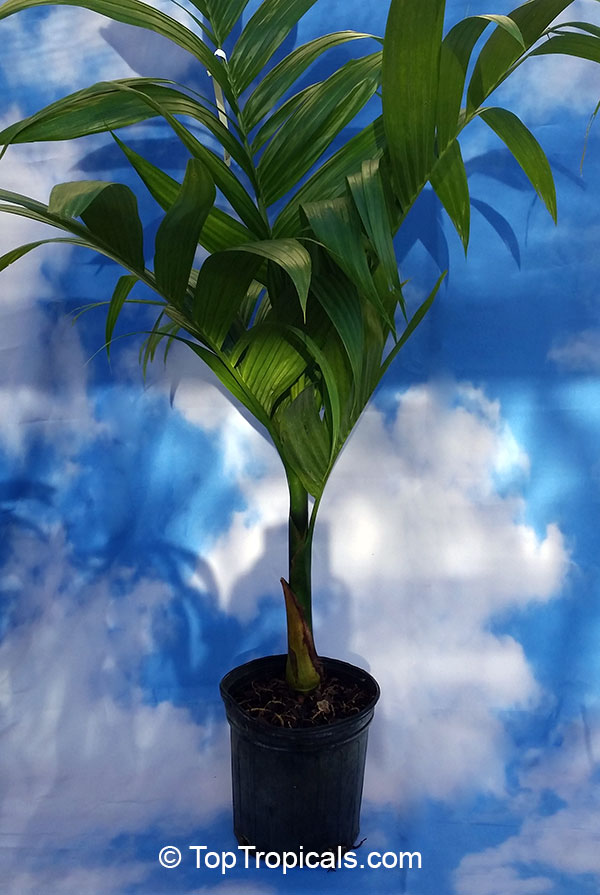
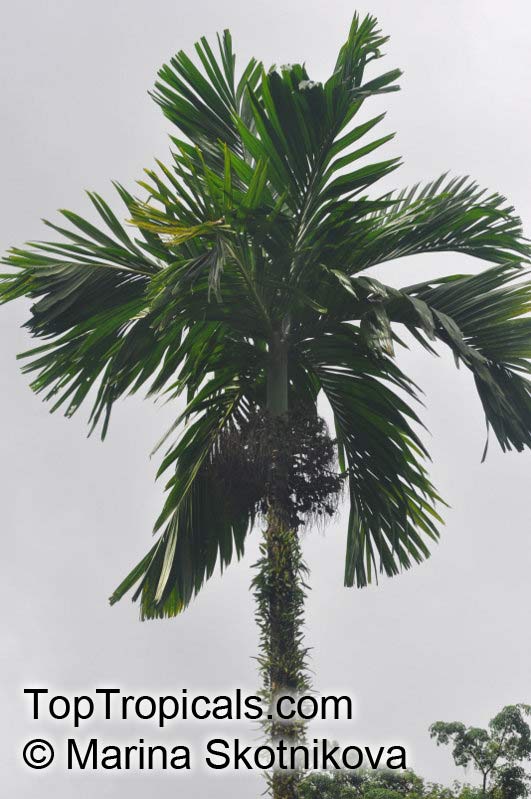
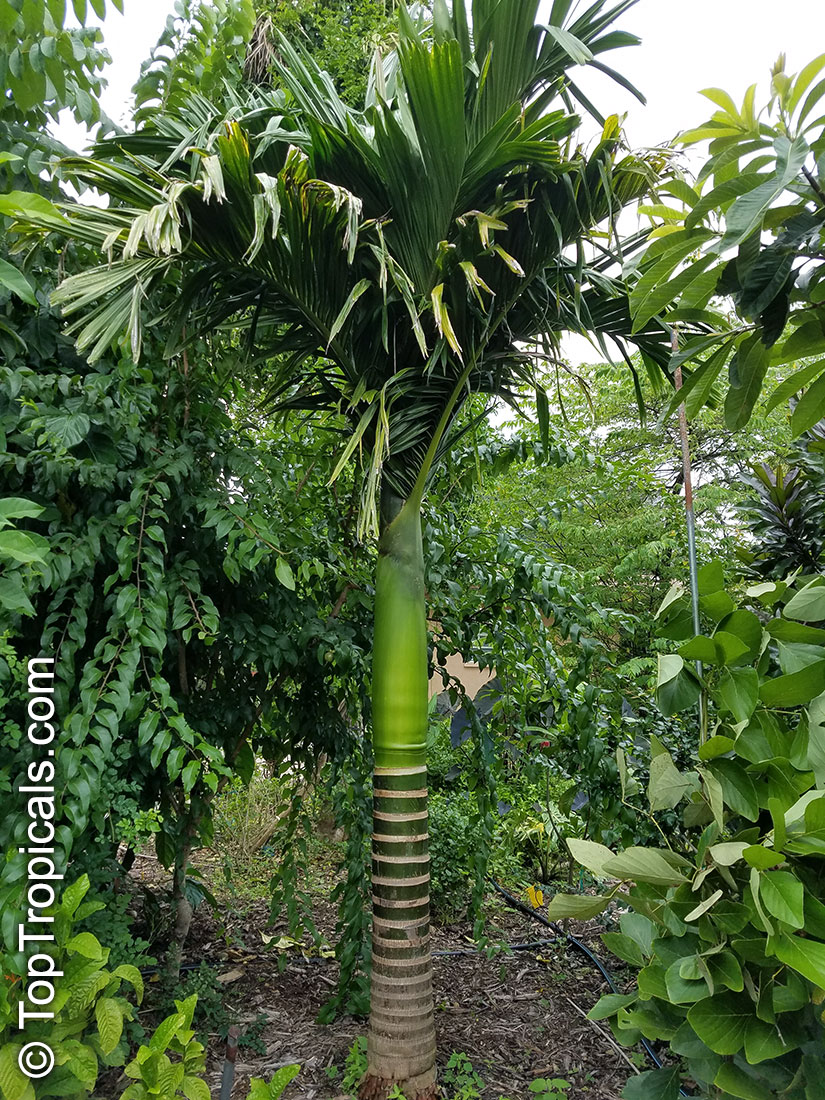
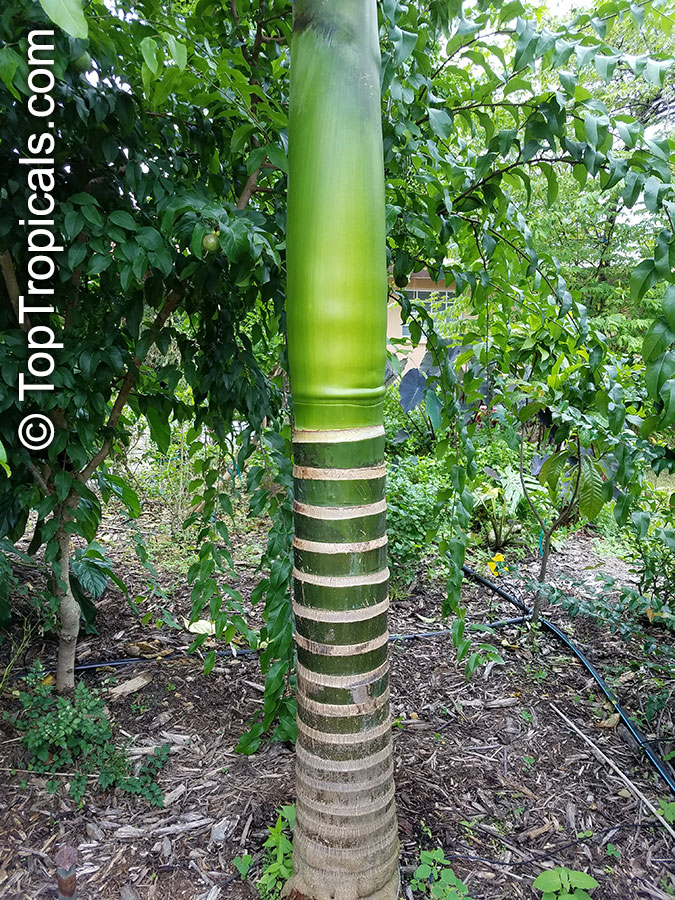
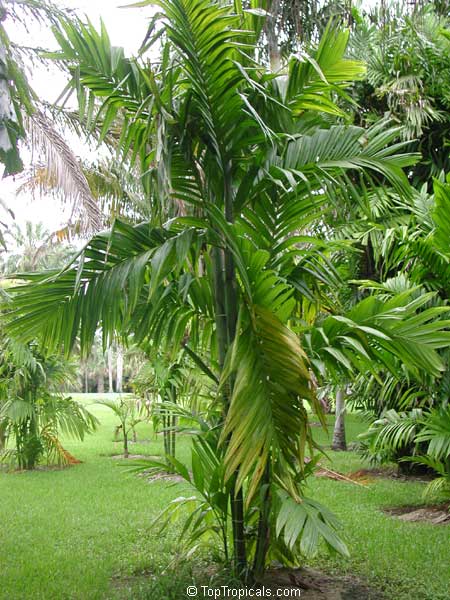
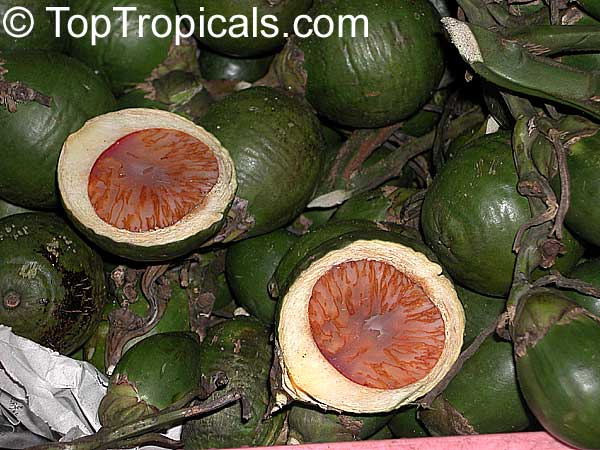
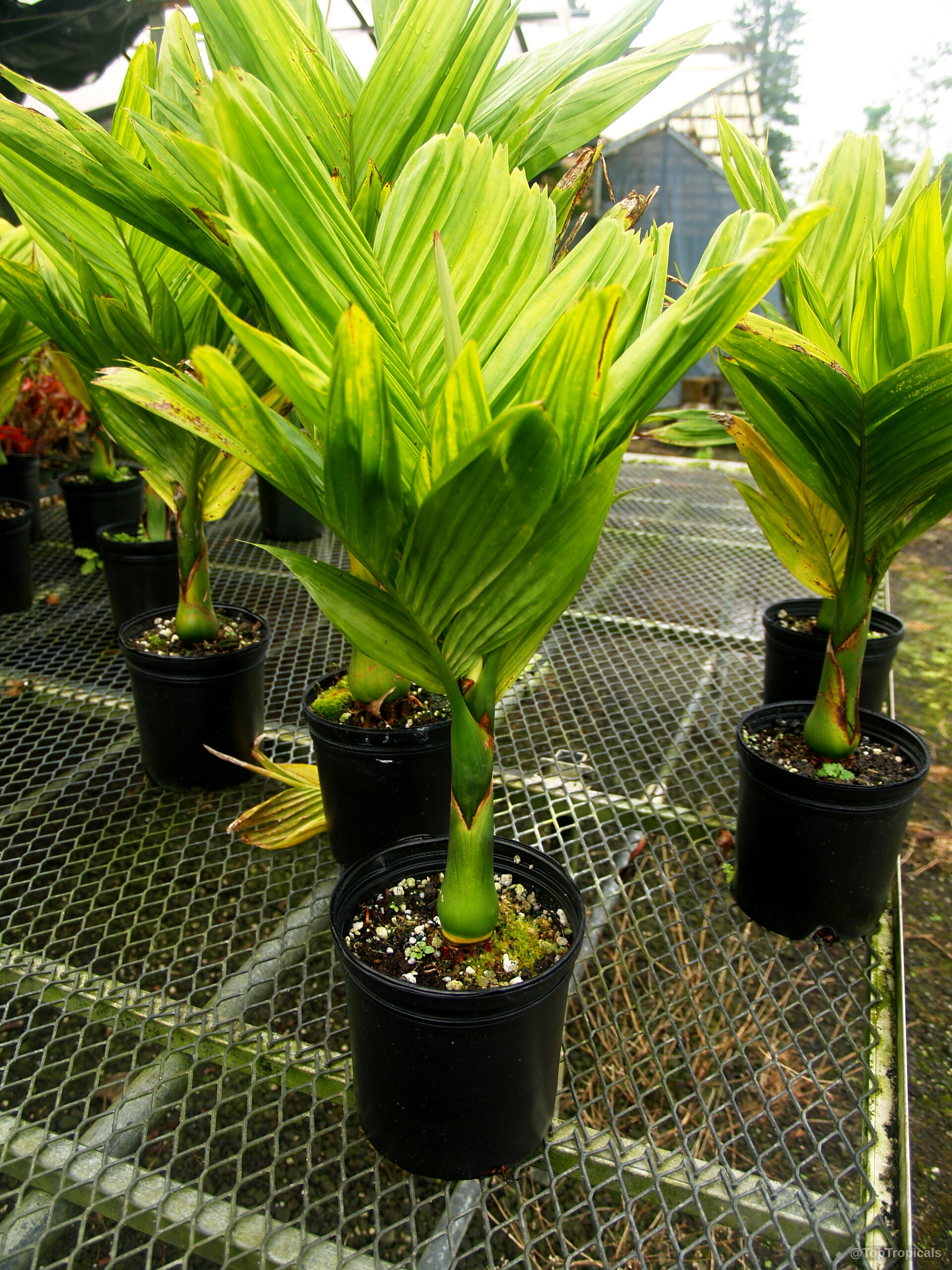
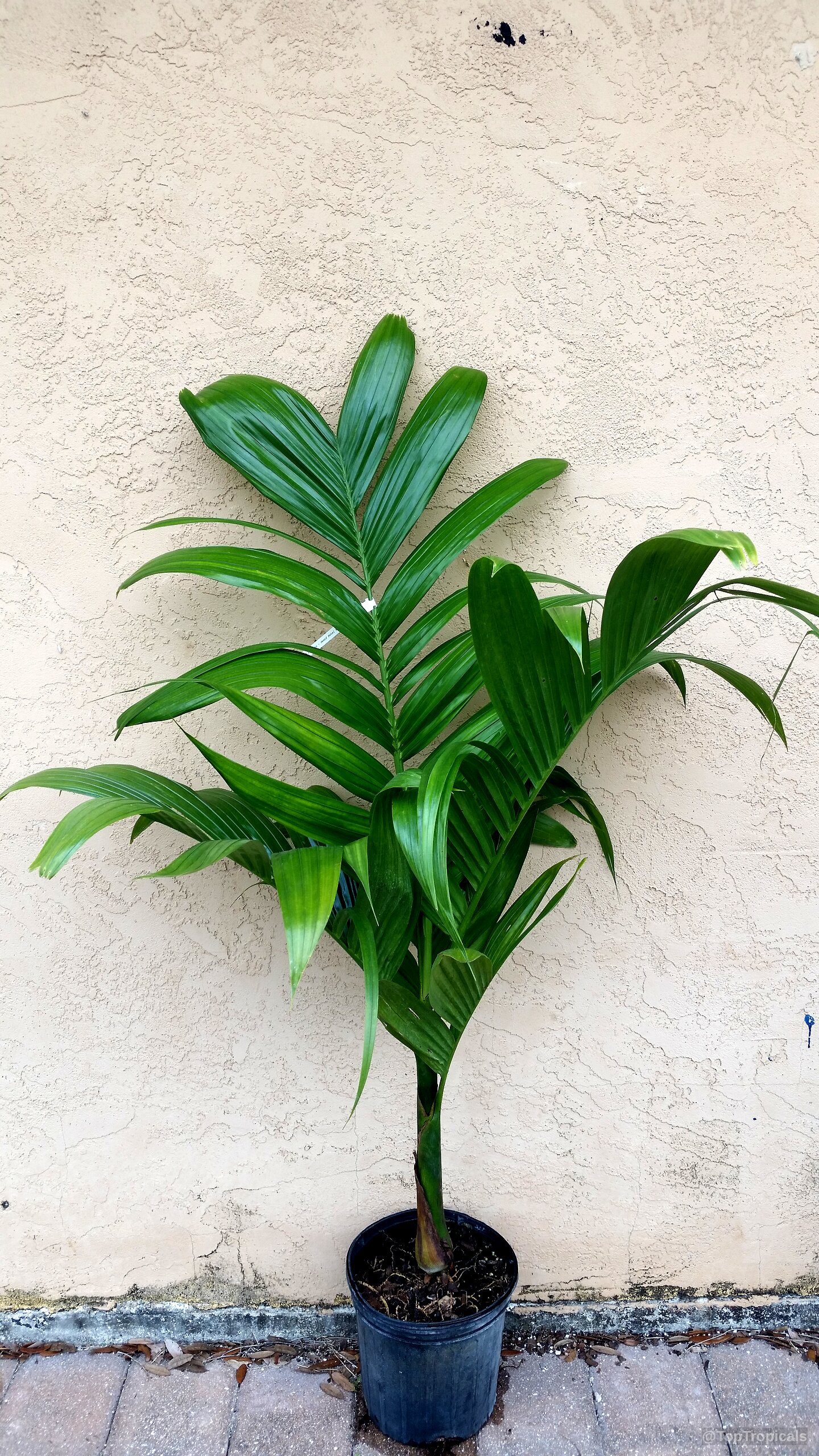
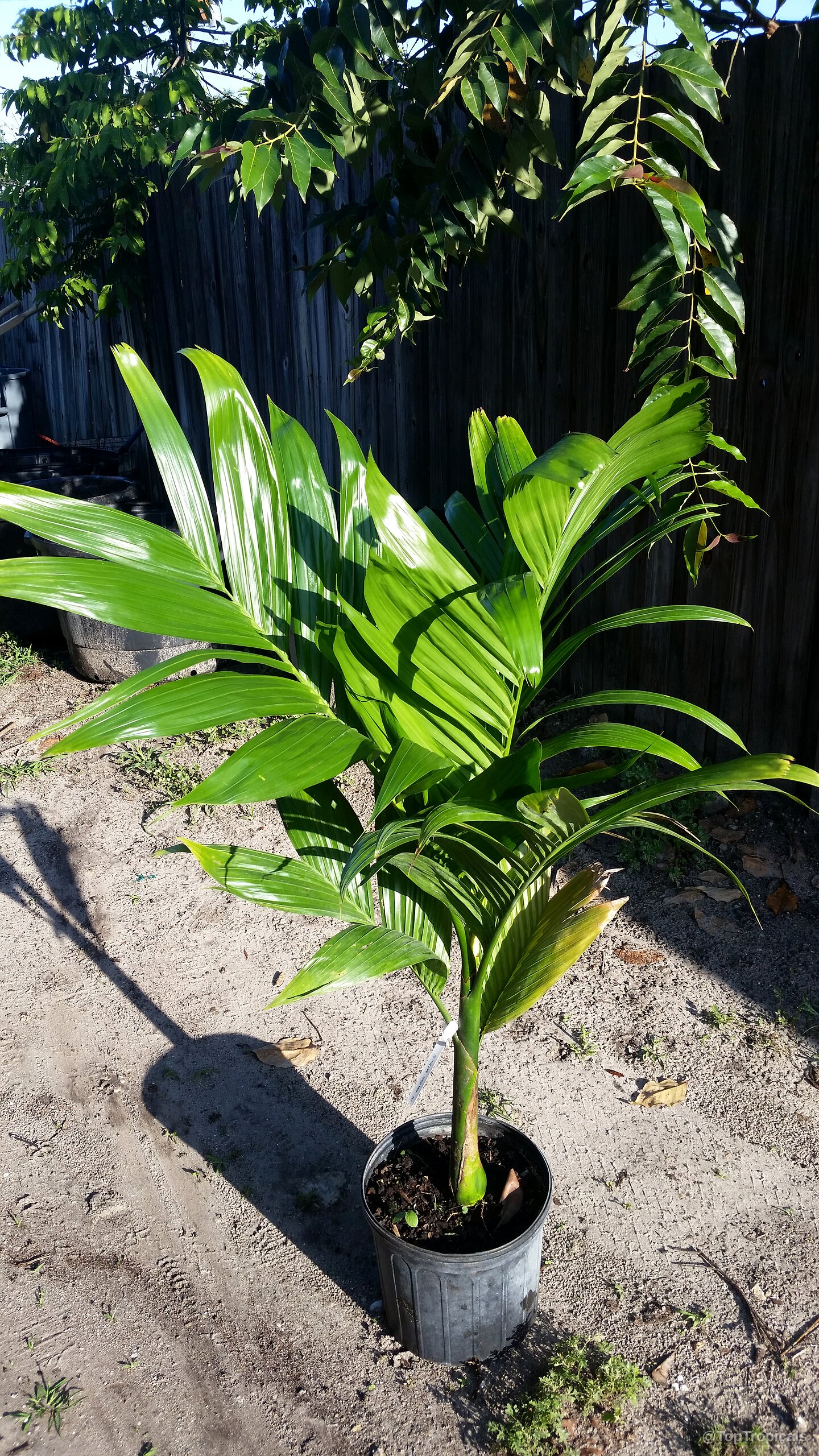
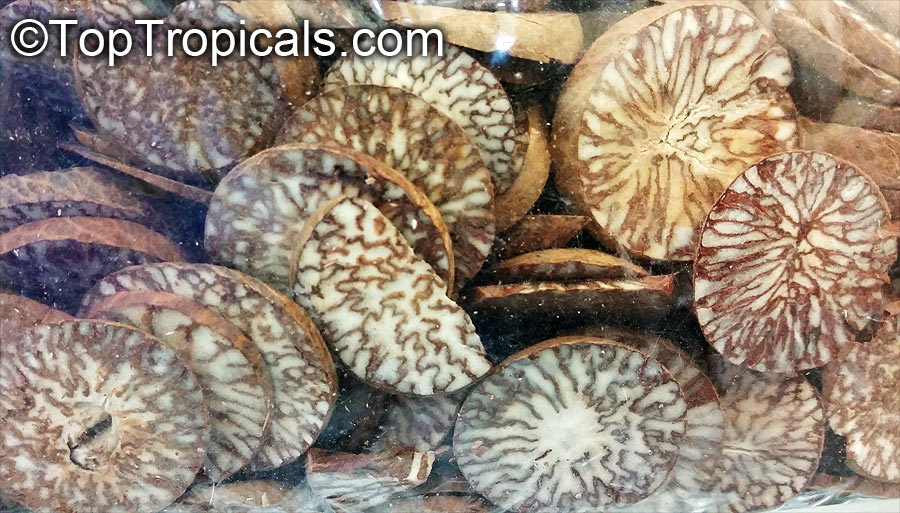
Botanical names: Areca catechu, Areca triandra
Common names: Areca Palm, Betel Nut , Bunga, Pinang
Family: Arecaceae / Palmae
Origin: Malaysia, Singapore
USDA Zone: 9-10
An easily grown palm for both the tropics and warm sub-tropical areas (it is apparently cold sensitive). It prefers shade when young, although it does take full sun at quite a young age. It likes a moist, well drained soil, and doesn't like to dry out. This palm is the basis of a large industry in SE Asia, where the seed is chewed for its intoxicating properties, as well as its supposedly beneficial side effects, such as aiding digestion, and controlling internal parasites and dysentery.
| Prev | Next | |
Use link to repeat this search:
https://toptropicals.com/cgi-bin/garden_catalog/cat.cgi?search_op=and&keyword_op=and&language=e&number=10&no_change_lang=1
&v1=btr&user=tt&sale=1&first=0