Large tree taller than 20 ft - Plant Encyclopedia Results (Page 3)
| Number of plants found: 464 |  | Prev | Next | 
|
Go to page: | 1 | 2 | 3 | 4 | 5 | 6 | 7 | Last |
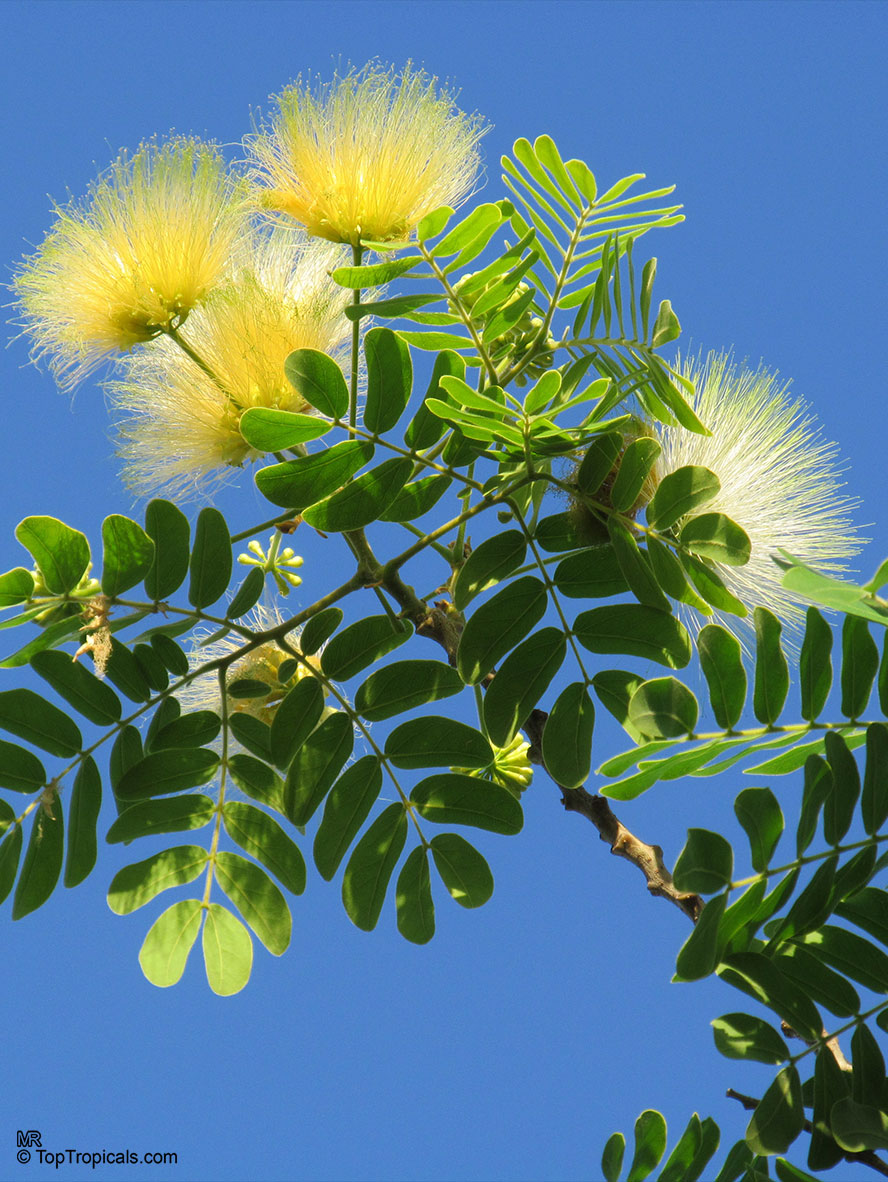
Botanical names: Albizia lebbeck, Mimosa lebbeck
Common names: Womans tongue, Siris-tree, Rain tree, East Indian walnut, Kokko, Soros-tree, Raom tree
Family: Fabaceae
Subfamily: Mimosoideae
Origin: India, Burma and the Andaman Island
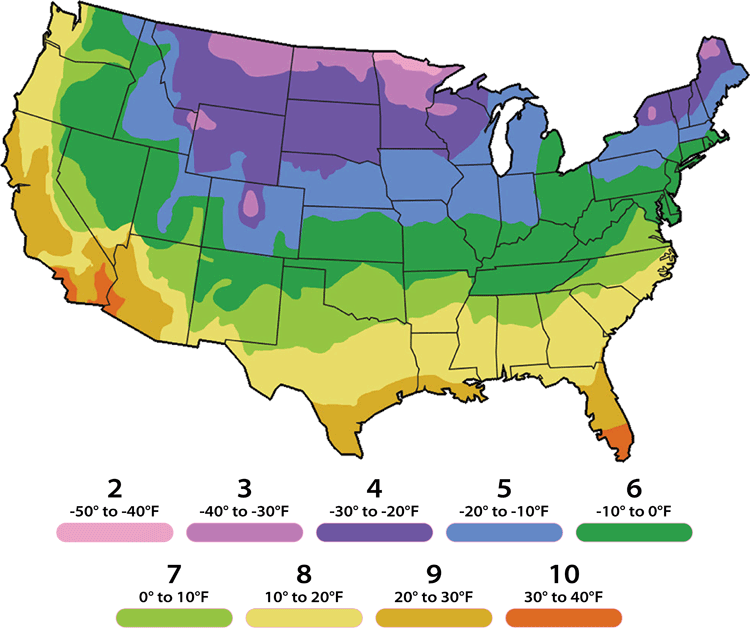
USDA Zone: 9-11
Cold tolerance: 30°F


Albizia lebbeck, Mimosa lebbeck is a fast-growing tree, that is susceptible to wind damage. A moderate to large, deciduous tree can grow up to 100 feet high in rain forests. The tree develops a straight trunk when it is grown in dense forests, but is spreading and low branching in the open. Unless trimmed frequently, the trees will annually produce an abundance of seed from papery pods about 8" long and 1" wide (author). Common names such as "woman's tongue" and "rattle pod" derive from the noise of pods shaking in the wind. The foliage is pale green when young and gray-green at maturity. Flowers are cream colored, hemispheric pom-poms. Seeds germinate well without scarification.
The tree is used as a folk remedy for many ailments. Another common use is as an avenue tree, and sometimes it is used to shade coffee and tea. Saponins and tannins in the bark can be used for making soap and in tanning, respectively. Bee keepers like the species for the light-colored honey its nectar provides, and the tree hosts the lac insect.
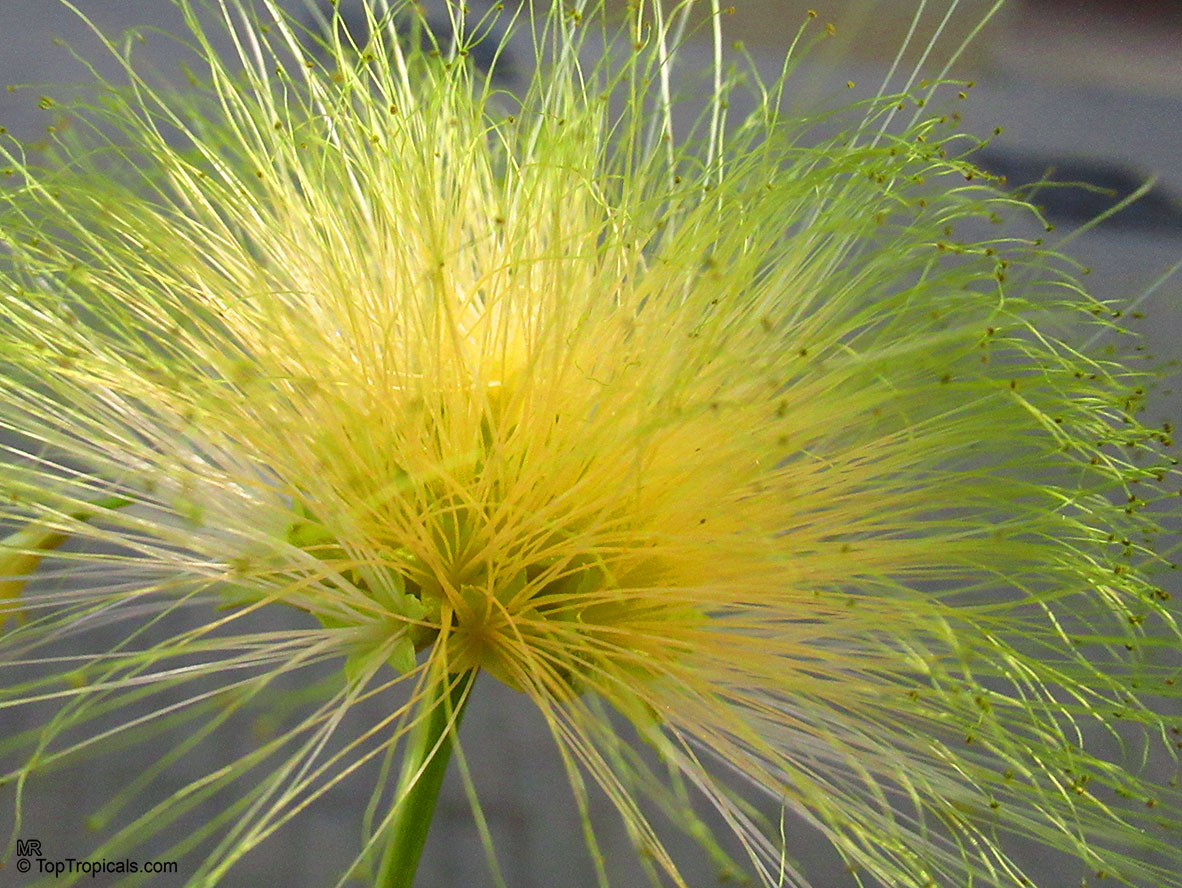
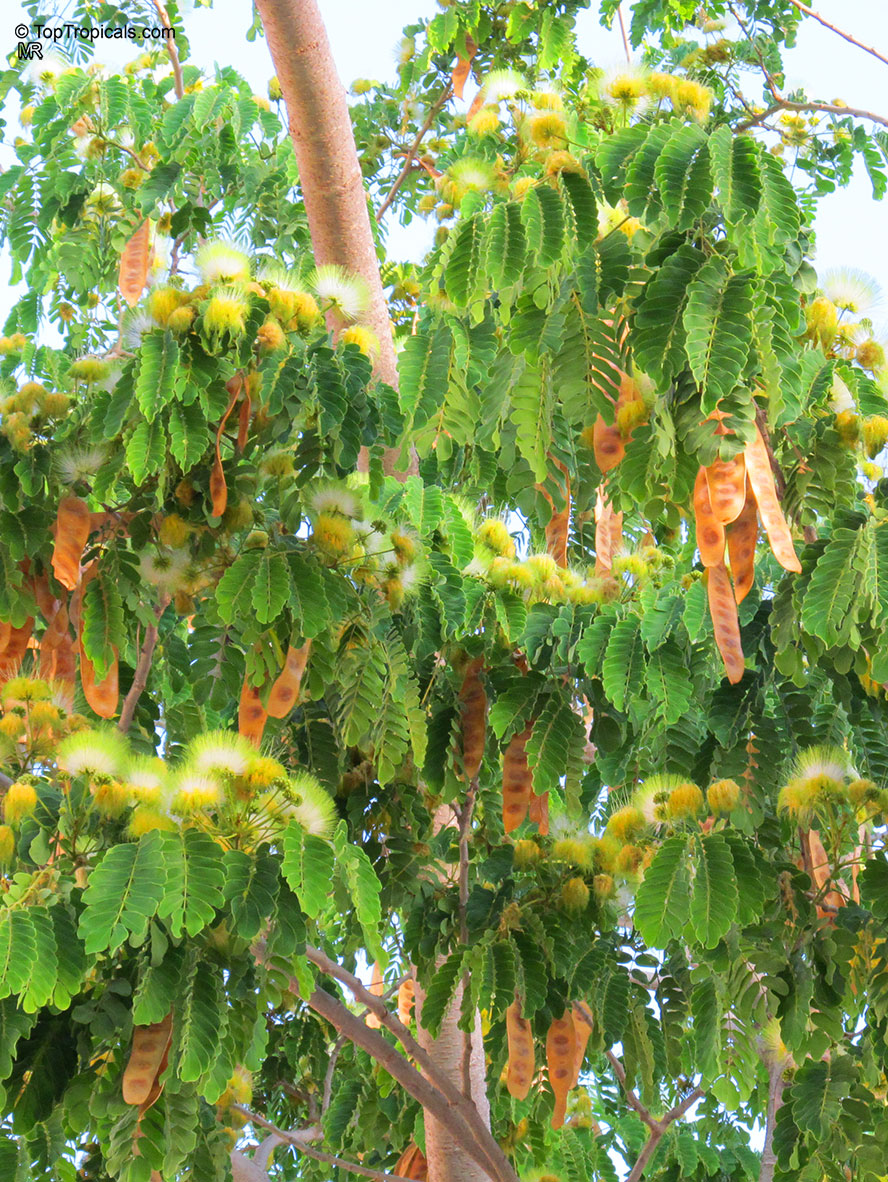
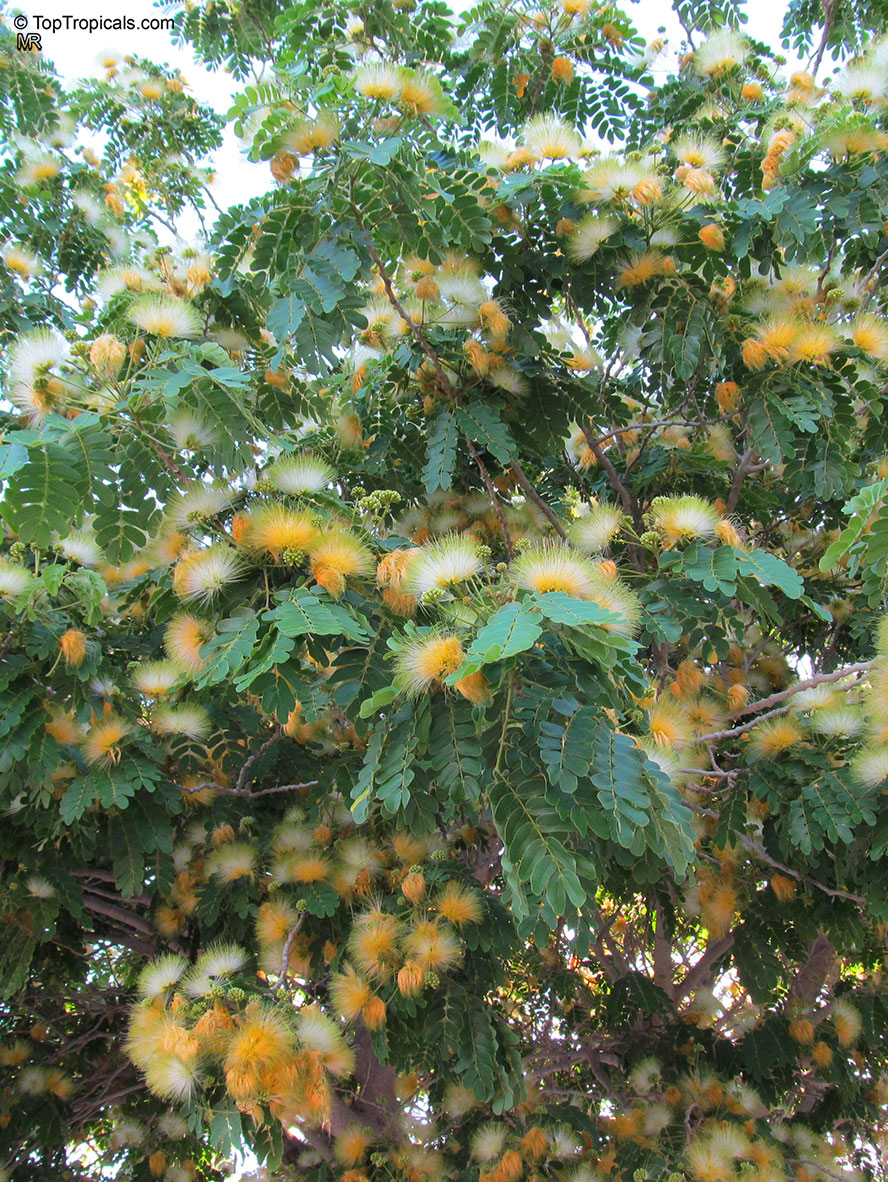
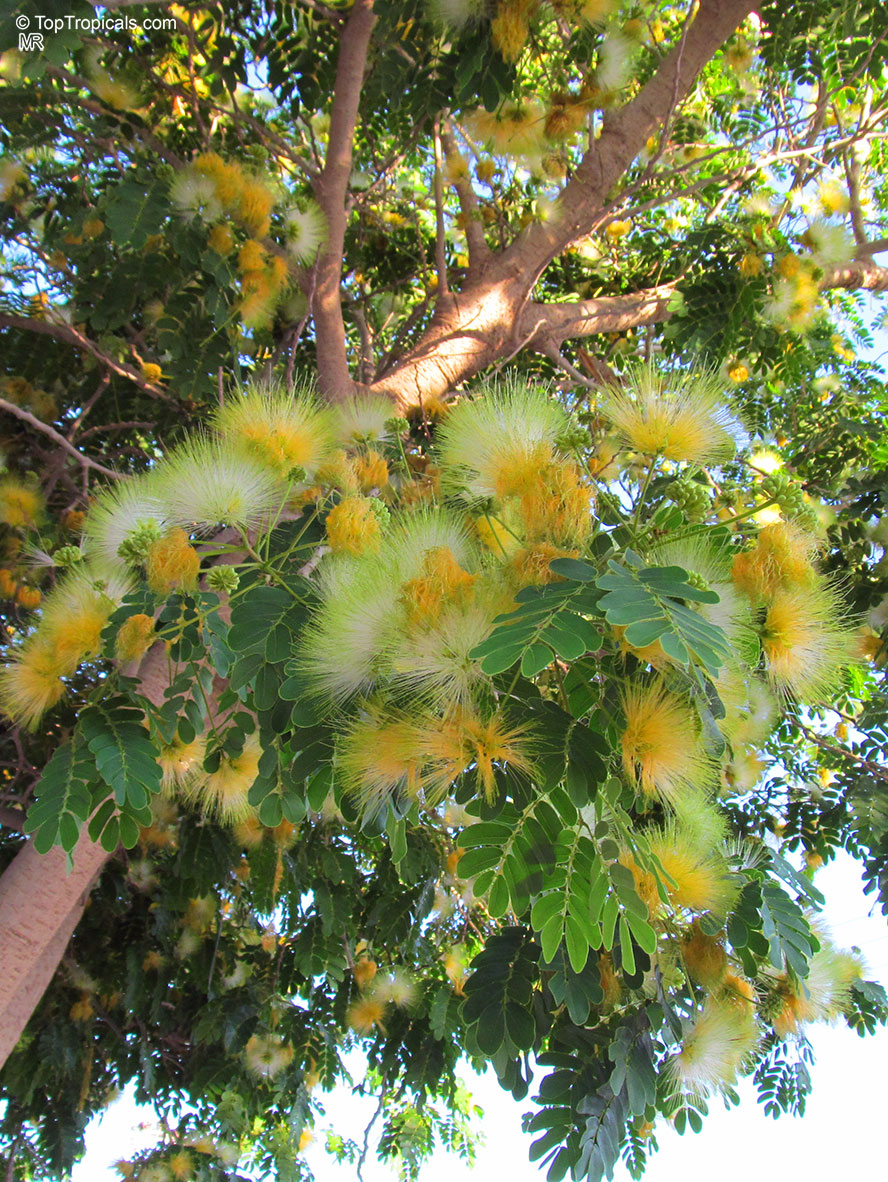
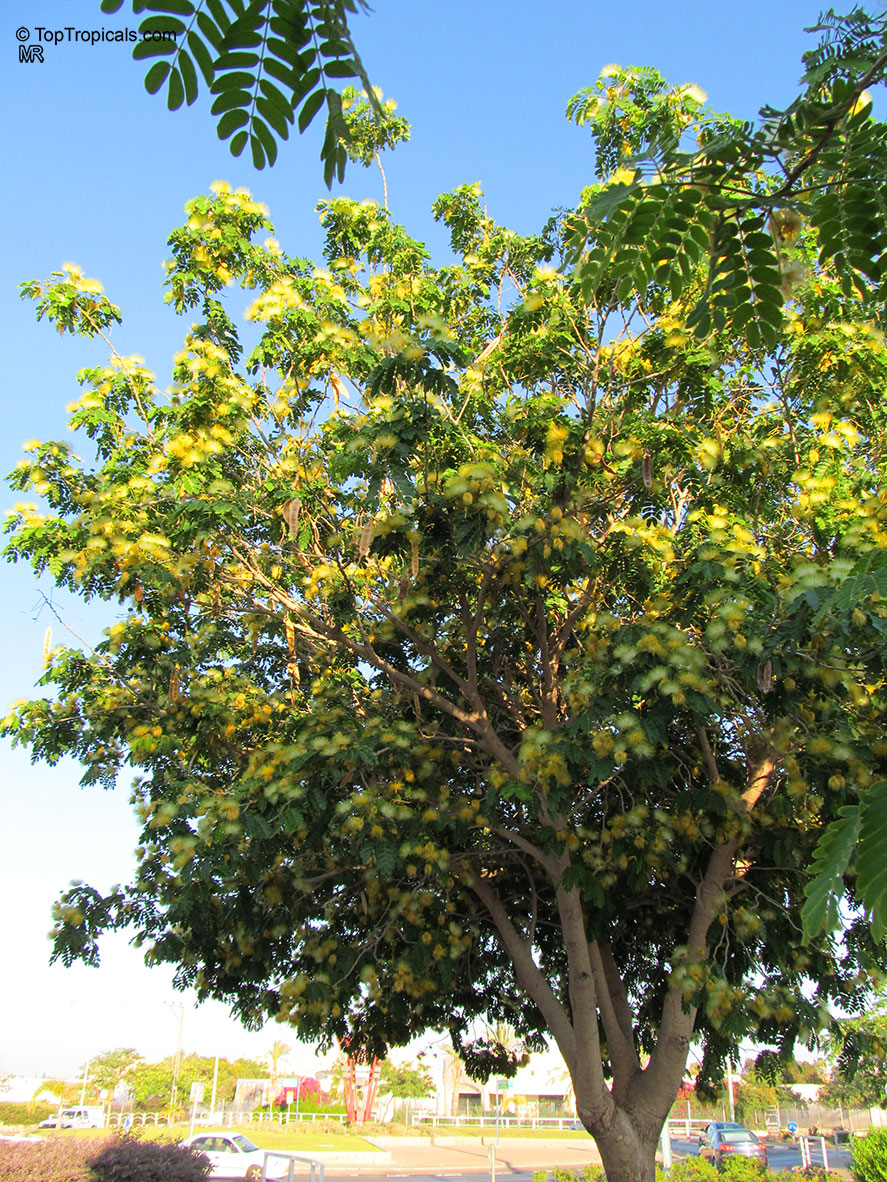
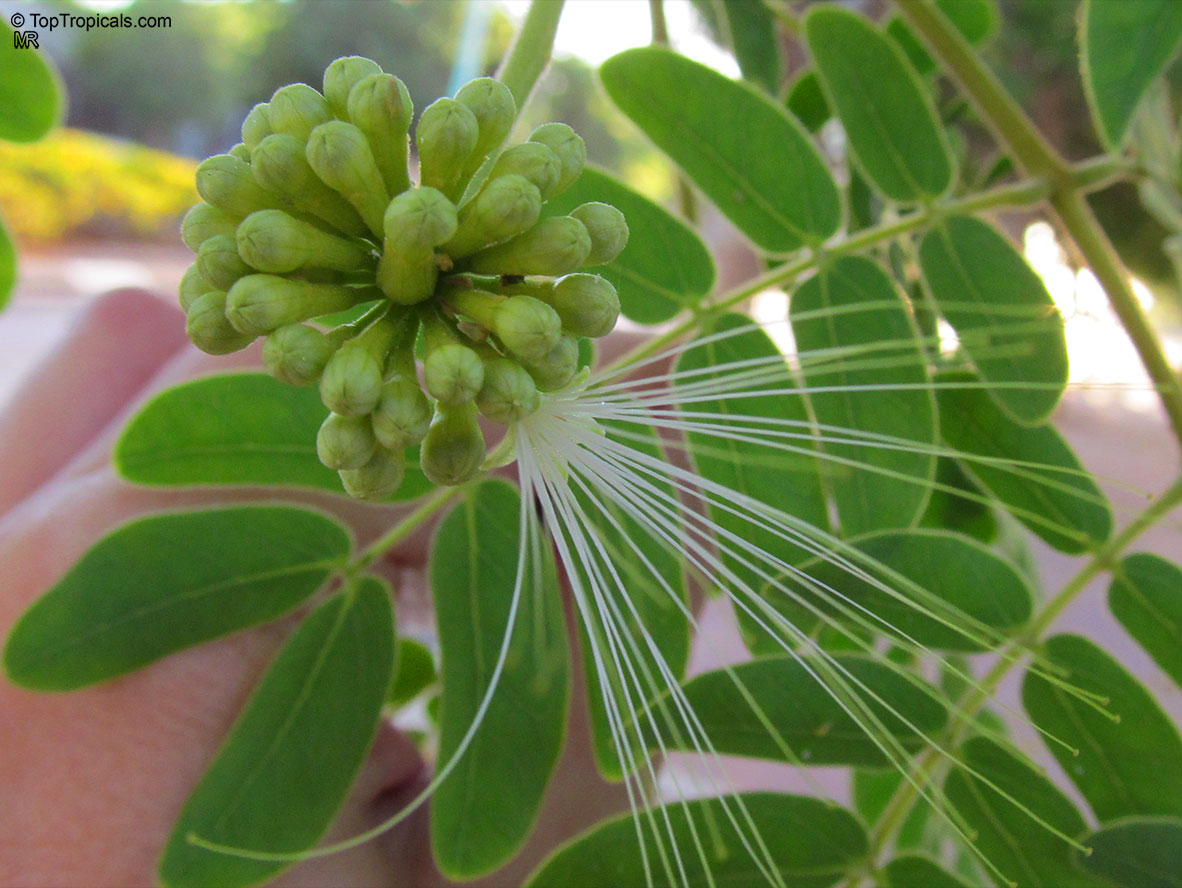
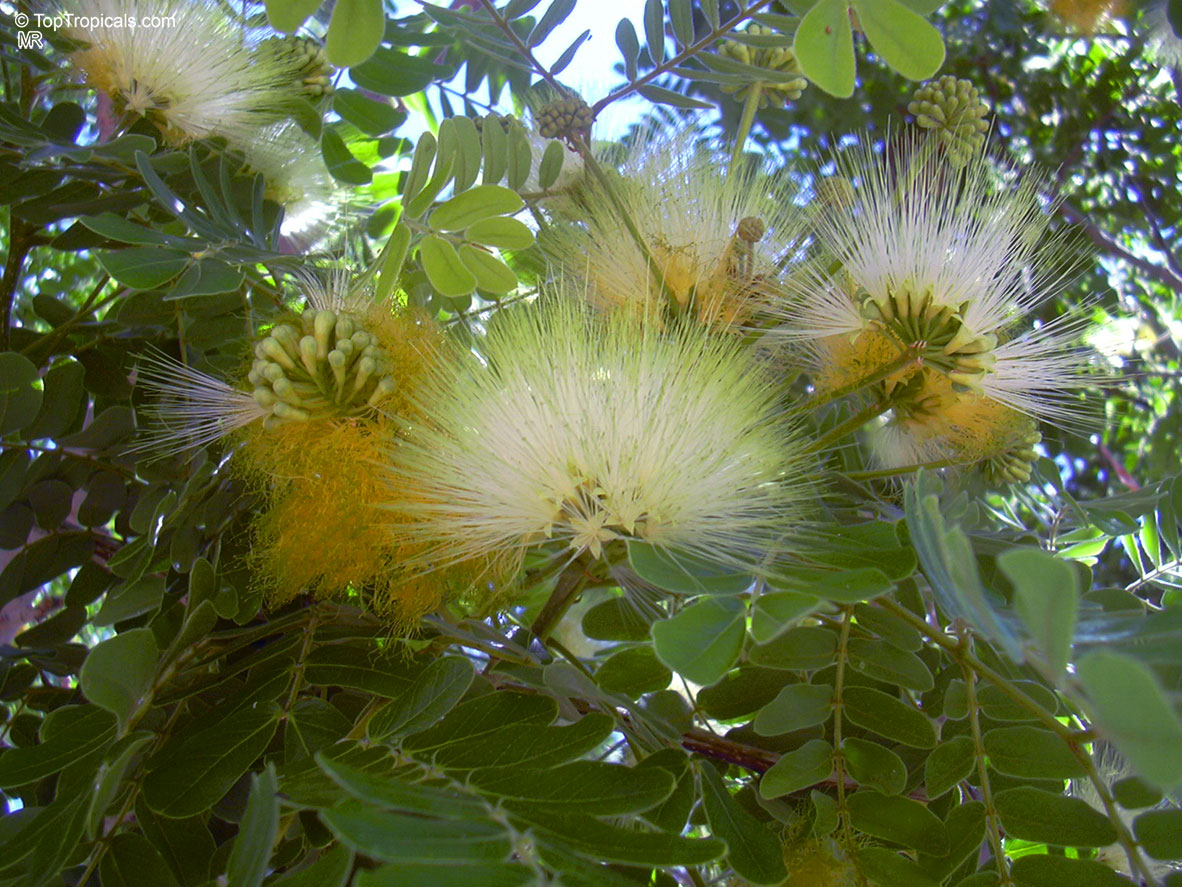
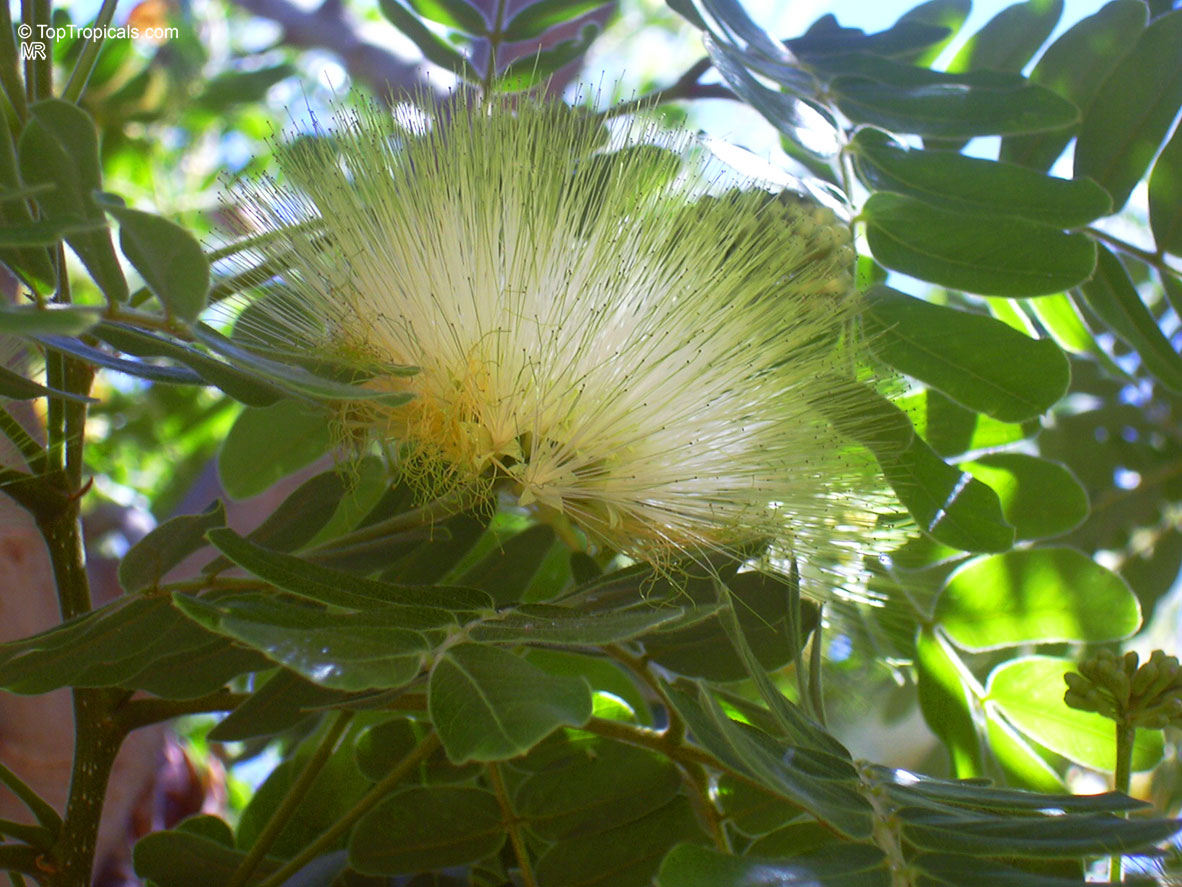
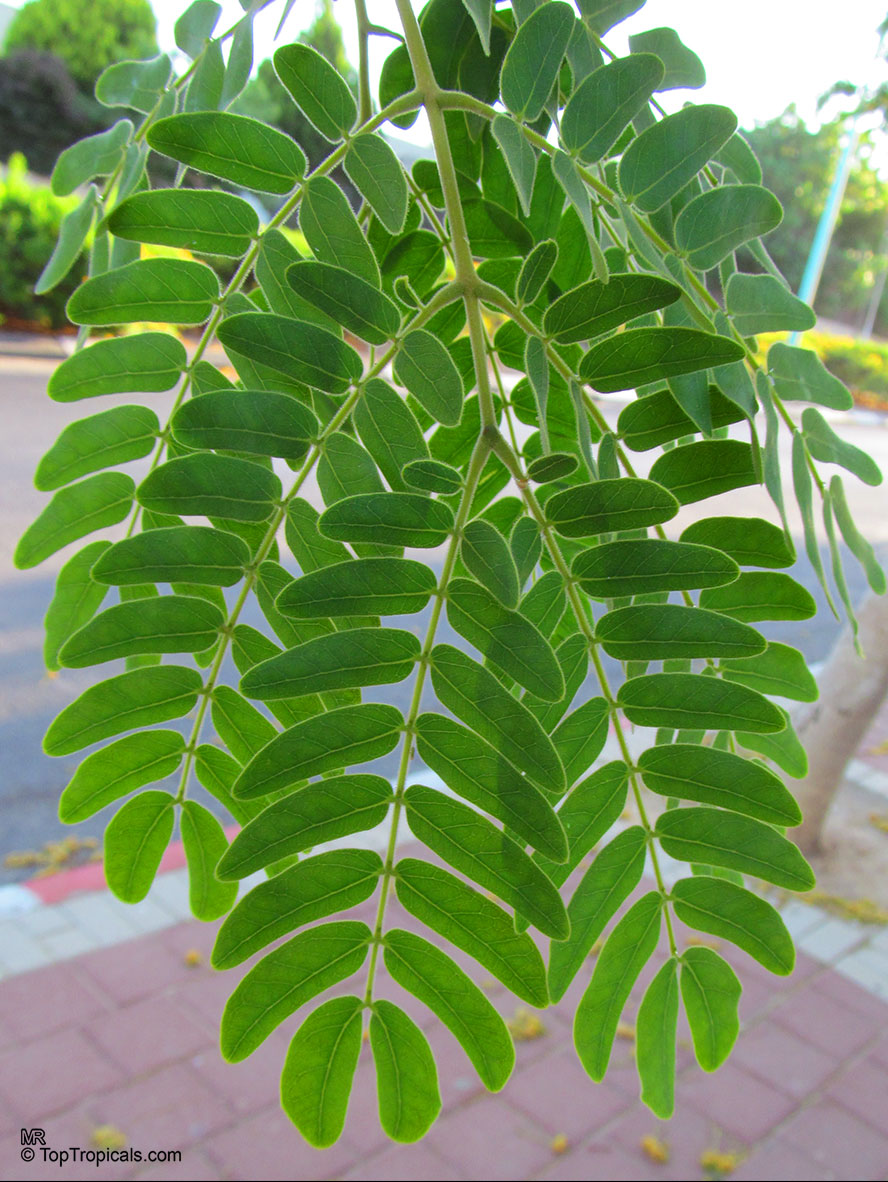
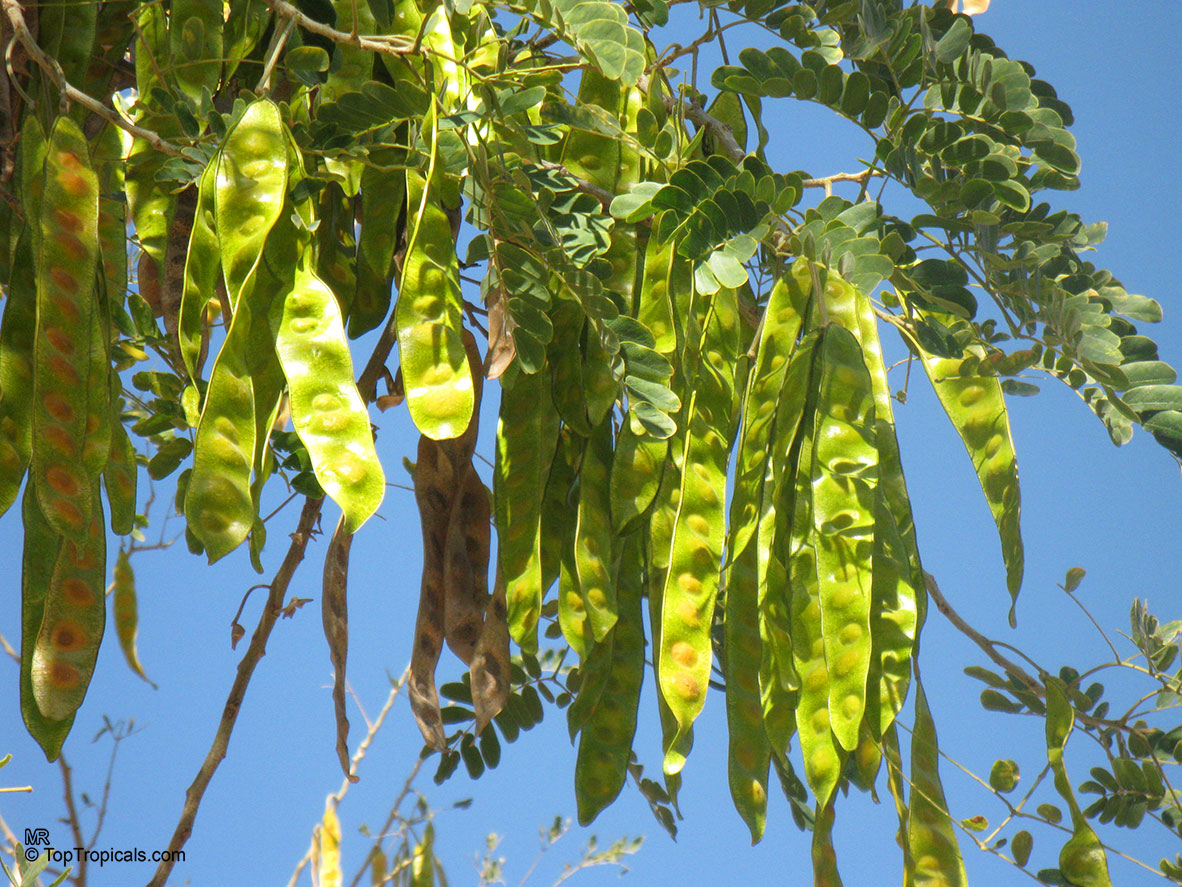
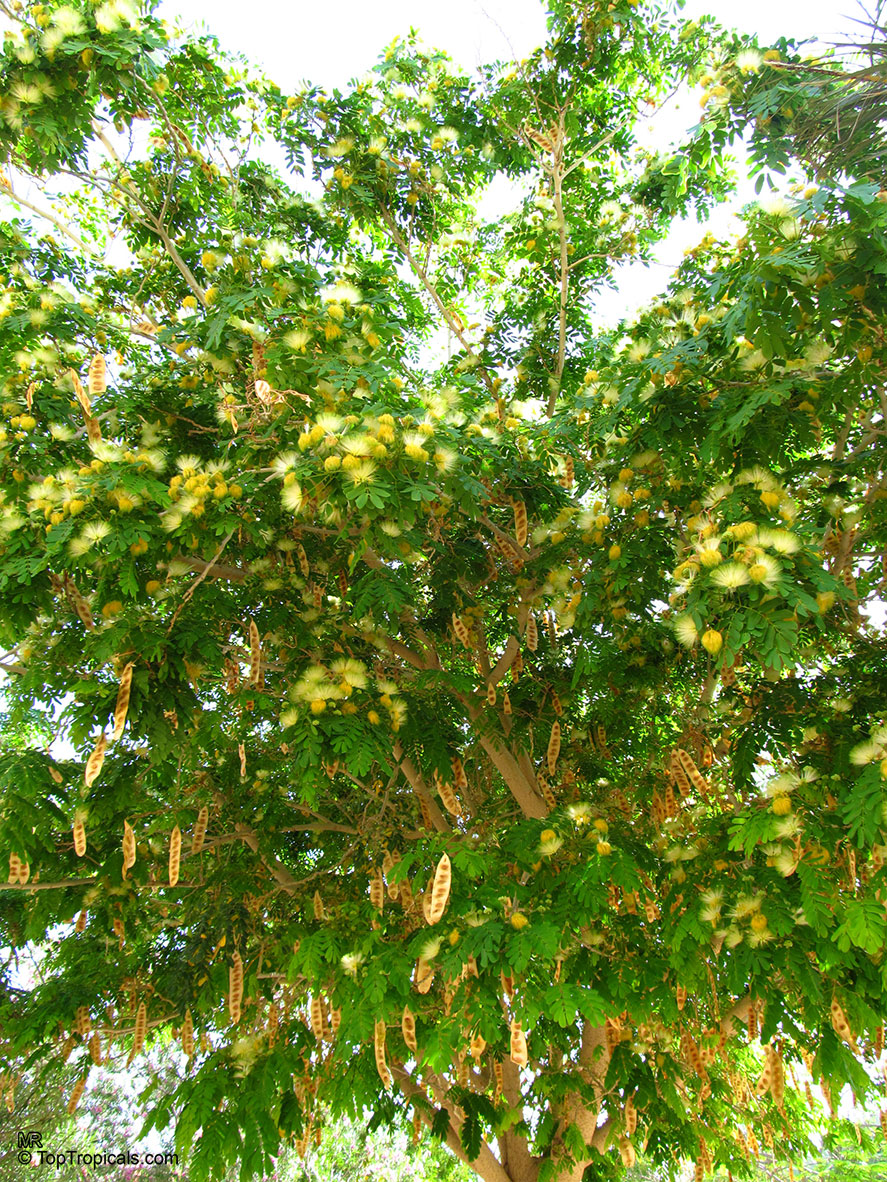

Botanical name: Albizia sp.
Common name: Albizia
Family: Fabaceae
Subfamily: Mimosoideae
USDA Zone: 9-10


Albizia is a genus of about 150 species of mostly fast-growing subtropical and tropical trees and shrubs. The genus is pantropical, occurring in Asia, Africa, Madagascar, America and Australia, but mostly in the Old World tropics.
Species:


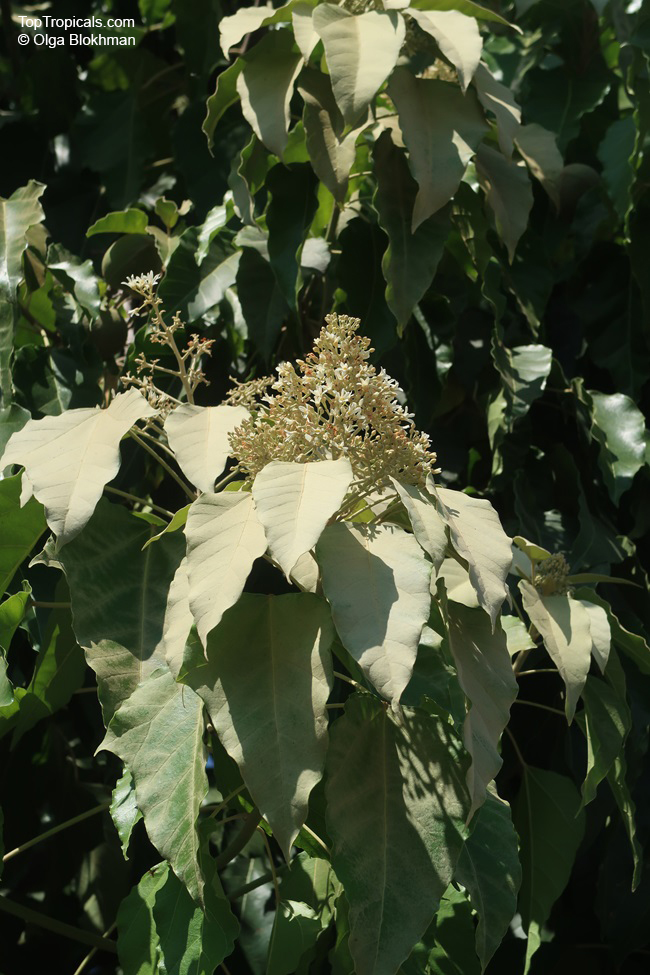
Botanical names: Aleurites moluccana, Aleurites triloba, Croton moluccanus
Common names: Candlenut oil tree, Candleberry, Varnish tree, Indian or Belgaum Walnut, Kemiri, Kukui nut tree
Family: Euphorbiaceae
Origin: Malaysia, Polynesia, Malay Peninsula, Philippines and South Seas Islands
USDA Zone: 10-12


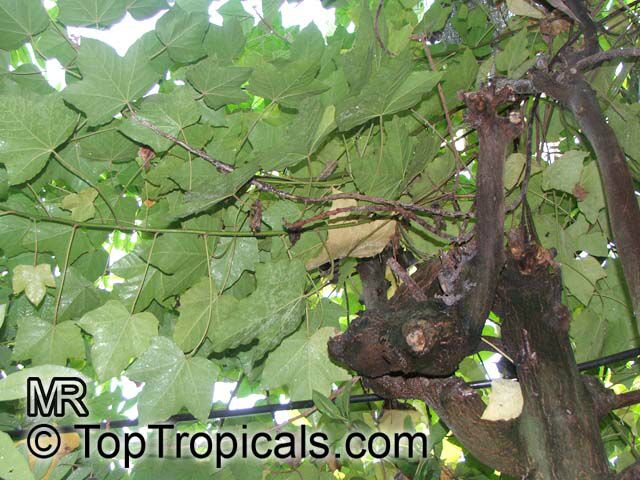
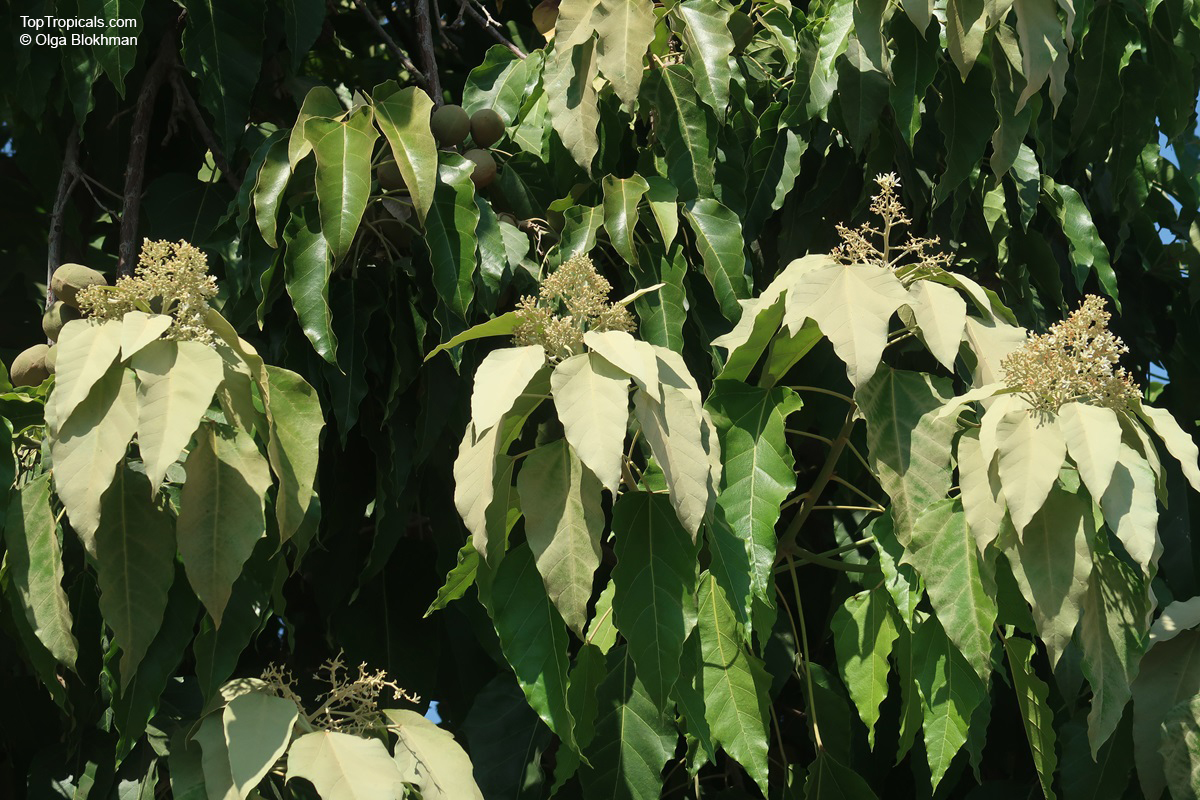
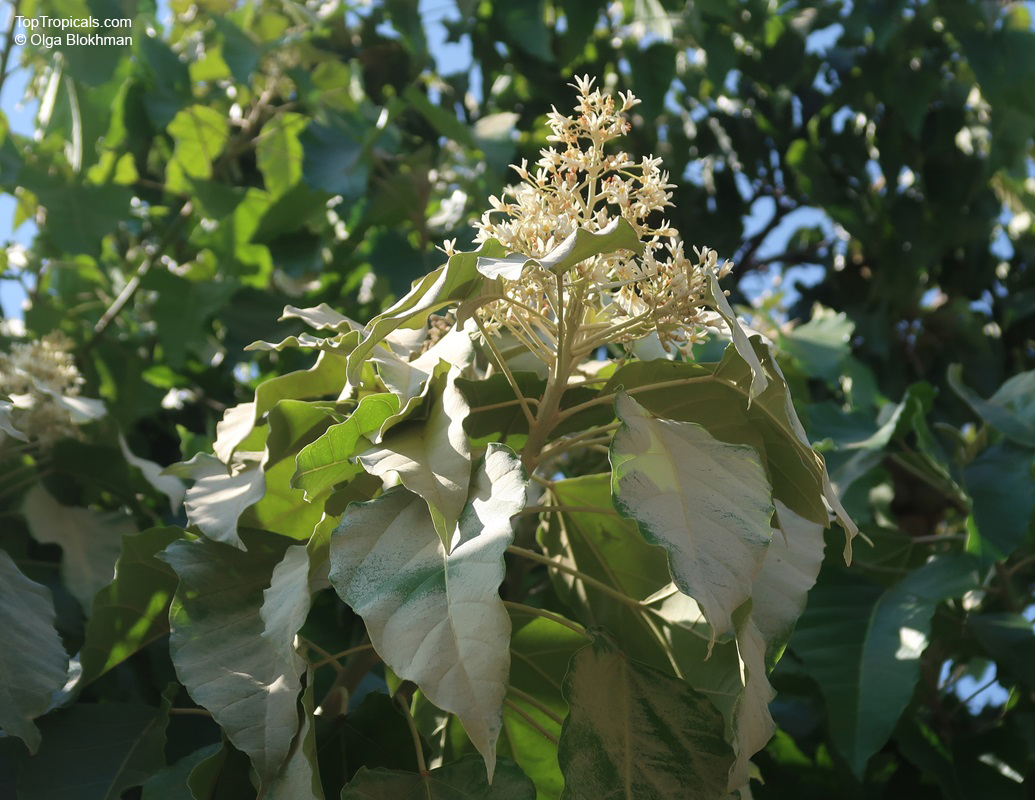
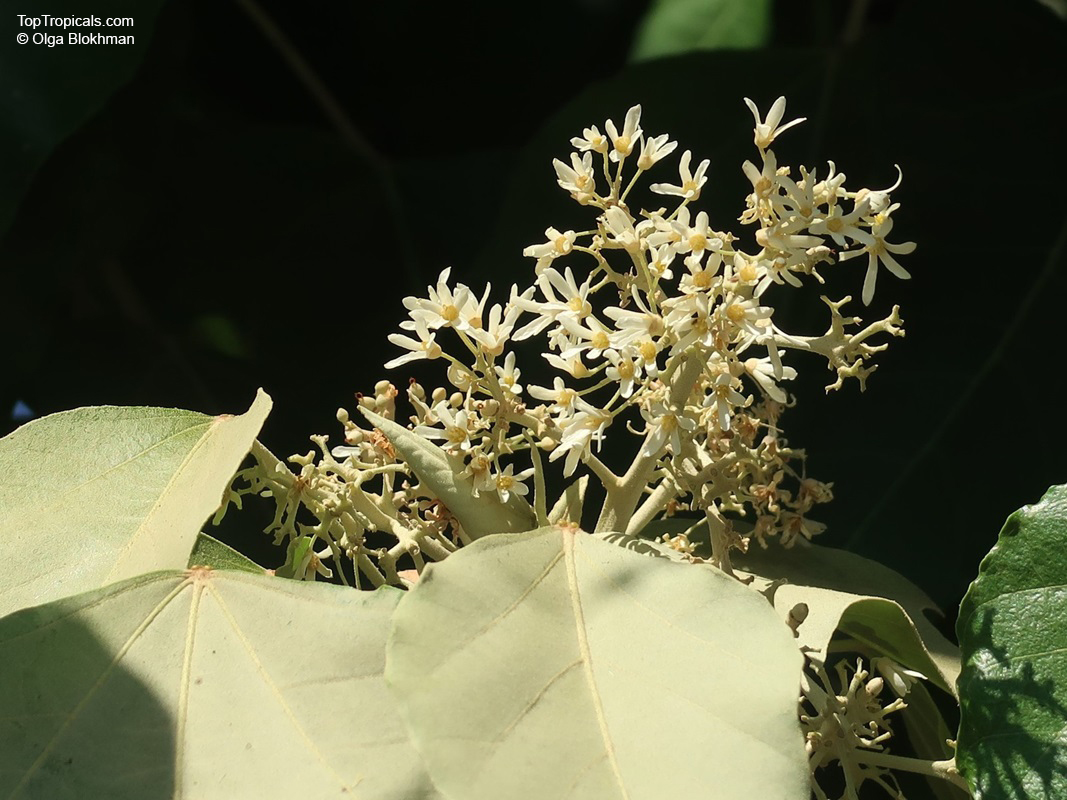
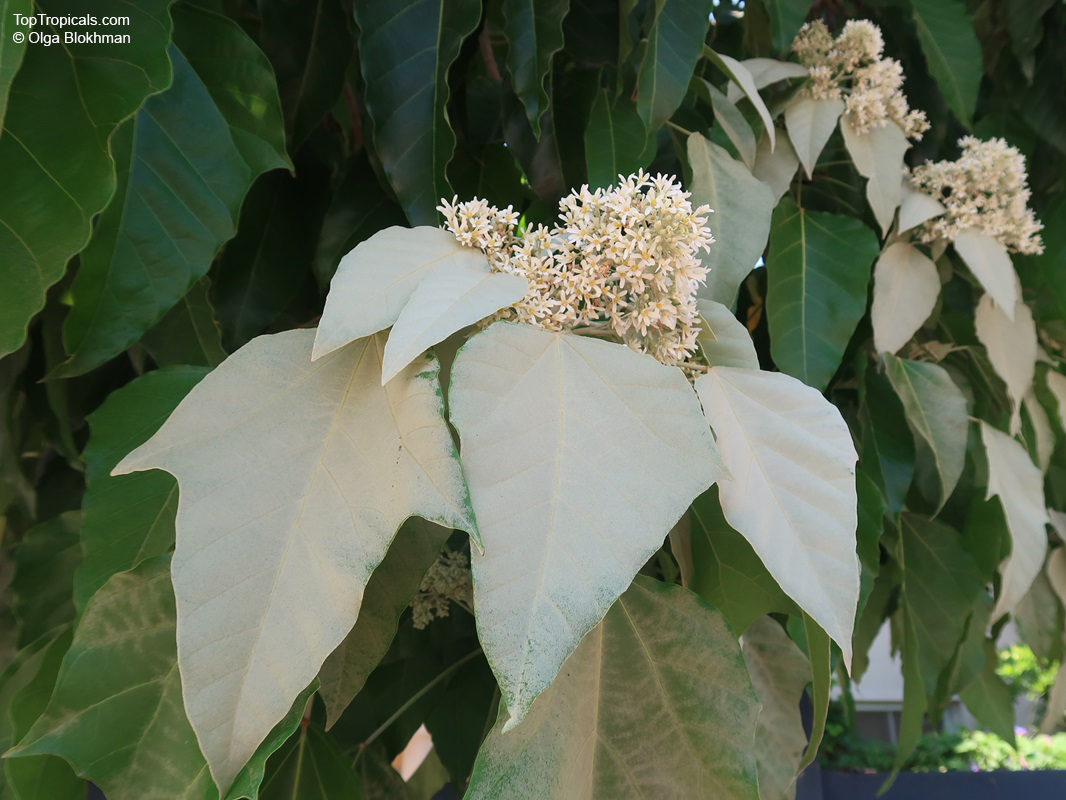
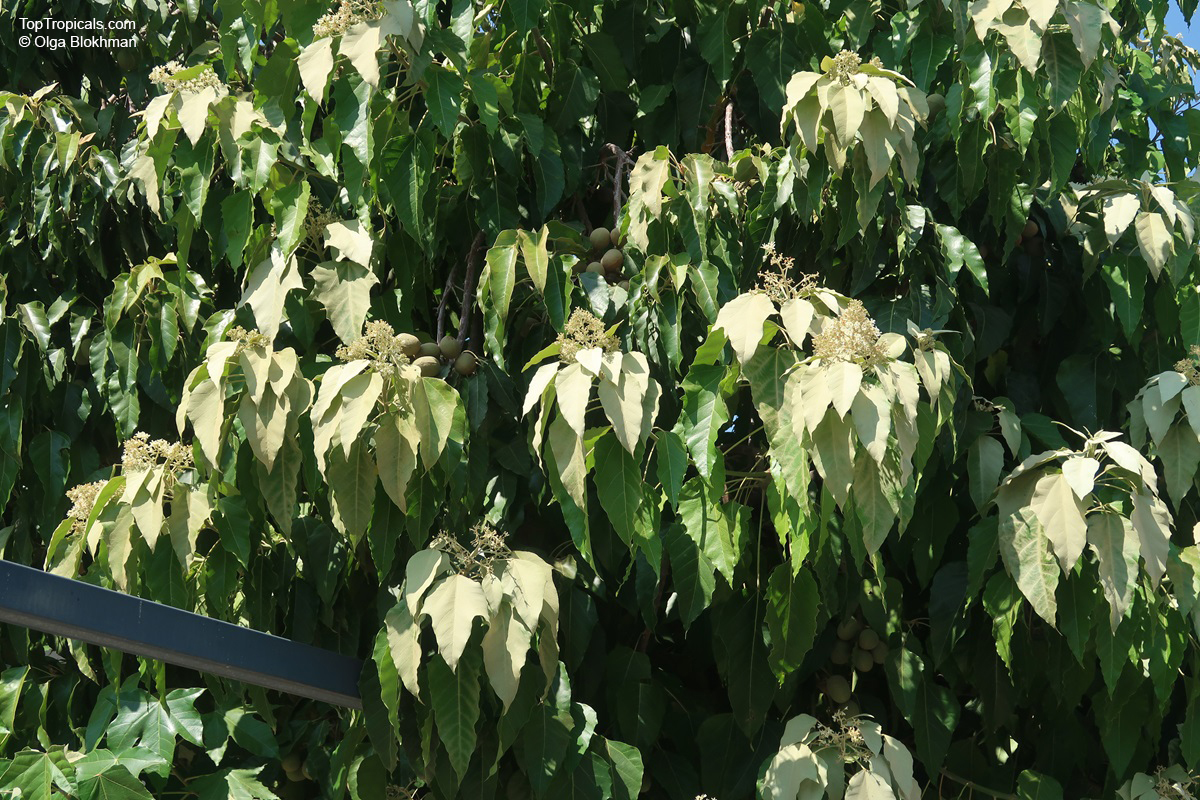
Kukui Nut is a medium to large sized tree with widespreading or pendulous branches. Young leaves are large, up to 12" long. Palmate, shiny leaves on mature trees are ovate, entire, and acuminate. There is a whitish substance above them when young, that becomes green with age, with rusty stellate pubescence beneath when young, and perisiting on veins. Small flowers in rusty-pubescent panicled cymes, dingy white or creamy. Fruit an indehiscent drupe, roundish, 2" or more in diameter. Bears two heavy crops each year, harvested when mature.
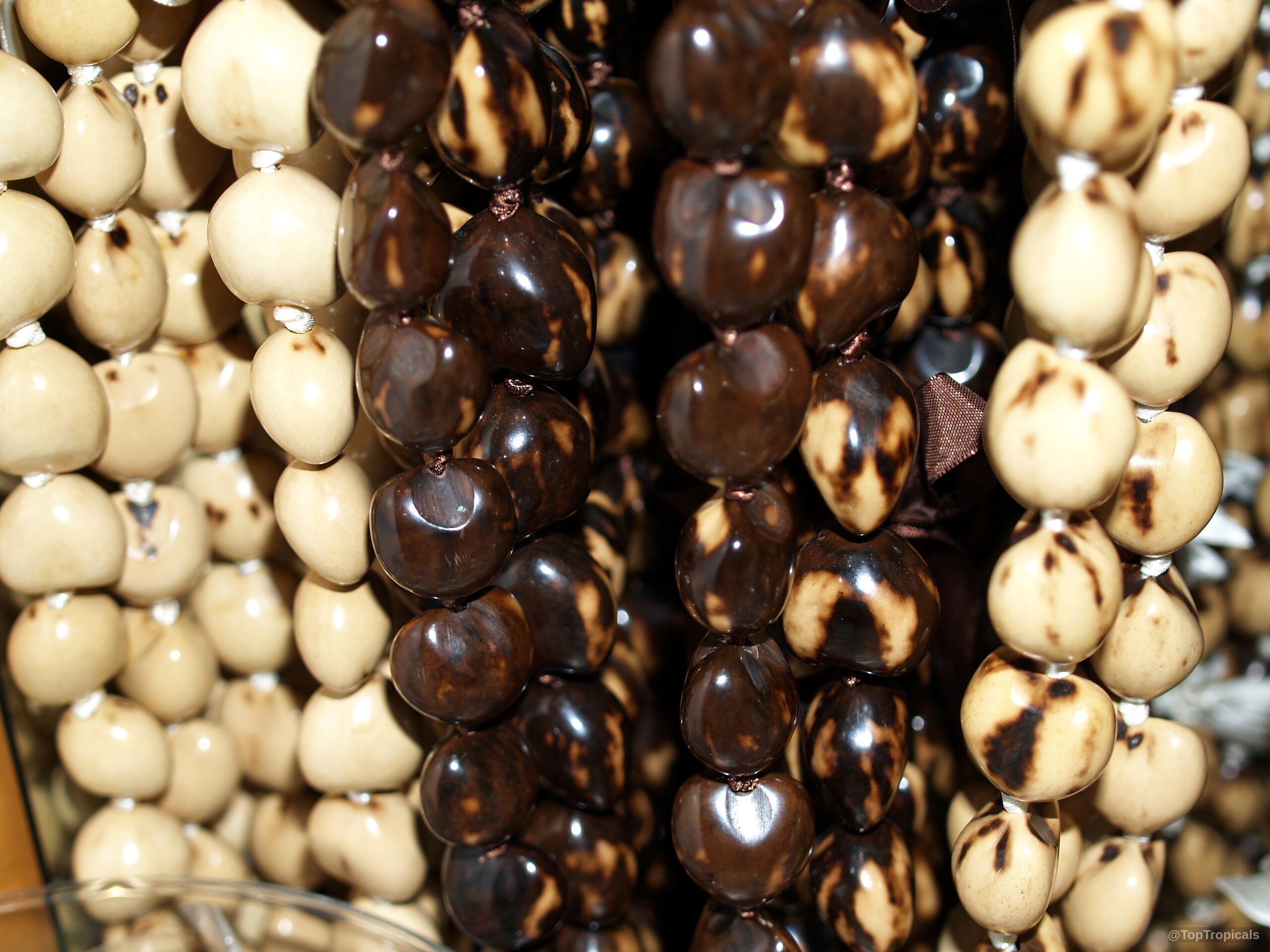
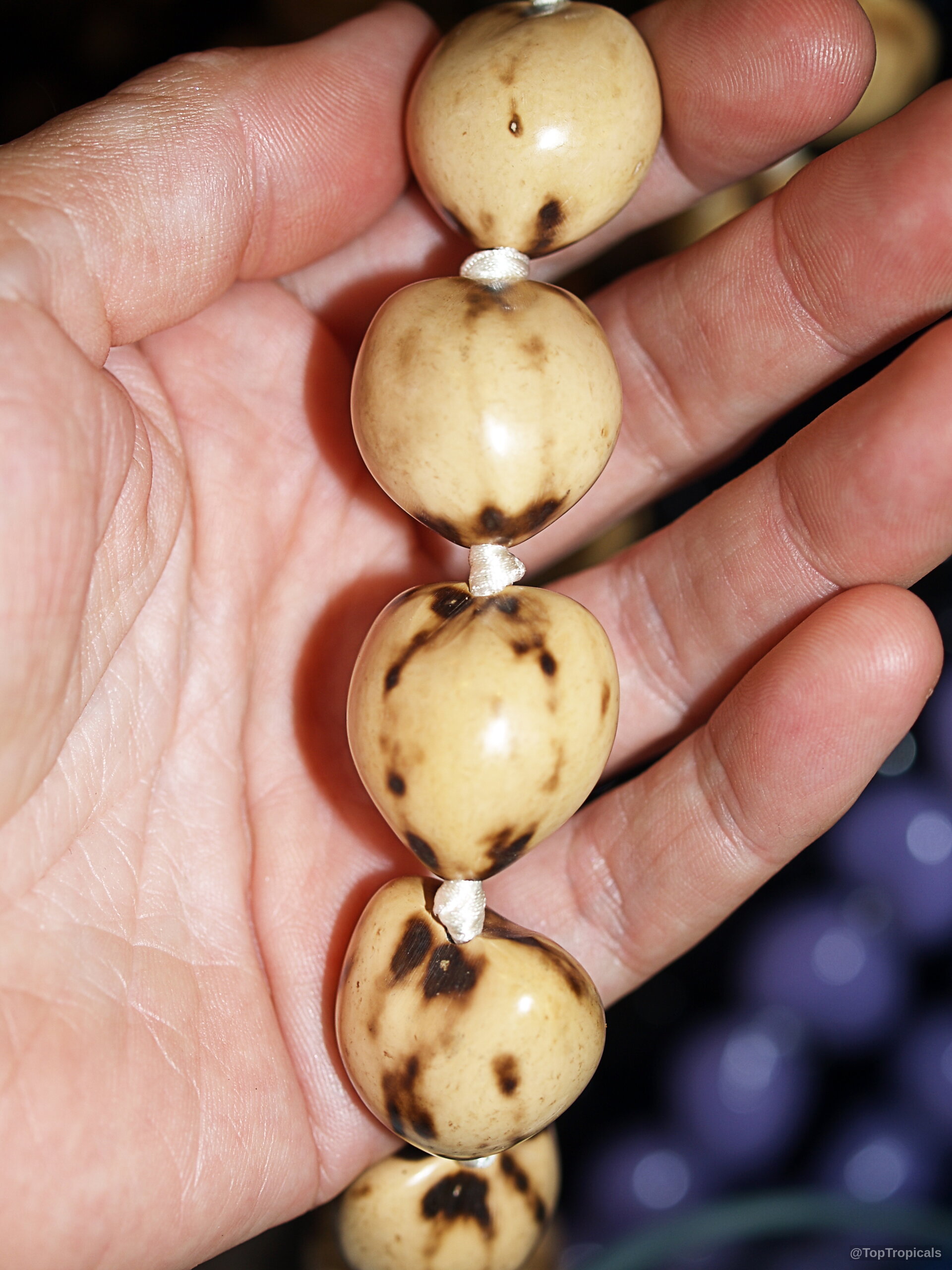
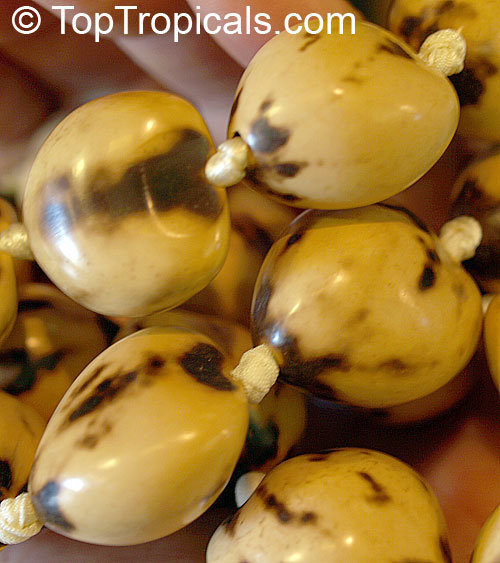
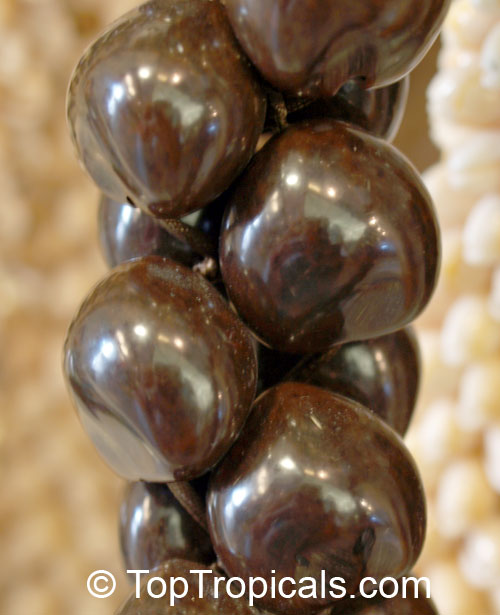
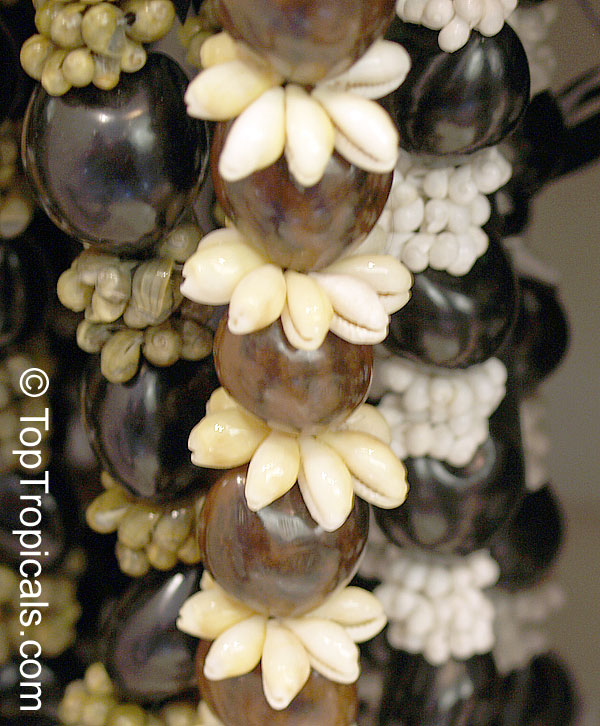
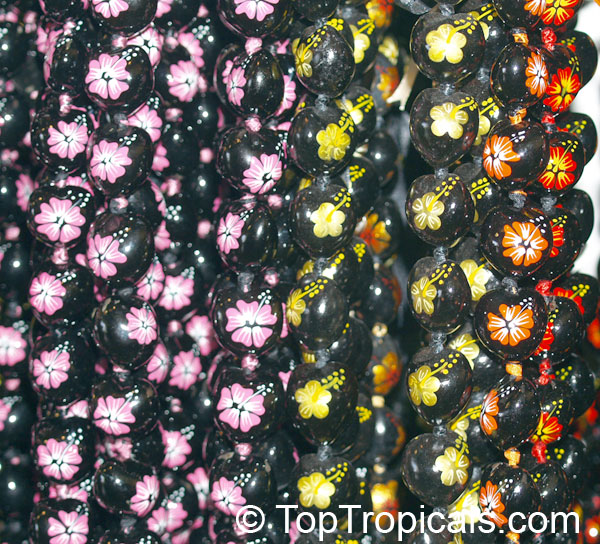
The kukui nut has many uses. Originally it was most valued for its light, the oil of the white kernels being extracted for its use in stone lamps and in ti leaf sheath torches. The tree is sometimes called the Candlenut Tree. The nuts are widely used as a traditional lei, both the hard shells of the polished black, tan or brown, and immature white, which are more rare. The Kukui Nut lei were worn by royalty back in the days of the Hawaiian monarchy (Alii). The kukui nut leis are finished and polished and will last for years. The bark, flowers and nuts are all used for medicine. As food, a small amount of the pounded roasted nuts, plus salt and sometimes chili peppers, is used as a relish and is called inamona. Pure Kukui Nut Oil has been used by Hawaiians for centuries to protect and heal skin exposed to harsh sun, drying winds, and salt water. Kukui Nut Oil penetrates the skin well and is said to be excellent in treating many skin conditions including psoriasis, eczema, aging skin, and acne. Bark used on tumors in Japan. The oil is purgative and sometimes used like castor oil. Kernels are laxative stimulant, and sudorific. The irritant oil is rubbed on scalp as a hair stimulant. In Malaya, the pulped kernel enters poultices for headache, fevers, ulcers, and swollen joints. In Java, the bark is used for bloody diarrhea or dysentery. Bark juice with coconut milk is used for sprue. Malayans apply boiled leaves to the temples for headache.

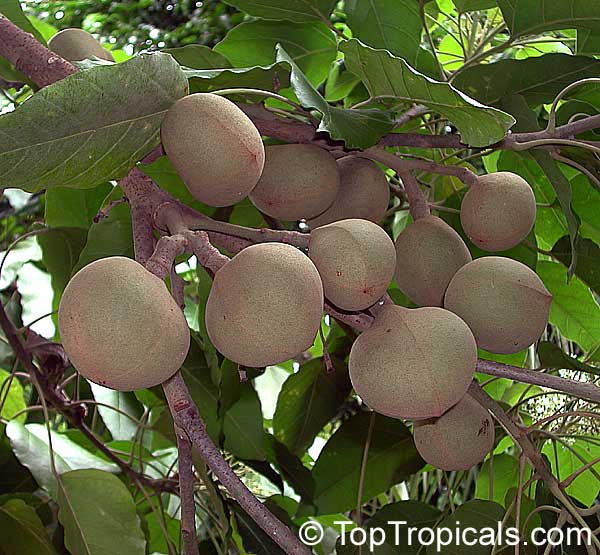
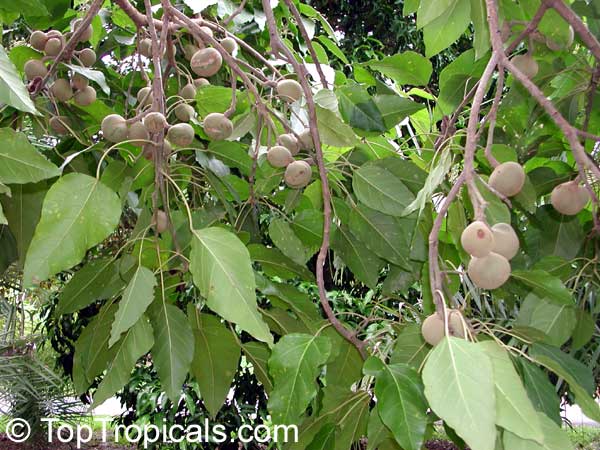

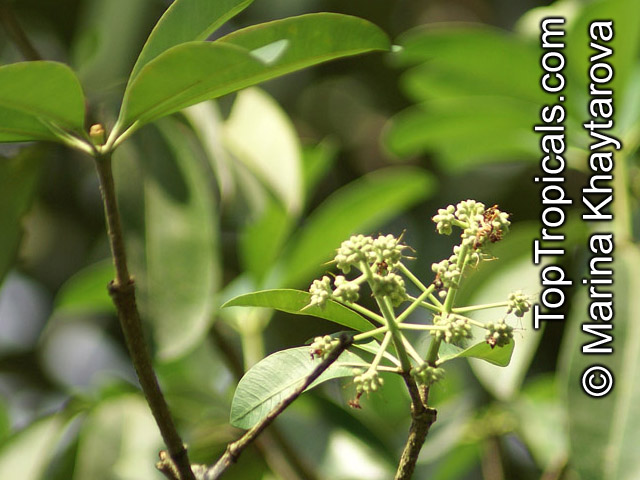
Botanical name: Alstonia angustiloba
Common name: Pulai Tree
Family: Apocynaceae
Origin: Southeastern Asia
USDA Zone: 9-10


The Pulai Tree is a native to Southeastern Asia, and is widely cultivated in tropical and subtropical regions. It can grow to a big tree, typically taller than 20 feet, or a smaller tree, which is 10-20 feet in height. This hardwood evergreen tree prefers full sun or semi-shade and a soil that is evenly moist but can tolerate some drought. It also prefers an acidic soil with a pH of 5.5 to 6.5.
The Pulai Tree produces fragrant white or off-white flowers throughout the year, making it a popular ornamental plant in many regions. It attracts butterflies, hummingbirds, and other pollinators. An ethnomedical plant, it has various medicinal benefits. The latex is used against shingles, boils, abcesses, and ringworm and is an ingredient in chewing gum. The leaves and roots of the tree also possess antifungal and anti-inflammatory properties.
When grown in pots, the Pulai Tree needs regular and even watering and is best placed in a sheltered spot away from cold winds. In areas located in USDA Zones 9-11, the tree can be grown outdoors, otherwise it must be placed over winter in a protected location. However, it is important to note that the plant is potentially poisonous or toxic when taken internally, so it should be kept away from children. With regular care and maintenance, the Pulai Tree can bring year-round beauty and fragrance to any garden or home.
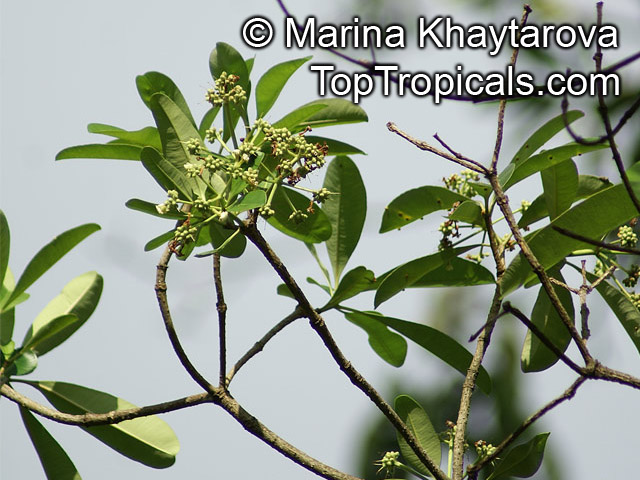
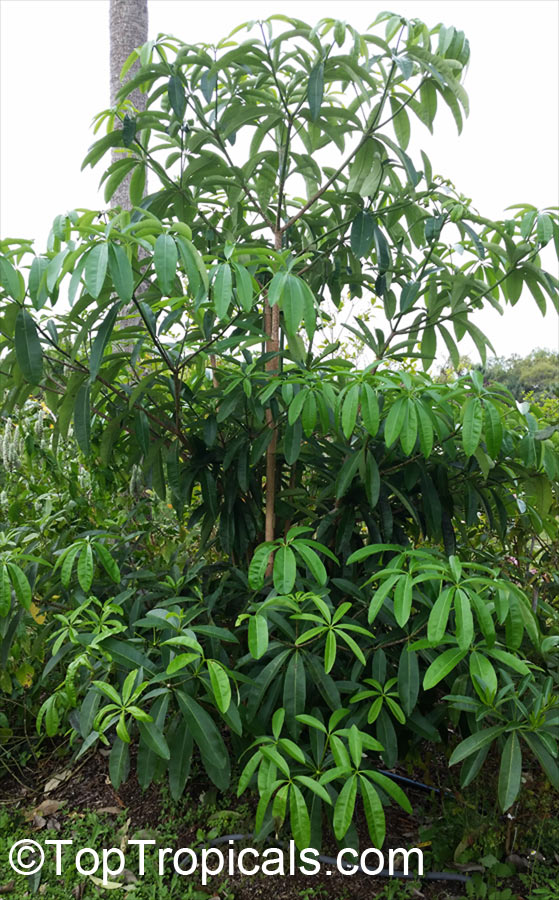
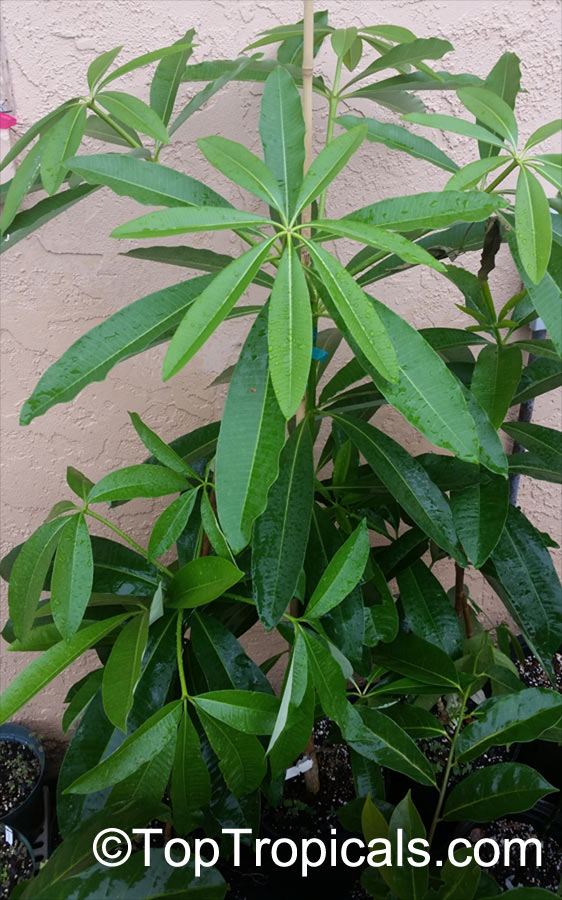
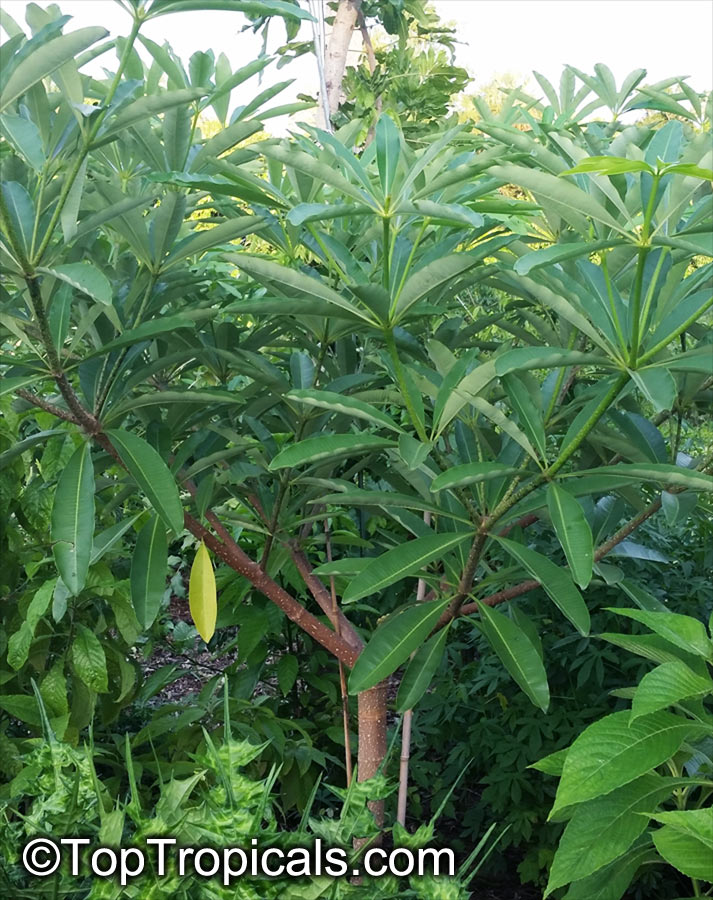
Botanical name: Alstonia scholaris
Common names: Blackboard Tree, Indian Devil Tree, Sapthaparni, Ditabark, Milkwood Pine, White Cheesewood
Family: Apocynaceae
Origin: Southeastern Asia
USDA Zone: 9-10

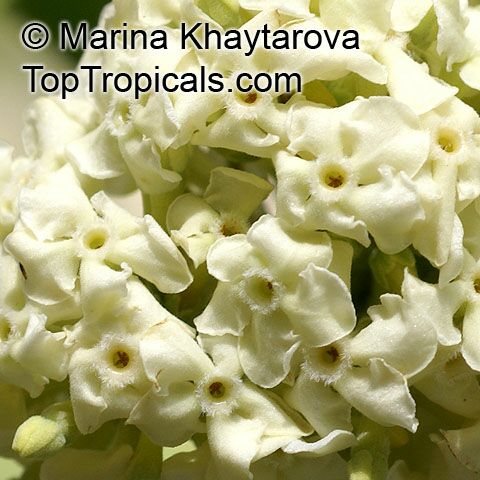
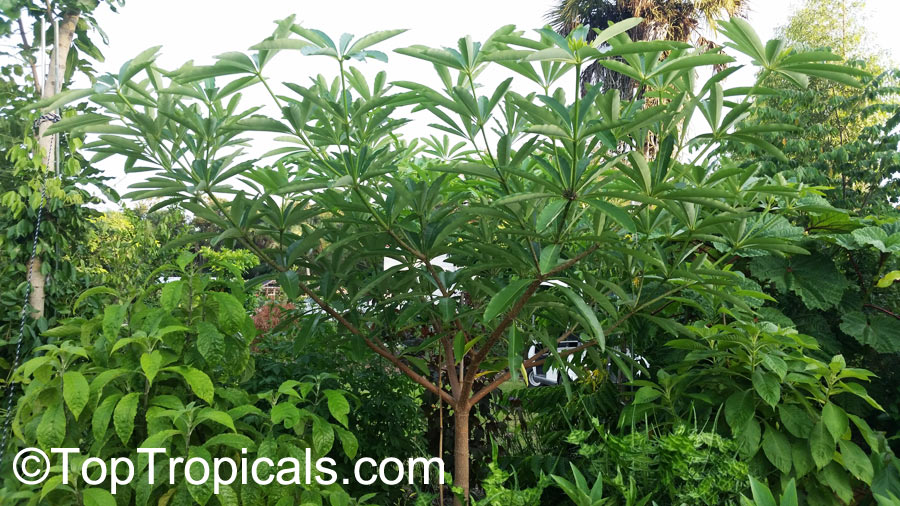
This fascinating rare plant with white, strongly perfumed flowers is valued as a fast growing, impressive ornamental shade tree.
Popularly known as Devil Tree, as plant is believed to the devil's abode - probably due to the intoxicating fragrance emitted by flowering trees, especially at night.
The tree is of great cultural significance in the intellectual circle, as traditionally its leaves were awarded to scholars and teachers during convocation ceremonies by the Visva Bharati University (can't think of a better name than Alstonia scholaris!). This tradition was started by Rabindranath Tagore.
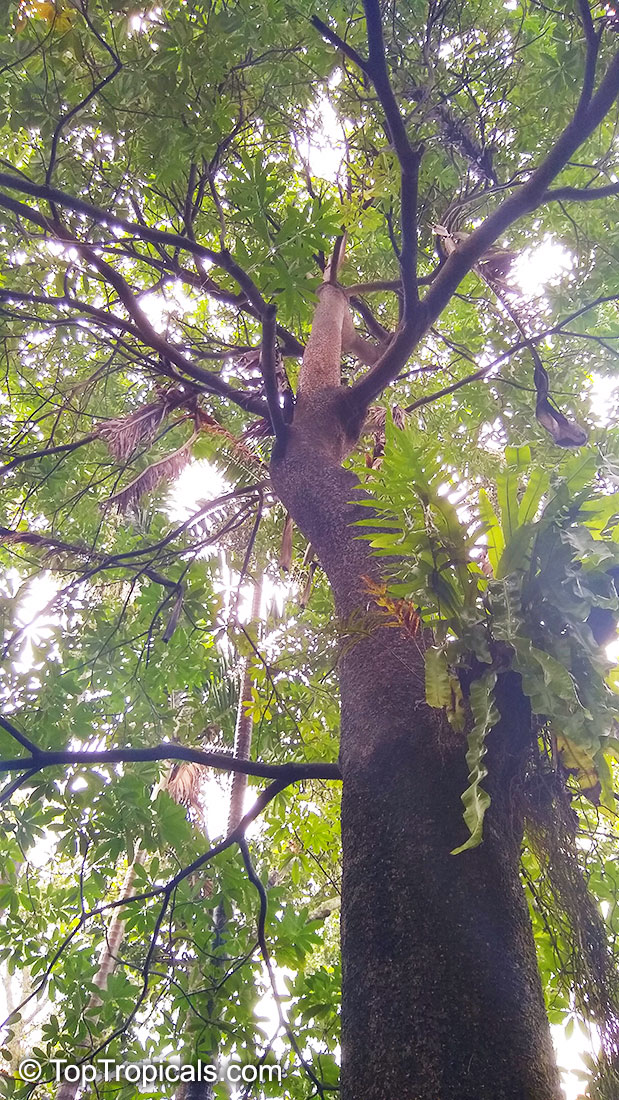

Botanical names: Alstonia spectabilis, Alstonia linearis, Alstonia longissima
Common name: Hard Milkwood
Family: Apocynaceae
Origin: Australia
USDA Zone: 9-10


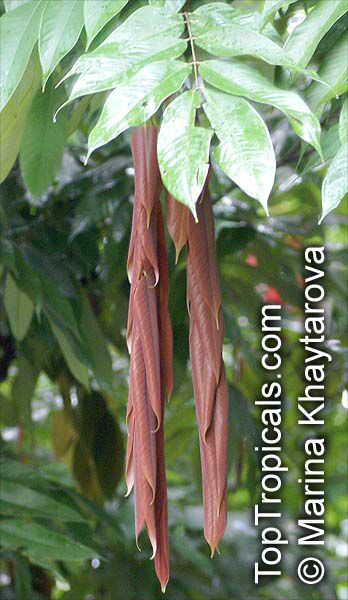
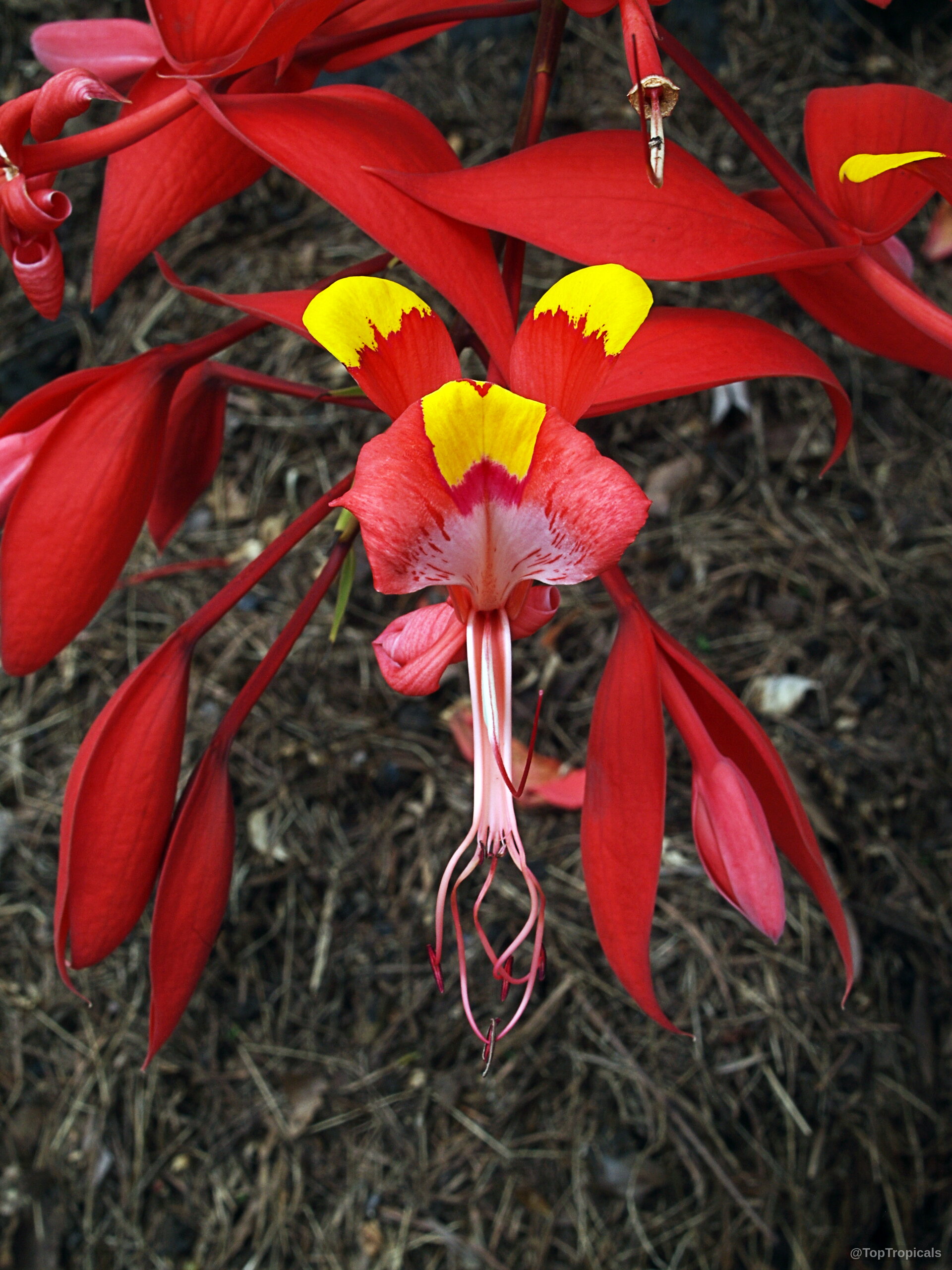
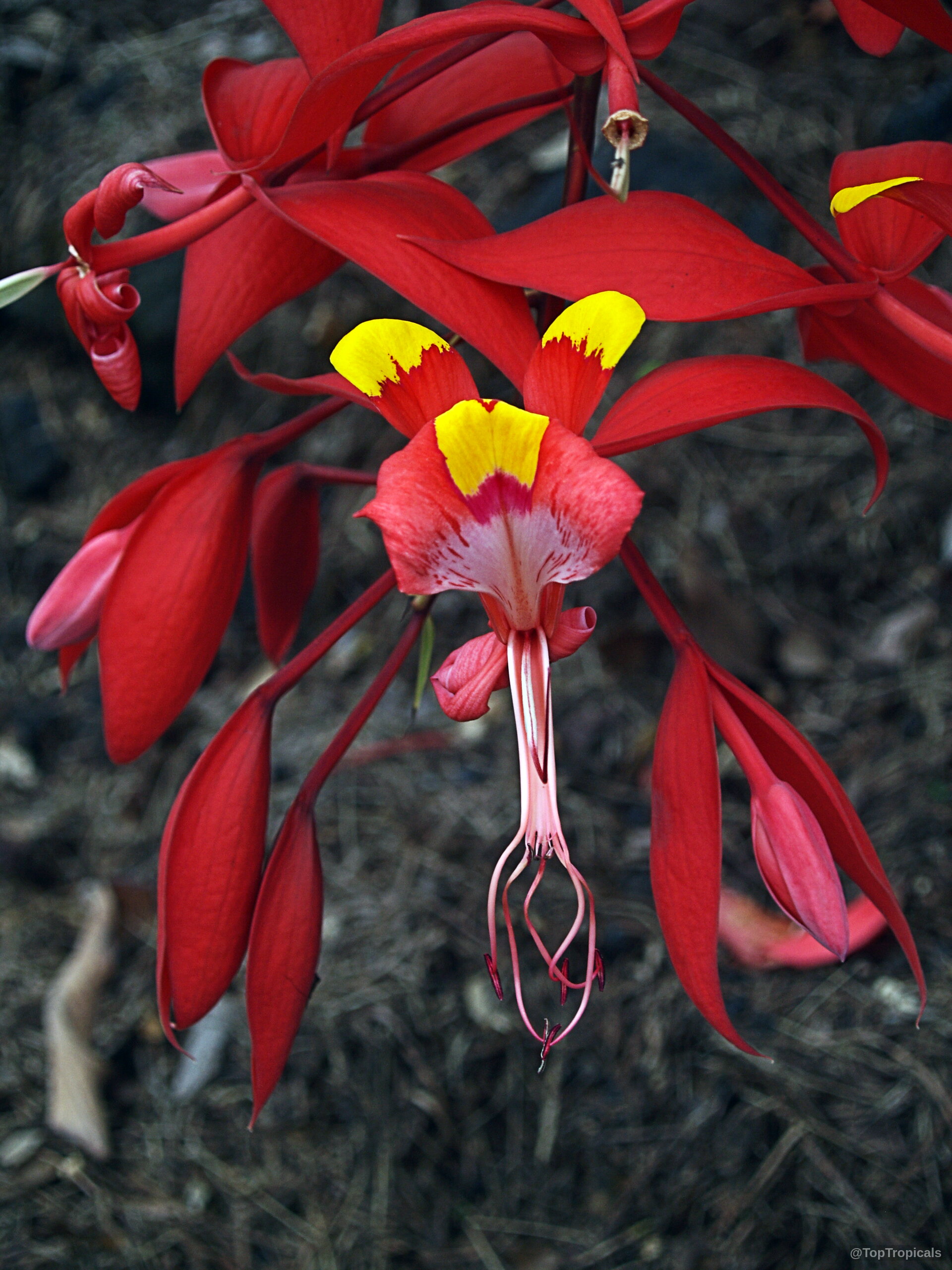
Botanical name: Amherstia nobilis
Common names: Pride of Burma, Orchid Tree
Family: Fabaceae
Subfamily: Caesalpinioideae
Origin: Myanmar (Burma)
USDA Zone: 10-11

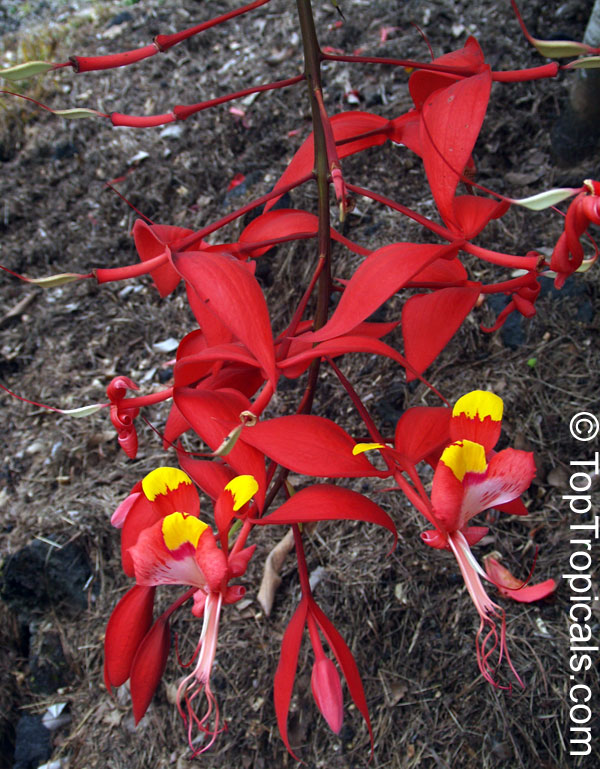
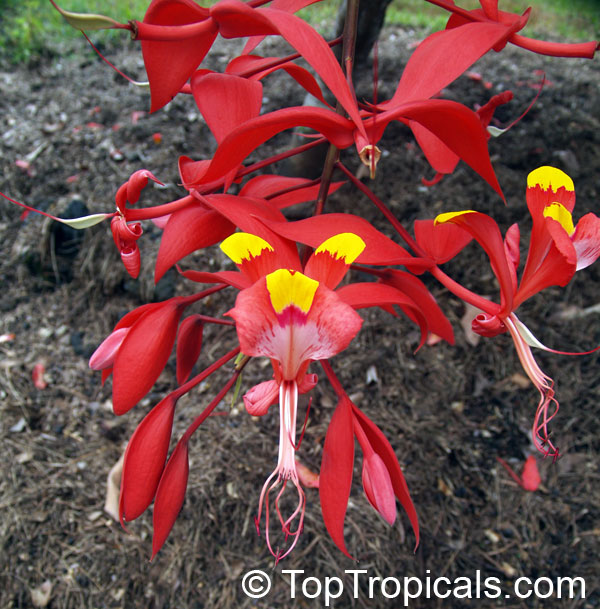
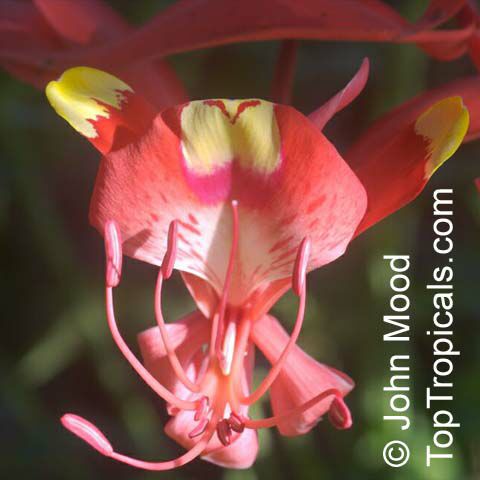
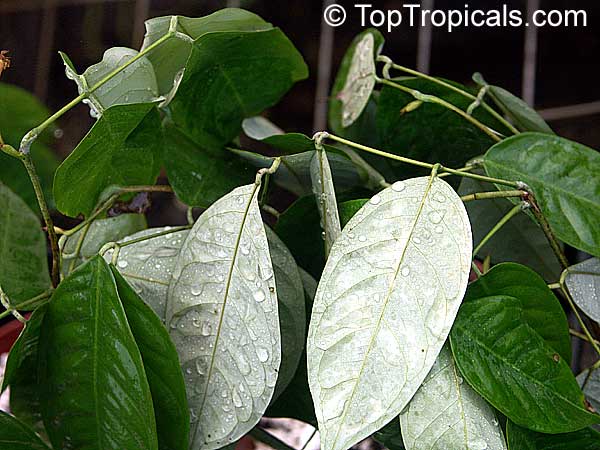
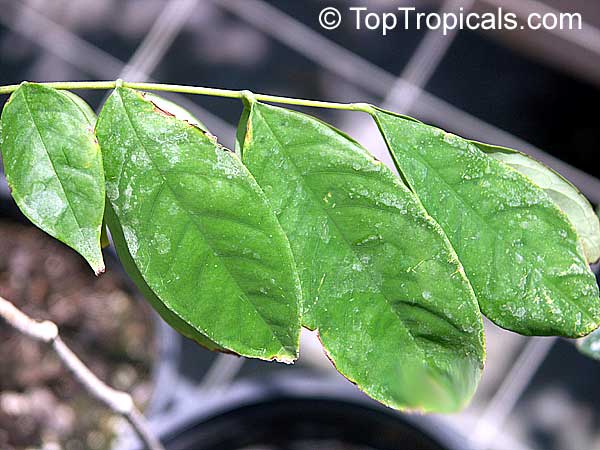
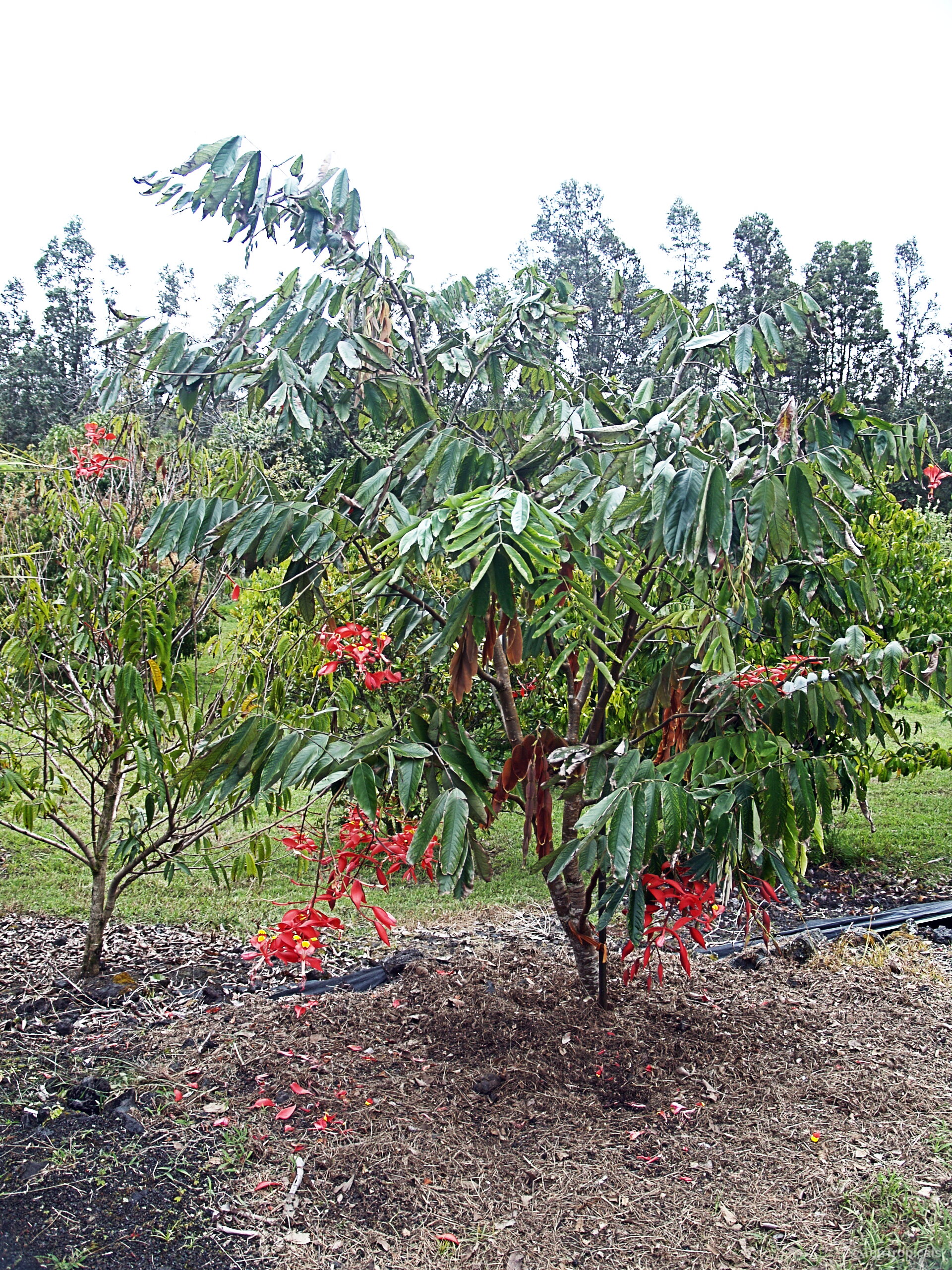
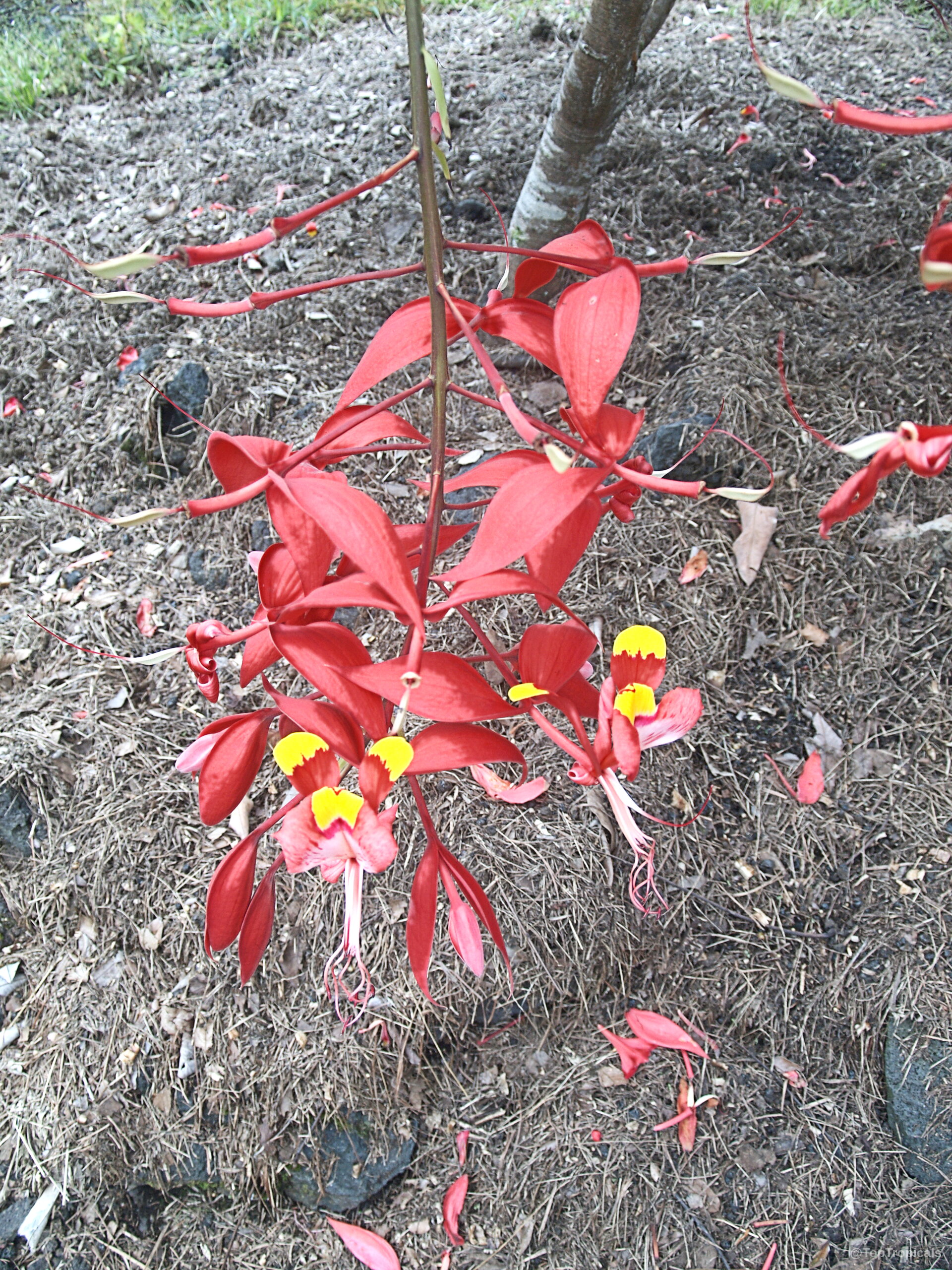
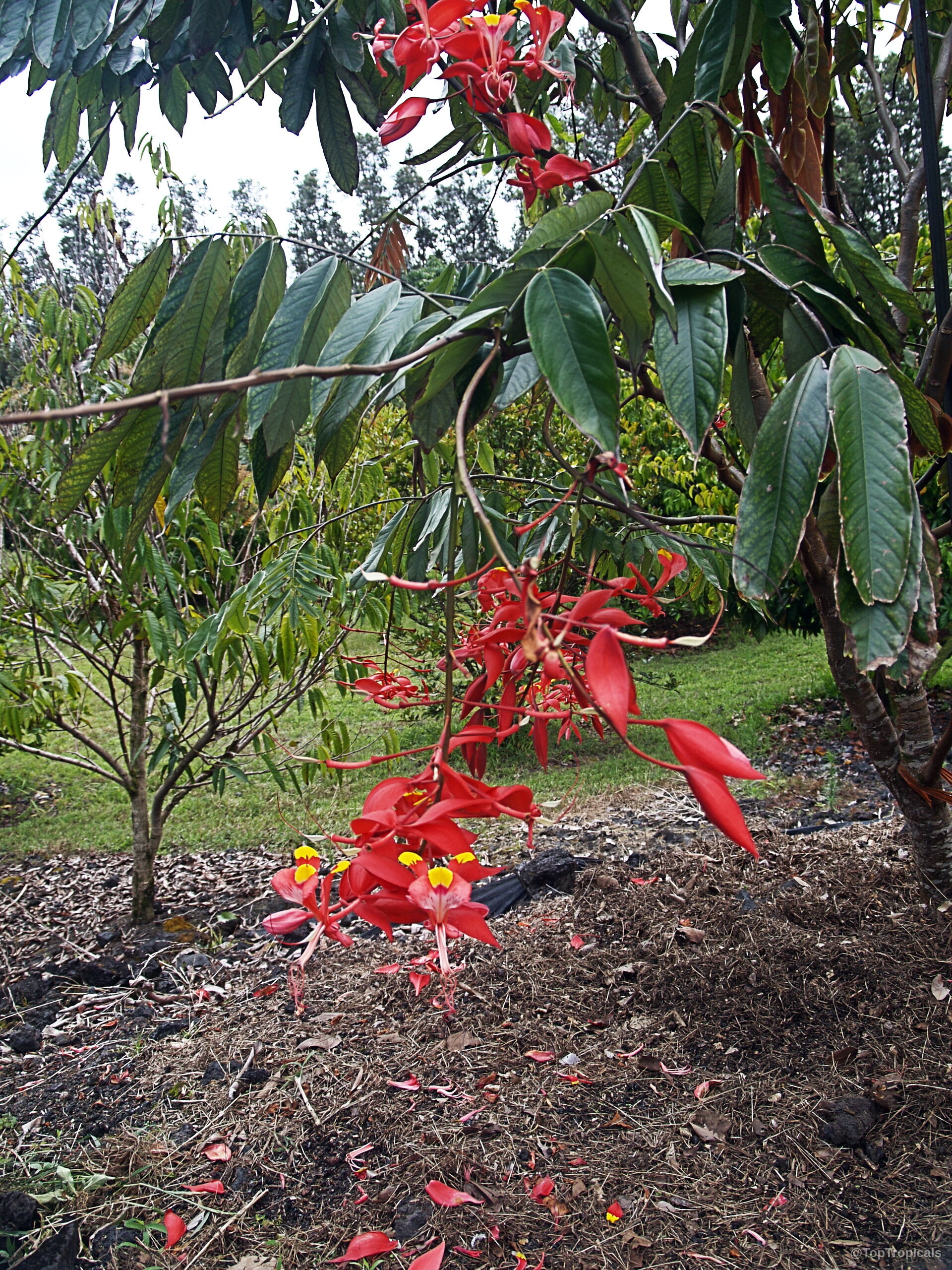
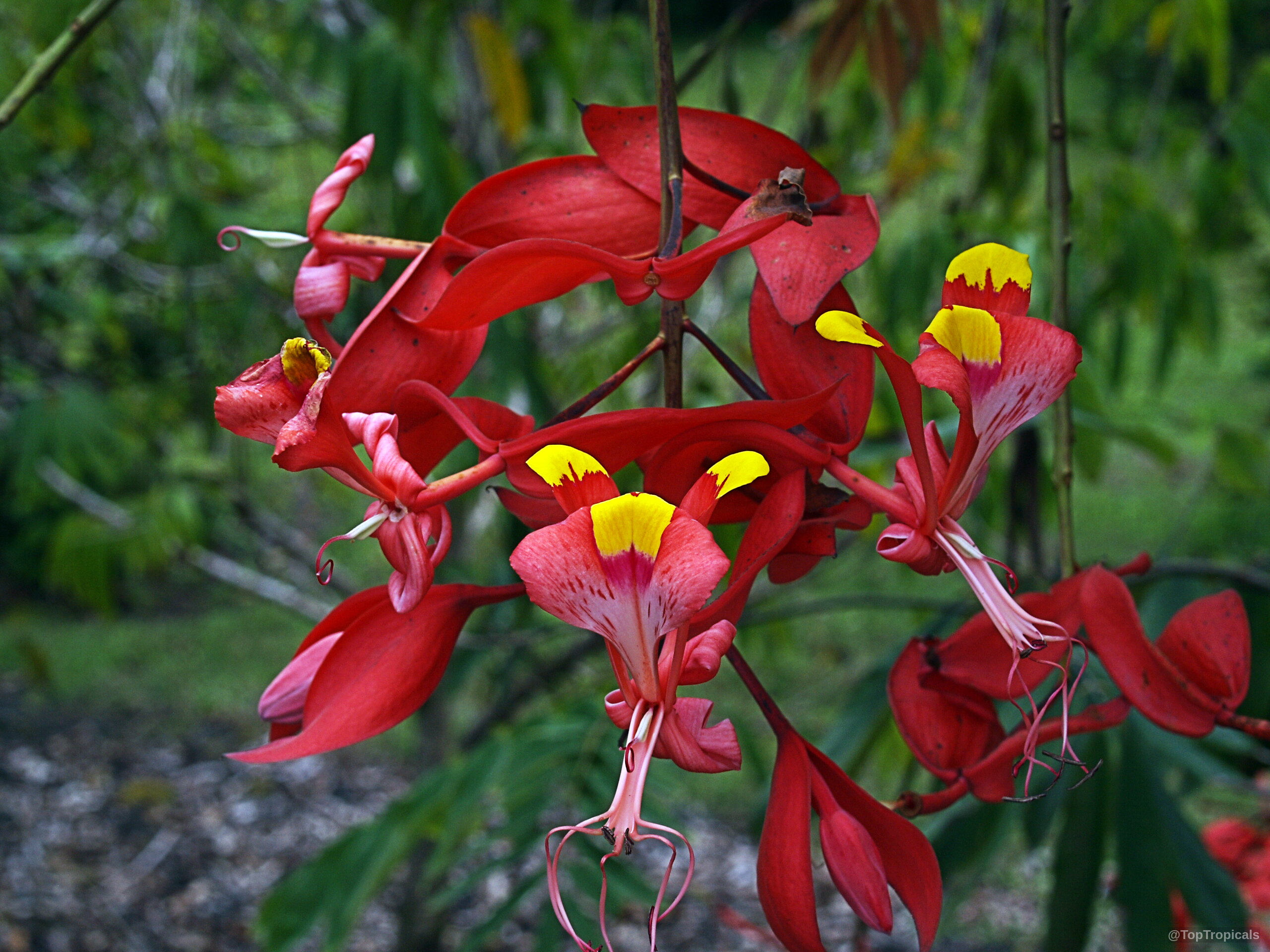
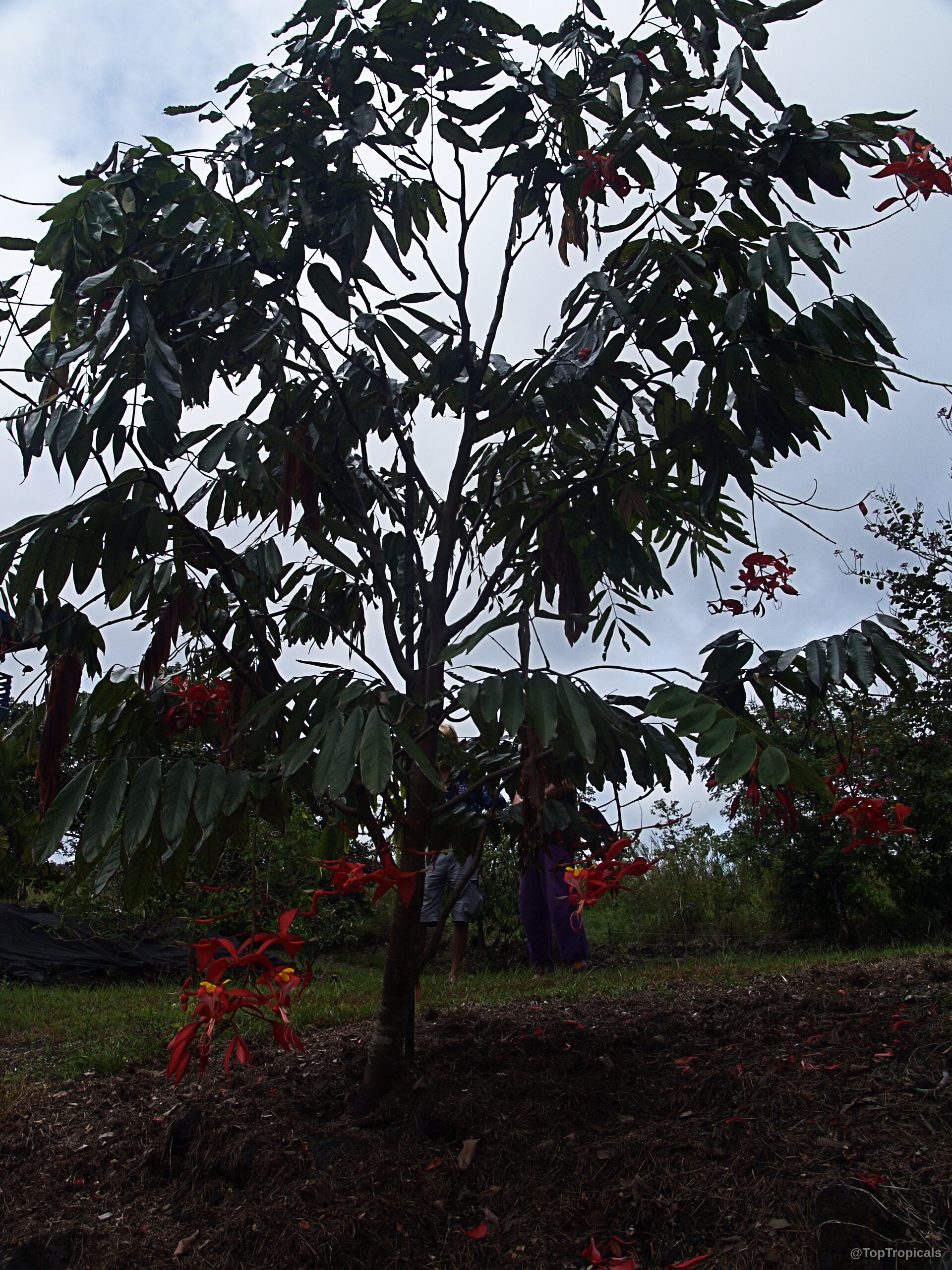
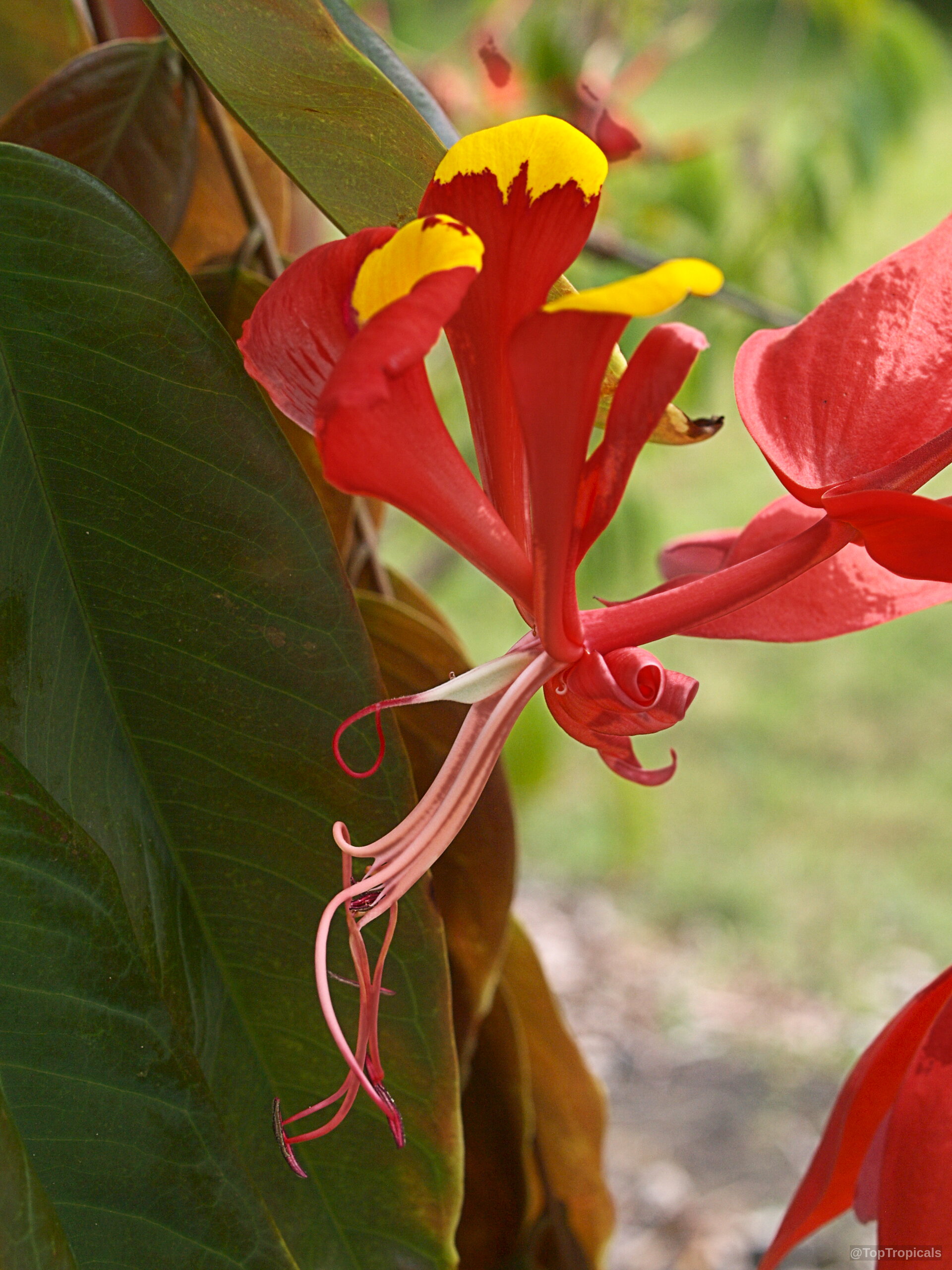
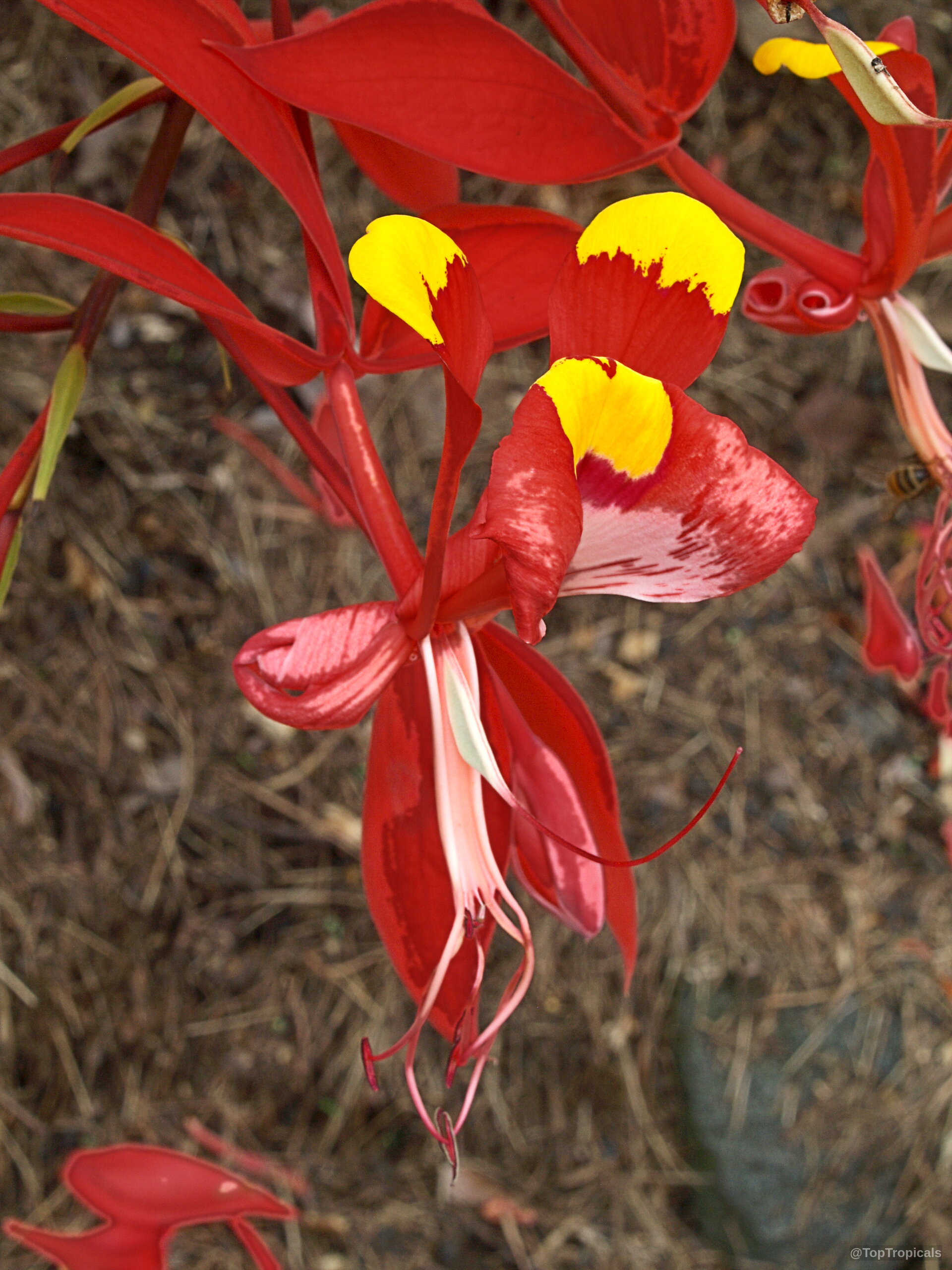
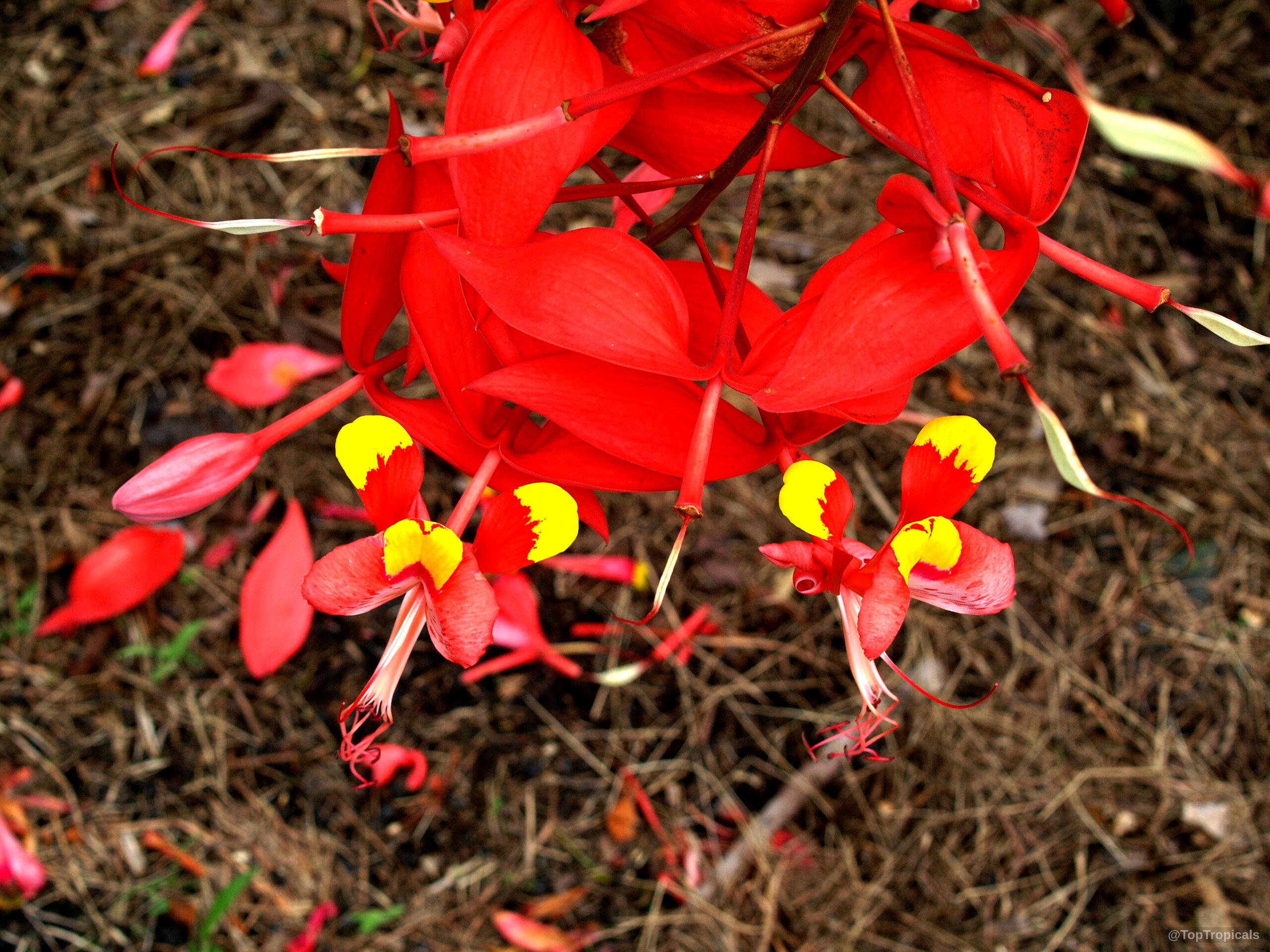
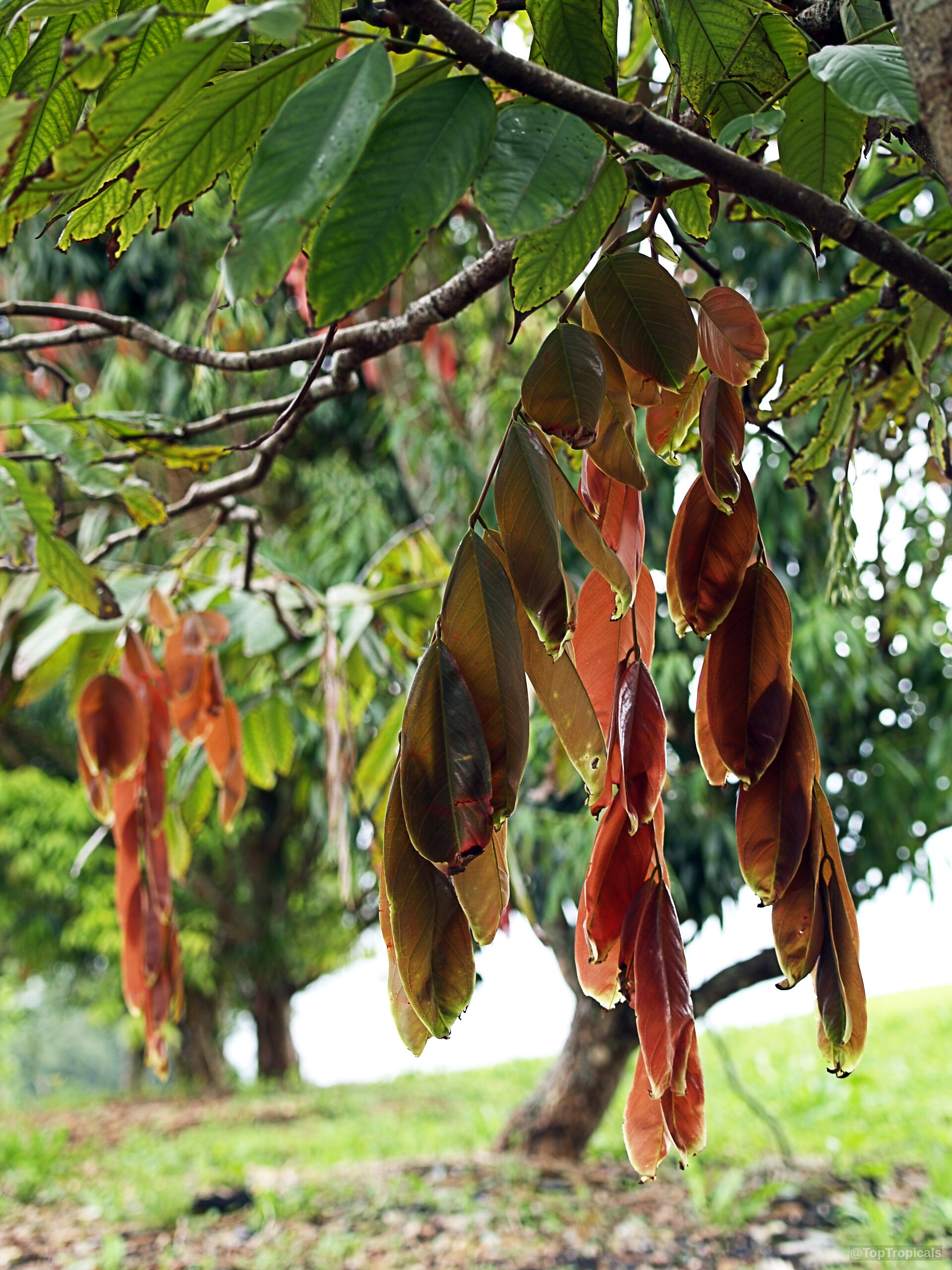
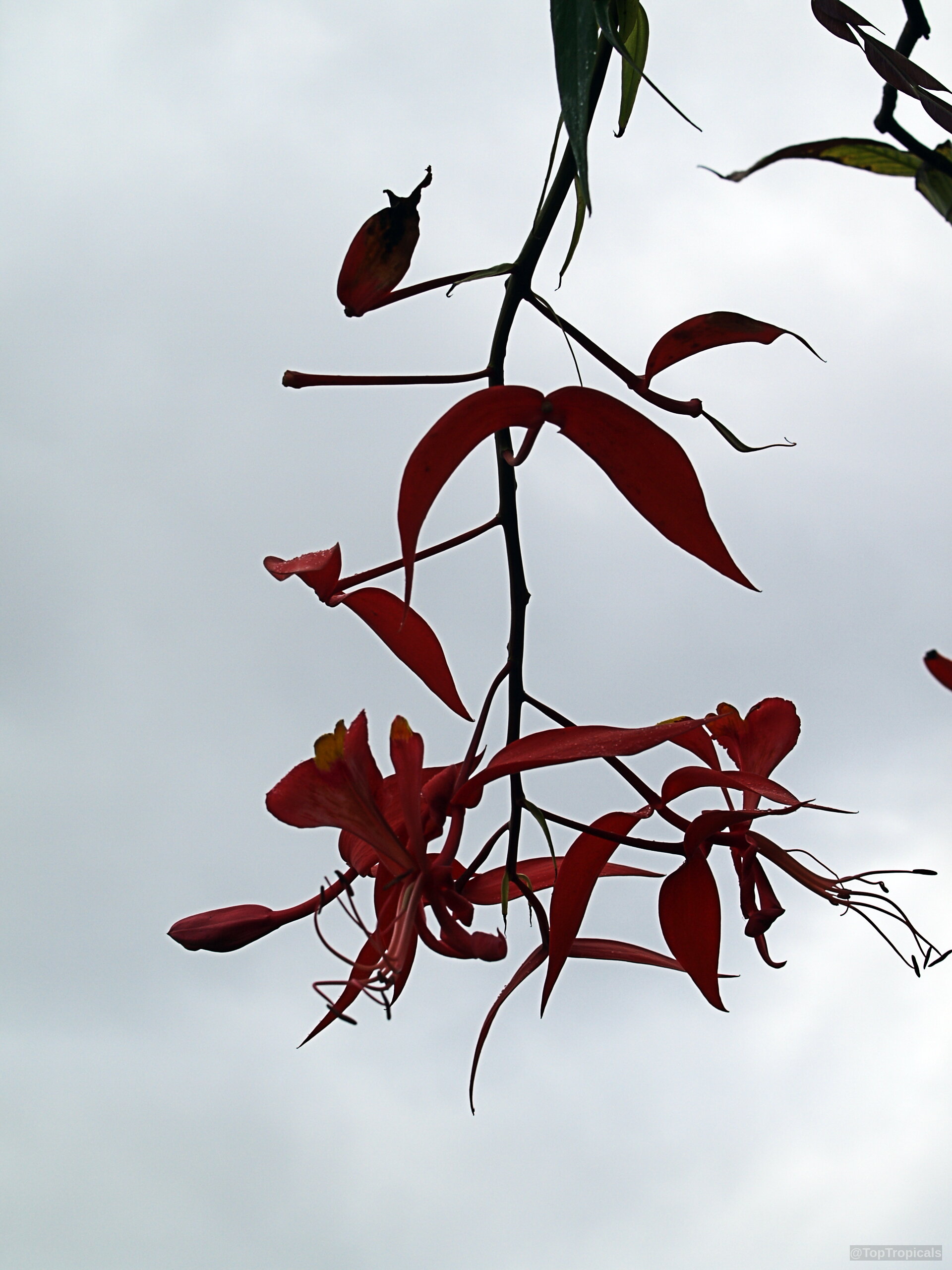
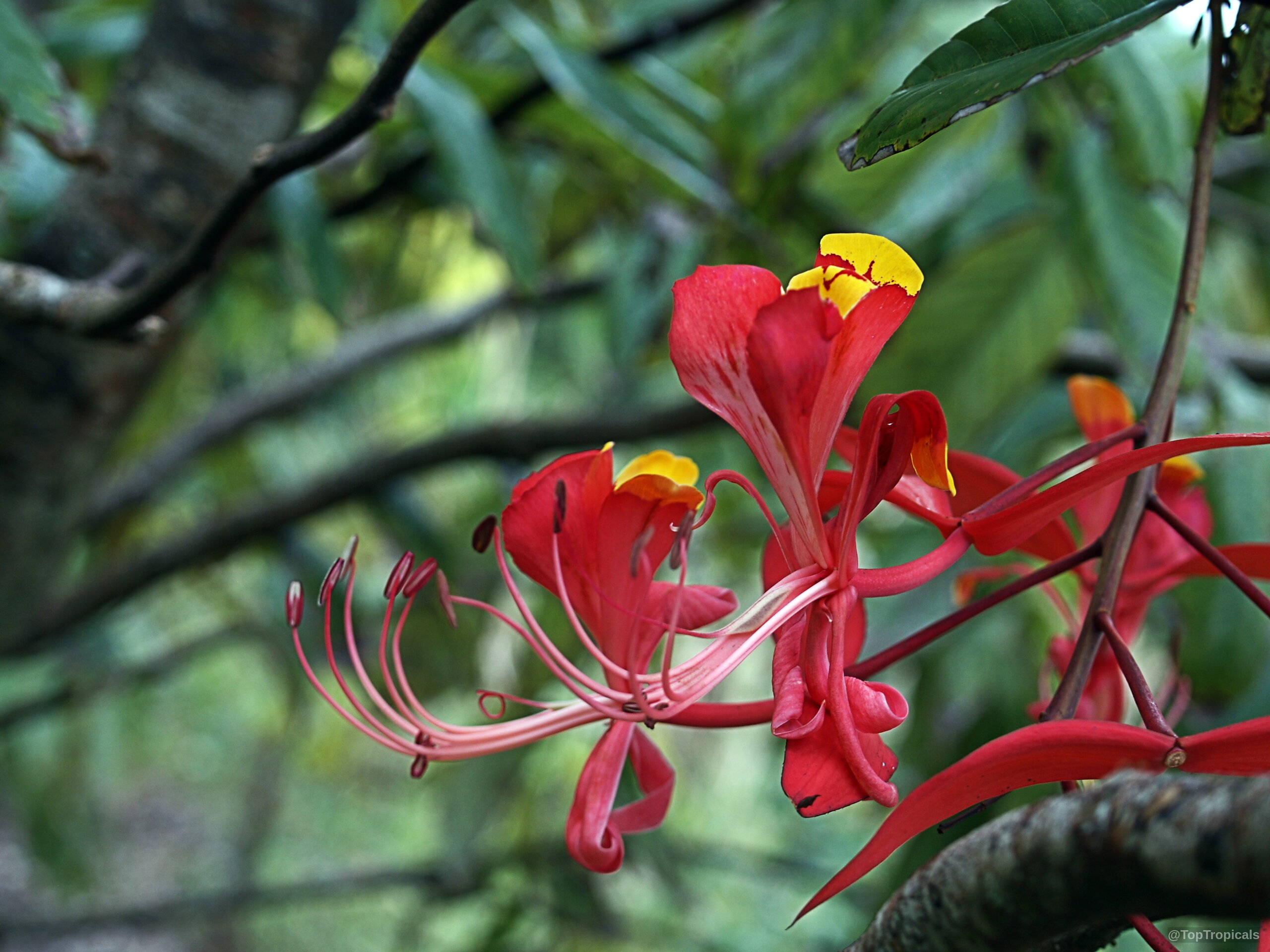
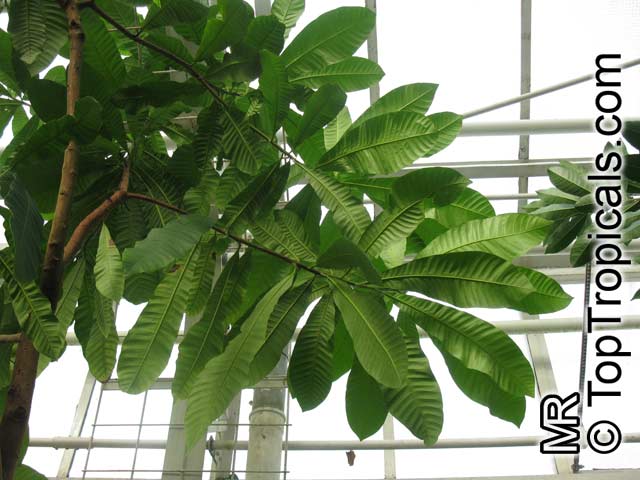
Perhaps the most beautiful of flowering tropical trees, certainly attractive enough to earn the sobriquet Queen of Flowering Trees. Obscure origins add to the mystique of this noble petite tree. It has only been collected from the wild a couple of times, in the forests of Burma, leading to its common name Pride of Burma. The tree has compound leaves and a great profusion of large, irregular, yellow-spotted scarlet flowers. The genus is named after Lady Sarah Amherst, who collected plants in Asia in the early Nineteenth century. Not only is she commemorated in one of the most beautiful of the worlds trees, she also lends her name to Lady Amherst pheasant one of the most elegant birds. The new leaves are produced in flaccid pale tassels that turn purplish before they green and open out. When not in flower, Amherstia looks similar to Saracca, another Asian legume genus. The leaves unfurl in handkerchief fashion like the Brownea and Maniltoa. New leaf growth is reddish, hangs down at first.
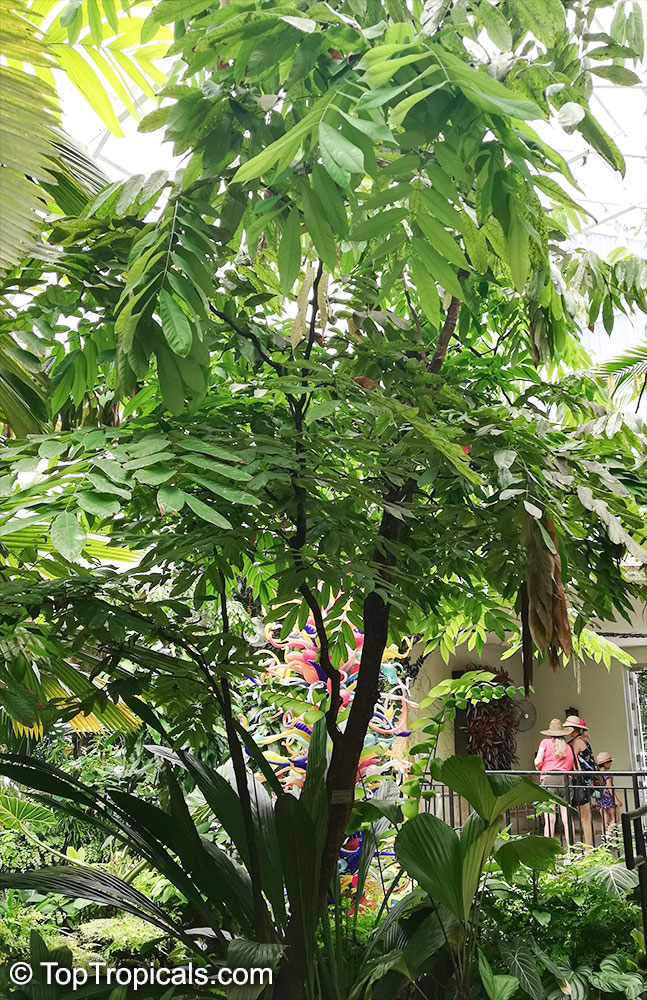
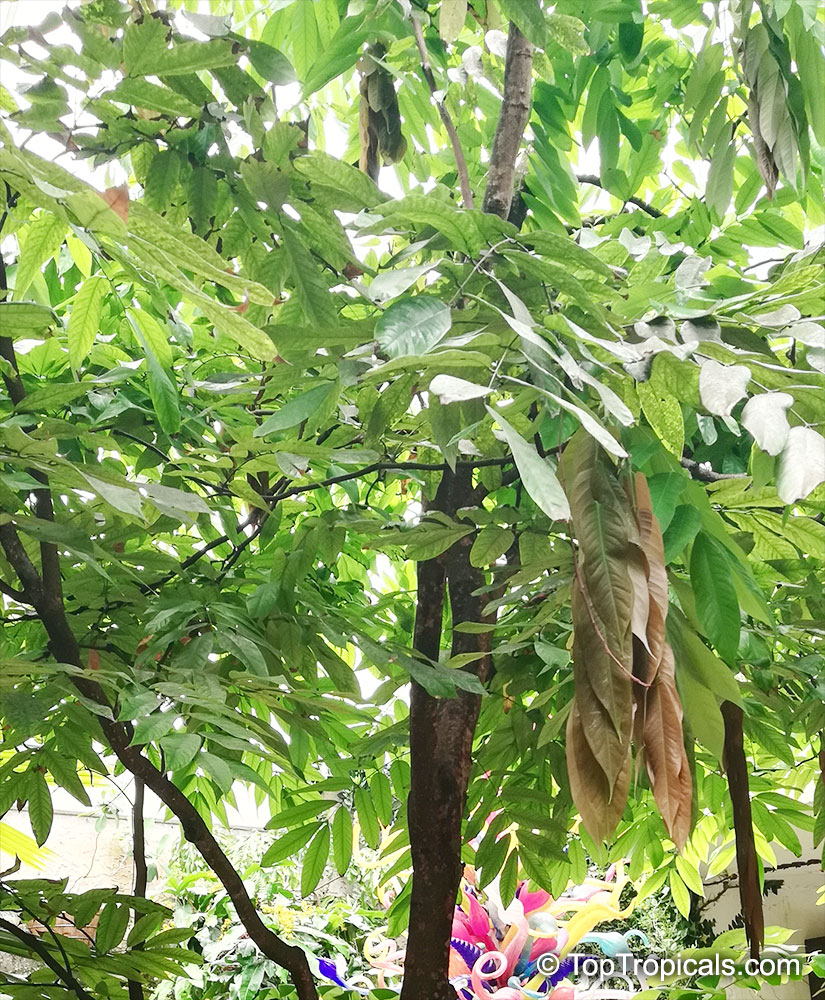




Botanical name: Anacardium excelsum
Common name: Wild Cashew
Family: Anacardiaceae
Origin: Central America
USDA Zone: 9-10

Anacardium excelsum is a towering tropical tree recognized for its impressive height, broad crown, and distinctive fruiting structures within the cashew family.
This species develops a massive trunk with spreading branches and produces fleshy pedicels that support hard nut-like seeds, giving it a characteristic appearance in mature landscapes.
What makes Anacardium excelsum distinctive?
Anacardium excelsum grows into a very large canopy tree with straight boles and wide crowns that dominate their surroundings. Its evergreen leaves are broad, leathery, and arranged to capture high light levels in humid lowland forests. The small flowers appear in loose clusters, followed by swollen, pear-shaped pedicels that turn yellow or reddish and hold the hard seed at the tip. The seeds and fruit of this wild cashew species are poisonous when raw, but after roasting the nuts become edible - many people say they taste similar to common cashews.The tree prospers in deep, moist soils of tropical regions, showing rapid growth in hot, rainy seasons and steady vigor in warm, frost-free environments. Its size and structure make it suitable primarily for spacious tropical landscapes, where it serves as a defining shade tree with notable fruit morphology typical of the genus.

Botanical name: Anacardium giganteum
Common names: Caja Acu, Caja Asu
Family: Anacardiaceae
Origin: South America
USDA Zone: 8-10
Similar to the Anacardium occidentale, the Anacardium giganteum is a juicy, false fruit with a slight strawberry flavor. Nuts can be roasted and reportedly taste like cashew nuts.

Botanical name: Anadenanthera colubrina
Common names: Vilca, Huilco, Huilca, Wilco, Willka, Cebil, Angico
Family: Fabaceae
Subfamily: Faboideae
Origin: South America
USDA Zone: 8-10
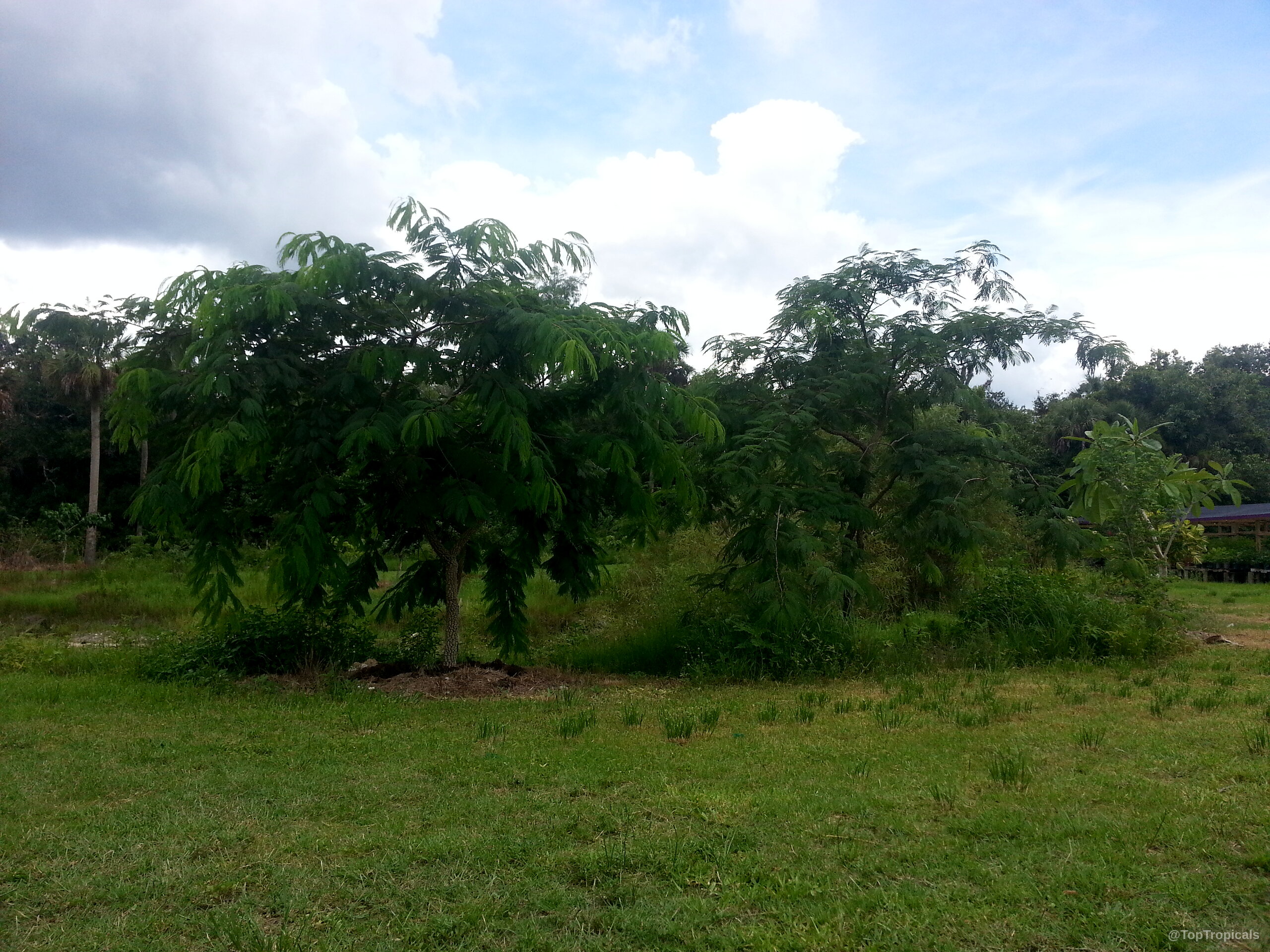
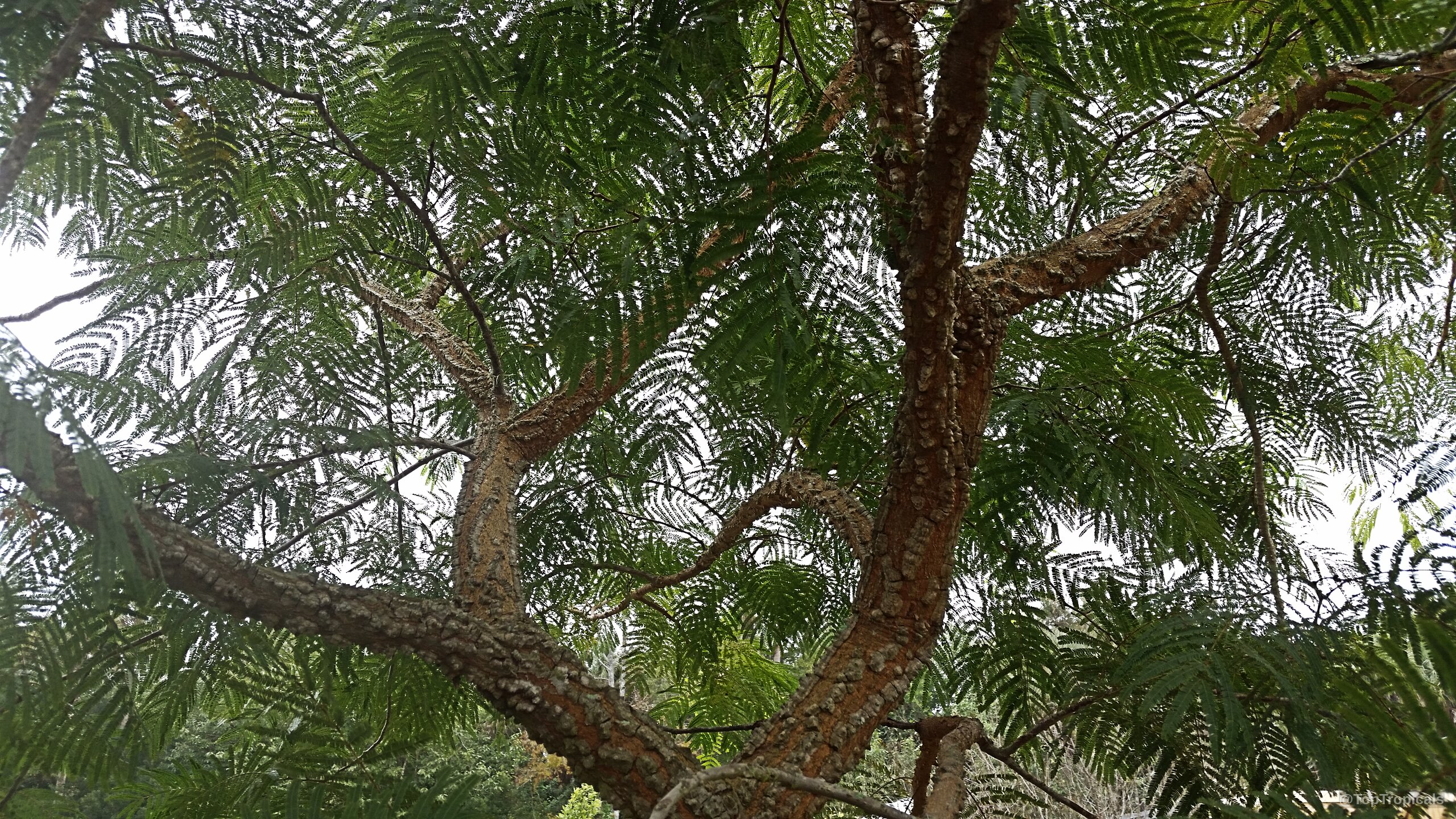
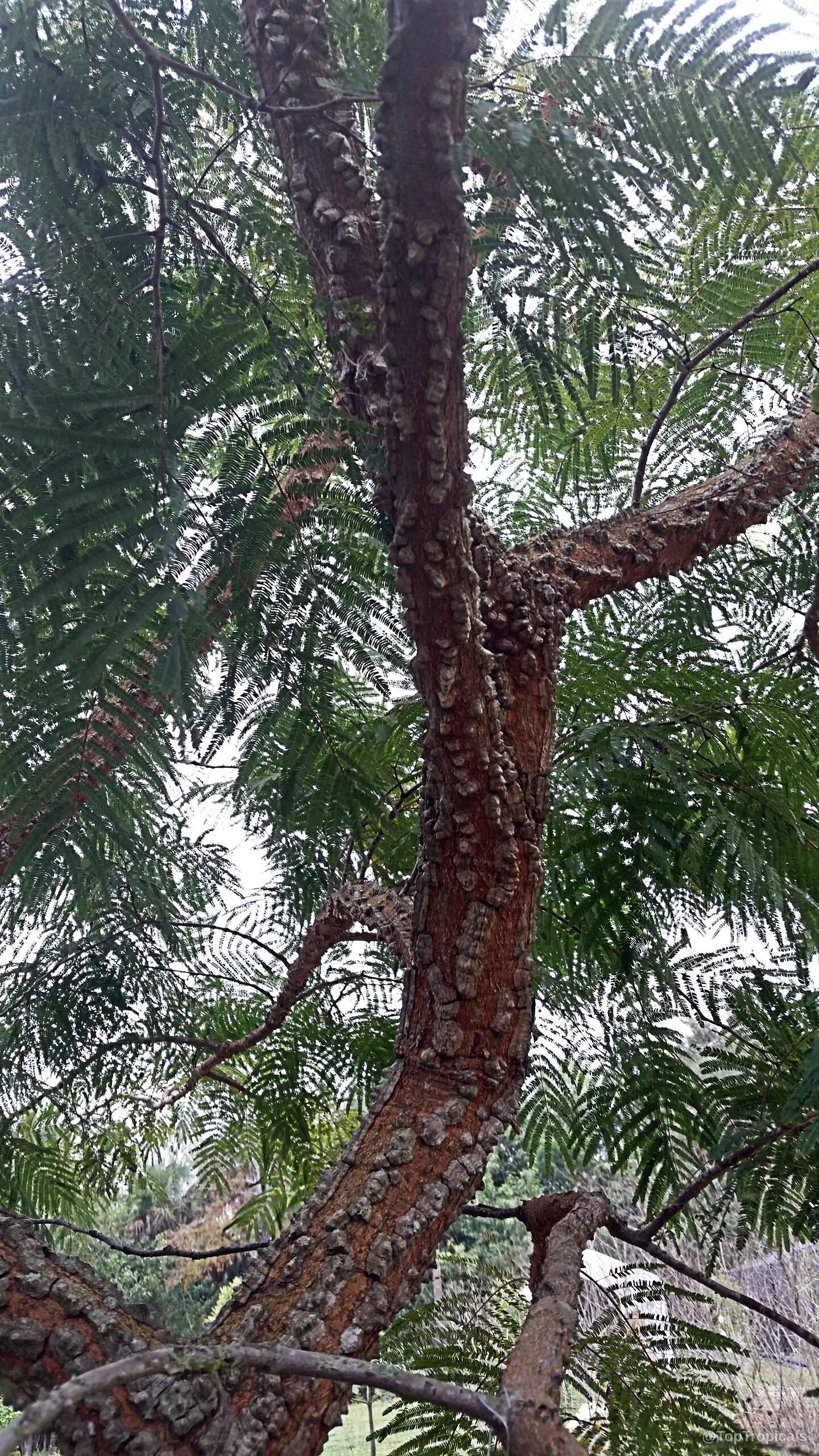
This is a South American tree closely related to Yopo, or Anadenanthera peregrina, and has similar medicinal properties. Anadenanthera colubrina is known by many names throughout South America. In Peru it is known as Willka (also Wilca, Vilca and Huilca) which in the Quechua languages means "sacred". The species is found in Argentina, Bolivia, Brazil, Ecuador, Paraguay, Peru, Cuba, and Mauritius.
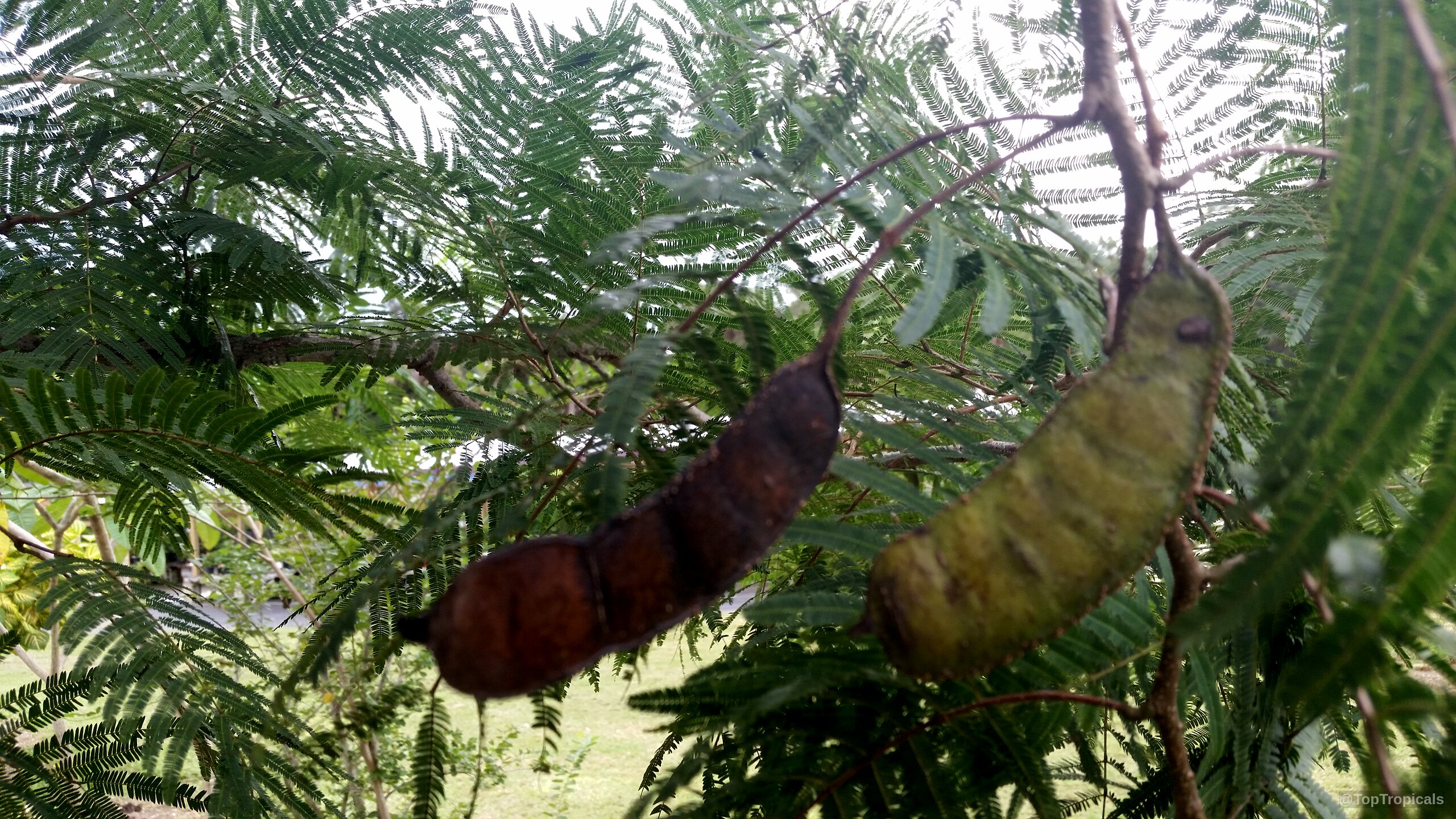
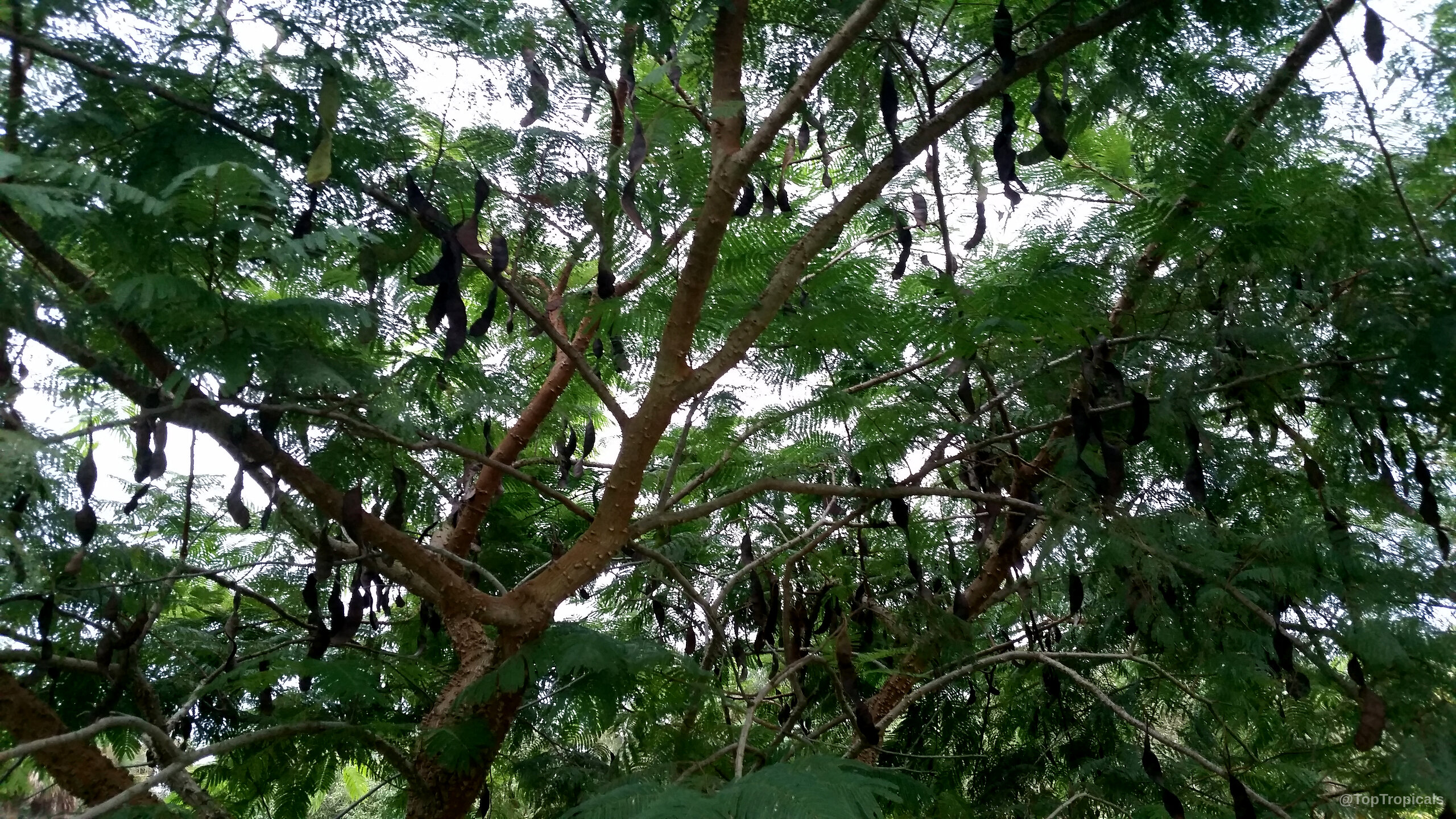
The trunk is very thorny. The leaves are mimosa-like, and they fold up at night. It tends to grow on rocky hillsides in well-drained soil, often in the vicinity of rivers. It grows quickly at 5-6 ft a year in good conditions. The growing areas are often "savannah to dry rainforest." Flowering can begin in as soon as two years after germination. In Chile, A. colubrina produces flowers from September to December and bean pods from September to July.
A sweetened drink is made from the bark. The tree's bark is the most common part used medicinally. Gum from the tree is used medicinally to treat upper respiratory tract infections, as an expectorant and otherwise for cough.
The main active constituent of Vilca is bufotenin. The black beans from the bean pods of these trees are used to make the psychedelic snuff called Vilca (sometimes called cebil).
In Brazil A. colubrina has been given high priority conservation status.






| Prev | Next | |
Use link to repeat this search:
https://toptropicals.com/cgi-bin/garden_catalog/cat.cgi?search_op=and&keyword_op=and&language=e&number=10&no_change_lang=1
&v1=btr&user=tt&sale=1&first=0