Large tree taller than 20 ft - Plant Encyclopedia Results (Page 2)
| Number of plants found: 464 |  | Prev | Next | 
|
Go to page: | 1 | 2 | 3 | 4 | 5 | 6 | Last |
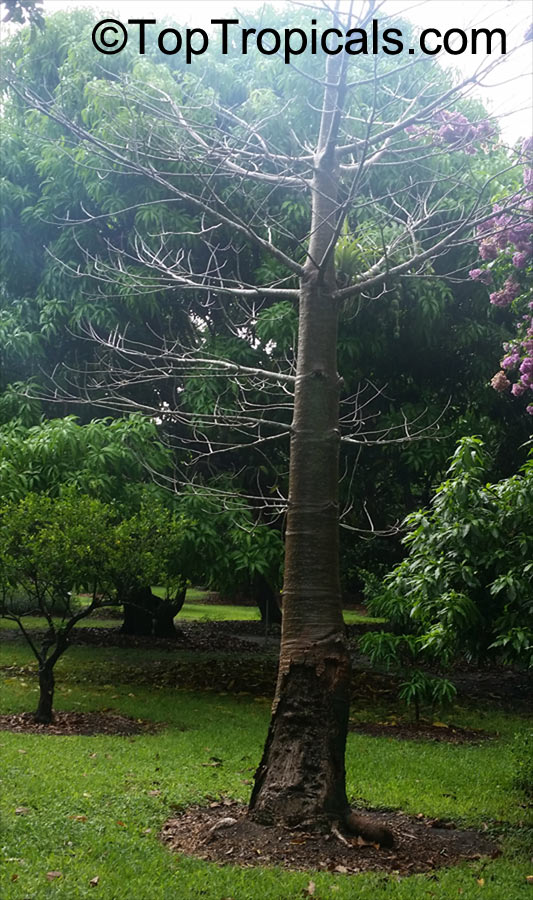
Botanical name: Adansonia za
Common name: Baobab
Family: Malvaceae (Formerly:Bombacaceae)
Subfamily: Bombacoideae
Origin: Madagascar
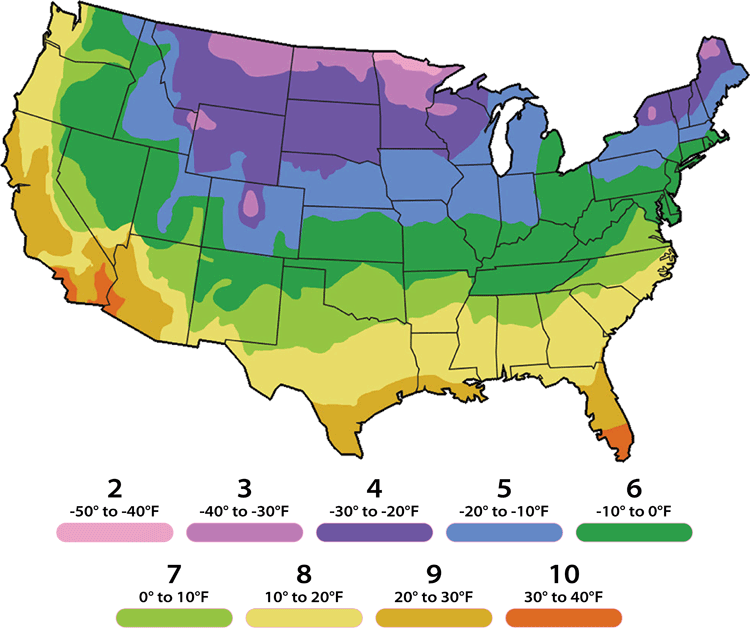
USDA Zone: 9-10


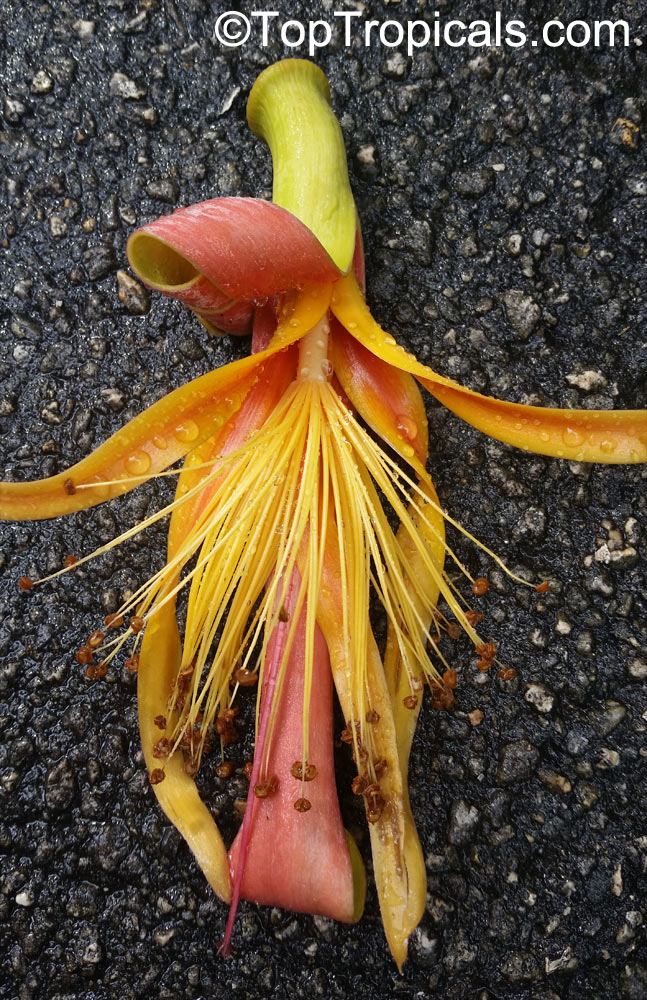
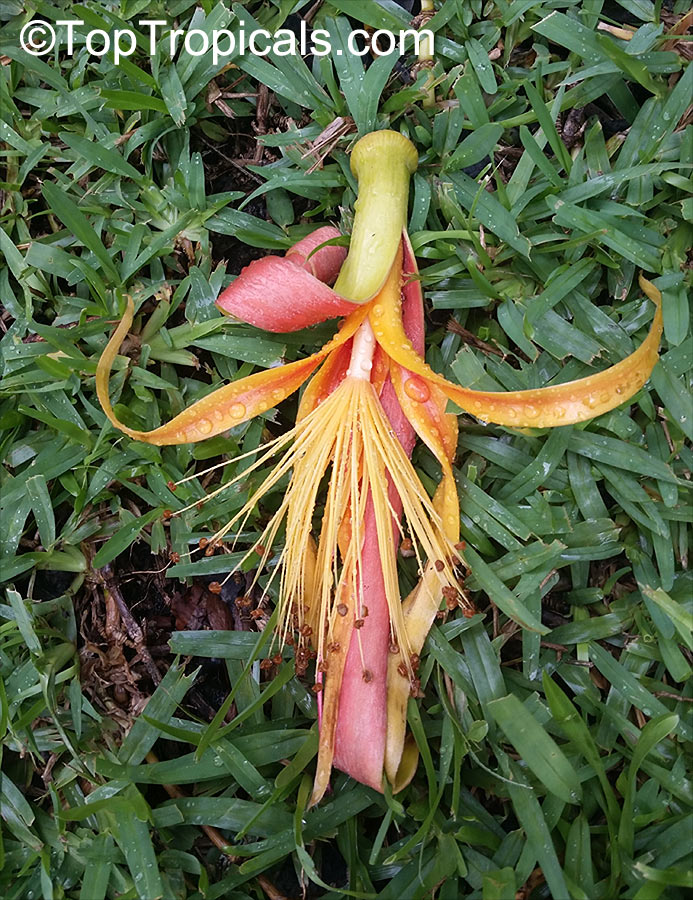
Adansonia za, or Baobab, is an imposing ethnomedical plant native to Madagascar with its full sun, moderate water requirements, and unusual color. This big tree can grow taller than 20 ft, producing deciduous foliage and stunning flowers that vary in color from crimson to vinous, and yellow to orange. It is a delightfully hardy plant that not only emits a unique beauty in the garden, but is also attractive to butterflies and hummingbirds.
The blooms can be followed by an edible fruit that tastes delicately sweet and acidic. The fruit also carries a wealth of health benefits, containing vitamins A, C, and E, thiamine, niacin, riboflavin, and folate. An average Baobab fruit tree can yield an estimated 150-200 fruits in a single year.
Baobab can be grown in USDA Zones 9-11, and since the tree is deciduous, it can withstand some cold temperatures, making it a great option for gardens in cooler climates. When growing a Baobab in a pot, it is important to use a well draining potting mix, as the tree does not like to stay wet. Keep the pot in a sheltered spot and bring it indoors during frosty winter nights. Water the tree regularly, especially during the hotter summer months. An occasional dose of fertilizer will also help promote healthy growth.
Botanical name: Adenanthera pavonina
Common names: Red Sandalwood, Coral Bean Tree, Saga, Sagaseed Tree, Red-bead Tree, Raktakambal, Kokriki
Family: Fabaceae
Subfamily: Caesalpinioideae
Origin: India
USDA Zone: 10-11
Cold tolerance: 35°F


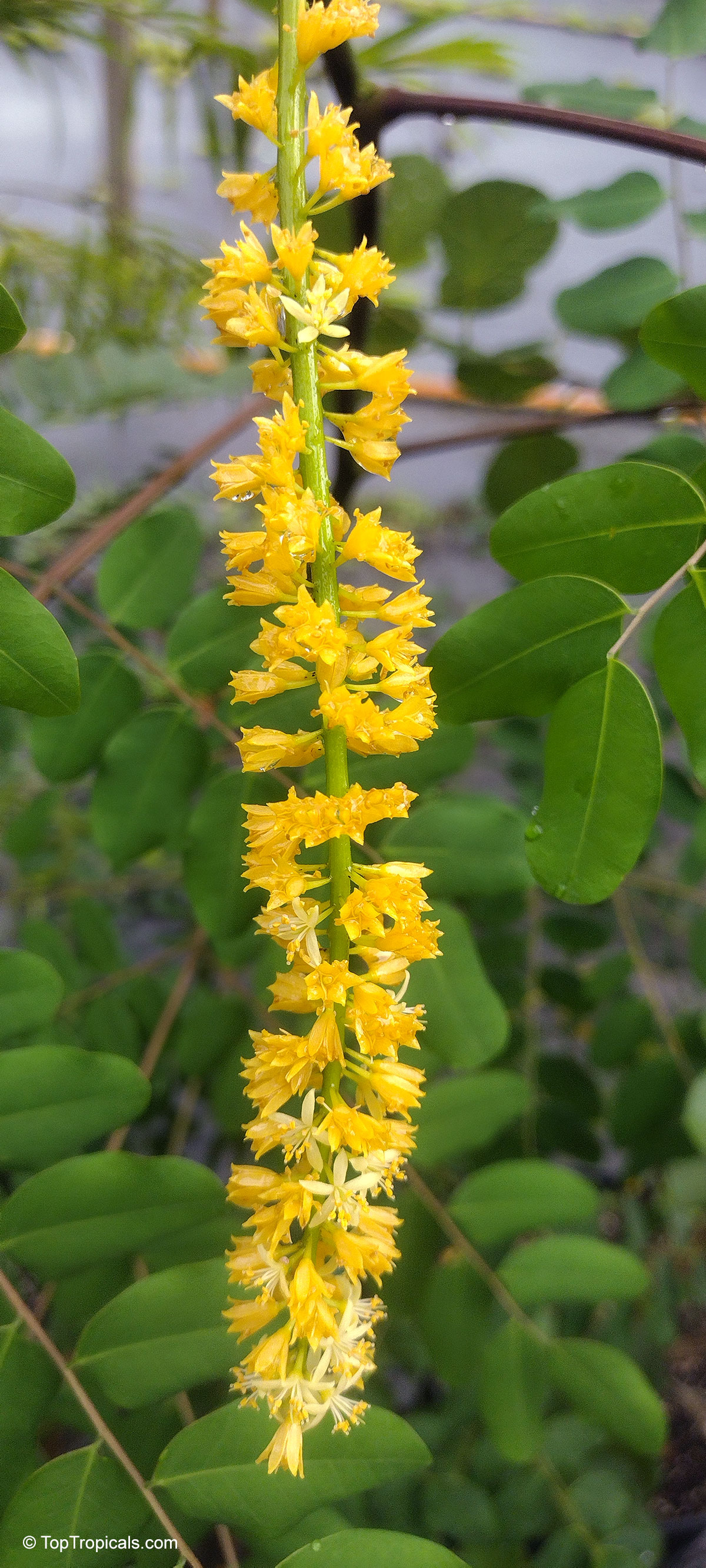
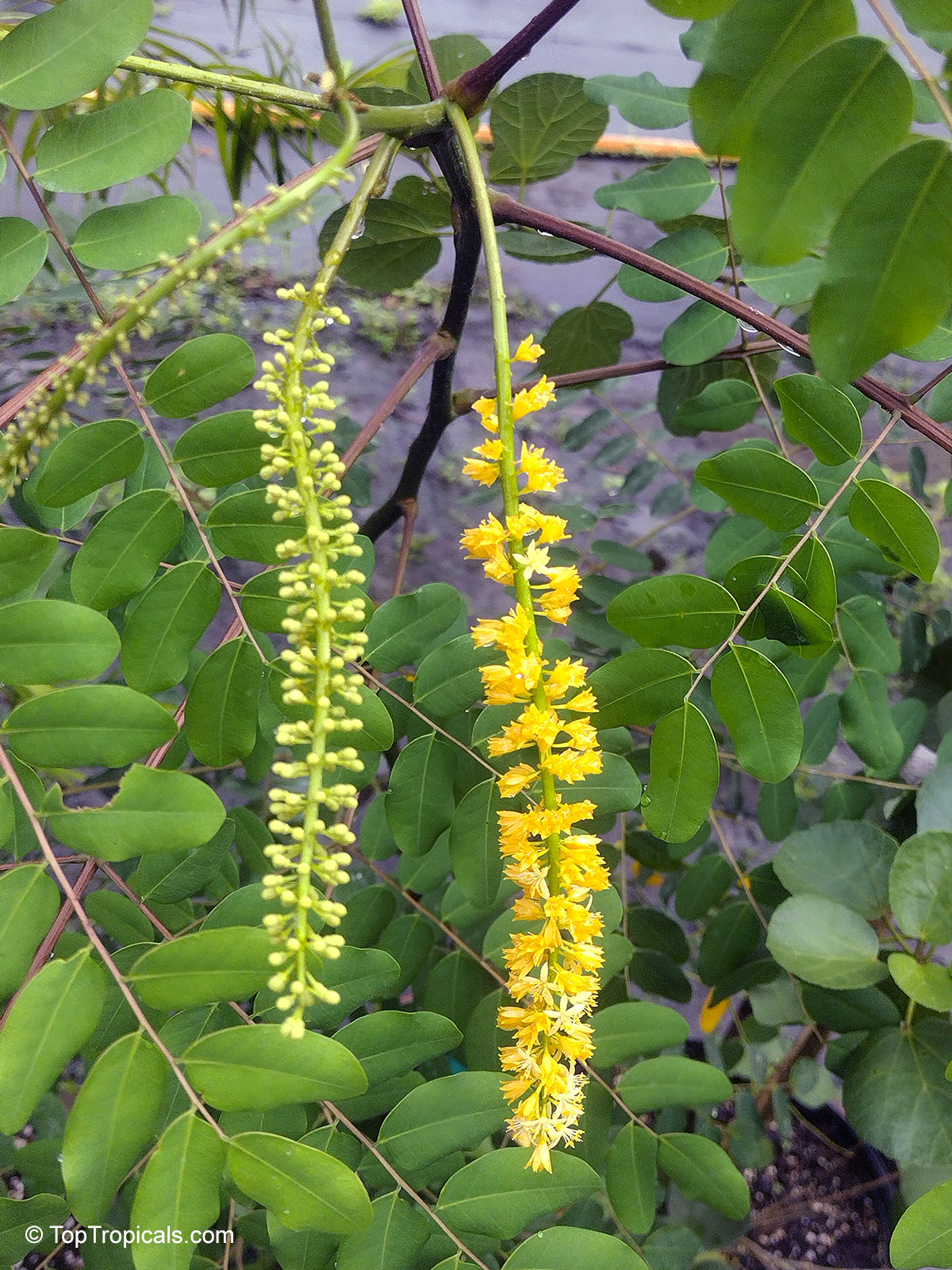
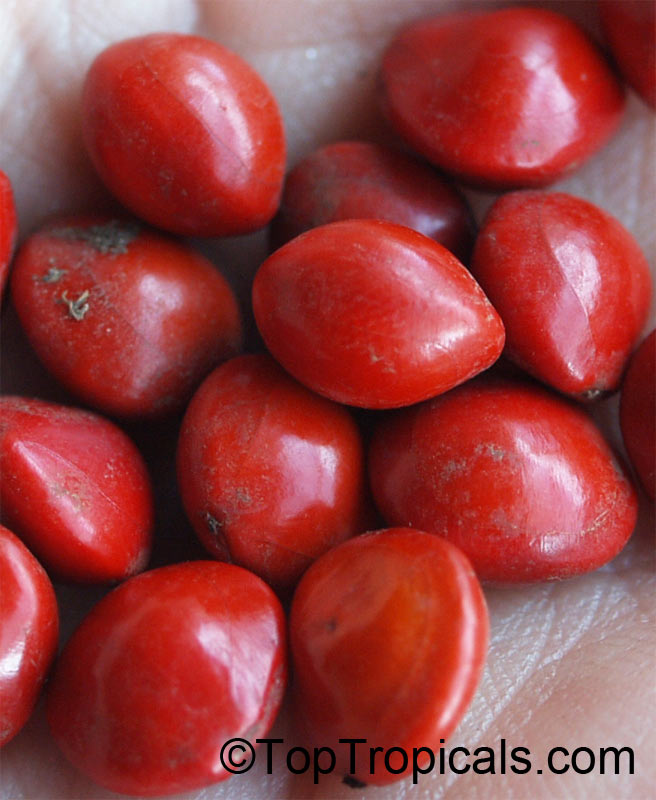
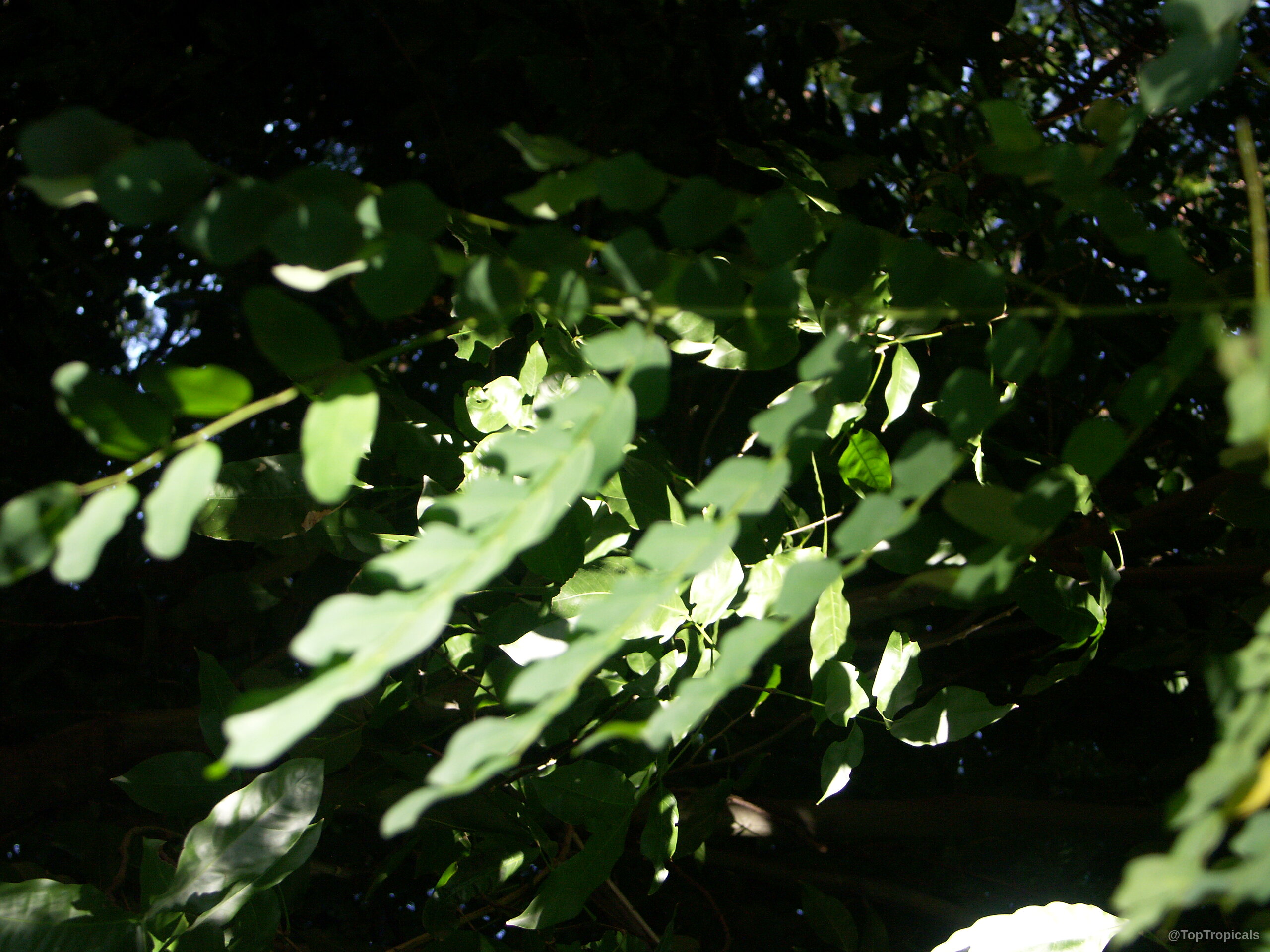
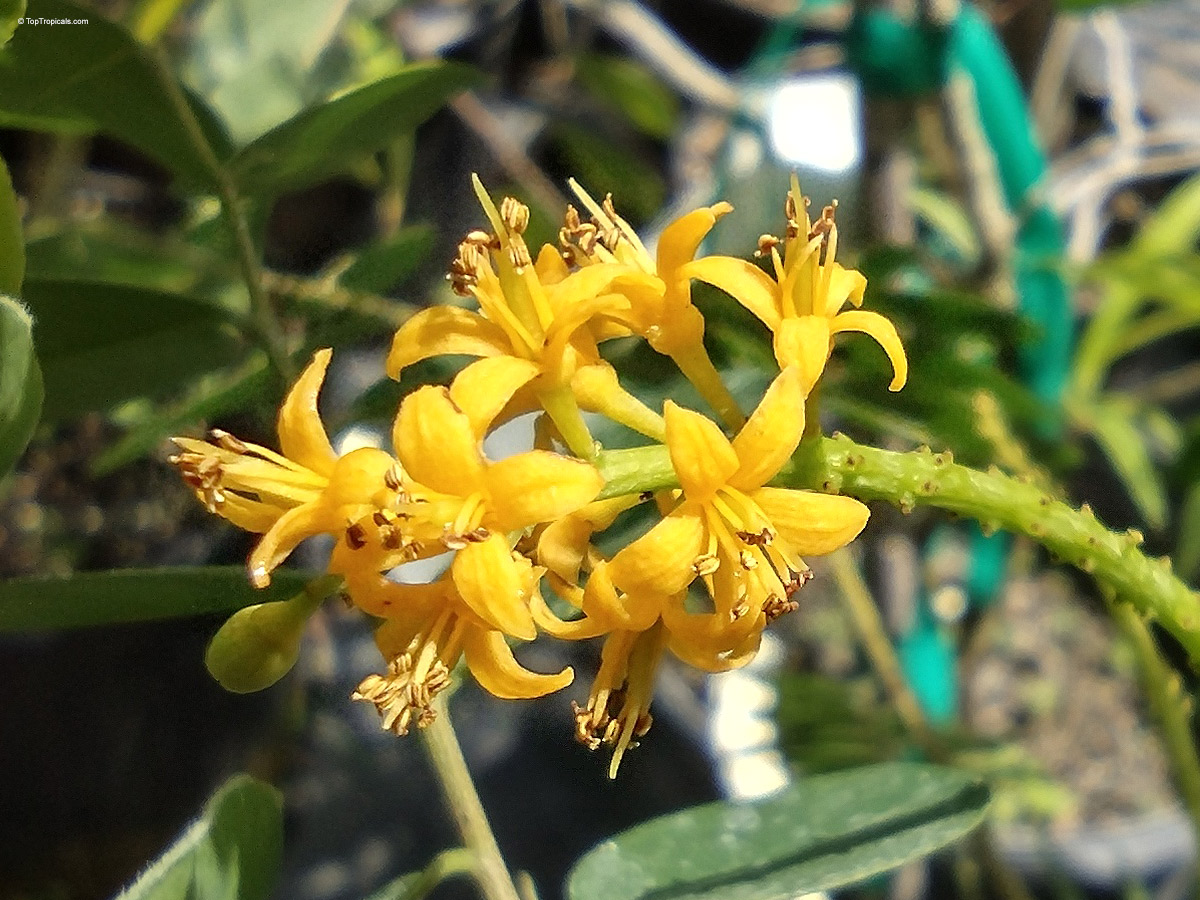
Adenanthera pavonina, commonly known as Red Bead Tree, Red Sandalwood, or Coralwood, is a deciduous to semi-evergreen tree in the Fabaceae family, native to tropical Asia, from India and Sri Lanka through Southeast Asia. It has been widely introduced and naturalized in other tropical regions. In favorable conditions, it develops a broad, spreading crown and may reach 40-60 feet tall, although cultivated trees are often smaller. The foliage consists of large, feathery, bipinnate leaves with numerous small, oval leaflets. Small, fragrant, yellowish-white flowers appear in slender, elongated clusters, followed by narrow pods whose valves twist as they split open at maturity, revealing exceptionally hard, glossy, bright scarlet seeds. These striking seeds are relatively uniform in weight and have traditionally been used as beads, ornaments, and small weights for weighing gold and other precious materials.
Adenanthera pavonina thrives in full sun and well-drained soil, tolerating seasonal drought once established. It grows rapidly in warm climates and is cultivated as a shade and ornamental tree, particularly for its elegant foliage and decorative seeds. Suitable for USDA Zones 10-11, it is sensitive to frost, especially when young. The raw seeds may be unsafe to consume, although traditionally processed seeds have been used as food in some regions.
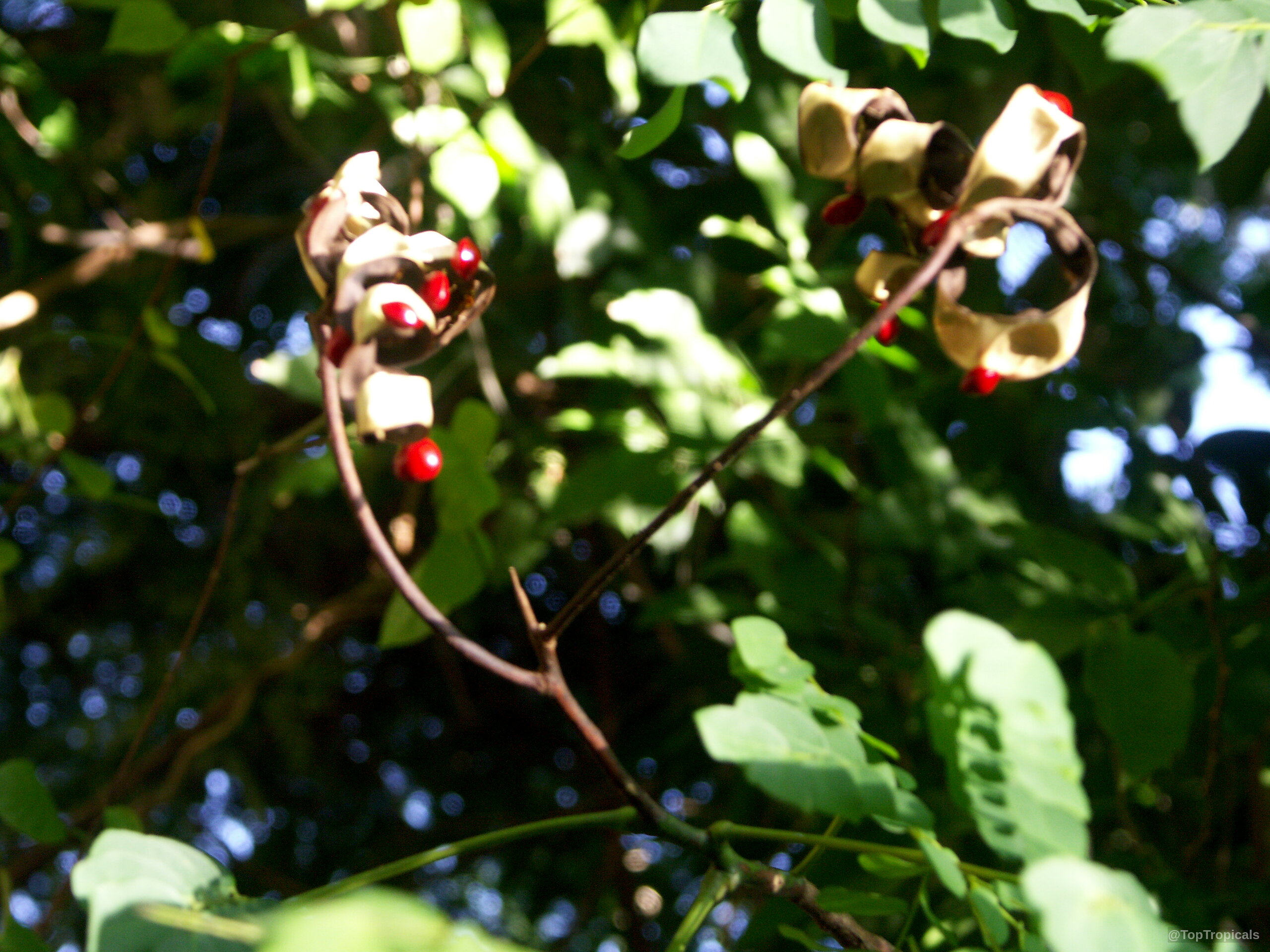
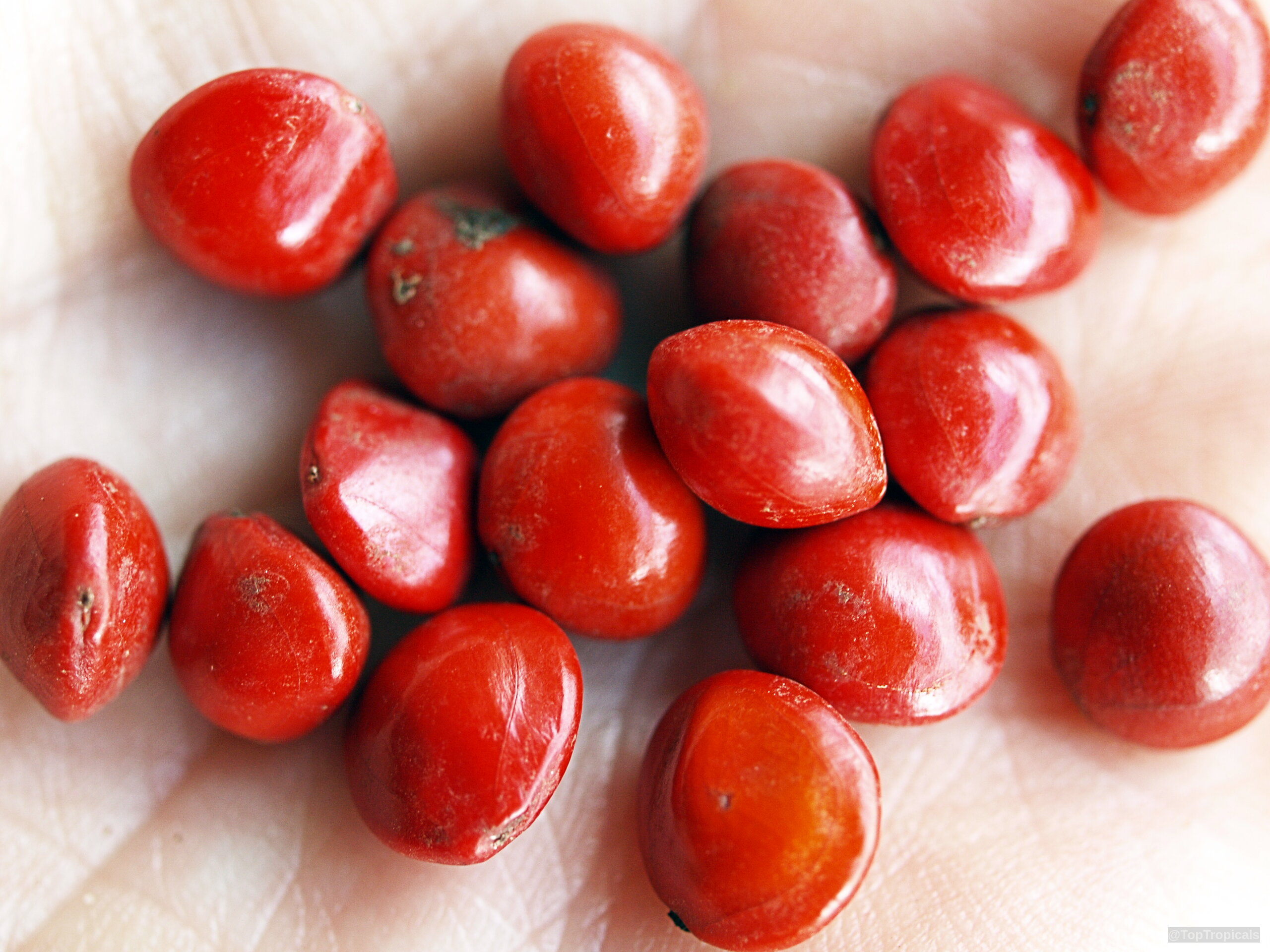
Plant seeds 1" deep in otting mix, keep warm, damp and in bright light. Scarify to expedite germination.
Ordering seeds info
RECOMMENDED SUPPLIES:
Seed Germination Mix #3, professional grade
SUNSHINE-Epi - Seeds and cuttings booster
SUNSHINE Bombino - Young Plant Booster

Botanical names: Adonidia merrillii, Veitchia merrilli
Common name: Christmas Palm
Family: Arecaceae / Palmae
Origin: Philippines
USDA Zone: 10-11
Cold tolerance: 30°F

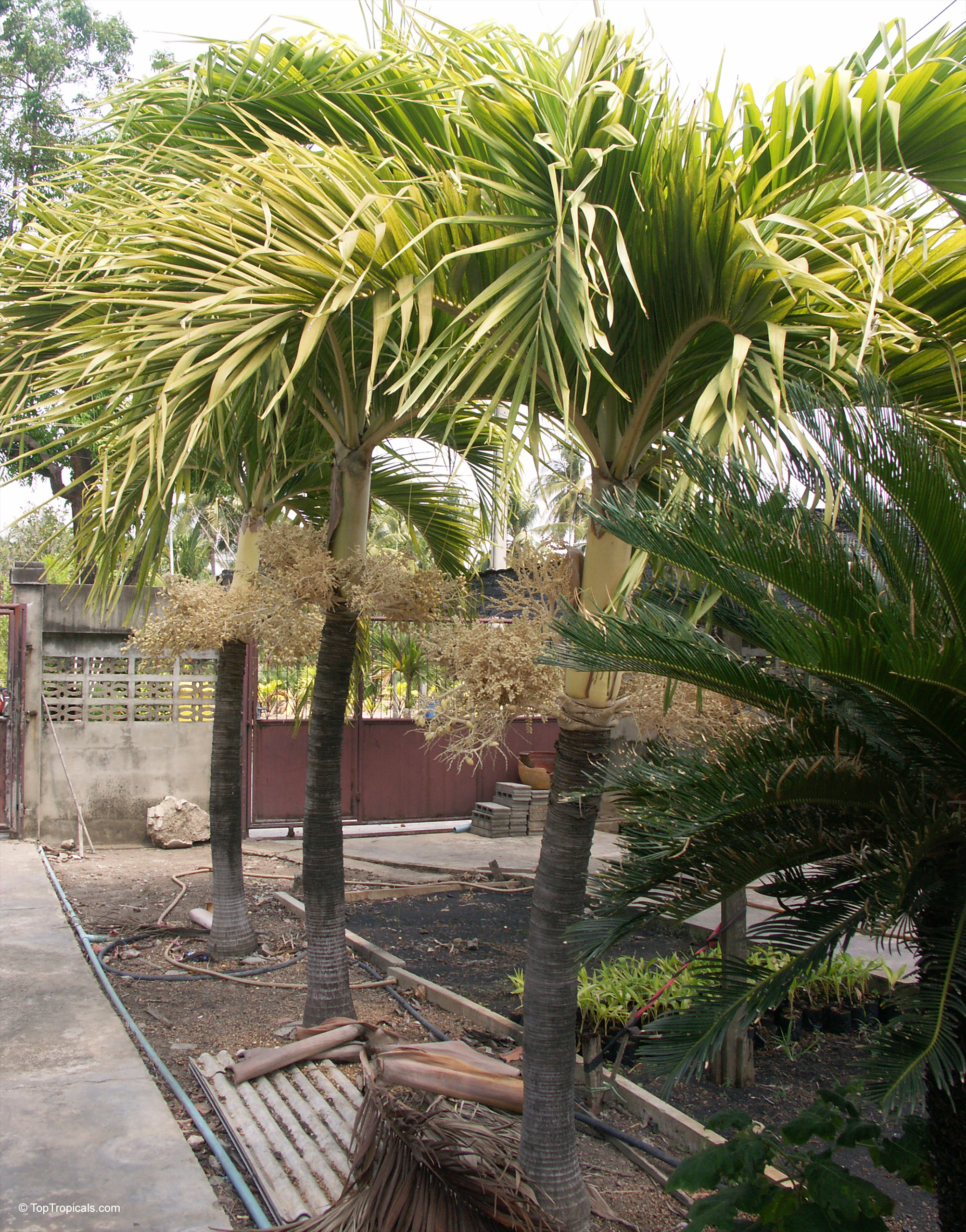
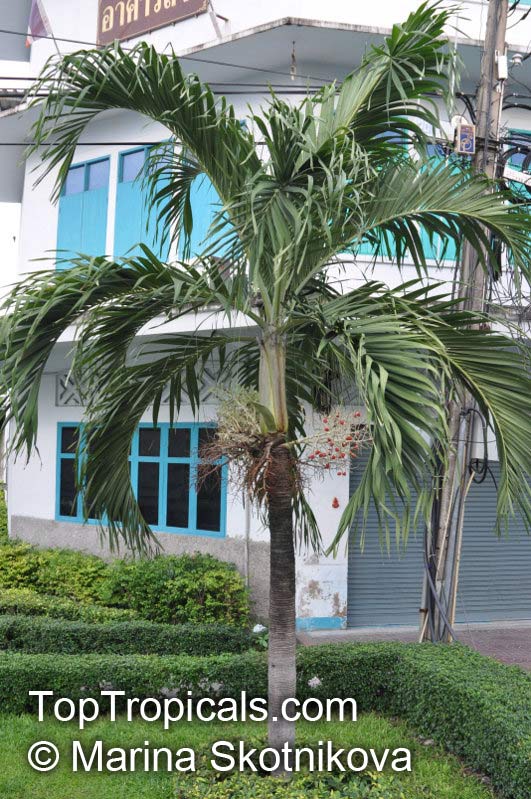
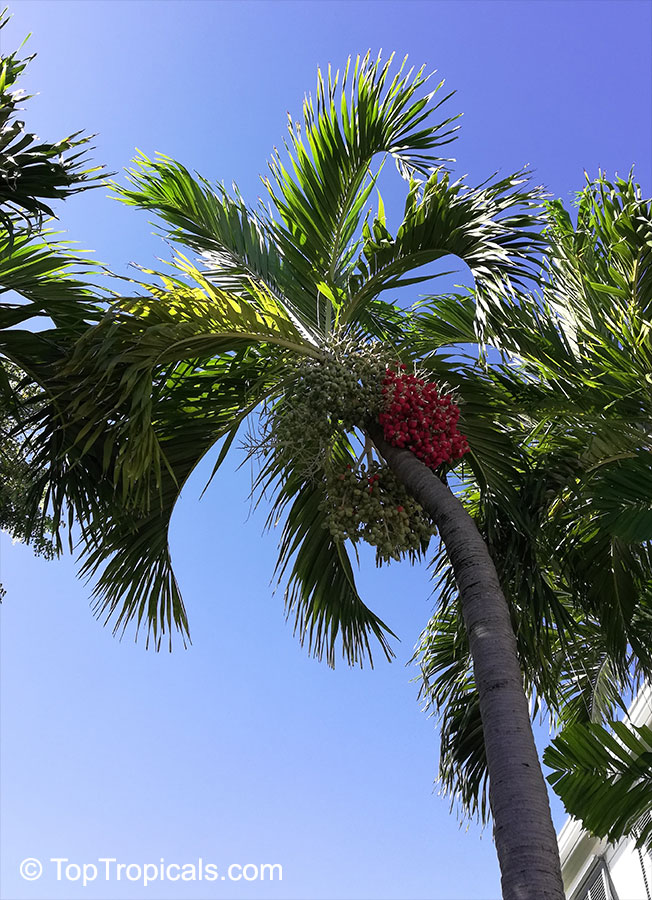
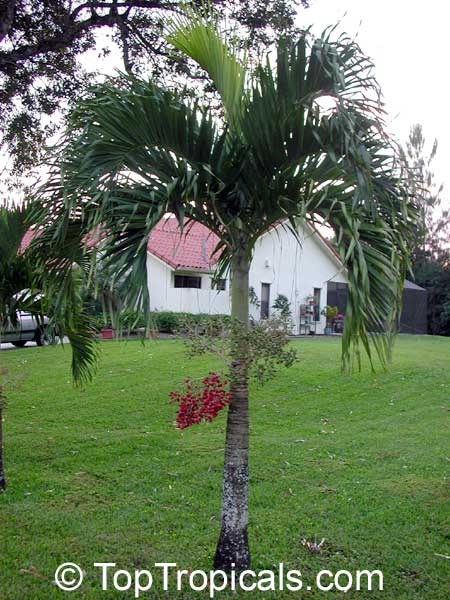
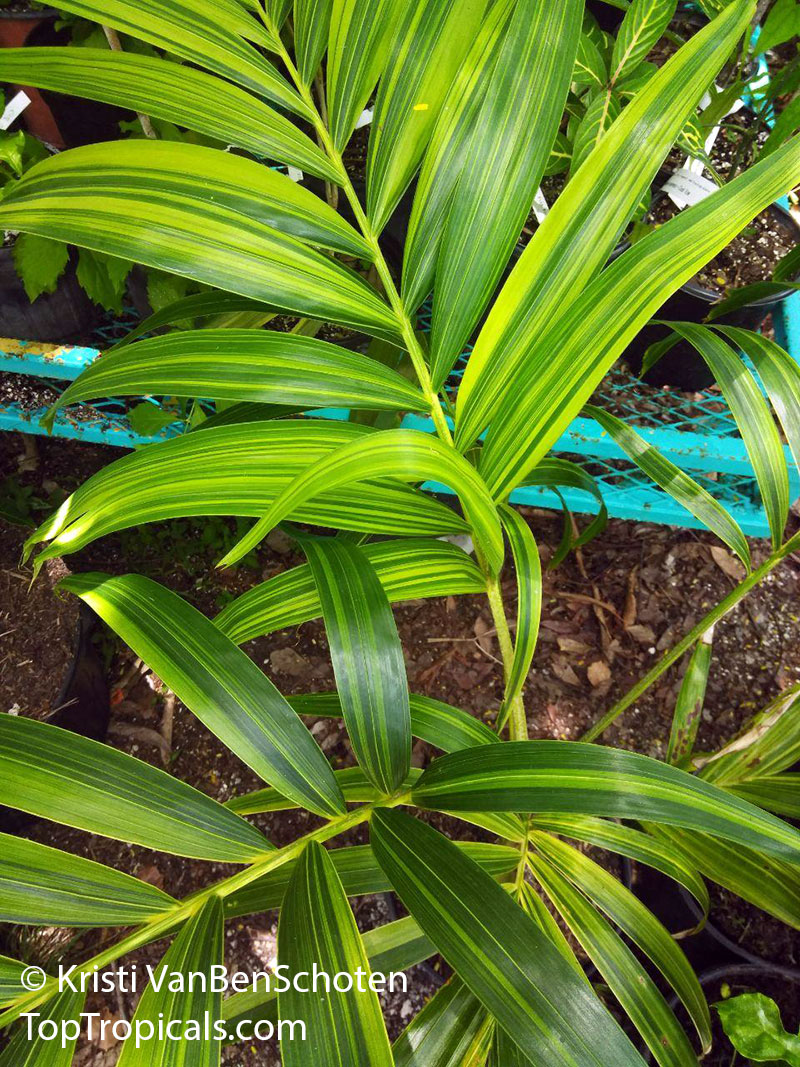
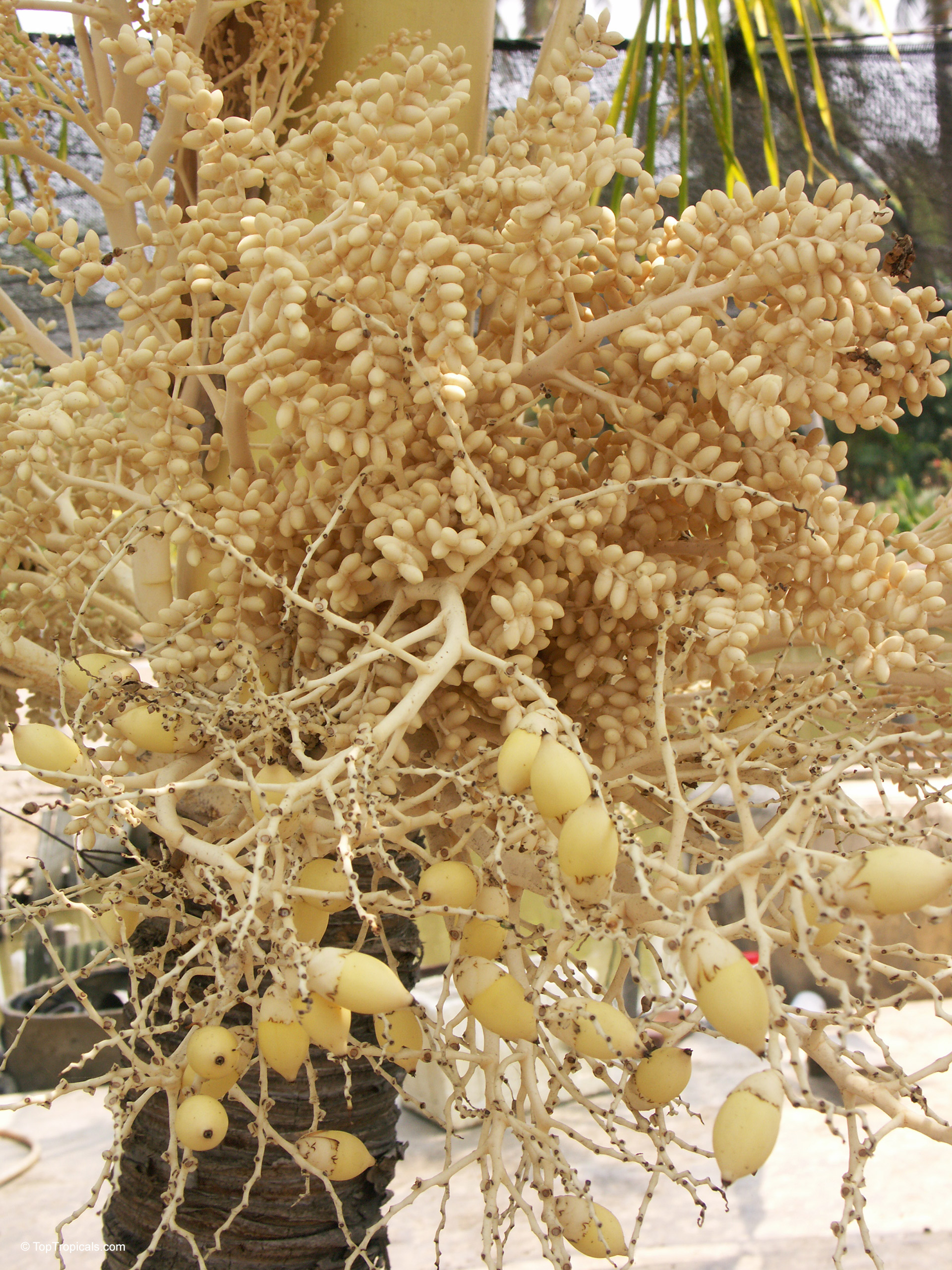
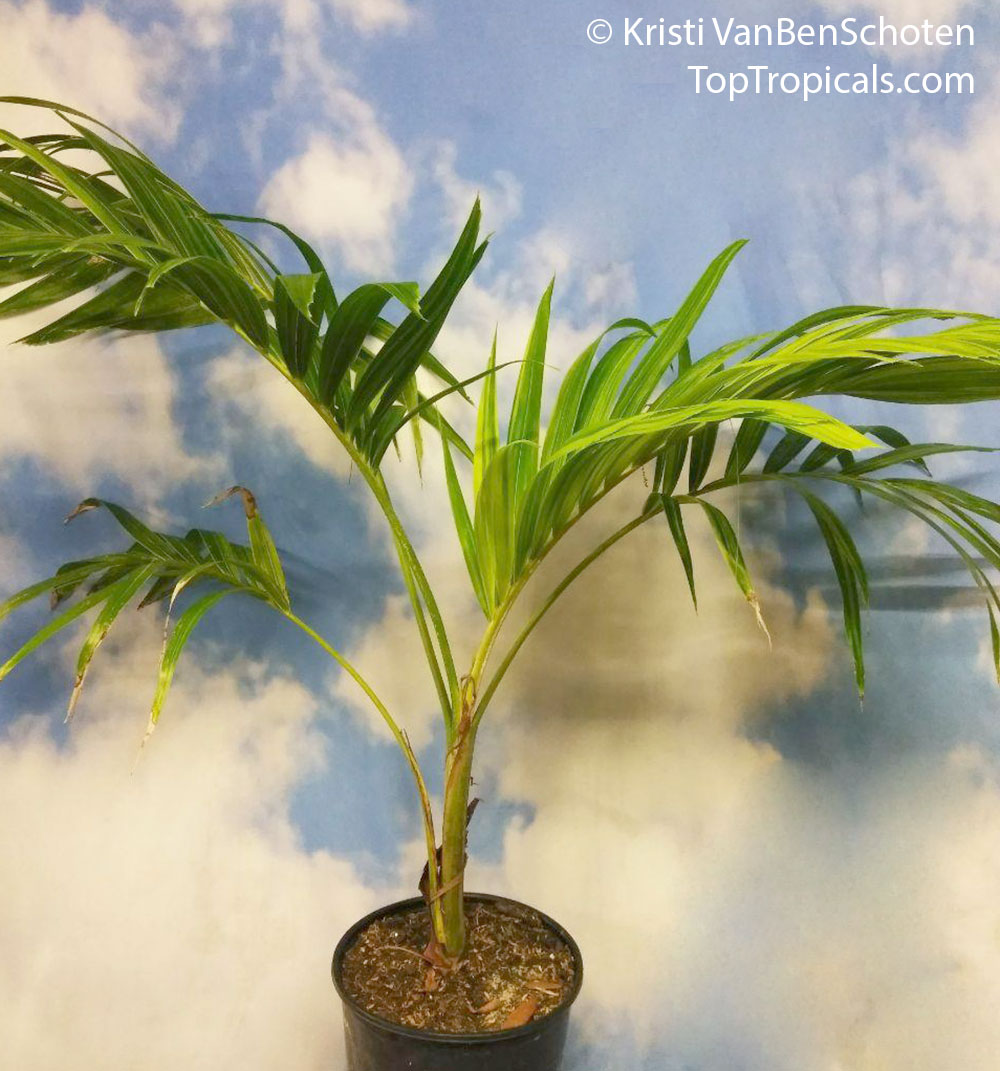
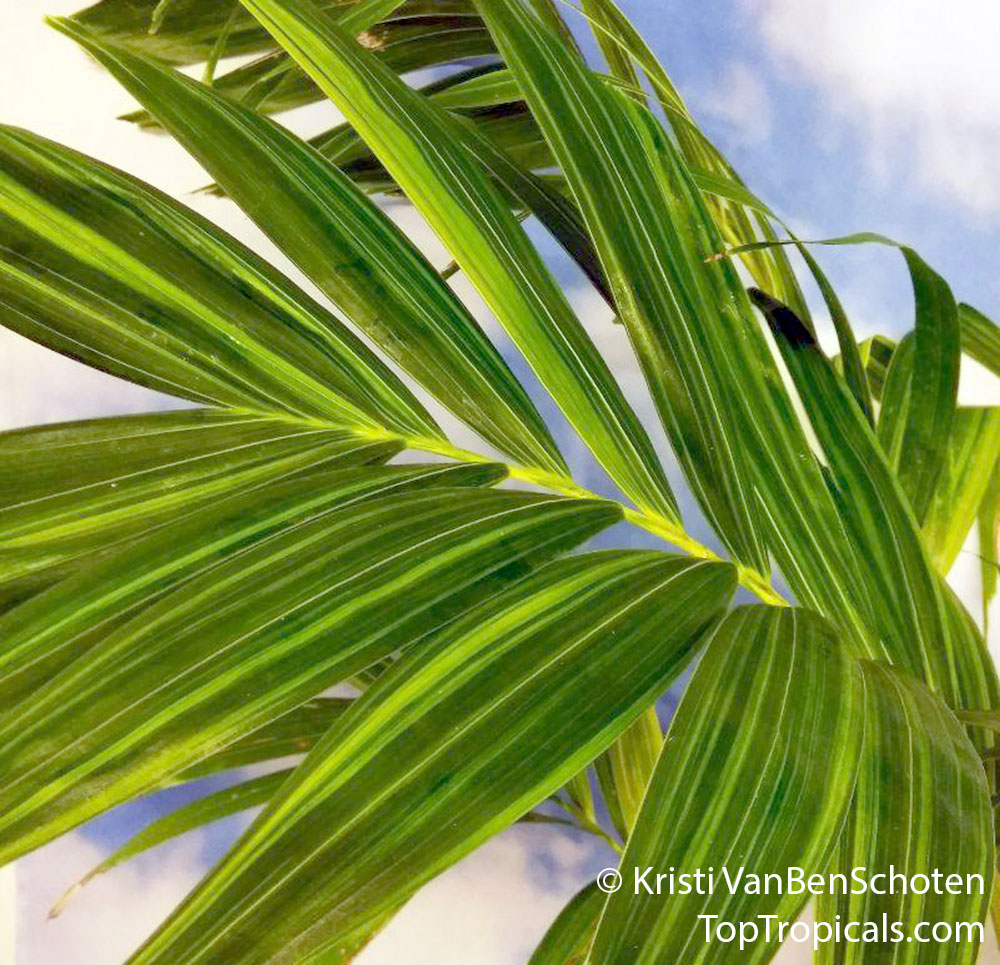
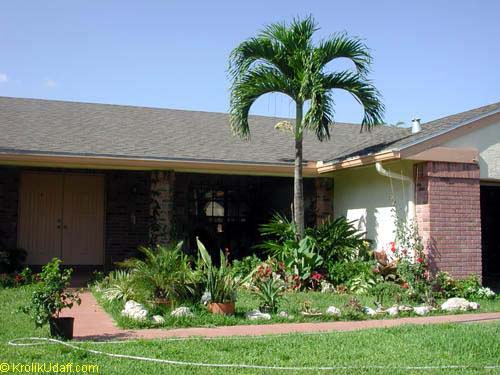
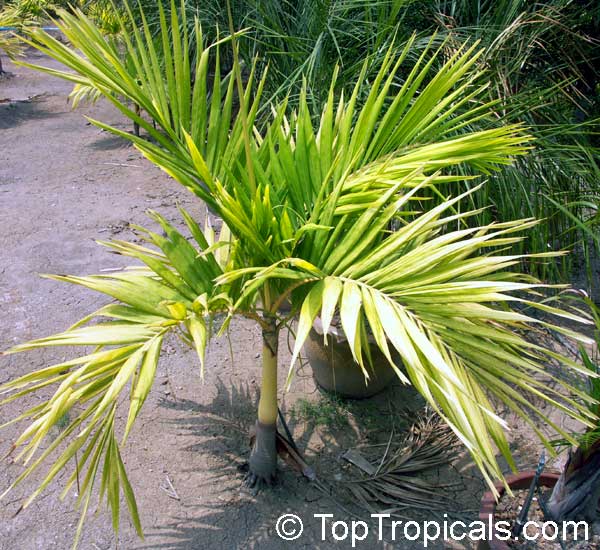
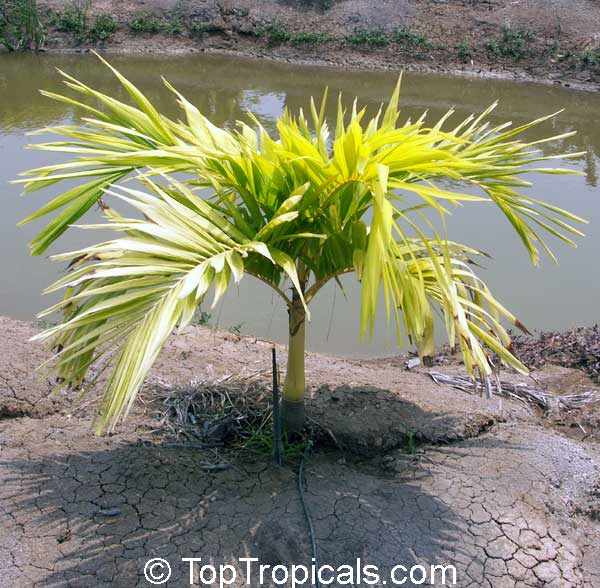
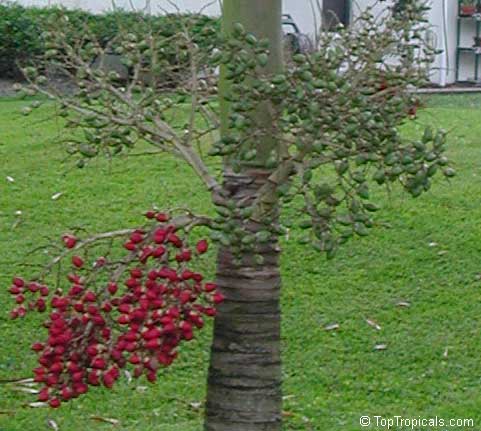
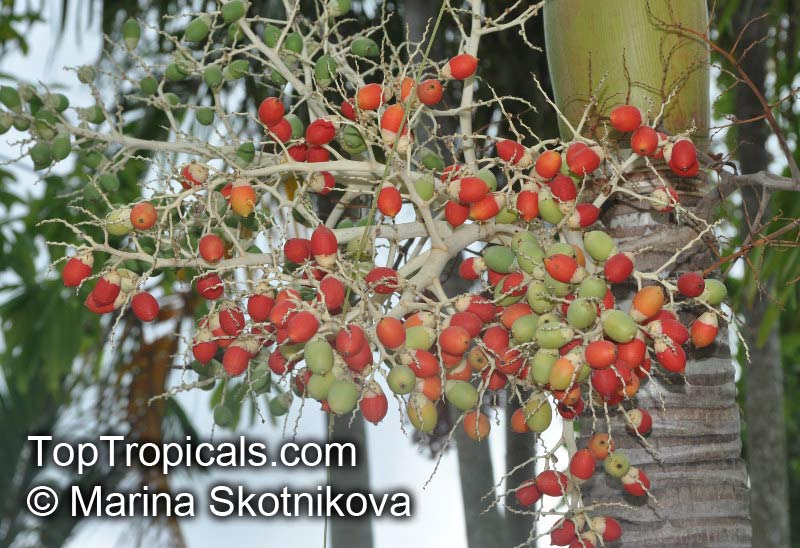
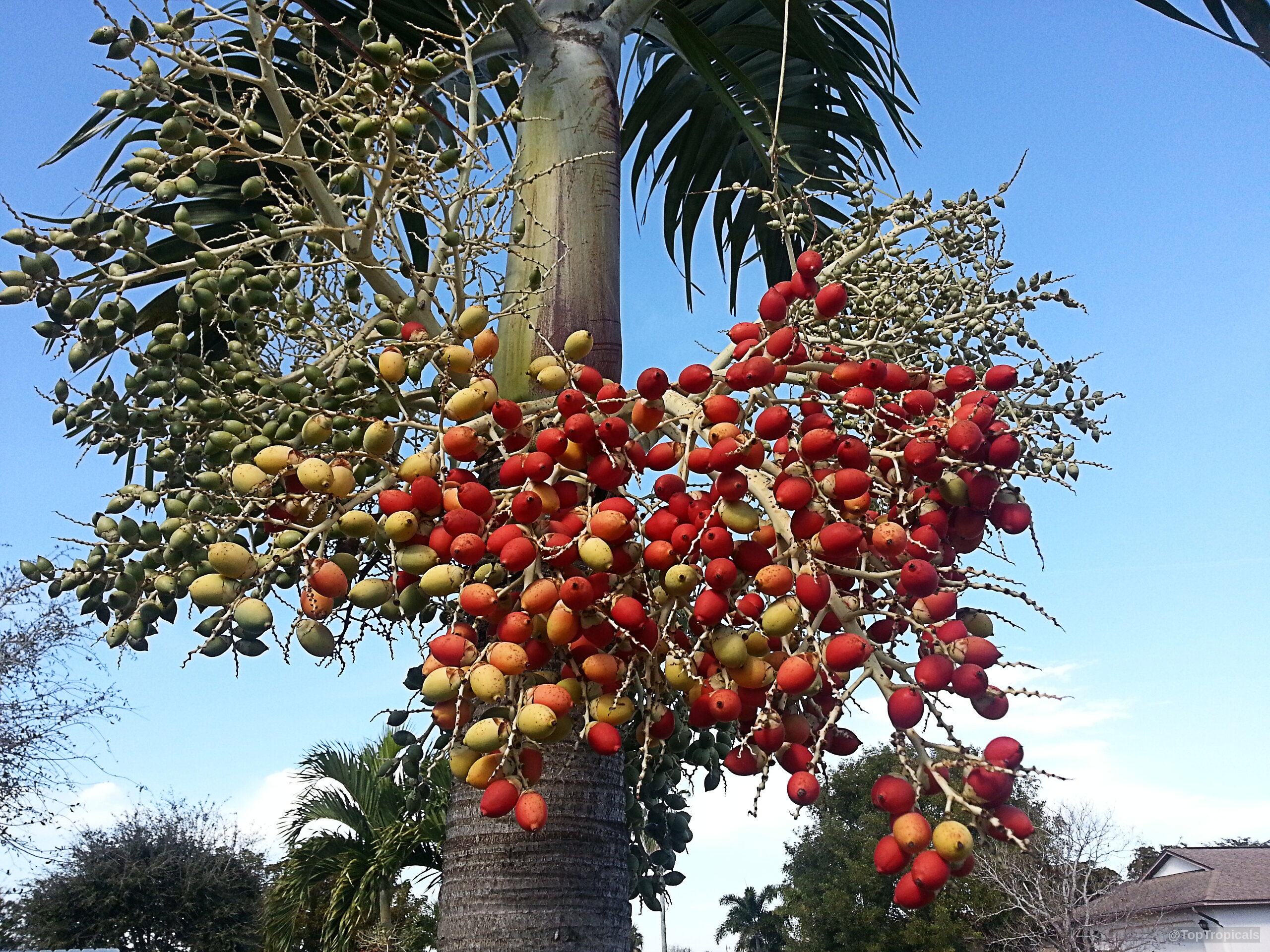
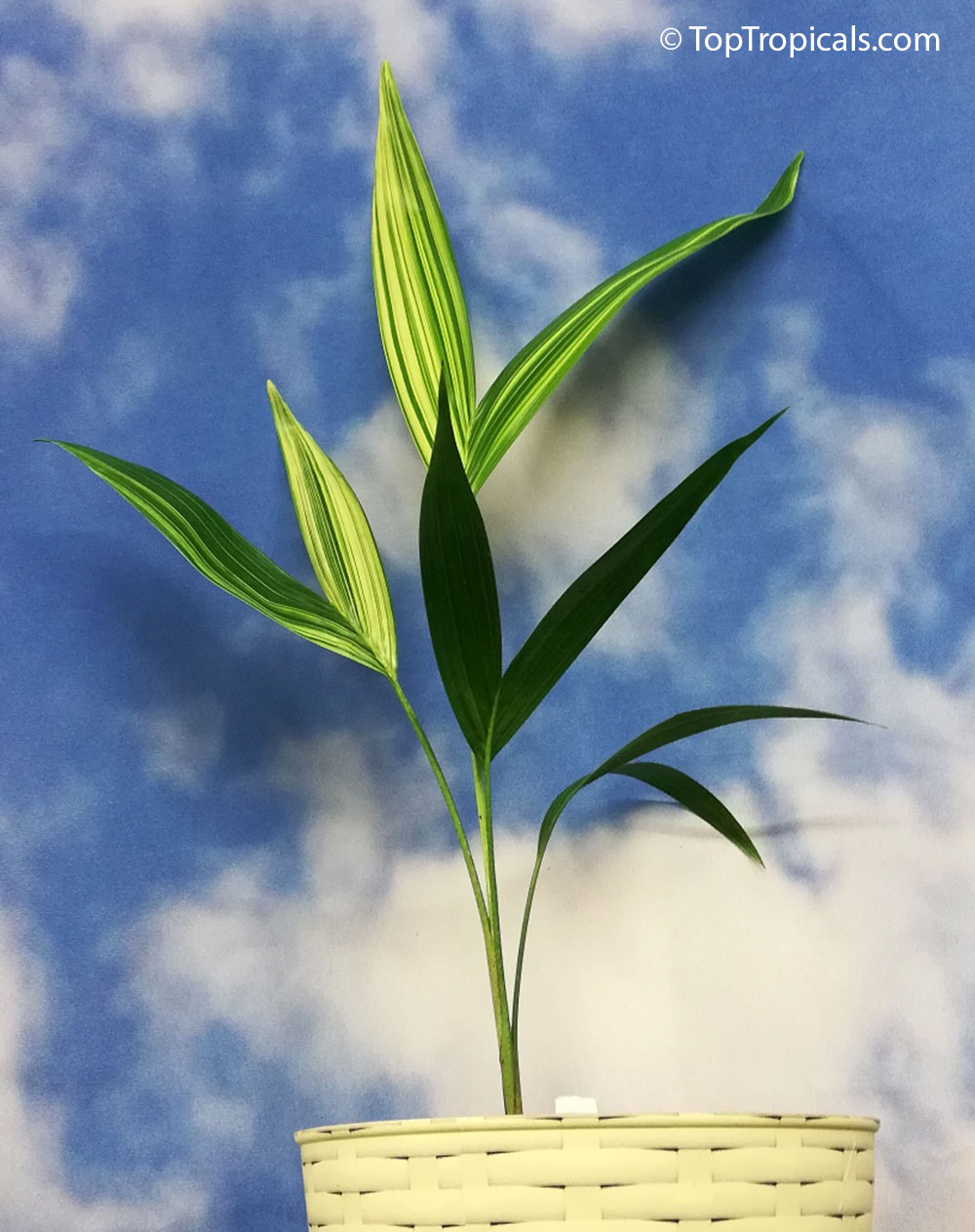
Adonidia merrillii, commonly known as Christmas Palm or Manila Palm, is a graceful tropical palm in the Arecaceae family, native to the Philippines. It develops a smooth, slender gray trunk topped by a compact crown of arching, pinnate green leaves and typically reaches 15-25 ft (4.5-7.5 m) in cultivation. Small cream-colored flowers are produced below the crownshaft, followed by clusters of oval fruits that ripen from green through yellow or orange to bright red, often providing a colorful display around the Christmas season and inspiring the common name. The palm is widely planted in tropical and subtropical landscapes and is particularly attractive in groups of two or three trunks, although each plant naturally has a single trunk.
Christmas Palm grows best in full sun to light shade in fertile, well-drained soil with regular moisture, although established plants tolerate brief dry periods. It is suited to USDA Zones 10-11 and can be damaged by temperatures near freezing. Its relatively compact size makes it useful for small gardens, patios, streetscapes, and large containers when young. Plants respond well to regular palm fertilizer containing magnesium and micronutrients, especially in sandy soils. Adonidia merrillii is sometimes confused with related Veitchia palms, but its smaller stature, compact crown, and conspicuous clusters of red ripe fruits help distinguish it.



Botanical name: Aegle marmelos
Common names: Bael, Bengal Quince, Indian Bael, Wood Apple, Matoom
Family: Rutaceae
Origin: India
USDA Zone: 9-11


This plant is a medium sized tree that grows up to 40ft.This plant is known to posses some medicinal properties. All parts of this tree including, the roots, leaves, trunk, fruits, and seeds, are used for curing one human ailment, or another. The fruits are usually eaten by people.They taste like marmalade, and smell like roses. They are also used in the preparation of many medicines in villages. These protein-rich fruits are also used in making some very good drinks. They can also make a wonderful jam. The plant easily withstands long periods of drought, which are needed for better fruit yields. It grows in most soil and climate types, and requires little care when established.


Botanical name: Aesculus sp.
Common names: Buckeye, Horse Chestnut, Horse-chestnut
Family: Sapindaceae
USDA Zone: 3-8


The genus Aesculus, with species called Buckeye and Horse Chestnut, comprises 13â€"19 species of flowering plants . They are trees and shrubs native to the temperate Northern Hemisphere, with six species native to North America and seven to 13 species native to Eurasia. Several hybrids occur.


Botanical names: Afrocarpus gracilior, Podocarpus gracilior
Common name: African Fern Pine
Family: Podocarpaceae
Origin: Eastern Africa
USDA Zone: 9-10

Can grow up to 20 to 40 ft tall and make a lovely addition to any garden. This native to Eastern Africa can also be used to create a bonsai, because it has an attractive shape with graceful drooping foliage.
This evergreen grows best in full sun or semi-shade that has excellent drainage. It thrives in well-drained soil with a regular supply of water, especially during the dry season. To maximize its growth potential, the soil should be acid or neutral.
This tree can usually survive in USDA Zone 9-11, however it can become vulnerable to frost or a sharp decrease in temperatures. If you are in a colder climate, it can be grown in a pot and taken indoors during the cold season for additional protection. When potting and growing indoors, it needs a well-drained soil and full sun to look its best. It is a water-loving tree, so we recommend providing a moderate water supply, especially during the summer months.
In conclusion, Afrocarpus gracilior is an attractive and graceful evergreen that, with proper care and cultivation, can grow up to 40 ft tall and make a nice addition to any home or garden. For those living in colder climates, the tree can be grown in a pot and taken indoors during the winter season to avoid frost damage. With regular supply of water, full sun and a well-drained soil with neutral to acid pH, this tree will thrive.


Botanical name: Afzelia xylocarpa
Common names: Craib, Makha Tree, Cambodia Beng Tree
Family: Fabaceae
Subfamily: Faboideae
Origin: Southeast Asia
USDA Zone: 9-10
Afzelia xylocarpa is easy to grow and is best suited for full sun and moderate water. The trees can tolerate drought, freezing temperatures, and a wide range of soil types. This species of tree requires moist, well-drained soil to thrive. It is not suitable for growing in pots in cold regions. The tree can grow in USDA hardiness Zone 9-11, and proper location and fertilization will keep it healthy and vibrant.
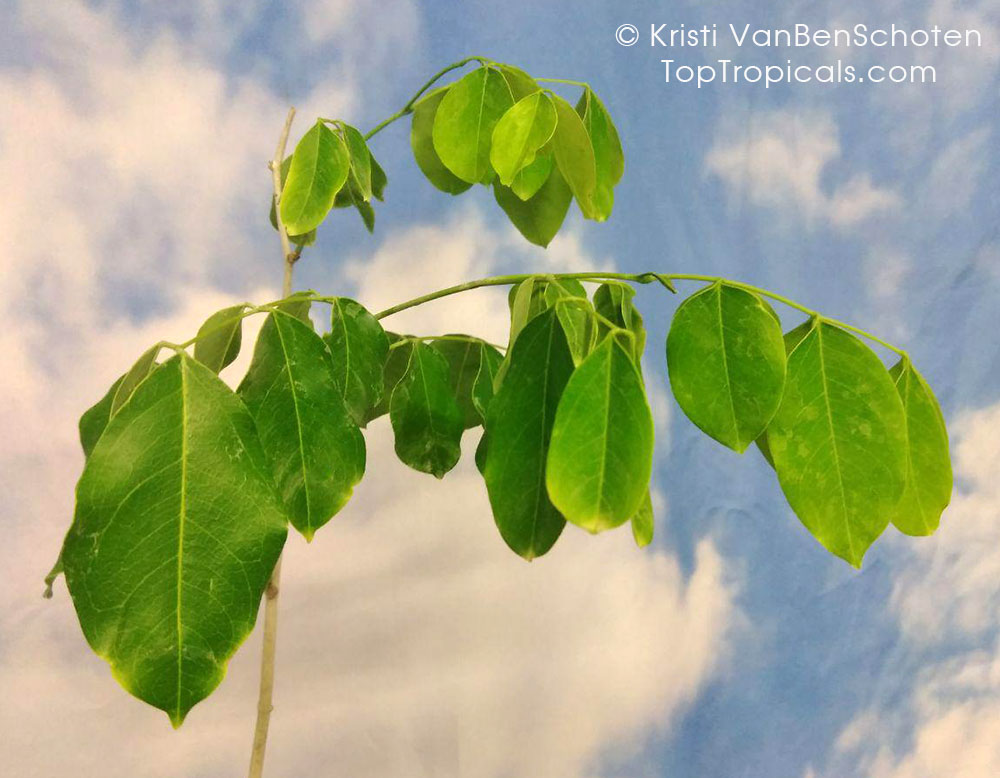
Afzelia xylocarpa is an unusual tree with its combination of broadleaf leaves and conifer-like bark with peeling stripes. The irregularly shaped leaves that turn yellow, yellow-green or yellow-gold in autumn make it an attractive choice for landscape design. Its large clusters of yellow-orange, seedpods up to 8 inches long are a striking contrast to the green of the tree.
The tree is traditionally used as an ethnomedical plant. The seed was traditionally used to treat diarrhea, dysentery, eye infections, and toothaches. In Cambodia, Afzelia xylocarpa (locally known as Beng) are planted as shading trees due to its wide-ranging branches. At roadsides and waterways, the tree provides a good wind barrier and protection from water-driven soil erosion.
Botanical name: Agathis robusta
Common names: Queensland Kauri, Smooth-barked Kauri
Family: Araucariaceae
Origin: Australia
USDA Zone: 8-11

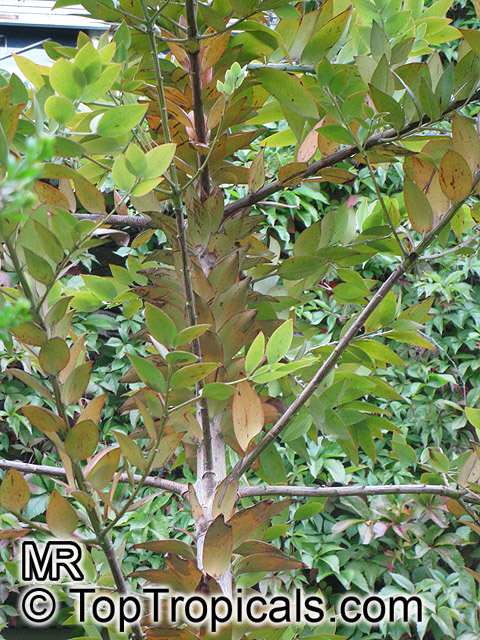
The Queensland Kauri or Agathis robusta is a majestic tree that is native to Australia. It has cones that are 3-4 inches long, on a short stalk, and very resinous. This tree is best suited for large gardens and public spaces as it is slow-growing and can reach great heights.
Agathis robusta is hardy to USDA Zone 8-11, and can tolerate temperatures down to about mid-20°F for a short time. It should be planted in a full sun location and will require moderate water during the growing season. However, it can withstand dry periods once established.
This tree is an excellent timber tree and is prized for its durability. The Queensland Kauri has one of the strongest timbers in the world and is used in construction, shipbuilding, and furniture making.
The Queensland Kauri is an attractive tree with an upright and well-formed crown. It requires little maintenance once established, but new plants should be watered deeply and regularly until they become well established. This process can take up to two years depending on the climate.
Overall, Agathis robusta is an excellent choice for those looking for a hardy and impressive large specimen for the garden or public space. The slow-growing and long-lived tree is sure to provide an interesting focal point and add an air of prestige to any area.
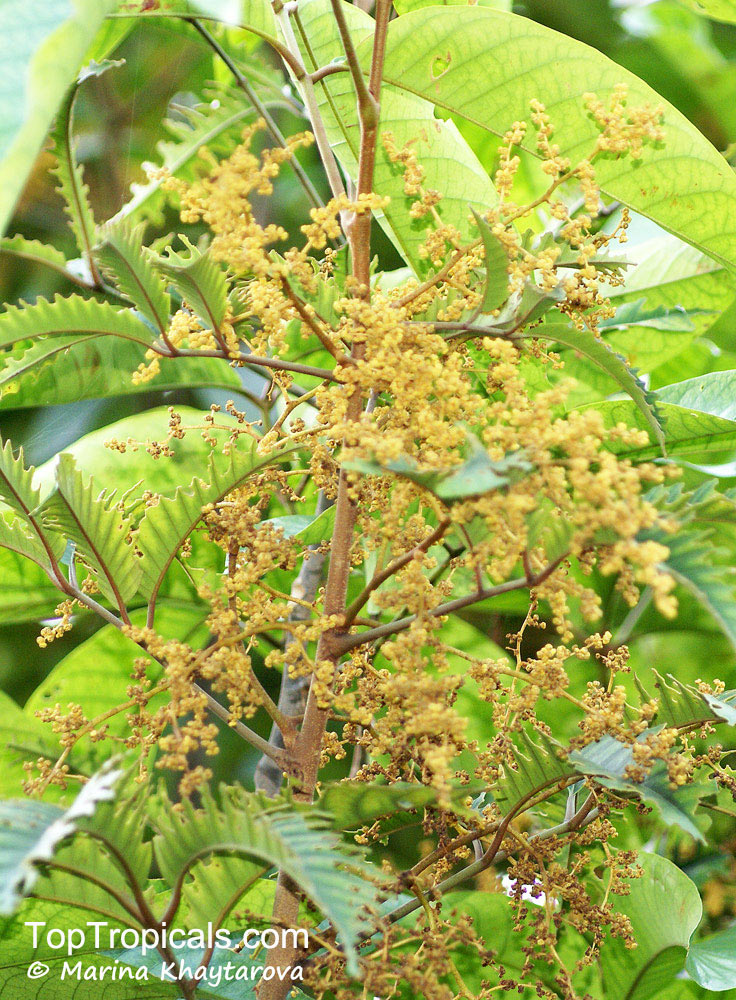
Botanical names: Aglaia korthalsii, Aglaia aquatica, Aglaia cauliflora
Common names: Aglaia, Sang Kreyt
Family: Meliaceae
Origin: Southeast Asia
USDA Zone: 9-10
Aglaia korthalsii, commonly known as Aglaia, is a small tropical tree native to Southeast Asia, from China to India. This species of tree is known for its unique properties, being an ethnomedical plant as well as edible, and is therefore grown commercially throughout the region. It is able to grow to heights of 10-20 feet tall, with extremely large specimens sometimes reaching heights of 20 feet or more.
When grown in a USDA zone ranging from 9-11, Aglaia korthalsii requires regular watering in order to survive and thrive. Unless temperatures abruptly drop below zero, it is not necessary to provide supplemental water during the winter in these climates. However, during the hot summer months it is important to provide the tree with moderate amounts of water.
Aglaia korthalsii is highly valued for its edible fruit. These fruits are ellipsoid to subglobose, ranging from 20 - 40mm in length and 10 - 50mm in width, and are orange in color. Each individual fruit contains up to 3 edible seeds, surrounded by a thin layer of edible flesh. These fruits carry numerous health benefits and are commonly used in local recipes of Southeast Asia. On average, it can produce up to 20 fruits per season, making it an excellent source for edible yield.
In colder climates, Aglaia korthalsii can be successfully grown in a pot. It is important to choose a pot that is large enough to accommodate its growth (at least 18 - 22 inches in diameter) and to use quality potting soil to ensure proper drainage. Furthermore, in cold climates it is necessary to bring the pot into a sheltered area during the winter months to ensure its survival. With the right care and maintenance, this beautiful tree can be a great addition to any landscape.
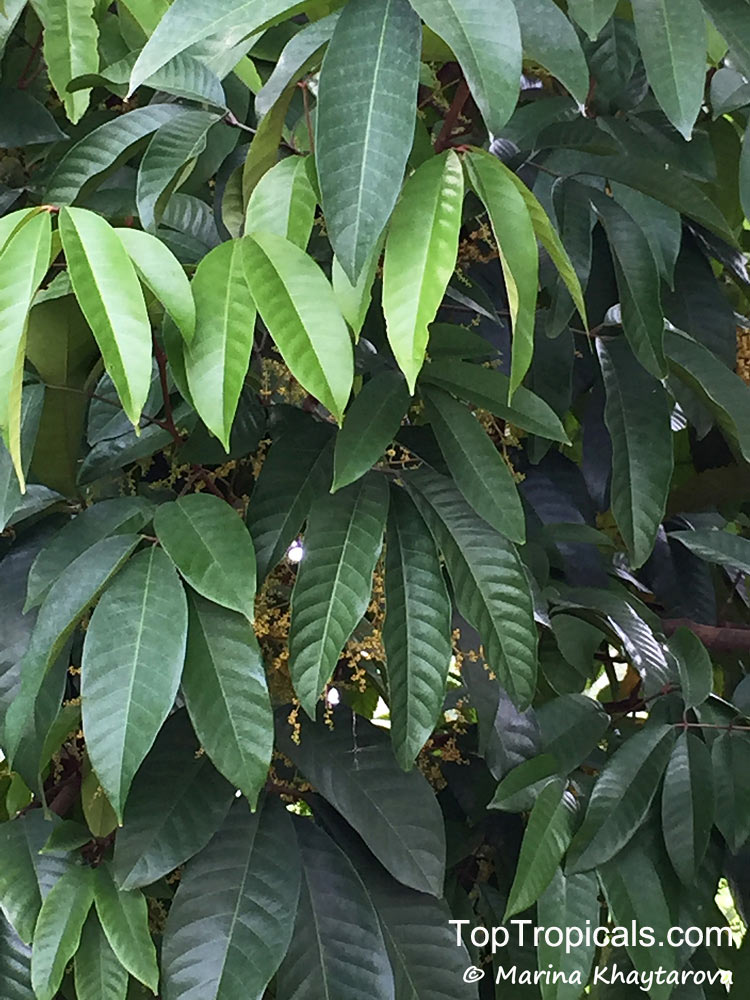
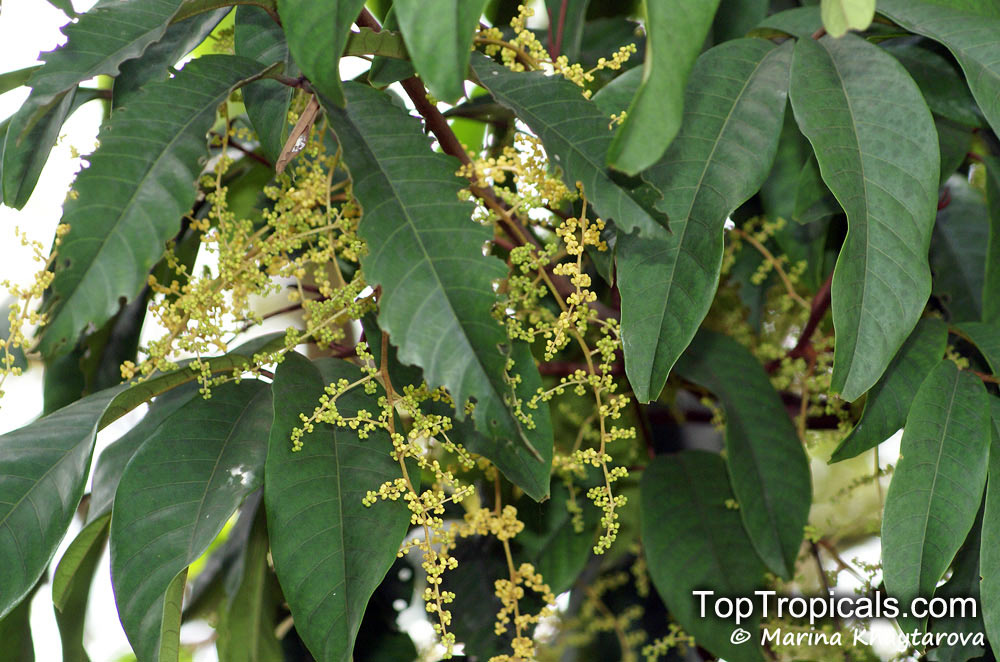
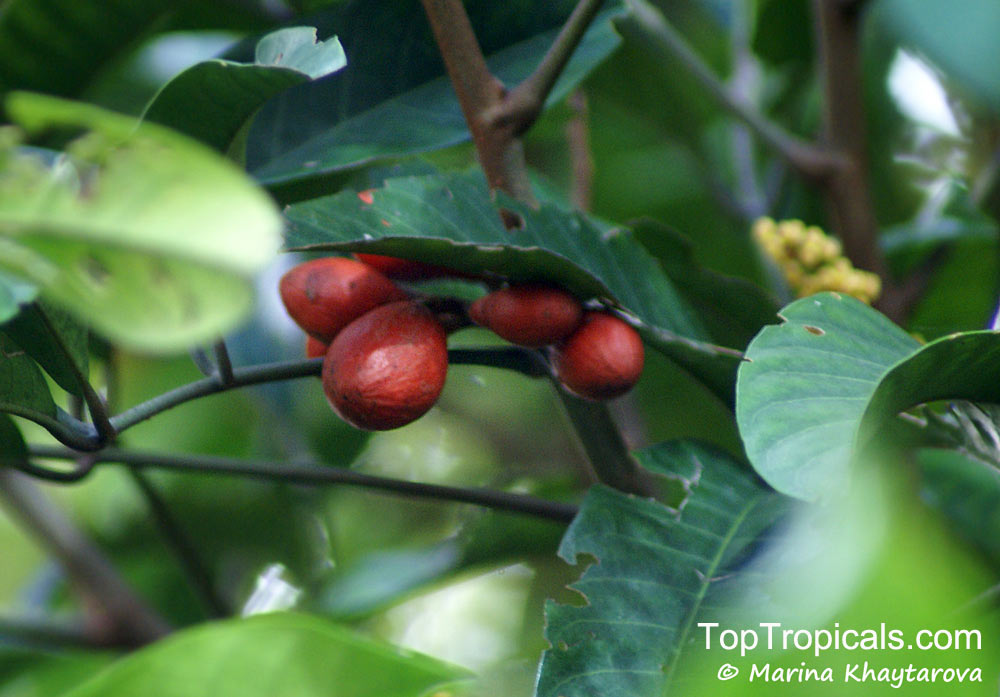

Botanical name: Albizia julibrissin
Common name: Silk Tree
Family: Fabaceae
Subfamily: Mimosoideae
Origin: Asia
USDA Zone: 6-9
This tree has attractive fragrant pom-pom- like flowers, and interesting fern-like foliage. In gardens this fast growing tree grows to 20-30 ft. It has a single trunk with smooth, gray bark. Each bi-pinnate leaf is made up of hundreds of tiny leaflets coated in white hairs, giving the foliage a silvery cast. In late winter or spring, the domed crown is decked in sprays of small, globular, off-white to baby-pink flower heads. Prefers a rich, light, well drained soil. The flowers are attractive to bees, butterflies, and birds.


| Prev | Next | |
Use link to repeat this search:
https://toptropicals.com/cgi-bin/garden_catalog/cat.cgi?search_op=and&keyword_op=and&language=e&number=10&no_change_lang=1
&v1=btr&user=tt&sale=1&first=0