Fabaceae - Botanical Family
| Number of plants found: 380 |  | Prev | Next | 
|
Go to page: | First | 2 | 3 | 4 | 5 | 6 | 7 | 8 | 9 | 10 | 11 | Last |

Botanical names: Bauhinia lunarioides, Bauhinia congesta, Casparea congesta
Common names: Anacacho Orchid Tree, Texas Plume
Family: Fabaceae
Subfamily: Caesalpinioideae
Origin: Texas, Mexico

USDA Zone: 9-10


Bauhinia lunarioides makes a gorgeous display with its silvery gray bark and fragrant white flowers that resemble orchids.


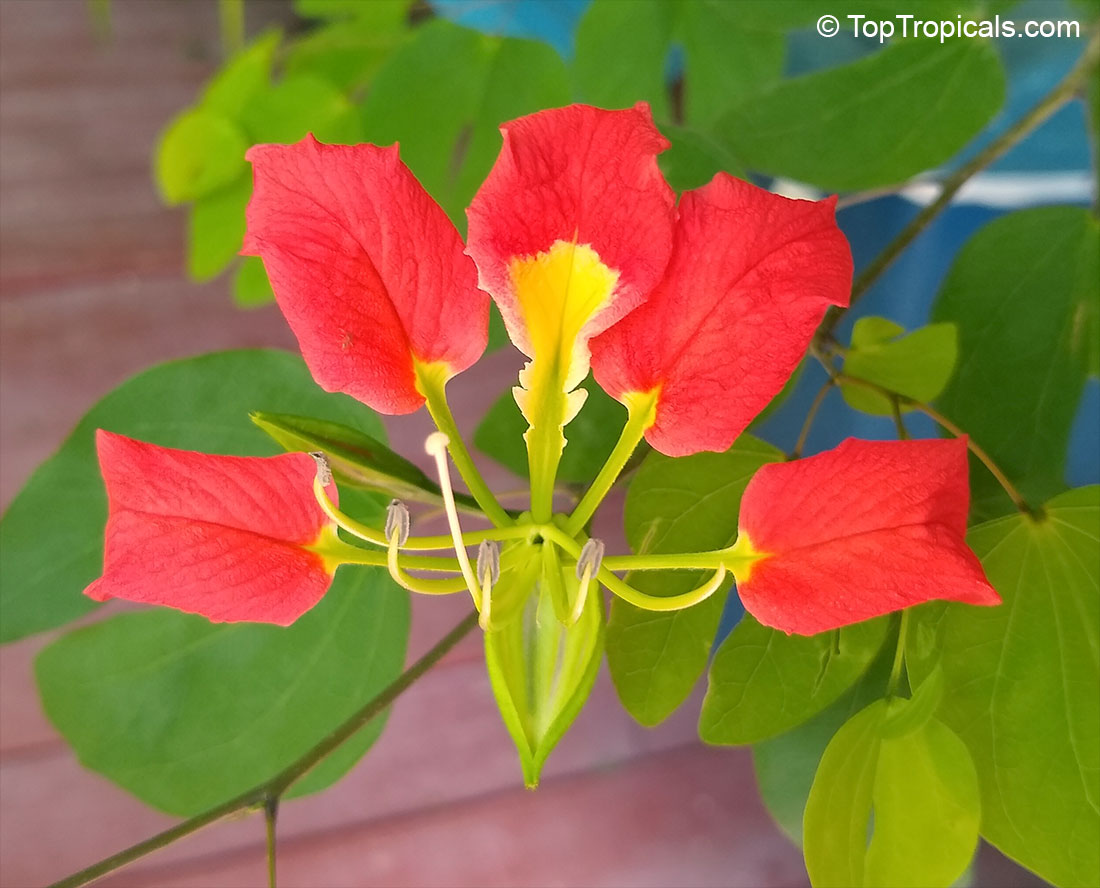
Botanical name: Bauhinia madagascariensis
Common name: Red Butterfly Orchid Tree
Family: Fabaceae
Subfamily: Caesalpinioideae
Origin: Africa, Madagascar
USDA Zone: 9-11


This rare plant is one of the most spectacular Orchid trees in cultivation. Flowers and extremely showy, look like scarlet butterflies with bright yellow stripes at the base of each petal.
It grows into a small tree or bush. Plant in in full sun to get the most of its flowering season.
Rare collectible species. Fast growing.
Learn more: Bauhinias: trees with Orchid Flowers and Butterfly Wings




Recommended Fertilizer: SUNSHINE Megaflor - Bloom Nutrition Booster

Recommended Fertilizer: SUNSHINE Megaflor - Bloom Nutrition Booster
7 gal pot. More developed root system, thicker trunk and branches. Plant height depends on growing season and variety. Dwarf varieties are slow growers and may be shorter. Contact us for exact size description if size/height matters to you. 7 gal plants may be shipped separately from other items by Ground service due to large size. See here time in transit (business days, excluding Sat-Sun!)

Recommended Fertilizer: SUNSHINE Megaflor - Bloom Nutrition Booster

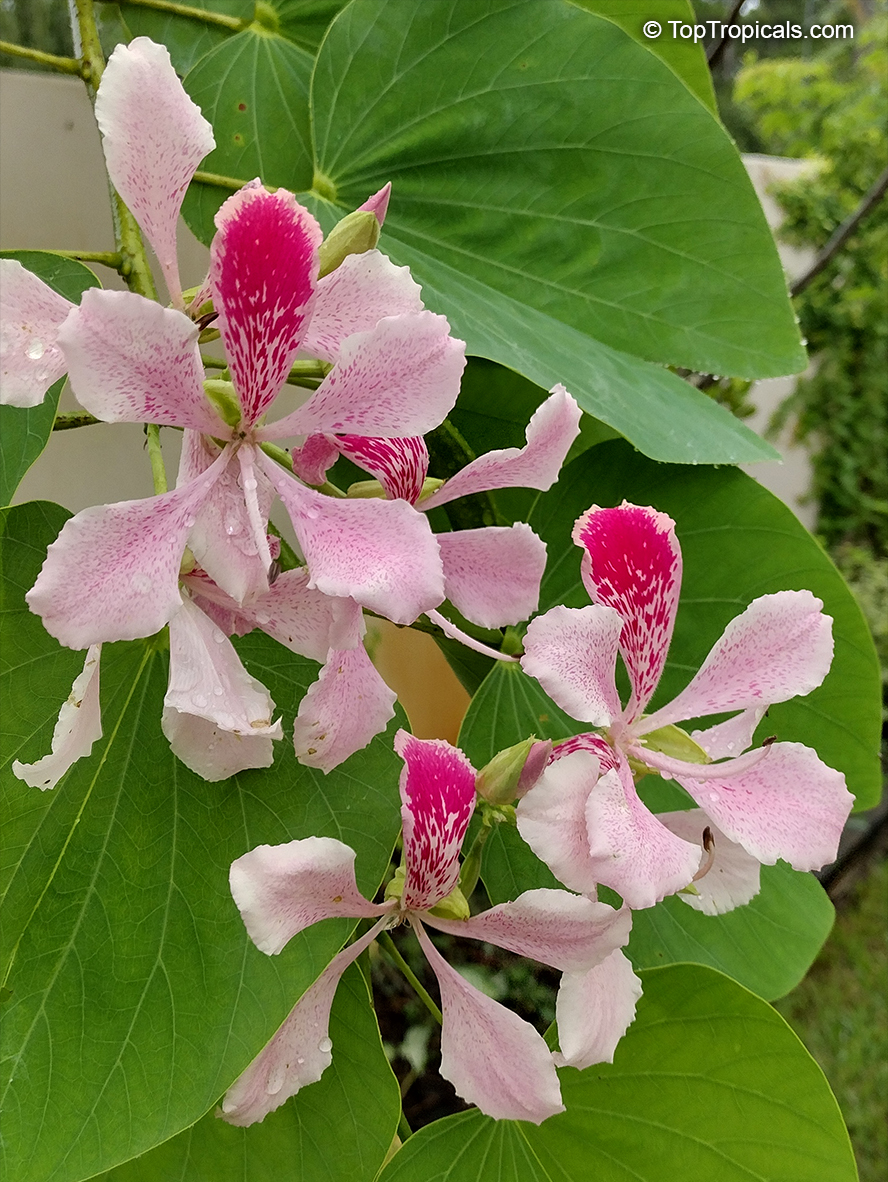
Botanical name: Bauhinia mexicana
Common name: Mexican Orchid Tree
Family: Fabaceae
Subfamily: Caesalpinioideae
Origin: Mexico
USDA Zone: 9-10

Bauhinia mexicana forms a multi-trunked small tree/shrub covered with large and showy, but at the same time very delicate, pink or white flowers, from summer through early fall.

Botanical name: Bauhinia monandra
Common names: Orchid tree, Napoleon's plume
Family: Fabaceae
Subfamily: Caesalpinioideae
Origin: Tropical America
USDA Zone: 10-11


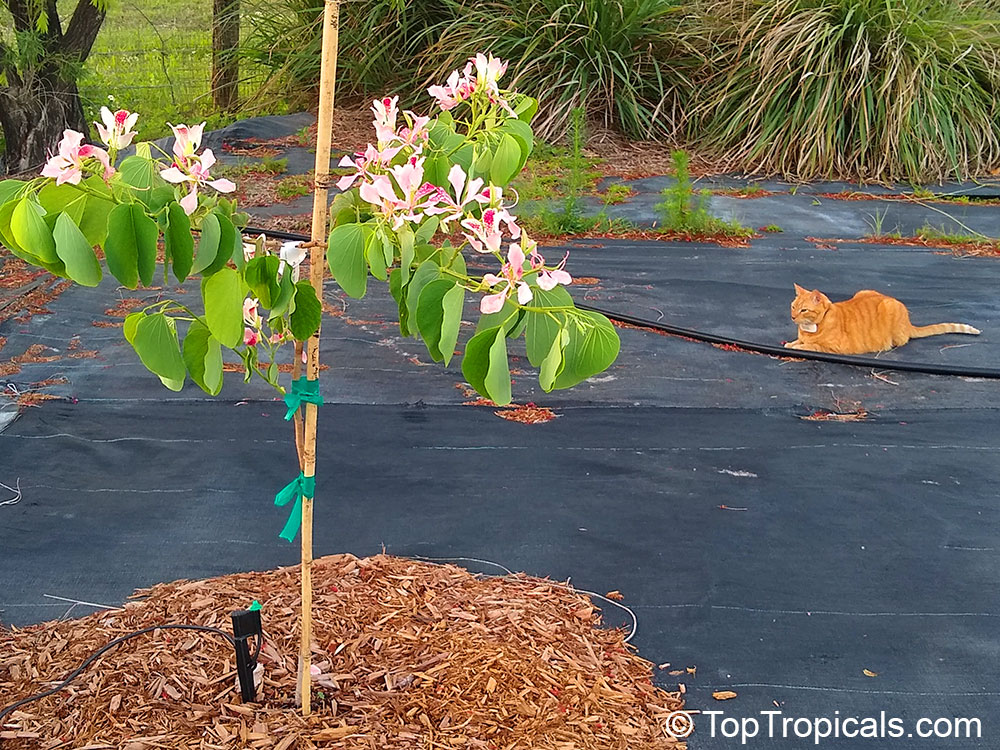
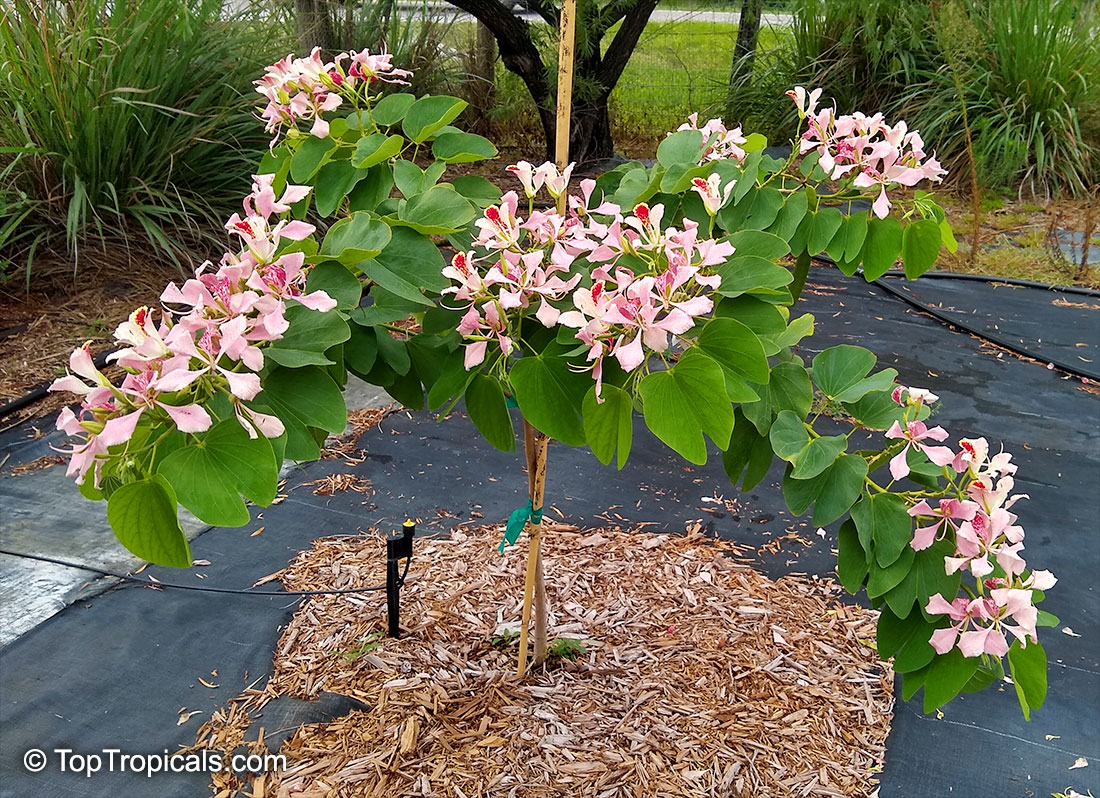
Nice landscape tree, good shade tree for summer. Bauhinias were named in honor of the brothers Bauhin, Swiss botanists of the 16th-17th century. Their characteristic twin lobed leaves give them a definite tropical look. The species name 'monandra' refers to the fact that they have only one stamen. Sensitive to chlorosis, treat with iron chelate. Although not generally necessary, they can be pruned after flowering. The blossom is spectacular, the tree is covered of flowers looking like orchids. Flower will start out as a pale yellow but turn to pink the next day with the center petal streaked with magenta. Bauhinia monandra is used in Brazil for the treatment of diabetes.
See Article about Bauhinia monandra.
Learn more: Bauhinias: trees with Orchid Flowers and Butterfly Wings





Recommended Fertilizer: SUNSHINE Megaflor - Bloom Nutrition Booster
Recommended Fertilizer: SUNSHINE Megaflor - Bloom Nutrition Booster
Local pickup only. This item is not available for shipping. Local delivery may be available in Ft. Myers or Sebring, Florida. Contact us for an estimate. Non-pickup orders are subject to restocking fees.

Botanical name: Bauhinia natalensis
Common names: Natal Neat's Foot, Dainty Bauhinia
Family: Fabaceae
Subfamily: Caesalpinioideae
Origin: South Africa
USDA Zone: 9-10


Botanical name: Bauhinia petersiana
Common names: Kalahari White Bauhinia, Koffiebeesklou
Family: Fabaceae
Subfamily: Caesalpinioideae
Origin: South Africa
USDA Zone: 9-10

Native to sub-Saharan Africa, the Kalahari White Bauhinia, or Bauhinia petersiana is a beautiful shrub or small tree. It can grow 5-10 feet tall when in the shape of a shrub, or 10-20 feet when in the form of a small tree. It is a member of the Bauhinia genus which also includes several flowering trees.
The Kalahari White Bauhinia has large, showy crinkled white flowers with off-white petals. The blooms appear in flushes during the summer months and last until autumn. These flowers attract butterflies, hummingbirds, and other pollinators.
This plant thrives best in the full sun, but it can handle some shade as well. It requires moderate amounts of water and can withstand periods of drought. It is hardy in USDA Zone 9-11.
In addition to its beauty, the Kalahari White Bauhinia has history. It is an ethnomedical plant, and its bark, leaves, and flowers have been used to aid digestion and treat skin conditions.
The Kalahari White Bauhinia is a beautiful and beneficial plant recognized by gardeners and plant enthusiasts alike. This plant can be grown in pots in cold regions, though they should be brought indoors when temperatures drop too low. To ensure good growth, it should be fertilized two times during its growing season and watered thoroughly in spring and summer months. Sun exposure should also be monitored in order to ensure that the Kalahari White Bauhinia receives enough light but not too much.
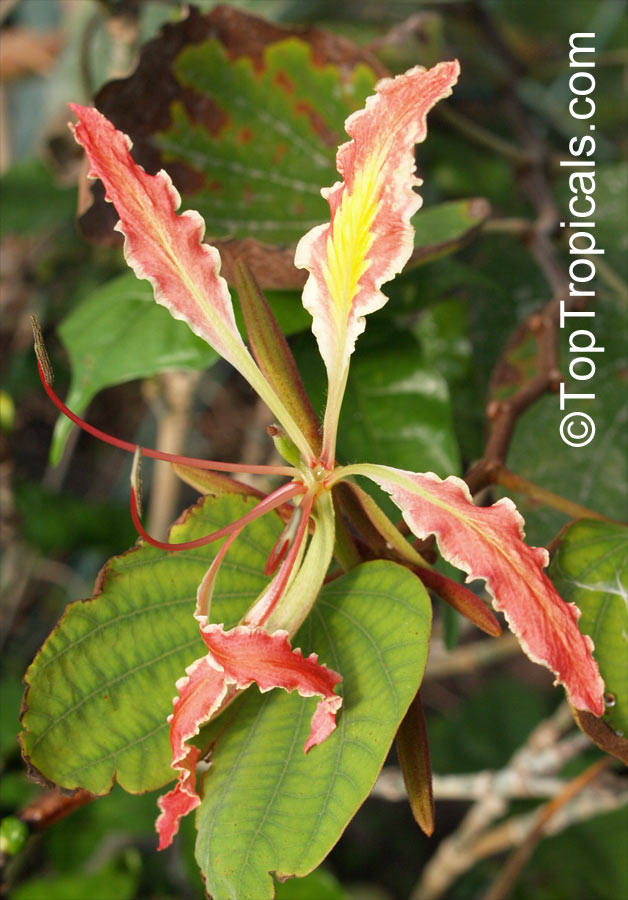
Botanical name: Bauhinia pottsii
Common name: Orchid Tree
Family: Fabaceae
Subfamily: Caesalpinioideae
Origin: Thailand
USDA Zone: 9-10

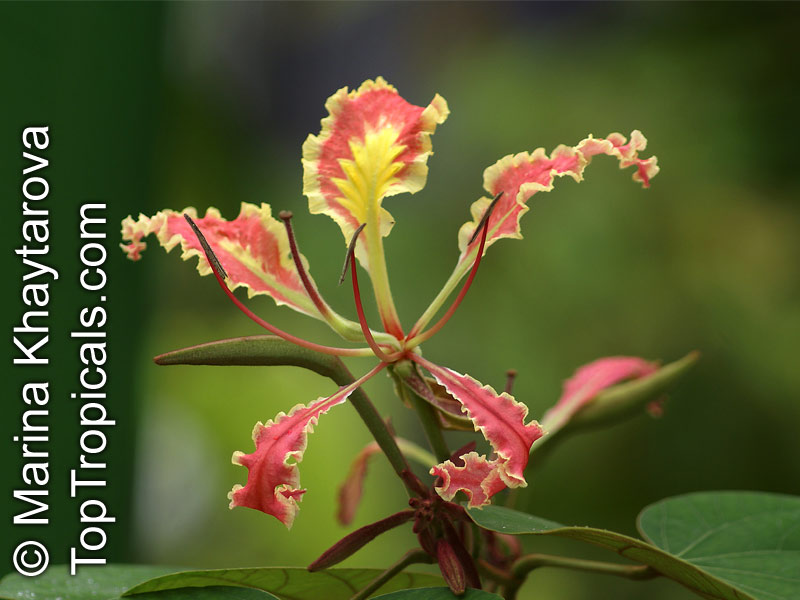
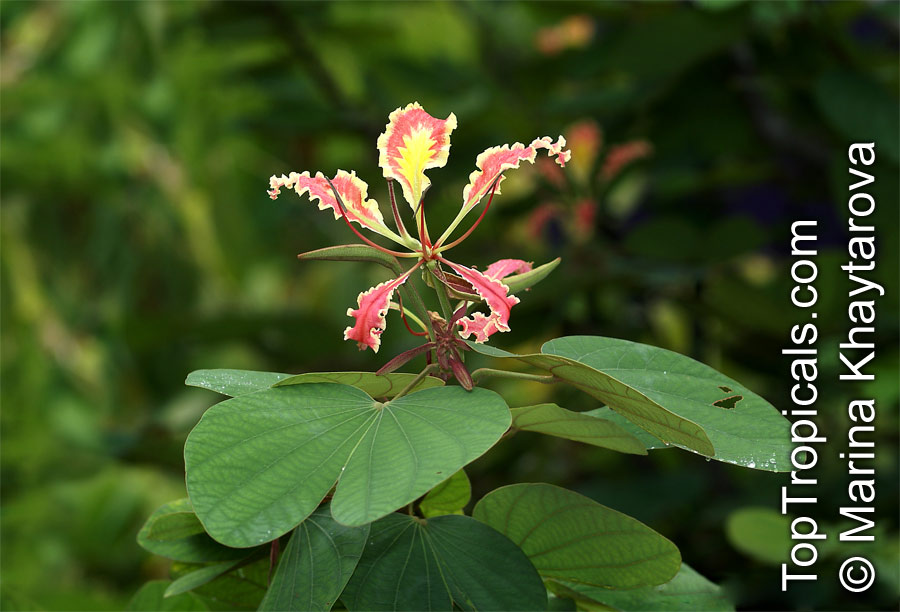
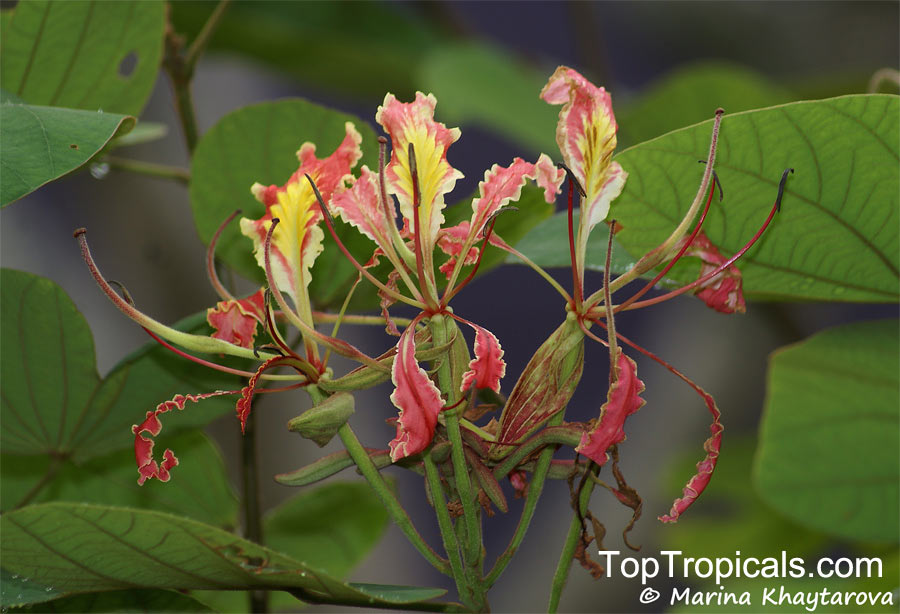
Small tree or shrub with beautiful bright Orchid-like flowers, red with white borders and yellow markings on petels. Young leaves are bright red. Rare species.
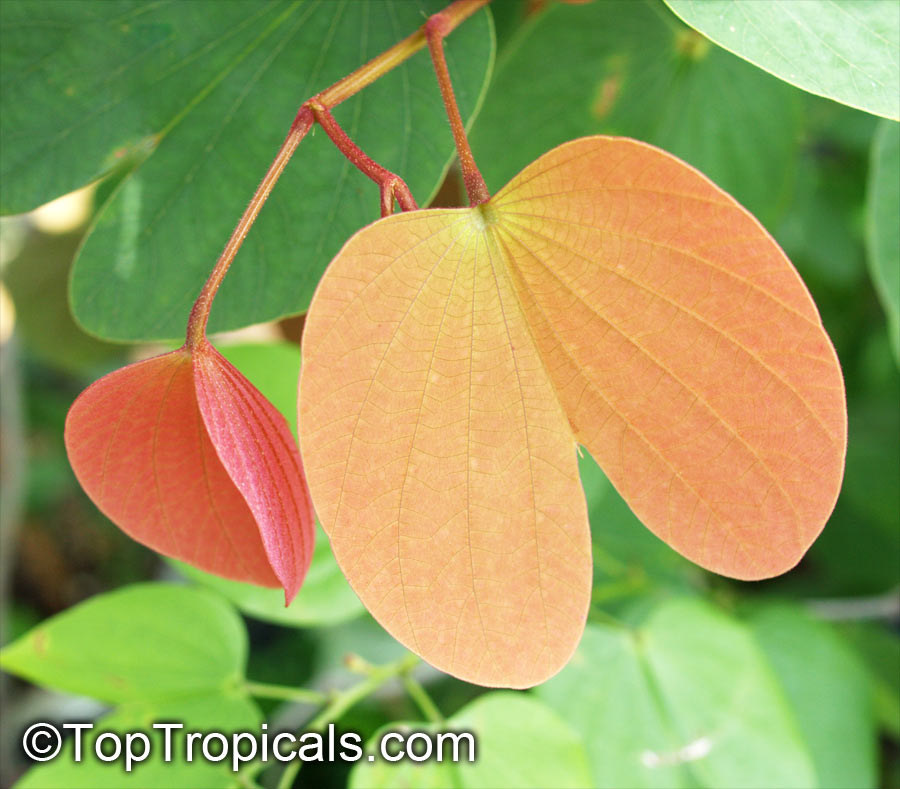
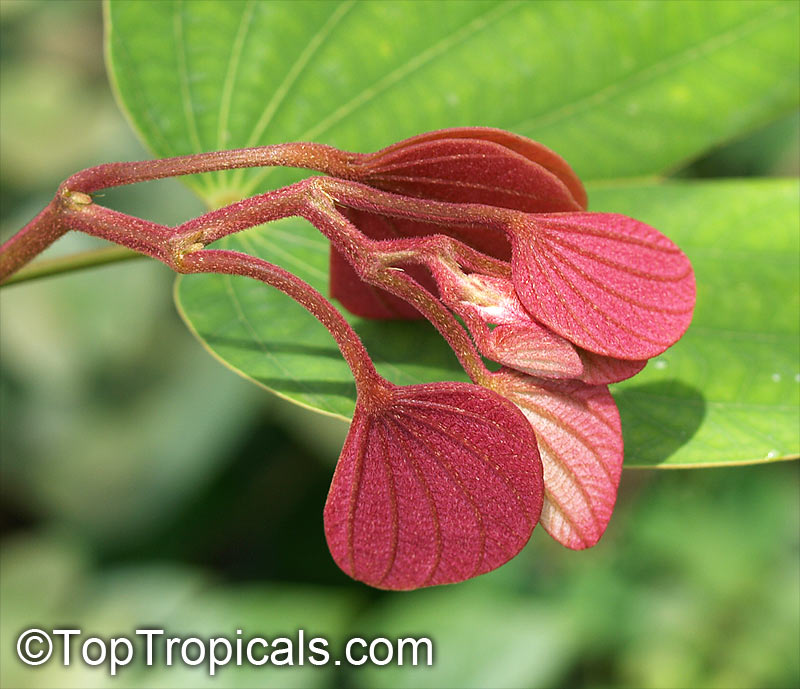
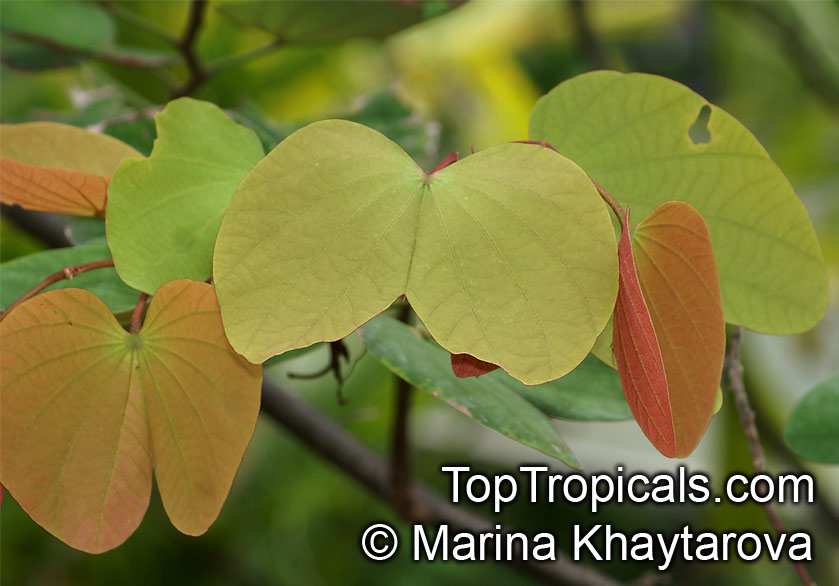


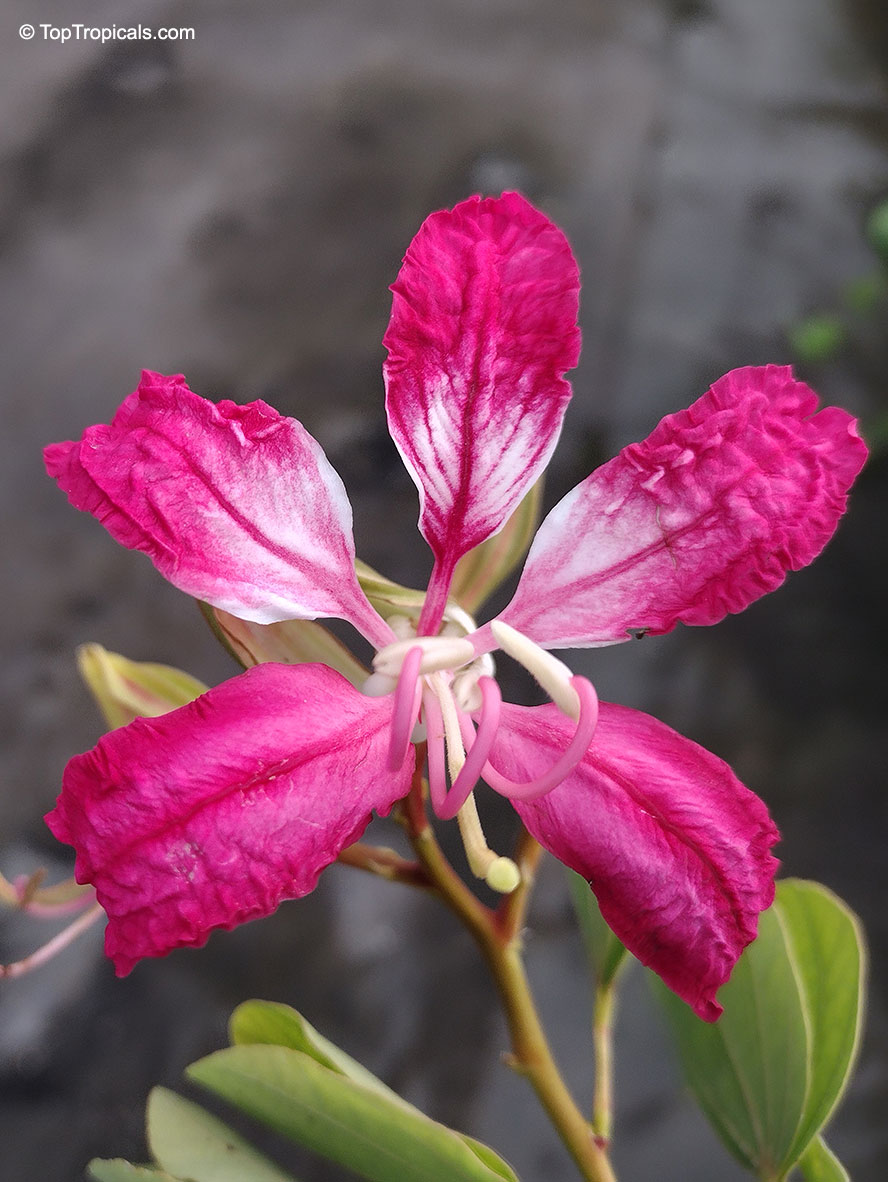
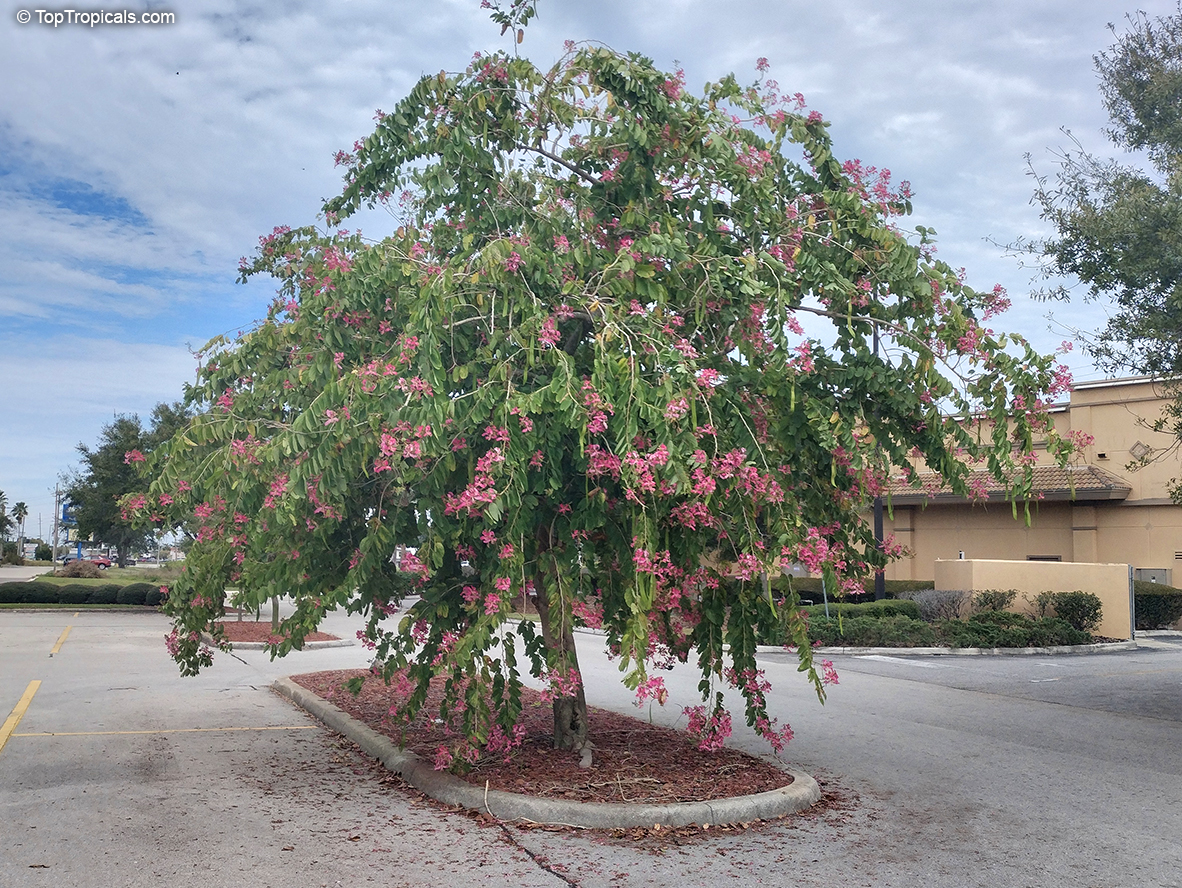
Botanical names: Bauhinia purpurea, Phanera purpurea
Common names: Orchid Tree, Butterfly Tree
Family: Fabaceae
Subfamily: Caesalpinioideae
Origin: Australia and East Asia
USDA Zone: 9-11

Nice landscape tree, good shade tree for summer. Bauhinias were named in honor of the brothers Bauhin, Swiss botanists of the 16th-17th century. Their characteristic twin lobed leaves give them a definite tropical look. Sensitive to chlorosis, treat with iron chelate. Although not generally necessary, they can be pruned after flowering. Flowers are fragrant.
Learn more: Bauhinias: trees with Orchid Flowers and Butterfly Wings


Learn more: Bauhinias: trees with Orchid Flowers and Butterfly Wings
Recommended Fertilizer: SUNSHINE Megaflor - Bloom Nutrition Booster
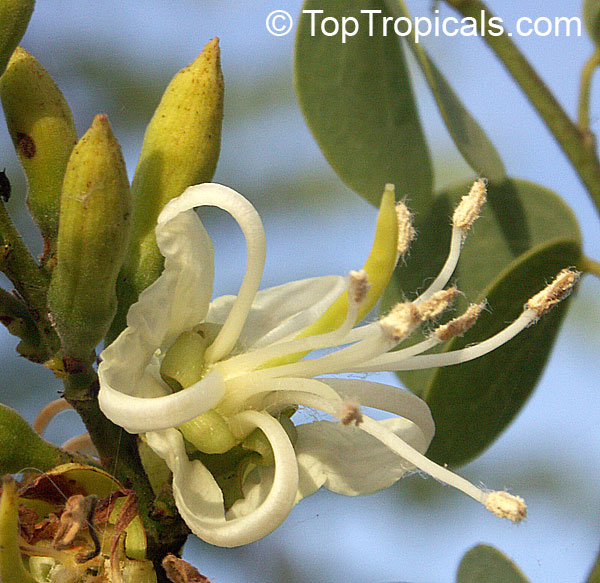
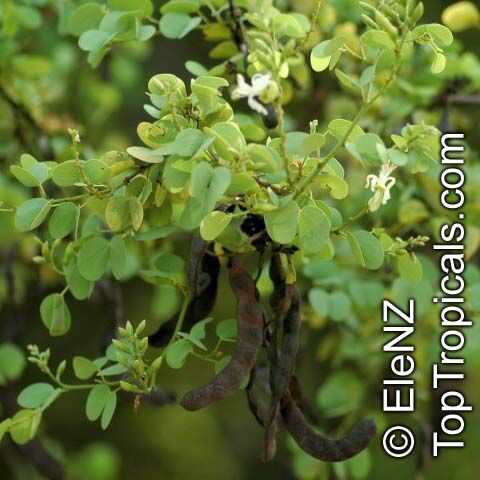
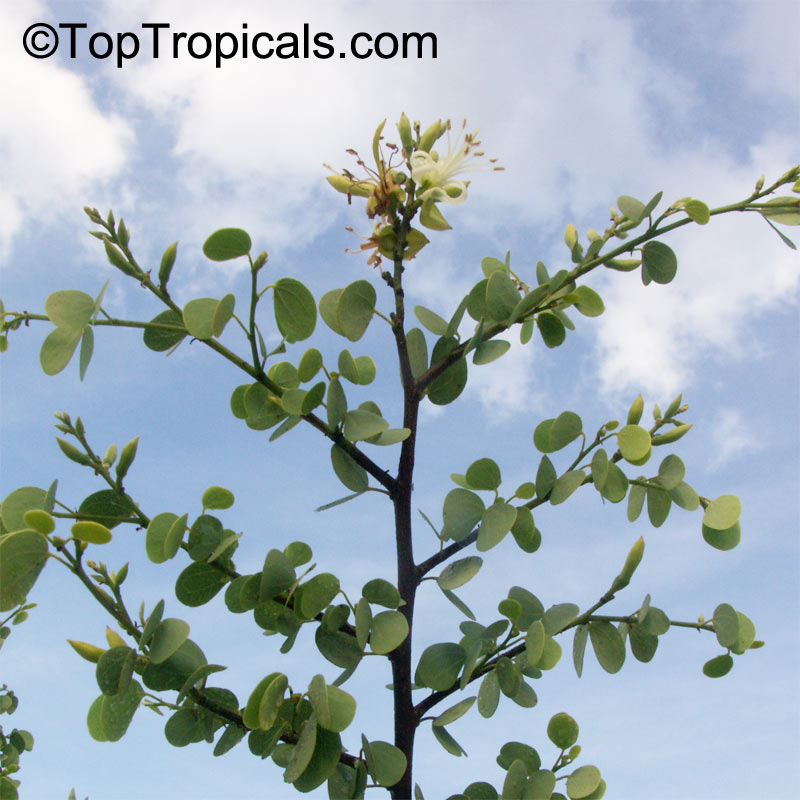
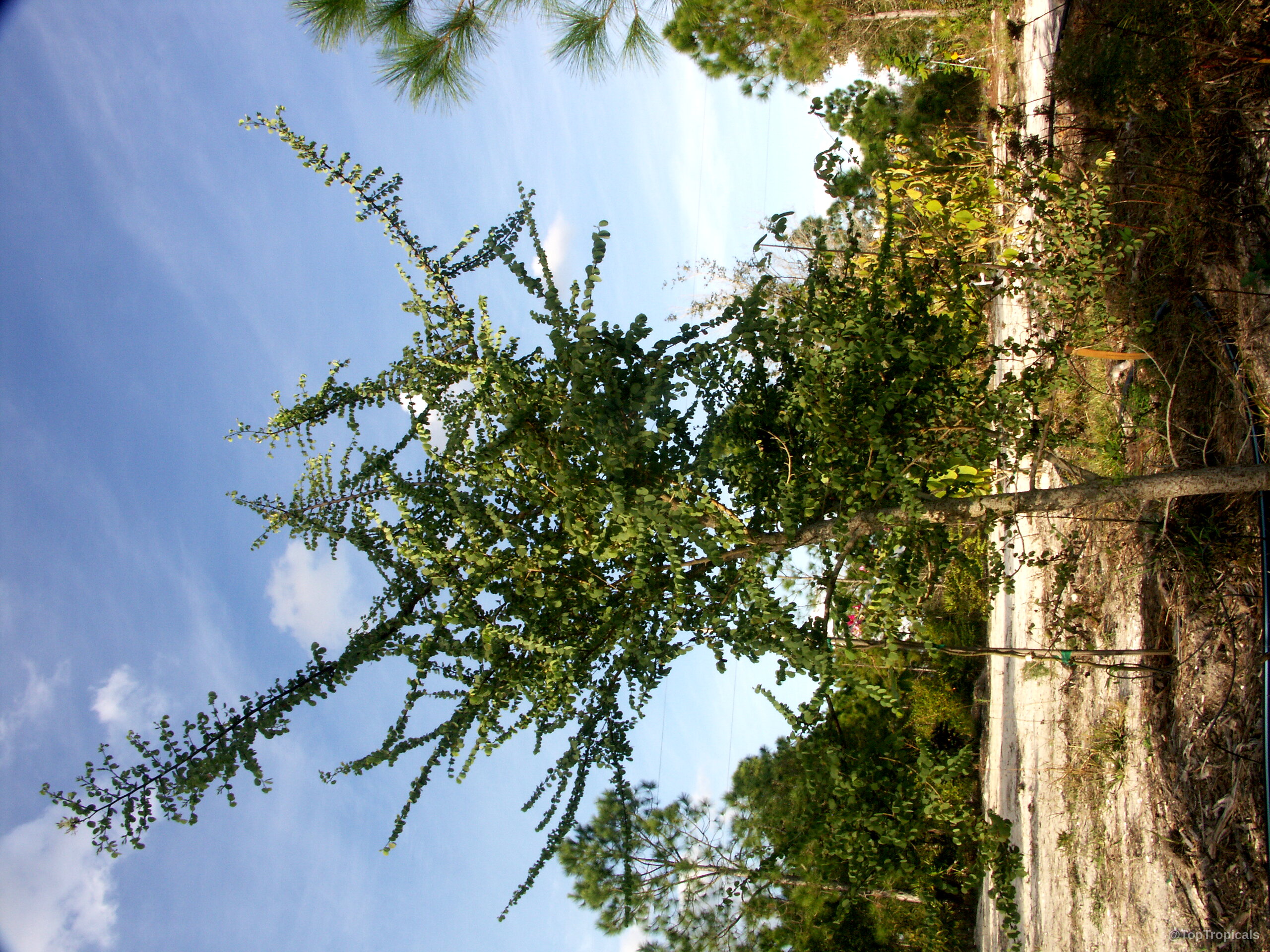
Botanical names: Bauhinia rufescens, Adenolobus rufescens, Bauhinia adansoniana
Common names: Kharoub, Kulkul, Nammare, Jiga, Randa
Family: Fabaceae
Subfamily: Caesalpinioideae
Origin: Africa
USDA Zone: 9-11

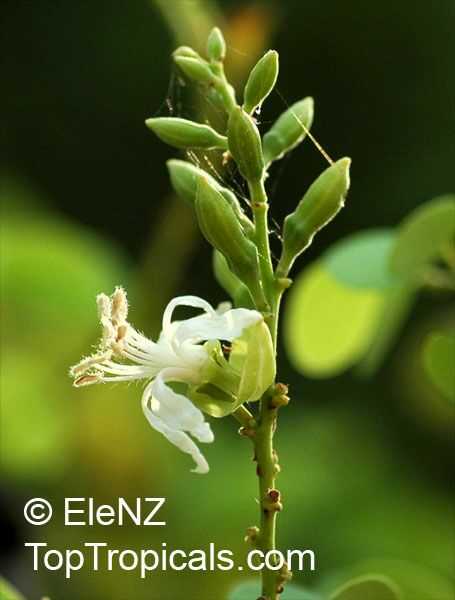
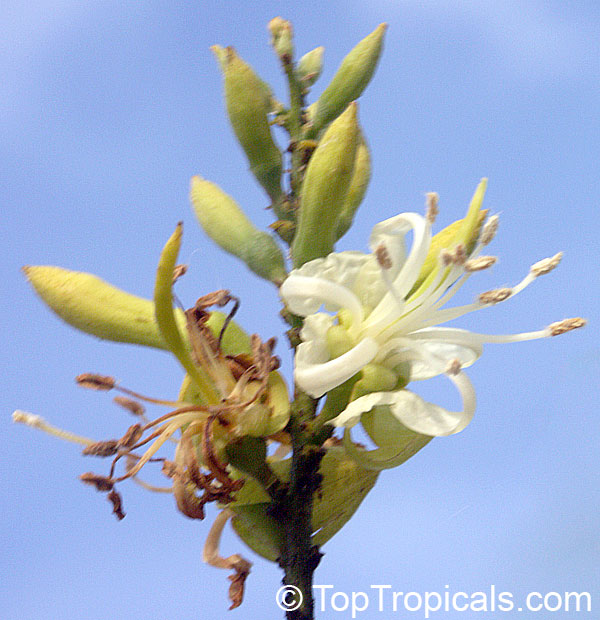
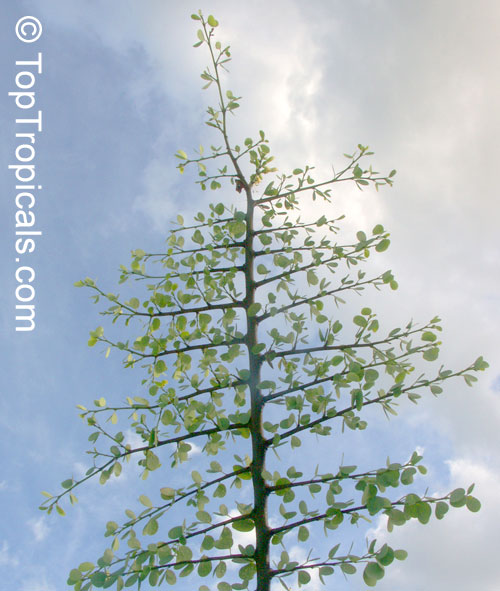
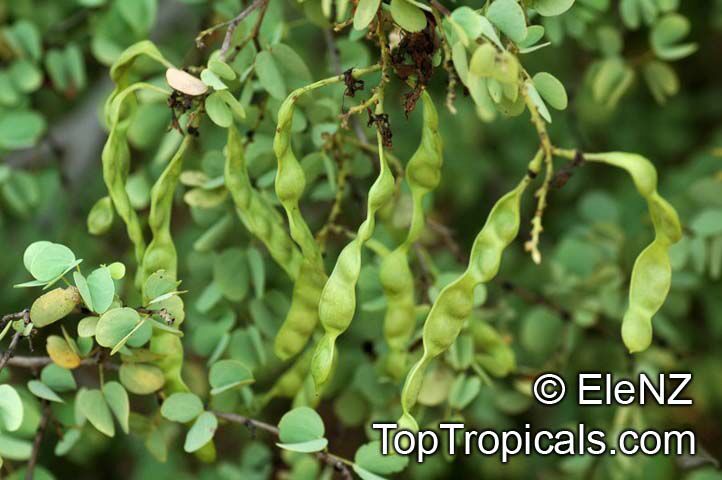
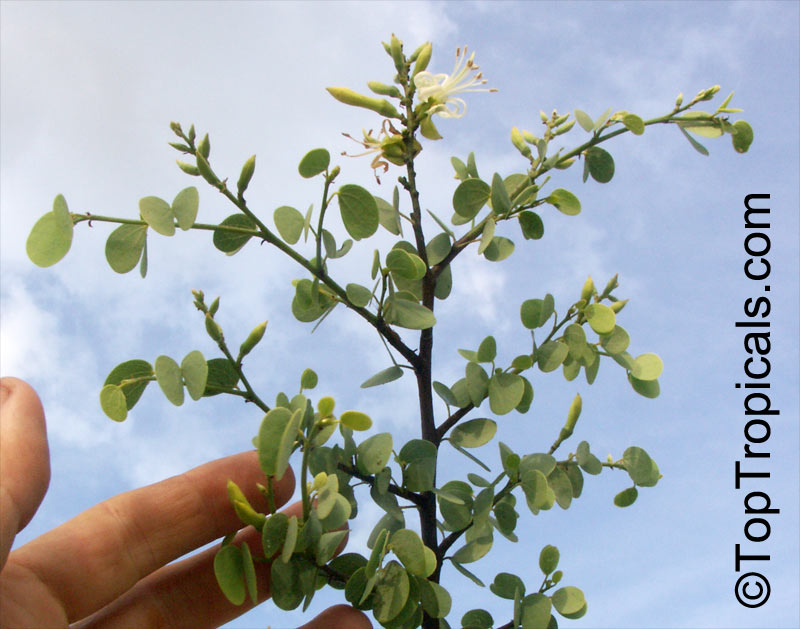
Bauhinia rufescens is a shrub or small tree that can make a great bonsai due to its compact nature, tiny leaves, and slow growth. Leaves are very small, bilobate almost to the base, with semi-circular lobes, glabrous, with long petioles, greyish-green, less than 1". Flowers greenish-yellow to white and pale pink, in few-flowered racemes. Pods remain on the shrub for a long time. The plant is deciduous in drier areas and is an evergreen in wetter areas. It is often found in dry savannah, especially near stream banks. It is found in the entire Sahel and adjacent Sudan zone, from Senegal and Mauritania across North Ghana and Niger to central Sudan and Ethiopia. Native to: Chad, Ethiopia, Ghana, Kenya, Mali, Mauritania, Nigeria, Senegal, Sudan, Tanzania, Uganda.
The young plants are fairly hardy but need to be protected for at least 1 season. Growth is fairly slow, with a height of 3 ft expected after 2 years. Tolerates poor soils and drought.
In Ghana, farmers, hunters and field workers eat the wild fruits. The green and dried fruit and the leaves and shoots are valuable forage, favored by many species of wild and domestic animals, which may cause the extinction of B. rufescens in regions overstocked with livestock. In Sudan, the pods are said to be the most valuable forage for camels. An extract of the root is used as an astringent or antipyretic in local medicine. Leaves and fruit are applied for the treatment of diarrhea, dysentery and ophthalmic diseases. The bark of the roots and trunk is used to cure chest complaints, leprosy, diarrhea and dysentery and to reduce fever.




Botanical name: Bauhinia saccocalyx
Common name: Thai Orchid Tree
Family: Fabaceae
Subfamily: Caesalpinioideae
Origin: Thailand
USDA Zone: 9-11

Small compact tree with 2-3" butterfly bi-fold leaves and clusters of small white flowers during spring - summer. Great for small yard or container. Butterfly and bee attractor. Can tolerate some freeze.


| Prev | Next | |
Use link to repeat this search:
https://toptropicals.com/cgi-bin/garden_catalog/cat.cgi?search_op=and&keyword_op=and&language=e&family=Fabaceae&number=10
&no_change_lang=1&user=tt&sale=1&first=0