Fabaceae - Botanical Family
| Number of plants found: 380 |  | Prev | Next | 
|
Go to page: | First | 6 | 7 | 8 | 9 | 10 | 11 | 12 | 13 | 14 | 15 | Last |

Botanical names: Cajanus cajan, Cajanus indicus
Common names: Pigeon Pea, Dhal, Gandul, Red Gram, Congo Pea, Gungo Pea, No Eye Pea
Family: Fabaceae
Subfamily: Faboideae
Origin: South Asia
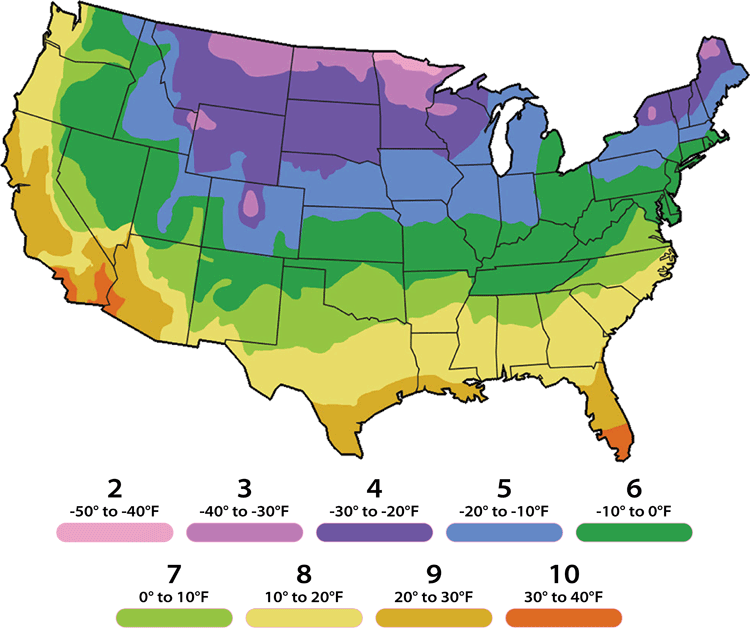
USDA Zone: 9-11


Pigeon peas are popular food in developing tropical countries. Nutritious and wholesome, the green seeds (and pods) serve as vegetable.
Leaves are trifoliate and spirally arranged on the stem. Flowers occur in terminal or axillary racemes, are 2-3 cm long, and are usually yellow, but can be flocked or streaked with purple or red.
Pigeon Pea is hardy, widely adaptable, and more tolerant of drought and high temperatures than most other crops. It grows on acid sands in the Sahel and alkali clays in India. Frost or excessive soil salinity are not tolerated, and waterlogging for 3-4 days severely reduces yields.
See Article about this plant: Cajanus cajan - Pigeon Pea. The plant that saw paws of the newborn Great Sphinx....
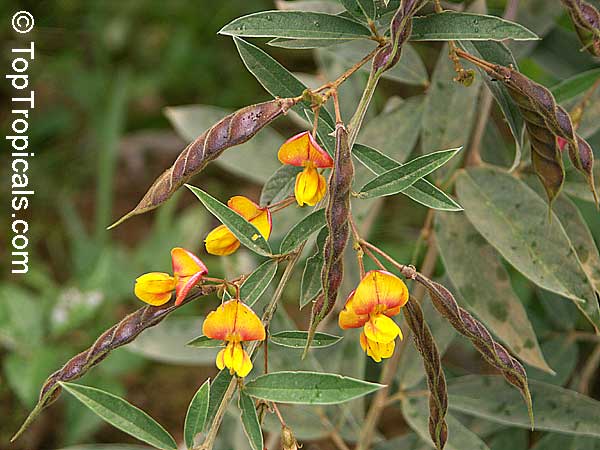


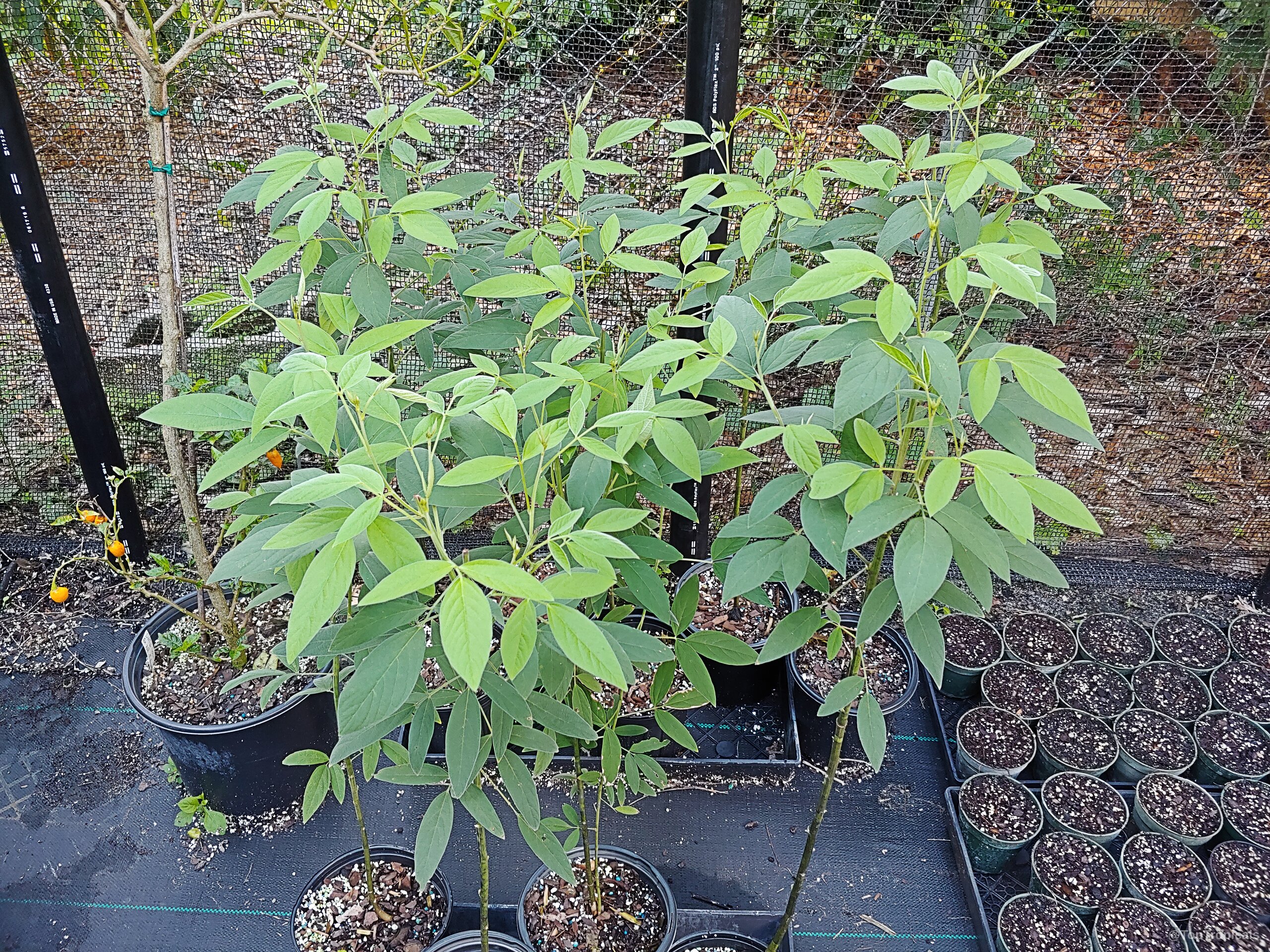


Pigeon peas are popular food in developing tropical countries. Nutritious and wholesome, the green seeds (and pods) serve as vegetable.
Leaves are trifoliate and spirally arranged on the stem. Flowers occur in terminal or axillary racemes, are 2-3 cm long, and are usually yellow, but can be flocked or streaked with purple or red.
Pigeon Pea is hardy, widely adaptable, and more tolerant of drought and high temperatures than most other crops. It grows on acid sands in the Sahel and alkali clays in India. Frost or excessive soil salinity are not tolerated, and waterlogging for 3-4 days severely reduces yields.
See Article about this plant: Cajanus cajan - Pigeon Pea. The plant that saw paws of the newborn Great Sphinx....
Ordering seeds info
RECOMMENDED SUPPLIES:
Seed Germination Mix #3, professional grade
SUNSHINE-Epi - Seeds and cuttings booster
SUNSHINE Bombino - Young Plant Booster
Recommended Fertilizer: SUNSHINE C-Cibus - Crop Nutrition Booster
SUNSHINE-Honey - sugar booster

Botanical names: Callerya atropurpurea, Millettia atropurpurea
Common names: Purple Milletia, Tulang Daing
Family: Fabaceae
Subfamily: Faboideae
Origin: Malaysia
USDA Zone: 9-11

It creates a sensational splash of contrasting color for any landscape. It bears masses of vinous-red or crimson flowers which are delicately scented and attract plenty of butterflies and hummingbirds.
This magnificent Callerya atropurpurea (Purple Milletia) is native to Malaysia and is a small tree that can reach a height of 10 to 20 feet. This evergreen tree is easy to grow and maintain and prefers to be grown in full sun. It can withstand moderate water, though it prefers a well-draining soil. The foliage is glossy and is made up of pinnate compound leaflets with an oblong and pointed shape.
When it blooms, Callerya atropurpurea sports a magnificent display of eye-catching deep red and purple petals and sepals. This stunning flower can attract a plethora of butterflies and hummingbirds. Furthermore, this specie is cold tolerant and can stay alive in temperatures down to 30s F for a short period of time. It is hardy to USDA Zone 9-11, but it can survive in colder regions as long as the pot is protected and brought indoors during the cold season.
When it comes to plant care, it is important to water regularly and evenly, allowing the soil to dry a bit between each irrigation. To keep it healthy and thriving, you should use high-quality soil and fertilizer, while pruning it yearly.
Callerya atropurpurea is an easy-care, low maintenance tree that will bring some vibrancy, beauty and interest to any garden or landscape. Its stunning deep red and purple flowers, as well as its lush foliage, will make sure it stands out, even among similar plants. It creates a unique, breathtaking sight that will invite plenty of pollinators and will bring you joy year after year.


Botanical names: Calliandra angustifolia, Calliandra stricta
Common name: Bobinsana
Family: Fabaceae
Origin: South America
USDA Zone: 9-11

Bobinsana is a shrubby tree that grows 4 to 6 meters high that is usually found alongside rivers and streams in the Amazon Basin This water-loving tree is especially abundant on the banks of the Huallaga and Mayo rivers in Eastern Peru. Bobinsana can also be found alongside streams in the cloud forests and warmer valleys of the Eastern Andean slopes up to 1500 meters in elevation. Bobinsana produces pretty pink to reddish powderpuff-like flowers.


Botanical names: Calliandra brevipes, Calliandra selloi, Acacia selloi
Common names: Pink Powderpuff, Shuttlecock, Esponja, Esponjinha, Manduruva, Fairyduster, Mesquitilla, Mock mesquite, Quebra-foice
Family: Fabaceae
Subfamily: Mimosoideae
Origin: Brazil
USDA Zone: 9-11

Calliandra brevipes (Pink Powderpuff) is an eye-catching shrub that is native to Brazil, Uruguay, and northern Argentina. It is a robust deciduous shrub that is capable of growing to a height of 10-20 ft (3-6 m). This vibrant, medium to large-sized shrub has finely divided leaves and clusters of beautiful red powder-puff flowers. The petals are inconspicuous, yet the long, pink filaments of the stamens form delicate, pink balls, giving it a gorgeous fluffy pink appearance when it is in full bloom during the summer months.
Calliandra brevipes can be grown in both full sun and semi-shade. Its soil should be kept moist yet well-drained, and it requires moderate amounts of water. Moreover, the plant is a great way to attract butterflies, hummingbirds, and other beneficial insects.
This shrub is not just attractive; it is also hardy and capable of withstanding temperatures of at least 30°F for a short duration of time, making it suitable for cultivation in USDA Zone 9-11. Furthermore, Calliandra brevipes has a delightful and delicate appearance, making it a popular choice for bonsai.
One can easily grow Calliandra brevipes in a pot or container. To successfully do so, find a container that is big enough to accommodate growth and provide the plant with the necessary amount of soil and water. Place the pot in a spot that receives ample sunlight and ensure that the soil is kept moist yet well-drained. Furthermore, if you live in a cold region, it is recommended to bring the pot indoors during winter months or protect it from extremely low temperatures.


Recommended Fertilizer: SUNSHINE Megaflor - Bloom Nutrition Booster

Botanical name: Calliandra californica
Common name: Baja Fairy Duster
Family: Fabaceae
Subfamily: Mimosoideae
Origin: California, Mexico
USDA Zone: 9-11
Calliandra californica, commonly known as Baja Fairy Duster or Red Fairy Duster, is an evergreen to semi-evergreen shrub in the Fabaceae family, native to Baja California Sur, Mexico. It grows naturally in arid tropical scrub, rocky slopes, and dry washes, typically reaching three to six feet tall with a spreading, irregularly branched habit. The delicate, bipinnate leaves consist of numerous tiny leaflets that may fold during periods of drought. Its distinctive flowers are borne in rounded heads, with long, brilliant red stamens extending far beyond the small petals, creating a soft, powder-puff appearance. Flowering can occur through much of the year in wa


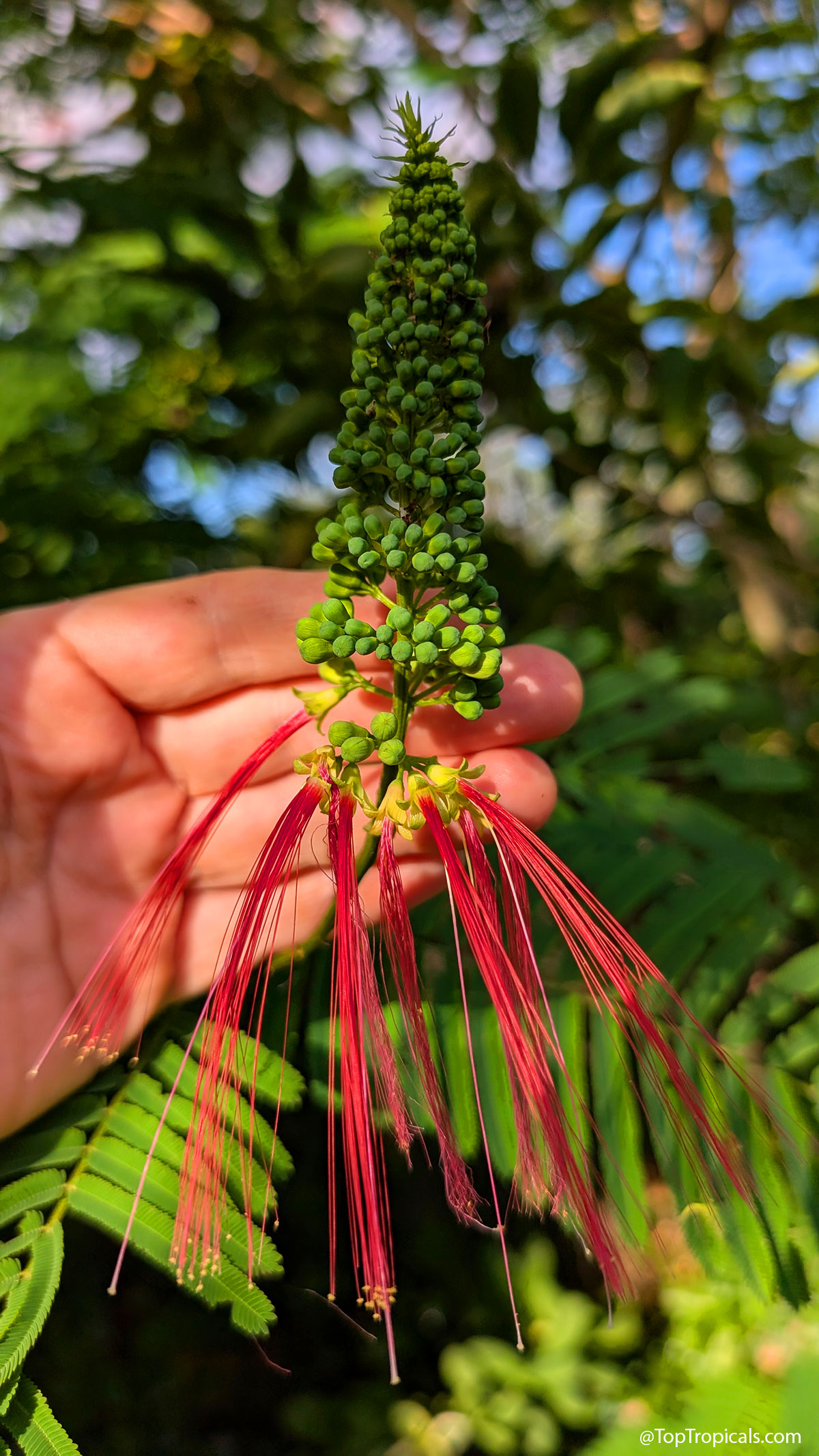
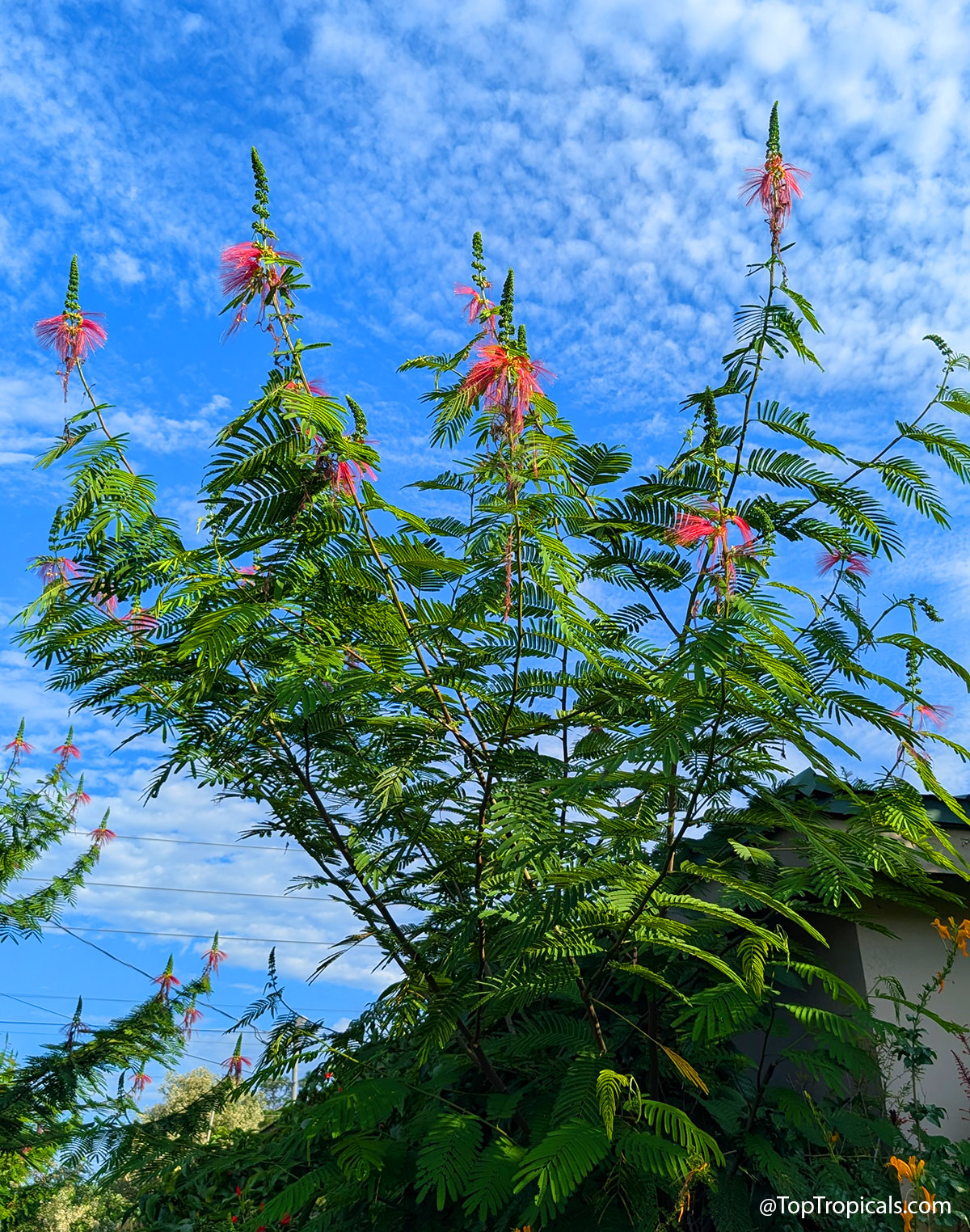
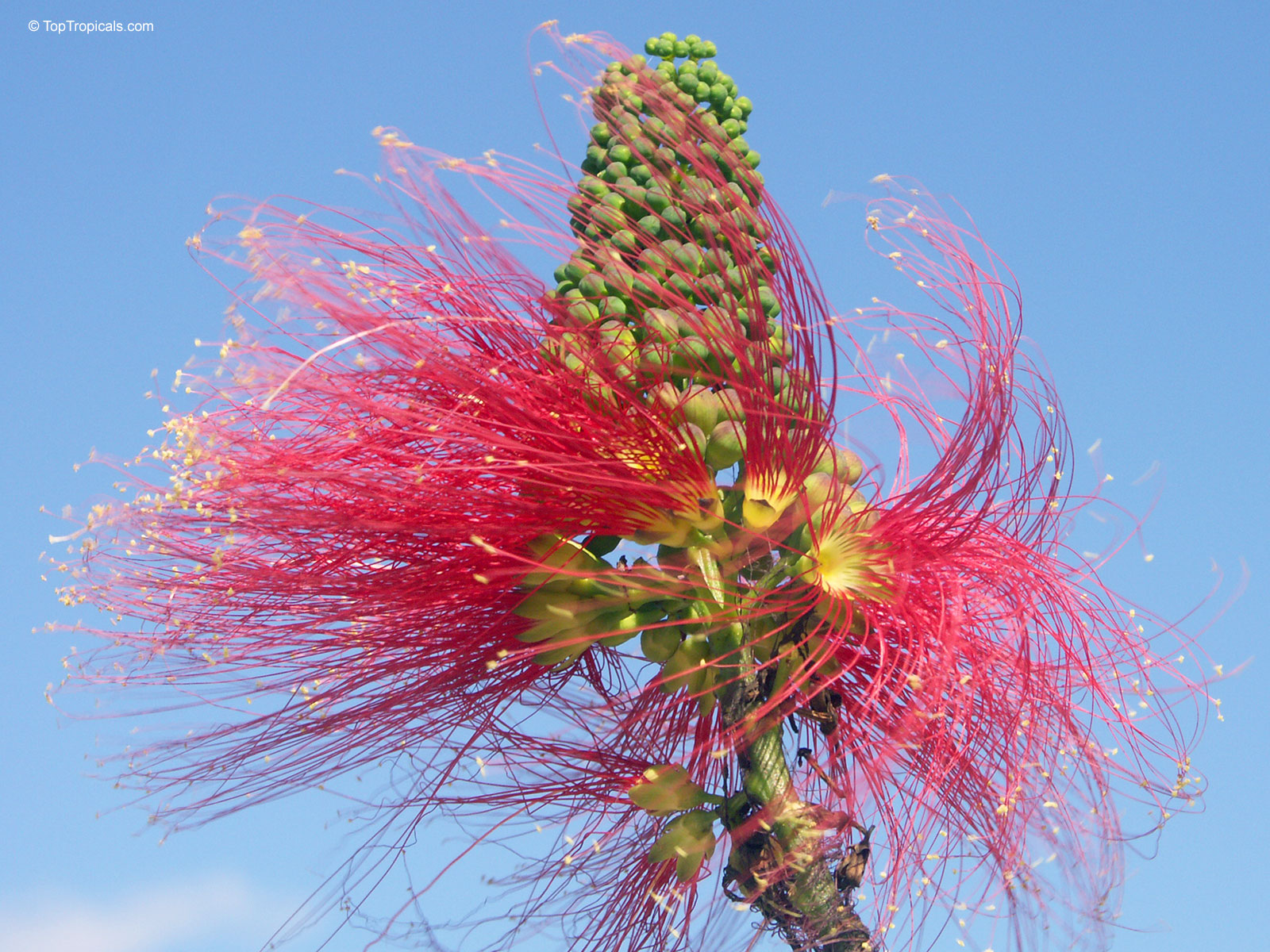
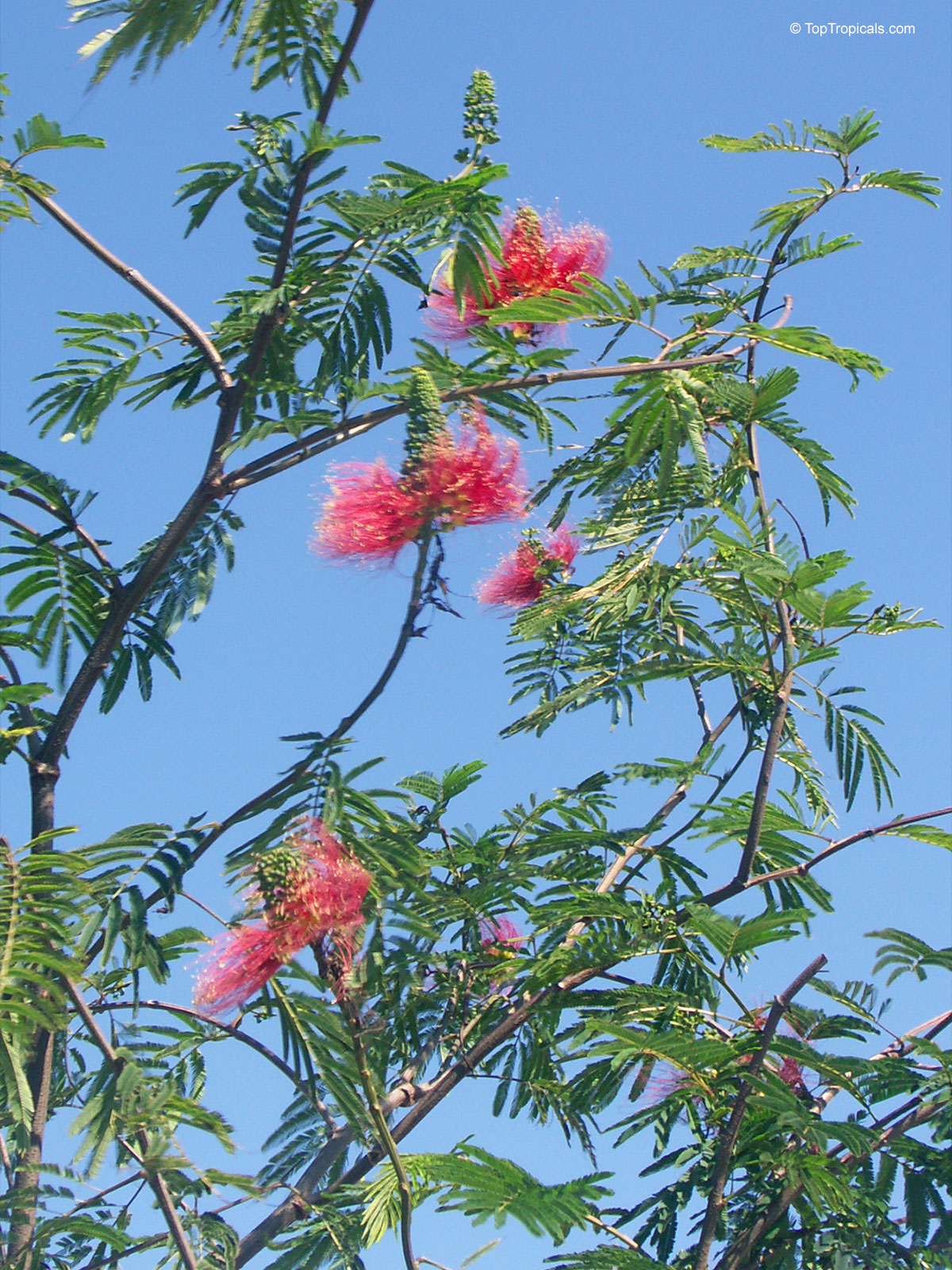
Botanical name: Calliandra calothyrsus
Common names: Cabello de Angel (Angels Hair), Barbe Sol (The Suns Beard), Red Calliandra, Powderpuff
Family: Fabaceae
Subfamily: Mimosoideae
Origin: Mexico to Northern South America
USDA Zone: 9-11
It will tolerate full sun or semi-shade, but regular watering is a must. In cold regions, Calliandra calothyrsus is suitable for growing in a pot. Pick a pot that is two to three times the size of a root ball and has plenty of drainage. In cold regions, overwintering plants in a pot can be tricky, so it is essential to pick the ideal container. Opt for a large pot that can easily fit your plant and enough soil to insulate the roots. If the container is too small, roots may freeze and die, so it's important to pick the right size. Also, adding Styrofoam beads, mulch, and good insulation around the pot can help the roots stay out of the cold.
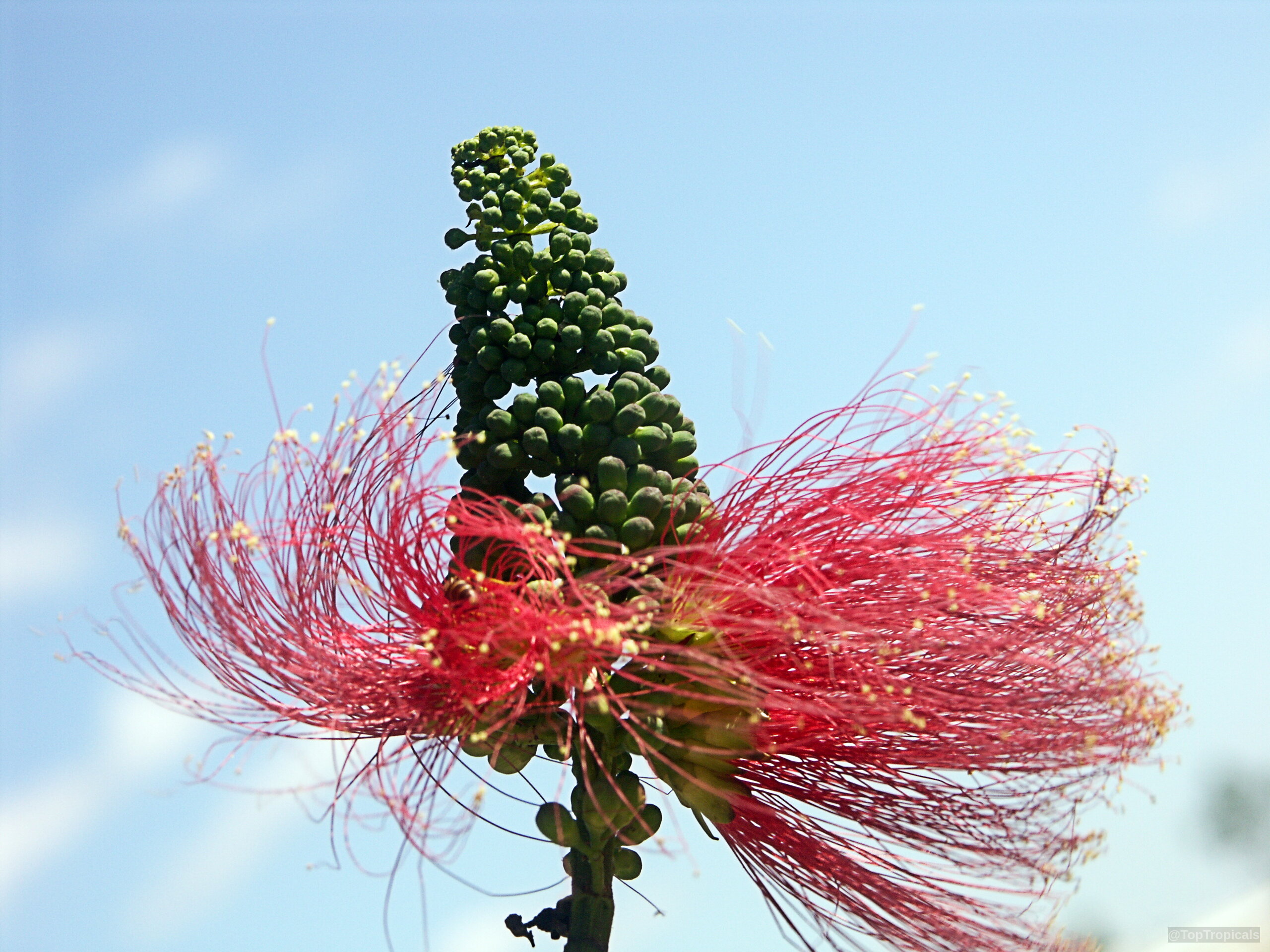
Calliandra calothyrsus is definitely worth growing, as it is an ideal plant to attract butterflies, hummingbirds, and other pollinators. Not to mention its showy red, crimson, or vinous flowers and large shrub reaching 5 to 10 ft in height. It is a plant native to Mexico to Northern South America and grown in USDA Zone: 9-11.


Recommended Fertilizer: SUNSHINE Megaflor - Bloom Nutrition Booster

Botanical name: Calliandra haematocephala x surinamensis
Common name: Dwarf Powderpuff Tree
Cultivar: Nana
Family: Fabaceae
Subfamily: Mimosoideae
Origin: Central to South America
USDA Zone: 9-11
Compact variety of Calliandra very close related to C. haematocephala (15 ft tall tree) and C. surinamensis (4-6 ft tall shrub), somewhat between these two species in size that can be grown as a small 7-10 ft tree or a medium shrub. Very dense beautiful foliage, leaves are somewhat smaller than C. haematocephala. Bright pink powderpuff flowers, everblooming. Makes excellent specimen tree or container plant.


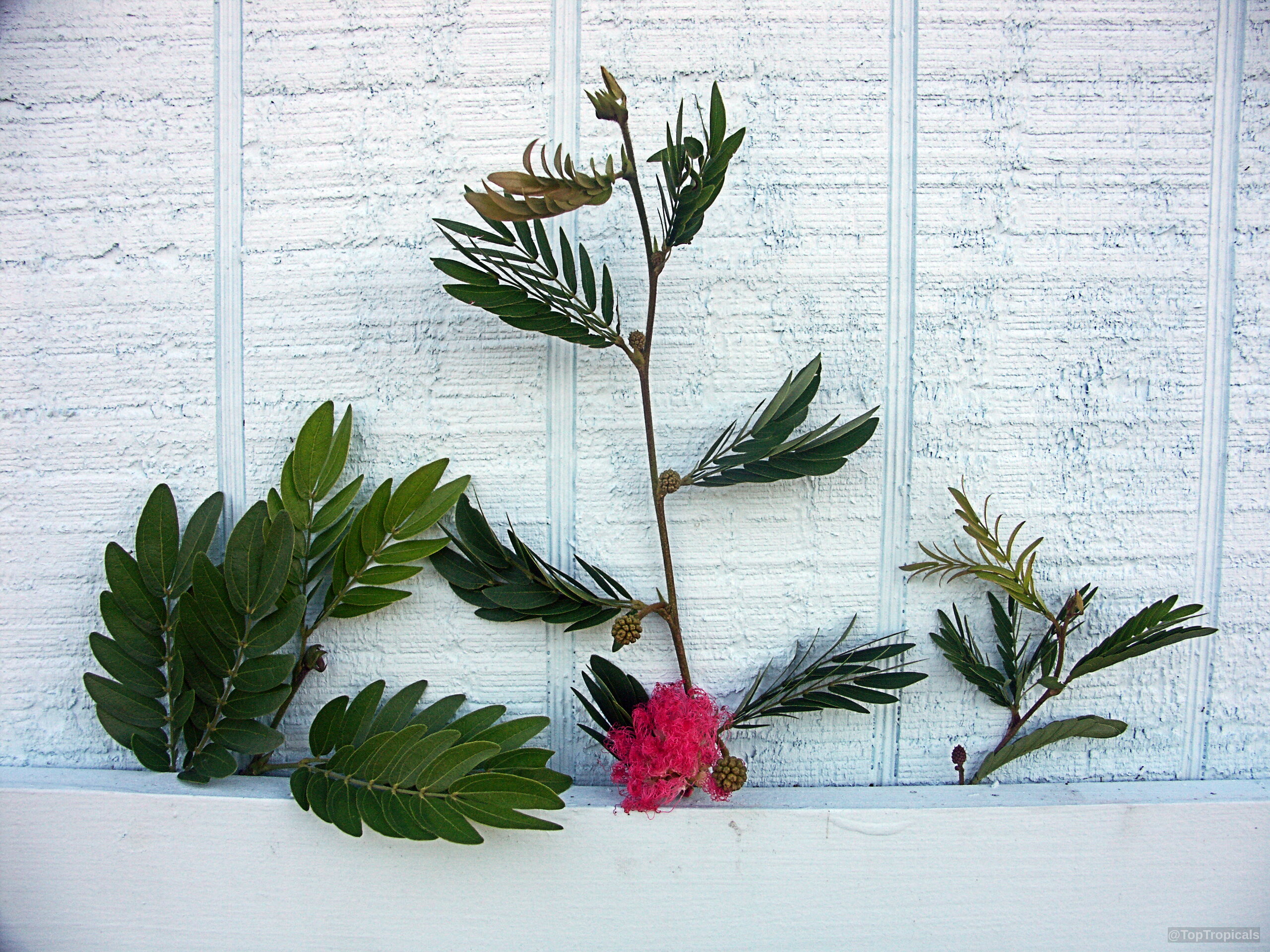

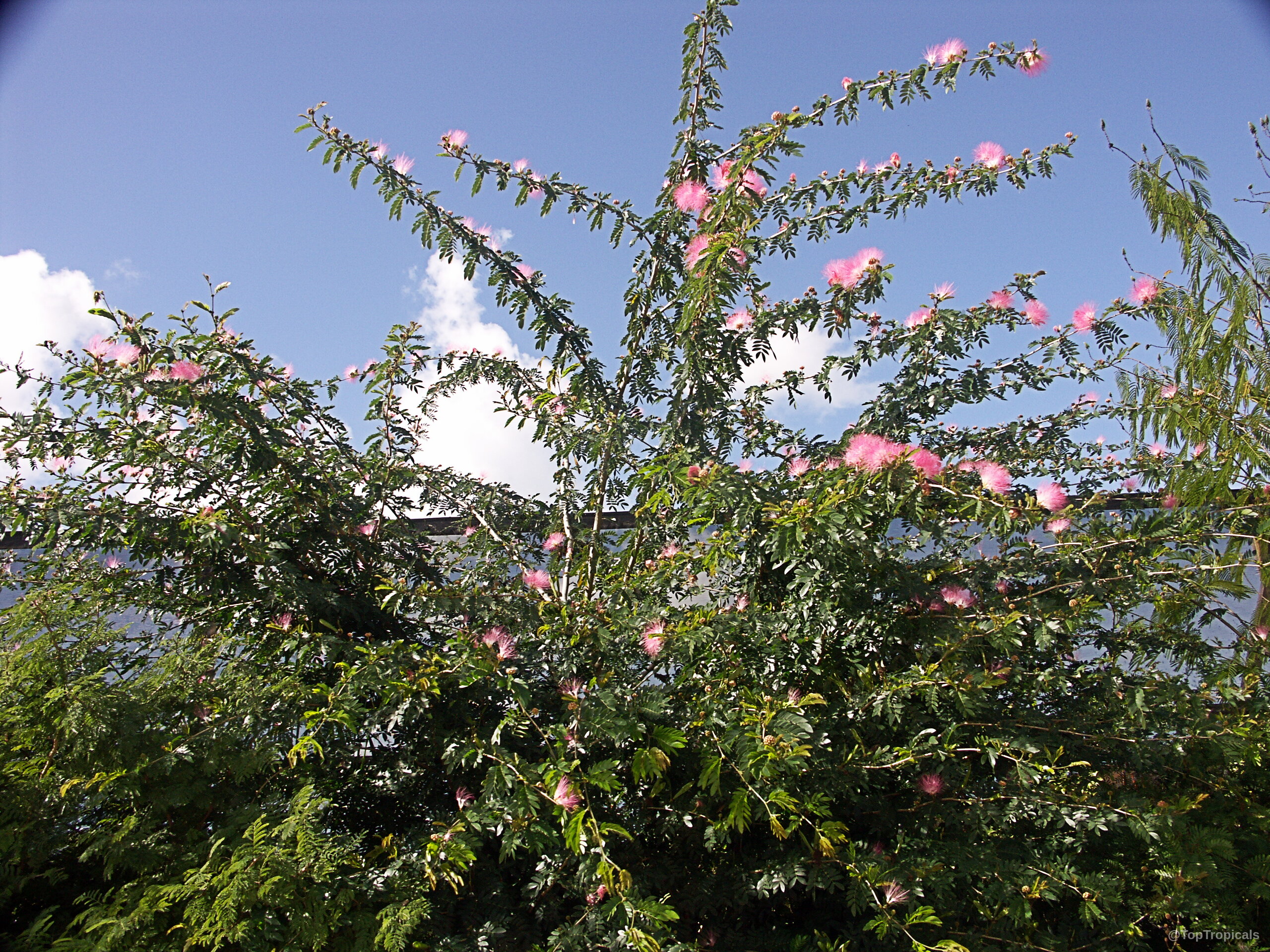


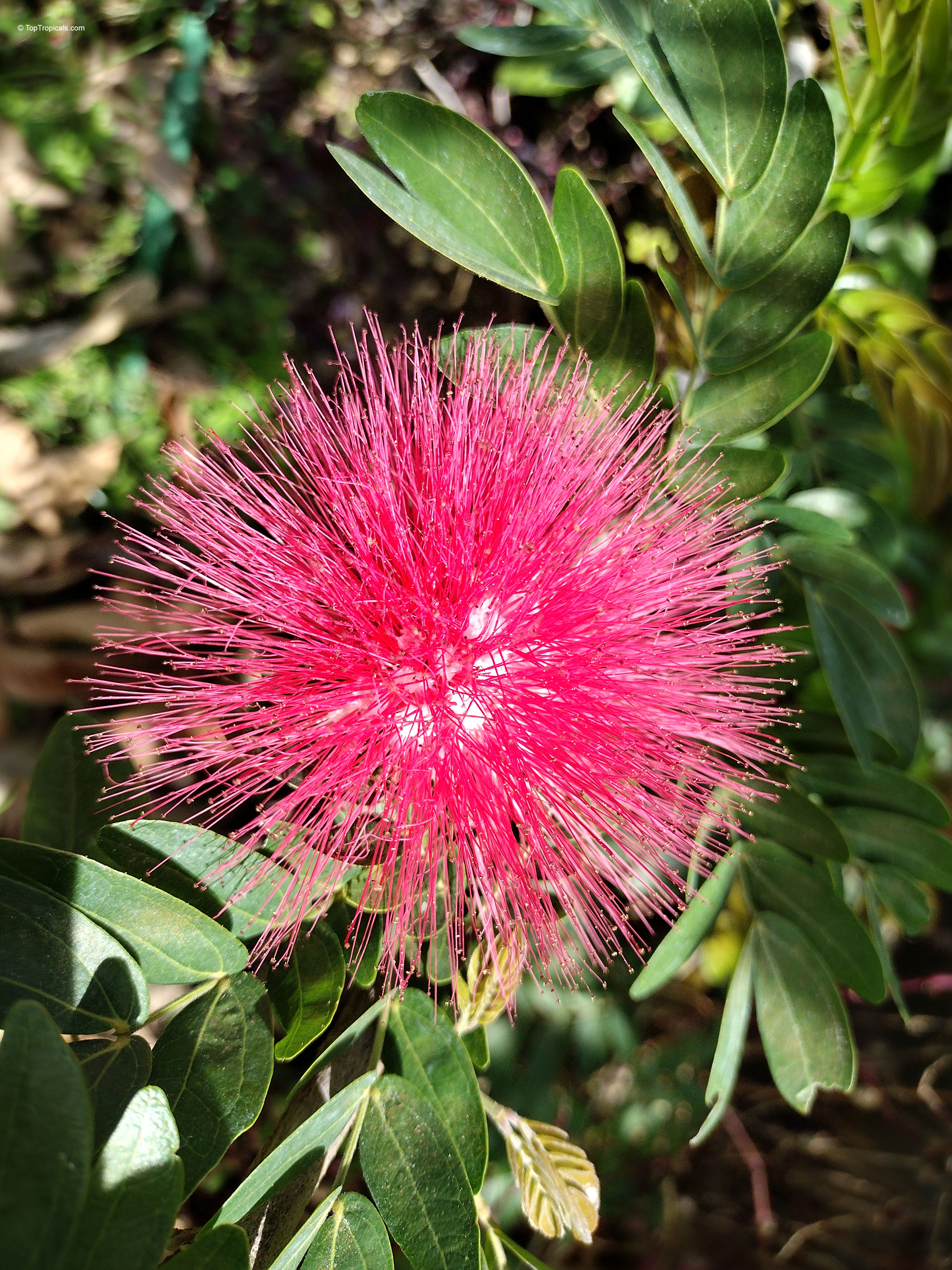
Botanical names: Calliandra haematocephala, Calliandra inaequilatera
Common names: Rose cascade, Blood Red Tassel Flower
Family: Fabaceae
Subfamily: Mimosoideae
Origin: Nicaragua to Ecuador
USDA Zone: 9-11

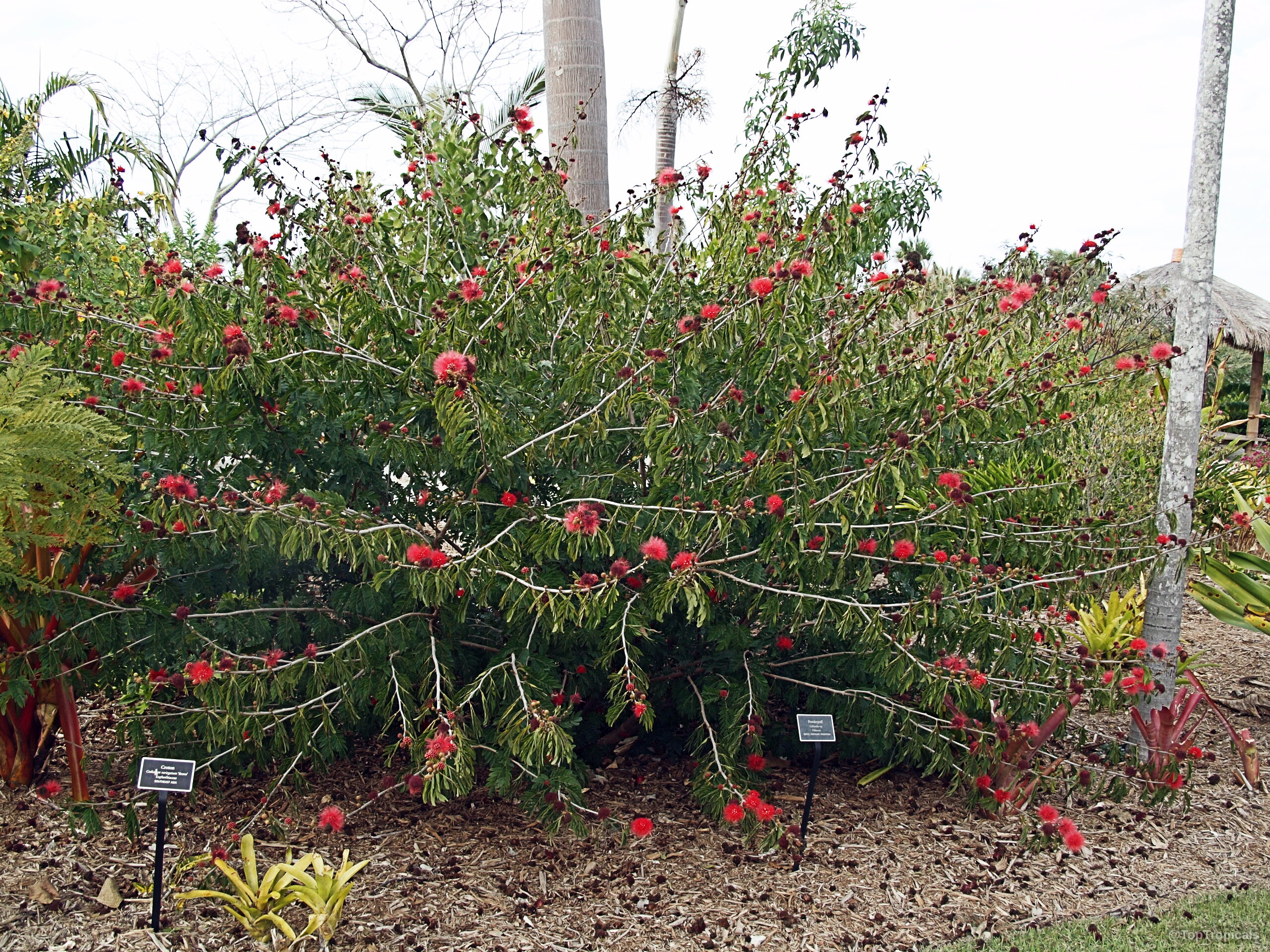
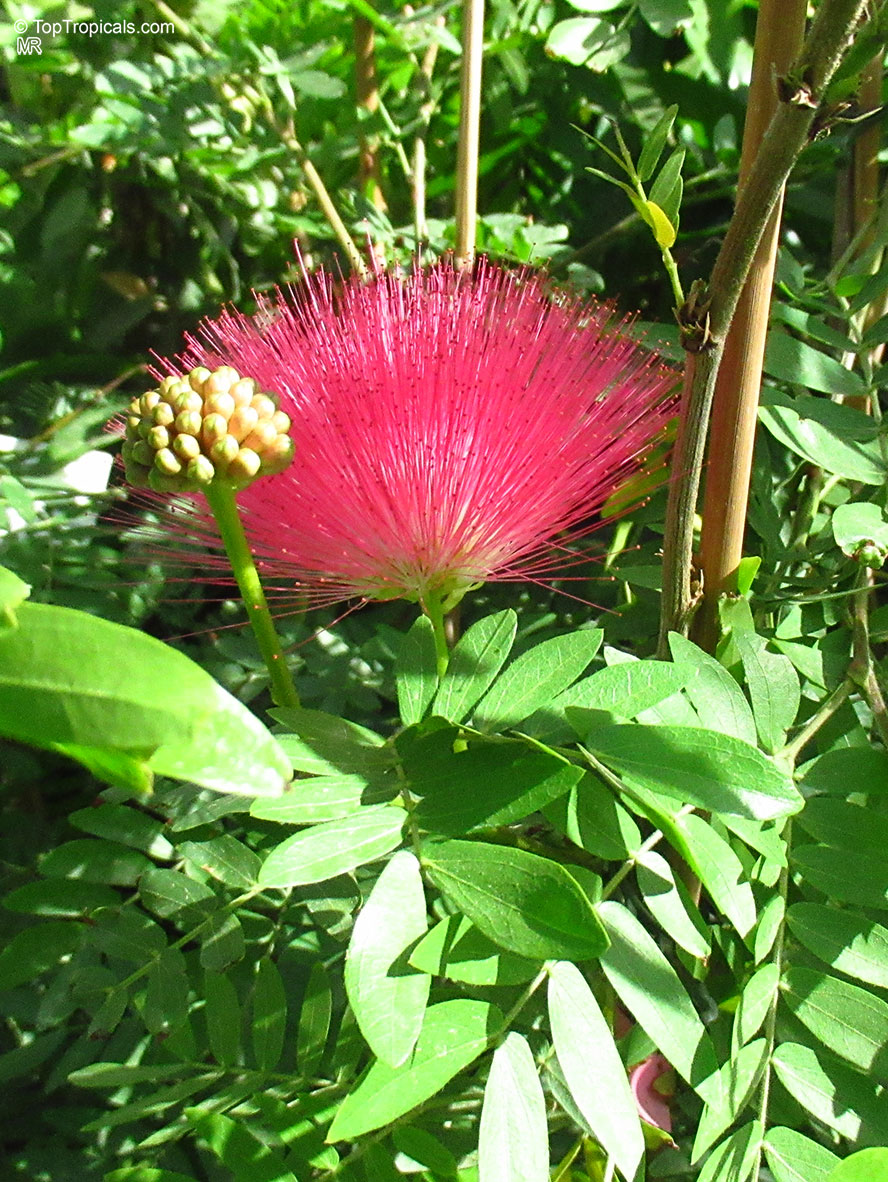
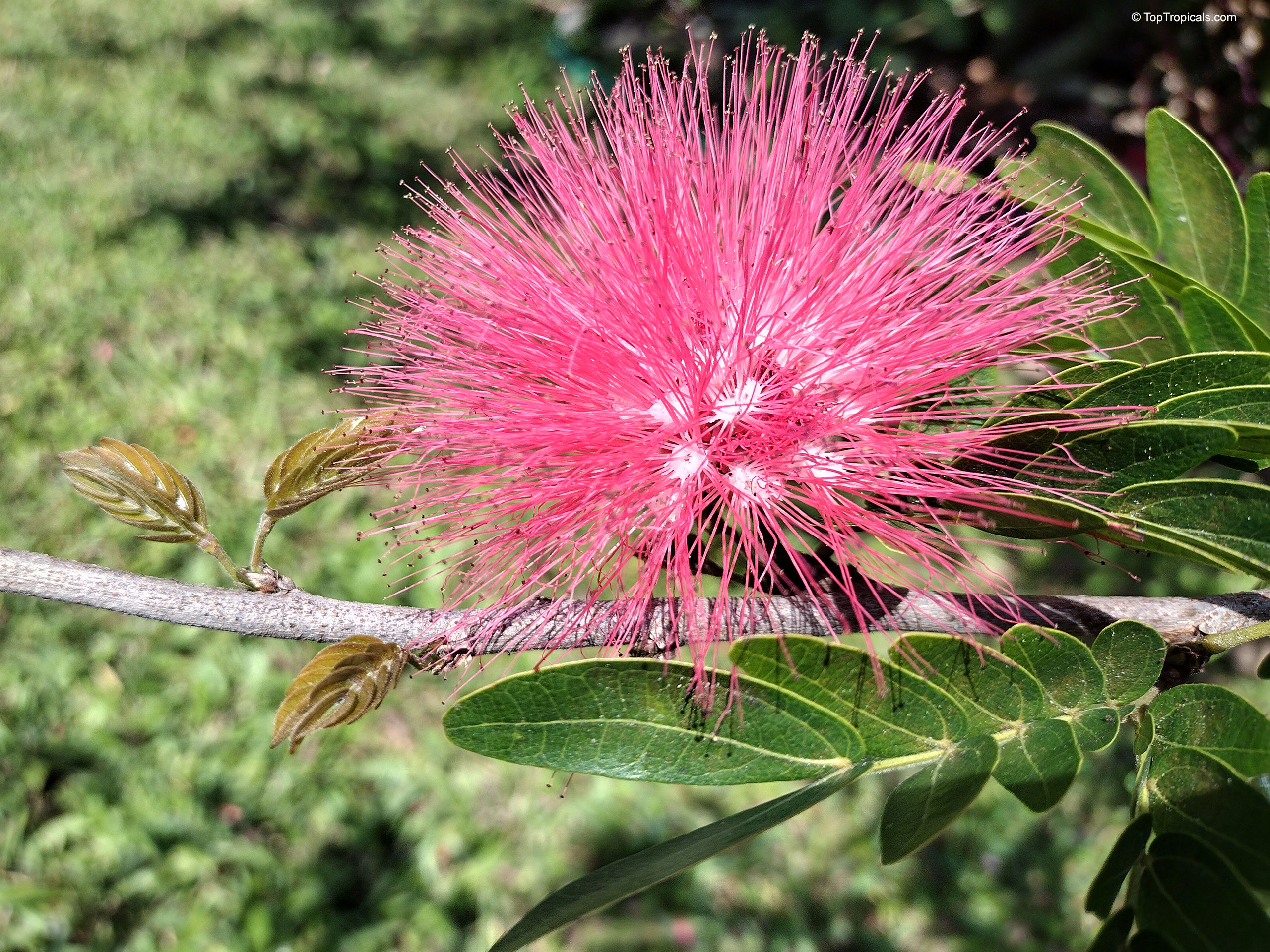
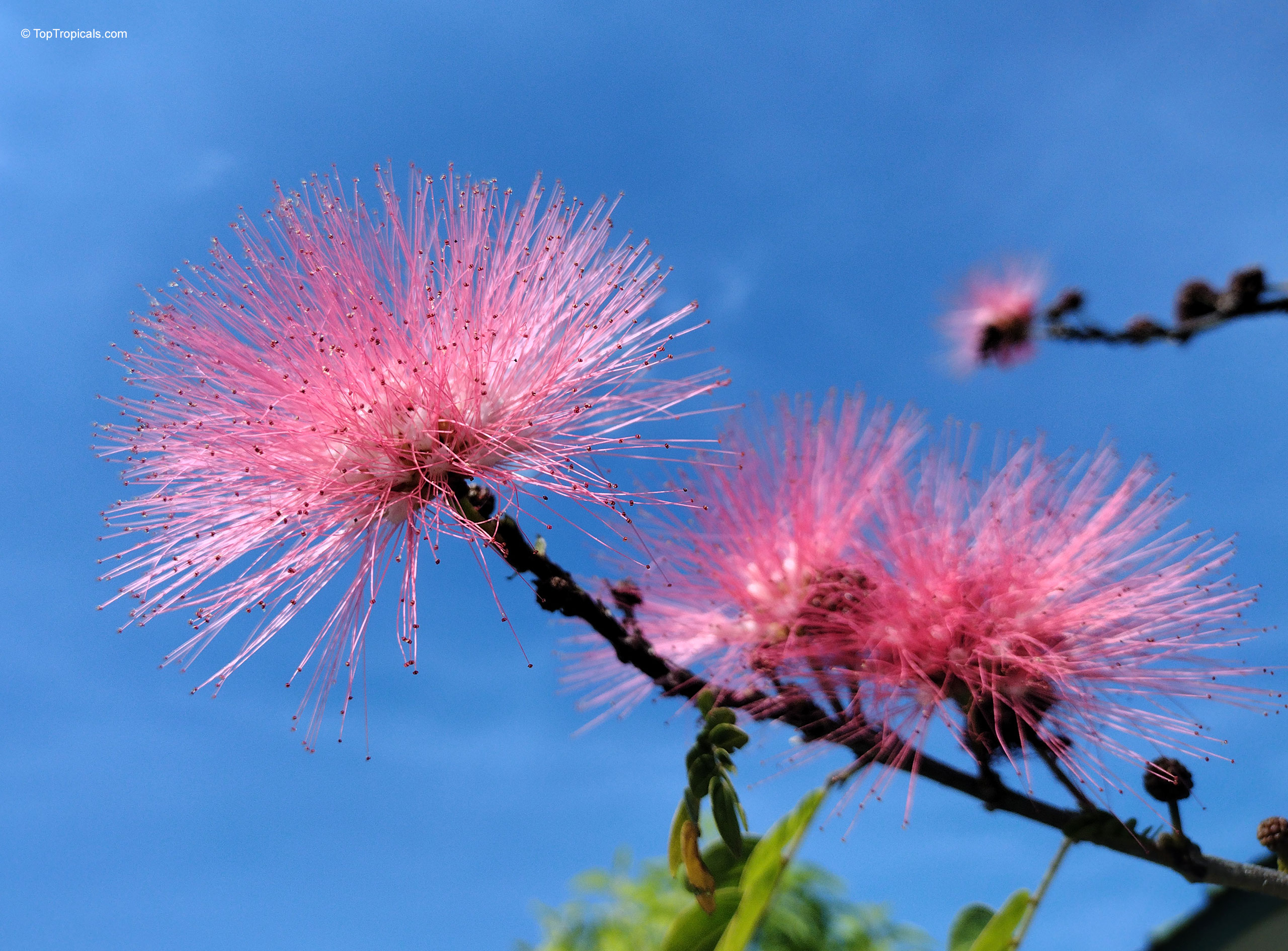
Calliandra haematocephala, commonly known as the Rose cascade, is a popular tropical plant native to Nicaragua to Ecuador. It grows as a large shrub 5 to 10 feet tall and can also reach heights of 10 to 20 feet as a small tree.
This plant prefers to grow in full sun and moderate water, although it can tolerate occasional periods of drought. Calliandra haematocephala boasts clusters of dense, pink, white or off-white or red, crimson or vinous flowers, which appear in winter and spring. The flowers measure 2 to 3 inches in size and look like big red or white puffs. This plant typically begins blooming in late winter and continues until late spring.
To ensure healthy growth, it is best to trim the Rose cascade after it finishes blooming. Fertilize twice a year with a balanced slow-release fertilizer and water regularly to keep the soil evenly moist but not soggy.
This plant can be grown in USDA Zones 9 to 11. In cold regions, this plant will thrive in pot. The pot should have drainage holes, and it is a good idea to place a layer of gravel at the bottom of the pot to ensure proper drainage. The pot should be brought indoors during the colder months to protect the plant from frost.
A hardy and beautiful cultivar, Calliandra haematocephala makes a reliable addition to any garden.
Calliandra means "beautiful stamens", and several of the approximately 150 shrubs and small trees belonging to this genus are grown for their dense heads of pink or white silky stamens that appear on short stalks along the upper sides of the branches. The species name haematocephala comes from the greek for with blood-red head.


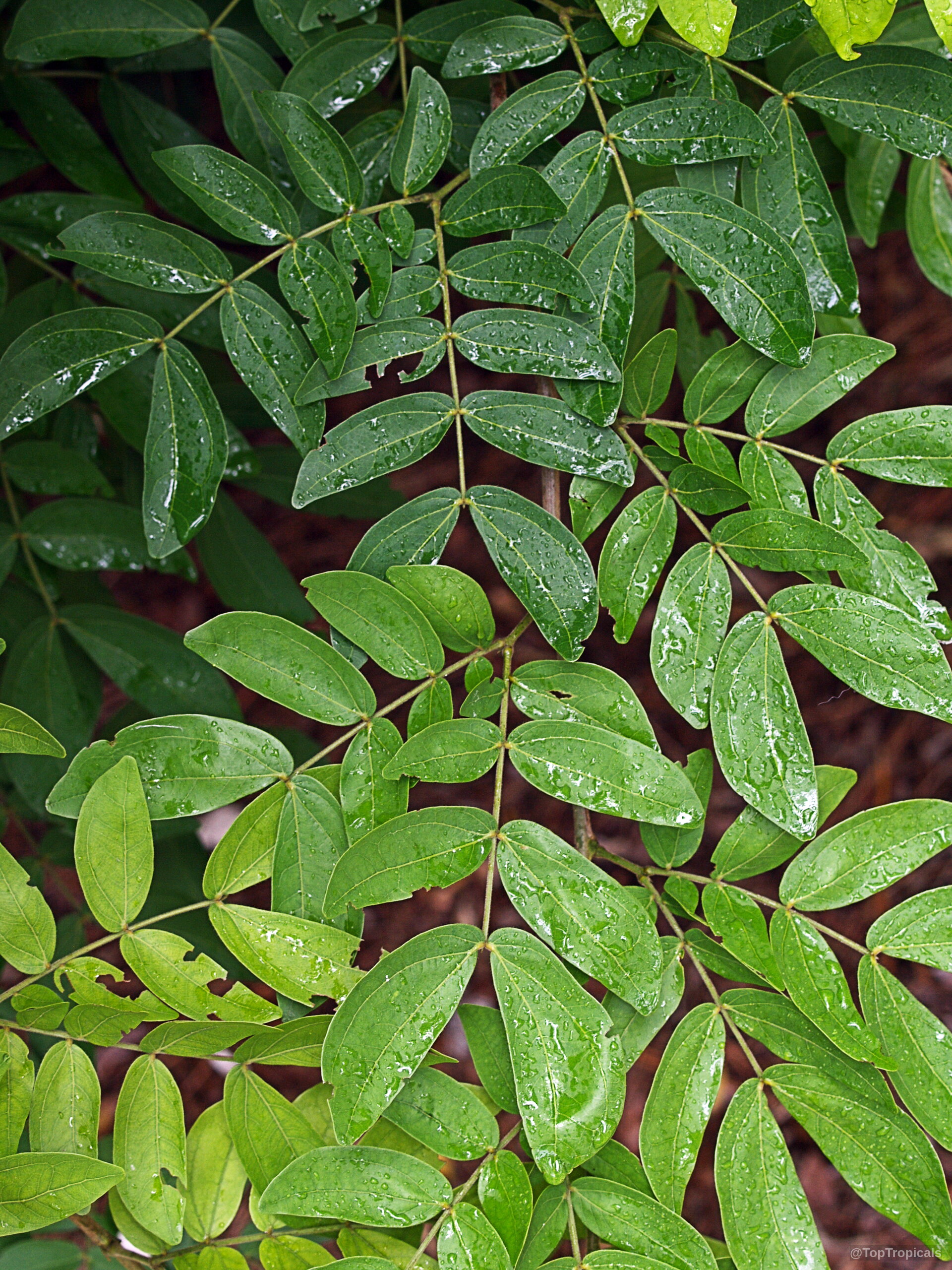



Recommended Fertilizer: SUNSHINE Megaflor - Bloom Nutrition Booster

Recommended Fertilizer: SUNSHINE Megaflor - Bloom Nutrition Booster

Botanical name: Calliandra houstoniana
Common names: Tree Calliandra, Red Powderpuff
Family: Fabaceae
Subfamily: Mimosoideae
Origin: Mexico to Northern South America
USDA Zone: 9-11
Cold tolerance: 30°F
Calliandra houstoniana is a fast growing small tree or large shrub with fine feathery foliage and bright red fine structured powderpuff flowers. This species is very close to calliandra calothyrsis, but the flowers open fully, unlike c. calothyrsis, where the flower opens gradually from the bottom to the top.
The genus Calliandra contains 132 species. Most are endemic to the Americas, but a few species are endemic to the South Asian subcontinent or Africa, including Madagascar. Most species are shrubs or small trees, although a few are large trees or herbs.


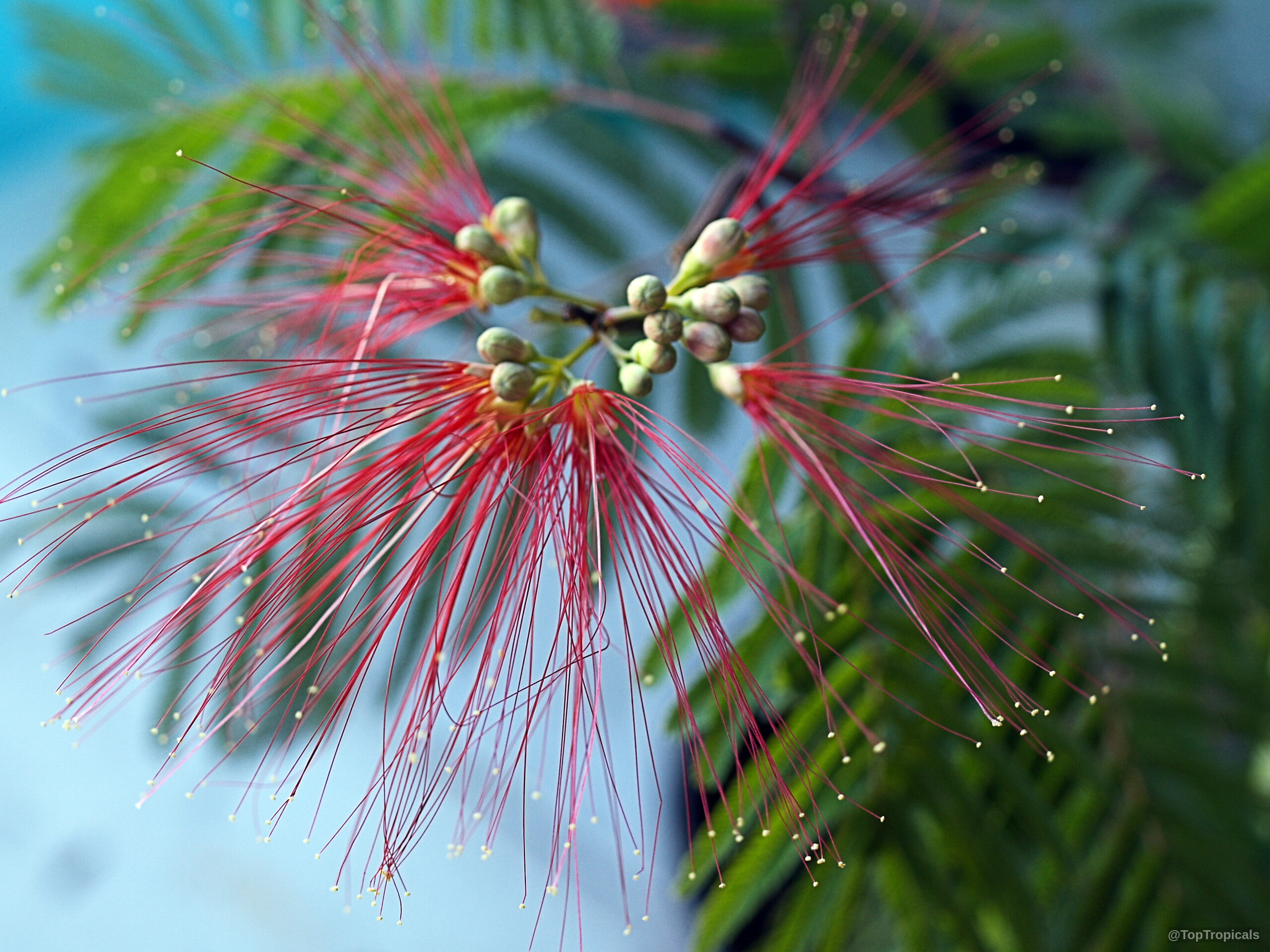


Botanical name: Calliandra parvifolia
Common names: Powderpuff, Pink Calliandra, Plumerillo Rosado
Family: Fabaceae
Subfamily: Mimosoideae
Origin: The Americas
USDA Zone: 9-11
Calliandra parvifolia, commonly known as Powderpuff, is a large shrub that produces pink flowers and can grow to be 5-10 feet tall. The small leaves on this species are white and off-white, and it blooms almost year round with clouds of pink-white powderpuffs. It is native to the Americas and is often grown in USDA Zone 9-11.
When growing Calliandra parvifolia, it should be placed in an area with full sun or semi-shade and should receive regular water. The soil should be kept moist but not soggy. In cold regions, the plant should be grown in a pot to ensure it is insulated from any cold weather and can easily be moved indoors during extreme cold. During the warmer months, it can then be moved back outdoors.
When planting this species, the soil should be well-draining, and the roots should be spread out in the hole. After that, give the plant a thorough watering, and make sure to check the soil moisture regularly. Once the plant is established, mulch can be applied, and it should receive regular feeding with a fertilizer.
Calliandra parvifolia is an attractive and hardy shrub that can provide many years of beauty in the garden. With its pink flowers and white-off-white leaves, this species can bring a splash of color to any garden.
The genus Calliandra contains more than 100 species, most of which are endemic to the Americas. Most species are shrubs or small trees, although a few are large trees or herbs.


| Prev | Next | |
Use link to repeat this search:
https://toptropicals.com/cgi-bin/garden_catalog/cat.cgi?search_op=and&keyword_op=and&language=e&family=Fabaceae&number=10
&no_change_lang=1&user=tt&sale=1&first=0