Cactacea - Botanical Family
| Number of plants found: 77 |  | Prev | Next | 
|
Go to page: | First | 2 | 3 | 4 | 5 | 6 | 7 | 8 |

Botanical name: Rhipsalis sp.
Common name: Mistletoe
Family: Cactaceae
Origin: Central and South America

USDA Zone: 9-11


Rhipsalis, commonly known as Mistletoe Cactus, is a genus of mostly epiphytic or lithophytic cacti in the Cactaceae family, centered in tropical and subtropical South America, with species also occurring in Central America and the Caribbean. Rhipsalis baccifera is exceptional as the only cactus naturally occurring outside the Americas, with native populations in tropical Africa, Madagascar, and islands of the western Indian Ocean. Plants typically form pendent or sprawling masses of slender, highly branched stems that may be cylindrical, angled, or flattened depending on the species. Spines are generally absent or inconspicuous on mature growth. Small white, cream, yellowish, or occasionally pinkish flowers arise along the stems and are followed in many species by translucent, berry-like fruits, inspiring the common name.
Unlike desert cacti, Rhipsalis species are adapted mainly to humid forests and prefer bright filtered light or partial shade, an airy, well-drained organic substrate, and more regular moisture during active growth. Their pendent habit makes them particularly suitable for hanging containers. Watering should be reduced in cooler weather without keeping the roots continuously wet. Most species are frost-tender; because cold tolerance varies within the genus, USDA zones and minimum temperatures are better specified for individual species rather than for Rhipsalis as a whole.


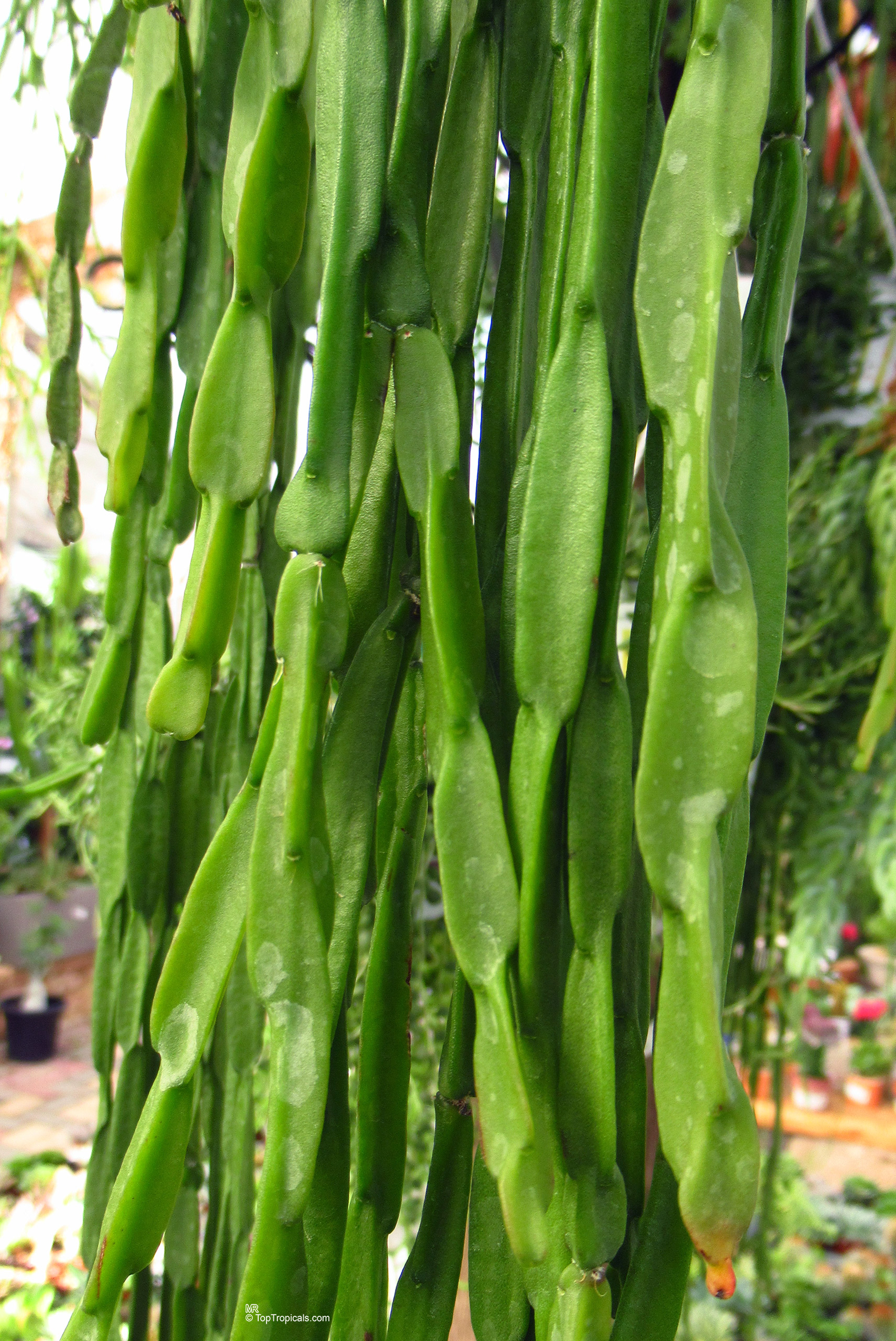
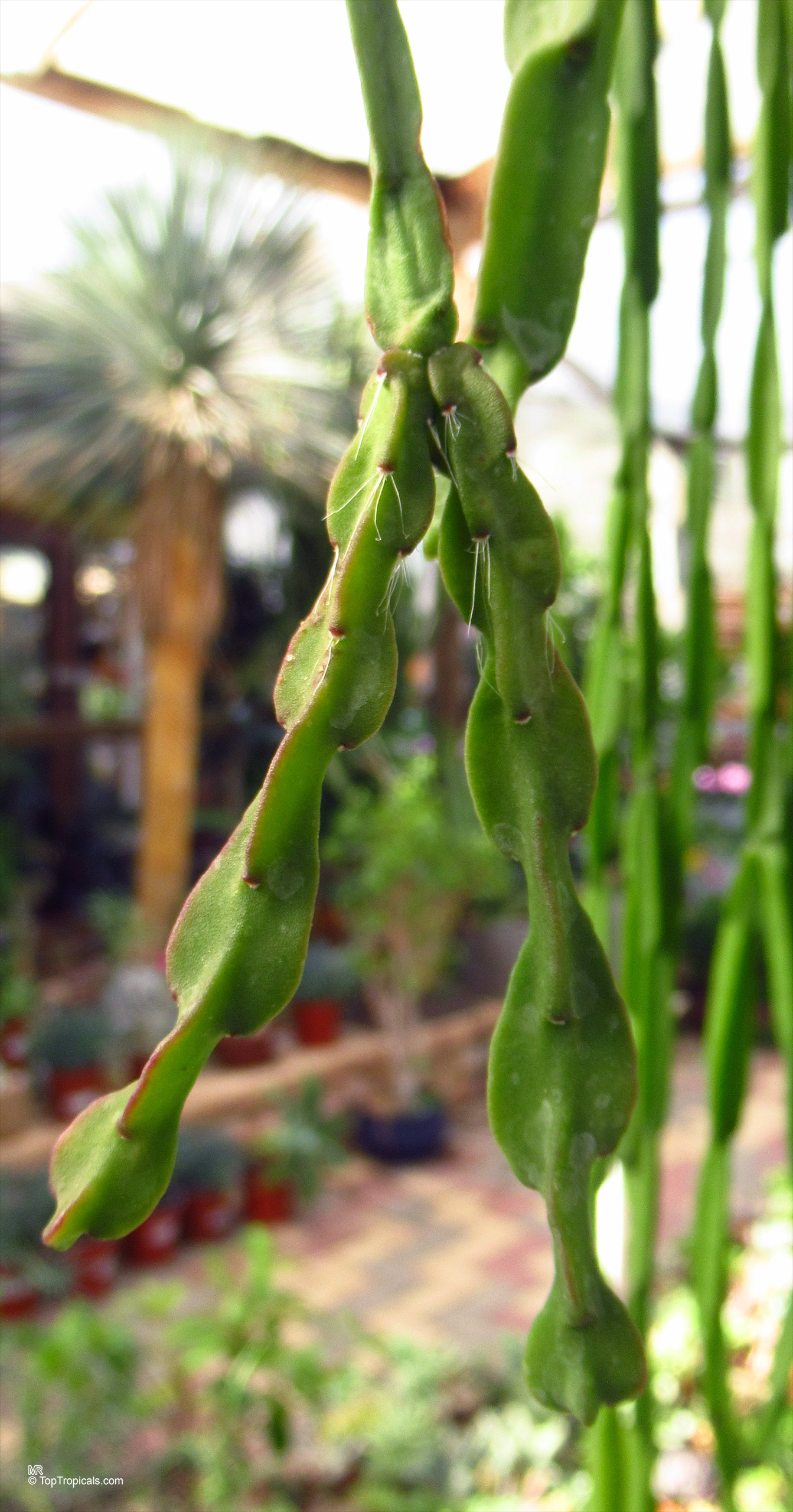


Botanical name: Rhipsalis x pilocarpa
Common names: Hairy Stemmed Jungle Cactus, Hairy-fruited Wickerware Cactus Fern
Family: Cactaceae
Origin: Brazil
USDA Zone: 9-11
In the wild Rhipsalis pilocarpa is an epiphyte, using a host tree for support but not parasitising or otherwise harming its host. It grows as a small epiphytic shrub with initially upright and later hanging shoots. Its fuzzy, spidery stems can reach up to 20 inches before branching out, and they're decorated with small, white to peach-colored flowers that release a light, pleasant fragrance. After blooming, it produces pink or red berries covered in fine bristles, adding yet another layer of charm to this extraordinary jungle cactus.



Despite its exotic appearance, Rhipsalis pilocarpa is surprisingly easy to grow. It thrives with minimal watering in well-draining soil, prefers indirect light, and loves warm, humid conditions - think tropical vibes! If you're lucky enough to live in USDA Zones 9-11, it can even flourish outdoors all year long.
The plant is listed as vulnerable on the IUCN Red List, it has a very limited natural range in Brazil and is known to exist in only a small number of isolated locations. Additionally, its rarity can lead to over-collection by plant enthusiasts, which adds extra pressure on remaining wild populations.
This is a true conversation starter, making it a must-have for anyone seeking a standout addition to their rare plant collection.
Recommended Fertilizer: SUNSHINE Robusta - Rapid Growth Booster

Botanical names: Rhodocactus grandifolius, Pereskia grandifolia, Pereskia grandiflora
Common names: Rose Cactus, Wax Rose, Perescia, Bastard Rose
Family: Cactaceae
Origin: Tropical America
USDA Zone: 10-12


It is a member of the Cactus family and therefore has spiny stems. One of the most attractive for use in gardens, it can grow to 9Ft in height but can also be kept pruned into a bushy shrub; it has woody stems, fleshy, pale green leaves, and clusters of bright pink flowers. Pereskia likes full sun and dry conditions. Propagation is by means of cuttings. See Cacti page info


Botanical name: Schlumbergera sp.
Common names: Orchid Cactus, Thanksgiving Cactus, Christmas Cactus, Easter Cactus, Crab Cactus
Family: Cactaceae
Origin: Brazil
USDA Zone: 9-11


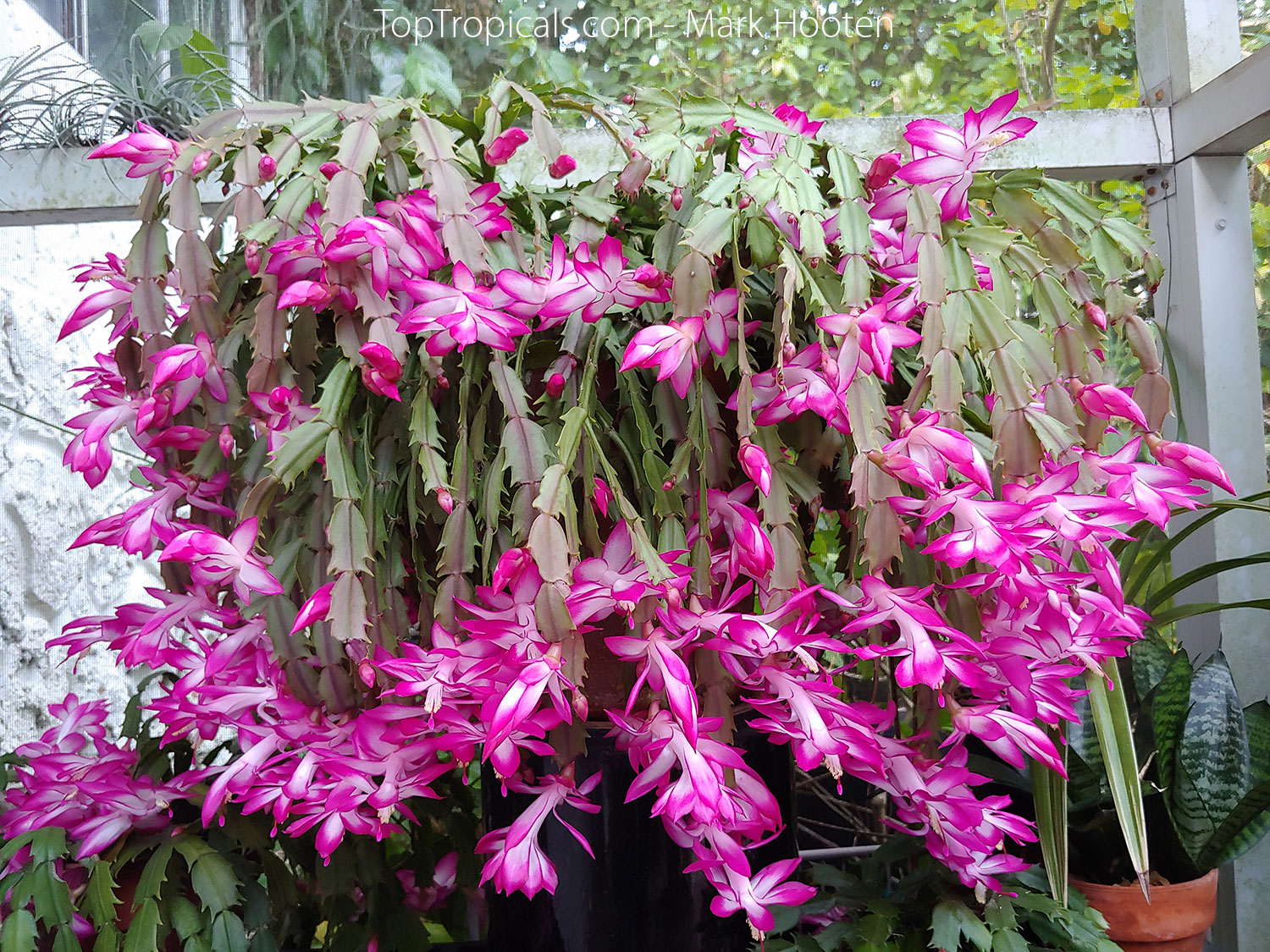
They are epiphytic cactus, with flattened, leaf looking stems. Many hybrids are available around Christmas, sold as Christmas cactus. The original hybrids had cherry red flowers. Nowadays, many colors are available. They bloom when the day starts shortening. In order to get blossoms around Christmas, put them in a cool place where they will get at least 12 to 14 hours of darkness a day. Schlumbergera are epiphytic cacti and should be grown in containers. The soil should stay always moist, although they will need less water when not in bloom. Use a soil mix that is light and drains easily. They need bright indirect light. Species: buckleyi, exotica, kautskyi, microsphaerica, microsphaerica, opuntioides, orssichiana, reginae, russelliana, truncata and many cultivars.
You could call varieties with extended flowering period (like Schlumbergera × New Deal) a long-blooming holiday cactus or a Thanksgiving-to-Easter cactus, since it often flowers first around Thanksgiving and Christmas, then produces a second flush closer to Easter.


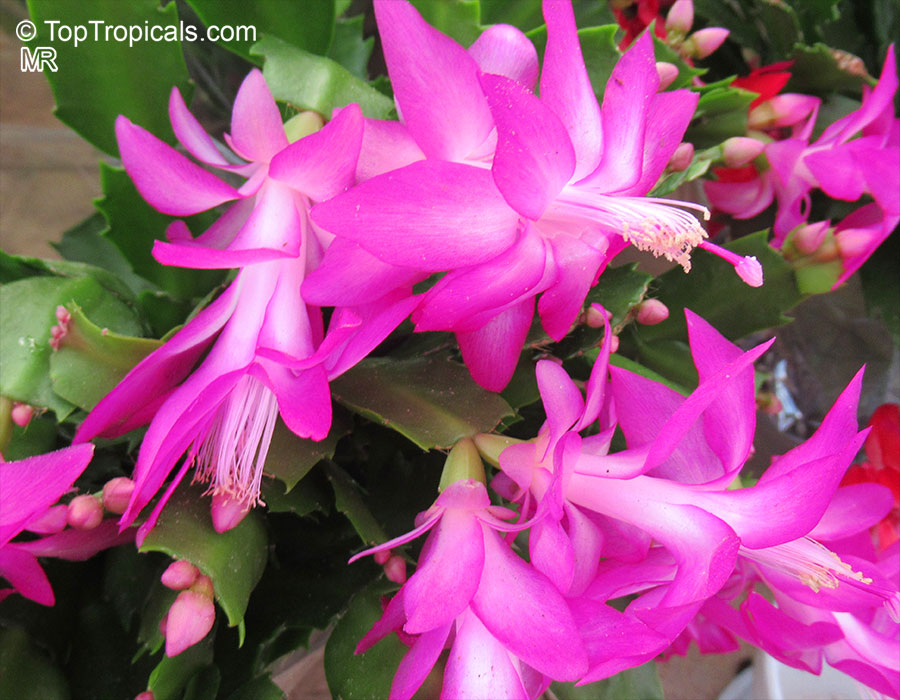


Spectacular, large-flower variety that flowers twice a season, 'New Deal' is a remarkable "Christmas cactus" hybrid, completely lost to the trade today, which is being offered here for the first time after it was originally offered for purchase at the Brooklyn Botanic Garden over 80 years ago. That institution was having a special rare plant sale on the day of the famous presidential election on November 8, 1932, when F.D.R. was historically voted in as the next American president. Not only is New Deal an exceptionally obscure, heirloom cultivar especially easy to grow under average house plant conditions, it reliably produces almost an overabundance of brilliant violet-pink and white flowers which are easily an inch larger than any other variety. The plants we are offering are all 3rd generation vegetative propagation from an original specimen (still alive btw). Its name is identical to President Franklin D. Roosevel main campaign slogan.
You could call Schlumbergera New Deal a long-blooming holiday cactus or a Thanksgiving-to-Easter cactus, since it often flowers first around Thanksgiving and Christmas, then produces a second flush closer to Easter.
See Article about this plant.
Recommended Fertilizer: SUNSHINE Robusta - Rapid Growth Booster

Botanical name: Selenicereus anthonyanus Cryptocereus anthonyanus
Common names: Anthonys Rick-Rack, Zig-Zag Cactus, Fishbone Orchid Cactus
Family: Cactaceae
Origin: Mexico
USDA Zone: 9-11


Anthonys Rick-Rack. This curious epiphyte is grown for the strange leaves which lend it the common name Ric-Rac Cactus, Zig-Zag or Fishbone Cactus. In the wild it attaches itself to trees, clinging by little aerial root filaments along the zigzagging succulent leaves, but is adaptable to terrestrial habits. It loves strong yet indirect lighting. It does not need a lot of water and should be permitted to dry out entirely between waterings. It is nightblooming and its flowers last only a single night in spring.


Recommended Fertilizer: SUNSHINE Robusta - Rapid Growth Booster
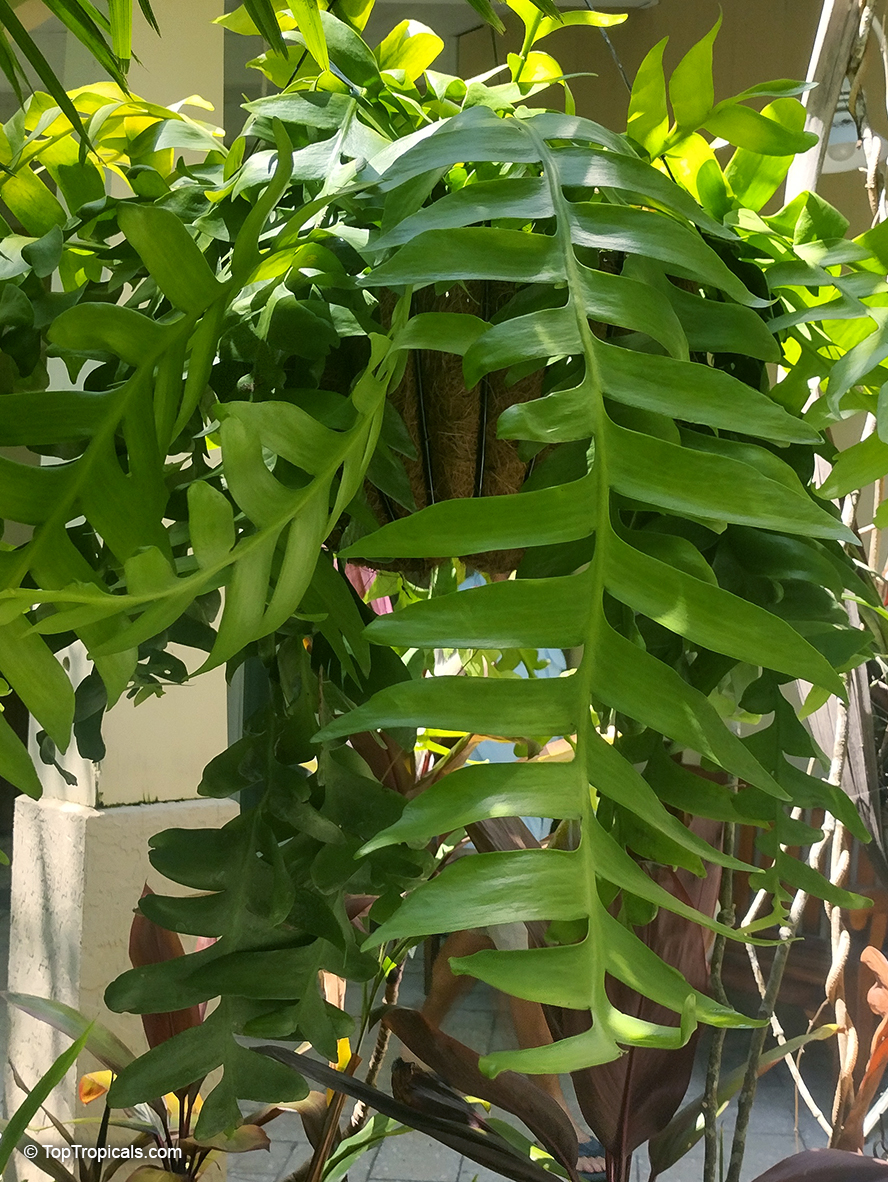
Botanical names: Selenicereus chrysocardium, Epiphyllum chrysocardium, Marniera chrysocardium
Common names: Marniera, Fern Leaf
Family: Cactaceae
Origin: Mexico
USDA Zone: 10-11
Very interesting plant. It is in the epiphyllum group and is easy to propagate and grow. It has angled stems, producing aerial roots, and white, beautiful flowers but is great to have just for its striking leaves. Flowers are large and nocturnal, pollinated by moths or rarely bats. The receptacle bears small bracts, hairs and usually spines. Fruits bear numerous spines. Flowers are generally produced in abundance with mature plants and are white and are very fragrant and usually last a single night.
Epiphytic in wet forests, keep the soil moist and well drained.
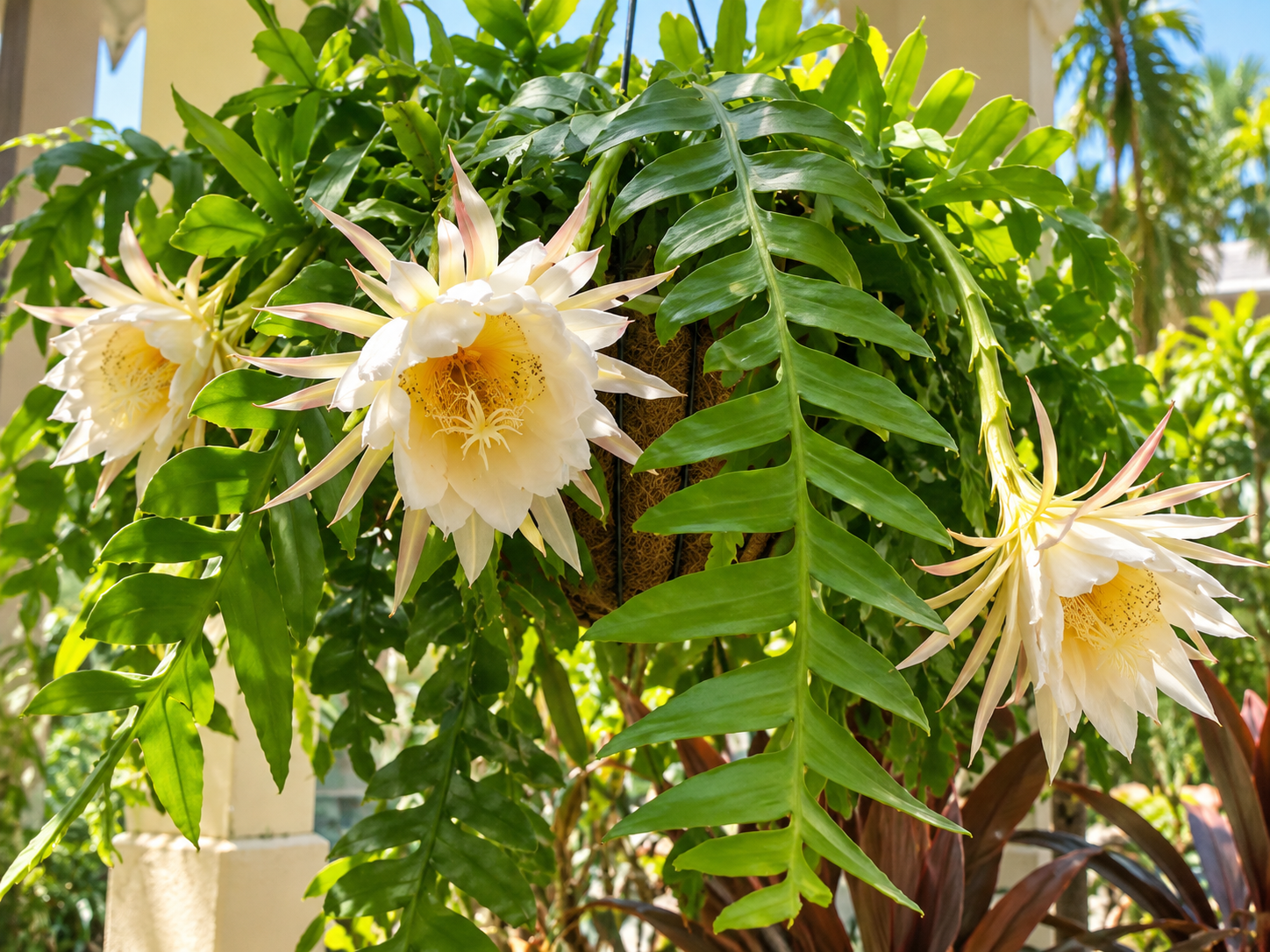

And then come the flowers! Mature plants can produce enormous, fragrant white blooms with long, delicate outer petals, opening at night and lasting only until the next day. The flowers alone are worth waiting for - but with foliage this striking, you really don't have to. A fantastic collector's epiphytic cactus that makes a statement year-round.
Recommended Fertilizer: SUNSHINE Robusta - Rapid Growth Booster
 SUNSHINE Pikake (NPK 2-2-4) - eco-friendly concentrated nutrition booster for fragrant flowers. Improves quantity and quality of flowers. Encourages profuse blooming. Increases flower fragrance intensity. Can be used with every watering. For best results, use in combination with

Botanical name: Selenicereus grandiflorus
Common names: Queen of the Night, Large-flowered Cactus, Sweet-Scented Cactus, Vanilla Cactus
Family: Cactaceae
Origin: Central America
USDA Zone: 9-10
Epiphyte climbing by abundant aerial roots. Selenicereus grandiflorus is similar to Selenicereus pteranthus.


Botanical name: Selenicereus hondurensis
Common names: Honduran Moon-Torch Cactus, Queen of the Night, Night Blooming Cereus
Family: Cactaceae
Origin: Hunduras
USDA Zone: 10-11
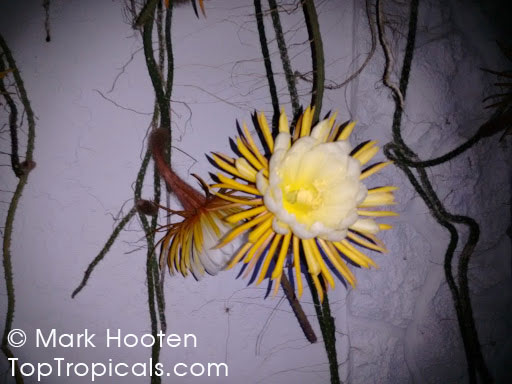
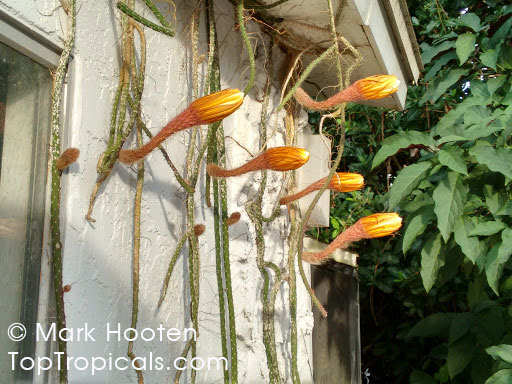
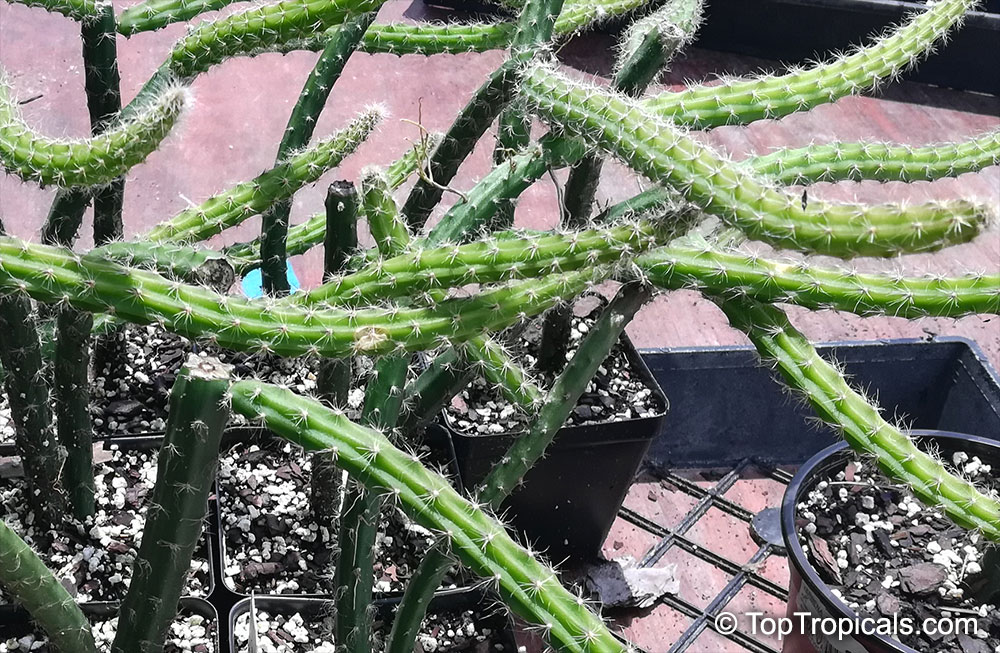
Very rare epiphytic cactus that was first collected in 1900s but hardly traded since then. It has Large off white/yellow blooms with gold/bronze accents and back petals. They are very large and 8"+ when fully opened. The growth is spiny and most unusual of this species compared to other Selenicereus in that it has brownish colored stems, small diameter stem growth compared to the blooms they average 1/4" to 3/4" in diameter. Like many species this variety is nocturnal blooming, blooms will stay open till late morning. The flowering period is late June to fall. It can bloom off season if weather is warm enough. Very easy to grow, takes similar growing culture as Epiphyllums but brighter light.

Botanical name: Selenicereus macdonaldiae
Common name: Queen of the Night
Family: Cactaceae
Origin: Central America
USDA Zone: 9-10
Epiphyte climbing by abundant aerial roots. Selenicereus macdonaldiae is similar to Selenicereus pteranthus.


Botanical name: Selenicereus megalanthus
Common names: Pitaya, Pitahaya, Dragon Fruit, Strawberry Pear
Family: Cactaceae
Origin: Central America
USDA Zone: 9-11
Cold tolerance: 30°F
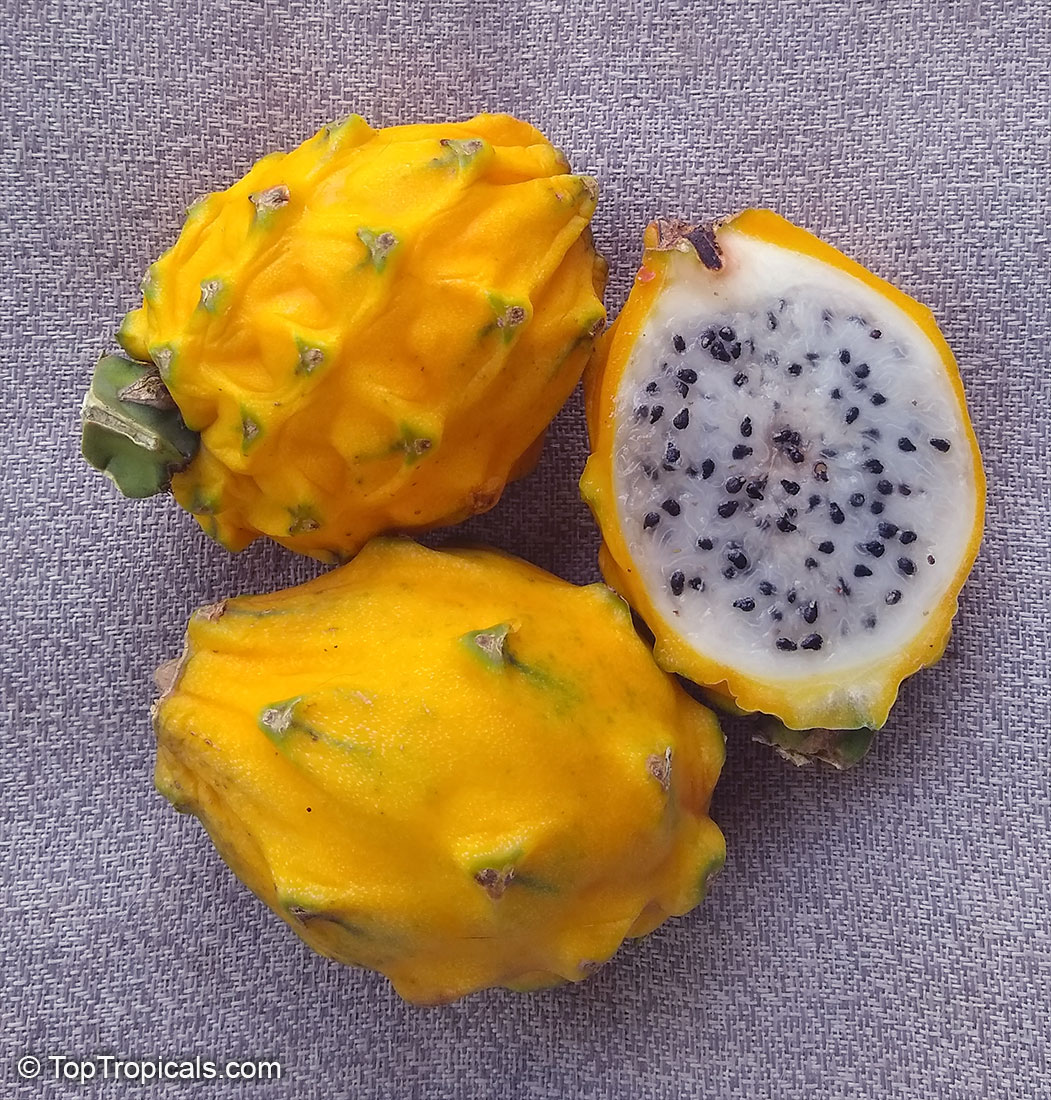
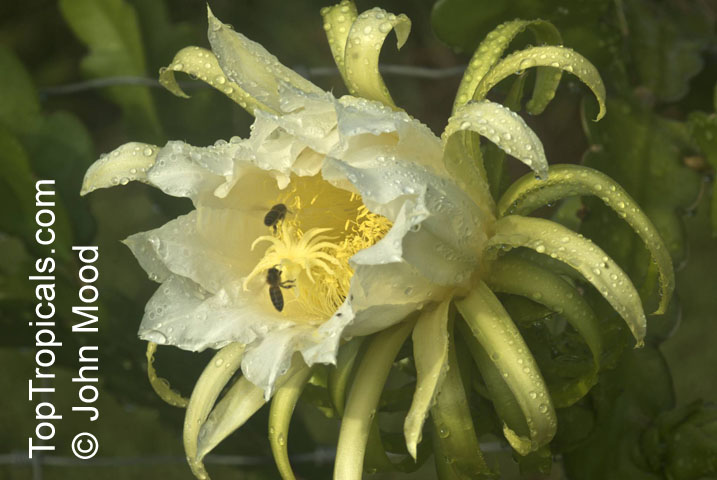
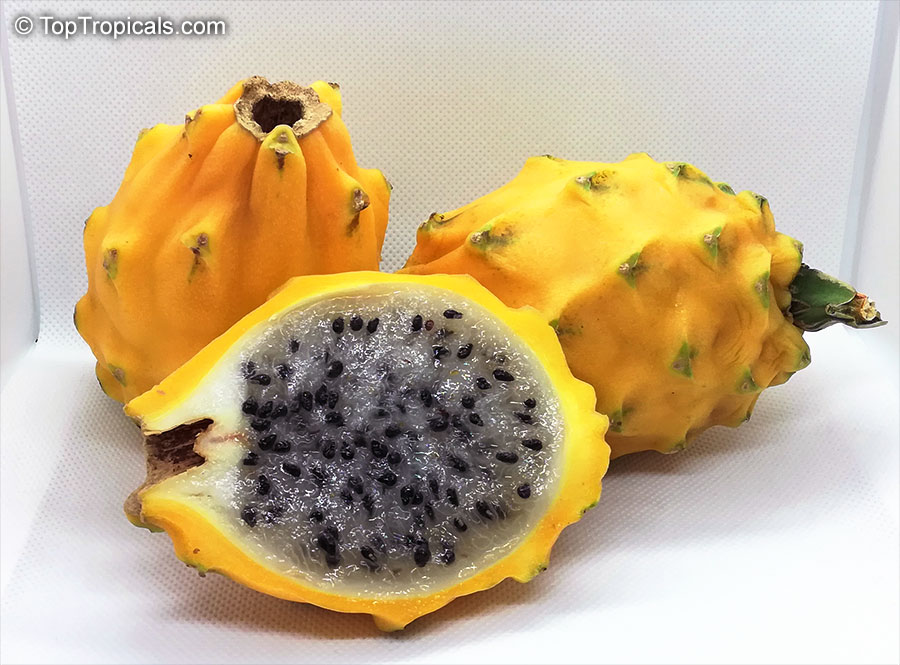
Selenicereus megalanthus (Yellow Dragon Fruit), sometimes referred to as Hylocereus megalanthus, is a vigorous climbing cactus from the dry regions of South America, prized for its giant night-blooming flowers and sweet yellow fruit. Its long, three-ribbed stems need sturdy support and produce fragrant white blooms that open only for a single night, attracting nocturnal pollinators. The oval yellow-skinned fruit, easily cleaned of soft spines, holds juicy white pulp with a delicate floral sweetness. Although drought-tolerant at rest, the plant benefits from regular watering in hot weather to improve fruit size and flavor. Grow in full sun, in well-drained soil, and protect from frost. Lean more:





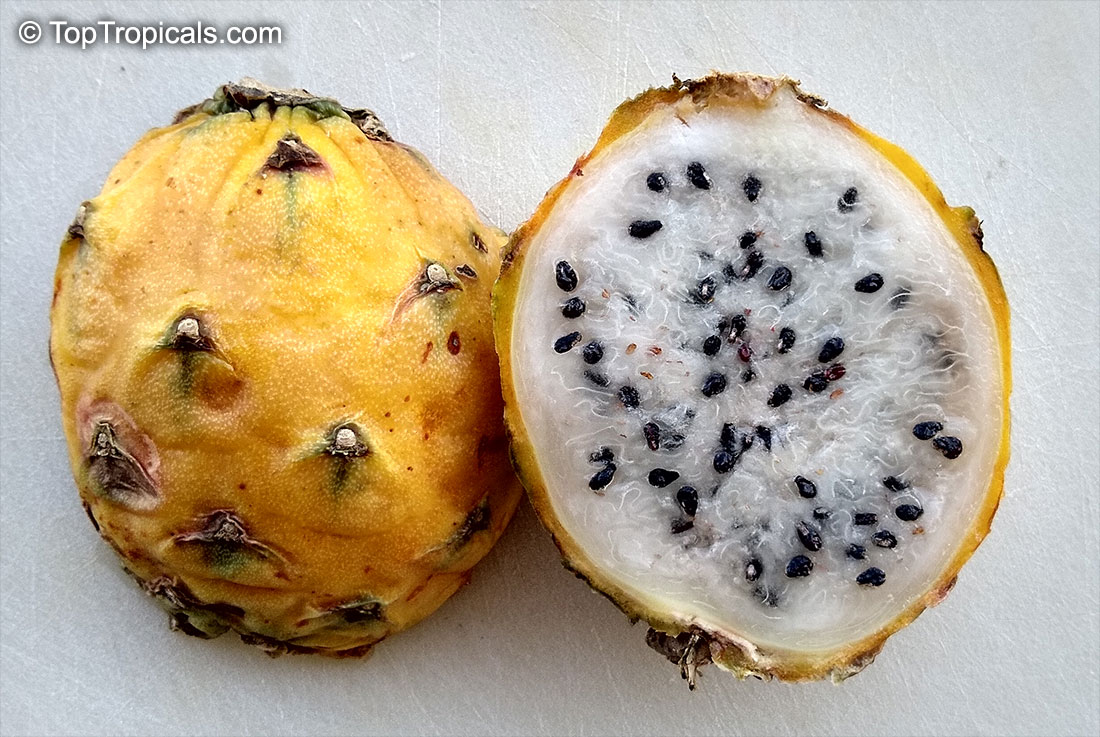
Lean more:
Pitaya page
What to do with a Dragon fruit?
Recommended Fertilizer: SUNSHINE C-Cibus - Crop Nutrition Booster
SUNSHINE-Honey - sugar booster
| Prev | Next | |
Use link to repeat this search:
https://toptropicals.com/cgi-bin/garden_catalog/cat.cgi?search_op=and&keyword_op=and&language=e&family=Cactacea&number=10
&no_change_lang=1&user=tt&sale=1&first=0