Asclepiadaceae - Botanical Family
| Number of plants found: 71 |  | Prev | Next | 
|
Go to page: | 1 | 2 | 3 | 4 | 5 | 6 | 7 | 8 |
Botanical name: Hoya lacunosa
Common name: Wax plant
Family: Apocynaceae (Formerly:Asclepiadaceae)
Subfamily: Asclepiadoideae
Origin: Thailand

USDA Zone: 9-11


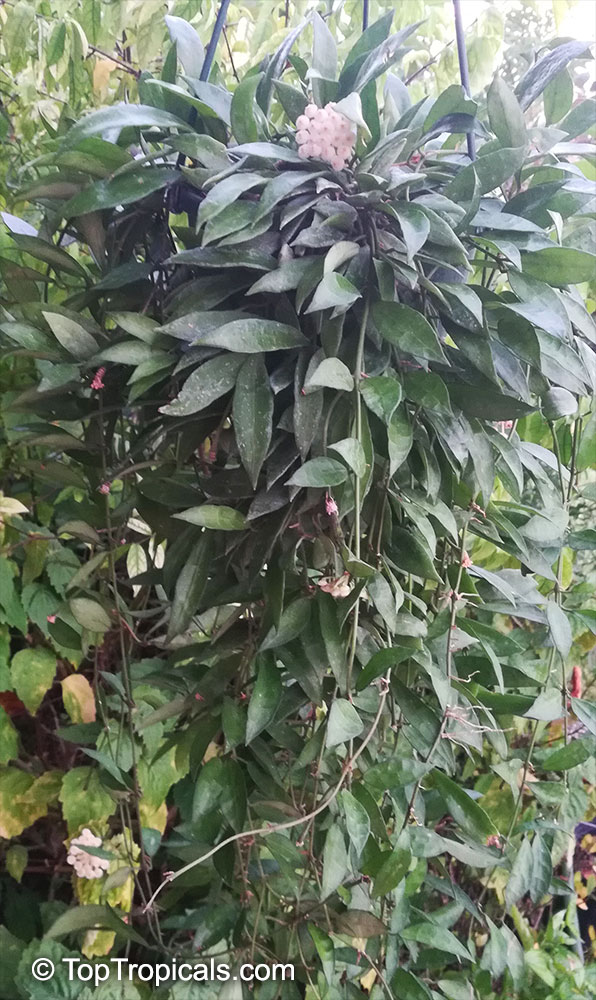
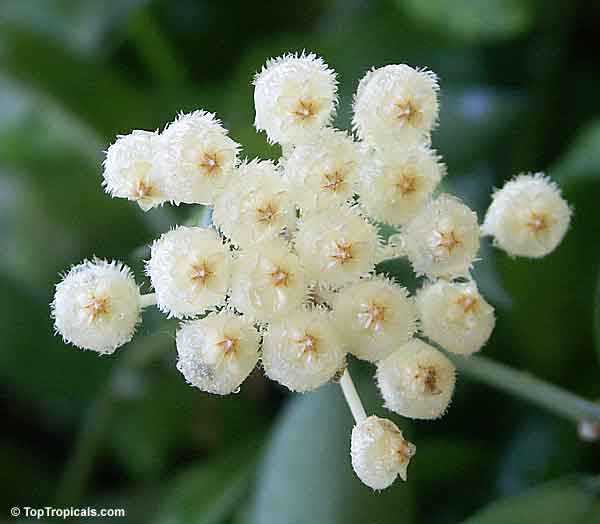
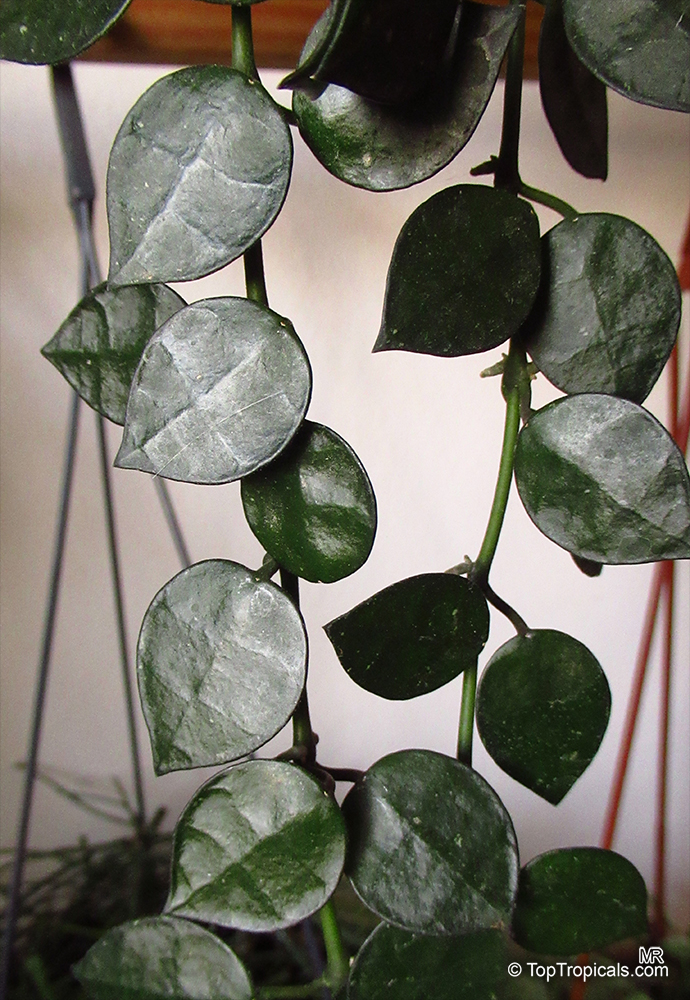
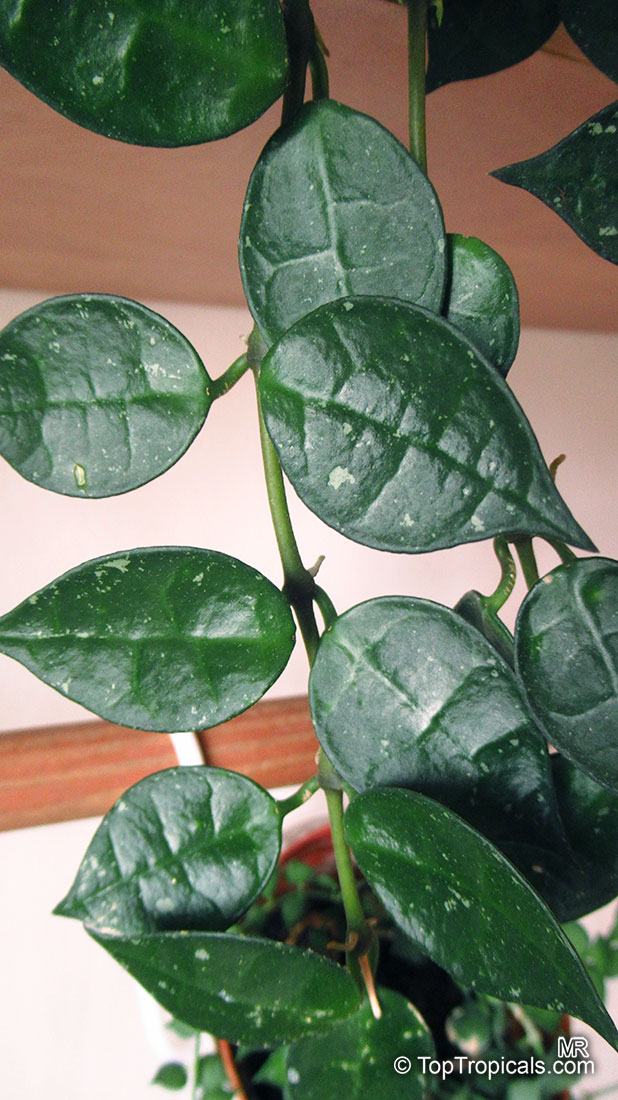
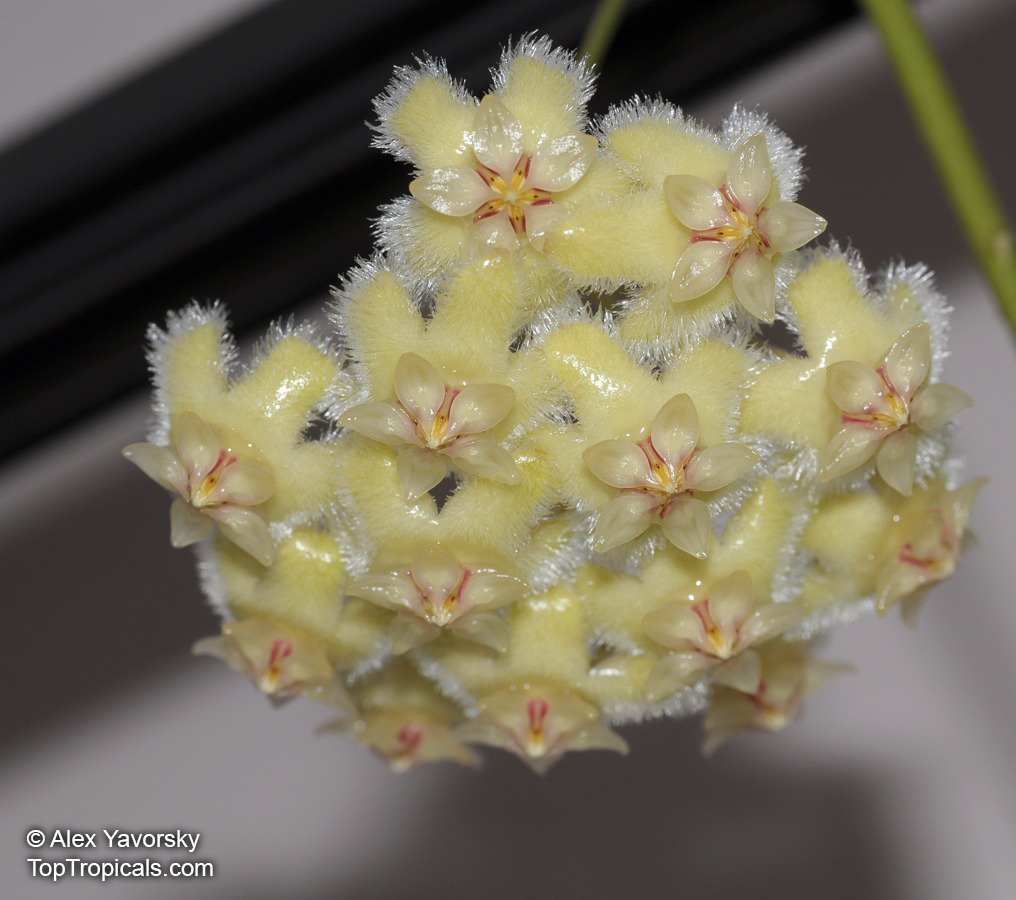
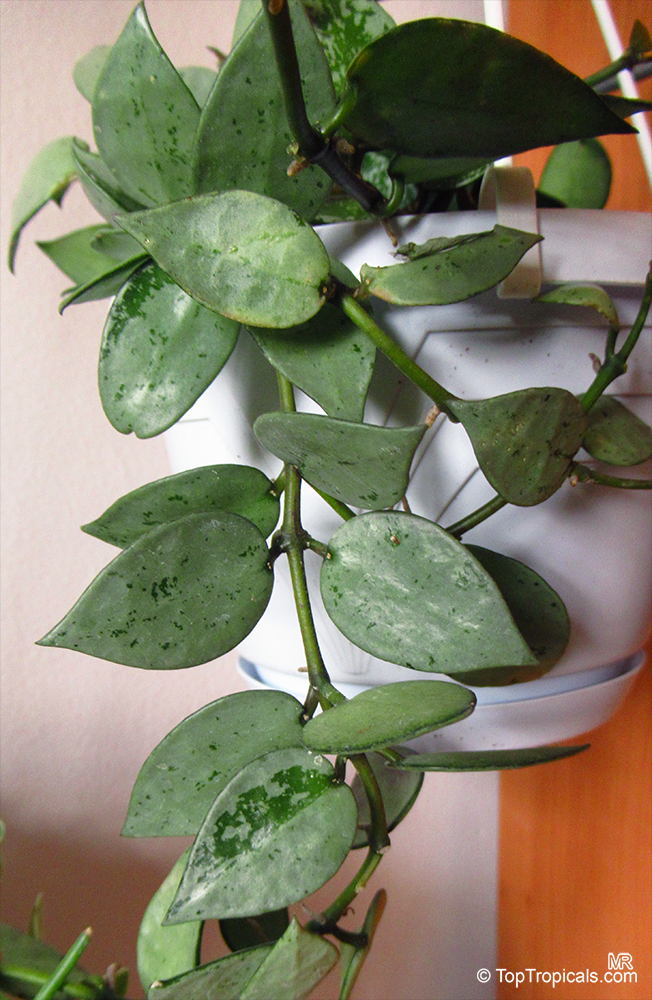
lacunosa is a small-leaved epiphytic species native to Southeast Asia, where it grows in warm, humid forests on tree trunks and branches. The plant develops slender trailing or climbing stems covered with narrow, slightly concave leaves, a feature reflected in the species name lacunosa, meaning "pitted" or "hollowed." Its compact growth habit makes it particularly well suited to hanging baskets, small trellises, and indoor cultivation.
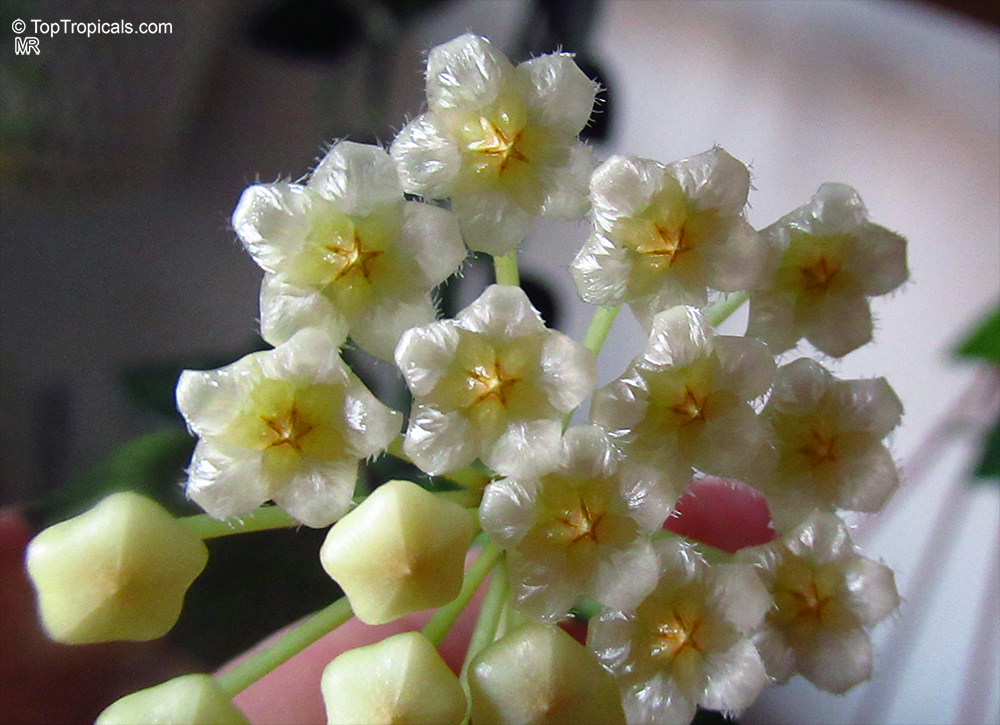
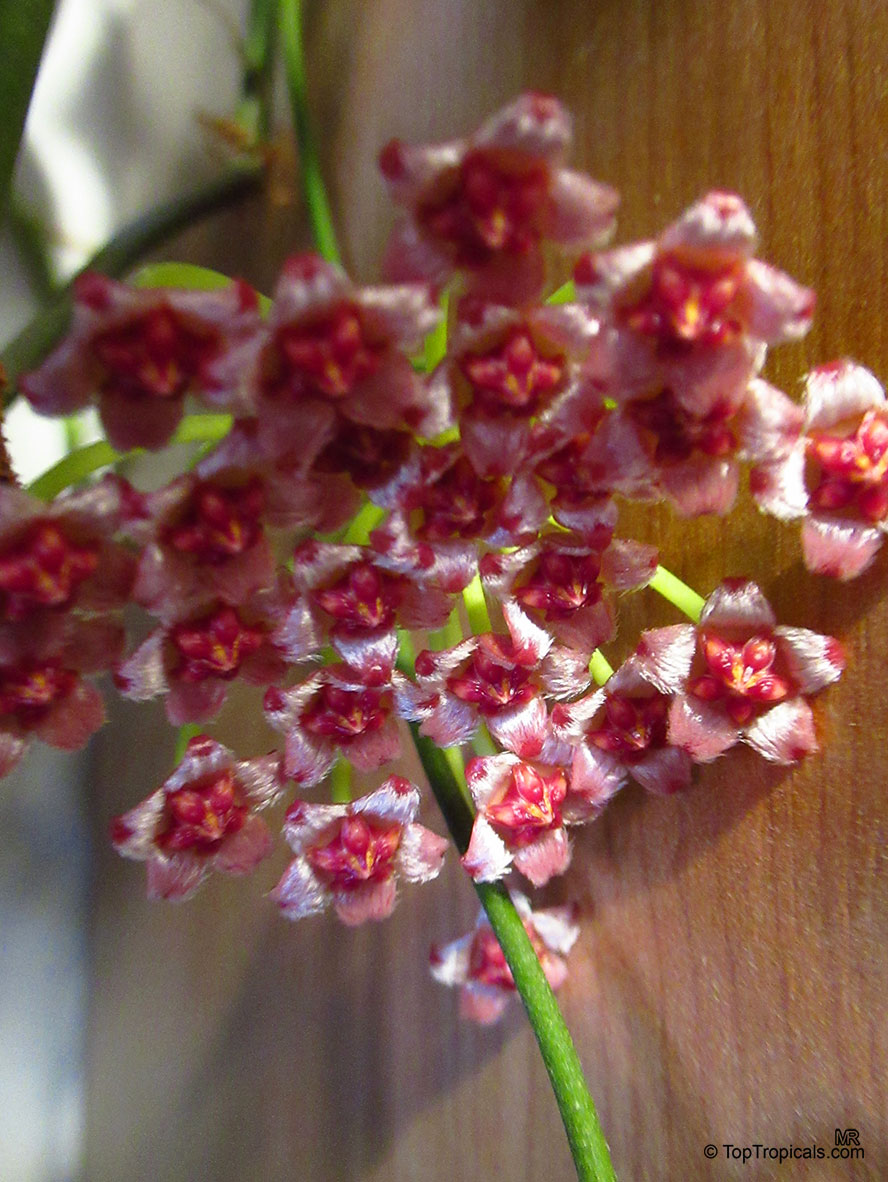
The species is especially valued for its profuse flowering and distinctive fragrance. Mature plants produce numerous clusters of fuzzy, star-shaped flowers that are typically white to cream-colored with yellow centers. Depending on the clone, the blooms may release a sweet scent often compared to cinnamon, cloves, honey, or perfume, particularly during the evening. Hoya lacunosa is known for flowering readily and may bloom repeatedly throughout the year under favorable conditions. It grows best in bright filtered light, a loose and well-drained growing medium, and regular watering with slight drying between applications. Higher humidity encourages vigorous growth, although the species adapts well to typical indoor conditions. Suitable for USDA Zones 10-12, Hoya lacunosa is most commonly grown as a houseplant, where its compact size, frequent flowering, and fragrant blooms have made it one of the most popular small-leaved hoyas in cultivation.

Botanical name: Hoya linearis
Common name: Porcelain Flower
Family: Apocynaceae (Formerly:Asclepiadaceae)
Subfamily: Asclepiadoideae
Origin: Nepal, China
USDA Zone: 9-10


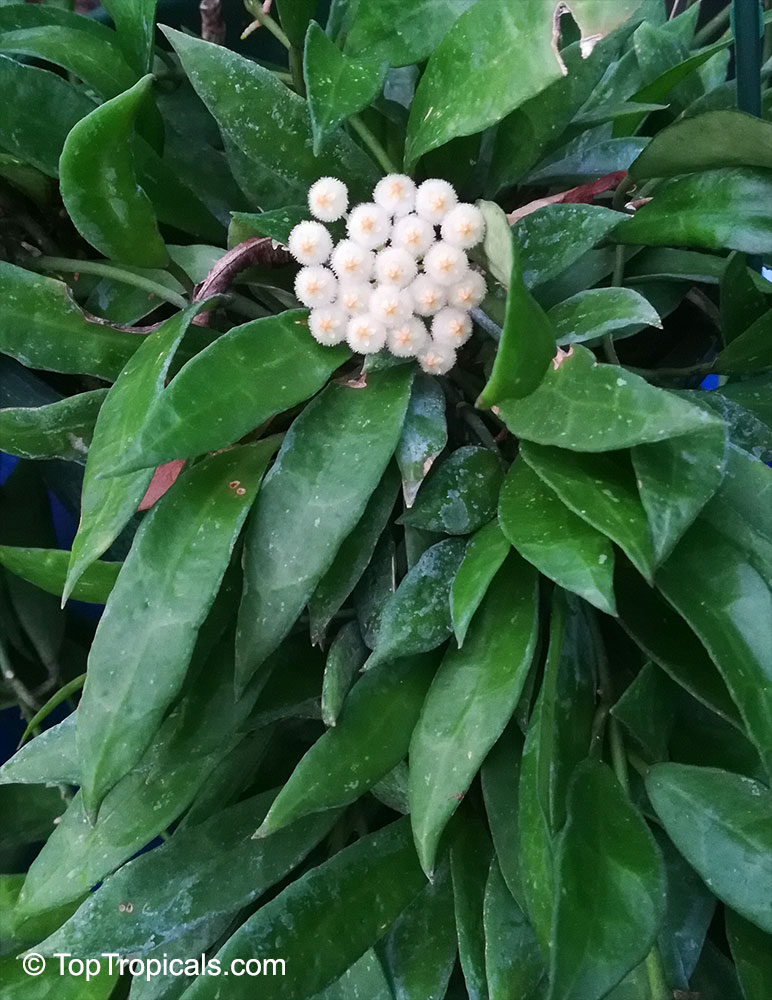
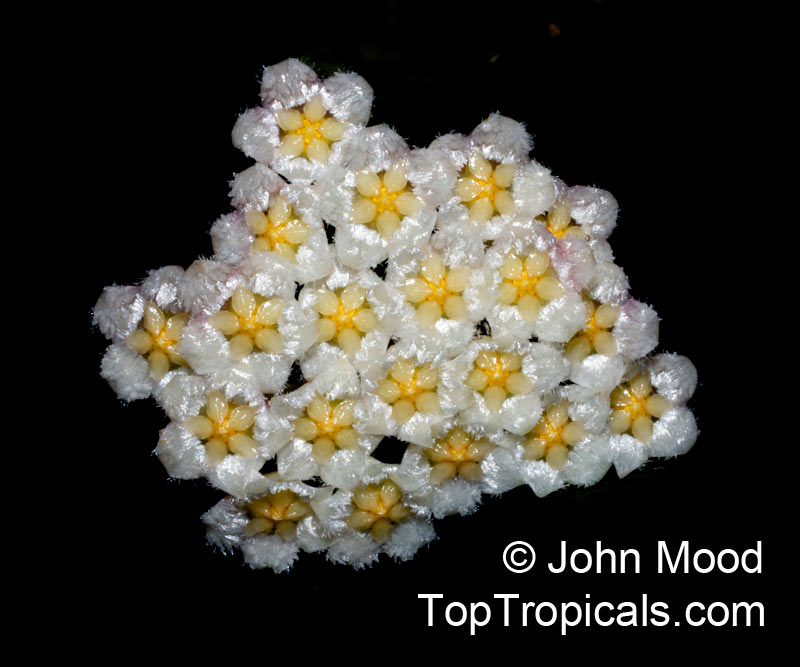
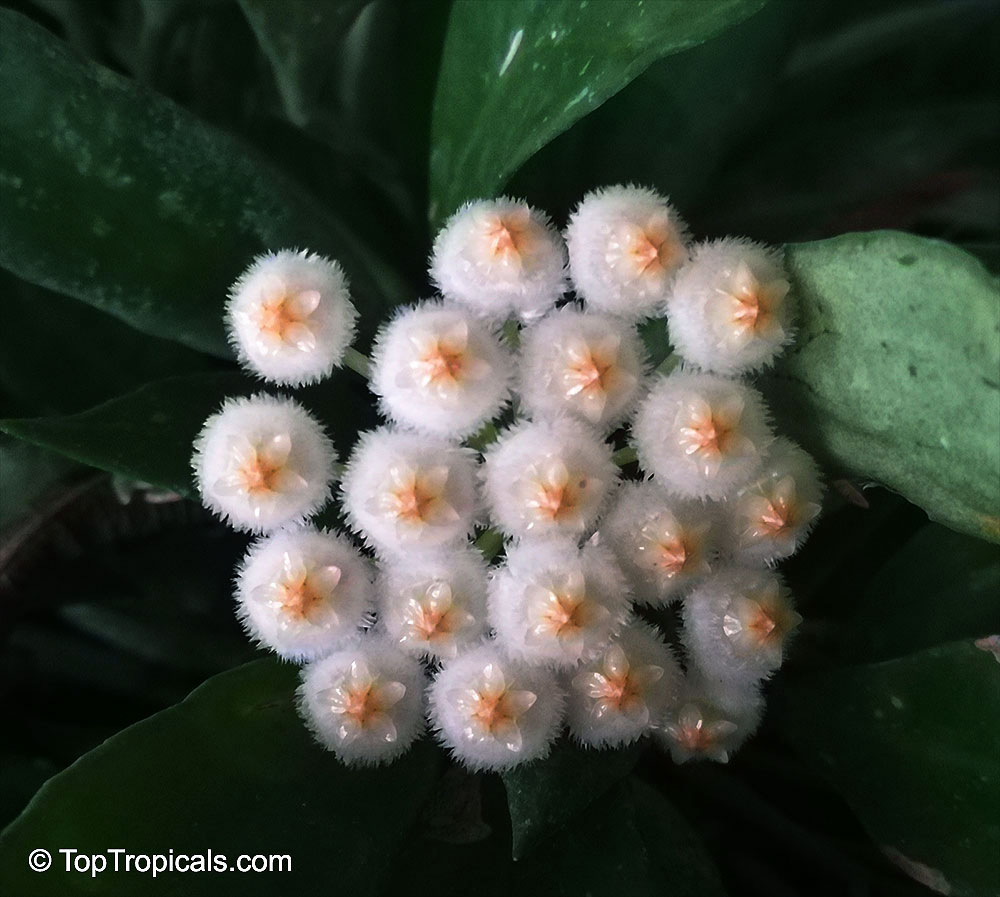
Hoya linearis (Porcelain Flower) is a small plant native to Nepal and China. It likes semi-shaded areas and regular light watering. This potted plant is adorned with beautiful off-white or white flowers which are delicately fragrant. USDA zone hardiness zones 9-11 are suitable for growing this plant outdoors.
In cold areas, plant Hoya linearis in a container, as frost and cold weather can affect its growth. In this case, a well-aerated potting soil is best to hold adequate moisture but still let excess water pass through. Position your container somewhere bright but sheltered from direct sunlight and mist the foliage occasionally. Make sure to water your pot when the top 2 inches of soil becomes dry, but never to the point of soggy soil. With proper care, your Hoya linearis will be a joy in your home for many years to come.


Botanical names: Hoya macrophylla, Hoya latifolia, Hoya browniana, Hoya clandestina
Common name: White Margin Hoya
Family: Apocynaceae (Formerly:Asclepiadaceae)
Subfamily: Asclepiadoideae
Origin: Eastern Asia and Australia
USDA Zone: 9-11


Hoya macrophylla, also known as White Margin Hoya, is a unique plant that is tolerant of lower light conditions and can be grown in both a pot and a trellis outdoors. This plant does best in USDA Zones 9-11. It can tolerate temperatures down to 30SF for short time. It is important to ensure good drainage to avoid over-watering and root rot, and adding perlite to the soil can help with this. Fertilize every few weeks during the growing season with a high-quality, water soluble fertilizer and keep the soil evenly moist. During the winter months, it is best to keep the plant drier with waterings about once every two weeks. Hoya macrophylla produces clusters of small, pink and white flowers in late spring or early summer.
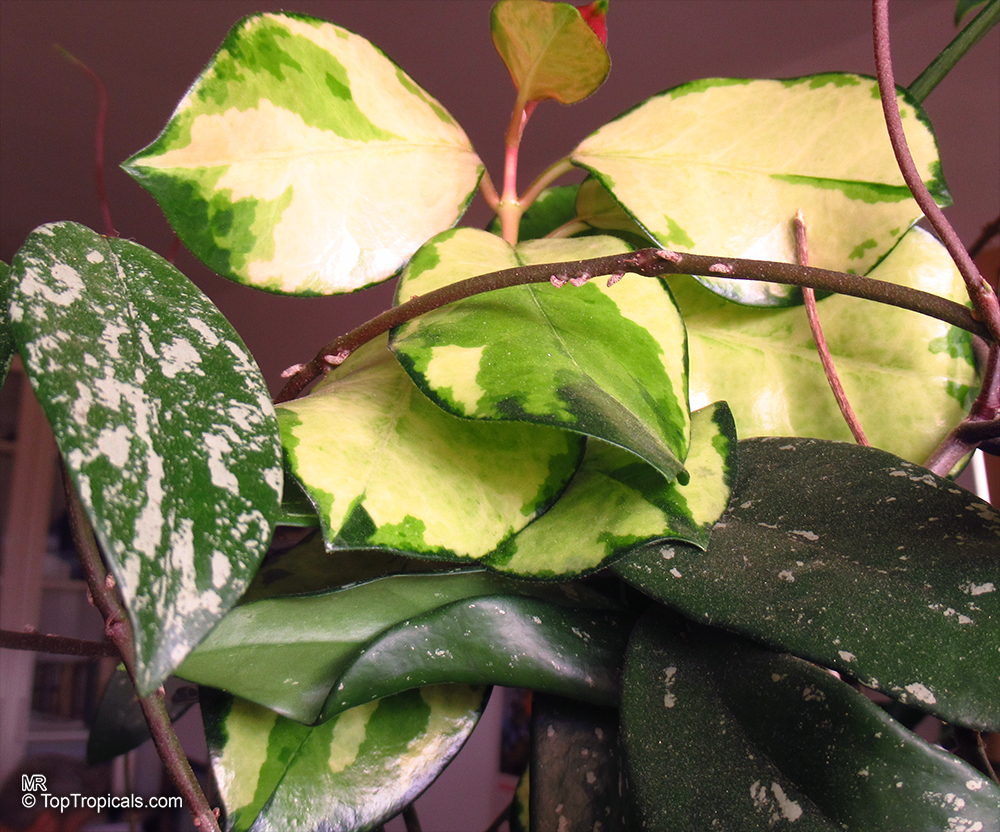
Hoya macrophylla has attractive variegated leaves and is a frequent bloomer. It has large, textured leaves with creamy white and pink margins and new leaves that emerge pink from vining tendrils. It is easy to grow with leaves around 5 inches long and is known for its waxy leaves, stems, and flowers.
Hoya macrophylla is a long-lived and easy to maintain houseplant with large waxy leaves and a unique coloring of white, yellow, or pink stripes amid deep green shades. It is known for its low-maintenance and visual appeal and produces fragrant flowers at night that are odorless during the day. It grows best in hot and arid climates with infrequent rains and does best when it can dry out completely before being watered.


Botanical names: Hoya multiflora, Centrostemma multiflora, Centrostemma platypetalum
Common name: Shooting Star Hoya
Family: Apocynaceae (Formerly:Asclepiadaceae)
Subfamily: Asclepiadoideae
Origin: Burma to Thailand, China, Malaysia, Philippines
USDA Zone: 9-10

The three inch long glossy foliage is a deep medium green with a yellowish to orange or yellow flowers produced in great abundance in spring to autumn. This easy to grow vine or creeper is semi-shade loving and require moderate water when growing. The fragrant white and off-white flowers are produced in large clusters from spring through autumn and are very attractive to butterflies and hummingbirds.
Hoya multiflora (Shooting Star Hoya) is a tropical plant native to Burma, Thailand, China, Malaysia, and Philippines. It has thick, glossy foliage with off-green leaves that are three inches long. The flowers, which appear in the spring and summer, are yellow, orange, or white and waxy petals that curl back behind the center of the bloom. These fragrant, showy blooms make it an attractive addition to any garden, and its sweet scent is sure to draw in butterflies and hummingbirds.
Grown in USDA zones 9-11, Hoya multiflora is a very easy plant to care for. It can thrive in semi-shaded areas and requires moderate watering: not too much and not too little. If grown in a pot, it is important to protect it from colder temperatures and wind in the winter months. The soil should be kept lightly moist and it should be planted in a container of good quality potting soil with lots of drainage. If you are growing it in a cooler climate, you may need to bring the pot indoors for the winter months to protect it from the colder temperatures. When caring for this plant, it is important to watch out for pests or diseases that may affect it.
Overall, Hoya multiflora (Shooting Star Hoya) is an easy to grow tropical plant that is sure to add beauty and fragrance to your garden. Its glossy foliage and bright, fragrant blooms will draw in hummingbirds and butterflies, making it a great addition to any outdoor space. With proper growing and plant care, even gardeners living in cooler climates will be able to enjoy the beauty of this tropical plant in their gardens.


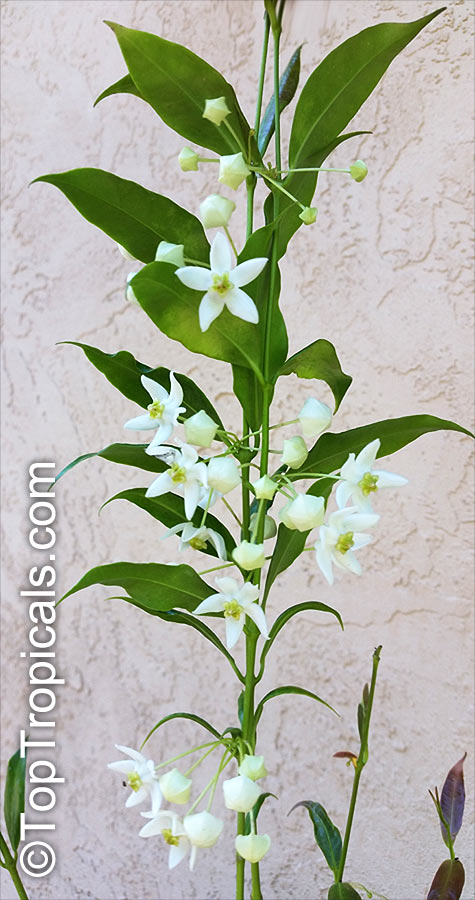
Botanical name: Hoya odorata
Common name: Wax plant
Family: Apocynaceae (Formerly:Asclepiadaceae)
Subfamily: Asclepiadoideae
Origin: Philippines
USDA Zone: 10-11

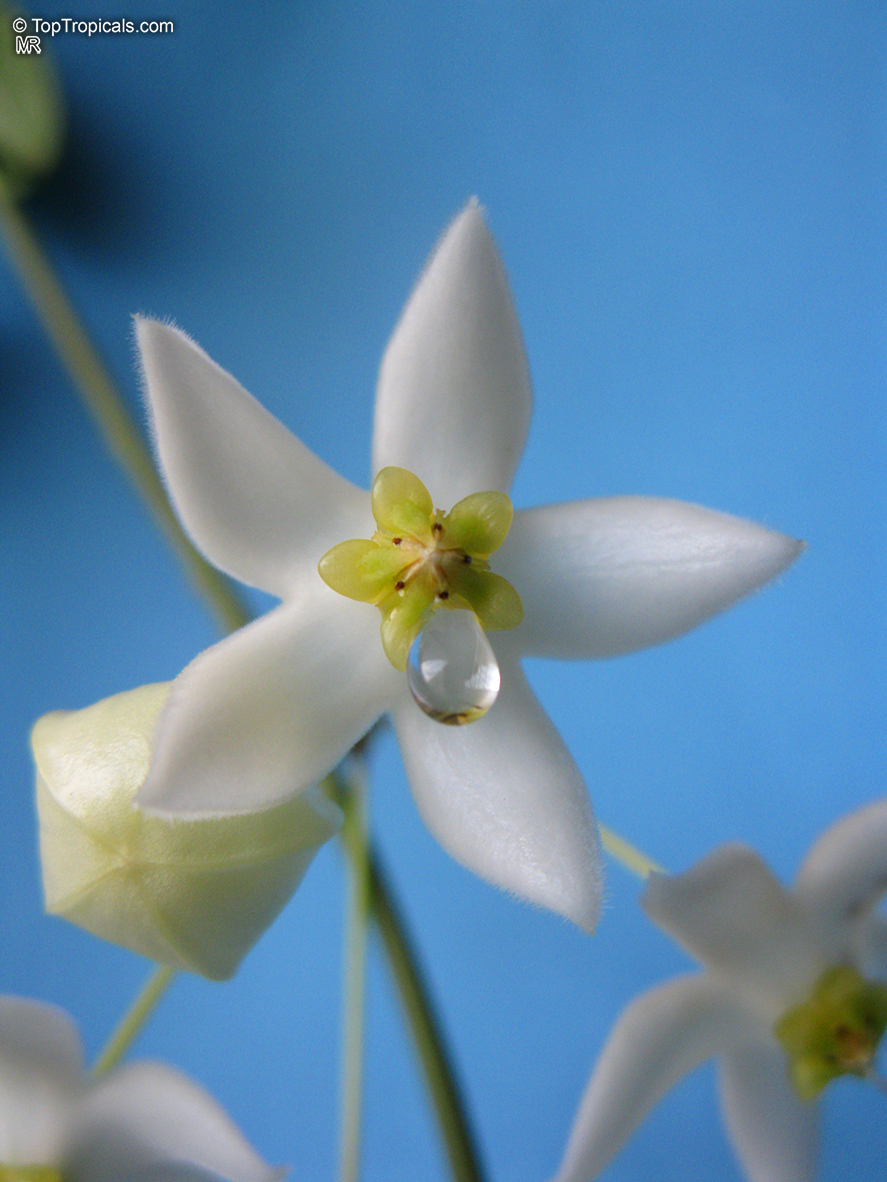
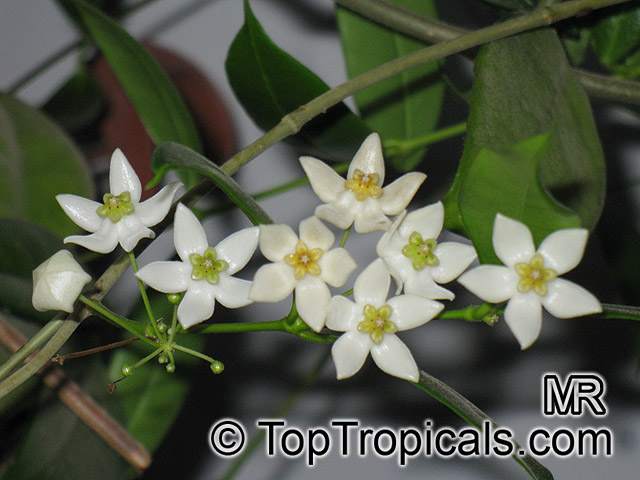
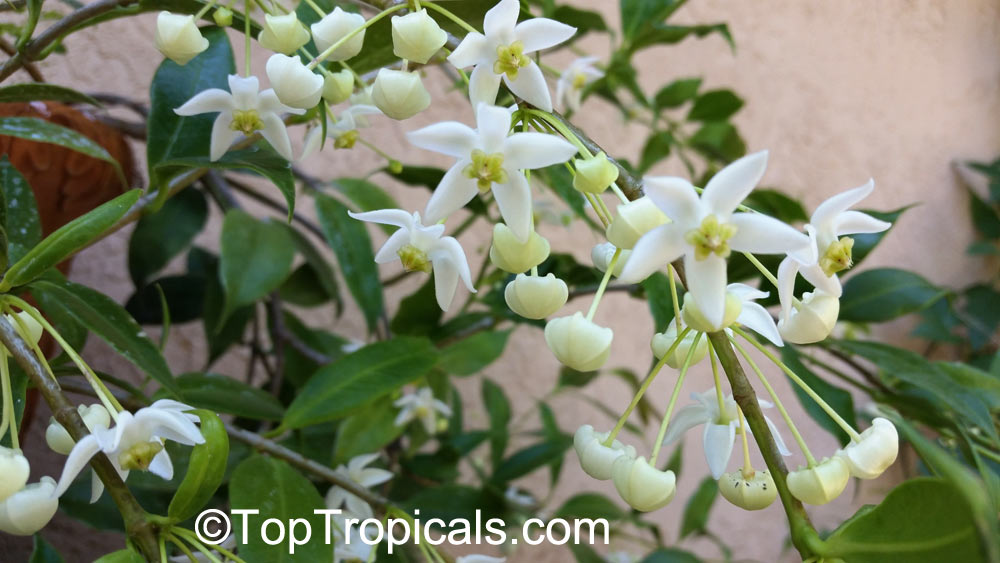
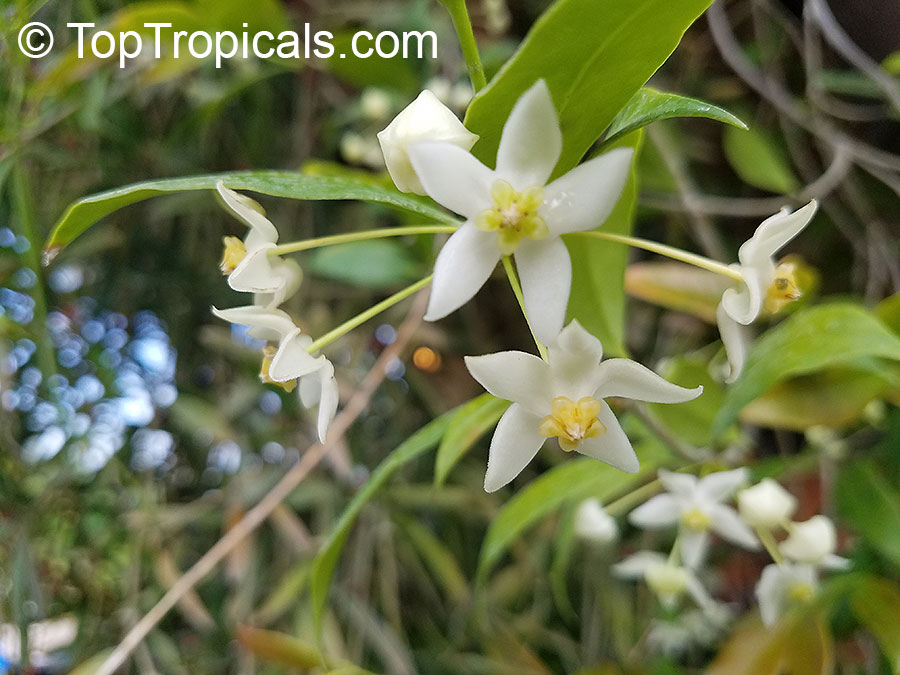
Hoya odorata is a climbing epiphytic species native to the Philippines, where it grows in warm, humid forests on trees and other supports. It develops long twining stems and attractive medium-green leaves that are typically thicker and more leathery than those of many small-leaved hoyas. Although vigorous, the plant generally maintains a refined appearance and adapts well to container culture when provided with adequate support.
The species is best known for its highly fragrant flowers, a characteristic reflected in its name odorata, meaning "sweet-scented" or "fragrant." The blooms are typically pure white and are produced in rounded clusters that stand out clearly against the foliage. Their sweet perfume is often strongest during the evening and nighttime hours, helping to make this species a favorite among collectors of fragrant hoyas. Established plants may flower repeatedly under favorable conditions. Hoya odorata grows best in bright filtered light, a loose and well-drained growing medium, and regular watering with slight drying between applications. Warm temperatures and moderate to high humidity encourage vigorous growth and flowering. Suitable for USDA Zones 10-12, it is most commonly grown as a container plant or houseplant in cooler climates, where its elegant white flowers and strong fragrance can be appreciated up close.
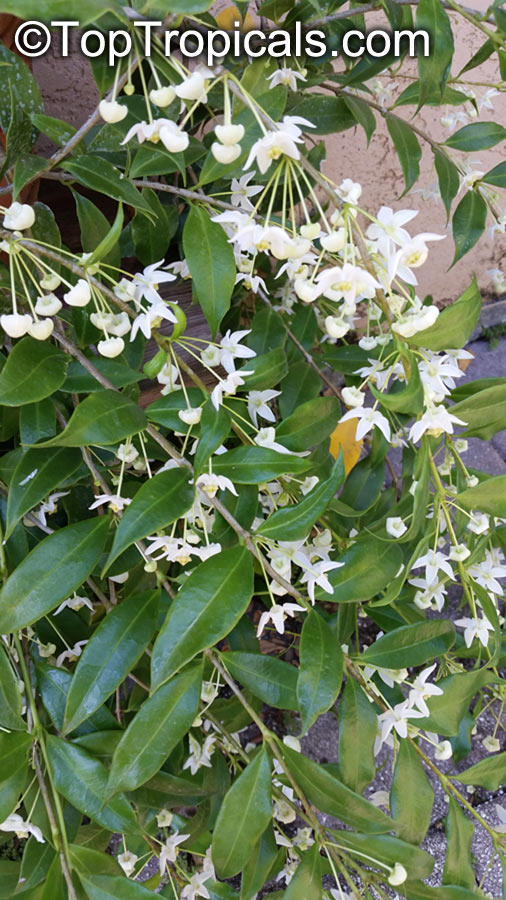
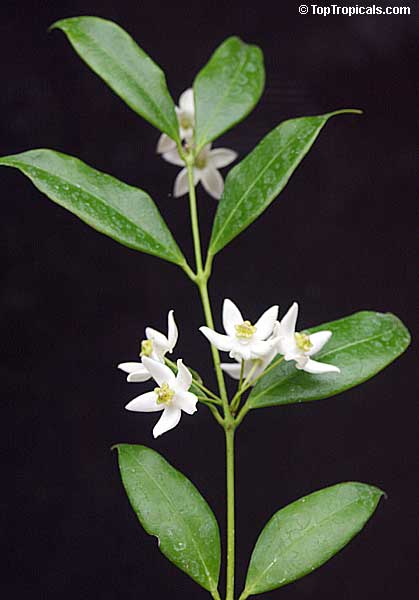
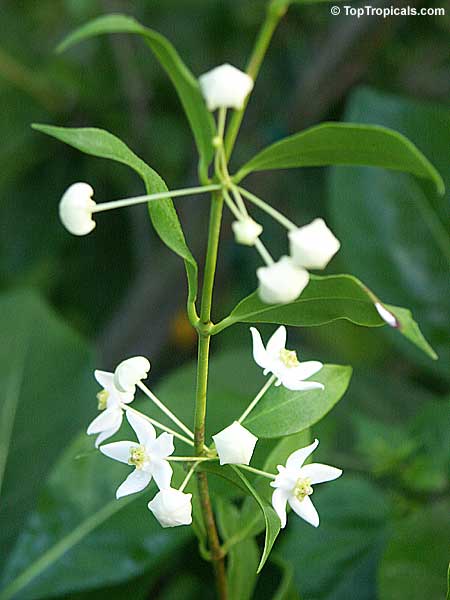

Botanical name: Hoya onychoides
Common name: Hoya
Family: Apocynaceae (Formerly:Asclepiadaceae)
Subfamily: Asclepiadoideae
Origin: Papua New Guinea
USDA Zone: 9-10

Hoya onychoides is a vine or creeper native to Papua New Guinea. Its striking flowers draw attention and admiration, especially when each bloom opens anew with pristine white petals, zig-zagged by dense spirals of darker red and burgundy corona. In the middle of each flower sits a star-shaped patch of vinous color, perfectly complementing the unique shape of the whole bloom.
Despite its exotic look, growing Hoya is not difficult. They thrive when provided with semi-shade exposure and regular watering. Be sure to thoroughly soak the soil and ensure plenty of drainage, then let it dry until the topmost layer feels dry to the touch. Moderately water the vine in the height of summer, but do not over-water, as this could be fatal to the plant.
In horticulture, the USDA Hardiness Zone 9-11 is located in warm regions with mild winters and hot summers. While in cold regions, Hoya plants are usually grown in pots and taken indoors during winter months. When growing Hoya in a pot in colder climates, try to simulate the warmer conditions of its native habitat. Place the pots in bright light, but avoid direct sunlight, and feed your plants with a balanced fertilizer during the growing season. Regularly check the soil and, if necessary, water slightly more often than usual in summer months. If the winter temperatures are quite low, hibernate the pots until next season.
In conclusion, with its vibrant deep red and burgundy blooms, and relatively easy suit ability for both indoor and outdoor growth, Hoya onychoides makes for a truly eye-catching addition to any garden. With the proper light, temperature, and water, you can enjoy its exquisite magnificence for years to come.

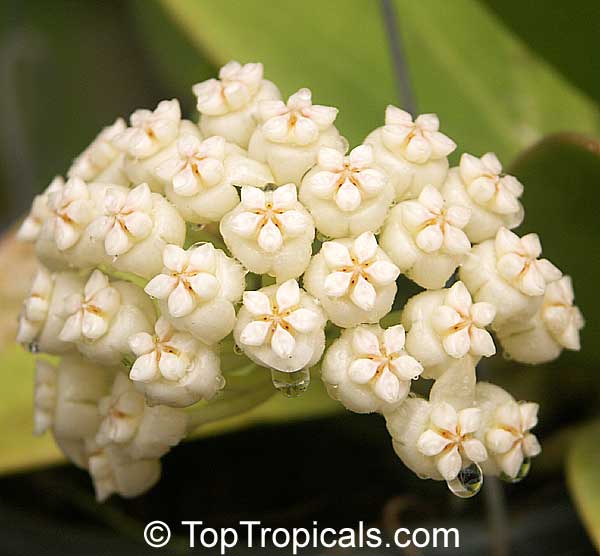
Botanical name: Hoya pachyclada
Common name: Wax plant
Family: Apocynaceae (Formerly:Asclepiadaceae)
Subfamily: Asclepiadoideae
Origin: Thailand
USDA Zone: 10-11
Hoya pachyclada is a compact epiphytic species native to Thailand and neighboring parts of mainland Southeast Asia. Unlike many hoyas that produce long, slender vines, this species develops short internodes and thick succulent leaves, giving it a dense, sturdy appearance even when relatively young. The broad, rounded foliage is often covered with a subtle waxy sheen and serves as an adaptation to periods of reduced moisture in its native habitat.
The species is particularly valued for its unusually large flower clusters in relation to the size of the plant. The blooms are white to creamy white with a pink to reddish central corona and have a waxy texture typical of many hoyas. Their sweet fragrance is often most noticeable during the evening. Mature plants may flower several times a year, and the dense umbels can nearly cover the foliage when conditions are favorable. Hoya pachyclada grows best in bright filtered light, a loose and well-drained growing medium, and moderate watering with partial drying between applications. Its thick leaves allow it to tolerate short dry periods better than many thin-leaved species, although prolonged drought should be avoided. Suitable for USDA Zones 10-12, it is widely grown as a container plant and is especially appreciated by collectors seeking a compact species with substantial foliage and showy blooms.
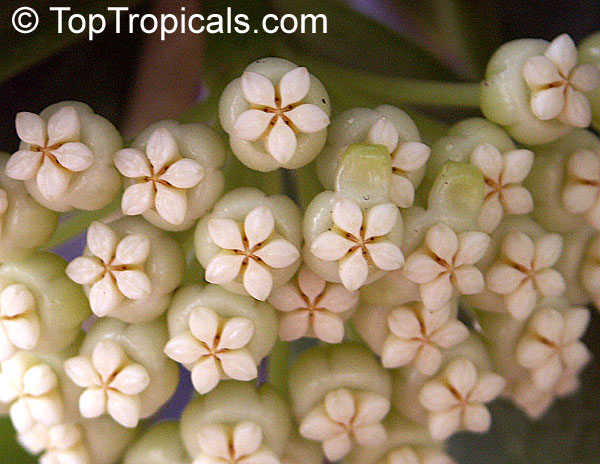
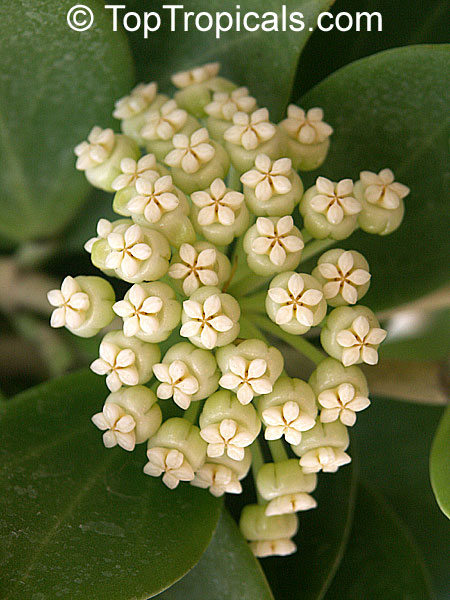
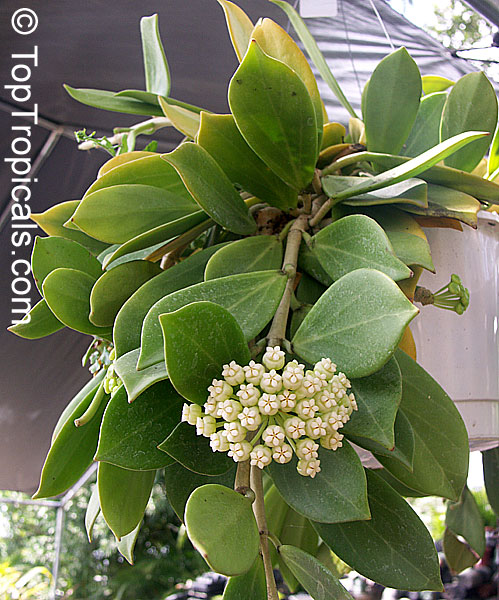

Botanical name: Hoya pubicalyx
Common name: Harlequin Wax Plant
Family: Apocynaceae (Formerly:Asclepiadaceae)
Subfamily: Asclepiadoideae
Origin: Philippines
USDA Zone: 10-11
Hoya pubicalyx is a vigorous tropical climbing plant in the Apocynaceae family, native to the Philippines and among the most widely cultivated hoyas for its ornamental foliage and blooms.
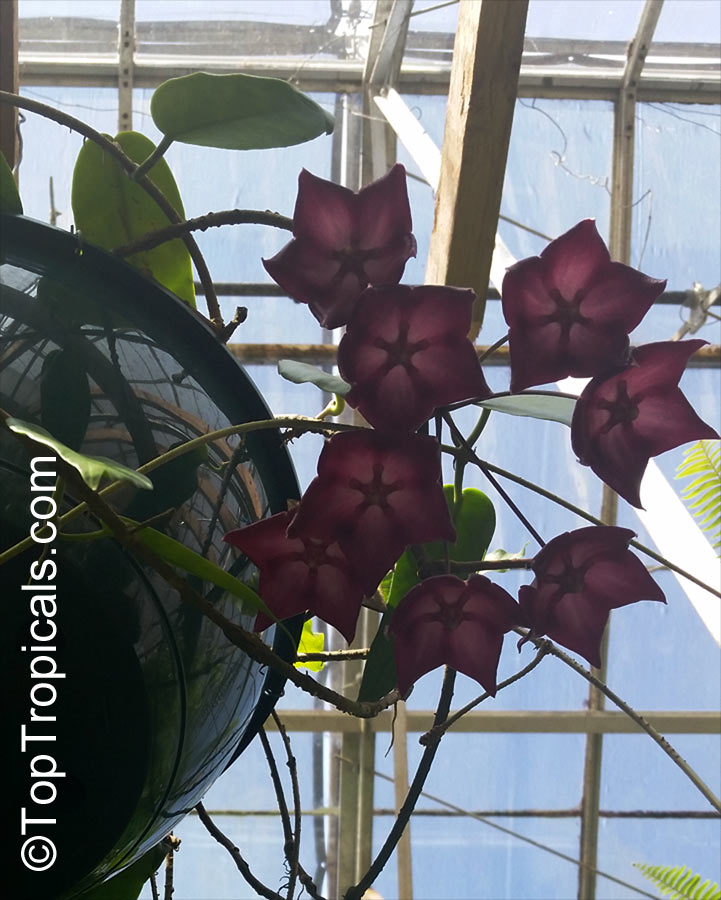
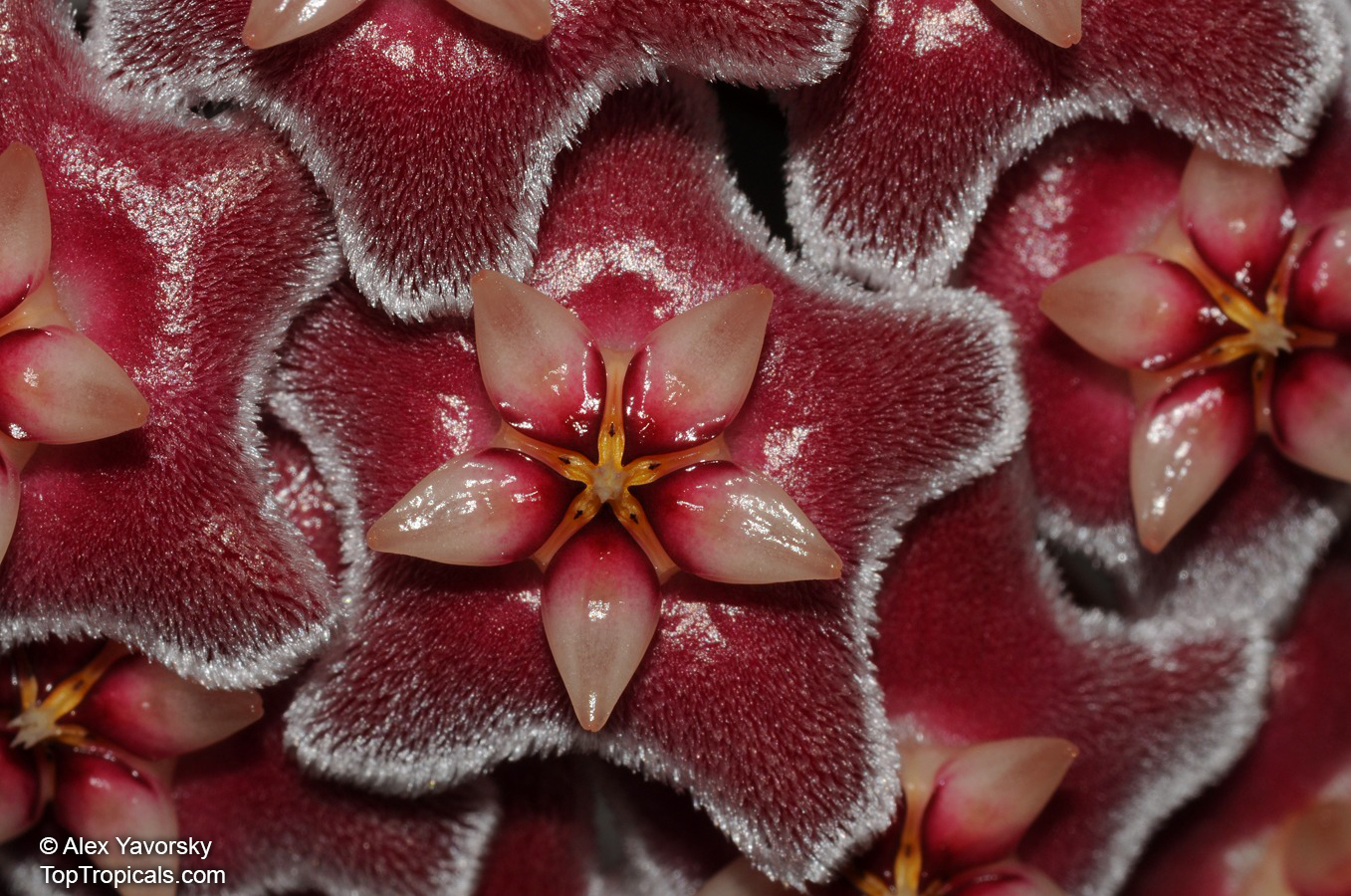
The stems are long and twining, bearing narrow leathery leaves often marked with silver or gray flecking. Flowers are arranged in rounded umbels and vary by clone or cultivar from pale pink to deep burgundy or near-black purple, with contrasting centers and a glossy wax-like surface. They are typically fragrant, especially in the evening, and may produce visible nectar droplets.
Hoya pubicalyx grows best in bright filtered light with warm temperatures, good air circulation, and fast-draining epiphytic substrates. It appreciates moderate watering with drying periods between irrigations and benefits from support for its climbing stems. Commonly grown as a hanging basket or trellised container plant, it adapts well to indoor conditions when humidity and light are adequate. It is generally suited to USDA Zones 10-11 and should be protected from temperatures below about 50F.


Botanical name: Hoya retusa
Common name: Grass-leafed Hoya
Family: Apocynaceae (Formerly:Asclepiadaceae)
Origin: Himalayas
USDA Zone: 10-12
It is an evergreen vine or creeper, native to the Himalayas and commonly grown as an epiphyte in semi-shade. The plant is a small shrub reaching just 2-5 ft in height. Hoya retusa produces white or off-white flowers with red centers, which bloom in the Summer season. This plant is also known as Grass-leafed Hoya.
Hoya retusa is a low-maintenance plant, a moderately watered one that once established can require less watering. It is a hardy plant, able to withstand temperatures as low as 35F (USDA hardiness zone 9-11). Since it is adapted to mountaineous conditions, Hoya retusa can do well in cooler regions.
When planted in containers in cold regions, some extra care is needed to ensure this plant thrives. It requires light, well-drained soil, and it is advised to use an organic-rich potting mix. It is also important to water the plant regularly and use a balanced fertilizer during the growth period. During cooler months, the amount of water should be reduced, but the pot should be sheltered from direct sunlight and kept out of frost.
In addition to its attractive foliage and flowers, Hoya retusa is easy to propagate. Cuttings taken in the Spring and Summer season root easily and can be transplanted into new pots or garden beds. To make sure they take, it is important to keep the soil moist during the first few weeks.
Hoya retusa is an ideal addition to any garden, given its ease of care and ability to thrive in different climates. It's a resilient, low-maintenance plant that can survive in colder regions, given their extra protection and care. It also provides a lovely show of flowers in the Summer season, making it a great pick for gardens of all sizes.


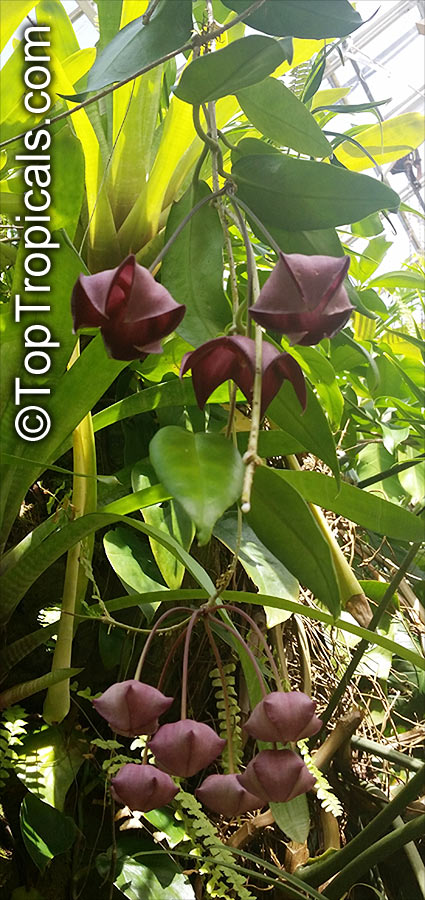
Botanical name: Hoya sp.
Common name: Wax Flower
Family: Apocynaceae (Formerly:Asclepiadaceae)
Subfamily: Asclepiadoideae
Origin: Eastern Asia and Australia
USDA Zone: 10-11
Cold tolerance: 35°F
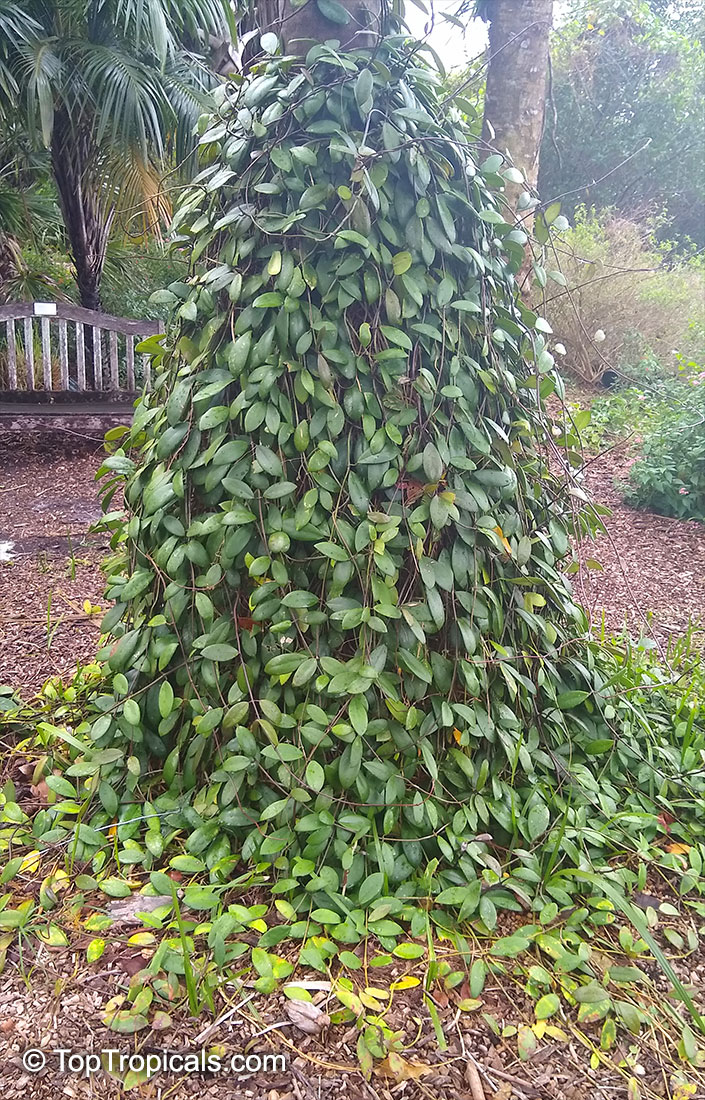
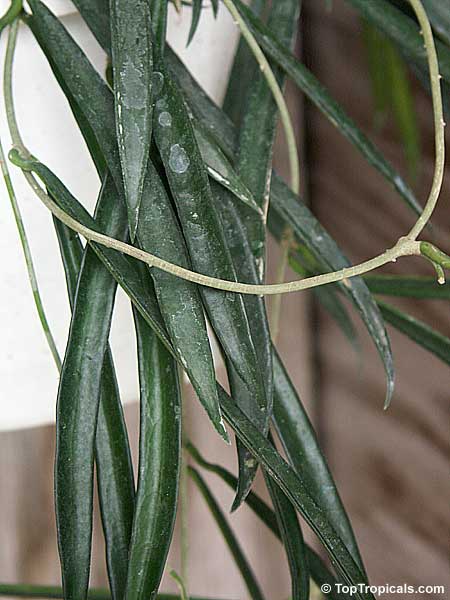
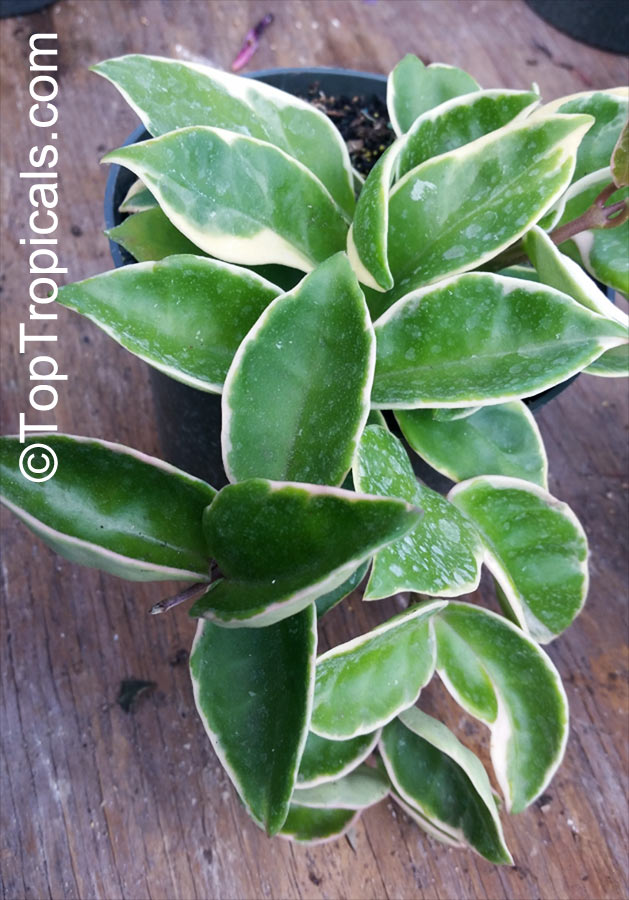
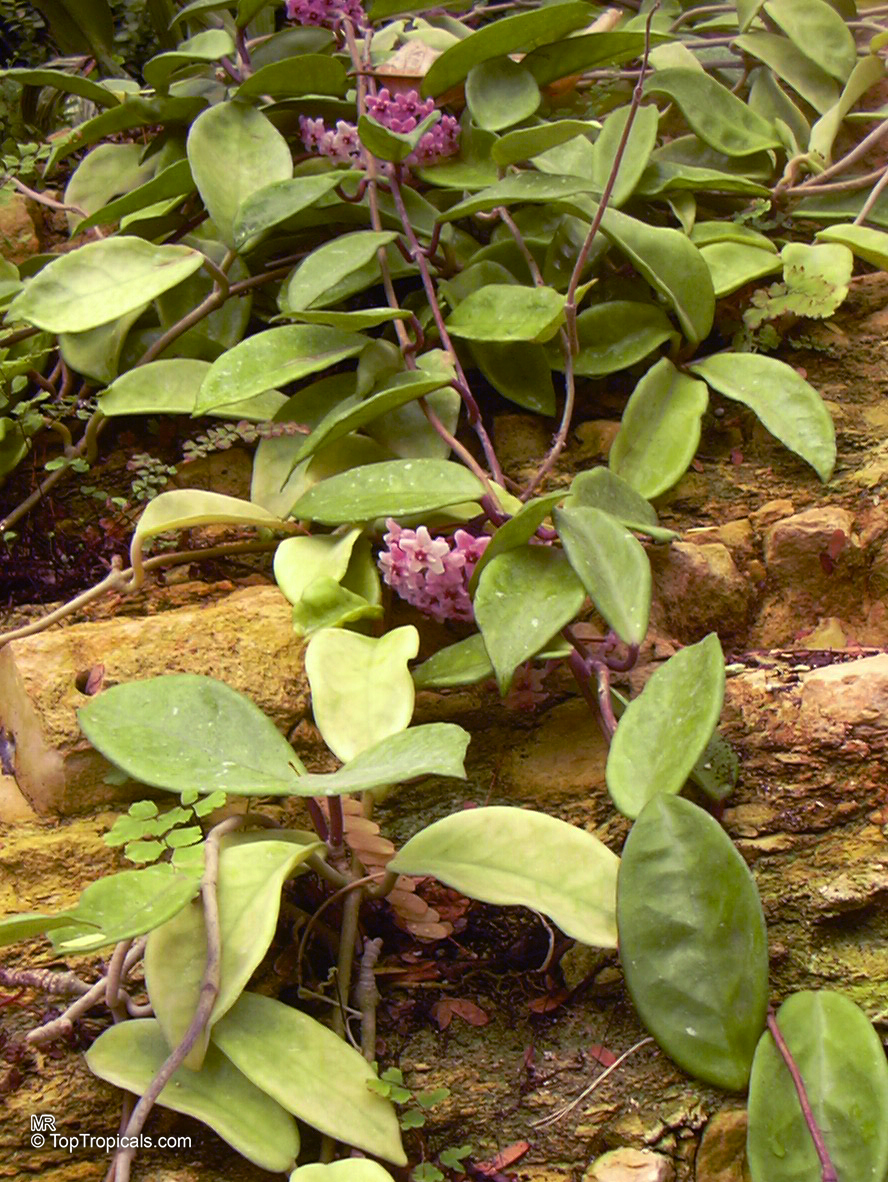
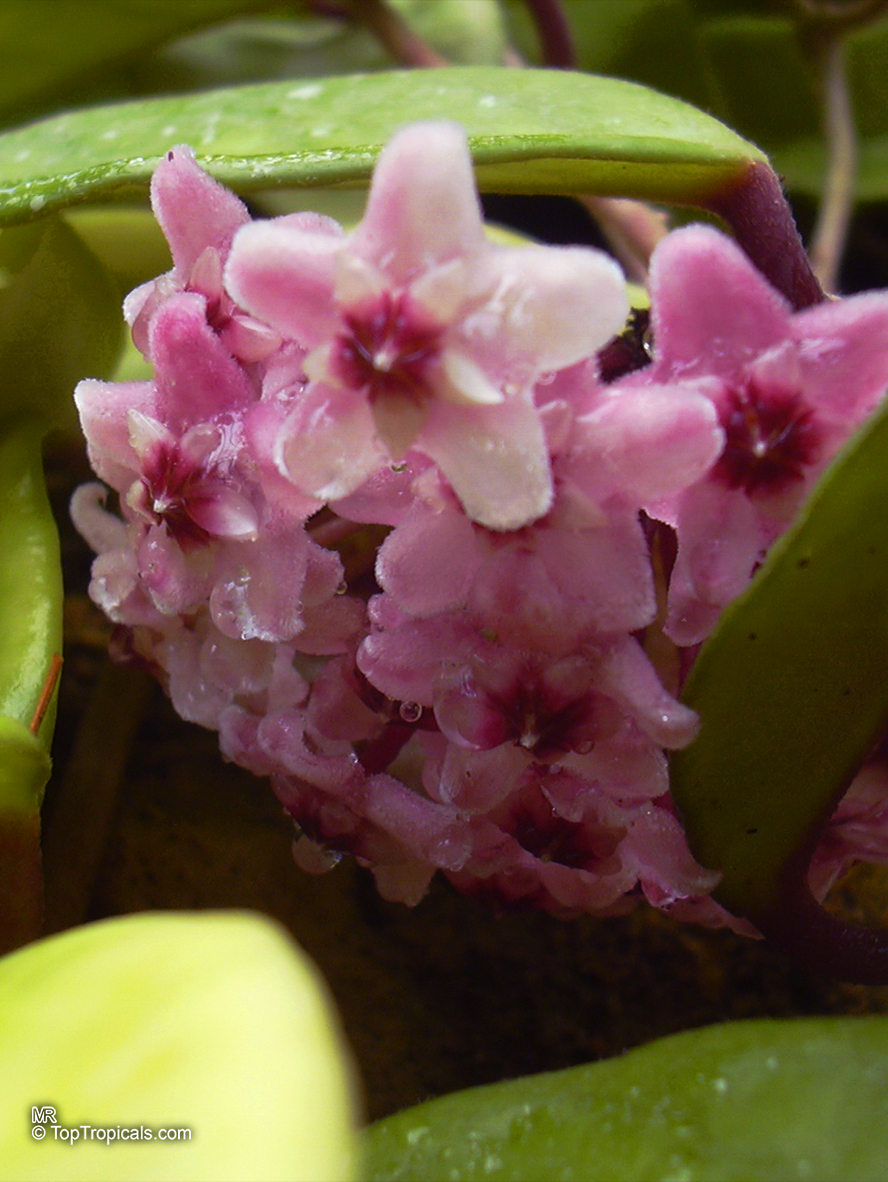
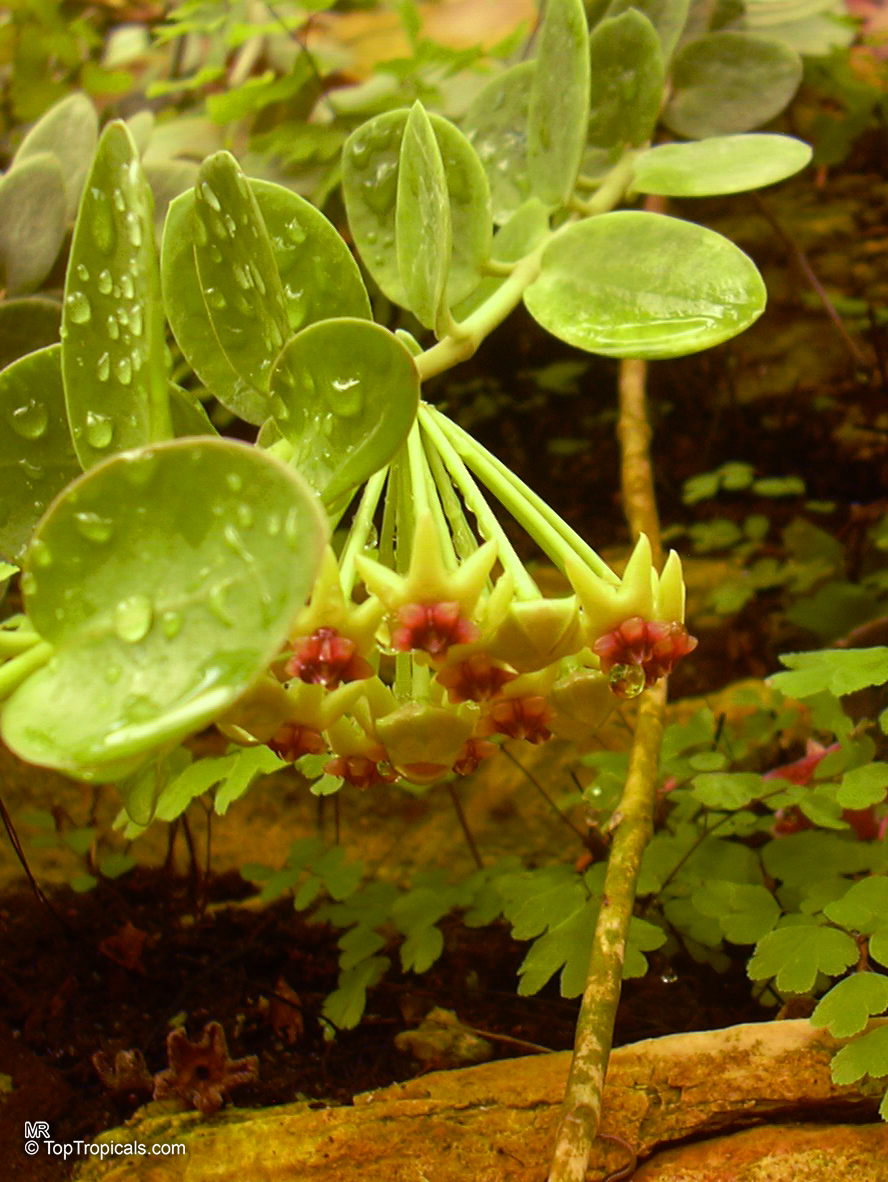
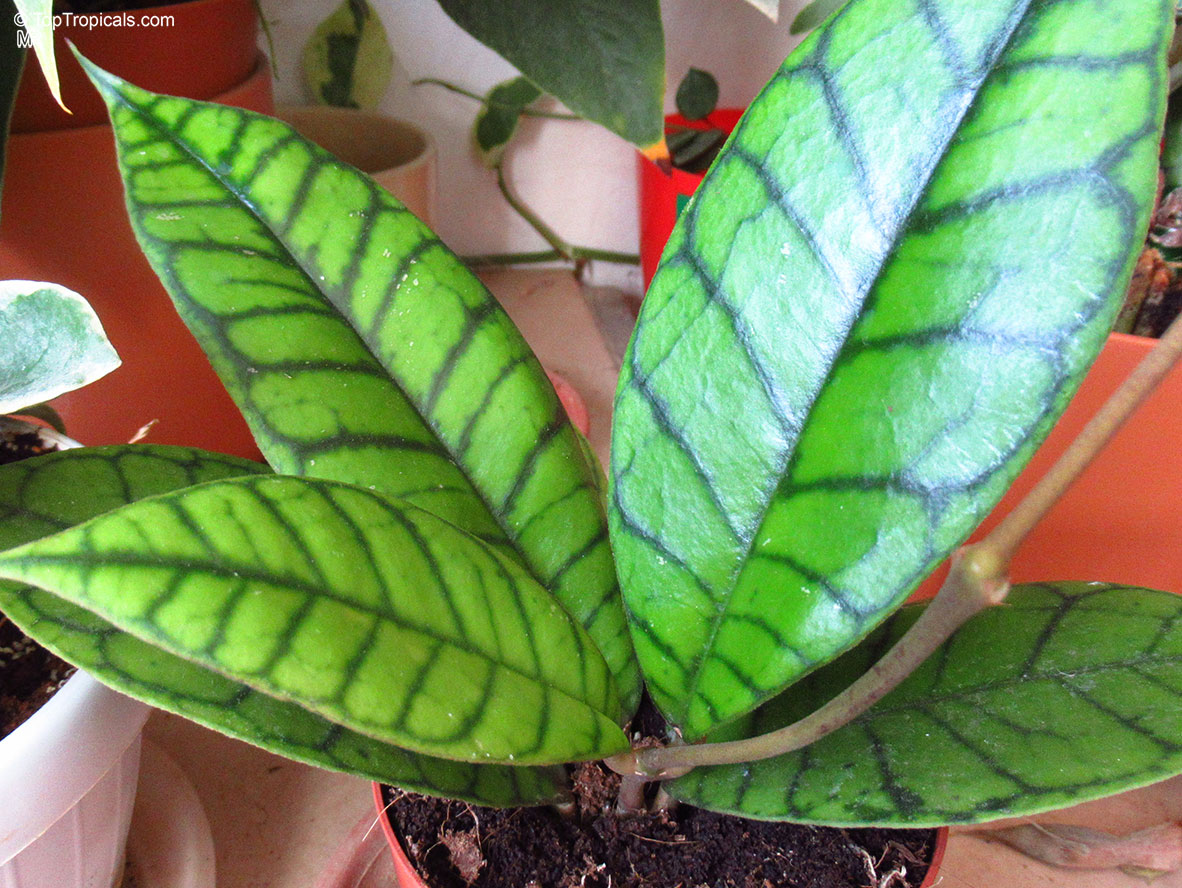
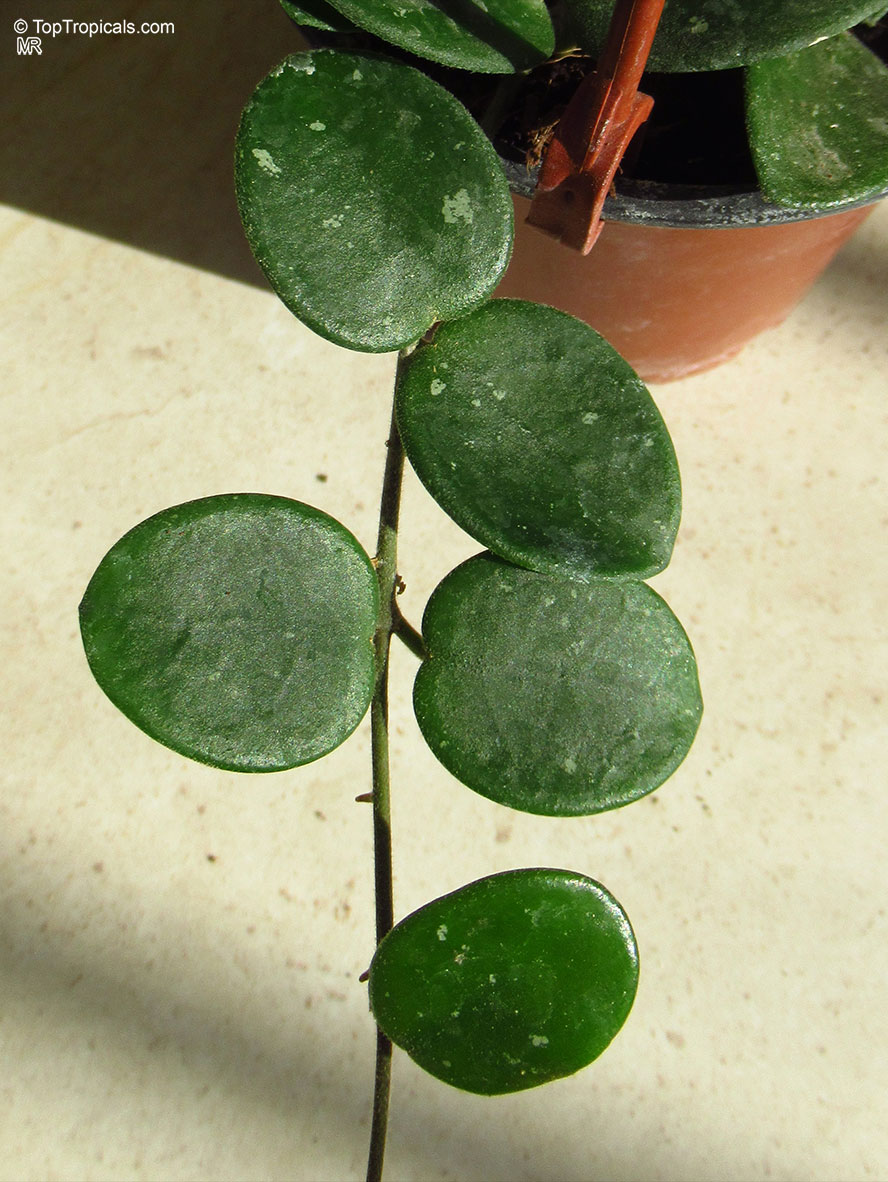
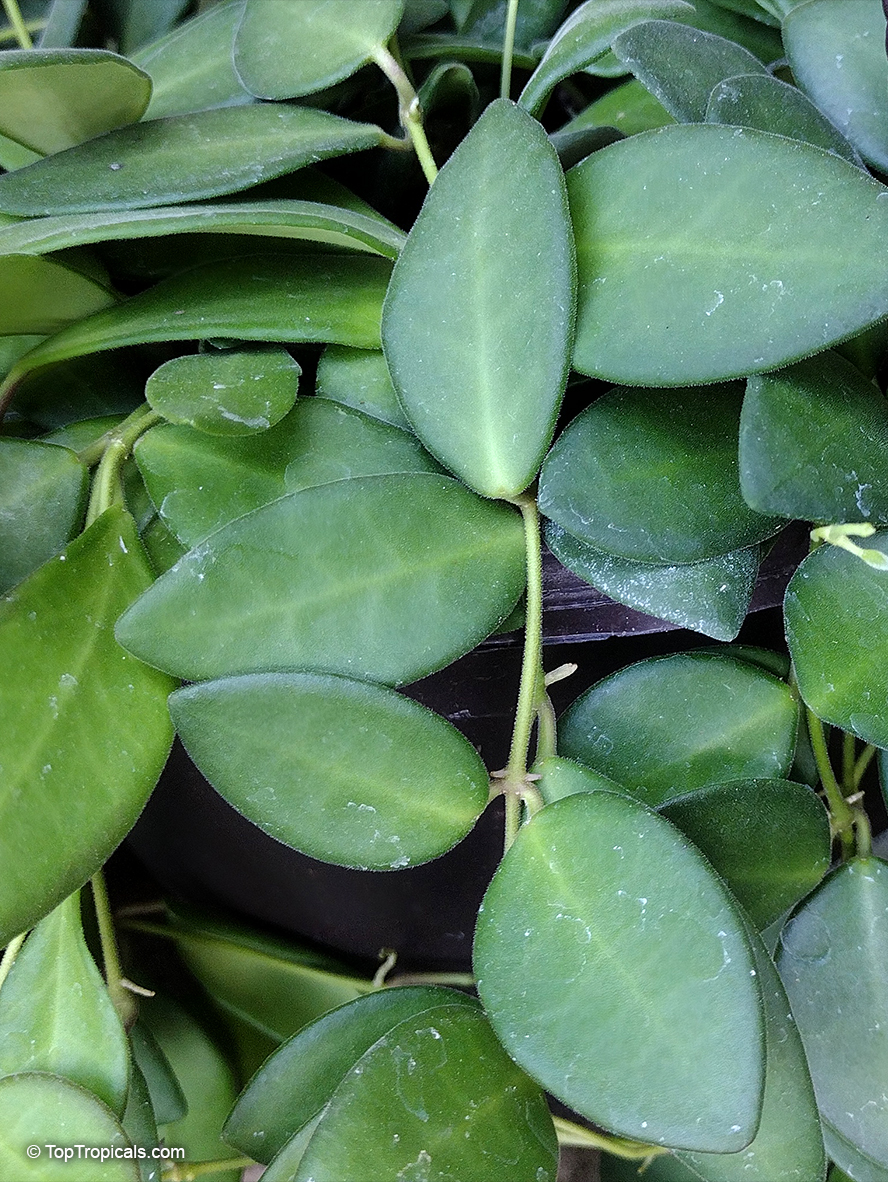
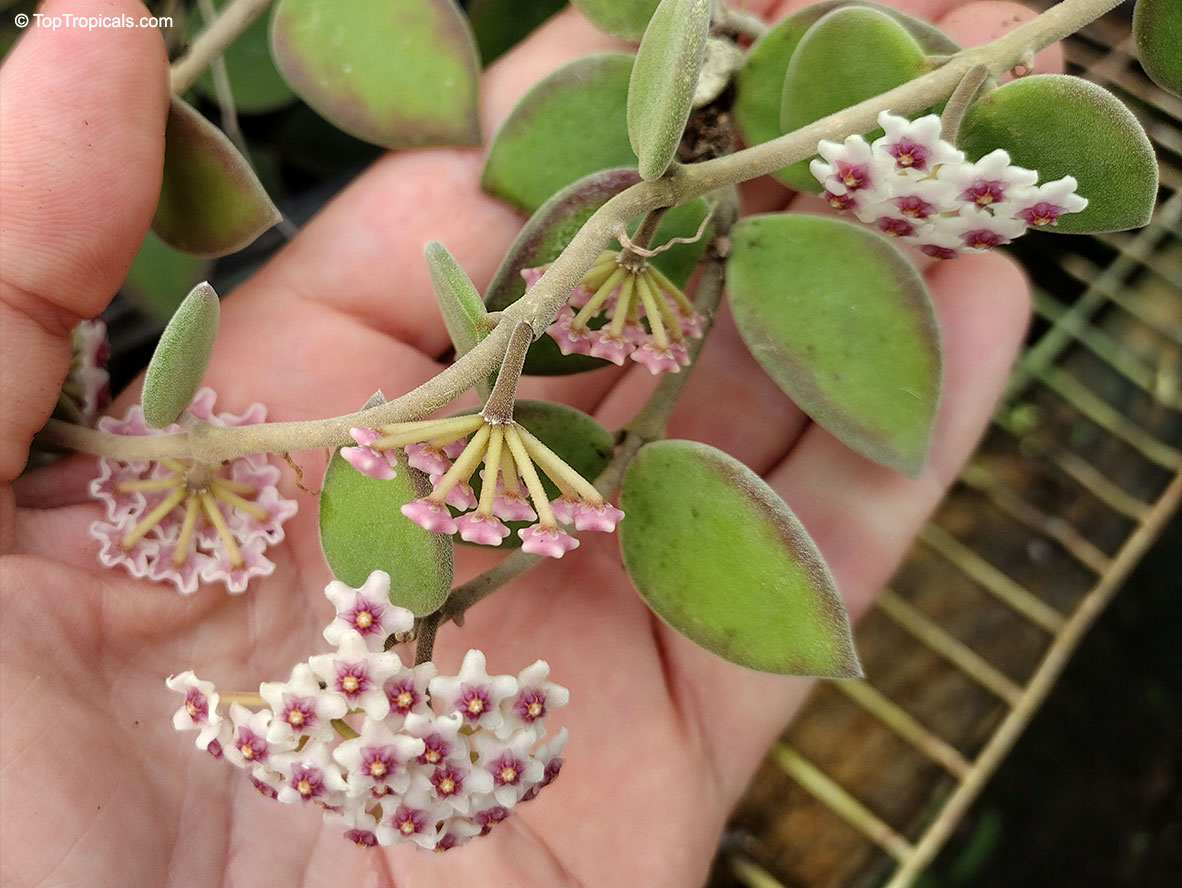
Hoya is a large genus of evergreen climbing, trailing, and occasionally shrubby plants in the Apocynaceae family, comprising several hundred species native mainly to tropical and subtropical Asia, Australia, and islands of the western Pacific. Commonly known as Wax Plants, Hoyas typically have fleshy or leathery leaves and produce clusters of distinctive star-shaped flowers. Growth habits and foliage vary considerably among species, from compact plants with tiny leaves to vigorous vines with large, thick foliage, making the genus exceptionally diverse and popular among collectors.
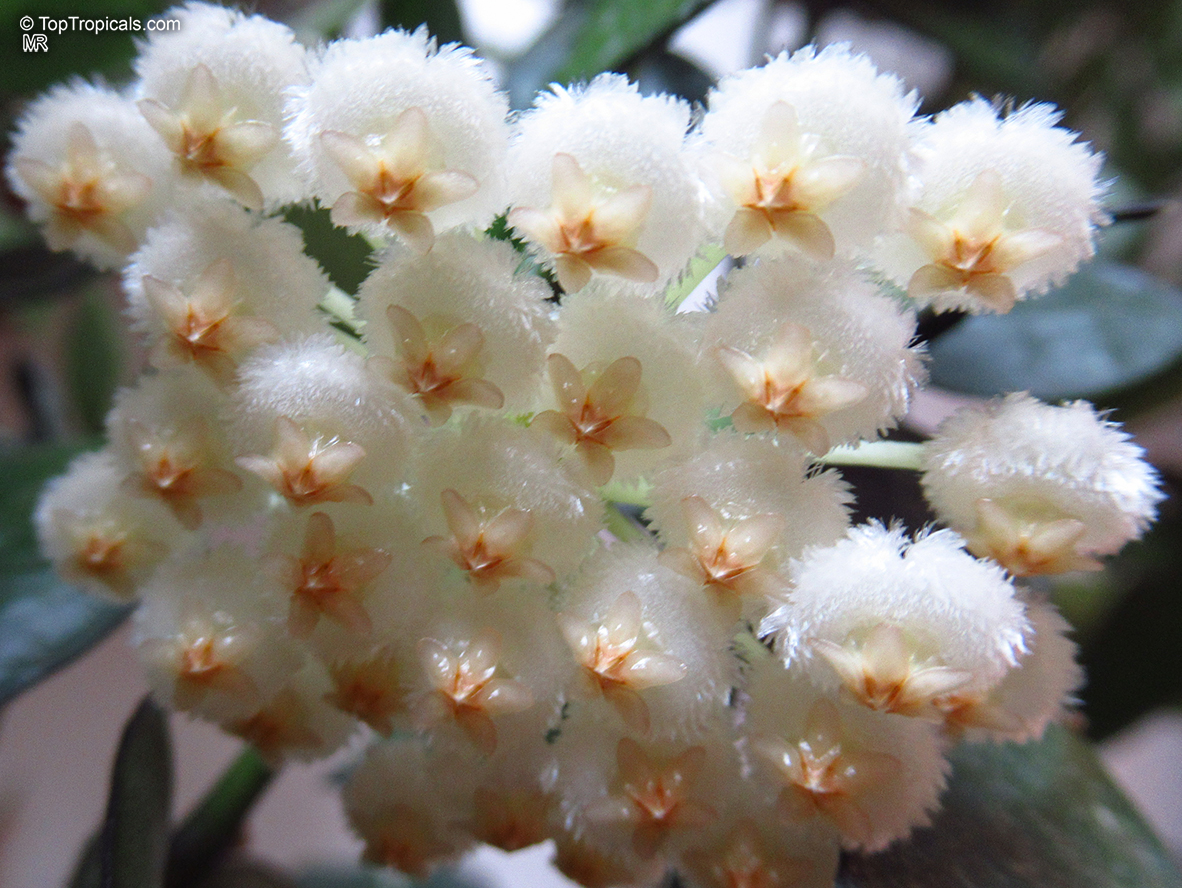
The waxy flowers are usually arranged in rounded umbels and consist of a five-lobed corolla topped by a contrasting star-shaped corona. Depending on the species, they may be white, cream, yellow, pink, red, or purple, and many are fragrant and produce abundant nectar. Hoyas grow best in bright filtered light and a loose, well-drained potting mix, with moderate watering after the substrate has partially dried; their often succulent foliage and stems make prolonged waterlogging particularly harmful. Many species readily produce aerial roots and benefit from trellises or other supports, while trailing forms are excellent for hanging baskets. Cold tolerance varies among species, but most tropical Hoyas are best suited to USDA Zones 10-12 and are widely grown as container or indoor plants in cooler climates. Their remarkable diversity of foliage, flower form, fragrance, and growth habit has made Hoya one of the most popular genera among tropical plant collectors.


Recommended Fertilizer: SUNSHINE Robusta - Rapid Growth Booster
| Prev | Next | |
Use link to repeat this search:
https://toptropicals.com/cgi-bin/garden_catalog/cat.cgi?search_op=and&keyword_op=and&language=e&family=Asclepiadaceae
&number=10&no_change_lang=1&user=tt&sale=1&first=0