Asclepiadaceae - Botanical Family
| Number of plants found: 71 |  | Prev | Next | 
|
Go to page: | 1 | 2 | 3 | 4 | 5 | 6 | 7 | Last |

Botanical name: Dischidia pectenoides
Common name: Ant Plant
Family: Apocynaceae (Formerly:Asclepiadaceae)
Subfamily: Asclepiadoideae
Origin: Philippines
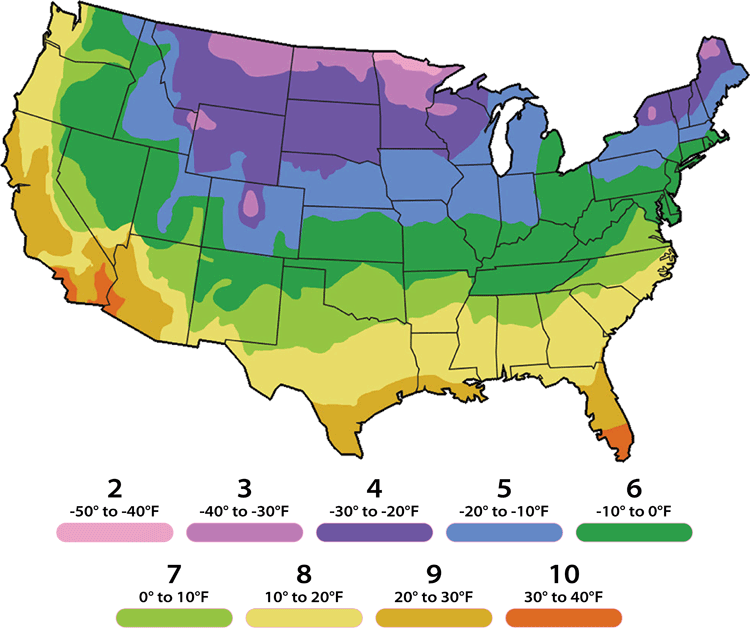
USDA Zone: 11-12


Dischidia pectenoides is a curious little climber. Some of its leaves look like tiny balloons. In nature, the balloon type leaves provide shelter for ants in exchange for carbon dioxide. Has tiny red flowers. The wiry stems of this species are thin, twining, and rooting freely. It has oblong leaves that taper at the apex, and grow 3/4-inch long, and 3/8-inch wide. Some leaves are hollow, pear-shaped, and grow to 4-inches long, opening at the base. This foliage is used as a food storage area for ants. The whole plant is greyish-green, except the small, purplish-red flowers that appear in the leaf axils in spring. To grow this plant successfully, place it in a warm, shady position with something to twine its branches around. The older this plant gets, the faster it produces growth.


Botanical name: Dischidia platyphylla
Common name: Dischidia
Family: Apocynaceae (Formerly:Asclepiadaceae)
Subfamily: Asclepiadoideae
Origin: Phillipine Islands
USDA Zone: 10-11


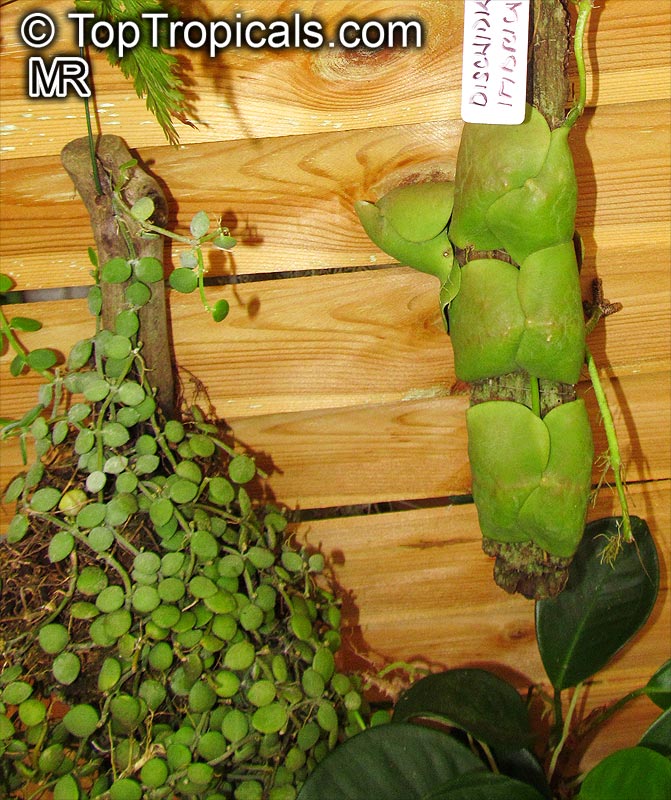
Dischidia platyphylla is an unusual epiphytic vine native to the Philippines, where it grows on tree trunks in warm, humid forests. A member of the Apocynaceae family and a close relative of Hoya, it is best known for its remarkable shield-like leaves that cling tightly to bark. These flattened leaves often overlap one another, creating a shingled pattern that allows the plant to blend almost seamlessly with the surface of its host tree.
Unlike many climbing houseplants grown primarily for flowers, Dischidia platyphylla is valued chiefly for its distinctive foliage and growth habit. The shield leaves help trap moisture and organic debris between the plant and the bark, providing additional nutrients in its epiphytic environment. Smaller normal leaves are produced on the trailing stems, which gradually extend outward from the support surface. Mature plants may also produce small pale flowers, although the foliage remains the main ornamental feature. Dischidia platyphylla grows best in bright filtered light, high humidity, and a very open, fast-draining growing medium. It is particularly well suited to mounted culture, where its natural growth habit can be fully appreciated. Suitable for USDA Zones 10-12, it is most often grown as a specialty container plant by collectors of unusual tropical epiphytes.


Botanical names: Dischidia rafflesiana, Dischidia major
Common names: Ant Plant, Malayan Urn Vine, Rattle Sculls
Family: Apocynaceae (Formerly:Asclepiadaceae)
Subfamily: Asclepiadoideae
Origin: India to Australia
USDA Zone: 10-11
Dischidia rafflesiana (Ant plant) is a plant that can be grown in containers in both indoor and outdoor environment. For optimal growth, it is best to use a soil-less mix, similar to the one used for orchids. The plant requires moderate watering, partial shade or semi-shade, and high humidity. Pruning long stems will help to keep the plant compact, or it can be trained to climb a support. It is a great addition to hanging baskets. The ornamental foliage of Dischidia rafflesiana also blends nicely with other houseplants. Plant is hardy in zones 10-11.


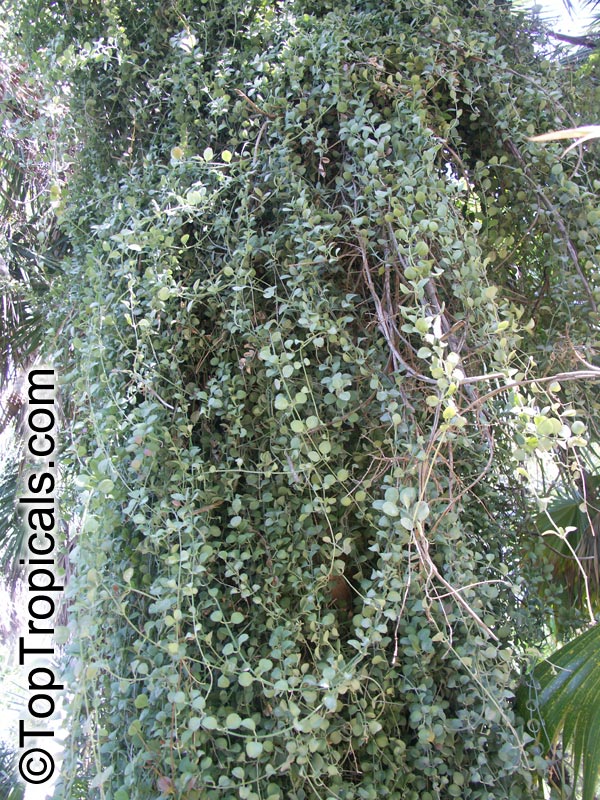
Botanical name: Dischidia ruscifolia
Common name: Million Hearts
Family: Apocynaceae (Formerly:Asclepiadaceae)
Subfamily: Asclepiadoideae
Origin: Philippines
USDA Zone: 11
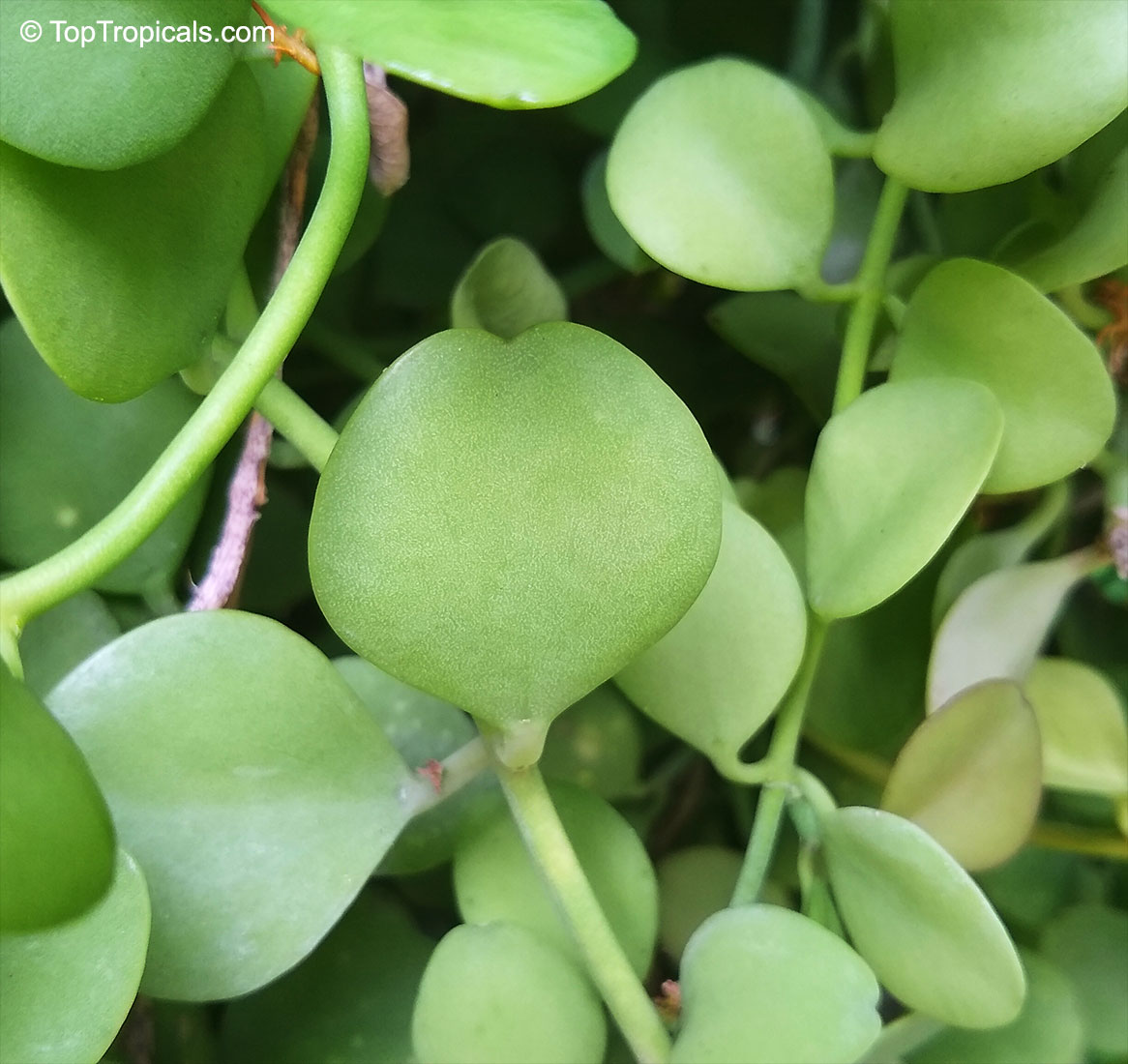
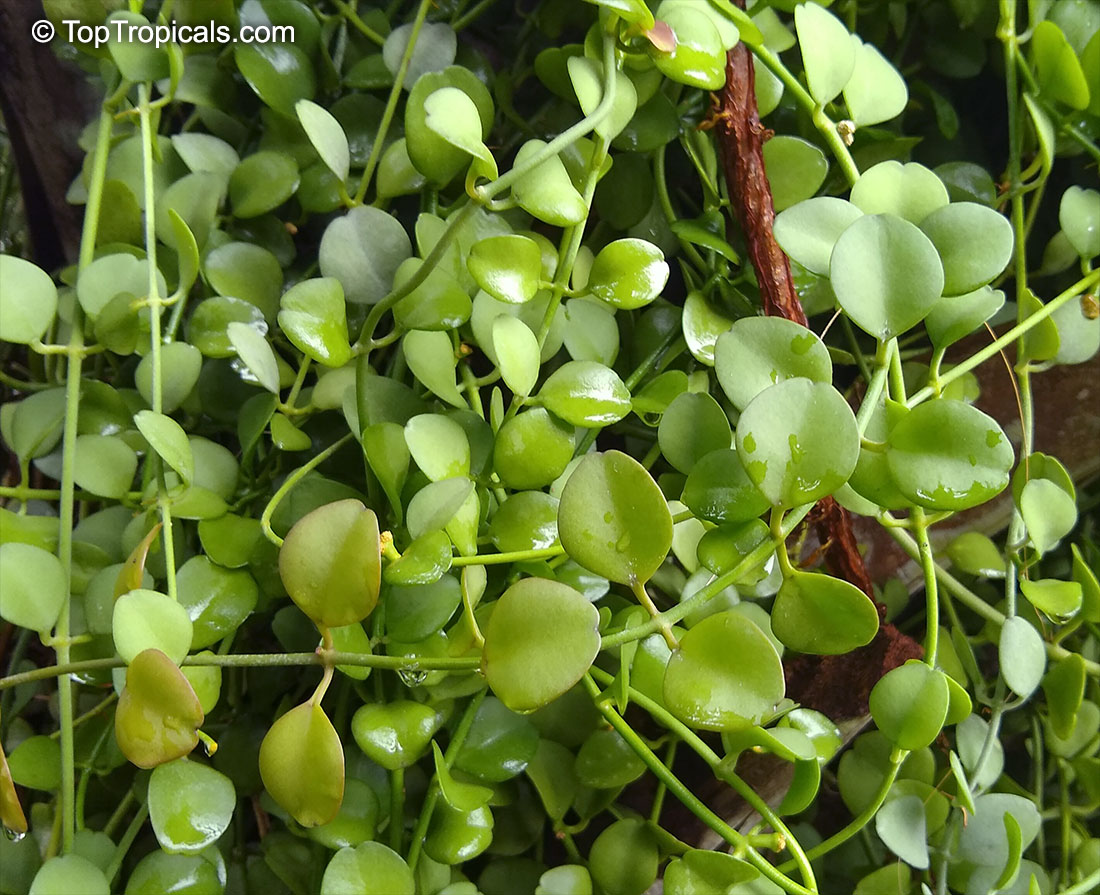
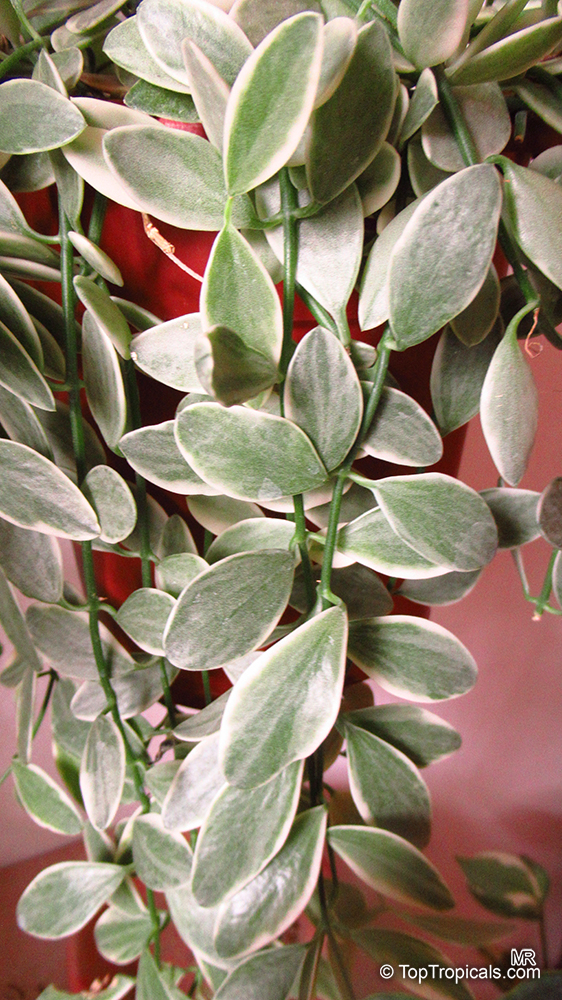
Nicknamed Million Hearts because of the long, vining stems that are laden with pairs of heart-shaped, bright green leaves. This plant has a delicate cascading habit, and its vines can grow upwards of 3 feet long. Tiny heart shaped leaves and tiny, white, honey-scented flowers. Needs a well-drained soil mix, such as orchid bark or compost and moderate light.


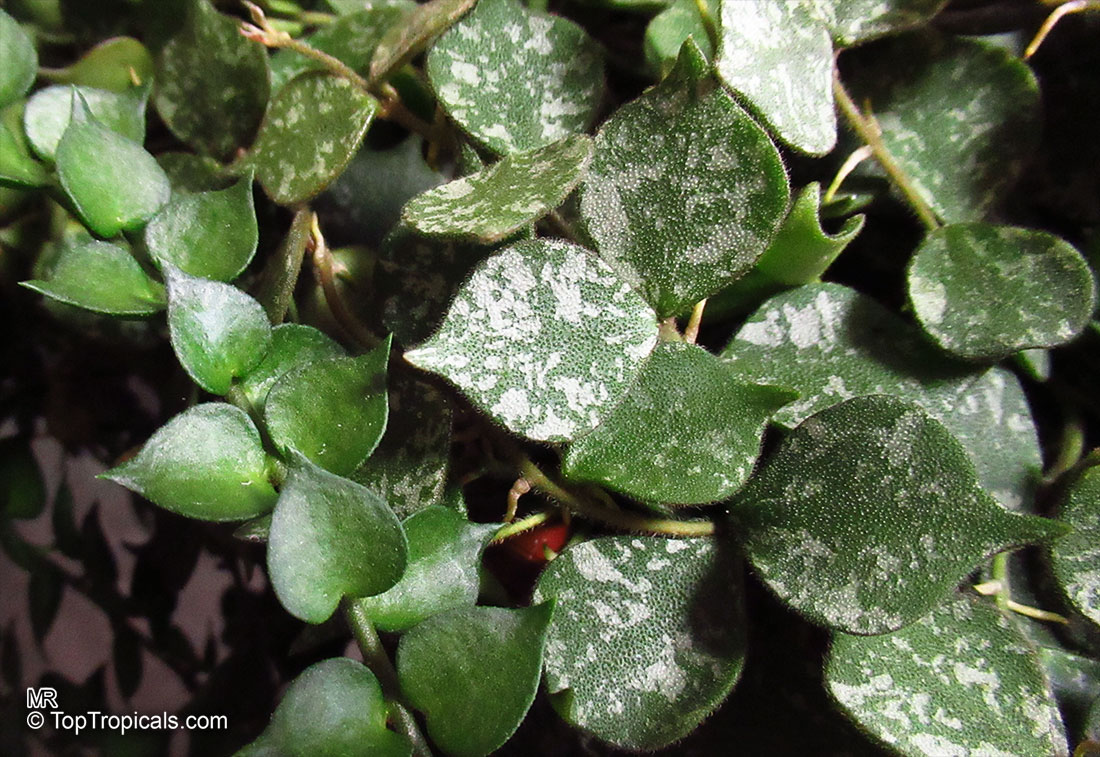
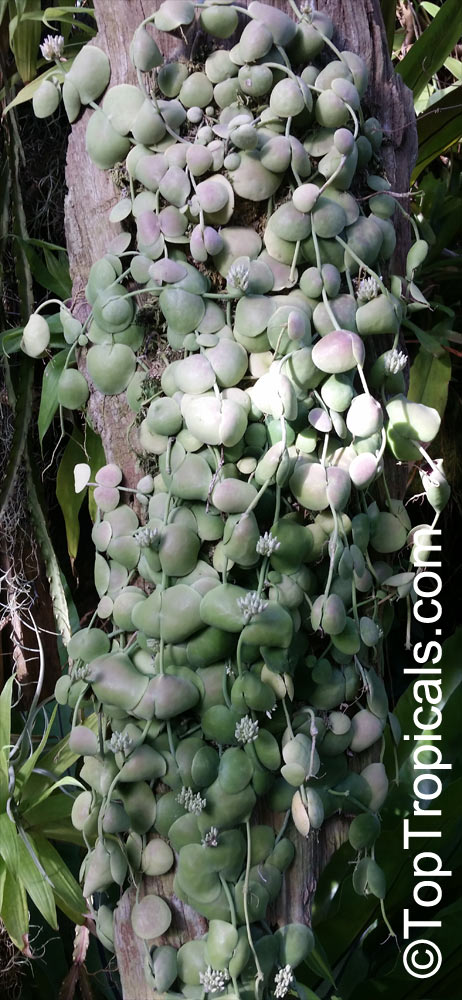
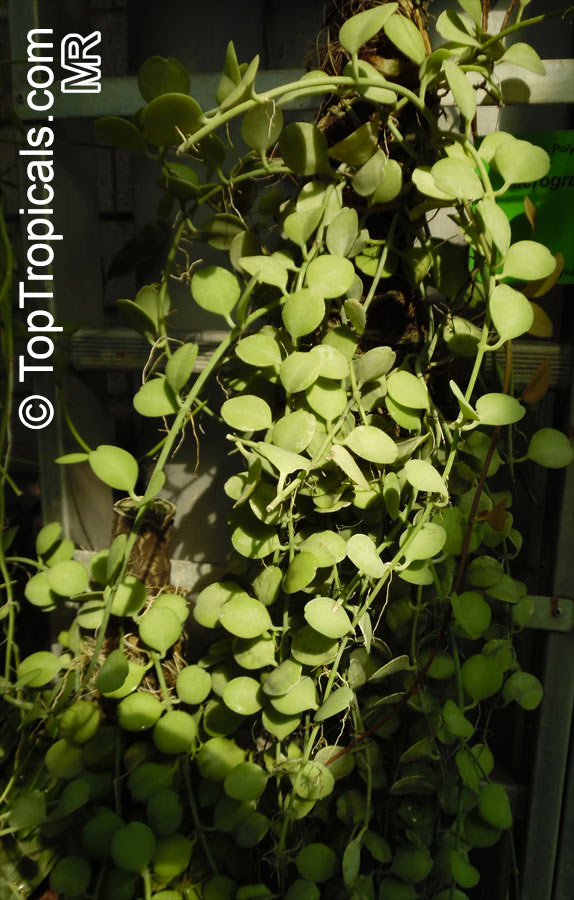
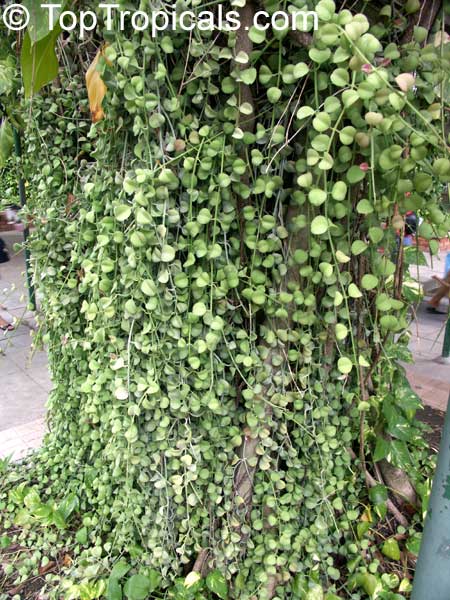
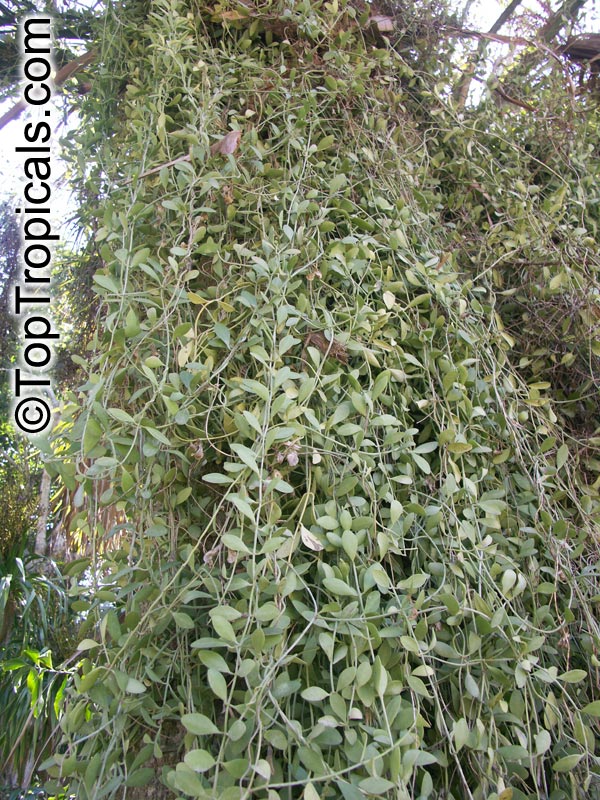
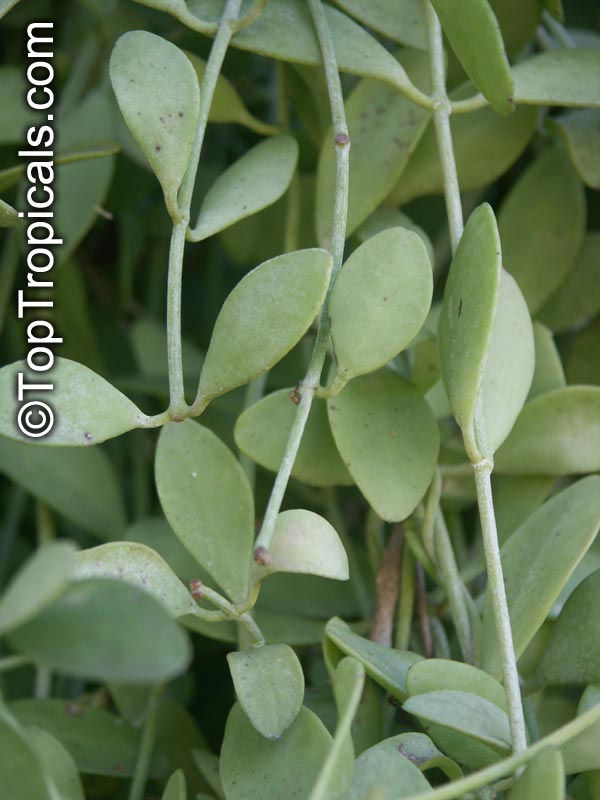
Botanical name: Dischidia sp.
Common name: Thailand blush
Family: Apocynaceae (Formerly:Asclepiadaceae)
Subfamily: Asclepiadoideae
USDA Zone: 11-12
Grows up to 6 ft long, this climbing vine has many thin, twining branches. The leaves are opposite, and some foliage small, greyish-green, and oval. They also have food storage leaves that are larger, and kidney shaped. Keep this species in a heated, moist greenhouse in cool climates as it is a drought, and frost tender plant.It grows in rainforests, and only grows as an epiphyte.
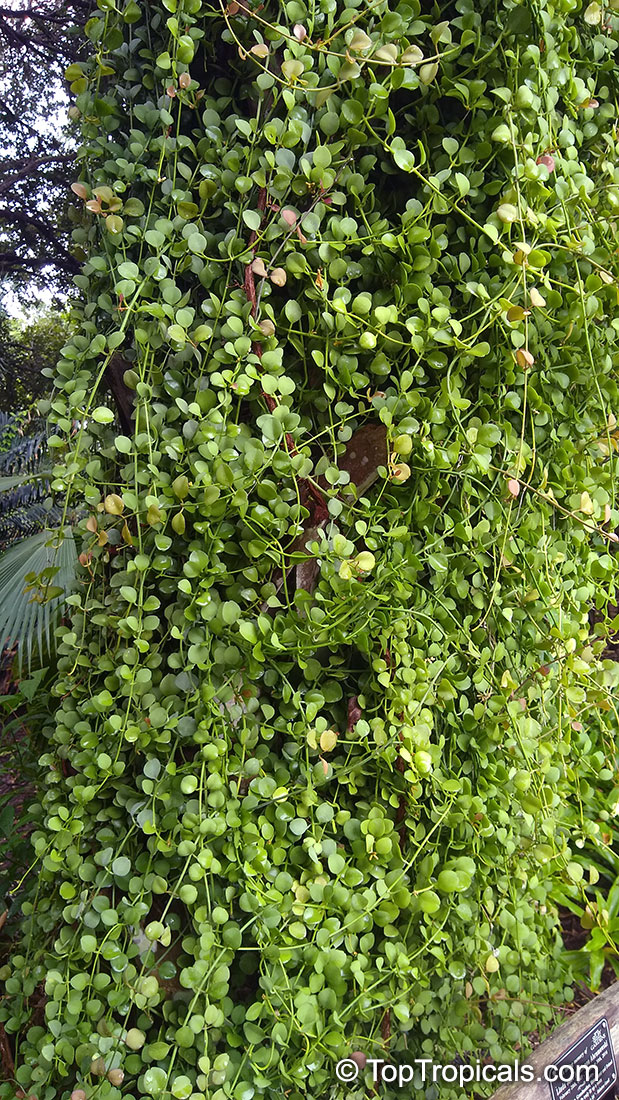


Botanical names: Fockea angustifolia, Fockea tugelensis
Common name: Fockea
Family: Apocynaceae (Formerly:Asclepiadaceae)
Subfamily: Asclepiadoideae
Origin: South Africa
USDA Zone: 9-10


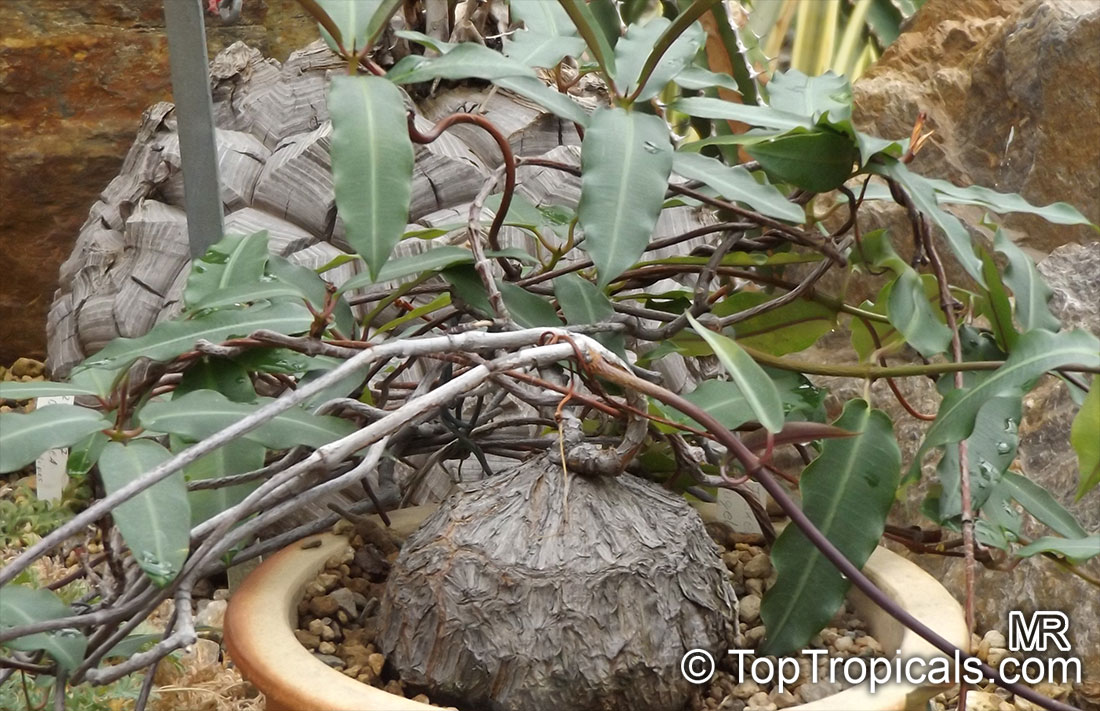
Fockea angustifolia is a climbing, perennial, succulent plant producing several stems from a tuberous rootstock. The stems can be erect or climbing, supporting themselves by twining around other plants. The caudex can grow to 25 centimetres in diameter and 40 centimetres long, the vines can reach one and a half meter. The flowers are from greenish to white, and vary in size, depending on the origin.
The plant is harvested from the wild for its large, edible root, which is eaten locally.


Botanical name: Fockea edulis
Common name: Fockea
Family: Apocynaceae (Formerly:Asclepiadaceae)
Subfamily: Asclepiadoideae
Origin: South Africa
USDA Zone: 9-10


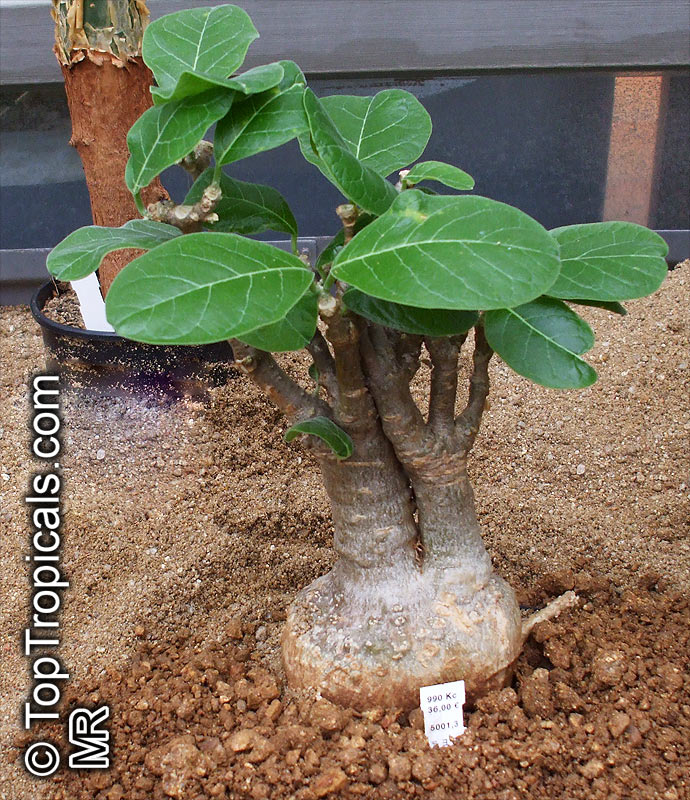
Fockea edulis is a caudiciform vine, with a tuber that may reach up to 12" in diameter in cultivation. Fockea edulis needs full sun to light shade. The tuber should always be shaded. Water regularly in summer and water only enough to keep the tuber from shriveling in winter. It is deciduous and all foliage will be lost in the winter dormancy period. Since it is a vine, some type of support is needed.In the wild, the caudex is partially or totally buried. It tends to grow faster when buried. Fockea edulis is best propagated from seed. The tuber is edible after the alkaloids in the latex have been inactivated by cooking. Some parts of the plants are also poisonous.


Botanical name: Fockea multiflora
Common names: Elephant Vines, Python Kambro, Pythonranke, Pythonwein
Family: Apocynaceae (Formerly:Asclepiadaceae)
Subfamily: Asclepiadoideae
Origin: Eastern Africa
USDA Zone: 9-10


Botanical names: Funastrum clausum, Sarcostemma clausum
Common name: White Milkweed-vine
Family: Apocynaceae (Formerly:Asclepiadaceae)
Subfamily: Asclepiadoideae
Origin: Florida
USDA Zone: 8-11

Funastrum clausum, also known as White Milkweed-vine, is a species of evergreen vine native to Florida and parts of the southeastern United States. Growing up to 10 feet in length, with an abundance of oval-shaped, leathery leaves and charming white or off-white flowers, this vine is a great choice for any garden. Its sweetly fragrant flowers are known to attract butterflies and hummingbirds, making it a great addition to butterfly gardens or for those looking for a touch of wildlife in their gardens.
Funastrum clausum grows best in full sun or partial shade, preferring warmer climates. With regular watering and proper fertilization, it will thrive in USDA Zones 8-11, making it an excellent choice for semi-arid regions. As this vine prefers moist soil, regular watering is a must for its optimum growth. Some gardeners prefer dappled shade, especially in warmer climates, to protect the foliage from drying out too quickly.
While this vine can be grown in the ground in warmer climates, it is best grown in containers in colder regions. Containers should be slightly larger than the root ball, filled with well-draining potting soil, and placed in a partially shaded spot. Keep the soil consistently moist but not soggy, and use a liquid fertilizer during the plant's active growing season (spring through early autumn). Despite its preference for warmer climates, Funastrum clausum can survive a few degrees below freezing, so if kept in a pot, it can be kept on patios or decks and brought indoors for winter protection. Also, if kept indoors during winter, be sure to provide bright, indirect light and maintain regular watering and fertilization.
Funastrum clausum is an ideal addition to any garden, bringing life and color to both sunny and shady spots. With its attractive foliage and fragrant flowers, this vine is sure to attract wildlife and become the focal point of any garden.


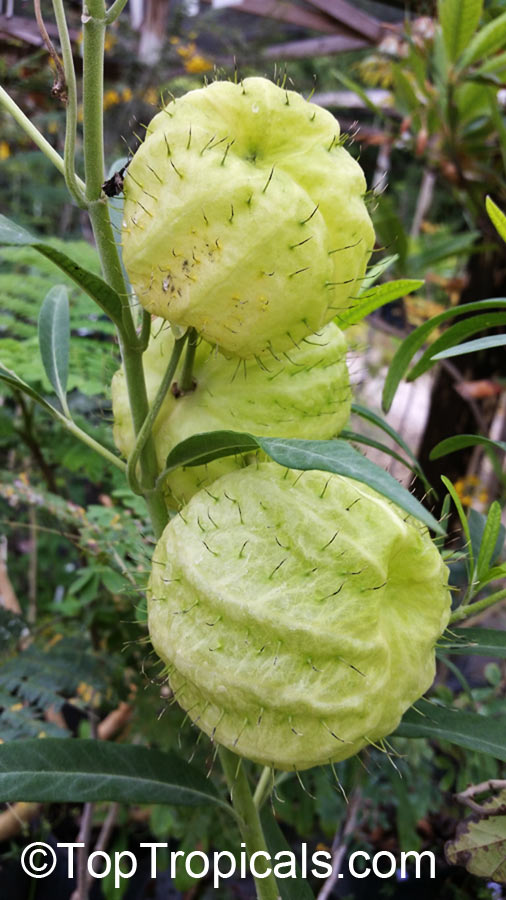
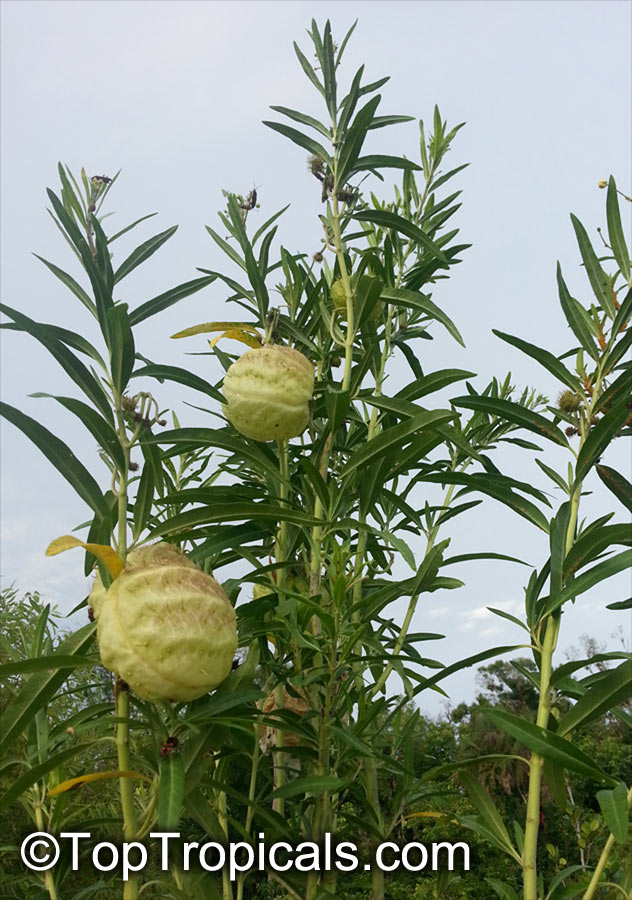
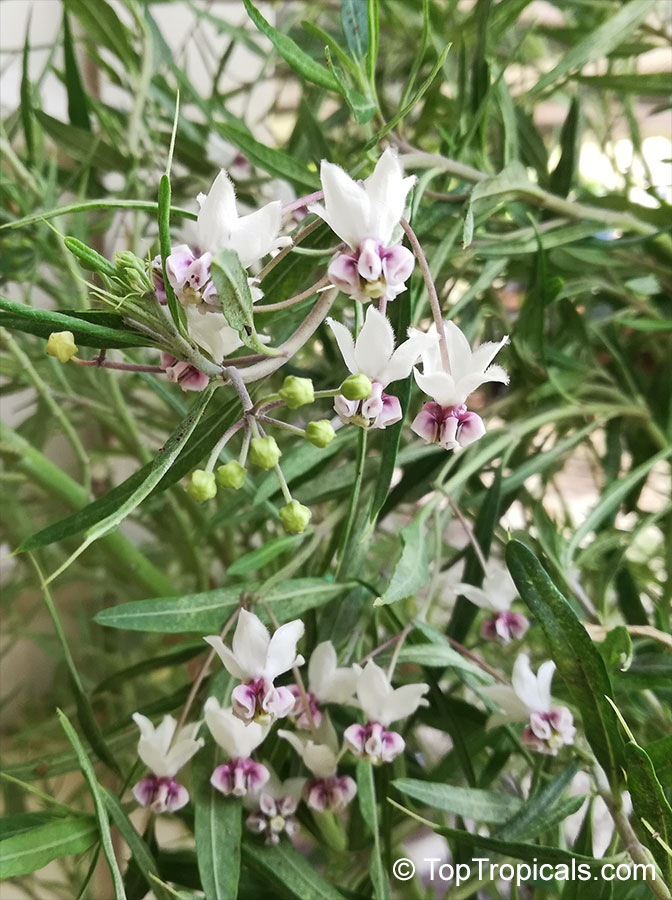
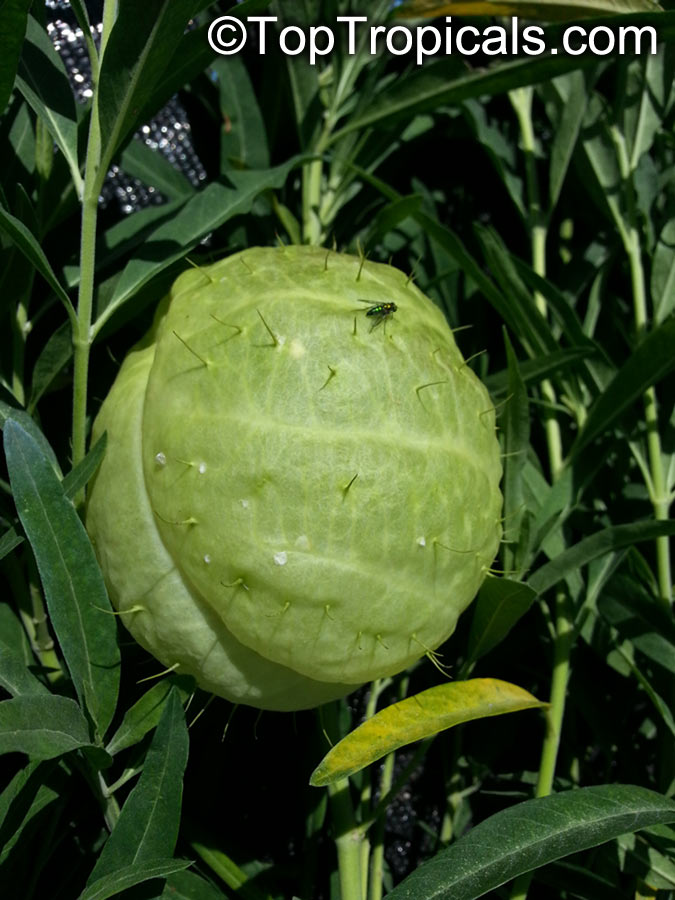
Botanical names: Gomphocarpus physocarpus, Asclepias physocarpa
Common names: Baloonplant, Cotton Bush, Swan Plant, Balloon Plant, Family Jewels Milkweed Tree
Family: Apocynaceae (Formerly:Asclepiadaceae)
Subfamily: Asclepiadoideae
Origin: Jamaica and South America
USDA Zone: 8-10

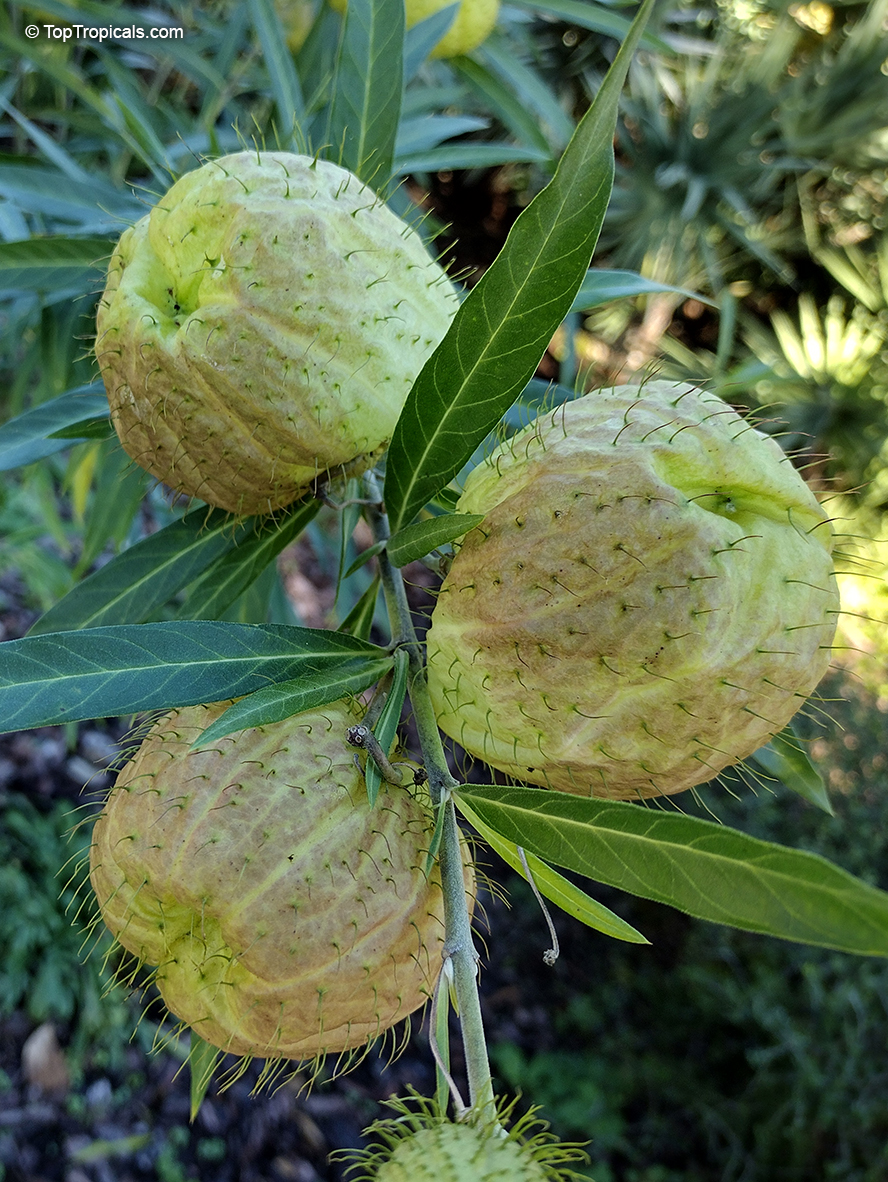
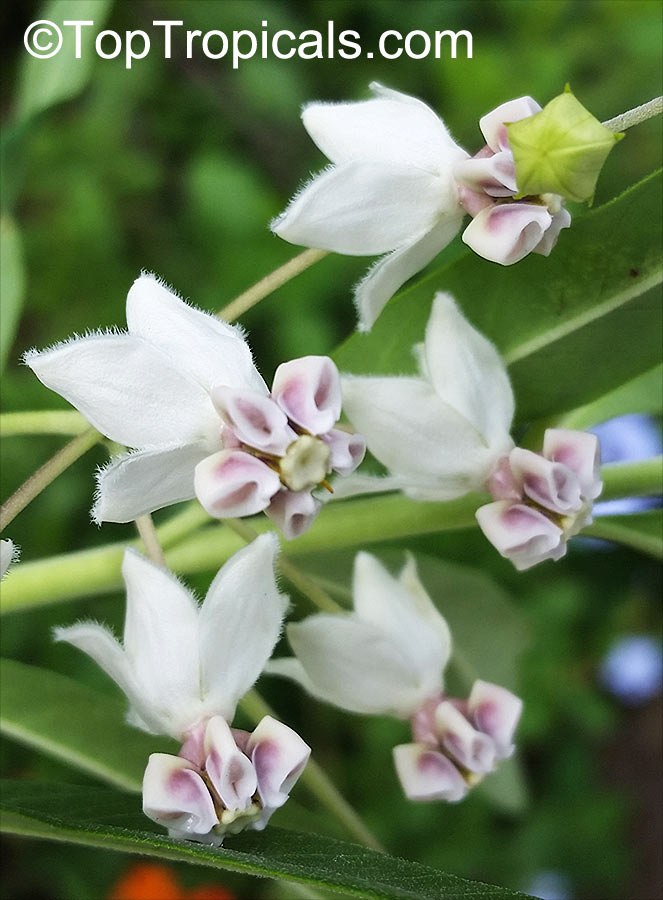
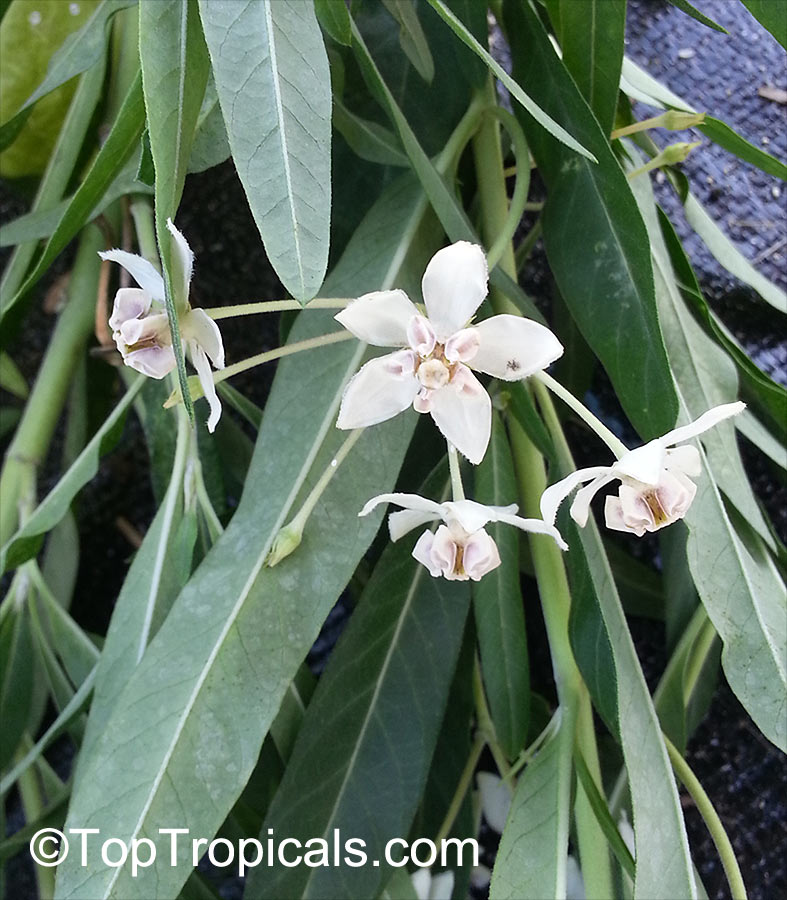
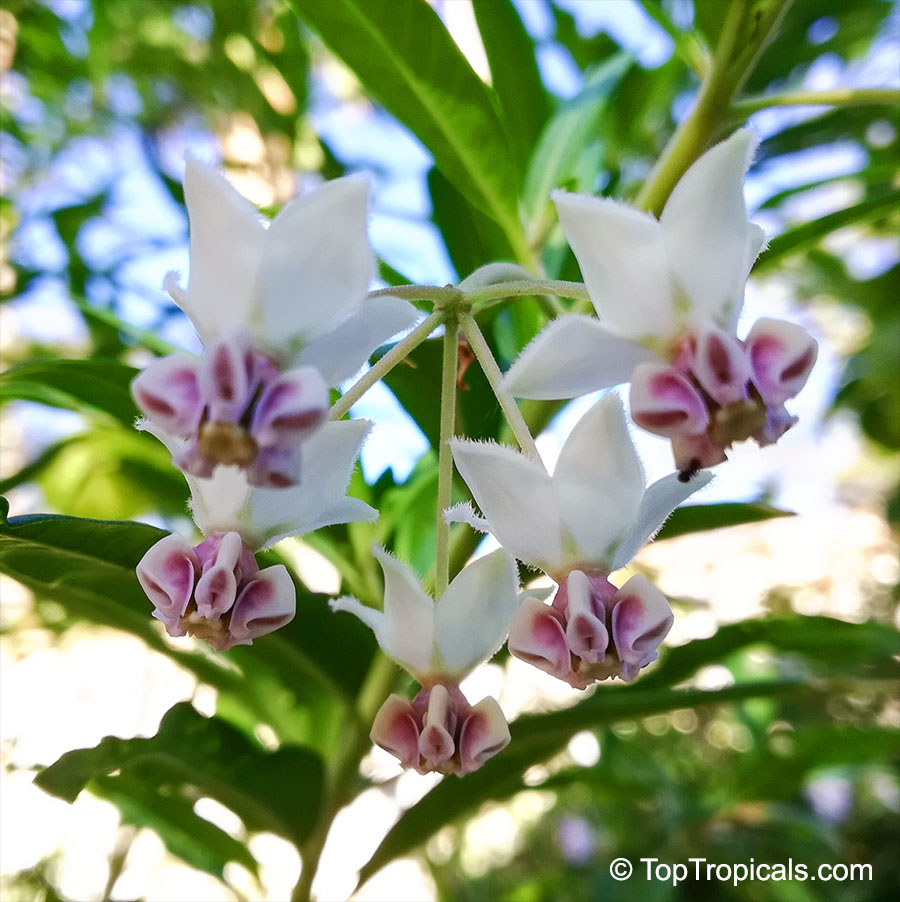
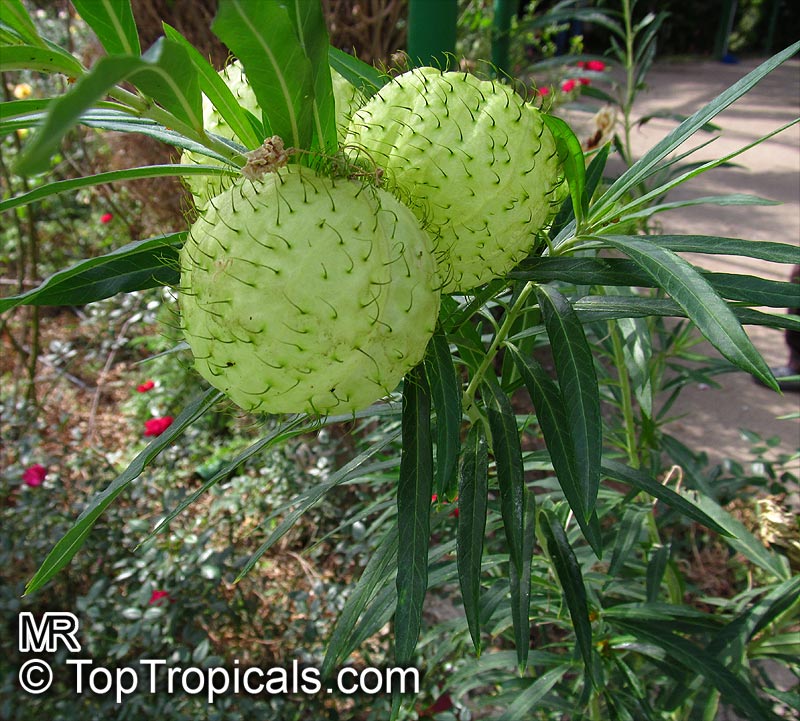
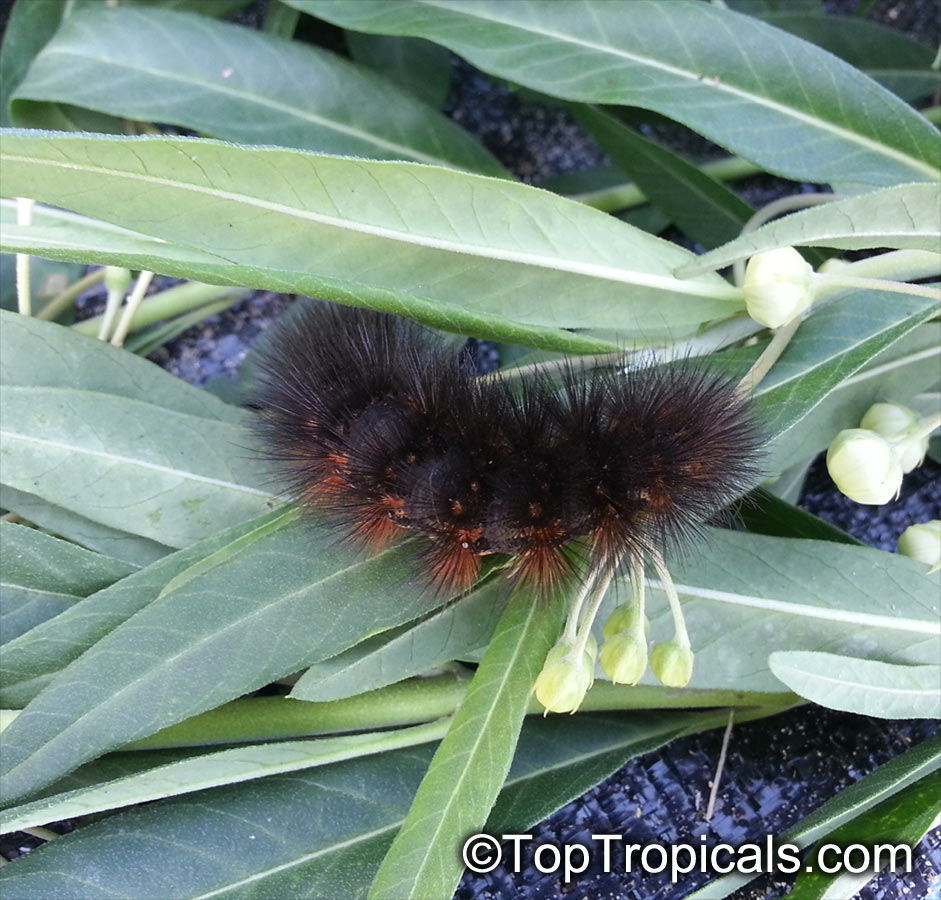
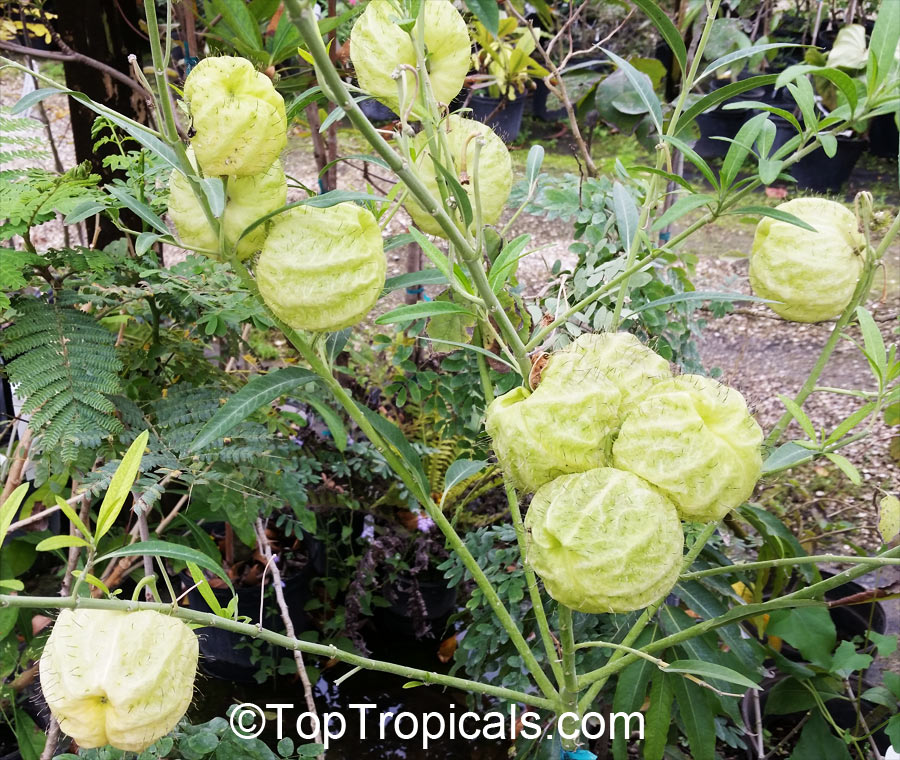
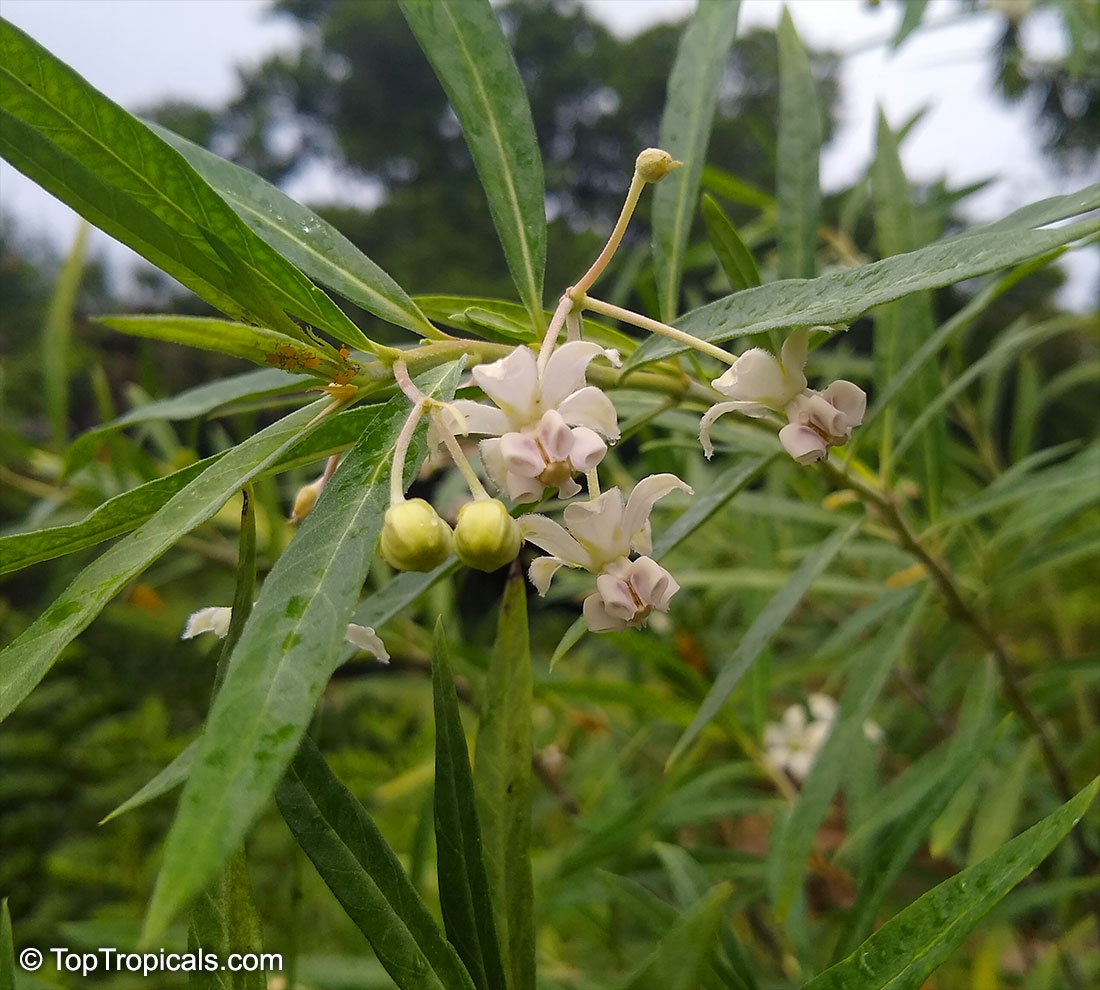
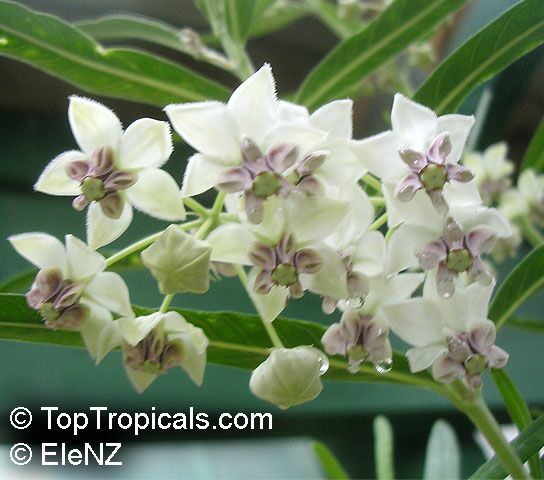
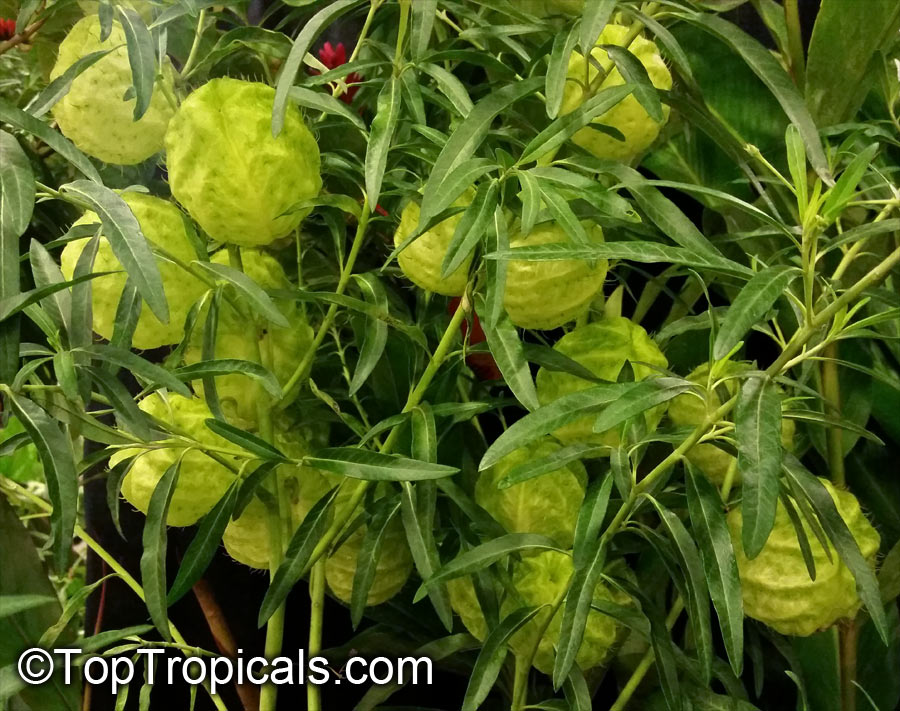
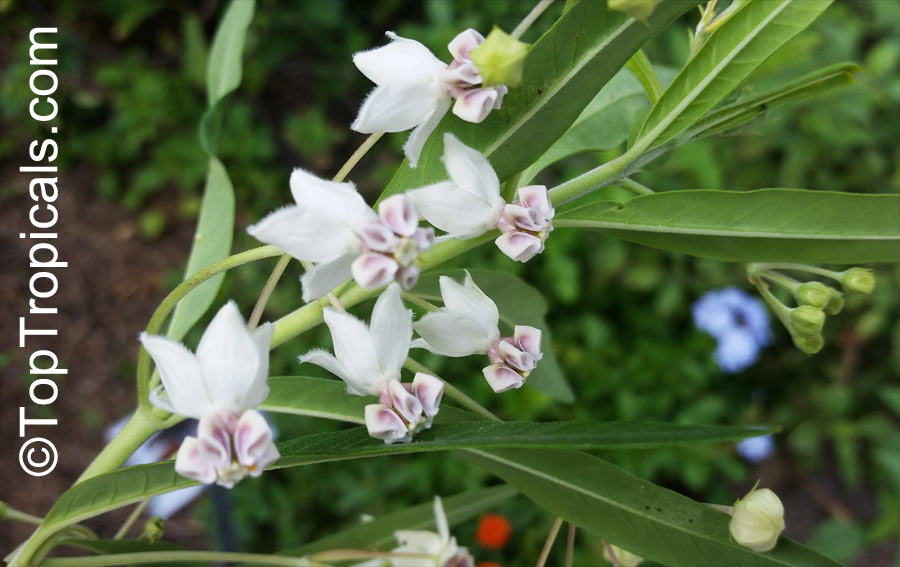
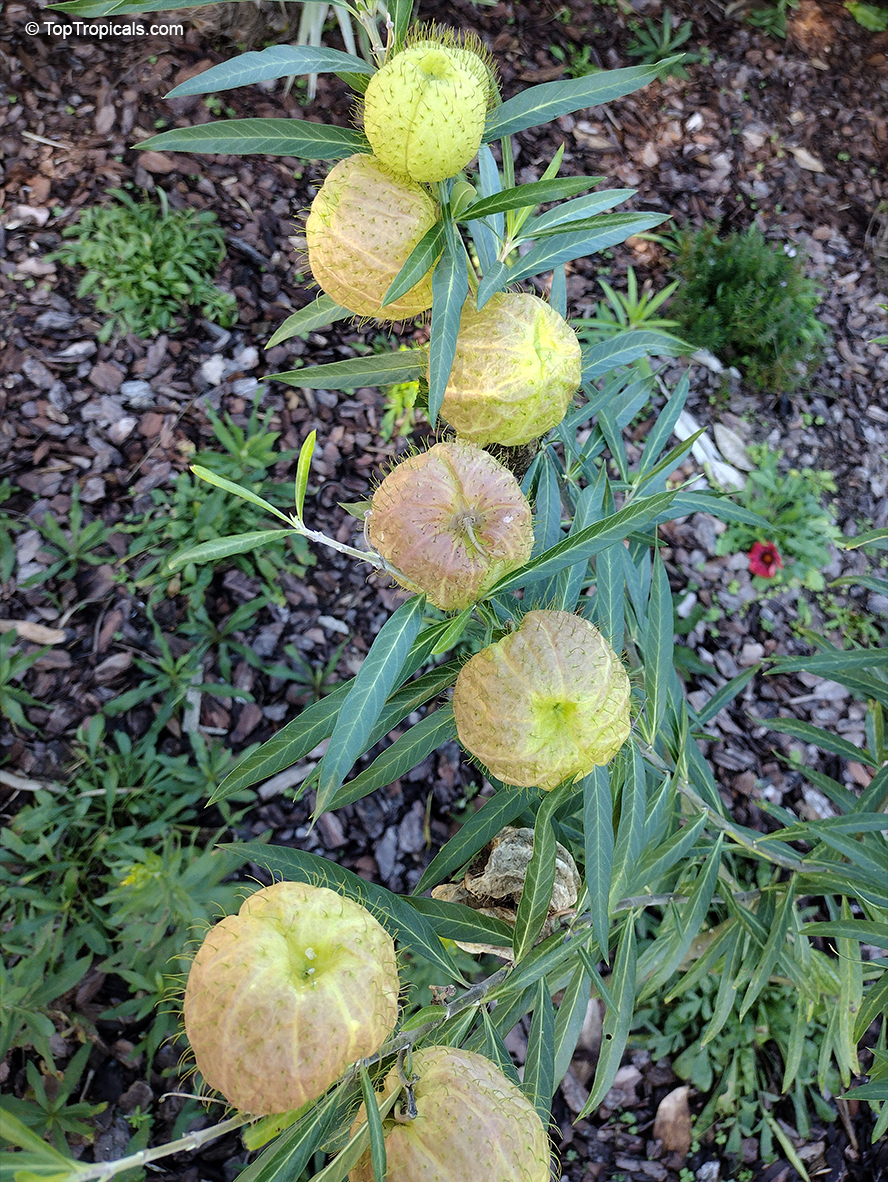
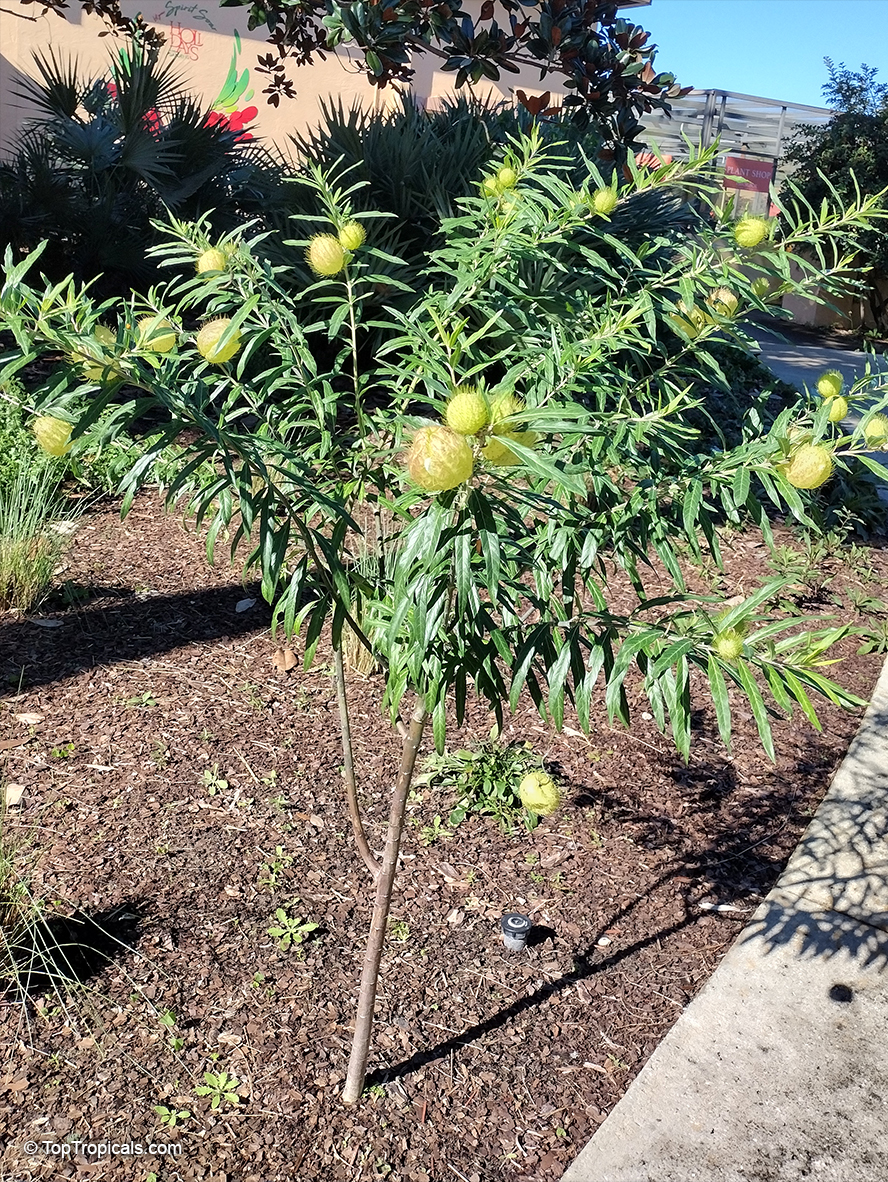
The name Balloonplant is an allusion to the swelling bladder-like pods which are full of seeds. During the summer, umbels of creamy or greenish-white flowers are produced; these are followed by interesting globular seed pods which are inflated and covered with soft bristles. The flowers are small, with white hoods and about 1/2 inch across. The capsule is a pale green, and in shape an inflated sphere. It is covered with rough hairs. It reaches three inches in diameter. This plant grows to 6 feet tall with a spread of about 2 feet. It has lance-shaped, medium green, hairy leaves. Flowers are a nectar source for many butterflies and leaves are a food source for monarch butterfly larvae (caterpillars). It is also popular in traditional medicine to cure various ailments.



| Prev | Next | |
Use link to repeat this search:
https://toptropicals.com/cgi-bin/garden_catalog/cat.cgi?search_op=and&keyword_op=and&language=e&family=Asclepiadaceae
&number=10&no_change_lang=1&user=tt&sale=1&first=0