Mango - Plant Encyclopedia Results (Page 7)
| Number of plants found: 67 |  | Prev | Go to page: | First | 2 | 3 | 4 | 5 | 6 | 7 |

Botanical name: Mangifera indica
Common name: Pram Kai Mai Mango
Cultivar: Pram Kai Mai
Family: Anacardiaceae
Origin: South Asia and India
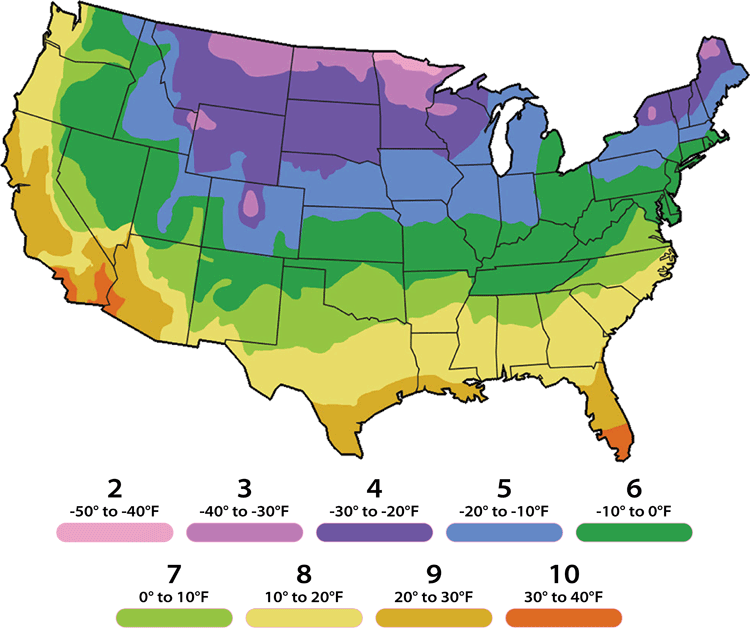
USDA Zone: 10-11
Cold tolerance: 30°F


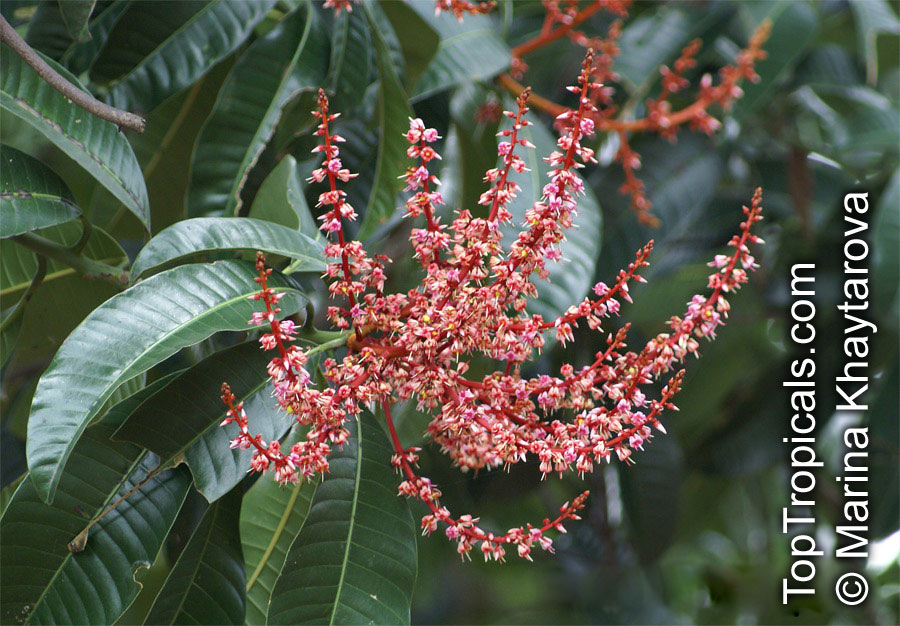
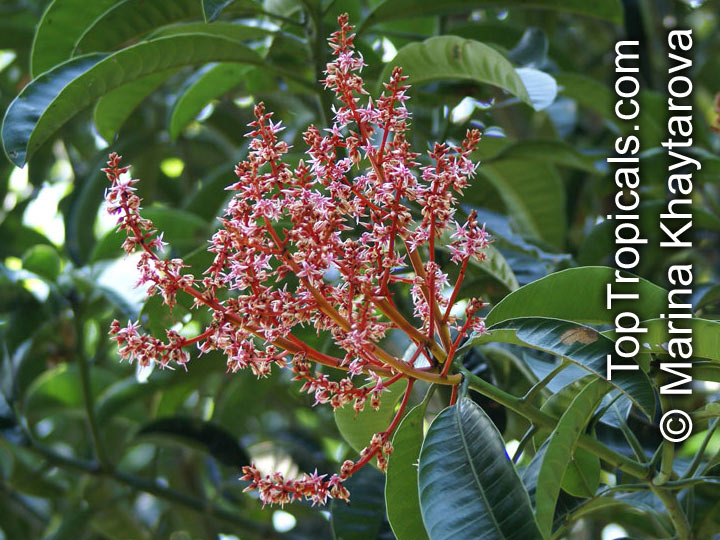
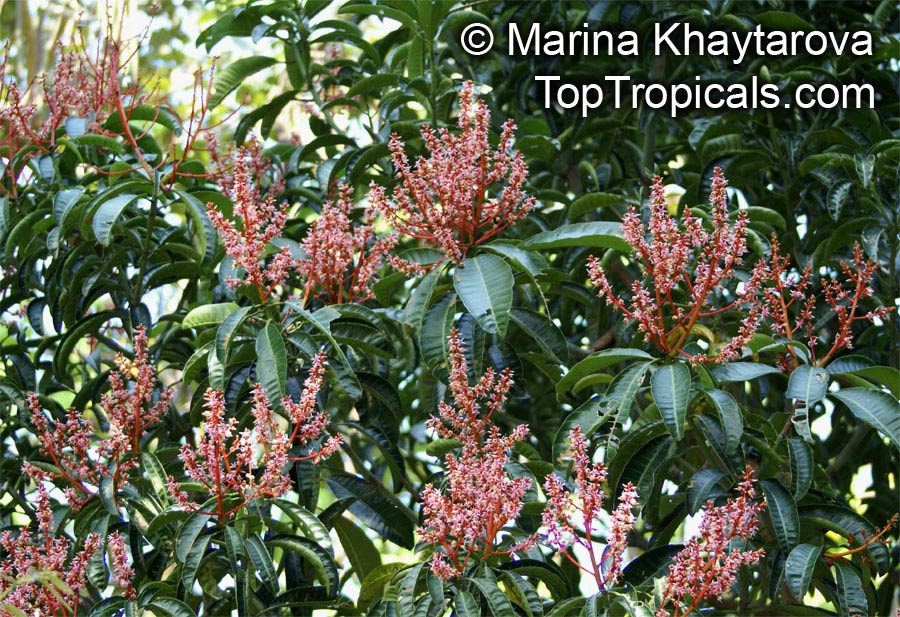
Mangifera indica (Mango) is a large evergreen tree native to South Asia and among the oldest cultivated fruit trees, grown in India for over 4,000 years. In tropical climates it can reach 60-80 feet with a broad crown of glossy leaves. Small yellowish flowers appear in spring, followed by fleshy drupes known worldwide as mangoes.
Fruit shape varies from oval to kidney-shaped, with skin that may remain green or ripen to yellow, orange, or red. The flesh is juicy and aromatic, sometimes fiberless and sweet, sometimes more resinous depending on type. Mangoes are eaten fresh, dried, blended, or cooked, making them one of the most versatile tropical fruits. Some people experience irritation on the lips from the peel, so fruits are usually eaten peeled.
The tree thrives in full sun and well-drained soil in warm climates, hardy only to USDA Zones 10-11 (Zone 9 only with winter protection). With hundreds of named cultivars, Mangifera indica remains one of the world s most widely grown and culturally important fruit trees.
See Mango varieties.
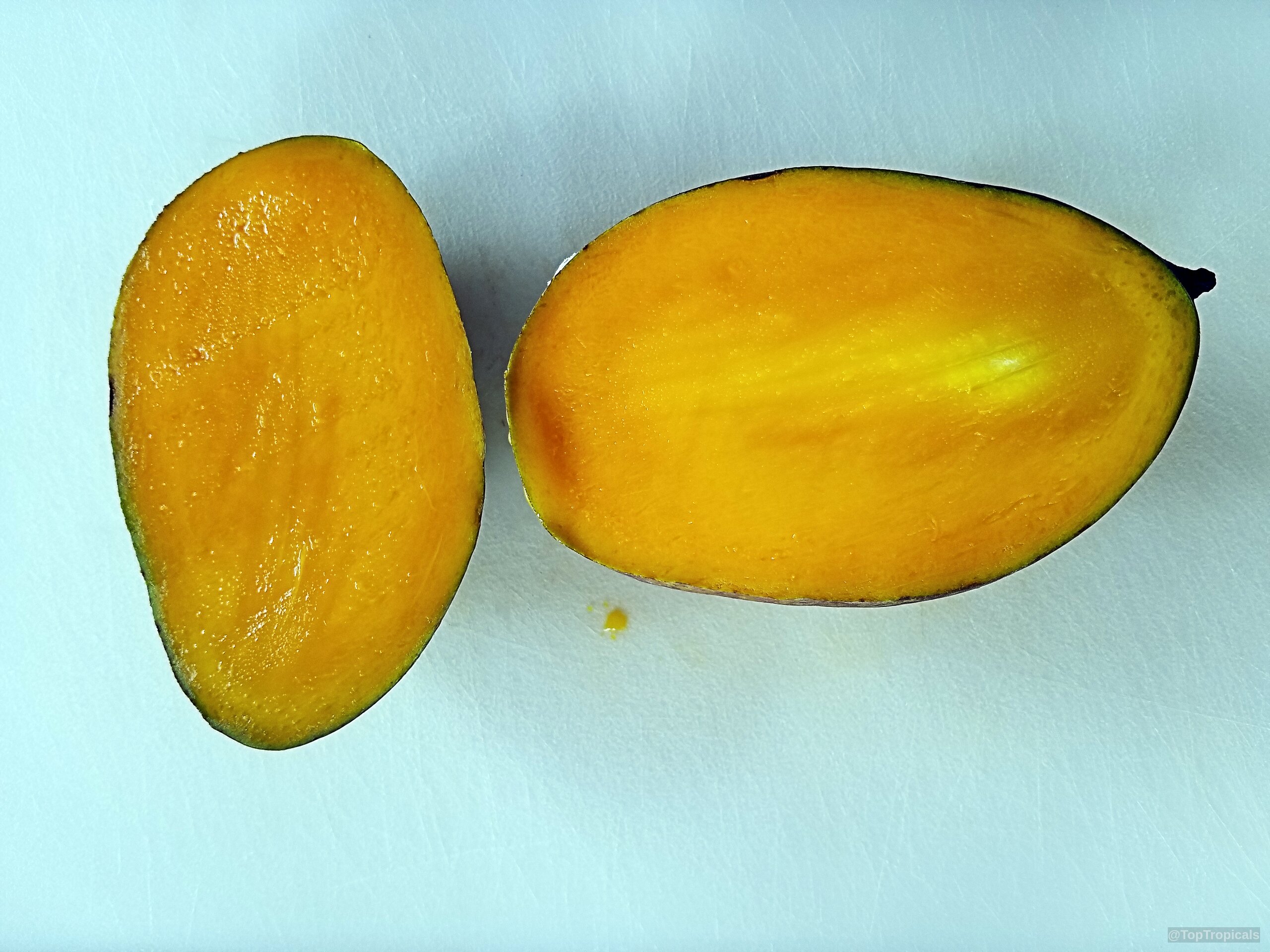
Pram Kai Mai Mango, also known as Brahm Kai Meu, Pram Kai Mea, or Pram Kai Mia, is a highly regarded Thai variety celebrated for its exceptional sweetness and smooth, fiberless texture. The medium-sized fruit has green to yellow skin and deep golden, aromatic flesh with a rich honey-like flavor. It is similar in taste to Nam Doc Mai and is often said to surpass it in sweetness and overall eating quality. The fruit is almost completely free of fibers and has a soft, juicy consistency when fully ripe. The tree is semi-dwarf and naturally compact, making it an excellent choice for small gardens and container culture. It can produce multiple crops under favorable conditions.
This cultivar thrives in warm, frost-free climates and performs best in USDA Zones 10-11. It prefers full sun, fertile well-drained soil, and consistent moisture during the growing season.


Local pickup only. This item is not available for shipping. Local delivery may be available in Ft. Myers or Sebring, Florida. Contact us for an estimate. Non-pickup orders are subject to restocking fees.
Recommended Fertilizer: SUNSHINE Mango Tango - Mango Tree Booster
SUNSHINE-Honey - sugar booster
This variety is semi-dwarf and great for pot culture. Green to yellow skin, no fiber whatsoever, multiple crops possible.
See more info about Mango varieties.
Recommended Fertilizer: SUNSHINE Mango Tango - Mango Tree Booster
SUNSHINE-Honey - sugar booster

Botanical name: Mangifera indica Super Alphonso
Common name: Super Alphonso Mango
Cultivar: Super Alphonso
Family: Anacardiaceae
USDA Zone: 9-10
The Super Alphonso mango is a selected improvement of the famous Indian Alphonso, bred for enhanced productivity and fruit size while maintaining the rich flavor for which the original variety is known. It shares the same aromatic, sweet, and buttery flesh but tends to produce larger and more uniform fruits. The tree grows moderately with a dense, rounded canopy and adapts well to tropical and subtropical climates, making it suitable for both home gardens and small orchards.
The fruit is medium to large, oval-shaped, and develops a smooth golden-yellow skin with a light orange blush near the stem when ripe. The flesh is deep yellow, fiber-free, and highly aromatic, offering a complex flavor that balances sweetness with a hint of acidity. Super Alphonso ripens in mid-season, slightly later than standard Alphonso, providing an extended harvest. It performs well in USDA Zones 10-11 and should be protected from frost, tolerating short drops into the 30F.

See more info about Mango varieties.
Recommended Fertilizer: SUNSHINE Mango Tango - Mango Tree Booster
SUNSHINE-Honey - sugar booster

Botanical name: Mangifera indica Thong Dam
Common names: Thong Dam Mango, Black Gold Mango
Cultivar: Thong Dam
Family: Anacardiaceae
USDA Zone: 9-10
Thong Dam Mango, also known as Black Gold Mango, is a rare Thai variety distinguished by its dark green skin and excellent dessert quality. The medium to large fruit has a smooth, glossy surface and an elongated, slightly curved shape. Its golden-yellow flesh is soft, juicy, and almost completely free of fibers. The flavor is rich, sweet, and mildly floral, typical of the Indo-Chinese group but with a deeper tone than that of Nam Doc Mai. The fruit is usually eaten fully ripe, when it develops its full sweetness and aroma. The tree has moderate vigor with a compact, upright canopy, making it well suited for small gardens and tropical home orchards.
This cultivar performs best in warm, humid climates and thrives in USDA Zones 10-11. It prefers full sun, fertile, well-drained soil, and protection from cold. The fruits mature in mid to late season and are valued for their smooth texture, low fiber, and balanced sweetness that make Black Gold Mango one of the choice dessert varieties of Thailand.


Botanical name: Mangifera indica Valencia Pride
Common name: Valencia Pride Mango
Cultivar: Valencia Pride
Family: Anacardiaceae
USDA Zone: 9-10
The Valencia Pride mango is a vigorous Florida variety known for its striking appearance, excellent flavor, and heavy production. The tree grows fast and tall, developing a large, spreading canopy with graceful, drooping branches. Despite its size, it responds well to pruning and can be maintained at a manageable height, making it suitable for spacious home gardens or small orchards.
The fruit is large and elongated, often reaching 1 to 2 pounds. When ripe, it displays a vivid yellow base with a bright red to deep pink blush covering much of the surface, creating one of the most colorful mangoes grown in Florida. The flesh is smooth, fiber-free, and juicy, with a rich, sweet flavor and a light tropical aroma. Valencia Pride ripens in mid to late season, typically from July to August, extending the mango harvest after early varieties have finished. The tree thrives in USDA Zones 10-11 and should be protected from frost, tolerating temperatures down to about 30F.


The tree is very vigorous and fast-growing, quickly becoming large, making it ideal as a shade tree in spacious yards. It is a heavy producer and shows good performance in Florida conditions, with some cold tolerance once established. A standout variety for its size, productivity, and striking fruit appearance.
See more info about Mango varieties.
7 gal pot. More developed root system, thicker trunk and branches. Plant height depends on growing season and variety. Dwarf varieties are slow growers and may be shorter. Contact us for exact size description if size/height matters to you. 7 gal plants may be shipped separately from other items by Ground service due to large size. See here time in transit (business days, excluding Sat-Sun!)
Recommended Fertilizer: SUNSHINE Mango Tango - Mango Tree Booster
SUNSHINE-Honey - sugar booster

Botanical name: Mangifera indica Wise
Common name: Wise Mango
Cultivar: Wise
USDA Zone: 9-10
The Wise mango is a historical Florida cultivar originating in Miami during the wave of new mango introductions that followed the 1930s. It was once regarded as a very good variety for home gardens and local markets but gradually disappeared from commercial propagation, like many cultivars of that era. Despite its rarity today, Wise remains noted among collectors for its excellent eating quality and pleasant balance of sweetness and aroma.
The fruit is nearly round, medium in size, and has smooth skin that turns golden yellow at full maturity. The flesh is juicy, sweet, and virtually fiber-free, offering a classic tropical flavor that is both rich and refreshing. It performs best in USDA Zones 10-11 and, like most mangoes, should be protected from frost, tolerating temperatures down to about 30F. Wise represents an important part of Florida s early mango breeding history and remains valued by enthusiasts who seek to preserve heritage cultivars.


Local pickup only. This item is not available for shipping. Local delivery may be available in Ft. Myers or Sebring, Florida. Contact us for an estimate. Non-pickup orders are subject to restocking fees.
Recommended Fertilizer: SUNSHINE Mango Tango - Mango Tree Booster
SUNSHINE-Honey - sugar booster
Recommended Fertilizer: SUNSHINE Mango Tango - Mango Tree Booster
SUNSHINE-Honey - sugar booster
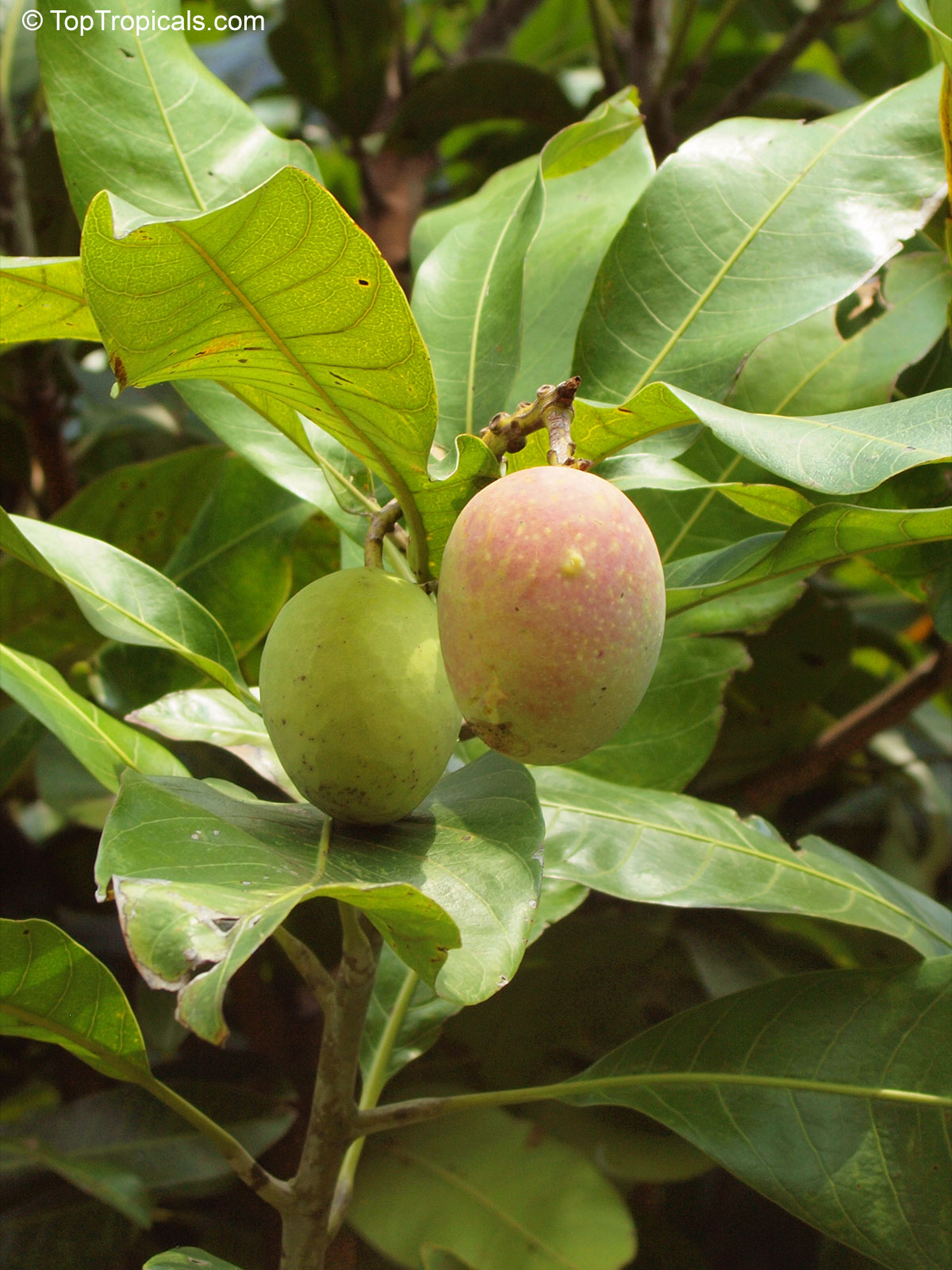
Botanical name: Mangifera casturi
Common names: Kalimantan Mango, Kasturi
Family: Anacardiaceae
Origin: Indonesia
USDA Zone: 9-10
The flesh of this fruit is orange in color and the texture stringy with a unique sweet fragrance. If we compare the Kasturi with the Mango (Mangifera indica), the Kasturi tastes less sweet but has a stronger taste and has a softer aroma.
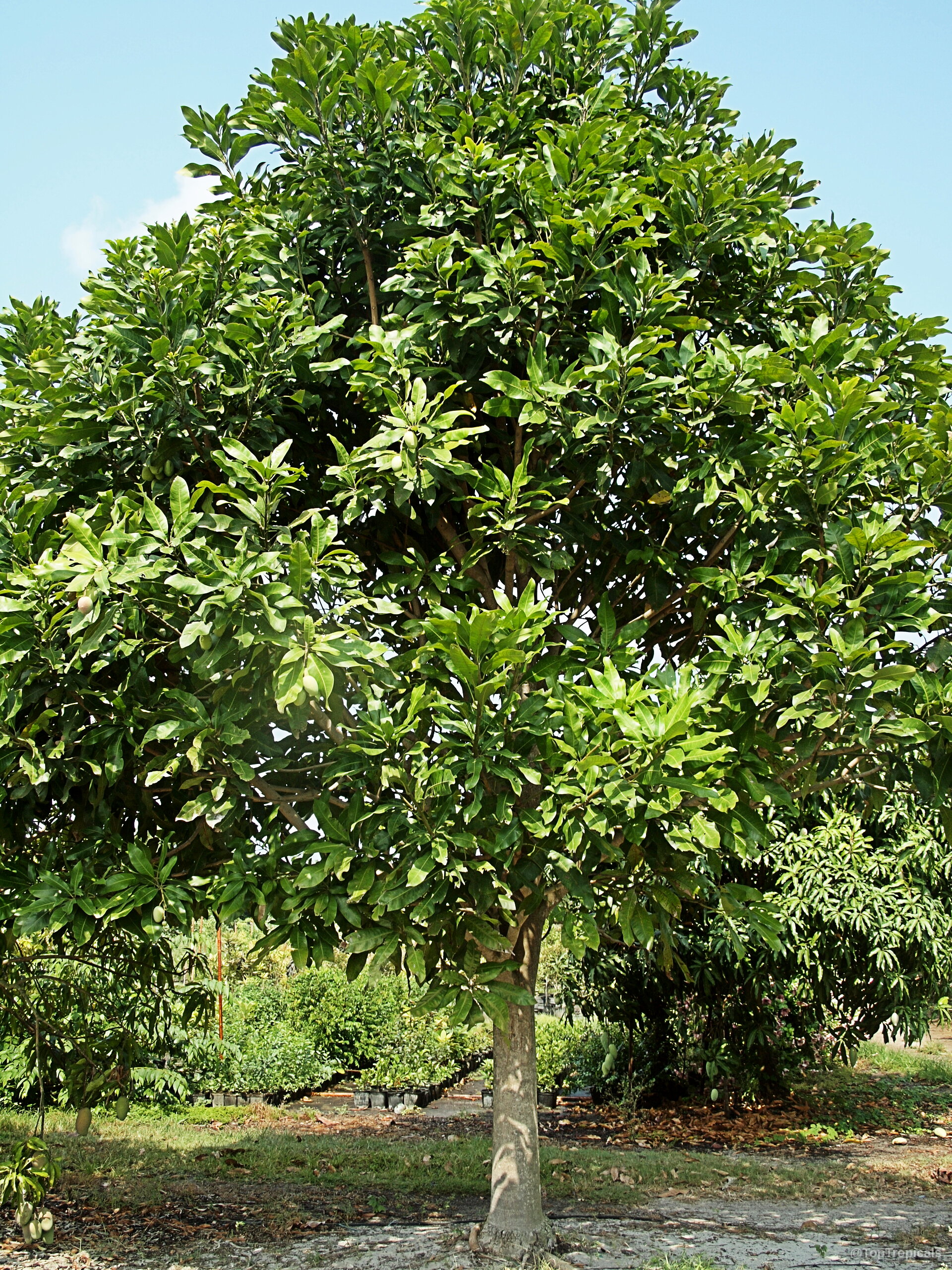
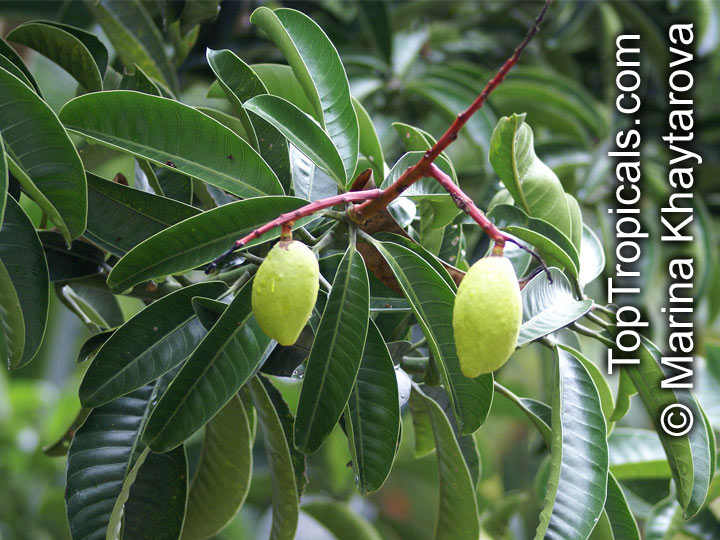
Botanical names: Mangifera foetida, Mangifera odorata, Mangifera oblongifolia
Common names: Kuwini, Horse Mango, Malmut, Limus, Machang, Bachang, Kuini
Family: Anacardiaceae
Origin: Indonesia
USDA Zone: 11-12


A Medium-sized tree. This tree has a very unique feature. It emits a charaecteristic fragrant smell. Even the flowers of this tree are strongly scented with the same fragrance. That is why this species has been named M. odorata. This fruit has never been found in the wild. Botanists are of the opinion that Kuwini (M. odorata) has originated as a hybrid between Mangifera indica and Mangifera foetida.
This fruit is commonly cultivated in Borneo, Sumatra and Java. It is also found in Thailand, Vietnam and Guam Islands. The Kuwini is a popular fruit, having local economic significance in areas where Mangifera indica cannot be grown satisfactorily because of excessive humidity. Kuwini can produce two crops a years in areas where two dry seasons prevail.
Fruit are much appreciated as table fruit. They must be peeled thick because of the presence of an acrid juice in the skin, which can also be reduced by steeping in diluted lime-water before eating.
The fruits are also used for making chutney and for pickles with salt. In Java a kind of flour is made of the seed kernels and used in the preparation of delicacies such as dodol (based on glutinous rice) and jenang pelok (a thick pappy preparation from Curcuma rhizomes).
Propagated by seed, only rarely by grafting.
The sap is an irritant which may inflame the lips and mouth.
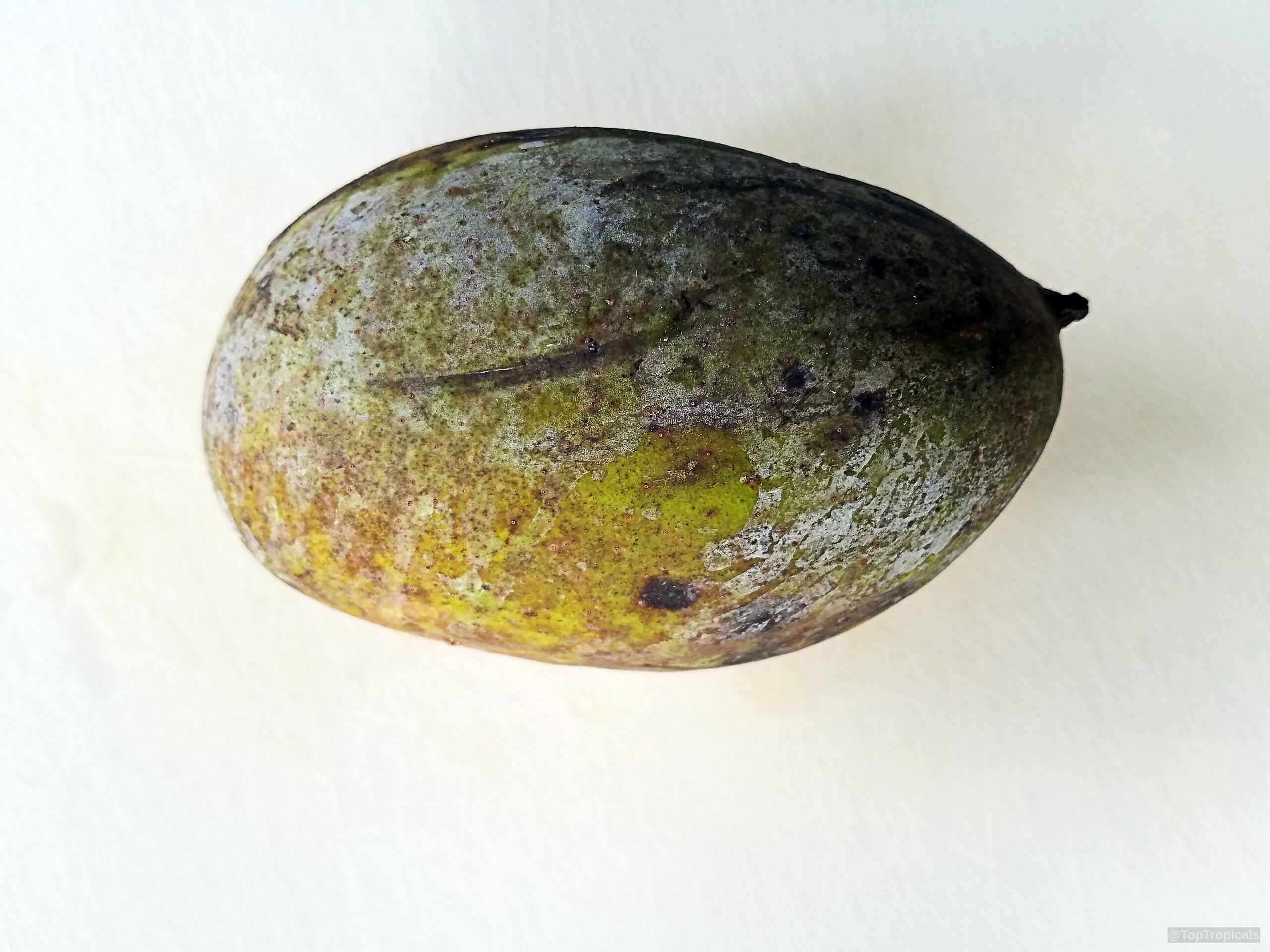
Mangifera foetida fruit is very similar in appearance to the Mango. Ripe Horse Mango fruit is usually eaten fresh. Young fruits contain irritant juice and must be soaked.
| Prev |
Use link to repeat this search:
https://toptropicals.com/cgi-bin/garden_catalog/cat.cgi?find=mango&search_op=and&keyword_op=and&language=e&number=10
&no_change_lang=1&user=tt&sale=1&first=0