Mango - Plant Encyclopedia Results (Page 6)
| Number of plants found: 67 |  | Prev | Next | 
|
Go to page: | 1 | 2 | 3 | 4 | 5 | 6 | 7 |
Botanical name: Mangifera indica
Common name: East Indian Mango
Cultivar: East Indian
Family: Anacardiaceae
Origin: South Asia and India
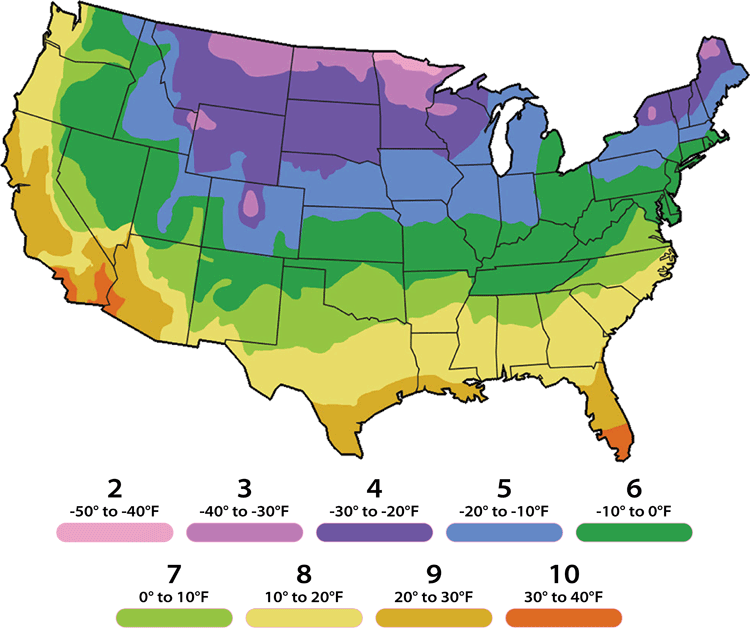
USDA Zone: 10-11
Cold tolerance: 30°F


Mangifera indica (Mango) is a large evergreen tree native to South Asia and among the oldest cultivated fruit trees, grown in India for over 4,000 years. In tropical climates it can reach 60-80 feet with a broad crown of glossy leaves. Small yellowish flowers appear in spring, followed by fleshy drupes known worldwide as mangoes.
Fruit shape varies from oval to kidney-shaped, with skin that may remain green or ripen to yellow, orange, or red. The flesh is juicy and aromatic, sometimes fiberless and sweet, sometimes more resinous depending on type. Mangoes are eaten fresh, dried, blended, or cooked, making them one of the most versatile tropical fruits. Some people experience irritation on the lips from the peel, so fruits are usually eaten peeled.
The tree thrives in full sun and well-drained soil in warm climates, hardy only to USDA Zones 10-11 (Zone 9 only with winter protection). With hundreds of named cultivars, Mangifera indica remains one of the world s most widely grown and culturally important fruit trees.
See Mango varieties.
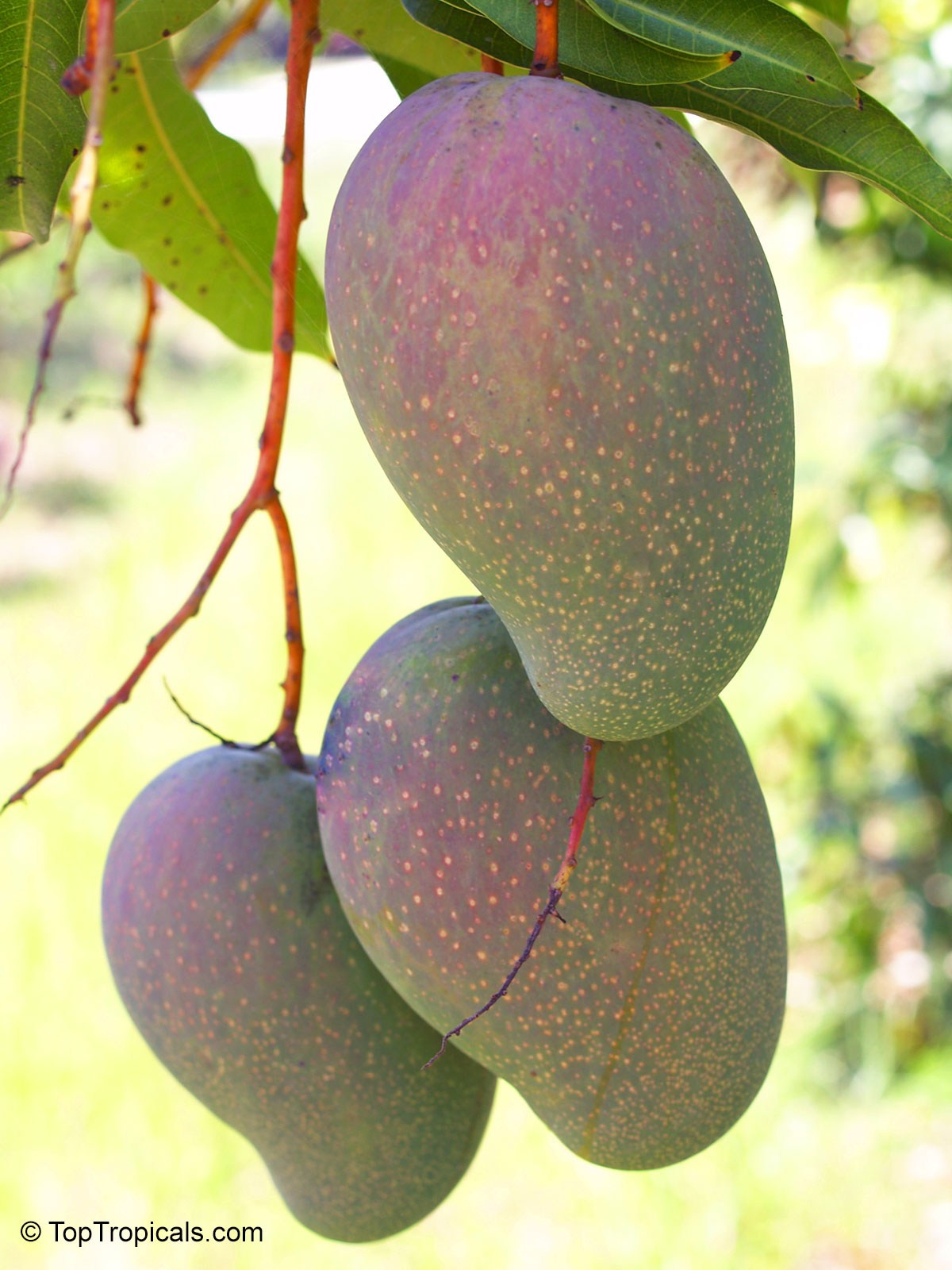
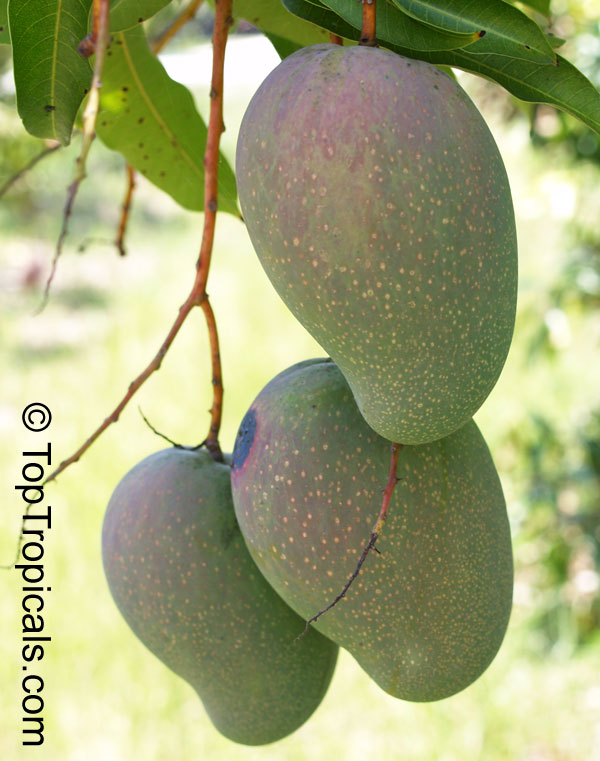
Indian Mango is a traditional variety from Jamaica, long appreciated for its bold, aromatic flavor and excellent performance in humid tropical climates. The fruit is medium to large, with an elongated, slightly curved shape and green skin that often develops a characteristic reddish-purple blush speckled with pale lenticels. The flesh is deep orange and juicy with a moderately fibrous texture, delivering a strong, spicy-sweet flavor typical of old Caribbean cultivars. The taste is rich and resinous, with notes reminiscent of classic Indo-Caribbean mangoes, making it highly prized among those who prefer full-bodied, traditional mango profiles. The tree is vigorous and upright, forming a dense canopy and producing heavy crops in regions with warm, moist weather.
This variety thrives in tropical climates and performs best in USDA Zones 10-11. It prefers full sun, fertile well-drained soil, and regular moisture, showing good reliability even during rainy seasons. Fruits ripen from mid to late season and are valued for their strong aroma, robust flavor, and dependable production, which make East Indian one of the signature mangoes of Jamaica and the wider Caribbean.
Relatively cold hardy variety. See more info about Mango varieties.
7 gal pot. More developed root system, thicker trunk and branches. Plant height depends on growing season and variety. Dwarf varieties are slow growers and may be shorter. Contact us for exact size description if size/height matters to you. 7 gal plants may be shipped separately from other items by Ground service due to large size. See here time in transit (business days, excluding Sat-Sun!)
Recommended Fertilizer: SUNSHINE Mango Tango - Mango Tree Booster
SUNSHINE-Honey - sugar booster
Botanical name: Mangifera indica Florigon
Common name: Florigon Mango
Cultivar: Florigon
Family: Apocynaceae
USDA Zone: 9-10
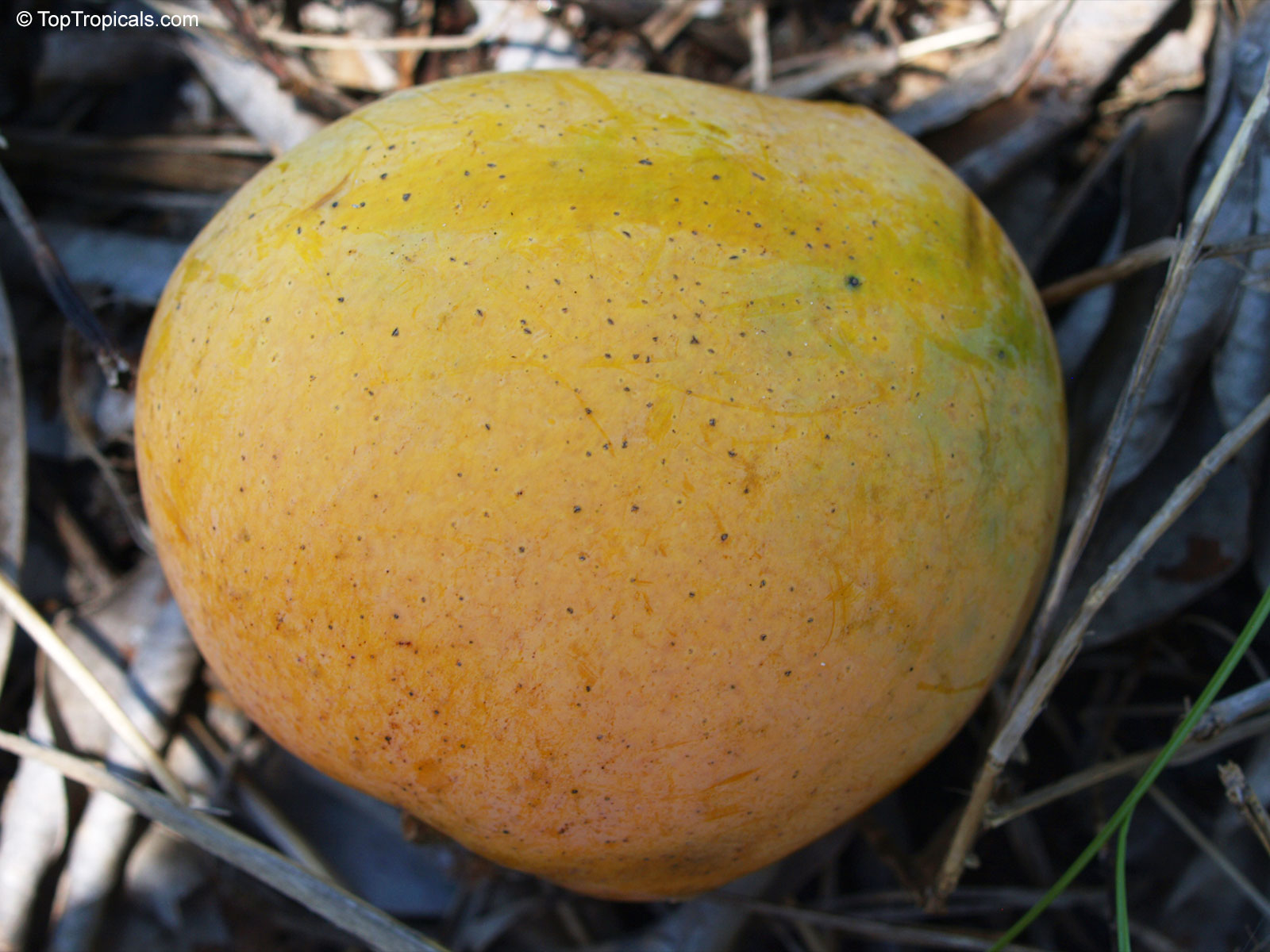
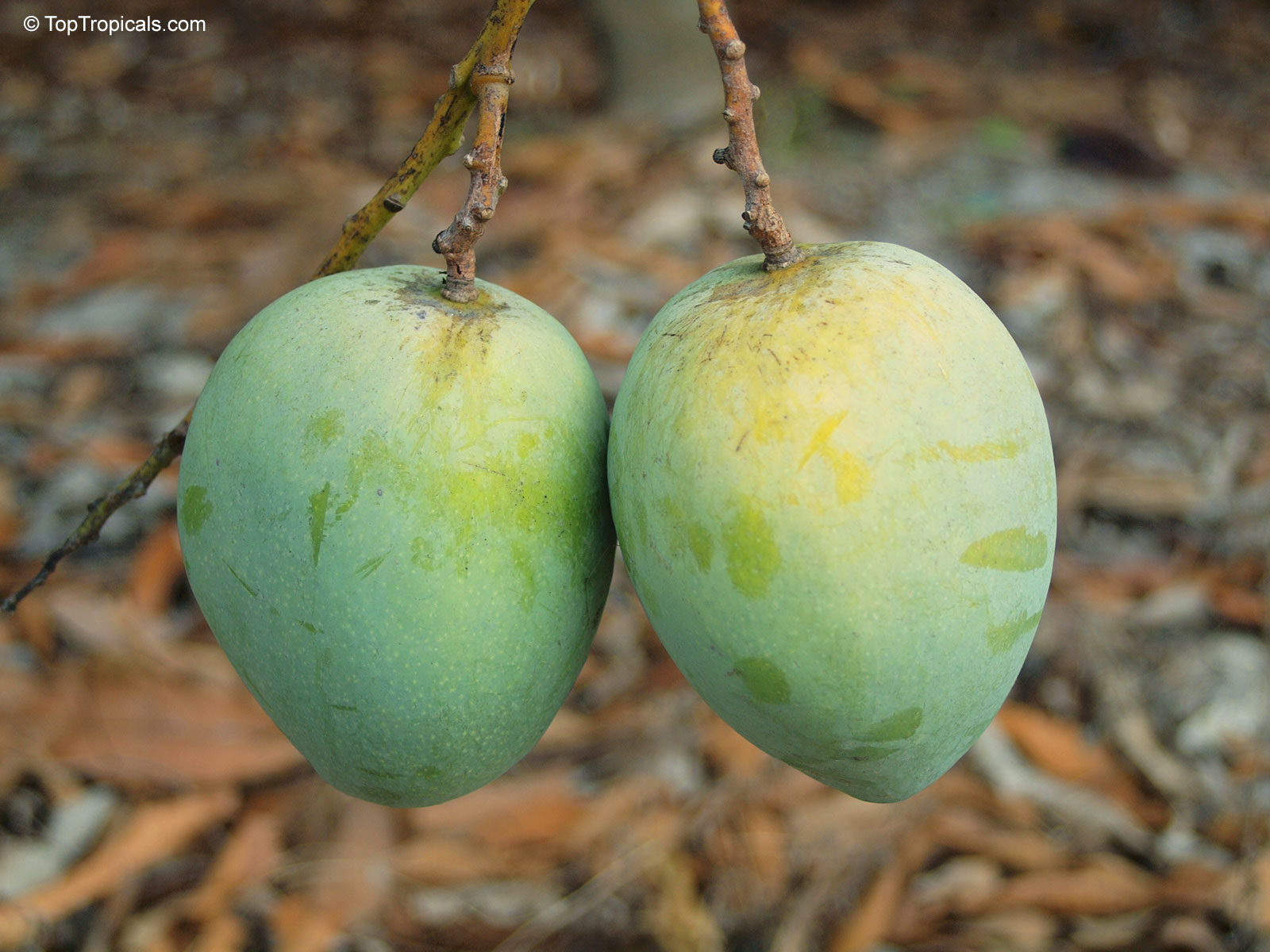
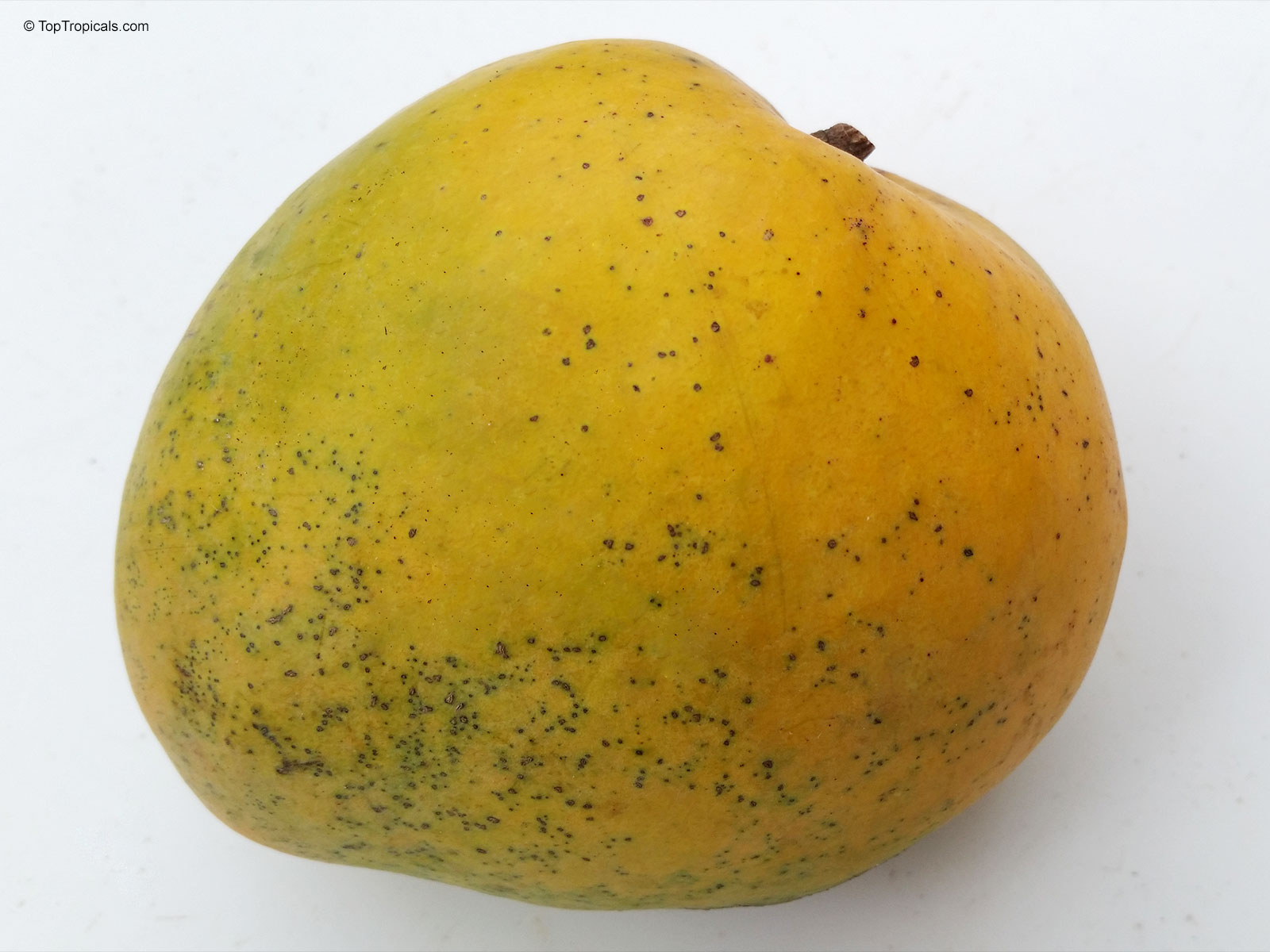
The Florigon mango is a Florida selection known for its productivity and early ripening season. The tree grows vigorously with a rounded canopy and responds well to pruning, making it manageable for both home gardens and small orchards. It sets fruit reliably, even in years when other cultivars are less productive, which makes it a dependable choice for growers.
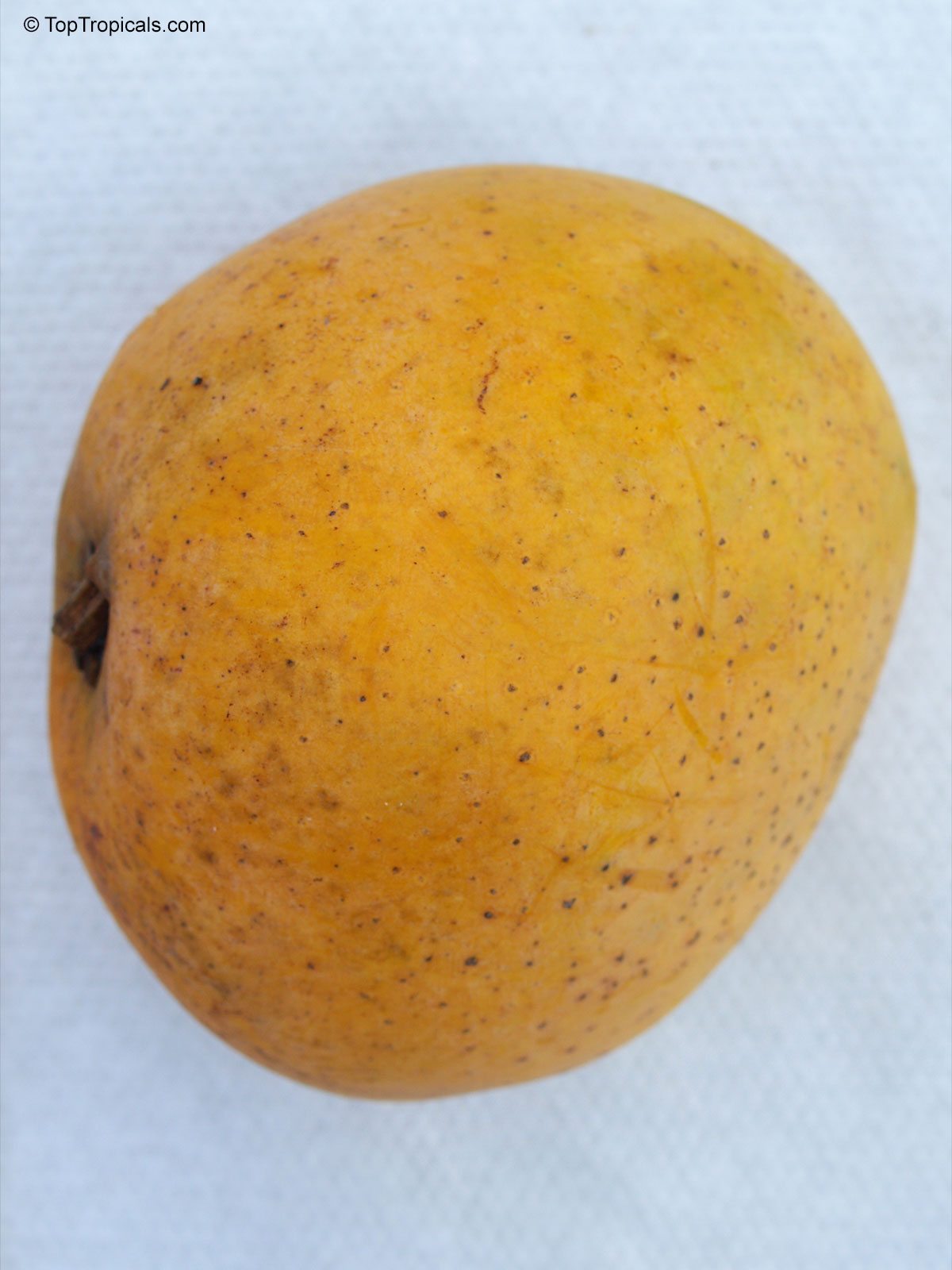
The fruit is small to medium in size, usually 8-12 ounces, with a round to slightly oblong shape. At maturity, the skin turns bright golden yellow, sometimes with a light orange hue, and is often dotted with fine speckles. The flesh is smooth, fiber-free, and juicy, offering a mild, sweet flavor with a hint of classic tropical aroma. Florigon is valued for ripening very early, often beginning in May in South Florida, extending the mango season ahead of most other varieties. It performs well in USDA Zones 10-11 and needs protection from frost, tolerating temperatures down to about 30F.

Recommended Fertilizer: SUNSHINE Mango Tango - Mango Tree Booster
SUNSHINE-Honey - sugar booster
7 gal pot. More developed root system, thicker trunk and branches. Plant height depends on growing season and variety. Dwarf varieties are slow growers and may be shorter. Contact us for exact size description if size/height matters to you. 7 gal plants may be shipped separately from other items by Ground service due to large size. See here time in transit (business days, excluding Sat-Sun!)
Recommended Fertilizer: SUNSHINE Mango Tango - Mango Tree Booster
SUNSHINE-Honey - sugar booster

Botanical name: Mangifera indica Graham
Common name: Graham Mango
Cultivar: Graham
Family: Anacardiaceae
USDA Zone: 9-10
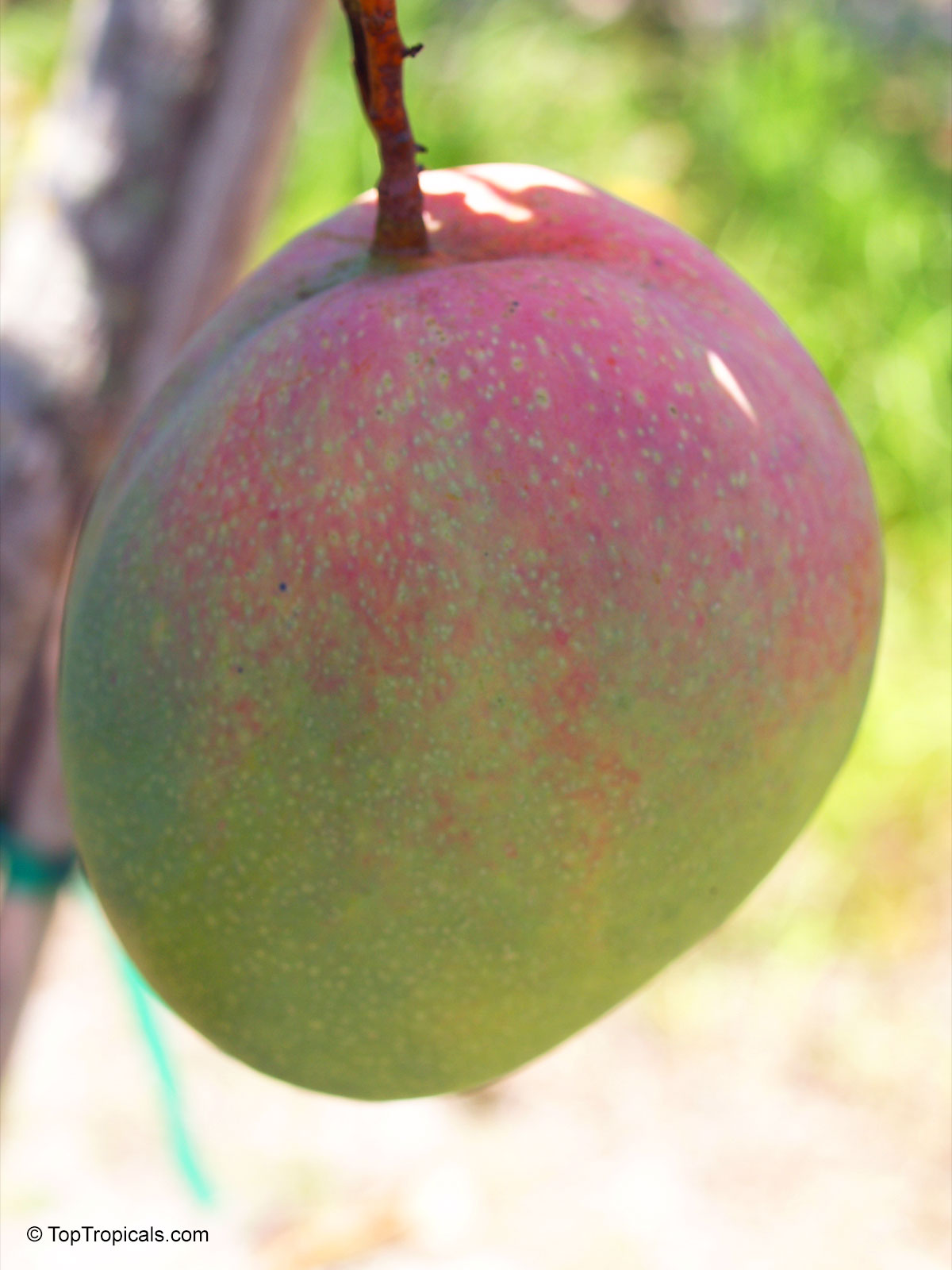
Graham Mango is a Caribbean variety from Trinidad known for its rich, creamy flavor and excellent reliability in humid climates. The medium to large fruit is oval with a flattened base and rounded apex, resembling Julie in overall shape but noticeably larger. The skin turns bright yellow at maturity, occasionally with a slight pink blush, and is thick and durable, making the fruit tolerant of handling. The flesh is deep orange, completely fiberless, soft, and juicy, with a sweet, aromatic flavor that develops fully in the late summer season. The tree is naturally compact with dense branching, shows strong vigor in moist, humid conditions, and produces consistently.
This variety thrives in warm subtropical to tropical climates and performs best in USDA Zones 10-11. It prefers full sun, well-drained soil, and good air circulation, and it shows notable resistance to anthracnose, which contributes to dependable fruit set even in rainy weather. With annual pruning, the tree can be maintained at 8 ft or less, making it ideal for small yards or container culture. Graham fruits ripen from mid-July to August and are valued for their reliable production, fiberless texture, and rich, aromatic sweetness that place it among the finest late-season Caribbean mangoes.

Botanical name: Mangifera indica Hatcher
Common name: Hatcher Mango
Cultivar: Hatcher
Family: Anacardiaceae
USDA Zone: 9-10
Hatcher Mango is a Florida cultivar named in the 1940s by John Hatcher of Lantana, known for its exceptionally large fruit and consistently high eating quality. The fruit is broad and heavy, often exceeding a pound, with smooth green skin that turns bright yellow at maturity and may show touches of red in full sun. The deep orange flesh is juicy, aromatic, and nearly fiberless, offering a clean, sweet flavor with light tropical notes. The tree is vigorous and forms a spreading canopy, supporting its large fruit load and producing dependable crops under warm conditions. Its robust growth and disease resistance contribute to its long-standing reputation in South Florida.
This variety performs best in warm subtropical to tropical climates and thrives in USDA Zones 10-11. It prefers full sun, good air circulation, and well-drained soil, showing reliable resistance to common fungal problems. Hatcher is a late-season mango, ripening into August and September, and is valued for its impressive size, appealing coloration, and consistently rich flavor that make it one of the standout cultivars of Florida mango heritage.
Botanical name: Mangifera indica Keitt
Common name: Keitt Mango
Cultivar: Keitt
Family: Anacardiaceae
USDA Zone: 9-10
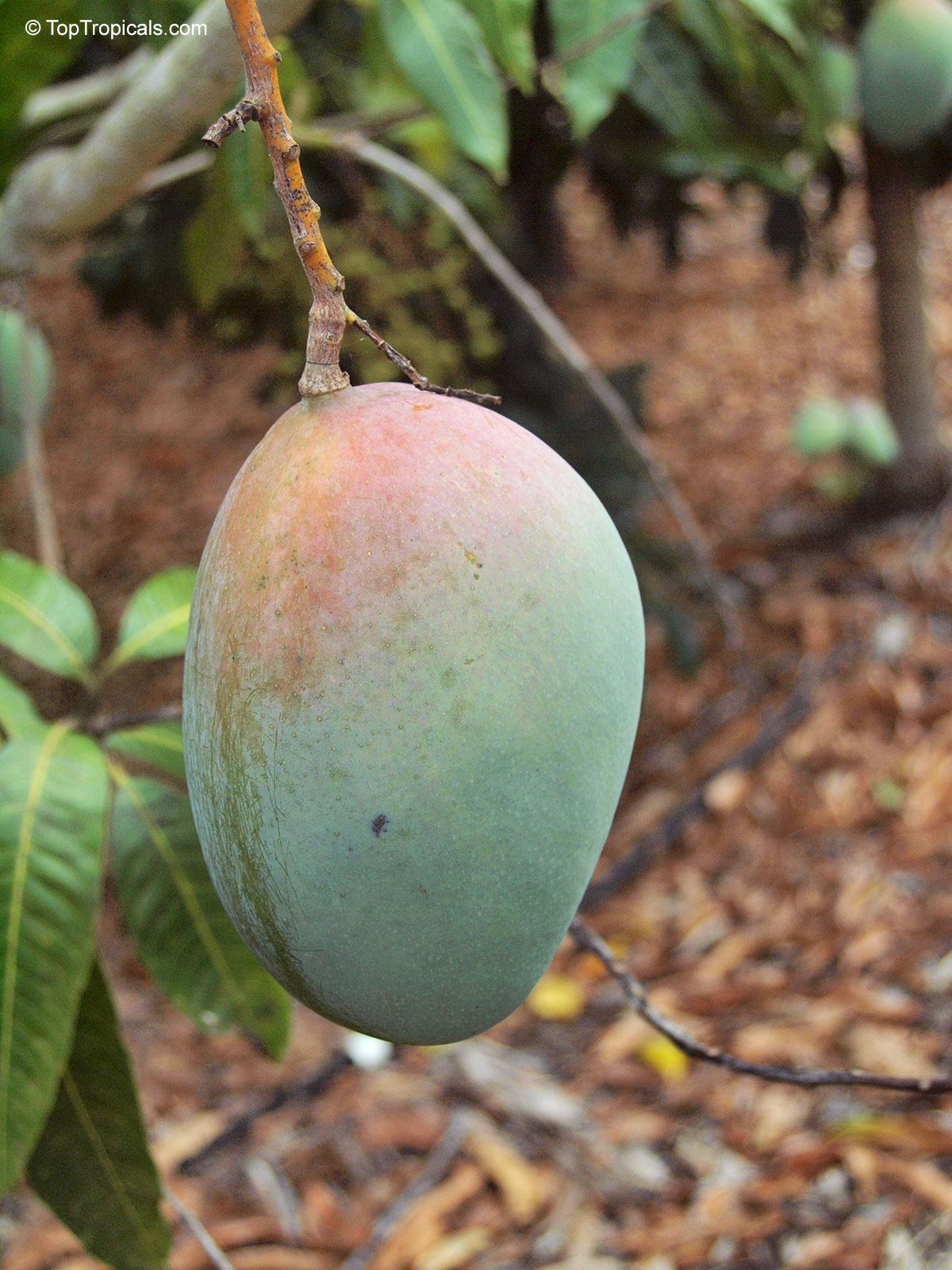
The Keitt mango is a late-season Florida variety highly prized for its very large fruit and dependable production. Trees are vigorous but can be maintained at a medium size with pruning, and their upright, spreading canopy makes them suitable for both home gardens and commercial orchards. The foliage is dense and healthy, giving the tree a strong landscape presence even outside fruiting season.
The fruit is among the largest of all mangoes, often reaching 2 to 5 pounds each, with an oval to oblong shape. Keitt mango fruits remain mostly green even when mature, but as they ripen the skin may develop golden yellow highlights with a soft pink to reddish blush of varying strength. Fine speckles are scattered across the surface, giving each fruit an individual and recognizable look compared to the more evenly colored mango varieties. The flesh is firm, fiber-free, and juicy, with a mild sweet flavor and a touch of acidity that appeals to those who prefer less cloying mangoes. Keitt is one of the last cultivars to ripen, typically from August to October in Florida, extending the mango season after most other varieties have finished. It performs well in USDA Zones 10-11 and requires frost protection, tolerating temperatures down to about 30F.




Botanical name: Mangifera indica Keo Sevoy
Common name: Keo Sevoy Mango
Cultivar: Keo Sevoy
Family: Anacardiaceae
USDA Zone: 9-10
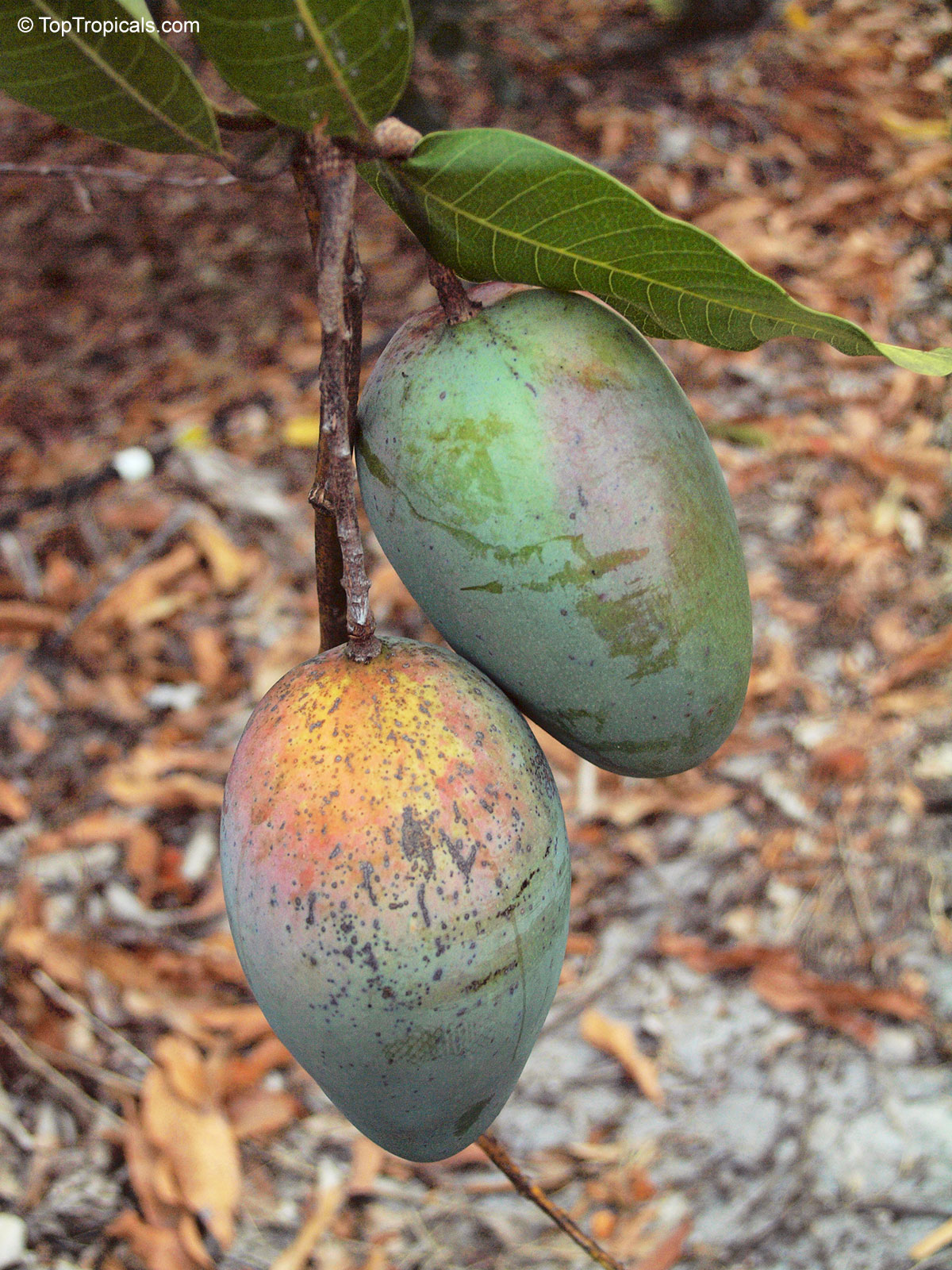
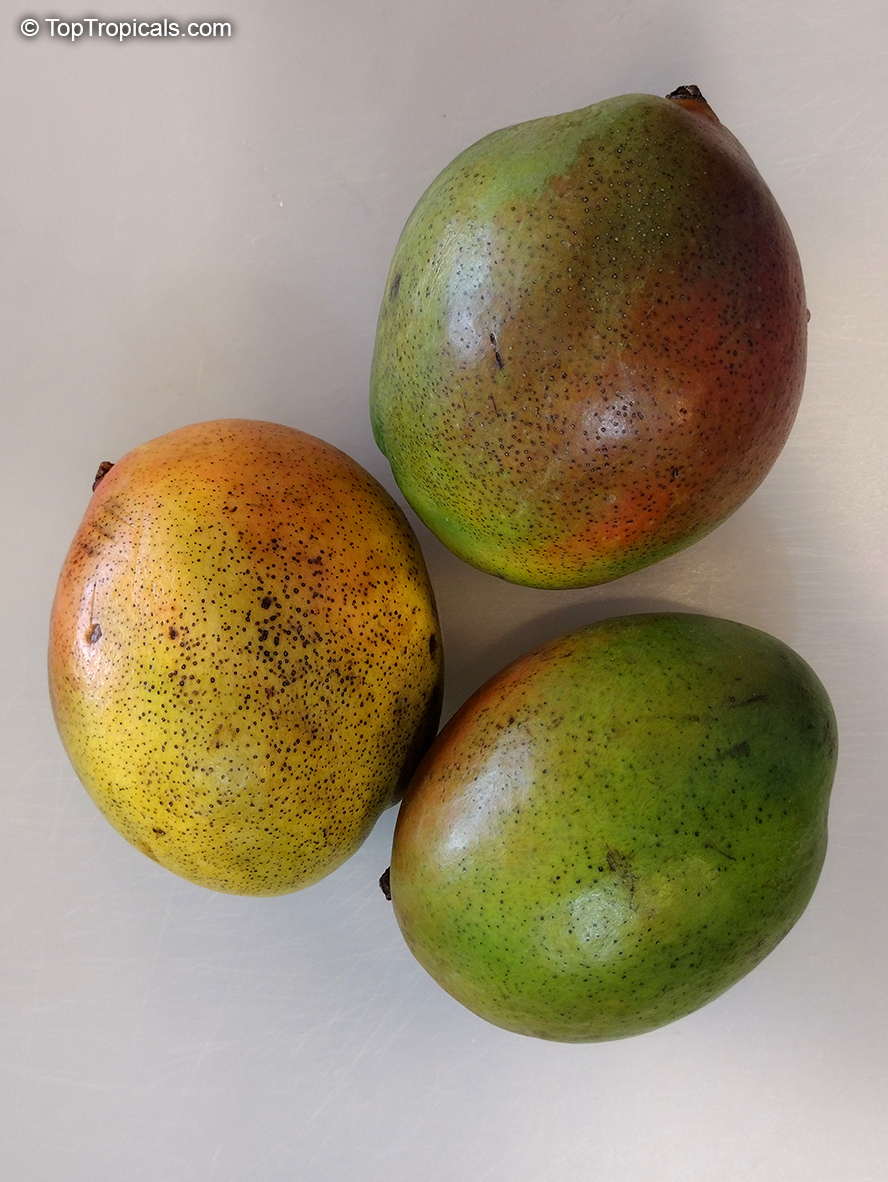
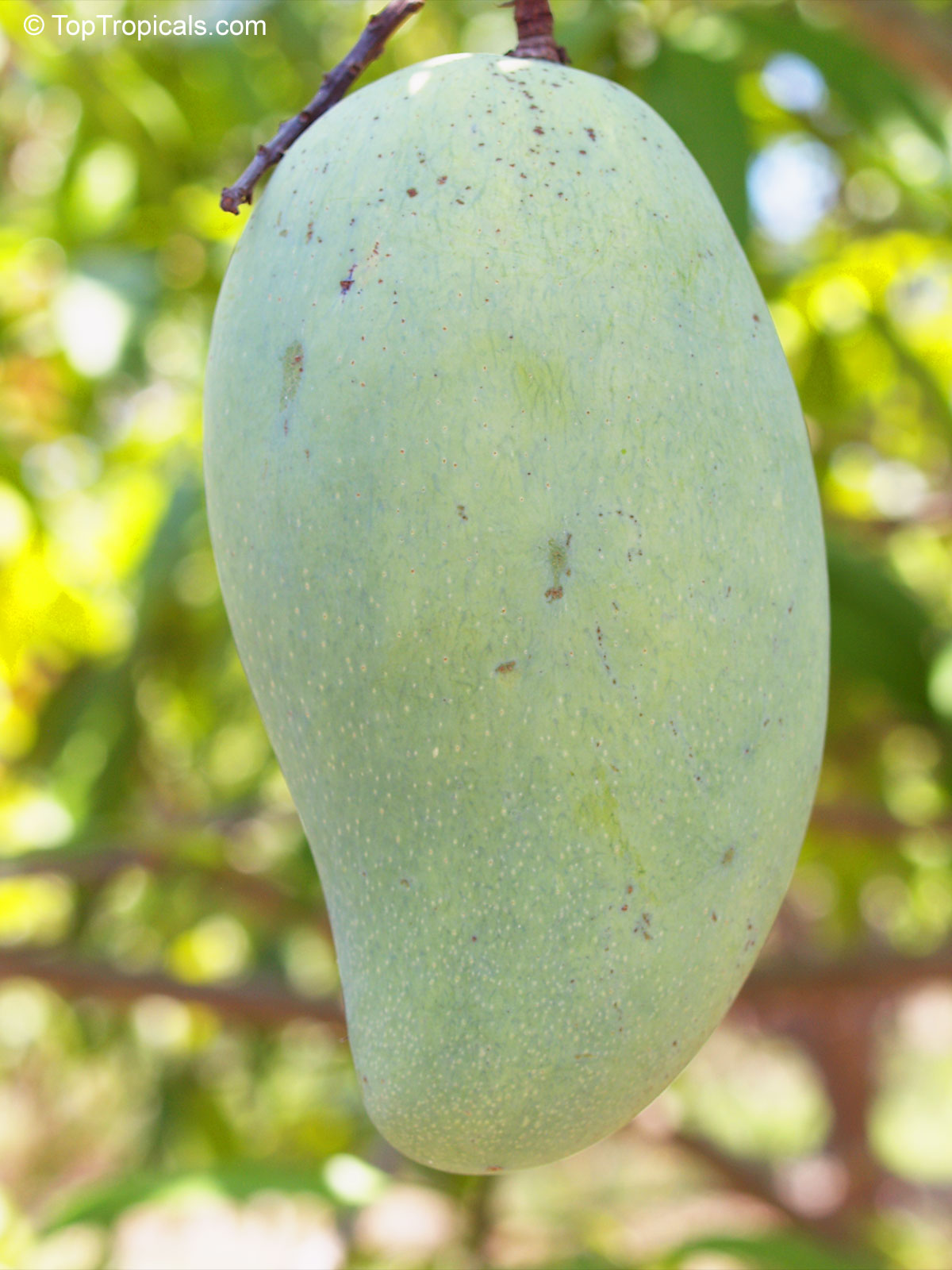
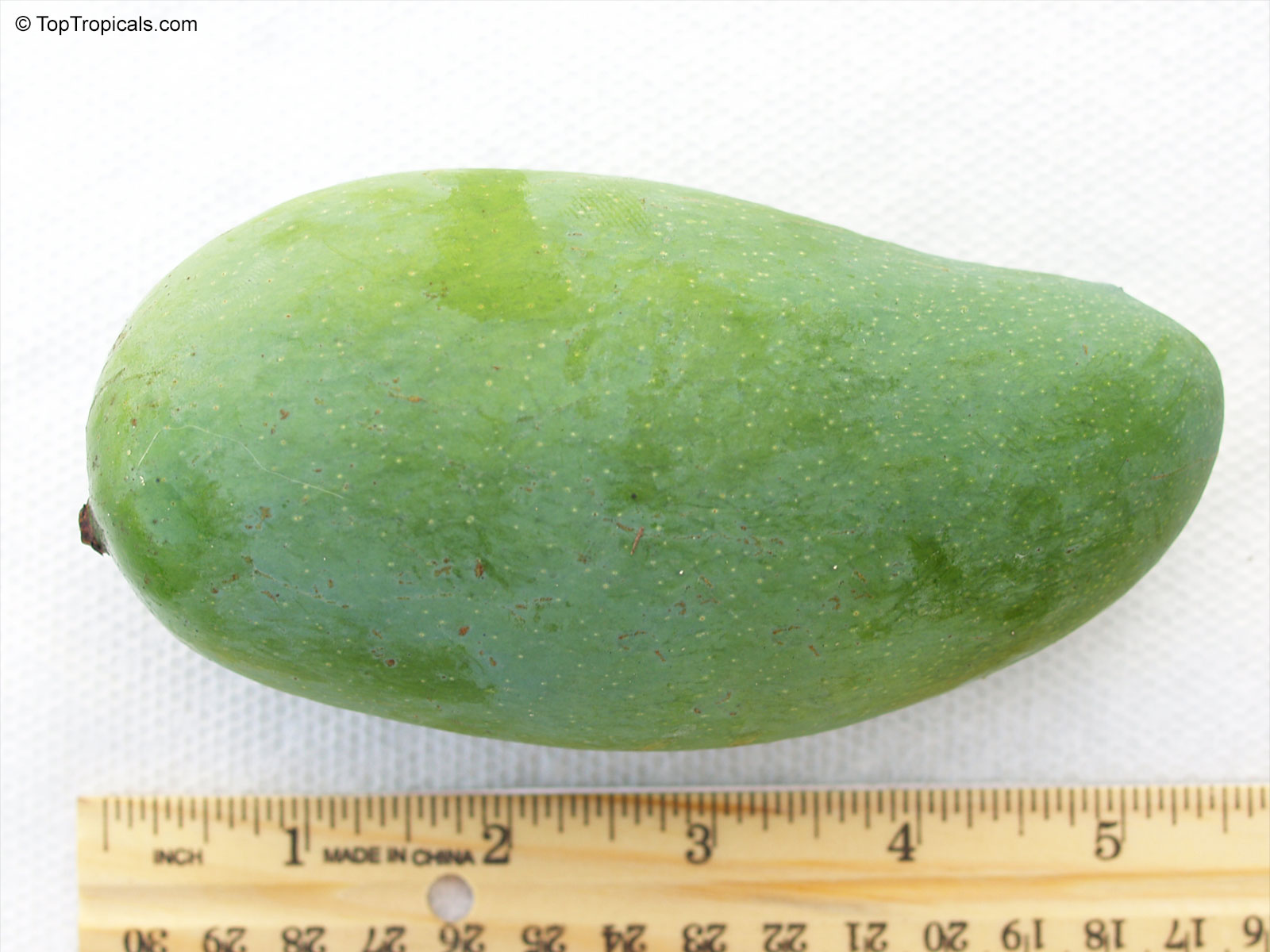
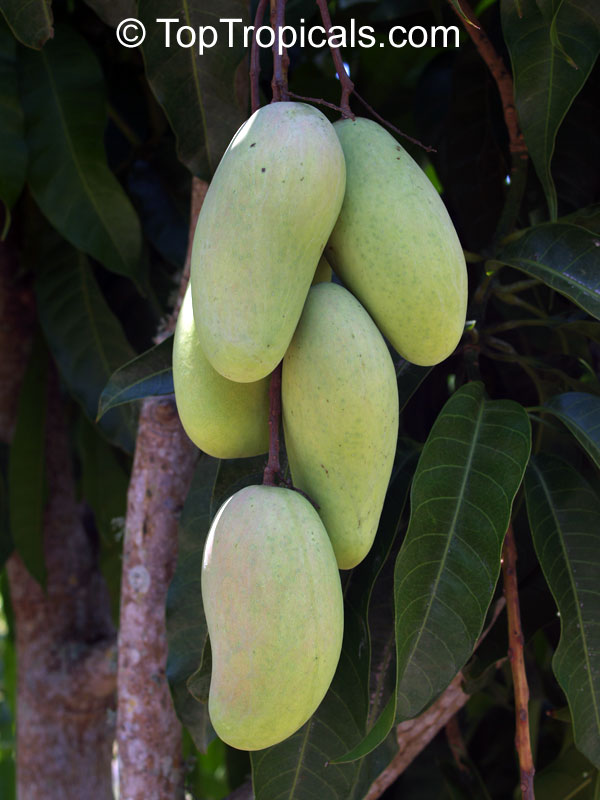
Keo Sevoy Mango, also known as Kyo Savoy or Khaew Sawei, is a well-known Thai variety valued for its dual use - it can be eaten both green and fully ripe. The fruit is elongated and medium-sized, with smooth green skin that turns pale yellow when mature. Its flesh is crisp, juicy, and mildly sweet when green, developing into a soft, fiberless, and pleasantly aromatic texture as it ripens. The flavor is balanced and refreshing, with the typical clean sweetness of the Indo-Chinese group. The tree is moderately vigorous, with an upright canopy and dense foliage, known for producing abundant clusters of fruit.
This variety performs best in warm tropical and subtropical climates, thriving in USDA Zones 10-11. It prefers full sun, fertile well-drained soil, and protection from frost. Keo Savoy fruits usually mature in mid to late season and are prized for their versatility, excellent texture, and bright, appealing appearance.
Recommended Fertilizer: SUNSHINE Mango Tango - Mango Tree Booster
SUNSHINE-Honey - sugar booster
7 gal pot. More developed root system, thicker trunk and branches. Plant height depends on growing season and variety. Dwarf varieties are slow growers and may be shorter. Contact us for exact size description if size/height matters to you. 7 gal plants may be shipped separately from other items by Ground service due to large size. See here time in transit (business days, excluding Sat-Sun!)
Recommended Fertilizer: SUNSHINE Mango Tango - Mango Tree Booster
SUNSHINE-Honey - sugar booster
Botanical name: Mangifera indica Manilita
Common name: Manilita Mango
Cultivar: Manilita
Family: Anacardiaceae
USDA Zone: 9-10
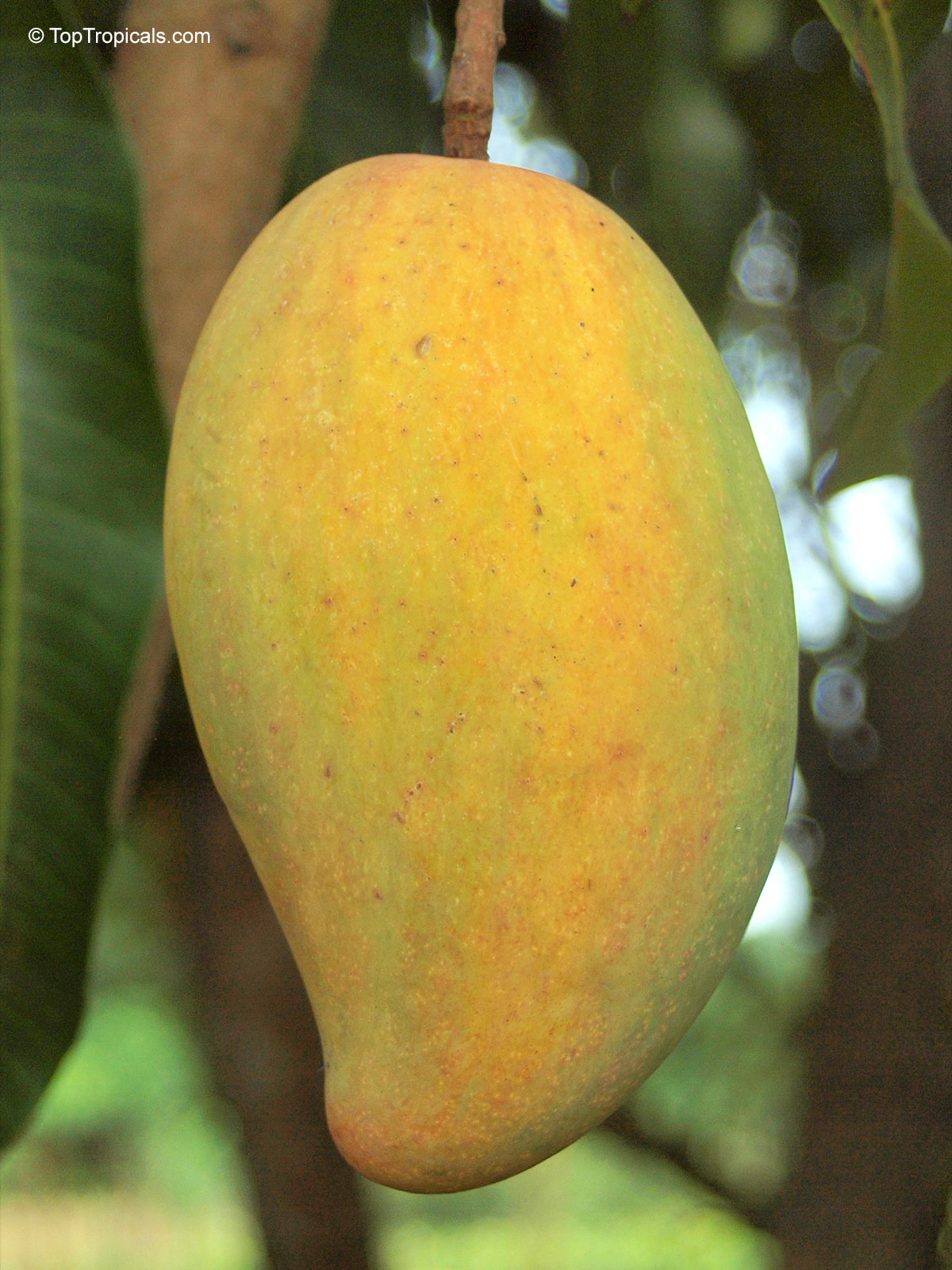
The Manilita mango is a compact Mexican selection derived from the Manila type along the Pacific Coast of Mexico. It is prized for its early ripening, attractive color, and excellent flavor. The tree is naturally dwarf, typically growing only about 6 feet tall with a 4-5 foot spread, and it stays neat and rounded, making it ideal for containers, patios, or small gardens. It is also disease-resistant and moderately tolerant to salt and brief cool spells, performing well in coastal or subtropical locations.
The fruit is small and elongated, averaging about 9 ounces. The skin shows a warm golden yellow color with greenish areas and scattered tiny orange-red speckles. The flesh is light yellow, silky-smooth, and completely fiber-free, with a sweet, uncomplicated flavor. The fruits ripen very early, often among the first mangoes of the season in Florida, and are excellent for eating fresh, slicing, or drying. The variety grows well in USDA Zones 10-11 and tolerates short drops into the 30F but should be protected from frost.
Botanical name: Mangifera indica Nam Doc Mai
Common name: Nam Doc Mai Mango
Cultivar: Nam Doc Mai
Family: Anacardiaceae
USDA Zone: 9-10
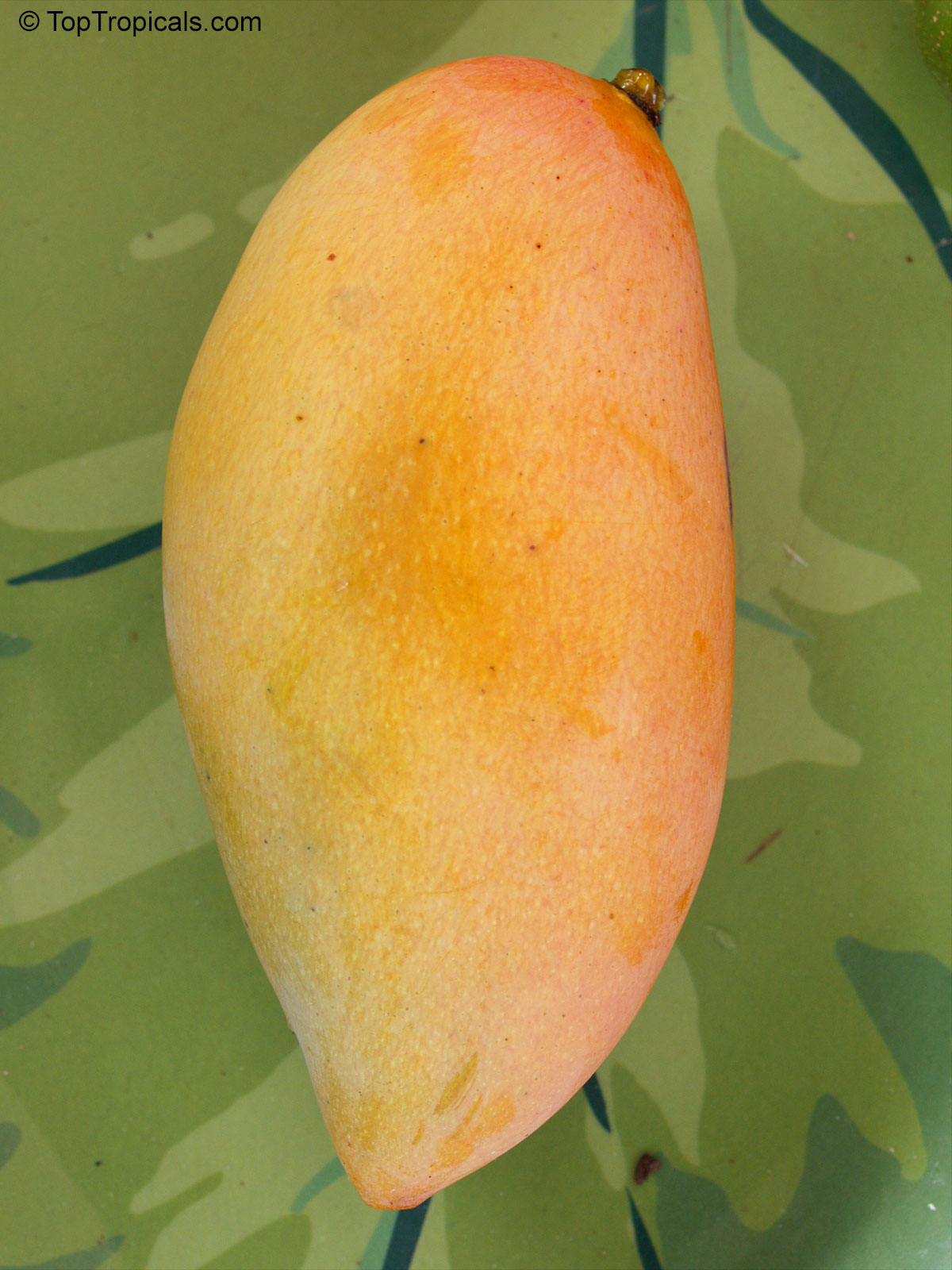
Nam Doc Mai Mango is one of the most famous Thai mango varieties, admired worldwide for its exceptional sweetness, aroma, and silky texture. The fruit is long and slender with a smooth, green to yellow skin that develops a slight blush when fully ripe. Its golden flesh is completely fiberless, meltingly soft, and rich in tropical fragrance with notes of honey and jasmine. The flavor is intensely sweet and floral, making it one of the top dessert mangoes in Asia and a benchmark for Thai mango quality. The tree is moderately vigorous, forming an elegant, upright canopy and producing heavy crops under warm, humid conditions.
This variety performs best in tropical to warm subtropical climates, thriving in USDA Zones 10-11. It prefers full sun, fertile, well-drained soil, and protection from frost. Nam Doc Mai fruits ripen from mid to late season and often in several flushes per year under favorable conditions. It is valued for its reliability, exquisite flavor, and fiberless texture, making it one of the most sought-after mango cultivars for both commercial and home gardens.

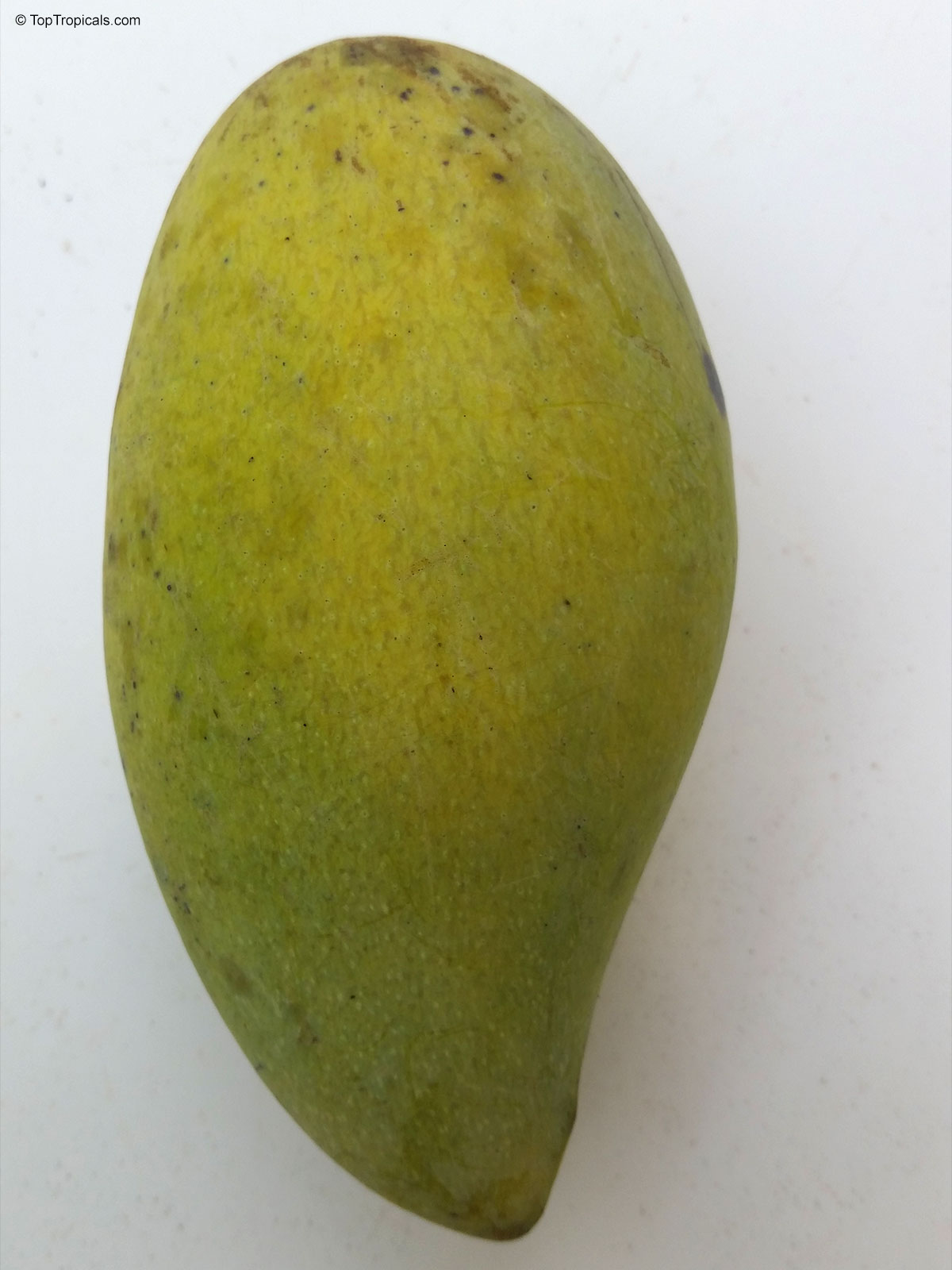


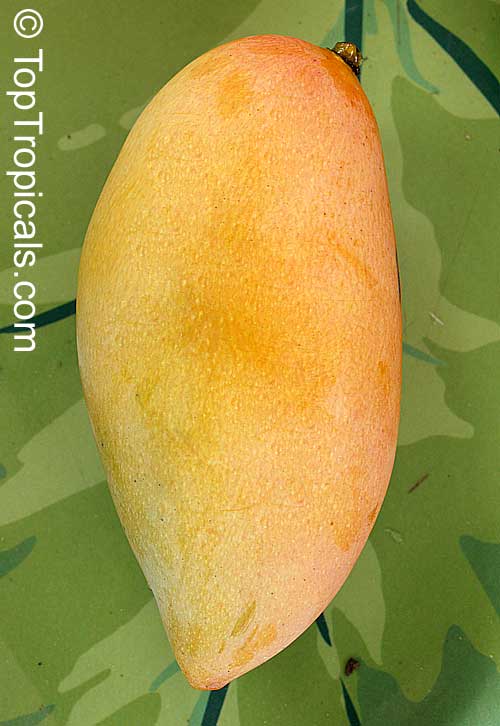

Another Nam Doc Mai close relative is Maha Chinook, supposedly the best tasting variety.
Nam Doc Mai is a premium cultivar introduced to Florida from Thailand in 1973 where is is one of the most popular varieties. This variety is semi-dwarf and great for pot culture. Green to yellow skin, no fiber whatsoever, multiple crops possible. Eaten green or ripe, a Thailand favorite. It is hands down the most sought after of the Asian mangoes and for good reason. A great feature of this variety is that the branches bloom occasionally at different times, giving you an extended ripening season during the summer. See more info about Mango varieties.
Recommended Fertilizer: SUNSHINE Mango Tango - Mango Tree Booster
SUNSHINE-Honey - sugar booster
This is naturally dwarf variety which is relatively small plant.You may contact us for more information on actual plant size before ordering, if size matters to you.
7 gal pot. More developed root system, thicker trunk and branches. Plant height depends on growing season and variety. Dwarf varieties are slow growers and may be shorter. Contact us for exact size description if size/height matters to you. 7 gal plants may be shipped separately from other items by Ground service due to large size. See here time in transit (business days, excluding Sat-Sun!)
Recommended Fertilizer: SUNSHINE Mango Tango - Mango Tree Booster
SUNSHINE-Honey - sugar booster
This is naturally dwarf variety which is relatively small plant.You may contact us for more information on actual plant size before ordering, if size matters to you.

Botanical name: Mangifera indica Okrung
Common name: Okrung Mango
Cultivar: Okrung
Family: Anacardiaceae
USDA Zone: 9-10
Okrung Mango, also known as Ok Rong or Okrong, is an excellent Thai cultivar introduced to Florida in 1973. The fruit is small to medium, long, and slightly curved, with smooth green to green-yellow skin that may develop a light yellow hue when ripe. The flesh is golden, soft, and sweet, with a distinctive Indo-Chinese flavor and slightly fibrous texture. Okrung is one of the most popular mango varieties in Thailand, traditionally eaten both green and ripe. When green, the fruit is crisp and mildly sweet; when ripe, it becomes intensely sweet - tests in Florida showed it to have the highest sugar content of any mango grown there. In Thailand, it is often served with sticky rice as a classic dessert pairing.
This variety grows well in warm tropical and subtropical climates and performs best in USDA Zones 10-11. The tree is moderately vigorous with an upright habit and dense canopy. It bears fruit in clusters that often drop naturally when fully ripe. Okrung Mango is a dependable and productive variety, valued for its flavor versatility and cultural importance. A yellow form, Okrung Thong ('Thong' meaning 'gold'), is sometimes recognized as a subvariety distinguished by its brighter golden skin.

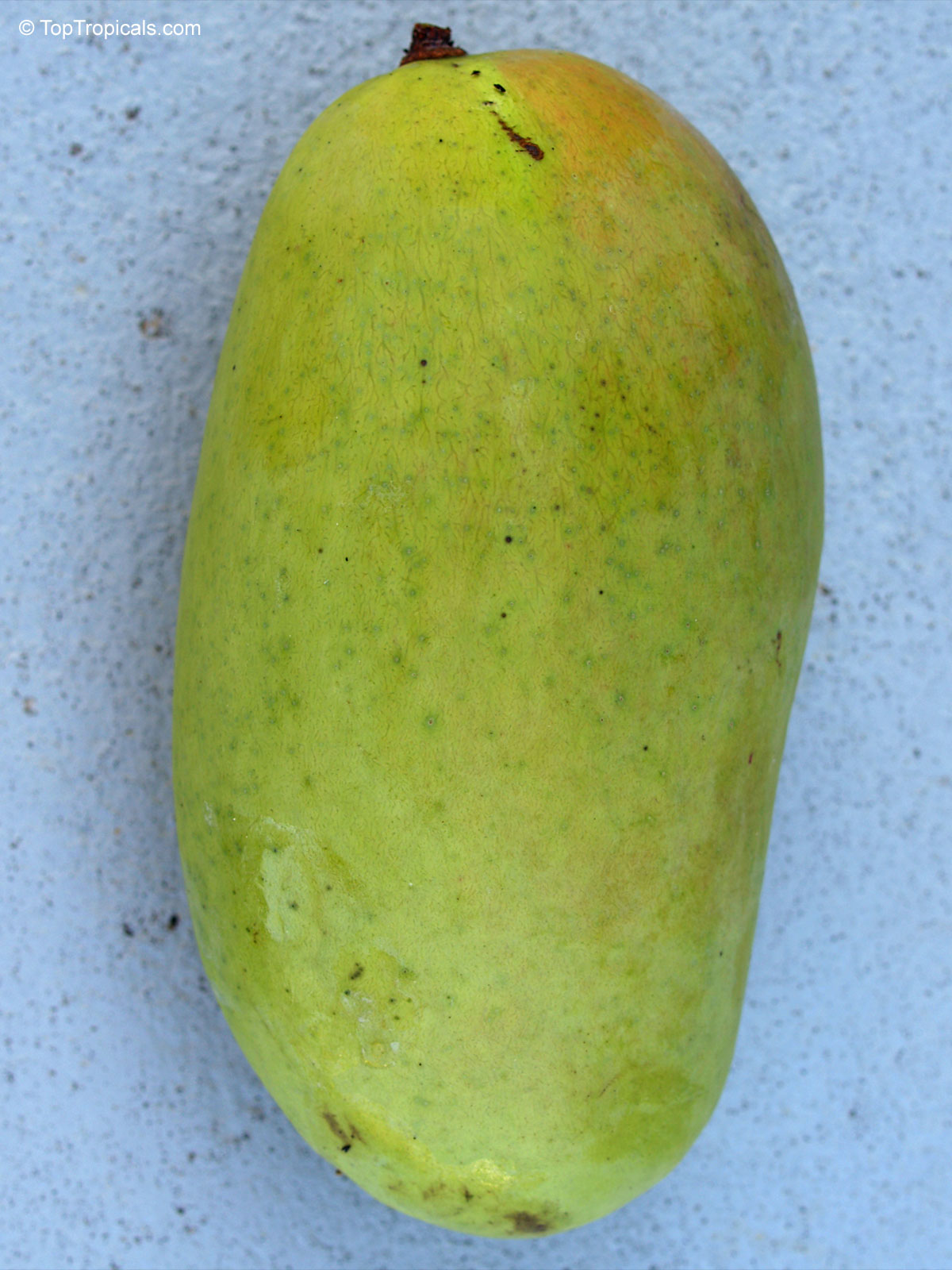


See more info about Mango varieties.
7 gal pot. More developed root system, thicker trunk and branches. Plant height depends on growing season and variety. Dwarf varieties are slow growers and may be shorter. Contact us for exact size description if size/height matters to you. 7 gal plants may be shipped separately from other items by Ground service due to large size. See here time in transit (business days, excluding Sat-Sun!)
Recommended Fertilizer: SUNSHINE Mango Tango - Mango Tree Booster
SUNSHINE-Honey - sugar booster
Botanical name: Mangifera indica Po Pyu Kalay
Common names: Po Pyu Kalay Mango, Lemon Meringue Mango
Cultivar: Po Pyu Kalay
Family: Anacardiaceae
USDA Zone: 9-10
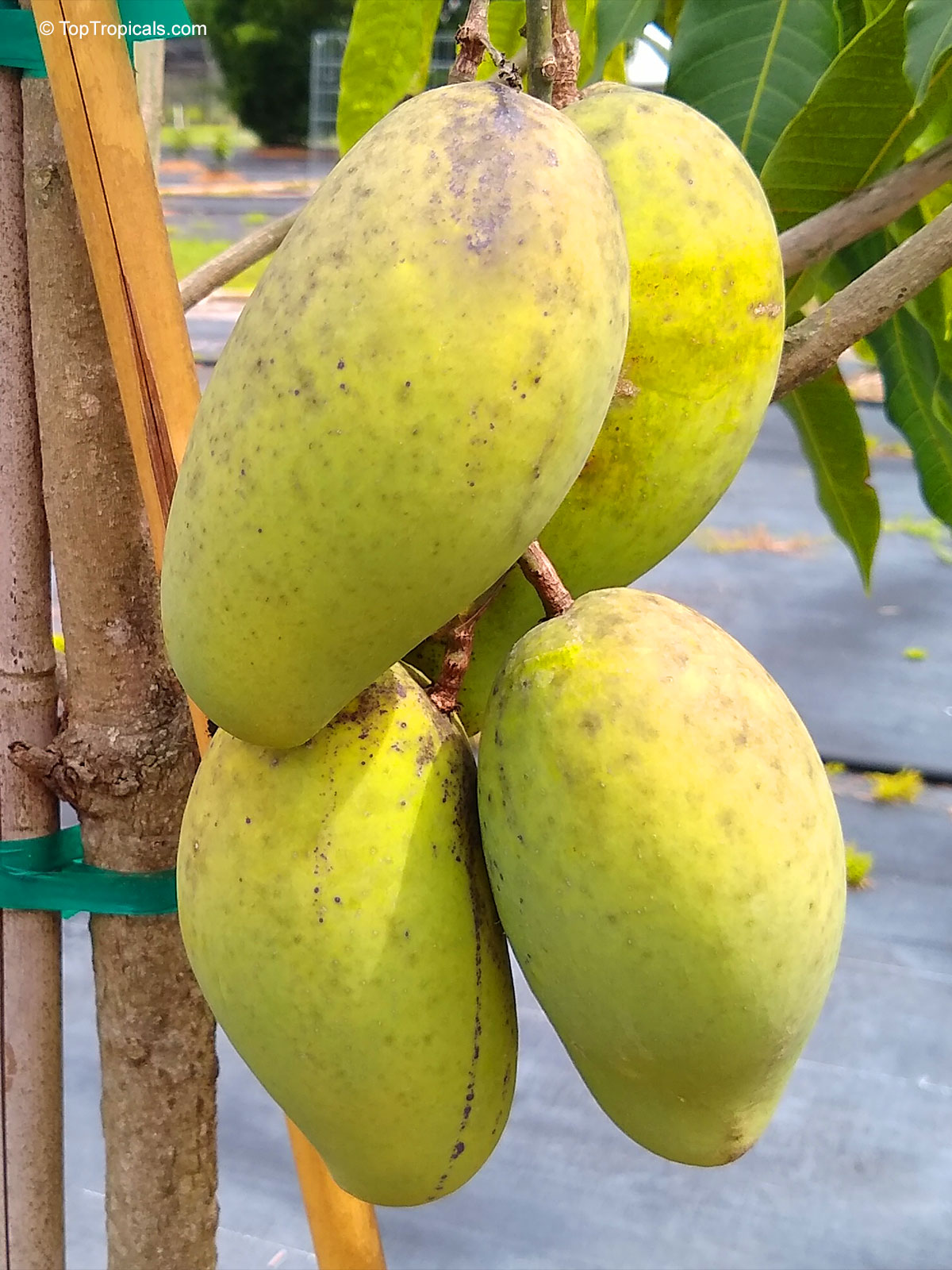
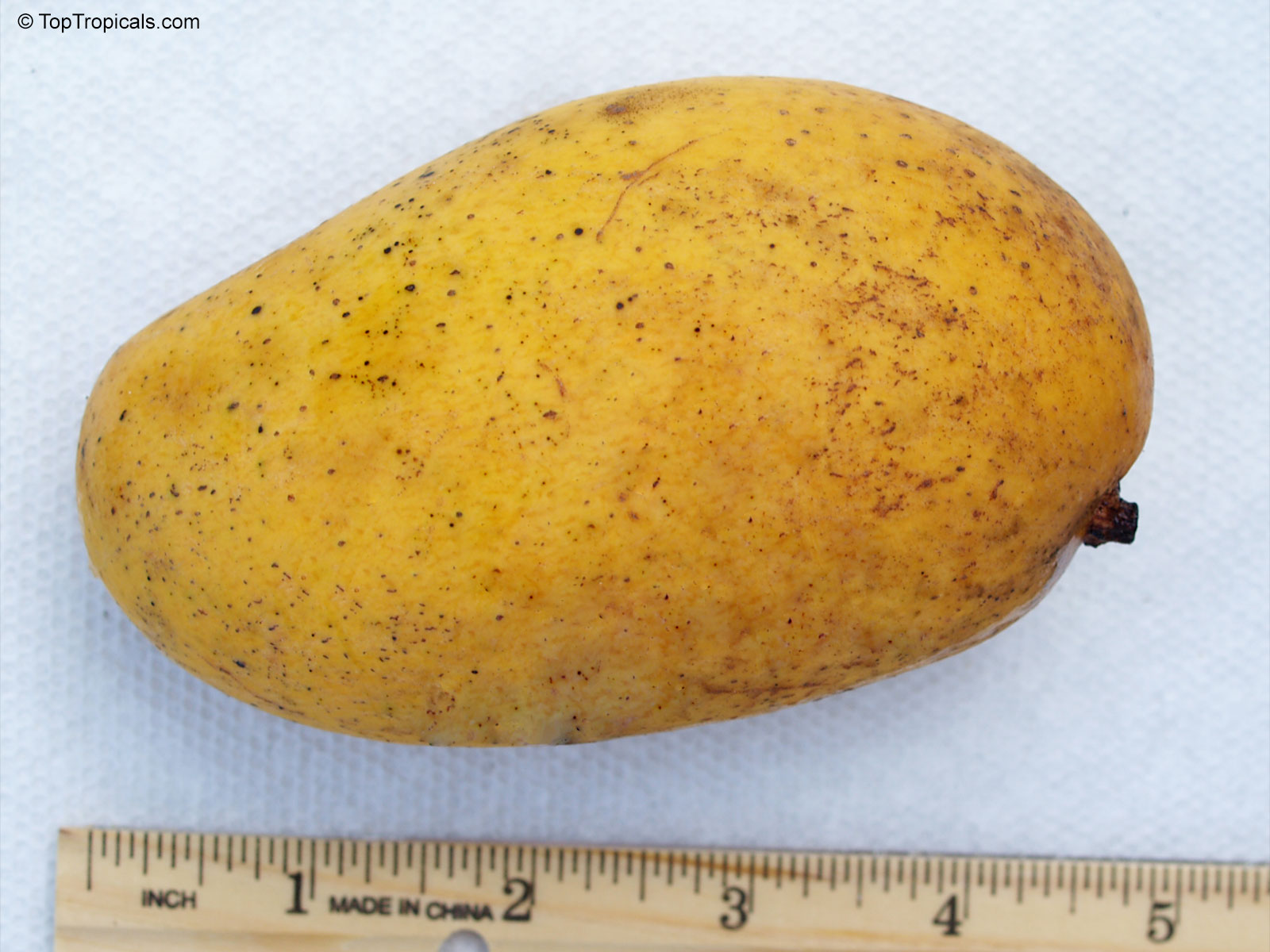
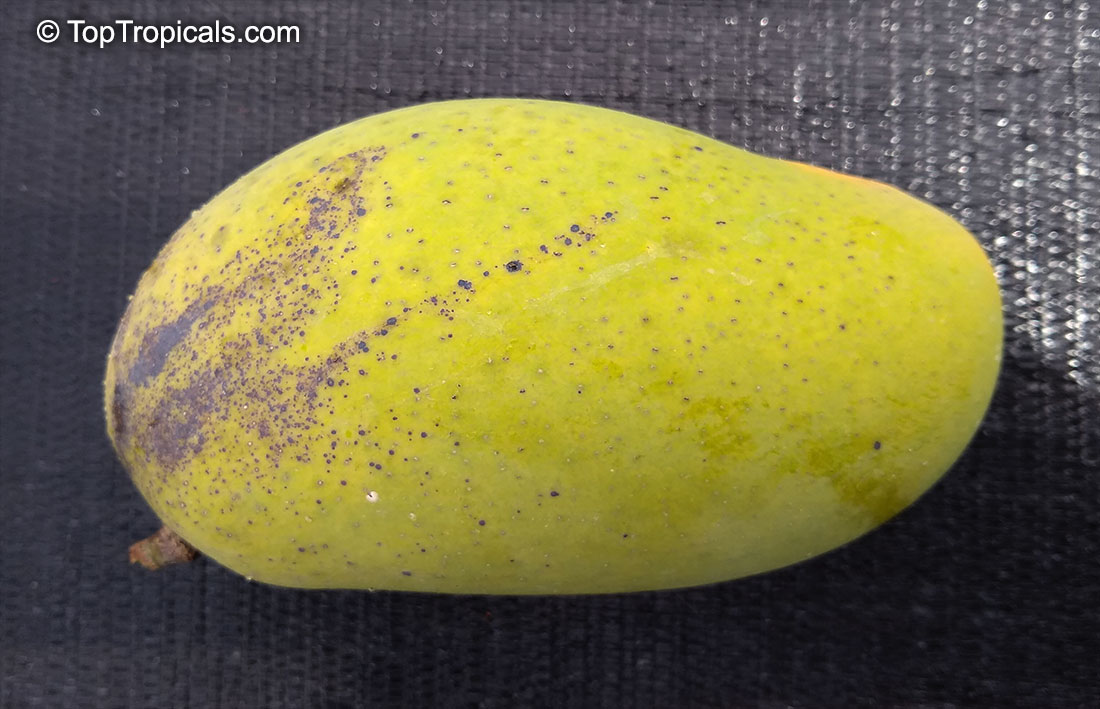
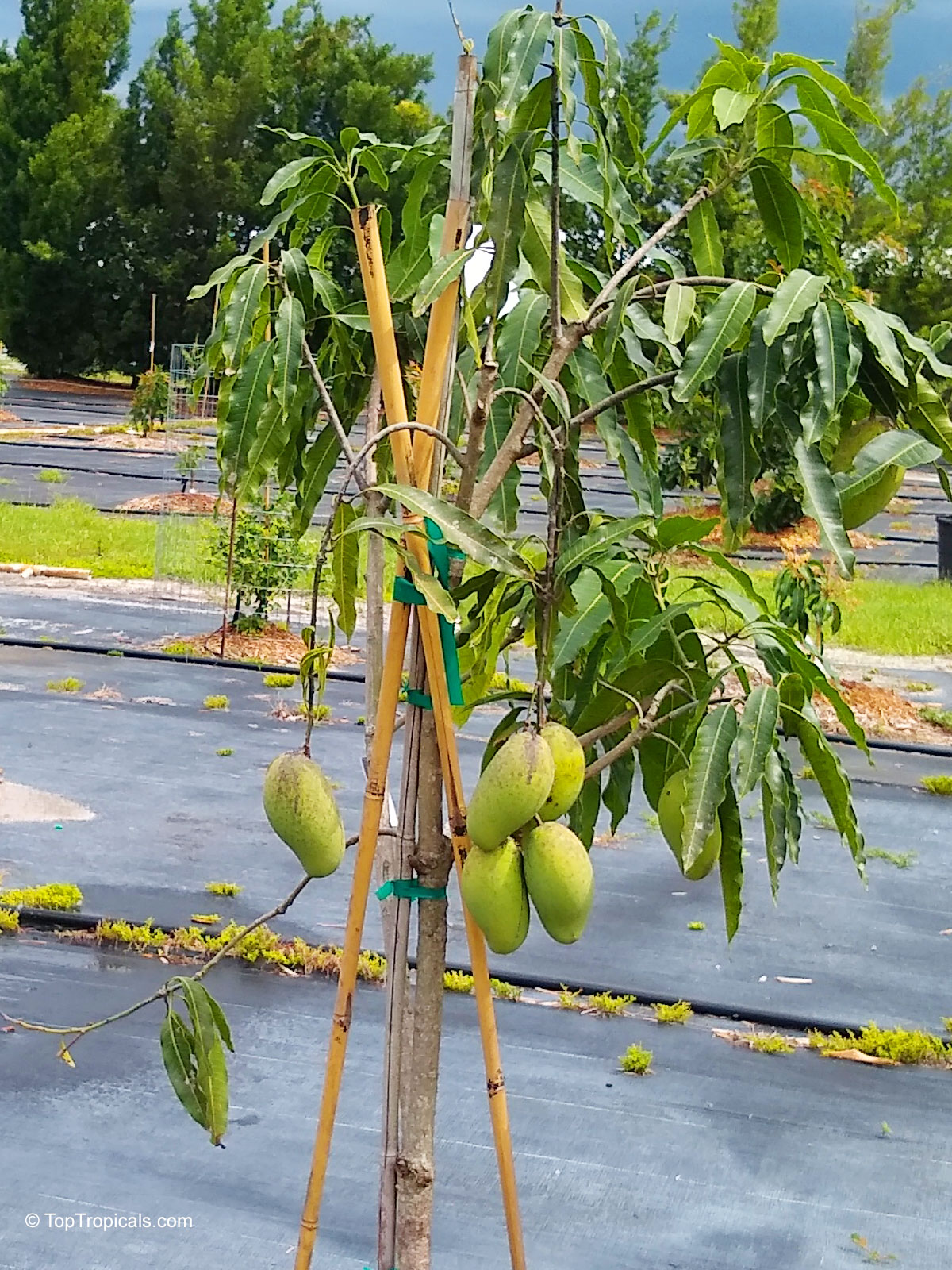
This Burmese cultivar is prized for its bright citrus fragrance and clean, refreshing sweetness that evokes lemon meringue. The fruit is medium sized, typically elongated with a smooth yellow skin when fully ripe. The flesh is completely fiberless, rich in aroma, and noted for its delicate balance of acidity and sweetness. Most fruits develop a uniform golden color, and the seed is small, giving a high flesh-to-seed ratio. The tree is naturally manageable in size and performs well in container culture or small gardens, where it remains productive and visually tidy.
The trees flower and set fruit reliably in tropical and subtropical climates and are considered relatively cold tolerant for a Southeast Asian cultivar. Growth is vigorous but not overly dense, with upright branching and good disease resistance in warm, humid regions. Because the fruit hang in loose clusters, harvesting is easy and the ripening pattern is consistent. This cultivar is especially valued by home growers for its compact habit, excellent dessert quality, and unique lemon-like aroma that distinguishes it from other mango varieties.
See more info about Mango varieties.
Recommended Fertilizer: SUNSHINE Mango Tango - Mango Tree Booster
SUNSHINE-Honey - sugar booster
| Prev | Next | |
Use link to repeat this search:
https://toptropicals.com/cgi-bin/garden_catalog/cat.cgi?find=mango&search_op=and&keyword_op=and&language=e&number=10
&no_change_lang=1&user=tt&sale=1&first=0