Mango - Plant Encyclopedia Results (Page 5)
| Number of plants found: 67 |  | Prev | Next | 
|
Go to page: | 1 | 2 | 3 | 4 | 5 | 6 | 7 |

Botanical name: Mangifera indica
Common name: Van Dyke Mango
Cultivar: Van Dyke
Family: Anacardiaceae
Origin: South Asia and India
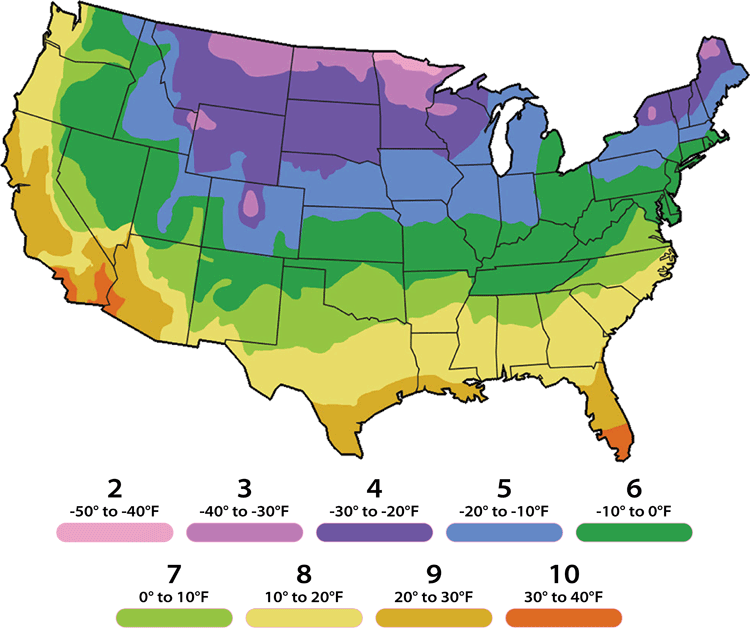
USDA Zone: 10-11
Cold tolerance: 30°F


Mangifera indica (Mango) is a large evergreen tree native to South Asia and among the oldest cultivated fruit trees, grown in India for over 4,000 years. In tropical climates it can reach 60-80 feet with a broad crown of glossy leaves. Small yellowish flowers appear in spring, followed by fleshy drupes known worldwide as mangoes.
Fruit shape varies from oval to kidney-shaped, with skin that may remain green or ripen to yellow, orange, or red. The flesh is juicy and aromatic, sometimes fiberless and sweet, sometimes more resinous depending on type. Mangoes are eaten fresh, dried, blended, or cooked, making them one of the most versatile tropical fruits. Some people experience irritation on the lips from the peel, so fruits are usually eaten peeled.
The tree thrives in full sun and well-drained soil in warm climates, hardy only to USDA Zones 10-11 (Zone 9 only with winter protection). With hundreds of named cultivars, Mangifera indica remains one of the world s most widely grown and culturally important fruit trees.
See Mango varieties.
Mangifera indica 'Van Dyke' (Van Dyke Mango) is a premium late-season Florida variety known for its attractive appearance and excellent eating quality. The medium-sized fruit has smooth yellow skin overlaid with a vivid crimson blush and firm, fiberless orange flesh with a rich, sweet flavor. The fruit ships well and keeps its shape, making this cultivar popular both for home use and small-scale markets. The tree is moderately vigorous with a compact, well-branched canopy.
It performs reliably in tropical and subtropical regions and is valued for its consistent yields and tolerance to common mango diseases. The harvest season usually extends into late summer, providing fruit when most other varieties have finished. Trees thrive in USDA Zones 10-11 and need protection from frost, with minimum tolerance down to about 30F.


Van Dyke trees are vigorous growers with open, spreading canopies.
See more info about Mango varieties.
Recommended Fertilizer: SUNSHINE Mango Tango - Mango Tree Booster
SUNSHINE-Honey - sugar booster

Botanical name: Mangifera indica Venus
Common name: Venus Mango
Cultivar: Venus
Family: Anacardiaceae
USDA Zone: 9-10
Mangifera indica 'Venus' is a mango cultivar developed as a seedling selection from the Zill Indochinese line as part of the Zill mango breeding program, with Kent or Beverly presumed to be involved in its parentage.
What makes Mangifera indica 'Venus' distinctive?
Mangifera indica 'Venus' develops a moderately vigorous tree with a well-shaped canopy that responds well to pruning and size control. The fruit ripens in the mid-season and produces smooth, fiberless flesh with a rich sweetness and a clean, classic mango flavor, often noted for its pleasant aroma and good eating texture. The cultivar performs best with regular moisture during flowering and fruit set, followed by drier conditions as fruit matures to enhance flavor concentration. In USDA Plant Hardiness Zones 10-11, it grows reliably outdoors, making Venus a solid choice for growers seeking consistent production and refined dessert quality.

See more info about Mango varieties.
Recommended Fertilizer: SUNSHINE Mango Tango - Mango Tree Booster
SUNSHINE-Honey - sugar booster
 SUNSHINE Mango Tango (NPK 2-2-4) - eco-friendly concentrated nutrition booster for Mango trees. Helps to produce strong growth, high yield, larger fruit size. Improves quantity and quality of flowers and ability to set fruit. Encourages profuse blooming and reduces bud-flower-fruit drop. Can be used as often as with every watering. For best results, use in combination with
 SUNSHINE Mango Tango (NPK 2-2-4) - eco-friendly concentrated nutrition booster for Mango trees. Helps to produce strong growth, high yield, larger fruit size. Improves quantity and quality of flowers and ability to set fruit. Encourages profuse blooming and reduces bud-flower-fruit drop. Can be used as often as with every watering. For best results, use in combination with

Botanical name: Mangifera indica Alampur Baneshan
Common name: Alampur Baneshan Mango
Cultivar: Alampur Baneshan
Family: Anacardiaceae
USDA Zone: 9-10
The 'Alampur Baneshan' mango, sometimes spelled 'Banishan', is a traditional mango cultivar from South India and is regarded locally as one of the country's finest dessert types. The tree grows vigorously and develops a broad canopy, producing large oblique-oblong fruit that average 14-16 ounces. Even when fully ripe the skin remains green, often with a surface dotted by characteristic corky speckles. The flesh inside is fiberless, aromatic, and renowned for a complex, layered taste that blends resinous undertones with intense sweetness. This profile makes it highly esteemed among seasoned mango lovers, though its strong character can surprise those more accustomed to mild-flavored varieties.
'Alampur Baneshan' thrives in full sun and well-drained soil with moderate watering. It flowers in spring and fruits in summer, with harvest recommended while the fruit is still firm and green, followed by ripening at room temperature for best flavor. Hardy only to USDA Zone 10-11, it requires frost protection but can be container-grown in cooler regions. While it is widely appreciated in India, the fruit remains uncommon in export markets and is best experienced fresh near its place of origin.


See more info about Mango varieties.
Recommended Fertilizer: SUNSHINE Mango Tango - Mango Tree Booster
SUNSHINE-Honey - sugar booster

Botanical name: Mangifera indica Alphonso
Common name: Alphonso Mango
Cultivar: Alphonso
USDA Zone: 9-10
Alphonso Mango is one of the most renowned mango cultivars, valued for its rich flavor, smooth texture, and deep golden color. The medium-sized fruit has bright yellow skin that develops a light blush when ripe. The pulp is fiberless, aromatic, and exceptionally sweet, with subtle notes of apricot, honey, and saffron. The tree forms a compact, rounded canopy and grows vigorously while remaining suitable for home gardens and container culture. Originating from India's Konkan coast, this variety has become a benchmark for premium mango quality and is widely used for desserts, juices, and export.
This variety performs best in warm subtropical to tropical climates with full sun and well-drained soil. It produces consistent crops under proper management and shows good disease tolerance. Alphonso Mango grows well in USDA Zones 10-11 and should be protected from cold temperatures below 35F. Fruits mature in late spring to early summer and are known for their rich aroma and outstanding flavor typical of the finest dessert mangoes.


See more info about Mango varieties.
Recommended Fertilizer: SUNSHINE Mango Tango - Mango Tree Booster
SUNSHINE-Honey - sugar booster

Botanical name: Mangifera indica Beverly
Common name: Beverly Mango
Cultivar: Beverly
Family: Anacardiaceae
USDA Zone: 9-10
Beverly Mango is a late-season variety valued for its excellent eating quality and smooth, fiberless texture. The large, rounded fruit has a greenish-gold skin that often develops a pink or rose blush on the sun-exposed side. Its flesh is deep orange, rich, and sweet with a pleasant tropical aroma and minimal acidity. The tree has a dense, spreading canopy and moderate vigor, making it ideal for home gardens and smaller spaces where size control is important. Beverly is known for its consistent production and for holding fruit well on the tree without splitting or dropping.
This cultivar performs best in warm subtropical climates with full sun and well-drained soil. It shows good resistance to anthracnose and other common mango diseases. Beverly Mango thrives in USDA Zones 10-11 and tolerates brief cool spells but must be protected from frost. Fruits typically ripen in mid to late summer, extending the mango season and providing a smooth, rich flavor that distinguishes it among late-bearing varieties.


Recommended Fertilizer: SUNSHINE Mango Tango - Mango Tree Booster
SUNSHINE-Honey - sugar booster
Last one
Local pickup only. This item is not available for shipping. Local delivery may be available in Ft. Myers or Sebring, Florida. Contact us for an estimate. Non-pickup orders are subject to restocking fees.
Recommended Fertilizer: SUNSHINE Mango Tango - Mango Tree Booster
SUNSHINE-Honey - sugar booster

Botanical name: Mangifera indica Carrie
Common name: Carrie Mango
Cultivar: Carrie
Family: Anacardiaceae
USDA Zone: 9-10
The Carrie mango is a Florida cultivar famous for its exceptional flavor and compact growth habit. It originated from the Haden lineage and quickly became a favorite among home growers for its intensely rich, aromatic taste and small, easily managed tree size. The tree grows slowly with a dense, rounded canopy that requires minimal pruning, and it shows excellent resistance to fungus and disease, making it a reliable choice for dooryard planting.
The fruit is medium-sized, smooth, and oval, weighing about 10-16 ounces. When ripe, the skin remains mostly yellow with only a faint blush, often showing a subtle yellow tone at the base that signals picking time. The flesh is deep orange, completely fiber-free, sweet, and aromatic, offering an exceptional tropical flavor with spicy undertones. Because the fruit bruises easily if it falls, it should be hand-picked rather than allowed to drop. Carrie ripens early to mid-season in Florida, typically from June to July. It thrives in USDA Zones 10-11 and tolerates short temperature drops to around 30F. Despite its modest coloration, Carrie is celebrated for its unmatched flavor and dependable performance in home gardens.


What sets Carrie apart is not looks, but eating quality. The flavor is bold and complex, often considered among the best, though it can be too strong for those used to milder mangoes. The texture is soft and melting, so fruit should be picked when a slight yellowing appears at the base and allowed to ripen off the tree - do not let it drop, as it bruises easily.
The tree is naturally dwarf to semi-dwarf, making it ideal for containers and small spaces. It stays compact with minimal pruning, produces consistently, and shows excellent disease resistance in humid climates like South Florida. A top choice for backyard growers who want premium flavor in a manageable tree.
See more info about Mango varieties.
Recommended Fertilizer: SUNSHINE Mango Tango - Mango Tree Booster
SUNSHINE-Honey - sugar booster

Botanical name: Mangifera indica Choc Anon
Common name: Choc Anon Mango
Cultivar: Choc Anon
Family: Anacardiaceae
USDA Zone: 9-10
The Choc Anon mango, also known as the Miracle Mango, is a Thai variety famous for its rare ability to fruit twice a year. In tropical and subtropical climates, it typically produces its main crop from November to January and may flower again in summer, yielding a second harvest around July. This makes it one of the best choices for extending the mango season beyond the traditional summer months. The tree grows vigorously with an upright, compact form and a dense canopy that suits home gardens and small orchards.
The fruit develops in clusters and is medium-sized, usually weighing 0.75-1.0 pounds. When ripe, the skin turns golden yellow, sometimes with a soft warm glow. The flesh is firm, smooth, and fiber-free, with a sweet flavor that carries a distinctive coconut-like note and a light tropical fragrance. Choc Anon thrives in full sun and well-drained soil, performing best in USDA Zones 10-11. It tolerates brief temperature drops to about 30F if protected.


Recommended Fertilizer: SUNSHINE Mango Tango - Mango Tree Booster
SUNSHINE-Honey - sugar booster
Last one
7 gal pot. More developed root system, thicker trunk and branches. Plant height depends on growing season and variety. Dwarf varieties are slow growers and may be shorter. Contact us for exact size description if size/height matters to you. 7 gal plants may be shipped separately from other items by Ground service due to large size. See here time in transit (business days, excluding Sat-Sun!)
Recommended Fertilizer: SUNSHINE Mango Tango - Mango Tree Booster
SUNSHINE-Honey - sugar booster

Botanical name: Mangifera indica Cogshall
Common name: Cogshall Mango
Cultivar: Cogshall
Family: Anacardiaceae
USDA Zone: 9-10
The Cogshall mango is a Florida selection valued for its compact growth and manageable size, making it one of the best varieties for container culture and small gardens. Its tree grows slowly and maintains a naturally rounded, spreading canopy without aggressive pruning. This makes it a favorite among home growers who want a reliable mango in limited space.
The fruit is medium-sized, averaging 12-16 ounces, with a slightly oblong to oval shape. At maturity, the skin turns yellow with a soft crimson blush and scattered lenticels. The flesh is fiber-free, smooth, and aromatic, with a rich, sweet flavor often described as classic tropical mango with hints of citrus and peach. Cogshall fruits ripen in early to mid-season, typically around June-July in South Florida. Trees thrive in USDA Zones 10-11 and need protection from frost, with minimum tolerance down to about 30F.


See more info about Mango varieties.
Recommended Fertilizer: SUNSHINE Mango Tango - Mango Tree Booster
SUNSHINE-Honey - sugar booster

Botanical name: Mangifera indica Dot
Common name: Dot Mango
Cultivar: Dot
Family: Anacardiaceae
USDA Zone: 9-10
The Dot mango is a Florida cultivar admired for its outstanding eating quality. The tree grows moderately and forms a rounded, dense canopy that can be kept compact with pruning, making it a good choice for home gardens. It is a consistent producer and is often noted for setting reliable crops under favorable conditions.
The fruit is medium to large, weighing around 16-24 ounces, with an oval to slightly oblong shape. At maturity, Dot mangoes develop a bright golden yellow skin often enhanced by an orange to red blush, with scattered speckles adding further character. The flesh is fiber-free, smooth, and deeply aromatic, offering an intense tropical sweetness with floral notes, considered by many growers to be among the finest in flavor. Dot ripens in mid-season, usually in June-July in Florida. It thrives in USDA Zones 10-11 and needs frost protection, tolerating temperatures only down to about 30F.


Botanical name: Mangifera indica Dunkan
Common name: Dunkan Mango
Cultivar: Dunkan
Family: Anacardiaceae
USDA Zone: 9-10
The Duncan mango is a Florida cultivar developed by breeder David Sturrock in the mid-20th century. It is widely appreciated for its excellent production, disease resistance, and eating quality. The tree is vigorous yet easy to manage, forming an open, symmetrical canopy that can be maintained at about 8-10 feet in height and spread with minimal pruning. It performs well in humid tropical and subtropical climates and shows notable tolerance to anthracnose, making it reliable under rainy growing conditions.
The fruit is oblong and uniform in shape throughout the canopy, averaging about 20 ounces. At maturity, the skin is solid canary yellow with no blush. The thick, waxy rind resists handling damage, while the flesh is bright yellow, velvet-smooth, and completely fiber-free. The flavor is exceptionally sweet, slightly tangy, and refreshing, with a hint of citrus and a pleasant fruity aroma. Duncan ripens in mid-season, typically from June to July in Florida, producing consistently heavy crops. It grows best in USDA Zones 10-11 and tolerates brief temperature drops to around 30F when protected.


| Prev | Next | |
Use link to repeat this search:
https://toptropicals.com/cgi-bin/garden_catalog/cat.cgi?find=mango&search_op=and&keyword_op=and&language=e&number=10
&no_change_lang=1&user=tt&sale=1&first=0