Curcuma - Plant Encyclopedia Results (Page 2)
| Number of plants found: 12 |  | Prev | Go to page: | 1 | 2 |
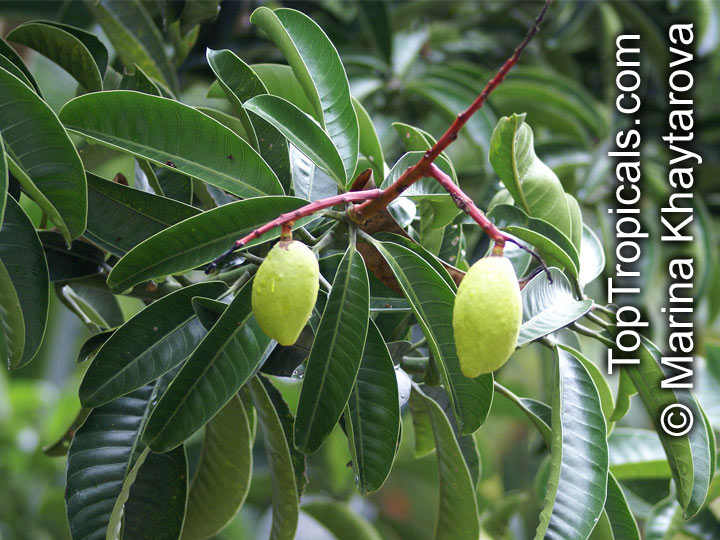
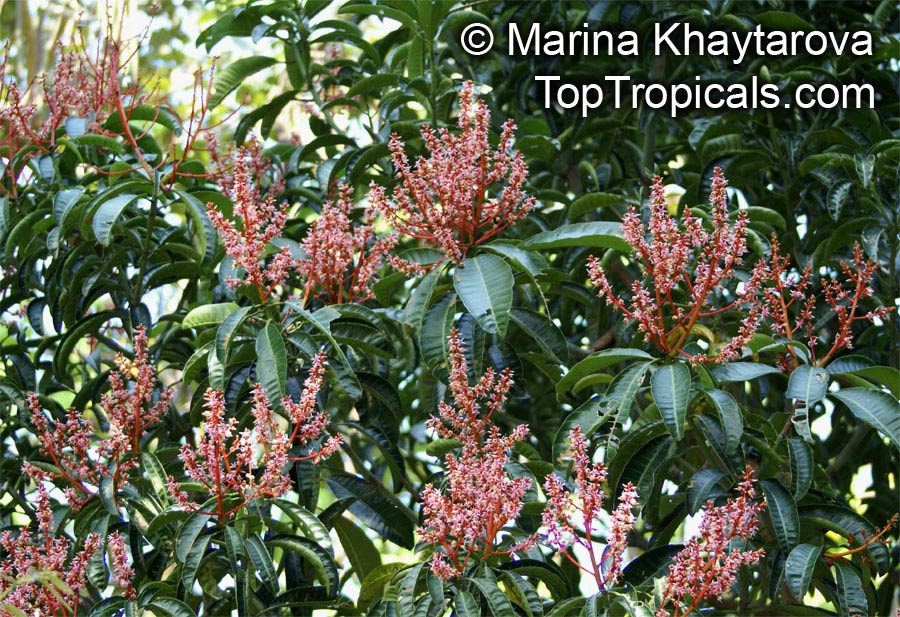
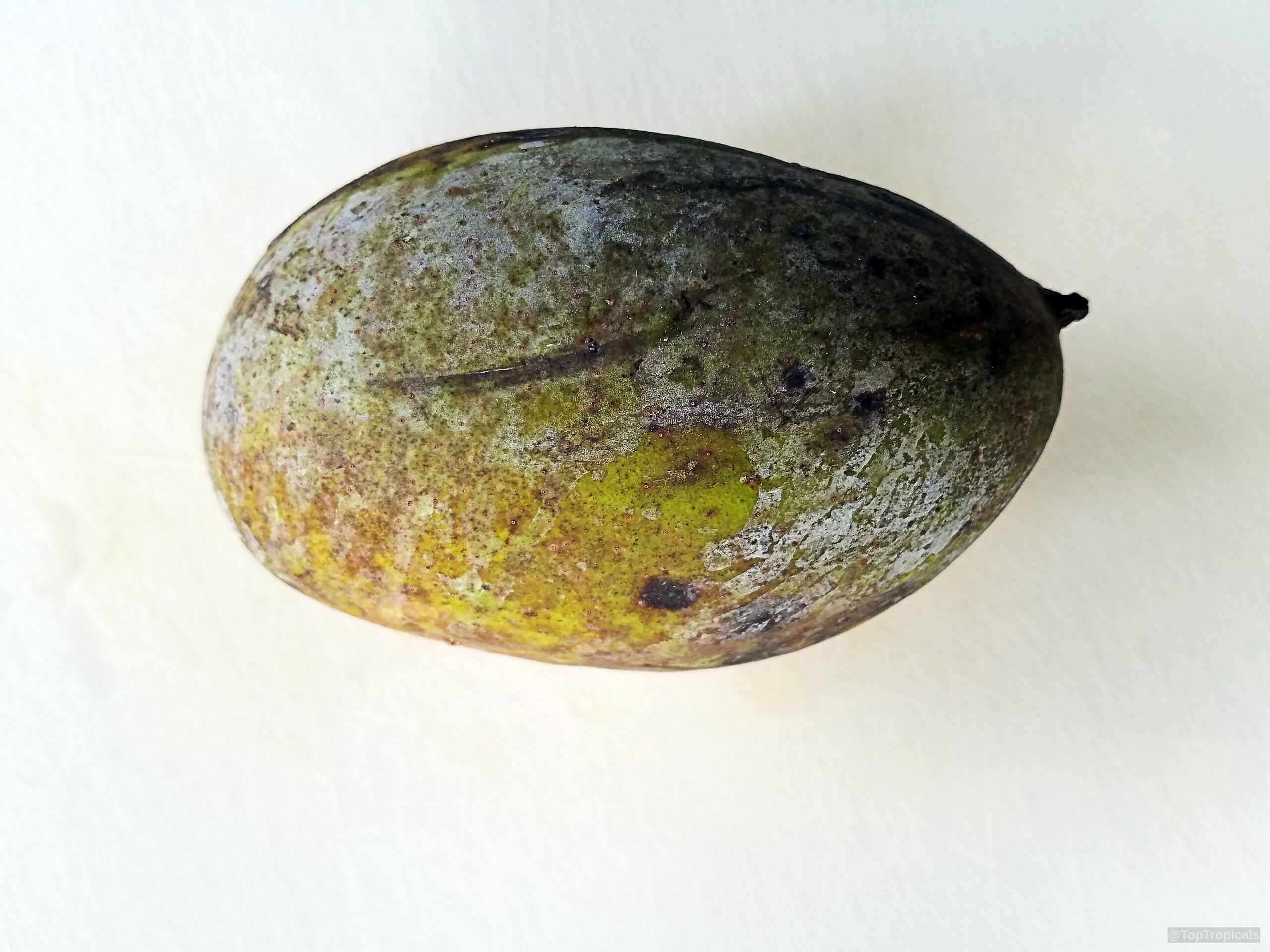
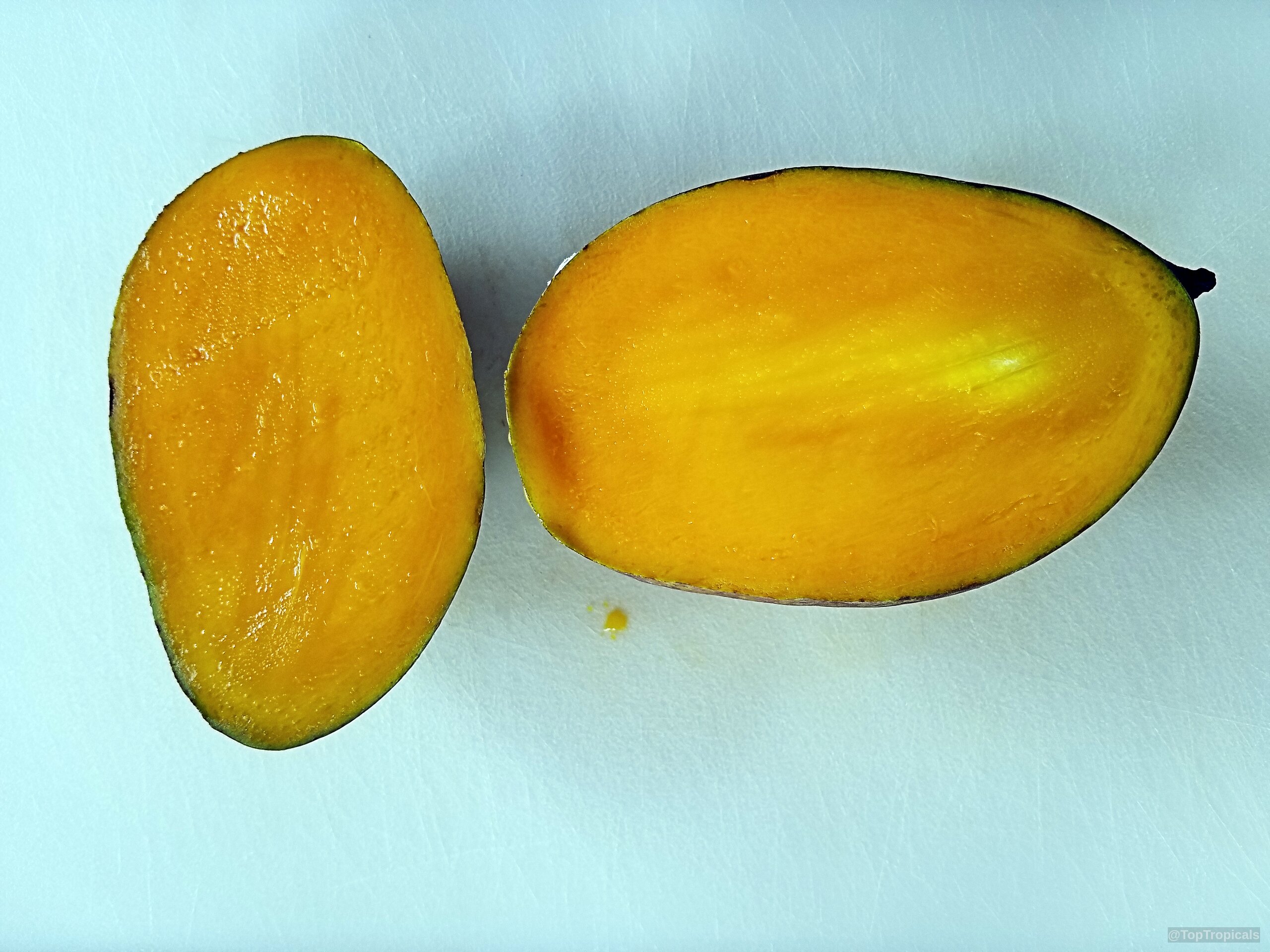
Botanical names: Mangifera foetida, Mangifera odorata, Mangifera oblongifolia
Common names: Kuwini, Horse Mango, Malmut, Limus, Machang, Bachang, Kuini
Family: Anacardiaceae
Origin: Indonesia
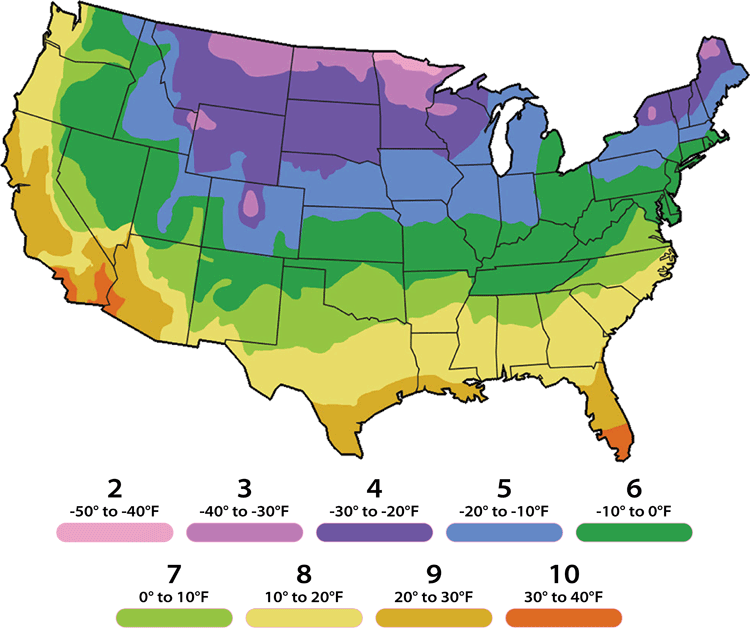
USDA Zone: 11-12


A Medium-sized tree. This tree has a very unique feature. It emits a charaecteristic fragrant smell. Even the flowers of this tree are strongly scented with the same fragrance. That is why this species has been named M. odorata. This fruit has never been found in the wild. Botanists are of the opinion that Kuwini (M. odorata) has originated as a hybrid between Mangifera indica and Mangifera foetida.
This fruit is commonly cultivated in Borneo, Sumatra and Java. It is also found in Thailand, Vietnam and Guam Islands. The Kuwini is a popular fruit, having local economic significance in areas where Mangifera indica cannot be grown satisfactorily because of excessive humidity. Kuwini can produce two crops a years in areas where two dry seasons prevail.
Fruit are much appreciated as table fruit. They must be peeled thick because of the presence of an acrid juice in the skin, which can also be reduced by steeping in diluted lime-water before eating.
The fruits are also used for making chutney and for pickles with salt. In Java a kind of flour is made of the seed kernels and used in the preparation of delicacies such as dodol (based on glutinous rice) and jenang pelok (a thick pappy preparation from Curcuma rhizomes).
Propagated by seed, only rarely by grafting.
The sap is an irritant which may inflame the lips and mouth.
Mangifera foetida fruit is very similar in appearance to the Mango. Ripe Horse Mango fruit is usually eaten fresh. Young fruits contain irritant juice and must be soaked.
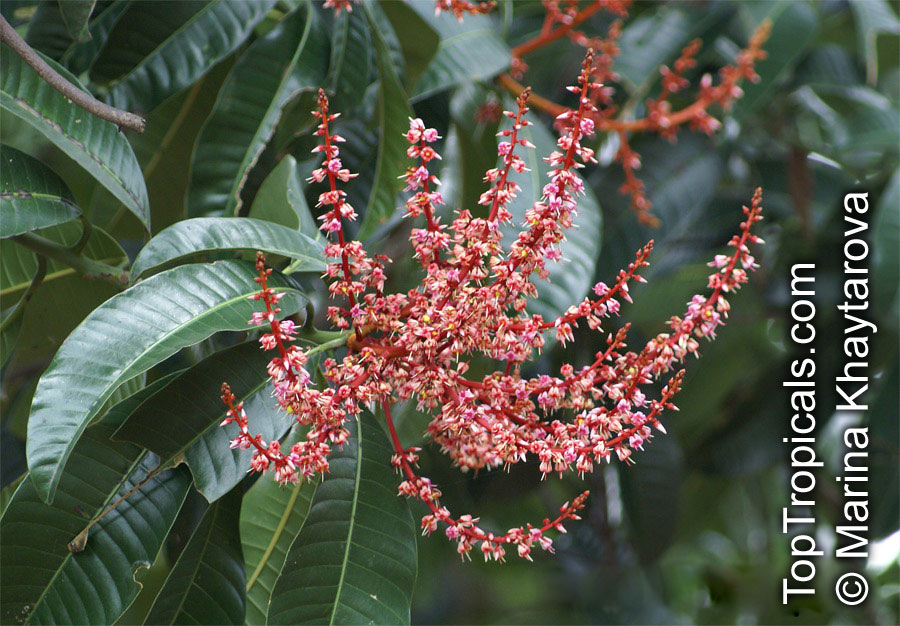
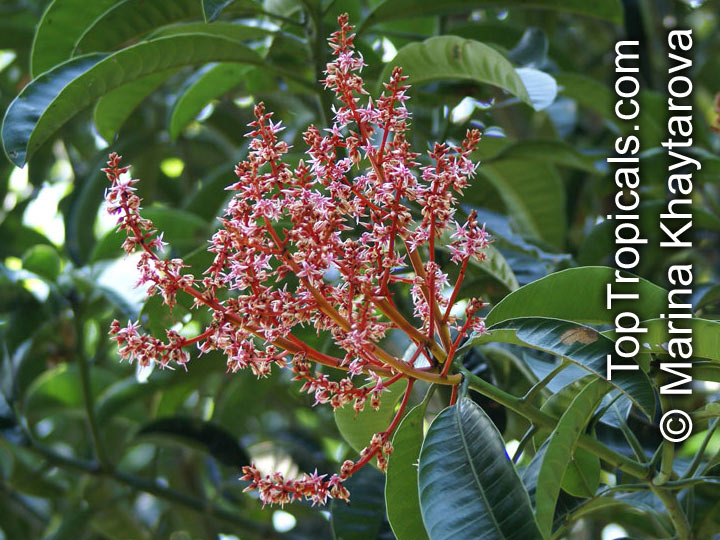

Botanical names: Strobilanthes flaccidifolius, Strobilanthes cusia
Common names: Assam Indigo, Chinese Rain Bell, Pink Strobilanthes, Vein Leaf Acanthus
Family: Acanthaceae
Origin: South Asia
USDA Zone: 9-11


Impressively statured herbaceous shrub with thickened veins and bright pink flowers. Very showy and useful plant. The leaves contain 0.4 - 1.3% indican, which can be hydrolyzed and oxidized to produce the classic Blue Indigo Dye. A dark Blue dye is obtained from the twigs. It is combined with Turmeric (Curcuma longa) to make Green, and with Safflower (Carthamus tinctorius) to make Purple. The source of famous dye Assam Indigo, it was formerly cultivated on quite a large scale as a dye plant in China and India. Fresh juice from the leaves is used on Okinawa Island, Japan as a popular remedy for athlete's foot.
See Article about this plant: Strobilanthes, Chinese Rain Bell - a source of Blue, Green, and Purple.


| Prev |
Use link to repeat this search:
https://toptropicals.com/cgi-bin/garden_catalog/cat.cgi?find=curcuma&search_op=and&keyword_op=and&language=e&number=10
&no_change_lang=1&user=tt&sale=1&first=0