Water, lily - Plant Encyclopedia Results (Page 5)
| Number of plants found: 59 |  | Prev | Next | 
|
Go to page: | 1 | 2 | 3 | 4 | 5 | 6 |

Botanical names: Hypoxis hemerocallidea, Hypoxis rooperii
Common names: Yellow Stars, Star Lily, African Potato
Family: Hypoxidaceae
Origin: South Africa

USDA Zone: 9-10


Hypoxis hemerocallidea (Yellow Stars) is a small perennial plant growing to 2-5 ft tall. It is found in the wild throughout South Africa and grows in a variety of conditions. It is a sun-loving plant, thriving in full sun and requires moderate water. Given the right conditions it will produce beautiful yellow to orange funnel-shaped flowers that bloom from summer through to autumn. Its ethnomedical uses range from an expectorant, antiseptic and diuretic, to an anti-inflammatory, and even a treatment for poor vision.
When growing Hypoxis hemerocallidea in a pot, the pot should be left outdoors to receive full sun, but in cold regions needs to be brought inside when the temperature drops to freezing. Soil should be kept moist but well-drained. The plant should be fed every other week with a balanced fertilizer and pruned in the late winter when the plant is not in bloom.
Overall, Hypoxis hemerocallidea is a hardy and rewarding plant to grow if given care and the correct conditions. When in full bloom its magical sight and its many ethnomedical uses have made it a popular plant for many.


Botanical name: Kaempferia galanga
Common names: Sand Ginger, Aromatic Ginger, Resurrection Lily
Family: Zingiberaceae
Origin: Tropical Asia
USDA Zone: 8a-11


Native to tropical Asia, this small shrub grows up to 2-5 ft and is known for its fragrant pink or white flowers.
Kaempferia galanga is an ethnomedical plant found in many regions of Southeast Asia, used for its nutritional and medicinal properties. The sand ginger shrub prefers to thrive in warm, moist climates, in regions such as USDA Zones 8 to 11. This plant enjoys partial to full shade, so it is not recommended for full-sun locations. When supplying light to the shrub, it is best to provide it with bright indirect sunlight. For growing Kaempferia galanga in colder regions, it is suggested to keep it as a houseplant in a pot that can be moved indoors and placed in front of a window. Moderately moist soil will keep the plant growing and blooming well. Water the plant when the top inch of the soil feels dry; during dry periods, increase waterings to keep the soil moist.
In terms of feeding, this plant benefits from occasional feeding with a balanced, water-soluble fertilizer. When applying fertilizer, dilute the solution with at least half the recommended amount and apply it every 2-4 weeks during the summer. During the winter, reduce feedings or stop them altogether. As far as temperature is concerned, it is best to keep the plant in temperatures between 65-85F (18-29C). Use of a humidity tray and misting around the plants can help in providing the necessary moisture for the Kaempferia galanga.
The sand ginger shrub is a delightful addition to any garden, and it can be a useful herb for cooking and medicinal purposes. With proper care, this beautiful plant will blossom in any garden, providing lovely pink and white blooms that will fill your garden with a sweet fragrance.


Botanical name: Kniphofia sp.
Common names: Red Hot Poker, Torch Lily
Family: Asphodelaceae (Formerly:Xanthorrhoeaceae)
Subfamily: Asphodeloideae
Origin: Madagascar and Tropical South Africa.
USDA Zone: 6-8


Kniphofia sp. (Red Hot Poker) produces showy flower spikes in tones of red, crimson and vinous, and also yellow and orange. The spikes are held on sturdy stems that arise from a small, clump-forming shrub typically growing between 2 and 5 feet tall. The evergreen foliage presents an attractive background and contrast to the attractive blooms. Plant in an area of full sun or semi-shade and water moderately during the active growing season. Red Hot Poker is moderately cold hardy, but can sometimes survive to at least the 30s F for a short time when planted in the ground or in a pot. Grown in USDA Zone 9-11, Red Hot Poker is an excellent choice for a garden in areas with warmer climates.
To care for your plant in a pot in cold regions, move it indoors during the winter and make sure soil remains moist. During the summer, place it out of direct sun in a location with temperatures between 60-65F. A monthly feed with a general purpose fertilizer during the growing season is beneficial.


Botanical names: Ledebouria socialis, Scilla socialis, Scilla violacea
Common names: Leopard Lily, Silver Squill, Violet Squill
Family: Asparagaceae (Formerly:Hyacinthaceae / Liliaceae)
Subfamily: Scilloideae
Origin: South Africa
USDA Zone: 9-10


Ledebouria socialis is an evergreen small shrub that typically grows to heights of 2-5 ft (60-150 cm). Its unusual foliage makes it a popular choice in gardens, and it adds an interesting look when used both in gardens and in pots. The plant's distinctive color and texture come from its mottled leaves, with wavy yellow-green stripes that are encircled by dark green spots, giving the leaves an almost leopard-skin pattern. In the winter, the plant's foliage can sometimes take on a deep maroon hue. It also produces small, bell-shaped flowers in the summertime, but these are not particularly showy.
Ledebouria socialis is an excellent choice for gardens that experience temperatures close to freezing, as well as for growing in colder regions as a potted specimen. Plant it in a partially-shaded location, preferably a semi-shady spot, and make sure to avoid direct sunlight. When caring for a potted plant in a cold region, it is essential to provide a frost-free environment. Avoid leaving the pot out in the cold to prevent the soil from freezing. In addition to providing adequate light, provide moderate amounts of water, allowing the soil to dry out slightly between waterings. The soil should never be overly wet, especially in cold climates where it could freeze and severely damage the roots. Plant in well-draining soil, and provide a layer of mulch around the base of the plant to prevent freezing. With the right conditions, Ledebouria socialis will reward you with its unusual color and ornamental foliage.


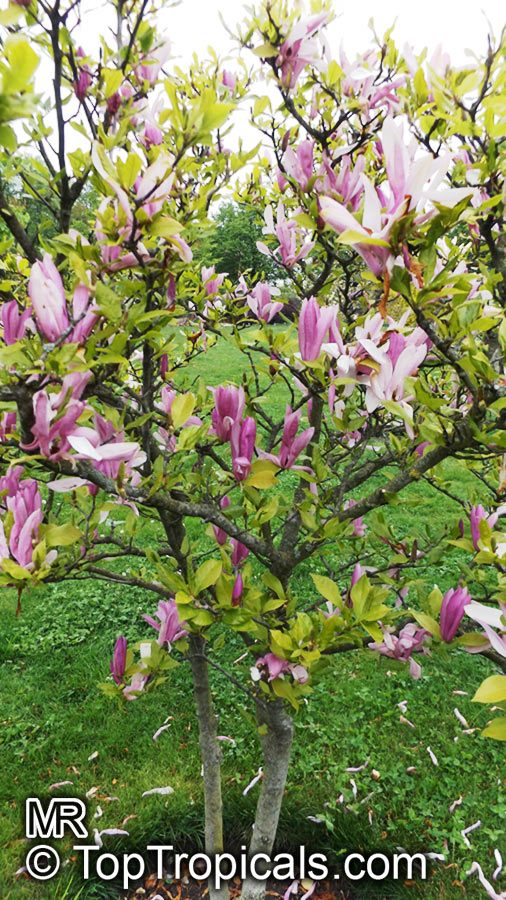
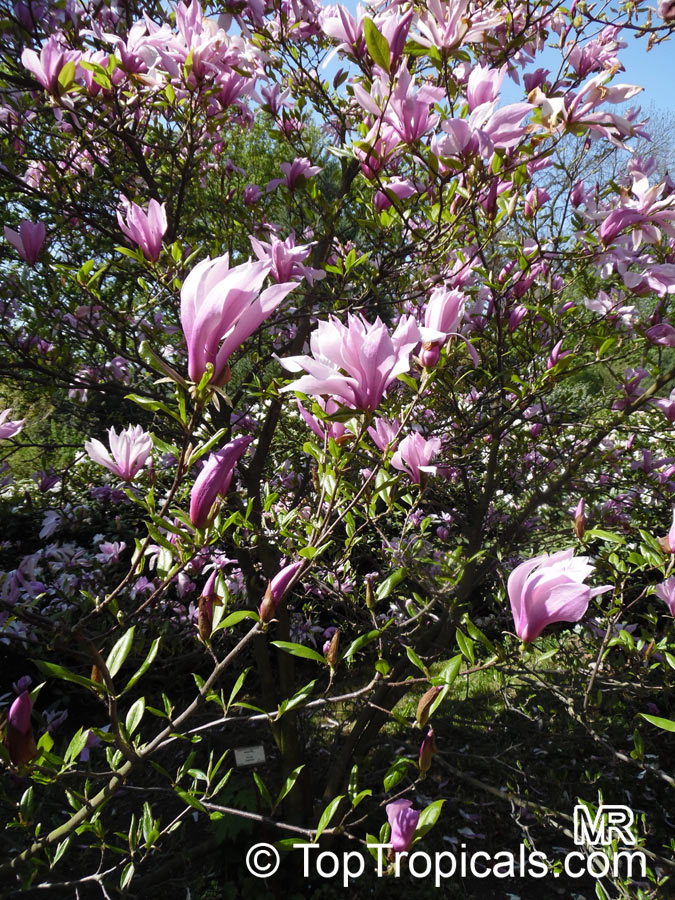
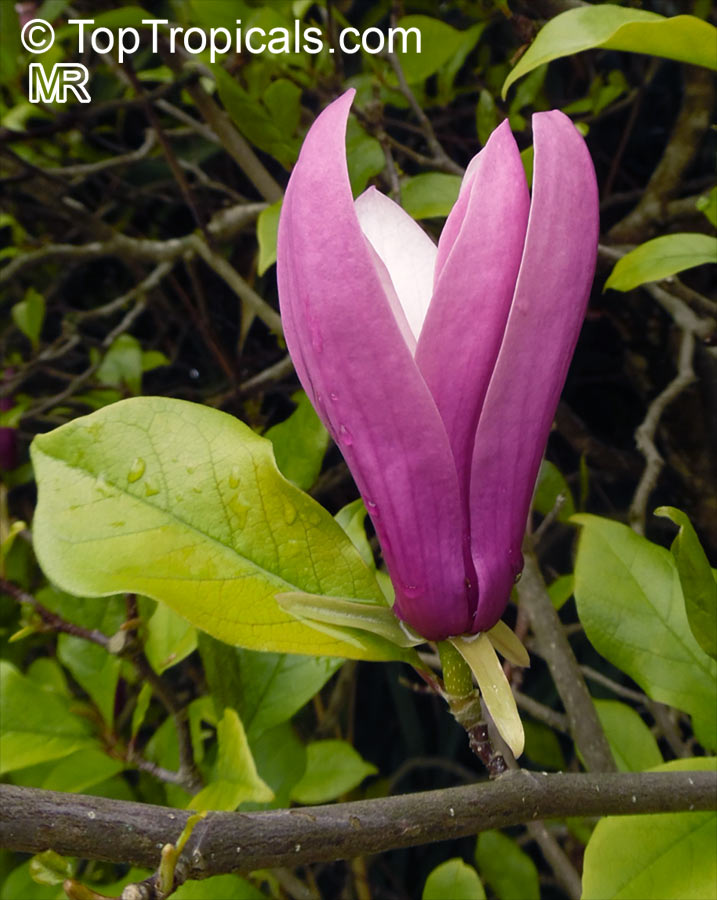
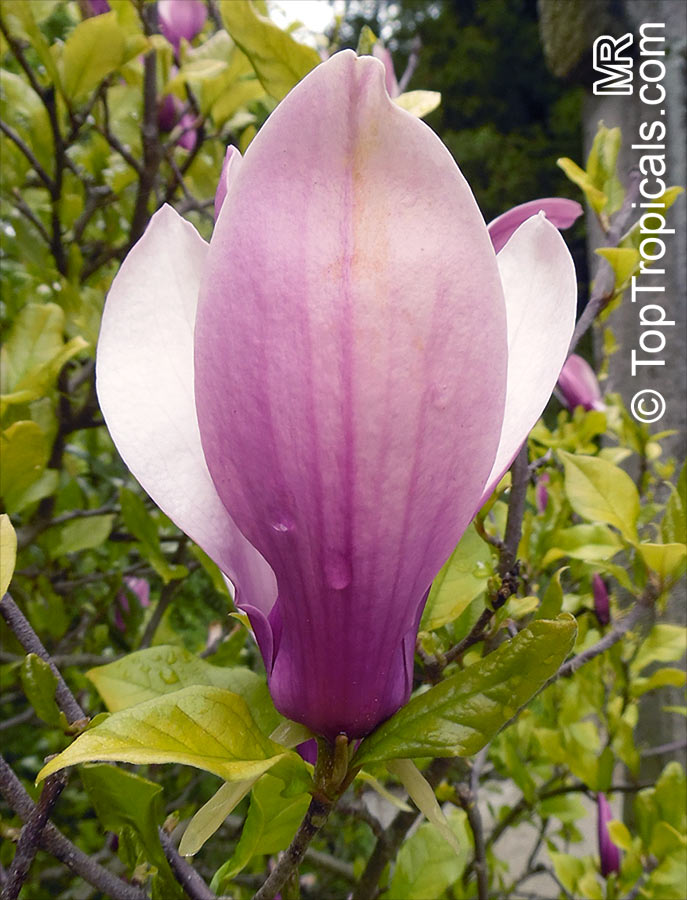
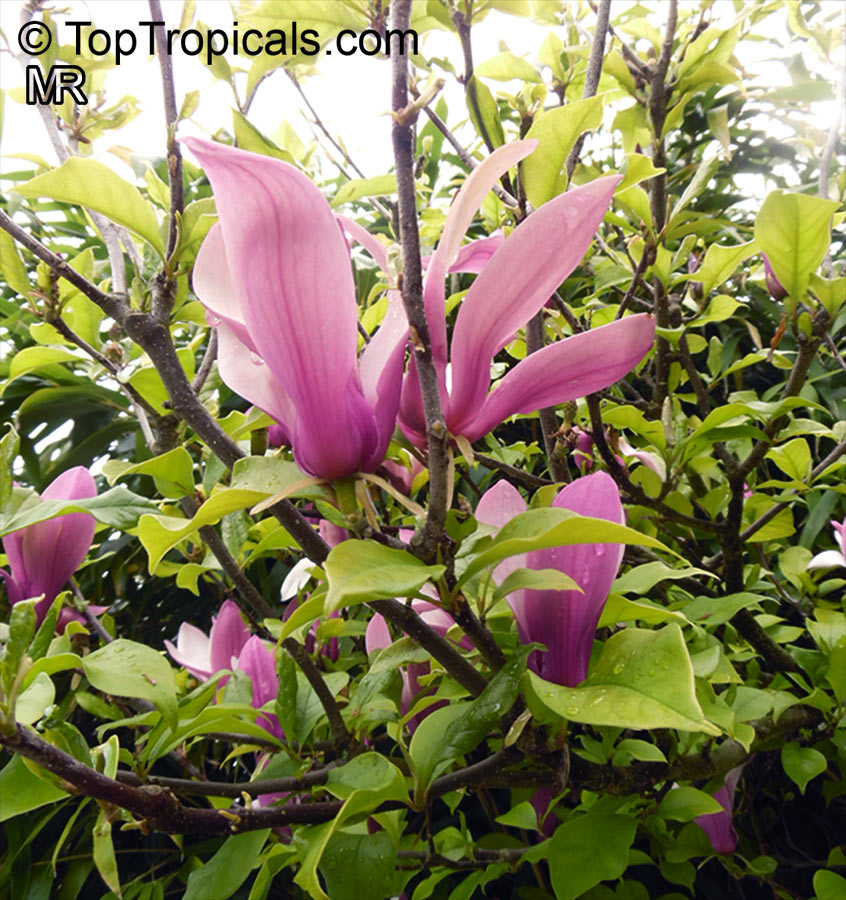
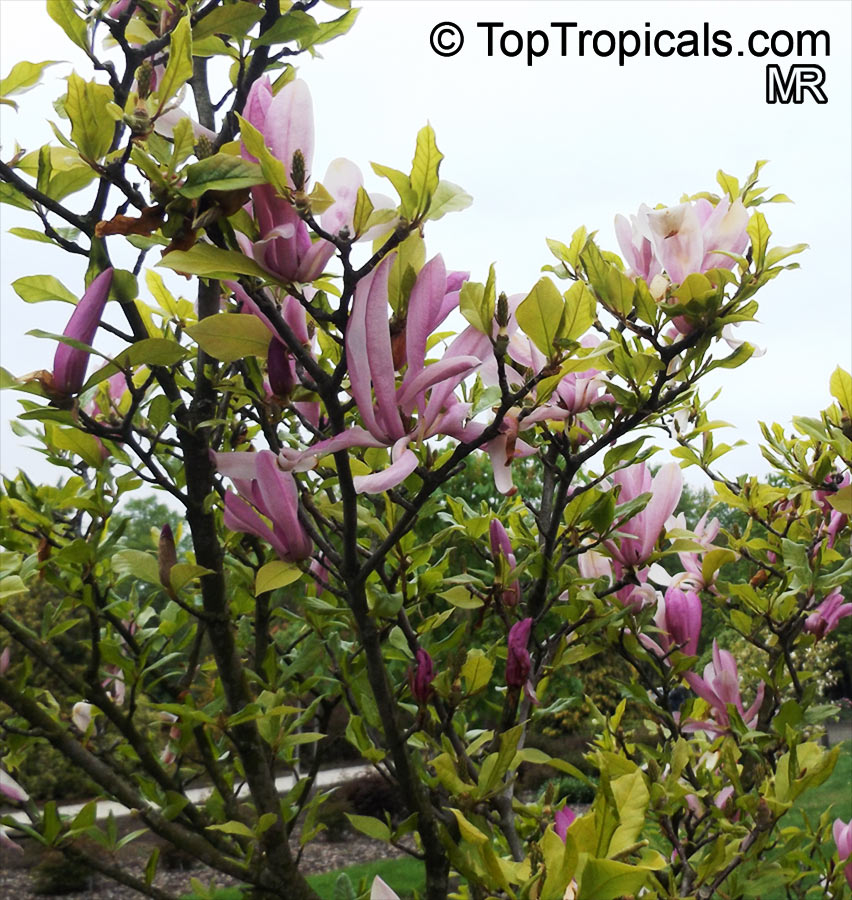
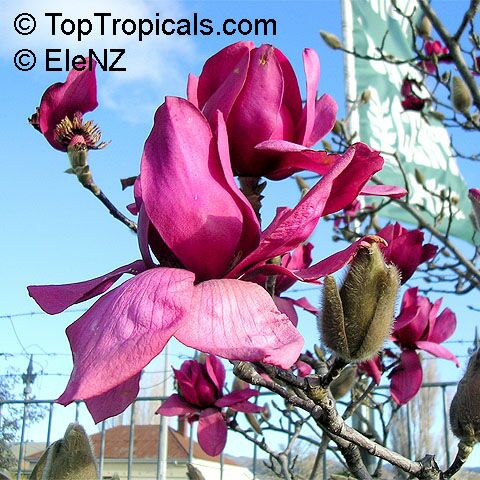
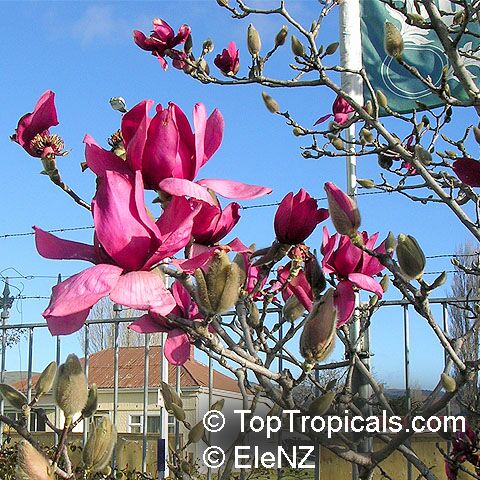
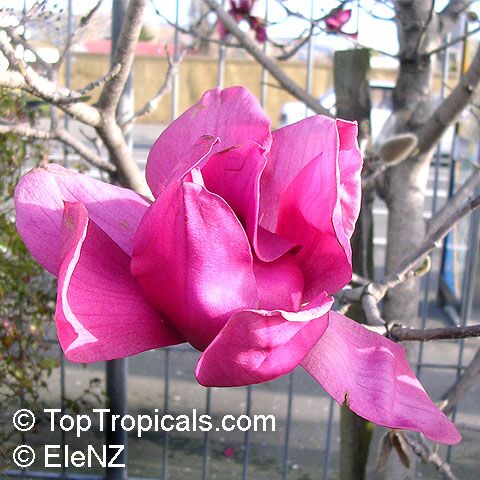
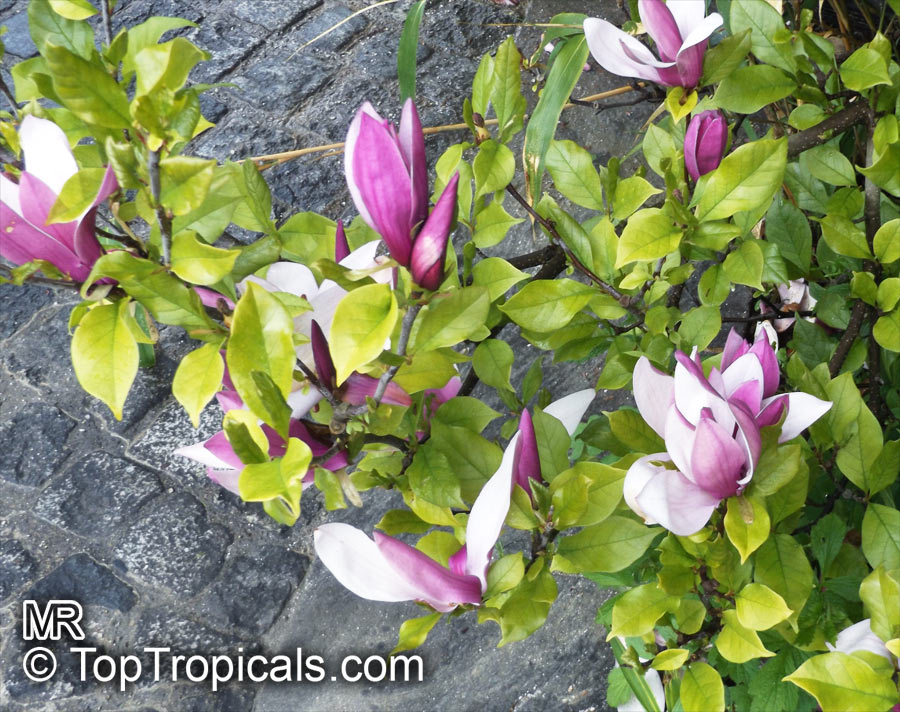
Botanical name: Magnolia liliiflora
Common names: Mulan Magnolia, Purple Magnolia, Red Magnolia, Lily Magnolia, Tulip Magnolia, Jane Magnolia
Family: Magnoliaceae
Origin: Southwest China
USDA Zone: 5-9
Cold tolerance: -10°F


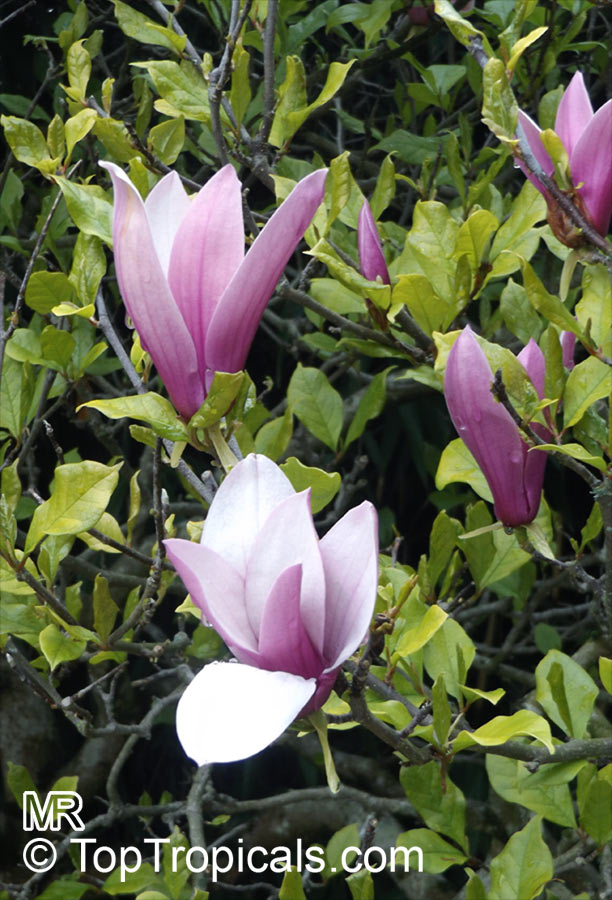
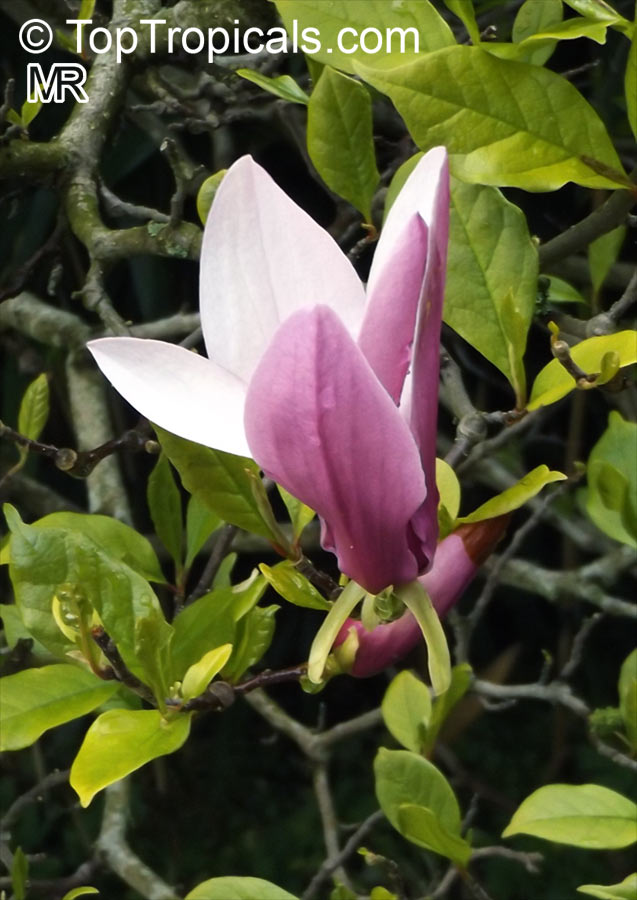
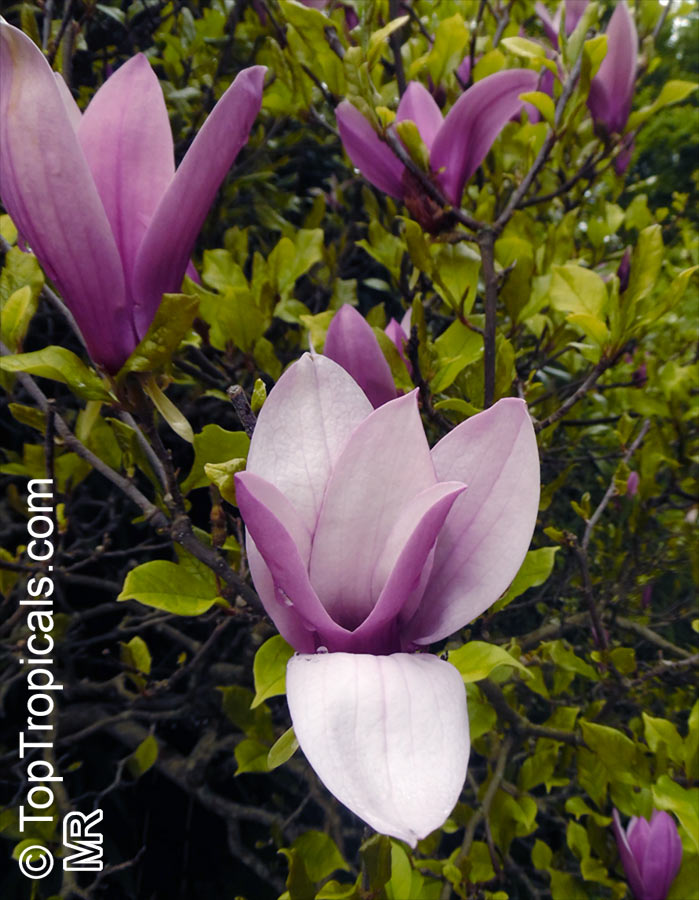
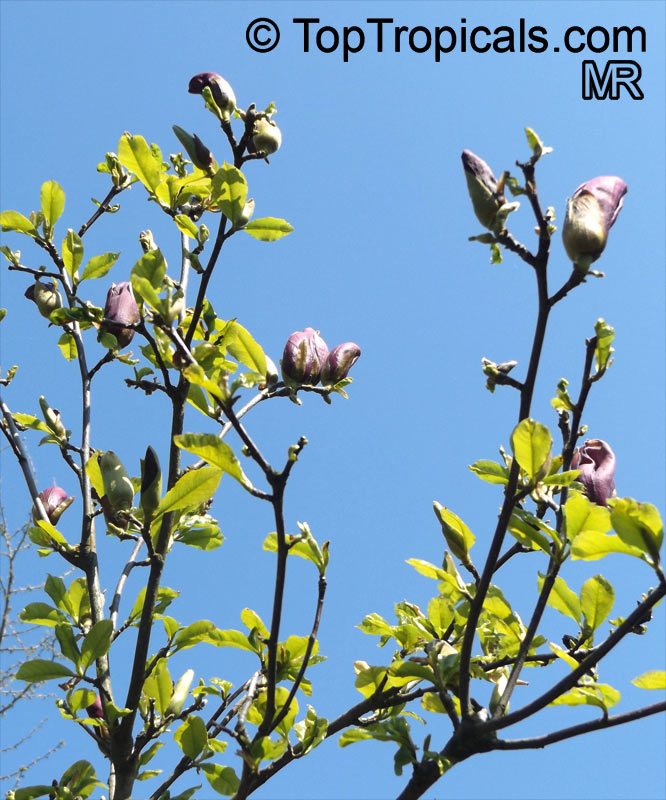
Native to Southwest China, this magnolia species is extremely attractive in both flower, and form, with simple, deep green foliage. As a mature plant, it is cold hardy in USDA Zones 5-9. In optimal cultivation, Magnolia liliiflora can take the form of a large shrub, 5-10 feet tall, or a small tree, 10-20 feet tall. and blooms profusely in early spring with large pink to purple showy flowers, before the leaf buds open.
This plant requires full sun to thrive and needs regular to moderate water. It prefers moist, well-drained soil, but will tolerate dryer conditions once established. During its growing season, mulch can help keep the roots cool and avoid moisture loss due to evaporation.
In colder regions, it is recommended to grow Magnolia liliiflora in pot and brought indoors during colder months.

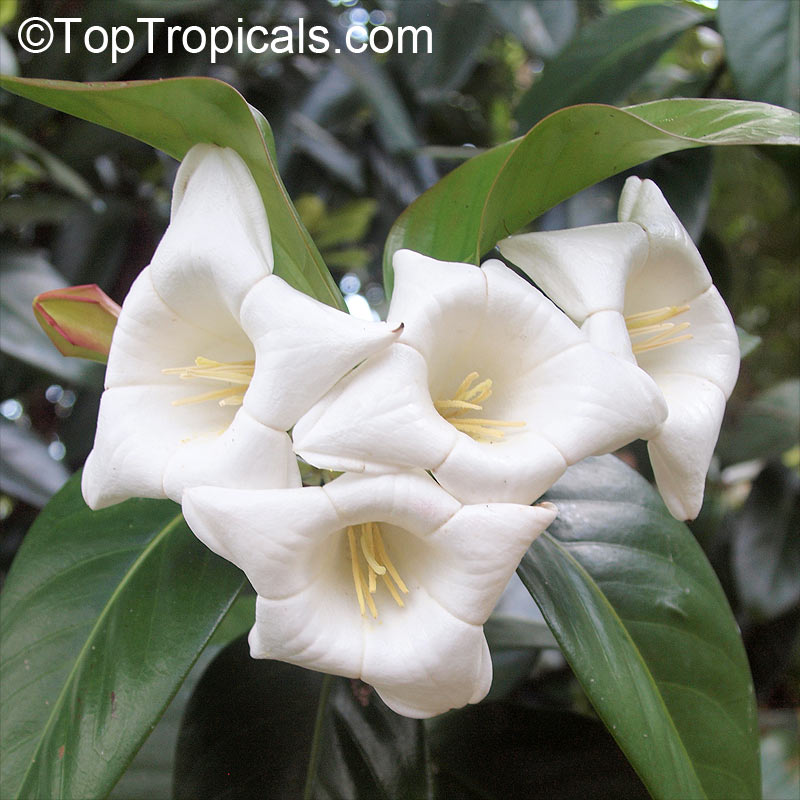
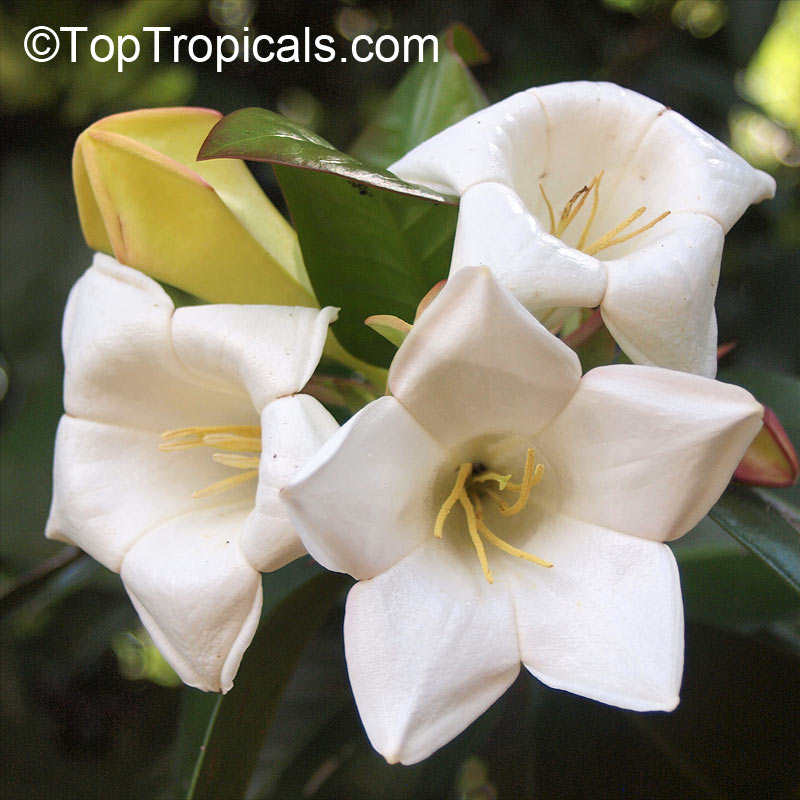
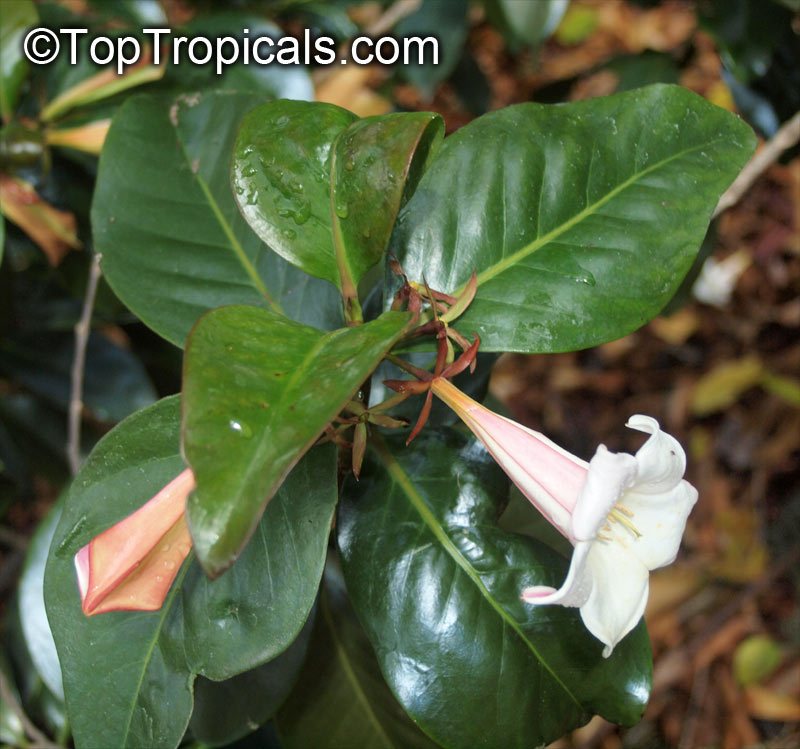
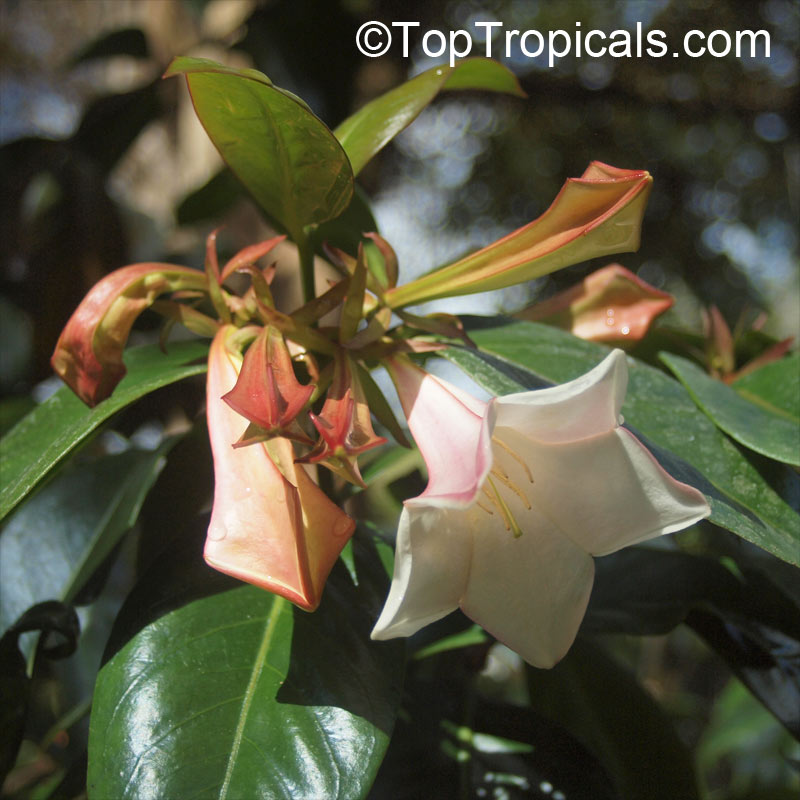
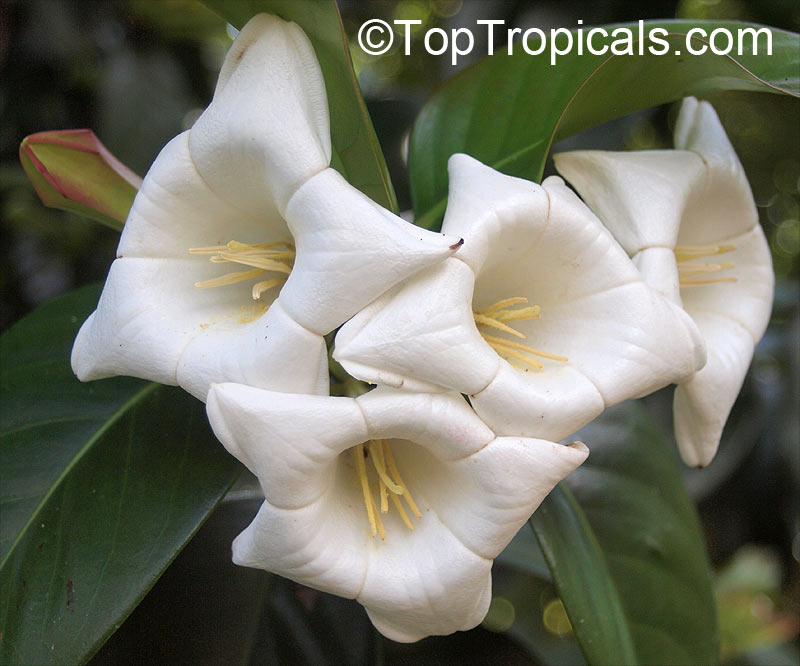
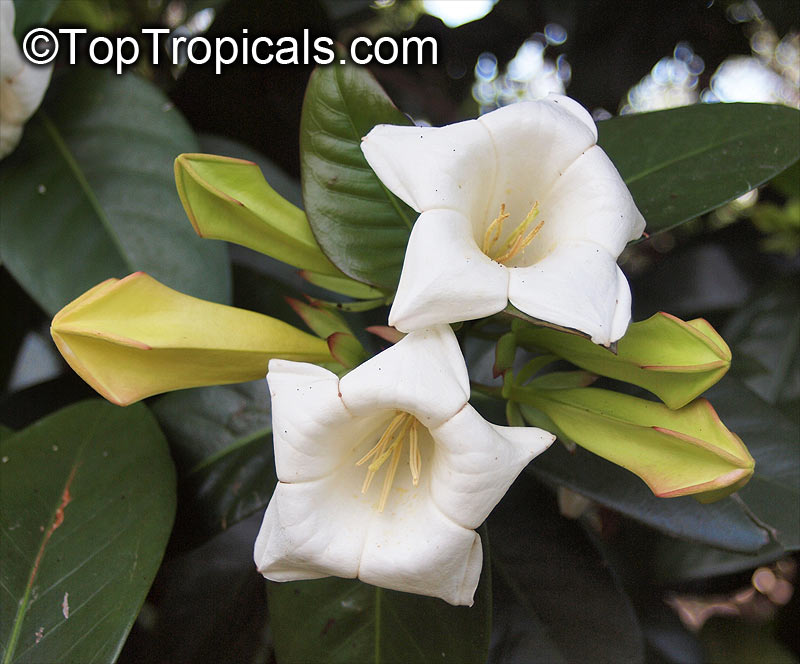
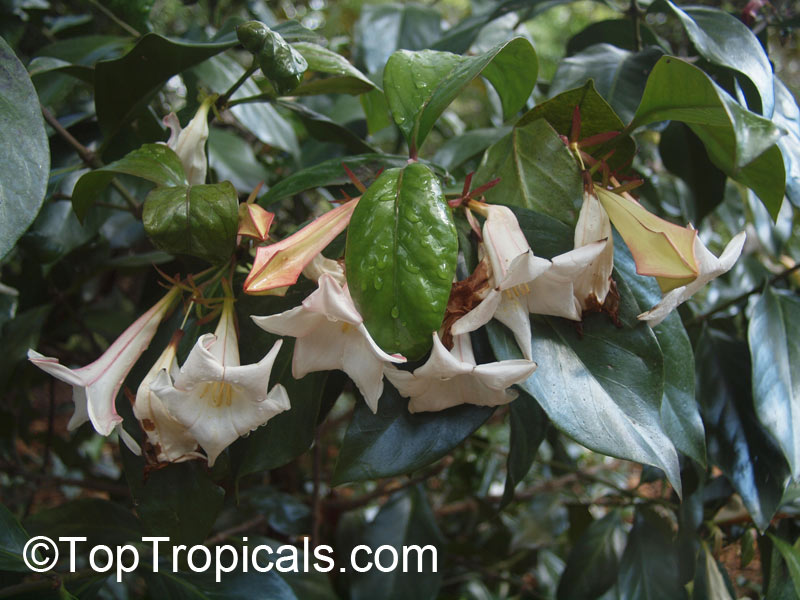
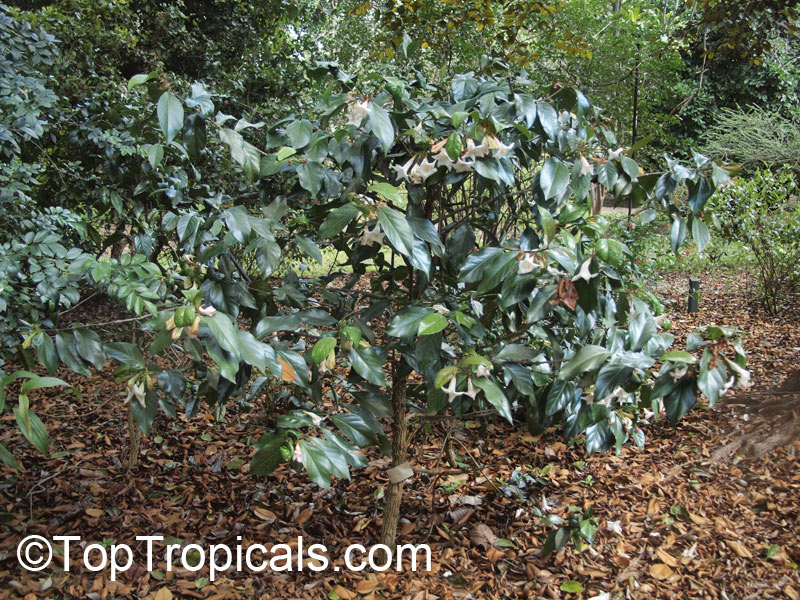
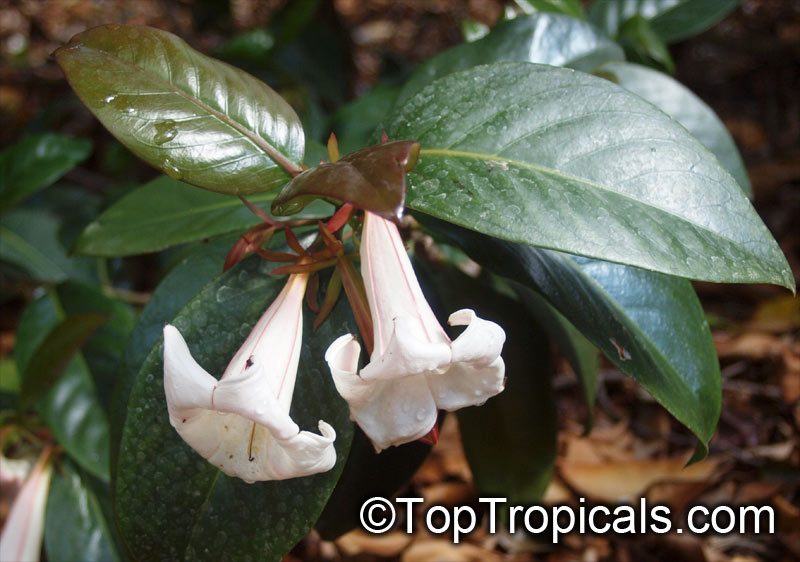
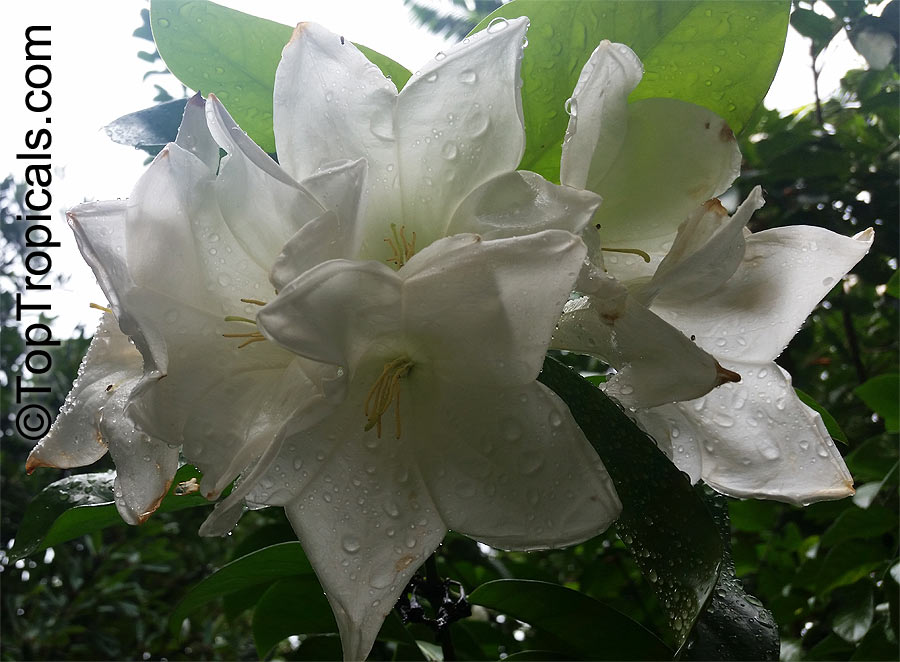
Botanical name: Portlandia albiflora
Common names: White Horse Flower, Tree Lily
Family: Rubiaceae
Origin: Jamaica
USDA Zone: 9-10

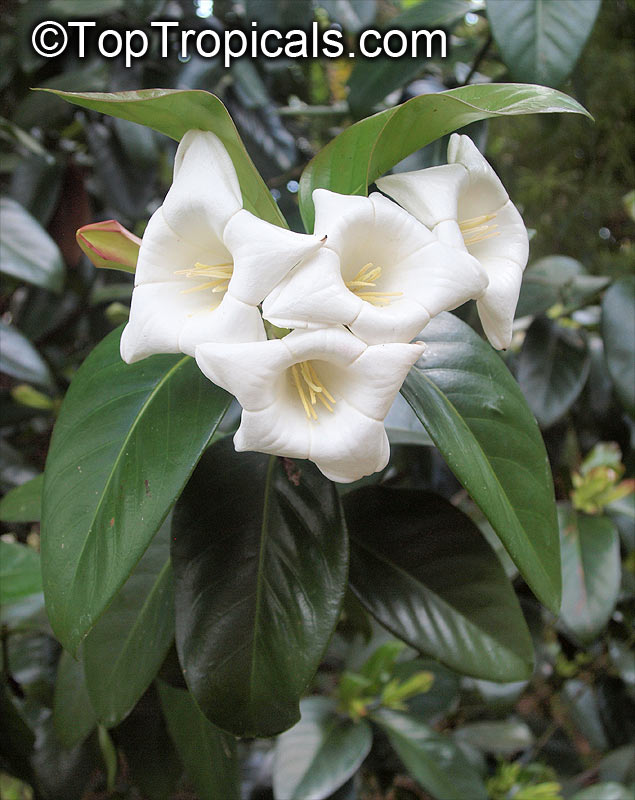
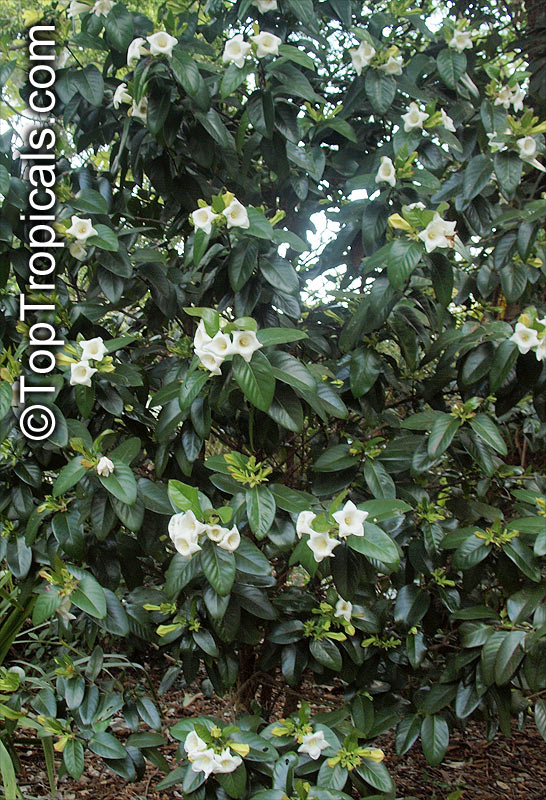
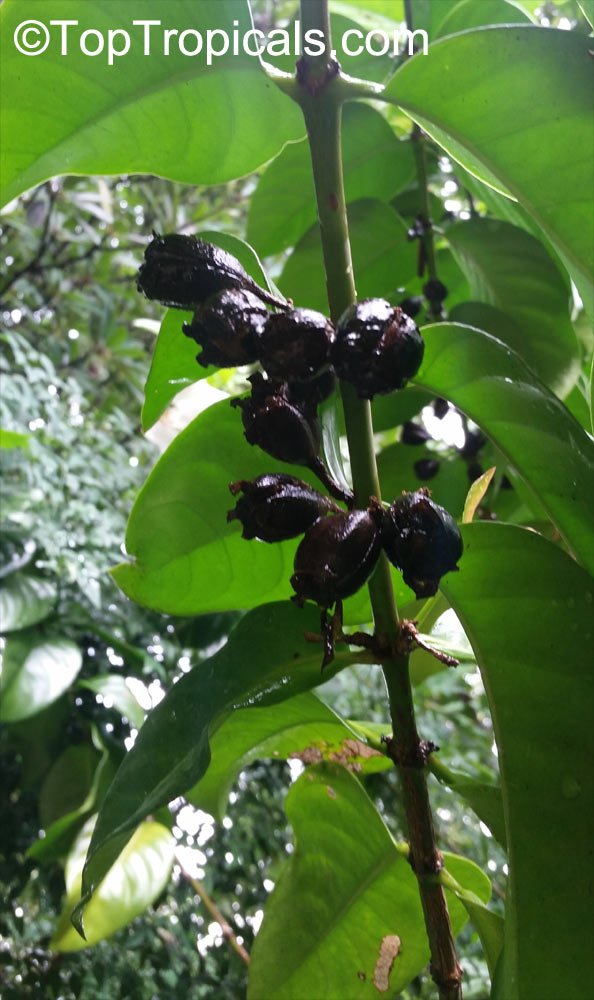
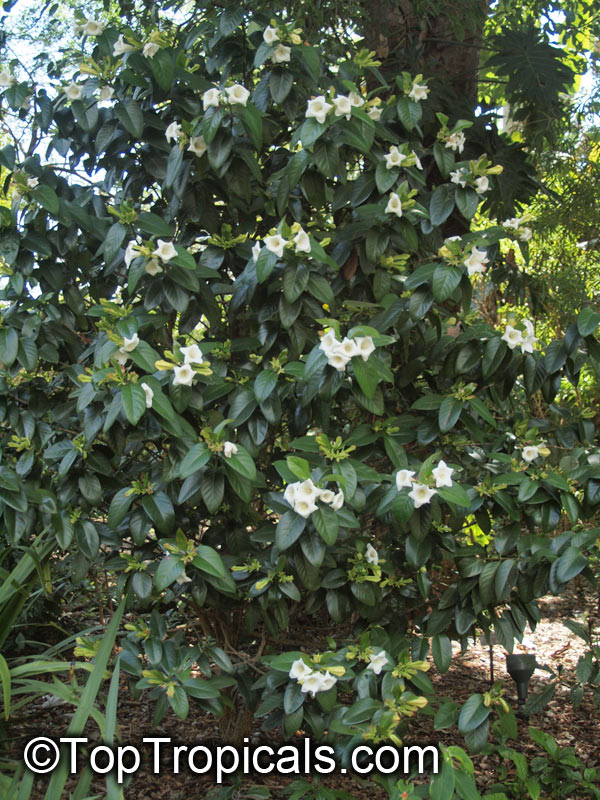
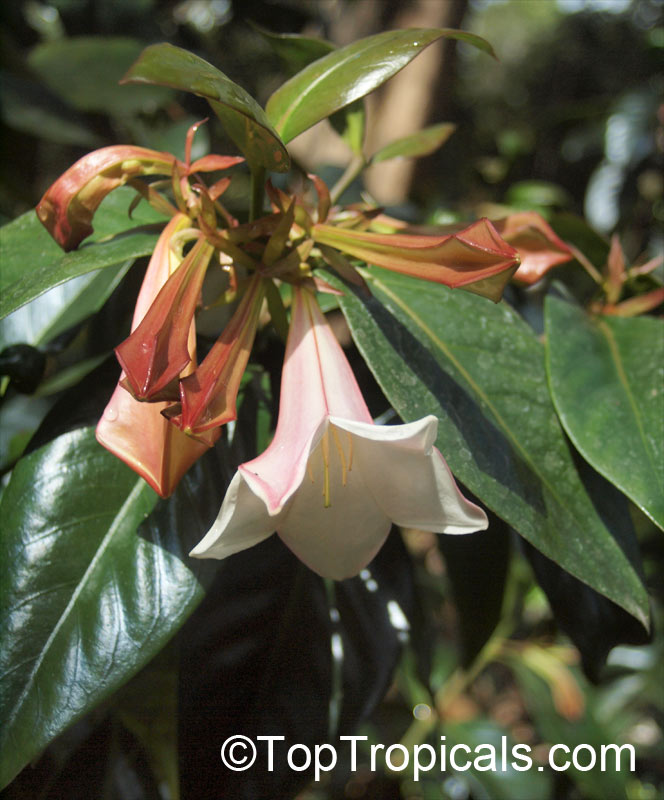
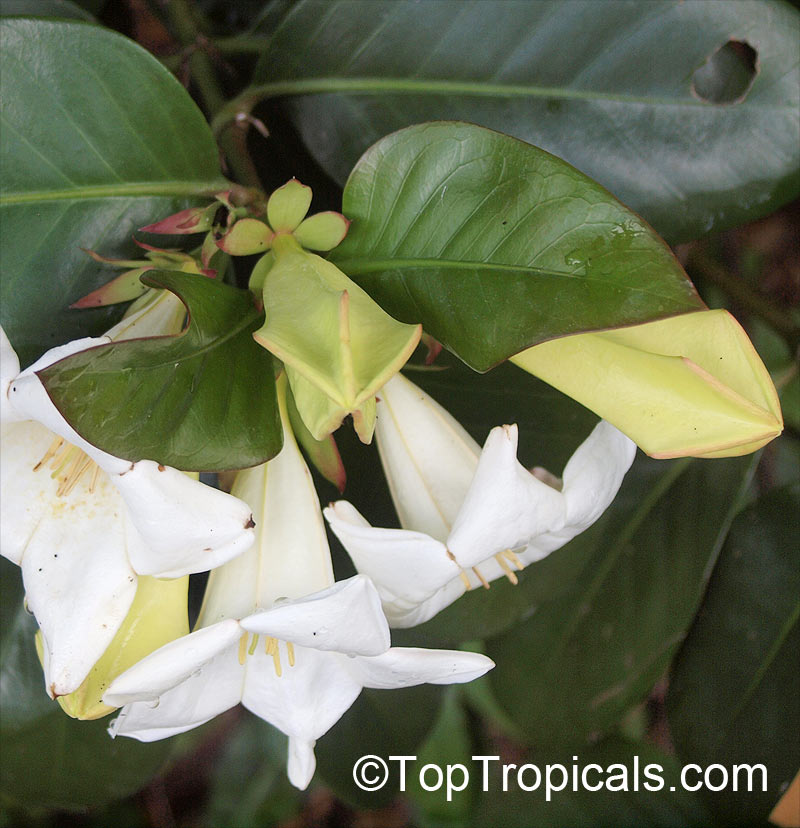
Portlandia albiflora is a large shrub of up to 5-10 feet tall, it is native to Jamaica and can be grown in USDA zones 9-11. It can flourish in full sun or semi-shade, that means it is not necessary to provide full sun in hot regions.
Regular watering is essential for it to grow at an optimal rate and prevent potential problems like mildew caused by dryness. The white, off-white flowers give that Caribbean vibe to a garden, being highly fragrant and attractive to butterflies and hummingbirds, adding an extra bit of beauty.
The Portlandia albiflora is easy to grow in pots, even in cold regions. Indoors the pot should be placed in a bright daylight spot out of direct sunlight. Water when the soil is dry to keep the soil humid, fertilizer is not necessary since it is a slow grower. Use a well-drained soil and consider using a soil additives like perlite or peat, this helps to maintain the right levels of dampness.
Outdoors it should have full or semi-shade, avoid planting it directly in full sun, this tree needs regular watering while it establishes itself, when firmly rooted weekly watering will suffice. Mulch around the plant can be used to keep the soil moist and help retain heat. If in a cold region during the winter, use a blanket to protect the roots from frost.
Overall, Portlandia albiflora is an eye-catching, fragrant but slow-growing tree native to Jamaica. It needs regular water, fertilizer is not necessary, can live in full sun or semi-shade and needs protection in cold regions. It gives that Caribbean vibe to any garden, attracting butterflies and hummingbirds with its white, off-white flowers. Show it love and it will give you beauty and a bit of Jamaica in return.
Botanical names: Sauromatum venosum, Typhonium venosum, Arum venosum
Common name: Voodoo Lily
Family: Araceae
Origin: Himalayas
USDA Zone: 8-10

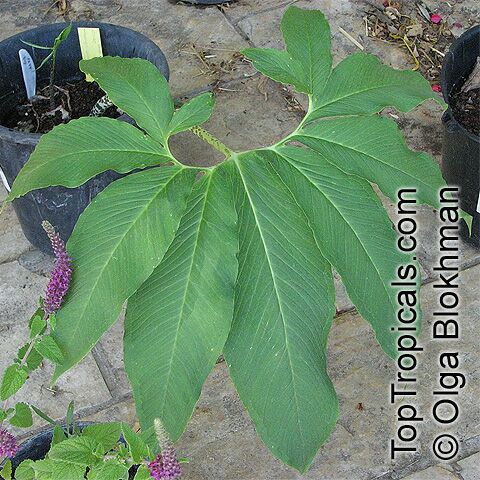
The Sauromatum venosum, also known as the Voodoo Bulb, is a shade-loving house or garden plant native to temperate and tropical regions of Asia. This tuberous perennial is characterized by its solitary, segmented round leaf and peculiar, arum-like flower. The plant grows from an underground corm, which can produce multiple new corms in a large specimen.
The Sauromatum venosum is particularly known for its ability to bloom from a corm without soil and water, which has earned it the name "Voodoo Bulb." Its inflorescences emerge before the leaves, displaying a purplish-brown-spotted, yellowish spathe and a purplish-brown spadix. These inflorescences emit a strong odor that is often compared to cow manure, rotting flesh, or a dirty wet dog. The scent, which lasts for about two days, attracts carrion-feeding insects that help pollinate the plant.
Following the blooming of the flower, the leaf of the Sauromatum venosum appears and develops over several months. The leaf is glossy, silver-green, segmented, softly hairy, and fan-shaped, with a dark mid-vein. It measures about 2-5 feet in diameter and 2-4 feet in height. In mature plants, the side leaflets bend downwards, creating a cup shape that conceals the center of the flower spike. The leaves die back and enter dormancy during winter colder months.
To cultivate Sauromatum venosum, plant the corm with the low-side down and the pointed side up in moist, well-drained soil in semi-shade. The plant prefers warmth and ample moisture. While it may not withstand extreme cold, it can be grown in colder regions if the corm is brought indoors during cold spells . In warmer climates, Sauromatum venosum can be grown in pots with a well-draining soil mix, requiring regular watering and feeding with a balanced fertilizer to ensure optimal growth.
Sauromatum venosum is a relatively low-maintenance houseplant, provided proper growing conditions. This fast-growing bulb requires minimal care and forms an unusual clump over time. Its unique blooms contrast nicely with the deep green foliage, making it an attractive addition to gardens and patios. The plant can be grown as a specimen in containers or borders in temperate climates, with mature plants being cold hardy down to the 30s Fahrenheit for short periods.
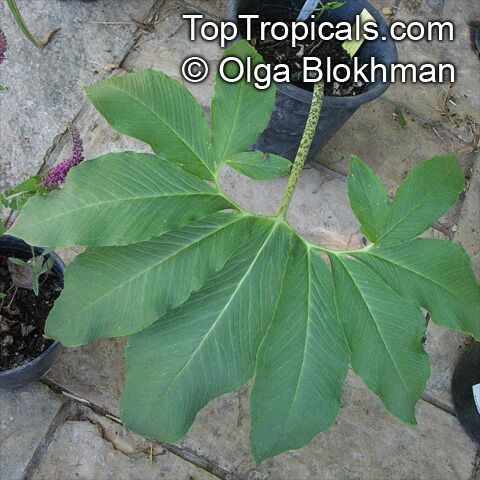
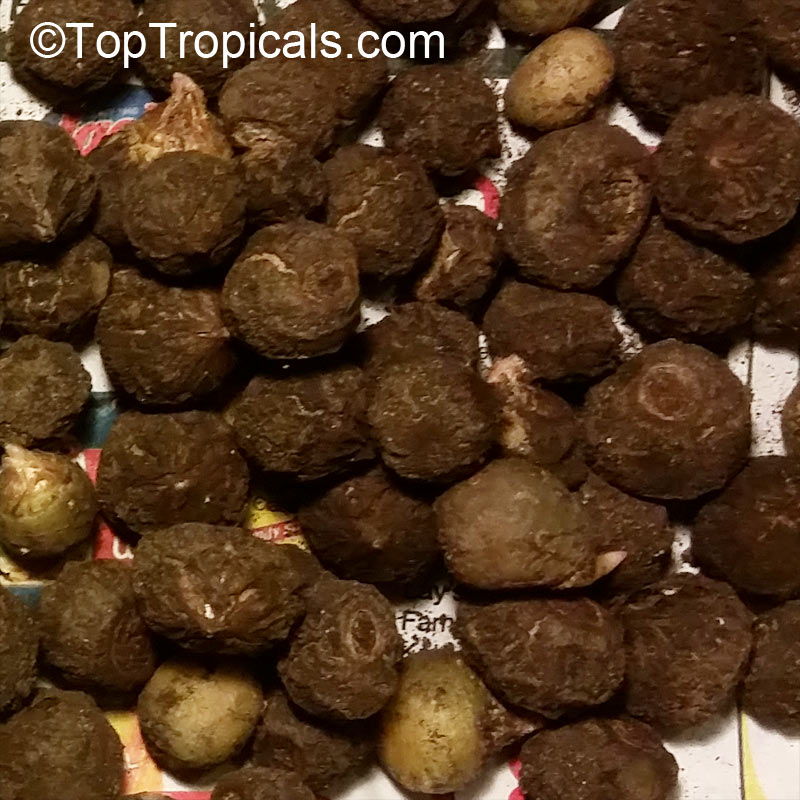
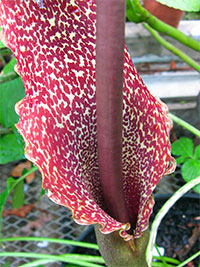
It grows to around 20 inches tall from an underground corm. A large T. venosum corm can spawn multiple new corms. Inflorescences emerge before their leaves. This plant is also known as the Voodoo Bulb because of its ability to flower from a corm without soil and water. An inflorescence has a purplish-brown-spotted, yellowish spathe and a purplish-brown spadix which emit a strong odor perceived as similar to cow manure, rotting flesh, or a dirty wet dog, depending on who smells the inflorescence. The odor lasts about 2 days, and attracts carrion-feeding insects which can pollinate this plant.
This plant is dormant from Fall through Winter, shipped as tuber, keep on dry side until it grows back its leaves in Spring.
Recommended Fertilizer: SUNSHINE Robusta - Rapid Growth Booster

Botanical name: Scadoxus puniceus
Common name: Paintbrush Lily
Family: Amaryllidaceae (Formerly:Amaryllidaceae / Liliaceae)
Subfamily: Amaryllidoideae
Origin: South Africa
USDA Zone: 9-10

Scadoxus puniceus is a small shrub that originates from South Africa and can grow to between 2 and 5 feet tall. It prefers semi-shade and regular watering but can tolerate moderate water. The most eye-catching feature of this plant is its deep red to crimson, vinous flowers, which usually bloom from the middle of summer to early fall.
The plant is ethnomedical due to its powerful anti-inflammatory, anti-bacterial and anti-fungal properties, making it especially popular for healing all types of skin issues. It is also an attractive addition to any garden due to its vibrant blossoms. The cheery flowers will attract a variety of butterflies and hummingbirds to your garden.
Grown in USDA Zone 9-11, Scadoxus puniceus is also quite easy to care for, needing little maintenance and water. For optimal care, water the plant regularly, fertilize it during the growth period and even mulch it in winter. In colder climates, the plant can best be grown in a pot on the patio or balcony. Make sure to choose a sunny spot and shelter it from strong winds. If you opt to grow it in a pot, make sure to water it with regularity and fertilize it with a balanced fertilizer every six weeks.
Although Scadoxus puniceus is a beautiful addition to any garden, it is important to bear in mind that this plant is poisonous and should not be eaten. Nevertheless, it's a great choice for any garden and its vibrant blossoms and ethnomedical properties make it an attractive and beneficial addition.

Botanical name: Tacca chantrieri
Common name: Green Isle Bat Head Lily
Cultivar: Green Isle
Family: Dioscoreaceae
Origin: Southeast Asia, West Africa, Hybrid
USDA Zone: 10-11

Rare variety of Tacca chantrieri - Green Isle. This amazing bat plant has green blossoms with long showy whiskers. It is the same species as the black bat plant but this bright green blossom is quite the spectacle. This rare plant will stop passers by in their tracks. This breath taking tropical blooms from late Spring to early Fall and like to live in a spot where it gets about 60 percent shade. This plant is a good choice as an indoor potted plant since it does well in containers and in semi shade. They like to drink a great deal of water and bask in high humidity.
Curious, bat-like inflorescence, with wide spreading, wing-like bracts, accompanied by long trailing filaments or 'whiskers'.


Recommended Fertilizer: SUNSHINE Robusta - Rapid Growth Booster
Local pickup only. This item is not available for shipping. Local delivery may be available in Ft. Myers or Sebring, Florida. Contact us for an estimate. Non-pickup orders are subject to restocking fees.
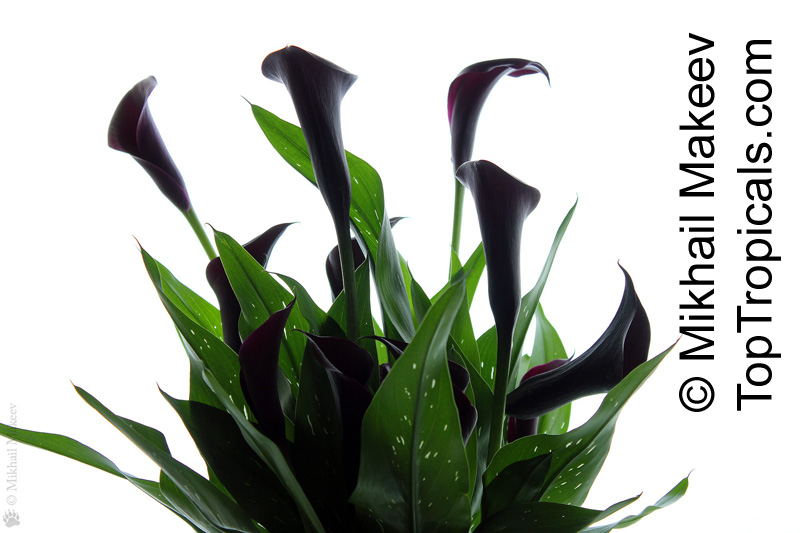
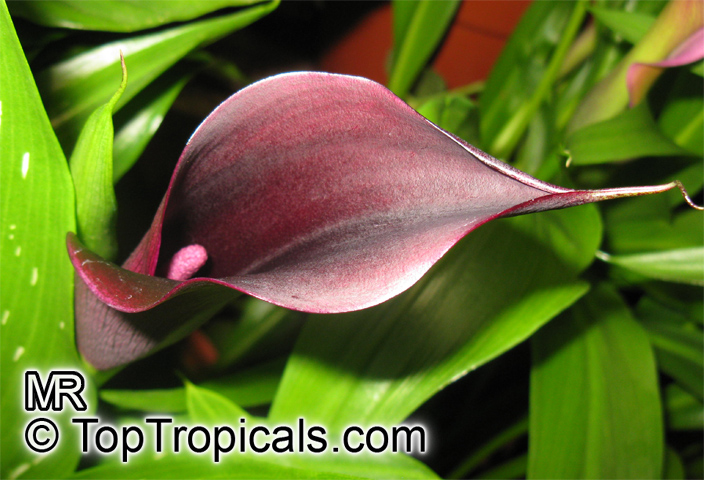
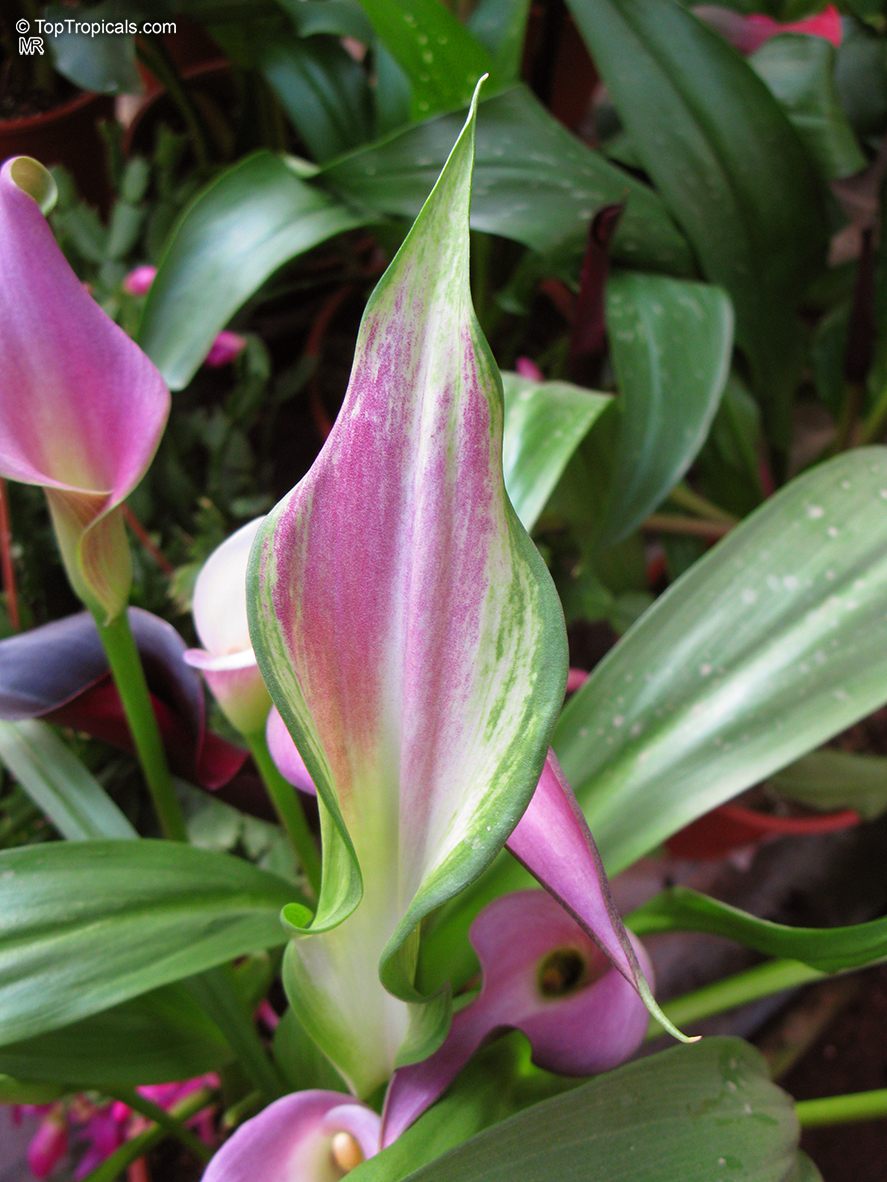
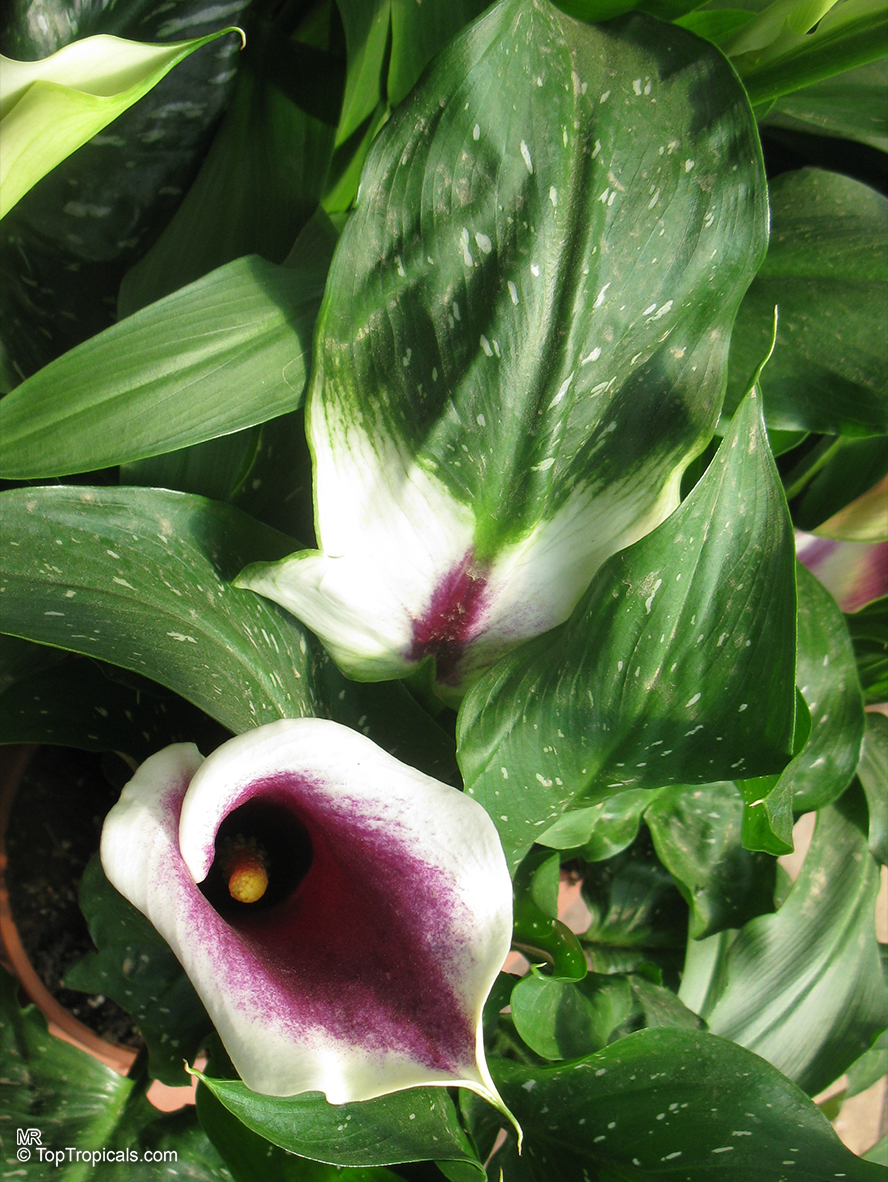
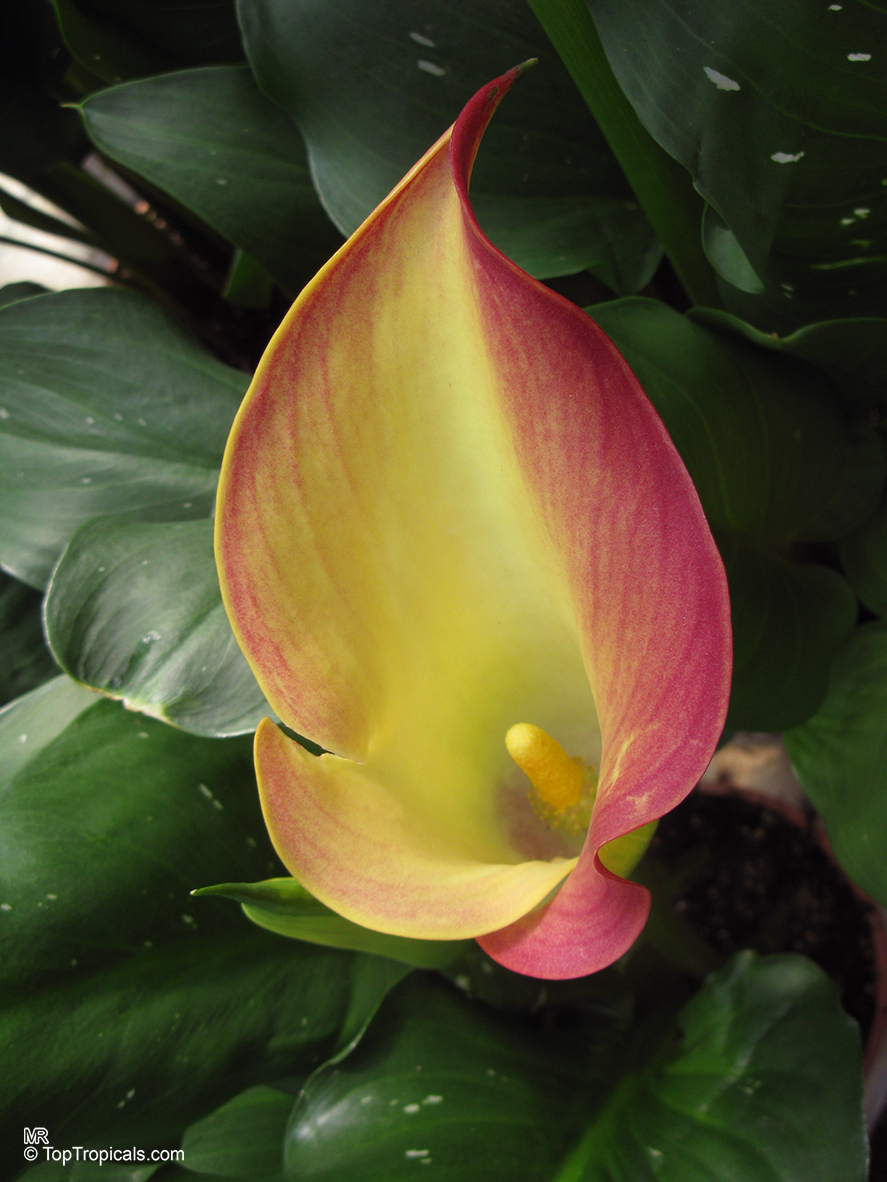
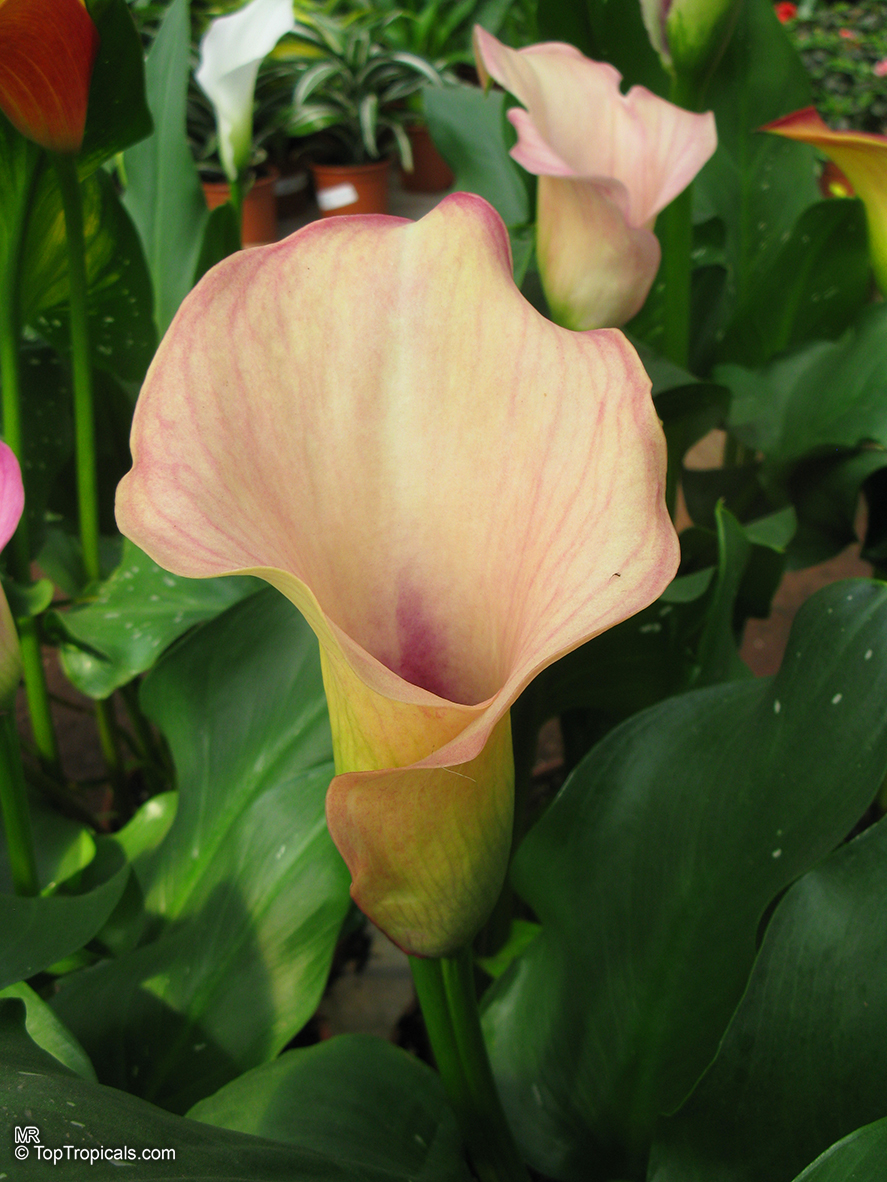
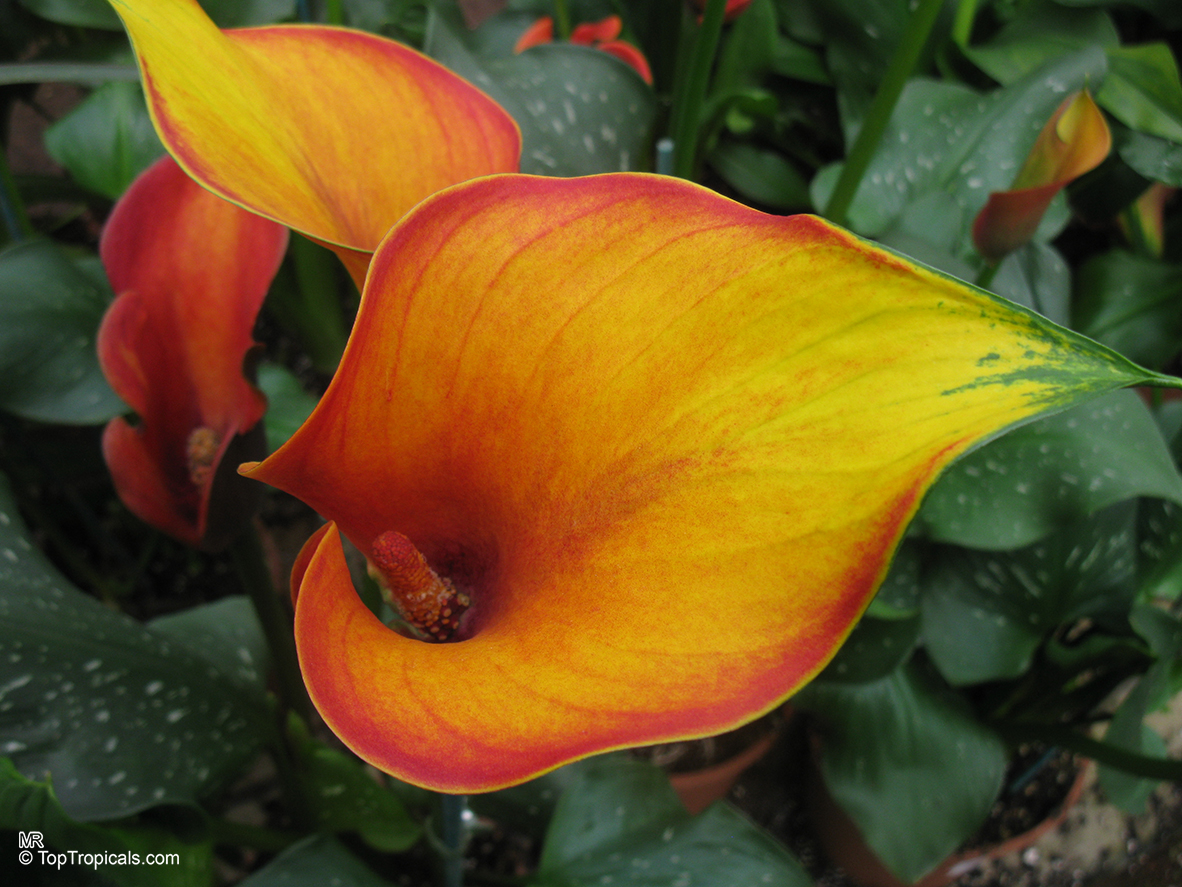
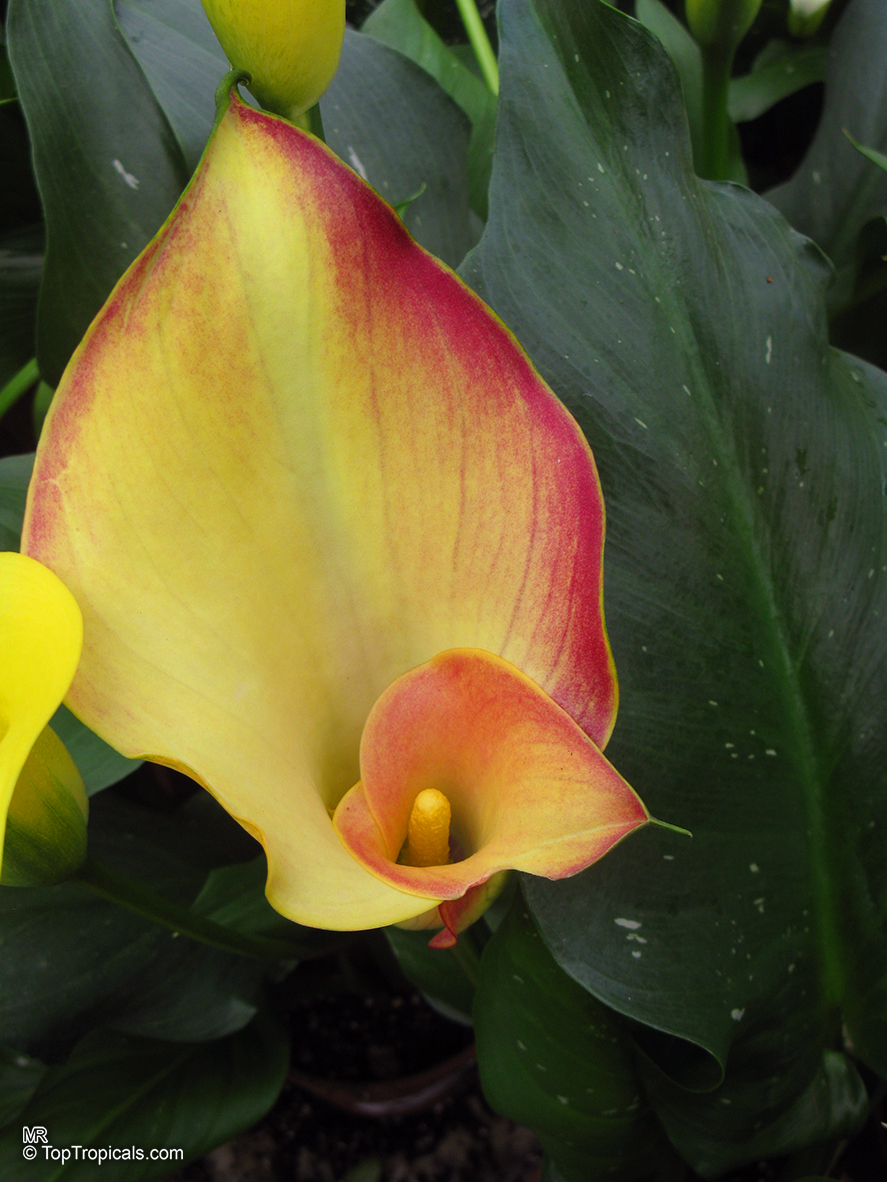
Botanical name: Zantedeschia sp.
Common names: Arum Lily, Calla Lily
Family: Araceae
Origin: South Africa
USDA Zone: 9-10


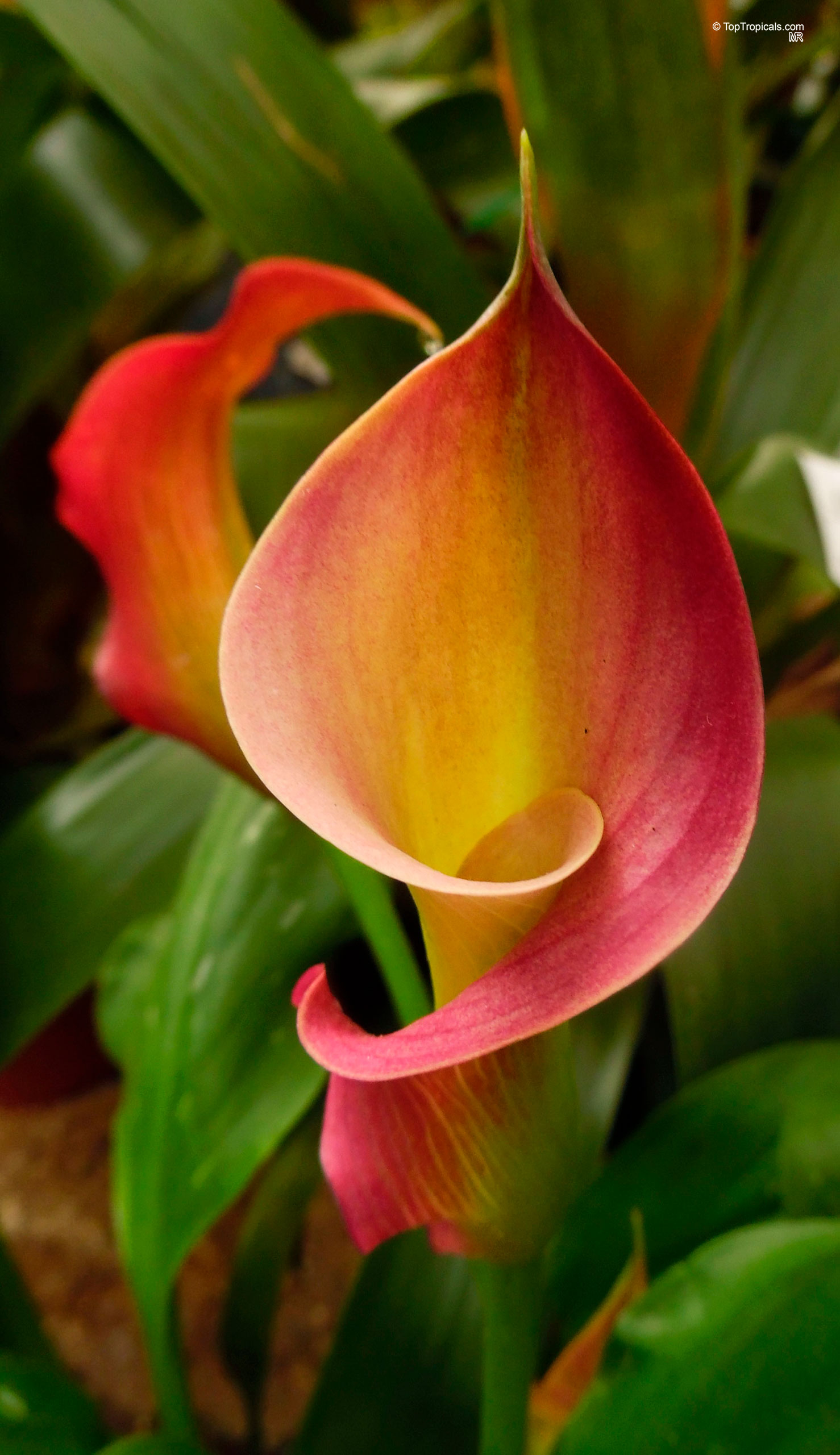
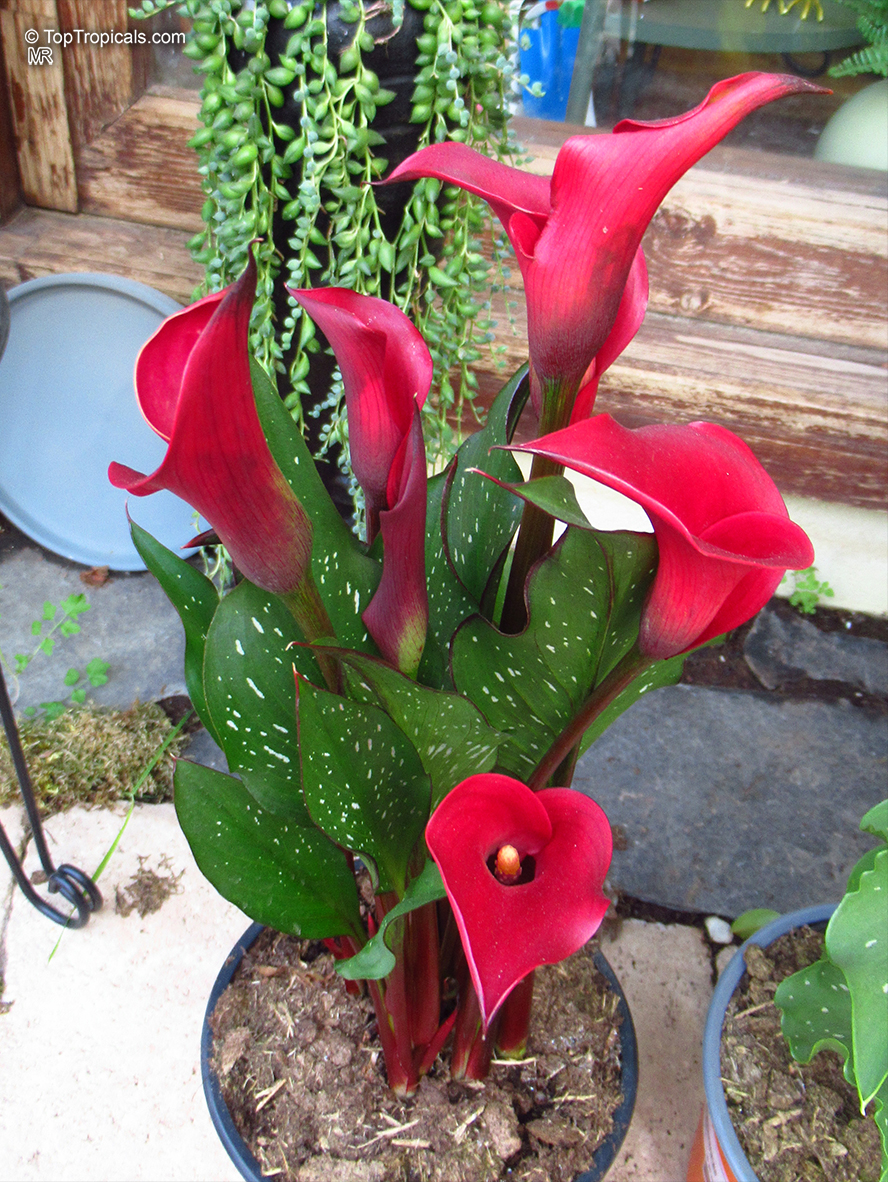
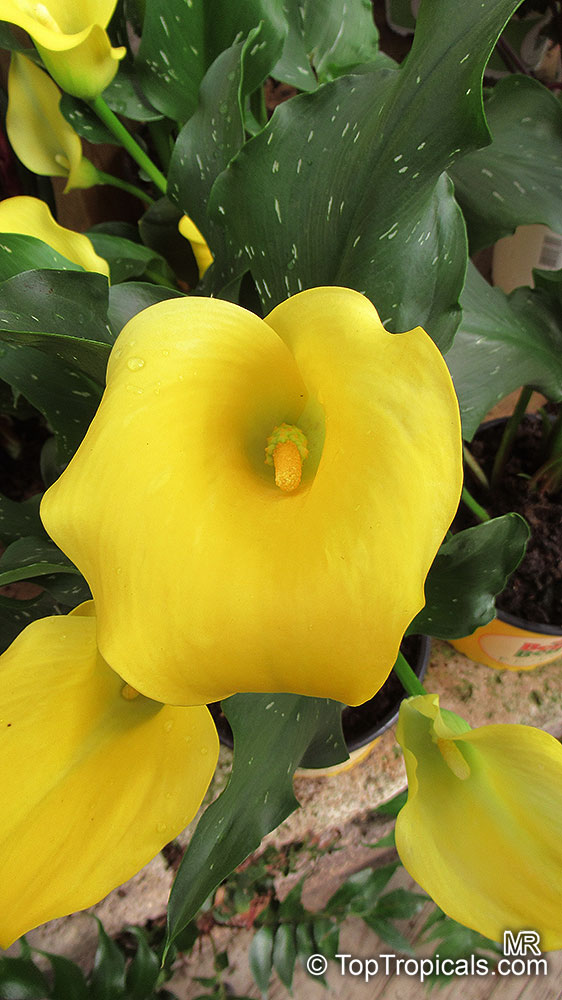
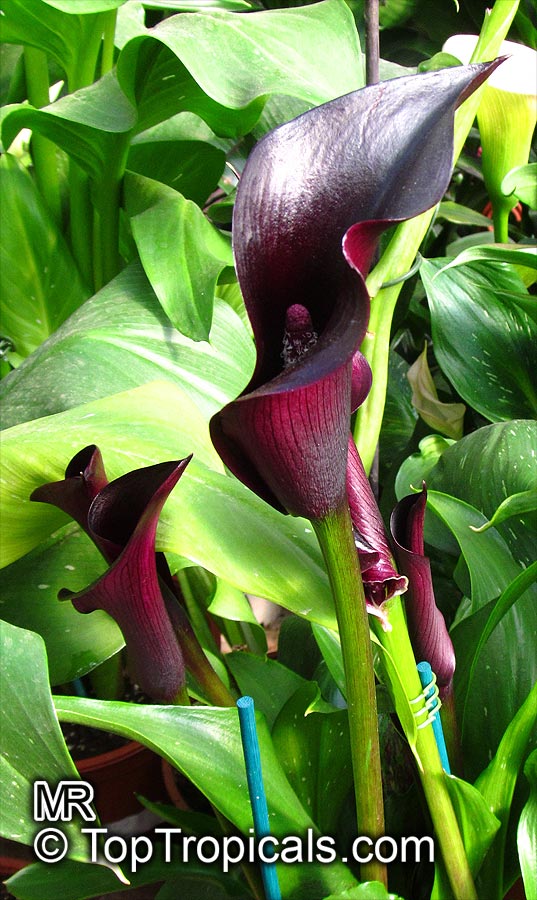
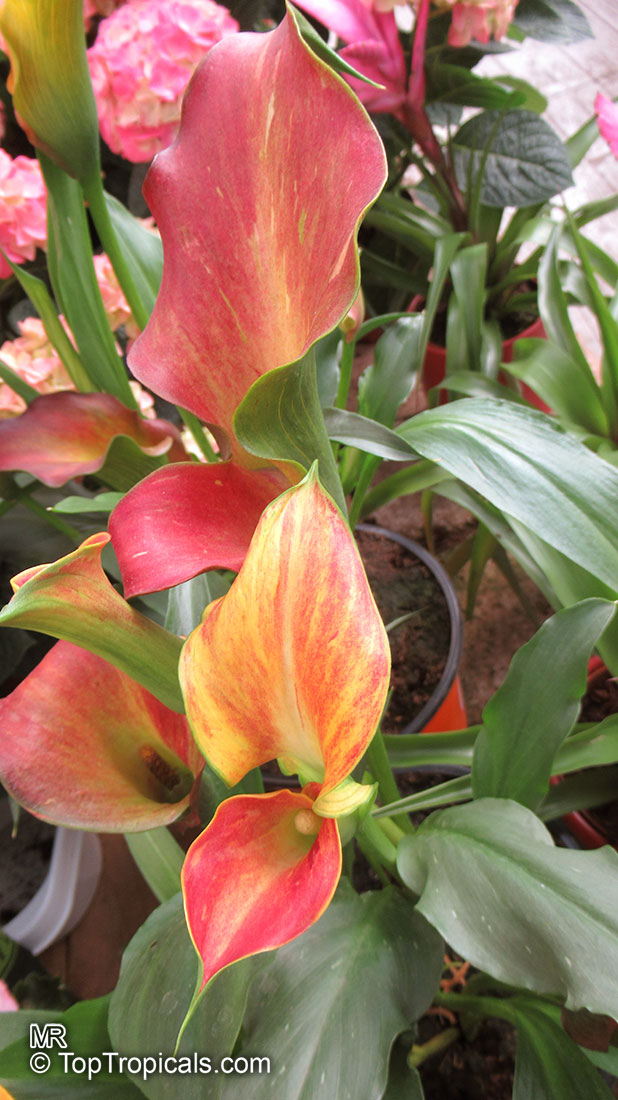
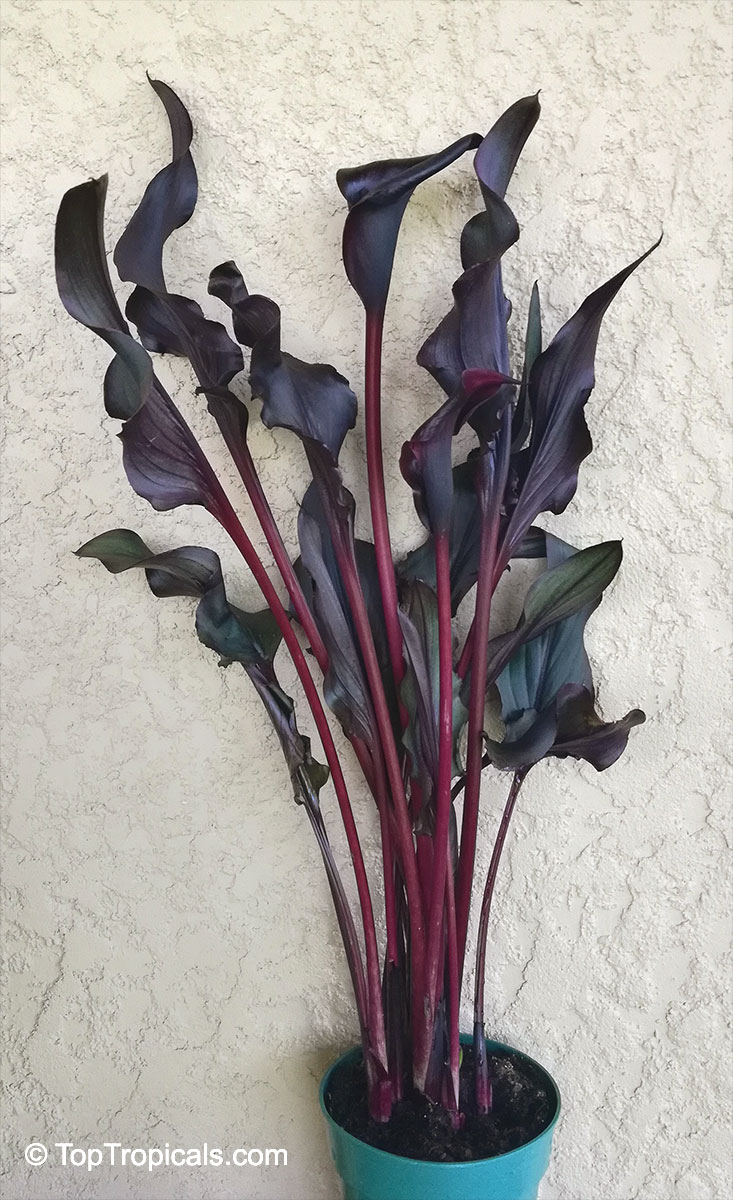
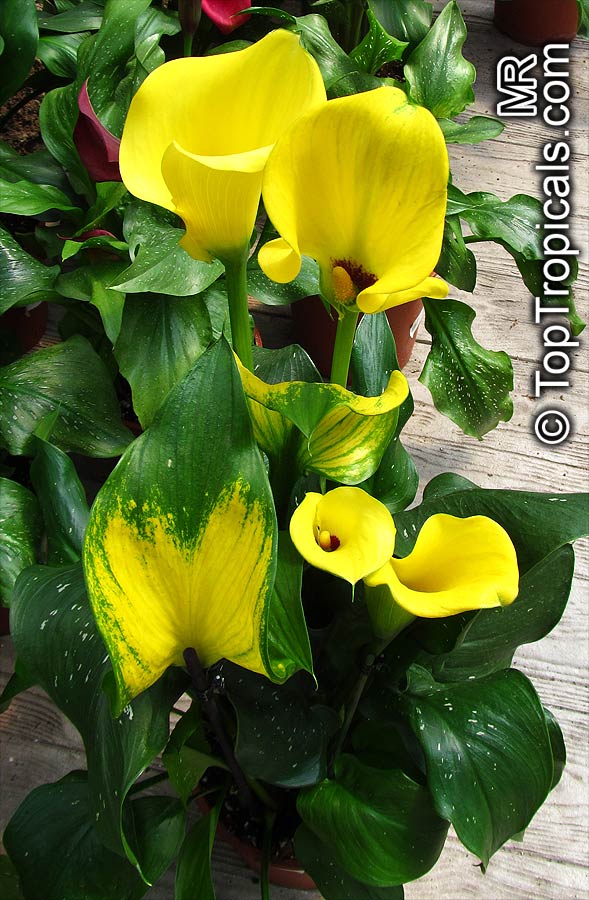
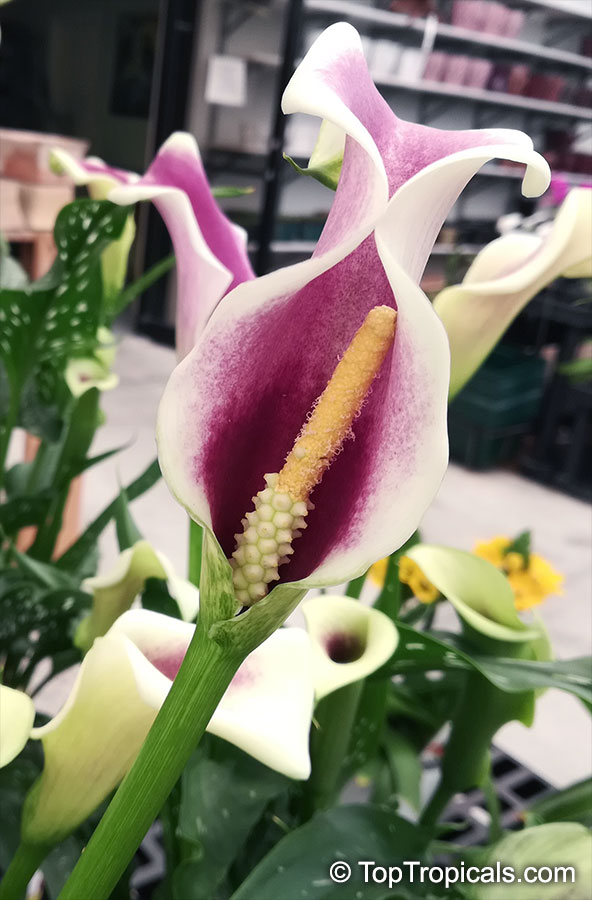
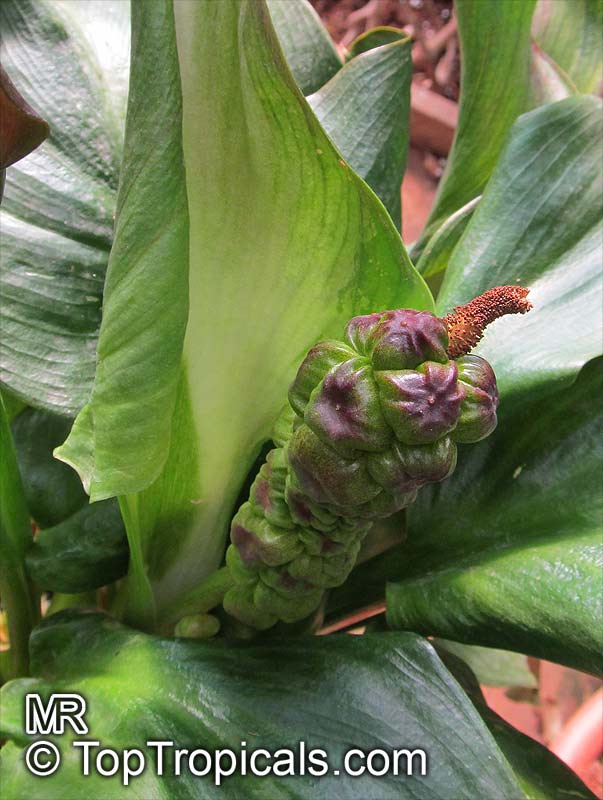
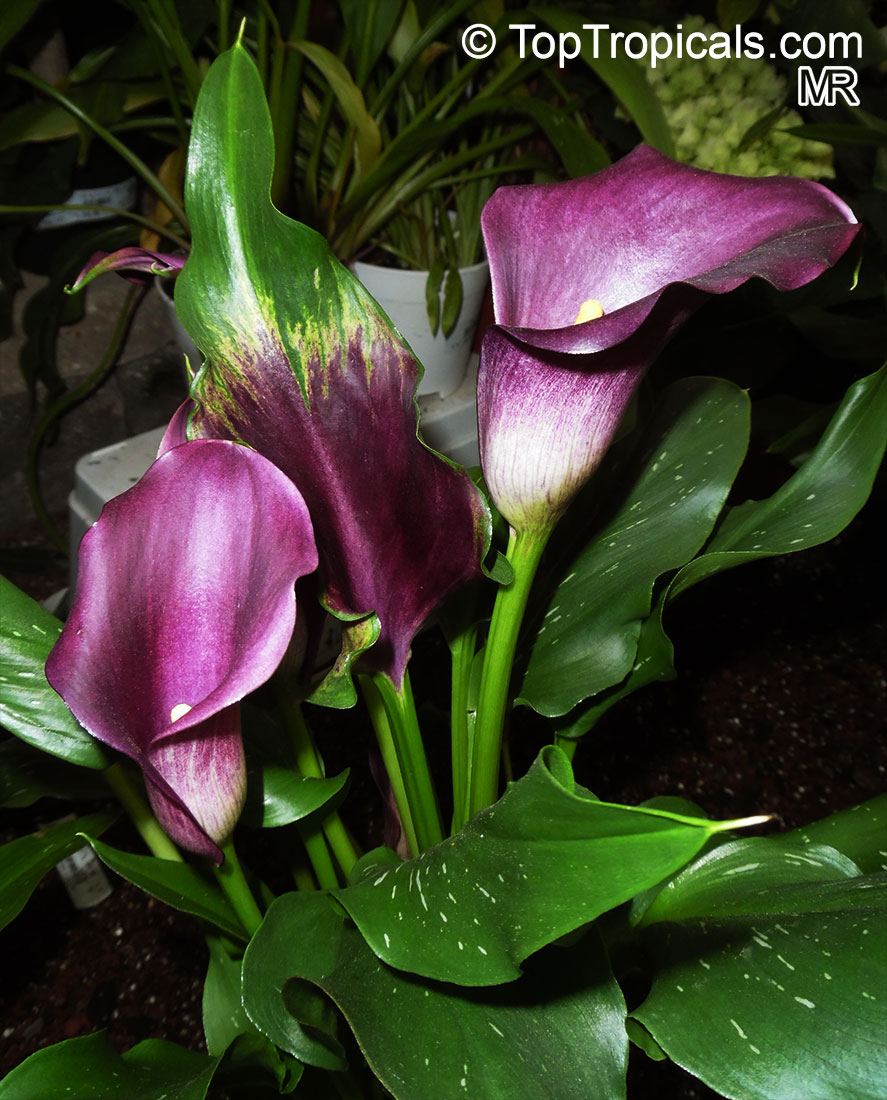
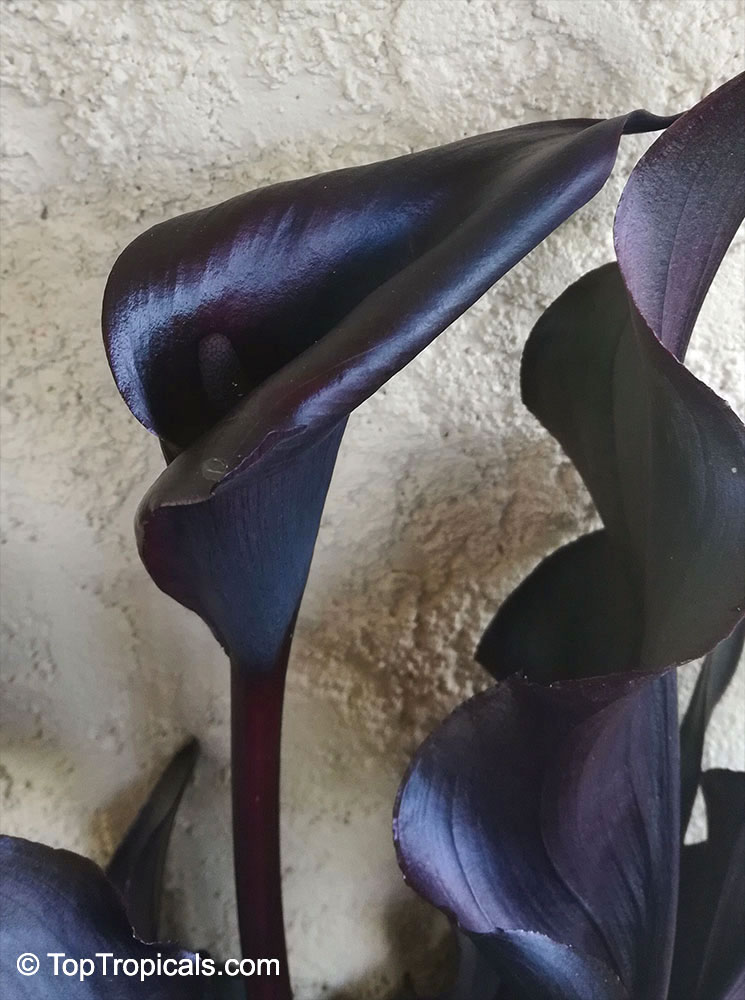
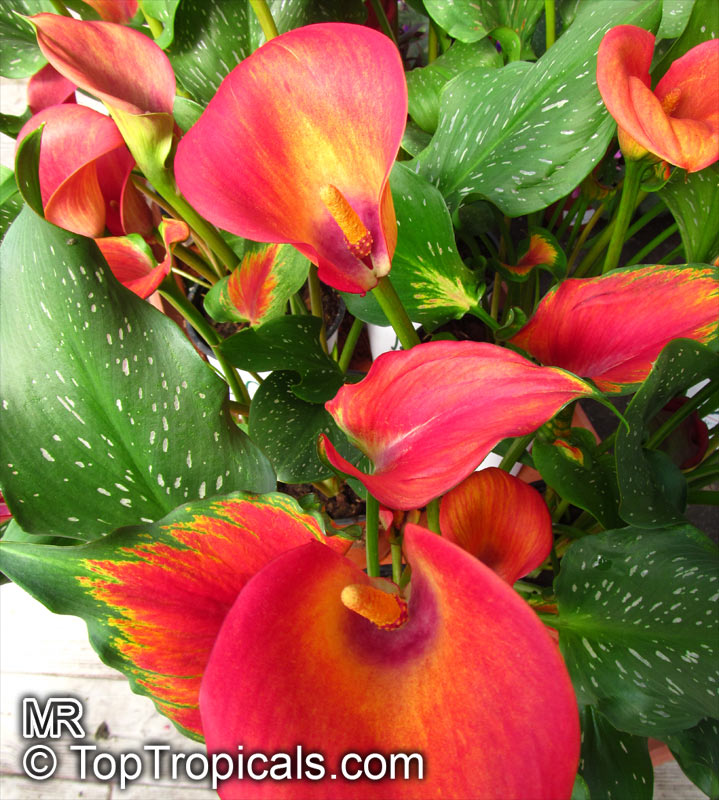
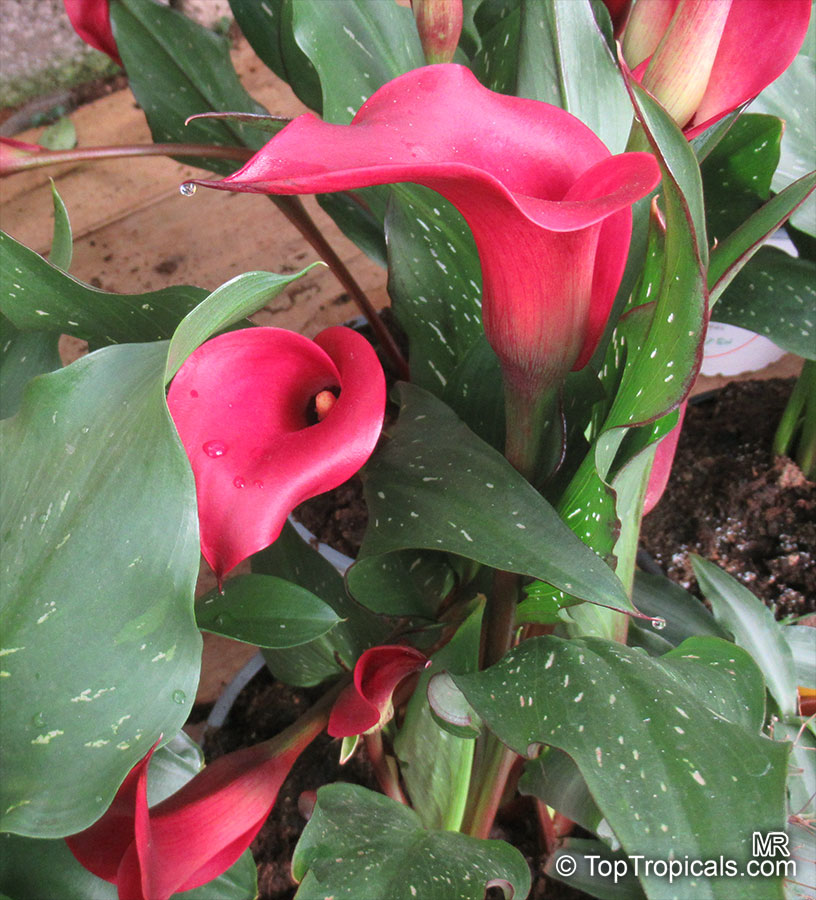
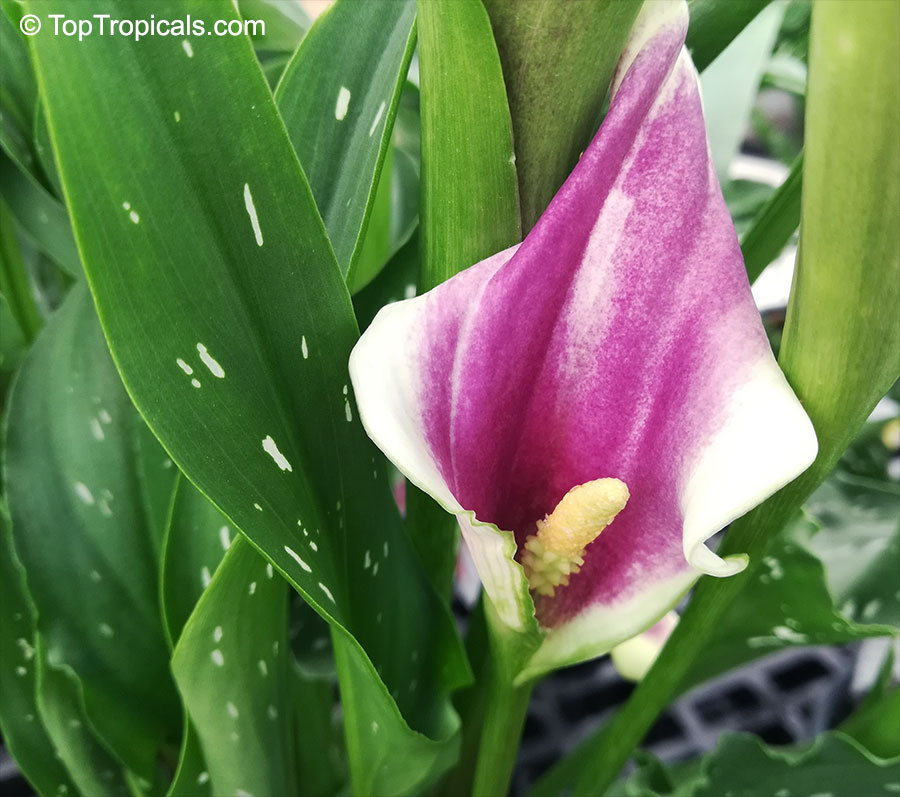
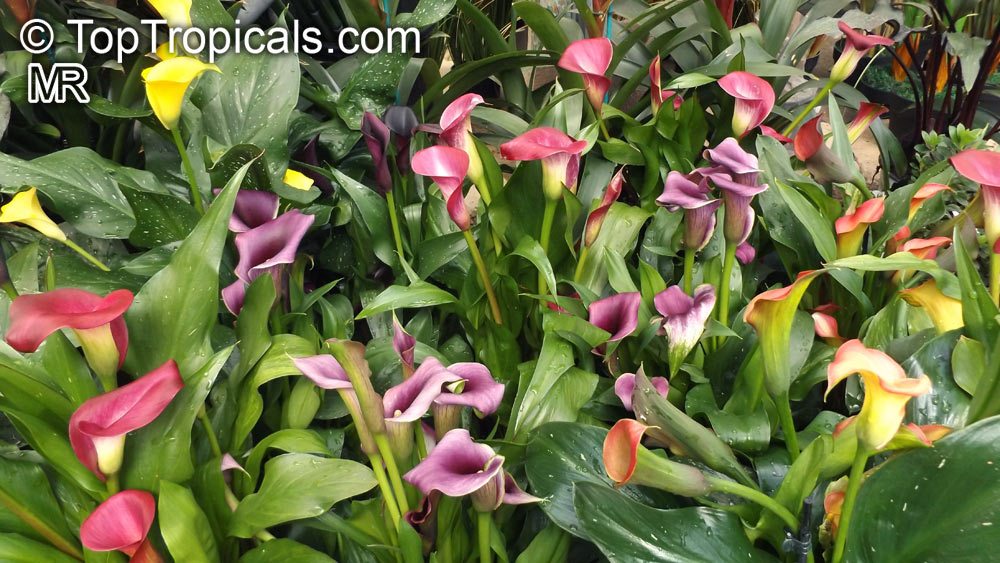
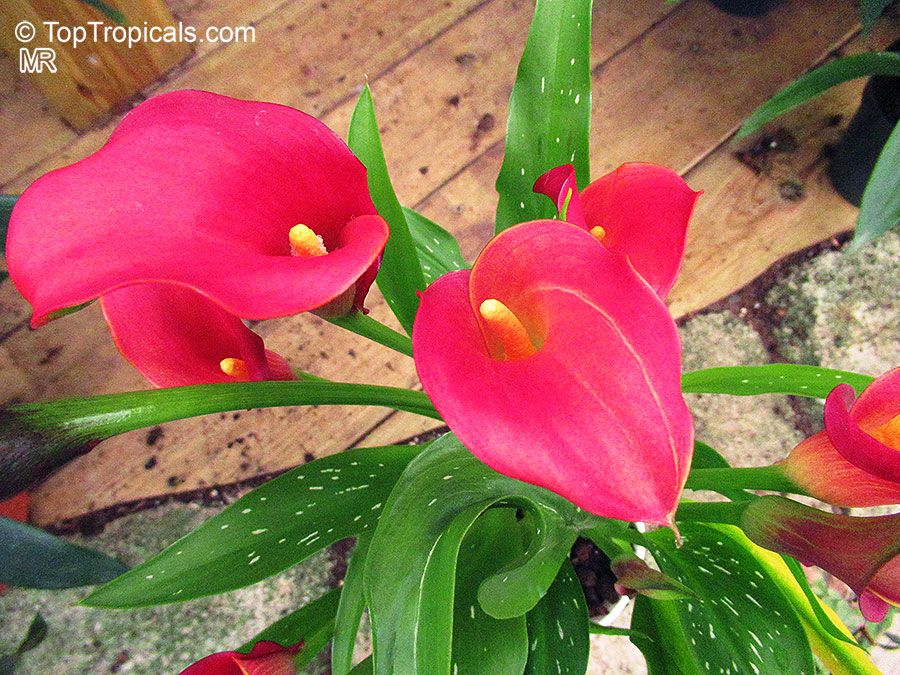
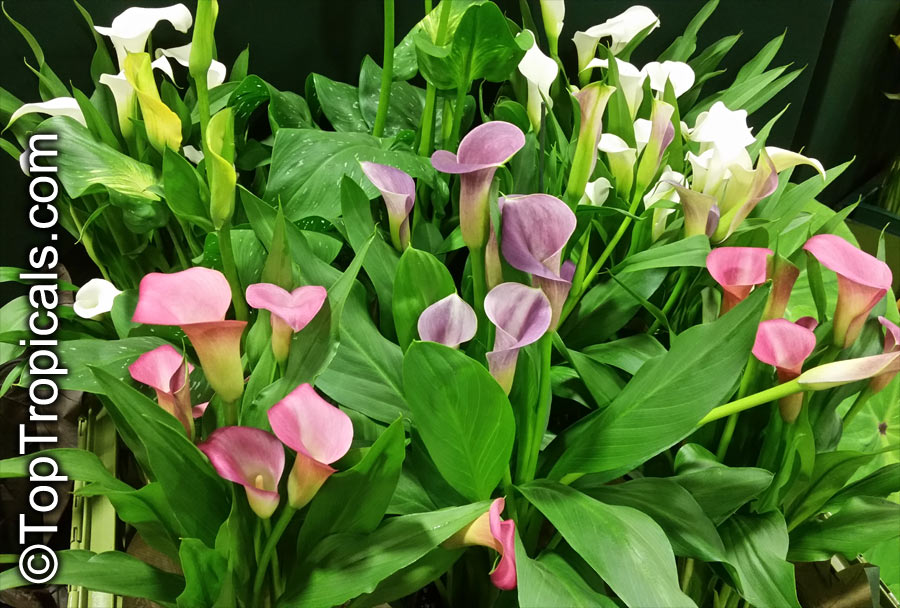
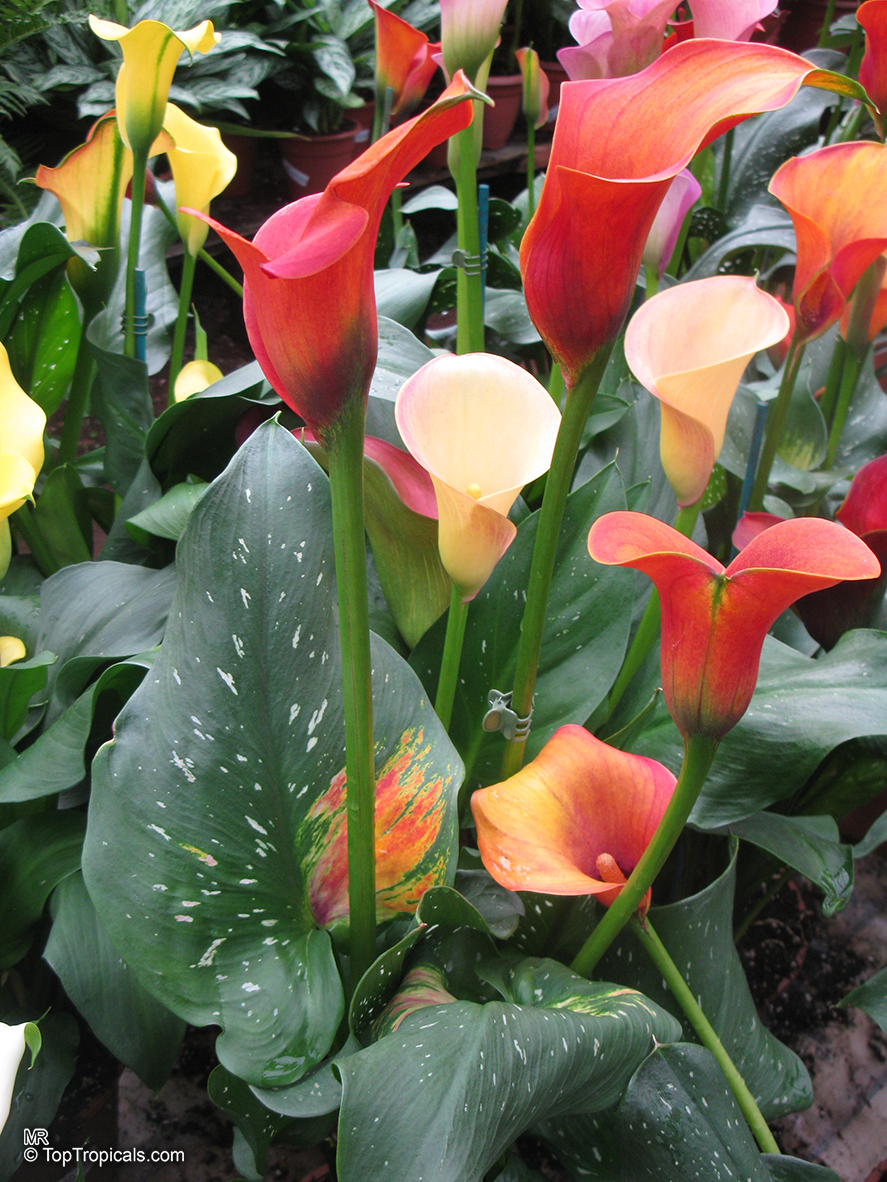
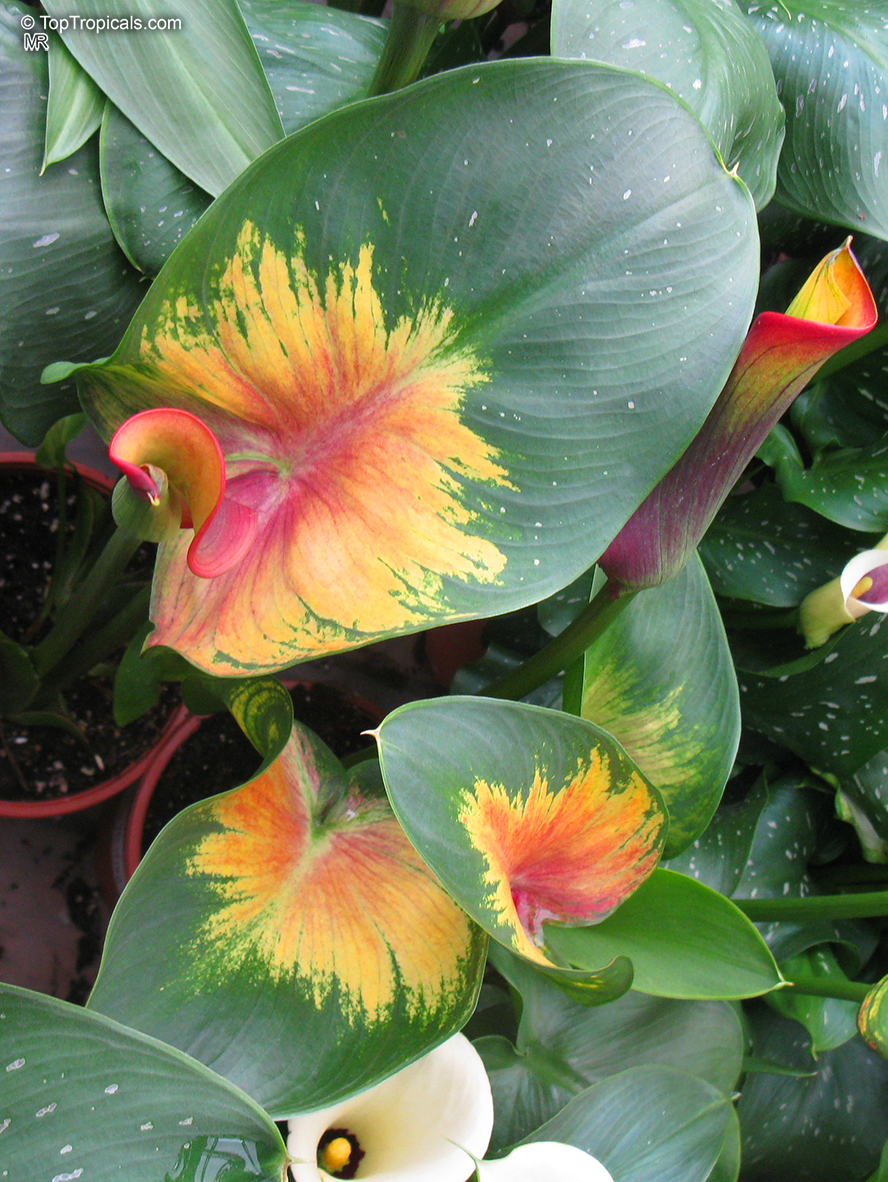
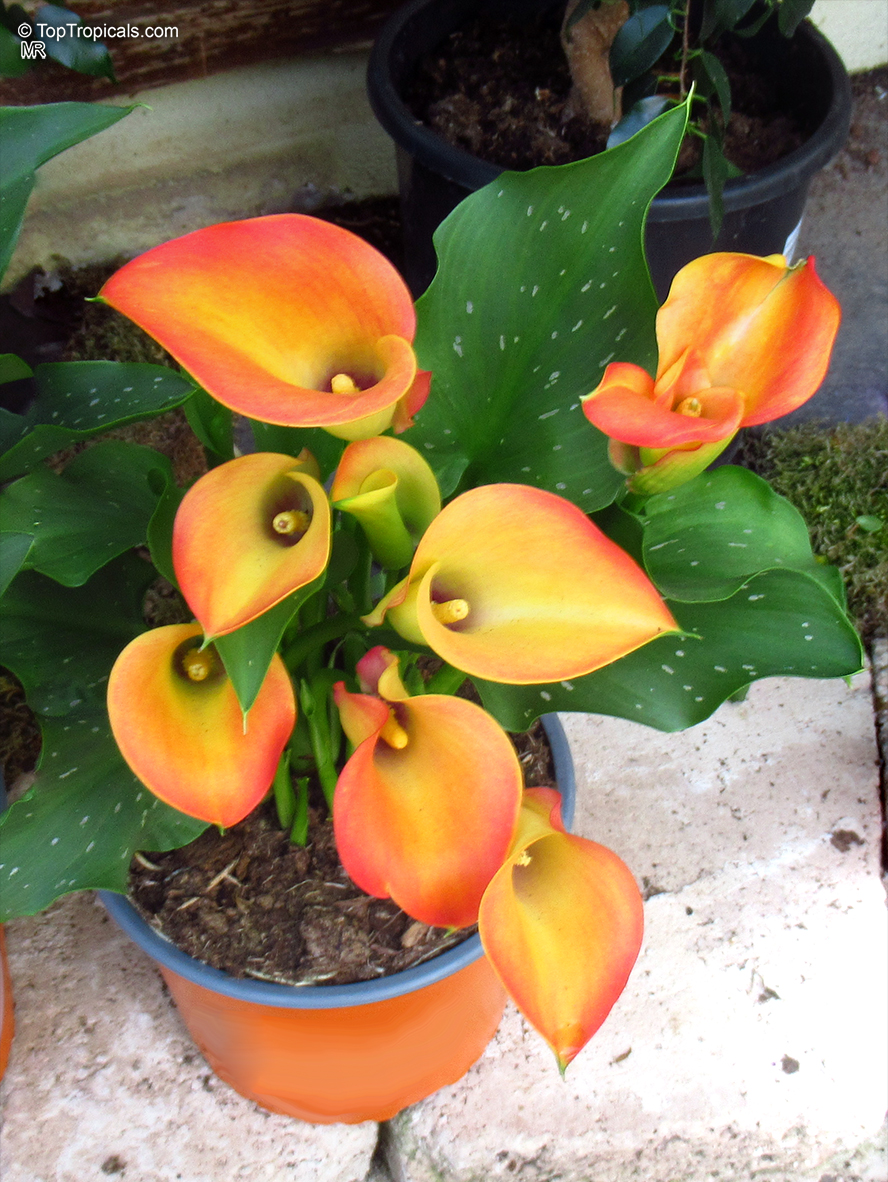
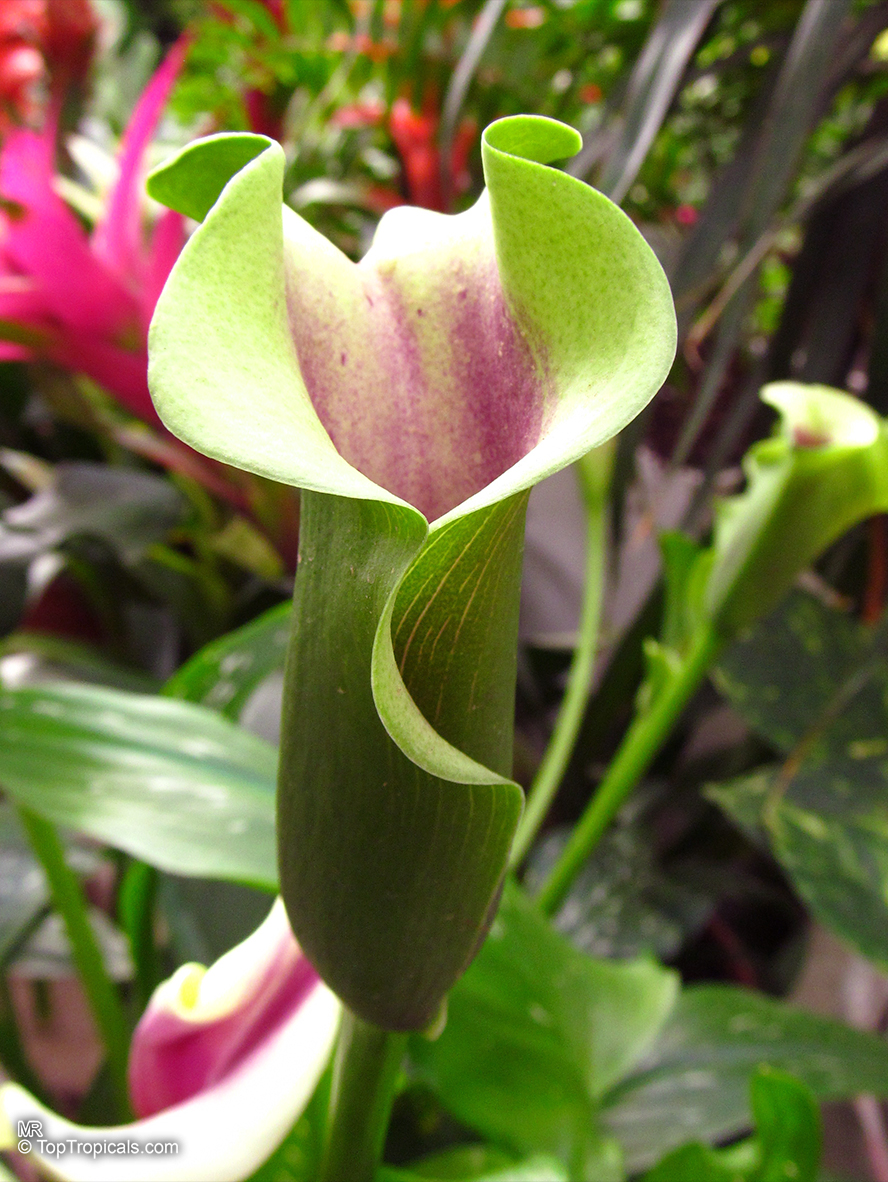
This is an old fashioned, but very rewarding garden plant. Zantedeschia is named after Professor Zantedeschi, probably Giovanni Zantedeschi, 1773-1846, an Italian physician and botanist. The flowers are faintly scented and this attracts various crawling insects and bees which are responsible for pollinating the flowers. The spathe turns green after flowering and covers the ripening berries. It rots away when these are ripe and the succulent yellow berries attract birds, which are responsible for seed dispersal. The rhizome is large and eaten by wild pigs and porcupines and the ripe fruit enjoyed by birds. Raw plant material causes swelling of the throat because of microscopic, sharp calcium oxalate crystals. The leaves are used as a poultice and a treatment for headaches. May be used as a marginal plant along streams, or on the edge of a pond. Plant in partial shade if there is no permanent water. It can be planted as a foliage plant in deep shade under trees but will not flower well in this position. It is fast growing and likes very rich, well-drained conditions. It is an excellent cutflower and lasts a long time in water. Nowadays there are other forms of this species which will enliven an old theme. There is also an attractive form with leaves spotted white. Requires consistently moist soil.

| Prev | Next | |
Use link to repeat this search:
https://toptropicals.com/cgi-bin/garden_catalog/cat.cgi?find=Water lily&search_op=and&keyword_op=and&language=e&number=10
&no_change_lang=1&user=tt&sale=1&first=0