Water, lily - Plant Encyclopedia Results (Page 3)
| Number of plants found: 59 |  | Prev | Next | 
|
Go to page: | 1 | 2 | 3 | 4 | 5 | 6 |

Botanical name: Spathiphyllum wallisii
Common name: Peace lily
Family: Araceae
Origin: Central America
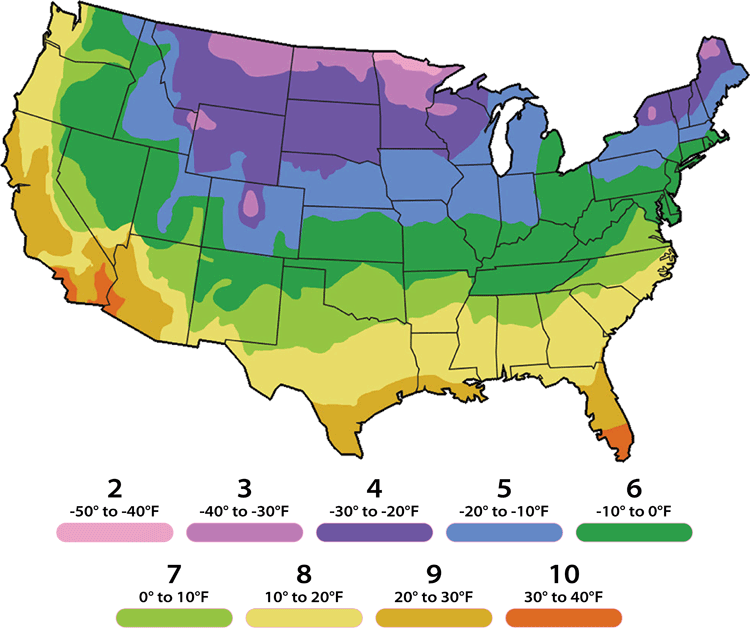
USDA Zone: 11
Cold tolerance: 40°F


Peace Lily is one of the most popular low-growing (2ft) groundcover plants. It has long, glossy green leaves, with waxy off-white flowers that look like the spade of a playing card. The plant grows happily in shade or semi-shade, and the foliage will brighten up even the darkest corners of any garden.
Peace Lily needs to be kept fairly moist and requires regular watering. Make sure to check soil moisture levels and allow the soil to dry out slightly between waterings. Add some organic matter to the soil and water regularly throughout the growing season. Be sure to provide adequate drainage and avoid over-watering to prevent root rot.
In cooler regions, Peace Lily can be grown in a pot and brought inside for cold winter months. When growing in a pot, it is important to keep the roots cool and moist, otherwise the plant may become stressed. During the summer, keep the pot in a shaded area, and provide regular water to prevent the potting mix from drying out too quickly.
Peace Lily is a great choice for any garden, with its ornamental foliage and exotic looking flowers. For best results, it should be grown in USDA Zone 9-11.


Botanical name: Tricyrtis hirta
Common name: Toad Lily
Family: Liliaceae (Formerly:Uvulariaceae / Liliaceae)
Subfamily: Calochortoideae
USDA Zone: 4-9


Tricyrtis hirta or Toad Lily is an ideal choice for anyone looking to make a statement in the garden. This beautiful small plant is low-growing, reaching heights of 2 to 5 feet. It is a groundcover in colder regions and will really thrive if given semi-shade and regular water. Each flower carries a unique and unusual pattern of colors, including pink, blue, lavender, and purple. In the late summer and fall months, the blooms take on a richer hue, ranging from red and crimson to vinous. Tricyrtis hirta is a hardy plant and can be grown in USDA Zones 4 to 9.
When it comes to taking care of the Toad Lily, it is important to know that Tricyrtis hirta does best when grown in a soil that is moist but well-drained. If planted in the ground, it is important to mulch the plant in colder regions and to keep the soil consistently moist. Additionally, the plant does better in a slightly shaded area rather than full sun, and it can also be kept in a pot, though extra care and effort should be taken to ensure the water is not too excessive and the soil drains well.


Botanical names: Tricyrtis macrantha, Tricyrtis macranthopsis
Common name: Yellow Chinese Toad Lily
Family: Liliaceae (Formerly:Uvulariaceae / Liliaceae)
Subfamily: Calochortoideae
Origin: Japan
USDA Zone: 6-9


Tricyrtis macrantha, or Yellow Chinese Toad Lily, is a native to Japan. It is a groundcover and low-growing perennial that can reach a maximum height of 2ft. This plant needs semi-shade but will also tolerate full shade and needs regular or moderate water depending on the location. Its beautiful yellow and orange flowers bloom in late summer and early fall.
When it comes to caring for the Tricyrtis macrantha, it can be done in a pot in cold regions as well as in the garden. When planted in a pot or container, the soil should be kept moist but not soggy as this will encourage root rot. The pot should be placed in partial shade to help maintain adequate moisture. Additionally, when planting in a container, using a high-quality potting mix is recommended for optimal plant health.
When planted in the garden, Tricyrtis macrantha is hardy to USDA Zone 6-9. It will require slightly more water when planted in the ground, however, the soil should never become waterlogged. As previously mentioned, the plant prefers semi-shaded areas with adequate moisture, so avoid planting in direct sunlight.
Finally, Tricyrtis macrantha can be propagated by dividing rhizomes, tubers, and corms or by planting seeds. When dividing rhizomes or tubers, make sure they are separated into healthy segments and then replant. Planting seeds requires soil temperatures of around 65-85 degrees Fahrenheit and may take a few months before they germinate.
In conclusion, Tricyrtis macrantha is an ideal plant to add year-round color to any garden. With proper care, this beautiful plant can thrive in almost any climate and will bring a unique elegance to your garden.


Botanical names: Zantedeschia aethiopica, Calla aethiopica
Common names: Arum Lily, Calla Lily
Family: Araceae
Origin: South Africa
USDA Zone: 8-10


Zantedeschia aethiopica (Calla lily) is a herbaceous perennial plant that is evergreen in regions with adequate rainfall and temperatures, and deciduous where there is a dry season. It is commonly known as Calla lilies, but is not a true lily, belonging instead to the arum (Jack-in-the-pulpit) family. These stemless plants have flowers and leaves that rise directly from rhizomes. They typically grow in clumps up to 24-36" tall, and feature large arrowhead-shaped leaves and extremely showy flowers consisting of a yellow finger-like spadix surrounded by a bright white spathe, borne atop a leafless stalk. The plant is commercially grown as a very popular cut flower.
The calla lily is winter-hardy in USDA Zone 8-10. The plant thrives in moist soils and full sun to part shade. In colder regions, containers may be overwintered outdoors in a sheltered location, sometimes with some protection, and brought back indoors before first frost. When grown year-round in containers, the plant must be brought indoors in winter before the first frost. Overwintering containers placed near a window with bright indirect light can make attractive houseplants.
For best performance, calla lilies require moist soil and bright light. Fertilization should be done regularly, monthly during the growing season. Propagation may be accomplished by division of rhizomes in early spring or by seed. The plant reseeds freely, often with variable results, and may self-seed and become weedy in some areas. It is important to exercise caution as all parts of the plant are poisonous and may cause skin irritation. Calla lilies may also be planted in mud at the edge of ponds or water gardens.


Botanical name: Clivia miniata
Common names: Bush Lily, Boslelie
Family: Amaryllidaceae
Origin: Southern Africa
USDA Zone: 9-10


Clivia miniata is a clump forming perennial with dark green, strap shaped leaves which arise from a fleshy underground stem. The flowering heads of brilliant orange (rarely yellow), trumpet shaped flowers appear mainly in spring but also sporadically at other times of the year. The deep green shiny leaves are a perfect foil for the masses of orange flowers. Clivia are endemic to southern Africa, meaning that they do not occur naturally anywhere else in the world! The bush lily grows in dappled shade, often in large colonies. The soil is well drained and humus rich. Occasionally they may be found growing in the fork of a tree. Sadly in many areas colonies of wild bush lilies have been destroyed by harvesting for traditional medicine and also by plant collectors. Clivia miniata is easily cultivated and very rewarding. It should be planted in dappled shade, (they are sensitive to sunlight and will burn easily). The plants should be watered regularly during the summer months which is their growing season. The bush lily is frost tender and may be damaged if in a position that is exposed, to cold winds especially. It takes a long time for the damage to grow out if this happens, so it is best to select a sheltered site. The rhizomes are reportedly extremely toxic but are used medicinally for various purposes. The name meaning: Clivia - after the Duchess of Northumberland, Lady Charlotte Clive who first cultivated and flowered the type specimen in England; miniata - color of red lead - referring to the flowers.


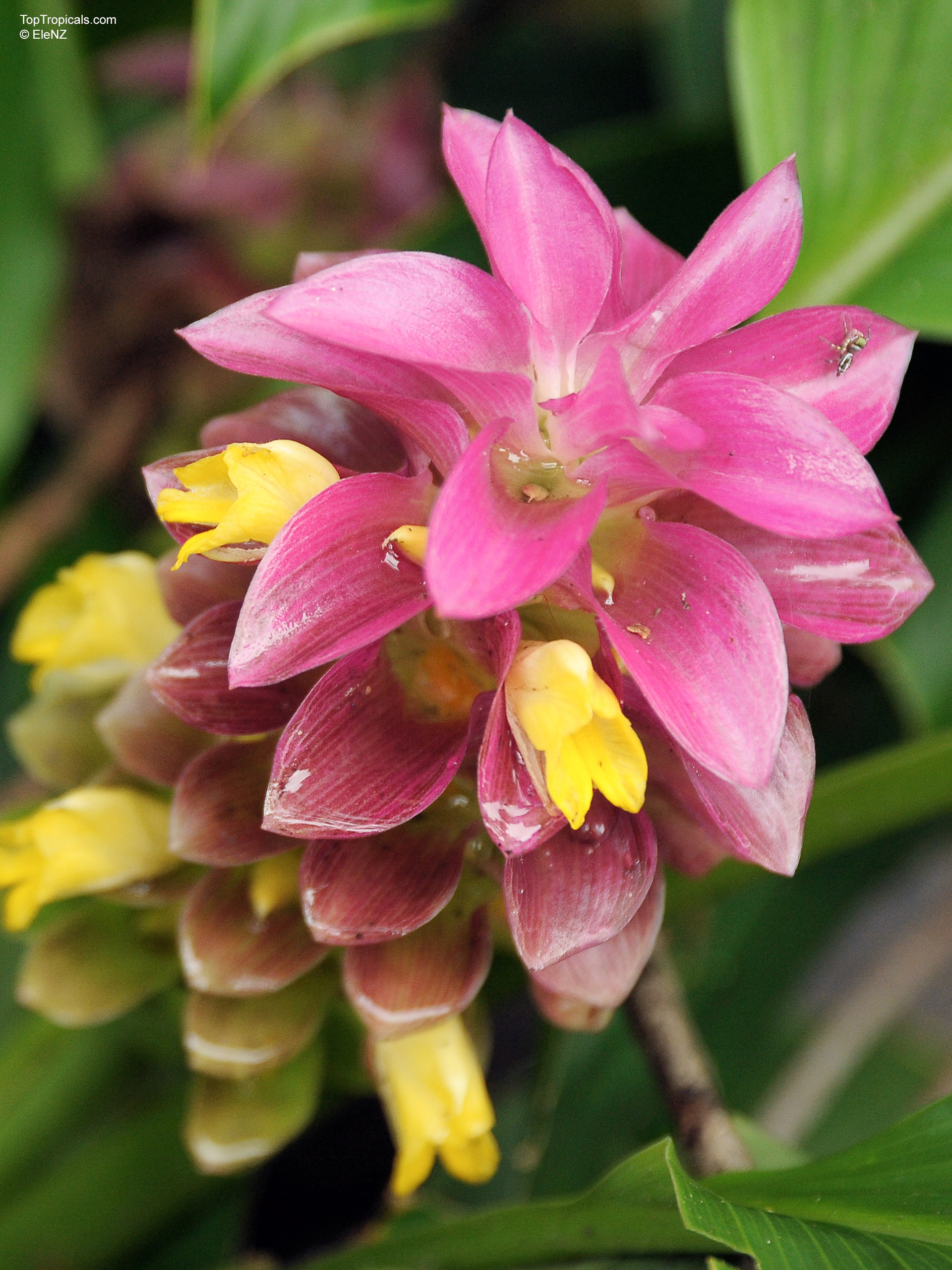
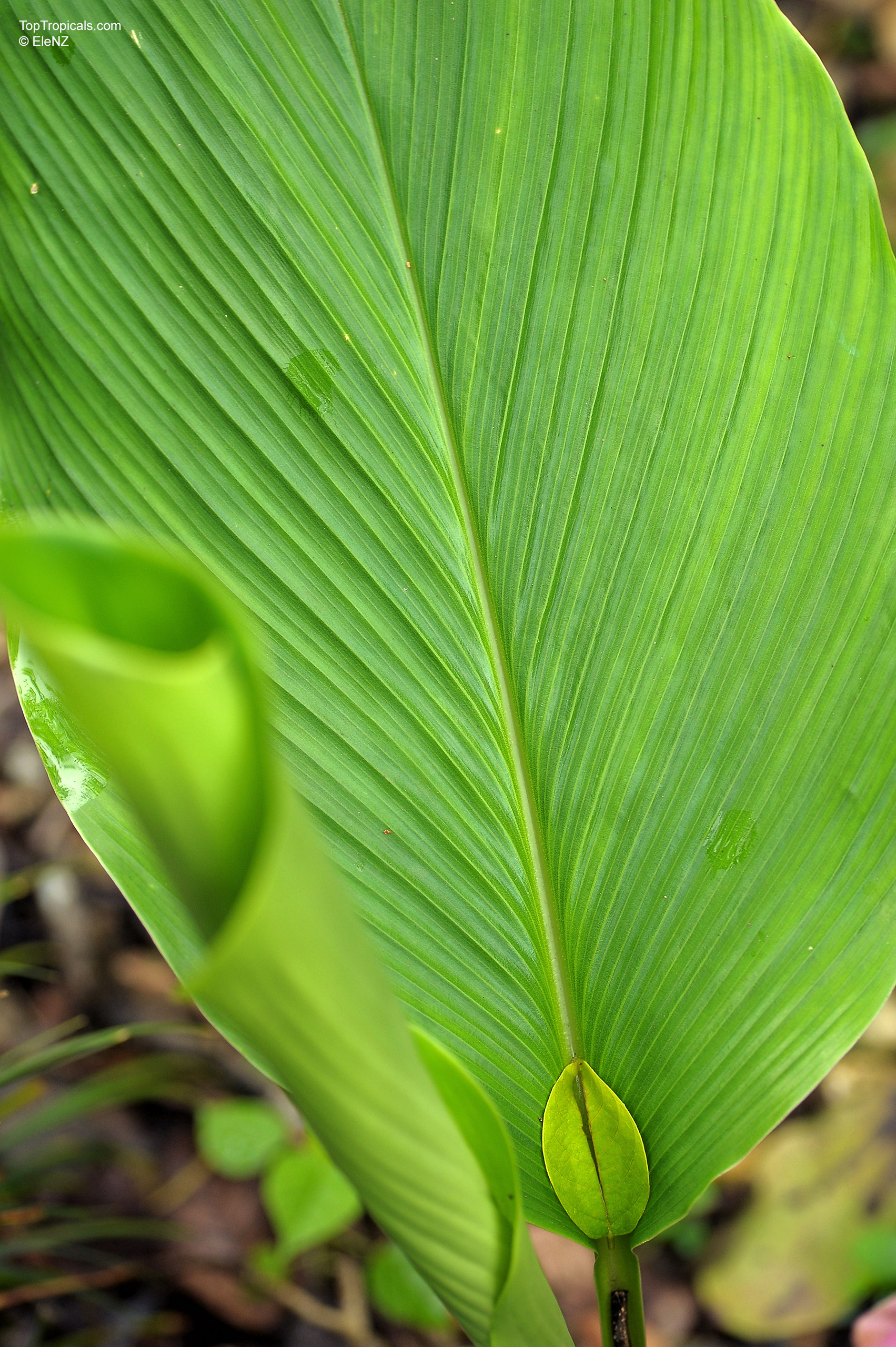
Botanical name: Curcuma australasica
Common names: NativeTurmeric, Wild Turmeric, Cape York Lily
Family: Zingiberaceae
Origin: Australia
USDA Zone: 9-11
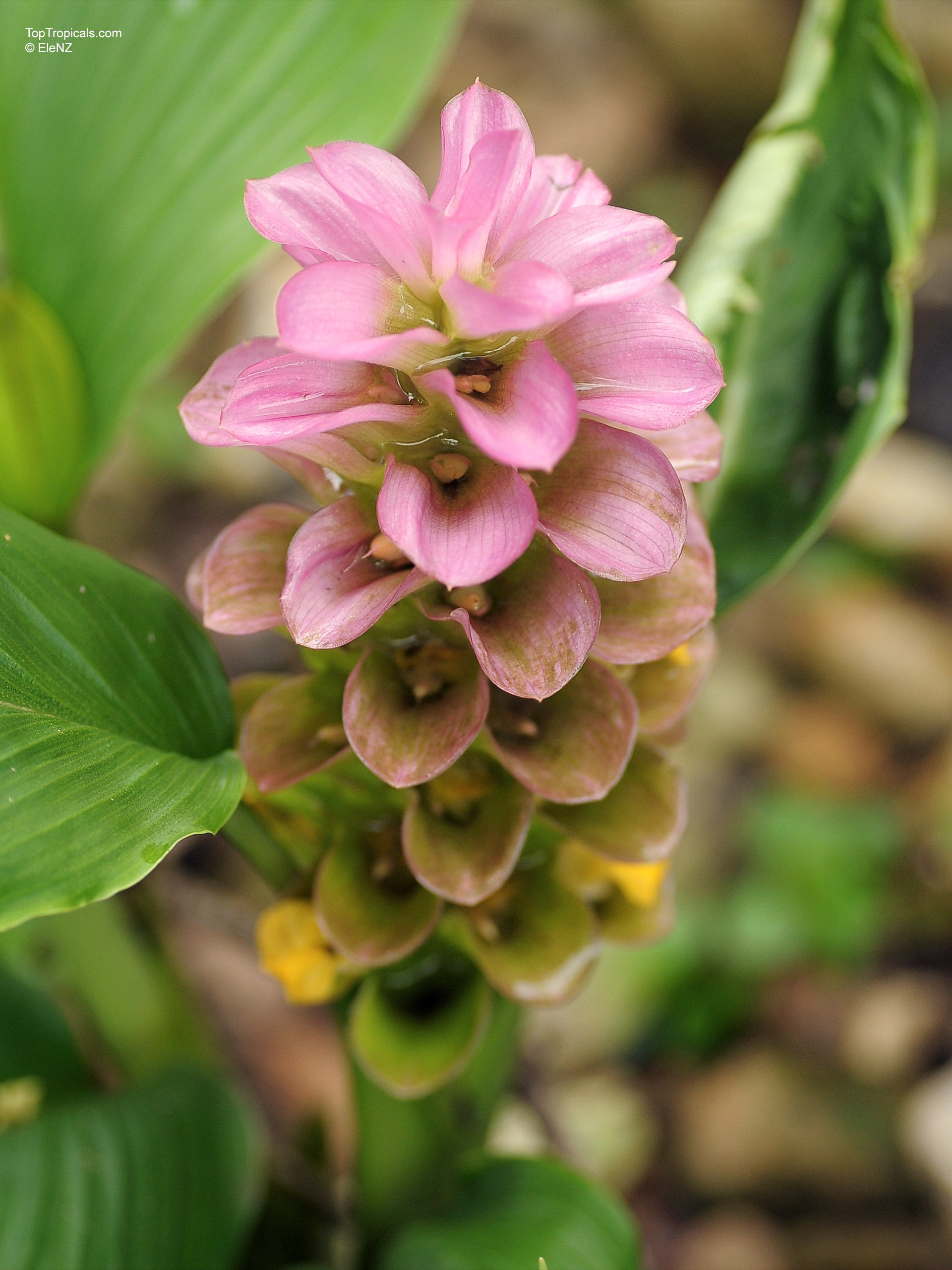
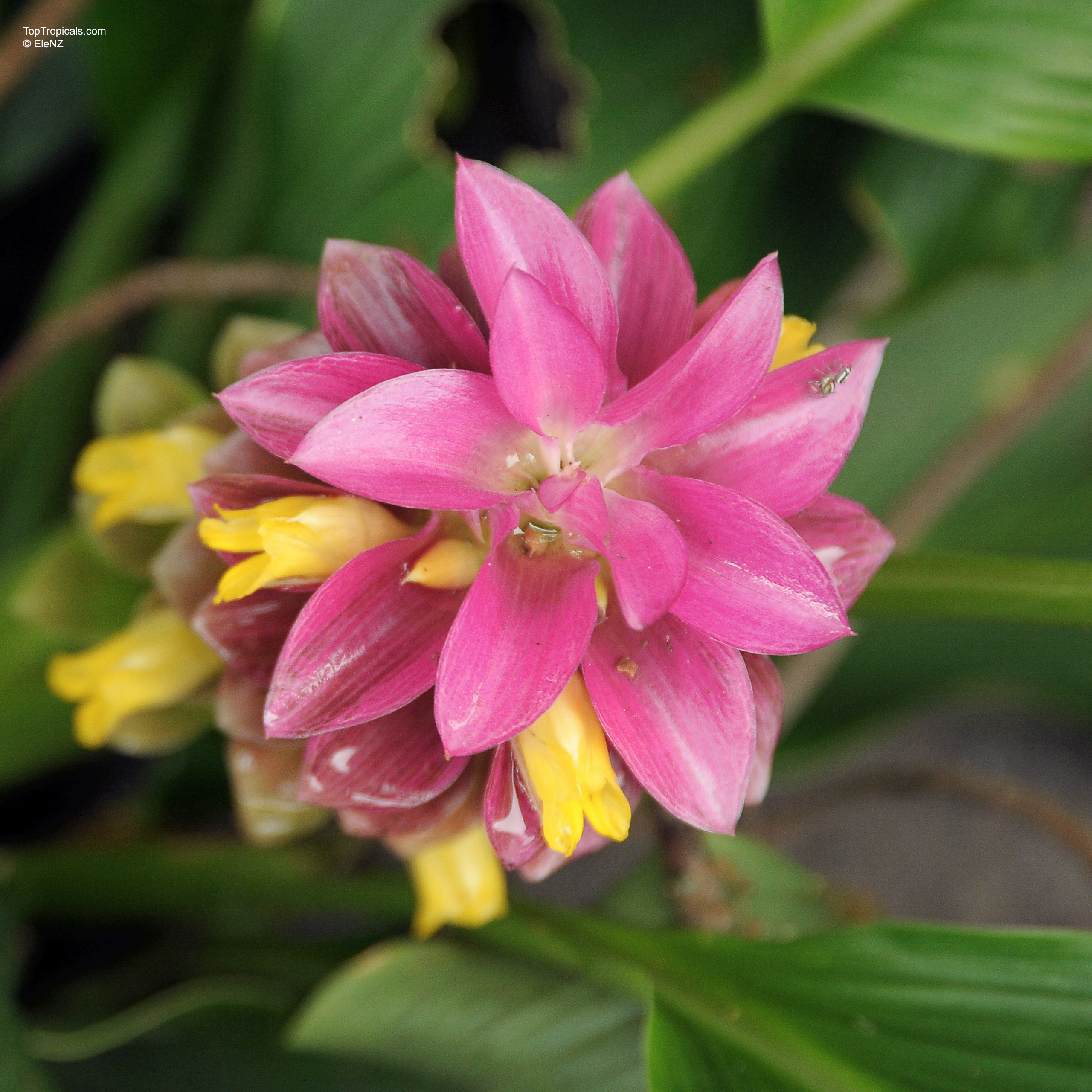
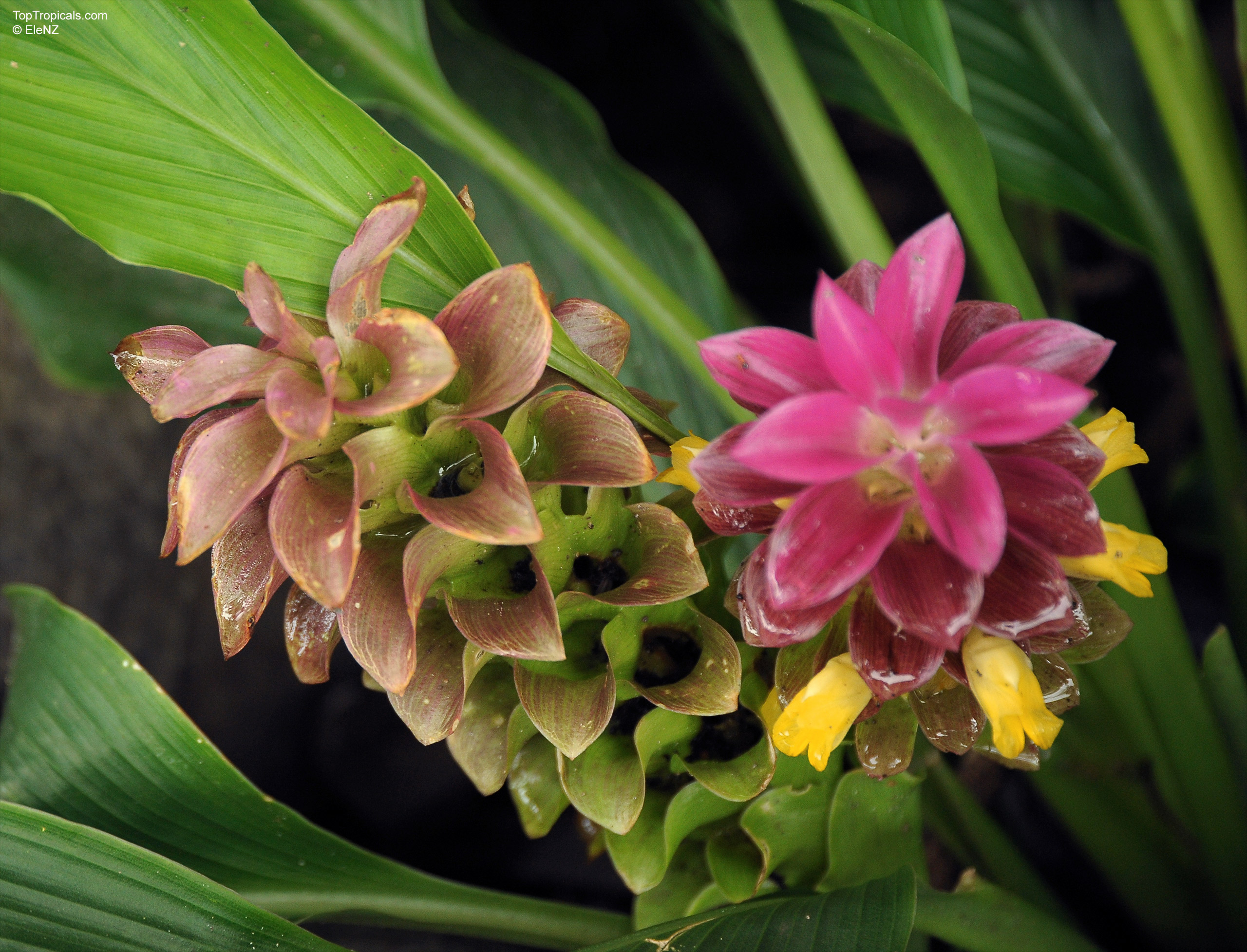
Curcuma australasica, commonly known as Cape York Lily or Native Turmeric, is a rhizomatous herbaceous perennial in the Zingiberaceae family native to northern Australia, New Guinea, and the Maluku Islands. It grows naturally in wet tropical habitats and forms seasonal clumps of broad, prominently pleated green leaves arising from underground rhizomes. Upright inflorescences appear during the growing season, with overlapping green to pale bracts, often becoming pink or purplish toward the upper portion, and small yellow true flowers emerging between them. The foliage dies back seasonally, leaving the plant dormant as underground rhizomes until warm conditions stimulate new growth.
Curcuma australasica grows best in warm conditions, partial shade to bright filtered light, and fertile, well-drained soil with regular moisture during active growth. Watering should be greatly reduced during dormancy. The species is well suited to tropical gardens and containers, and ornamental selections have been developed for particularly colorful and long-lasting floral bracts. Hardy in approximately USDA Zones 9-11, it benefits from winter protection and good drainage in the colder part of its range.

Botanical name: Dietes iridioides var. amatola
Common names: African Iris, Fortnight Lily, Morea Iris
Cultivar: Amatola
Family: Iridaceae
Origin: Kenya, South Africa
USDA Zone: 9-10
A single plant of Dietes iridioides Amatola can reach a size of 2ft in both height and width. The plant will flower with white and off-white flowers throughout its growing season. This African Iris is useful as a groundcover in USDA Zones 9-11, making them well suited for planting in gardens in warm temperate regions. Once established, the plants are extremely drought tolerant and able to cope without regular watering.
For those living in cooler climates, Dietes iridioides Amatola can be grown in containers, though the plants will require extra protection from the cold in winter. During winter the small pots should be moved indoors or placed in a sheltered spot under the eaves. The soil in the containers should be kept moist in summer and dried out slightly in winter months to reduce the risk of root rot.
Dietes iridiloides Amatola is an easy to care for plant and is ideal for adding texture and interest to your garden. It will perform best when grown in full sun to partial shade and with regular watering during the summer months. With careful attention, the fortnight lily will produce stunning white and off white flowers throughout its growing season and provide you with a lovely ground cover.


Botanical name: Doryanthes palmeri
Common names: Giant Spear Lily, Queensland Mountain Lily
Family: Doryanthaceae
Origin: West Australia
USDA Zone: 9-10

Doryanthes palmeri is a perennial shrub native to Australia and is known by many names, including Giant Spear Lily, Flame Lily and Red Lily. This large shrub grows to a height of up to 5-10 ft tall and produces stunning red, crimson, or vinous-colored flowers that are very attractive to butterflies and hummingbirds. It will die back to the ground in severe cold areas, but will usually come back from the roots in mild climates.
Doryanthes palmeri prefers full sun to partial shade and moderate watering. This plant is hardy in USDA Zone 9-11 and is relatively easy to care for.
When growing this plant in cold regions, it is advisable to provide it with extra protection against frost. The best way to achieve this is by planting it in a pot and moving it indoors into a bright and well-ventilated space during the coldest months. It also may require additional watering throughout the winter months as its soil can quickly become dry due to the low temperatures.
Overall, Doryanthes palmeri is an appealing plant with magnificent red flowers that can add a touch of color and interest to any garden setting. With proper care and in its suitable environment, it can offer many years of enjoyment for its appreciative owners.


Botanical name: Eucomis comosa
Common names: Pineapple Lily, Wine Eucomis
Family: Asparagaceae (Formerly:Hyacinthaceae / Liliaceae)
Subfamily: Scilloideae
Origin: Southern Africa
USDA Zone: 7-10
The pineapple lily (Eucomis comosa) grows from a large bulb that is usually purple in color, forming a small compact shrub up to 2-5 feet tall. It is tolerant of full sun or semi-shade and requires moderate watering. Its ornamental foliage produces fragrant, pink, or off-white, bell-shaped flowers in summer. The flowers are followed by an attractive, pineapple-like head of seedpods in late summer.
For optimal growth, the pineapple lily should be grown USDA zones 7-10 in well-drained soils, amended with organic compost and a slow-release fertilizer. They can be grown in containers in regions with colder climates, however they should be given extra care and protection during the winter and brought indoors. When grown in containers, the soil should be kept moist and the pot should be kept in an area with indirect sunlight.
These plants are often used for ornamental purposes in gardens or for cut flowers. For cut flowers, the stems need to be cut in the morning when the flowers are fully open. The pineapple lily is a perennial and can live for several years.
It is an ornamental plant with numerous cultivars, varying in color from forms with white flowers and little or no purple on the leaves, to forms with deeply colored leaves. The leaves usually have purple spots and may have an overall purple tinge. Eucomis comosa var. striata has purple stripes. Some cultivars have a pleasant coconut-like scent.


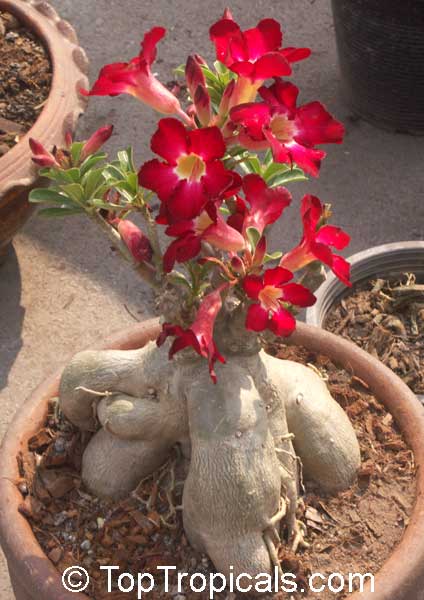
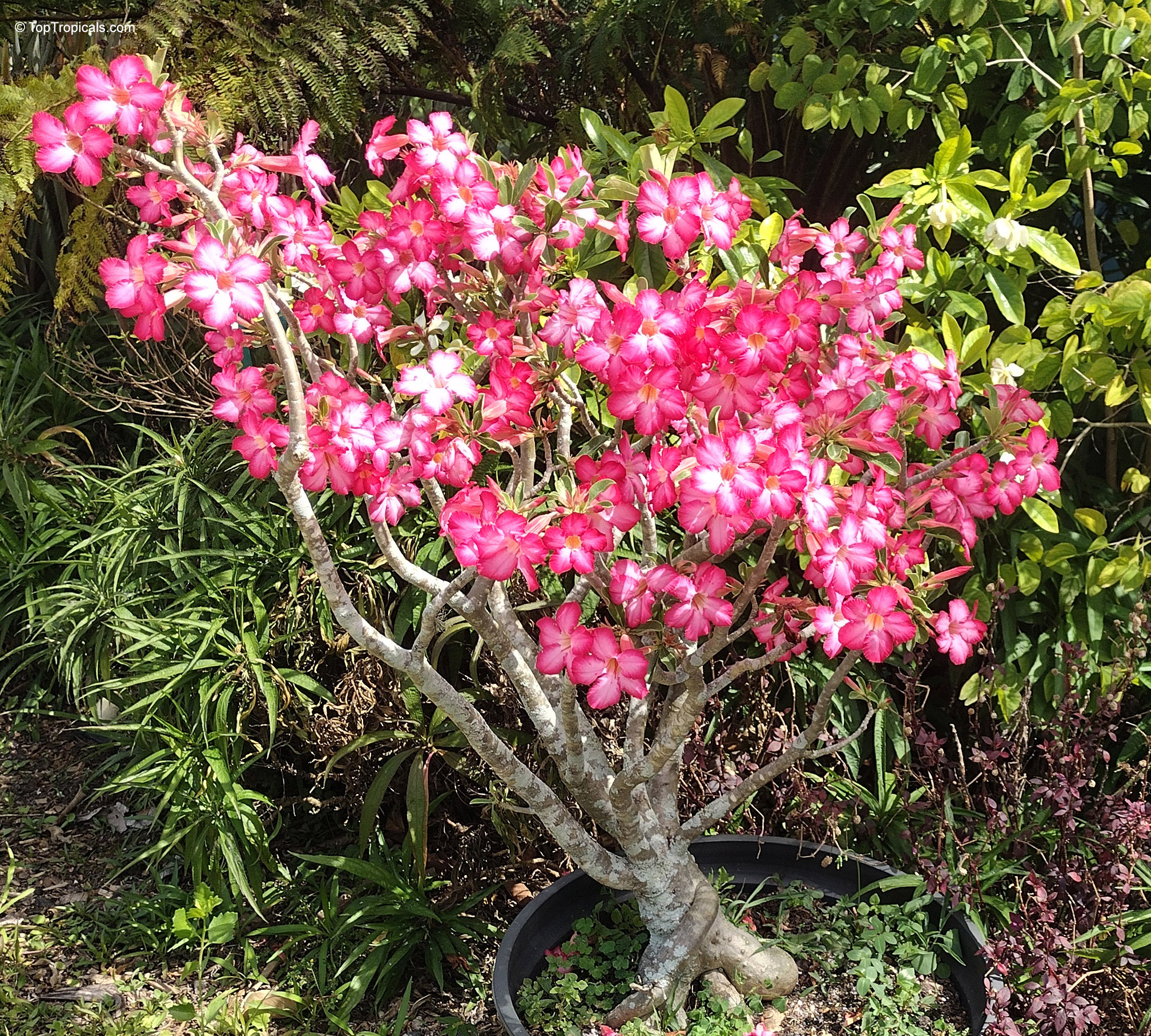
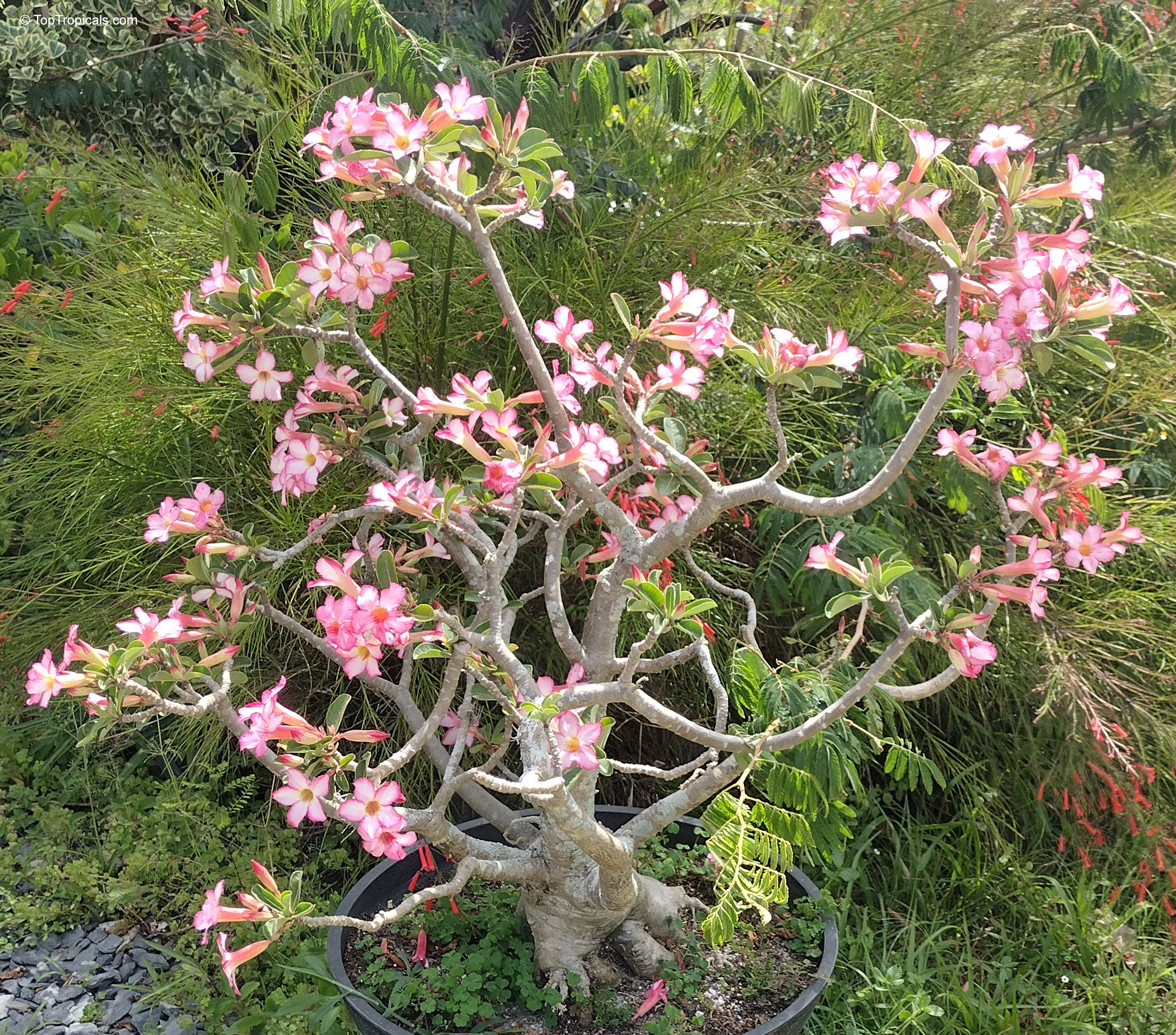
Botanical name: Adenium sp.
Common names: Adenium, Desert Rose, Impala Lily
Family: Apocynaceae
USDA Zone: 10-11


Adenium sp., commonly known as Desert Rose, refers to a group of succulent shrubs and small trees in the Apocynaceae family native to arid regions of Africa and the Arabian Peninsula. Plants develop a swollen caudex and thickened stems that store water, supporting a compact to spreading crown typically 2 to 6 ft tall in cultivation. Leaves are simple and variable in size and shape, often clustered near the tips of branches. Flowers are showy and funnel-shaped, appearing in a wide range of colors including pink, red, white, and bi-color forms, often with contrasting throats.
This group prefers full sun, excellent drainage, and a fast-draining, mineral-based soil. Water moderately during active growth, allowing the soil to dry between applications, and reduce watering during dormancy. Growth rate is moderate in warm conditions. Cold tolerance is limited, with damage likely below 40F; best suited to USDA Zones 10 to 11. Adenium species are well suited to container growing, where drainage and winter protection can be carefully controlled.See other exotic species of Adenium, photo gallery of exotic varieties and Thai Adeniums - milti-colored, multi-grafted.
See article about Adenium.



| Prev | Next | |
Use link to repeat this search:
https://toptropicals.com/cgi-bin/garden_catalog/cat.cgi?find=Water lily&search_op=and&keyword_op=and&language=e&number=10
&no_change_lang=1&user=tt&sale=1&first=0