Water, lily - Plant Encyclopedia Results (Page 2)
| Number of plants found: 59 |  | Prev | Next | 
|
Go to page: | 1 | 2 | 3 | 4 | 5 | 6 |

Botanical name: Crinum asiaticum
Common names: Swamp lily, River lily, Spider lily
Family: Amaryllidaceae
Origin: Australia, Tropical Asia

USDA Zone: 9-11


When grown outdoors, Crinum asiaticum (Swamp lily) prefers full sun although it can also take semi-shade. They tolerate drought but prefer regular water. In very hot areas, they also need some shade. Plants can also be kept in pots as long as they are kept moist, warm and in adequate light. For cold areas, Crinum asiaticum in containers should be kept in a warm and sunny spot during winter, like a well-heated greenhouse. If outdoor temperatures drop below 30oF even for a short period of time, the pot should be moved indoors. The plant may survive outside in cold areas, but it should be protected from the cold with blankets or straw.
Crinum asiaticum is a popular garden plant for its large, fragrant, white-off white flowers on a large shrub 5 to 10ft tall. It is hardy to USDA Zone 9-11. Crinum asiaticum is native to tropical regions of Australia and Asia where it grows in moist soils near streams, swamps or river banks. It is a popular addition to garden beds or as a specimen, and works well in groupings. In some gardens Crinum asiaticum can grow as a small plant only 2 to 5ft tall. The showy blossoms of this tropical lily attract a variety of insects and birds.
Apart from general garden care such as weeding, adding organic fertilizer and controlling pests, this plant requires very little care in order to thrive. It's a good idea to mulch around the base of the plants and to water during dry spells. To prevent the bulbs from splitting and to keep the plants vigorous, they should be divided every three to four years.


Botanical name: Erythronium sibiricum
Common names: Siberian Fawn Lily, Siberian Trout Lily
Family: Liliaceae
Origin: Asia (Mongolia, Altai)
USDA Zone: 3-8


Erythronium sibiricum (Siberian Fawn Lily) is a small, half-shade loving, bulbous perennial that is native to Mongolia and the Altai Mountains. In the right conditions, it can reach heights of about 2-5 feet and can be quite resilient. It features beautiful pink flowers that have a yellow throat, making it a very attractive addition to the garden.
In terms of care and maintenance, Erythronium sibiricum should be watered regularly, but not excessively. The plant thrives in moist soil, though if too much water is given, it can cause the roots to rot. If the soil is too dry, however, the leaves will start to droop. For the best results, water when the surface of the soil is slightly dry and only until the water starts to run off.
Erythronium sibiricum is a medicinal plant, and its root is often used in herbal medicine. It also attracts butterflies and hummingbirds to the garden. USDA zone 3-8 are recommended for optimum growth of the Erythronium sibiricum.
With its beauty, medicinal benefits and attraction of wildlife, there is much to love about the Erythronium sibiricum. For those who have access to the optimal growing conditions, it can provide a unique addition to the garden that can last for many years.

Botanical name: Hedychium sp.
Common name: Elizabeth Ginger Lily
Cultivar: Elizabeth
Family: Zingiberaceae
USDA Zone: 9-10


Elizabeth Ginger Lily is a small shrub that typically grows 2-5 feet tall, best suited in a semi-shade area with regular water. It is suitable for growing in USDA Zone 8-11. The flowers of this ginger lily are stunning, with long blooms of red, crimson and vinous but they also come in beautiful yellow and orange shades as well. Delightful fragrance wafts from them, and they attract butterflies and hummingbirds.
This small shrub requires minimal upkeep and care, preferring moderate to moist soil that won't dry out during the summer. When growing in a pot in cold regions, you should keep the pots inside during winter and place the roots in dry and cool soil. It should be watered regularly to keep the soil moist but not too wet so you will need to adjust accordingly to your local climate. This is a flowering plant that is hardy and easy to maintain, giving your garden a colorful and blooming appearance with little effort.


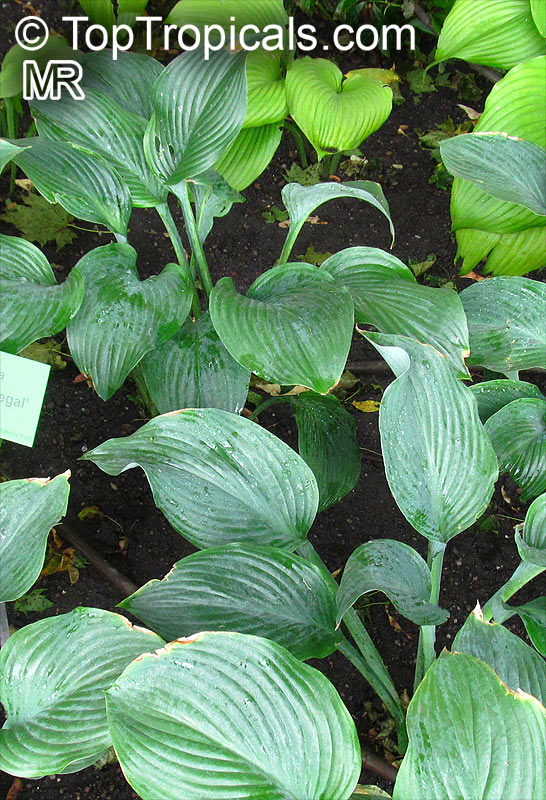
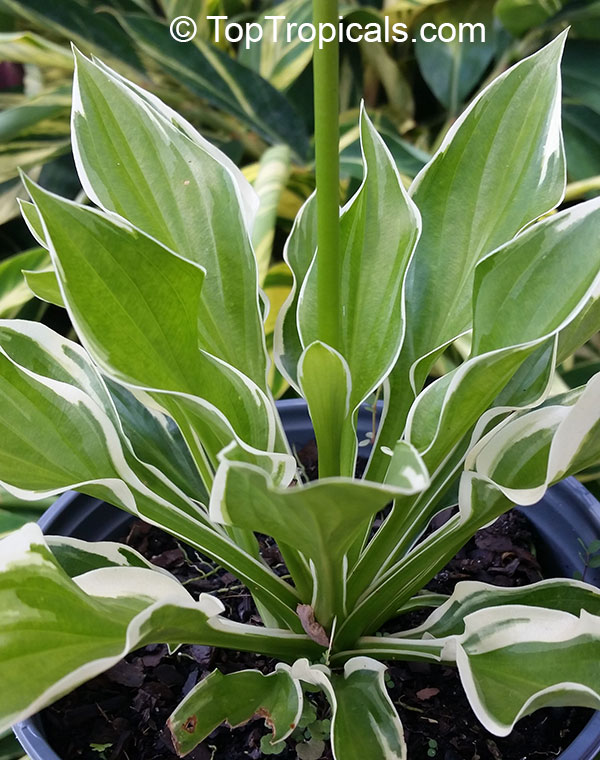
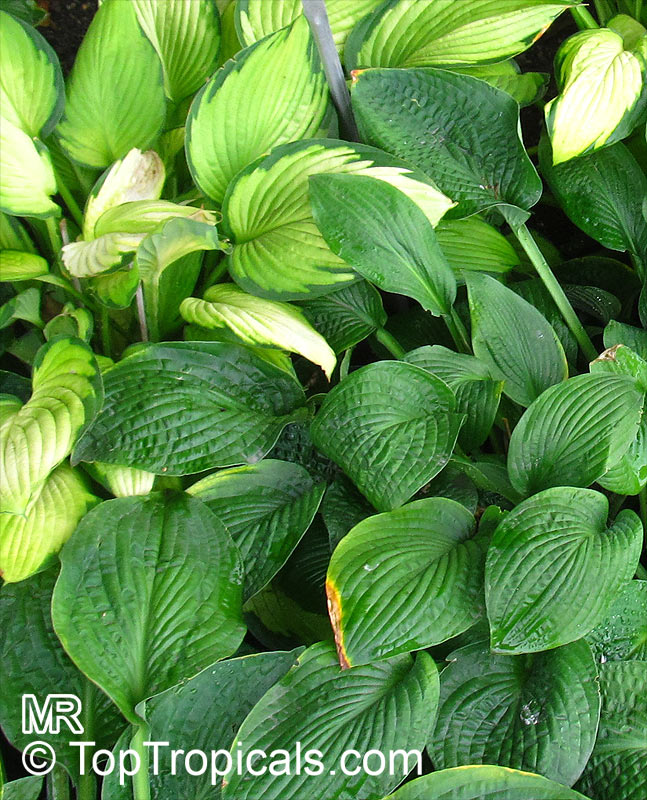
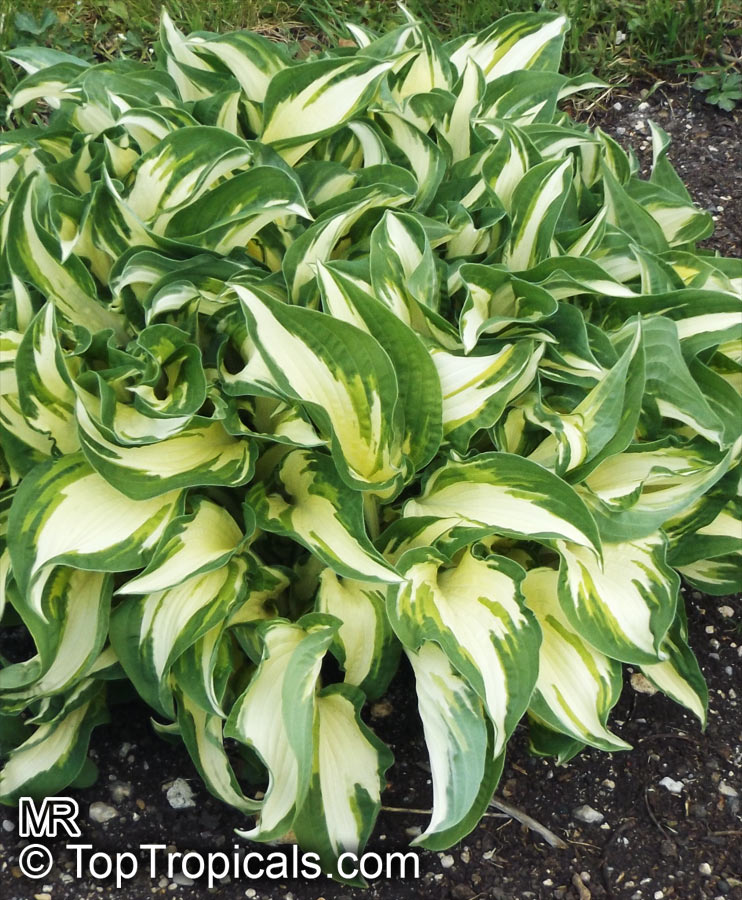
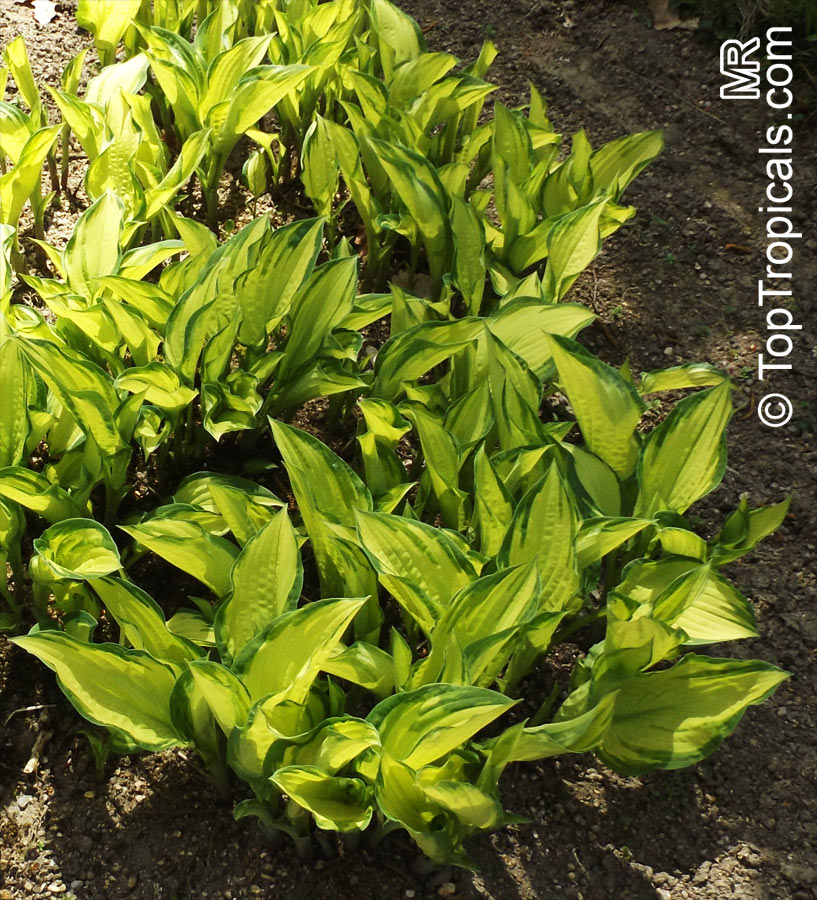
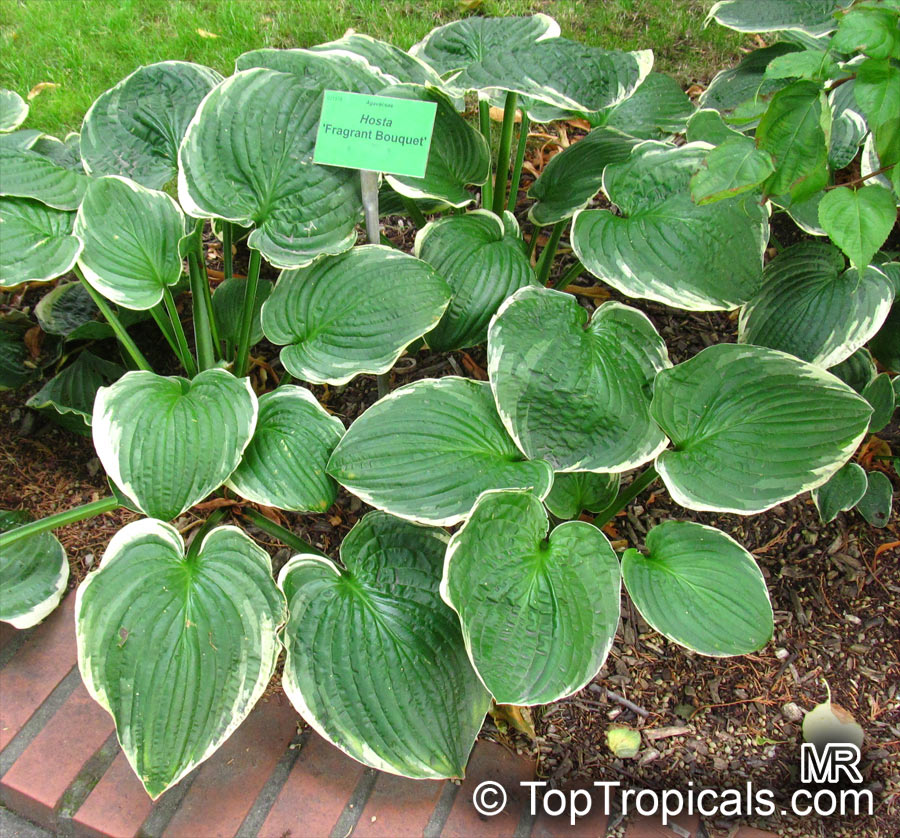
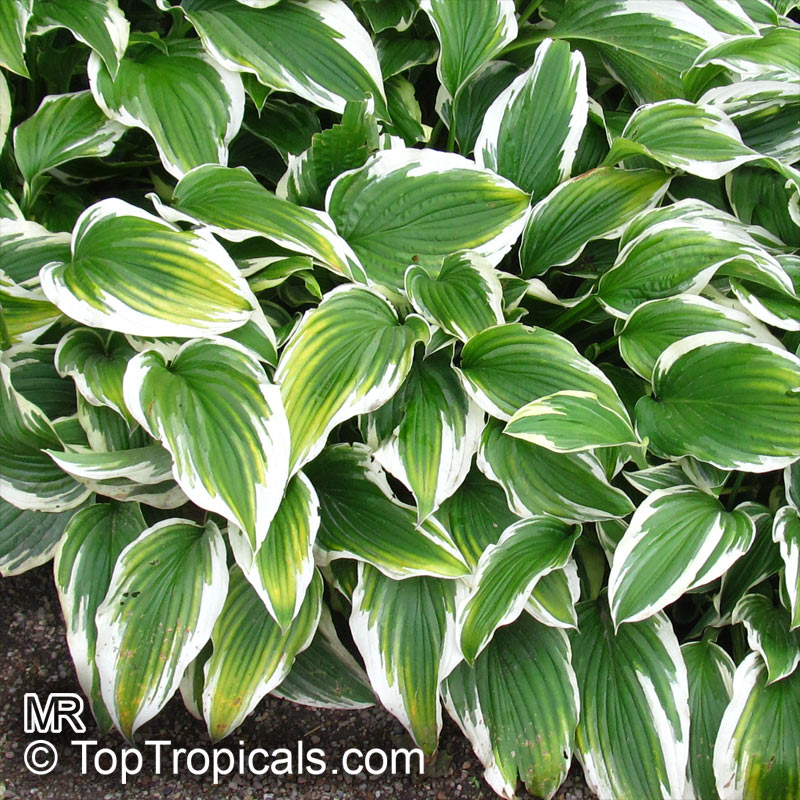
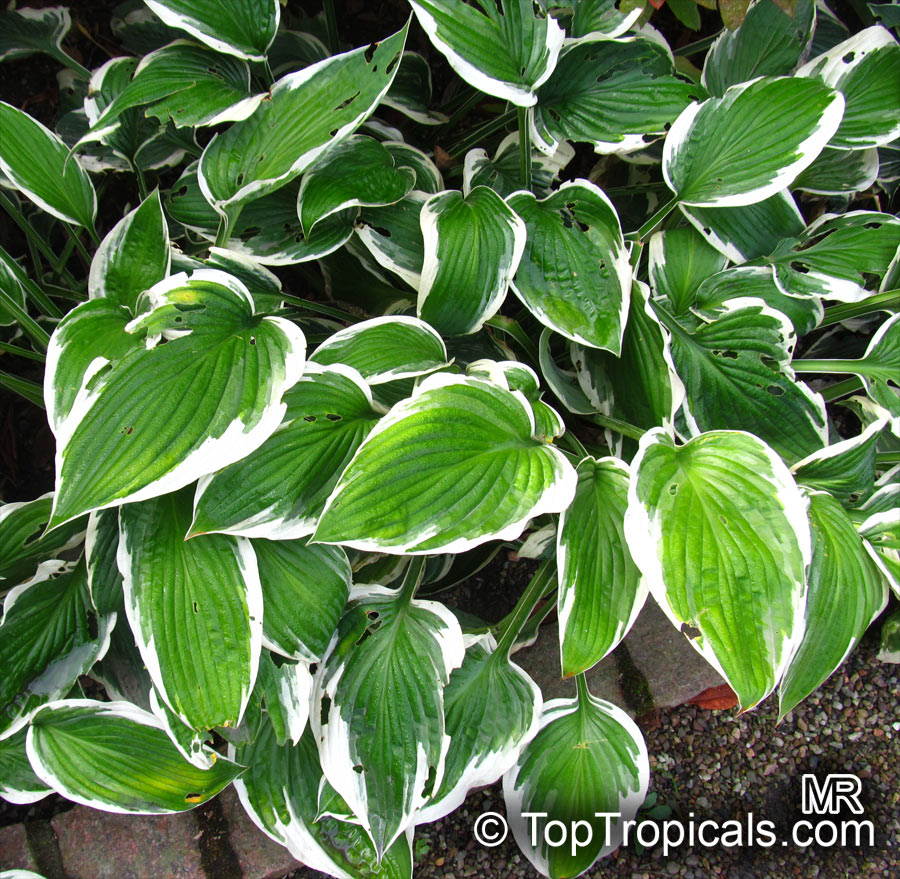
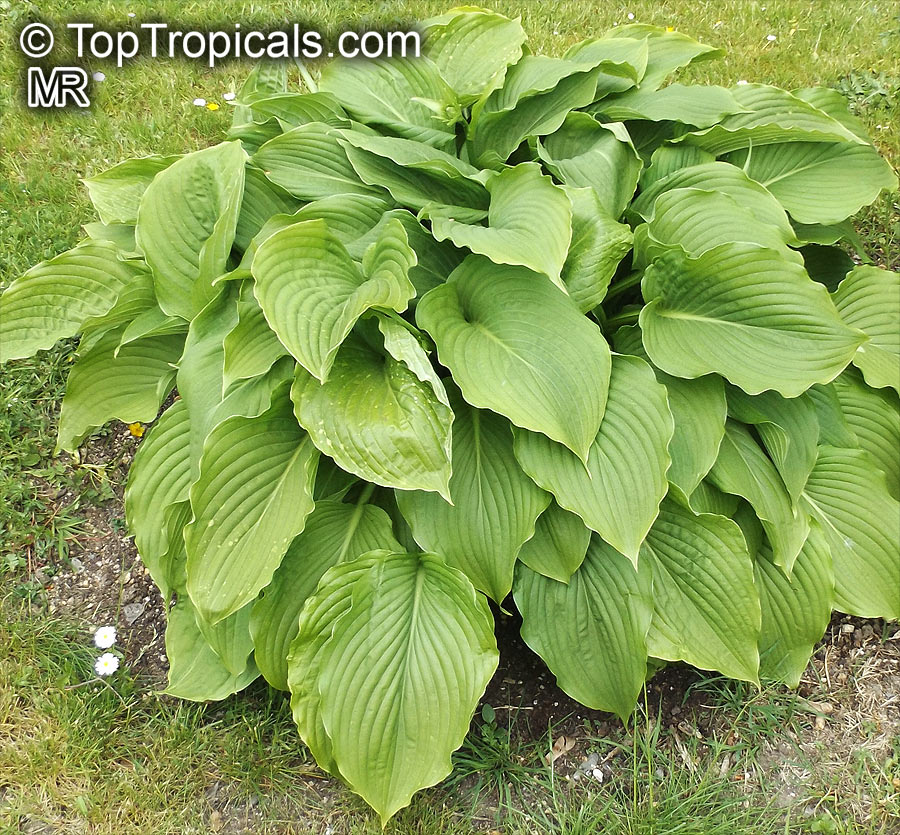
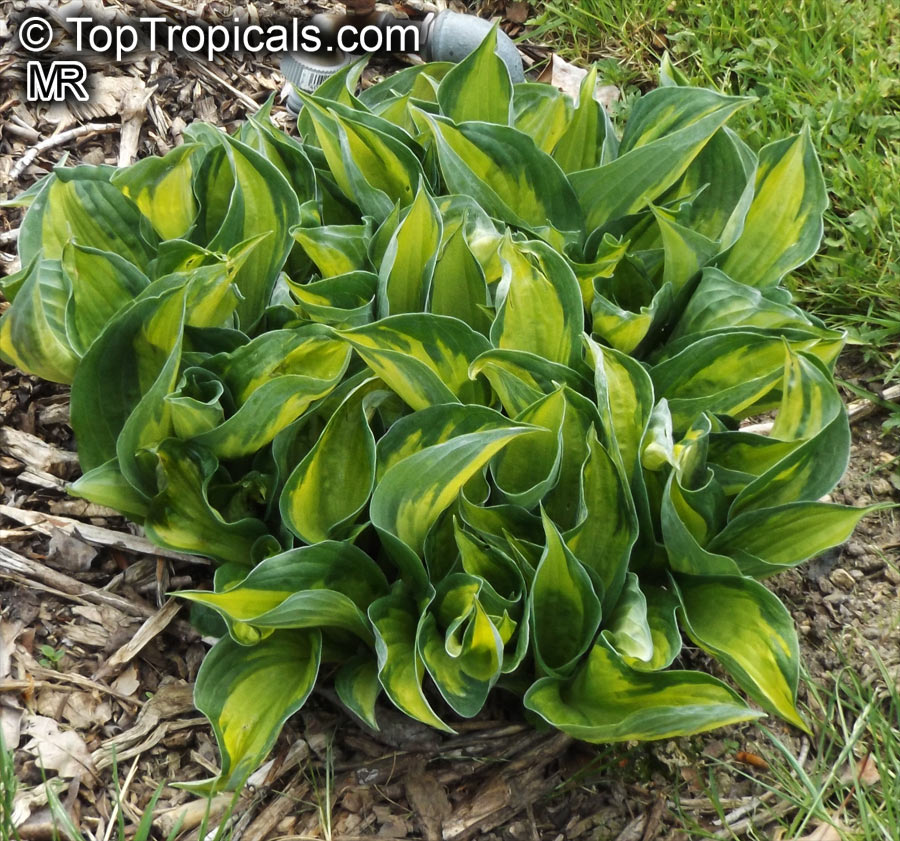
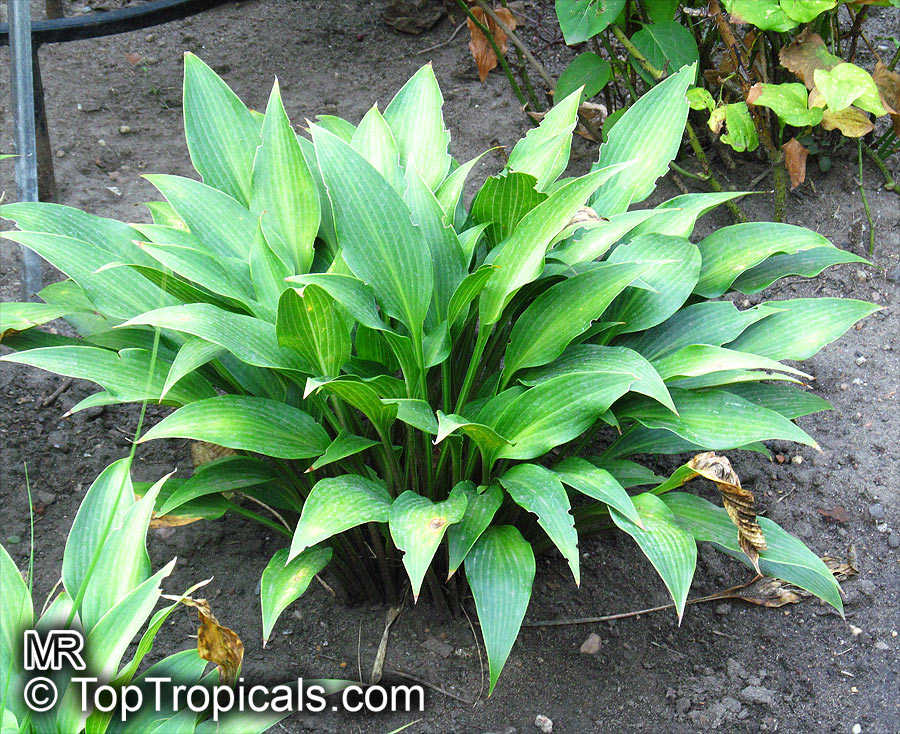
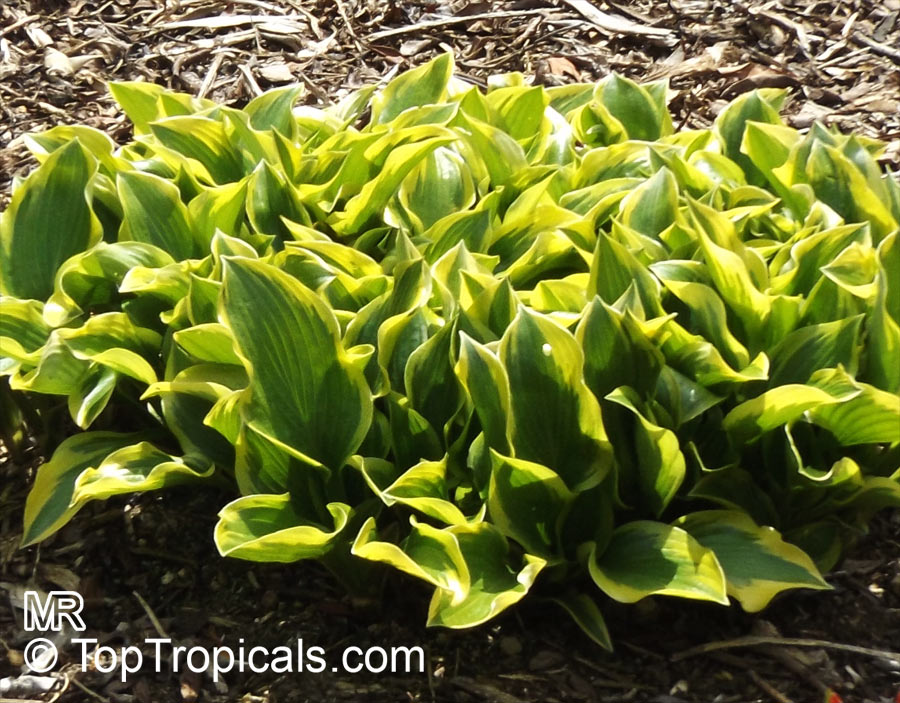
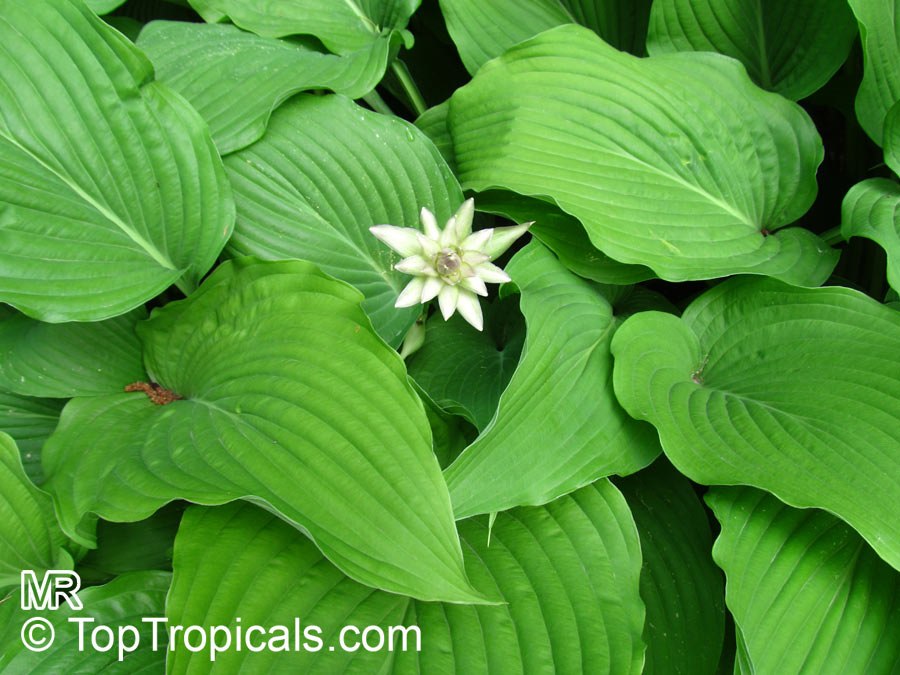
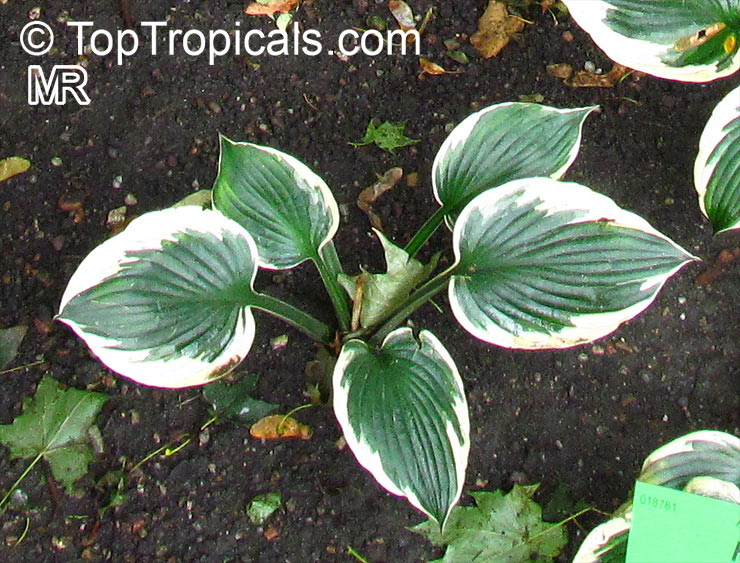
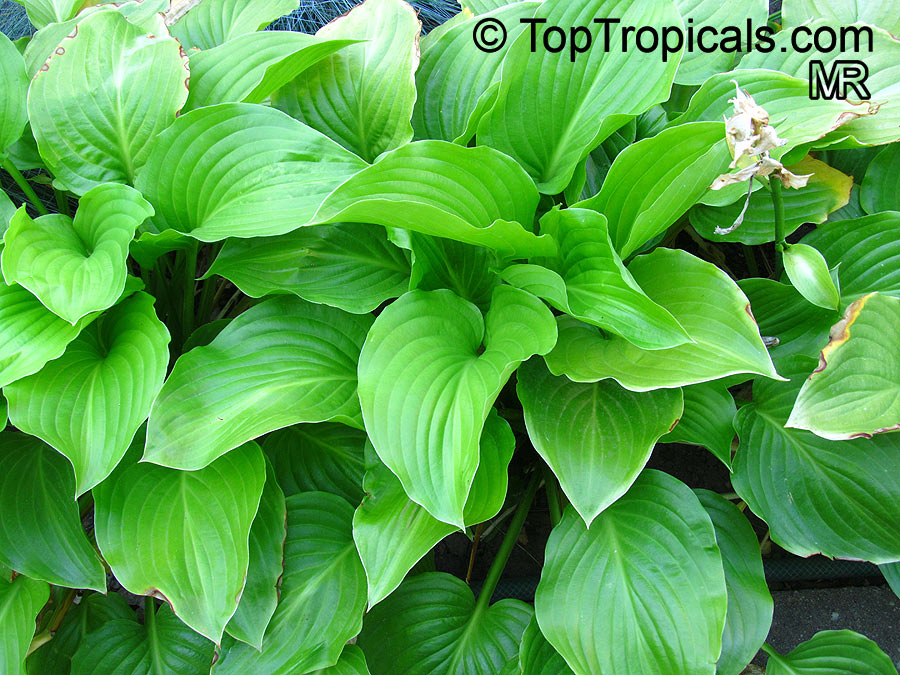
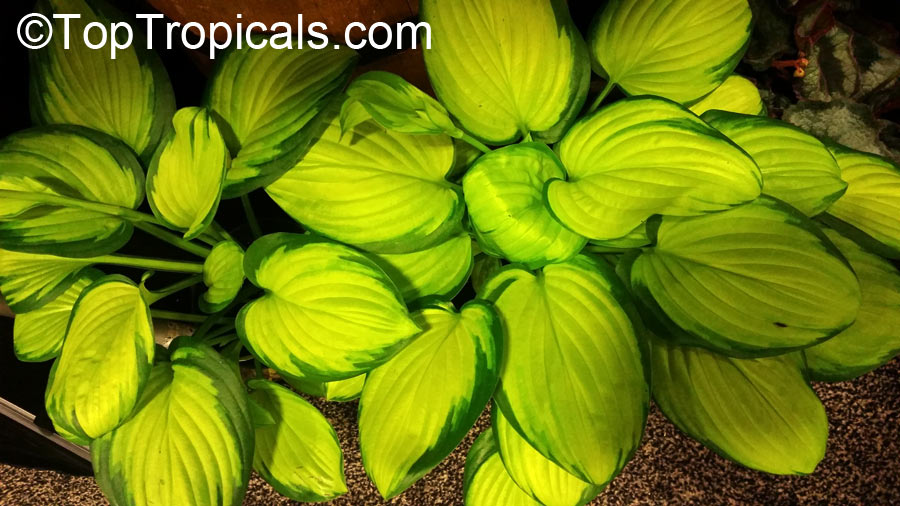
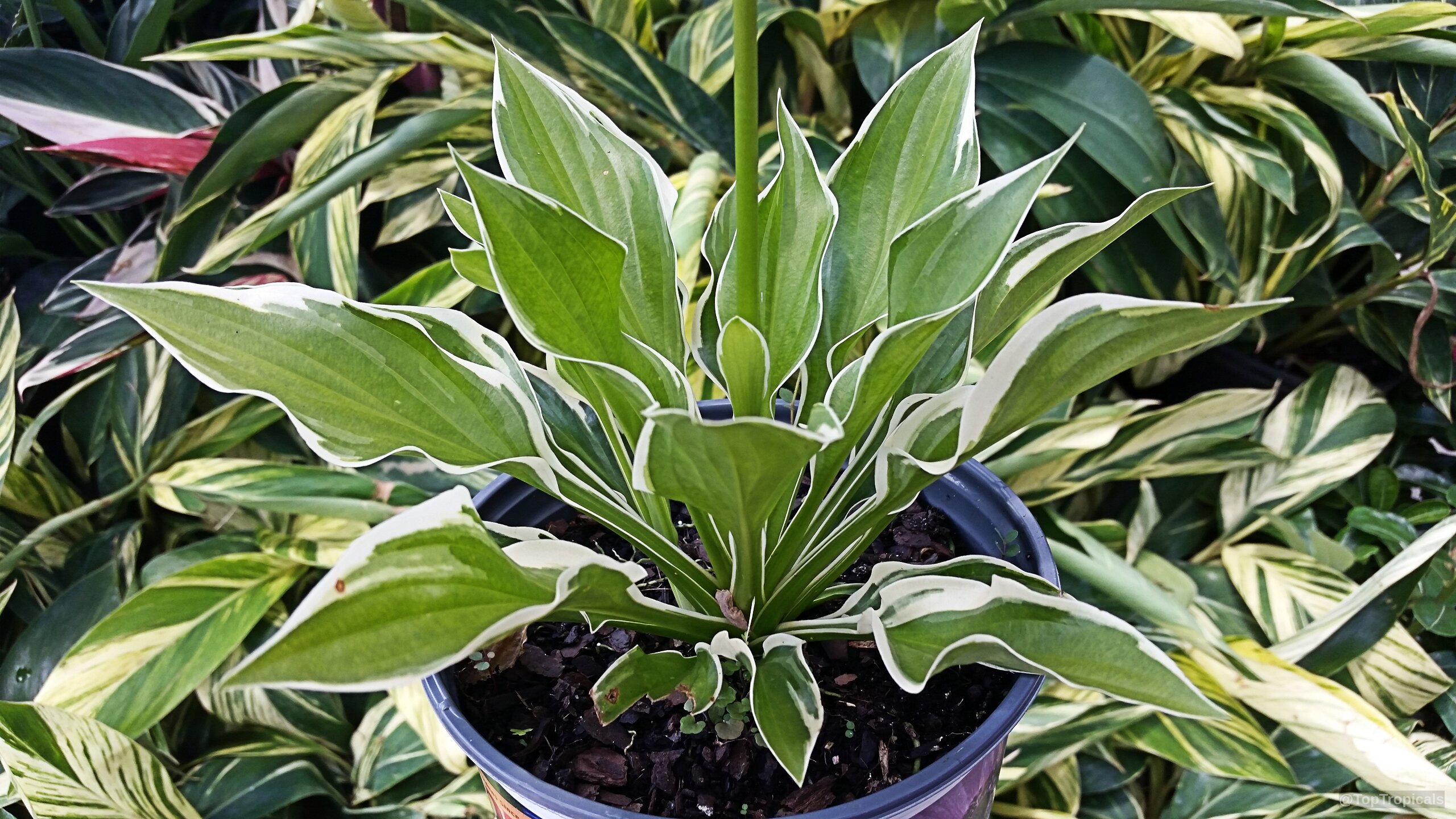
Botanical name: Hosta sp.
Common names: Plantain Lily, Giboshi, Hostas
Family: Asparagaceae (Formerly:Hostaceae)
Subfamily: Agavoideae
Origin: China, Japan, Korea, Russian Far East
USDA Zone: 3-8


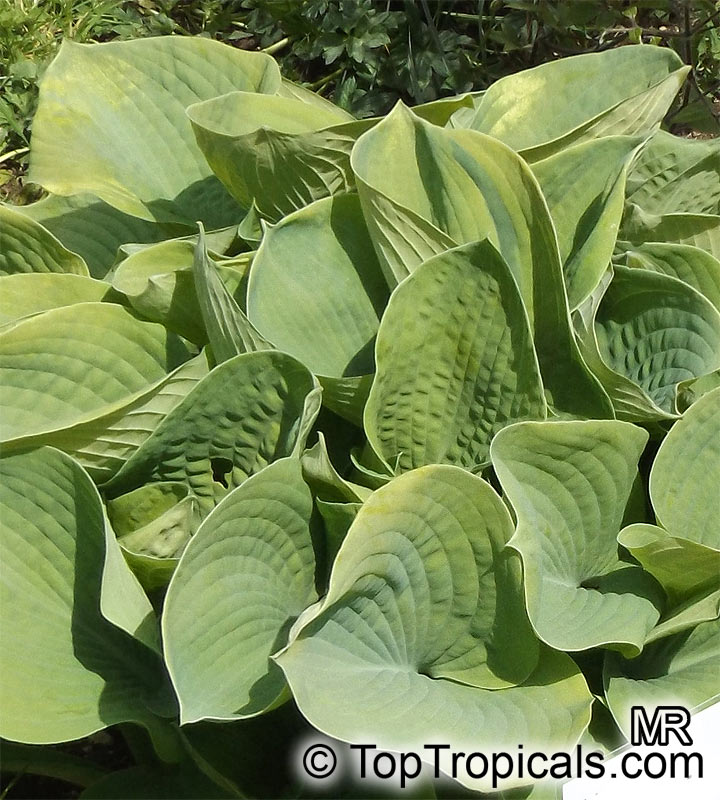
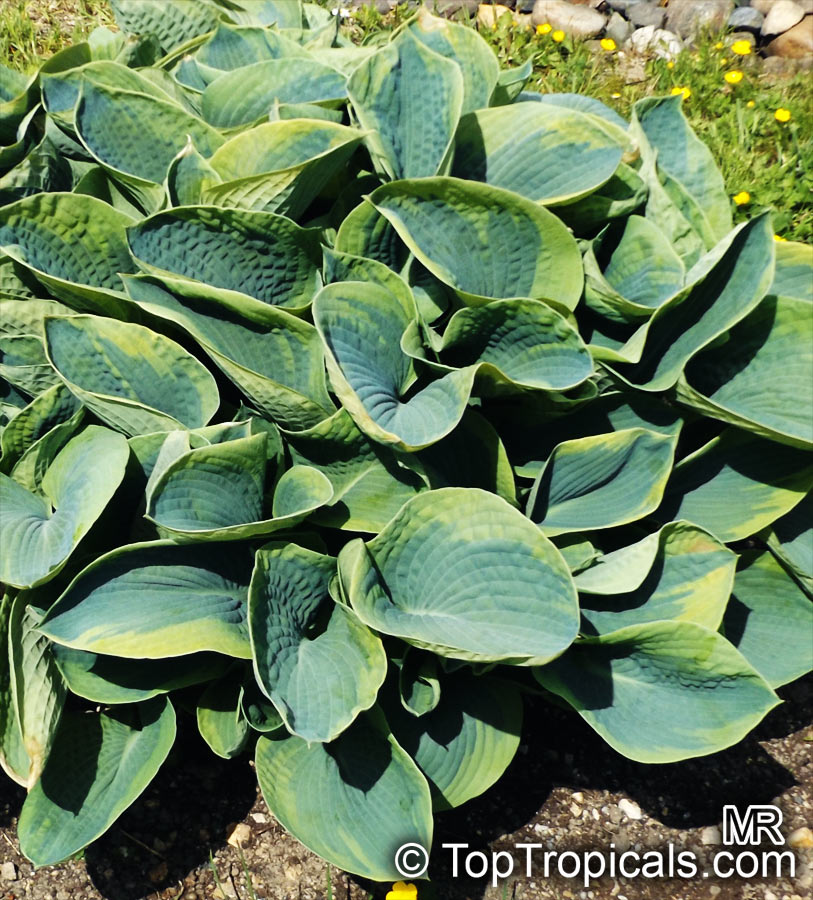
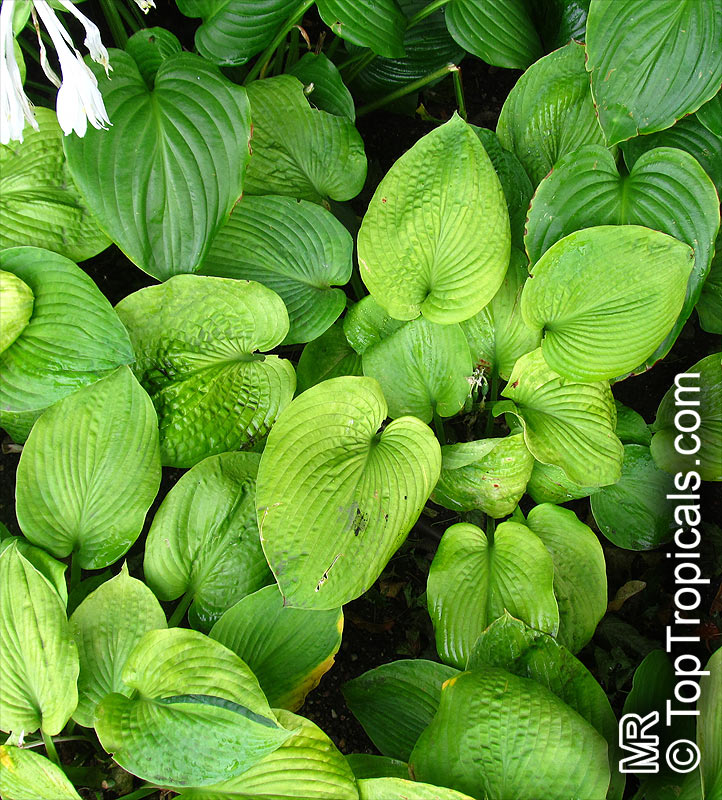
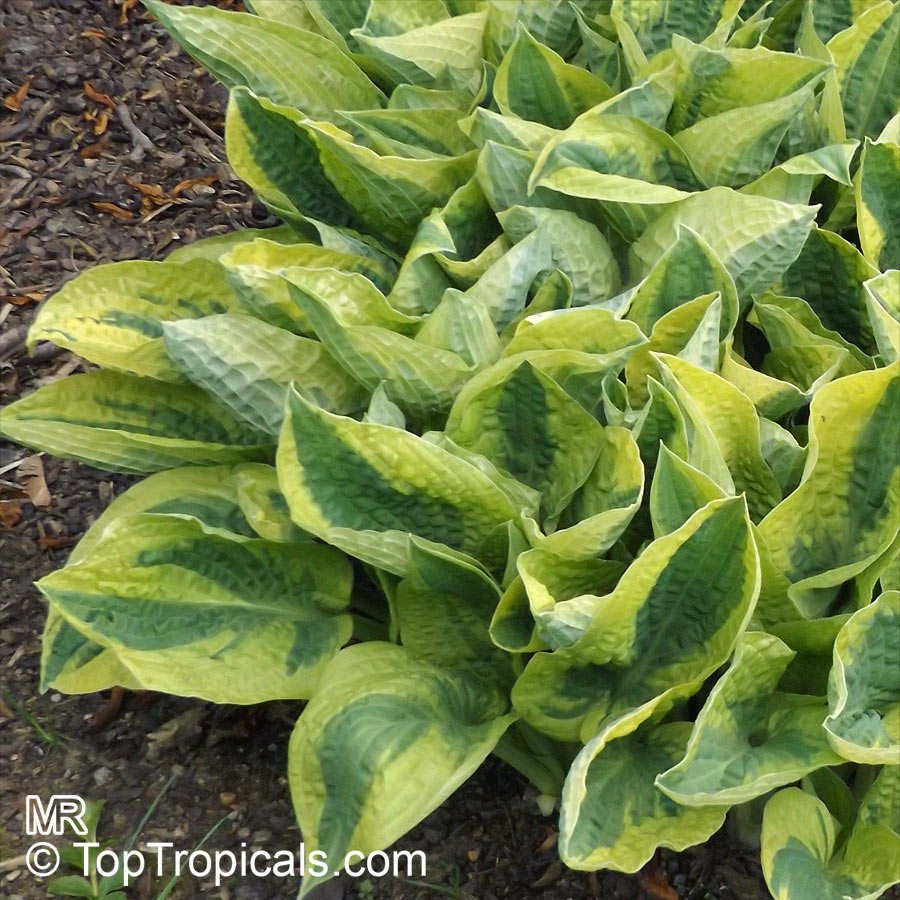
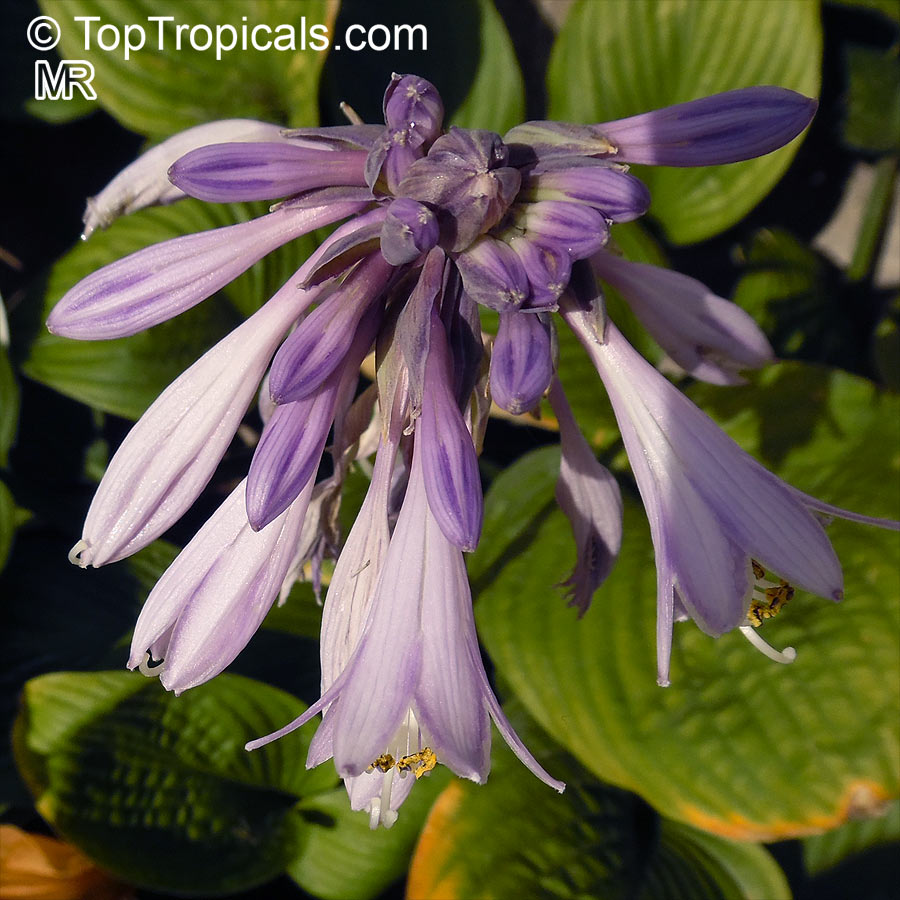
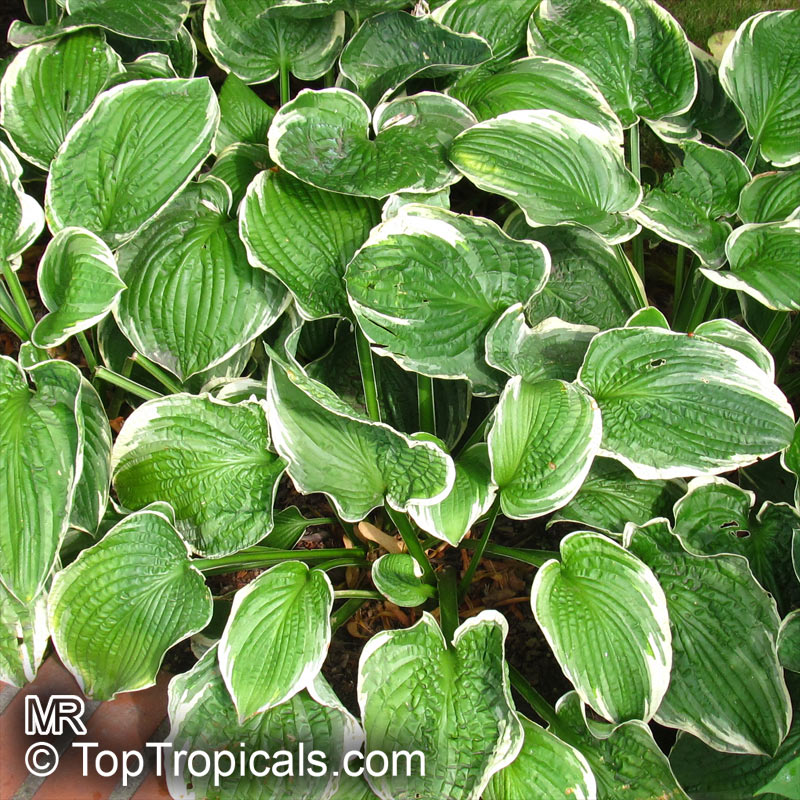
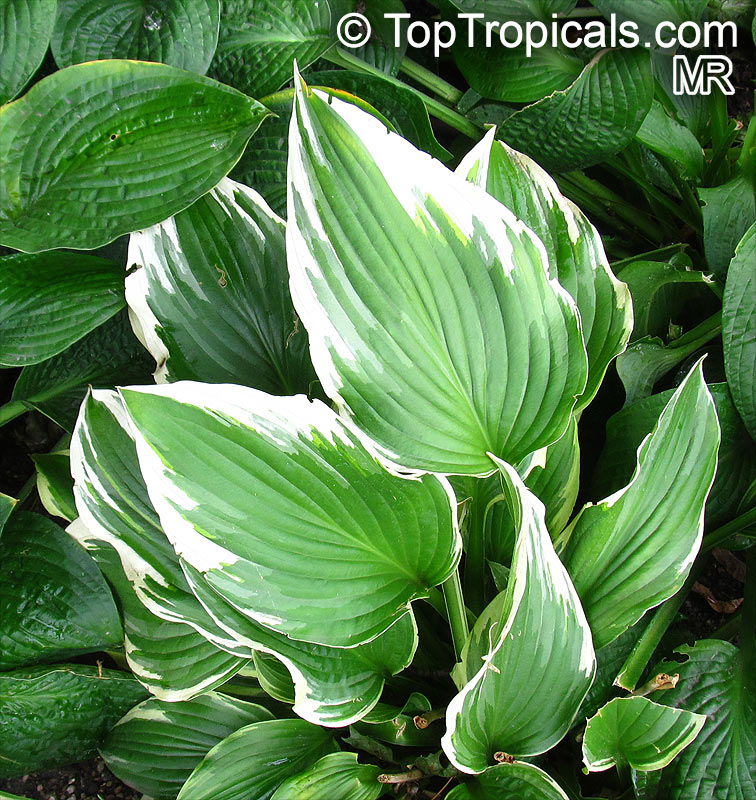
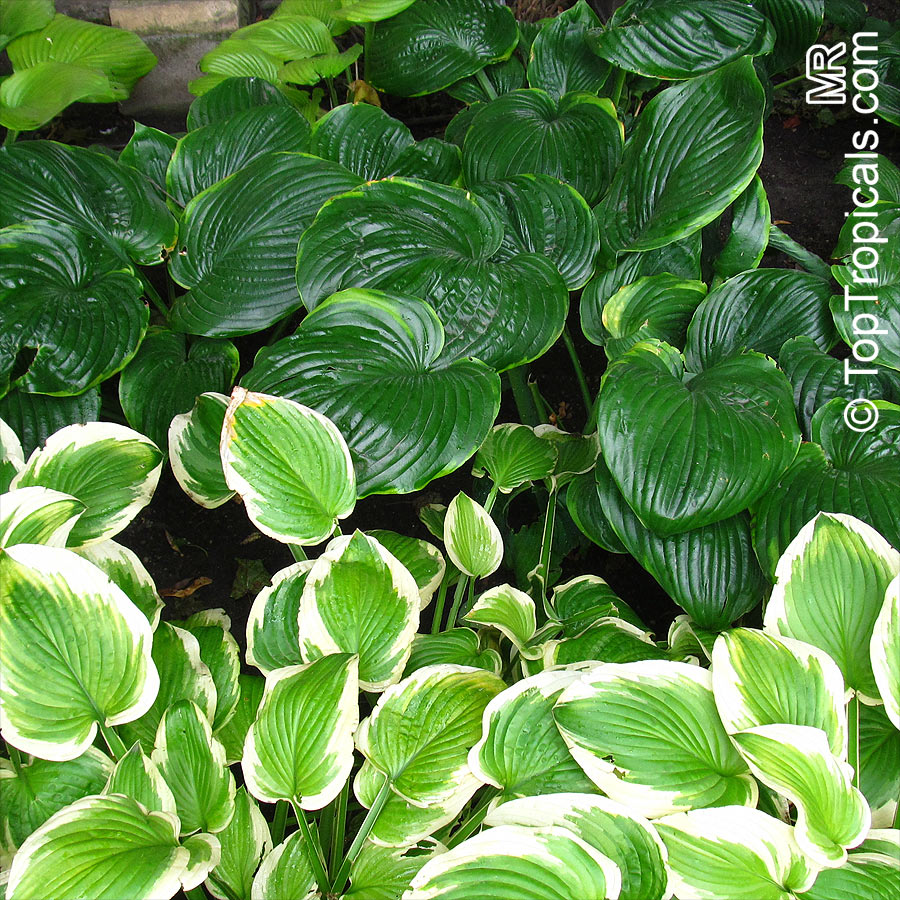
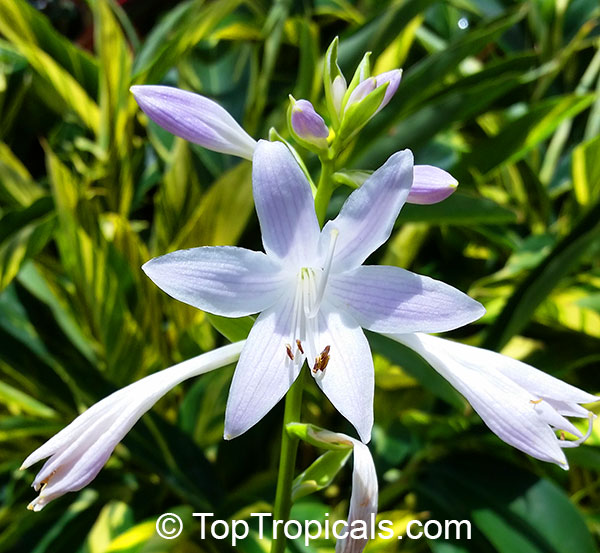
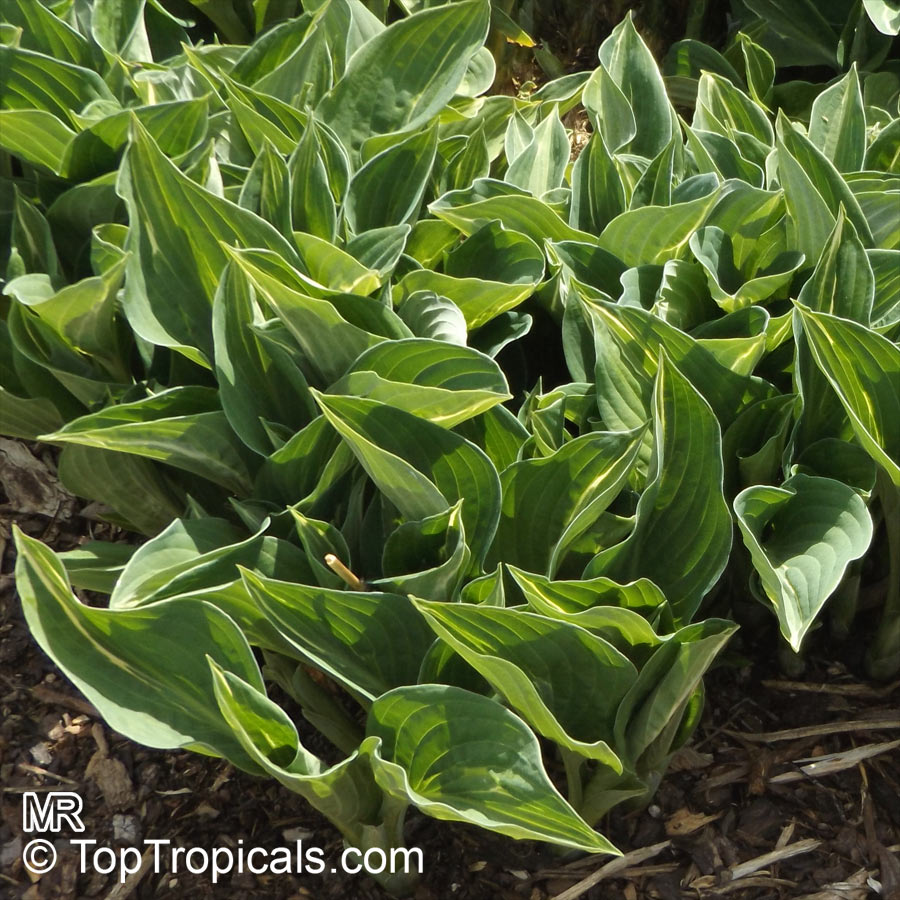
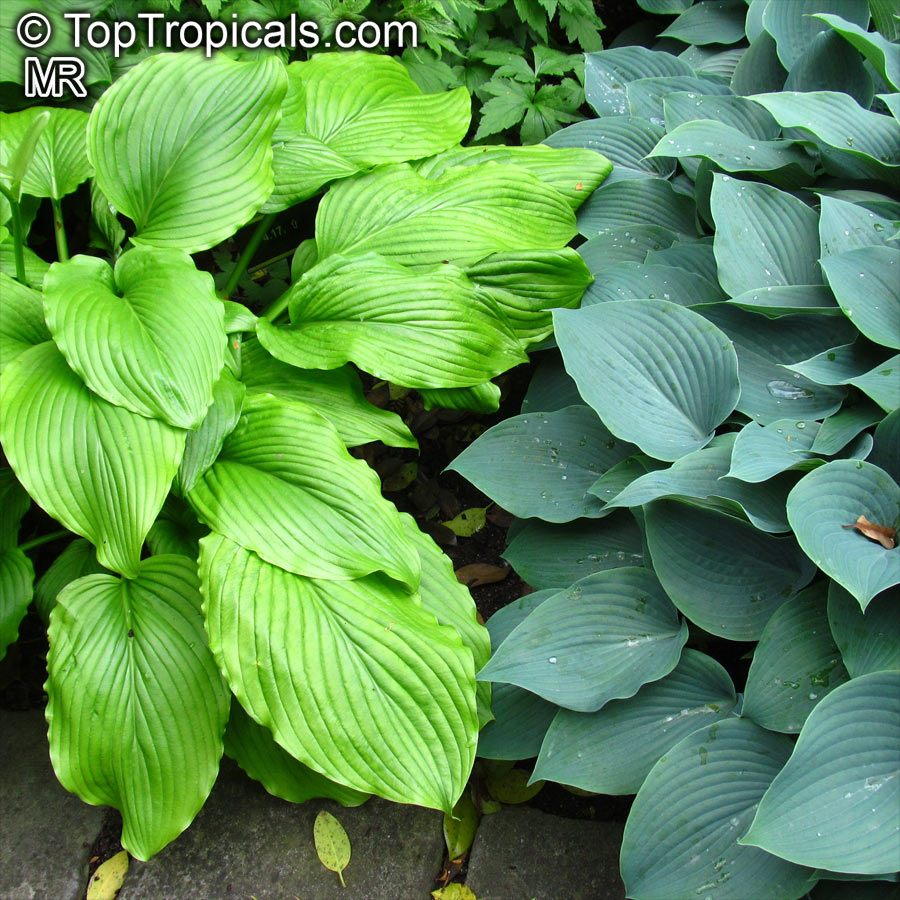
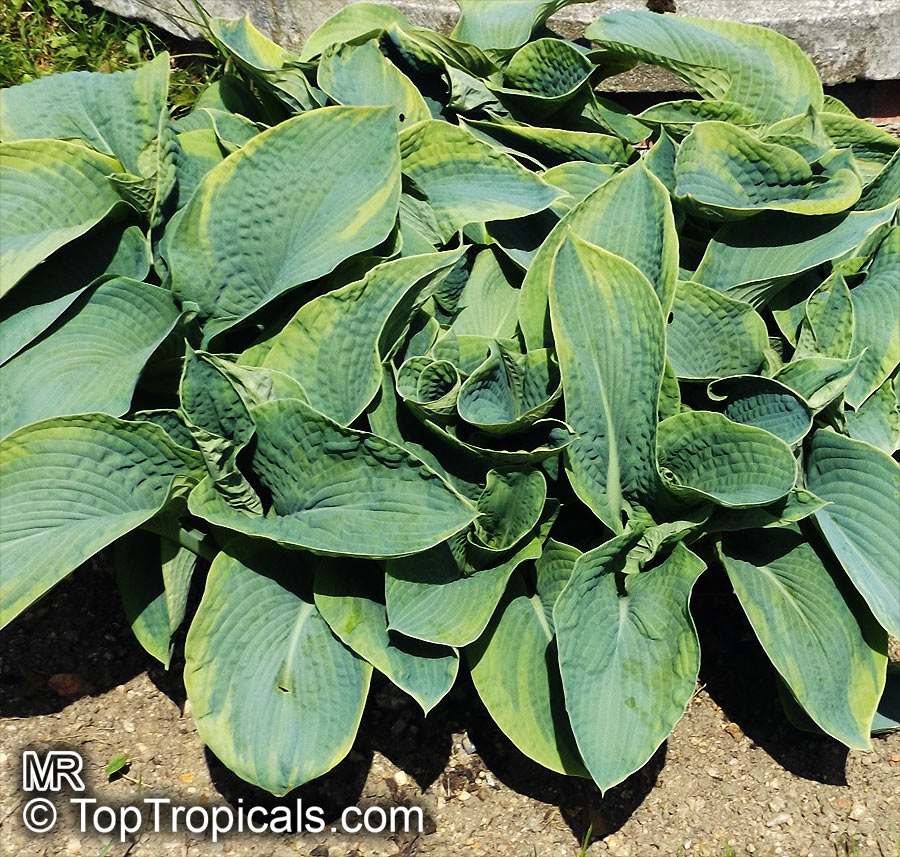
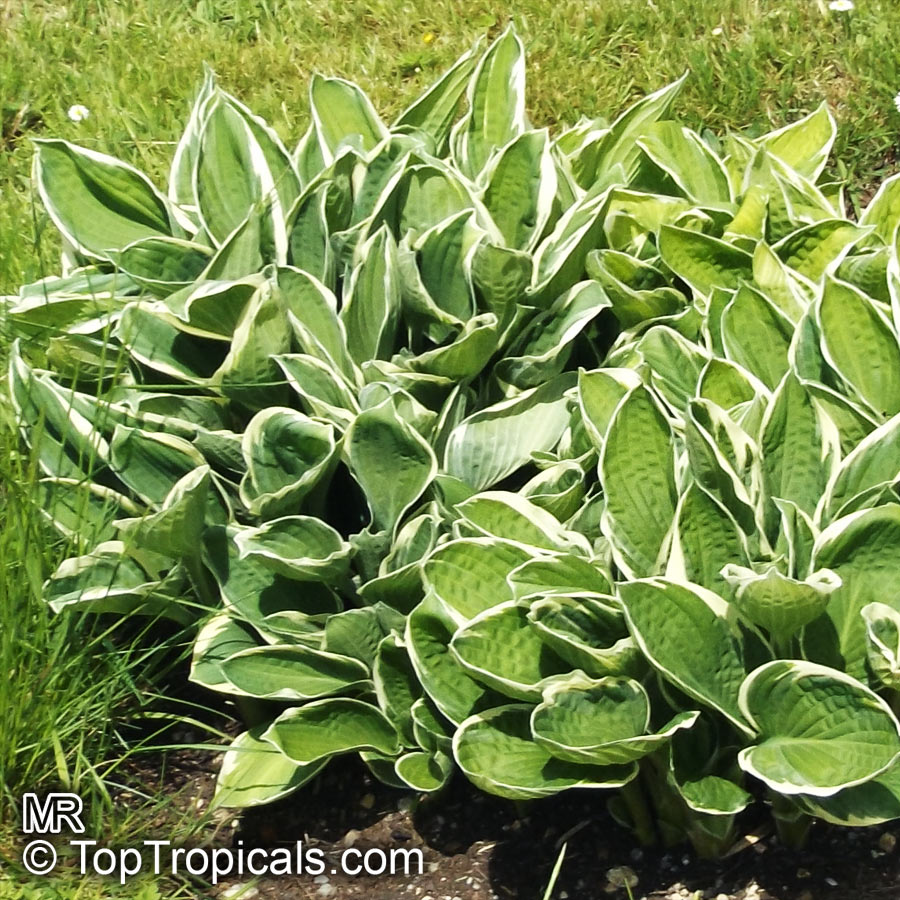
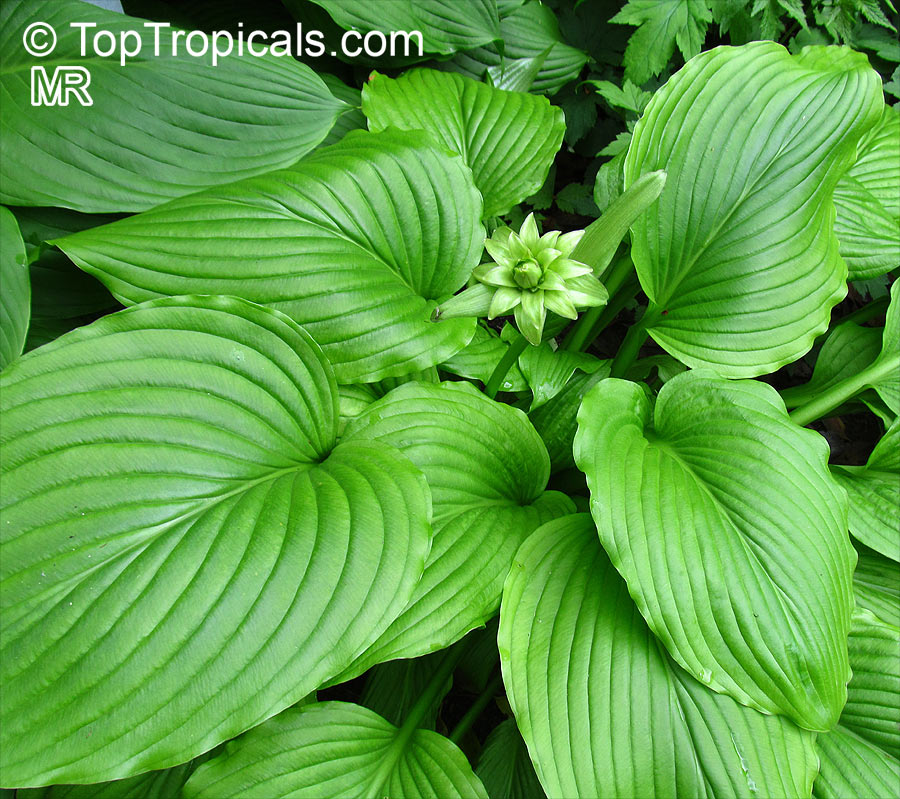
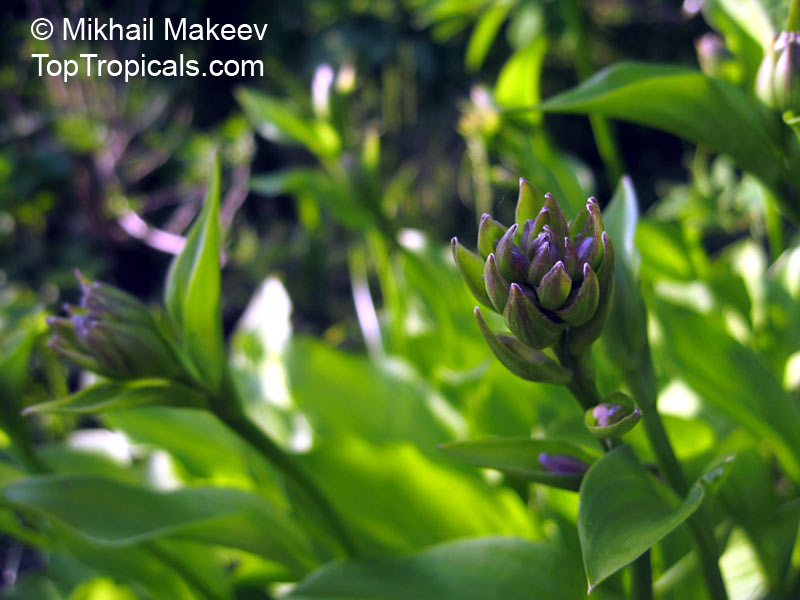
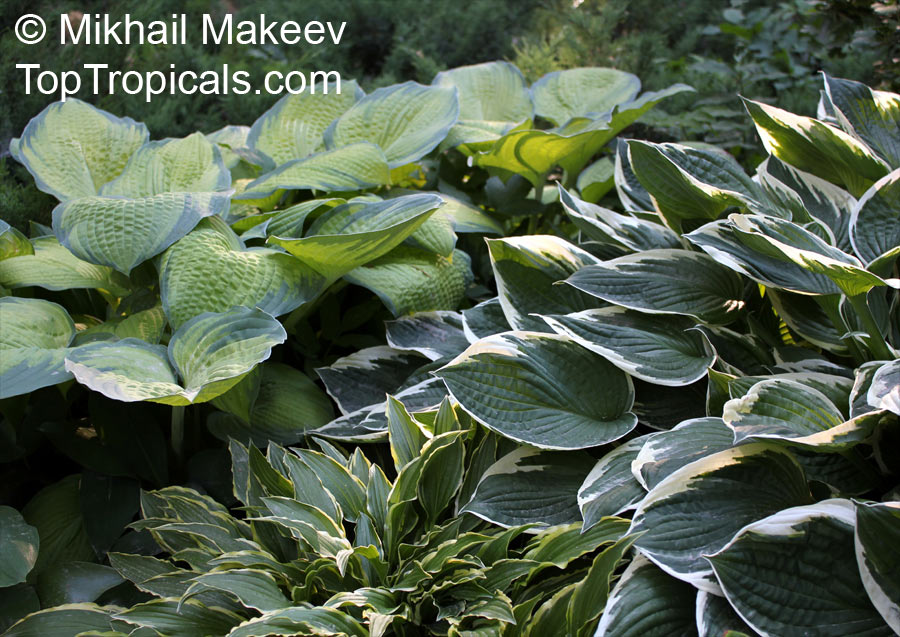
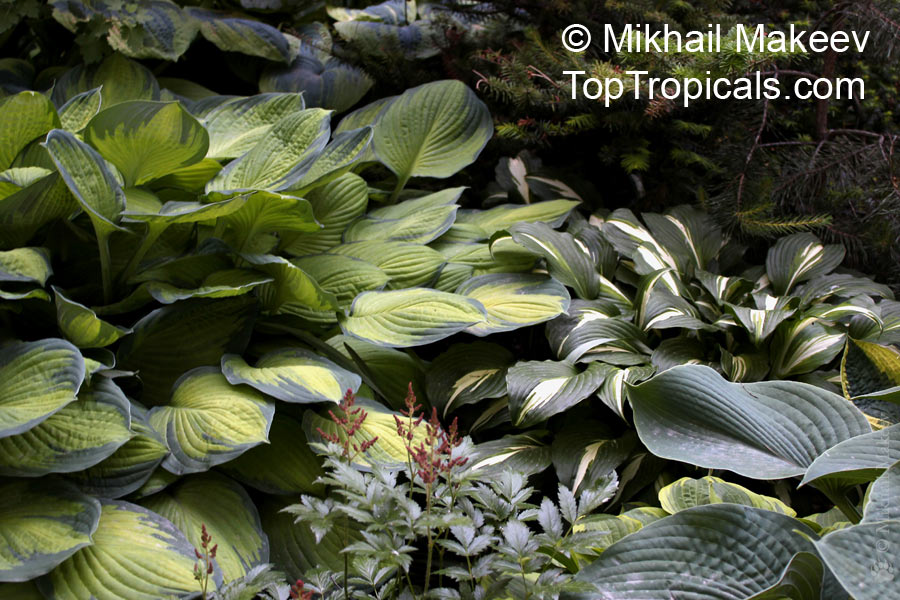
The Hosta, or Plantain Lily is a very useful, long lived perennial for the shade garden. This family of plants is known for its decorative, large clumps of lush green foliage and spikes of lily shaped, sometimes fragrant flowers which appear later in summer. Hosta leaves come in a broad range of solid and bi-colors, from blue to green or gold.The most common leaf shape is heartlike, but some varieties have narrow, straplike leaves.
Hostas thrive in filtered shade like you would find in their natural habitat - the forest floor. The fragrant varieties Hostas and the solid green varieties will tolerate full sun, but these types are better off with morning sun than hot afternoon sun. Hostas are somewhat drought resistant, but the more light which they receive, the more water the plant will need to survive, so watering should be increased proportionate to the brightness of the lighting. Hosta plants should be grown in well-drained, rich organic soils. Most Hostas are hardy in zones 3-9, but they will benefit from some winter protection by mulching.
Hostas can be left undisturbed for many years but if they overgrow their setting, they can be easily transplanted in the spring.
Hostas can be grown from seed which can be sown directly in the garden in spring or early summer or they can be started indoors at 70°. Germination takes 15-20 days.
They can also be propagated by dividing mature clumps.The best time is to divide Hostas is in early spring, when the new growth has just begun to show. Large clumps can be cut into quarters using a sharp, straight edged shovel, a large knife or even an axe. To divide smaller Hostas, dig up the clump and shake off most of the soil. Pull the rhizomes apart or separate them with a sharp knife, making sure each division has a good cluster of leaves and plenty of roots.

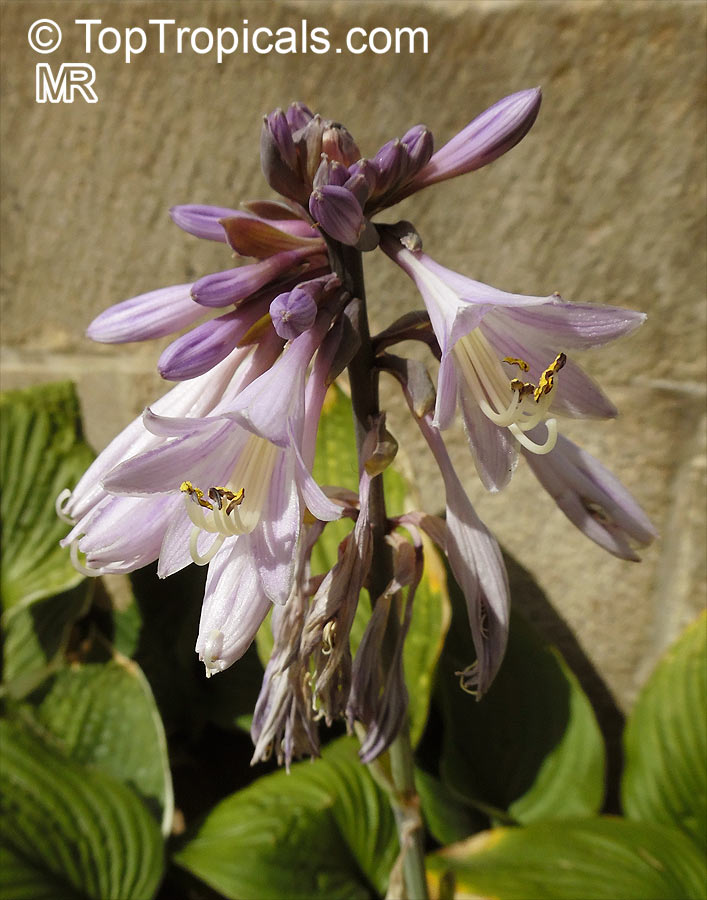
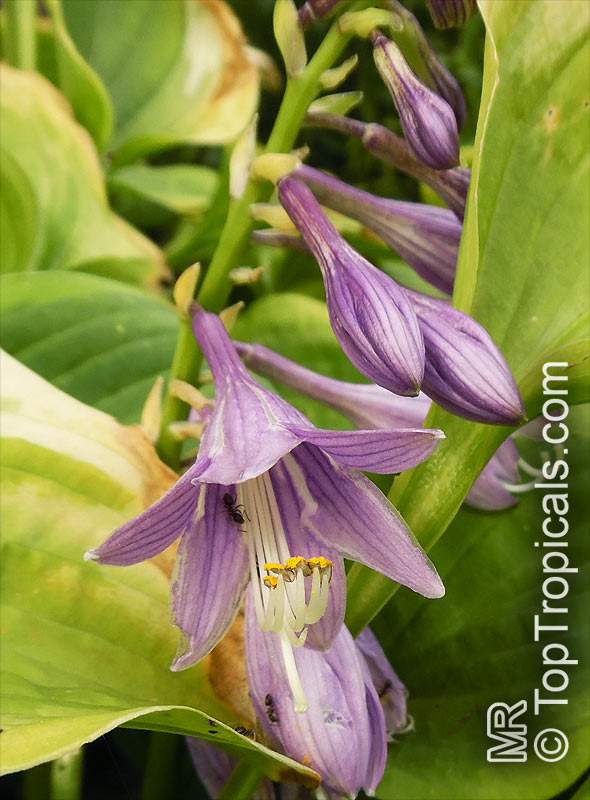
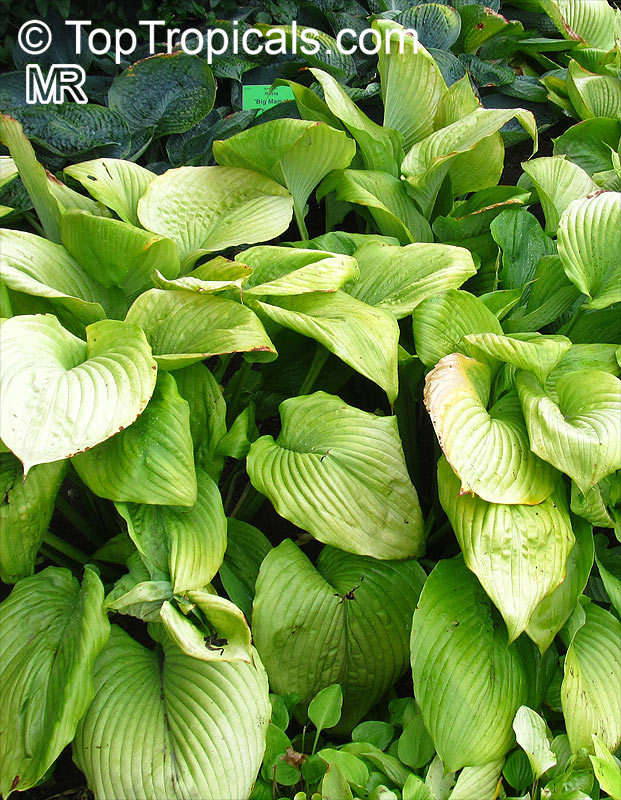


Botanical name: Hymenocallis sp.
Common names: Spider Lily, Ismene, Sea Daffodil
Family: Amaryllidaceae (Formerly:Amaryllidaceae / Liliaceae)
Subfamily: Amaryllidoideae
Origin: West Indies
USDA Zone: 9-10
Hymenocallis sp., also known as the Spider Lily, is a small flowering plant native to the West Indies. It generally grows between 2-5 feet and prefers a semi-shady area. Regular water is a must for this plant, as well as moist to wet soil.
The Spider Lily has arched and narrow petals that have a delicate, spider-like appearance and are usually white or off-white in color. They're slightly fragrant, making them popular for planting in gardens for a sweet aroma.
This flowering plant can be grown in USDA hardiness zones 9-11 and needs protection during winter months if grown in zones with severe cold temperatures. To grow it in cold regions, the best option is to pot it and bring it indoors during cold weather. Regular water and fertilization will help it thrive even if grown in a pot.
In addition to regular watering, the Spider Lily should be fertilized every two-four weeks with an all-purpose fertilizer. To prevent disease, it's important to avoid over-watering and give it good air circulation. Pruning the plant back to the ground every two to three years can help maintain its shape and prevent it from growing too tall.
The Spider Lily is an attractive plant that is sure to be a conversation starter in any garden. It's easy to maintain, making it a great choice for novice gardeners. With regular water and care, it is sure to bring a spot of vibrant beauty to any outdoor space.


Botanical name: Lilium sp.
Common name: Lily
Family: Liliaceae
USDA Zone: 4-10

Lilium sp. (Lily) Most Lilium species and hybrids grow 2 4 feet tall on average, though some taller types can reach 5 feet or more under favorable conditions. It prefers full sun but will also tolerate some shade. It requires regular water but it has good drought tolerances and can thrive with moderate water. The beauty of these plants come in the form of pink, white and off-white, unusual colored red, crimson and vinous and yellow, orange flowers which are often fragrant and attract butterflies and hummingbirds.
If you are looking to grow the Lilium sp. (Lily) in cooler regions, the plant is capable of tolerating temperatures as low as 30's F for a short time, depending on how mature the plant is. It is important to ensure that the plant is effectively protected by mulching the soil in late autumn when temperatures start to dip to ensure that the bulb doesn't freeze. This helps the Lilium to endure the cold winter and ensures that it is ready to flower its vibrant yellow, pink, white, red and orange flowers the following summer. When the plant has matured it is capable of surviving even lower temperatures.
When planting the Lilium sp. (Lily) it is important to ensure that it is planted in a well drained, light and sunny position. Soils should be amended with a rich layer of compost before planting to help with drainage within the soil. The bulb may require hilling or mulching for protection for the winter but this depends on the region in which you are located. It is important to water the plant during dry spells and to remove fading flowers to allow for additional nutrients and energy to be routed to the developing buds.


Botanical name: Nerine sp.
Common names: Jersey Lily, Guernsey Lily, Spider Lily
Family: Amaryllidaceae (Formerly:Amaryllidaceae / Liliaceae)
Subfamily: Amaryllidoideae
Origin: South Africa
USDA Zone: 9-10

Nerine sp. (Jersey Lily) is a small plant, typically standing between 2-5 ft tall. They are native to South Africa and are a deciduous species that is known to attract butterflies and hummingbirds. This plant grows in USDA zones 9-11 and is best cultivated in pots and flowerbeds. It is advised to pot in a somewhat gritty mix that allows drainage but also safeguards the bulb from dehydration in its dry dormant period. While in active growth, they require full sun or semi shade to flourish. Regular water is necessary and a moderate level of fertilizer is preferred.
Nerine sp. exhibits beautiful pink, white, off-white, red, crimson and vinous flowers. These flowers make the plant aesthetically pleasing and enrich any garden. While these flowers require more water and care than most, it is totally worth the effort for the delightful sight and scent it brings to your home. In colder regions, pots are the ideal choice to grow this plant. When potting, be sure to use a medium that drains well and contains organic material to ensure proper development. Regular watering and moderate fertilizing will help retain the bloom of the flowers throughout the year.


Botanical name: Pancratium maritimum
Common names: Sea Daffodil, Sea Lily, Sand Lily, Havatselet ha'Sharon
Family: Amaryllidaceae
Origin: Mediterranean coast
USDA Zone: 8-10

Pancratium maritimum (Sea Daffodil) is a small plantthat stands 2-5 feet tall, native to the Mediterranean coast. It is an ethnomedical plant, valued for its therapeutic properties and is a popular seaside plant. Highly fragrant flowers emerge at the tail end of summer, creating a delightful experience for the senses. The Sea Daffodil is quite tolerant of salt and humid conditions making it an ideal choice for seaside gardens. It thrives in climates where temperatures are mild and it enjoys full sun exposure.
This small bulbous plant does well in USDA Zones 8-10. In cold regions, it is best to keep the plant in a pot and bring it inside when temperatures drop. When planting outdoors, make sure the soil where you place it is light and well drained. In dry climates, it prefers moderate amounts of water. On hot days, dappled shade will help protect it from strong midday sun.
The Sea Daffodil is a stunning and fragrant choice for the garden, adding a little bit of the Mediterranean coast to your landscape. With the right growing conditions, it will reward you with years of enjoyment.
It is assumed that "Sharon" refers to the Havatselet ha'Sharon plant in the Sharon plain in Israel. The flower of this plant the Hinano Shani (Hebrew for Sea Daffodil) was thought to be the flower in the Song of Songs (verse 2:1)."I am a flower of Sharon, a lily of the valley"


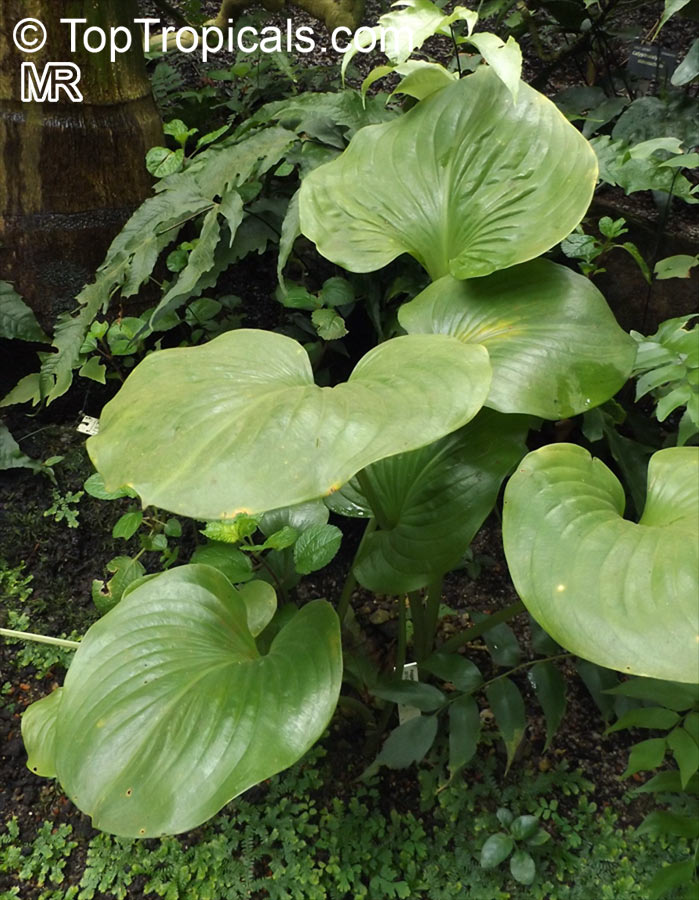
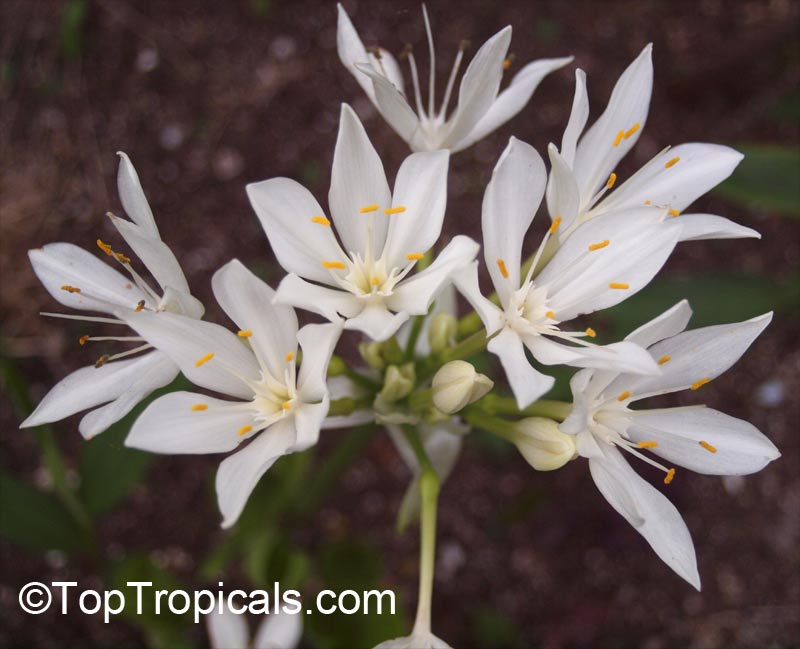
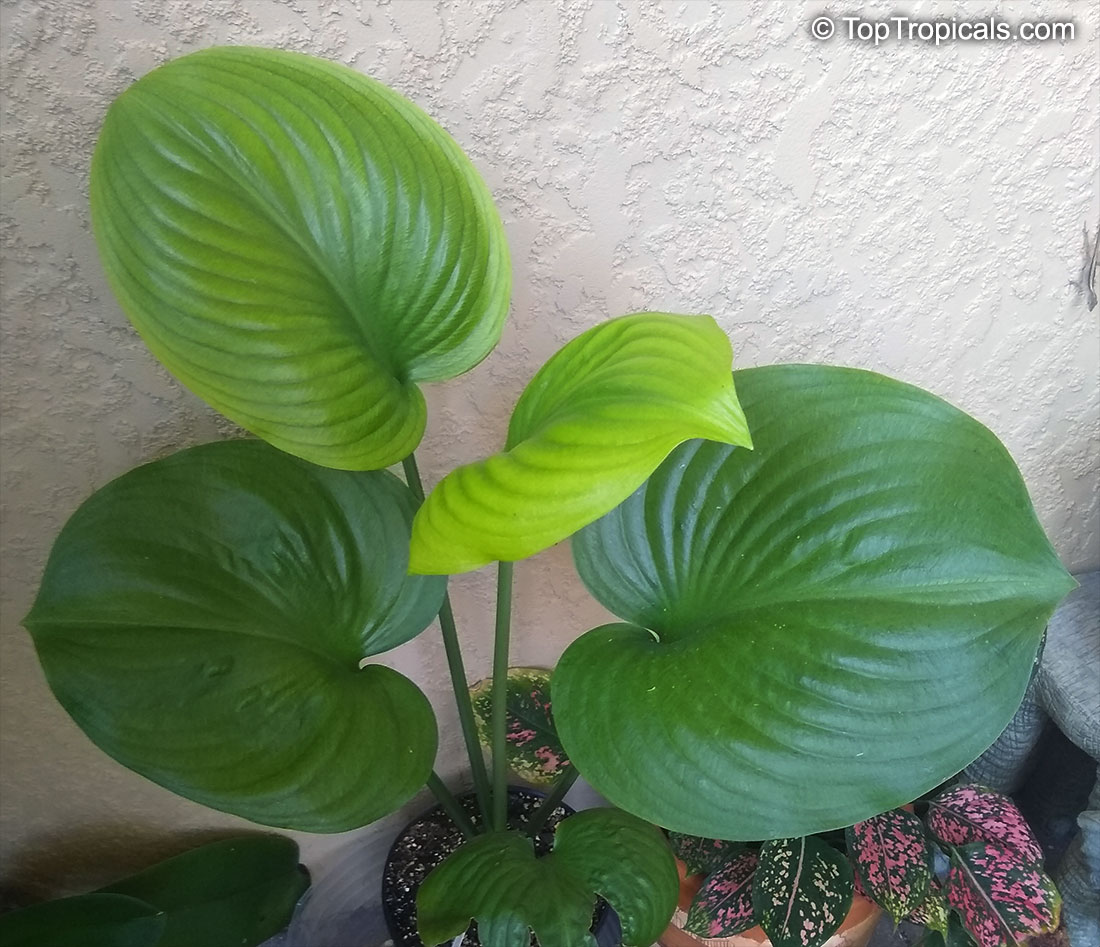
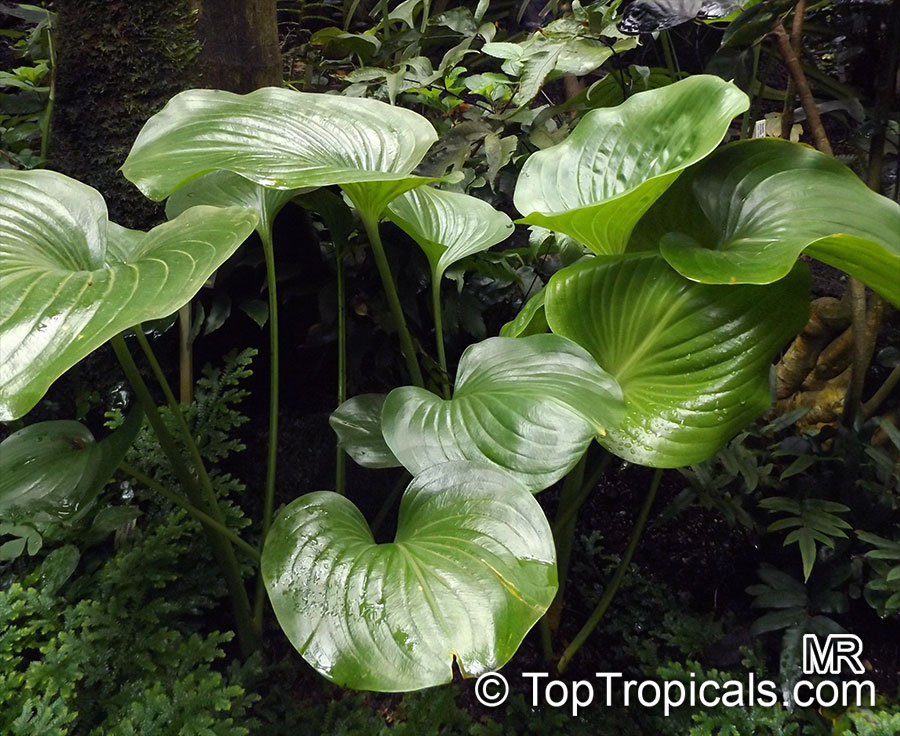
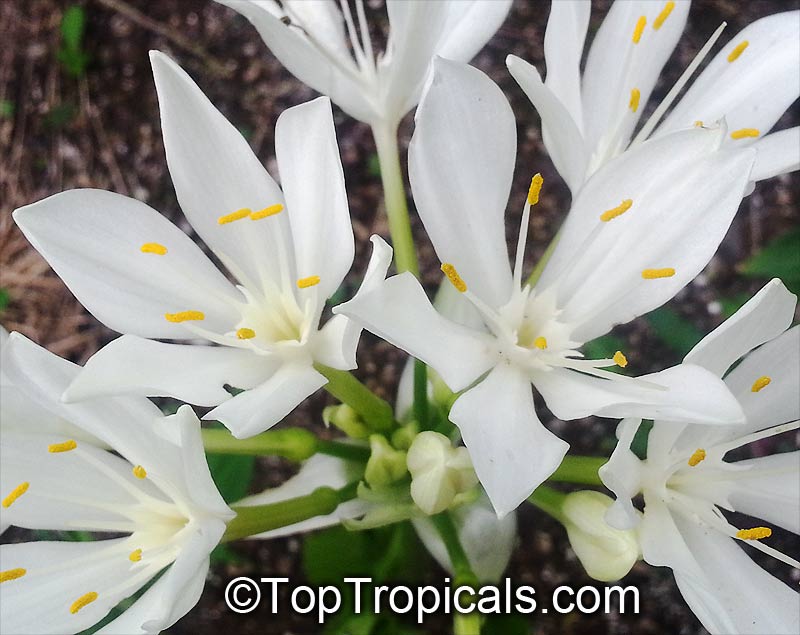
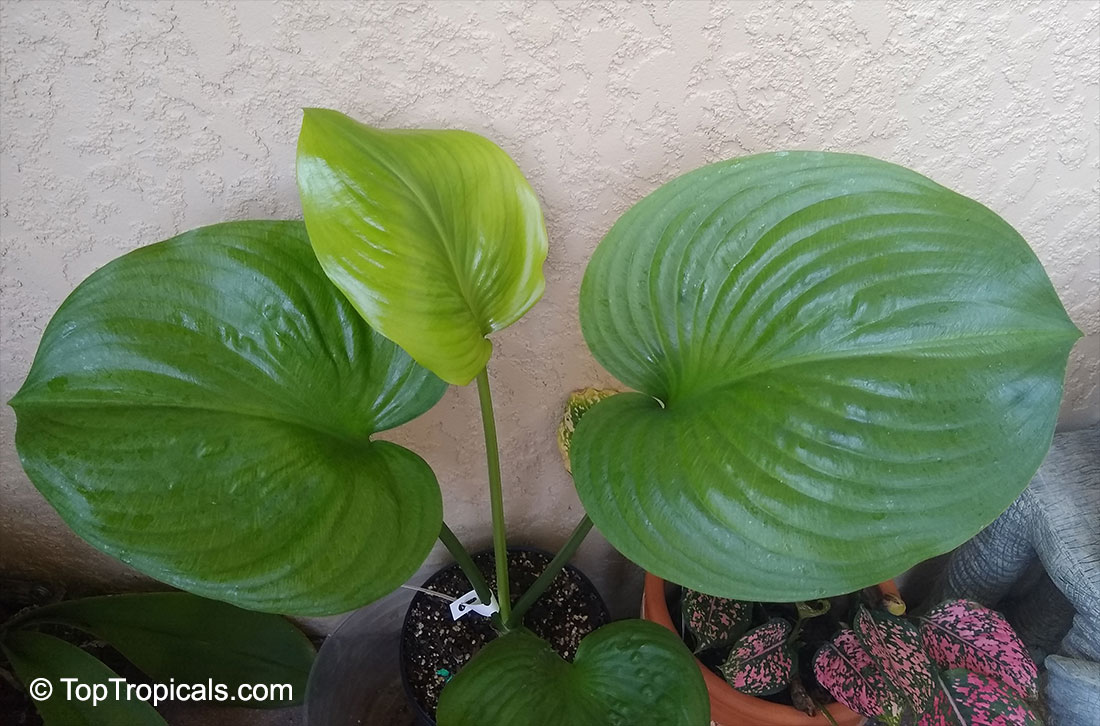
Botanical name: Proiphys amboinensis
Common names: Cardwell Lily, Northern Christmas Lily
Family: Amaryllidaceae (Formerly:Alliaceae / Liliaceae /Amaryllidaceae)
Subfamily: Amaryllidoideae
Origin: Southeast Asia, Australia
USDA Zone: 10a-11
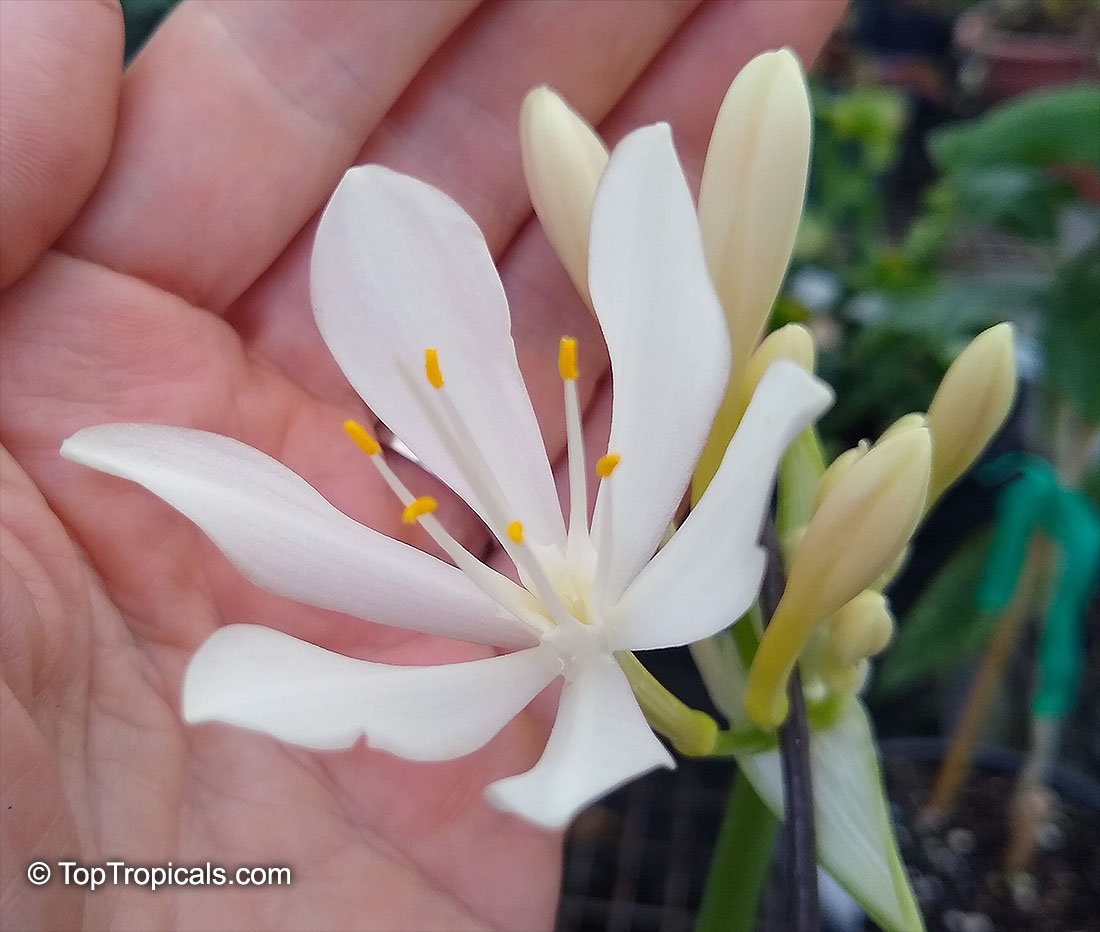
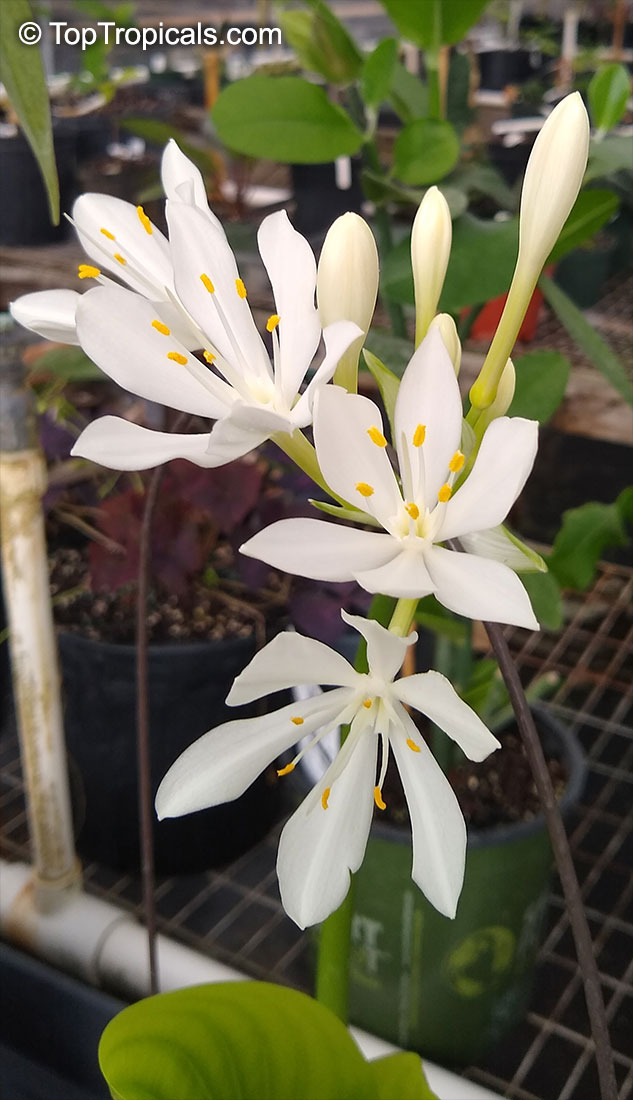
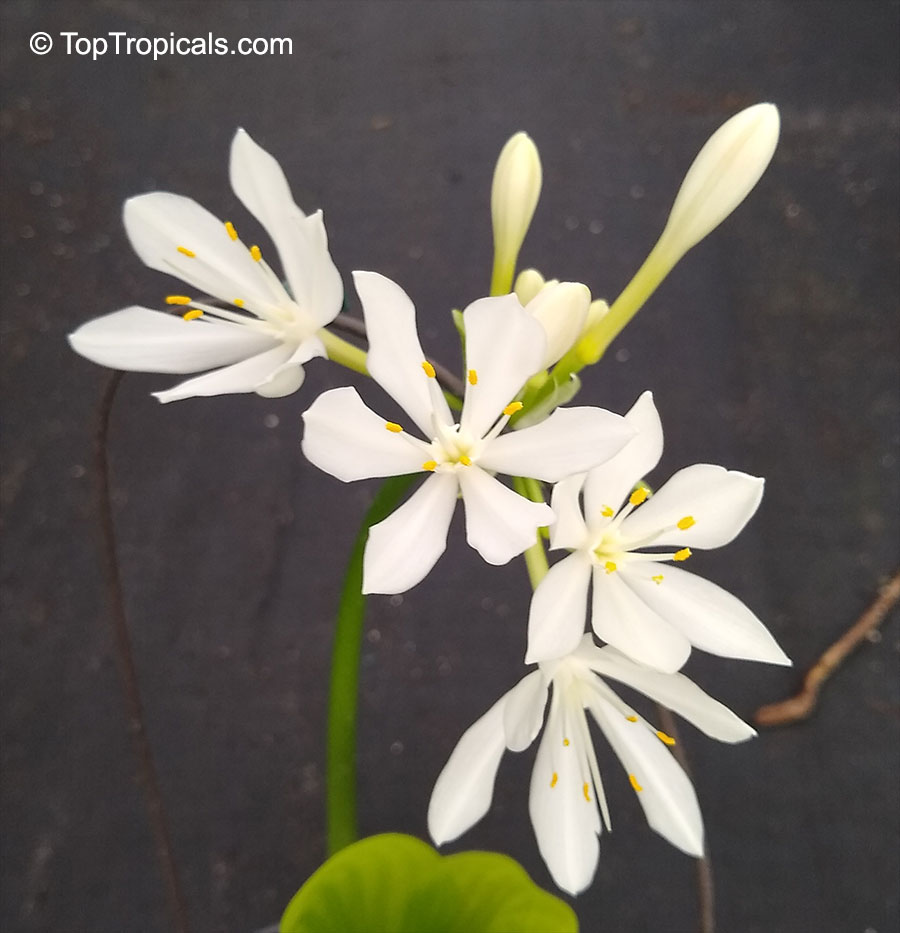
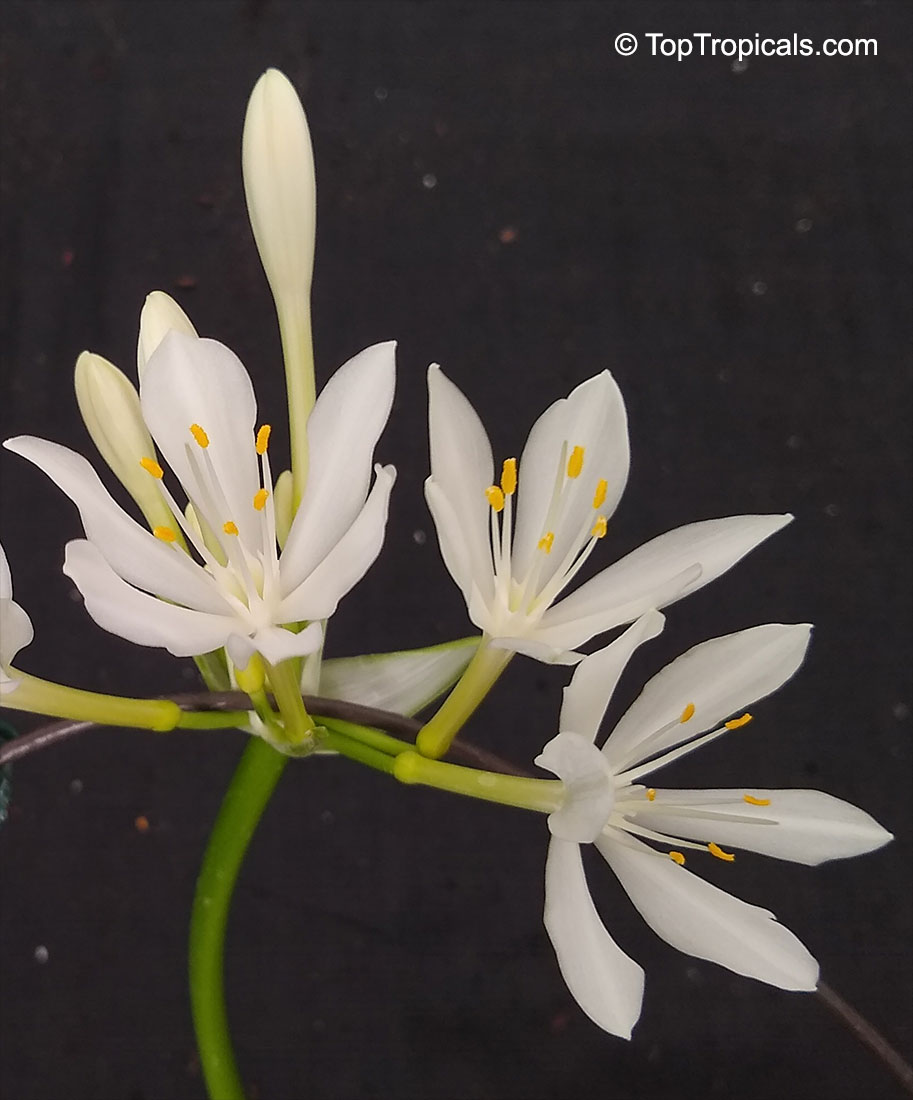
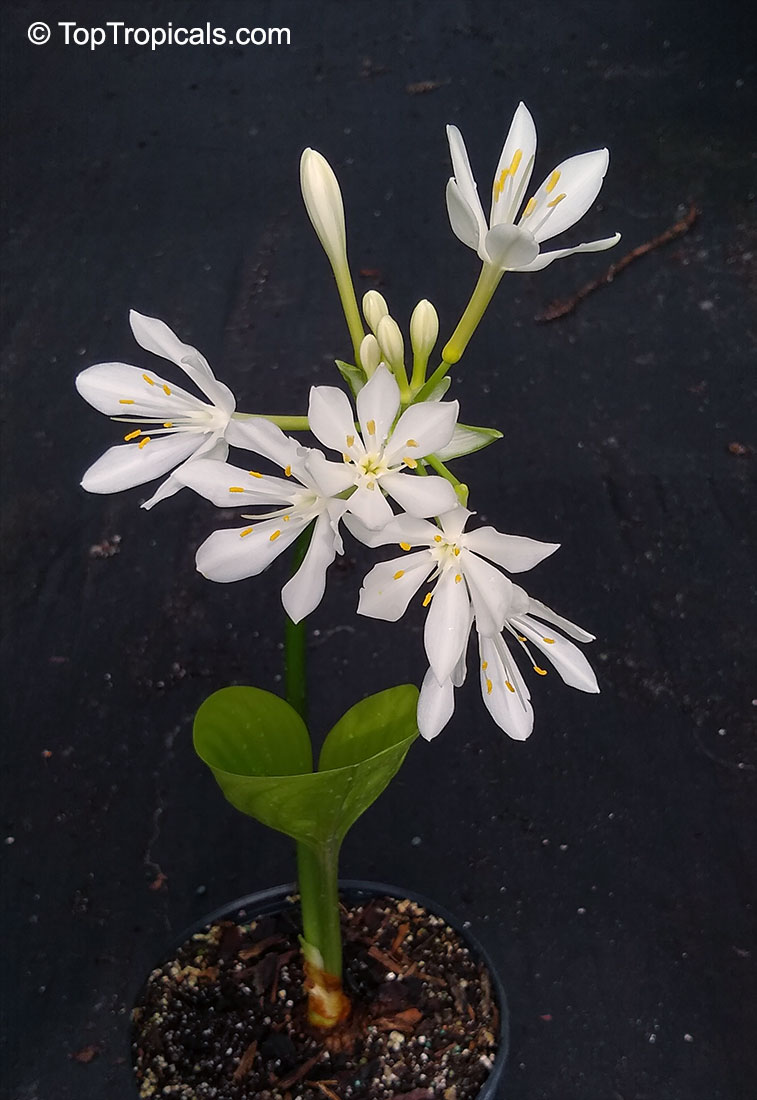
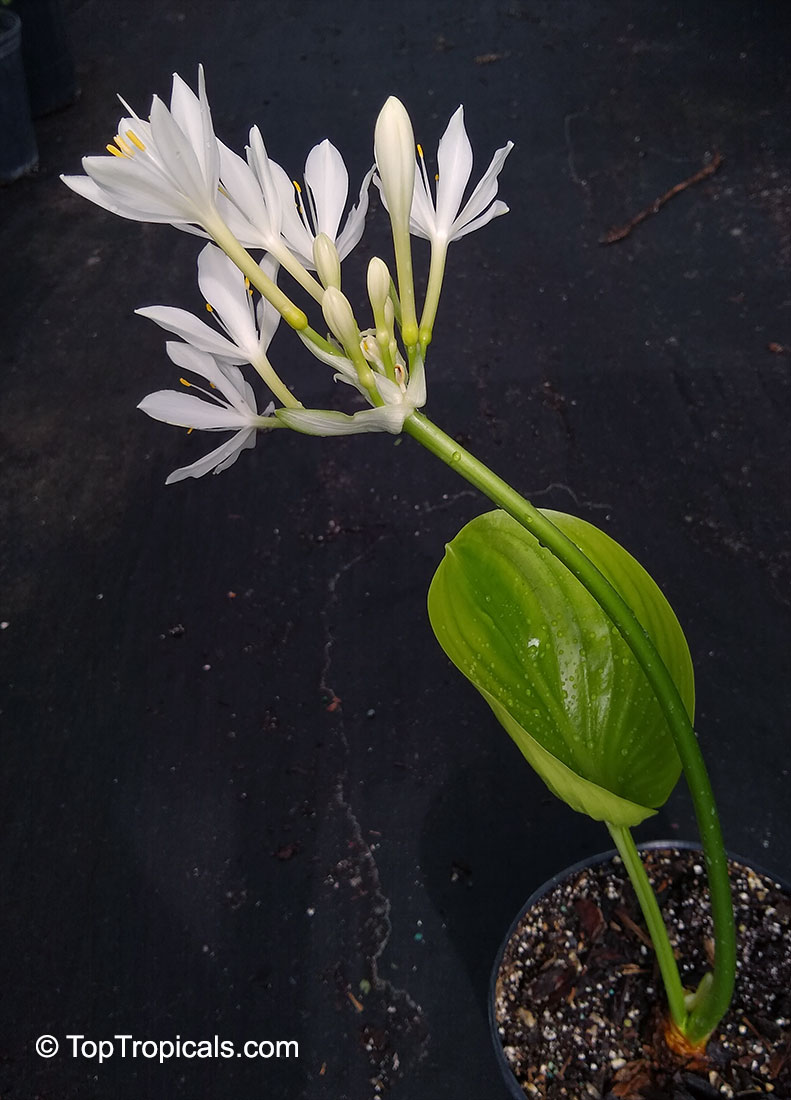
Proiphys amboinensis (Cardwell Lily) is a small shrub reaching 2-5 feet tall. It is an attractive, ornamental plant with deciduous foliage, semi-shade-loving and requires moderate water. The flowers it produces are large and fragrant, in clusters of off-white or white with yellow throats. This flower blooms during the rainy season, usually around late December. Proiphys amboinensis was named after the island of Ambiona, now Ambon, in Indonesia. The plant is native to Southeast Asia and Australia, and grows best in USDA Zone 10-11.
Flowers open in succession over a prolonged period and last well. The fruits that develop on the flower heads often germinate on the plant (new plants can be grown from these).
When it comes to growing Proiphys amboinensis, it can be grown in a small pot, or in the ground. It prefers a semi-sunny spot and moderate watering, with occasional fertilizer. During the winter, it is important to withhold water to promote flowering and ensure the plant survives the season. The plant will die back to an underground bulb, and should not be disturbed during this time.
It is important to take extra care when growing this plant in colder regions. During the winter bring pot inside.
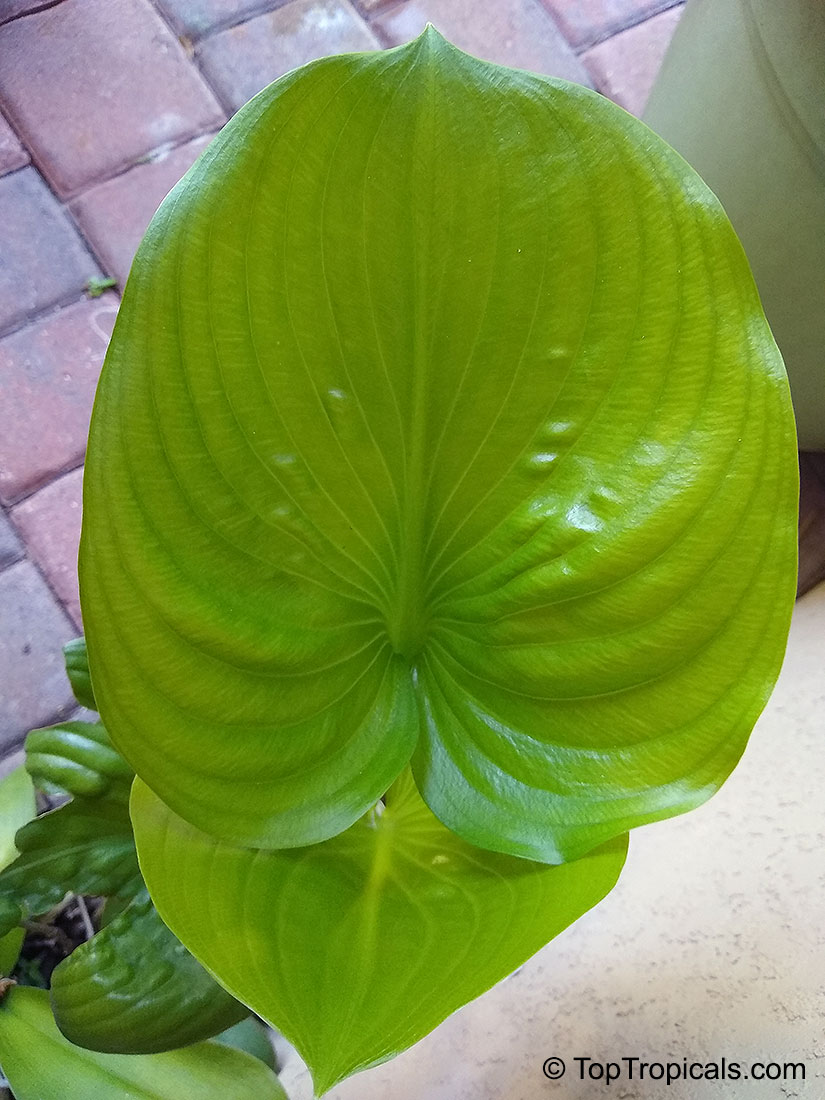
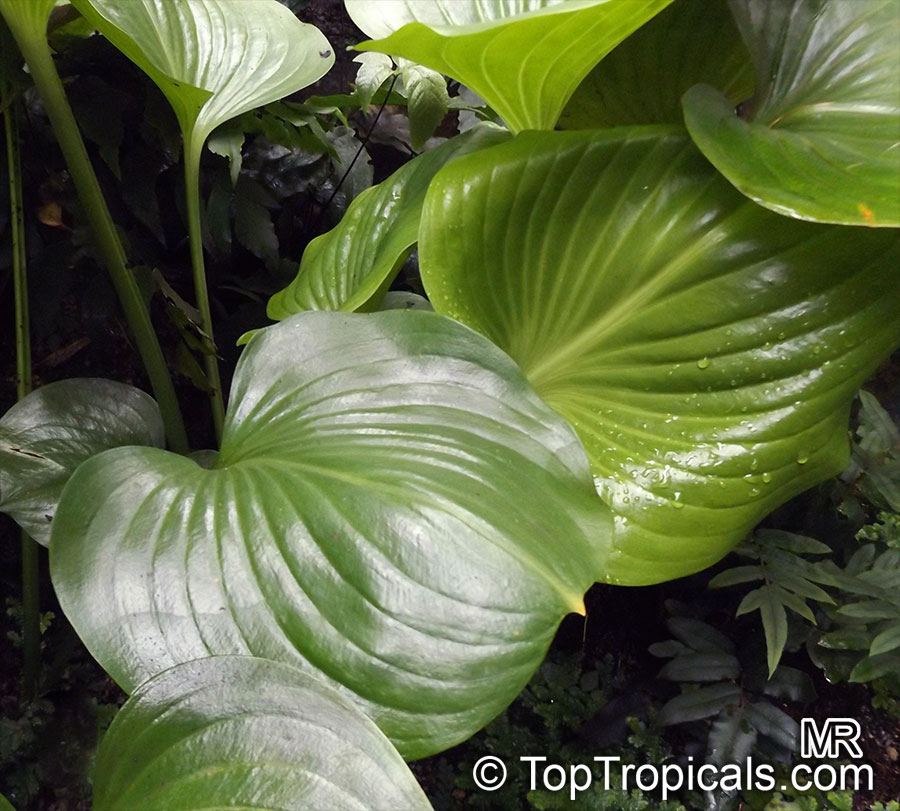

Botanical names: Scadoxus multiflorus, Haemanthus katherinae, Haemanthus multiflorus
Common names: Blood Lily, Sea Egg, Powder Puff
Family: Amaryllidaceae (Formerly:Amaryllidaceae / Liliaceae)
Subfamily: Amaryllidoideae
Origin: Africa
USDA Zone: 9-10
Scadoxus multiflorus (Blood Lily) is also known for its flowers and attractive foliage. Its deep-green, wavy-margined leaves are huge, up to 18 inches long and 6 inches wide. Its bright red, crimson and vinous-colored flowers make a stunning contrast against the foliage. Blooming in late spring to mid-summer. The flowers form a dense, globular and will attract butterflies and hummingbirds to its nectar-rich petals.
Scadoxus multiflorus needs to be grown in full sun, and requires regular water when grown in a container. When planted in the ground, it is drought tolerant and only needs moderate water to keep the foliage looking lush. Planting of the bulbs in autumn is recommended. It can be grown in USDA Zone 9-11 with care during the cold winter months. When growing the Scadoxus multiflorus in a pot in colder regions, it is recommended to bring the pot indoors during winter and let it rest in a cool place until it can be replanted outdoors in the spring.
This plant will make an excellent addition to a rock or gravel garden, or a stunning container or greenhouse specimen.


| Prev | Next | |
Use link to repeat this search:
https://toptropicals.com/cgi-bin/garden_catalog/cat.cgi?find=Water lily&search_op=and&keyword_op=and&language=e&number=10
&no_change_lang=1&user=tt&sale=1&first=0