Pithecellobium dulce (Sweet Tamarind)

Botanical names: Pithecellobium dulce, Inga dulcis, Mimosa dulcis
Common names: Bread-and-Cheeese, Madras Thorn, Manila Tamarind
Family: Fabaceae
Subfamily: Mimosoideae
Origin: Tropical America


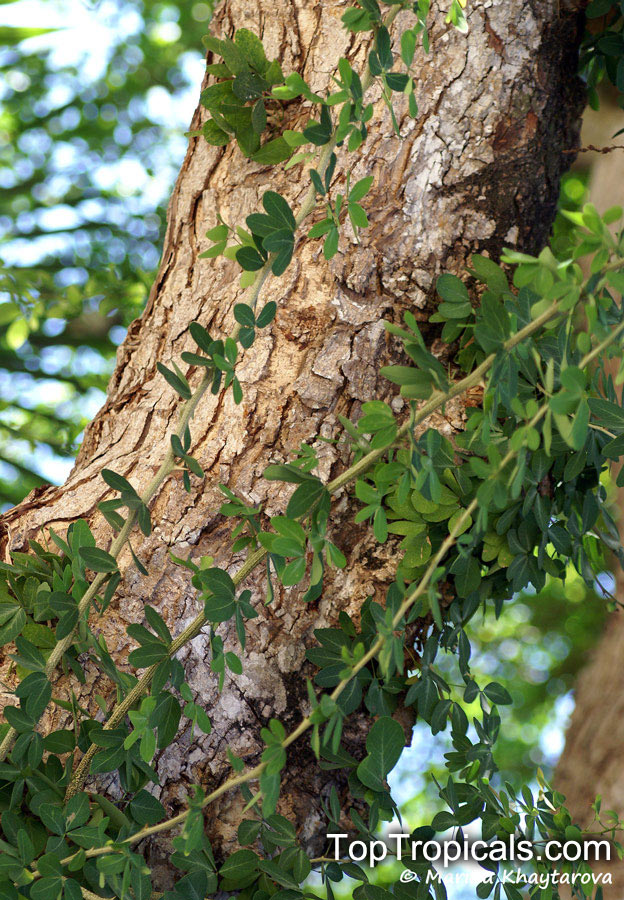
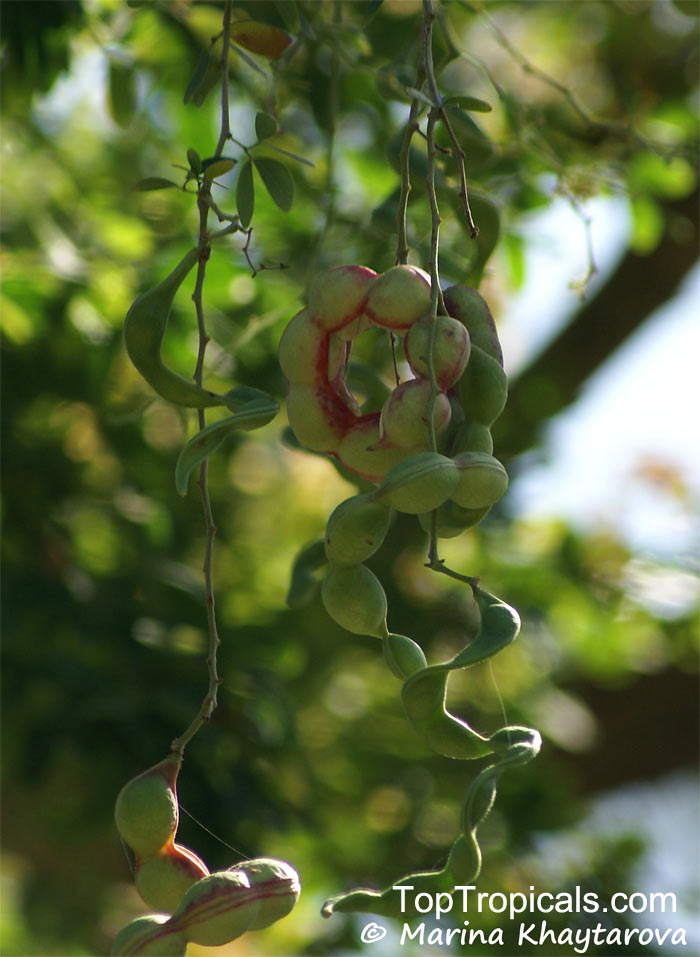
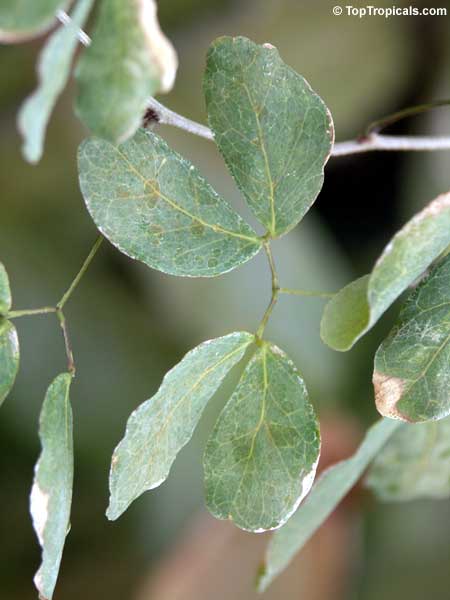
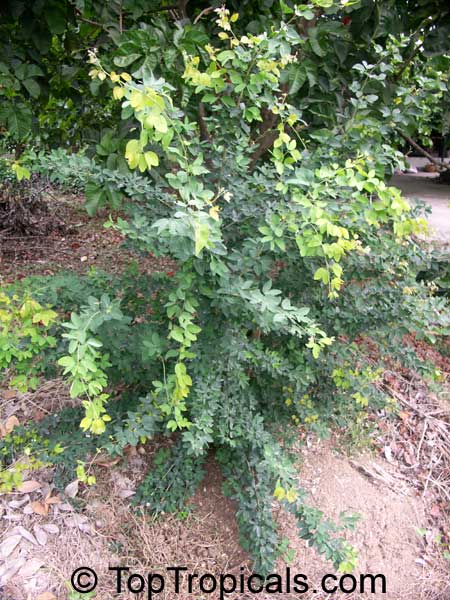
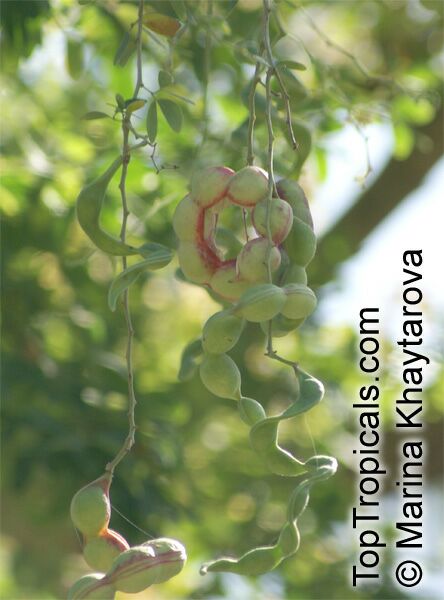
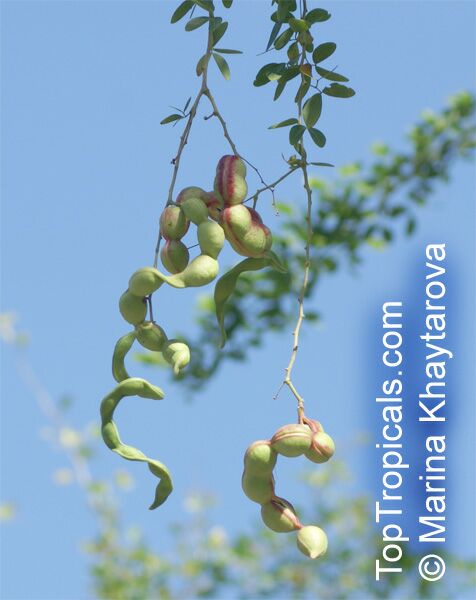
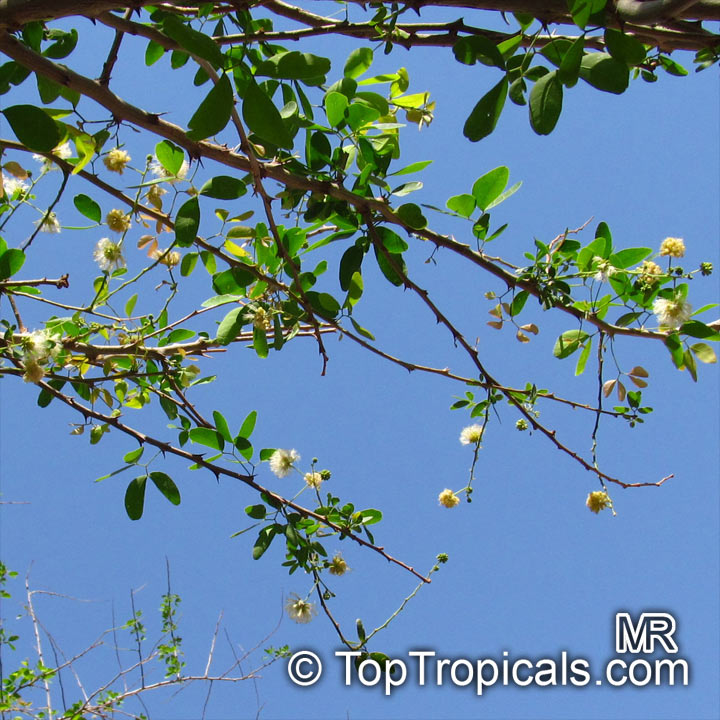
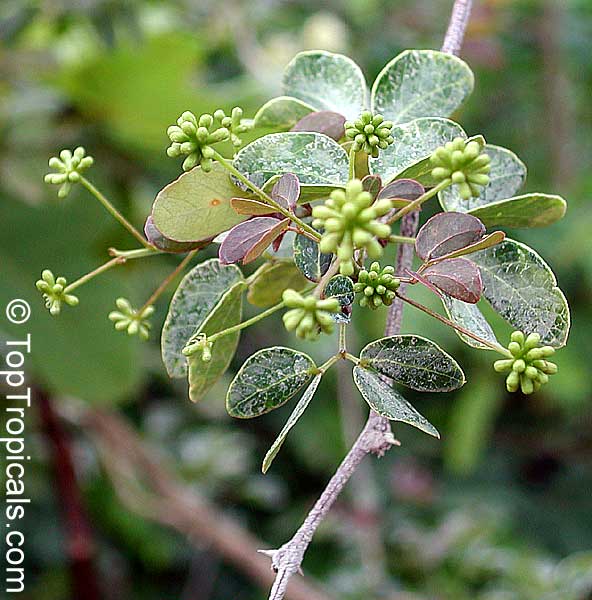
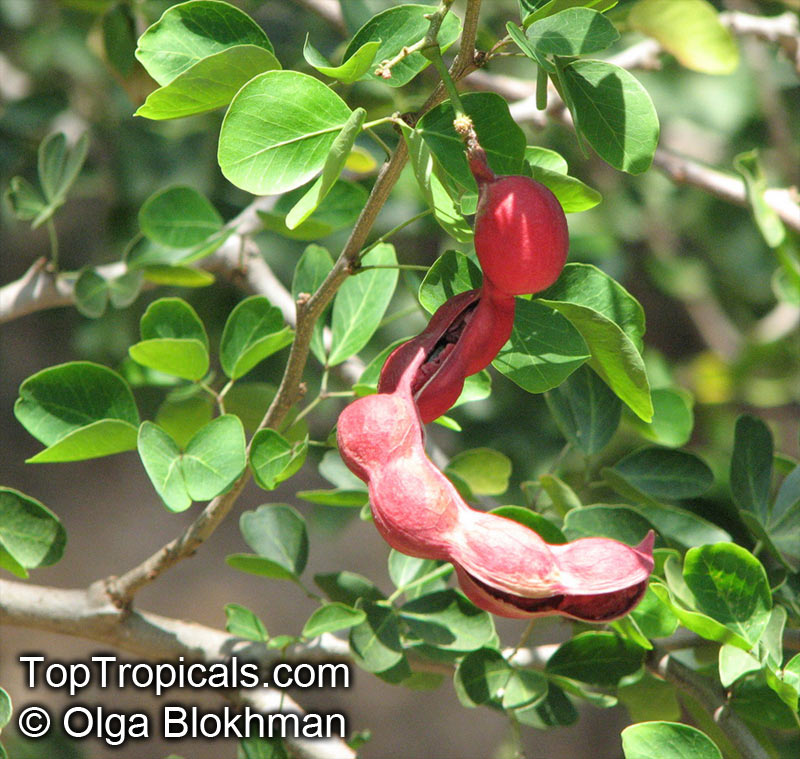
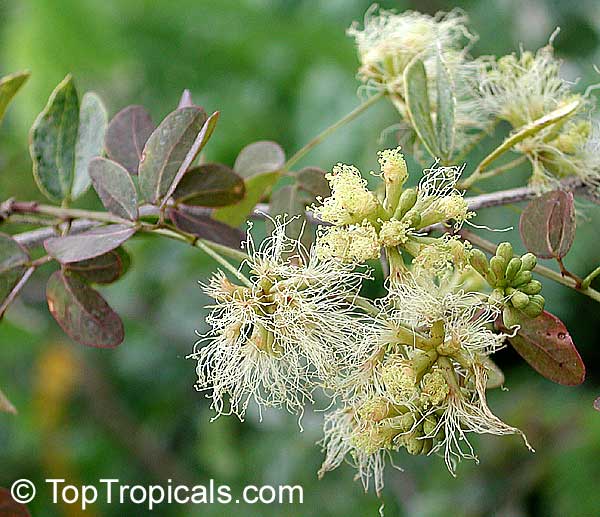
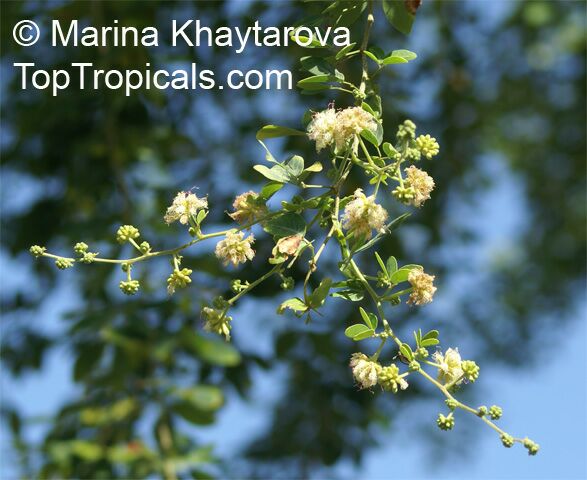
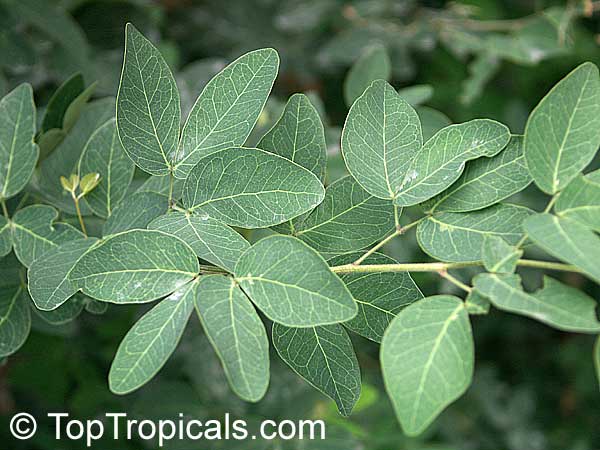
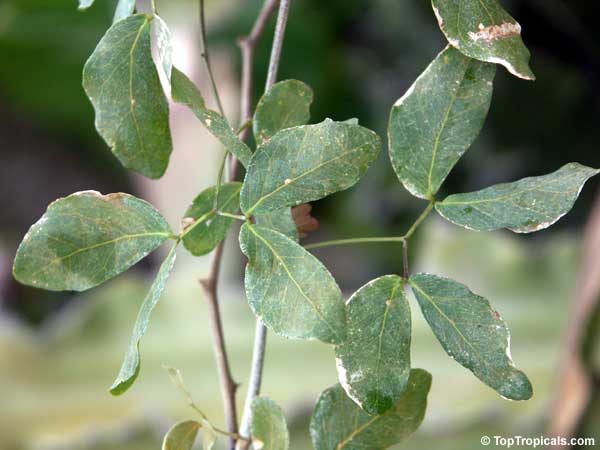
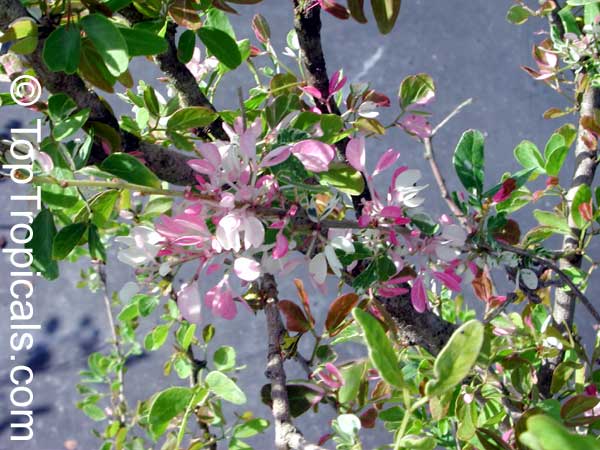
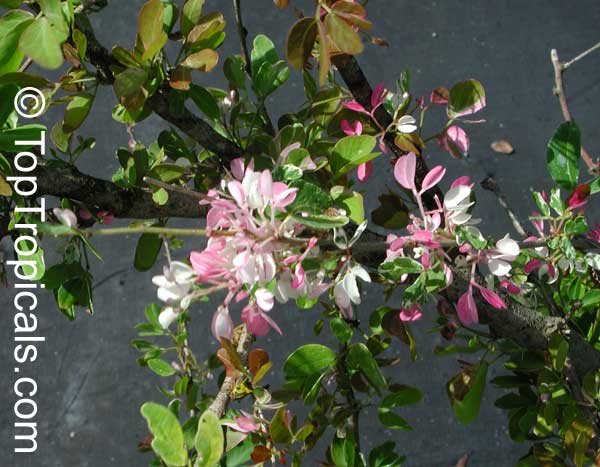
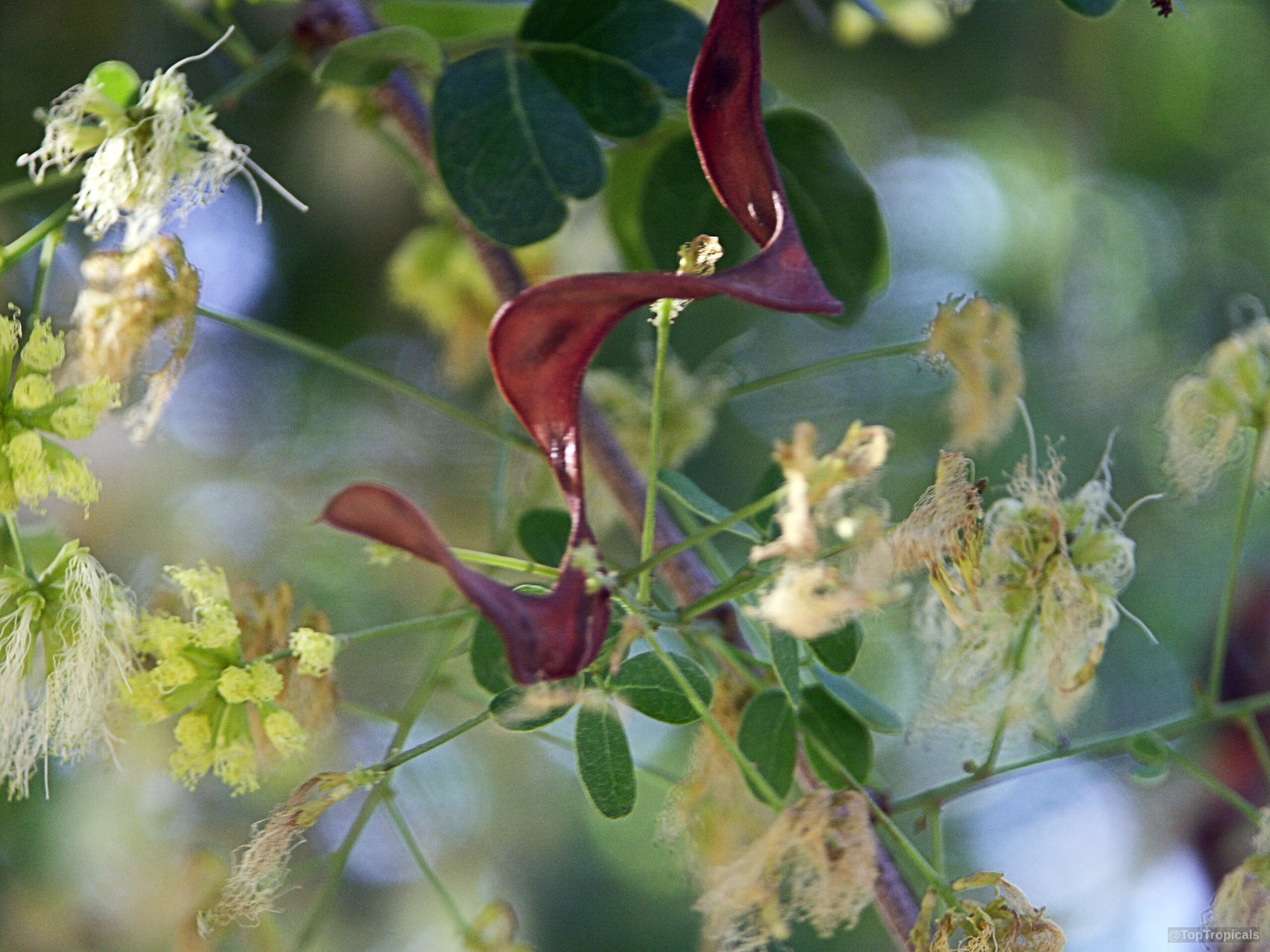
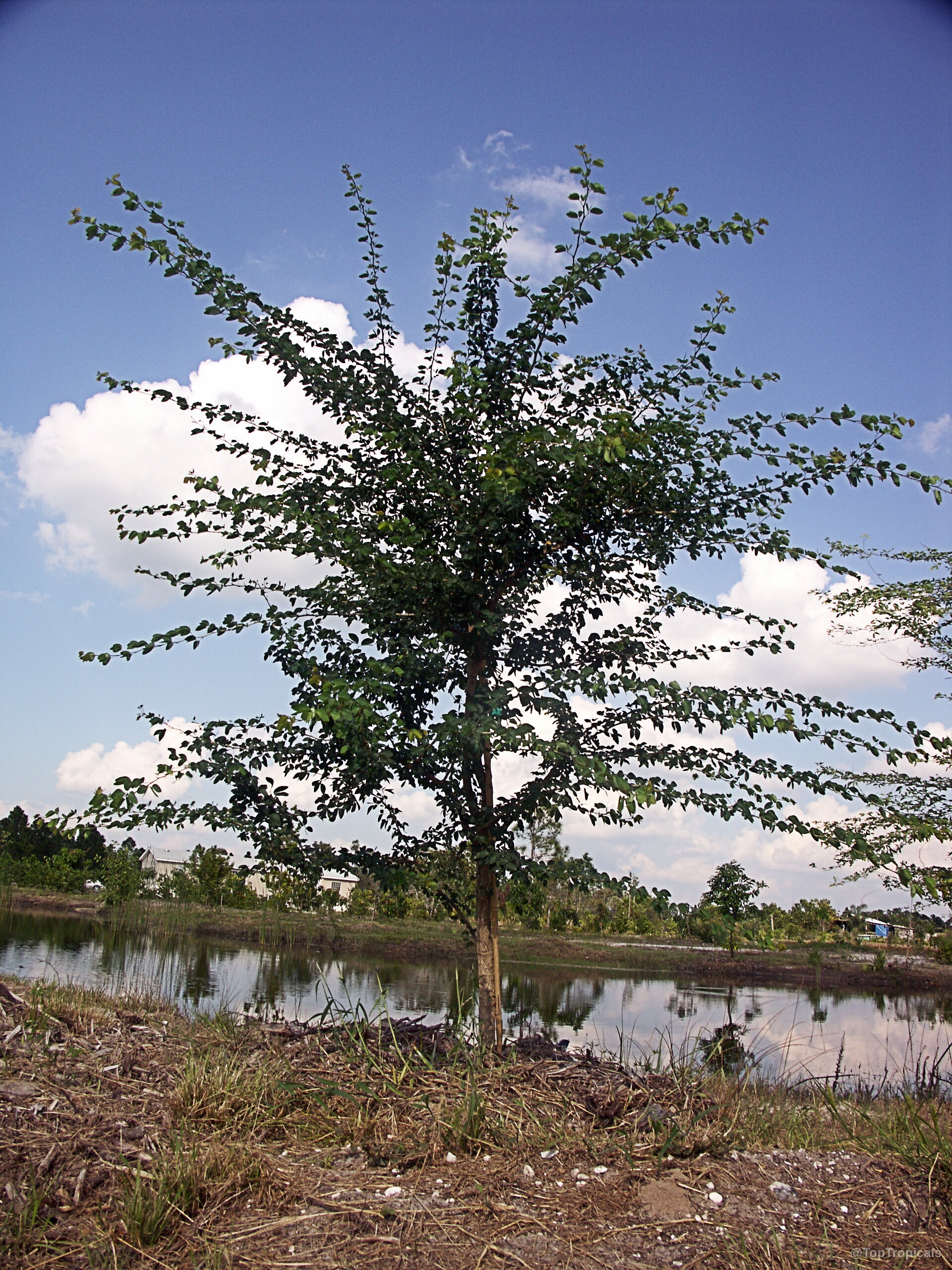
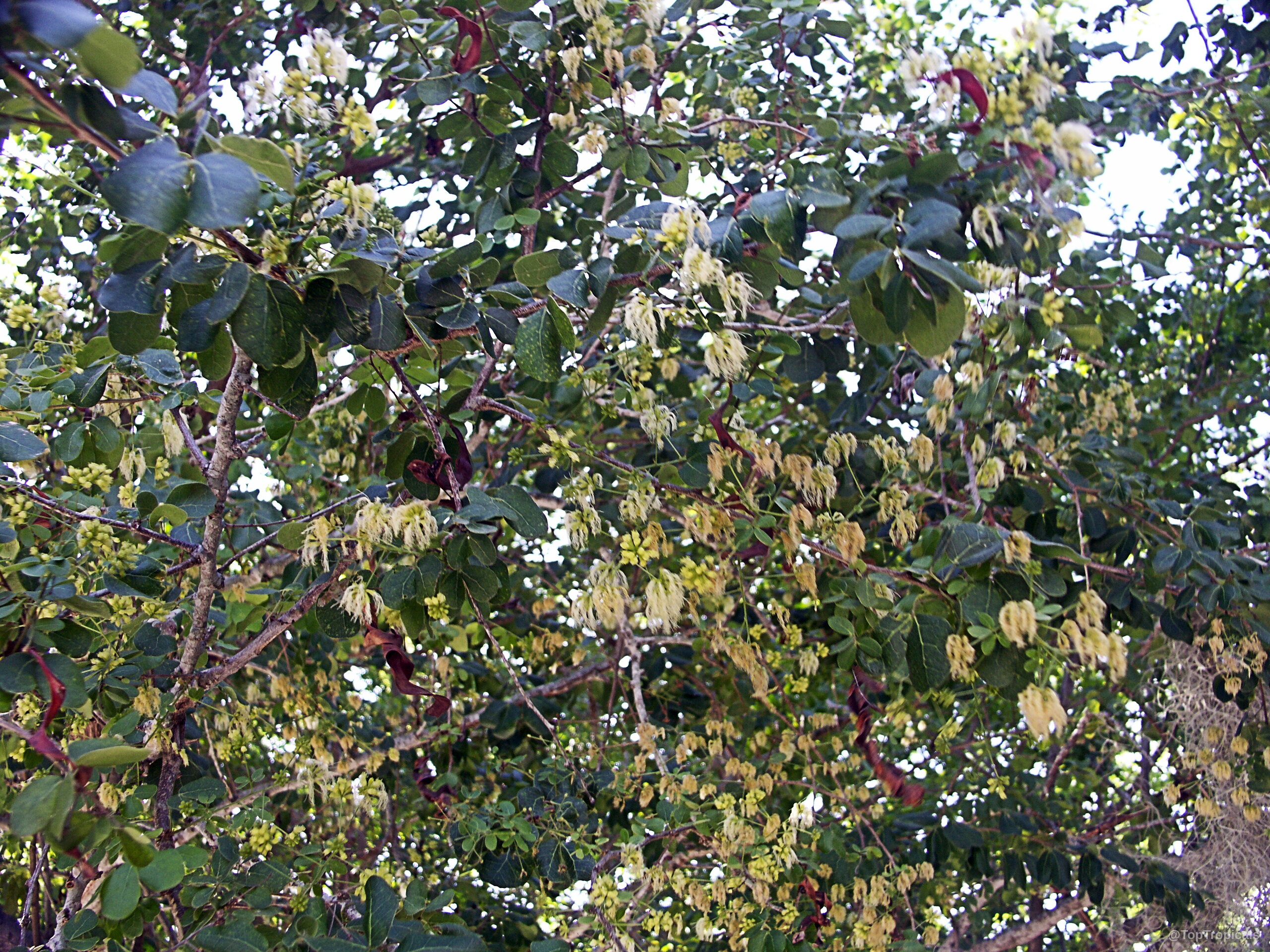
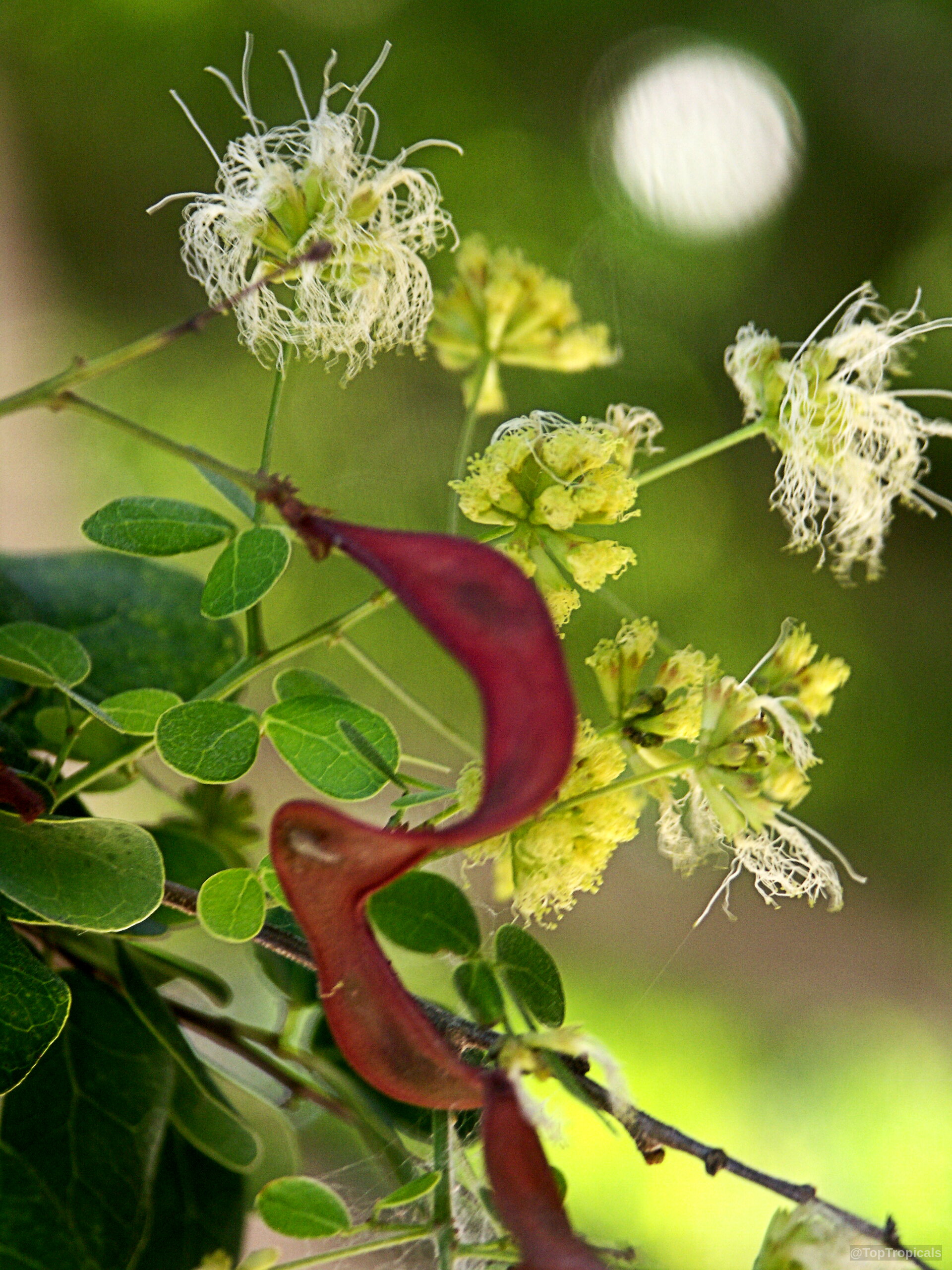
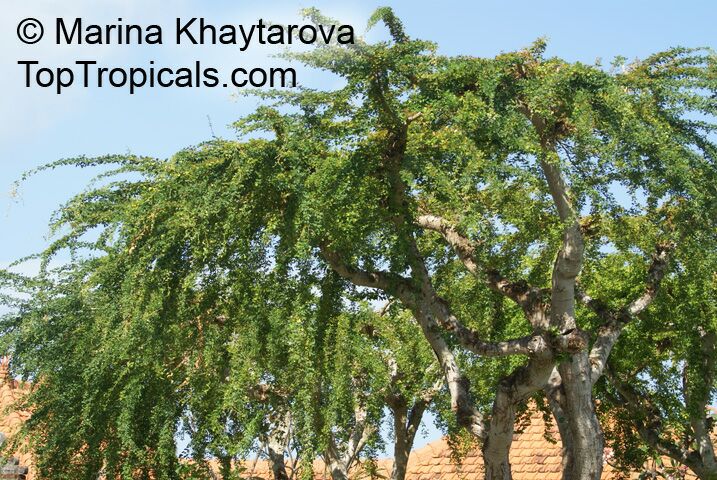
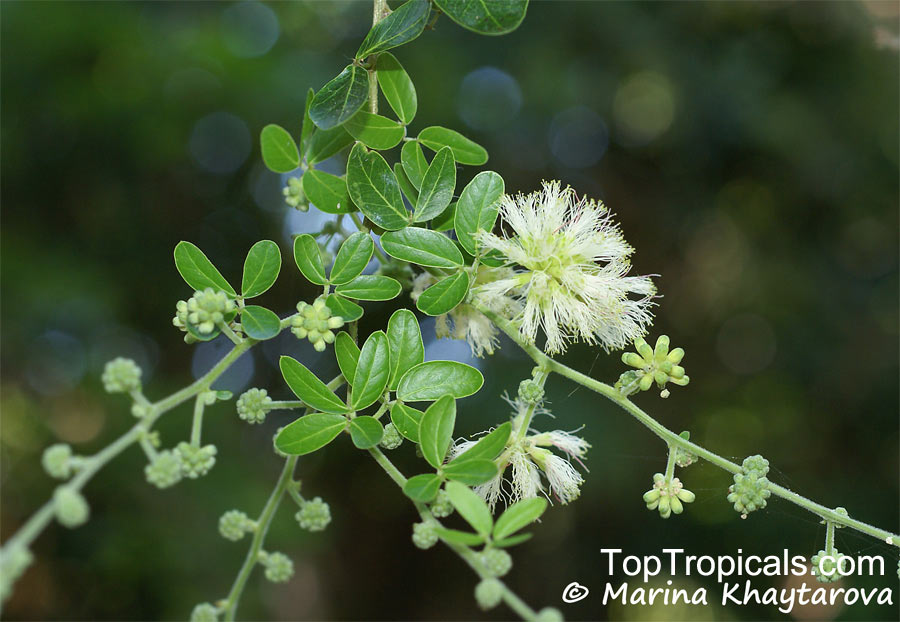
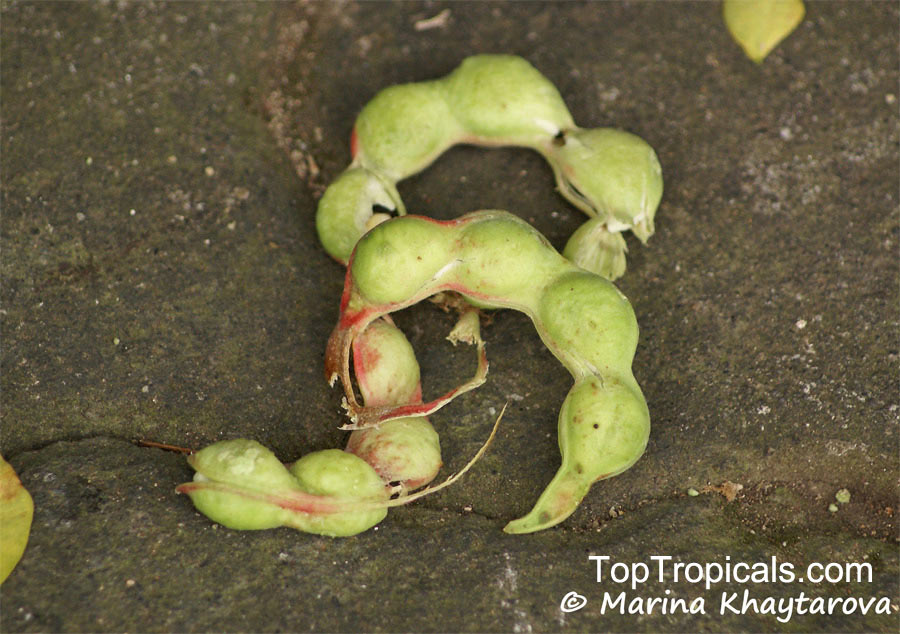
Pithecellobium dulce, more commonly known as Bread-and-Cheese, is a small tree that grows to a height of 10-20 feet and enjoys full sun and moderate water. This deciduous plant is native to tropical America and has white or off-white flowers that provide a source of pollen for bees to make high quality honey. Bread-and-Cheese can be a productive fruit producer, with its yellowish-green, edible fruit pods that are 5" long and spiral as they mature. The pulp inside the pods can be sweet and acidic, and white or red in color. In India, the seeds are used fresh or in curries, and the pods can be eaten raw, and commonly used to make beverages.
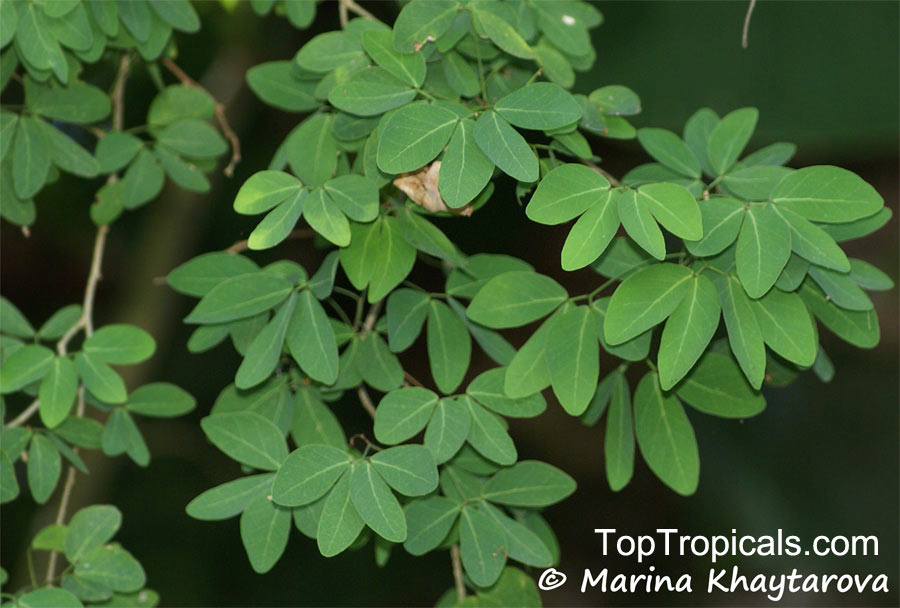
The wood of the Bread-and-Cheese tree can be used as firewood, tannin, and soap oil, and it is also used to create hedges or shade. The tree's thin spines on its leaves raise the harshness of its site and it can be managed as a hedge, with trimming leading to an increase in thorns. Being hardy and being able to survive brief frosts and temperatures that go above 100F, it is considered cold hardy at least down to 30s F for a short period. It is evergreen in mild winters and deciduous in cold winters.
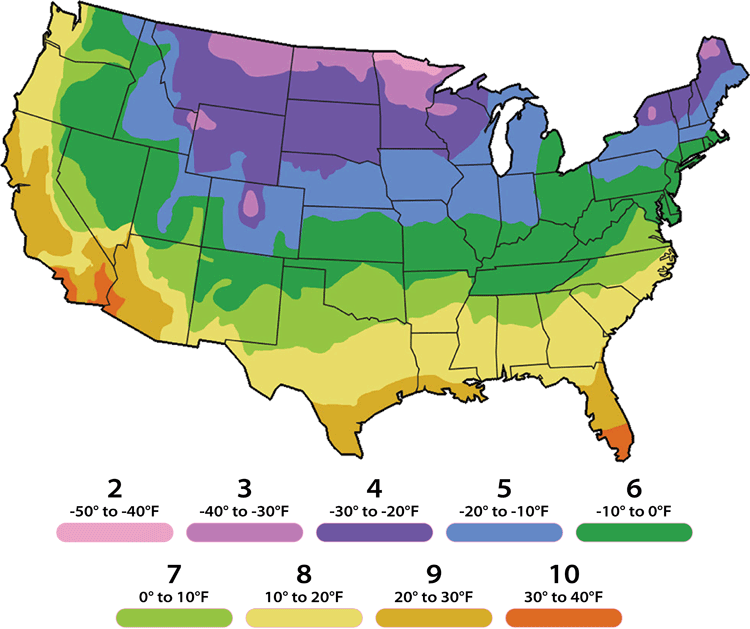
This makes it great to grow in yards, gardens, and landscaping projects in USDA Zone 9-11.
The fruit of the Bread-and-Cheese tree is known for being flavorful and beneficial for one's health. Not only is it rich in vitamins and lots of minerals, like iron, calcium, and magnesium, but it also has anti-inflammatory and anti-parasitic properties. It also helps to reduce cholesterol and it is known as a natural appetizer. When growing Bread-and-Cheese in cold regions, it is important to protect the roots of the plant from extreme freezing temperatures, as this is where the plant gets killed. One way to do this is to plant it in an large pot, and making sure to store the large pot in a cool place where it won't freeze.
Similar plants: Pithecellobium dulce (Bread-and-Cheeese)
- Archidendron grandiflorum (Pink Laceflower)
- Chloroleucon tortum (Brazilian Raintree)
- Ebenopsis ebano (Texas Ebony)
- Pithecellobium flexicaule (Texas Ebony)
- Samanea saman (Monkeypod)
- Hymenaea courbaril (Stinking Toe)
- Inga edulis (Ice Cream Bean)
- Inga ilta (Inga)
- Inga jinicuil (Paterno)
- Inga nobilis (Guama Venezolano)








Recommended Fertilizer: SUNSHINE C-Cibus - Crop Nutrition Booster
SUNSHINE-Honey - sugar booster