Watering: Regular - Plant Encyclopedia Results
| Number of plants found: 2828 | Next | 
|
Go to page: | 1 | 2 | 3 | 4 | 5 | Last |
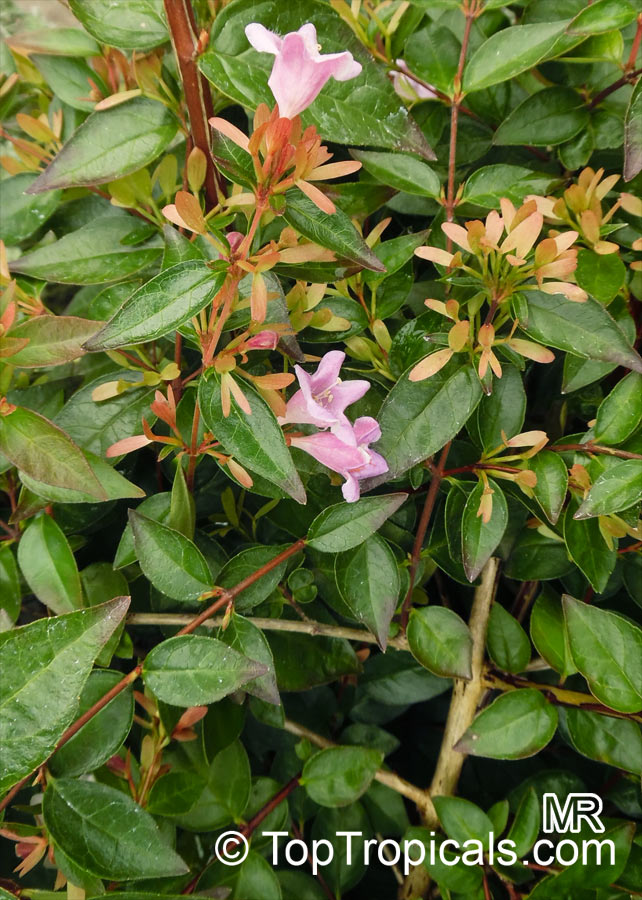
Botanical name: Abelia grandiflora
Common name: Glossy Abelia
Family: Caprifoliaceae
Origin: China


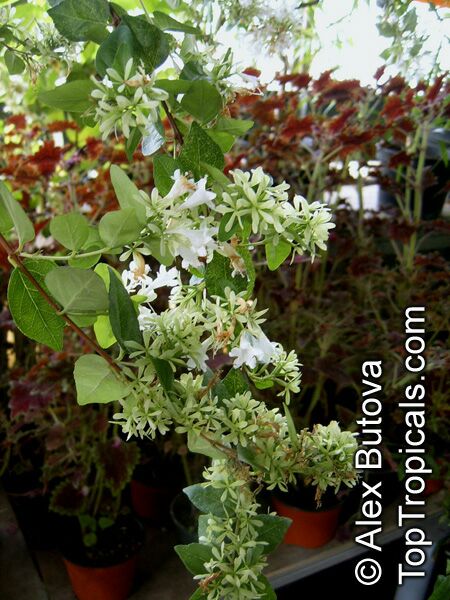
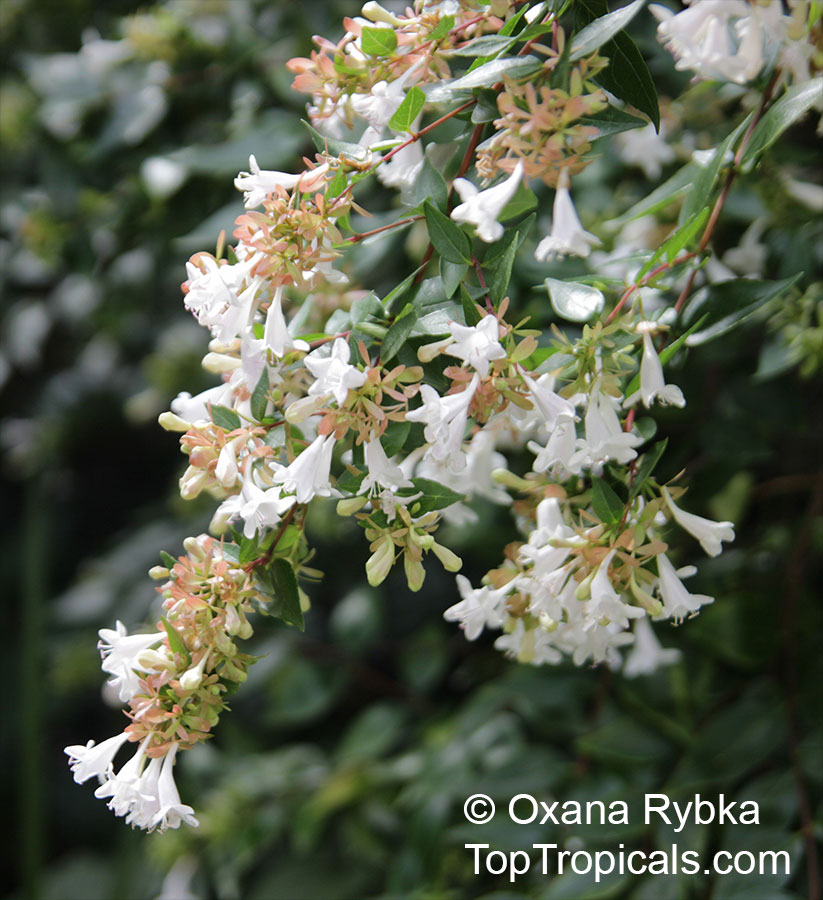
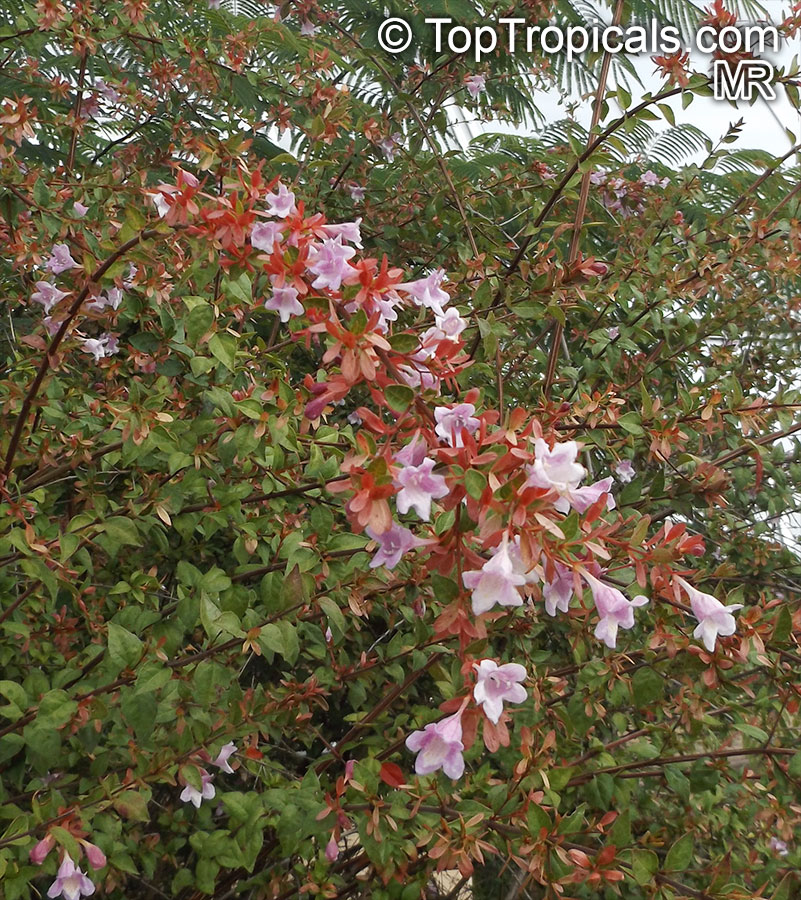
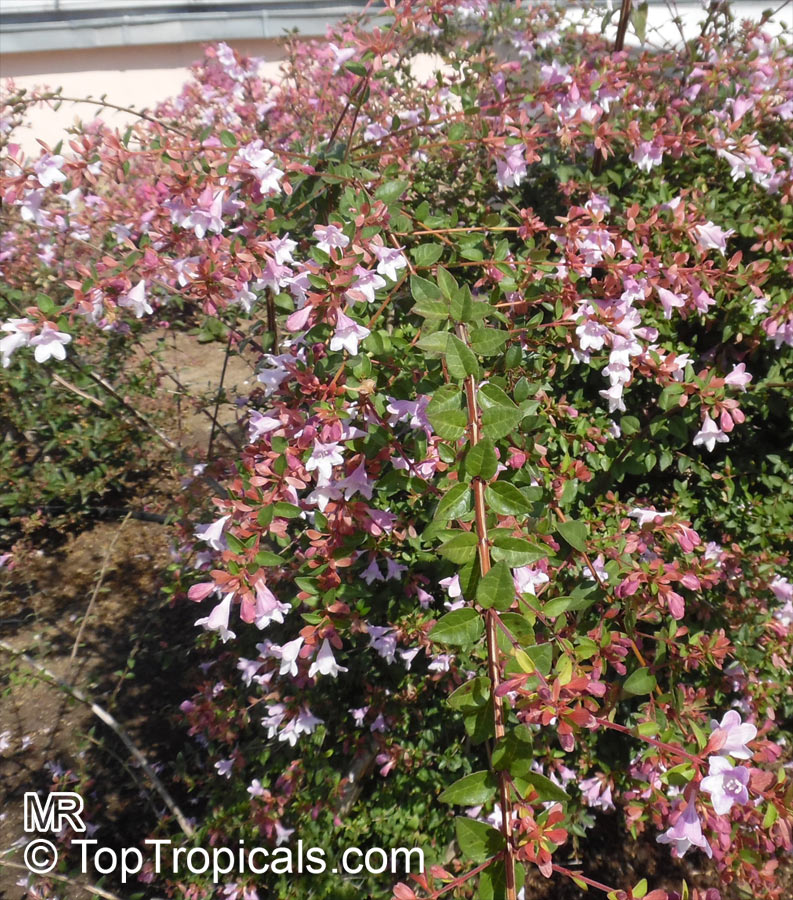
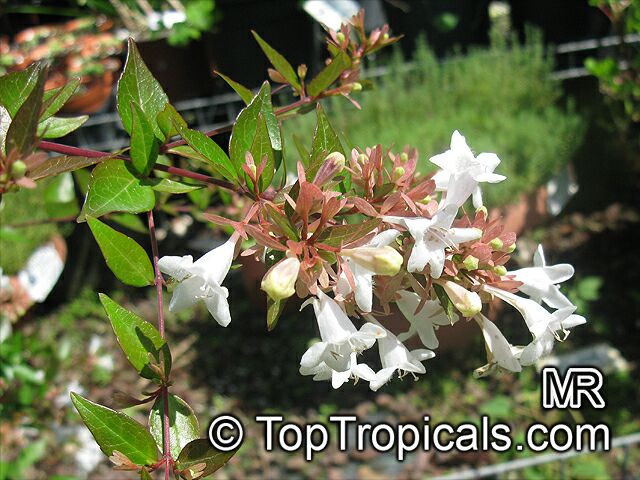
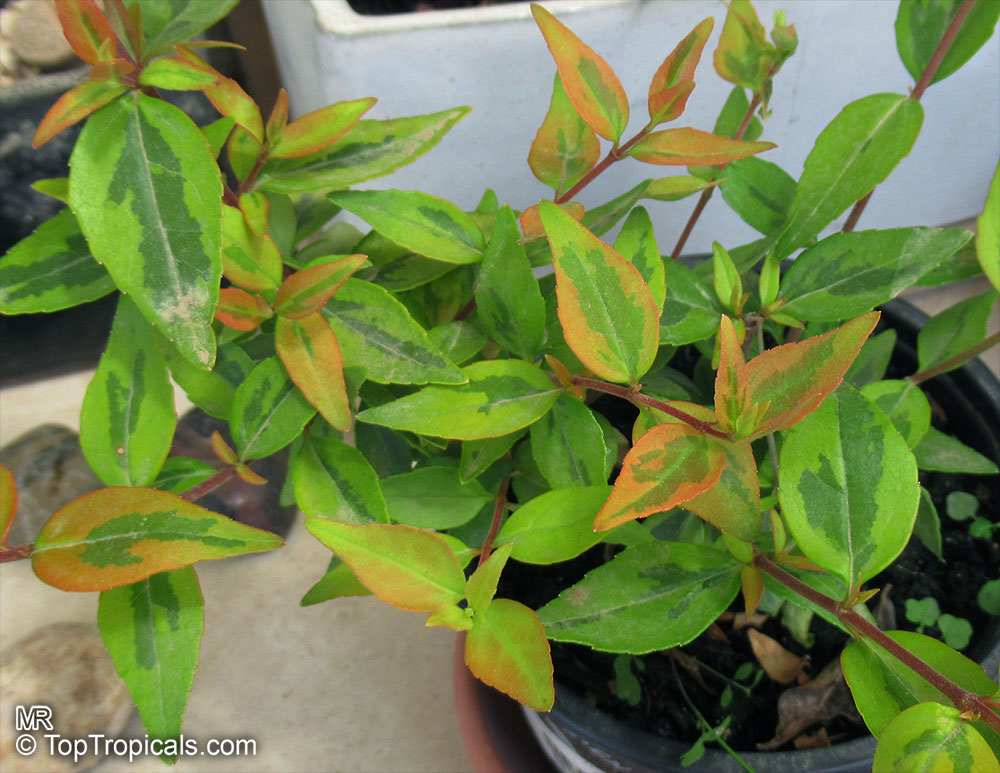
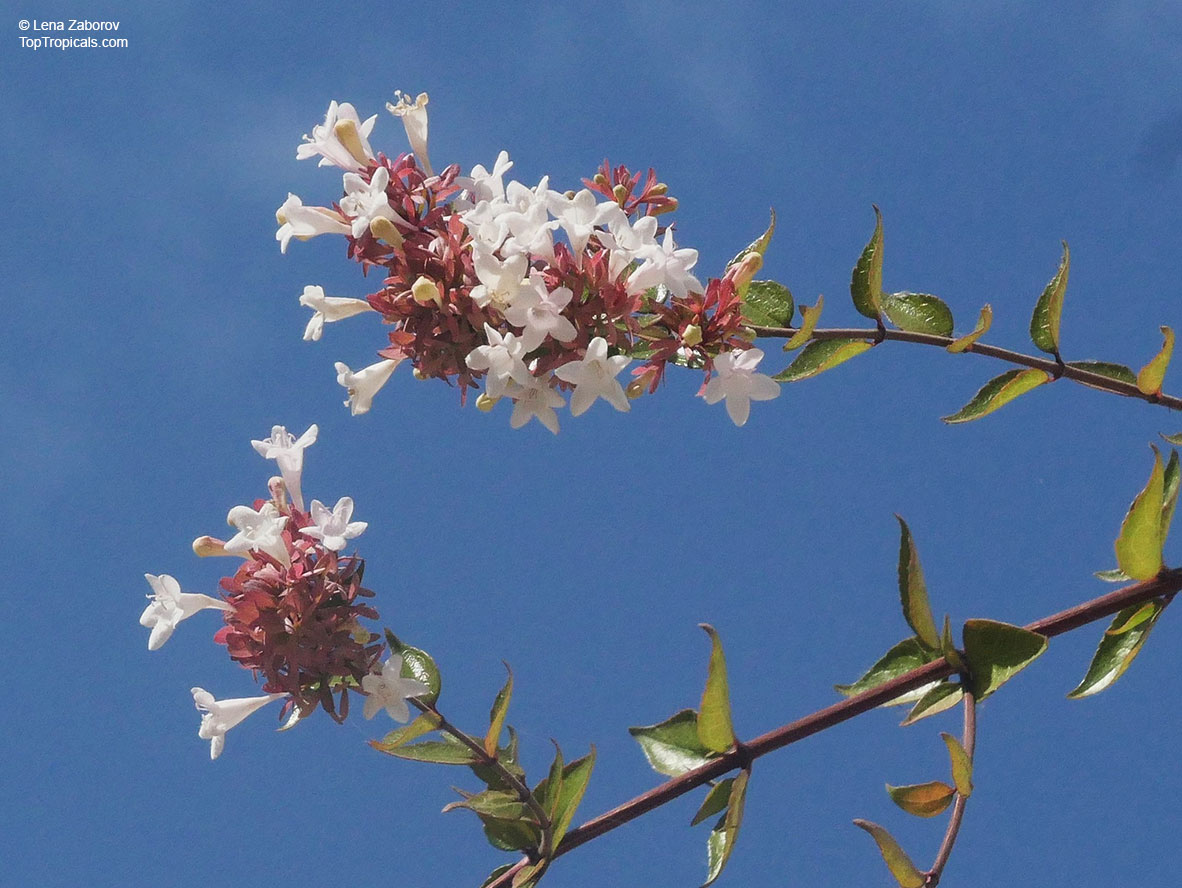
Abelia is a popular evergreen or semi-evergreen shrub with a rounded, fountain-like growth habit. It is fast-growing, growing up to 4-8 feet tall and 4-6 feet wide. Its leaves are fine-textured, glossy, oval, and dark green, usually 2 inches long, and the new growth has a bronze color. Abelia produces small, white and pink tubular flowers in clusters at the end of its stems, from summer to fall. The flowers are barely one inch long, but they are slightly fragrant - which attracts hummingbirds and butterflies.
This shrub is a great choice for planting near a pool, as it loves both full sun and semi-shade exposure. When watering it, allow the soil to dry out between waterings. It is mostly pest- and disease-free. Mature Abelias can withstand temperatures as low as 30 degrees Fahrenheit for a limited time.
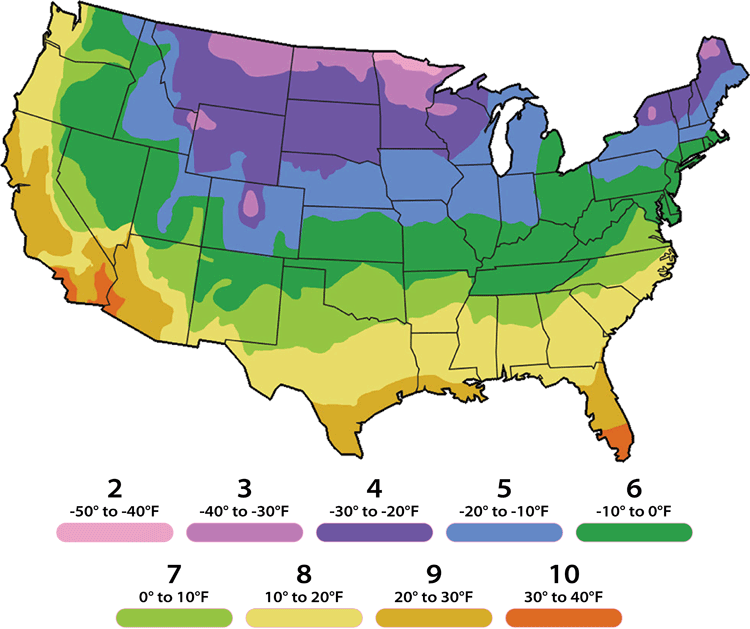
Hyperacanthus amoenus is another popular evergreen shrub. It has pinkish red flowers with off-white petals that are fragrant, followed by green fruits that turn brown when ripe. This shrub is easy to grow, needing only full sun and regular watering - though it should be in USDA Zones 8 -9 for full protection from cold weather. For areas with colder climates, it is recommended to keep the plant in a pot and move it indoors in winter. In such a case, extra care should be taken to make sure it has enough water, light and fertilizer. Pruning may also be necessary to ensure the plant remains within the size desired.
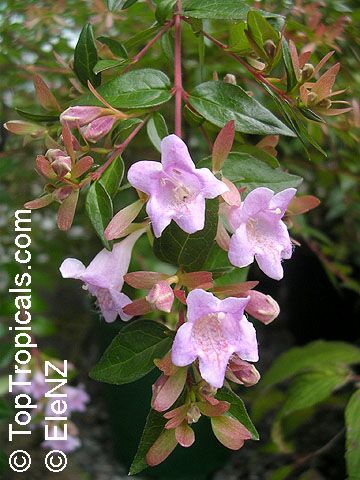
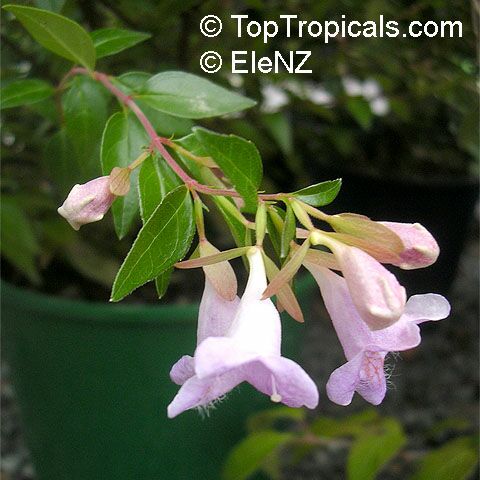
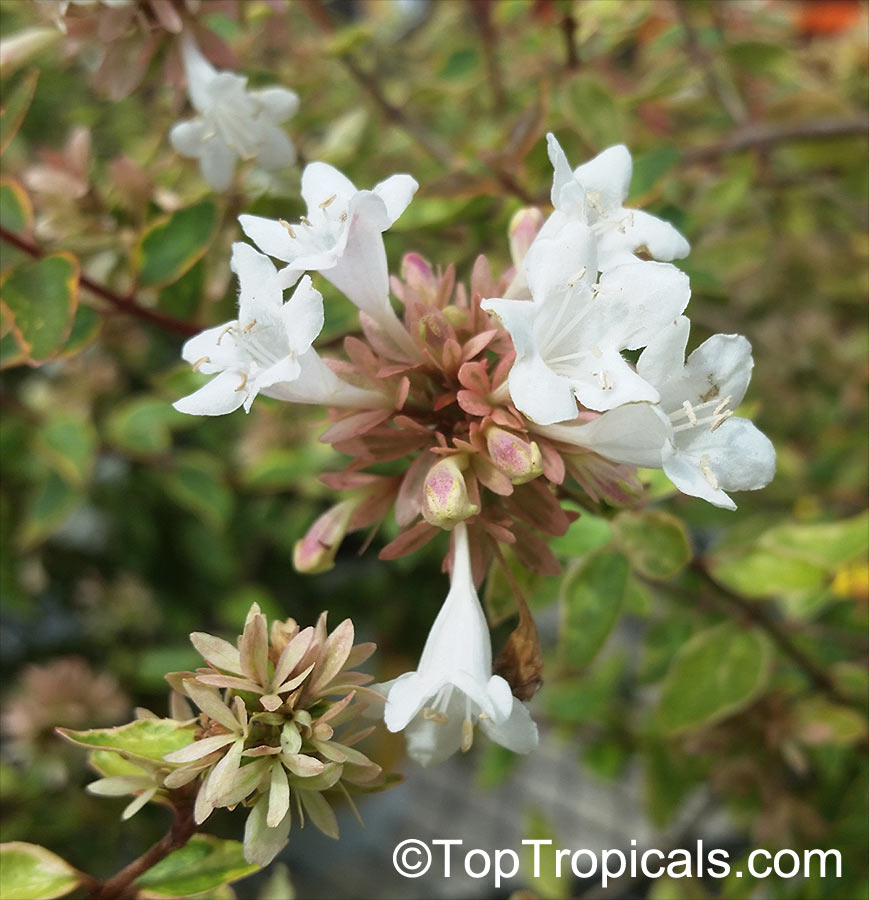
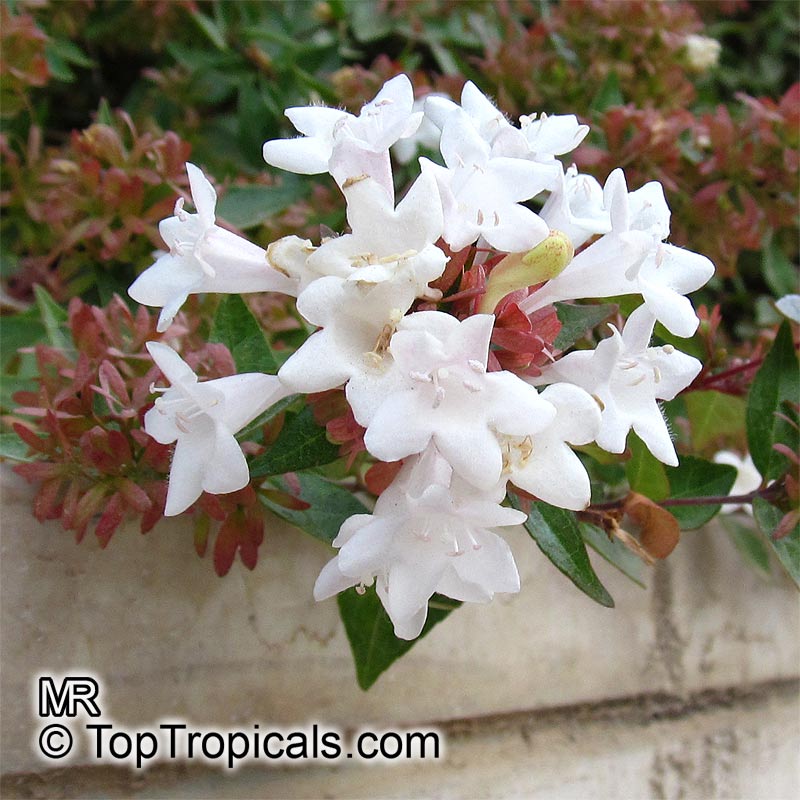
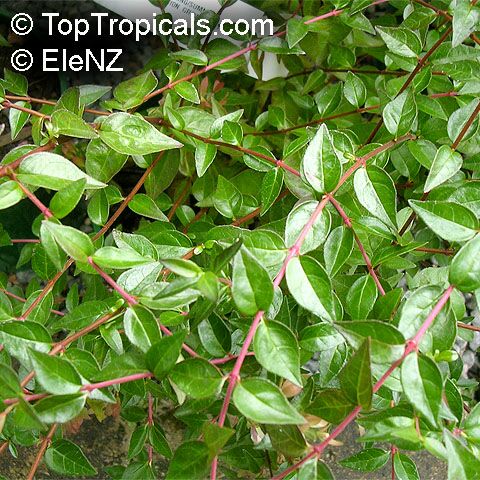
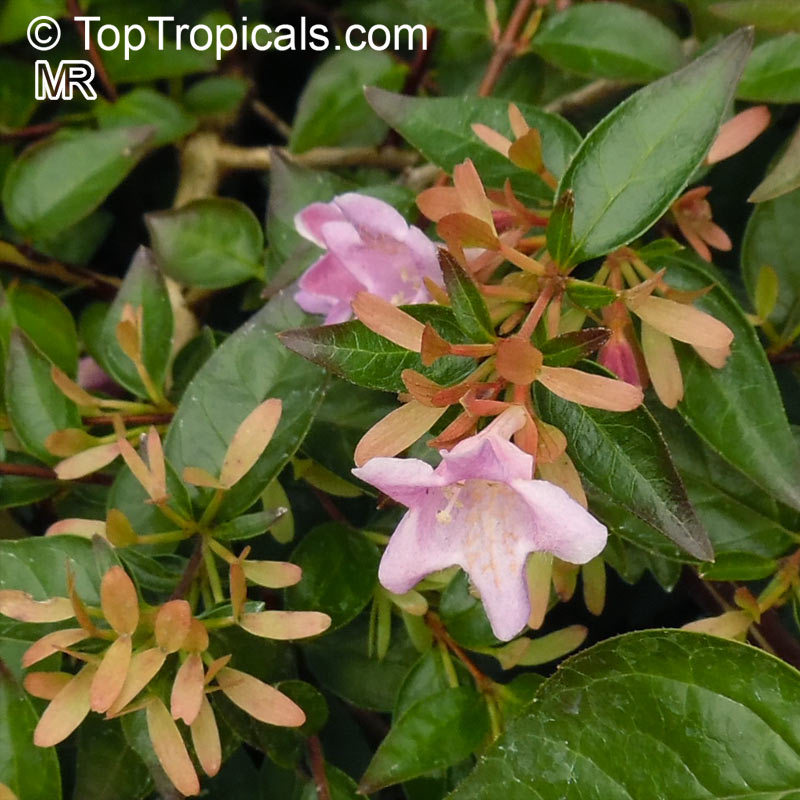
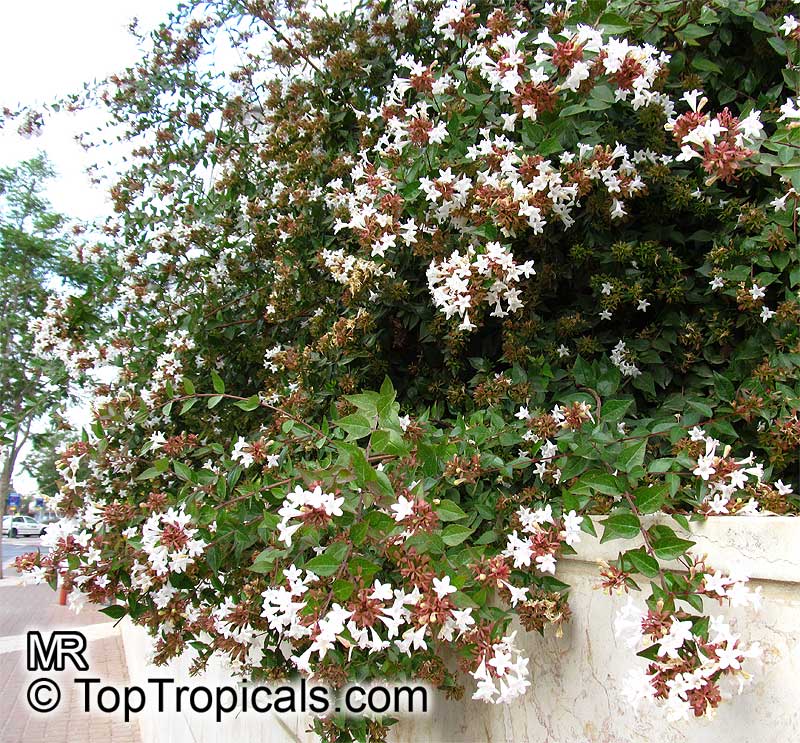
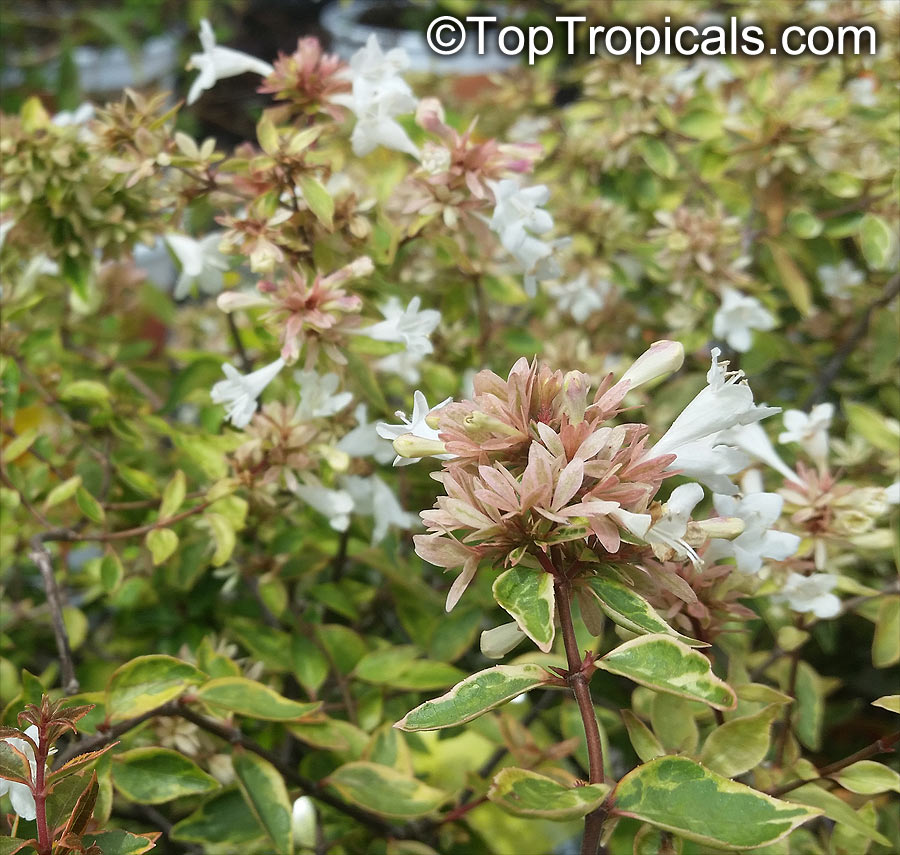
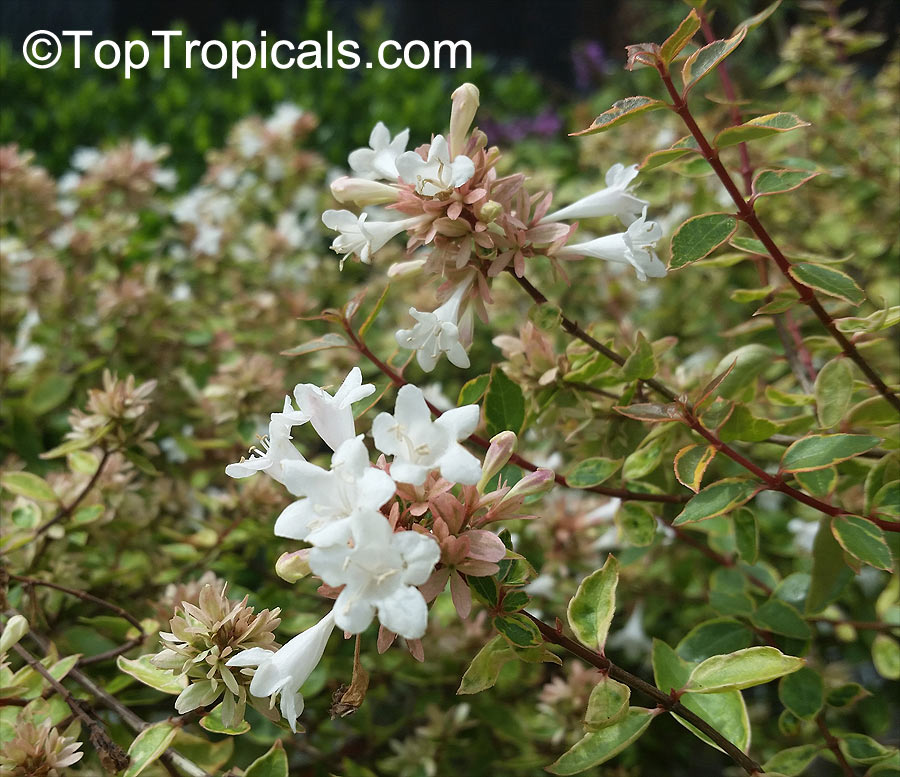
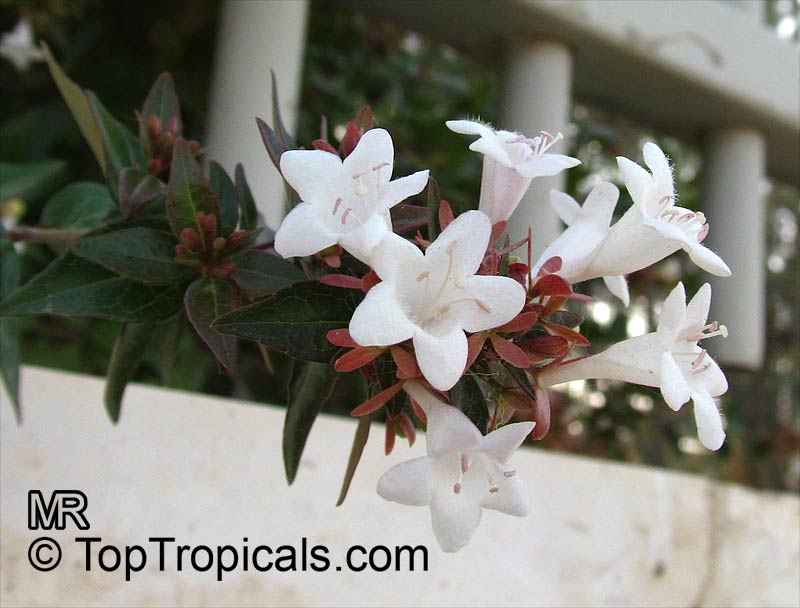
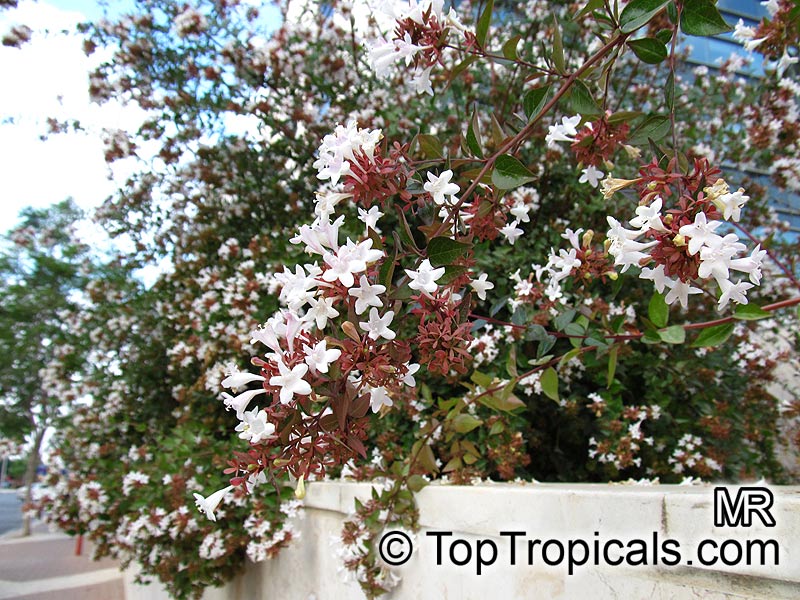
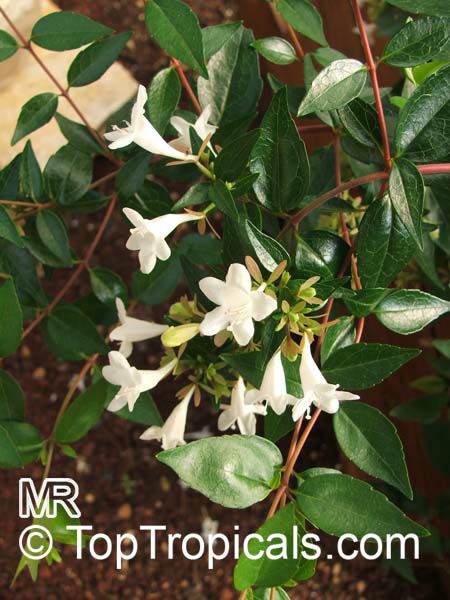
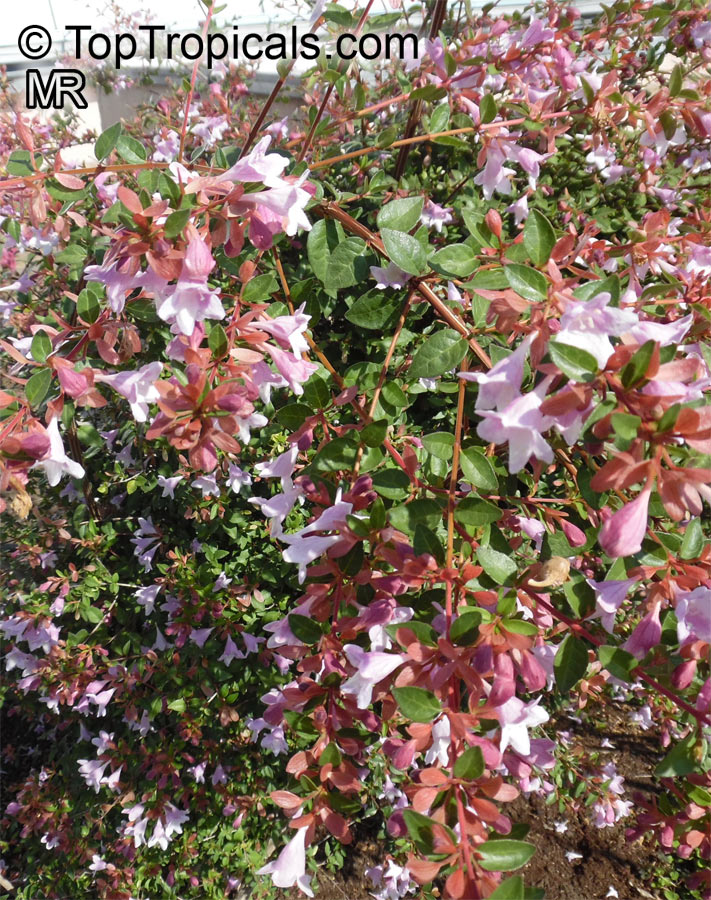
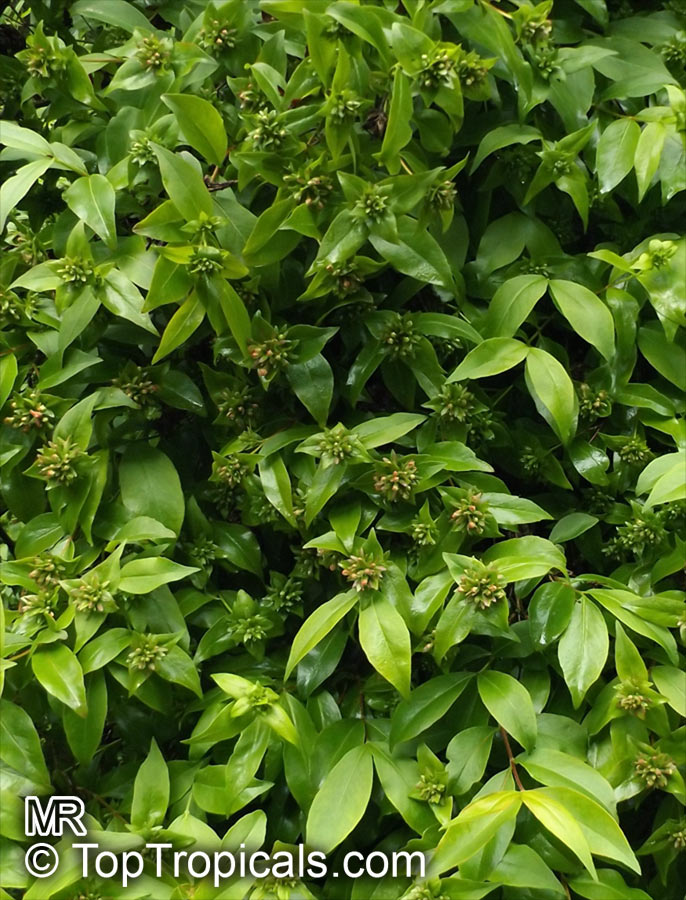
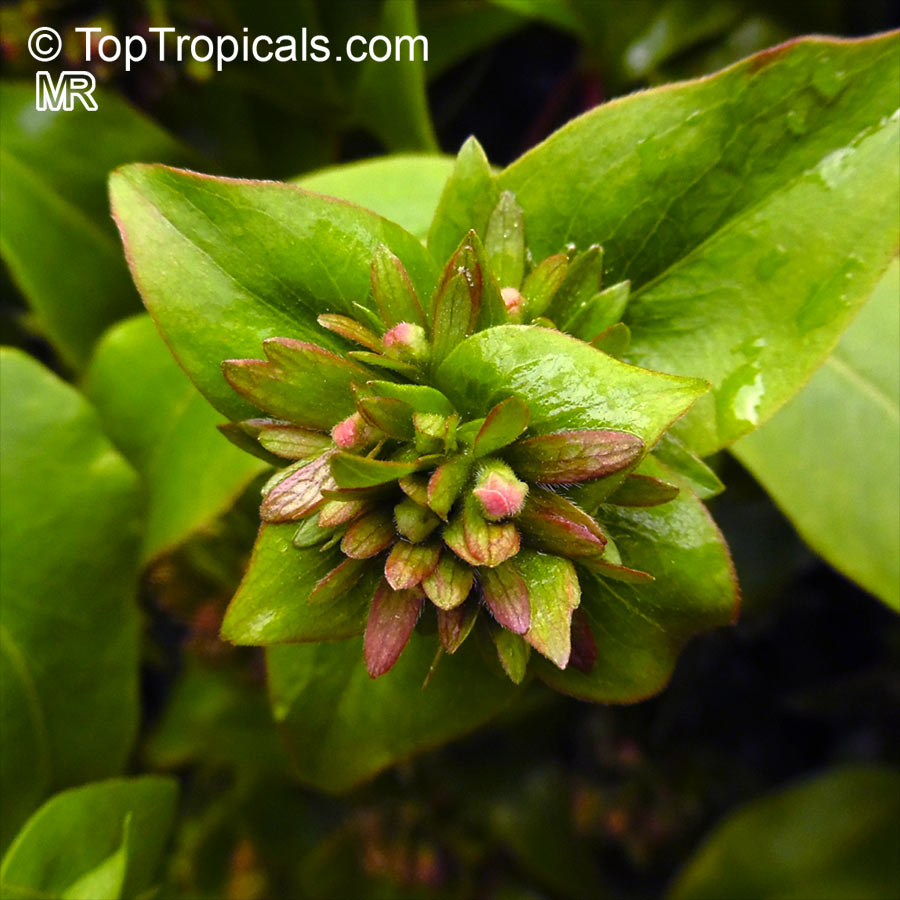
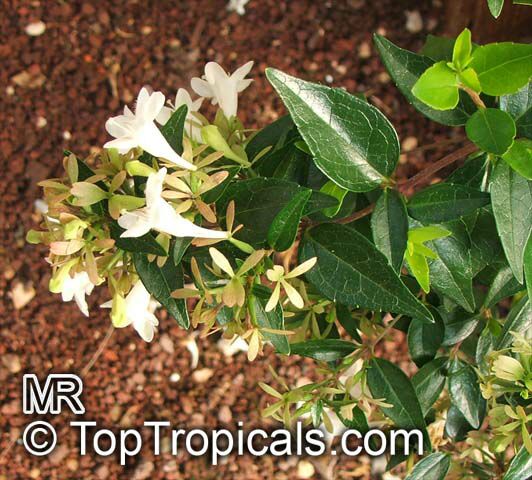
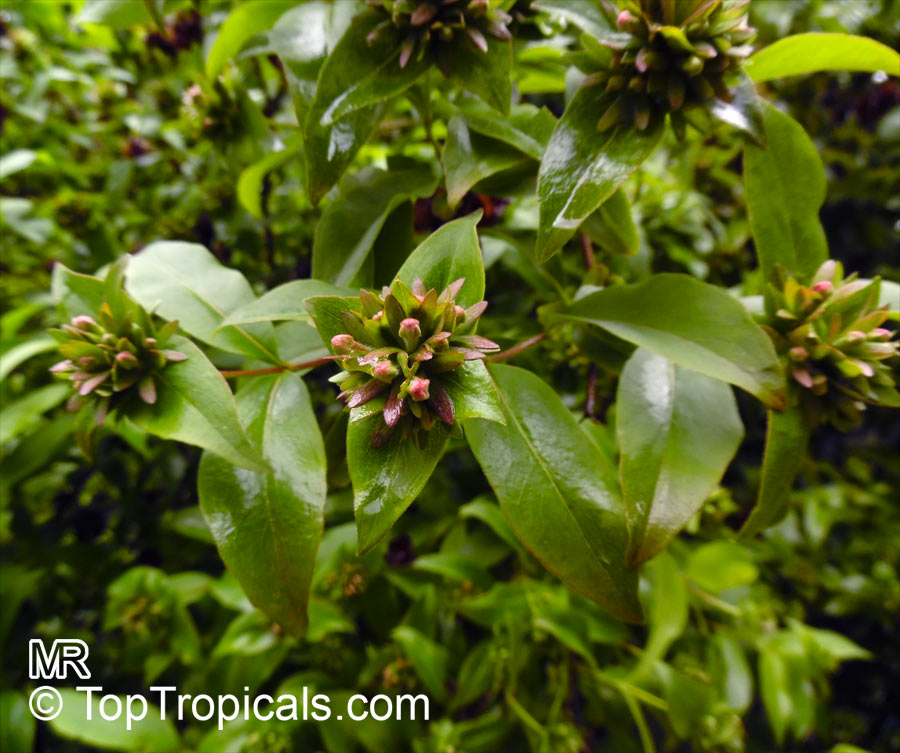
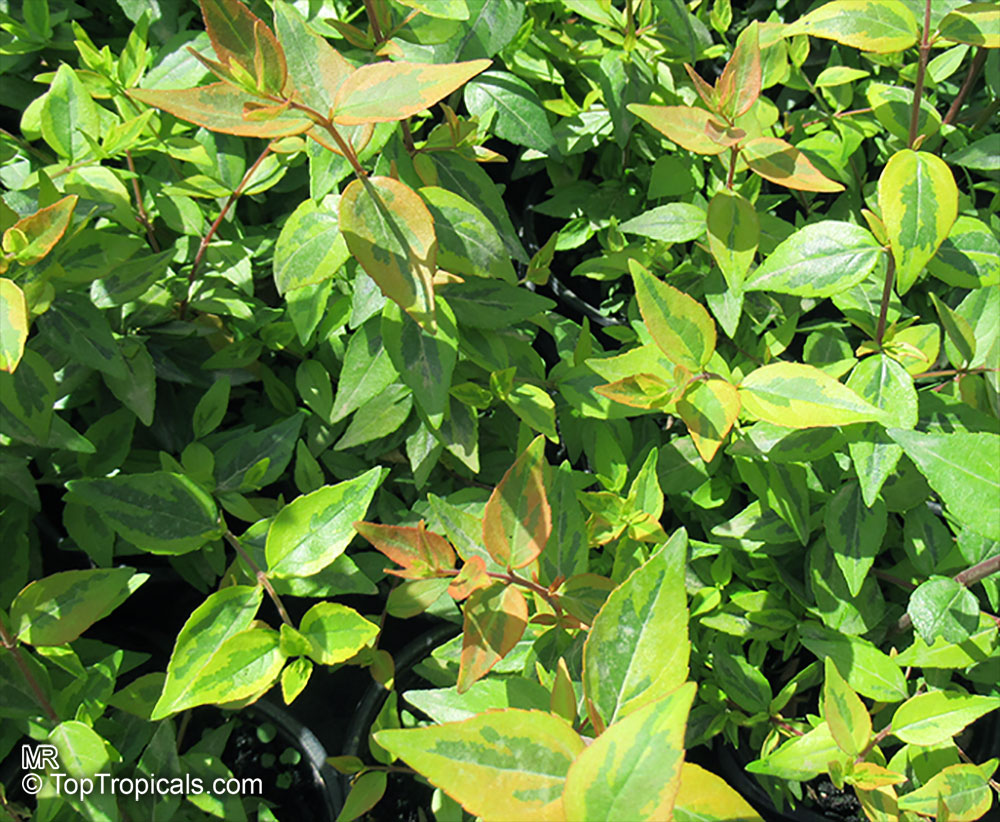
Botanical name: Abelia sp.
Common name: Abelia
Family: Caprifoliaceae


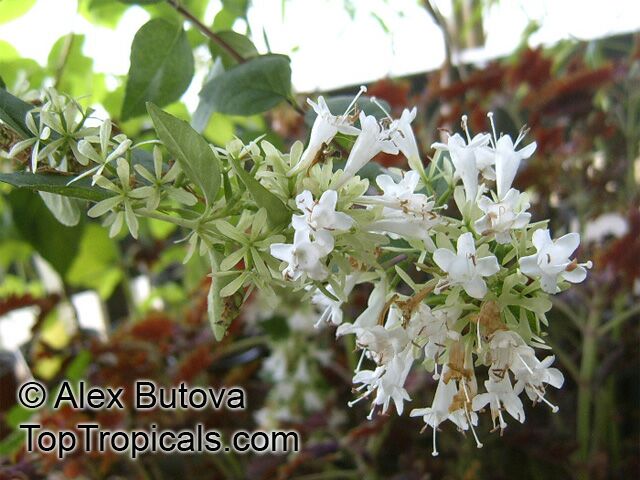
The flowers appear in the upper leaf axils and stem ends, 1-8 together in a short cyme; they are pendulous, white to pink, bell-shaped with a five-lobed corolla.
The species from warm climates are evergreen, and colder climate species deciduous.
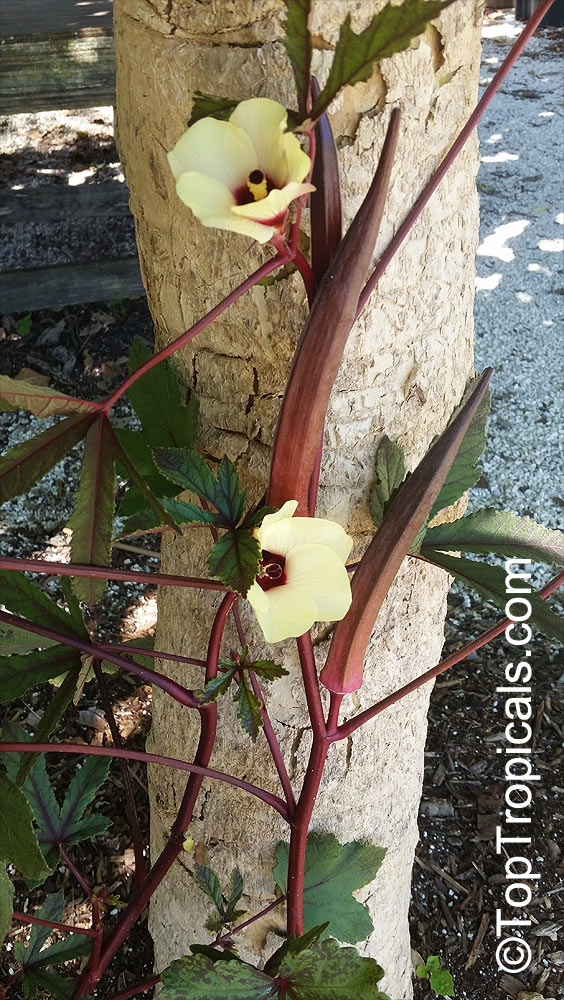
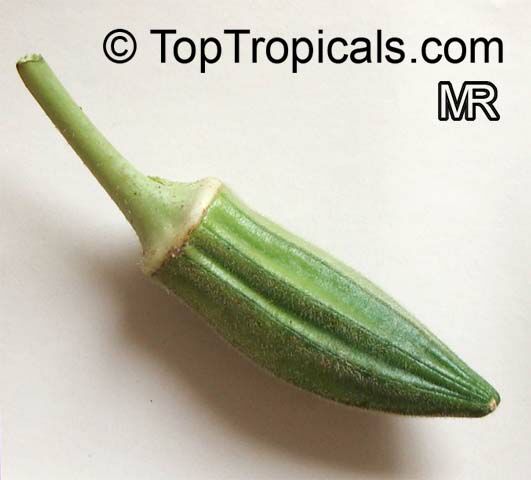
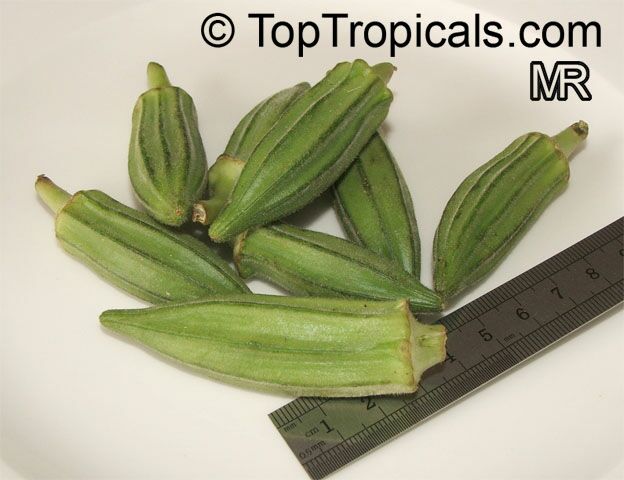
Botanical names: Abelmoschus esculentus, Hibiscus esculentus
Common names: Okra, Bamia, Gombo
Family: Malvaceae
Origin: Africa


Abelmoschus esculentus, commonly known as okra, is a flowering plant that is native to Africa. It is a large, fast-growing shrub, growing 5-10 ft tall and producing beautiful white, off-white, and yellow-orange flowers. This plant runs on a shorter lifecycle than most other shrubs, taking only 120-165 days to mature.
Okra does best when grown in warm climates, where it can receive strong direct sunlight, and regular watering. It has adapted over time to thrive in USDA hardiness zones 9-11. As it is a climacteric crop, it benefits greatly from warm, humid days and cool nights.
Regular water needs will depend on the local climate, but okra requires moderate regular watering, even during seasonal to periodical droughts. Soil with a high drainage level and well-aerated conditions will help the plant thrive and reach its full potential.
The plant produces striking large edible seeds within green, finger-like pods. Young, tender okra can be used in stir-fry or soups either blanched or pickled, and raw okra is often used in cold salads. When cooked, it is similar to asparagus. In terms of taste, some describe it to be similar to a combination of mushrooms and eggplant.
Okra is packed with nutrients, including vitamin C, calcium, and potassium. It also contains a healthy amount of dietary fibers, which can help maintain healthy digestion. Health benefits of okra also includes its ability to strengthen the immune system, lower stress, and improve skin and hair health.
In terms of yield, the plant can produce up to few hundred pods per plant, depending on the variety and local climate conditions. Therefore, okra is a great choice whether you are looking to have some fresh fruits in your household.
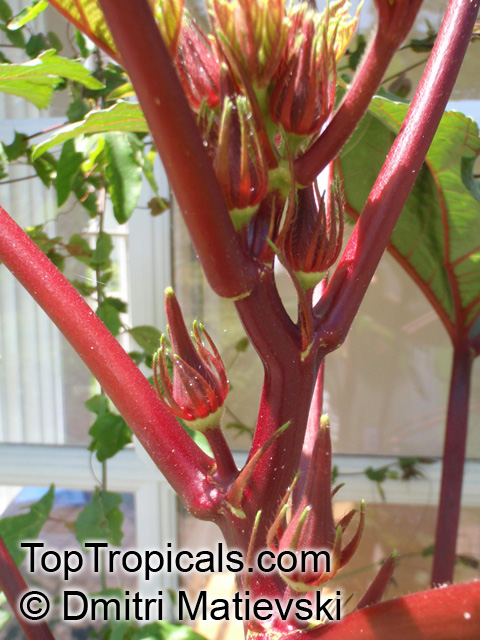
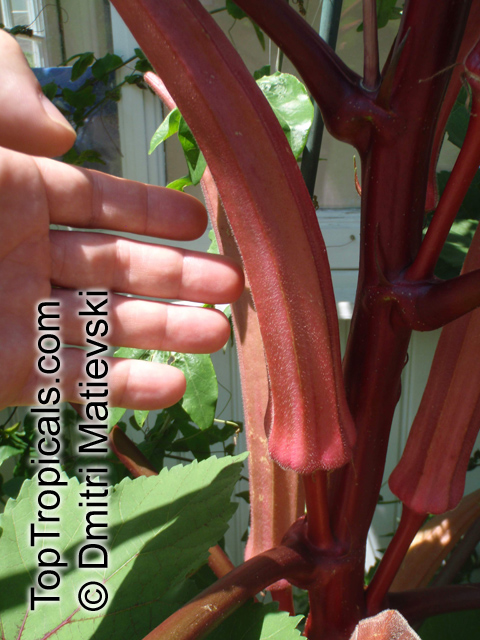
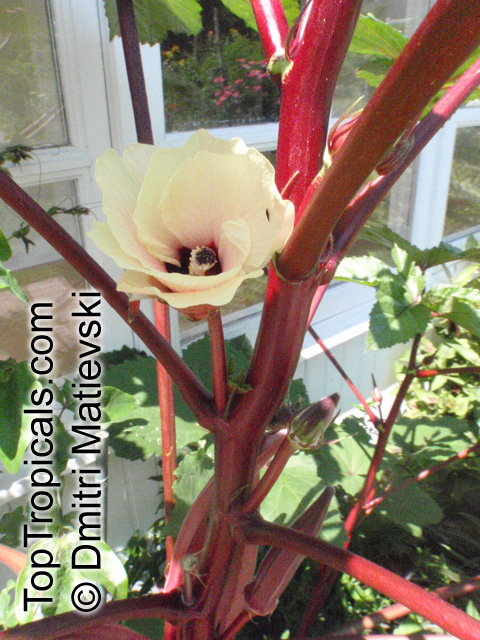


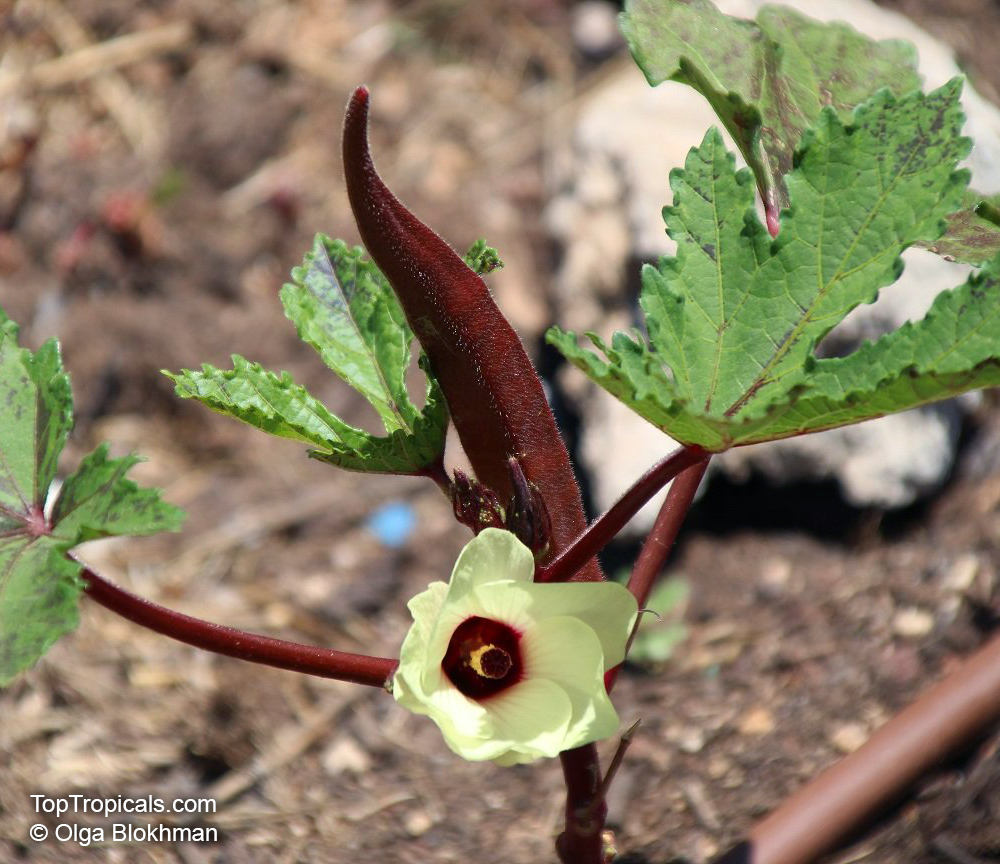
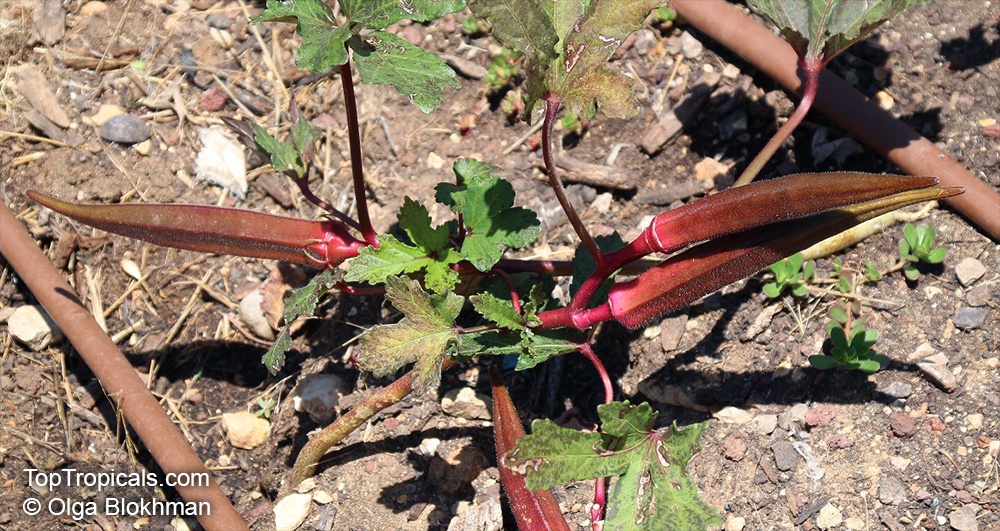
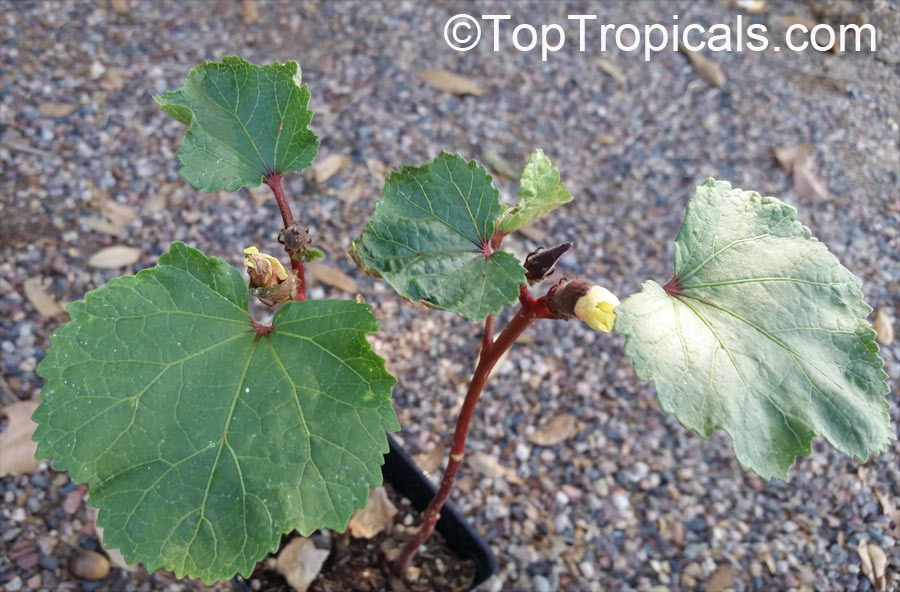
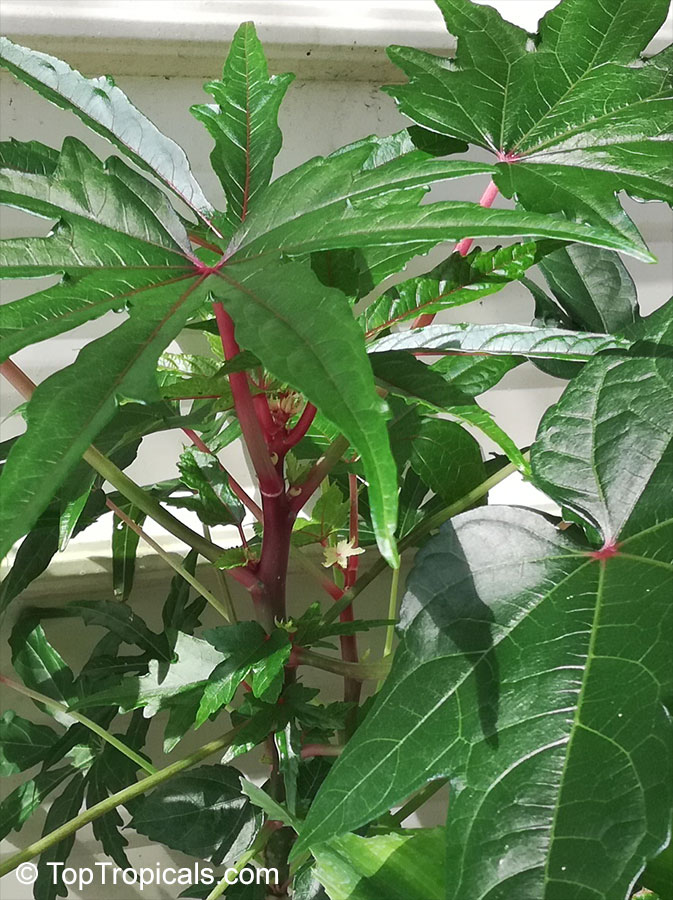
Botanical name: Abelmoschus manihot
Common names: South Sea Salad Tree, Bele tree, Sunset Muskmallow, Sunset Hibiscus, Hibiscus Manihot
Family: Malvaceae
Origin: Southeast Asia
Hardiness: 20°F


Its palmate leaves are highly dissected with five to nine deep lobes. The largest, widest leaves form at the base of the plant, where there may be some small side branches. The blooms (4-5" in diameter) are pale yellow with a dark maroon to purple center eye, and emerge from the terminal end of a central flowering stalk.It is easily propagated from cuttings, easy to cultivate, relatively disease-resistant and even is considered to be of medicinal value. It is widely planted either along borders of gardens or as an intercrop throughout many traditional gardens in the tropics. A nice flowering addition to the vegetable garden.
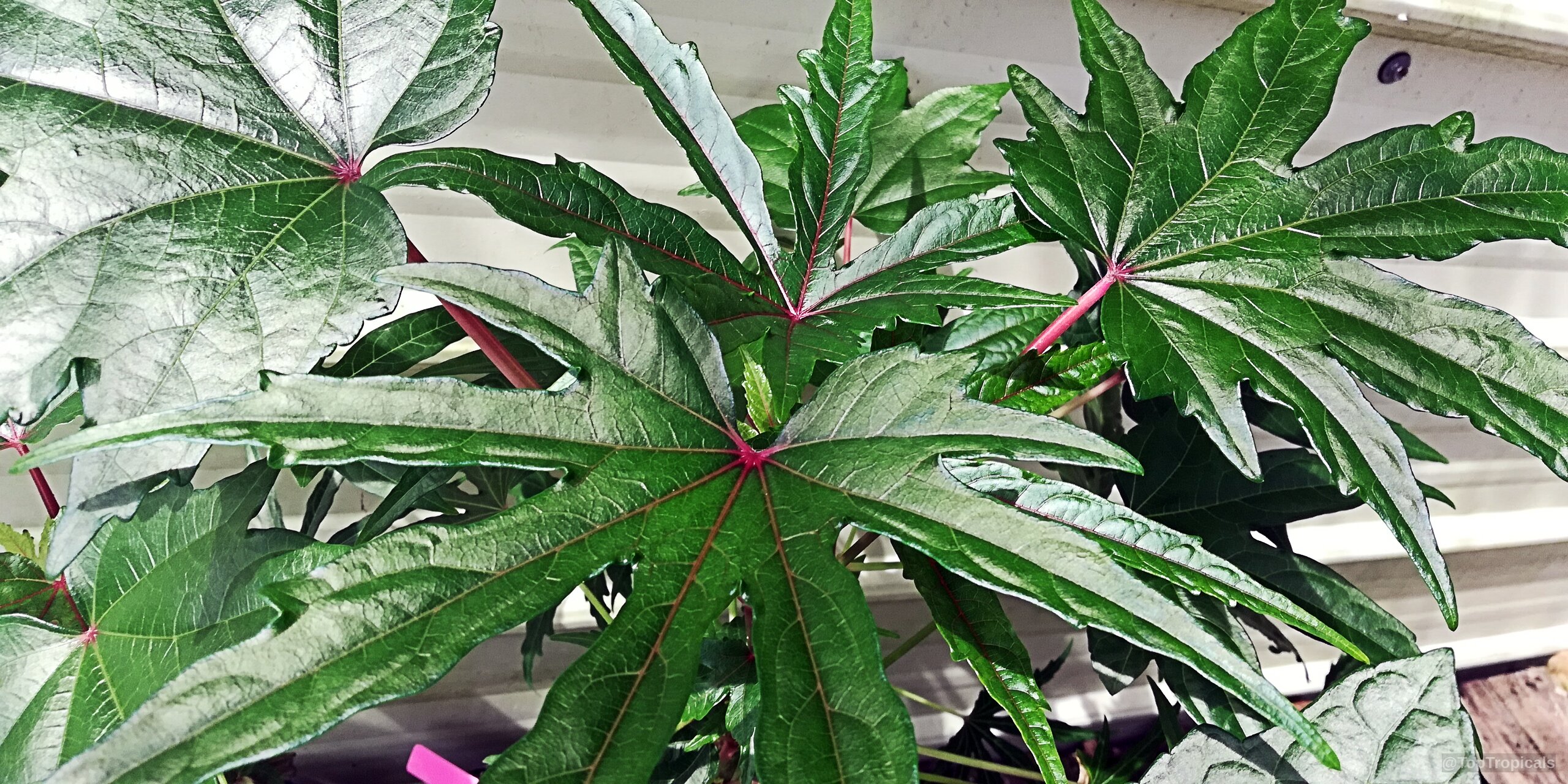
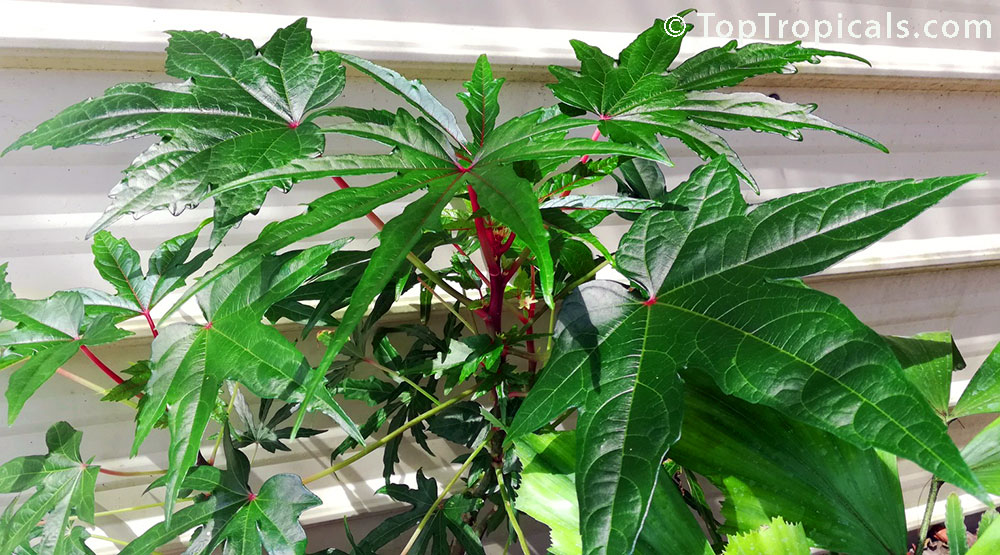

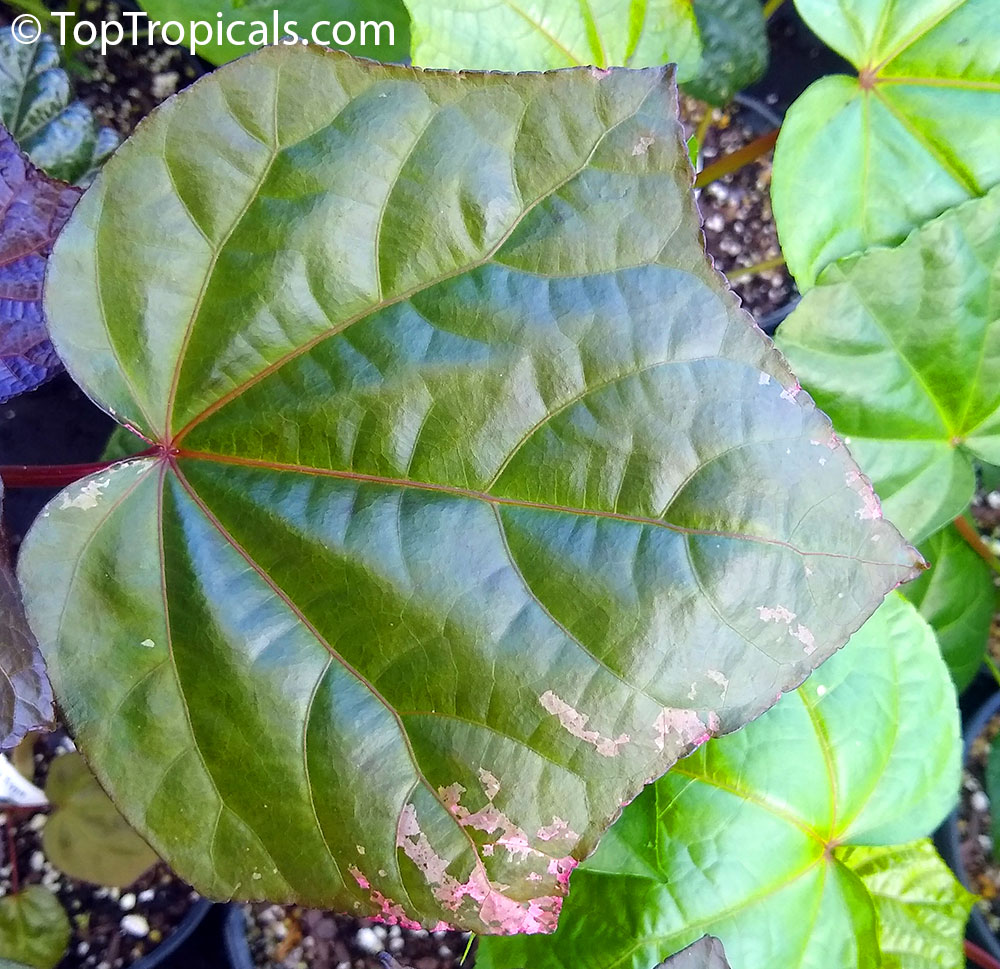
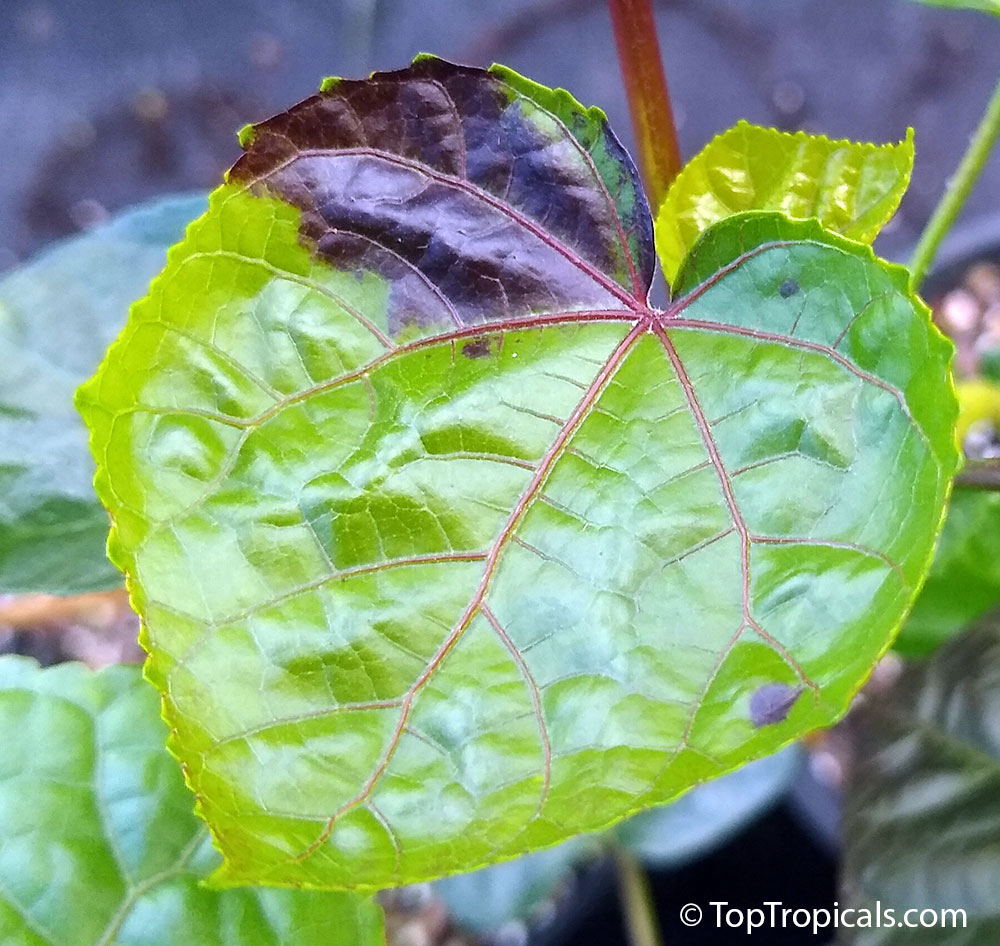
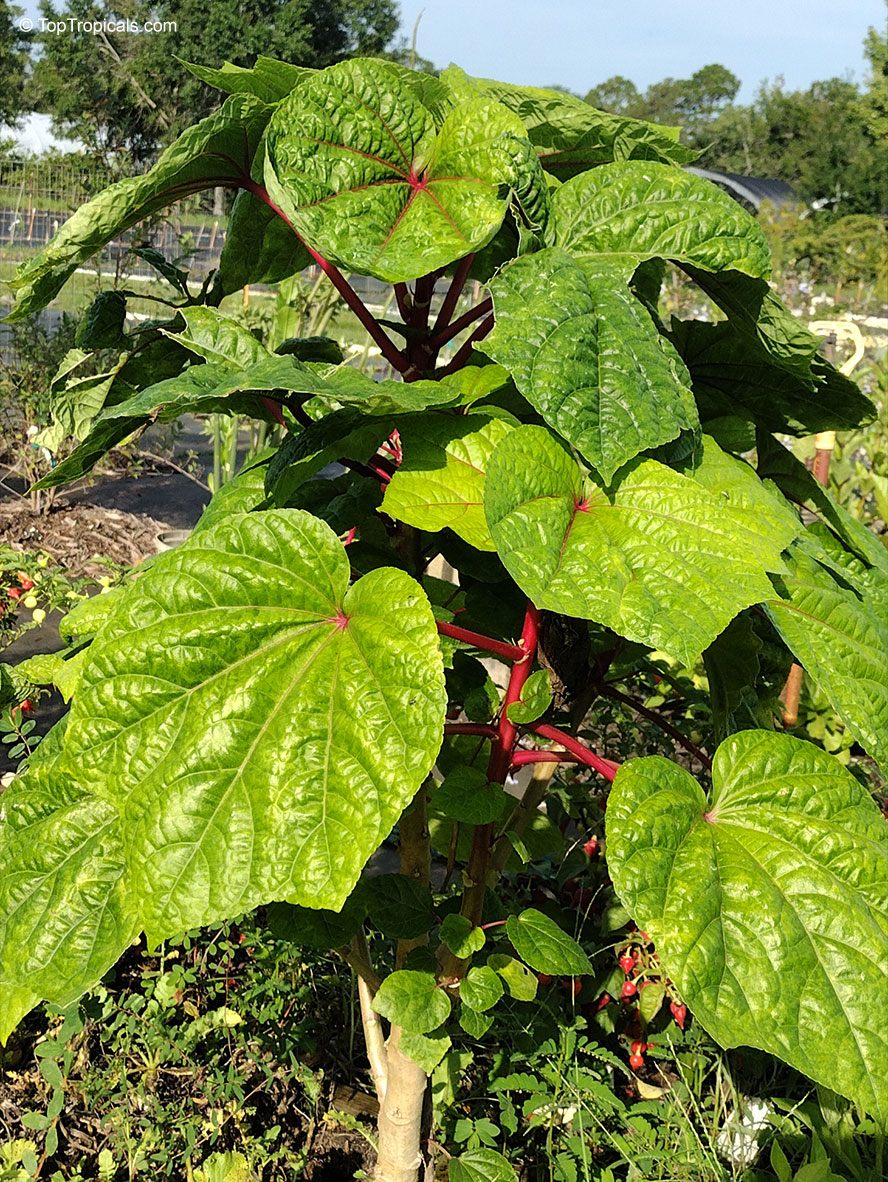

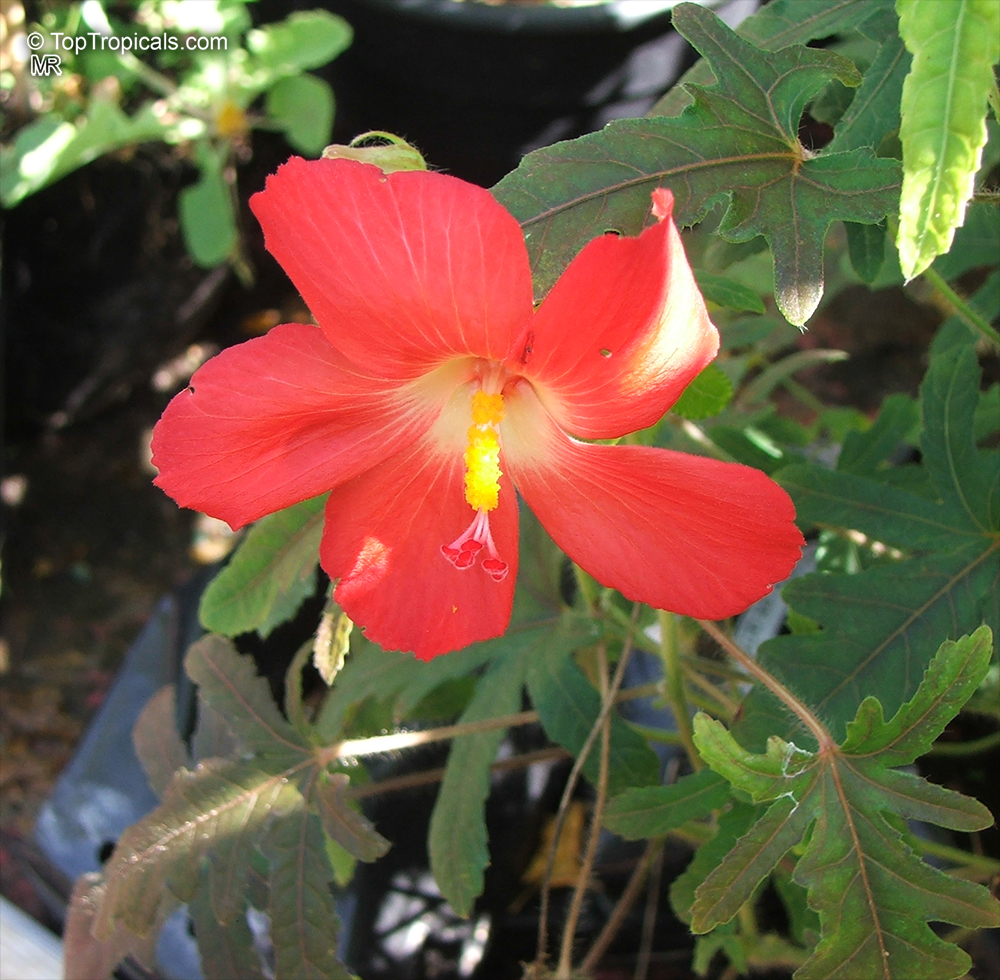
Botanical names: Abelmoschus moschatus, Hibiscus abelmoschus
Common name: Musk Mallow
Family: Malvaceae
Origin: South East Asia

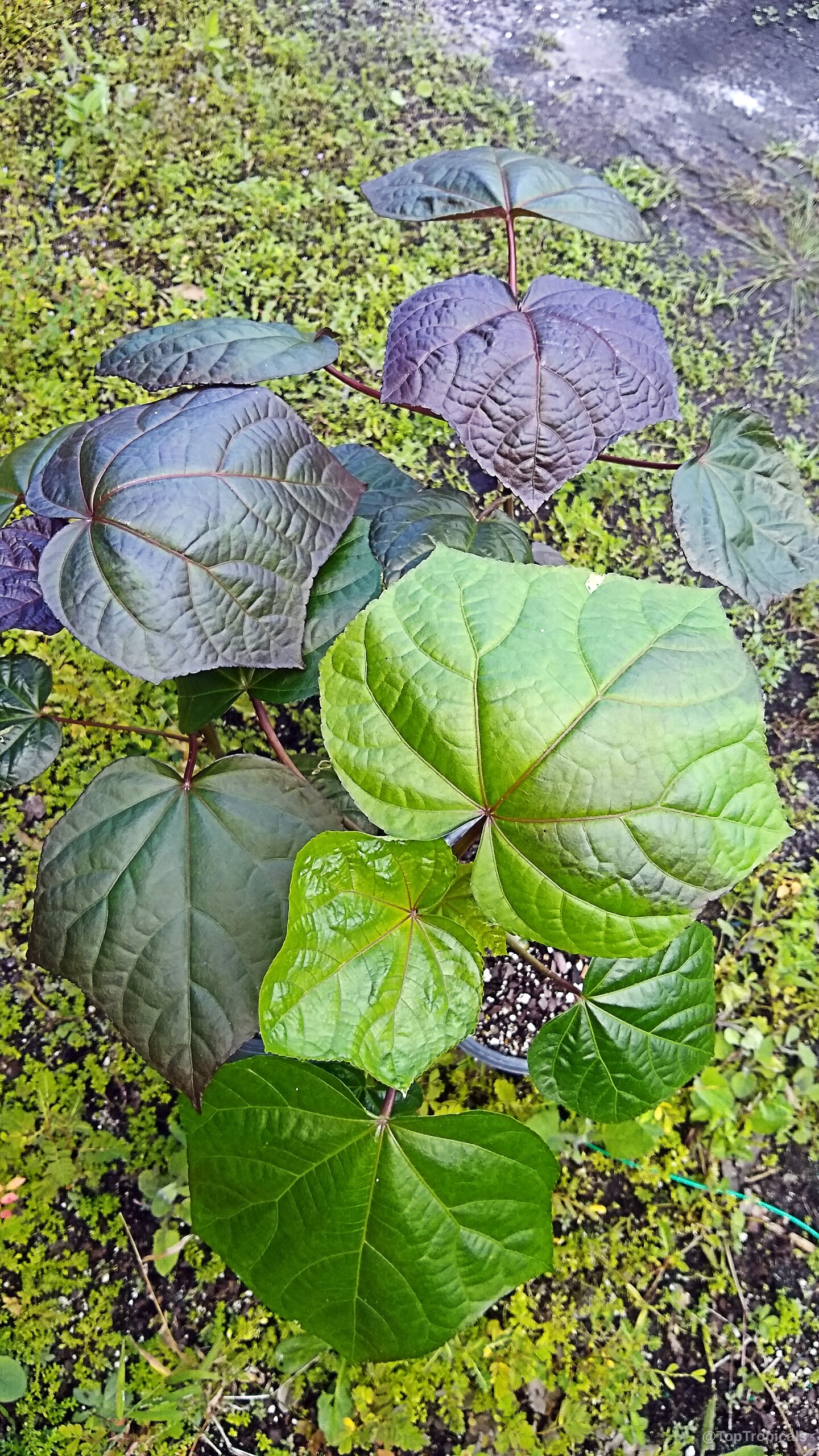
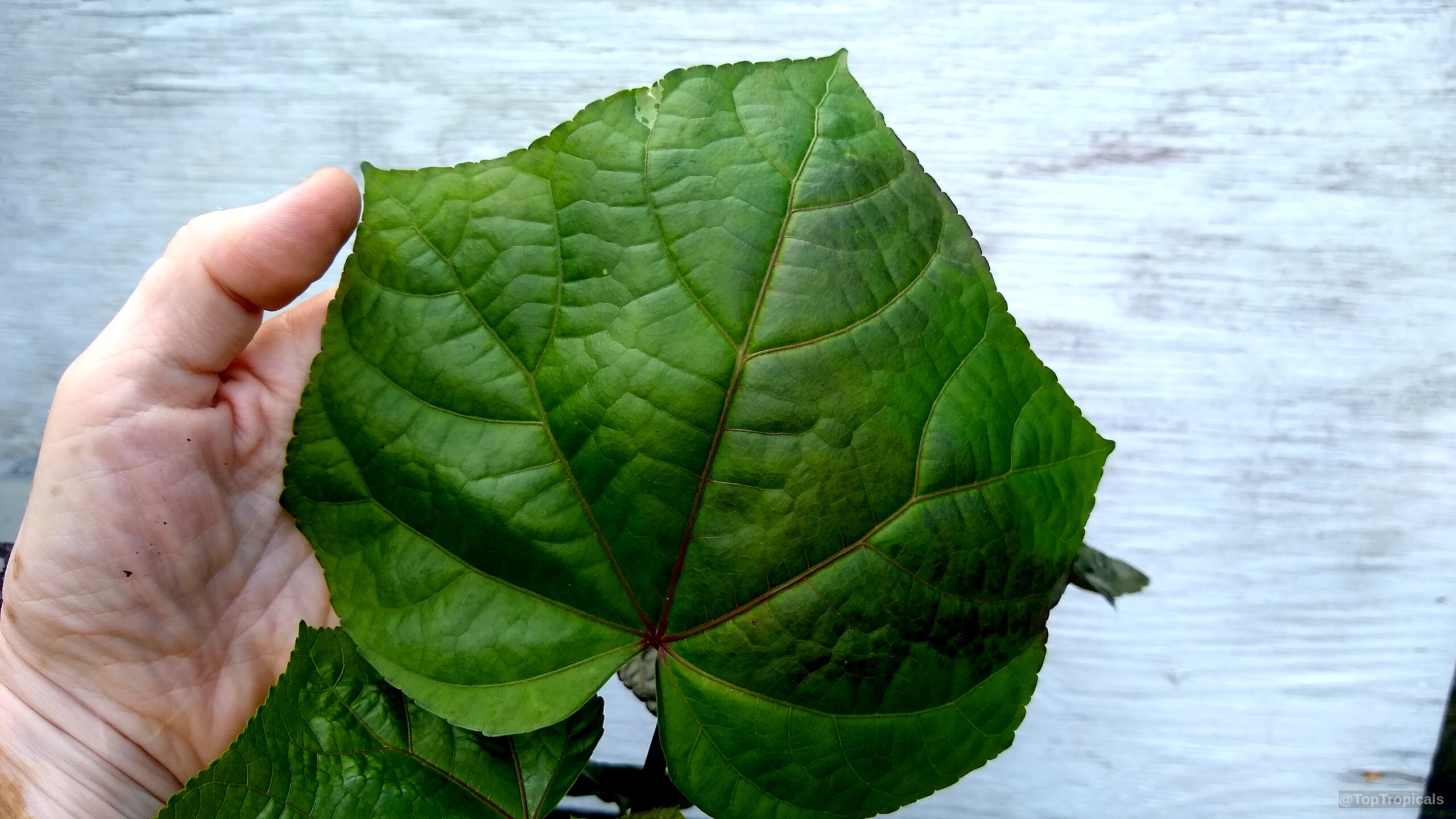
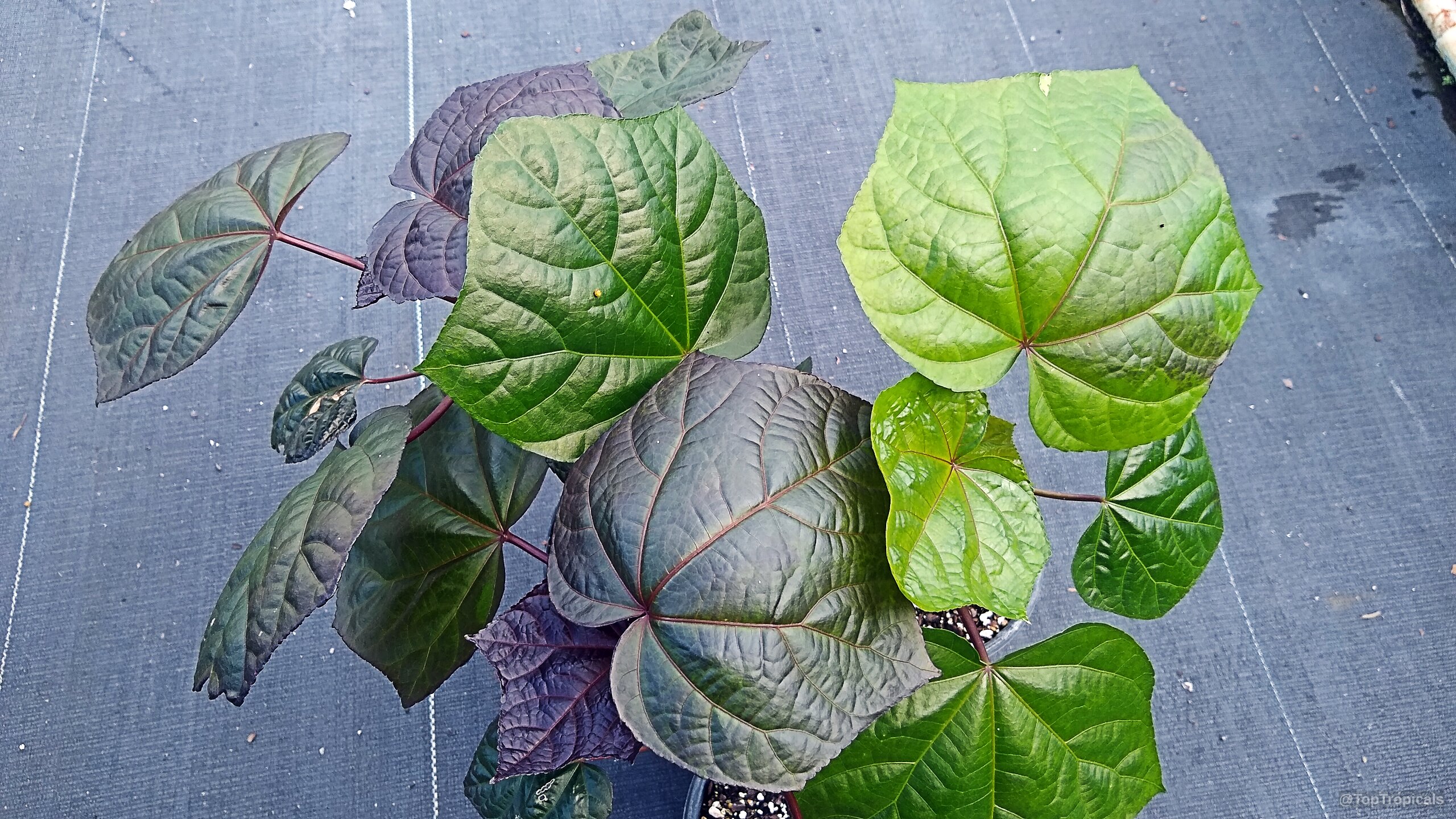
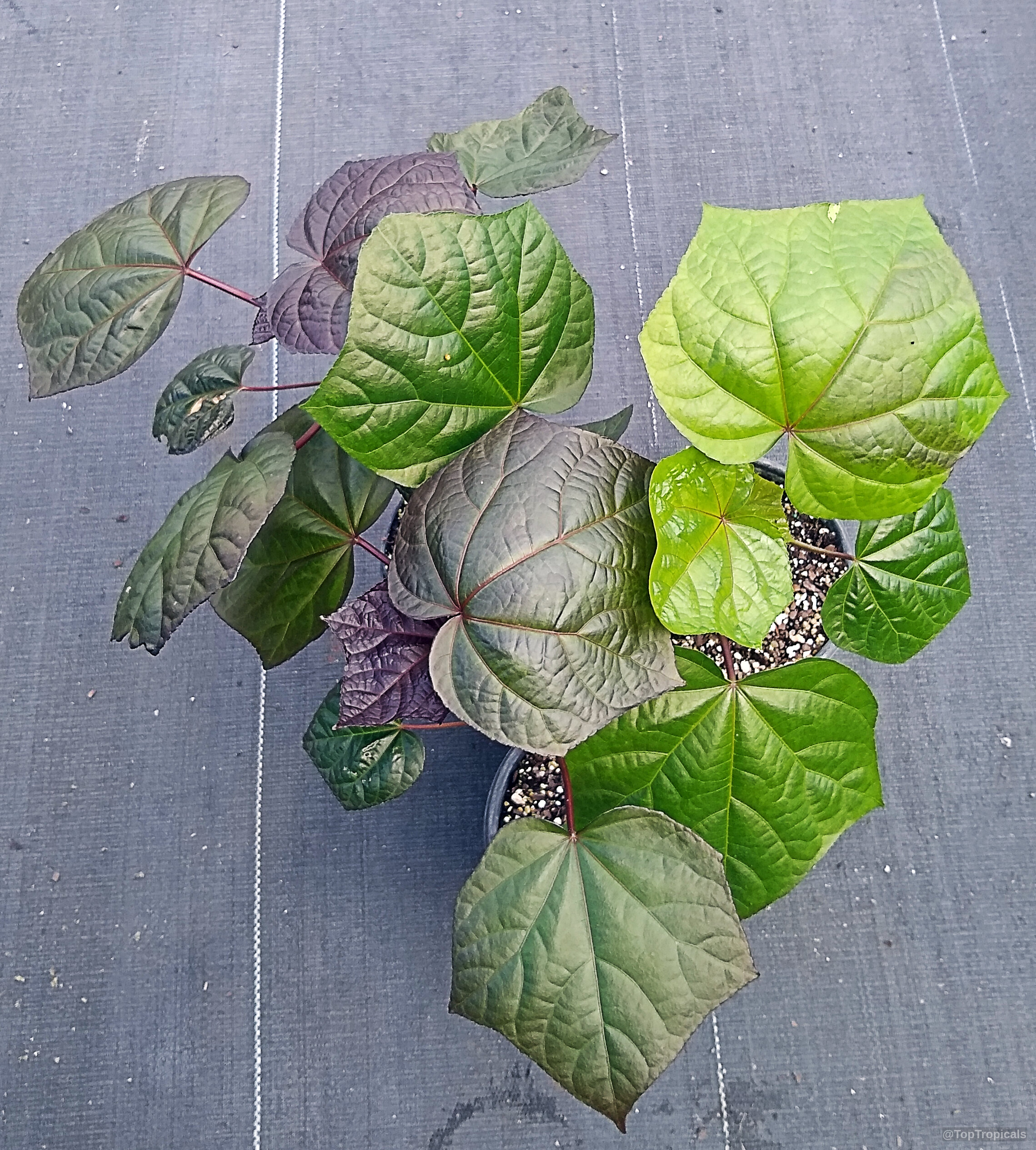
Valued as an ornamental plant, due to its colorful and attractive flowers. The leaves are alternate, rough, hairy, heart-shaped or 3-5 lobed with serrated margins. Flowers are Hibiscus-like.
Cultivated for aromatic oil from seeds. Young leaves, shoots, and unripe seedpods are cooked as a vegetable.
| Next | |
Use link to repeat this search:
https://toptropicals.com/cgi-bin/garden_catalog/cat.cgi?search_op=and&keyword_op=and&language=e&number=5&no_change_lang=1
&v1=reg&user=tt&sale=1&first=0