Pink flowers - Plant Encyclopedia Results
| Number of plants found: 1156 | Next | 
|
Go to page: | 1 | 2 | 3 | 4 | 5 | Last |
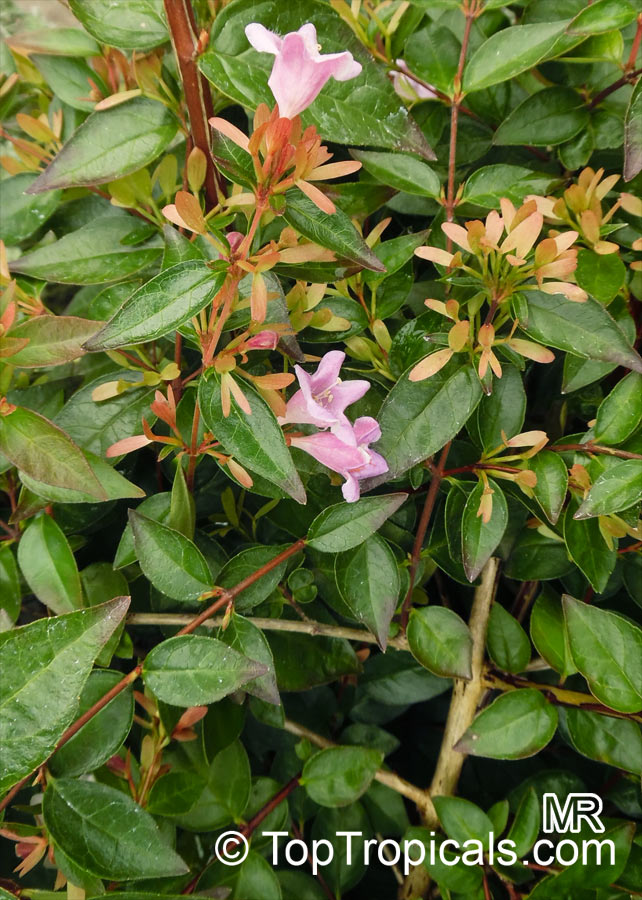
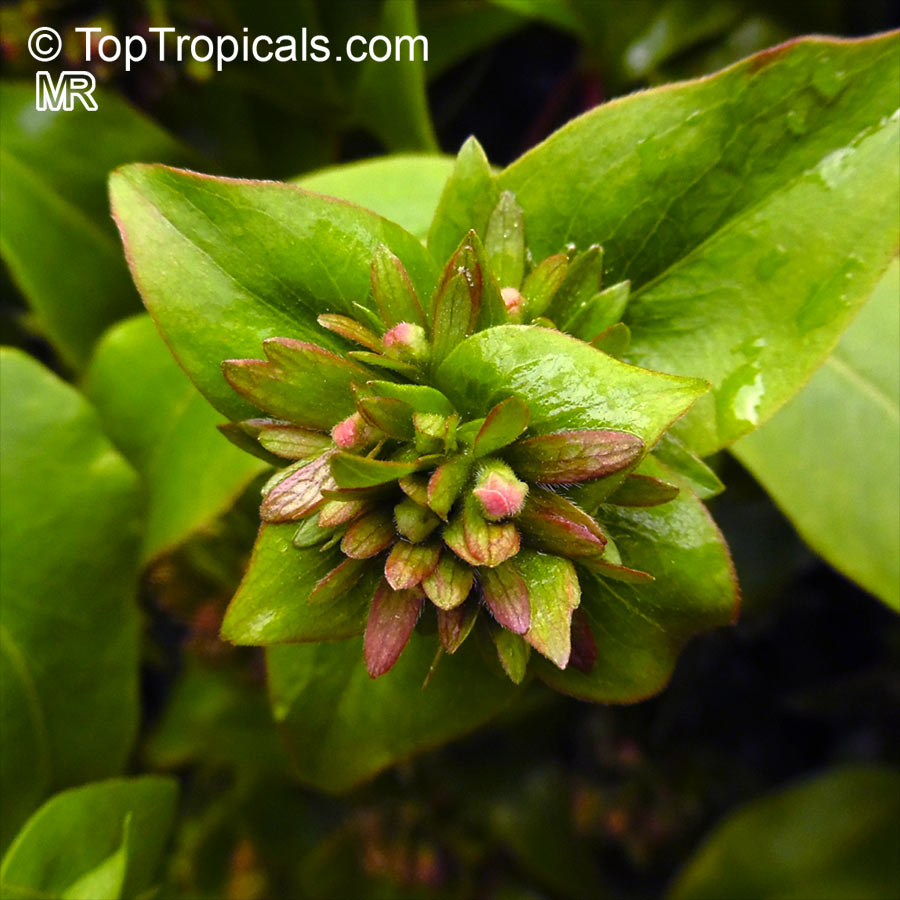
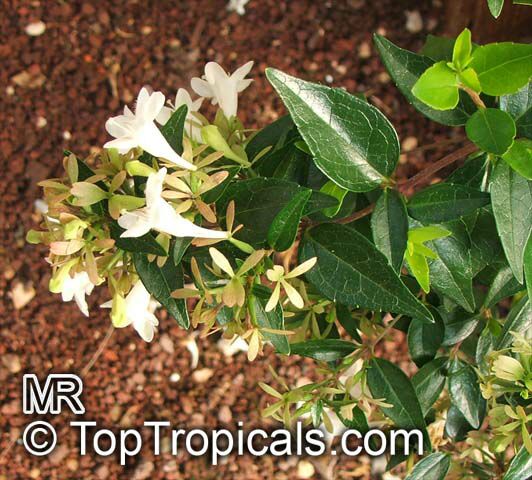
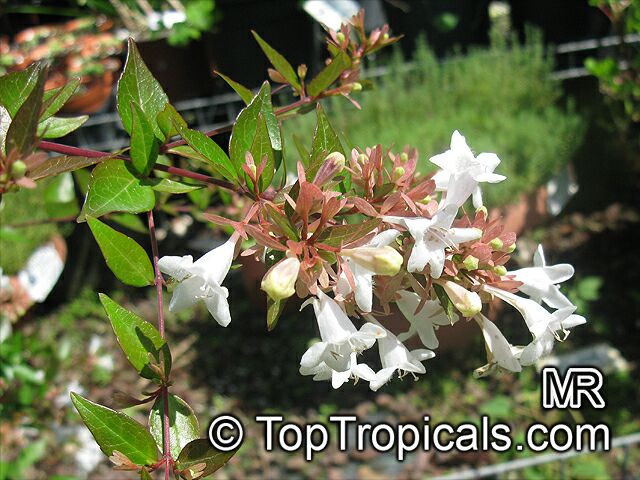
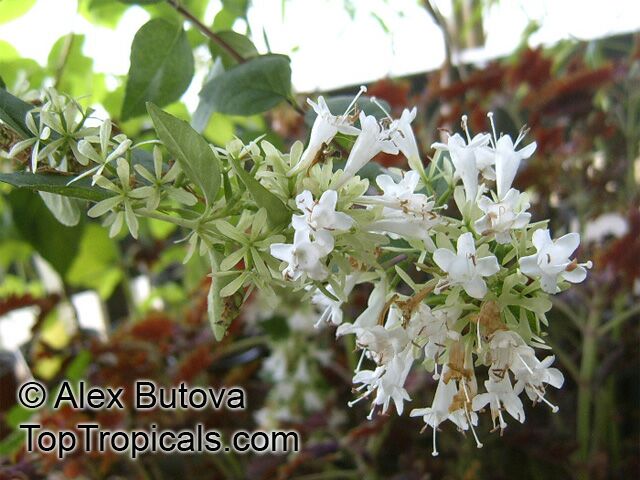
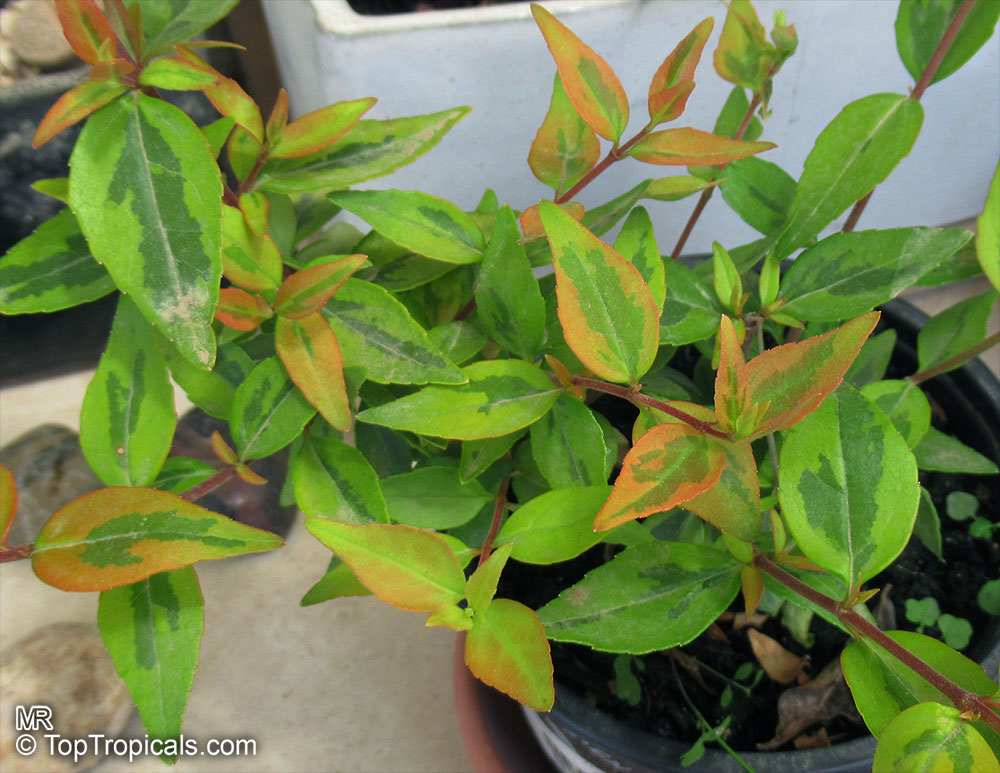
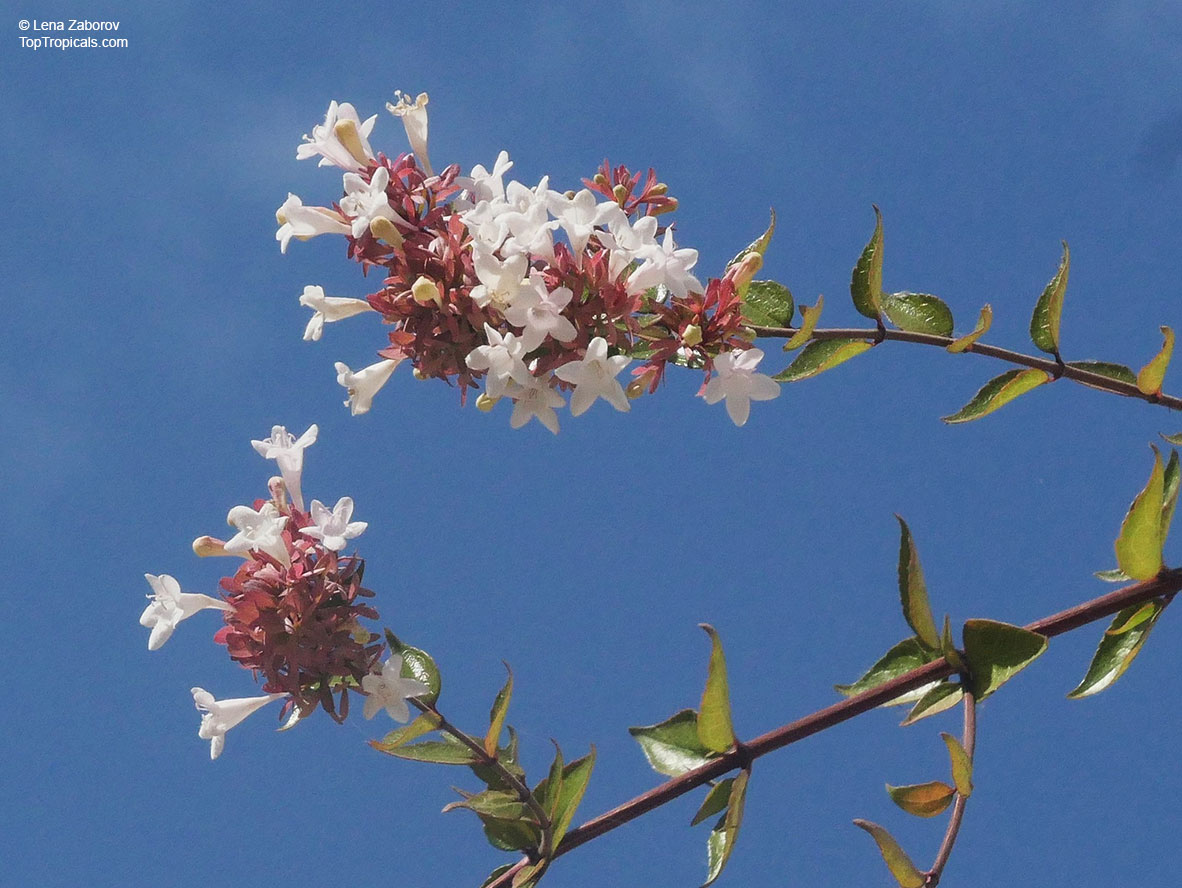
Botanical name: Abelia grandiflora
Common name: Glossy Abelia
Family: Caprifoliaceae
Origin: China
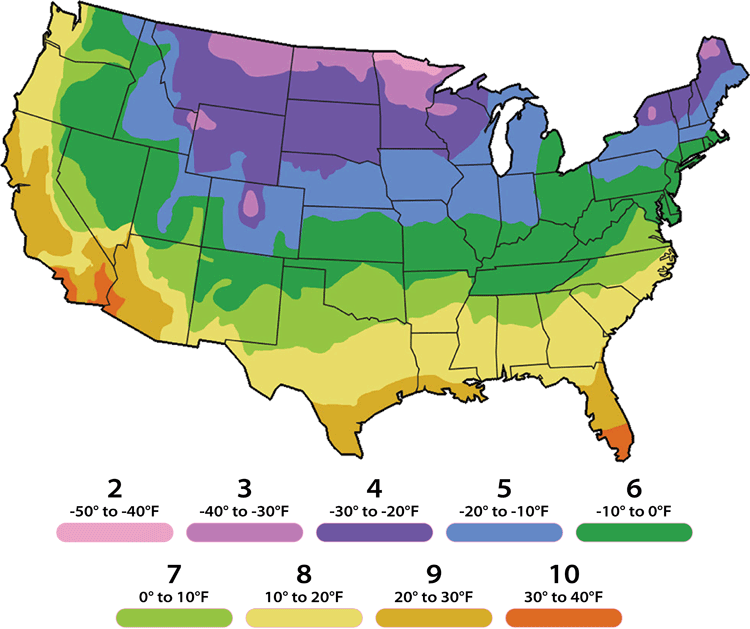


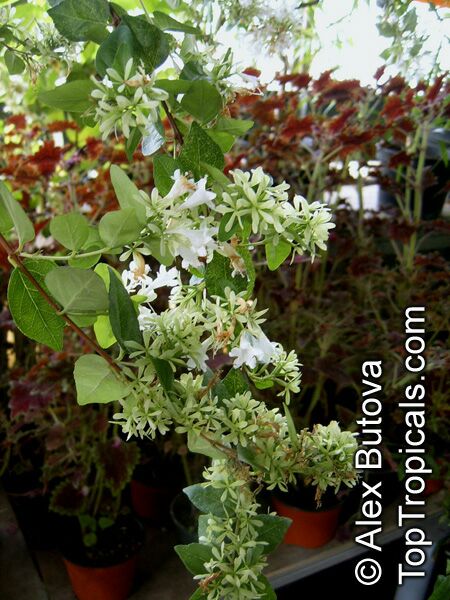
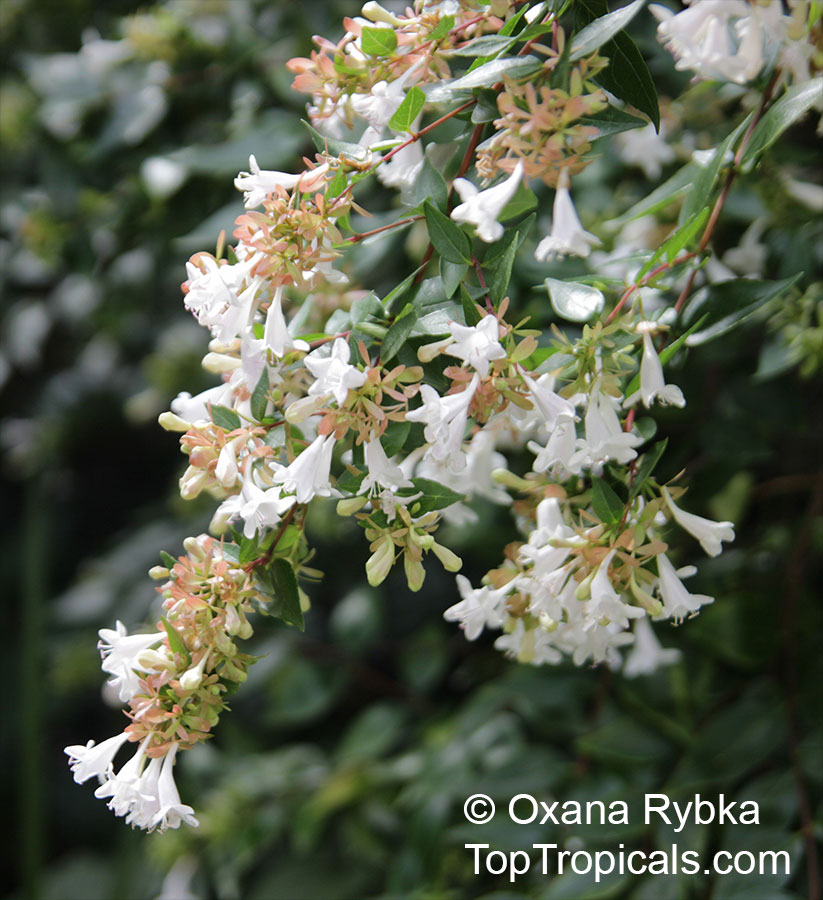
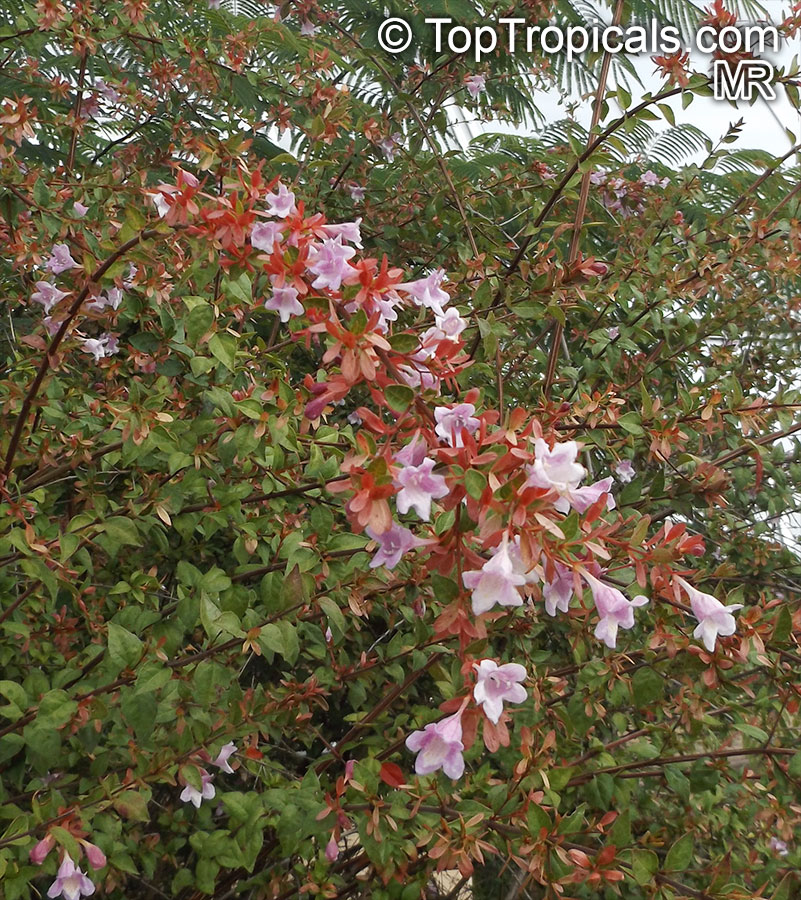
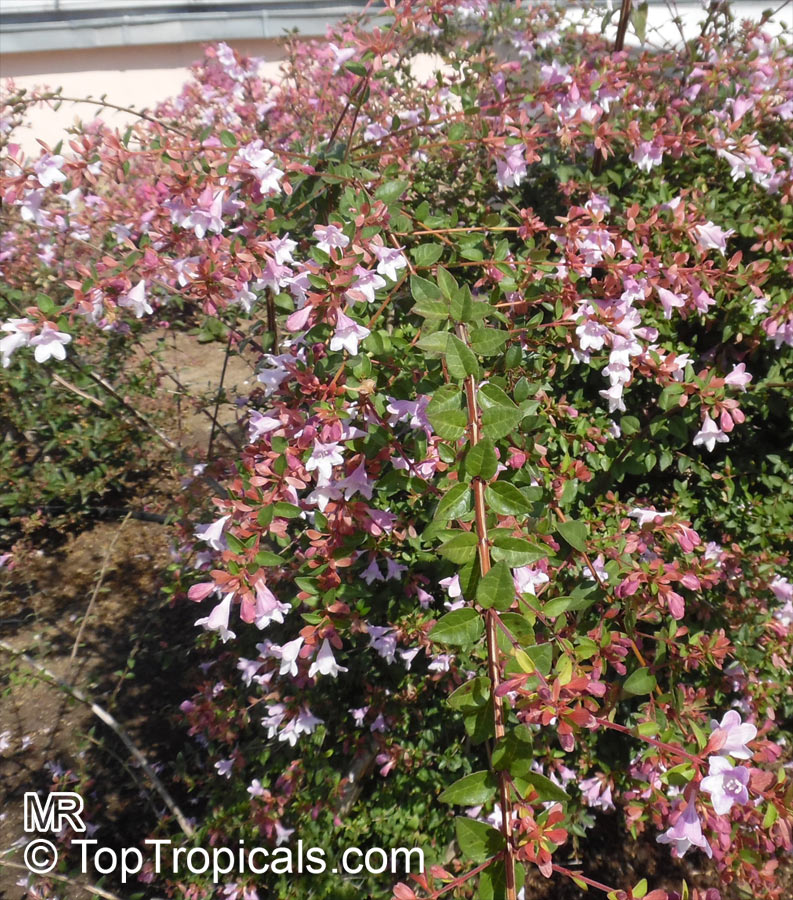
Abelia is a popular evergreen or semi-evergreen shrub with a rounded, fountain-like growth habit. It is fast-growing, growing up to 4-8 feet tall and 4-6 feet wide. Its leaves are fine-textured, glossy, oval, and dark green, usually 2 inches long, and the new growth has a bronze color. Abelia produces small, white and pink tubular flowers in clusters at the end of its stems, from summer to fall. The flowers are barely one inch long, but they are slightly fragrant - which attracts hummingbirds and butterflies.
This shrub is a great choice for planting near a pool, as it loves both full sun and semi-shade exposure. When watering it, allow the soil to dry out between waterings. It is mostly pest- and disease-free. Mature Abelias can withstand temperatures as low as 30 degrees Fahrenheit for a limited time.
Hyperacanthus amoenus is another popular evergreen shrub. It has pinkish red flowers with off-white petals that are fragrant, followed by green fruits that turn brown when ripe. This shrub is easy to grow, needing only full sun and regular watering - though it should be in USDA Zones 8 -9 for full protection from cold weather. For areas with colder climates, it is recommended to keep the plant in a pot and move it indoors in winter. In such a case, extra care should be taken to make sure it has enough water, light and fertilizer. Pruning may also be necessary to ensure the plant remains within the size desired.
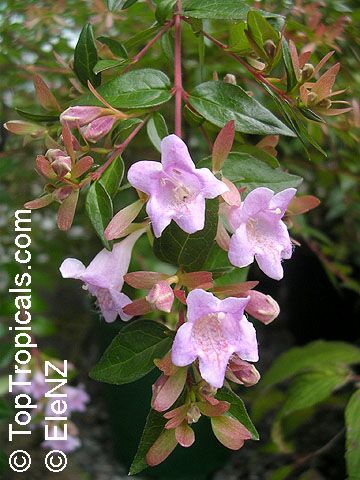
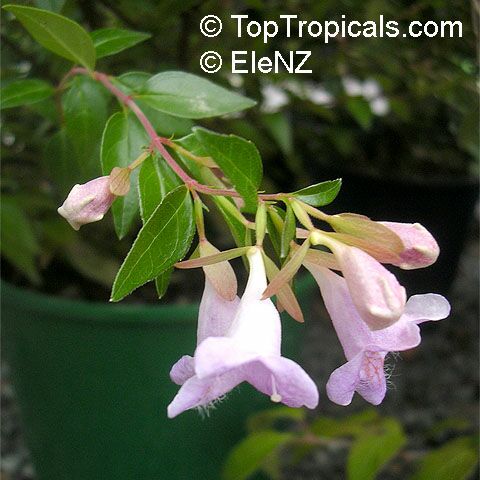
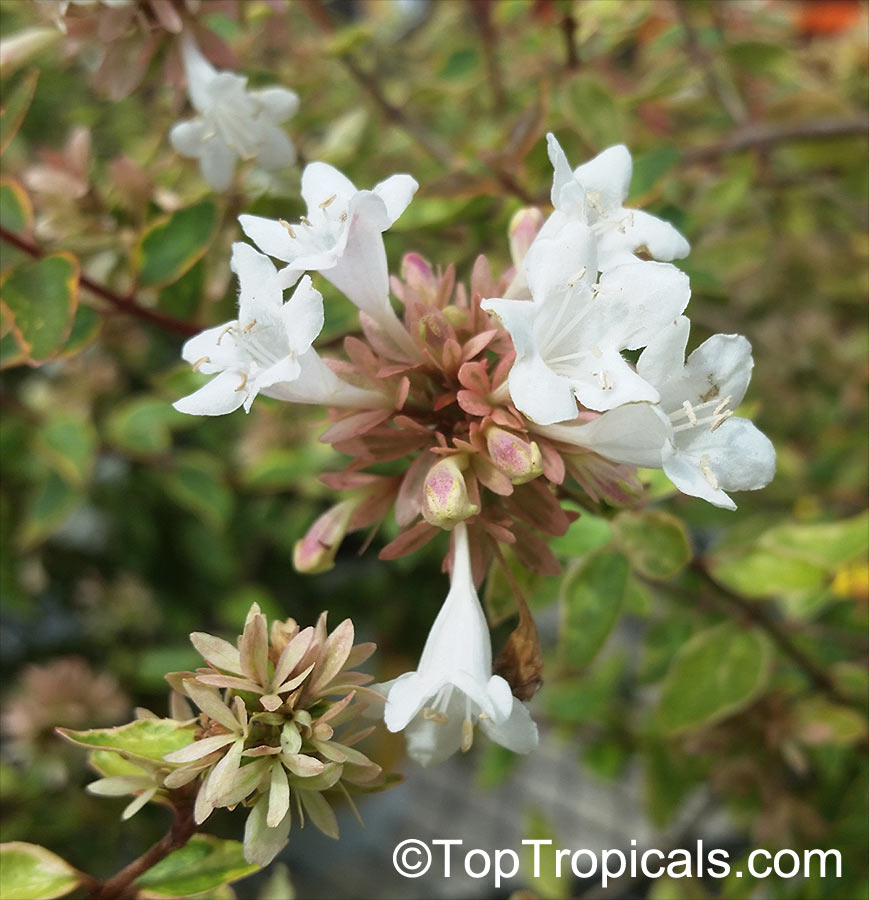
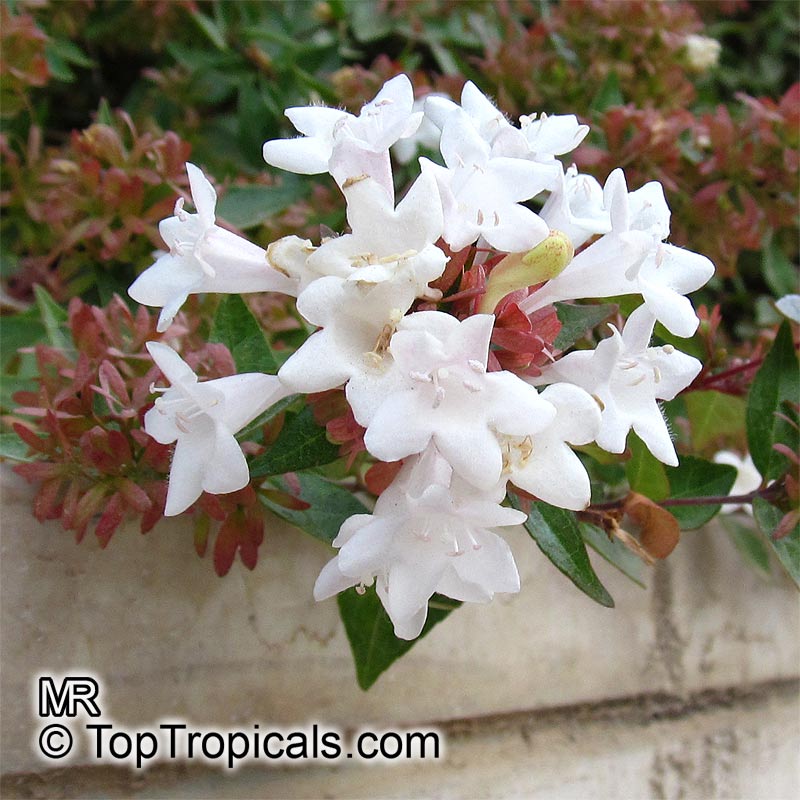
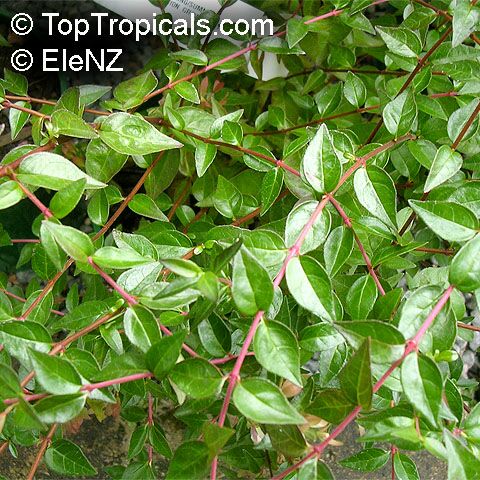
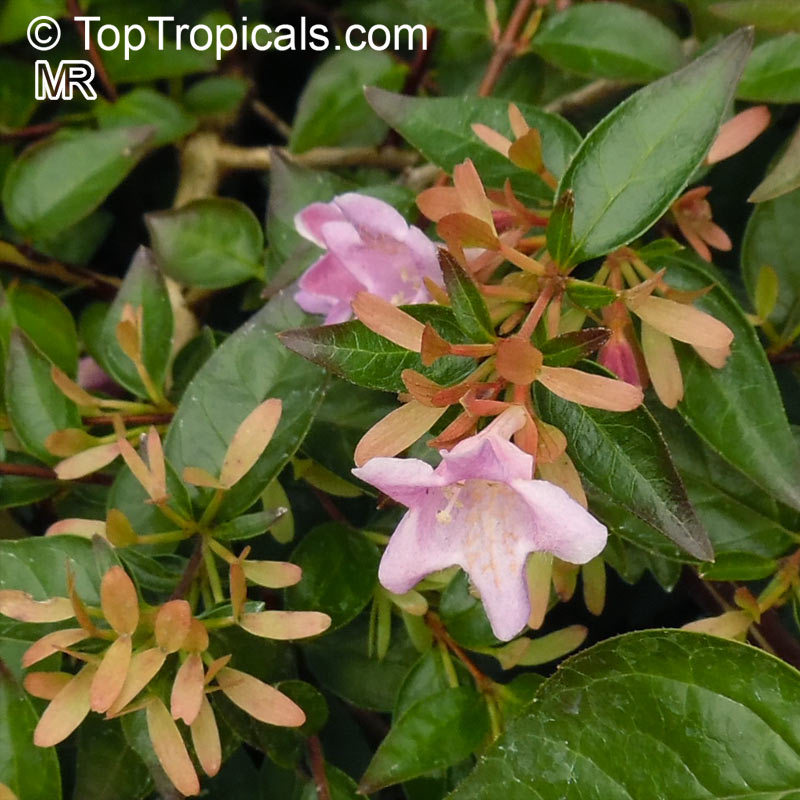
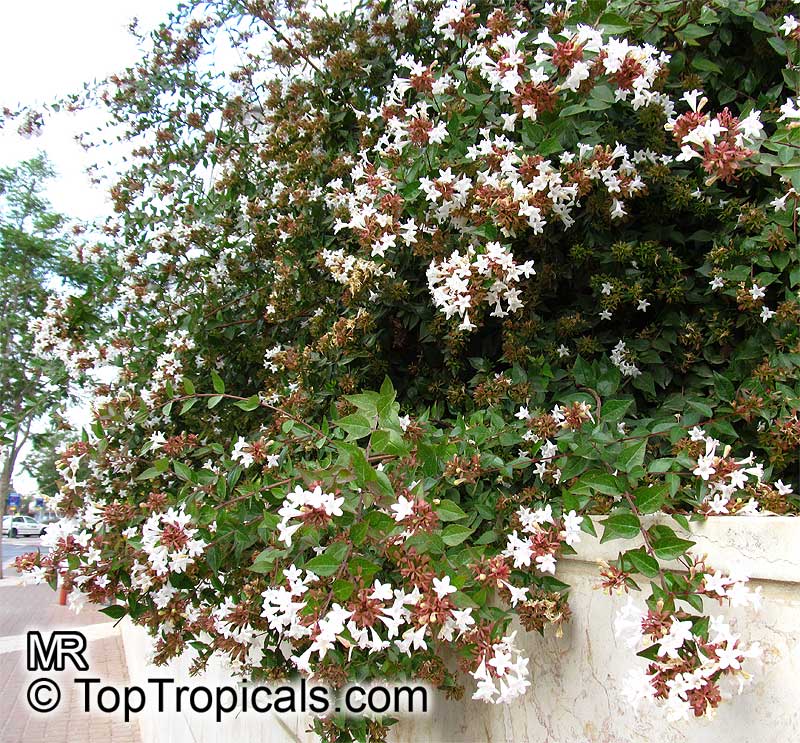
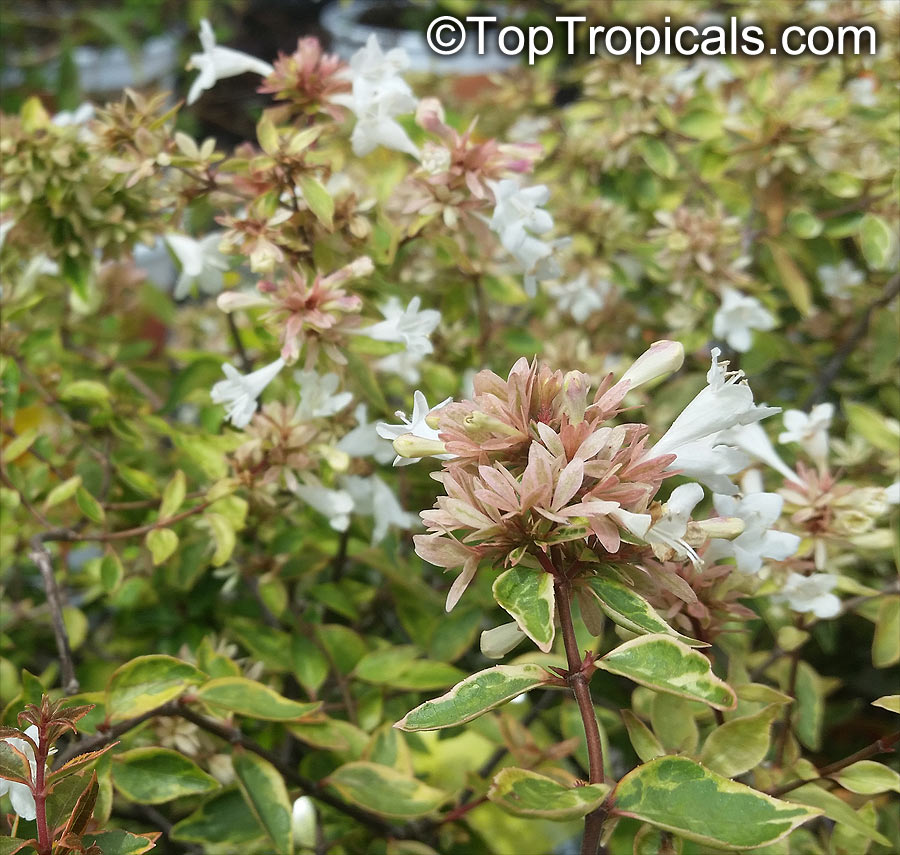
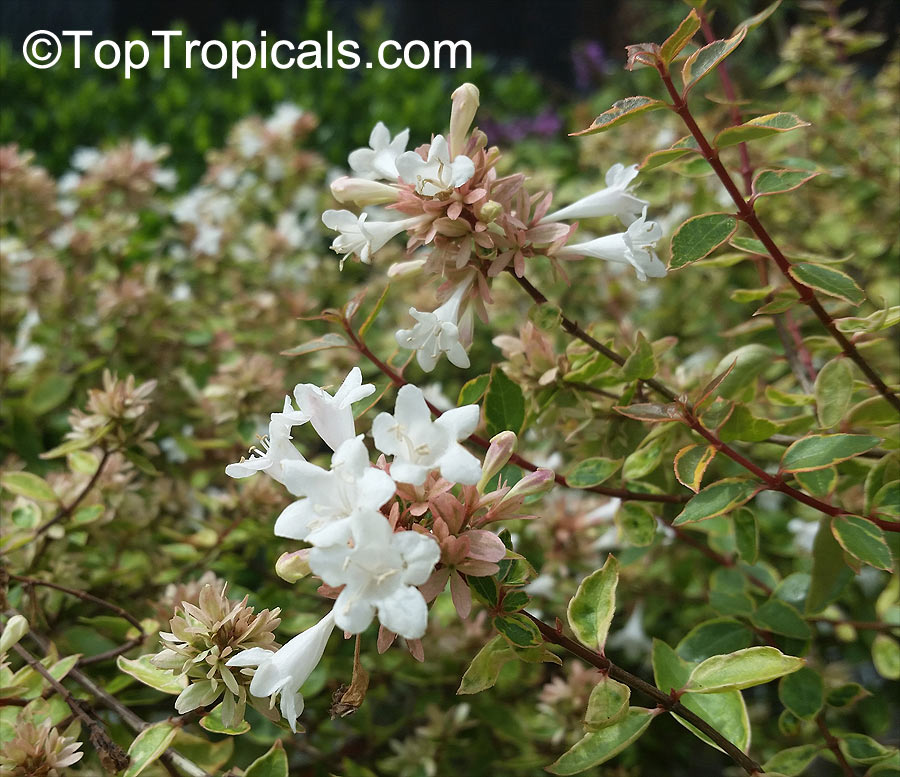
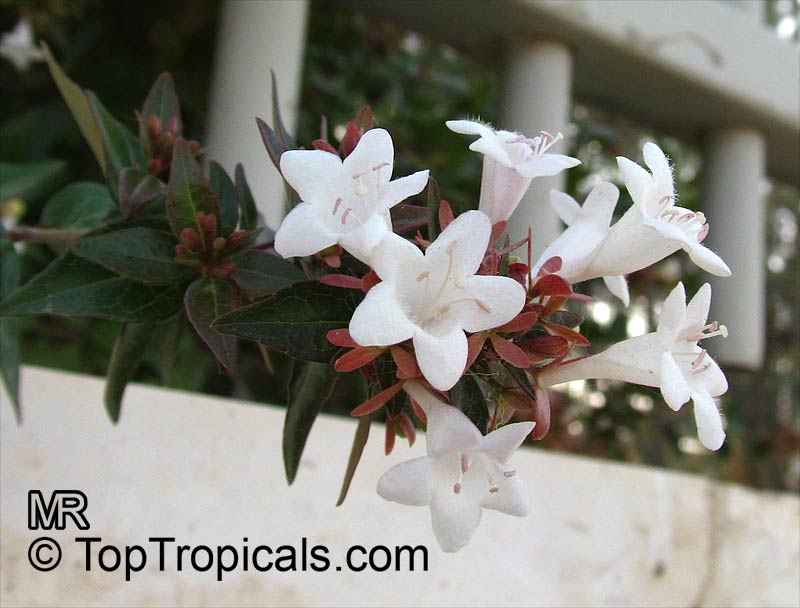
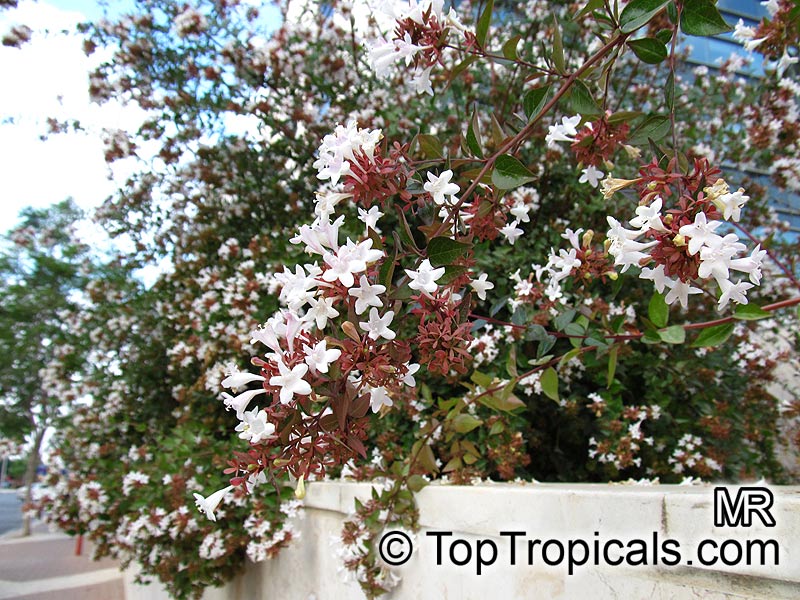
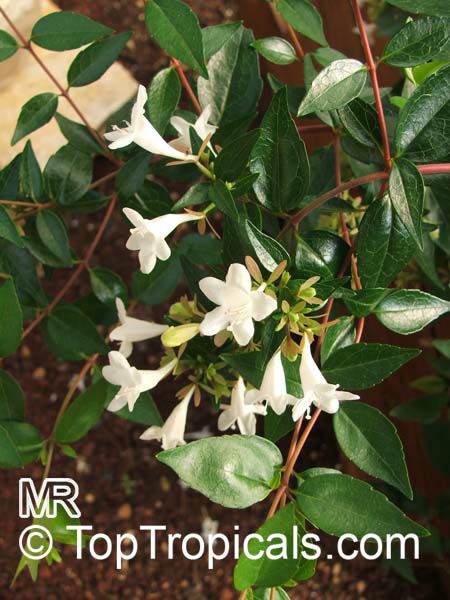
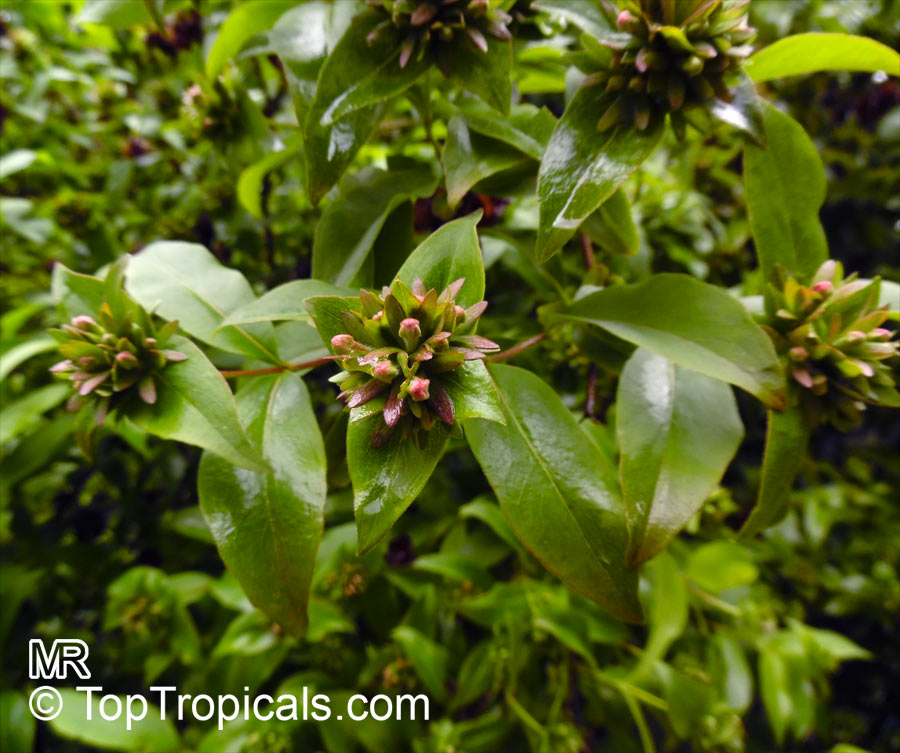
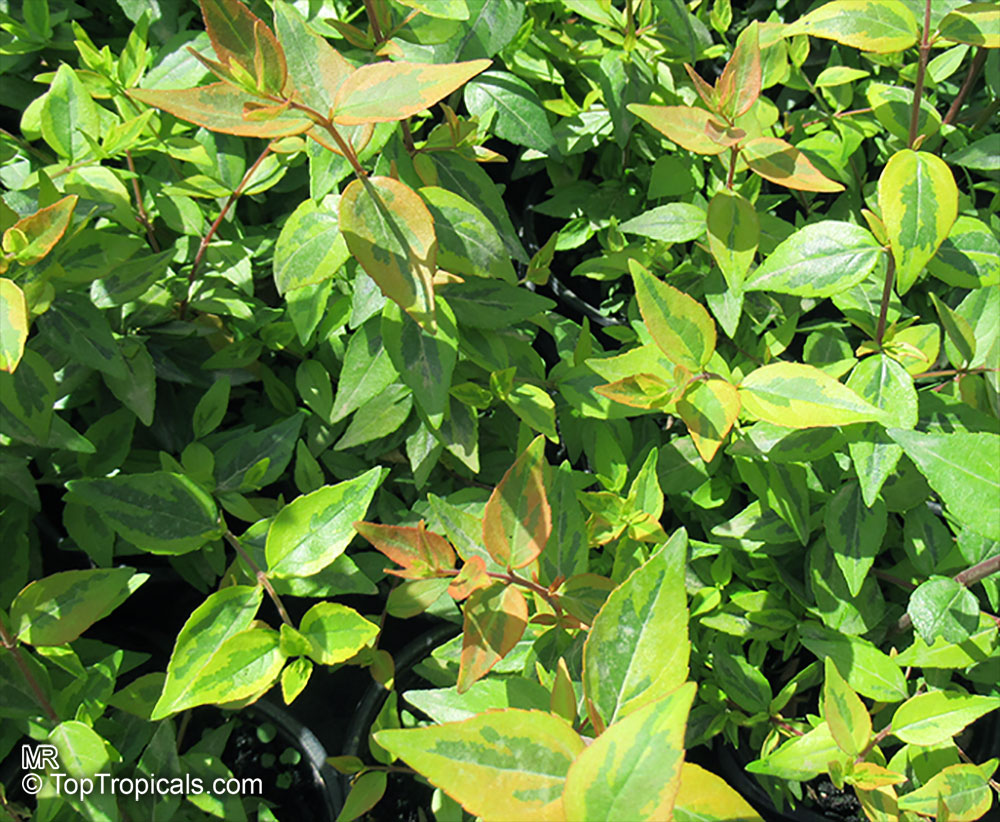
Botanical name: Abelia sp.
Common name: Abelia
Family: Caprifoliaceae


The flowers appear in the upper leaf axils and stem ends, 1-8 together in a short cyme; they are pendulous, white to pink, bell-shaped with a five-lobed corolla.
The species from warm climates are evergreen, and colder climate species deciduous.
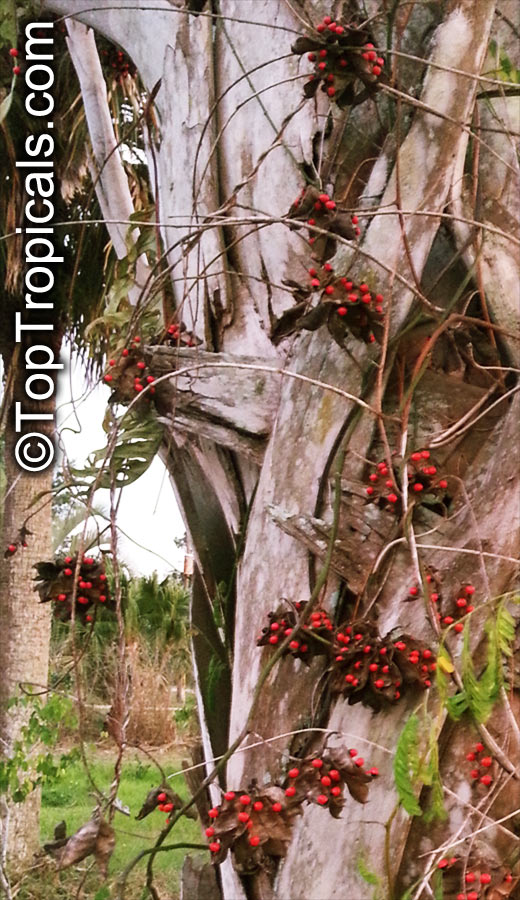
Botanical name: Abrus precatorius
Common names: Buddhist rosary bead, Rosary pea vine, Carolina muida, Deadly crab's eye, Lucky bean, Prayer beads, Weather plant, Wild liquorice
Family: Fabaceae
Subfamily: Faboideae
Origin: India, Sri Lanka, Thailand


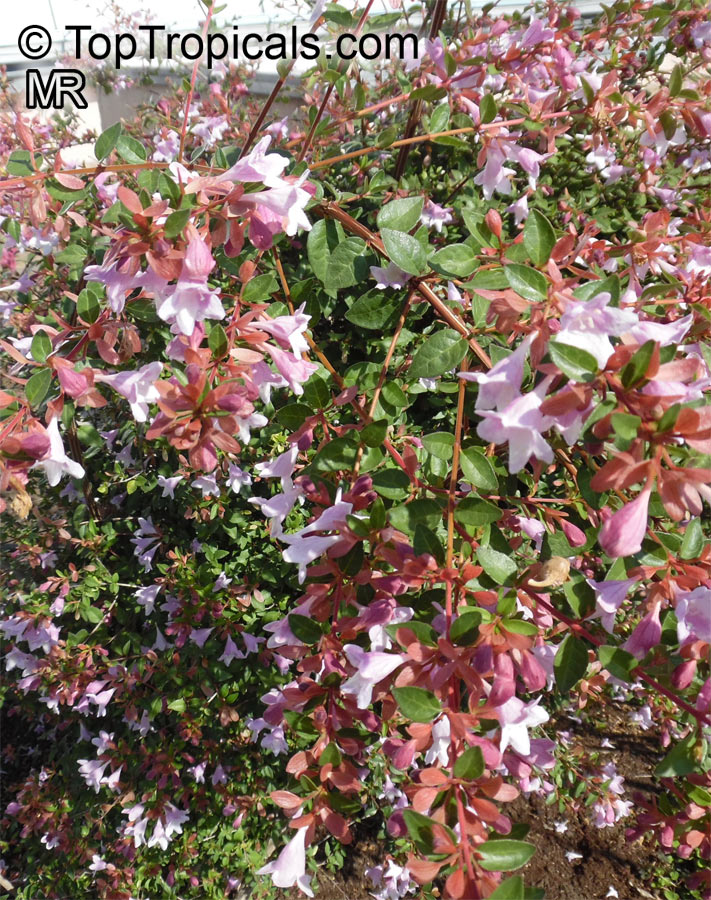
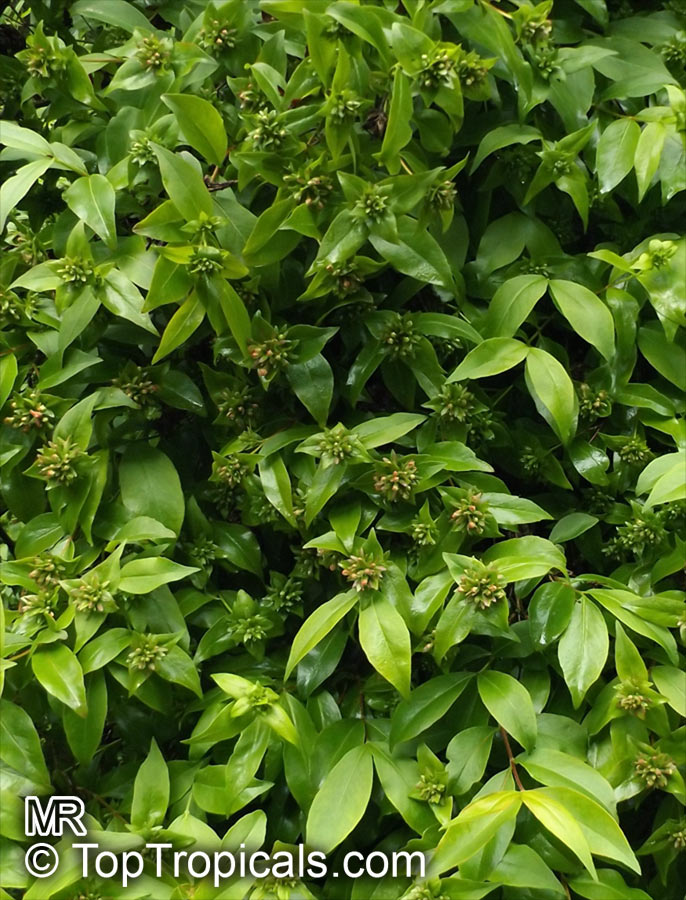
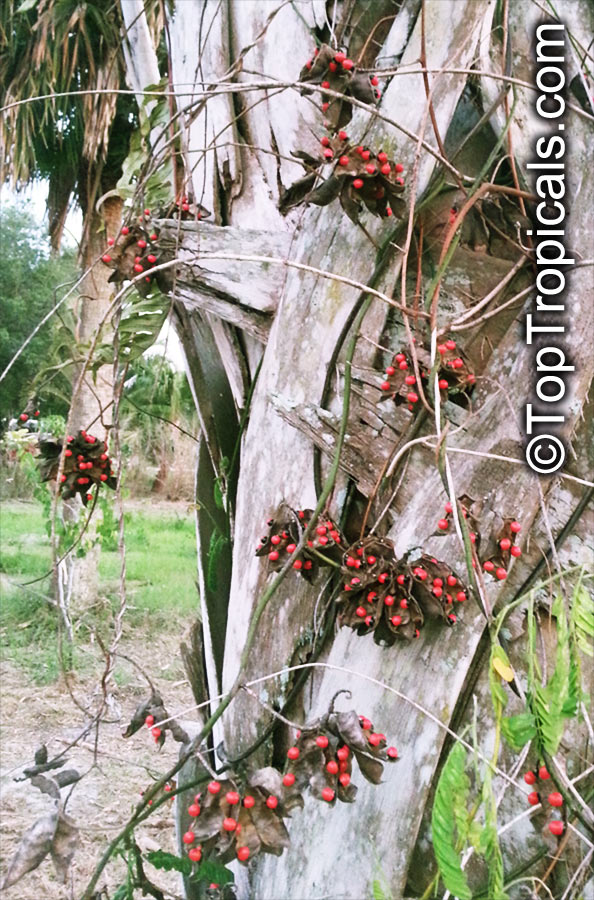
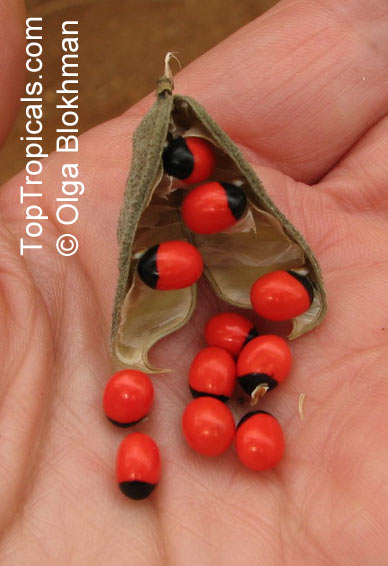
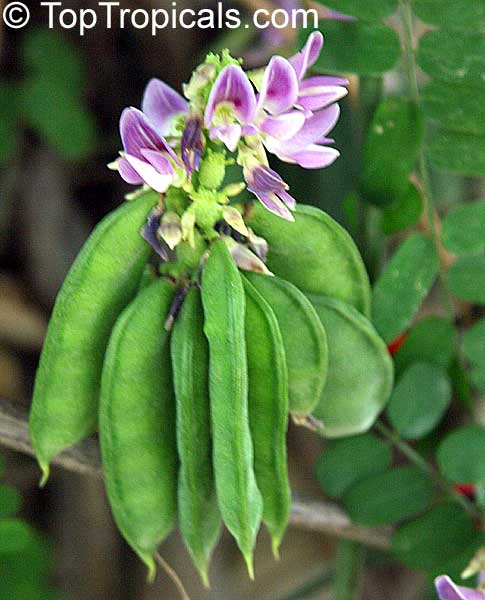
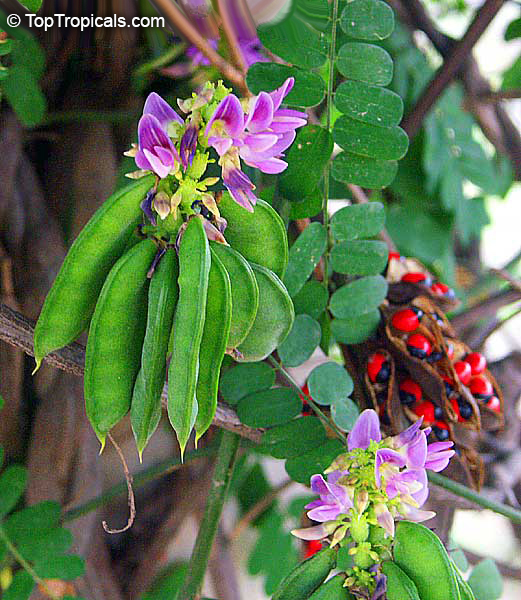
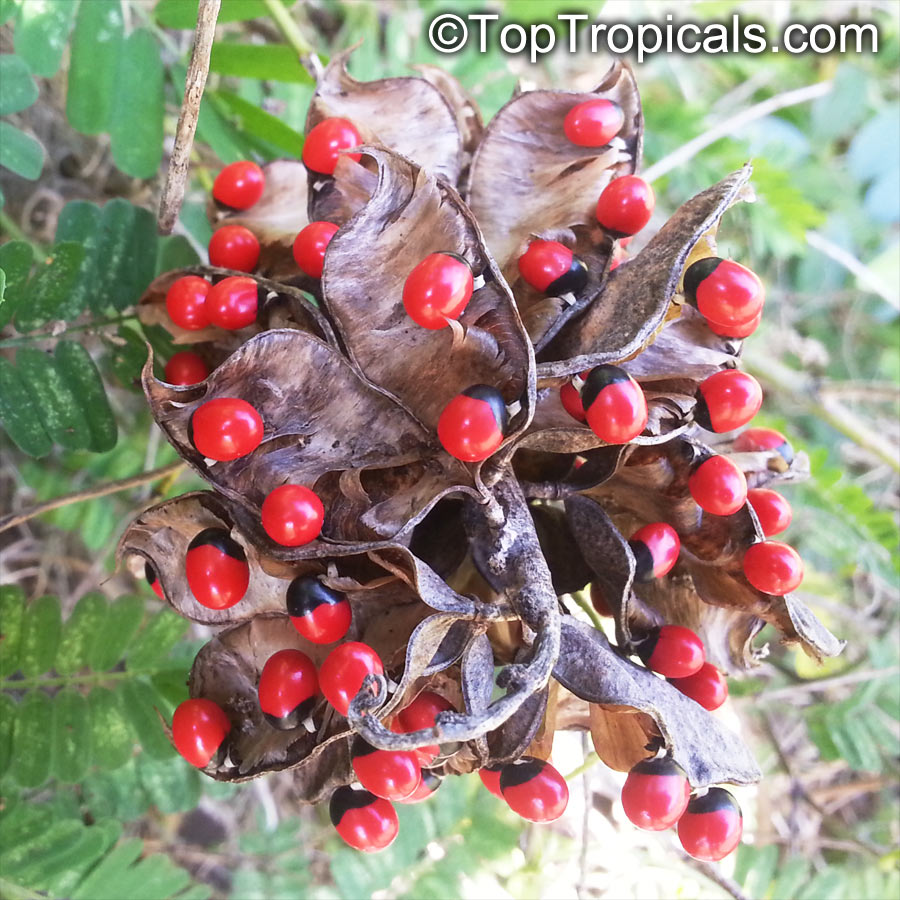
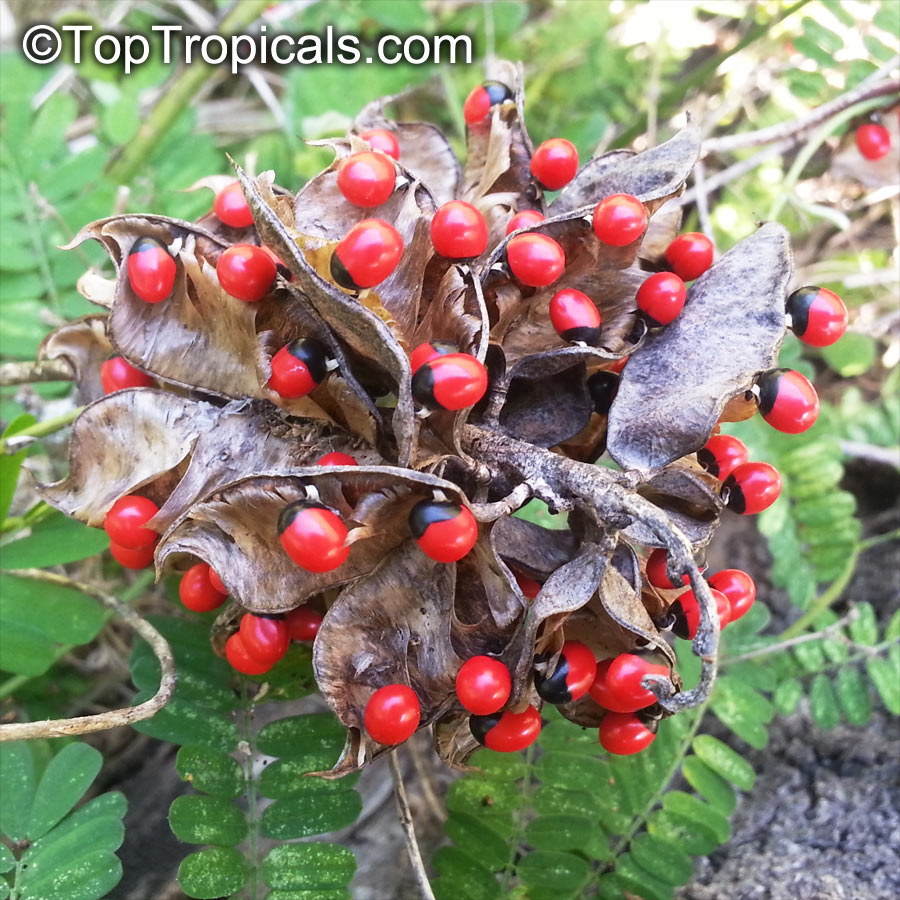
Abrus precatorius has small pretty purple flowers located at the end of the stalks. Fruits are short, inflated pods, splitting open when mature to reveal the round; hard and shiny seeds which are scarlet, but black at the base. Seeds contain abrin, one of the most toxic plant poisons known.
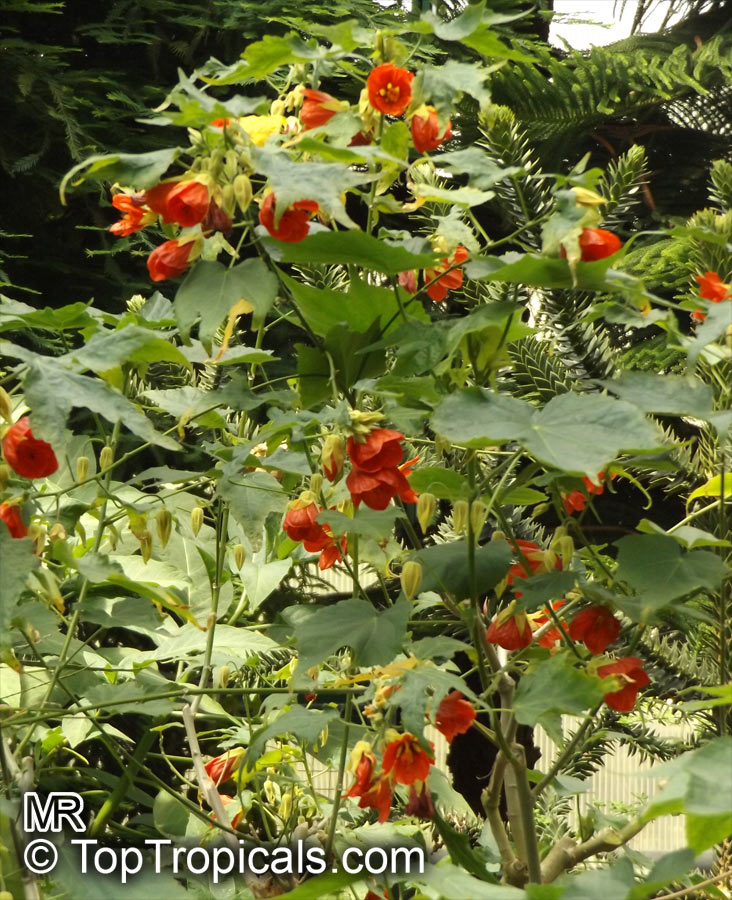
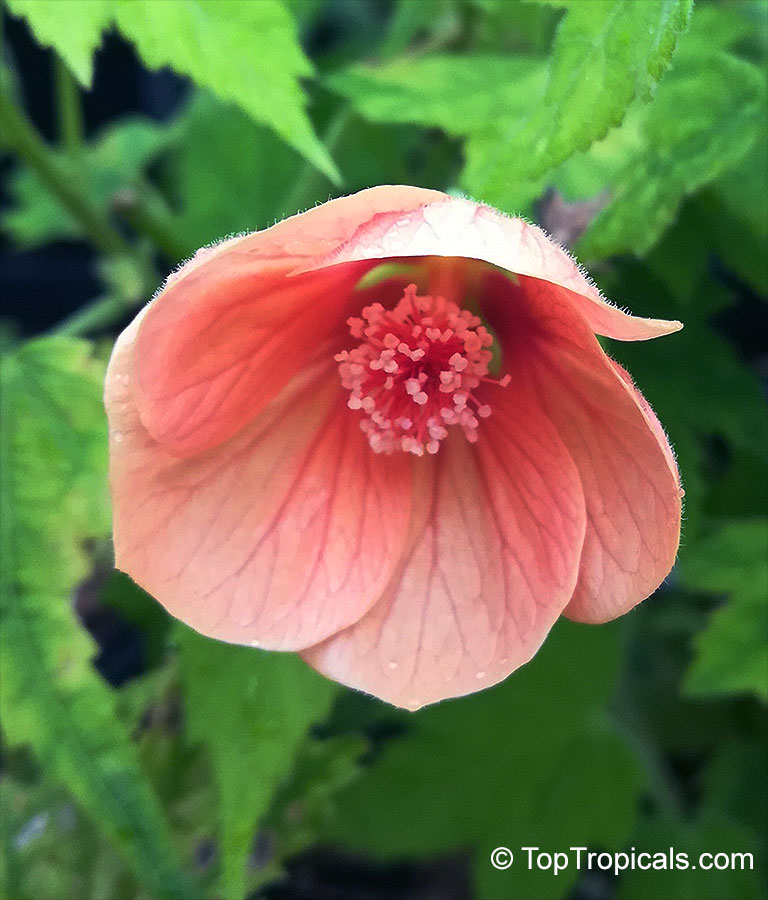
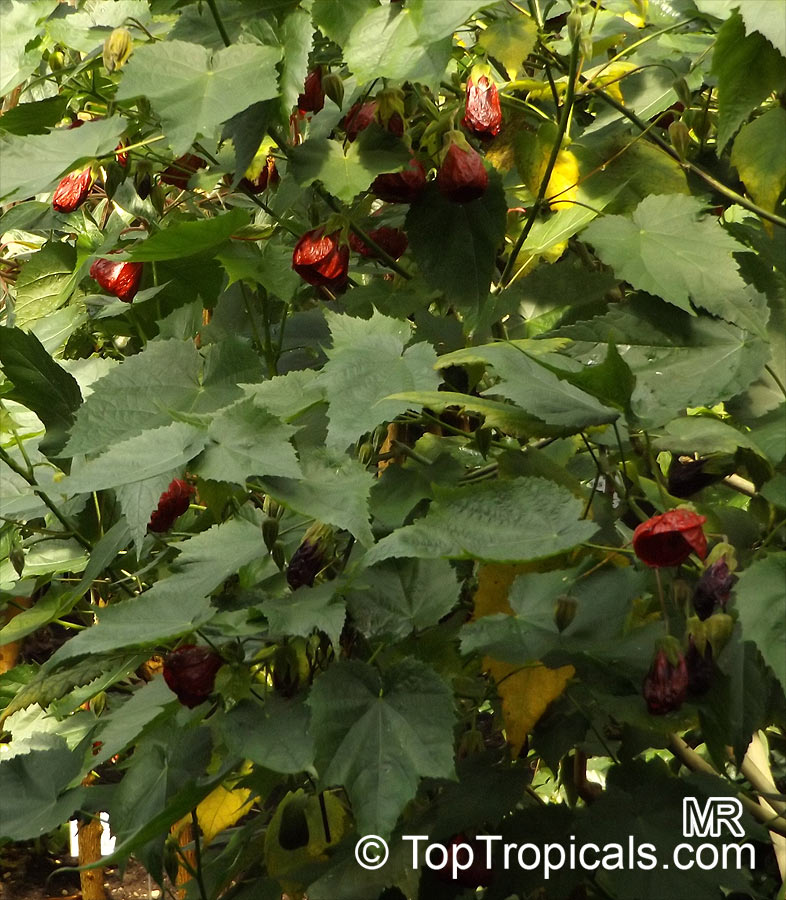
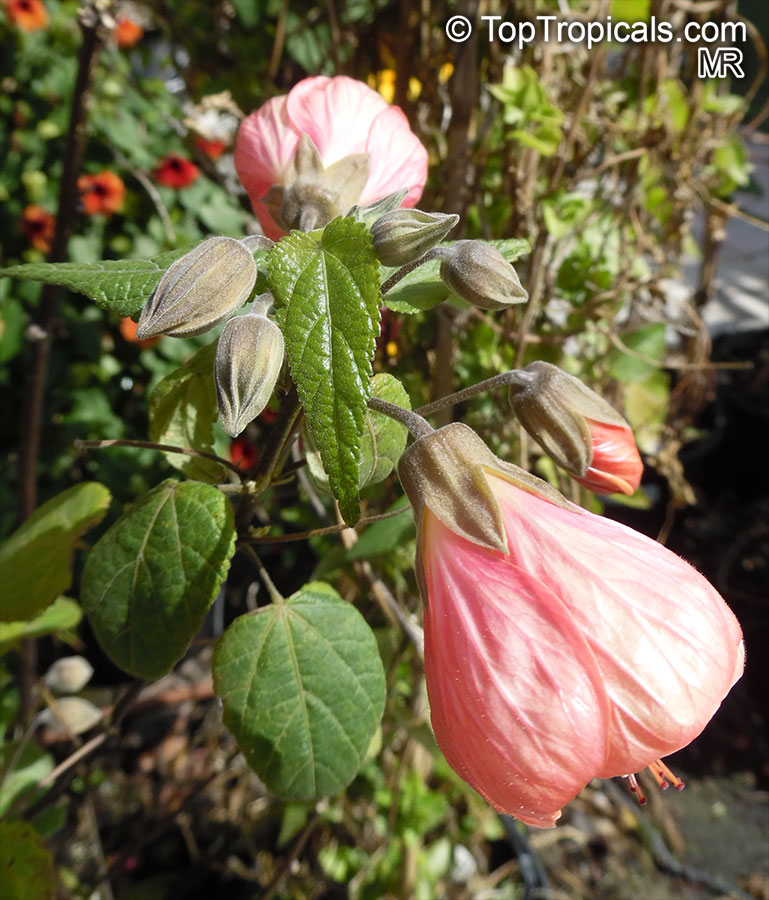
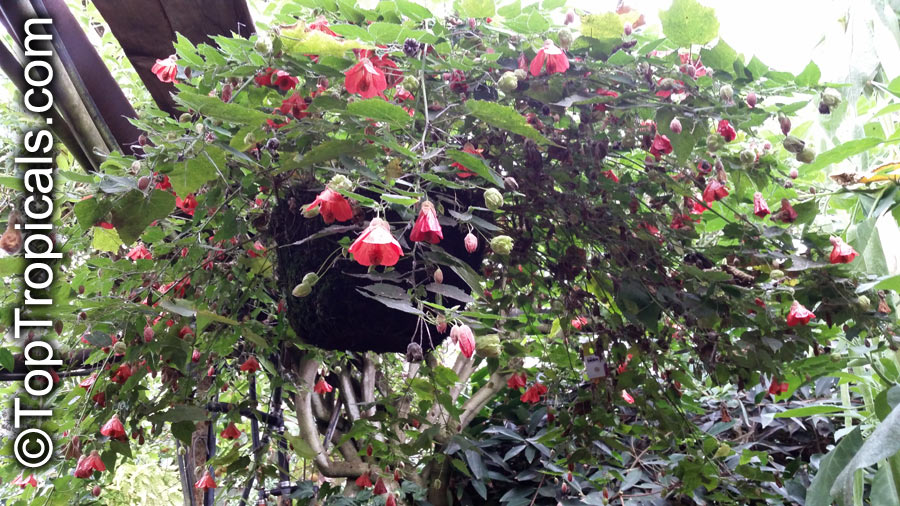
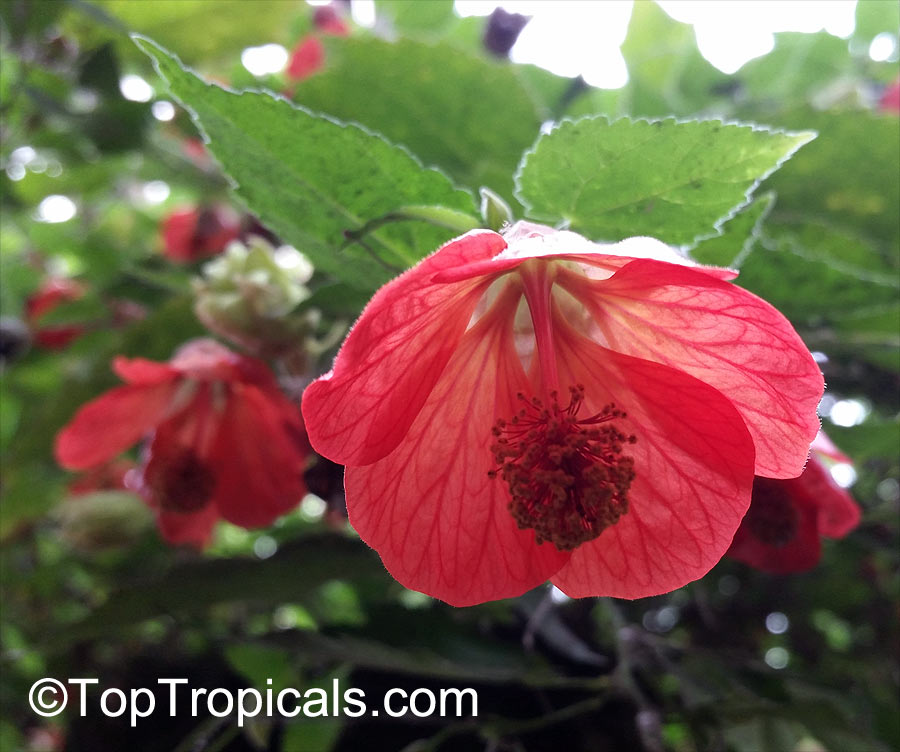
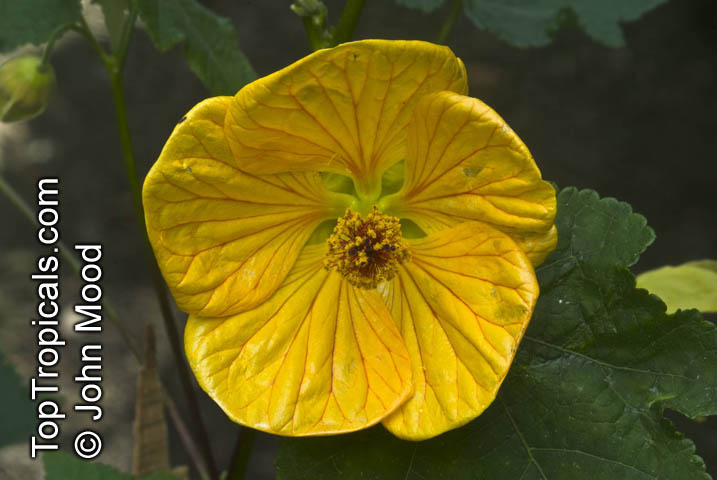
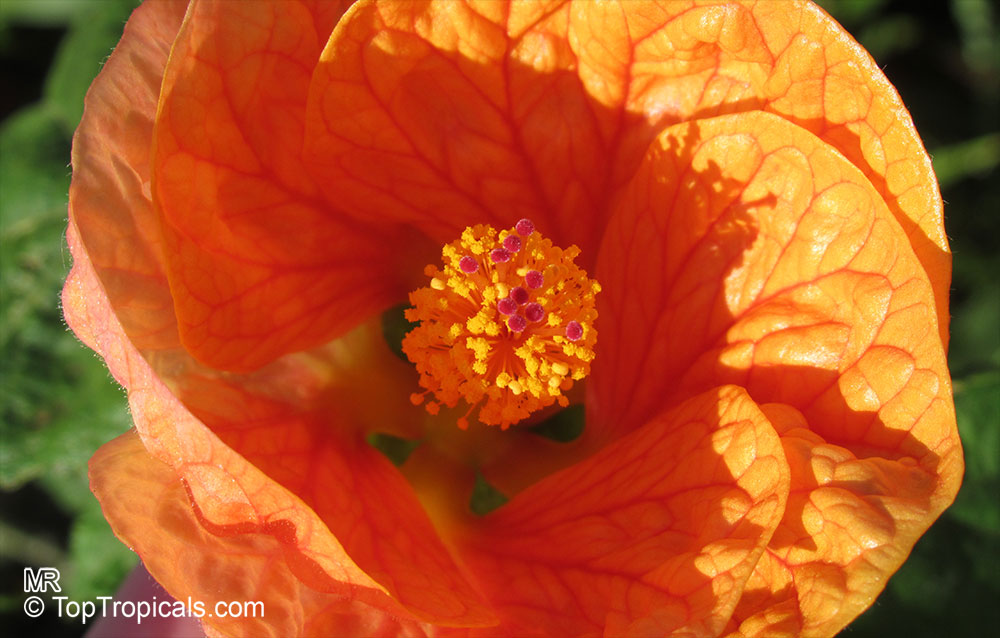
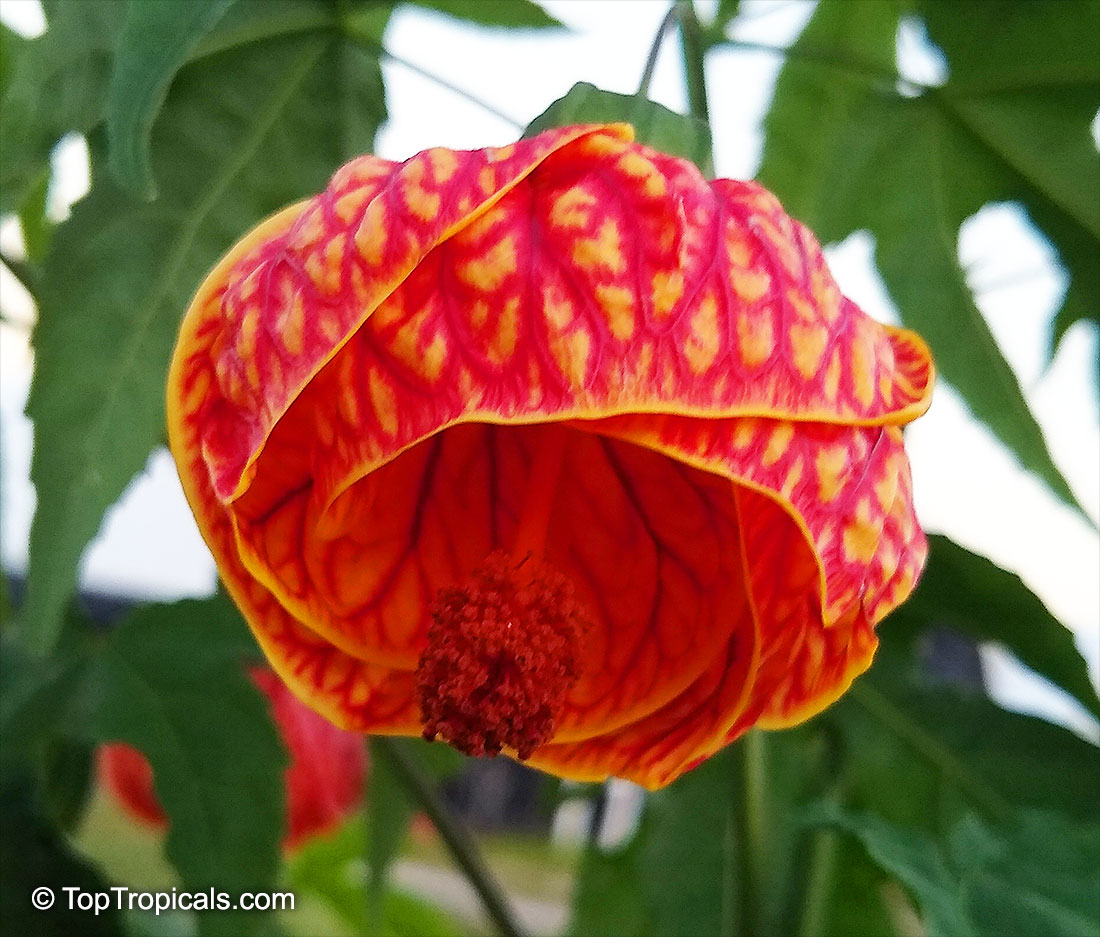
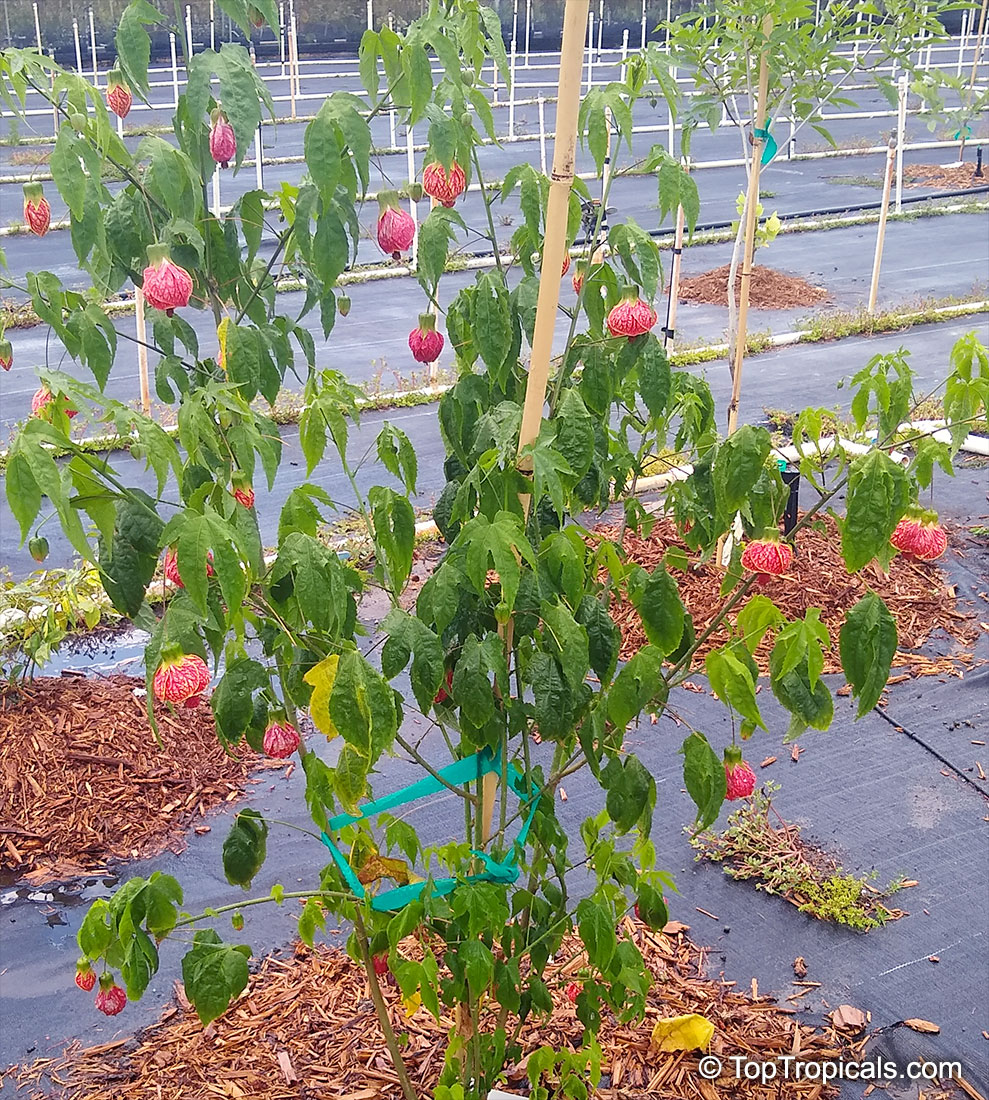
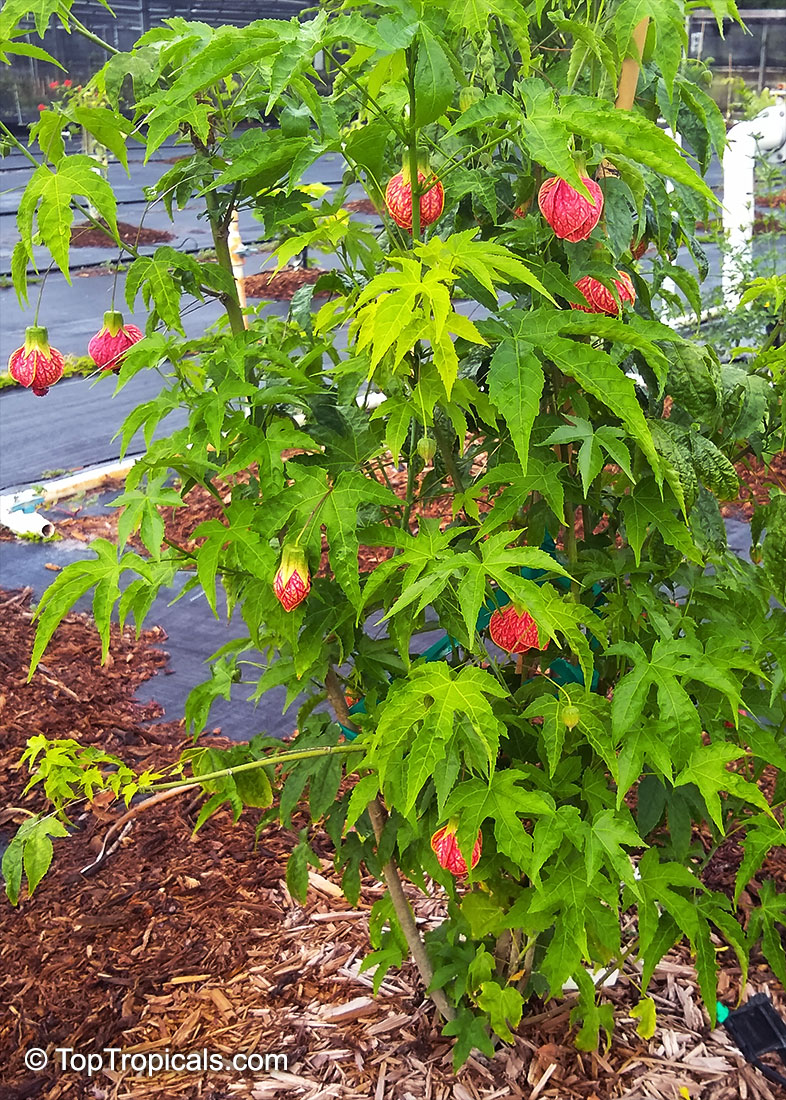
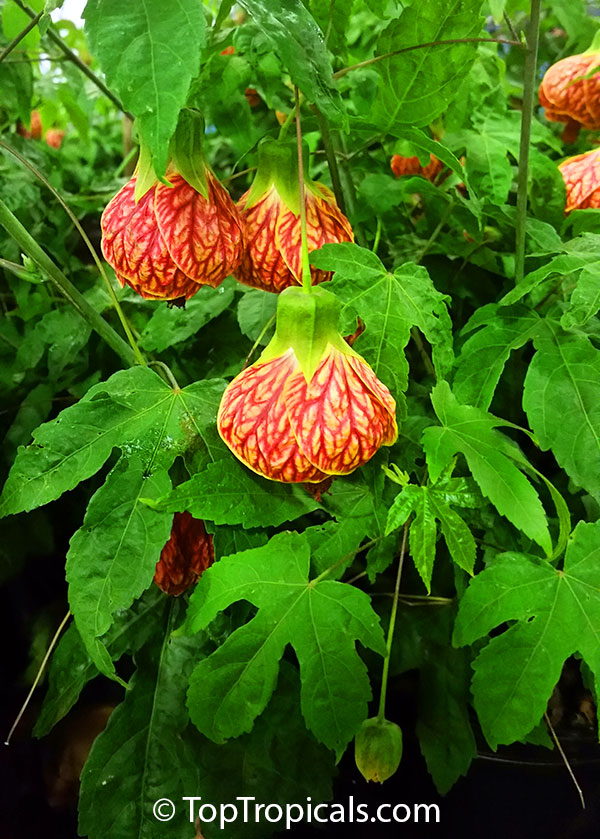
Botanical name: Abutilon sp.
Common names: Flowering Maple, Weeping Maple,Chinese Lantern
Family: Malvaceae
Origin: South America


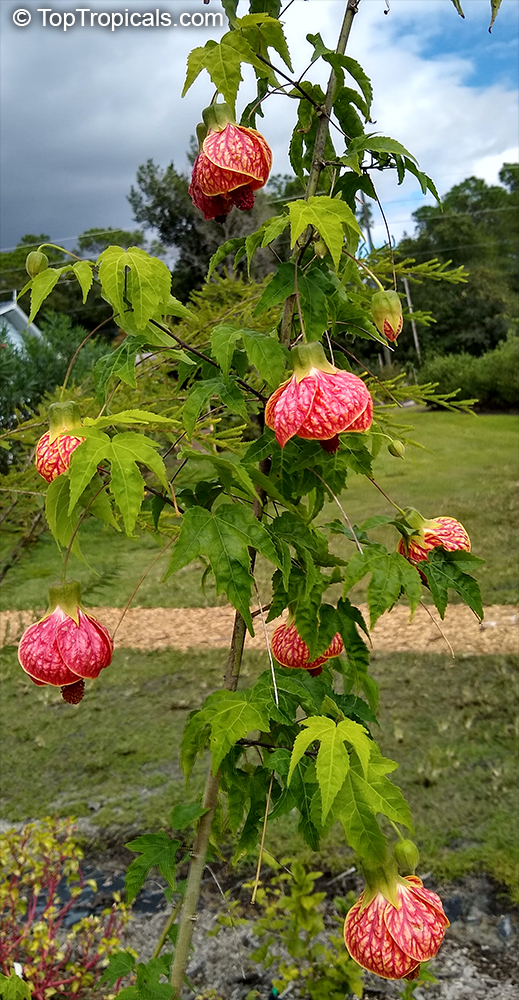
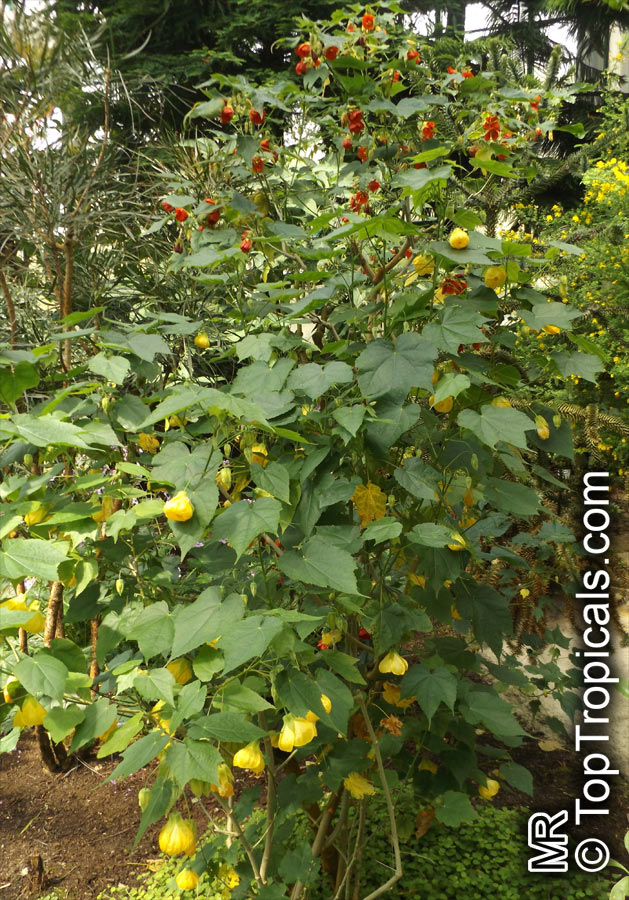
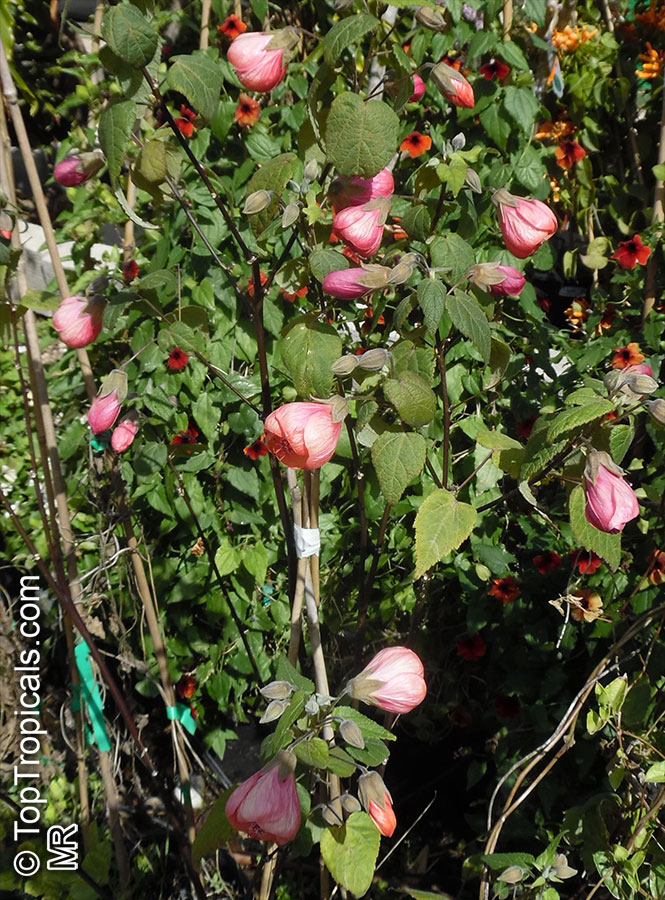
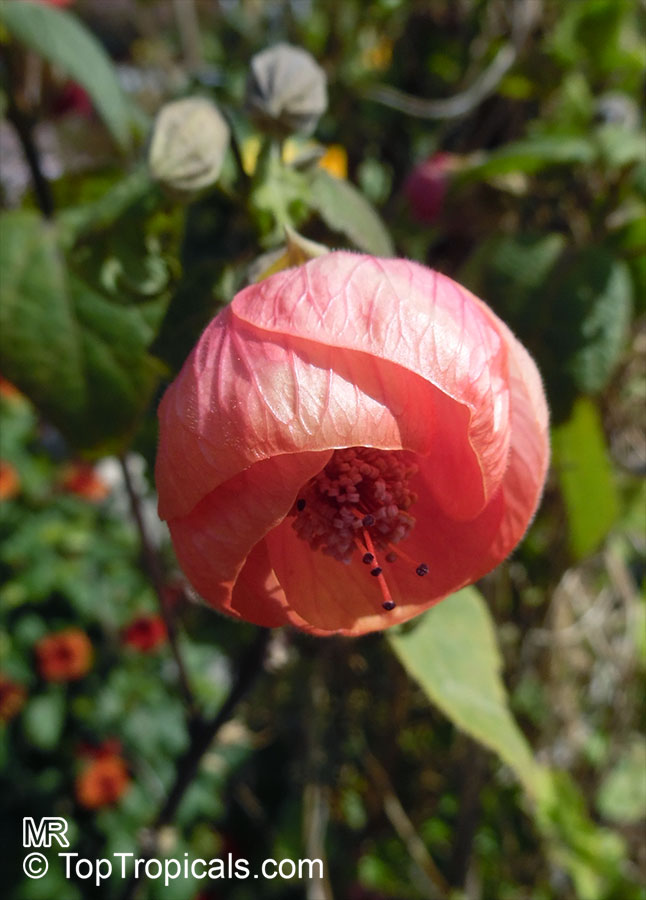
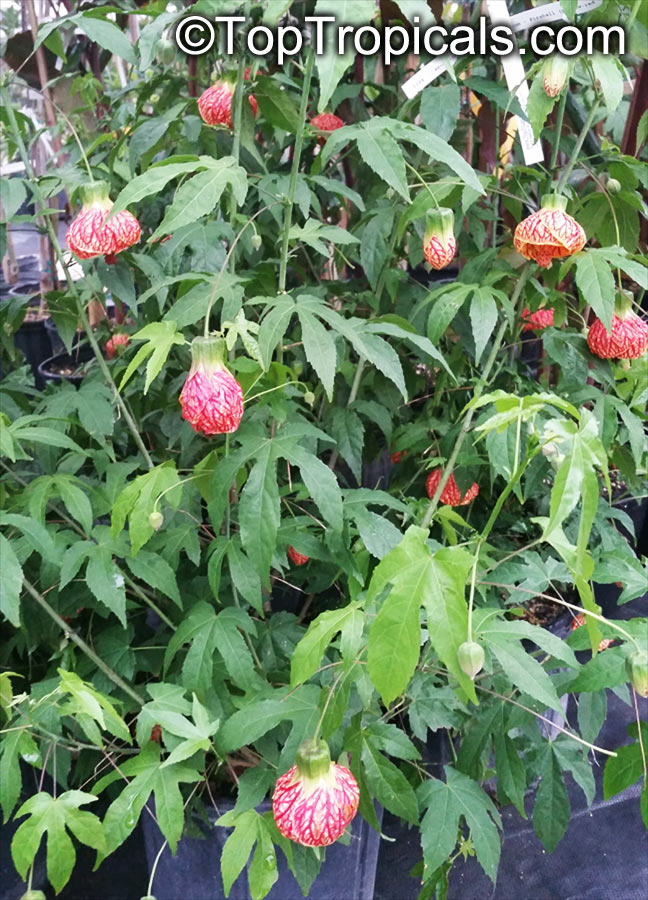
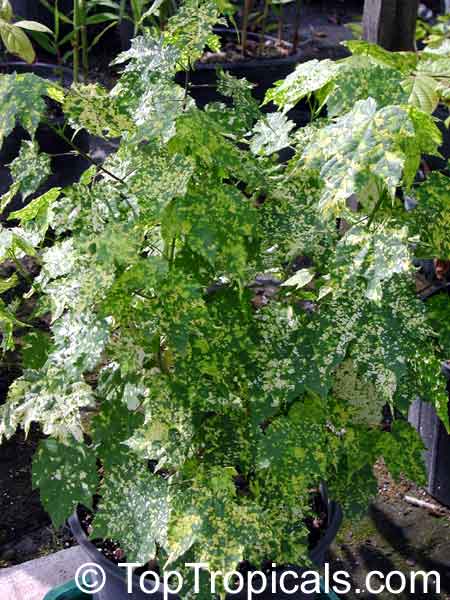
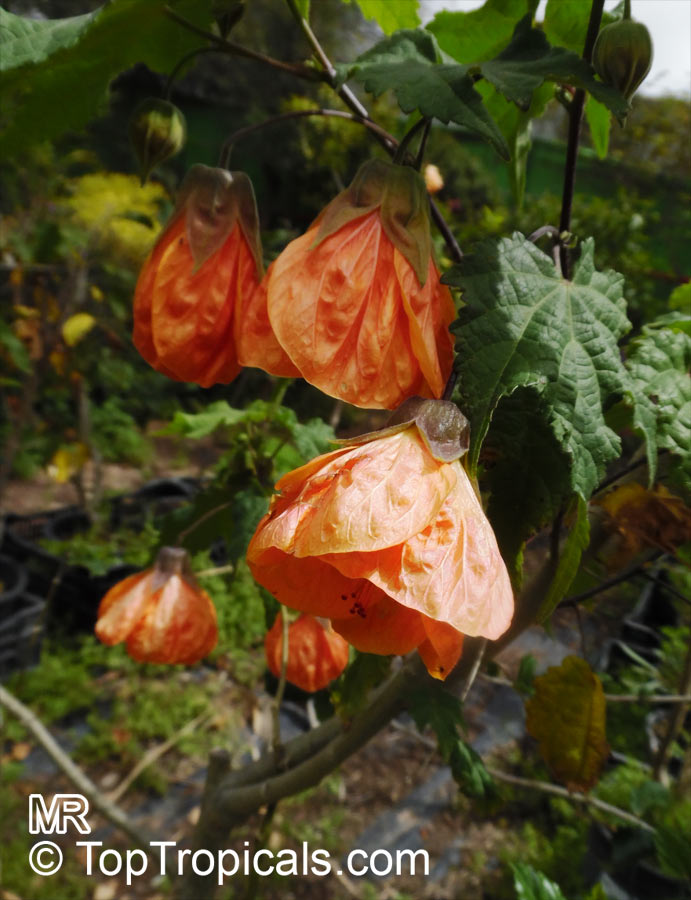
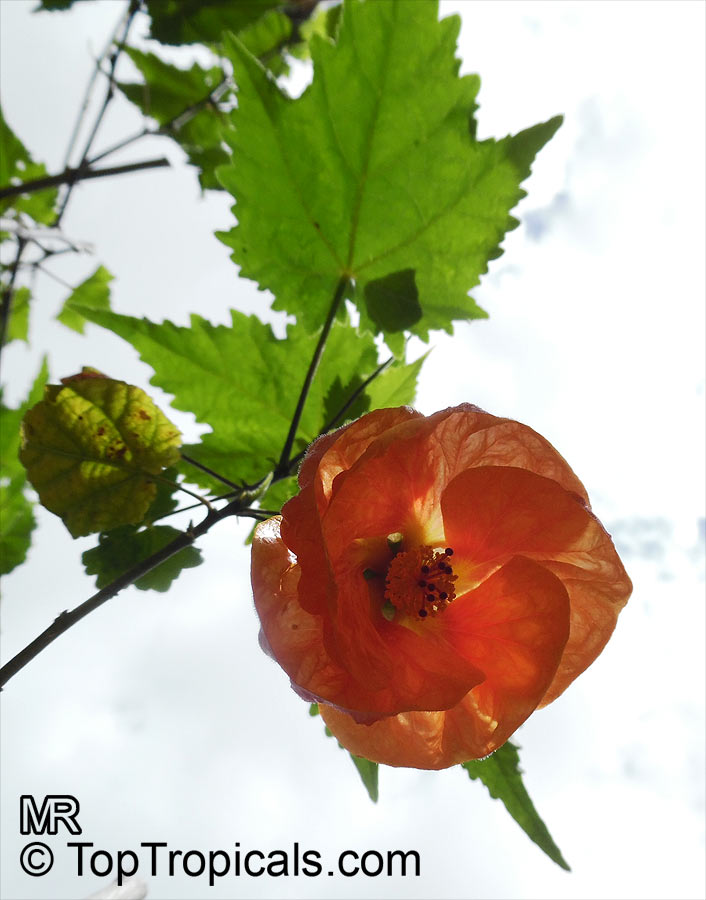
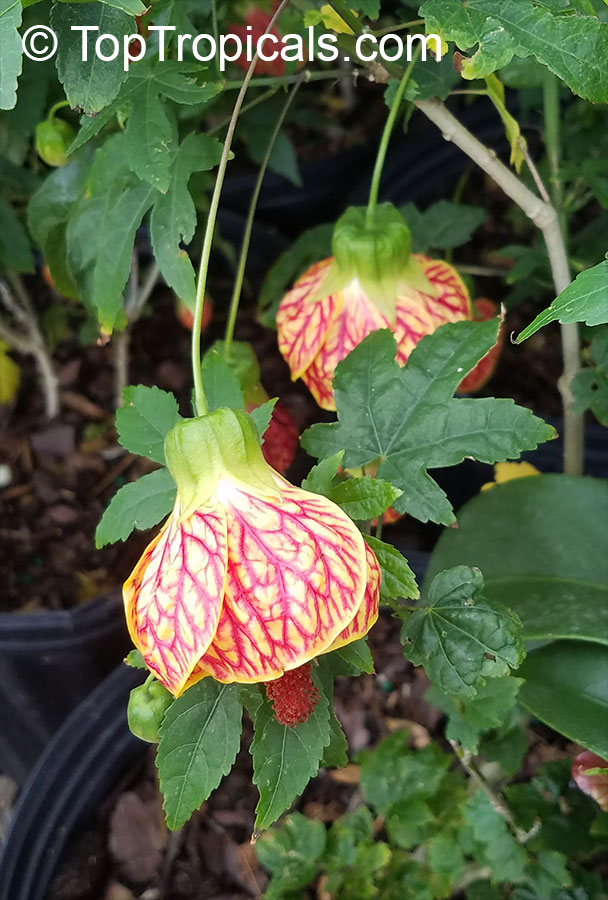
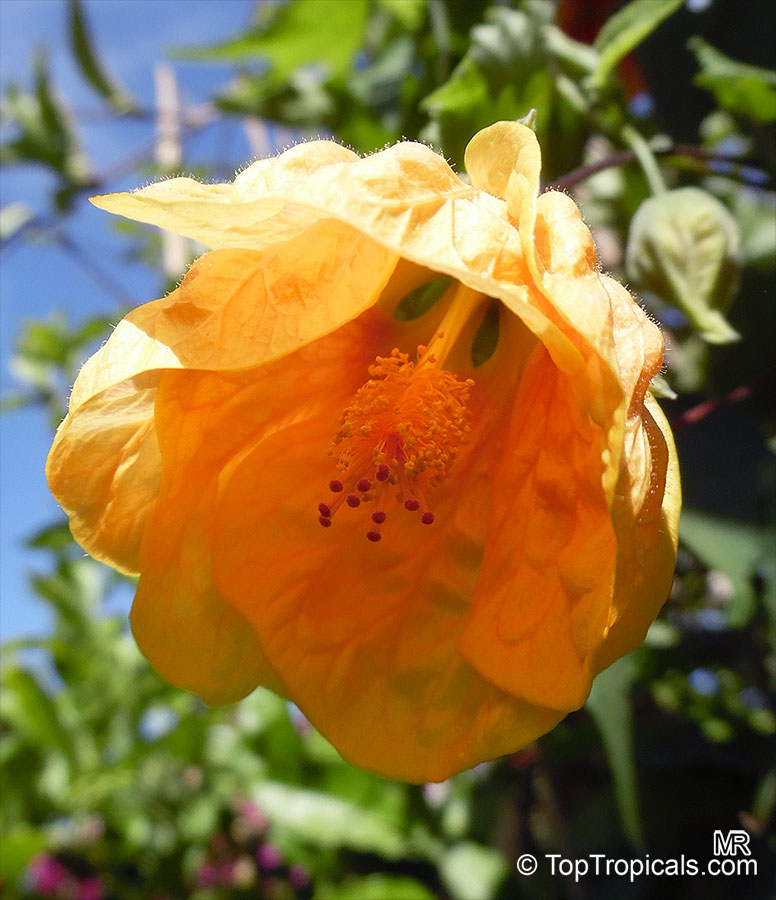
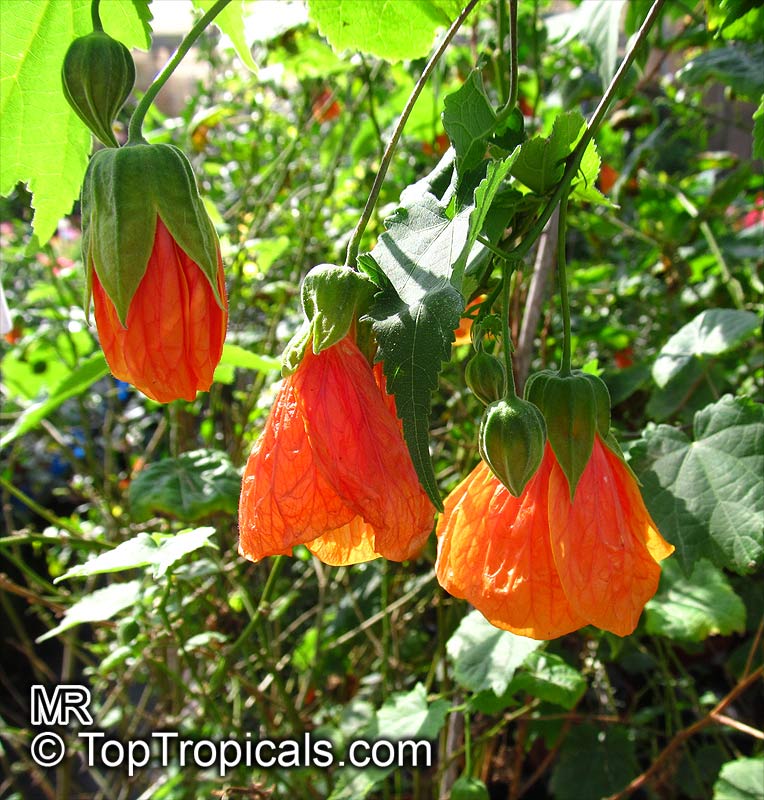
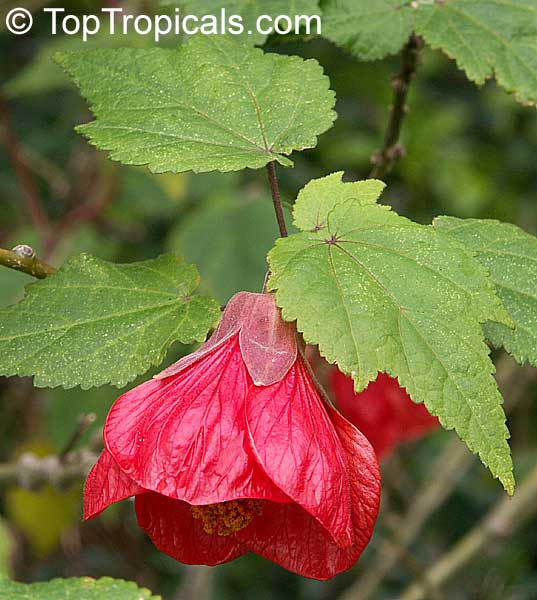
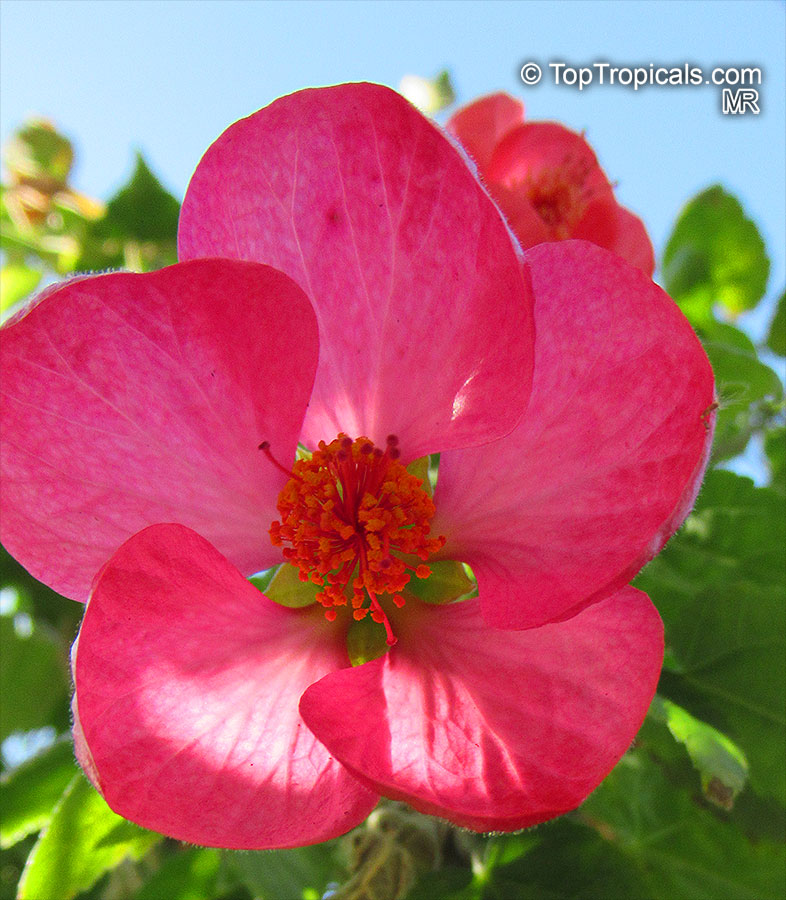
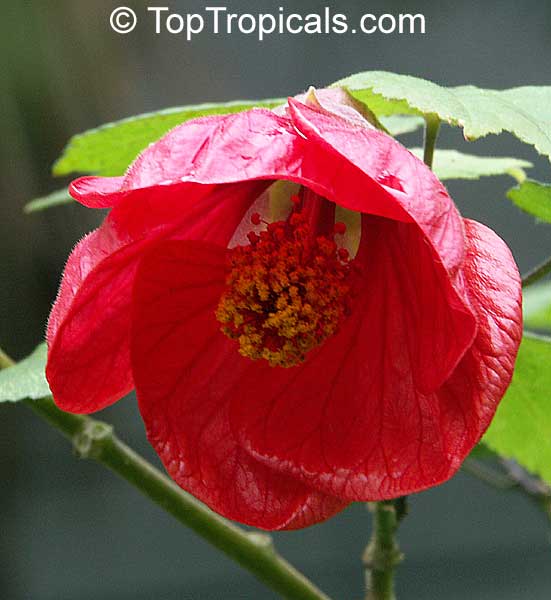
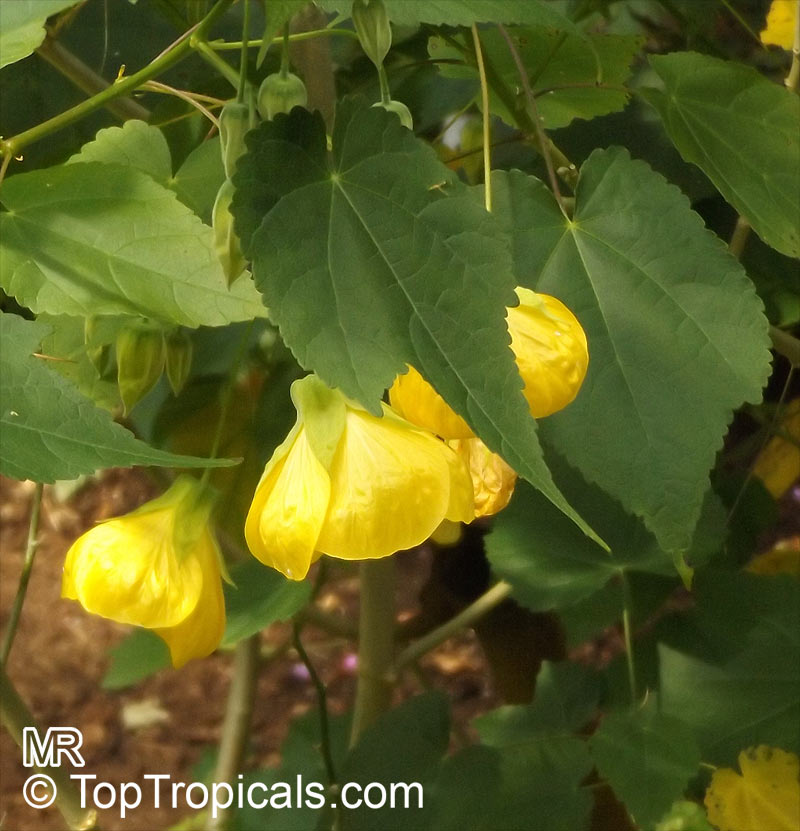
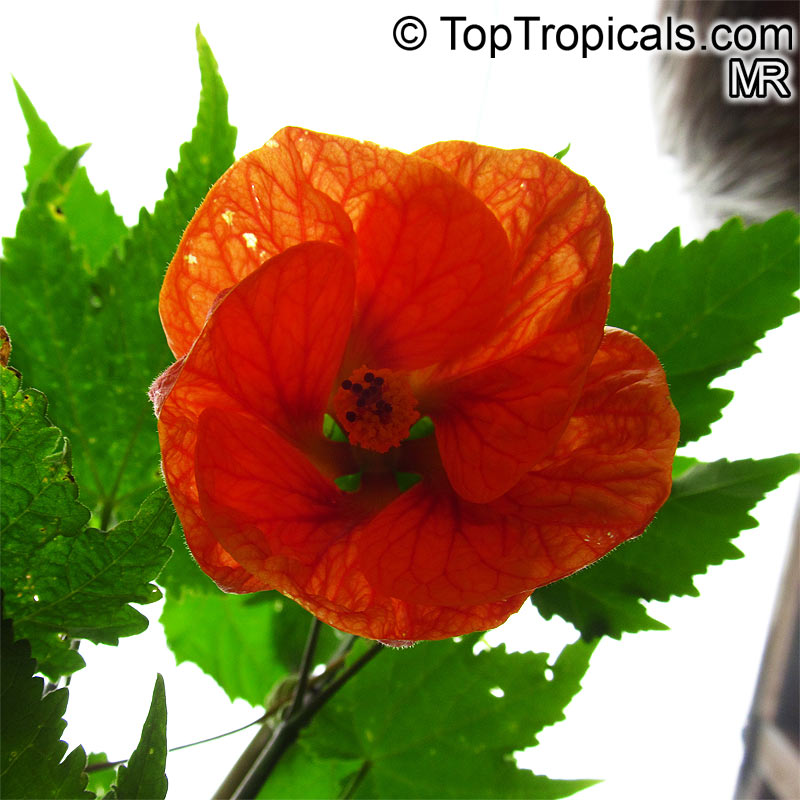
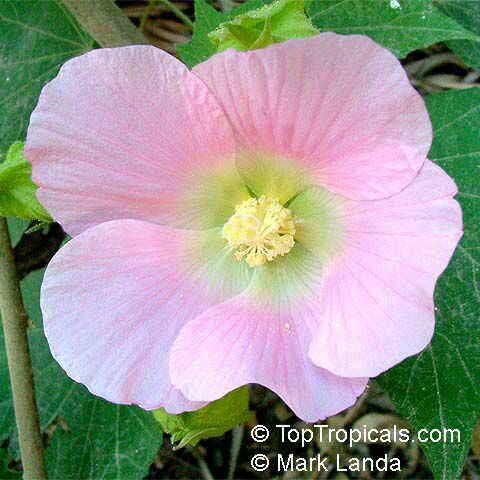
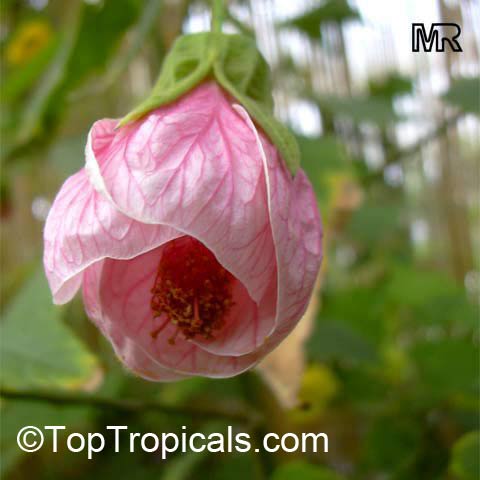
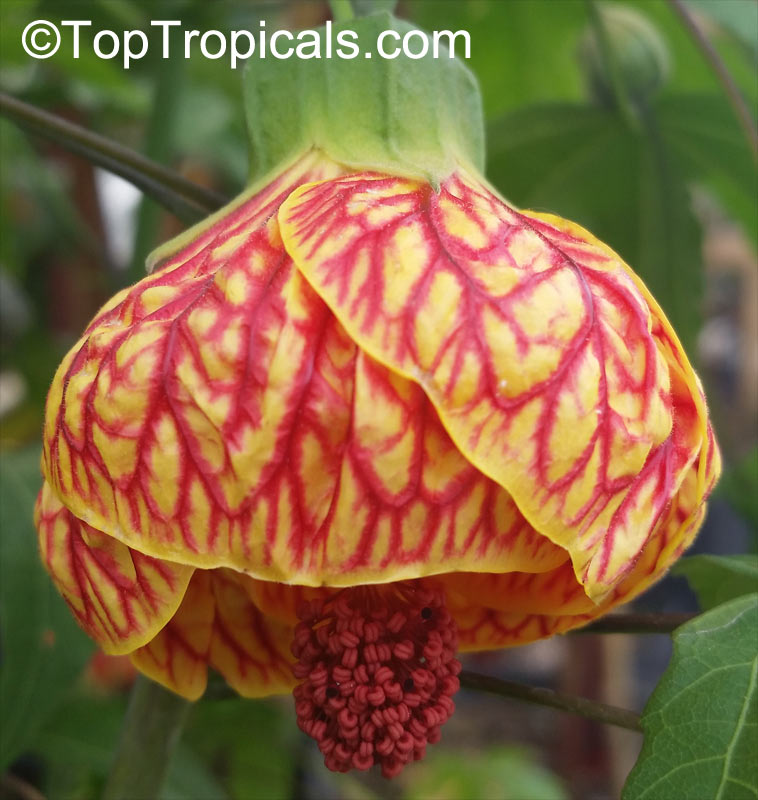
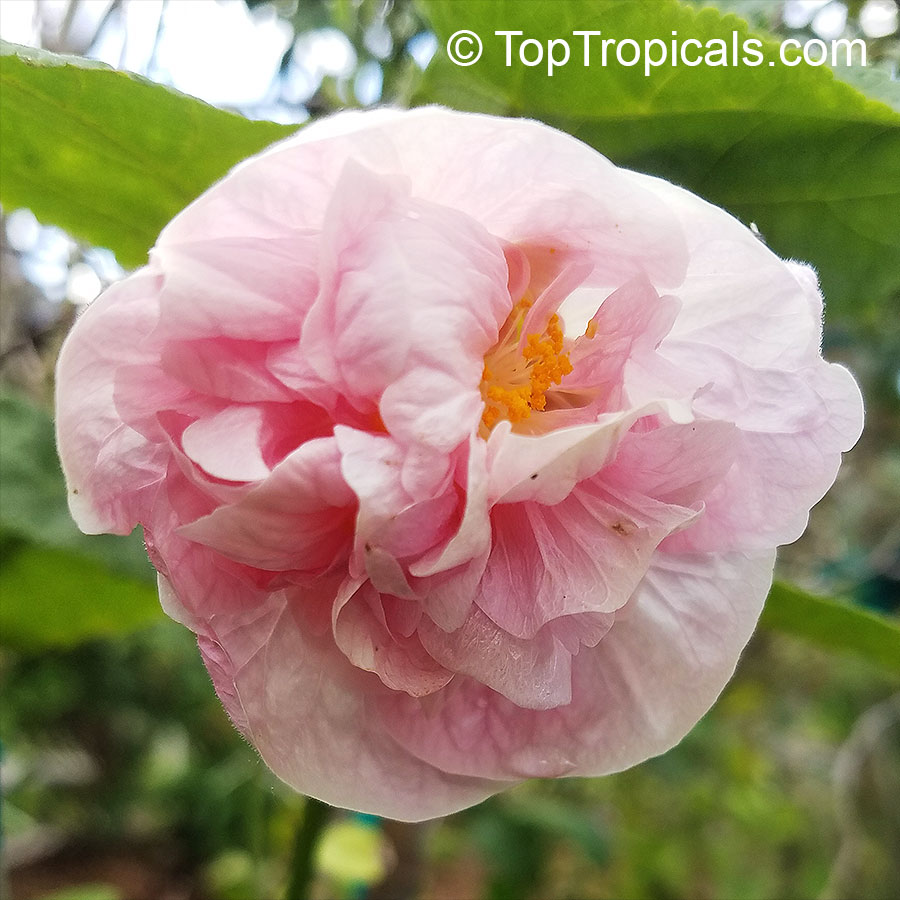
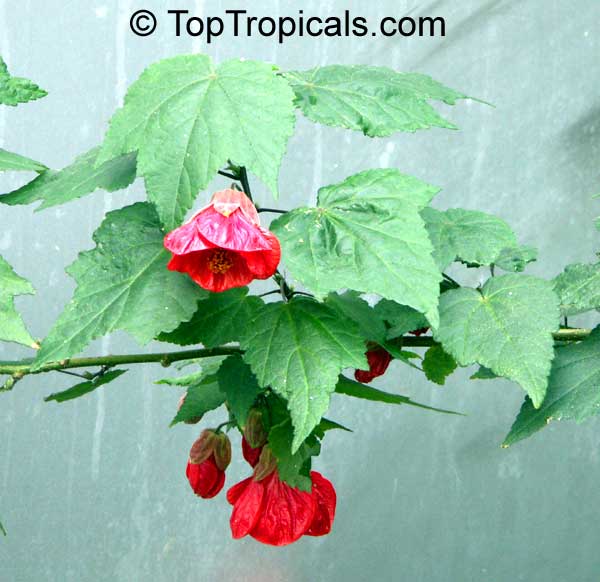
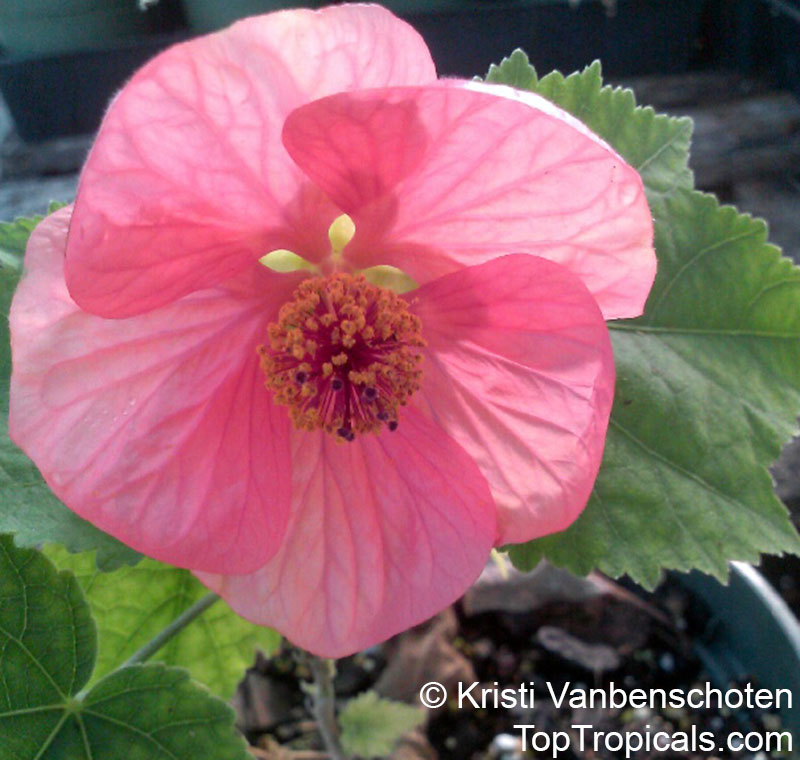
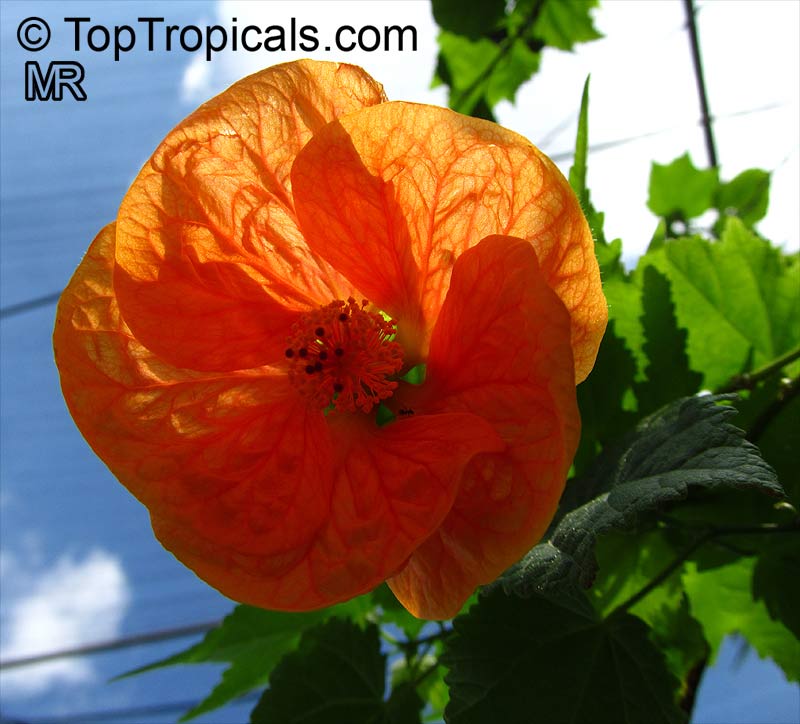
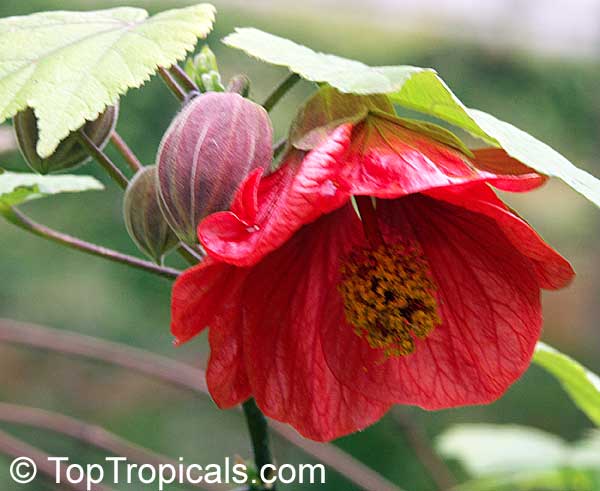
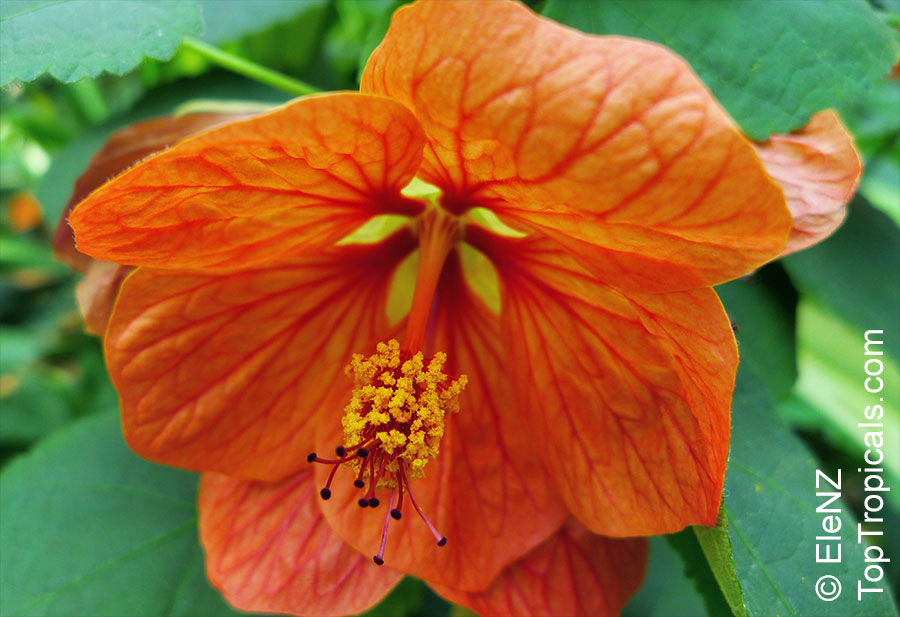
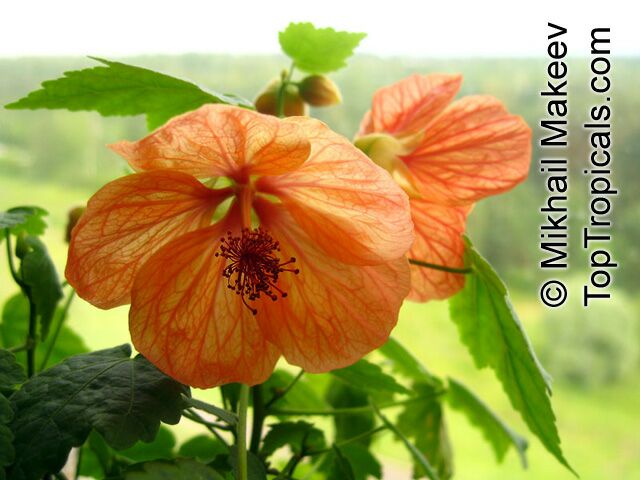
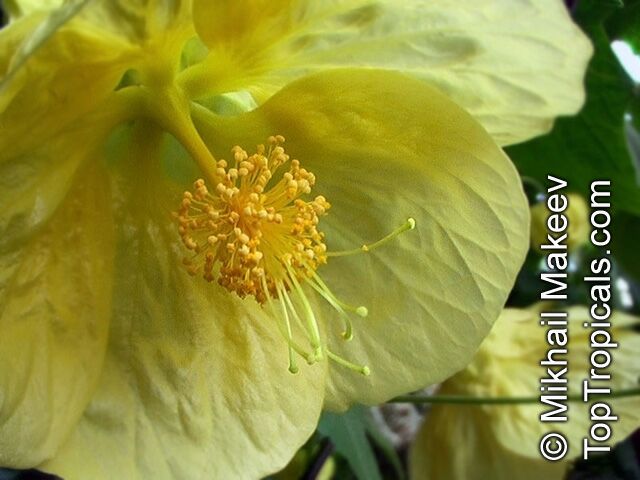
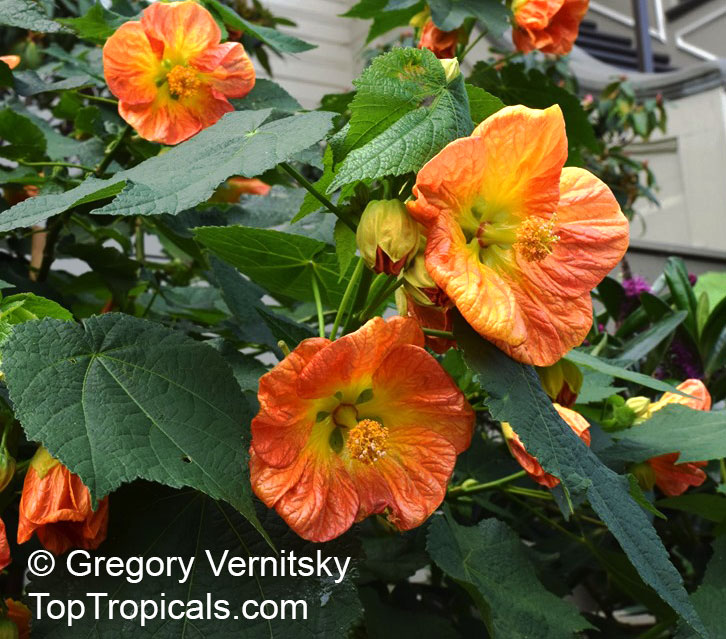
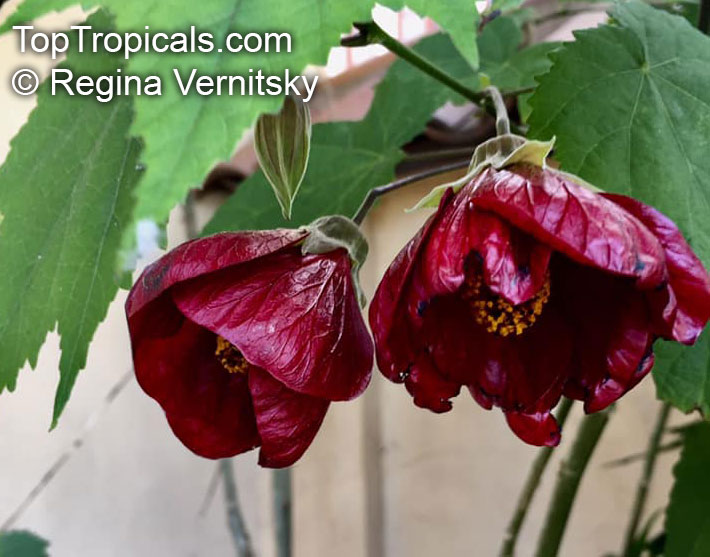
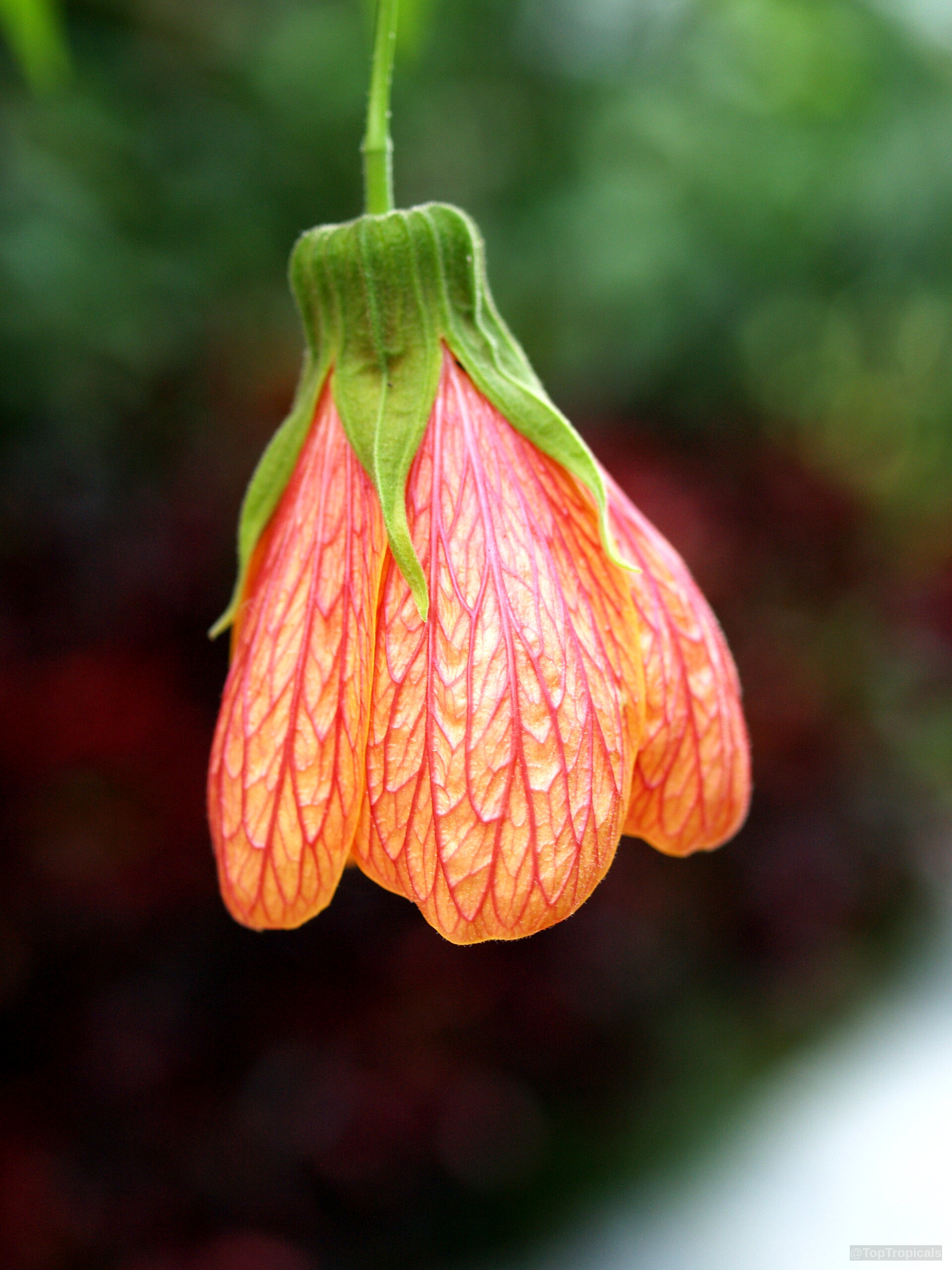
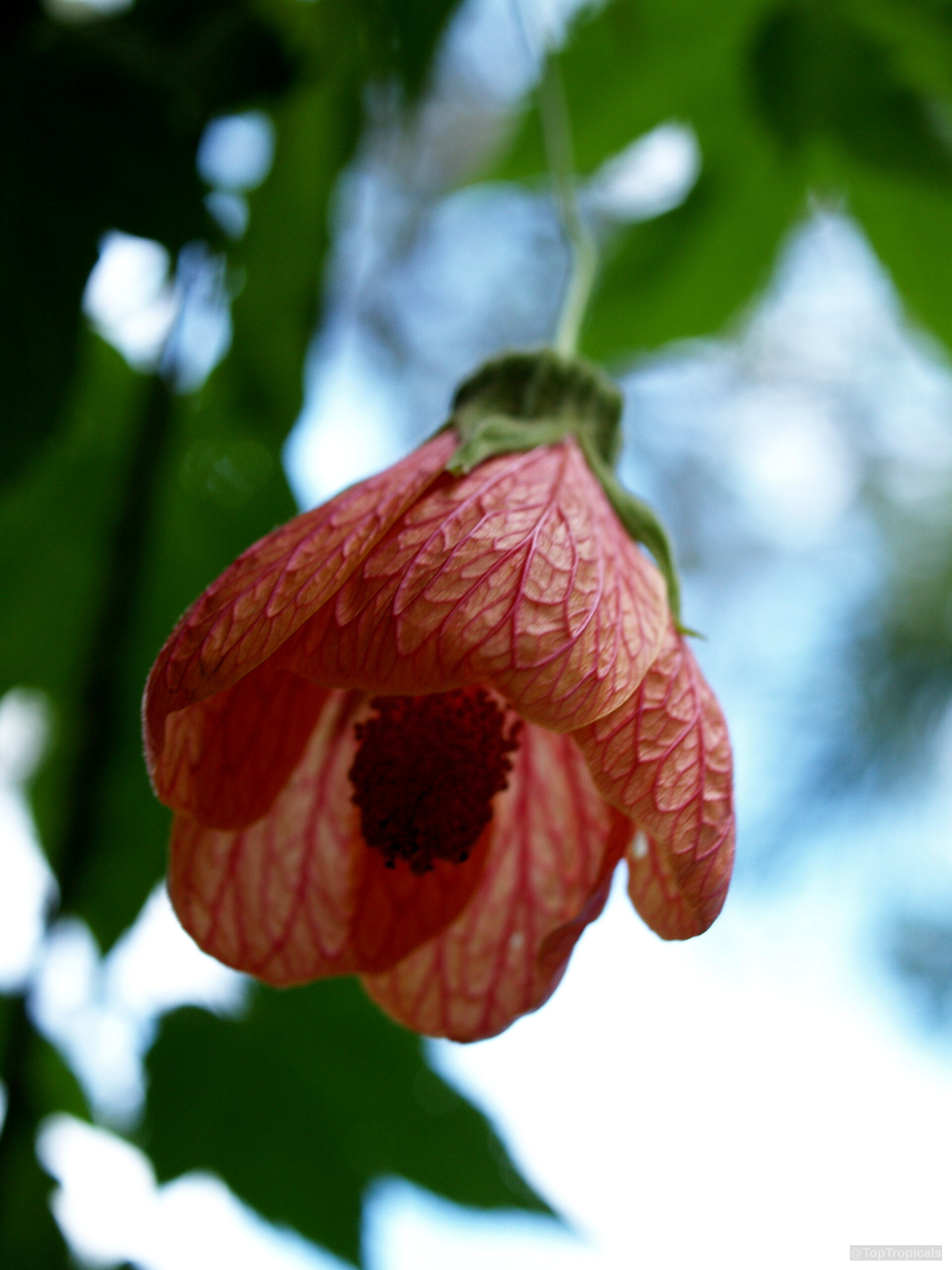
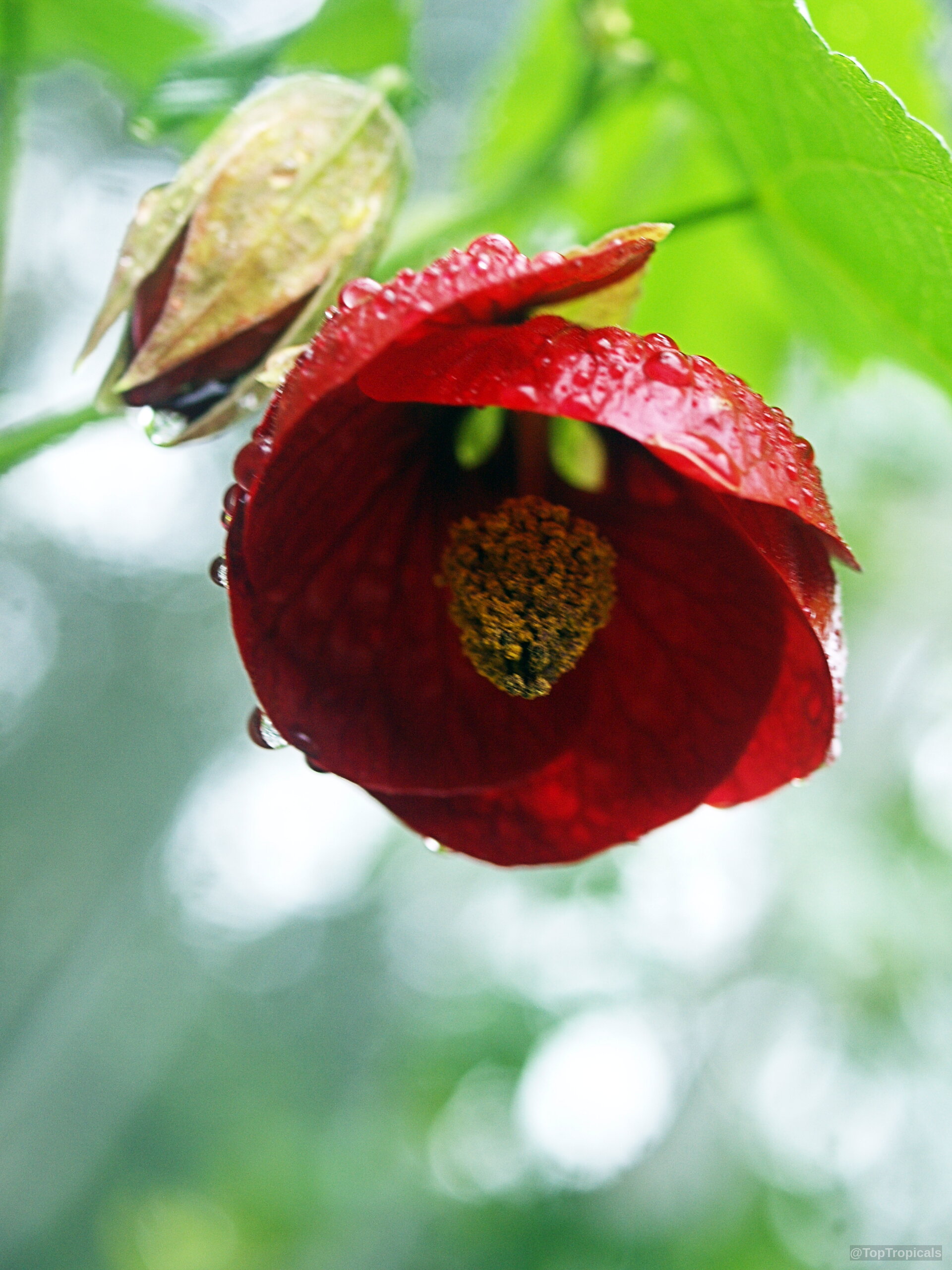
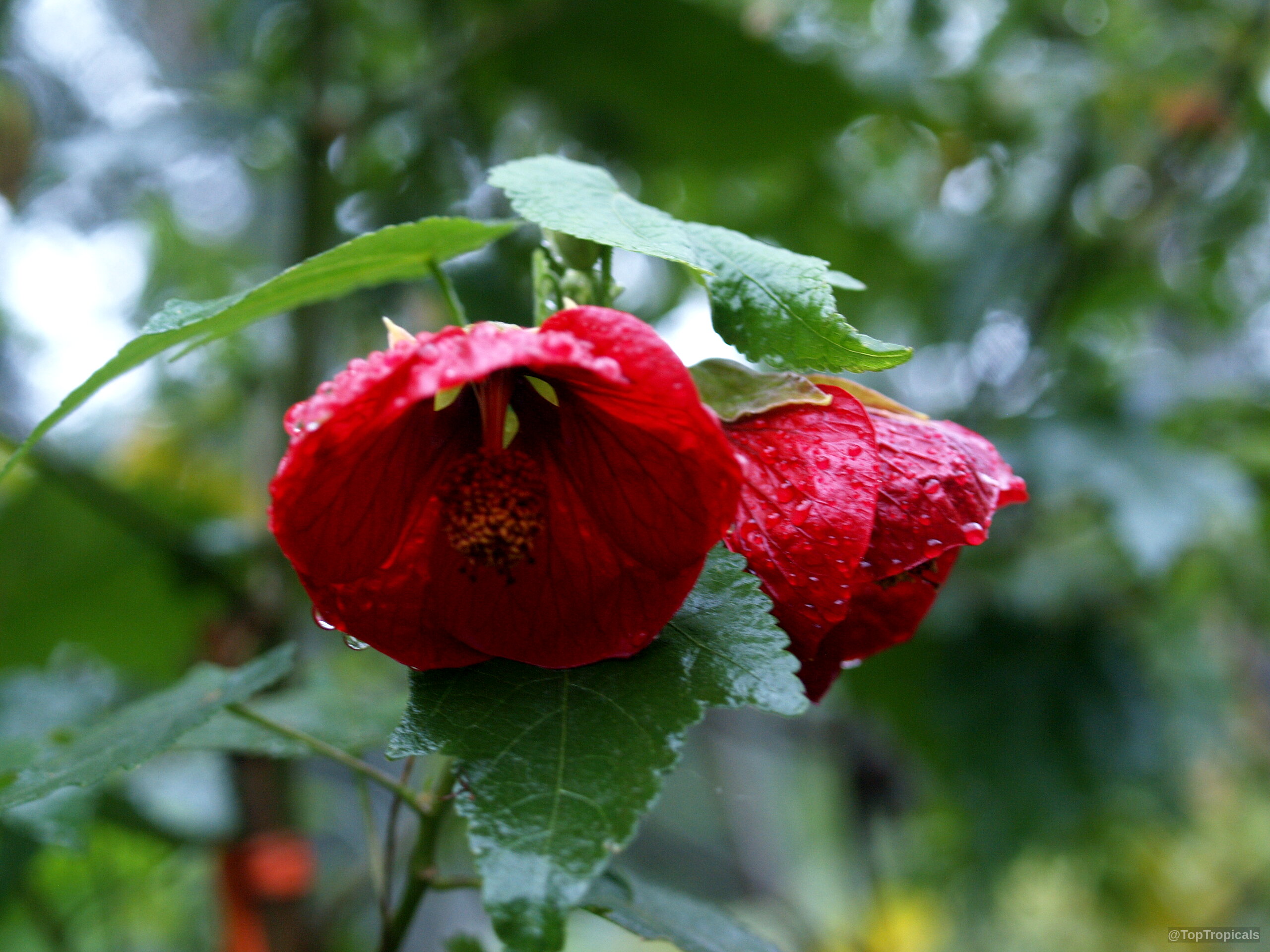
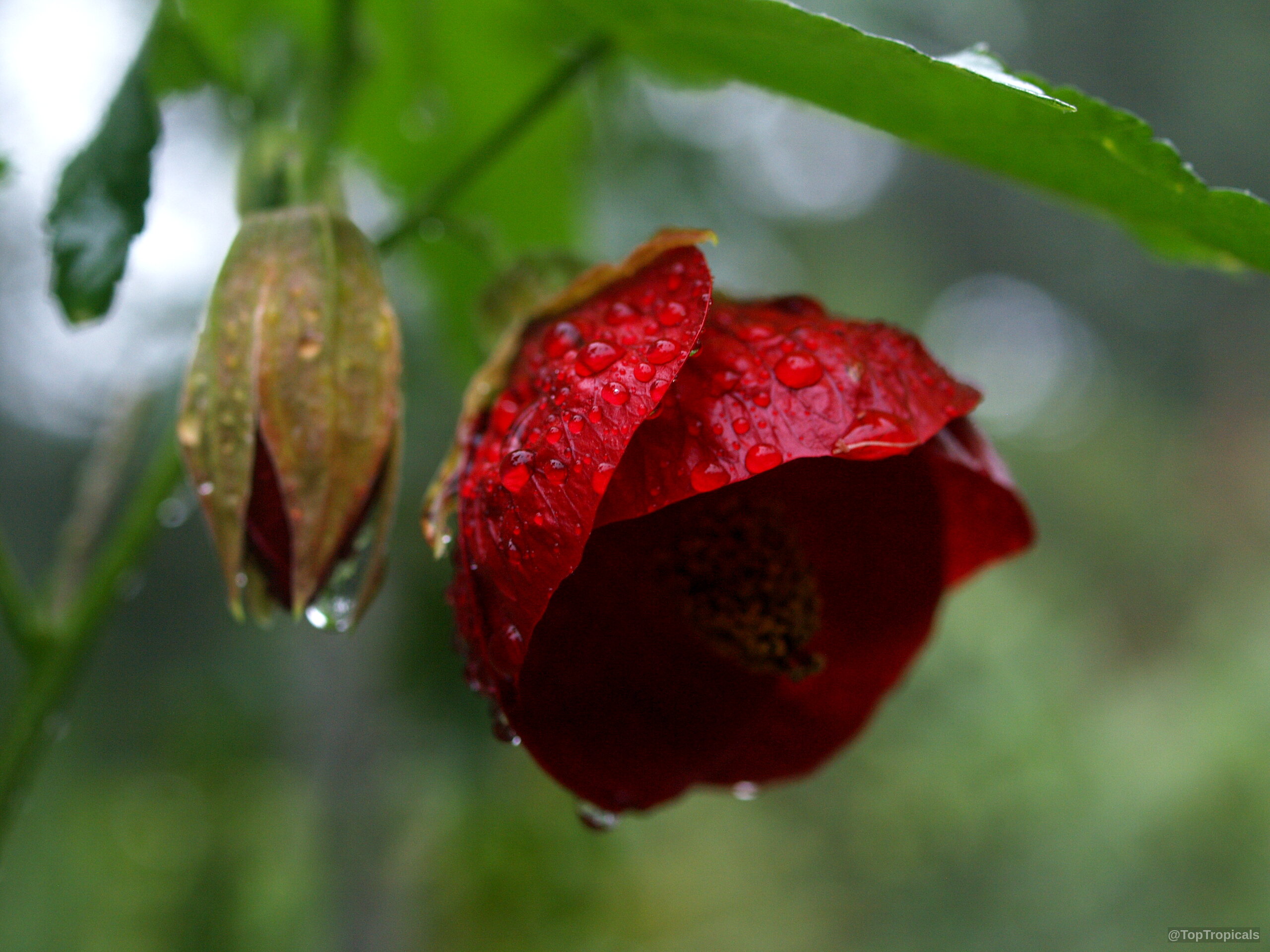
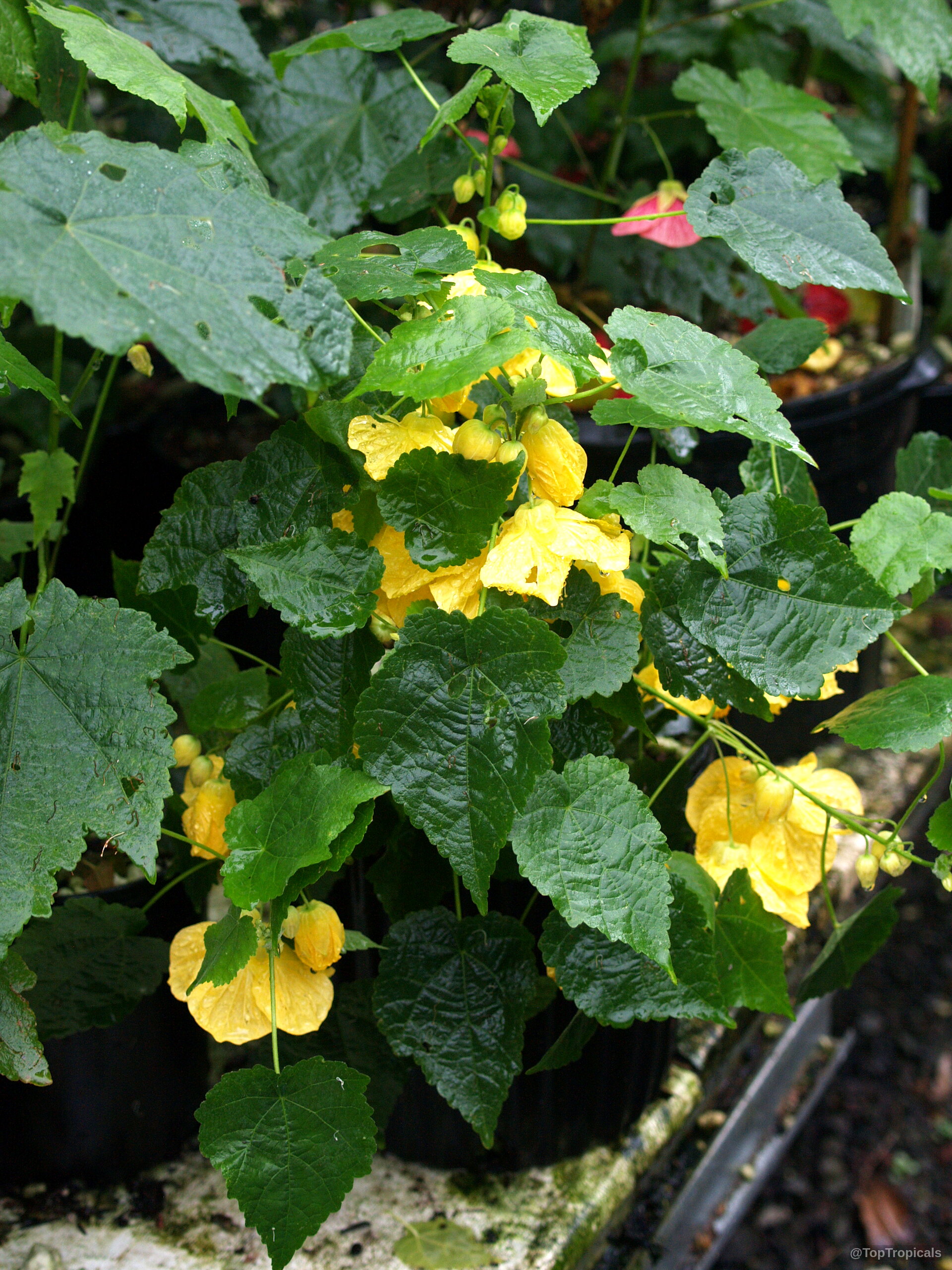
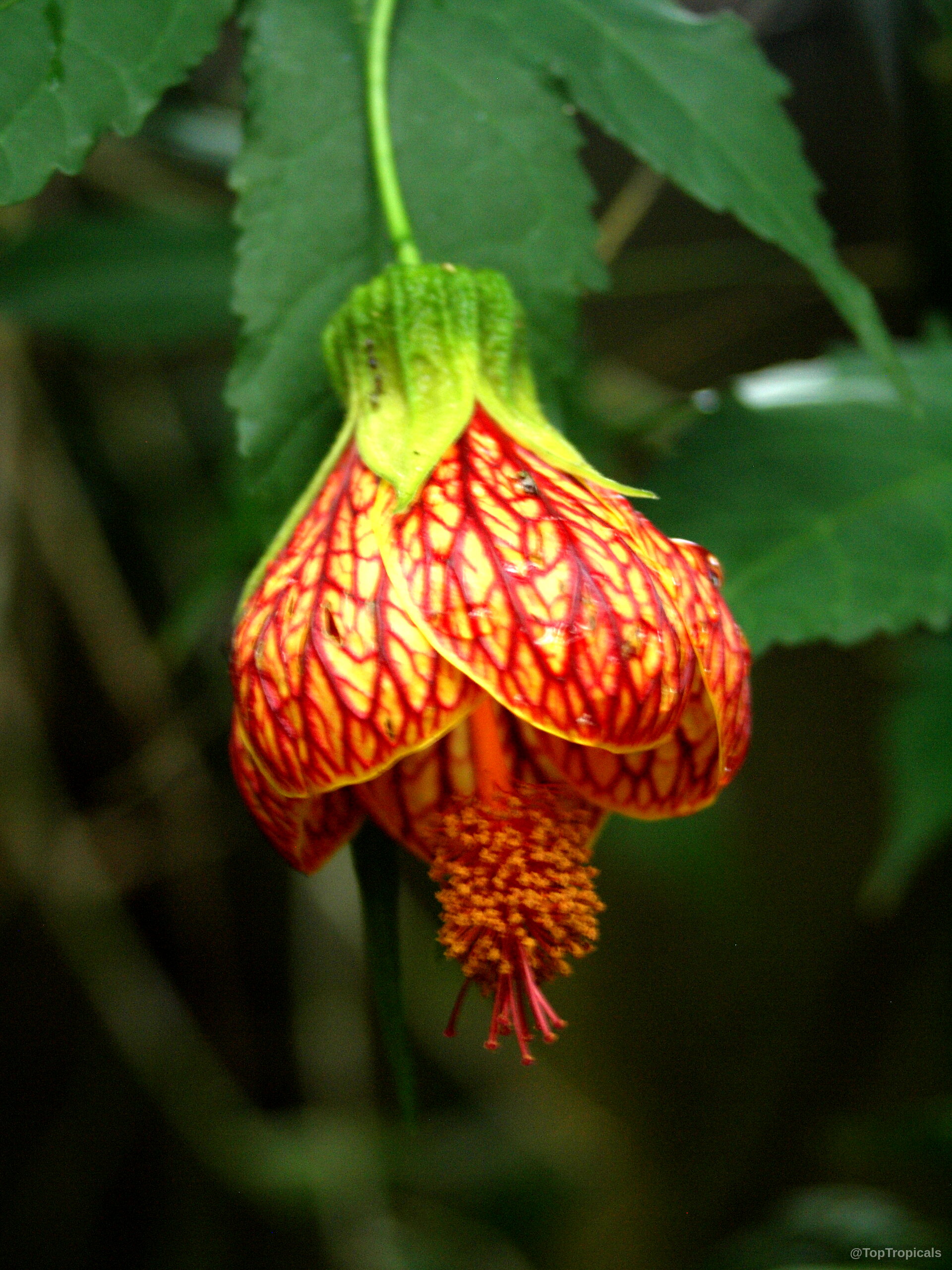
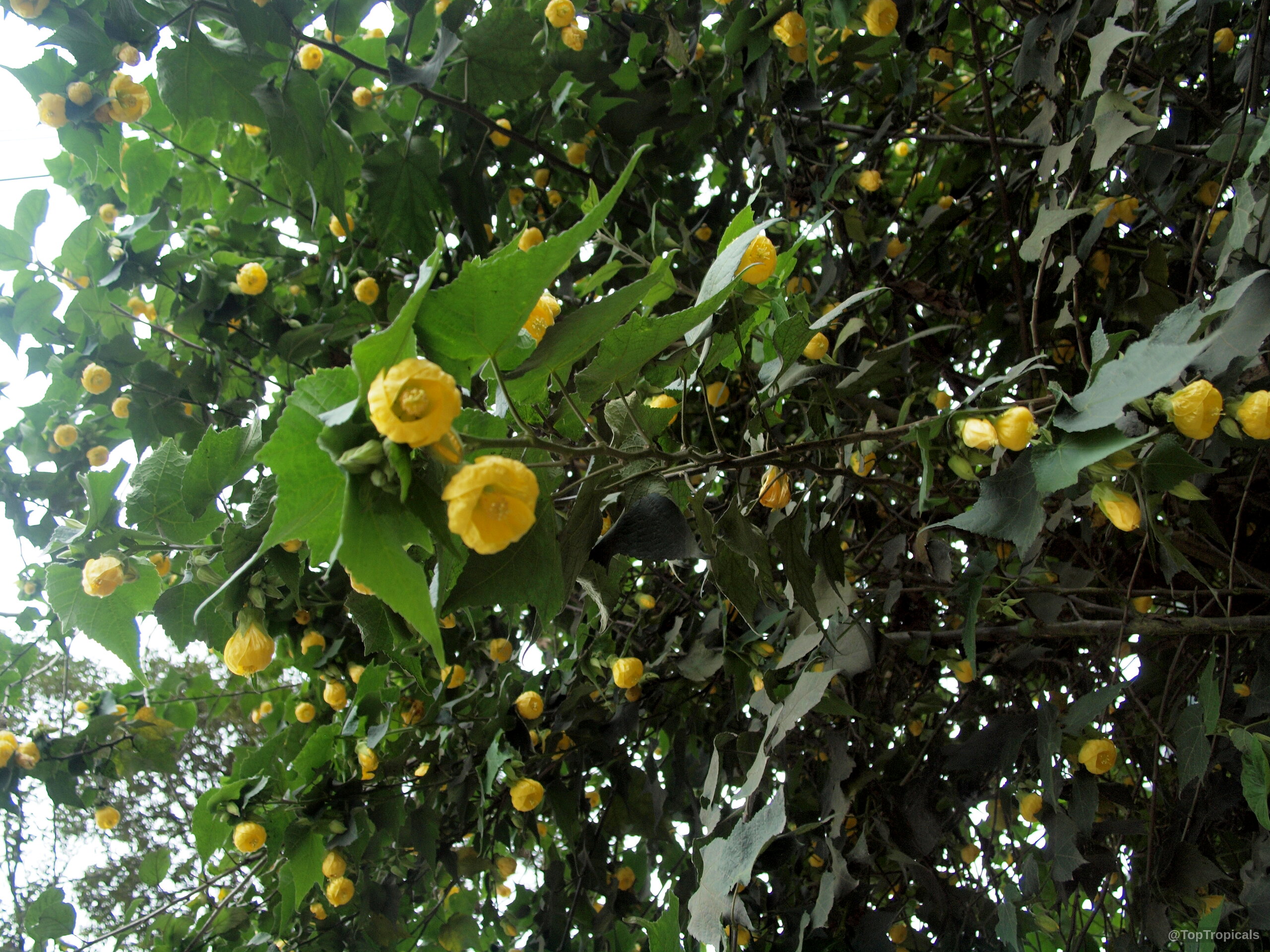
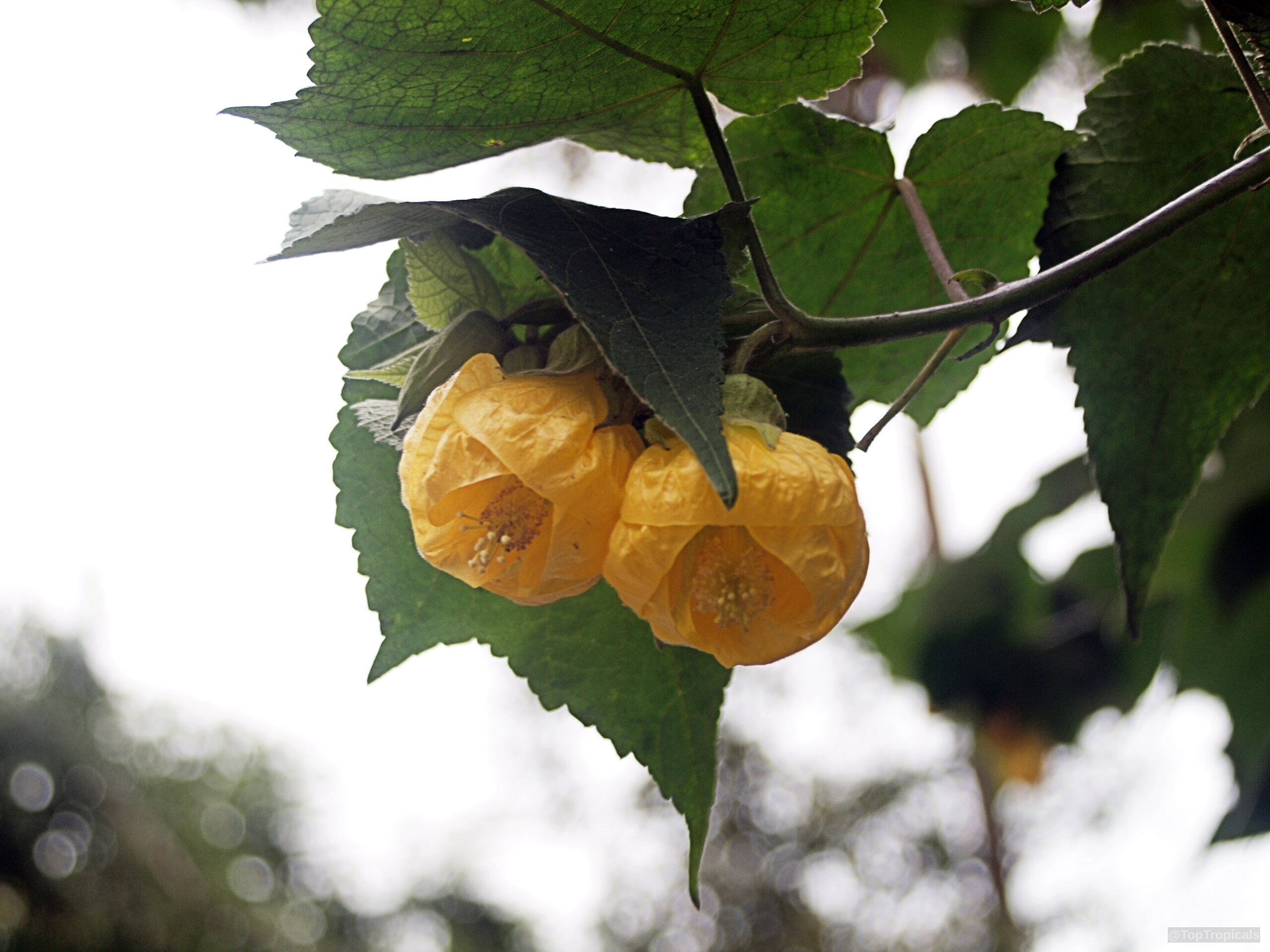
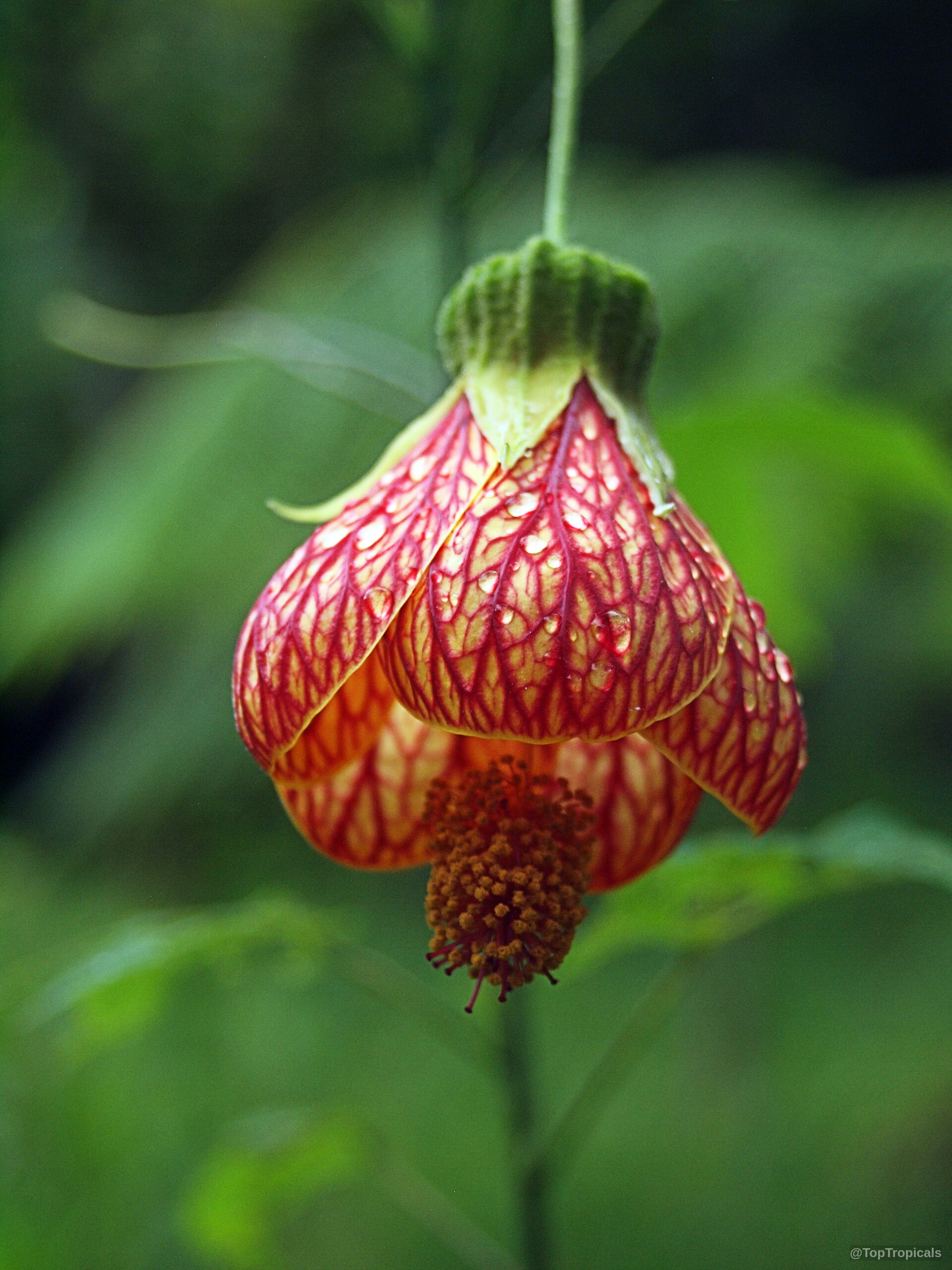
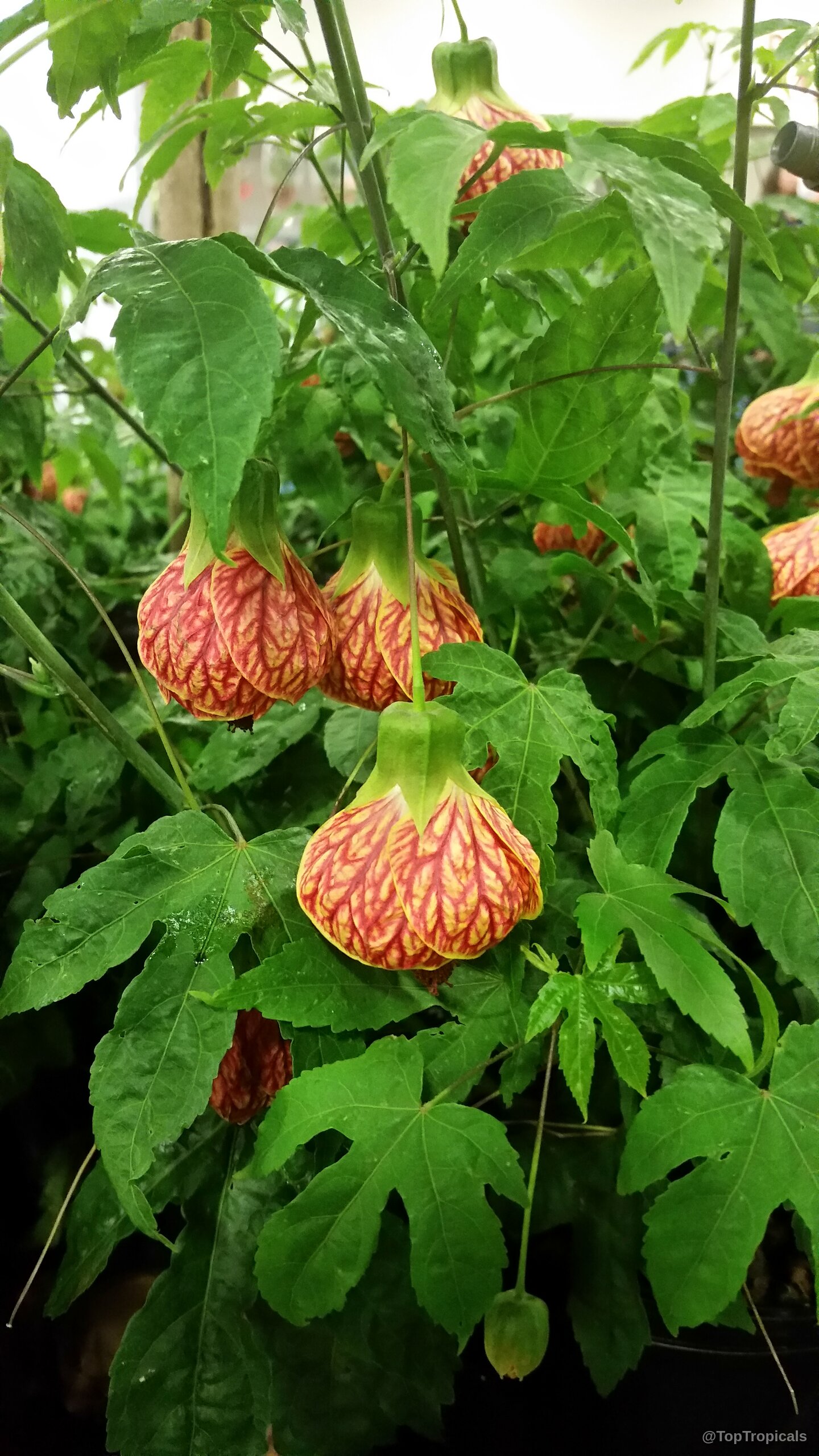
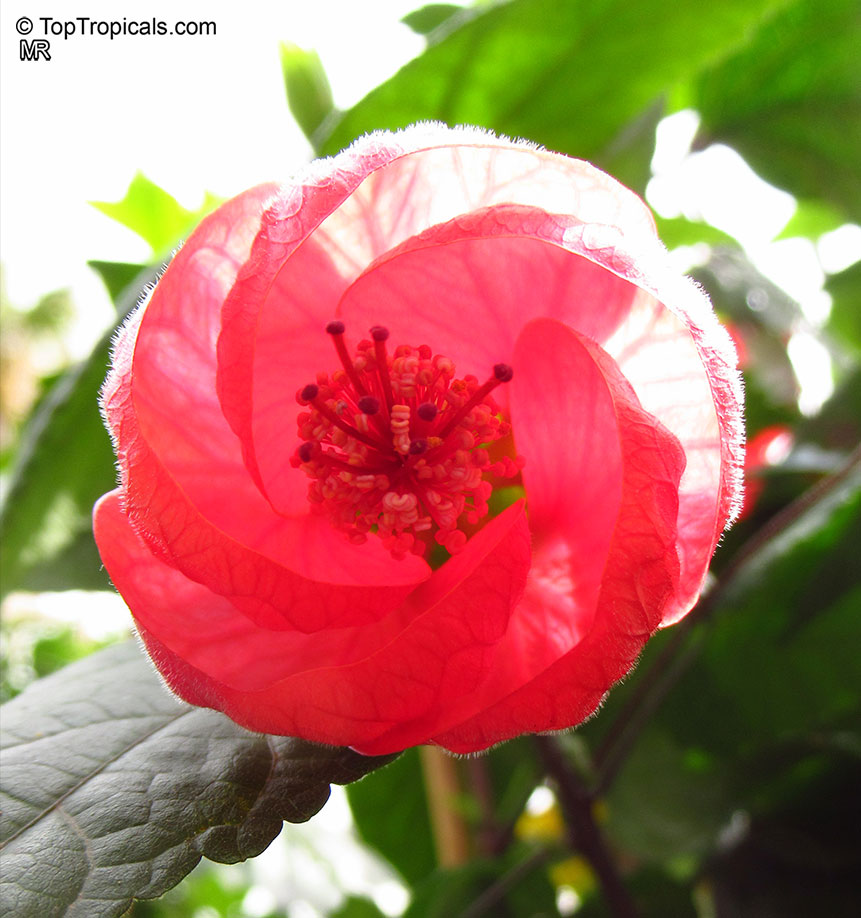
Abutilon species, commonly known as flowering maples or Chinese lanterns, are evergreen or semi-evergreen shrubs grown for their attractive maple-like foliage and pendant, bell-shaped blooms. Many garden forms are complex hybrids, combining traits from several South American species. These hybrids are valued for their long flowering season, compact to medium growth habit, and wide color range including white, yellow, orange, pink, and red. Some cultivars feature variegated leaves, adding extra ornamental appeal.
Hybrid abutilons thrive in full sun to partial shade and prefer fertile, well-drained soil with regular watering. They benefit from pruning in early spring to maintain shape and encourage branching, and pinching growing tips promotes a bushier form. Hardy in USDA Zones 8-11, they can tolerate brief drops to near freezing but require frost protection. In colder climates, hybrids are well-suited to container culture, allowing them to be overwintered indoors or in sheltered areas. Regular feeding during the growing season supports continuous blooming, and spent flowers should be removed to prolong display.
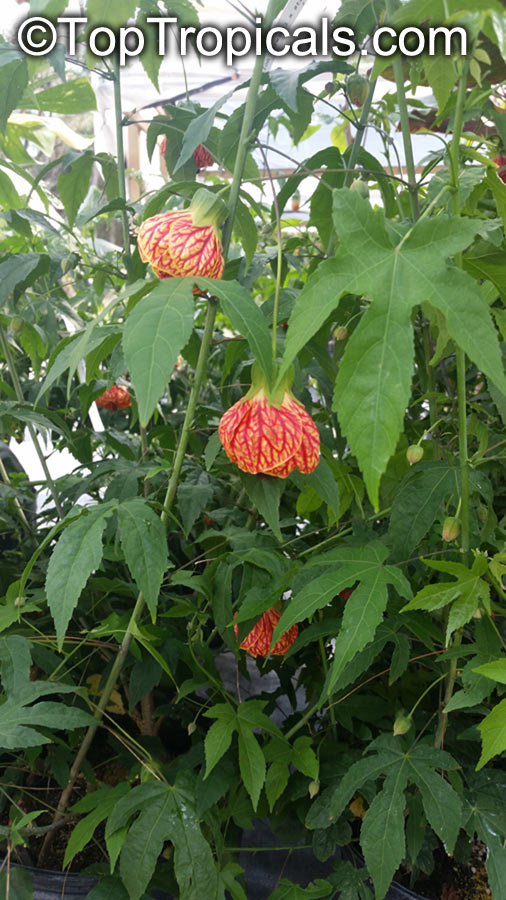
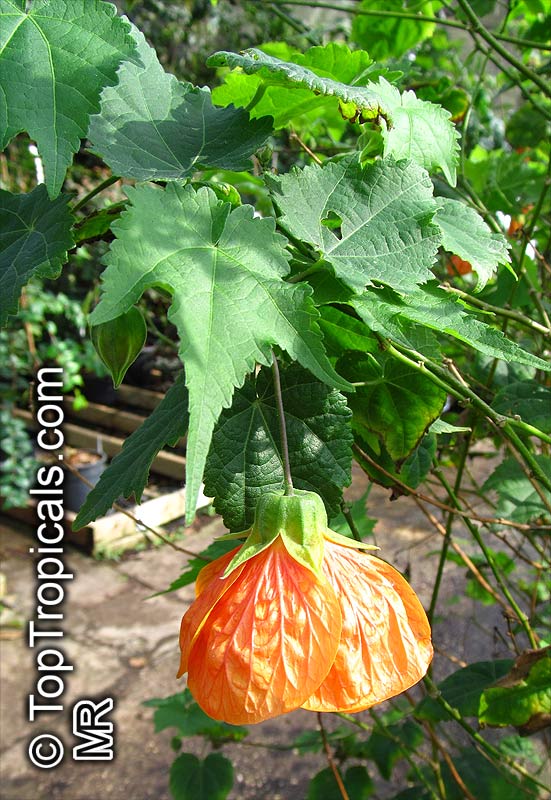
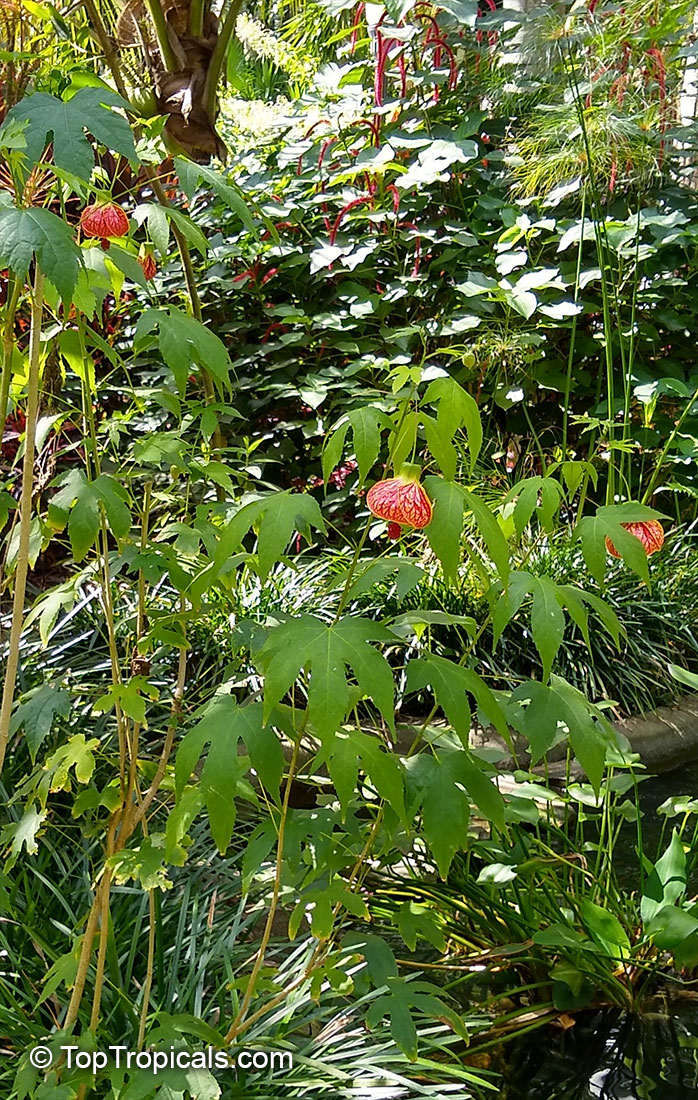
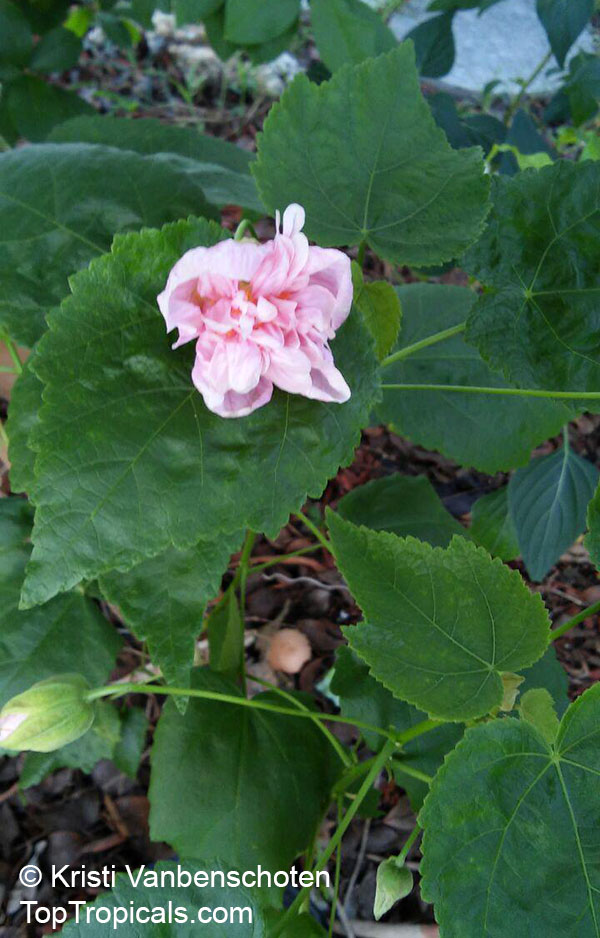



Recommended Fertilizer: SUNSHINE Megaflor - Bloom Nutrition Booster
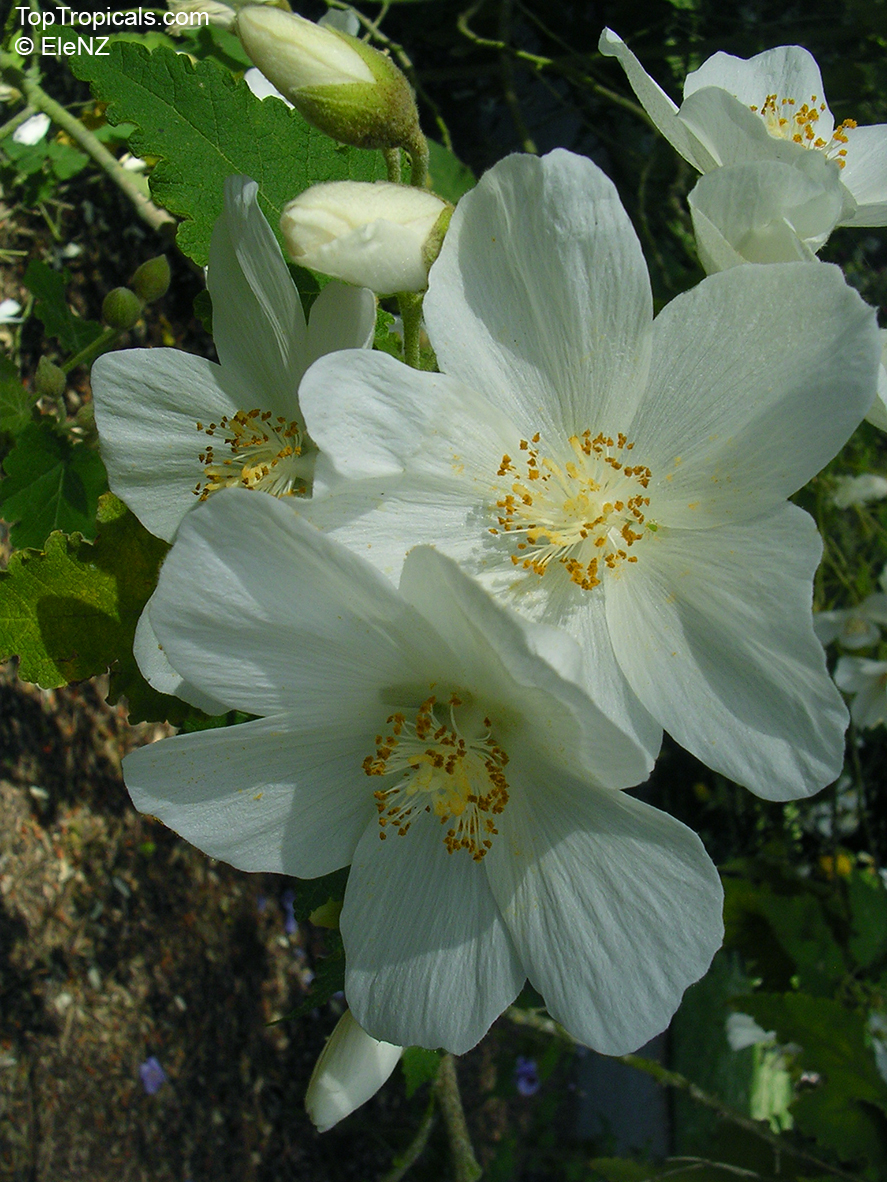
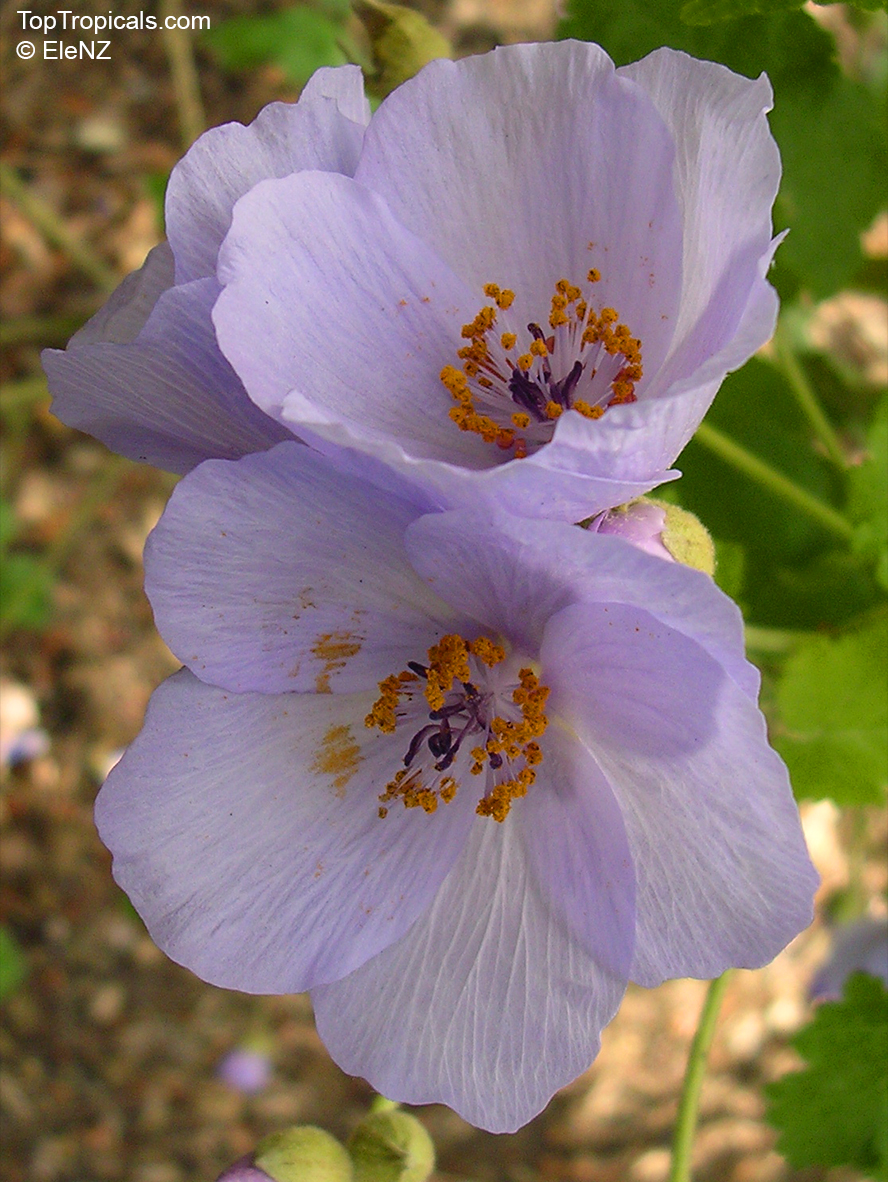
Botanical names: Abutilon vitifolium, Corynabutilon vitifolium
Common names: Vine-leaved Abutilon, Flowering Maple, Indian Mallow
Family: Malvaceae
Origin: Chile
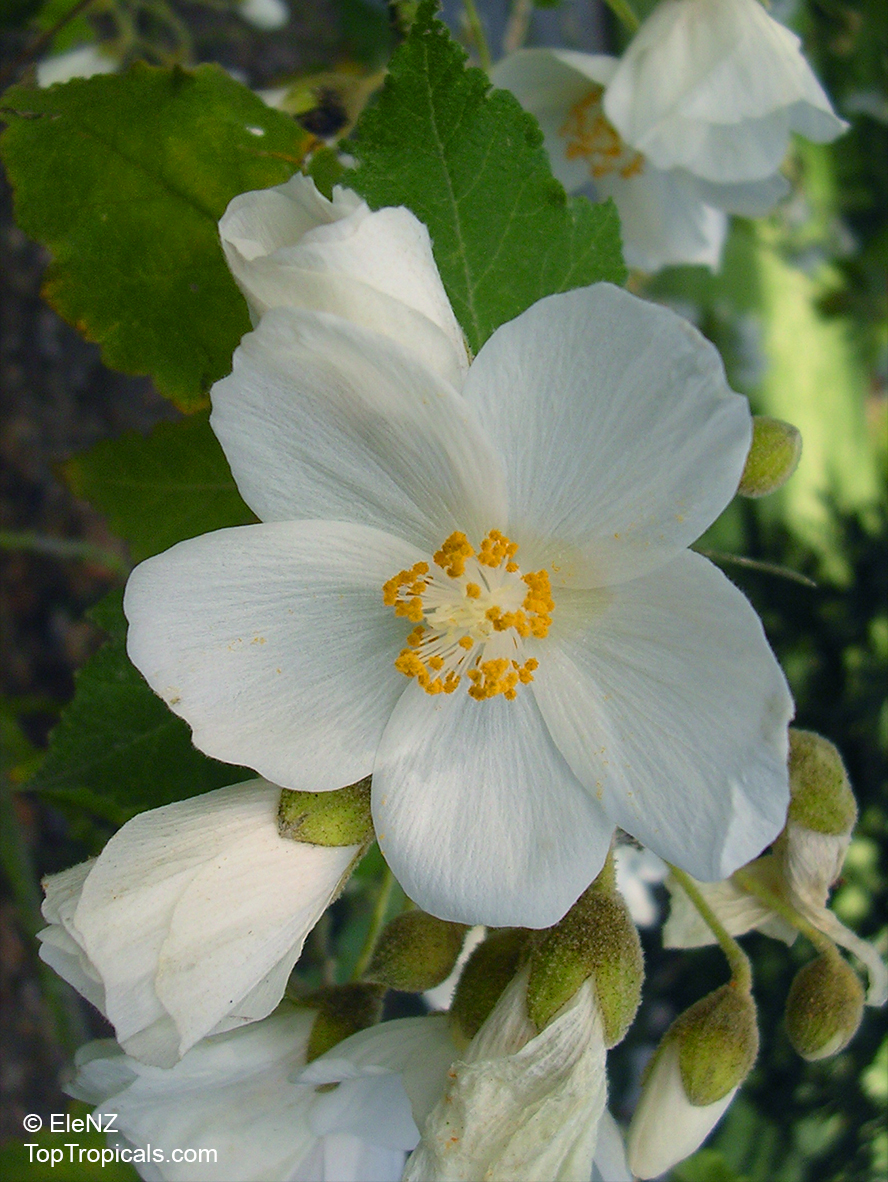
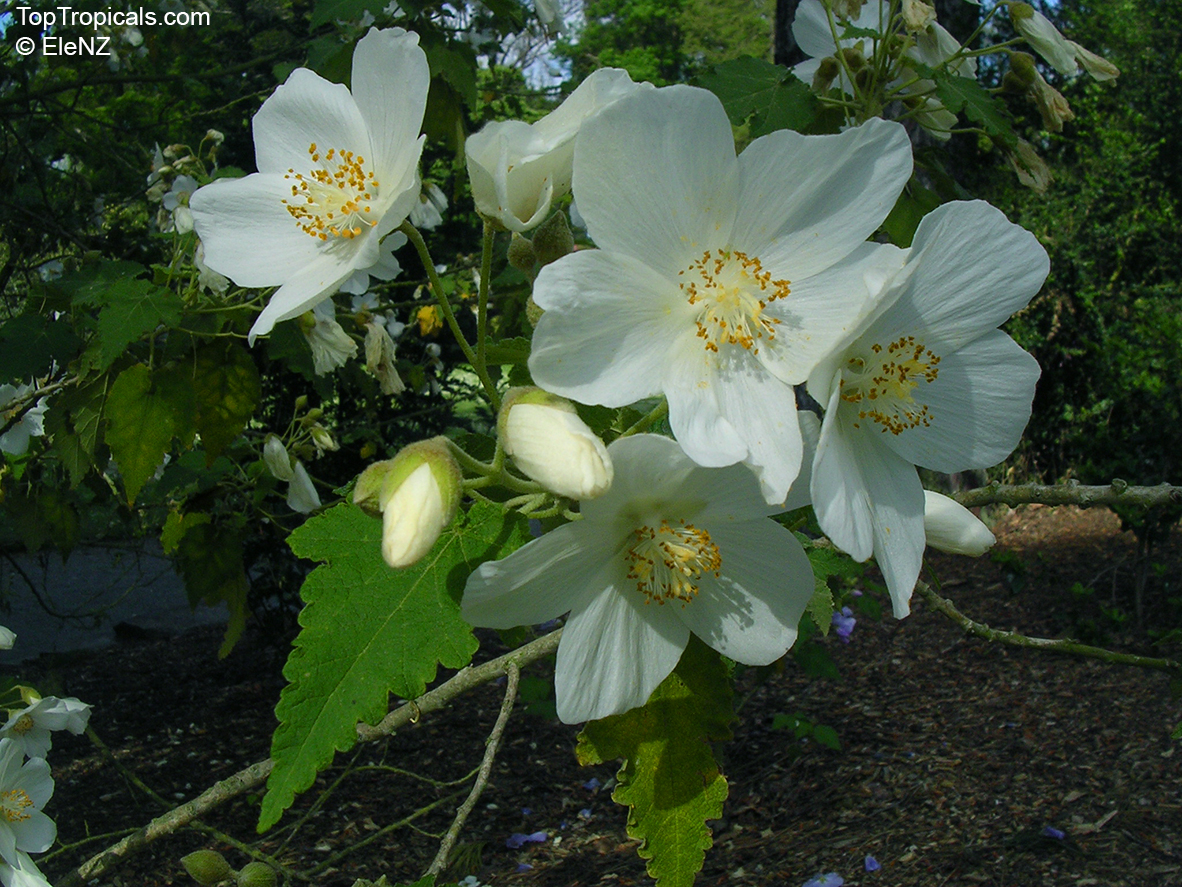
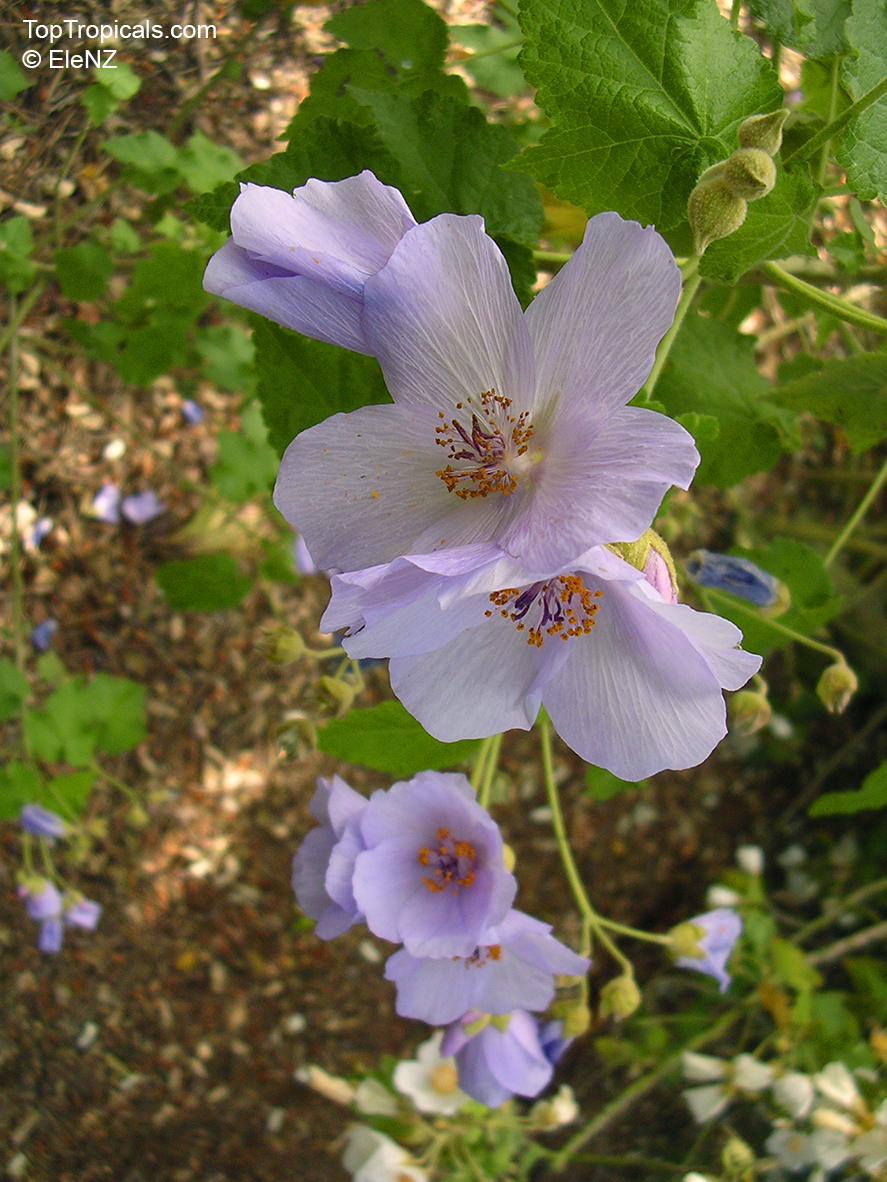
It usually grows to be anywhere between 5-10 feet tall, depending on the conditions in which it is grown and the amount of care it receives. If kept well mulched on the ground, it can easily reach its maximum of 10 feet. Full sun and semi-shade are both equally suitable for this species, but with regular water, the best of the blooms can be expected. The vines produce hanging buds of either a cheery pink or a more dainty, off white, depending on variety.
When mature, Abutilon vitifolium is cold hardy down to at least 30 degrees Fahrenheit for a short time, as determined by USDA Zone 8-11. If planted in colder regions, be sure to take extra care that the shrub is well potted and situated in an area protected from the winter weather. Mulch can also be helpful in keeping its roots warm and the shrub topped up with the right amount of water.
This large shrub is ideal for garden pathways or any border area in the garden, admired for its trumpeting petals of varying shades of pink, white and off-white. When in full bloom, it can even be seen through hedges or used as a specimen in moonlight gardens. With its height, hardiness and a little care, it can make a beautiful addition to any outdoor home.
| Next | |
Use link to repeat this search:
https://toptropicals.com/cgi-bin/garden_catalog/cat.cgi?search_op=and&keyword_op=and&language=e&number=5&no_change_lang=1
&v1=pnk&user=tt&sale=1&first=0