Palm or palm-like plant - Plant Encyclopedia Results
| Number of plants found: 187 | Next | 
|
Go to page: | 1 | 2 | 3 | 4 | 5 | Last |
Botanical name: Acoelorrhaphe wrightii
Common names: Paurotis, Silver Saw Palmetto, Everglades Palm
Family: Arecaceae / Palmae
Origin: Indies, Bahamas, Central and South Florida.


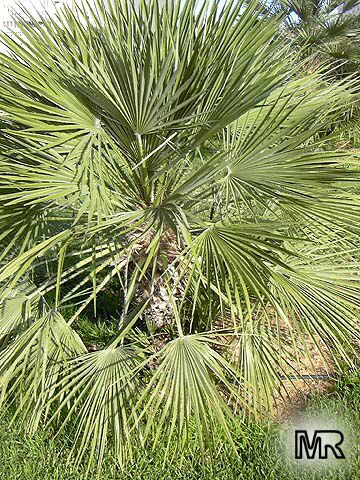
The leaves of the Acoelorraphe wrightii (Paurotis) are light green color, palmate and pinnate. Although it is a small palm, its leaves give it an especially lush and airy texture. Paurotis can tolerate salt wind and slightly salty soils. It is also known to be cold hardy to the low 30s F for a short time, but it must be covered with a blanket or a cover during those times.
It is best to keep the plants moist and then gradually reduce the amount of water as the plant matures. If you are in a cold region and want to grow this plant in a pot, you will need to make sure it is in a well-draining location. The pot should be placed in a semi-shaded area and mulch should used around the base of the pot. Regular watering and feeding should also be given throughout the growing season.
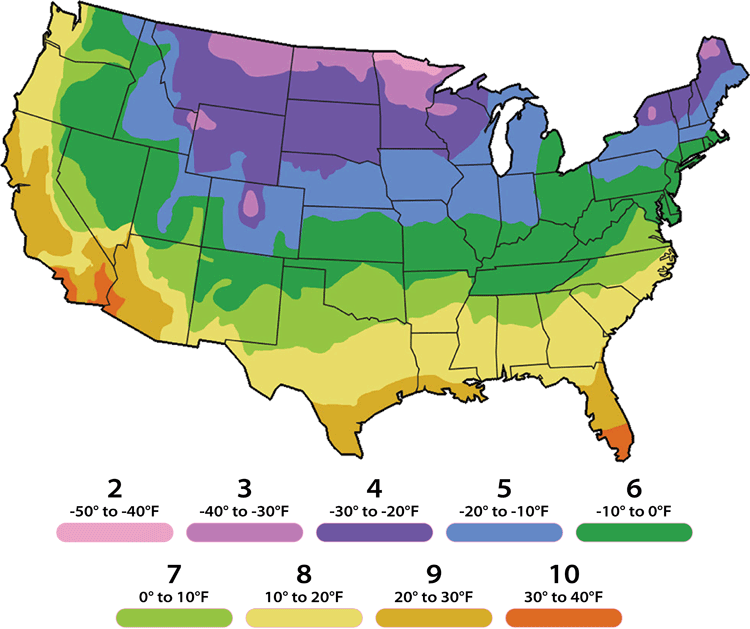
Overall, Acoelorraphe wrightii (Paurotis) is a great palm to grow in USDA zone 9-11. It requires full sun or semi-shade and regular water to thrive, making it an excellent choice for any garden, especially near a seaside location.
Botanical names: Adonidia merrillii, Veitchia merrilli
Common name: Christmas Palm
Family: Arecaceae / Palmae
Origin: Philippines

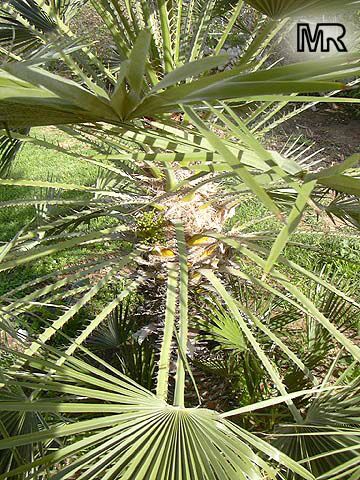
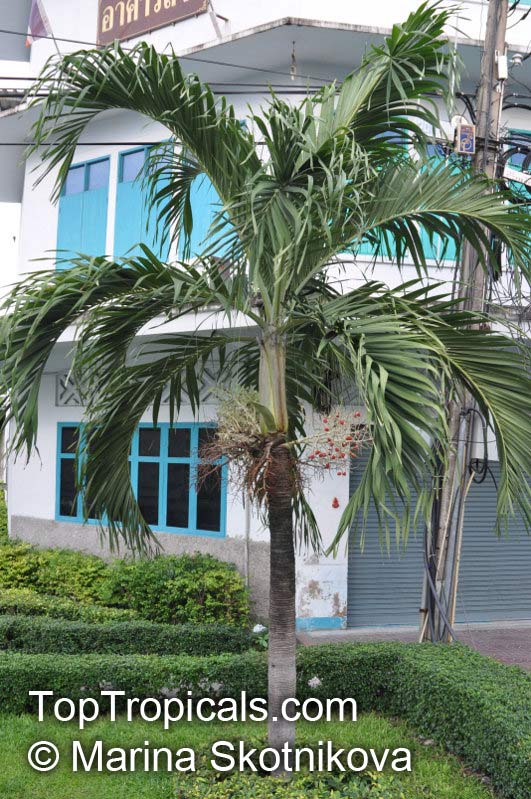
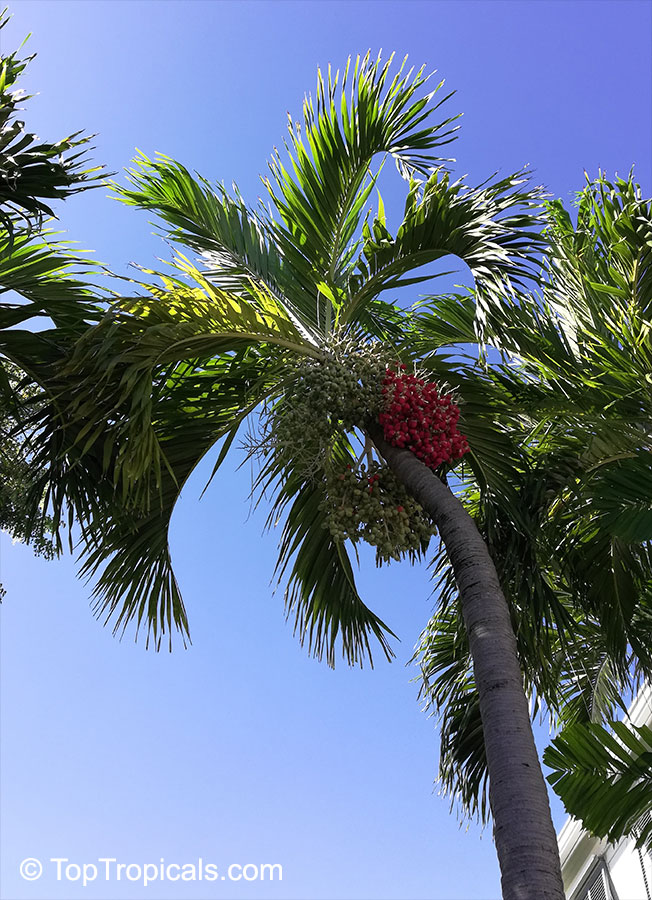
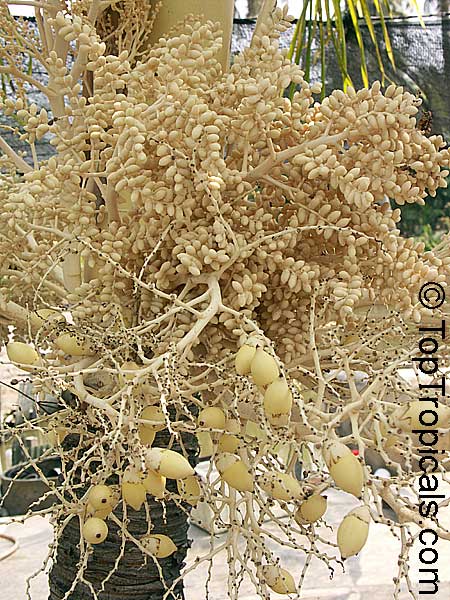
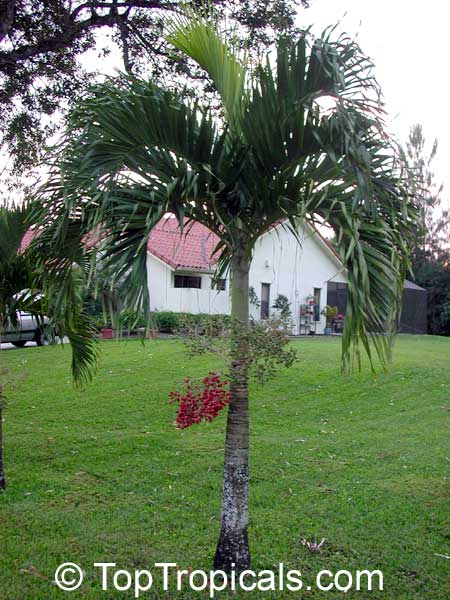
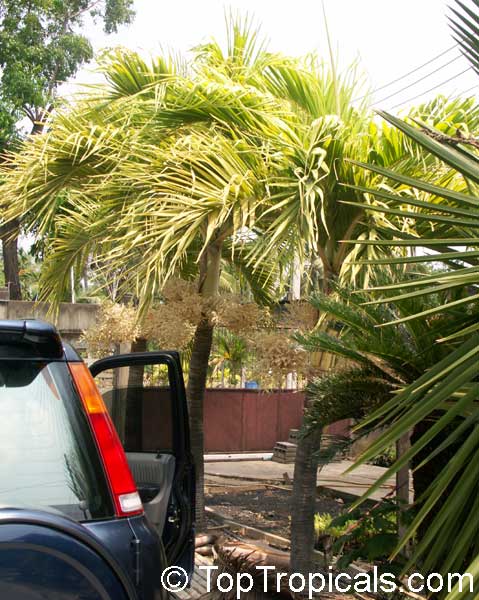
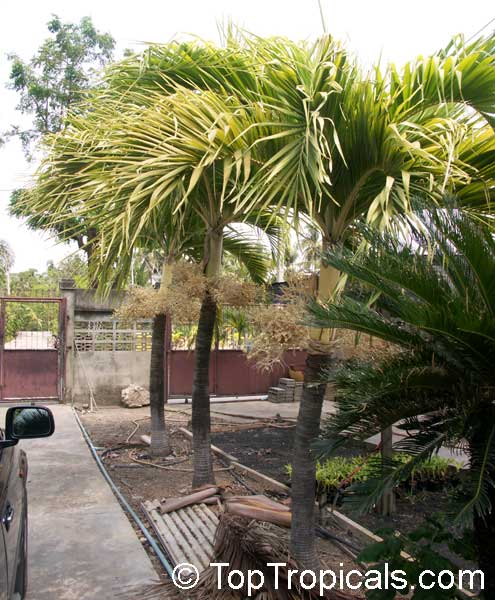
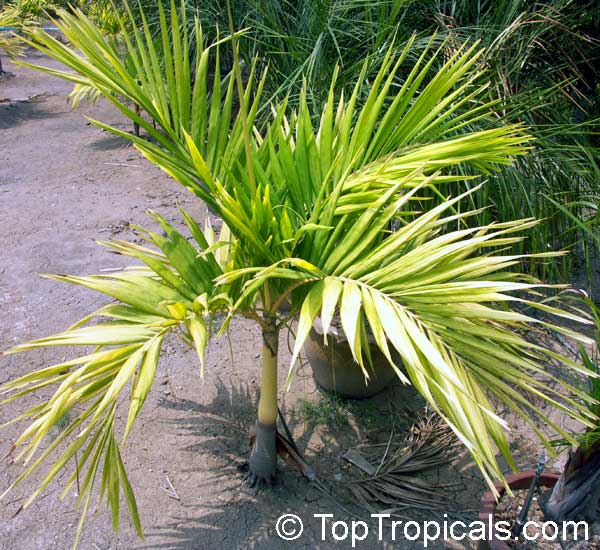
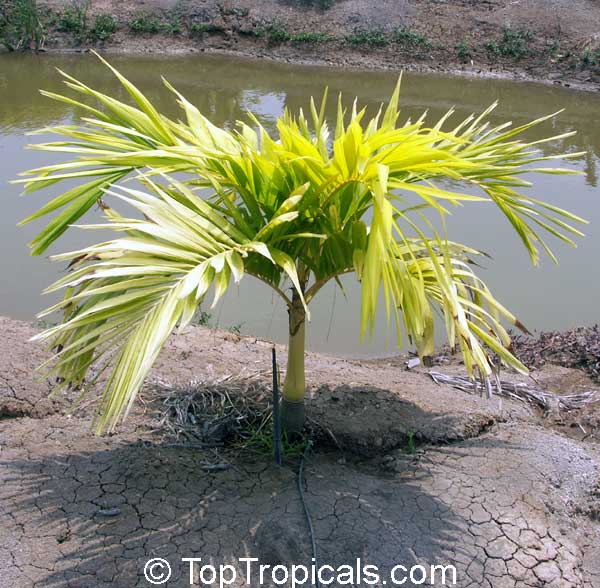
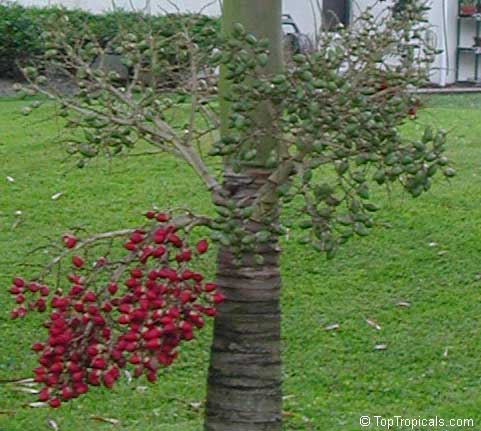
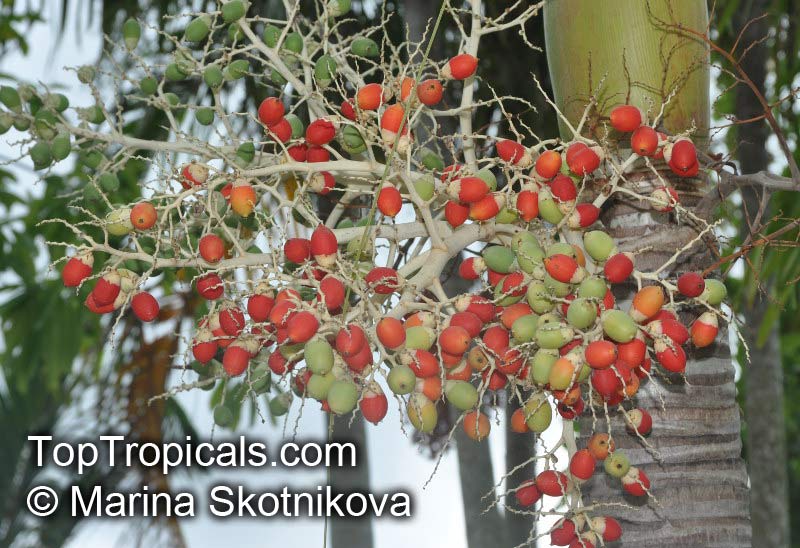
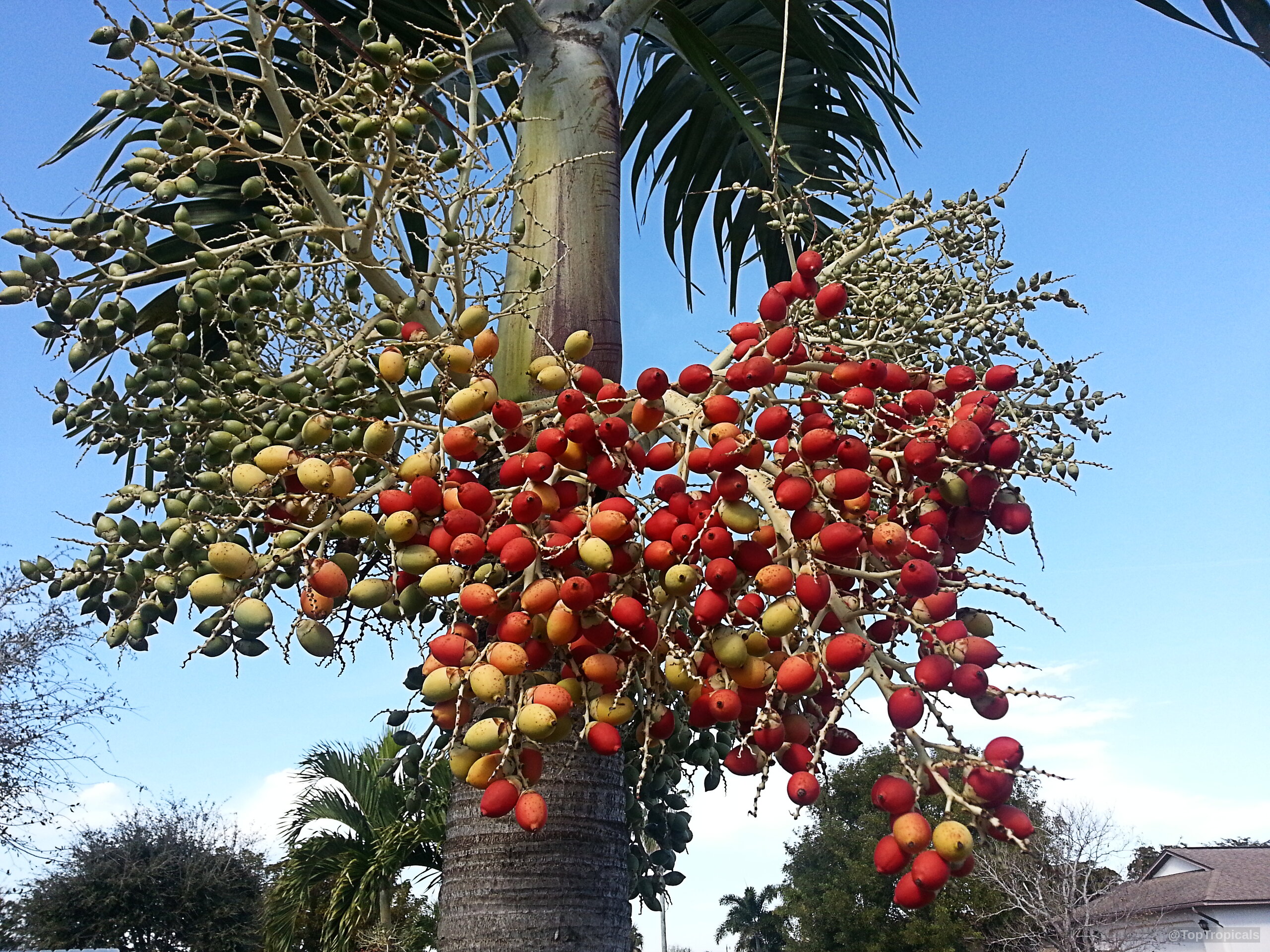
Adonidia comes from Adonis, the handsome sun god of the ancient Greeks. This is neat looking, compact palm that resembles a dwarf version of the royal palm (Roystonea regia) which it matches in beauty. Christmas palm grows to an overall height of only about 16 ft. By late fall fruit are beginning to ripen and by late December are bright and brilliant red - like ornaments on a Christmas palm! It is a popular landscaping item in the capital of Philippines, which inspires another popular name, the Manila palm.
Christmas palm is moderately salt tolerant. Prefers full sun but will take some shade.
Small stature makes it perfect for use in small scale plantings. It is sometimes closely planted in groups of two or three.
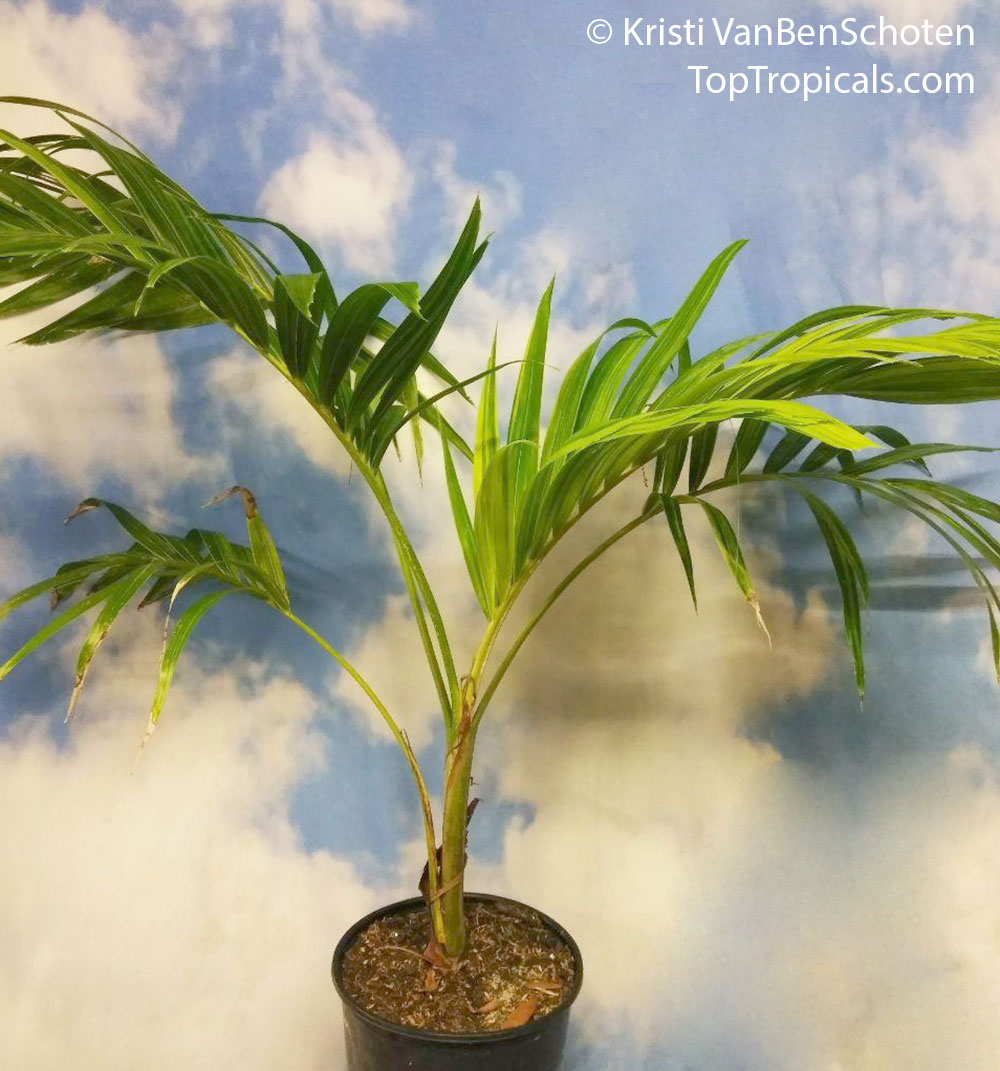
Good specimen container plant. The formal symmetry of Christmas palm is nicely showcased when it is grown in a container. Indoors or out this is a glamourous container plant that can maintain its looks despite hardship and neglect.




Botanical names: Aiphanes horrida, Aiphanes aculeata, Aiphanes caryotifolia, Martinezia truncata
Common names: Devil Palm, Ruffle Palm, Spine Palm
Family: Arecaceae / Palmae
Origin: Trinidad and Tobago


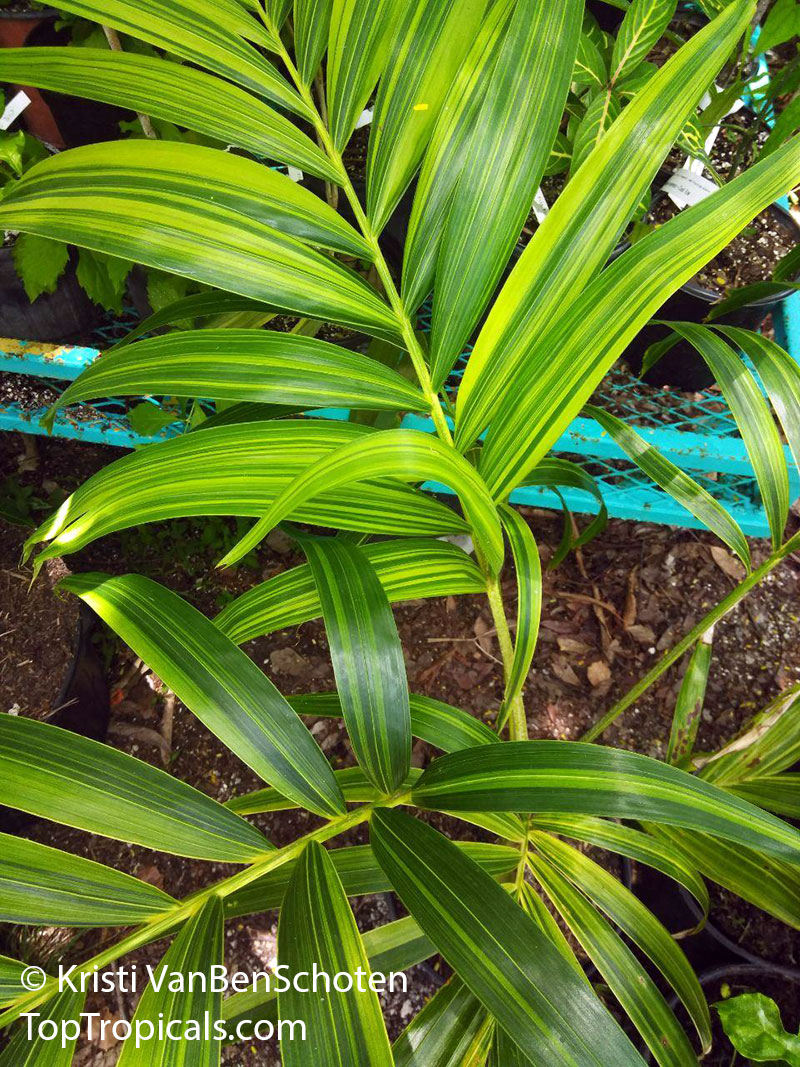
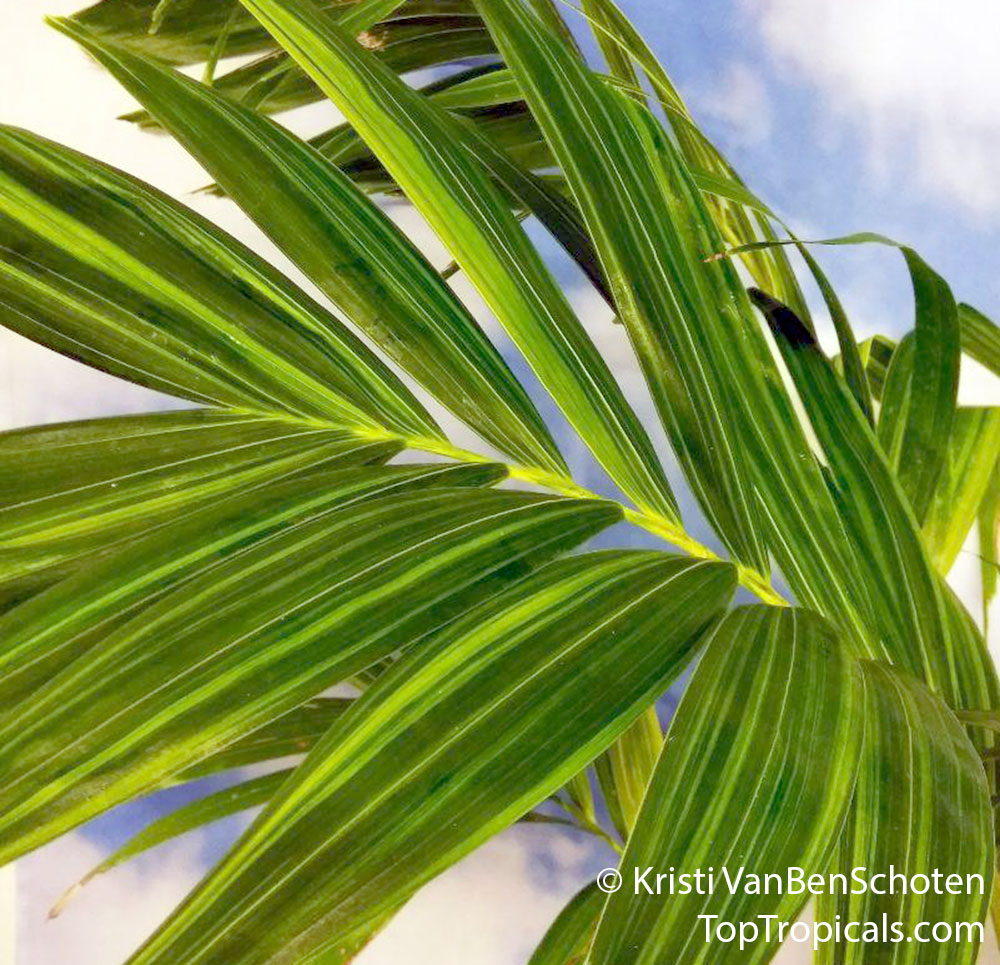
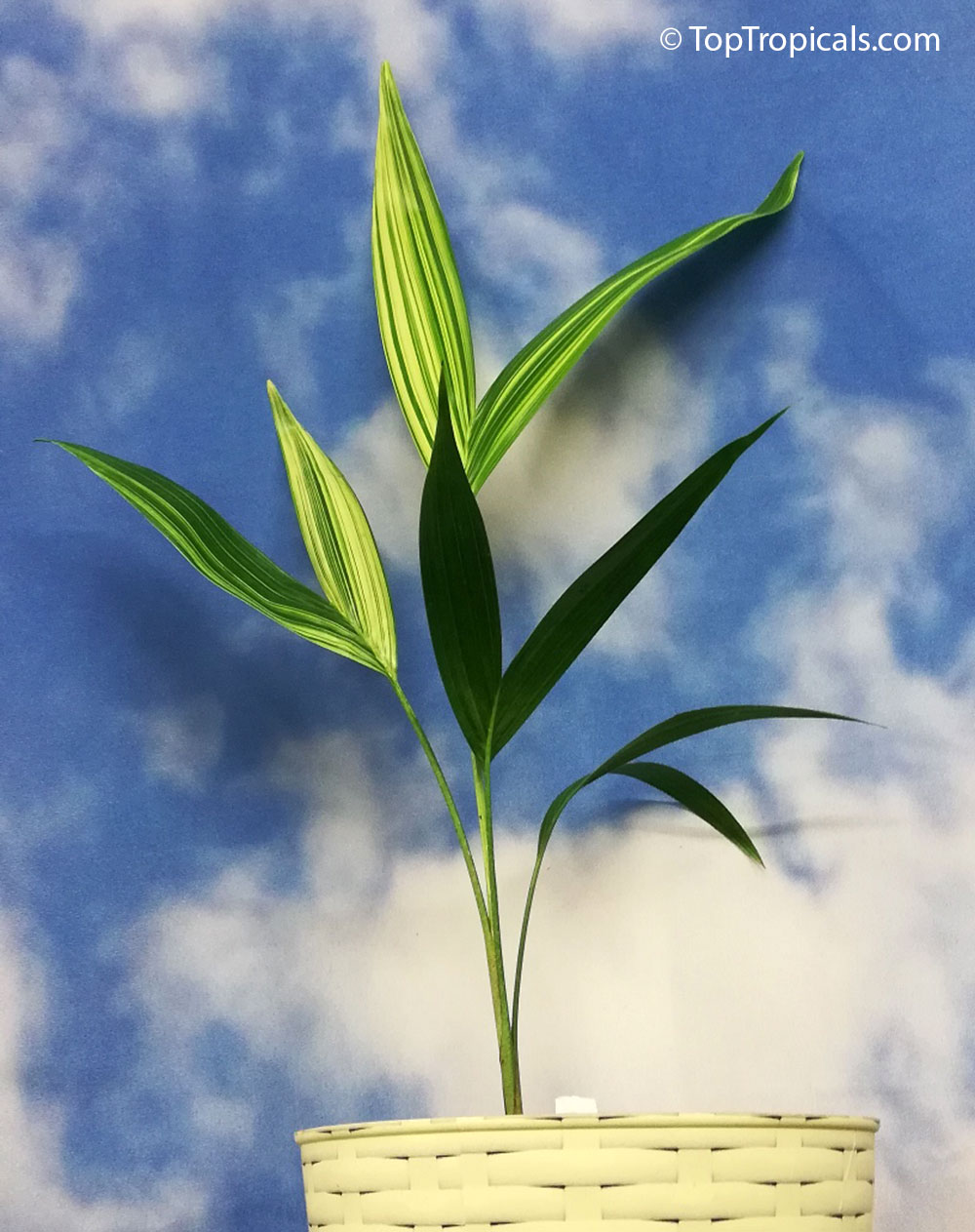
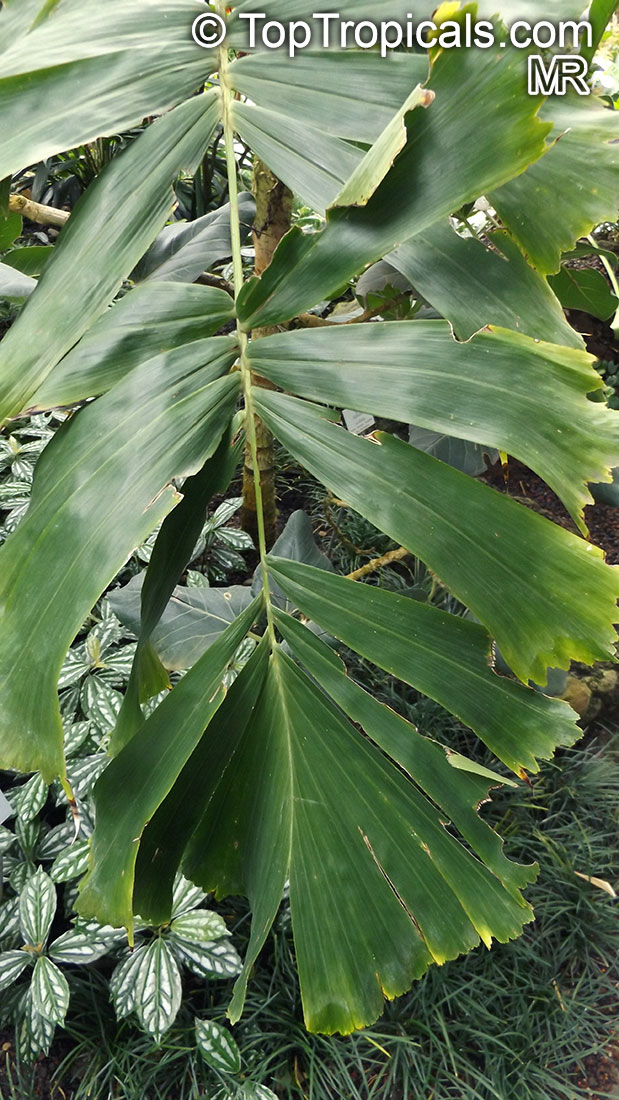
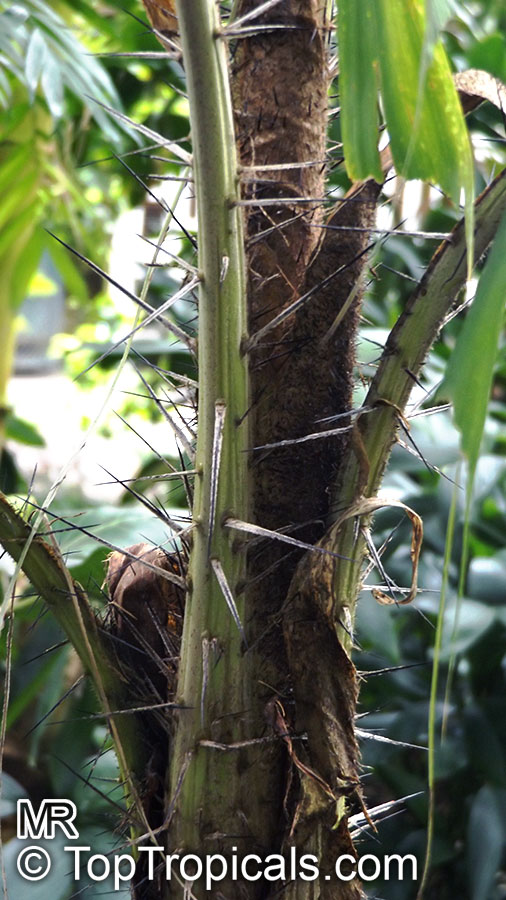
This very different dwarf palm from South America, has attractive spines all over it and fabulous, gracefully arching leaves, covered with white powder, with long, wavy, closely- spaced leaflets. The fragrant flowers produce clusters of red fruit making it ideal for conservatory or a warmer garden where it can actually stand occasional, but not hard freezing.
A solitary, showy spiny small tree. In the wild it grows 9-15 feet tall with a stem diameter of 2-4 inches. The epicarp and mesocarp of the fruit are rich in carotene and are eaten in Colombia, while the seeds are used to make candles.
The range of the species is found in forests of Bolivia, Brazil, Colombia, Peru, Trinidad and Tobago and Venezuela. The species is cultivated as an ornamental throughout the tropics.
Also known as Devil Palm, Corozo, Cocos rura, Mararay, Corozo, Macaguita, Marara, Macahuite, Corozo del Orinoco, Corozo anchame, Mararava, Cubarro, Chonta, Chascaraza, Charascal, Corozo chiquito, Corozo colorado, Pujamo, Gualte, Chonta ruro, Pupunha xicaxica, Coyure palm, Ruffle palm, Aculeata palm and Spine palm.
Scientific Synonyms - Caryota horrida, Aiphanes aculeata, Euterpe aculeata, Martinezia aculeata, Martinezia caryotifolia, Marara caryotifolia, Aiphanes caryotifolia, Tilmia caryotifolia, Bactris premorsa, Aiphanes premorsa, Martinezia truncata, Aiphanes truncata, Martinezia elegans, Aiphanes elegans, Marara bicuspidata, Martinezia ernestii, Aiphanes ernestii, Martinezia killipii, Aiphanes killipii, Aiphanes orinocensis.
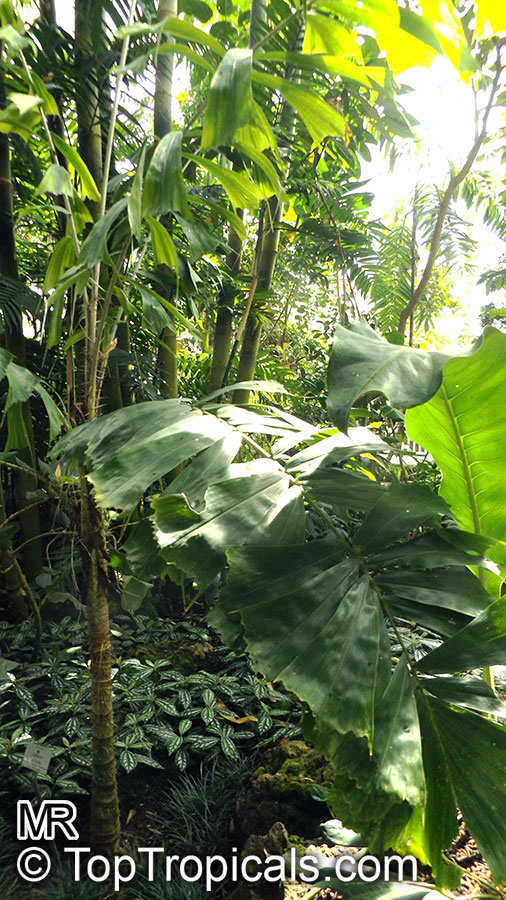
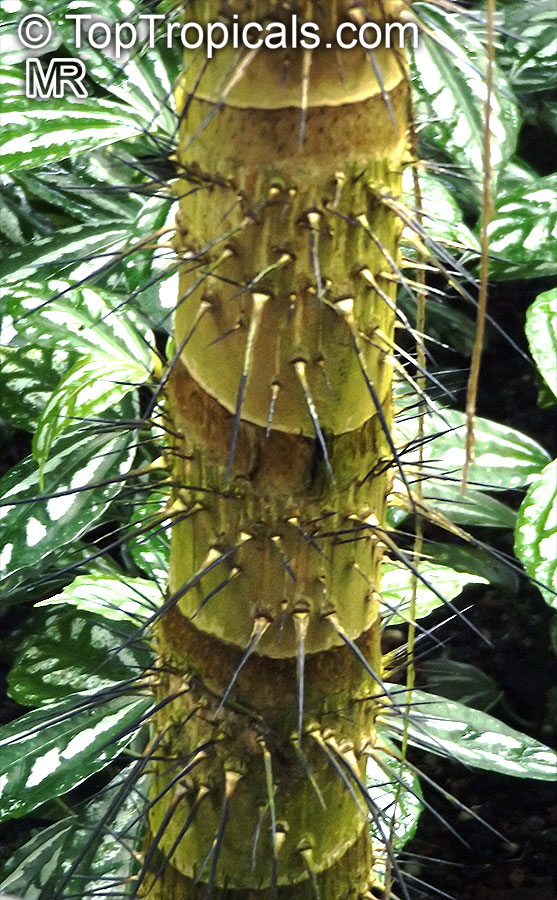
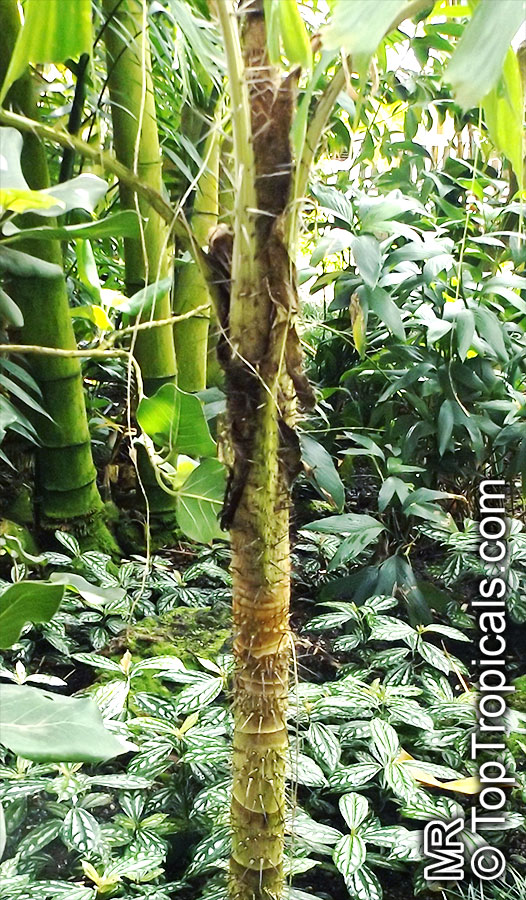
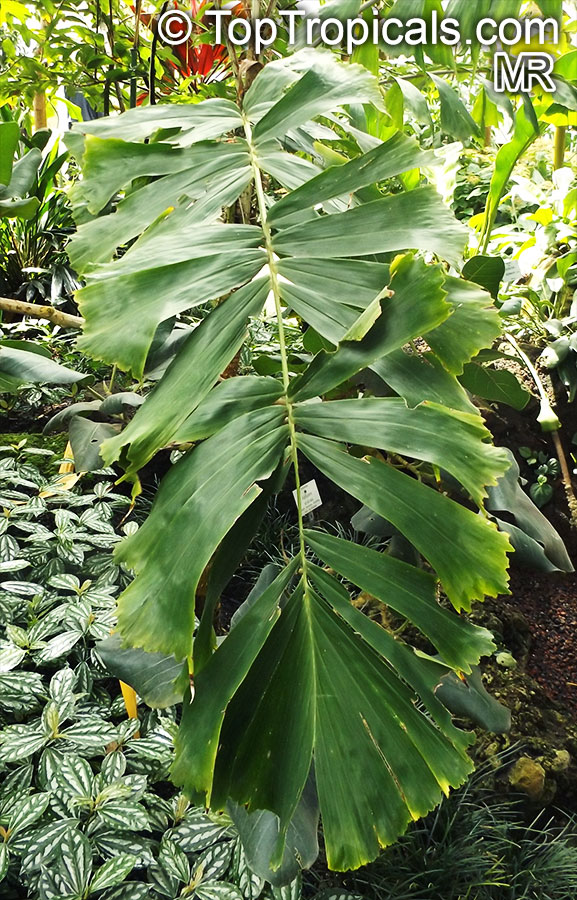
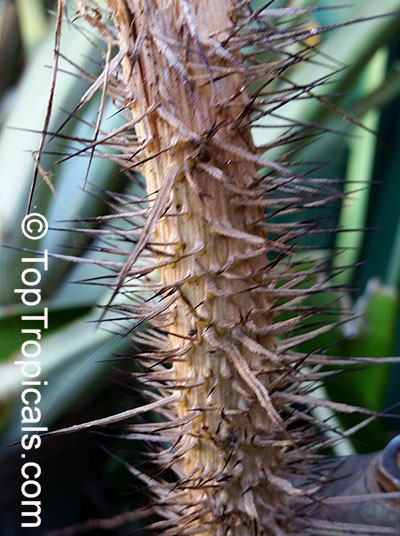
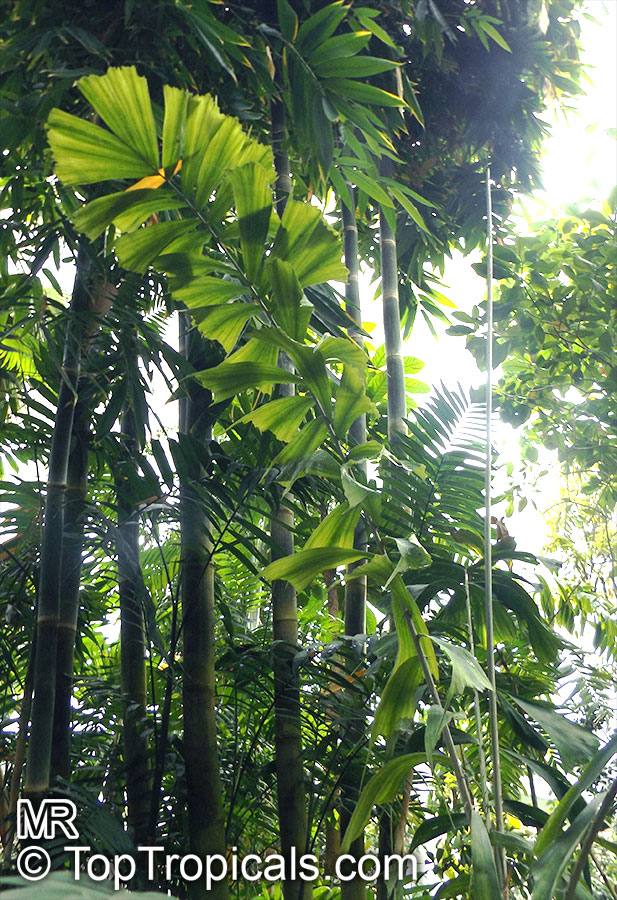
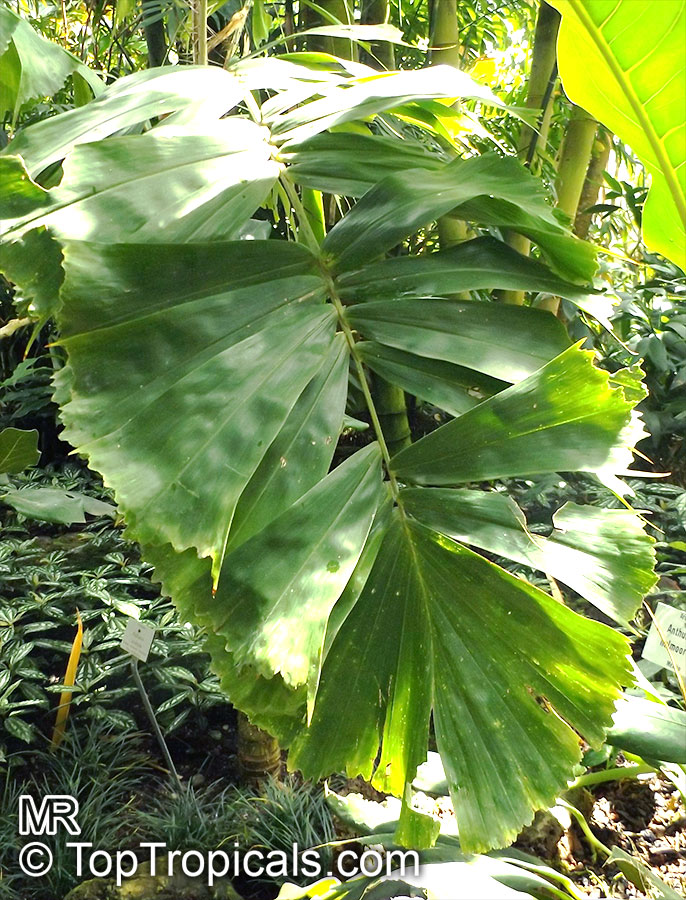
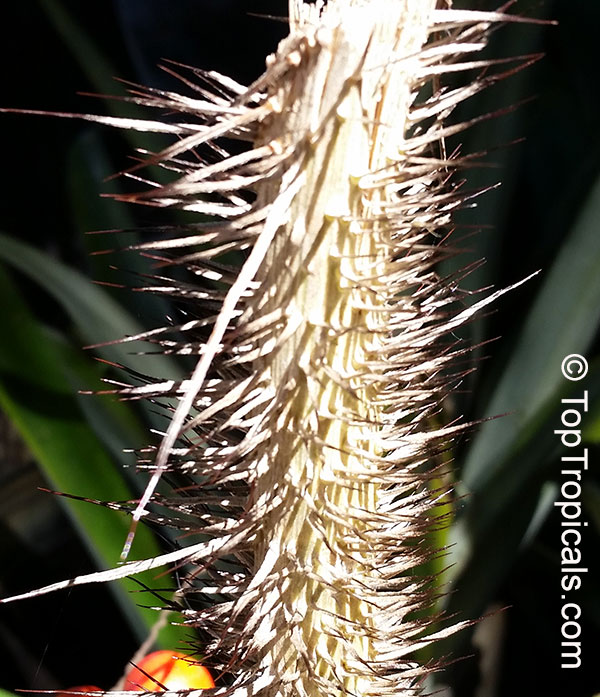
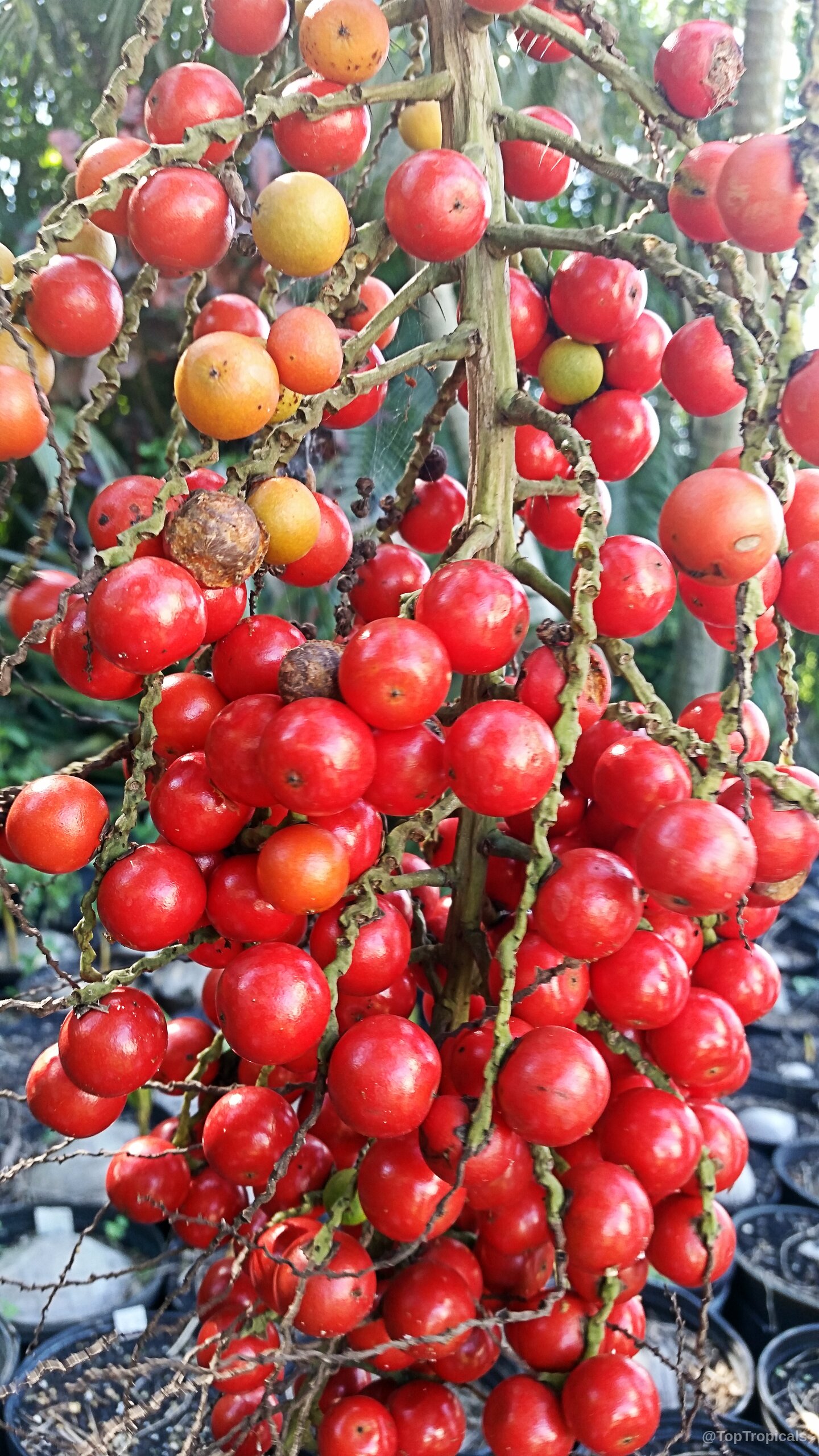
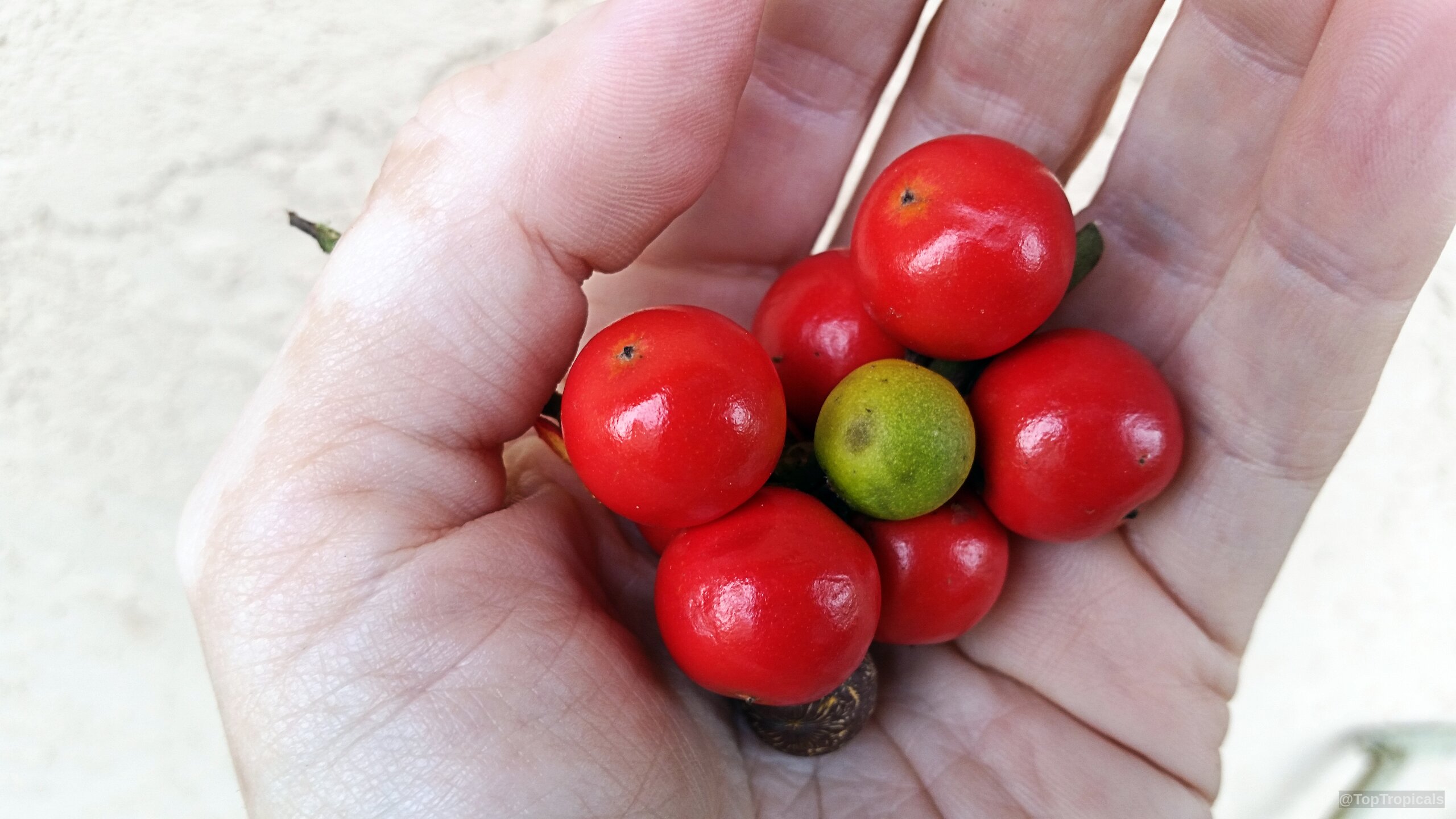
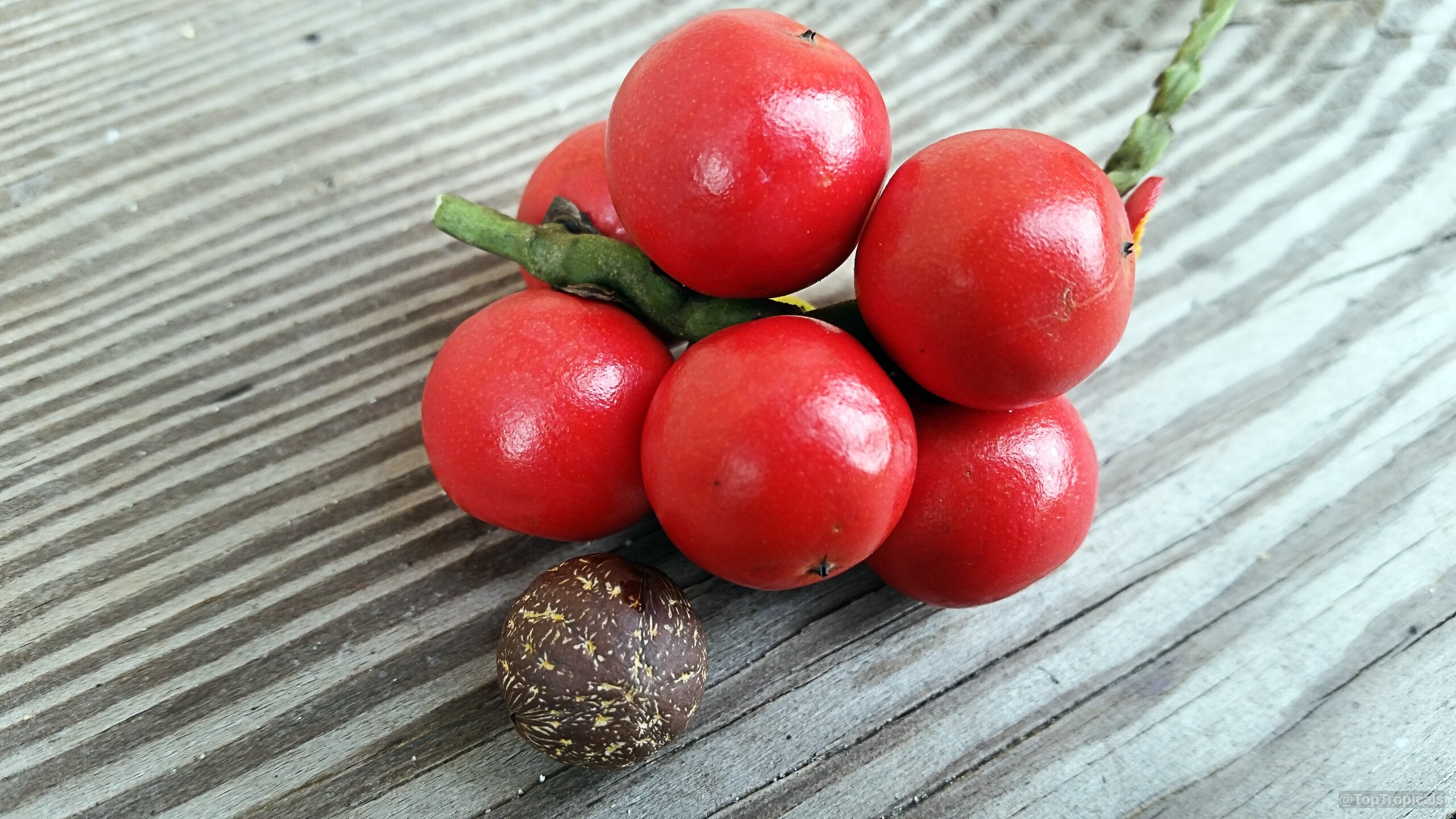
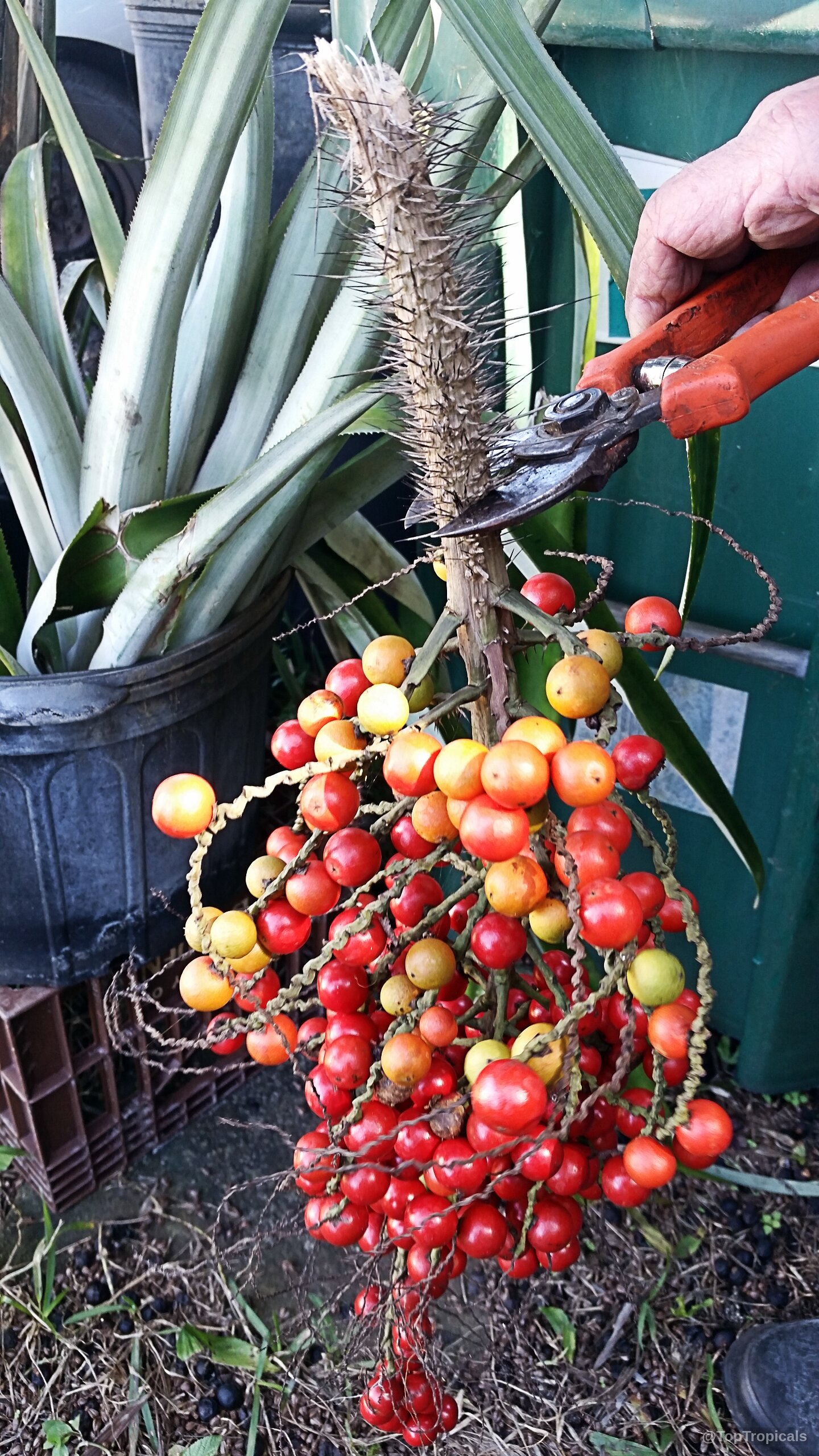
Very tasty coconut-like nuts! Good palm for semi-shade garden.
This very different dwarf palm from South America, has attractive spines all over it and fabulous, gracefully arching leaves, covered with white powder, with long, wavy, closely- spaced leaflets. The fragrant flowers produce clusters of red fruit making it ideal for conservatory or a warmer garden where it can actually stand occasional, but not hard freezing. A solitary, showy spiny small tree. In the wild it grows 9-15 feet tall with a stem diameter of 2-4 inches. The epicarp and mesocarp of the fruit are rich in carotene and are eaten in Colombia, while the seeds are eaten raw or used to make candles.
Recommended Fertilizer: SUNSHINE Robusta - Rapid Growth Booster
Local pickup only. This item is not available for shipping. Local delivery may be available in Ft. Myers or Sebring, Florida. Contact us for an estimate. Non-pickup orders are subject to restocking fees.
 SUNSHINE C-Cibus (NPK 2-2-4) - Crop Booster for every watering.
  SUNSHINE C-Cibus (NPK 2-2-4) - Crop Booster for every watering.
 Last one
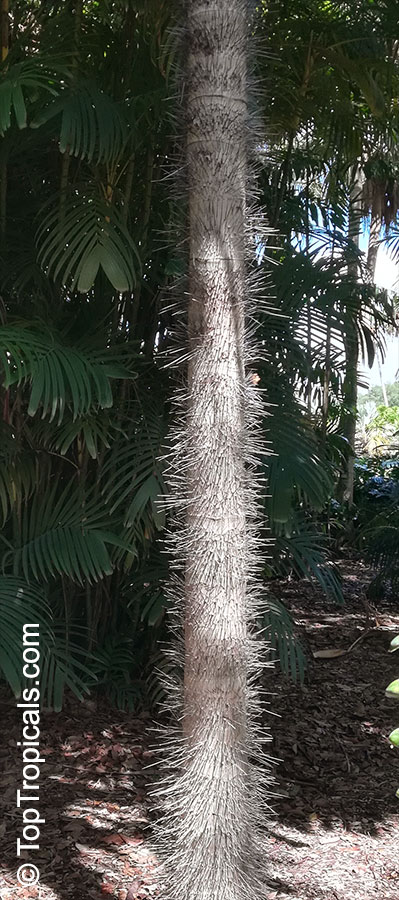
Botanical names: Aiphanes minima, Bactris minima
Common name: Macaw Palm
Family: Arecaceae / Palmae
Origin: Caribbean
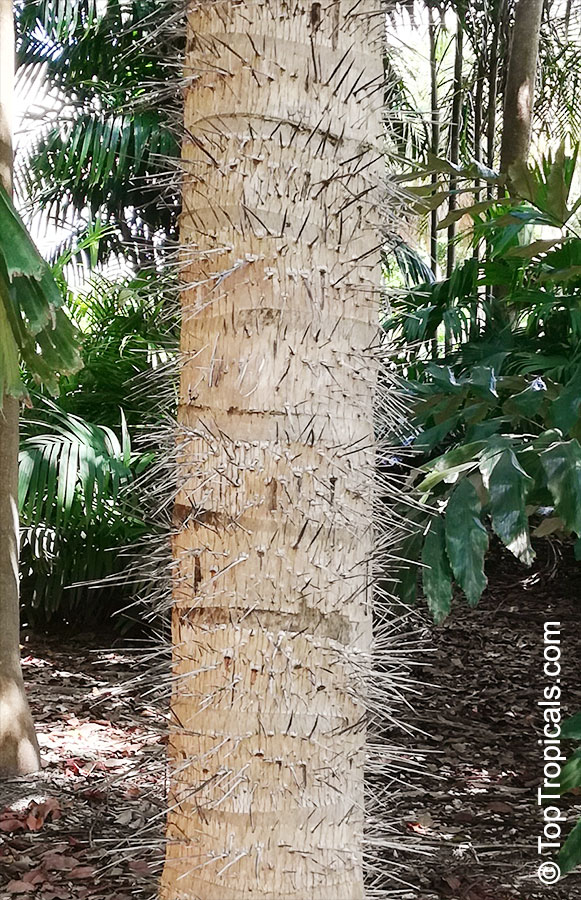
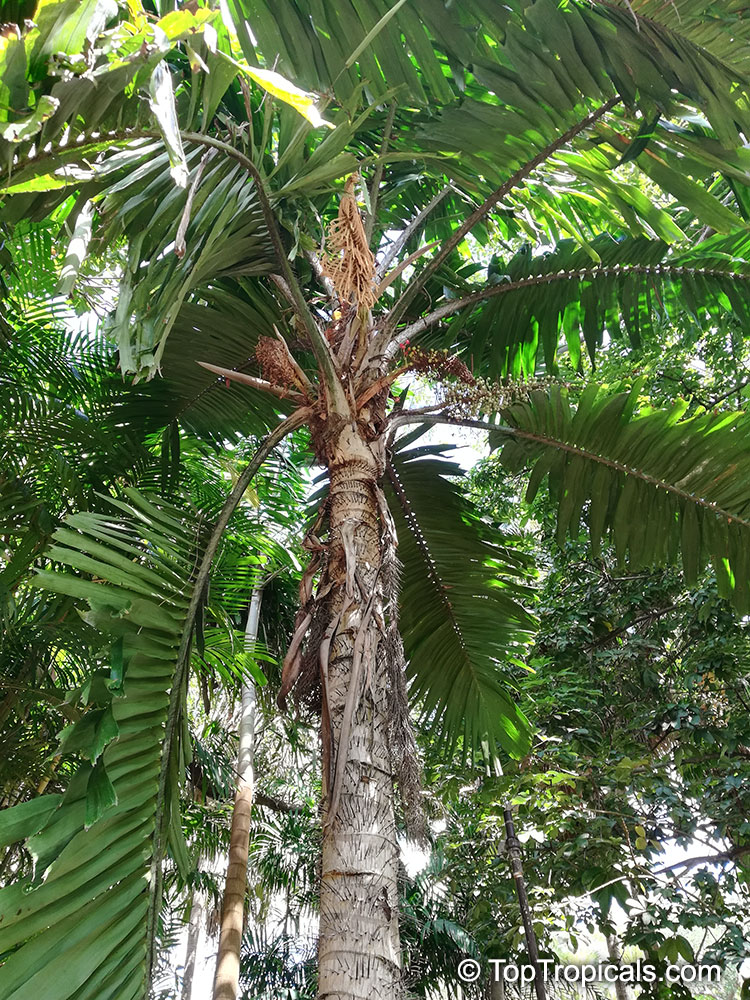
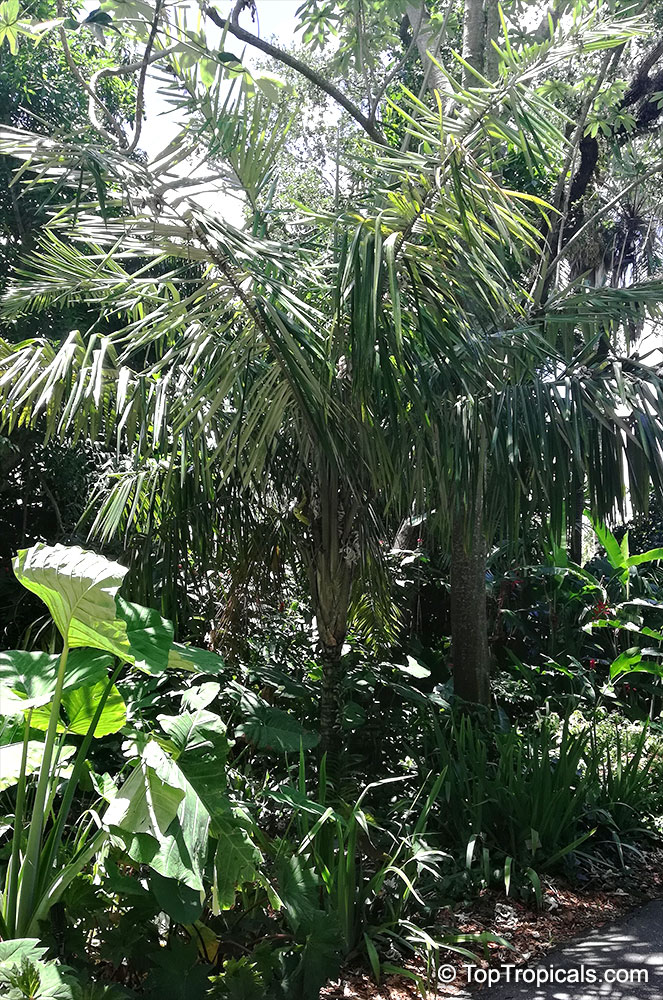
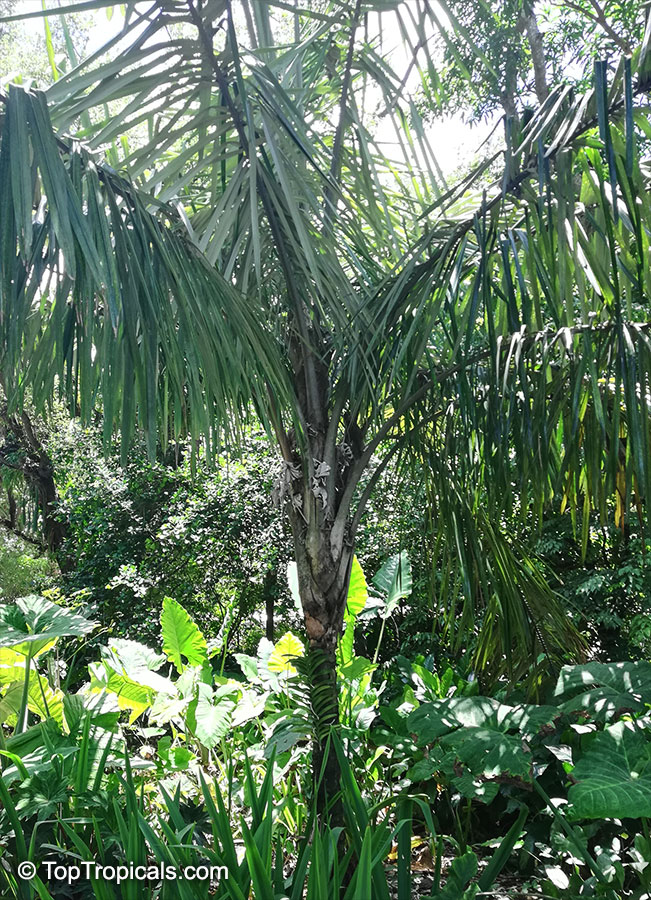
Botanical name: Allagoptera caudescens
Common name: Buri Palm
Family: Arecaceae / Palmae
Origin: Brazil


Allagoptera caudescens is a large, upright, palm growing up to 5-10 feet tall in its native habitat. It prefers full sun and regular watering, although it can tolerate some drought. It is an excellent choice for seaside gardens as it is extremely salt tolerant, making it perfect for areas with wind and salty air. This slow-growing species can be grown in USDA Zones 9-11 and requires moderate water for best results.
In colder regions, outdoors, the Buri Palm does best with winter protection or in a container, as temperatures below 20°F can damage the plant. When growing this species in a container, it is recommended to use a high quality potting mix, making sure it stays well drained, as soggy soils can lead to root rot. During the growing season, water your Allagoptera caudescens regularly, allowing the top few inches of the soil to dry out in between waterings. Apply a balanced liquid fertilizer every few weeks during the active growing season for optimal growth.
| Next | |
Use link to repeat this search:
https://toptropicals.com/cgi-bin/garden_catalog/cat.cgi?search_op=and&keyword_op=and&language=e&number=5&no_change_lang=1
&v1=plm&user=tt&sale=1&first=0