Blue, lavender, purple flowers - Plant Encyclopedia Results
| Number of plants found: 479 | Next | 
|
Go to page: | 1 | 2 | 3 | 4 | 5 | Last |
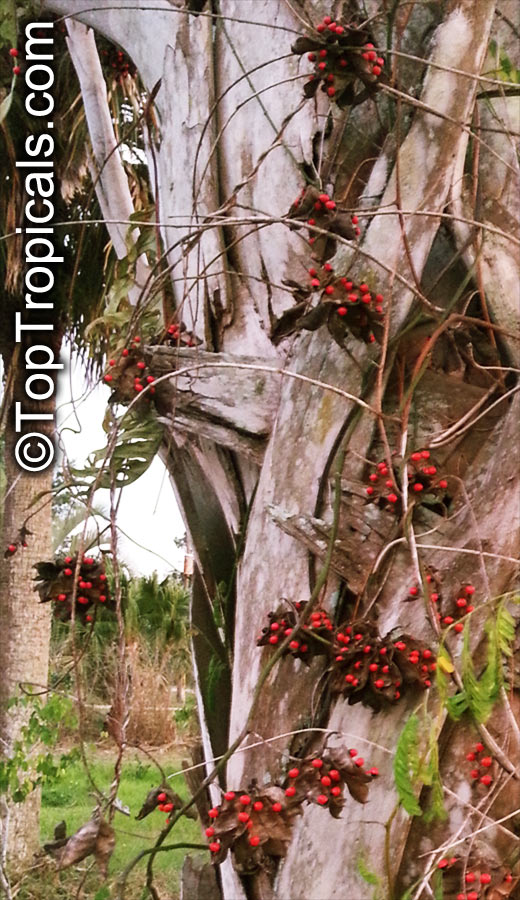
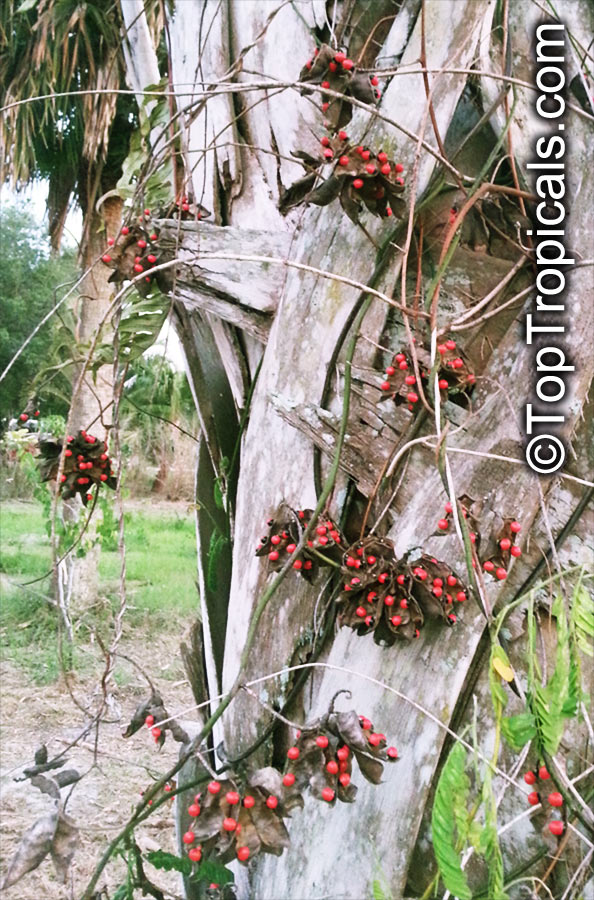
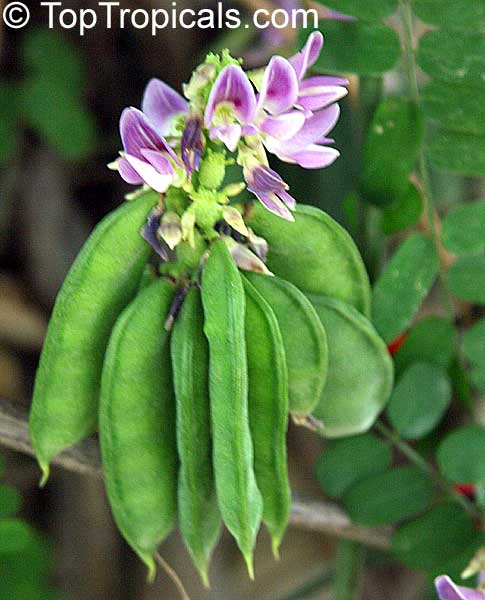
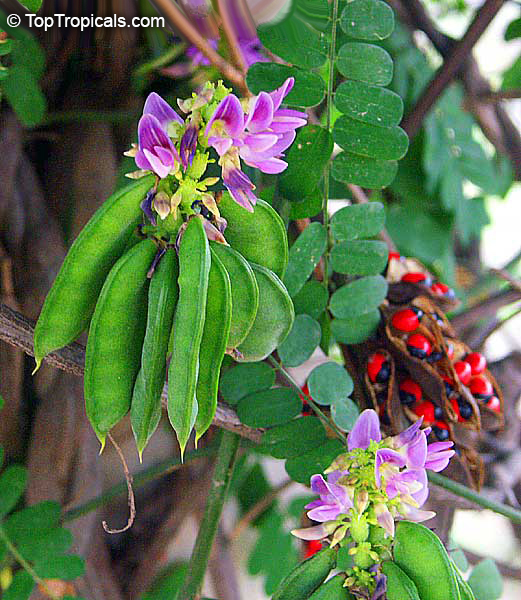
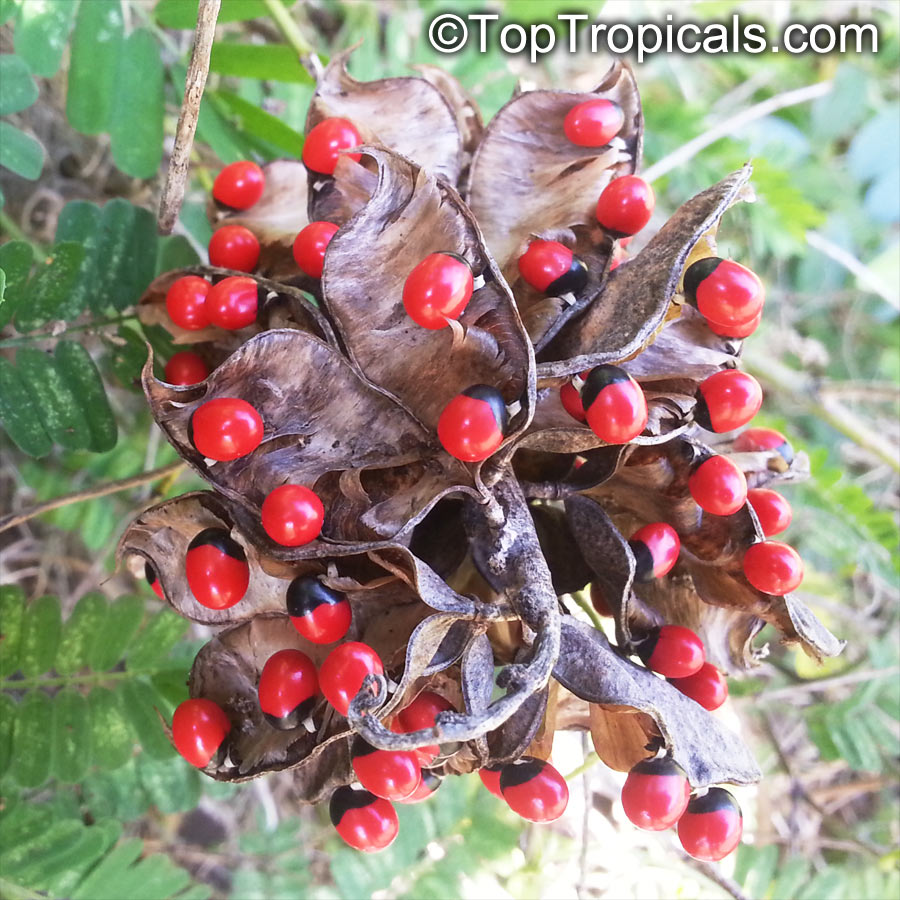
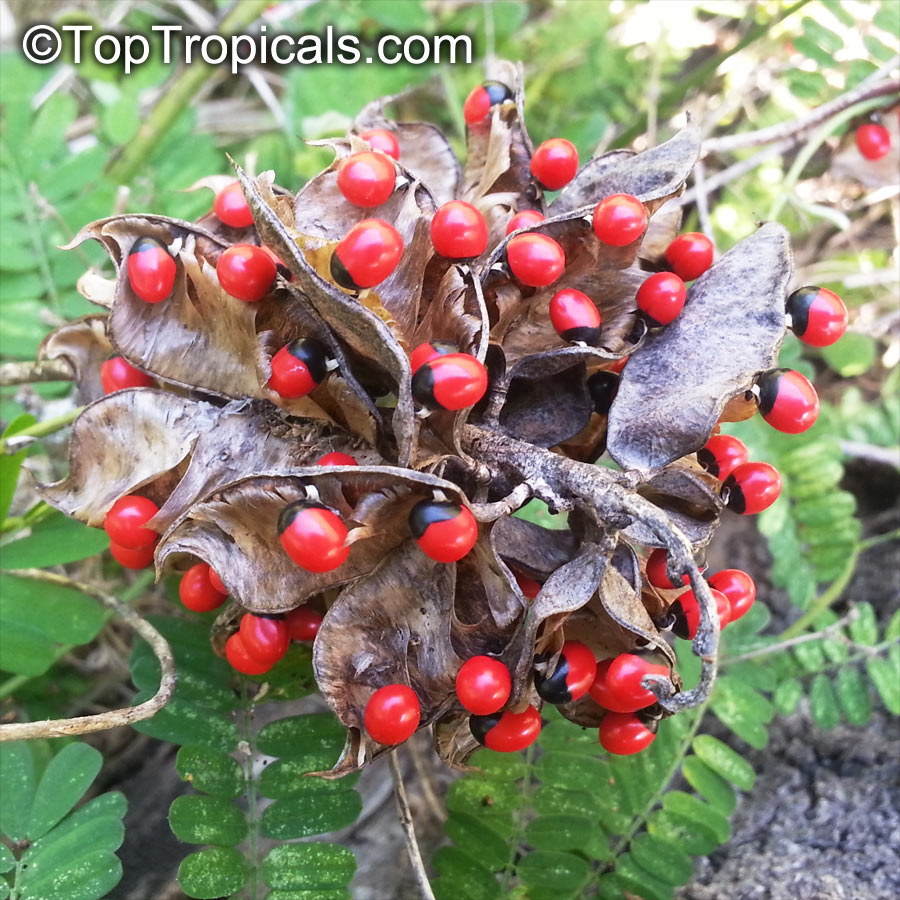
Botanical name: Abrus precatorius
Common names: Buddhist rosary bead, Rosary pea vine, Carolina muida, Deadly crab's eye, Lucky bean, Prayer beads, Weather plant, Wild liquorice
Family: Fabaceae
Subfamily: Faboideae
Origin: India, Sri Lanka, Thailand


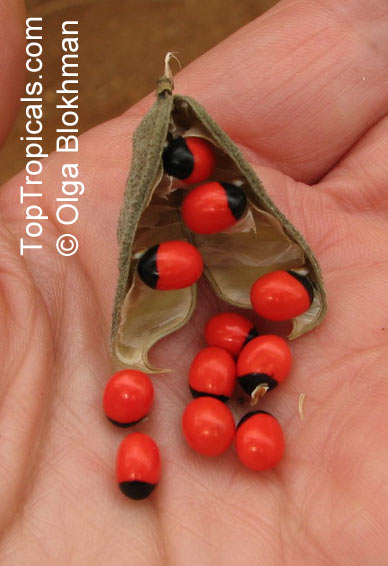
Abrus precatorius has small pretty purple flowers located at the end of the stalks. Fruits are short, inflated pods, splitting open when mature to reveal the round; hard and shiny seeds which are scarlet, but black at the base. Seeds contain abrin, one of the most toxic plant poisons known.
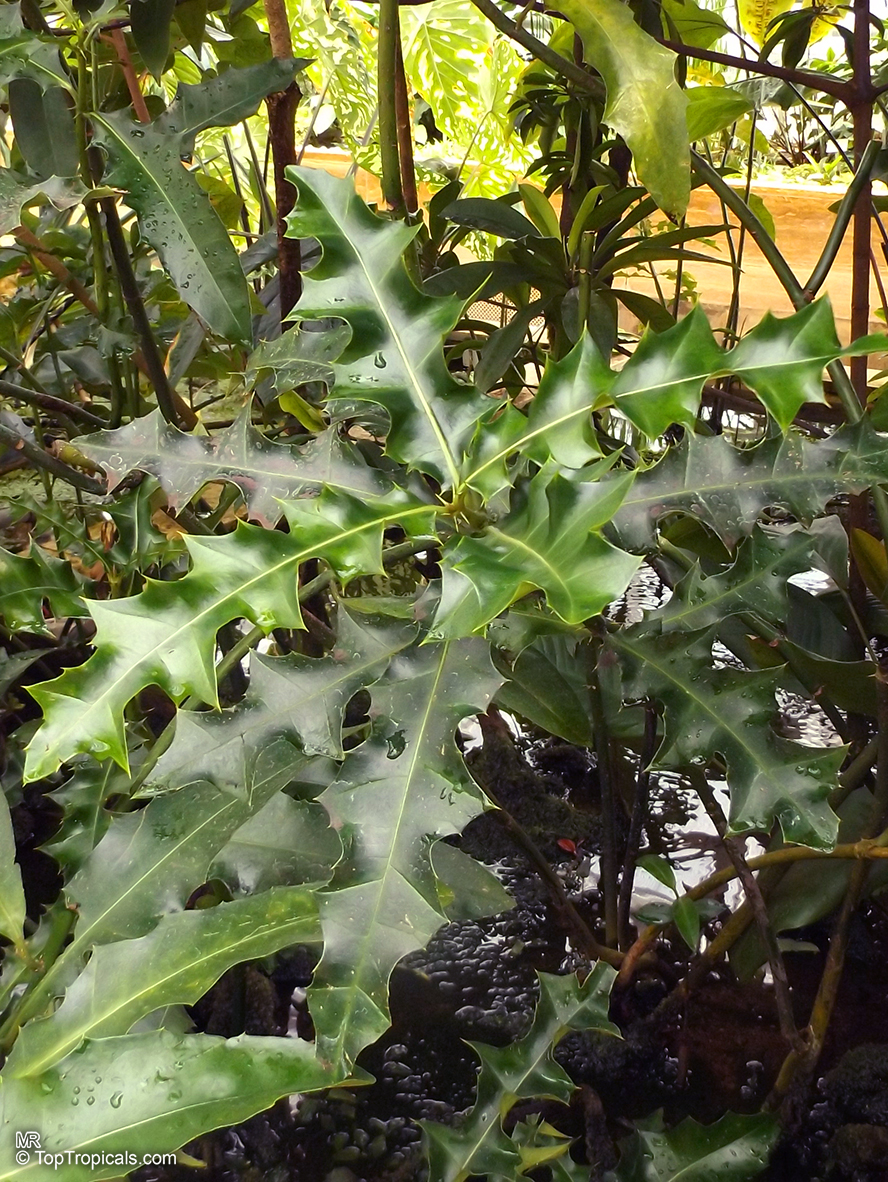
Botanical name: Acanthus ilicifolius
Common names: Holly-leaved Acanthus, Sea Holly, Holy Mangrove
Family: Acanthaceae
Origin: India, Polynesia


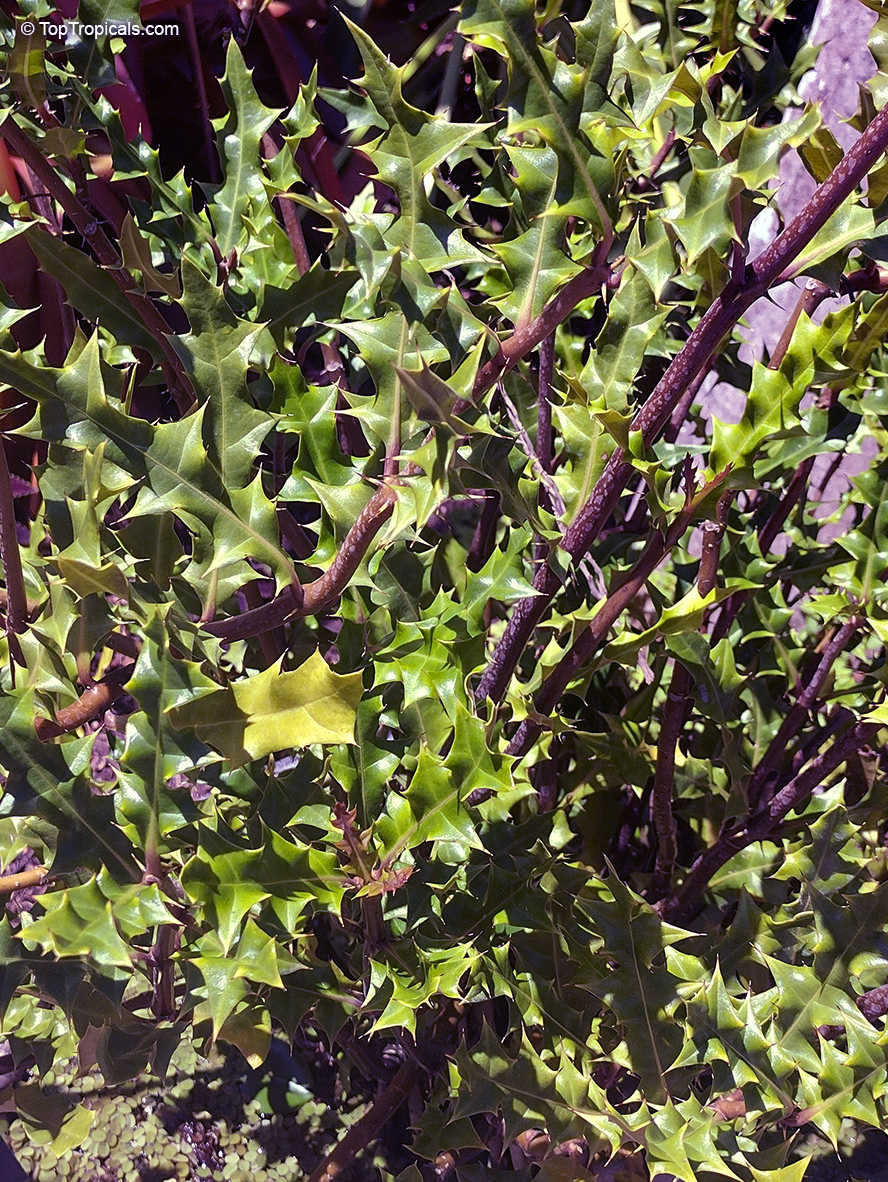
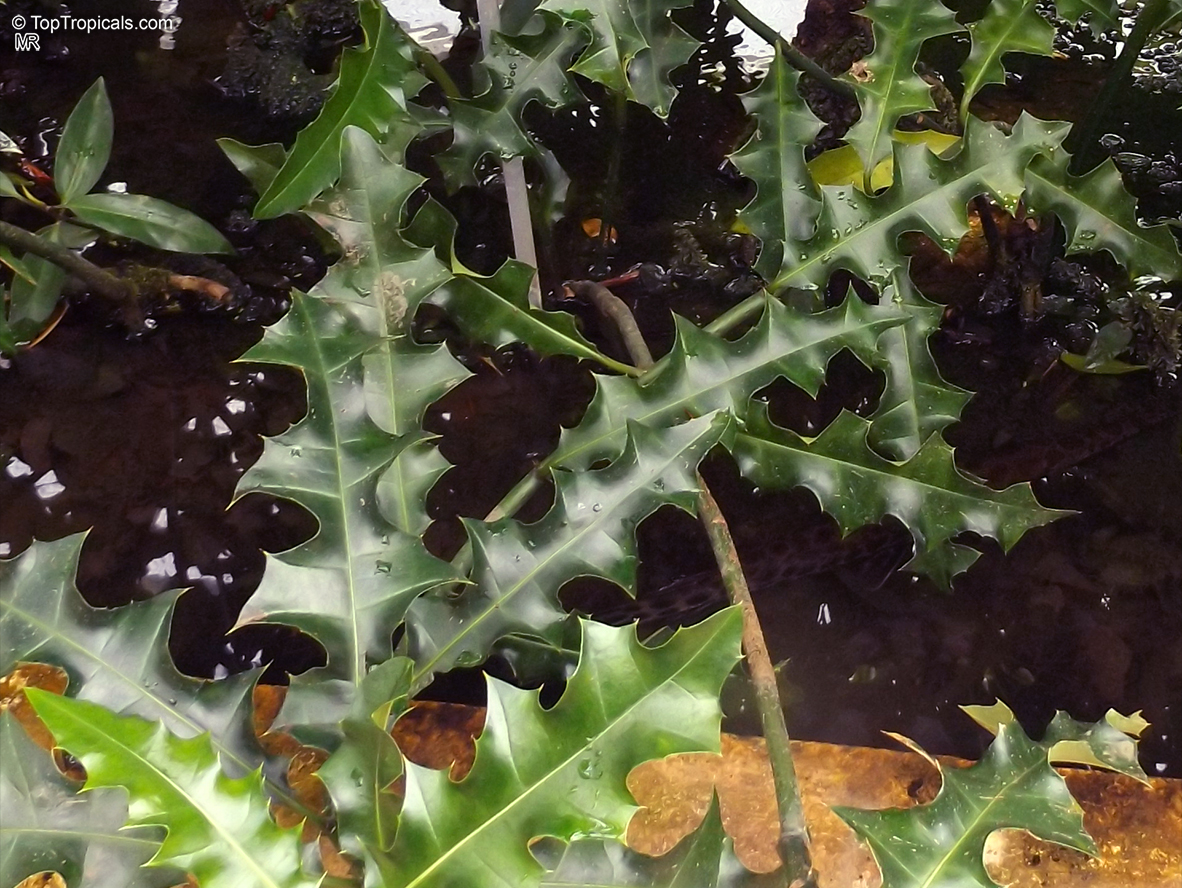
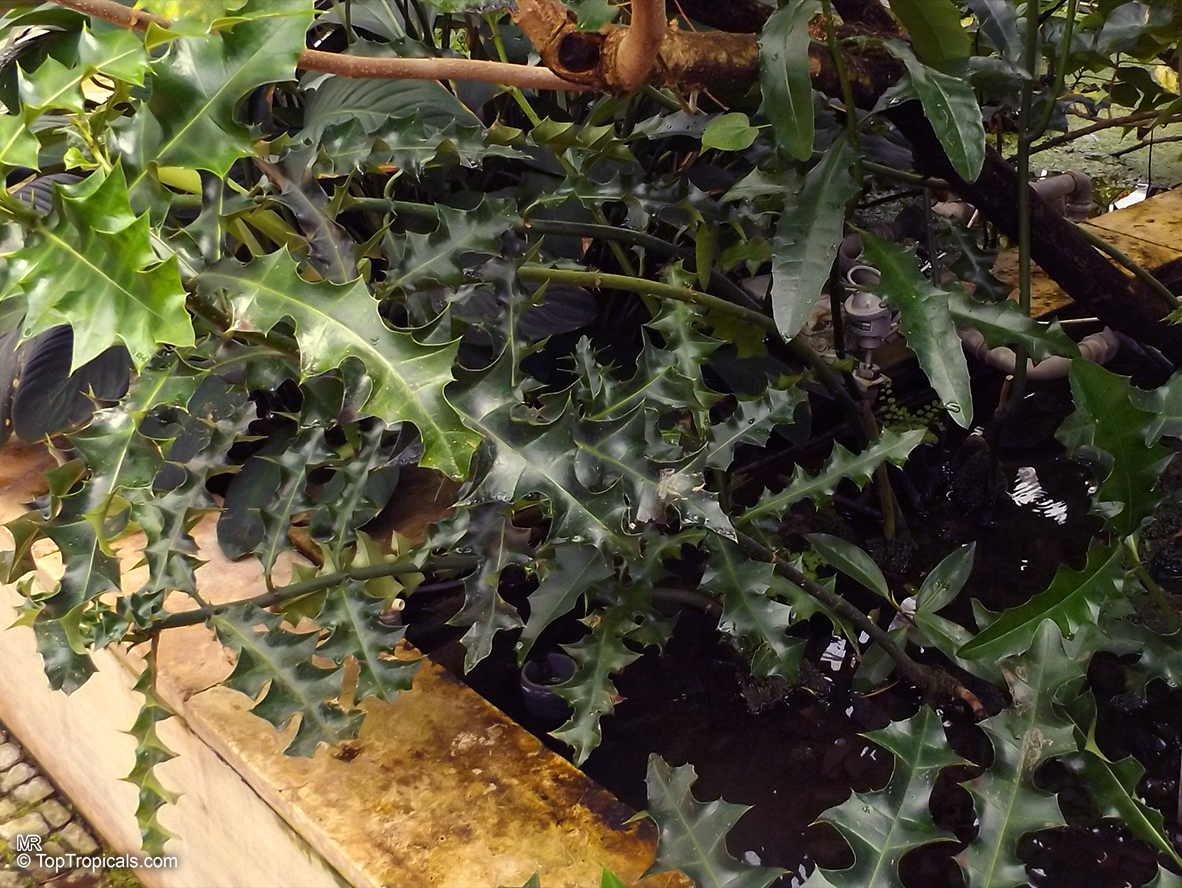
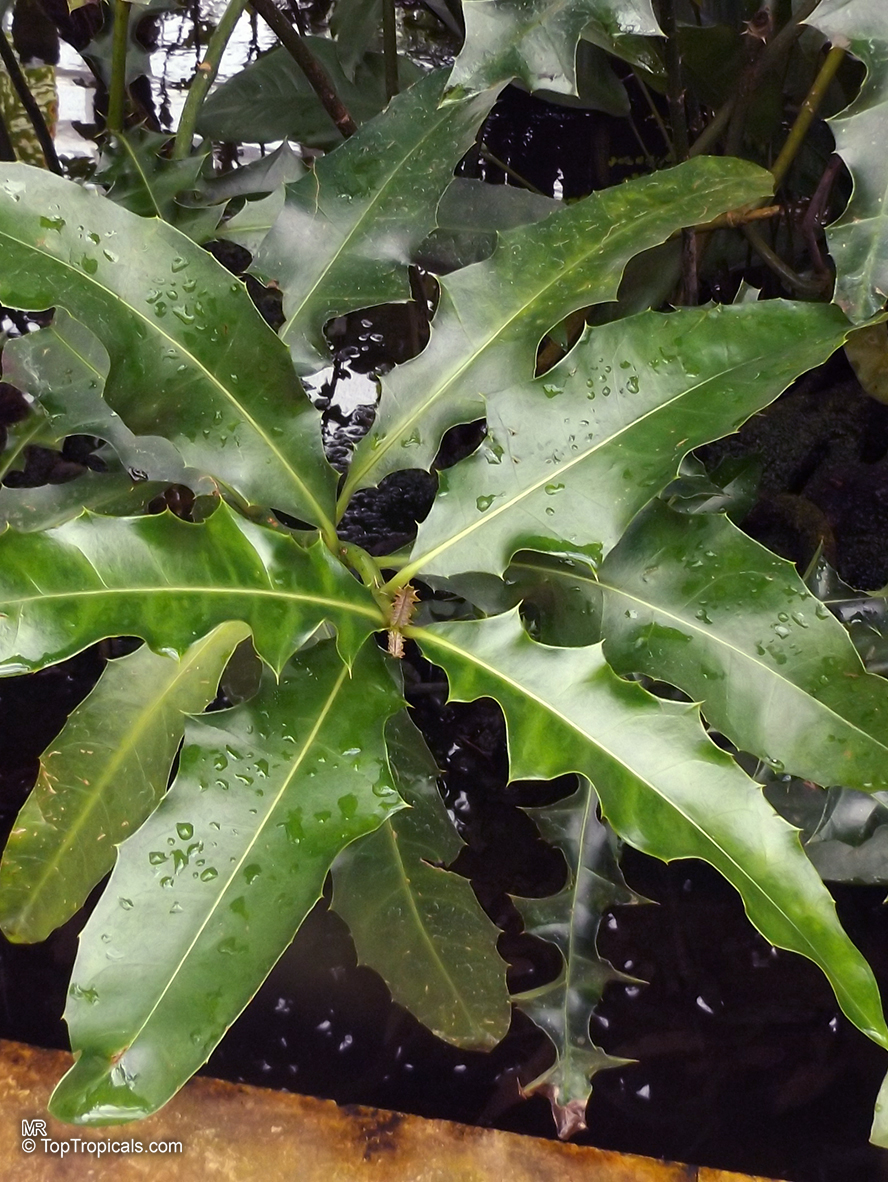
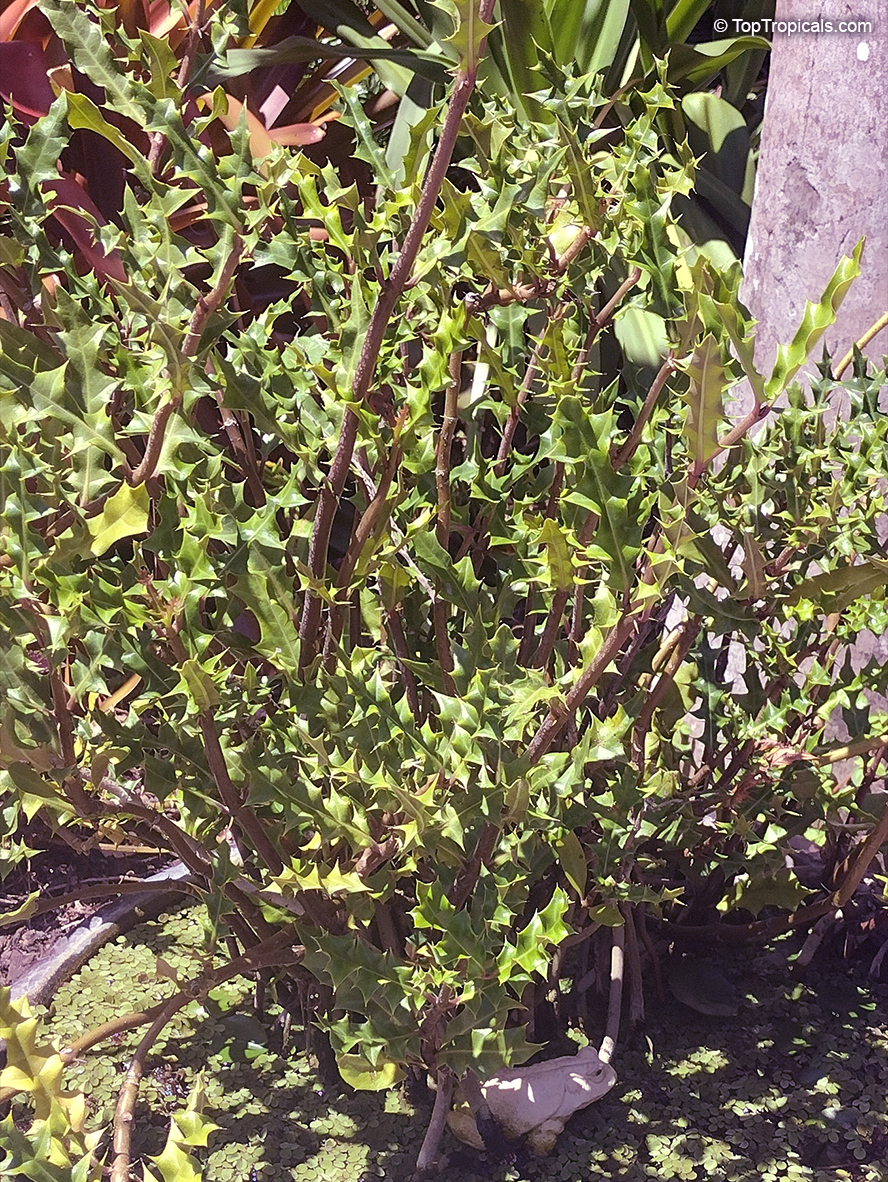
Acanthus ilicifolius, or Holly-leaved Acanthus, is a perennial plant native to India and Polynesia. This plant can reach a large size, typically growing up to 5-10 ft tall. It has a semi-woody and sprawling structure, with thin stems coated in a glossy green hue speckled with white. The leaves are oval-shaped with a pair of spines at each angle.
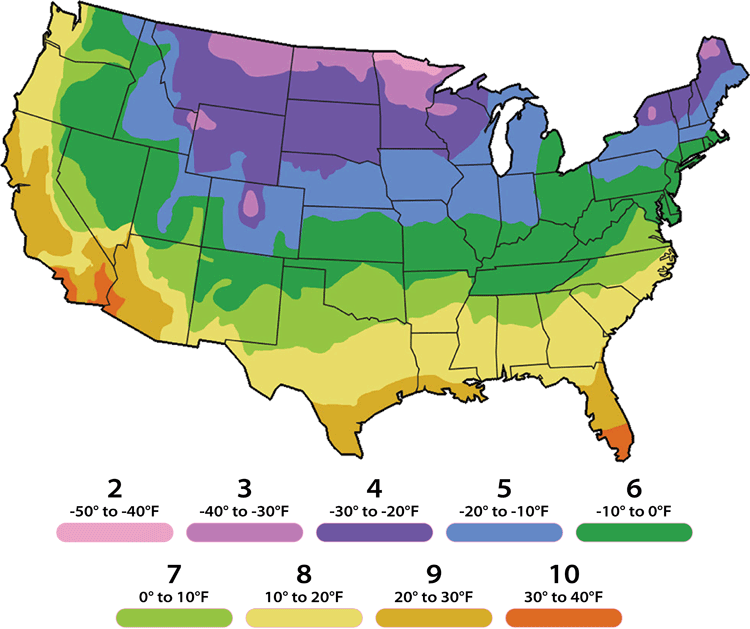
Holly-leaved Acanthus prefers full sun to semi-shade and can be grown either in a bog or aquatic environment. It requires plenty of moisture as well as regular watering to stay healthy and vibrant. This plant also tolerates flooding and salty conditions near the seaside very well. Therefore, it can be a great addition to any garden in the USDA hardiness zone of 8-11.
The Holly-leaved Acanthus is adorned with clusters of beautiful blue, lavender and purple flowers. It is also an ethnomedical plant, hence its use in traditional medicine. Its stems are thorny or spiny and may require careful handling when handling.
When growing Holly-leaved Acanthus in a pot, it is essential to keep the soil moist and use quality organic potting soil. A location with some protection from the elements is preferred in colder regions as well as a winter mulching of thick straw to prevent frost damage. Additionally, it is important to keep an eye out for any pests and diseases that may occur and act appropriately to keep the plant healthy.
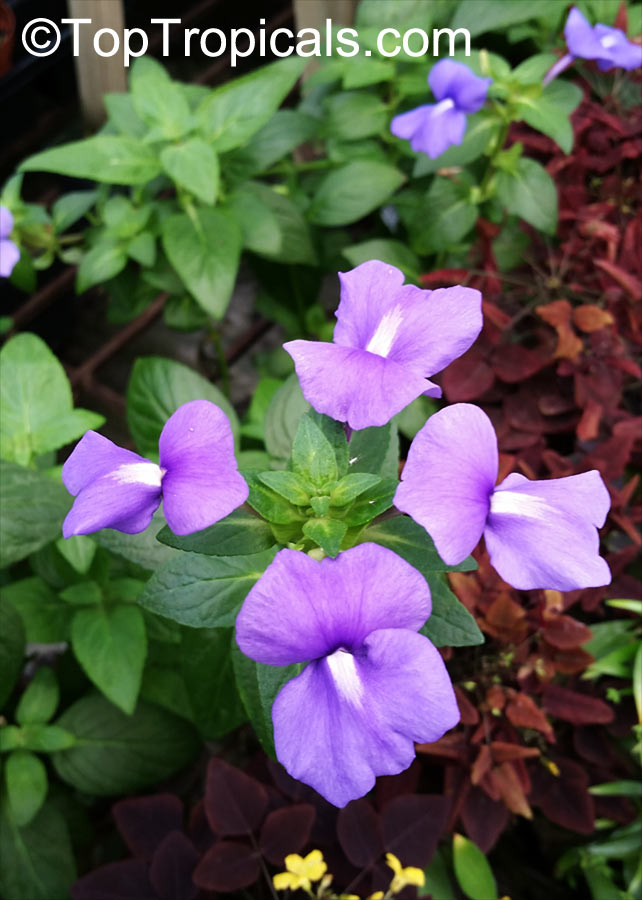
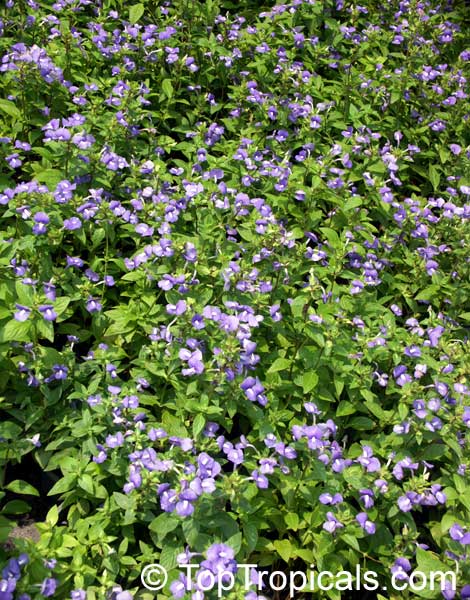
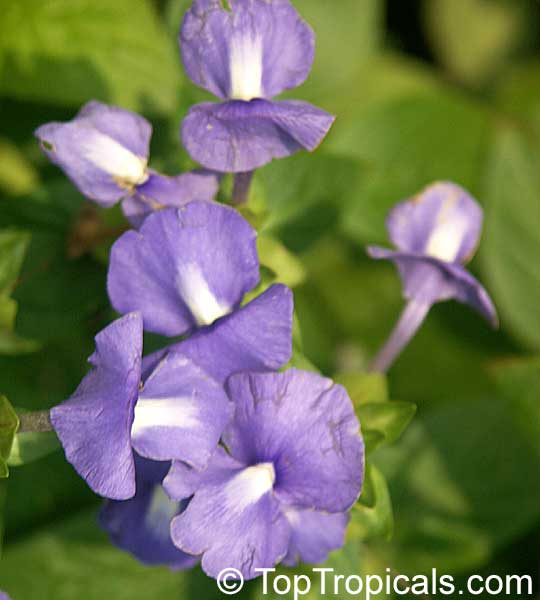
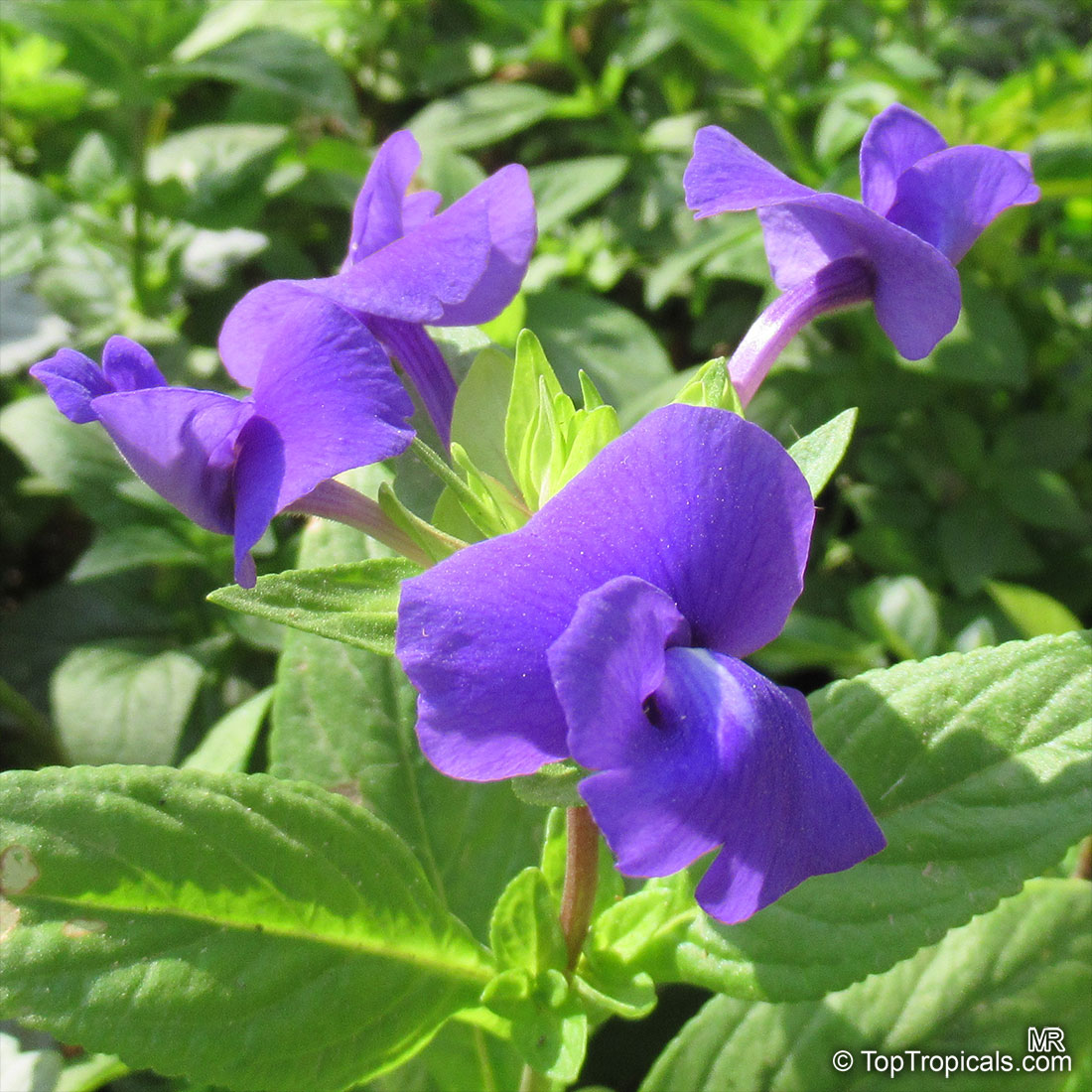
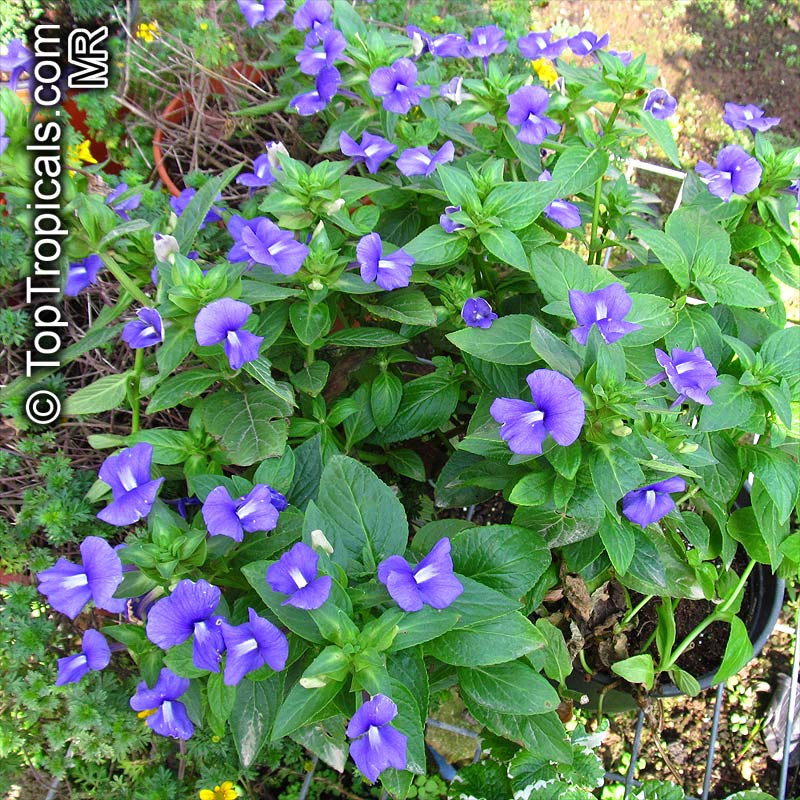
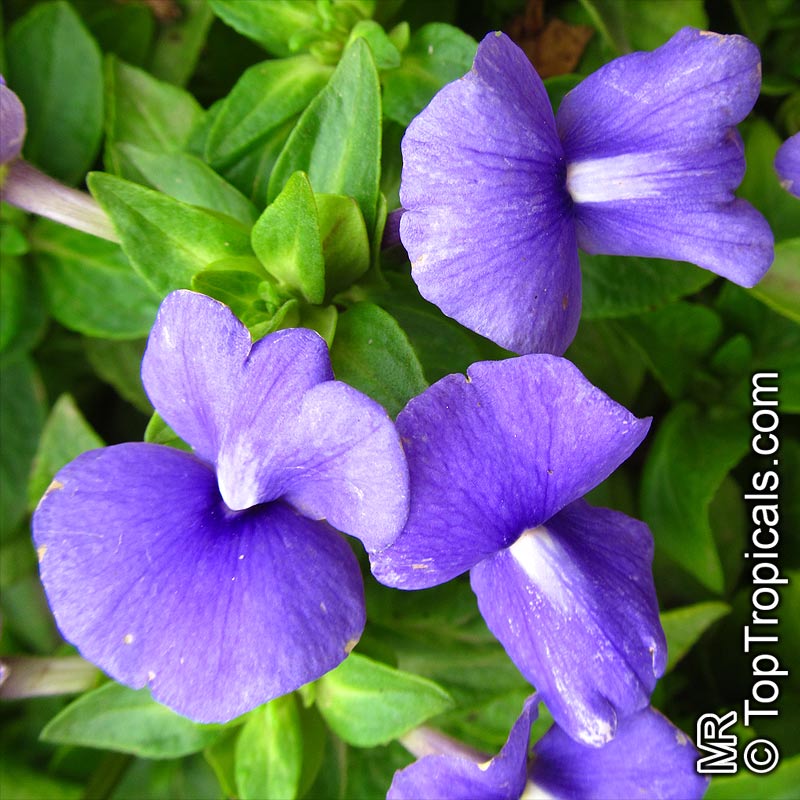
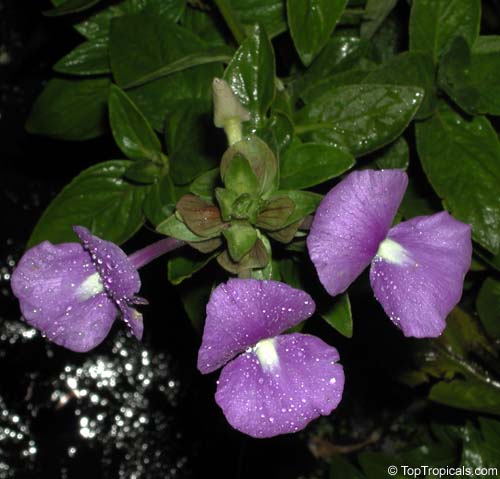
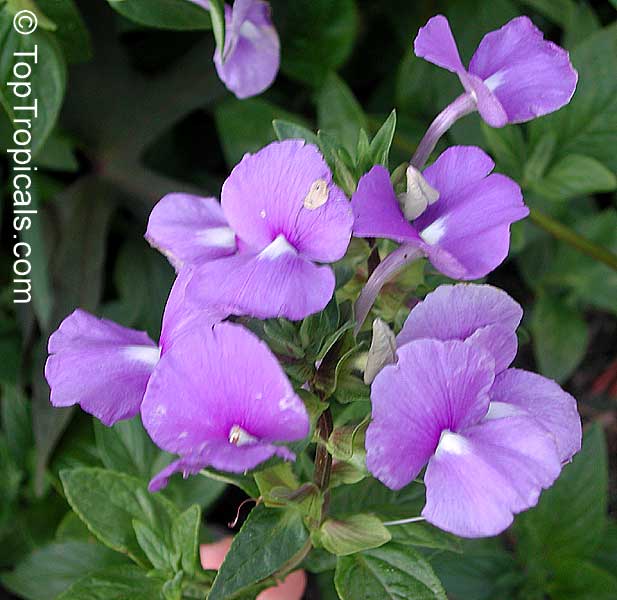
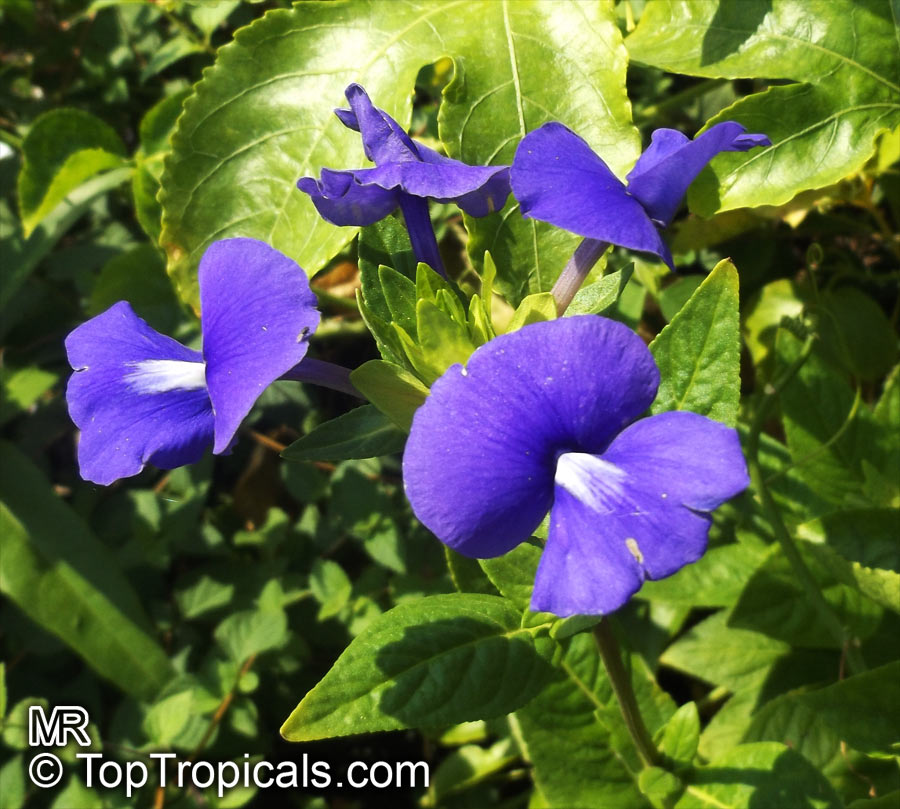
Botanical names: Achetaria azurea, Otacanthus caeruleus
Common names: Brazilian Snapdragon, Amazon Blue
Family: Plantaginaceae
Origin: Brazil

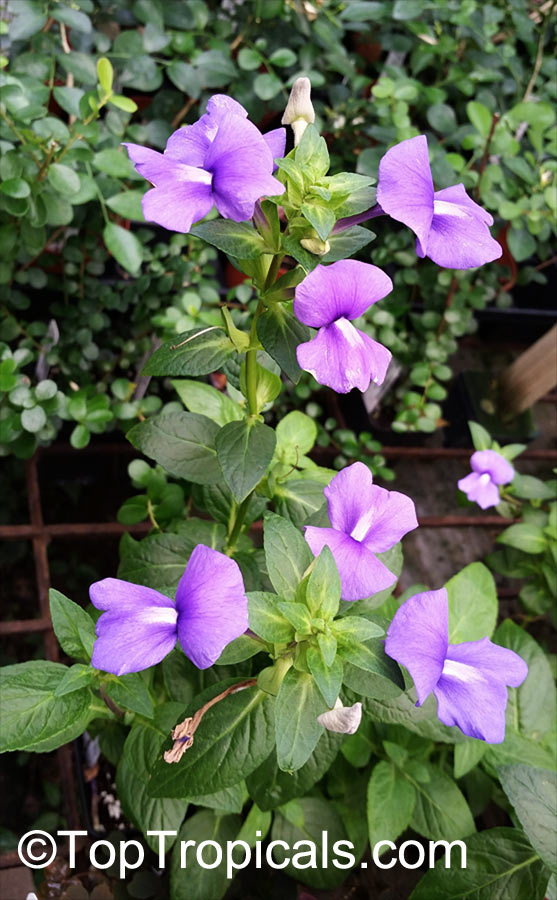
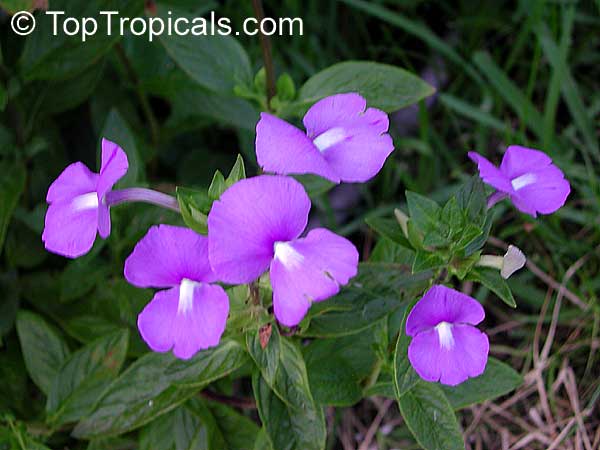
Free branching spreading small shrub with bluish mauve flowers with white eye. Leaves are very fragrant resembling pine scent. Everbloomer. Prefers acid soil.

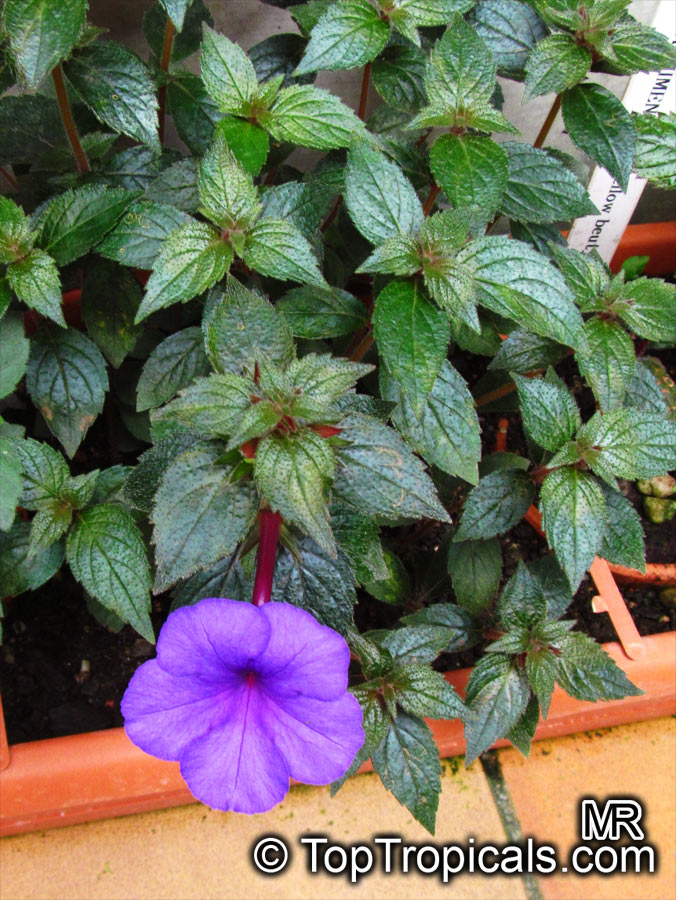
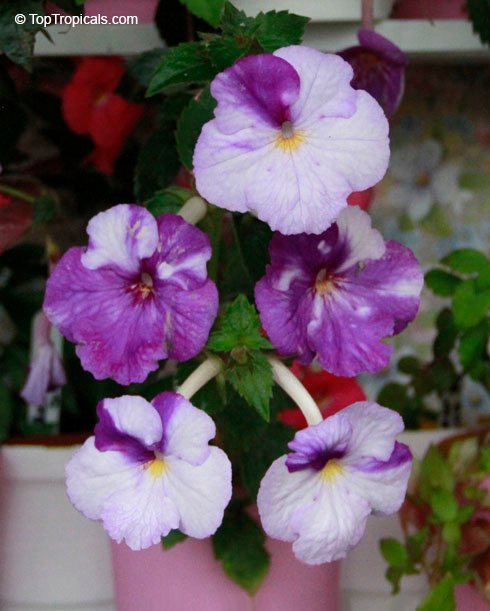
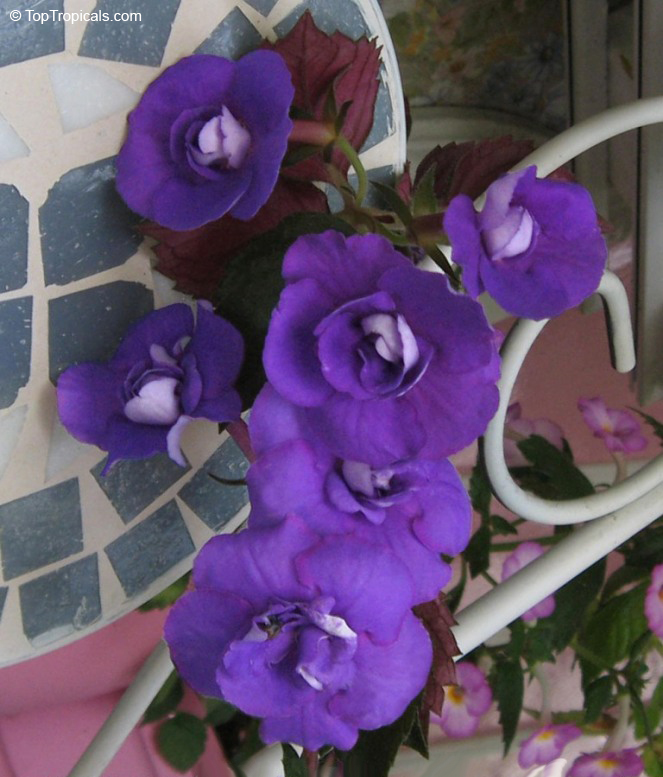
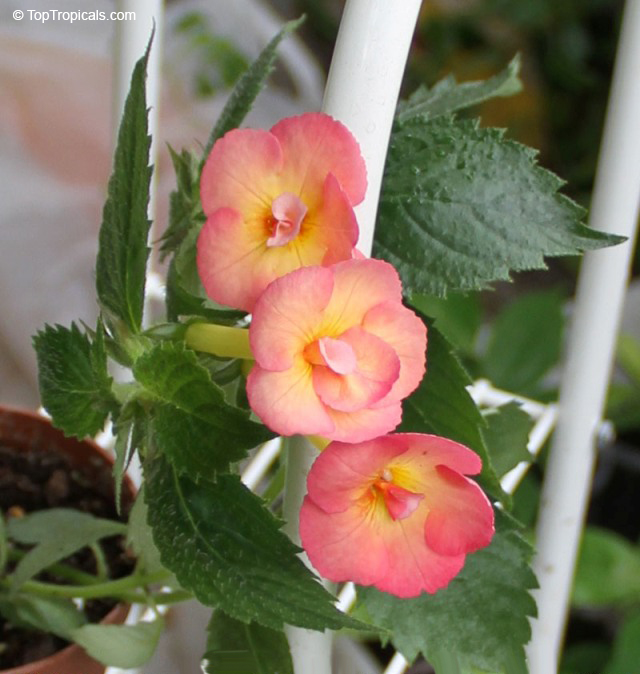
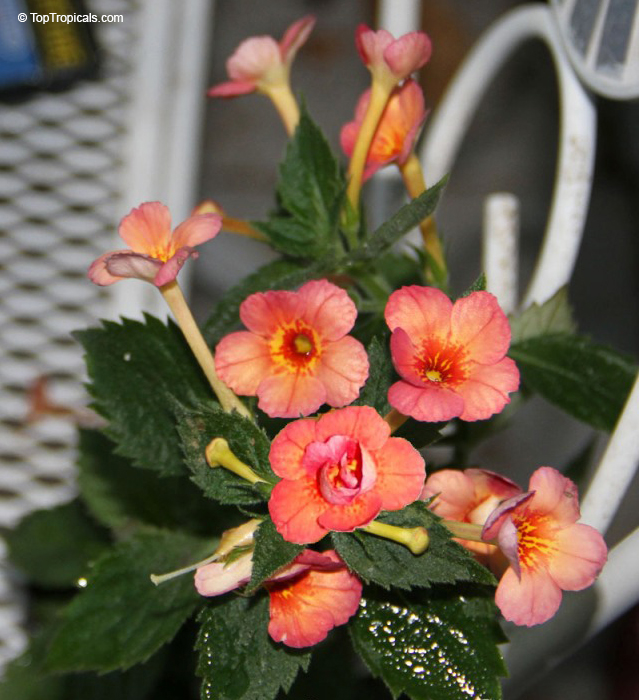
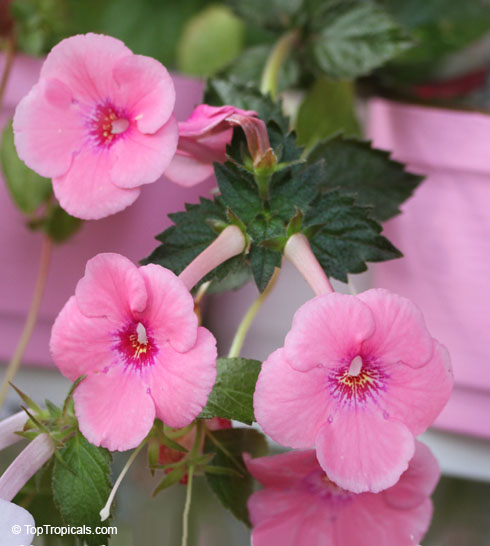
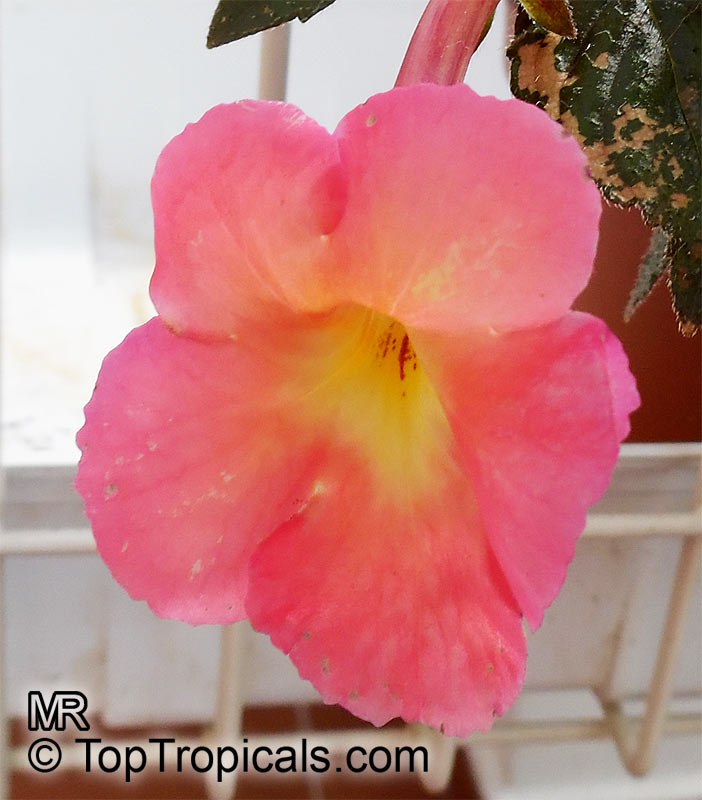
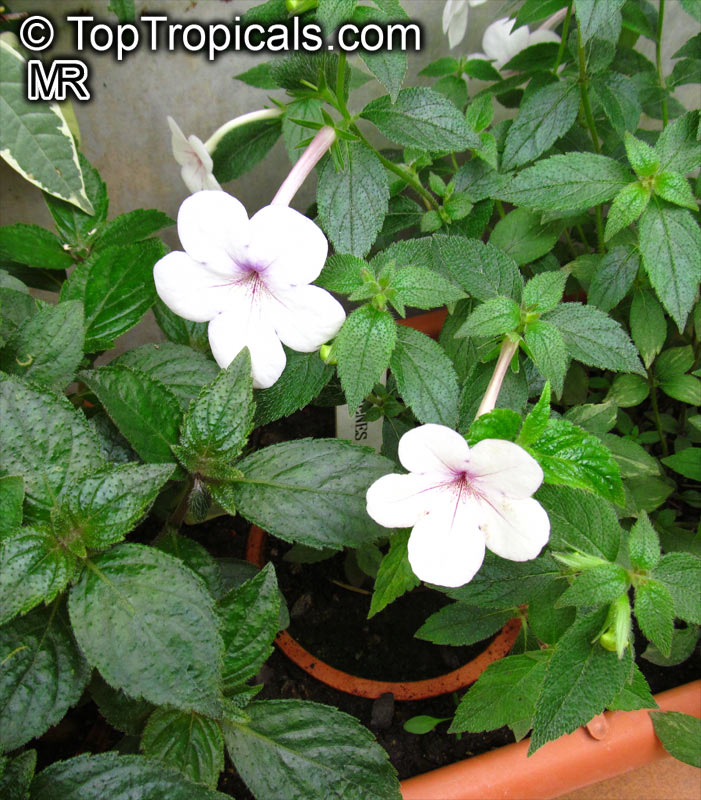
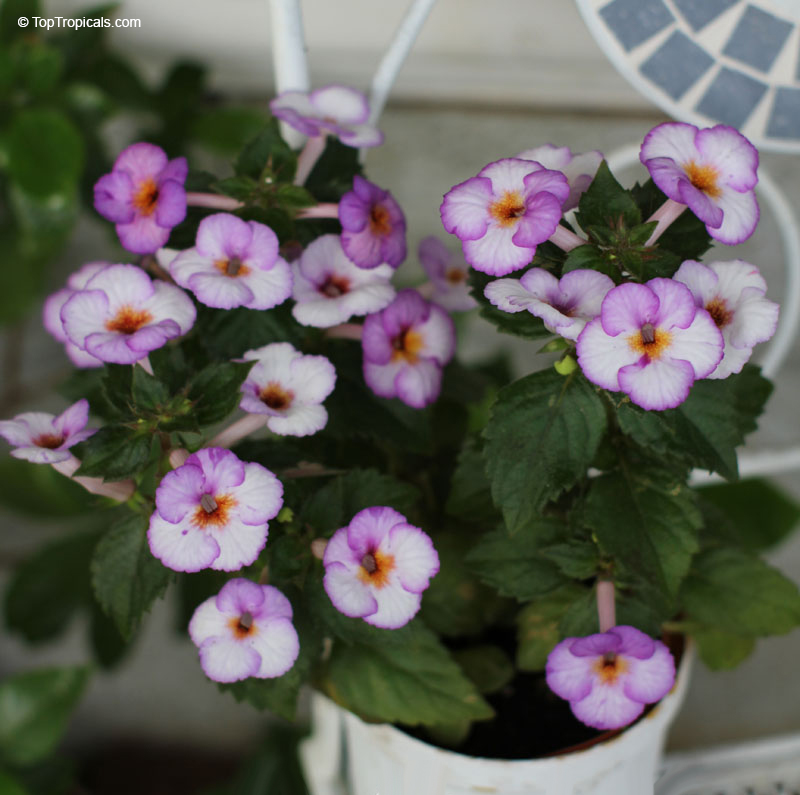
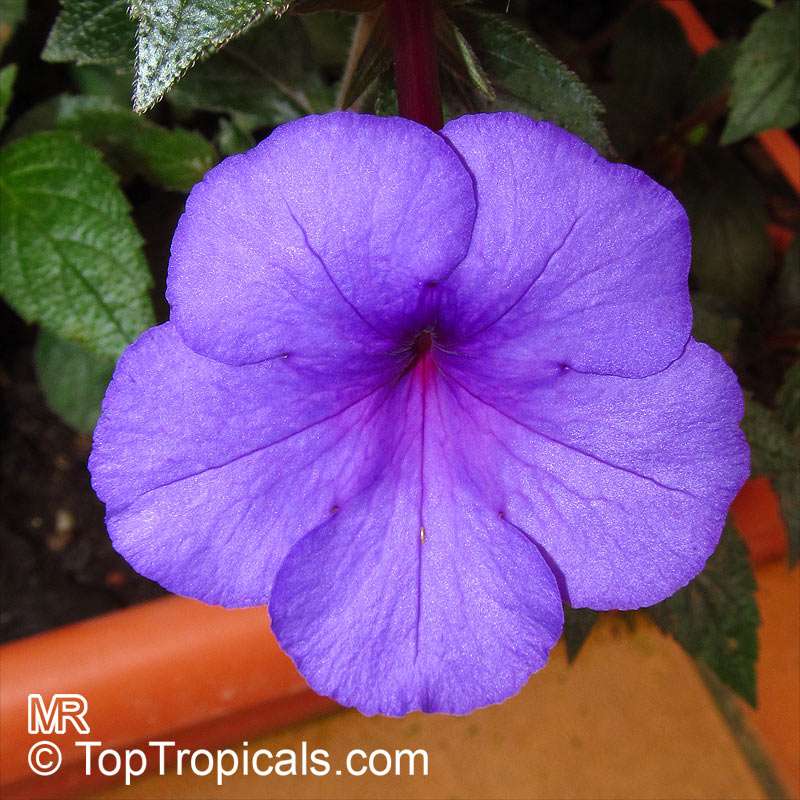
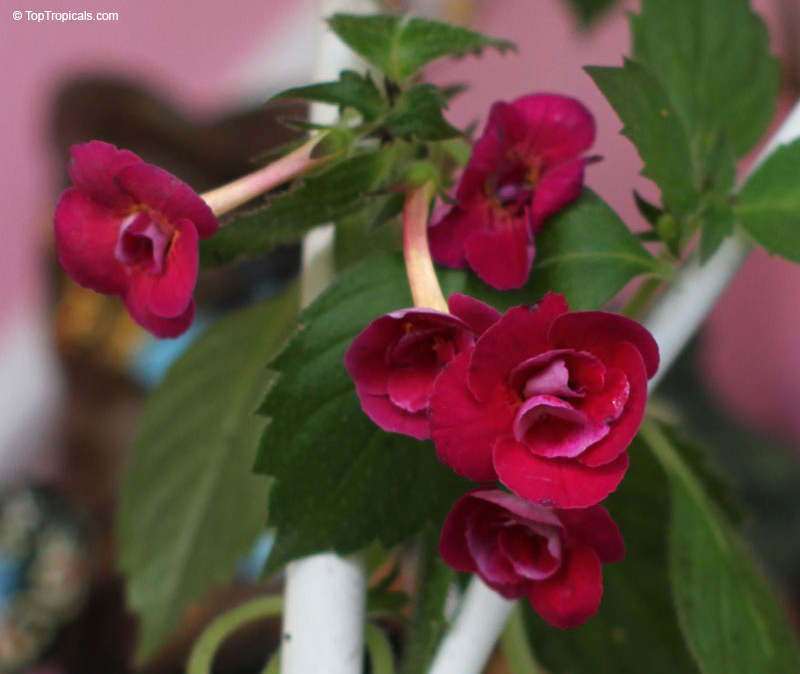
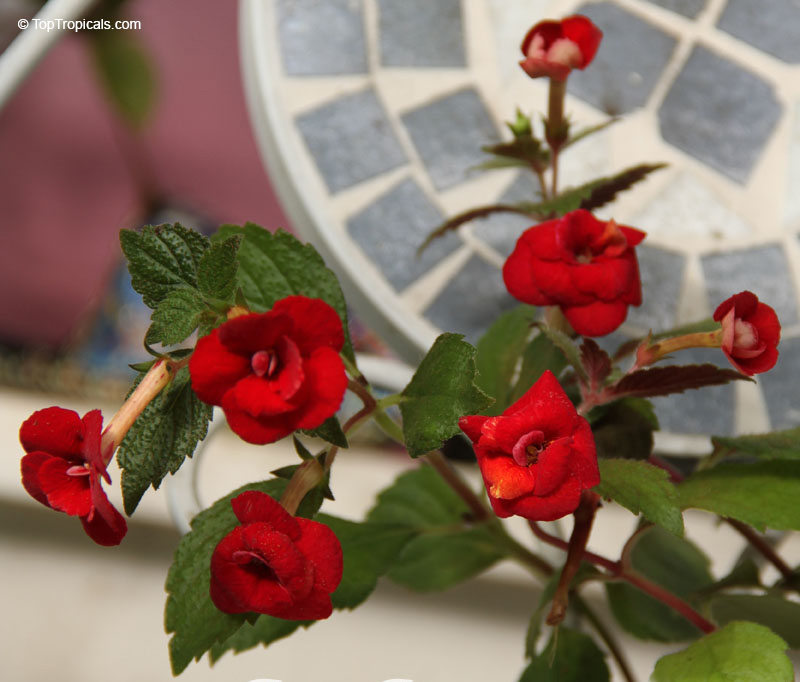
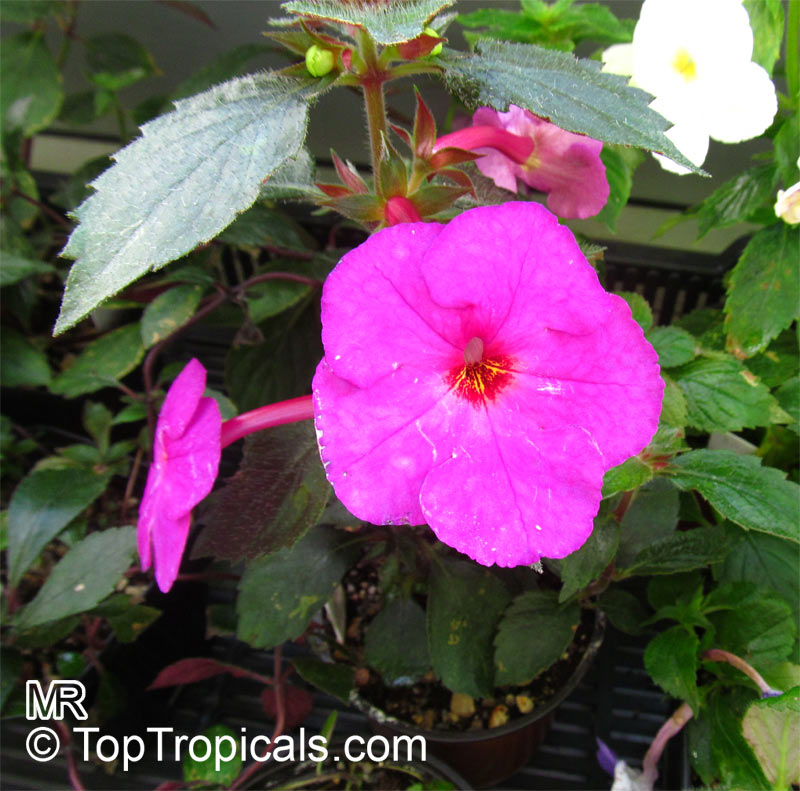
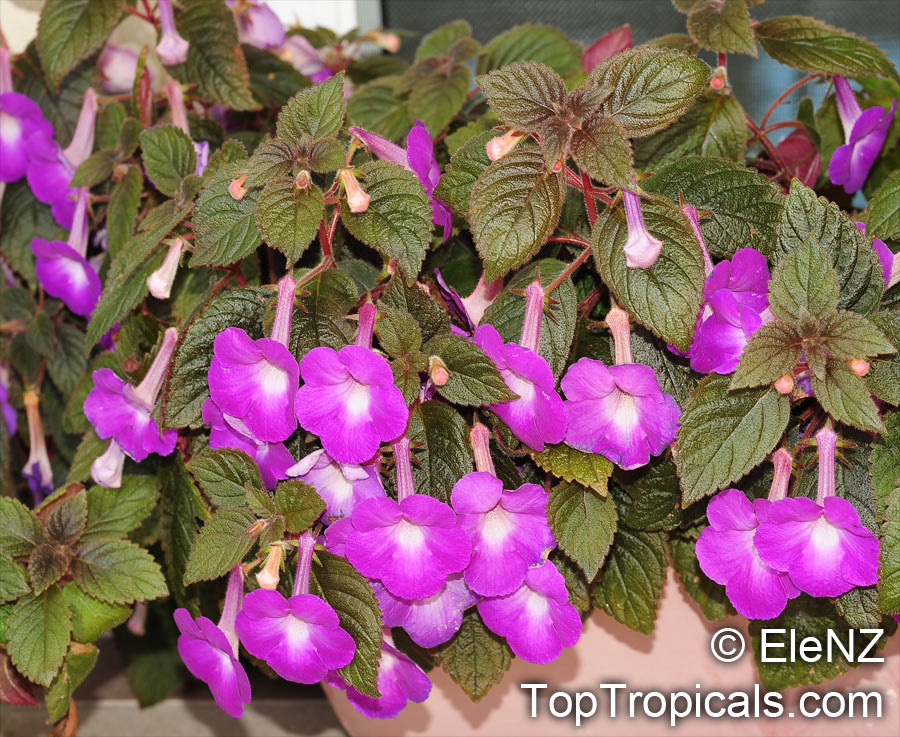
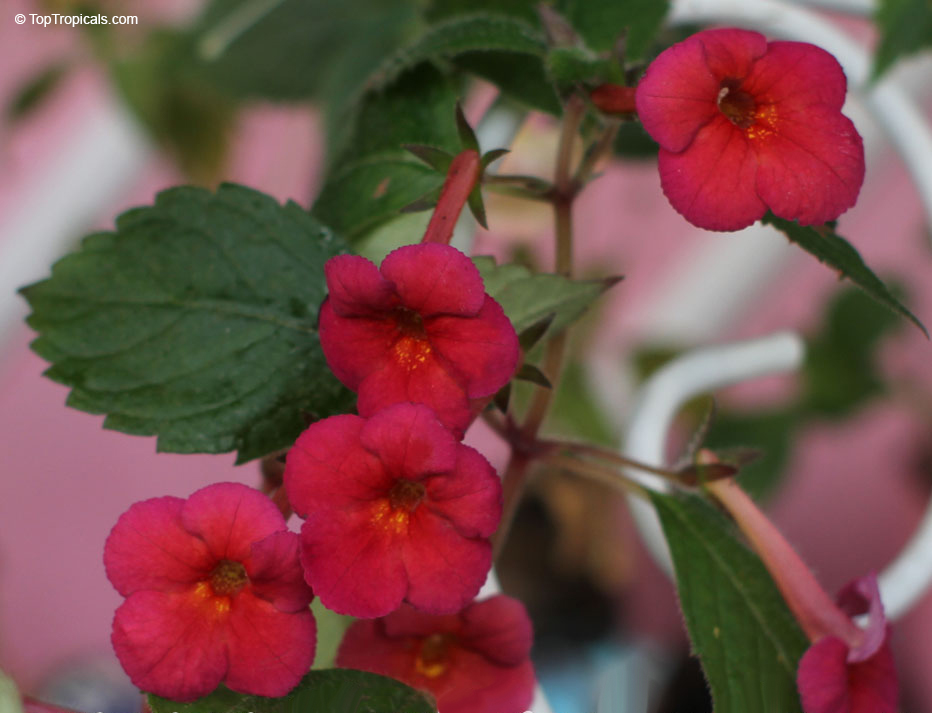
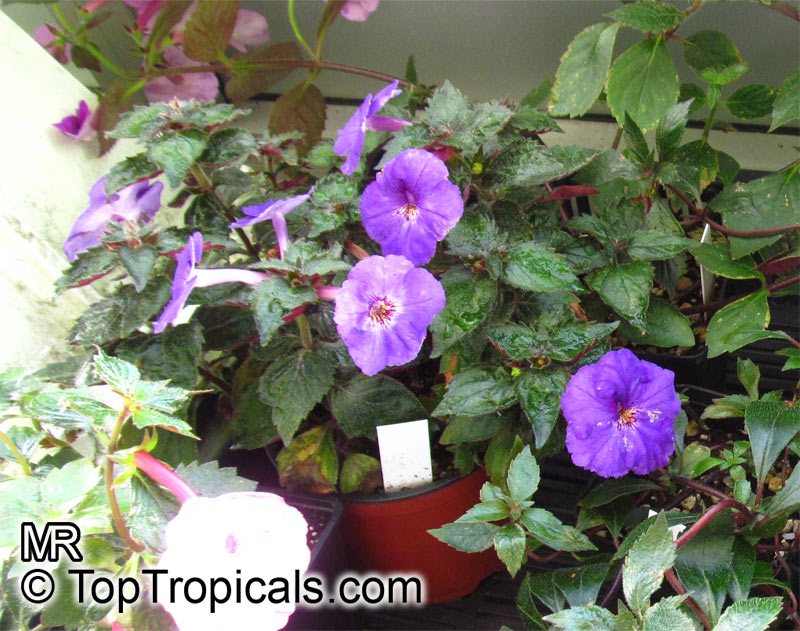
Botanical name: Achimenes sp.
Common names: Cupid's Bower, Hot Water Plant, Monkey-Faced Pansy, Magic Flower, Orchid Pansy
Family: Gesneriaceae
Origin: South America


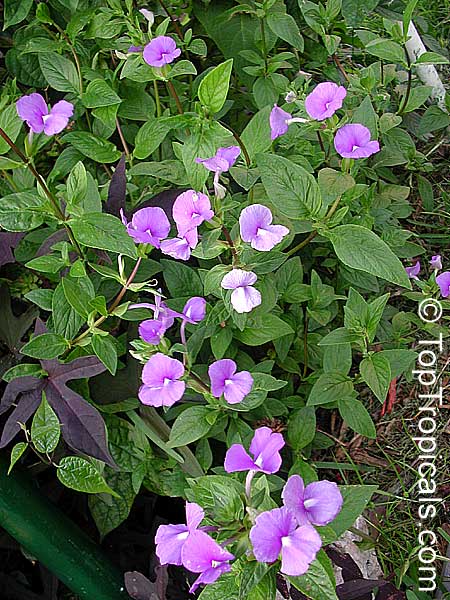
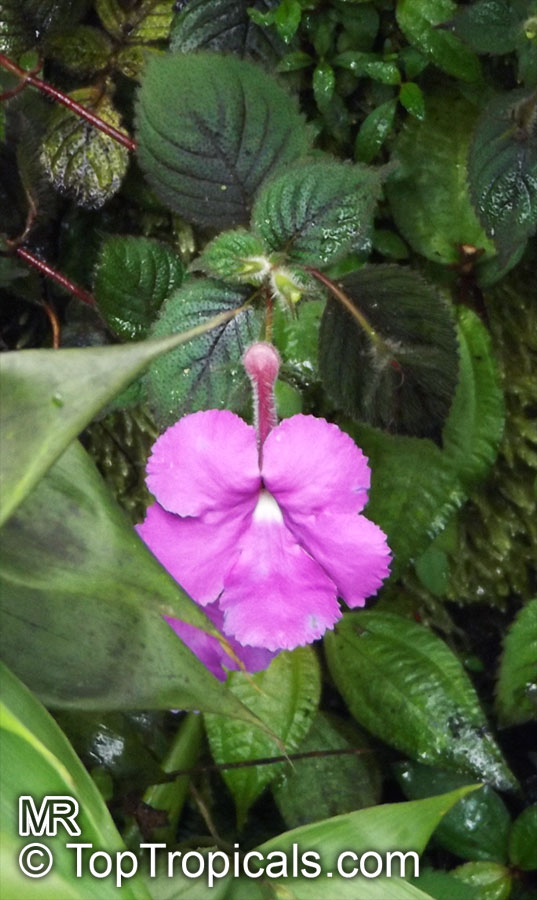
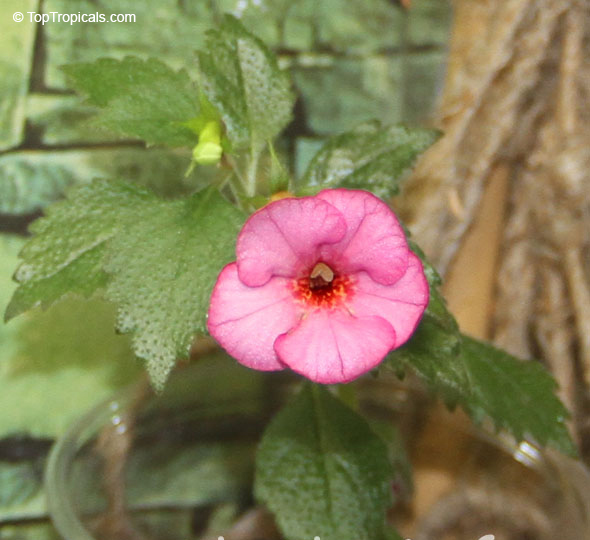
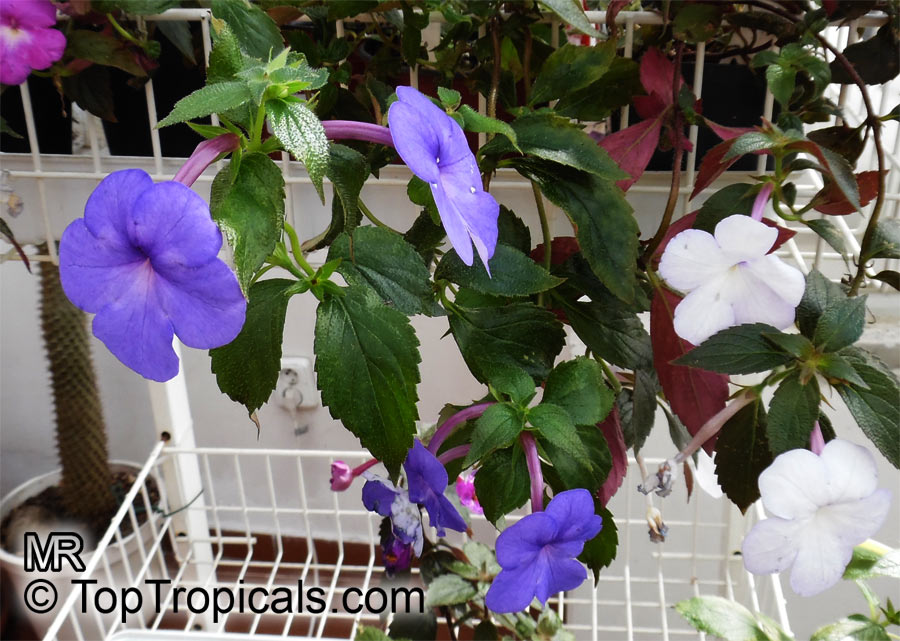
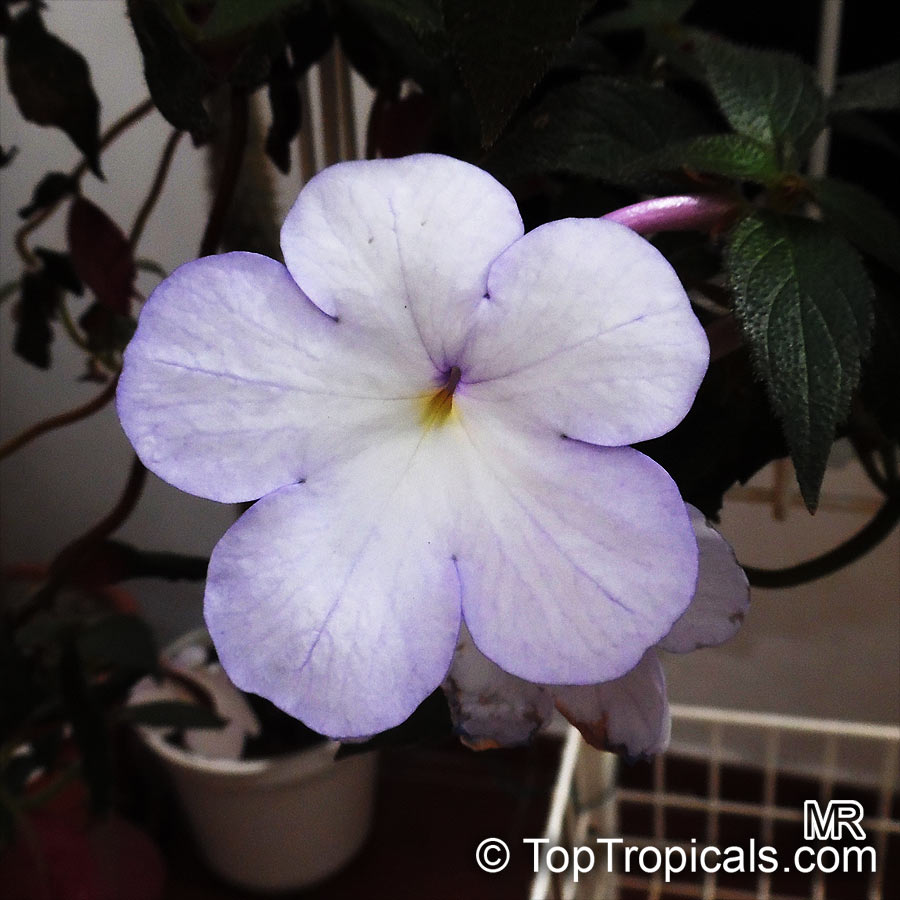
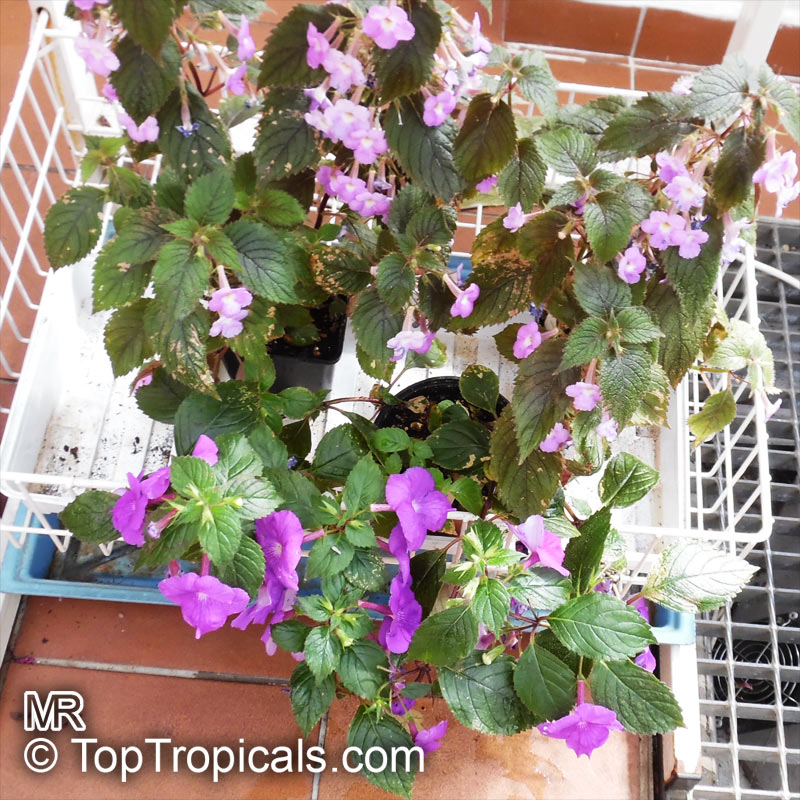
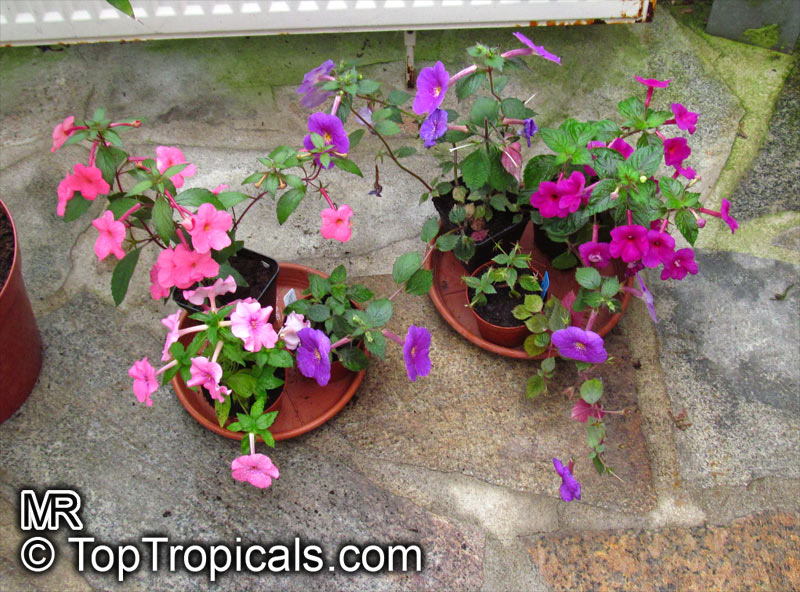
Achimenes species and hybrids are commonly grown as greenhouse plants, or outdoors as bedding plants in subtropical regions. The species have been extensively hybridized, with many of the hybrids involving the large-flowered species A. grandiflora and A. longiflora. Many of the species and their hybrids have large, brightly colored flowers and are cultivated as ornamental greenhouse and bedding plants.

Botanical name: Acnistus arborescens
Common names: Hollowheart, Wild Tabbaco
Family: Solanaceae
Origin: Central and South America

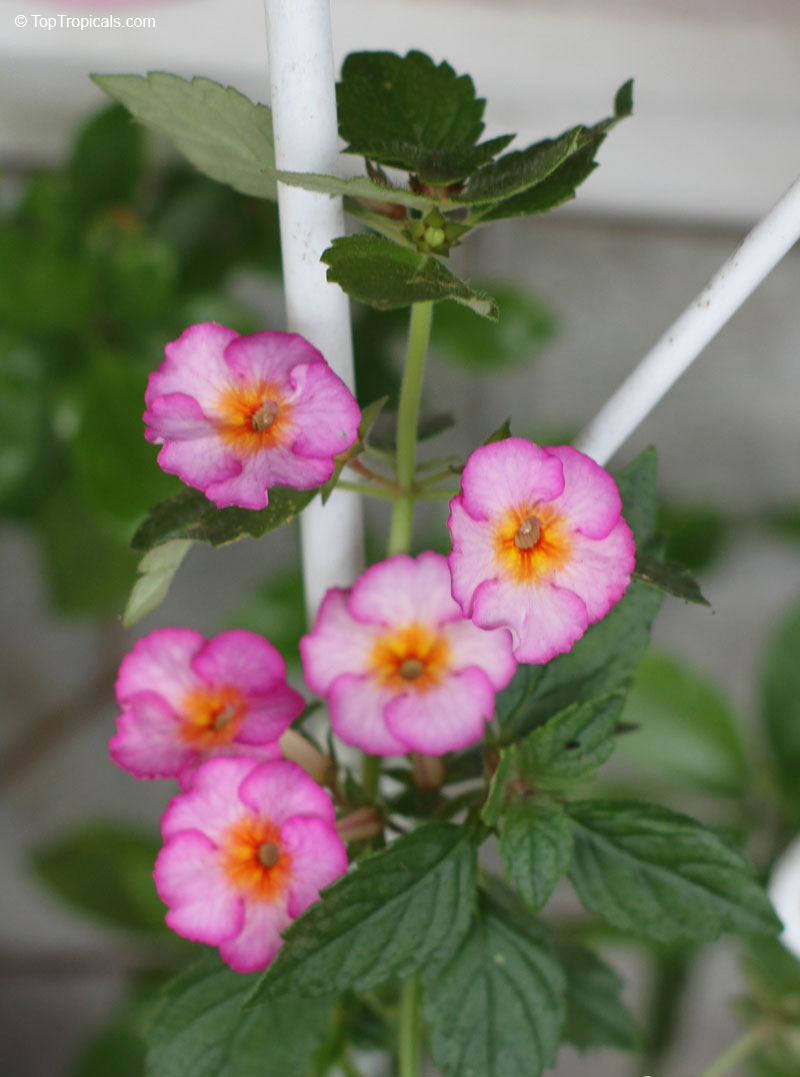
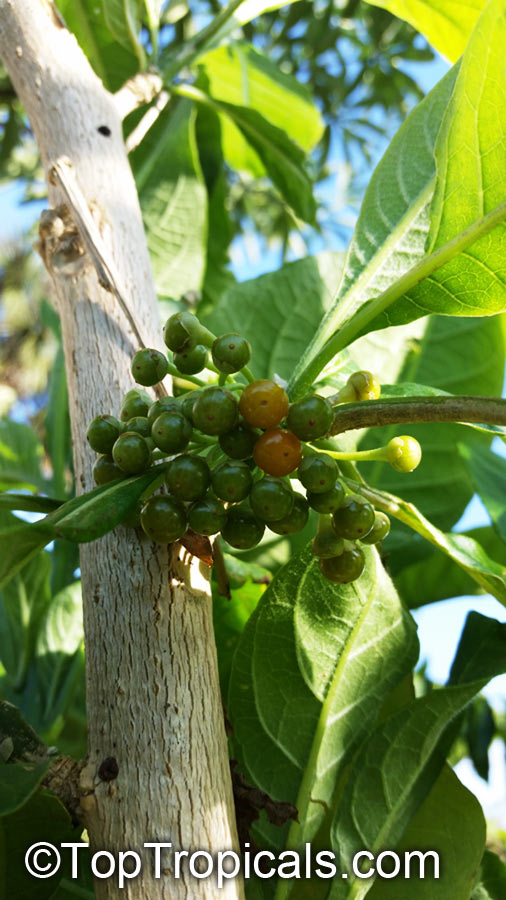
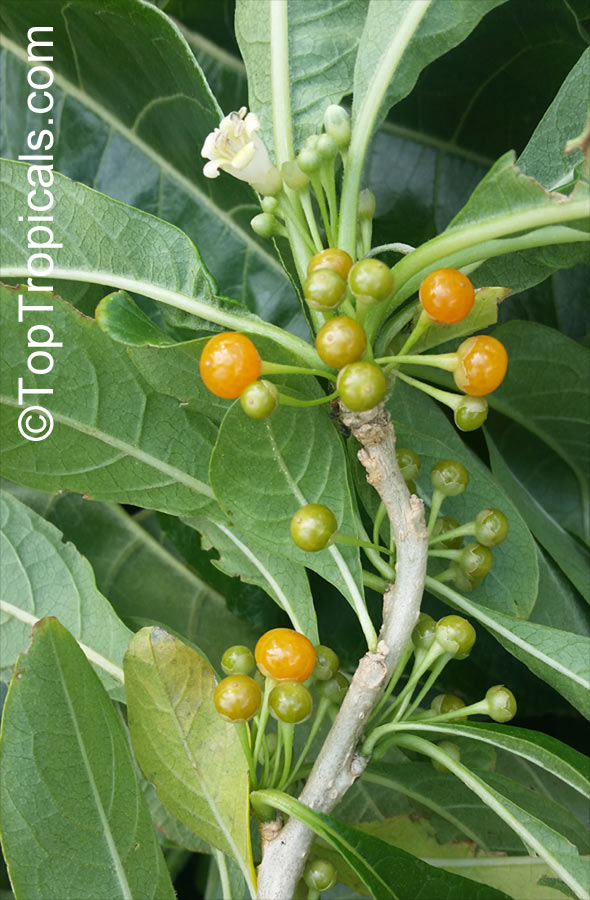
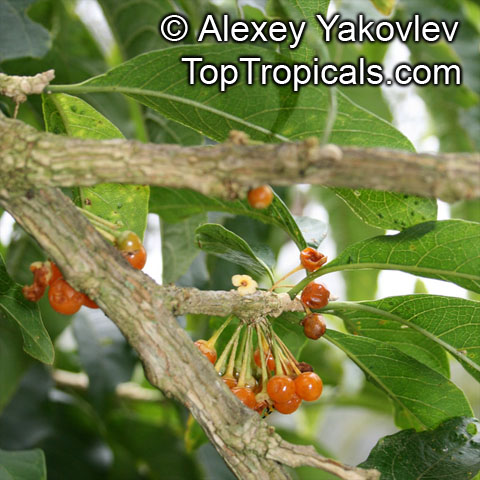
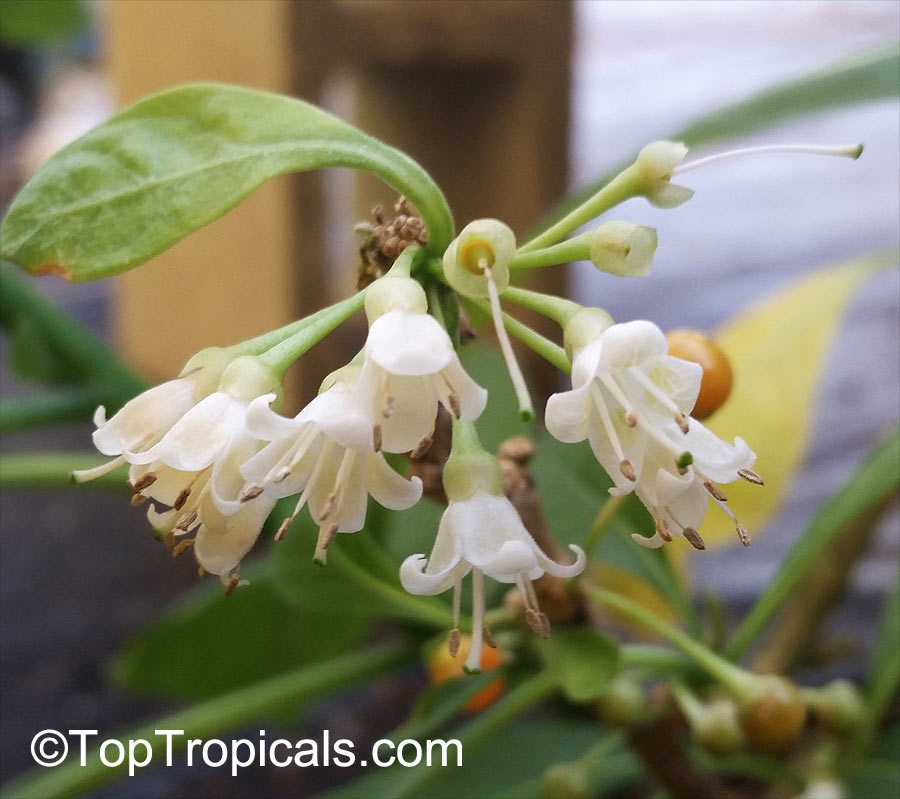
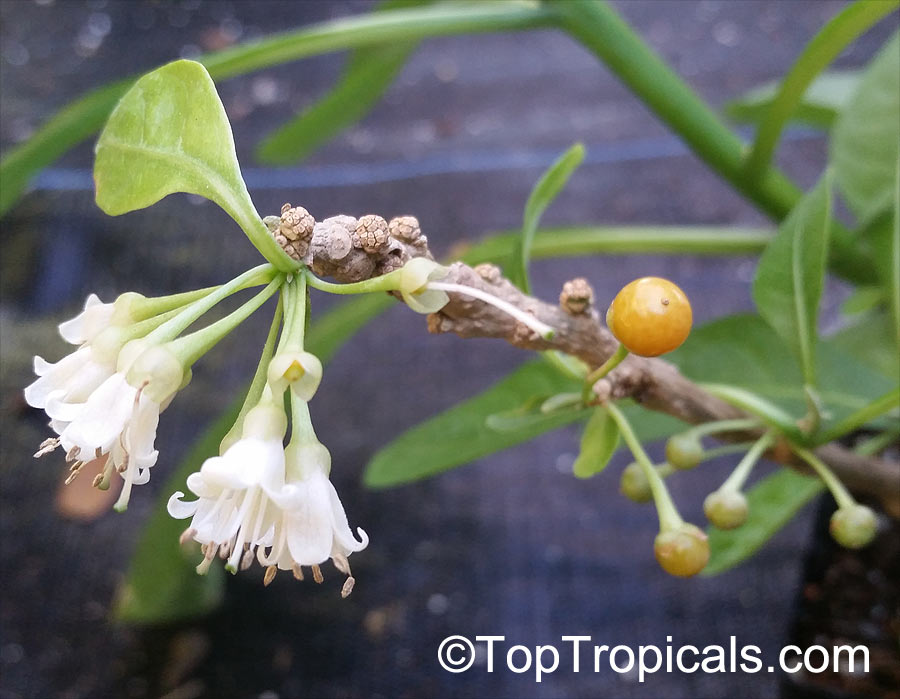
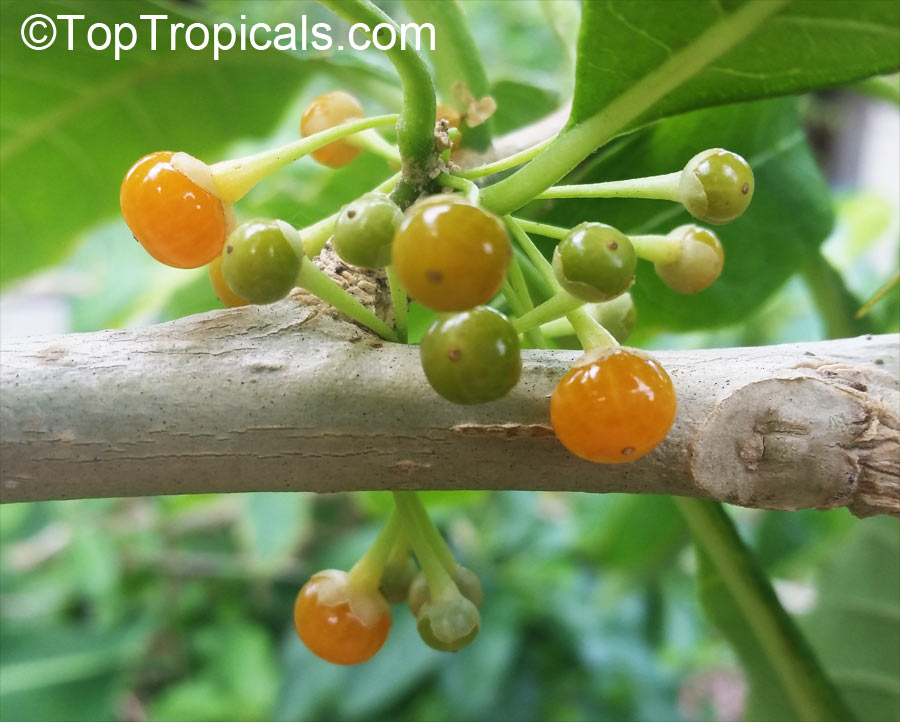
Acnistus arborescens is a large shrub native to Central and South America known as Hollowheart. In its natural habitats, it grows in full sun and reaches heights of as high as 10 feet, or as a small tree up to 20 feet in height. It is also known for its abundance of white, off-white, blue, lavender, and purple flowers, as well as for its ability to attract butterflies and hummingbirds.
This plant is best grown in USDA zone 9-11 in well-draining soil and with regular waterings. In warm climates, it can have year-round growth, while cold climates may require bringing the plant indoors in winter or providing frost protection such as an insulating wrap. If planted in a pot, it is recommended to place it in a sheltered location and use a balanced fertilizer on a regular basis. If a cold snap is predicted, the pot should be moved indoors to a sunny location.
Traditionally, Acnistus arborescens has also been used ethnomedically to treat cancer. However, no scientific evidence is available to attest to its efficacy as an herbal remedy.
In conclusion, Acnistus arborescens is an attractive, fast-growing shrub or small tree that is easy to care for and provides a splash of color to attract hummingbirds and butterflies. While it can have ethnomedical advantages, more research is needed to verify the claims of its healing properties.
| Next | |
Use link to repeat this search:
https://toptropicals.com/cgi-bin/garden_catalog/cat.cgi?search_op=and&keyword_op=and&language=e&number=5&no_change_lang=1
&v1=blu&user=tt&sale=1&first=0