Keep soil wet: Bog or aquatic plant - Plant Encyclopedia Results
| Number of plants found: 106 | Next | 
|
Go to page: | 1 | 2 | 3 | 4 | 5 | Last |
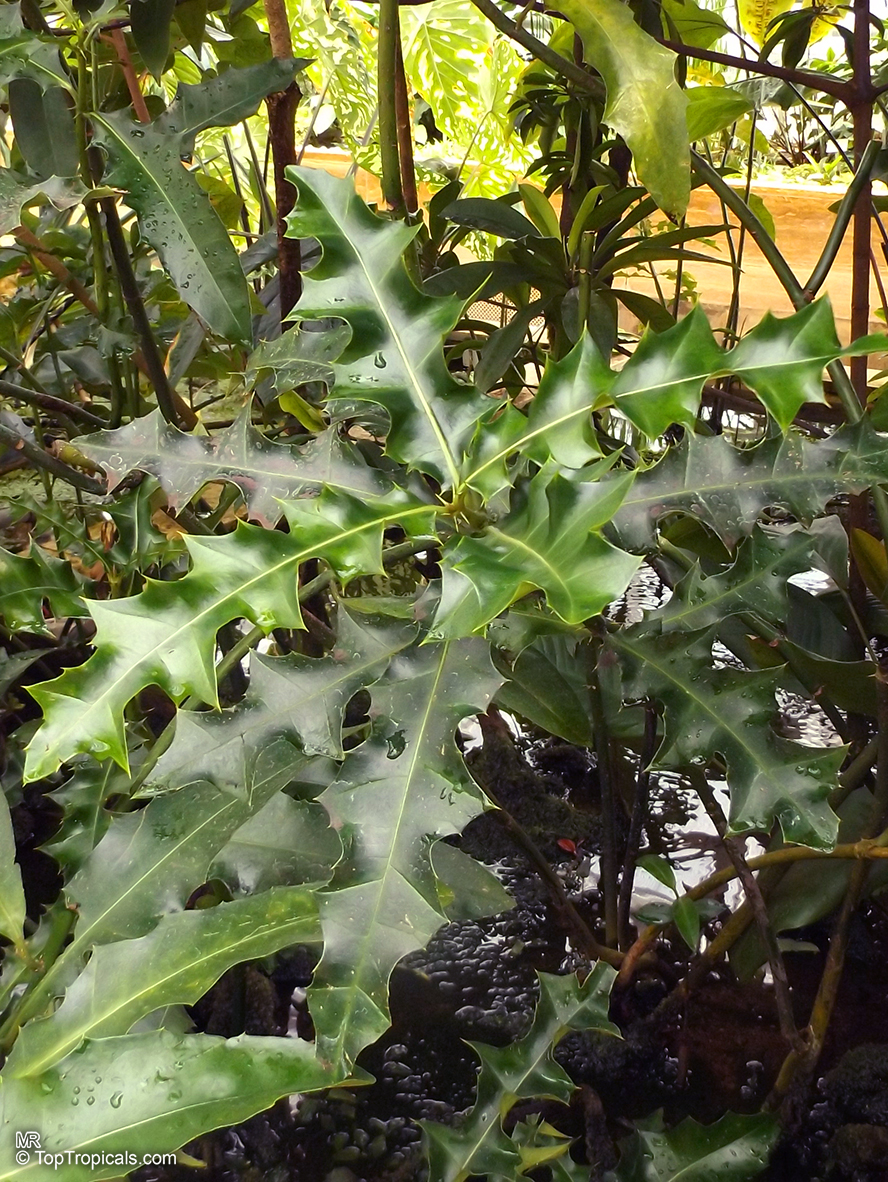
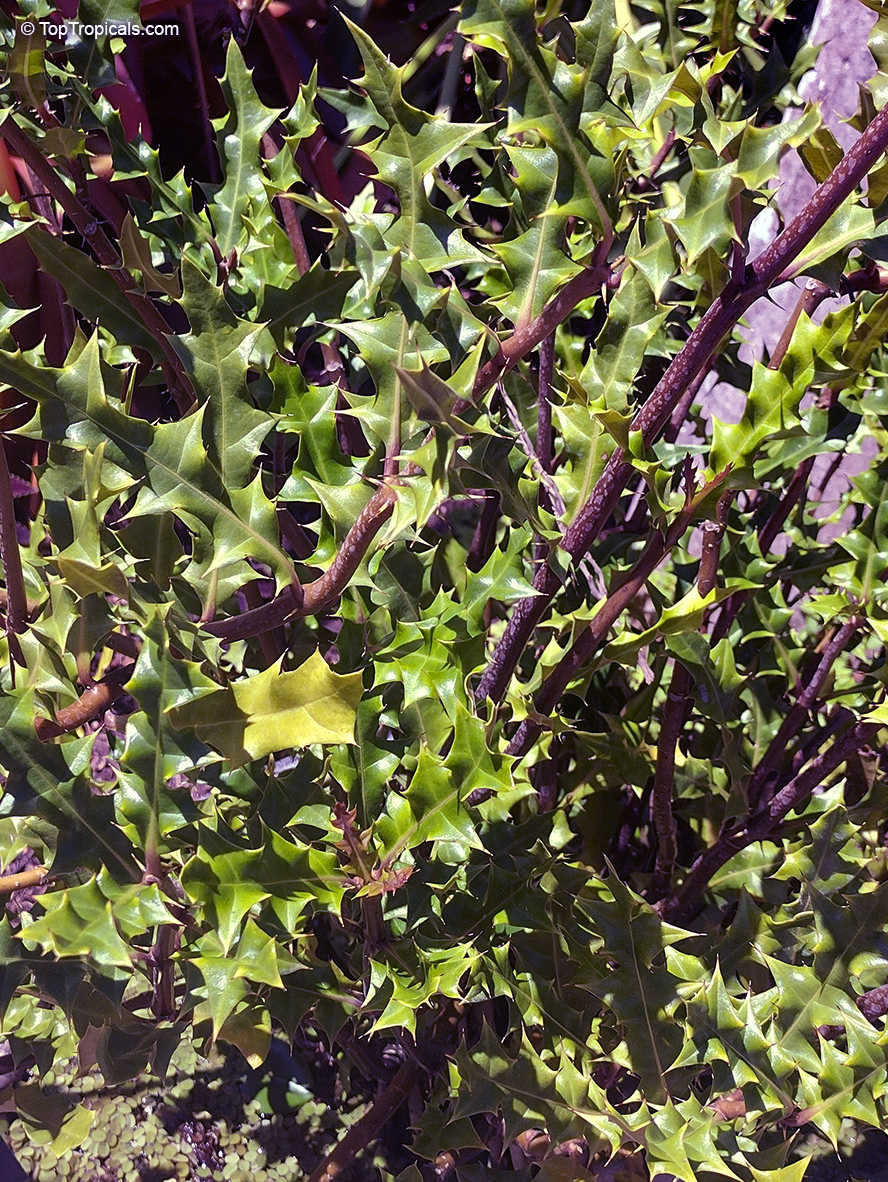
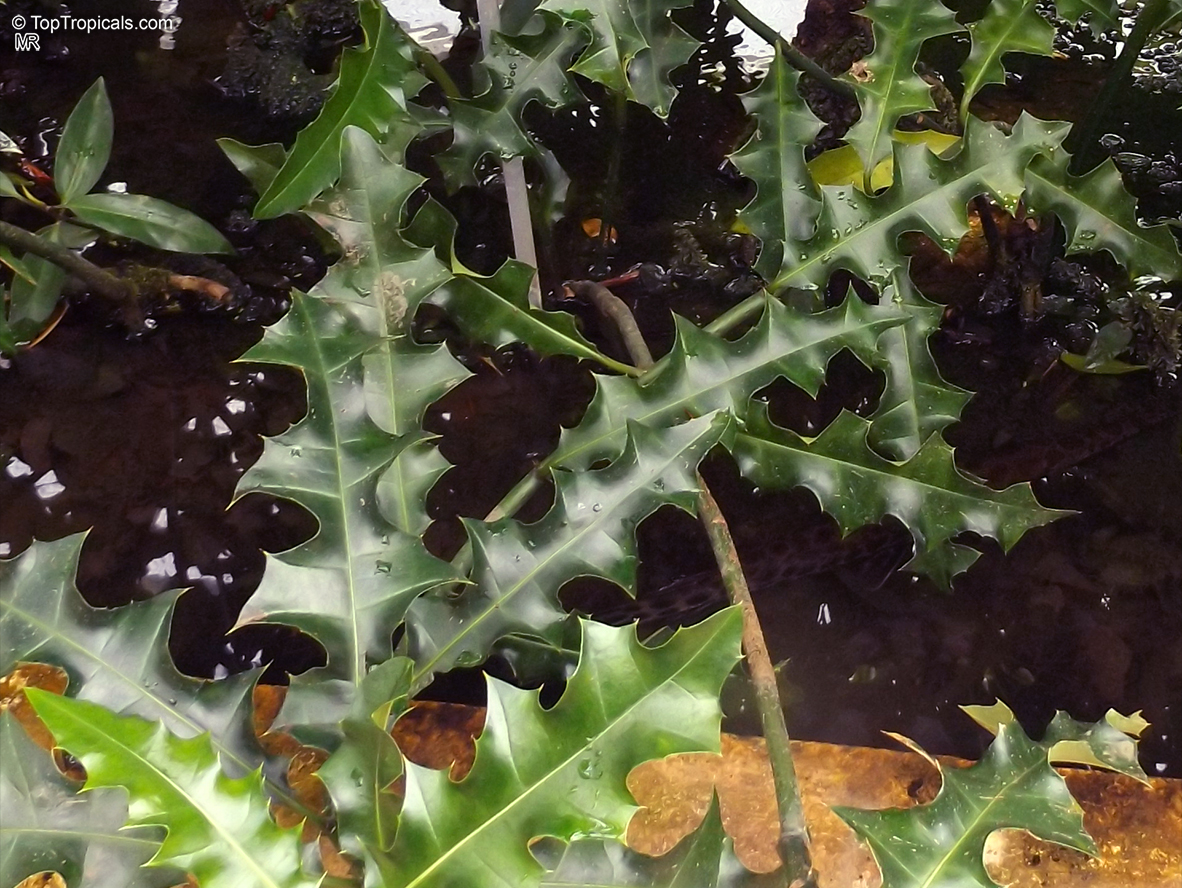
Botanical name: Acanthus ilicifolius
Common names: Holly-leaved Acanthus, Sea Holly, Holy Mangrove
Family: Acanthaceae
Origin: India, Polynesia


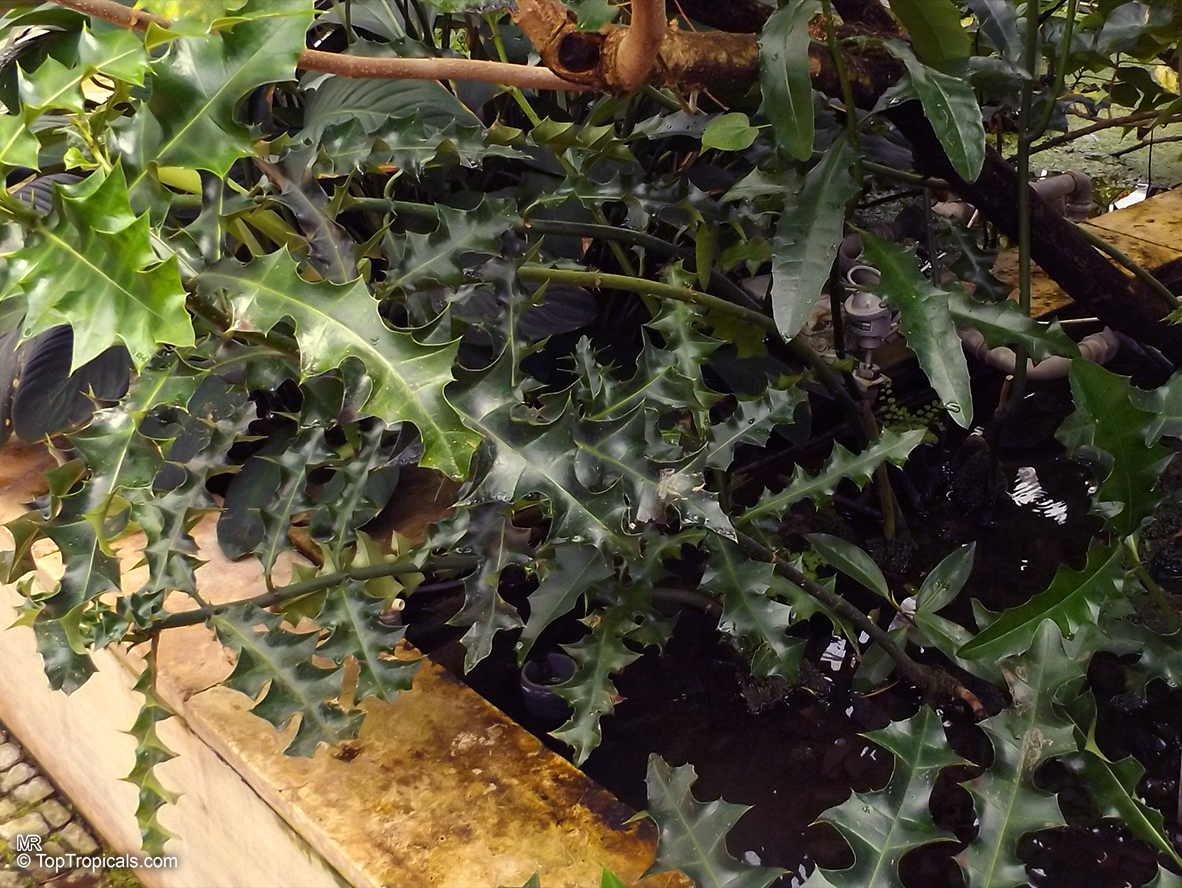
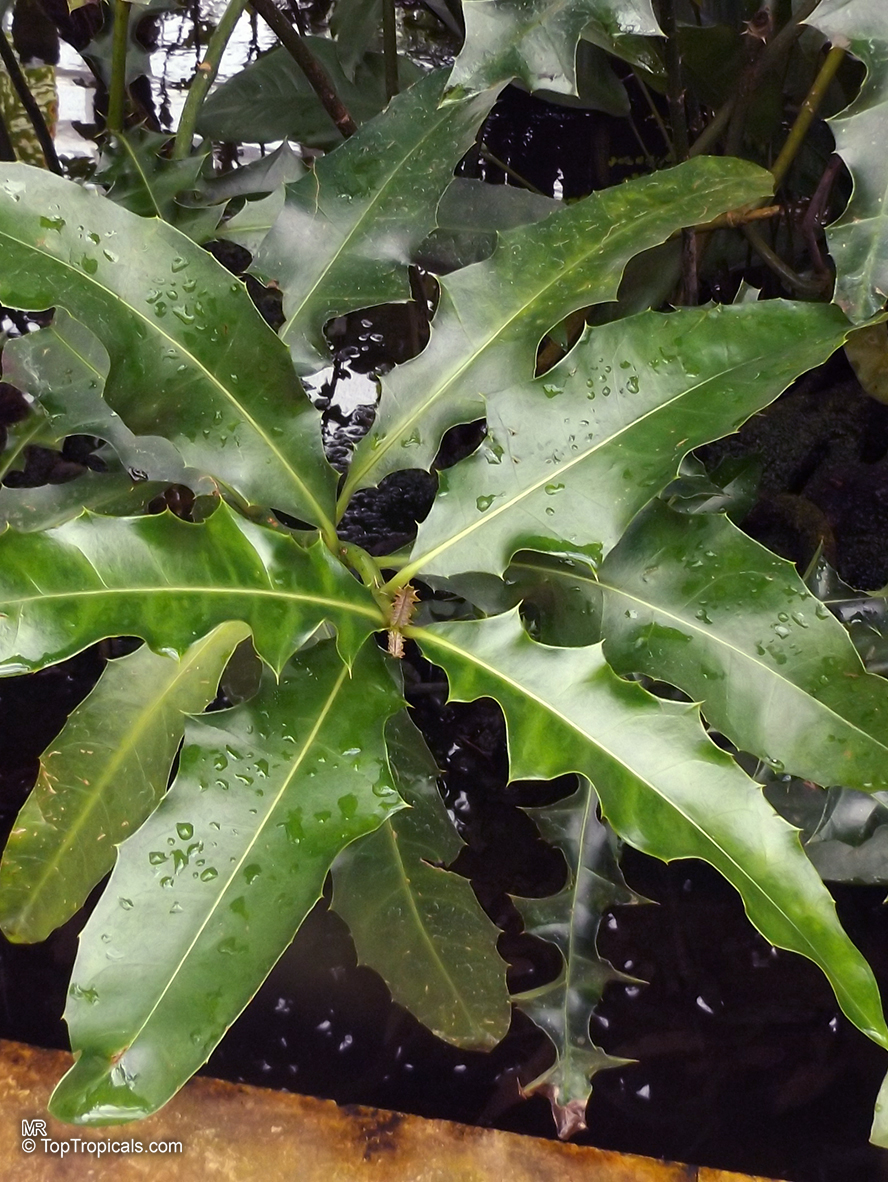
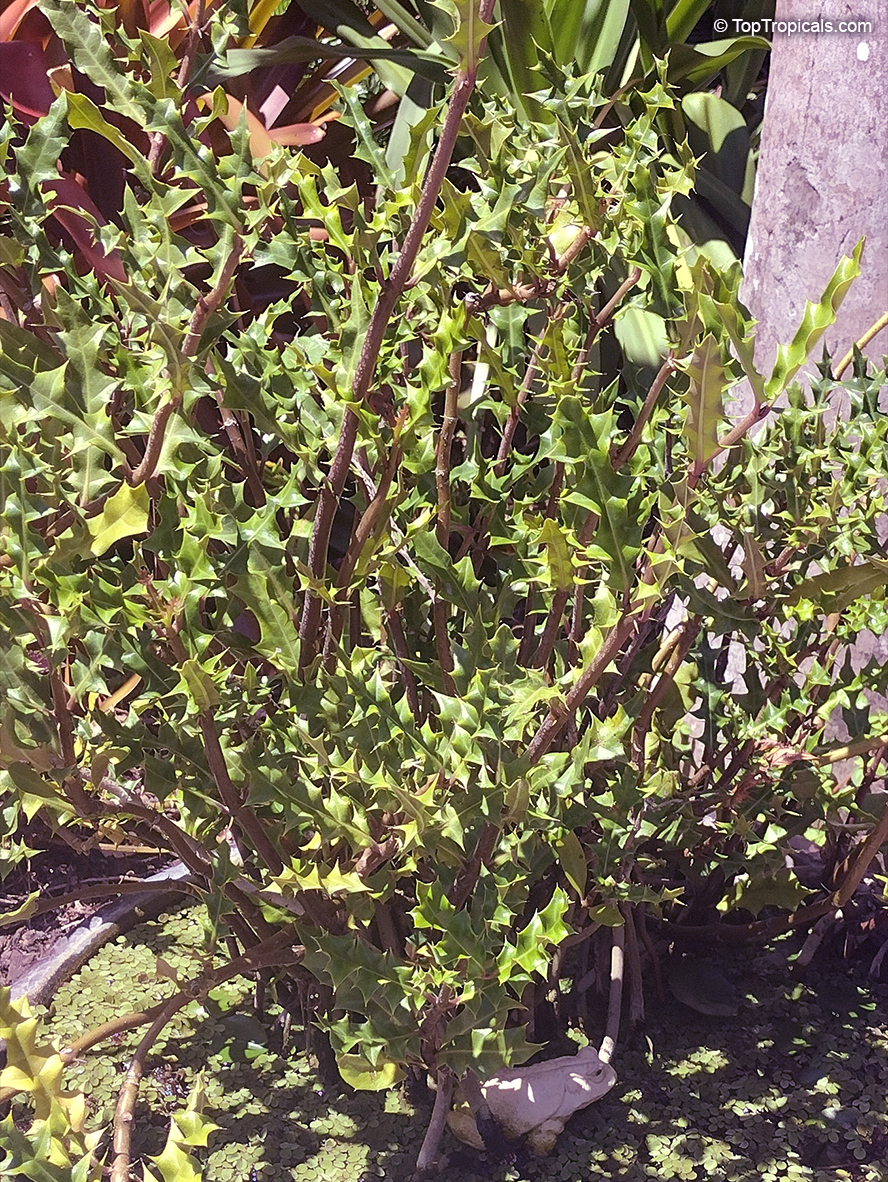
Acanthus ilicifolius, or Holly-leaved Acanthus, is a perennial plant native to India and Polynesia. This plant can reach a large size, typically growing up to 5-10 ft tall. It has a semi-woody and sprawling structure, with thin stems coated in a glossy green hue speckled with white. The leaves are oval-shaped with a pair of spines at each angle.
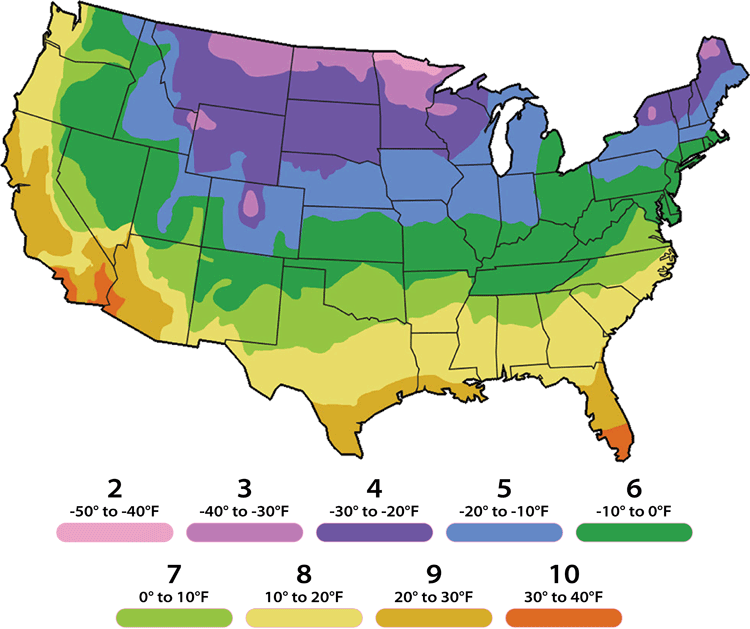
Holly-leaved Acanthus prefers full sun to semi-shade and can be grown either in a bog or aquatic environment. It requires plenty of moisture as well as regular watering to stay healthy and vibrant. This plant also tolerates flooding and salty conditions near the seaside very well. Therefore, it can be a great addition to any garden in the USDA hardiness zone of 8-11.
The Holly-leaved Acanthus is adorned with clusters of beautiful blue, lavender and purple flowers. It is also an ethnomedical plant, hence its use in traditional medicine. Its stems are thorny or spiny and may require careful handling when handling.
When growing Holly-leaved Acanthus in a pot, it is essential to keep the soil moist and use quality organic potting soil. A location with some protection from the elements is preferred in colder regions as well as a winter mulching of thick straw to prevent frost damage. Additionally, it is important to keep an eye out for any pests and diseases that may occur and act appropriately to keep the plant healthy.
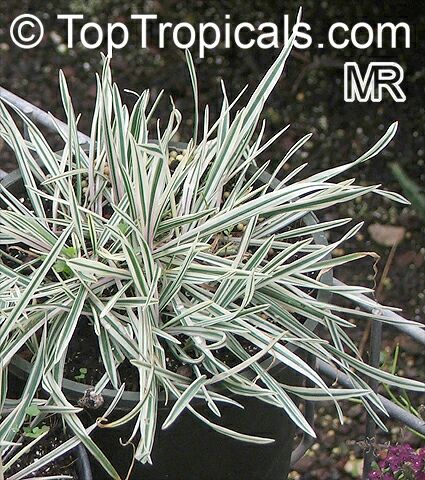
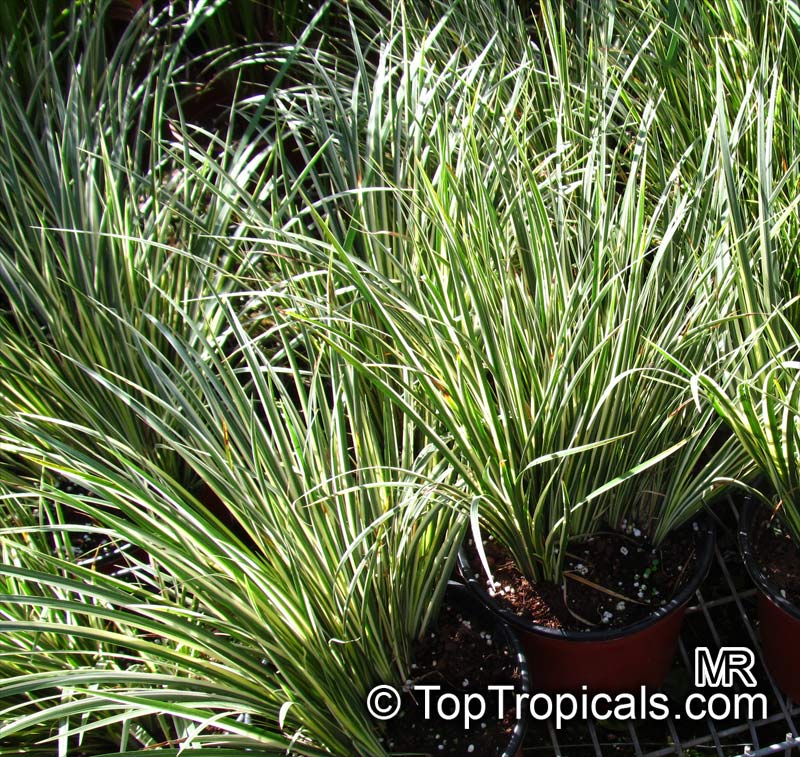
Botanical name: Acorus gramineus var. variegatus
Common name: Sweet Flag
Cultivar: Variegatum
Family: Acoraceae
Origin: Japan


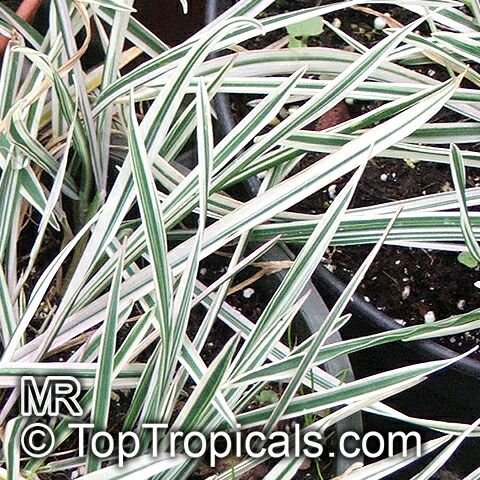
The plants are evergreen in warmer climates, but they will die back to ground level in colder climates. Although they are water lovers, this species can take quite a bit of drought. I have seen this plant used as an accent in dry rock gardens.
Botanical name: Acrostichum aureum
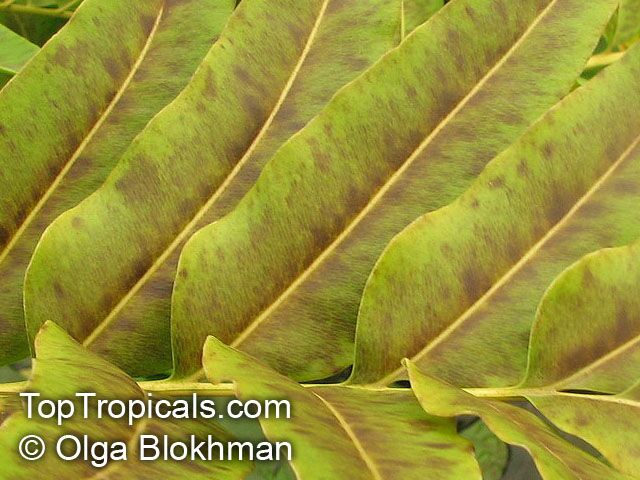
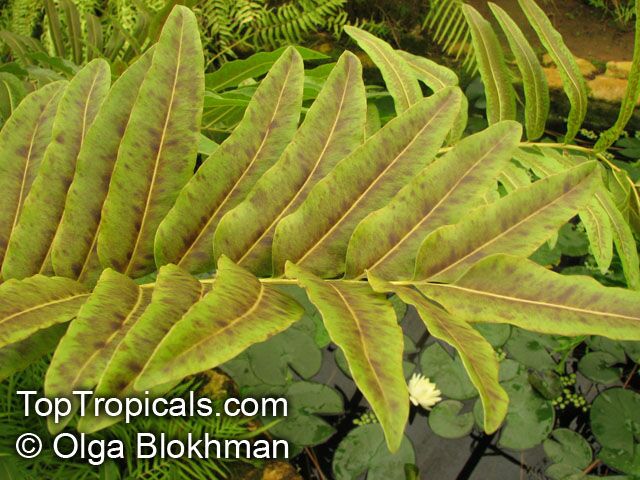
Common names: Piai Raya, Golden Leather Fern, Mangrove Fern
Family: Pteridaceae
Origin: Pantropical
Acrostichum aureum, also known as Piai Raya, is a small plant that grows to a height of between 2 and 5 feet tall. Native to Pantropical, it grows in USDA Zone 9-11 and is a great plant for adding ornamental foliage to gardens and yards. It is a flood and seaside tolerant plant and can even tolerate salt.
This plant prefers full sun to semi-shade, and can also be grown in boggy or aquatic soil. It needs regular water to keep it looking its best, so make sure to water it every few days during dry spells. Additionally, Piai Raya has ethnomedical properties, and has been known to be used for medicinal purposes.
Growers in cold regions should take special care when growing this plant in a pot. It is best to select a pot with several drainage holes, and the soil mix should be one that readily drains. Additionally, ensure that the pot is well insulated, as the roots are vulnerable to extreme temperatures. Ensure that the soil is also kept moist and fertilize every couple of weeks. With a bit of extra care, Acrostichum aureum can thrive in colder climates.
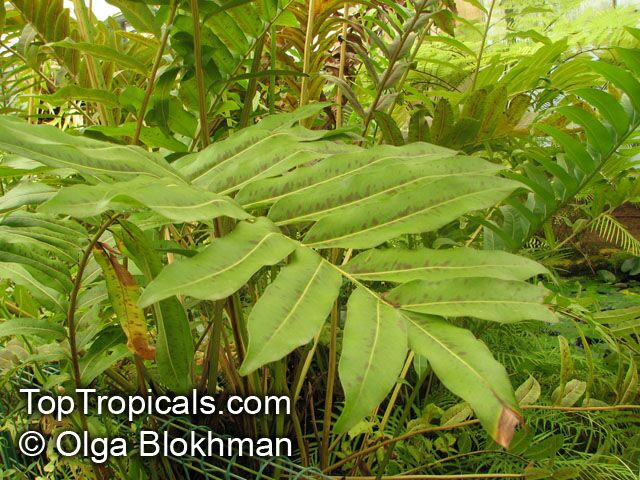
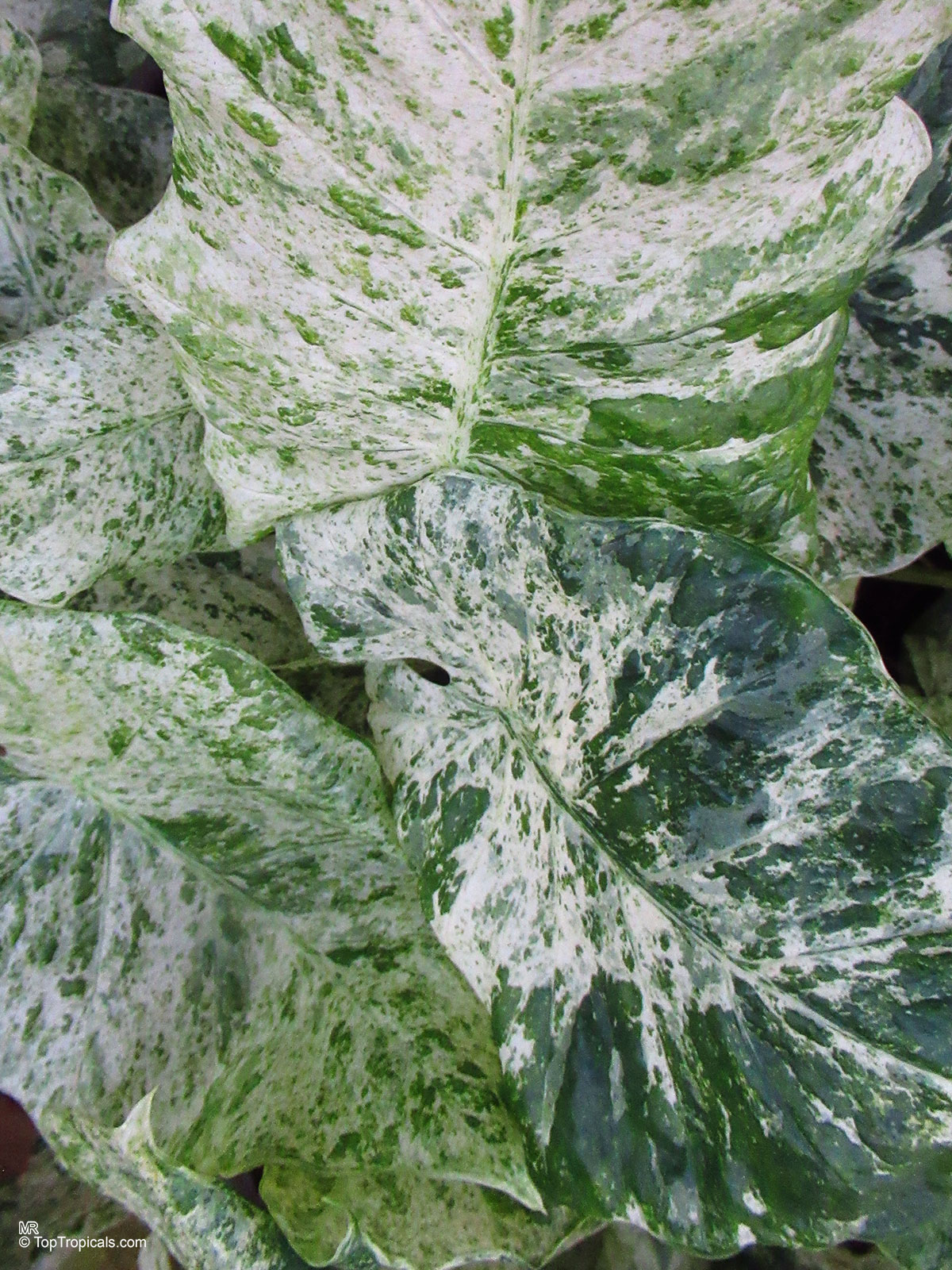
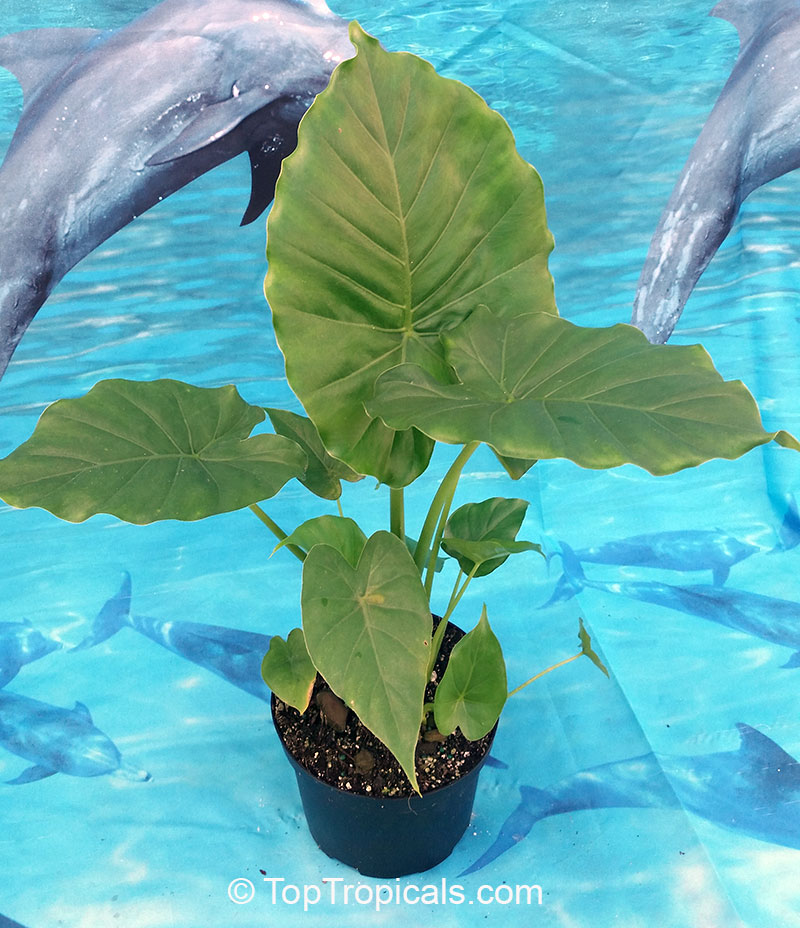
Botanical name: Alocasia odora
Common name: Giant Upright Elephant Ear
Family: Araceae
Origin: Tropical Asia


It grows in light shade to partial sun, in a well-drained, fuzzy soil. Where cold winter temperatures occur, it is best to plant these in a container that can be moved indoors; they are only cold-hardy to Zone 7-11, so Zone 8 and below should take extra caution, as this plant cannot tolerate frost.
A tall, woody perennial, Alocasia odora typically grows up to 5-10 feet tall in its native Tropical Asia. With its large, striking leaves and small, off-white/white fragrant flowers, it has become a popular ornamental choice for gardens. The foliage has an intense shine, and striking color contrast with the veining and patterning.
Alocasia odora prefers partial shade and regular water. It will tolerate bog or aquatic garden conditions and flood-like conditions. It requires a soupy soil or a soil that allows for good drainage.
In order to ensure a healthy, robust growth, it is important to evenly water the plant regularly, ideally using a moisture meter to determine the proper moisture level. It is also recommended to place the plant in spots where it will receive plenty of indirect sunlight and to fertilize it bi-weekly.
However, in cold regions, it is essential to be aware of the fact that Alocasia odora is only cold-hardy to temperatures at least as low as 30°F for a short time. To prevent any cold damage, it is best to move the plant indoors and it might be good to keep it in a pot rather than planting it in the ground.
Overall, Alocasia odora adds a unique texture and delicate beauty to any garden or home. With its large, architectural leaves and fragrant blooms, it is no wonder that this plant has become a much sought-after ornamental for any garden.
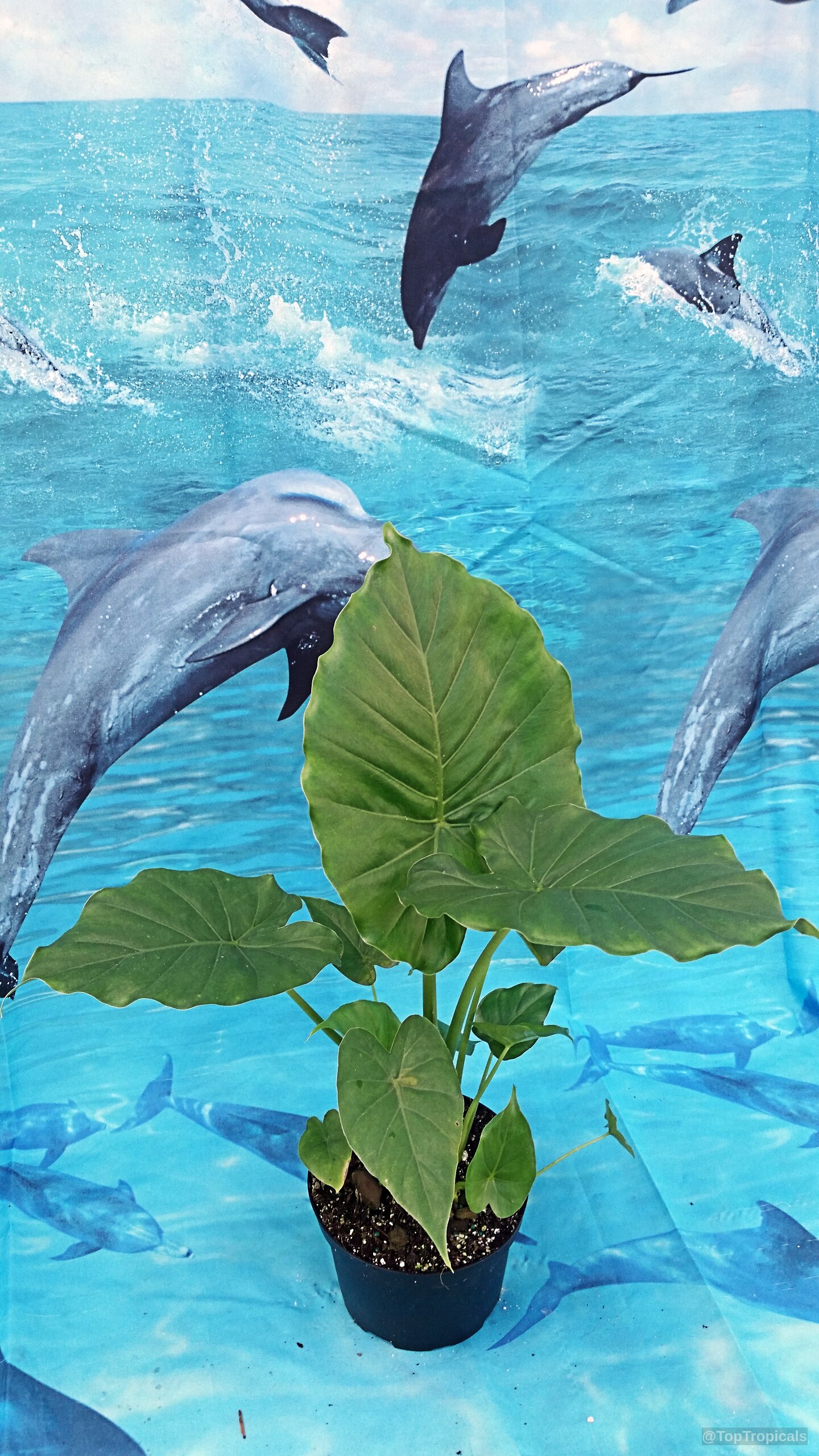
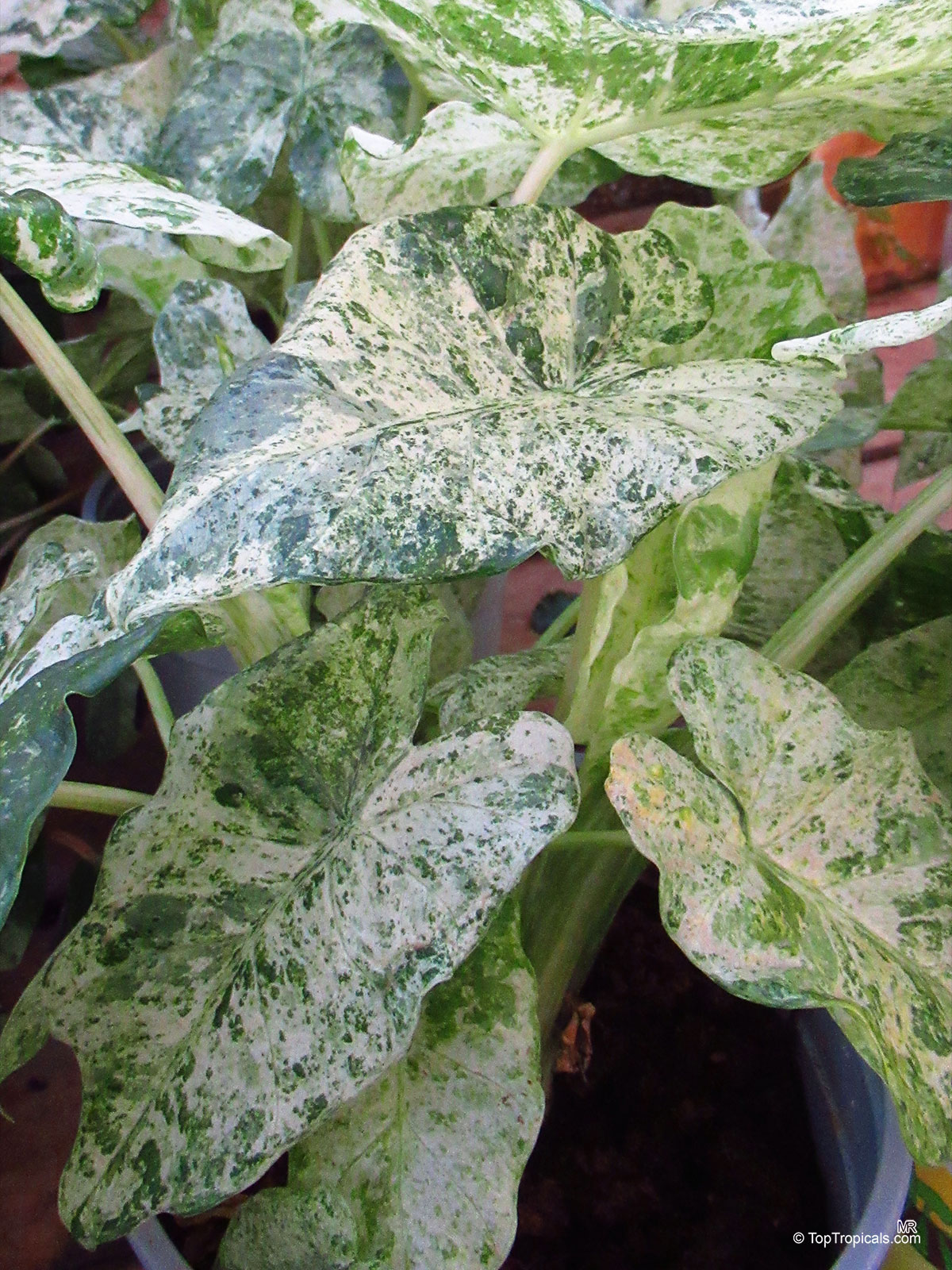
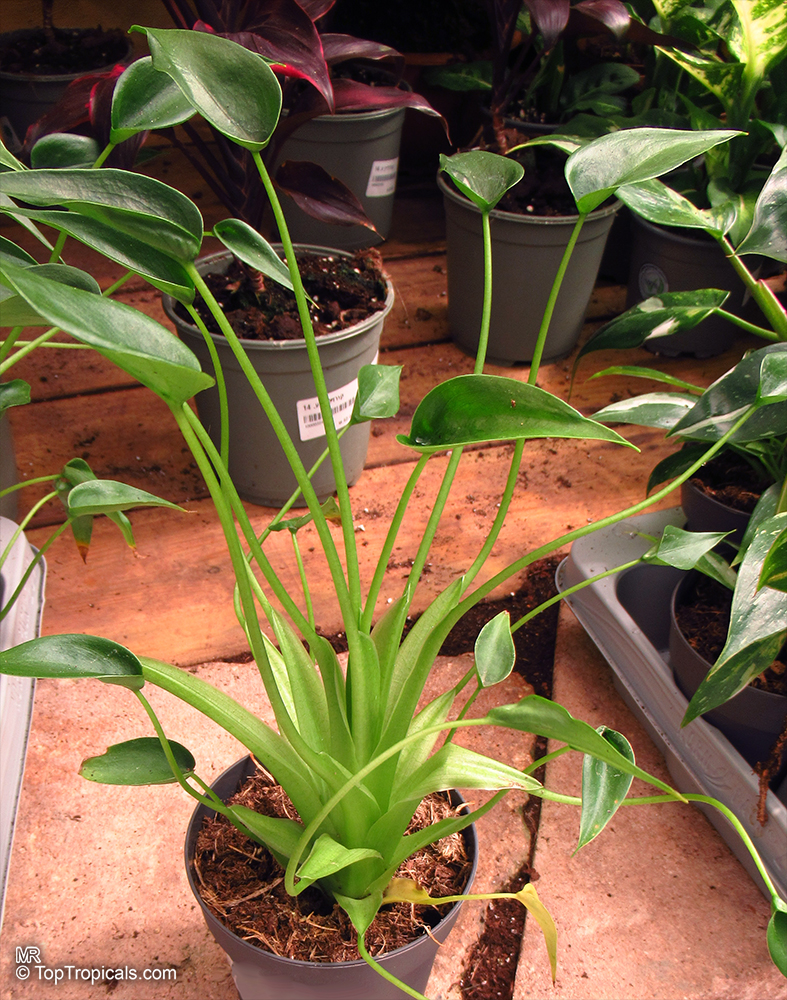
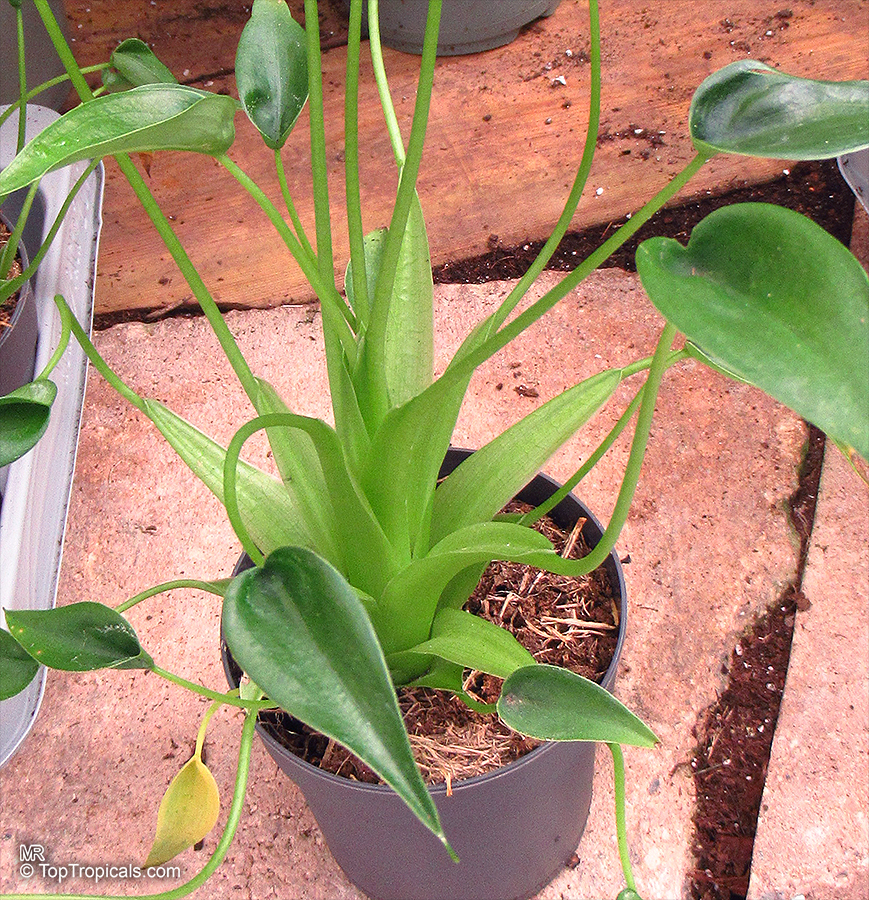
Alocasia 'Tiny Dancer' is unlike any other.This hybrid (scientific name: Alocasia brisbanensisxlocasia odora), created in 2013 is known for its long green petioles with small cupped leaves in a unique teardrop shape. While the plant grows upright, its petioles tend to fan out, curving in different directions like they are dancing.
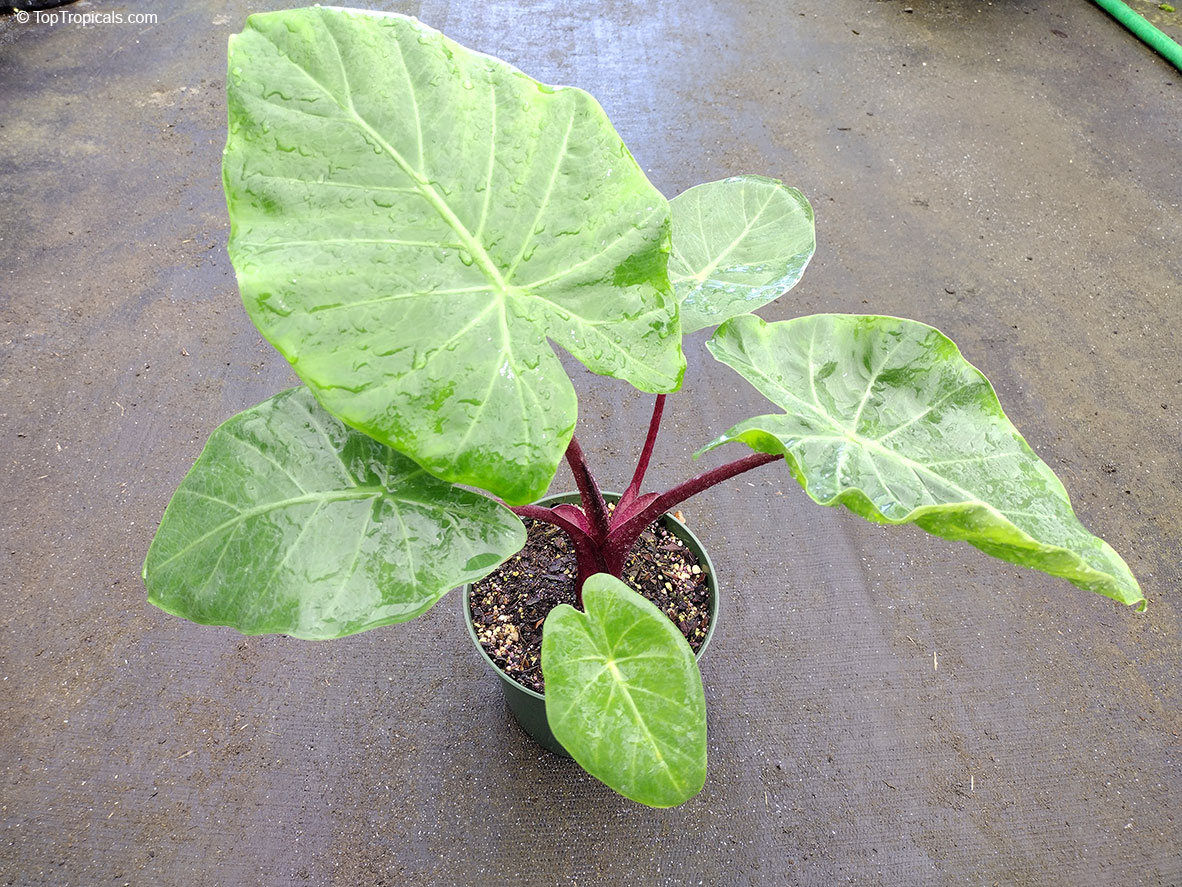
Alocasia 'Imperial Red' is a hybrid between Alocasia odora and a pink petioled (stem) clone of Alocasia Macrorrhiza.

Recommended Fertilizer: SUNSHINE Robusta - Rapid Growth Booster
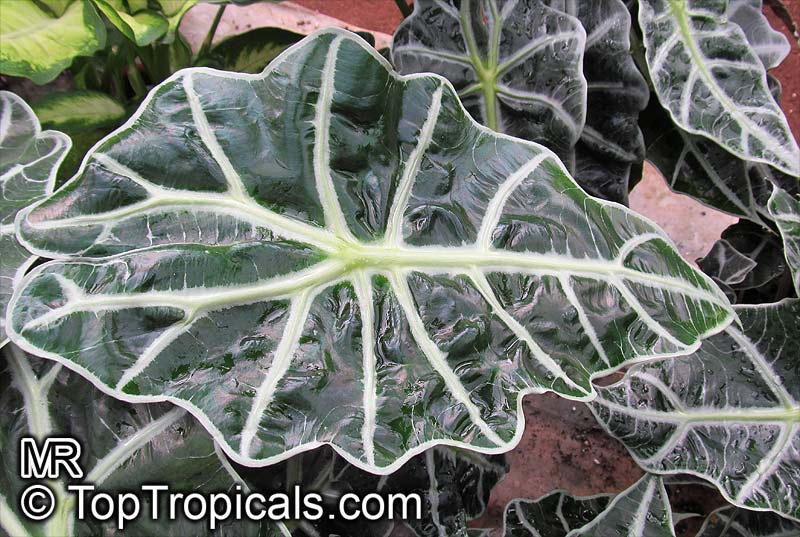
Botanical names: Alocasia sanderiana, Alocasia amazonica
Common name: Kris plant
Family: Araceae
Origin: Phillippines


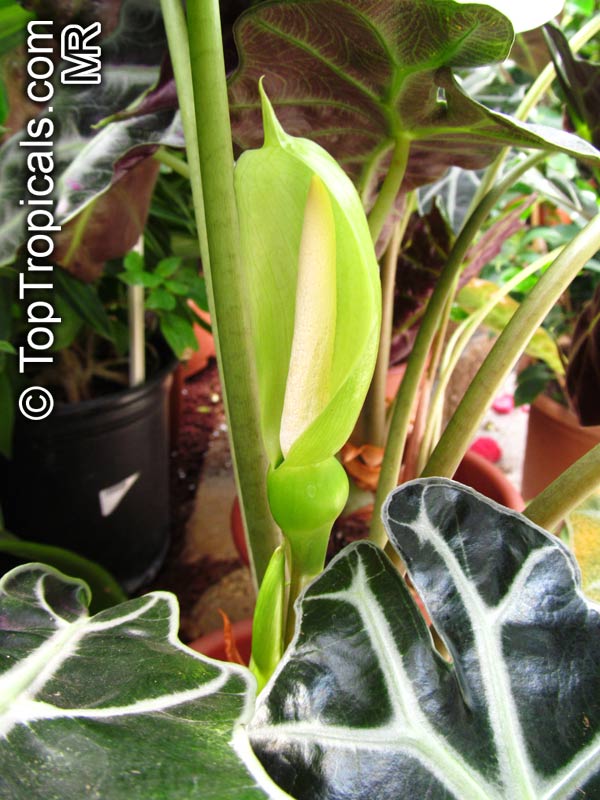
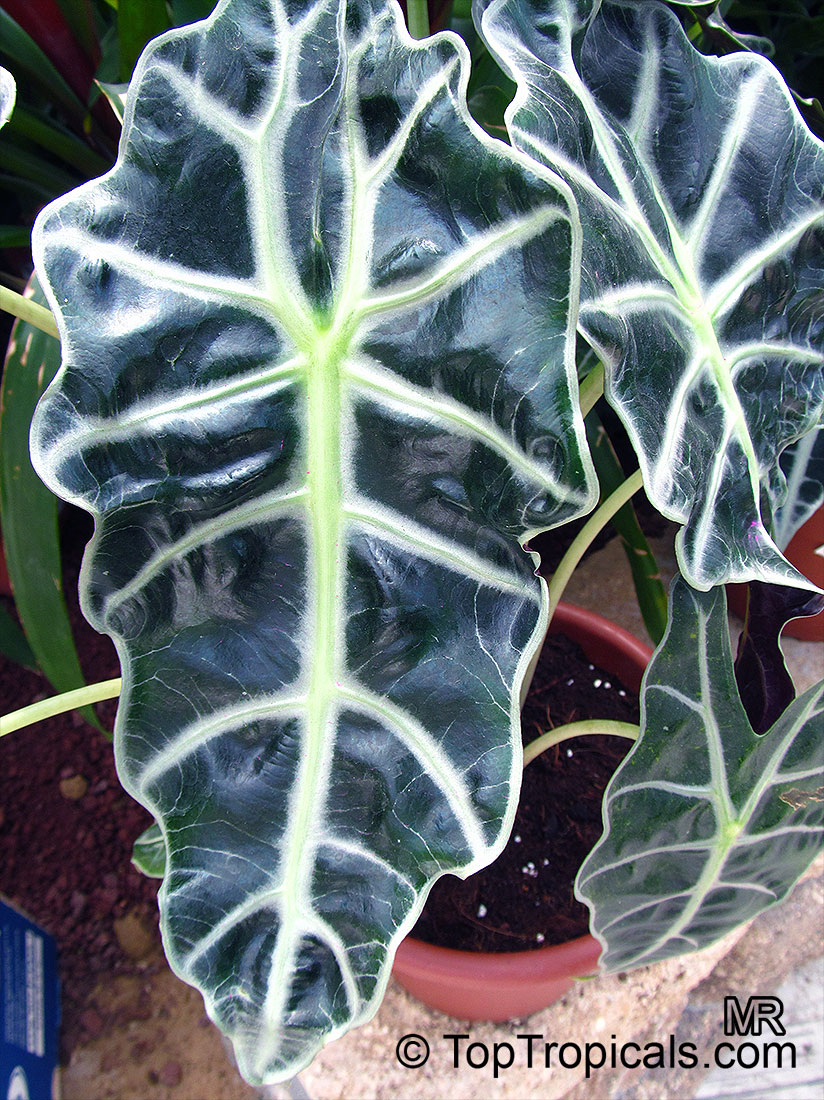
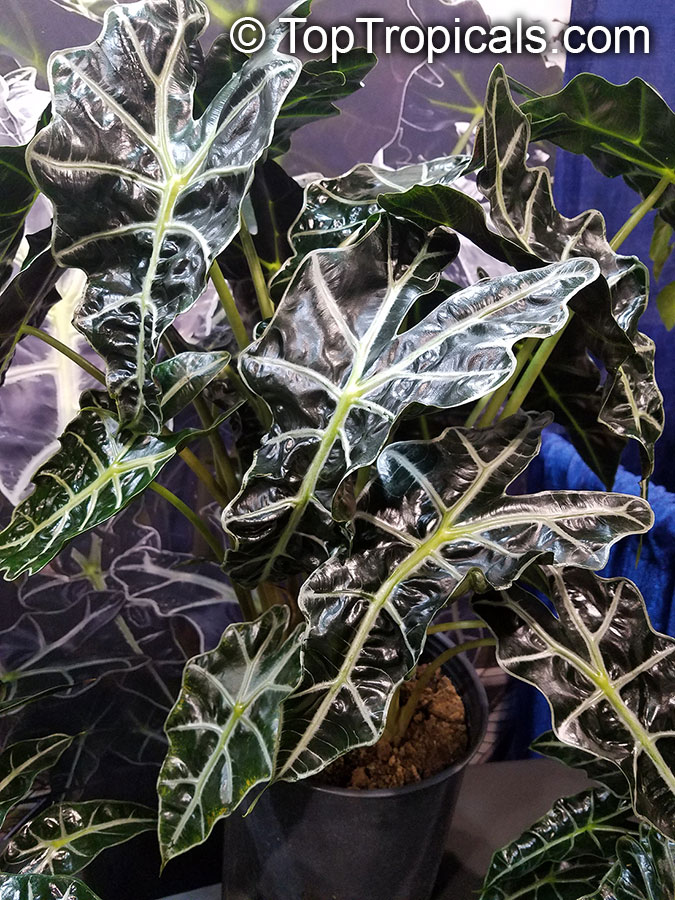
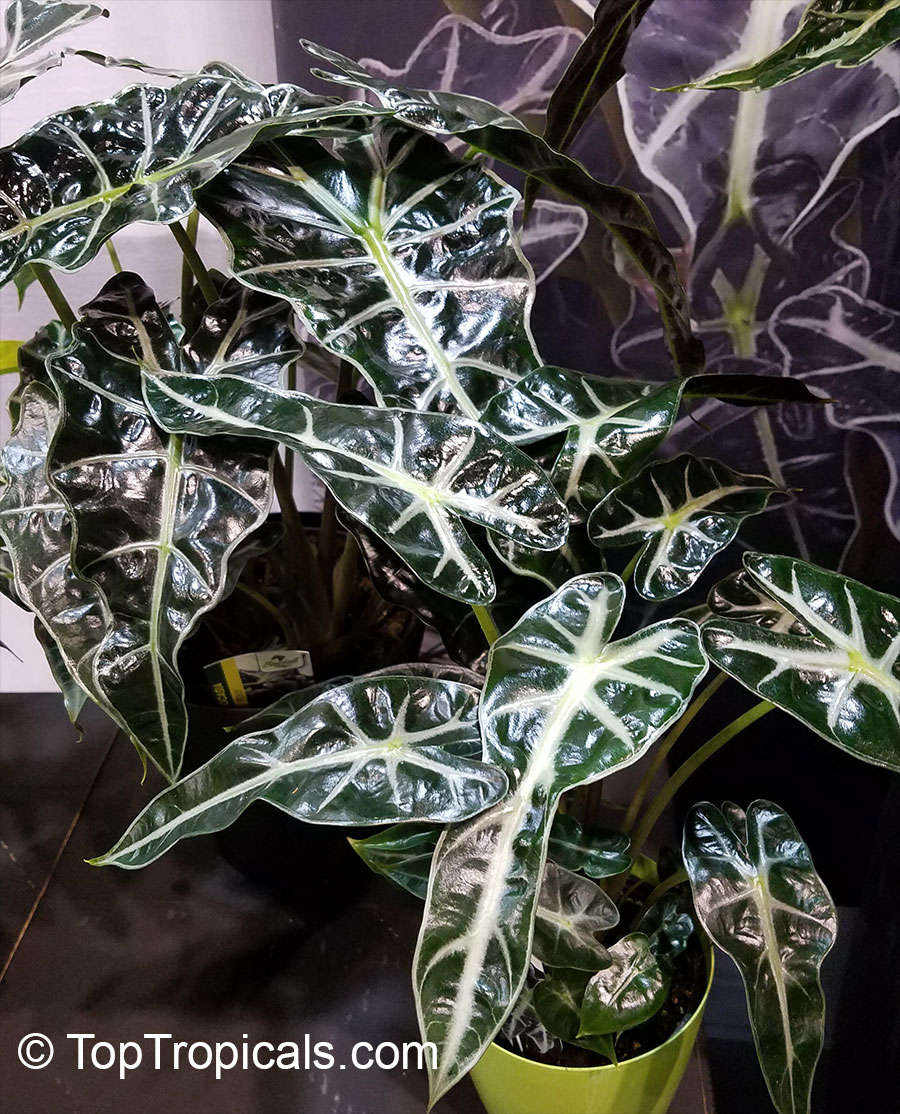
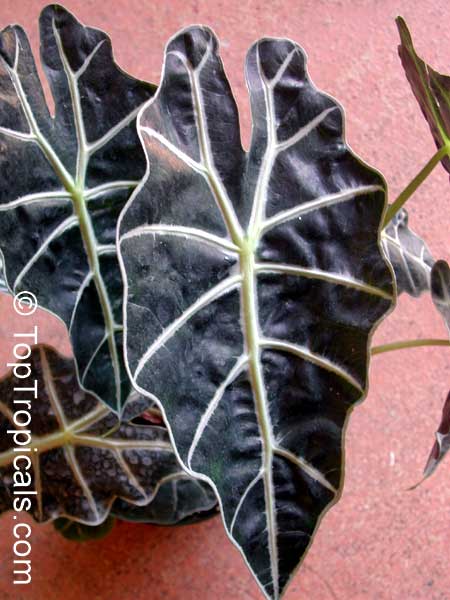
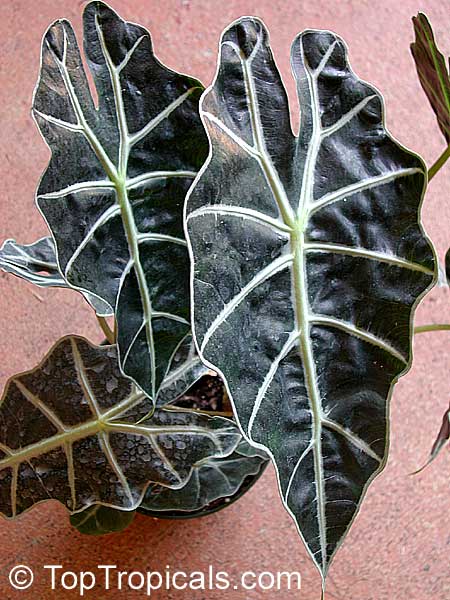
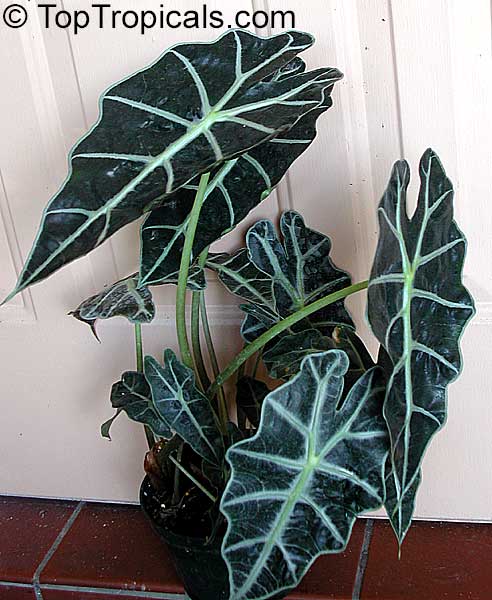
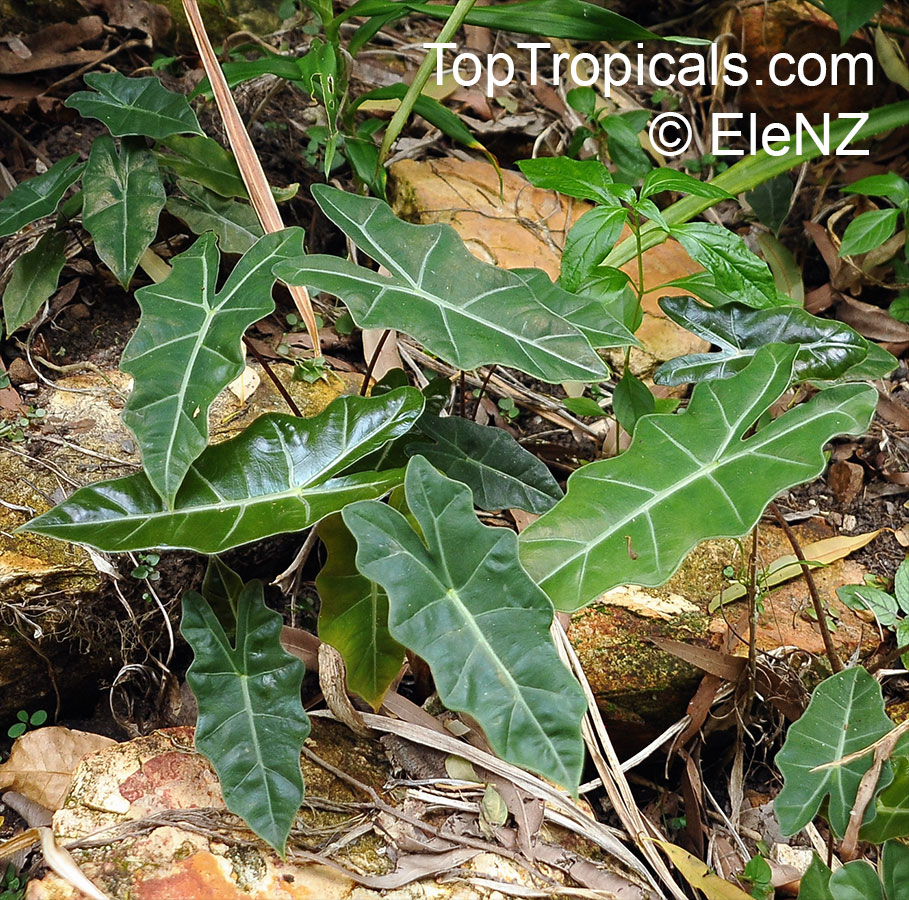
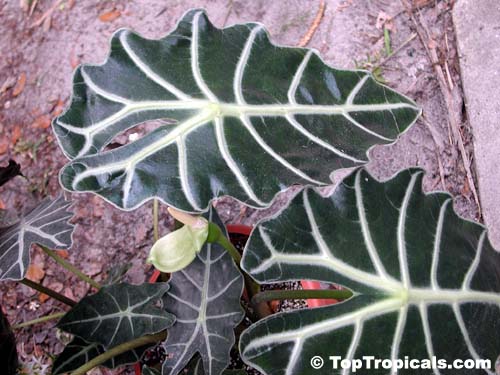
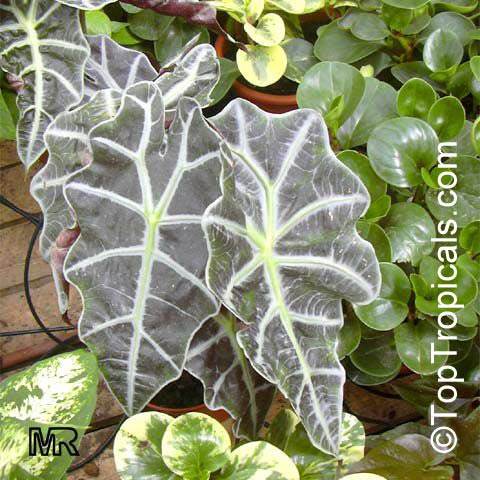
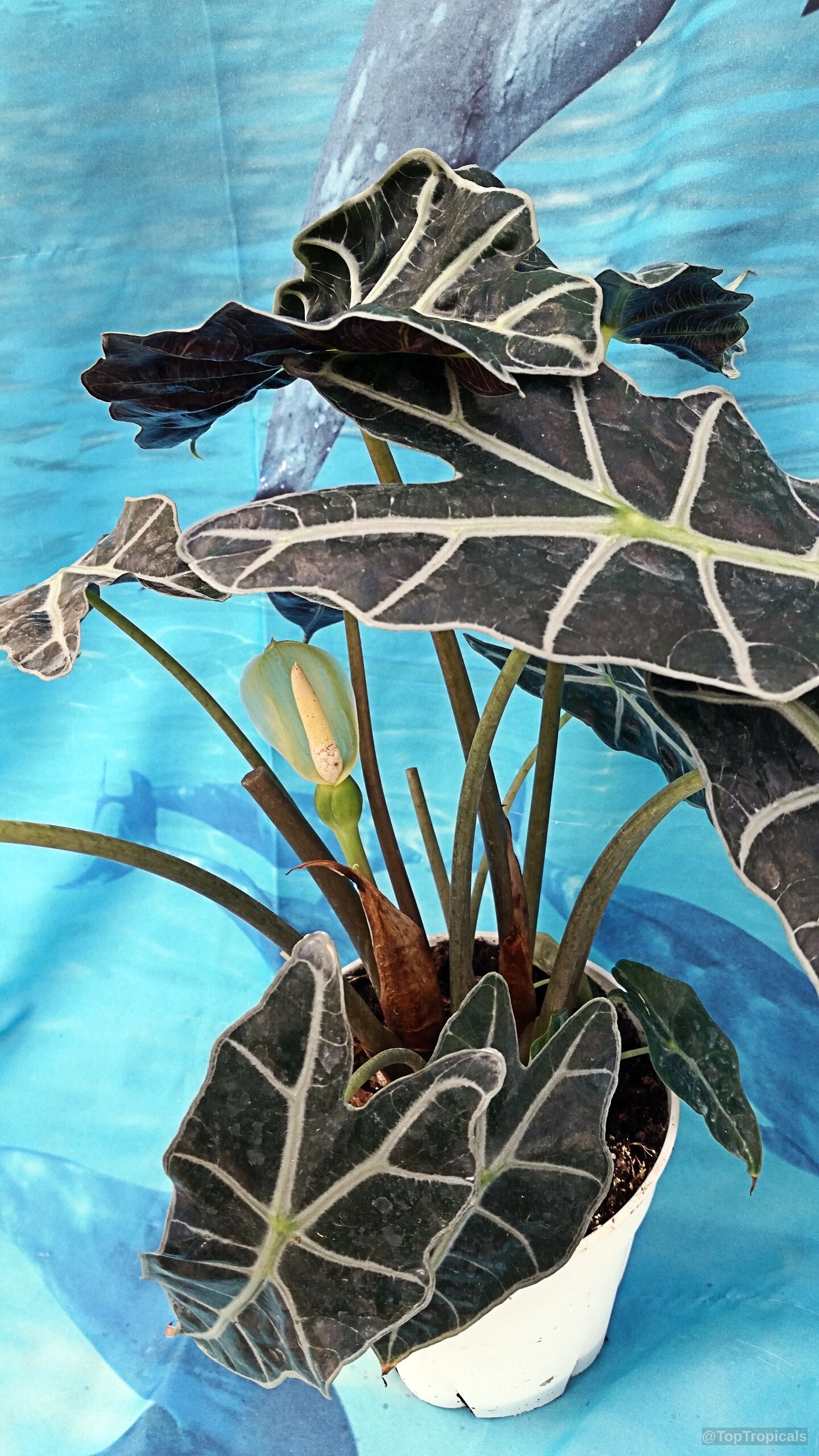
Alocasia sanderiana (Kris plant) is low-growing plant, native to the Philippines and will reach a height of about 2ft. A beautiful plant with flat, V-shaped leaves, deeply scalloped along the margins. The color is shiny, jet-black, with bold white veining. An excellent species for interior, landscape or terrarium use. This plant can be grown in either partial or full shade and does best in a bog or aquatic environment. It is also suitable for planting in pots and to be used as an ornamental foliage. This plant should be grown in USDA zone 10-11.
When caring for Alocasia sanderiana, it is important to provide it with warm and humid conditions as well as an abundance of water while it is growing. During the fall months, the water requirements can be reduced and the soil should only be moistened occasionally. Great care should also be taken when planting rhizomes - the top of the rhizome should be planted above the soil line or the leaves may begin to decay. For cold regions, it is best to keep this plant in a pot so that it can be brought inside during cold weather.



| Next | |
Use link to repeat this search:
https://toptropicals.com/cgi-bin/garden_catalog/cat.cgi?search_op=and&keyword_op=and&language=e&number=5&no_change_lang=1
&v1=aqa&user=tt&sale=1&first=0