Euphorbia - Plant Encyclopedia Results
| Number of plants found: 4 |
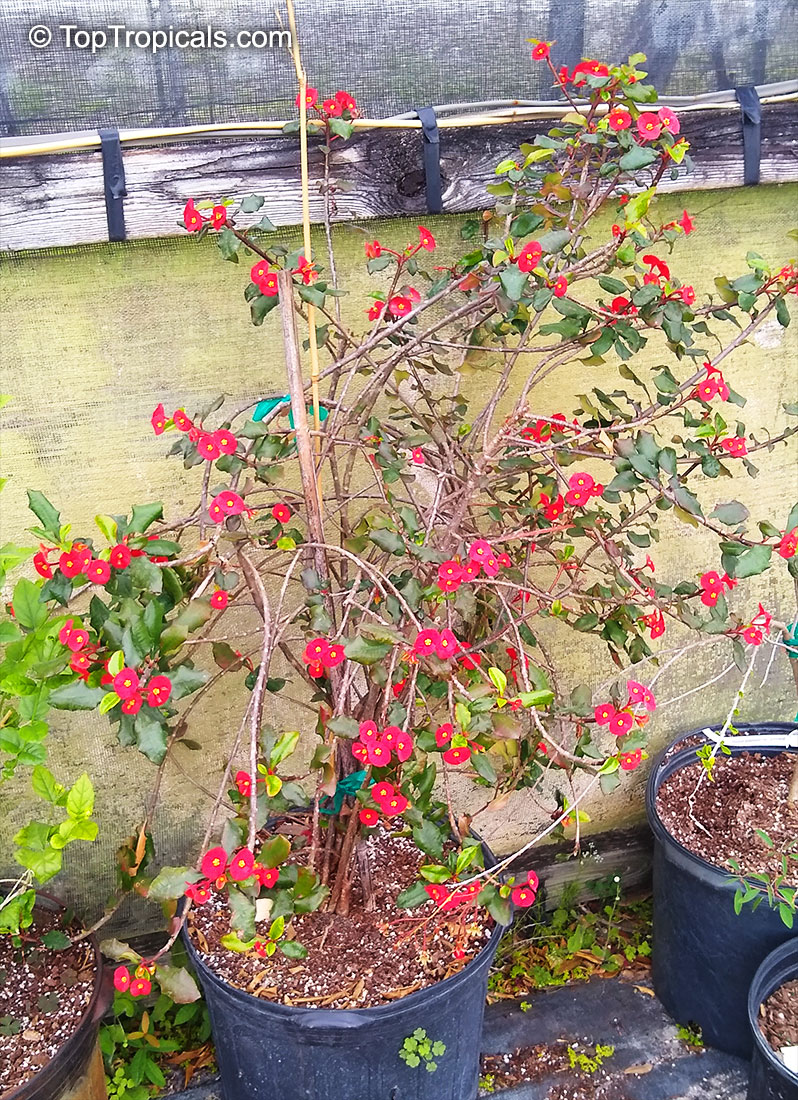
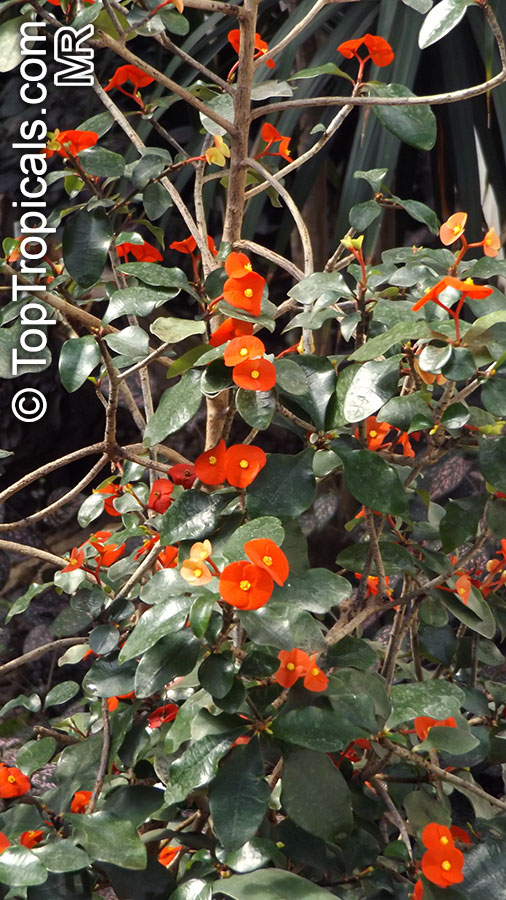
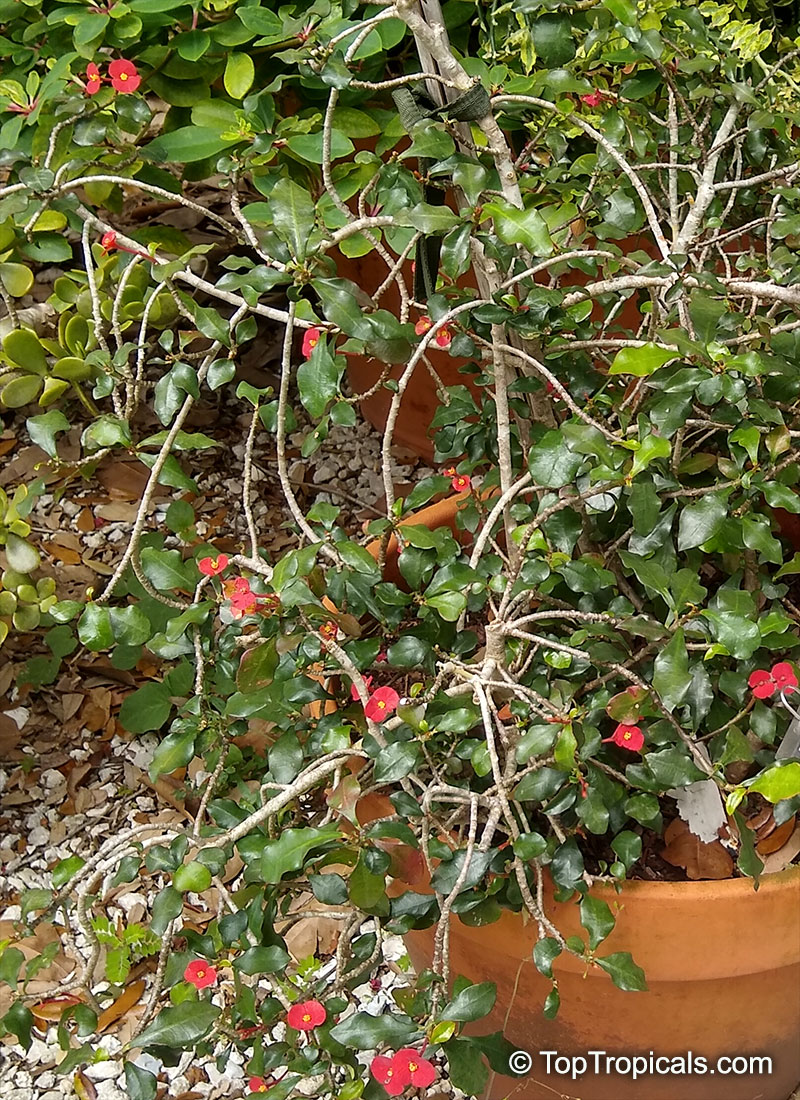
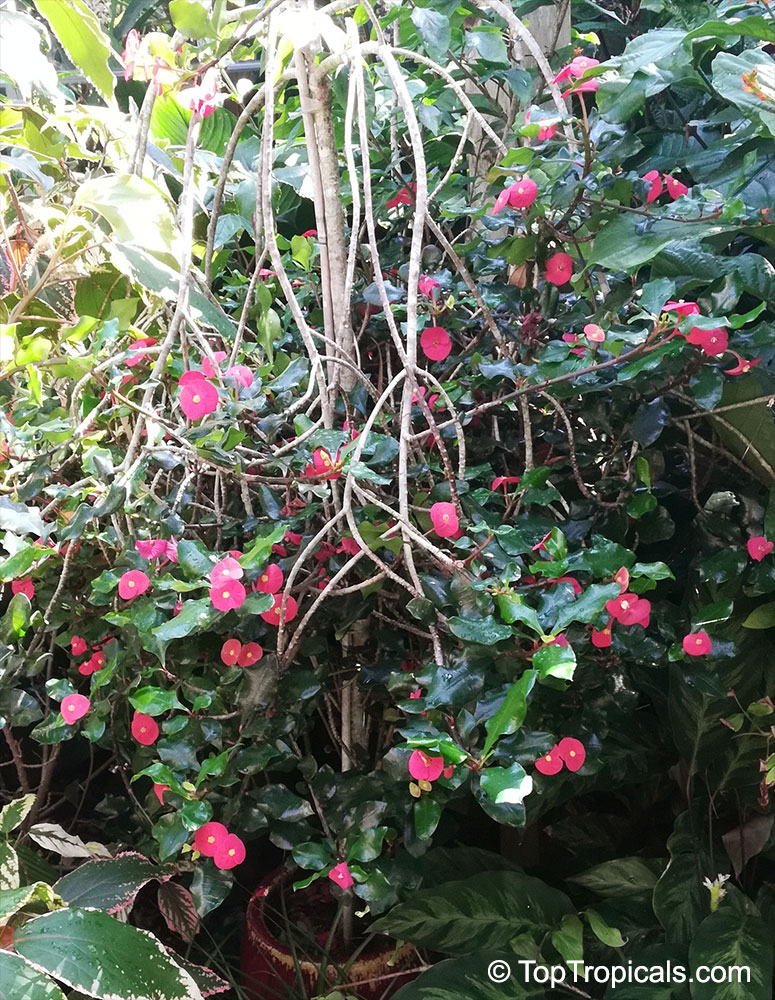
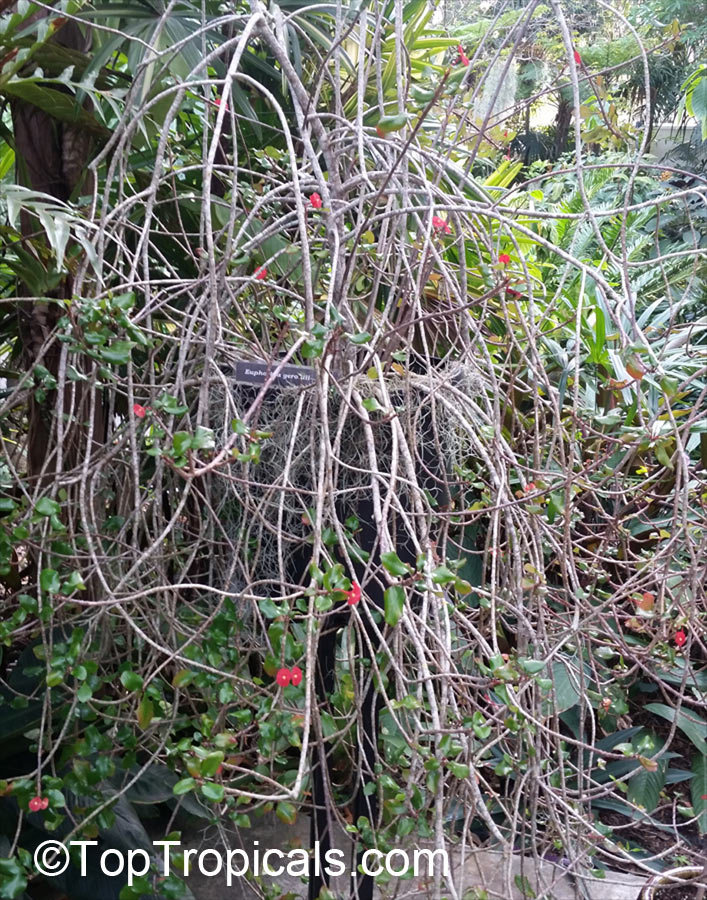
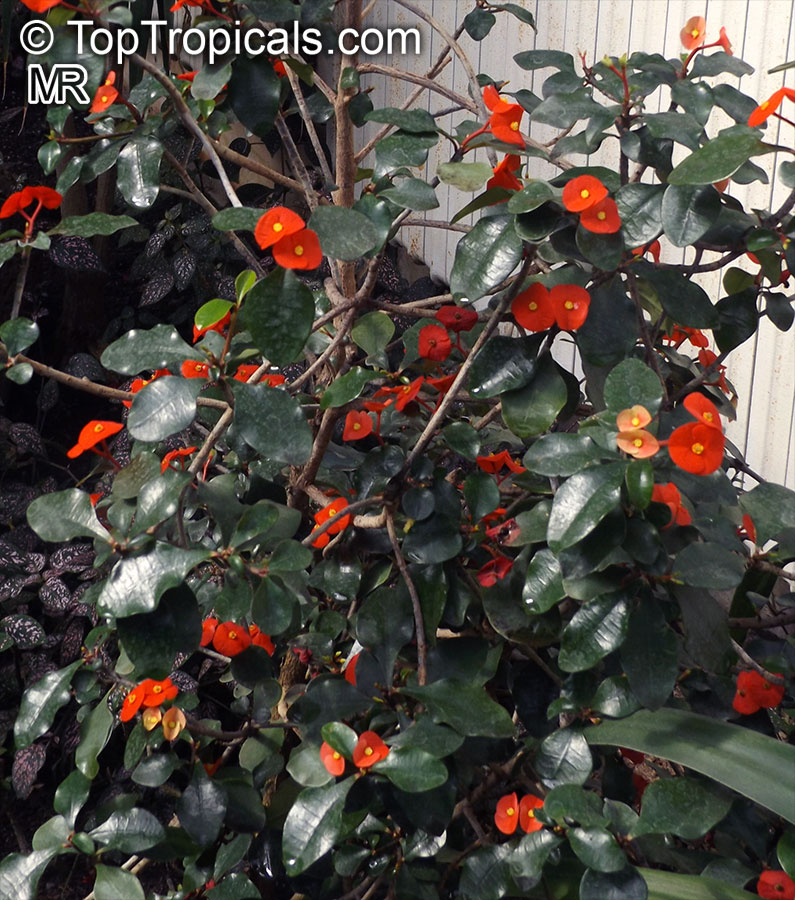
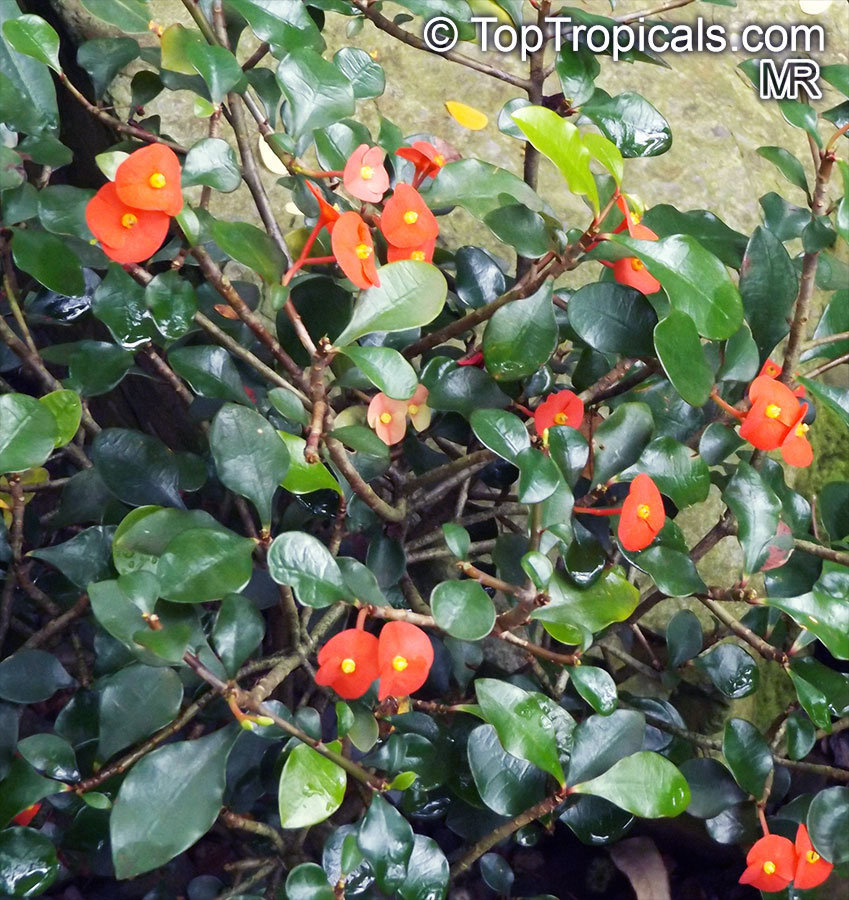
Botanical name: Euphorbia geroldii
Common name: Thornless Euphorbia
Family: Euphorbiaceae
Origin: Madagascar


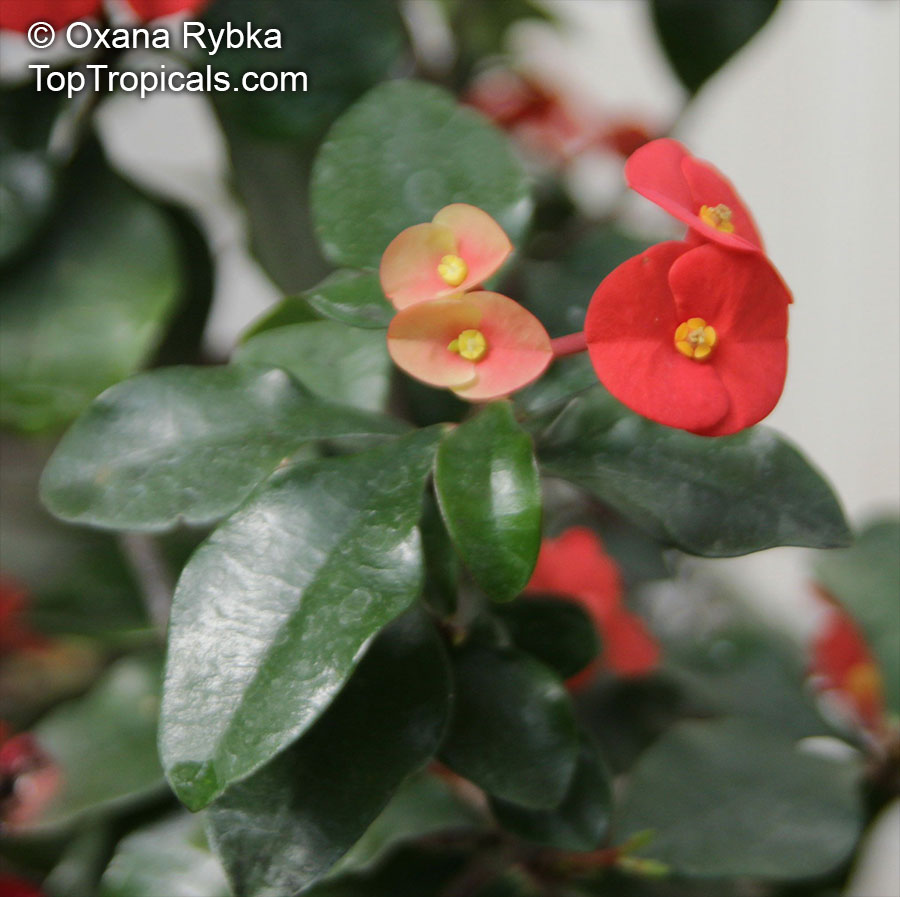
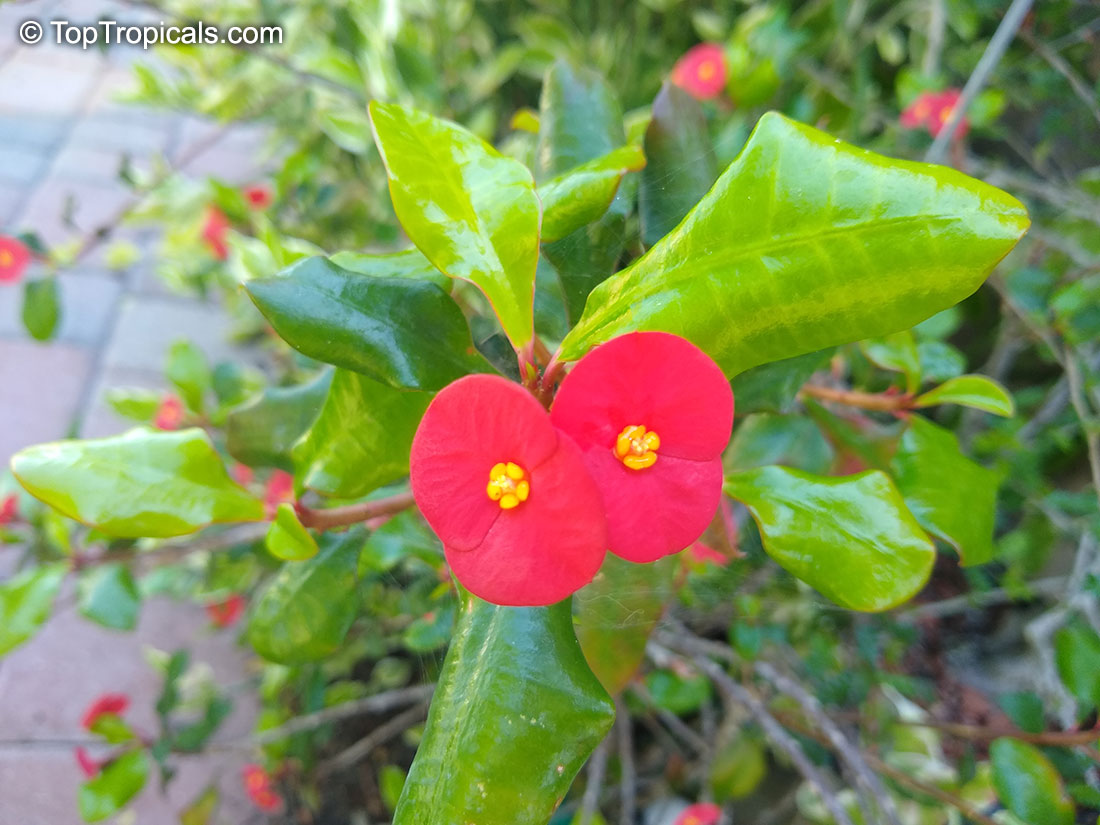
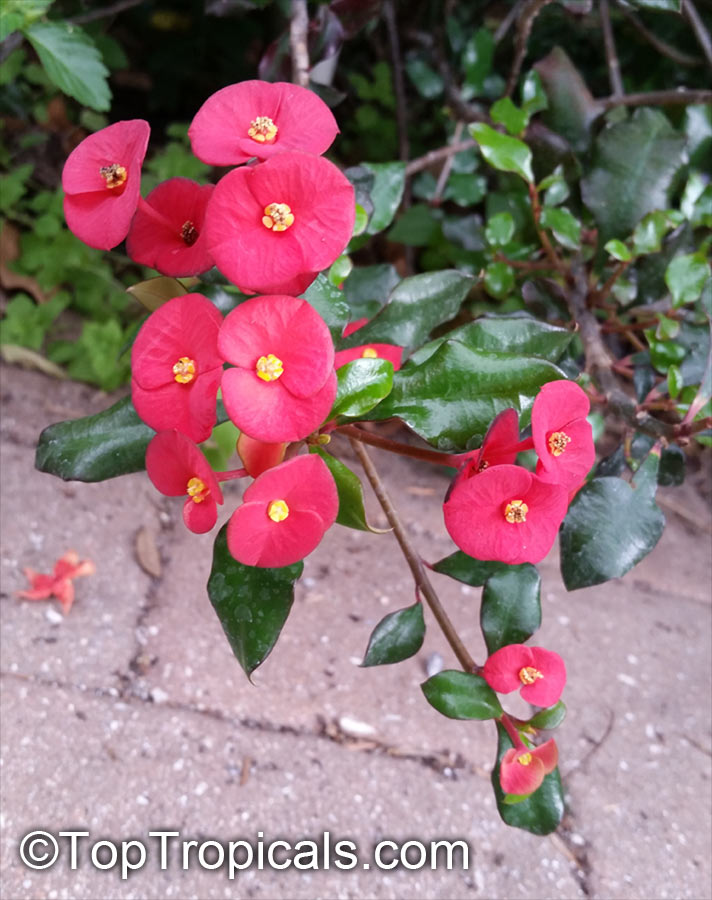
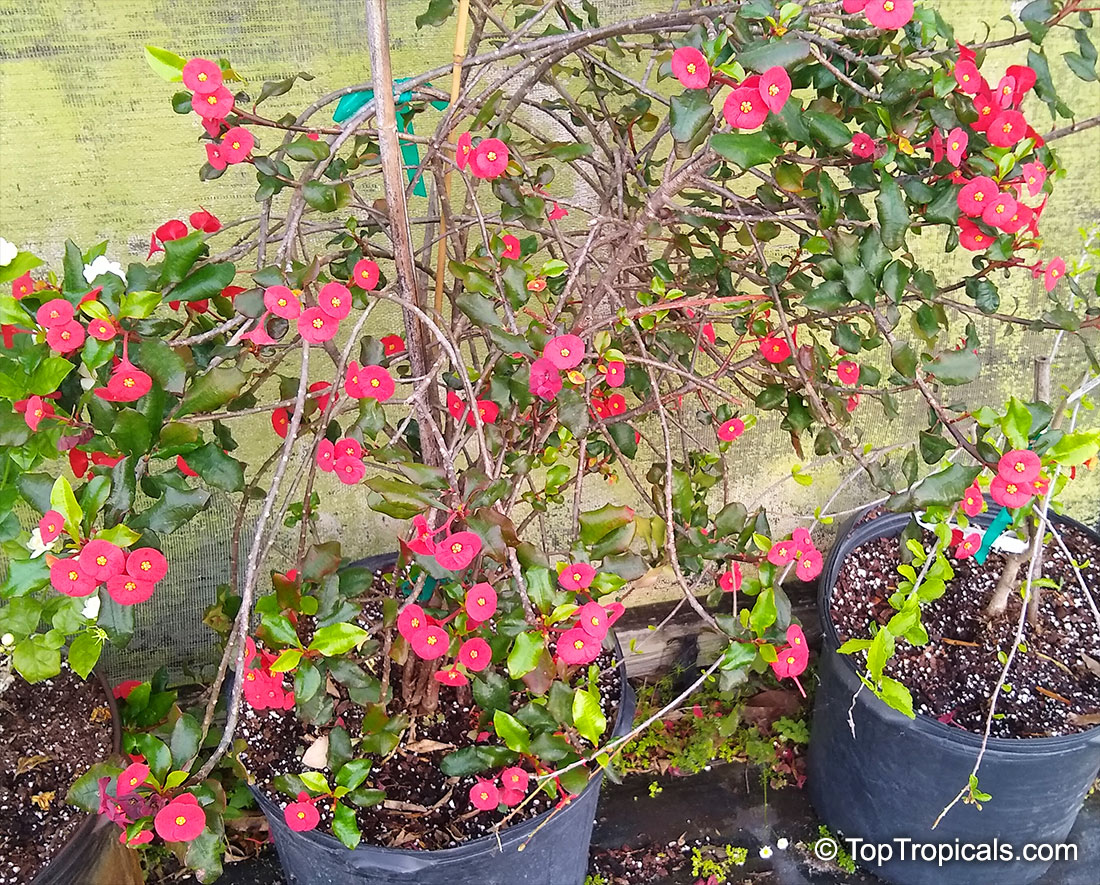
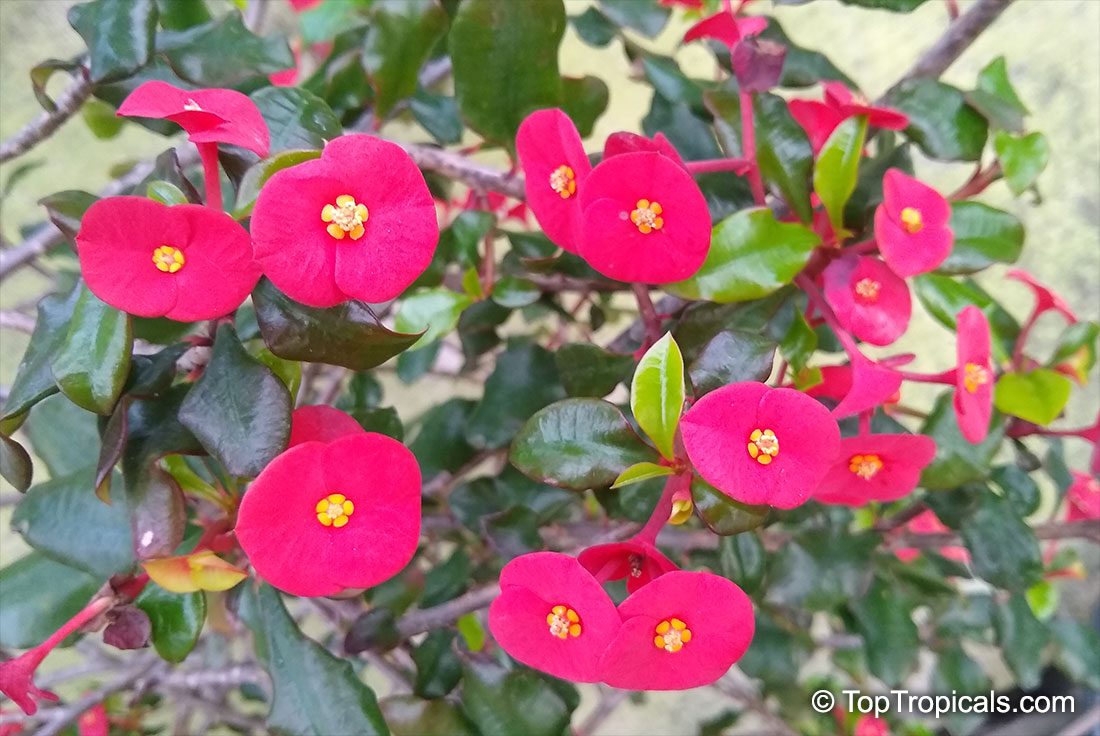
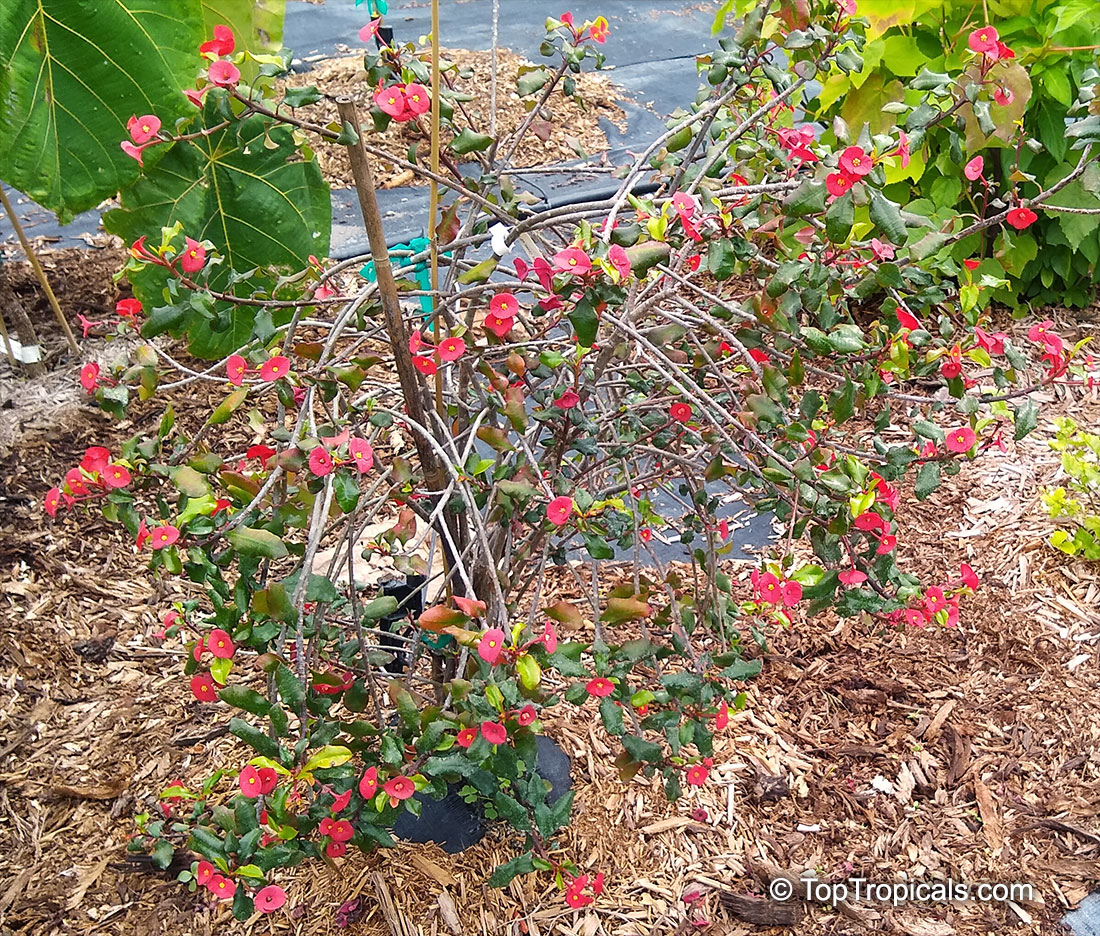
This semi-succulent shrub blooms all summer with bright red flowers in pairs with yellow centers. With wider leaves than Euphorbia millii and no spine, it prefers semi-shade and likes more moisture than other similar Euphorbias.
Native to Madagascar, like its spiny cousin Euphorbia millii, but much rarer in cultivation.
Discovered in the 19th century, it's one of the very few thornless Euphorbias in this group.
Flowers nearly year-round in warm climates, not just summer, especially if kept moist.
The flowers are actually bracts (modified leaves), and they appear in pairs around the true tiny yellow center.
It tolerates containers very well, making it popular for bonsai and small space gardening.
While thornless, it still produces the typical Euphorbia milky sap, which is irritating if it touches skin.
In its natural habitat, it's endangered due to deforestation and over-collection, which makes cultivated plants even more valuable to collectors.
Compared to Euphorbia millii, it prefers a bit more shade and water, giving it a softer, lusher look.

Recommended Fertilizer: SUNSHINE Megaflor - Bloom Nutrition Booster
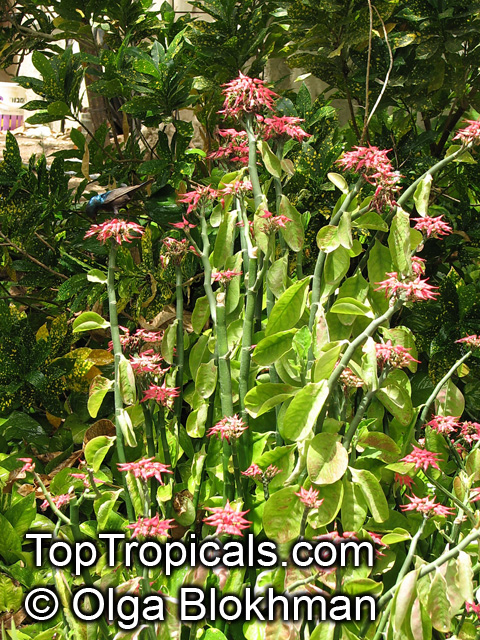
Botanical name: Euphorbia leucocephala
Common names: Pascuita, Snows of Kilimanjaro, White Small Leaf Poincettia, Snow Bush, White-laced euphorbia, Snow Flake, Poinsettia
Family: Euphorbiaceae
Origin: Central America, from southern Mexico to El Salvador


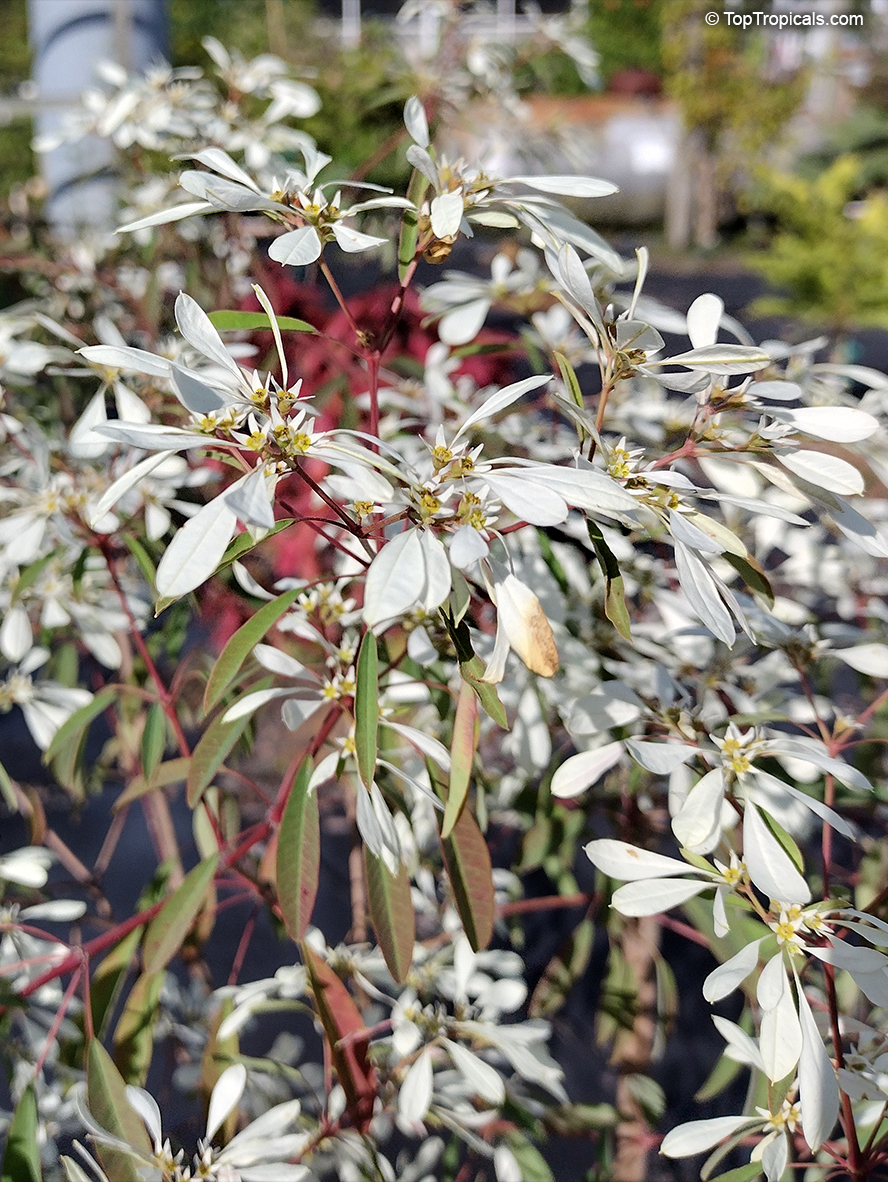
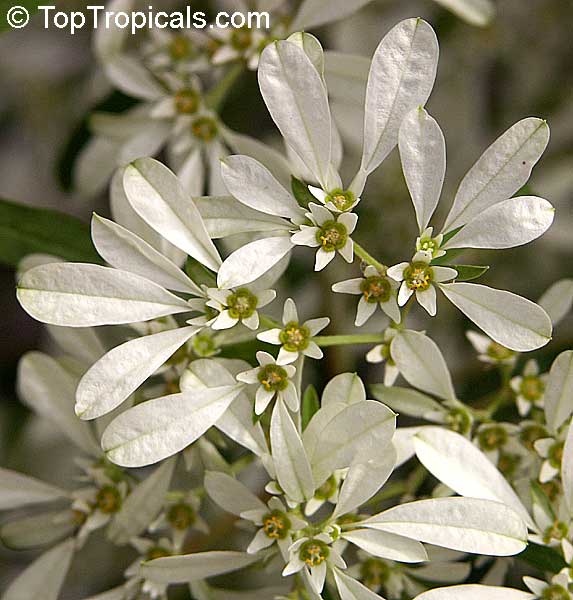
Shrub with decorative white bracts. Unusual species with tiny small leaves, white on top, reminding popular Poincettia. Unlike many other euphorbias, this plant is very fragrant. When it is in bloom, the air around is filled with a sweet pleasant smell. It is a close relative of the well-known and equally eyecatching, Poinsettia. In Euphorbias, the showy parts of the plant are actually leaf-shaped bracts; the tiny flowers are found in the centre of each bract. It is a fast rowing, relatively large shrub. Every part of the plant exudes a milky-white latex when damaged and may cause skin irritation when touched. Flowering time - late autumn. Protect from wind as stems tend to be brittle. It will need to be pruned back hard after flowering to stop it from becoming straggly. Caution - wear gloves when pruning and ensure no milky sap touches the body as it may be very irritating.
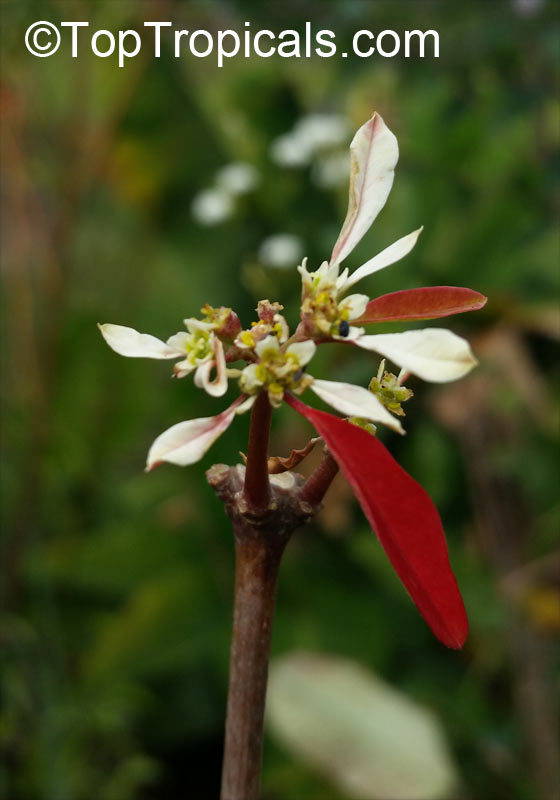
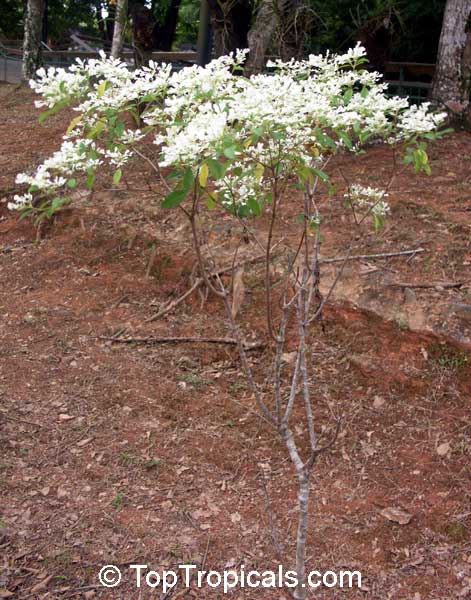
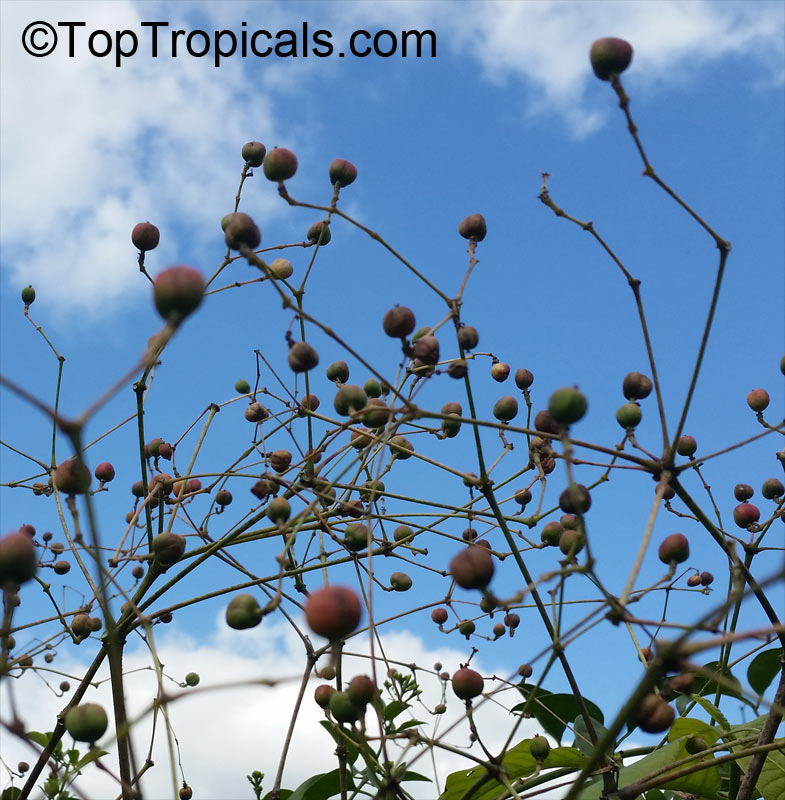
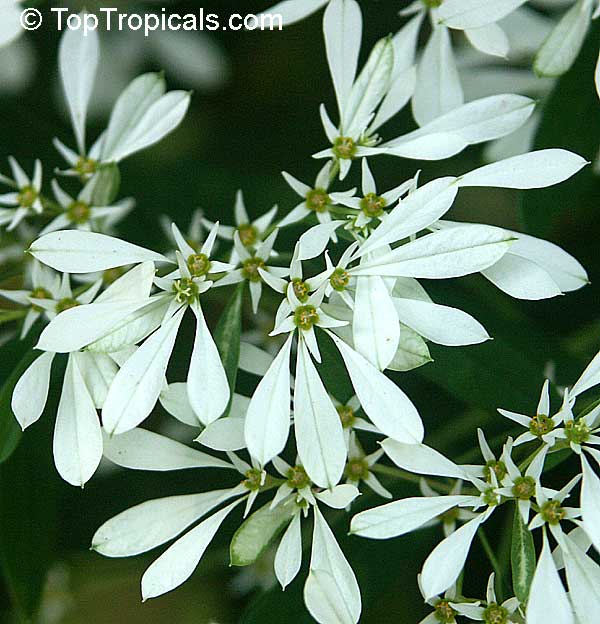

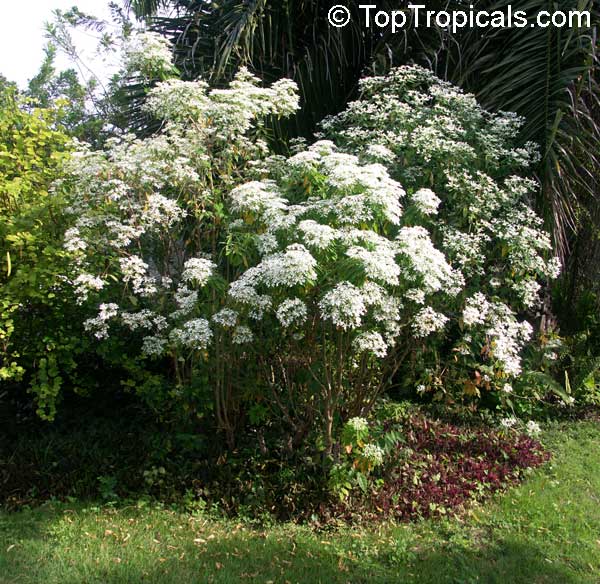
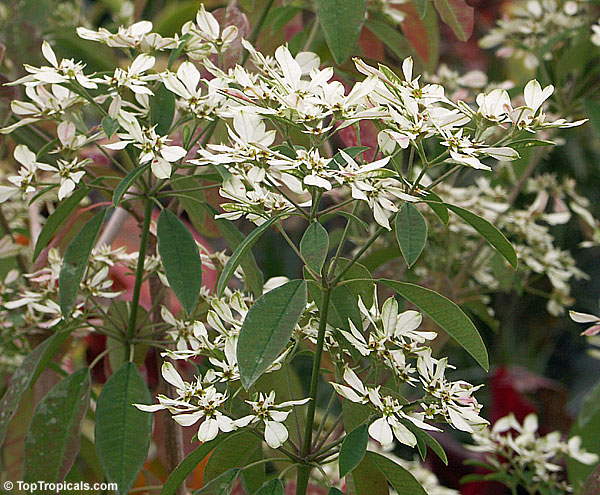
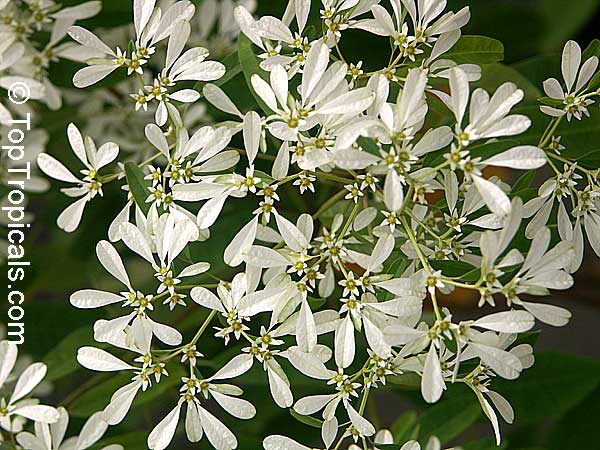
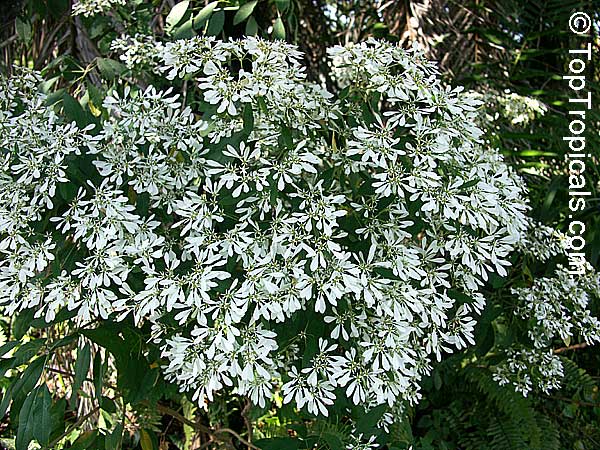
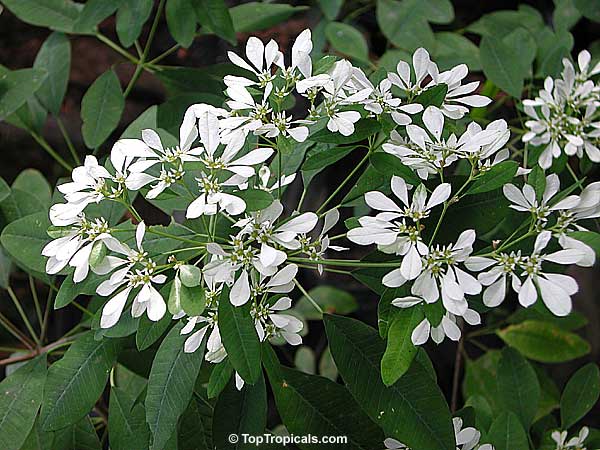

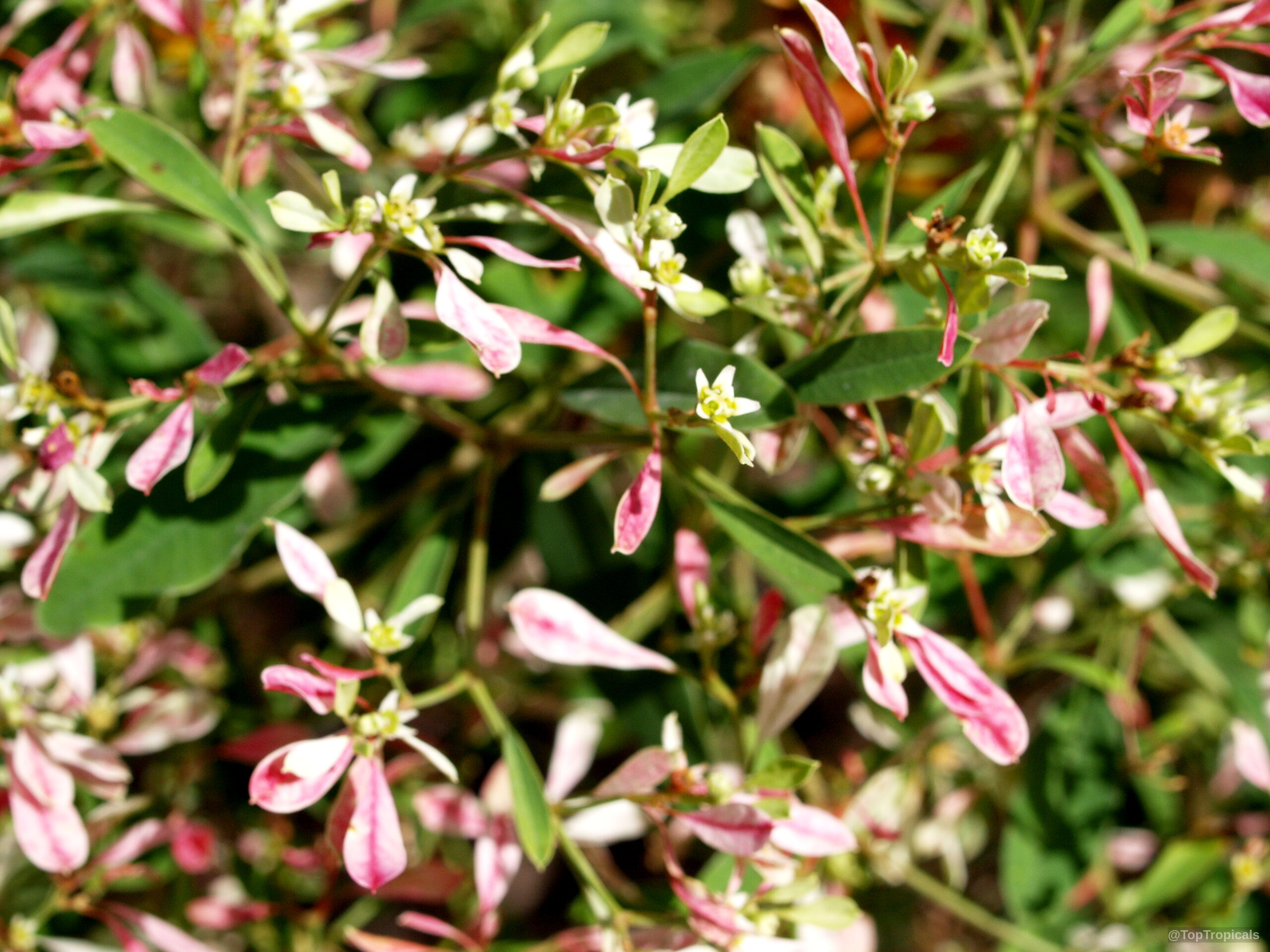

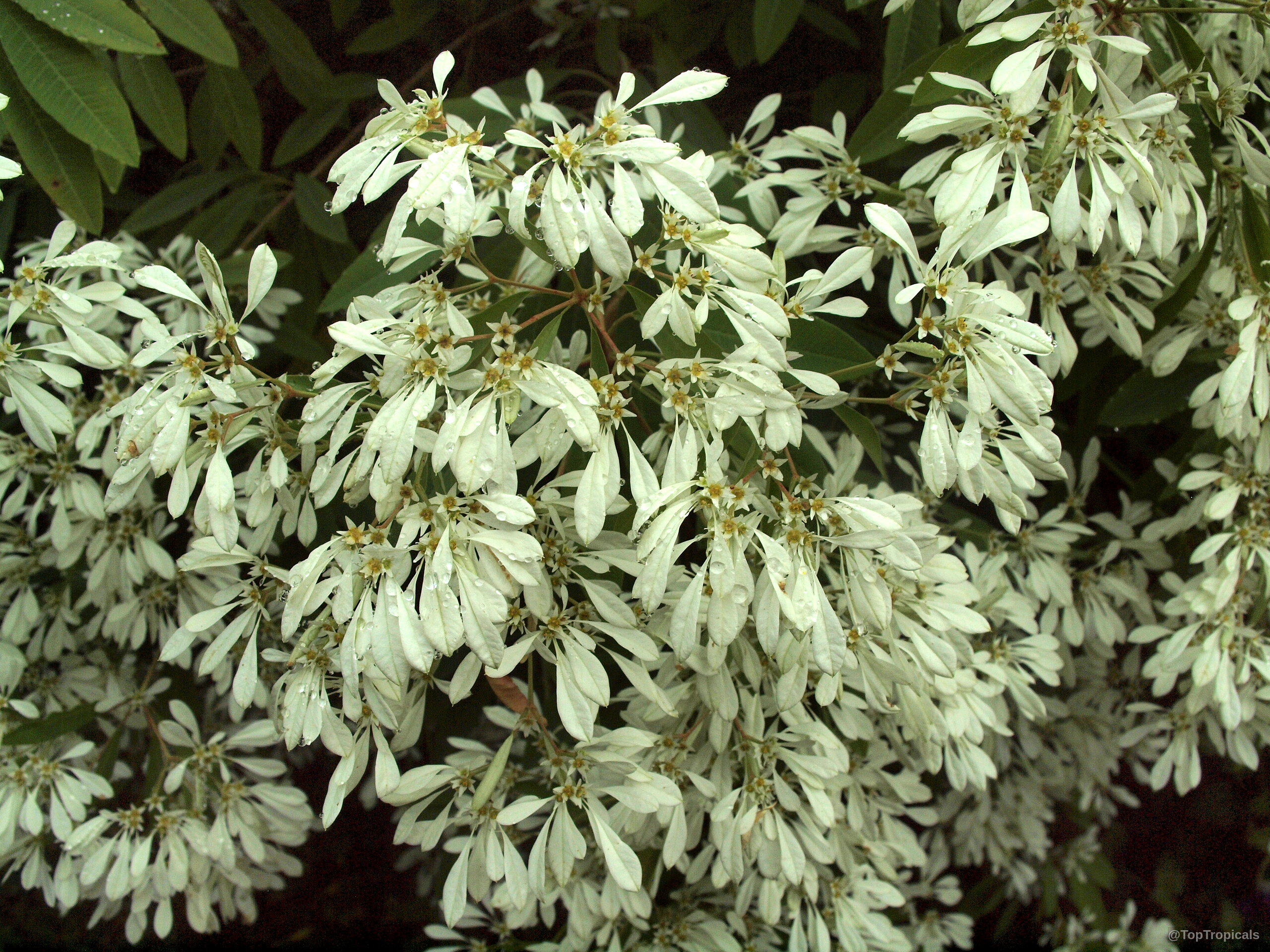
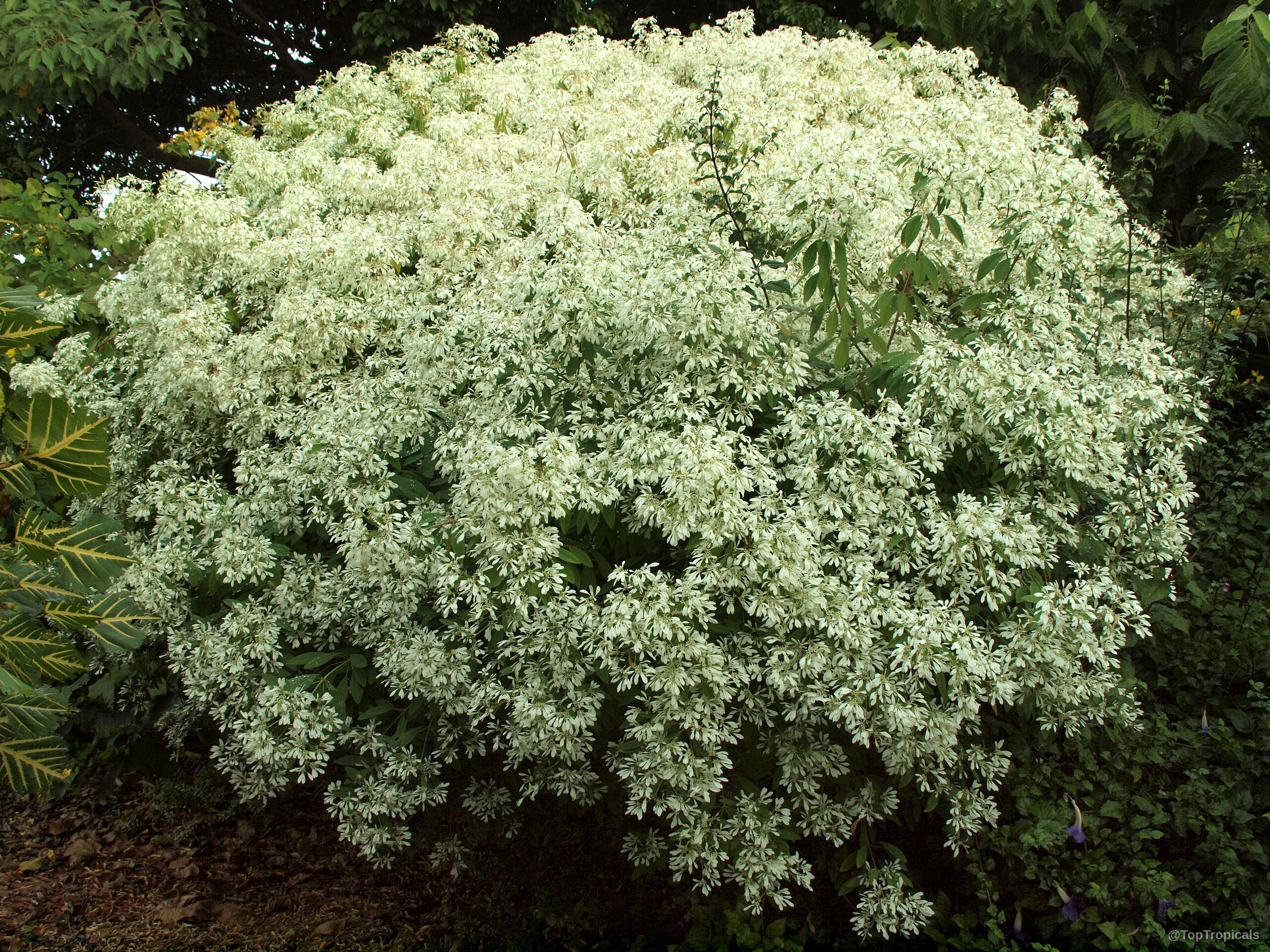
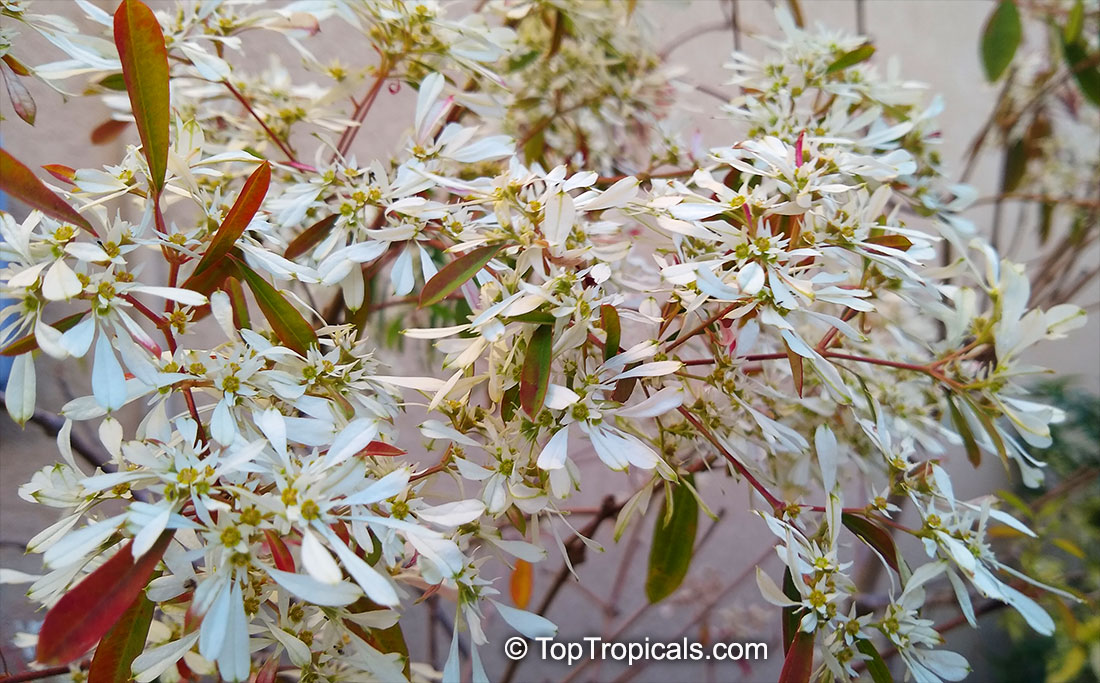
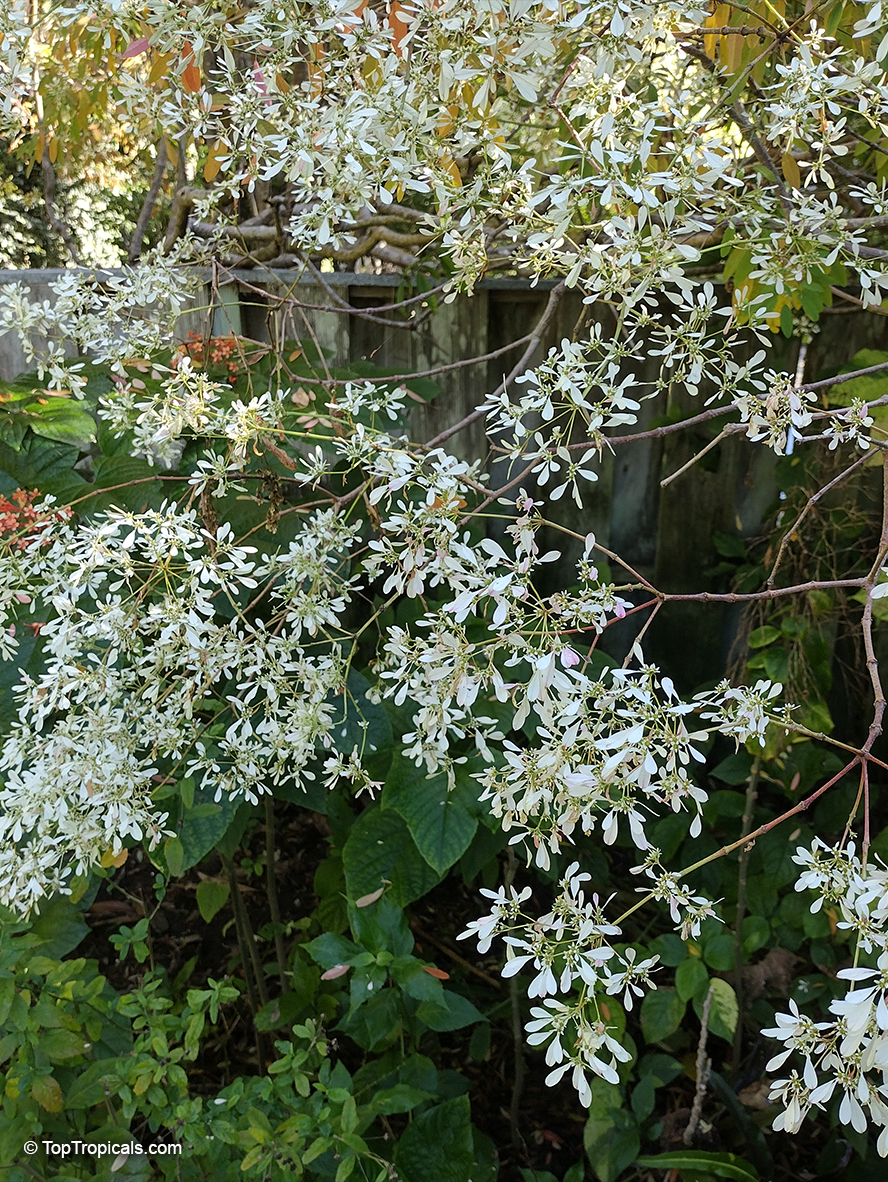
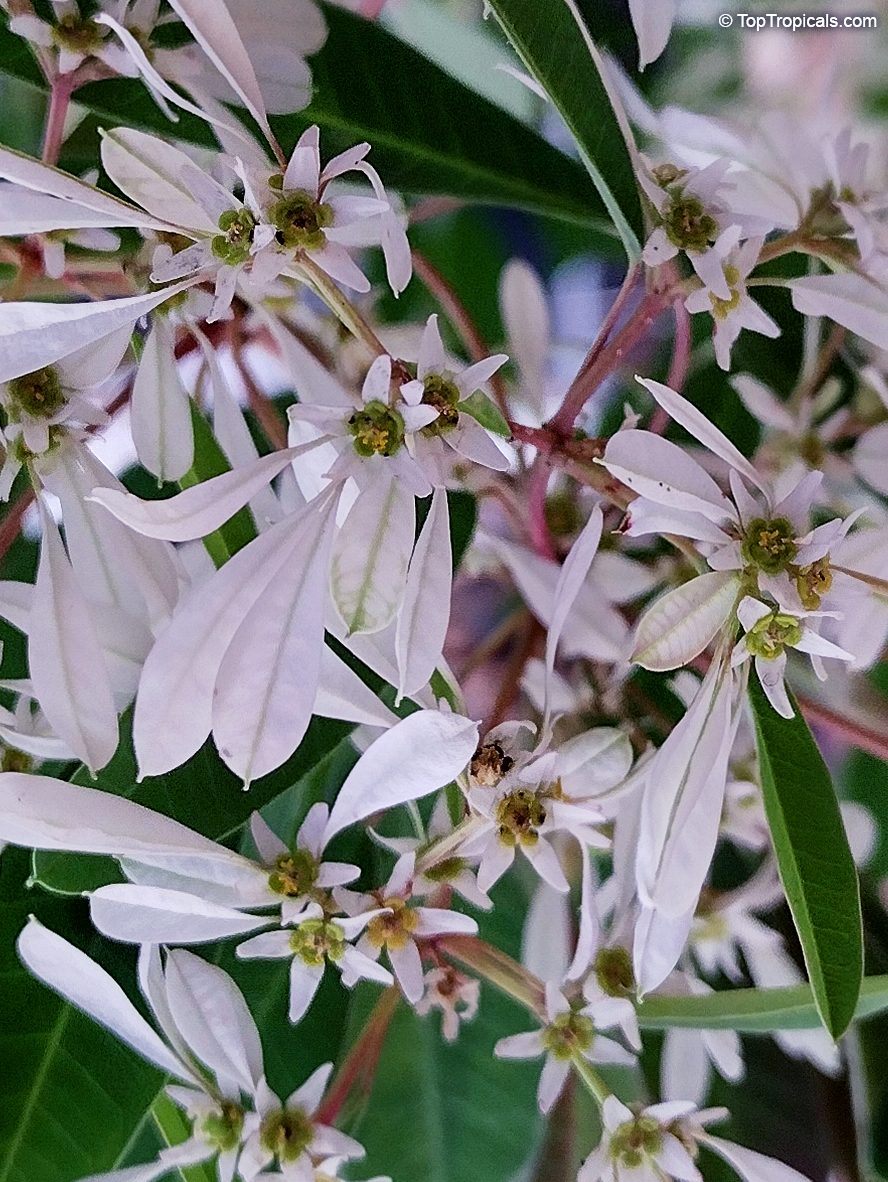
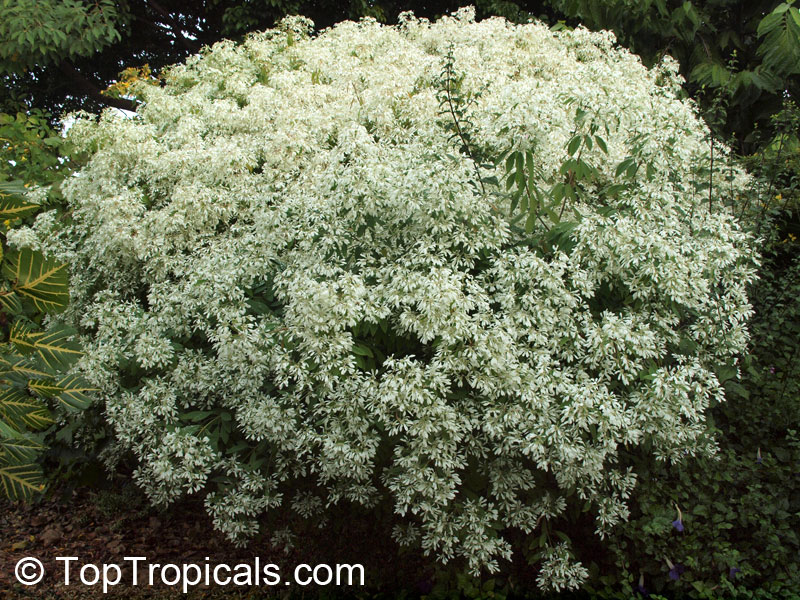
This plant completely loses leaves for winter, re-leafs in spring.
Recommended Fertilizer: SUNSHINE Megaflor - Bloom Nutrition Booster
 SUNSHINE Pikake (NPK 2-2-4) - eco-friendly concentrated nutrition booster for fragrant flowers. Improves quantity and quality of flowers. Encourages profuse blooming. Increases flower fragrance intensity. Can be used with every watering. For best results, use in combination with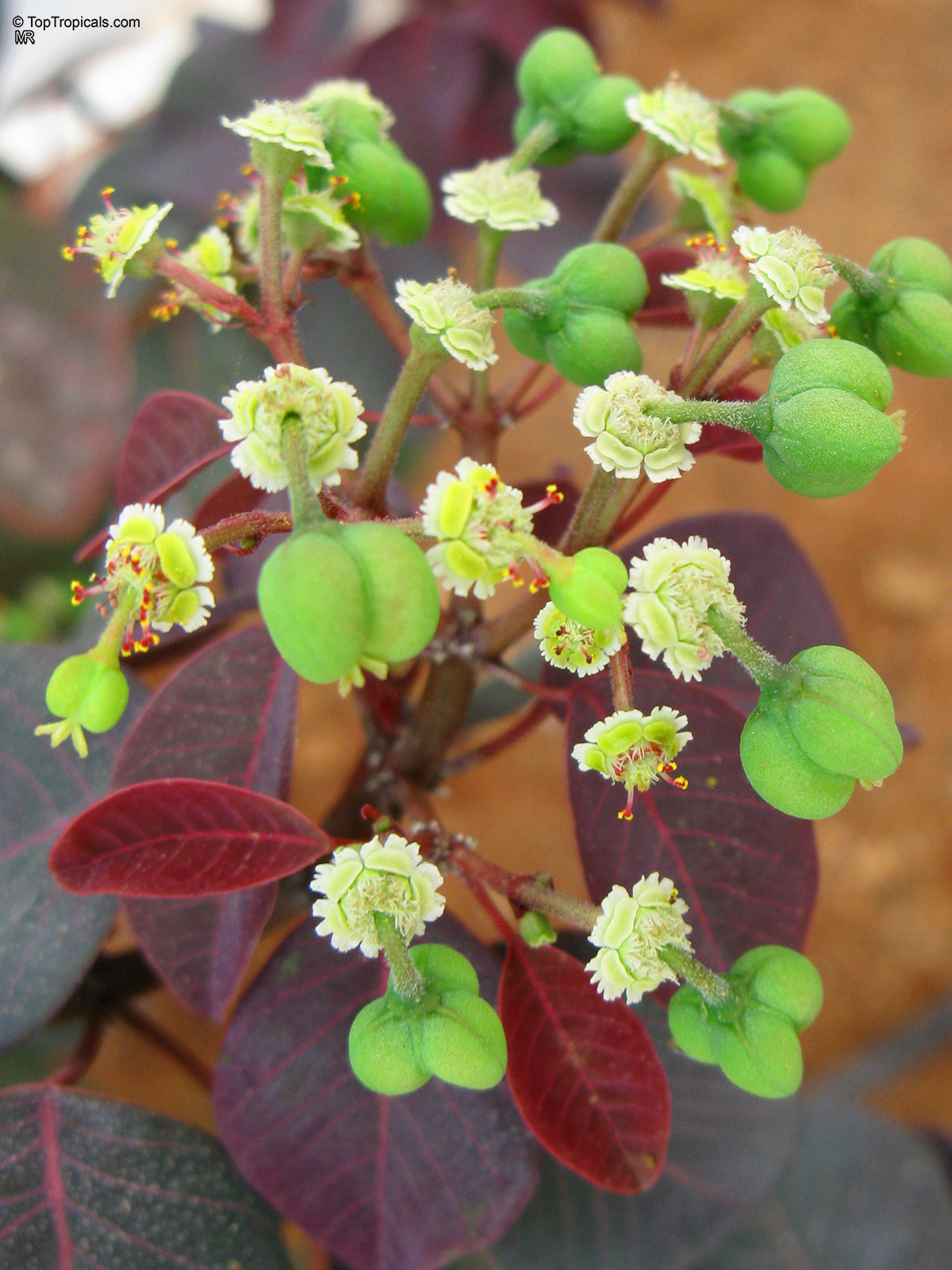
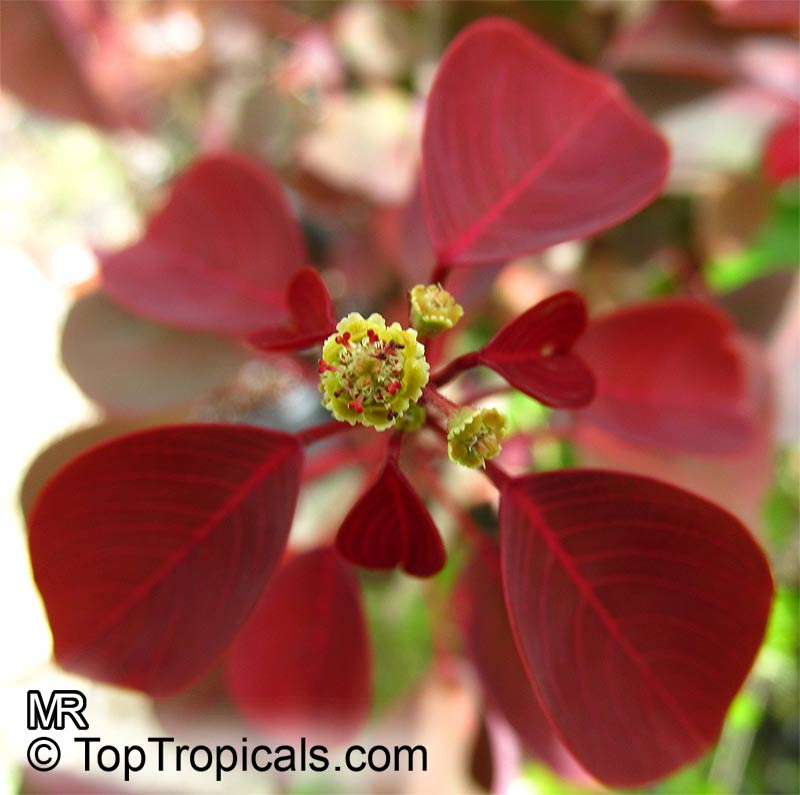
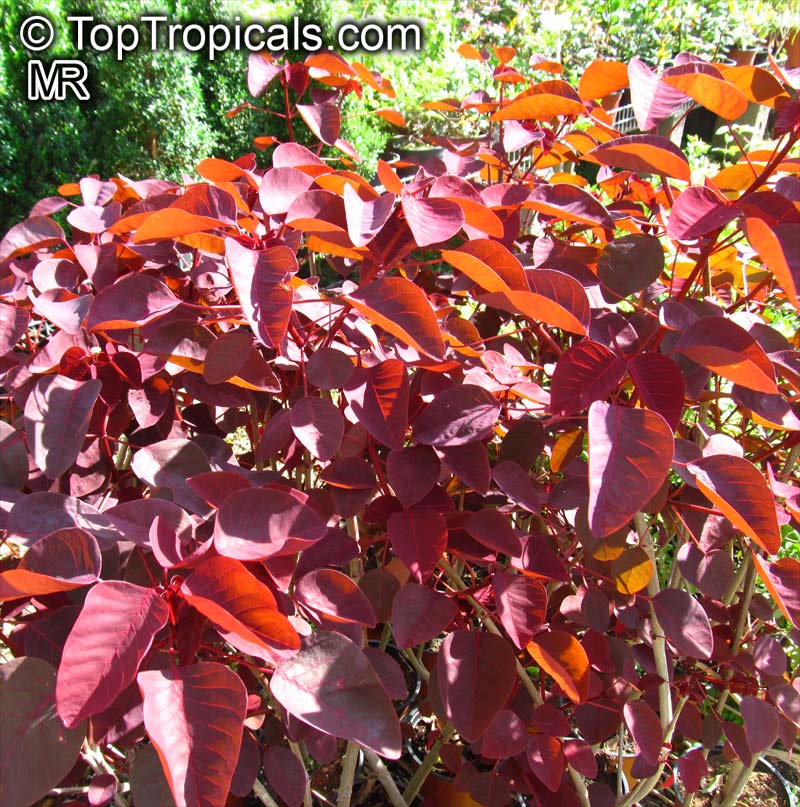
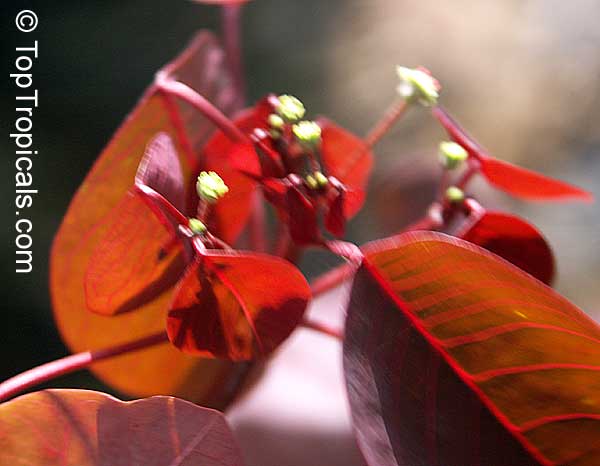
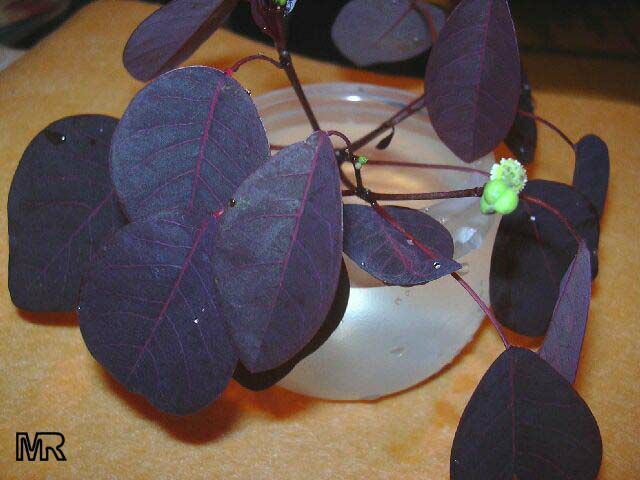
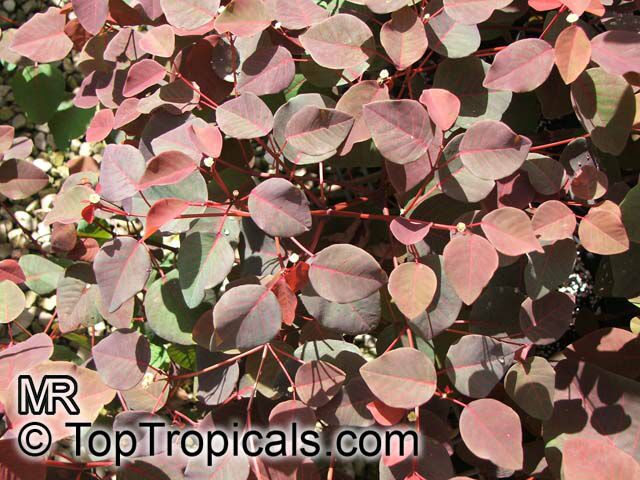
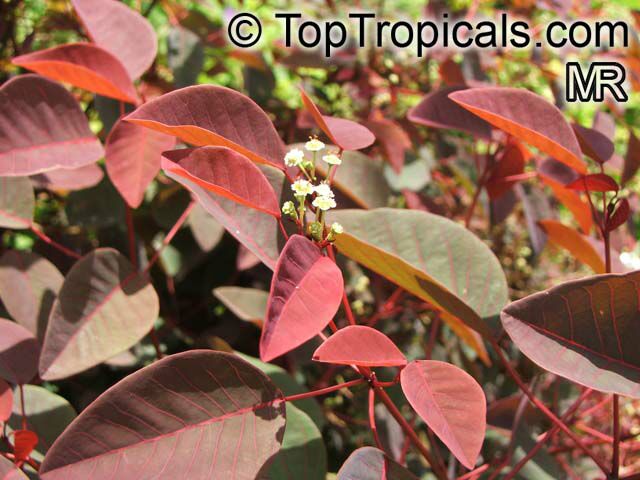
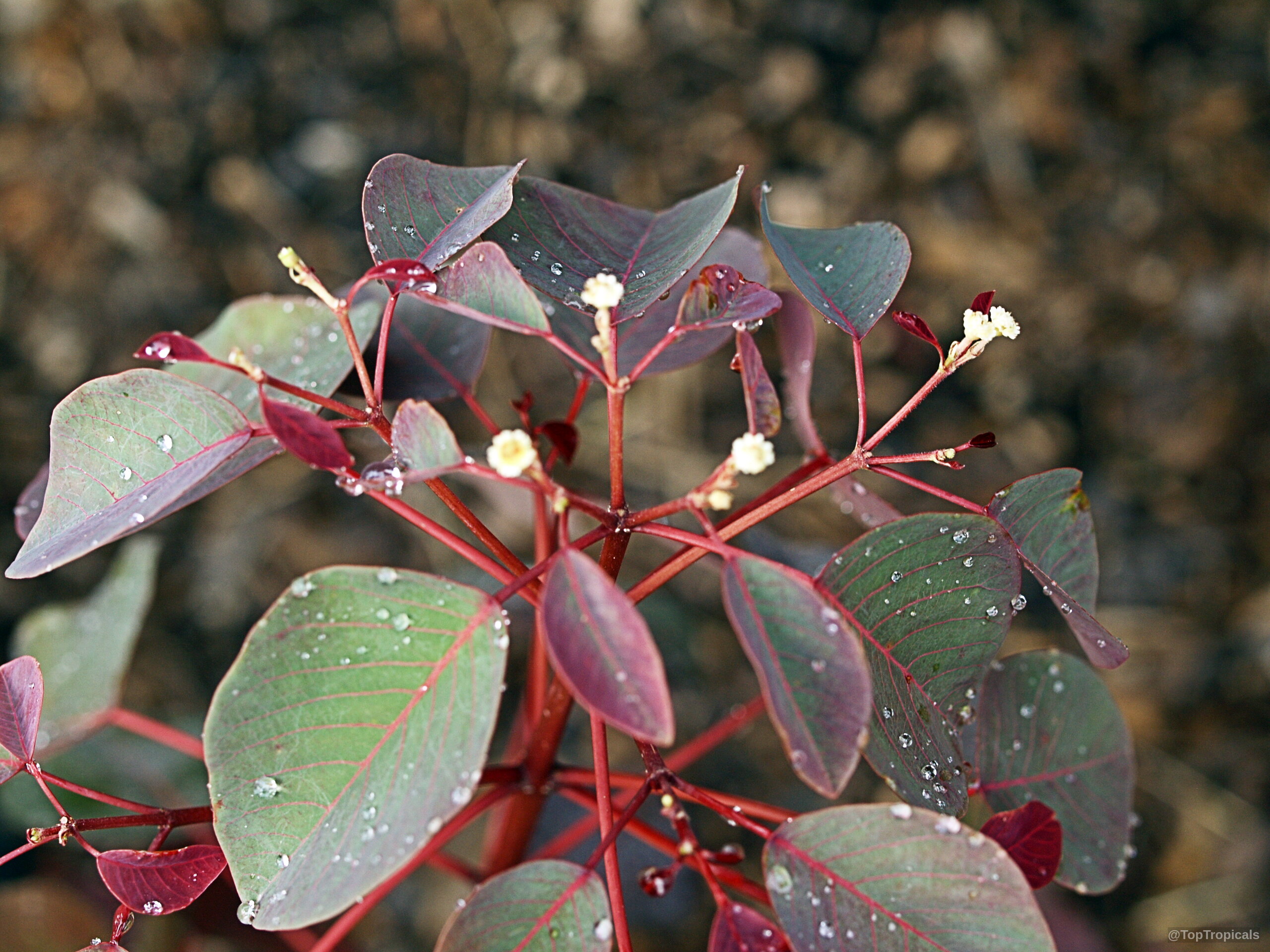
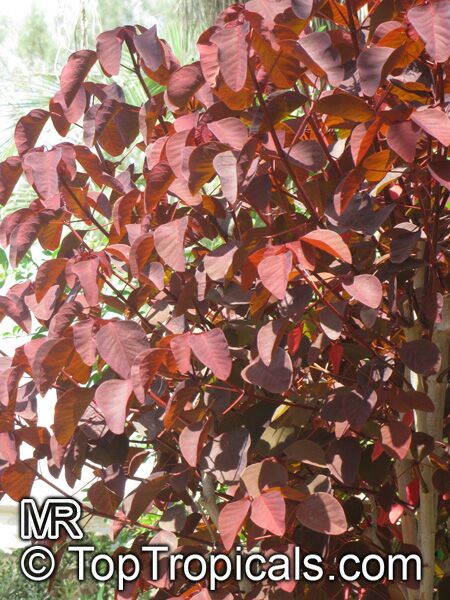
Botanical name: Euphorbia cotinifolia
Common names: Red spurge, Mexican shrubby Spurge, Caribbean Copper Plant
Family: Euphorbiaceae
Origin: Central and South America
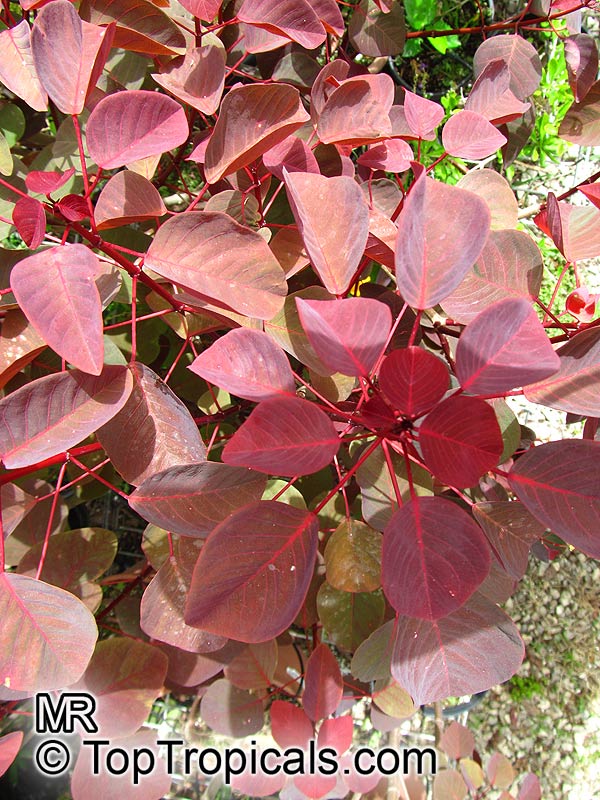
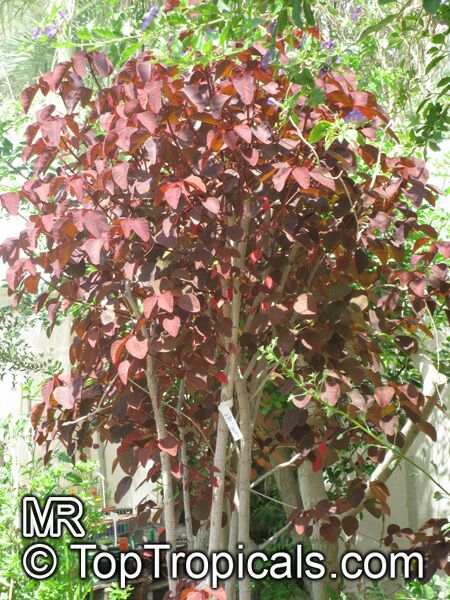
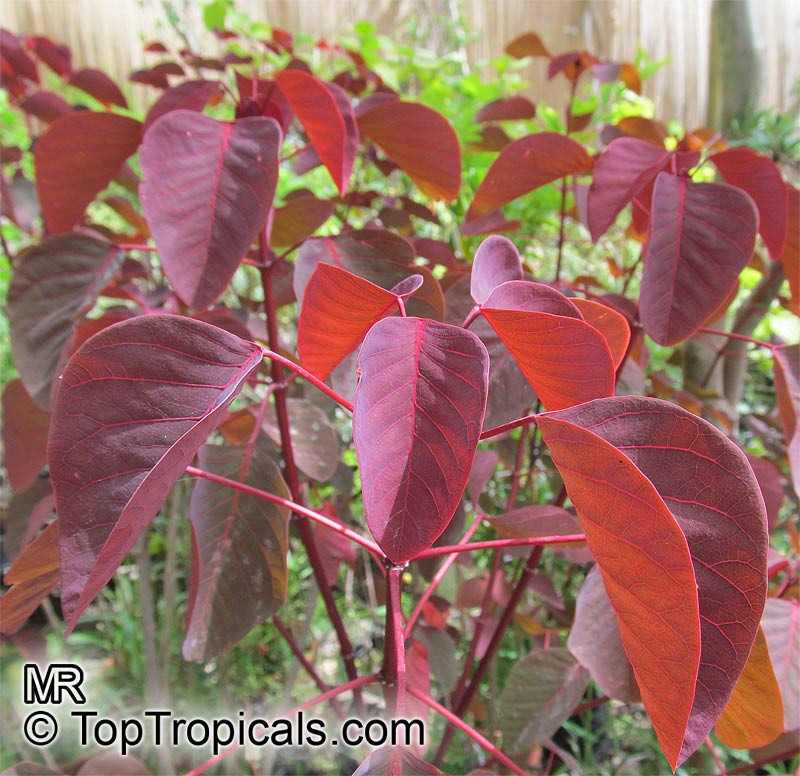
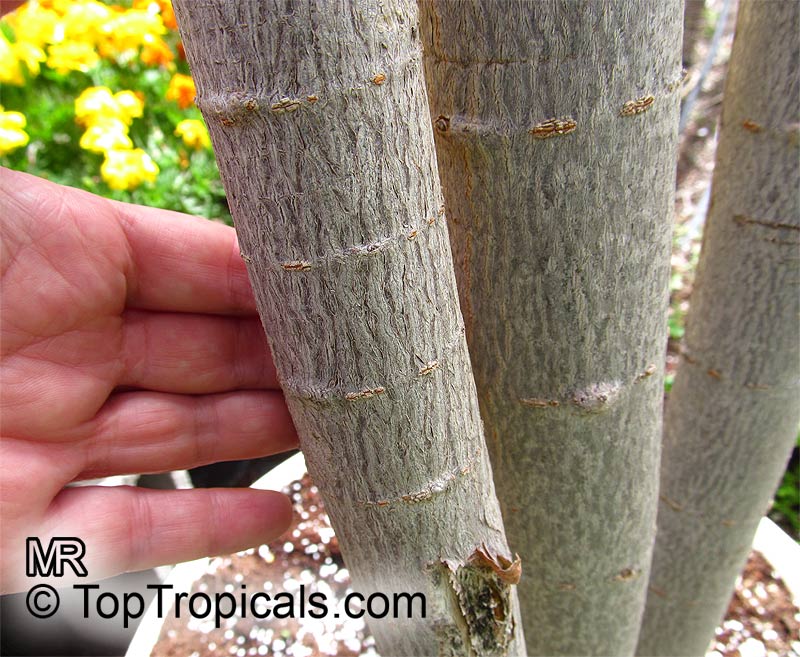
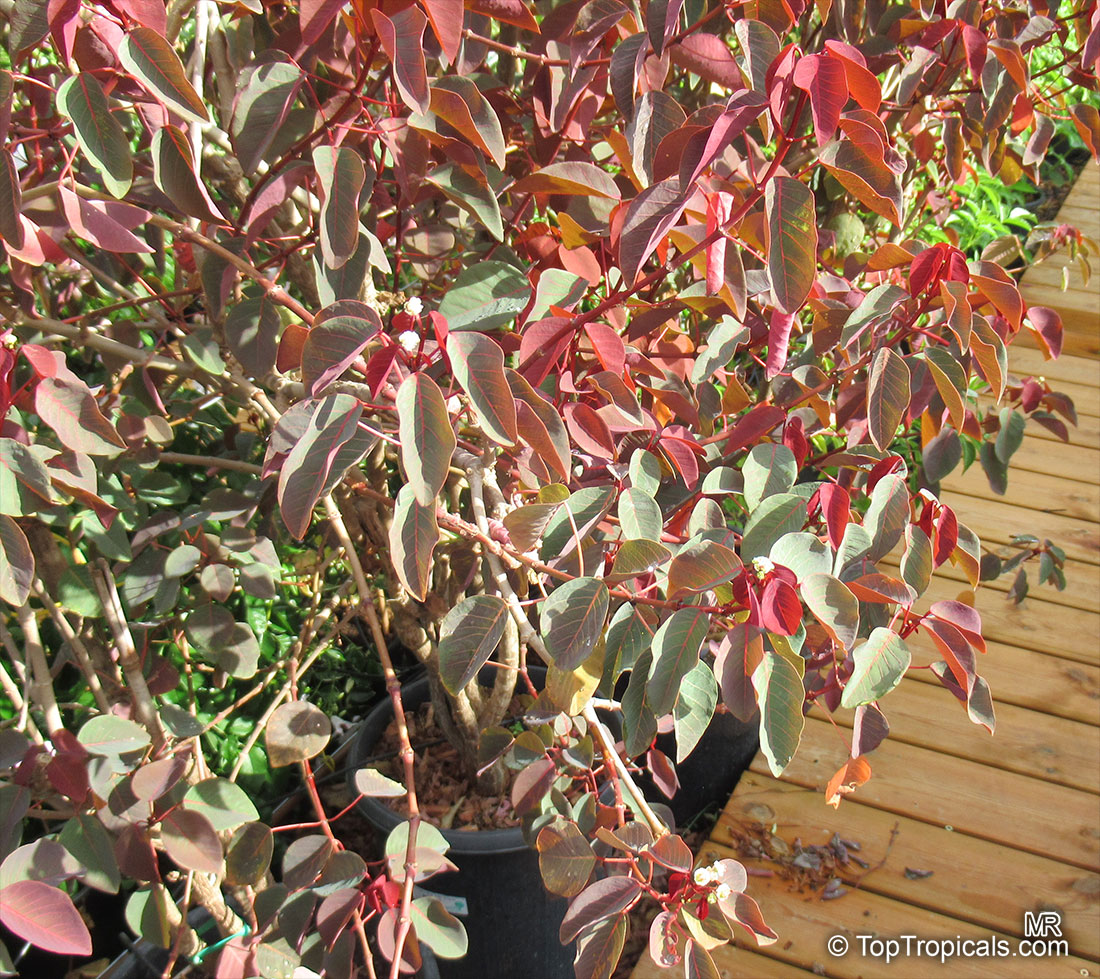
Small multi-stemmed tree or large shrub up to 10 feet. Wine red foliage and small white flowers. The red leaves stand out against the pale bark.
Euphorbia cotinifolia has red leaves the color of the Smoke Bush, Cotinus coggygria. The Caribbean Copper Plant will lose all of its leaves if there is anything even close to a frost. Euphorbia cotinifolia will perform best if there is regular garden water. While they are quite drought tolerant they withstand this affront by dropping all of their leaves.




Recommended Fertilizer: SUNSHINE Megaflor - Bloom Nutrition Booster
Last one
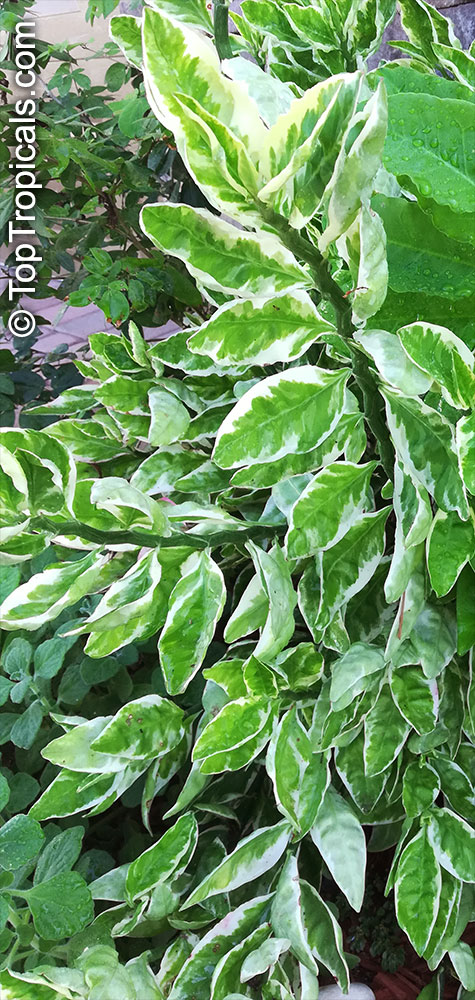
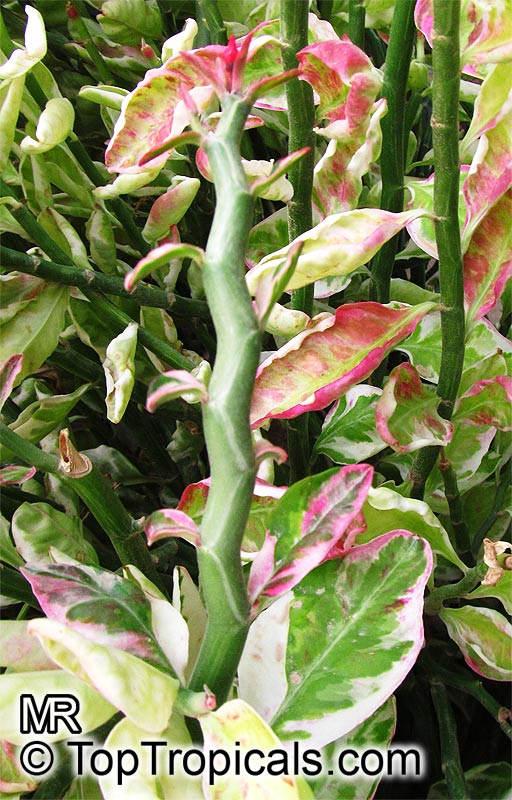
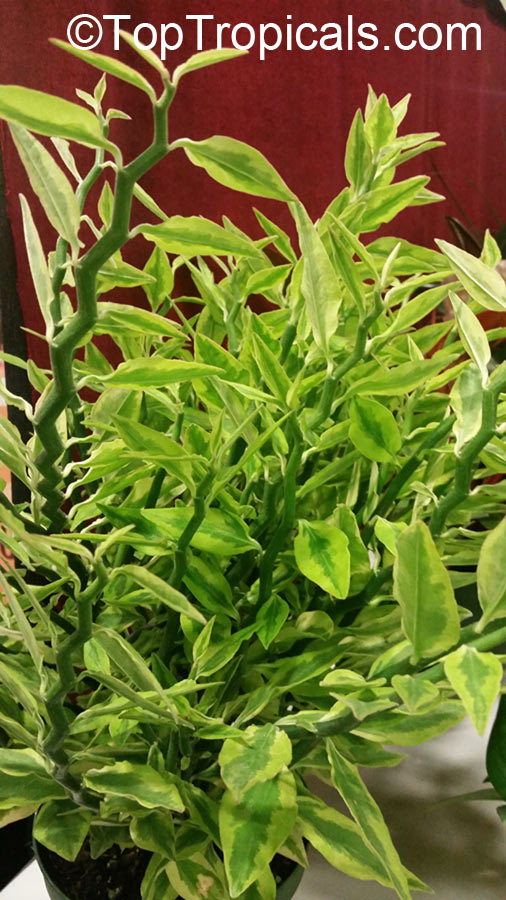
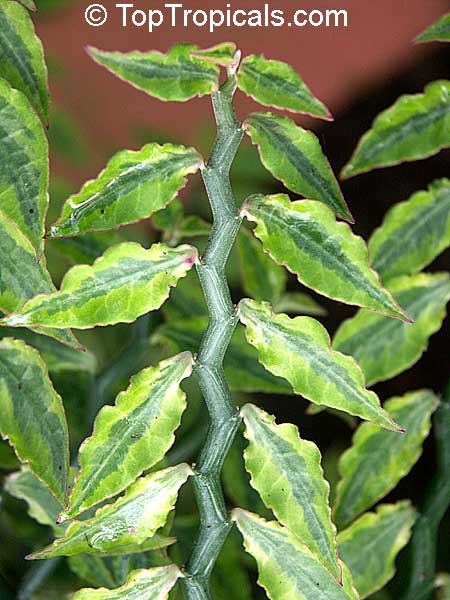
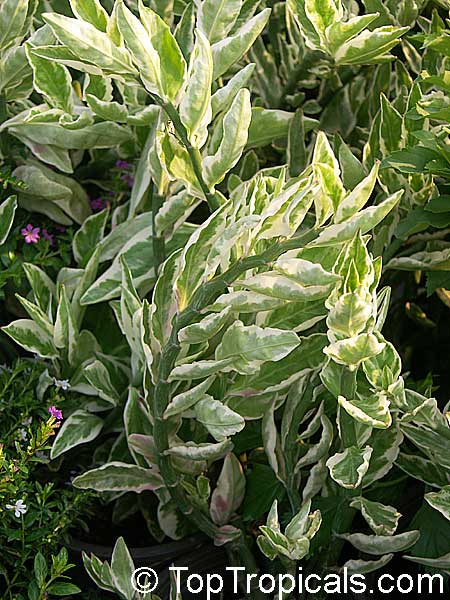
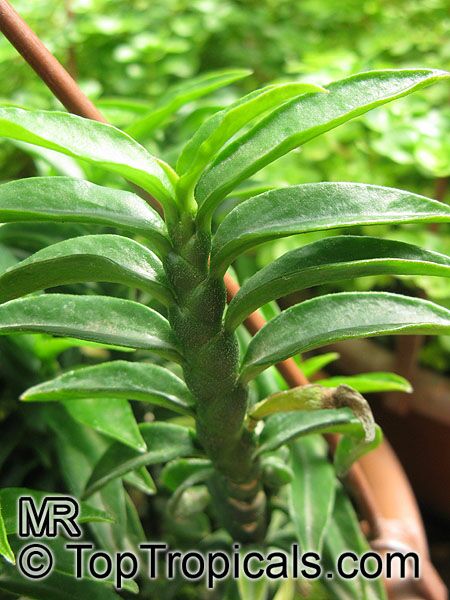
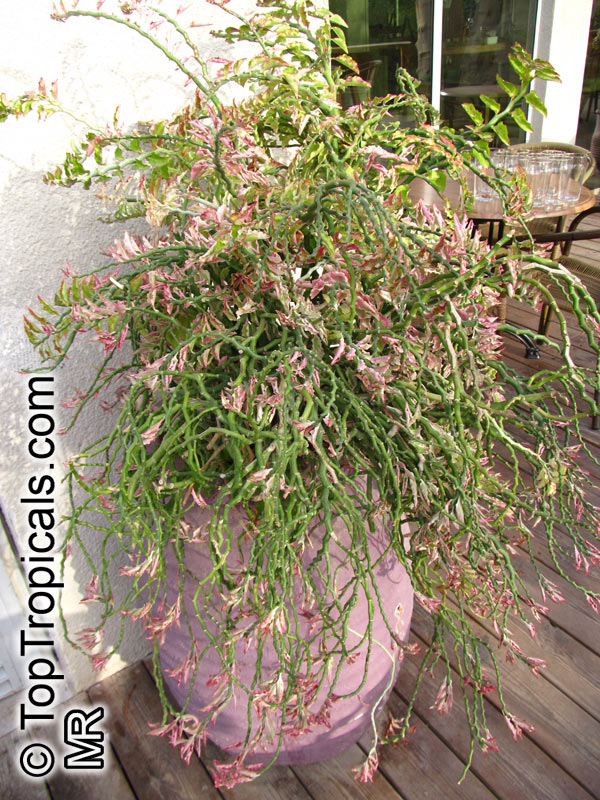
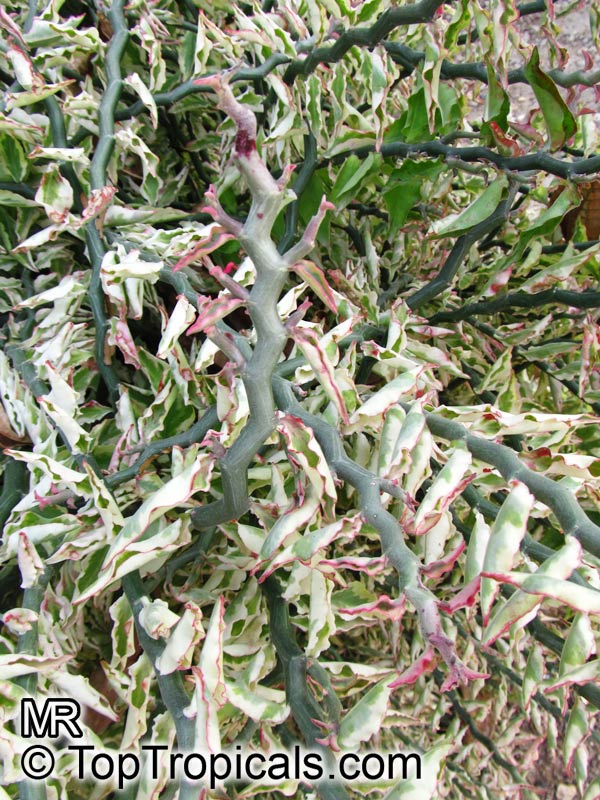
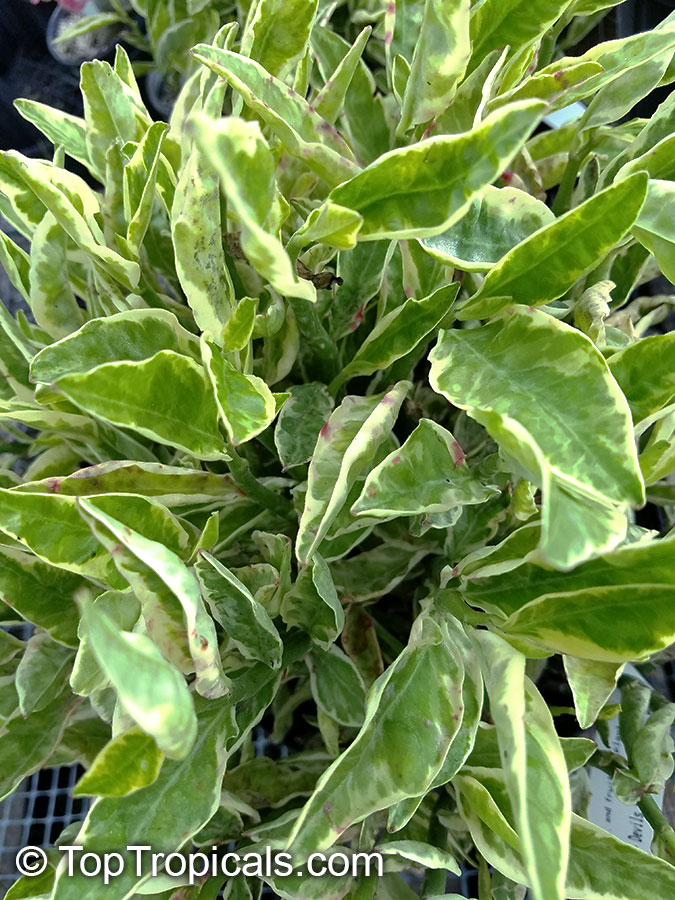
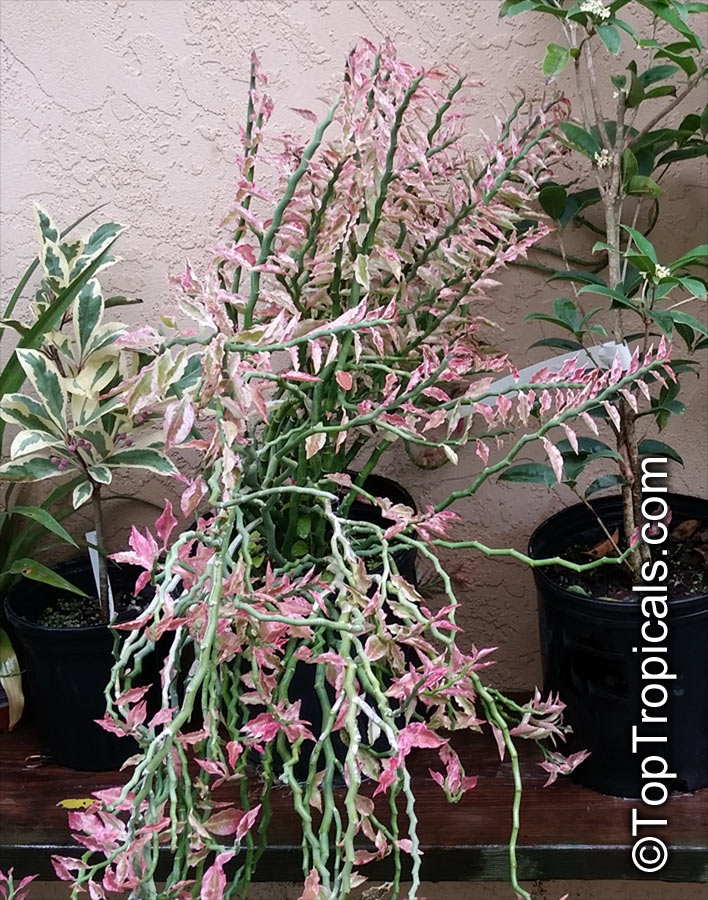
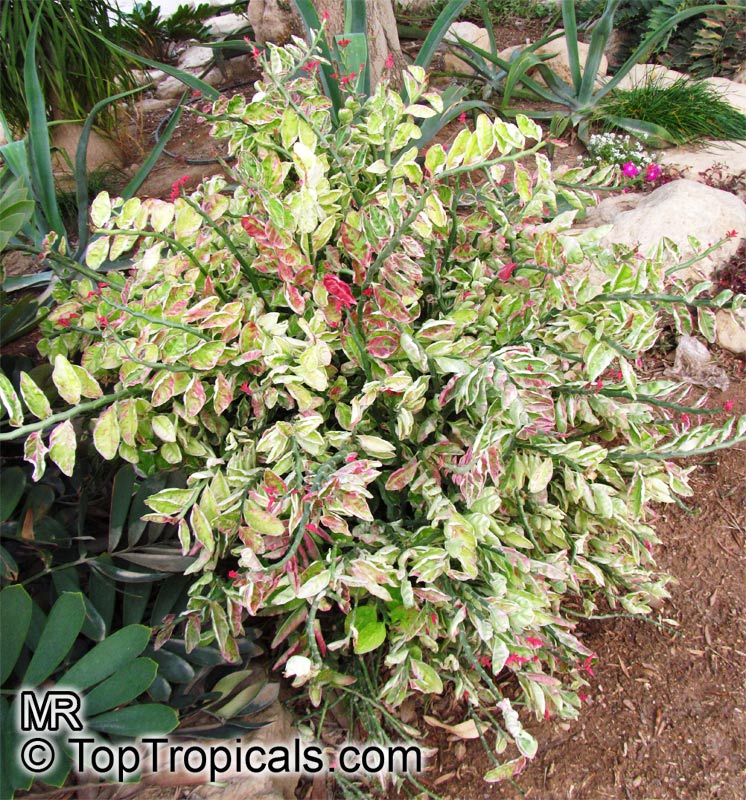
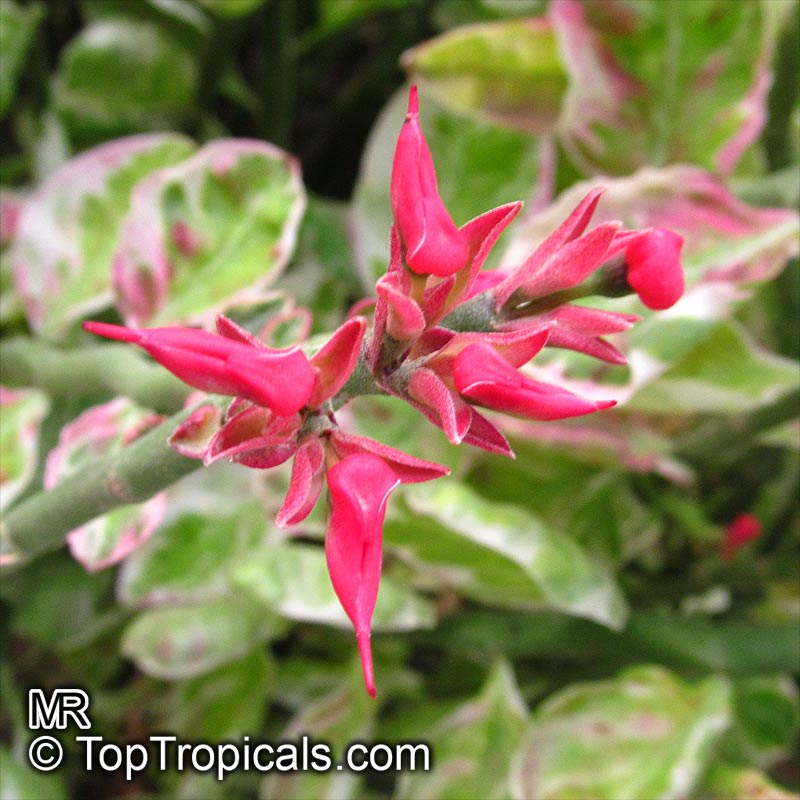
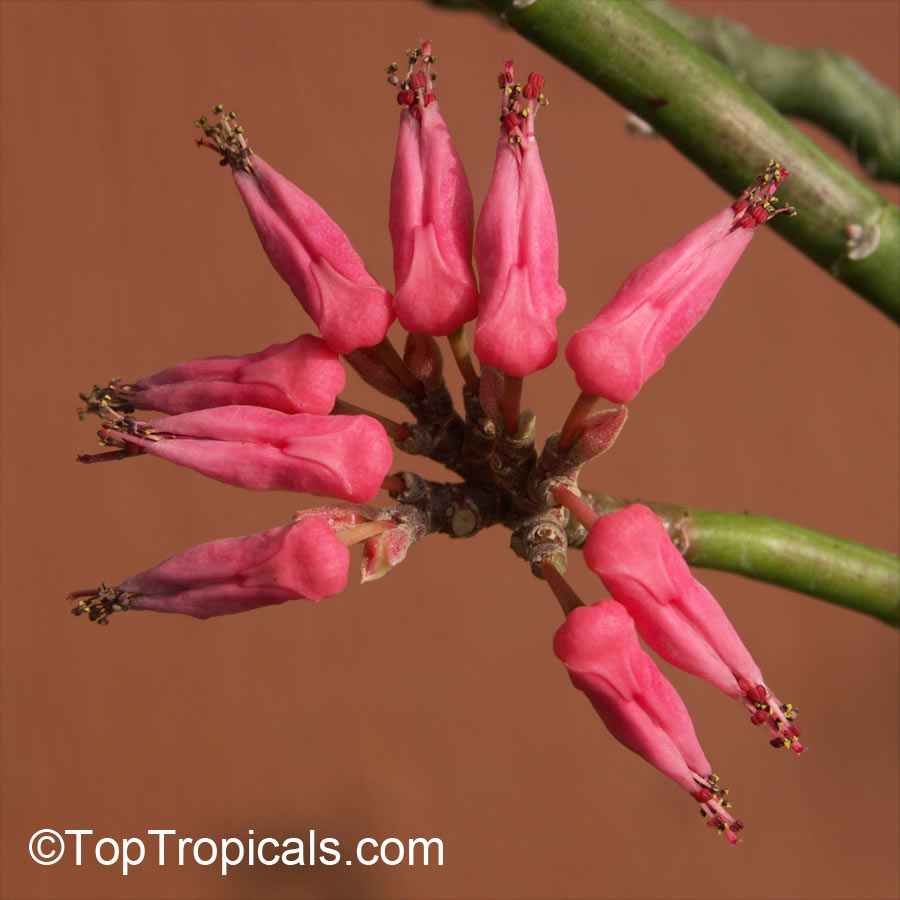
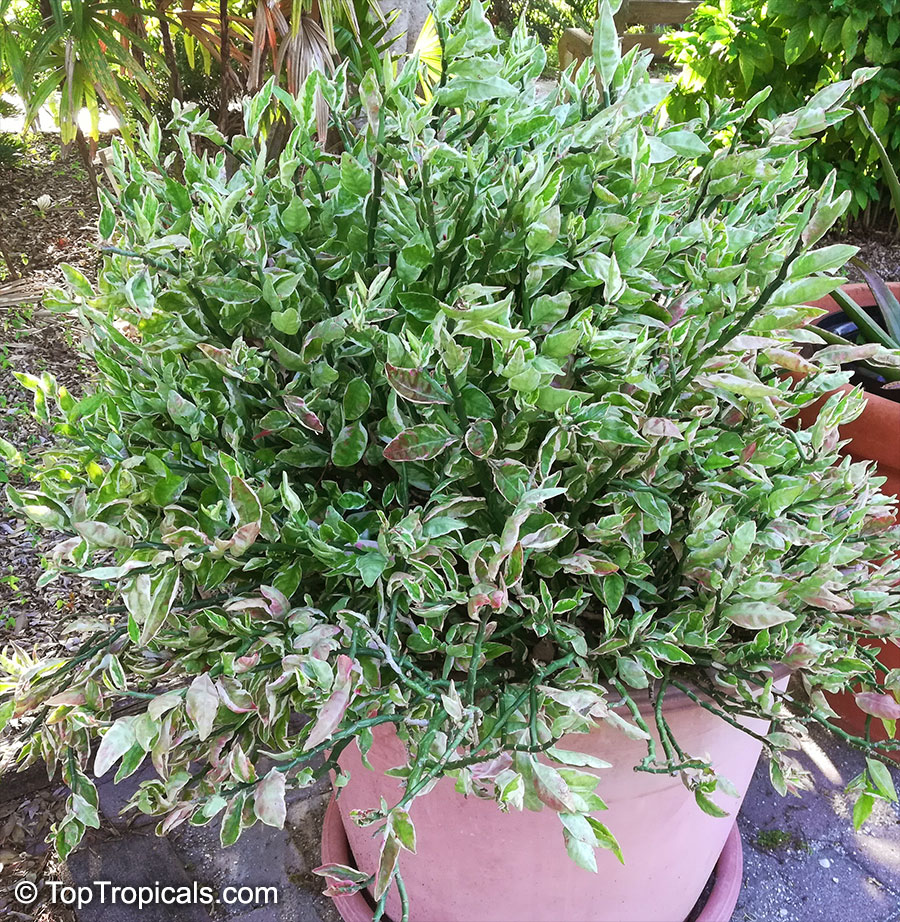
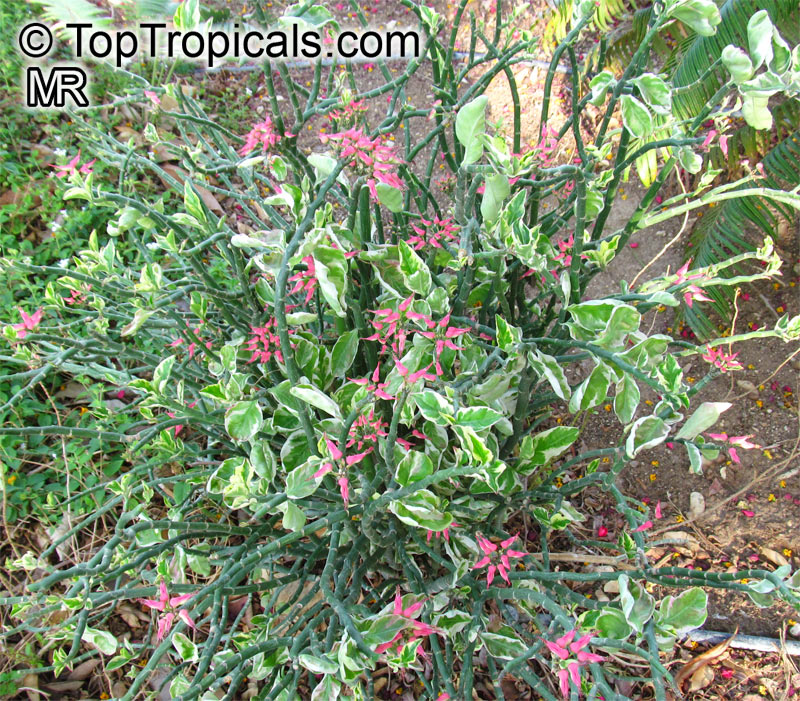
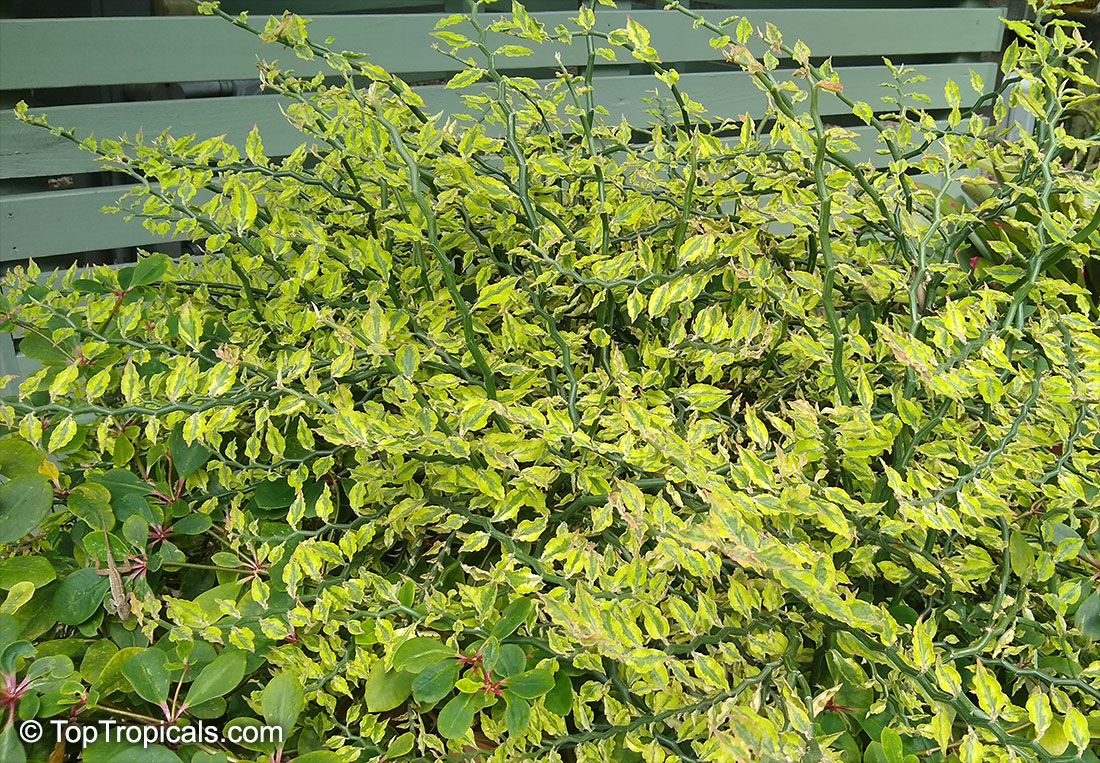
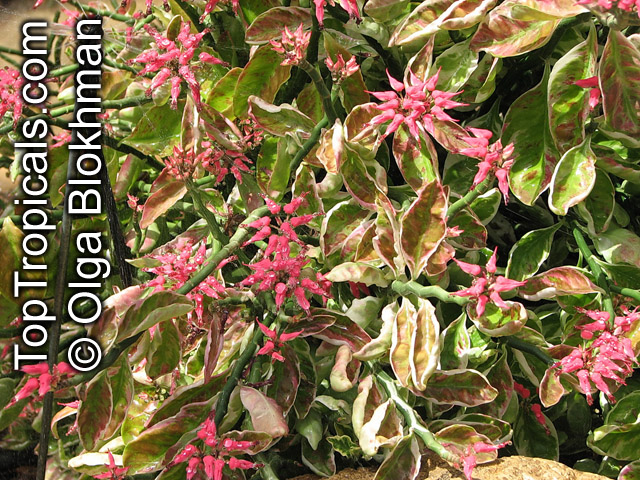
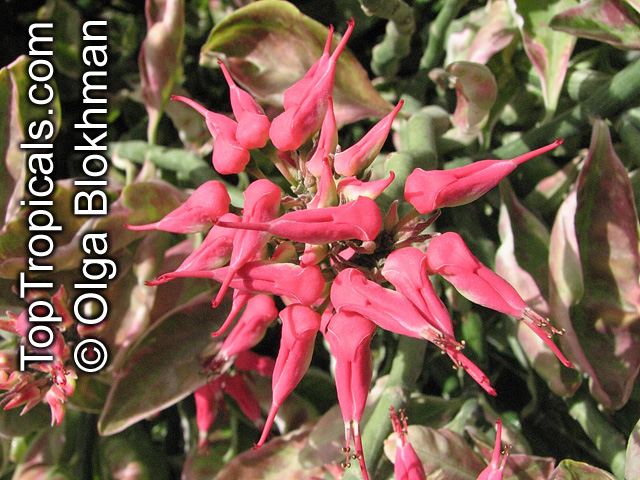
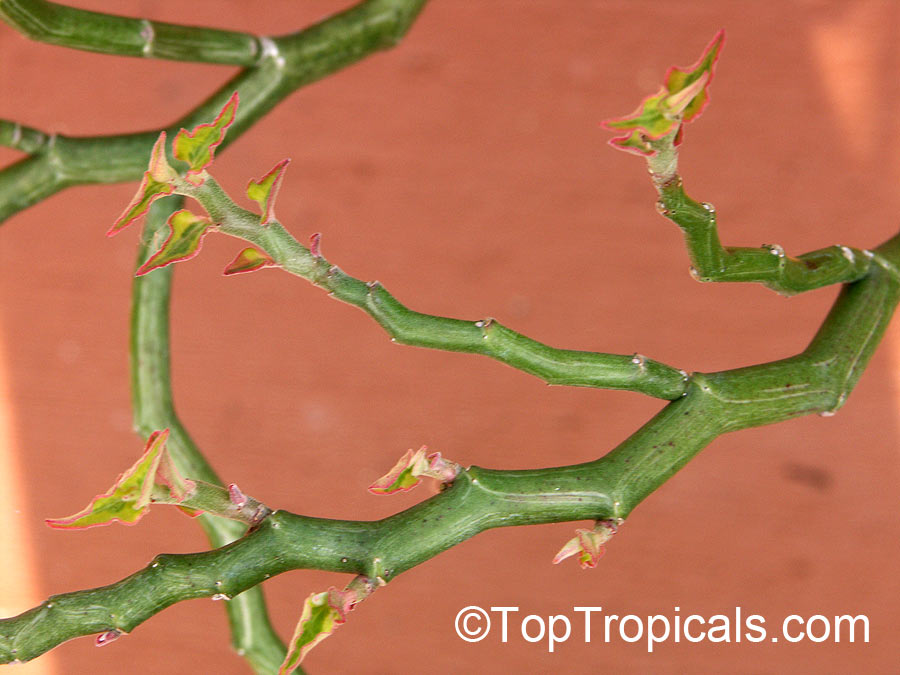
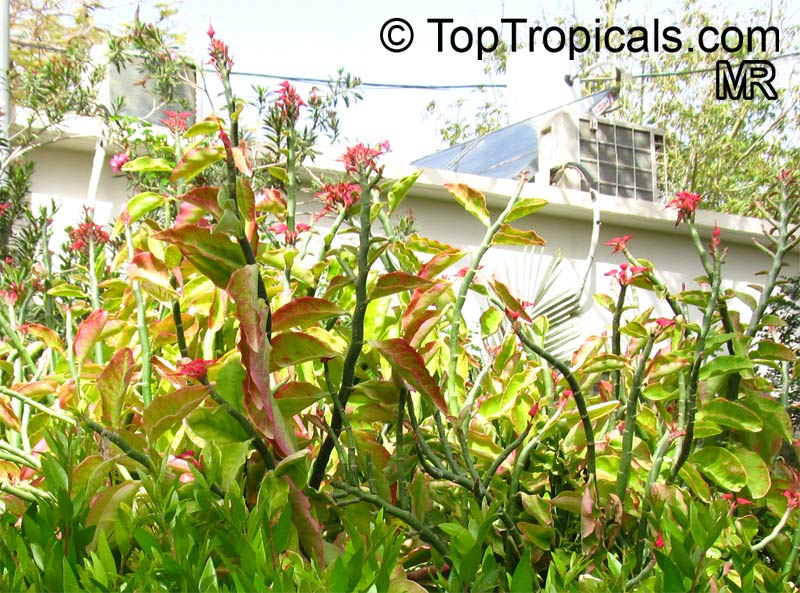
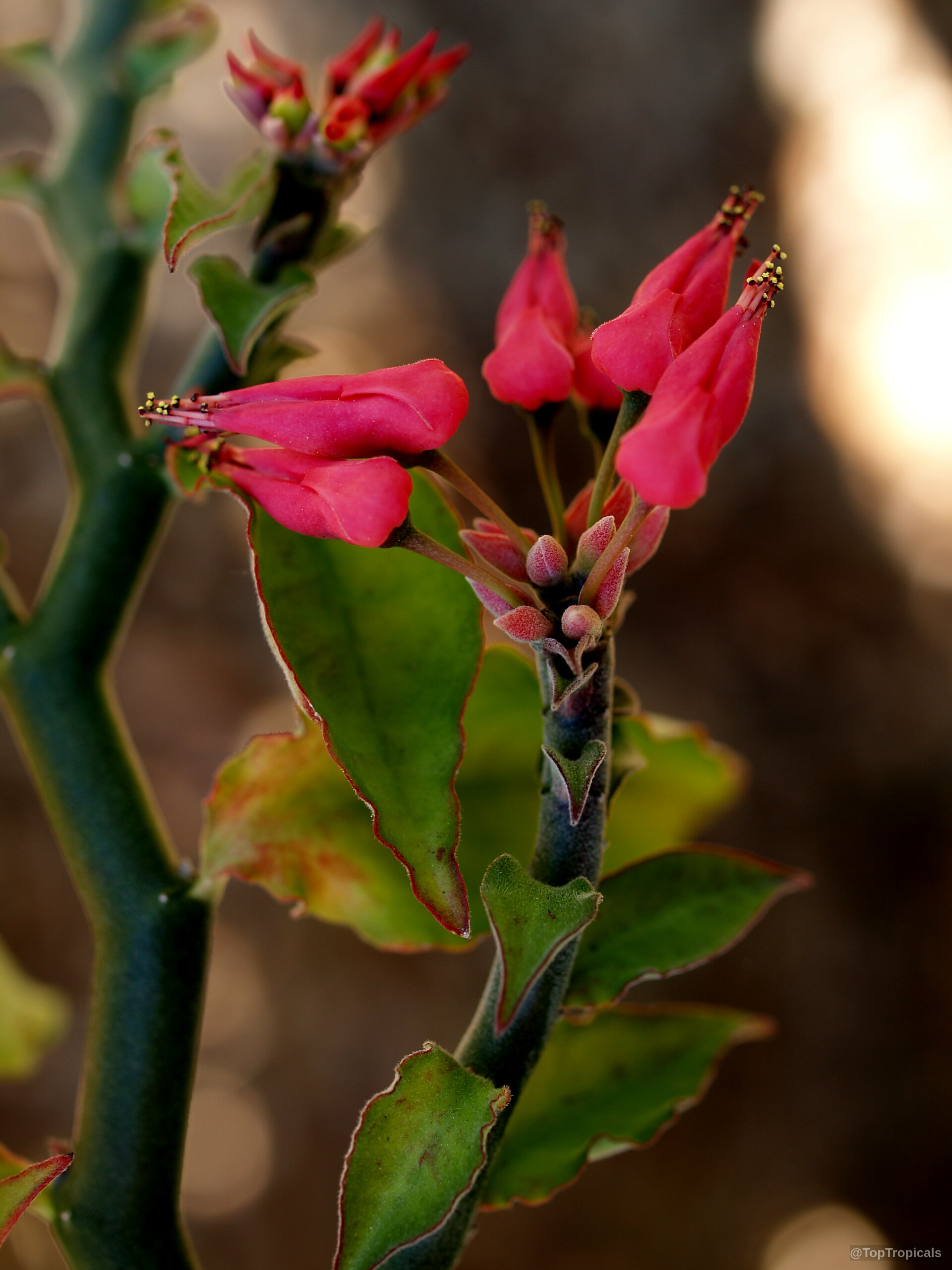
Botanical names: Euphorbia tithymaloides, Pedilanthus tithymaloides
Common names: Devil's backbone, Zigzag plant, Jacob's ladder
Family: Euphorbiaceae
Origin: Tropical Americas

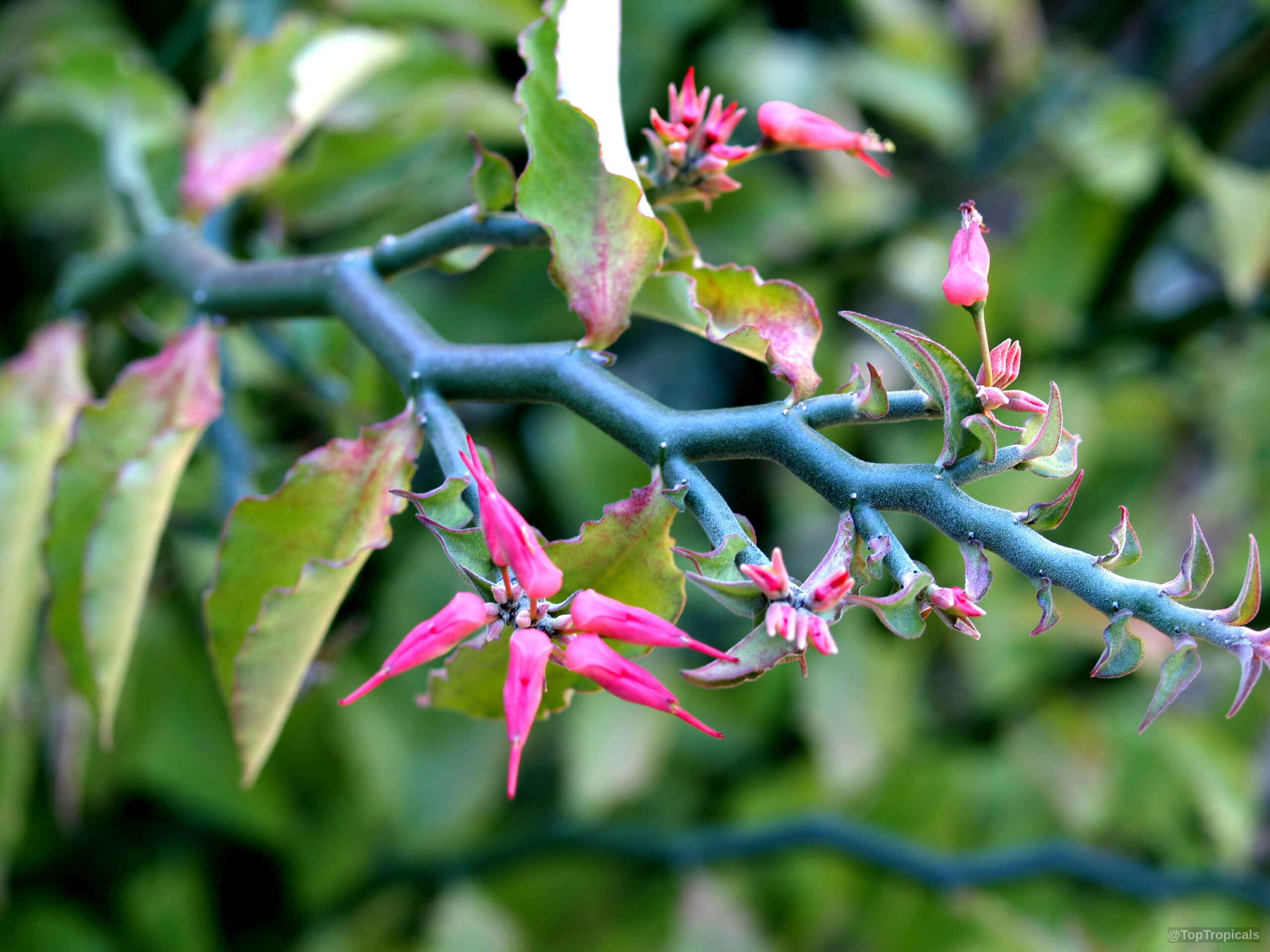
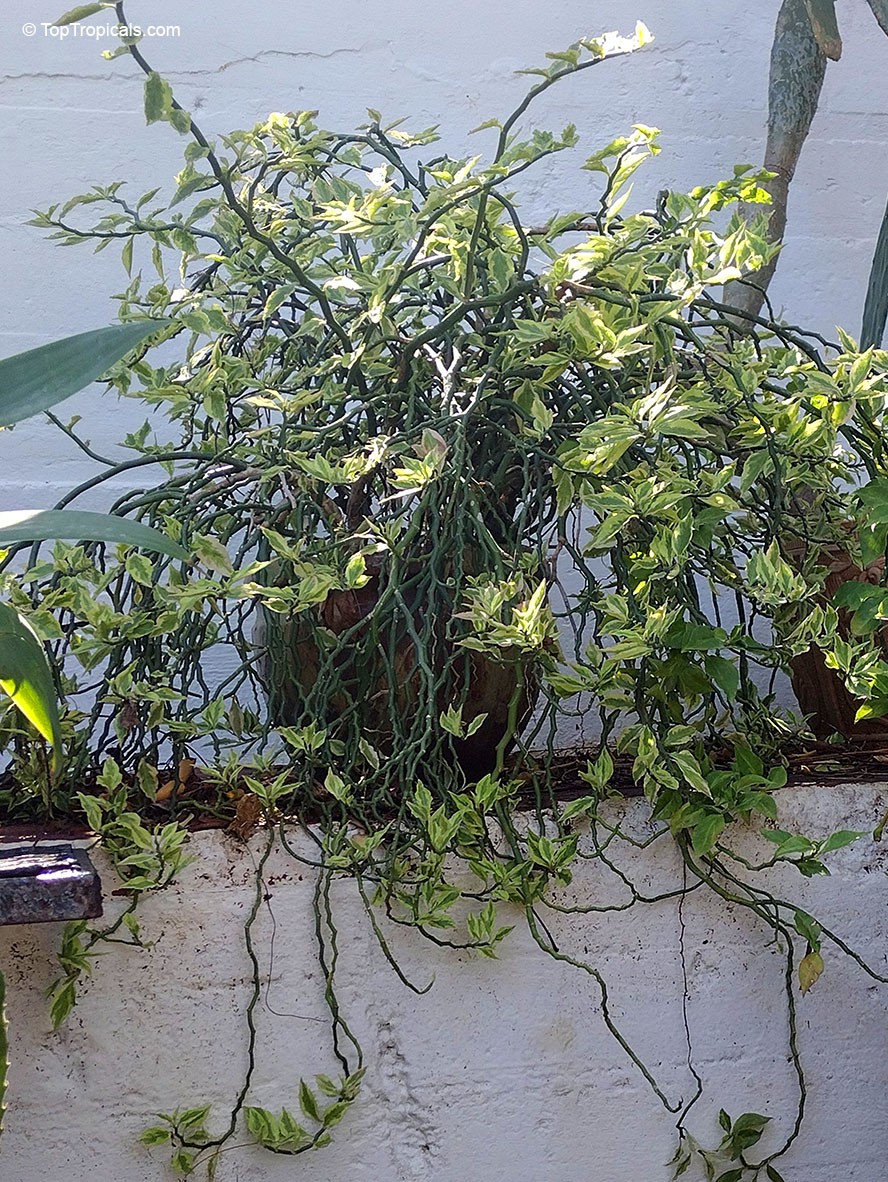
This large shrub 5-10 ft tall is native to the tropical Americas and is known for its ornamental foliage and pink flowers. Its common name is the Devil's Backbone. It is a rather irritant plant due to the presence of a milky sap. When it comes to growing care for Euphorbia tithymaloides, it is not a very demanding plant. It needs full sun during the fall and winter, and semi-shade in the summer. It is best to keep the potting mixture moist, but not too wet, especially when the room temperature is below 60F. Liquid fertilizer should be given to the plant once a month. It is recommended to use a well drained sandy mixture when planting, and a small pot. If necessary, you can change the pot size to one that is slightly bigger when the roots become crowded.
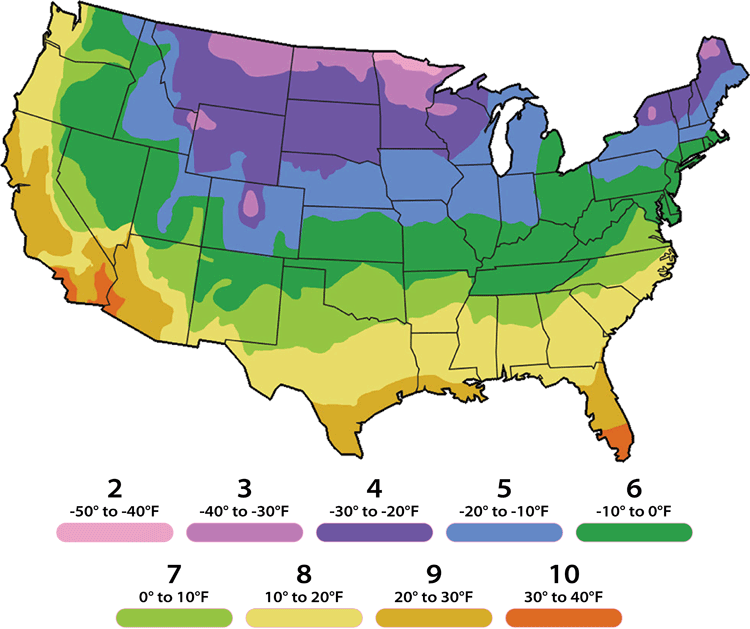
Euphorbia tithymaloides can be grown USDA Zone 9-11. In colder climate it can be grown in a pot. Be sure to bring the plant indoors during the winter in colder climates.
Overall, Euphorbia tithymaloides is a low-maintenance, hardy plant with beautiful pink flowers and ornamental foliage, making it a great addition to any home.



Recommended Fertilizer: SUNSHINE Robusta - Rapid Growth Booster
Use link to repeat this search:
https://toptropicals.com/cgi-bin/garden_catalog/cat.cgi?find=Euphorbia&search_op=and&keyword_op=and&language=e&number=10
&no_change_lang=1&user=tt&sale=1&forsaleonly=1&first=0