Bromelia - Plant Encyclopedia Results
| Number of plants found: 49 | Next | 
|
Go to page: | 1 | 2 | 3 | 4 | 5 |
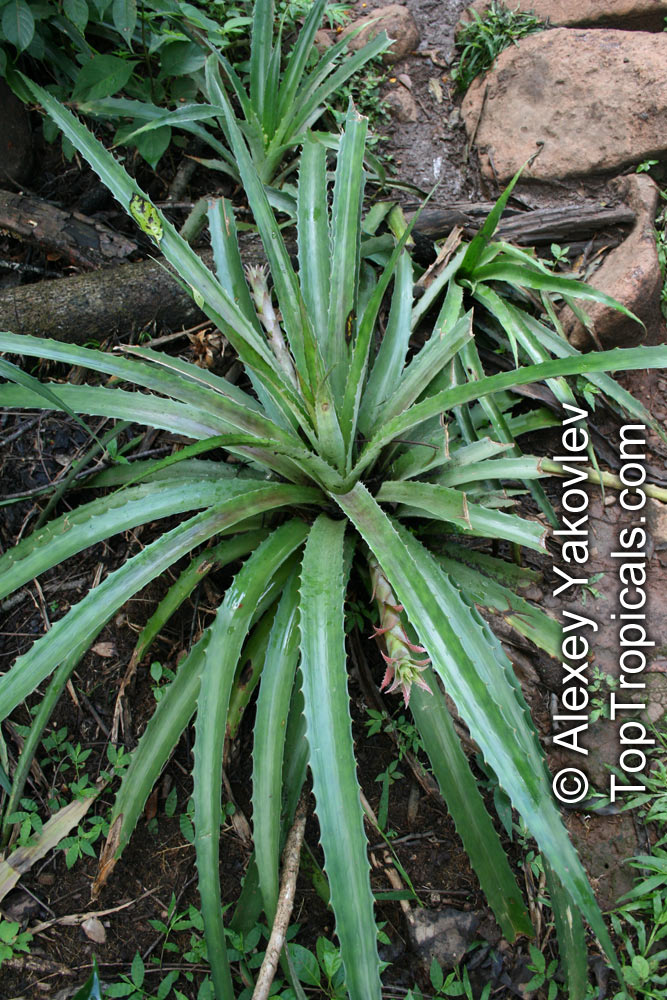
Botanical name: Bromelia sp.
Common name: Bromelia
Family: Bromeliaceae
Subfamily: Bromelioideae
Origin: South America


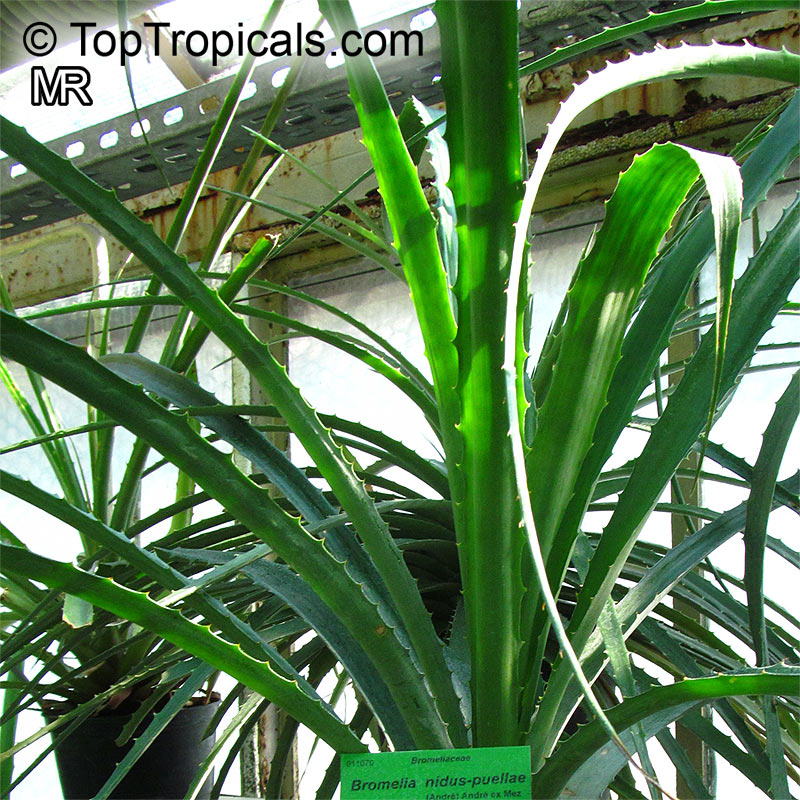
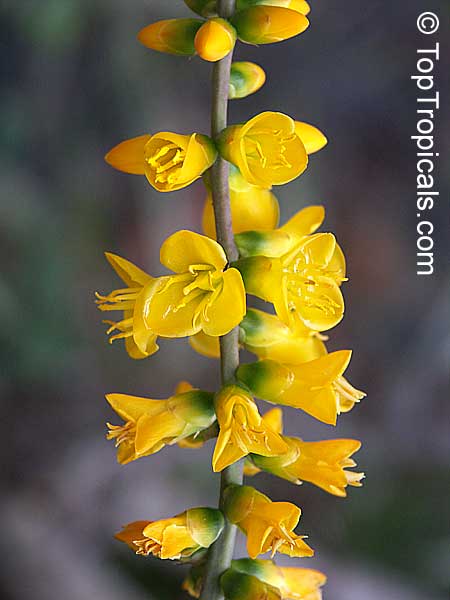
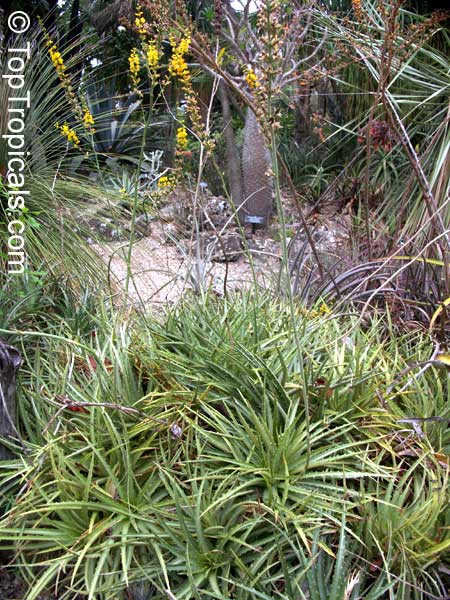
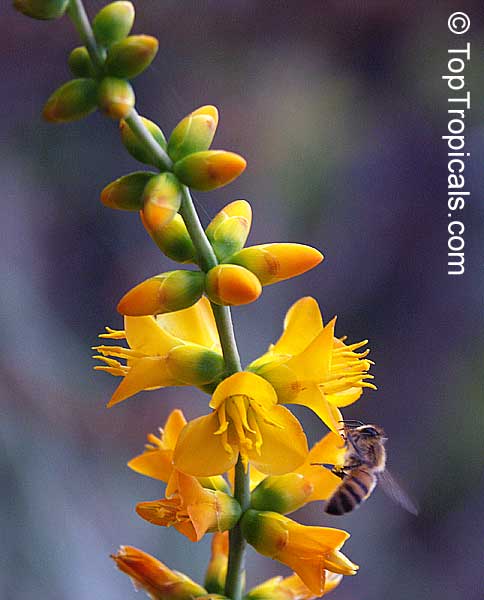
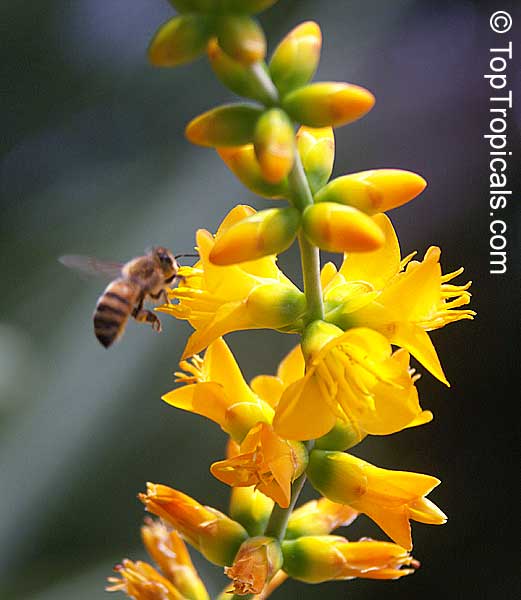
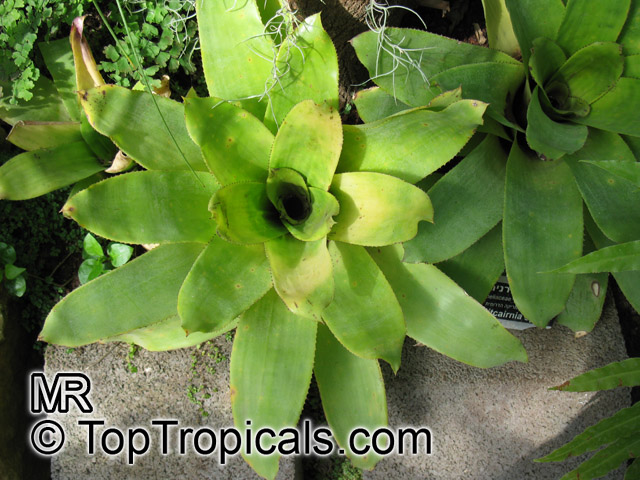
Botanical name: Dyckia microcalyx
Common name: Dyckia
Family: Bromeliaceae
Subfamily: Pitcairnioideae
Origin: Brazil, Agrentina, Paraguay


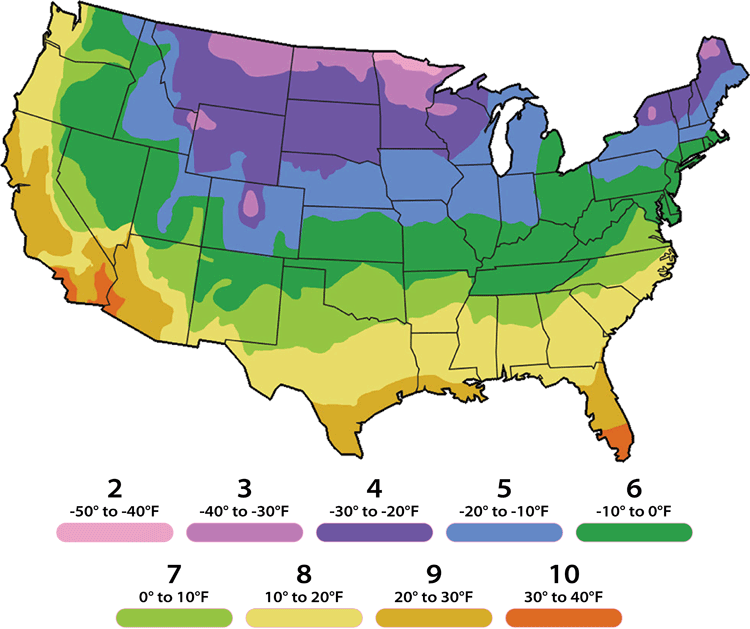
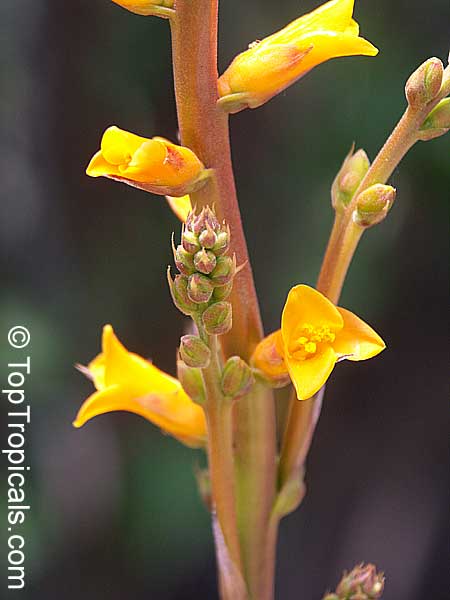
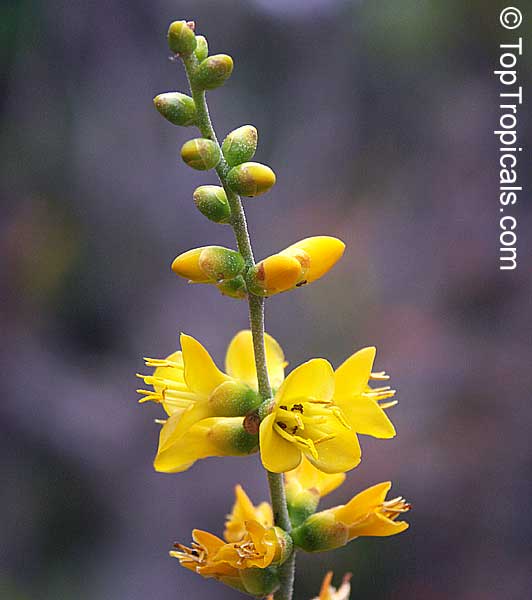
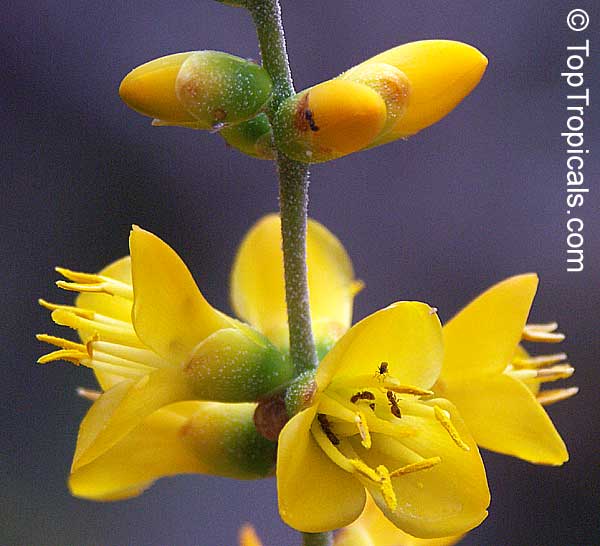
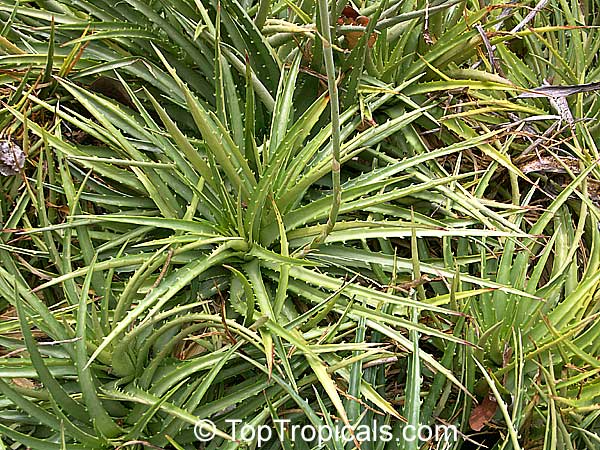
Dyckia is a showy bromelia with bright yellow flowers that is a great attractor for butterflies and bees. It prefers bright light, but should be protected from afternoon sun and can be used in xeriscape or succulent gardens. Dyckias are generally very cold hardy and can withstand temperatures down into the low twenties or even the upper teens, making them tough plants that are suitable for growing in USDA zones 9-11.
This genus is part of the subfamily Pitcairnioideae, which contains some of the most primitive bromeliad species. Most species in this subfamily are saxicolous (living on or around rocks) or terrestrial (growing in the ground), and Dyckias can be found in both categories, although most are strictly terrestrial and all do well when grown as strict terrestrials. Most of the approximately 120 different species of Dyckia are native to central Brazil, with some found in Uruguay, Paraguay, Argentina, and Bolivia. Most are found growing among rocks in warm sunny areas.
Dyckias come in several sizes and shapes, ranging from short, 2-foot groundcover plants to 5-foot tall shrubs. The foliage on many species is so stiff and spiky that one must be careful when handling them. Dyckias are known for their showy central inflorescence and brightly colored flowers, which can range in color from yellow, orange, and red. The bloom often lasts for several months and can be a showstopper in the garden, attracting butterflies and hummingbirds.
Dyckias are easy to grow and require sun to semi-shade and moderate water. They can be grown in containers and will thrive indoors if given enough light (at least 4-6 hours of direct sun). They should be watered regularly in warm weather, but allowed to dry out between waterings to prevent the roots from rotting. They also make great epiphytes, growing well if affixed to a dead tree, wall, or rock outcropping. When grown in a pot, they should have well-draining soil that is slightly acidic. In cold climates, the pot should be brought indoors in winter or placed in an area with some protection, such as a garage. The plant should then be cut back, leaving only a few leaves on the rosette, and kept on the dry side while indoors.
Botanical name: Acanthostachys strobilacea
Common name: Pinecone Bromeliad
Family: Bromeliaceae
Subfamily: Bromelioideae
Origin: Brazil, Paraguay, Argentina
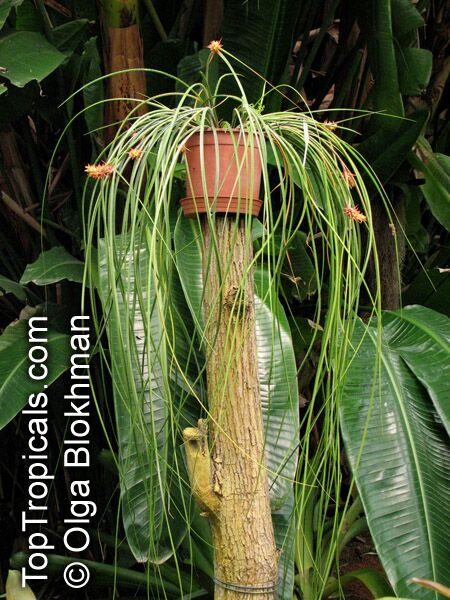
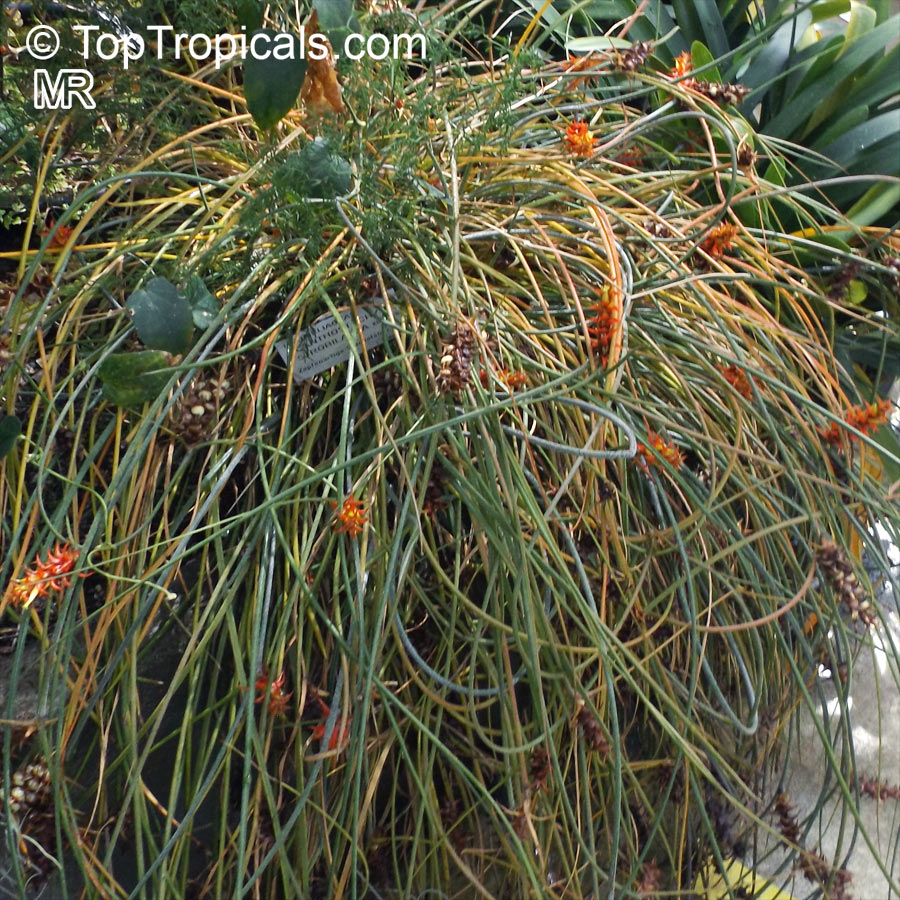
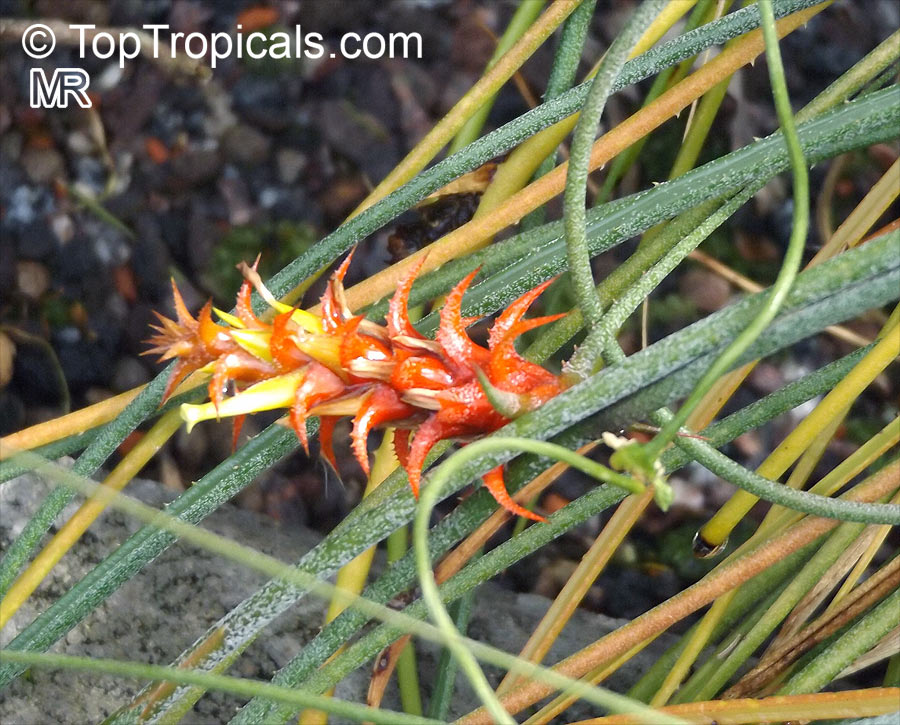
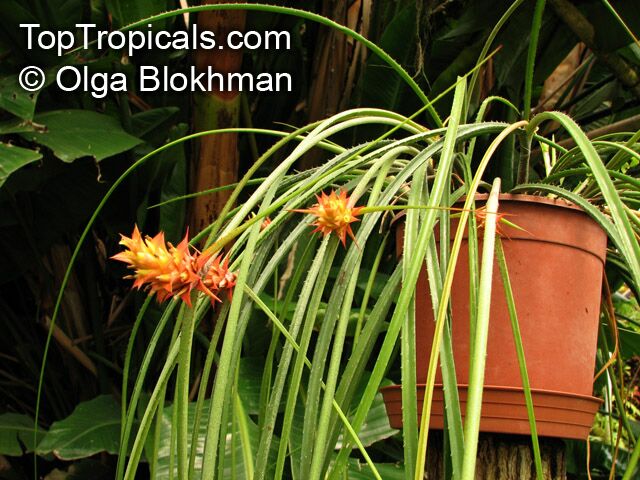
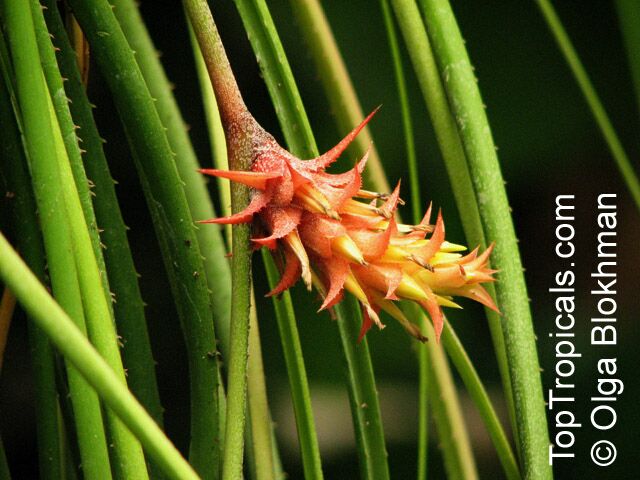
Native to Brazil, Paraguay, and Argentina, Acanthostachys strobilacea (Pinecone Bromeliad) is a small shrub that grows to reach 2-5ft in height. This attractive epiphyte requires a moderate amount of water and semi-shade to grow and thrive, making it the perfect plant for a hanging basket in a sunny or partially-shaded location. Its leaves are a deep green with gray scurf and spines, while its flowers range in color from yellow to orange.
Despite its exotic appearance, Acanthostachys strobilacea is low-maintenance, making it ideal for gardeners who don't have much time to spare on tending to their plants. In addition, it is drought-tolerant and can even thrive in xeriscaped environments.
For those who live in USDA Zone 9-11, Acanthostachys strobilacea is well-suited for growing in containers. The plant can be successfully grown in cold regions as long as its soil is kept moist. In cooler climates, the plant should be moved to a sheltered area during the winter months to ensure the soil does not become too cold and wet, as this could damage the roots. Furthermore, when growing in a pot, it is important to ensure the pot is well-drained and to water the plant regularly and deeply.
Overall, Acanthostachys strobilacea is a beautiful and exotic plant that is low-maintenance and drought-tolerant, making it a great addition to any sunny or partially-shaded garden. With the right care, it can thrive in its environment and bring a unique beauty to any garden.
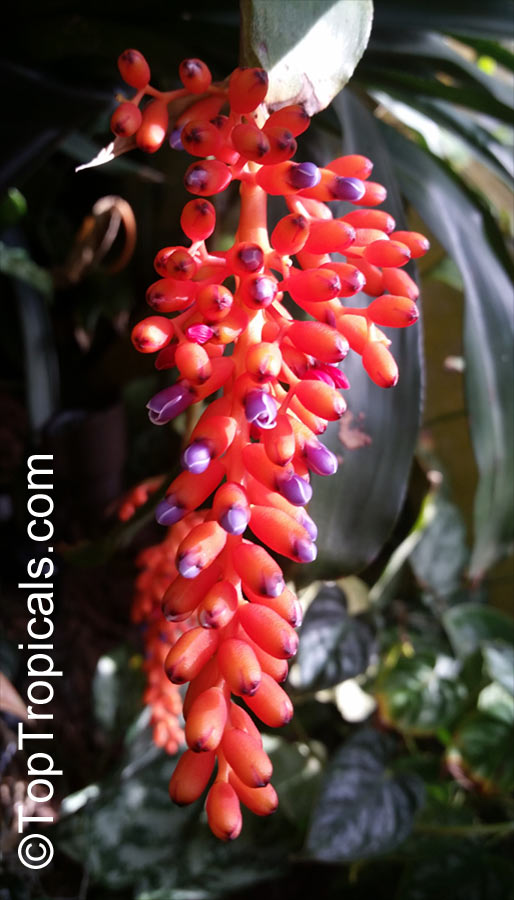
Botanical name: Aechmea sp.
Common name: Bromeliad
Family: Bromeliaceae
Subfamily: Bromelioideae
Origin: Tropical America


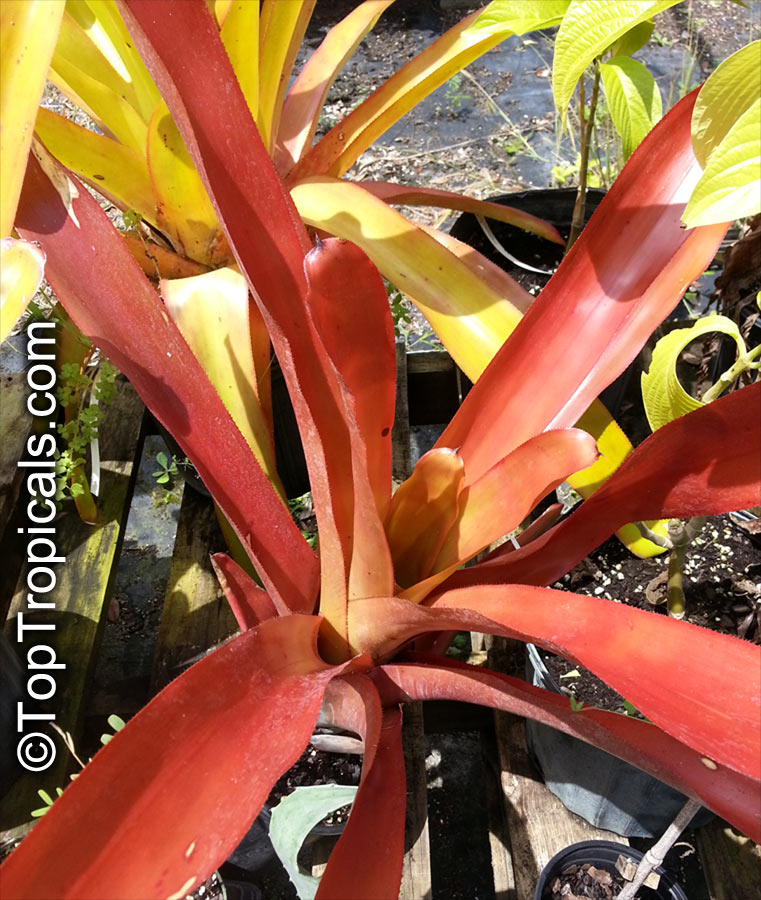
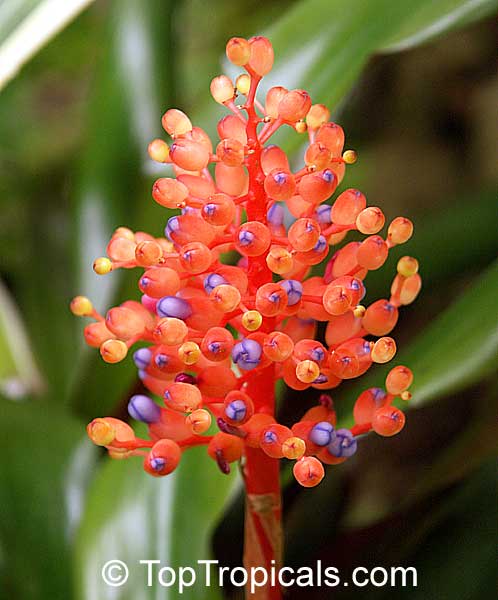
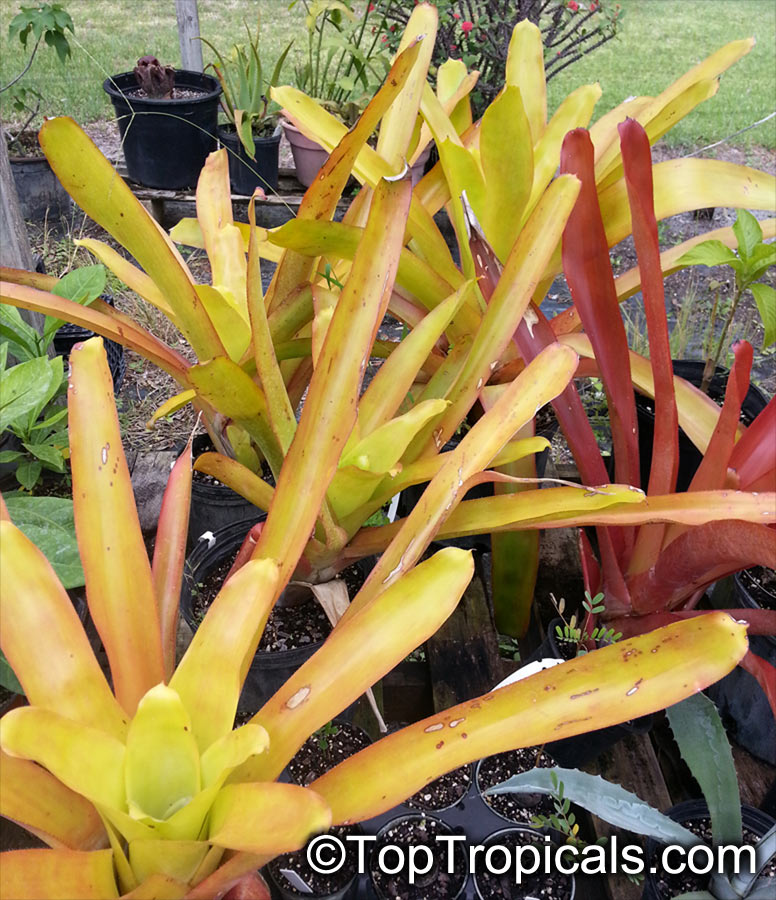
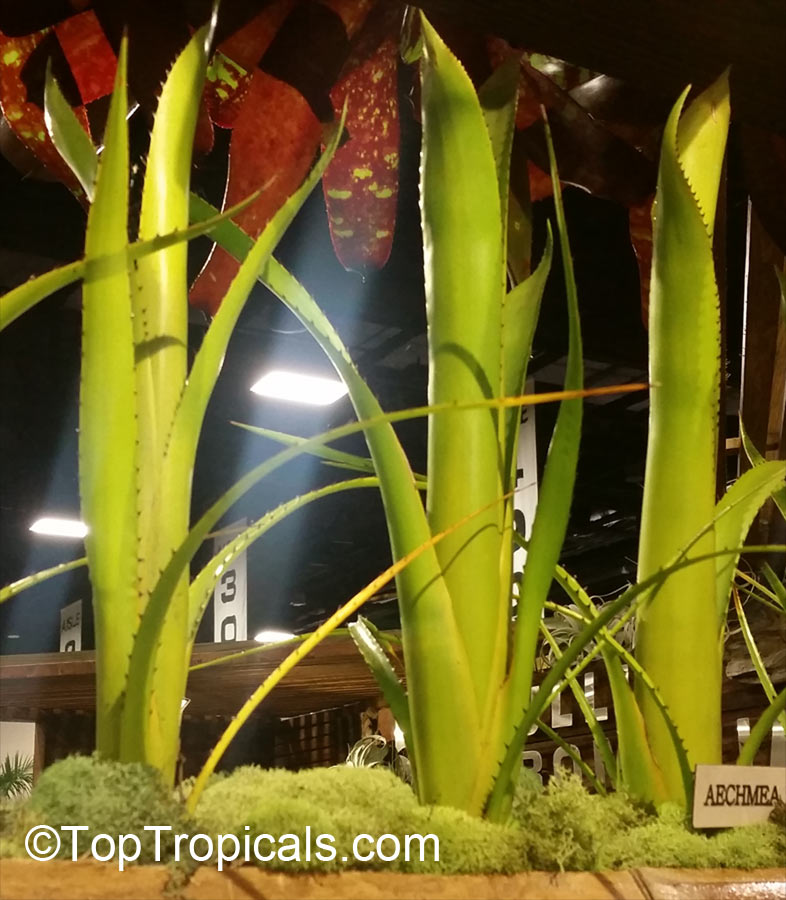
The Aechmea is very diversified, hardy, extremely popular, and very easily cultivated in the bromeliad family group. They range in sizes from a very tiny 6 inches, to more than 10 feet in height and 6 feet in diameter. Their foliage colors vary from lime green, yellow, red, burgundy, and black, and incorporates many patterns, spots, stripes, bands, silvering, shadings, and blotches. These patterns often vary form the top of the leaf to the bottom of it. The Aechmea family has large inflorescence and brightly colored, long lasting bracts that holds the magnitude of tiny flowers. Often the colorful berry-like fruits mature for a long time on the flower spike. It's a very healthy, cold and rot resistant plant to grow outdoors fixed in trees, walls, or, in pots in an orchid mix.
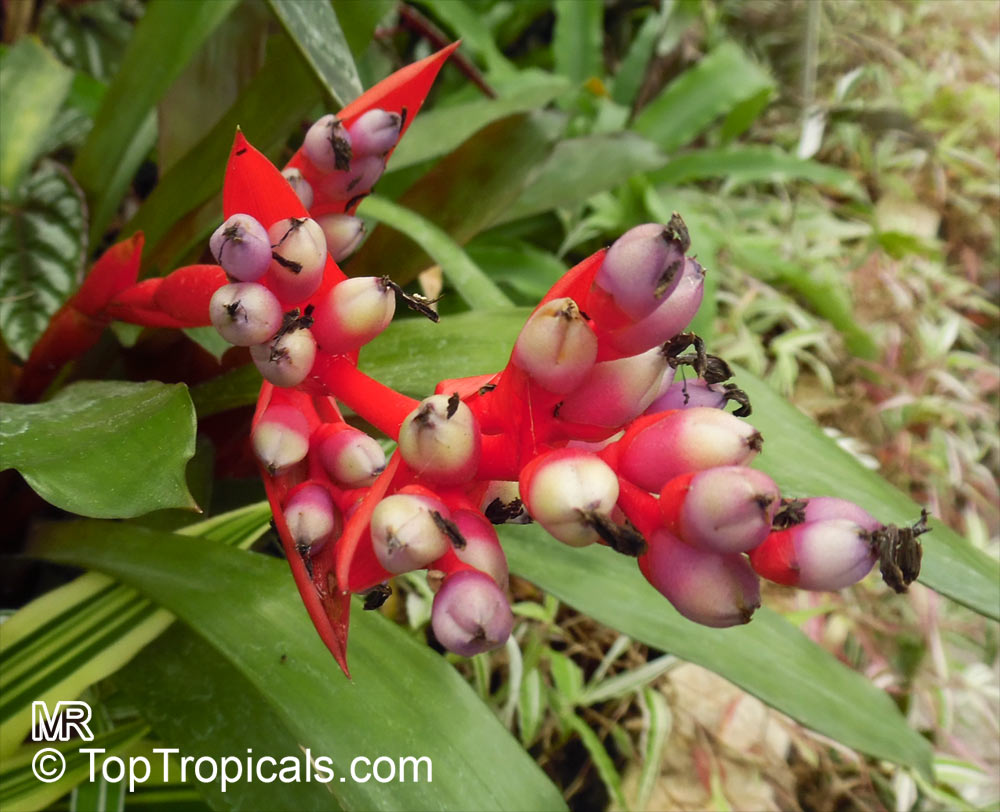
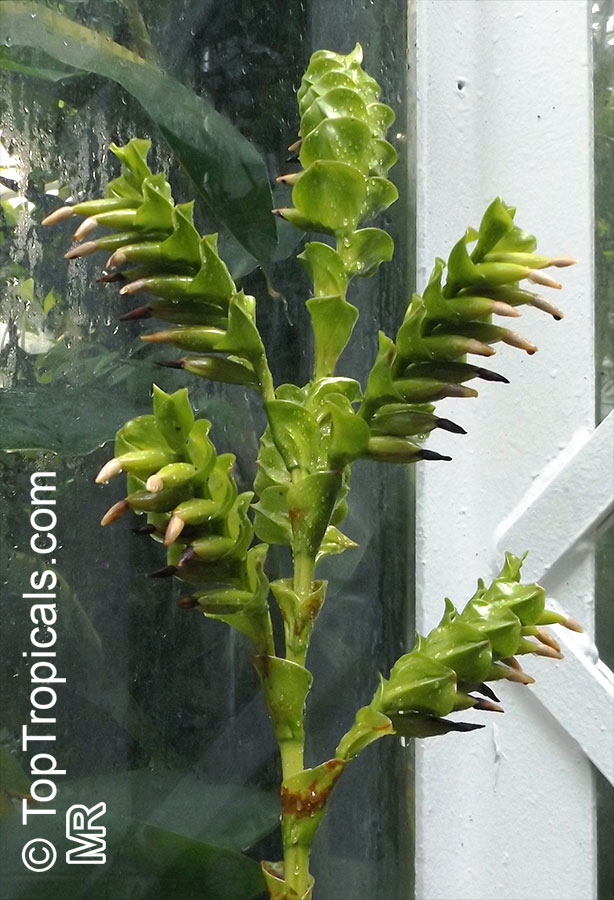
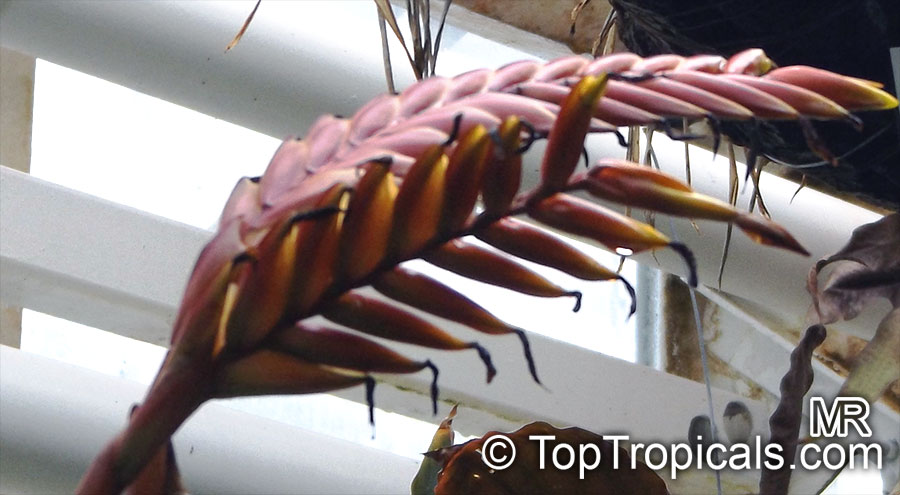
Adult plants need a sunny position to become red in the blooming period. In a luminous shade it flowers, but the leaves remain green. The rose bracts persist a long time, and if flowers are pollinated black pointed fruits will appear as shown in the picture. It's curious because, when the plant grows in very shaded locations the leaves become very long, to the point to seem a completely different plant and very elegant indeed, with no weak aspects. However, if it is gradually moved to full sun it blooms and the leaves become red.
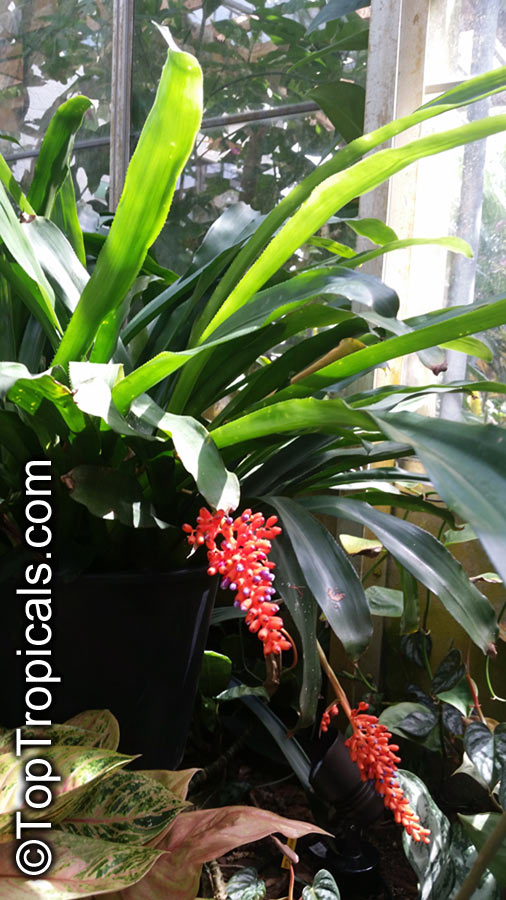
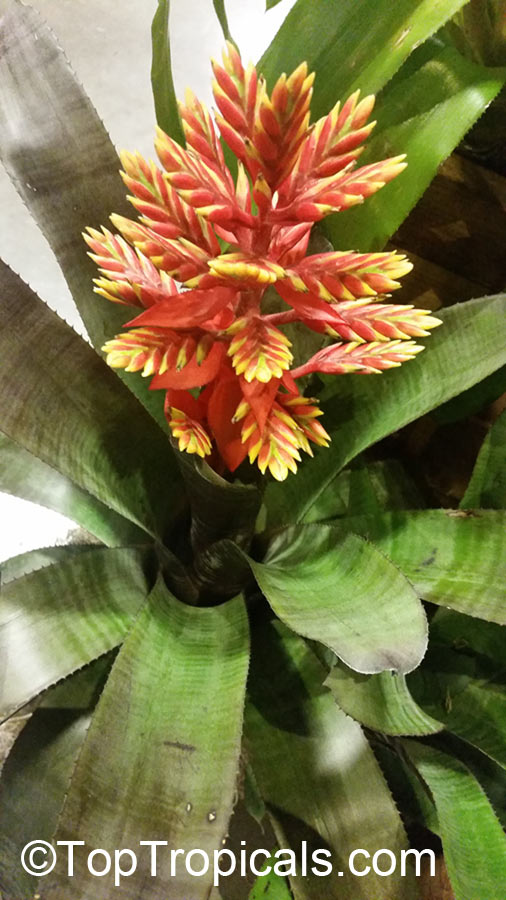

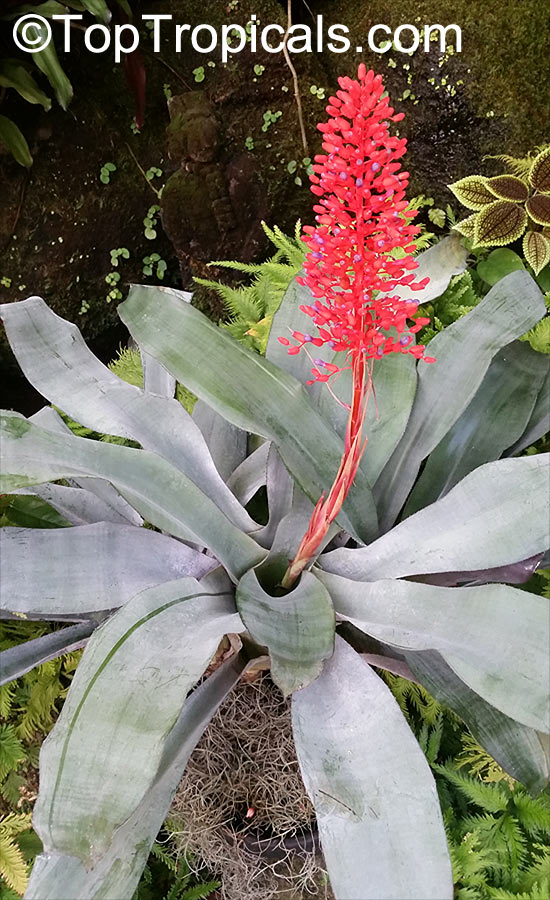
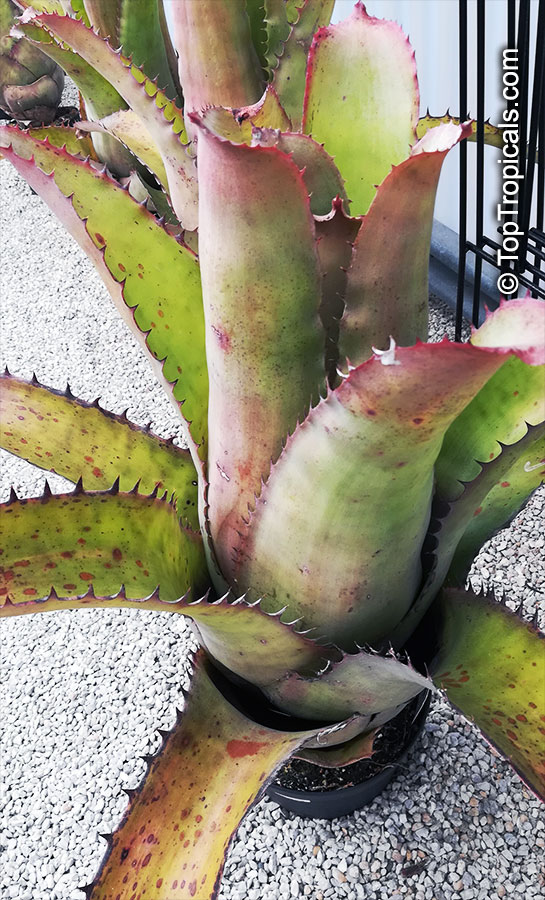
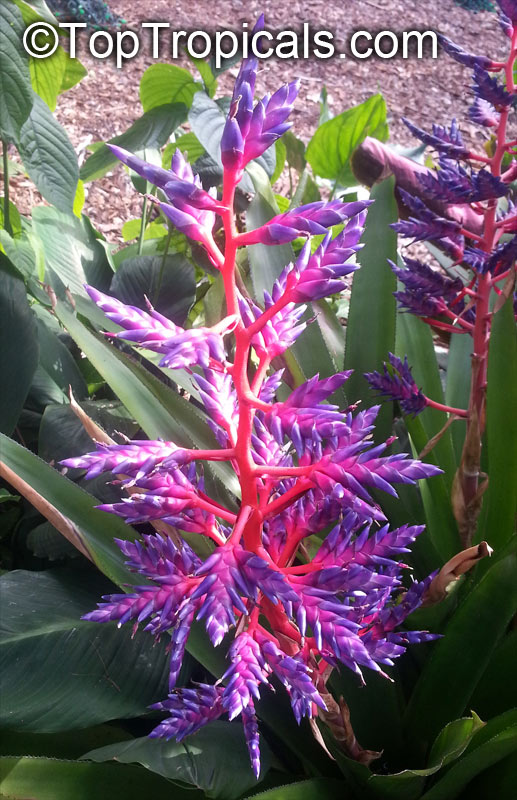
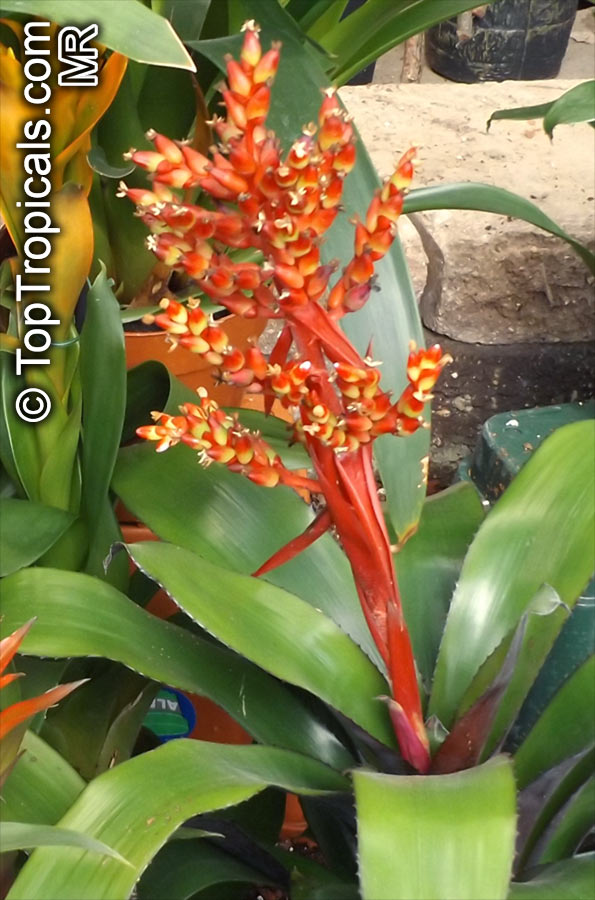
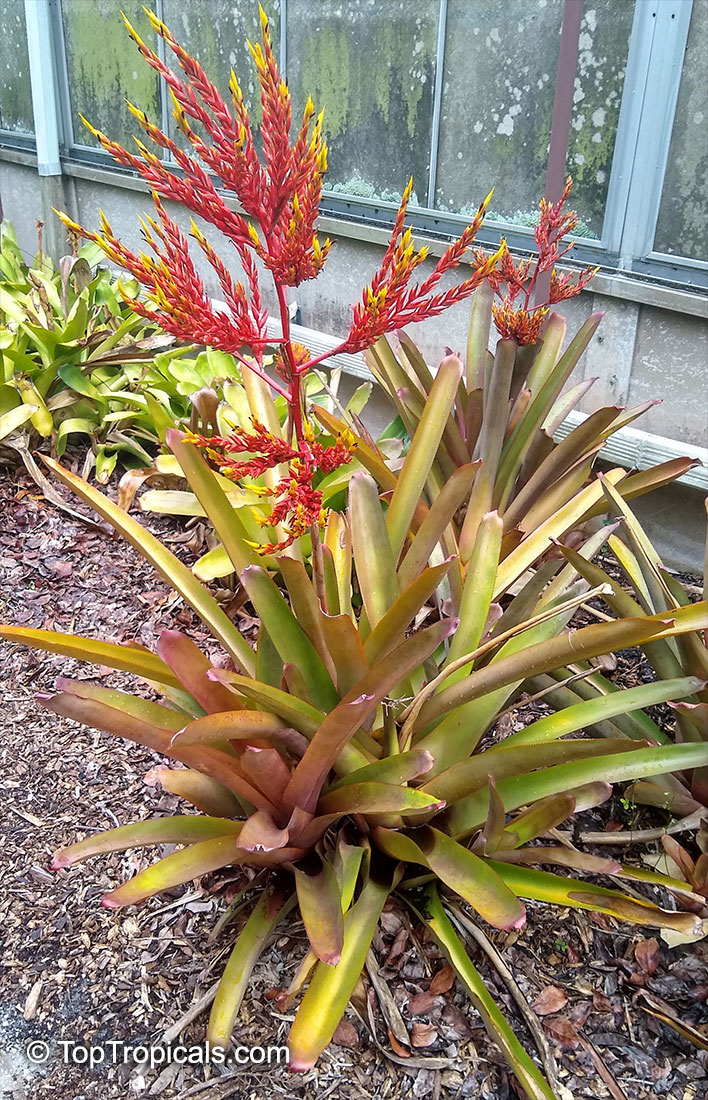
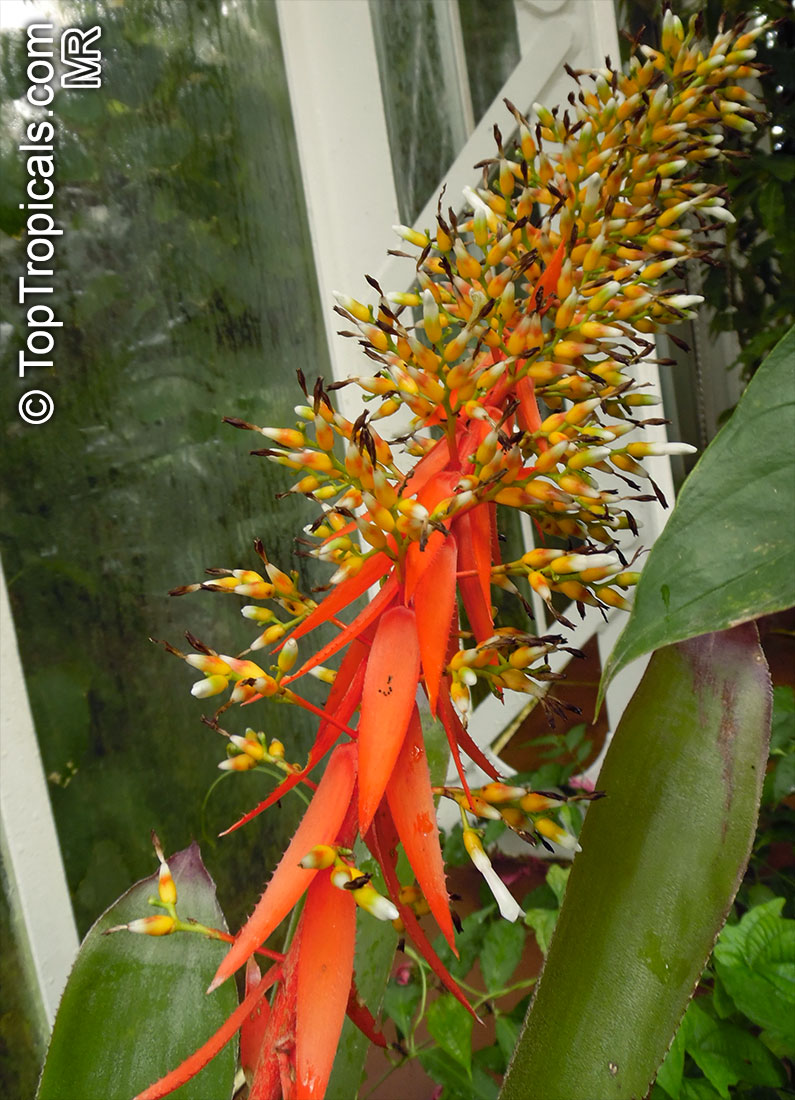
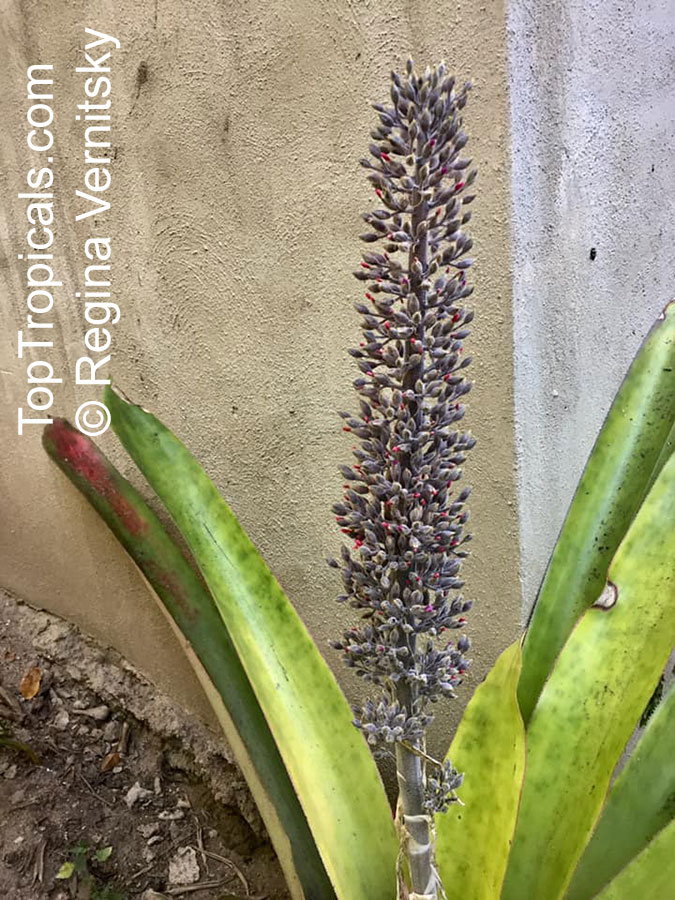
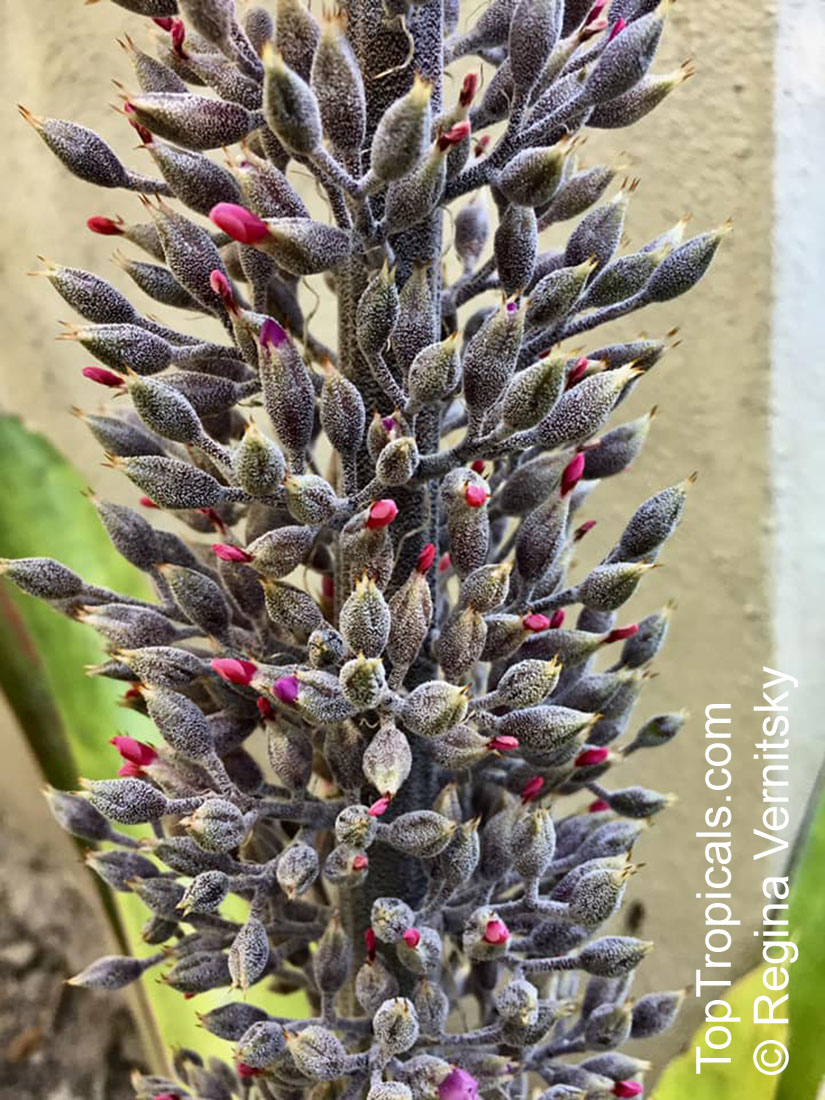
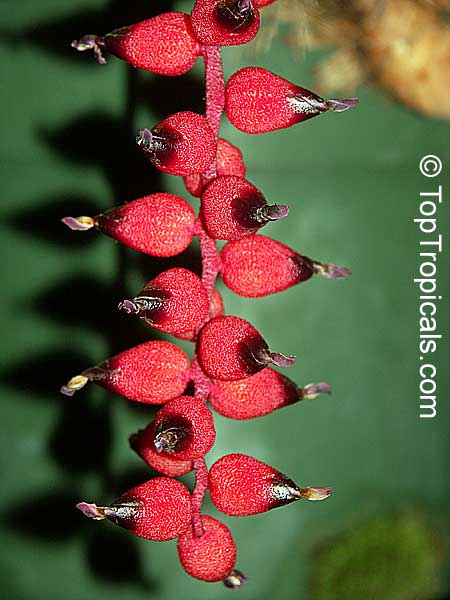
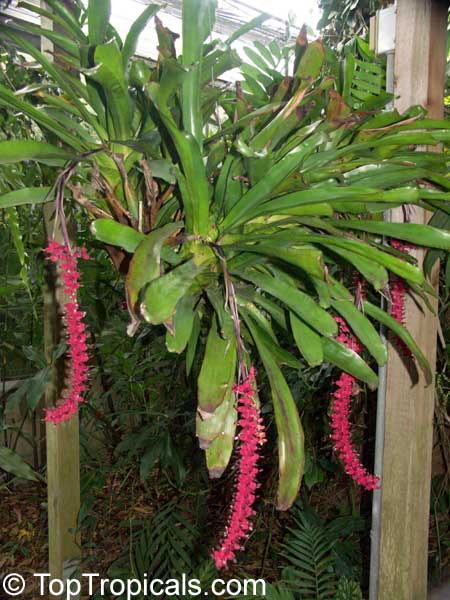
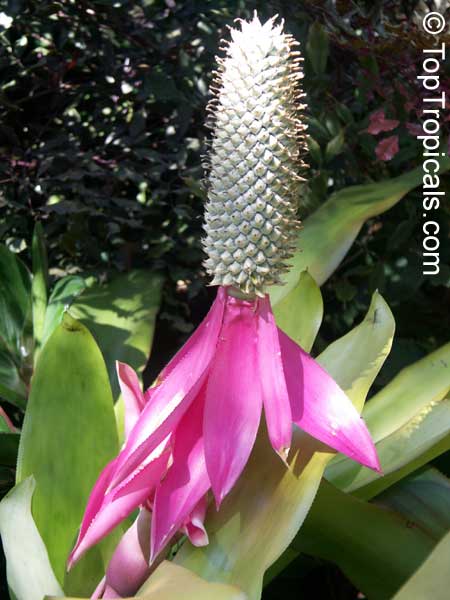
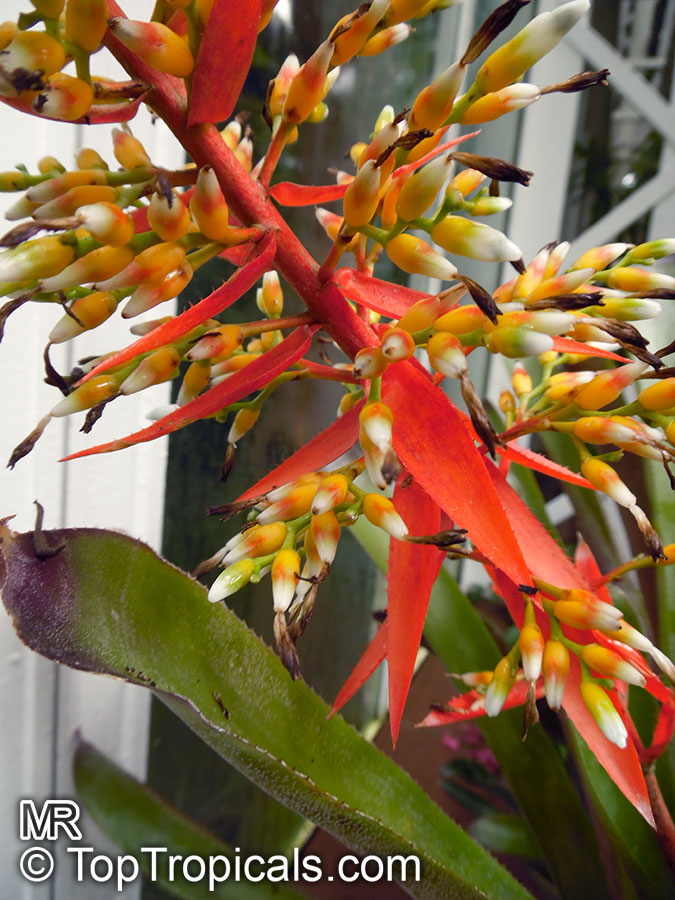
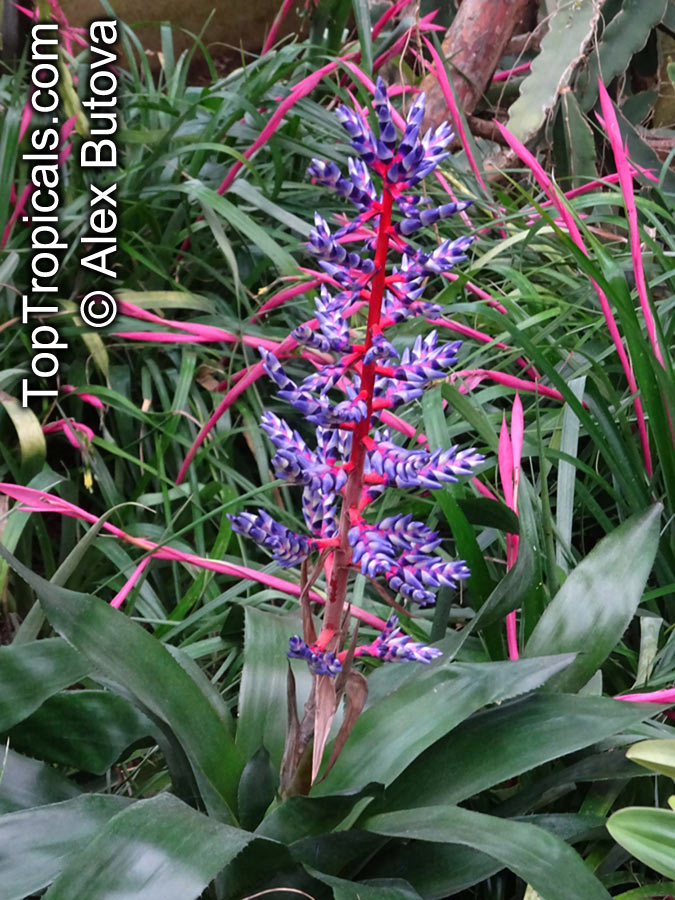
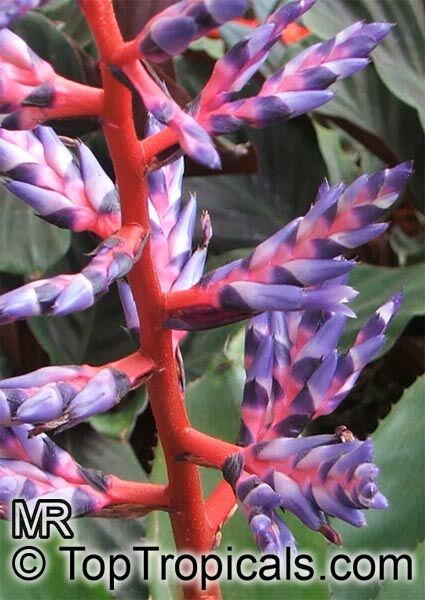
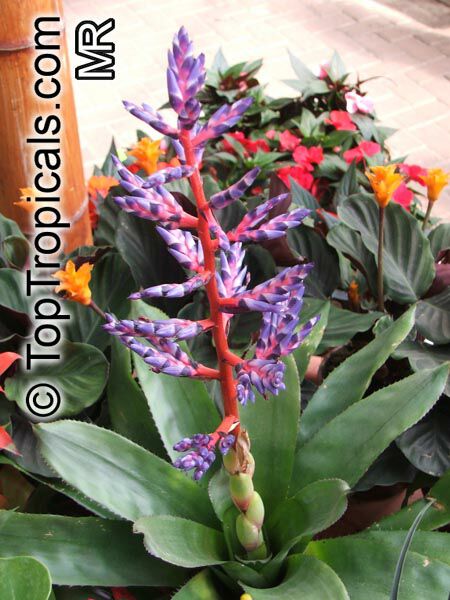
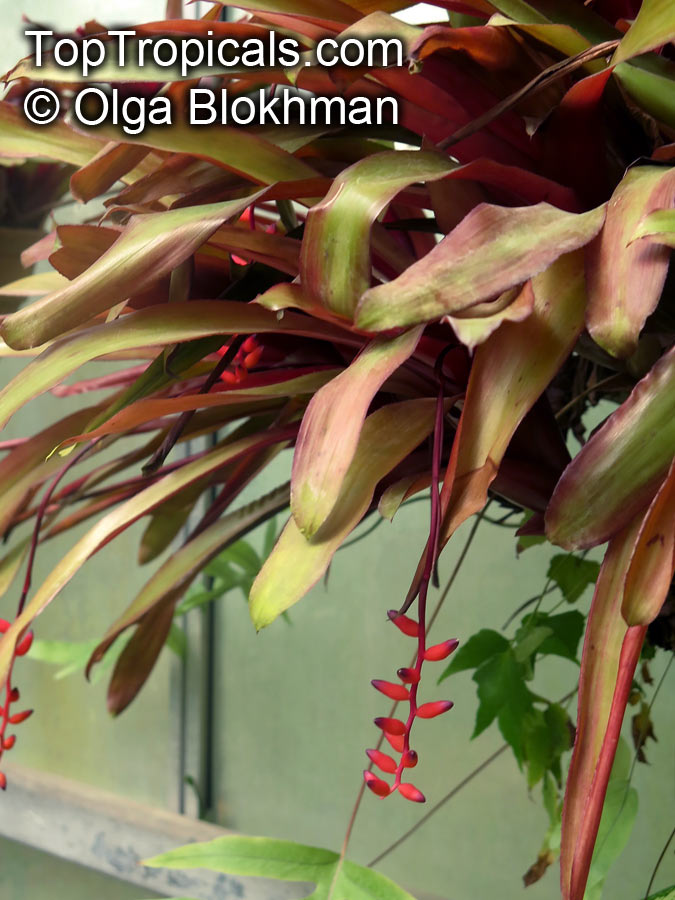
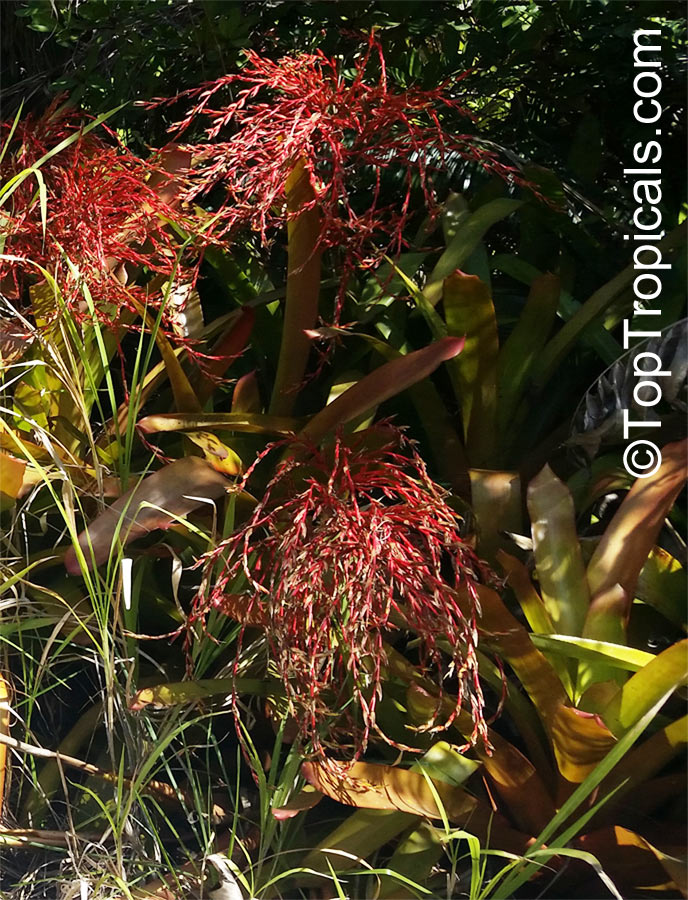
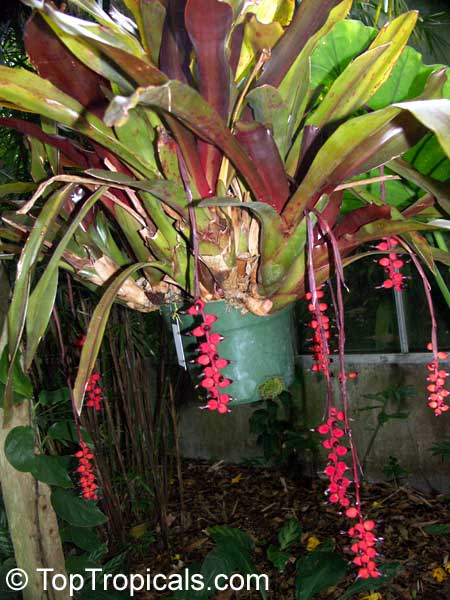
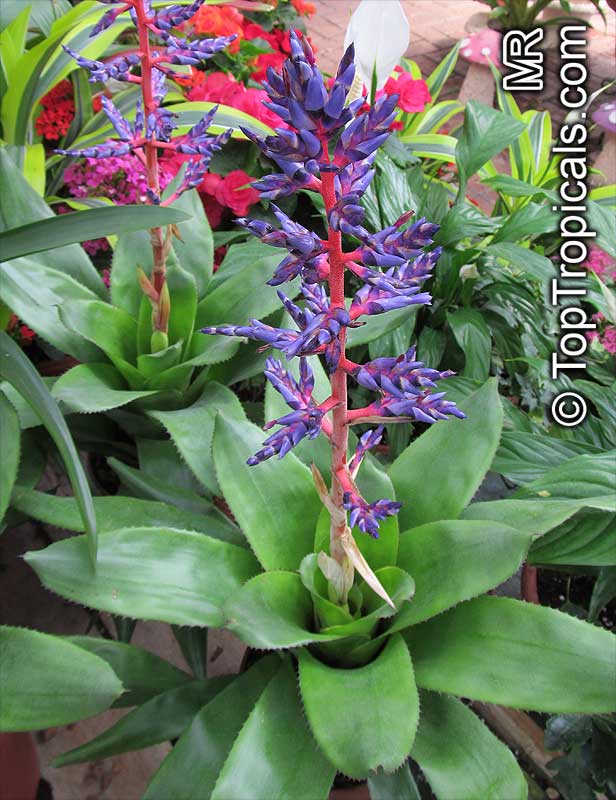
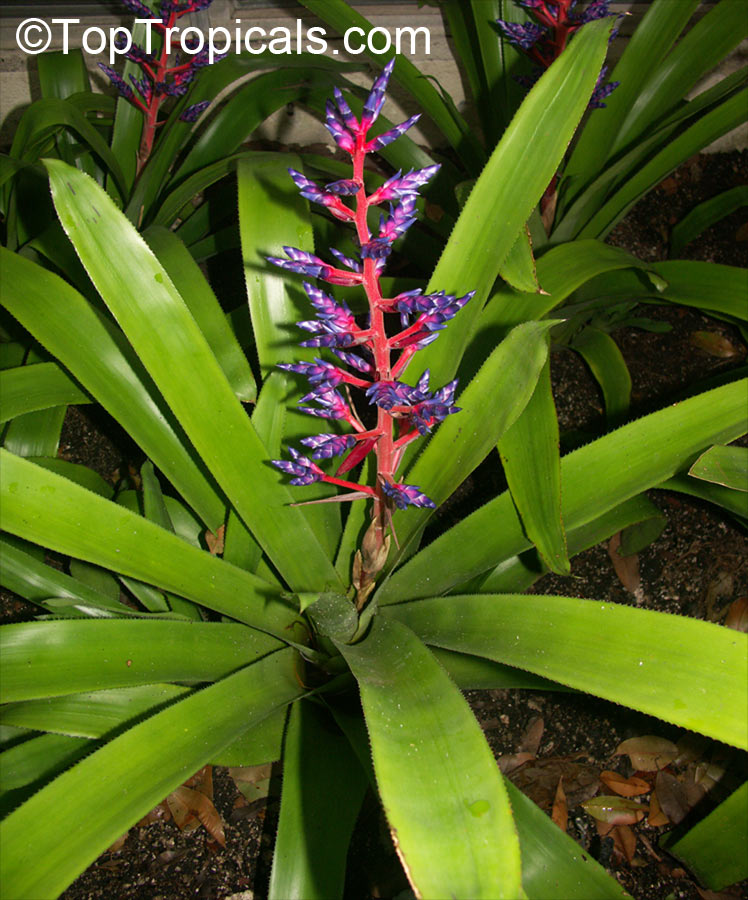
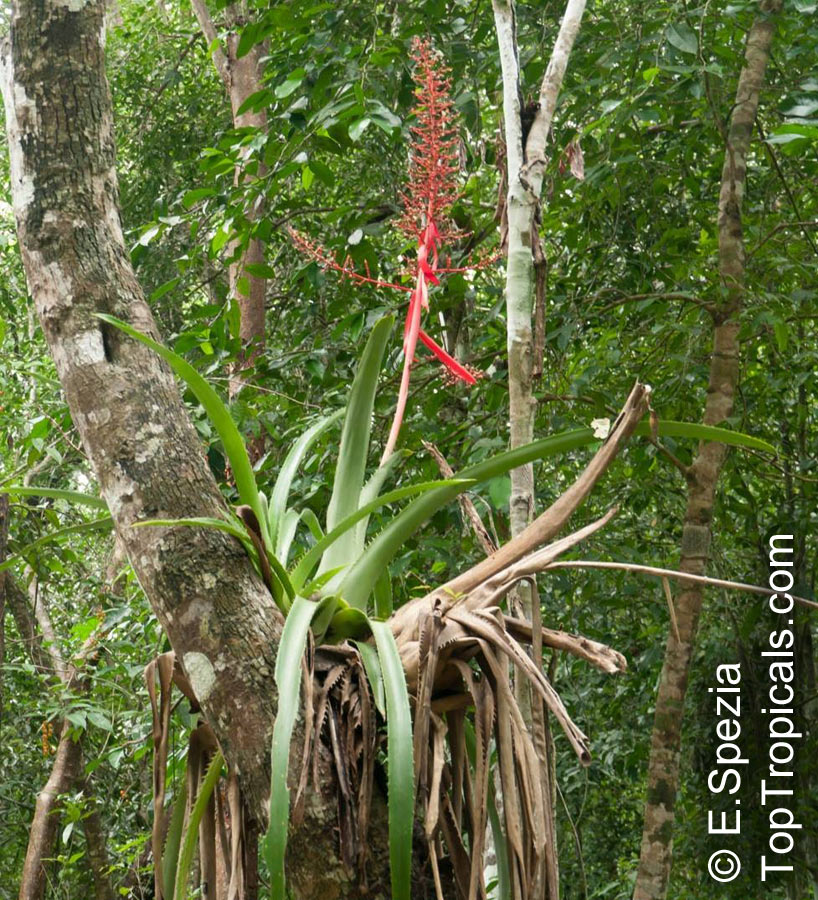
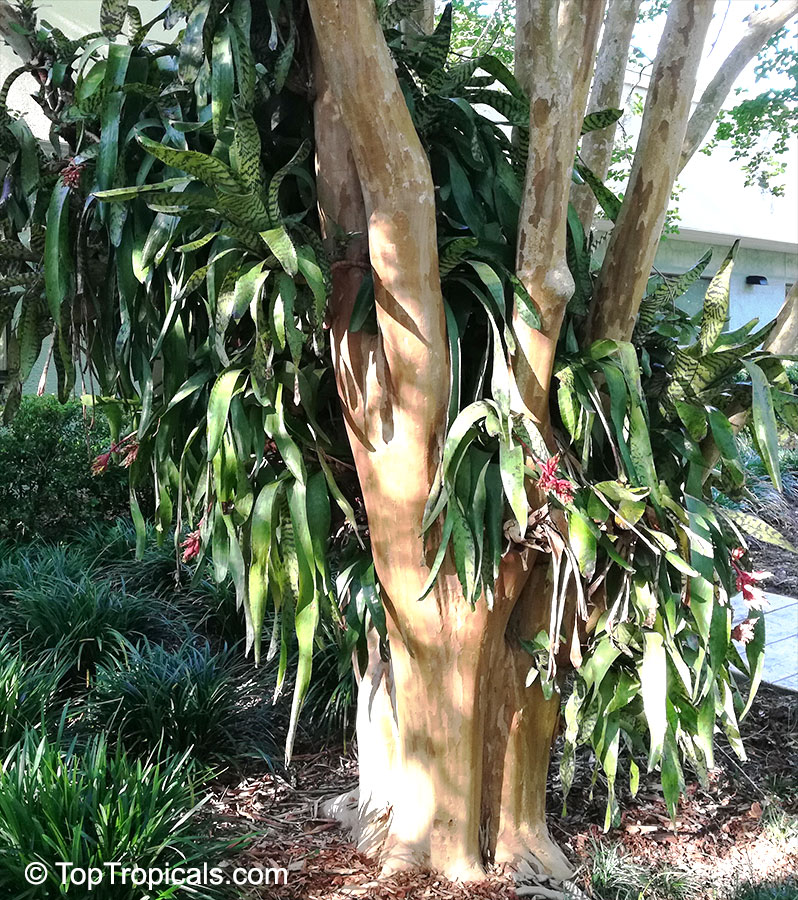
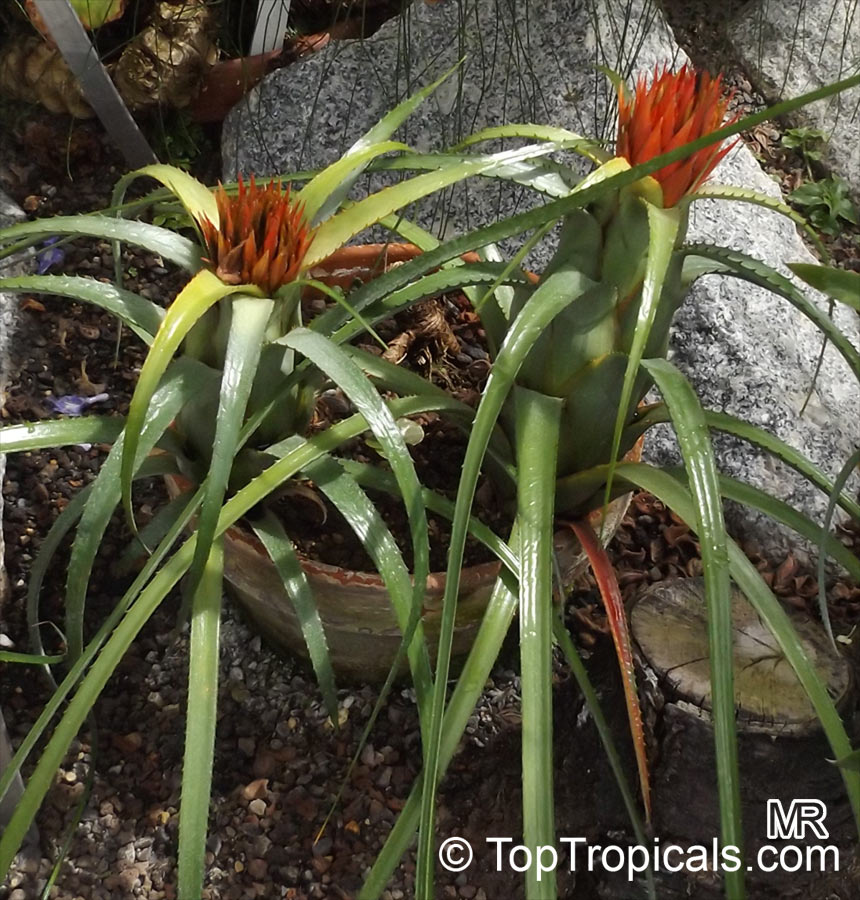
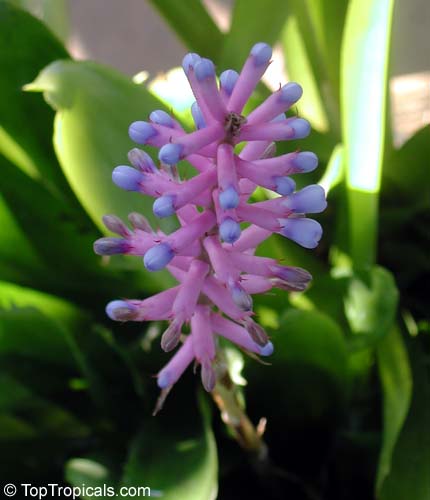
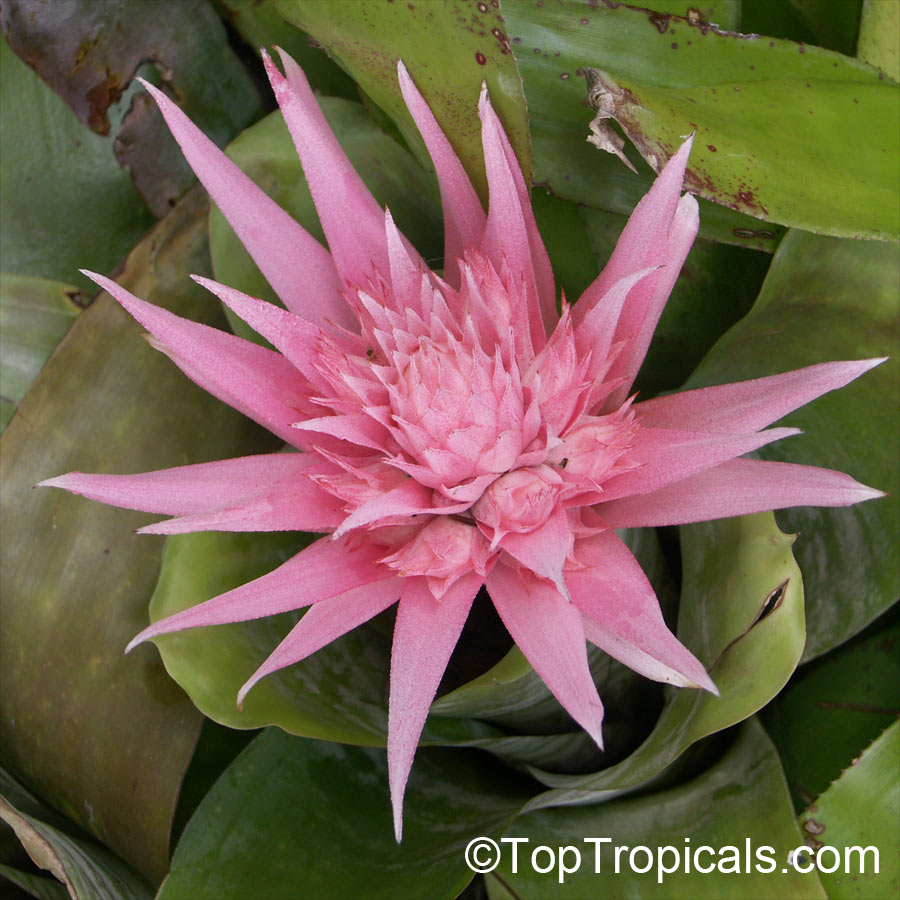
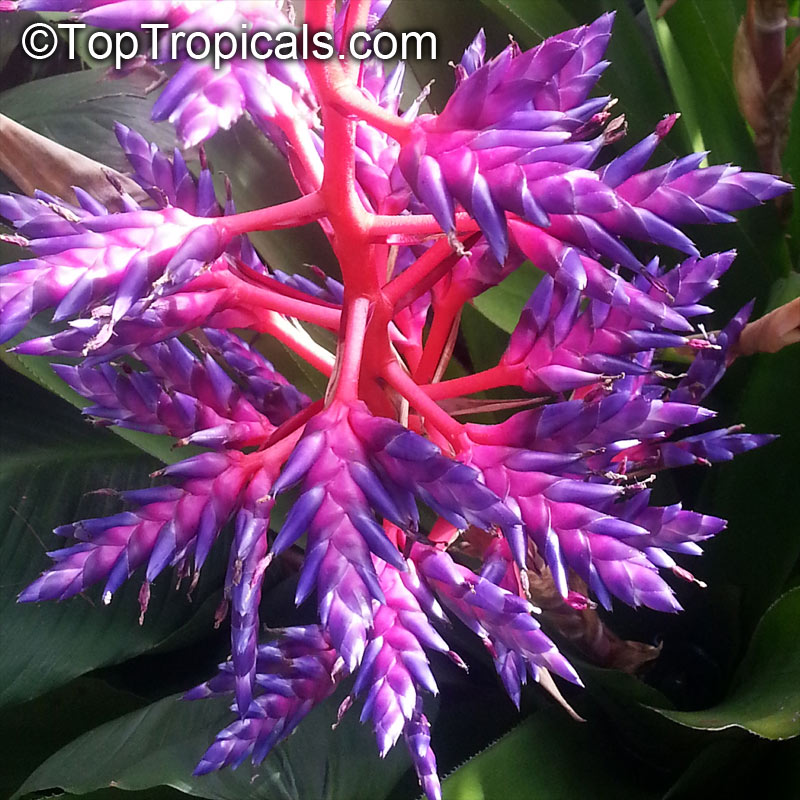
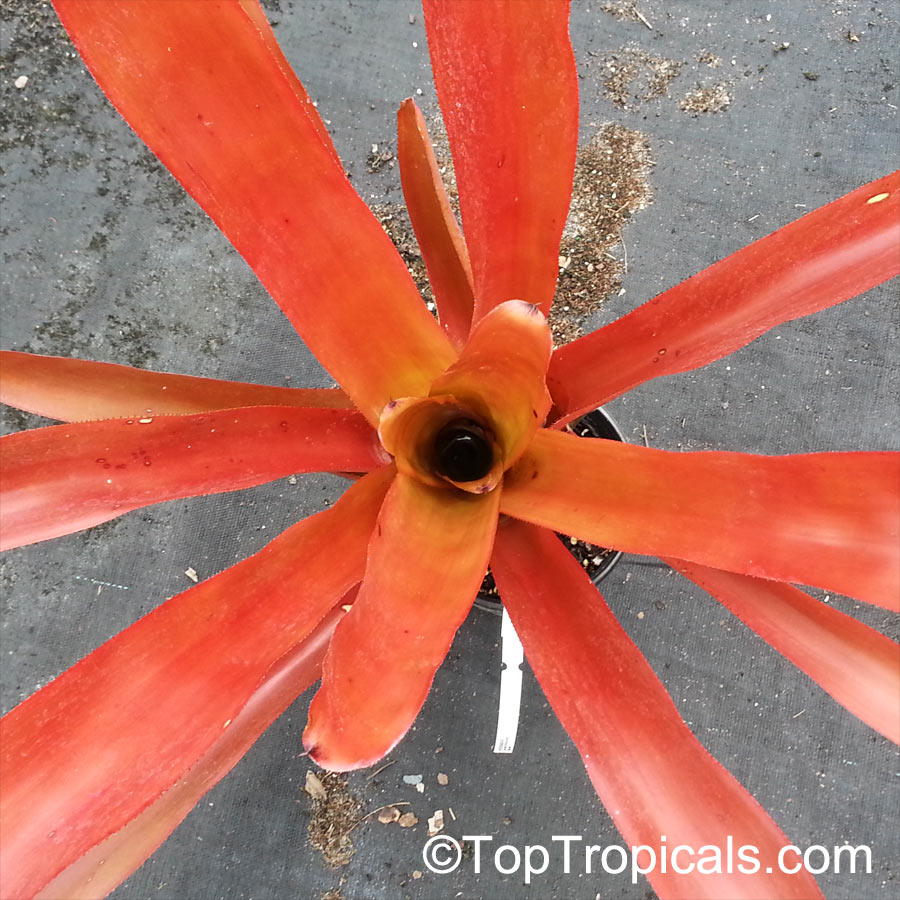
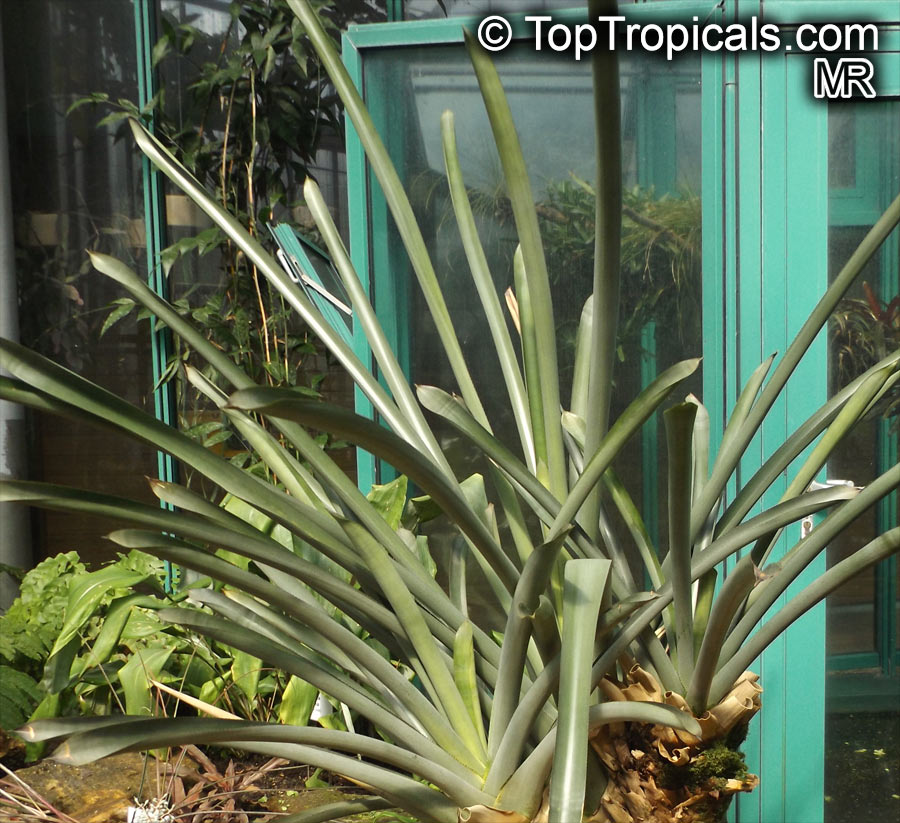
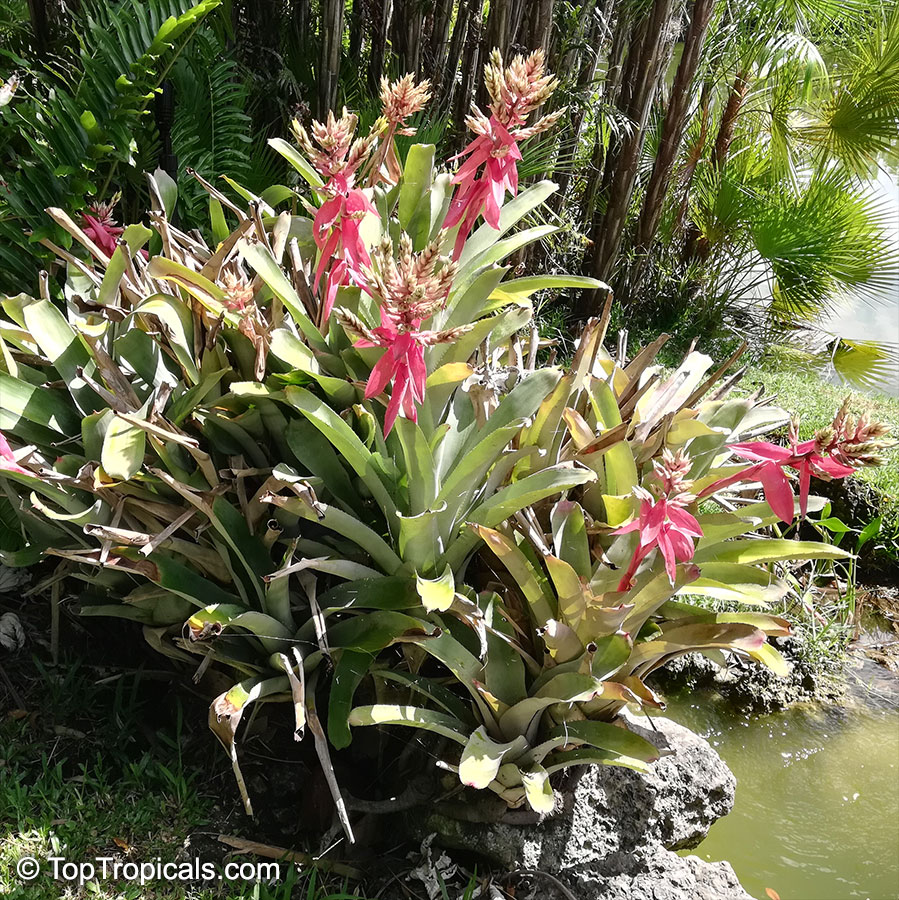
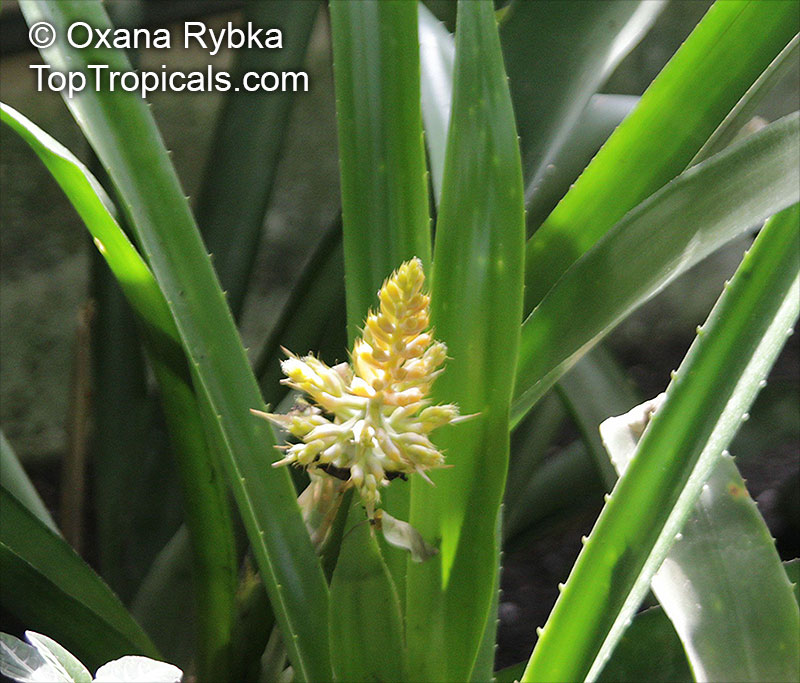
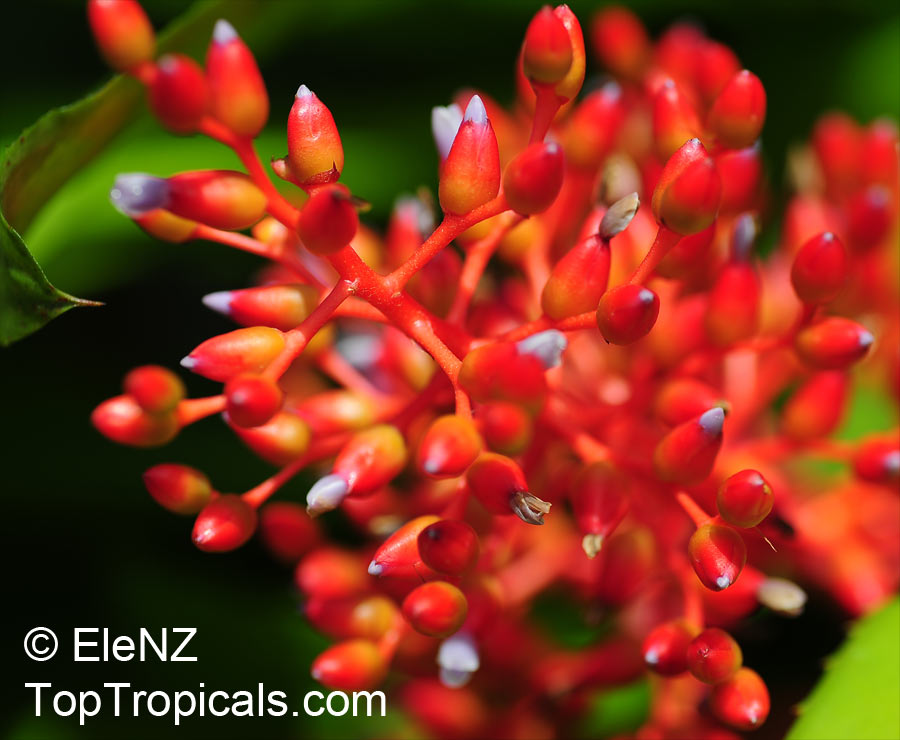
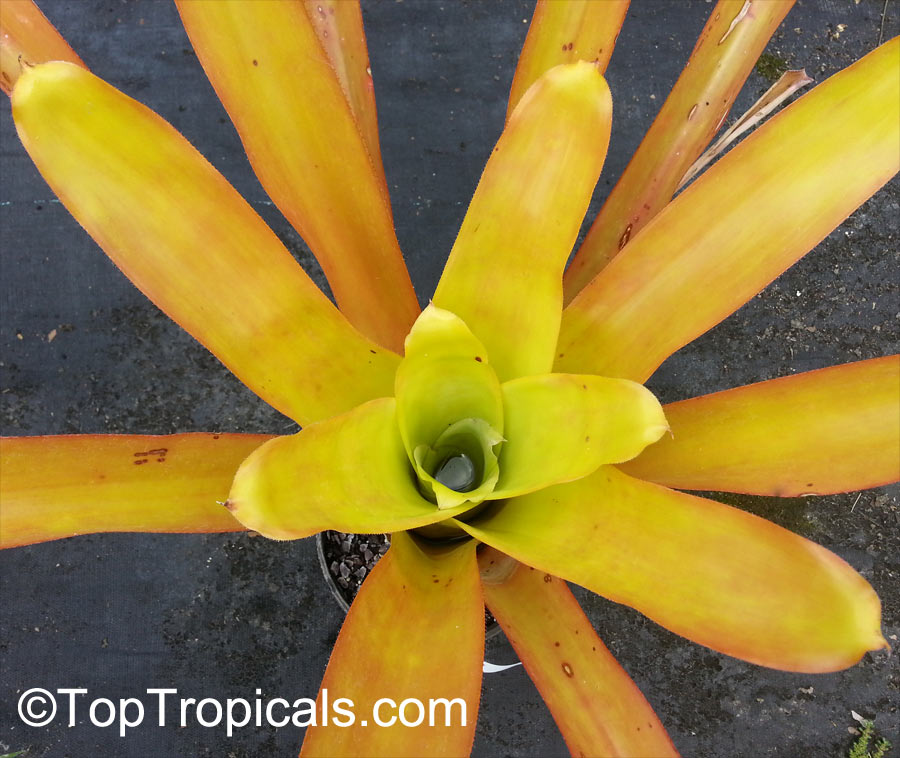
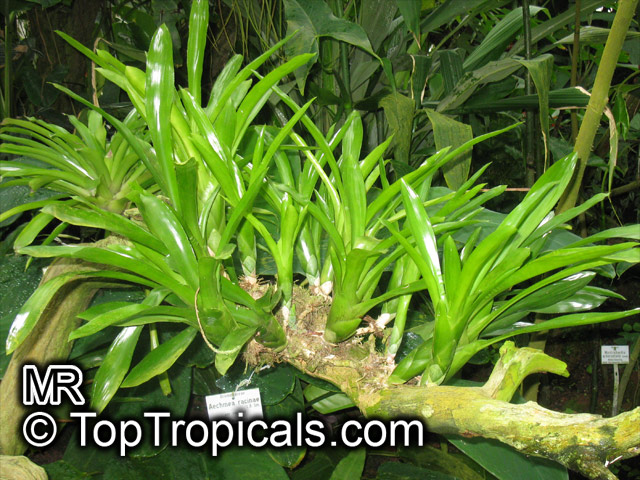
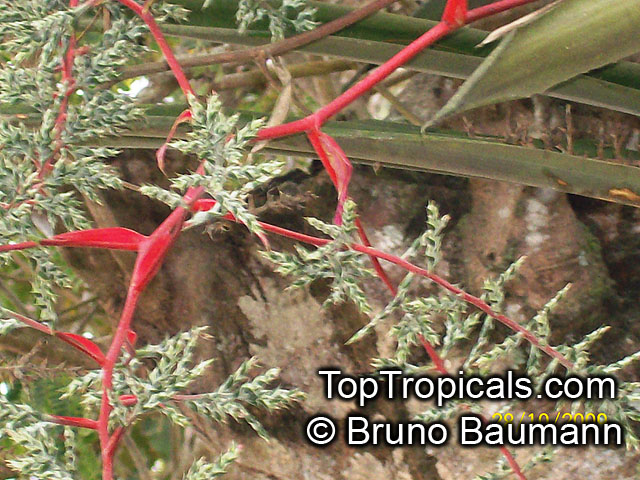
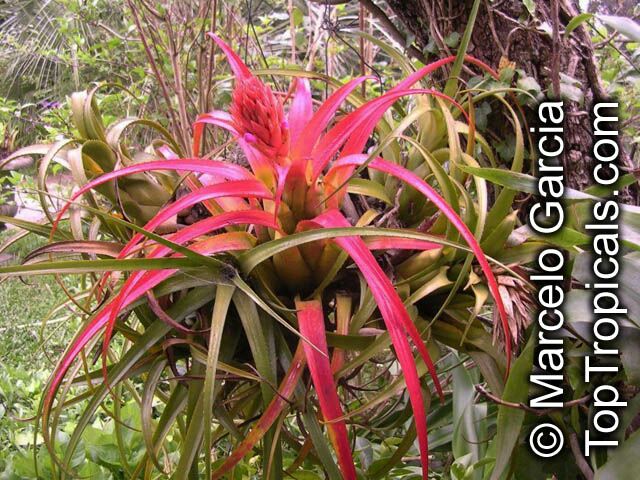
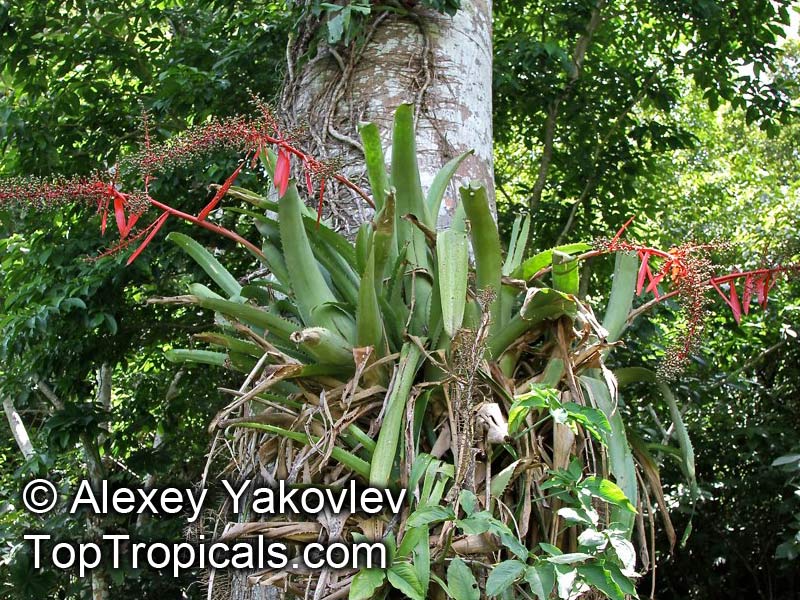
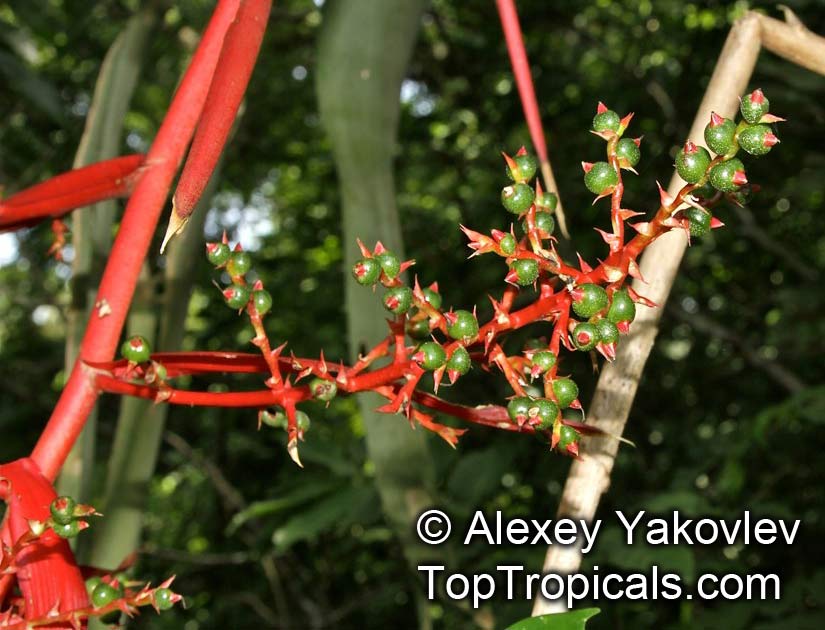
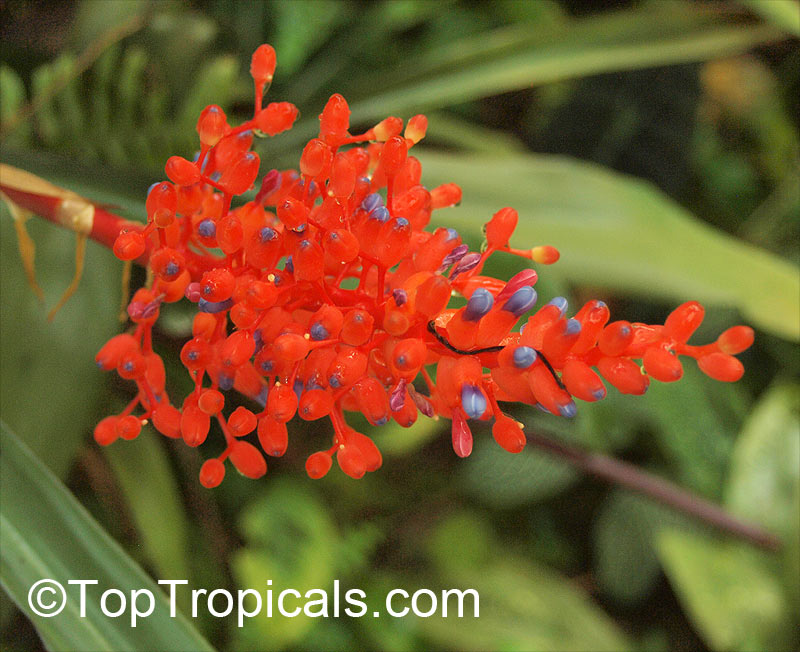
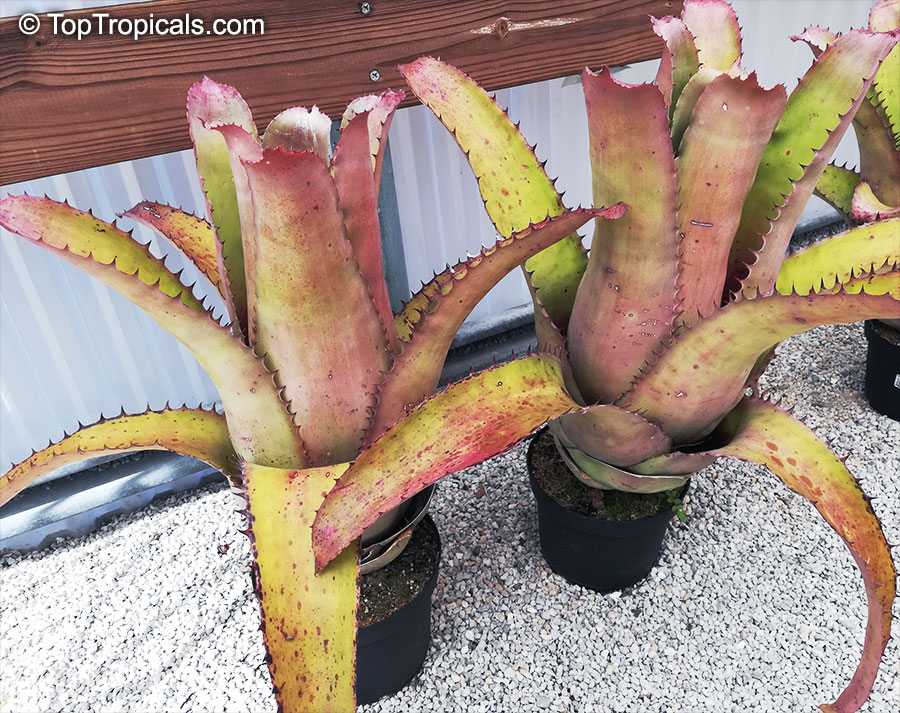

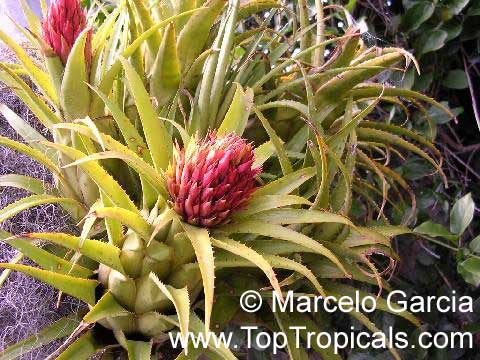
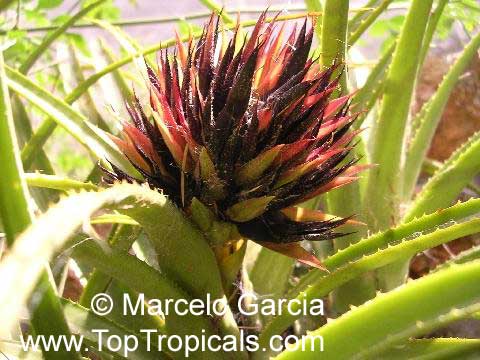
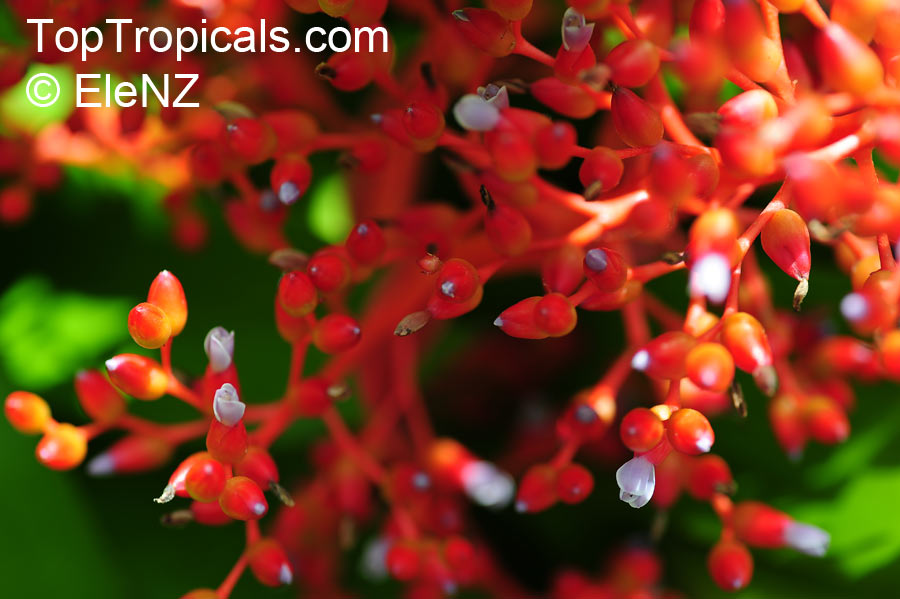
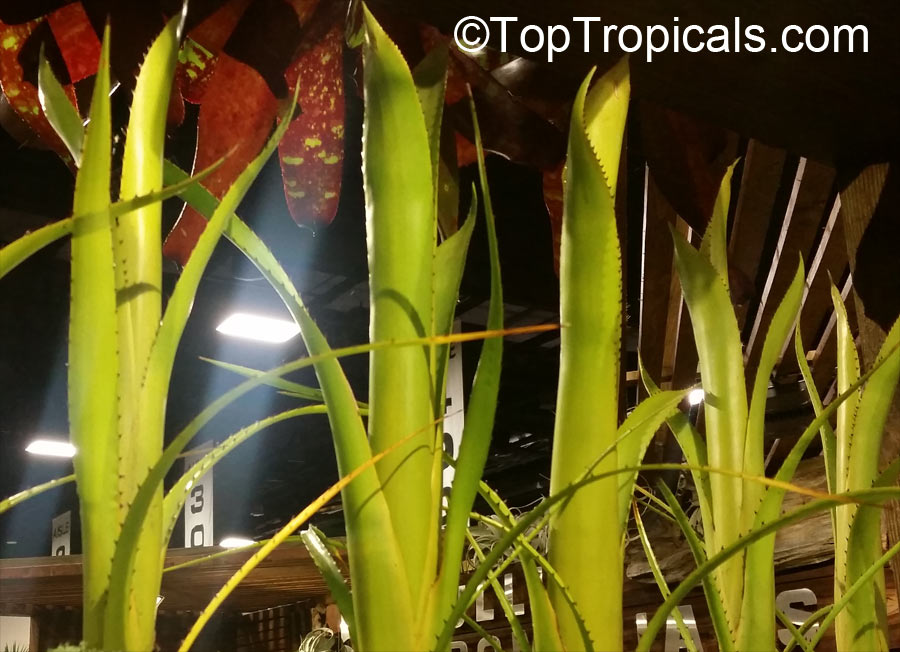
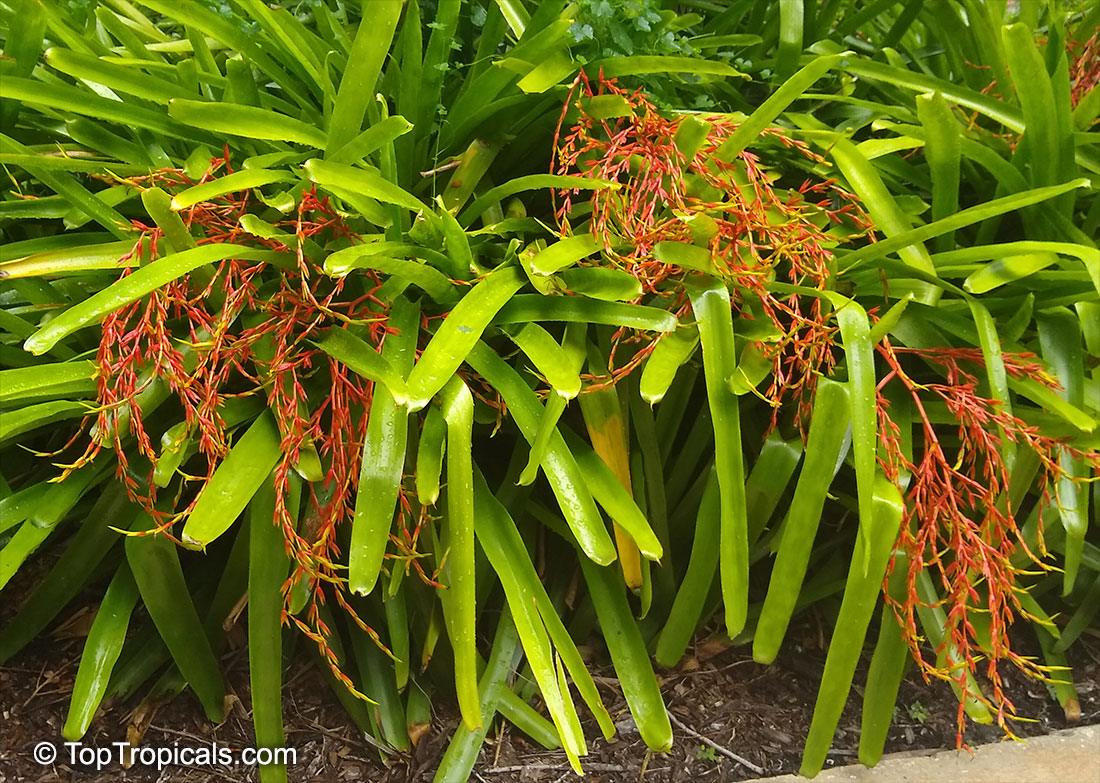

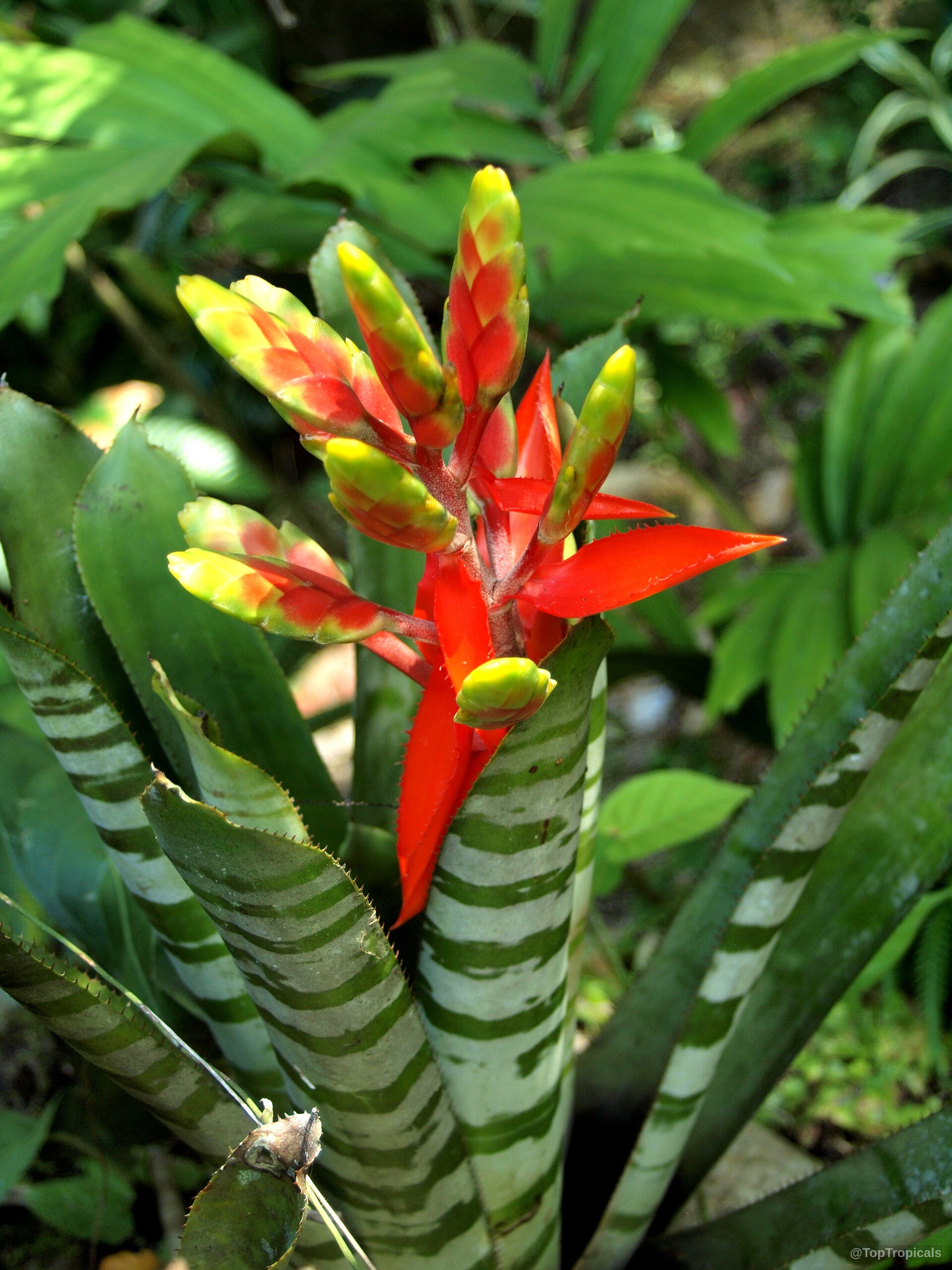
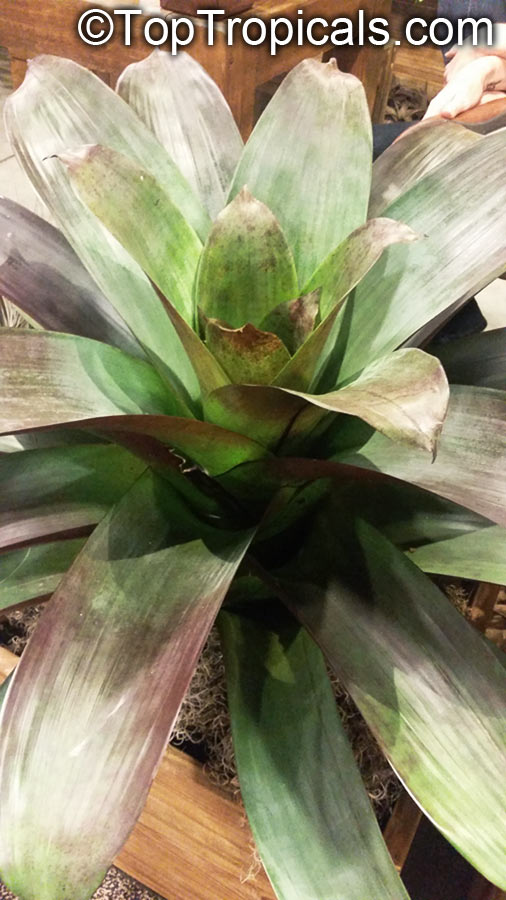
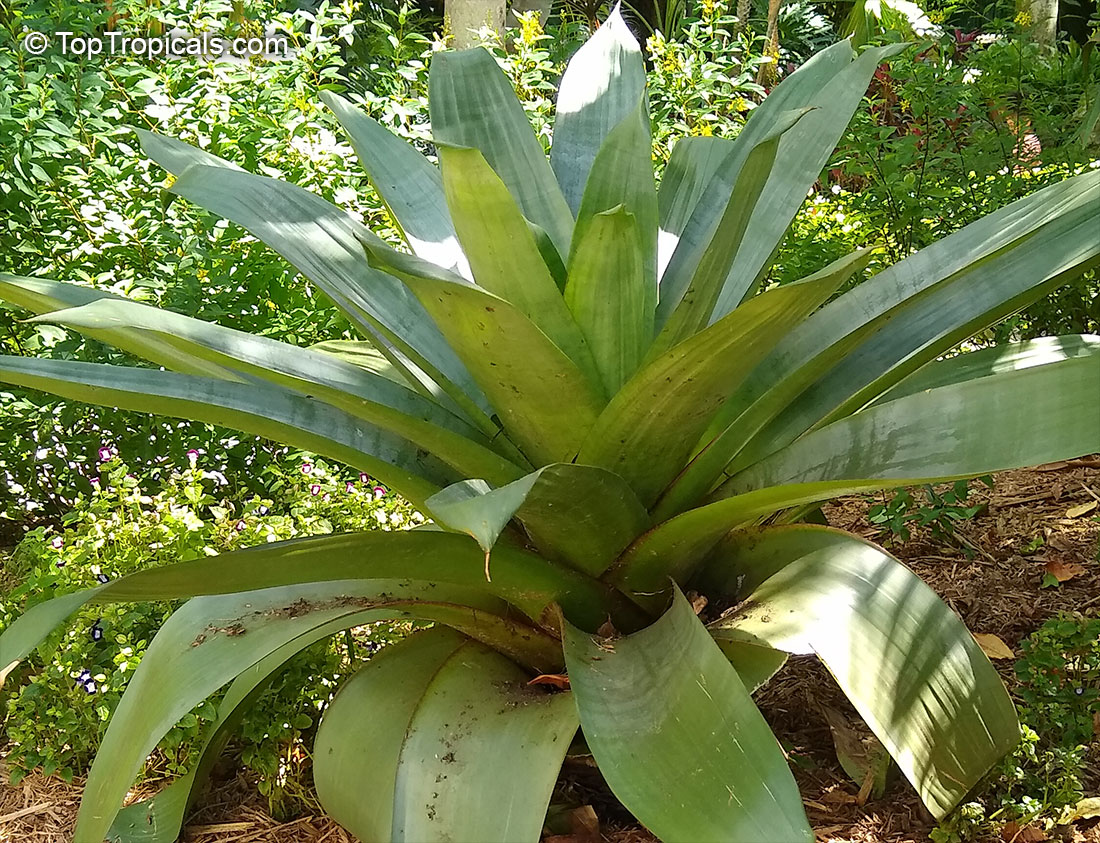
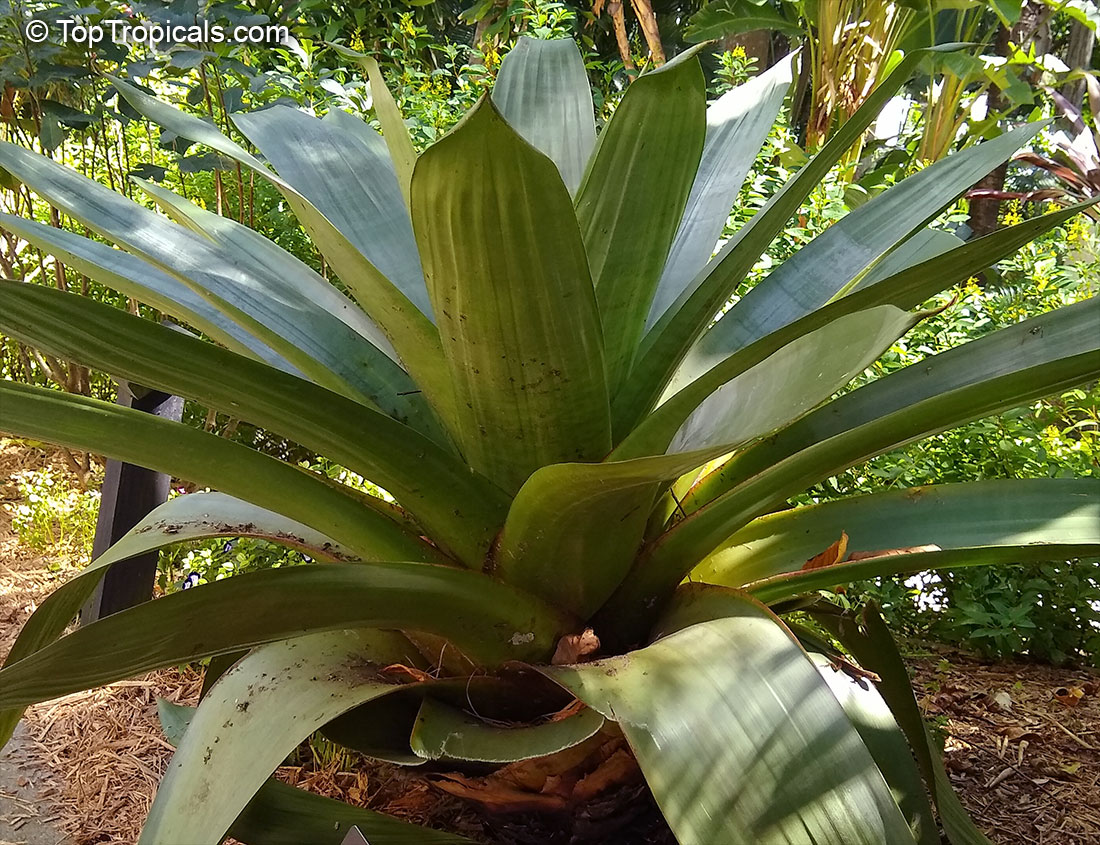
Botanical names: Alcantarea imperialis, Vriesea imperialis
Common name: Giant Bromeliad
Family: Bromeliaceae
Subfamily: Tillandsioideae

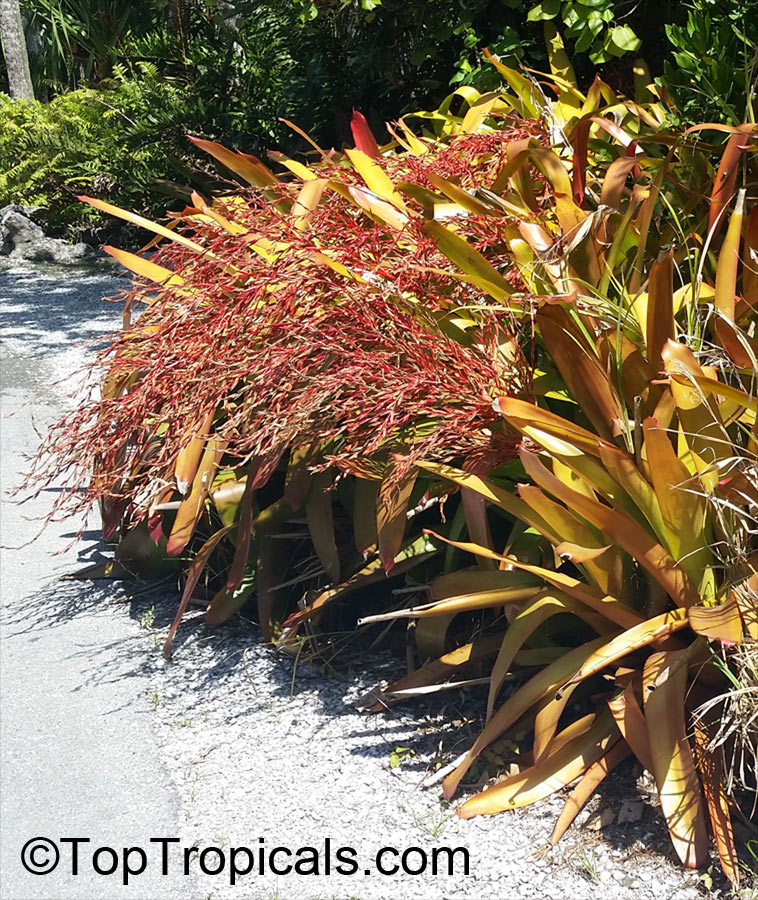
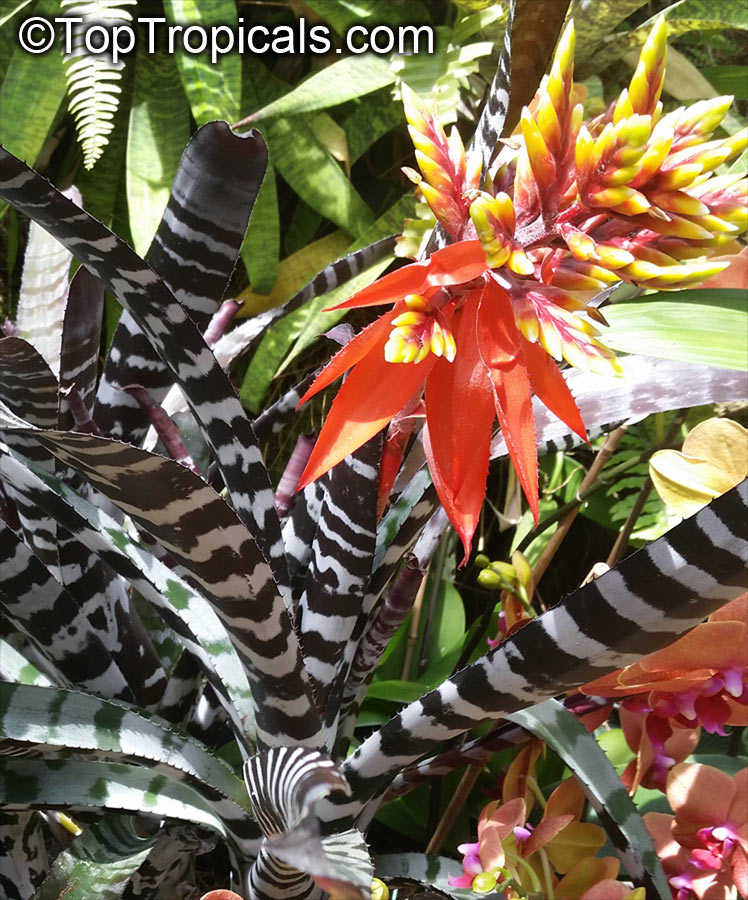
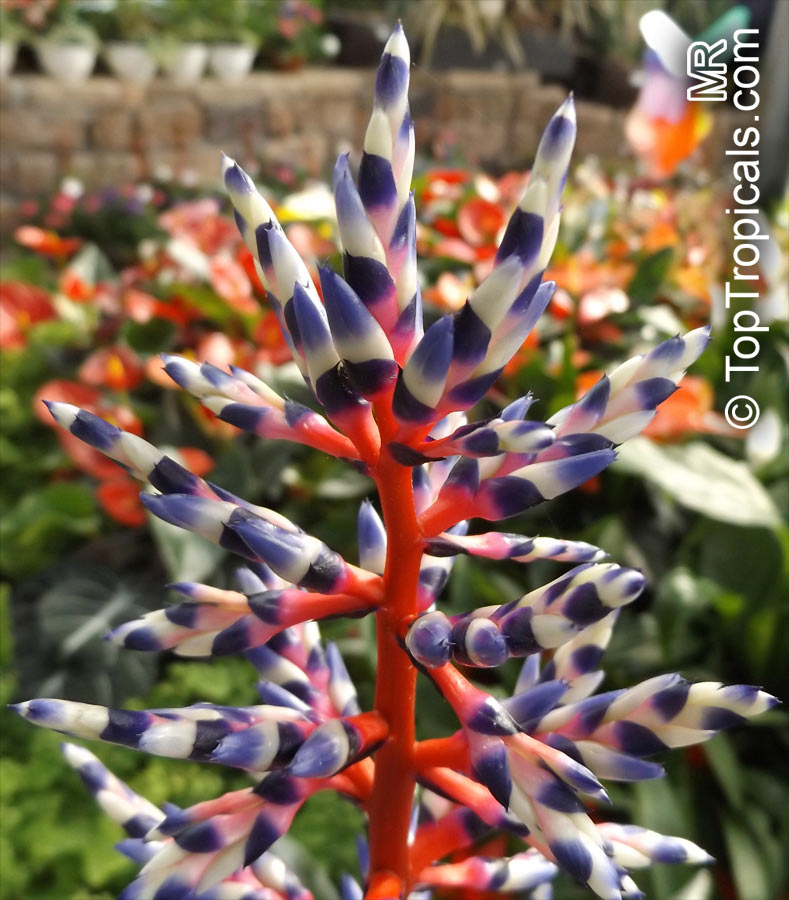
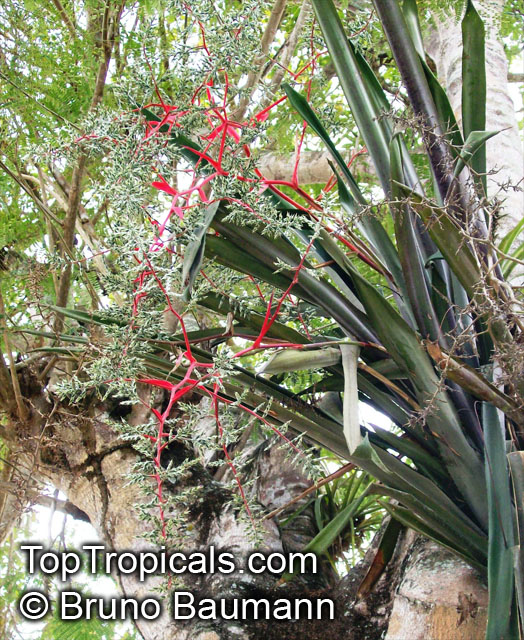
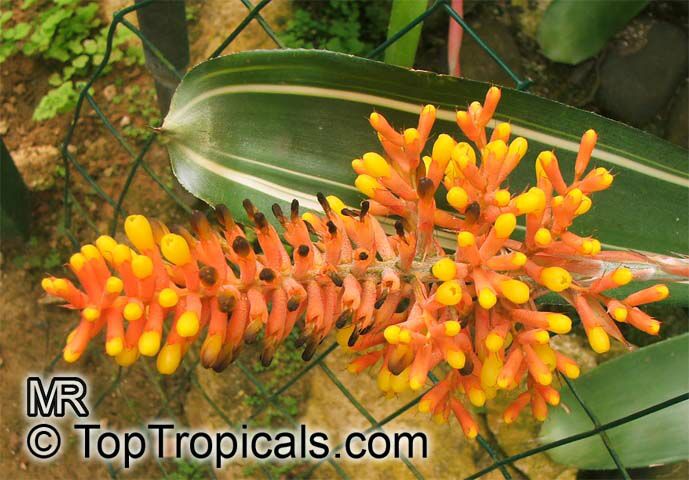
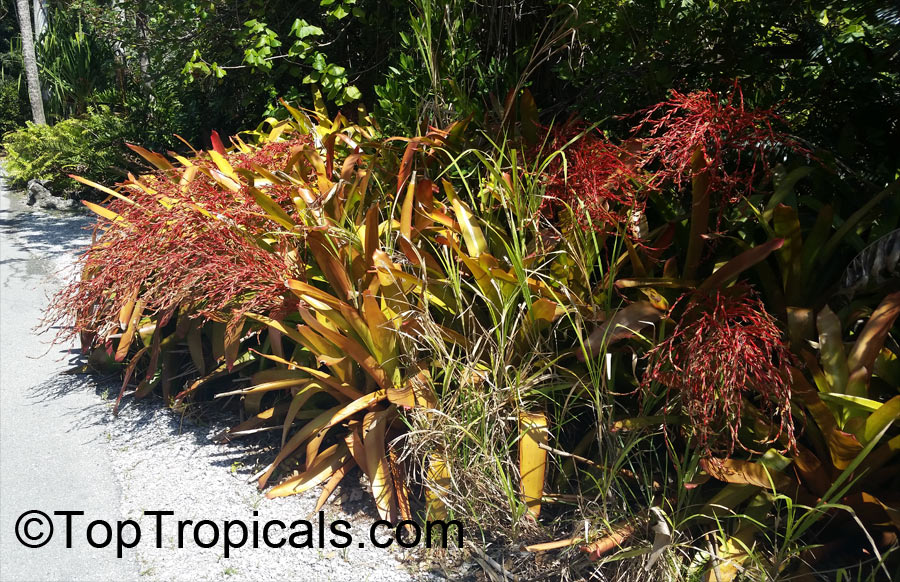
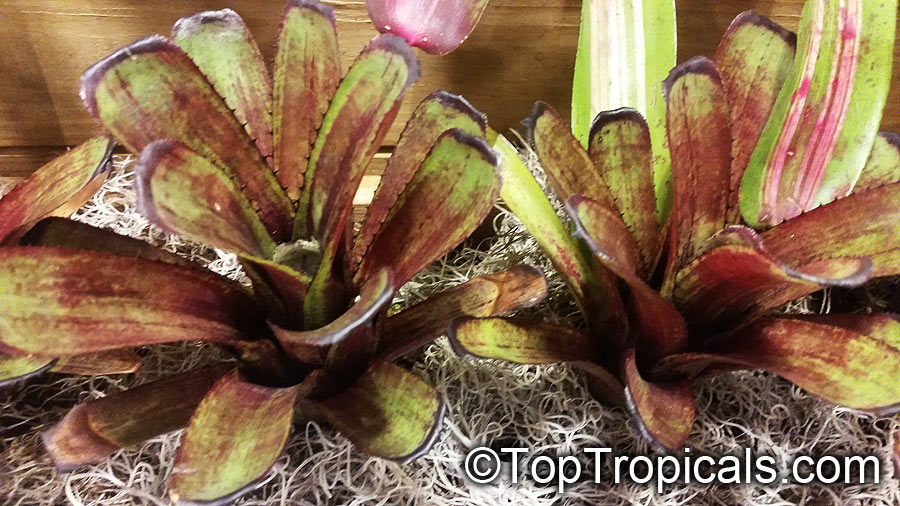
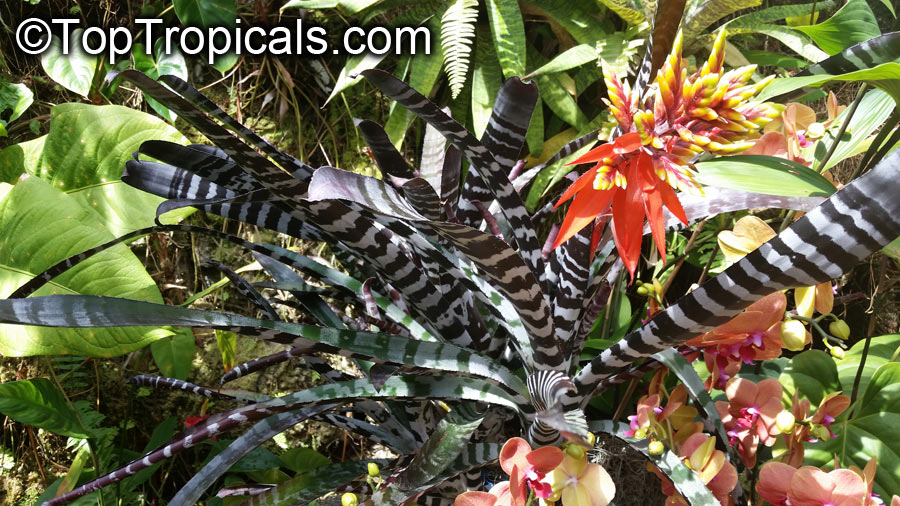
Once known as Vriesea imperialis, this plant is usually considered the signature species of the genus Alcantarea. A giant among bromeliads, it can grow to be more than 5 feet tall! It makes a wonderful focal point in any tropical landscape.

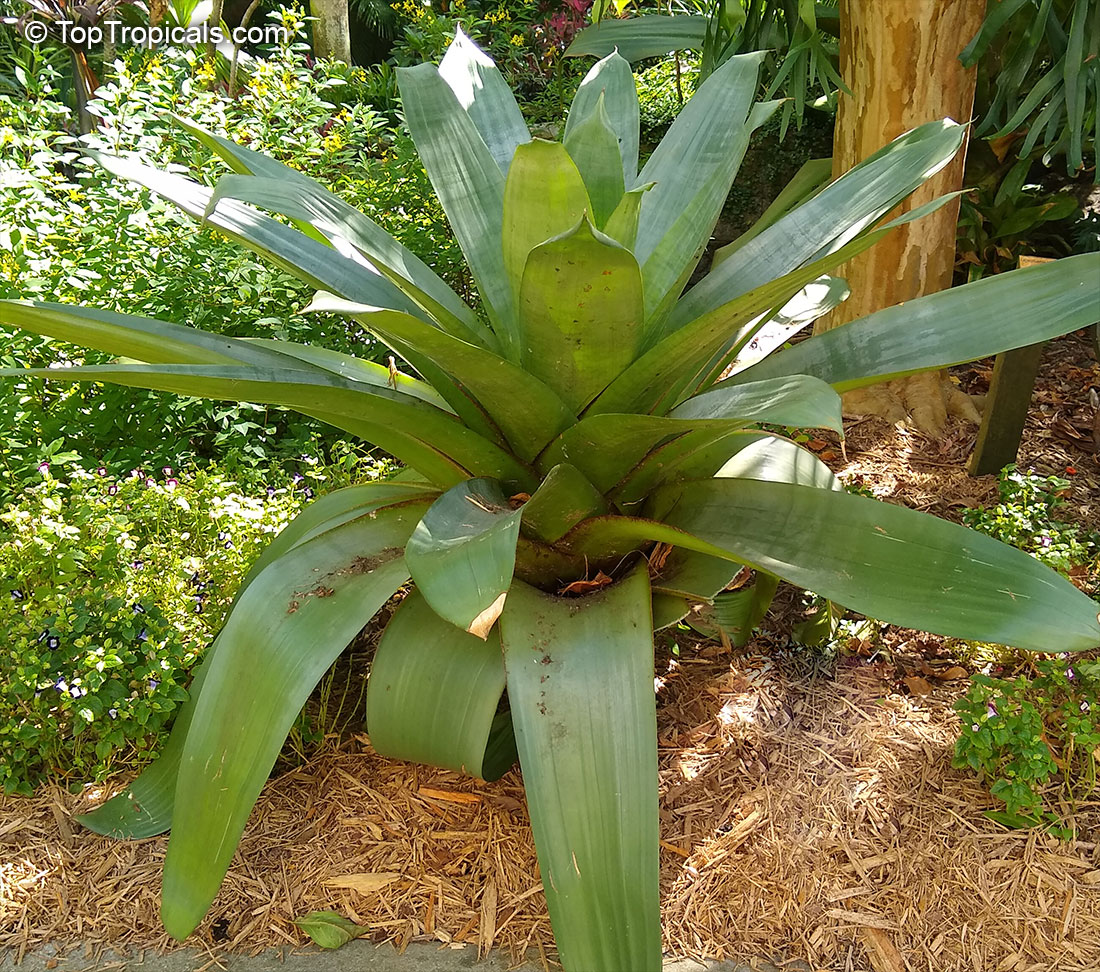
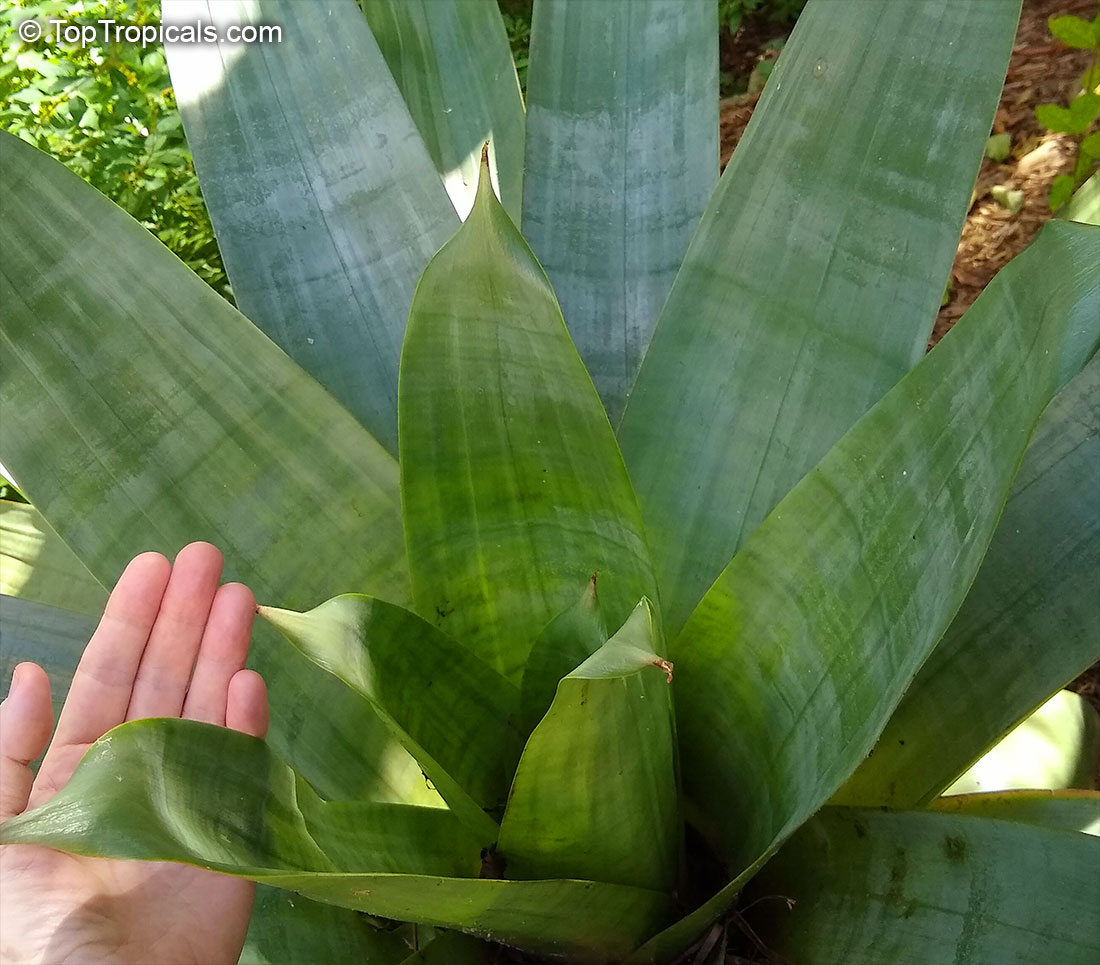


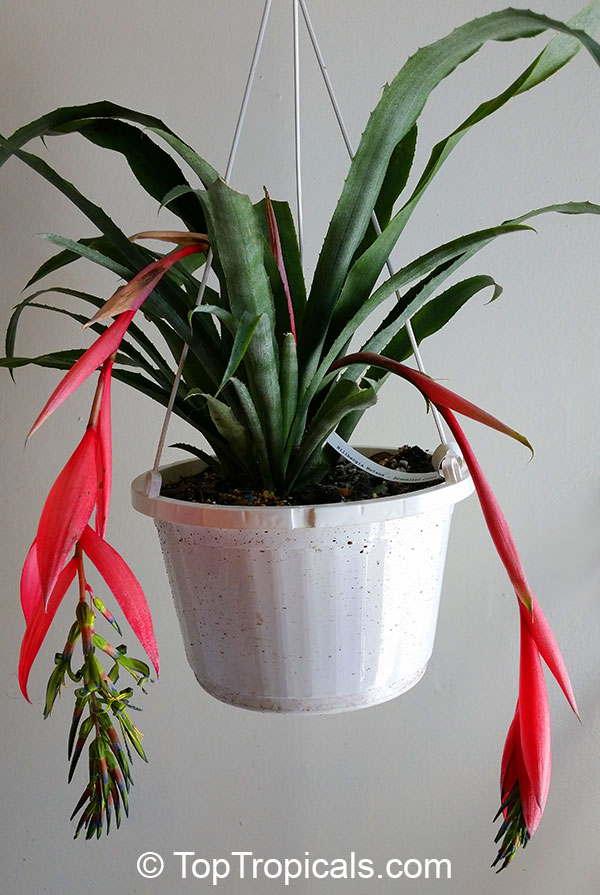
Botanical names: Billbergia nutans, Billbergia linearifolia, Billbergia minuta
Common names: Bromeliad Queen of Tears, Friendship Plant
Family: Bromeliaceae
Subfamily: Bromelioideae
Origin: South America

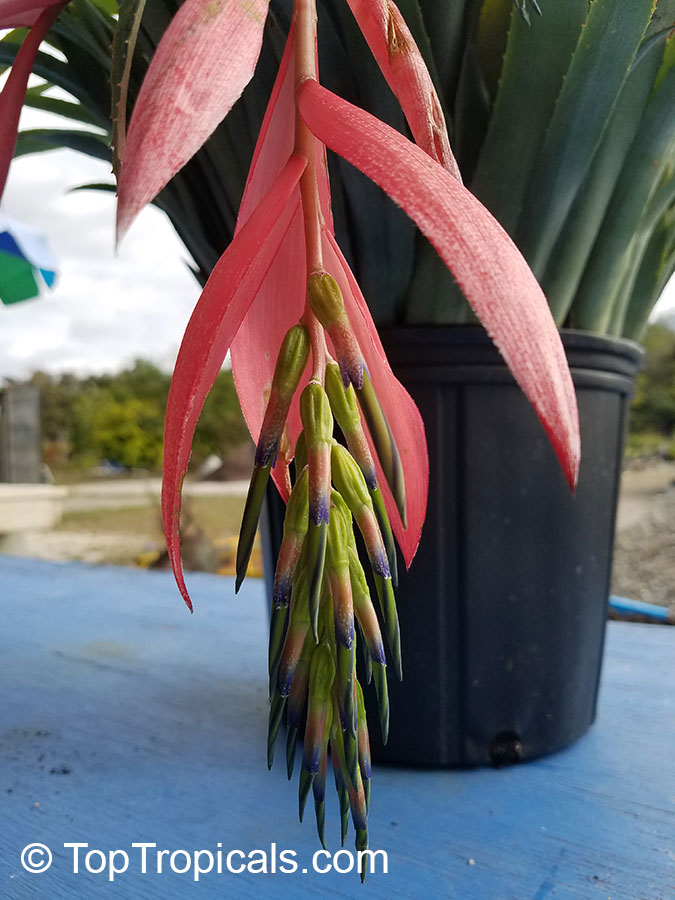
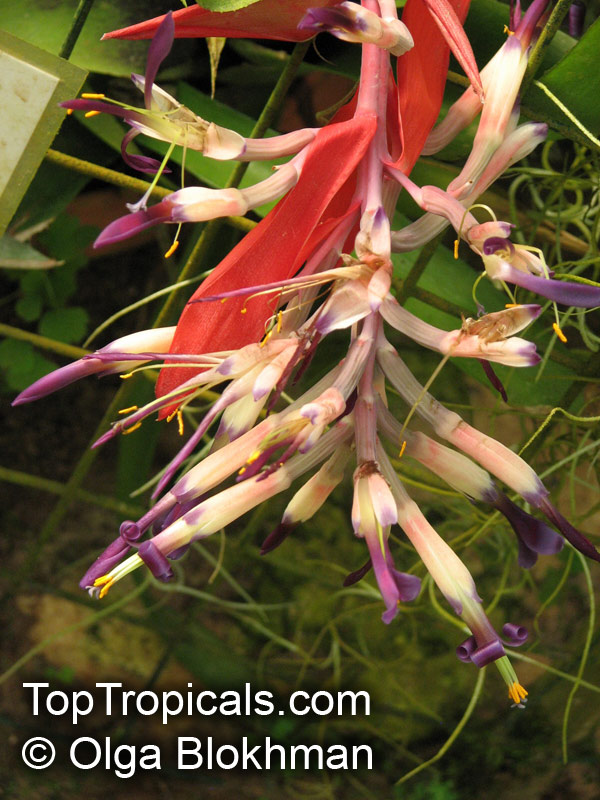
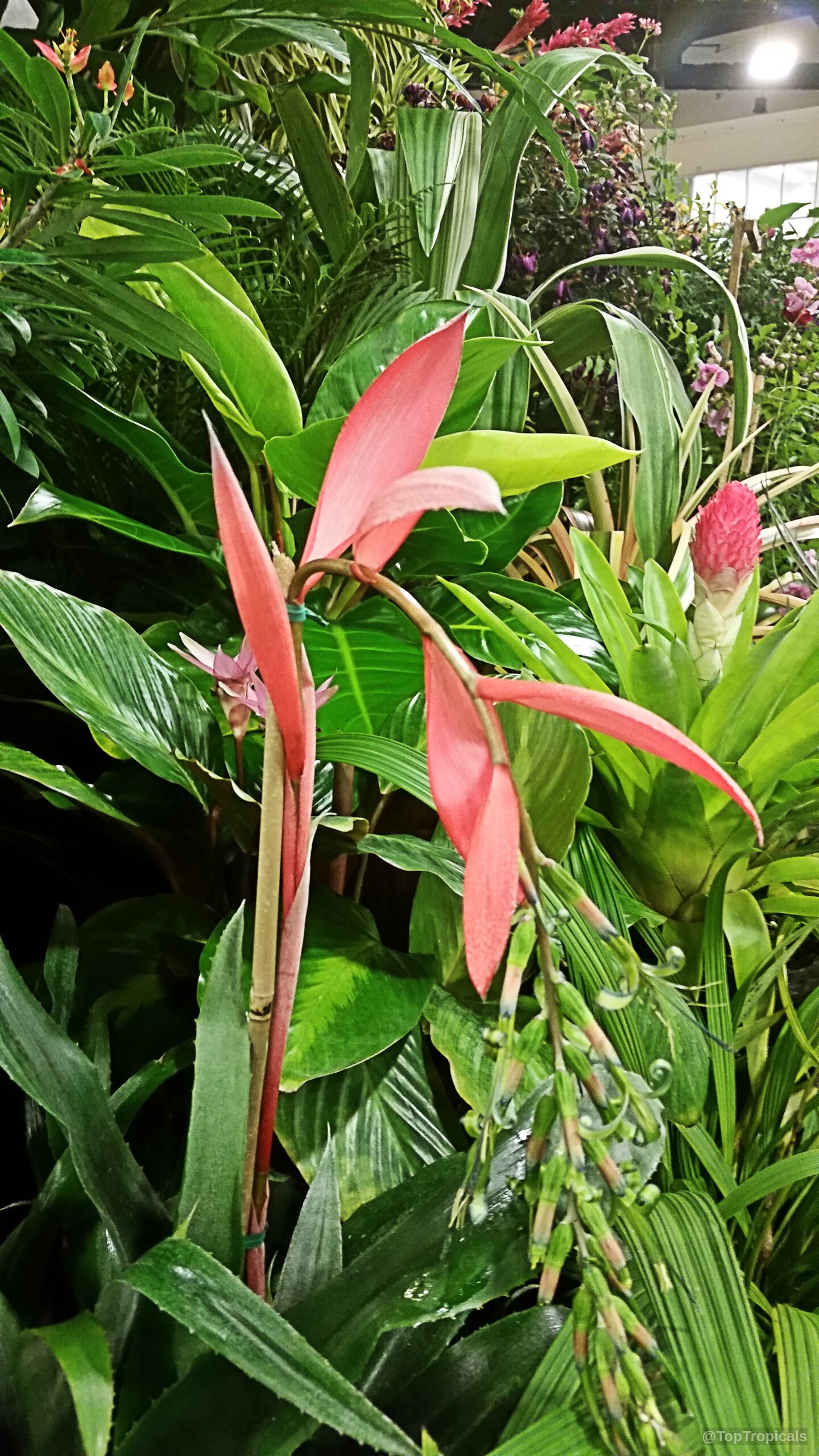
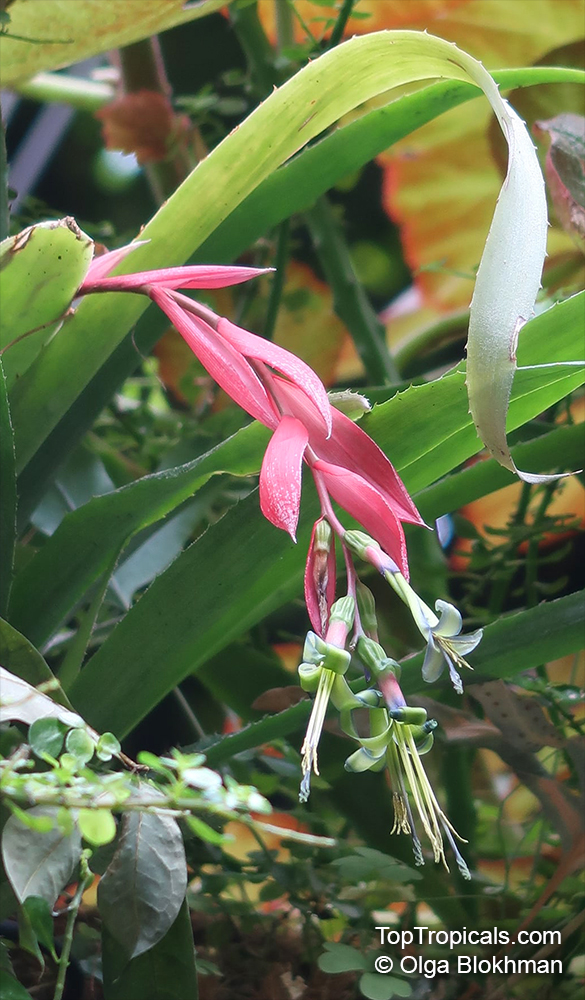
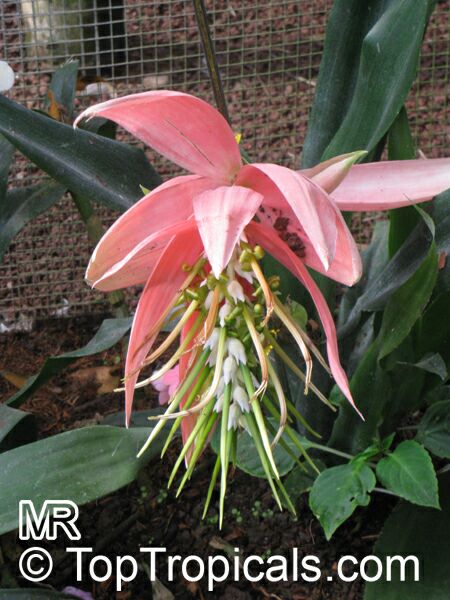
Billbergia nutans, commonly known as Bromeliad Queen of Tears, is a small shrub native to South America that is easy to grow and maintain indoors. It is a compact plant that seldom reaches 2 ft tall and wide with unusual, chartreuse foliage and vibrantly-colored flowers.
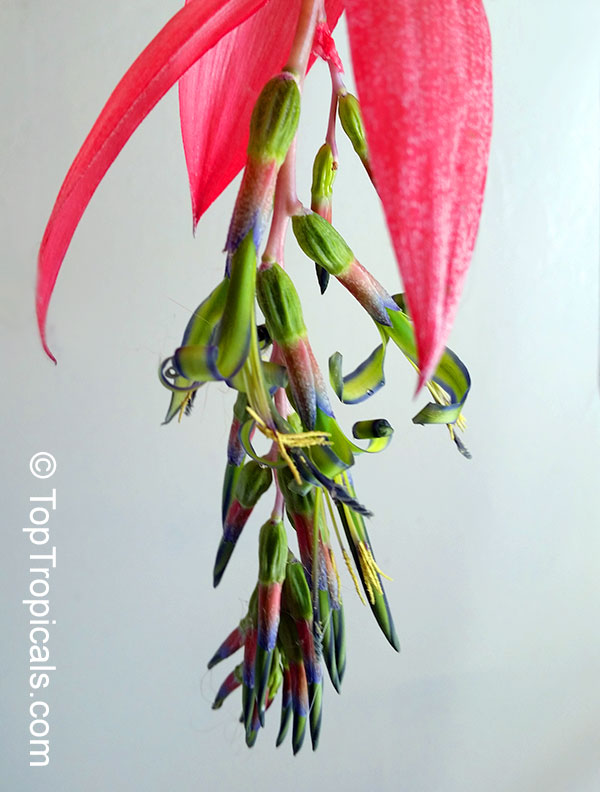
The foliage of this beauty can reach up to 15 inches and will spread out in a graceful rosette. The flowers that appear periodically are pink, purple, yellow or green and are surrounded by pink or red bracts. The foliage of this plant is what sets it apart from the rest. Its thick, strap-like leaves in a chartreuse color makes it a striking statement.
When given the proper care, Billbergia nutans can easily thrive as a houseplant. It requires semi-shade, adequate water and good air circulation. When grown outside in subtropical climates it will do best when protected from the heat and cold. When planted in a pot, make sure the pot is big enough for the soil to retain moisture. In cold regions, empty the rosette of water and pack it with insulation material before winter sets in.
Not only is Billbergia nutans an attractive houseplant, it's also known for attracting butterflies and hummingbirds when its in bloom. Its nectar sacs are what gives it its common name, Queen's Tears, as the nectar will "weep" from the flowers when the plant is moved or touched. Furthermore, it is such an easy variety to propagate as it readily produces offsets making it a great gift option and commonly known as Friendship Plant.


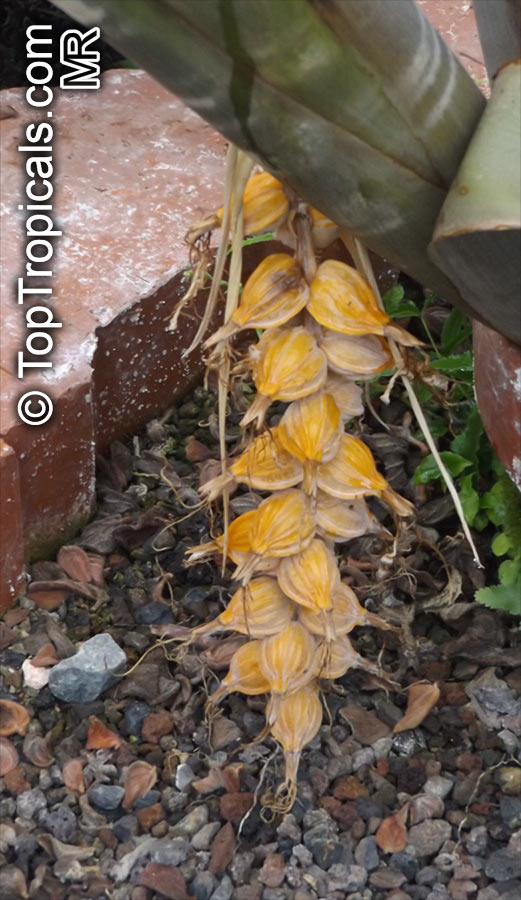
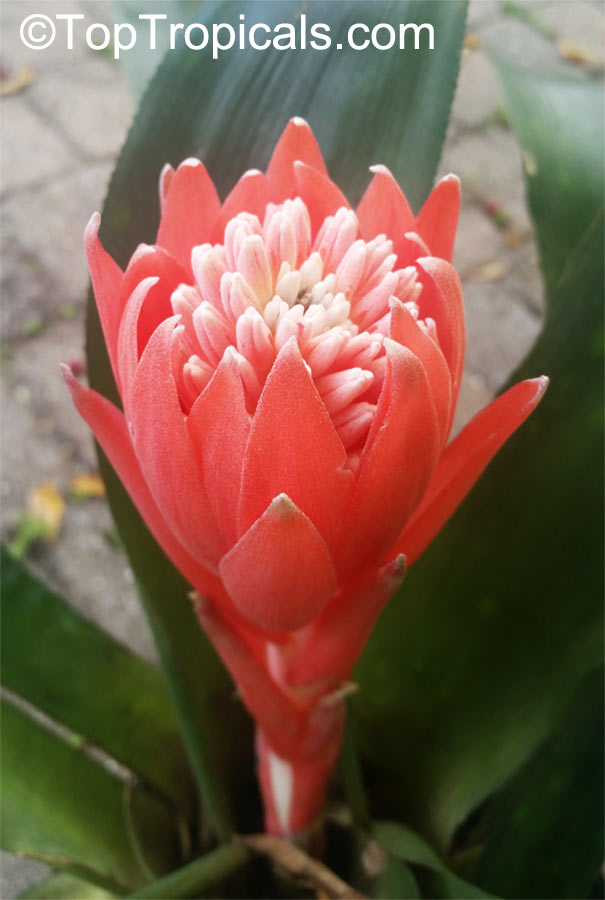
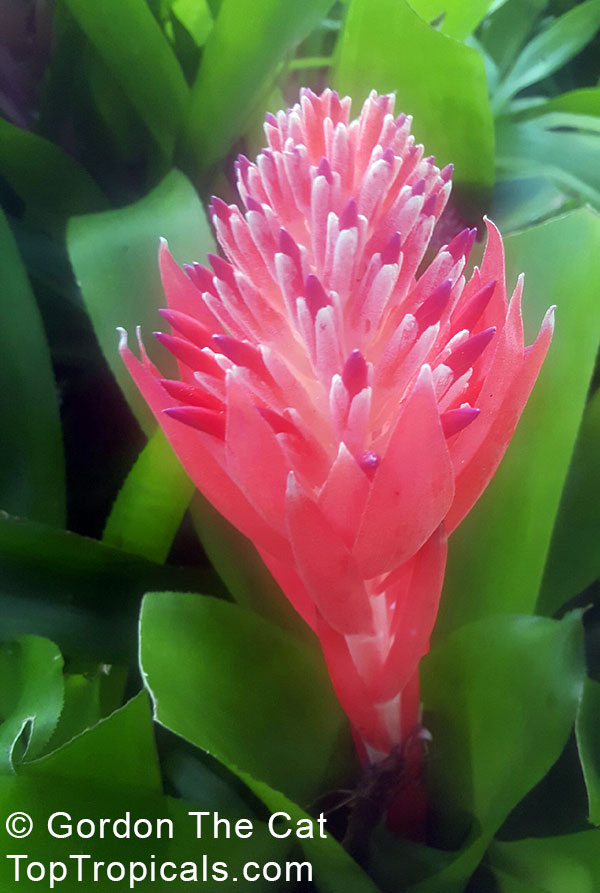
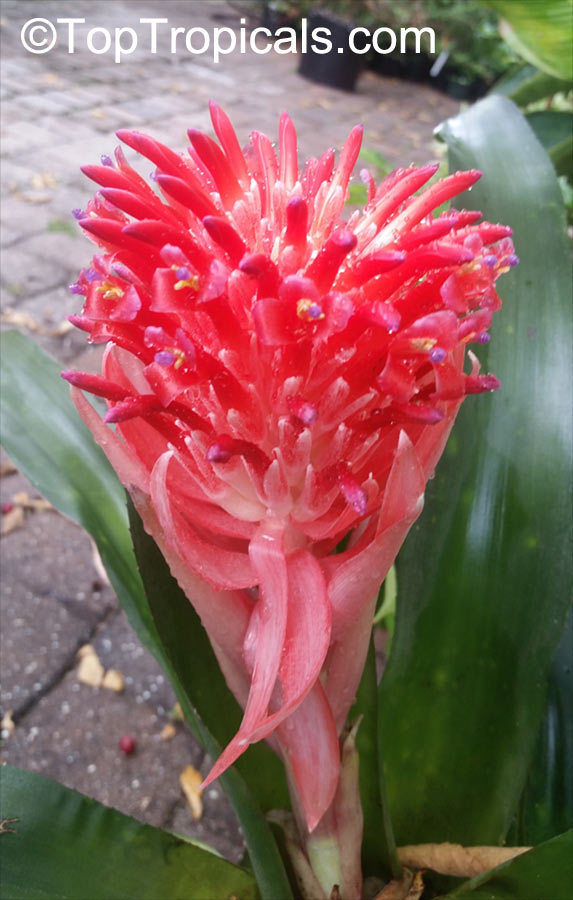
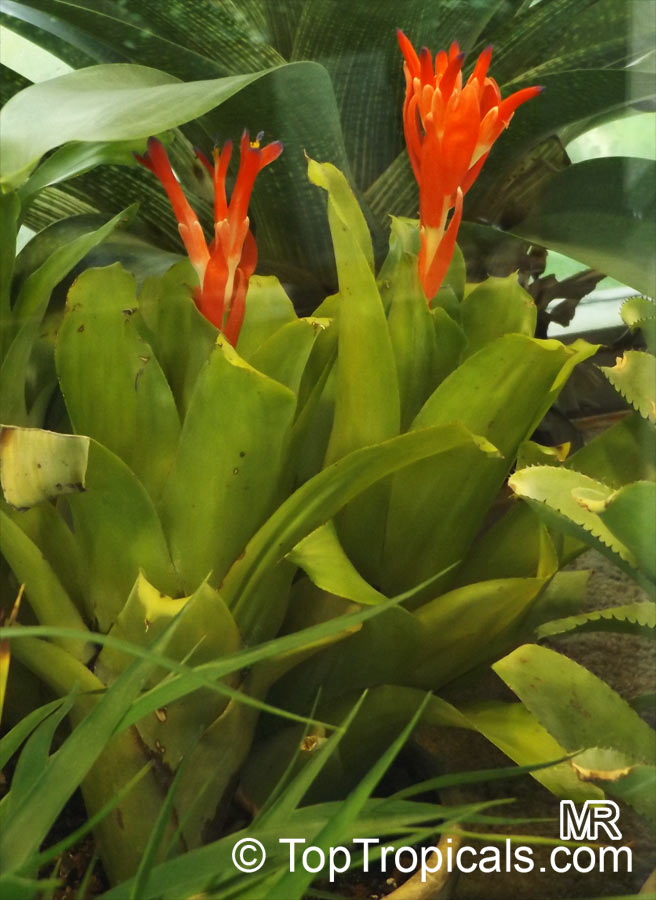
Botanical name: Billbergia sp.
Common names: Bromeliad Queen of Tears, Friendship Plant
Family: Bromeliaceae
Subfamily: Bromelioideae
Origin: Mexico, Argentina and Brazil

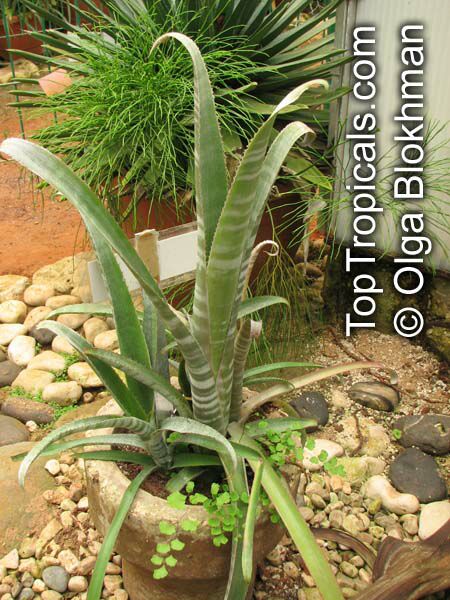
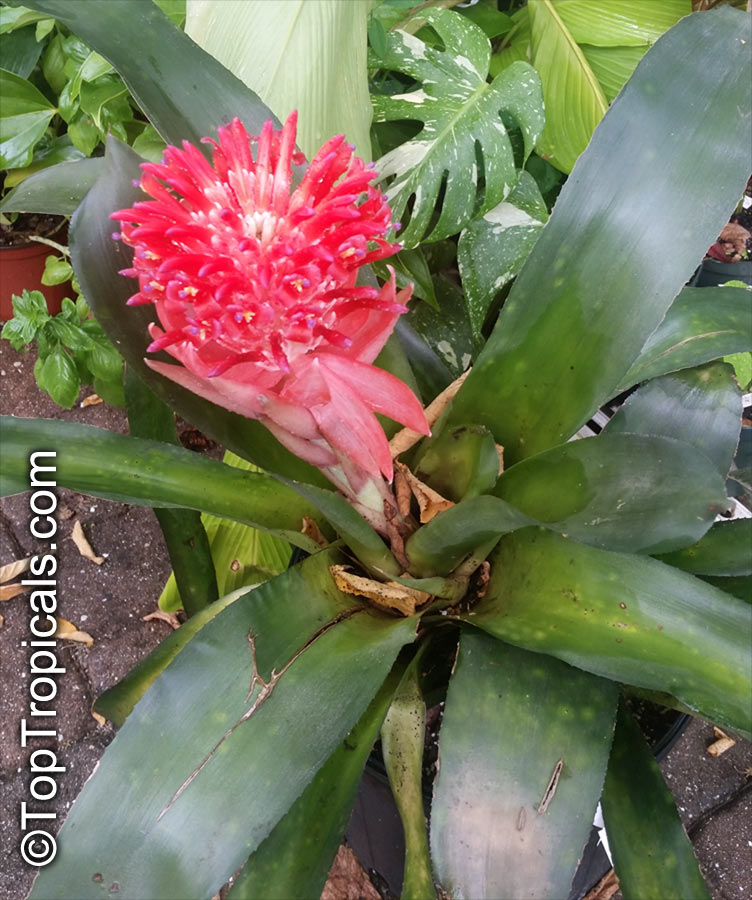
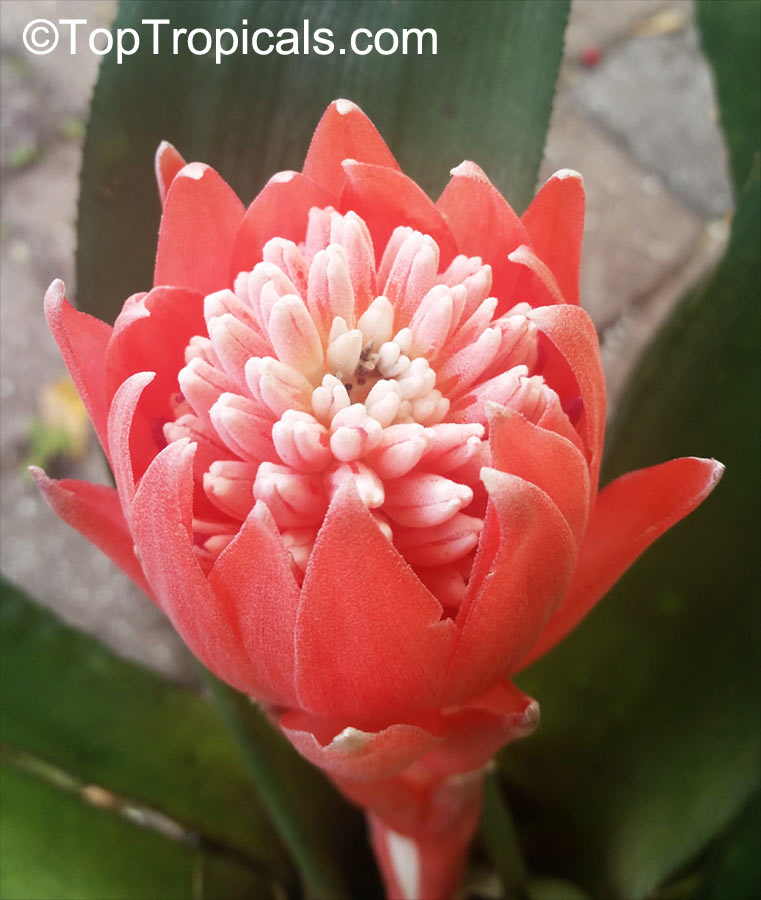
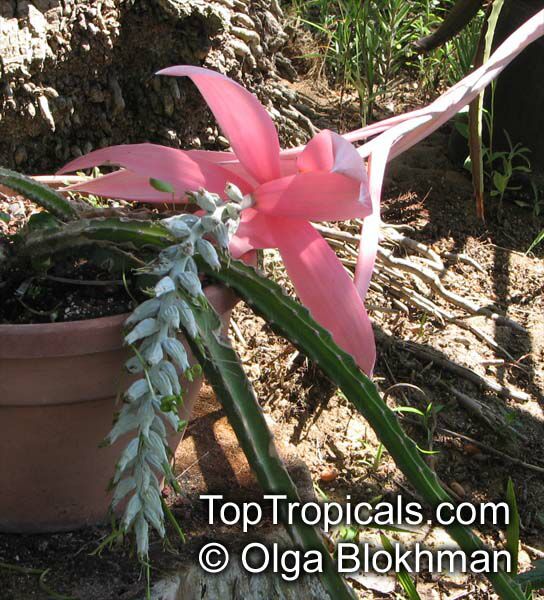
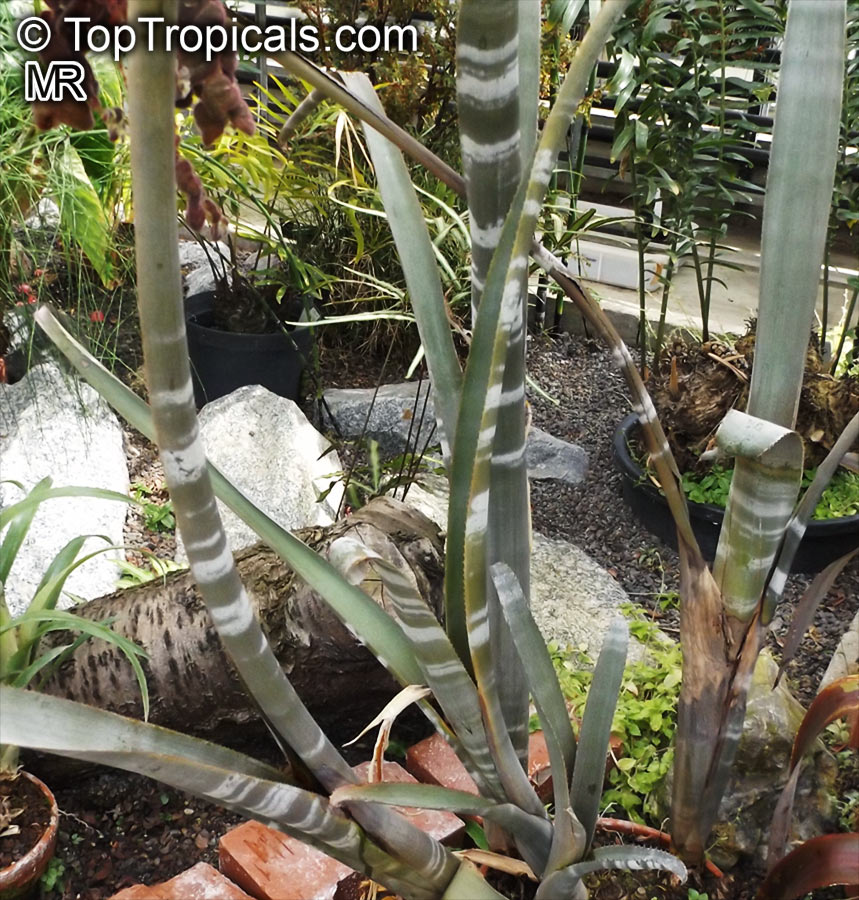
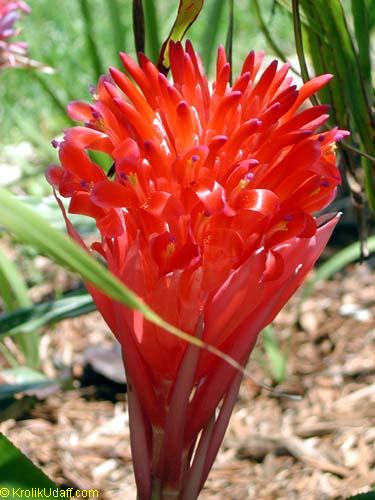
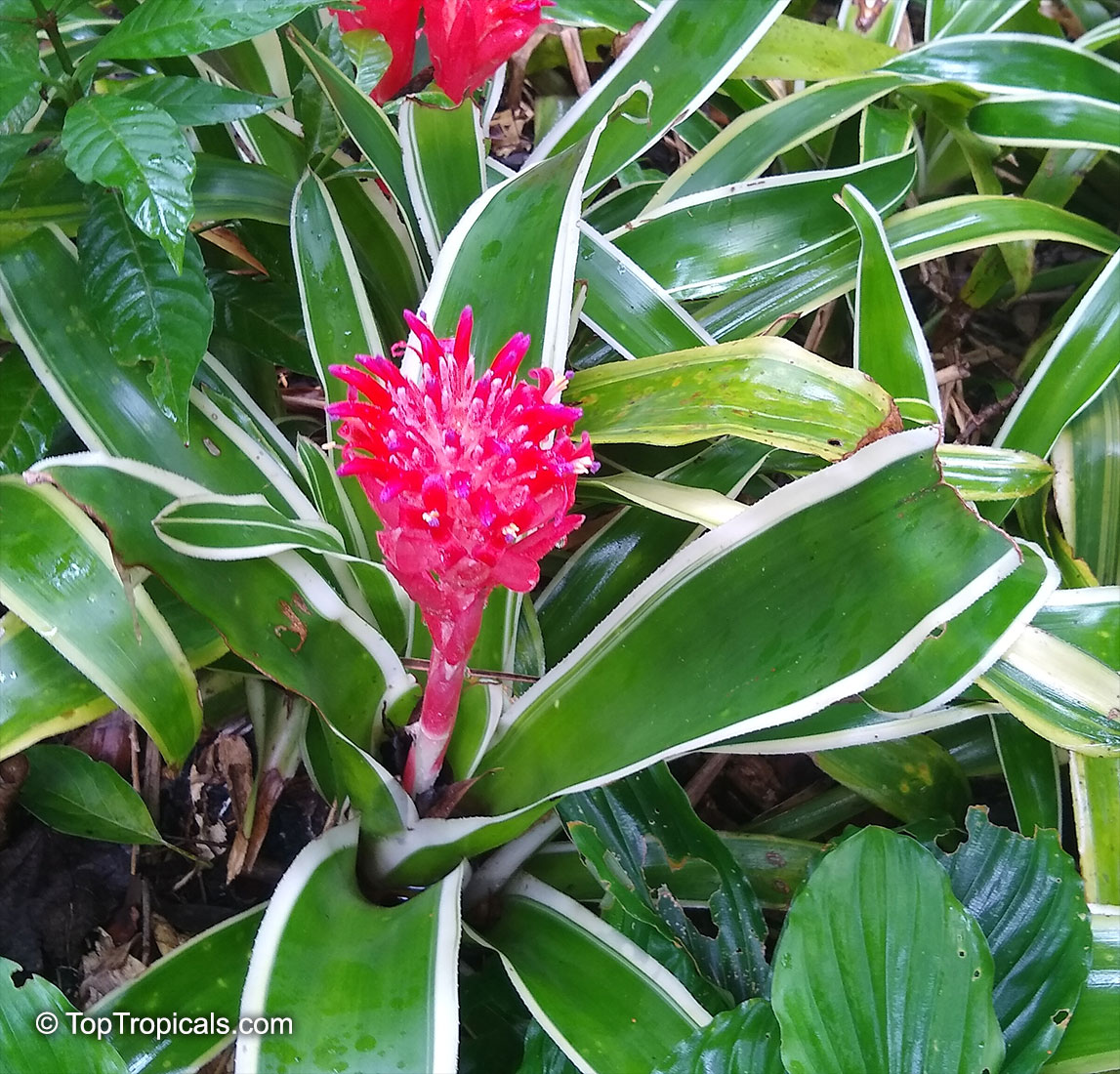
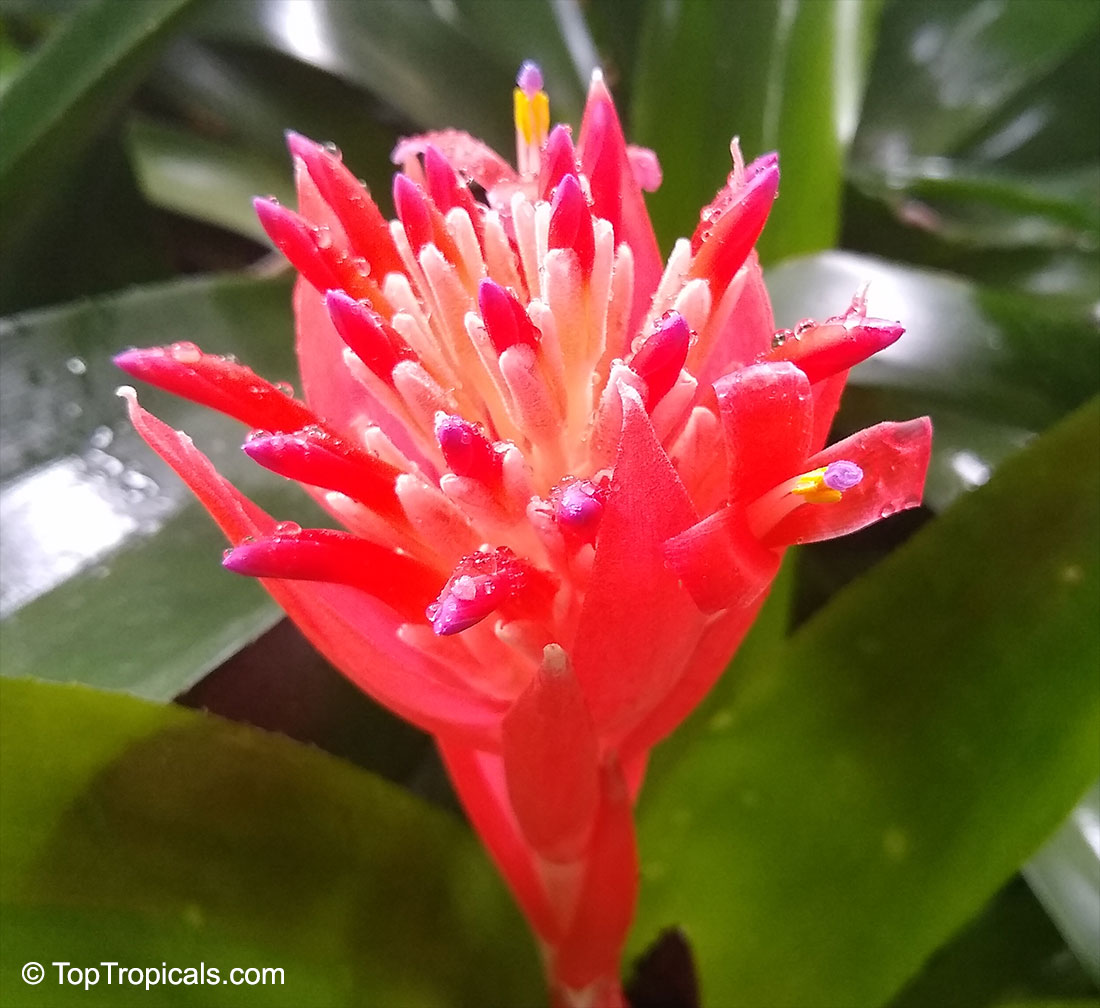
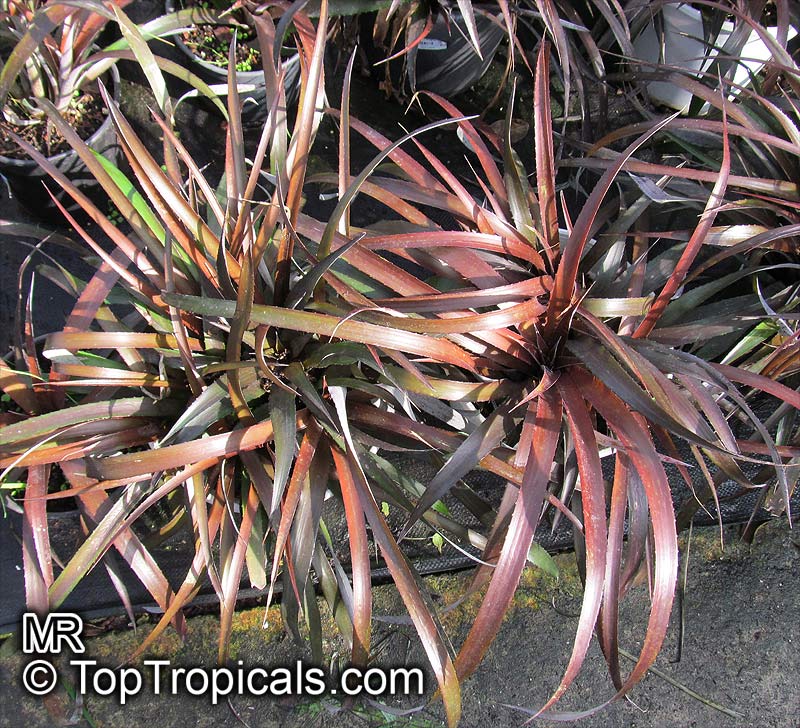
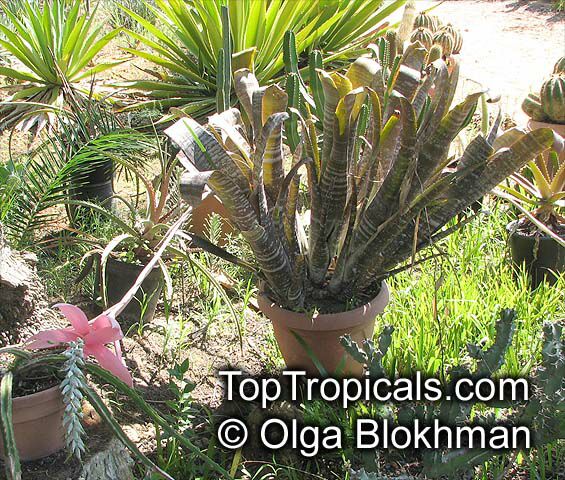
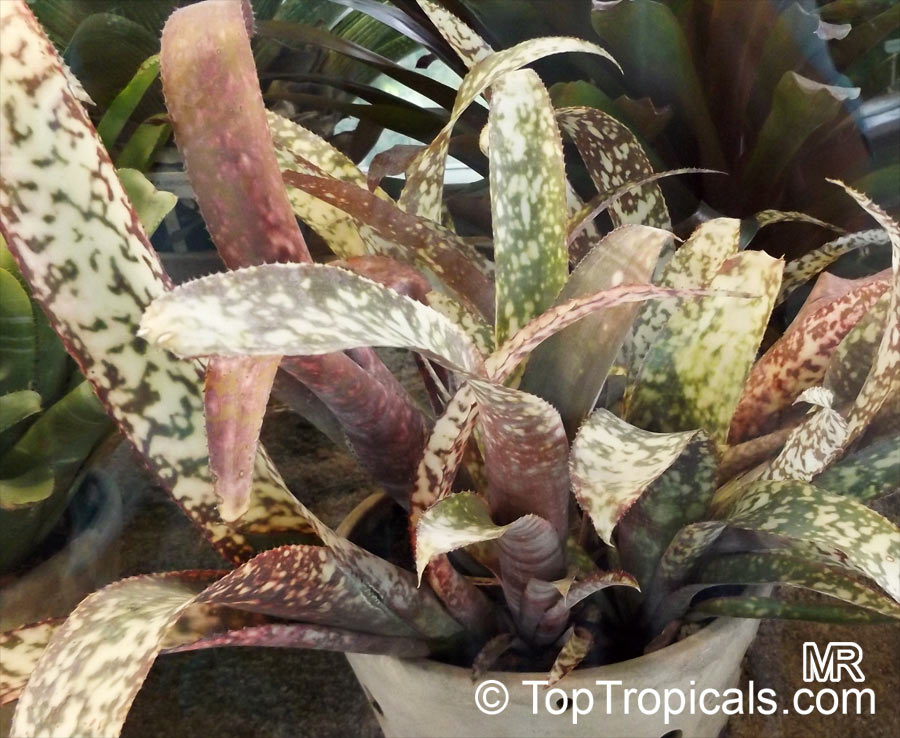
Billbergia was established as a genus in 1821 by Thunberg. The name is a tribute to the Swedish botanist Gustav Johannes Billberg. The flowers range from virtually colorless to deep violet, some are night-bloomers and a few are fragrant. According to the petal habit Billbergias are divided into two groups: billbergia, in which the petals recurve slightly and helicodea, in which the petals coil back like a spring. The seeds are contained in hard berries just below the flowers. Pups are produced on short stolons so that a clump forms quickly. Billbergias in habitat are generally epiphytic and may also grow on rock. In culture some (B. nutans, B. pyramidalis) also thrive as terrestrials in ordinary (well draining!) garden soil. They prefer a small pot. Billbergias are usually grown "hard"-strong light to enhance leaf coloration and markings, little or no fertilizer to ensure that the plant does not outgrow its optimum size and color.
Most bromeliads are epiphytes in their native rainforest habitat. They have small roots, mainly used for anchoring themselves on trees, so these tree-dwelling plants gather moisture and nutrients through their leaves. You can encourage bromeliads to flower by adding a pinch of Epsom salts (magnesium sulfate) to the water or fertilizer. Keep it in partial shade. Water the center of the rosette and keep room-temperature rainwater or distilled water in its urn (center of the rosette) at all times. Water soil just enough to keep the roots barely moist. Empty old water from the urn once a month and promptly replace it with fresh water. Do not soak base of plant, which can lead to root rot. In fall and winter, keep the soil slightly drier. Soil: orchid mix.
Billbergia have been crossed with Cryptanthus
and the resulting hybrids Cryptbergia are intermediate in habit between the two genera.
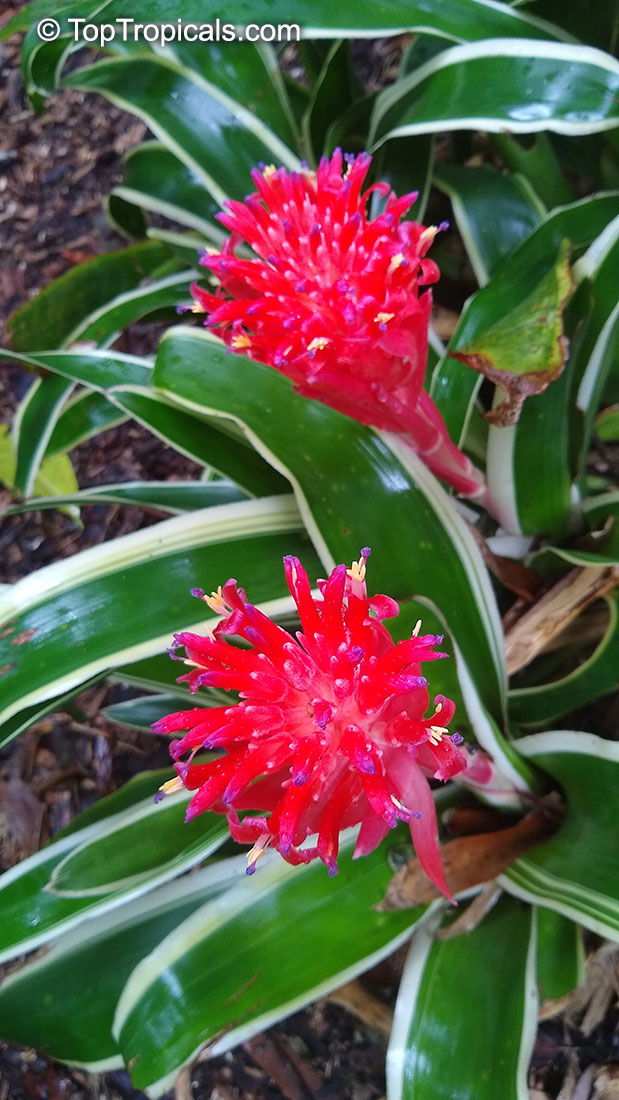
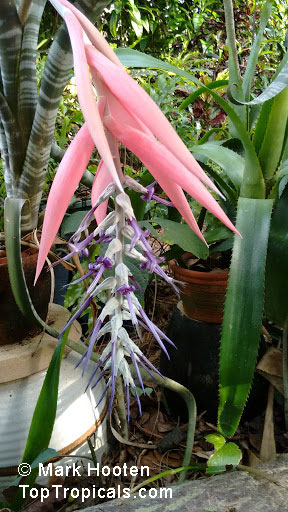
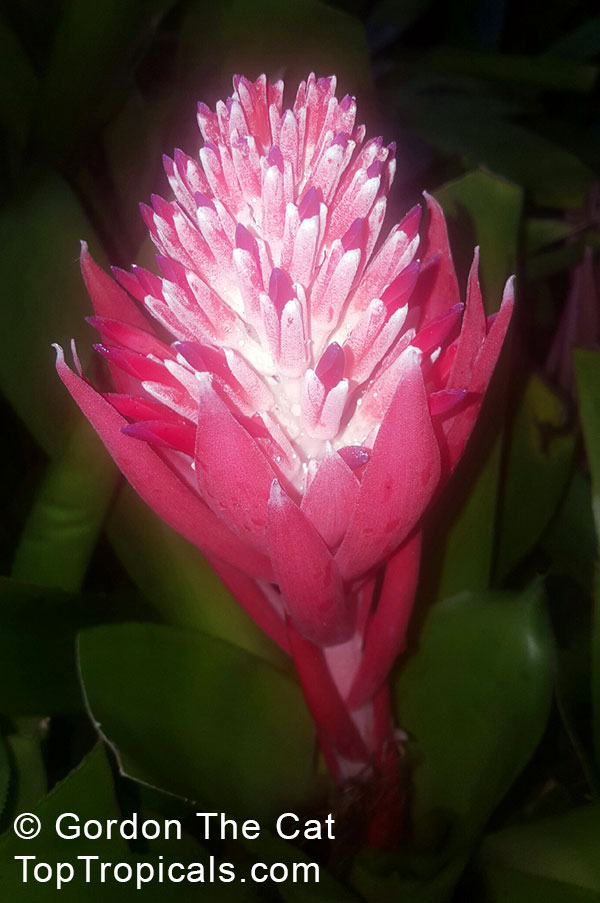


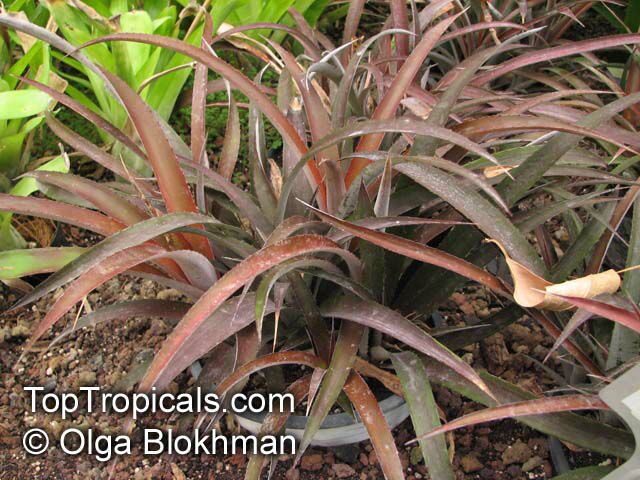
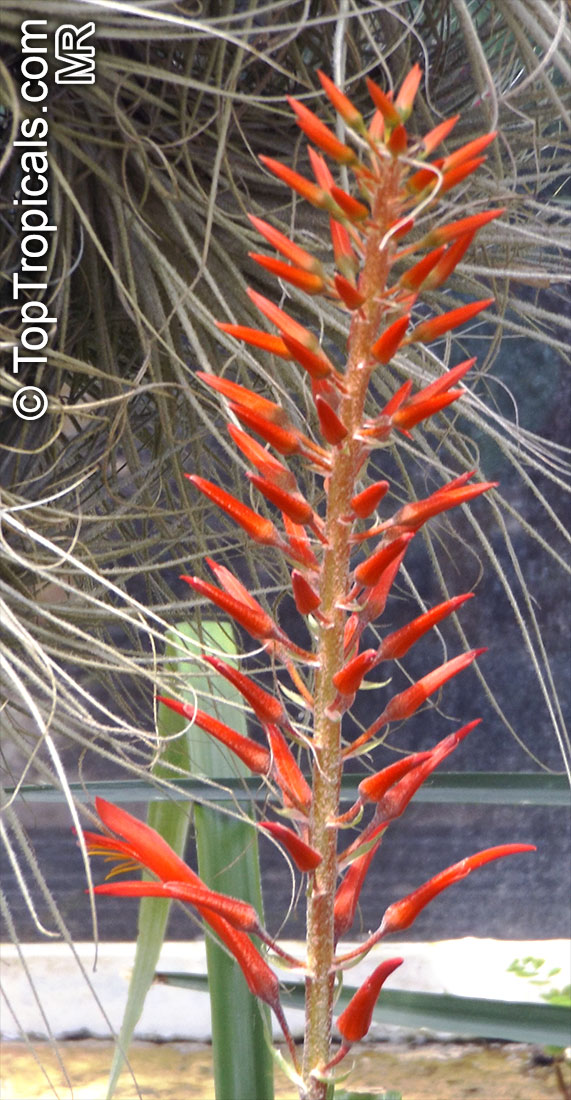
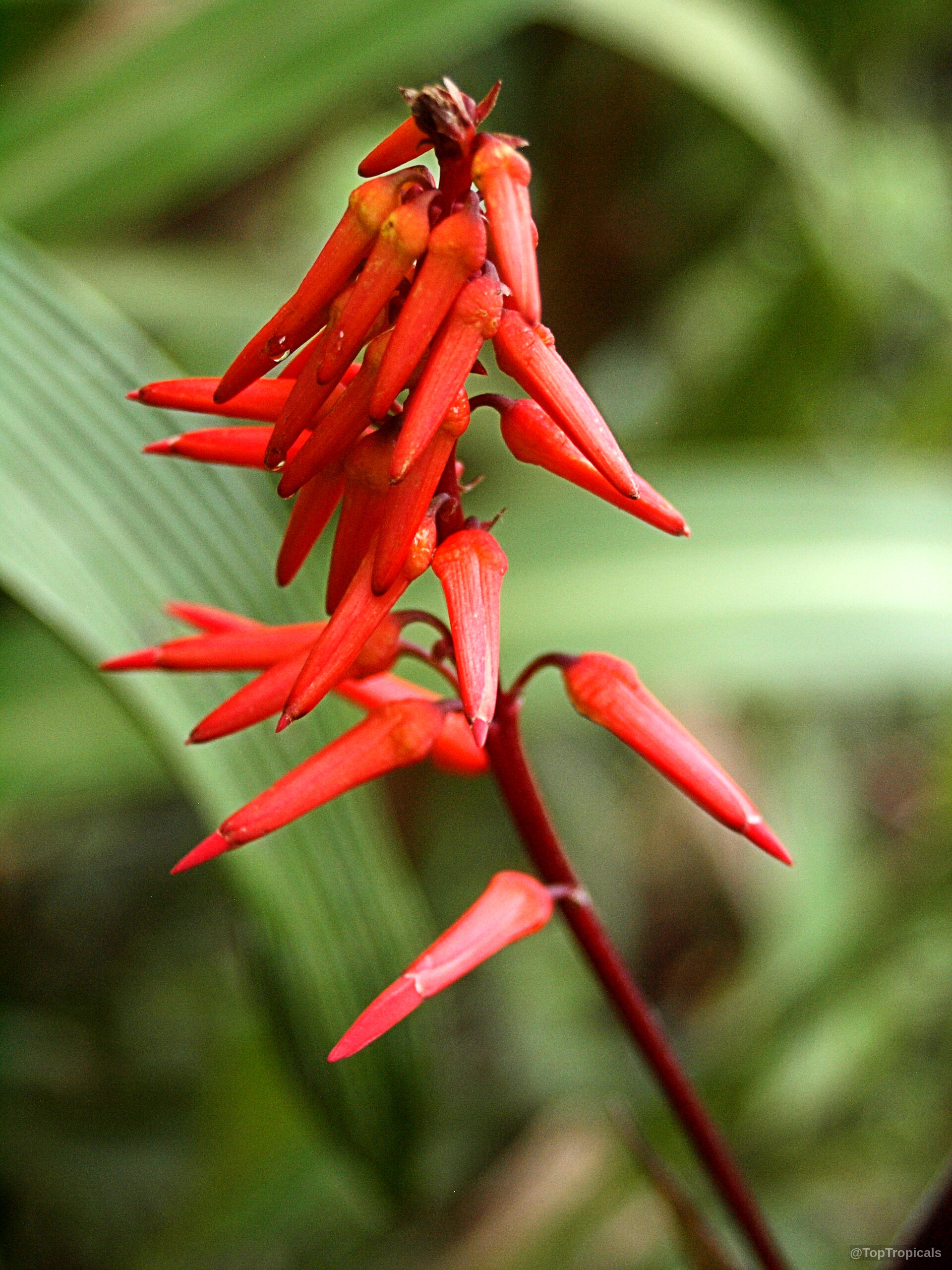
Botanical name: Pitcairnia sp.
Common name: Bromeliad
Family: Bromeliaceae
Subfamily: Pitcairnioideae
Origin: Tropical America
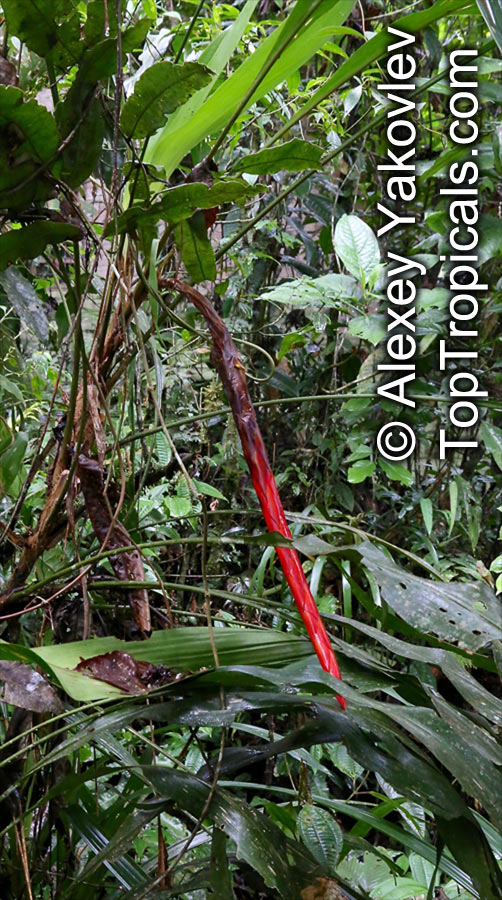
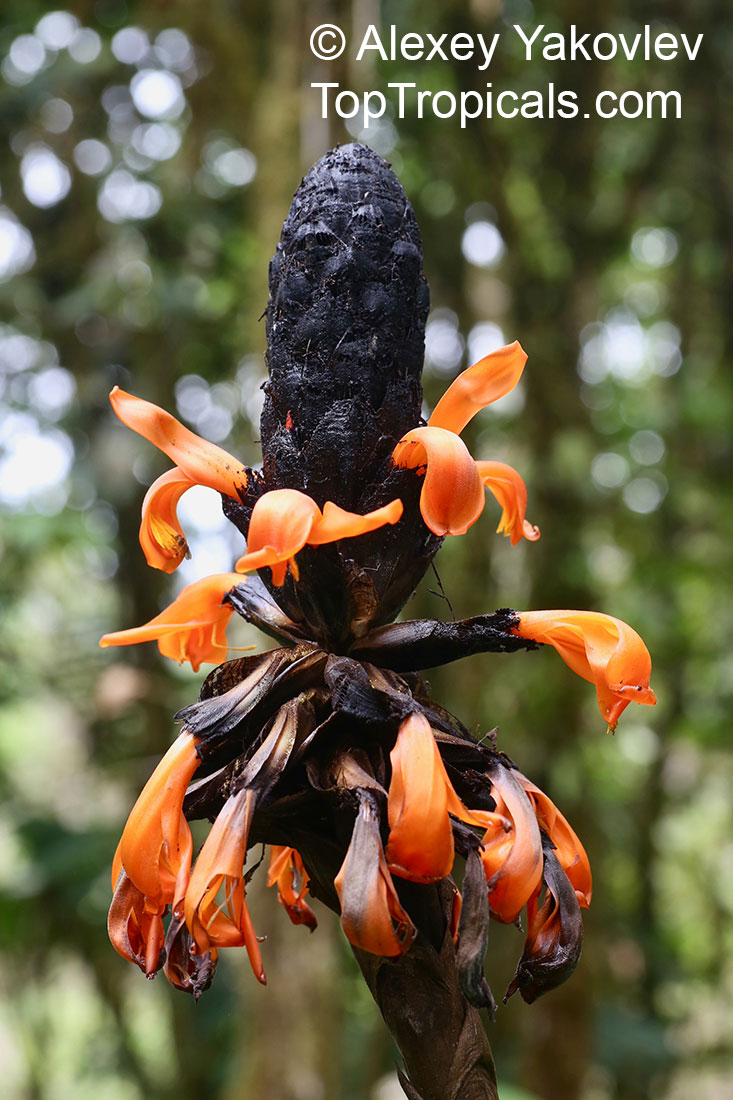
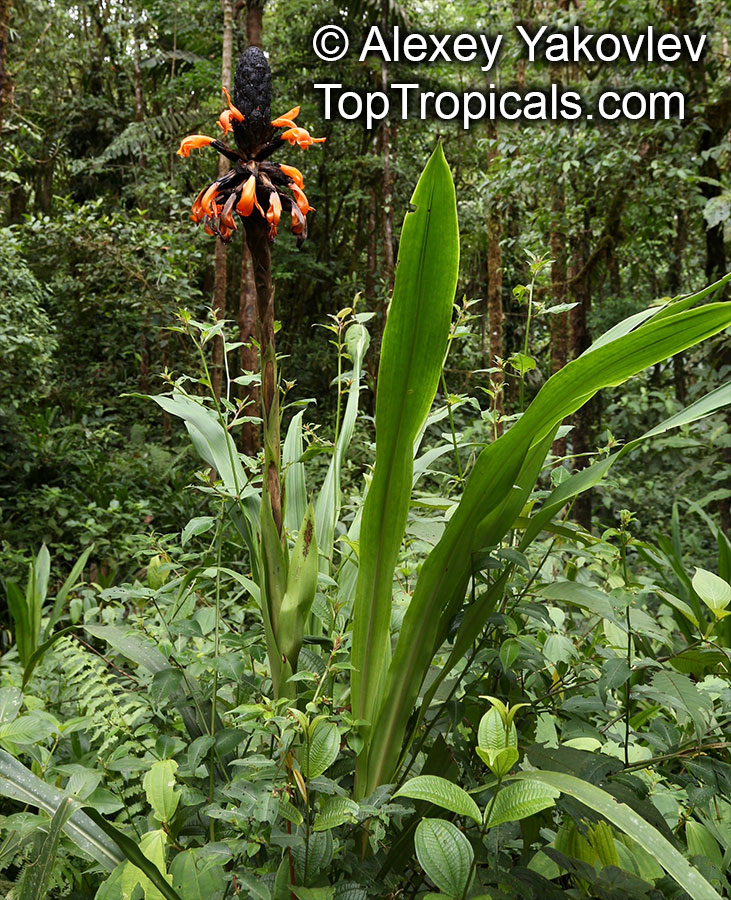
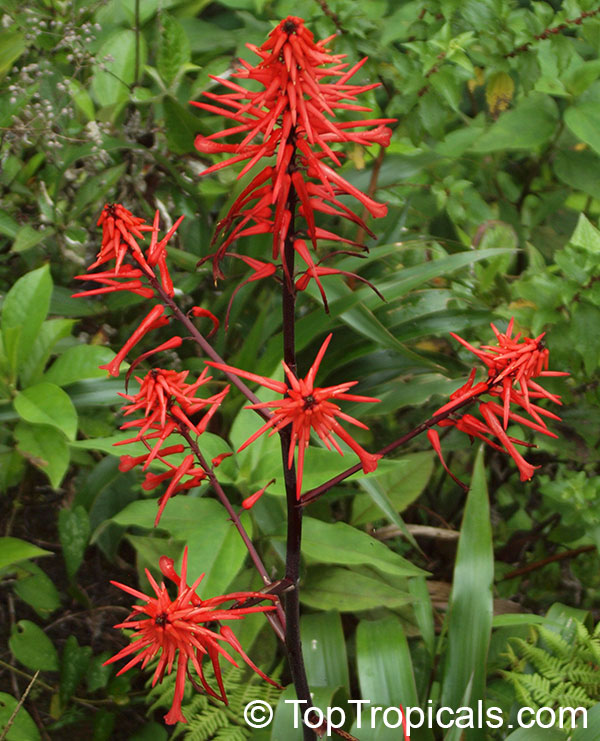
Pitcairnia is a genus of the botanical family Bromeliaceae, subfamily Pitcairnioideae.
Almost all Pitcairnias are terrestrial or saxicolous, and prefer moist areas. However, many are found growing epiphytically in trees.
Species:
Pitcairnia arcuata
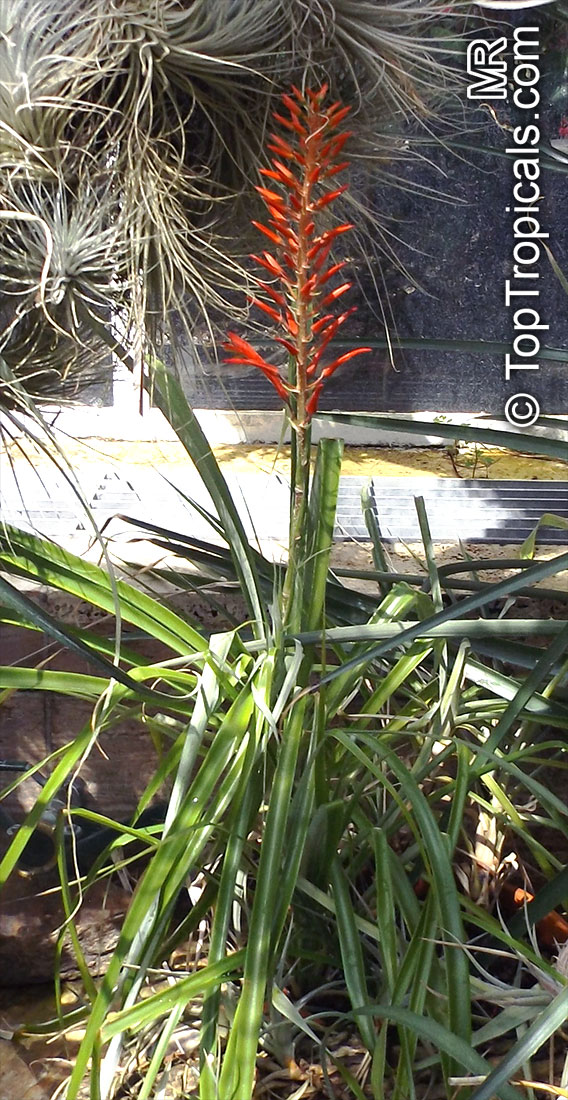
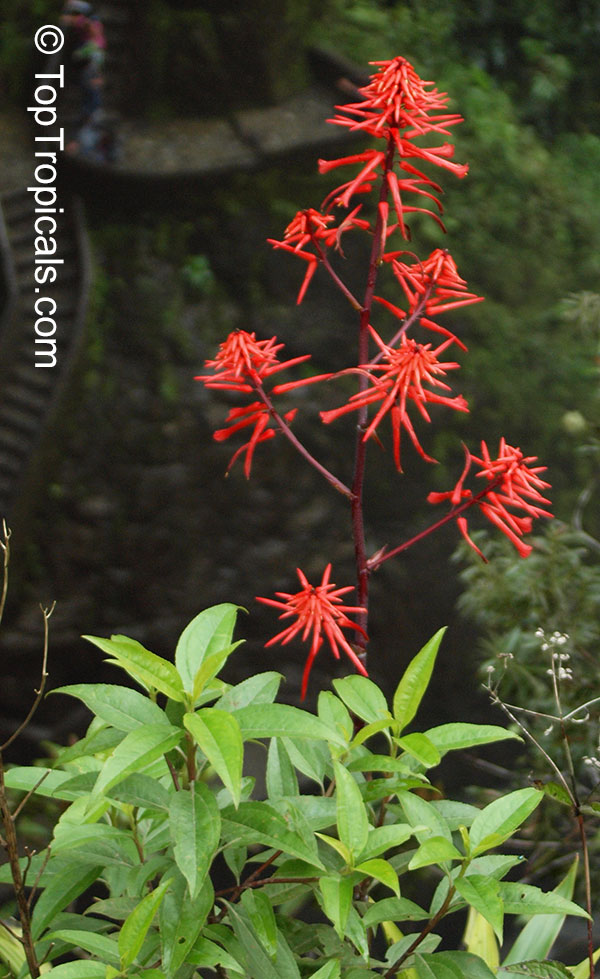



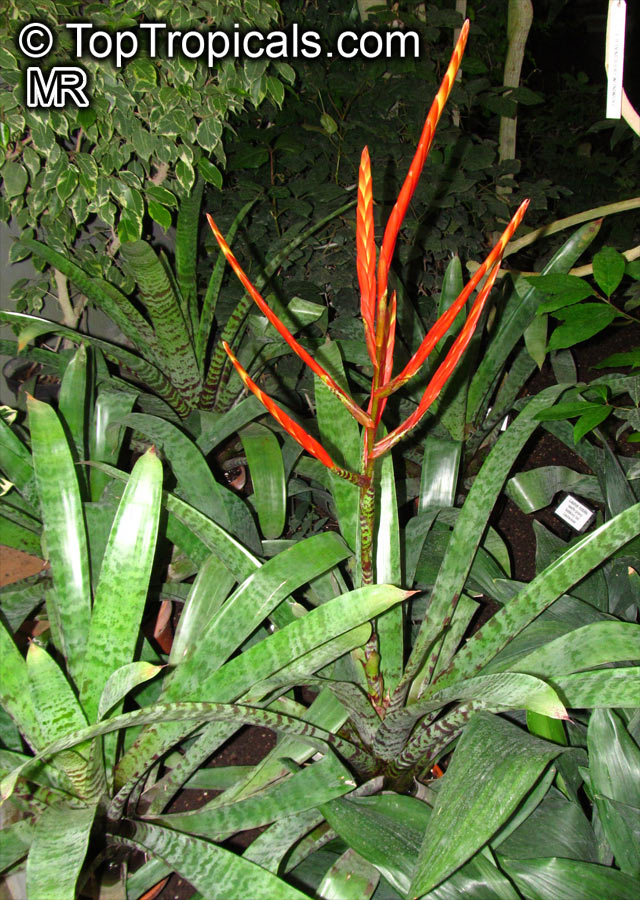
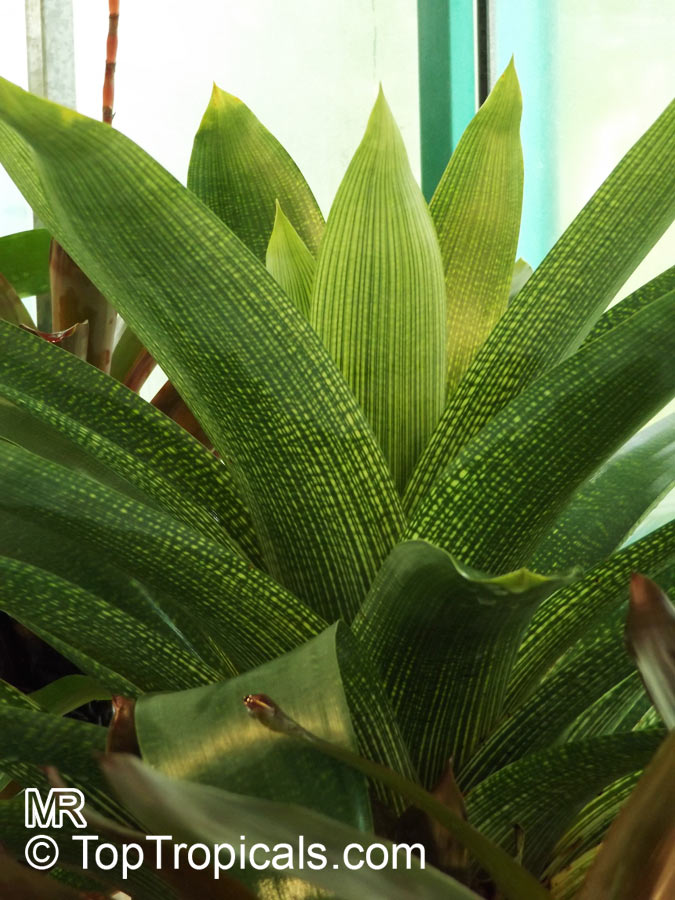
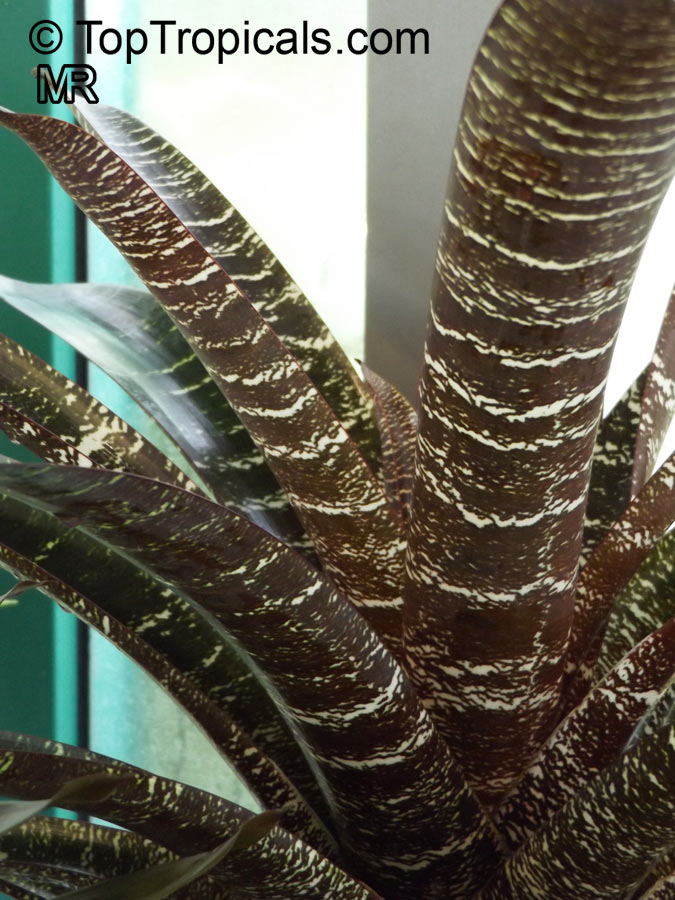
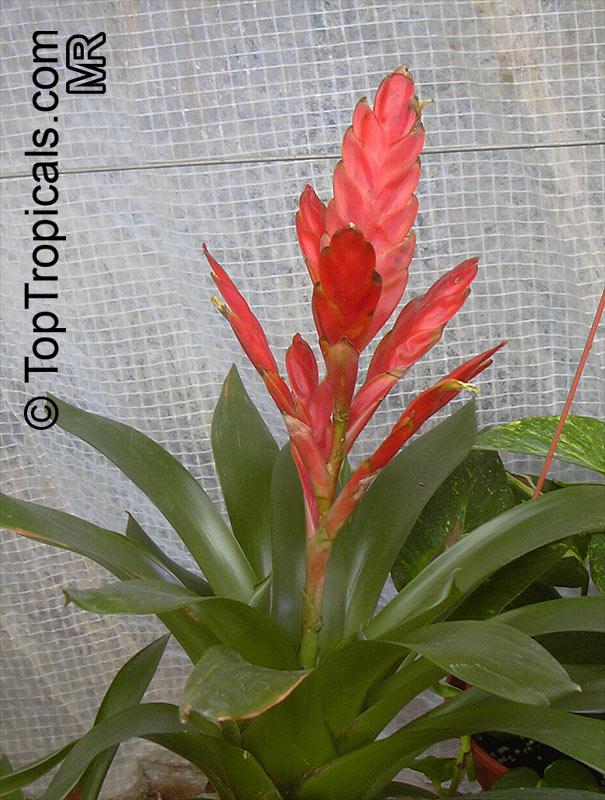
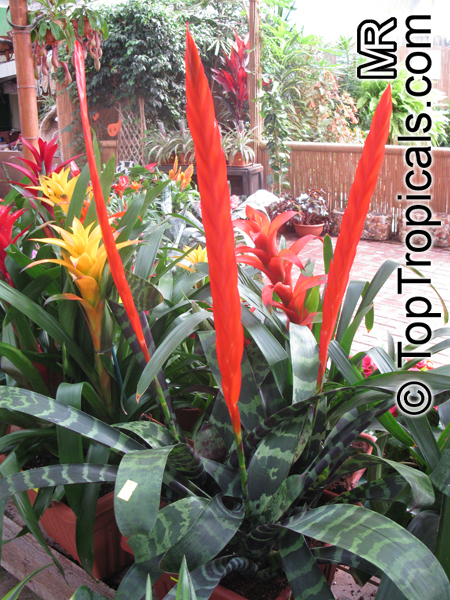
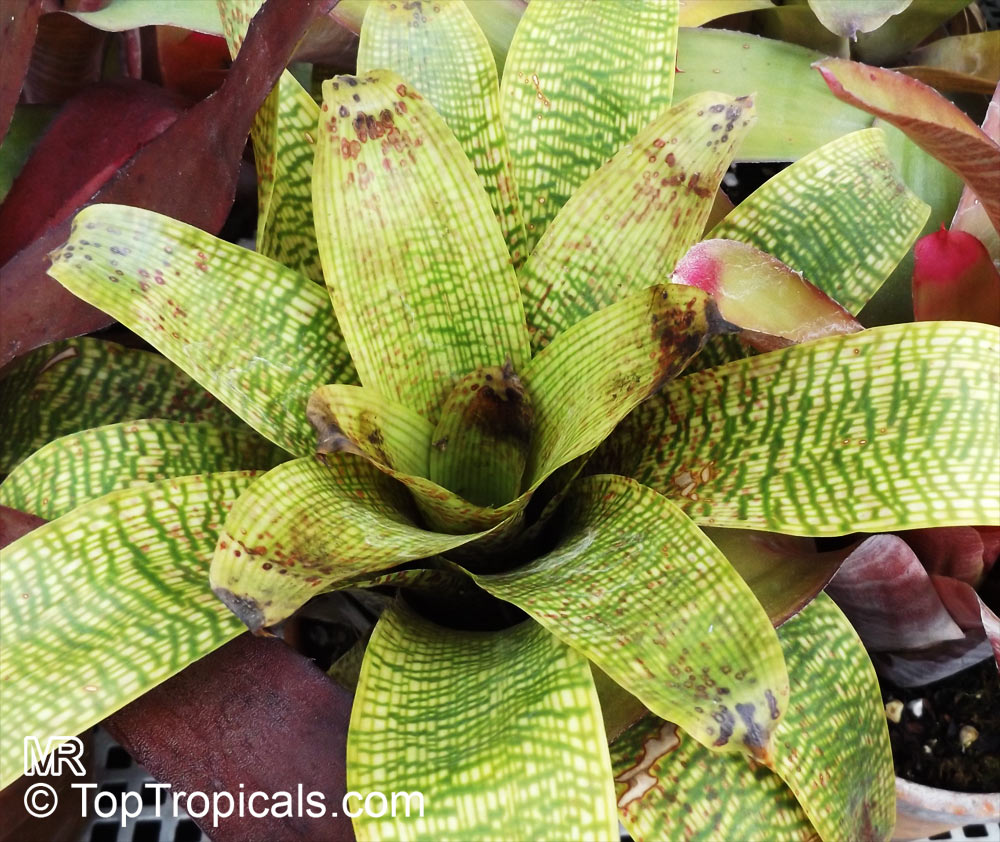
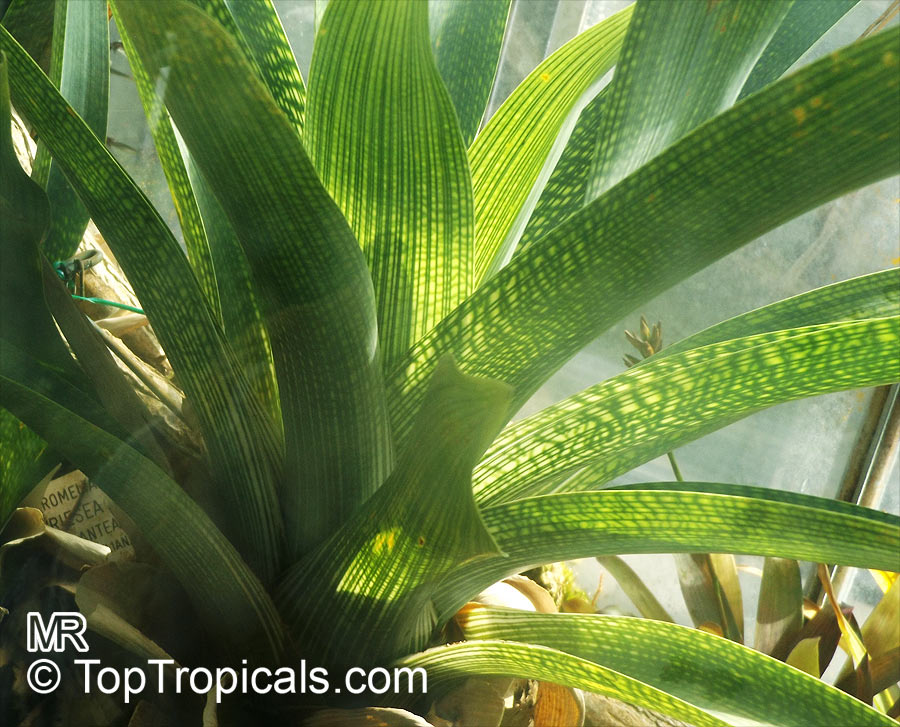
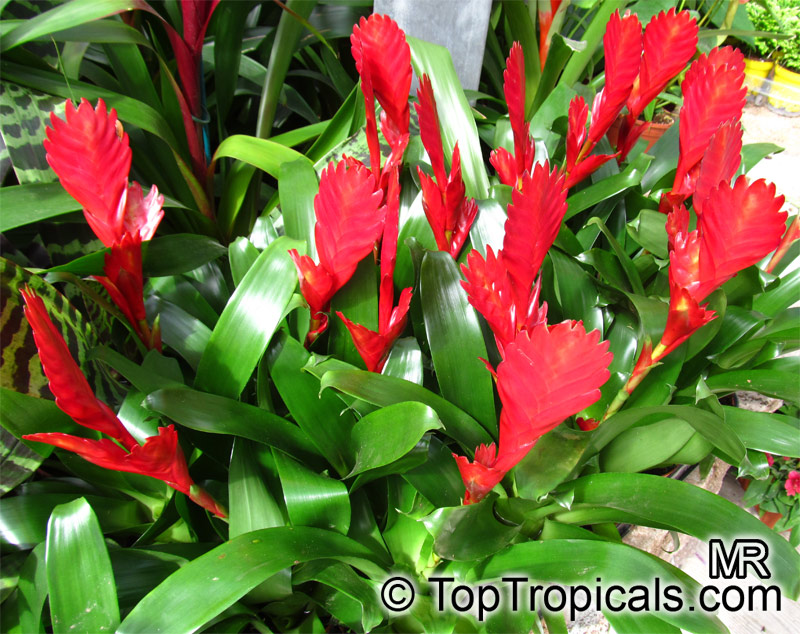
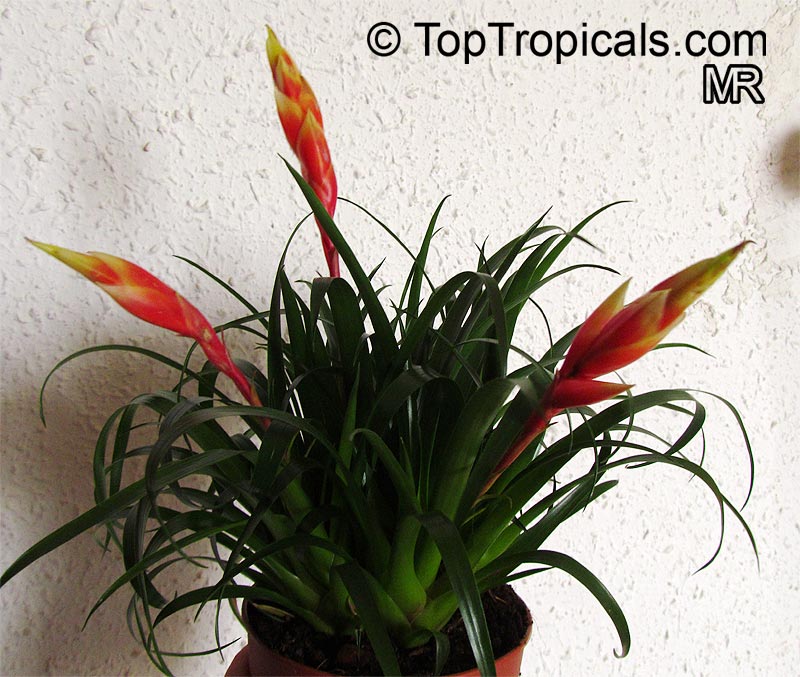
Botanical name: Vriesea sp.
Common name: Bromeliad
Family: Bromeliaceae
Subfamily: Tillandsioideae
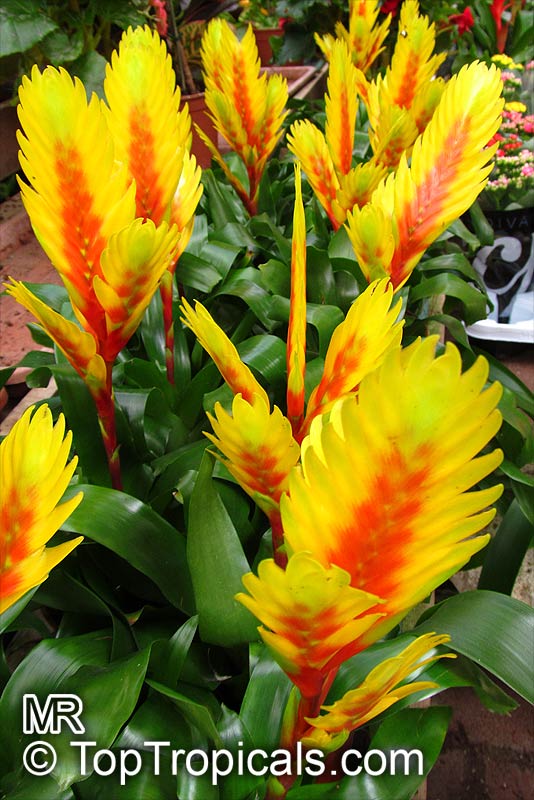
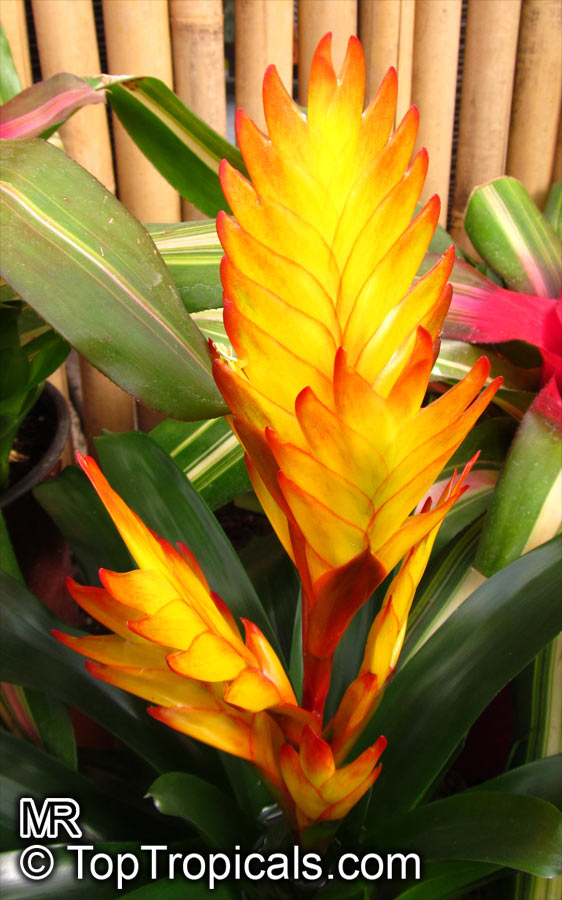
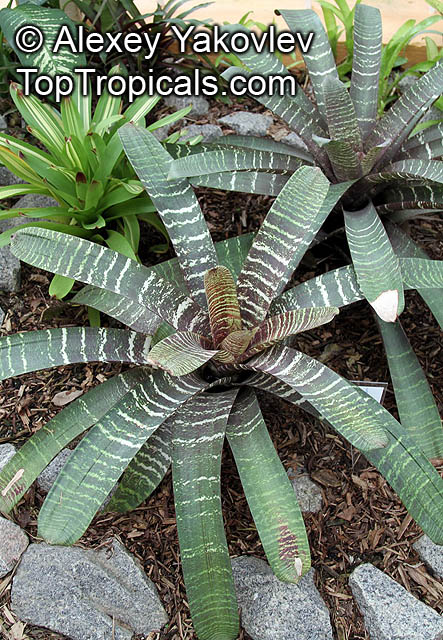
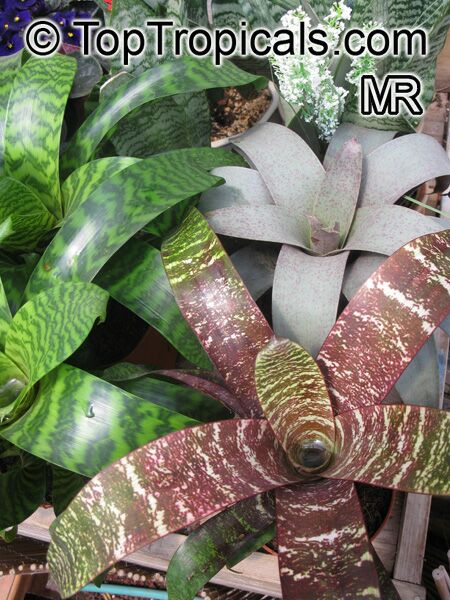
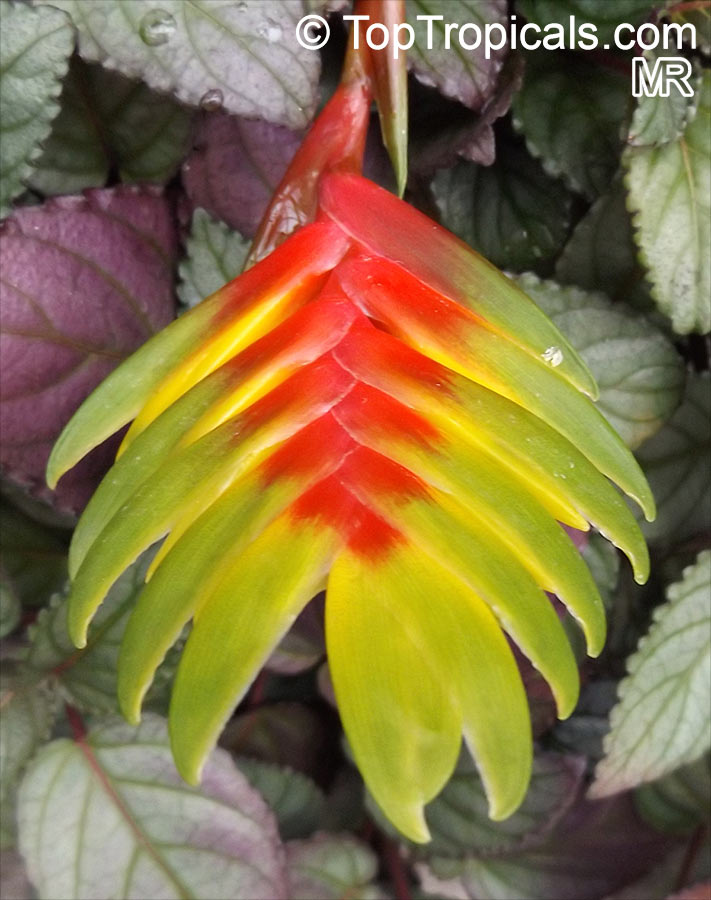
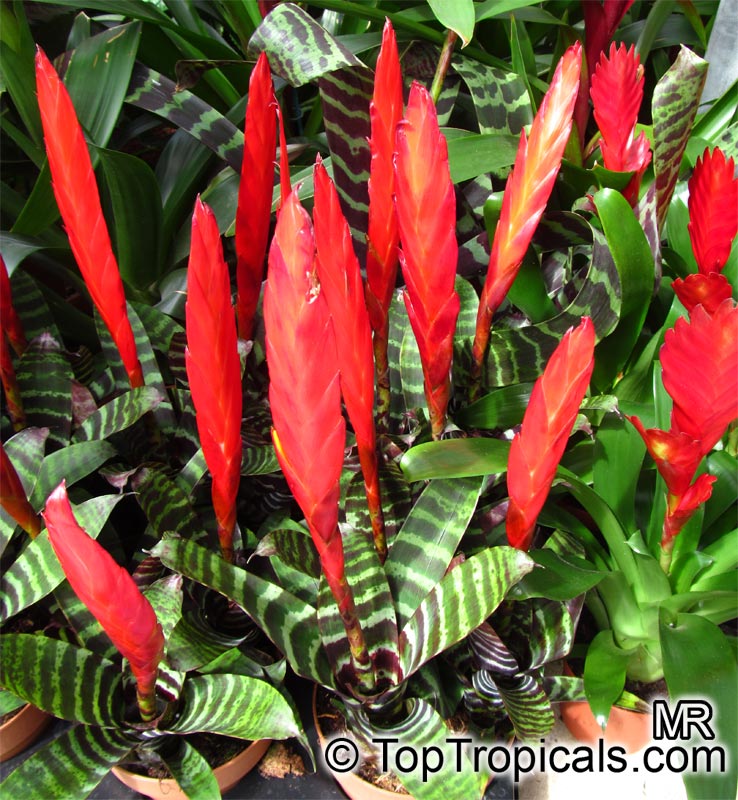
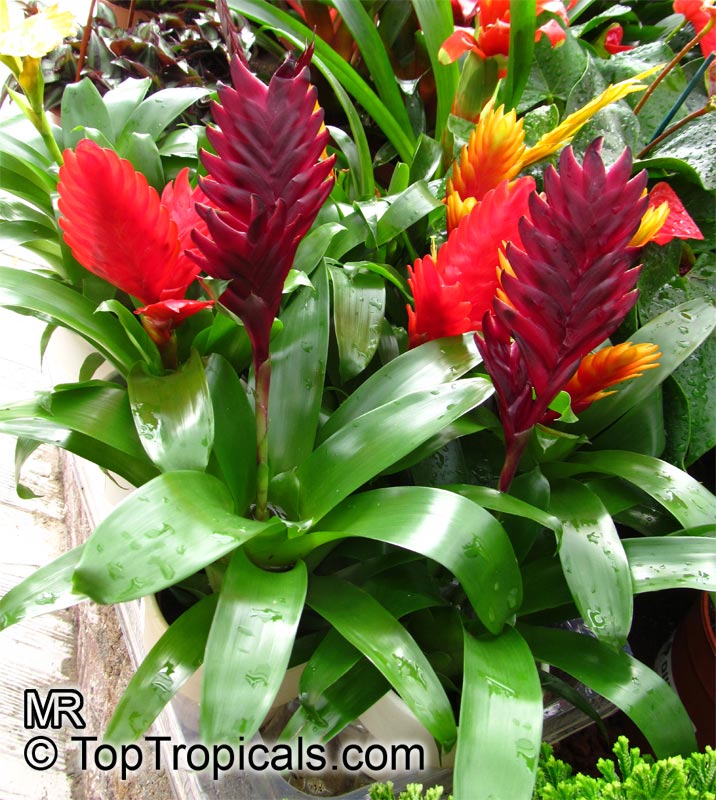
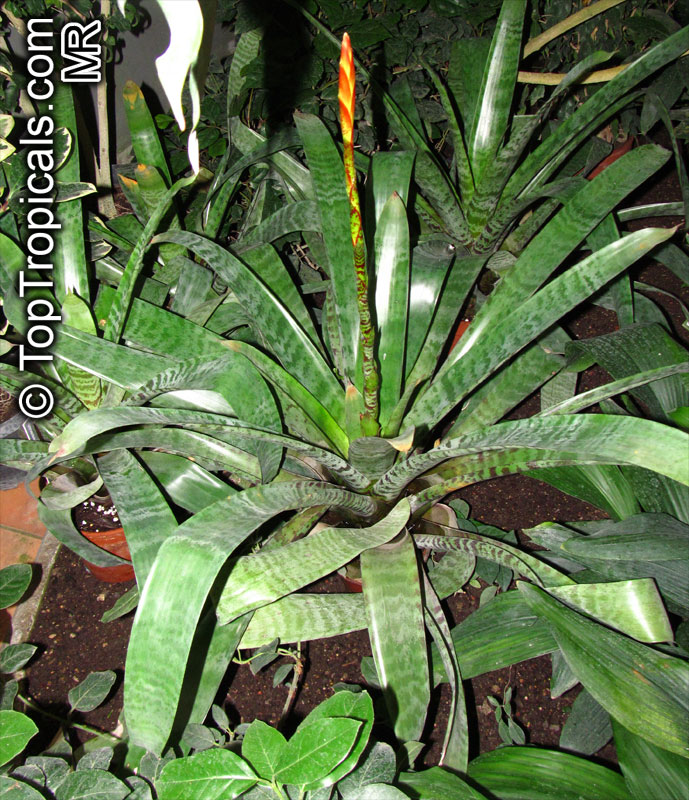
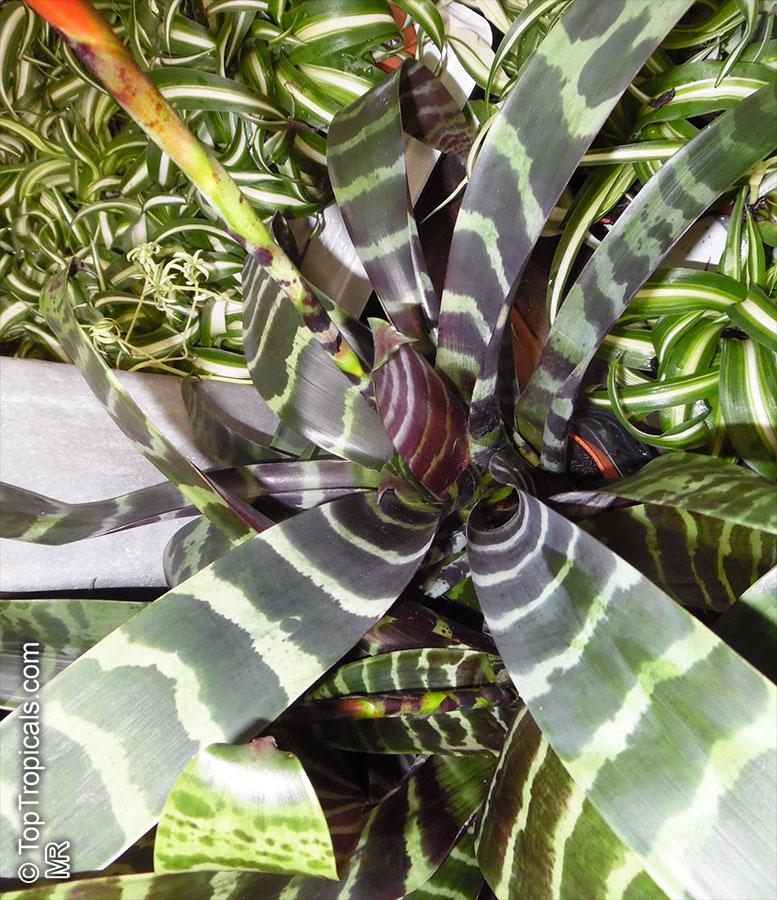
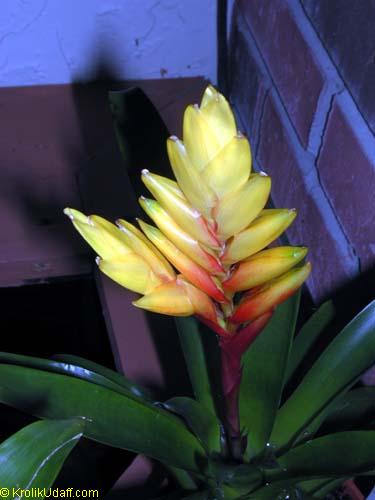
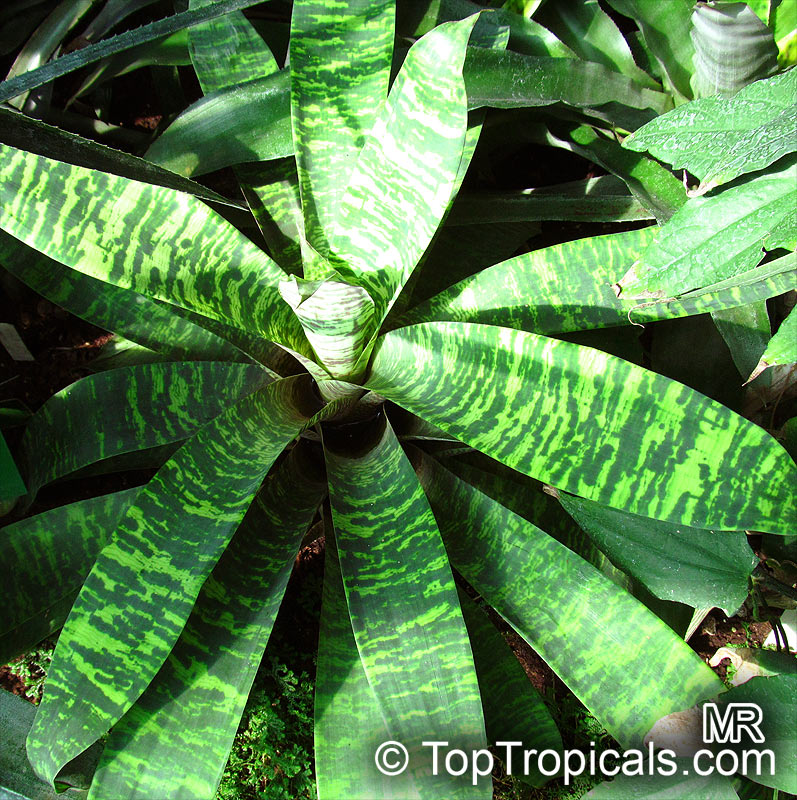
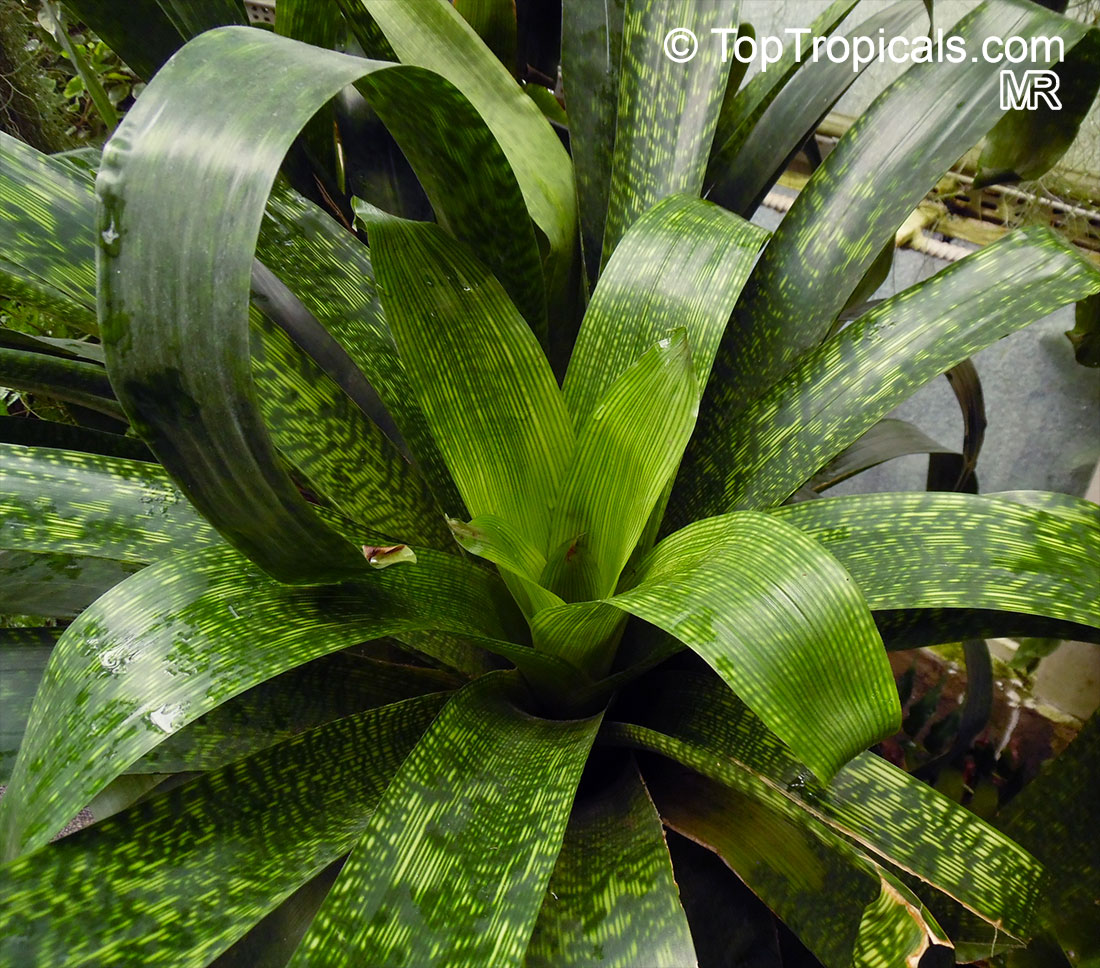
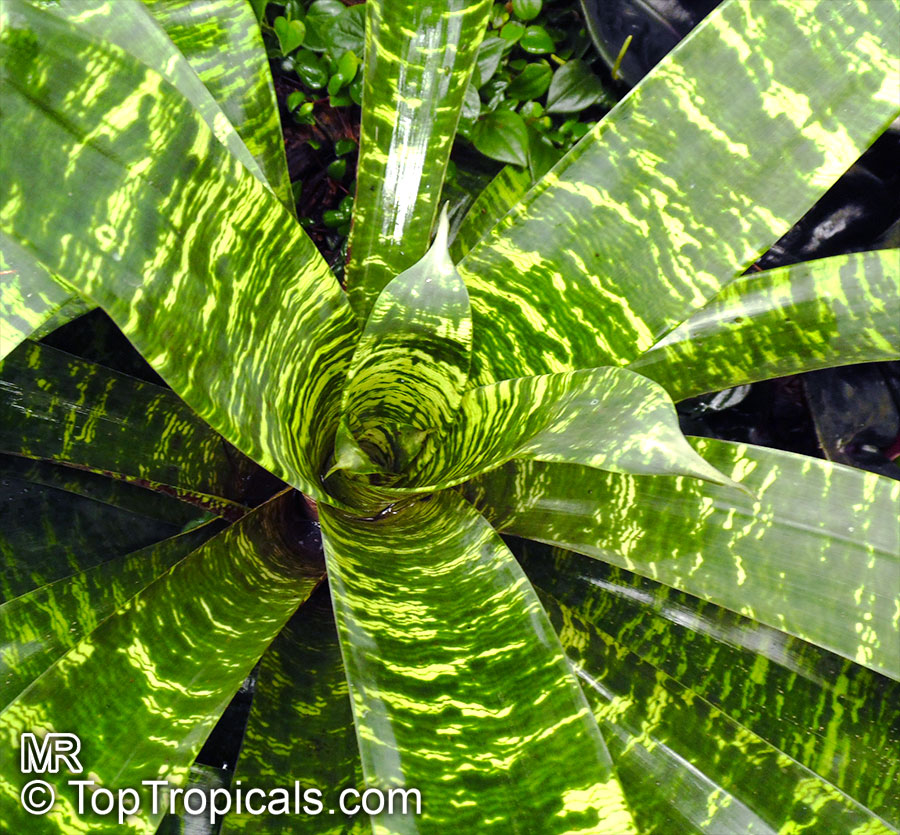
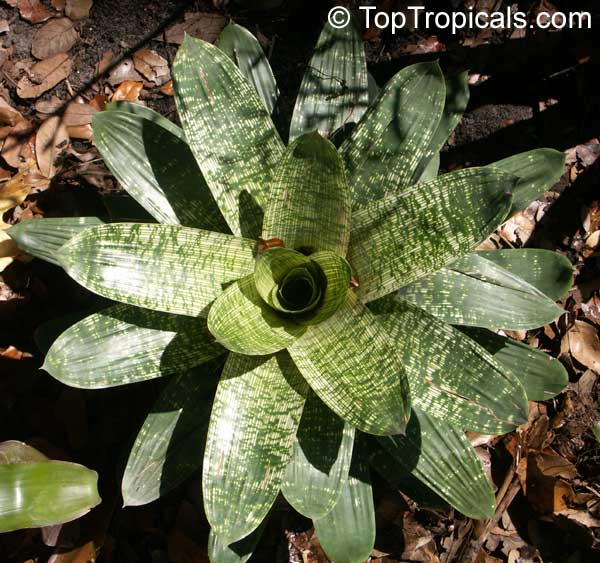
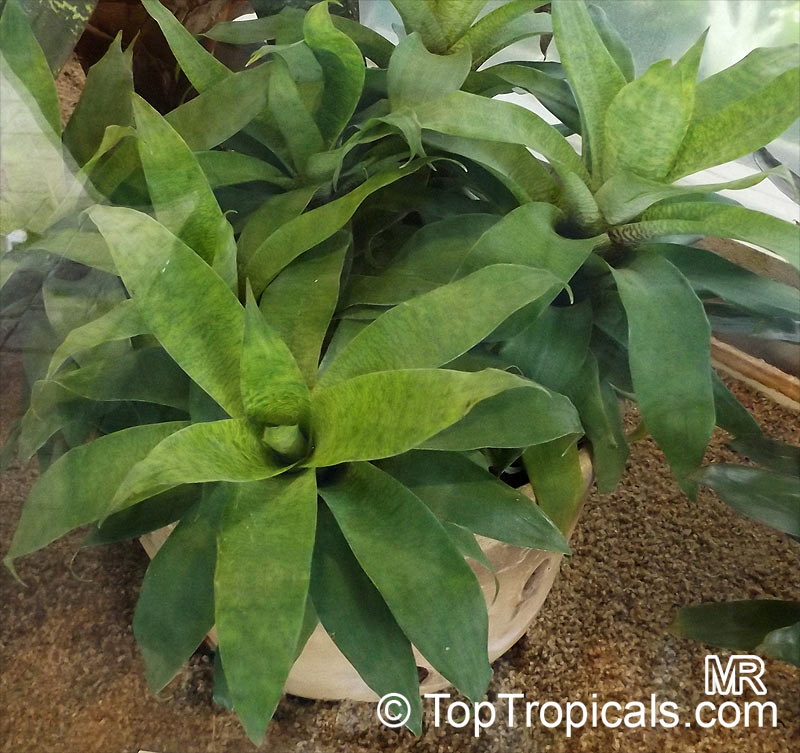
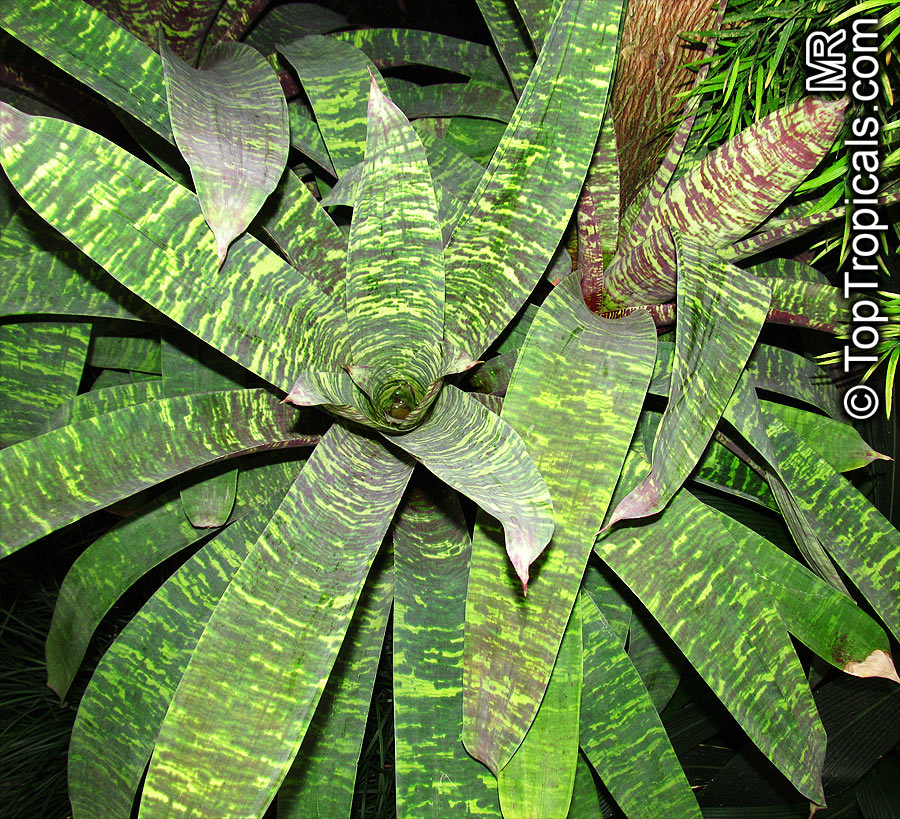
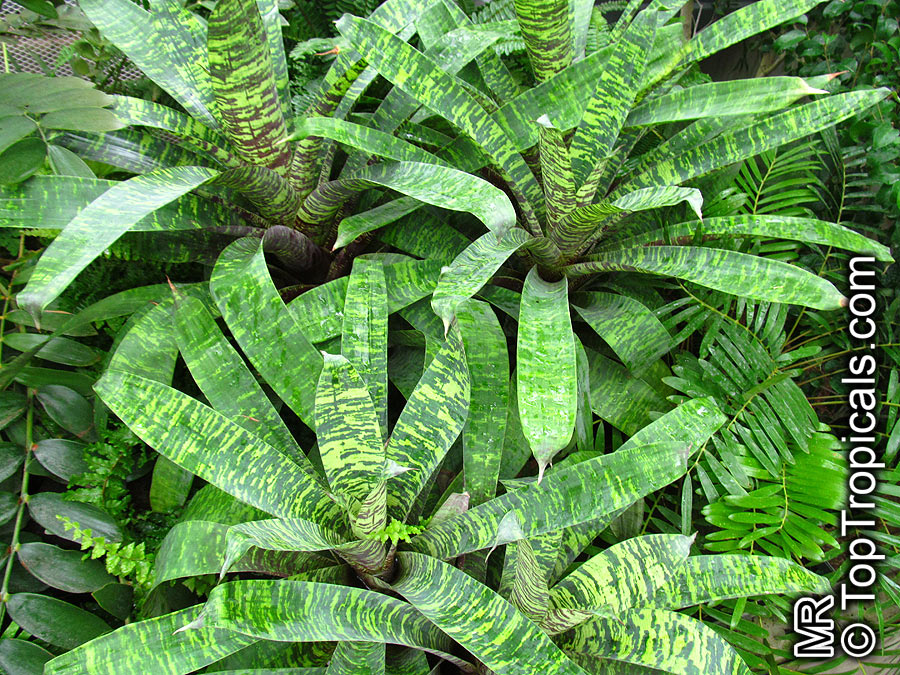
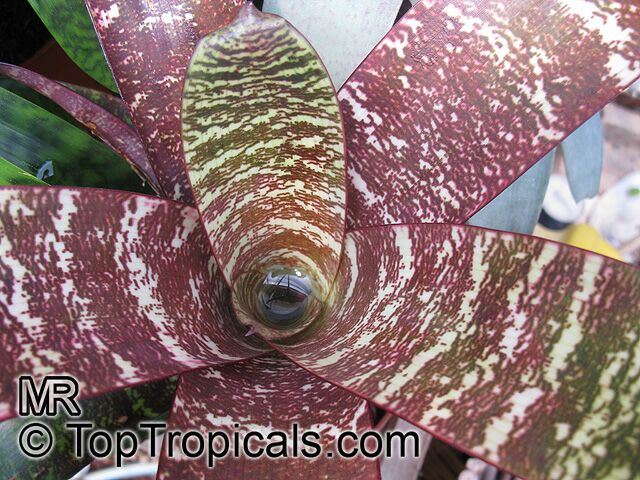
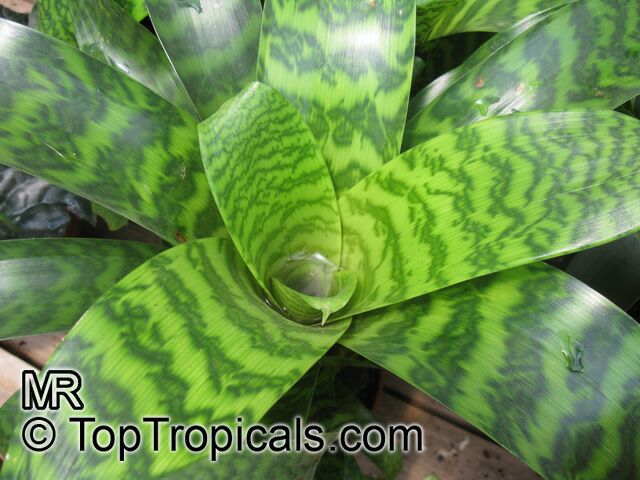
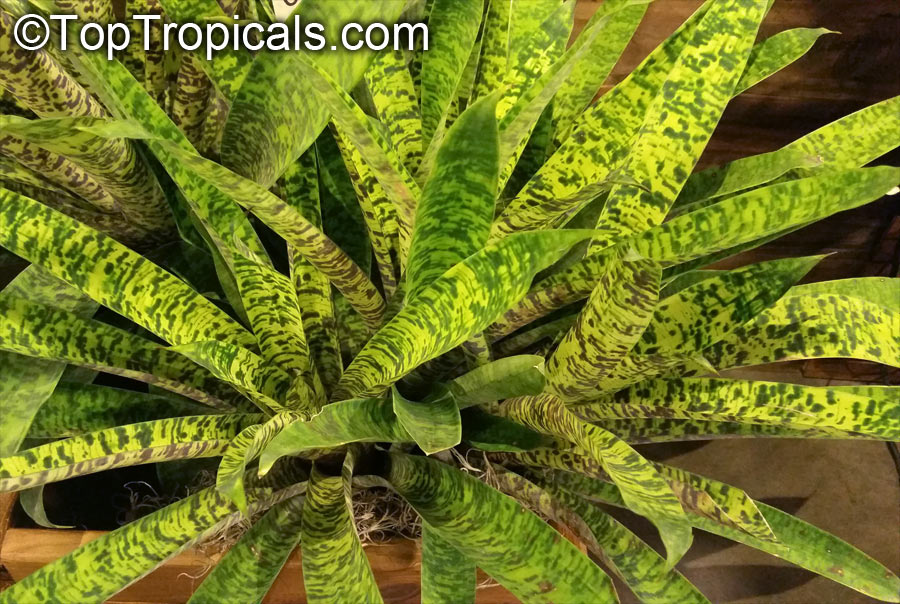
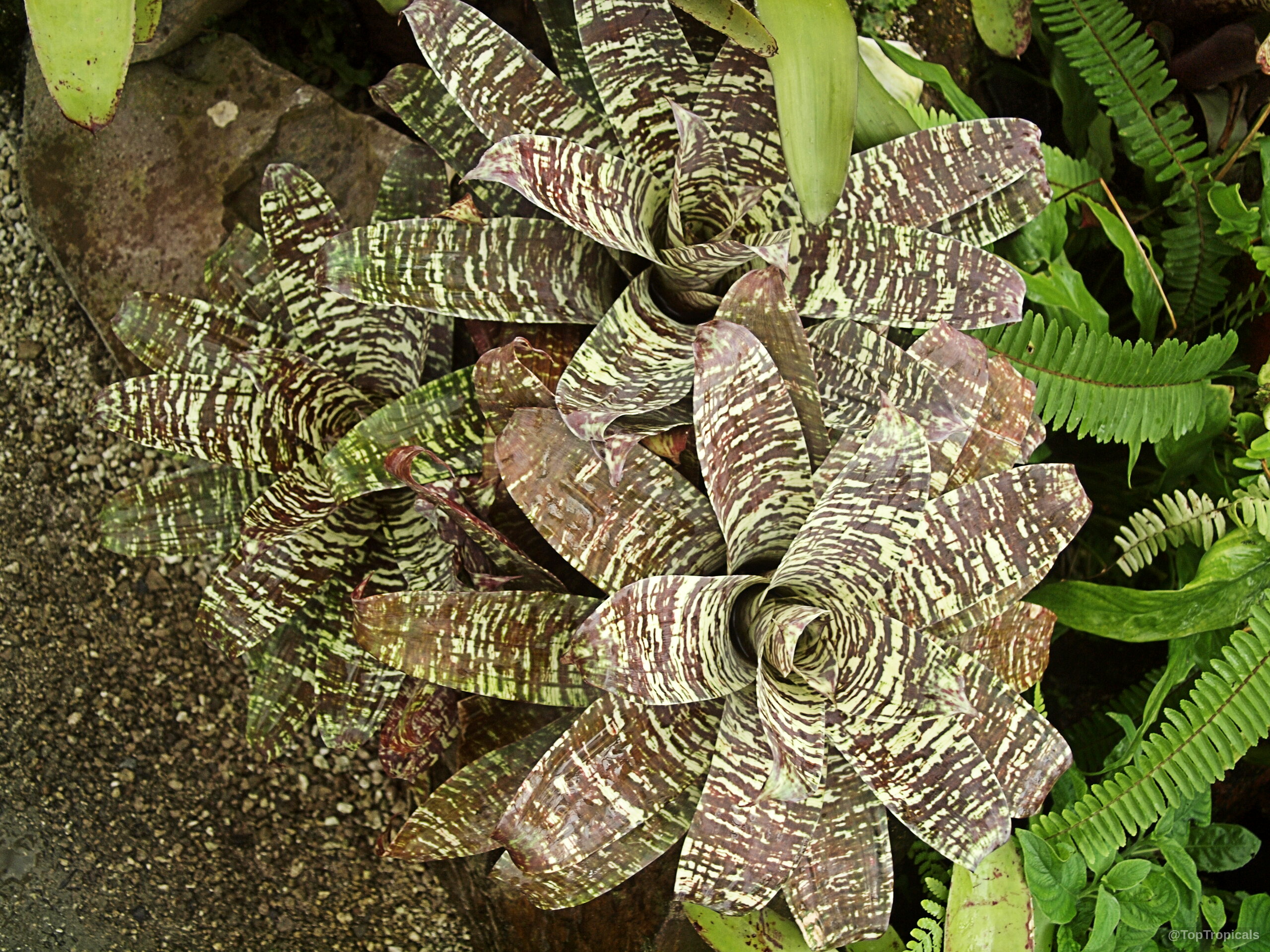
The Vriesea family is a very popular and easily cultivated bromeliad. The genera can be divided into two groups. One is grown for there impressive foliage and the other for their colorful bracts and flowers.They range in sizes from a very tiny 10 cm to more than 2 metre in diameter and height. The bright flowering group are very colorful and have long lasting flowering displays. The foliage group have striking foliage markings and colors and are symmetrically vase shaped to hold water in their neat rosettes. The long flower spike is camouflaged with the foliage markings and extends dominantly above the foliage. It prefers medium light and "good" water, that is, water without salts. The use of bottled drinking water, rain water, or filtered sink water is best. Be careful not to expose it to temperatures in the 30 F.

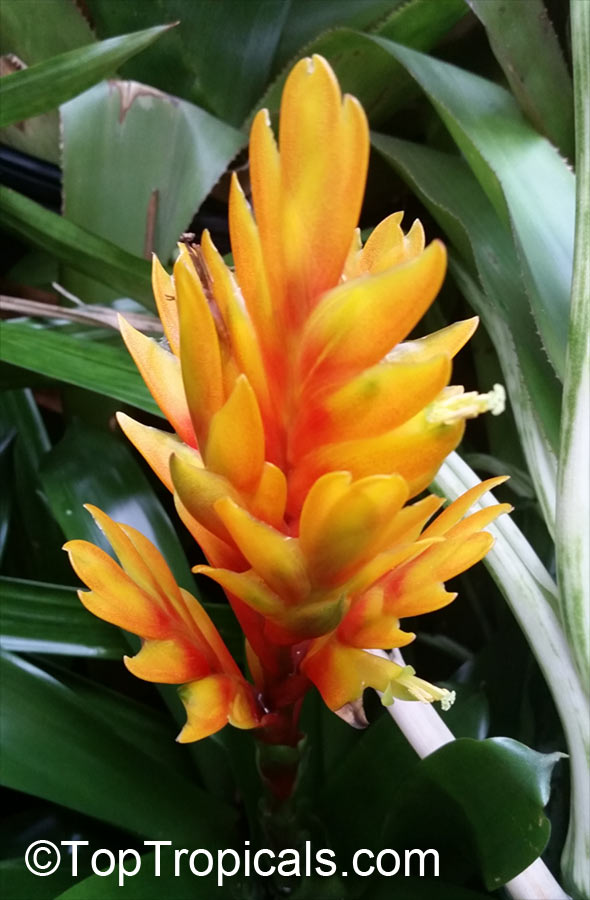




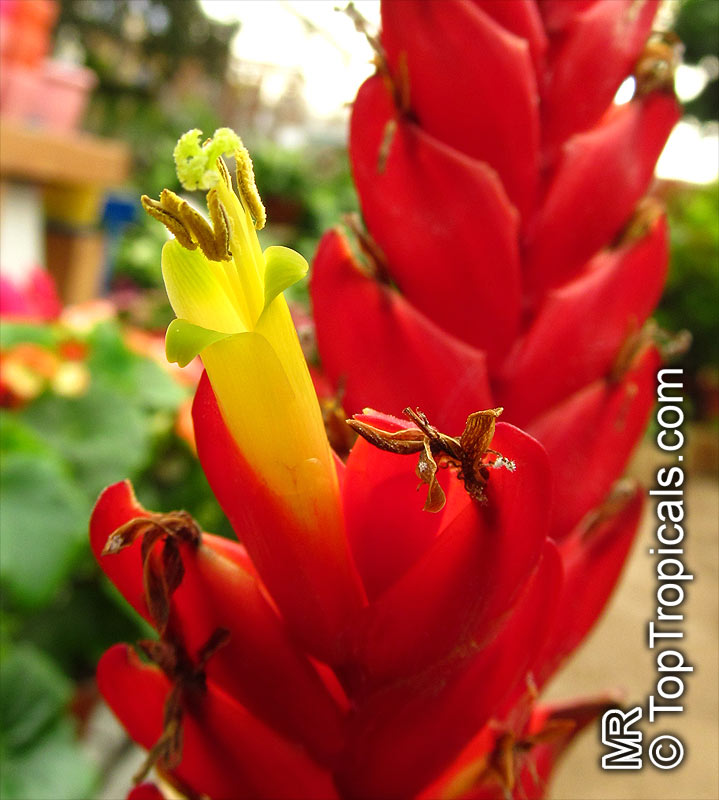
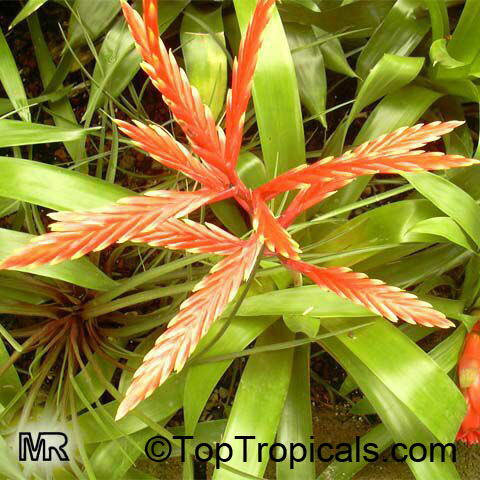



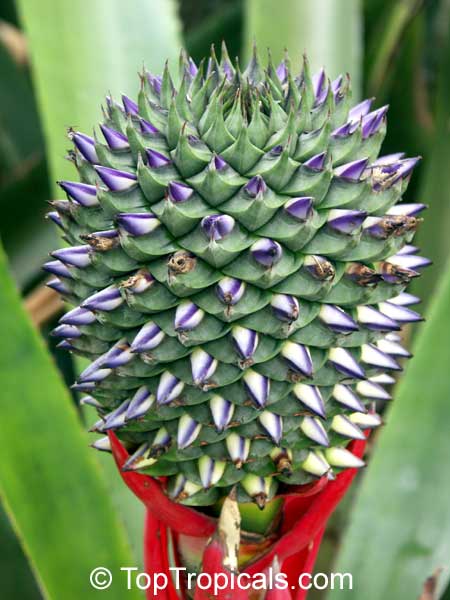
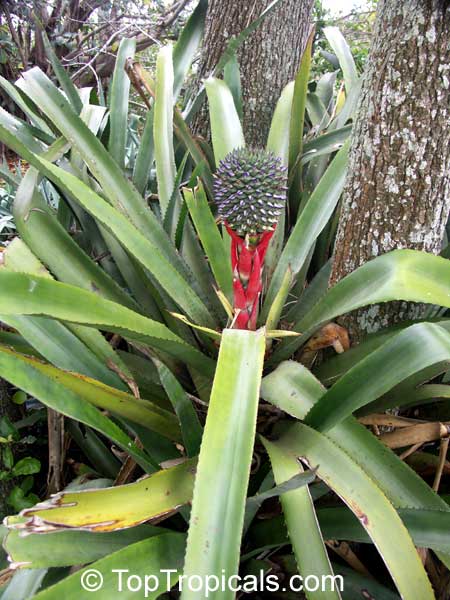
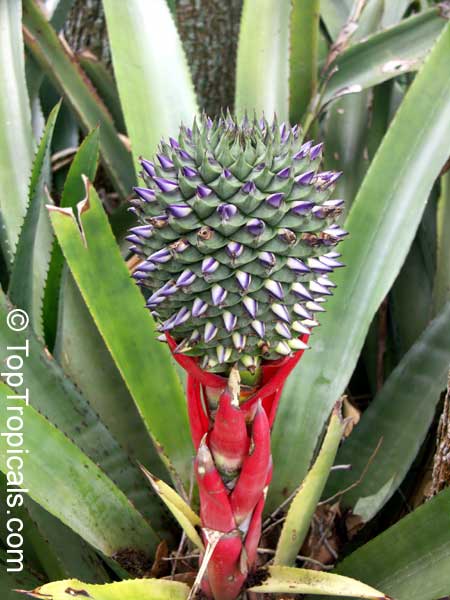
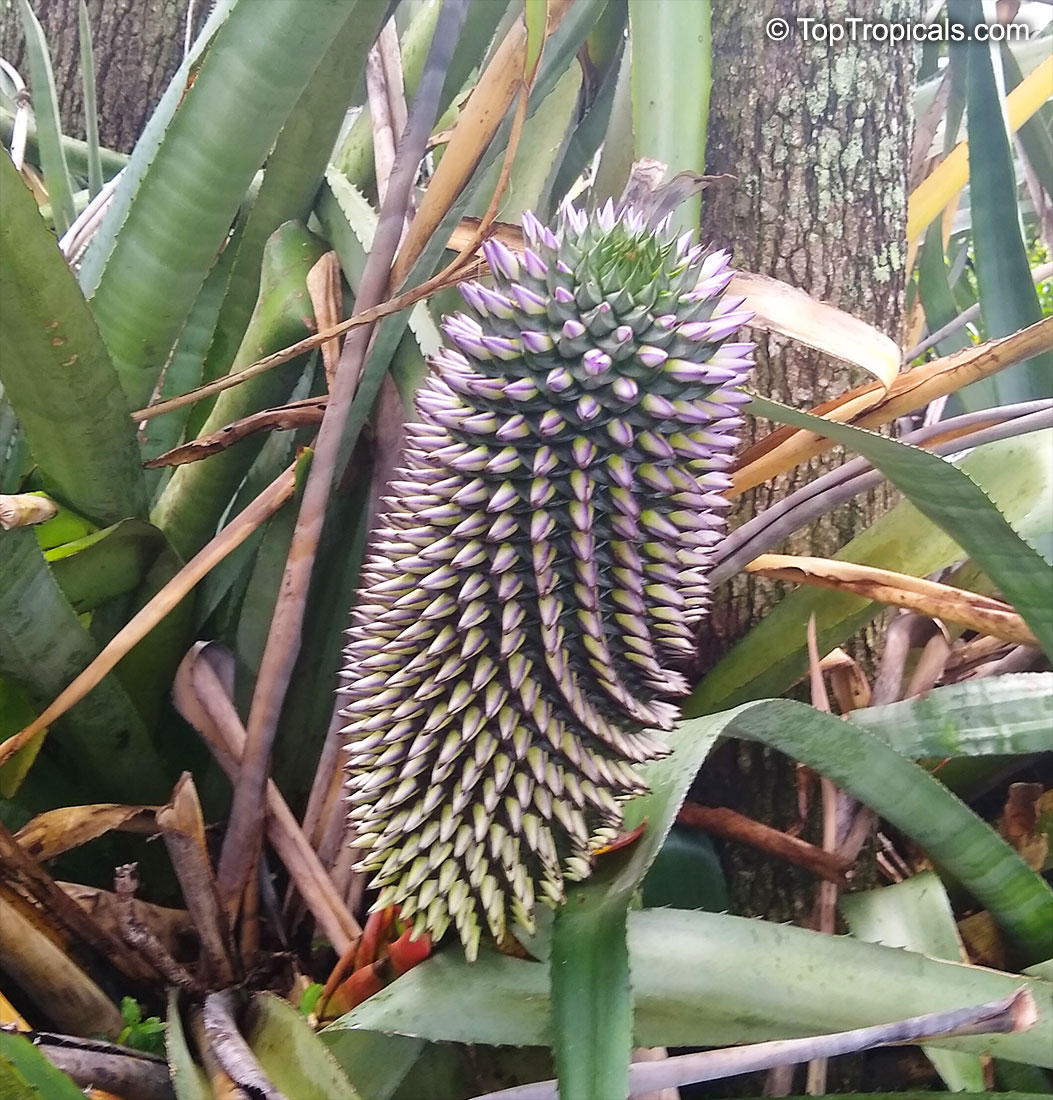
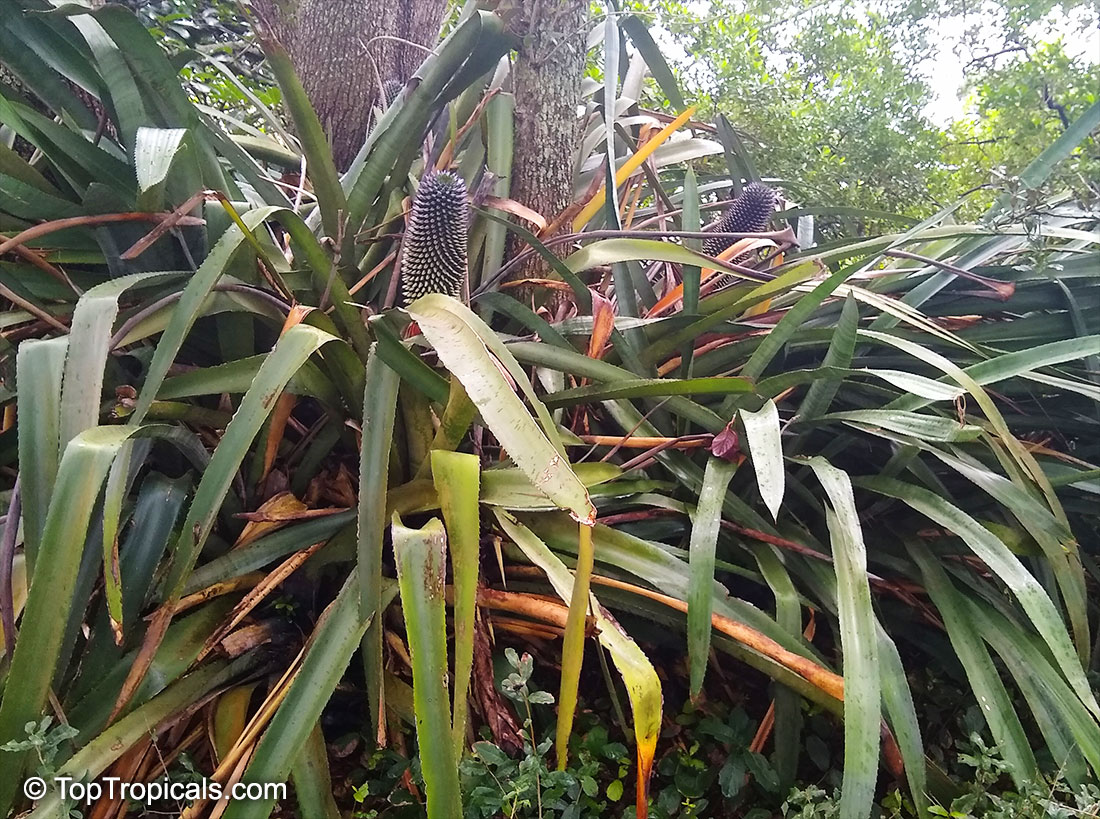
Botanical name: Aechmea sphaerocephala
Common names: Aechmea Bromeliad, Urn Plant
Family: Bromeliaceae
Subfamily: Bromelioideae
Origin: Brazil
| Next | |
Use link to repeat this search:
https://toptropicals.com/cgi-bin/garden_catalog/cat.cgi?find=bromelia&search_op=and&keyword_op=and&language=e&number=10
&no_change_lang=1&user=tt&sale=1&first=0