TopTropicals.com - rare plants for home and garden
switch to Russian   
Home Page Site Map Articles Plant Catalog FAQ Forum Guestbook Mail-list Contact About Us Directions
SEARCH:   
ONLINE STORE
VIEW CART
MY ACCOUNT

TopTropicals Plant Catalog

This catalog is for information only. If you don't see the price - the plant is not for sale.

click on image to enlarge

Pictogram Guide you may also see symbol definition in a pop-up window by mouse-pointing on pictogram

Switch to Russian

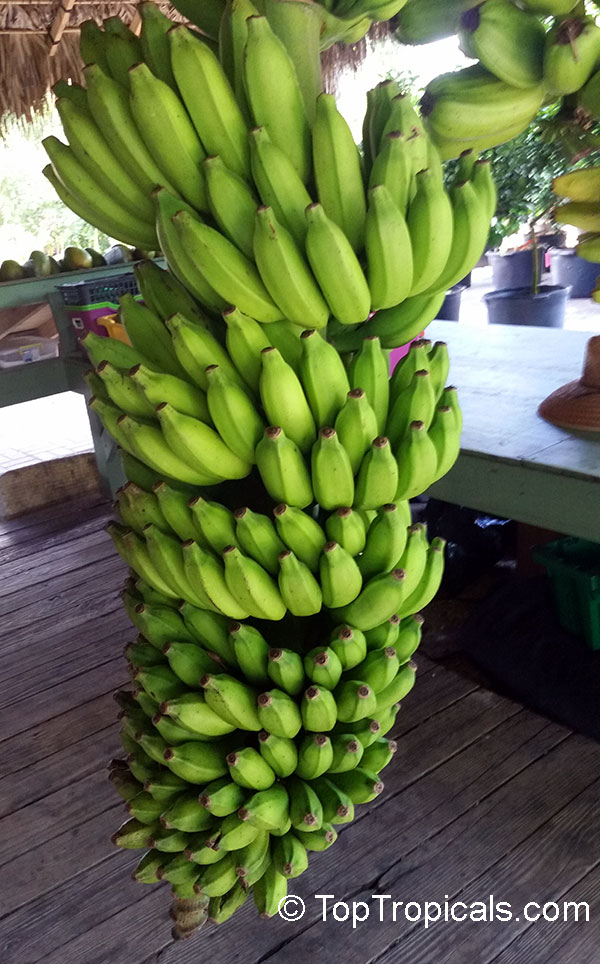
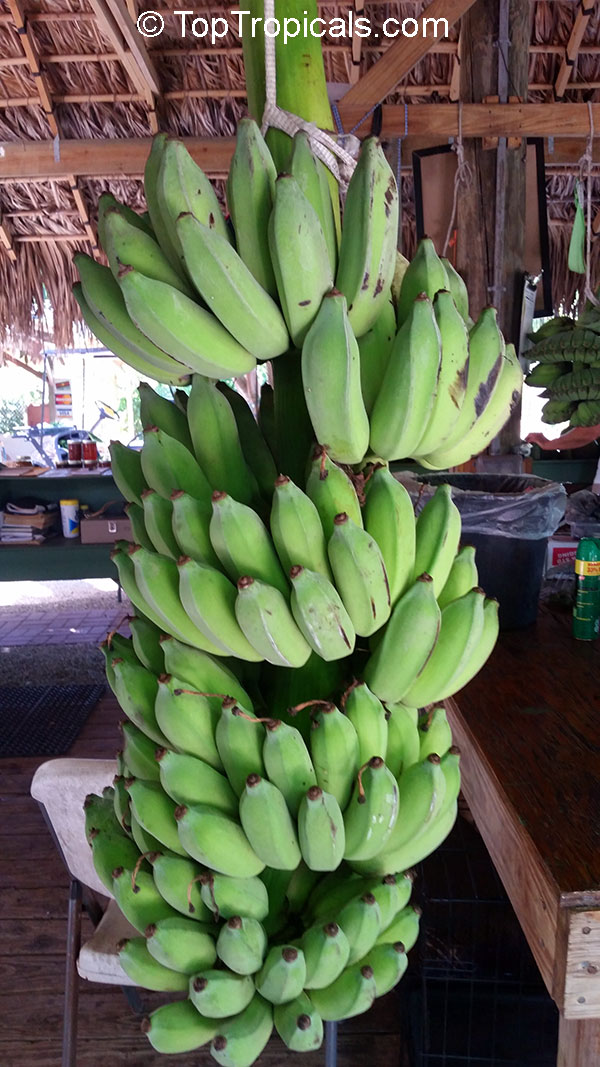
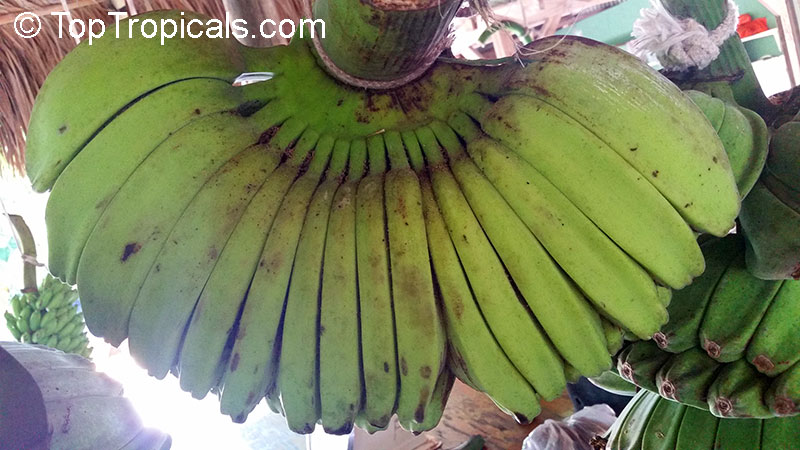
Musa sp., Banana, Bananier Nain, Canbur, Curro, Plantain
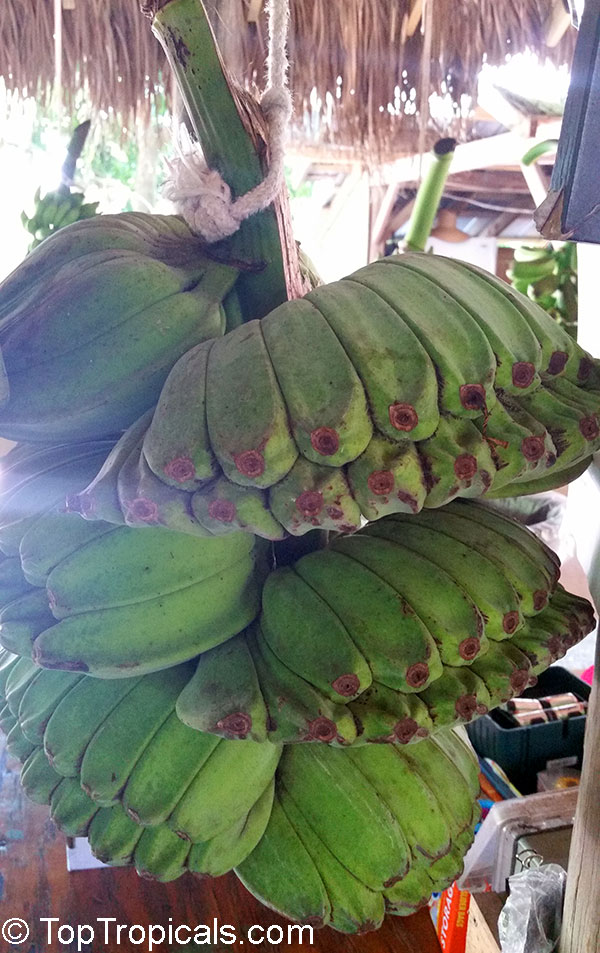
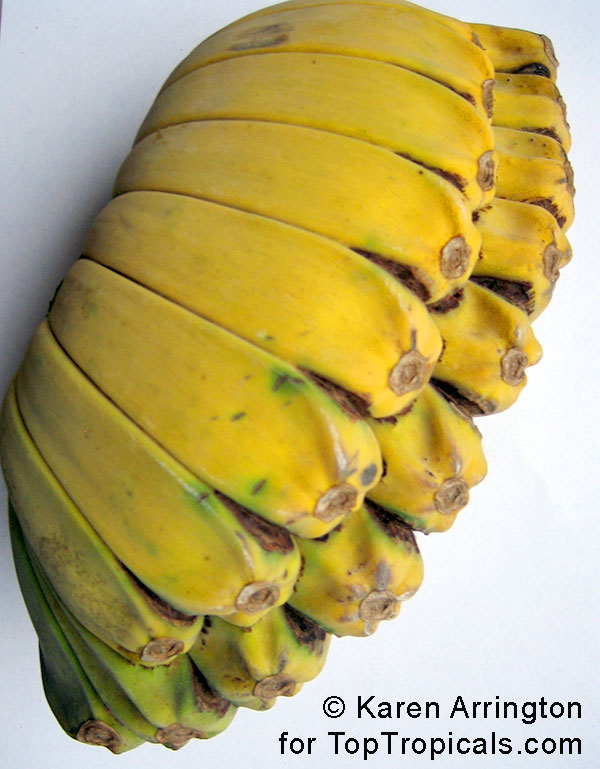
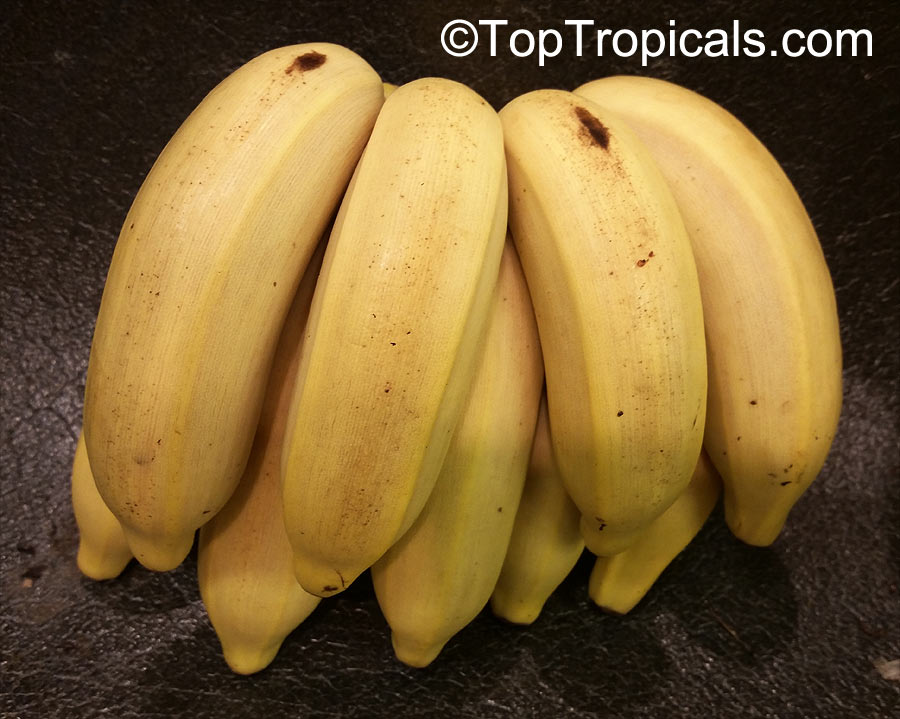
Musa Praying Hands
 Musa sp.
Family: Musaceae
Banana, Bananier Nain, Canbur, Curro, Plantain
Origin: Indo-Malaysian region reaching to Northern Australia
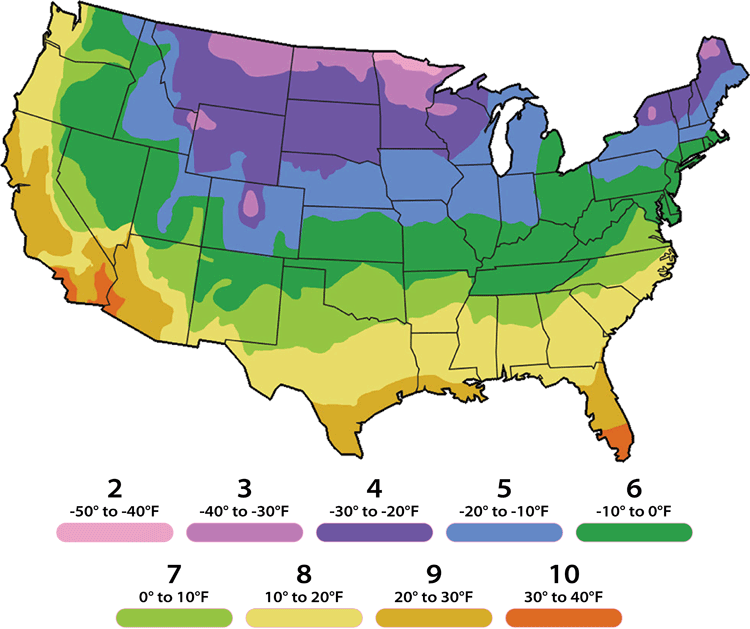
small tree 10-20 ftfull sunmoderate wateredibleincuded in CD catalog
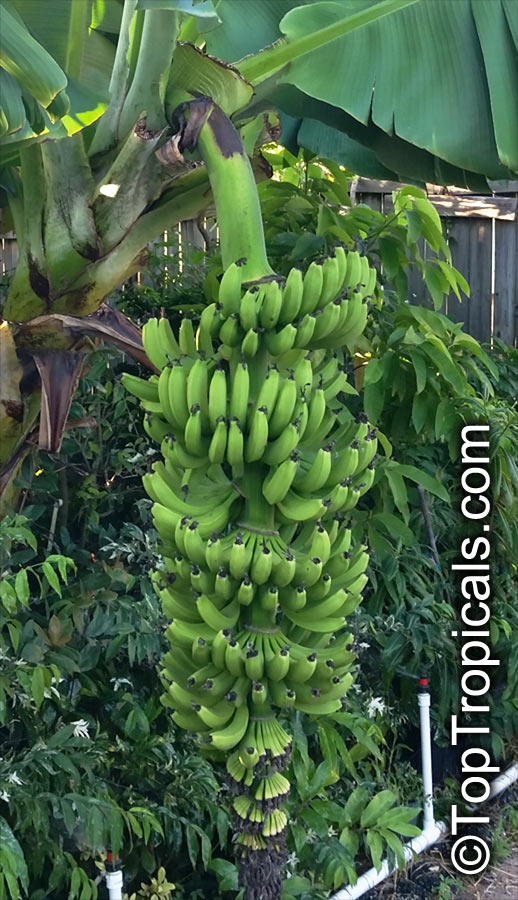
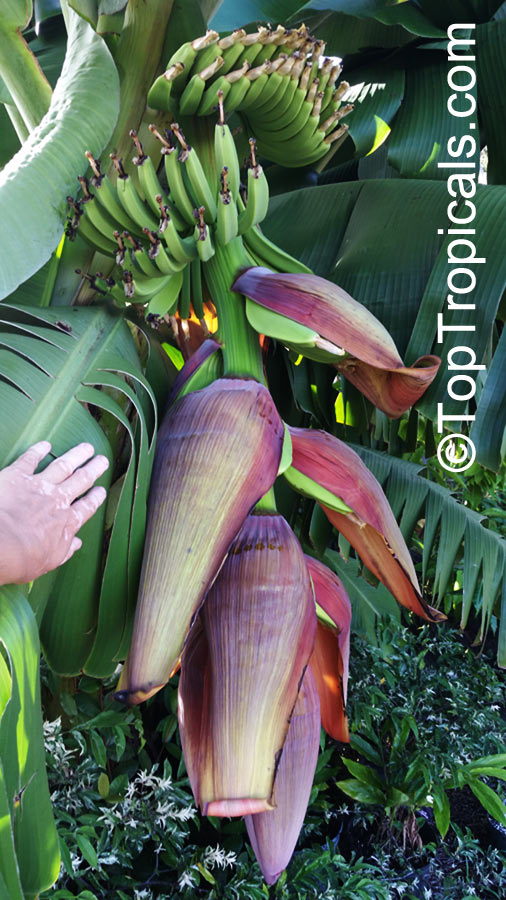
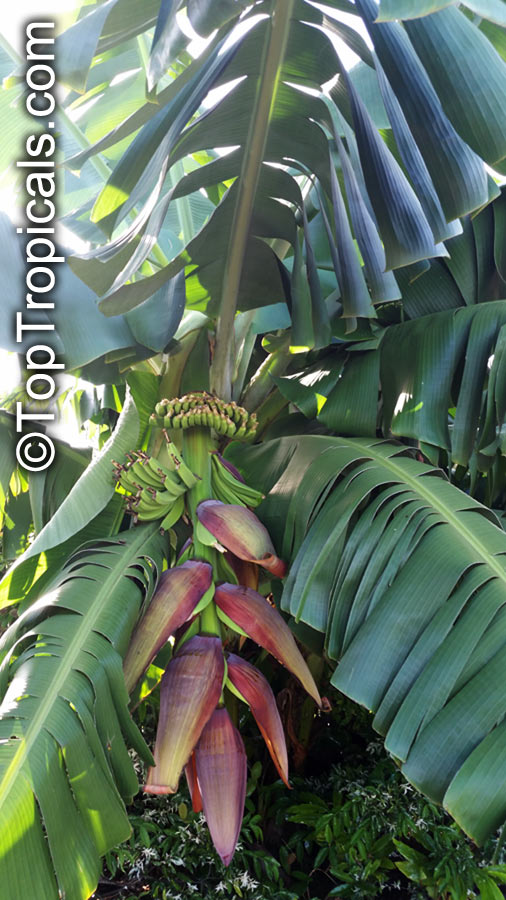
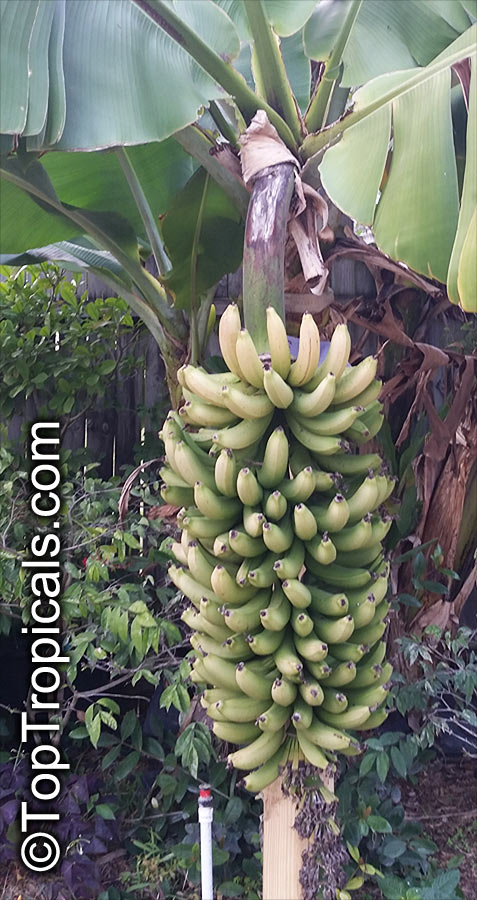
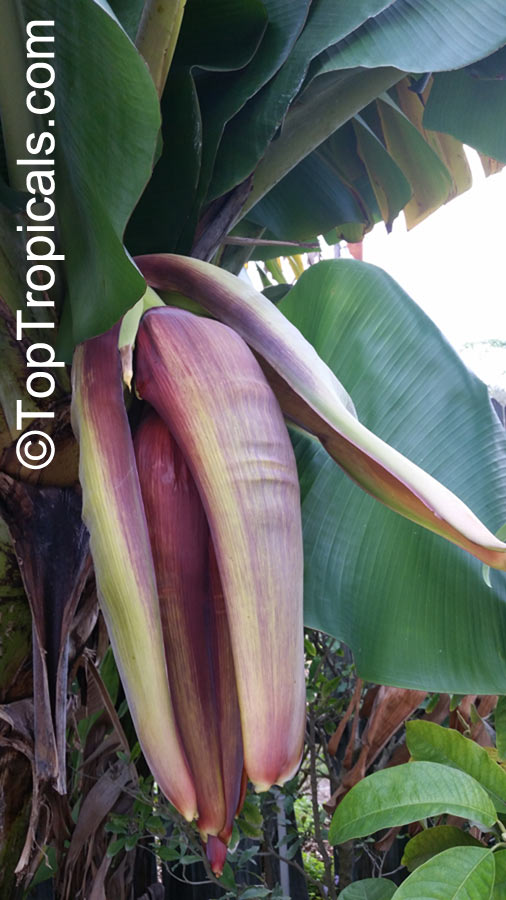
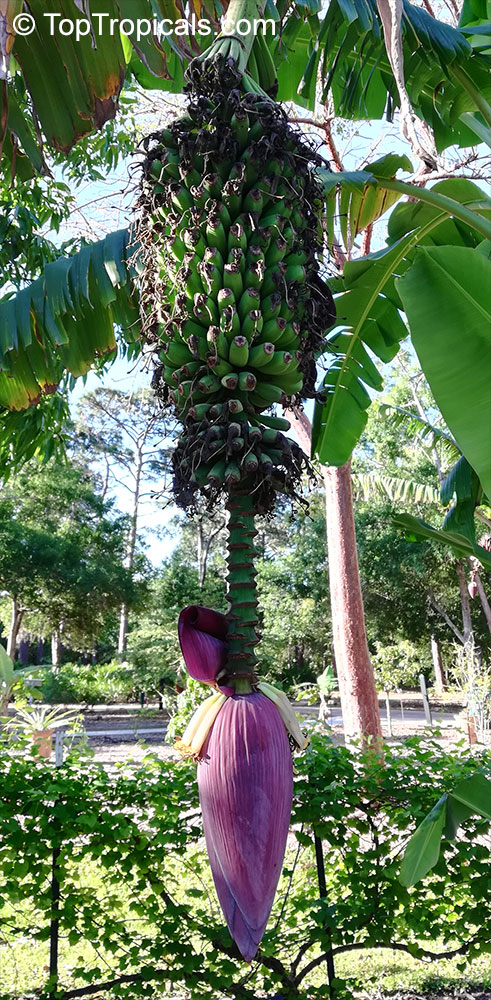
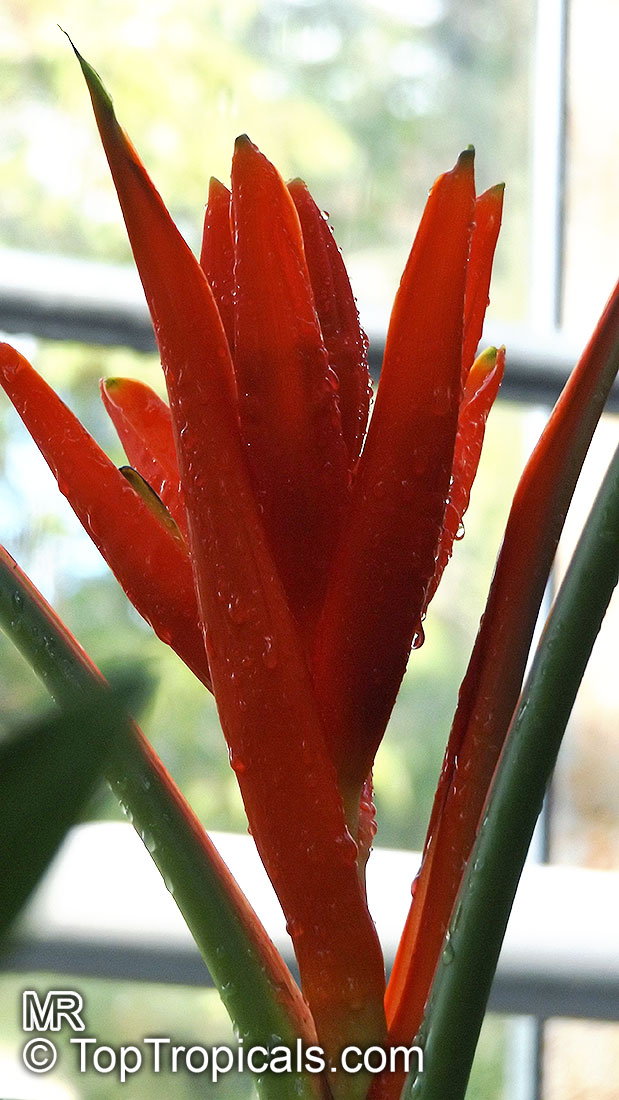
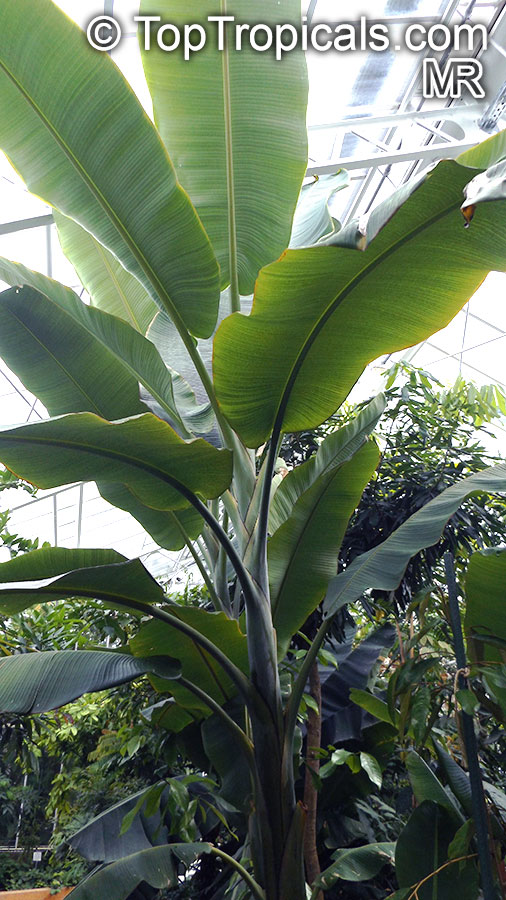
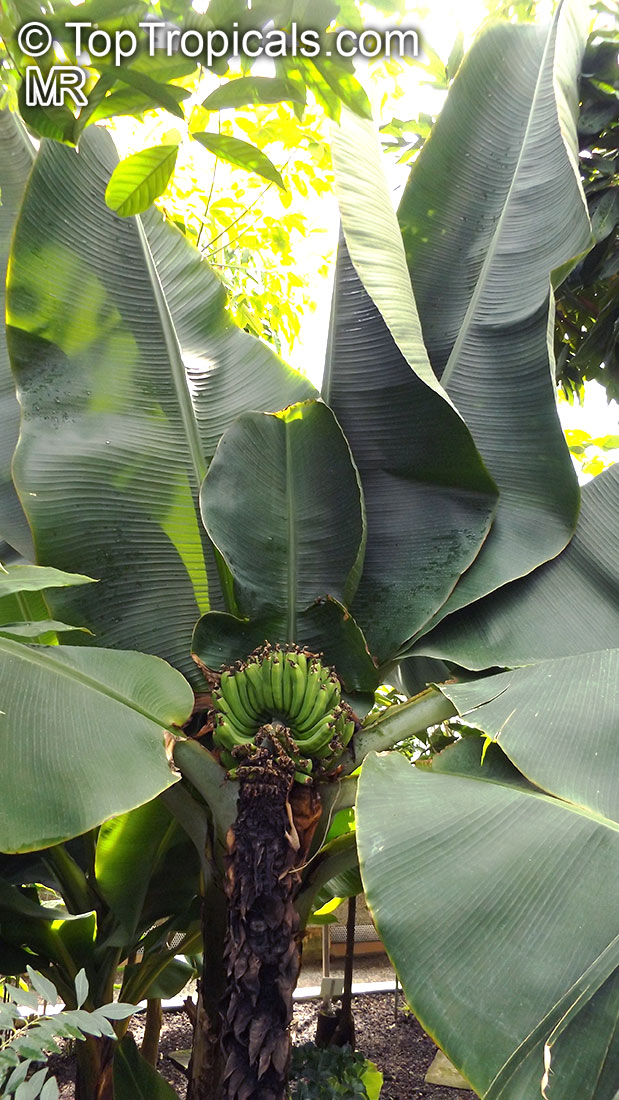
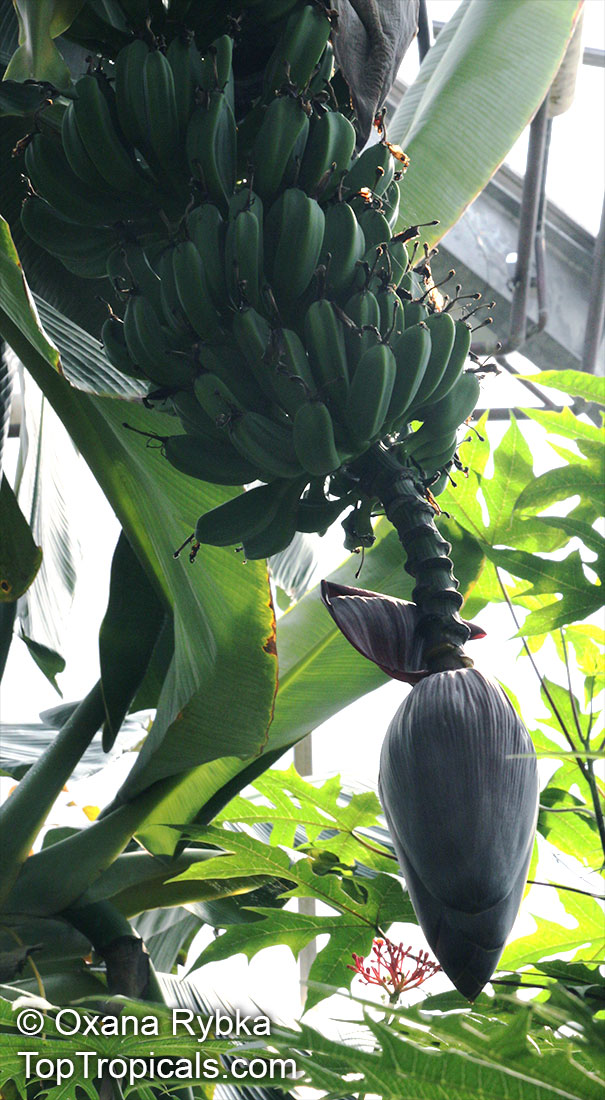
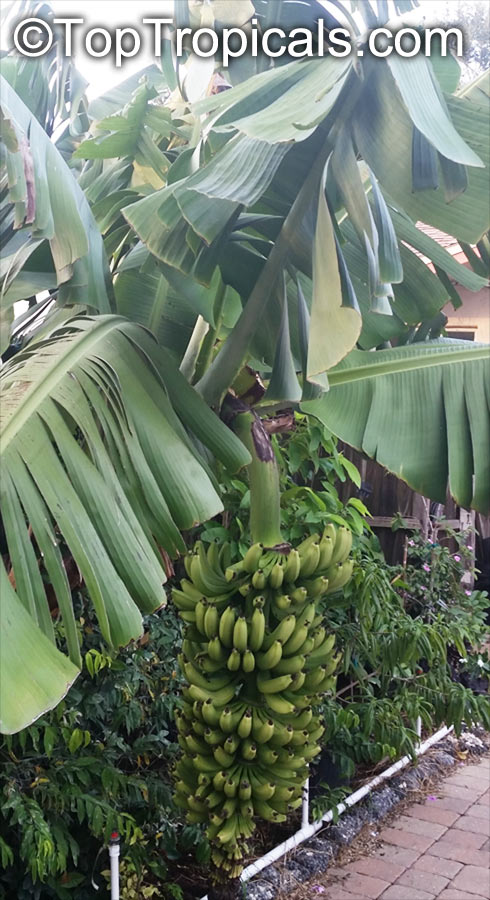
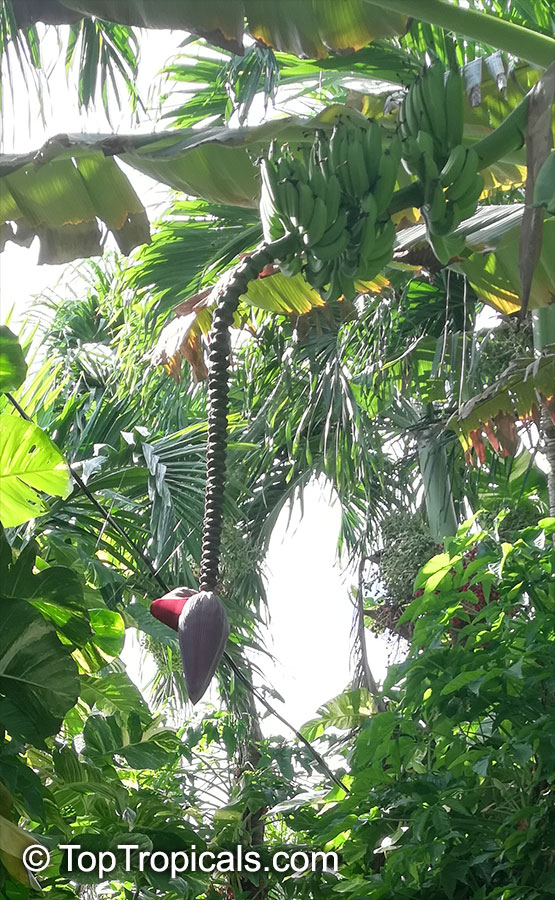
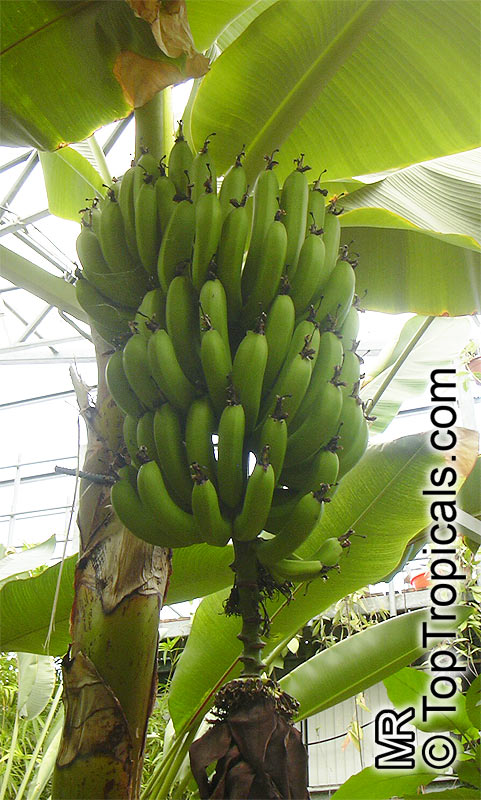
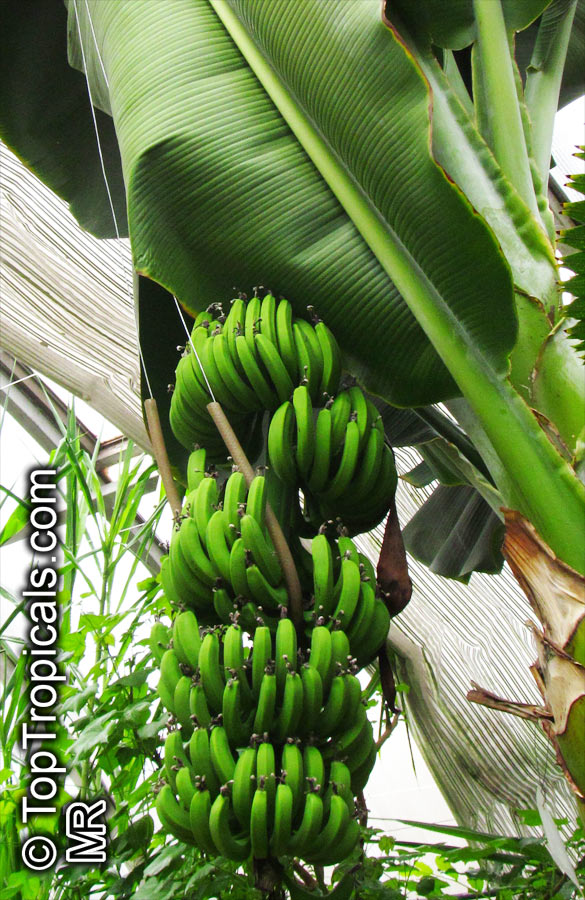
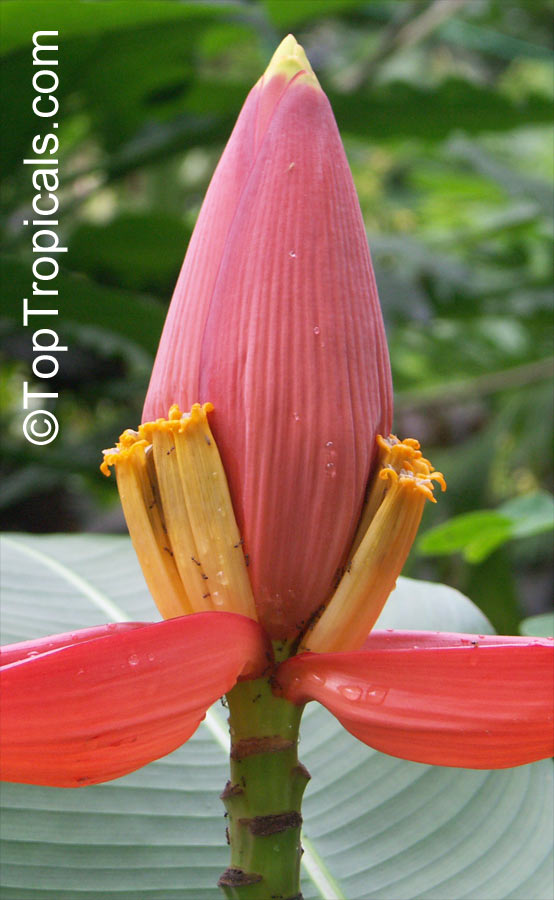
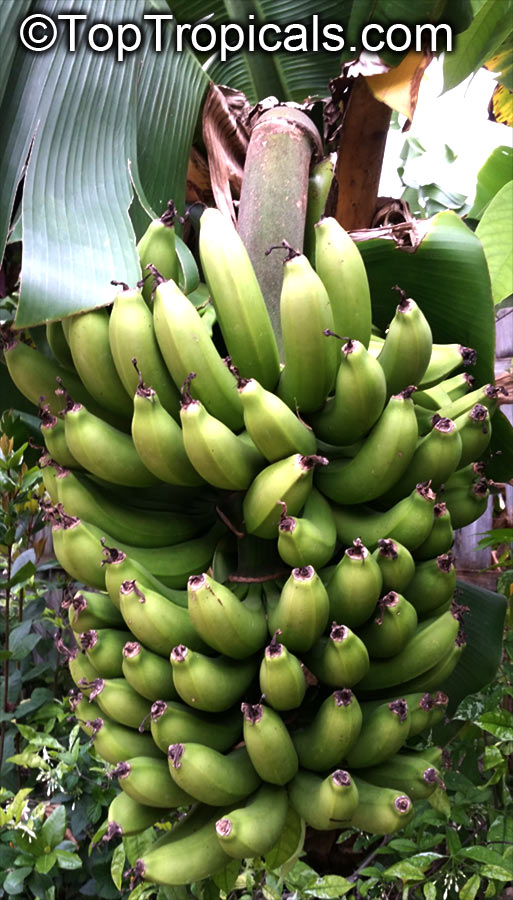
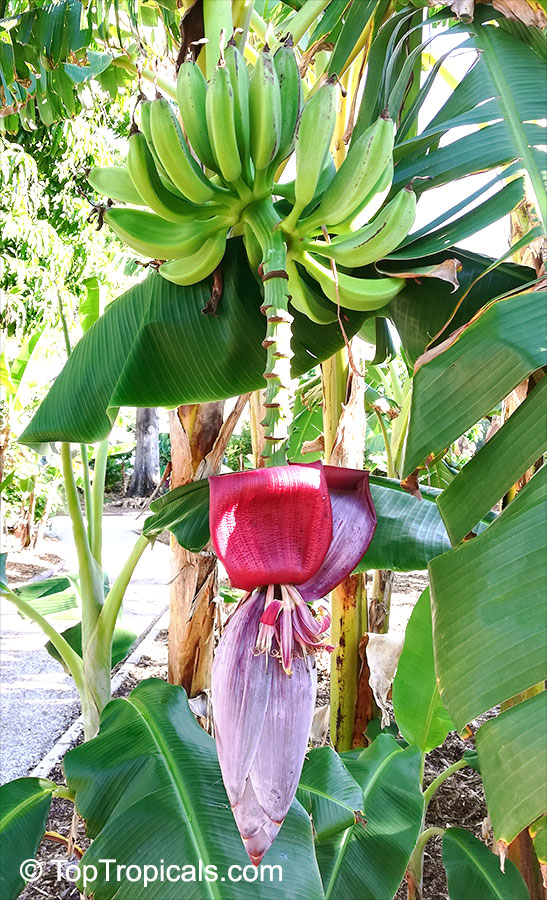
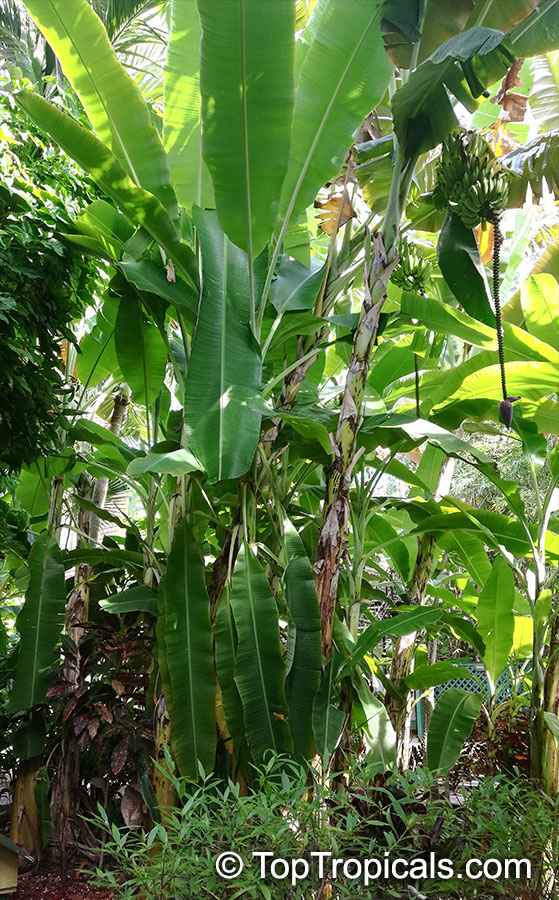
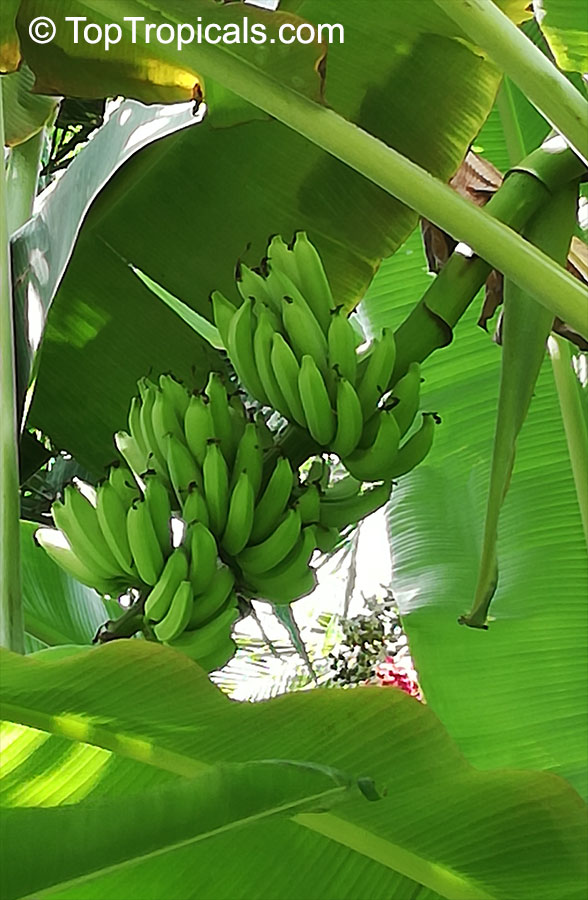
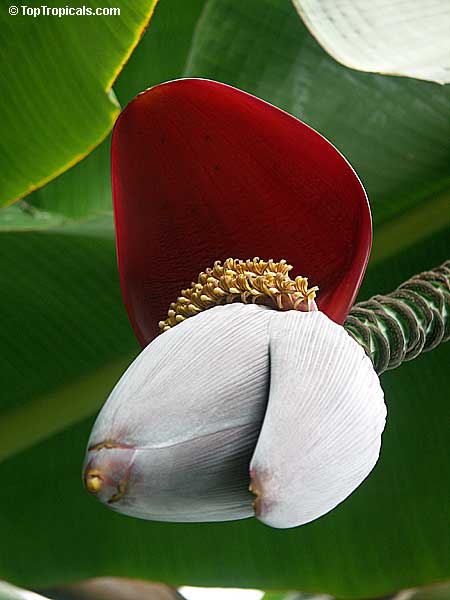
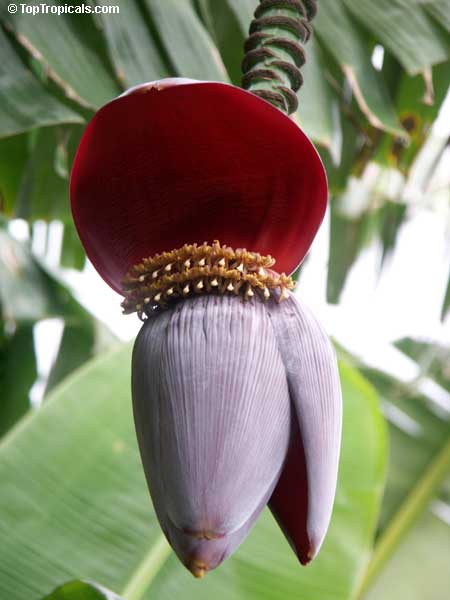
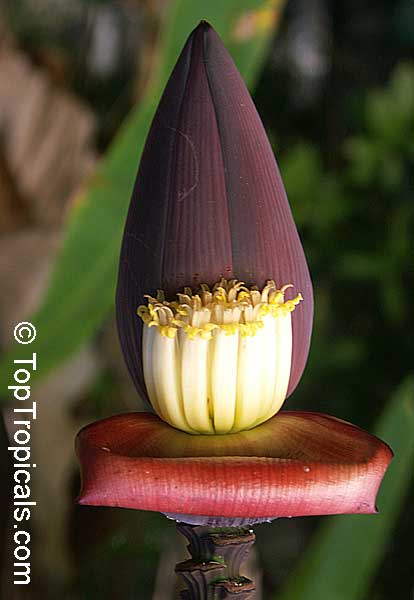
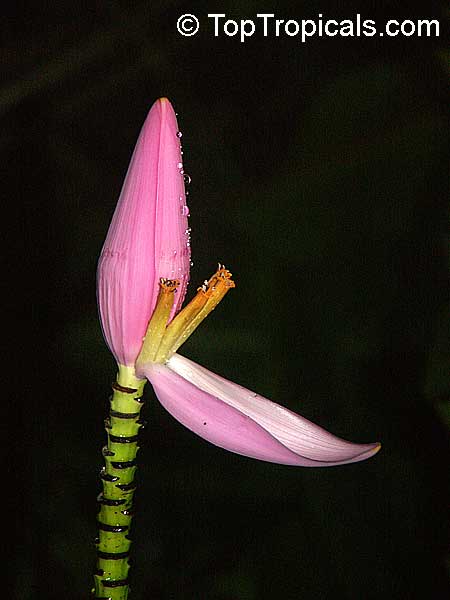
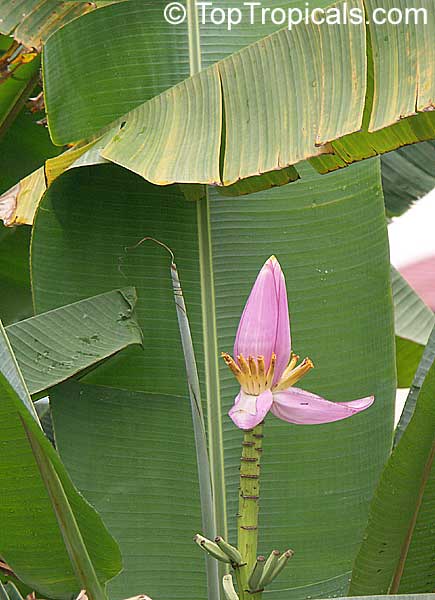
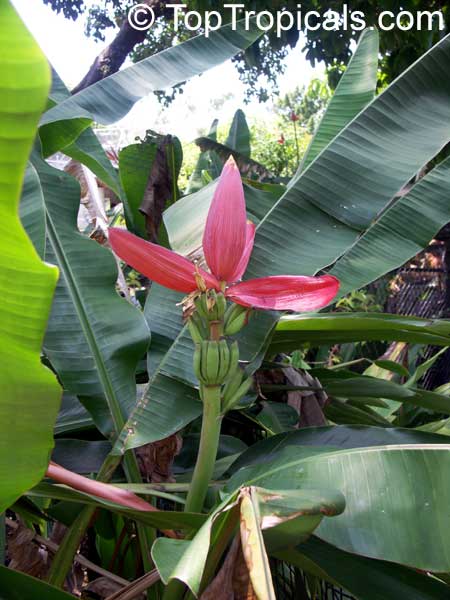
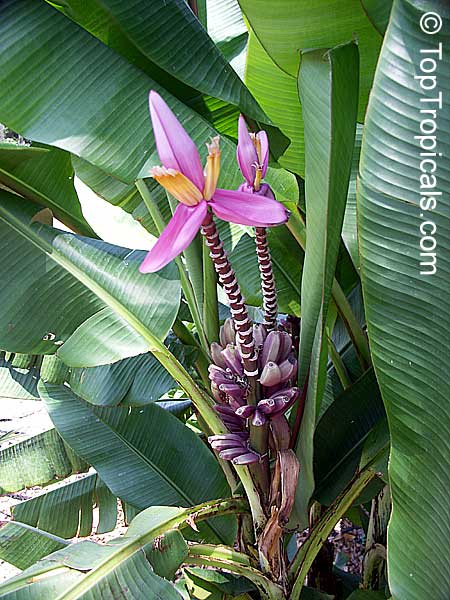
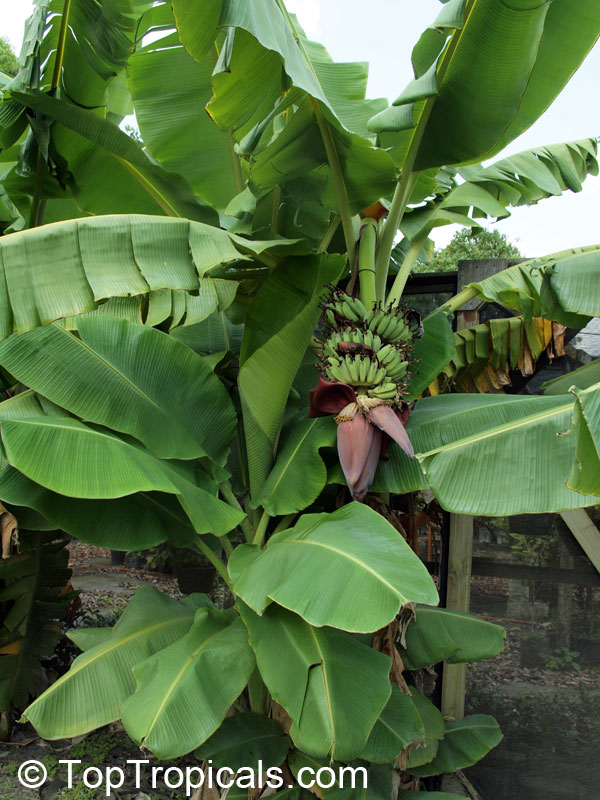
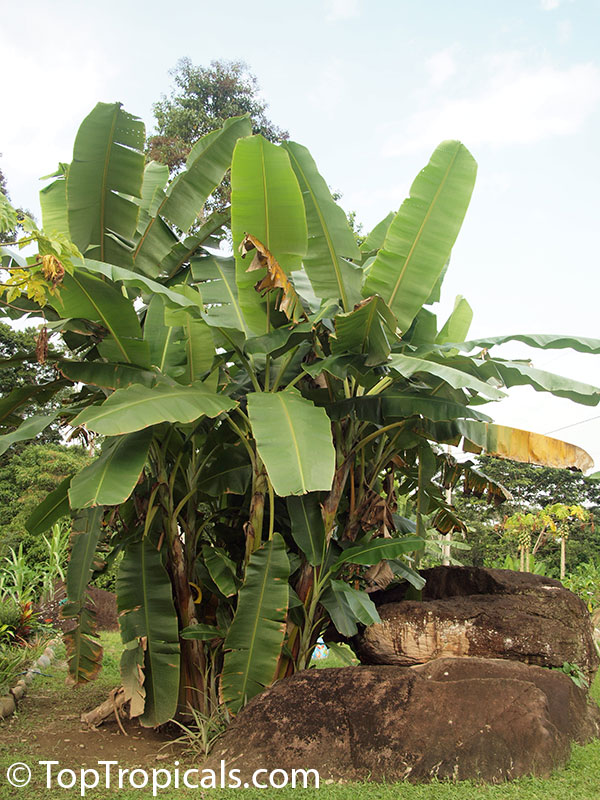
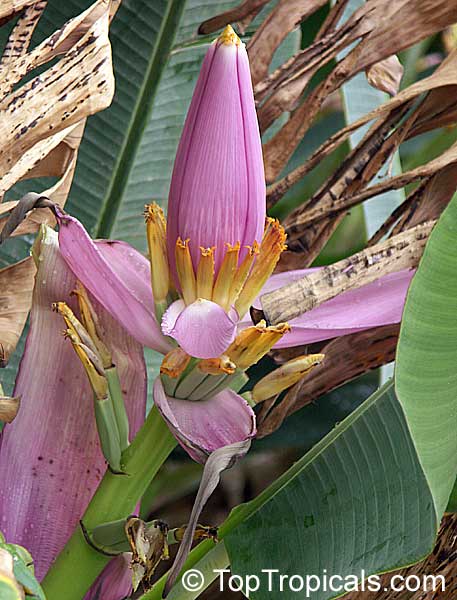
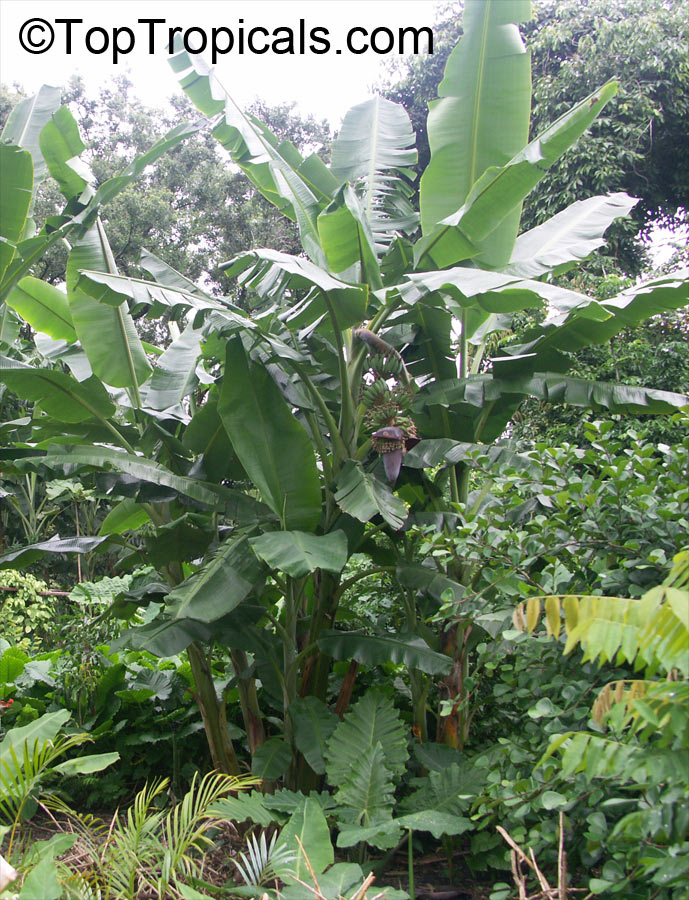
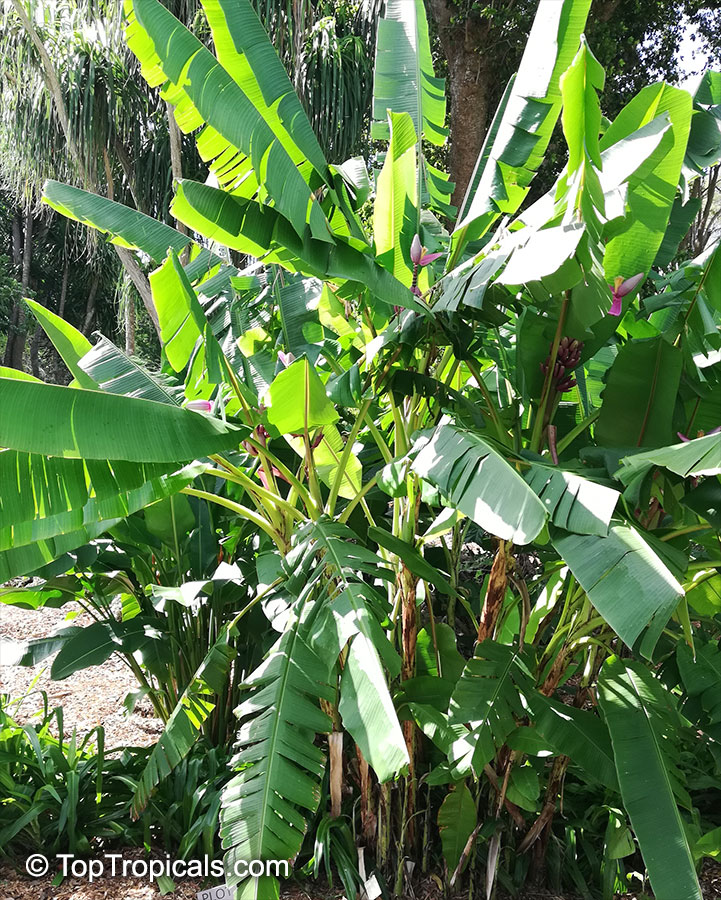
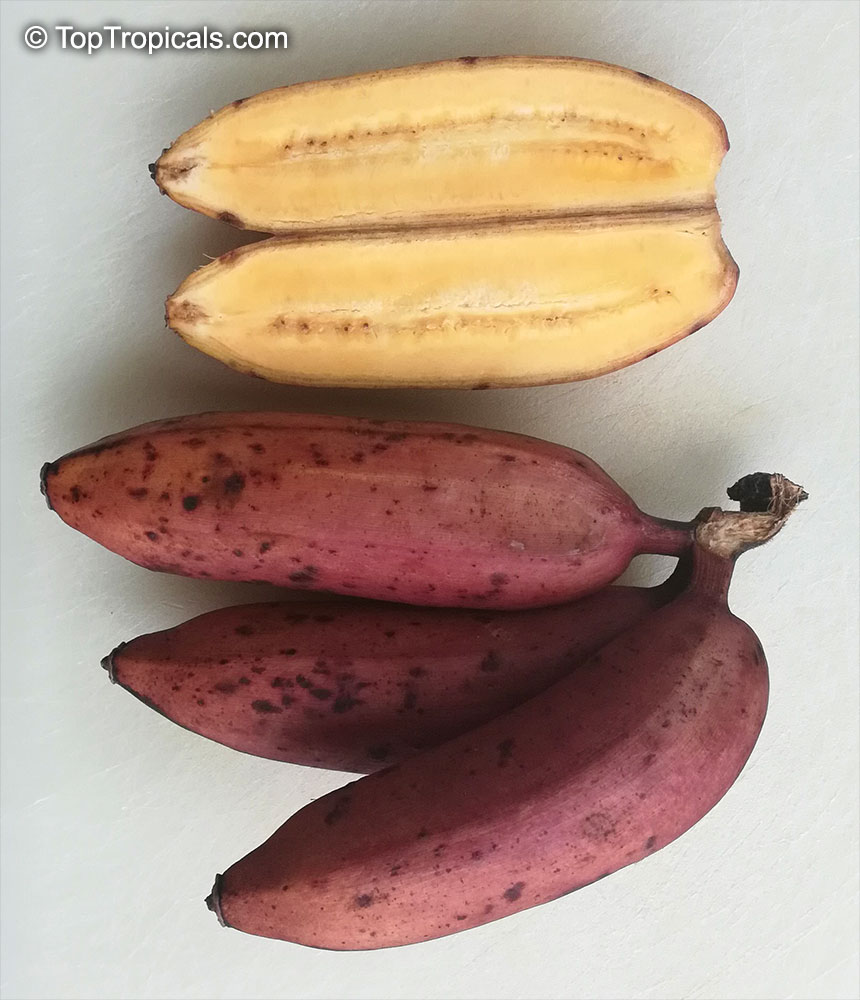
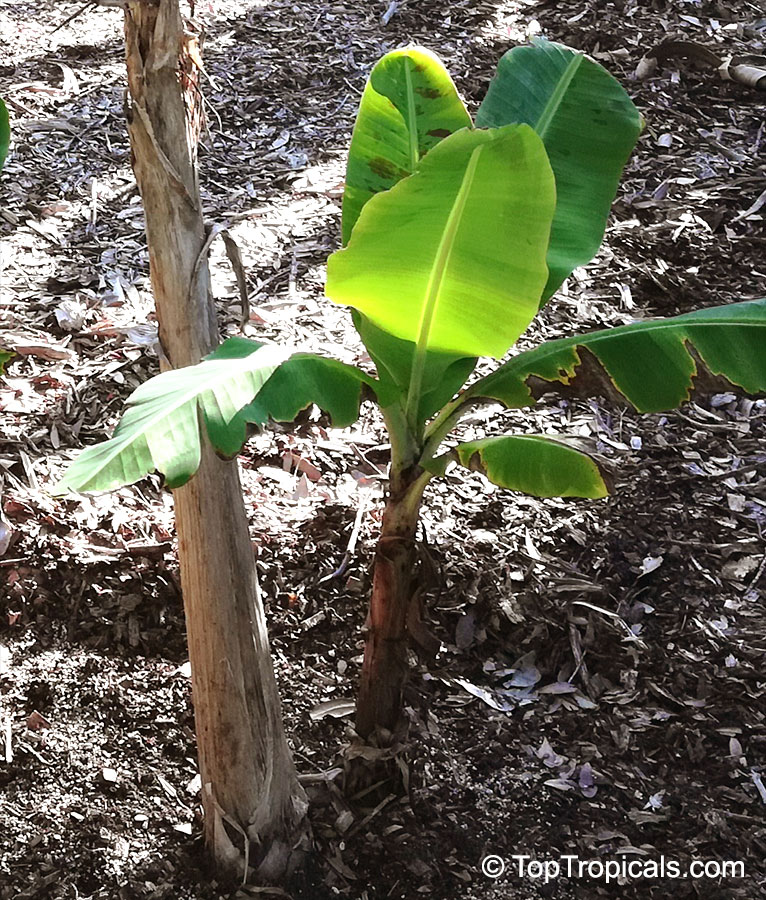
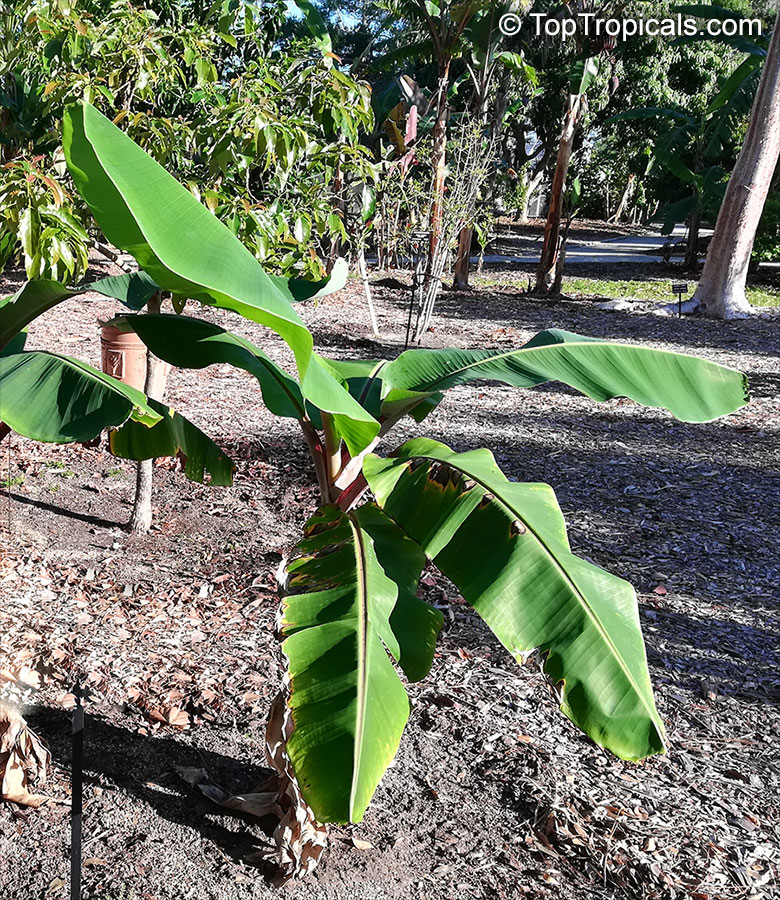
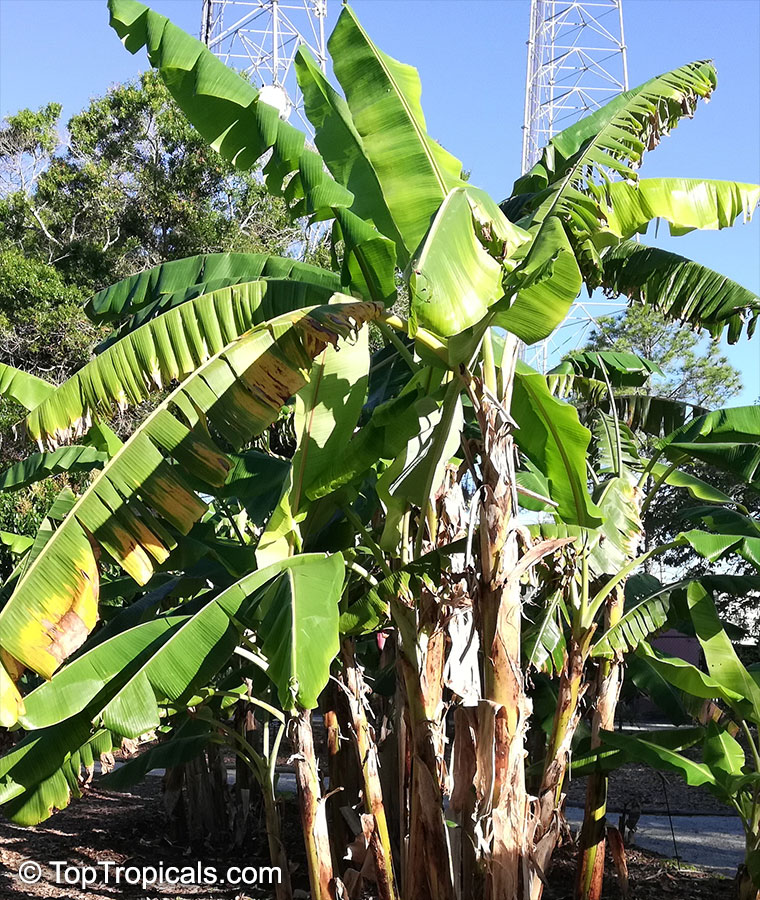
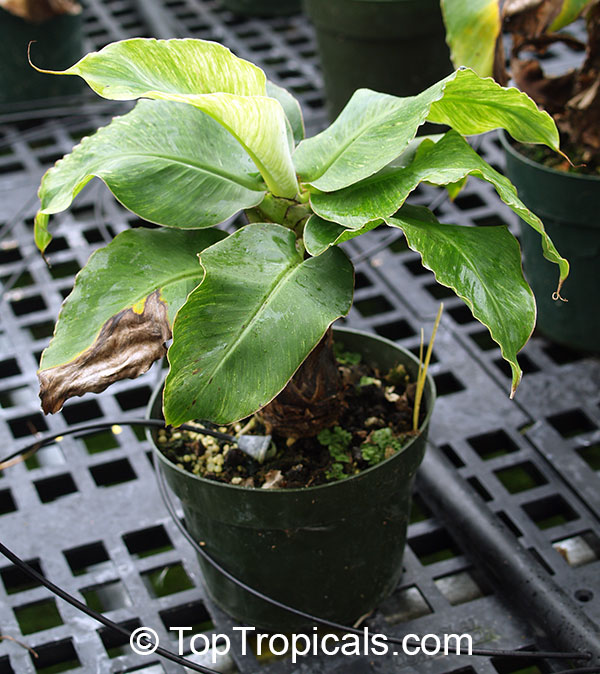
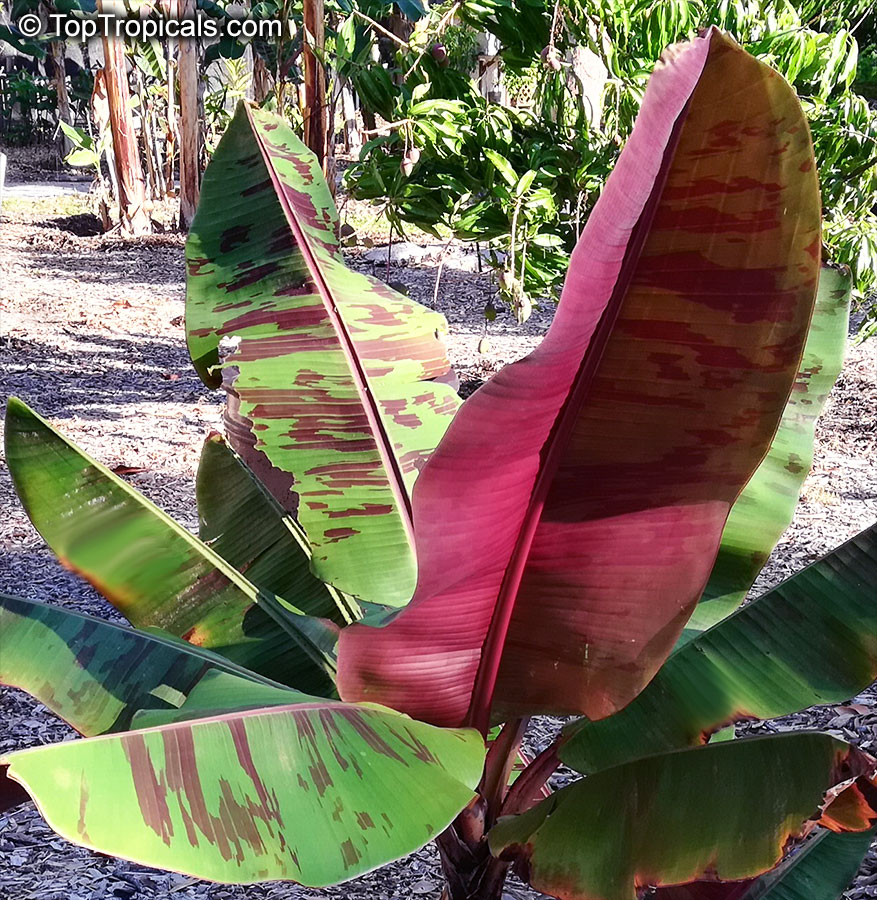
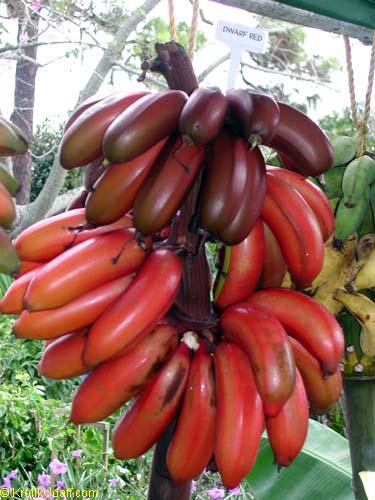
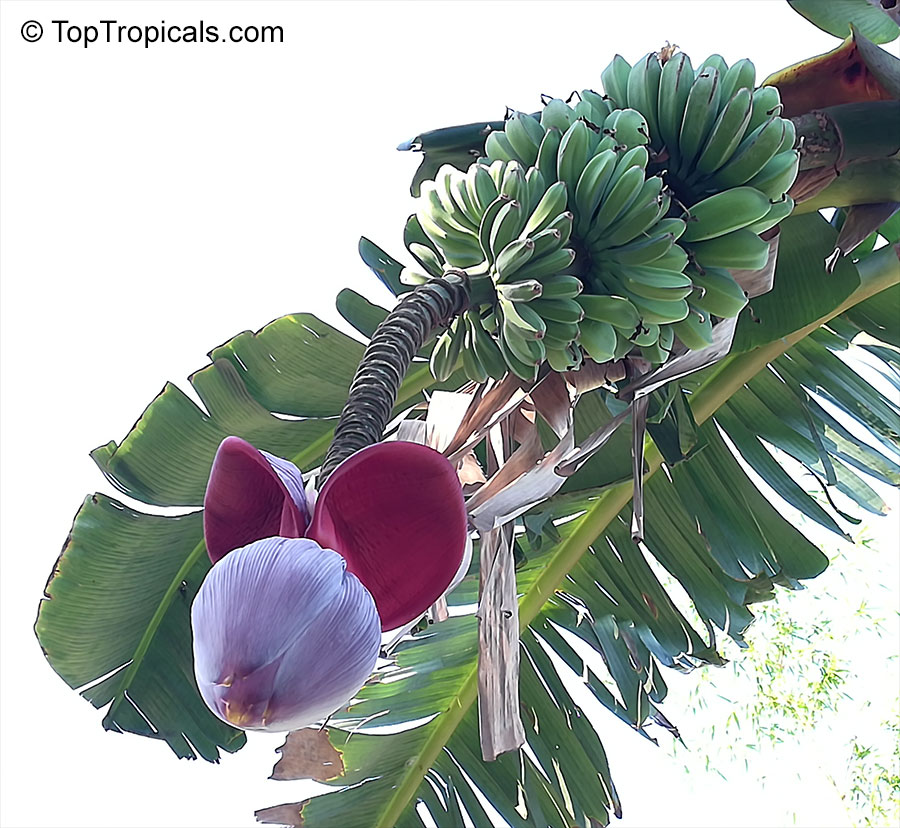
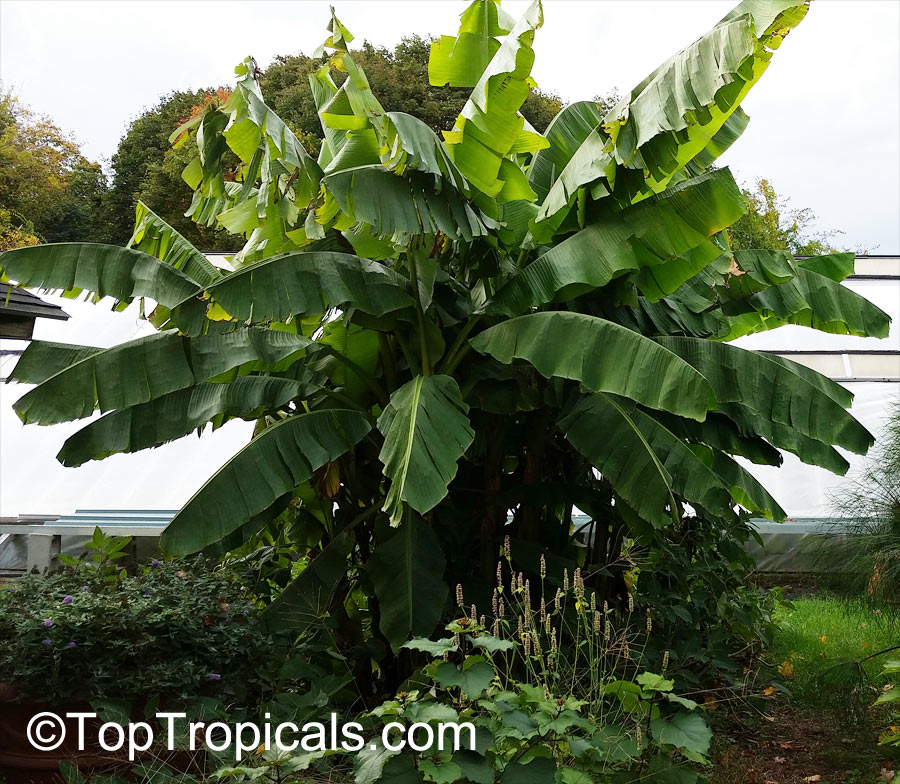
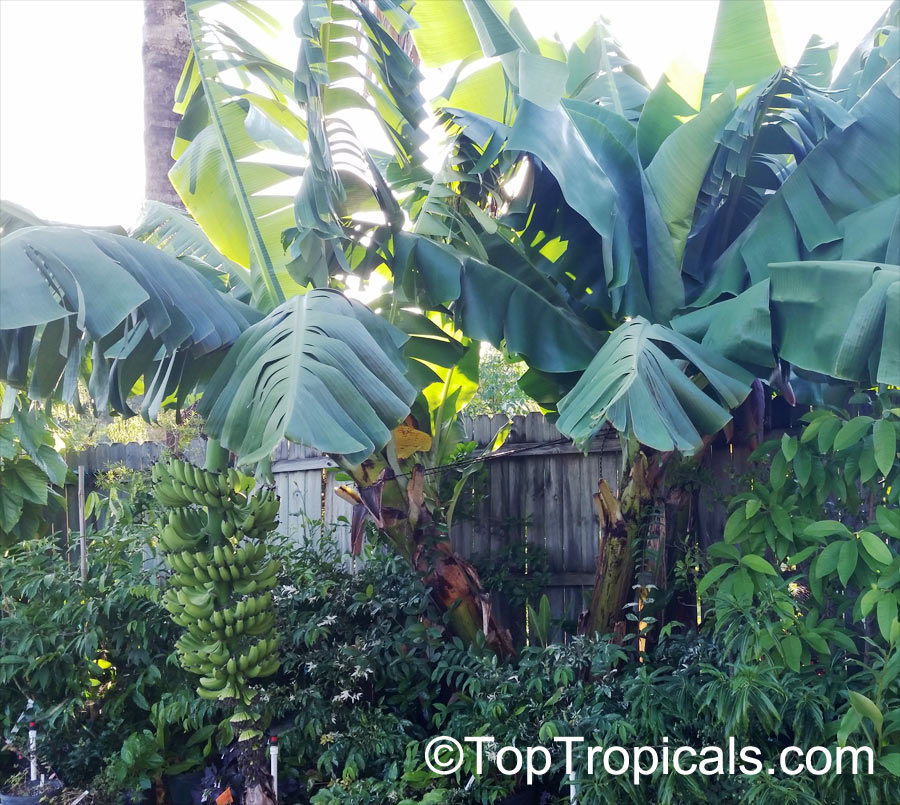
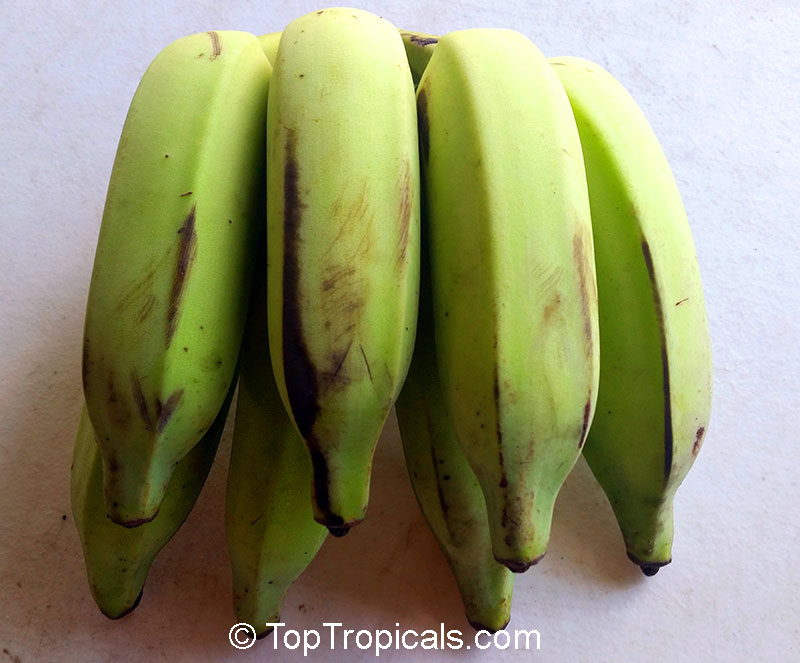
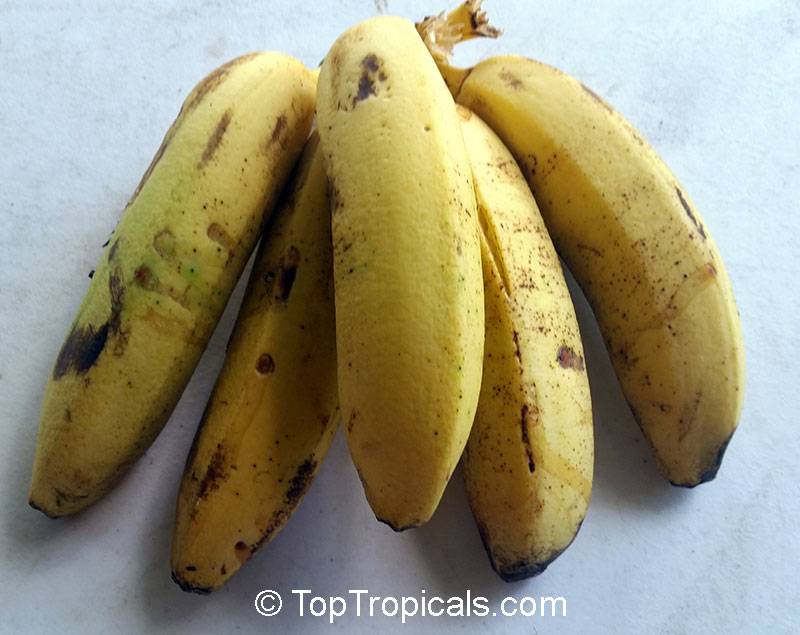
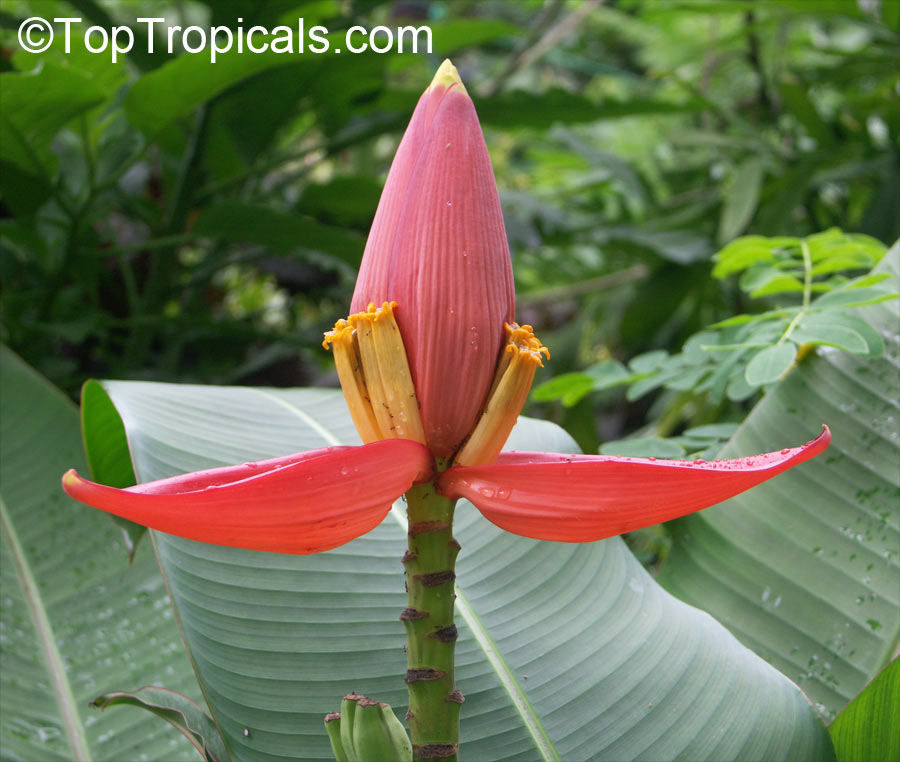
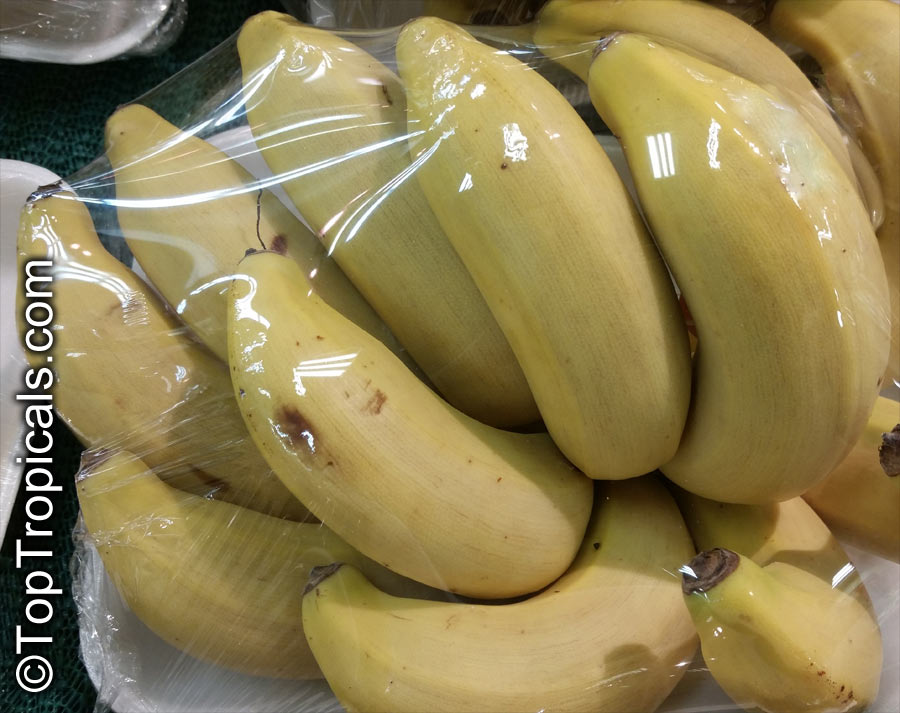
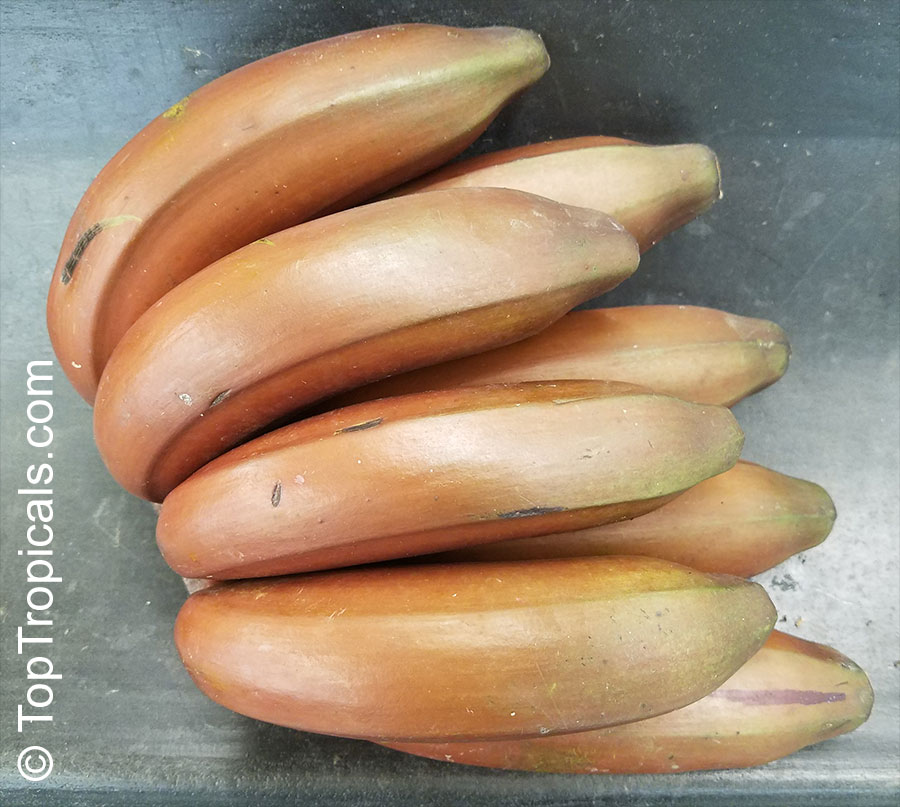
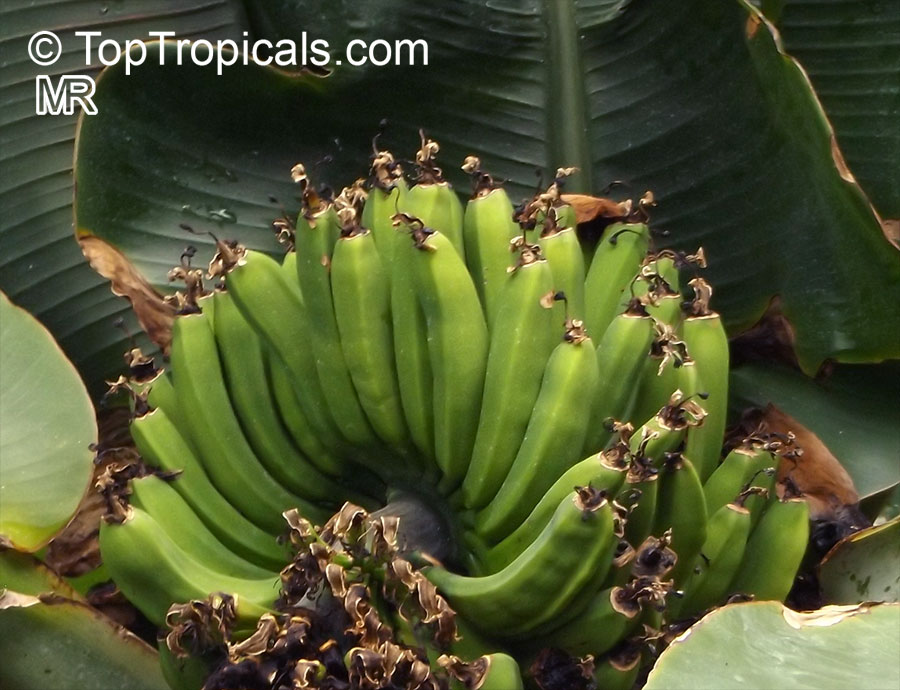
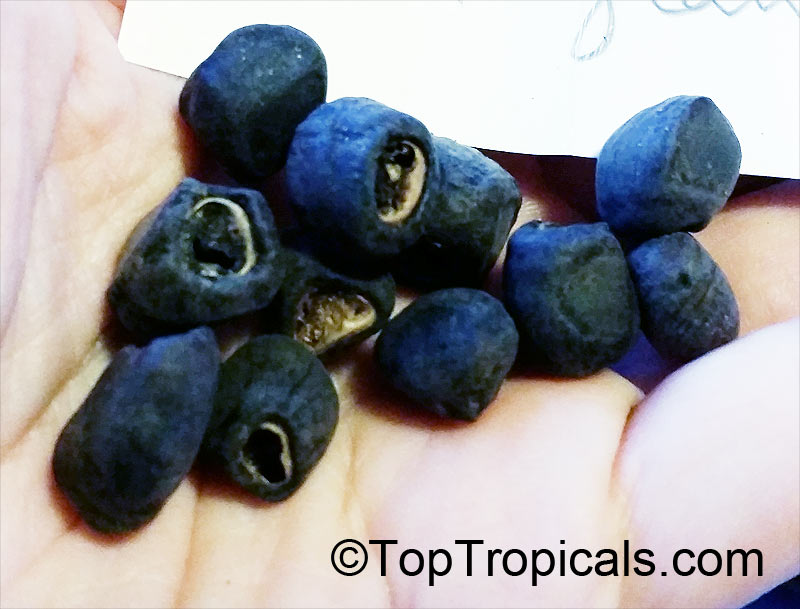
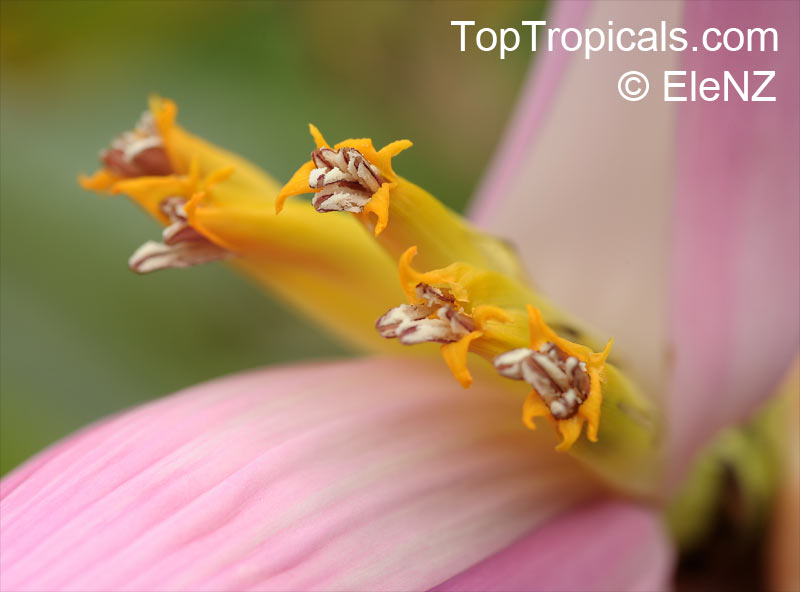
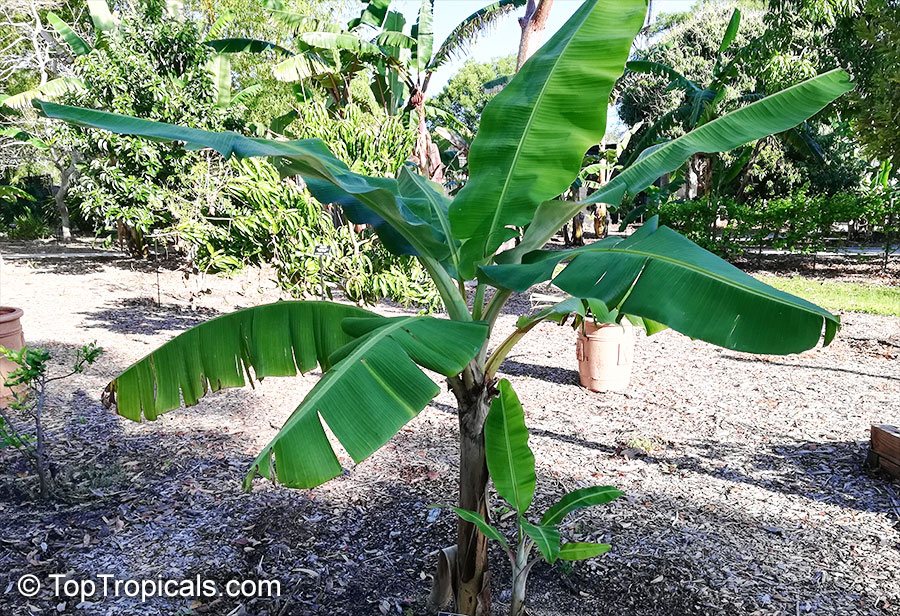
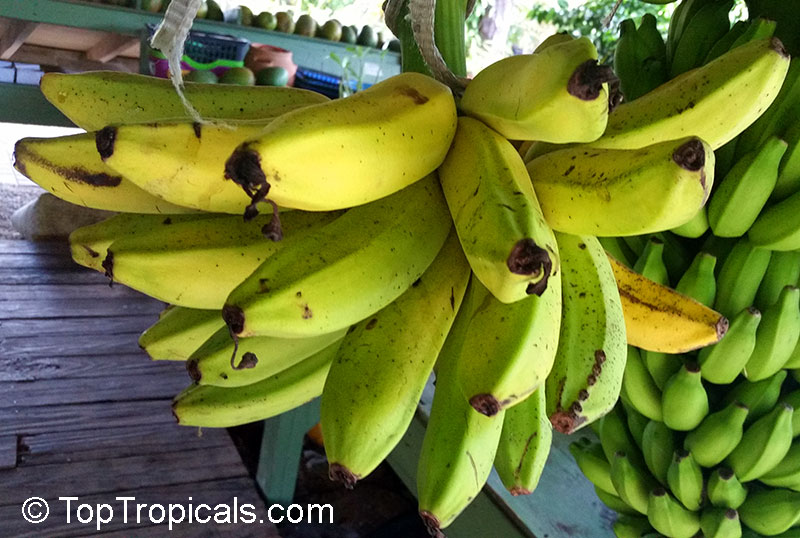
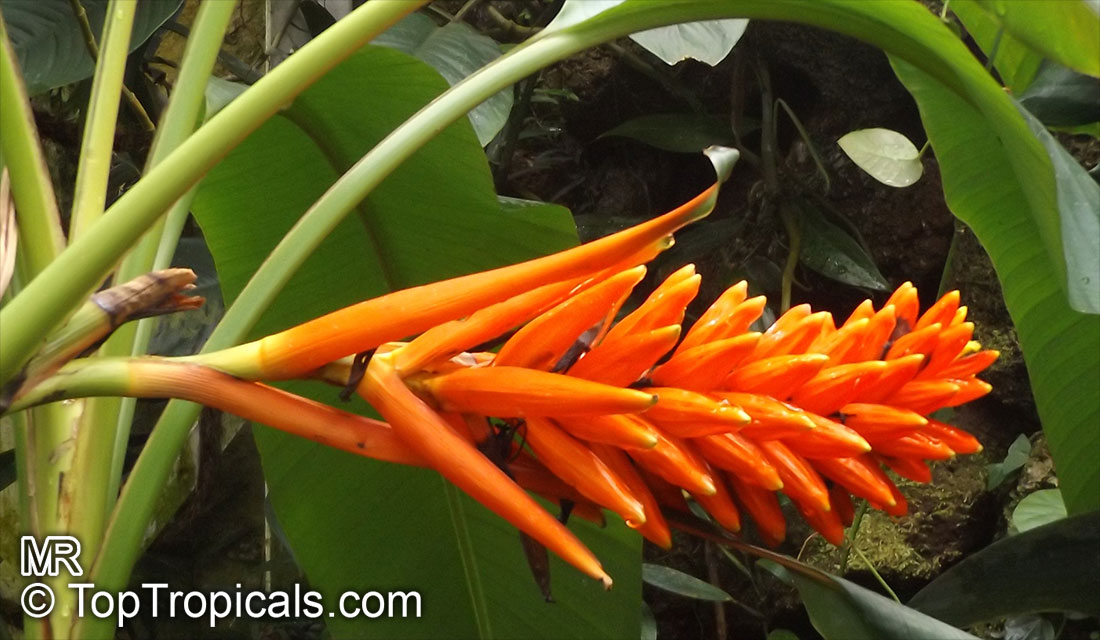
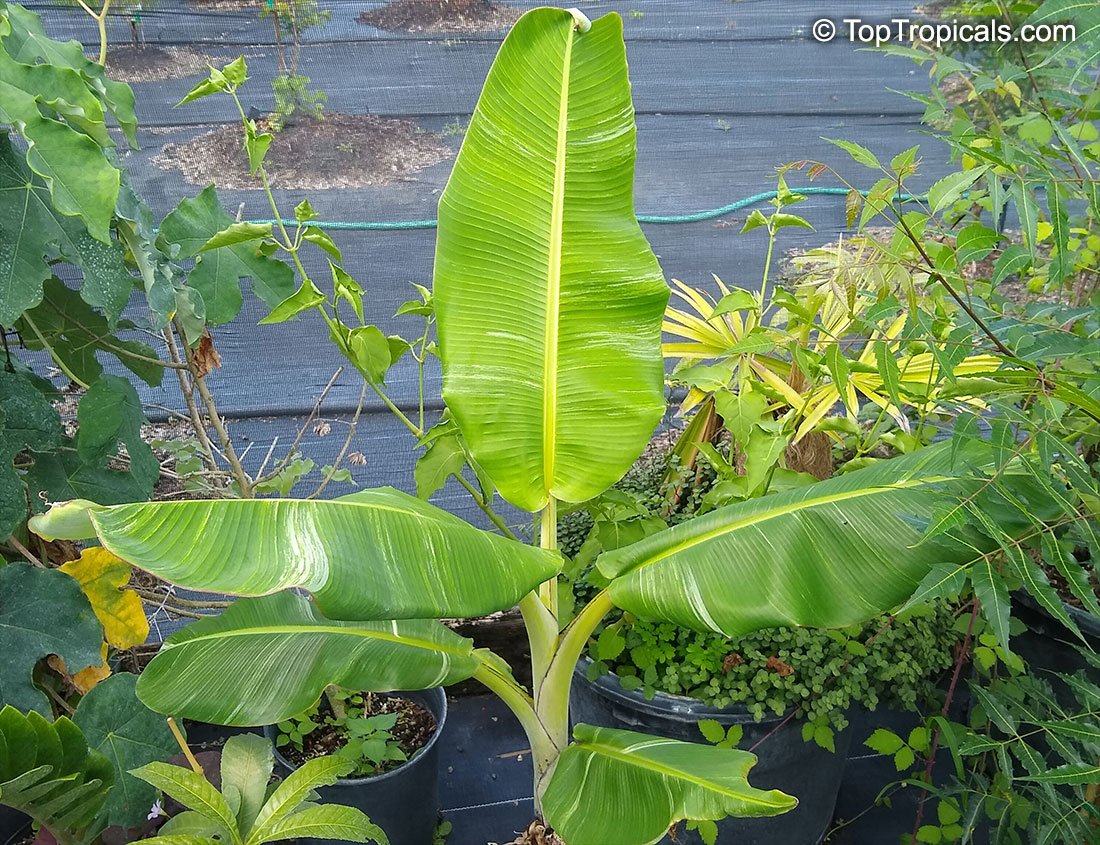
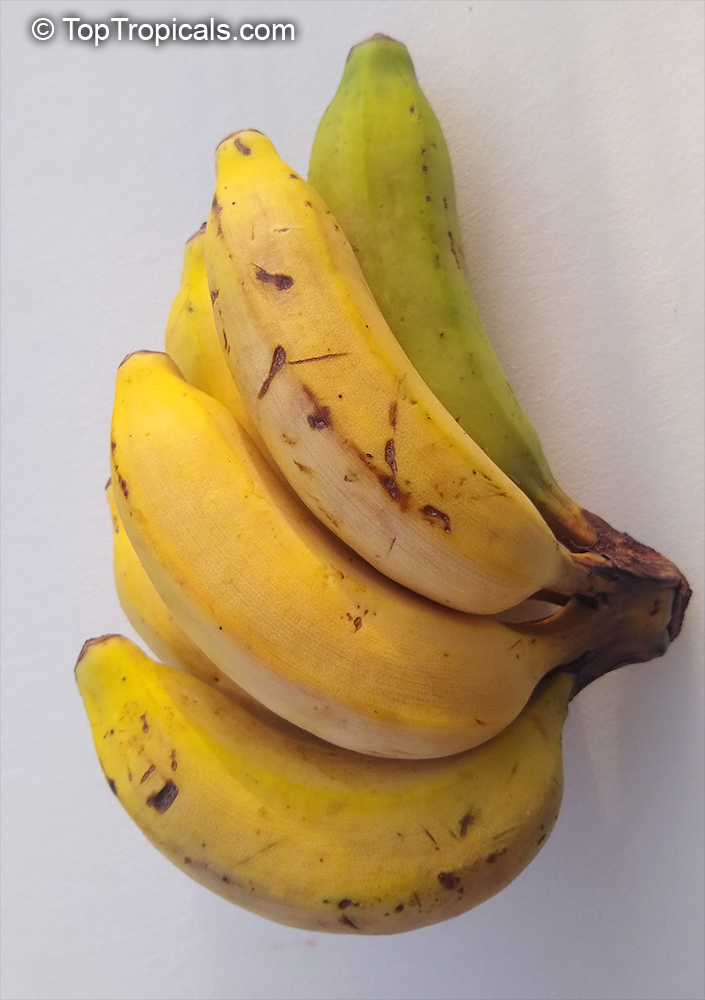
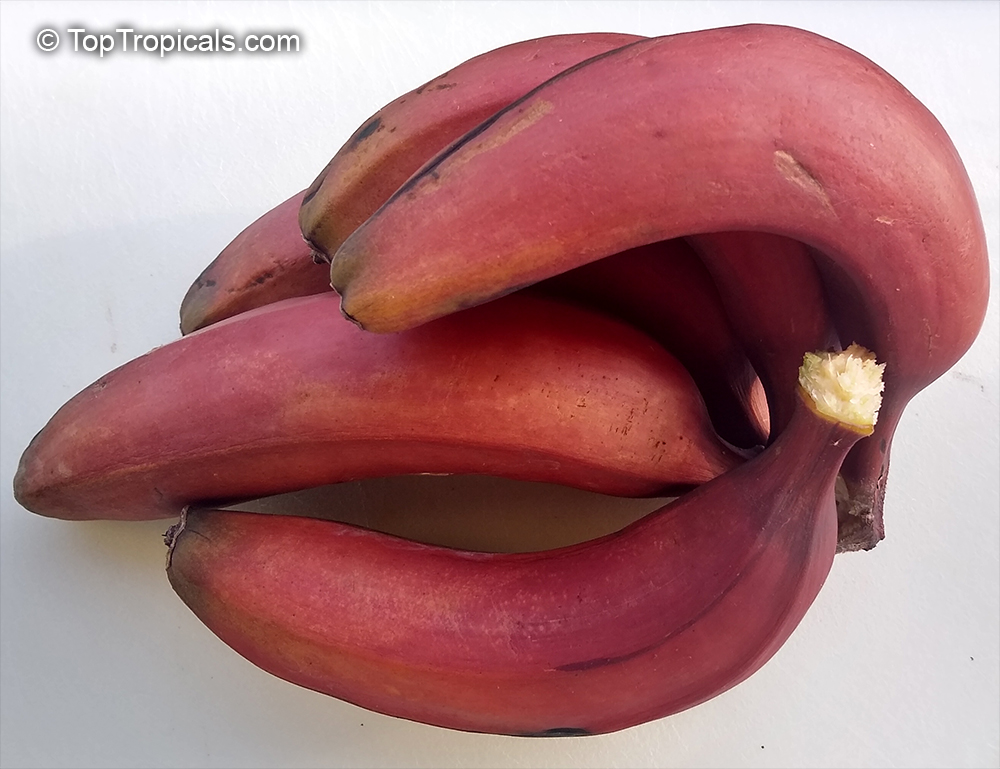
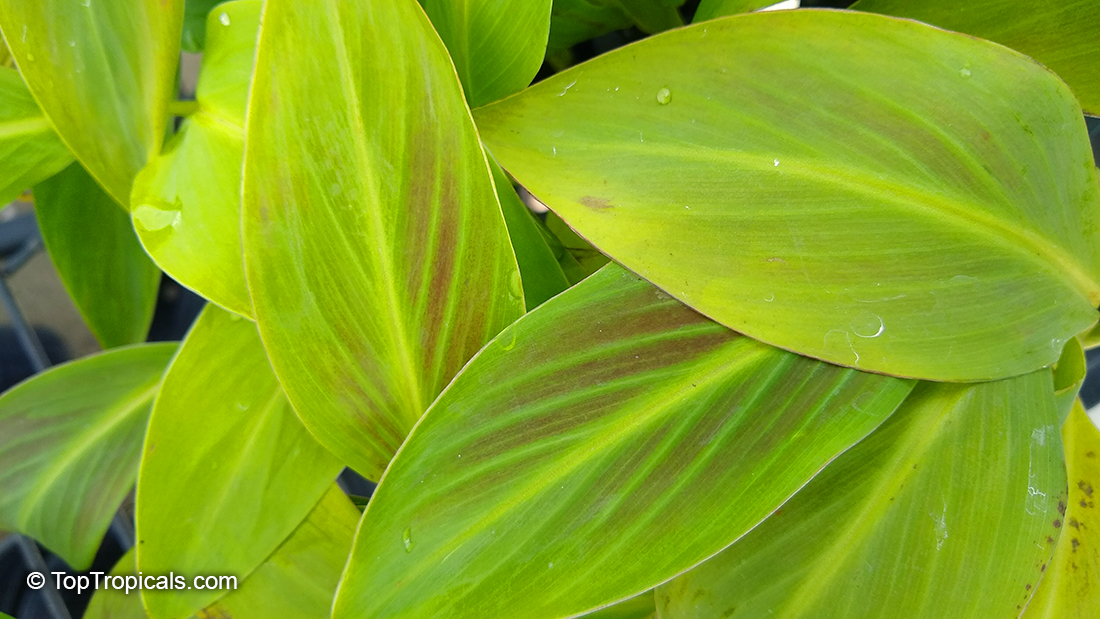
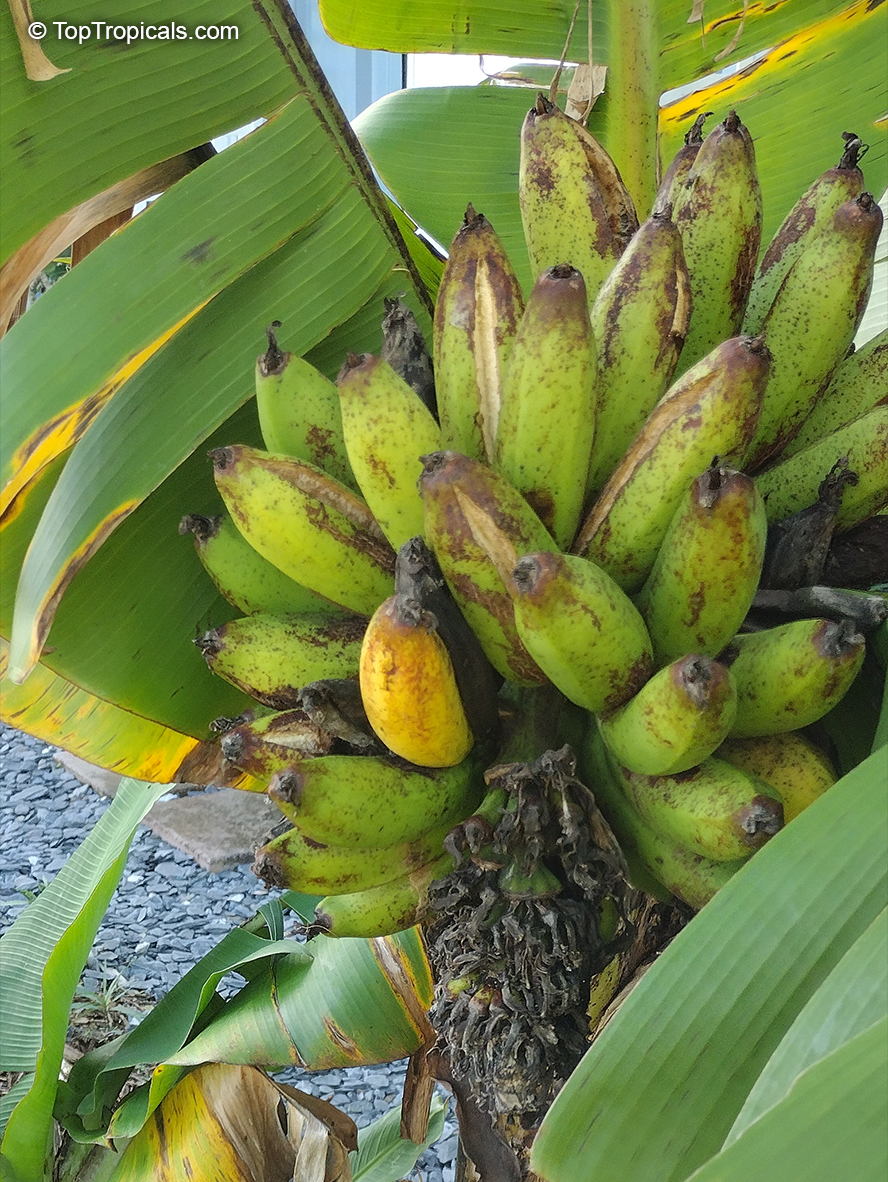
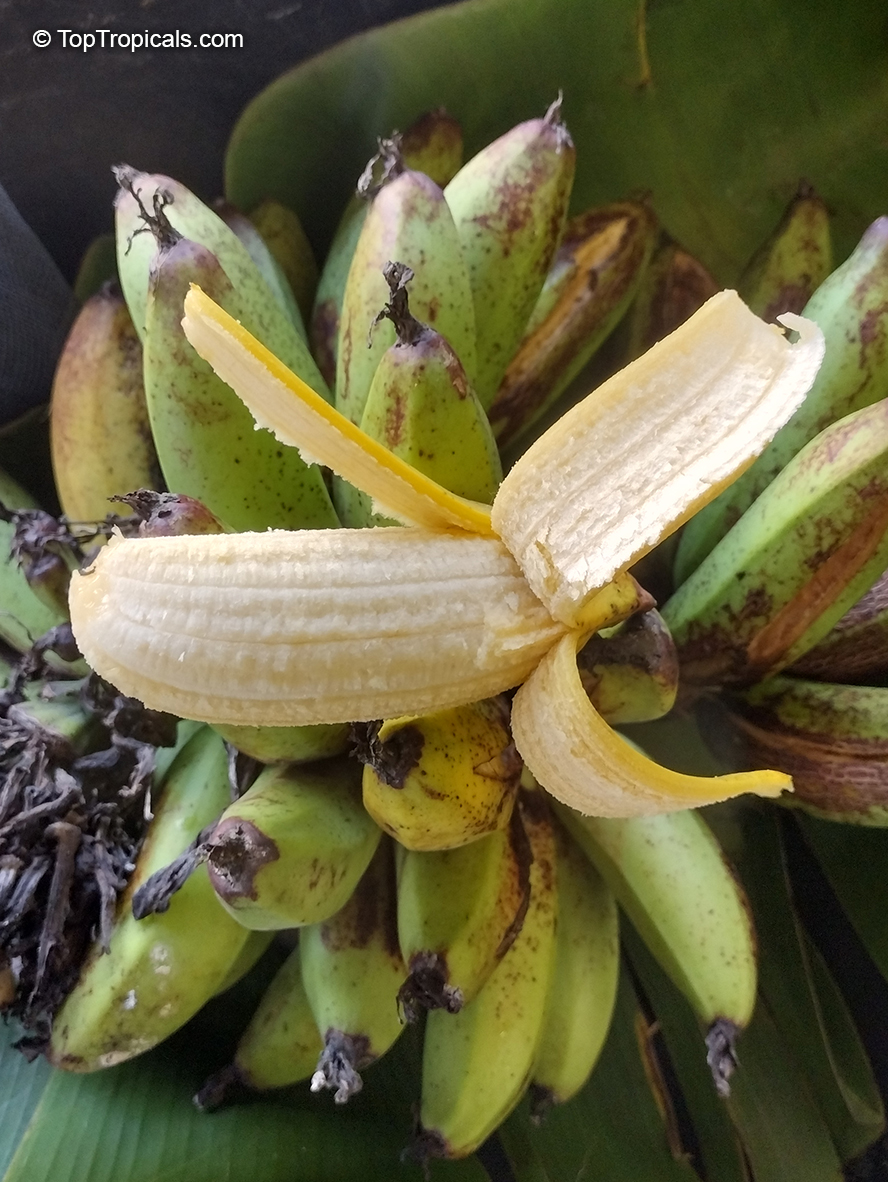
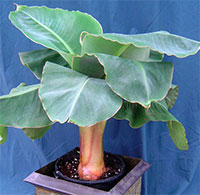
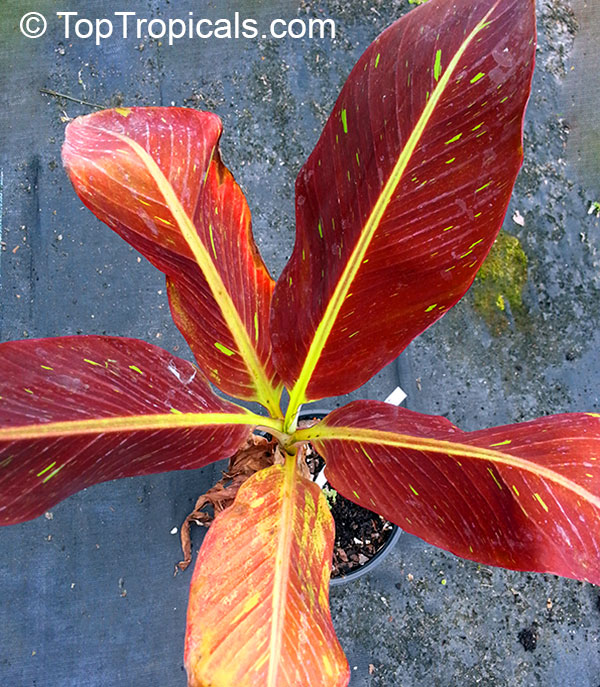
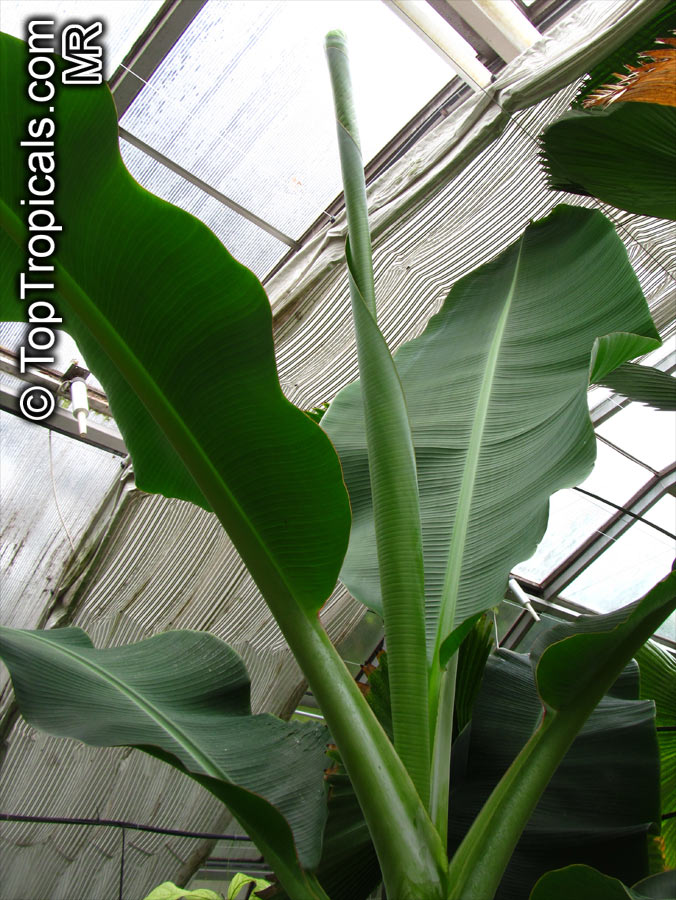
Bananas are fast-growing herbaceous perennials arising from underground rhizomes. The fleshy stalks or pseudostems formed by upright concentric layers of leaf sheaths constitute the functional trunks. The true stem begins as an underground corm which grows upwards, pushing its way out through the center of the stalk 10-15 months after planting, eventually producing the terminal inflorescence which will later bear the fruit. Each stalk produces one huge flower cluster and then dies. New stalks then grow from the rhizome. Banana plants are extremely decorative, ranking next to palm trees for the tropical feeling they lend to the landscape. The banana inflorescence shooting out from the heart in the tip of the stem, is at first a large, long-oval, tapering, purple-clad bud. As it opens, the slim, nectar-rich, tubular, toothed, white flowers appear. They are clustered in whorled double rows along the the floral stalk, each cluster covered by a thick, waxy, hood like bract, purple outside and deep red within. The flowers occupying the first 5 - 15 rows are female. As the rachis of the inflorescence continues to elongate, sterile flowers with abortive male and female parts appear, followed by normal staminate ones with abortive ovaries. The two latter flower types eventually drop in most edible bananas. The ovaries contained in the first (female) flowers grow rapidly, developing parthenocarpically (without pollination) into clusters of fruits, called hands. The number of hands varies with the species and variety. The fruit (technically a berry) turns from deep green to yellow or red, and may range from 2-1/2 to 12 inches in length and 3/4 to 2 inches in width. The flesh, ivory-white to yellow or salmon-yellow, may be firm, astringent, even gummy with latex when unripe, turning tender and slippery, or soft and mellow or rather dry and mealy or starchy when ripe. The flavor may be mild and sweet or subacid with a distinct apple tone. The common cultivated types are generally seedless with just vestiges of ovules visible as brown specks. Occasionally, cross-pollination with wild types will result in a number of seeds in a normally seedless variety. Bananas require as much warmth as can be given them. Additional warmth can be given by planting next to a building. Planting next to cement or asphalt walks or driveways also helps. Wind protection is advisable, not for leaf protection as much as for protection of the plant after the banana stalk has appeared. During these last few months propping should be done to keep the plant from tipping or being blown over.
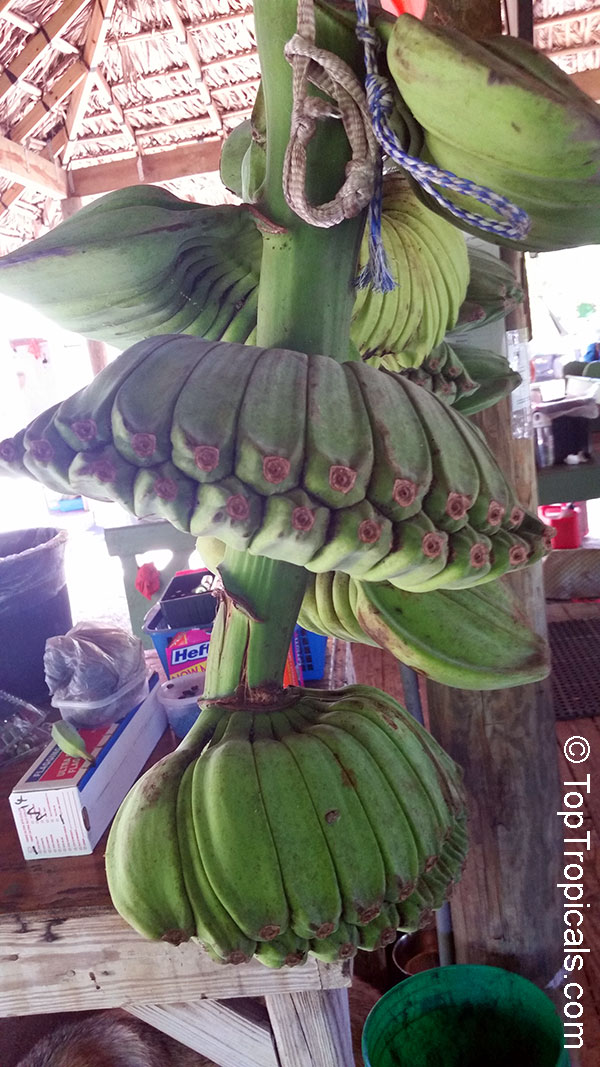
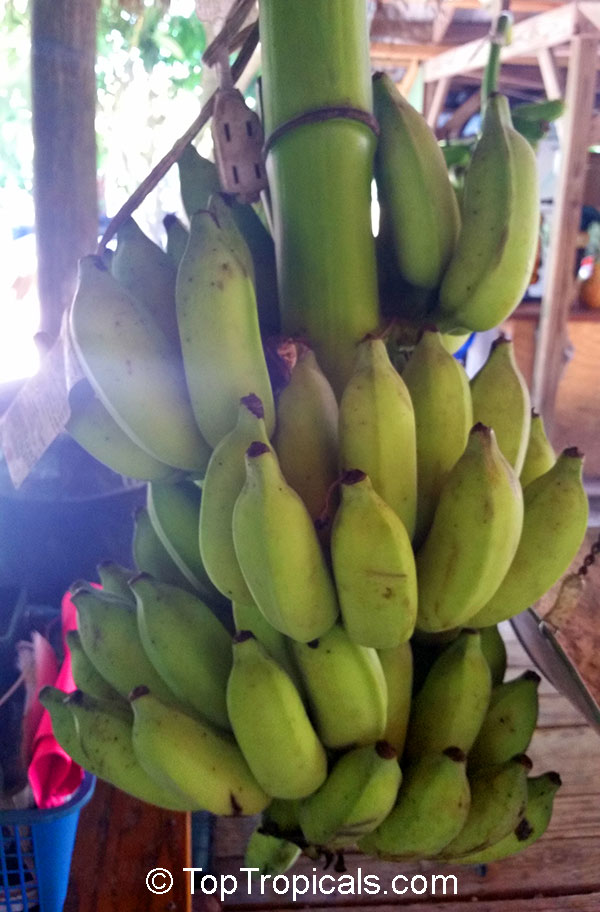
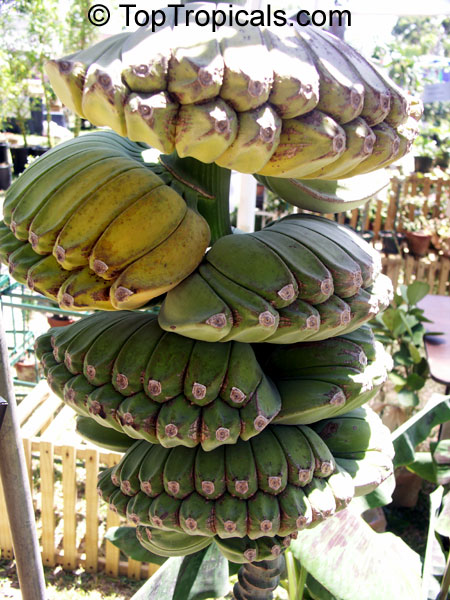
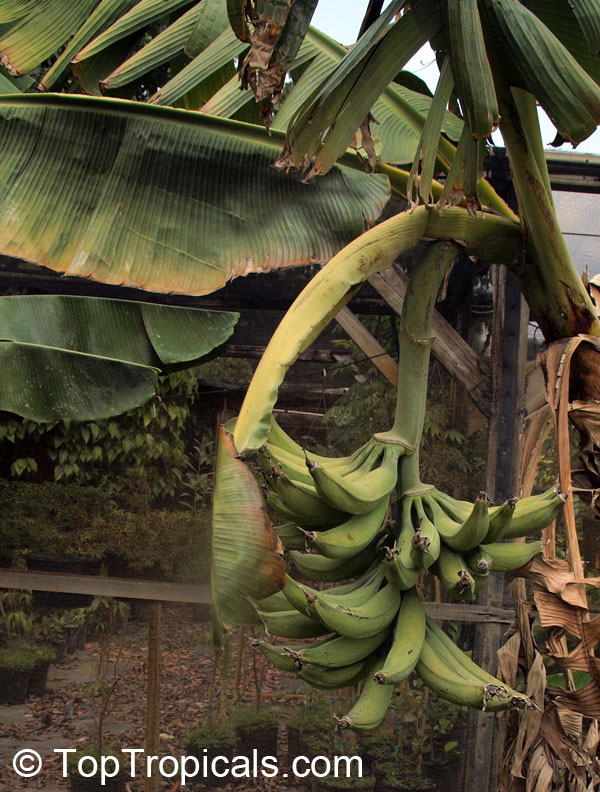
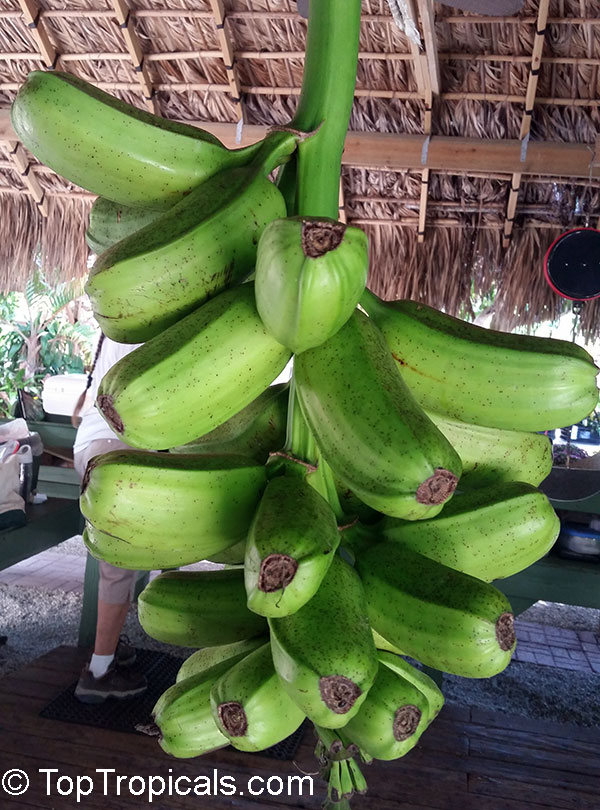
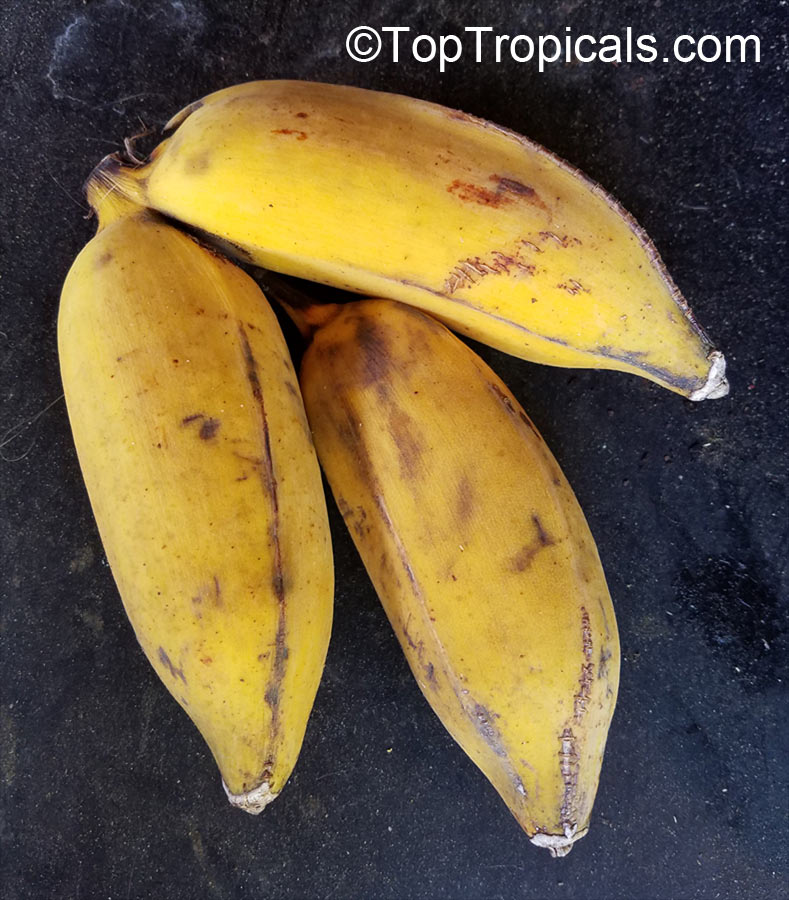
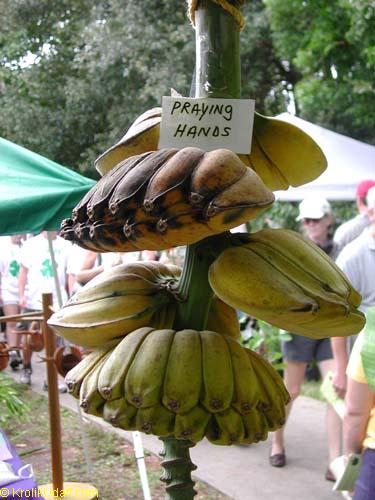
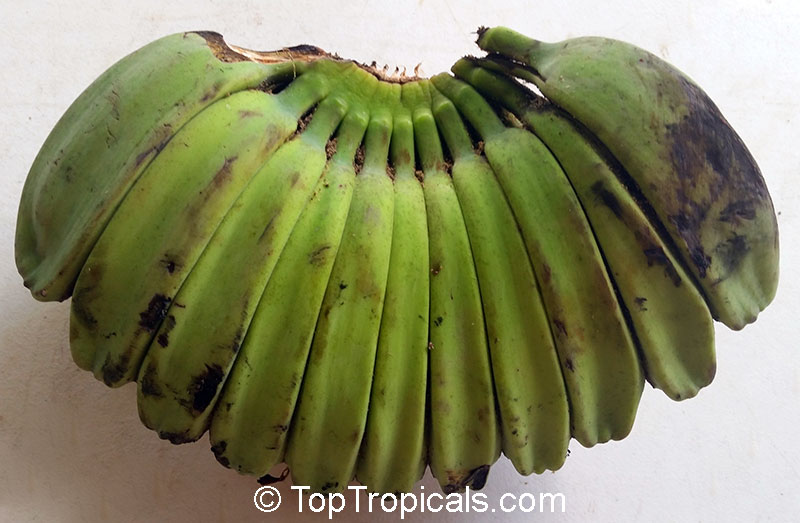
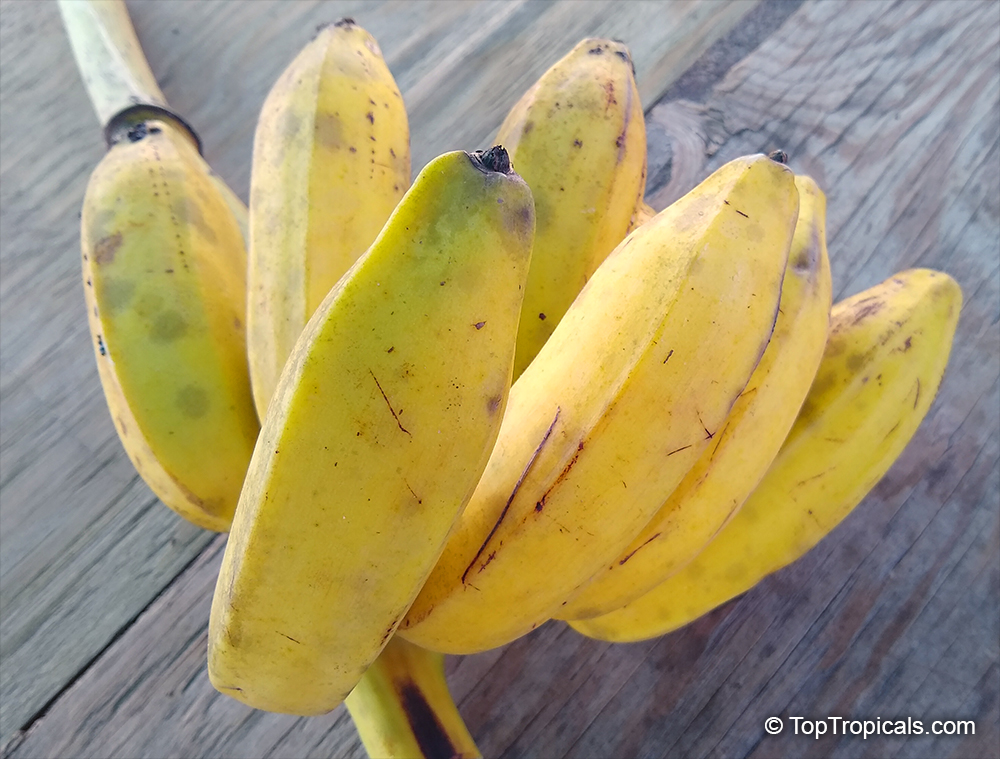
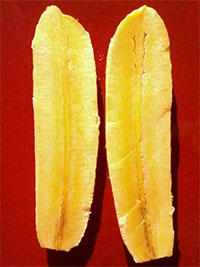
Musa Praying Hands - produces perhaps the most unusual and distinctive of all banana fruits. Two adjacent hands of bananas are fused, giving the appearance of praying hands. This is not just a collectors item, the fruits are delicious ripe, containing a hint of vanilla flavor. When totally ripe, individual bananas can be carefully separated from each other. An excellent all-around plant with some wind resistance; it is very collectible.
Are numerous cultivars of Cooking banana.


Link to this plant: http://toptropicals.com/catalog/uid/musa.htm
 
Musa sp., Banana, Bananier Nain, Canbur, Curro, Plantain

Musa sp., Banana, Bananier Nain, Canbur, Curro, Plantain
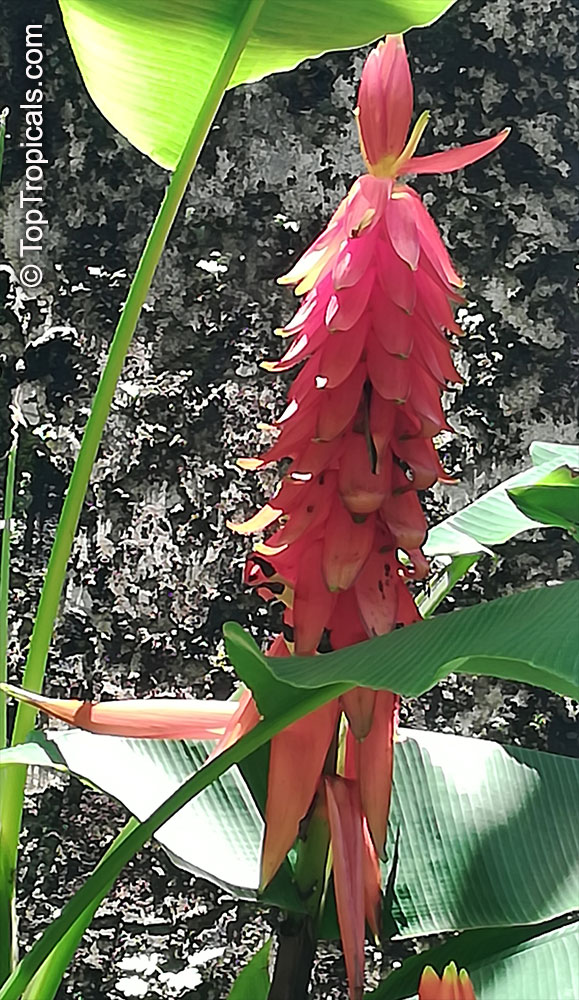
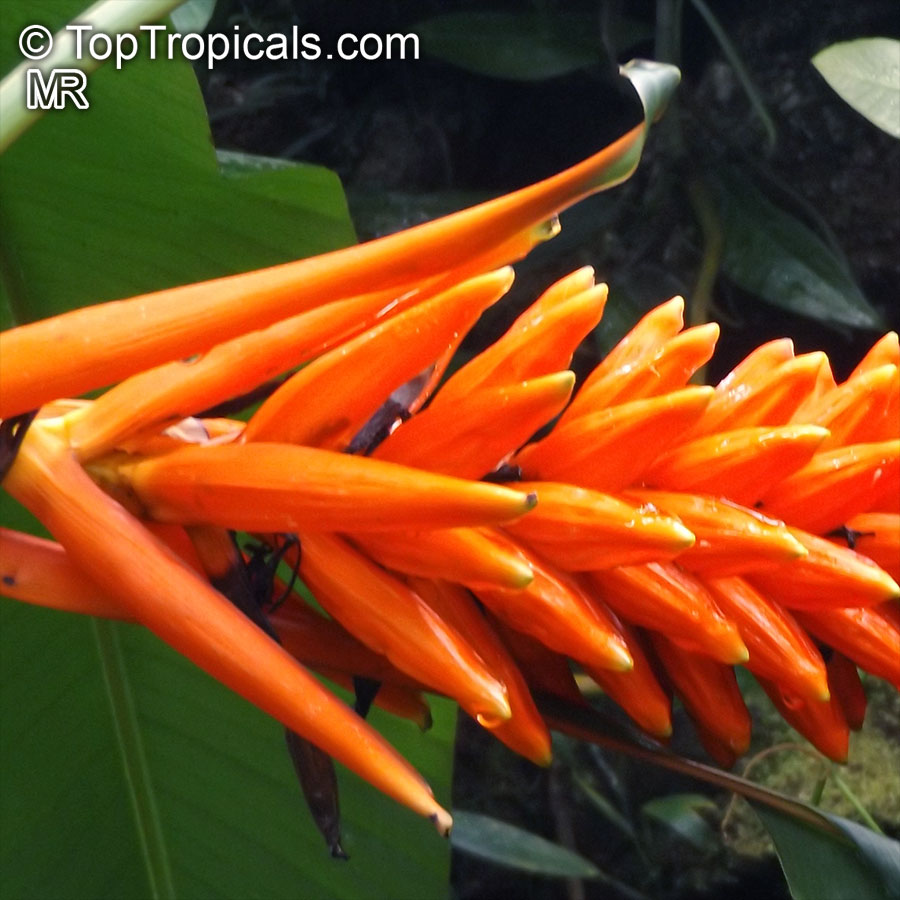
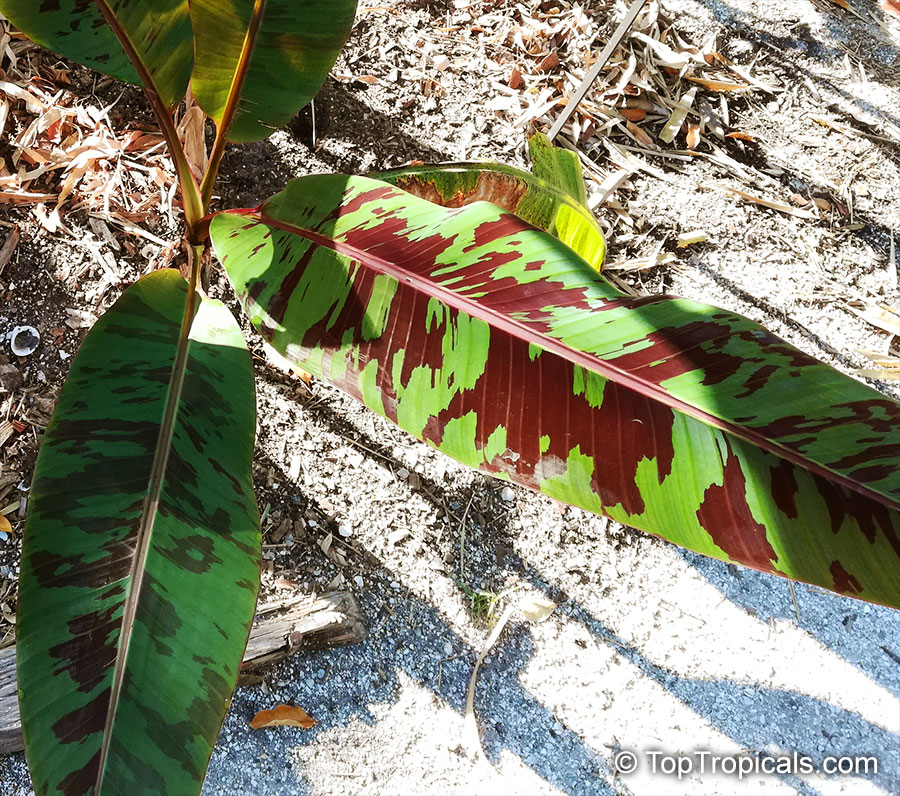
Musa velutina
Musa sp., Banana, Bananier Nain, Canbur, Curro, Plantain
Musa velutina
Musa sp., Banana, Bananier Nain, Canbur, Curro, Plantain
Musa velutina
Musa sp., Banana, Bananier Nain, Canbur, Curro, Plantain
Musa Praying Hands
Musa sp., Banana, Bananier Nain, Canbur, Curro, Plantain
M. acuminata
Musa sp., Banana, Bananier Nain, Canbur, Curro, Plantain
Musa Praying Hands

Show visitors comments (1 Comments)
Add your comments


  ItemSizeAvailability Price ($)   
  2140 Musa acuminata - Banana Dwarf Cavendish
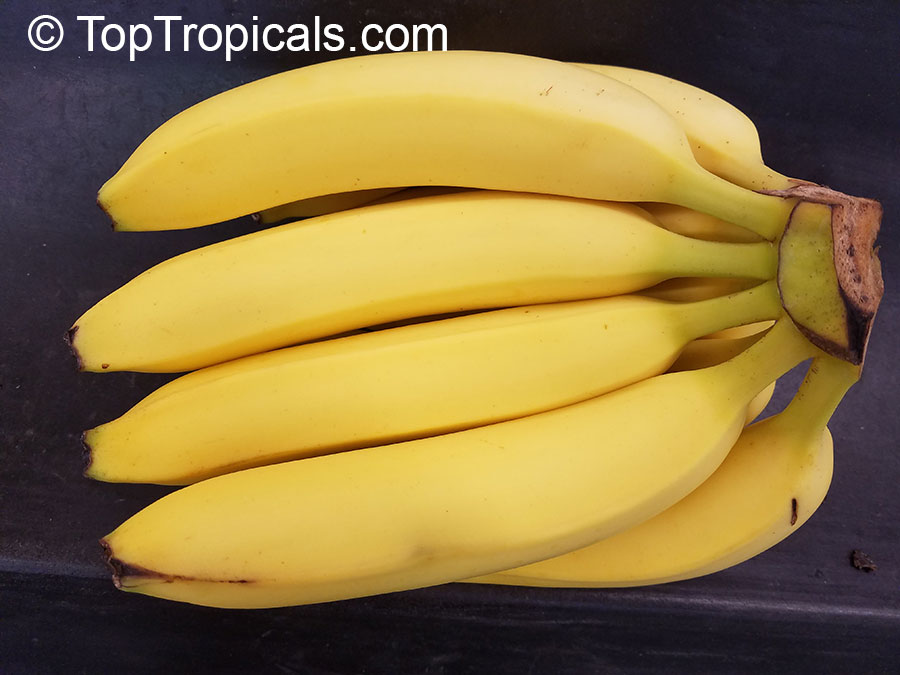
The most popular banana plant varieties in the USA. It is often seen container grown in backyards, the most common variety of bananas grown by the hobbyists, the most popular greenhouse banana. It is a shorter, stubbier plant and was developed to resist plant diseases, insects and windstorms. Green foliage, plant height 5-6 ft. A vigorous banana tree with wider green leaves. A vigorous banana tree with wider green leaves. Juvenile leaves will have some reddish-purple markings, but later leaves will be all green. Leaves measure one foot wide and 5 ft long. This cultivar has found great flavor in Florida as a backyard banana because of its ability to reliably produce fruit with a minimum of care. Fruit matures approximately 100 days after the inflorescence appears. Wonderful sweet tasting fruit. Fruit is of medium size, has a creamier, sweet, smooth texture, and a thin peel. Will bear bunches with up to 90 bananas, each slightly shorter than the “grocery store” varieties. Plants will take short freezes.
 
1-3 gal potBACKORDER - add to wish list    
  3501 Musa acuminata - Banana Dwarf Namwah (Nam Weh)
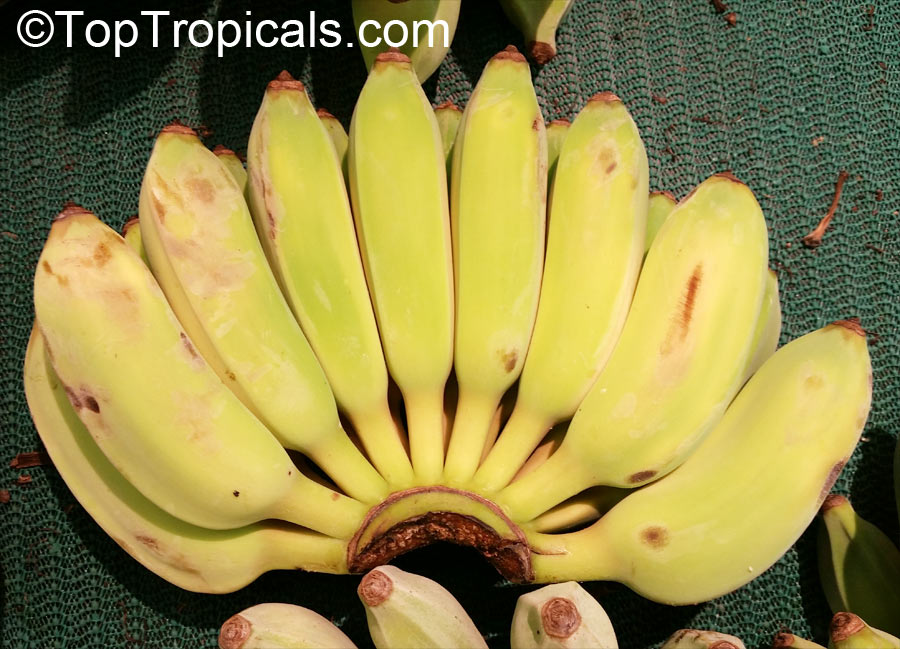
This banana from Thailand is the most commonly grown cultivar in that country. This delicious ladyfinger type dessert banana has been described as having the tastiest, sweetest, highest quality fruit. The tree grows rapidly even in cool areas (hardy zones 8-10), sporting coppery brown young leaves that mature into a lush green canopy about 7 feet high with mauve midribs on the underleaves. The sweet, thin-skinned bananas mature very quickly, even when the flower appears somewhat late in the season. In addition, because it's a dwarf, it makes a great container banana. Large sized bunches of sweet delicious fruitare prized in Indonesia. This banana tree produces fruit that is considered the tastiest, sweetest and highest quality fruit of all. It is drought resistant and vigorous. Fruit, growth habit, and hardiness are very similar to the 'Ice Cream' banana, but Nam Weh is disease resistant and lacks the silvery-colored peel. Grown extensively in Thailand. Drought resistant.
 
1-3 gal pot, large plantBACKORDER - add to wish list    
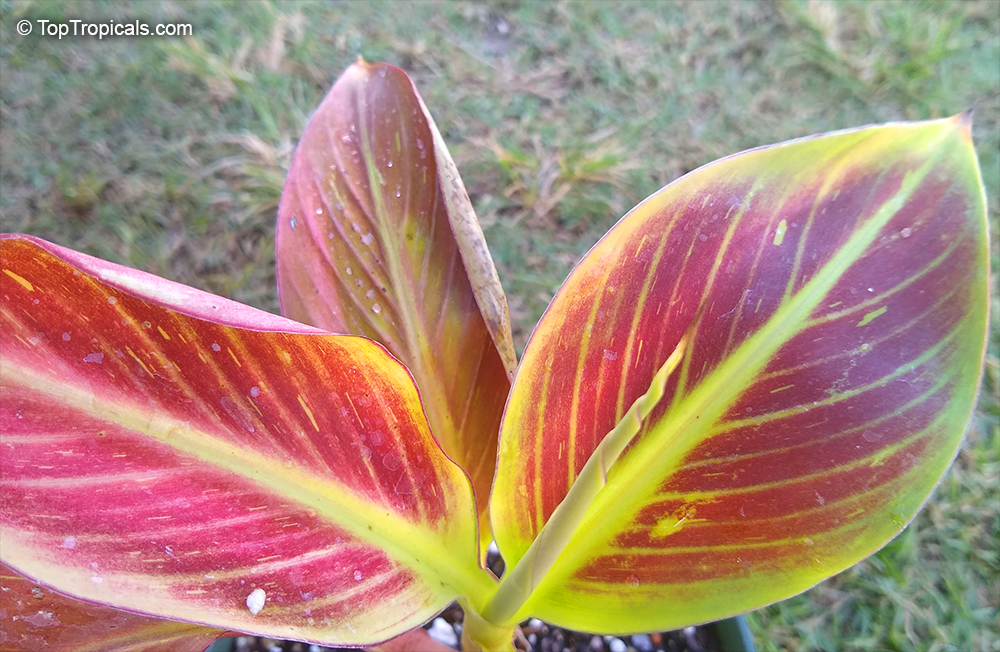
  3536 Musa acuminata - Banana Dwarf Puerto Rican
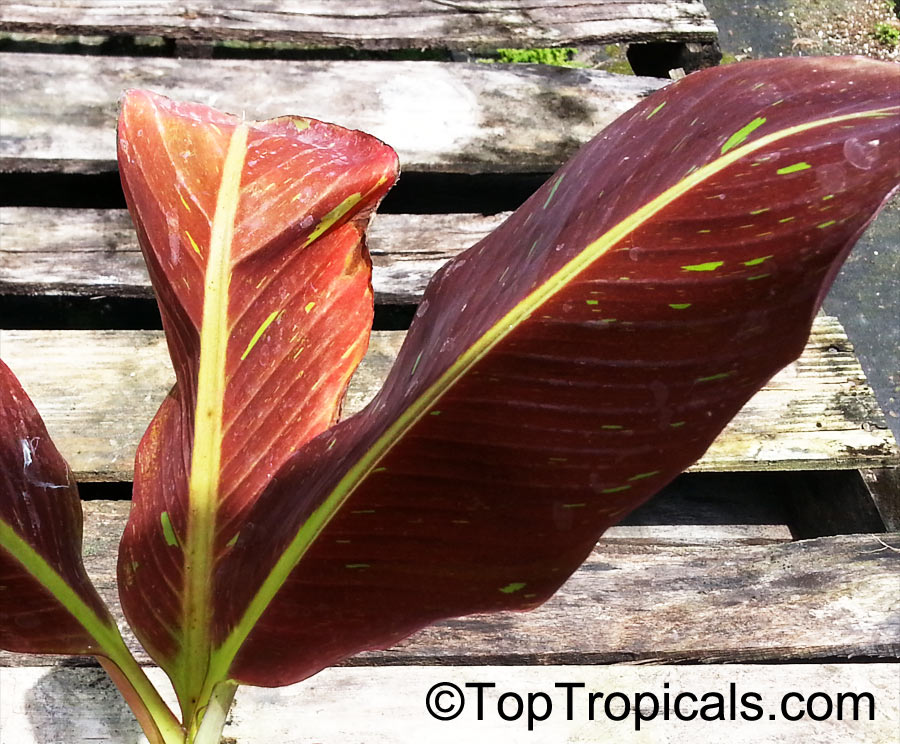
A dwarf mutant plantain. The heads of fruit are a little larger than the original Plantain bearing seven to nine hands of fruit. The shorter trunks of the dwarf plantains are thicker than the tall ones and because of this are more resistant to the wind and rarely fall over from the weight of their own fruit. It is widely grown in Puerto Rico for its taste and cooking qualities. The majority of plantains grow tall, but this one is an exception. It has a distinctive bronze colored trunk and leaves. Plant in a warm and well-protected site with optimal growing conditions.
 
1-3 gal pot3 plant(s) in stock 
24.95  
 
  3537 Musa acuminata - Banana FHIA-21 Plantain
The pseudostem has a shiny (not waxy) appearance. The fruit color is light green yellow when ripe and is great for cooking (green), thick chips (green), fried (ripe), Marmalade (very ripe). Its resistance to diseases, high yields and excellent quality have made it a popular fruit that may be consumed fresh or processed. This variety is currently being grown by many small farmers and co-ops throughout Honduras with excellent results. Under similar conditions FHIA-21's yield may surpass the traditional Cuerno plantain variety by two or three times.
 
1-3 gal pot, large plant1 plant(s) in stock 
24.95  
 
  3502 Musa acuminata - Banana Goldfinger (Gold Fingers)
Developed in Honduras. Very strong plant with stout base, rapid growing, mostly green leaves. Excellent tasting fruit, with a tart note that's almost citrusy, slightly sub-acid, refreshing, gets 6-8 inches long or better. Medium size plant with broad leaves is disease resistant, wind and cool tolerant and is easy to grow. Cold tolerant and disease resistant. Developed to be commercial export banana. Outstanding fruit production. It can support 100 lbs. of fruit without propping and produce a raceme in under a year. It is best ripened on the plant. The texture of the fruit at maturity is rather softer than Cavendish. Fruit will not turn brown when diced. It is good eaten fresh or used in cooking. Overall this variety takes longer to mature than most others but also seems the most cold tolerant. It produces good crops even in soils of marginal quality or areas of lower humidity. It is notably more resistant to rot in cold, wet winter soils but still needs rich, well drained soils in order to survive.
 
3 gal pot, very large plant1 plant(s) in stock 
24.95  
 
  3535 Musa acuminata - Banana Mona Lisa
Mona Lisa Banana is so-called because scientists thought it a work of art. It is being harvested on a small coastal plantation in Guapiles, an hour-and-a-half drive from Costa Rica's capital, San Jose. Good wind resistance, cold tolerant. Very good tasting Banana. It is a synthetic hybrid marketed as a "pesticide-free". It is ripe when it is greenish yellow in color. Has arching, decumbent foliage. It is a fast re-cropper. Resistant to disease, robust, drought resistant. This variety is highly colored and quite ornamental. Clusters range in the 30-80 lb. range. Tolerant to nematodes. Is being grown commercially in Cuba (where it is eaten primarily as a ripe dessert banana) and Grenada. Adapted to a wide range of climates, including subtropical conditions and high altitudes.
 
1-3 gal potBACKORDER - add to wish list    
  3503 Musa acuminata - Banana Pisang Ceylon
One of the most popular and delicious thin-skinned lady finger bananas with a hint of strawberry flavor. Popular in India and Pakistan, the it is an important commercial crop for that area of the world. The shelf life outlasts any other by several days. They are sturdy and resistant to most problems as well as fast growing. The root system on this banana is so strong that it never blows over from high winds. The trunk is dull rust in color, and the leaf has a dark red midrib. The delicious flavor is exciting to those who are searching for a new banana taste. A slightly acid flavor offsets the sweetness, just enough to make it interesting. There are no disease or pest problems. Leaves and trunk are ornamental, with splashes of red, black, and purple. The bunches of yellow fruit are tightly packed. It is fairly wind tolerant, vigorous, and productive.
 
1-3 gal pot, large plantBACKORDER - add to wish list    
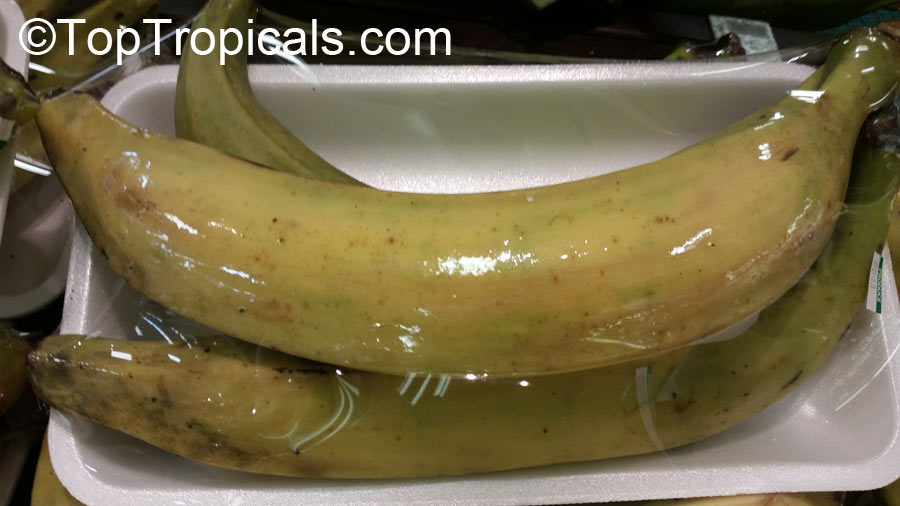
  3538 Musa acuminata - Banana Super Plantain
This is a popular variety. The fruit is terrific and is a staple of Caribbean and Latin cuisine. Plantains are used for cooking. The plants are usually large, vigorous and resistant to diseases. Plantains are hybrid bananas in which the male flowering axis is either degenerated, lacking, or possesses relics of male flowers. Plantains are always cooked before consumption and are higher in starch than bananas.
 
1-3 gal pot, large plant1 plant(s) in stock 
24.95  
 
  3505 Musa acuminata - Banana Williams
A commercial Banana variety. Beautiful full green plant that is one of the main bananas of commerce. This banana plant grows to 8-10'. Produces very large heads of fruit that are sweet and delicious. They are wind resistant and cold hardy. Is the main commercial variety in Australia and Hawaii, increasingly popular in South Africa. The plant needs more protection from the wind and the larger bunches require propping, but the plant withstands cool winter temperatures. This is a very desirable variety that produces grocery store type bananas. The stem is touched with a dark brown coloring. Leaves are tall and broad. The fingers are 6-8 inches long with yellow skin and a tapered tip. Yield is about 9-12 hands per 60-90 pound bunch, 9-12 months from plant to harvest. reported to be able to produce heads up to 150lb. This fast growing plant prefers full sun and rich , moist fertile soil.
 
1-3 gal pot, large plantBACKORDER - add to wish list    
  3504 Musa acuminata - Banana Zan Moreno
Zan Moreno is Extra Dwarf Cavendish variety poducing a sweet, creamy great tasting fruit. Plant is slower growing, slower to flower, and has a smaller bunch, but fruit quality is excellent. More of an oddity. One of the smallest fruiting bananas. Average hardiness. Colorful bracts and maroon stains on short broad foliage. A strong grower. Productive and sturdy, it has good-quality fruit and is an excellent plant for a raised bed or large container.
 
3 gal pot3 plant(s) in stock 
24.95  
 
  3584 Musa acuminata - Thousand Fingers
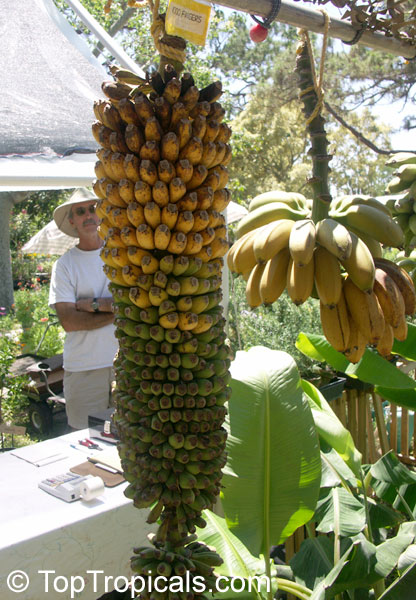
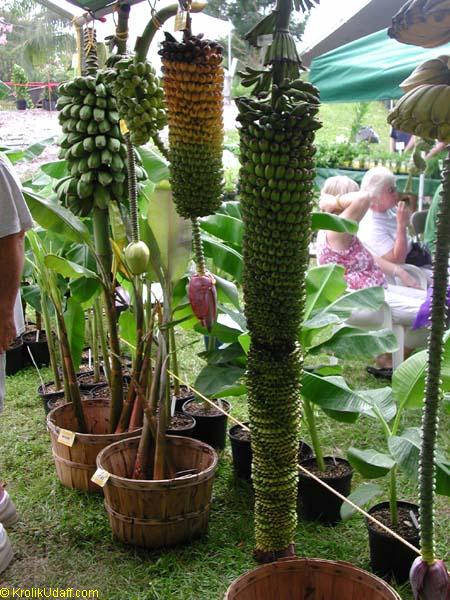
A great conversation banana. This novelty is as unique as it is beautiful. It produces a stalk of tiny bananas that can continue to make fruit until it reaches the ground (sometimes 5 ft. or more). Produces many hundreds of sweet 3-3" fruits on long 8' racemes. The flower bud keeps setting fruits as long as the plant can nourish it. A large grower that likes a hot summer. The fruits don't become bitter when very ripe and seem enormously resistant to bruising. Those with blackened skins can usually be peeled to reveal fruit that is essentially undamaged beneath except they sometimes get slightly corky directly under the worst areas. The texture is smooth, dense, and very creamy, creamy yellowish in color but sometimes with an orange tint. Flavor is very sweet, fragrant, and slightly acidic. It is supposed to be relatively cold resistant but should be used in warmer summer areas. Stalk often weakens and arches over just before flower apppears. Should be supported.
 
3 gal pot, large plant4 plant(s) in stock 
44.95  


CPU time used: 0.00 sec

Back to: Catalog Search (in English) || Order page || Russian Catalog Search

Using Top Tropicals images:
- For noncommercial use: feel free to use our pictures with our copyright provided. If need to re-size our photo, you must reprint our legible copyright ©TopTropicals.com ON THE IMAGE. You may contact us for higher resolution originals.
- For commercial use: see Terms of Sale and Rates

© TopTropicals.com - http://toptropicals.com, 2002 -
© UKROP.info - http://ukrop.info, 2002 -
© KrolikUdaff.com - http://krolikudaff.com, 2002 -

Tropical plants and seeds sale - online mail order: fragrant flowers, ethnic fruit, exotic, rare and unusual. Identification catalog.
Top Tropicals Botanical Garden / Wholesale and Retail Nursery / Punta Gorda - Florida - USA