Pictogram Guide · Mouse over pictogram for definition
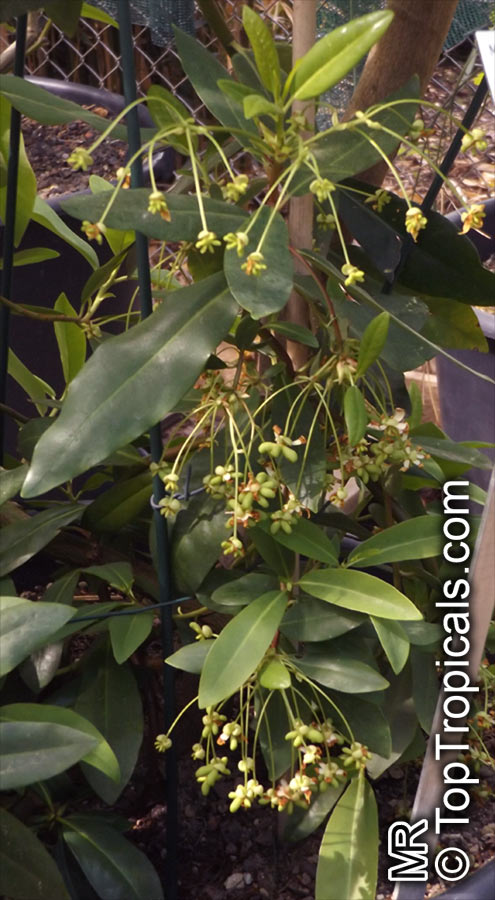
Drimys winteri
Winter's Bark, Canelo, Casca de antaFamily: Winteraceae
Origin: Chile and Argentina



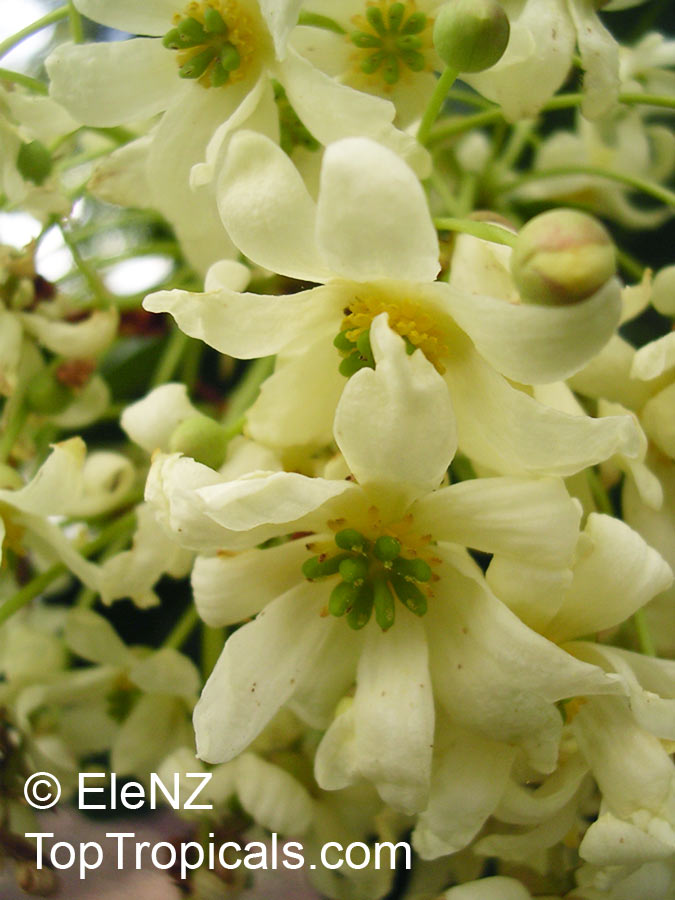
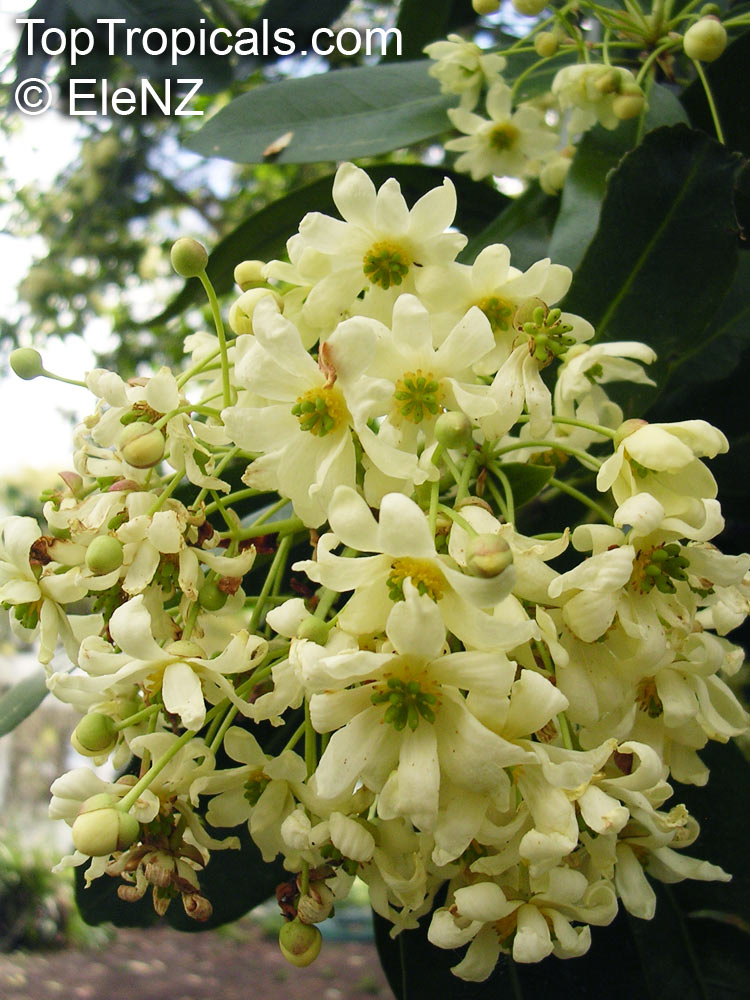
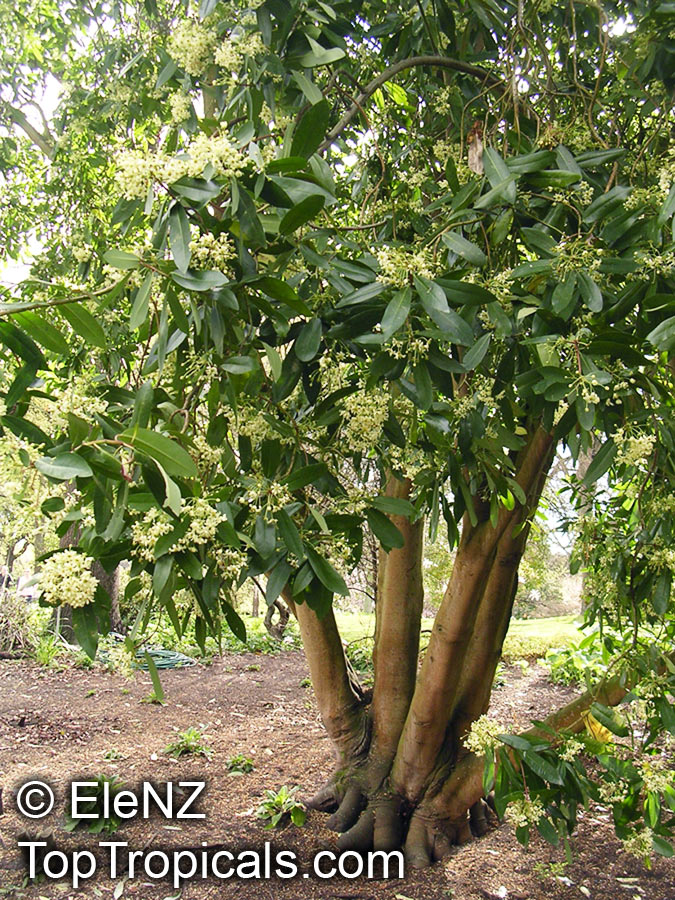
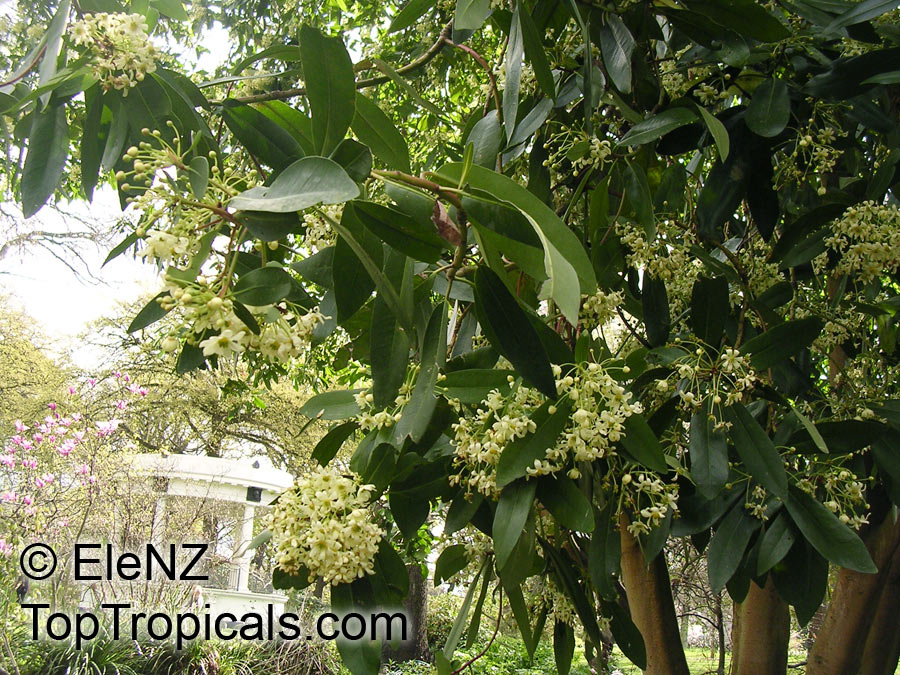
This evergreen tree grows 4-8 meters in height with a trunk 30-40 cm in diameter. It produces an abundance of small pretty white flowers with yellow centers in clusters, and a small round green seedpod with black seeds inside. The leathery, aromatic leaves have a peppery smell when crushed and are sometimes used as a condiment. The aromatic bark is used to treat certain stomach problems. The tree was named after a Captain Winter, who discovered the healing properties of the tree bark while on Sir Francis Drake's expedition from England and it became known as "Winter's Bark."
In Brazilian herbal medicine, casca de anta is highly recommended for all types of stomach and gastric disorders including dyspepsia, dysentery, nauseau and vomiting, intestinal pain, and colic. It is also employed for fever, anemia, toothaches, dematitis, and debility. In some areas of the Brazilian amazon it is sometimes used as a substitute for quinine in treating malaria and other feverous conditions.
Drimys winteri grow best in full sun to light shade with intermediate temperatures. The plant should be grown in a well-drained soil. They like to stay evenly moist and wilt very quickly if they dry out to much.
Drimys winteri are propagated by layers or by seed in spring.